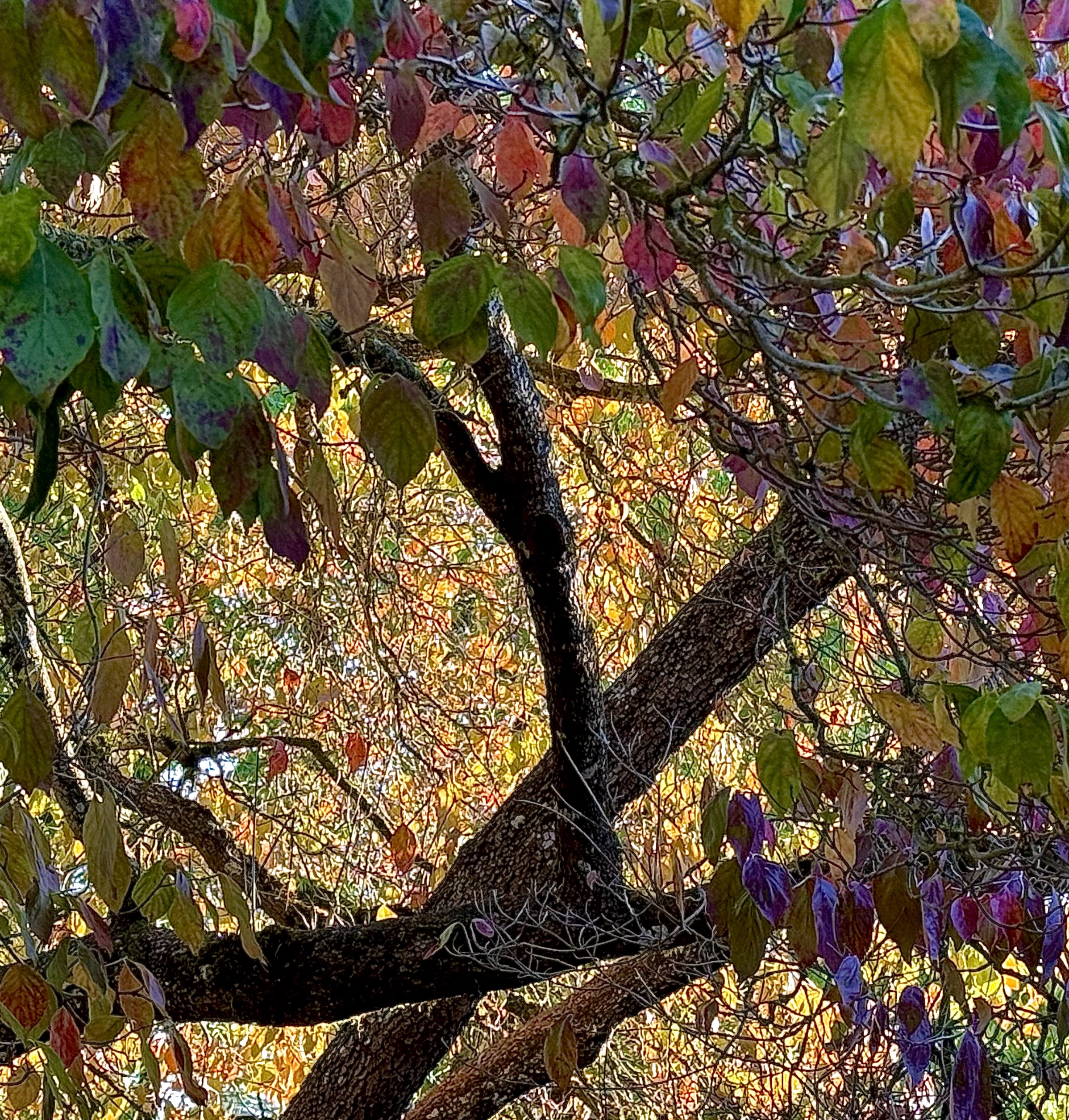
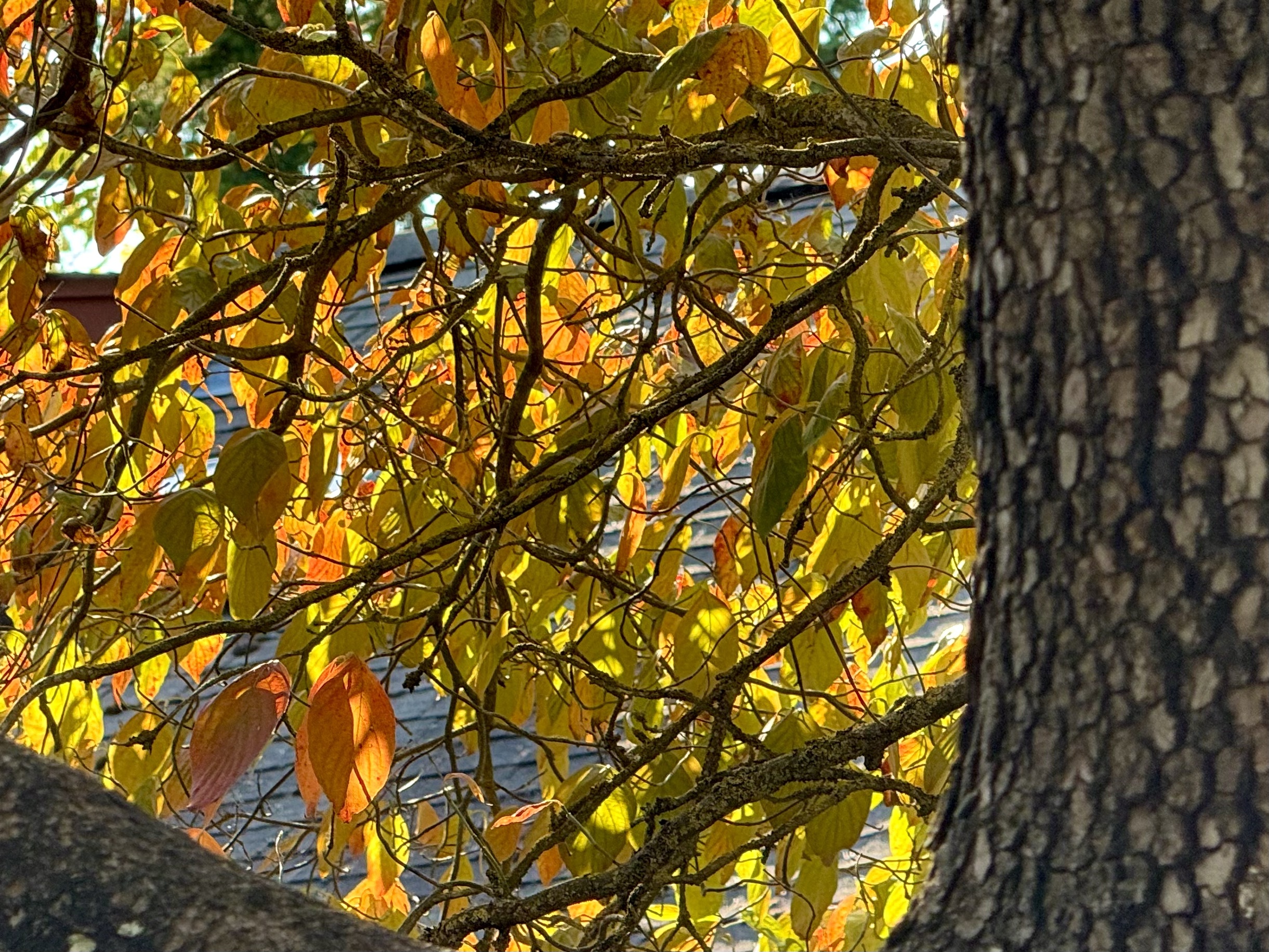
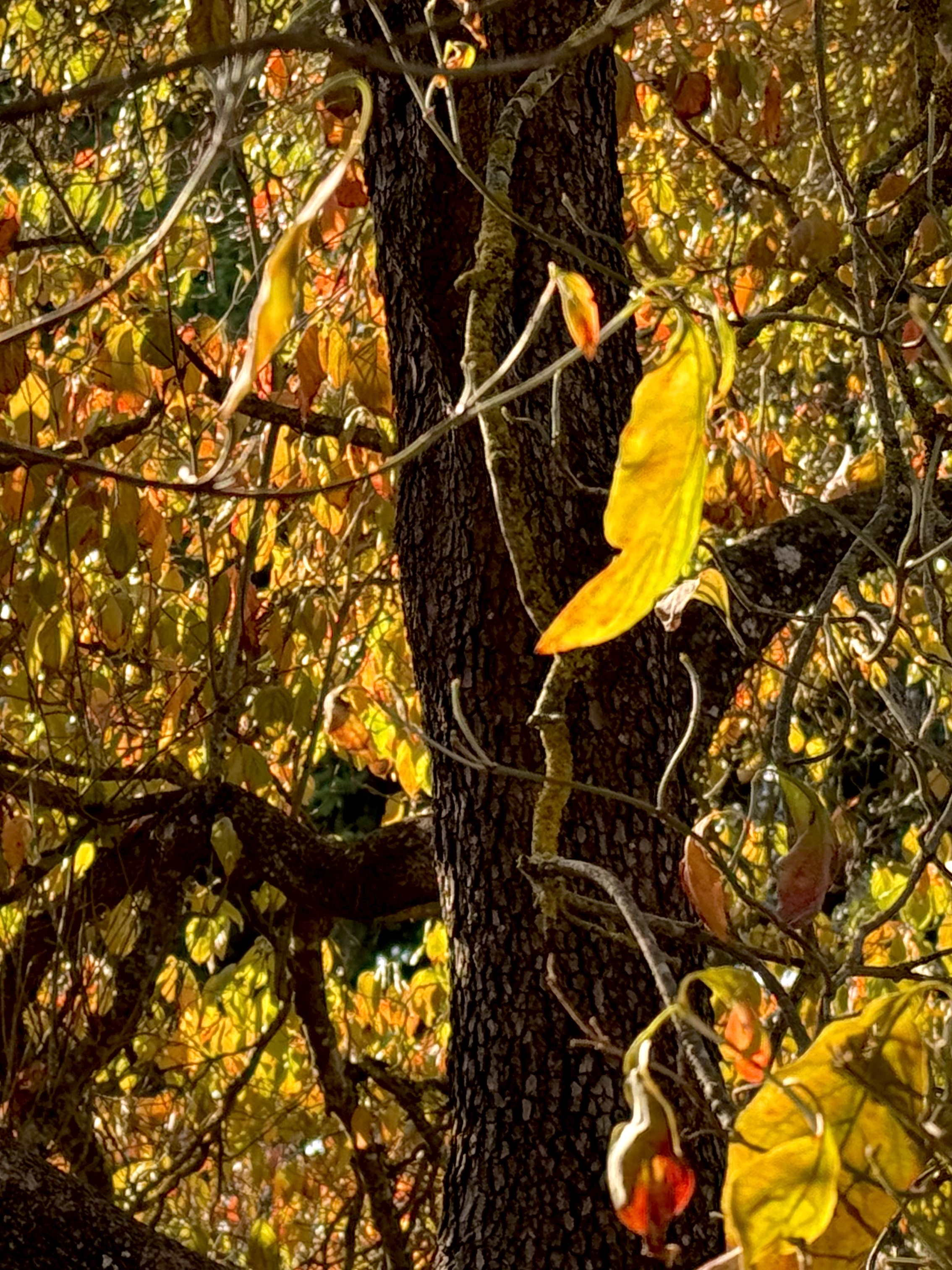
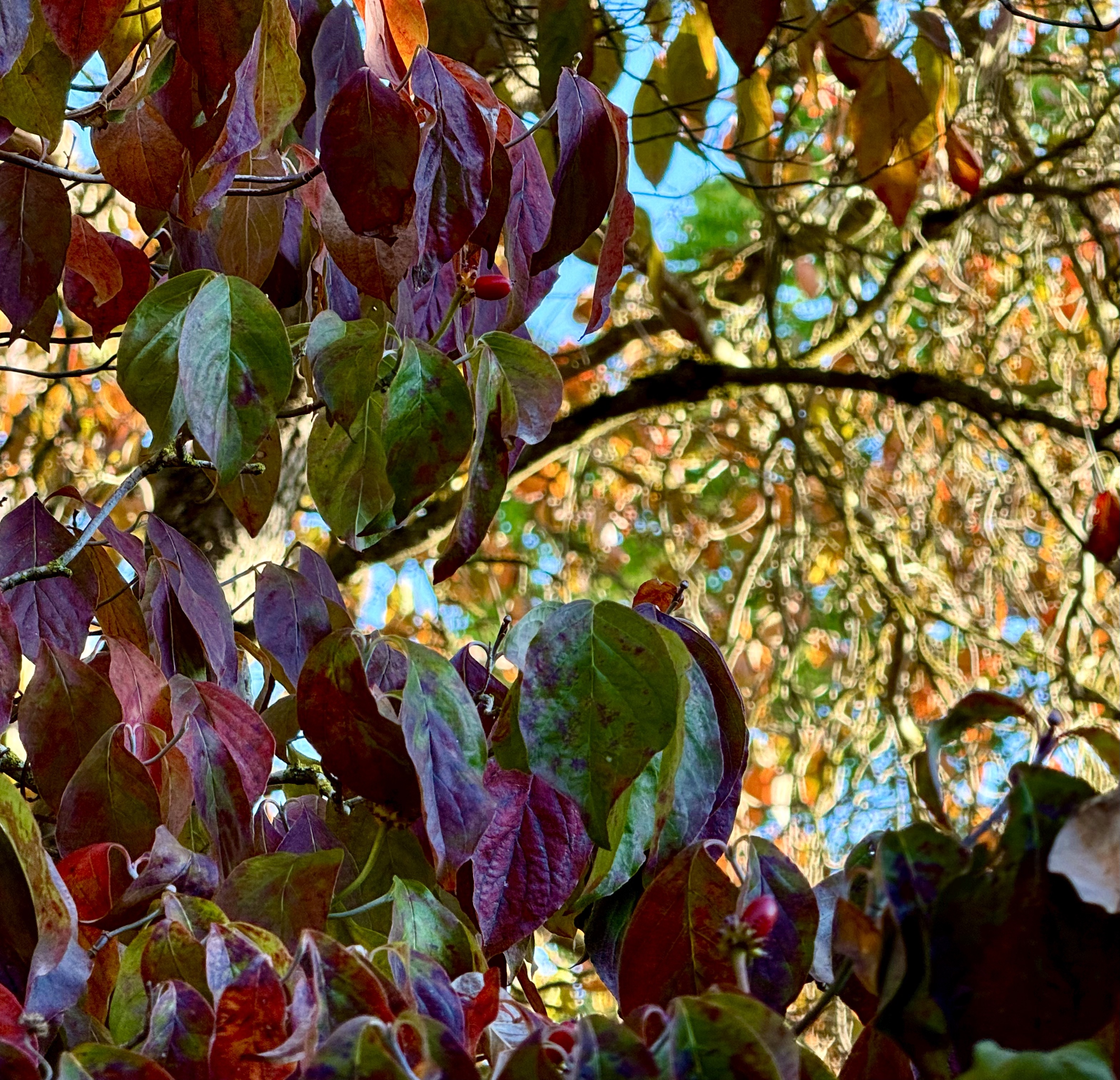
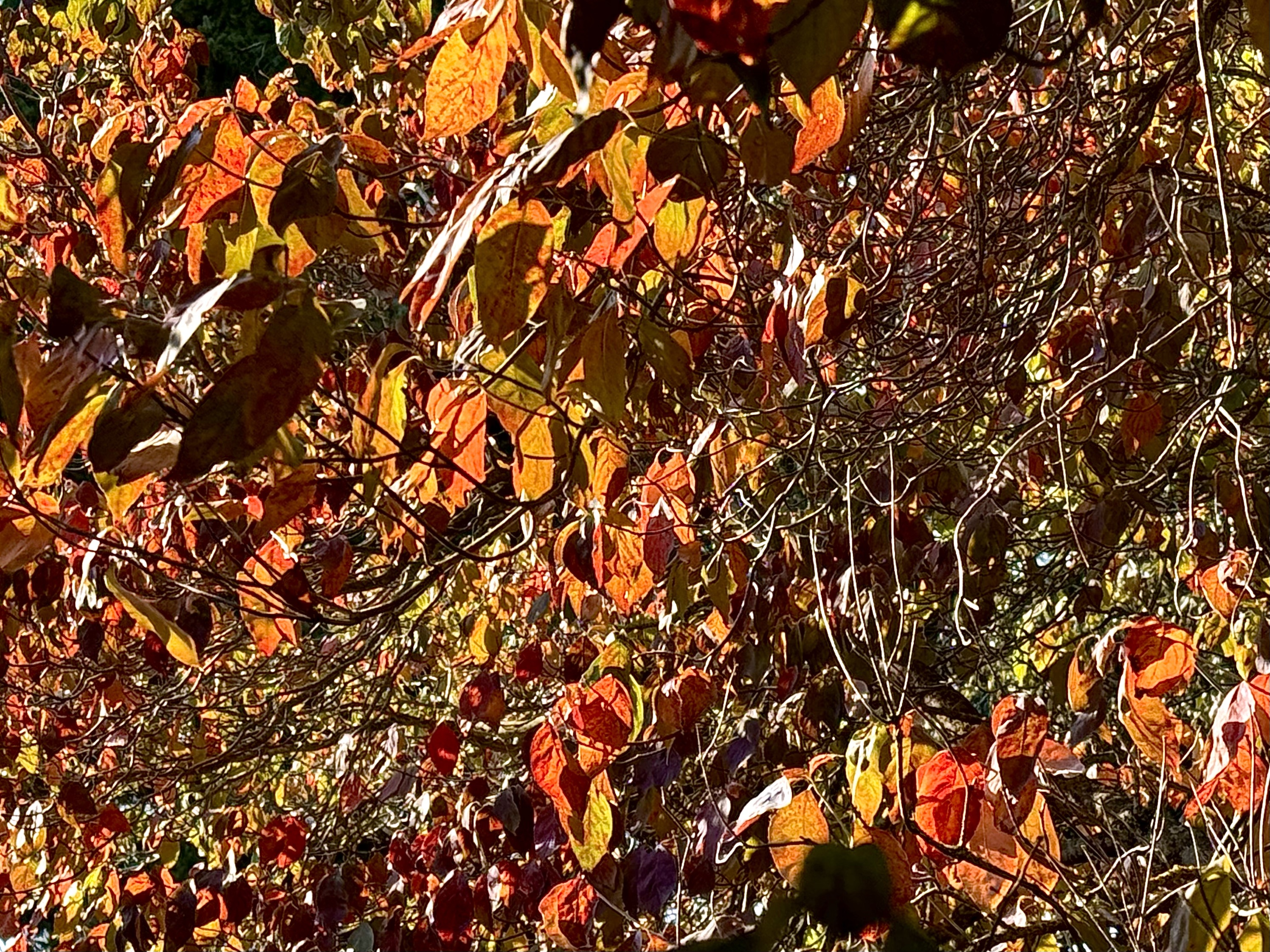
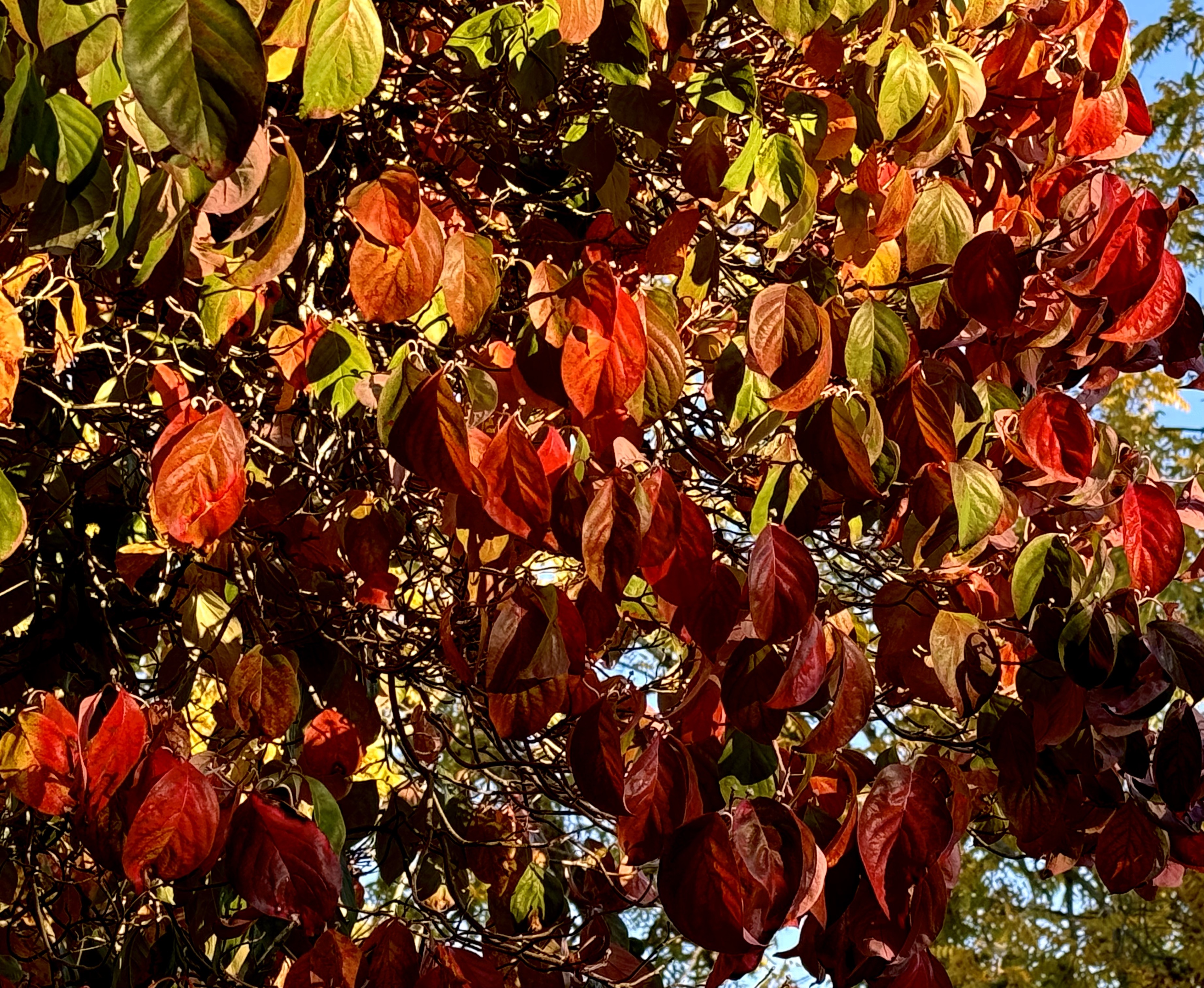
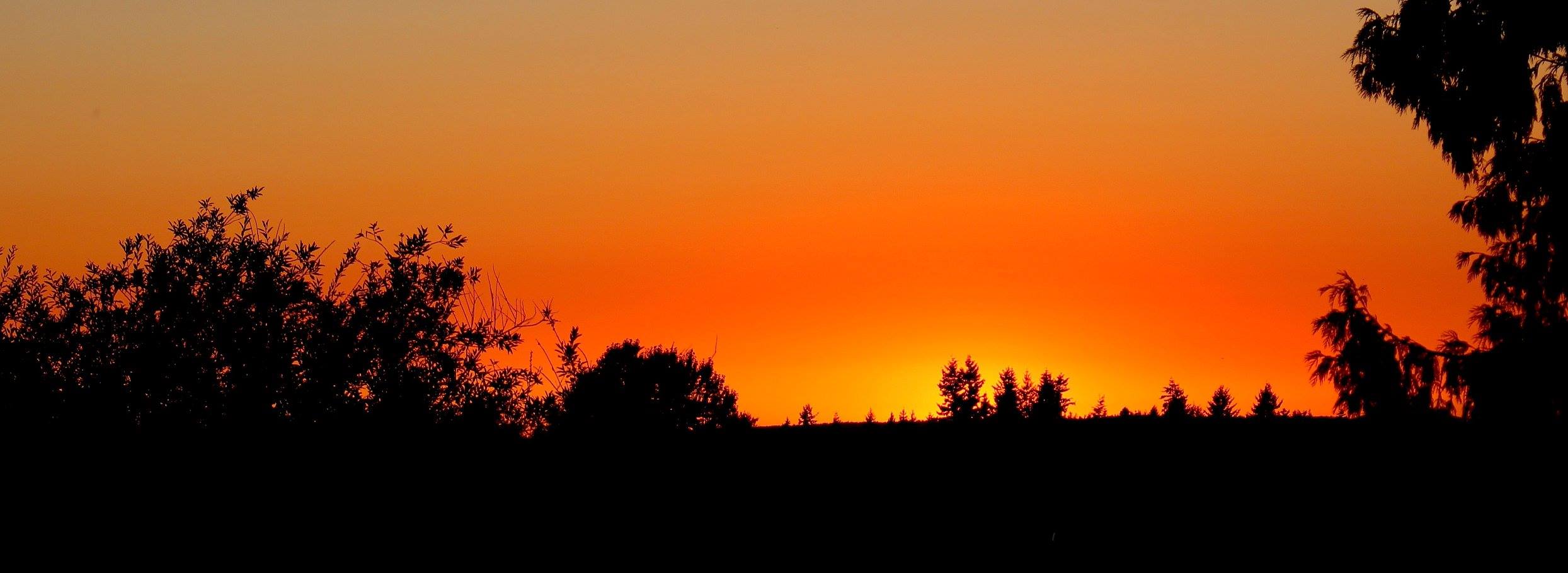
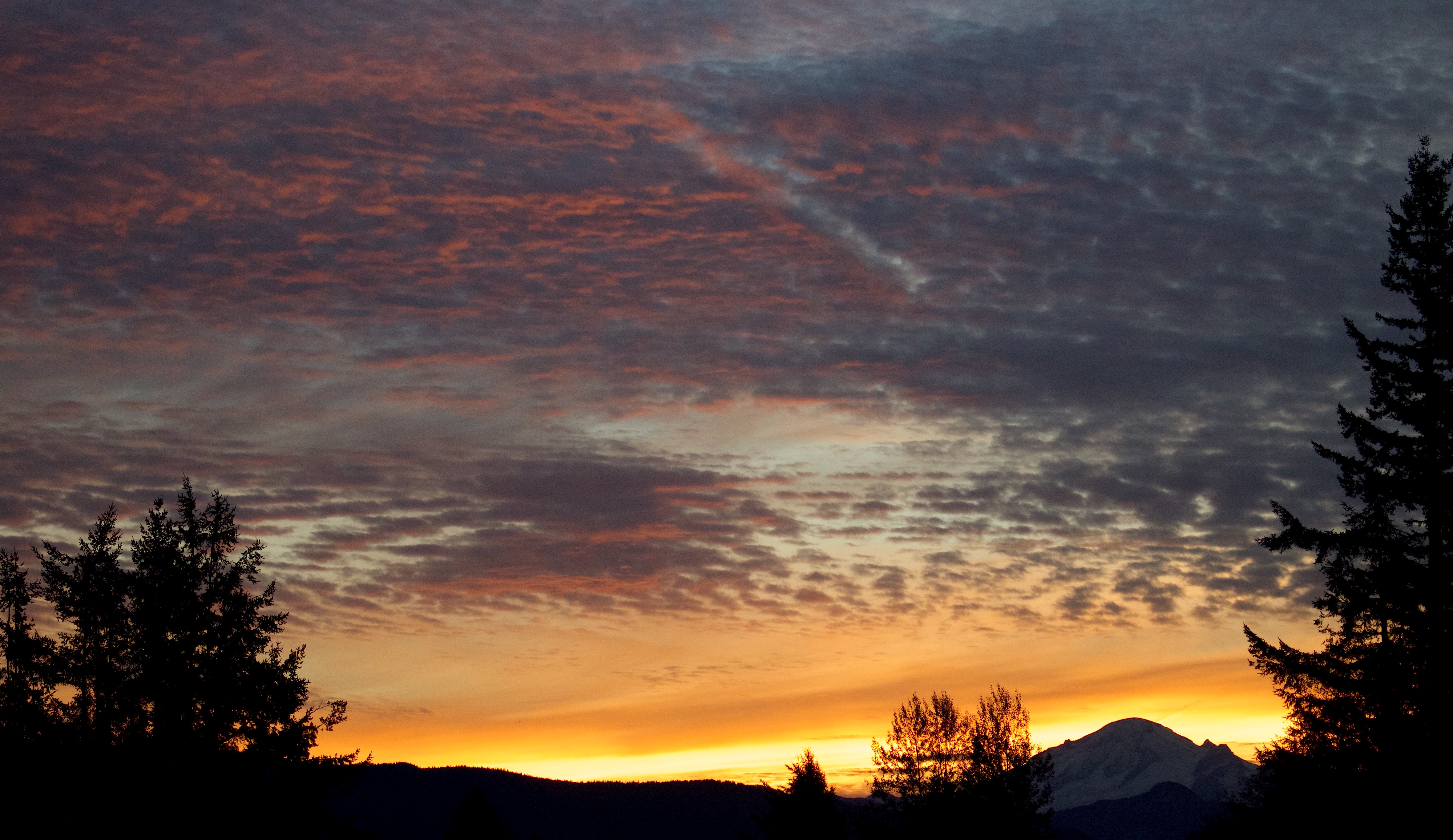
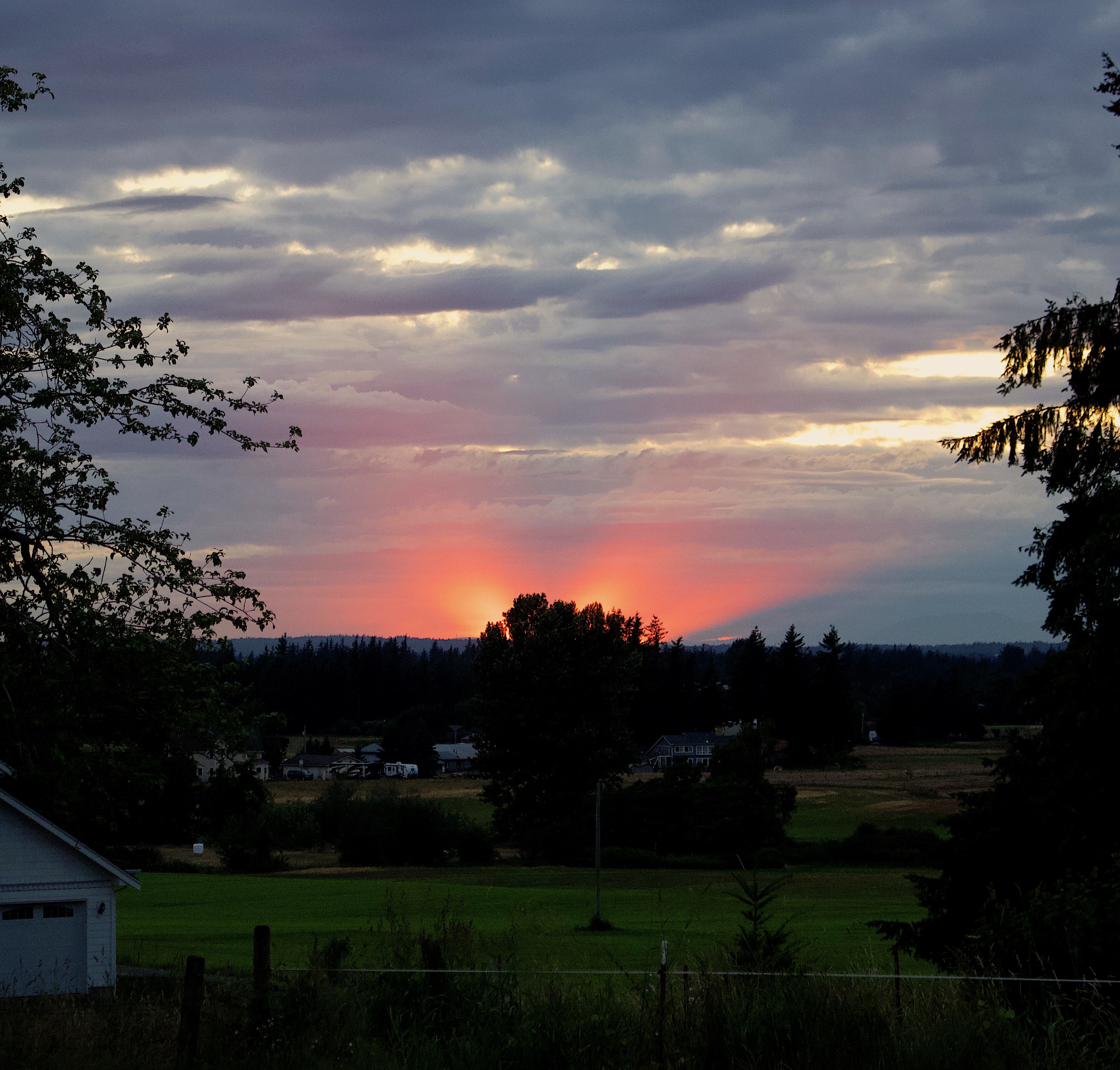
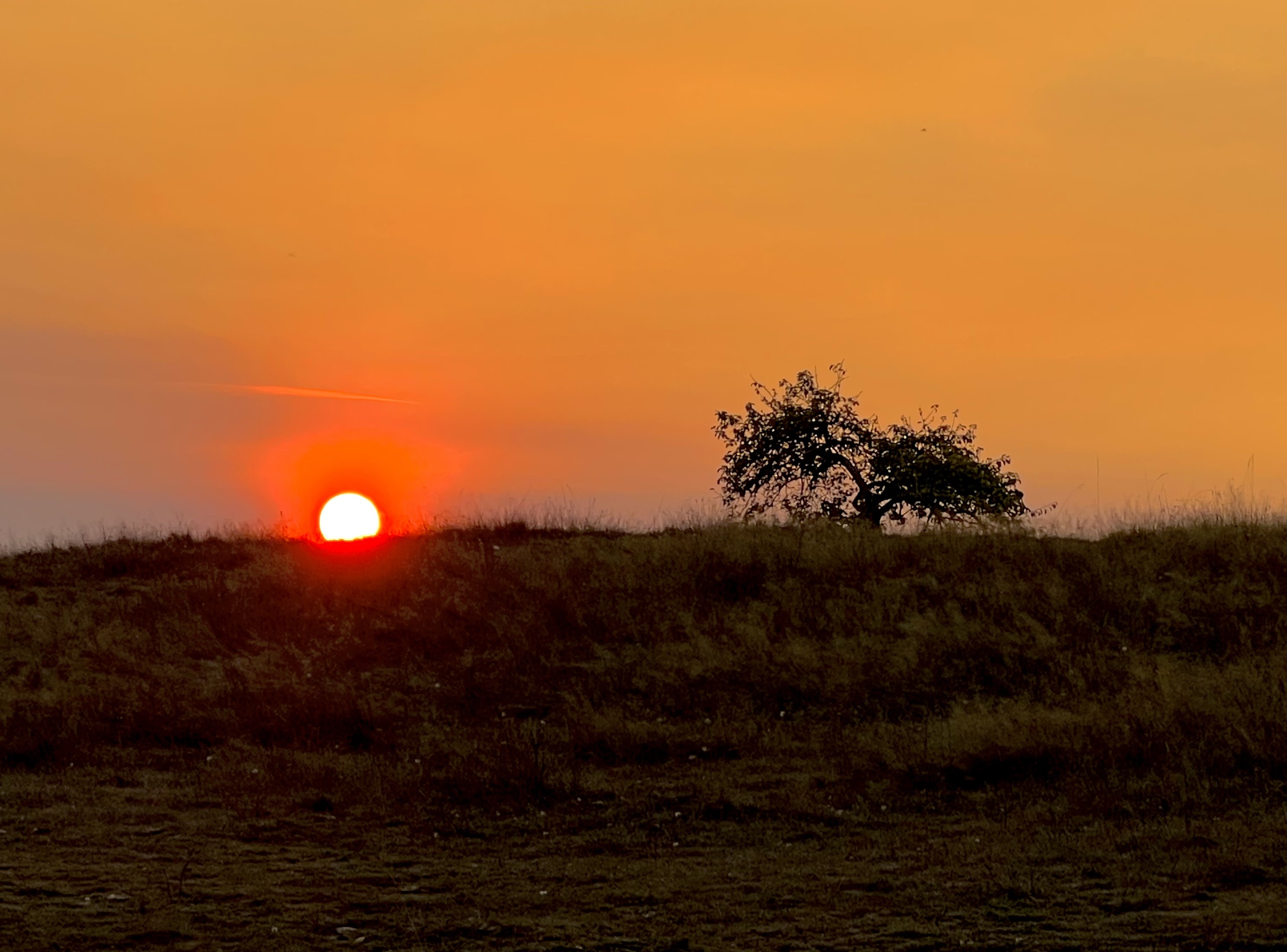
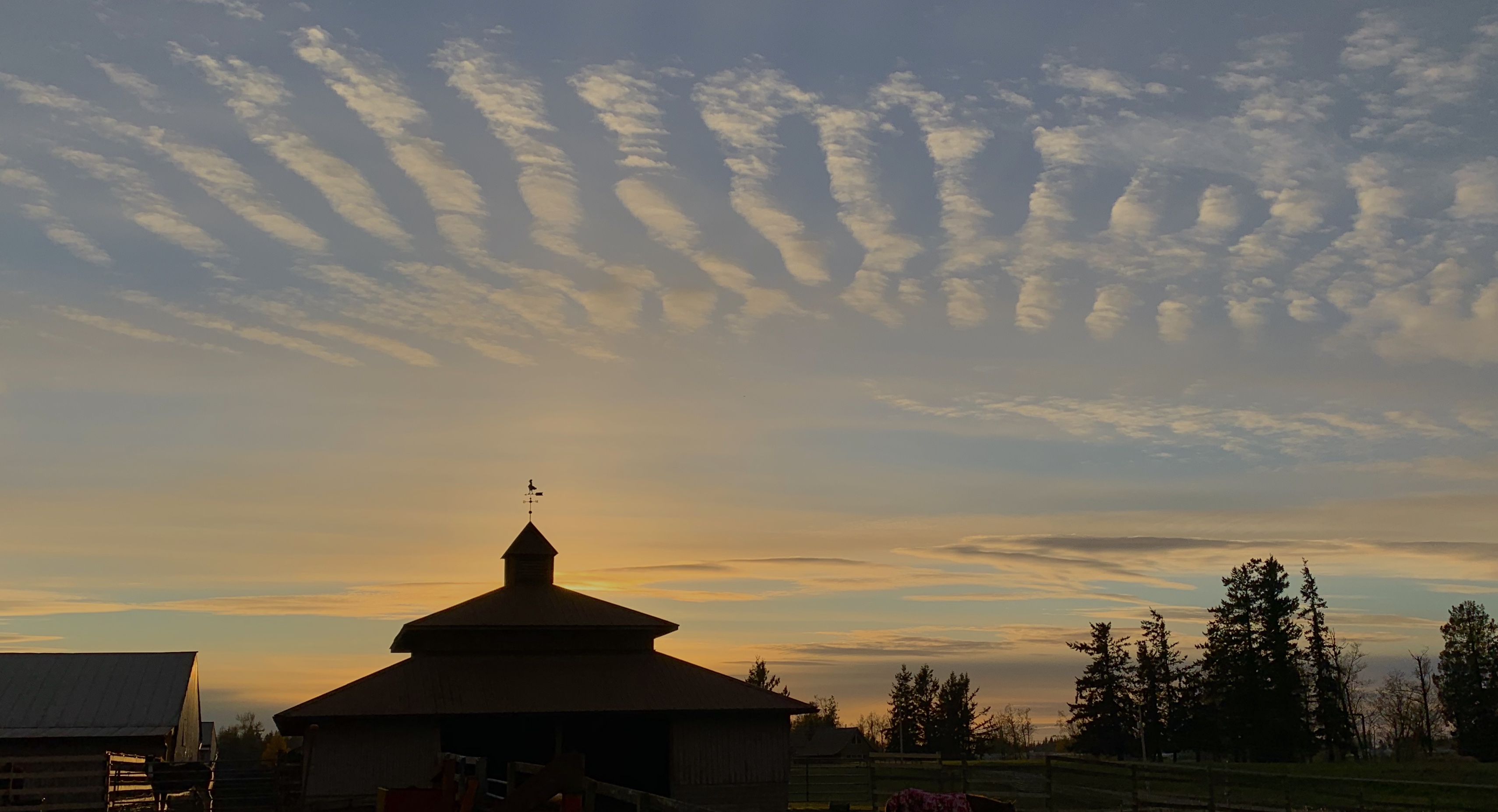
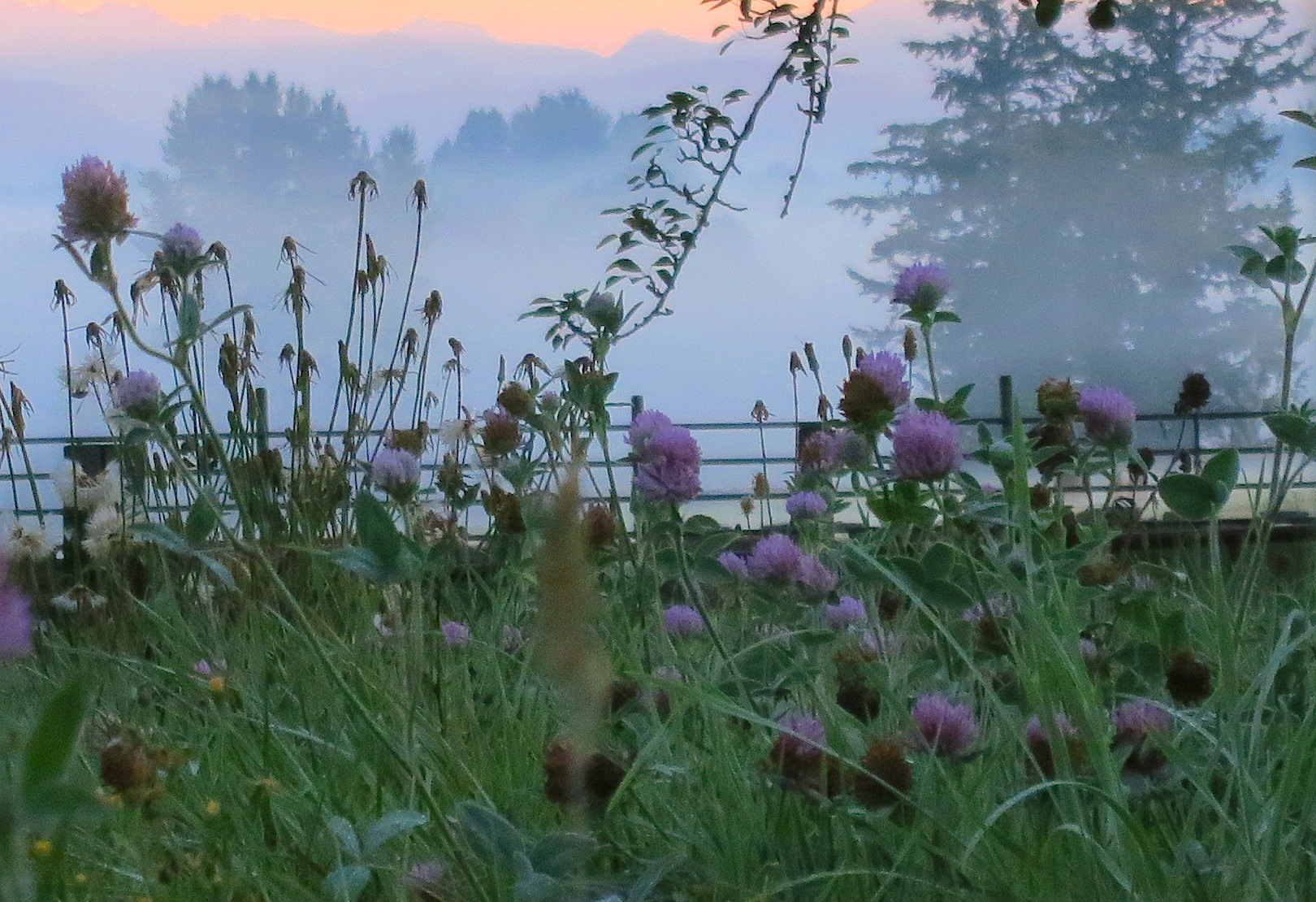
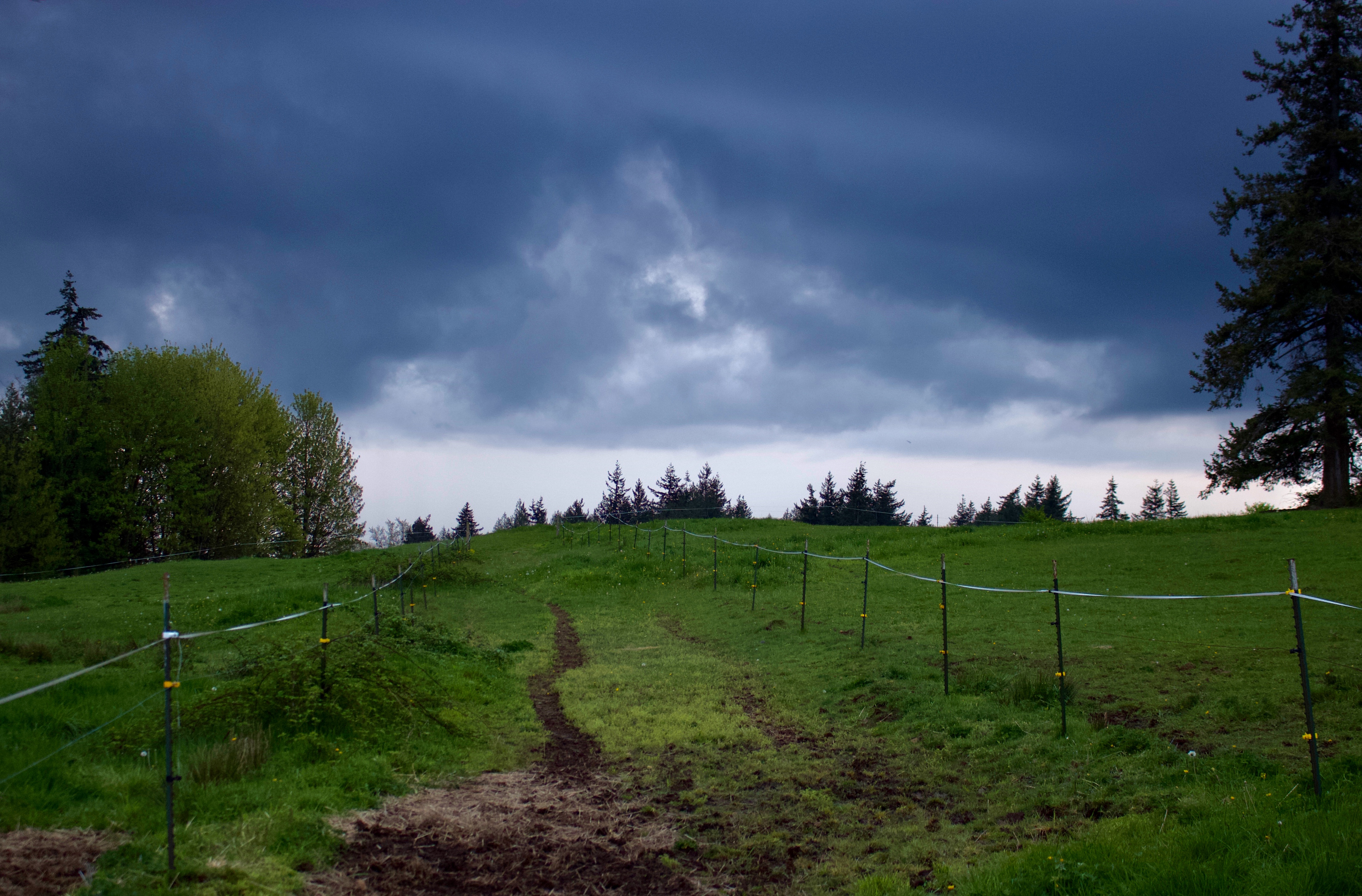
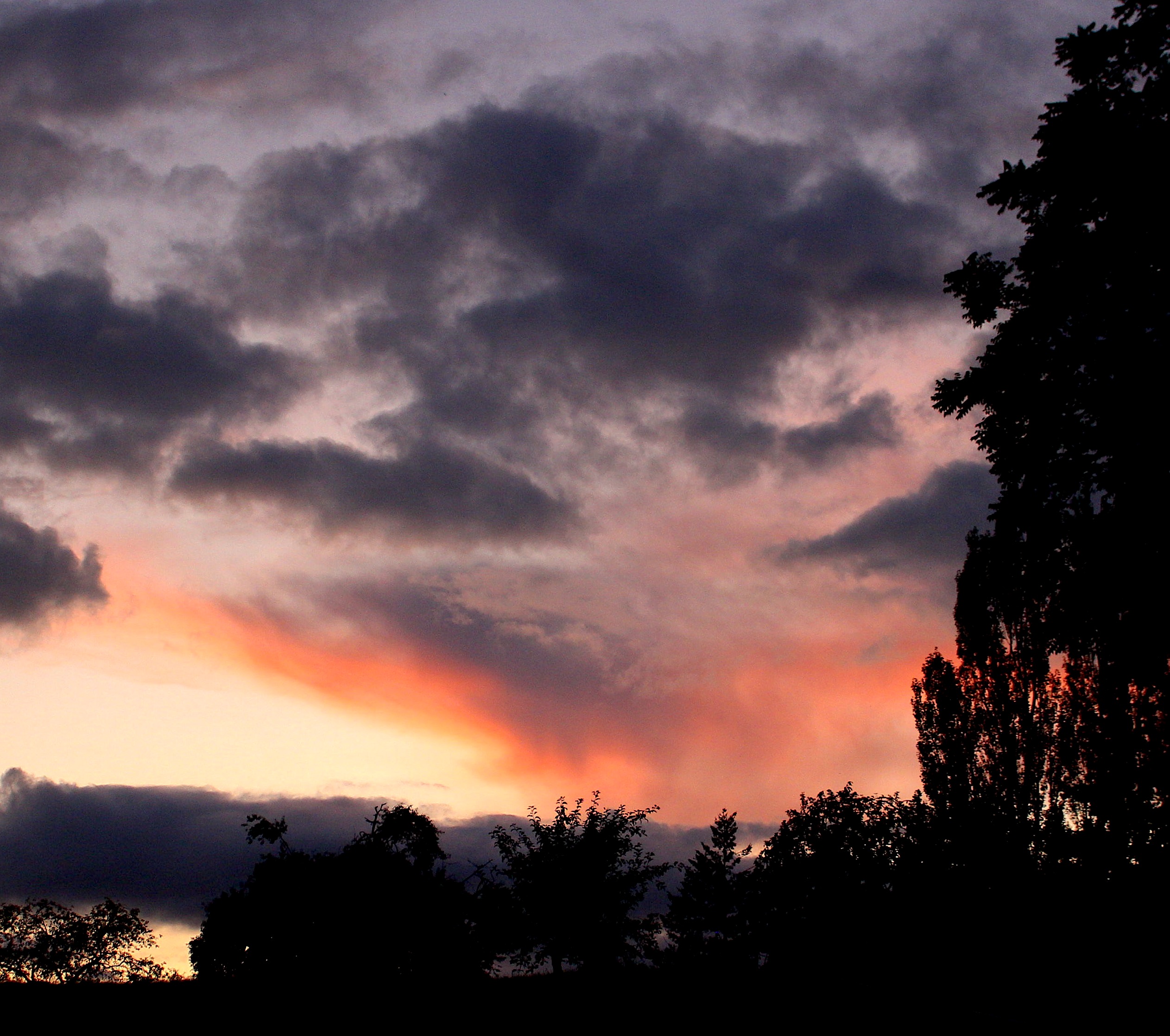
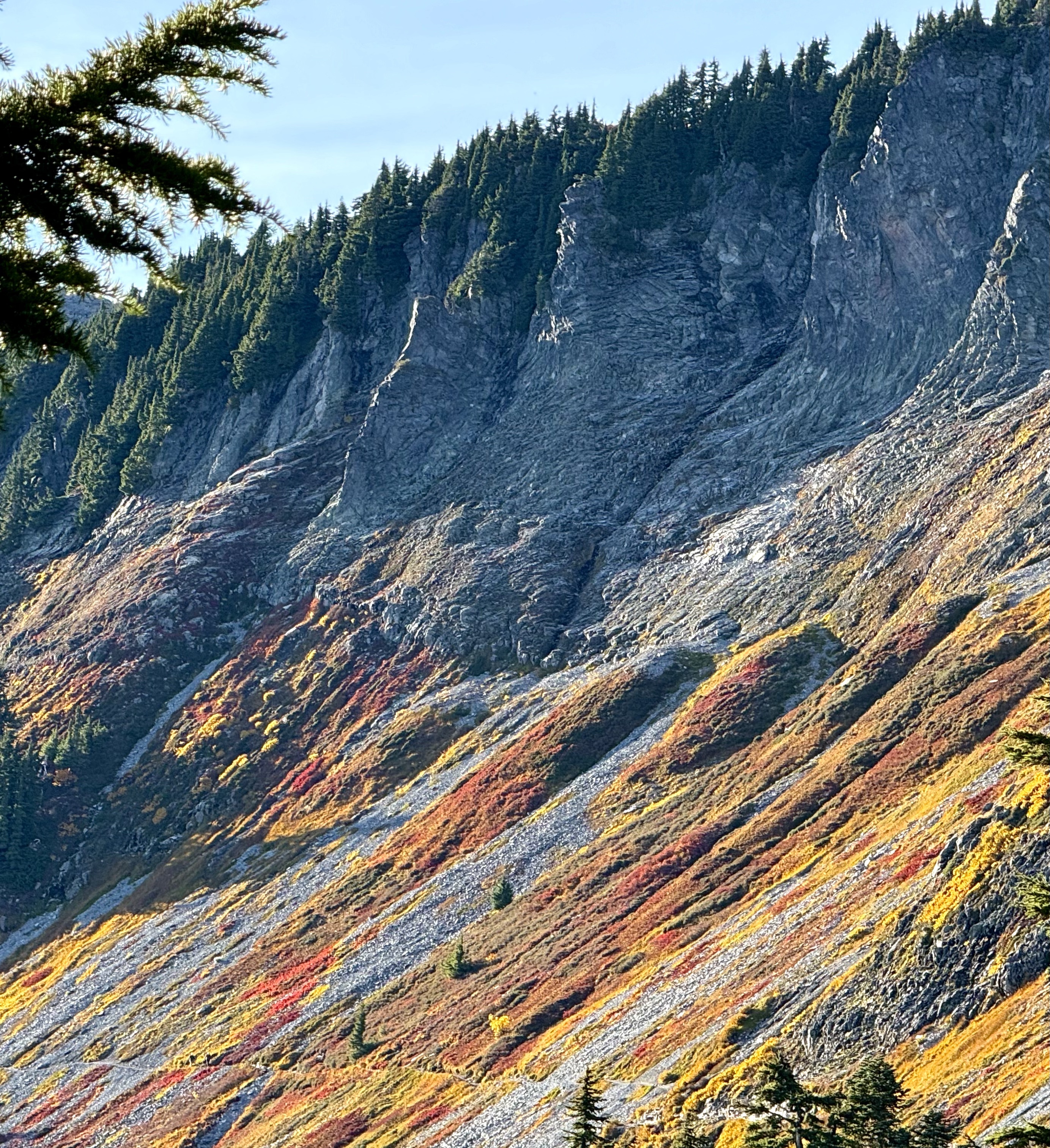
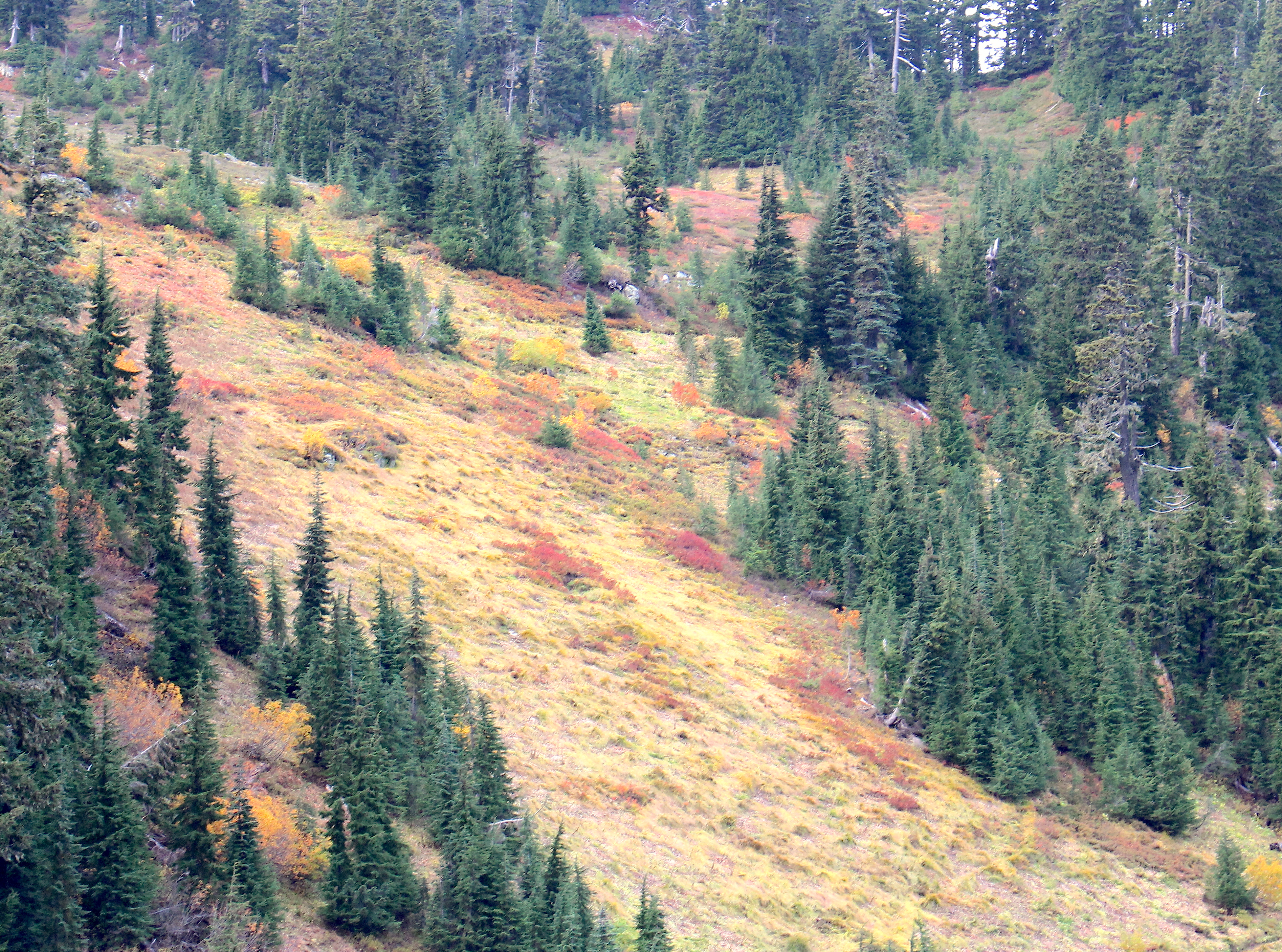
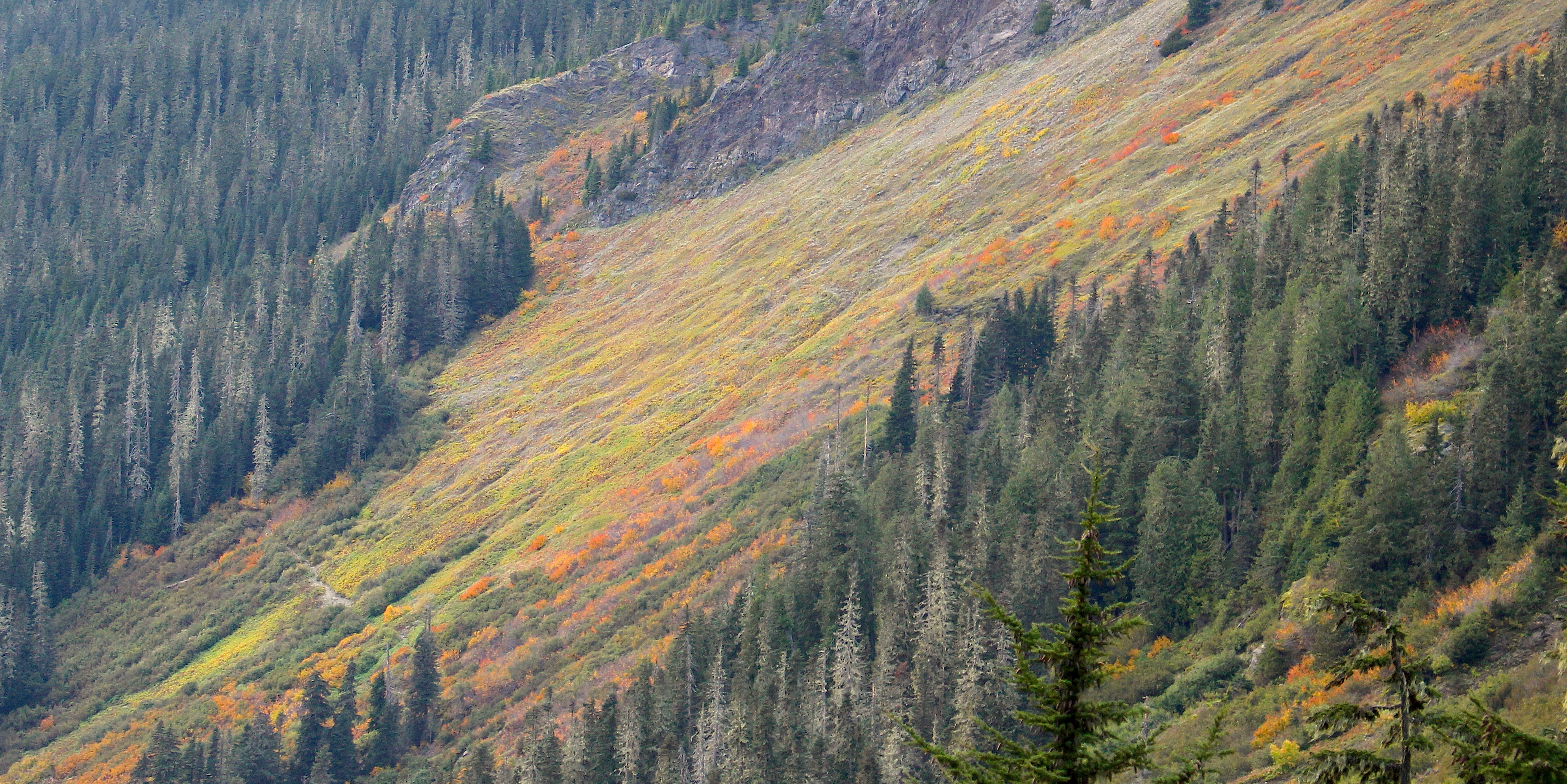
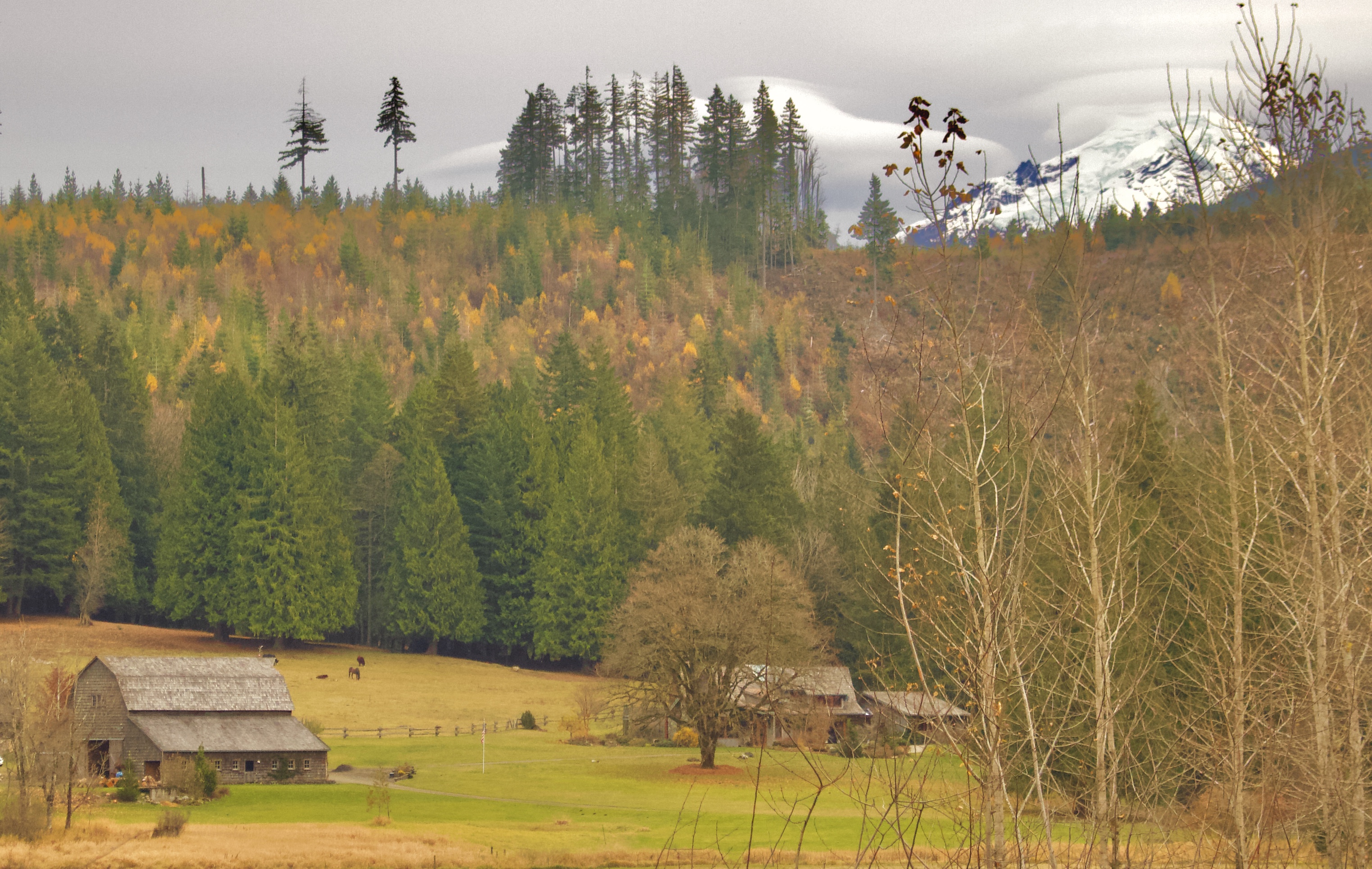
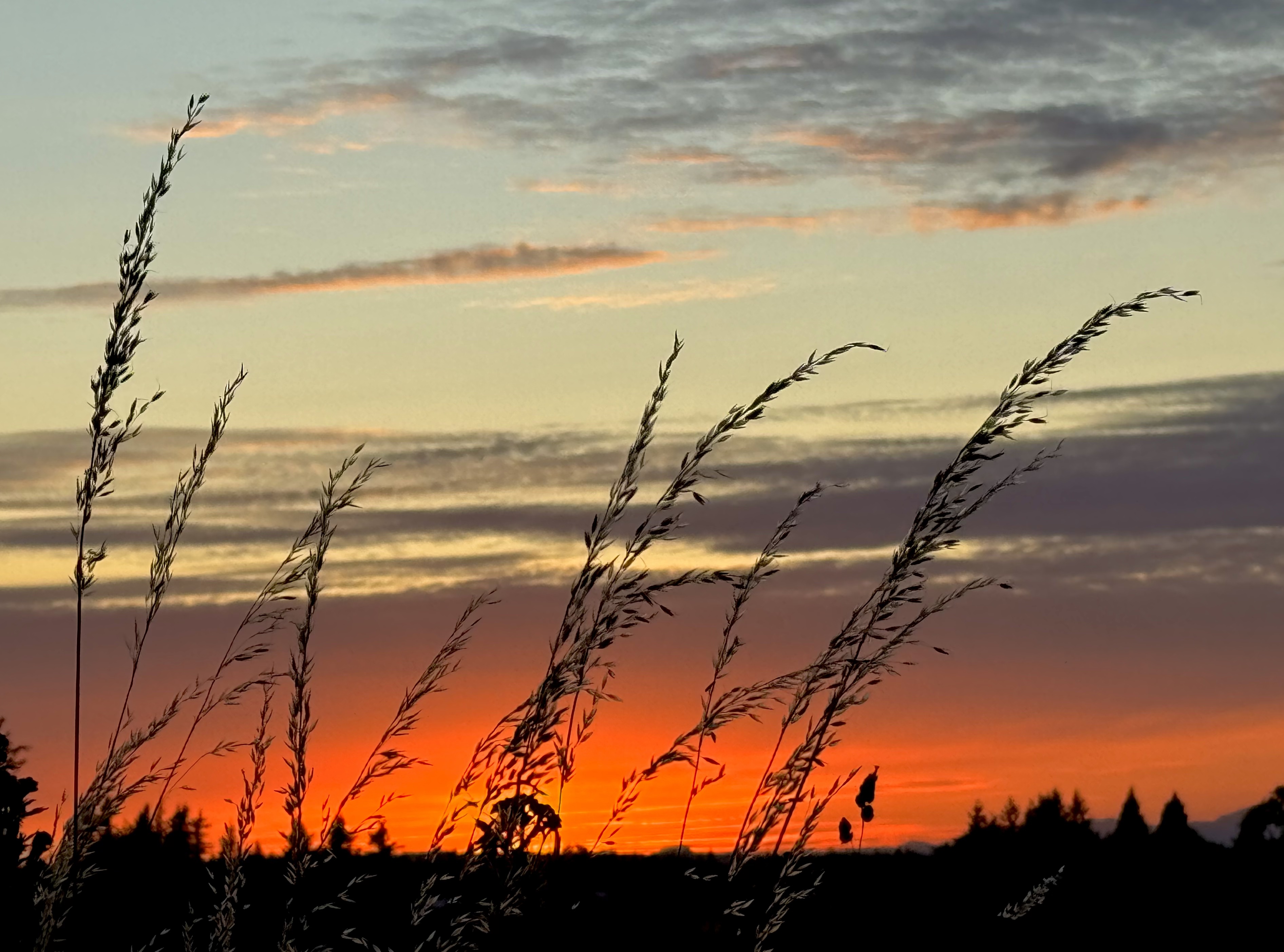
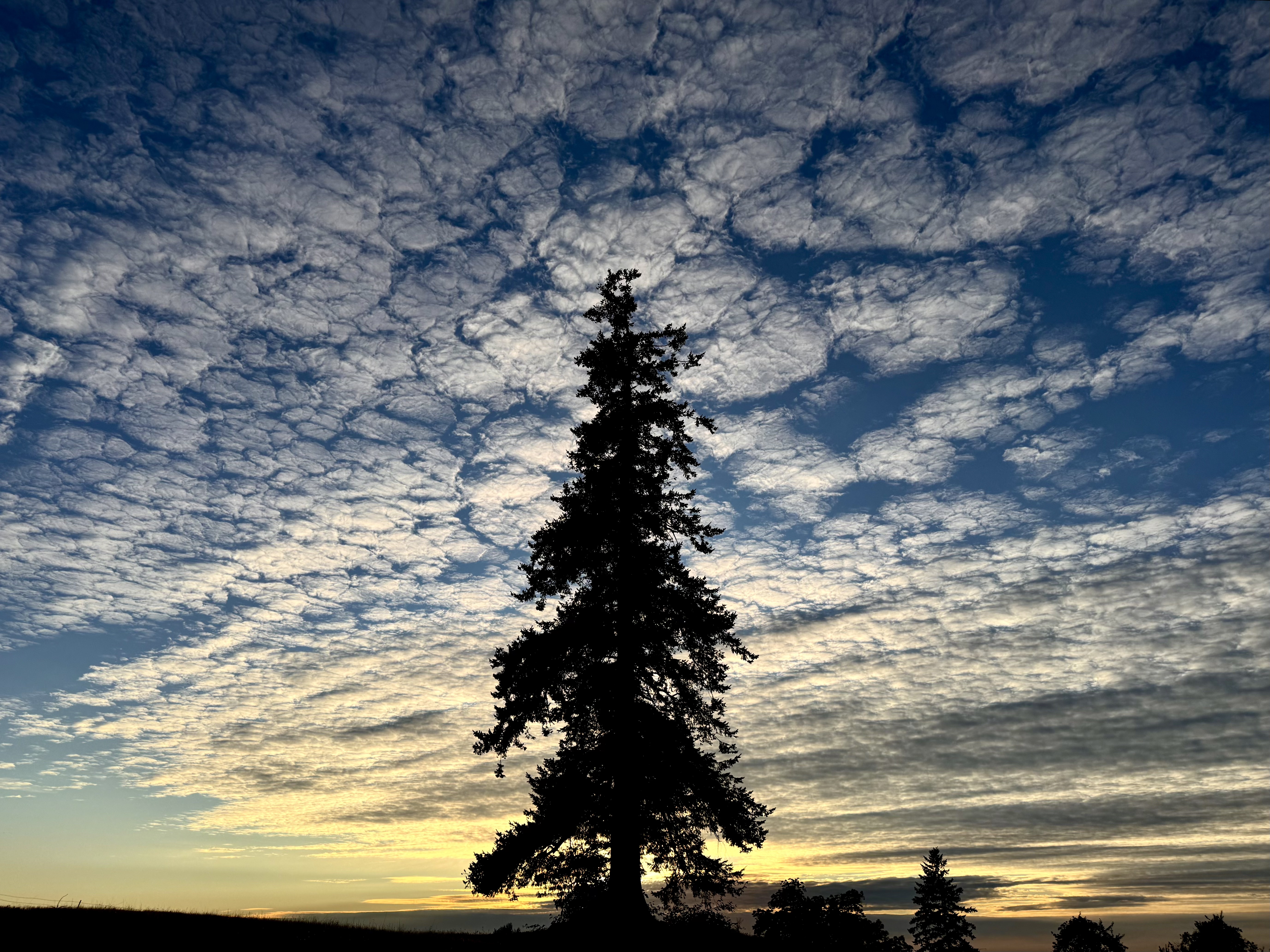
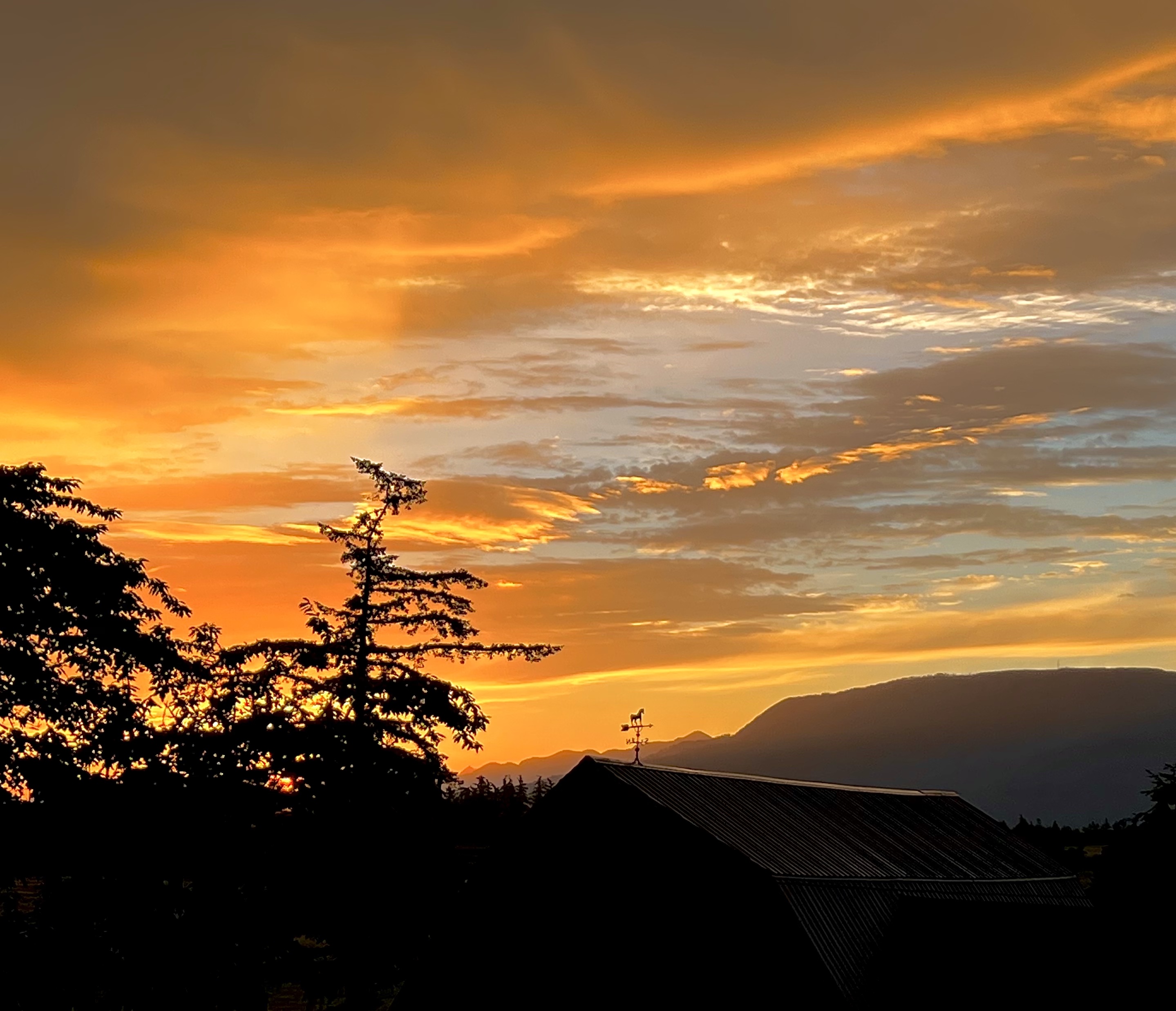
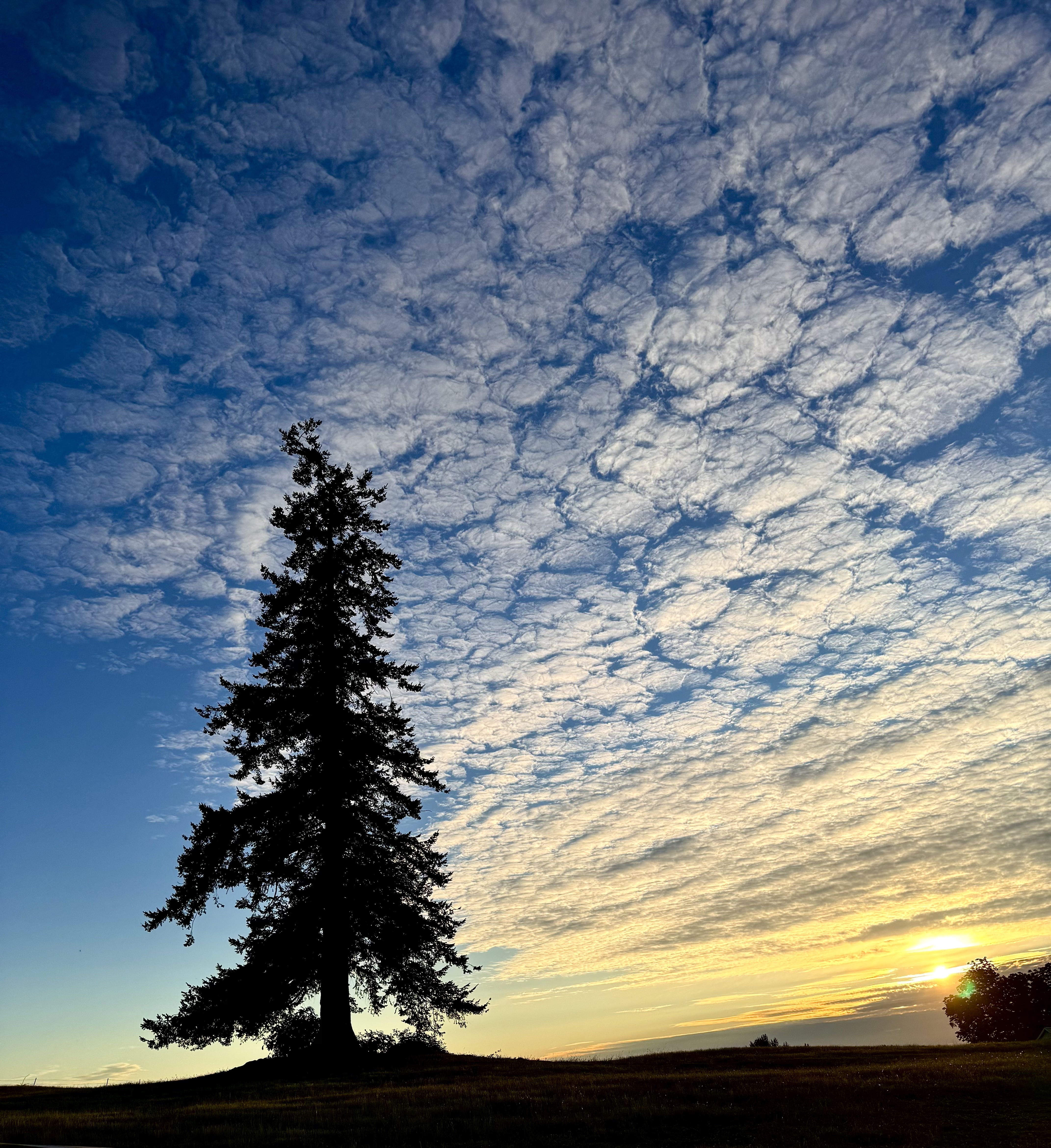
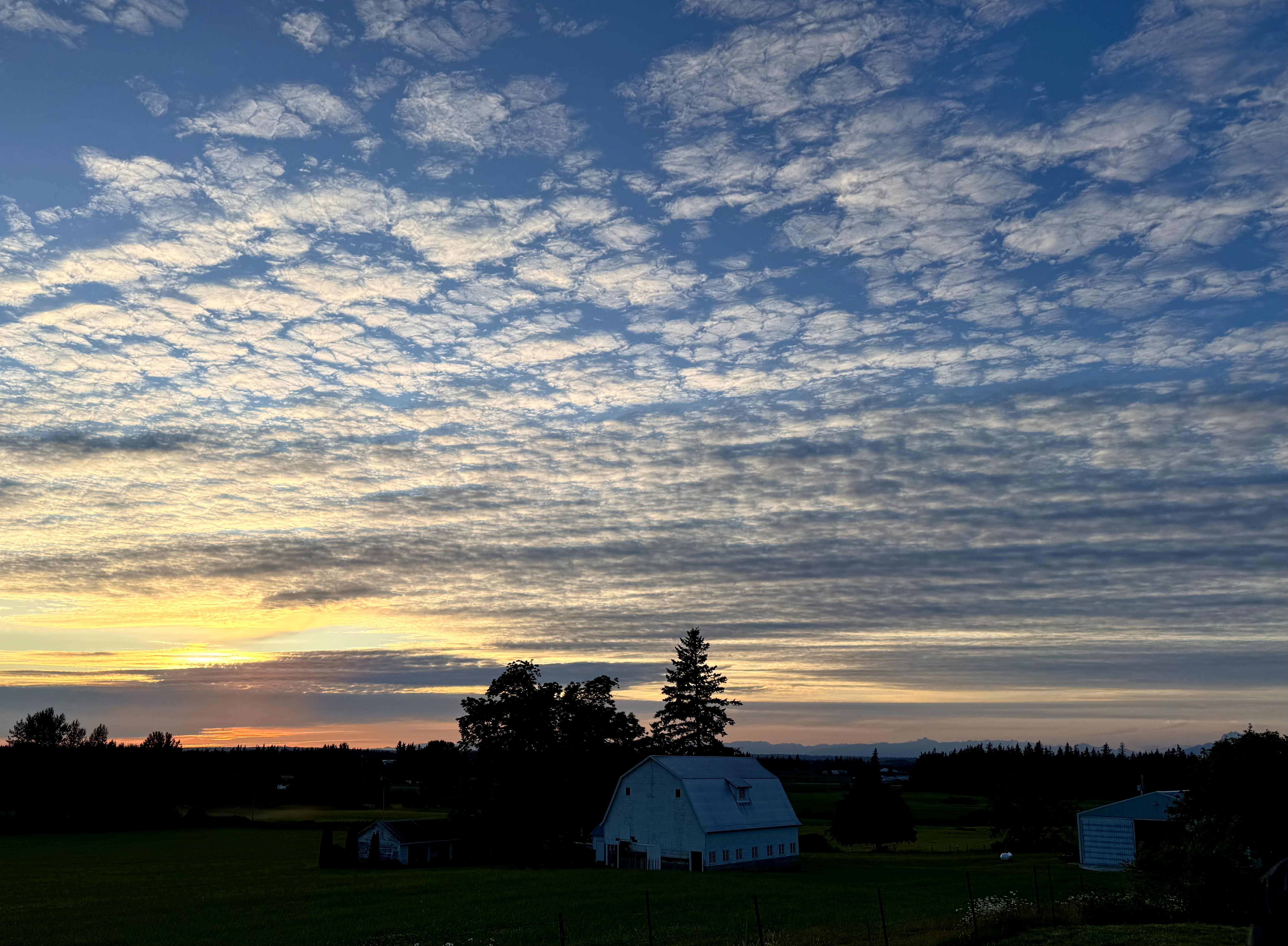
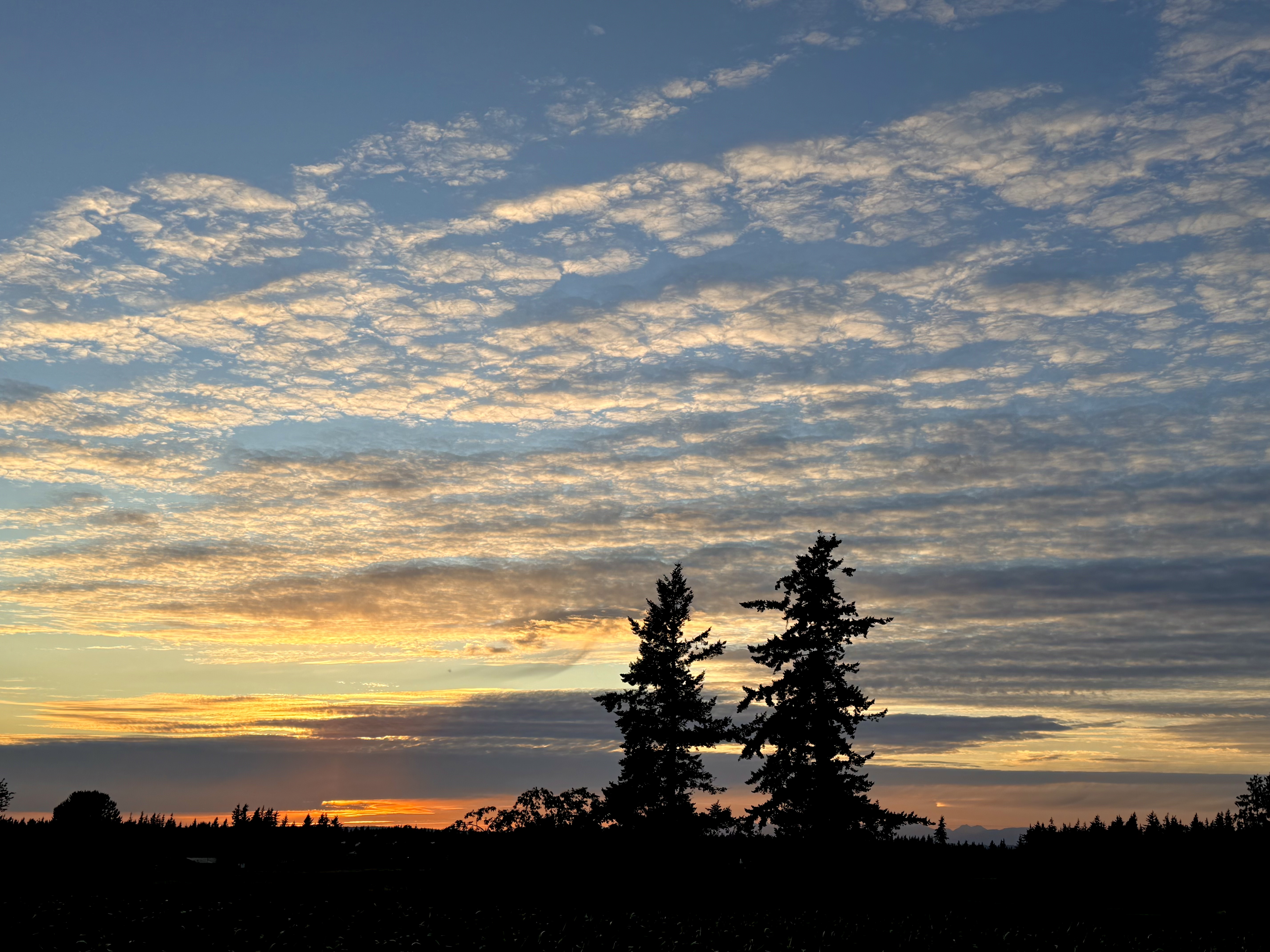
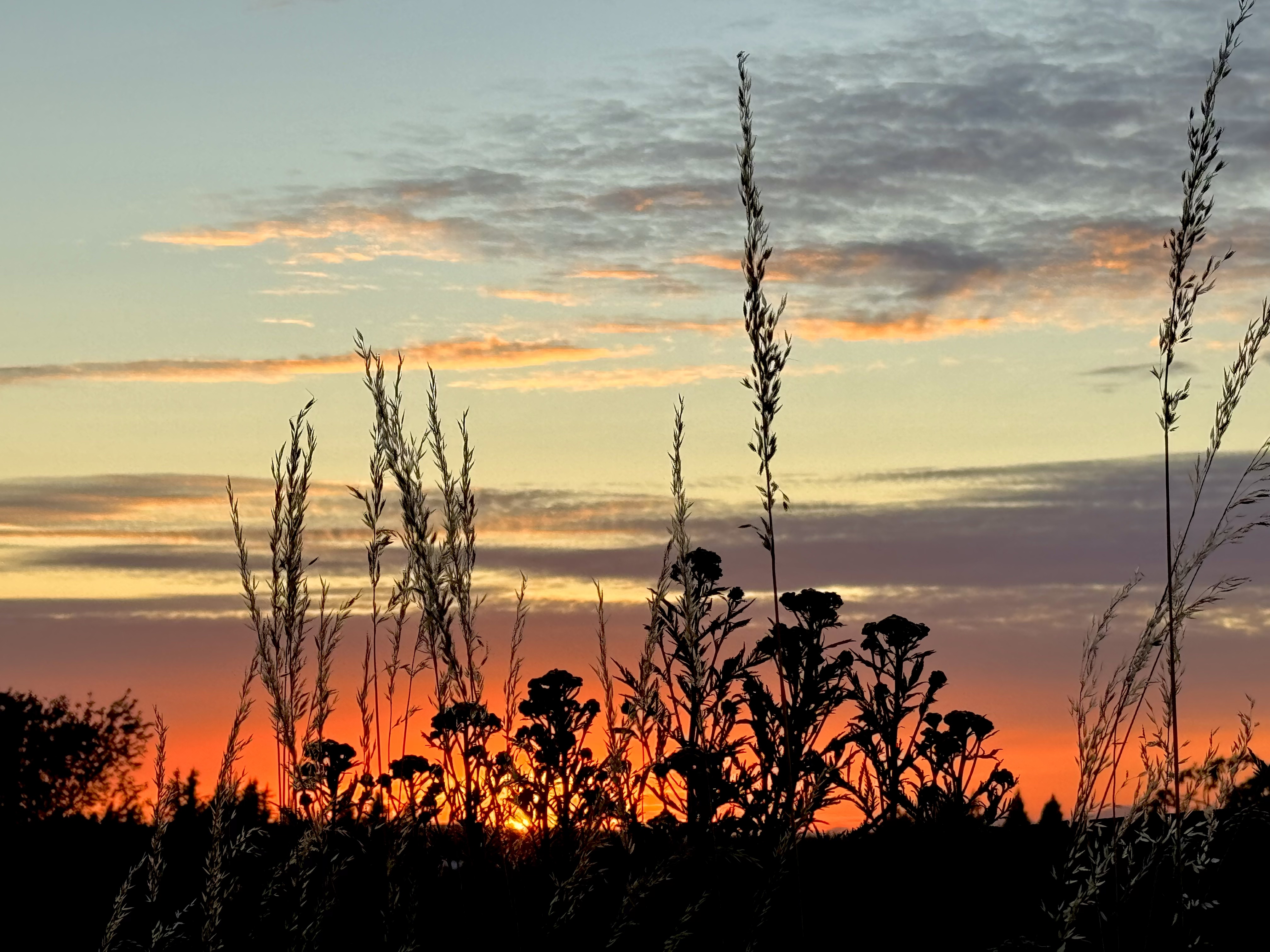
As Leaf Subsides to Leaf

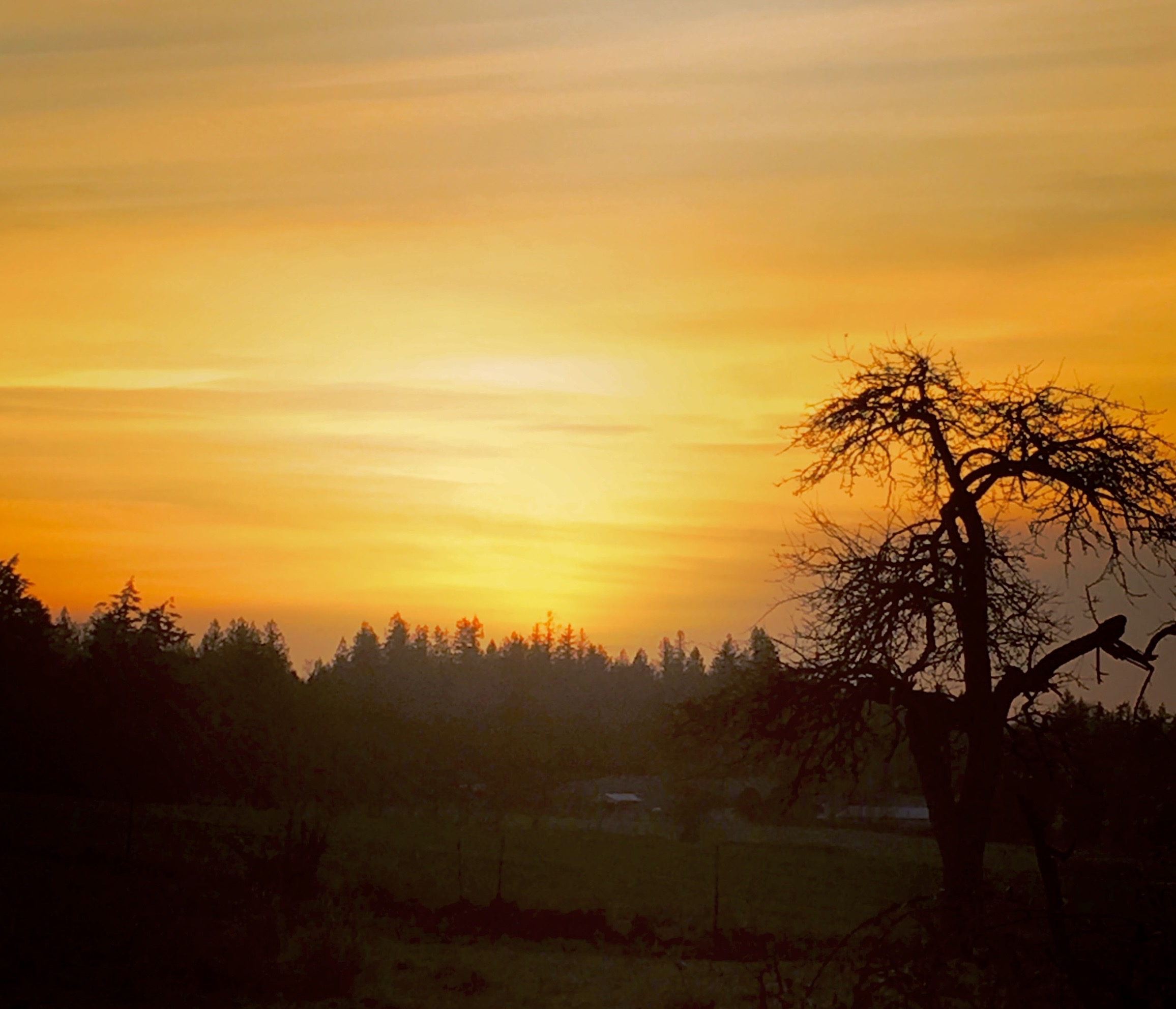
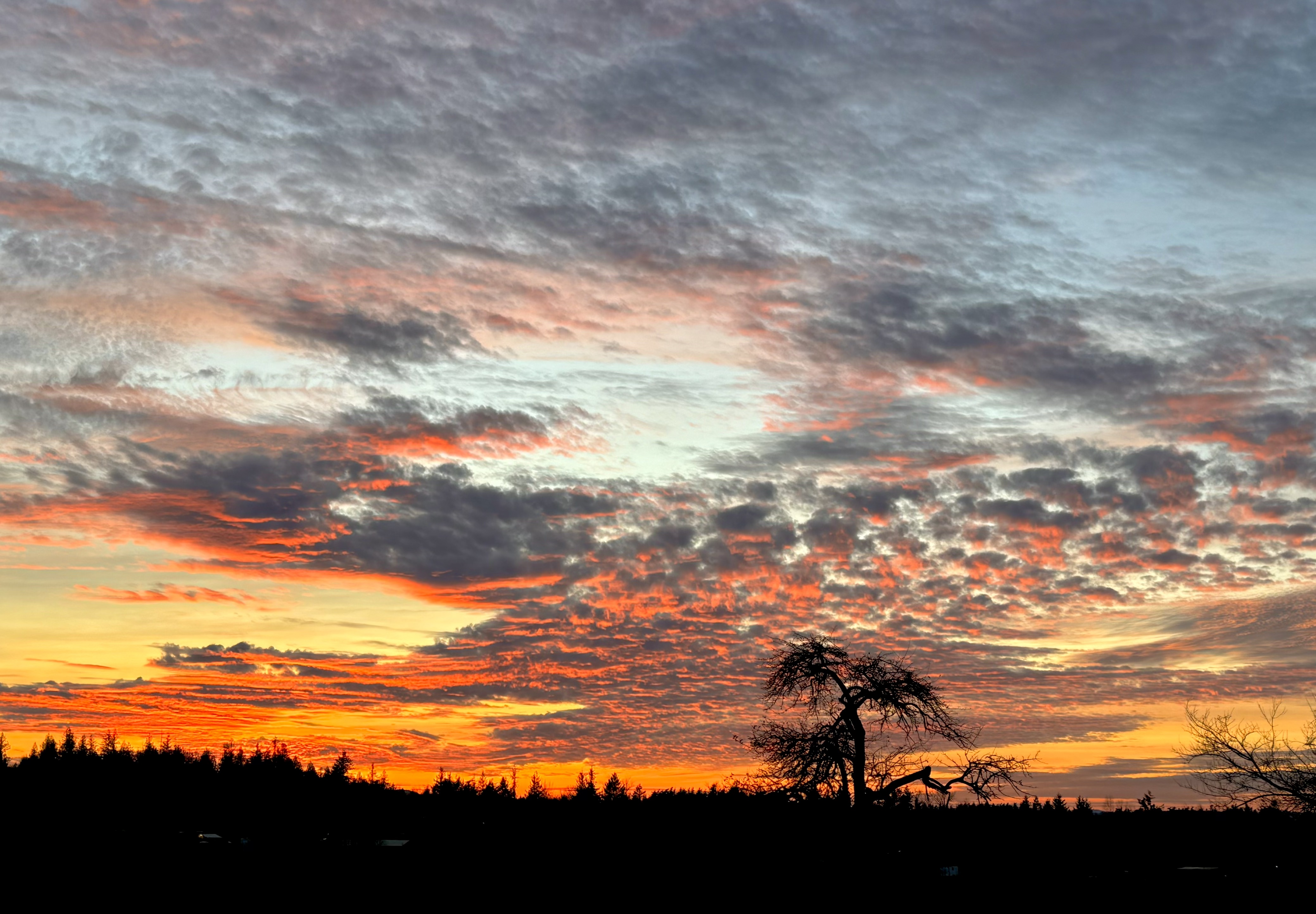
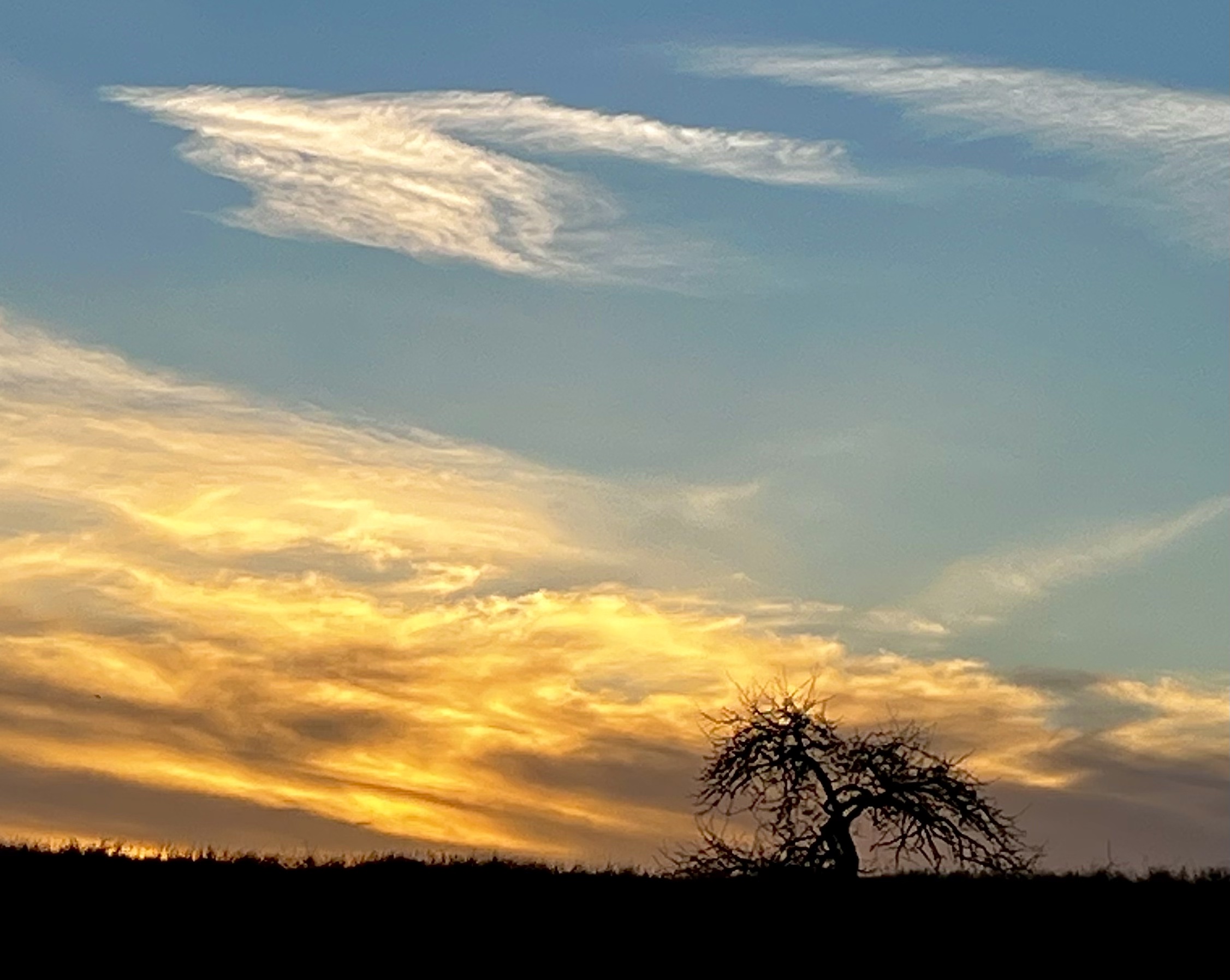
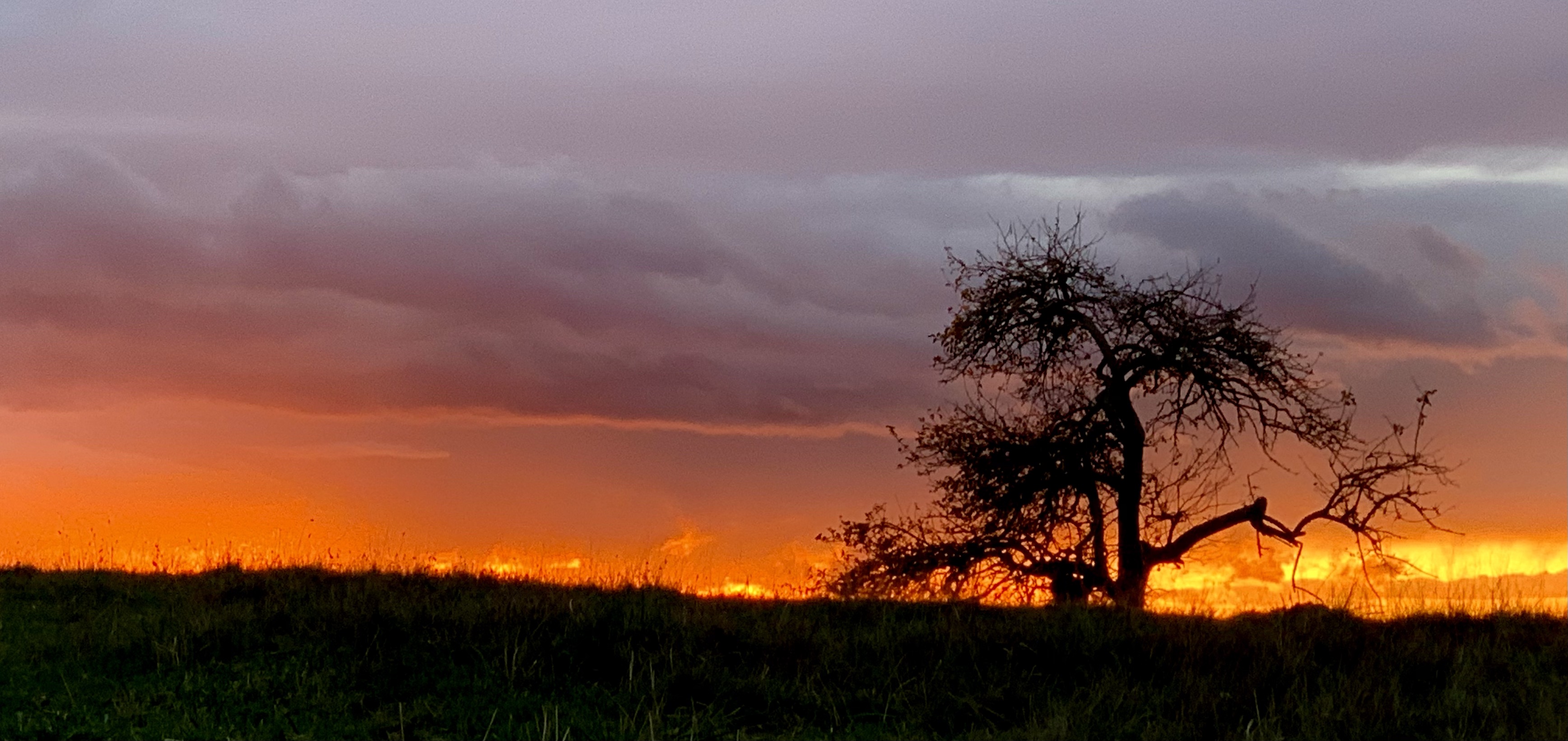
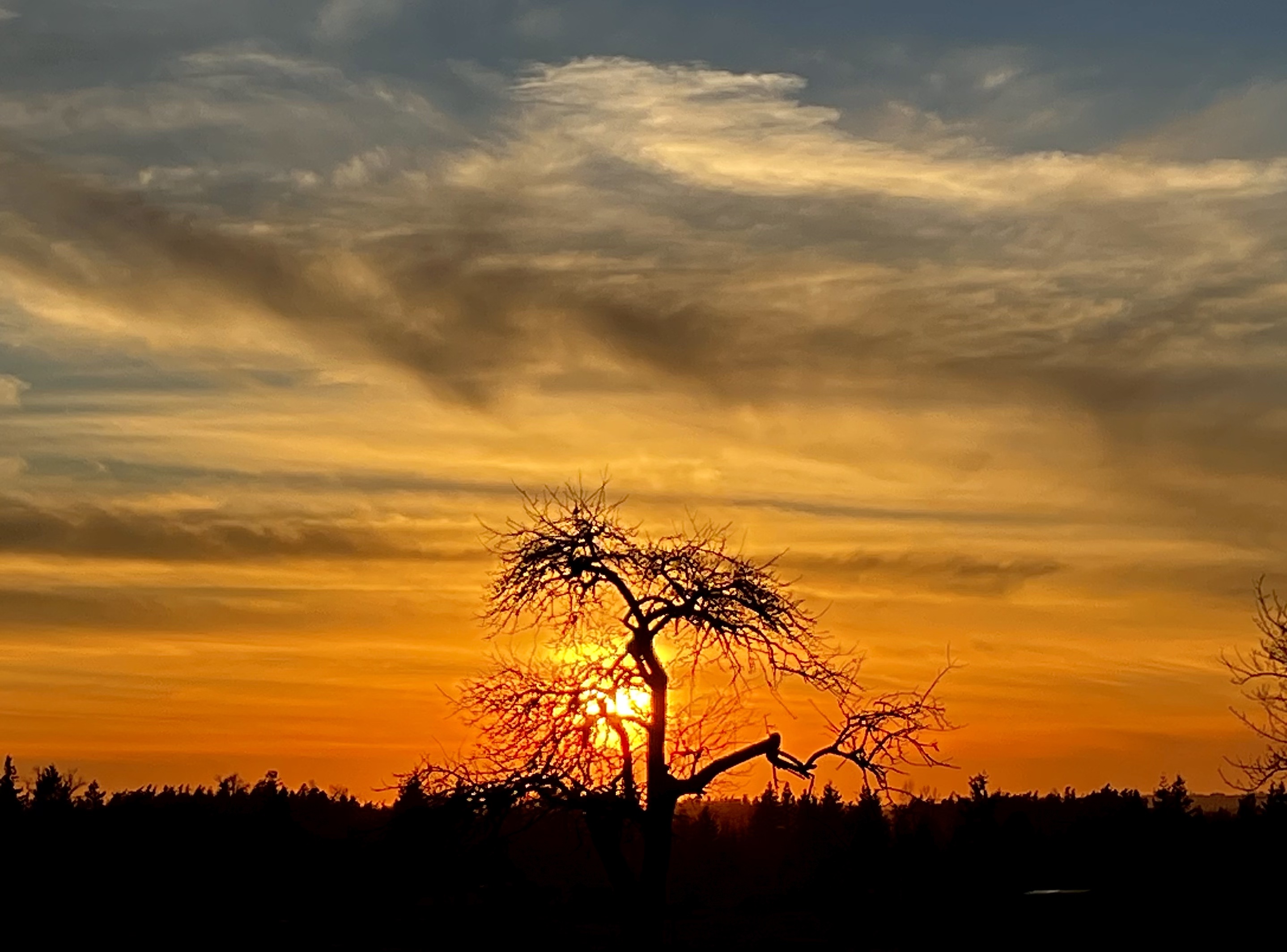
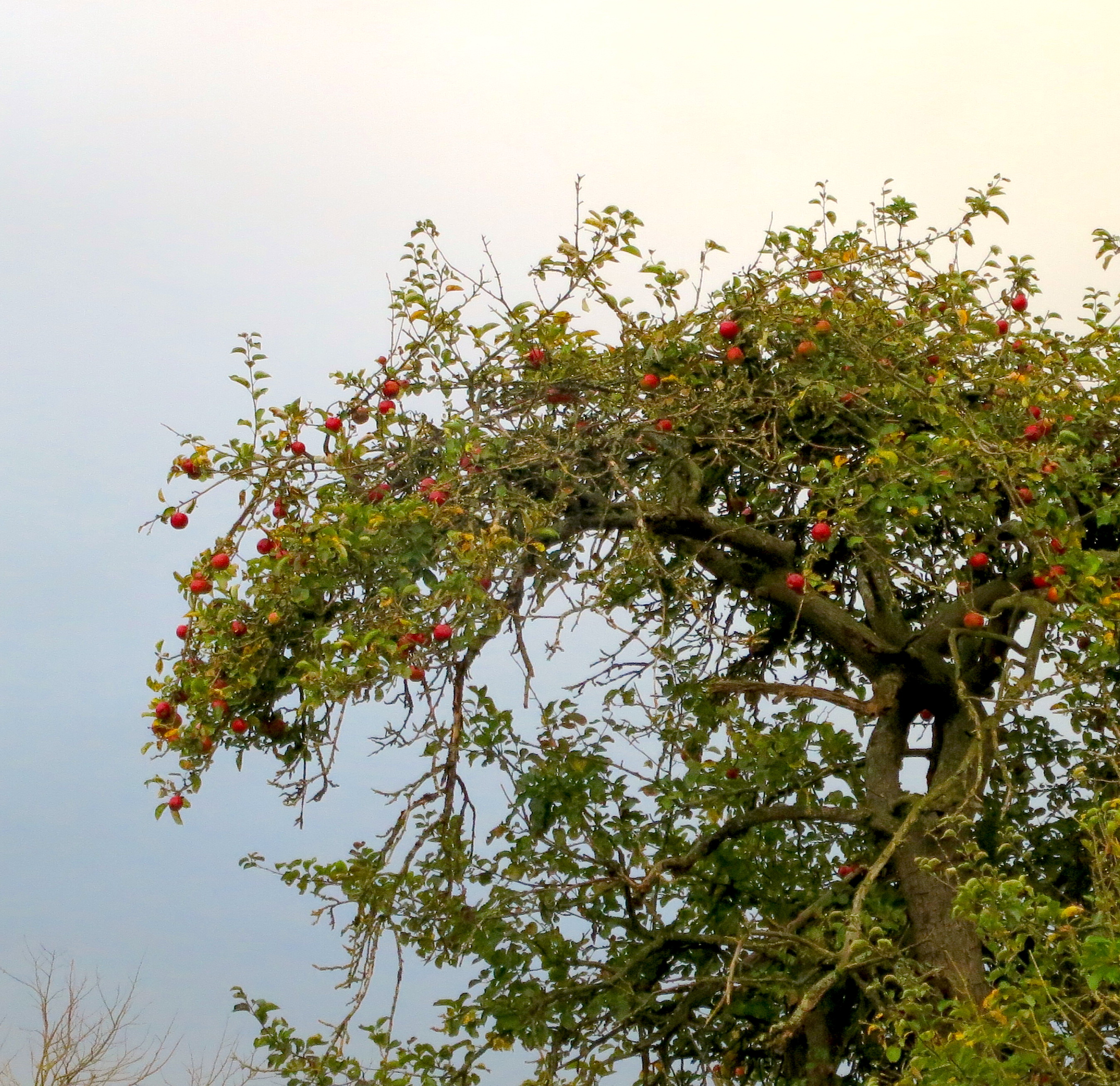
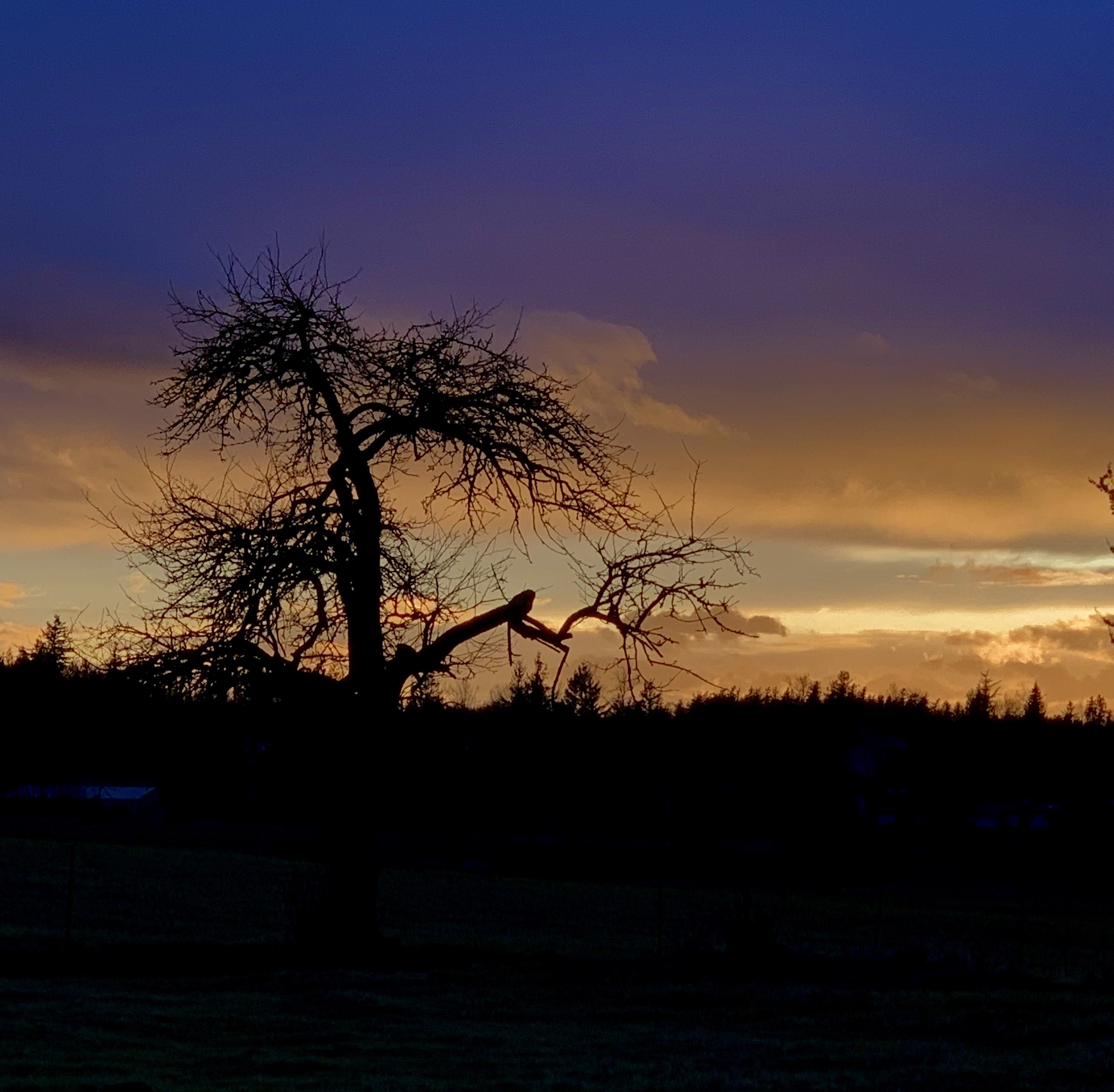
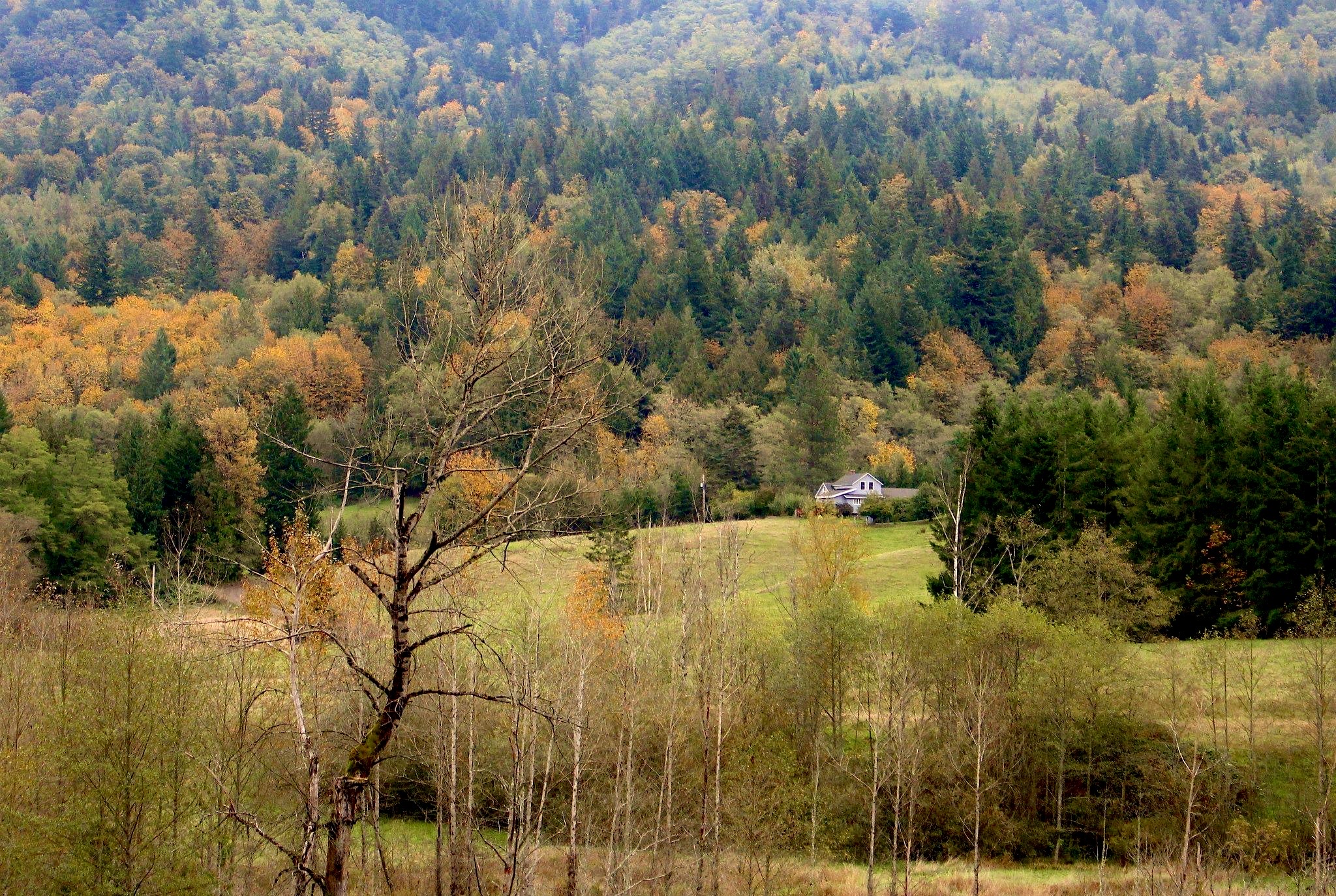
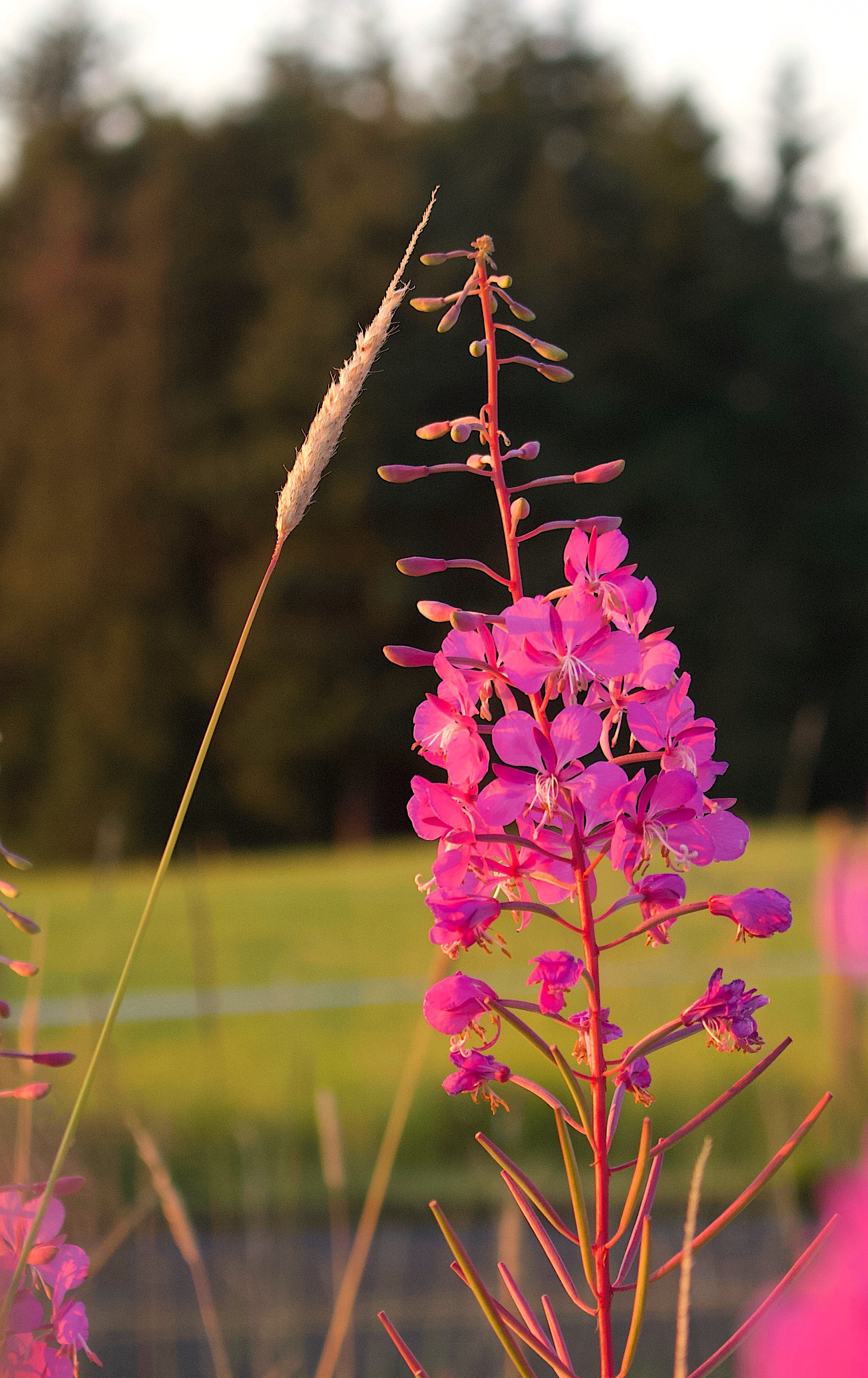
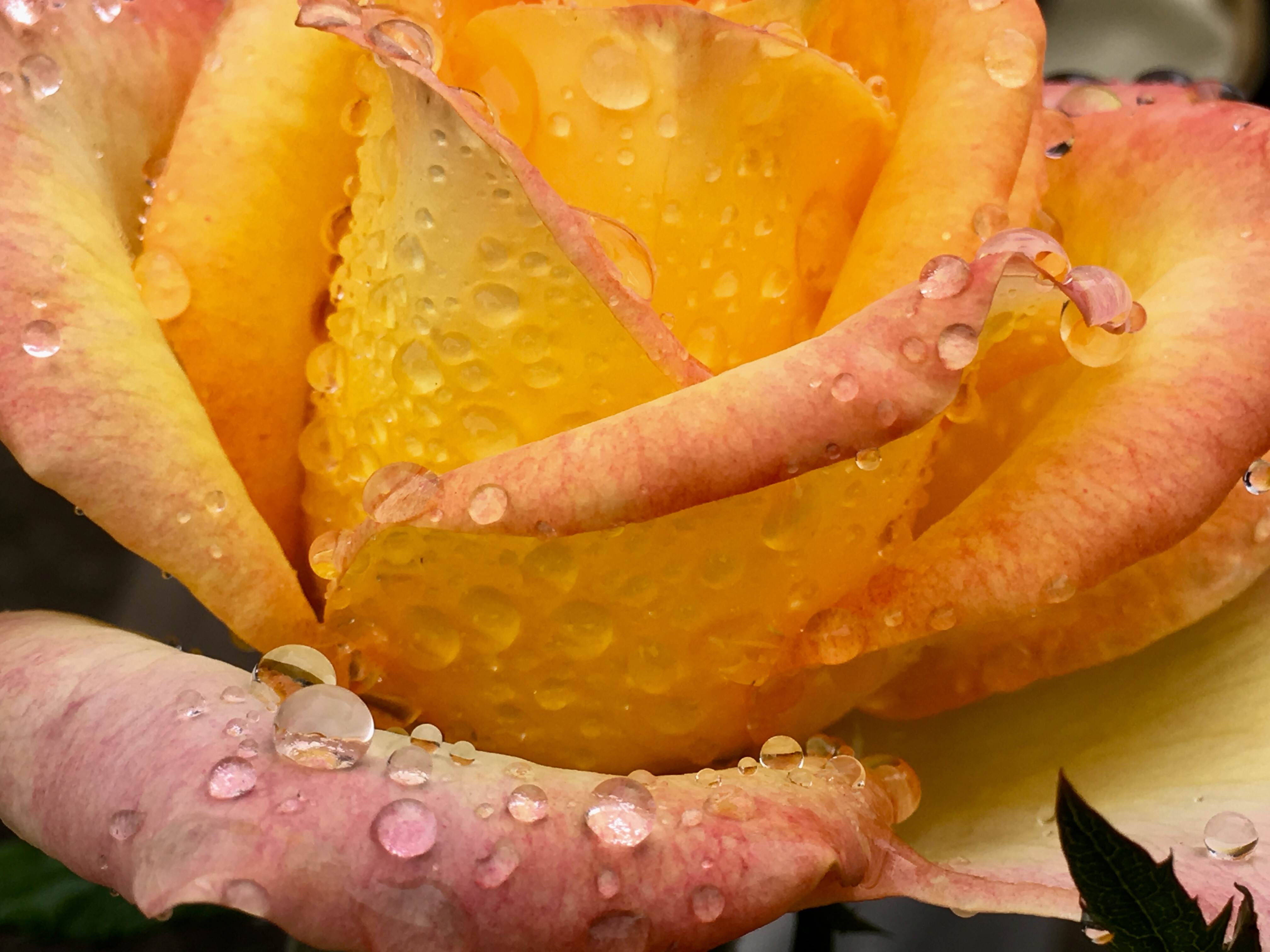
Nature’s first green is gold,
Her hardest hue to hold.
Her early leaf’s a flower;
But only so an hour.
Then leaf subsides to leaf,
So Eden sank to grief,
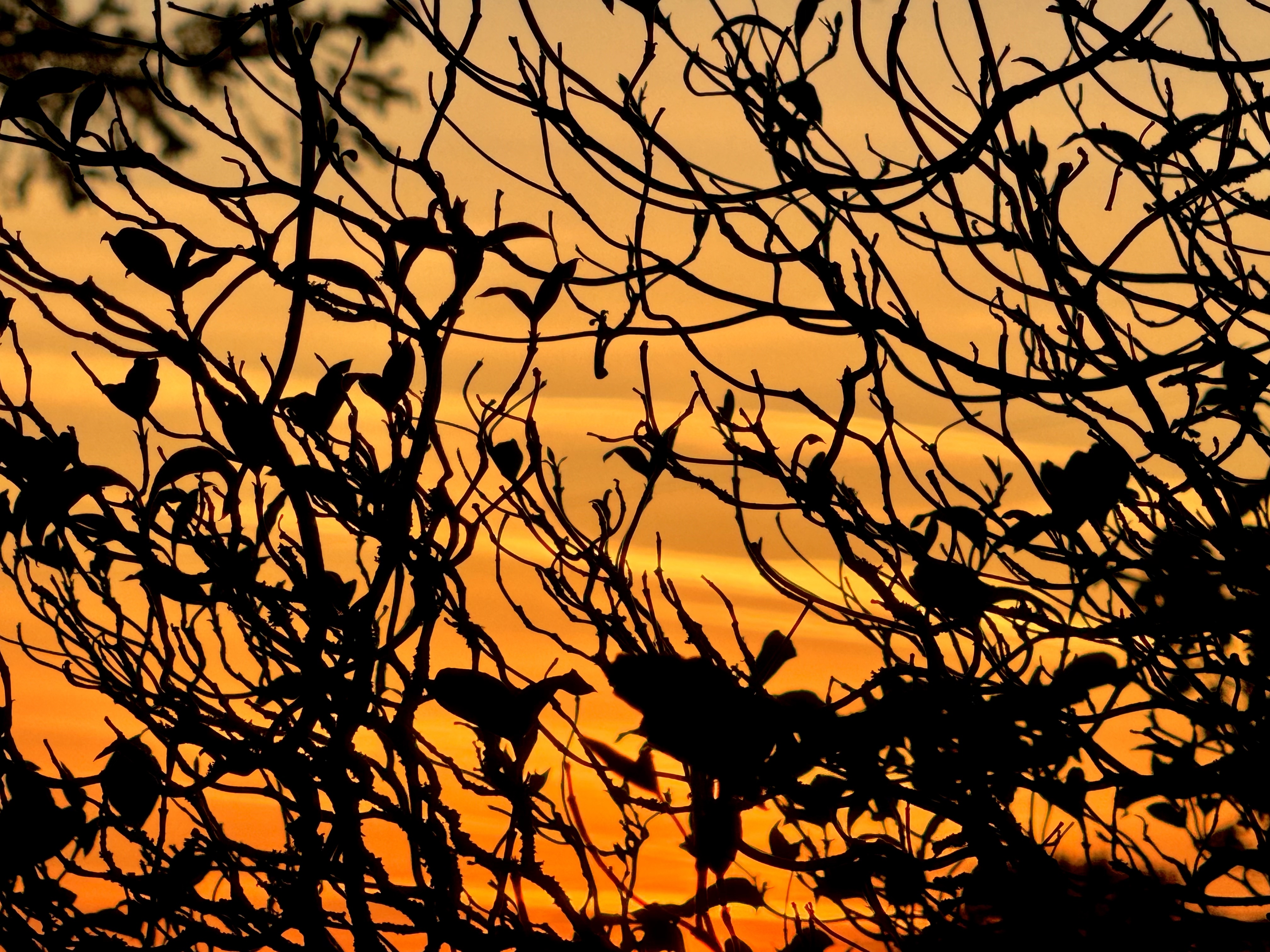
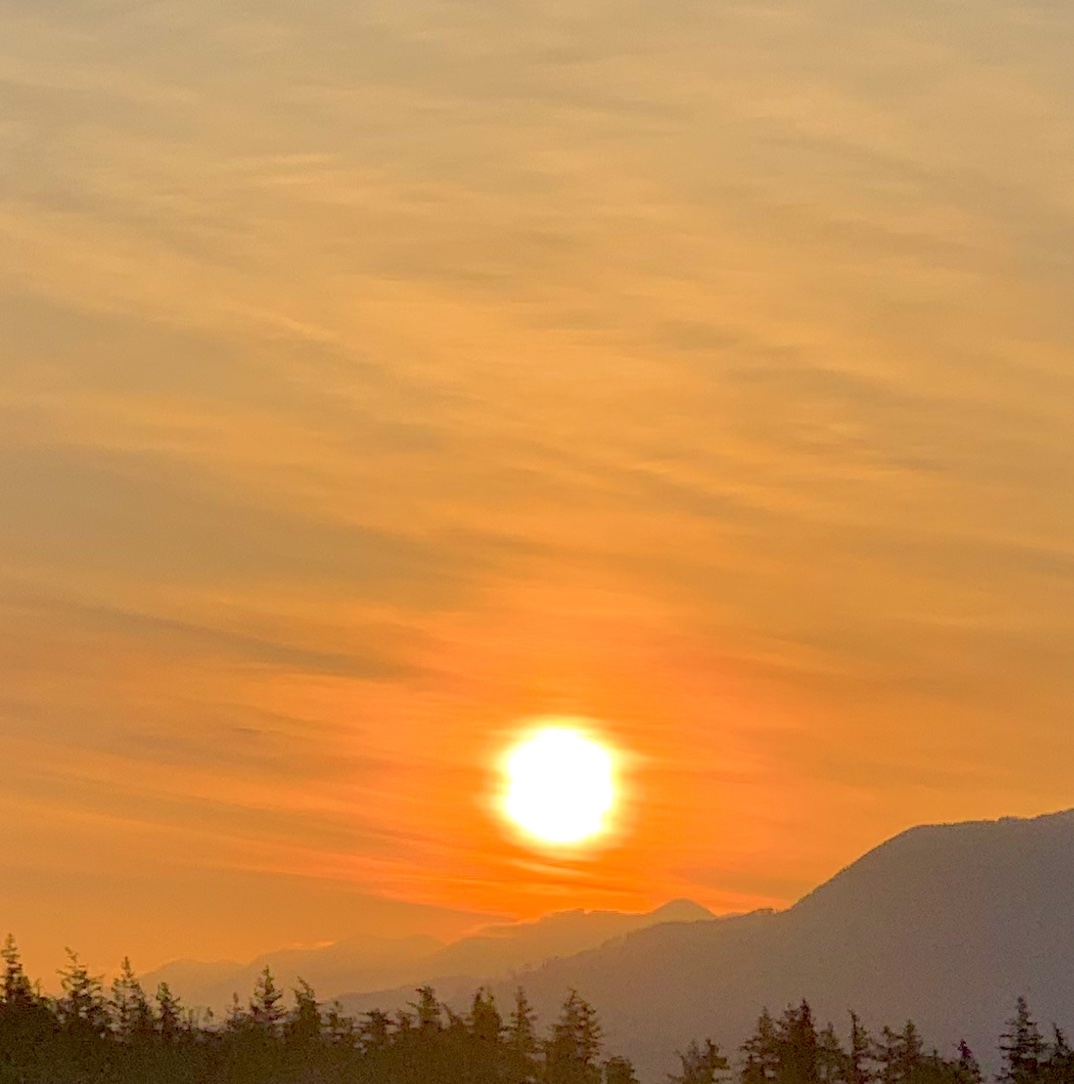
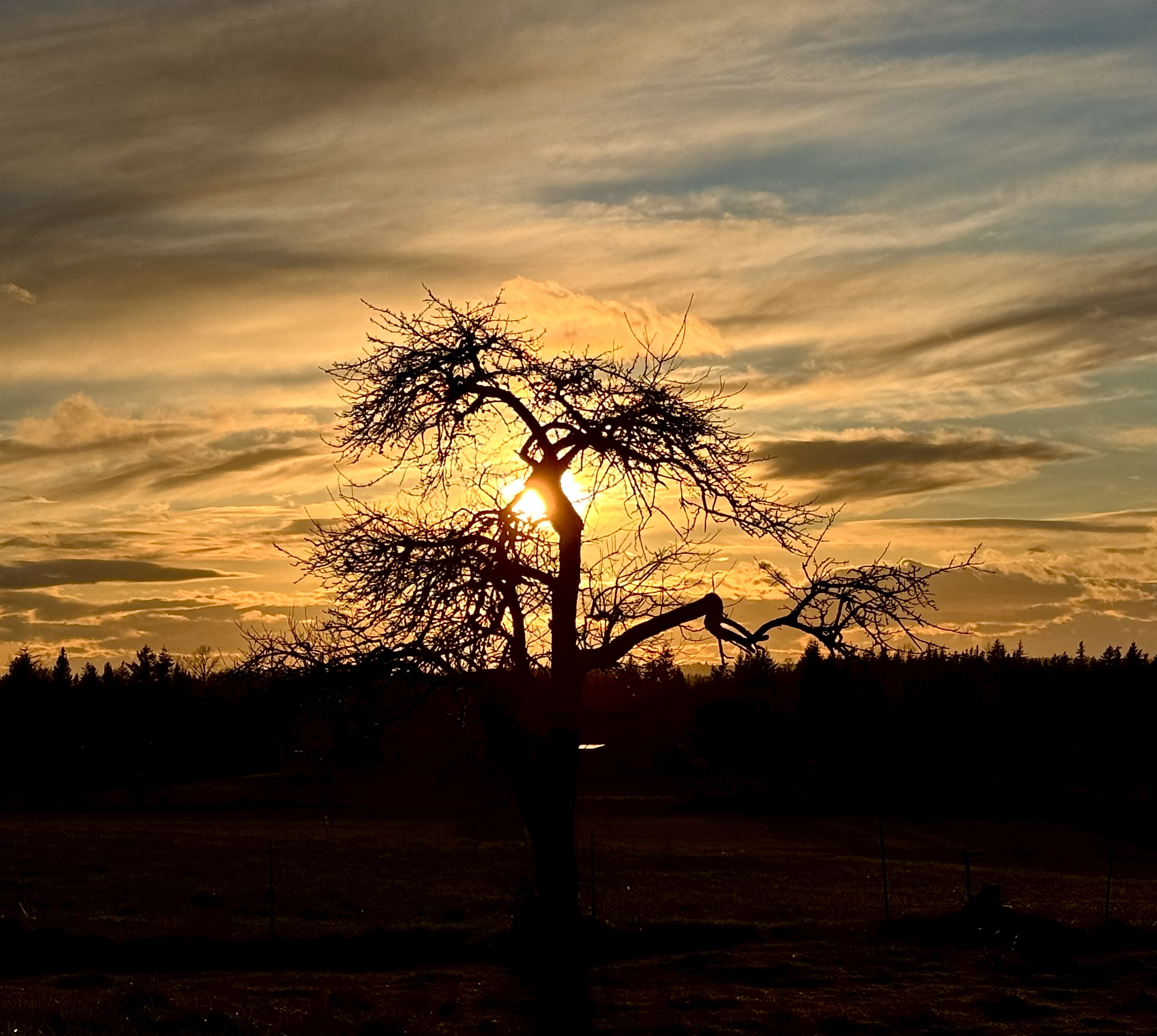
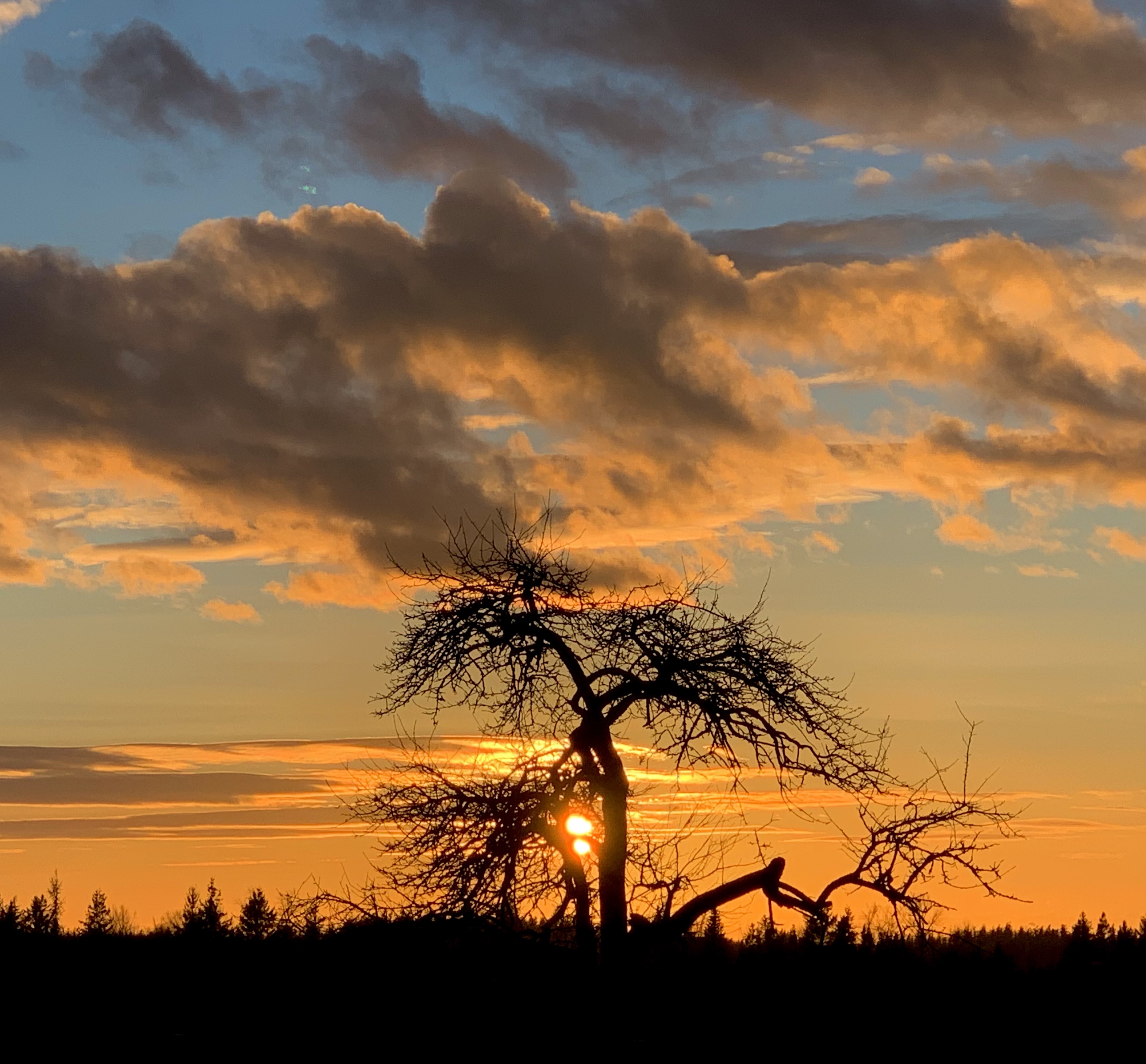
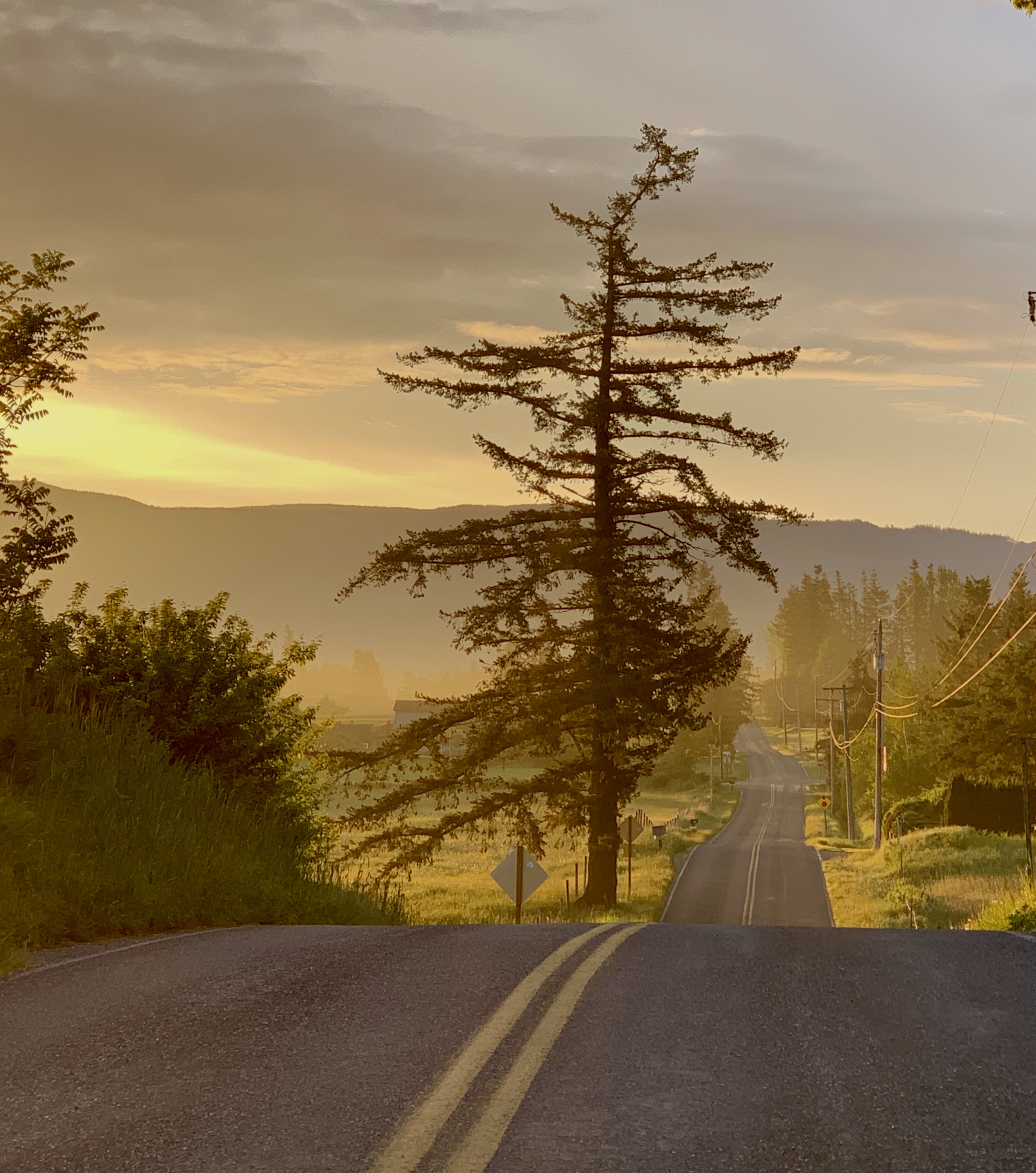
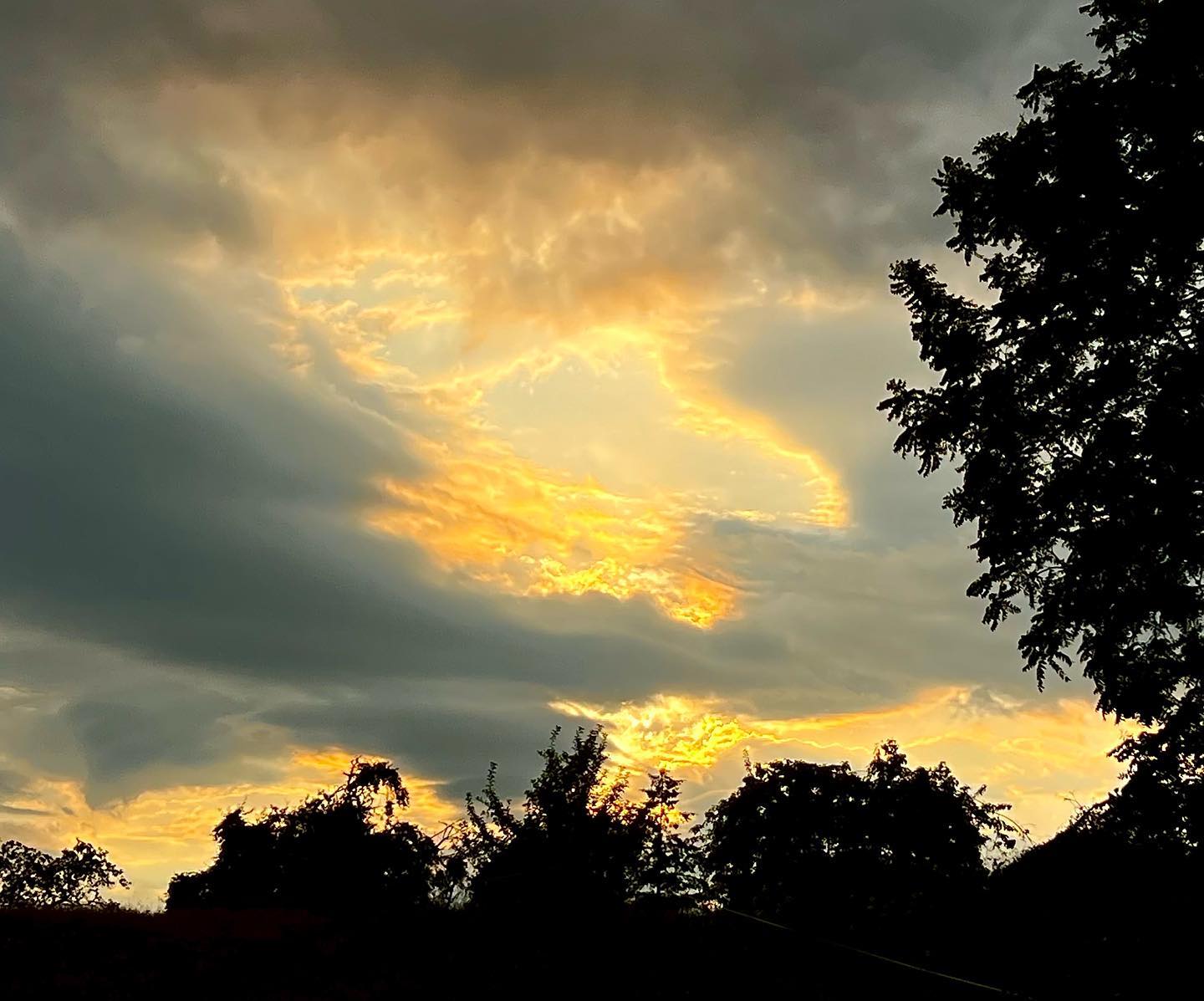
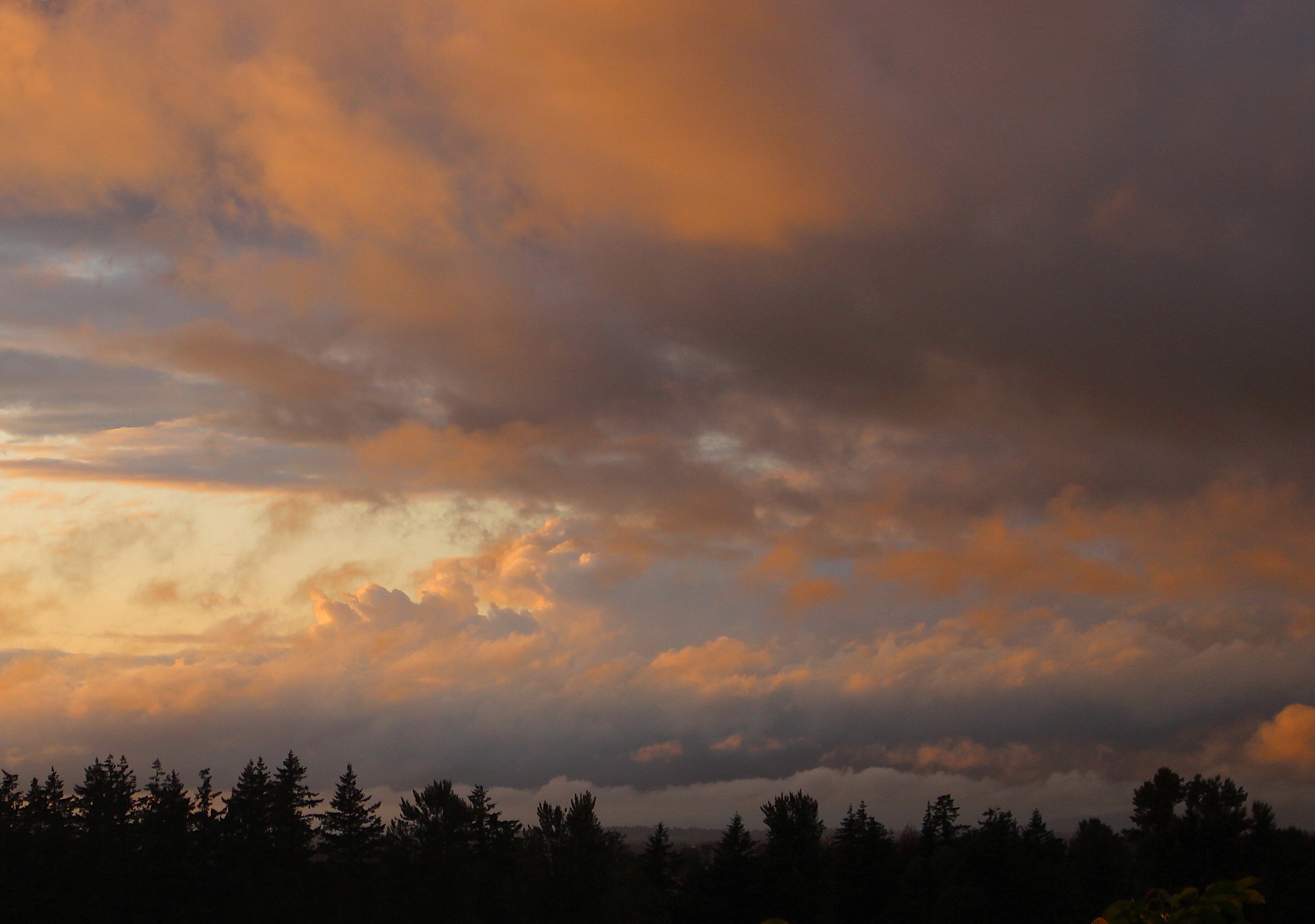
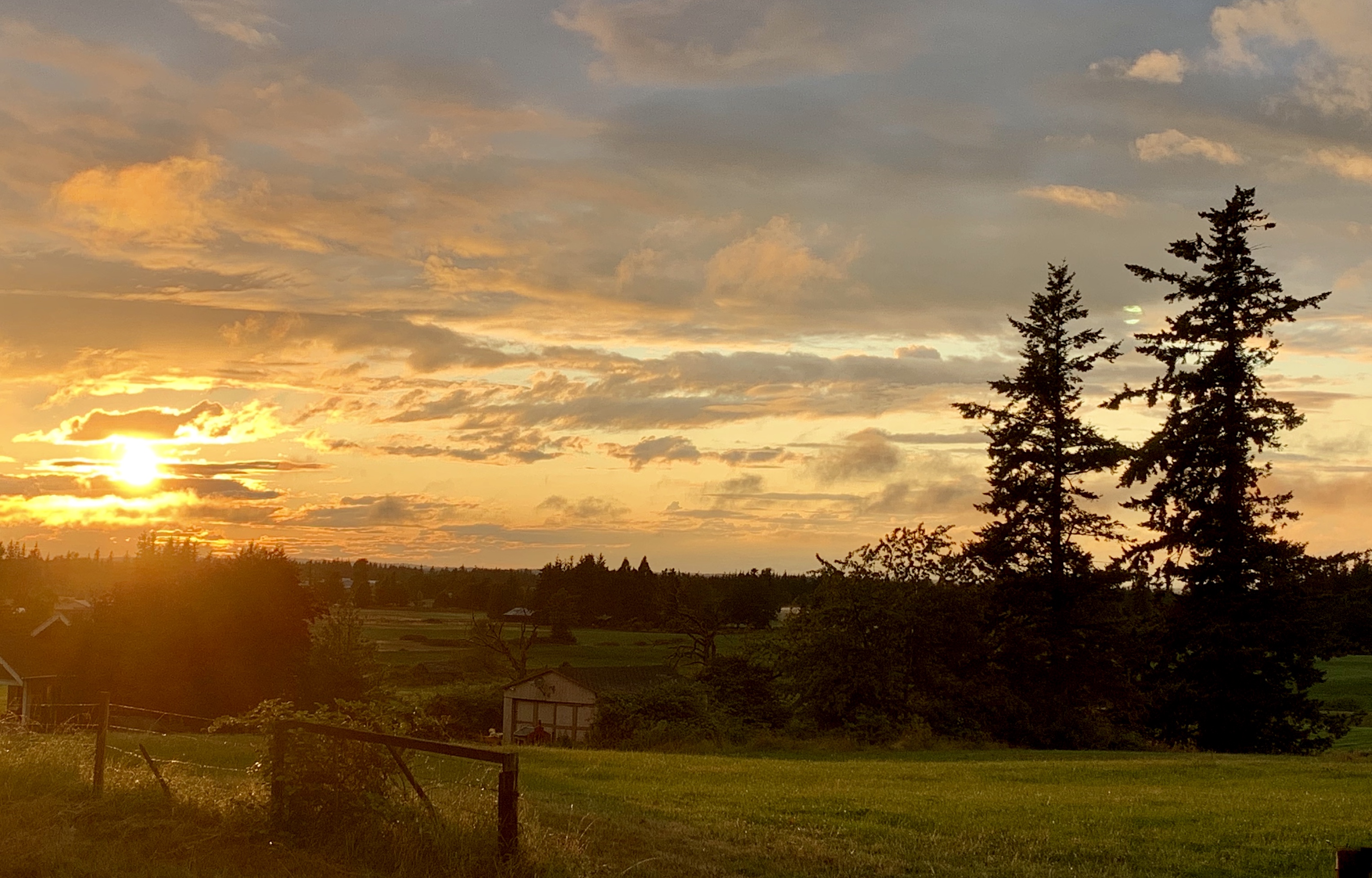
So dawn goes down to day
Nothing gold can stay.
~Robert Frost “Nothing Gold Can Stay”

Stay gold, Ponyboy, stay gold.
~S.E. Hinton from The Outsiders

Man’s innocence was lost
the moment we chose
knowledge over obedience.

The gold in our creation
sinks to grief as
we continue to make the same mistakes
again and again;

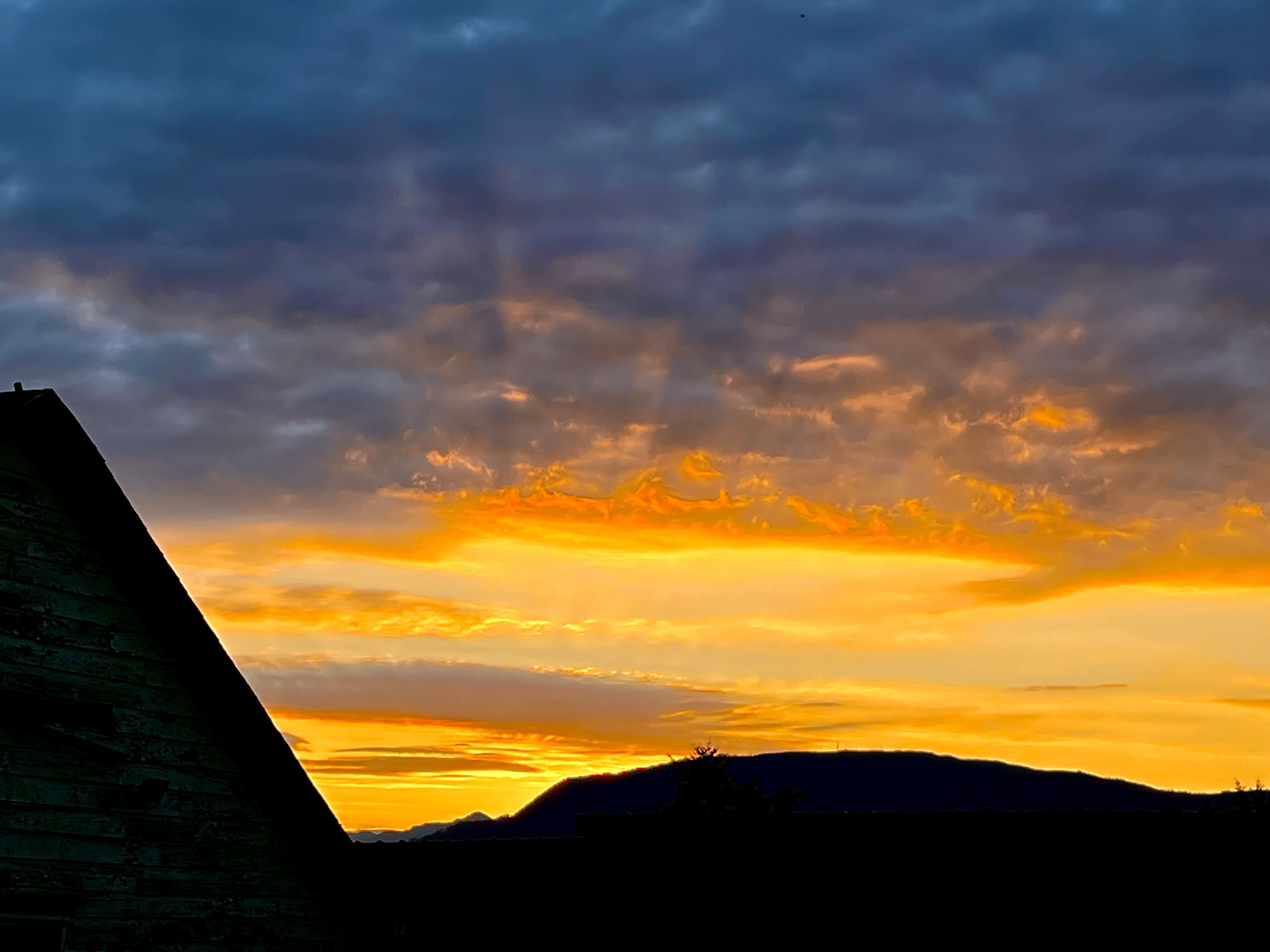
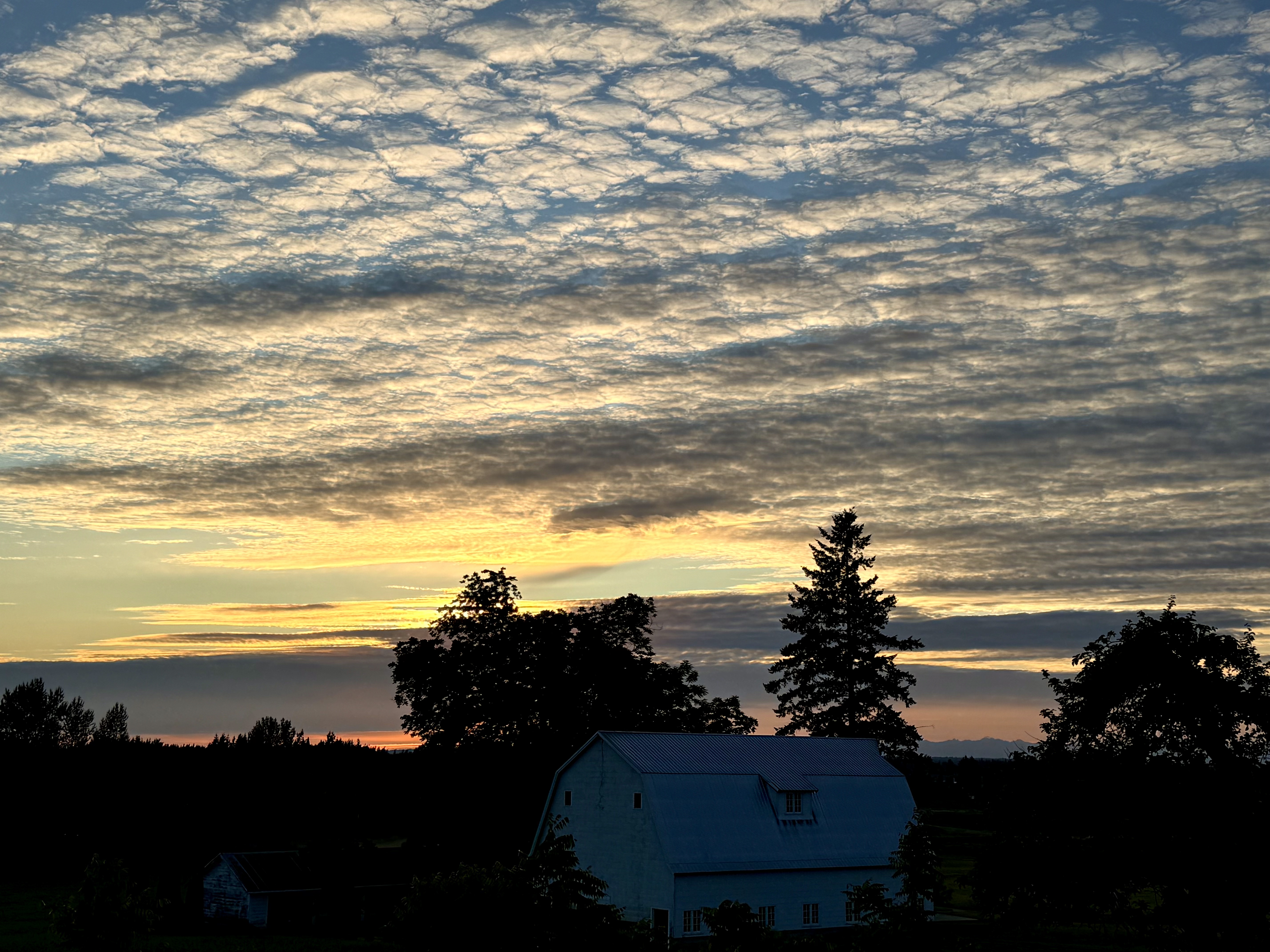
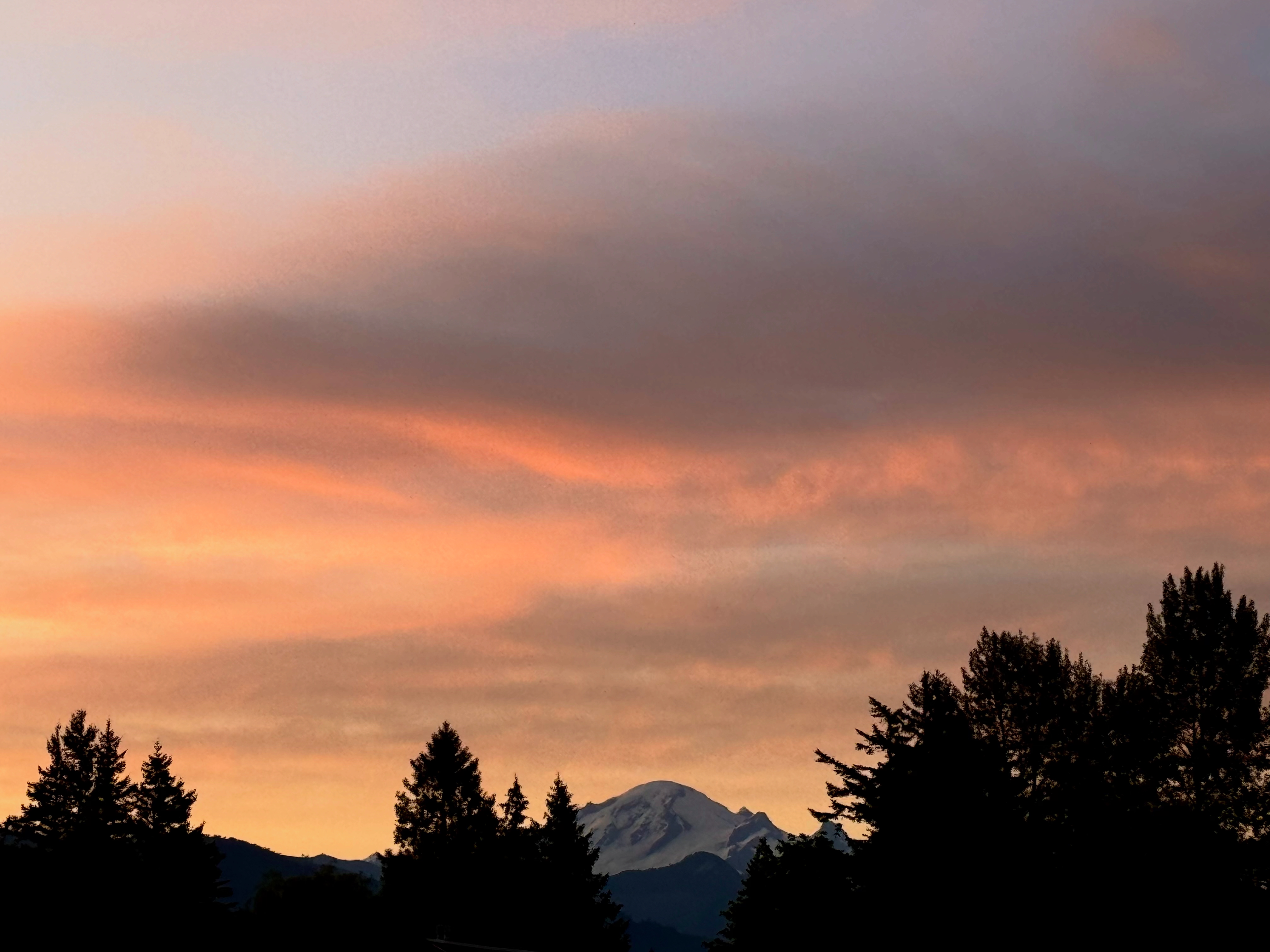
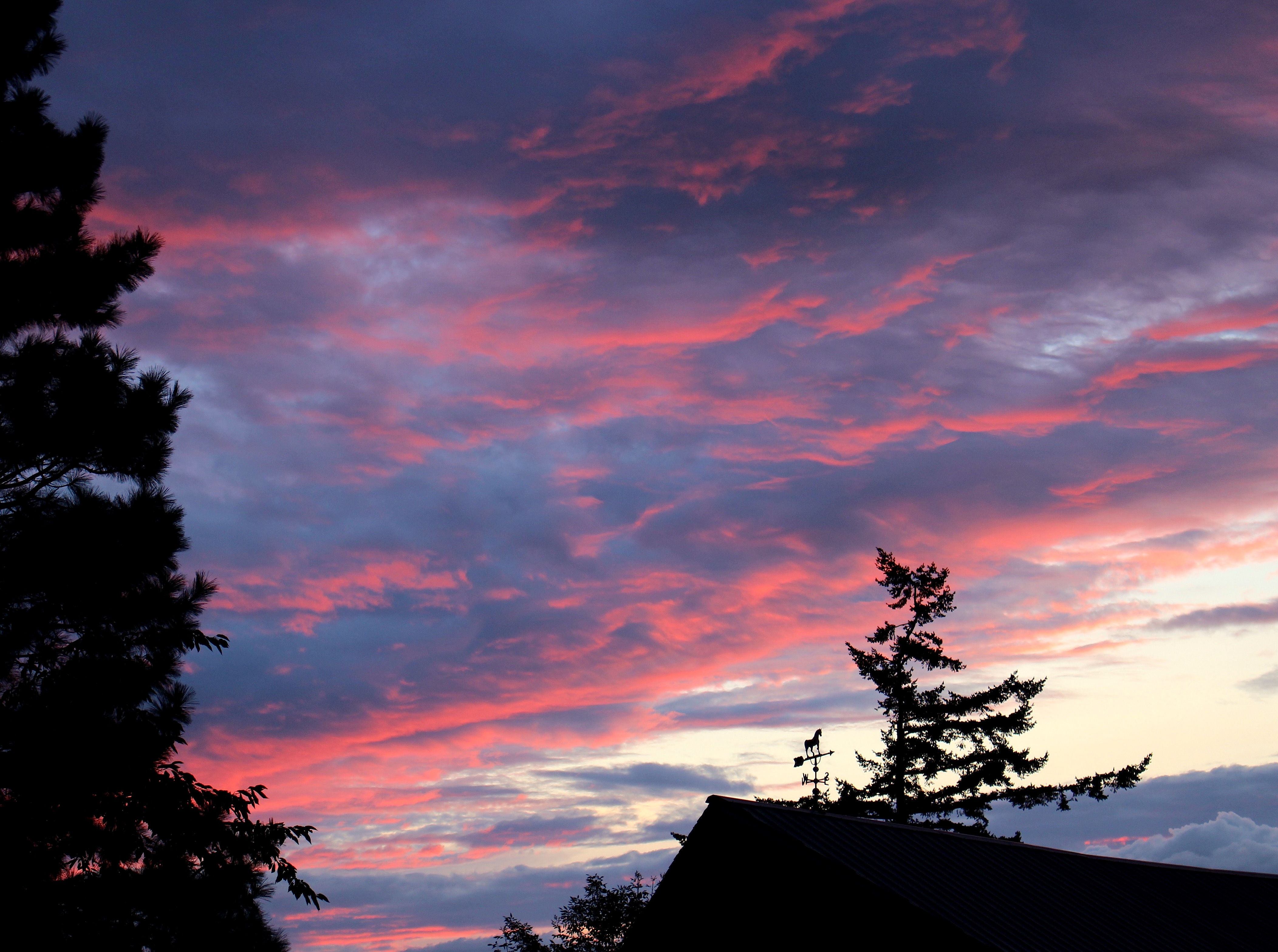
each dawn reenacts our beginnings
as leaf subsides to leaf
and each winter our endings.

Our only salvage is rescue
borne of selflessness,
an obedience beyond imagining.

Christ stays gold for us;
we rise illuminated like dawn.

One-Time
Monthly
Yearly

Make a one-time or recurring donation to support daily Barnstorming posts

Make a monthly donation

Make a yearly donation

Choose an amount

$10.00
$25.00
$50.00
$5.00
$15.00
$100.00
$5.00
$15.00
$100.00

Or enter a custom amount

$

Your contribution is deeply appreciated.

Your contribution is appreciated.

Your contribution is appreciated.

DonateDonate monthlyDonate yearly

In the Light-Charged Air

When I saw the figure on the crown of the hill,
high above the city, standing perfectly still


against a sky so saturated with the late-
afternoon, late-summer Pacific light


that granules of it seemed to have come out
of solution, like a fine precipitate


of crystals hanging in the brightened air,
I thought whoever it was standing up there


must be experiencing some heightened state
of being, or thinking—or its opposite,


thoughtlessly enraptured by the view.
Or maybe, looking again, it was a statue


of Jesus or a saint, placed there to bestow
a ceaseless blessing on the city below.


Only after a good five minutes did I see
that the figure was actually a tree—


some kind of cypress, probably, or cedar.
I was both amused and let down by my error.


Not only had I made the tree a person,
but I’d also given it a vision,


which seemed to linger in the light-charged air
around the tree’s green flame, then disappear.

~Jeffrey Harrison “The Figure on the Hill” from Into Daylight

Who was it who suggested that the opposite of war
Is not so much peace as civilisation? He knew
Our assassinated Catholic greengrocer who died
At Christmas in the arms of our Methodist minister,
And our ice-cream man whose continuing requiem
Is the twenty-one flavours children have by heart.
Our cobbler mends shoes for everybody; our butcher
Blends into his best sausages leeks, garlic, honey;
Our cornershop sells everything from bread to kindling.
Who can bring peace to people who are not civilised?
All of these people, alive or dead, are civilised.

~Michael Longley “All of These People”  from Collected Poems

Who among us appear
in the light-charged air,
visible on the crown of the hill of life –
who might be mistaken
for a martyr or a saint or a visionary,
when each one of us is
merely a person
responsible to a family,
committed to help friends,
dedicated to serve a community,
placed in this world to steady a broken civilization.

There is the simple truth that we need a person
with roots deep in the ground,
branches that reach up and out,
bearing fruit to share with those around us.

But surely not
this misery, not this blight, not this trouble,
certainly not these murders,
which only bears and shares
a heart-rending, horrible grief.

One-Time
Monthly
Yearly

Make a one-time or recurring donation to support daily Barnstorming posts

Make a monthly donation

Make a yearly donation

Choose an amount

$10.00
$25.00
$50.00
$5.00
$15.00
$100.00
$5.00
$15.00
$100.00

Or enter a custom amount

$

Your contribution is deeply appreciated.

Your contribution is appreciated.

Your contribution is appreciated.

DonateDonate monthlyDonate yearly

In My Own Voice

After nourishment, shelter and companionship,
stories are the thing we need most in the world.
Philip Pullman

You’re going to feel like hell if you wake up someday and you never wrote the stuff that is tugging on the sleeves of your heart: your stories, memories, visions, and songs–your truth, your version of things–in your own voice. That’s really all you have to offer us, and that’s also why you were born.
~Anne Lamott in a TED Talk

Write as if you were dying. At the same time, assume you write for an audience consisting solely of terminal patients.
That is, after all, the case.
~Annie Dillard from “Write Till You Drop”

I began to write after September 11, 2001 because that day it became obvious to me I too was dying, albeit more slowly than the thousands who vanished that day in fire and ash, their voices obliterated with their bodies. 

So, nearly each day since, while I still have voice and a new dawn to greet, I speak through my fingers and my camera lens to others dying around me.

We are, after all, terminal patients, some more imminent than others, some of us more prepared to move on, as if our readiness had anything to do with the timing.

Each day I too get a little closer, so I write in my own voice and share photos of my world as a way to hang on a while longer, yet with a loosening grasp. Each day I must detach just a little bit, leaving a small trace of my voice and myself behind. 

Eventually, through unmerited grace, so much of me will be left on the page there won’t be anything or anyone left to do the typing.

There is no moment or picture or word to waste.

One-Time
Monthly
Yearly

Make a one-time or recurring donation to support daily Barnstorming posts

Make a monthly donation

Make a yearly donation

Choose an amount

$10.00
$25.00
$50.00
$5.00
$15.00
$100.00
$5.00
$15.00
$100.00

Or enter a custom amount

$

Your contribution is deeply appreciated.

Your contribution is appreciated.

Your contribution is appreciated.

DonateDonate monthlyDonate yearly

Calling from the Wind Phone

The pain I feel now is the happiness I had before. That’s the deal.
~C.S. Lewis
from A Grief Observed

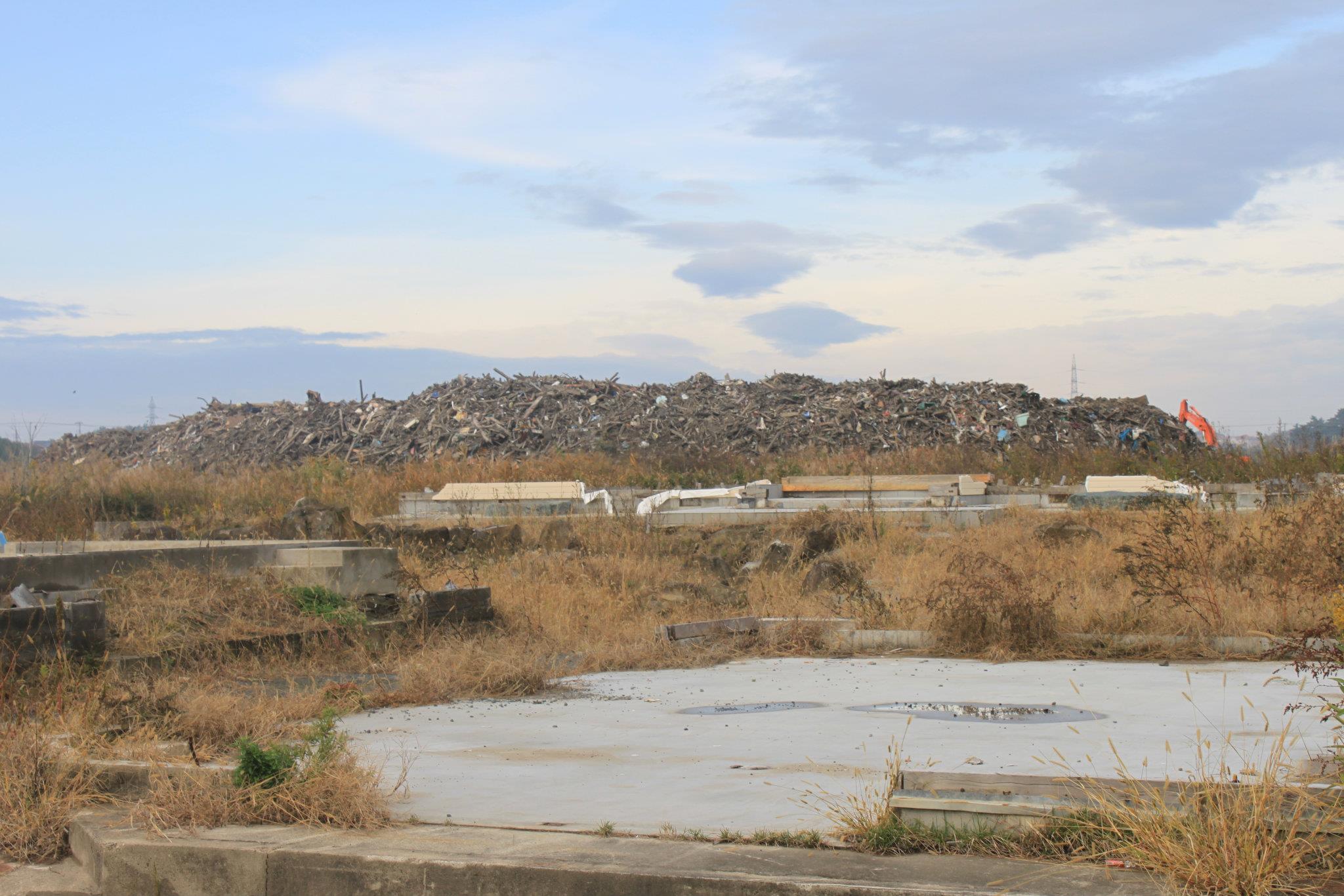
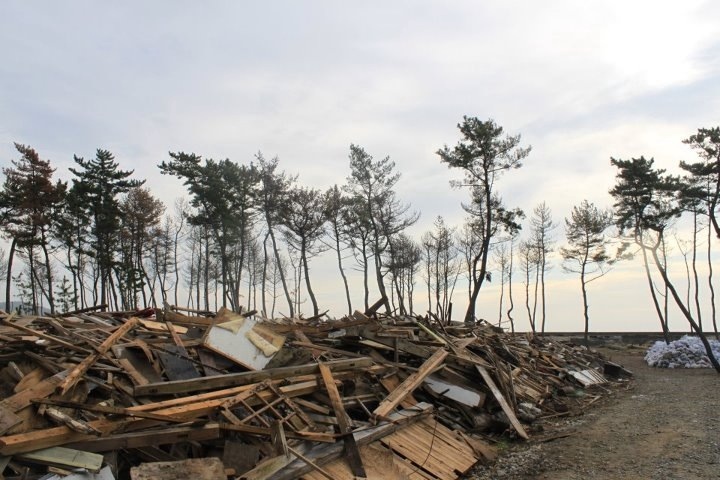
the rubble still piled on the beach at Tohoku, Japan, a year after the 3/11/11 tsunami

In the wrecked landscape
of Fukushima

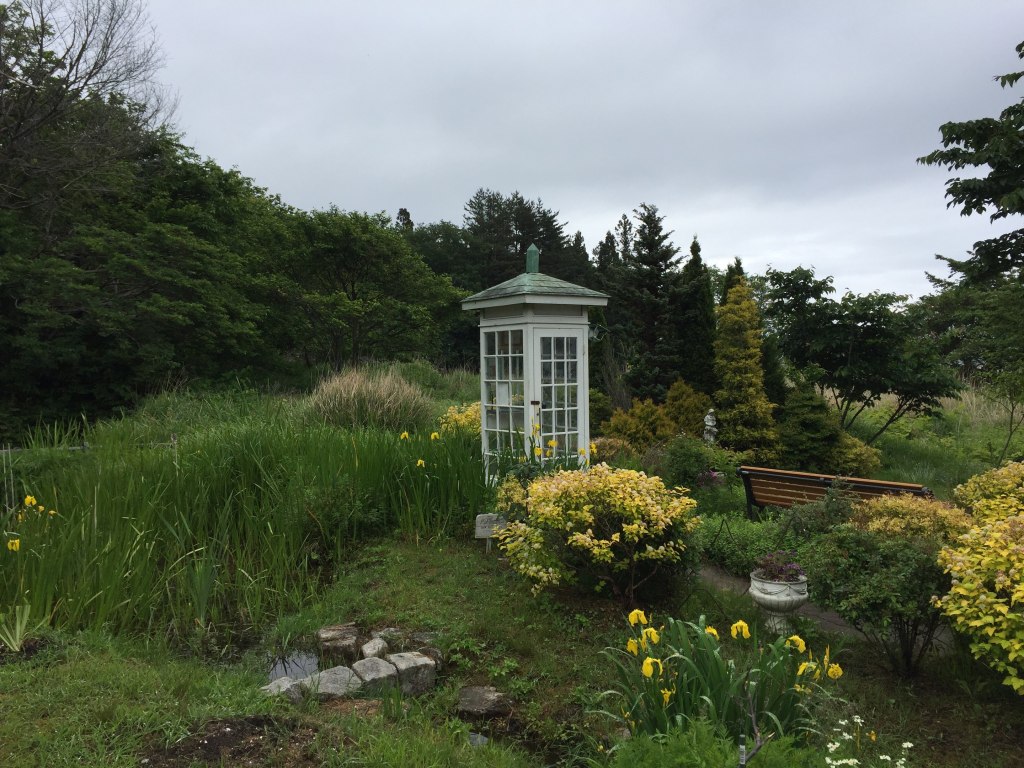
a white telephone booth
shines

with many panes of glass
in the hinged door

and a man steps in
dials the cell number

of his wife’s phone,
of course unanswering—

she was swept away
in the tsunami,

a photo in the paper
shows her sitting outside

on a blanket, knees
up, rocking back in laughter.

I pick up the black
receiver, still warm

from his hand, dialing
my sister’s number I used

to know by heart.
No answer from the sea

or her, just the whirling sound
of blood pounding in my ear.
~Patricia Clark “The Wind Phone”

photo by Nate Gibson at Sendai, Japan
photo by Nate Gibson 11/11
photo by Nate Gibson of Sendai rubble pile 11/11

My life closed twice before its close;
It yet remains to see
If immortality unveil
A third event to me

So huge, so hopeless to conceive
As these that twice befell.
Parting is all we know of heaven,
And all we need of hell.

~Emily Dickinson “Parting”

Original windphone is Otsuchi Garden, Japan

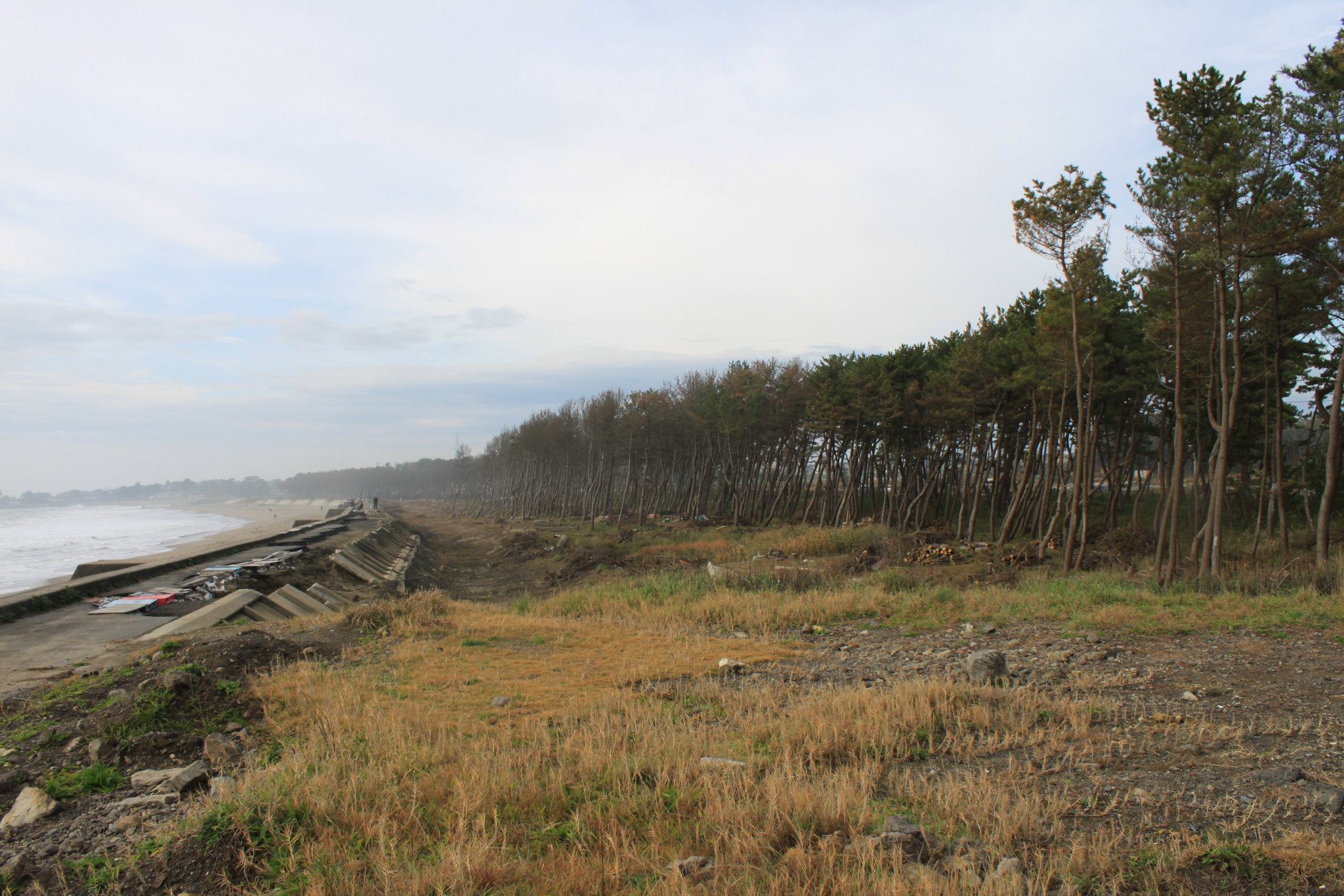
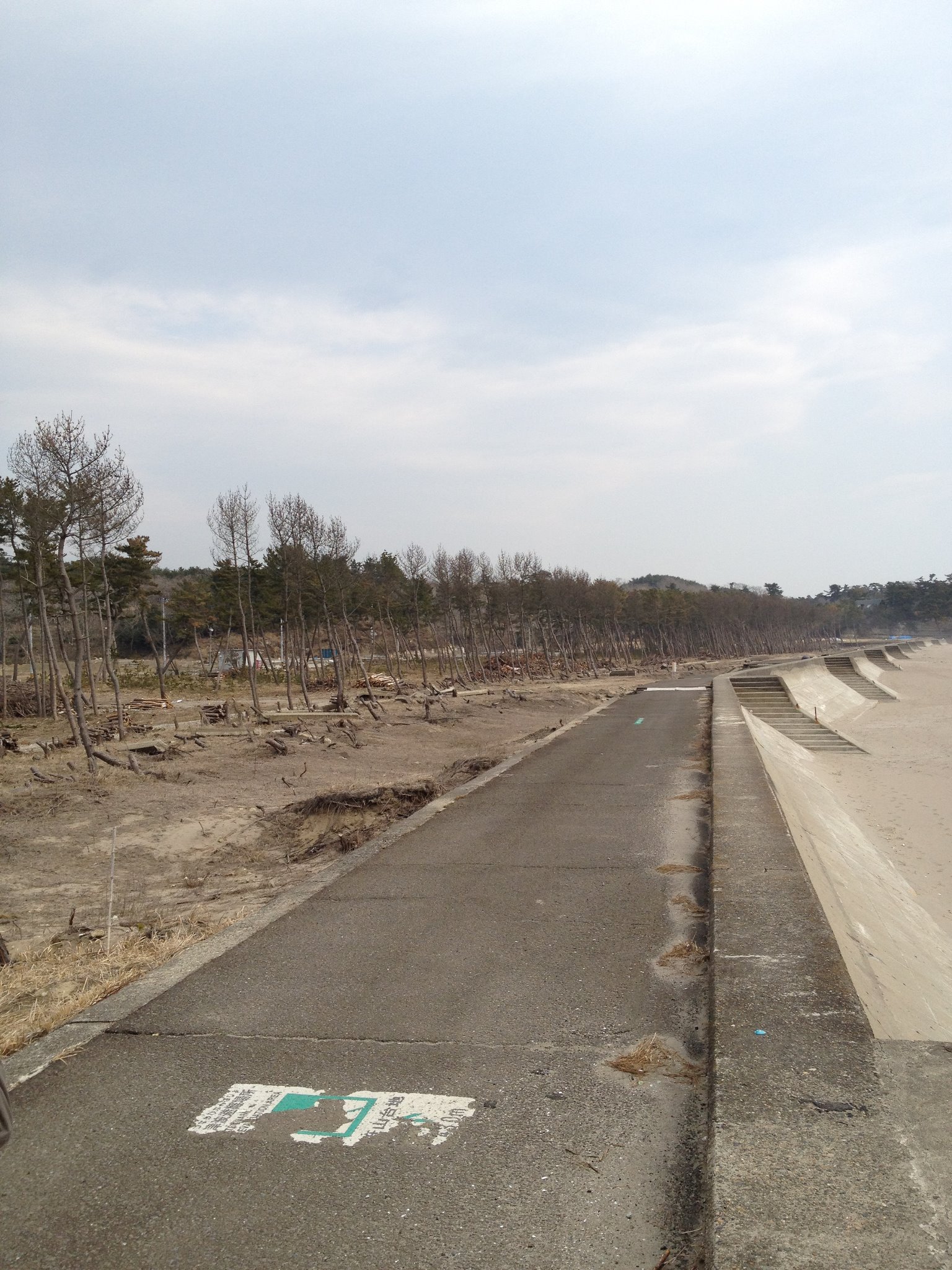
In 2012, we stayed with our friends Brian and Bette at their cabin on a bluff just above the Pacific Ocean at Sendai, Japan, just a few dozen feet above the devastation that wiped out an entire fishing village below during the 3/11/11 earthquake and tsunami.

As we walked that stretch of beach, we heard the stories of the people who had lived there, some of whom did not survive the waves that swept their houses and cars away before they could escape. We walked past the footprints of foundations of hundreds of demolished homes, humbled by the rubble mountains yet to be hauled away a year later, to be burned or buried. There were acres of wrecked vehicles piled one on another, waiting to become scrap metal.

It was visual evidence of life so suddenly and dramatically disrupted and carried away.

This had been a place of recreation and respite for some who visited regularly, commerce and livelihood for others who stayed year round and, in ongoing recovery efforts, struggling to be restored to something familiar. Yet it looked like a foreign ghostly landscape. Many trees perished, lost, broken off, fish nets still stuck high on their scarred trunks. There were small memorials to lost family members within some home foundations, with stuffed animals and flowers wilting from the recent anniversary observance.

Tohoku is a powerful place of memories for those who still live there and know what it once was, how it once looked and felt, and painfully, what it became in a matter of minutes on 3/11/11. The waves swept in inexplicable suffering, then carried their former lives away. Happiness gave ground to such terrible pain that could never have hurt as much without the joy and contentment that preceded it.

We are tempted to ask God why He doesn’t do something about the suffering that happened in this place or anywhere a disaster occurs –but if we do, He will ask us the same question right back. We need to be ready with our answer and our action.

God knows suffering. Far more than we do. He took it all on Himself, feeling His pain amplified, as it was borne out of His love and joy in His creation.

This beautiful place, and its dedicated survivors have slowly recovered, but the inner and outer landscape is forever altered. What remains the same is the pulsing tempo of the waves, the tides, and the rhythm of the light and the night, happening just as originally created.

With that realization, pain will finally give way, unable to stand up to His love, His joy, and our response to His sacrifice.

We can call Him up anytime and anywhere.

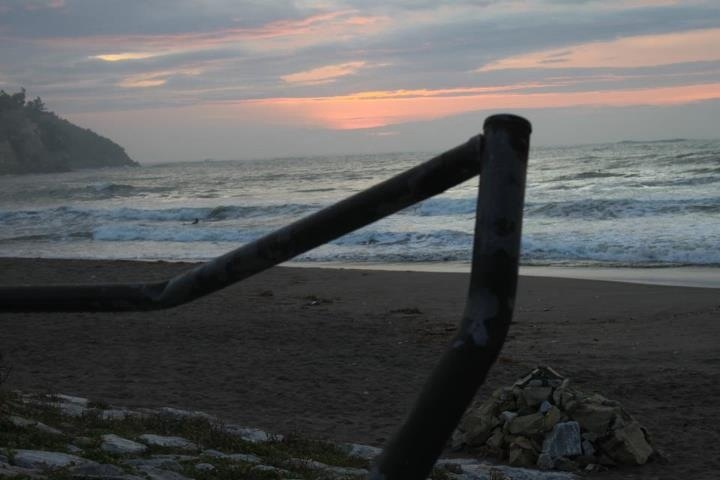
bent gate at Sendai beach -2012
One-Time
Monthly
Yearly

Make a one-time or recurring donation to support daily Barnstorming posts

Make a monthly donation

Make a yearly donation

Choose an amount

$10.00
$25.00
$50.00
$5.00
$15.00
$100.00
$5.00
$15.00
$100.00

Or enter a custom amount

$

Your contribution is deeply appreciated.

Your contribution is appreciated.

Your contribution is appreciated.

DonateDonate monthlyDonate yearly

If You Have Wings…

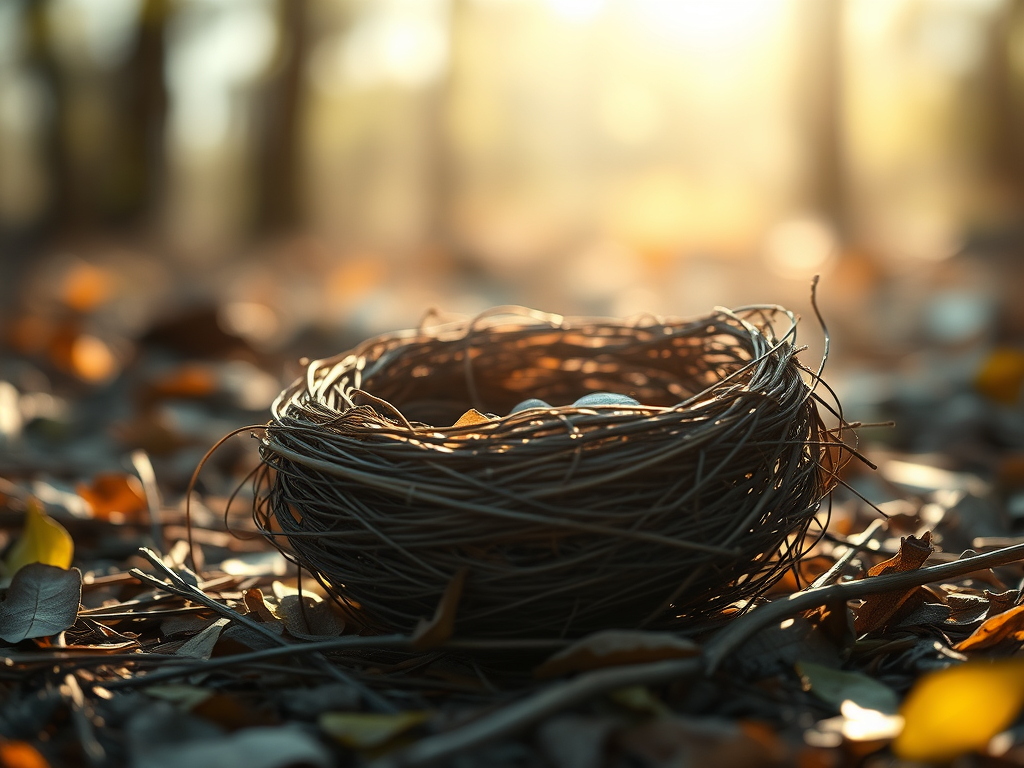
It’s not like losing a child
where you just sit there
and the child just sits there
but you’re the only one
doing the talking.
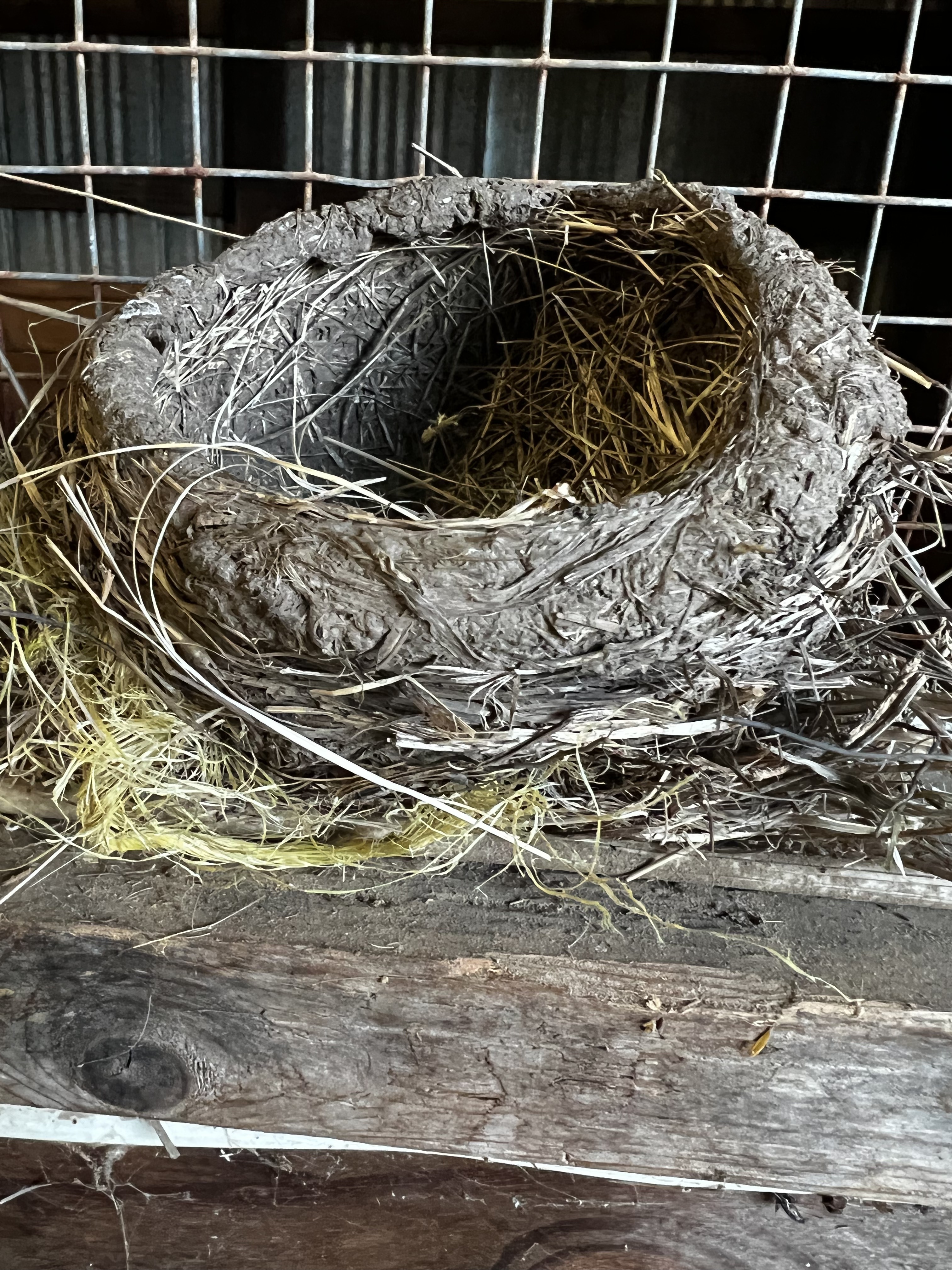
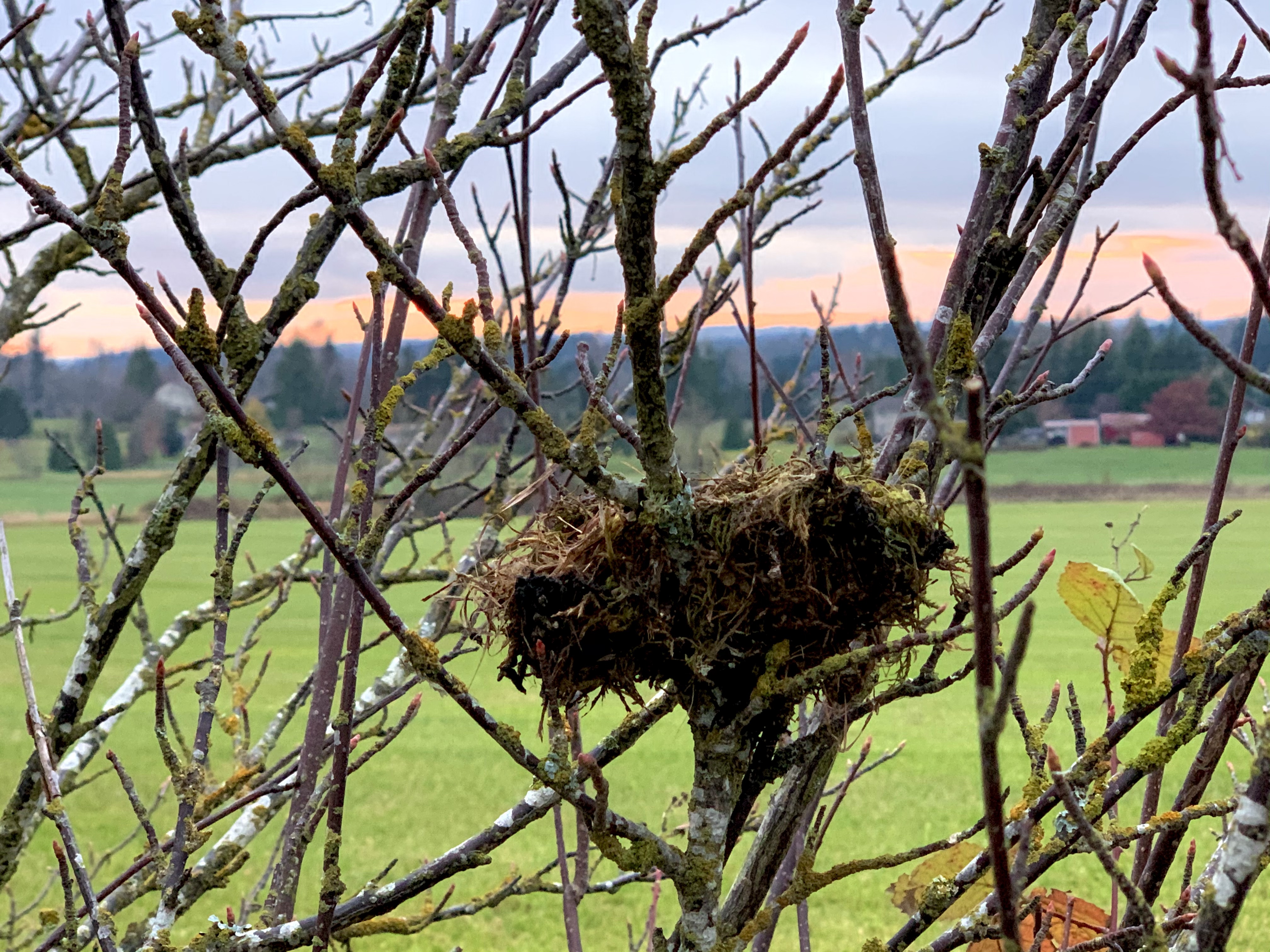
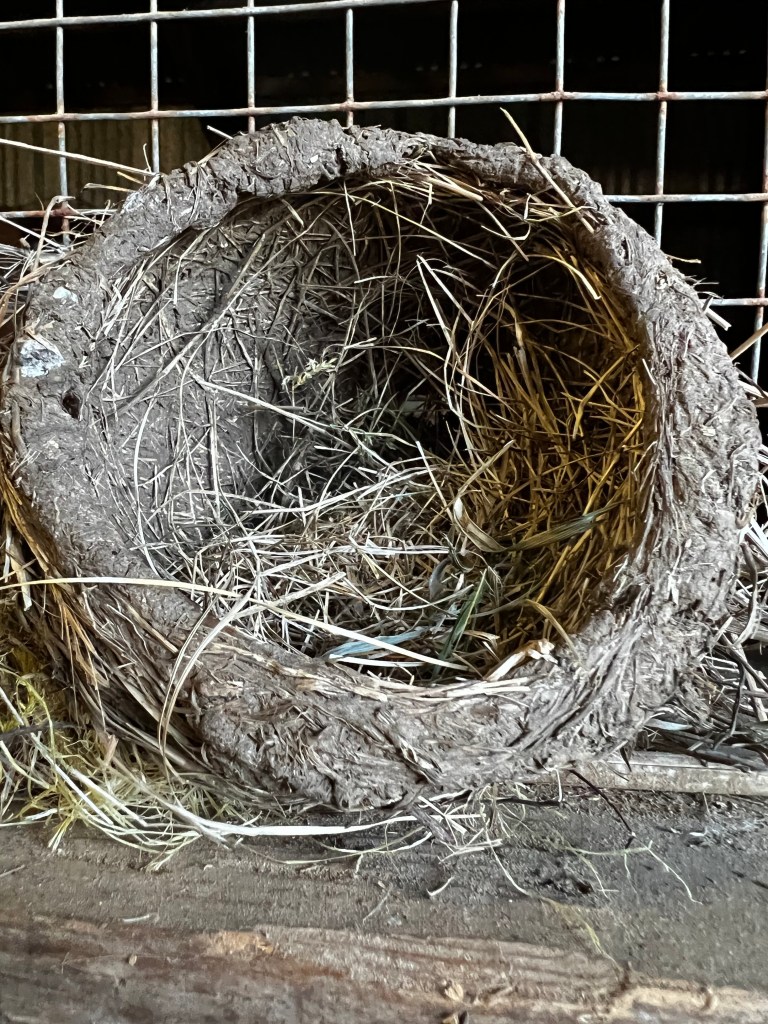
It’s more like a placenta
out of sticks and mud
in the driveway,
a former home where
something was born
and left, or maybe was
born and never got to
leave or was swept
away by the wind
that came through
here last night, maybe
more like having a house
burn to the ground,
no big deal if you have
wings to take you
somewhere else.
~Casey Killingsworth “A Nest Blew Down” from Freak Show

Every one of us knows loss.
At times, lost things are replaceable;
most are not.

When what we love is swept away,
so are we.
Who we were is no longer who we become
in that instant of loss.

All things change;
we become strangers in a new land,
toppled over, empty, and gasping.

Wings won’t carry us away from ourselves.
No matter where our wings take us,
we depend on a God who refills
our hollowed-out hearts.

AI image created for this post
One-Time
Monthly
Yearly

Make a one-time or recurring donation to support daily Barnstorming posts

Make a monthly donation

Make a yearly donation

Choose an amount

$10.00
$25.00
$50.00
$5.00
$15.00
$100.00
$5.00
$15.00
$100.00

Or enter a custom amount

$

Your contribution is deeply appreciated.

Your contribution is appreciated.

Your contribution is appreciated.

DonateDonate monthlyDonate yearly

For the Children…

If anyone, then, knows the good they ought to do and doesn’t do it,
it is a sin.
James 4:17

The rising hills, the slopes,
of statistics
lie before us,
the steep climb
of everything, going up,
up, as we all
go down.


In the next century
or the one beyond that,
they say,
are valleys, pastures,
we can meet there in peace
if we make it.


To climb these coming crests
one word to you, to
you and your children:


stay together
learn the flowers
go light

~Gary Snyder “For the Children” from Turtle Island.

After another school/church massacre;
how can there be nothing new to say?

We’ve learned nothing about keeping weapons
out of the hands of people bent on destruction –
taking themselves out after taking others with them.

To our children and grandchildren:
as a society, we have failed to keep you out of harm’s way
by failing to control the harm of modern weapons
in the wrong hands.

How can we be forgiven over and over
as shootings happen again and again.
Maybe we didn’t pull the trigger,
but we allowed someone else to.

Together, we share the responsibility
for each and every death that has happened,
and more bound to happen on our watch.

And that is a heavy burden to bear.

One-Time
Monthly
Yearly

Make a one-time or recurring donation to support daily Barnstorming posts

Make a monthly donation

Make a yearly donation

Choose an amount

$10.00
$25.00
$50.00
$5.00
$15.00
$100.00
$5.00
$15.00
$100.00

Or enter a custom amount

$

Your contribution is deeply appreciated.

Your contribution is appreciated.

Your contribution is appreciated.

DonateDonate monthlyDonate yearly

Where We Could Not Reach

My father would lift me
to the ceiling in his big hands
and ask, 
How’s the weather up there?
And it was good, the weather
of being in his hands, his breath
of scotch and cigarettes, his face
smiling from the world below.
O daddy, was the lullaby I sang
back down to him as he stood on earth,
my great, white-shirted father, home
from work, his gold wristwatch
and wedding band gleaming
as he held me above him
for as long as he could,
before his strength failed
down there in the world I find myself
standing in tonight, my little boy
looking down from his flight
below the ceiling, cradled in my hands,
his eyes wide and already staring
into the distance beyond the man
asking him again and again,
How’s the weather up there?
~George Bilgere “Weather”.

It was hard work, dying, harder
than anything he’d ever done.

Whatever brutal, bruising, back-
breaking chore he’d forced himself

to endure—it was nothing
compared to this. And it took

so long. When would the job
be over? Who would call him

home for supper? And it was
hard for us (his children)—

all of our lives we’d heard
my mother telling us to go out,

help your father, but this
was work we could not do.

He was way out beyond us,
in a field we could not reach.

~Joyce Sutphen “My Father, Dying”

Deep in one of our closets is an old film reel of me about 16 months old sitting securely held by my father on his shoulders. I am bursting out with giggles as he repeatedly bends forward, dipping his head and shoulders down. I tip forward, looking like I am about to fall off, and when he stands back up straight, my mouth becomes a large O and I can almost remember the tummy tickle I feel. I want him to do it again and again, taking me to the edge of falling off and then bringing me back from the brink.

My father was a tall man, so being swept up onto his shoulders felt a bit like I was touching heaven.

It was as he lay dying 30 years ago this summer that I realized again how tall he was — his feet kept hitting the foot panel of the hospital bed my mother had requested for their home. We cushioned his feet with padding so he wouldn’t get abrasions even though he would never stand on them again, no longer towering over us.

His helplessness in dying was startling – this man who could build anything and accomplish whatever he set his mind to was unable to subdue his cancer. Our father, who was so self-sufficient he rarely asked for help, did not know how to ask for help now.

So we did what we could when we could tell he was uncomfortable, which wasn’t often. He didn’t say much, even though there was much we could have been saying. We didn’t reminisce. We didn’t laugh and joke together. We just were there, taking shifts catching naps on the couch so we could be available if he called out, which he never did.

This man:
who had grown up dirt poor,
fought hard with his alcoholic father
left abruptly to go to college – the first in his family –
then called to war for three years in the South Pacific.

This man:
who had raised a family on a small farm while he was a teacher,
then a supervisor, then a desk worker.

This man:
who left our family to marry another woman
but returned after a decade to ask forgiveness.

This man:
who died in a house he had built completely himself,
without assistance, from the ground up.

He didn’t need our help – he who had held tightly to us and brought us back from the brink when we went too far – he had been on the brink himself and was rescued, coming back humbled.

No question the weather is fine for him up there. I have no doubt.

One-Time
Monthly
Yearly

Make a one-time or recurring donation to support daily Barnstorming posts

Make a monthly donation

Make a yearly donation

Choose an amount

$10.00
$25.00
$50.00
$5.00
$15.00
$100.00
$5.00
$15.00
$100.00

Or enter a custom amount

$

Your contribution is deeply appreciated.

Your contribution is appreciated.

Your contribution is appreciated.

DonateDonate monthlyDonate yearly

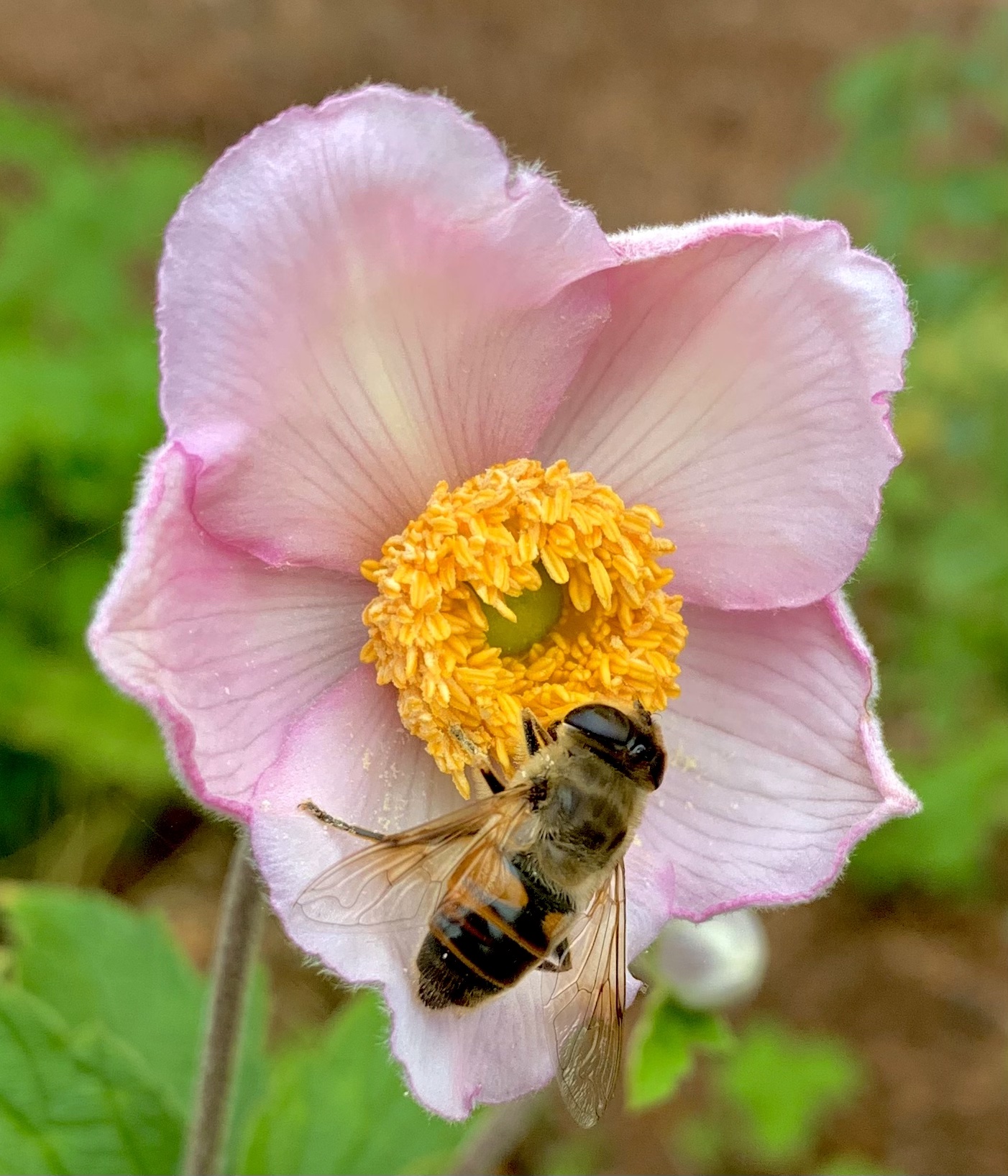
The Bees of the Invisible

Let us go forward quietly,
forever making for the light,
and lifting up our hearts in the knowledge
that we are as others are
(and that others are as we are),
and that it is right to love one another
in the best possible way –
believing all things,
hoping for all things,
and enduring all things. 
~Vincent Van Gogh from a Letter to Theo Van Gogh – 3 April 1878

I have lived so long
On the cold hills alone . . .
I loved the rock
And the lean pine trees,
Hated the life in the turfy meadow,
Hated the heavy, sensuous bees.
I have lived so long
Under the high monotony of starry skies,
I am so cased about
With the clean wind and the cold nights,
People will not let me in
To their warm gardens
Full of bees.

~Janet Loxley Lewis “Austerity”


Everywhere transience is plunging into the depths of Being.
It is our task to imprint this temporary, perishable earth
into ourselves, so deeply, so painfully and passionately,
that its essence can rise again, invisible, inside of us.
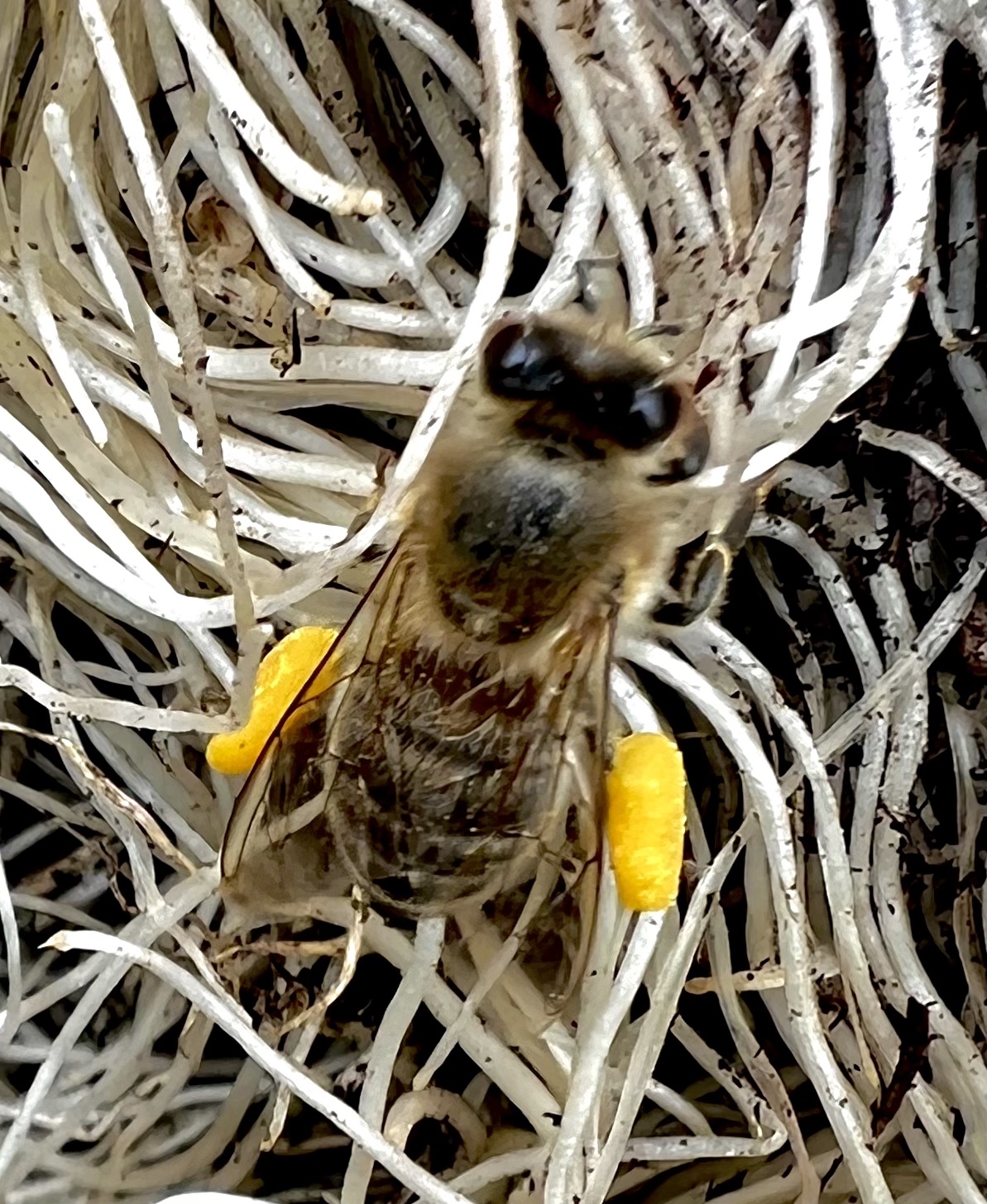
We are the bees of the invisible.
We wildly collect the honey of the visible,
to store it in the great golden hive of the invisible.
~Rainier Maria Rilke in a letter to his friend Witold Hulewicz, 1925

I am convinced,
reading the news,
too many people are forced to survive
in a world cold and cruel,
without warmth or safety,
too many empty stomachs,
no healing hands for injury or disease.

Our country was trying to help
up until the last few months
when so much has been pulled away.

No longer are we, the helper bees, sent to the invisible,
bringing tangible hope and light, food and meds,
to those who have so little.

No longer do we bring collected honey
to the suffering, the ill, the poor and
invisible who share this planet.

Oh Lord, turn us away from such austerity.
Let us not forget how to share
the humming riches of Your warm garden.

AI image created for this post

One-Time
Monthly
Yearly

Make a one-time or recurring donation to support daily Barnstorming posts

Make a monthly donation

Make a yearly donation

Choose an amount

$10.00
$25.00
$50.00
$5.00
$15.00
$100.00
$5.00
$15.00
$100.00

Or enter a custom amount

$

Your contribution is deeply appreciated.

Your contribution is appreciated.

Your contribution is appreciated.

DonateDonate monthlyDonate yearly

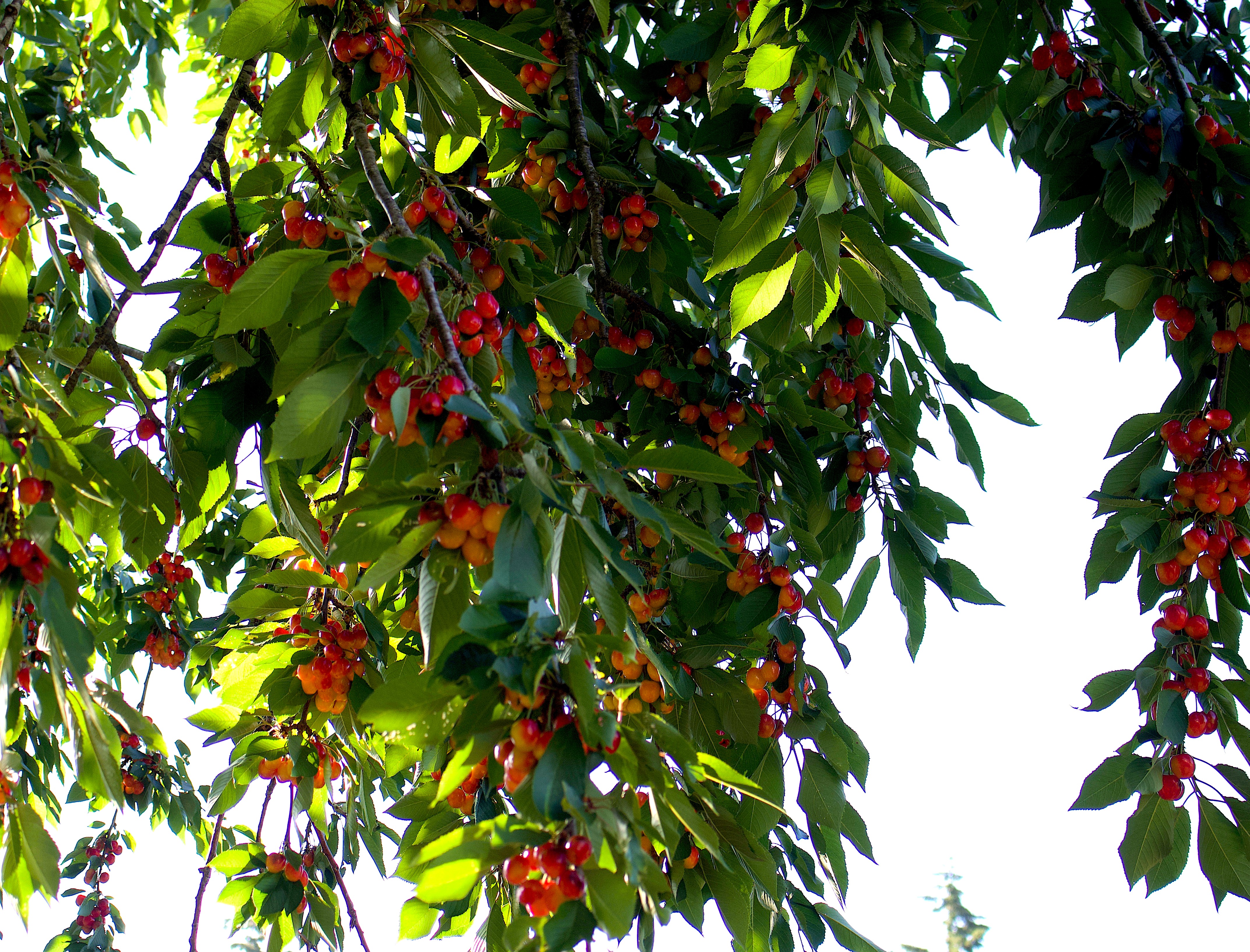
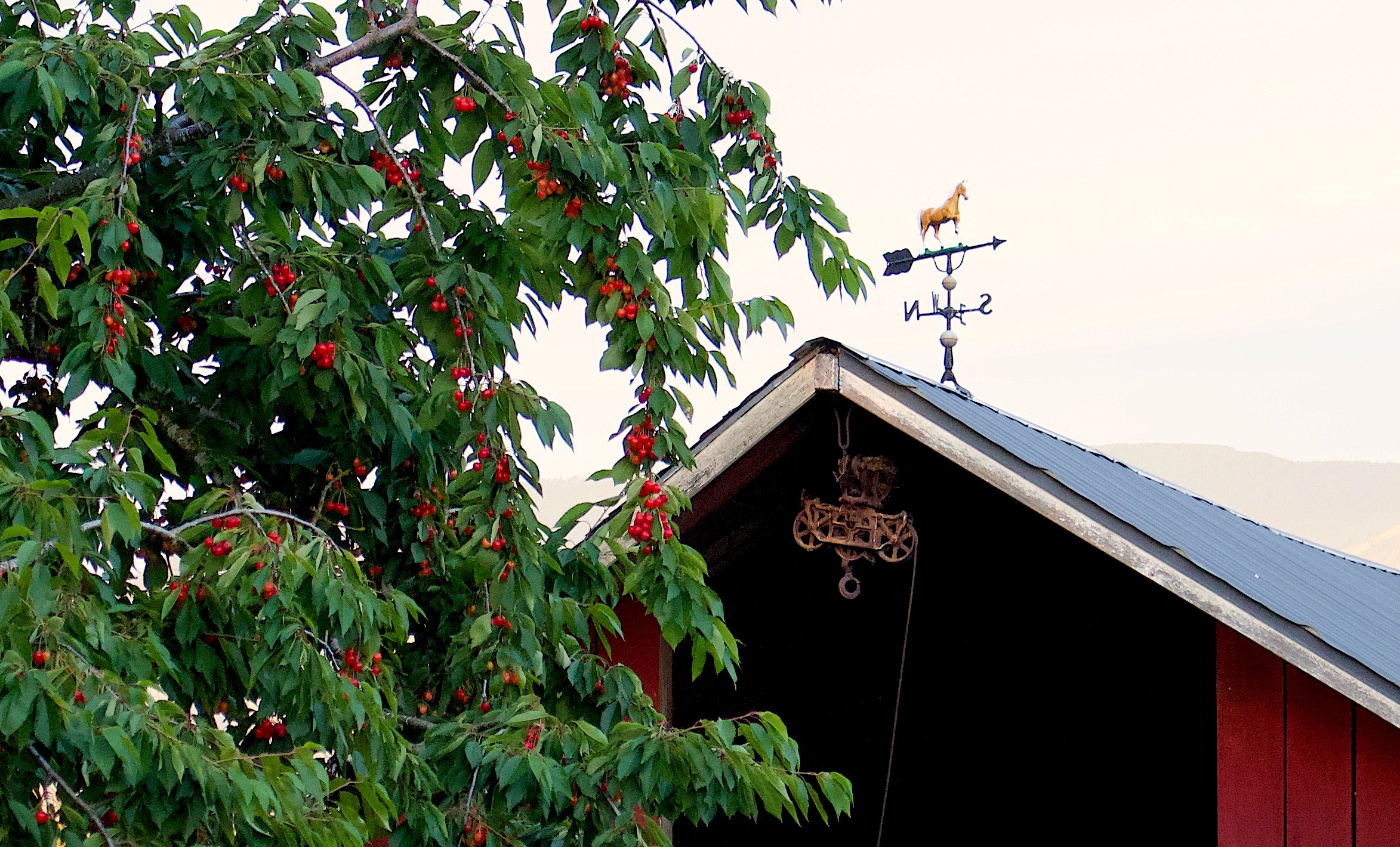
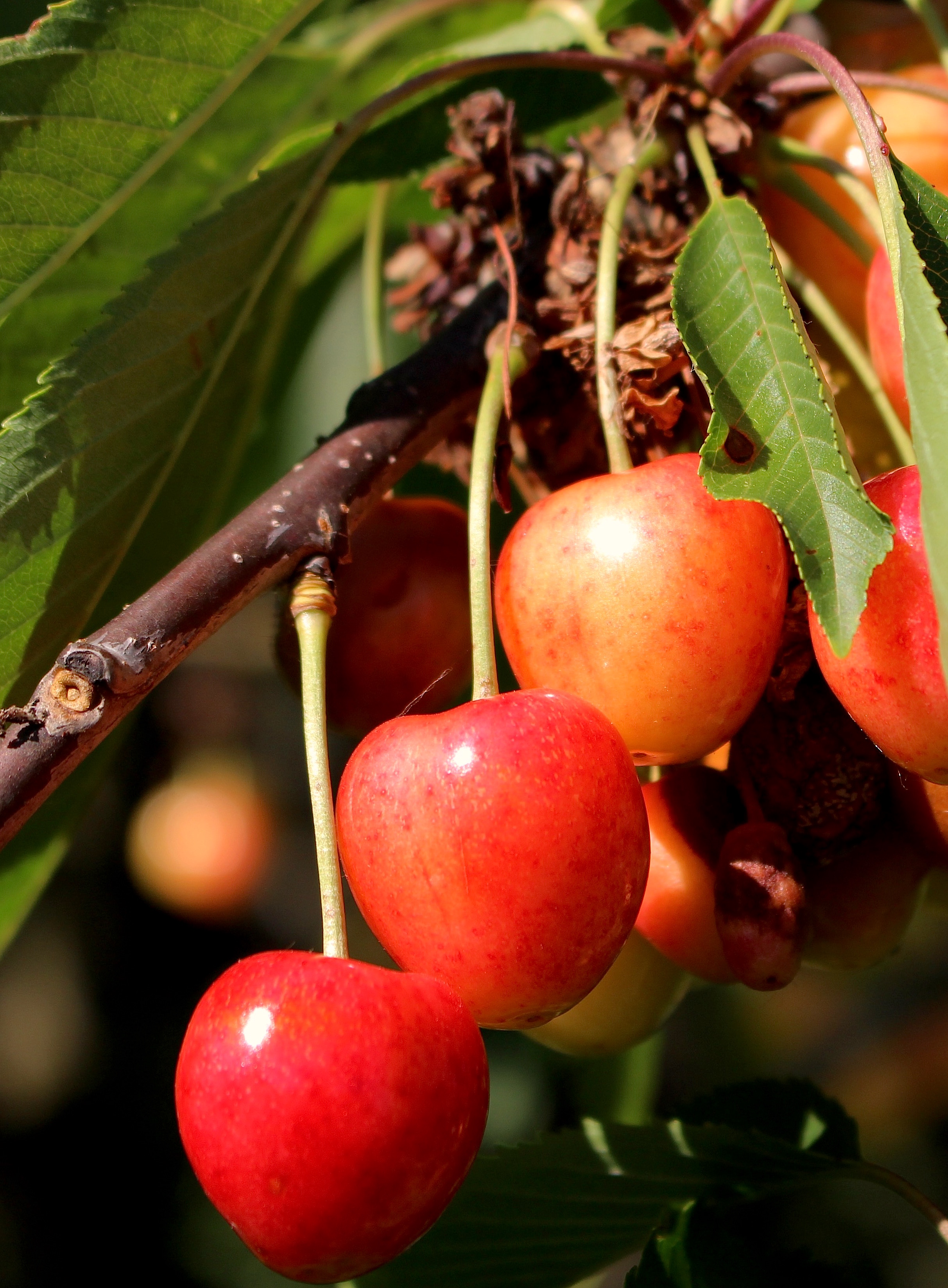
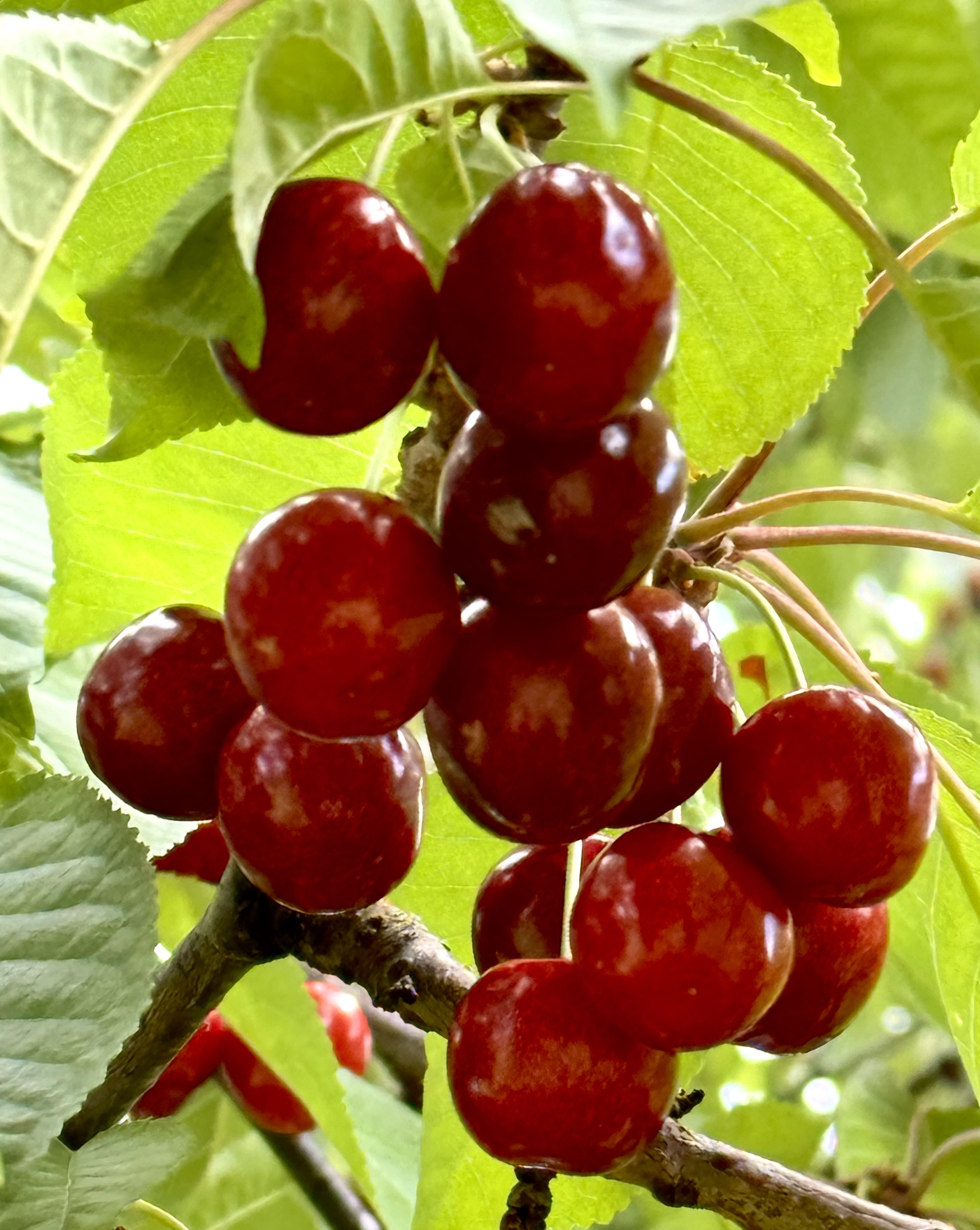
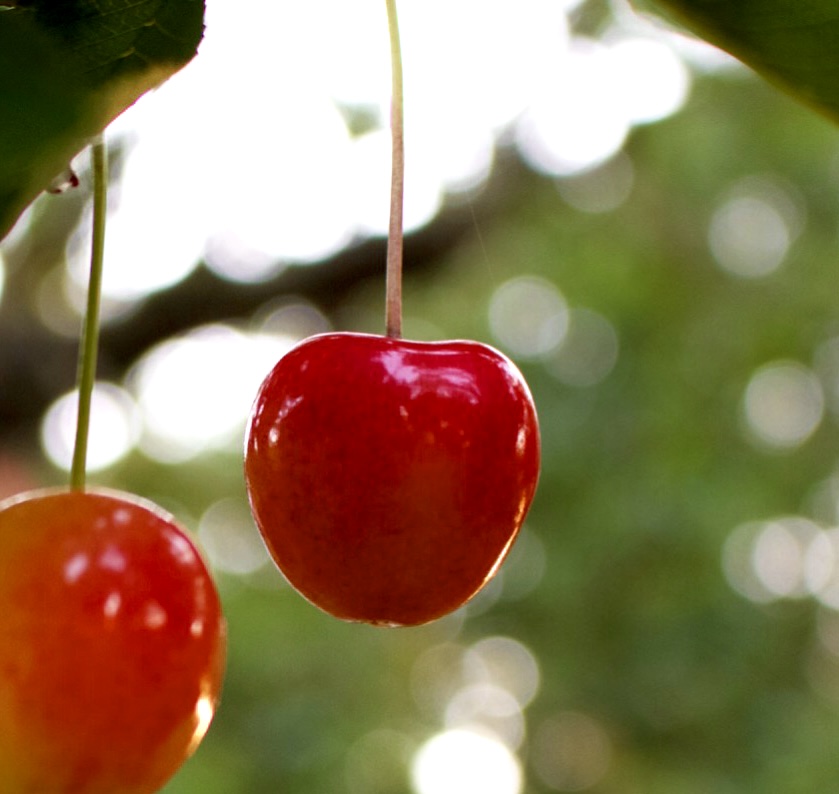
Holding a Memory of Cherries

We used to pick cherries over the hill
where we paid to climb wooden ladders
into the bright haven above our heads, the fruit
dangling earthward. Dark, twinned bells
ringing in some good fortune just beyond
our sight. I have lived on earth long enough
to know good luck arrives only on its way
to someone else, for it must leave you to the miracle
of your own misfortune, lest you grow weary
of harvest, of cherries falling from the crown of sky
in mid-summer, of hours of idle. Let there be
a stone of suffering. Let the fruit taste of sweetness
and dust. Let grief split your heart so precisely
you must hold, somehow, a memory of cherries—
tart talismans of pleasure—in the rucksack
of your soul. Taut skin, sharp blessing.

Luminous, ordinary and acute.
~Danusha Laméris “U-Pick Orchards”

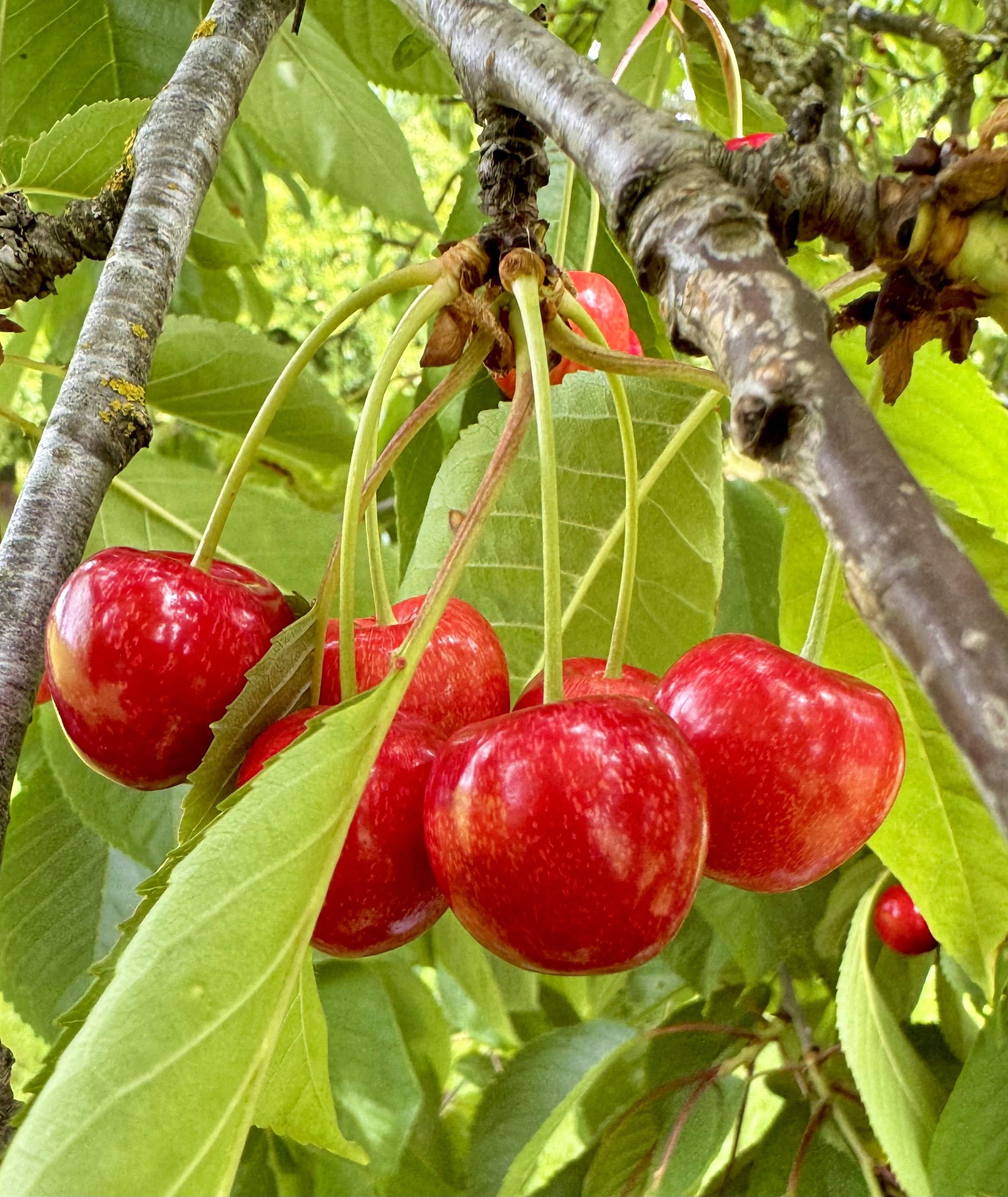
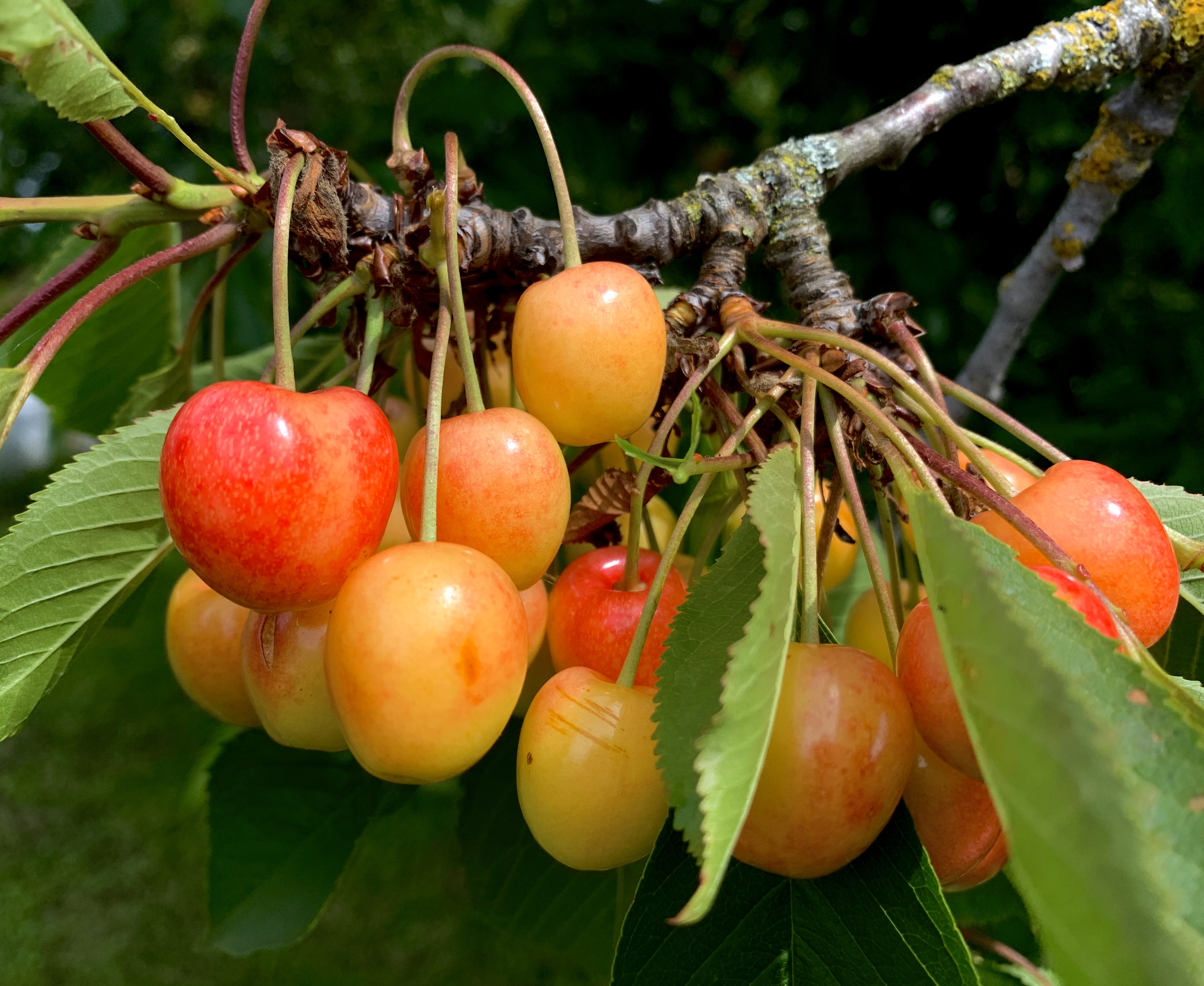
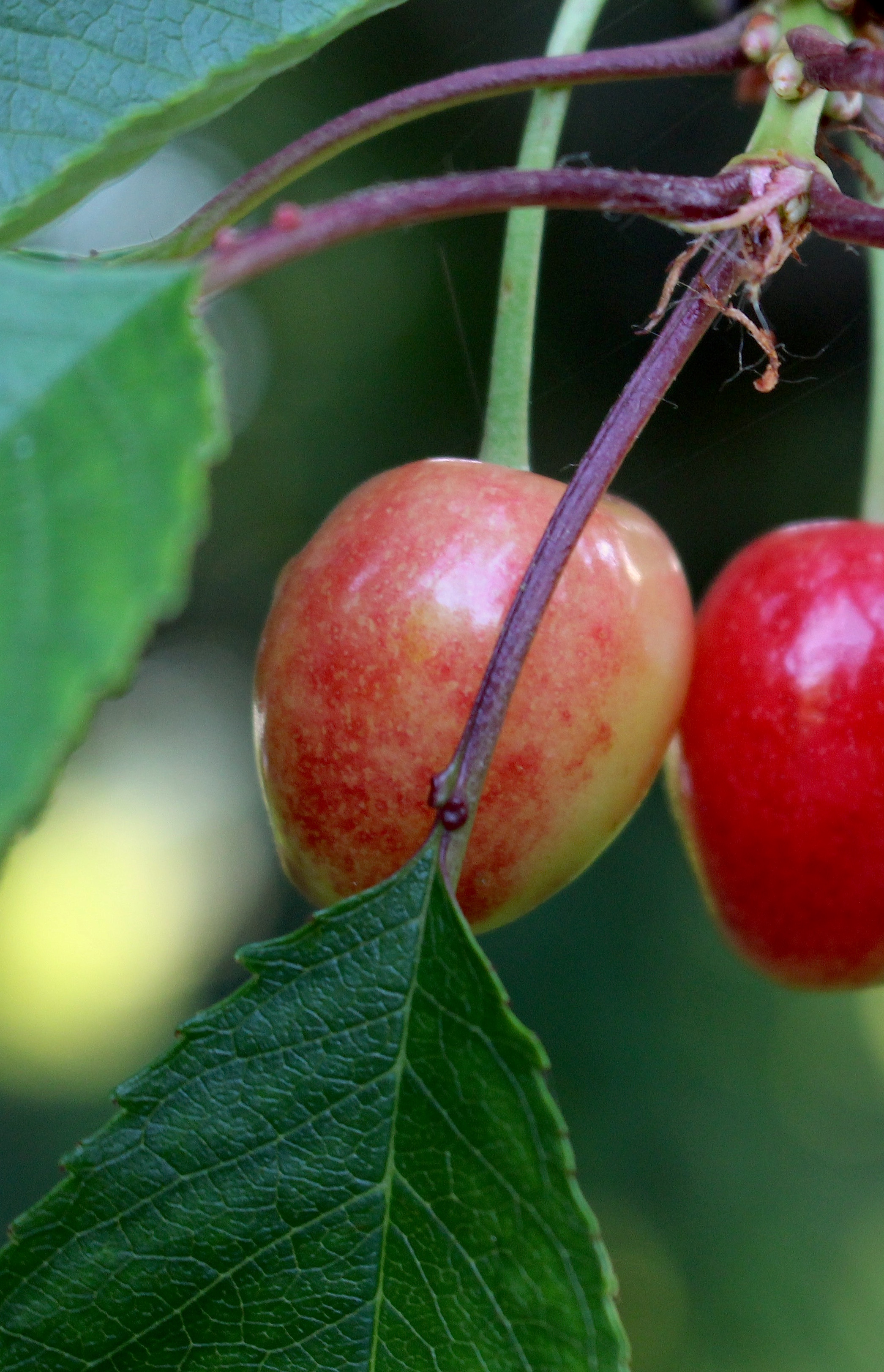
Life is not a bowl of cherries,
unless you count the ones
that aren’t yet ripe, or are over-ripe,
or have a squirrel- or bird-bite taken,
or have shriveled to raisins on the tree.

Yes, there are perfect cherries
that shine in the dark, glistening with promise,
tempting us to climb high to pick them.

Those we really want usually are out of reach.

How can we know what perfection is
unless we experience where life falls short?

The lingering taste of grief,
the agony of waiting for word in a tragedy,
the gnawing emptiness of indescribable loss.

Only the memory of what was nearly perfect,
remembering what could have been
knowing what will someday be our reality
can ease the bitter pit of suffering now.

May the families of those swept away in flooding,
those who live in the path of war and violence,
those who hunger for justice, or starving for food,
those who struggle with life-threatening and chronic illness
somehow know the comfort of God’s perfection awaits them.
The Light and Goodness is there for us to taste,
yet just beyond our reach.

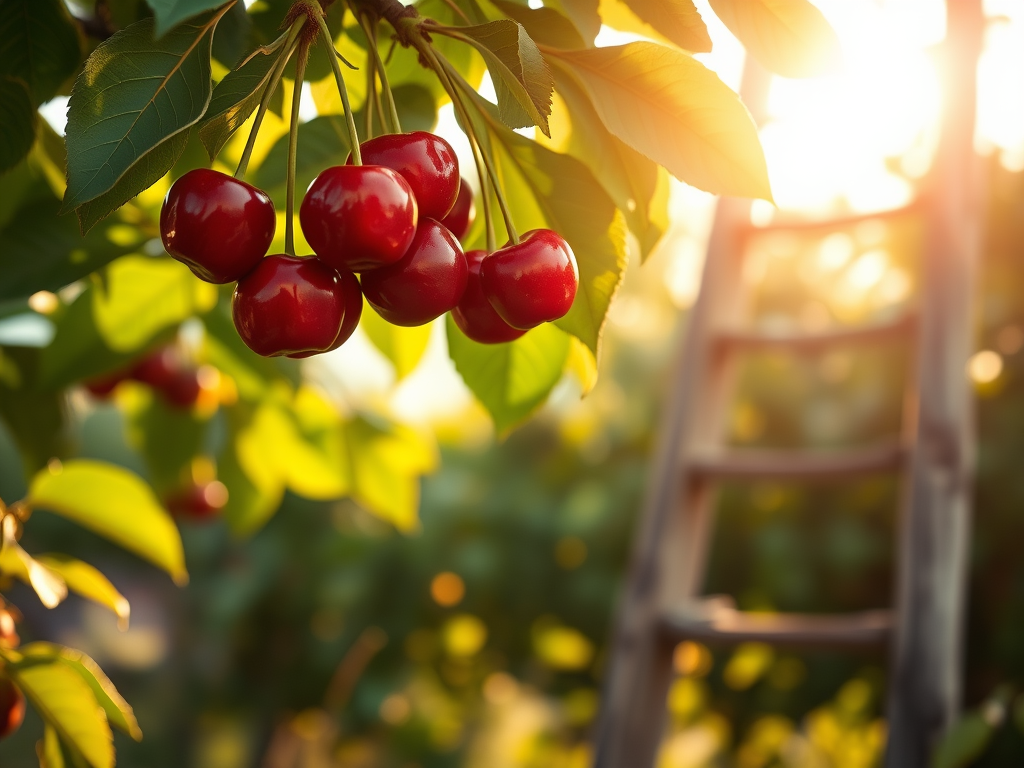
AI image created for this post
One-Time
Monthly
Yearly

Make a one-time or recurring donation to support daily Barnstorming posts

Make a monthly donation

Make a yearly donation

Choose an amount

$10.00
$25.00
$50.00
$5.00
$15.00
$100.00
$5.00
$15.00
$100.00

Or enter a custom amount

$

Your contribution is deeply appreciated.

Your contribution is appreciated.

Your contribution is appreciated.

DonateDonate monthlyDonate yearly

As Gloom and Brightness Meet

In the grey summer garden I shall find you 
With day-break and the morning hills behind you. 
There will be rain-wet roses; stir of wings; 
And down the wood a thrush that wakes and sings. 
Not from the past you’ll come, but from that deep
Where beauty murmurs to the soul asleep: 
And I shall know the sense of life re-born 
From dreams into the mystery of morn 
Where gloom and brightness meet. And standing there 
Till that calm song is done, at last we’ll share
The league-spread, quiring symphonies that are 
Joy in the world, and peace, and dawn’s one star. 
~Siegfried Sassoon “Idyll”

Seventy-one years ago today was a difficult day for both my mother and me.

She remembered it was a particularly hot July 4 with the garden coming on gangbusters and she having quite a time keeping up with summer farm chores. With three weeks to go in her pregnancy, her puffy legs were aching and she wasn’t sleeping well.

She was almost done gestating, with the planned C-section scheduled a few days before my due date of August 1.

She and my dad and my sister had waited eight long years for this pregnancy, having given up hope, having already chosen an infant boy to adopt, the papers signed and waiting on the court for the final approval. They were ready to bring him home when she discovered she was pregnant and the adoption agency gave him to another family.

I’ve always wondered where that little boy ended up, his life trajectory suddenly changed by my unexpected conception. I feel responsible, hoping and praying his life was blessed in another adoptive home.

Every subsequent July 4, my mother would tell me about July 4, 1954 when I was curled upside down inside her impatiently kicking her ribs in my attempts to stretch, hiccuping when she tried to nap, and dozing as she cooked the picnic meal they took to eat while waiting for the local fireworks show to start.

As I grew up, she would remind me as I cringed and covered my ears as fireworks shells boomed overhead, that in 1954 I leapt, startled, inside her with each explosion. She wondered if I might jump right out of her, so she held onto her belly tight, trying to calm and reassure me. Perhaps I was justifiably fearful about what chaos was booming on the outside, as I remained securely inside until the doctor opened Mom up three weeks later.

Now I know I am meant for quieter things, greeting the mystery of each morning with as much calm as I can muster. I still cringe and jump at fireworks and recognize I was blessed to be born to a family who wanted me and waited for me, in a country that had just fought a terrible war. Each child born in those post-war years was a testament to the survival of the American spirit and hope for the future.

Our country now has lost its way in caring first and foremost
for the poor, the ill, the hungry, the helpless, the homeless,
not only within our borders, but as an outreach beyond our shores to those countries where our help has saved millions of lives.

Will there ever come a day when a baby born in this world will not be threatened with starvation, potentially fatal yet preventable pathogens, or the devastation of war?

Where gloom and brightness meet:
defining the drawn lines and borders
around and within our country right now…

partial lyrics:
And I don’t know a soul who’s not been battered
I don’t have a friend who feels at ease
I don’t know a dream that’s not been shattered
Or driven to its knees

But it’s alright, it’s alright
For we lived so well so long
Still, when I think of the
Road we’re traveling on
I wonder what’s gone wrong
I can’t help it, I wonder what has gone wrong

Text: Where charity and love are, God is there.

One-Time
Monthly
Yearly

Make a one-time or recurring donation to support daily Barnstorming posts

Make a monthly donation

Make a yearly donation

Choose an amount

$10.00
$25.00
$50.00
$5.00
$15.00
$100.00
$5.00
$15.00
$100.00

Or enter a custom amount

$

Your contribution is deeply appreciated.

Your contribution is appreciated.

Your contribution is appreciated.

DonateDonate monthlyDonate yearly