Broken Stitched to Broken

“I make them warm to keep my family from freezing;
I make them beautiful to keep my heart from breaking.”
–From the journal of a prairie woman, 1870


To keep a husband and five children warm,
she quilts them covers thick as drifts against
the door. Through every fleshy square white threads
needle their almost invisible tracks; her hours
count each small suture that holds together
the raw-cut, uncolored edges of her life.
She pieces each one beautiful, and summer bright
to thaw her frozen soul. Under her fingers
the scraps grow to green birds and purple
improbable leaves; deeper than calico, her mid-winter
mind bursts into flowers. She watches them unfold
between the double stars, the wedding rings.
~Luci Shaw “Quiltmaker”

Perhaps God made the world this way:
piecemeal, parts fitting together exactly
as if meant for one another~
the unique, disparate and separate
joined together in glorious harmony.

The point of creation is
forever functional, yet full of love –
a blanket of warmth and security
for generations to come.

Our legacy is to preserve this
beauty arising from various scraps,
this broken stitched to broken
in a tapestry holy and whole.

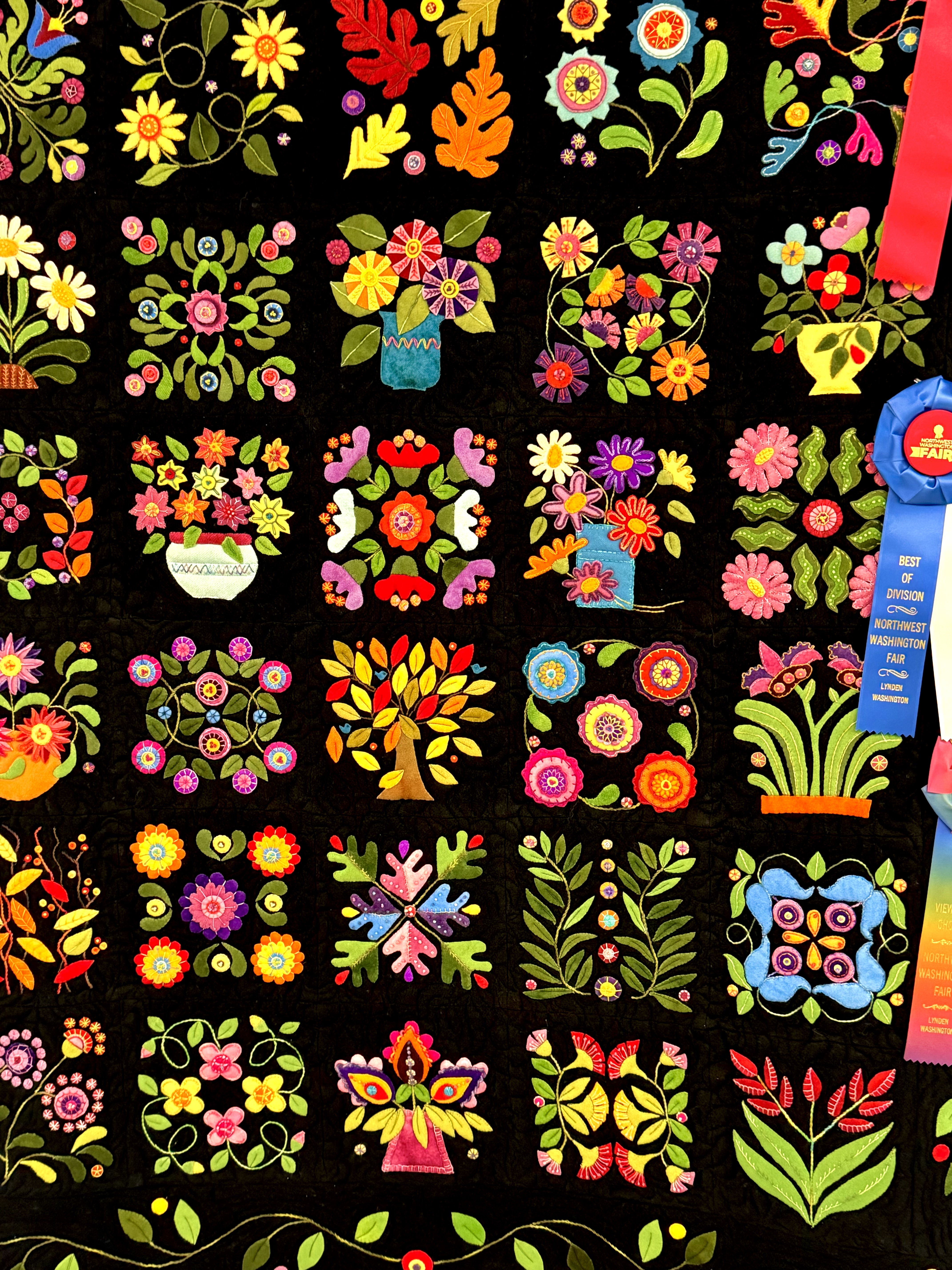
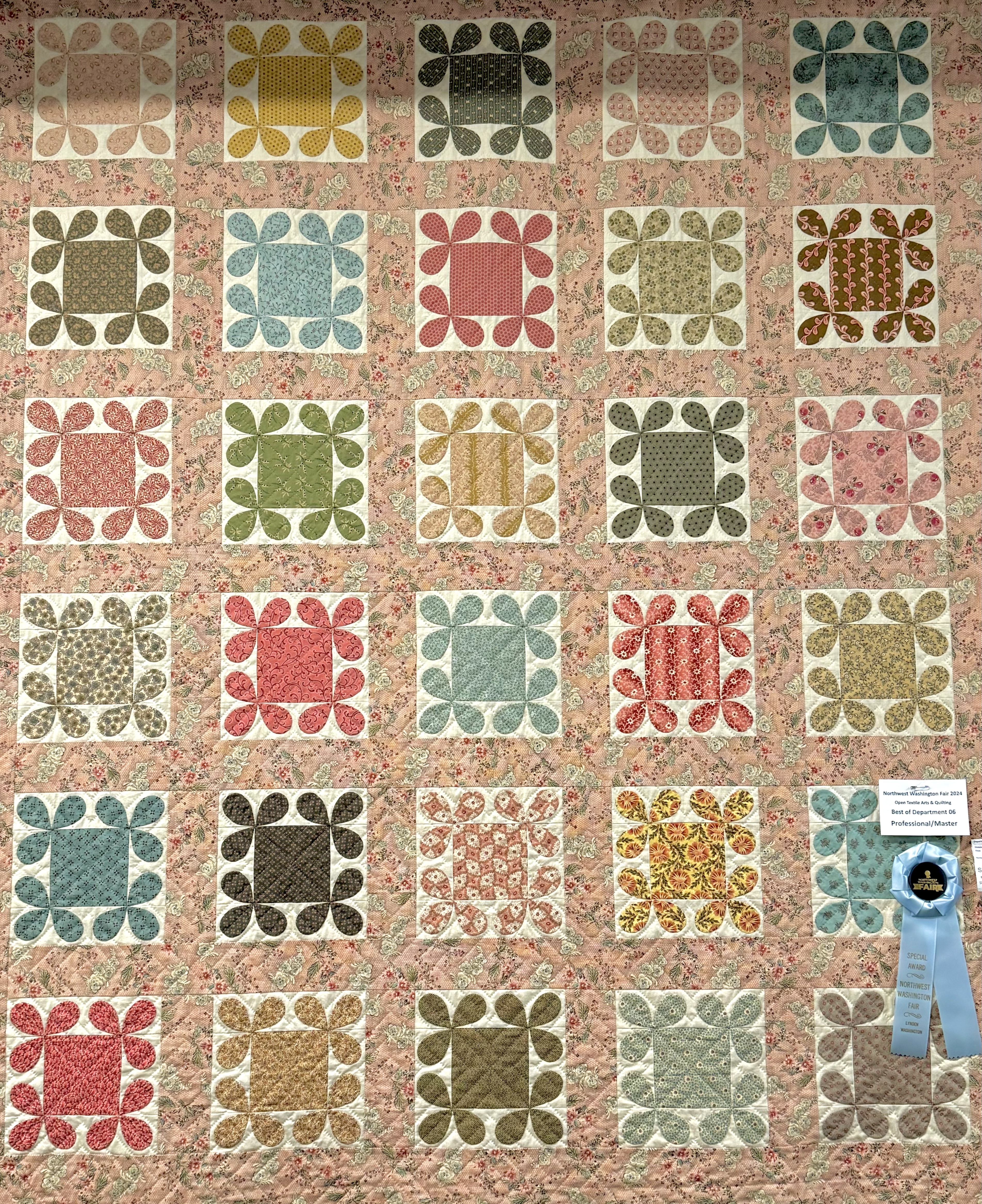
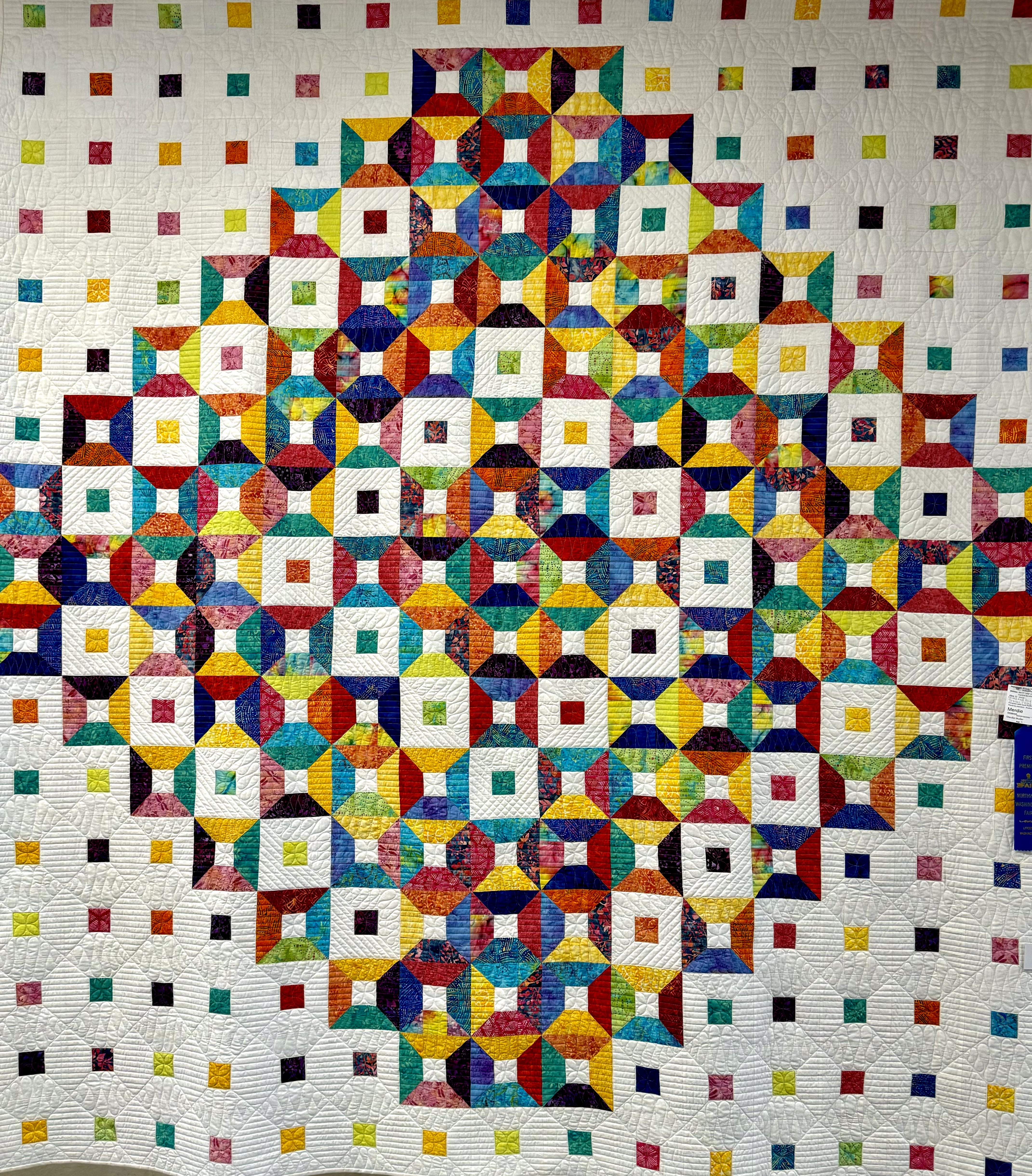
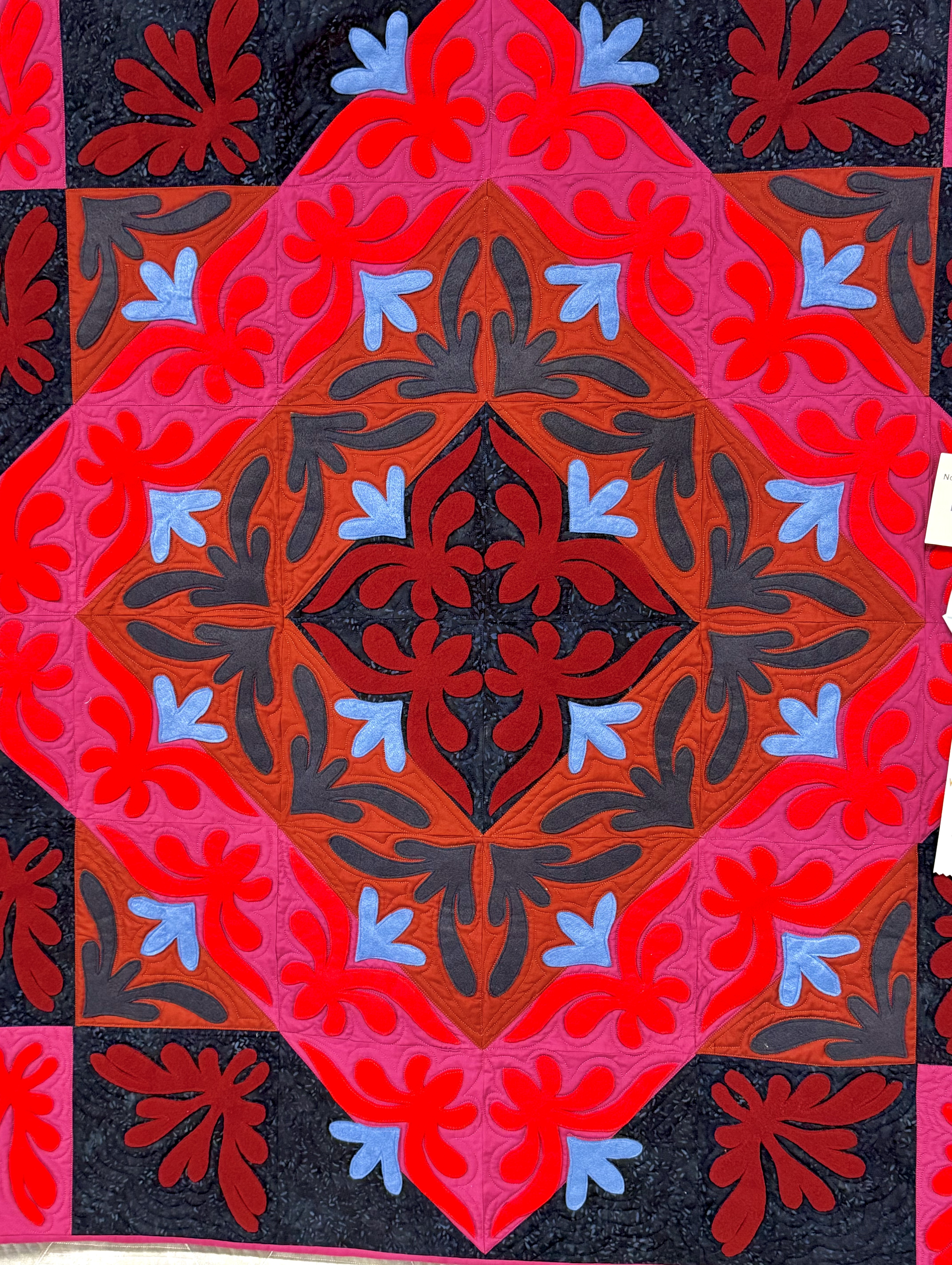
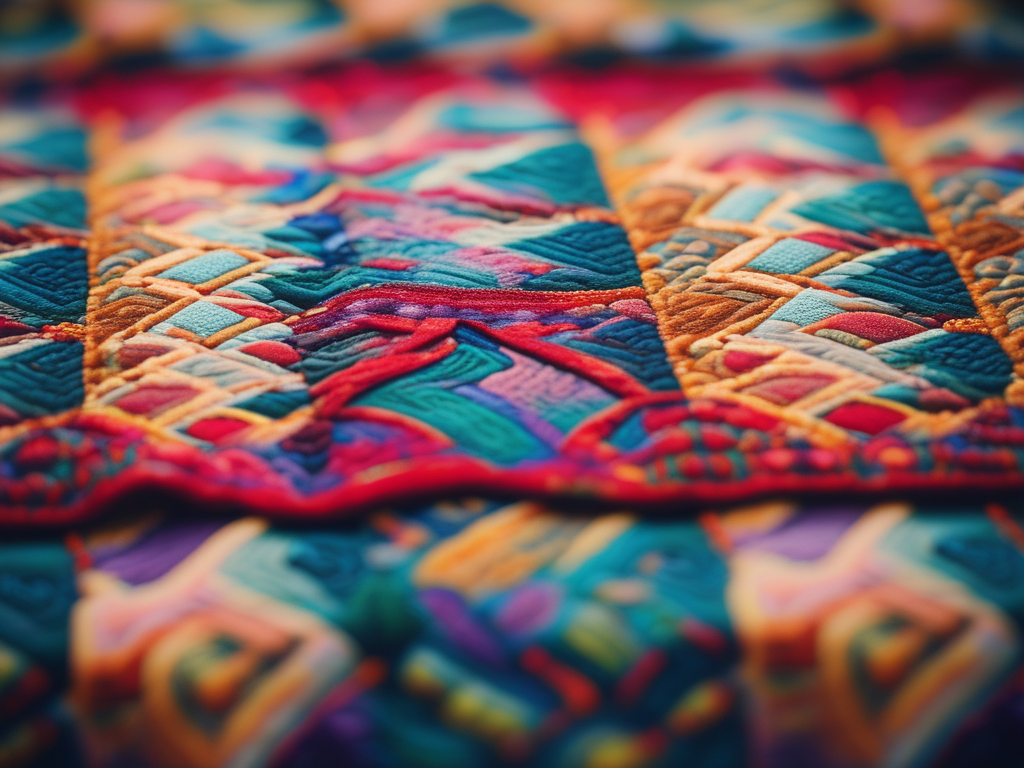
AI image created for this post

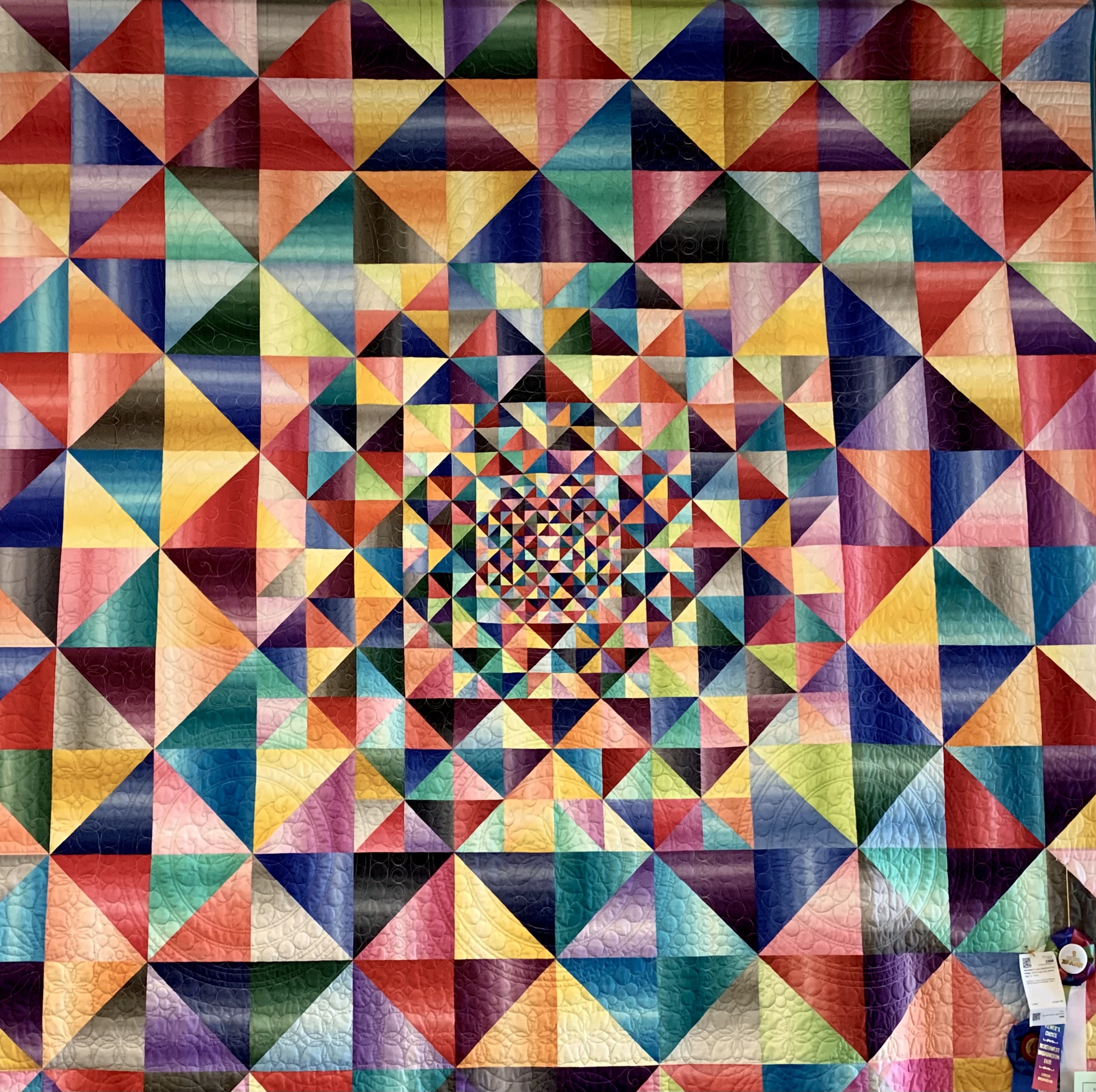
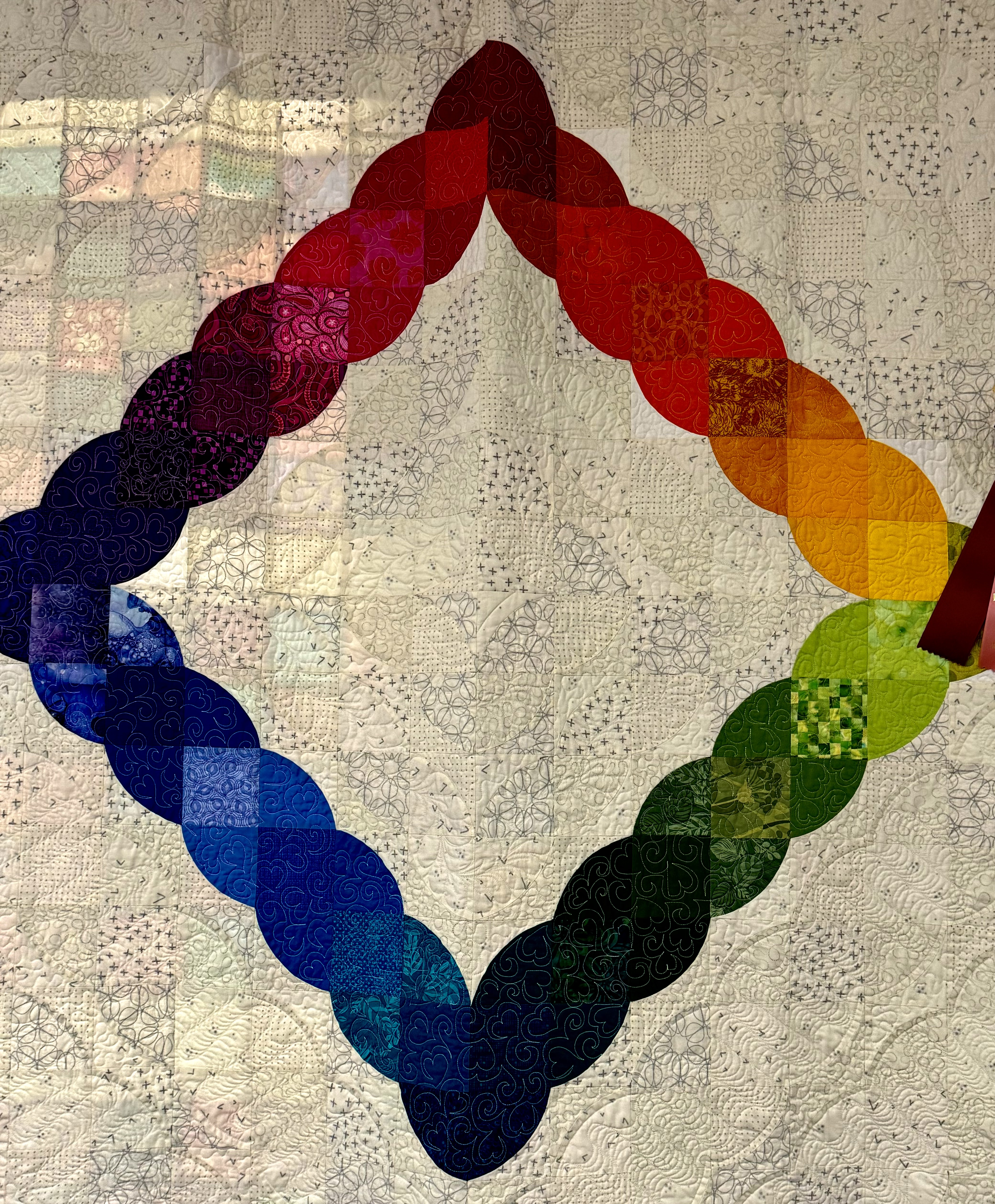
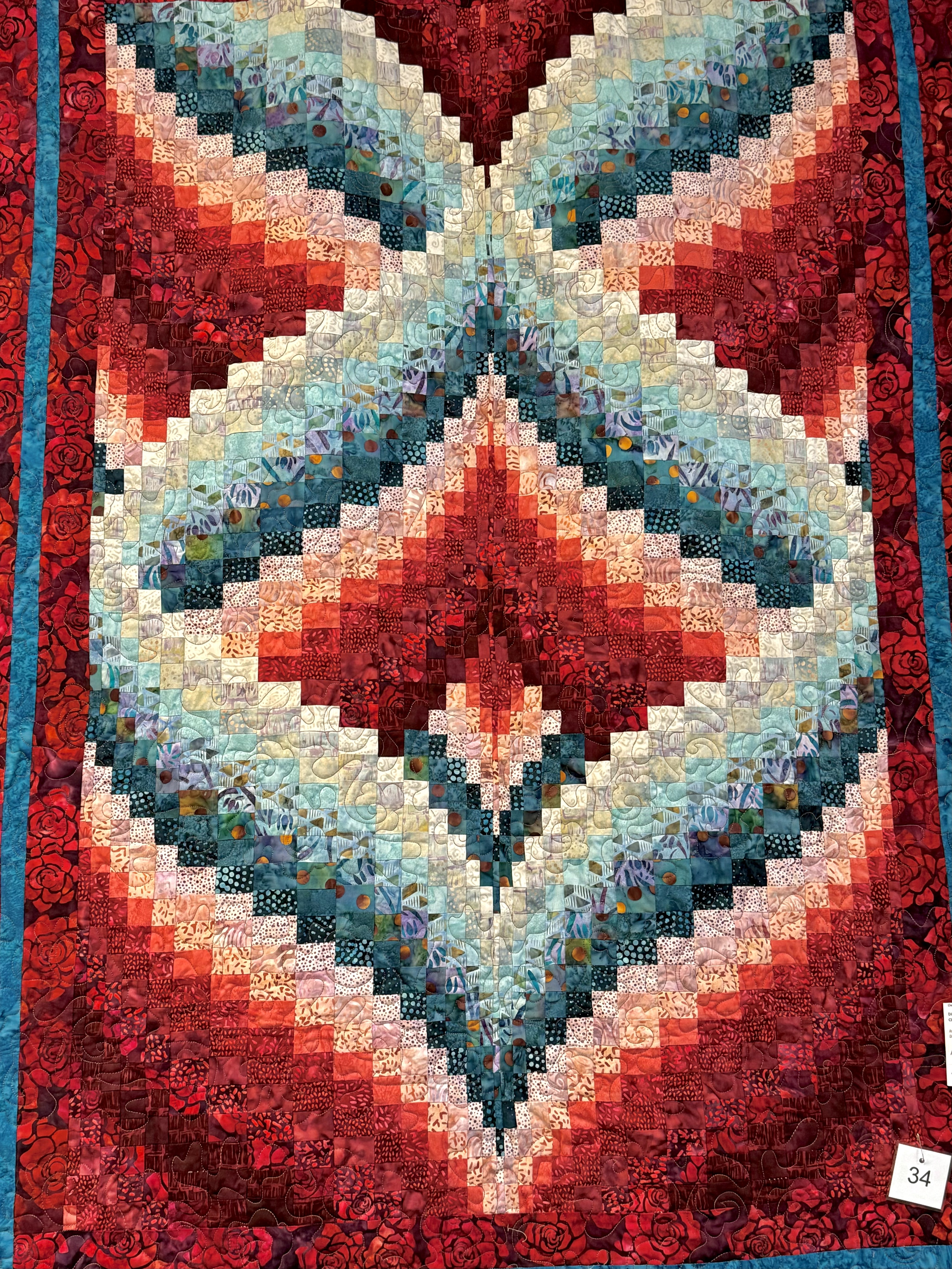
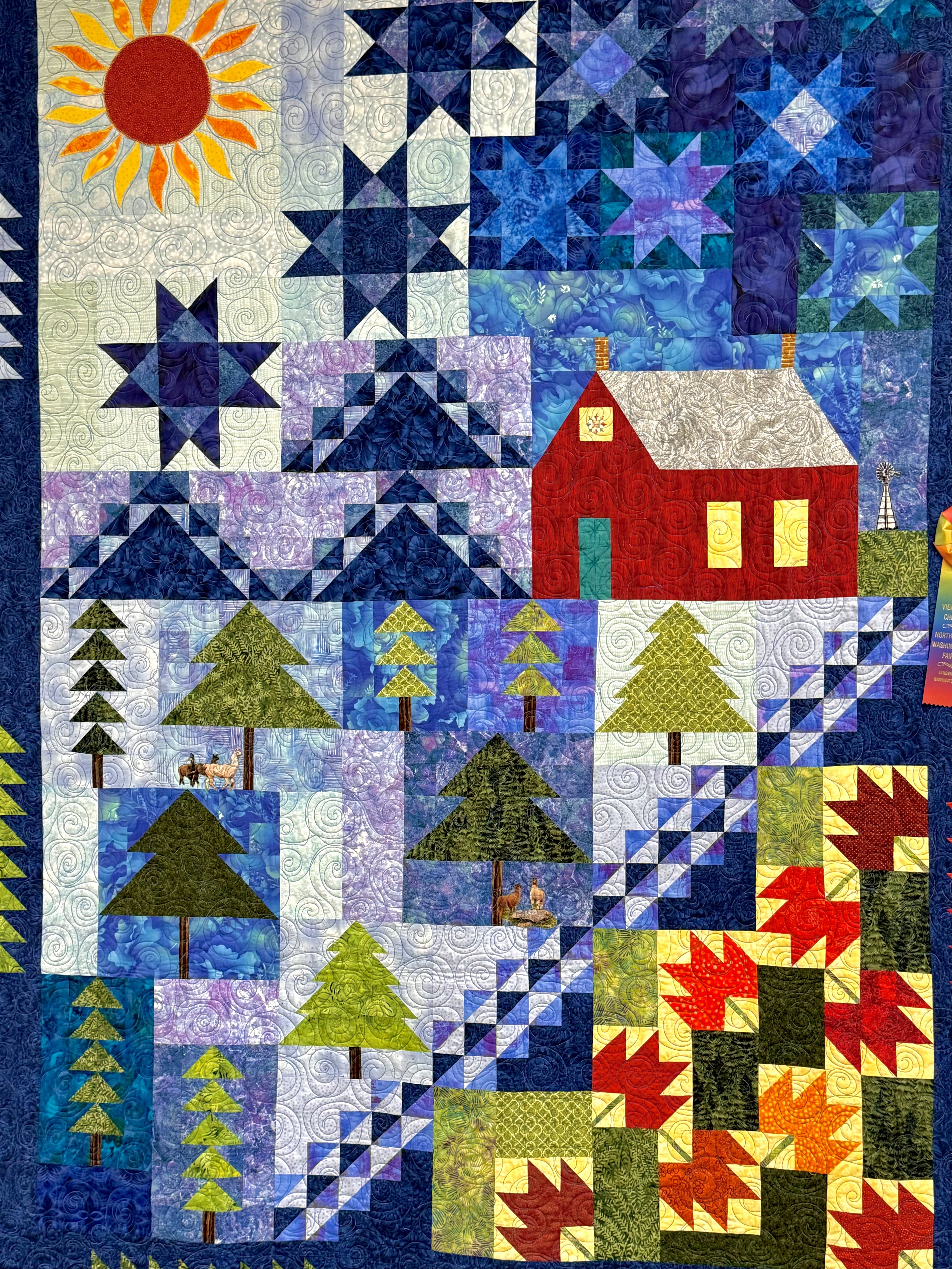
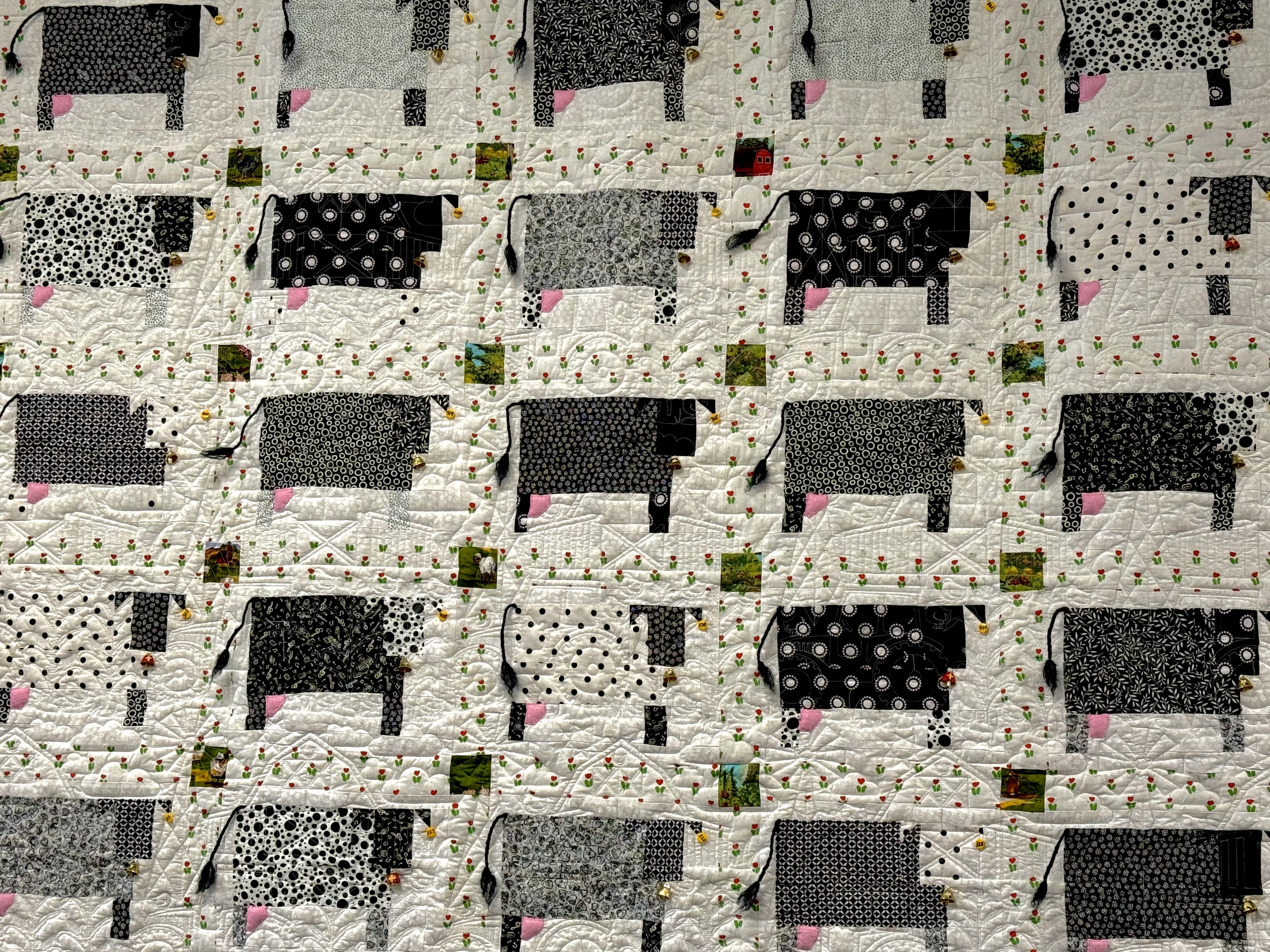
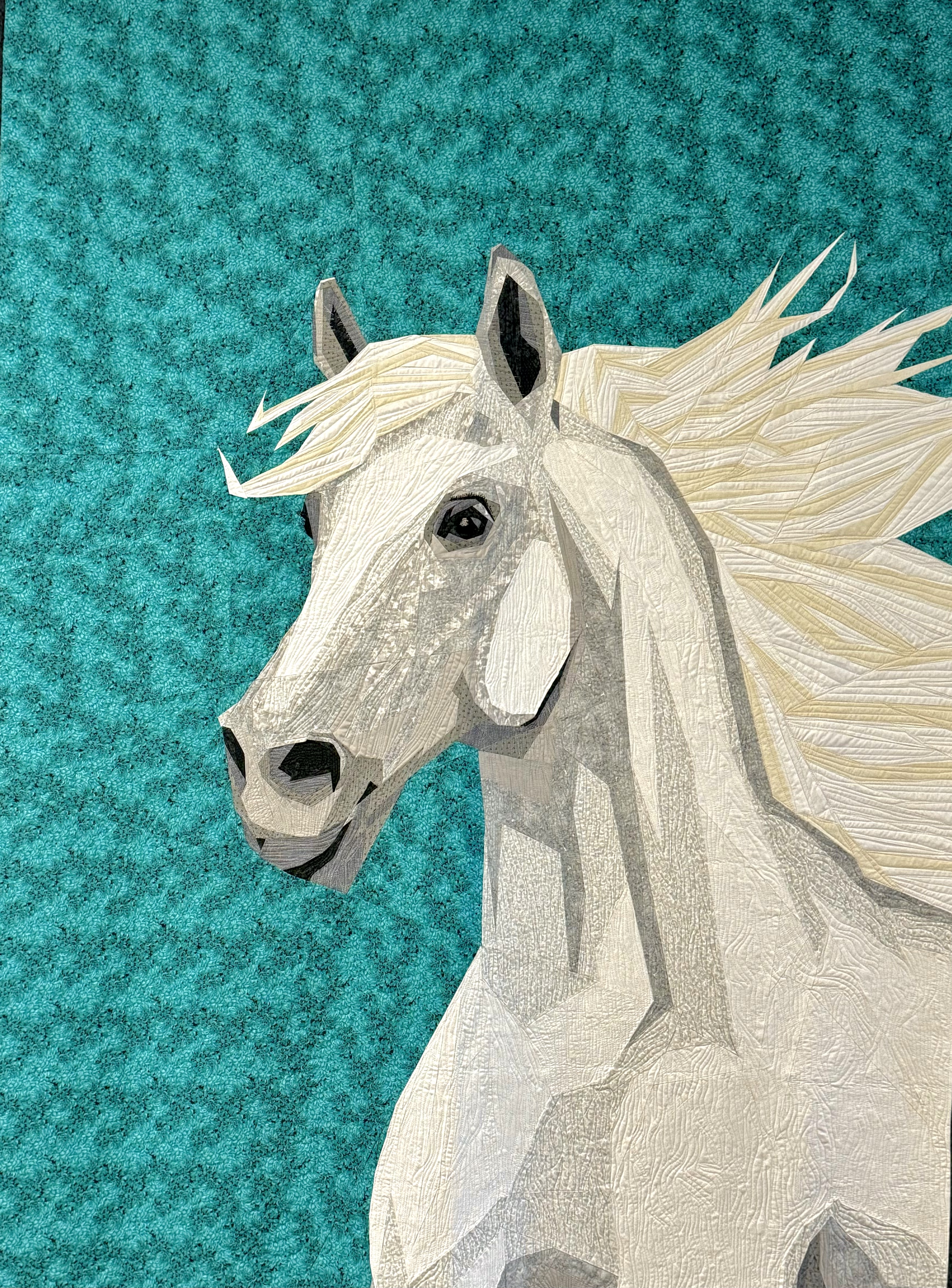
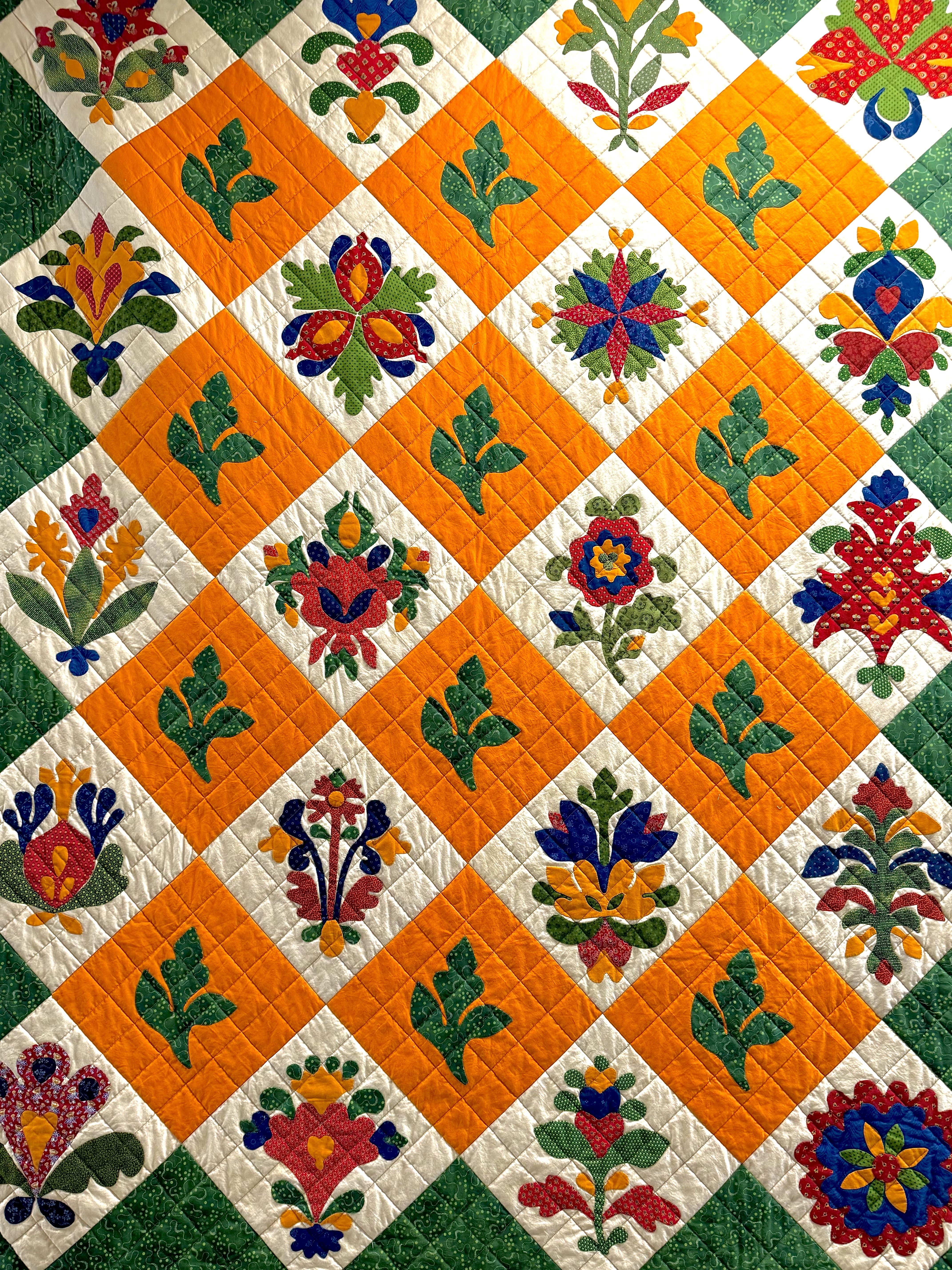
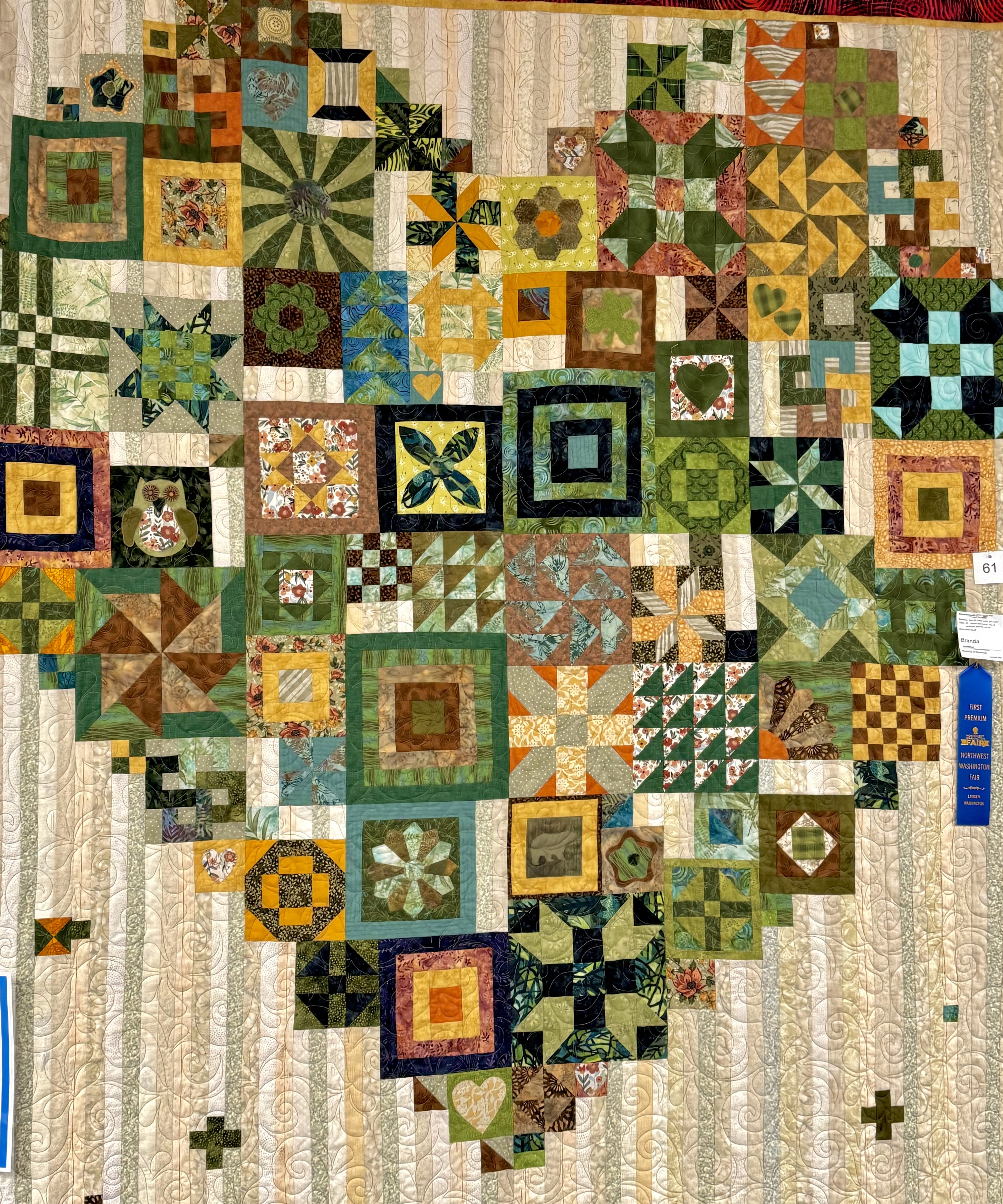
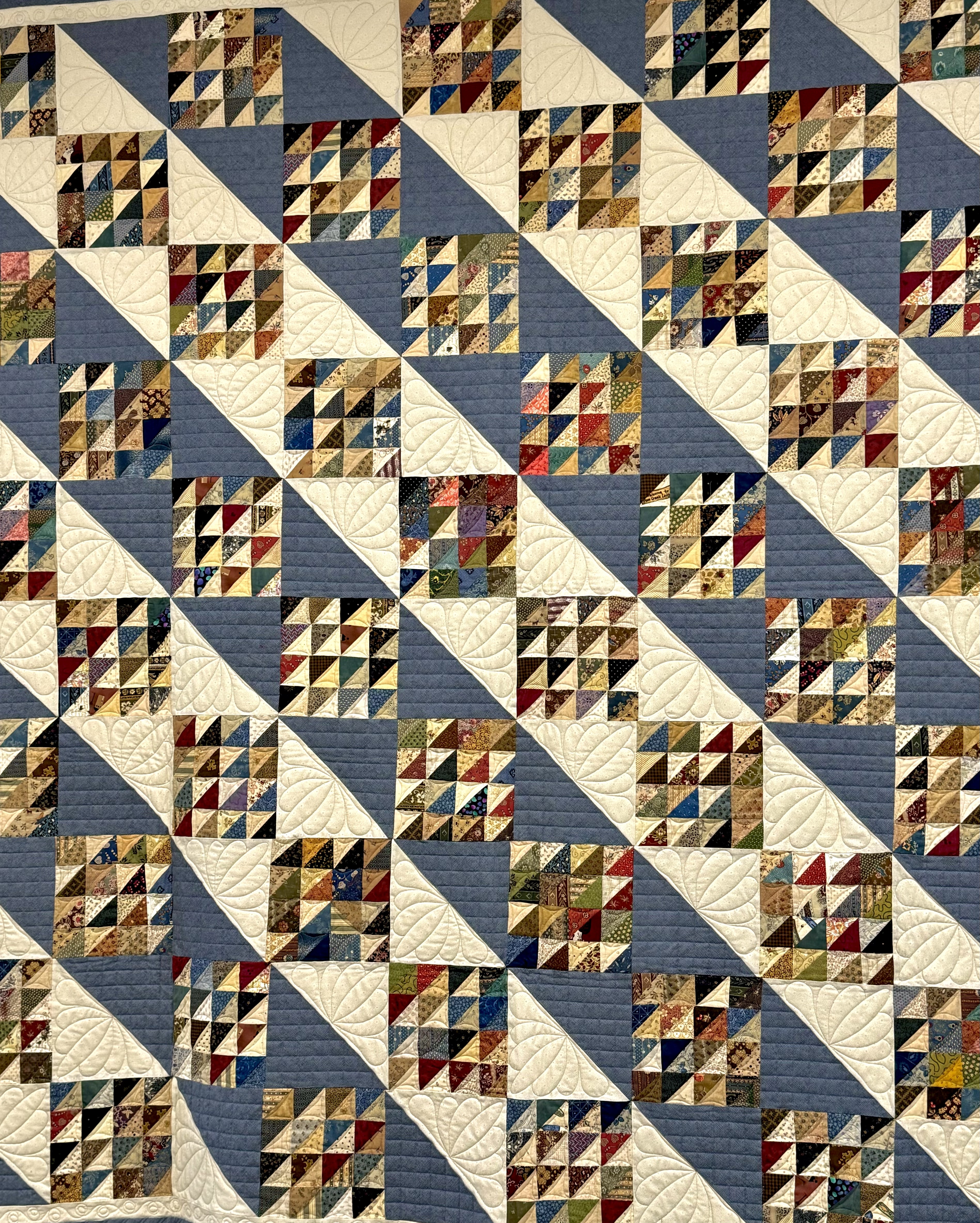
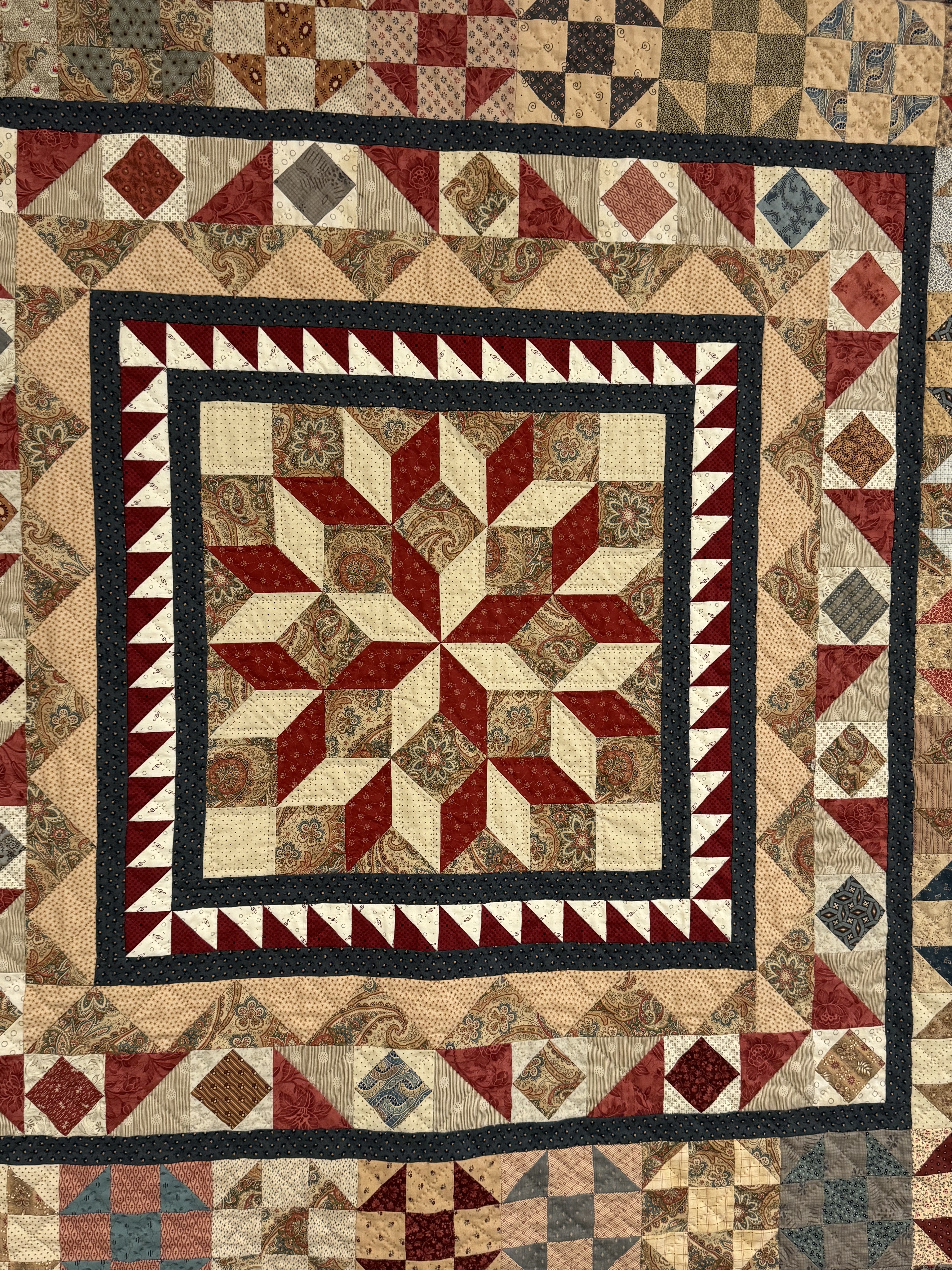
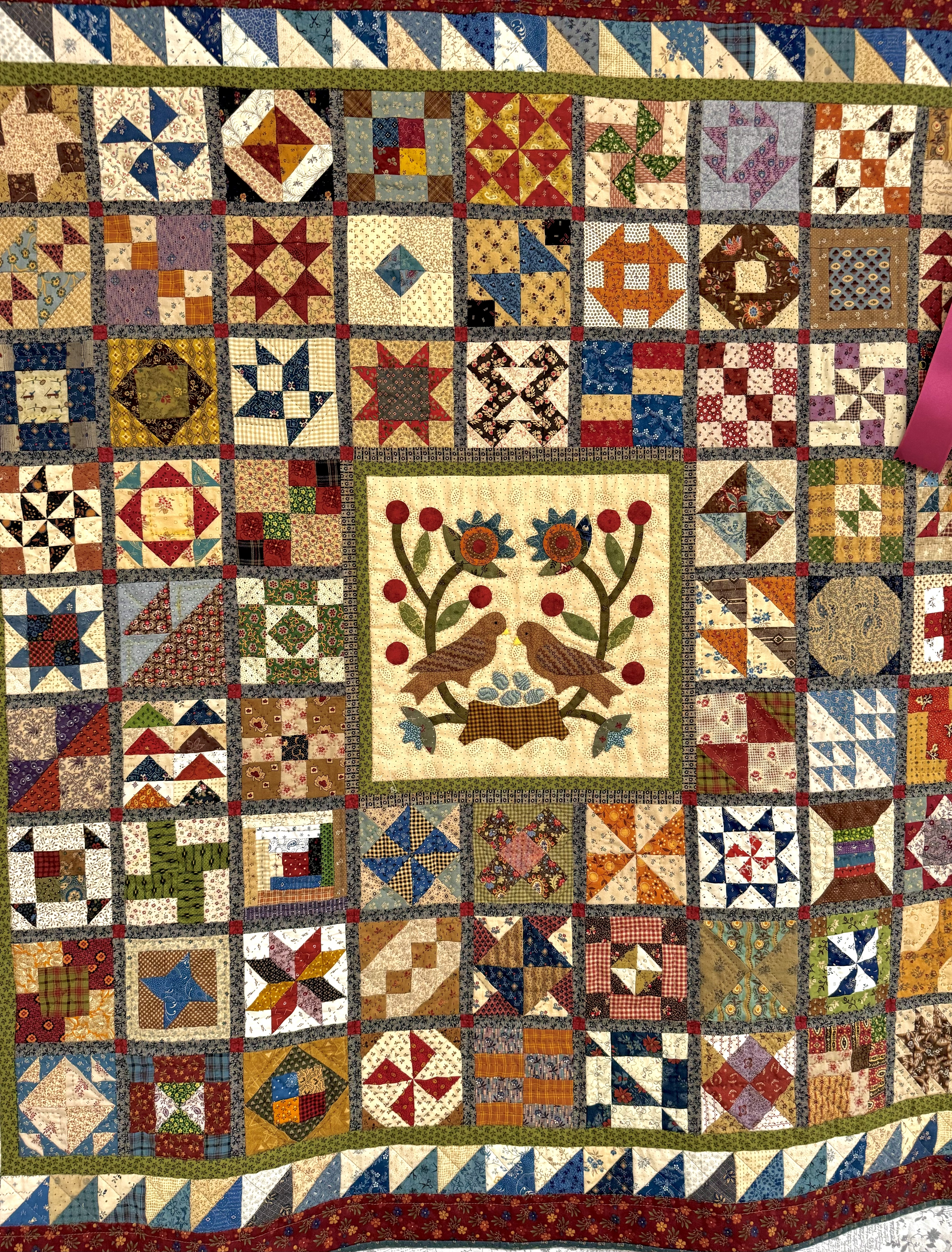
~~click each quilt to enlarge and admire the handiwork~~

thank you again to the talented quilters displaying their art at the NW Washington Fair in Lynden
(see previous years’ work 2015, 20162017201820212022 and 2023 )

One-Time
Monthly
Yearly

Make a one-time or recurring donation to support daily Barnstorming posts

Make a monthly donation

Make a yearly donation

Choose an amount

$10.00
$25.00
$50.00
$5.00
$15.00
$100.00
$5.00
$15.00
$100.00

Or enter a custom amount

$

Your contribution is deeply appreciated.

Your contribution is appreciated.

Your contribution is appreciated.

DonateDonate monthlyDonate yearly

Faired Well

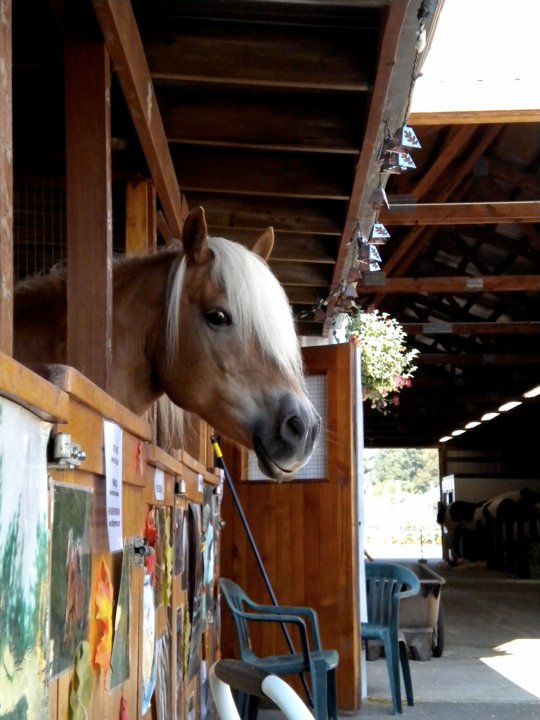
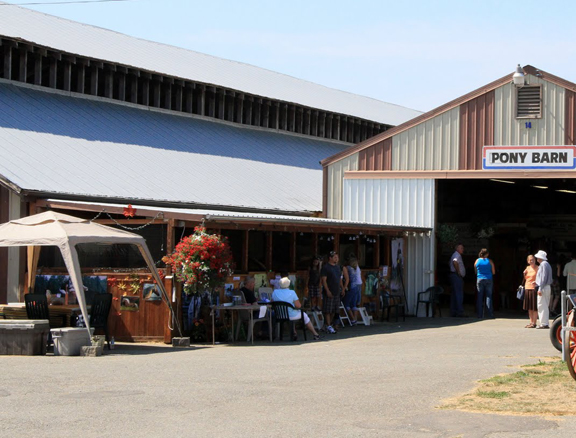
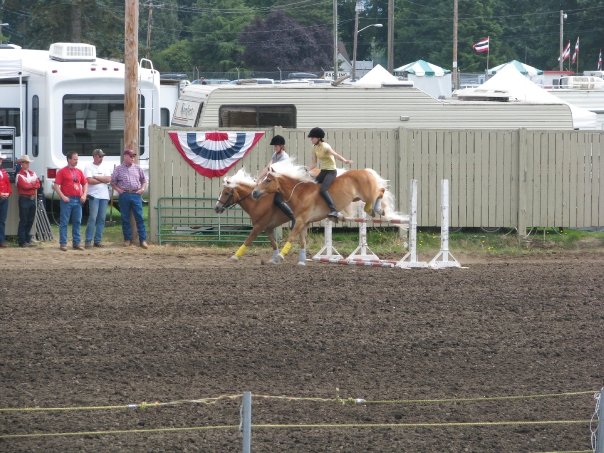
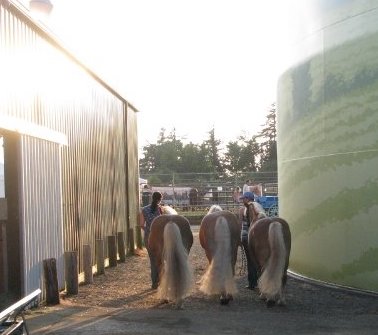
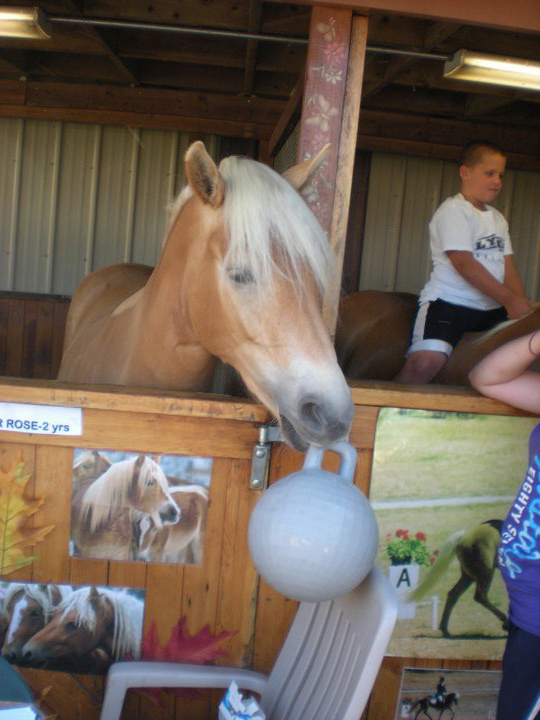
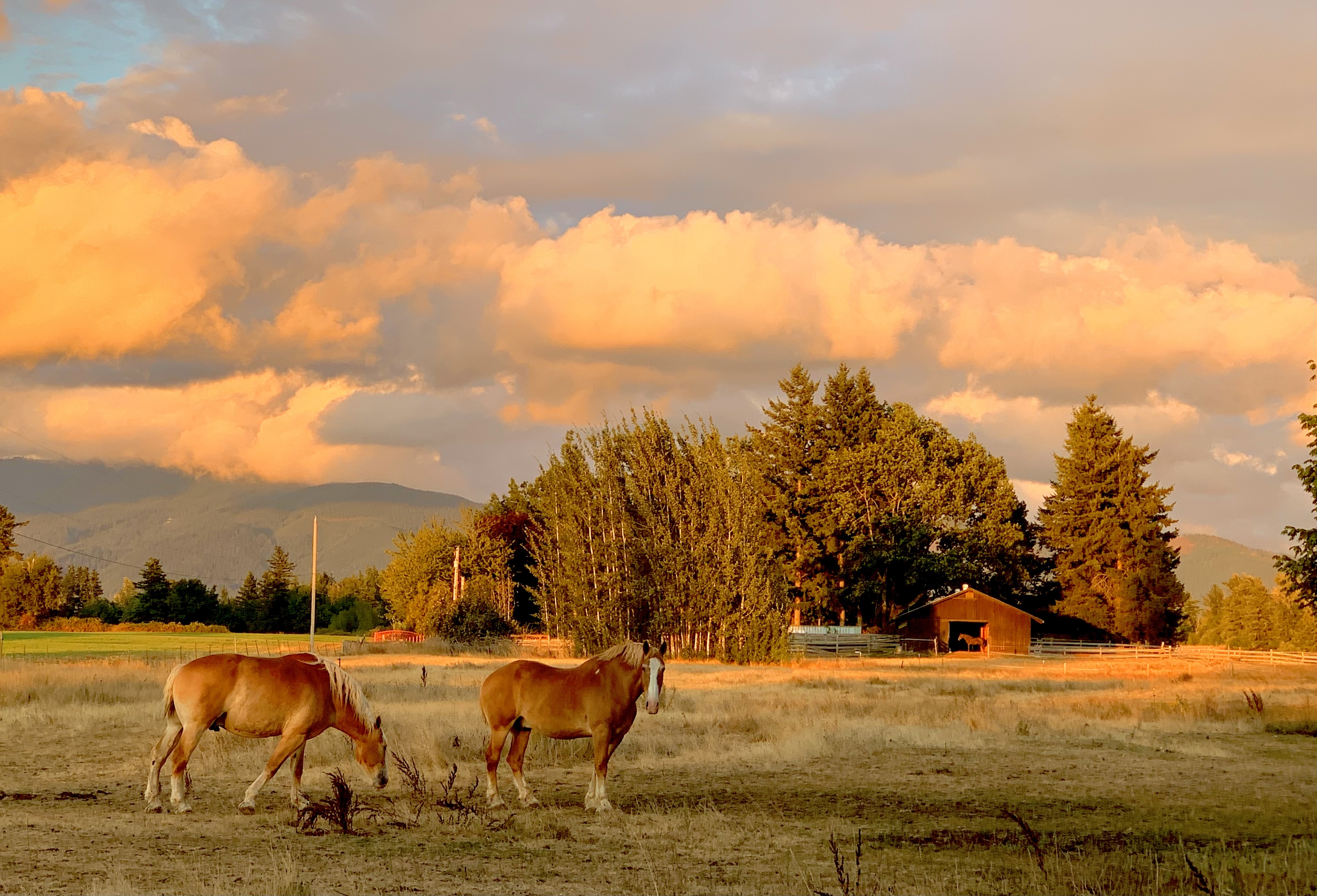
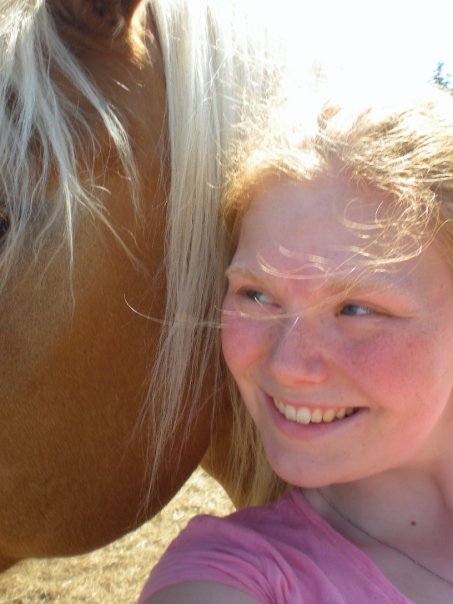
The Northwest Washington Fair in Lynden is under way again this week and instead of being part of the fun and hub-bub, our Haflinger horses are staying home, out on pasture. It’s been over a decade since they were cleaned up, curried, braided and trailered into town for a week to
help make dreams come true for thousands of fairgoers.

I feel a bit wistful as I wake up early on this foggy mid-August morning, remembering the twenty years of 5:30 AM dawns where I would gather up our sleepy children and their friends and head into the fairgrounds to clean the Haflingers’ stalls, walk the horses for exercise and prepare for a busy day of people strolling by and admiring them. 

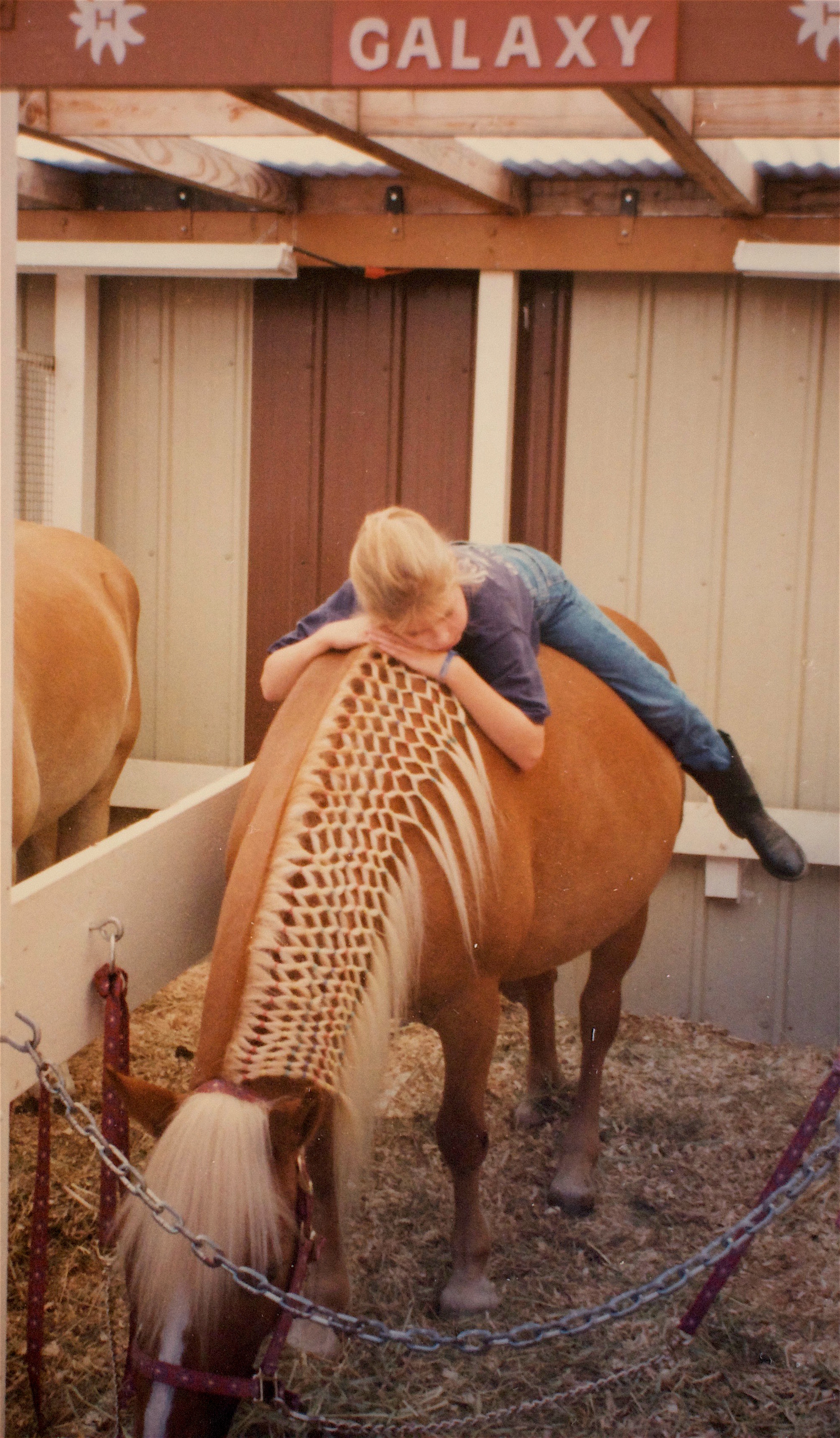
We stopped “doing” the fair as a Haflinger farm. Now that I’m 70 years old, rather than 40, 50, or 60, I’m okay about that. It was great while it lasted but this aging human and my equines relish our retirement, especially since the fair expanded to a 10 day rather than just a 6 day commitment. I so admire the draft horse families that have kept their six horse hitches active with their Belgians, Percherons and Clydesdales – some families are now in their fourth generation at the fair with teamsters, still driving the hitches, well into their eighties.

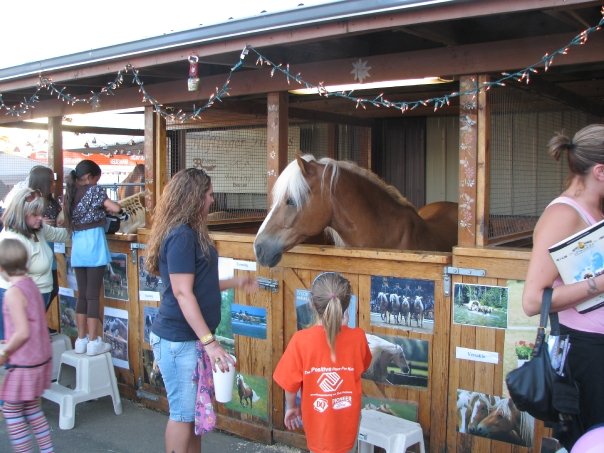
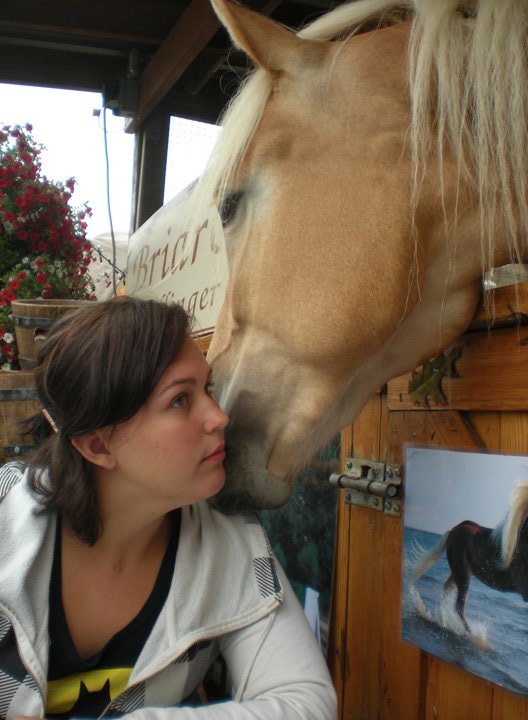
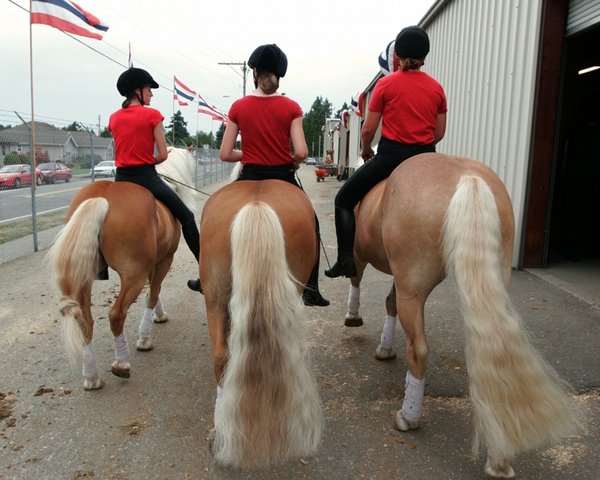
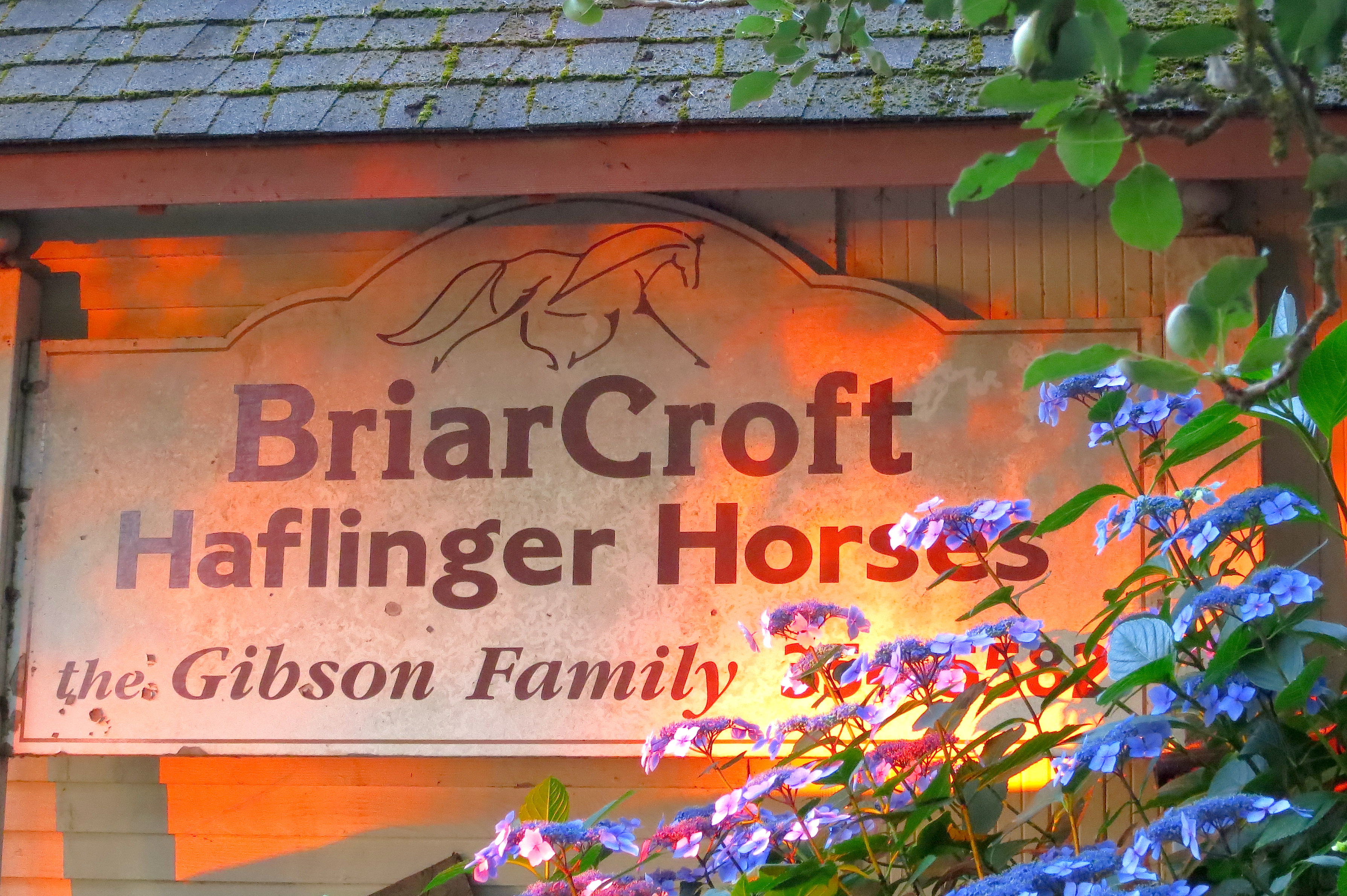
Our BriarCroft Haflingers display was a consistent presence at this regional fair for two decades, promoting the Haflinger breed in well-decorated stalls. Part of our commitment was to provide a 24-hr-a-day human presence with the horses. We had petitioned the Fair Board for 5 years in the late 1980s to allow us a spot at the fair, and they finally said “okay, here’s the space, build it yourself”, so we did.

We didn’t ask for classes, competition, or ribbons. We were there because fairgoers enjoyed seeing and touching our Haflingers and we enjoyed talking to all the people.

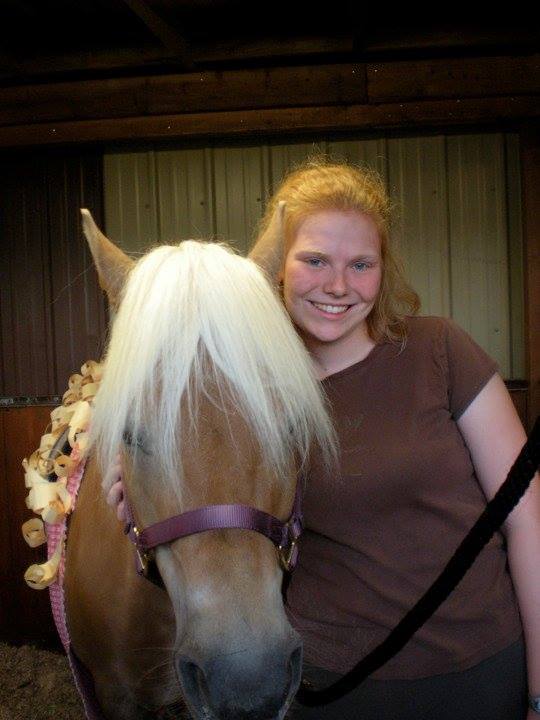
Once our children and their friends had careers and children of their own, they were no longer available to help “man” the horse stalls. I still miss spending such concentrated time with all the young nieces, nephews, neighbors, church and school friends who hung out with us over the years. I hope they still have fond memories of their time helping us at the fair.

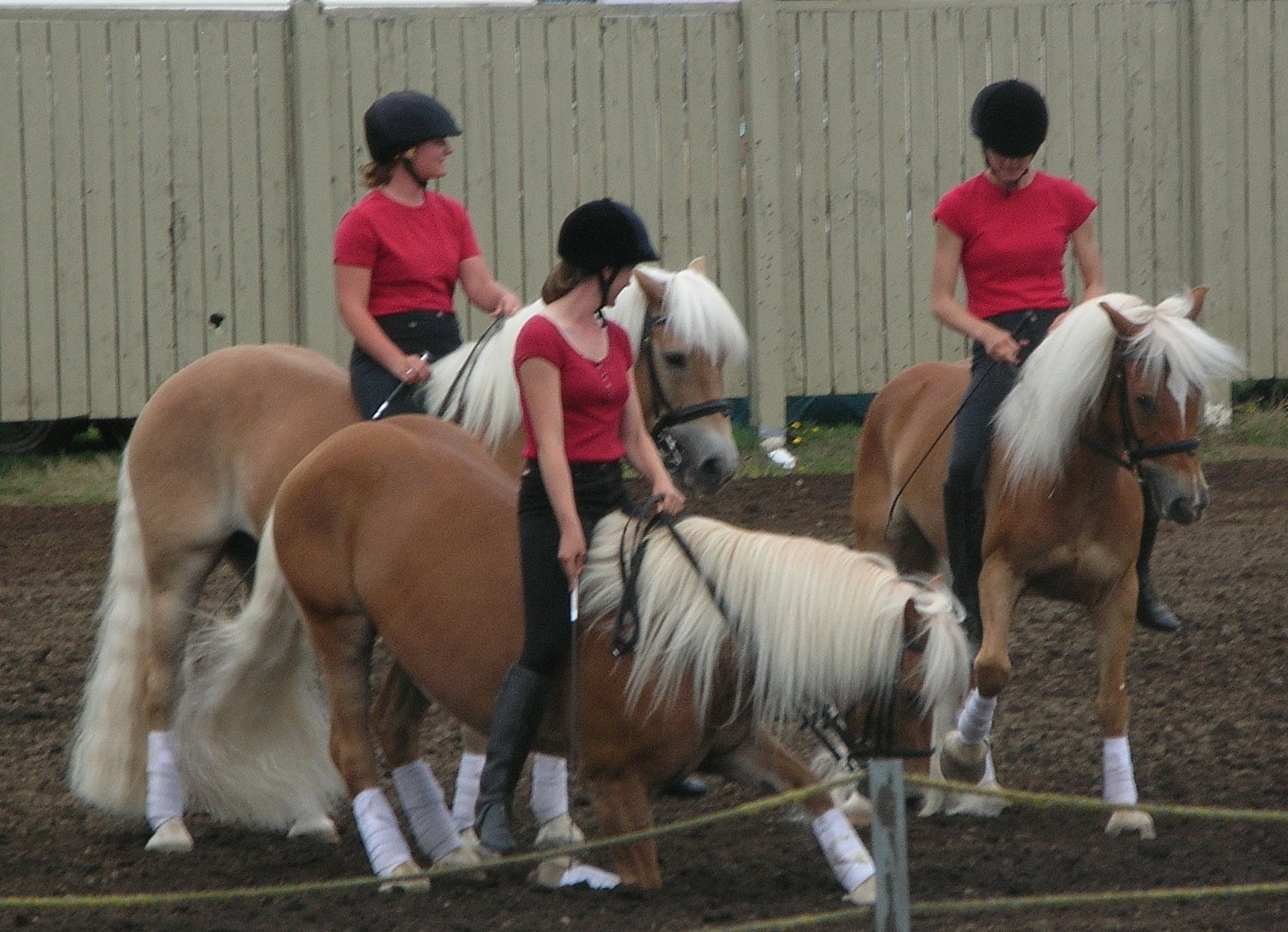
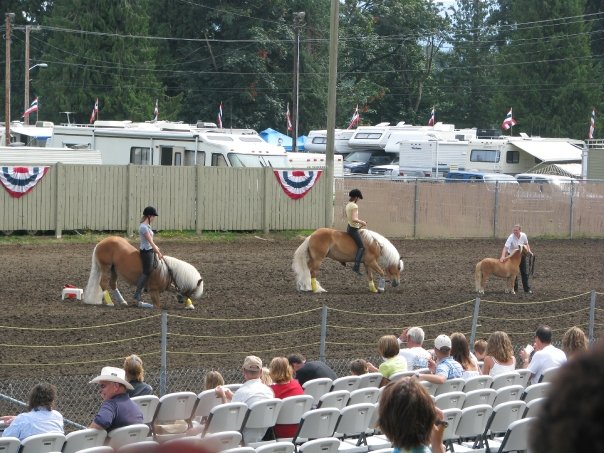
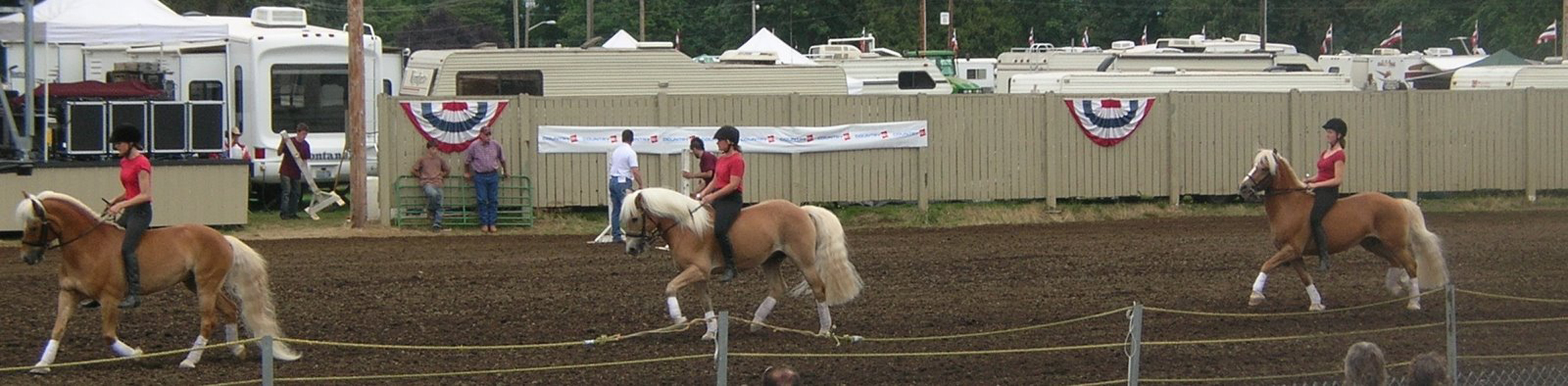
Every year from 1992 onward, we evaluated whether we had the energy and resources to do it  again. Initially, Dan and I juggled our small children as well as horses at the fair and at home, taking a week of vacation from our jobs. Then, with the help of two other Haflinger breeding farms, and several young women who did a crowd-pleasing Haflinger “trick” riding demo in front of the grandstand, we rotated duties. The older kids watched the younger kids, the in-between kids did most of the horse stall cleaning duty, and the adults could sit and shoot the breeze.

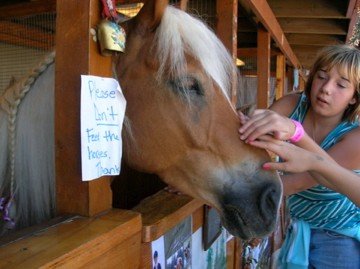
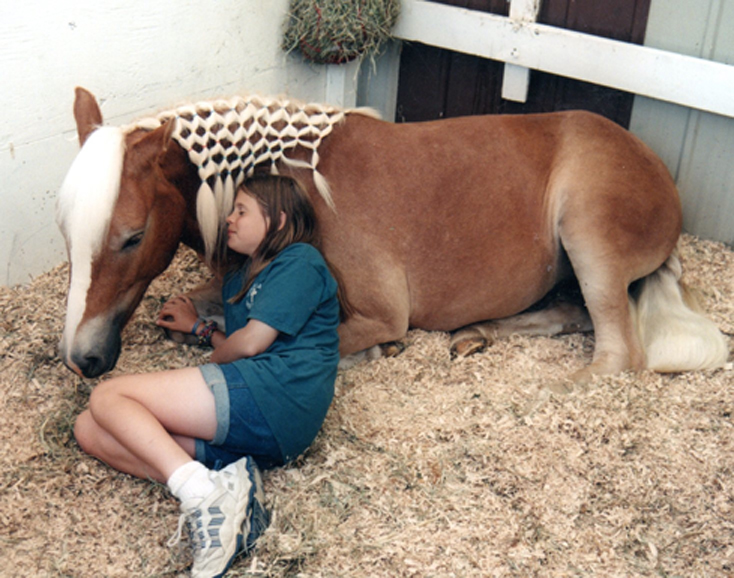
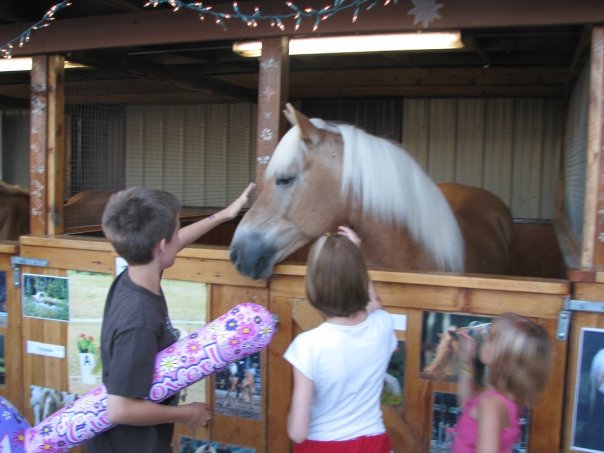
This created good will for the fair visitors who depended on us every year to be there with horses that they and their children could actually pet (and sit on) without worry, who enjoyed our braiding demonstrations, and our Haflinger trivia contests and prizes.

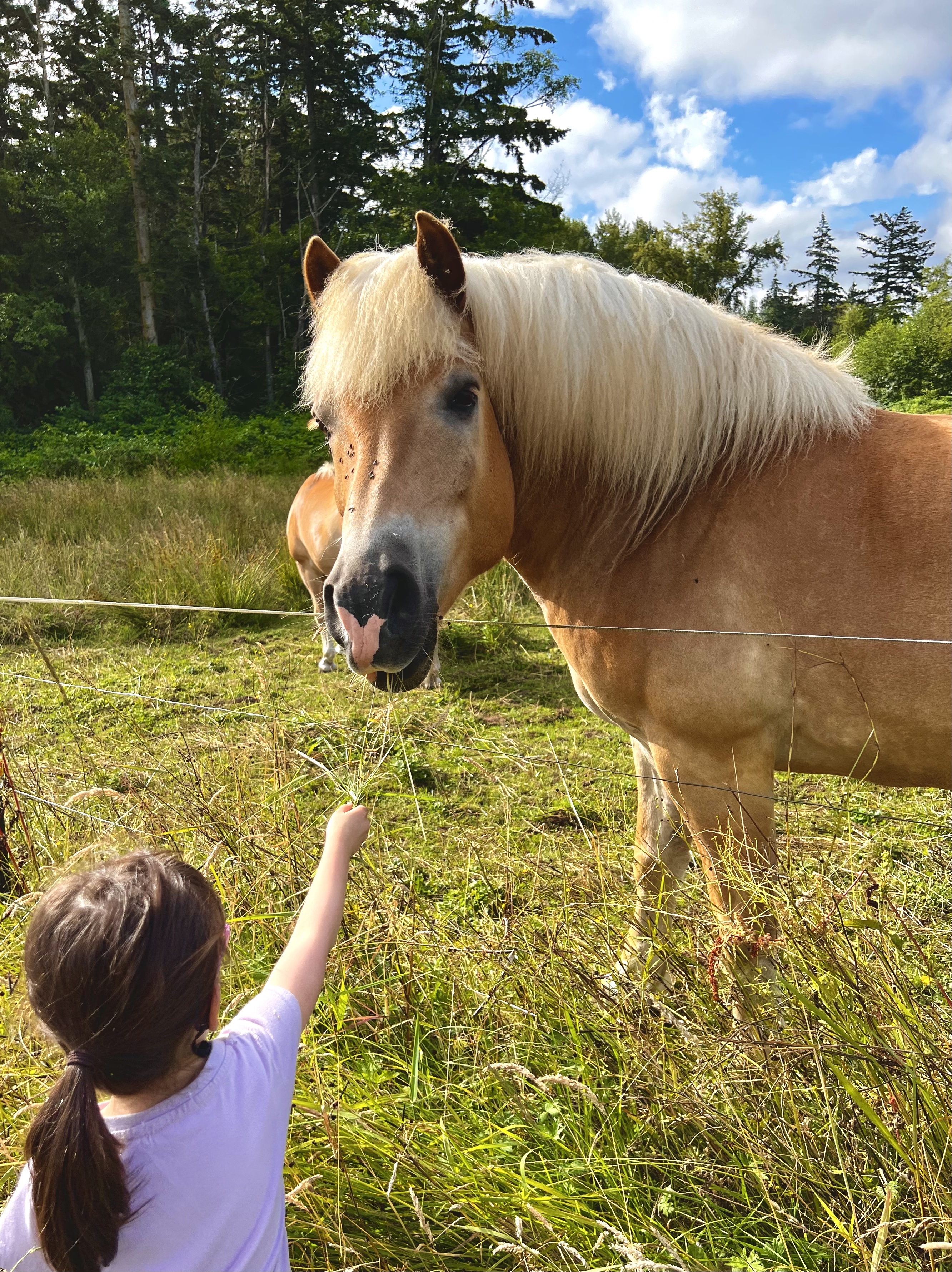
We continued to do this for so long because our horses were friendly and happy to give fair-goers a chance to safely get up close. These Haflingers became what dreams are made of.

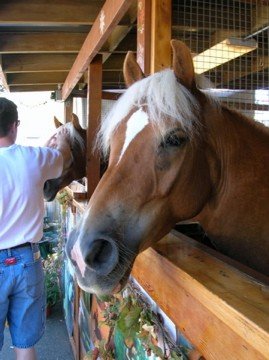
Countless times a day a bright eyed child approached our stalls, climbed up on the step stools and reached up to pet a Haflinger nose or neck and look deep into those big brown eyes. They will not forget the moment when a horse they had never met before loved them back. Haflingers are magic with children and we saw that over and over again.

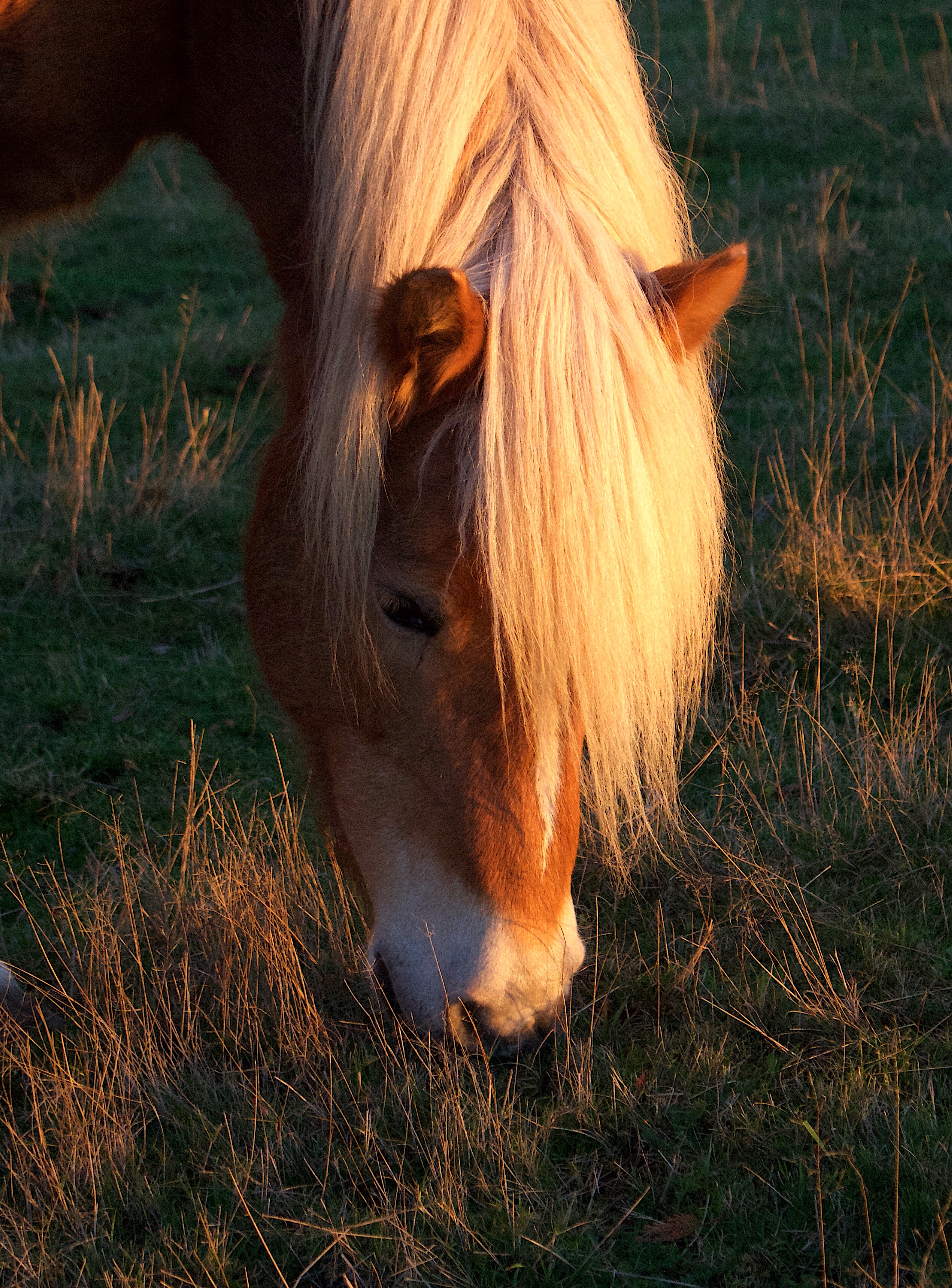
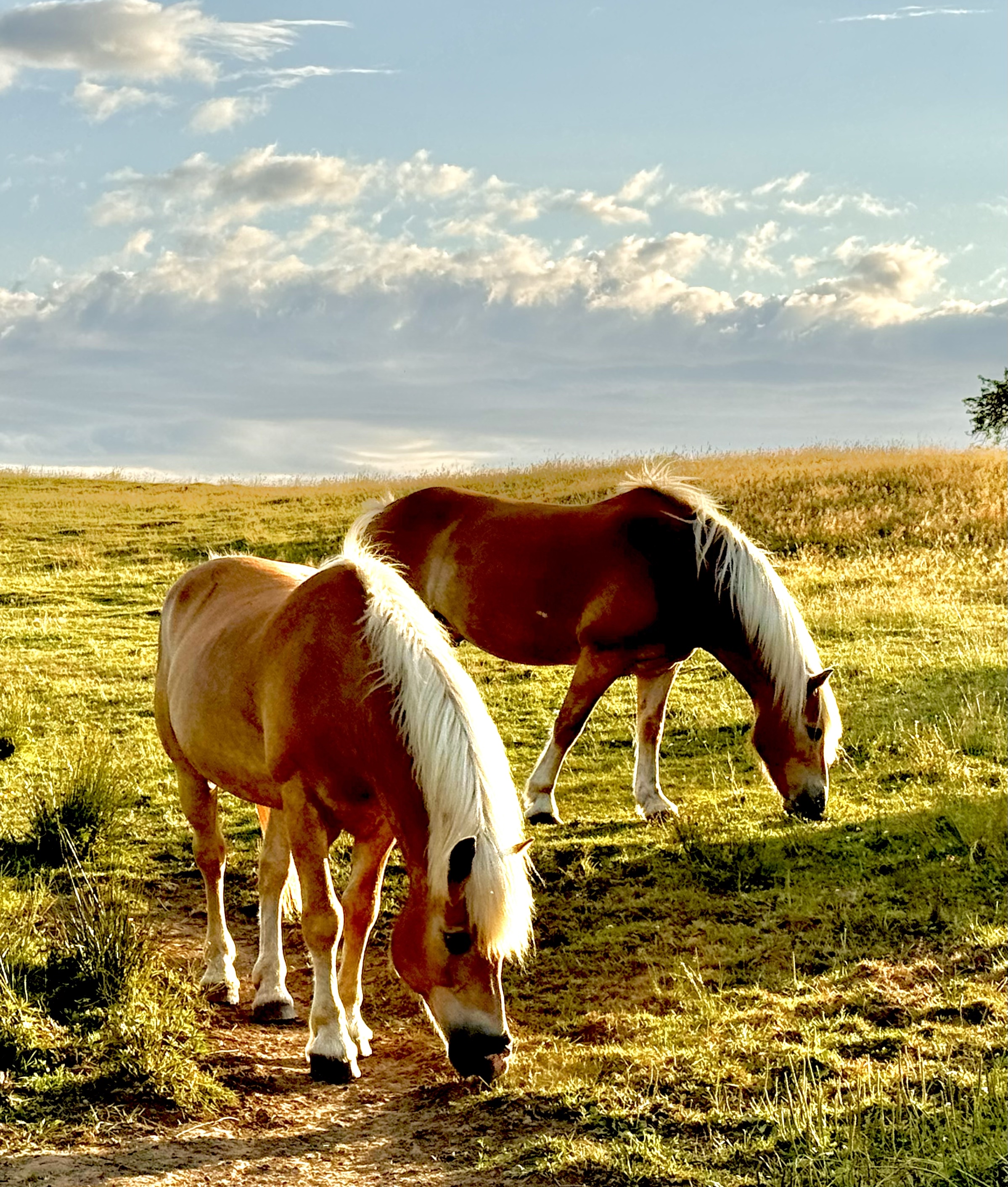
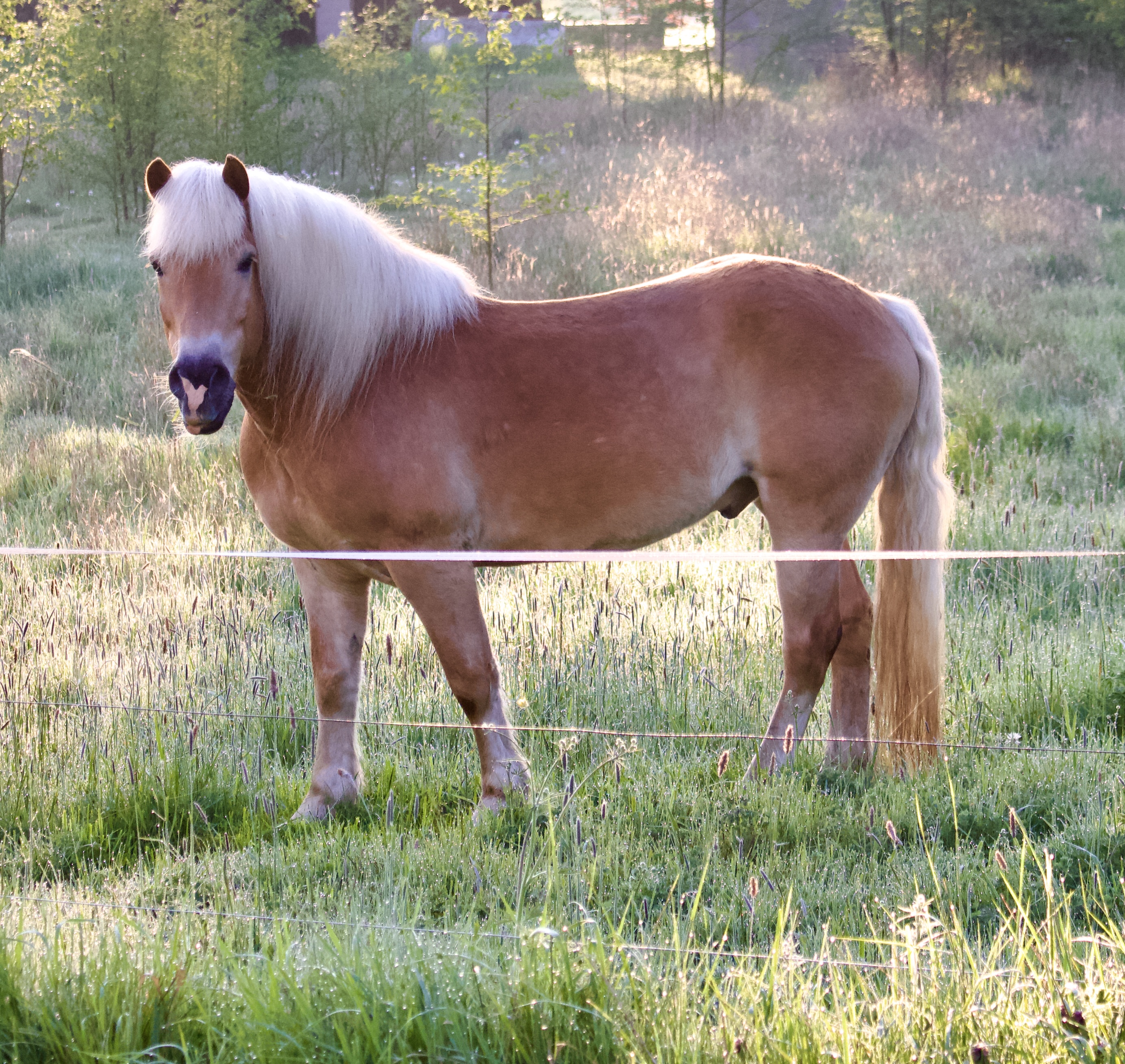
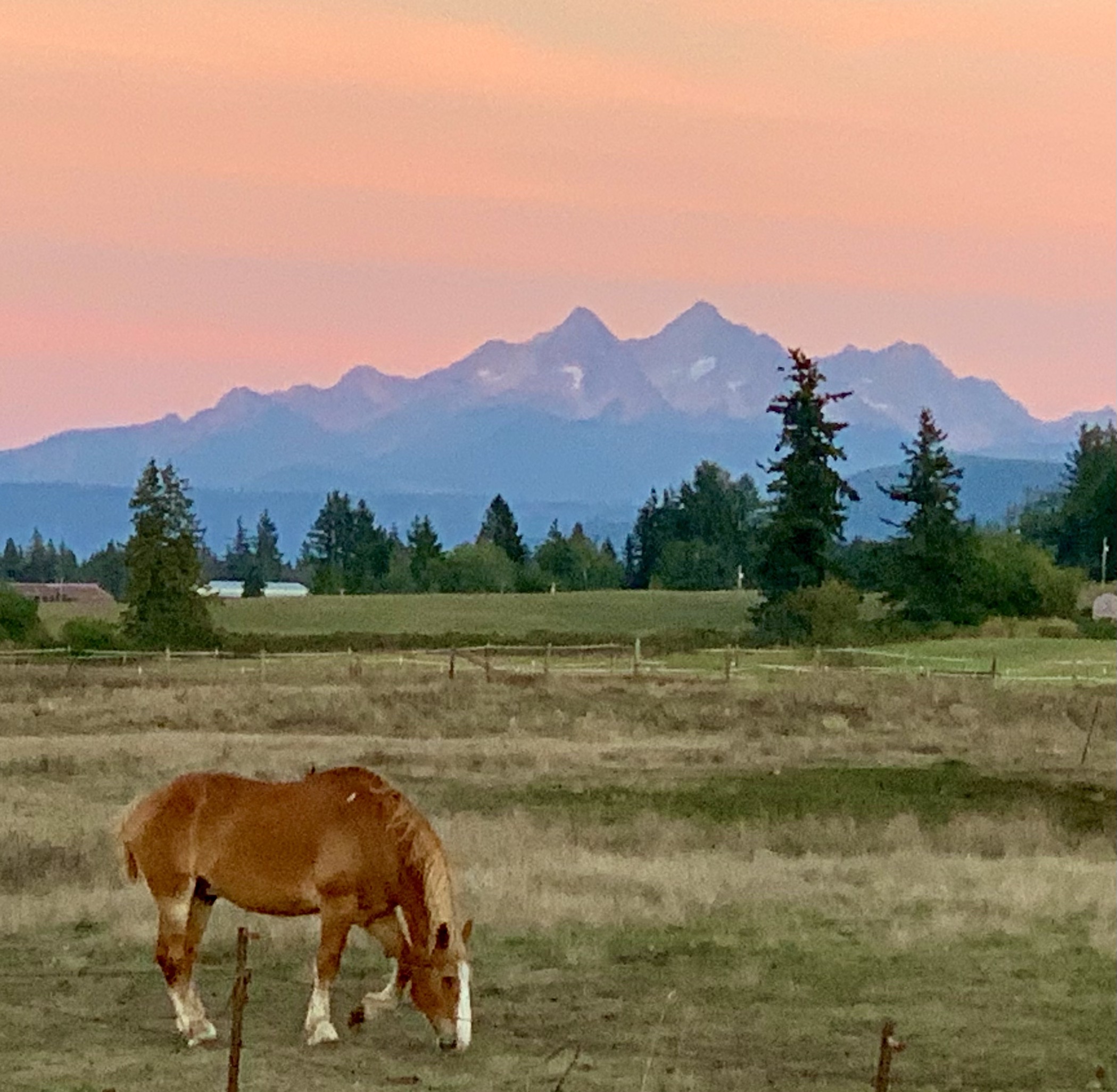
So on this foggy August morning years later, instead of heading to the fairgrounds to clean stalls and braid manes, I’m turning out our retired, dusty, unbathed Haflingers into the field as usual. They barely recall all the excitement they are missing.

Even if our horses don’t remember much about those fair weeks so long ago, I know some fair-goers still miss the friendly golden horses with the big brown eyes who tried, even if for a day, to make their dreams come true.

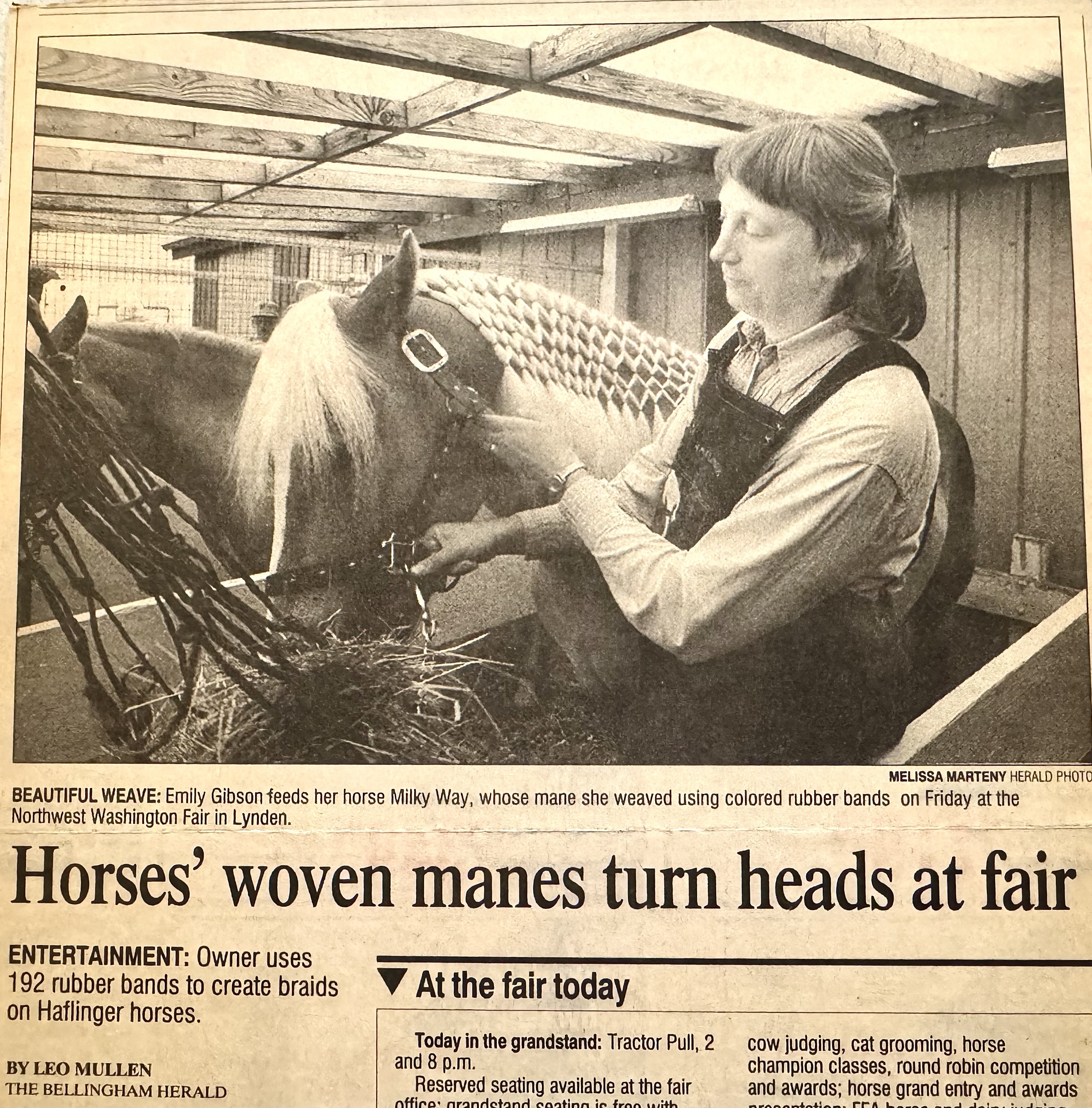
29 years ago, Milky Way and I were featured in our fair display on the front page of the local Bellingham Herald
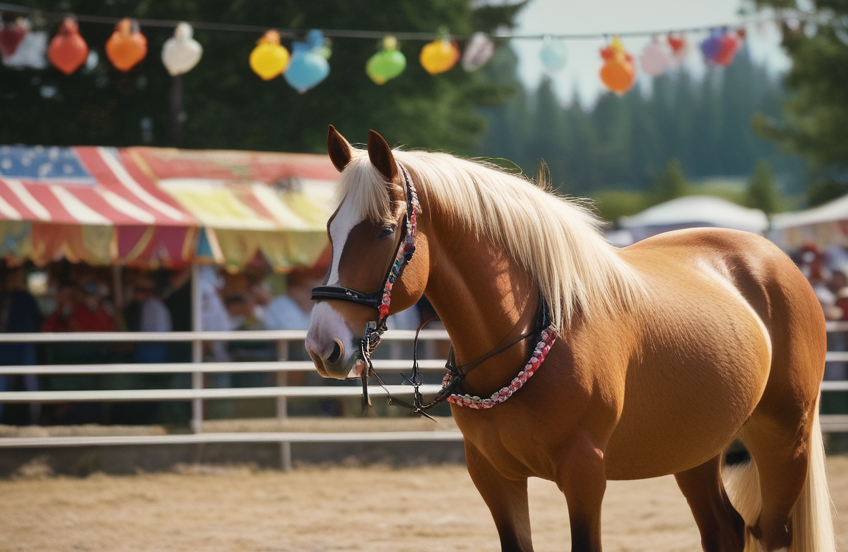
AI image created for this post
One-Time
Monthly
Yearly

Make a one-time or recurring donation to support daily Barnstorming posts

Make a monthly donation

Make a yearly donation

Choose an amount

$10.00
$25.00
$50.00
$5.00
$15.00
$100.00
$5.00
$15.00
$100.00

Or enter a custom amount

$

Your contribution is deeply appreciated.

Your contribution is appreciated.

Your contribution is appreciated.

DonateDonate monthlyDonate yearly

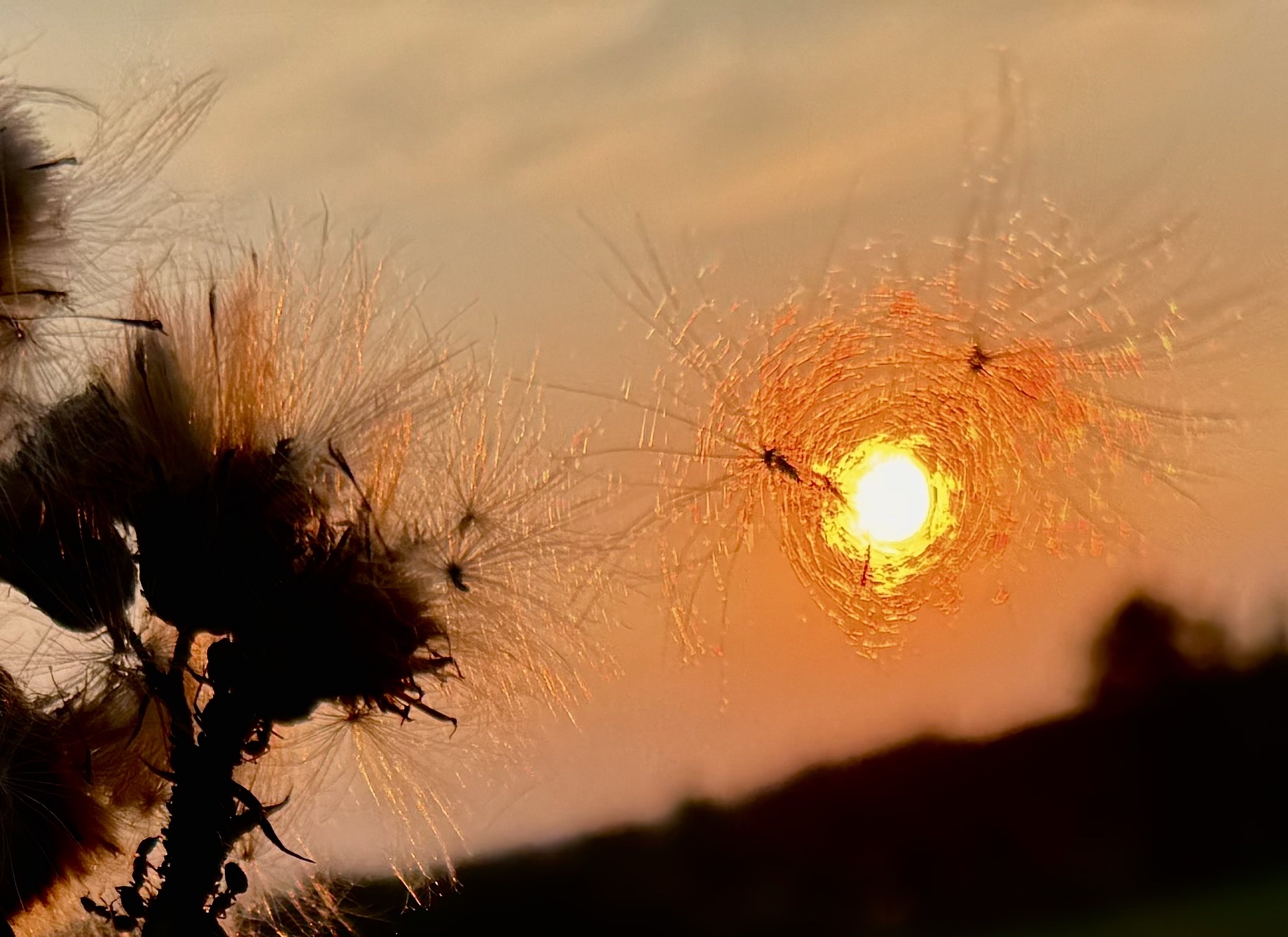
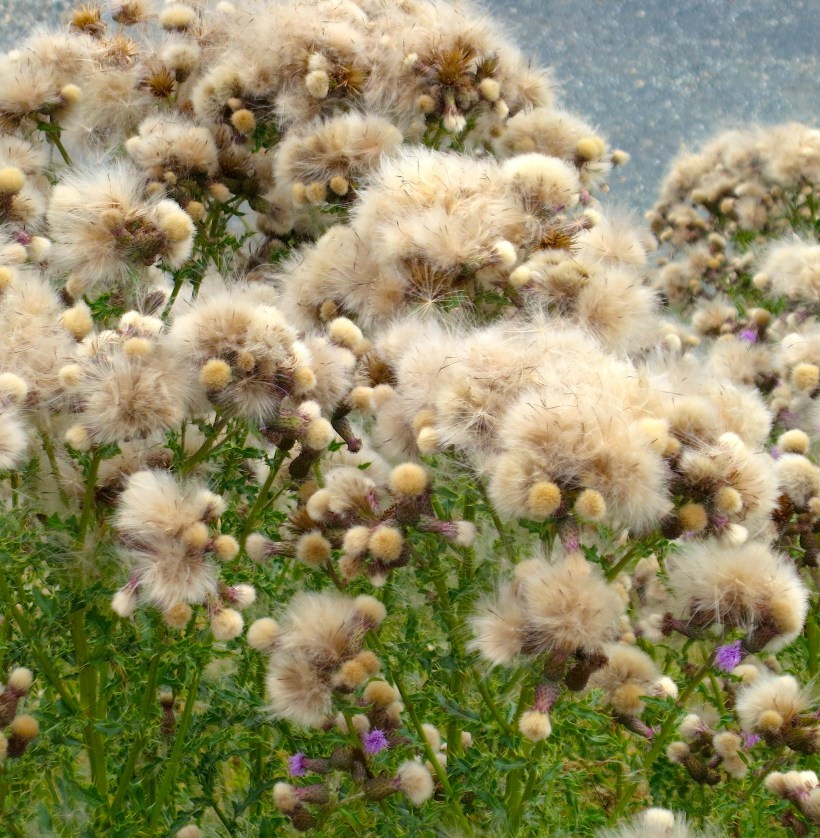
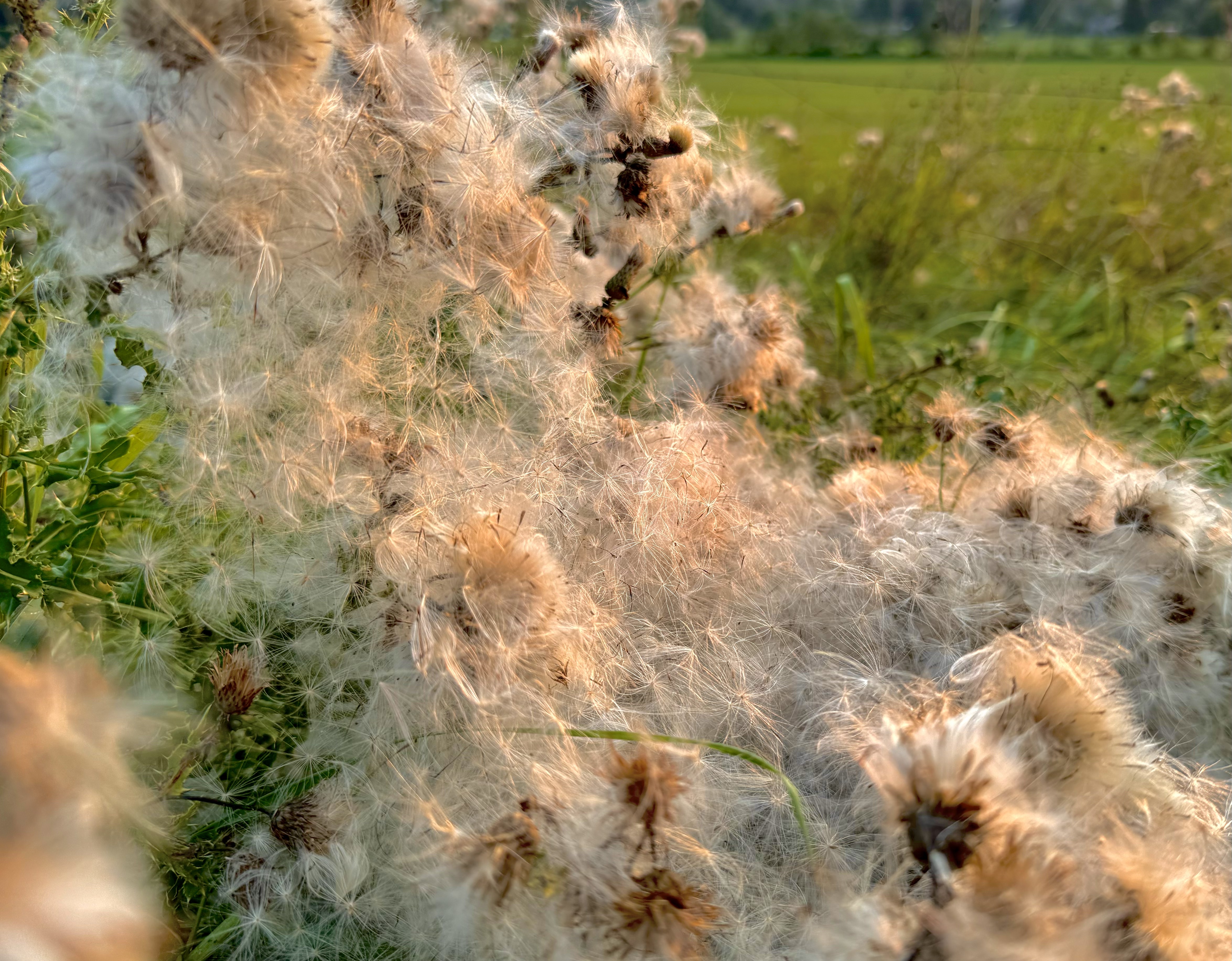
Spiking the Summer Air

Against the rubber tongues of cows and the hoeing hands of men
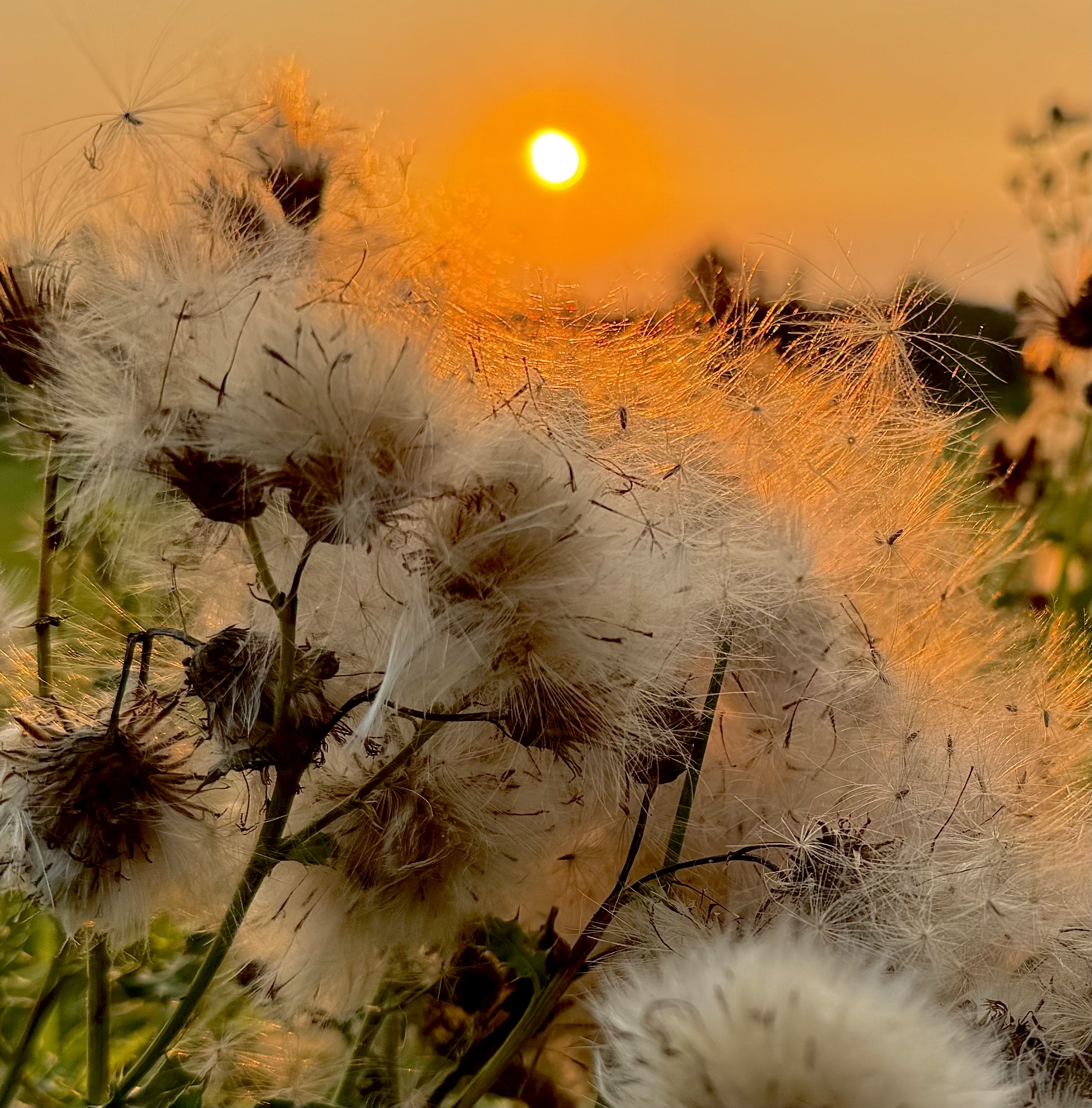
Thistles spike the summer air
Or crackle open under a blue-black pressure.

Every one a revengeful burst
Of resurrection, a grasped fistful
Of splintered weapons and Icelandic frost thrust up

From the underground stain of a decayed Viking.
They are like pale hair and the gutturals of dialects.
Every one manages a plume of blood.

Then they grow grey, like men
Mown down, it is a feud. Their sons appear,
Stiff with weapons, fighting back over the same ground.
~Ted Hughes “Thistles”

Sheep will not eat it
nor horses nor cattle
unless they are starving.
Unchecked, it will sprawl over
pasture and meadow
choking the sweet grass
defeating the clover
until you are driven
to take arms against it
but if unthinking
you grasp it barehanded
you will need tweezers
to pick out the stickers.

Outlawed in most Northern
states of the Union
still it jumps borders.
Its taproot runs deeper
than underground rivers
and once it’s been severed
by breadknife or shovel
—two popular methods
employed by the desperate—
the bits that remain will
spring up like dragons’ teeth
a field full of soldiers
their spines at the ready.

Bright little bursts of
chrome yellow explode from
the thistle in autumn
when goldfinches gorge on
the seeds of its flower.
The ones left uneaten
dry up and pop open
and parachutes carry
their procreant power
to disparate venues
in each hemisphere
which is why there will always
be thistle next year.

~Maxine Kumin “Why There Will Always Be Thistle Next Year” from The Long Marriage

Summer will grow old
As will the thistle, letting
A clenched bloom unfold

To which the small hum
Of bee wings and the flash of
Goldfinch wings will come,

Till its purple crown
Blanches, and the breezes strew
The whole field with down.
~Richard Wilbur “A Pasture Poem” from Anterooms

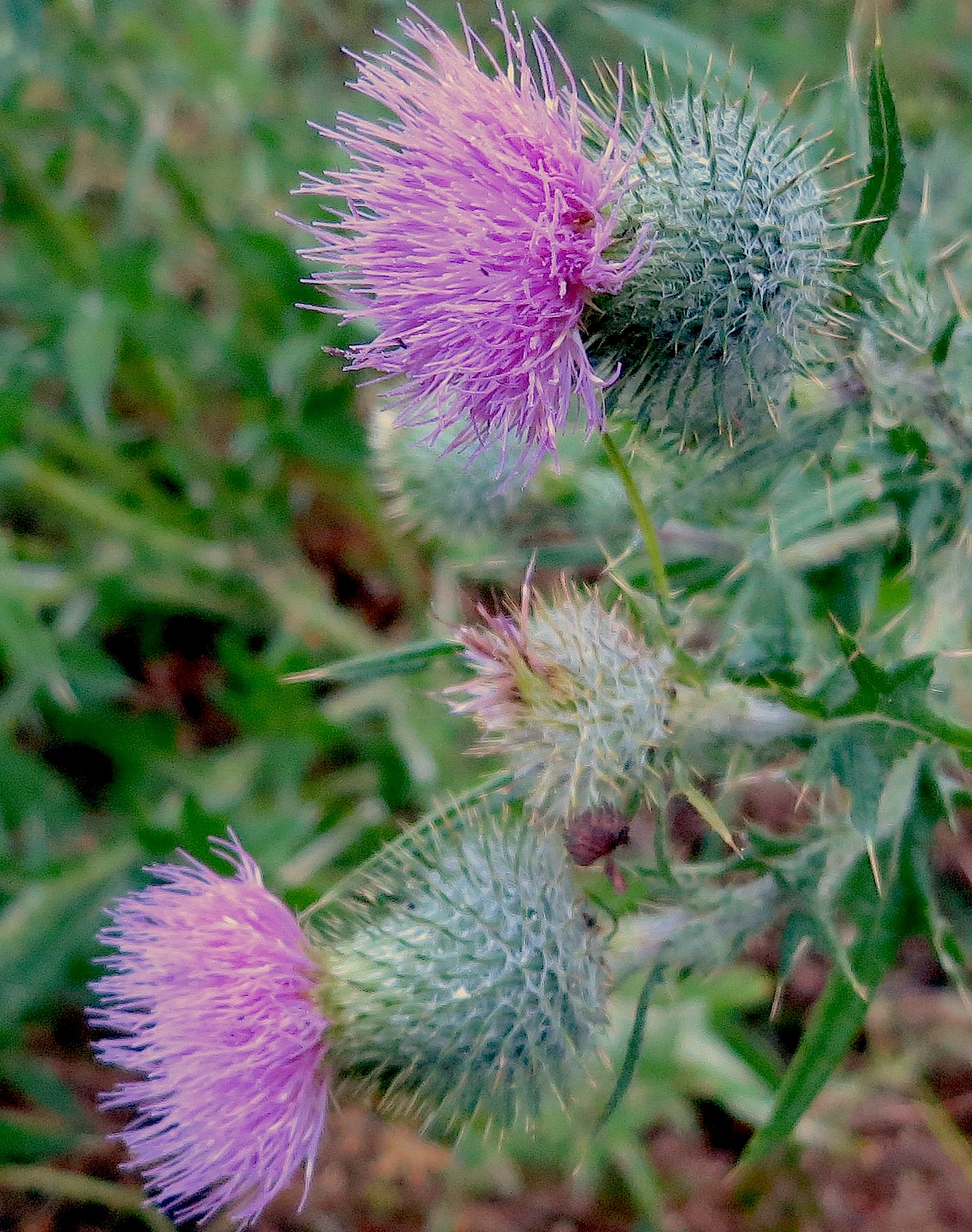
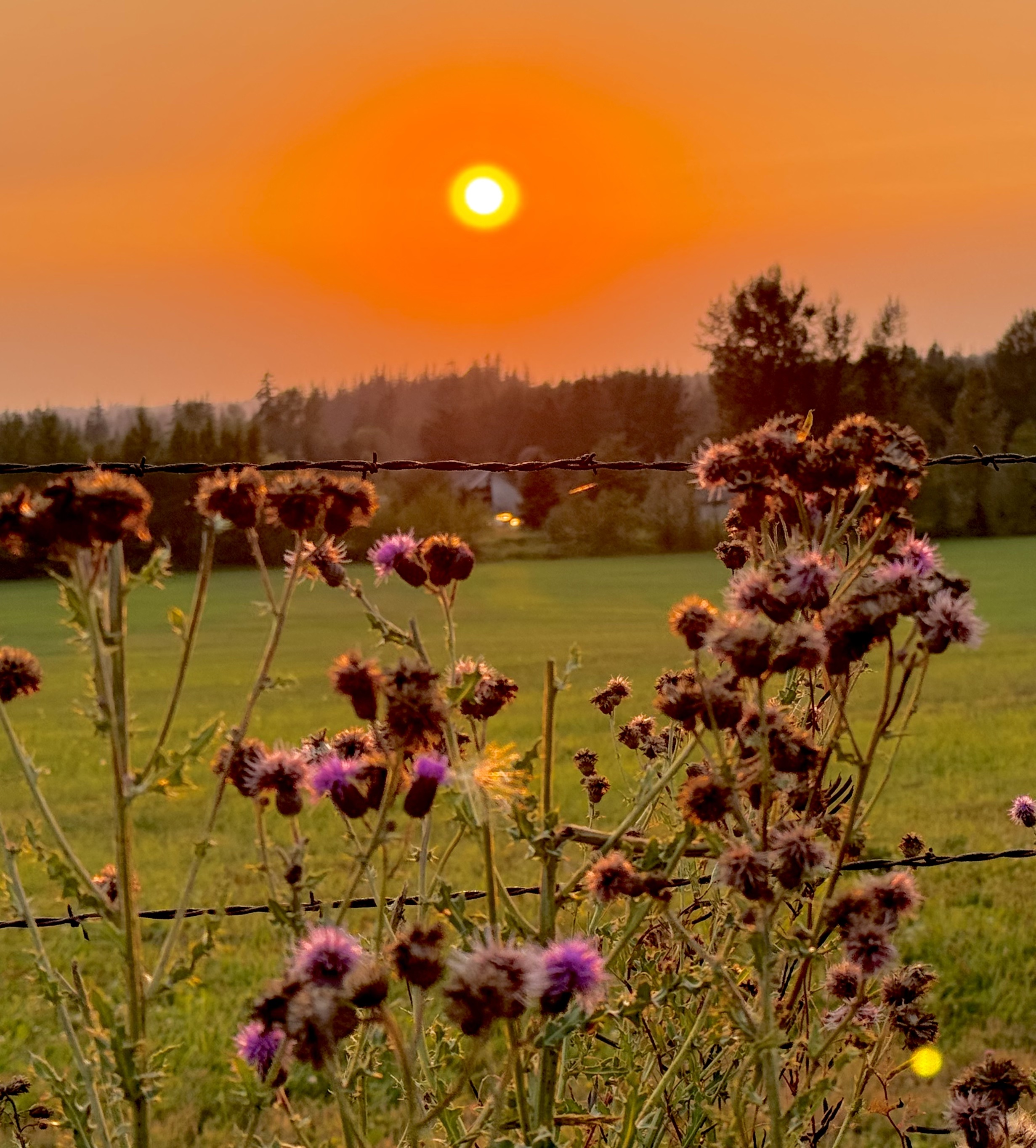
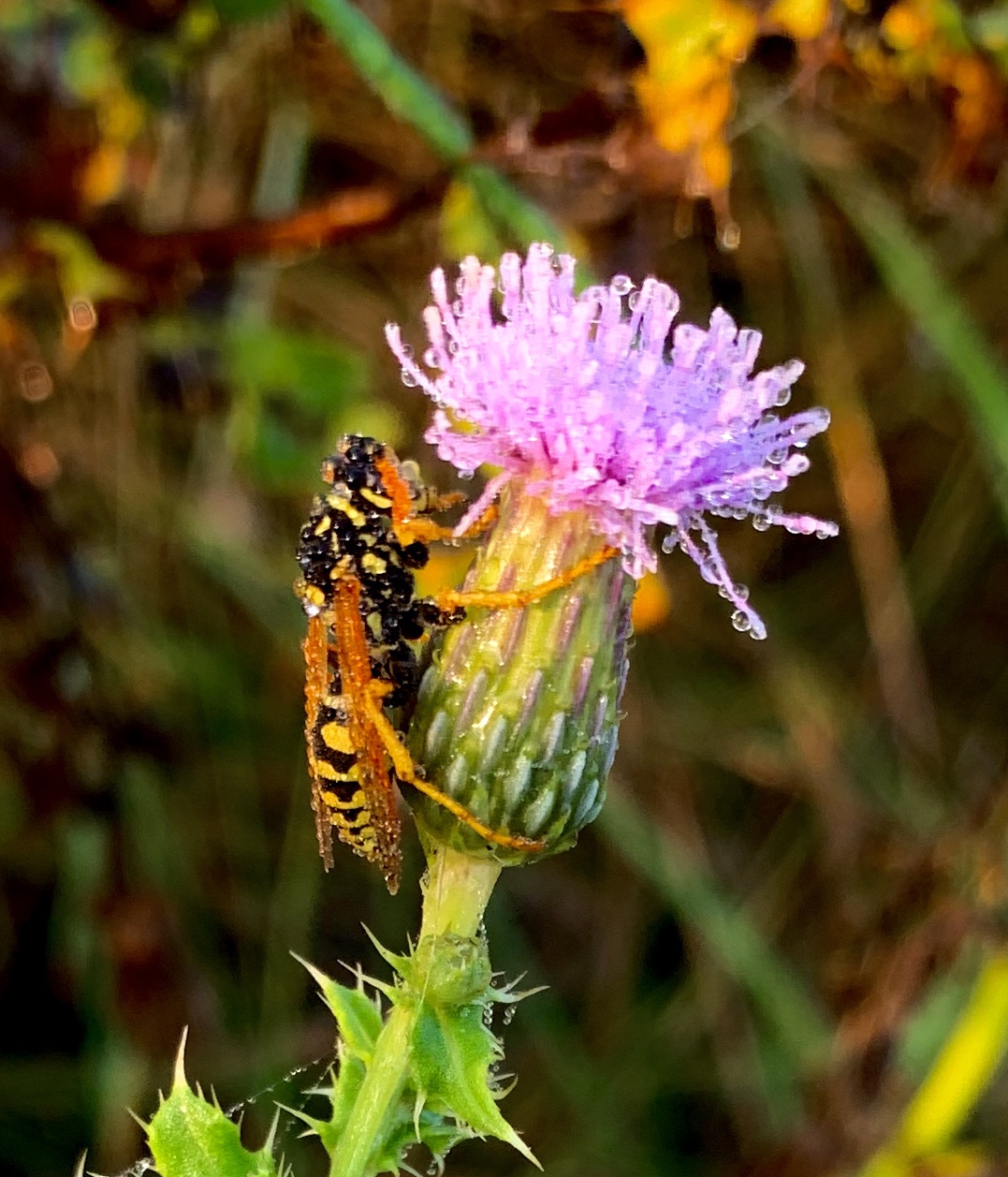
Thistle is armored, deeply rooted, and relentless in its self-defense, very much like enemies facing off in the human wars of our current and past history.

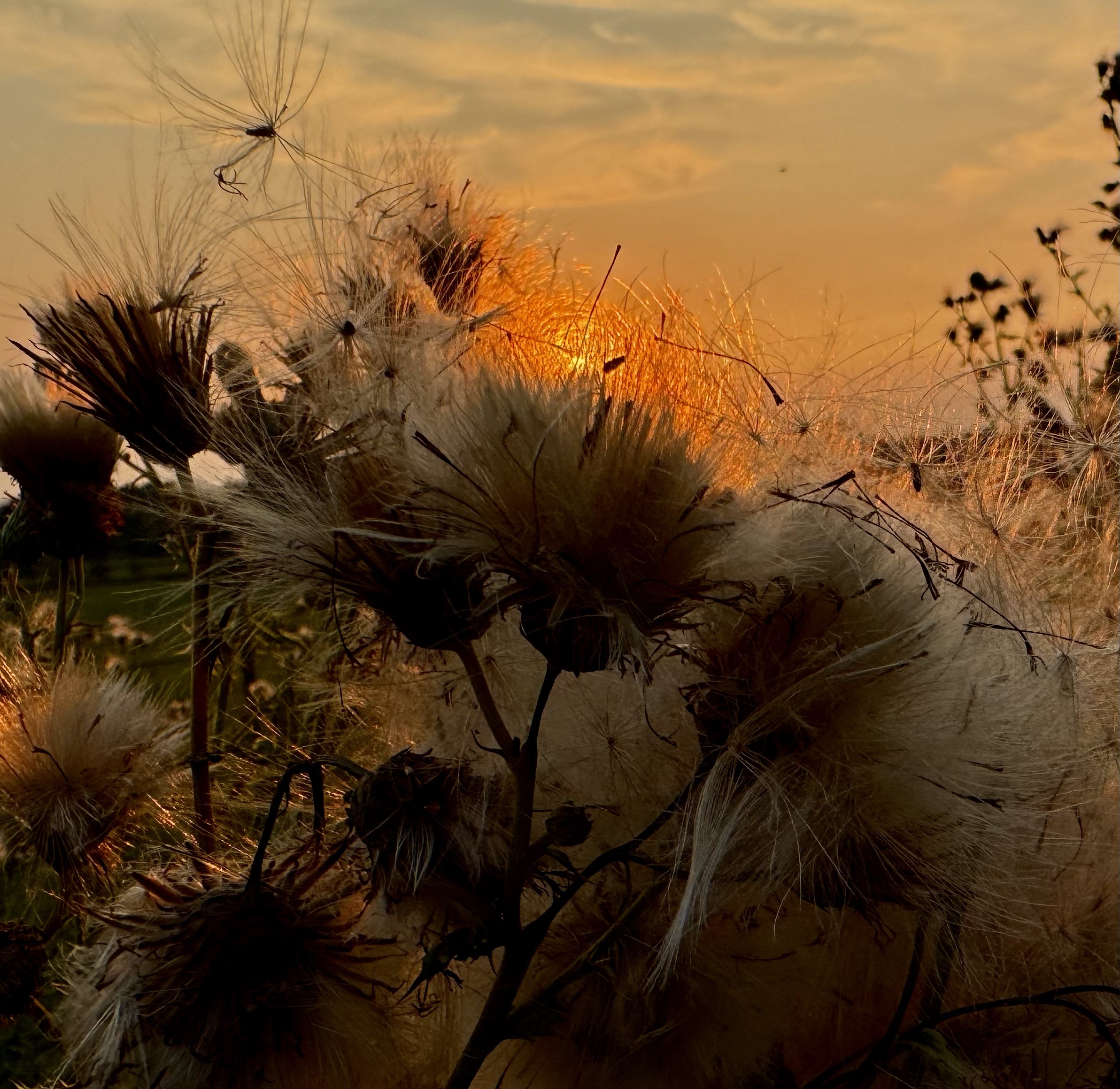
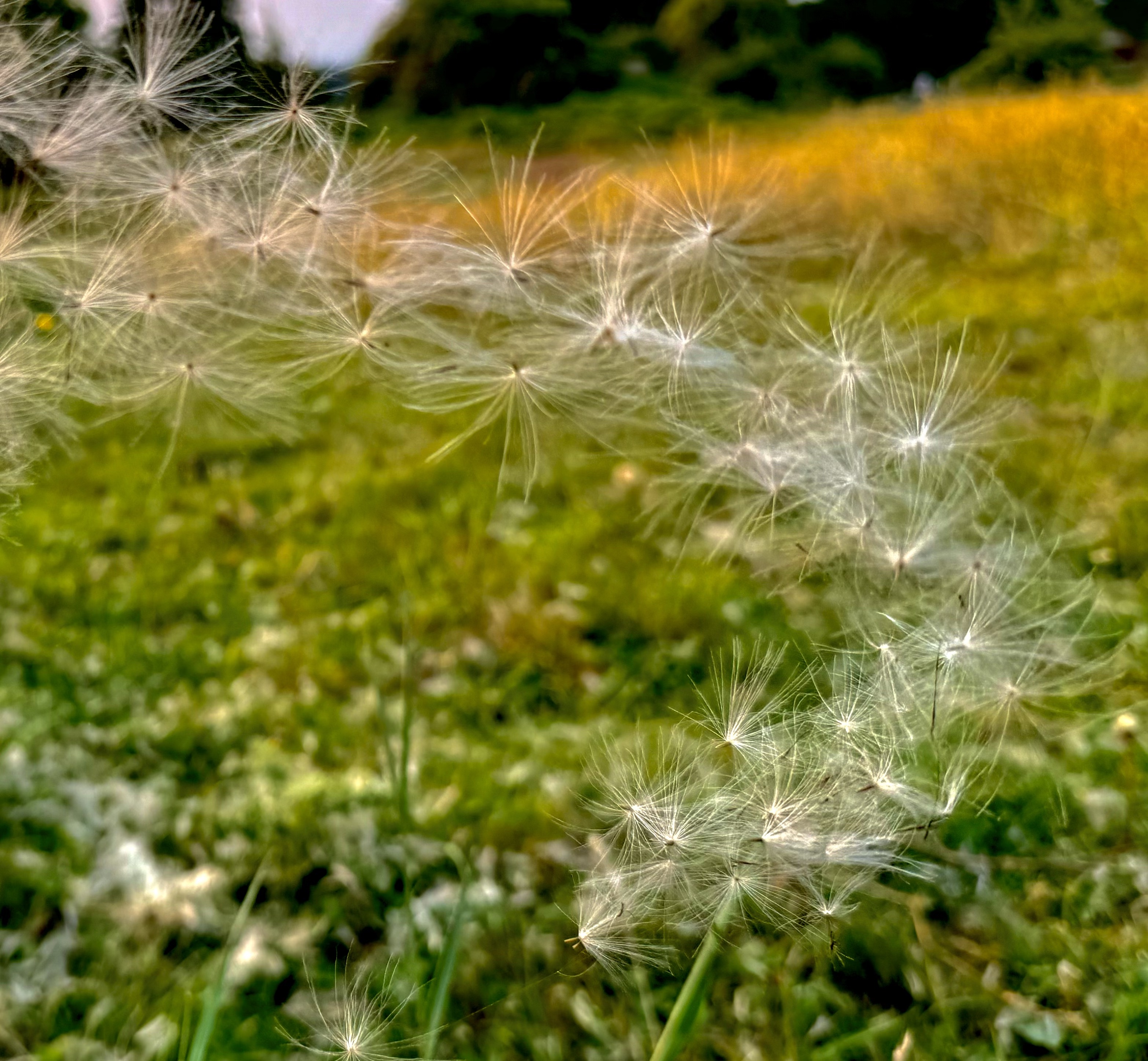
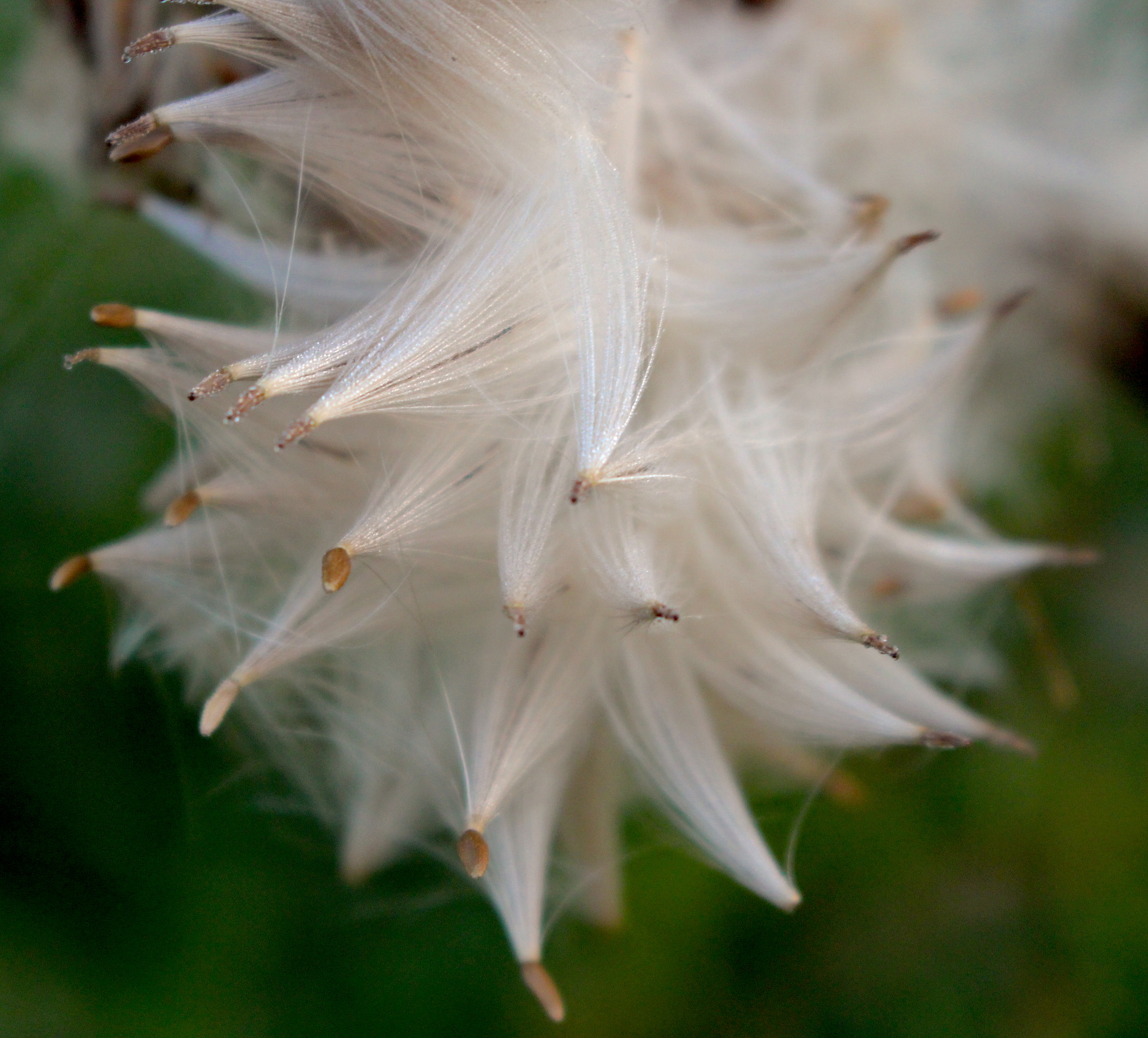
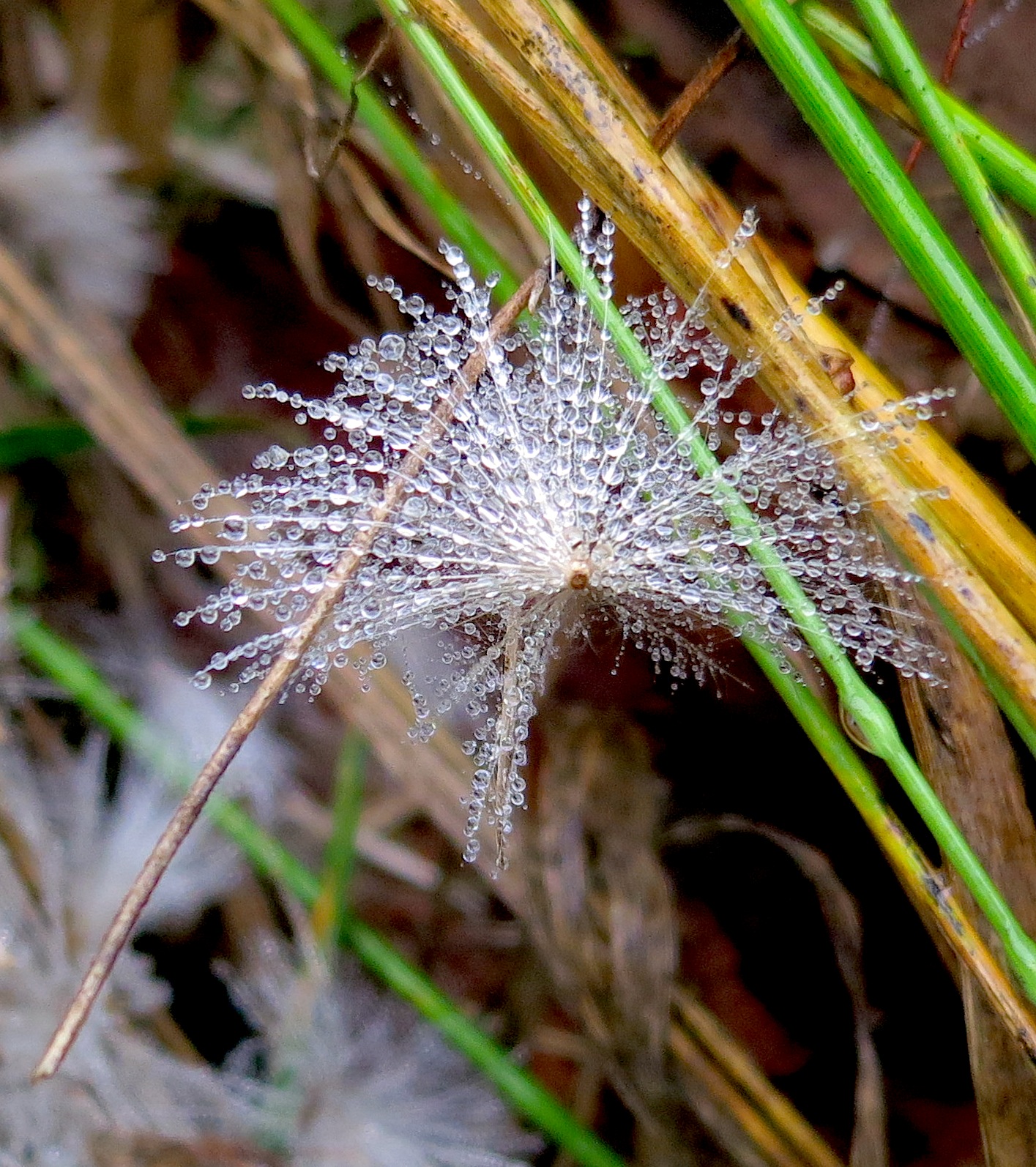
Highly invasive, thistle produces downy tasty dancing seeds ready to soar far in their effort at world domination. Generation after generation of thistles persist due to these vulnerable ballerinas’ flight to the next available patch of soil.

Unlike thistle, may we thrive with determined persistence, without need for spikes and thorny spines that attack and draw blood. May we instead exude a vulnerable softness and grace — fluffy and tender as a baby blanket meant to cradle and nurture rather than maim and cripple.

One-Time
Monthly
Yearly

Make a one-time or recurring donation to support daily Barnstorming posts

Make a monthly donation

Make a yearly donation

Choose an amount

$10.00
$25.00
$50.00
$5.00
$15.00
$100.00
$5.00
$15.00
$100.00

Or enter a custom amount

$

Your contribution is deeply appreciated.

Your contribution is appreciated.

Your contribution is appreciated.

DonateDonate monthlyDonate yearly

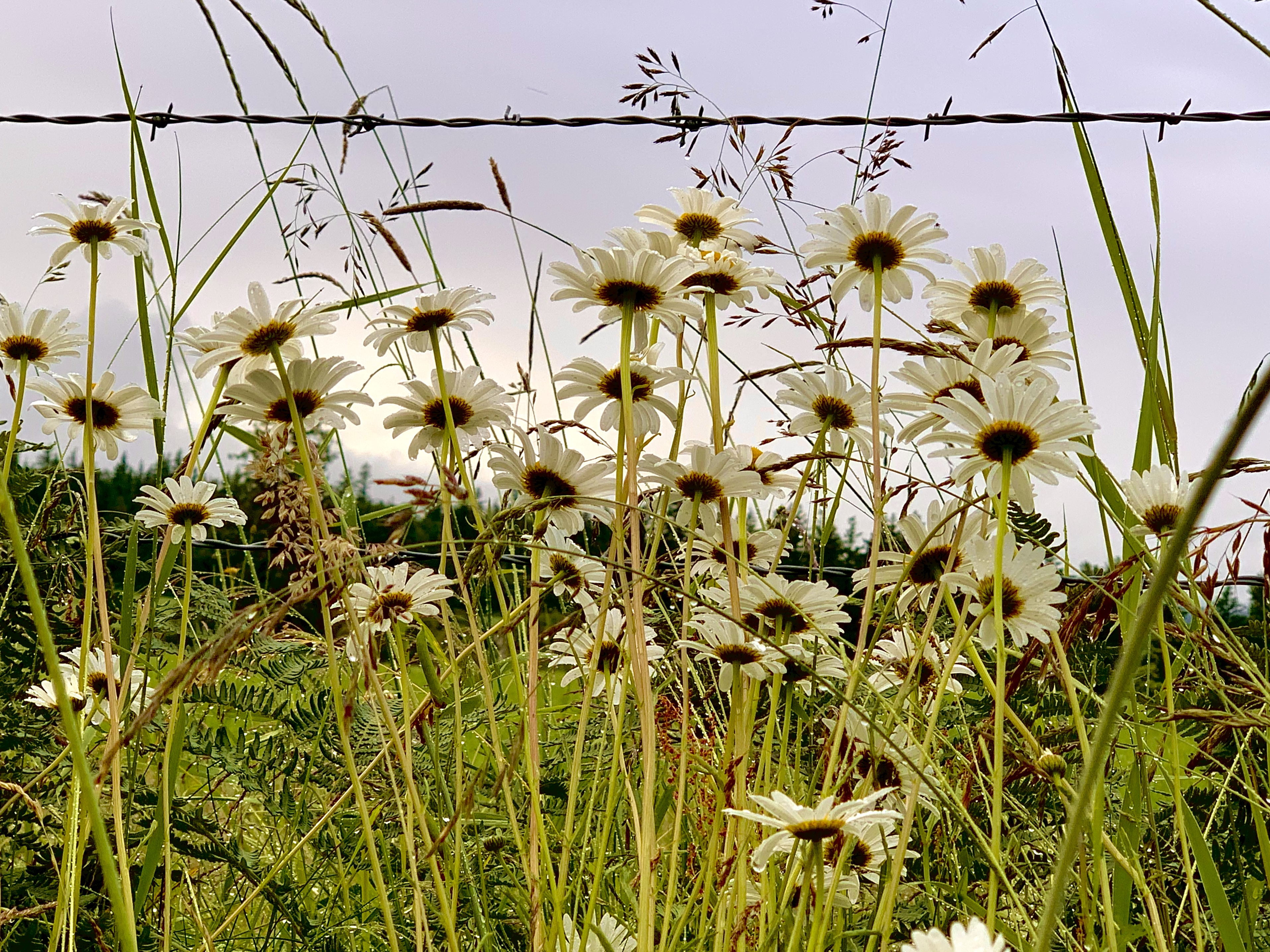
Daisy Morning Music

See, the grass is full of stars,
Fallen in their brightness;
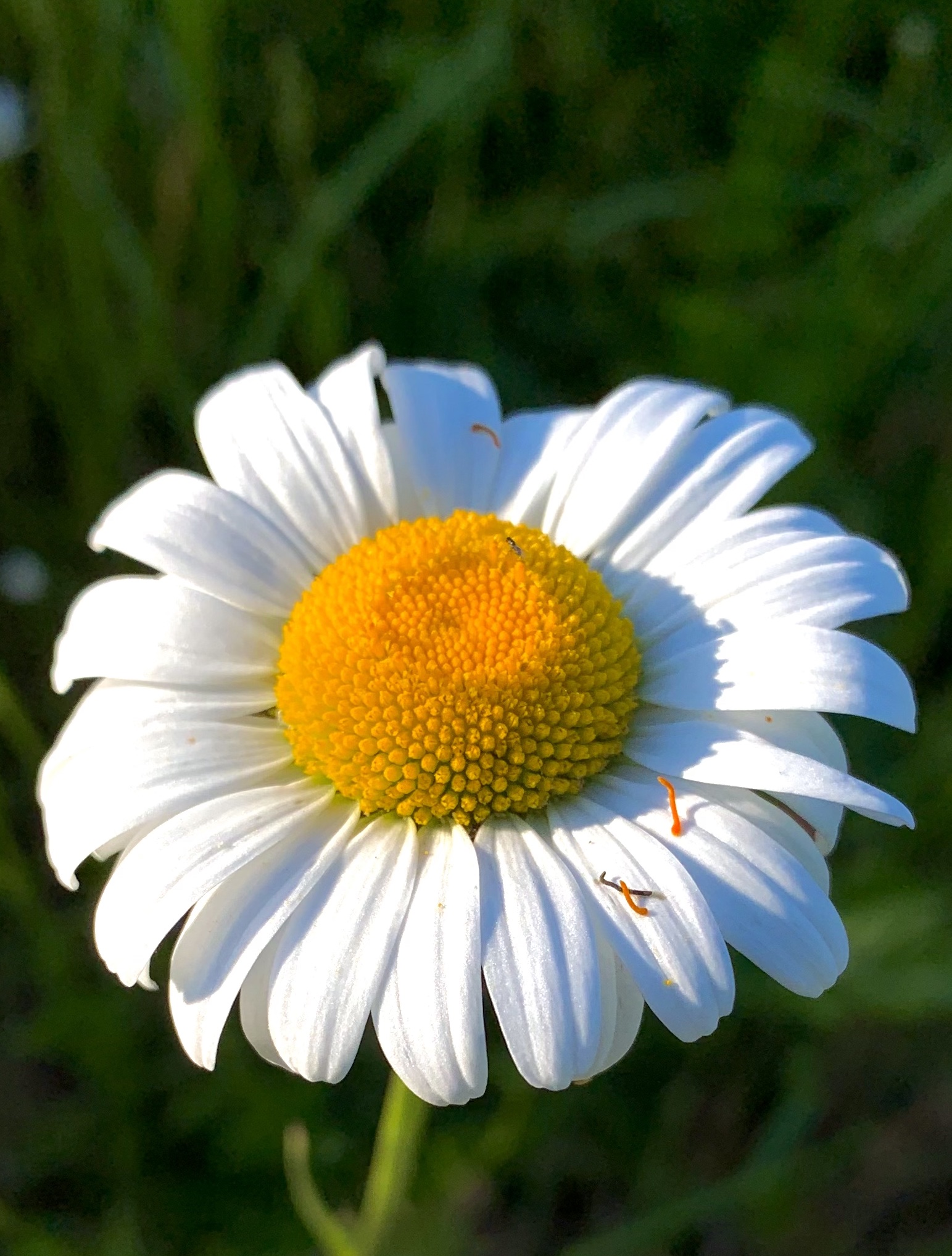
Hearts they have of shining gold,
Rays of shining whiteness.

Buttercups have honeyed hearts,
Bees they love the clover,
But I love the daisies’ dance
All the meadow over.

Blow, O blow, you happy winds,
Singing summer’s praises,
Up the field and down the field
A-dancing with the daisies.
~Marjorie Pickthall “Daisy Time”

I still can’t say what life is for, but it can’t be to pretend
     that every part of it is knowable, or that what appears to be
to the naked eye or in the middle ground or documented on paper
     approximates a person any better than a daisy does our sun.

When at a loss for what I am, I know I must be feeling it
     deep in the layers, where a turbulence gives rise to clouds
so massive they collapse in a bliss of gravity, condensing into this
      music I can daisy into morning as it daisies me into morning.

~Timothy Donnelly from “Habitable Nebula”

It is possible, I suppose that sometime
we will learn everything
there is to learn: what the world is, for example,
and what it means. I think this as I am crossing
from one field to another…

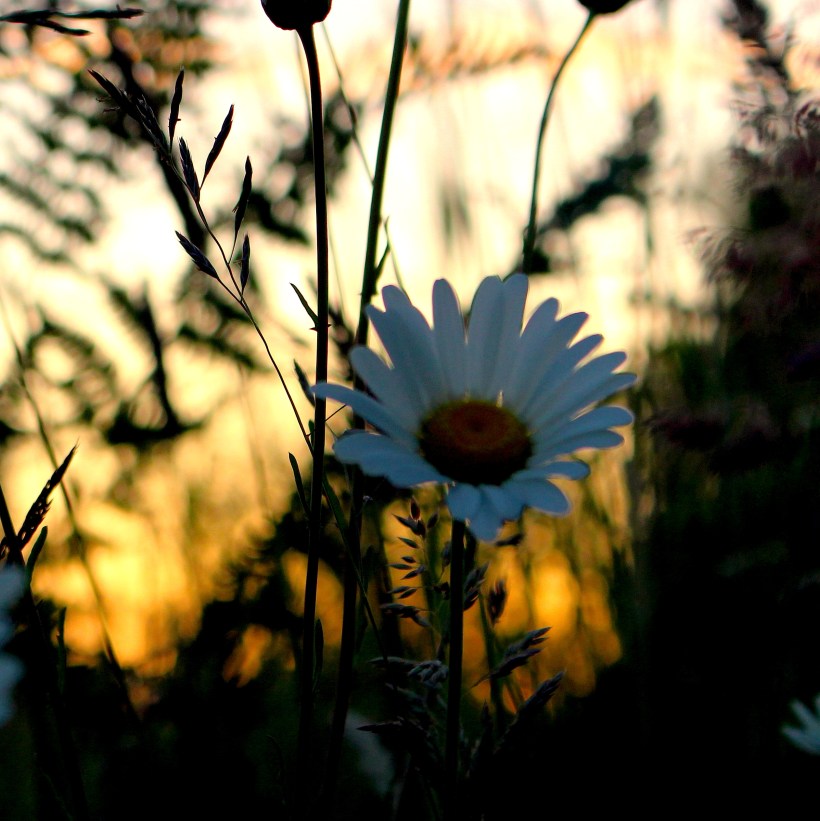
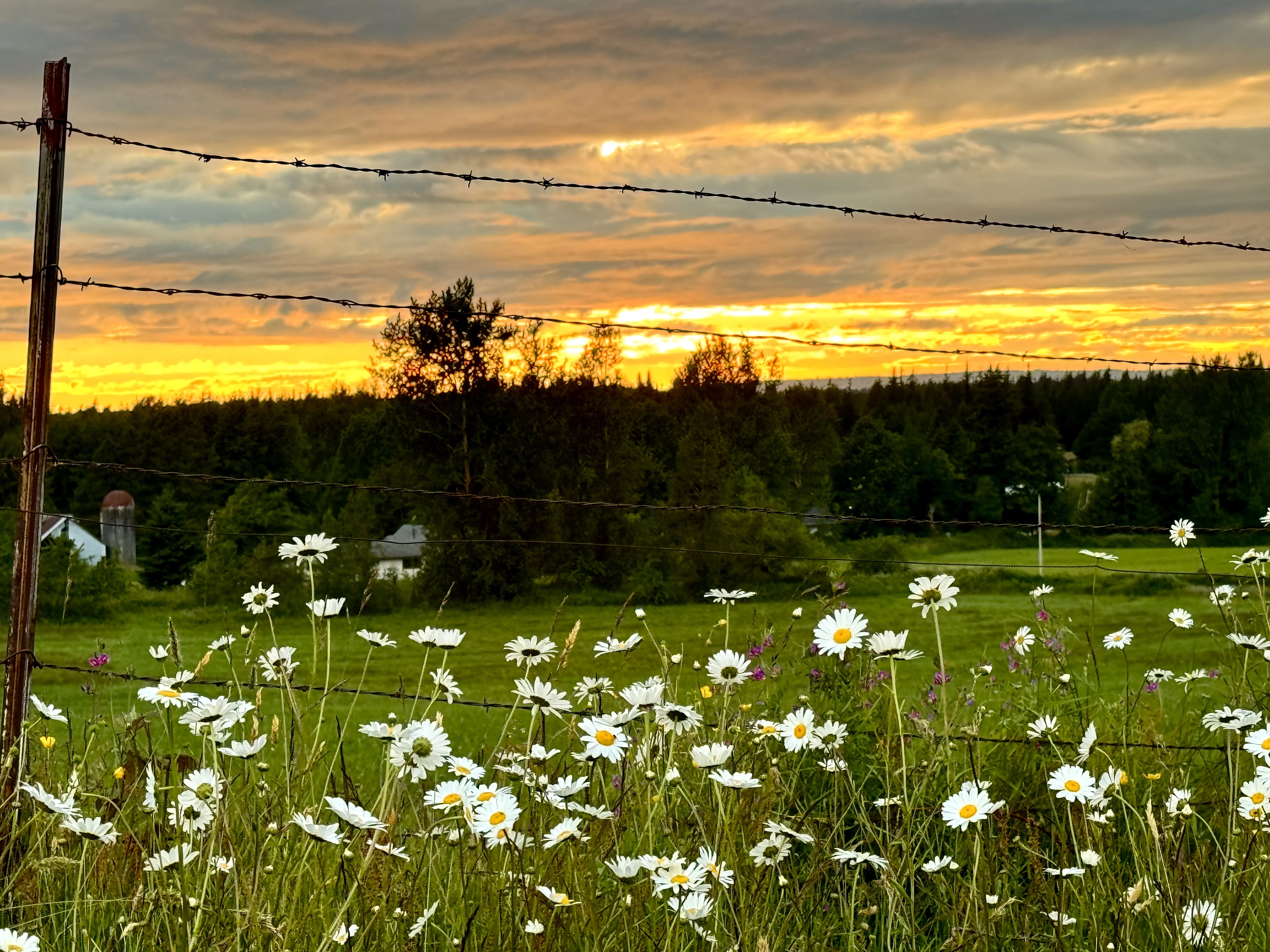
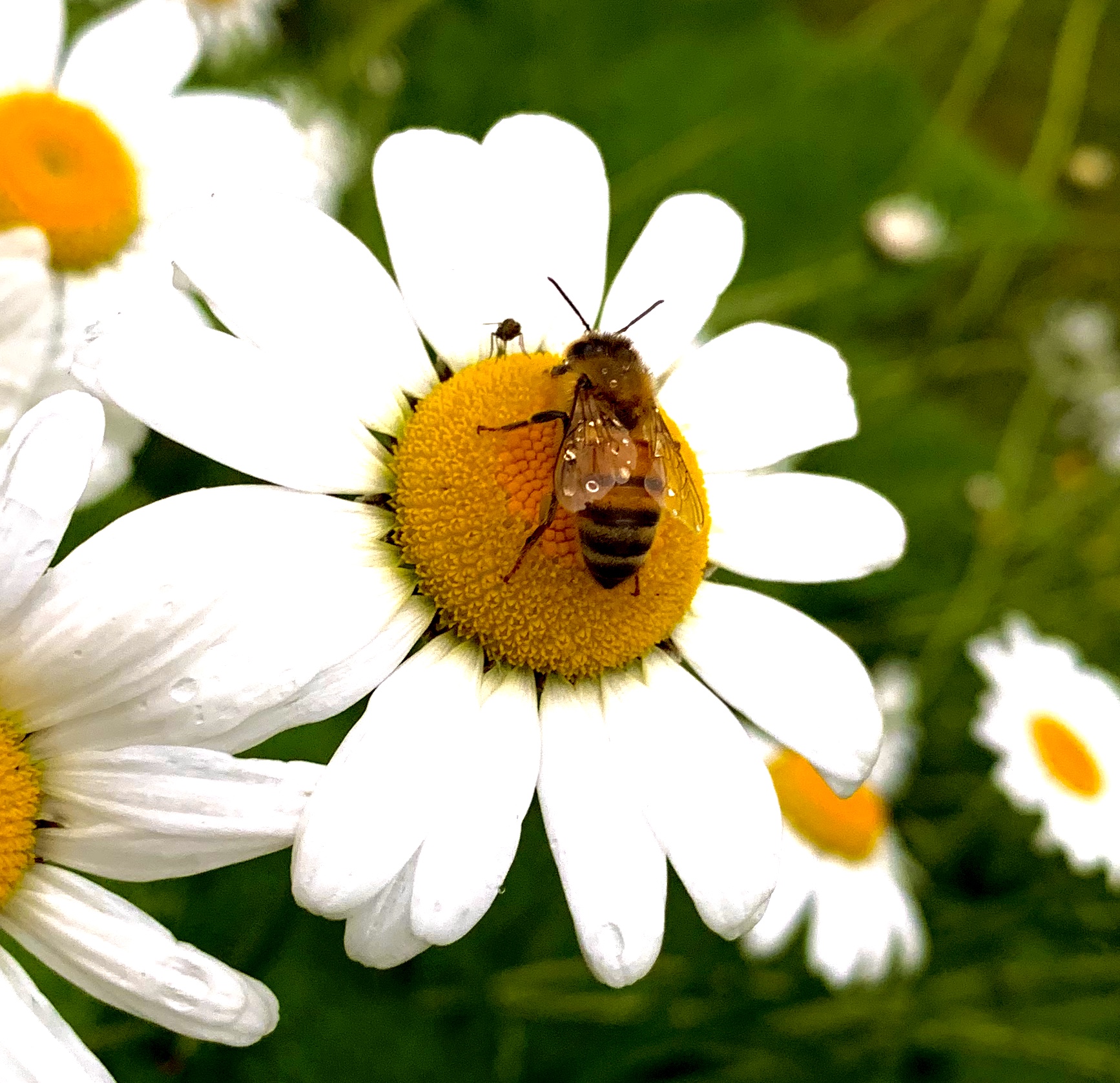
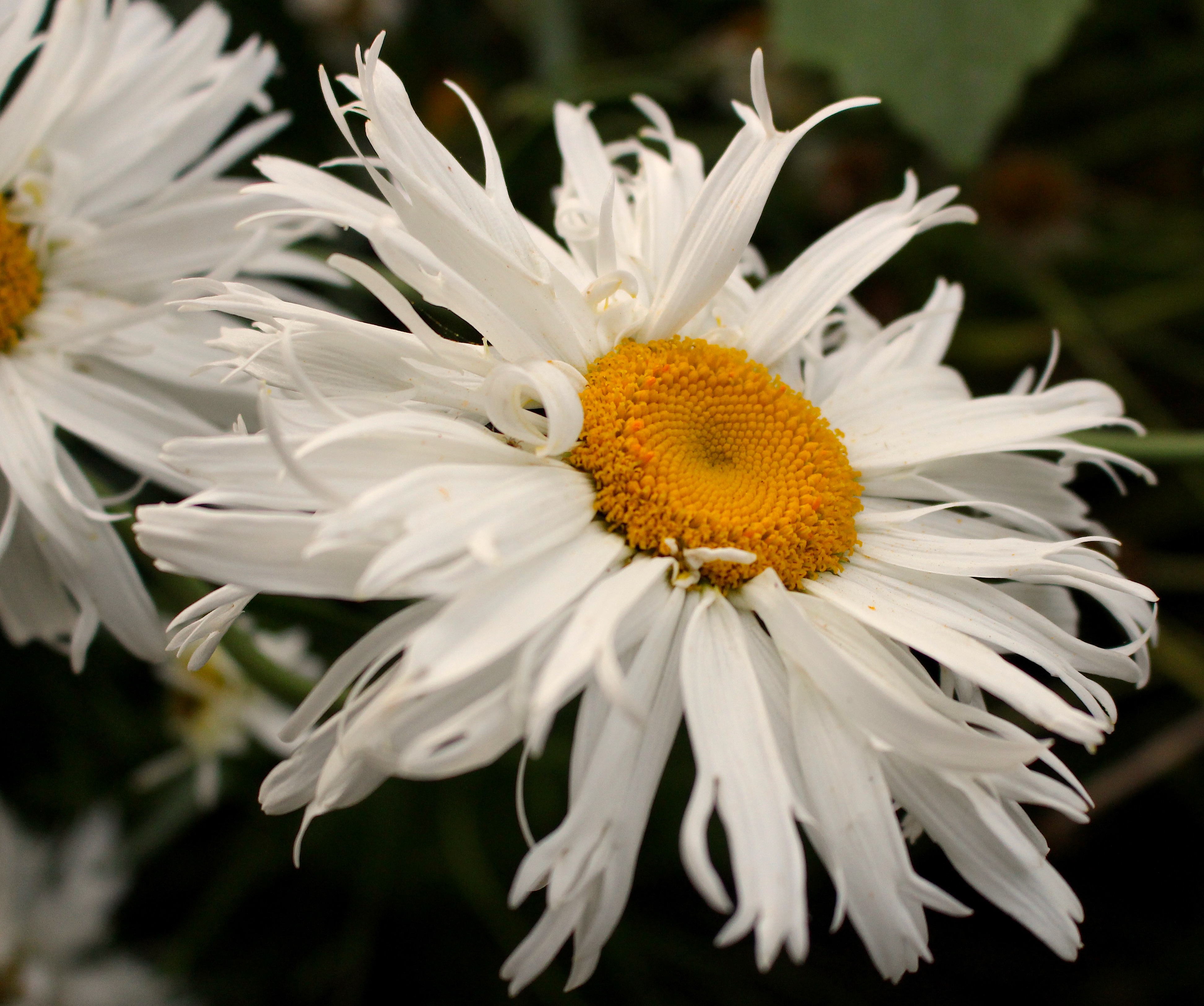
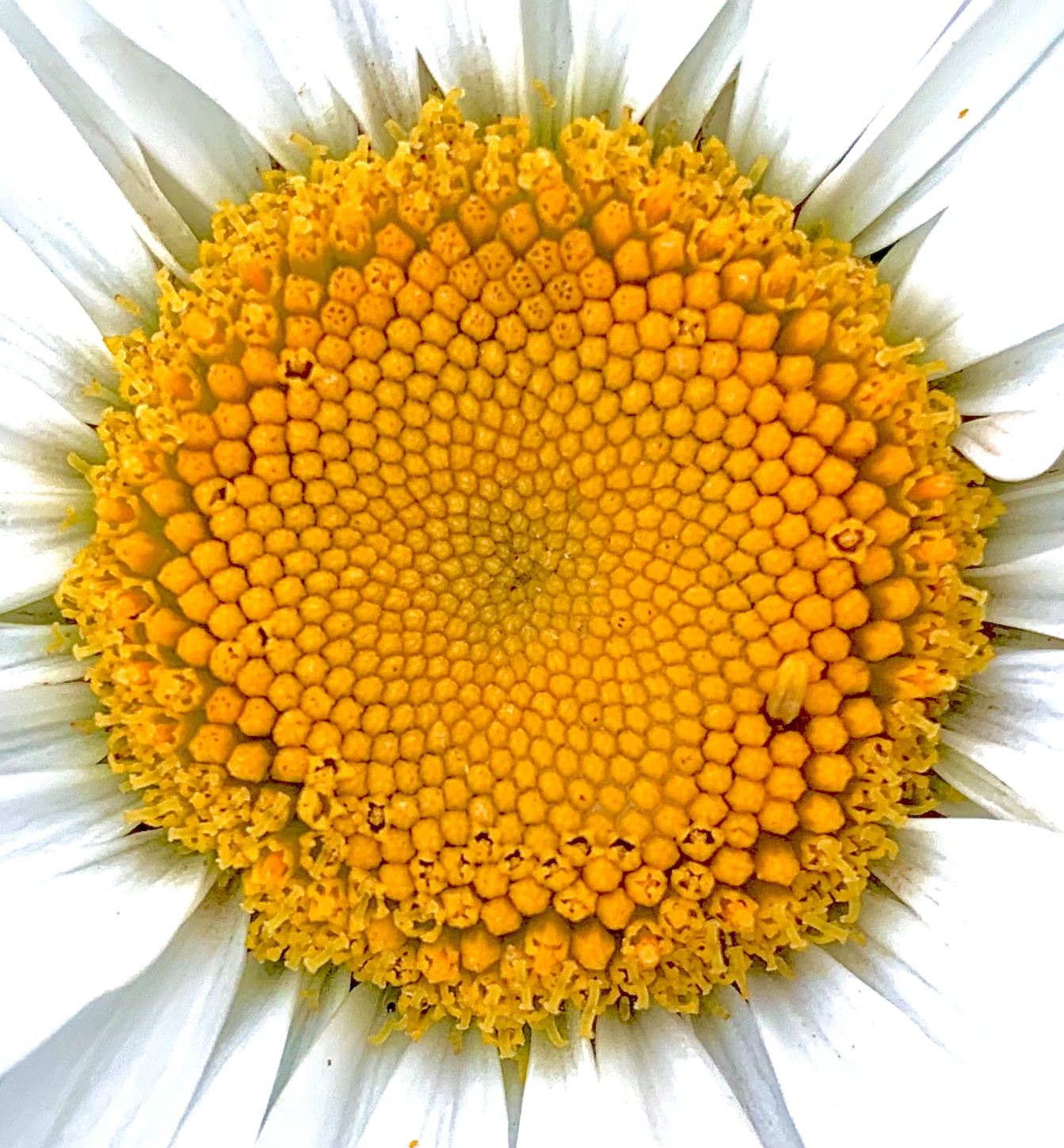
At my feet the white-petalled daisies display
the small suns of their center piece, their – if you don’t
mind my saying so – their hearts. Of course
I could be wrong, perhaps their hearts are pale and
narrow and hidden in the roots. What do I know?


But this: it is heaven itself to take what is given,
to see what is plain; what the sun lights up willingly;
for example – I think this
as I reach down, not to pick but merely to touch –
the suitability of the field for the daisies, and the
daisies for the field.

~Mary Oliver from “Daisies”

I realize I can’t understand what all this world means.

No, I will remain in the dark until I cross from this daisy-strewn field to the next. I have to wait for heaven itself to see why we are illuminated by the Sun.

It is all cloud-covered mystery in the meantime, and sometimes a mean and joyless mystery – with pain and heartbreak and suffering, but just enough loving sacrifice to make it worthwhile.

How are we different from that stone, or that tree or that daisy?

We are breathed on.

God’s breath surges within us, as we laugh out loud, weep mightily and sing out His Words – struggling to be suitable for this field of stars, so often trampled and broken, but with plans to flourish under the illuminating stars created by the Son of heaven.

One-Time
Monthly
Yearly

Make a one-time or recurring donation to support daily Barnstorming posts

Make a monthly donation

Make a yearly donation

Choose an amount

$10.00
$25.00
$50.00
$5.00
$15.00
$100.00
$5.00
$15.00
$100.00

Or enter a custom amount

$

Your contribution is deeply appreciated.

Your contribution is appreciated.

Your contribution is appreciated.

DonateDonate monthlyDonate yearly

Standing in Stillness

Broad August burns in milky skies,
The world is blanched with hazy heat;
The vast green pasture, even, lies
Too hot and bright for eyes and feet.

Amid the grassy levels rears
The sycamore against the sun
The dark boughs of a hundred years,
The emerald foliage of one.

Lulled in a dream of shade and sheen,
Within the clement twilight thrown
By that great cloud of floating green,
A horse is standing, still as stone.

He stirs nor head nor hoof, although
The grass is fresh beneath the branch;
His tail alone swings to and fro
In graceful curves from haunch to haunch.

He stands quite lost, indifferent
To rack or pasture, trace or rein;
He feels the vaguely sweet content
Of perfect sloth in limb and brain.
~William Canton “Standing Still”

Sweet contentment is a horse dozing in the summer field, completely sated by grass and clover, tail switching and skin rippling automatically to discourage flies.

I too wish at times for that stillness of mind and body, allowing myself to simply “be” without concern about yesterday’s travails, or what duties await me tomorrow.

I flunked sloth long ago.  Perhaps I was born driven.  My older sister, never a morning person, was thoroughly annoyed to share a bedroom with a toddler who awoke chirpy and cheerful, singing “Twinkle Twinkle” for all to hear and ready to conquer the day.

Since retiring, I admit I am becoming accustomed now to sloth-dom, though I am still too chipper in the early morning. It is a distinct character flaw.

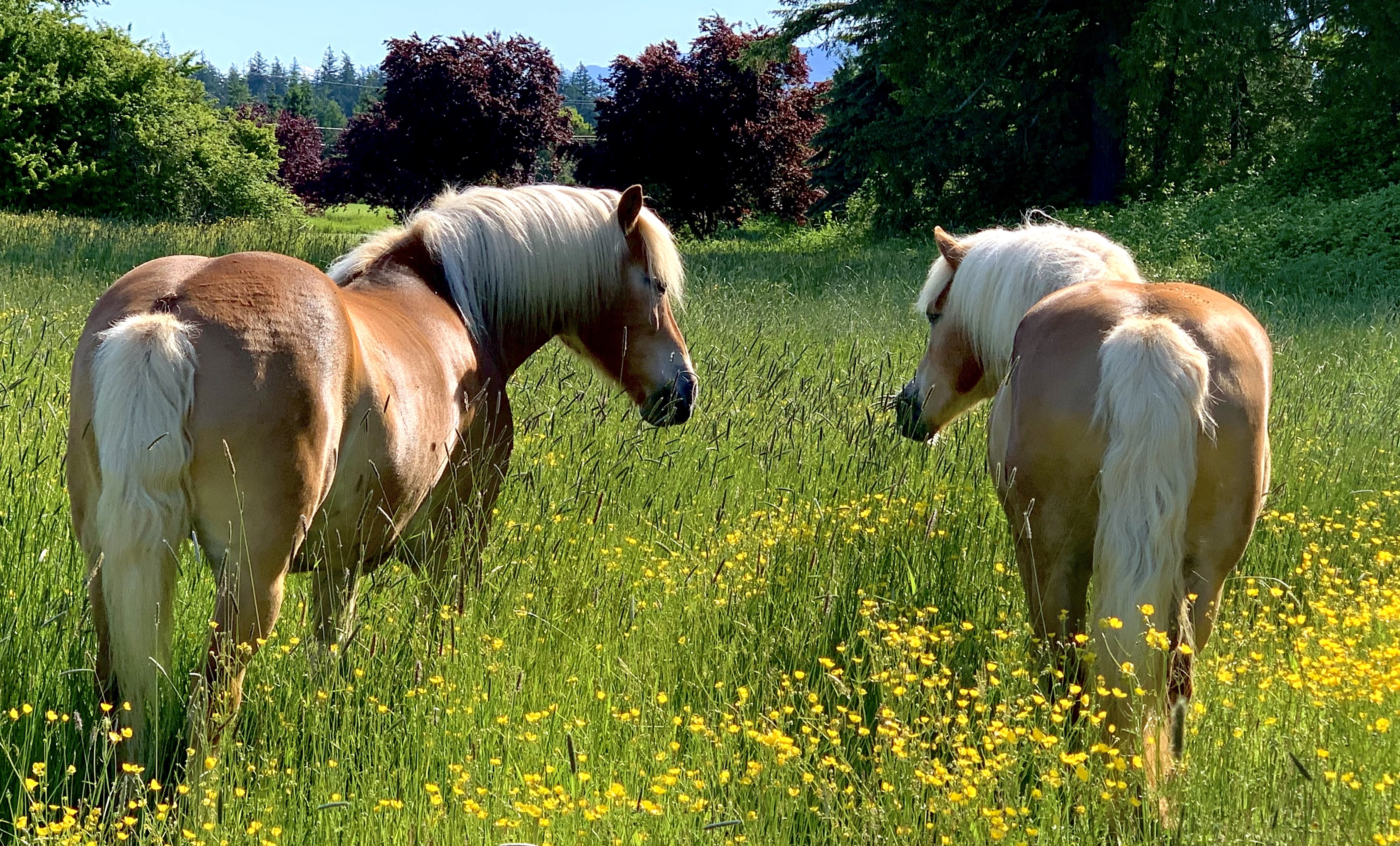
Even so, I’m not immune to the attractions of a hot hazy day of doing absolutely nothing but standing still switching at flies. I envy our retired ponies in the pasture who spend the day grazing, moseying, and lazing. I worked hard many years to make that life possible for them.

I want to use my days well.
I want to be worthy.
I want to know there is a reason to be here beyond just warning the flies away.

It is absolutely enough to enjoy the glory of it all.

One-Time
Monthly
Yearly

Make a one-time or recurring donation to support daily Barnstorming posts

Make a monthly donation

Make a yearly donation

Choose an amount

$10.00
$25.00
$50.00
$5.00
$15.00
$100.00
$5.00
$15.00
$100.00

Or enter a custom amount

$

Your contribution is deeply appreciated.

Your contribution is appreciated.

Your contribution is appreciated.

DonateDonate monthlyDonate yearly

Only an Inch Beneath the Grass

He’s not so absorbed in the life around him
That he never looks up on clear nights
To admire the starry face of the sky.
But he’s awed even more by the earth he lives on,
By how much, for instance, its fertility
Depends on the unseen toil of earthworms.
Who would believe that over decades
Every inch of the field behind his house
Passes through their bodies again and again
As they feed on the dirt they tunnel through?
So much tireless turning over of loam,
So much natural harrowing, shredding, and leveling.
Yes, their work has undermined the stone wall
That marks the edge of his garden. But that’s a small price
For soil that nurtures the berries and grains
He enjoys at breakfast. Why turn from the table
To write a lament on the power of time
To undermine human effort when he can describe
How the work of worms helps sustain us?
Not to bother with them because they aren’t aware
Of his existence—how small-minded
That would seem to him in a species that prides itself
On understanding its place in the scheme of things,
As small-minded as thinking less of the stars
Because they aren’t twinkling for his benefit.
But the stars aren’t likely to go unnoticed
By a species quick to admire what’s distant,
Serene, and glittering, as opposed to what’s near,
Busy, and inconspicuous,
Working an inch beneath the grass.

~Carl Dennis “Near Darwin”

Aren’t you glad at least that the earthworms
Under the grass are ignorant, as they eat the earth,
Of the good they confer on us, that their silence
Isn’t a silent reproof for our bad manners,
Our never casting earthward a crumb of thanks
For their keeping the soil from packing so tight
That no root, however determined, could pierce it?

Imagine if they suspected how much we owe them,
How the weight of our debt would crush us
Even if they enjoyed keeping the grass alive,
The garden flowers and vegetables, the clover,
And wanted nothing that we could give them,
Not even the merest nod of acknowledgment.

A debt to angels would be easy in comparison,
Bright, weightless creatures of cloud, who serve
An even brighter and lighter master.


Lucky for us they don’t know what they’re doing,
These puny anonymous creatures of dark and damp
Who eat simply to live, with no more sense of mission
Than nature feels in providing for our survival.

…the tunneling earthworms, tireless, silent,
As they persist, oblivious, in their service.

~Carl Dennis from “Worms”

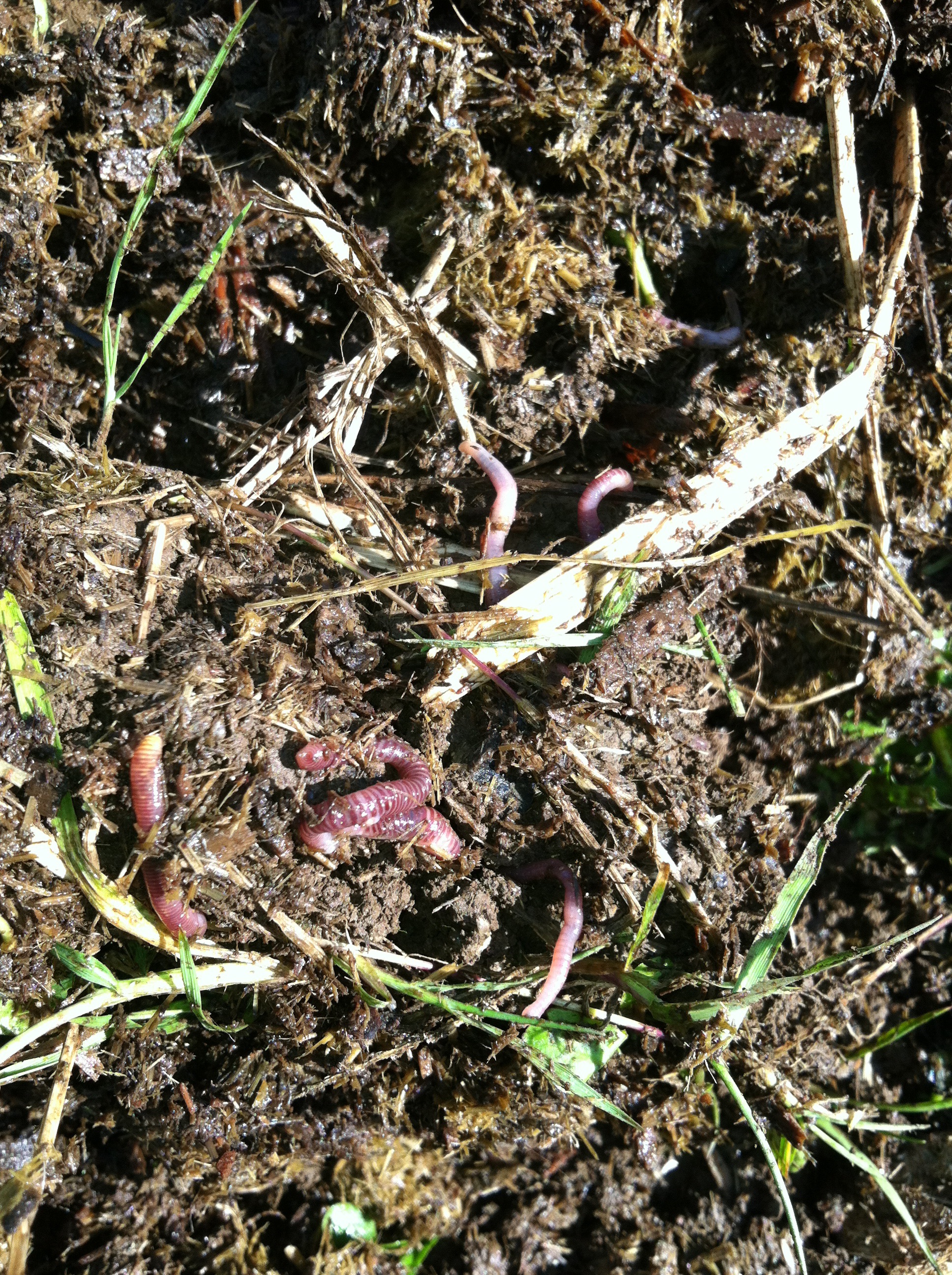
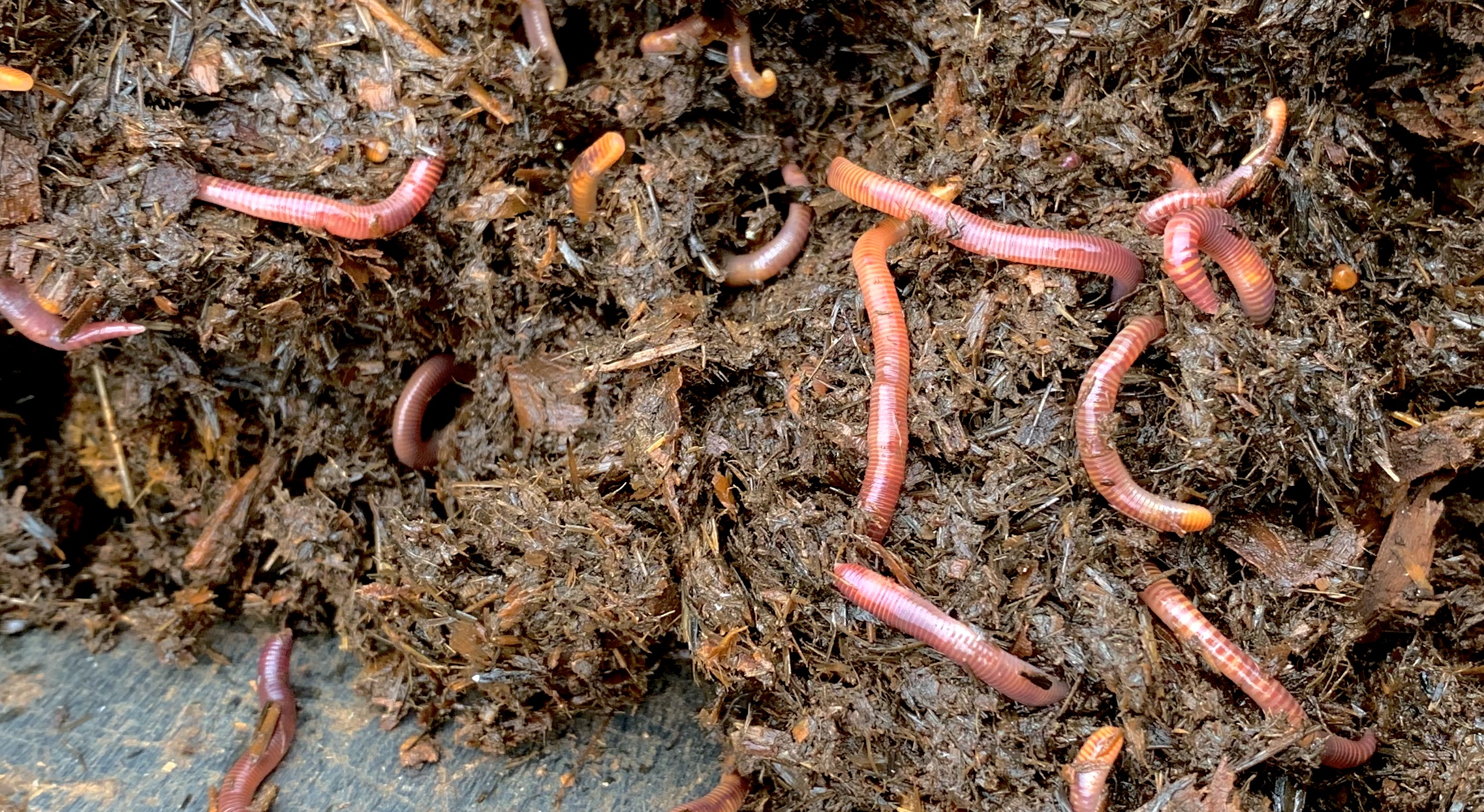
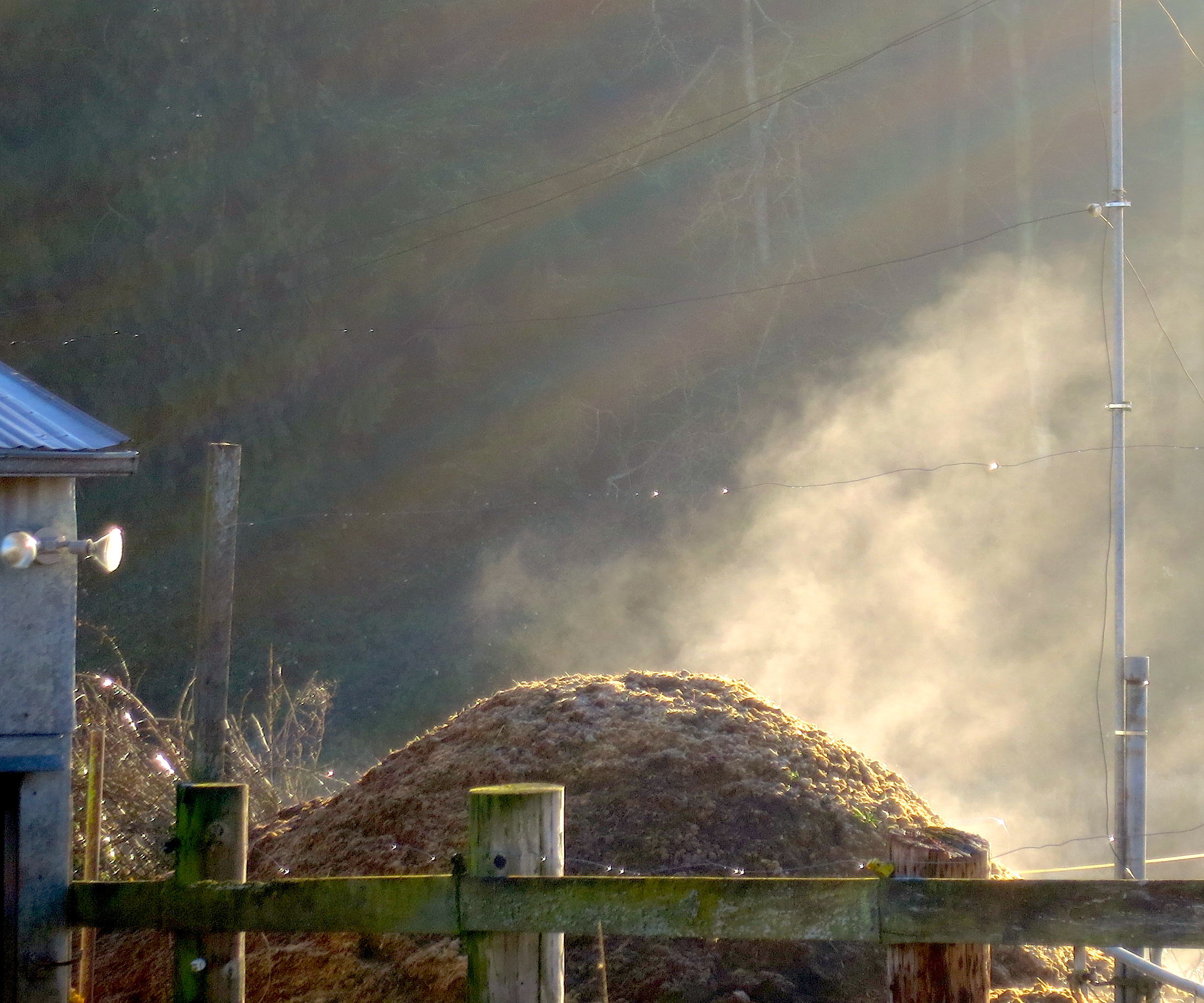
We’ve been composting horse manure for several decades behind the barn, and we dig in to the tall pile to spread on our garden plots. As Dan pushes the tractor’s front loader into the pile, steam rises from its compost innards. As the rich soil is scooped, thousands of newly exposed red wiggler worms immediately dive for cover. Within seconds, thousands of naked little creatures have, well, …wormed their way back into the security of warm dirt, being rudely interrupted from their routine. I can’t say I blame them.

Hundreds of thousands of wigglers end up being forced in the spring to adapt to new quarters, leaving the security of the manure mountain behind. As we smooth the topping of compost over the garden plot, the worms–gracious creatures that they are–tolerate being rolled and raked and lifted and turned over, waving their little bodies expectantly in the cool air before slipping back down into the dark. There they begin their work of digesting, aerating and renewing the soil of the garden, reproducing in their unique hermaphroditic way, leaving voluminous castings behind to further feed future seedlings to be planted.

Worms are unjustly denigrated by humans primarily because we don’t like to be surprised by them. We don’t like to see one in our food, especially only part of one, and are particularly distressed to see them after we’ve digested our food. Once we get past that bit of squeamishness, we can greatly appreciate their role as the ultimate recyclers, leaving the earth under our feet a lot better off once they are finished with their work.

We humans actually suffer by comparison: to be called “a worm” is really not as bad as it sounds at first. It is possible the worm may be offended by the association.

I hope to prove a worthy innkeeper for these new tenants.
May they live long and prosper only an inch beneath the grass,
so much more accessible than the infinite stars in the sky.
May each worm forgive the disruption
perpetrated by our rake and shovel.
May I smile appreciatively the next time
someone calls me a mere worm.

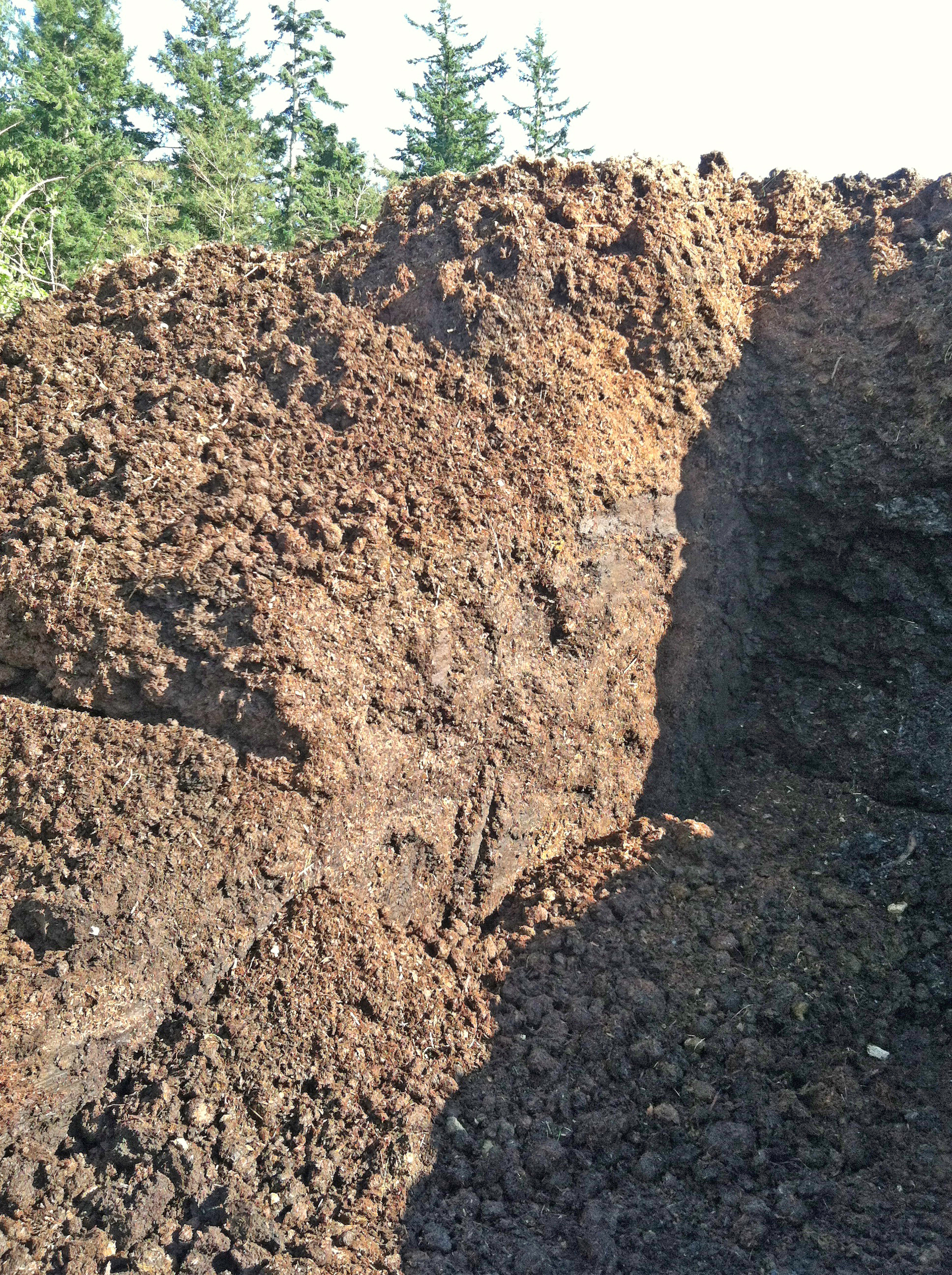
a cross section of 30 months of composted manure
AI image created for this post
One-Time
Monthly
Yearly

Make a one-time or recurring donation to support daily Barnstorming posts

Make a monthly donation

Make a yearly donation

Choose an amount

$10.00
$25.00
$50.00
$5.00
$15.00
$100.00
$5.00
$15.00
$100.00

Or enter a custom amount

$

Your contribution is deeply appreciated.

Your contribution is appreciated.

Your contribution is appreciated.

DonateDonate monthlyDonate yearly

Keep Reaching Out

Under a sky the color of pea soup
she is looking at her work growing away there
actively, thickly like grapevines or pole beans
as things grow in the real world, slowly enough.
If you tend them properly, if you mulch, if you water,
if you provide birds that eat insects a home and winter food,
if the sun shines and you pick off caterpillars,
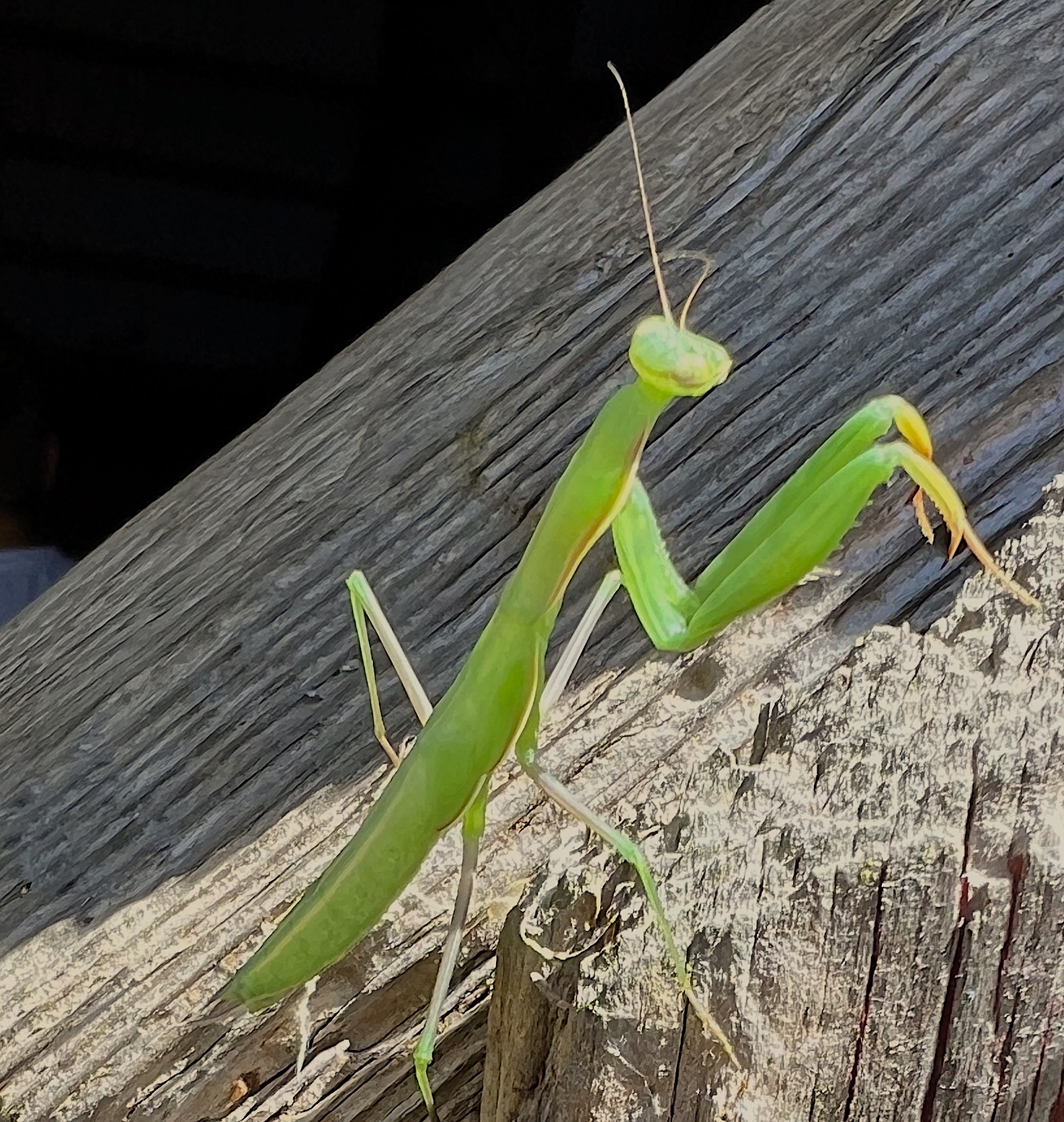
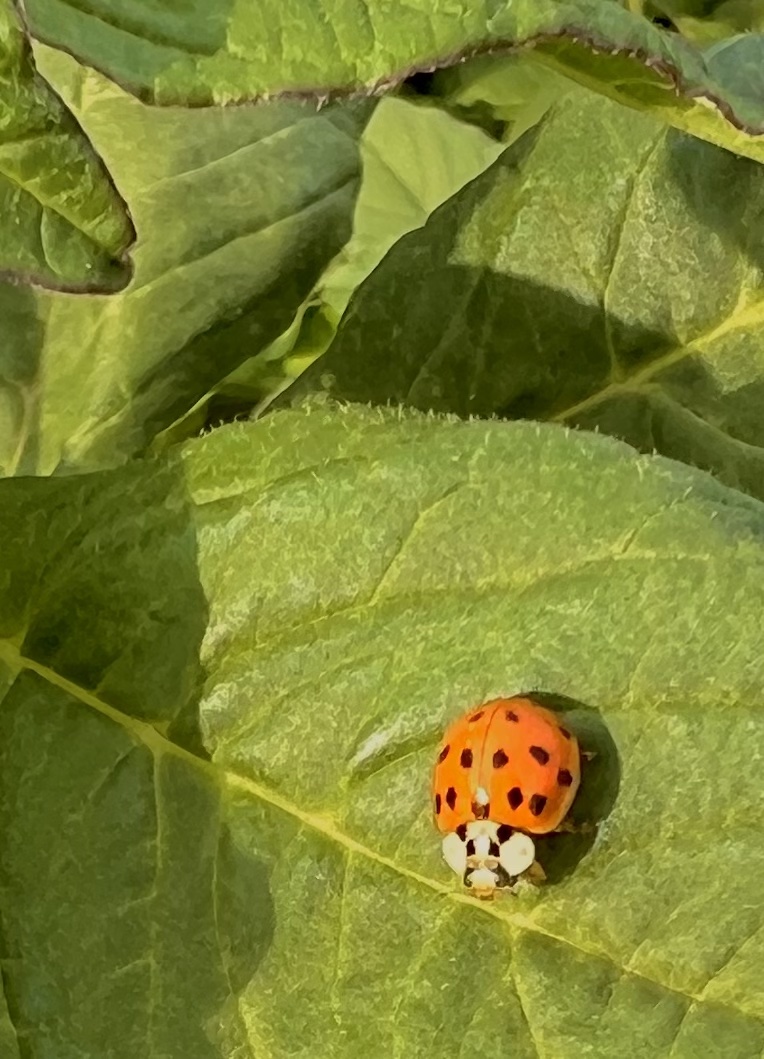
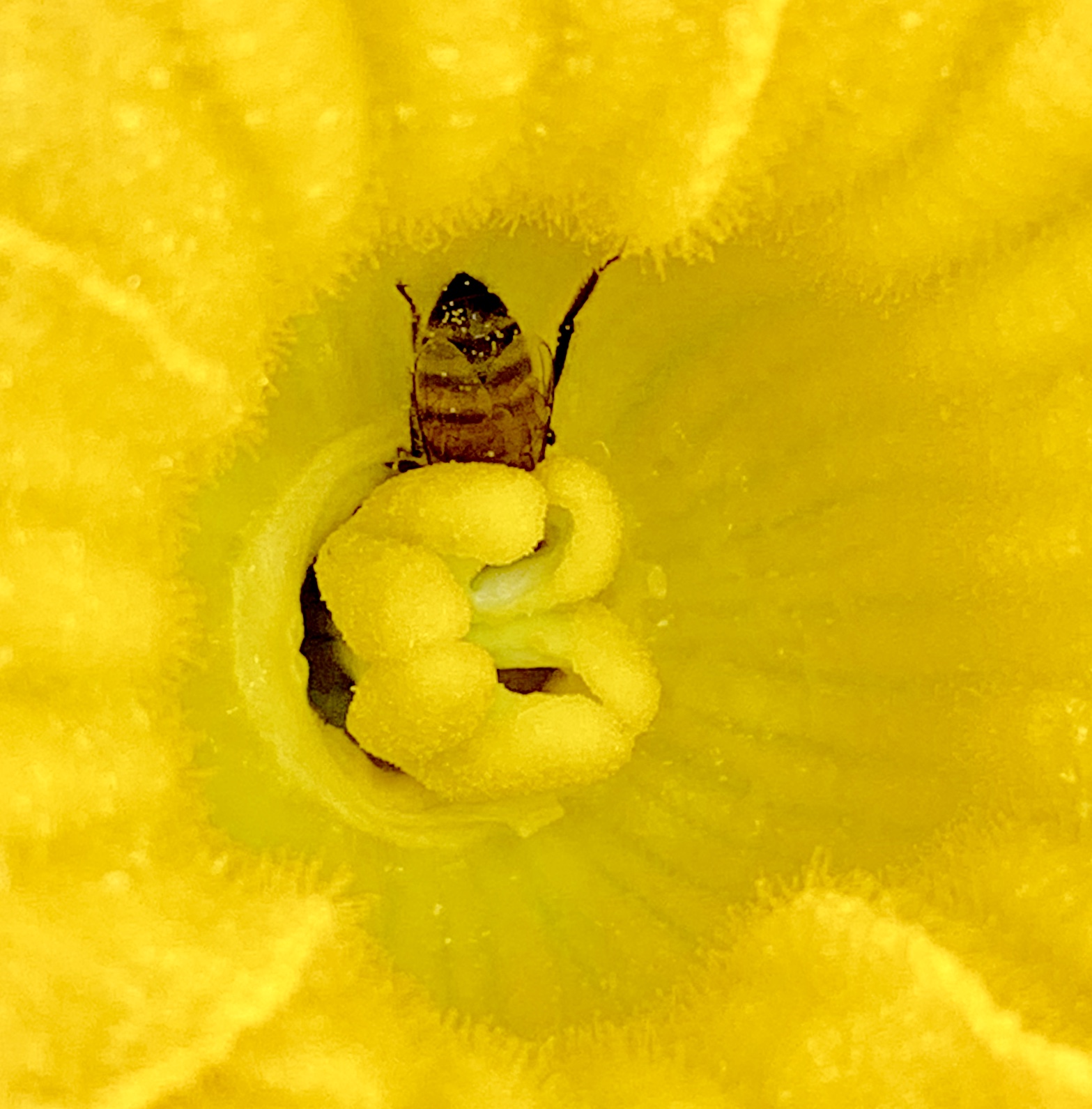
if the praying mantis comes and the ladybugs and the bees,
then the plants flourish, but at their own internal clock.

Connections are made slowly, sometimes they grow underground.
You cannot tell always by looking what is happening.
More than half the tree is spread out in the soil under your feet.
Penetrate quietly as the earthworm that blows no trumpet.
Fight persistently as the creeper that brings down the tree.
Spread like the squash plant that overruns the garden.
Gnaw in the dark and use the sun to make sugar.

Weave real connections, create real nodes, build real houses.
Live a life you can endure: Make love that is loving.
Keep tangling and interweaving and taking more in,
a thicket and bramble wilderness to the outside but to us
interconnected with rabbit runs and burrows and lairs.
Live as if you liked yourself, and it may happen:
reach out, keep reaching out, keep bringing in.
This is how we are going to live for a long time: not always,
for every gardener knows that after the digging, after the planting,
after the long season of tending and growth, the harvest comes.
~Marge Piercy “The Seven of Pentacles”

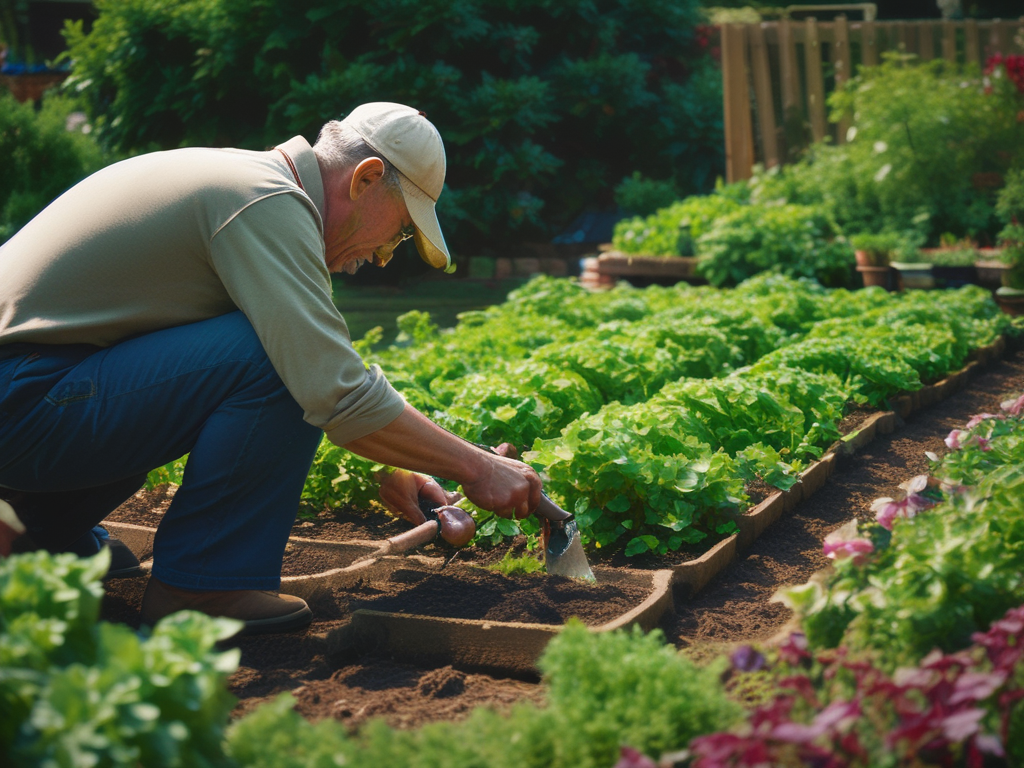
Our garden teaches us all kinds of life lessons, thanks to my husband’s hours of hard work preparing the soil, planting carefully and nurturing the emerging seedlings.

No garden tends itself – the growing plants reach out for connection to one another, for stability and companionship. The gardener nurtures, defends and harvests with an eye to preparing for the next growing season.

We who have been planted here need one another, interwoven and linked, both visibly and invisibly. I am woven around you and you around me; together we grow and thrive when tended, and as intended.

But more than anything else, we need our Gardener…

AI image created for this post
One-Time
Monthly
Yearly

Make a one-time or recurring donation to support daily Barnstorming posts

Make a monthly donation

Make a yearly donation

Choose an amount

$10.00
$25.00
$50.00
$5.00
$15.00
$100.00
$5.00
$15.00
$100.00

Or enter a custom amount

$

Your contribution is deeply appreciated.

Your contribution is appreciated.

Your contribution is appreciated.

DonateDonate monthlyDonate yearly

A Summer’s Sweetness

The clouds are low as a blanket.
Even the air is tangible,
and the steam from the kettle
thickens the air like wool.
Harvest is full on us; the pressure
to preserve builds like a thunderhead.

 
Shelling peas is fun at first,
slitting open the perfect pods,
working in rhythm to the pelter
of peas ringing in the pot.
But then our arms and shoulders ache,
the seeds rattle, hollow as bones,
and though we should rejoice,
another bushel groans before us.

 
But there in the blancher,
the new peas shine
fresh and wet, green
as emeralds; summer’s sweetness,
to be shelved with the long ripe days,
eaten with relish, as the butter
and juice run in our mouths
rare as dandelion wine.

~Barbara Crooker “Putting Up”

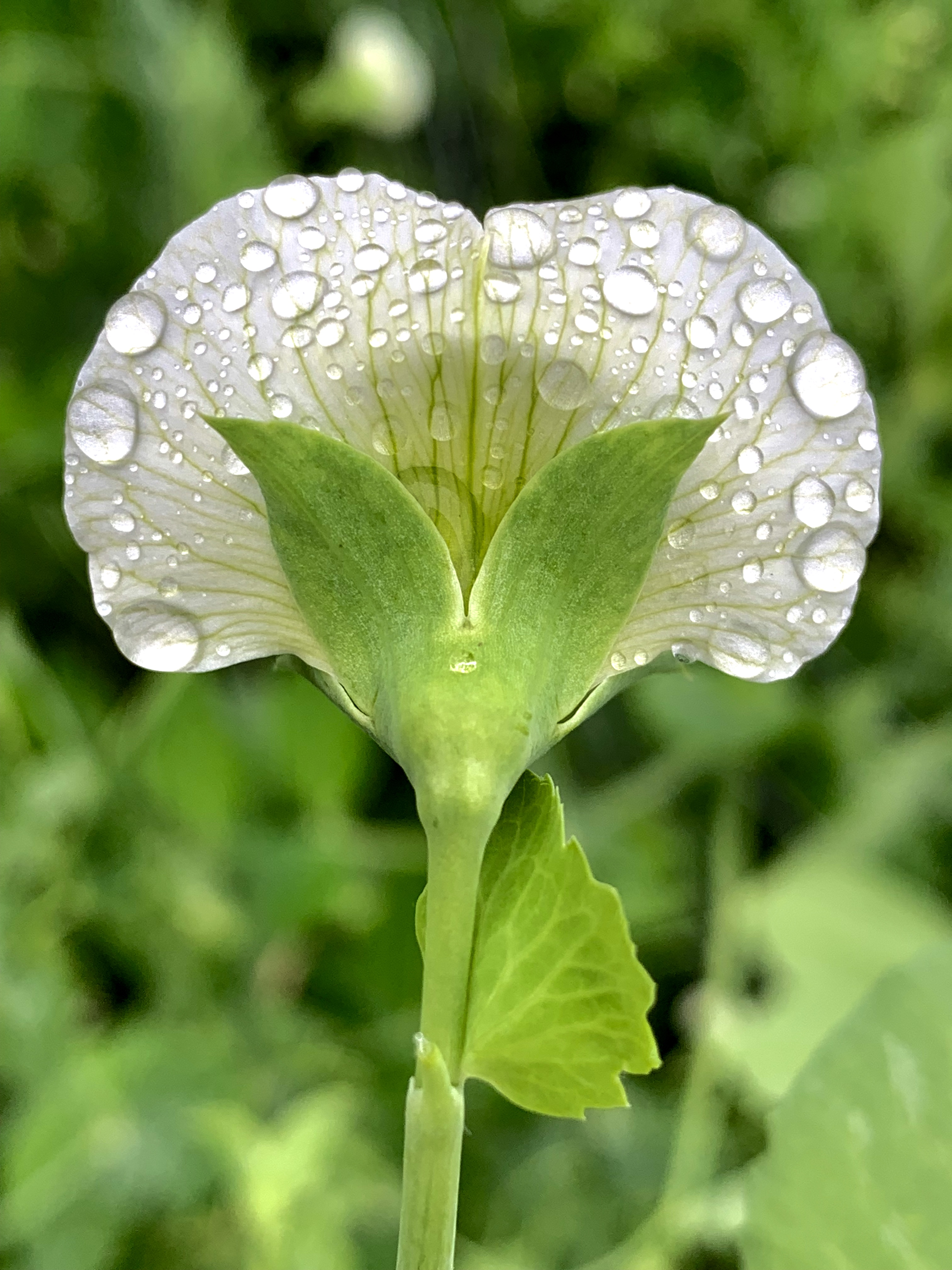
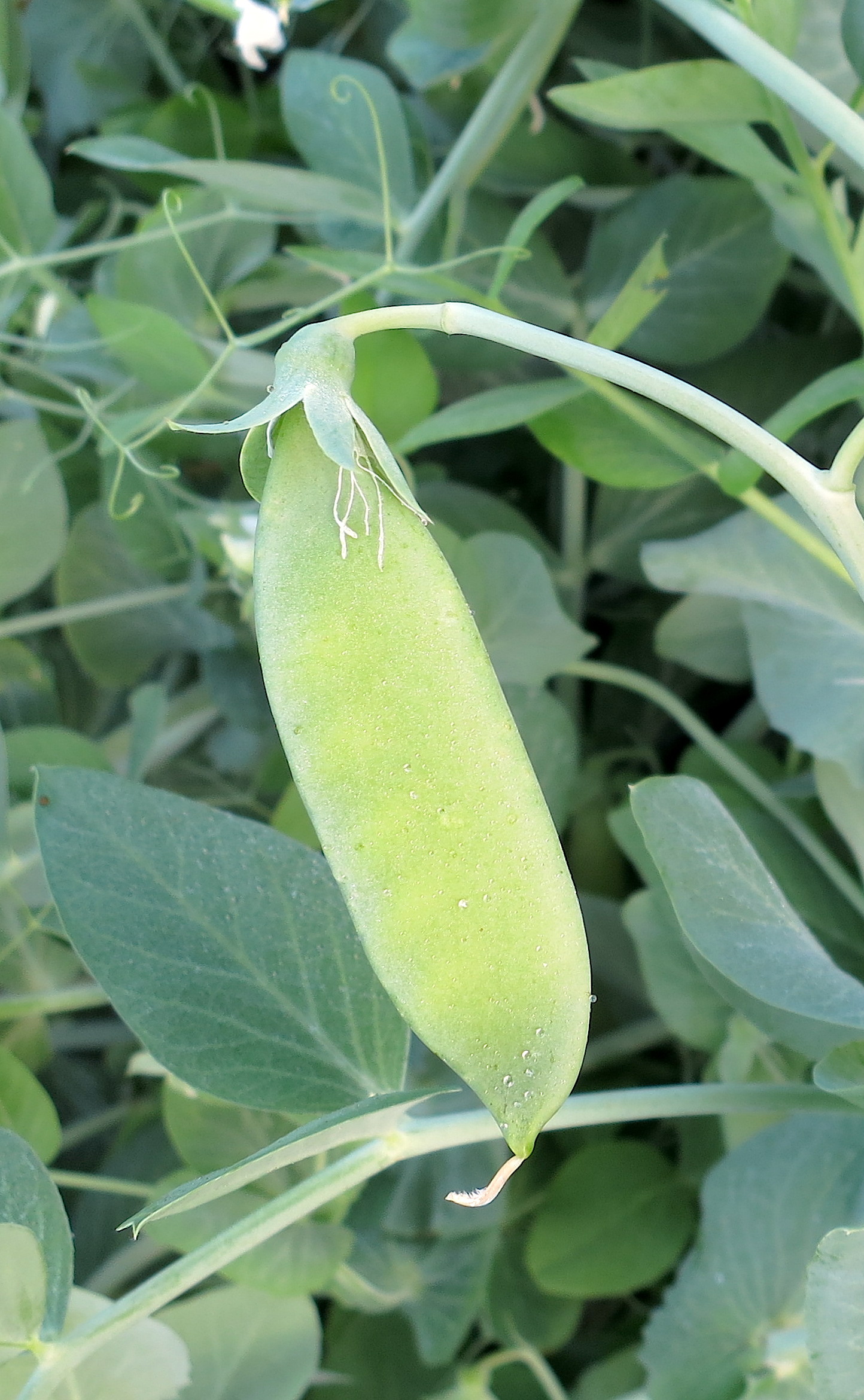
My earliest childhood memories include the taste and smell of fresh peas.  We lived in farming country north of Seattle where 50 years ago hundreds of acres of peas were grown for canning and freezing.  During the harvest, large pea harvesting machines would arrive for several days and travel down the road in caravans of 10 or 12, going from farm to farm to farm. They worked 24 hours a day to harvest as quickly as possible and traveled the roads late at night because they were so huge, they would take up both lanes of the country roads.  Inevitably a string of cars would form behind the pea harvesters, unable to pass, so it became a grand annual parade celebrating the humble pea.
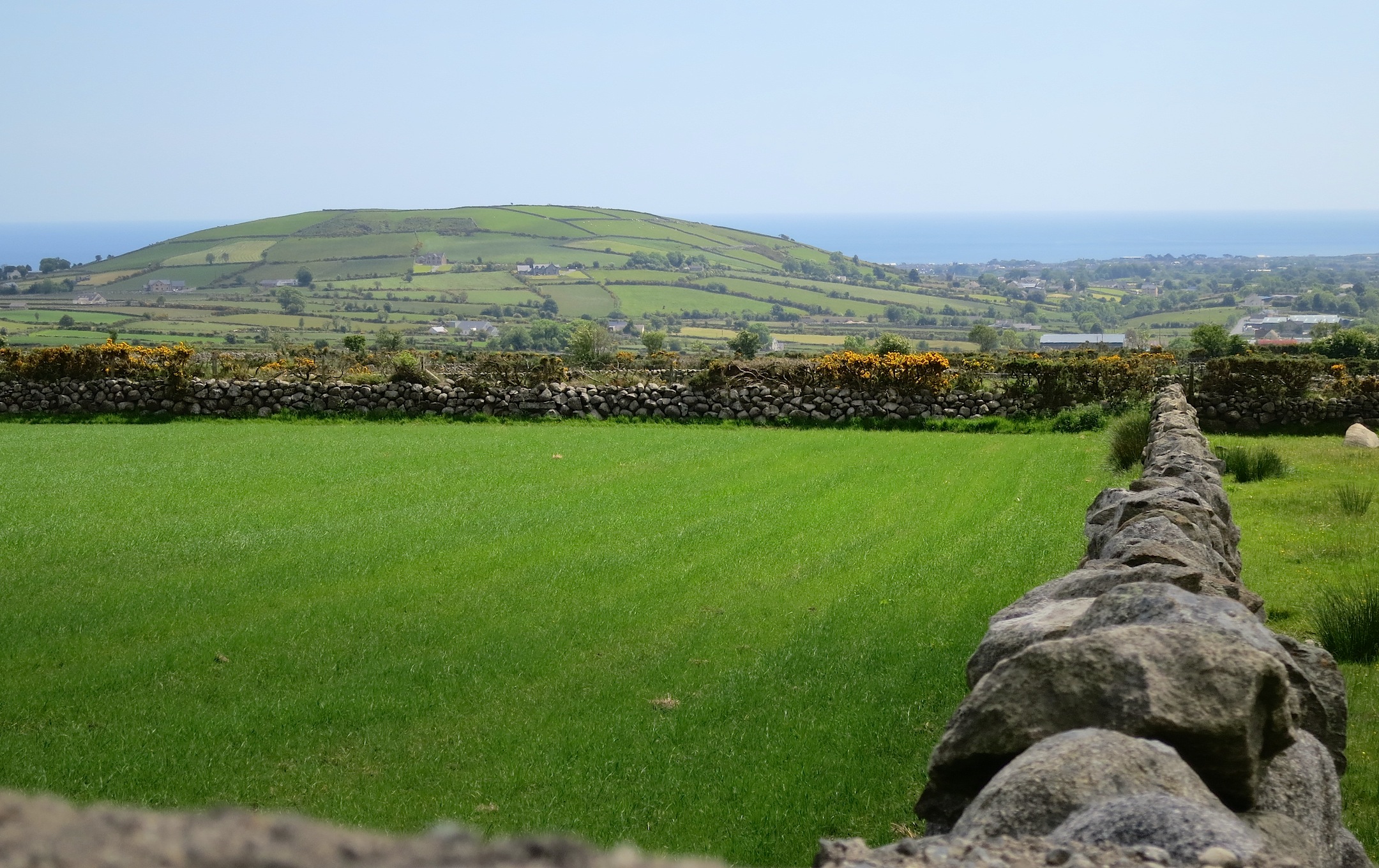
The smell in the air when the fields were harvested was indescribable except to say it was most definitely a “green” and deliciously fresh smell.  The vines and pods would end up as silage for cattle and the peas would be separated to go to the cannery.  I figured those peas were destined for the city dwellers because in our back yard garden, we grew plenty of our own.

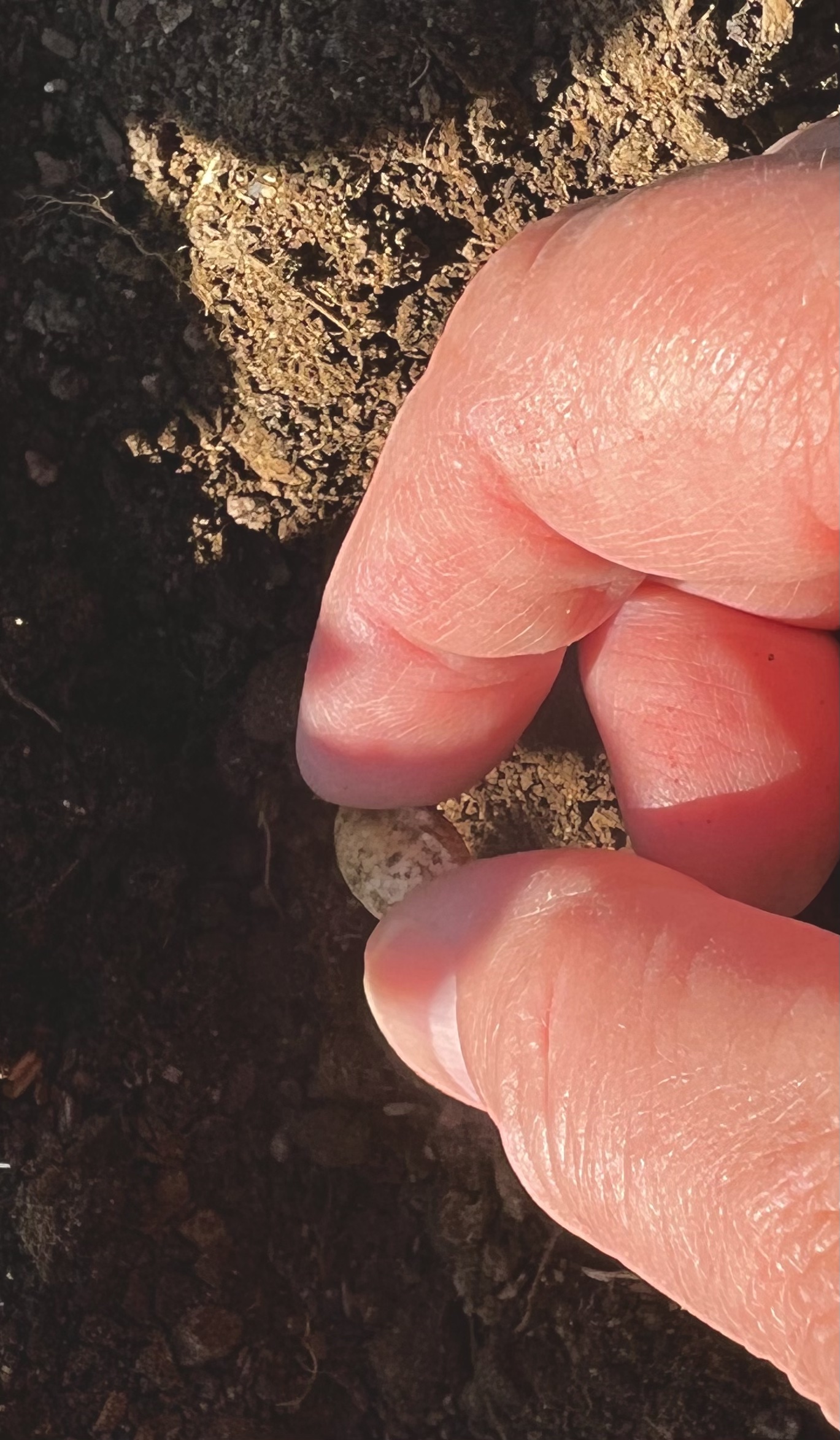
Pea seeds, wrinkled and frankly a little boring, could be planted even before the last frost was done with us in March, or even sometimes on Washington’s birthday in February.  The soil needed to not be frozen and not be sopping.  True, the seeds might sit still for a few weeks, unwilling to risk germination until the coast was clear and soil warmed a bit, but once they were up out of the ground, there was no stopping them.  We would generally have several rotations growing, in the hope of a 6 week pea eating season if we were fortunate, before the heat and worms claimed the vines and the pods.

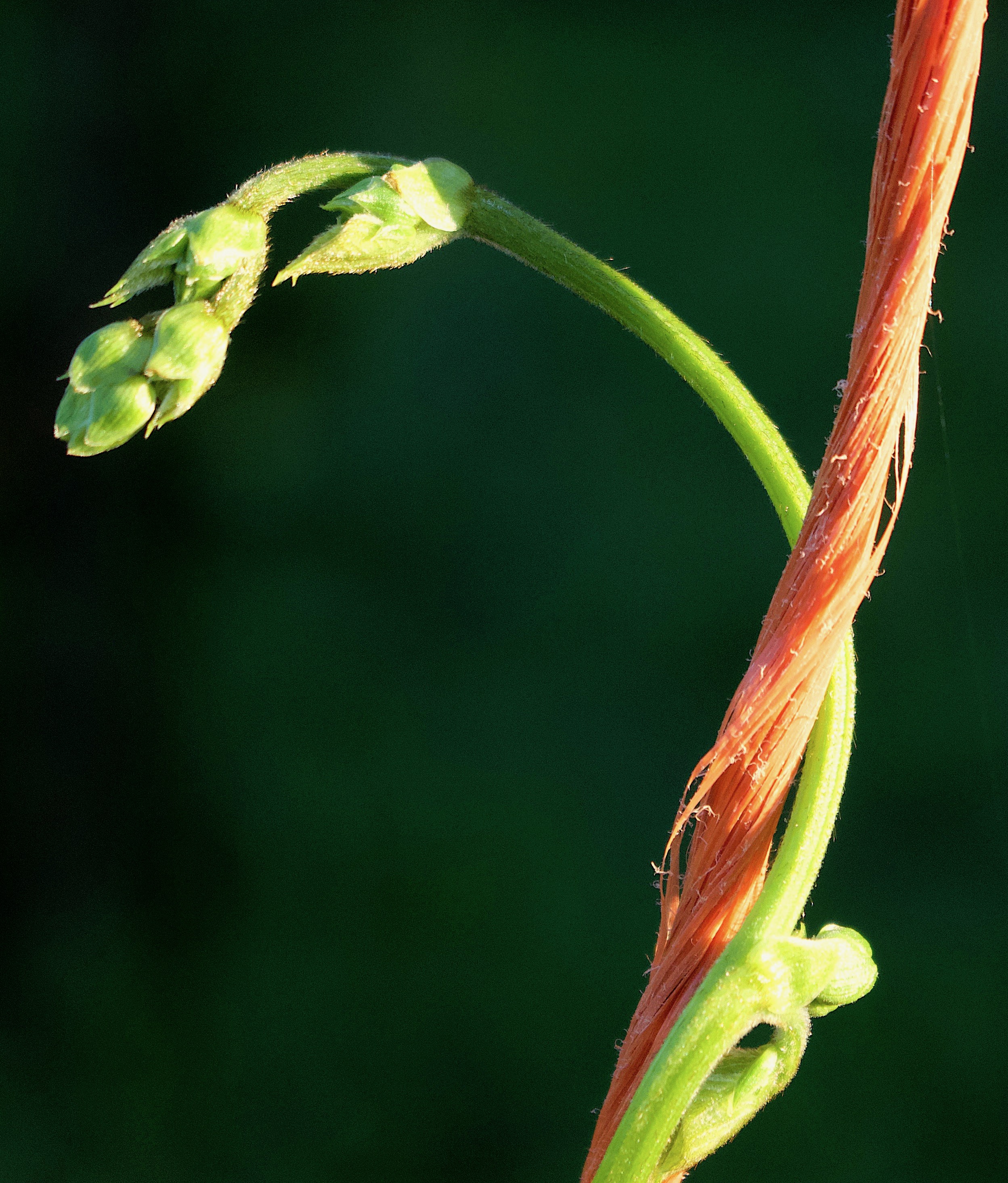
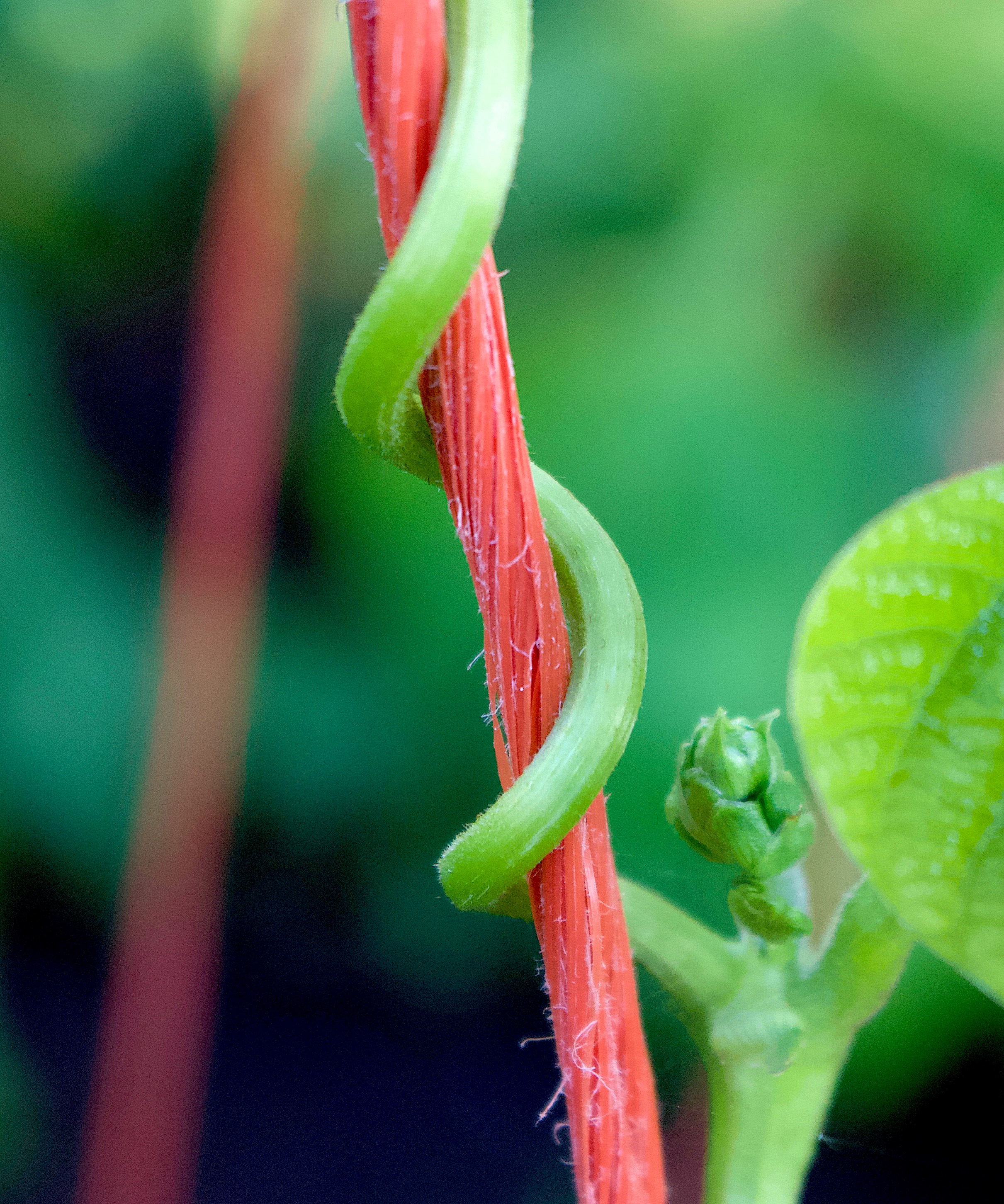
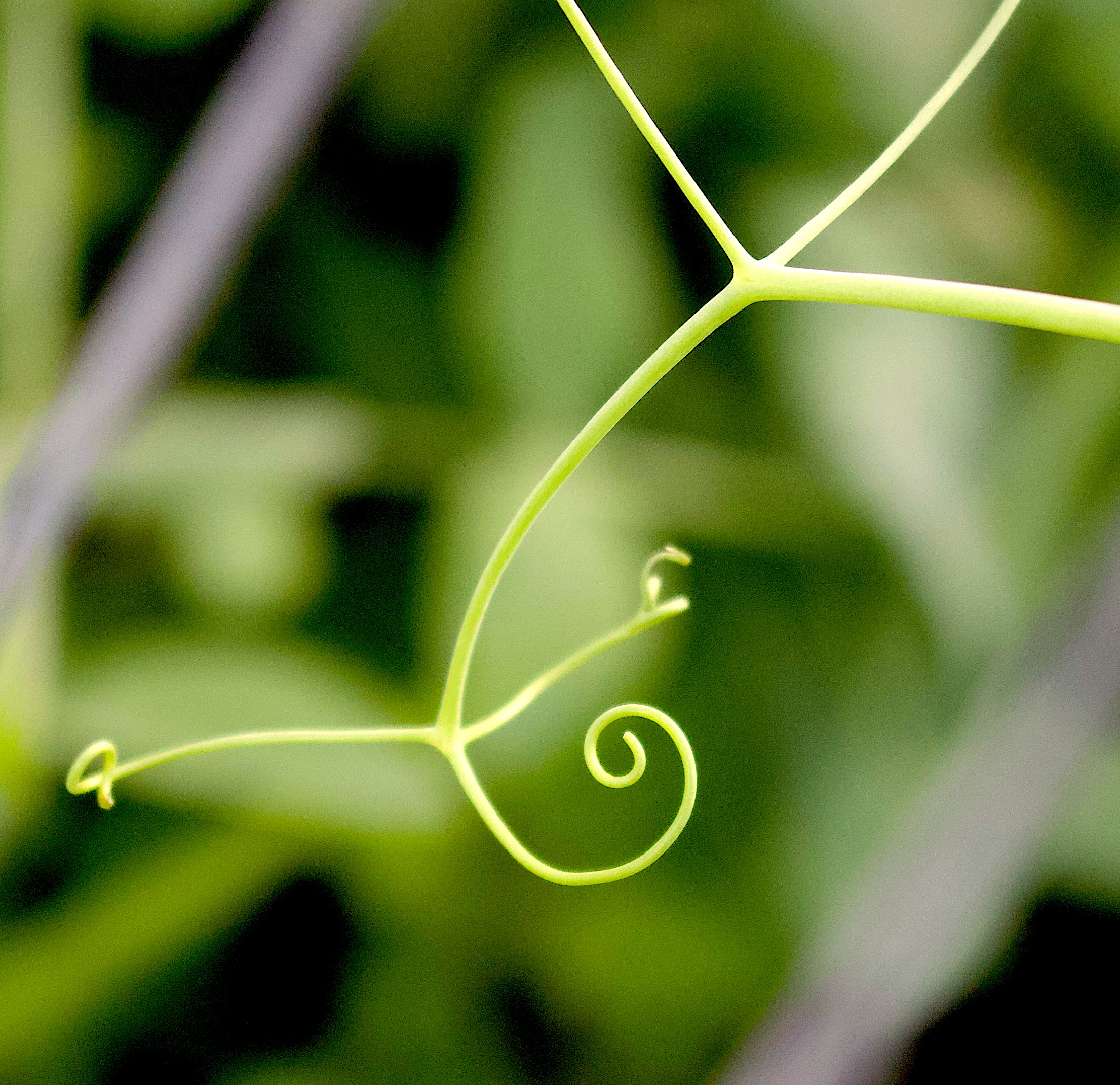
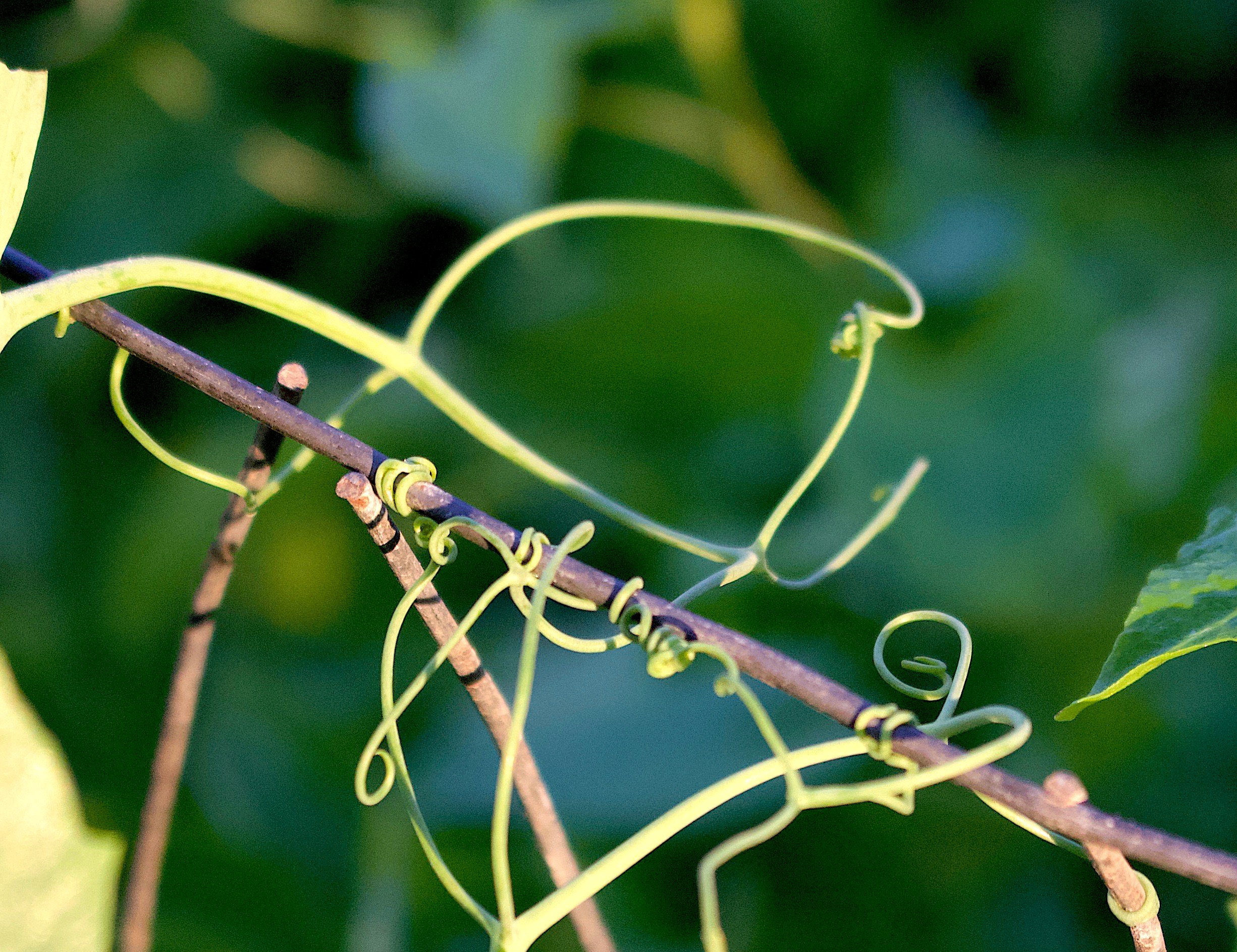
We always planted telephone peas, so the support of the vines was crucial–we used hay twine run up and down between two taut smooth wires attached high and low between two wooden posts.  The vines could climb 6 feet tall or better and it was fascinating to almost literally watch the pea tendrils wind their way around the strings (and each other), erotically clinging and wrapping themselves in their enthusiasm.

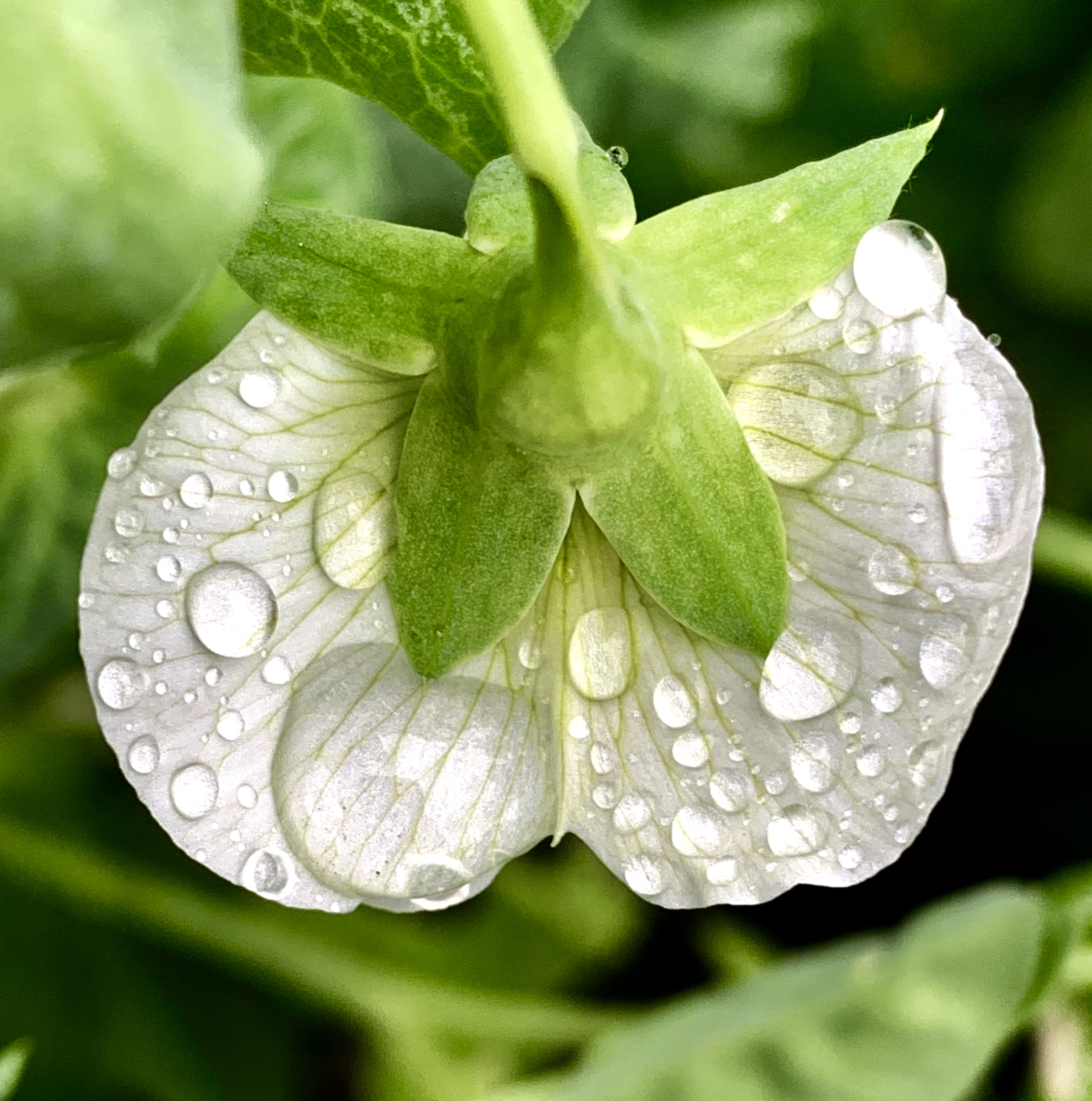
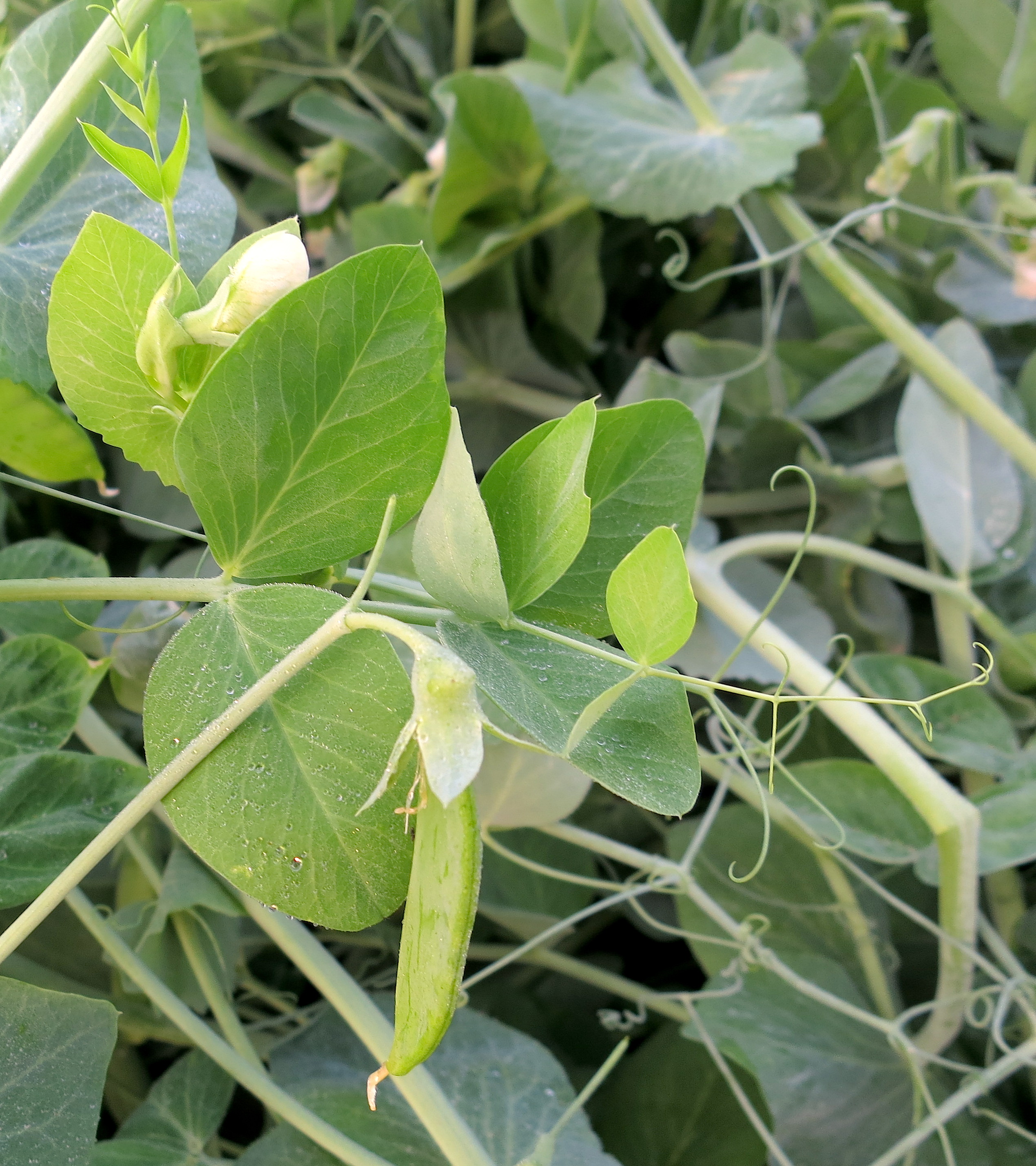
Once the pods start to form,  impatience begins.  I’d be out in the garden every day copping feels, looking for that first plump pod to pick and pop open.  It never failed that I would pick too soon, and open a pod to find only weenie little peas, barely with enough substance to taste.  Within a day or two, however, the harvest would be overwhelming, so we’d have to pick early in the morning while the peas were still cool from the night dew.

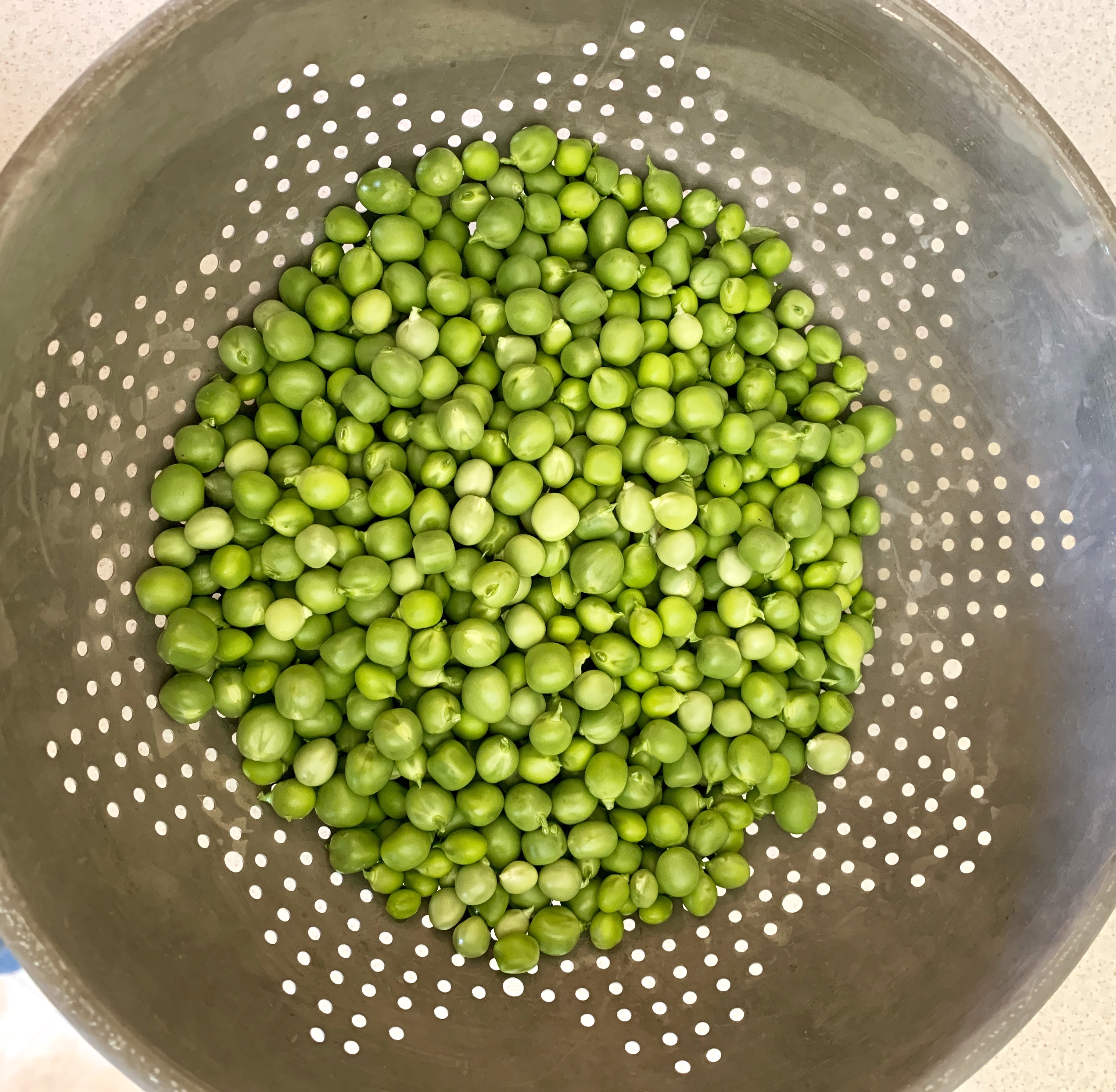
Then it was shelling time, which involved several siblings on a back porch, one mother supervising from a distance to make sure there weren’t too many peas being pelted in pique at an annoying little brother, and lots of bowls to catch the peas and the pods.  A big paper sack of intact pods would yield only a few cups of peas, so this was great labor for small yield.   Opening a pod of peas is extremely satisfying though;  there is a tiny audible “pop” when the pod is pressed at the bottom, and then as your thumb runs down the inner seam of the pod loosening all the peas, they make a dozen little “pings” in the bowl when they fall.  A symphony of pea shelling often was accompanied by the Beach Boys and the Beatles.

Once the weather got hot, the pea worms would be at work in the pods, so then one encountered wiggly white larvae with little black heads and their webs inside the pods.  We actually had a “Wormie” song we sung when we found one, even in the 60’s recognizing that our organic garden meant sharing the harvest with crawling protein critters. The peas would be bored through, like a hollowed out jack o’lantern, so those got dumped in the discard bowl.

The dull green coat of the raw pea turns bright green during the several minutes of blanching in boiling water, then they are plunged into ice water until cool and packed in ziplock bags.  Those peas are welcomed to the table during the other 11 months out of the year, sometimes mixed with carrots, sometimes with mushrooms, sometimes chased with a little fresh garlic.  They are simply the most lovely food there is other than chocolate.

From an undistinguished pea seed to intricate vines and coiling tendrils–from pregnant pods bursting at the seams to a bounty at meals: the humble pea does indeed deserve a grand parade in the middle of the night.

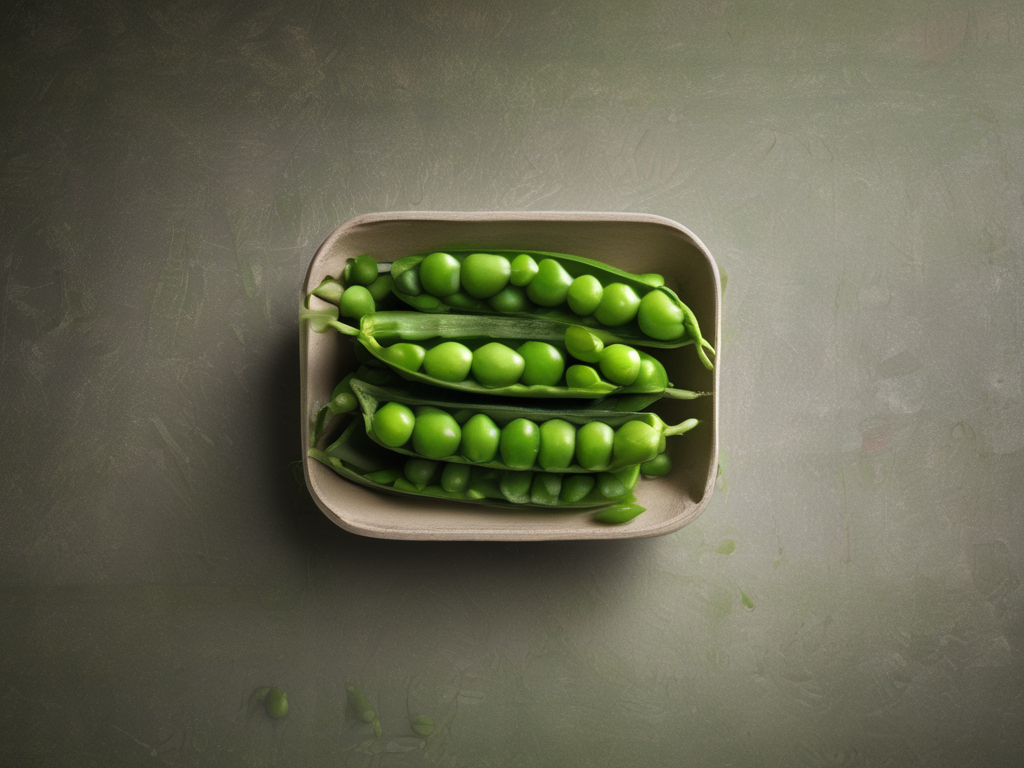
AI image generated for this post
One-Time
Monthly
Yearly

Make a one-time or recurring donation to support daily Barnstorming posts

Make a monthly donation

Make a yearly donation

Choose an amount

$10.00
$25.00
$50.00
$5.00
$15.00
$100.00
$5.00
$15.00
$100.00

Or enter a custom amount

$

Your contribution is deeply appreciated.

Your contribution is appreciated.

Your contribution is appreciated.

DonateDonate monthlyDonate yearly

Putting It Off

In summer, nothing happens.

What is the change in summer
of which one expects nothing?
Nature is not reborn,
nor does she perish except
in the streaks of a rare elm
that has outlived itself.
The weather conceals nothing:
the months are temperate,
even in the hardest rains
one may walk without a coat.
The gardens flourish, and bear
without a gardener’s help.

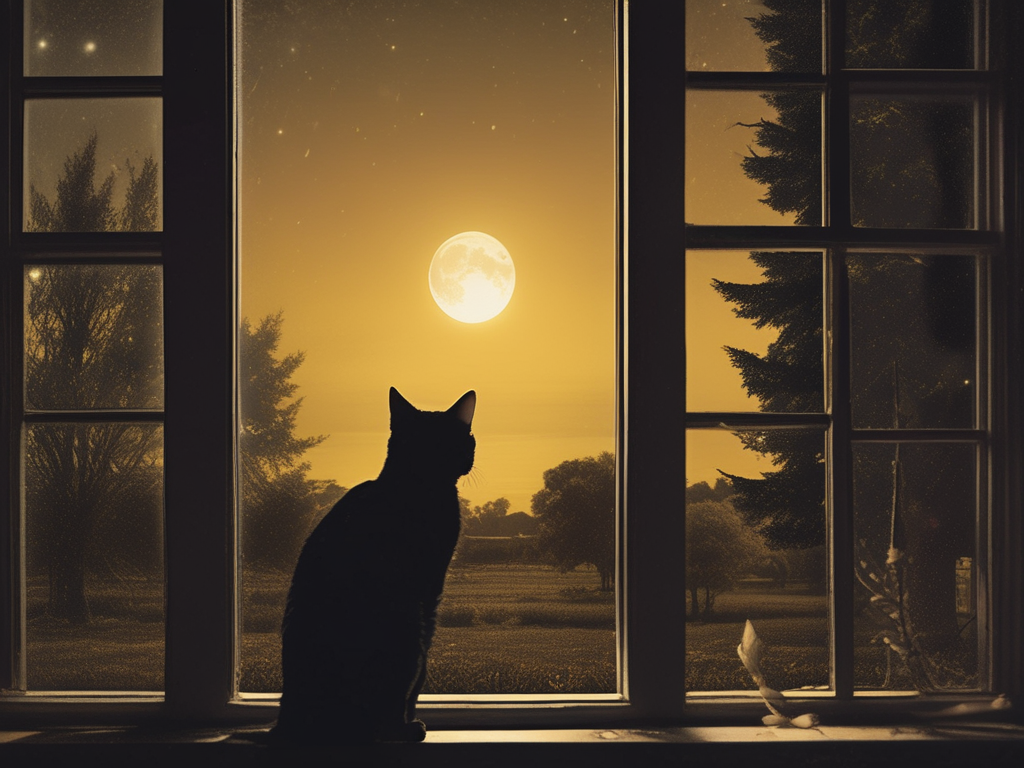
Sitting in windows at night
black cats and their masters
look out on summer; the moon
feeds their yellow visions,
the opened windows cool them…

One wants nothing to happen
forever, and thinks of those
who perhaps are ready to die,
except that it is summer
and they are putting it off.
~Robley Wilson from “In Summer, Nothing Happens”

photo of supermoon by Harry Rodenberger
photo by Harry Rodenberger

We’ve attended three memorial services so far this summer, and at least one more is on the calendar. Given a choice, all of these friends would have preferred to keep living at least through the summer, but God had other plans.

An eternal summer is in store for them, even if they wanted to put it off for a little while longer.

Each day becomes an unwarranted gift of time, summertime or not.
I would like to sit and watch while nothing whatsoever happens.

Now I’m aware: nothing happening is actually something very special.

AI image created for this post
One-Time
Monthly
Yearly

Make a one-time or recurring donation to support daily Barnstorming posts.

Make a monthly donation

Make a yearly donation

Choose an amount

$10.00
$25.00
$50.00
$5.00
$15.00
$100.00
$5.00
$15.00
$100.00

Or enter a custom amount

$

Your contribution is deeply appreciated.

Your contribution is appreciated.

Your contribution is appreciated.

DonateDonate monthlyDonate yearly

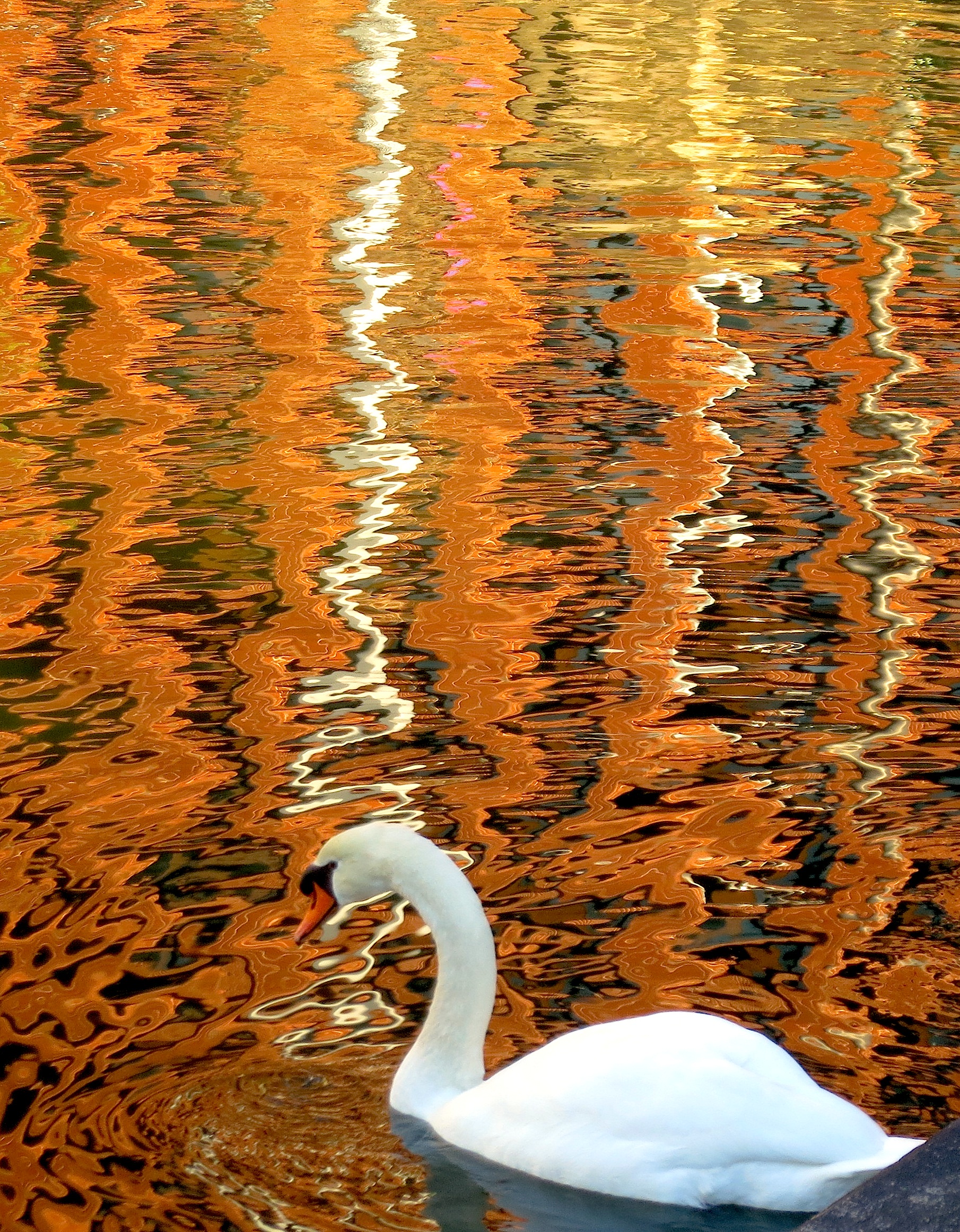
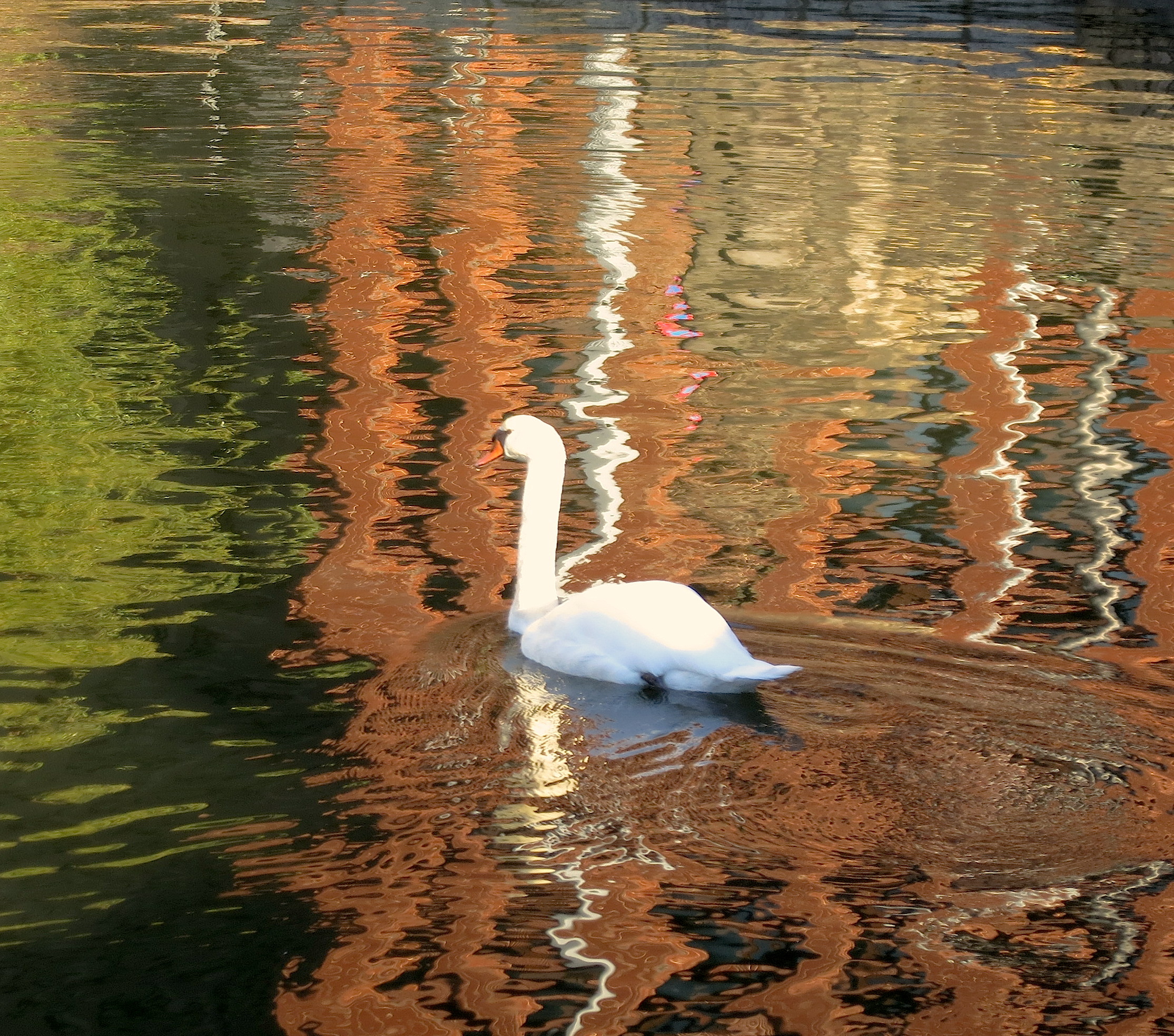
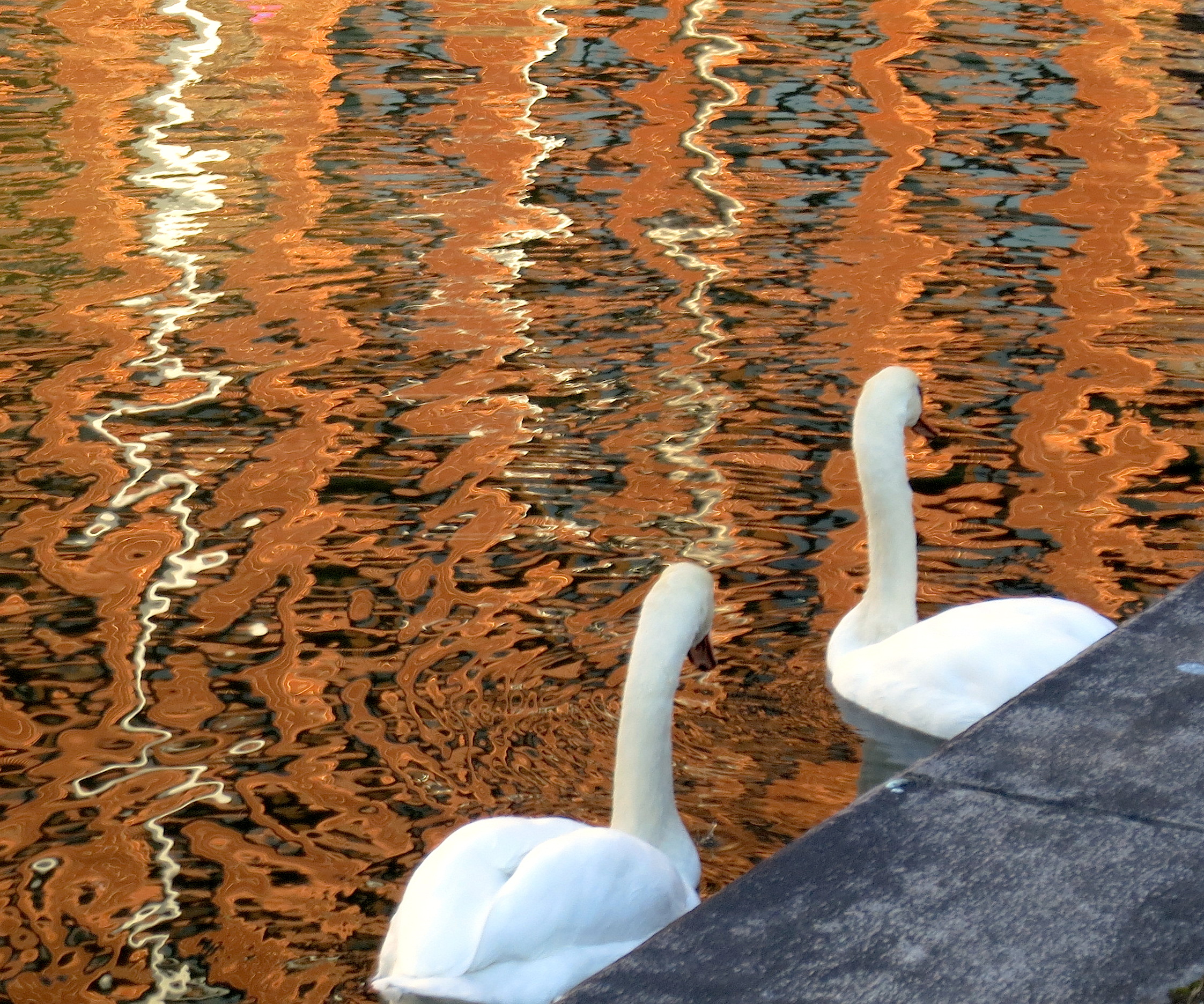
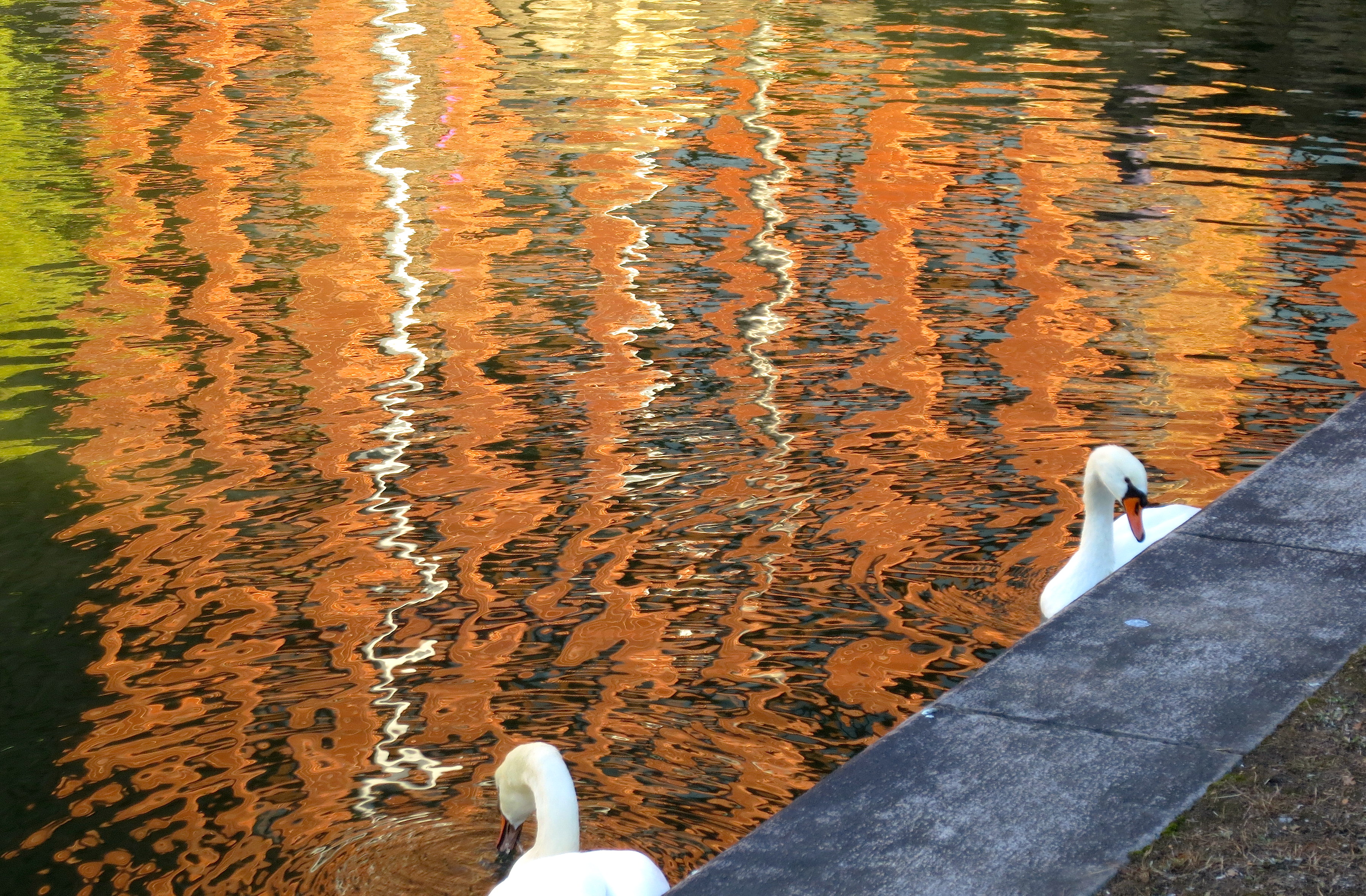
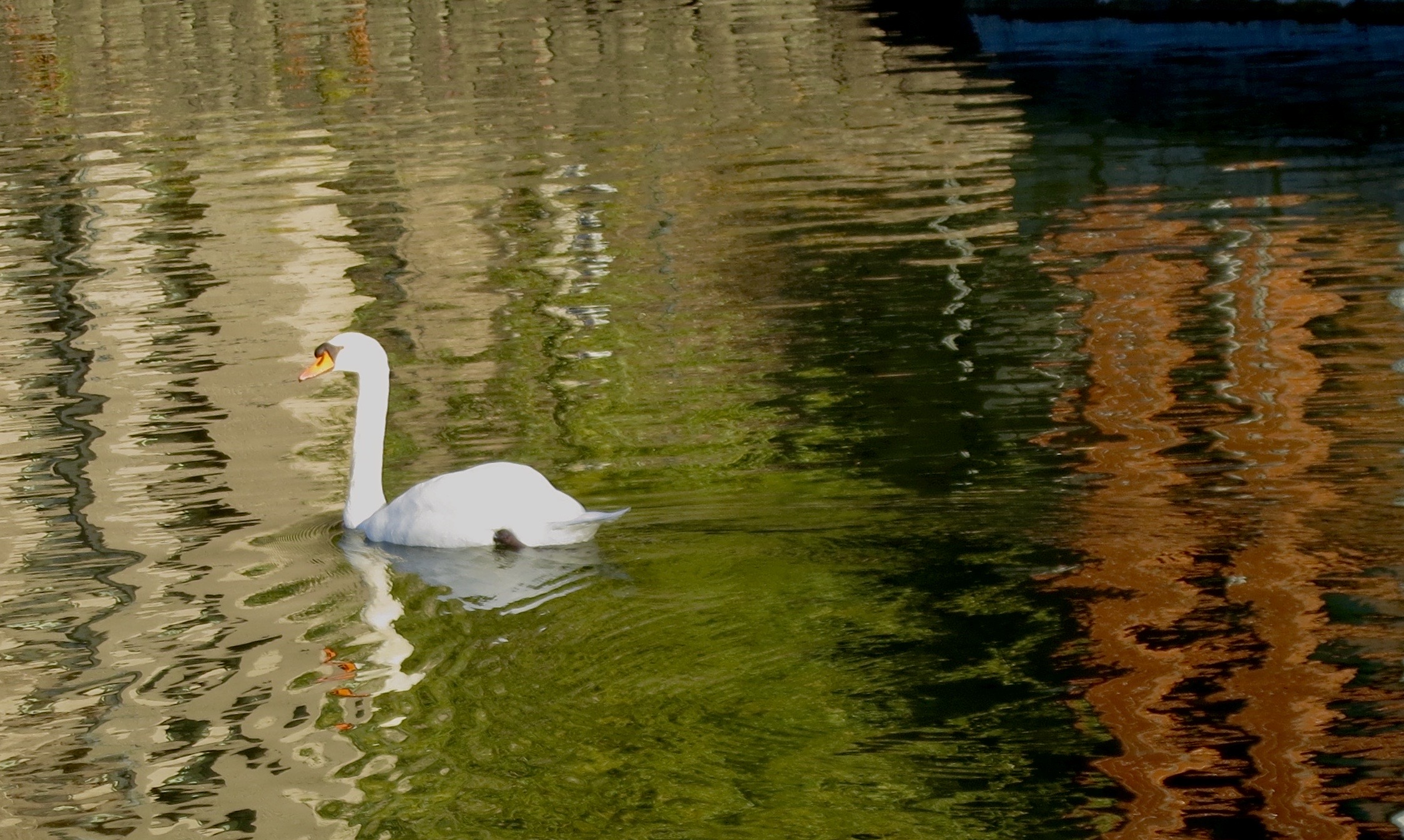
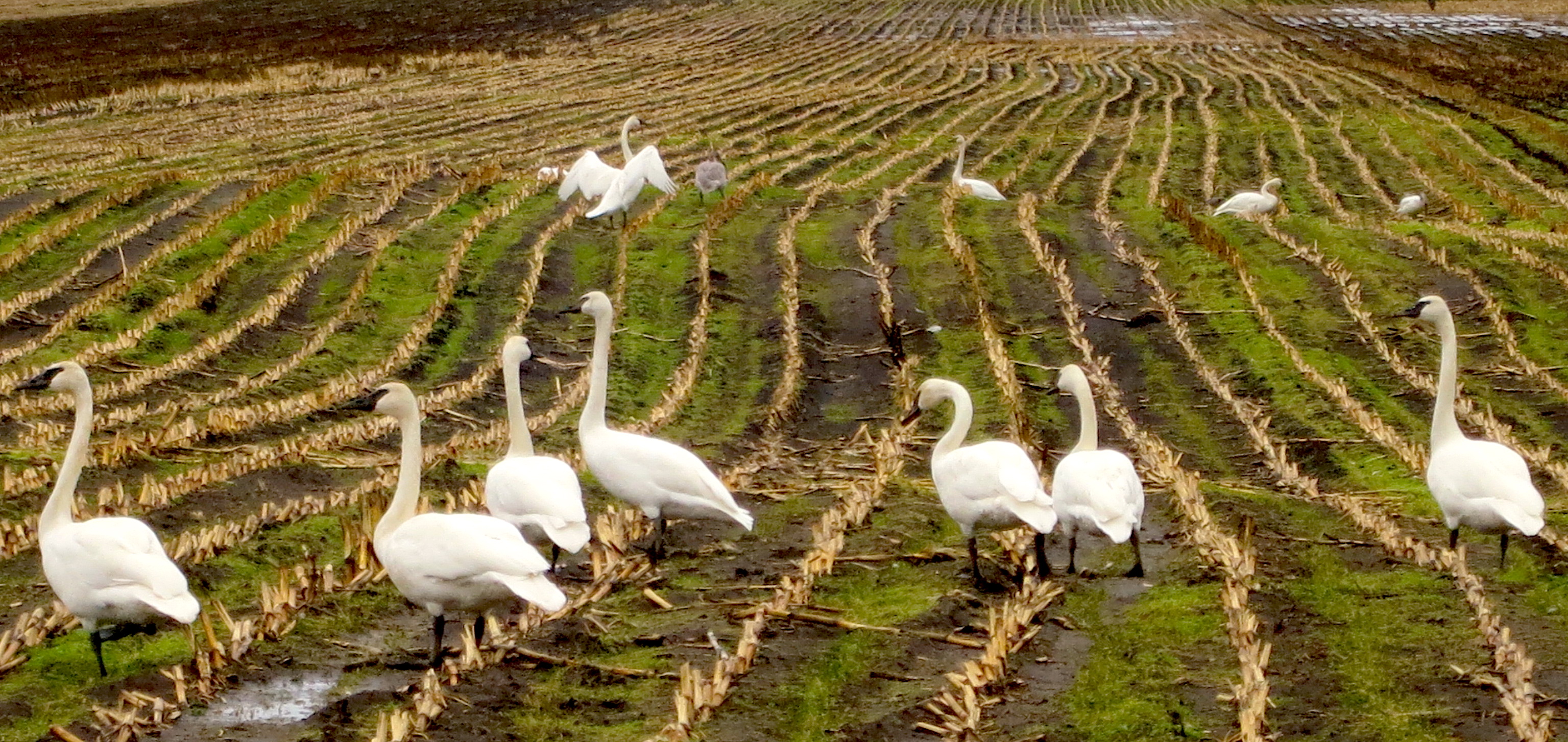
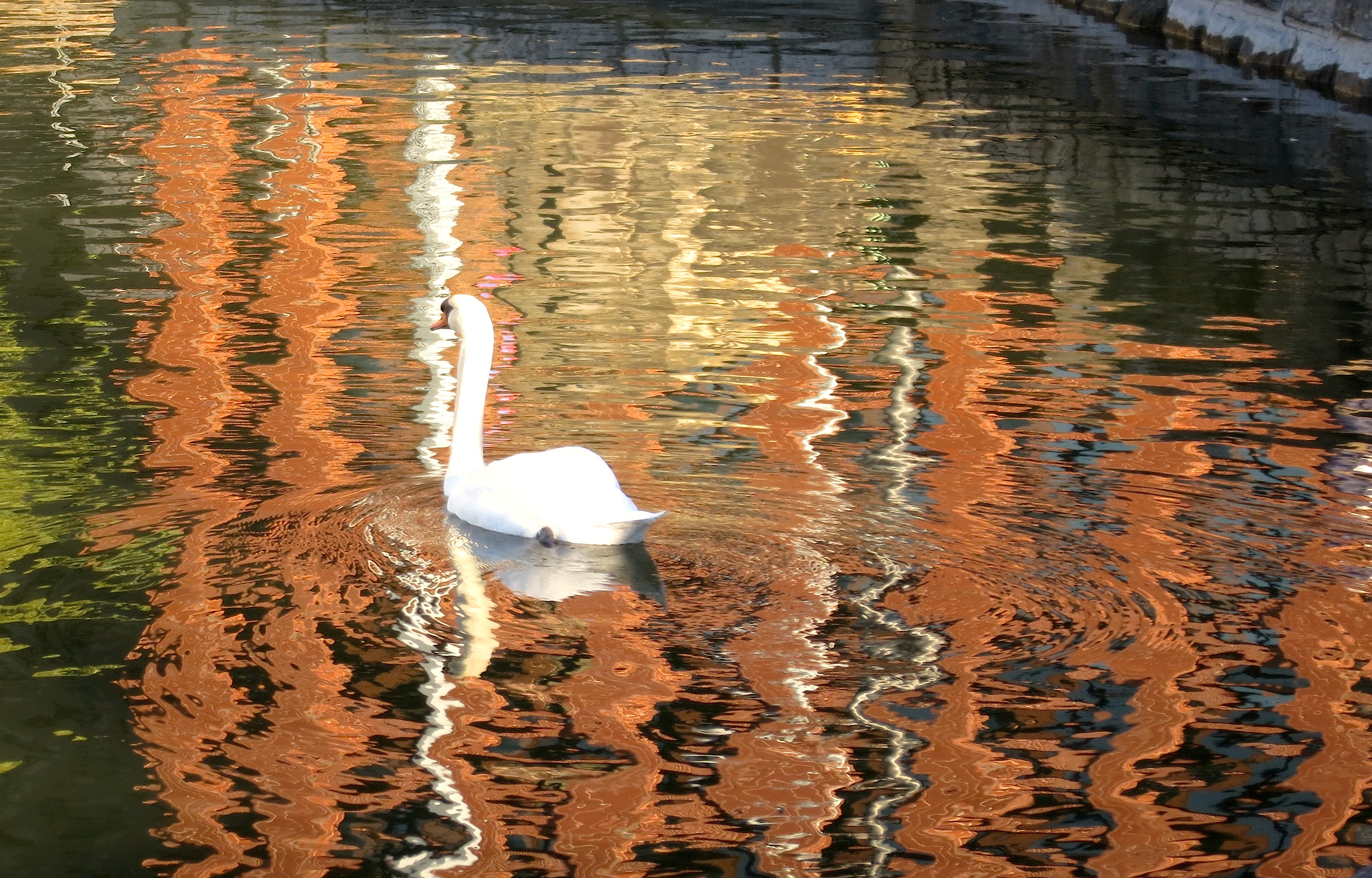
Taking Sadness Into Myself

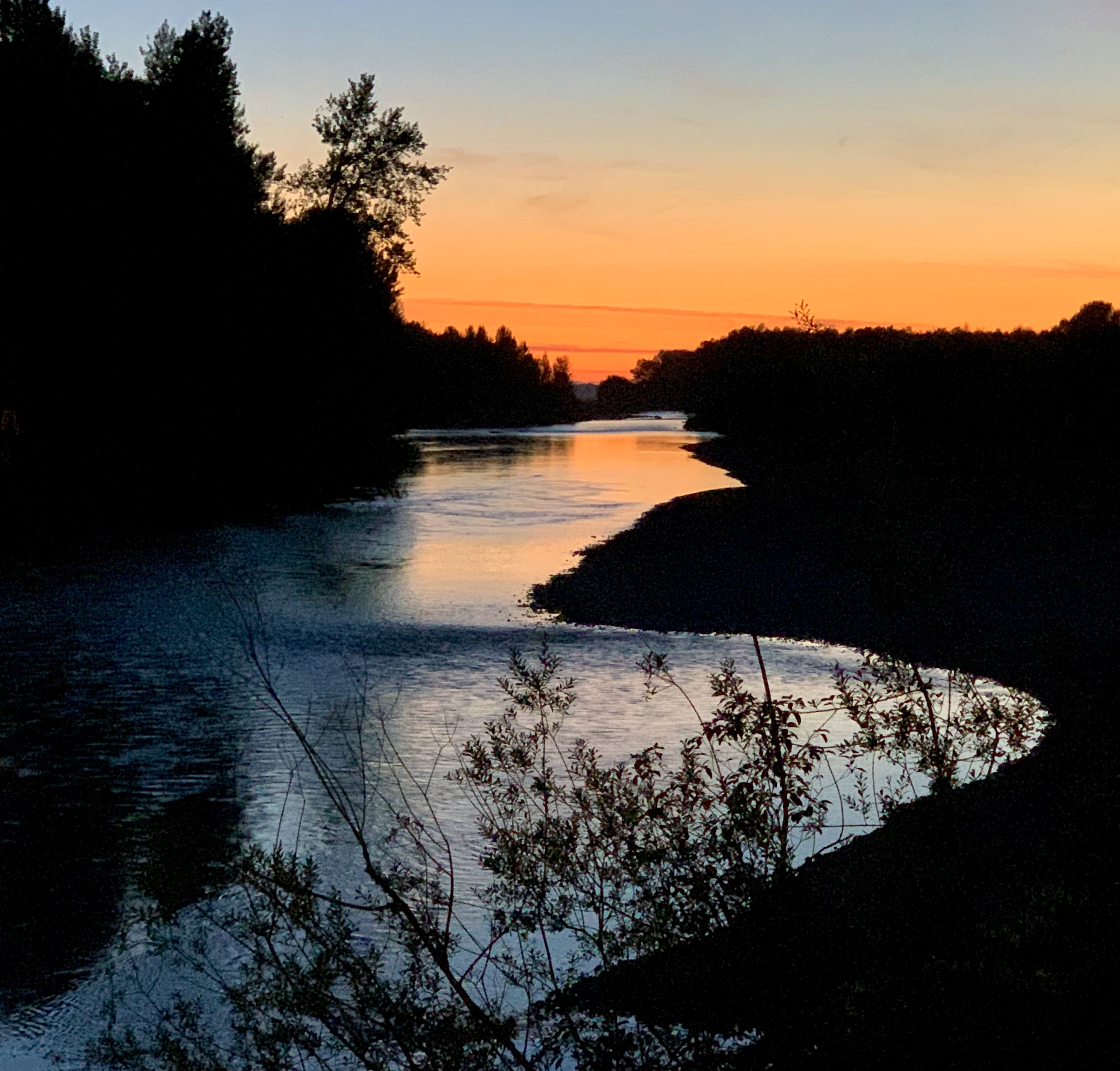
All that summer the sun refused to open
On the sky, and the river carried rain-spots
Down and over the weir, and by the footbridge
Swans’ eggs chilled in their nest. I saw them, rained on,
Blue and dead as the moon the clouds were hiding
Every night when I looked to find it. What could
Live, neglected like that? The wind, cold and green
With the smell of the hawthorn flowering, came
Brooding over the fens, but what could it bring me,
Who had chosen to view the world with sadness,
Or had taken its sadness into myself,
Gift and charism? One day, though, I saw them,
Triple vee-wakes on dark tree-printed currents:
One ahead of the others, big and whiter 
Than the cloud-pale sky. Two cygnets, gray, living,
Broken free from the death I’d assumed for them.

Well, their ways are not my ways. The next summer, 
Walking that same towpath, heavy with a child
Who had come to me after years of asking —
Who was taking his time just then, head downward,
Happy where he was — I saw them paddling
Under the bridge, where it laid out its shadow,
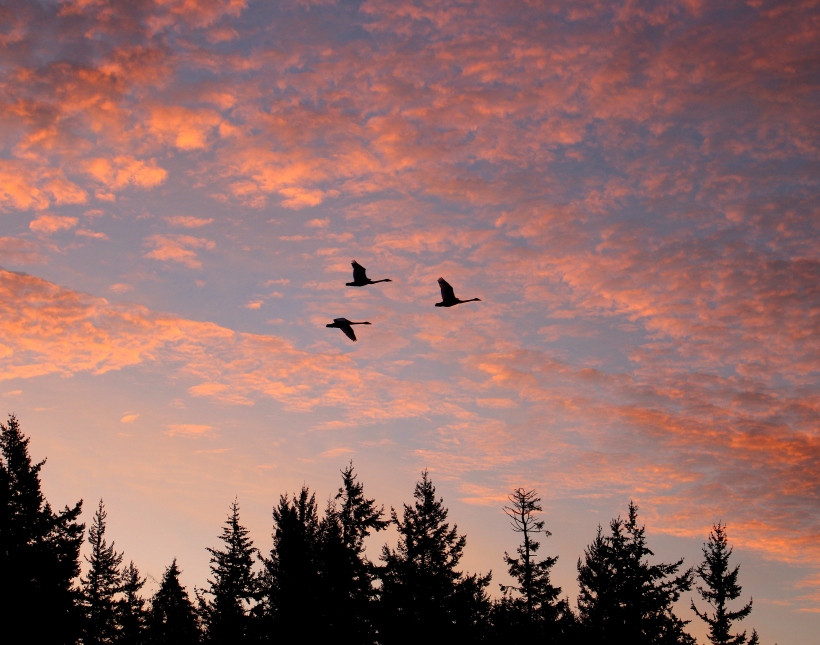
Current-rumpled. The same swans? Or three strangers
Hummed down onto a river pricked with sunlight,
Strange and new as the season? I can’t say now.
I remember the baby’s head engaging, 
Heavy, ready, real, an impending pressure. 
I remember the wakes widening, the river
Flowing down in the sun, and by the footbridge, 
Gray, empty, the mess of twigs, leaves, and feathers.

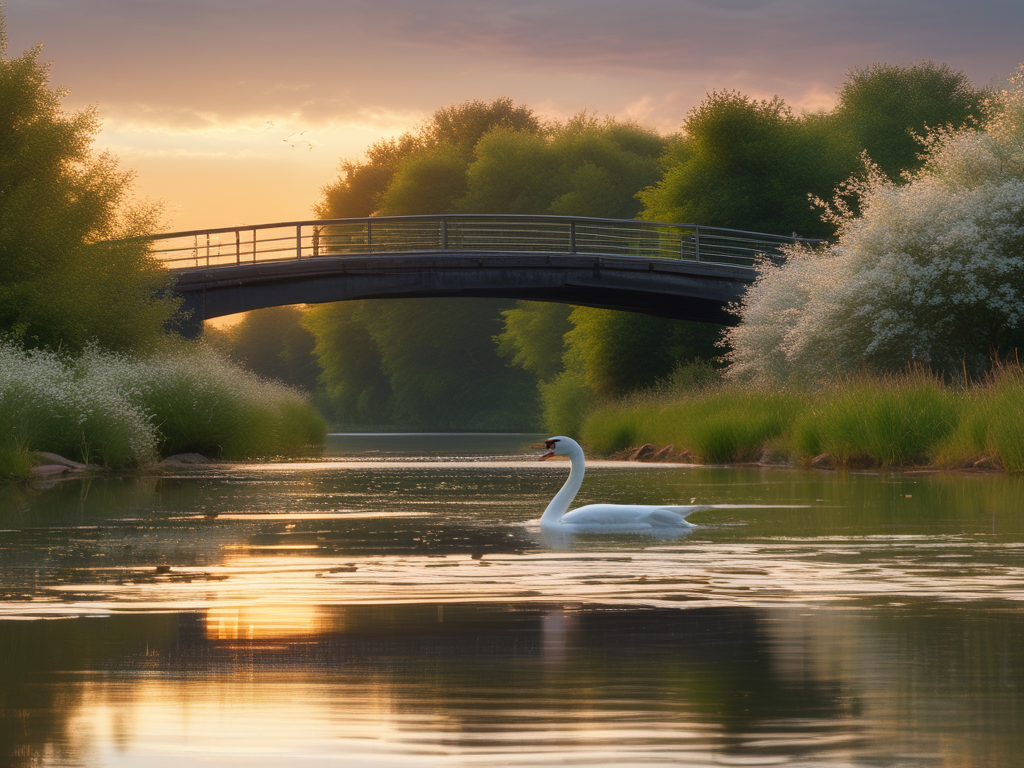
~Sally Thomas “Swans”

Decades ago, there were several years when I took sadness into myself, feeling empty and barren with no hope that could change.

Sorrow became the bridge I walked across, unaware what I would find on the other side, assuming only it would be more of the same.

If I had listened to my own tearful prayers, I might have understood –even the most comfortable nests are abandoned when it is time to break free from the sadness.

I gave up my timing and my plans to let things be according to His will.

And life happened. And sadness no longer found a place in me.
The empty was filled, the sorrow overwhelmed with blessing.
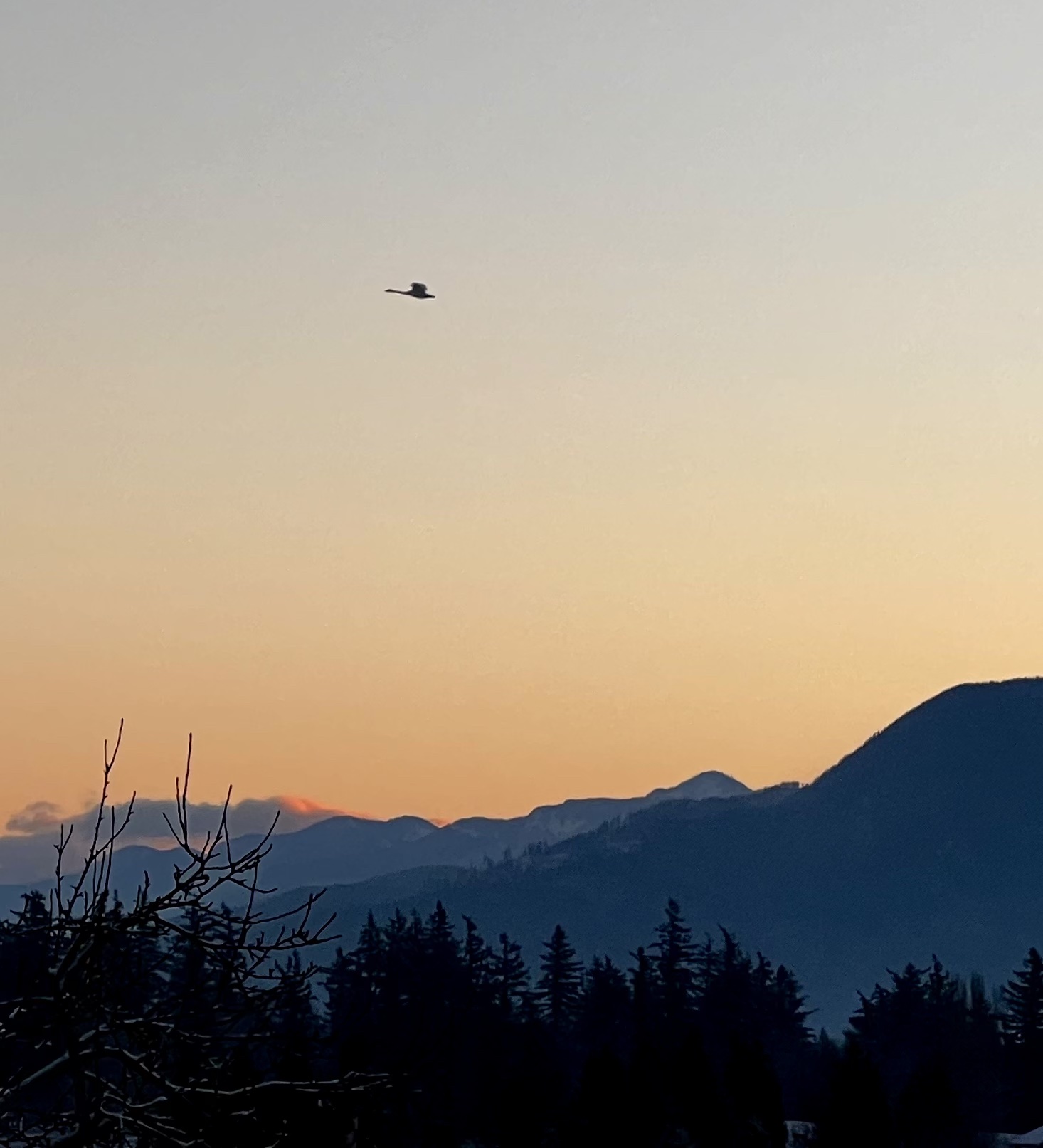
Babies born, grown, now flown away to a life and babies of their own.

All from the one nest, emptied, as ever it should be.

AI image created for this post
One-Time
Monthly
Yearly

Make a one-time or recurring donation to support daily Barnstorming posts

Make a monthly donation

Make a yearly donation

Choose an amount

$10.00
$25.00
$50.00
$5.00
$15.00
$100.00
$5.00
$15.00
$100.00

Or enter a custom amount

$

Your contribution is deeply appreciated.

Your contribution is appreciated.

Your contribution is appreciated.

DonateDonate monthlyDonate yearly