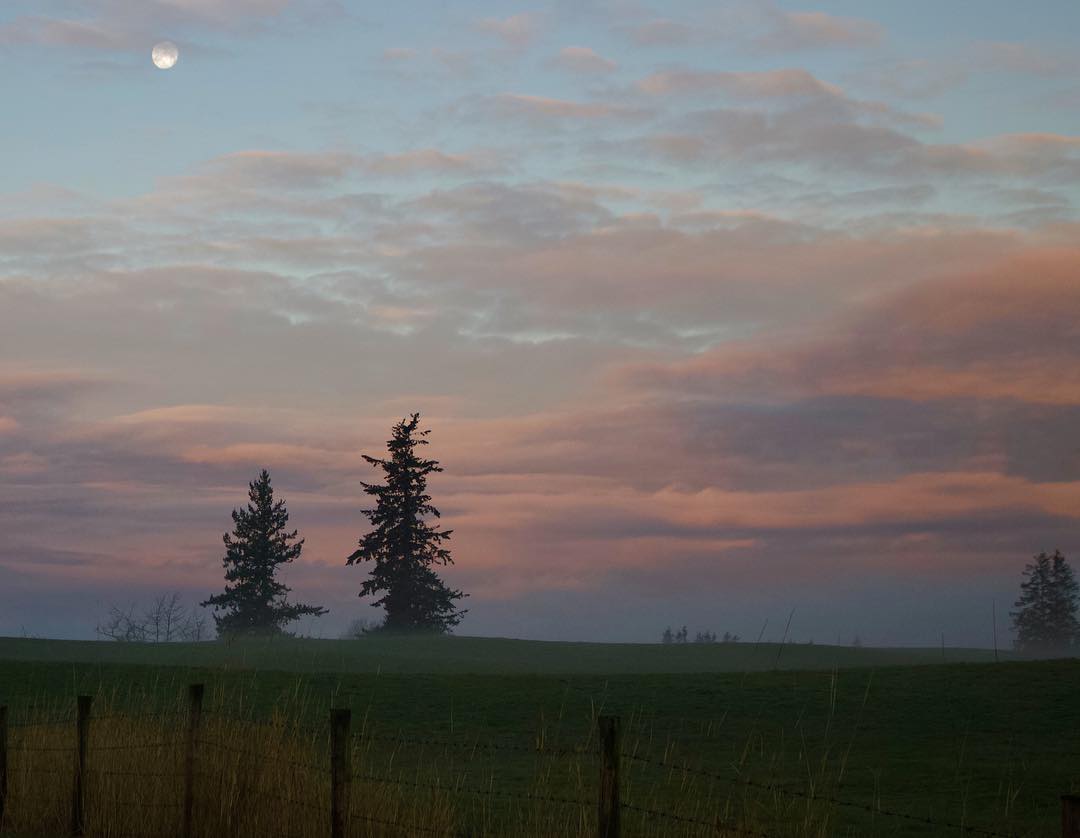
The Tenacity of Nature

By the road to the contagious hospital
under the surge of the blue
mottled clouds driven from the
northeast — a cold wind. Beyond, the
waste of broad, muddy fields
brown with dried weeds, standing and fallen

patches of standing water
the scattering of tall trees

All along the road the reddish
purplish, forked, upstanding, twiggy
stuff of bushes and small trees
with dead, brown leaves under them
leafless vines —

Lifeless in appearance, sluggish
dazed spring approaches —

They enter the new world naked,
cold, uncertain of all
save that they enter. All about them
the cold, familiar wind —

Now the grass, tomorrow
the stiff curl of wildcarrot leaf

One by one objects are defined —
It quickens: clarity, outline of leaf

But now the stark dignity of
entrance — Still, the profound change
has come upon them: rooted they
grip down and begin to awaken
~William Carlos Williams “Spring and All”
I ask your doctor
of infectious disease if she’s
read Williams   he cured
sick babies I tell her and
begin describing spring
and all   she’s looking at the wall
now the floor   now your chart
now the door   never
heard of him she says
but I can’t stop explaining
how important this is
I need to know your doctor
believes in the tenacity of nature
to endure   I’m past his heart
attack   his strokes   and now as if
etching the tombstone myself   I find
I can’t remember the date
he died or even
the year   of what now
are we the pure products   and what
does that even mean   pure   isn’t it
obvious   we are each our own culture
alive with the virus that’s waiting
to unmake us
~Brian Russell, “The Year of What Now”

It is the third January of a pandemic
of a virus far more tenacious than
we have proven to be,
it continues to unmake us,
able to mutate spike proteins seemingly overnight
while too many of us stubbornly
remain unchanged by this,
clinging to our “faith over fear”
and “my body, my choice”
and “lions, not sheep”
and “never comply” —
because self-determination must trump
compassion for the unfortunate fate of vulnerable millions.

We defend the freedom to choose
to be vectors of a contagion
that may not sicken us yet fills
clinics, hospitals and morgues.

William Carlos Williams, the early 20th century physician,
would be astonished at the clinical tools we have now
to fight this scourge.
William Carlos Williams, last centuries’ imagist poet,
would recognize our deadly erosion of cooperation
when faced with a worthy viral opponent.

So what happens now?

Starting with this third pandemic winter,
with our souls in another deep freeze,
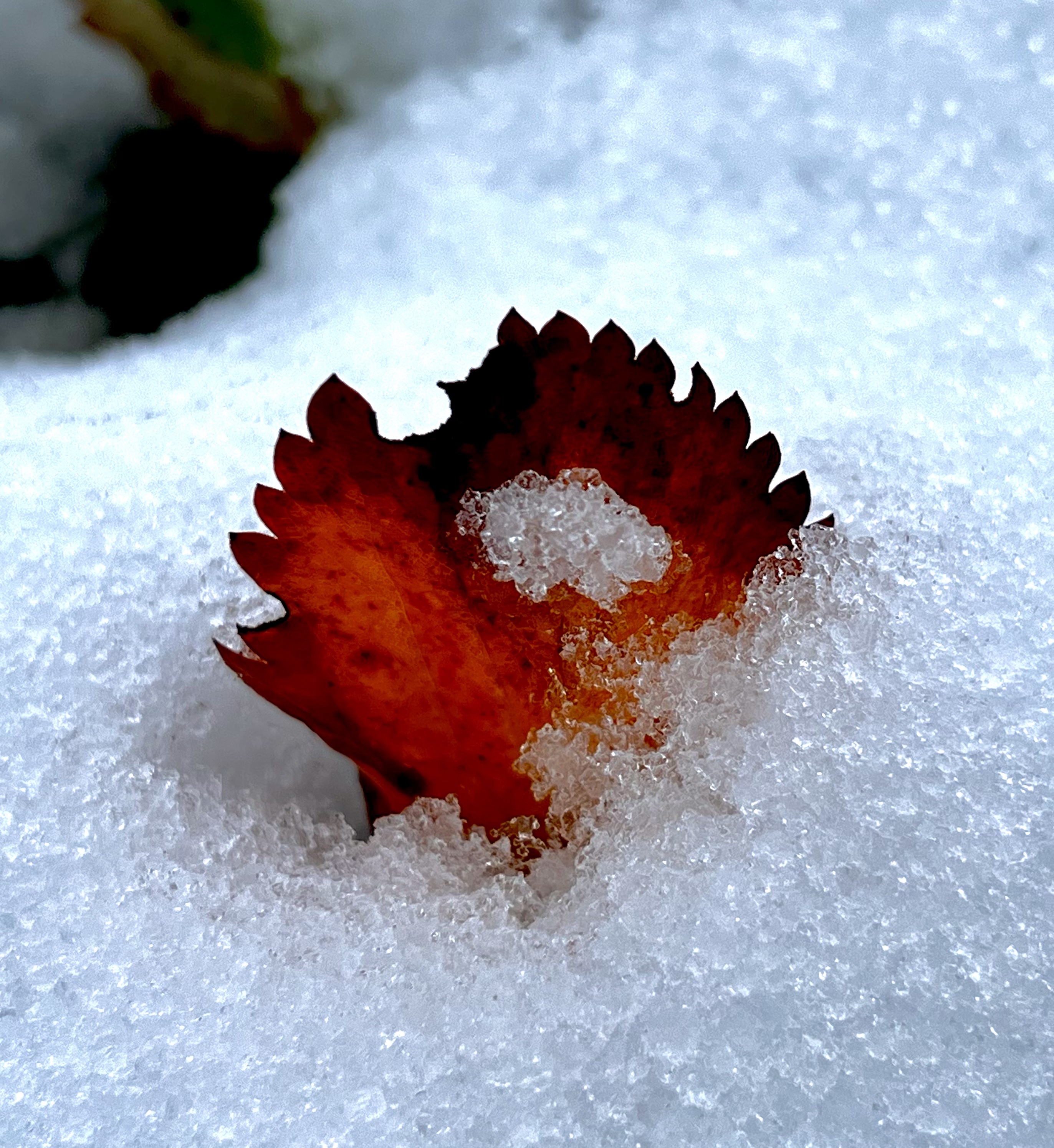
covered in snow and ice and bitter wind chill,
a tenuous hope of restoration could awaken –
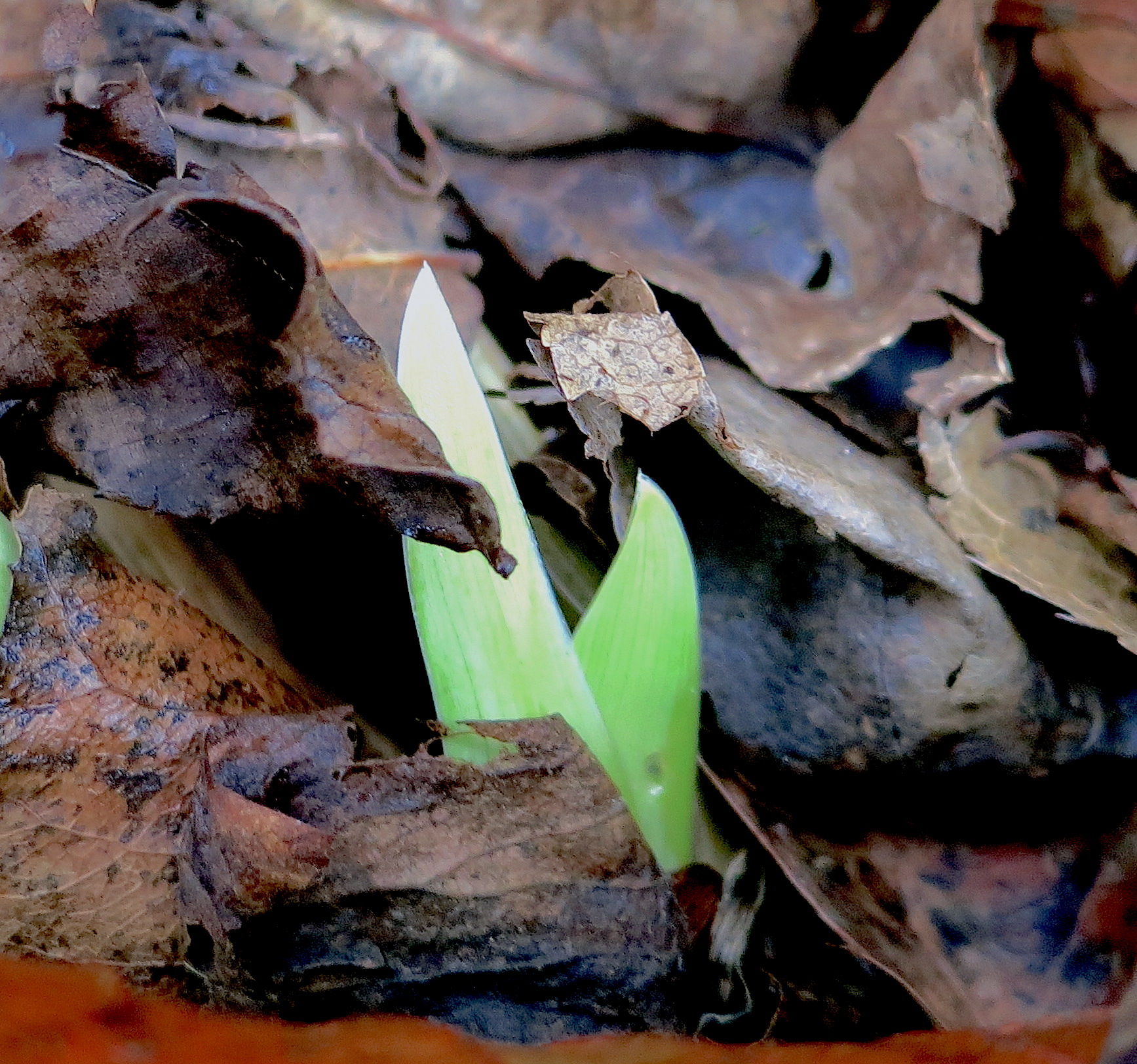
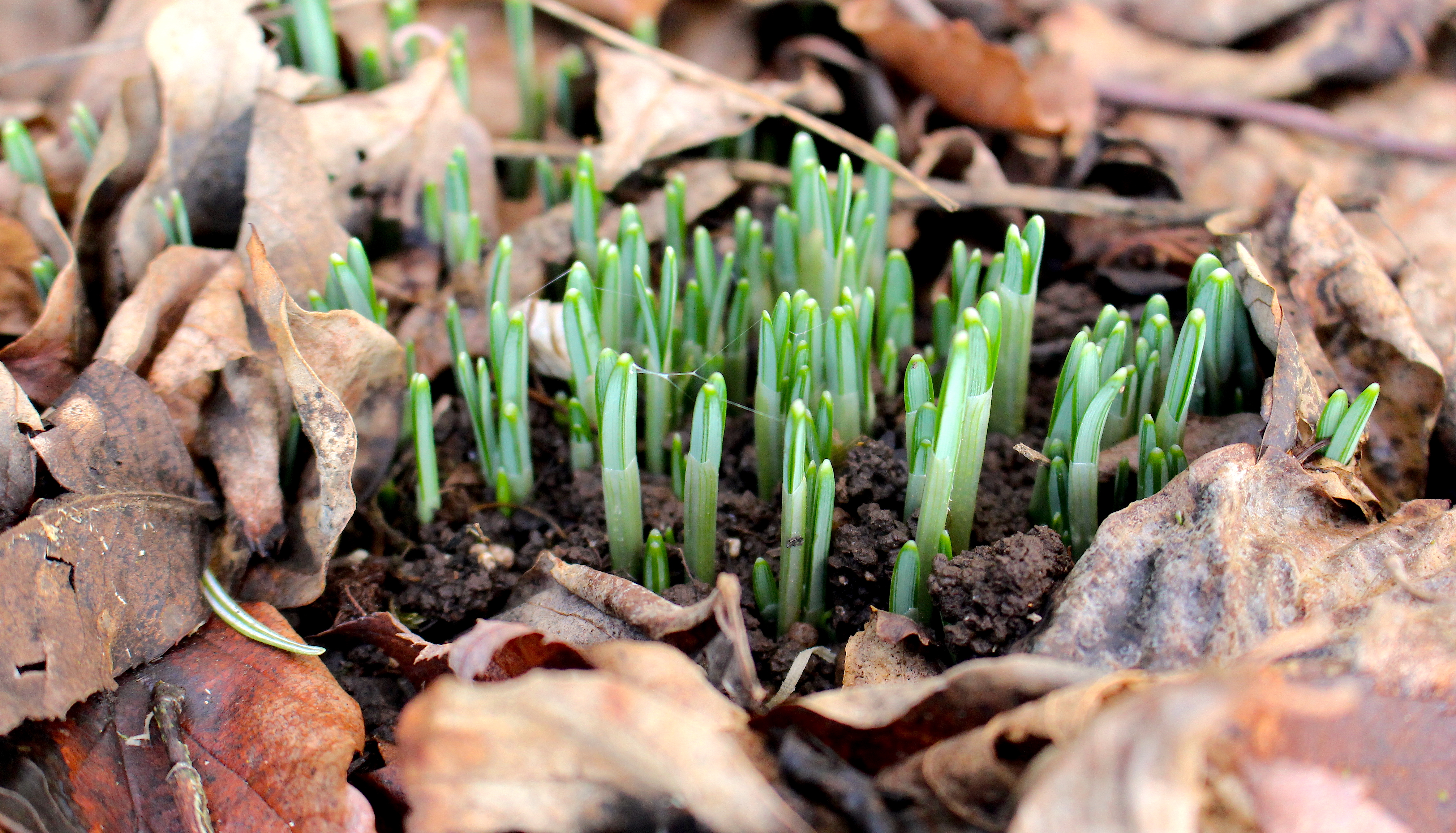
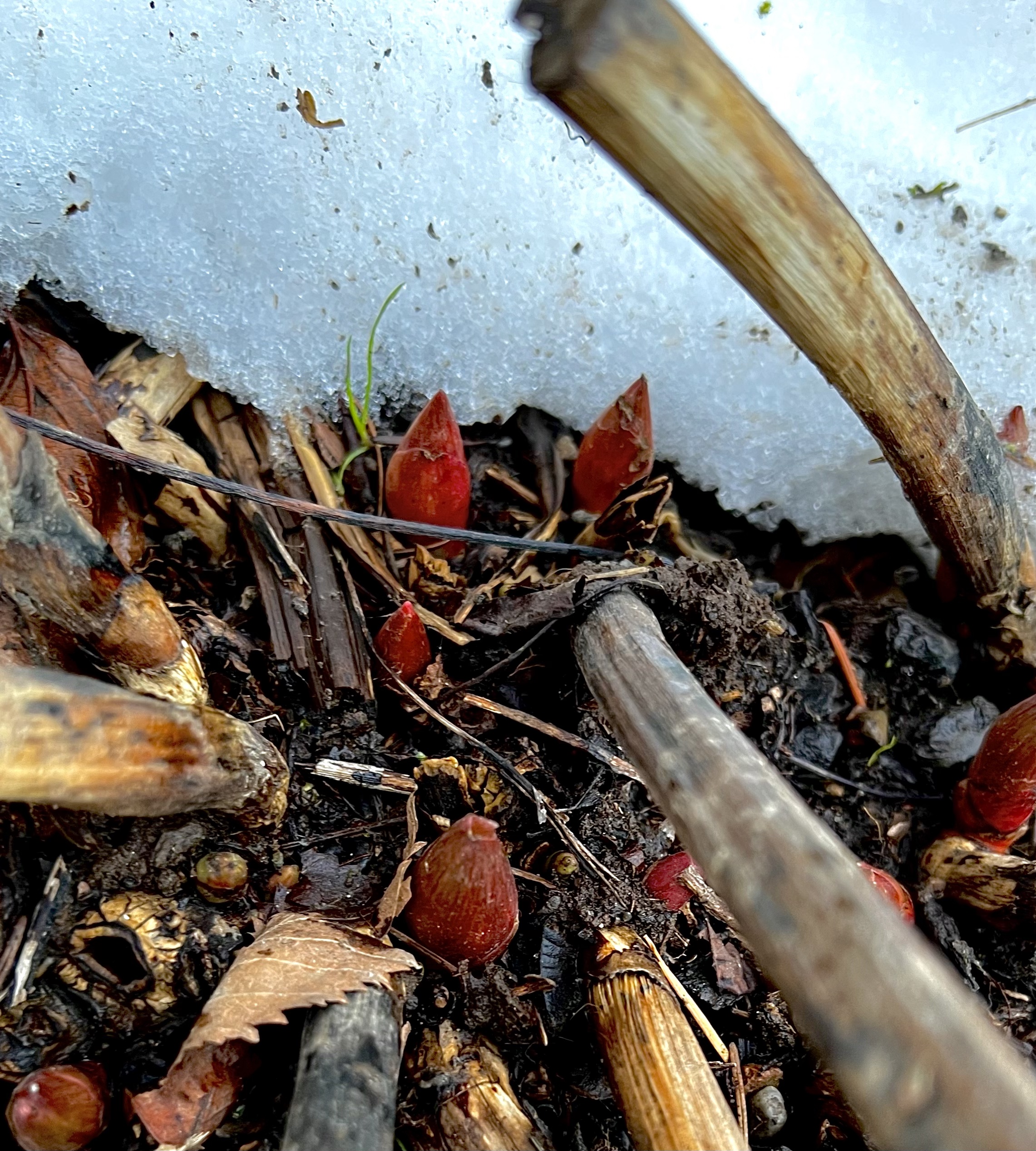
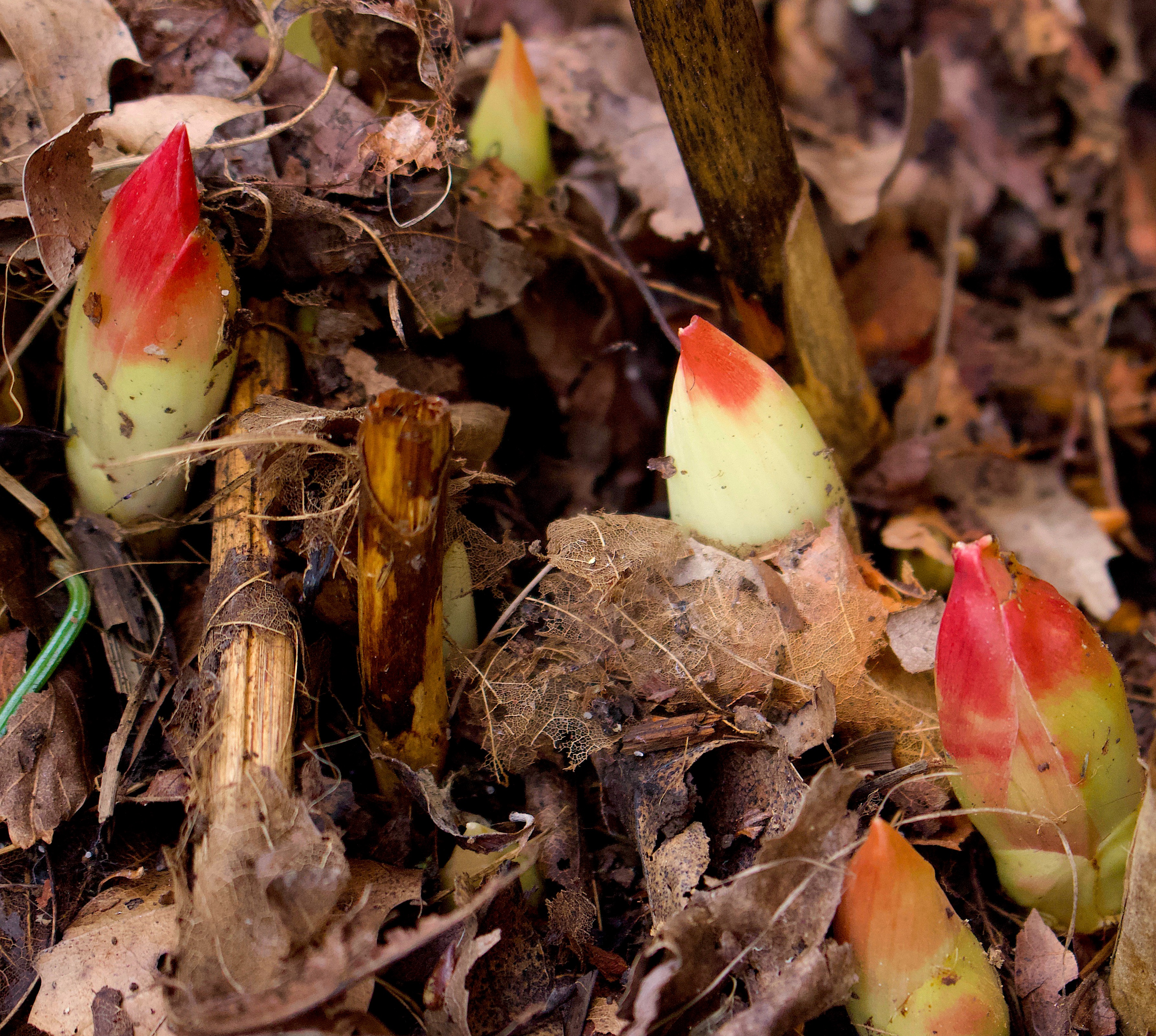
tender buds swelling,
bulbs breaking through soil,
being called forth from long burial
in a dark and cold and heartless earth.

Like a mother who holds
the mystery of her quickening belly,
knowing we nurture other lives with our own body,
we too can be hopeful and marveling
at who we are created to be.

She, and we, know soon and very soon
there will be spring.
One-Time
Monthly
Yearly

Make a one-time or recurring donation to support Barnstorming

Make a monthly donation

Make a yearly donation

Choose an amount

¤5.00
¤10.00
¤20.00
¤5.00
¤15.00
¤100.00
¤5.00
¤15.00
¤100.00

Or enter a custom amount

¤

Your contribution is deeply appreciated.

Your contribution is appreciated.

Your contribution is appreciated.

DonateDonate monthlyDonate yearly
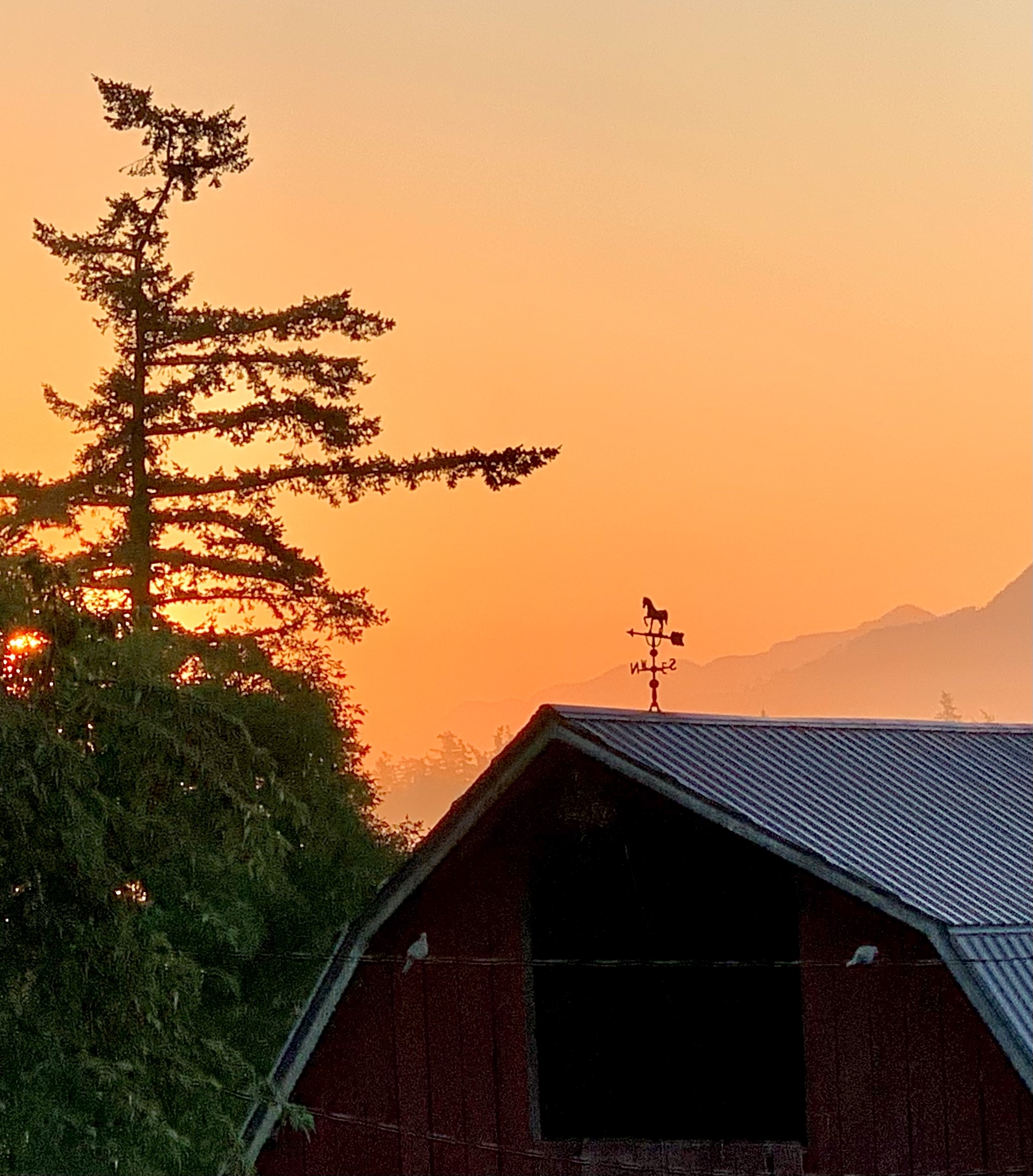
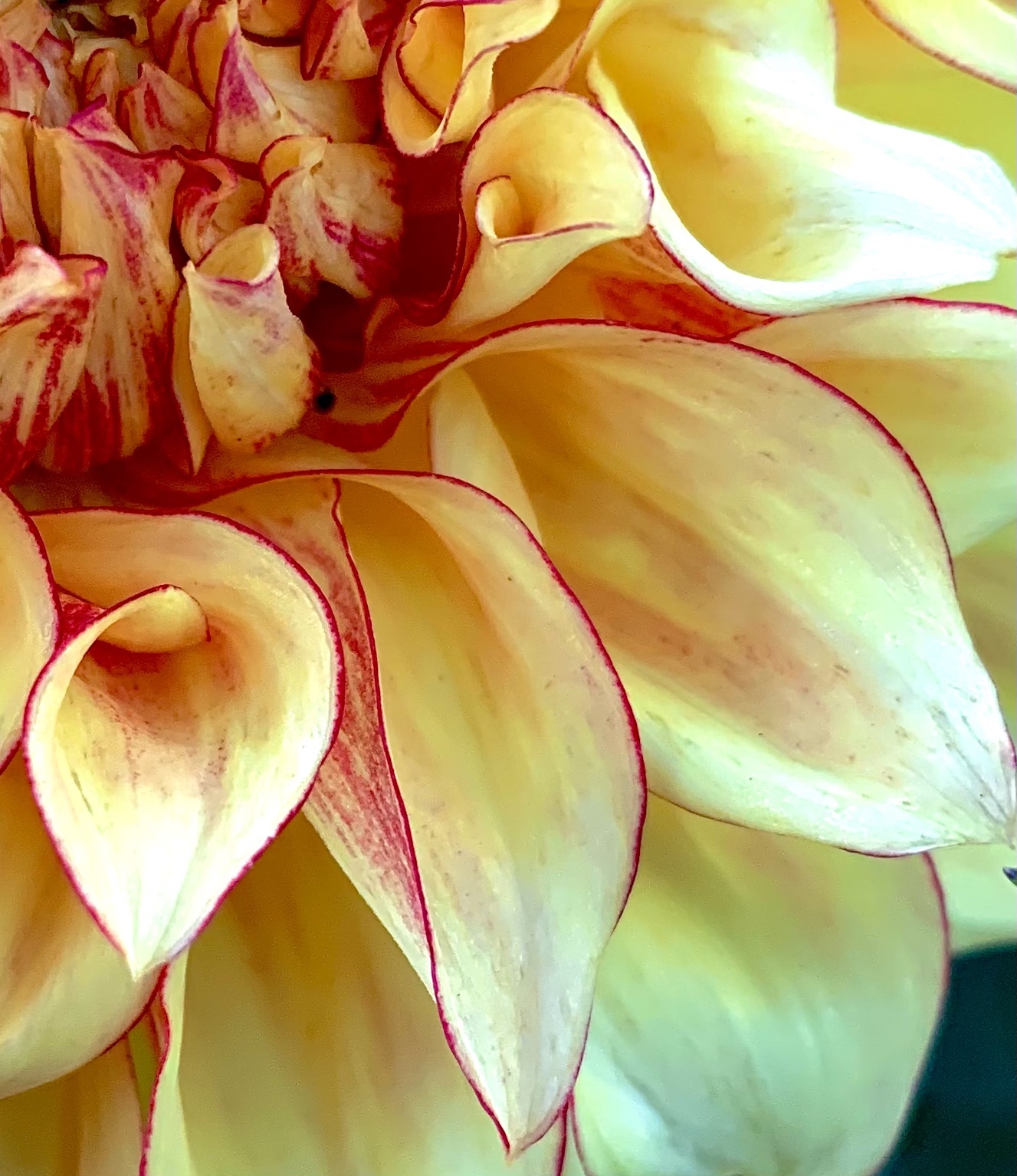
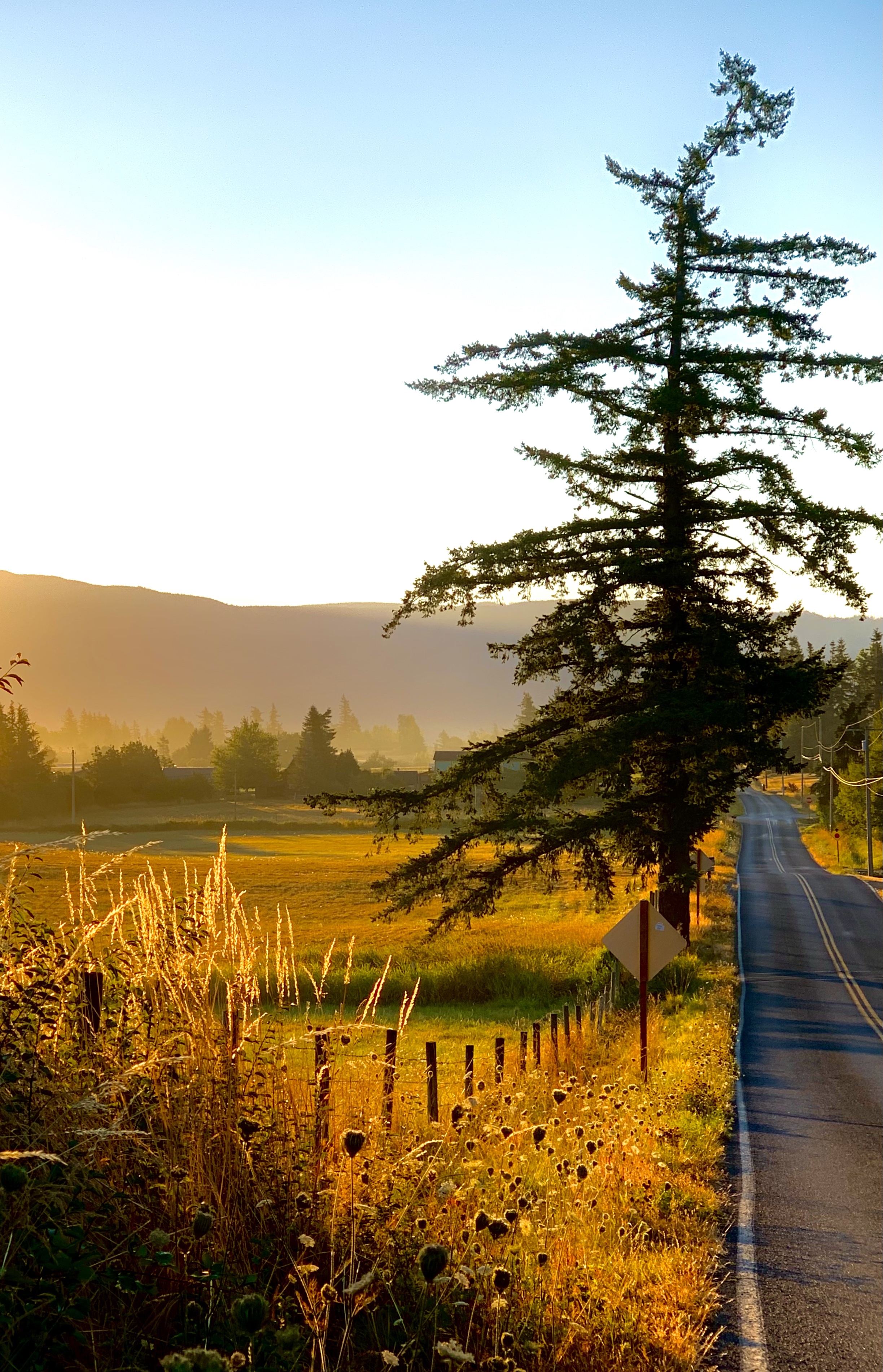
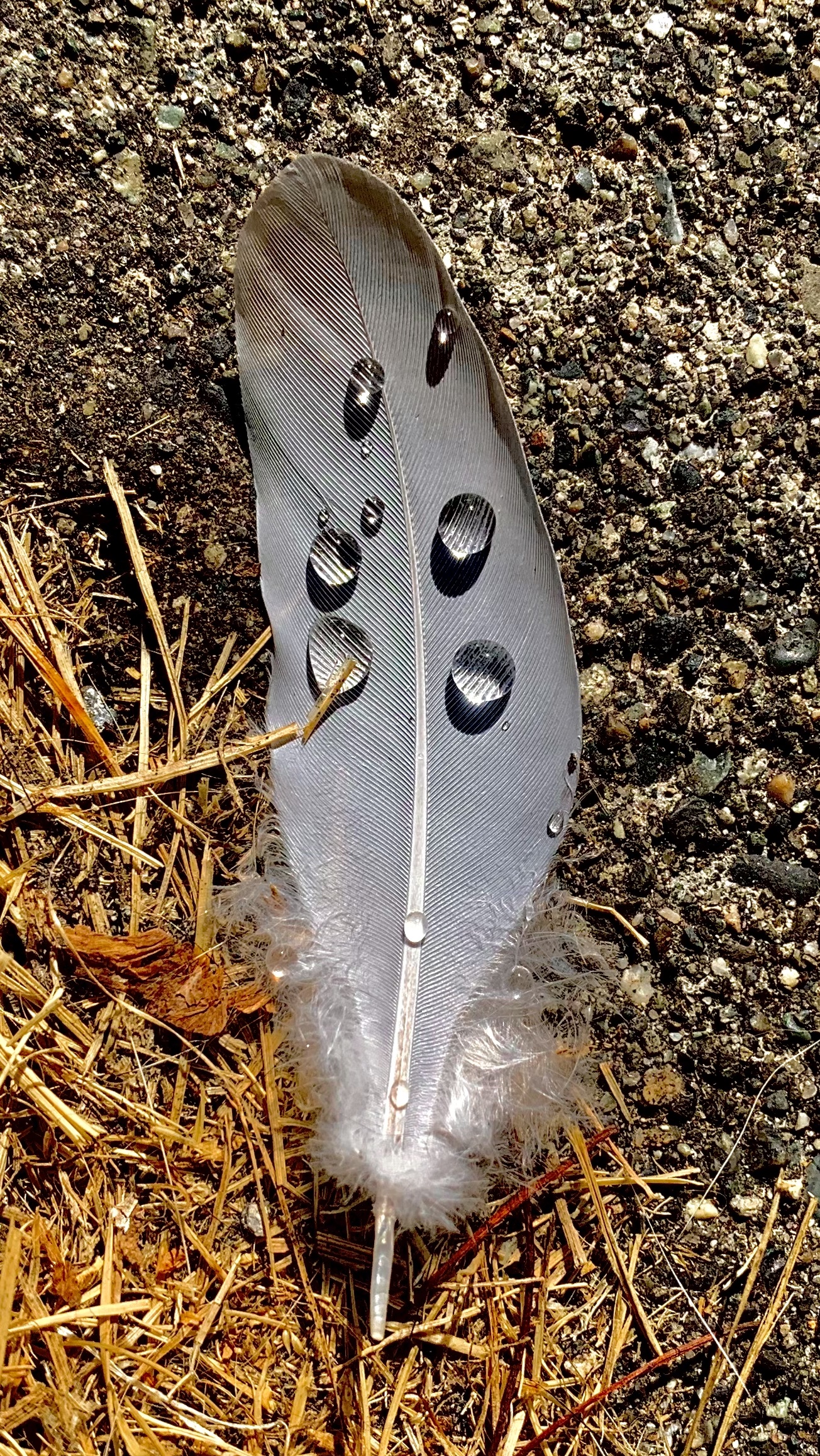
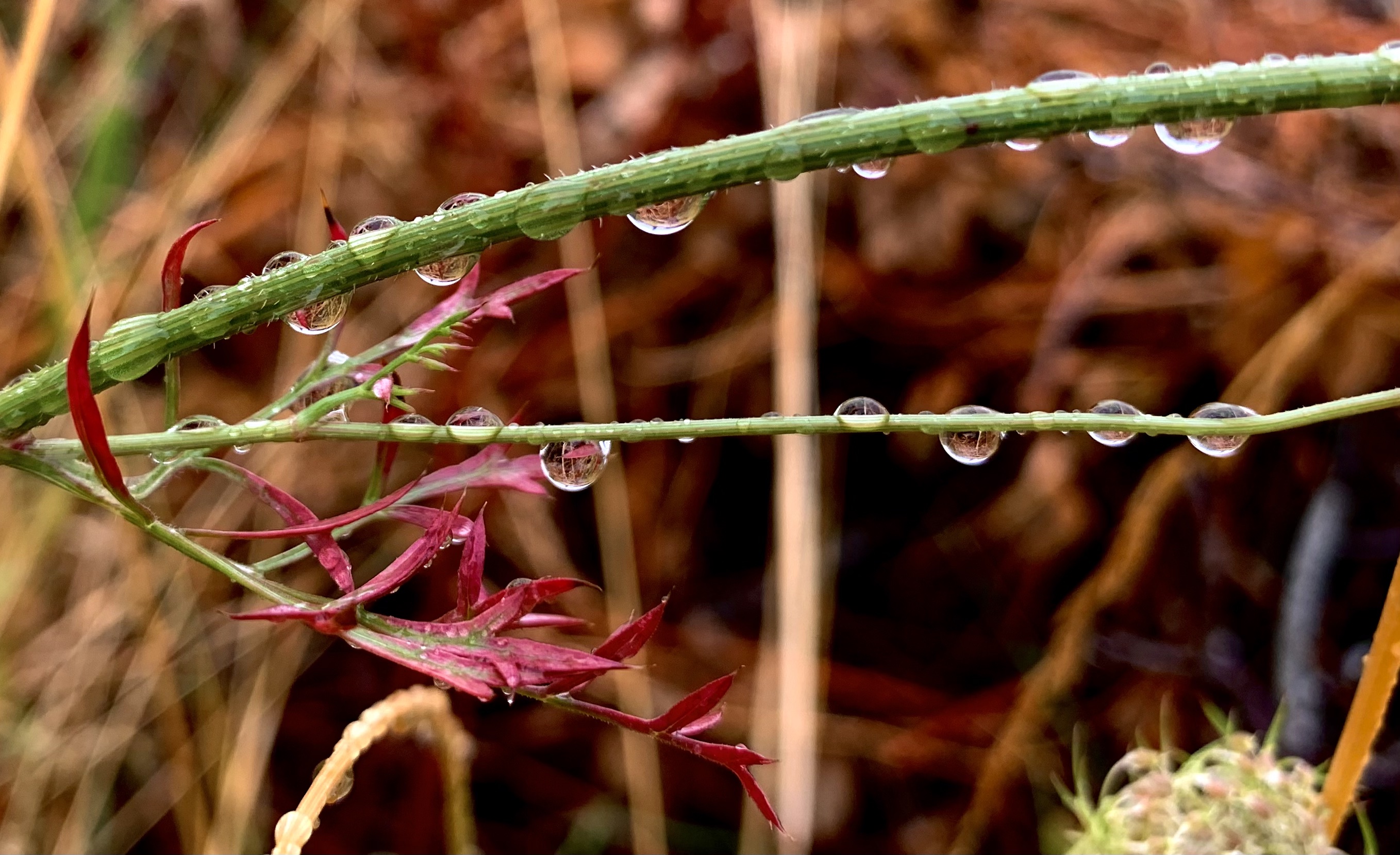
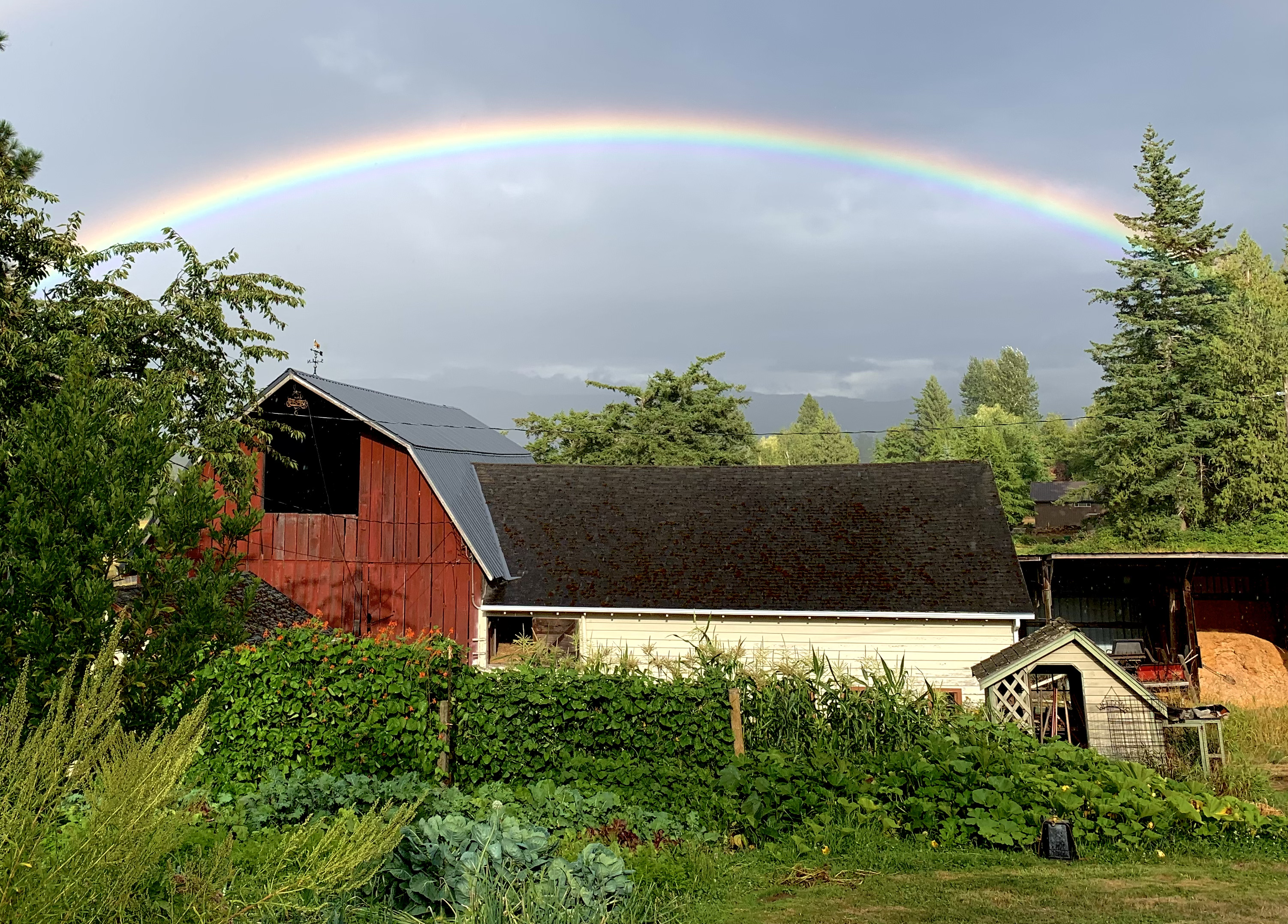
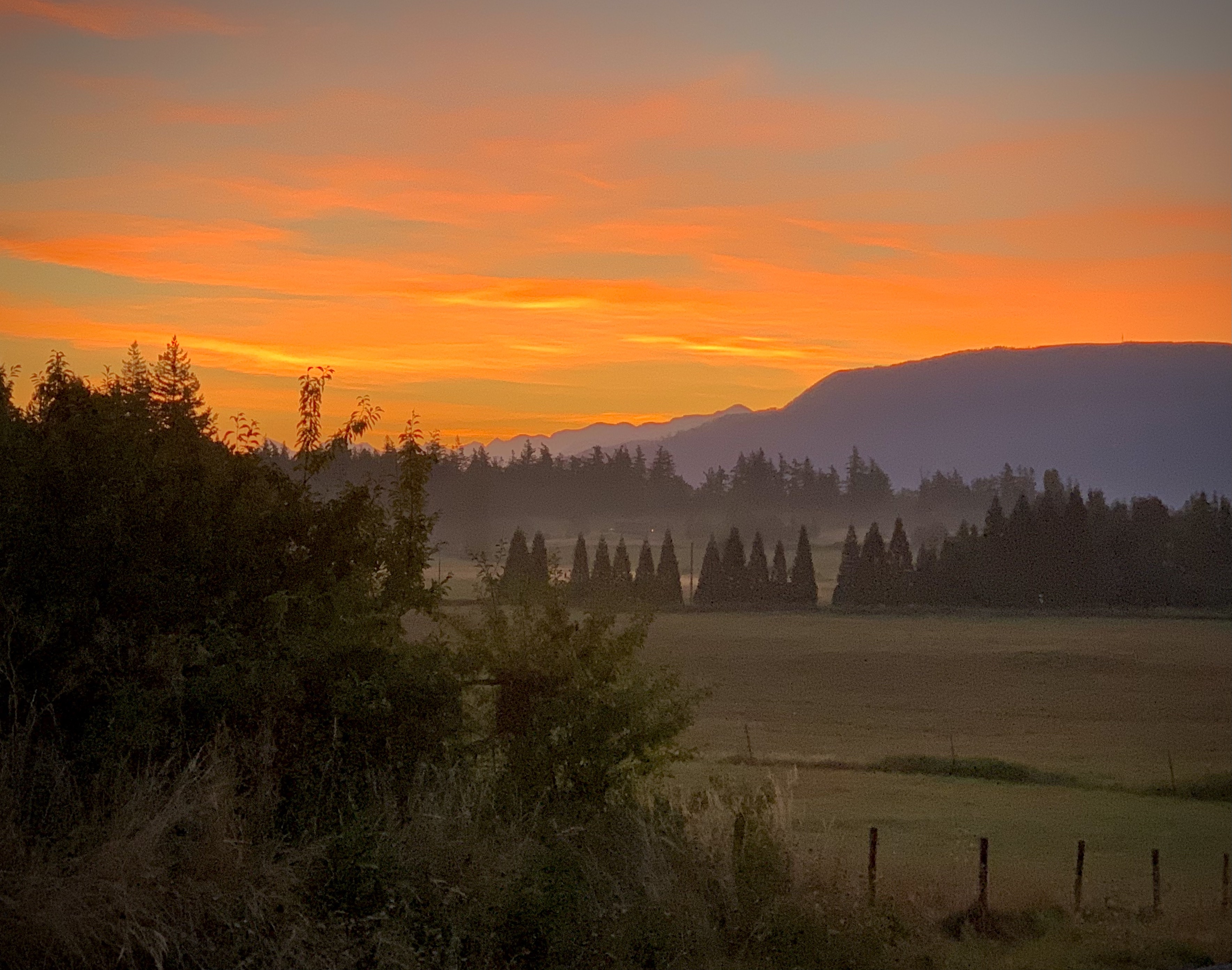
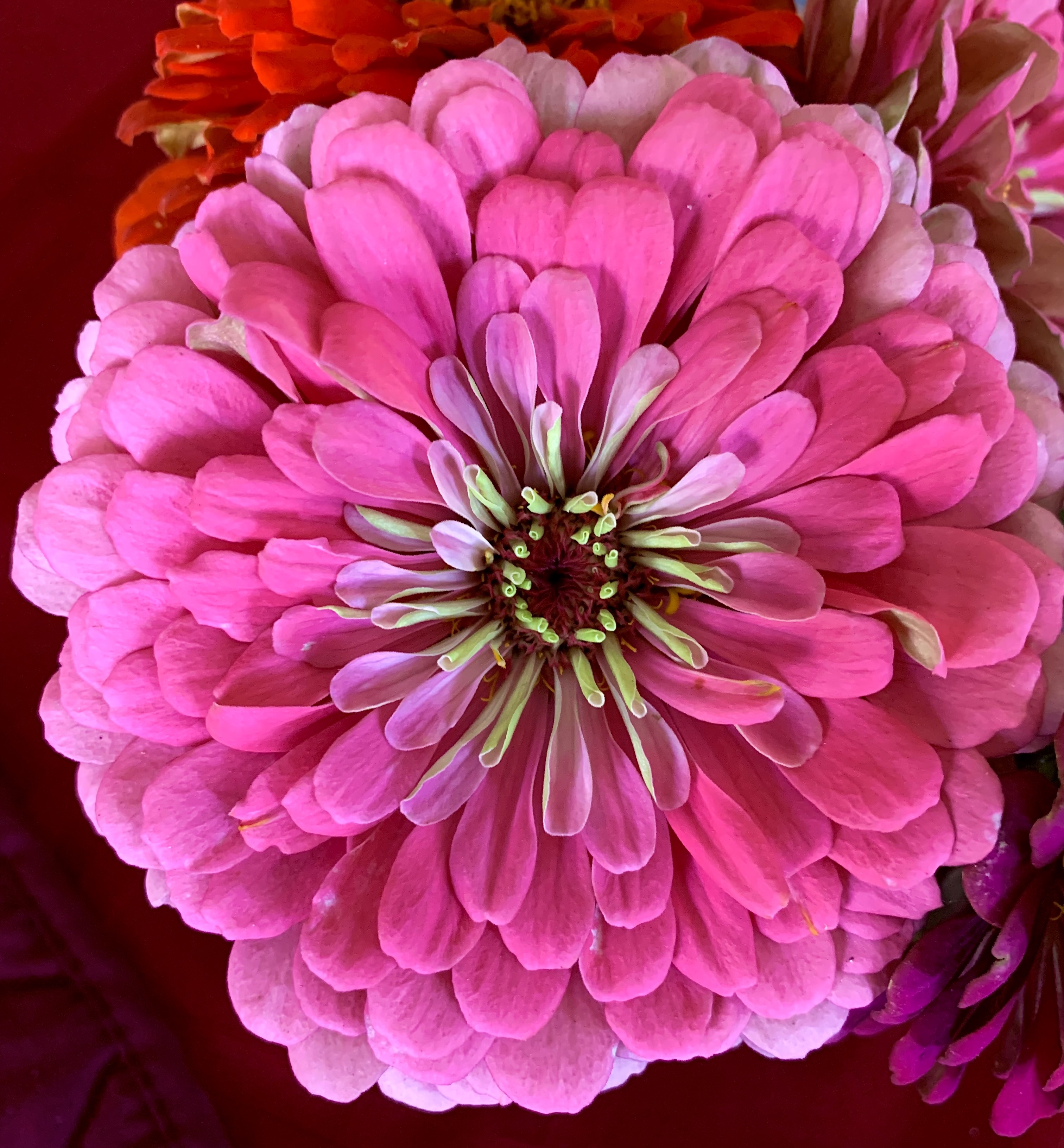
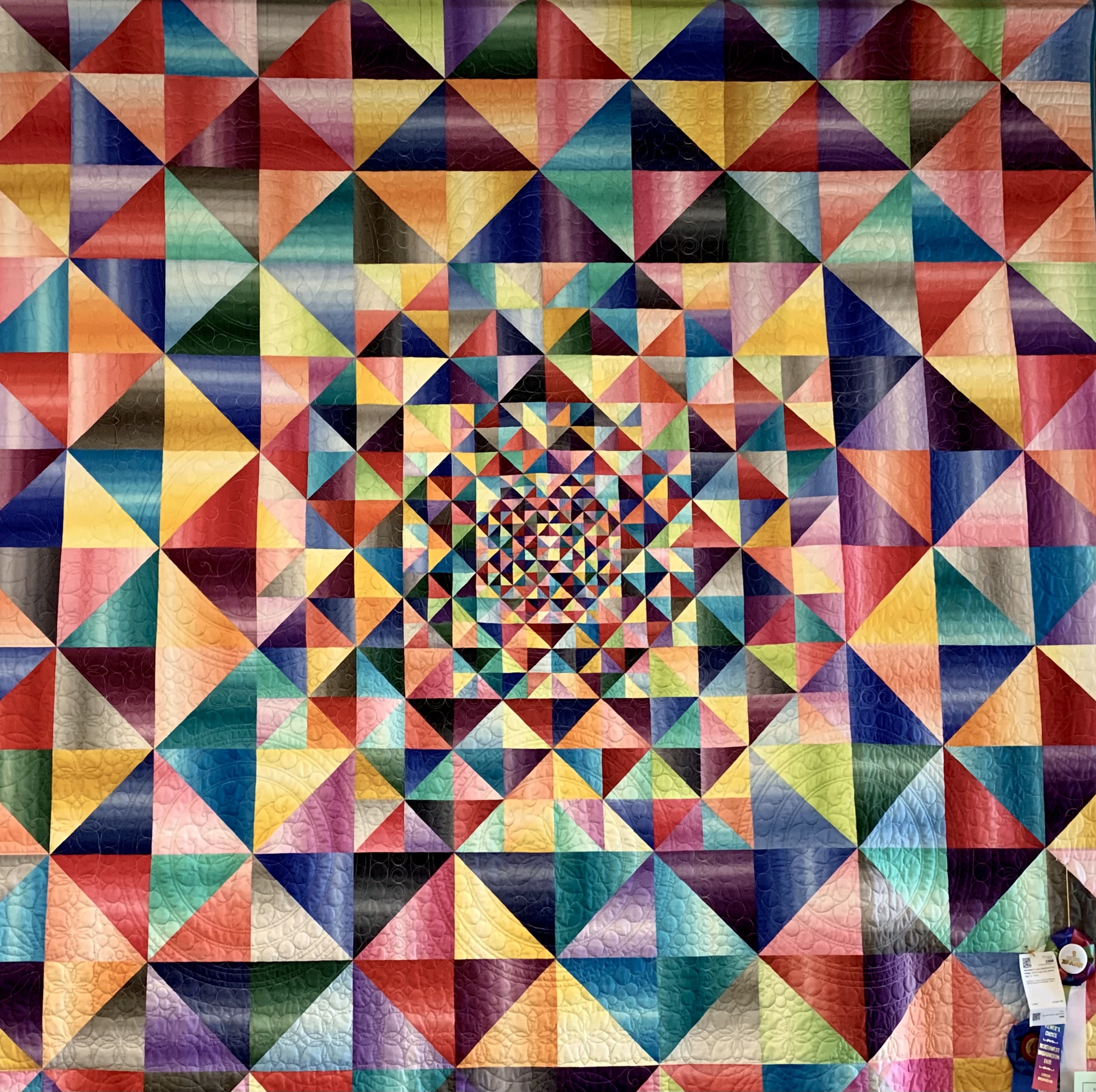
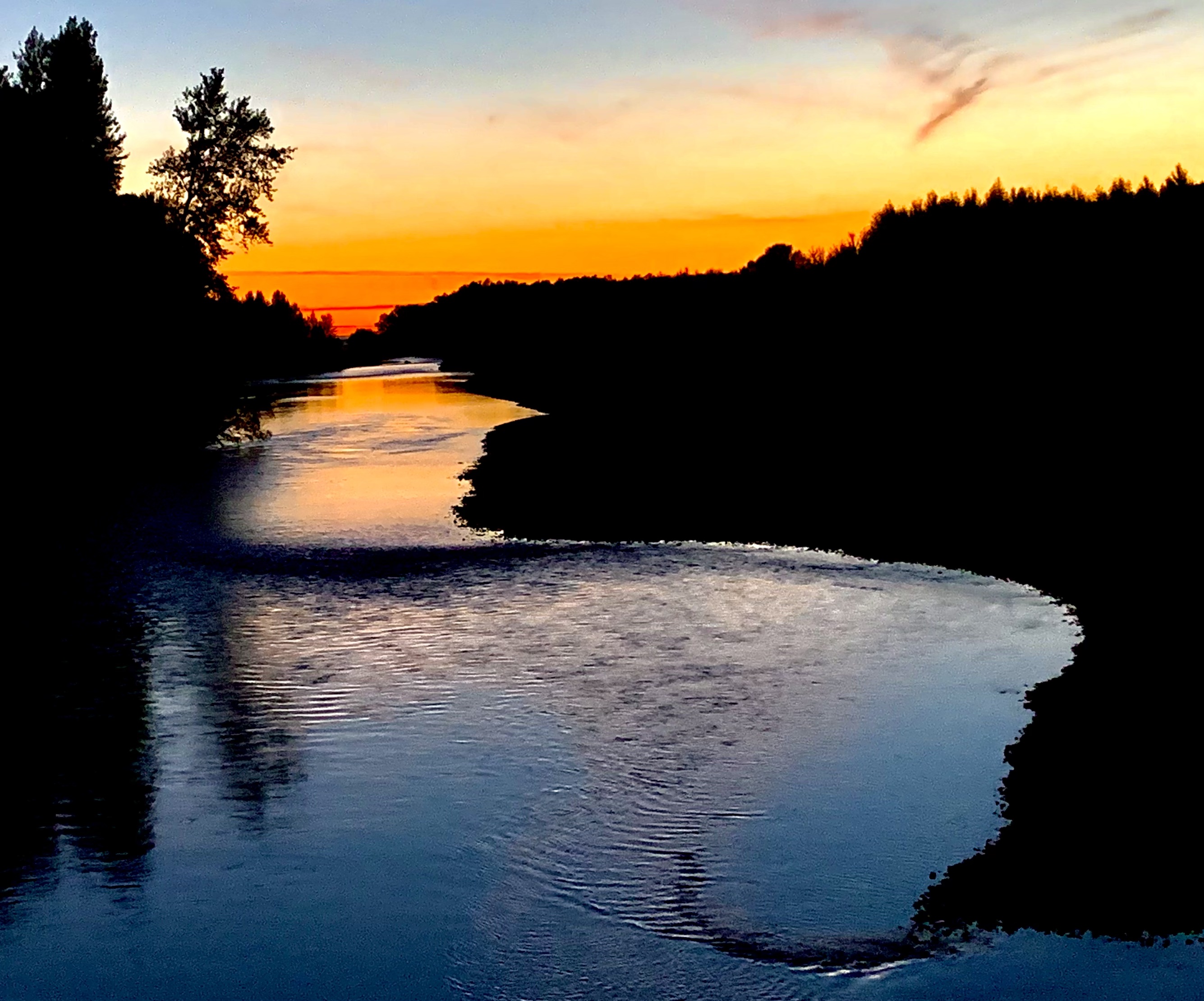
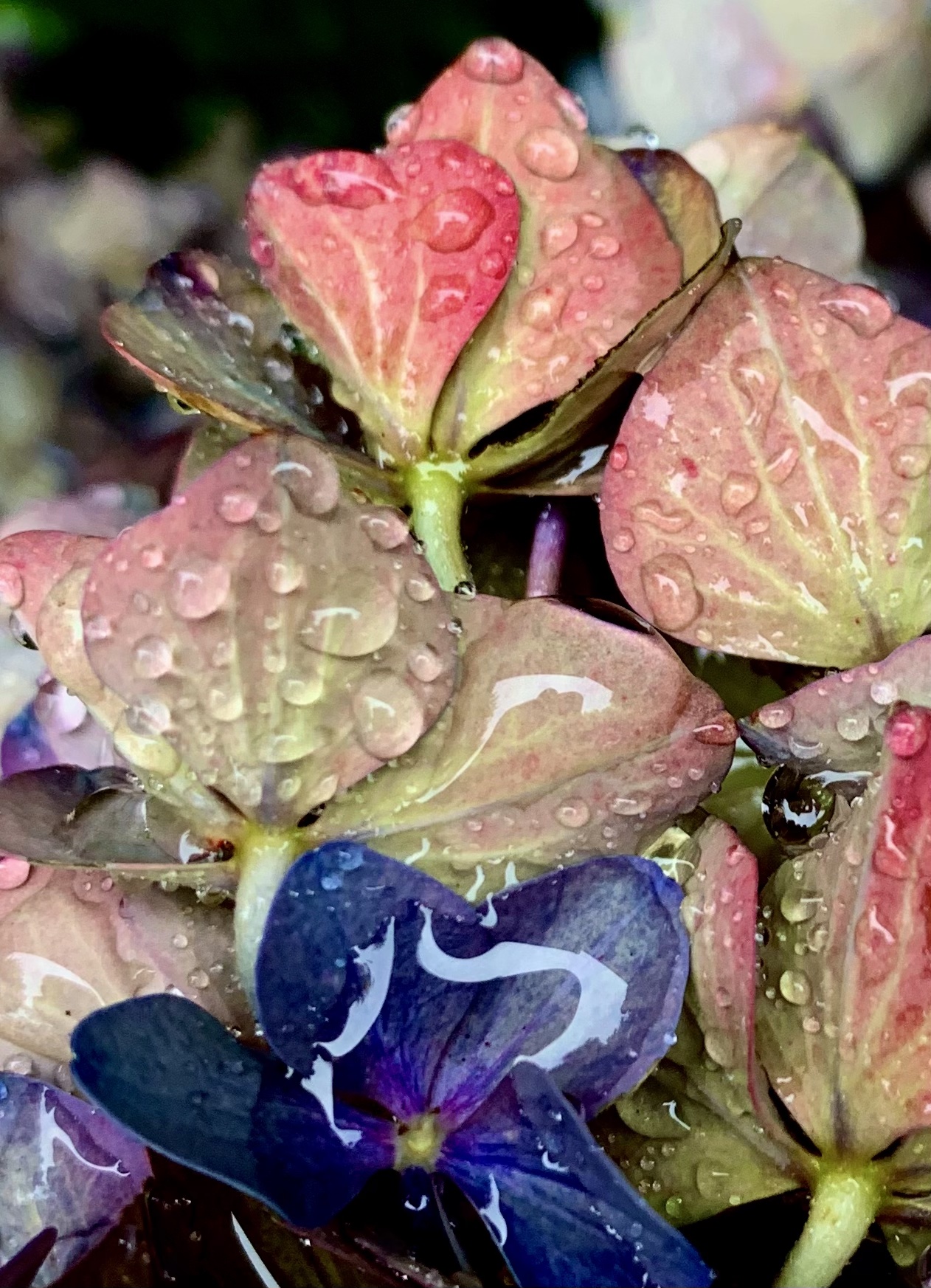
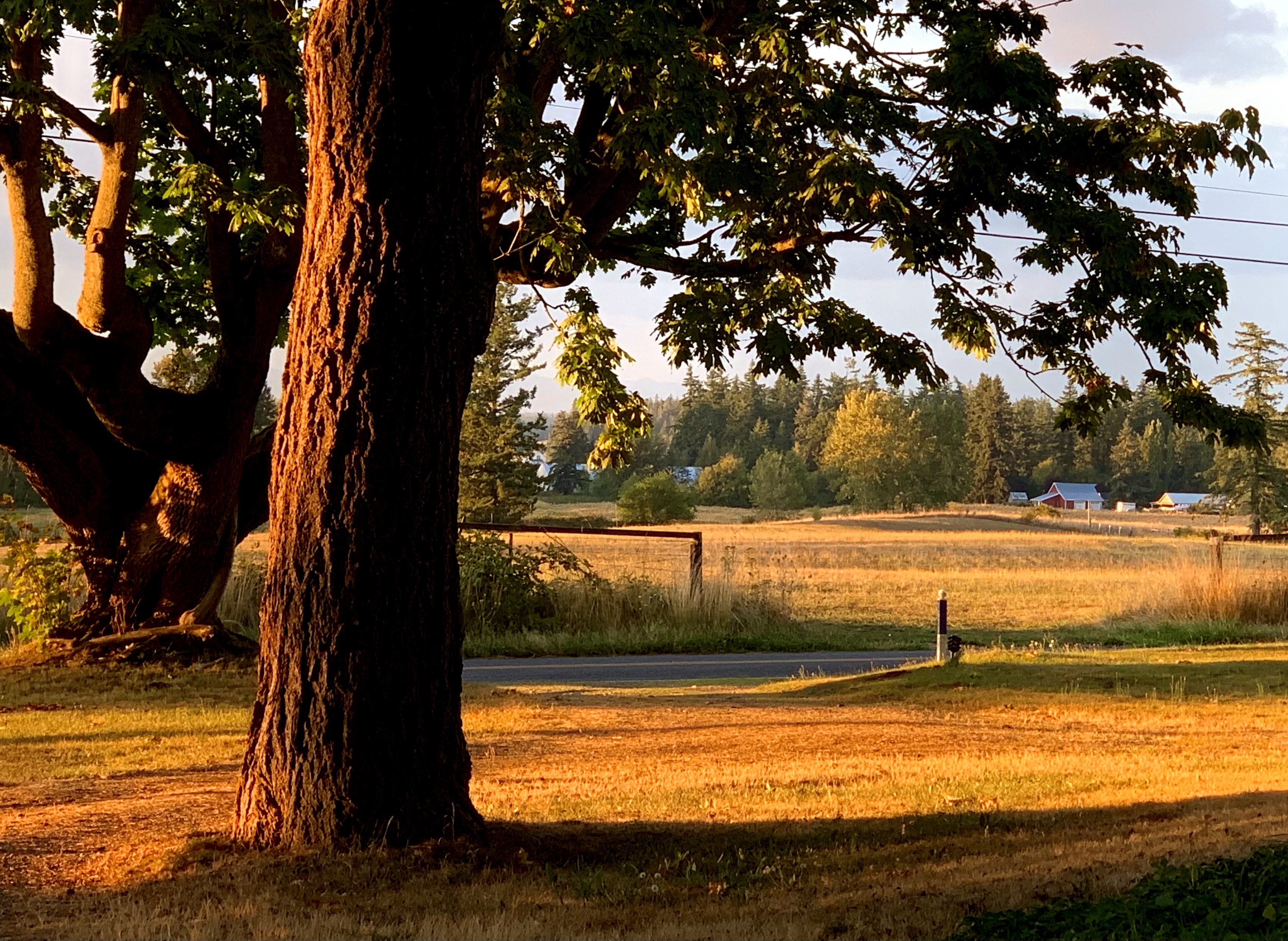
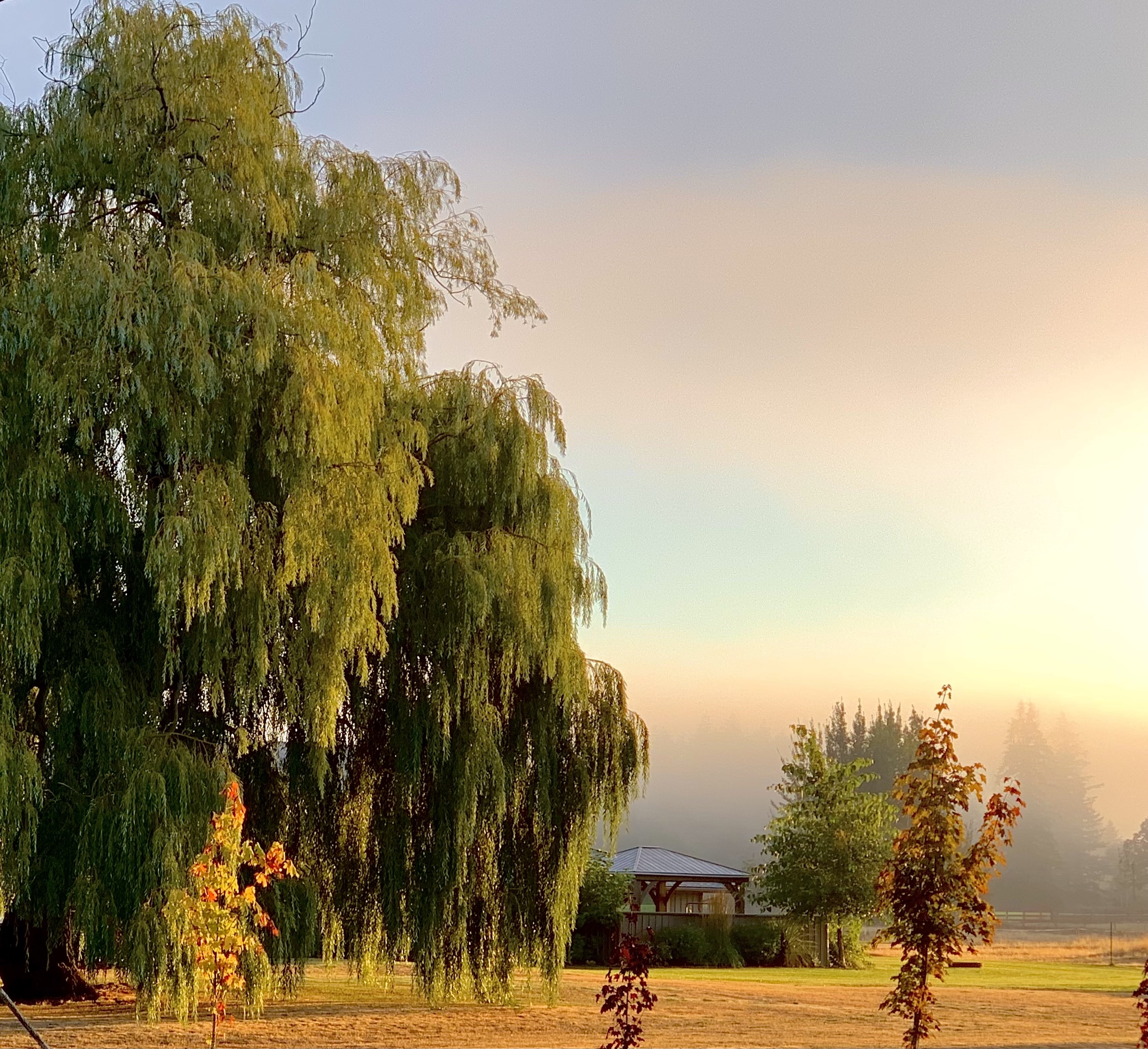
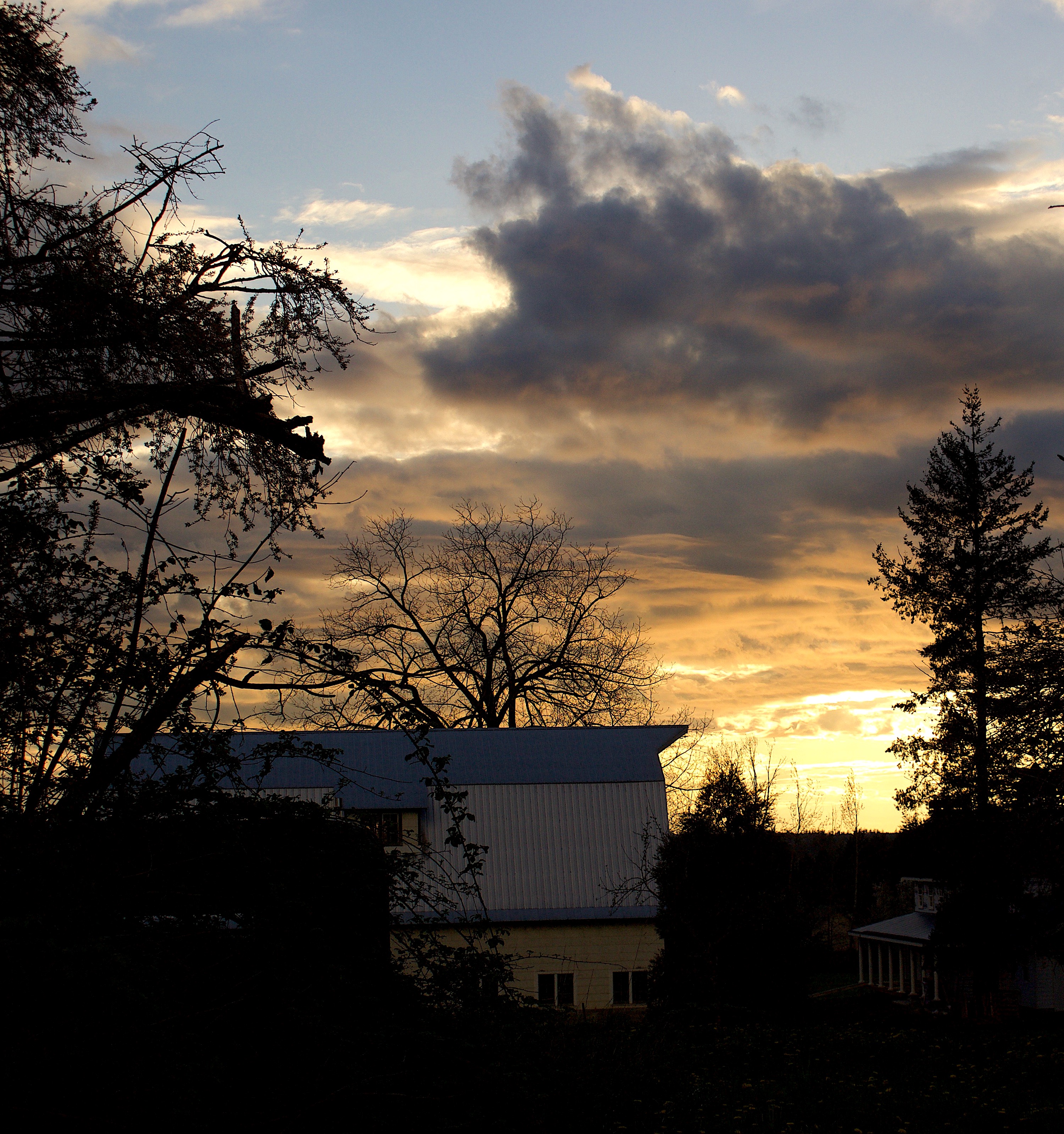
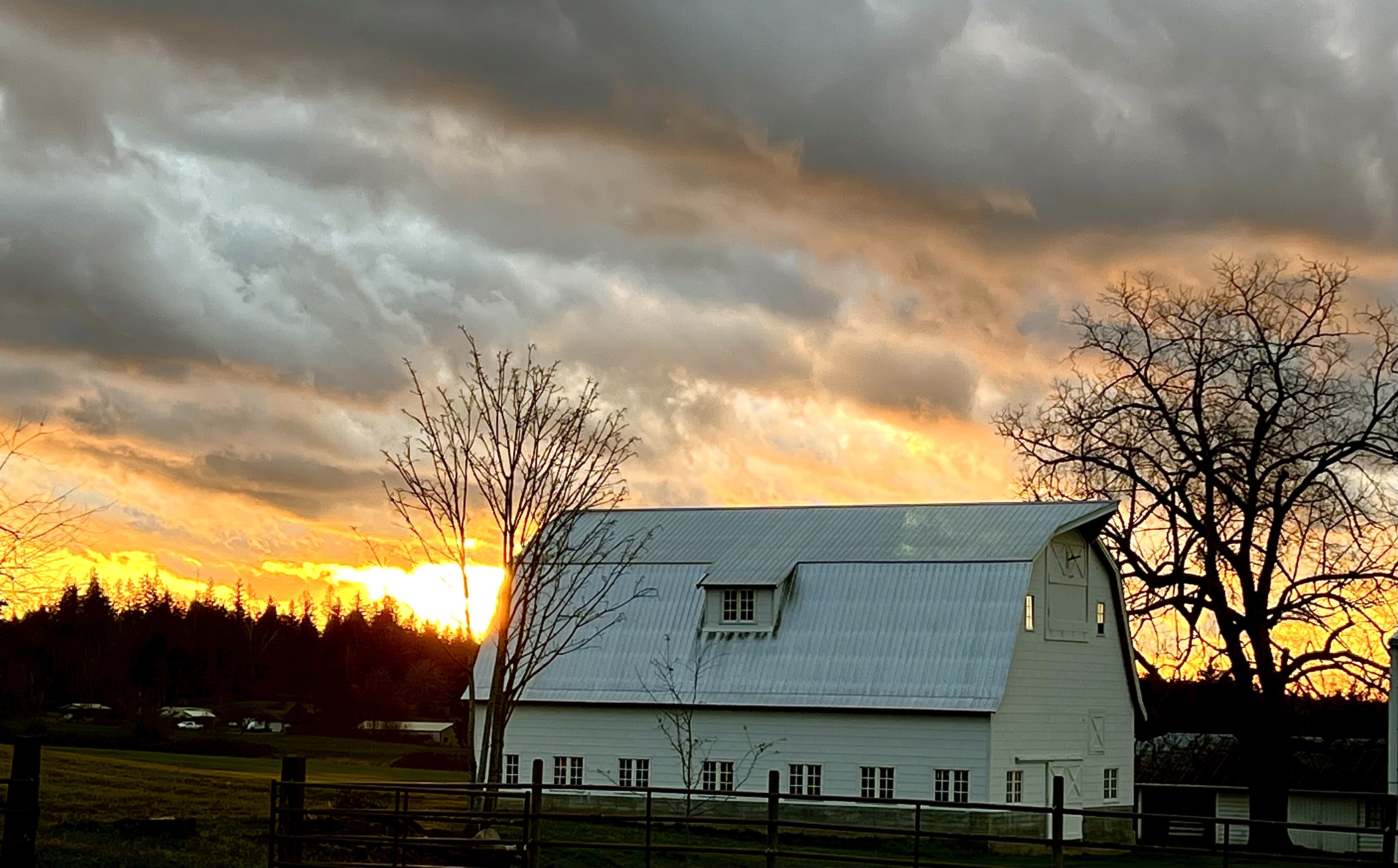
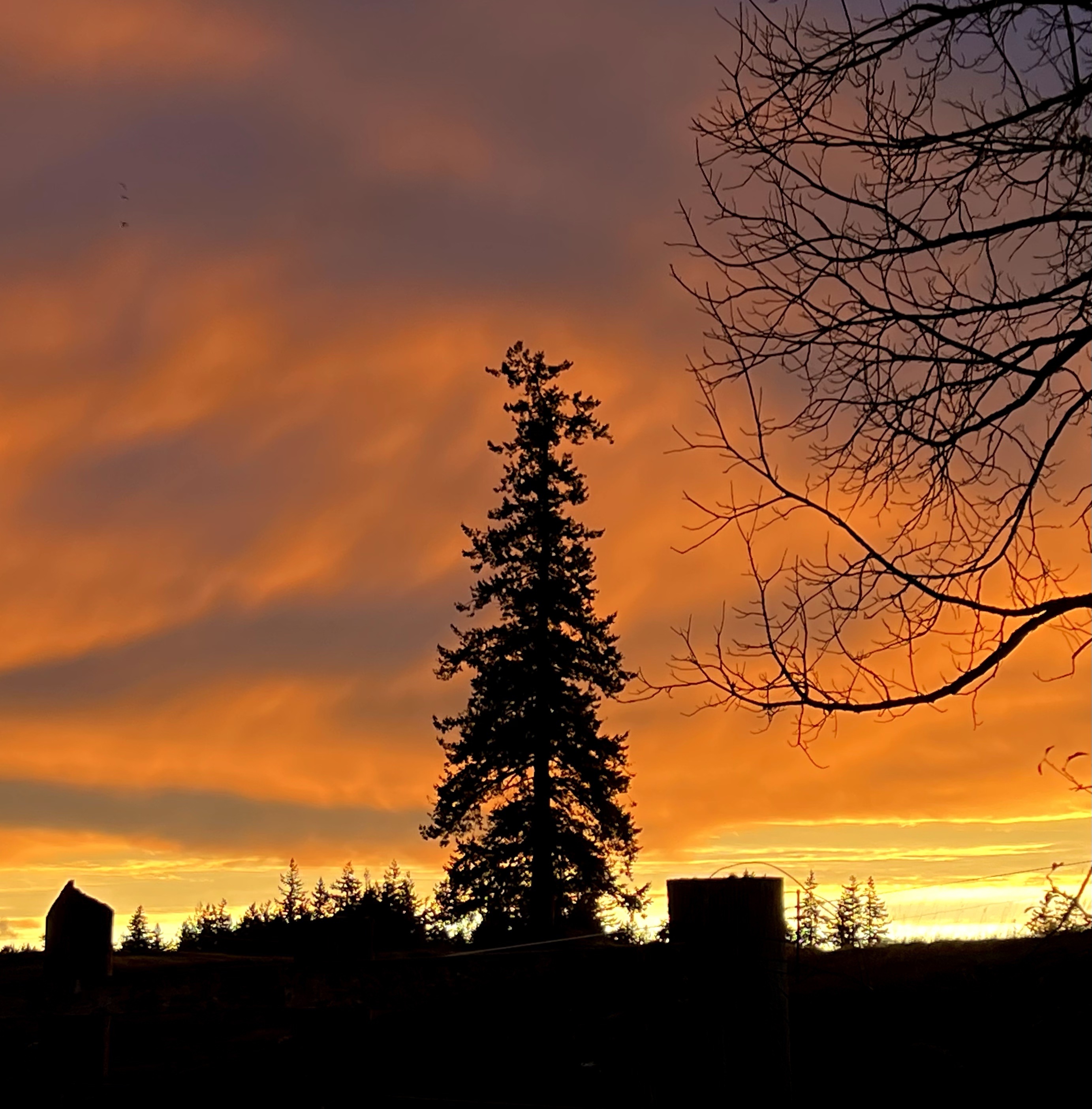
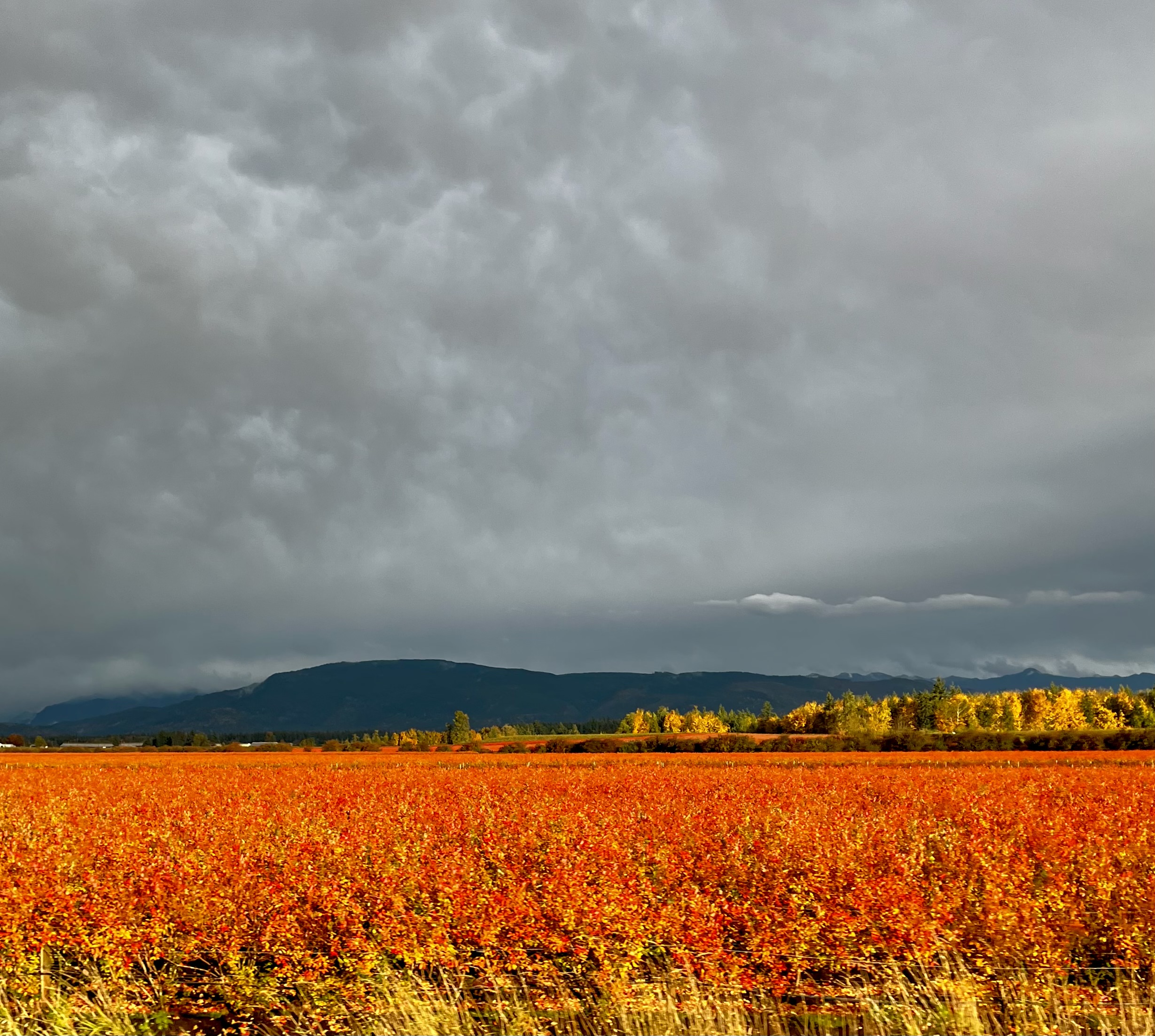
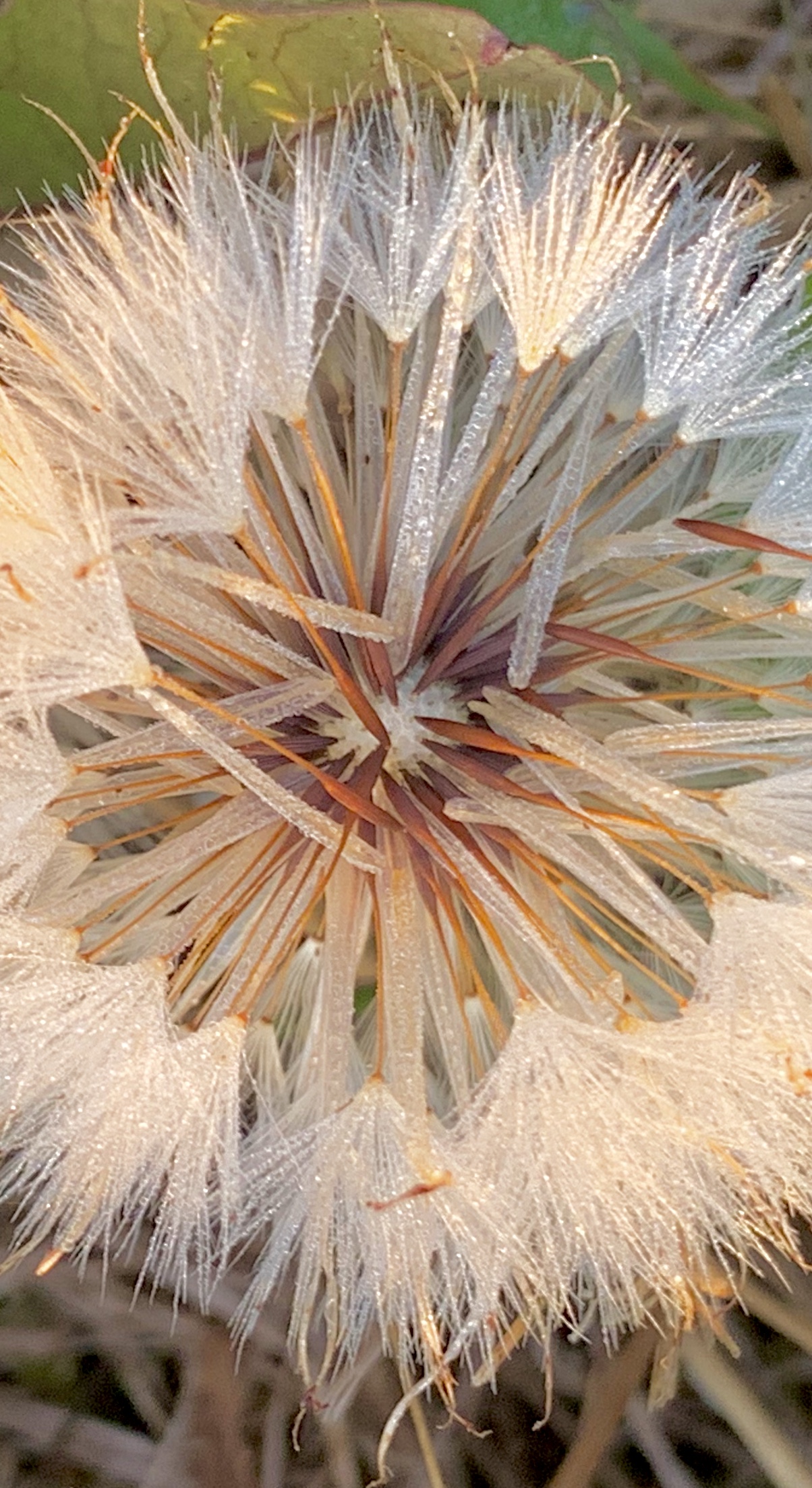
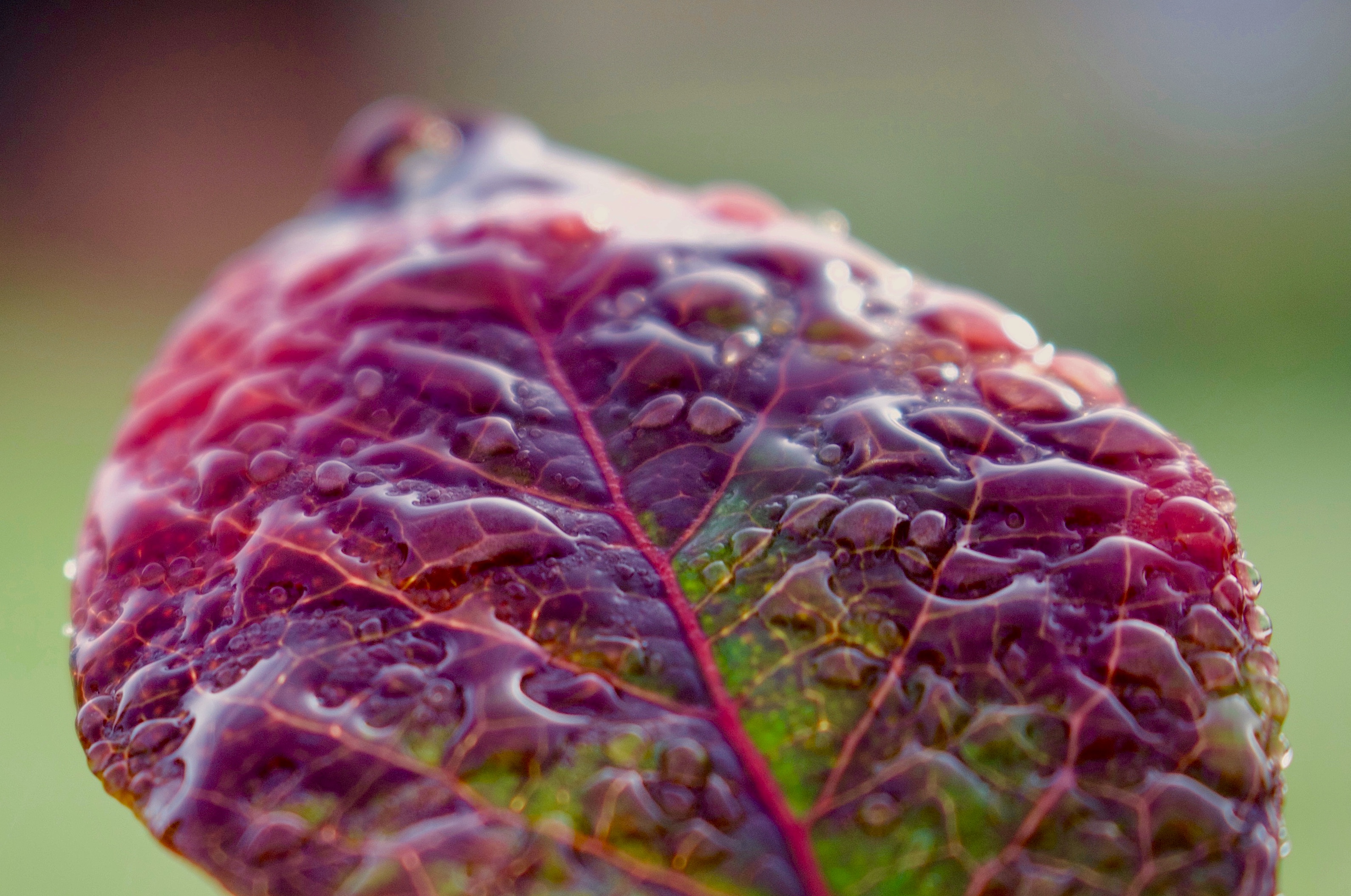
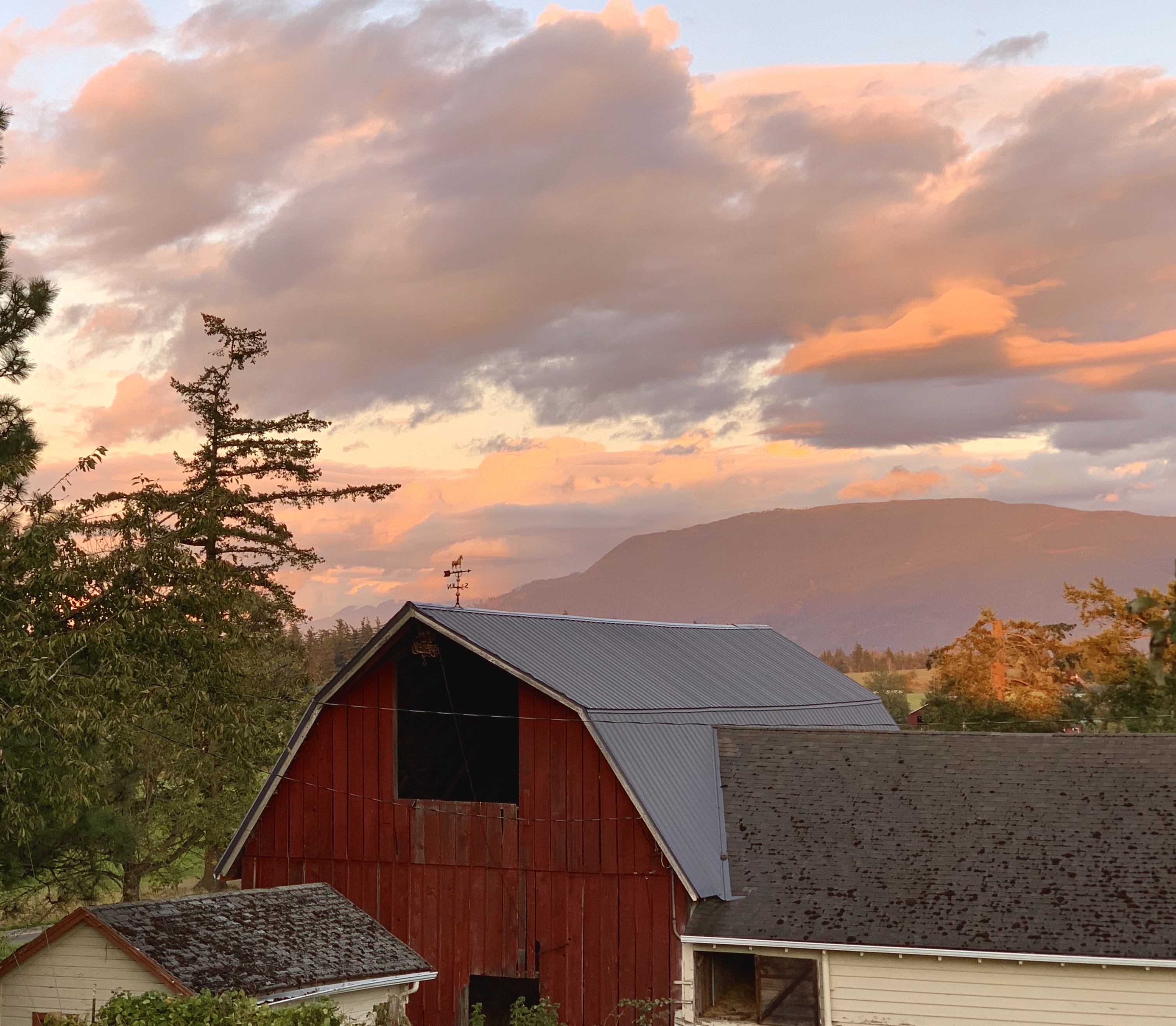
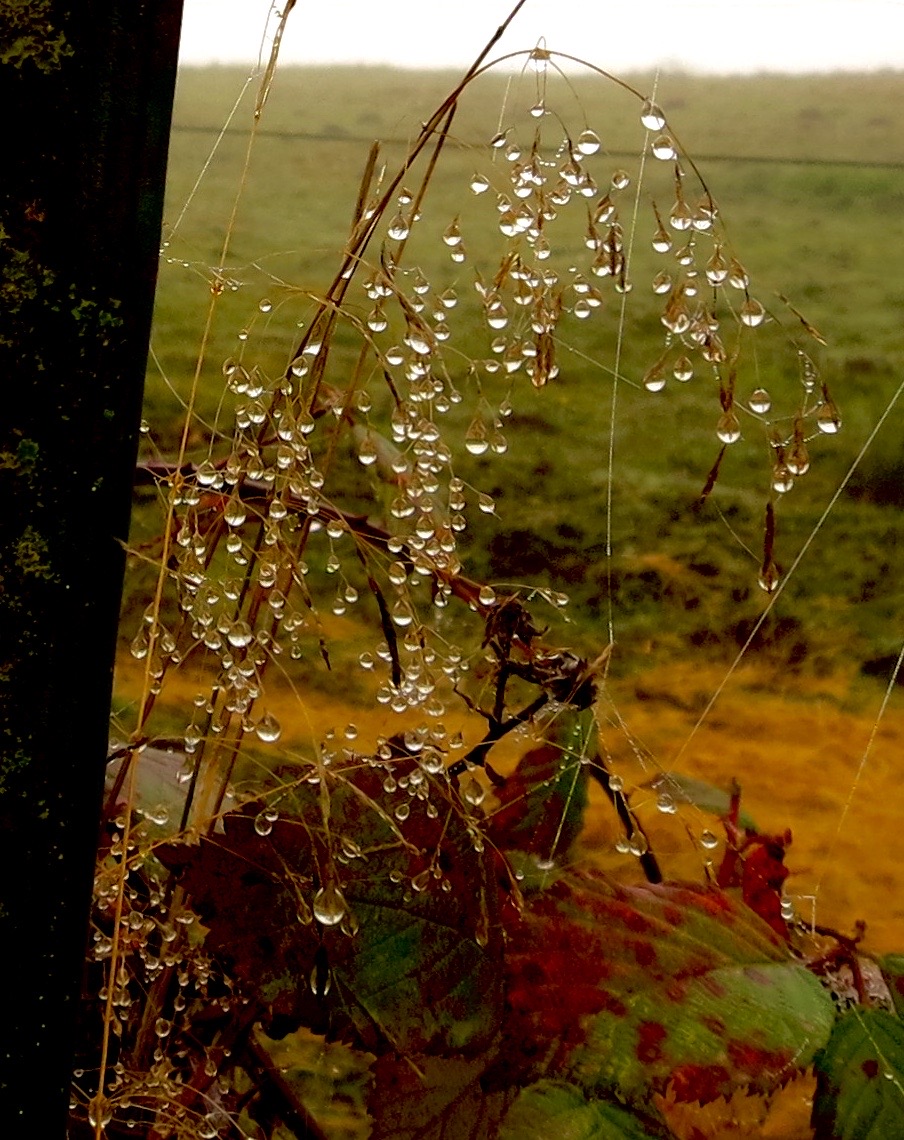
Best of Barnstorming Photos: Summer/Fall 2021

You don’t take a photograph. You ask quietly to borrow it.
~Author unknown

For more “Best of Barnstorming” photos from over the past decade, see these links:

Winter/Spring 2021

Summer/Fall 2020

Winter/Spring 2020

Summer/Fall 2019

Winter/Spring 2019

Summer/Fall 2018

Winter/Spring 2018

Summer/Fall 2017

Winter/Spring 2017

Summer/Fall 2016

Winter/Spring 2016

Summer/Fall 2015

Winter/Spring 2015

Summer/Fall 2014

Winter/Spring 2014

Best of 2013

Seasons on the Farm:

BriarCroft in Summerin Autumnin Winter, 
at Year’s End

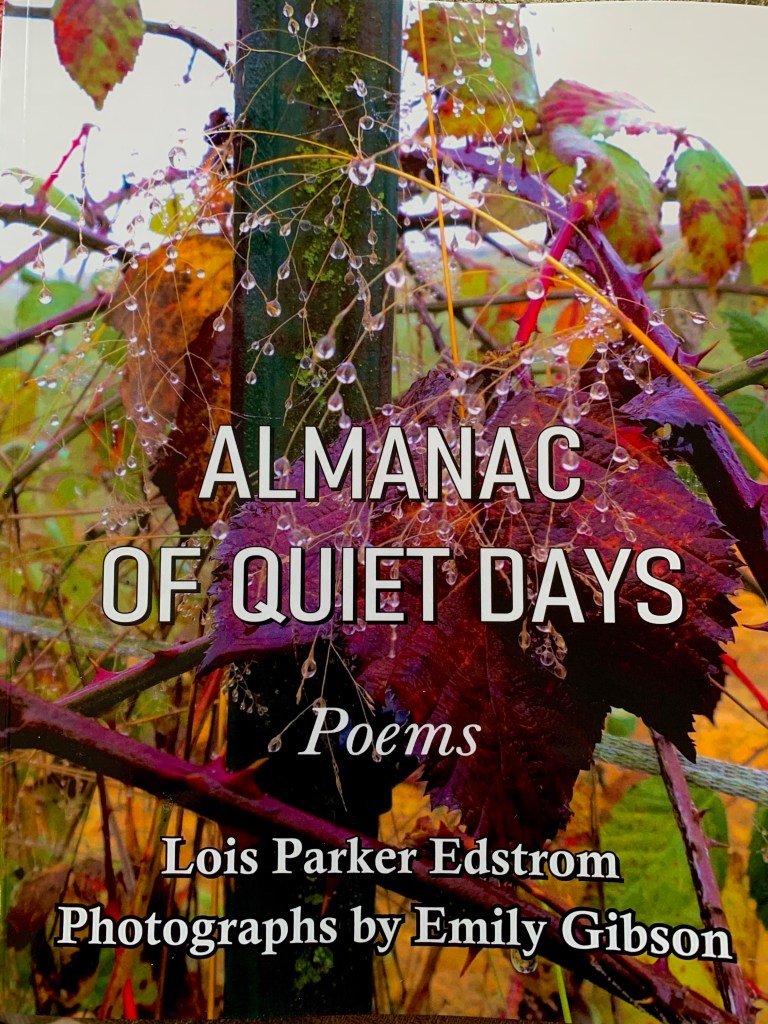
More Barnstorming photos in this book of Lois Edstrom poetry, available to order here:

One-Time
Monthly
Yearly

Make a one-time or recurring donation to support Barnstorming

Make a monthly donation

Make a yearly donation

Choose an amount

¤5.00
¤10.00
¤20.00
¤5.00
¤15.00
¤100.00
¤5.00
¤15.00
¤100.00

Or enter a custom amount

¤

Your contribution is deeply appreciated.

Your contribution is appreciated.

Your contribution is appreciated.

DonateDonate monthlyDonate yearly
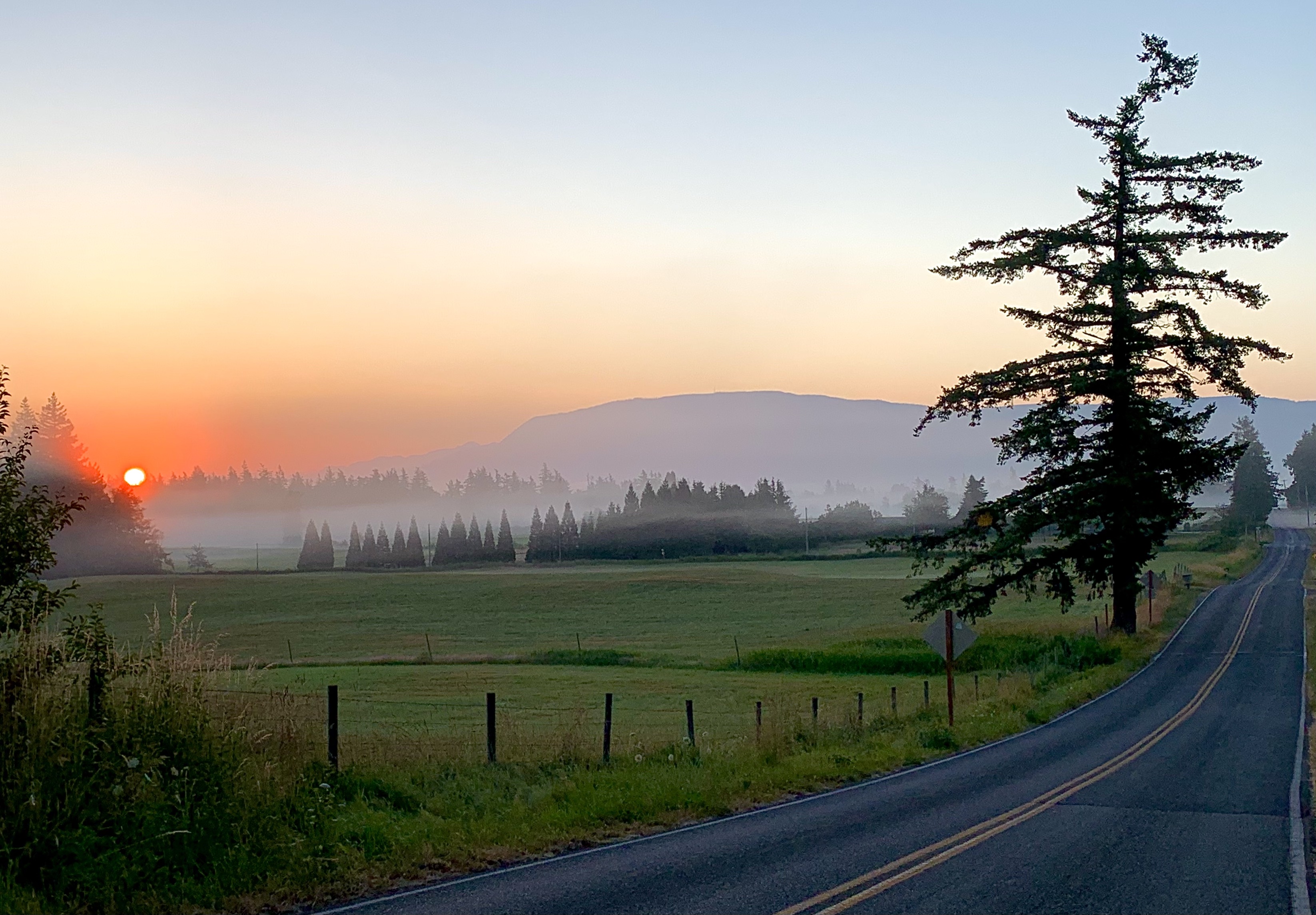
Holy Moley

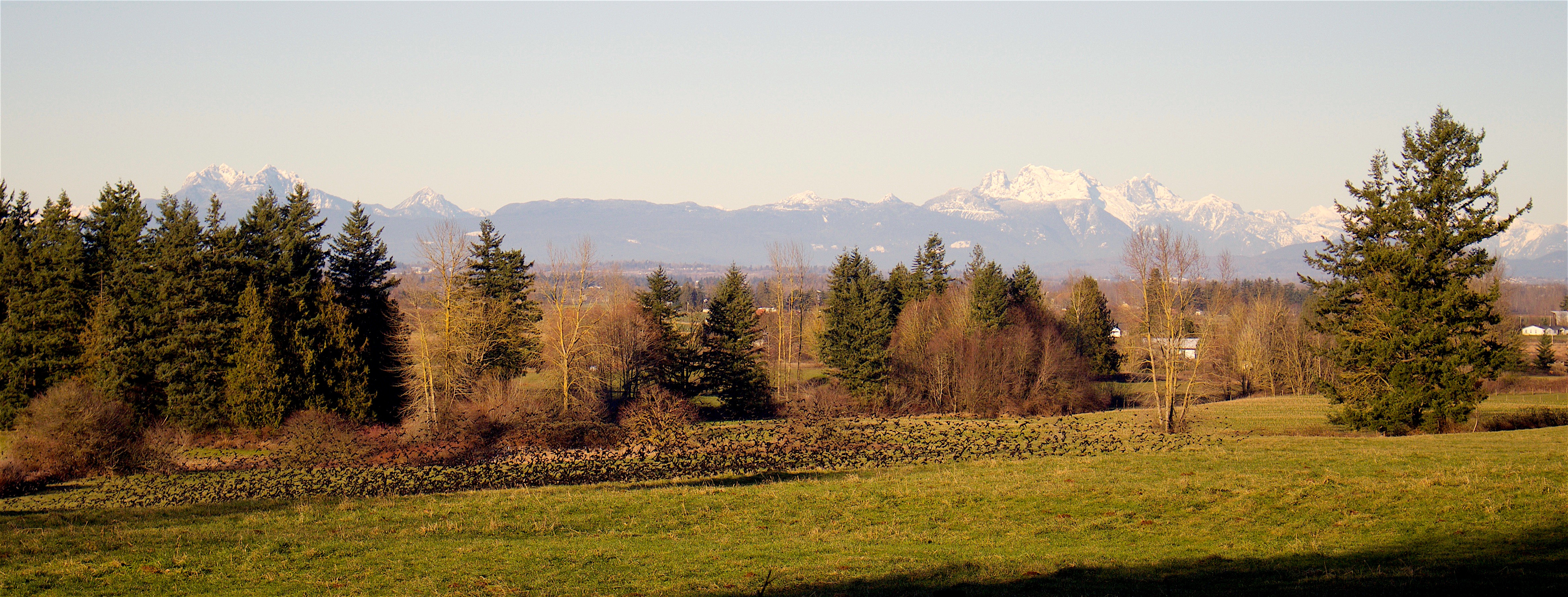
Cold morning. November, taking a walk,
when up ahead, suddenly, the trees unleave,
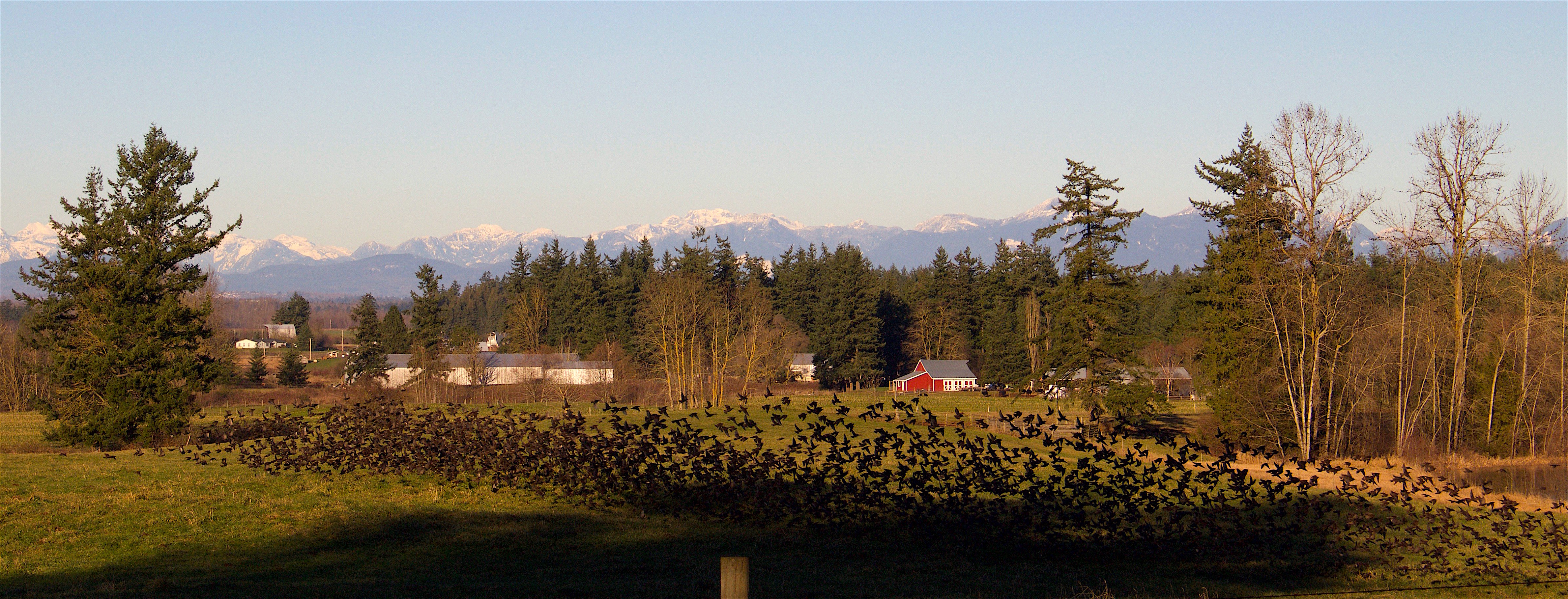
and thousands of starlings lift off, an immense
river of noise; they braid and unbraid themselves
over my head, the gray silk sky embroidered
with black kisses, the whoosh of their wings,
their chattering clatter, patterns broken/formed/
reformed, a scarf of ragged ribbons. Dumb-
struck, mouth open, I say holy and I say moley,
And then, they’re gone.
~Barbara Crooker, “Murmuration” from Some Glad Morning. 

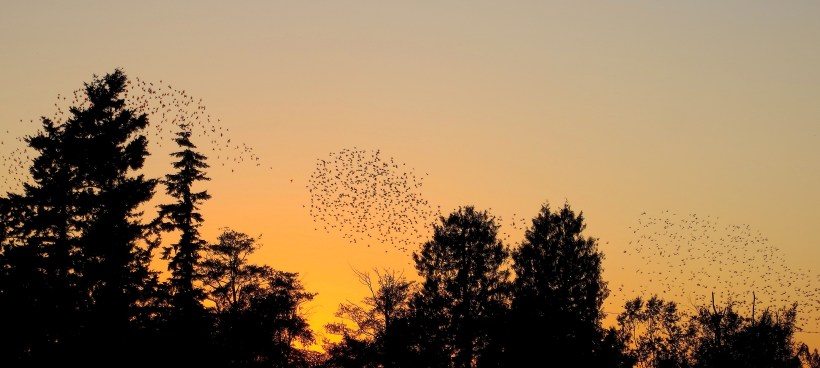
Out of the dimming sky a speck appeared,
then another, and another.
It was the starlings going to roost. 
They gathered deep in the distance,  flock sifting into flock,
and strayed towards me, transparent and whirling, like smoke.
They seemed to unravel as they flew,
lengthening in curves, like a loosened skein. 
I didn’t move;
they flew directly over my head for half an hour. 

Each individual bird bobbed and knitted up and down
in the flight at apparent random, for no known reason except
that that’s how starlings fly, yet all remained perfectly spaced.
The flocks each tapered at either end from a rounded middle, like an eye. Overhead I heard a sound of beaten air, like a million shook rugs, a muffled whuff. Into the woods they sifted without shifting a twig, right through the crowns of trees, intricate and rushing, like wind.

Could tiny birds be sifting through me right now,
birds winging through the gaps between my cells,
touching nothing, but quickening in my tissues, fleet?
~Annie Dillard from Pilgrim at Tinker Creek

There comes a time in every fall
before the leaves begin to turn
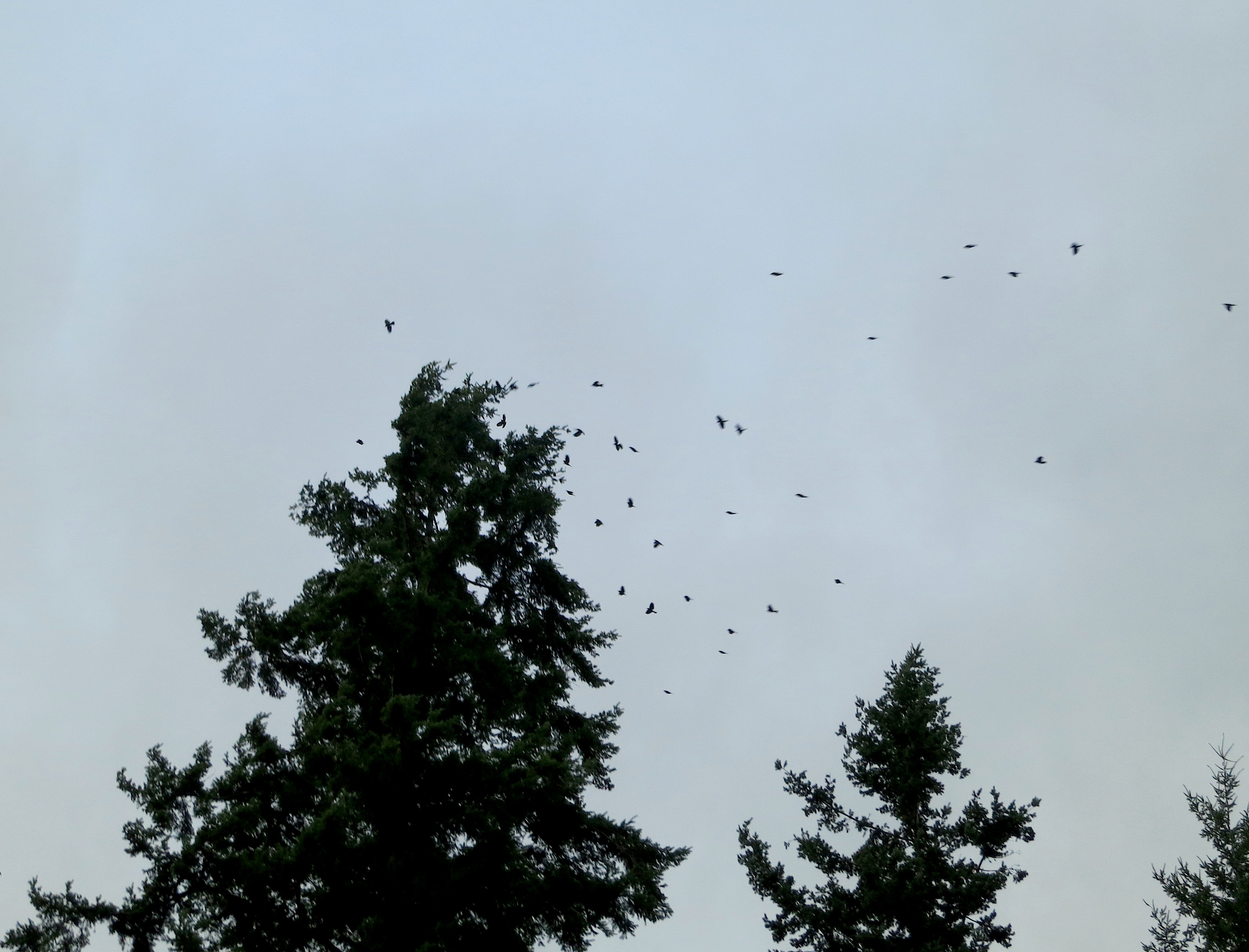
when blackbirds group and flock and gather
choosing a tree, a branch, together
to click and call and chorus and clamor
announcing the season has come for travel.

Then comes a time when all those birds
without a sound or backward glance
pour from every branch and limb
into the air, as if on a whim
but it’s a dynamic, choreographed mass
a swoop, a swerve, a mystery, a dance

and now the tree stands breathless, amazed
at how it was chosen, how it was changed.

~Julie Cadwallader Staub “Turning” from Wing Over Wing

…yesterday I heard a new sound above my head
a rustling, ruffling quietness in the spring air

and when I turned my face upward
I saw a flock of blackbirds
rounding a curve I didn’t know was there
and the sound was simply all those wings,
all those feathers against air, against gravity
and such a beautiful winning:
the whole flock taking a long, wide turn
as if of one body and one mind.

How do they do that?

If we lived only in human society
what a puny existence that would be

but instead we live and move and have our being
here, in this curving and soaring world
that is not our own
so when mercy and tenderness triumph in our lives
and when, even more rarely, we unite and move together
toward a common good,

we can think to ourselves:

ah yes, this is how it’s meant to be.
~Julie Cadwallader Staub from “Blackbirds” from Wing Over Wing

Watching the starlings’ murmuration is a visceral experience – my heart leaps to see it happen above me.  I feel queasy following its looping amoebic folding and unfolding path.

Thousands of individual birds move in sync with one another to form one massive organism existing solely because each tiny component anticipates and cooperates to avoid mid-air collisions.  It could explode into chaos but it doesn’t.  It could result in massive casualties but it doesn’t.  They could avoid each other altogether but they don’t – they come together with a purpose and reasoning beyond our imagining. Even the silence of their movement has a discernible sound of air rushing past wings.

We humans are made up of just such cooperating component parts, that which is deep in our tissues, programmed in our DNA.  Yet we don’t learn from our designed and carefully constructed building blocks.  We have become frighteningly disparate and independent creatures, each going our own way bumping and crashing without care.

We have lost our internal moral compass for how it is meant to be.

The rustling ruffling quiet of wings in the air is like muffled weeping.

One-Time
Monthly
Yearly

Make a one-time donation to support Barnstorming

Make a monthly donation

Make a yearly donation

Choose an amount

¤5.00
¤10.00
¤20.00
¤5.00
¤15.00
¤100.00
¤5.00
¤15.00
¤100.00

Or enter a custom amount

¤

Your contribution is deeply appreciated.

Your contribution is appreciated.

Your contribution is appreciated.

DonateDonate monthlyDonate yearly
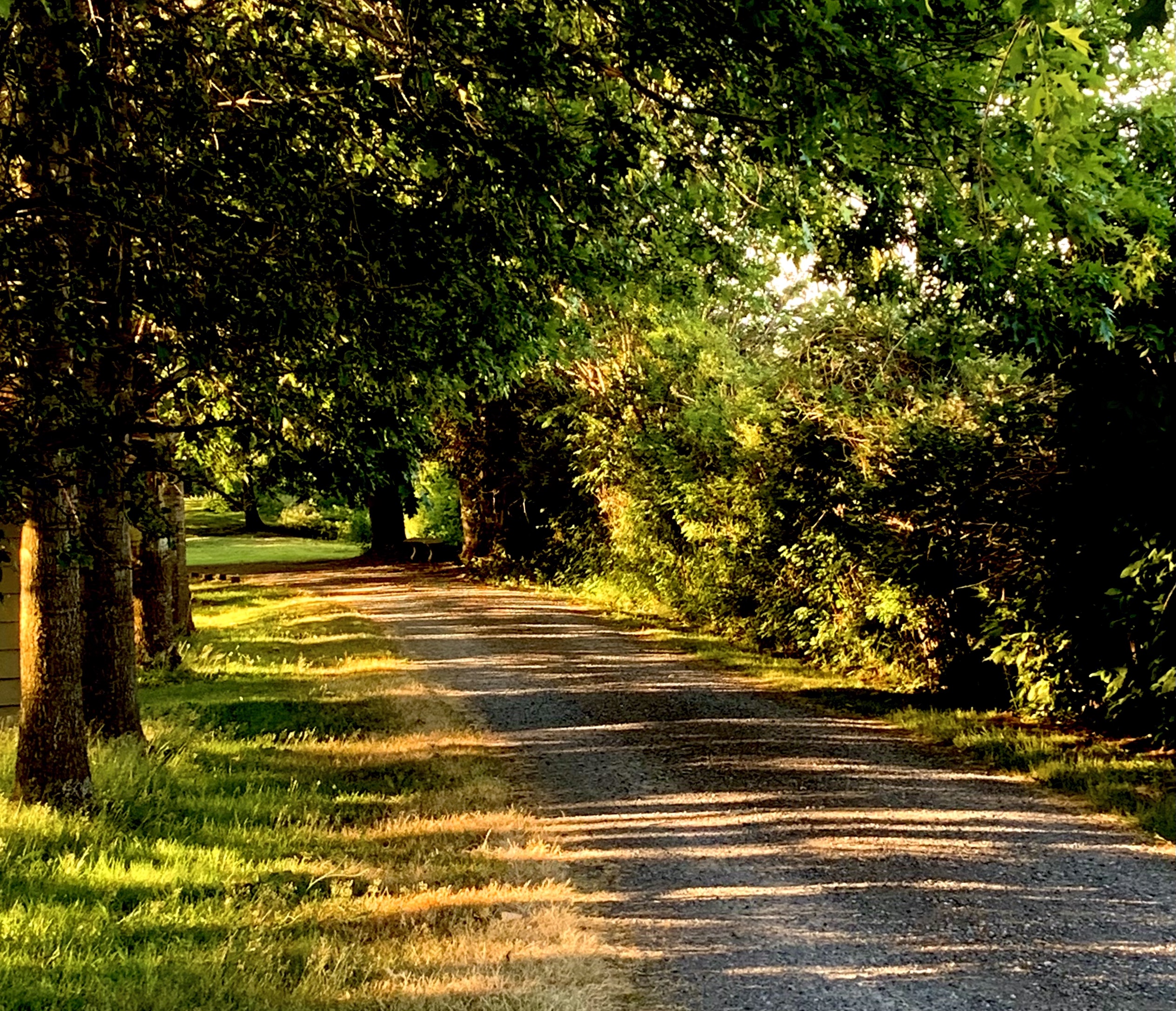
A book of beauty in words and photography, available for order here:

The Barn Serious in the Moonlight

After writing for a week alone in my old shack,
I guide the car through Ortonville around midnight.

The policeman talks intently in his swivel chair.
The light from above shines on his bald head.

Soon the car picks up speed again beside the quarries.
The moonspot on the steel tracks moves so fast!

Thirty or so Black Angus hold down their earth
Among silvery grasses blown back and forth in the wind.

My family is still away; no one is home.
How sweet it is to come back to an empty house—

The windows dark, no lamps lit, trees still,
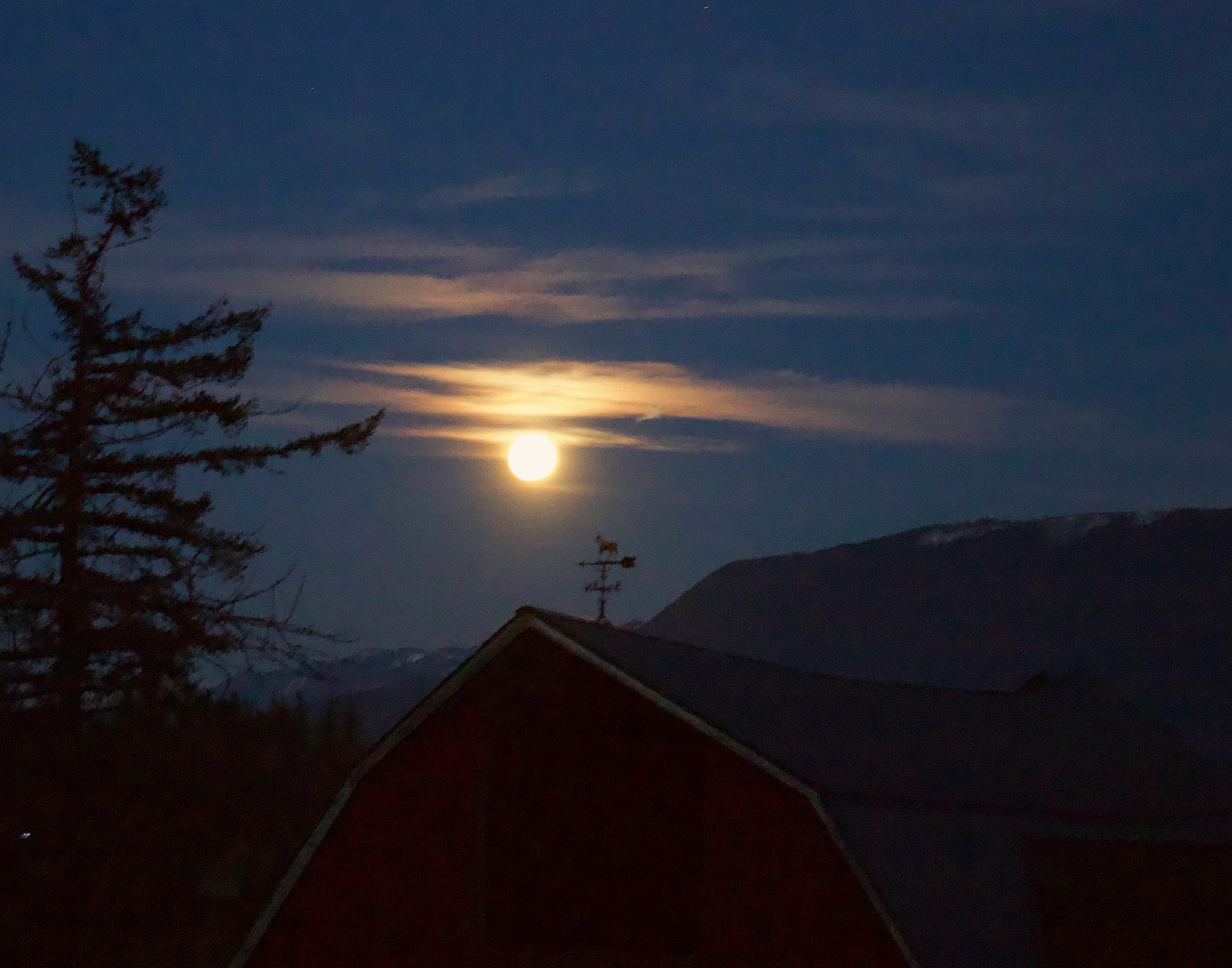
The barn serious and mature in the moonlight.

~Robert Bly, “Living a Week Alone” from Like the New Moon, I Will Live My Life. 

Being introverted, I would expect to enjoy time alone. But I don’t. A conversation with myself is uninspiring, leading me back into the inner circle of my thoughts when I would much rather explore the unknown of another’s view of the world. Alone, I feel exceptionally unexceptional and extraordinarily ordinary. Quite simply, without others around me, I’m empty.

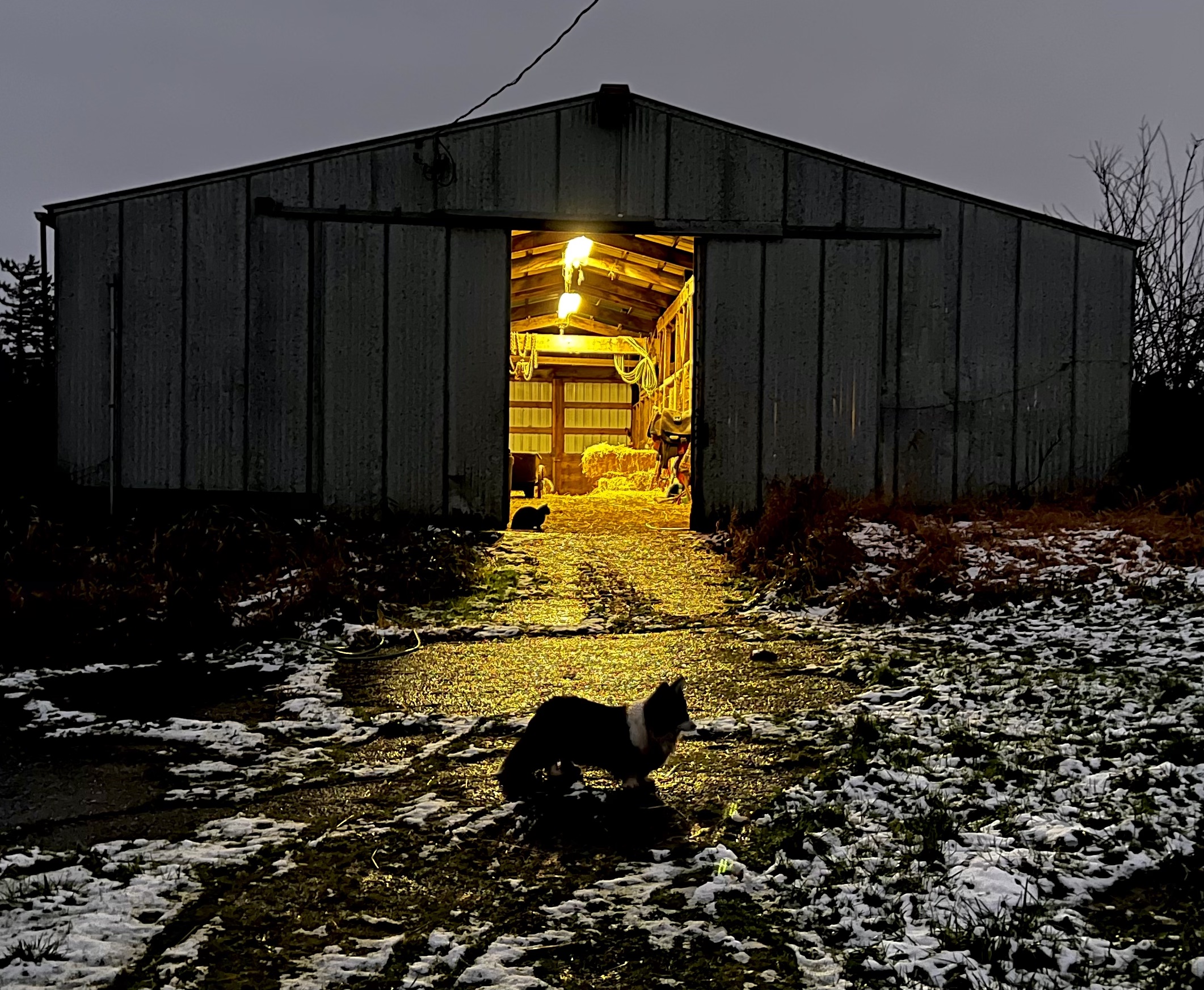
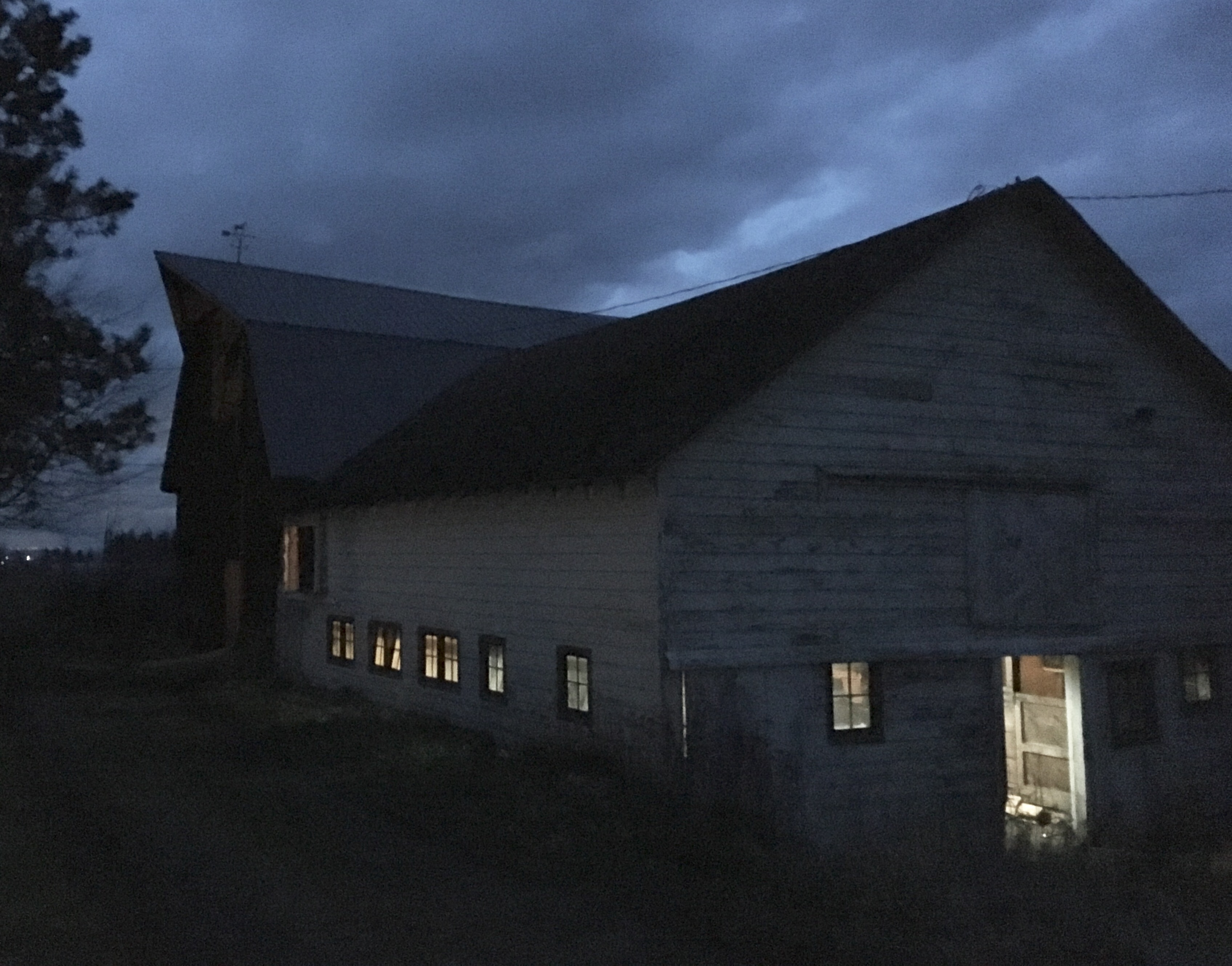
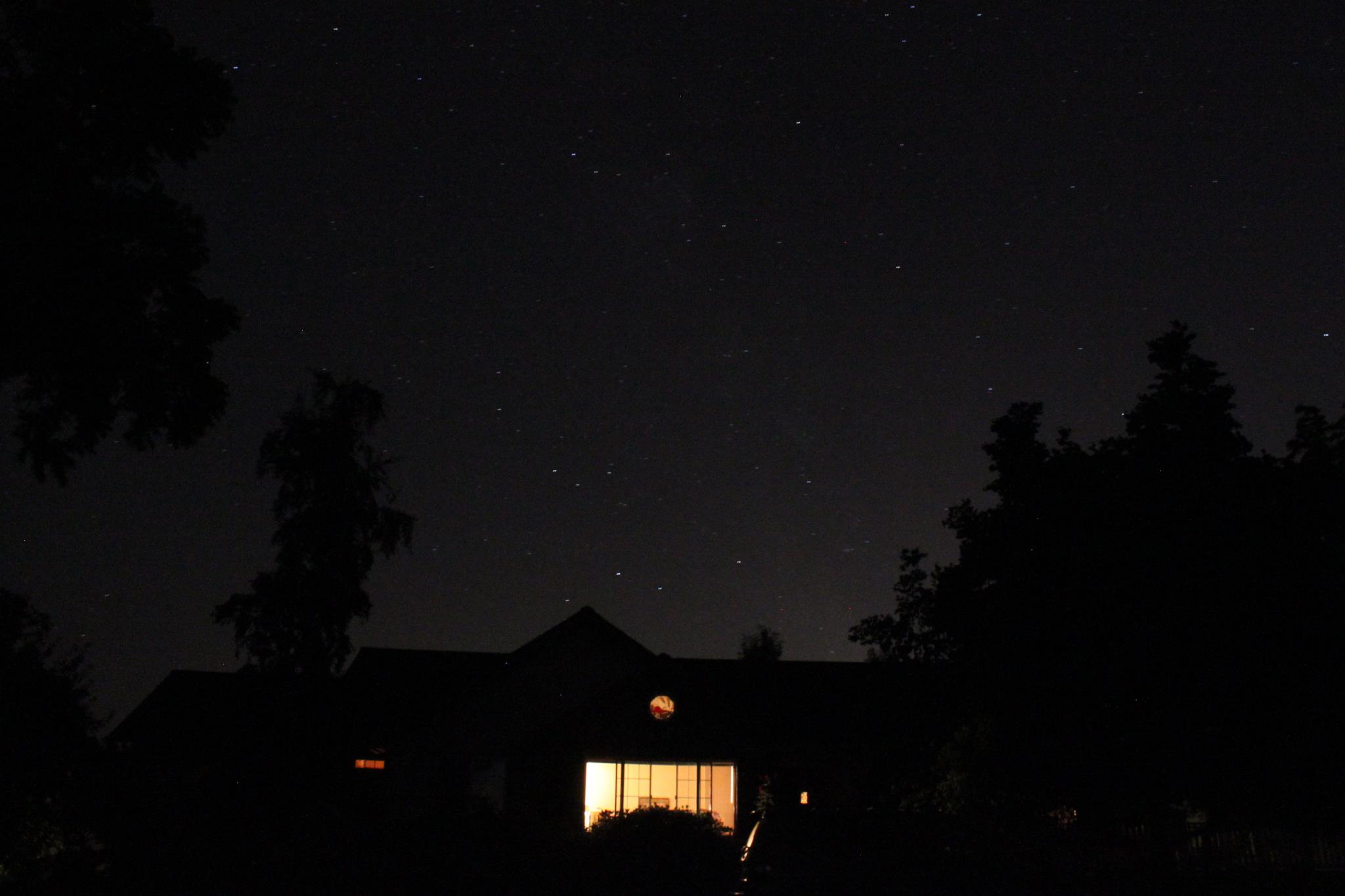
At night, when I drive up to our farm and see both house and barn glowing with lights and life rather than still and dark, it is a warm blessing to return home. Someone left the lights on for me.

I’ll leave the lights on for you as well.

One-Time
Monthly
Yearly

Make a one-time donation to support Barnstorming

Make a monthly donation

Make a yearly donation

Choose an amount

¤5.00
¤10.00
¤20.00
¤5.00
¤15.00
¤100.00
¤5.00
¤15.00
¤100.00

Or enter a custom amount

¤

Your contribution is deeply appreciated.

Your contribution is appreciated.

Your contribution is appreciated.

DonateDonate monthlyDonate yearly
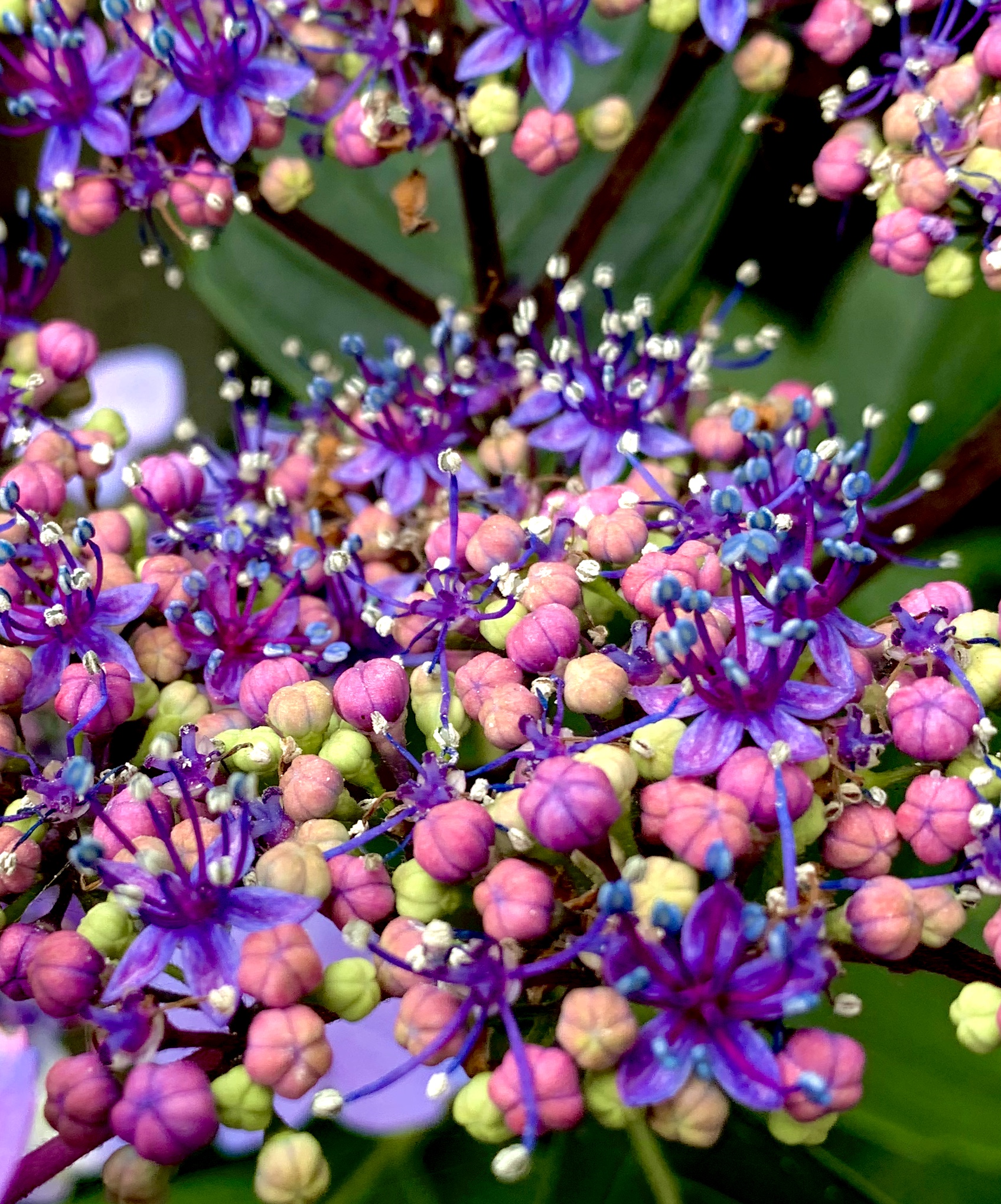
A book of beauty in words and photography – available for order here:

Clutching Stardust

The true harvest of my daily life is somewhat as intangible and indescribable as the tints of morning or evening.  It is a little star-dust caught, a segment of the rainbow which I have clutched.
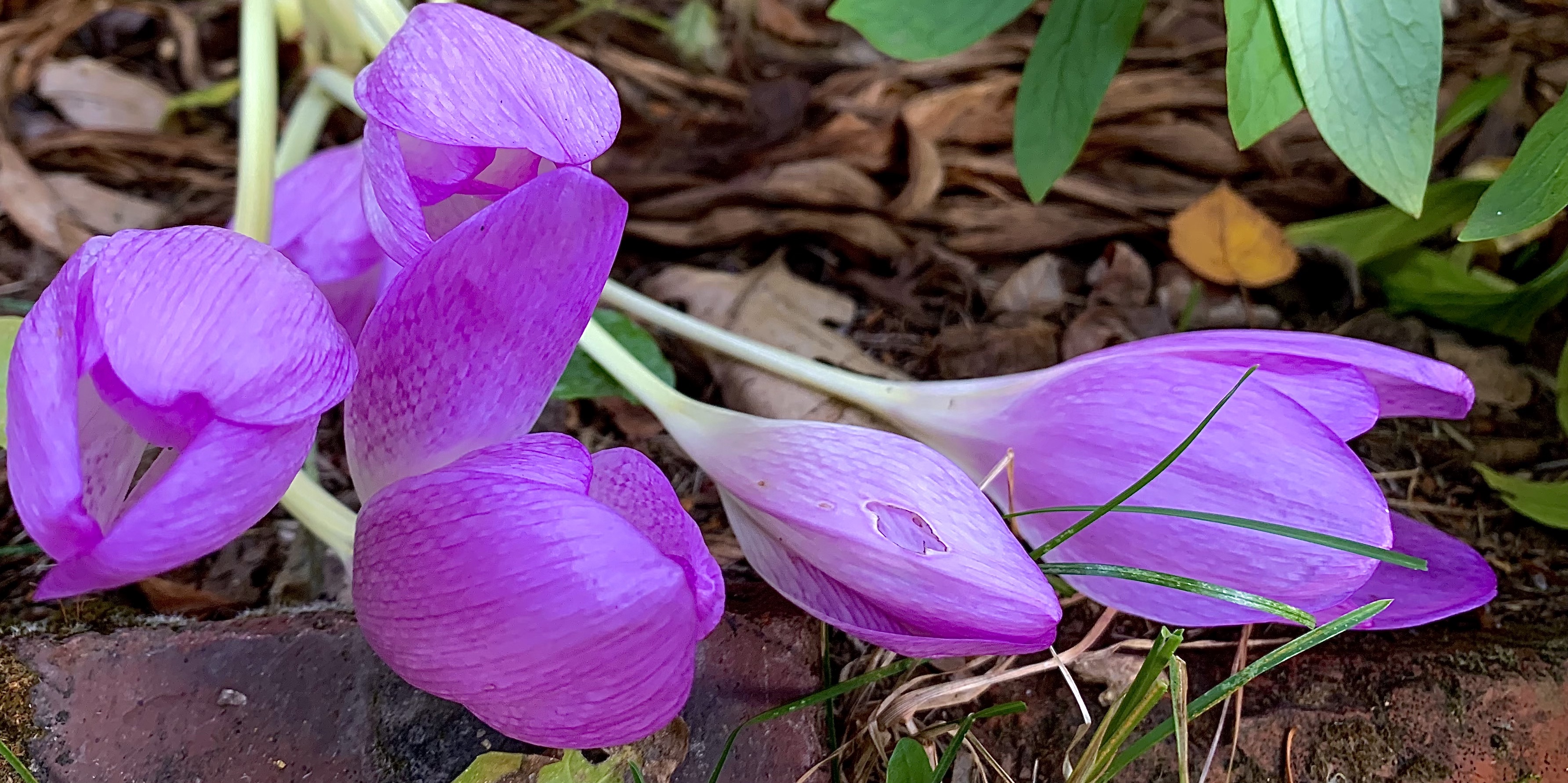
~Henry David Thoreau
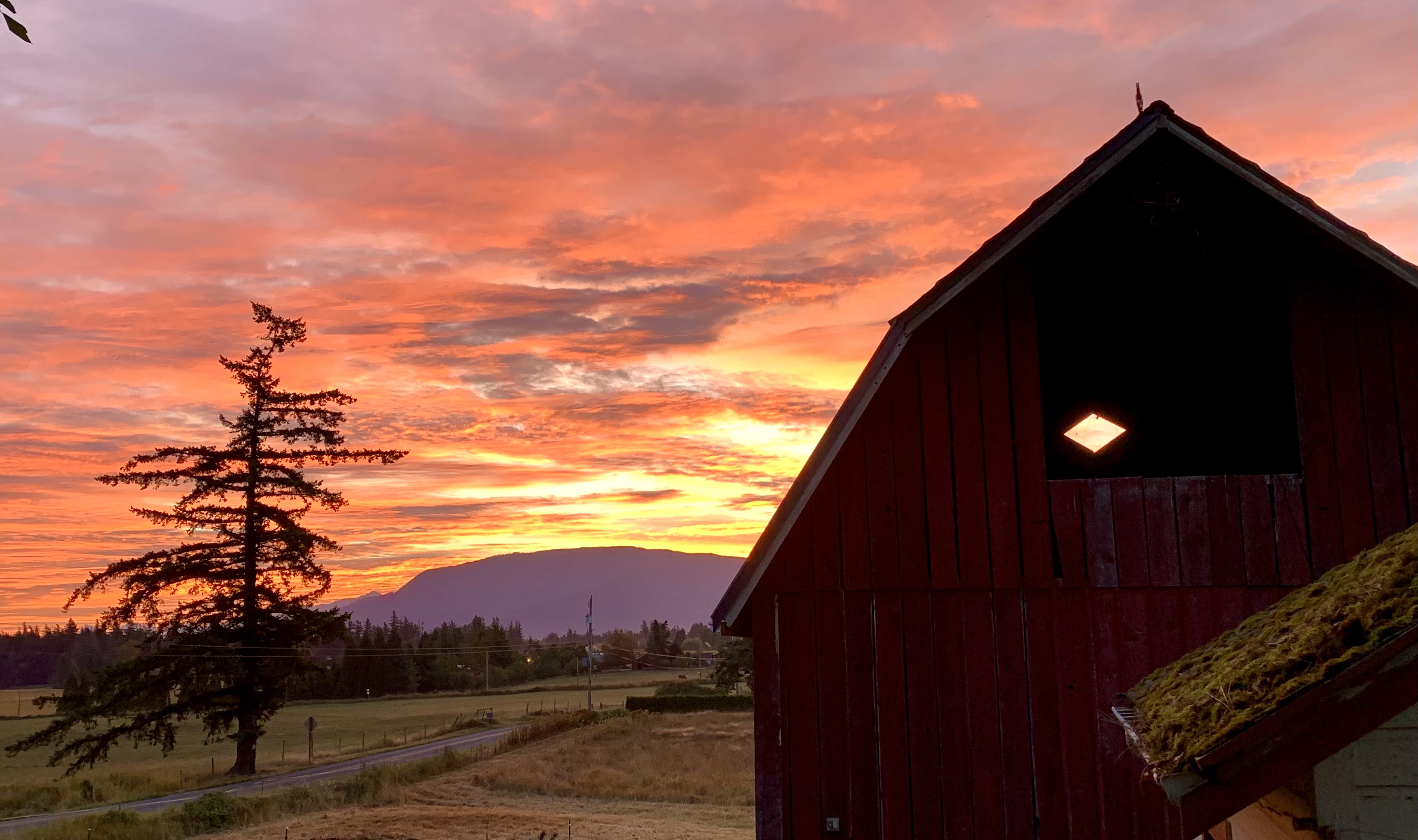
Painting the indescribable with words necessitates subtlety, sound and rhythm on a page.  The best word color portraits I know are by Gerard Manley Hopkins who created  through startling combinations:  “crimson-cresseted”, “couple-colour”, “rose-moles”, “fresh-firecoal”, “adazzle, dim”, “dapple-dawn-drawn”, “blue-bleak embers”, “gash gold-vermillion”.

I understand, as Thoreau does,  how difficult it is to harvest a day using ordinary words.   Like grasping ephemeral star trails or the transient rainbow that moves away as I approach, what I hold on the page is intangible yet very real.

I will keep reaching for the rainbow, searching for the best words to preserve my days and nights forever, for my someday greatgrandchildren, or whoever might have the patience to read.

After all, in the beginning was the Word, and there is no better place to start.

More beauty in words and photography is found in this book available here:

On a Monday

My life is not this steeply sloping hour,
in which you see me hurrying.
Much stands behind me;
I stand before it like a tree;

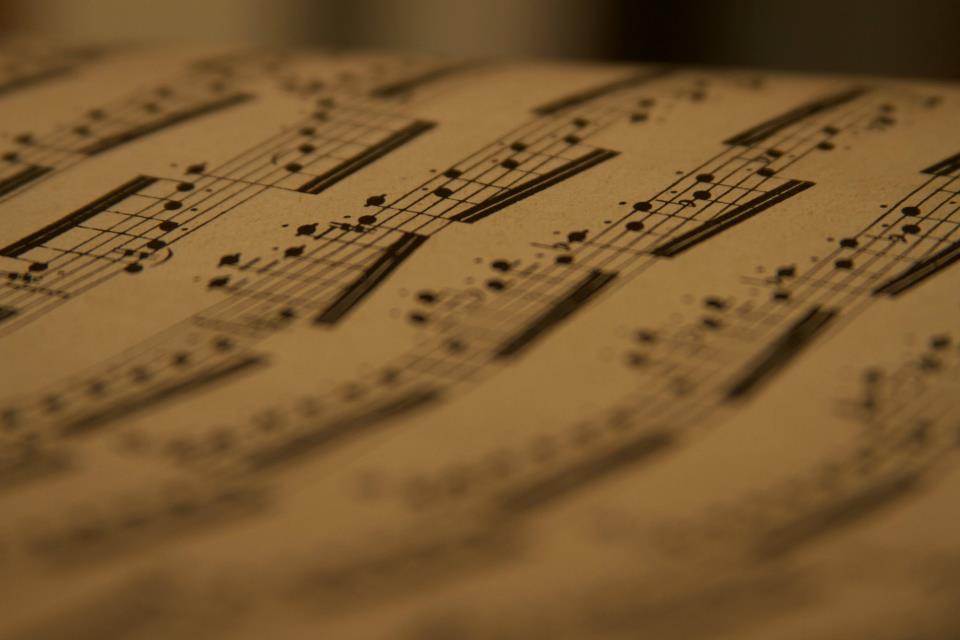
I am the rest between two notes,
which are somehow always in discord
because Death’s note wants to climb over—
but in the dark interval, reconciled,
they stay there trembling.
And the song goes on, beautiful.
― Rainer Maria Rilke from “My Life is Not This Steeply Sloping Hour”

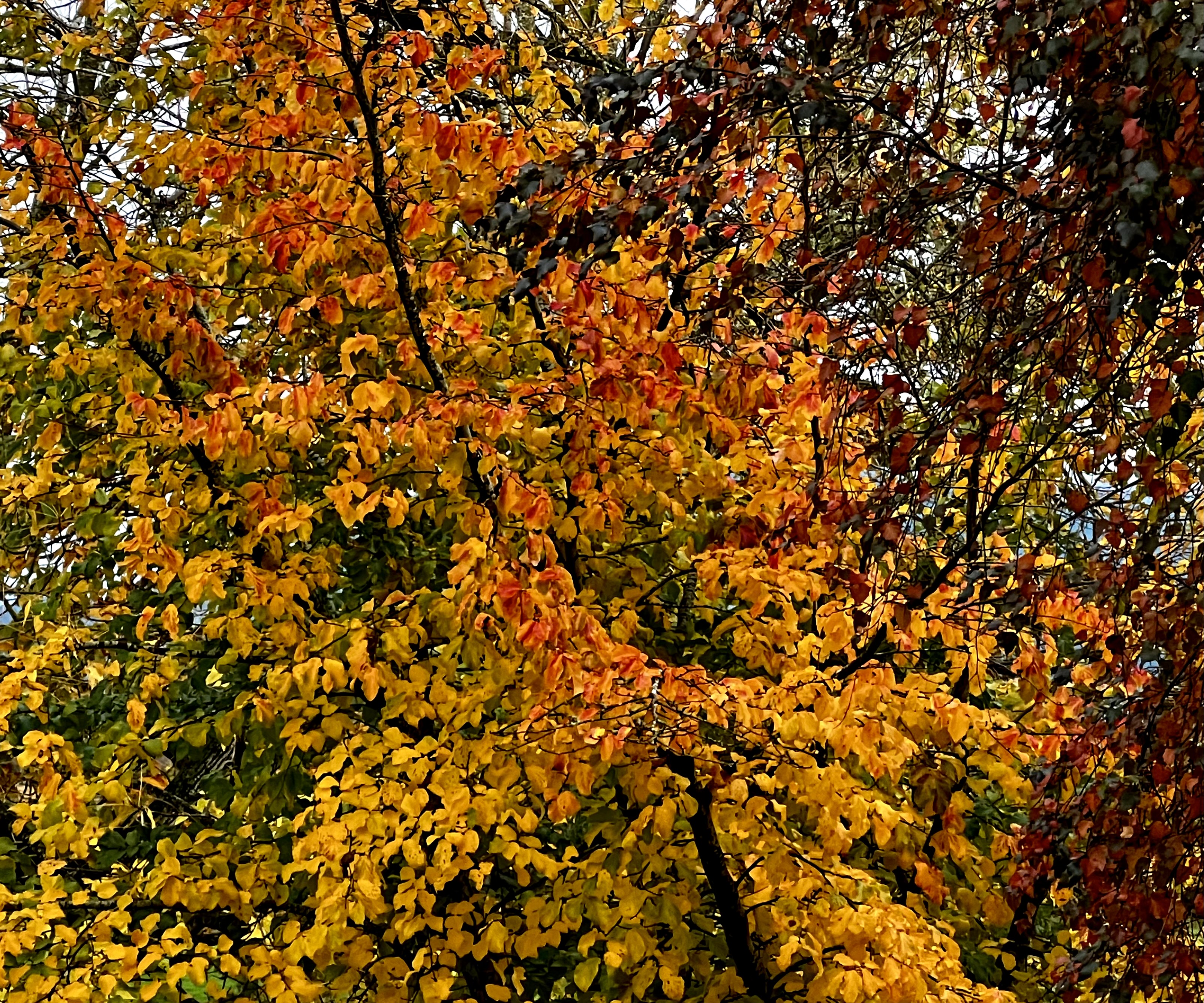
photo by Josh Scholten

On Monday mornings I often feel I’m stuck immobilized in the spot in the middle between discordant notes.

There is on one side of me the pressure of catch-up from what was left undone through the weekend and on the other side is the anticipated demand of the coming week of stressful work I am committed to doing. Before I arrive to work, I dwell uneasily in dead center between the unknown ahead and the known behind.

This moment of rest in the present, this trembling broken Now, is my moment of reconciliation, my Sabbath extended.

This Monday morning I allow myself an instant of silence and reflection before I surge full bore into the week, knowing that on my journey I’ll inevitably hit wrong notes, just as I do when I play, unprepared, at the piano.

But it can be beautiful nevertheless.

Even the least harmonious notes seek reconciliation within the next chord. I now move from the rest of my Sabbath back into the rhythm of my life.

Trembling, still trembling.

A book of beauty in words and photos, available to order here:

Live Each Day As If It Were My First

You tell me to live each day
as if it were my last. This is in the kitchen
where before coffee I complain
of the day ahead—that obstacle race
of minutes and hours,
grocery stores and doctors.

But why the last? I ask. Why not
live each day as if it were the first—
all raw astonishment, Eve rubbing
her eyes awake that first morning,
the sun coming up
like an ingénue in the east?

You grind the coffee
with the small roar of a mind
trying to clear itself. I set
the table, glance out the window
where dew has baptized every
living surface.
~Linda Pastan “Imaginary Conversation” 

To live each day like the first day, rather than the last…

It would mean unbridled awe and astonishment, as it should be.
Not only gratitude that the world exists, but grateful that I exist.

Newly created and baptized by amazement each day,
just like my first day.

A book of beauty in words and photography, available for order here:

The Way I Saw the World

Old friend now there is no one alive
who remembers when you were young
it was high summer when I first saw you
in the blaze of day most of my life ago
with the dry grass whispering in your shade
and already you had lived through wars
and echoes of wars around your silence
through days of parting and seasons of absence
with the house emptying as the years went their way
until it was home to bats and swallows
and still when spring climbed toward summer
you opened once more the curled sleeping fingers
of newborn leaves as though nothing had happened
you and the seasons spoke the same language
and all these years I have looked through your limbs
to the river below and the roofs and the night
and you were the way I saw the world
~W.S. Merwin “Elegy for a Walnut Tree” from 
The Moon Before Morning 

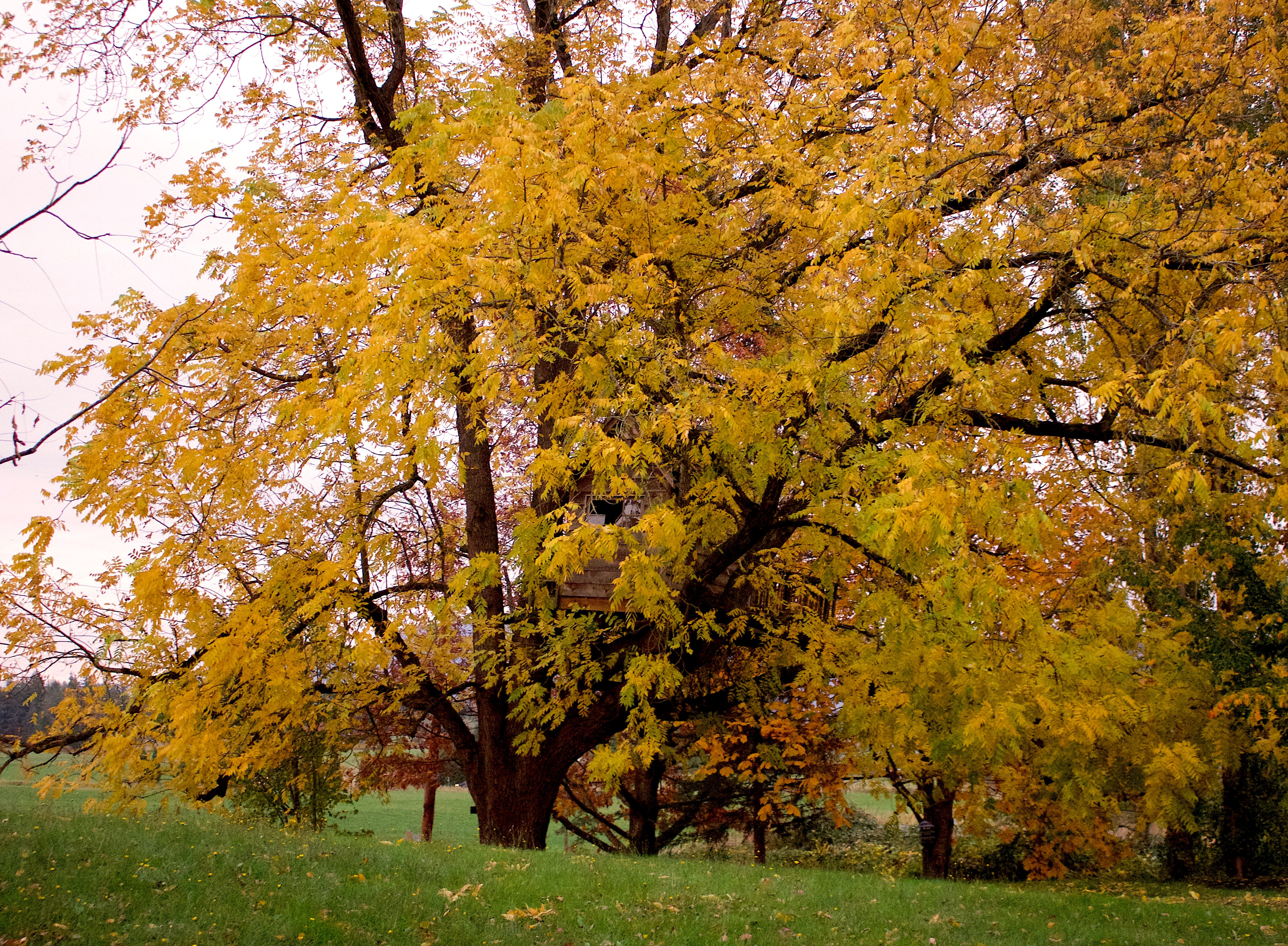
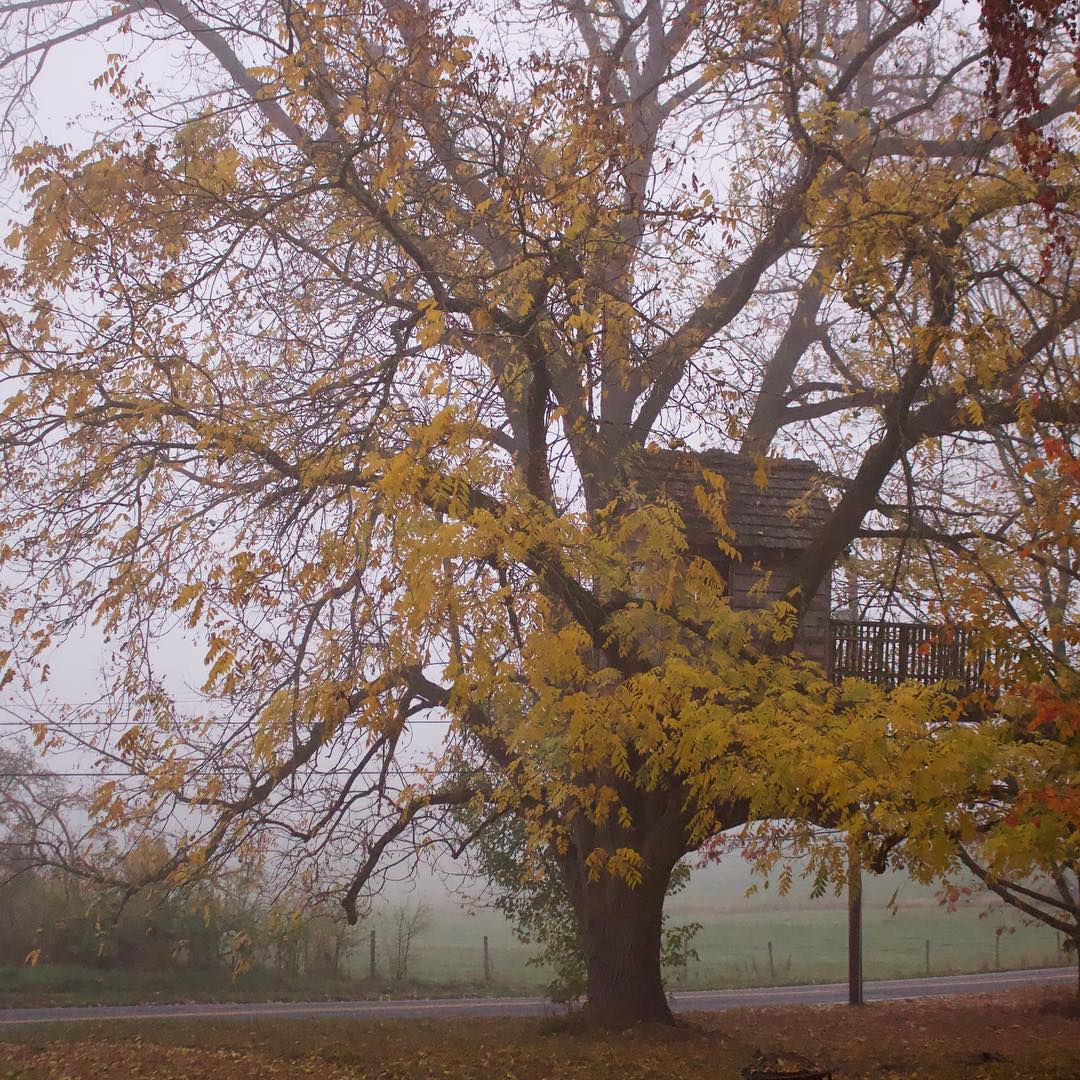
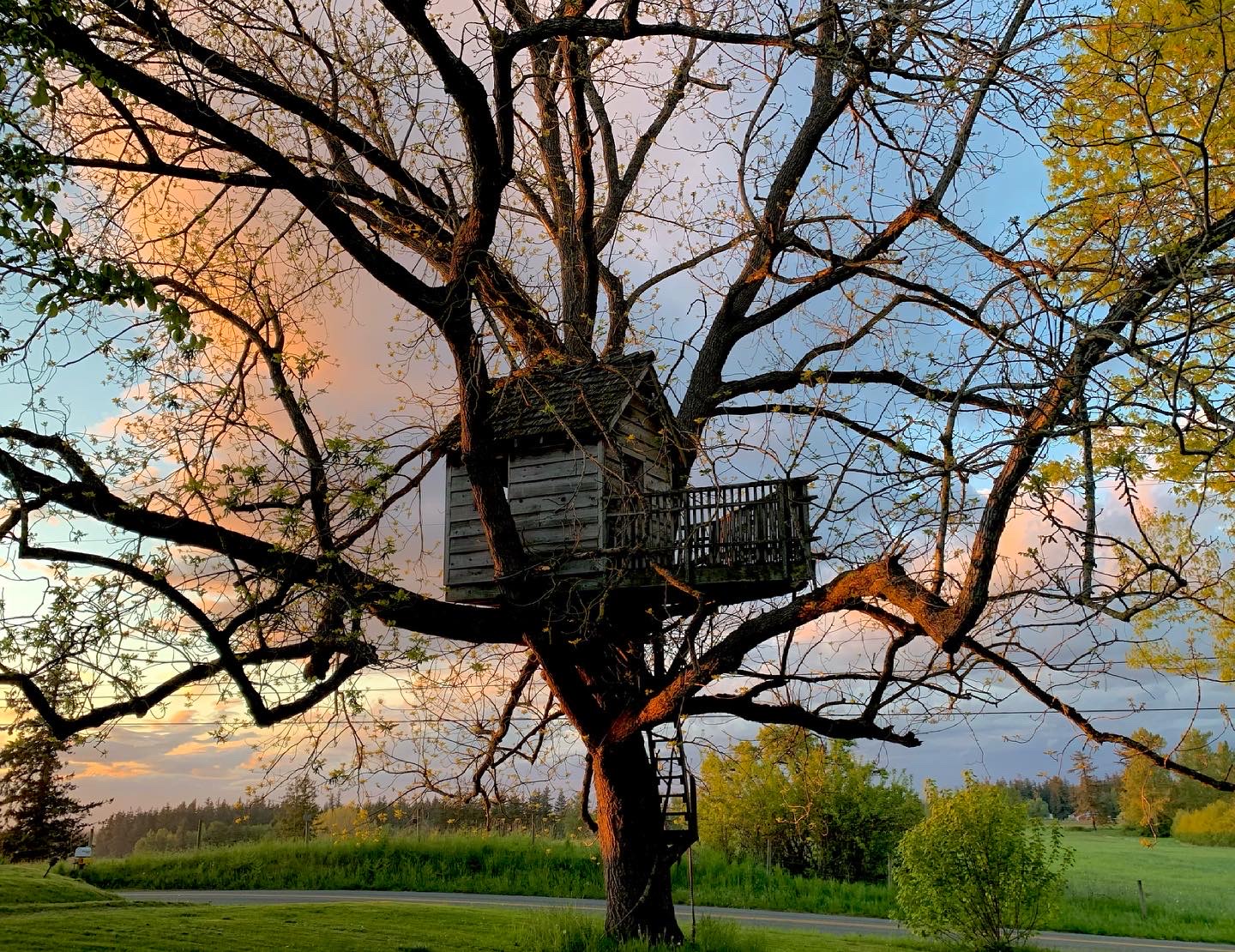
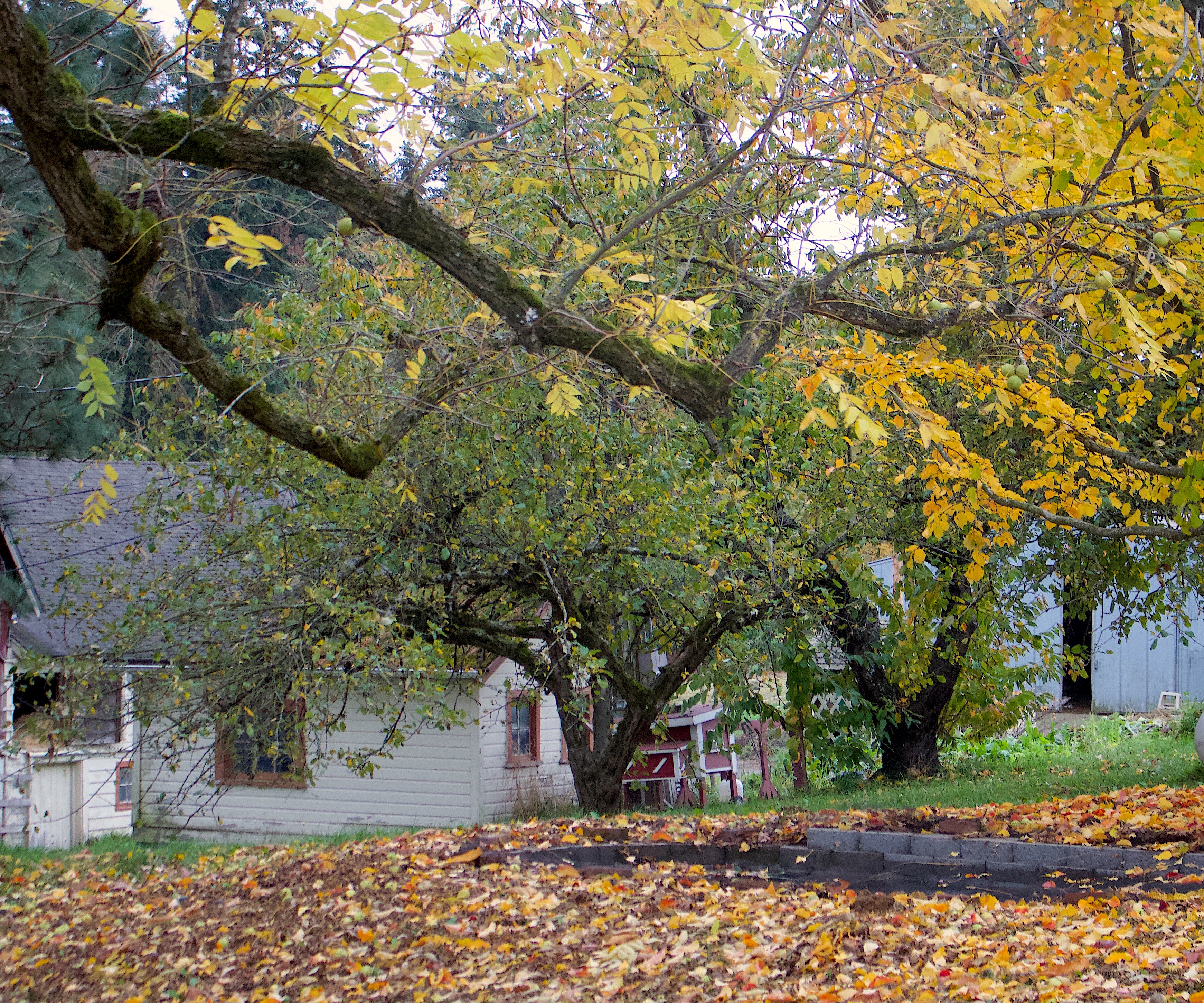
We bought this old farm over thirty years ago:
the Lawrence family’s “Walnut Hill Farm”~
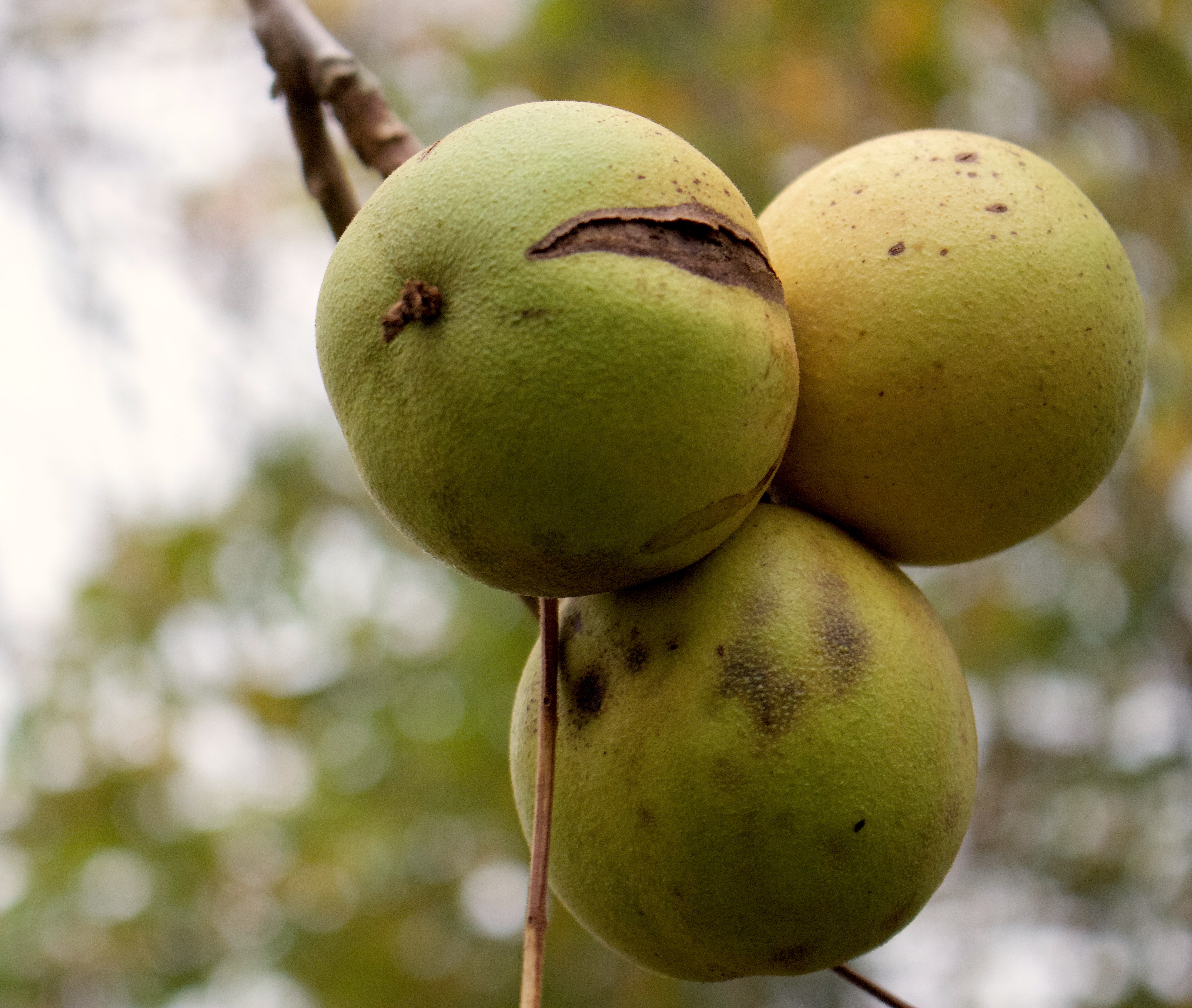
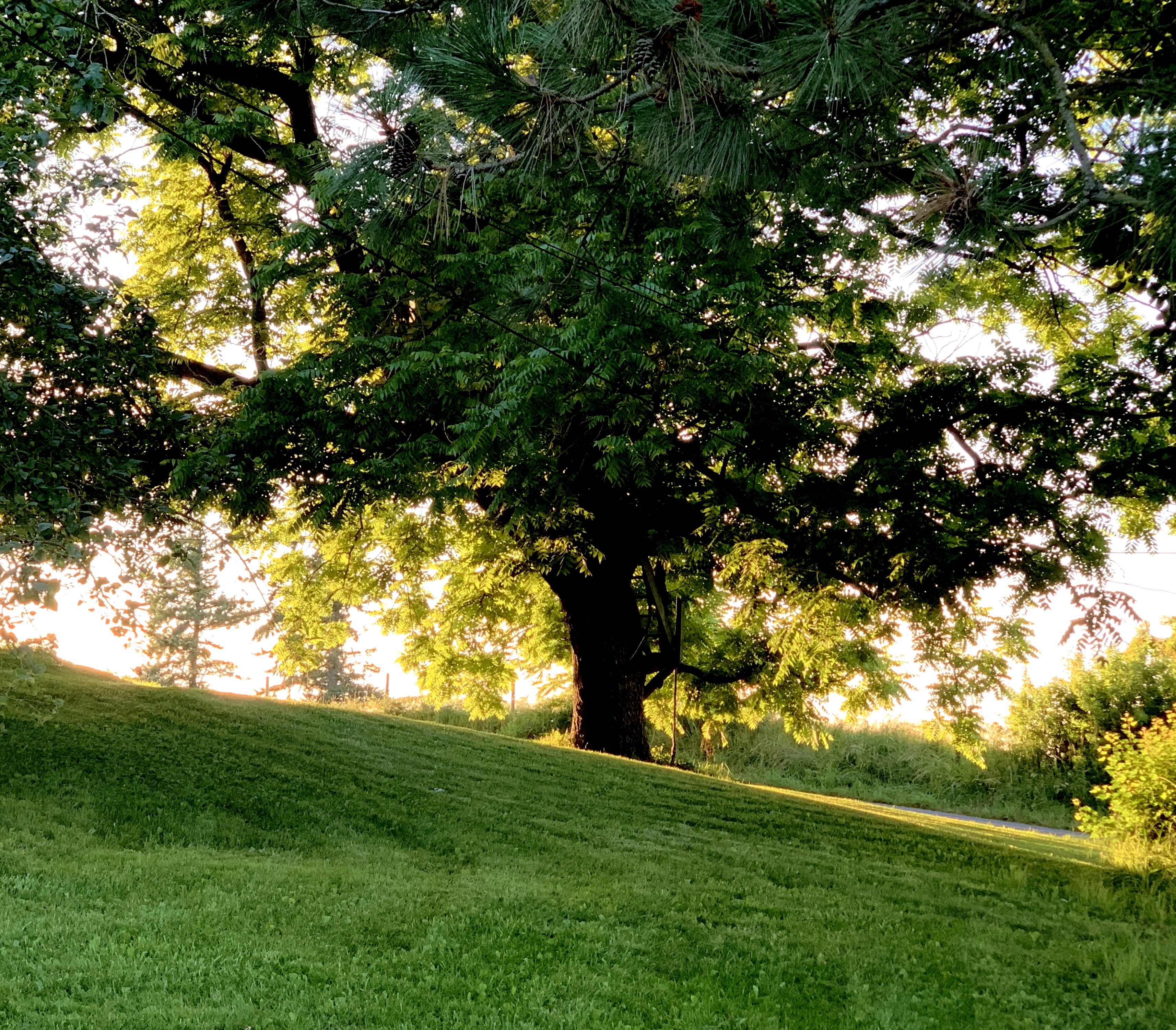
a front yard lined with several tall black walnut trees
brought as seedlings in a suitcase from Ohio
in the ought-1900’s.

These trees have thrived over 100 years on this hilltop farm
overlooking the Canadian mountains to the north,
the Nooksack River valley to the west,
the Cascade peaks to the east,
each prolific in leaves and prodigious in fruit.

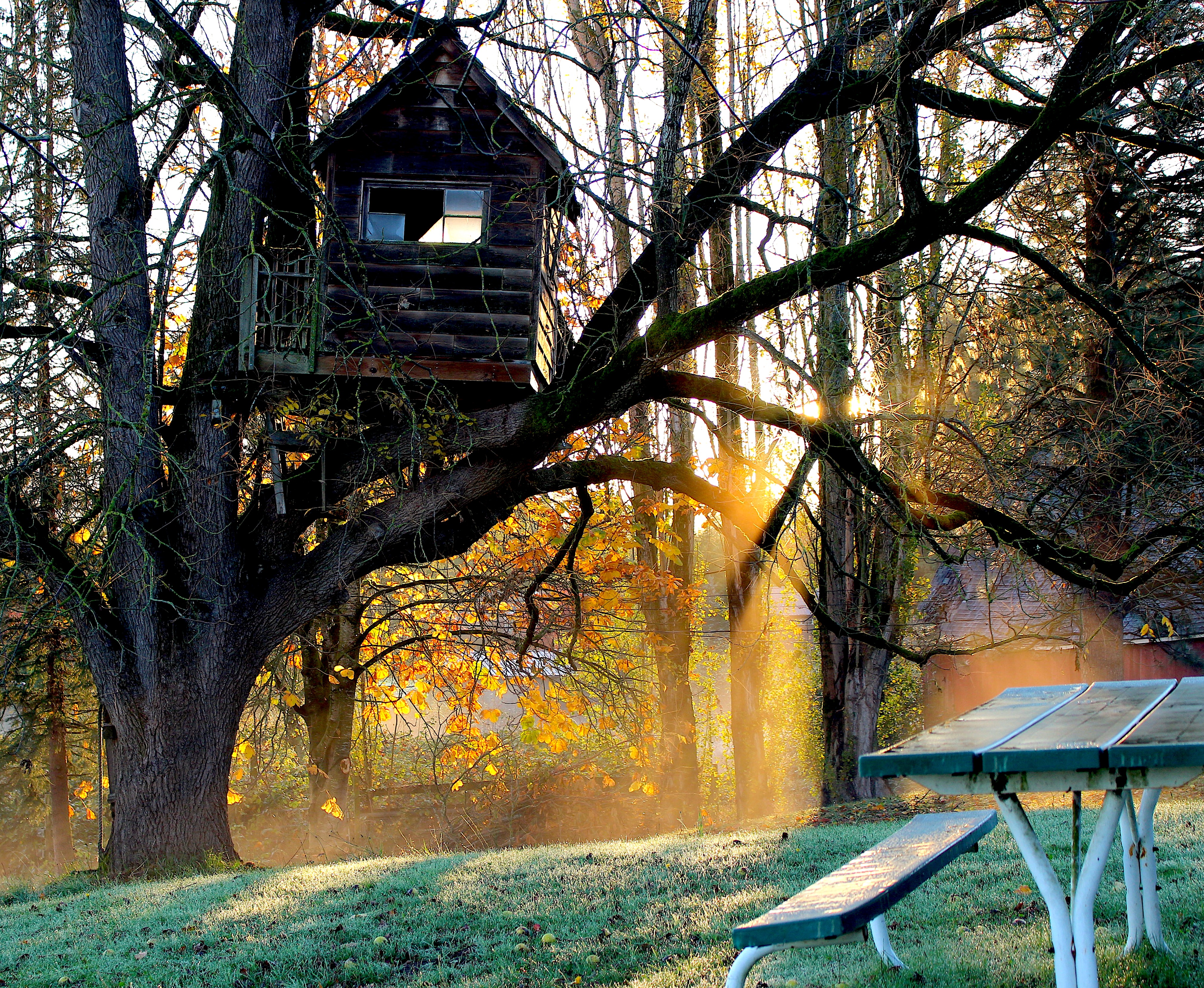
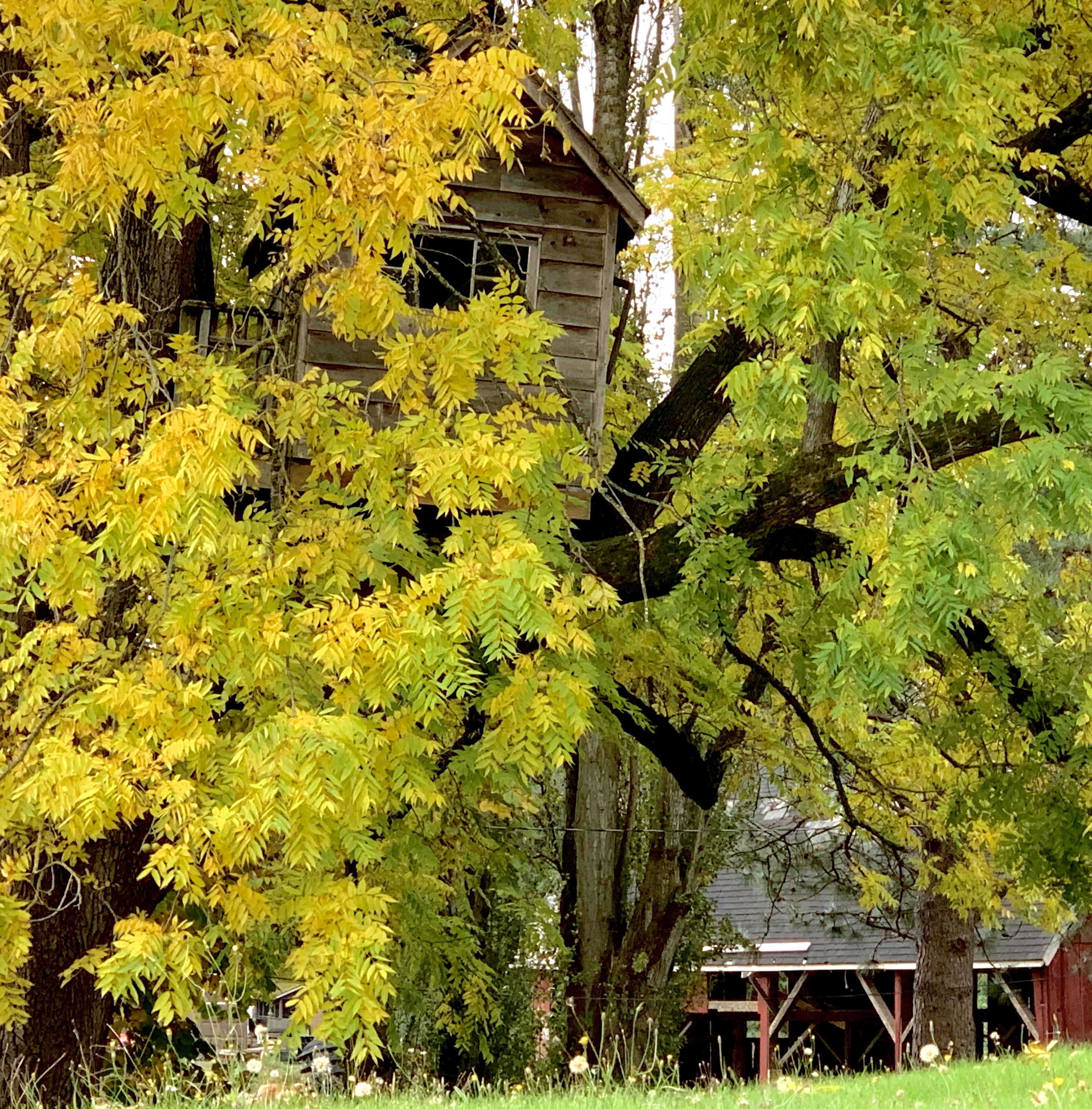
In the tallest, we had a treehouse built high up
where the view through the limbs and leaves
takes our breath away: for only a little while
we are perched above and beyond this world,
and that never fails to make us smile.

A book of beauty in words and photography, available for order here:

Bagging Gold

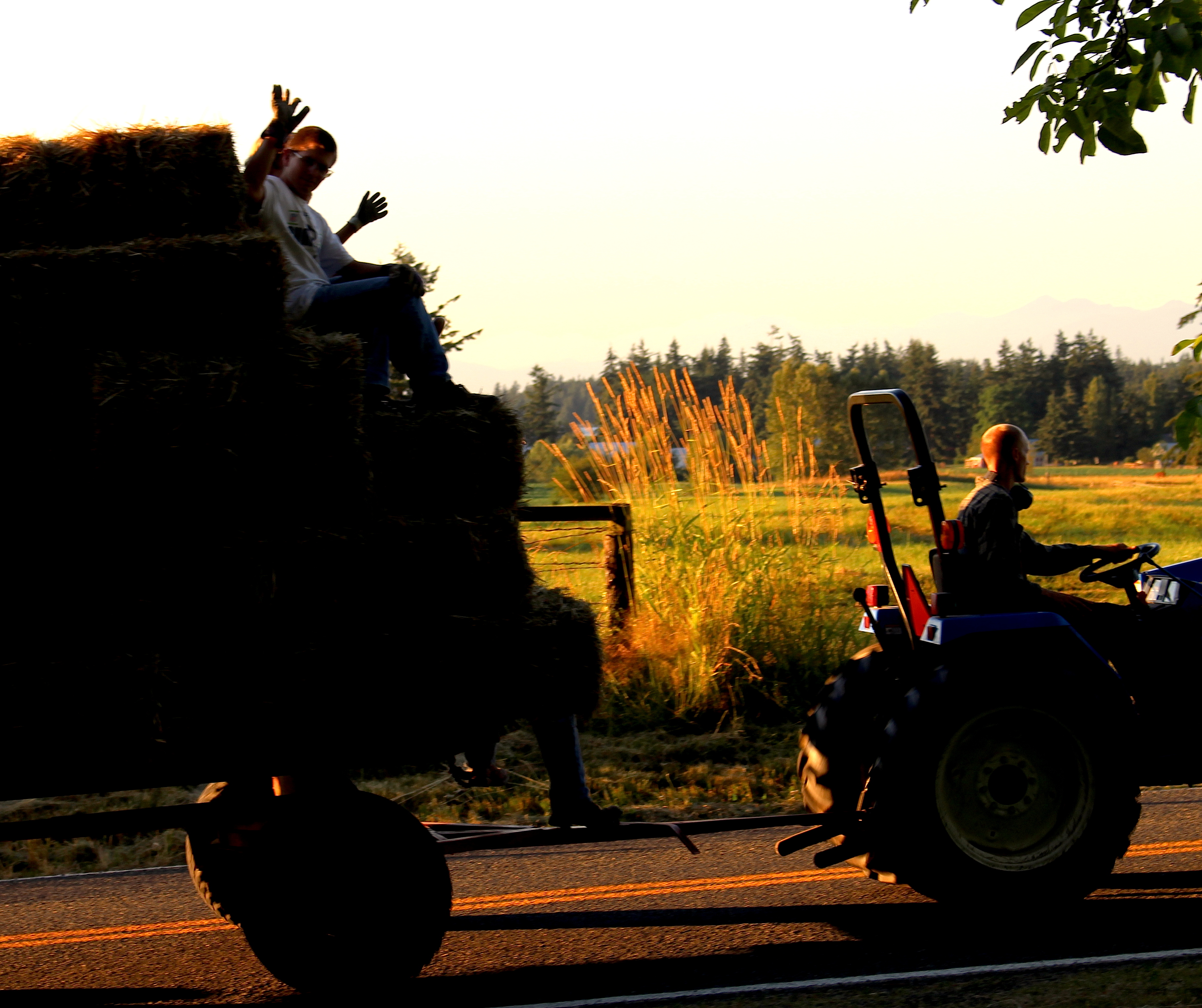
All afternoon his tractor pulls a flat wagon
with bales to the barn, then back to the waiting
chopped field. It trails a feather of smoke.
Down the block we bend with the season:
shoes to polish for a big game,
storm windows to batten or patch.
And how like a field is the whole sky now
that the maples have shed their leaves, too.
It makes us believers—stationed in groups,
leaning on rakes, looking into space. We rub blisters
over billows of leaf smoke. Or stand alone,
bagging gold for the cold days to come.

~David Baker “Neighbors in October”

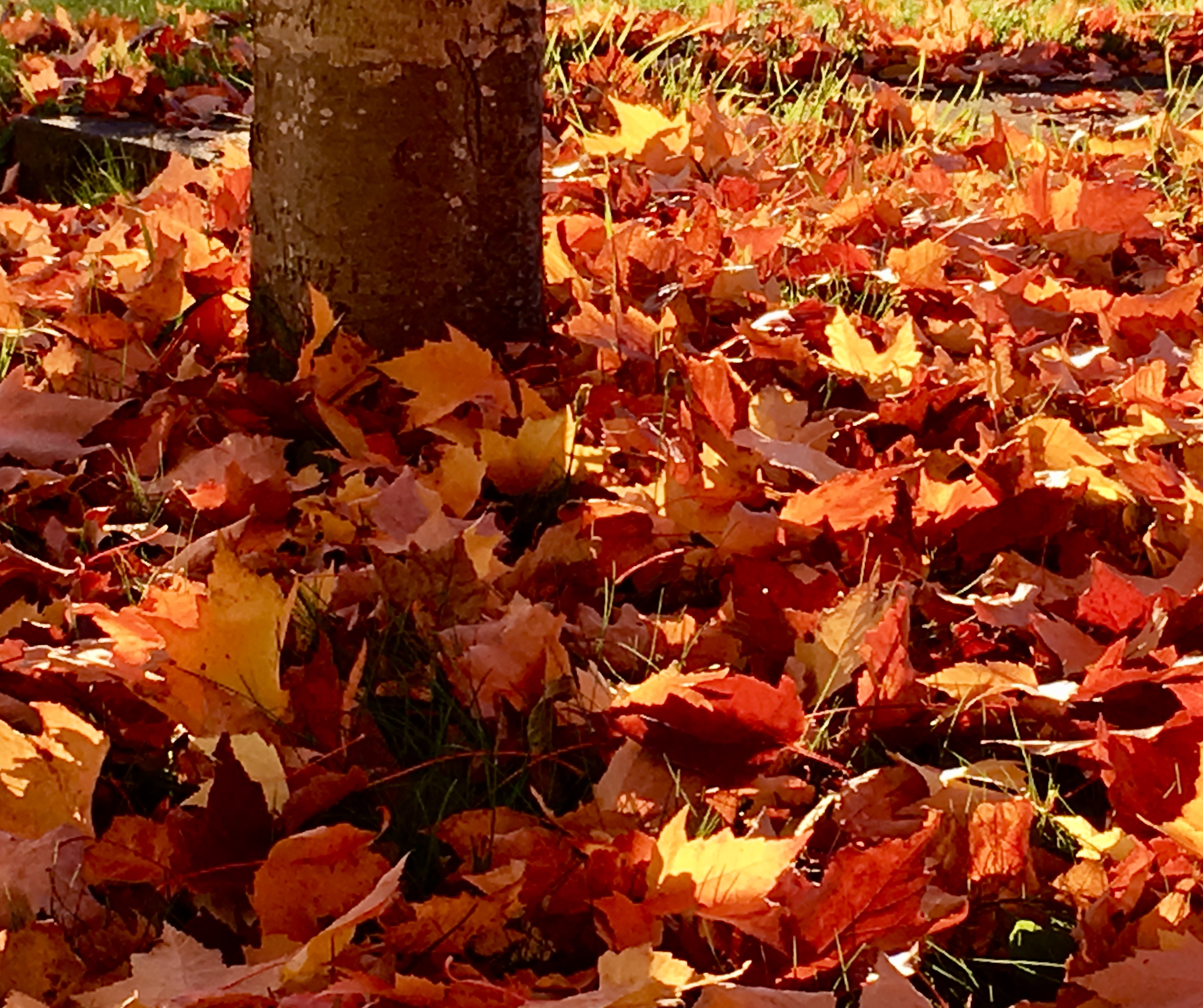
There is a desperation to these October days:
the leaves torn from branches by unrelenting gusts
with no thought to where they may land~
upon which patch of grass or gravel will be their final resting place
to wilt and wither in the rain,
under frost,
buried by eventual peaceful snowbanks
until they return to dust.

Or in my need to hold on to what I can
of what was,
I preserve a few like precious treasure,
tucked between book pages
to remain forever neighbors
with the words they embrace.

A book with beautiful words and photography (but no leaves tucked inside) is available to order here:

The Way I Might Have Gone

Out walking in the frozen swamp one gray day,
I paused and said, ‘I will turn back from here.
No, I will go on farther—and we shall see.’
The hard snow held me, save where now and then
One foot went through. The view was all in lines
Straight up and down of tall slim trees
Too much alike to mark or name a place by
So as to say for certain I was here
Or somewhere else: I was just far from home.
A small bird flew before me. He was careful
To put a tree between us when he lighted,
And say no word to tell me who he was
Who was so foolish as to think what he thought.
He thought that I was after him for a feather—
The white one in his tail; like one who takes
Everything said as personal to himself.
One flight out sideways would have undeceived him.
And then there was a pile of wood for which
I forgot him and let his little fear
Carry him off the way I might have gone,
Without so much as wishing him good-night.
He went behind it to make his last stand.
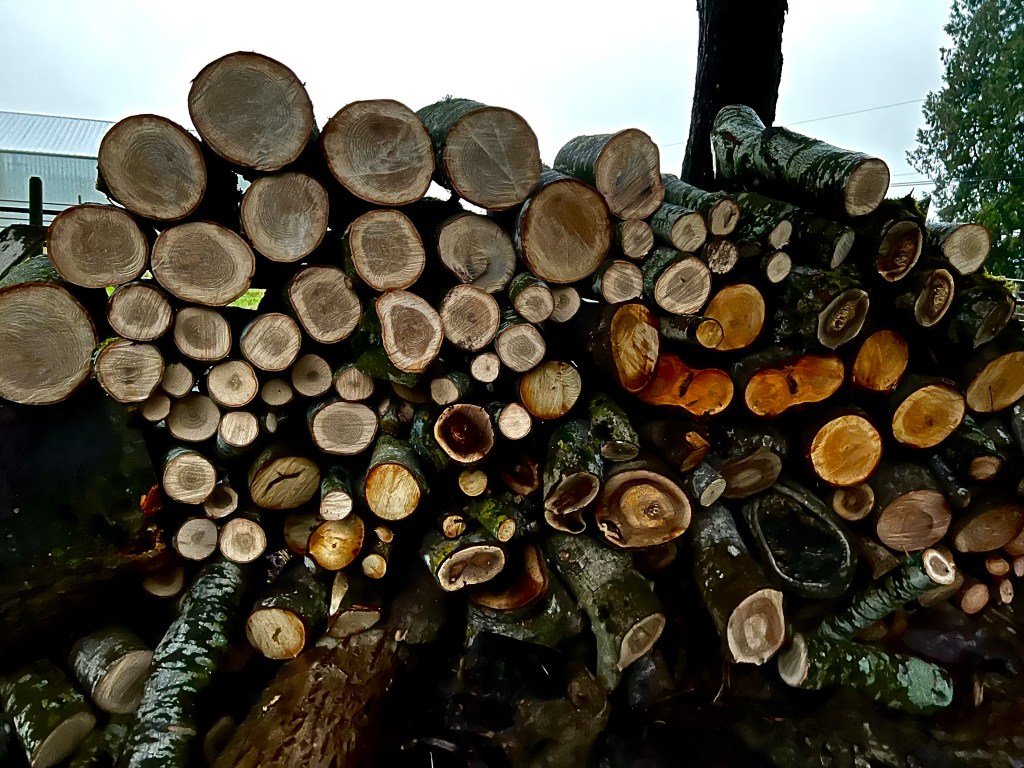
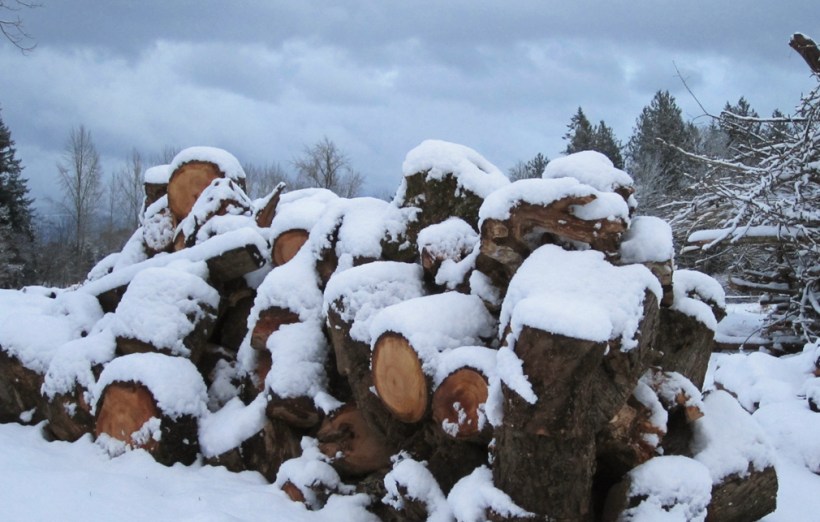
It was a cord of maple, cut and split
And piled—and measured, four by four by eight.

And not another like it could I see.
No runner tracks in this year’s snow looped near it.
And it was older sure than this year’s cutting,
Or even last year’s or the year’s before.
The wood was gray and the bark warping off it
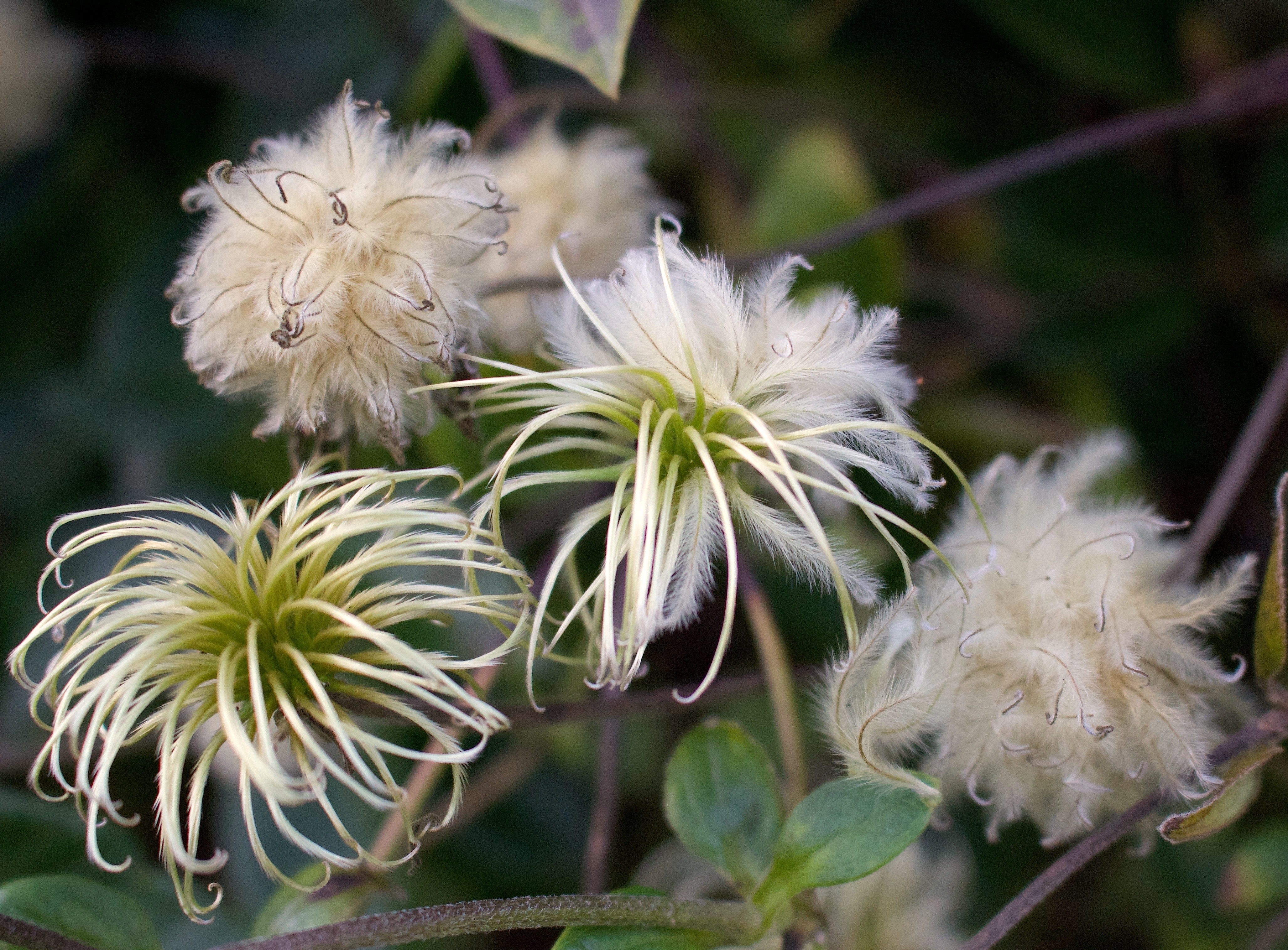
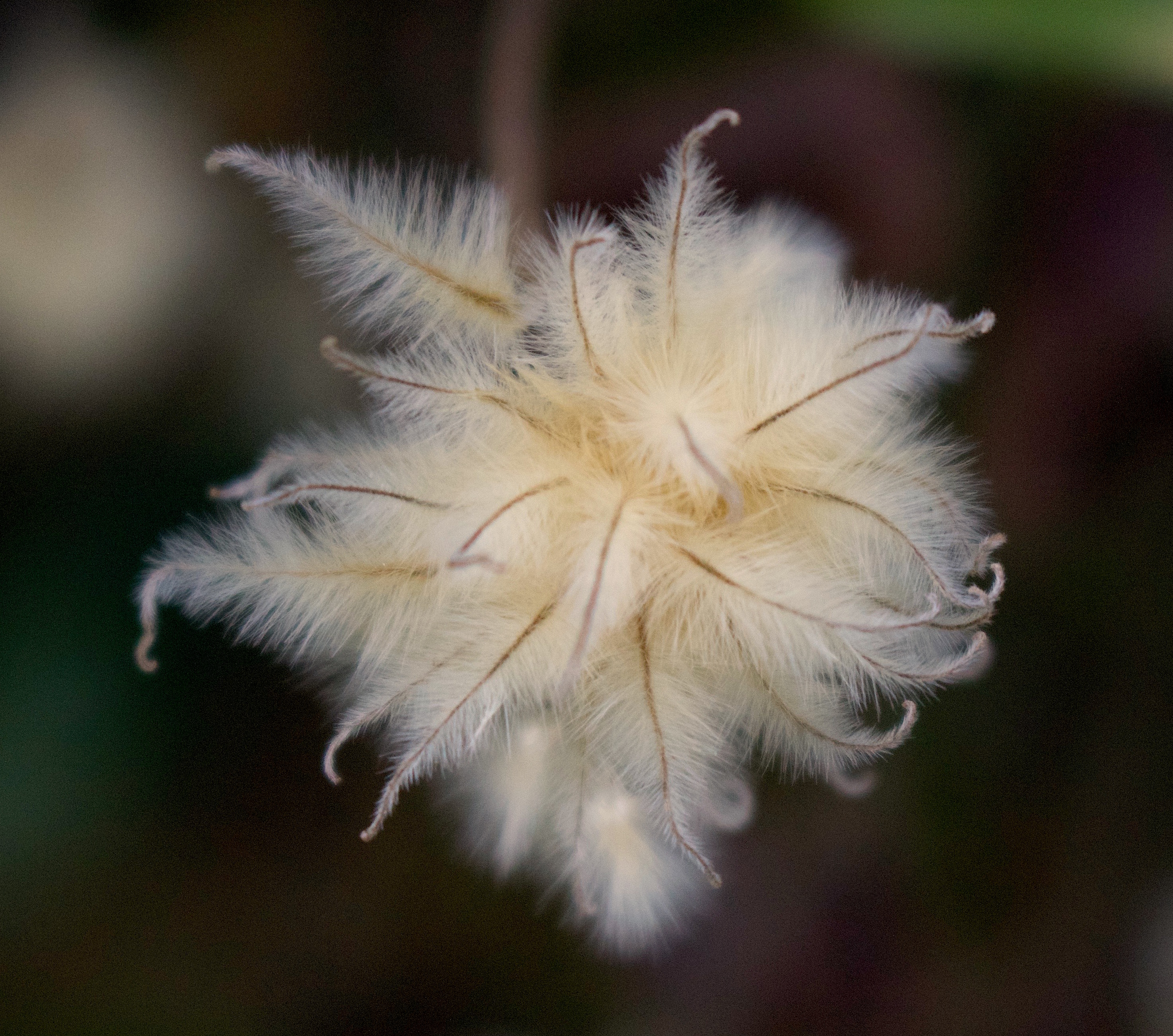
And the pile somewhat sunken. Clematis
Had wound strings round and round it like a bundle.
What held it though on one side was a tree
Still growing, and on one a stake and prop,
These latter about to fall. I thought that only
Someone who lived in turning to fresh tasks
Could so forget his handiwork on which
He spent himself, the labor of his ax,
And leave it there far from a useful fireplace
To warm the frozen swamp as best it could

With the slow smokeless burning of decay.
~Robert Frost, “The Wood-pile” from North of Boston

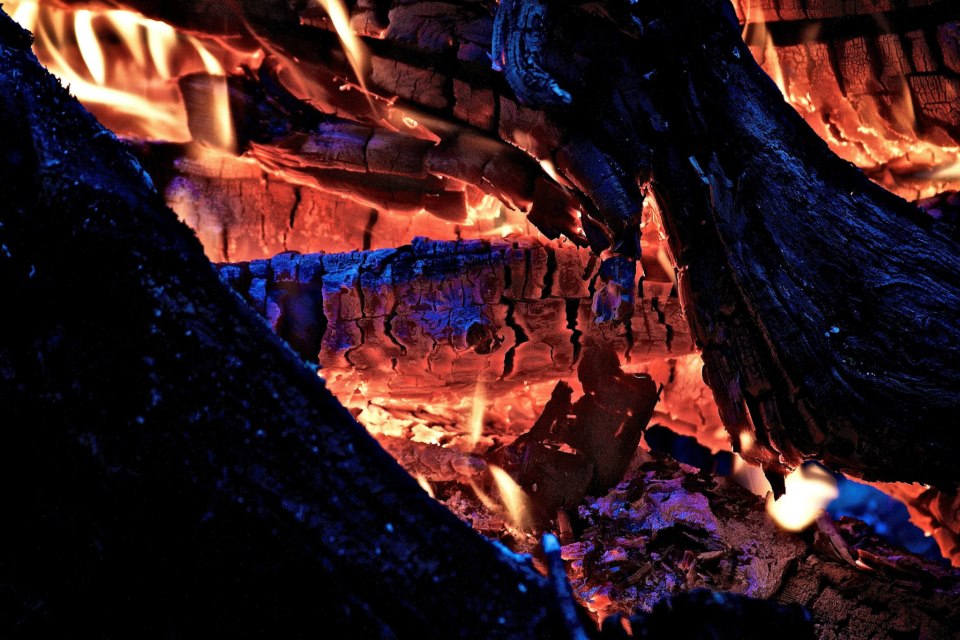
My labor is usually done with fervor and purpose, but there are times when I do not experience the fruits of my labor. It is left to smolder slowly to decay rather than provide the intended warmth and nurture of a fresh hearthfire.

I might have chosen a different way to go if I had known.

Perhaps I will simply follow the birds instead…

fire photo by Josh Scholten

A book of beauty in words and photography is available for order here: