After another school/church massacre; how can there be nothing new to say?
We’ve learned nothing about keeping weapons out of the hands of people bent on destruction – taking themselves out after taking others with them.
To our children and grandchildren: as a society, we have failed to keep you out of harm’s way by failing to control the harm of modern weapons in the wrong hands.
How can we be forgiven over and over as shootings happen again and again. Maybe we didn’t pull the trigger, but we allowed someone else to.
Together, we share the responsibility for each and every death that has happened, and more bound to happen on our watch.
And that is a heavy burden to bear.
One-Time
Monthly
Yearly
Make a one-time or recurring donation to support daily Barnstorming posts
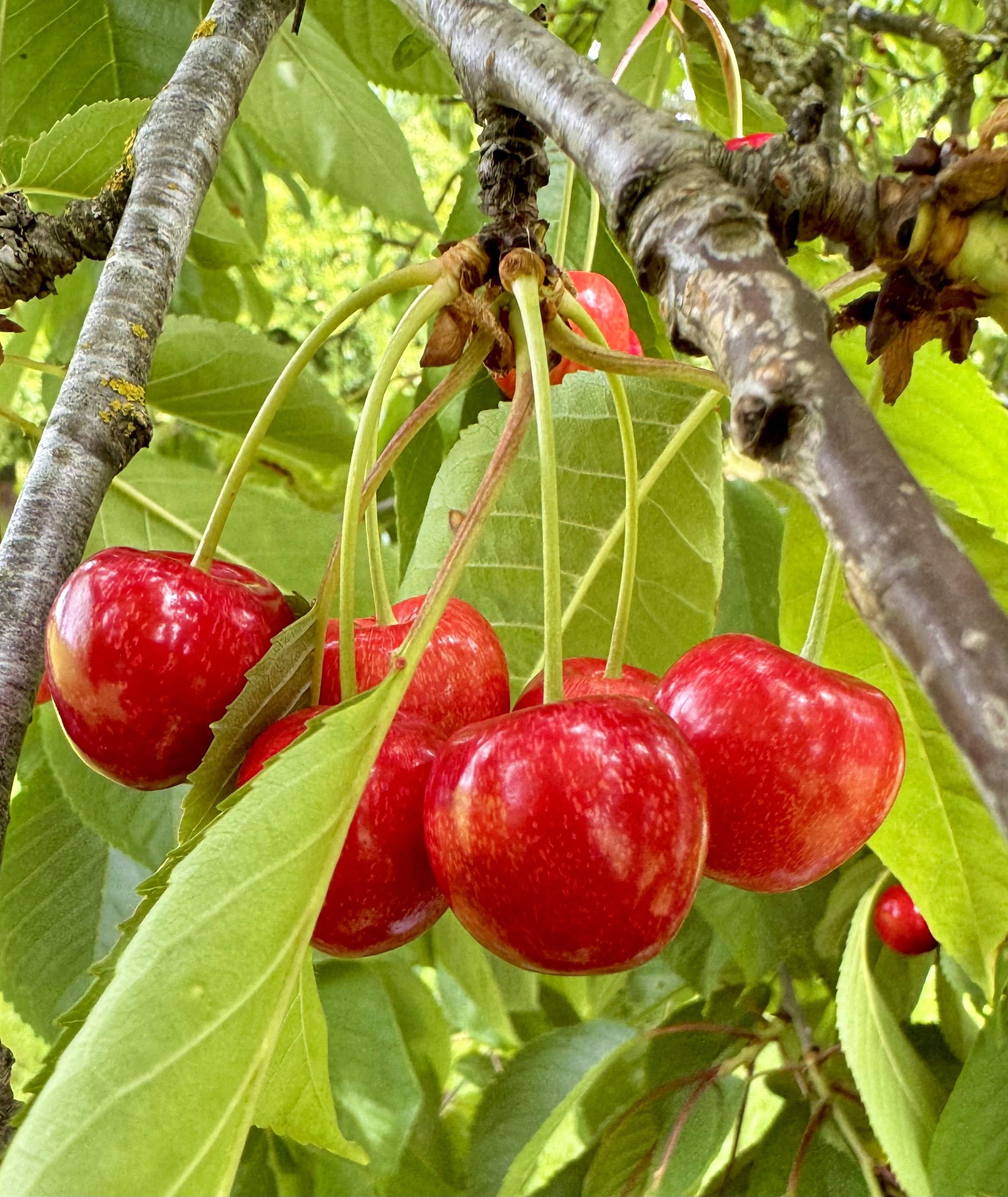
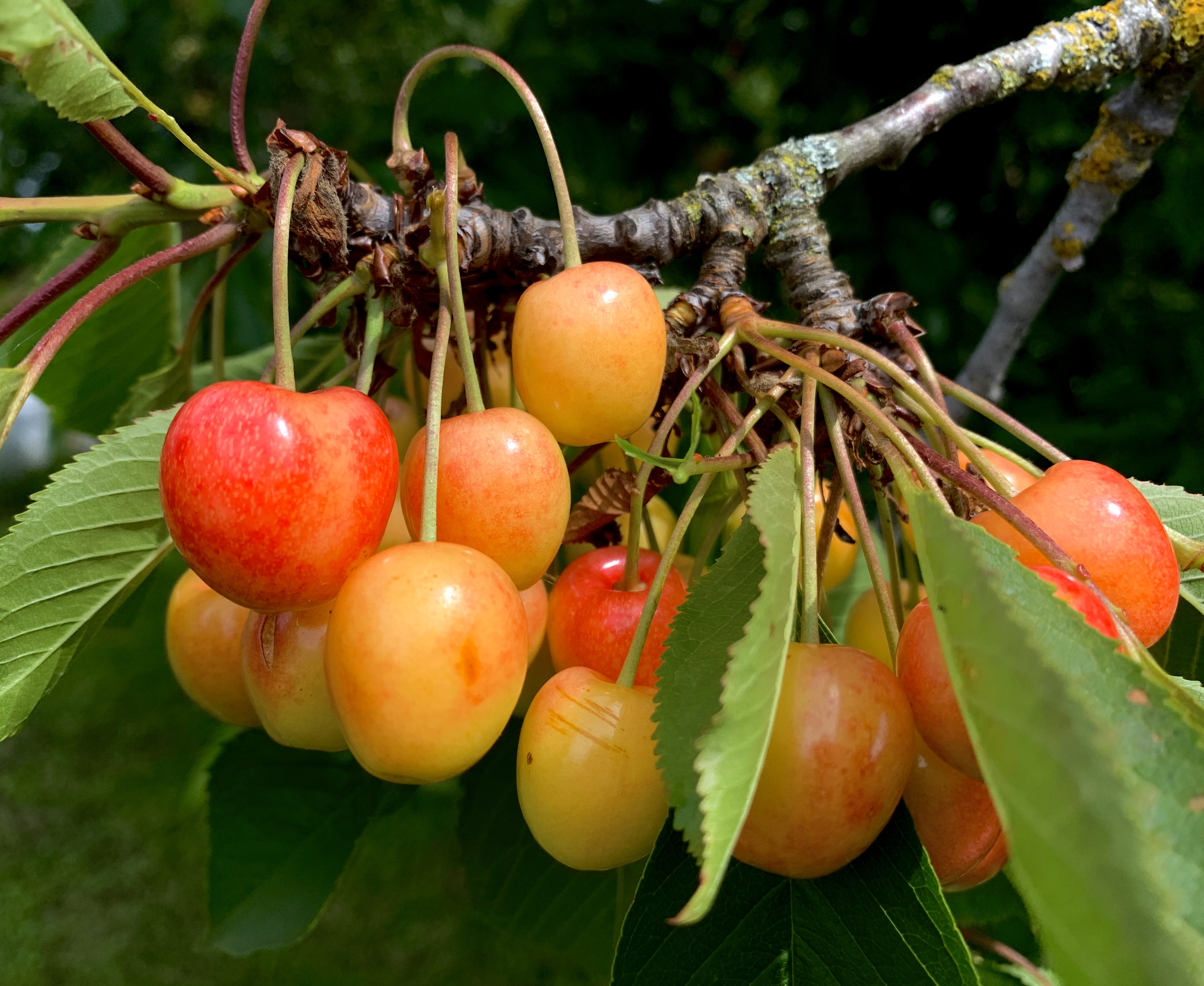
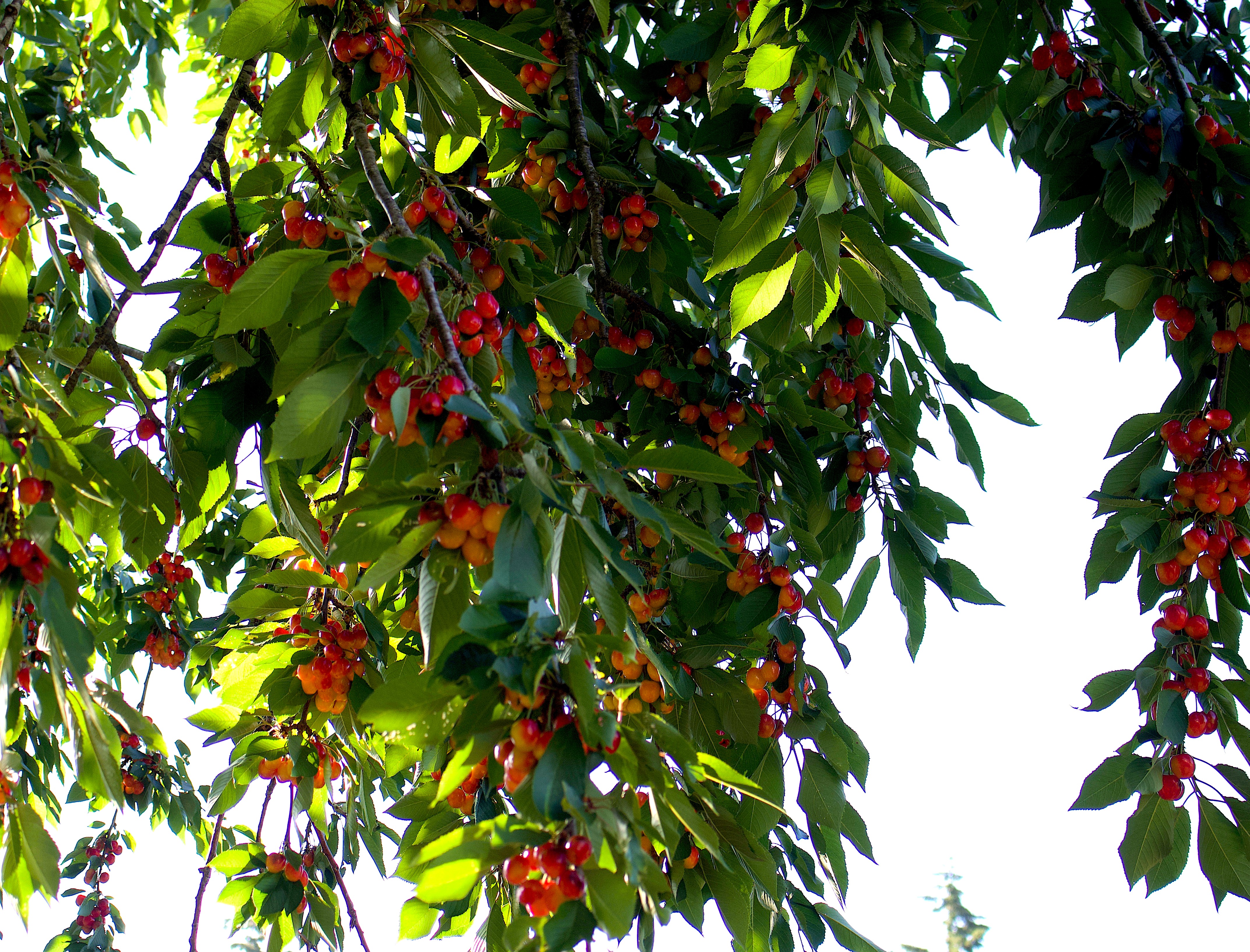
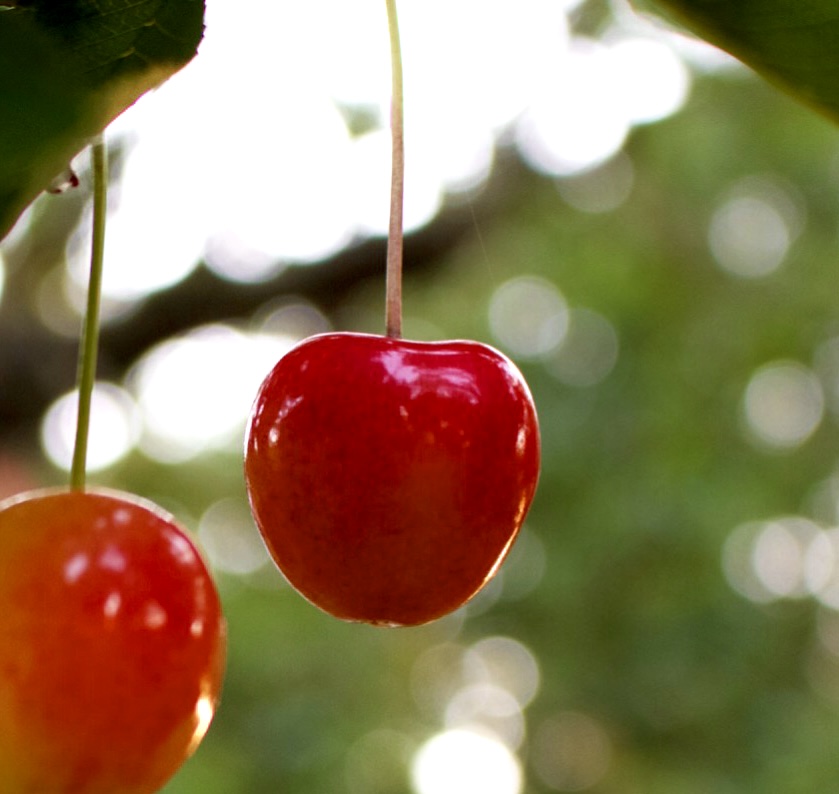
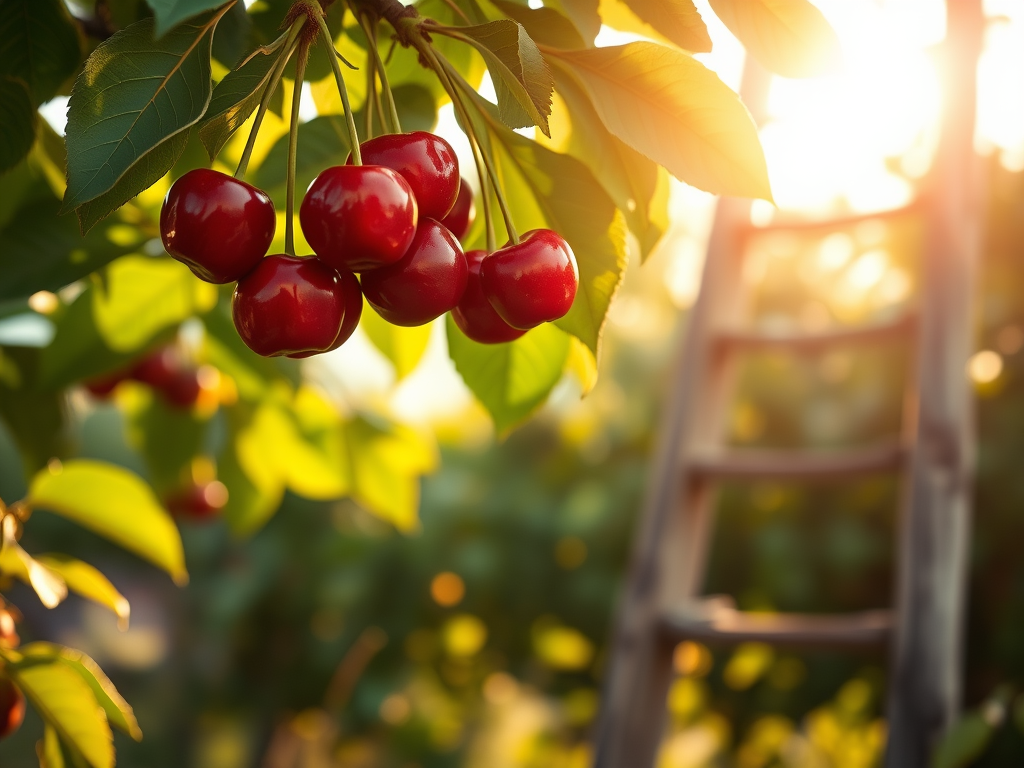
We used to pick cherries over the hill where we paid to climb wooden ladders into the bright haven above our heads, the fruit dangling earthward. Dark, twinned bells ringing in some good fortune just beyond our sight. I have lived on earth long enough to know good luck arrives only on its way to someone else, for it must leave you to the miracle of your own misfortune, lest you grow weary of harvest, of cherries falling from the crown of sky in mid-summer, of hours of idle. Let there be a stone of suffering. Let the fruit taste of sweetness and dust. Let grief split your heart so precisely you must hold, somehow, a memory of cherries— tart talismans of pleasure—in the rucksack of your soul. Taut skin, sharp blessing.
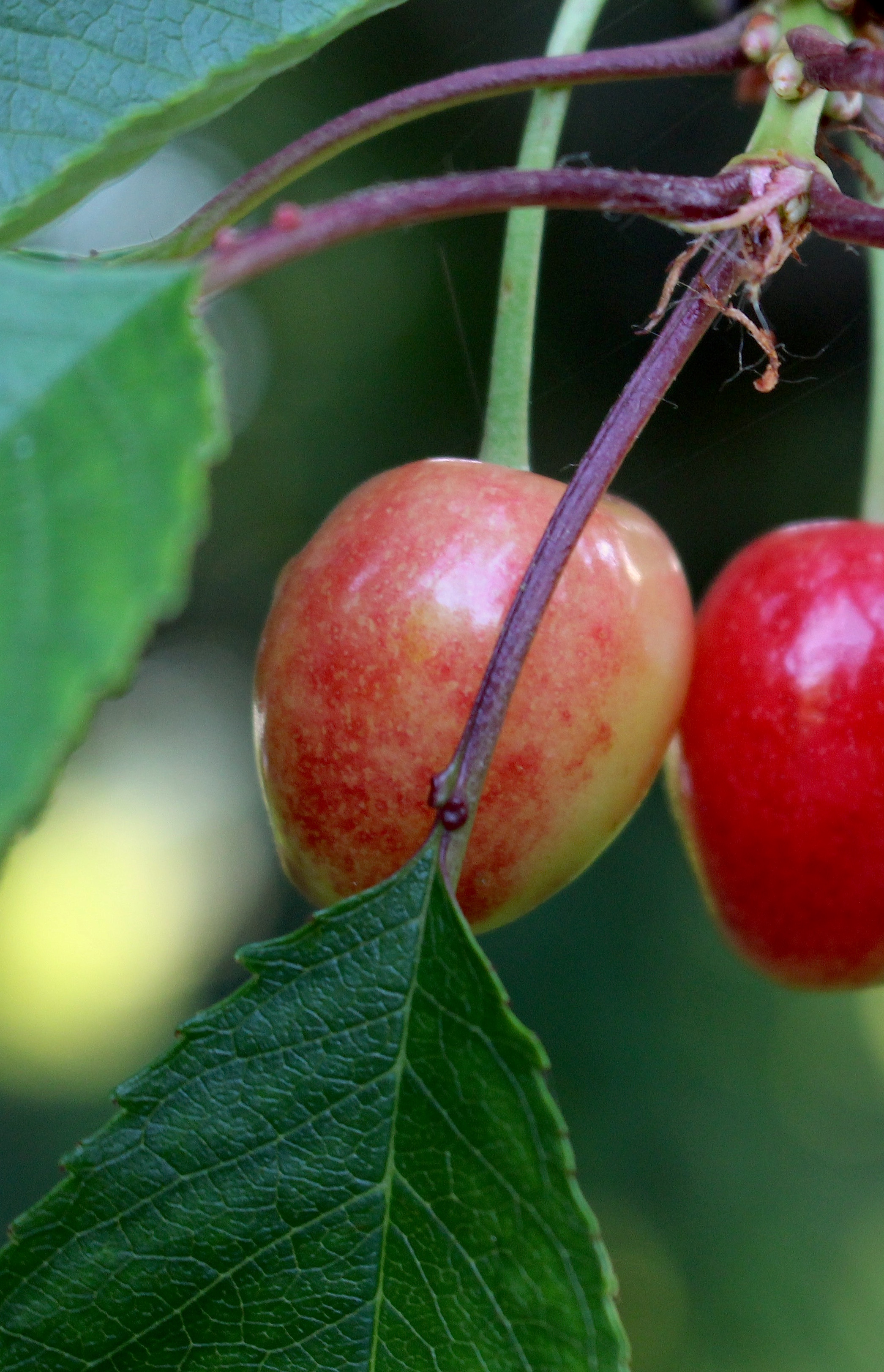
Life is not a bowl of cherries, unless you count the ones that aren’t yet ripe, or are over-ripe, or have a squirrel- or bird-bite taken, or have shriveled to raisins on the tree.
Yes, there are perfect cherries that shine in the dark, glistening with promise, tempting us to climb high to pick them.
Those we really want usually are out of reach.
How can we know what perfection is unless we experience where life falls short?
The lingering taste of grief, the agony of waiting for word in a tragedy, the gnawing emptiness of indescribable loss.
Only the memory of what was nearly perfect, remembering what could have been knowing what will someday be our reality can ease the bitter pit of suffering now.
May the families of those swept away in flooding, those who live in the path of war and violence, those who hunger for justice, or starving for food, those who struggle with life-threatening and chronic illness somehow know the comfort of God’s perfection awaits them. The Light and Goodness is there for us to taste, yet just beyond our reach.
AI image created for this post
One-Time
Monthly
Yearly
Make a one-time or recurring donation to support daily Barnstorming posts
Frightening the foliage from its sleep, we travel along the Quinault Lake Loop in our big red truck.
Roofed by dank rainforest, we know we are not alone, though we see no bird, no beast.
You say, It’s beautiful, but do we really belong here where creatures hide? Then an elk herd stomps across
the dirt road, and you brake, shocked. The fattest turns to stare over his long beard. To know or warn us.
Yes, my love, we belong, but on soil-stained knees, asking for each wild thing’s consent to stand. ~Lauren Davis, Home Beneath the Church
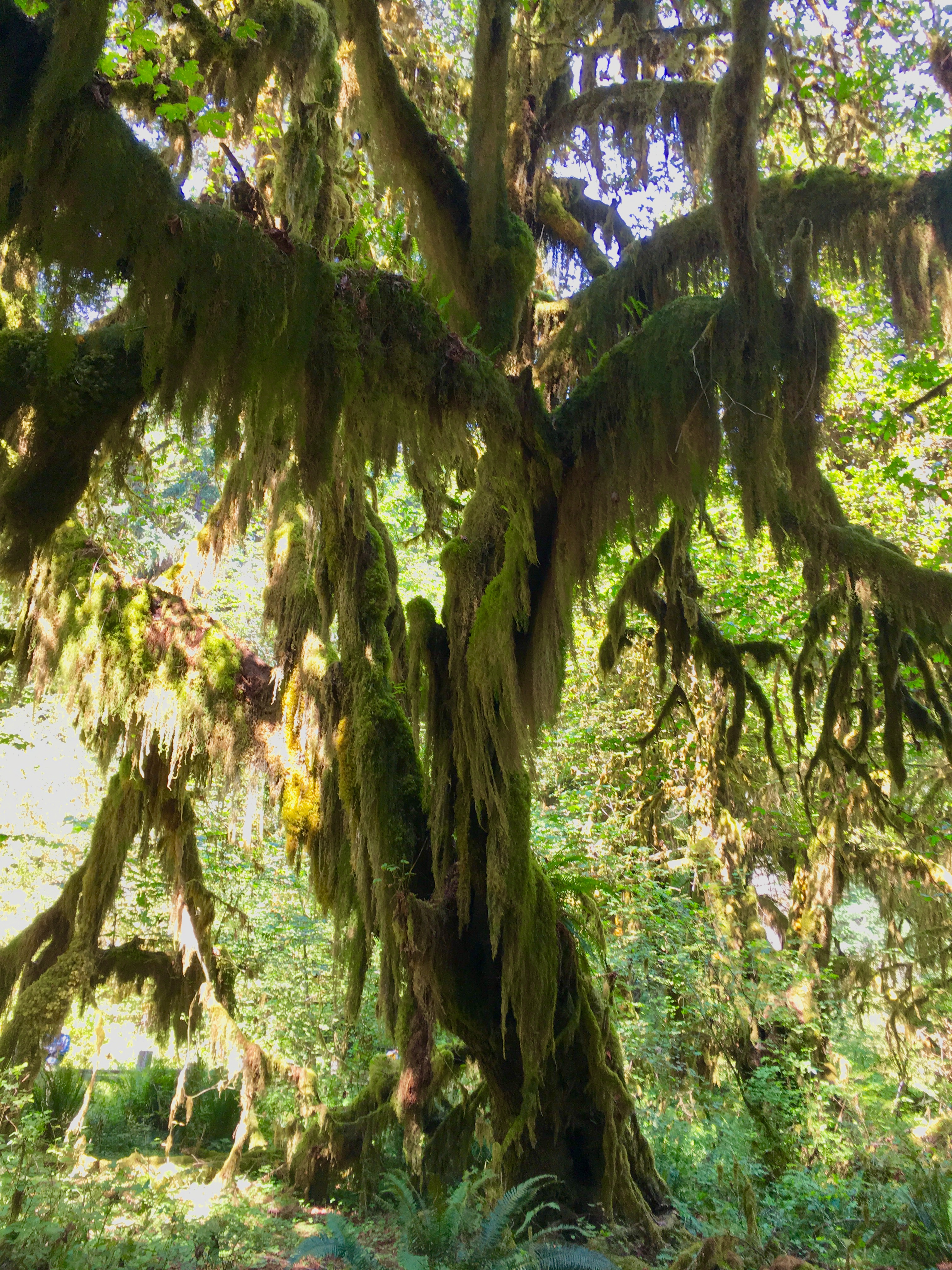
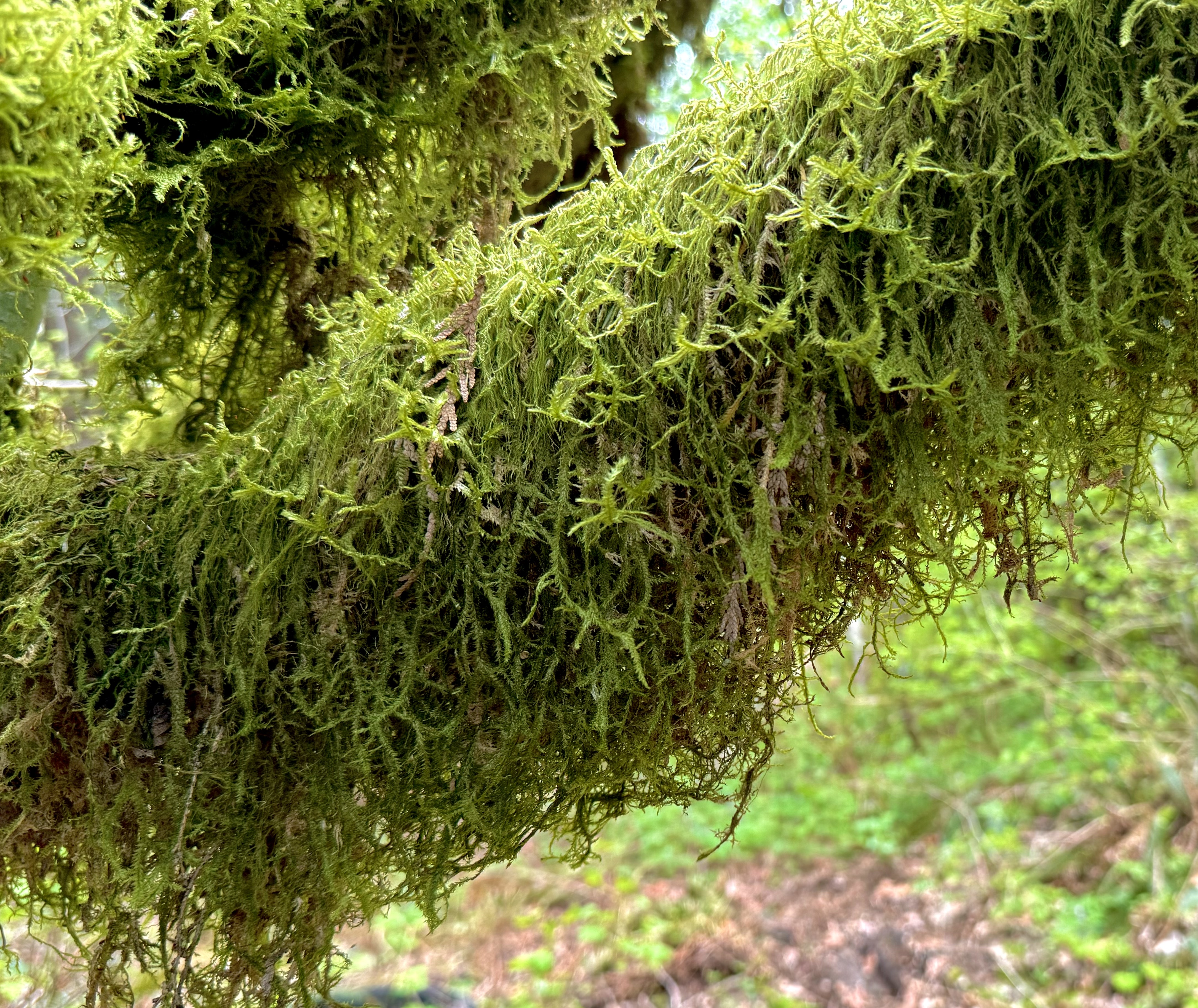
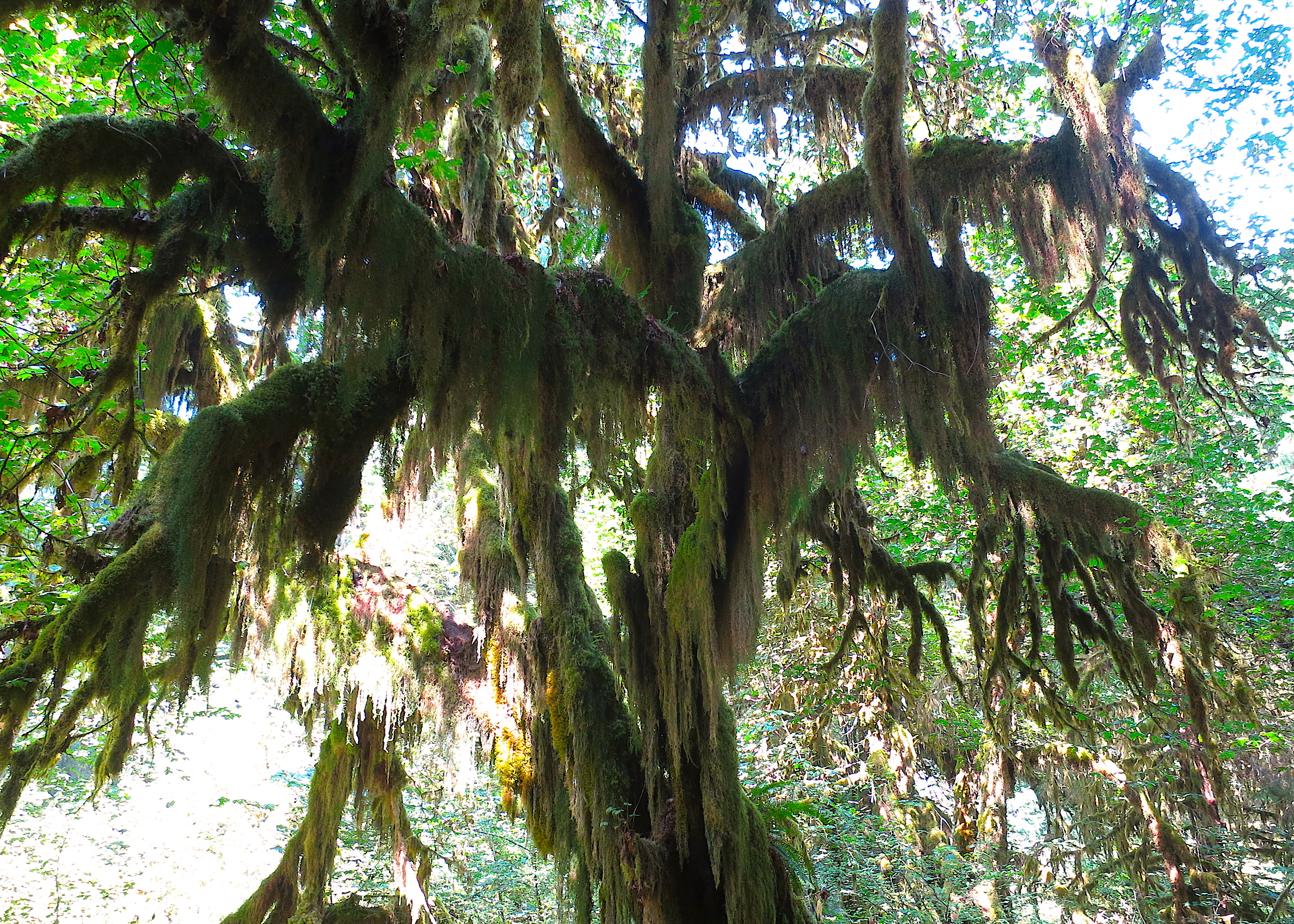
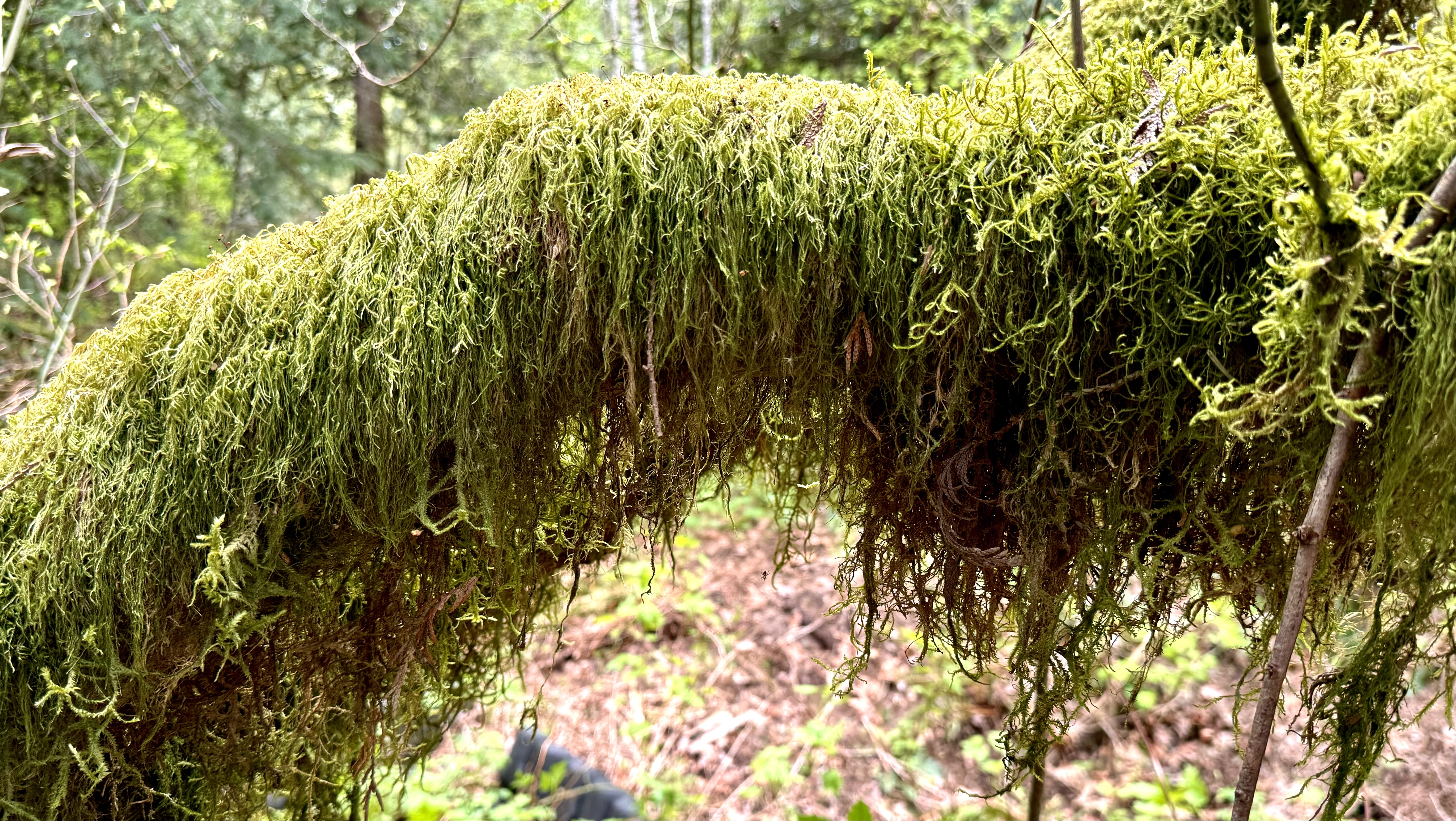
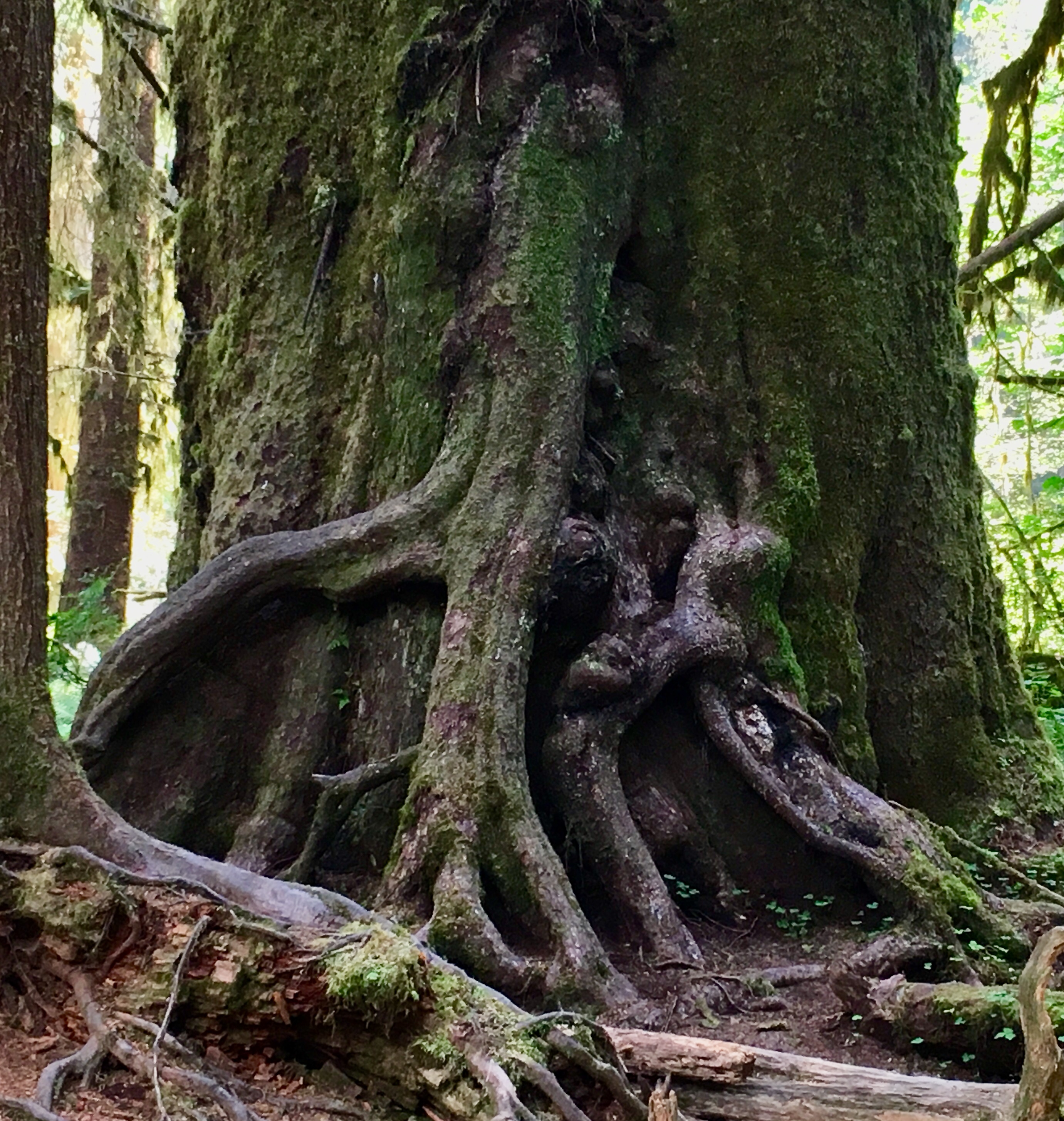
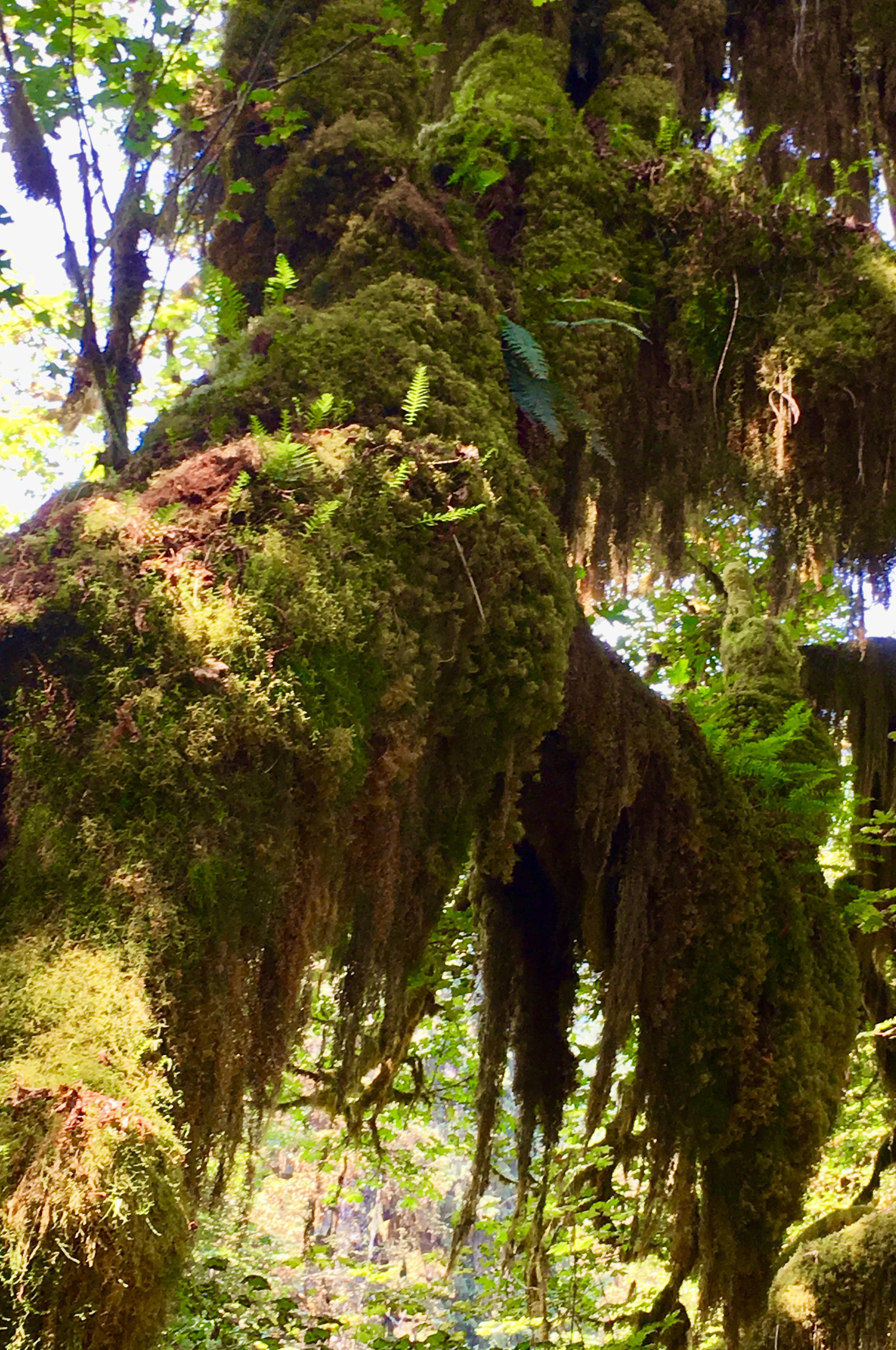
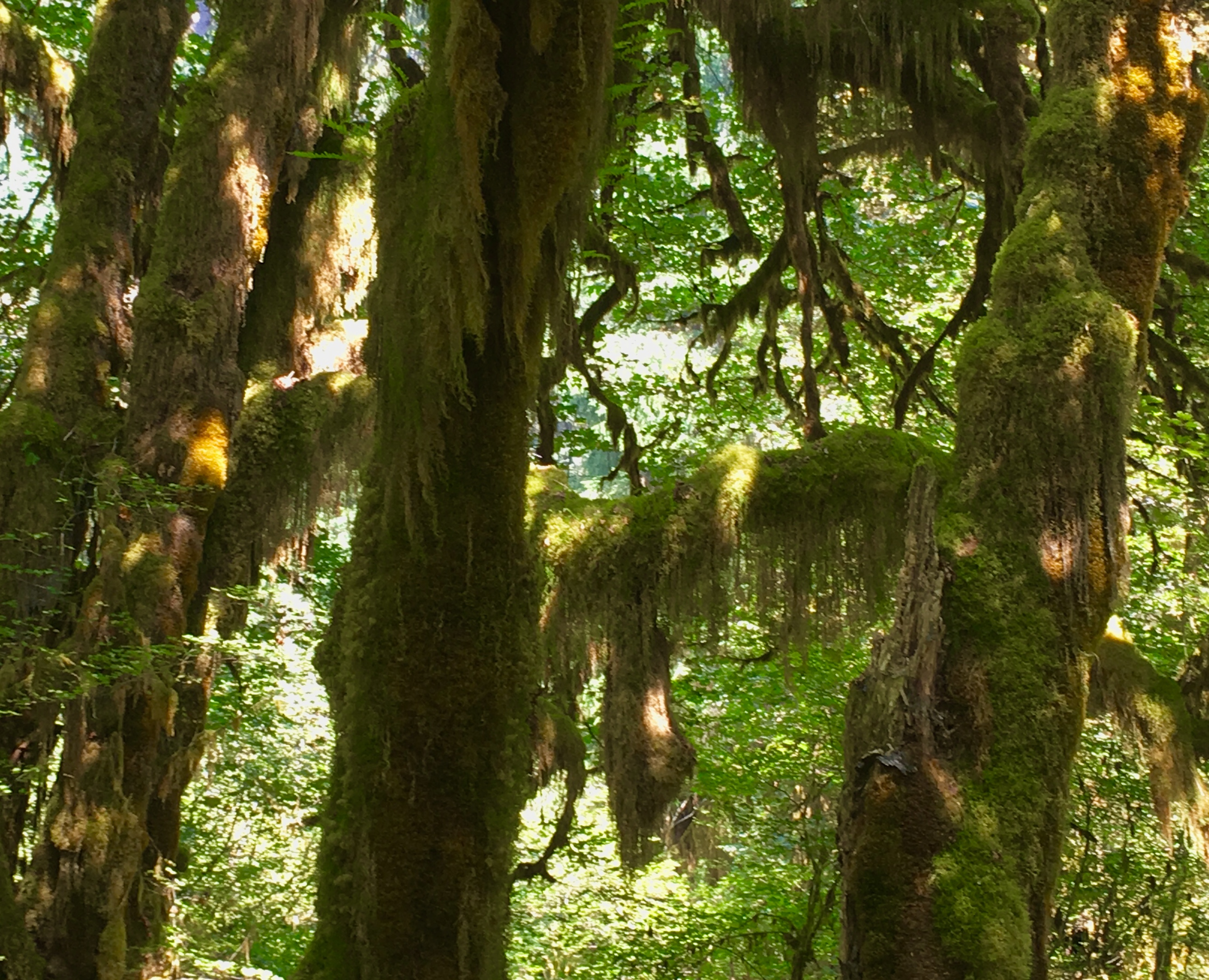
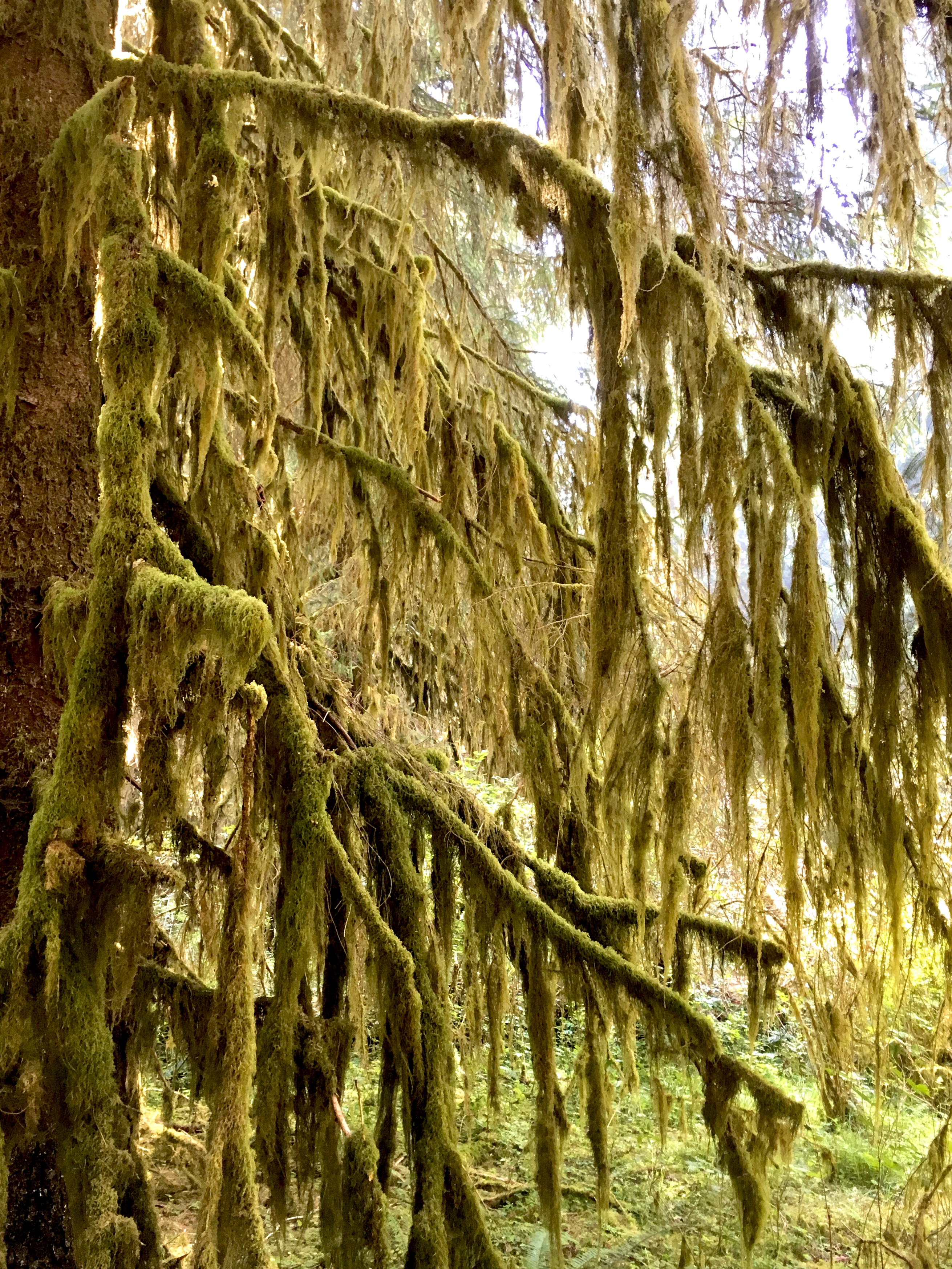
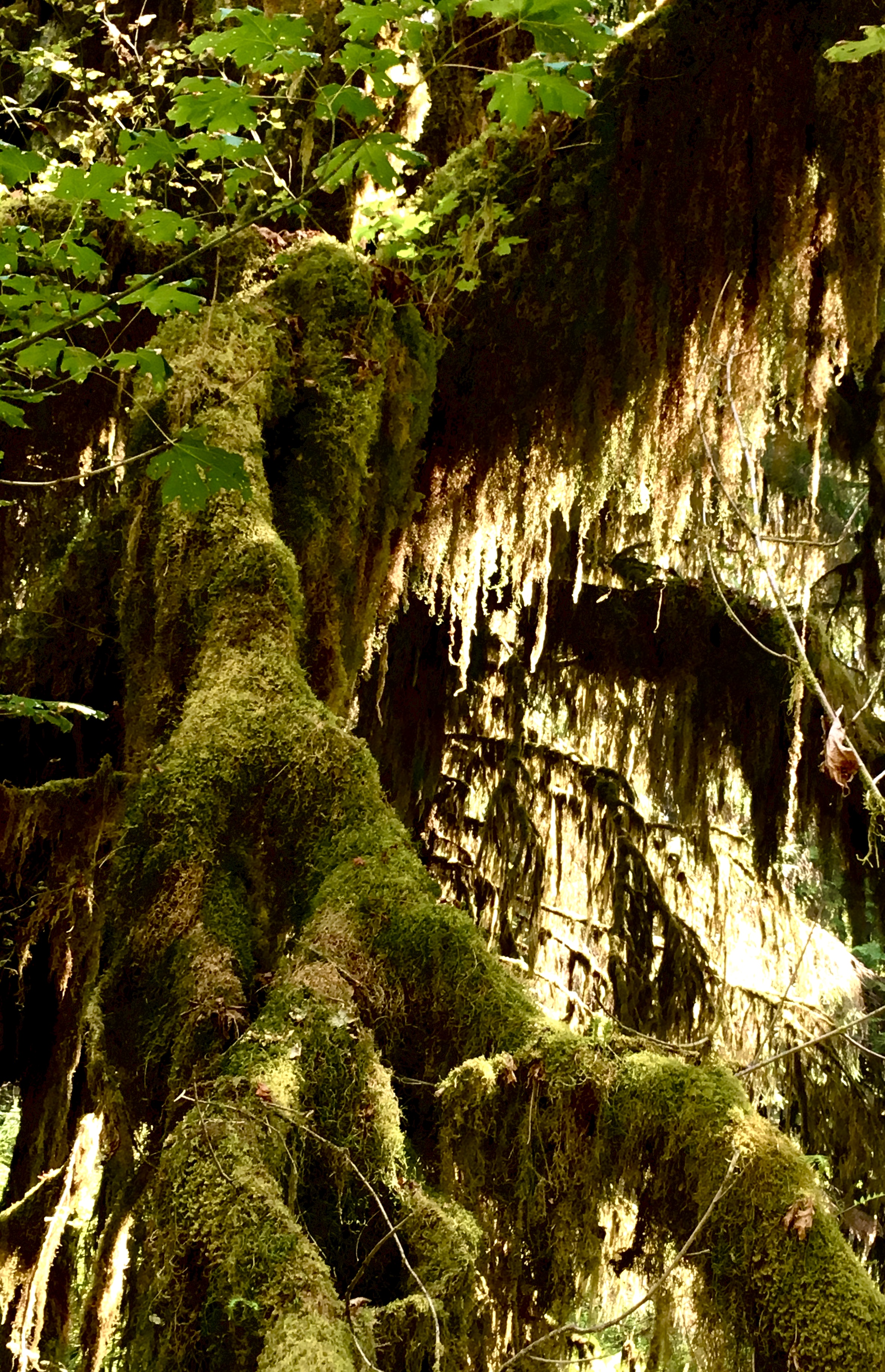
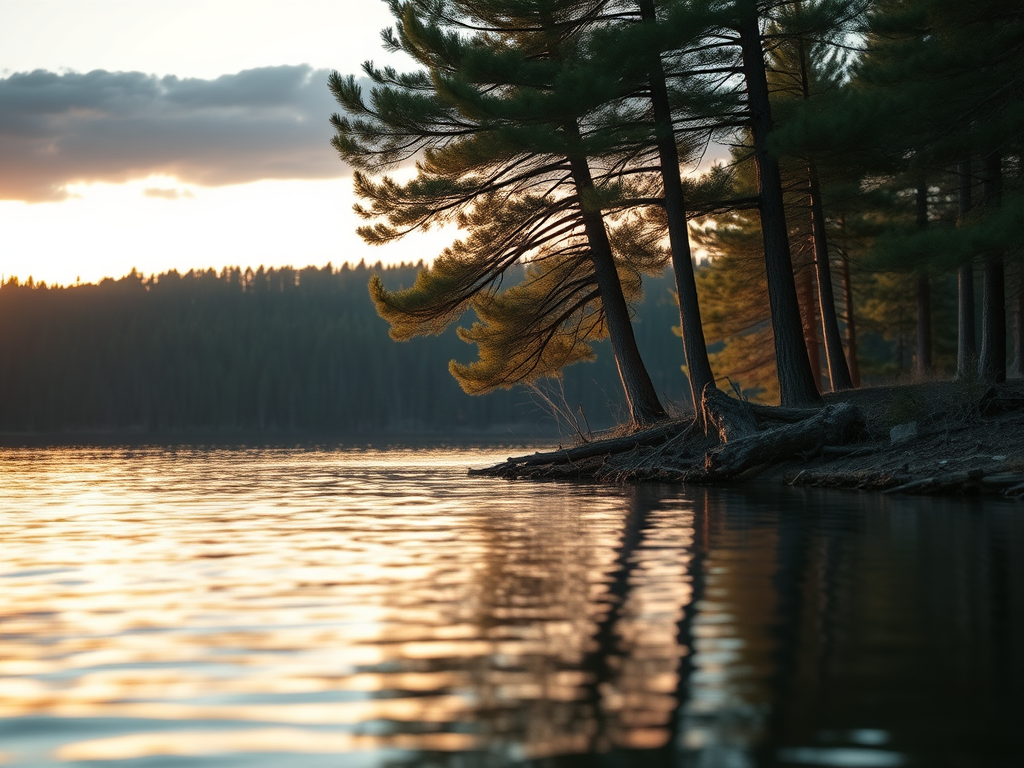
I’ve been to the temperate rainforest on the Olympic Peninsula, only a short ferry ride and two hour drive away, where 300 year old trees tethered to one another with connecting crepe of dangling moss, hiding the creatures within, taking all down with them if they someday fall to the wind, lying still, nursing the growth of the next generation’s seeds from long rotting trunks.
We can only pass through this place, having been banished from the Garden.
We are not to dwell or cut or shoot or burn or slash, at risk of being ensnared by reaching fingers of moss seeking yet another woody heart to soften
Whispering grassfeet steal through us fir-fingers touch one another where the paths meet thick dripping resin glues us together summer-greedy woodpeckers hammer at hardy seed-hiding hearts ~Inger Christensen trans. Susanna Nied
AI image created for this post
One-Time
Monthly
Yearly
Make a one-time or recurring donation to support daily Barnstorming posts
The cold remote islands And the blue estuaries Where what breathes, breathes The restless wind of the inlets, And what drinks, drinks The incoming tide;
Where shell and weed Wait upon the salt wash of the sea, And the clear nights of stars Swing their lights westward To set behind the land;
Where the pulse clinging to the rocks Renews itself forever; Where, again on cloudless nights, The water reflects The firmament’s partial setting;
—O remember In your narrowing dark hours That more things move Than blood in the heart. Louise Bogan “Night” from The Blue Estuaries
I know what my heart is like Since your love died: It is like a hollow ledge Holding a little pool Left there by the tide, A little tepid pool, Drying inward from the edge. ~Edna St. Vincent Millay “Ebb”
My mother was 58 when my father left her for a younger woman.
For months, she withered, her heart broken, her pulse erratic, crying until there were no more tears left.
She began drying inward from her edges despite the ebbing and flowing of her heartbeat.
It took ten years, but he came back like an overdue high tide.
She was sure her love had died but that tepid pool refilled with water cool to the touch, yet overflowing.
AI image created for this post
One-Time
Monthly
Yearly
Make a one-time or recurring donation to support daily Barnstorming posts
Evening, and all the birds In a chorus of shimmering sound Are easing their hearts of joy For miles around.
The air is blue and sweet, The few first stars are white,– Oh let me like the birds Sing before night. ~Sara Teasdale “Dusk in June”
I am half agony, half hope… ~Jane Austen from Persuasion
Sure on this shining night Of star made shadows round, Kindness must watch for me This side the ground. The late year lies down the north. All is healed, all is health. High summer holds the earth. Hearts all whole. Sure on this shining night I weep for wonder wand’ring far alone Of shadows on the stars. ~James Agee “Sure on this Shining Night”
This time of uncertainty holds the earth captive; our hearts fearful of war in a shimmering summer dusk.
I weep for wonder in hope for a healing peace, at this time, at this place, singing under these stars.
May we rest assured, on another shining night, sometime, we know not when, we know not how, we will lay down arms and live without threat of war.
Amen and Amen.
One-Time
Monthly
Yearly
Make a one-time or recurring donation to support daily Barnstorming posts
knotting the tops of bunched handfuls the drooping heads tied together.
My seven siblings and I sheltered ourselves
inside these labyrinths in a galaxy of grasses. ~Heather Cahoon “Shelter”
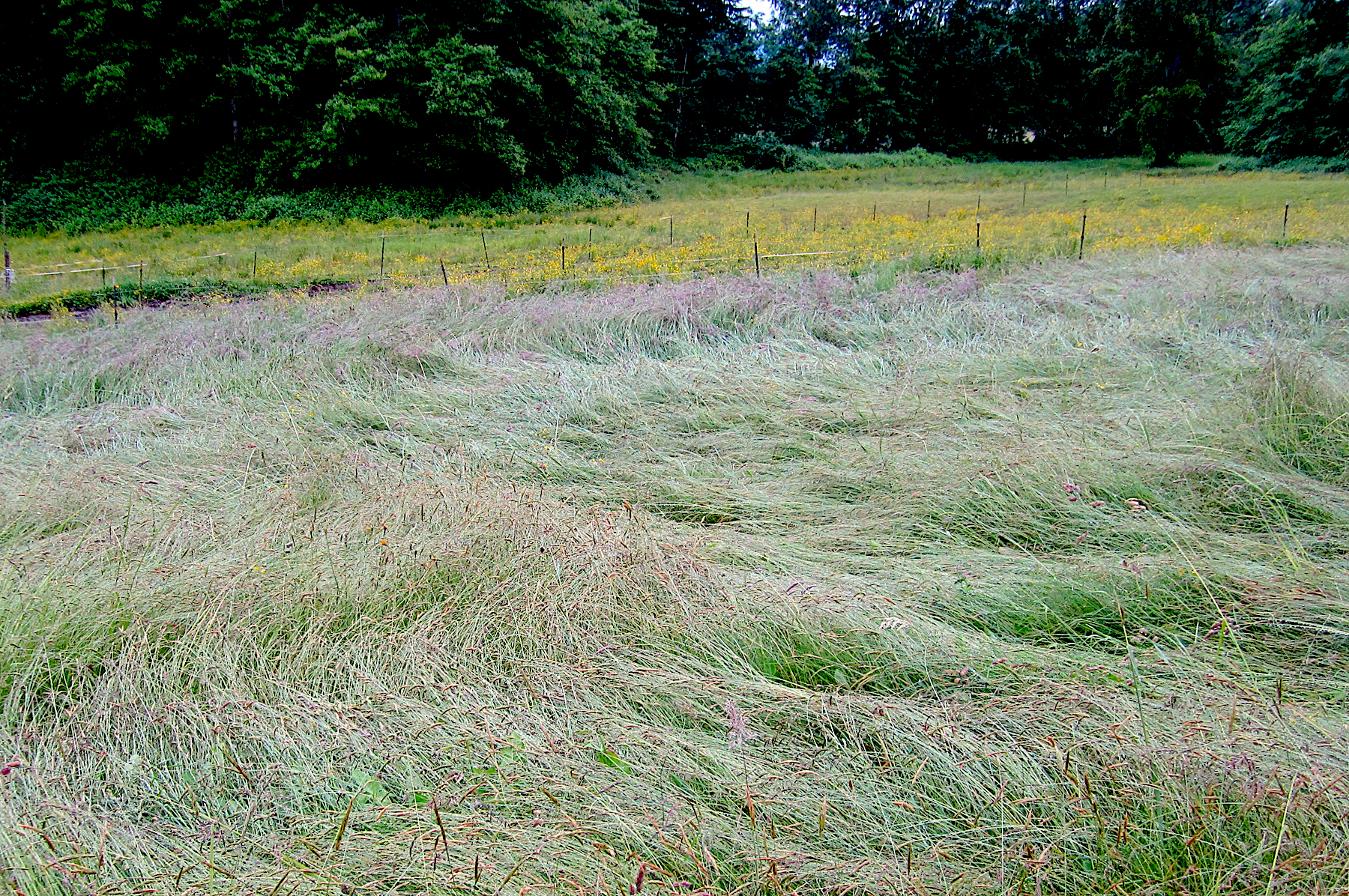
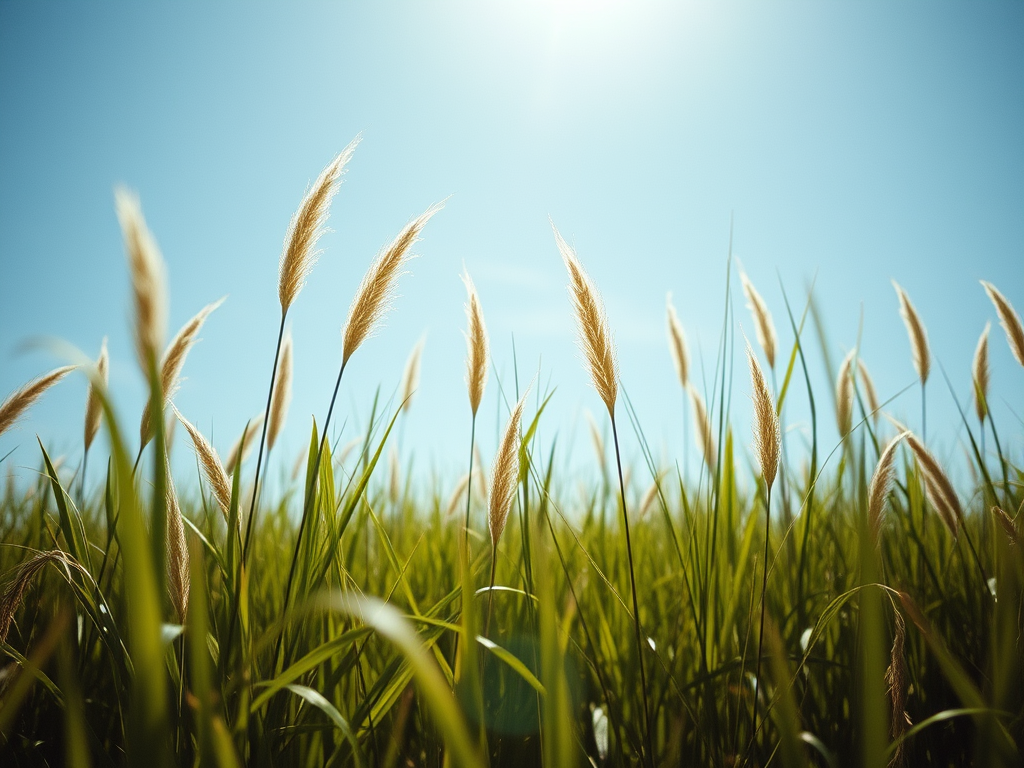
As a child I enjoyed exploring our hay field to find the tallest patch of grass. There, like a dog turning circles before a nap, I’d trample down the waving stems that stretched up almost to my eyes, and create a grass nest, cozy enough for just me.
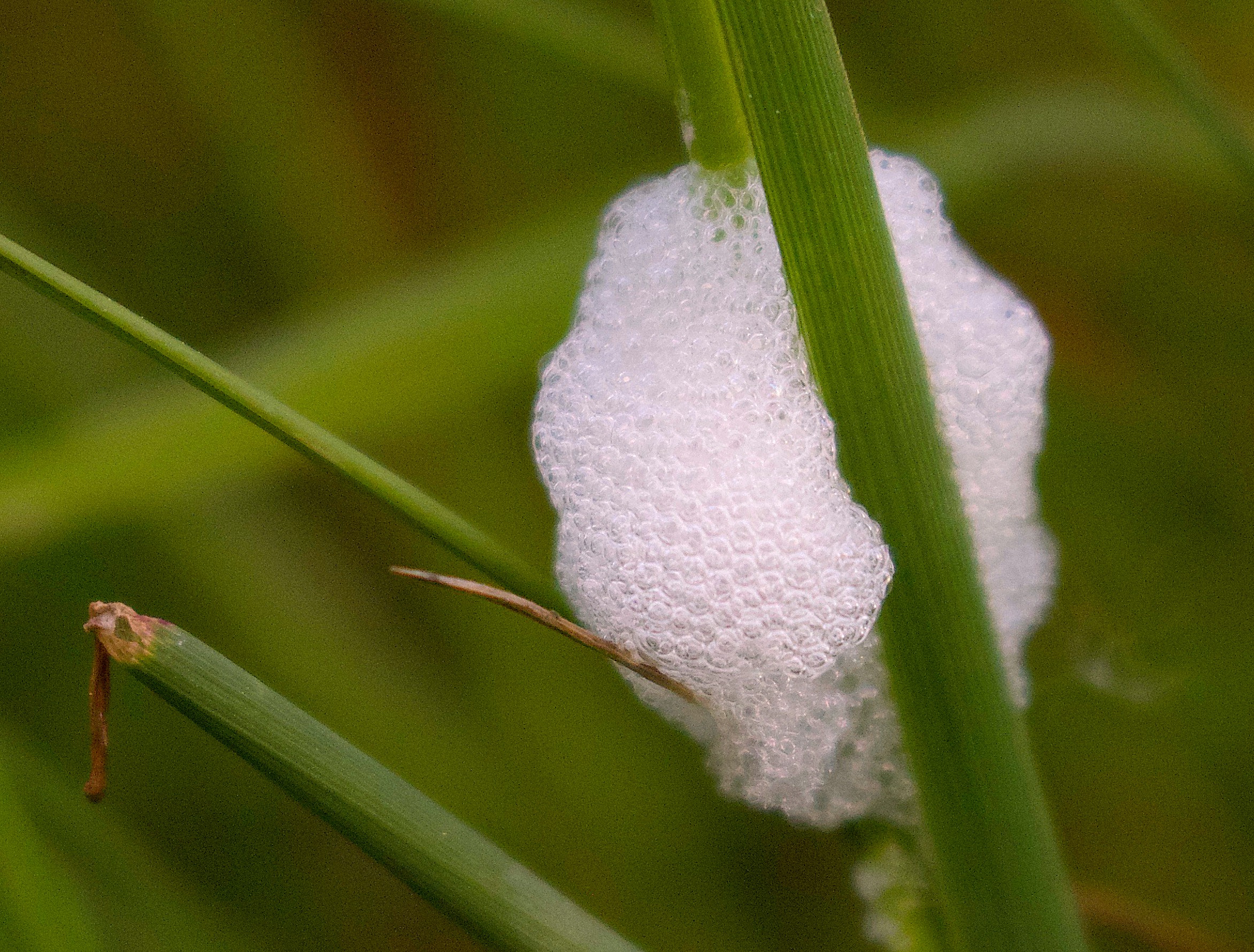
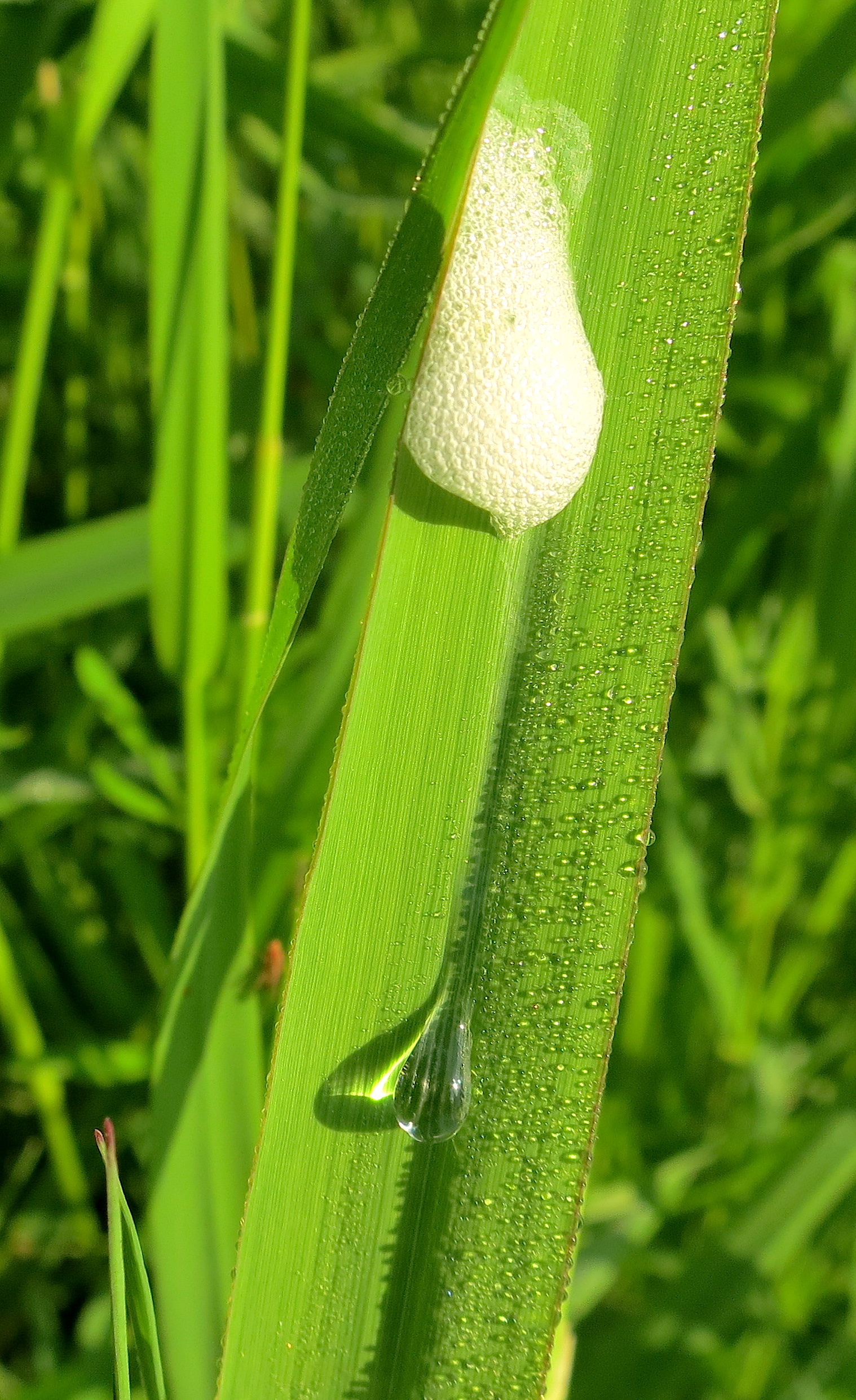
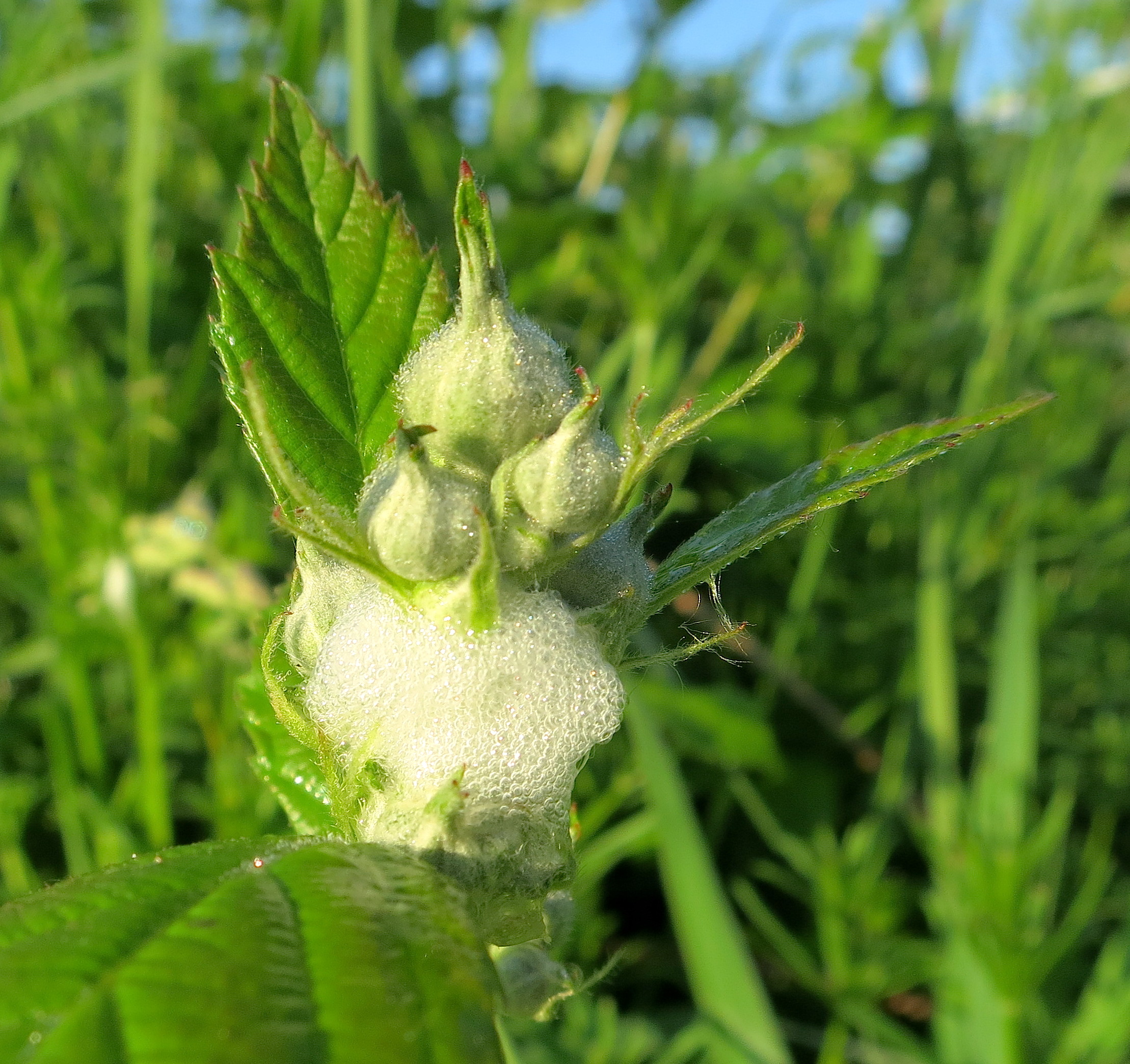
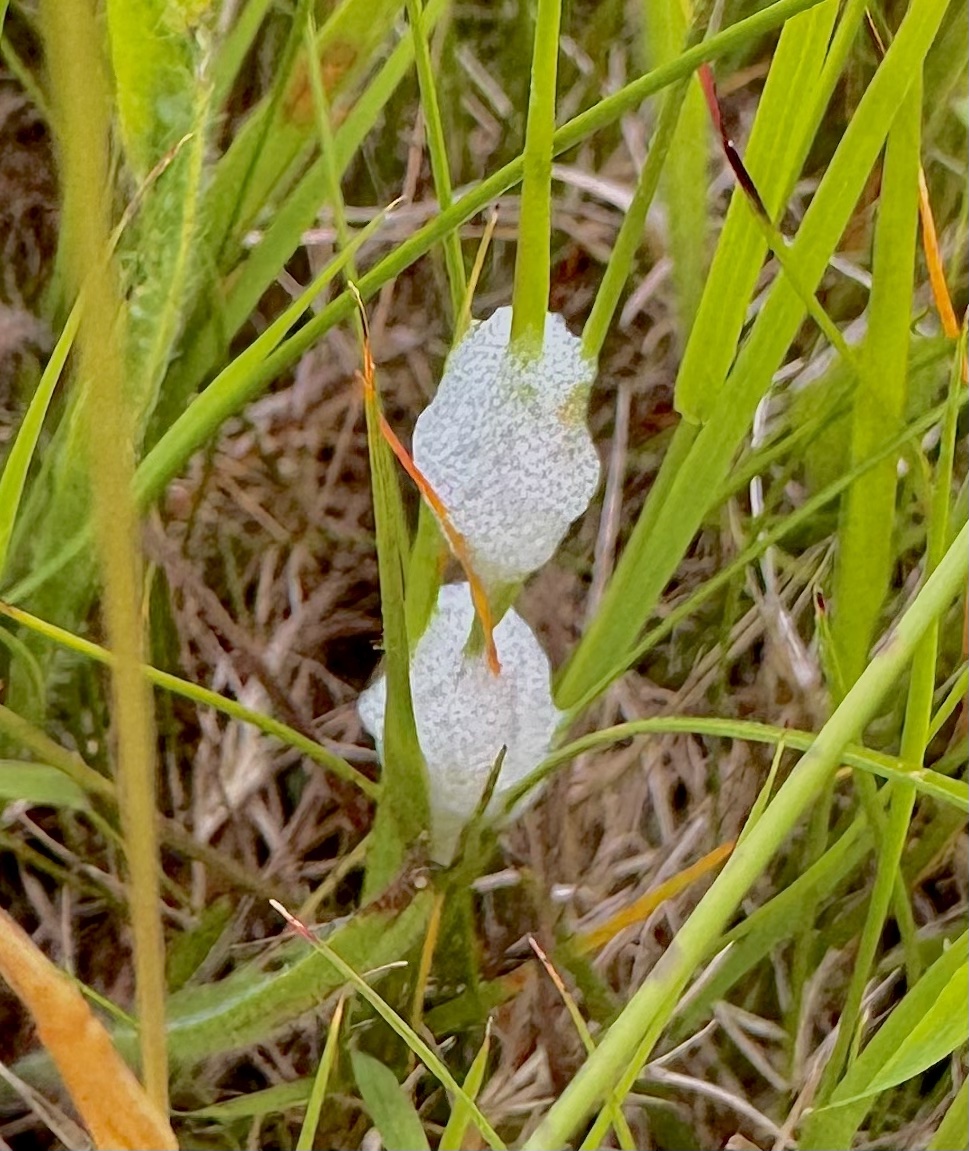
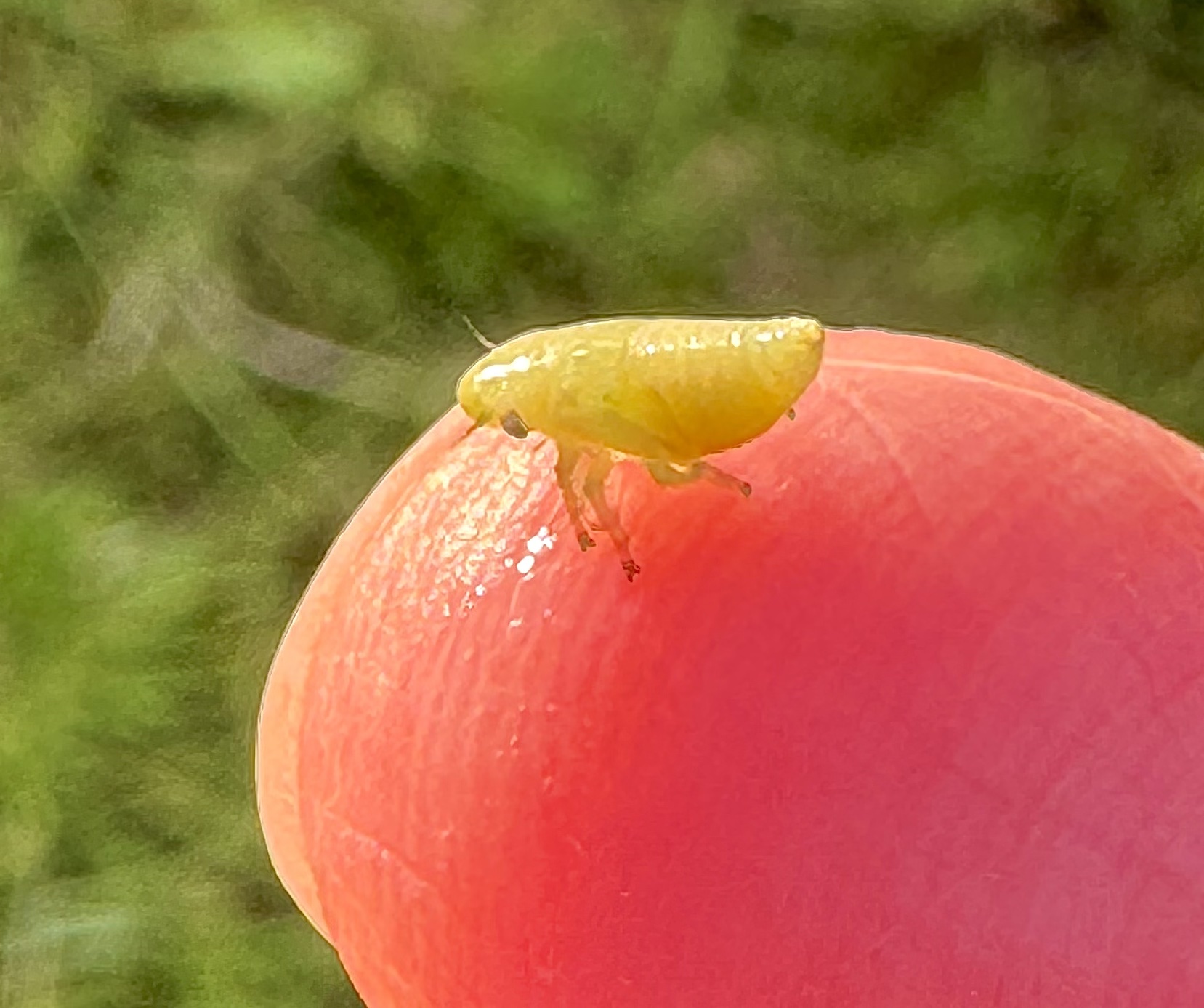
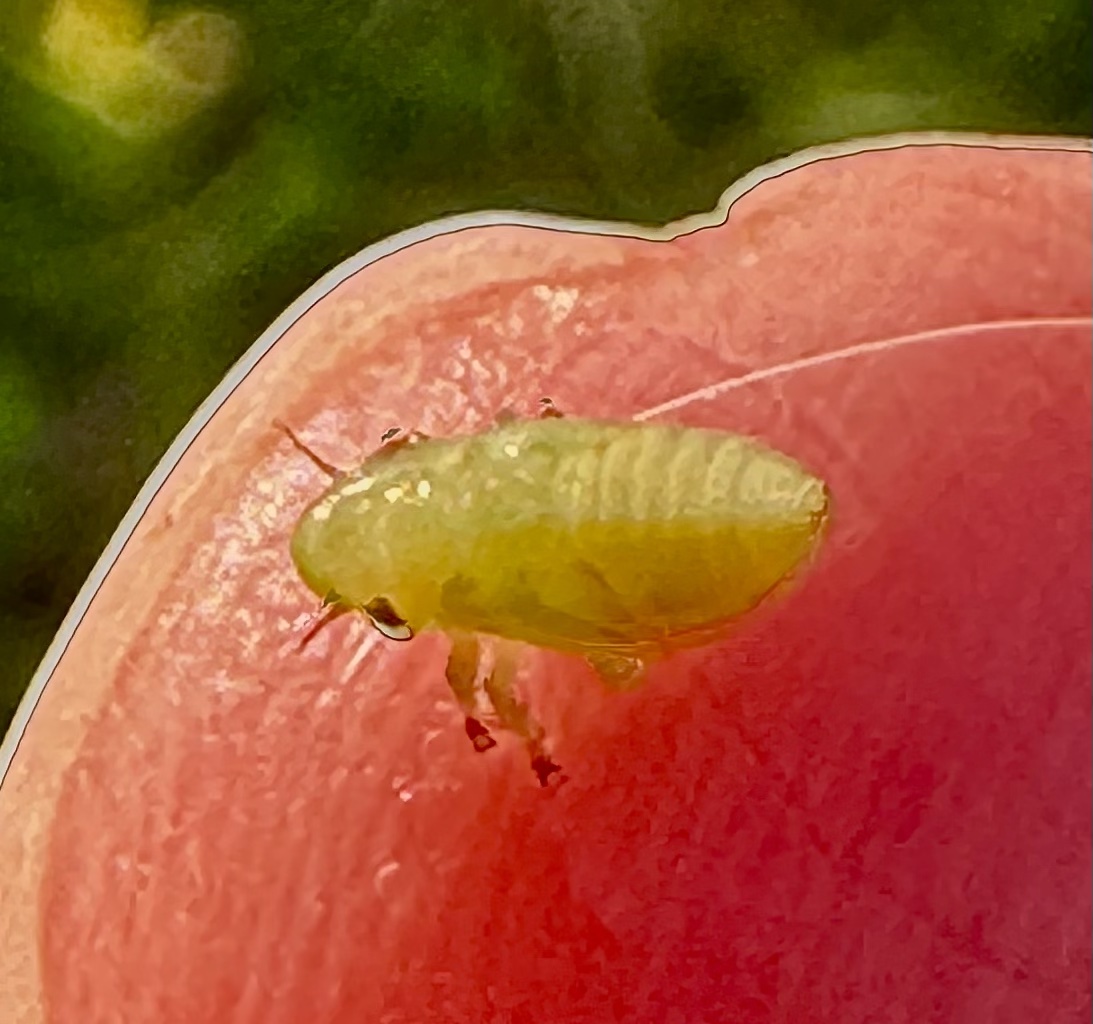
I’d lie down in this green fortress, gazing up at the blue sky, and watch the clouds drift lazily by. I’d suck on a hollow stem or two, to savor the bitter grass juice. Scattered around my grassy cage, attached to the broad grass stems, would be innumerable clumps of white foam. I’d tease out the hidden green spittle bugs with their little black eyes from their white frothy bubble encasement. I hoped to watch them make foam, to actually see them in action doing what they do best, but they would leap away.
The grassy nest was a time of retreat from the world by being buried inside the world. I felt protected, surrounded, encompassed and free –at least until I heard my mother calling for me from the house, or a rain shower started, driving me to run for cover, or my dog found me by sniffing out my green path.
It has been years since I hid in a grass fort or tried to defroth spit bugs. I am overdue, I’m sure.
Over twenty years ago, on a spring morning, I was driving into work on one of our county’s rural two-lane roads, savoring a grumbly mood and wishing I was heading somewhere else on a bright and sunny day. My mind was busy with the anticipation of the workday when I noticed a slight shift to the right over the fog line by the driver in the car ahead of me. Suddenly I realized why, in a moment of stark clarity.
An empty gravel truck and trailer rig was approaching as it came over a hill, its driver seemingly unaware his huge trailer was starting to whip back and forth behind him. As the huge rig approached me, the trailer was coming back to my side of the road at a nearly ninety degree angle from the truck, filling up the entire lane in front of me.
I had no choice but to run my car off the road into a grassy field to avoid being hit head-on by the still-attached but runaway trailer. Only by chance were there no deep ditches at that particular point in the road. My car dove right into tall grass, enfolded in a shroud of green, shielding me from a tangle of metal and certain death.
It was a near miss, but a miss nonetheless.
I sat still for a moment, gathering my wits and picking up what was left of my frayed nerves from where they been strewn about. All I could see in front and around me was grass, just like my little childhood fortresses.
It was very tempting to stay right there, hidden away in the safety of the grass, as if I had been a spittle bug wrapped in a foam cocoon, my heart racing with the relief of still being alive.
Instead I was able to drive out of the grassy field, and go on to work to do what I had been grumbling about that day, abruptly made aware of the privilege of having a life to live, a job to go to, and a grassy field perfectly situated to swallow me up into safety.
It was only later, as I called my husband about what had taken place, that I wept. Until then, I couldn’t stop smiling. I felt encased in liquid bubble wrap, foam-protected by One bigger and stronger, in whose image I had been made.
AI image created for this post
One-Time
Monthly
Yearly
Make a one-time or recurring donation to support daily Barnstorming posts
People have said, “Don’t cry” to other people for years and years, and all it has ever meant is, “I’m too uncomfortable when you show your feelings. Don’t cry.” I’d rather have them say, “Go ahead and cry. I’m here to be with you.”
I cry easily, always have. Certain songs and hymns will trigger tears, and of course, any rituals surrounding baptisms, funerals, weddings, and graduations.
Tears don’t bother me, whether they are my own or someone else’s. My medical office and exam rooms were always well- stocked with boxes of tissues as a safe place to cry it out.
One of my routine mental health history questions was “what will bring tears to your eyes – dicing onions doesn’t count?”
Some patients would look at me blankly, not sure they ever remember crying, and others will weep at the mere suggestion.
No matter what the reason for someone’s tears, it is a powerful outward expression of human feeling, like a laugh or a grimace of pain. I watch for those cues and sometimes feel their emotion as surely as if it were my own.
Even tears can bring peace – like a river.
I am with you. And always intend to be.
One-Time
Monthly
Yearly
Make a one-time donation to support daily Barnstorming posts
Here at the centre everything is still Before the stir and movement of our grief Which bears it’s pain with rhythm, ritual, Beautiful useless gestures of relief. So they anoint the skin that cannot feel Soothing his ruined flesh with tender care, Kissing the wounds they know they cannot heal, With incense scenting only empty air. He blesses every love that weeps and grieves And makes our grief the pangs of a new birth. The love that’s poured in silence at old graves Renewing flowers, tending the bare earth, Is never lost. In him all love is found And sown with him, a seed in the rich ground. ~Malcolm Guite “Station XIV of the Cross”
The Holy Saturday of our life must be the preparation for Easter, the persistent hope for the final glory of God. The virtue of our daily life is the hope which does what is possible and expects God to do the impossible. To express it somewhat paradoxically, but nevertheless seriously: the worst has actually already happened; we exist, and even death cannot deprive us of this. Now is the Holy Saturday of our ordinary life, but there will also be Easter, our true and eternal life. ~Karl Rahner “Holy Saturday” in The Great Church Year
I said to my mind, be still, and wait without hope For hope would be hope for the wrong thing; wait without love For love would be love of the wrong thing; yet there is faith But the faith and the hope and the love are all in the waiting. Wait without thought, for you are not ready for thought: So the darkness shall be light, and the stillness the dancing. ~T. S. Eliot, from “East Coker” The Four Quartets
The happy ending has never been easy to believe in. After the Crucifixion the defeated little band of disciples had no hope, no expectation of Resurrection. Everything they believed in had died on the cross with Jesus. The world was right, and they had been wrong. Even when the women told the disciples that Jesus had left the stone-sealed tomb, the disciples found it nearly impossible to believe that it was not all over. The truth was, it was just beginning. Madeleine L’Engle from “Waiting for Judas” in Plough Magazine
This in-between day after all had gone so wrong: the rejection, the denials, the trumped-up charges, the beatings, the burden, the jeering, the thorns, the nails, the thirst, the despair of being forsaken.
This in-between day before all will go so right: the forgiveness and compassion, the grace and sacrifice, the debt paid in full, the immovable stone rolled away, our name on His lips, our hearts burning to hear His words.
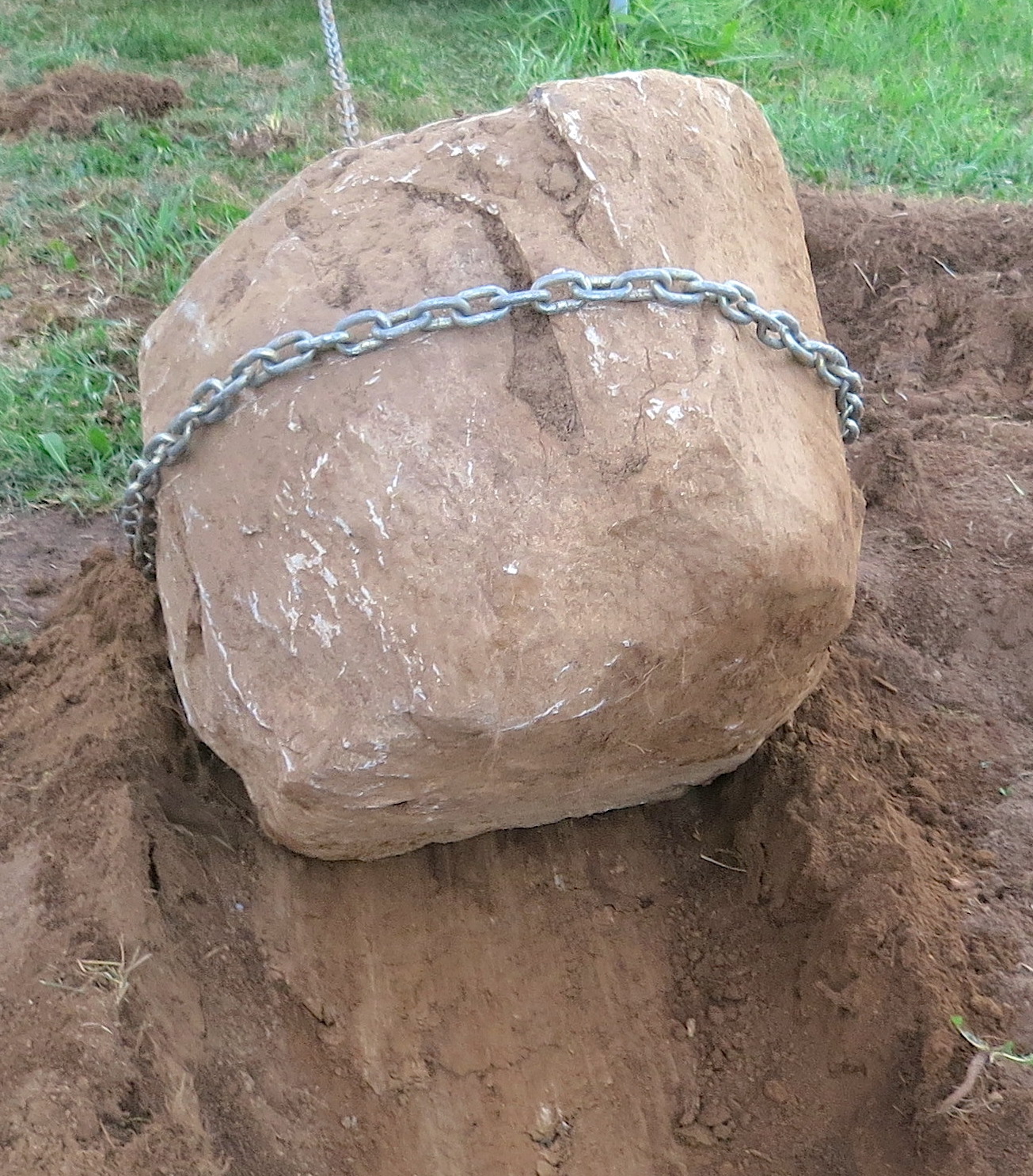
What does it take to move the stone? When it is an effort to till the untillable, creating a place where simple seed can drop, be covered and sprout and thrive, it takes muscle and sweat and blisters and tears.
What does it take to move the stone? When it is a day when no one will speak out of fear, the silent will be moved to cry out the truth, heard and known and never forgotten.
What does it take to move the stone? When it is a day when all had given up, gone behind locked doors in grief.
When two came to tend the dead, there would be no dead to tend.
Only a gaping hole left Only an empty tomb Only a weeping weary silence broken by Love calling our name and we turn to greet Him as if hearing it for the first time.
We cannot imagine what is to come in the dawn tomorrow as the stone lifted and rolled, giving way so our separation is bridged, darkness overwhelmed by light, the crushed and broken rising to dance, and inexplicably, from the waiting stillness He stirs and we, finding death emptied, greet Him with trembling and are forever moved, just like the stone.
This year’s Lenten theme:
…where you go I will go… Ruth 1:16
One-Time
Monthly
Yearly
Make a one-time or recurring donation to support daily Barnstorming posts
My God, my God, why have you forsaken me? Why are you so far from saving me, so far from my cries of anguish? 2 My God, I cry out by day, but you do not answer, by night, but I find no rest.
I am poured out like water, and all my bones are out of joint. My heart has turned to wax; it has melted within me. 15 My mouth is dried up like a potsherd, and my tongue sticks to the roof of my mouth; you lay me in the dust of death.
16 Dogs surround me, a pack of villains encircles me; they pierce my hands and my feet. 17 All my bones are on display; people stare and gloat over me. 18 They divide my clothes among them and cast lots for my garment.
19 But you, Lord, do not be far from me. You are my strength; come quickly to help me. ~Psalm 22: 1-2, 14-19
his appearance was so disfigured beyond that of any human being and his form marred beyond human likeness— so he will sprinkle many nations, and kings will shut their mouths because of him. For what they were not told, they will see, and what they have not heard, they will understand. Isaiah 52: 13-15
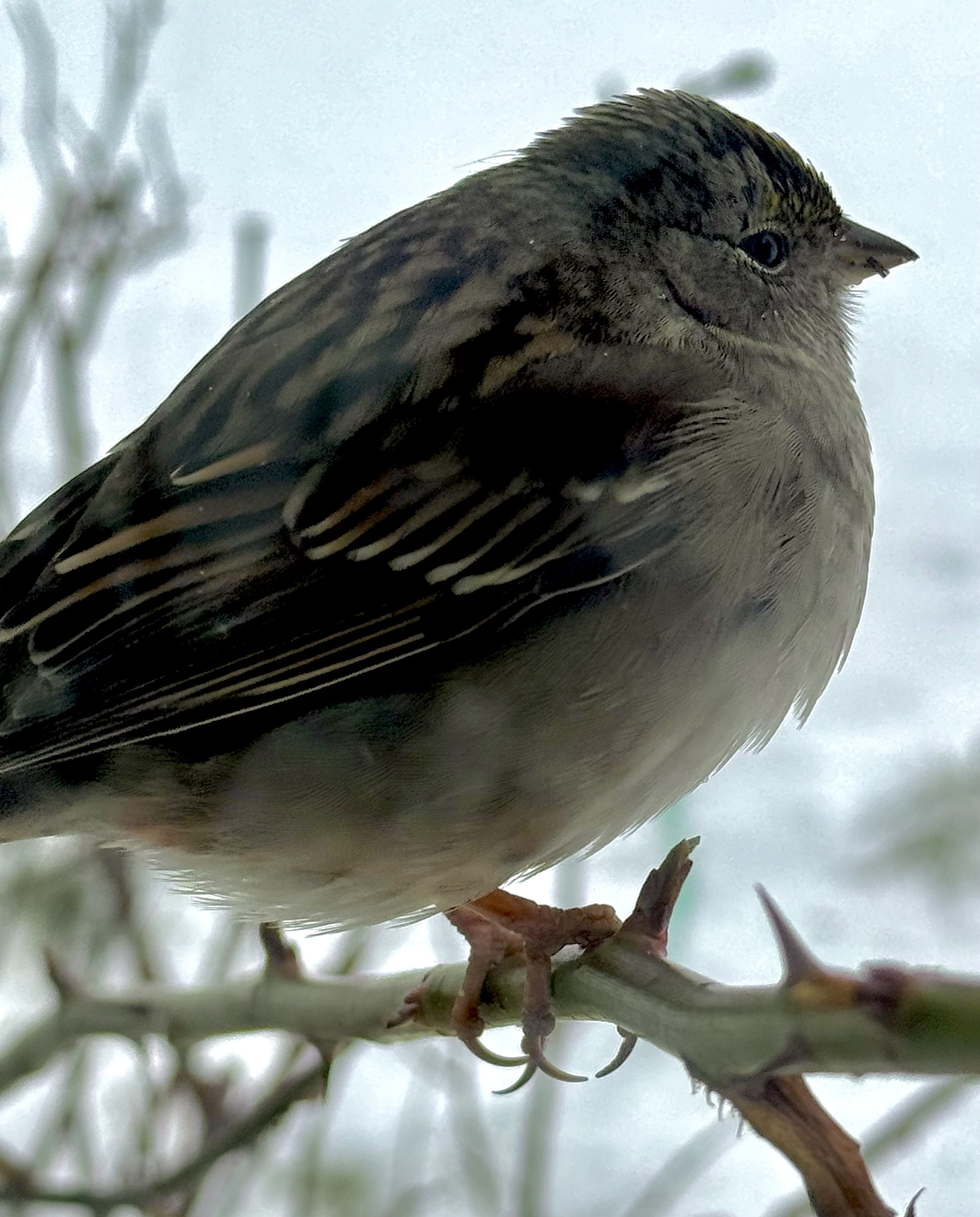
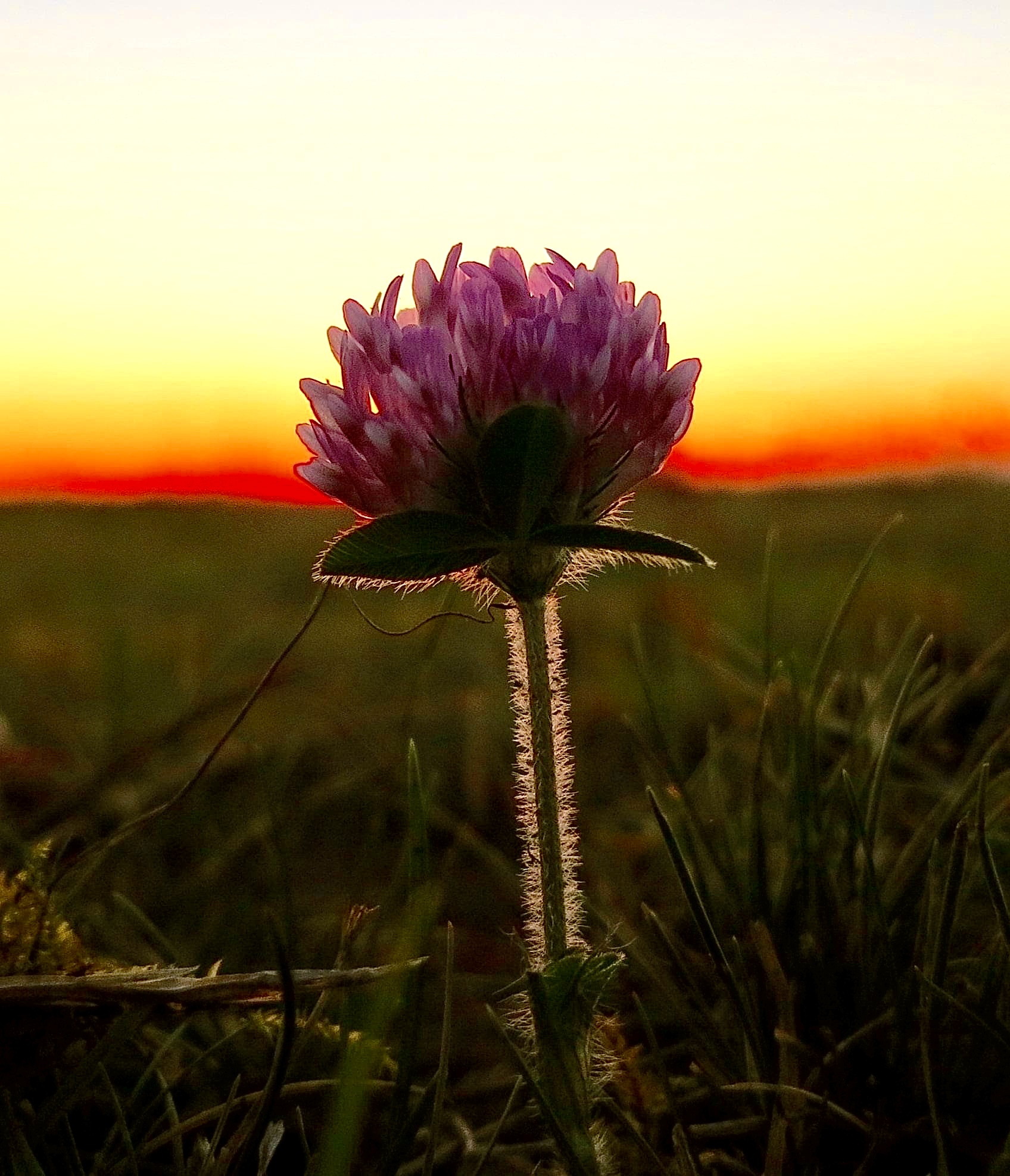
When I was wounded whether by God, the devil, or myself —I don’t know yet which— it was seeing the sparrows again and clumps of clover, after three days, that told me I hadn’t died. When I was young, all it took were those sparrows, those lush little leaves, for me to sing praises, dedicate operas to the Lord. But a dog who’s been beaten is slow to go back to barking and making a fuss over his owner —an animal, not a person like me who can ask: Why do you beat me? Which is why, despite the sparrows and the clover, a subtle shadow still hovers over my spirit. May whoever hurt me, forgive me. ~Adelia Prado “Divine Wrath” translated from BrazilianPortuguese by Ellen Doré Watson
*************************************
“My God, My God,” goes Psalm 22, “hear me, why have you forsaken me?”
This is the anguish all we of Godforsaken heart know well. But hear the revelation to which Christ directs us, further in the same psalm:
For He has not despised nor scorned the beggar’s supplication, Nor has He turned away His face from me; And when I cried out to Him, He heard me.
He hears us, and he knows, because he has suffered as one Godforsaken. Which means that you and I, even in our darkest hours, are not forsaken. Though we may hear nothing, feel nothing, believe nothing, we are not forsaken, and so we need not despair.
And that is everything.
That is Good Friday and it is hope, it is life in this darkened age, and it is the life of the world to come. ~Tony Woodlief from “We are Not Forsaken”
*******************************
Emmett Till’s mother speaking over the radio
She tells in a comforting voice what it was like to touch her dead boy’s face,
how she’d lingered and traced the broken jaw, the crushed eyes–
the face that badly beaten, disfigured— before confirming his identity.
And then she compares his face to the face of Jesus, dying on the cross.
This mother says no, she’d not recognize her Lord, for he was beaten far, far worse
than the son she loved with all her heart. For, she said, she could still discern her son’s curved earlobe,
but the face of Christ was beaten to death by the whole world. ~Richard Jones “The Face” fromBetween Midnight and Dawn
******************************
In a daring and beautiful creative reversal, God takes the worse we can do to Him and turns it into the very best He can do for us. ~Malcolm Guite from The Word in the Wilderness
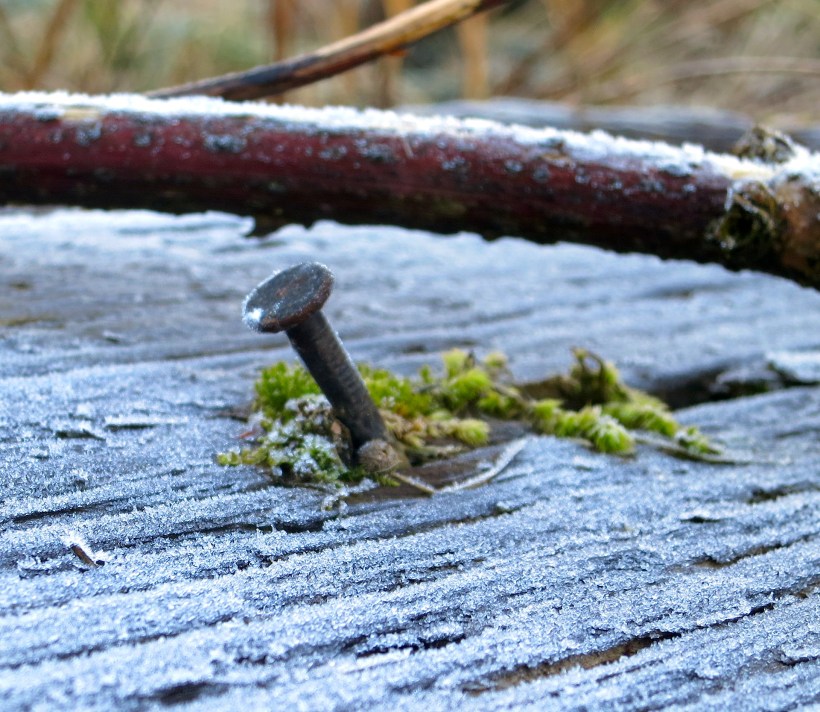
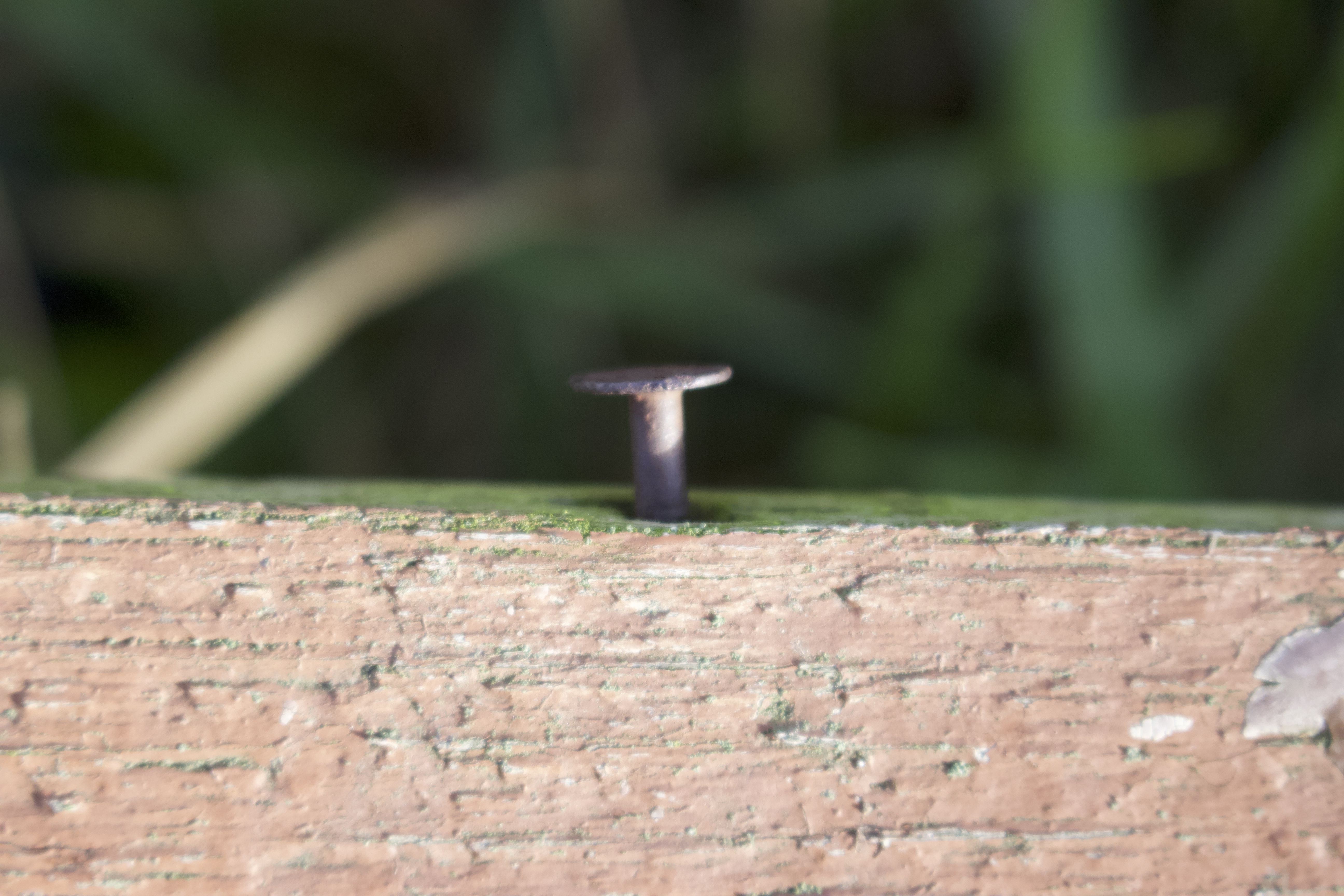
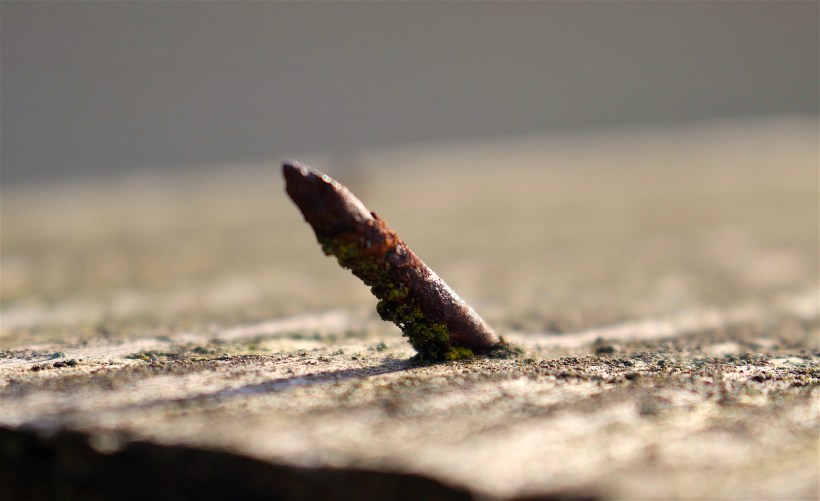
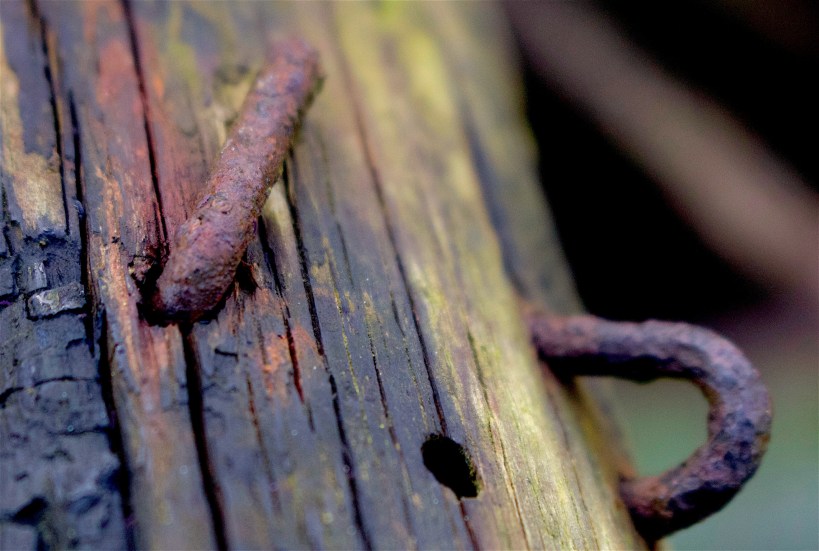
Strangely enough~ it is the nail, not the hammer, that fastens us together~ becoming the glue, the security, the permanence of solid foundation and strong supports, or protecting roof.
The hammer is only a tool to pound in the nail to where it binds so tightly; the nail can’t blend in or be forgotten, where the hole it leaves behind is a forever wounded reminder of what the hammer has done, yet, how thoroughly the hammer, and we, are forgiven.
This year’s Lenten theme:
…where you go I will go… Ruth 1:16
One-Time
Monthly
Yearly
Make a one-time or recurring donation to support daily Barnstorming posts












 Barnstorming