

And the secret garden bloomed and bloomed and every morning revealed new miracles.
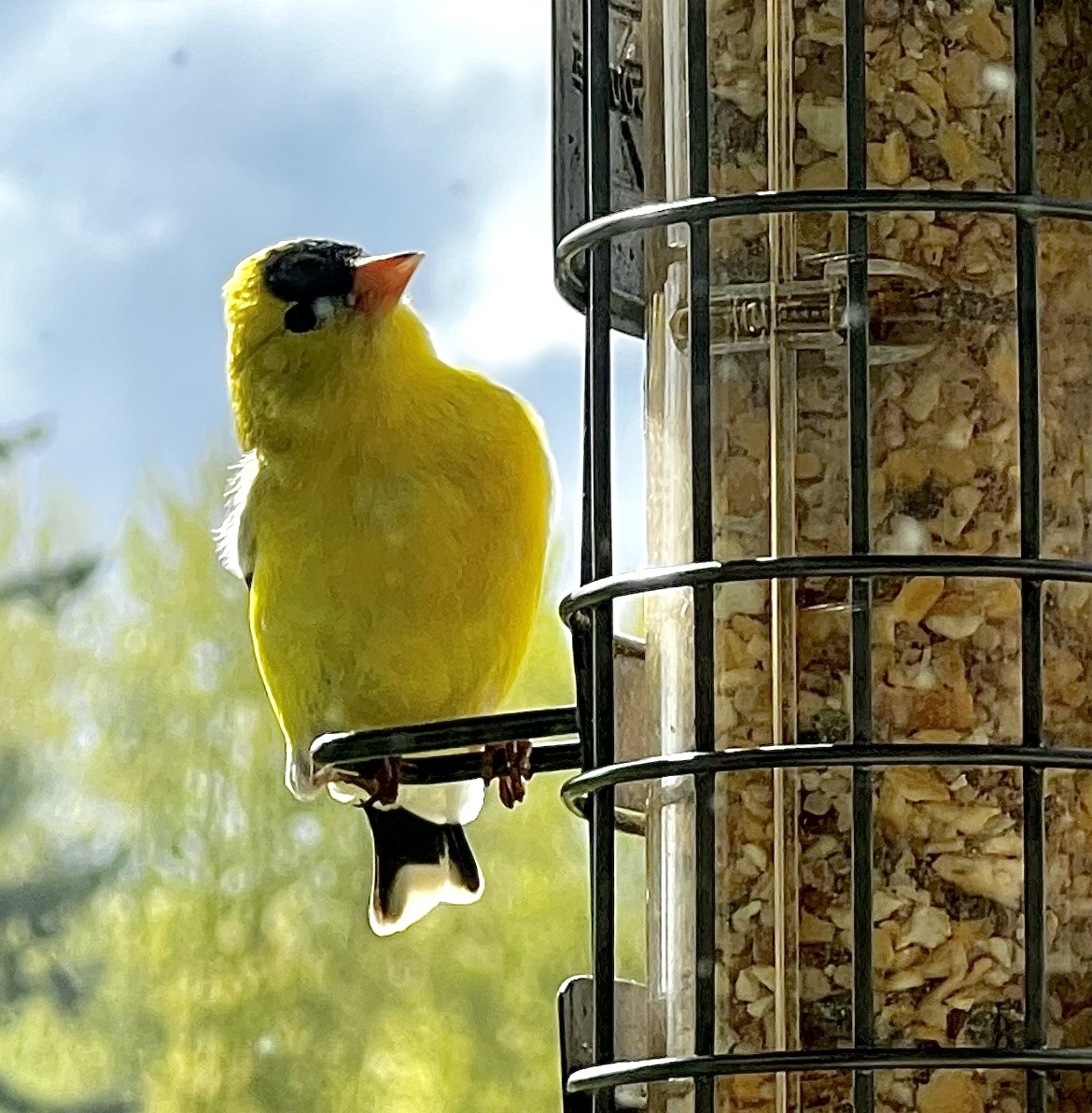
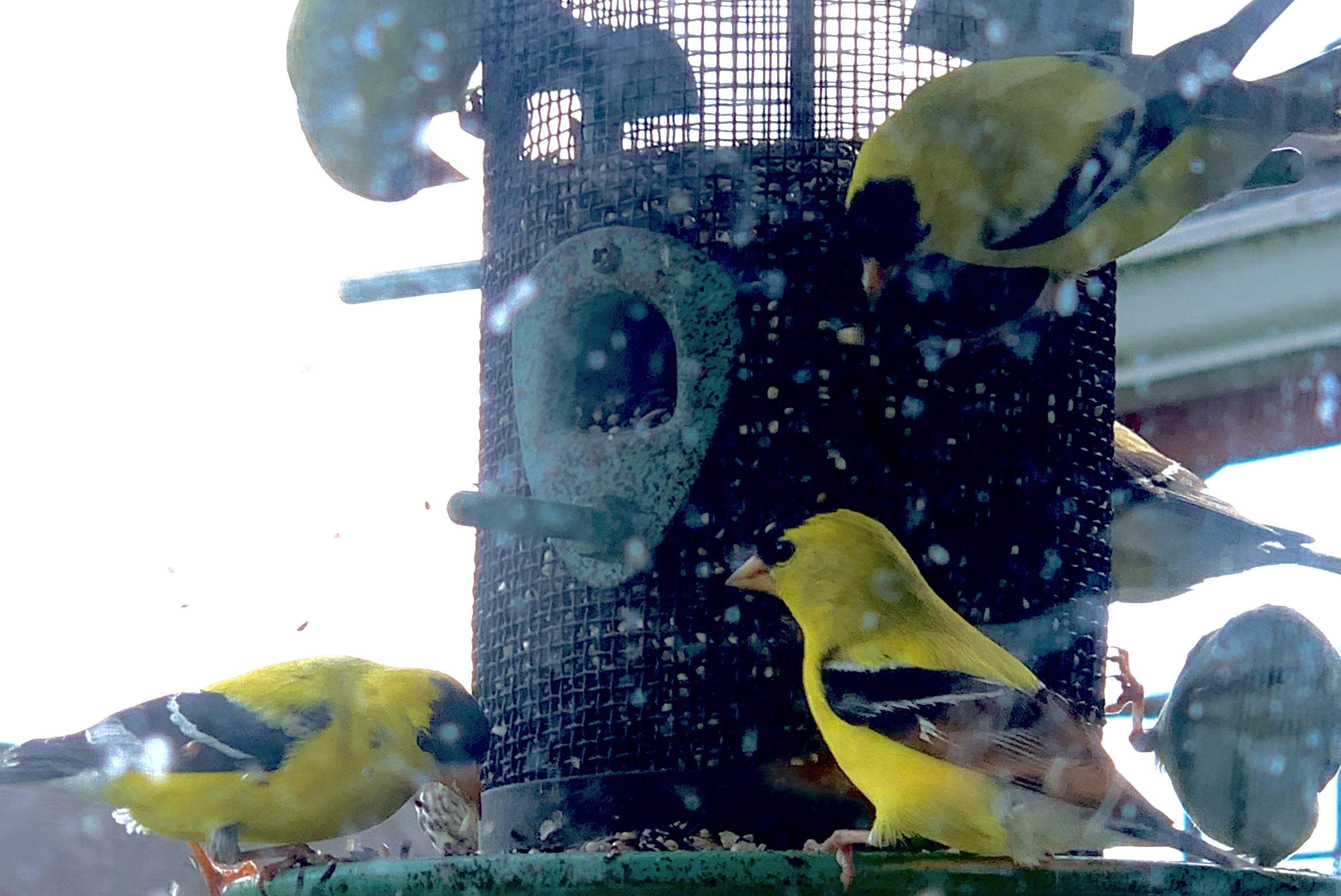
In the robin’s nest there were Eggs and the robin’s mate sat upon them keeping them warm with her feathery little breast and careful wings.
….in the garden there was nothing which was not quite like themselves, nothing which did not understand the wonderfulness of what was happening to them, the immense, tender, terrible, heart-breaking beauty and solemnity of Eggs.
If there had been one person in that garden who had not known through all his or her innermost being that if an Egg were taken away or hurt the whole world would whirl round and crash through space and come to an end—
if there had been even one who did not feel it and act accordingly there could have been no happiness even in that golden springtime air.
But they all knew it and felt it and the robin and his mate knew they knew it. ~Frances Hodgson Burnett from The Secret Garden
Some say you’re lucky If nothing shatters it.
But then you wouldn’t Understand poems or songs. You’d never know Beauty comes from loss.
It’s deep inside every person: A tear tinier Than a pearl or thorn.
We all start out in the secret garden of a fallopian tube as an egg pierced to become so much more… – each tiny part of the least of us – – whether brain, heart, lungs or liver – wonderfully made, even if discarded or fallen from the nest.
The act of creation of something so sacred is immense, tender, terrible, beautiful, heart-breaking, and so very solemn and joyful.
The act of harming one tiny part of creation hurts the whole world; we risk whirling round and crashing through space and coming to an end.
If there is even one who does not feel it and act accordingly, there can be no happiness.
But they all knew it and felt it and they knew they knew it.
And what is born broken is beloved nevertheless.
photo by Josh ScholtenAI image created for this post
One-Time
Monthly
Yearly

Make a one-time or recurring donation to support daily Barnstorming posts
i was talking to a moth the other evening he was trying to break into an electric light bulb and fry himself on the wires
why do you fellows pull this stunt i asked him because it is the conventional thing for moths or why if that had been an uncovered candle instead of an electric light bulb you would now be a small unsightly cinder have you no sense
plenty of it he answered but at times we get tired of using it we get bored with the routine and crave beauty and excitement fire is beautiful and we know that if we get too close it will kill us but what does that matter it is better to be happy for a moment and be burned up with beauty than to live a long time and be bored all the while so we wad all our life up into one little roll and then we shoot the roll that is what life is for it is better to be a part of beauty for one instant and then cease to exist than to exist forever and never be a part of beauty our attitude toward life is come easy go easy we are like human beings used to be before they became too civilized to enjoy themselves
and before i could argue him out of his philosophy he went and immolated himself on a patent cigar lighter i do not agree with him myself i would rather have half the happiness and twice the longevity but at the same time i wish there was something i wanted as badly as he wanted to fry himself
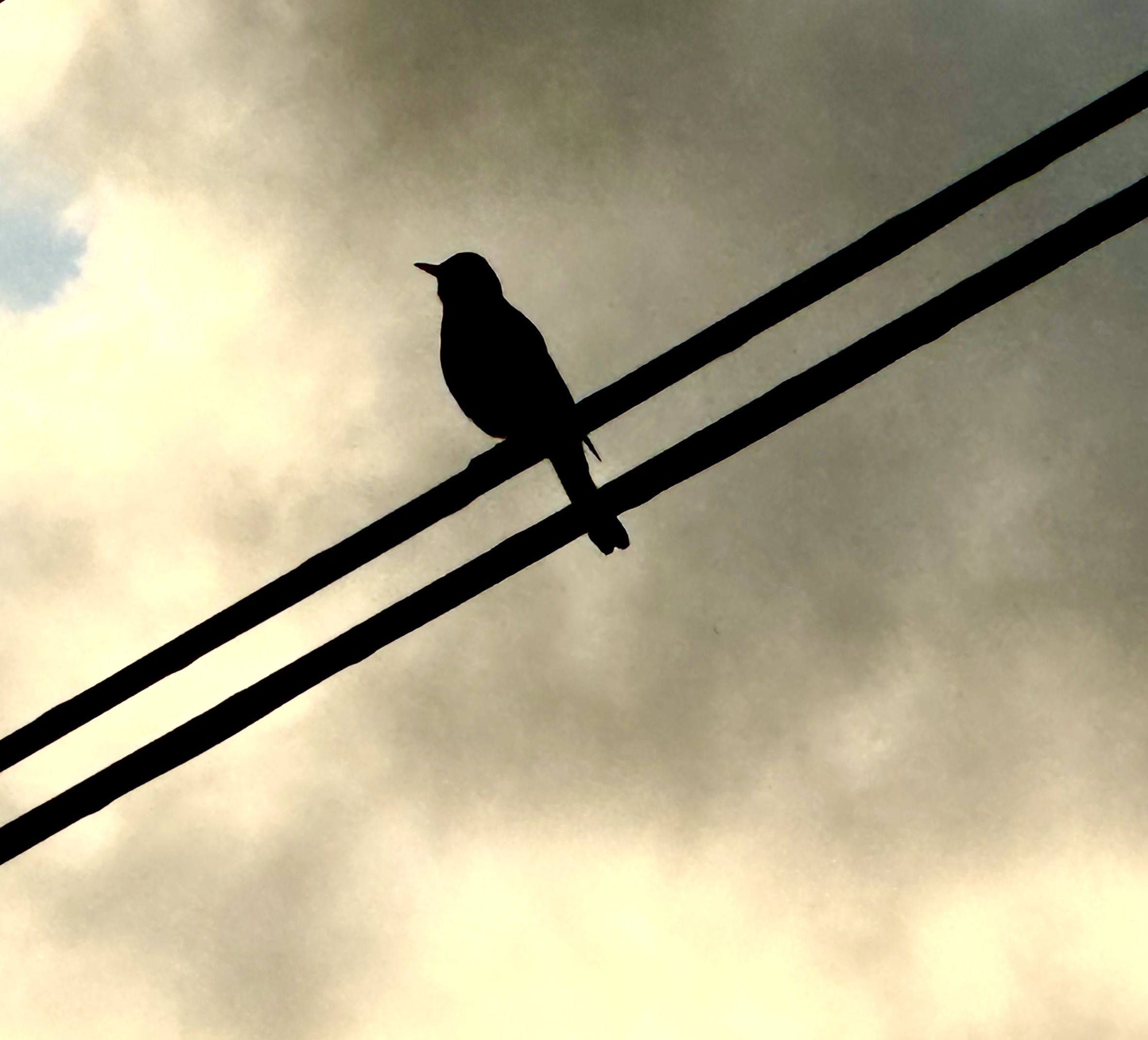
One night a moth flew into the candle, was caught, burned dry, and held. I must have been staring at the candle, or maybe I looked up when a shadow crossed my page; at any rate, I saw it all…
Her moving wings ignited like tissue paper…
And then this moth essence, this spectacular skeleton, began to act as a wick. She kept burning. The wax rose in the moth’s body from her soaking abdomen to her thorax to the jagged hole where her head should be, and widened into flame, a saffron-yellow flame that robed her to the ground like any immolating monk. That candle had two wicks, two flames of identical height, side by side. The moth’s head was fire. She burned for two hours, until I blew her out. ~Annie Dillard from “The Death of the Moth” from Holy the Firm
The struggle was over.
The insignificant little creature now knew death. As I looked at the dead moth, this minute wayside triumph of so great a force over so mean an antagonist filled me with wonder. Just as life had been strange a few minutes before, so death was now as strange.
The moth having righted himself now lay most decently and uncomplainingly composed. O yes, he seemed to say, death is stronger than I am. ~Virginia Woolf from “The Death of a Moth”
I too would take half the happiness and twice the longevity over one moment of ecstasy.
But I admire the blind passion of a tiny creature who will beat itself senseless on a light bulb, or fly into a flame to become cinders, or struggle so hard to live upright rather than upside down, that it dies in the struggle.
Why are famous poets and essayists fascinated by the tiny deaths they witness on their front porches, in their kitchens or at their writing desk?
Death is never tiny at all. Nevertheless, death is ceasing to be, after a unique and intentional creation, whether a moth, a mother, or ourselves.
We live today. Look for a moment of beauty to enjoy. Let’s be sensible about what we want so badly. As one tiny part of matter, we matter. And when we die, it is never a tiny death.
AI image created for this post
Lyrics: A day may come that asks of us all we have to give: a day we never would have sought and yet we have to live. If it should be our destiny to live in such a day, let our faith and love be worthy of the ones who showed the way. The ones we now call heroes The ones we say their memory will not die – they were no different in their day than you or I. They were no different in their day. than you or I. ~Grahame Davies
One-Time
Monthly
Yearly

Make a one-time or recurring donation to support daily Barnstorming posts
The second before the sun went out we saw a wall of dark shadow come speeding at us. We no sooner saw it than it was upon us, like thunder. It roared up the valley. It slammed our hill and knocked us out. It was the monstrous swift shadow cone of the moon. I have since read that this wave of shadow moves 1,800 miles an hour. Language can give no sense of this sort of speed—1,800 miles an hour. It was 195 miles wide. No end was in sight—you saw only the edge. It rolled at you across the land at 1,800 miles an hour, hauling darkness like plague behind it. Seeing it, and knowing it was coming straight for you, was like feeling a slug of anesthetic shoot up your arm. If you think very fast, you may have time to think, “Soon it will hit my brain.” You can feel the deadness race up your arm; you can feel the appalling, inhuman speed of your own blood. We saw the wall of shadow coming, and screamed before it hit.
This was the universe about which we have read so much and never before felt: the universe as a clockwork of loose spheres flung at stupefying, unauthorized speeds. How could anything moving so fast not crash, not veer from its orbit amok like a car out of control on a turn?
Less than two minutes later, when the sun emerged, the trailing edge of the shadow cone sped away. It coursed down our hill and raced eastward over the plain, faster than the eye could believe; it swept over the plain and dropped over the planet’s rim in a twinkling. It had clobbered us, and now it roared away. We blinked in the light. It was as though an enormous, loping god in the sky had reached down and slapped the Earth’s face.
When the sun appeared as a blinding bead on the ring’s side, the eclipse was over. The black lens cover appeared again, back-lighted, and slid away. At once the yellow light made the sky blue again; the black lid dissolved and vanished. The real world began there. I remember now: We all hurried away.
We never looked back. It was a general vamoose … but enough is enough. One turns at last even from glory itself with a sigh of relief. From the depths of mystery, and even from the heights of splendor, we bounce back and hurry for the latitudes of home. ~Annie Dillard from her essay “Total Eclipse” in The Atlantic about the February 1979 eclipse in Washington State
From my six week psychiatric inpatient rotation at a Veteran’s Hospital—late winter 1979
Sixty eight year old male catatonic with depression
He lies still, so very still under the sheet, eyes closed; the only clue that he is living is the slight rise and fall of his chest. His face is skull- like framing his sunken eyes, his facial bones standing out like shelves above the hollows of his cheeks, his hands lie skeletal next to an emaciated body. He looks as if he is dying of cancer but without the smell of decay. He rouses a little when touched, not at all when spoken to. His eyes open only when it is demanded of him, and he focuses with difficulty. His tongue is thick and dry, his whispered words mostly indecipherable, heard best by bending down low to the bed, holding an ear almost to his cracked lips.
He has stopped feeding himself, not caring about hunger pangs, not salivating at enticing aromas or enjoying the taste of beloved coffee. His meals are fed through a beige rubber tube running through a hole in his abdominal wall emptying into his stomach, dripping a yeasty smelling concoction of thick white fluid full of calories. He ‘eats’ without tasting and without caring. His sedating antidepressant pills are crushed, pushed through the tube, oozing into him, deepening his sleep, but are designed to eventually wake him from his deep debilitating melancholy.
After two weeks of treatment and nutrition, his cheeks start to fill in, and his eyes are closed less often. He watches people as they move around the room and he responds a little faster to questions and starts to look us in the eye. He asks for coffee, then pudding and eventually he asks for steak. By the third week he is sitting up in a chair, reading the paper.
After a month, he walks out of the hospital, 15 pounds heavier than when he was wheeled in. His lips, no longer dried and cracking, have begun to smile again.
Thirty two year old male rescued by the Coast Guard at 3 AM in the middle of the bay
As he shouts, his eyes dart, his voice breaks, his head tosses back and forth, his back arches and then collapses as he lies tethered to the gurney with leather restraints. He writhes constantly, his arm and leg muscles flexing against the wrist and ankle bracelets.
“The angels are waiting!! They’re calling me to come!! Can’t you hear them? What’s wrong with you? I’m Jesus Christ, King of Kings!! Lord of Lords!! If you don’t let me return to them, I can’t stop the destruction!”
He finally falls asleep by mid-morning after being given enough antipsychotic medication to kill a horse. He sleeps uninterrupted for nine hours. Then suddenly his eyes fly open, and he looks startled.
He glares at me. “Where am I? How did I get here?”
“You are hospitalized in the VA psych ward after being picked up by the Coast Guard after swimming out into the bay in the middle of the night. You said you were trying to reach the angels.”
He turns his head away, his fists relaxing in the restraints, and begins to weep uncontrollably, the tears streaming down his face.
“Forgive them, Father, for they know not what they do.”
Twenty two year old male with auditory and visual hallucinations
He seems serene, much more comfortable in his own skin when compared to the others on the ward. Walking up and down the long hallways alone, he is always in deep conversation. He takes turns talking, but more often is listening, nodding, almost conspiratorial.
During a one-on-one session, he looks at me briefly, but his attention continues to be diverted, first watching an invisible something or someone enter the room, move from the door to the middle of the room, until finally, his eyes lock on an empty chair to my left. I ask him what he sees next to me.
“Jesus wants you to know He loves you.”
It takes all my will power not to turn and look at the empty chair.
Fifty four year old male with chronic paranoid schizophrenia
He has been disabled with psychiatric illness for thirty years, having his first psychotic break while serving in World War II. His only time living outside of institutions has been spent sharing a home with his mother who is now in her eighties. This hospitalization was precipitated by his increasing delusion that his mother is the devil and the voices in his head commanded that he kill her. He had become increasingly agitated and angry, had threatened her with a knife, so she called the police, pleading with them not to arrest him, but to bring him to the hospital for medication adjustment.
His eyes have taken on the glassy staring look of the overmedicated psychotic, and he sits in the day room much of the day sleeping in a chair, drool dripping off his lower lip. When awake he answers questions calmly and appropriately with no indication of the delusions or agitation that led to his hospitalization. His mother visits him almost daily, bringing him his favorite foods from home which he gratefully accepts and eats with enthusiasm. By the second week, he is able to take short passes to go home with her, spending a lunch time together and then returning to the ward for dinner and overnight. By the third week, he is ready for discharge, his mother gratefully thanking the doctors for the improvement she sees in her son. I watch them walk down the long hallway together to be let through the locked doors to freedom.
Two days later, a headline in the local paper:
“Veteran Beheads Elderly Mother”

Forty five year old male — bipolar disorder with psychotic features
He has been on the ward for almost a year, his unique high pitched laughter heard easily from behind closed doors, his eyes intense in his effort to conceal his struggles. Trying to follow his line of thinking is challenging, as he talks quickly, with frequent brilliant off topic tangents, and at times he lapses into a “word salad” of almost nonsensical sentences. Every day as I meet with him I become more confused about what is going on with him, and am unclear what is expected of me in my interactions with him. He senses my discomfort and tries to ease my concern.
“Listen, this is not your problem to fix but I’m bipolar and regularly hear command voices and have intrusive thoughts. My medication keeps me under good control. But just tell me if you think I’m not making sense because I don’t always recognize it in myself.”
During my rotation, his tenuous tether to sanity is close to breaking. He starts to listen more intently to the voices in his head, becoming frightened and anxious, often mumbling and murmuring under his breath as he goes about his day.
On a particular morning, all the patients are more anxious than usual, pacing and wringing their hands as the light outdoors slowly fades, with noon being transformed to an oddly shadowy dusk. The street lights turn on automatically and cars are driving with headlights shining. We stand at the windows in the hospital, watching the city become dark as night in the middle of the day. The unstable patients are sure the world is ending and extra doses of medication are dispensed as needed while the light slowly returns to the streets outside. Within an hour the sunlight is back, and all the patients are napping soundly.
The psychiatrist locks himself in his office and doesn’t respond to knocks on the door or calls on his desk phone.
Stressed by the recent homicide by one of his discharged patients, and identifying with his patients due to his own mental illness, he is overwhelmed by the eclipse. The nurses call the hospital administrator who comes to the ward with two security guards. They unlock the door and lead the psychiatrist off the ward. We watch him leave, knowing he won’t be back.
It is as if the light had left and only his shadow remains.
AI image created for this post
Lyrics: Measure me, sky! Tell me I reach by a song Nearer the stars; I have been little so long.
Weigh me, high wind! What will your wild scales record? Profit of pain, Joy by the weight of a word.
Horizon, reach out! Catch at my hands, stretch me taut, Rim of the world: Widen my eyes by a thought.
Sky, be my depth, Wind, be my width and my height, World, my heart’s span; Loveliness, wings for my flight. ~Leonora Speyer
One-Time
Monthly
Yearly

Make a one-time or recurring donation to support daily Barnstorming posts
Perhaps she came down for the apples, or was flushed out by the saws powering the far woods, or was simply lost, or was crossing one open space for another.
She was a figure approaching, a presence outside a kitchen window, framed by the leafless apple trees, the stiff blueberry bushes, the after-harvest corn, the just-before-rain sky,
a shape only narrow bones could hold, turning its full face upward, head tilted to one side, as if to speak.
Everything changing faster than we can respond: loss of jobs, research halting mid-study, inconsistency abounds, families shattered, uncertainty prevails.
What happened to of the people, by the people, for the people rather than dictated by just a few
We are so lost, how to find our way back to caring for the poor, the weak, the vulnerable with a spirit of commitment, compassion and sacrifice.
For God alone – no one else – remains our strength and shield. Lost and afraid, we want our lives back.
We need His Refuge where we may rest. We seek Sanctuary from this darkness, to once again awaken hopeful to a new morning.
AI image created for this post
One-Time
Monthly
Yearly
Make a one-time or recurring donation to support daily Barnstorming posts
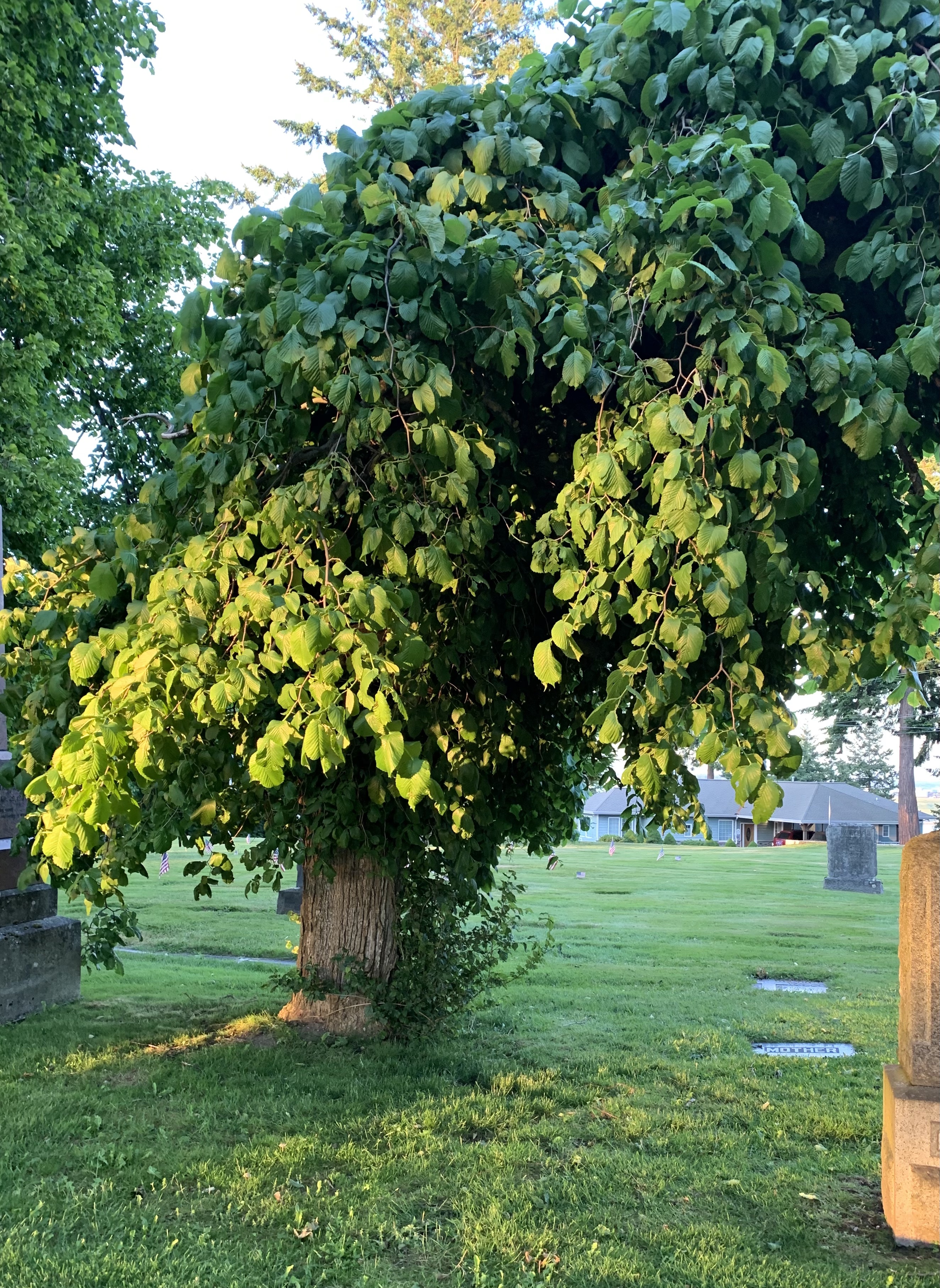
Lined with light the twigs are stubby arrows. A gilded trunk writhes Upward from the roots, from the pit of the black tentacles.
In the book of spring a bare-limbed torso is the first illustration.
Light teaches the tree to beget leaves, to embroider itself all over with green reality, until summer becomes its steady portrait and birds bring their lifetime to the boughs.
Then even the corpse light copies from below may shimmer, dreaming it feels the cheeks of blossom. ~May Swenson “April Light”
This world is not defeated by death.
An unprecedented illumination emerged from the tomb on a bright Sabbath morning to guarantee that we struggling people, we who feel we are no more than bare twigs and stubs, we who aren’t budging from where we are rooted, are now begetting green, ready to burst into blossom, our glowing cheeks pink with life, a picture of our future fruitfulness.
AI image created for this post
One-Time
Monthly
Yearly
Make a one-time or recurring donation to support daily Barnstorming posts

Here at the centre everything is still Before the stir and movement of our grief Which bears it’s pain with rhythm, ritual, Beautiful useless gestures of relief. So they anoint the skin that cannot feel Soothing his ruined flesh with tender care, Kissing the wounds they know they cannot heal, With incense scenting only empty air. He blesses every love that weeps and grieves And makes our grief the pangs of a new birth. The love that’s poured in silence at old graves Renewing flowers, tending the bare earth, Is never lost. In him all love is found And sown with him, a seed in the rich ground. ~Malcolm Guite “Station XIV of the Cross”

The Holy Saturday of our life must be the preparation for Easter, the persistent hope for the final glory of God. The virtue of our daily life is the hope which does what is possible and expects God to do the impossible. To express it somewhat paradoxically, but nevertheless seriously: the worst has actually already happened; we exist, and even death cannot deprive us of this. Now is the Holy Saturday of our ordinary life, but there will also be Easter, our true and eternal life. ~Karl Rahner “Holy Saturday” in The Great Church Year
I said to my mind, be still, and wait without hope For hope would be hope for the wrong thing; wait without love For love would be love of the wrong thing; yet there is faith But the faith and the hope and the love are all in the waiting. Wait without thought, for you are not ready for thought: So the darkness shall be light, and the stillness the dancing. ~T. S. Eliot, from “East Coker” The Four Quartets
The happy ending has never been easy to believe in. After the Crucifixion the defeated little band of disciples had no hope, no expectation of Resurrection. Everything they believed in had died on the cross with Jesus. The world was right, and they had been wrong. Even when the women told the disciples that Jesus had left the stone-sealed tomb, the disciples found it nearly impossible to believe that it was not all over. The truth was, it was just beginning. Madeleine L’Engle from “Waiting for Judas” in Plough Magazine
This in-between day after all had gone so wrong: the rejection, the denials, the trumped-up charges, the beatings, the burden, the jeering, the thorns, the nails, the thirst, the despair of being forsaken.
This in-between day before all will go so right: the forgiveness and compassion, the grace and sacrifice, the debt paid in full, the immovable stone rolled away, our name on His lips, our hearts burning to hear His words.
What does it take to move the stone? When it is an effort to till the untillable, creating a place where simple seed can drop, be covered and sprout and thrive, it takes muscle and sweat and blisters and tears.
What does it take to move the stone? When it is a day when no one will speak out of fear, the silent will be moved to cry out the truth, heard and known and never forgotten.
What does it take to move the stone? When it is a day when all had given up, gone behind locked doors in grief.
When two came to tend the dead, there would be no dead to tend.
Only a gaping hole left Only an empty tomb Only a weeping weary silence broken by Love calling our name and we turn to greet Him as if hearing it for the first time.
We cannot imagine what is to come in the dawn tomorrow as the stone lifted and rolled, giving way so our separation is bridged, darkness overwhelmed by light, the crushed and broken rising to dance, and inexplicably, from the waiting stillness He stirs and we, finding death emptied, greet Him with trembling and are forever moved, just like the stone.
This year’s Lenten theme:
…where you go I will go… Ruth 1:16
One-Time
Monthly
Yearly
Make a one-time or recurring donation to support daily Barnstorming posts
My God, my God, why have you forsaken me? Why are you so far from saving me, so far from my cries of anguish? 2 My God, I cry out by day, but you do not answer, by night, but I find no rest.
I am poured out like water, and all my bones are out of joint. My heart has turned to wax; it has melted within me. 15 My mouth is dried up like a potsherd, and my tongue sticks to the roof of my mouth; you lay me in the dust of death.
16 Dogs surround me, a pack of villains encircles me; they pierce my hands and my feet. 17 All my bones are on display; people stare and gloat over me. 18 They divide my clothes among them and cast lots for my garment.
19 But you, Lord, do not be far from me. You are my strength; come quickly to help me. ~Psalm 22: 1-2, 14-19
his appearance was so disfigured beyond that of any human being and his form marred beyond human likeness— so he will sprinkle many nations, and kings will shut their mouths because of him. For what they were not told, they will see, and what they have not heard, they will understand. Isaiah 52: 13-15
When I was wounded whether by God, the devil, or myself —I don’t know yet which— it was seeing the sparrows again and clumps of clover, after three days, that told me I hadn’t died. When I was young, all it took were those sparrows, those lush little leaves, for me to sing praises, dedicate operas to the Lord. But a dog who’s been beaten is slow to go back to barking and making a fuss over his owner —an animal, not a person like me who can ask: Why do you beat me? Which is why, despite the sparrows and the clover, a subtle shadow still hovers over my spirit. May whoever hurt me, forgive me. ~Adelia Prado “Divine Wrath” translated from BrazilianPortuguese by Ellen Doré Watson
*************************************
“My God, My God,” goes Psalm 22, “hear me, why have you forsaken me?”
This is the anguish all we of Godforsaken heart know well. But hear the revelation to which Christ directs us, further in the same psalm:
For He has not despised nor scorned the beggar’s supplication, Nor has He turned away His face from me; And when I cried out to Him, He heard me.
He hears us, and he knows, because he has suffered as one Godforsaken. Which means that you and I, even in our darkest hours, are not forsaken. Though we may hear nothing, feel nothing, believe nothing, we are not forsaken, and so we need not despair.
And that is everything.
That is Good Friday and it is hope, it is life in this darkened age, and it is the life of the world to come. ~Tony Woodlief from “We are Not Forsaken”
*******************************
Emmett Till’s mother speaking over the radio
She tells in a comforting voice what it was like to touch her dead boy’s face,
how she’d lingered and traced the broken jaw, the crushed eyes–
the face that badly beaten, disfigured— before confirming his identity.
And then she compares his face to the face of Jesus, dying on the cross.
This mother says no, she’d not recognize her Lord, for he was beaten far, far worse
than the son she loved with all her heart. For, she said, she could still discern her son’s curved earlobe,
but the face of Christ was beaten to death by the whole world. ~Richard Jones “The Face” fromBetween Midnight and Dawn
******************************
In a daring and beautiful creative reversal, God takes the worse we can do to Him and turns it into the very best He can do for us. ~Malcolm Guite from The Word in the Wilderness
Strangely enough~ it is the nail, not the hammer, that fastens us together~ becoming the glue, the security, the permanence of solid foundation and strong supports, or protecting roof.
The hammer is only a tool to pound in the nail to where it binds so tightly; the nail can’t blend in or be forgotten, where the hole it leaves behind is a forever wounded reminder of what the hammer has done, yet, how thoroughly the hammer, and we, are forgiven.
This year’s Lenten theme:
…where you go I will go… Ruth 1:16
One-Time
Monthly
Yearly
Make a one-time or recurring donation to support daily Barnstorming posts
…having loved his own who were in the world, he now showed them the full extent of his love. John 13:1
What e’er the soul has felt or suffered long, Oh, heart! this one thing should not be forgot: Christ washed the feet of Judas. ~George Marion McClellan from “The Feet of Judas” in The Book of American Negro Poetry 1922
Here is the source of every sacrament, The all-transforming presence of the Lord, Replenishing our every element Remaking us in his creative Word.
For here the earth herself gives bread and wine, The air delights to bear his Spirit’s speech, The fire dances where the candles shine, The waters cleanse us with His gentle touch.
And here He shows the full extent of love To us whose love is always incomplete, In vain we search the heavens high above, The God of love is kneeling at our feet.
Though we betray Him, though it is the night. He meets us here and loves us into light. ~Malcolm Guite “Maundy Thursday”
May the power of your love, Lord Christ, fiery and sweet as honey, so absorb our hearts as to withdraw them from all that is under heaven. Grant that we may be ready to die for love of your love, as you died for love of our love. ~St. Francis of Assisi
On Maundy Thursday, this is how to love Jesus’s love:
No arguing over who is the greatest. No hiding dirty feet needing washing. No making promises we don’t keep. No holding back the most precious of gifts. No falling asleep when asked to keep watch. No selling out with a kiss. No drawing of swords. No turning and running away. No lying and denying. No covering up our face and identity. No looking back. No clinging to the comforts of the world.
But of course I fail again and again when I’m fearful. My heart resists leaving behind the familiar.
Plucked from the crowd, we must pick up and carry His load (which is, of course, our load) for Him. Now is our turn to hold on and not let go, as if life depends on it. Which it does — requiring no nails.
The fire of His love leaves our sin in ashes. The cleansing of His sacrifice washes us. The food of His body nurtures our souls.
From nurture and washing and ashes rises new life: Love of His love for our love.
This year’s Lenten theme:
…where you go I will go… Ruth 1:16
AI image created for this post
Lyrics: Angels where you soar up to God’s own light take my own lost bird on your hearts tonight and as grief once more mounts to heaven and sings let my love be heard
Lyrics: I, your Lord and Master, Now become your servant. I who made the moon and stars Will kneel to wash your feet. This is My commandment: To love as I have loved you.
Kneel to wash each other’s feet As I have done for you. All the world will know You are My disciples By the love that you offer, The kindness you show. You have heard the voice of God In the words that I have spoken. You beheld Heaven’s glory And have seen the face of God.
One-Time
Monthly
Yearly
Make a one-time or recurring donation to support daily Barnstorming posts
To invite Jesus to cleanse the temple of our hearts is not to ask for guilt and shame. It is to ask for healing. The same Lord who overturned tables did so not to destroy and humiliate, but to reclaim and restore. He interrupts only that which obstructs. He removes only that which hinders life and worship. His cleansing is never punitive; it is always redemptive. ~Scott Sauls from “What Would Jesus Overturn in Your Life?”
To live coram Deo is to live one’s entire life in the presence of God, under the authority of God, to the glory of God. To live in the presence of God is to understand that whatever we are doing and wherever we are doing it, we are acting under the gaze of God.
There is no place so remote that we can escape His penetrating gaze. To live all of life coram Deo is to live a life of integrity. It is a life of wholeness that finds its unity and coherency in the majesty of God.
Our lives are to be living sacrifices, oblations offered in a spirit of adoration and gratitude.
A fragmented life is a life of disintegration. It is marked by inconsistency, disharmony, confusion, conflict, contradiction, and chaos. Coram Deo … before the face of God. …a life that is open before God. …a life in which all that is done is done as to the Lord. …a life lived by principle, not expediency; by humility before God, not defiance. ~R.C. Sproulfrom “What Does “coram Deo” mean?”
We cannot escape His gaze…all of us, all colors, shapes and sizes… Created in His image, imago dei, so He looks at us as His reflections in the mirror of the world.
What we do, how we speak, how we treat others reflects the face of God. Jesus is the embodied temple, bringing His sacrifice to the people, rather than people coming to the temple with their sacrifices.
I cringe to think how we hide from His gaze. All I see around me and within me is: inconsistency, dishonesty, disharmony, confusion, conflict, contradiction, and chaos.
Everywhere, everyone is saying: only I know what is best.
We call hypocrisy on one another, holding fast to moral high ground when the reality is: we drown together in the mud of our mutual guilt and lack of humility. All that we have done to others, we have done to God Himself.
It is time for us to be on our knees asking for cleansing, for the temples of our hearts to be overturned, our corruption scattered.
Jesus comes to cleanse, repair, reclaim and restore – us.
Kind of takes one’s breath away.
This year’s Lenten theme:
…where you go I will go… Ruth 1:16
AI image created for this post
VERSE 1 It is not death to die To leave this weary road And join the saints who dwell on high Who’ve found their home with God It is not death to close The eyes long dimmed by tears And wake in joy before Your throne Delivered from our fears CHORUS O Jesus, conquering the grave Your precious blood has power to save Those who trust in You Will in Your mercy find That it is not death to die VERSE 2 It is not death to fling Aside this earthly dust And rise with strong and noble wing To live among the just It is not death to hear The key unlock the door That sets us free from mortal years T To praise You evermore Original words by Henri Malan (1787-1864). Translated by George Bethune (1847)
Angels, where you soar Up to God’s own light Take my own lost bird On your hearts tonight; And as grief once more Mounts to heaven and sings Let my love be heard Whispering in your wings
One-Time
Monthly
Yearly
Make a one-time or recurring donation to support daily Barnstorming posts
Jesus comes near and he beholds the city And looks on us with tears in his eyes, And wells of mercy, streams of love and pity Flow from the fountain whence all things arise. He loved us into life and longs to gather And meet with his beloved face to face How often has he called, a careful mother, And wept for our refusals of his grace, Wept for a world that, weary with its weeping, Benumbed and stumbling, turns the other way, Fatigued compassion is already sleeping Whilst her worst nightmares stalk the light of day. But we might waken yet, and face those fears, If we could see ourselves through Jesus’ tears. ~Malcolm Guite “Jesus Weeps”
When Jesus wept, the falling tear in mercy flowed beyond all bound; when Jesus groaned, a trembling fear seized all the guilty world around. ~William Billings
And when he drew near and saw the city, he wept over it, saying, “Would that you, even you, had known on this day the things that make for peace! But now they are hidden from your eyes. ~Luke 19:41-42
Commencing this holy week of remembrance, knowing how our world is in a terrible disarray, too many sleeping in the street, some in graves, many grieving losses, all wondering what comes next.
On this journey, we face our own fears of vulnerability and mortality, these days when thorns overwhelm emerging blossoms~~
To remember what He did this week long ago, and still does today to conquer the shroud and the stone, to defy death, makes all the difference to me.
Indeed Jesus wept and groaned for us.
To be known for who we are by a God who weeps for us and moans with pain we caused: we can know no greater love.
This week ends our living for self, only to die, and begins our dying to self, in order to live.
This year’s Lenten theme:
…where you go I will go… Ruth 1:16
One-Time
Monthly
Yearly
Make a one-time or recurring donation to support daily Barnstorming posts