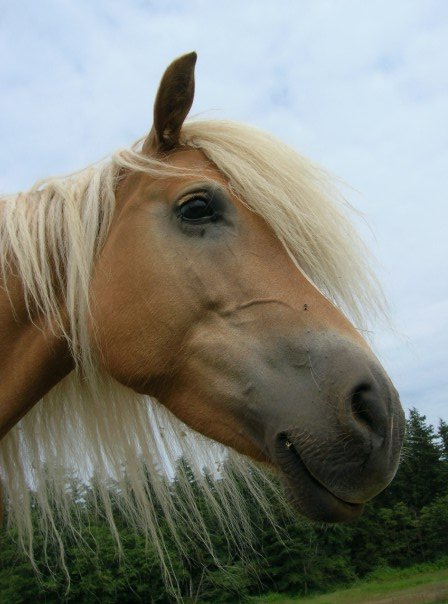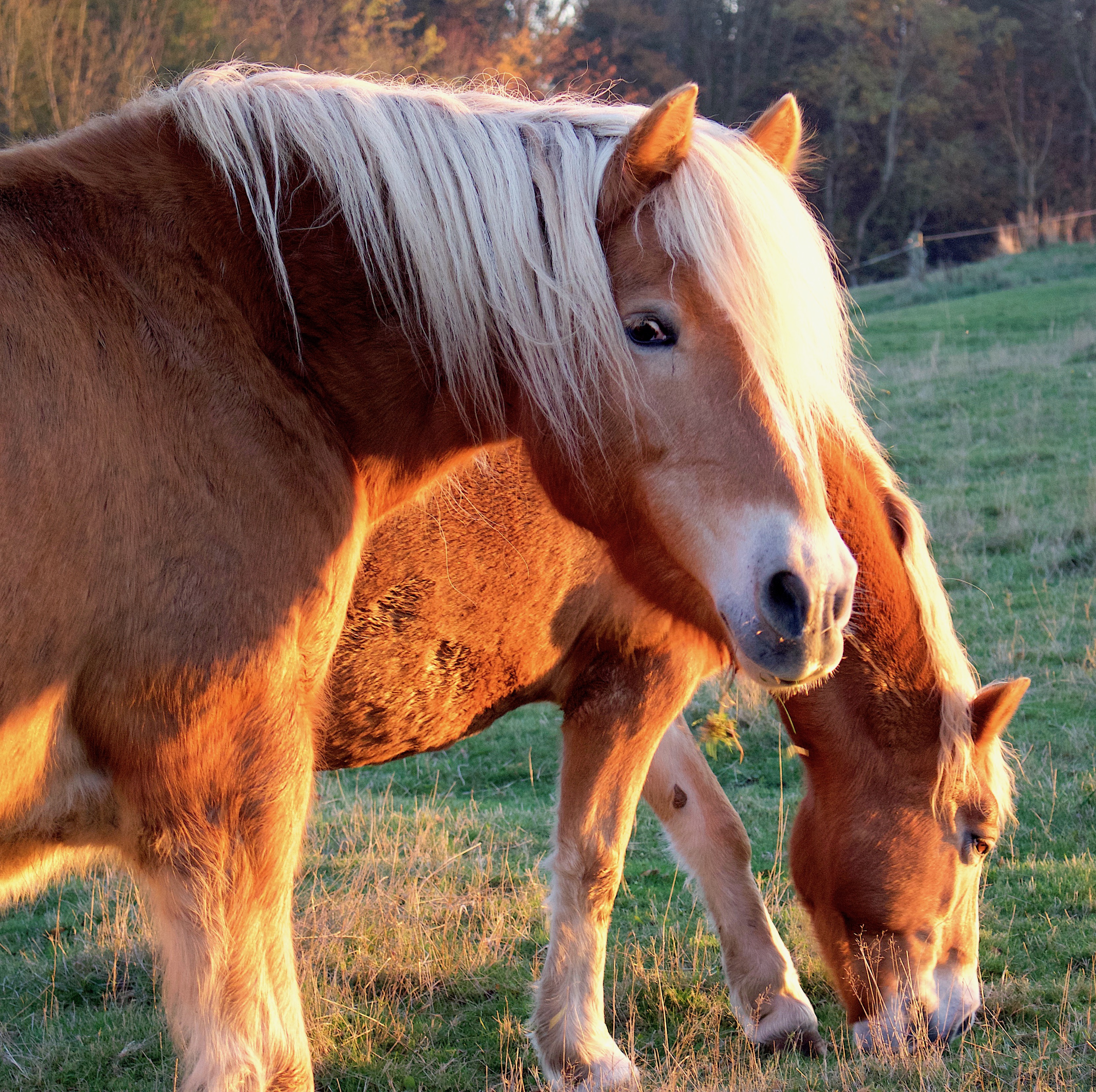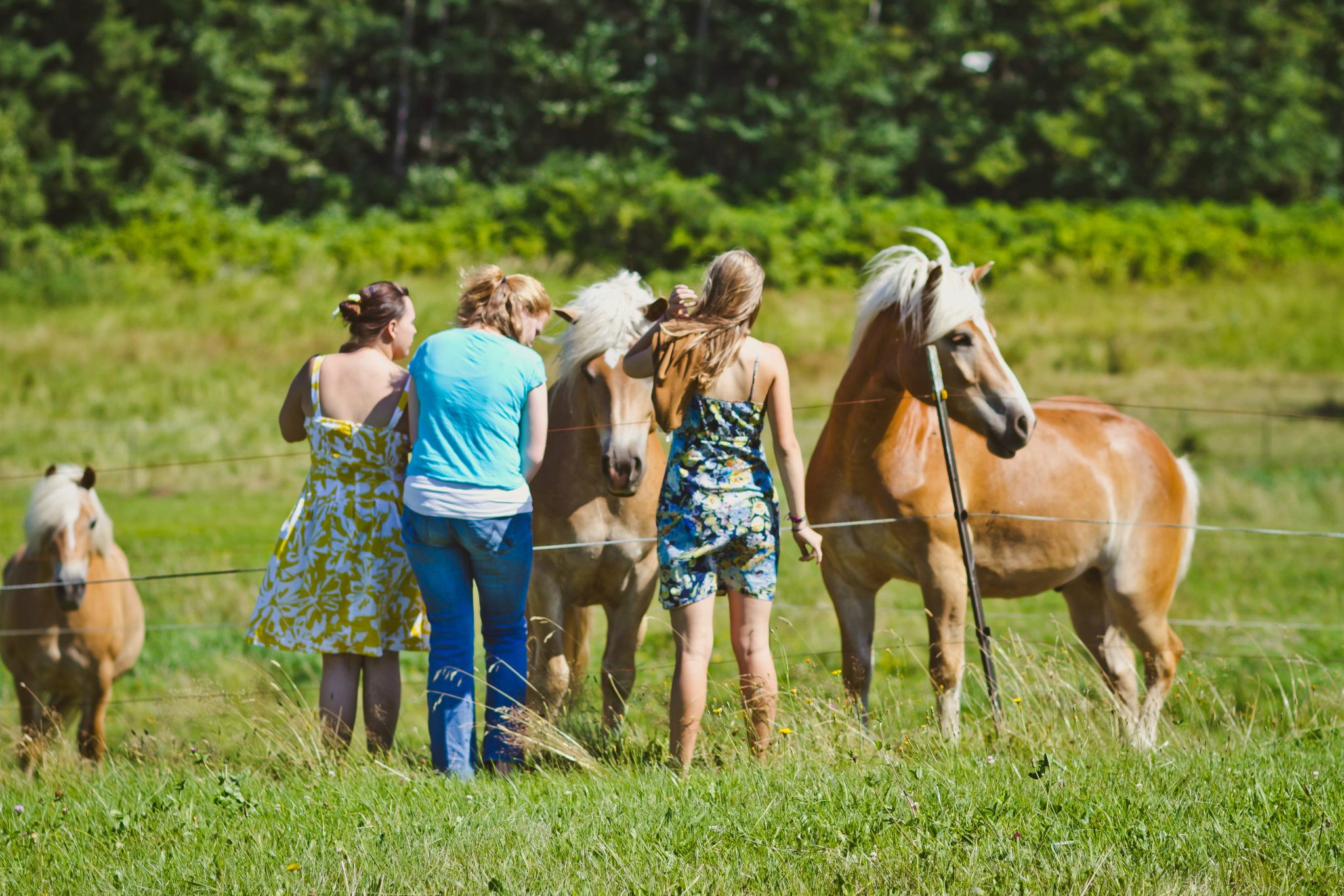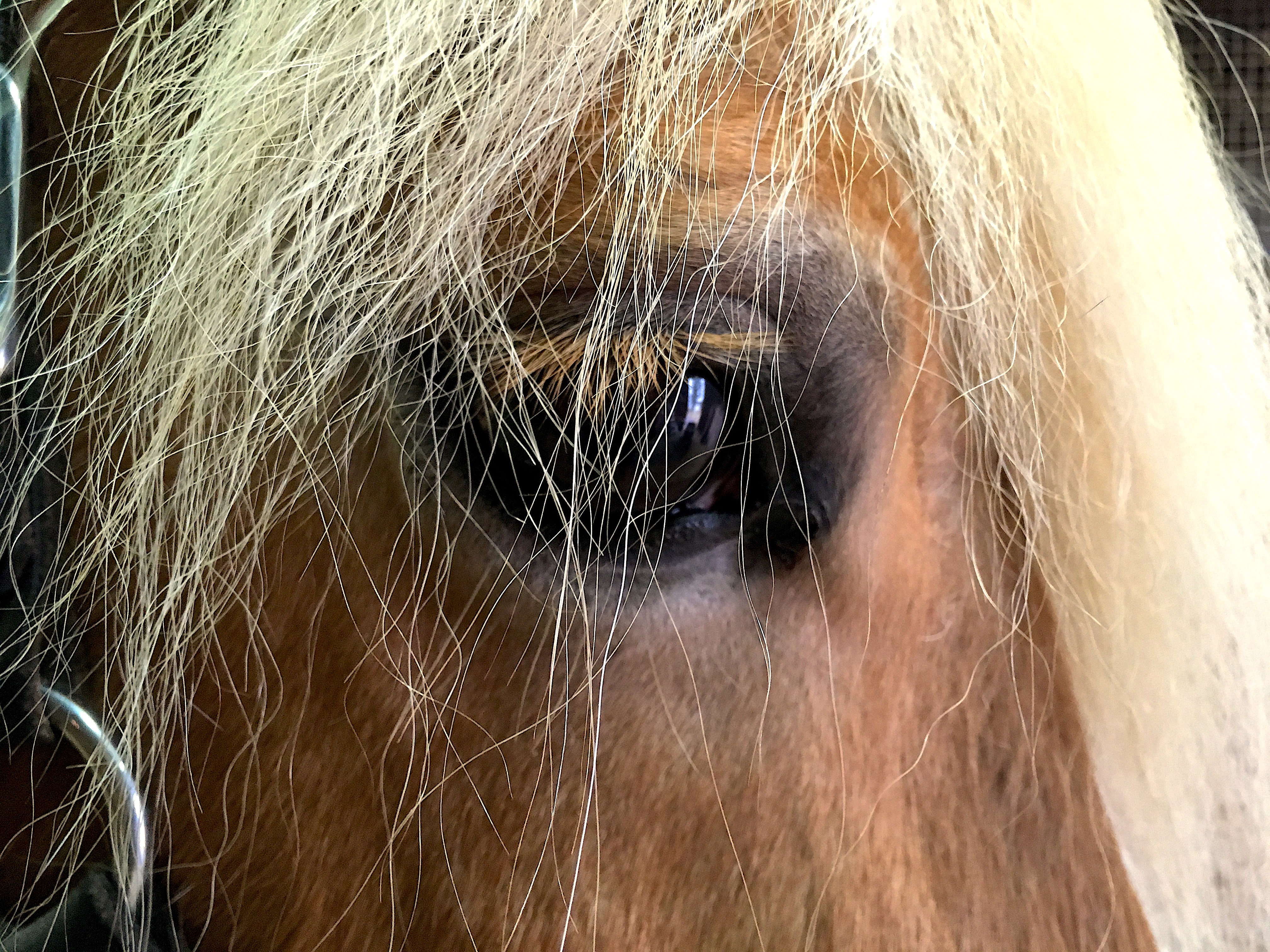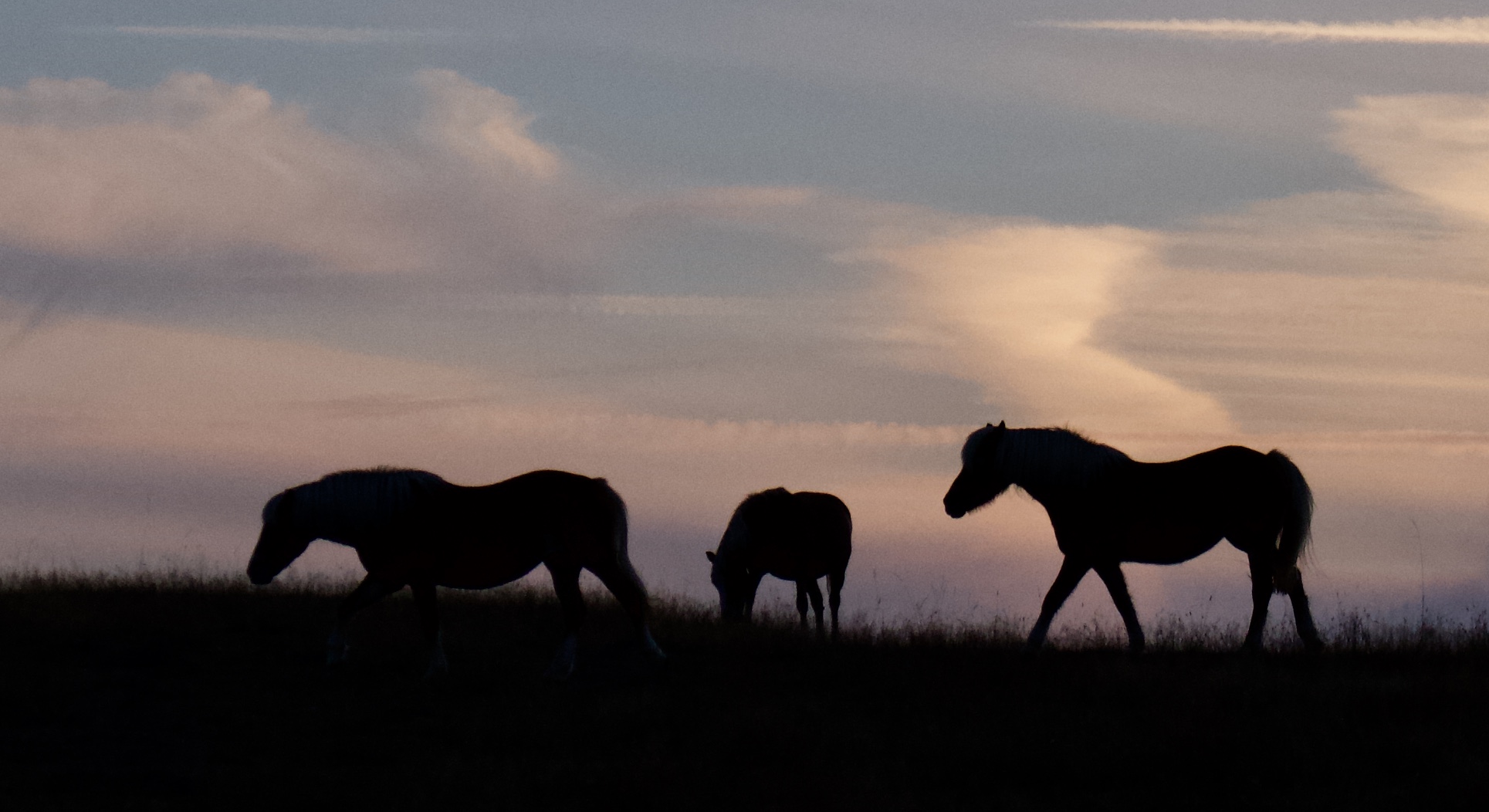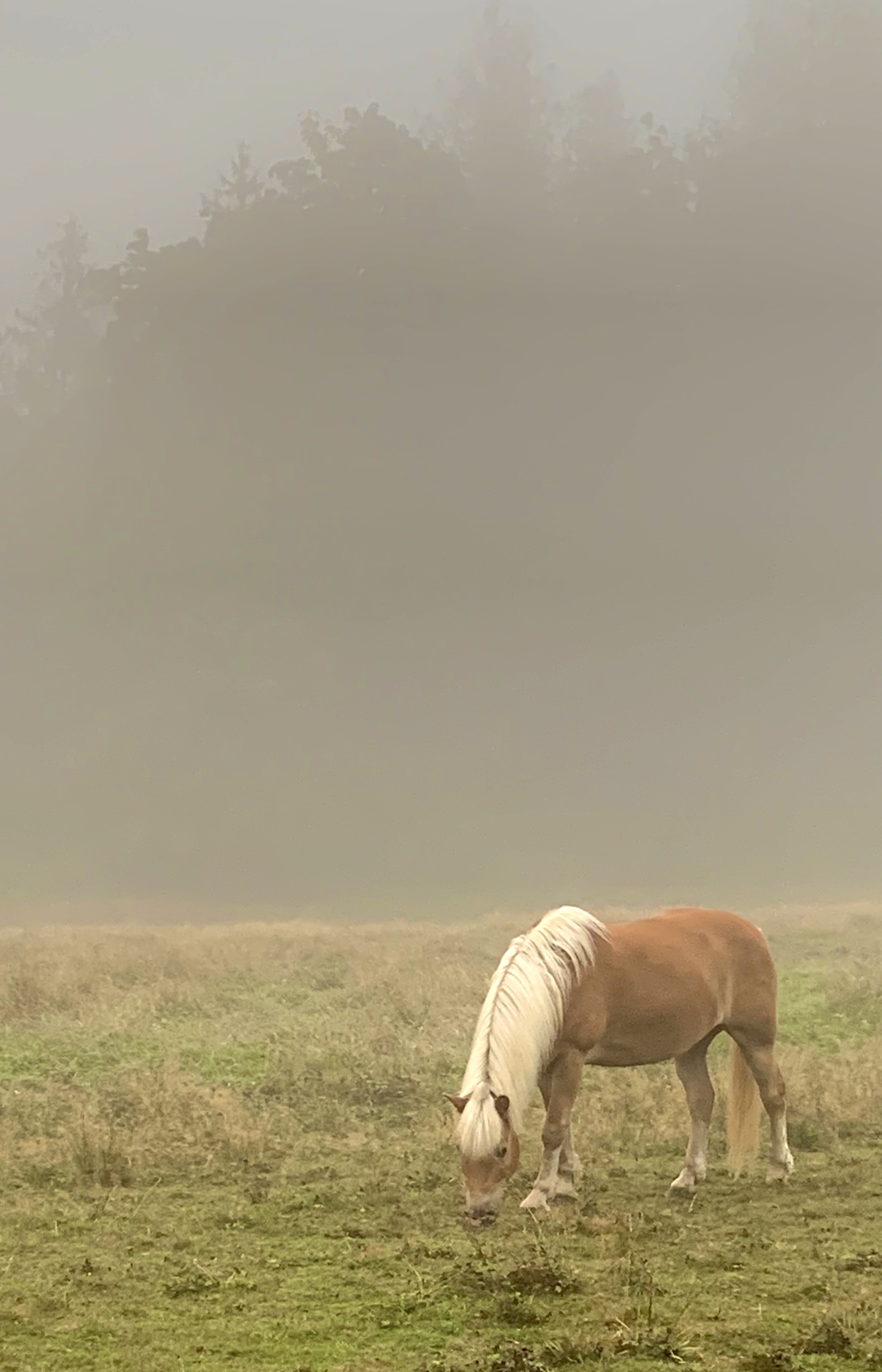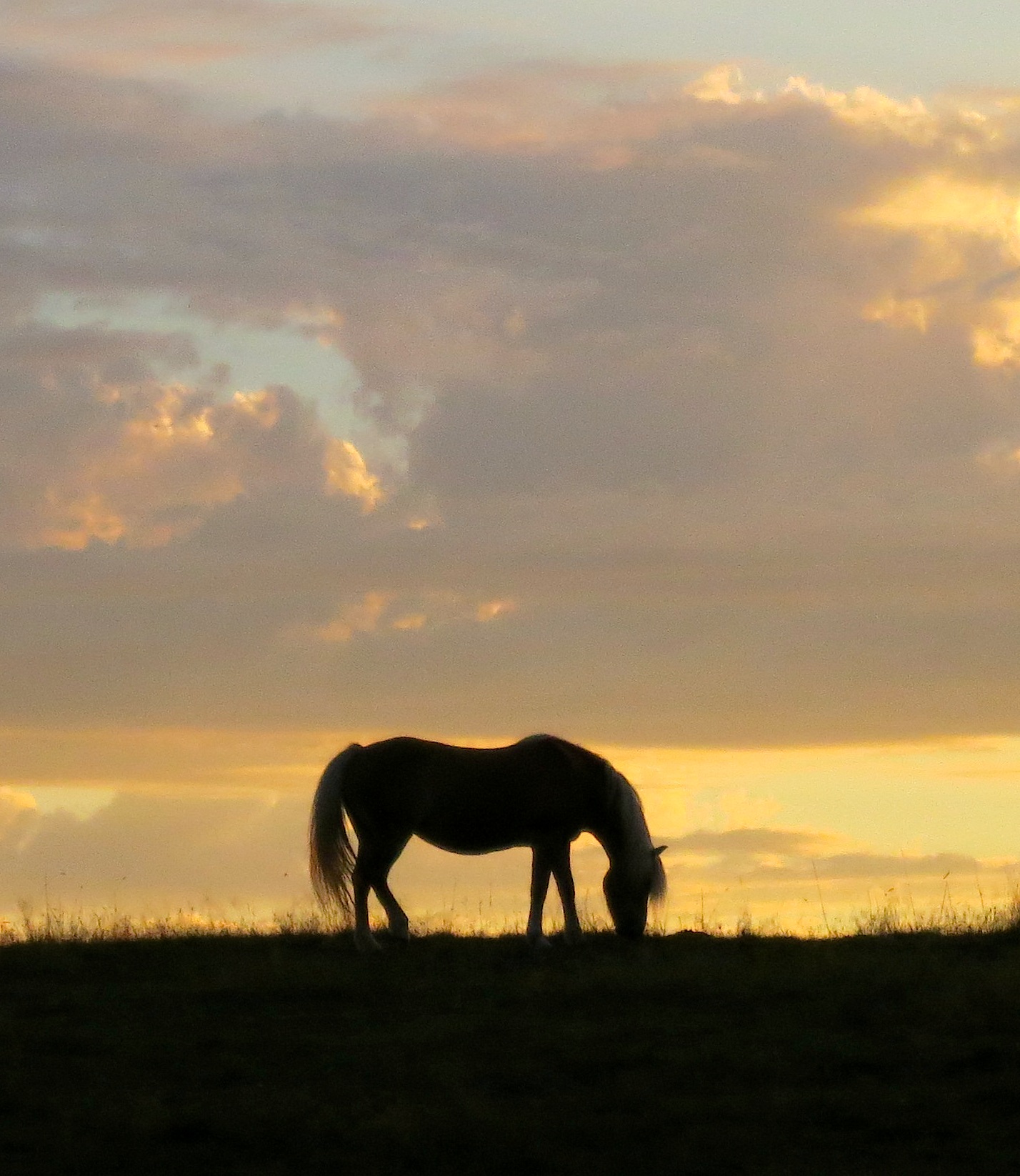
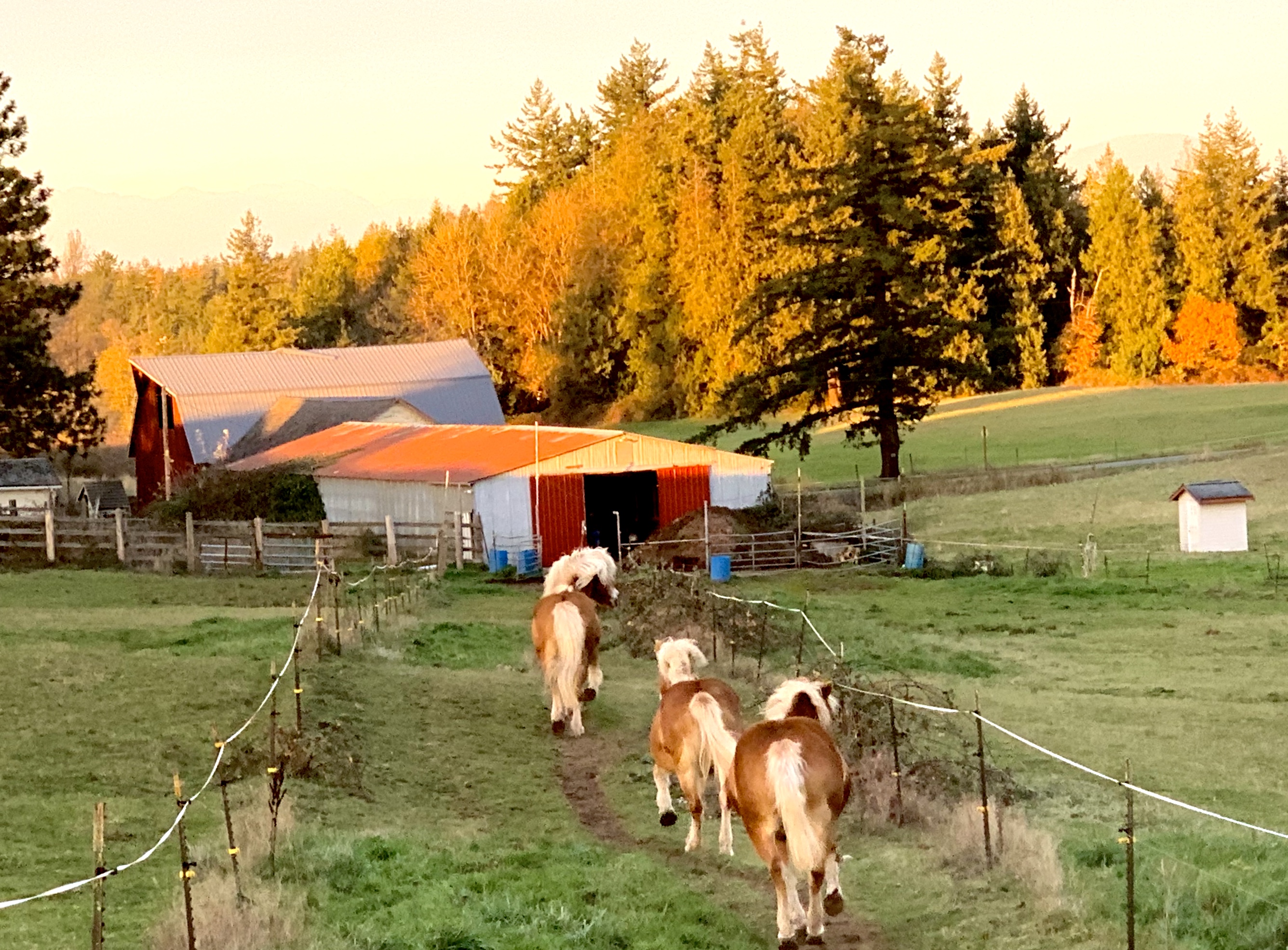
Their Eyes Shine

I stop the car along the pasture edge,
gather up bags of corncobs from the back,
and get out.
Two whistles, one for each,
and familiar sounds draw close in darkness—
cadence of hoof on hardened bottomland,
twinned blowing of air through nostrils curious, flared.
They come deepened and muscular movements
conjured out of sleep: each small noise and scent
heavy with earth, simple beyond communion,
beyond the stretched-out hand from which they calmly
take corncobs, pulling away as I hold
until the mid-points snap.
They are careful of my fingers,
offering that animal-knowledge,
the respect which is due to strangers;
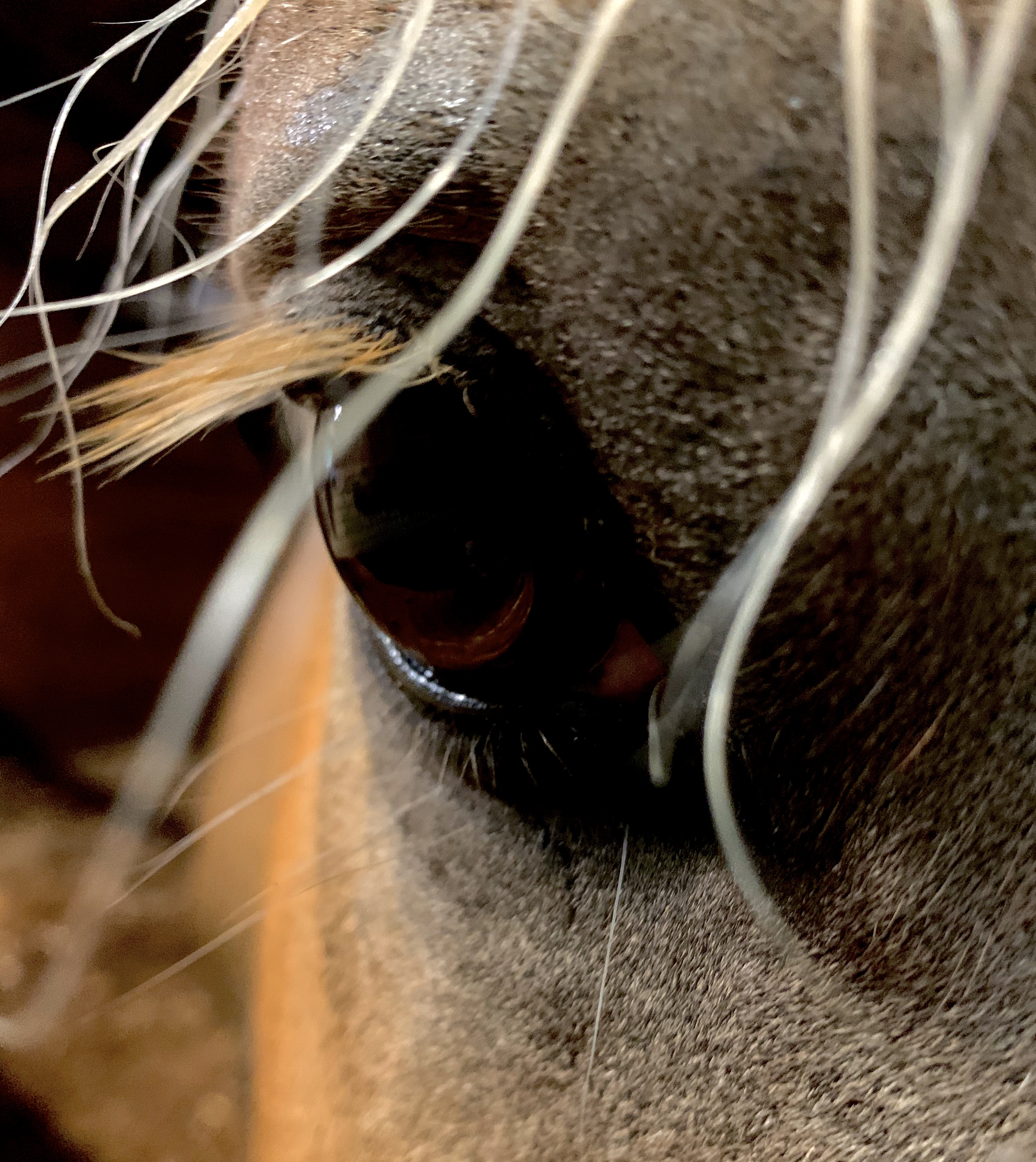
and in the night, their mares’ eyes shine, reflecting stars,
the entire, outer light of the world here.

~Jane Hirshfield “After Work” from Of Gravity and Angels
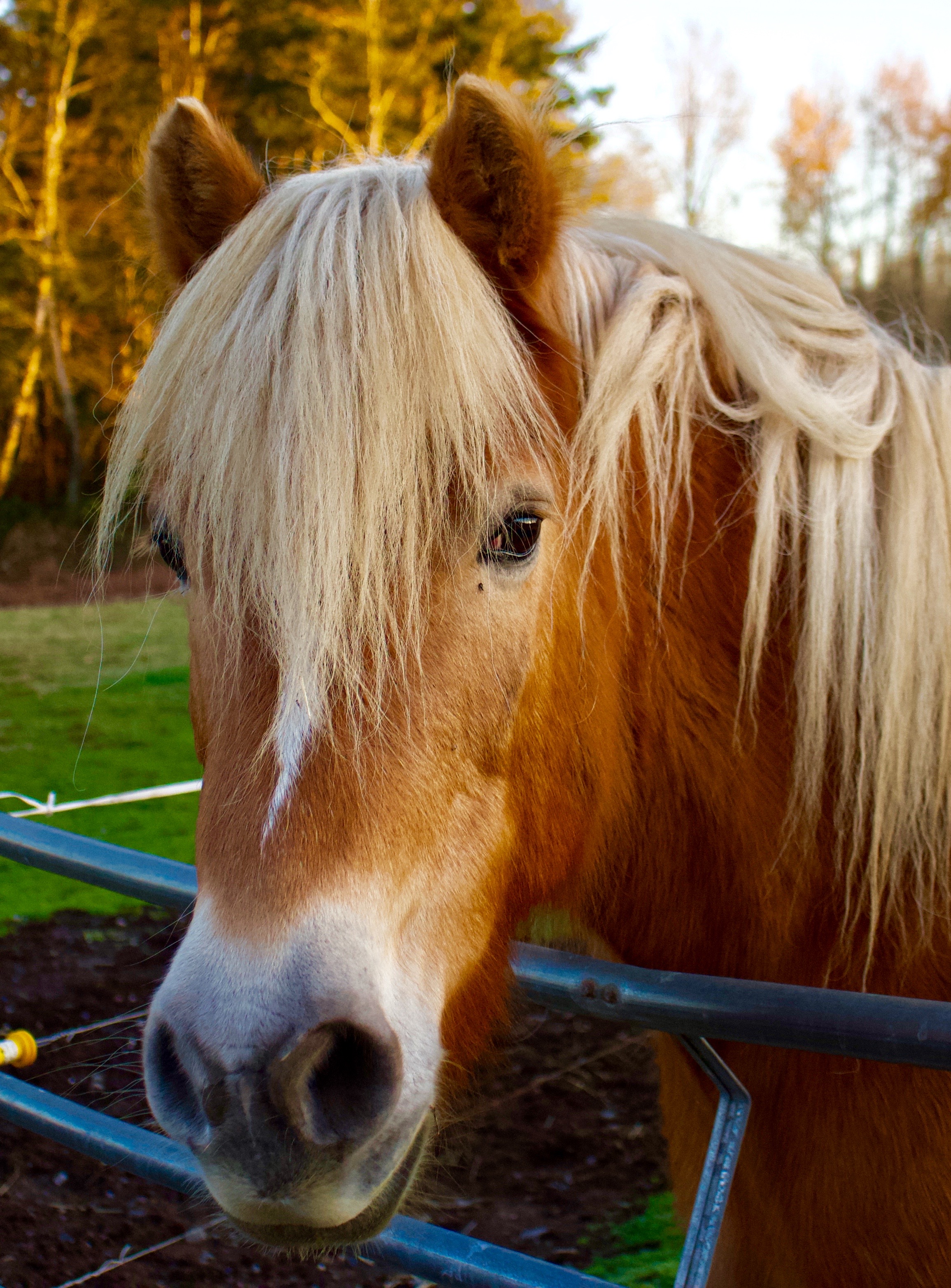
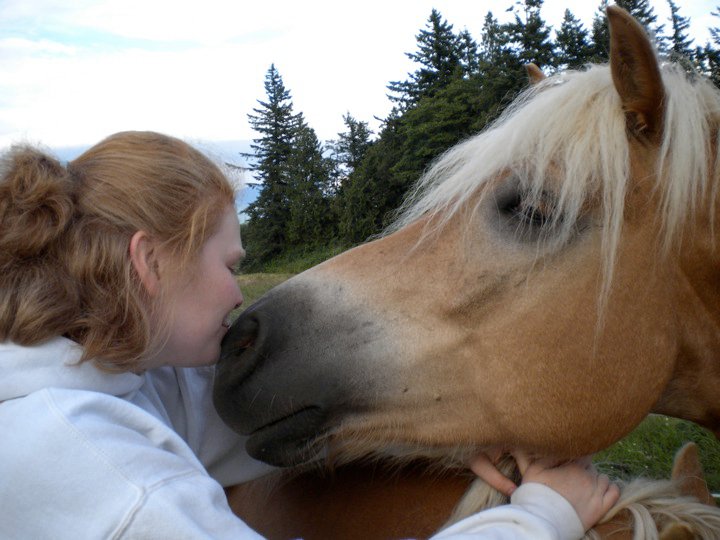
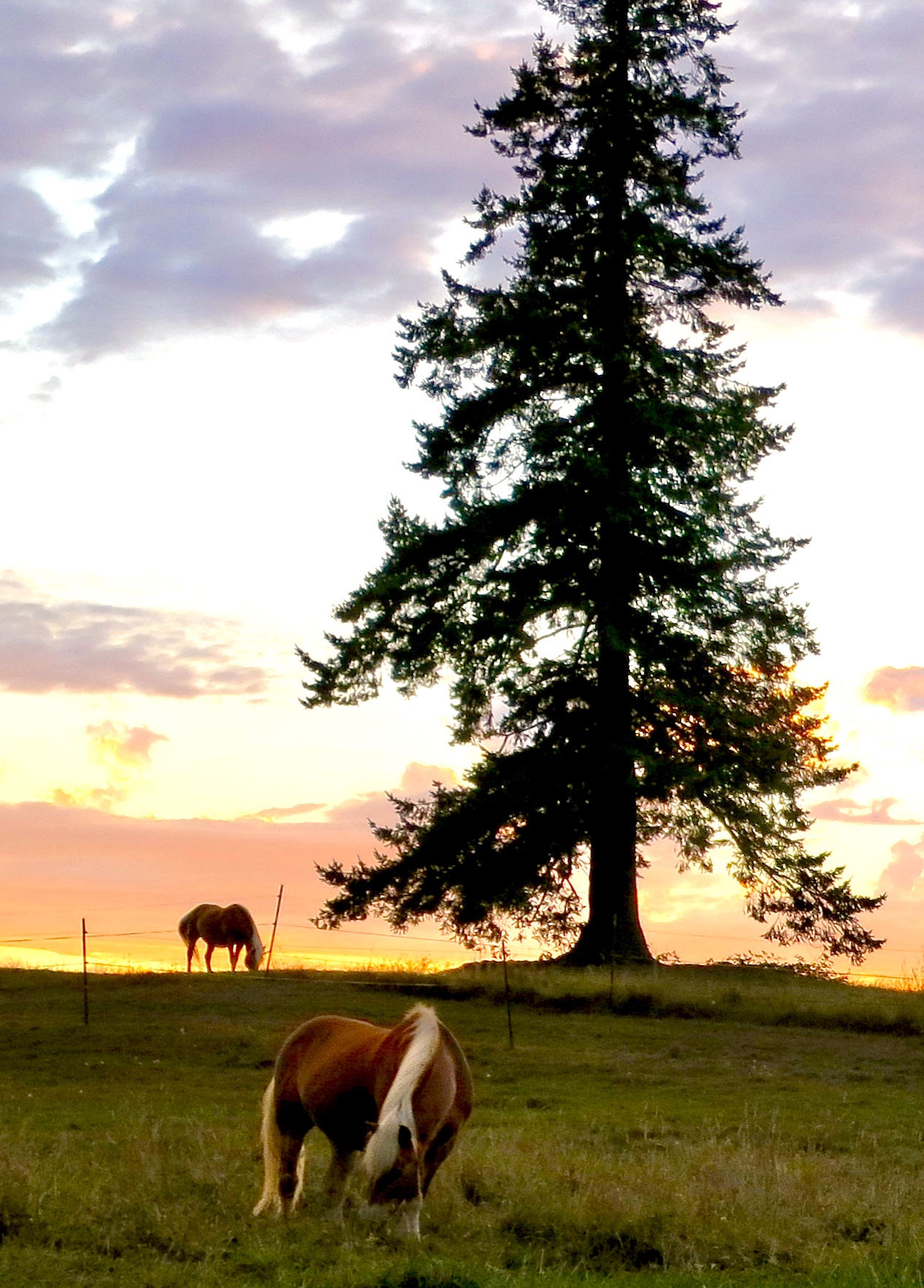
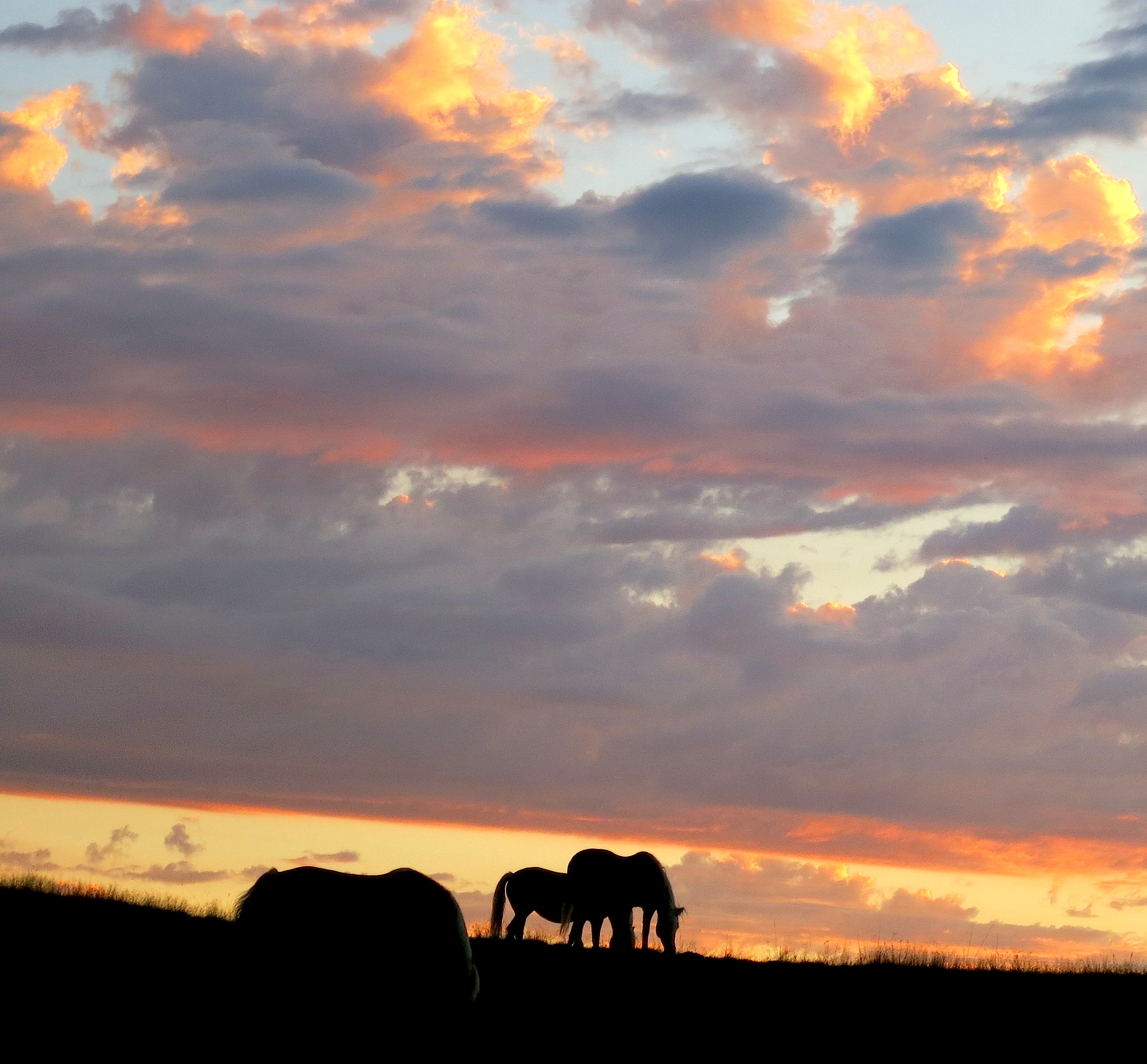
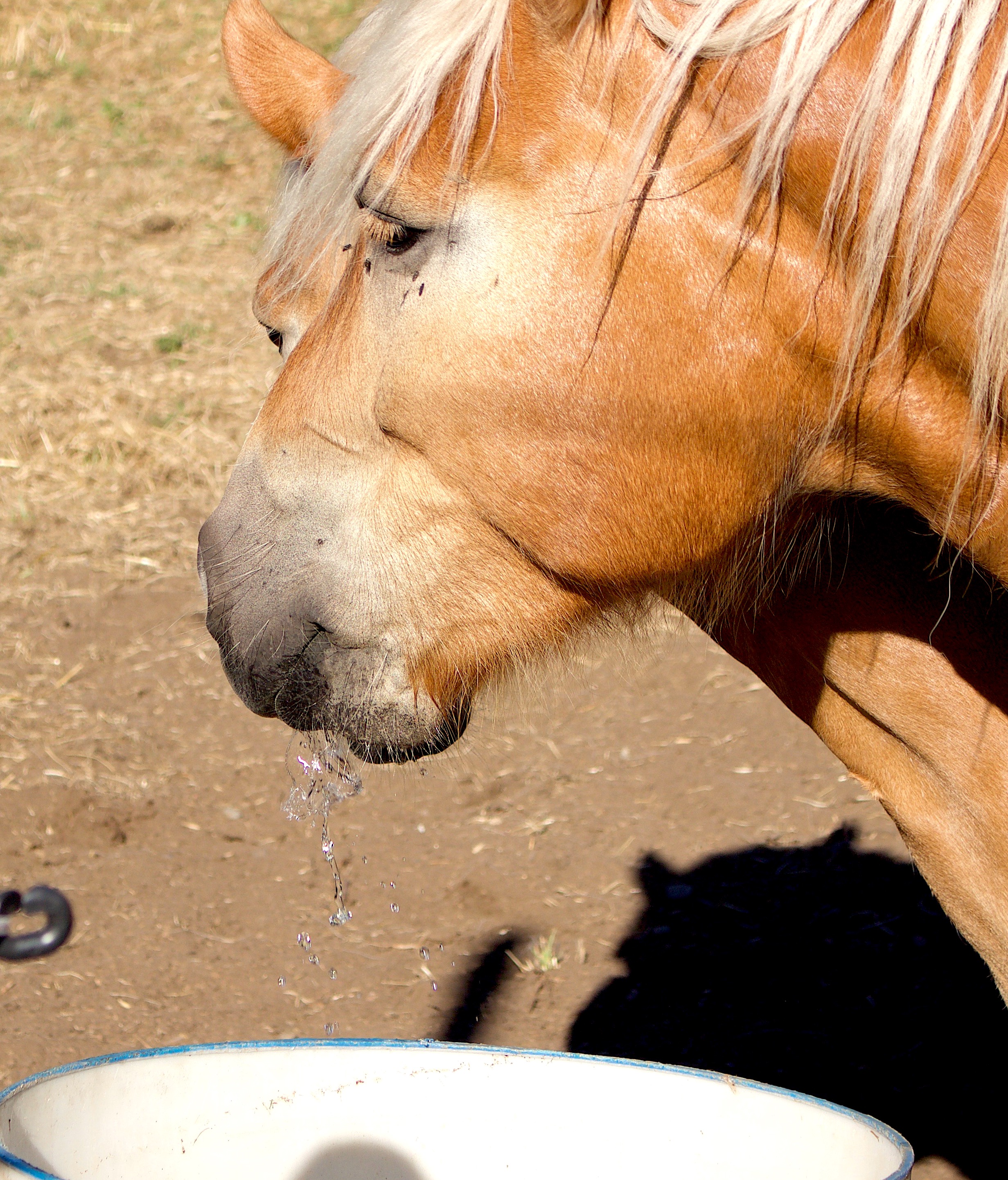
photo by Emily VanderHaak

Just off the highway to Rochester, Minnesota,
Twilight bounds softly forth on the grass.
And the eyes of those two Indian ponies
Darken with kindness.
They have come gladly out of the willows
To welcome my friend and me.
We step over the barbed wire into the pasture
Where they have been grazing all day, alone.
They ripple tensely, they can hardly contain their happiness   
That we have come.
They bow shyly as wet swans. They love each other.
There is no loneliness like theirs.   
At home once more,
They begin munching the young tufts of spring in the darkness.   
I would like to hold the slenderer one in my arms,
For she has walked over to me   
And nuzzled my left hand.   
She is black and white,
Her mane falls wild on her forehead,
And the light breeze moves me to caress her long ear
That is delicate as the skin over a girl’s wrist.
Suddenly I realize
That if I stepped out of my body I would break
Into blossom.
~James Wright, “A Blessing” from Above the River: The Complete Poems

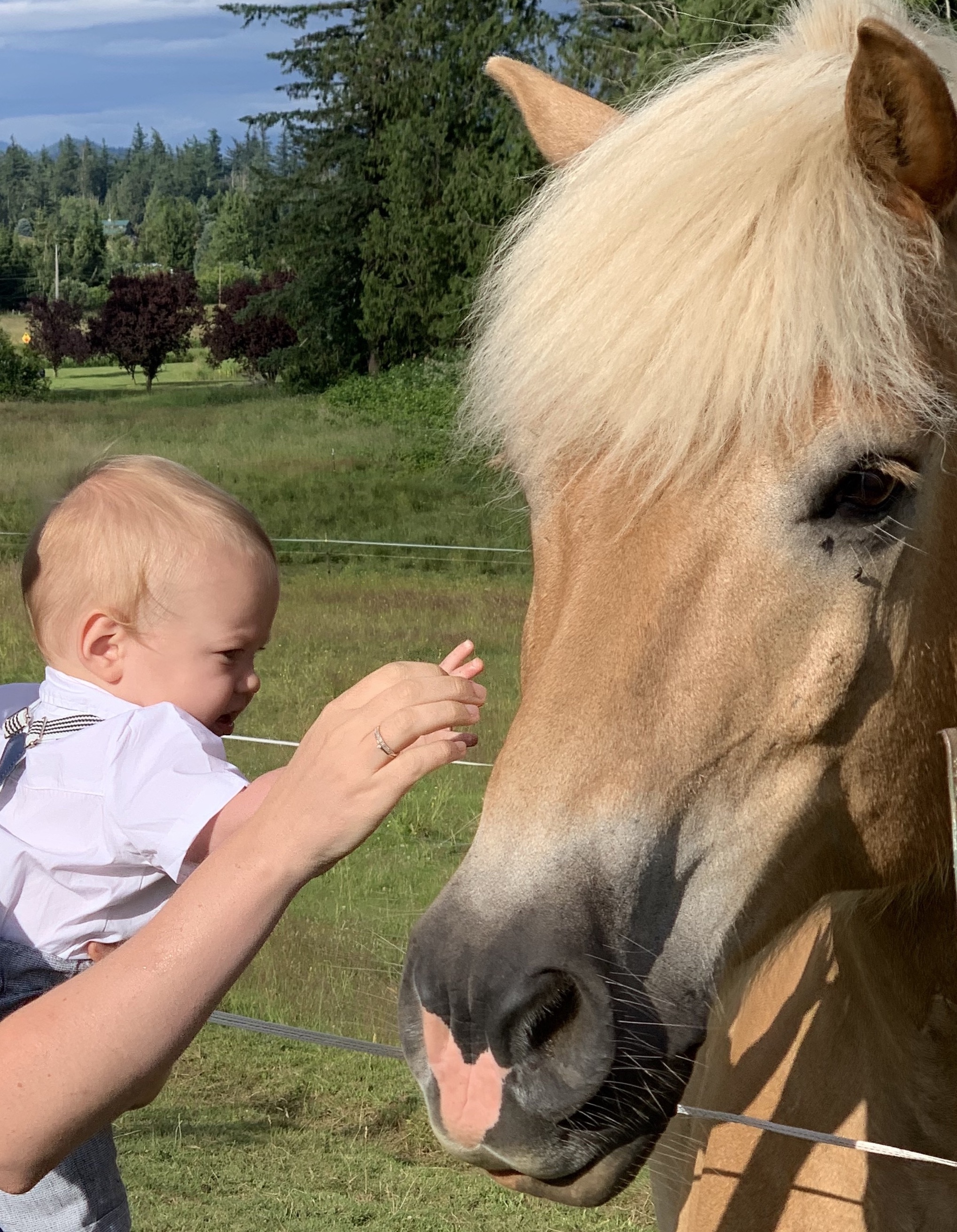
Horses have been a daily part of my life for over fifty years, though while I attended school and worked in the city, I was forced to limit myself to goldfish.

Eventually living on a farm in the country was my goal, rather than a seeking out a prestigious career in the city. Raising horses (and cattle and goats and chickens and geese and ducks and dogs and cats…) was always my hope and dream.

And dreams sometimes come true.

As I get older, I realize how much easier goldfish are in comparison. Horses are so much bigger and stronger than I am; I’m far more aware of where I am and where they are so I don’t have an unscheduled landing.

As they get older (in their second and third decades of life), the horses have plenty of opinions, deeply trusting they belong here on this farm. They know the routine, the lay of the land, they know each other and they know me.

As the person who does their daily feeding and watering and brushing and bed cleaning, I expect them to be respectful and polite and they expect the same of me. Sometimes we mutually bump into senior citizen stubbornness.

Even so, for as long as we all shall live, I find it a pure blessing to look into their shining eyes.
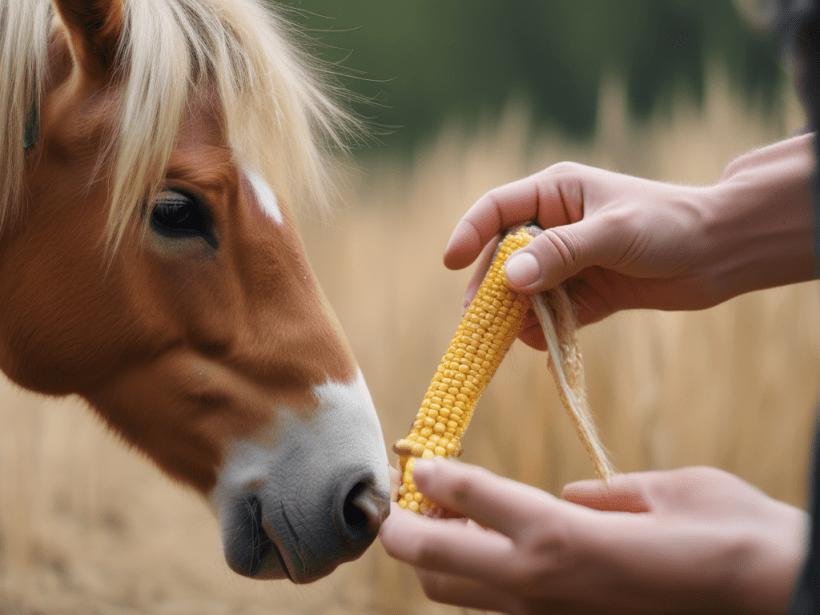
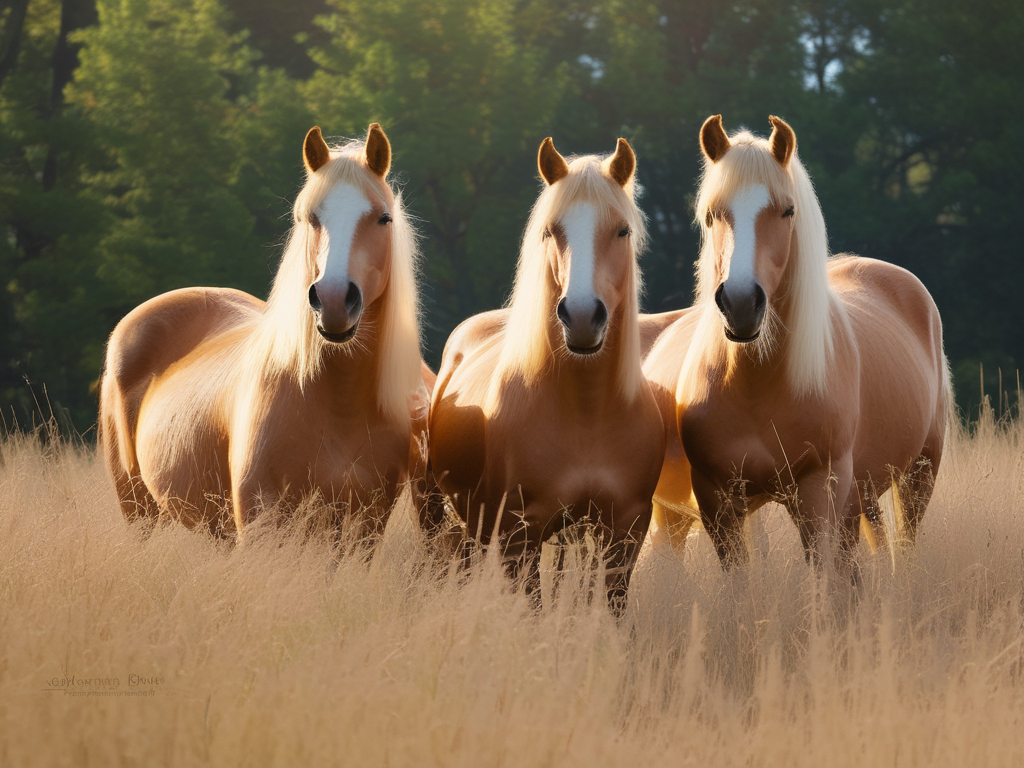
AI image created for this post
One-Time
Monthly
Yearly

Make a one-time or recurring donation to support daily Barnstorming posts

Make a monthly donation

Make a yearly donation

Choose an amount

$10.00
$25.00
$50.00
$5.00
$15.00
$100.00
$5.00
$15.00
$100.00

Or enter a custom amount

$

Your contribution is deeply appreciated.

Your contribution is appreciated.

Your contribution is appreciated.

DonateDonate monthlyDonate yearly
Waiting For Me to Say Something

Because I have come to the fence at night,
the horses arrive also from their ancient stable.
They let me stroke their long faces, and I note
in the light of the now-merging moon

how they, a Morgan and a Quarter, have been
by shake-guttered raindrops
spotted around their rumps and thus made
Appaloosas, the ancestral horses of this place.

Maybe because it is night, they are nervous,
or maybe because they too sense
what they have become, they seem
to be waiting for me to say something

to whatever ancient spirits might still abide here,
that they might awaken from this strange dream,
in which there are fences and stables and a man
who doesn’t know a single word they understand.

~Robert Wrigley “After a Rainstorm” from Beautiful Country

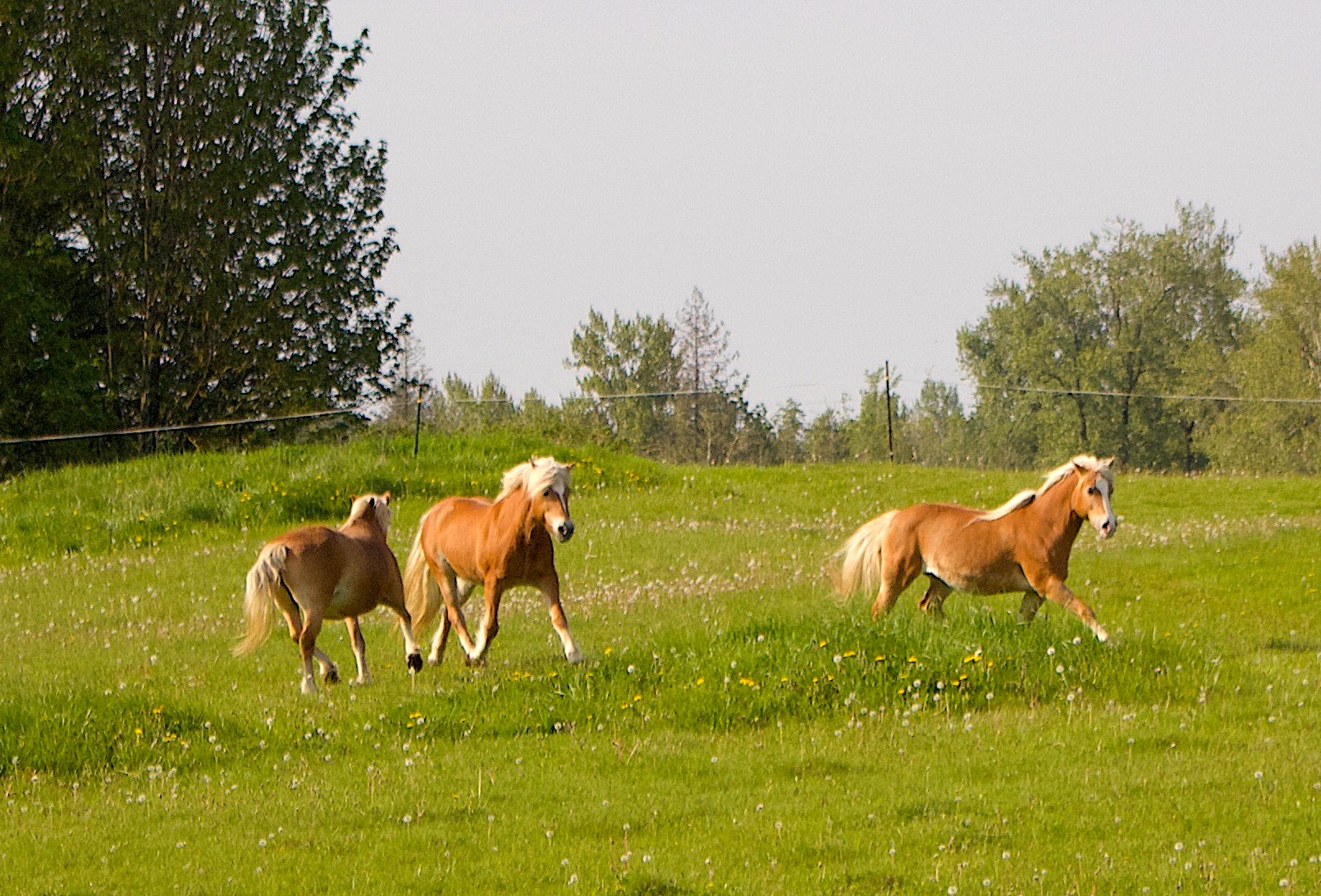
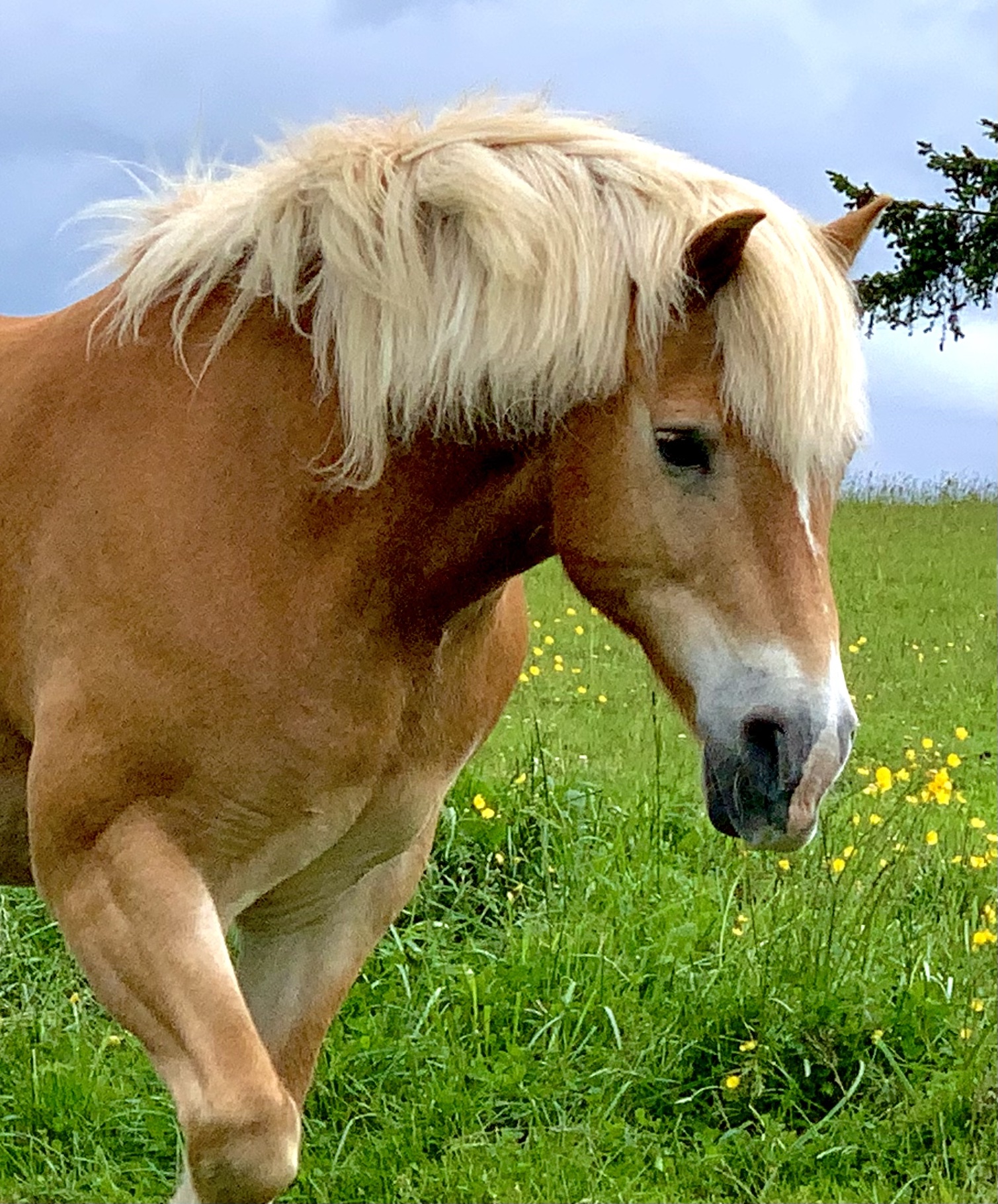
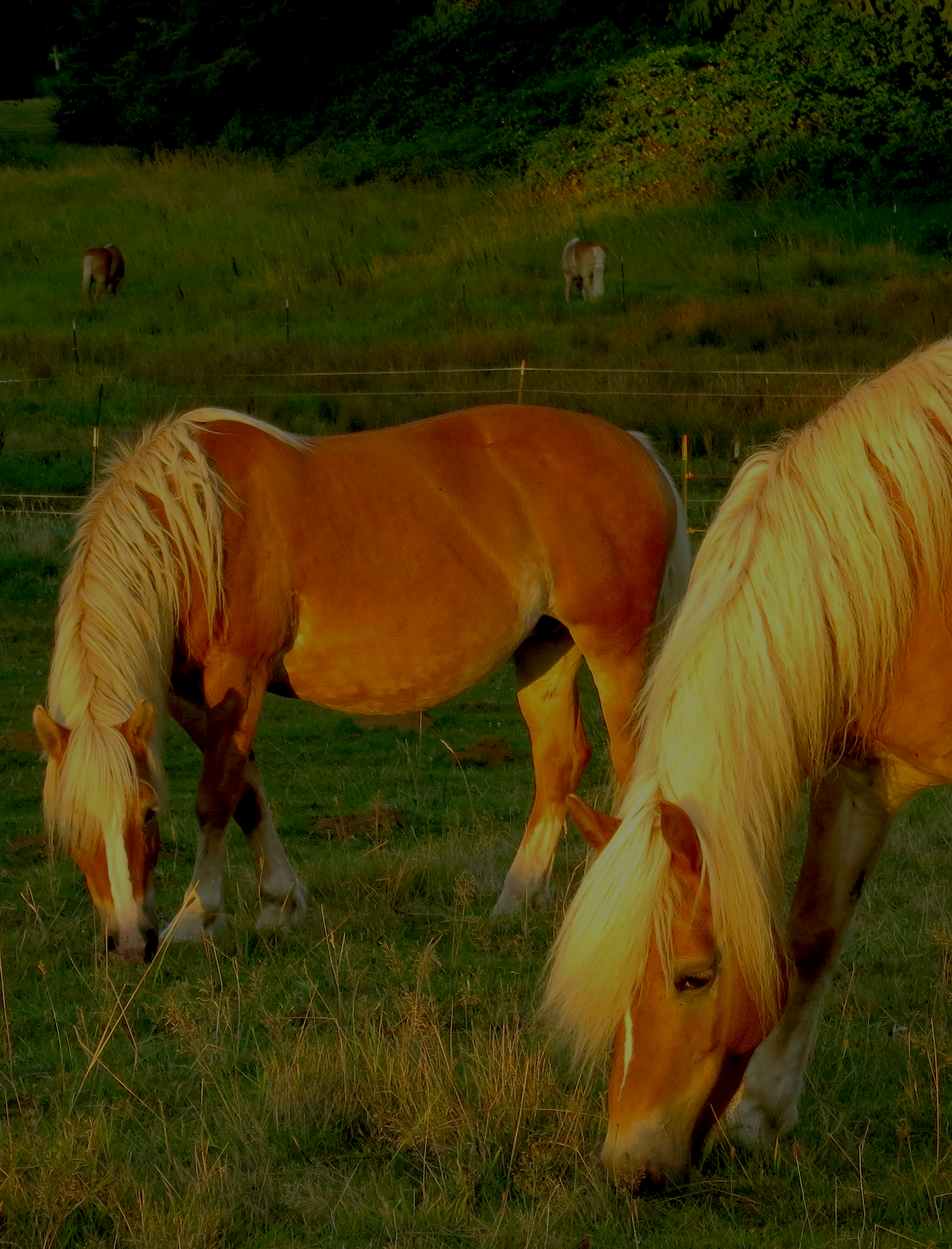
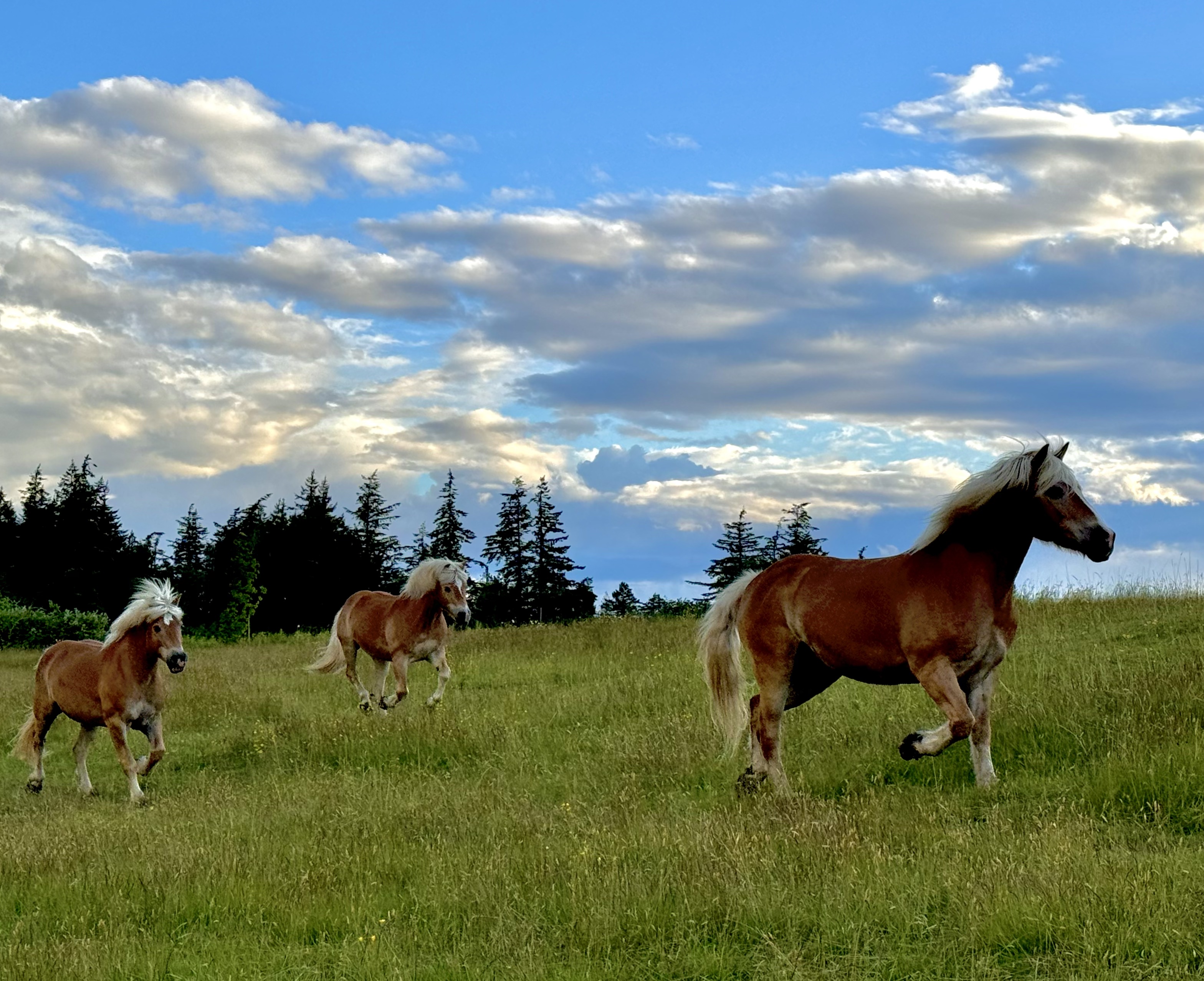
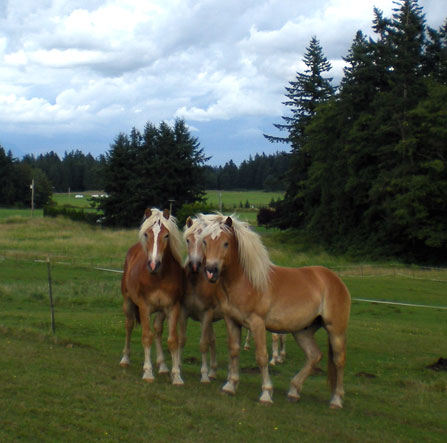
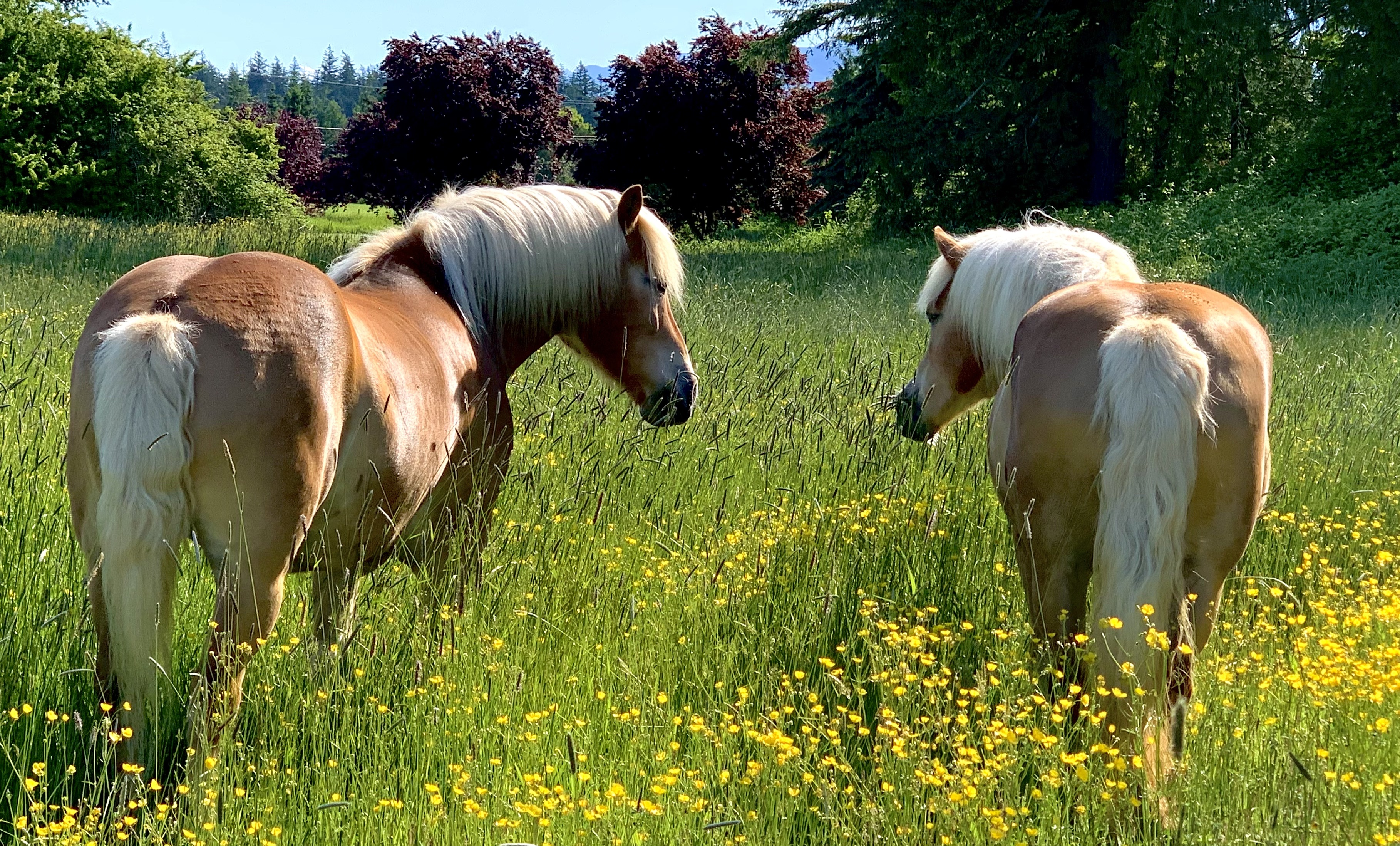
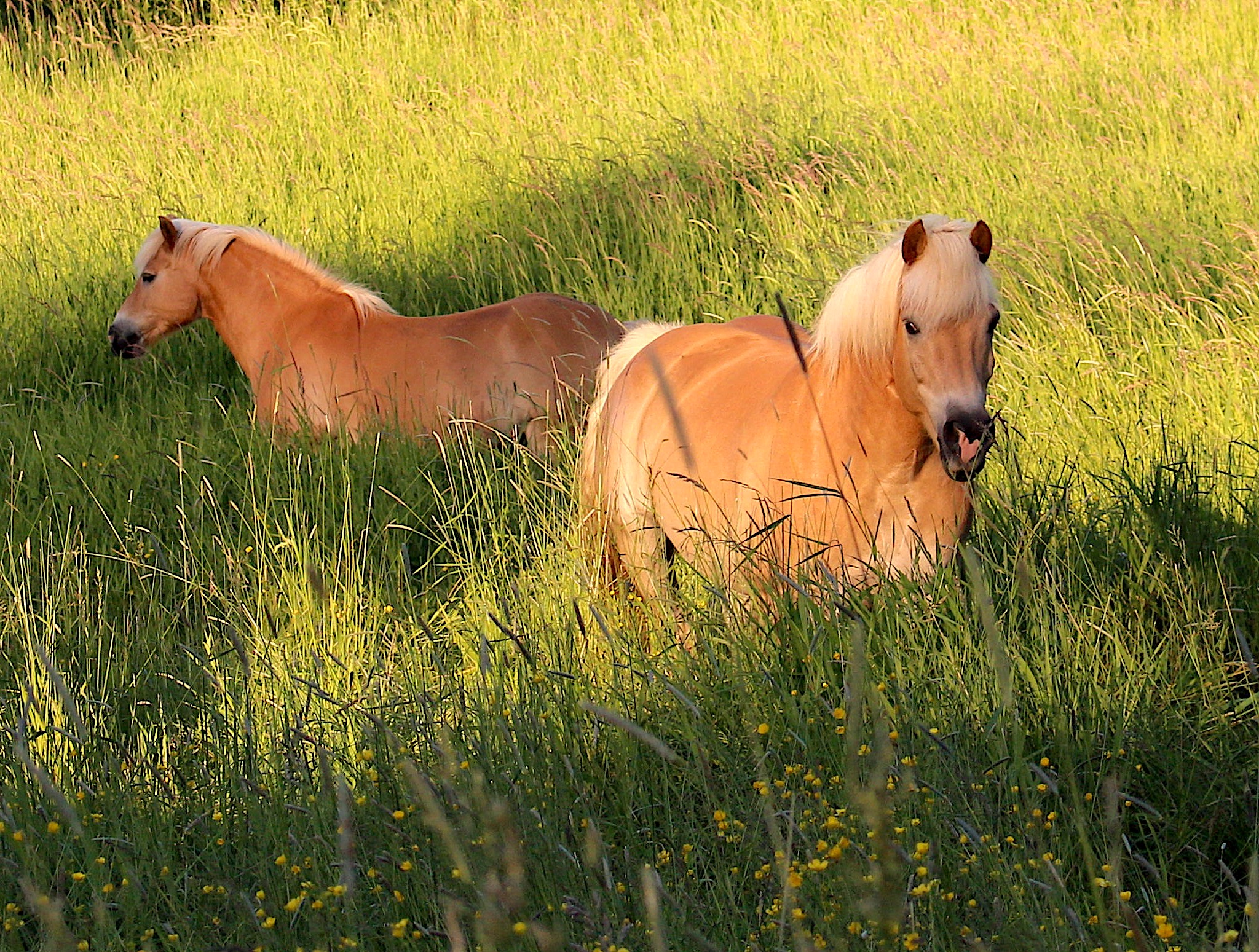
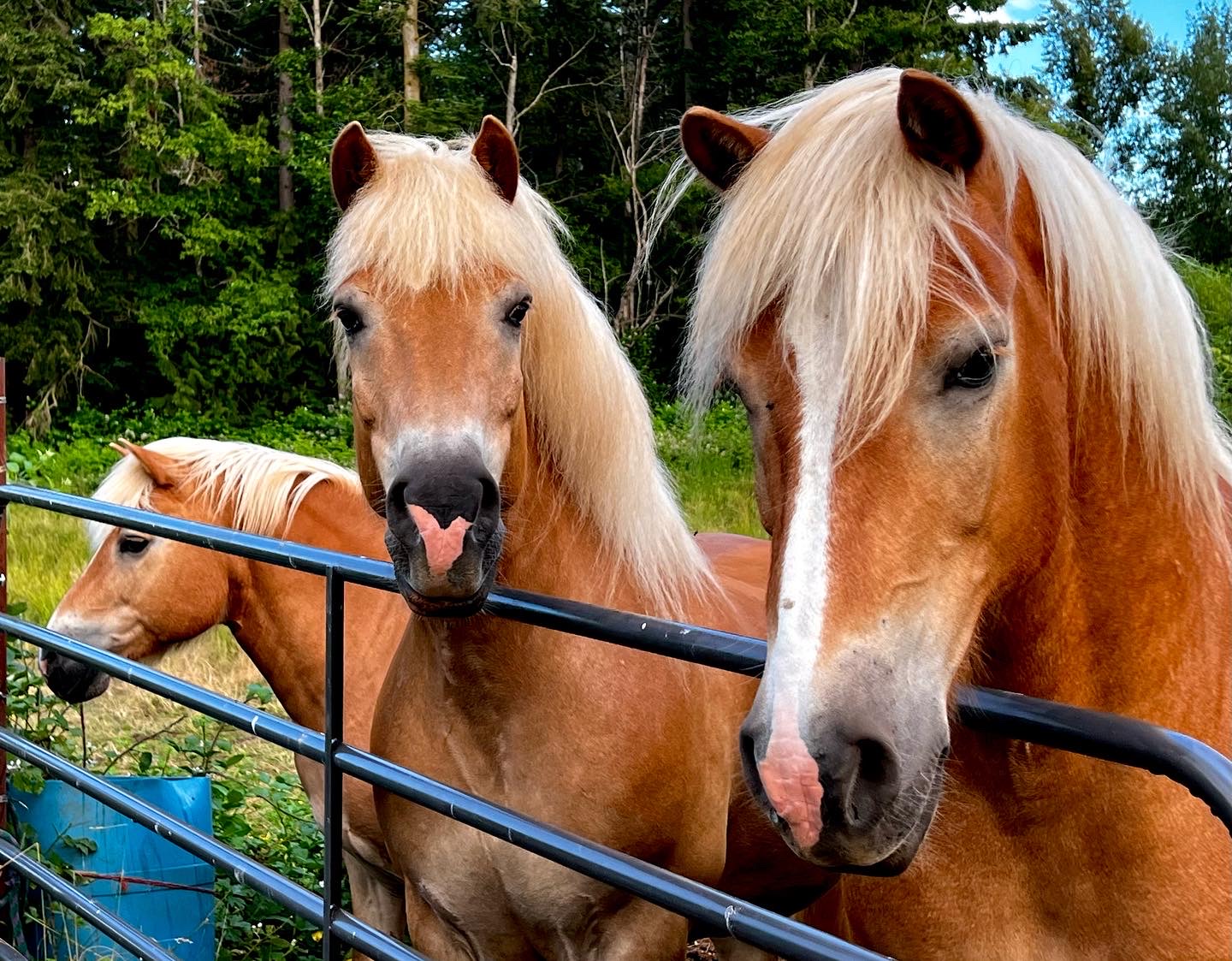
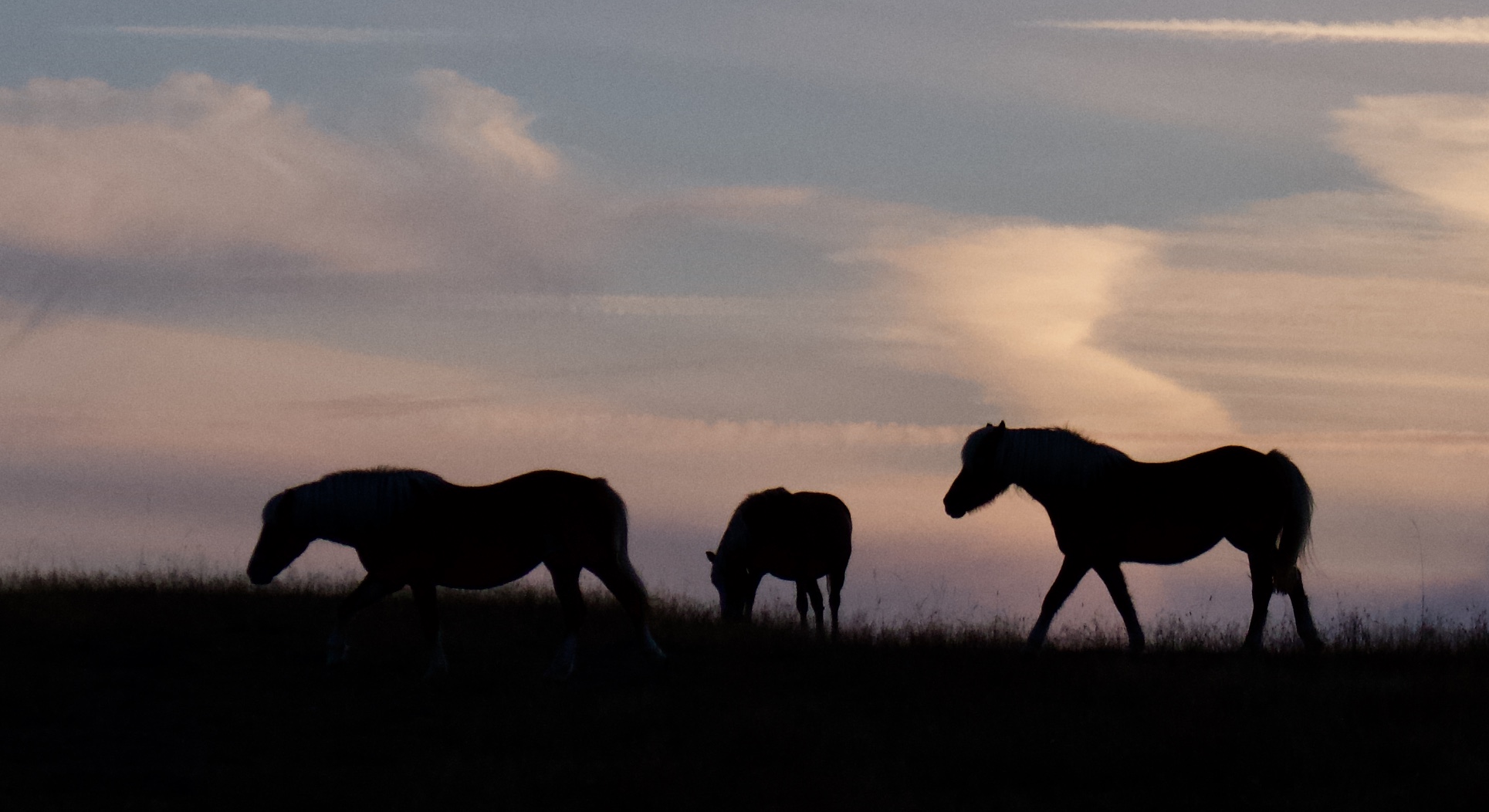
During our three decades of Haflinger horse ownership, I figured out long ago that Haflingers must have a migration center in their brain that tells them that it is time to move on to other territory – a move based on quality of forage, the seasons, or maybe simply a sudden urge for a change in scenery. This thrifty mountain breed adapted over hundreds of years to living in rather sparse Alpen meadows. They needed to move on to another feeding area enmasse on a pretty regular basis, or when the weather was starting to get crummy.

Or perhaps the next valley over had a better view, who knows? Trouble is, my Haflingers seem to have the desire to “move to other pastures” even if the grass in their own territory is plentiful and the view is great. And there doesn’t seem to be much in the way of natural or man-made barrier that will discourage them.

I have a trio of geldings I dub the “Three Musketeers”) who are particularly afflicted with wanderlust. There is not a field yet that has held them when they decide together that it is time to move on. We are a hotwire and white tape fenced farm–something that has worked fairly well over the years, as it is inexpensive, easily repaired and best of all, easily moved if we need to change the fencing arrangement in our pasture rotation between five different 2 acre pastures.

Previous generations of Haflingers have tested the hotwire and learned not to bother it again. No problem.

But not the Three Musketeers.

They know when the wire is grounding out somewhere, so the current is low. They know when the weather is so dry that conduction is poor through the wire. They know when I’ve absent-mindedly left the fencer unplugged because I’ve had someone visit and we wanted to climb unshocked through the fences to walk from field to field.

These three actually have little conferences out in the field together about this. I’ve seen them huddled together, discussing their strategy, and fifteen minutes later, I’ll look out my kitchen window and they are in another field altogether and the wire and tape is strewn everywhere and there’s not a mark on any of them. Even more mysteriously, often I can’t really tell where they made their escape as they leave no trace–I think one holds up the top wire with his teeth and the others carefully step over the bottom wire. I’m convinced they do this just to make me crazy.

Last night, when I brought them in from a totally different field from where they had started in the morning, they all smirked at me as they marched to their stalls as if to say, “guess what you have waiting for you out there.” It was too dark to survey the damage last night but I got up extra early to check it out this morning before I turned them out again.

Sure enough, in the back corner of the field they had been put in yesterday morning, (which has plenty of grass), the tape had been stretched, but not broken, and the wires popped off their insulators and dragging on the ground and in a huge tangled mass. I enjoyed 45 minutes of Pacific Northwest summer morning putting it all back together. Then I put them out in the field they had escaped to last night, thinking, “okay, if you like this field so well, this is where you’ll stay”.

Tonight, they were back in the first field where they started out yesterday morning. Just to prove they could do it. They are thoroughly enjoying this sport. I’m ready to buy a grand poobah mega-wattage fry-their-whiskers fence charger.

But then, I’d be spoiling their fun and their travels. As long as they stay off the road, out of our garden, and out of my kitchen, they can have the run of the place. I too remember being afflicted with wanderlust, long long ago, and wanting to see the big wide world, no matter what obstacles had to be overcome or shocks I had to endure to get there. And I got there after all that trouble and effort and realized that home was really where I wanted to be.

Now, prying me away from my little corner of the world gets more difficult every year. I hope my Haflinger trio will eventually decide that staying home is the best thing after all. Maybe they will listen to what I have to say this time.

AI image created for this post
One-Time
Monthly
Yearly

Make a one-time or recurring donation to support daily Barnstorming posts

Make a monthly donation

Make a yearly donation

Choose an amount

$10.00
$25.00
$50.00
$5.00
$15.00
$100.00
$5.00
$15.00
$100.00

Or enter a custom amount

$

Your contribution is deeply appreciated.

Your contribution is appreciated.

Your contribution is appreciated.

DonateDonate monthlyDonate yearly
Announcing Their Cowness

There were a few dozen who occupied the field
across the road from where we lived,
stepping all day from tuft to tuft,
their big heads down in the soft grass,
though I would sometimes pass a window
and look out to see the field suddenly empty
as if they had taken wing, flown off to another country.

Then later, I would open the blue front door,
and again the field would be full of their munching
or they would be lying down
on the black-and-white maps of their sides,
facing in all directions, waiting for rain.
How mysterious, how patient and dumbfounded
they appear in the long quiet of the afternoon.

But every once in a while, one of them
would let out a sound so phenomenal
that I would put down the paper
or the knife I was cutting an apple with
and walk across the road to the stone wall
to see which one of them was being torched
or pierced through the side with a long spear.

Yes, it sounded like pain until I could see
the noisy one, anchored there on all fours,
her neck outstretched, her bellowing head
laboring upward as she gave voice
to the rising, full-bodied cry
that began in the darkness of her belly
and echoed up through her bowed ribs into her gaping mouth.

Then I knew that she was only announcing
the large, unadulterated cowness of herself,
pouring out the ancient apologia of her kind
to all the green fields and the gray clouds,
to the limestone hills and the inlet of the blue bay,
while she regarded my head and shoulders
above the wall with one wild, shocking eye.
~Billy Collins “Afternoon with Irish Cows”

In recognition of Cow Appreciation Day today:

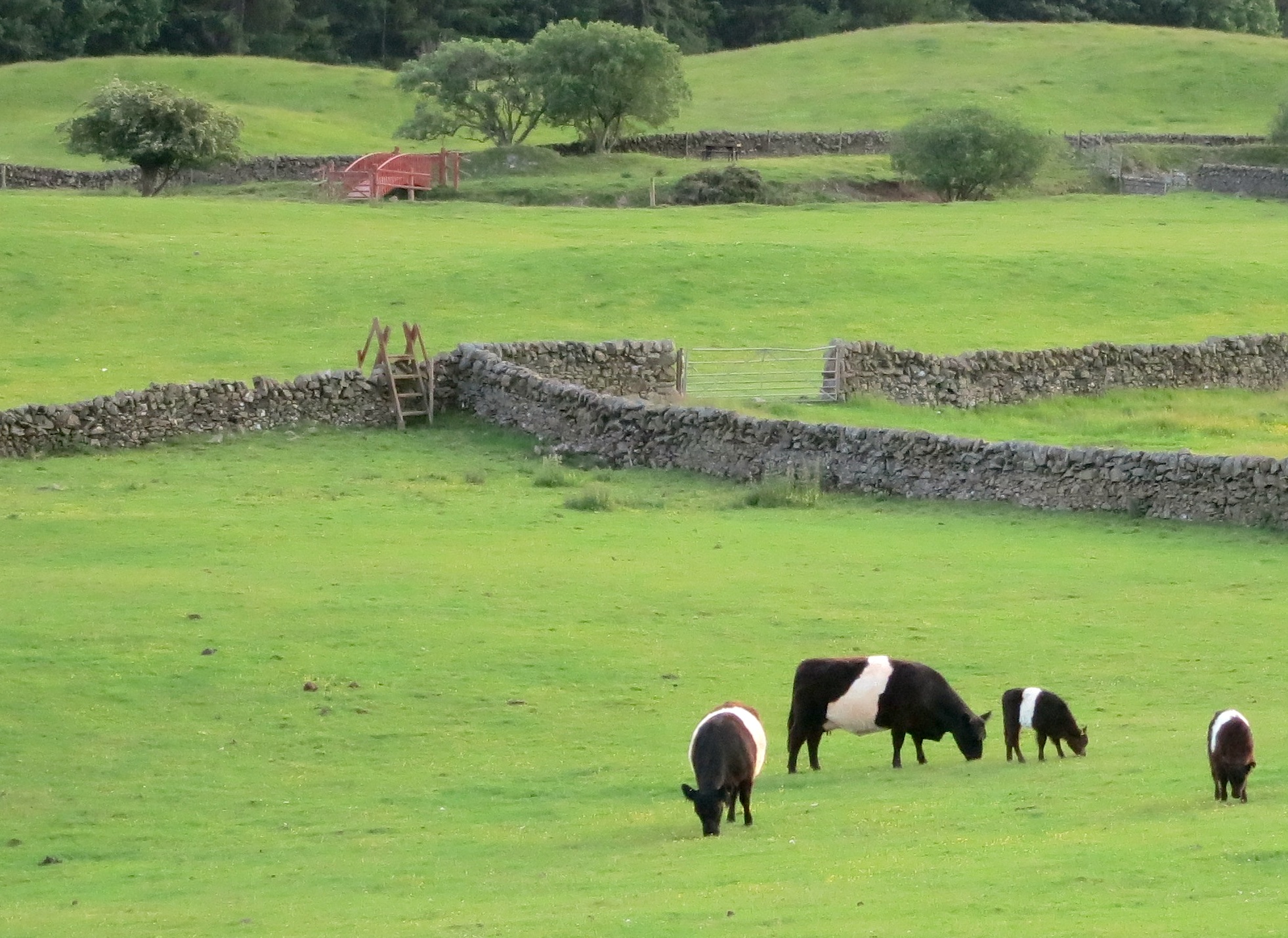
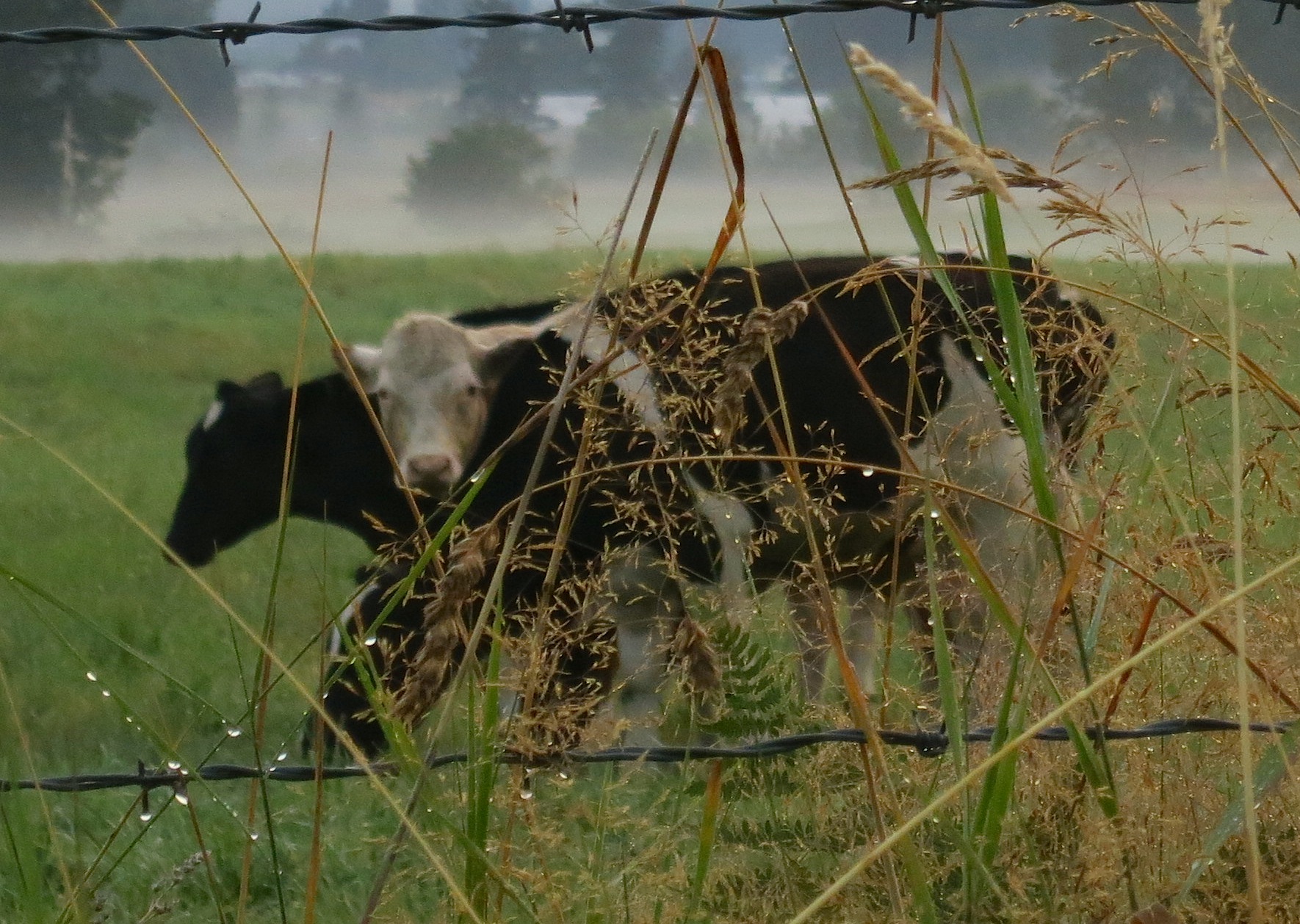
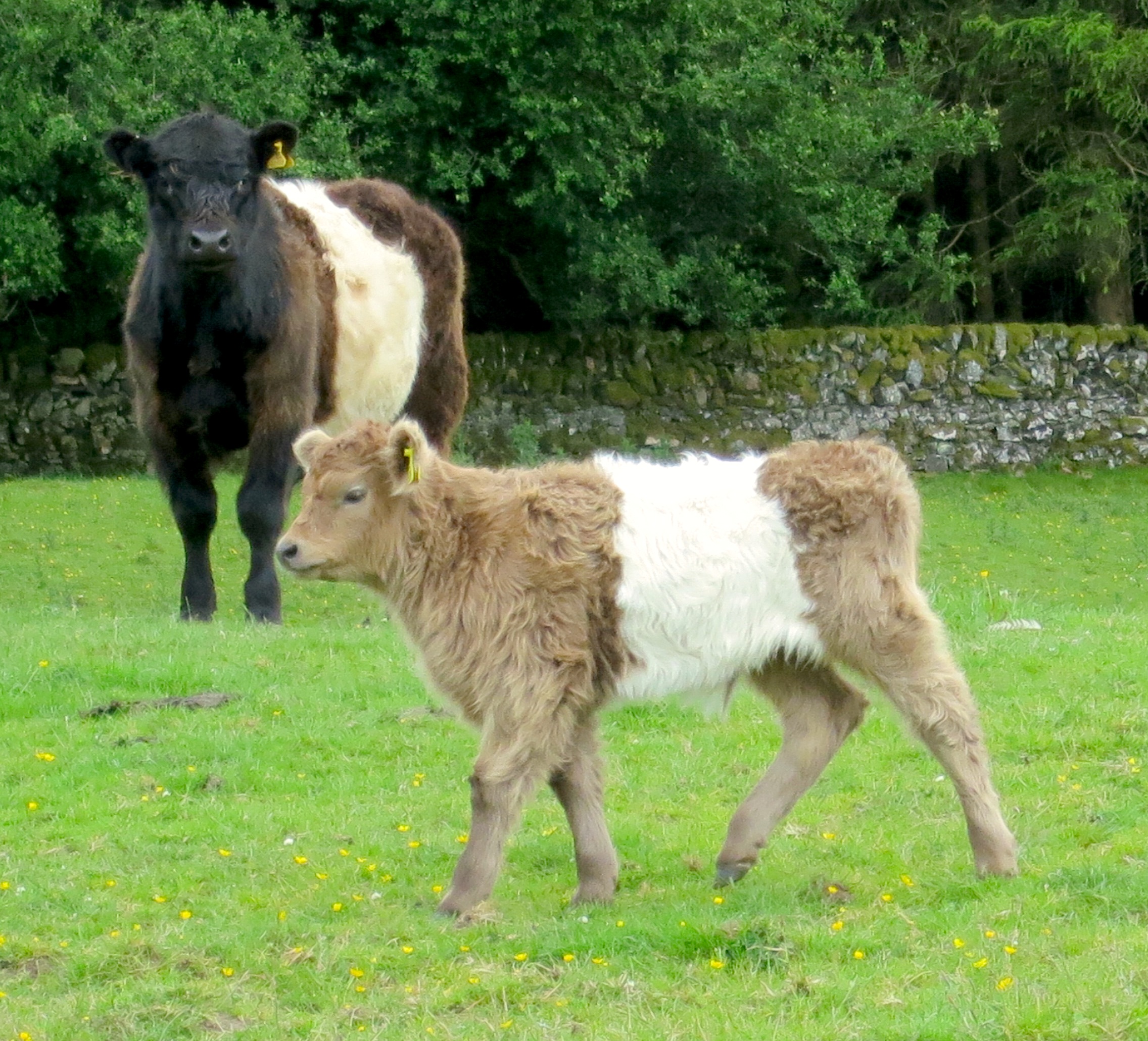
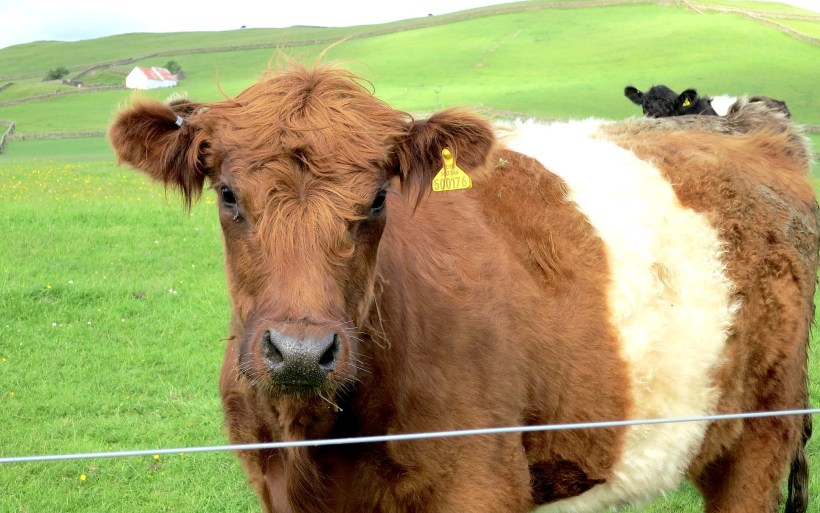
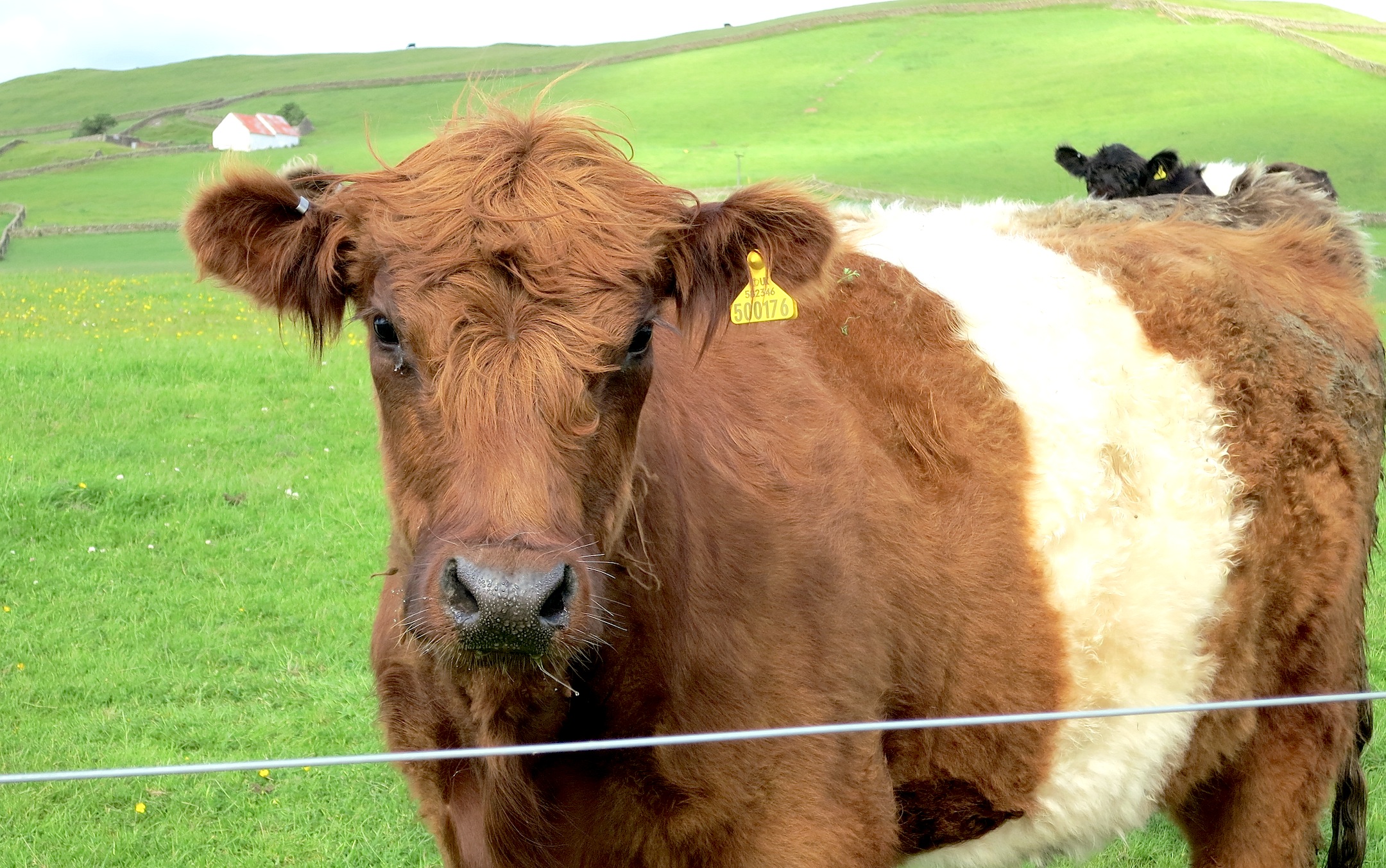
Most of my life I have been surrounded by cows. I sat on their bony backs while my dad hand-milked our three Guernsey cows. I learned about their pastoral preferences by following their meandering paths through the fields and woods. I know all about their nosiness and their noisiness and their utter fascination with the antics of their humans.

Our family farm had Scottish Highland cattle and cross-breds for a time – raising calves meant monitoring our cows in heat. There isn’t anything else that sounds like a cow in heat. Nothing. Especially in the middle of the night.

During our farm stay travels in Ireland and Scotland a decade ago, we made a point to get to know the local bovines, just for comparison’s sake. Sure enough, the cows there were just as charming and curious as the ones at home, although a bit furrier with more interesting coloration.

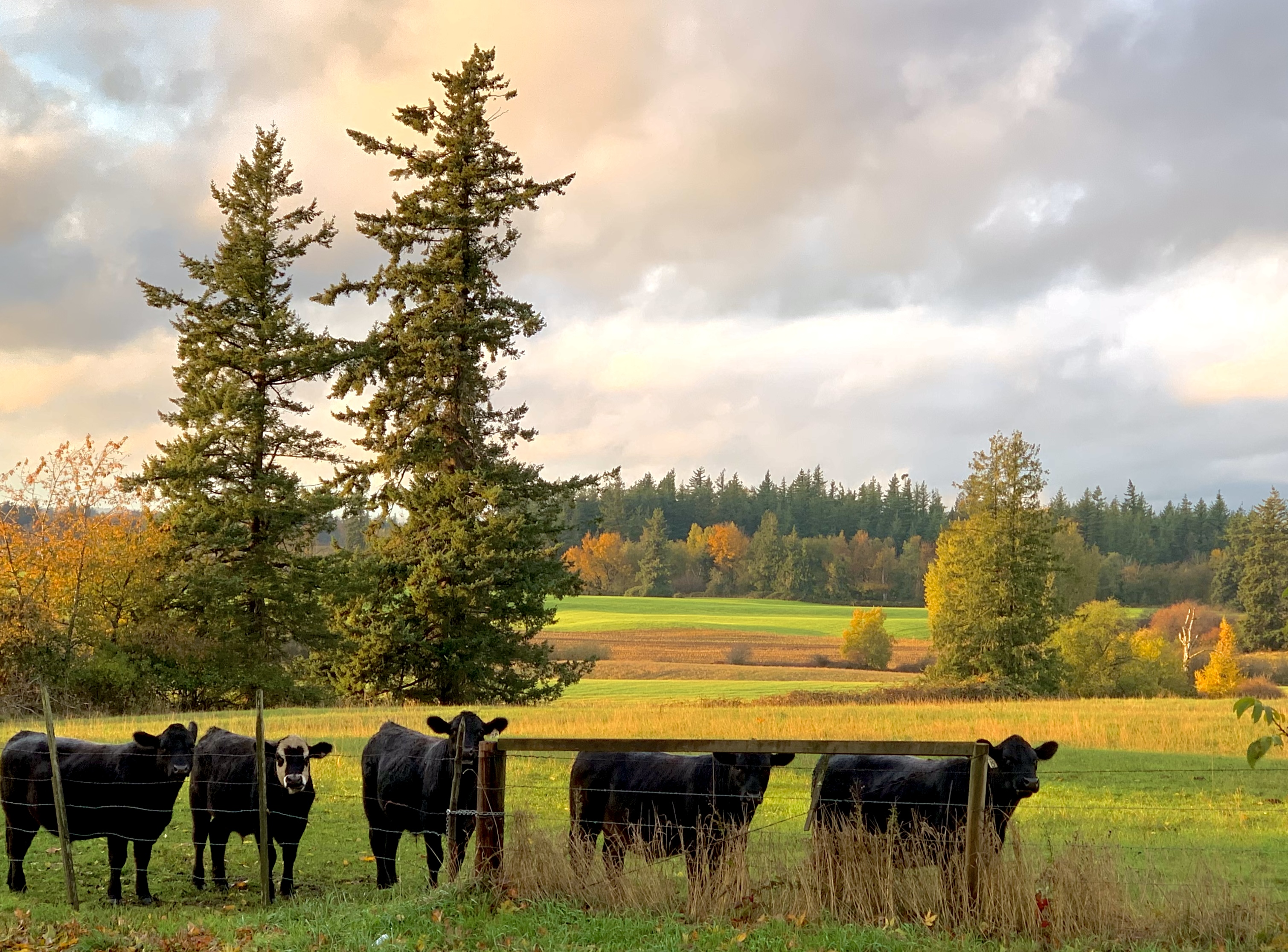
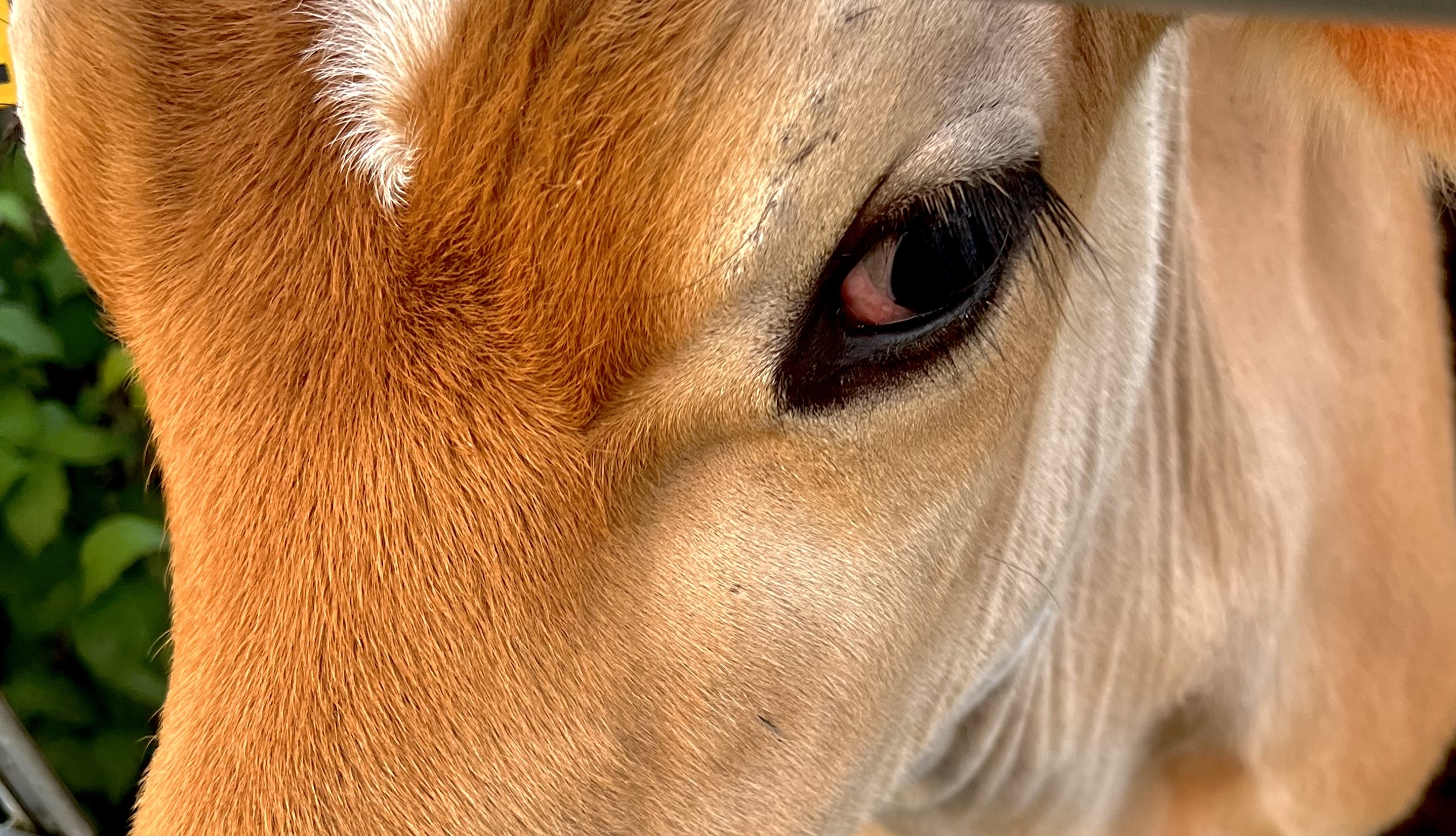
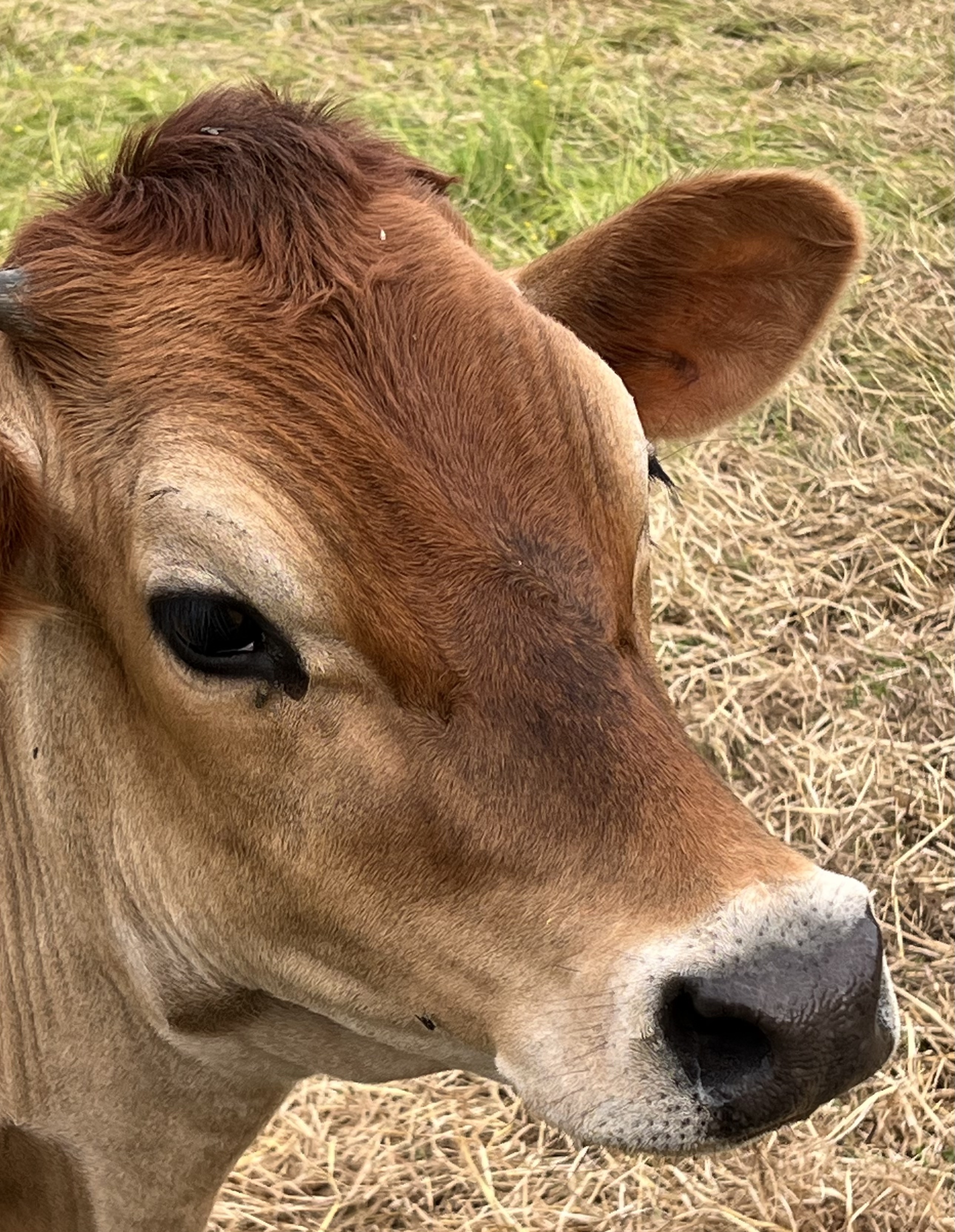
We are currently providing temporary lodging for some young steers who need the run of some grassy acreage as they grow and fill out. They are quite content and not the least bit noisy. Having them here reminds me I’ve missed the sound of cows’ reassuring cud chewing, their soft flap of ear, their oval brown eyes, but most of all the acrobatics of a tongue that wraps itself around a clump of grass while grazing and can reach up and clean out a moist nose.

A wondrous creature: their cowness is the perfect combination of mystery and magnificence.

And I need to learn how to play the trombone…

AI image created for this post
One-Time
Monthly
Yearly

Make a one-time or recurring donation to support daily Barnstorming posts

Make a monthly donation

Make a yearly donation

Choose an amount

$10.00
$25.00
$50.00
$5.00
$15.00
$100.00
$5.00
$15.00
$100.00

Or enter a custom amount

$

Your contribution is deeply appreciated.

Your contribution is appreciated.

Your contribution is appreciated.

DonateDonate monthlyDonate yearly
Thoughtful Dripping Muzzles

Let the end of all bathtubs
be this putting out to pasture
of four Victorian bowlegs
anchored in grasses.

Let all longnecked browsers
come drink from the shallows
while faucets grow rusty
and porcelain yellows.

Where once our nude forebears
soaped up in this vessel
come, cows, and come, horses.

Bring burdock and thistle,
come slaver the scum of
timothy and clover
on the cast-iron lip that
our grandsires climbed over

and let there be always
green water for sipping
that muzzles may enter thoughtful
and rise dripping.
~Maxine Kumin “Watering Trough” from Selected Poems

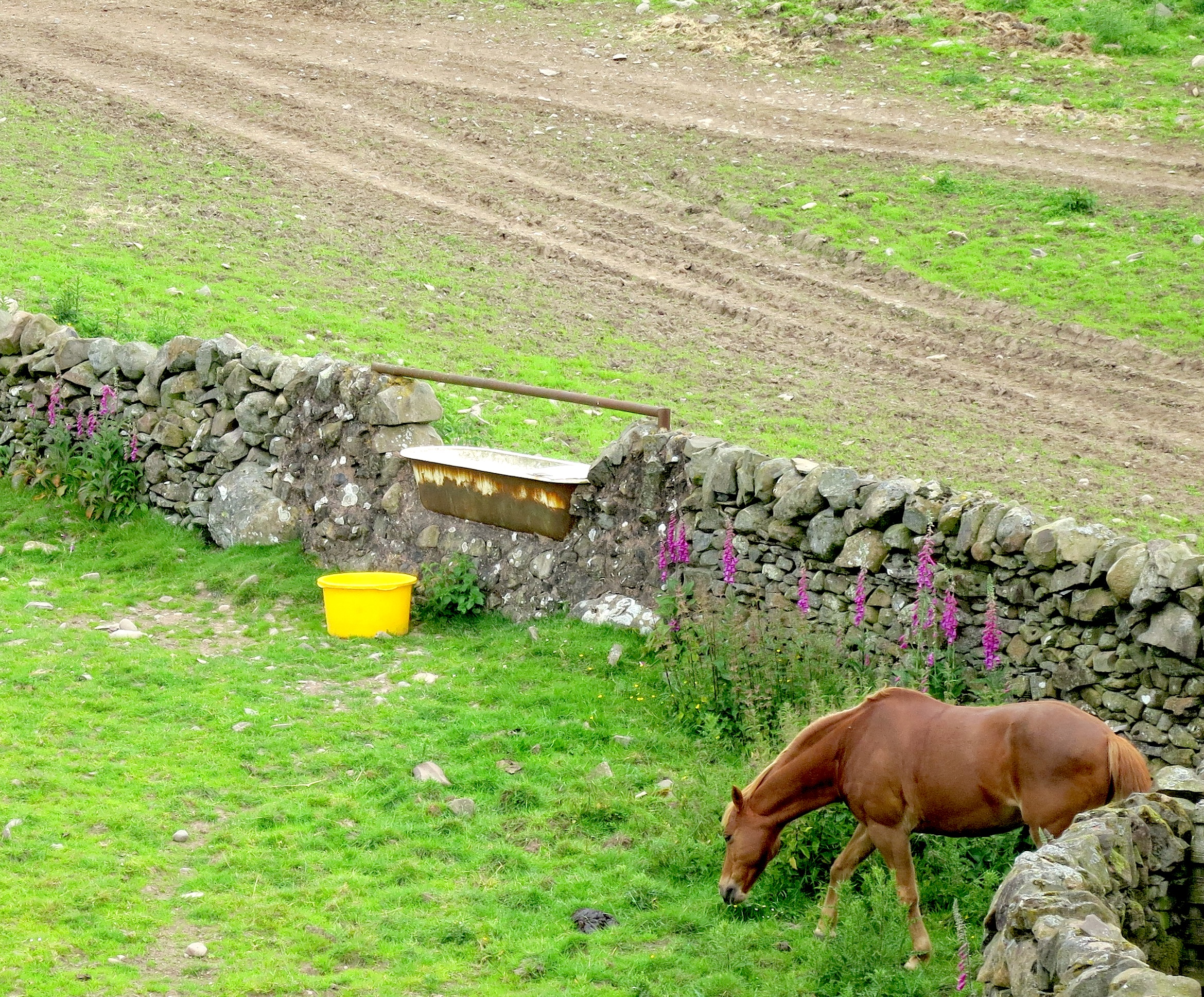
photo by Emily Vander Haak

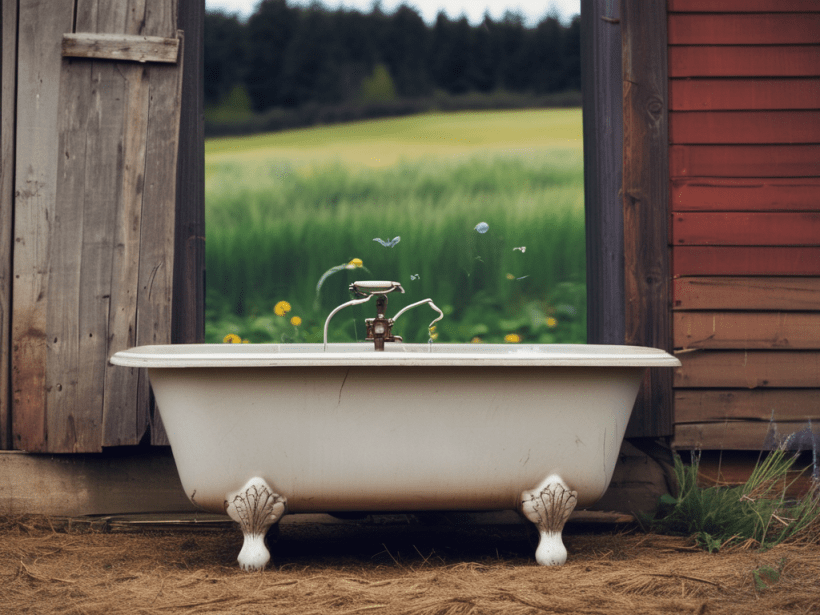
Farmers became the original recyclers before it was a word or an expectation — there isn’t anything that can’t be used twice or thrice for whatever is needed, wherever and whenever, especially far from the nearest retail outlet or farm supply store.

The water troughs on the farm where I grew up were cast-off four-legged bath tubs hauled home from the dump, exactly like the old tub I bathed in when staying overnight at my grandma’s farm house.  She needed her tub to stay put right in the bathroom, never considering an upgrade and remodel; she would never offer it up to her cows.

But there were people who could afford to install showers and molded tubs so out their tubs went to find new life and purpose on farms like ours.

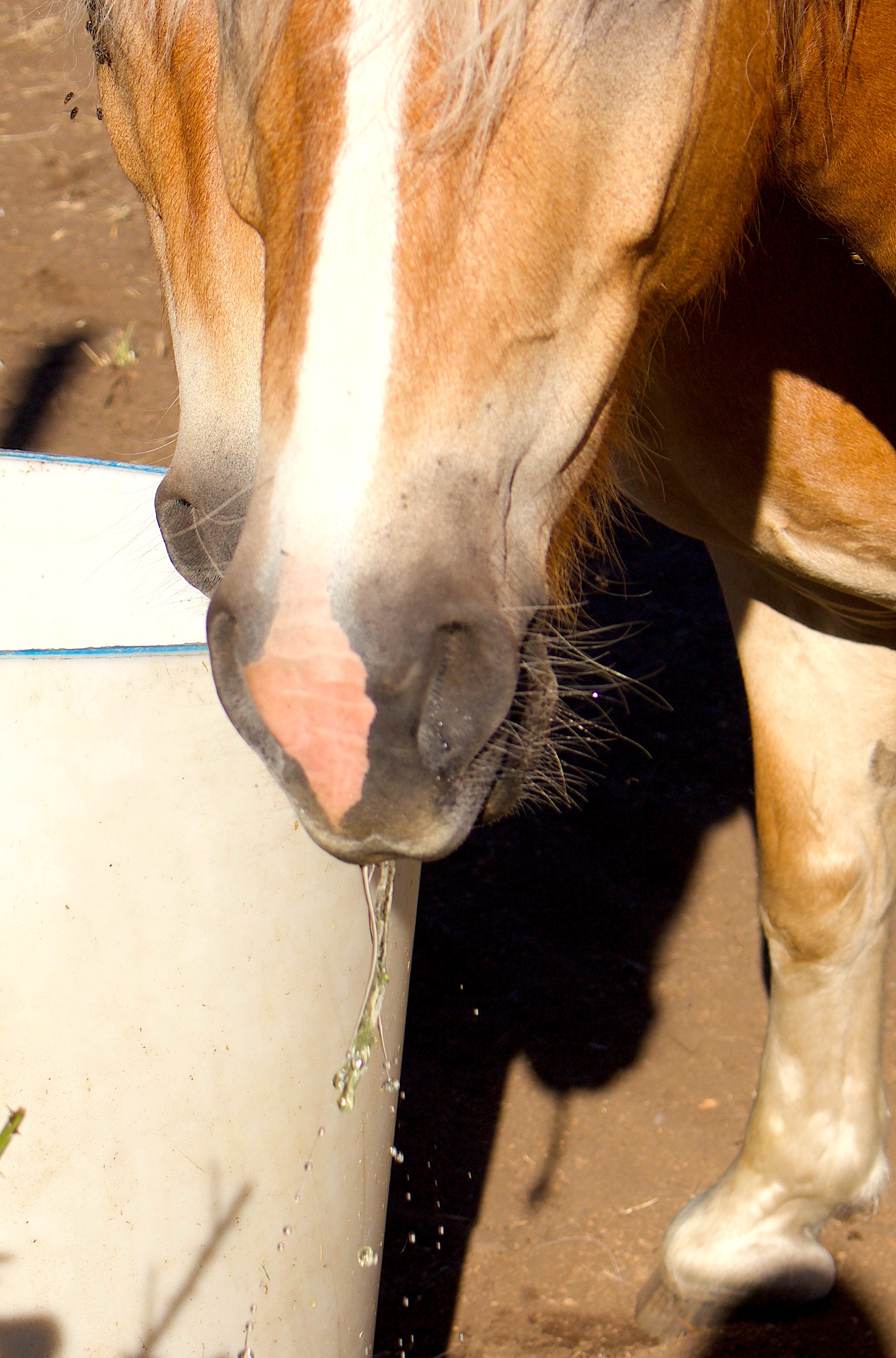
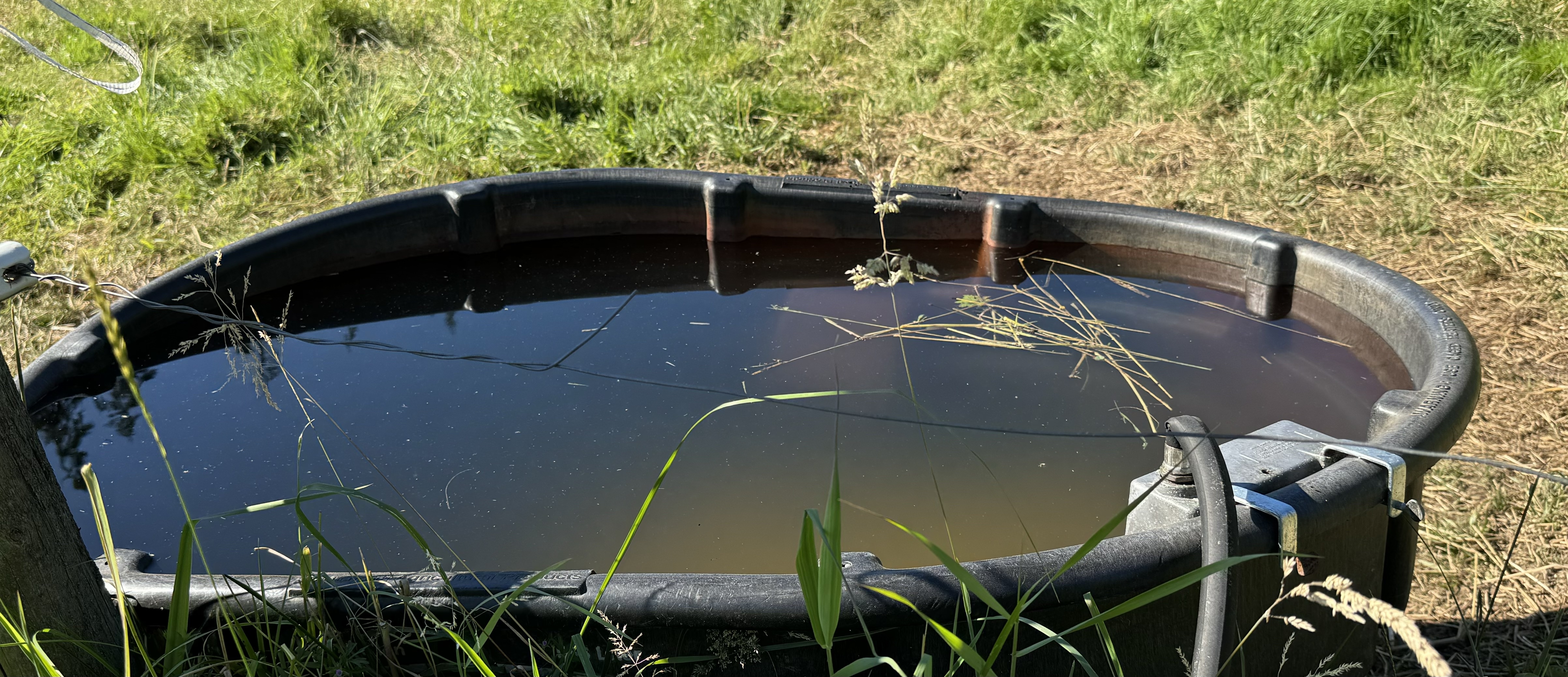
When I was a kid, we kept goldfish in our bathtub water trough, to keep the algae at bay and for the amusement of the farm cats. The horses and cows would stand idle, drowsing by the tub, their muzzles dripping, mesmerized by flashes of orange circling the plugged drain.

I often wondered what they thought of sharing their drinking water with fish, but I suspect they had more weighty things to ponder: where the next lush patch of grass might be, how to reach that belly itch,  and finding the best shade with fewest flies for that summer afternoon nap.

When it comes to sharing a tub, maybe farm animals aren’t that different from their farmer keepers after all: they both stand dripping and thoughtful alongside the tub, contemplating what comes next. After a long hot summer day, it may well be a well-earned rest.

AI image created for this post
One-Time
Monthly
Yearly

Make a one-time or recurring donation to support daily Barnstorming posts

Make a monthly donation

Make a yearly donation

Choose an amount

$10.00
$25.00
$50.00
$5.00
$15.00
$100.00
$5.00
$15.00
$100.00

Or enter a custom amount

$

Your contribution is deeply appreciated.

Your contribution is appreciated.

Your contribution is appreciated.

DonateDonate monthlyDonate yearly
God’s Dust

…war spreading,
families dying,
the world in danger,
I walk the rocky hillside,
sowing clover…
~Wendell Berry “February 2, 1968”

However you may come, 
You’ll see it suddenly
Lie open to the light
Amid the woods: a farm
Little enough to see
Or call across—cornfield,

Hayfield, and pasture, clear
As if remembered, dreamed
And yearned for long ago,
Neat as a blossom now
With all the pastures mowed
And the dew fresh upon it,
Bird music all around.
That is the vision, seen
As on a Sabbath walk:
The possibility
Of human life whose terms
Are Heaven’s and this earth’s.

The land must have its Sabbath
Or take it when we starve.
The ground is mellow now,
Friable and porous: rich.
Mid-August is the time
To sow this field in clover
And grass, to cut for hay
Two years, pasture a while,
And then return to corn.

This way you come to know
That something moves in time
That time does not contain.
For by this timely work
You keep yourself alive
As you came into time,
And as you’ll leave: God’s dust,
God’s breath, a little Light.

~Wendell Berry from The Farm

These are fragrant acres where
Evening comes long hours late
And the still unmoving air
Cools the fevered hands of Fate.

Meadows where the afternoon
Hangs suspended in a flower
And the moments of our doom
Drift upon a weightless hour.

And we who thought that surely night
Would bring us triumph or defeat
Only find that stars are white
Clover at our naked feet.

~Tennessee Williams “Clover”

Farming is daily work outside of the constraints of time –
labor done this day is caring for what is eternal,
despite weather, war, uncertainty.

There is a timelessness about summer:
the preparing and planting and preserving,
a cycle of living and dying repeating through generations.

We, like our farming forebears, will become God’s dust again.

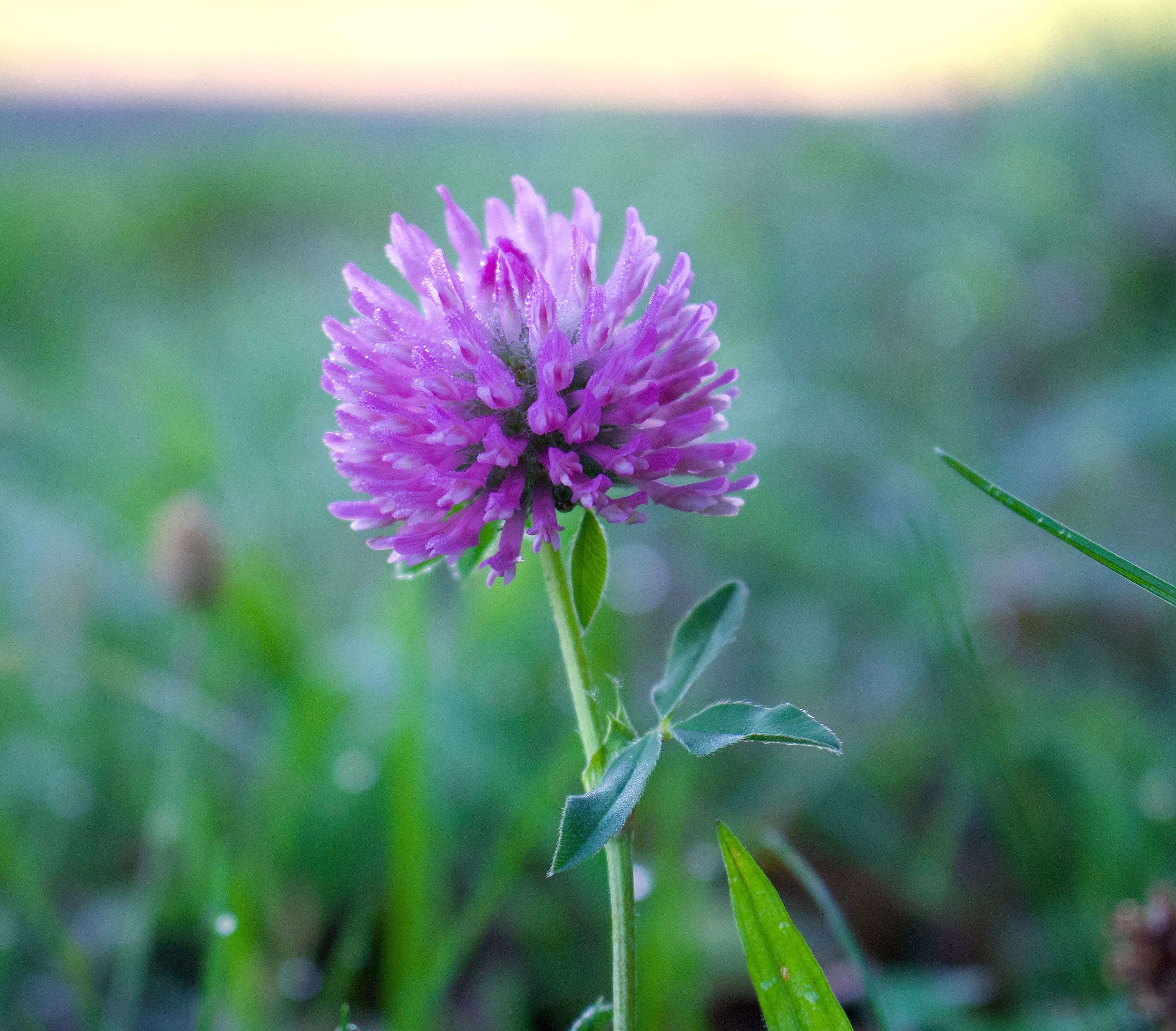
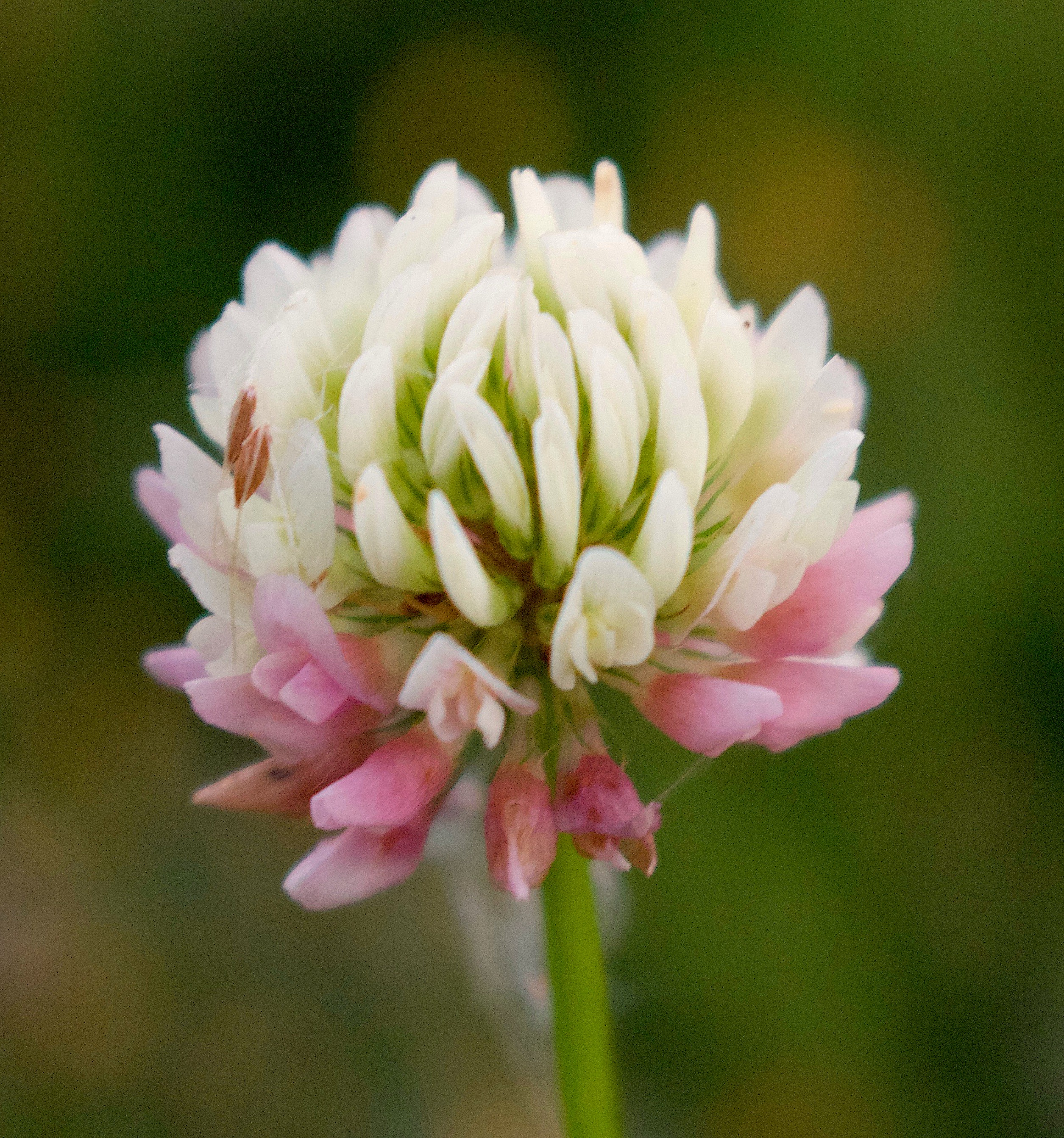
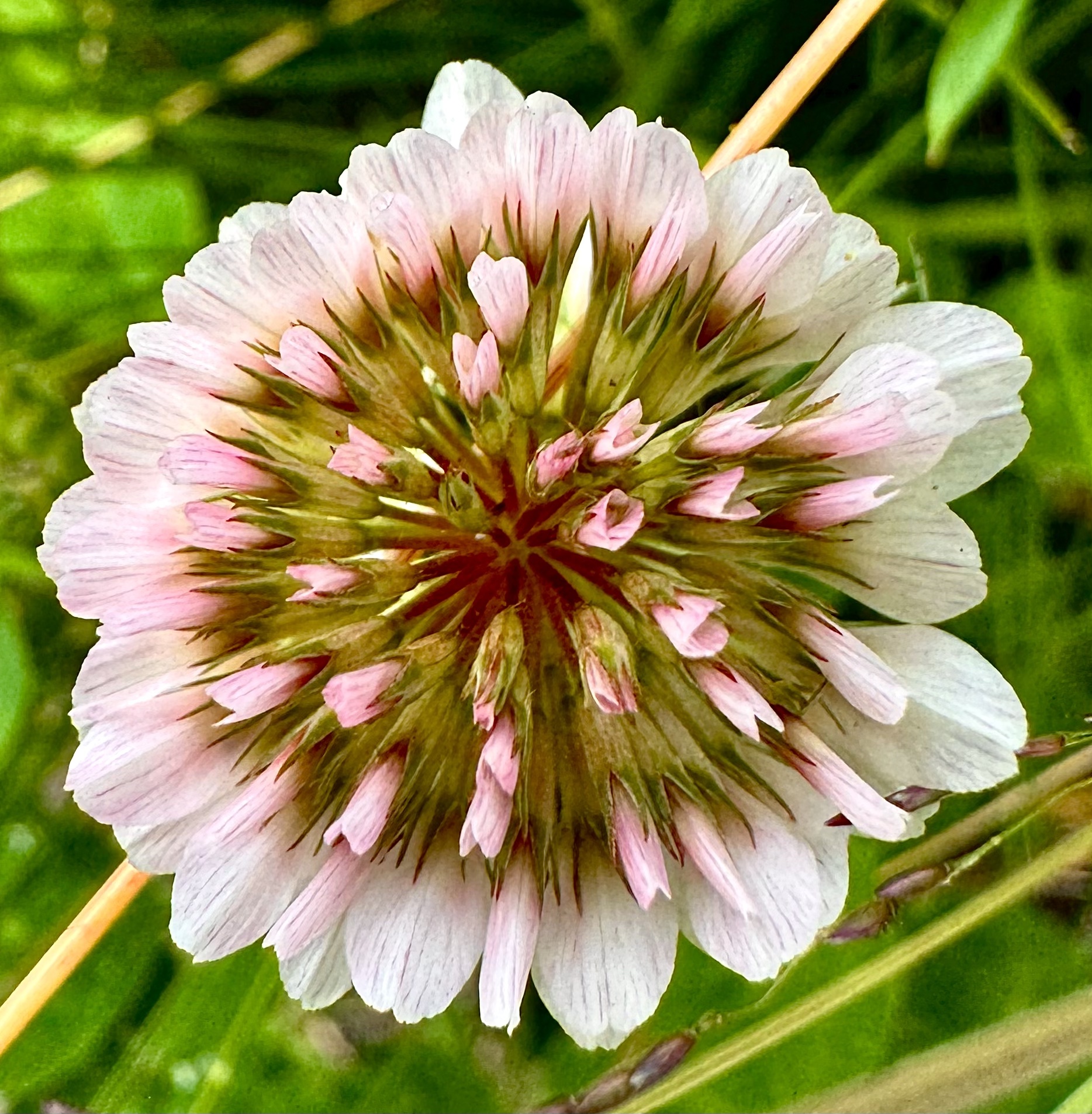
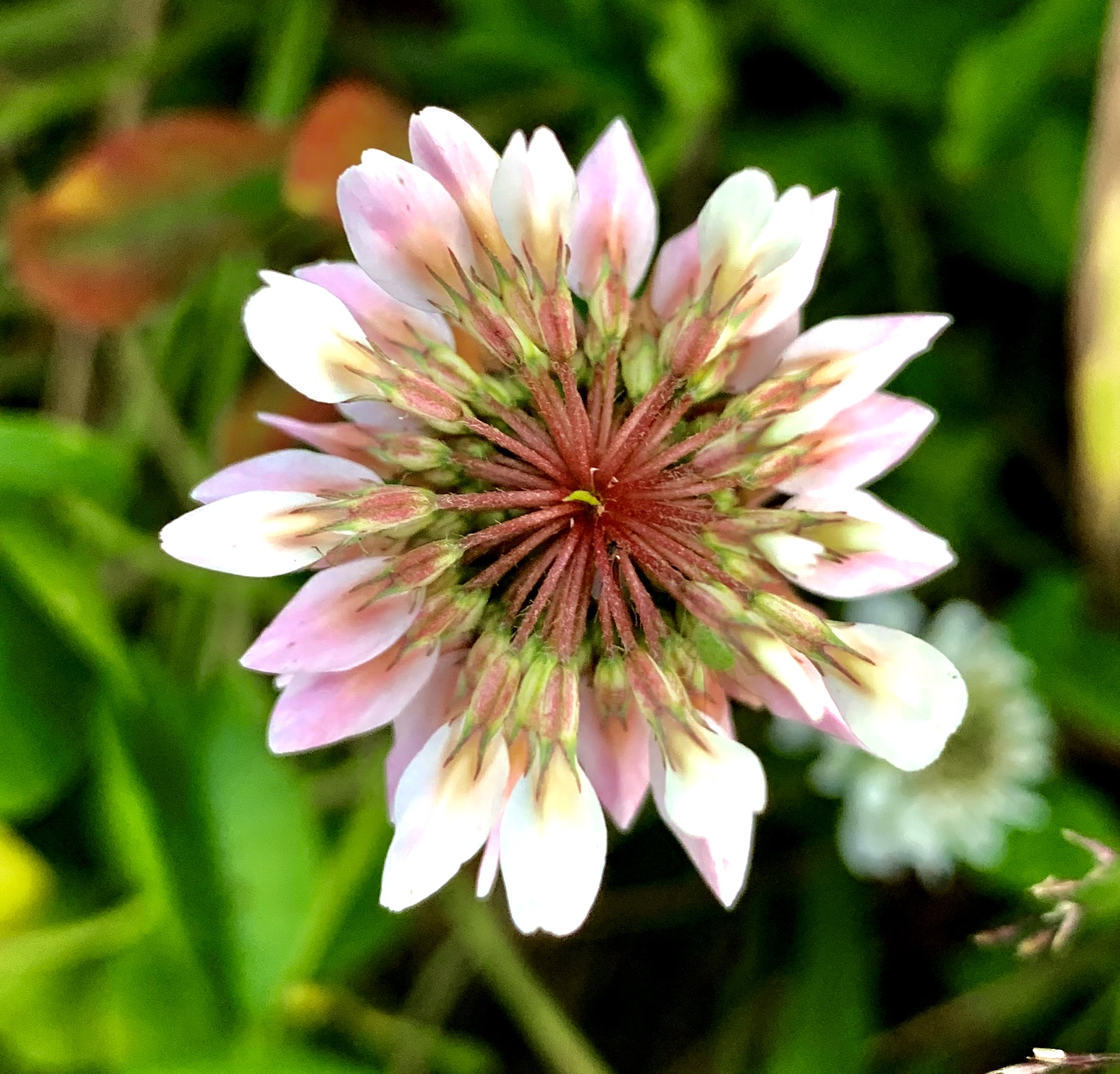
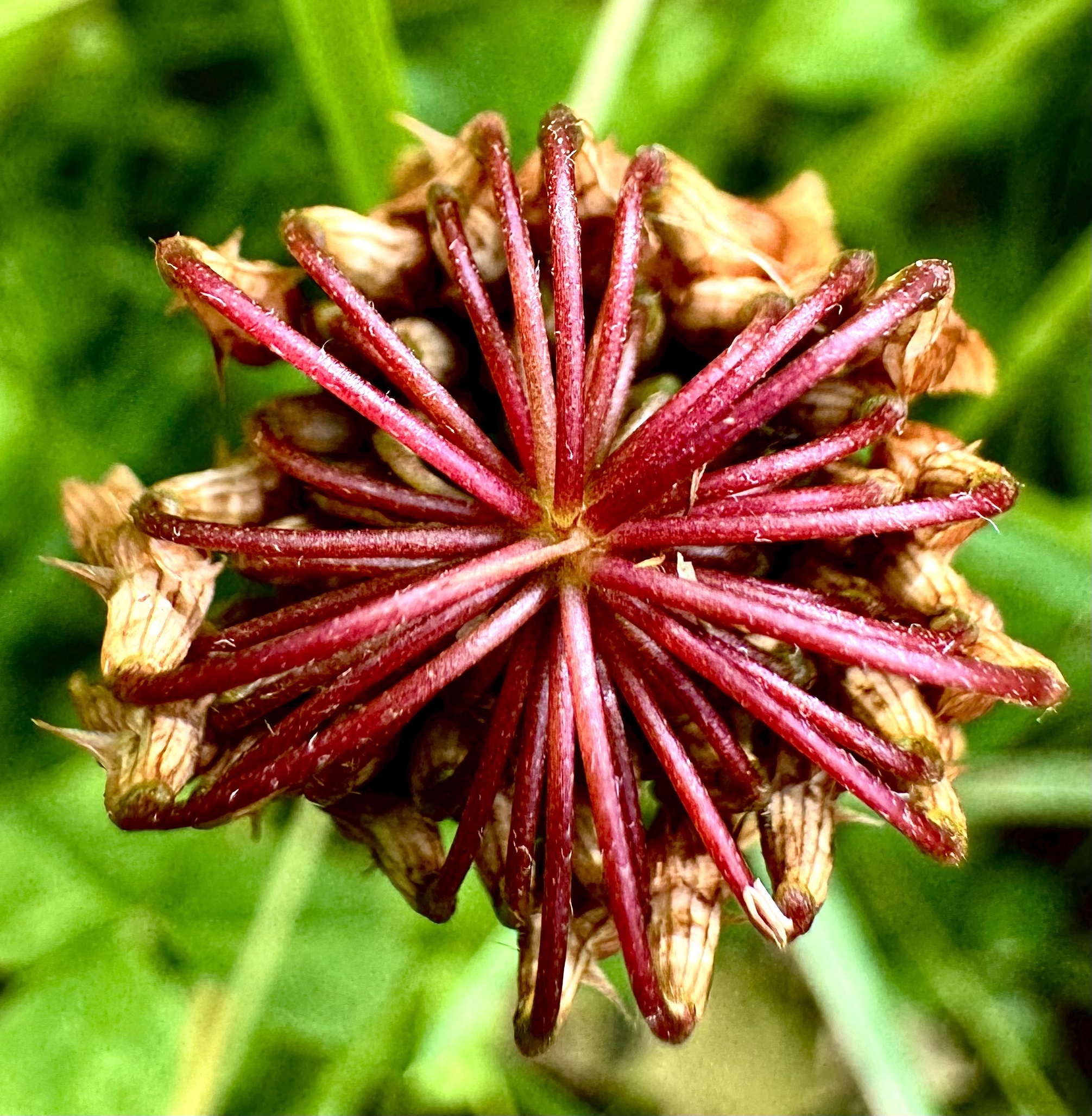
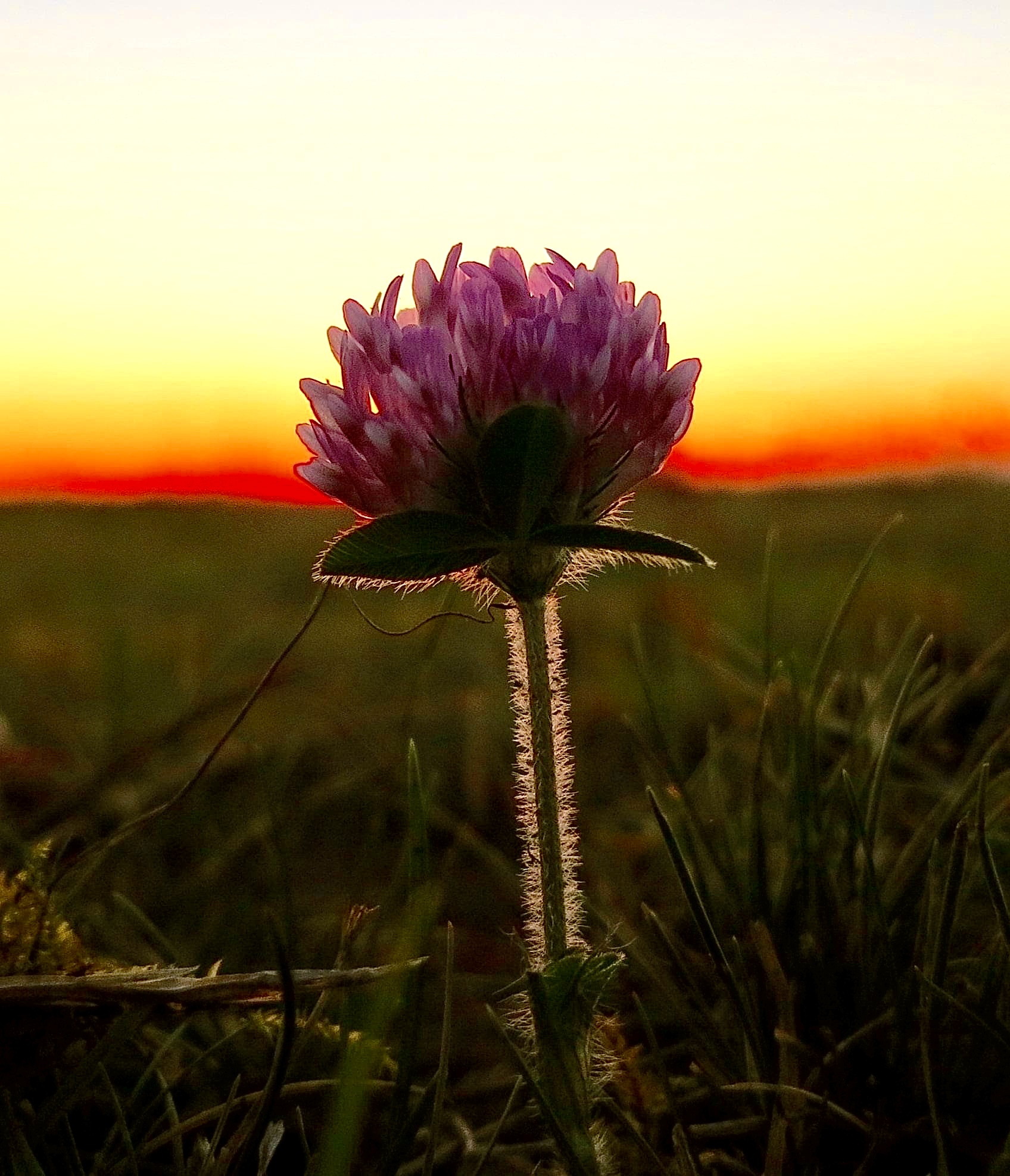
I’m reminded, walking through our pasture’s clover,
I become seed and soil for the next generation.
Like a blossom so plain and unnoticed during its life,
I enfolds myself back to the ground, sighing and dying.

Perhaps it is the breath of clover
we should remember at the last,
as God’s own breath.

Inhale deeply of Him in the dust of the clover field.

AI image created for this post
One-Time
Monthly
Yearly

Make a one-time or recurring donation to support daily Barnstorming posts

Make a monthly donation

Make a yearly donation

Choose an amount

$10.00
$25.00
$50.00
$5.00
$15.00
$100.00
$5.00
$15.00
$100.00

Or enter a custom amount

$

Your contribution is deeply appreciated.

Your contribution is appreciated.

Your contribution is appreciated.

DonateDonate monthlyDonate yearly

The Moon’s Mysterious Thereness

Caught out in daylight, a rabbit’s
transparent pallor, the moon
is paired with a cloud of equal weight:
the heavenly congruence startles.

For what is the moon, that it haunts us,
this impudent companion immigrated
from the system’s less fortunate margins,
the realm of dust collected in orbs?

We grow up as children with it, a nursemaid
of a bonneted sort, round-faced and kind,
not burning too close like parents, or too far
to spare even a glance, like movie stars.

No star but in the zodiac of stars,
a stranger there, too big, it begs for love
(the man in it) and yet is diaphanous,
its thereness as mysterious as ours.

~John Updike “Half Moon, Small Cloud”

Children in a Garden with Nanny by Mary Cassatt

Dear God, I cannot love Thee the way I want to.
You are the slim crescent of a moon that I see
and my self is the earth’s shadow
that keeps me from seeing all the moon.
The crescent is very beautiful
and perhaps that is all one like I am should or could see;
but what I am afraid of, dear God,
is that my self shadow will grow so large
that it blocks the whole moon,
and that I will judge myself by the shadow that is nothing.

I do not know You God
because I am in the way.
Please help me to push myself aside.
~Flannery O’Connor from her journals

photo by Bob Tjoelker
a full moon in Ireland

Like a vigilant nanny watching from the skies, the moon keeps its pale eye on me, no matter where I am on the globe. There is comfort in seeing its illumination from various vantage points in North America, Europe, Asia and Africa.

Yet, through no fault of its own, the moon is constantly inconstant in its “thereness”, phasing from full bright orb to missing-in-action.

I know my own inconstant “thereness” gets in my way all the time — casting a shadow of darkness on the light and beauty around me. With human “blinders” on, I can’t see beyond where I stand, where I move, what I feel, what I fear, what I see and hear.

And I certainly get in the way of my knowing God in His divine and overpowering radiance.

It’s all about my blindness when I declare God “missing-in-action.”

He’s there, though partially hidden by my push to be front and center.
He’s there, His glory and truth manifest over me, if I look to see.
He’s there, gently instructing me to get out of His way.
He’s there, fully Light and fully Love.

I step back, in awe.

AI image created for this post
One-Time
Monthly
Yearly

Make a one-time or recurring donation to support daily Barnstorming posts

Make a monthly donation

Make a yearly donation

Choose an amount

$10.00
$25.00
$50.00
$5.00
$15.00
$100.00
$5.00
$15.00
$100.00

Or enter a custom amount

$

Your contribution is deeply appreciated.

Your contribution is appreciated.

Your contribution is appreciated.

DonateDonate monthlyDonate yearly
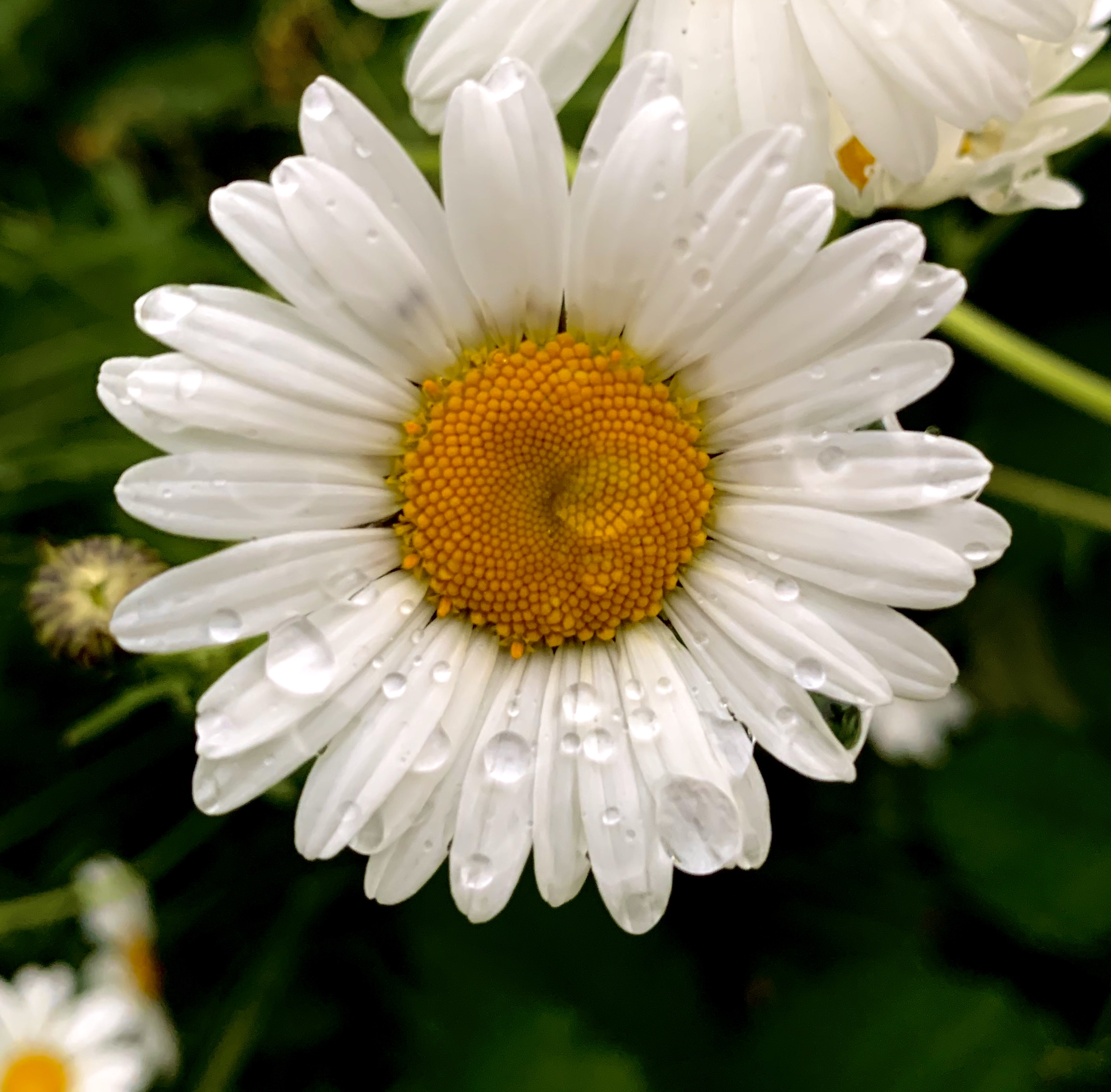
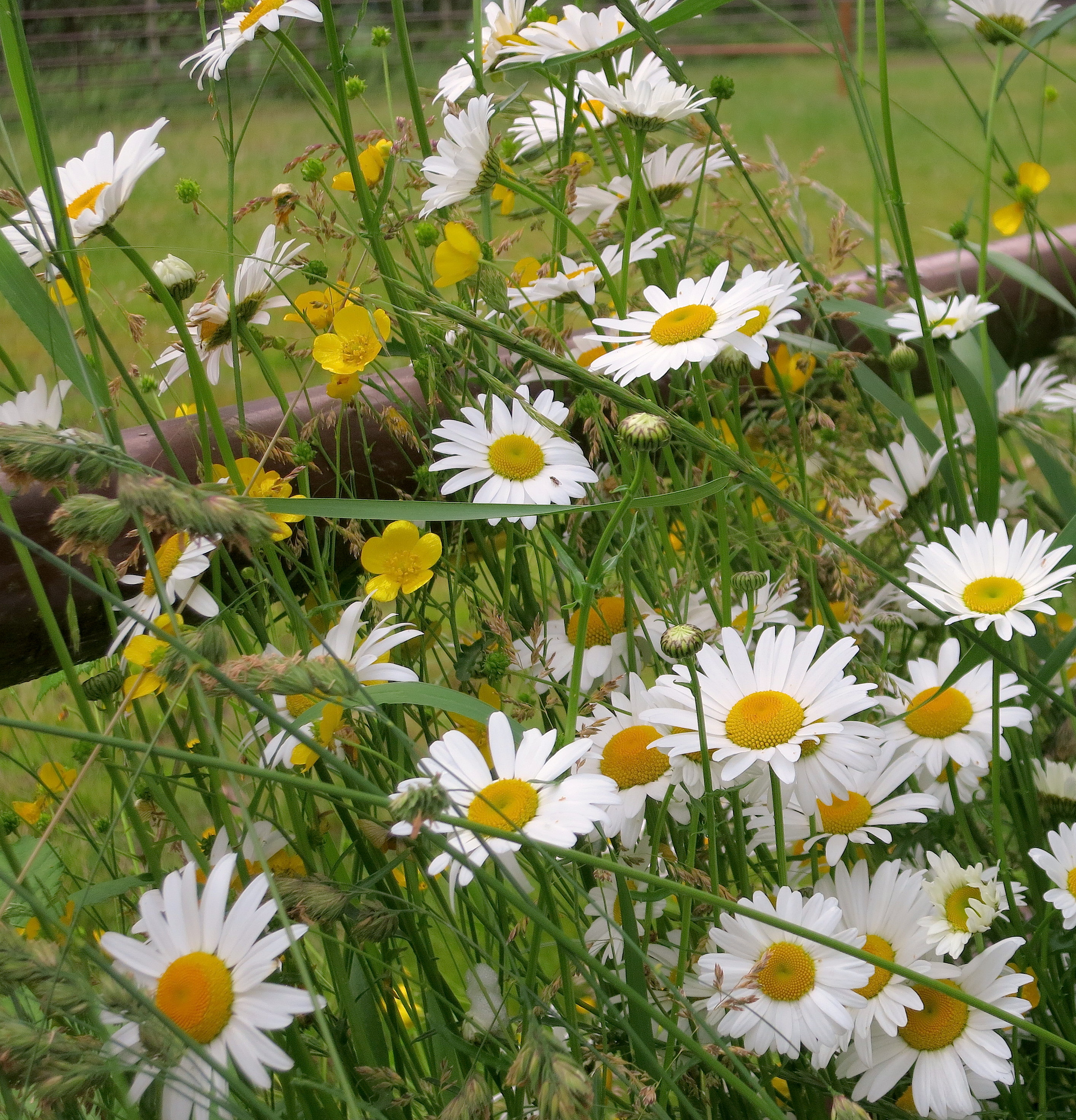
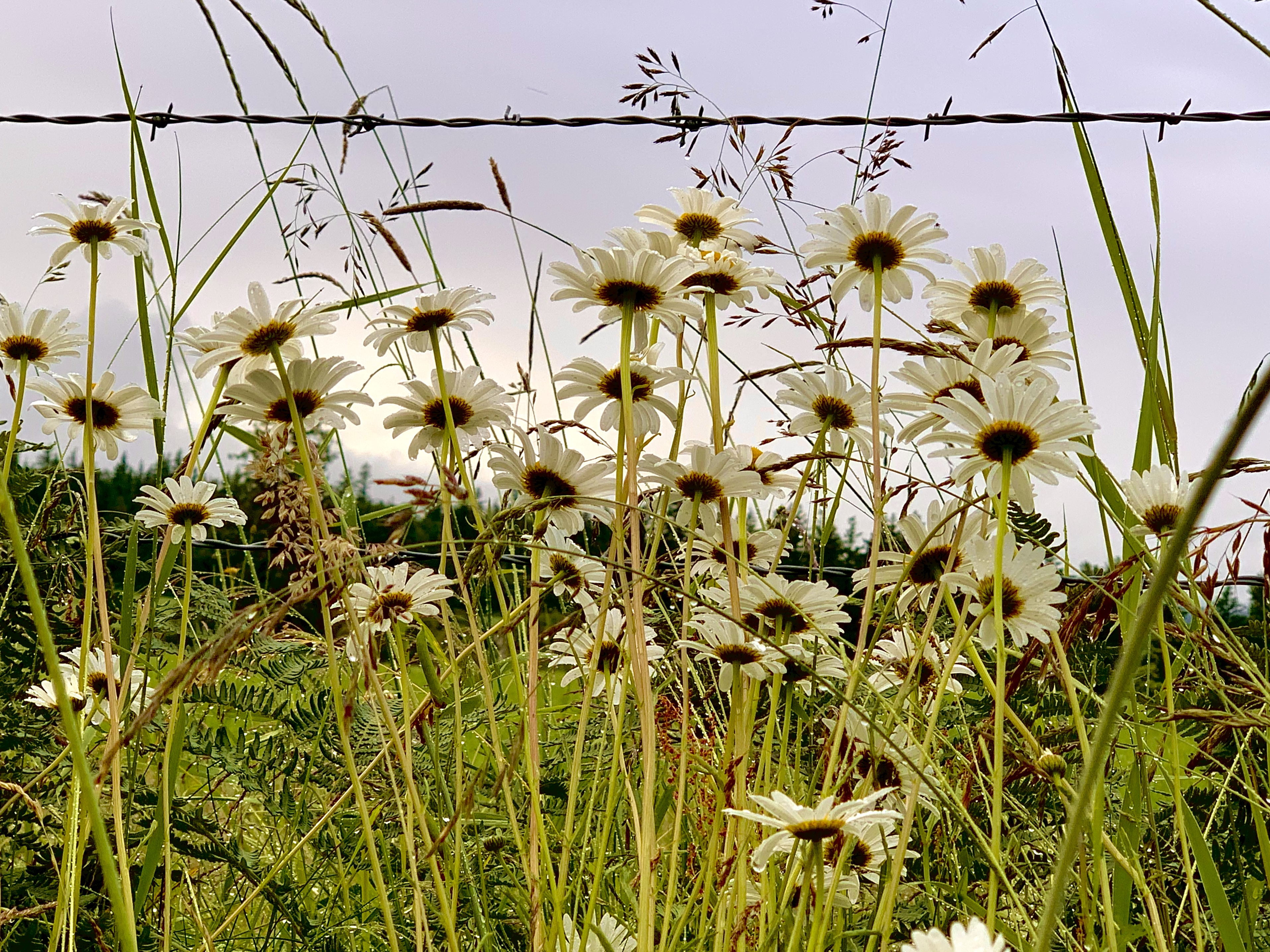
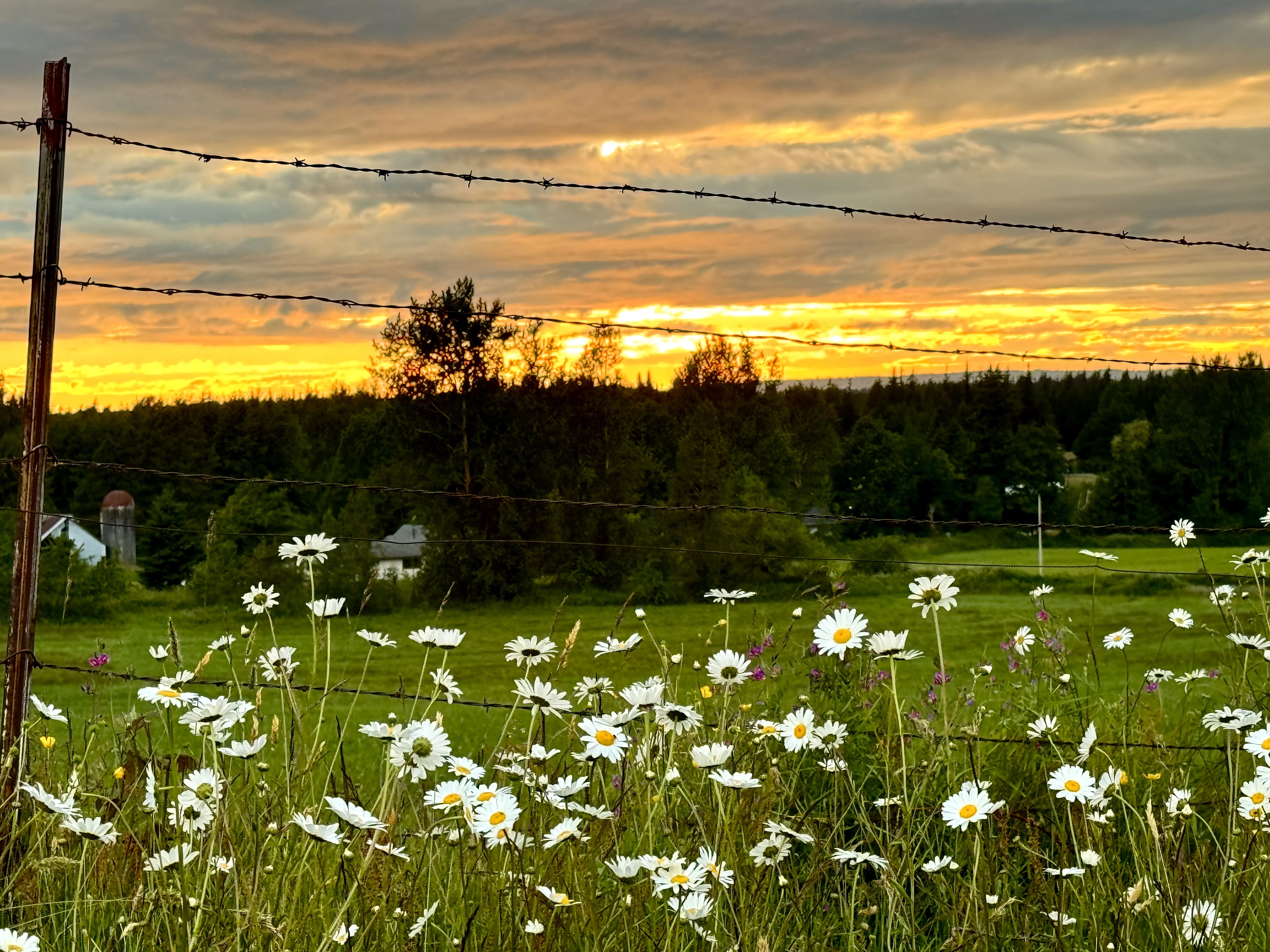
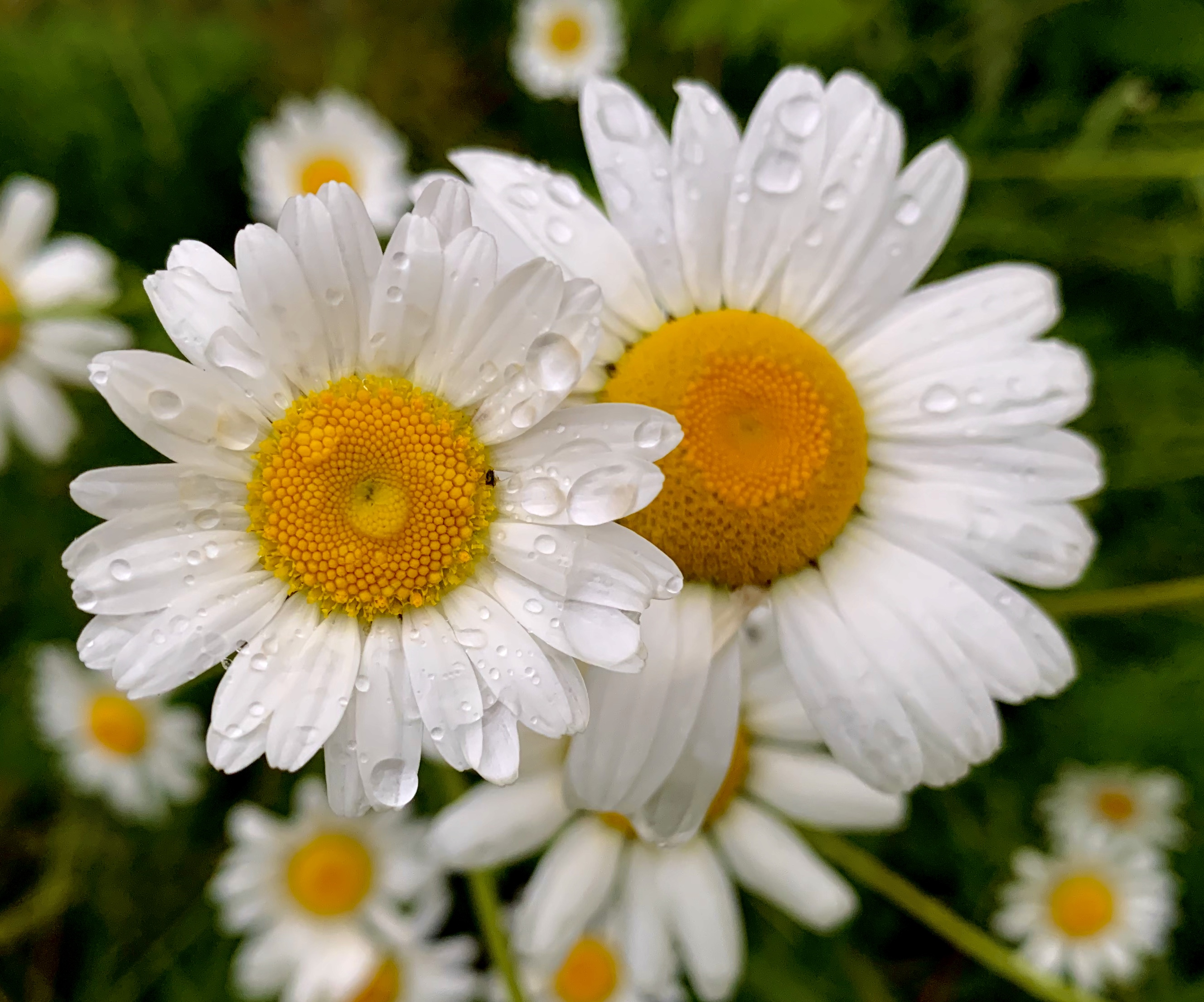
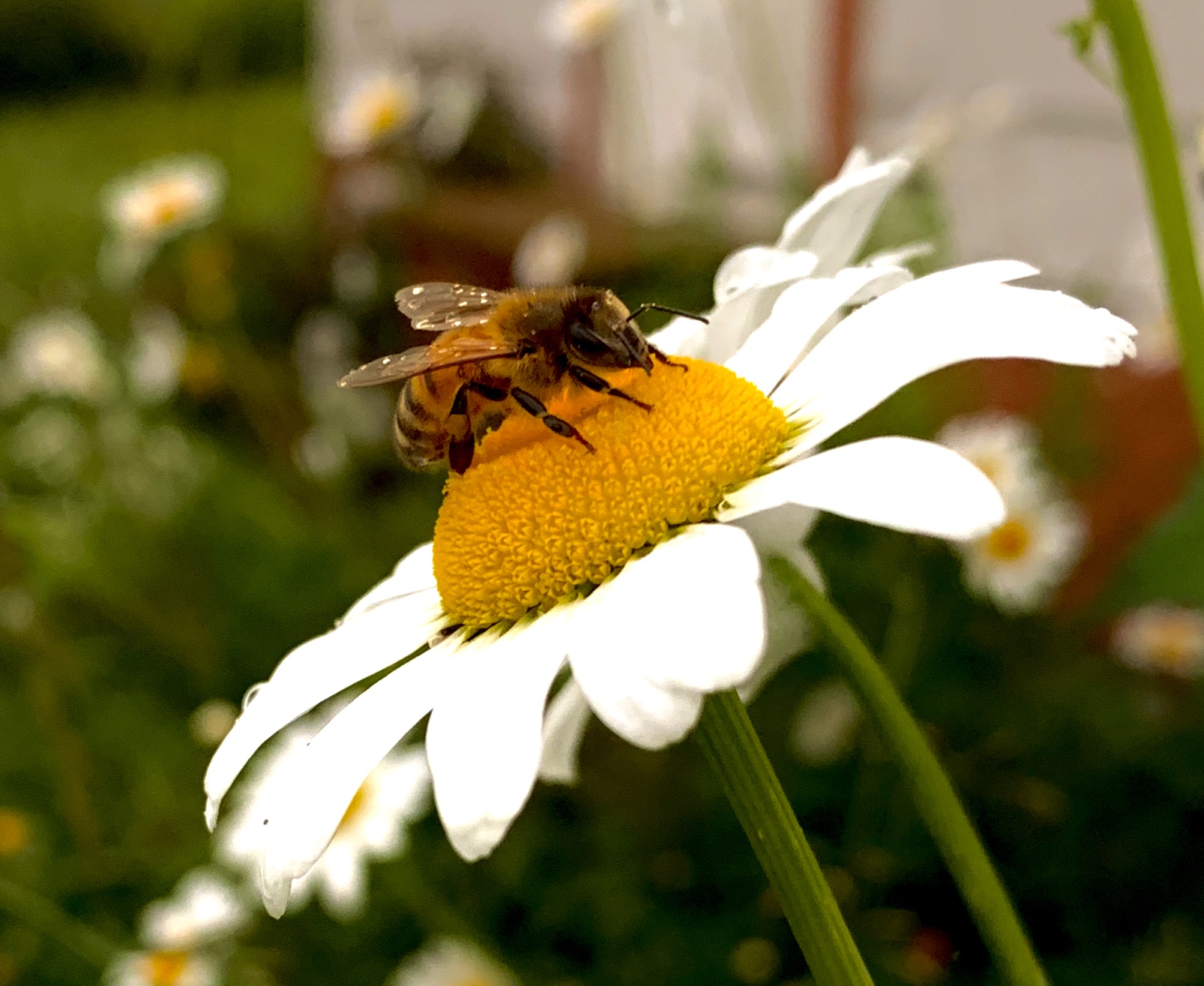
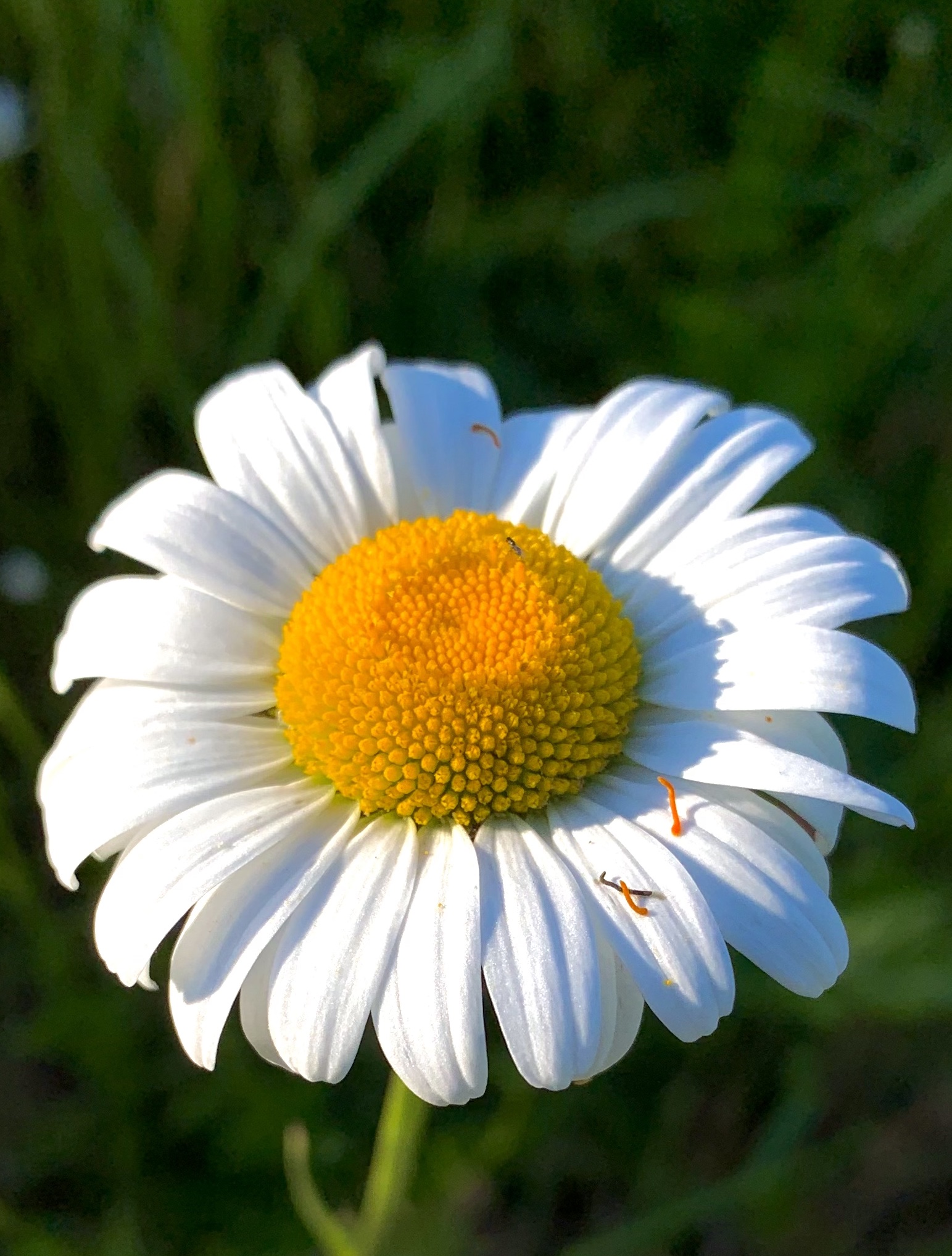
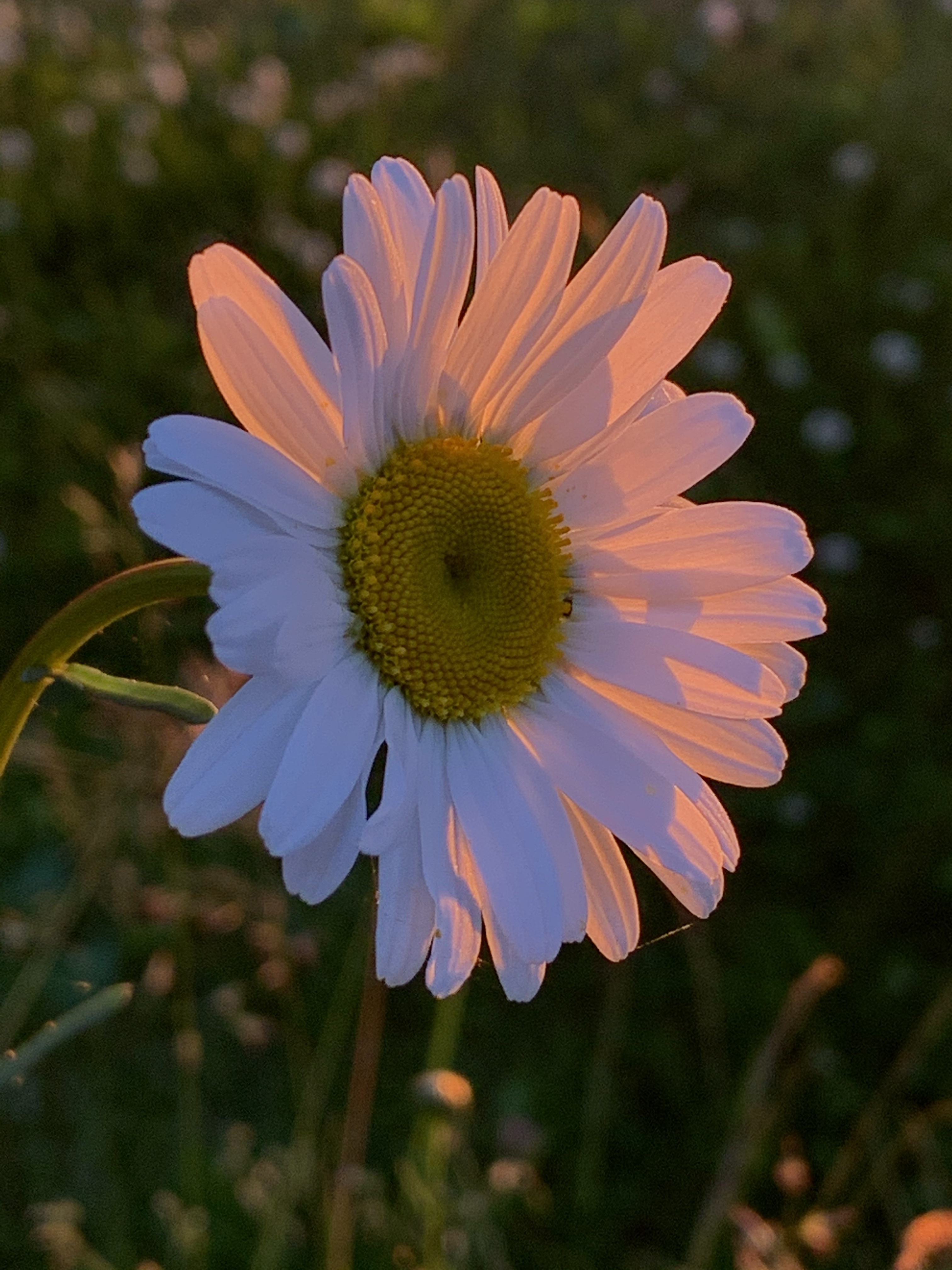
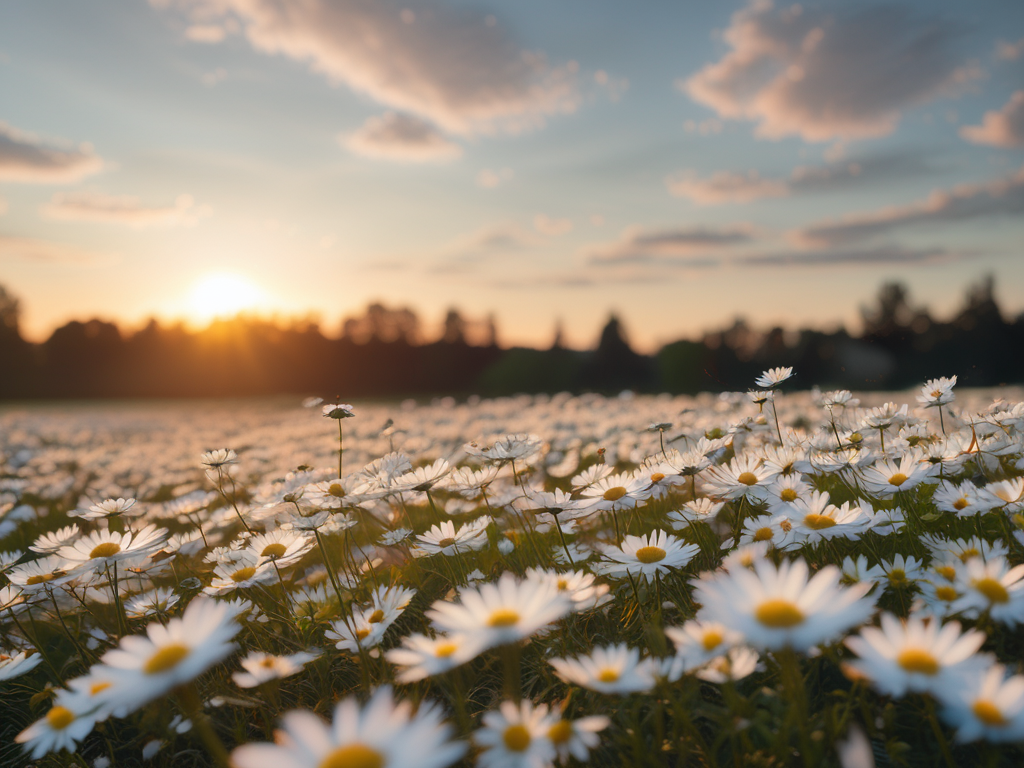
Making Daisies

…perhaps God is strong enough to exult in monotony.
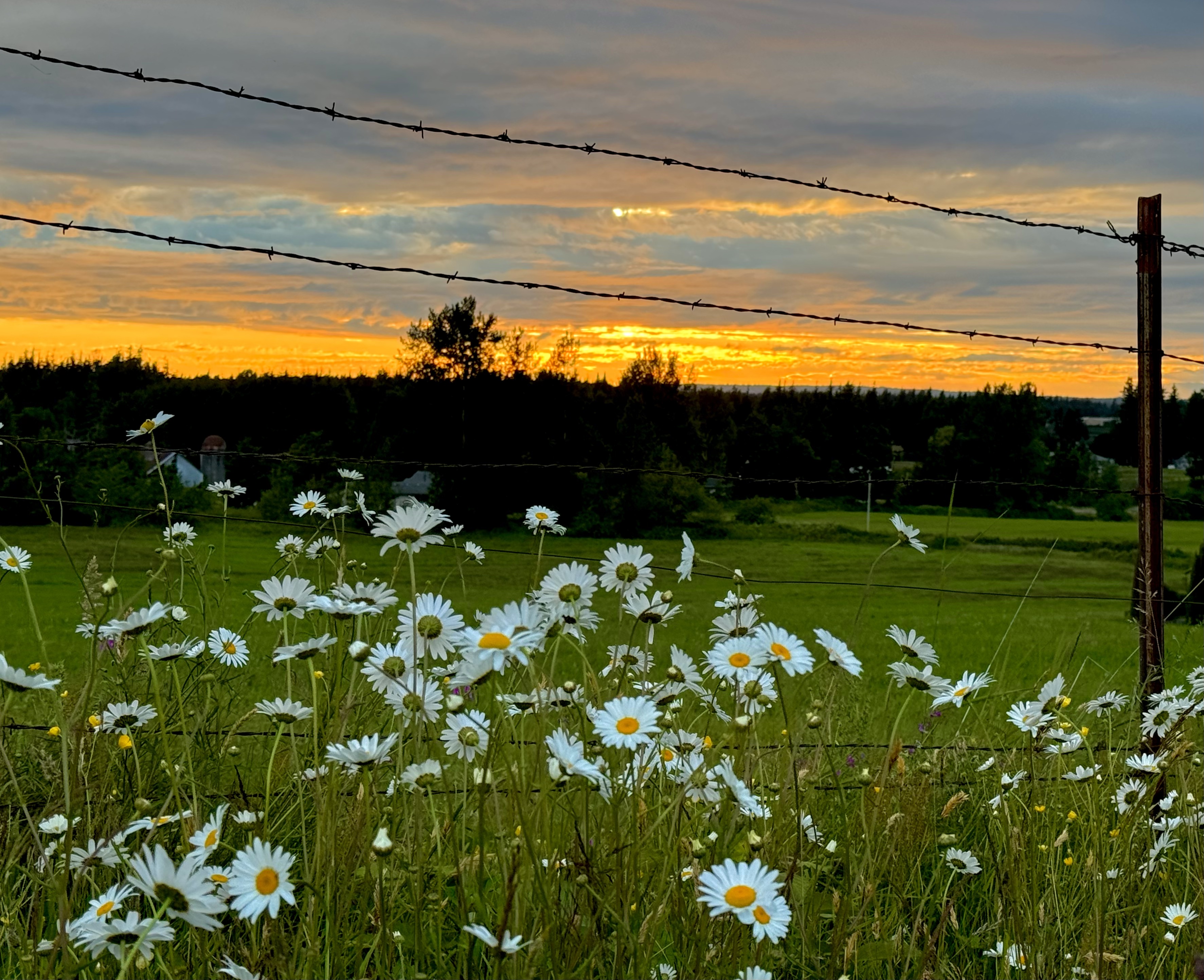
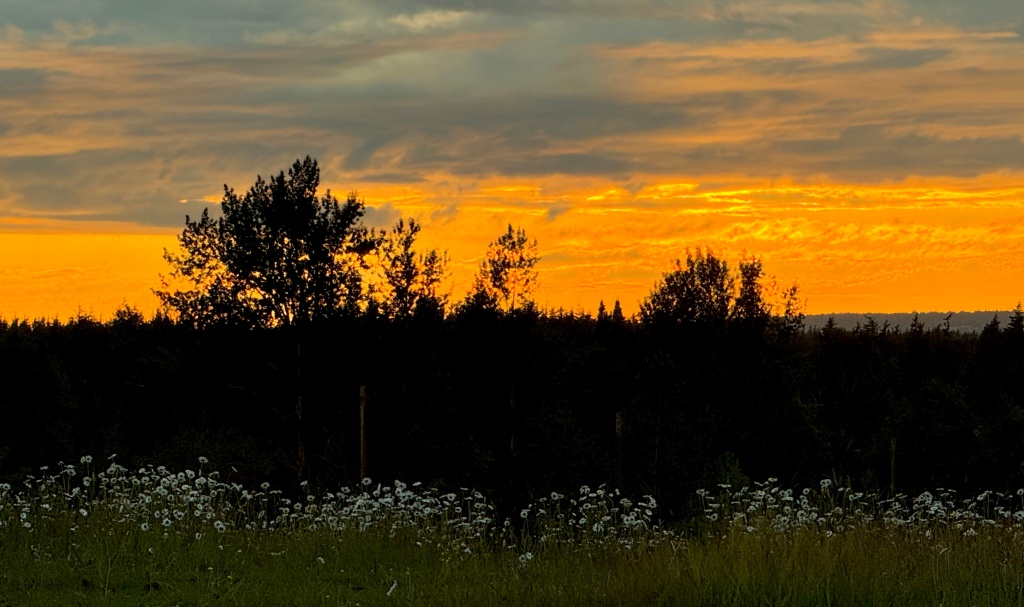
It is possible that God says every morning, “Do it again” to the sun;
and every evening, “Do it again” to the moon.
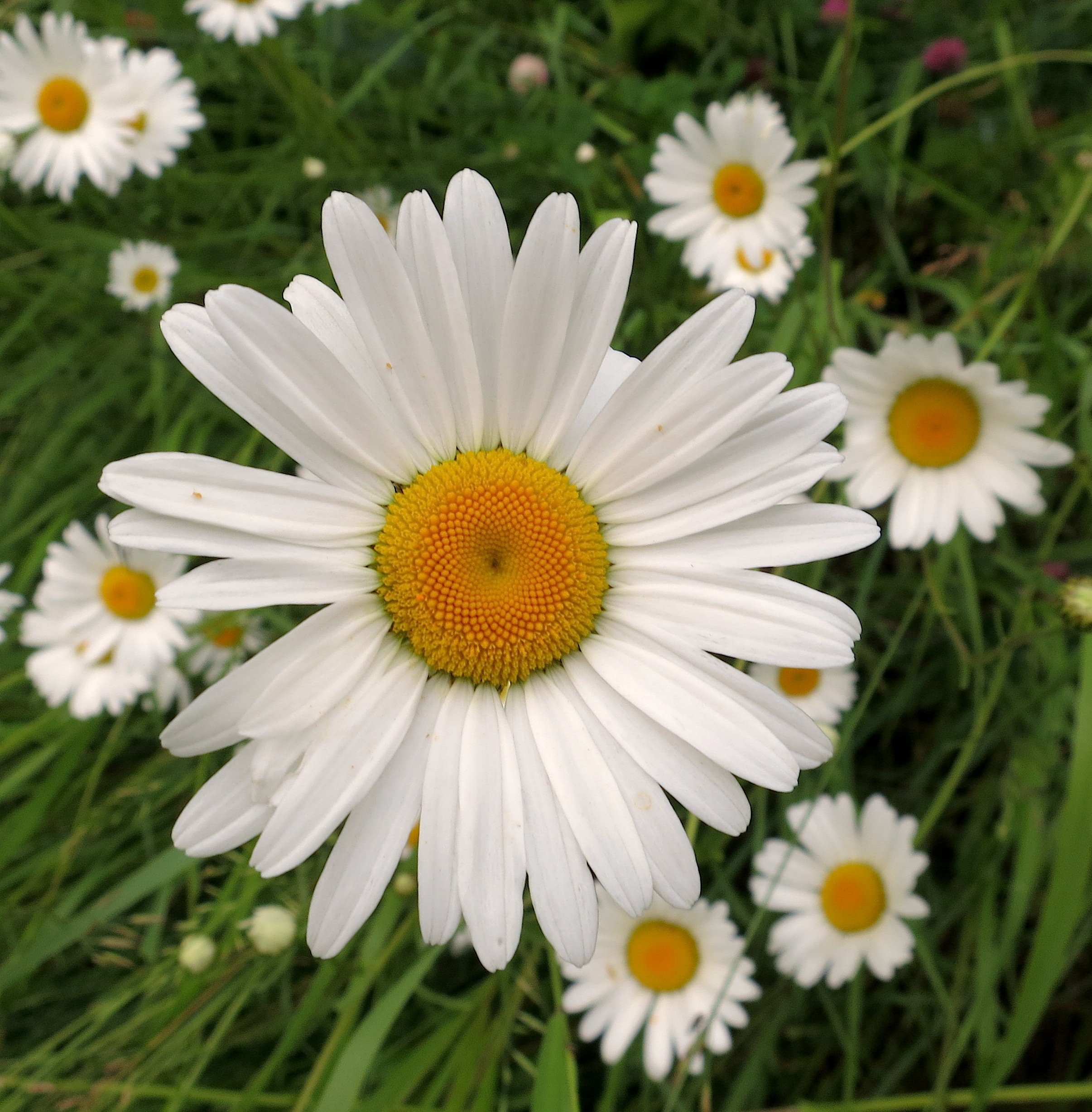
It may not be automatic necessity that makes all daisies alike;
it may be that God makes every daisy separately,
but has never got tired of making them.
~G.K. Chesterton
from Orthodoxy

Over  the shoulders and slopes of the dune  
I saw the white daisies go down to the sea,  
A host in the sunshine, an army in June,  
The people God sends us to set our hearts free.  

~Bliss William Carman from “Daisies”

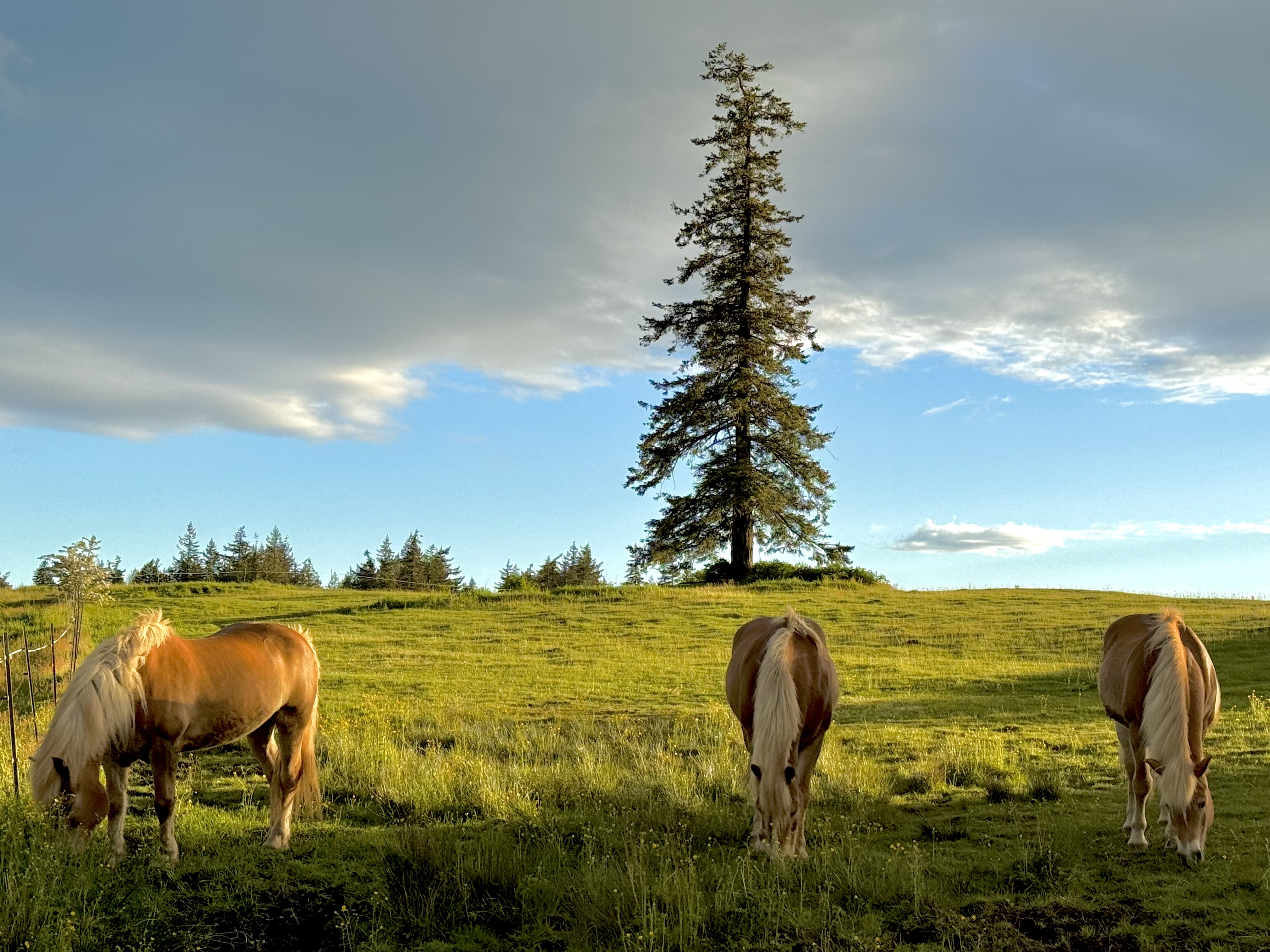
As I get older, my daily routine can seem mundane and repetitive to the point of being boring. When our grown children call us to see how we’re doing, I don’t have much new to report (which is just fine with me). It must seem like we’re in a rut. I’m tempted to make stuff up, just to make my day sound more interesting…

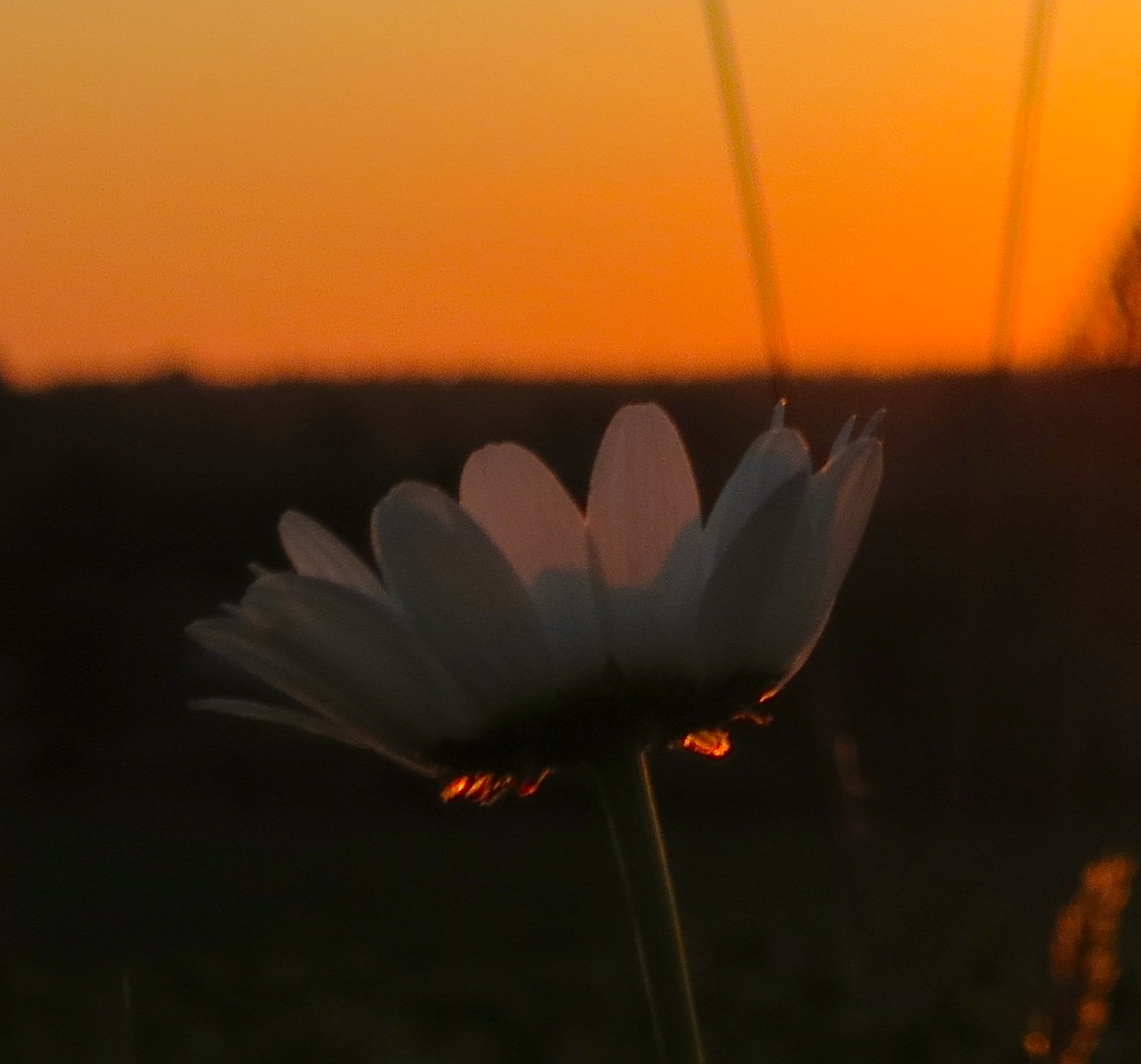
Yet, I’ve discovered, if I don’t keep to a steadfast routine, I truly flounder in an unpredictable wilderness of my own making. The sun rises every morning, even if I’m not awake to witness it. It sets every evening without my standing on the hill to watch it go down.

But there is something very comforting about making an effort to be there, my eyes open, treasuring the passage of another day.

Surely God celebrates the predictability of His design and enjoys repetition, whether it is another sunrise or sunset or the reappearance every June of an infinite number of identical daisies?

He remains consistent, persistent and insistent. We need His steadfast reliability to lead us out of our personal chaotic wilderness.

Do it again, God.  Please — please do it again.

AI image created for this post
One-Time
Monthly
Yearly

Make a one-time or recurring donation to support daily Barnstorming posts

Make a monthly donation

Make a yearly donation

Choose an amount

$10.00
$25.00
$50.00
$5.00
$15.00
$100.00
$5.00
$15.00
$100.00

Or enter a custom amount

$

Your contribution is deeply appreciated.

Your contribution is appreciated.

Your contribution is appreciated.

DonateDonate monthlyDonate yearly
A Yearning for Solace

At once whatever happened starts receding.
—Philip Larkin

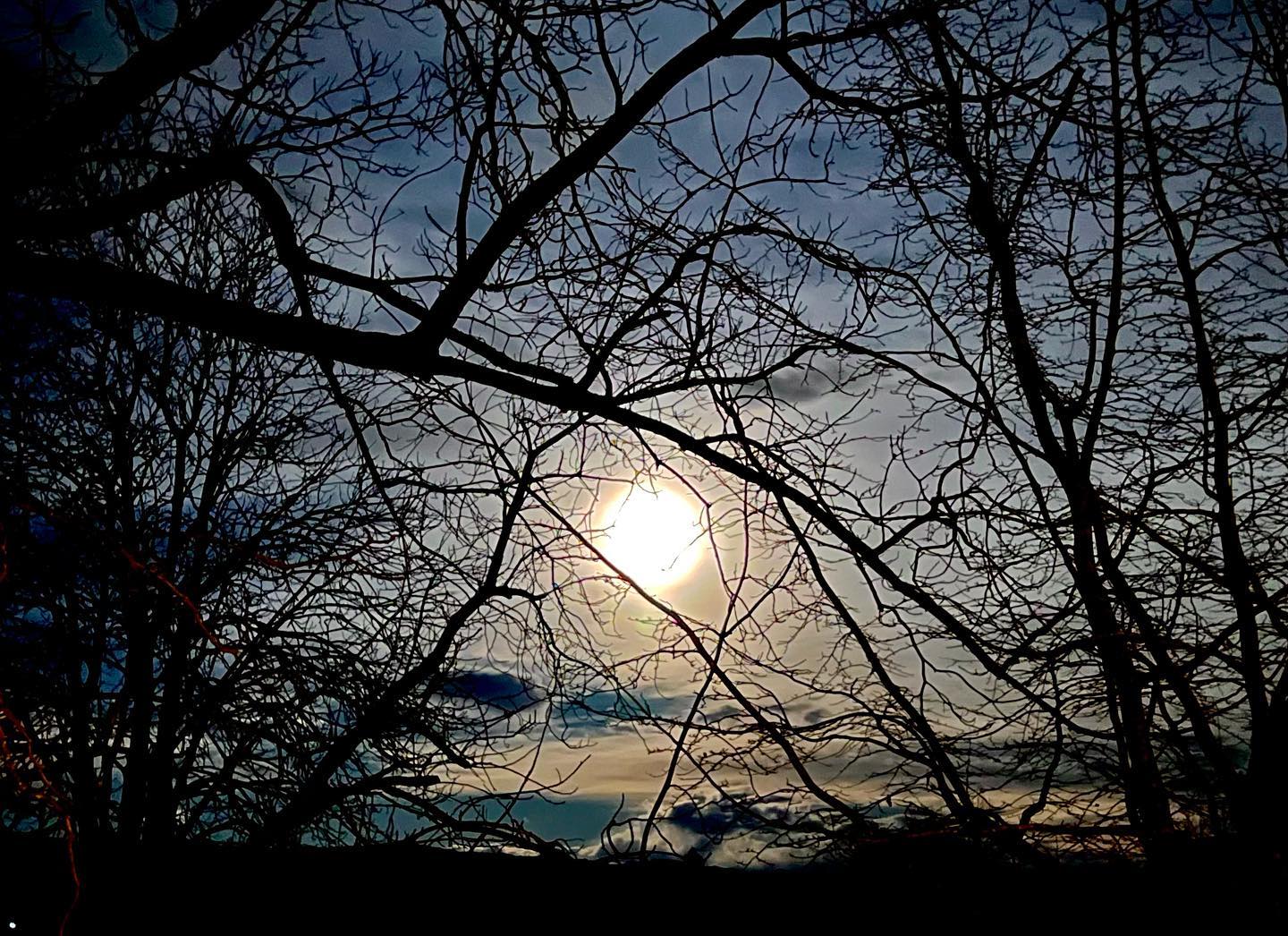
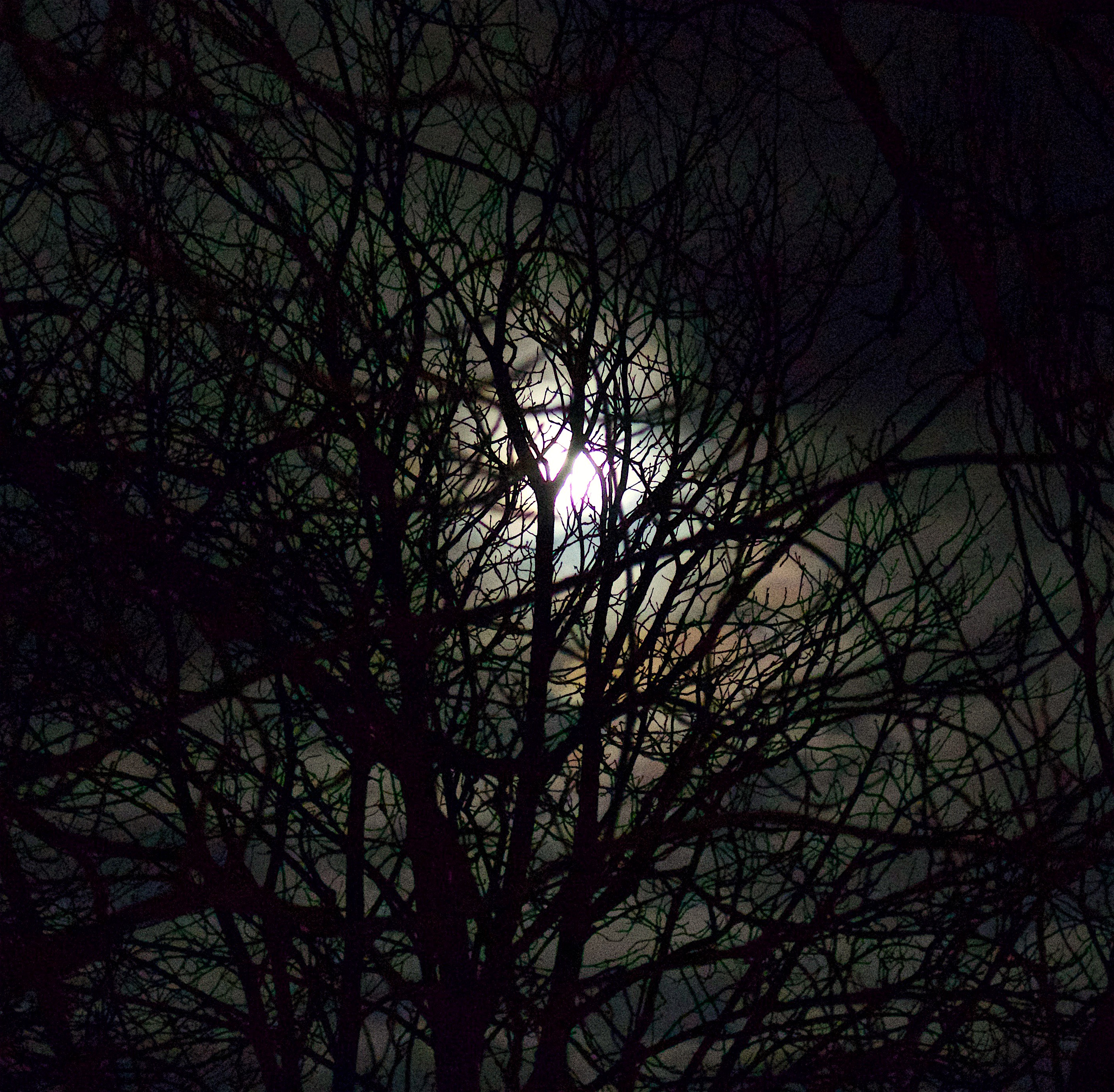
Last night I walked the woods
lit by the final moon of the month.

Days don’t count here
beneath the centuries-old pines

where my grandmother took her solace
on hard farm days, passing up

the washboard or jam-making
for the eternal whooshing

of the forest as much serenity
as yearning.
~Dave Malone “Walk in the Woods” from Tornado Drill

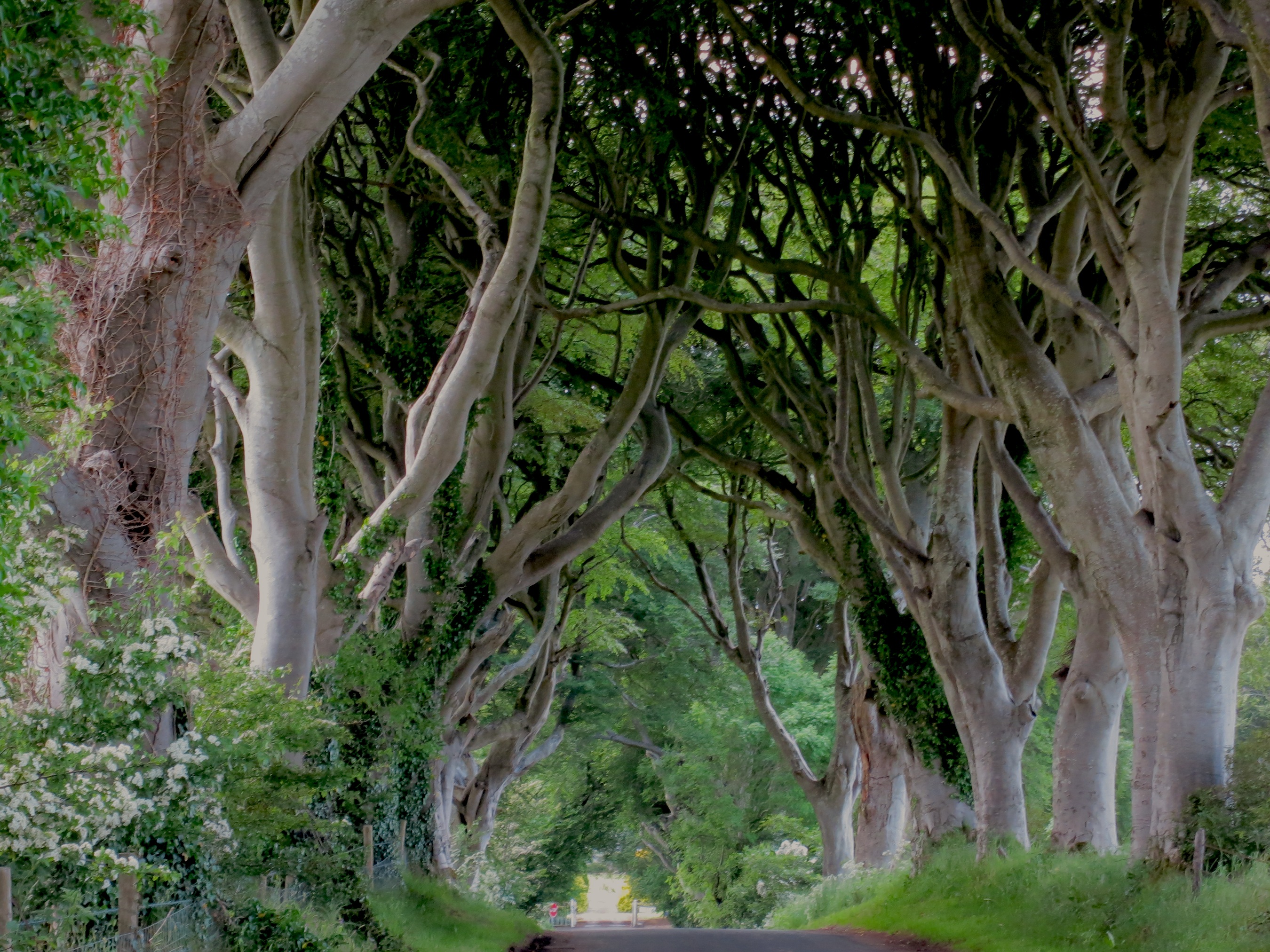
Over my seventy years, I’ve had the opportunity to walk through woods in different parts of the world –
from my childhood home near Puget Sound,
to the Bay Area in California,
from central Africa above Lake Tanganyika
to the forests of Northern Ireland
and the coastline of Vancouver Island.

Here on the farm, we have some dense woods that our grandson has designated “the haunted forest” because of its many downed trees from windstorms. He is convinced BigFoot lives somewhere in the dense underbrush, and he may well be right.

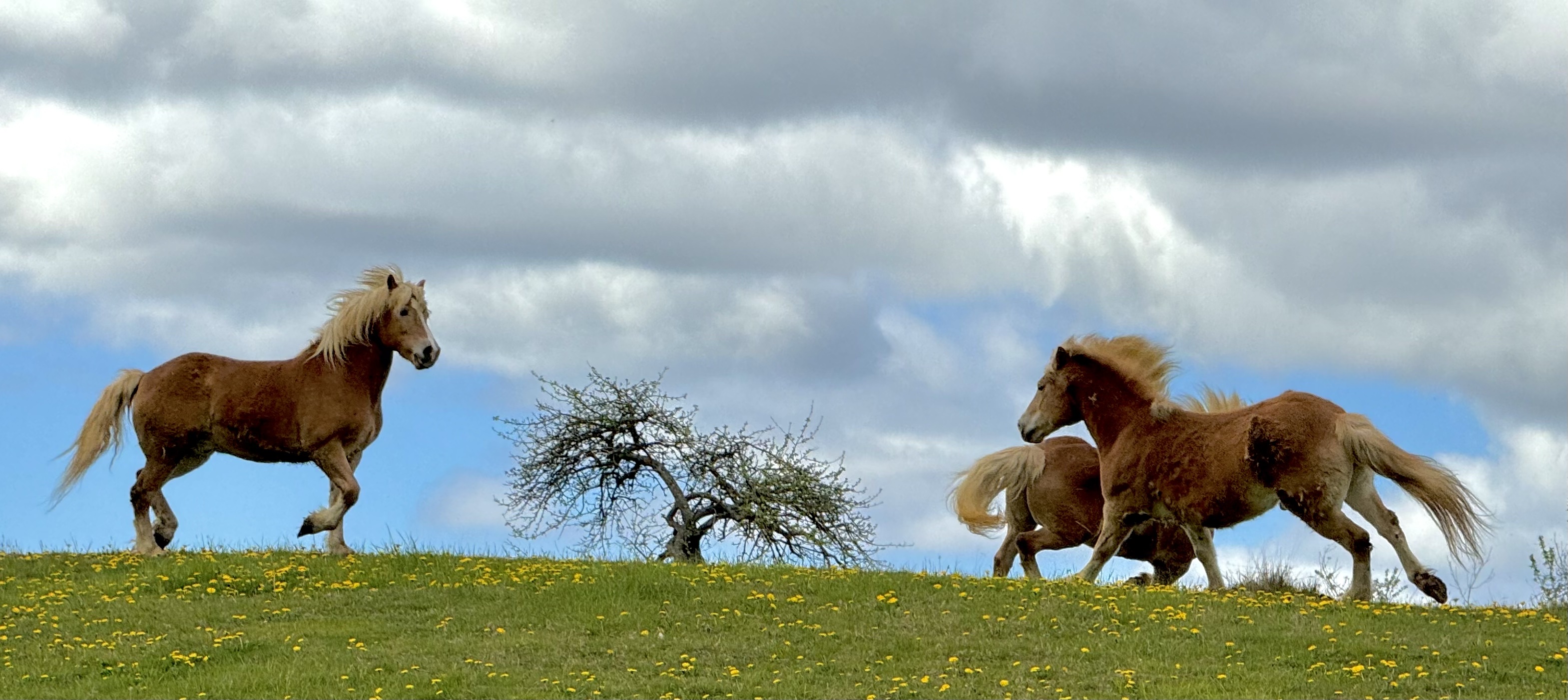
During a walk in the woods, no matter where it may be, I find solace in a world where there is teeming life thriving under the ground, at eye level, and overhead. I feel a palpable vibrance with each step I take, while experiencing sounds and smells I find nowhere else.

So, I too leave behind the work of the day – the laundry, the cleaning and cooking – if only for an hour or so. And once again, I sync my own heartbeat to the pulse of the mysterious life I find, ongoing and eternal, in the woods.

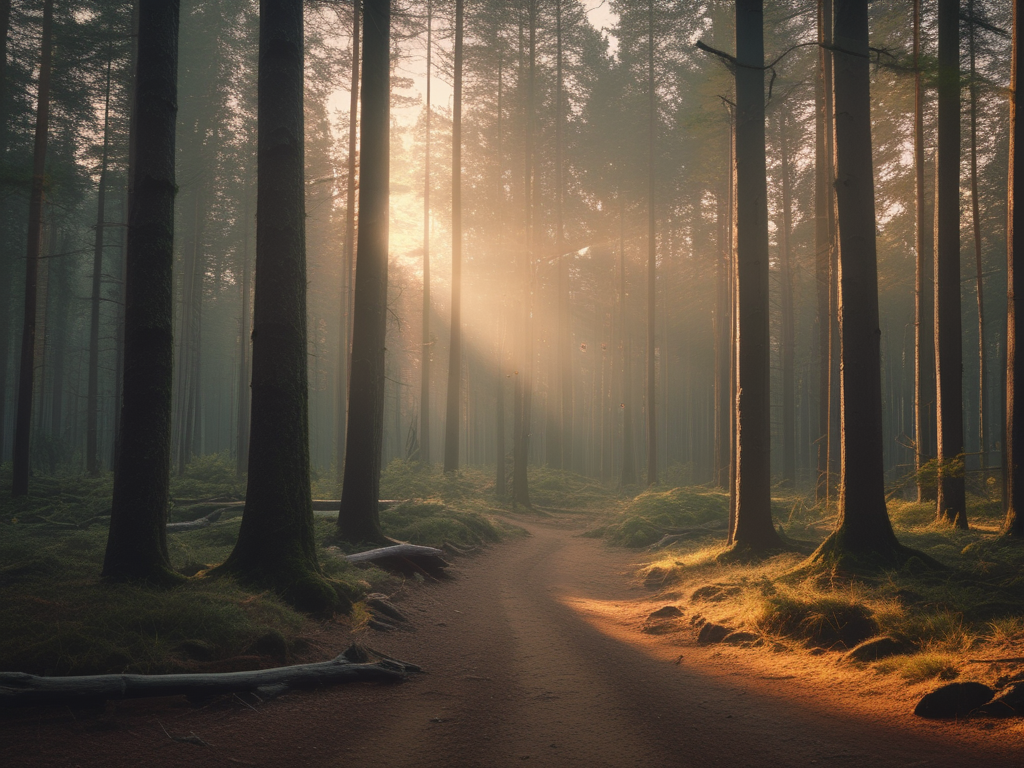
AI image created for this post

One-Time
Monthly
Yearly

Make a one-time or recurring donation to support daily Barnstorming posts

Make a monthly donation

Make a yearly donation

Choose an amount

$10.00
$25.00
$50.00
$5.00
$15.00
$100.00
$5.00
$15.00
$100.00

Or enter a custom amount

$

Your contribution is deeply appreciated.

Your contribution is appreciated.

Your contribution is appreciated.

DonateDonate monthlyDonate yearly
A Cloak of Colors

On the day when
The weight deadens
On your shoulders
And you stumble,
May the clay dance
To balance you.


And when your eyes
freeze behind
the grey window
and the ghost of loss
gets into you,

may a flock of colours,
Indigo, red, green
And azure blue,
Come to awaken in you
A meadow of delight.

May the nourishment of the earth be yours,
May the clarity of light be yours,
May the fluency of the ocean be yours,
May the protection of the ancestors be yours.

And so may a slow
Wind work these words
Of love around you,
An invisible cloak
To mind your life.
~John O’Donohue from “Beannacht“

We all will stumble, bearing the bruises and scars of our fall.
We all waken to gray days when there appears no point in getting up.
We all can be sucked into the darkest thoughts,
tunneling ever more deeply.

In those moments, those days, those months,
may we be wrapped tightly in love’s cloak of invisibility,
hiding us from a darkness that can swallow us no longer.

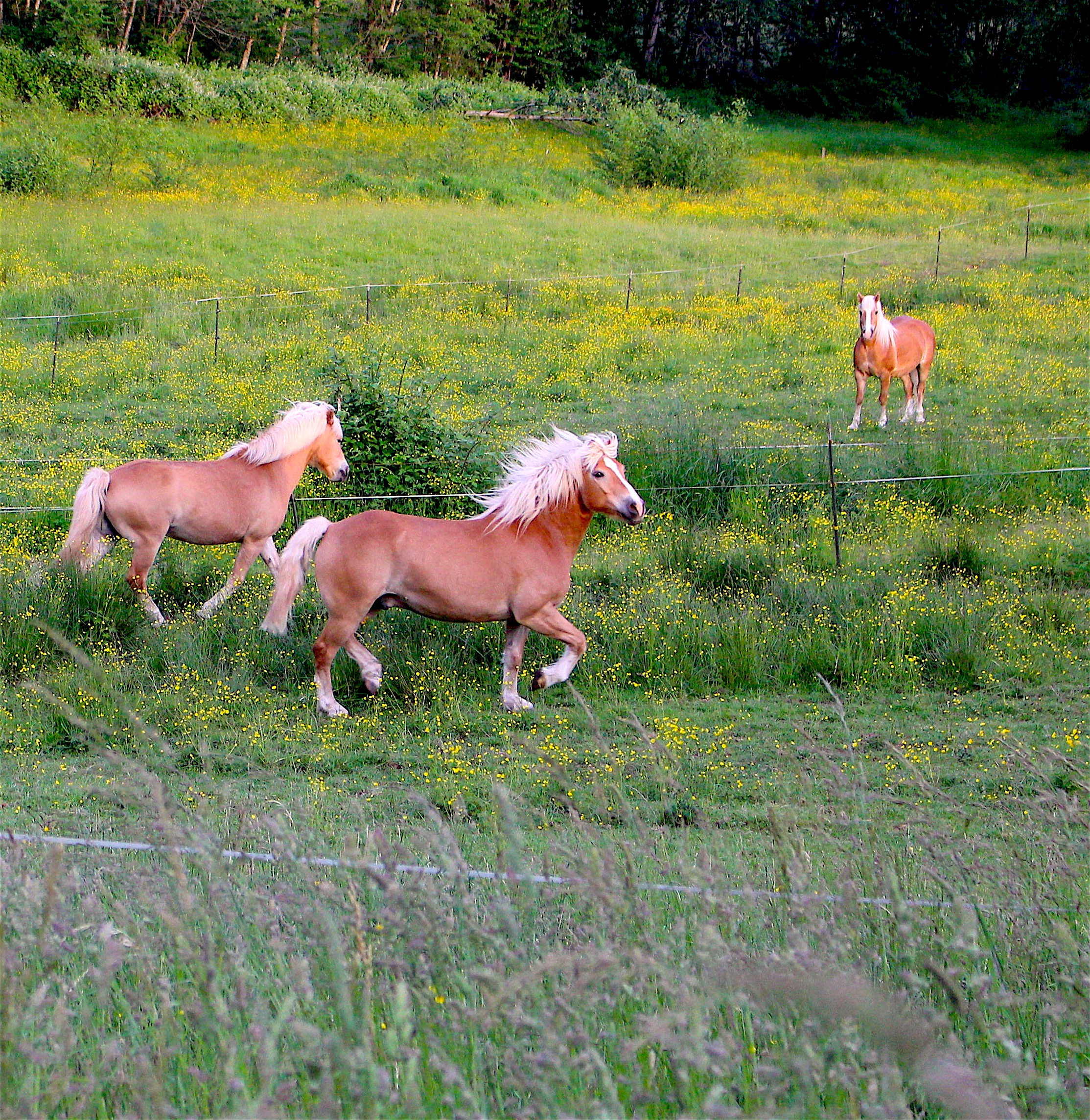
We are led onto a brightening path of light and color,
filled with contentment and encouragement, our failing feet steadied.
The gray is absorbed into an ever-changing kaleidoscope,
the way to go illuminated with hope.

May our brokenness be forever healed by words of blessing.

AI image created for this post

Warmness of Clover Breath

To enrich the earth I have sowed clover and grass
to grow and die. I have plowed in the seeds
of winter grains and of various legumes,
their growth to be plowed in to enrich the earth.
I have stirred into the ground the offal
and the decay of the growth of past seasons
and so mended the earth and made its yield increase.
All this serves the dark. I am slowly falling
into the fund of things. And yet to serve the earth,
not knowing what I serve, gives a wideness
and a delight to the air, and my days
do not wholly pass. It is the mind’s service,
for when the will fails so do the hands
and one lives at the expense of life.
After death, willing or not, the body serves,
entering the earth. And so what was heaviest
and most mute is at last raised up into song.

~Wendell Berry “Enriching the Earth” from Collected Poems

It was the face of spring, it was the face of summer,
it was the warmness of clover breath.
Pomegranate glowed in her lips, and the noon sky in her eyes.
And all of this, this breath-warmness and plum-tenderness

was held forever
~Ray Bradbury from Dandelion Wine

To make a prairie it takes a clover and one bee,
One clover, and a bee,
And revery.
The revery alone will do,
If bees are few.
Emily Dickinson

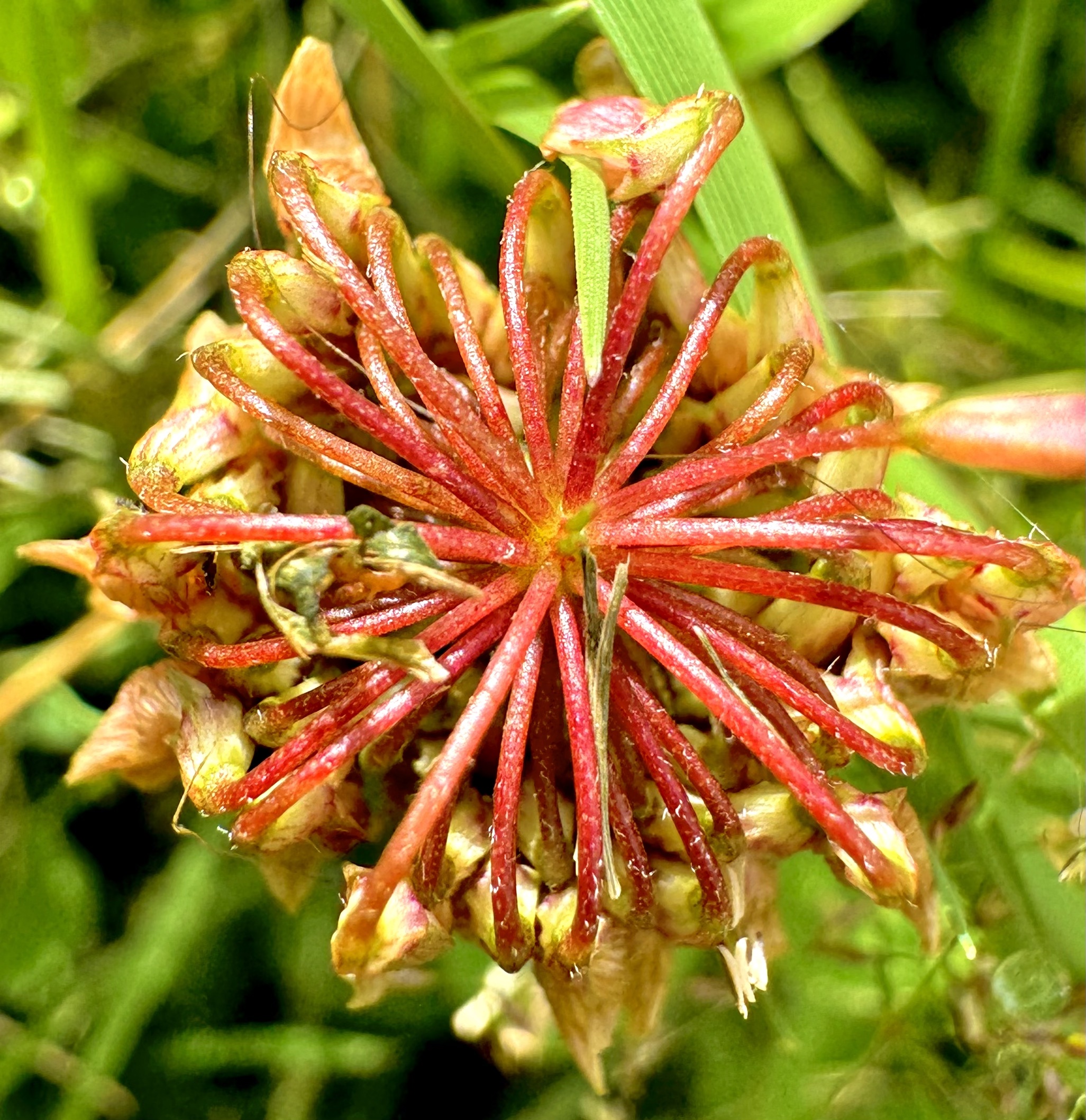
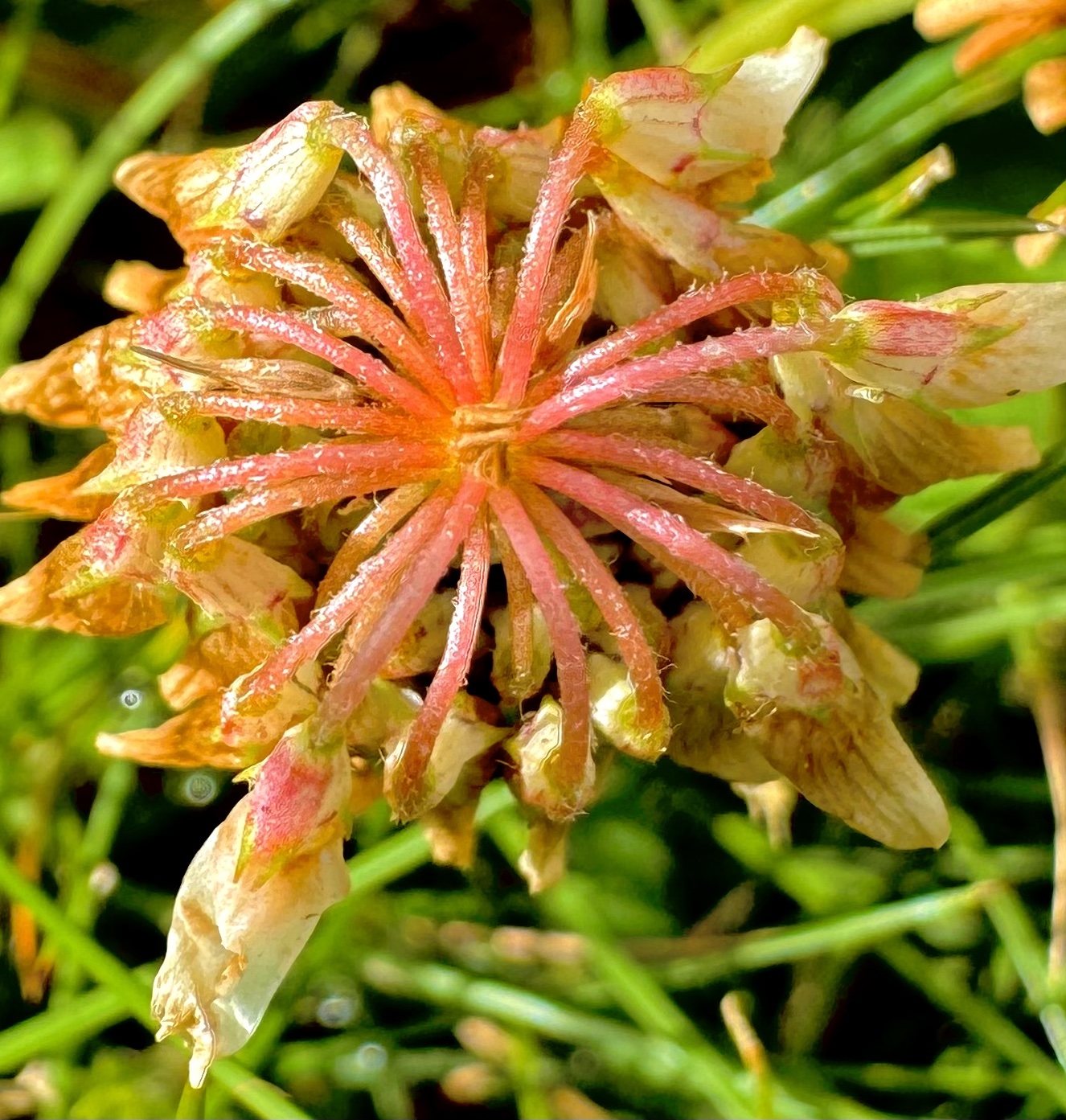
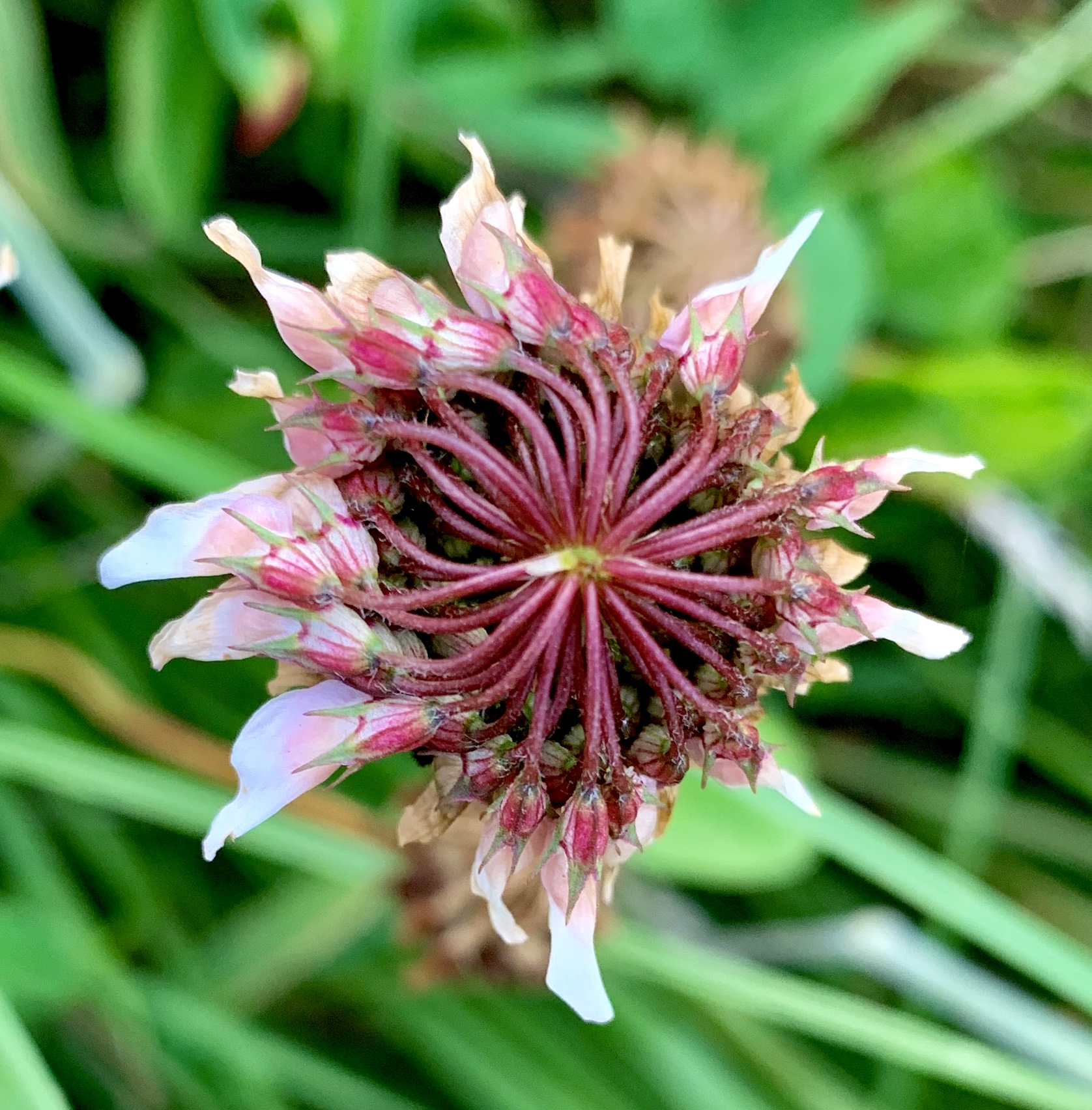
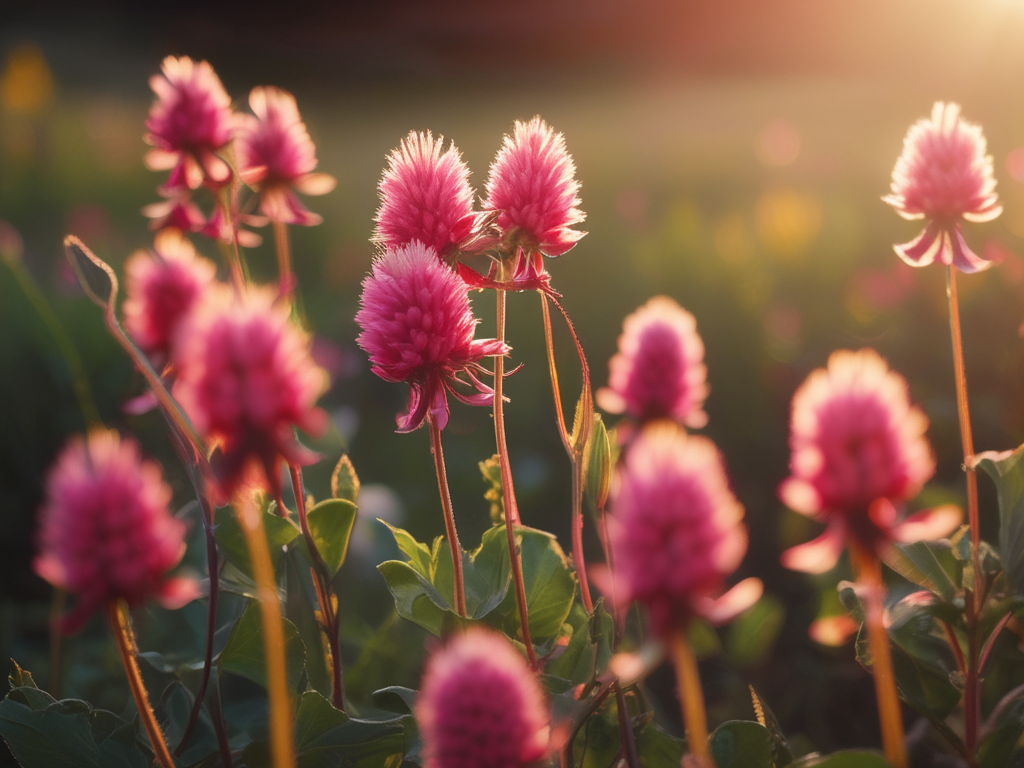
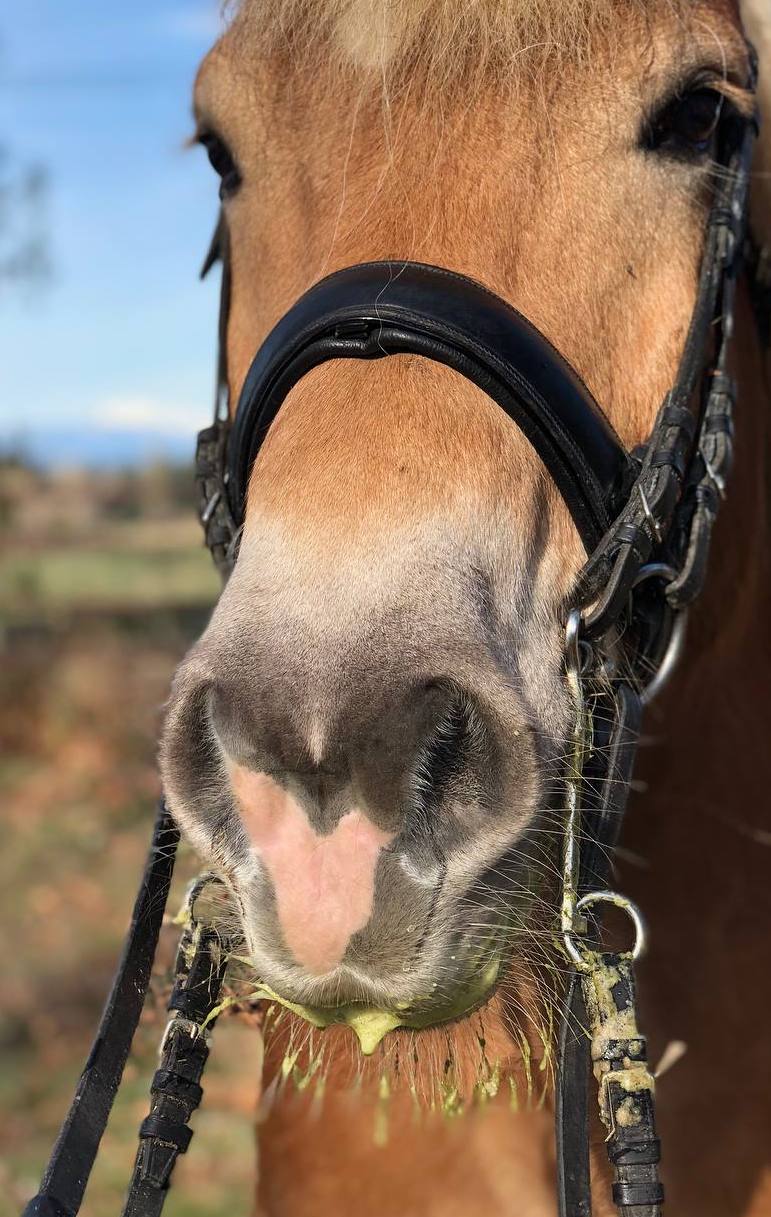
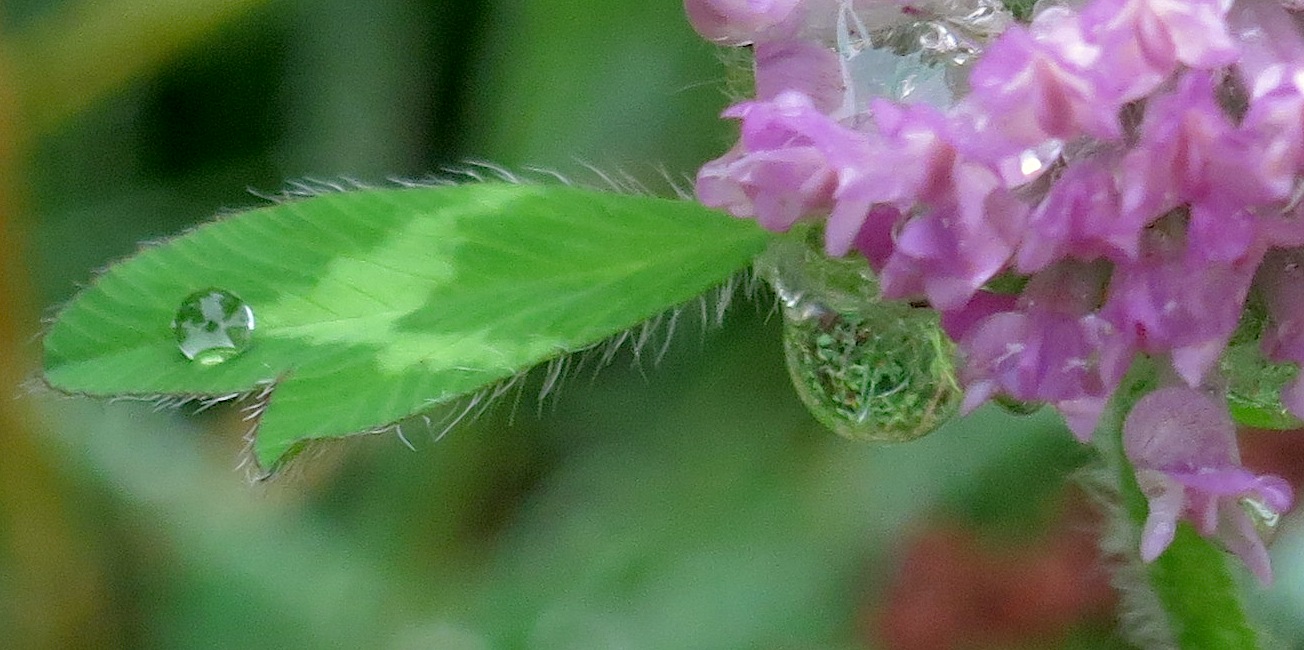
Every autumn my father, an agriculture teacher by training, brought home gunny sacks of grass seed from the feed and seed store.  He would start up his 1954 Farmall Cub tractor, proceed to disc and harrow an acre of bare ground in our field, and then fill the seeder, distributing seed on the soil for his annual agronomy cover crop over winter growing experiment.  The little sprouts would wait to appear in the warming spring weather, an initial green haziness spread over the brown dirt, almost like damp green mold.  Within days they would form a plush and inviting velveteen green cushion, substantial enough for a little wiggle of blades in the breezes.  A few weeks later the cover would be a full fledged head of waving green hair, the wind blowing it wantonly, bending the stems to its will.  It was botanical pasture magic, renewable and marvelous,  only to be mowed and stubble turned over with the plow back into the soil as nutrition for the summer planting to come.  It was the sacrificial nature of cover crops to be briefly beautiful on top of the ground, but the foundational nurture once underground.

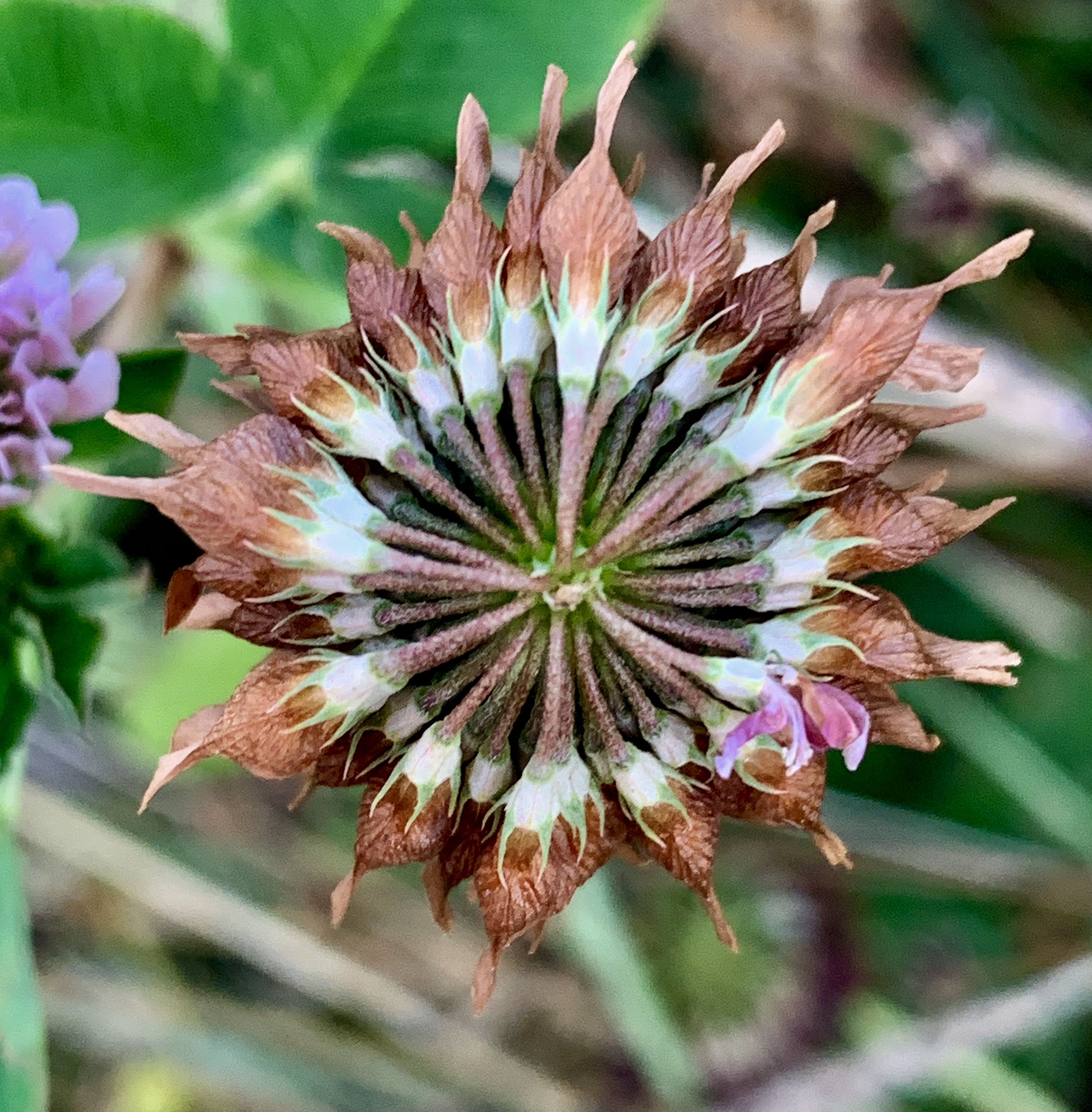
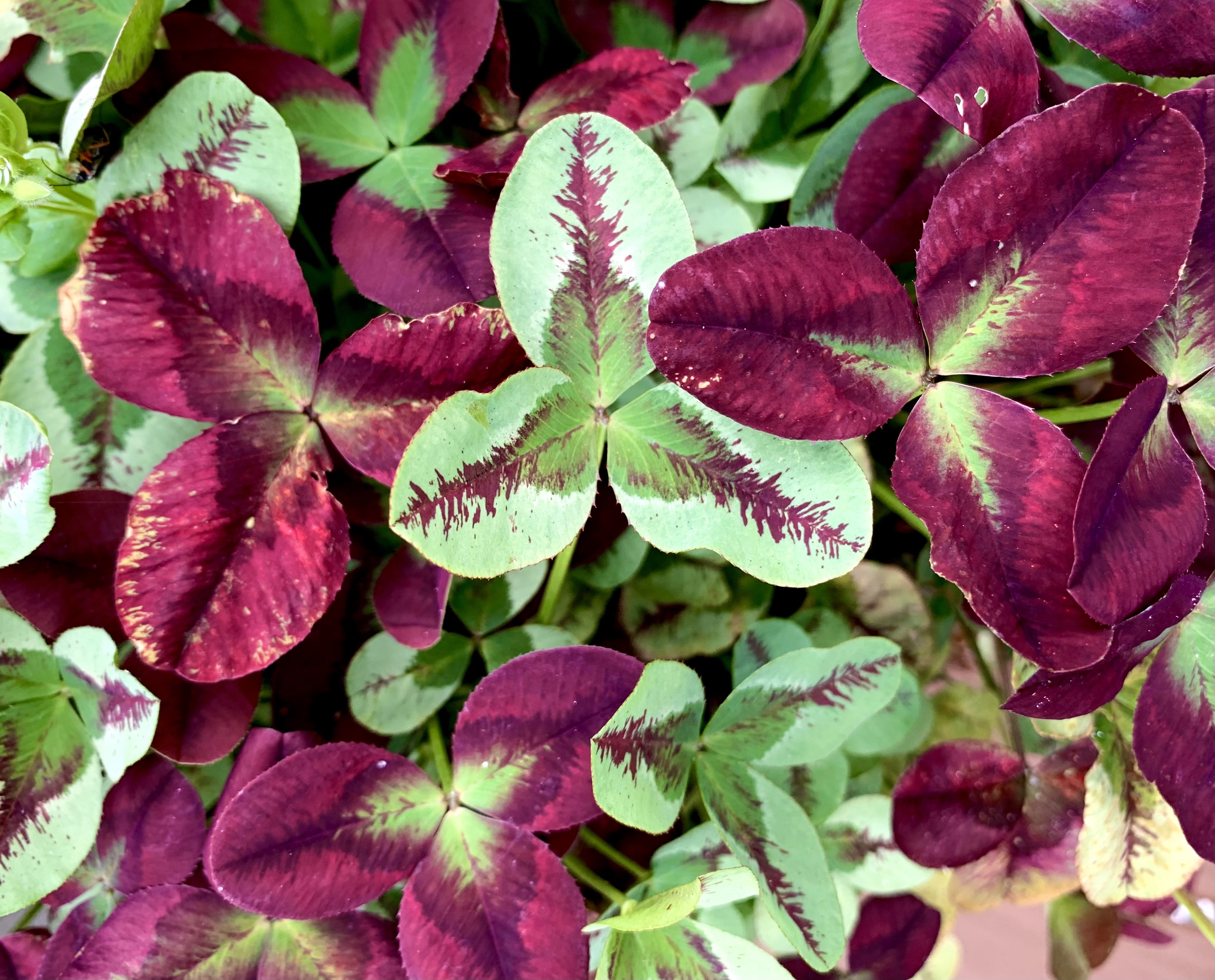
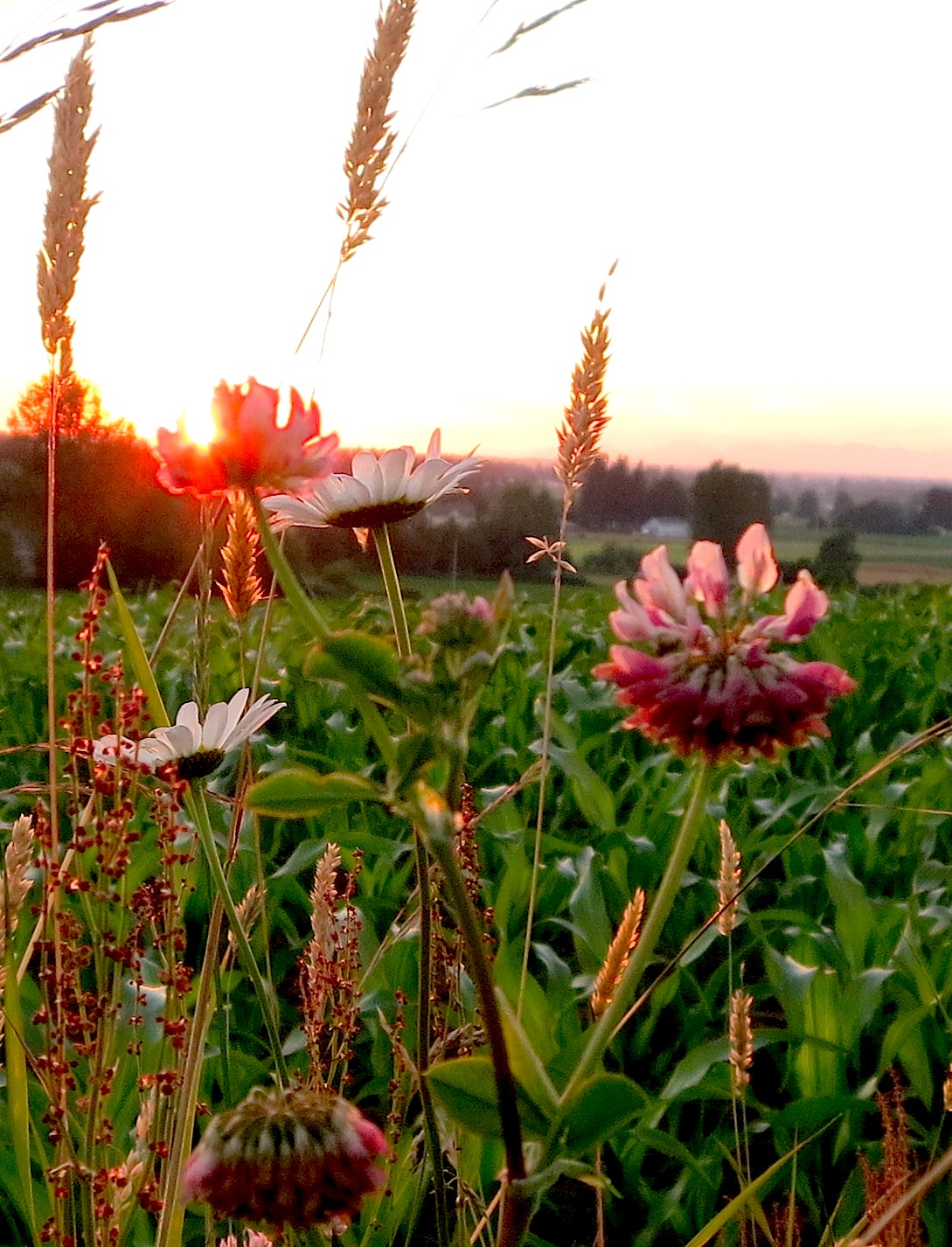
One spring the expected grassy carpet growth didn’t look quite the same after germination–the sprouts were little round leaves, not sharp edged blades.  Instead of identical uniform upright stems, the field was producing curly chaotic ovoid and spherical shapes and sizes. Clover didn’t abide by the same rules as grasses.  It had a mind of its own with a burgeoning and bumpy napped surface that didn’t bend with breezes, all its effort invested instead in producing blossoms.

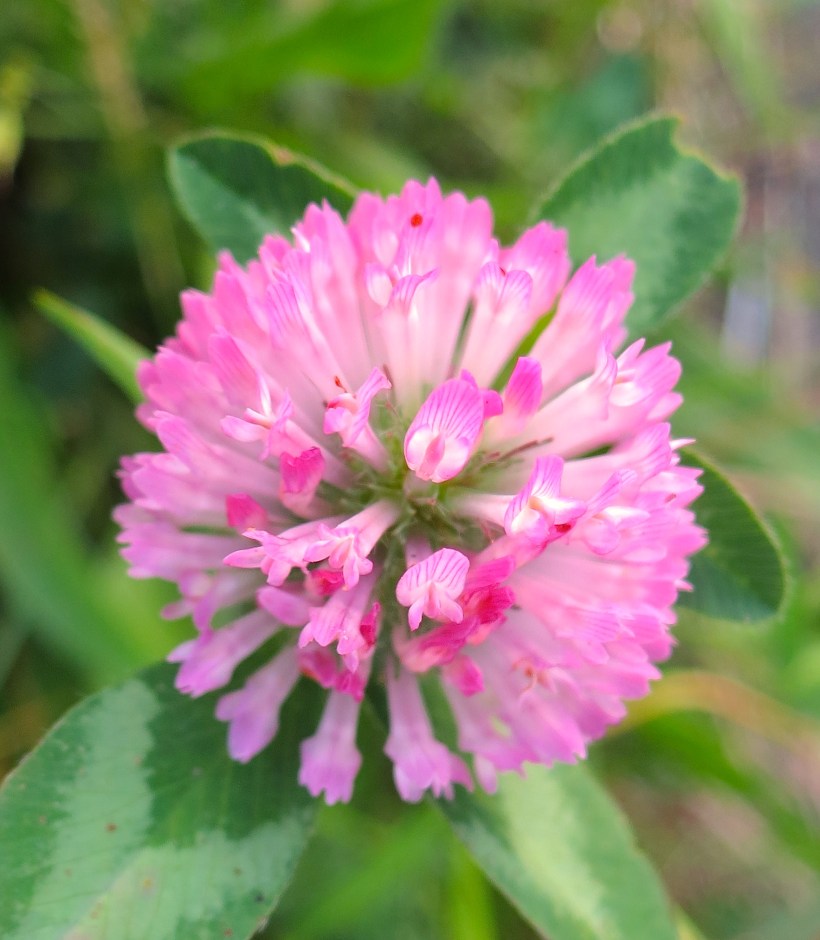
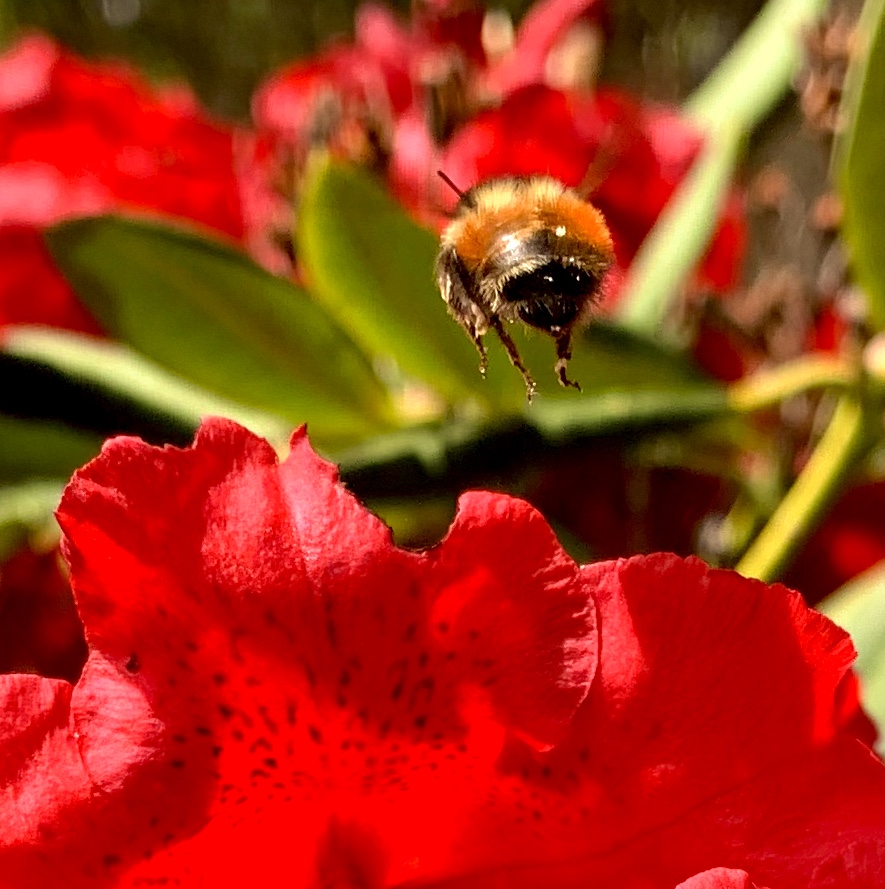
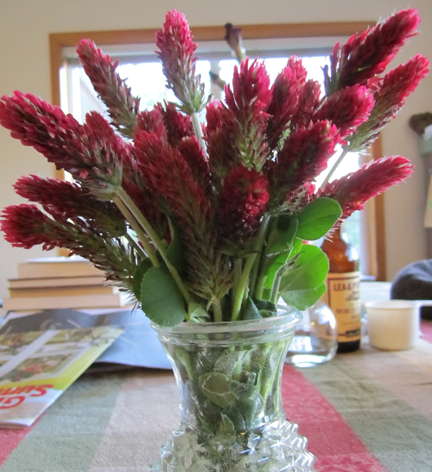
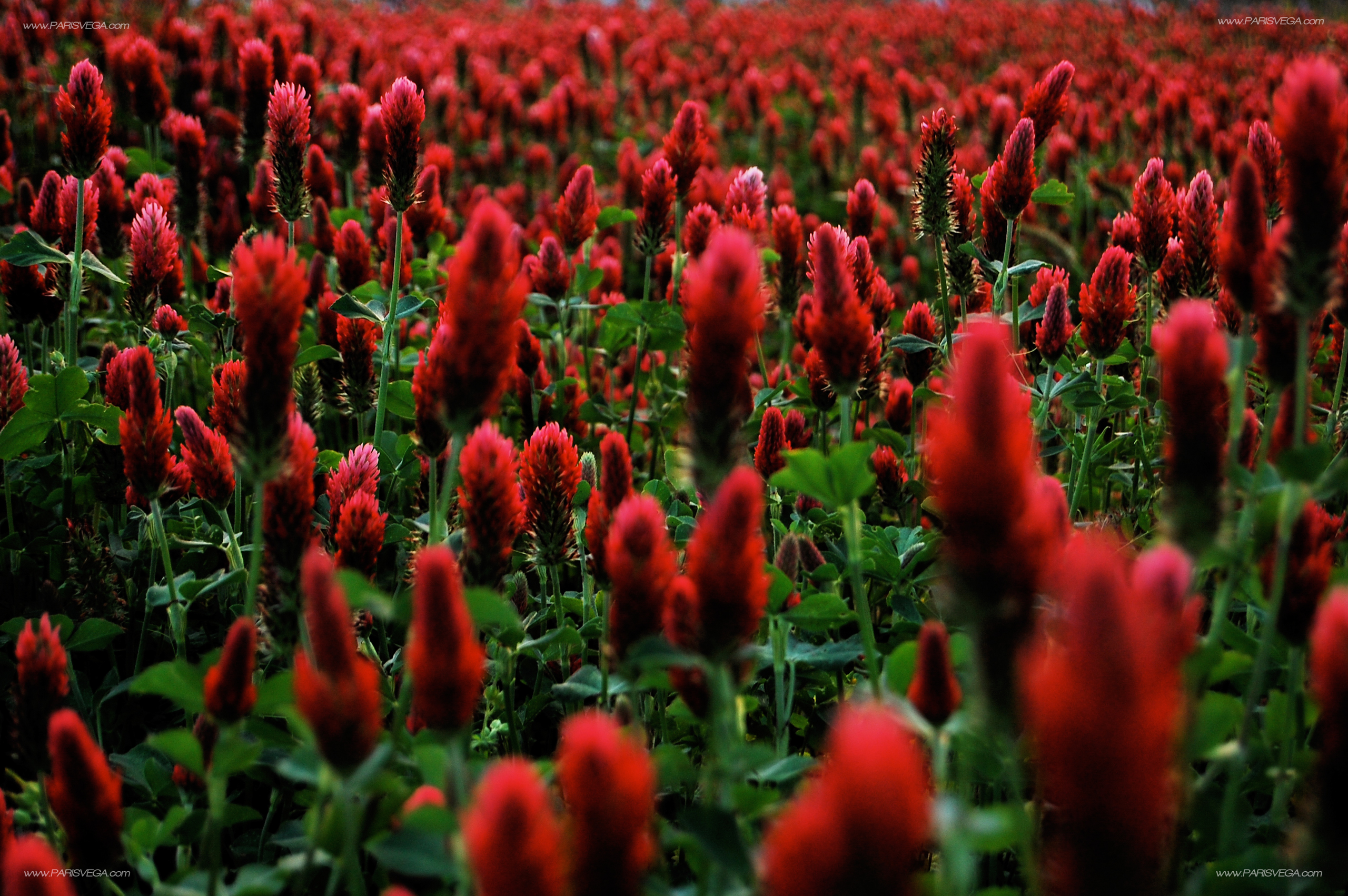
A hint of pink one morning was so subtle it was almost hallucinatory.  Within a day it was unmistakeably reddening and real.  Within a week the green sea flowed with bobbing crimson heads. We had never seen such vibrancy spring from our soil before.  It exuded scented clover breath, the fragrance calling honey bees far and near.  True reverie.

The field of crimson dreams and sated honey bees lasted several weeks before my father headed back out on the Farmall to turn it under with the plow, burying the fading blossoms into the ground.  Their sacrifice bled red into the soil, their fragrant breath halted, their memory barely recognizable in the next summer crop germination.   Yet the crimson heads were there, feeding the growth of the next generation, deepening the green as it reached to the sun.

Such a sweet thing, alive a thousand summers hence in the soil.

What a beautiful feeling.

Crimson and clover, over and over.

AI image created for this post
One-Time
Monthly
Yearly

Make a one-time or recurring donation to support daily Barnstorming posts

Make a monthly donation

Make a yearly donation
Choose an amount

$10.00
$25.00
$50.00
$5.00
$15.00
$100.00
$5.00
$15.00
$100.00

Or enter a custom amount

$

Your contribution is deeply appreciated.
Your contribution is appreciated.

Your contribution is appreciated.

DonateDonate monthlyDonate yearly