The Life Saver

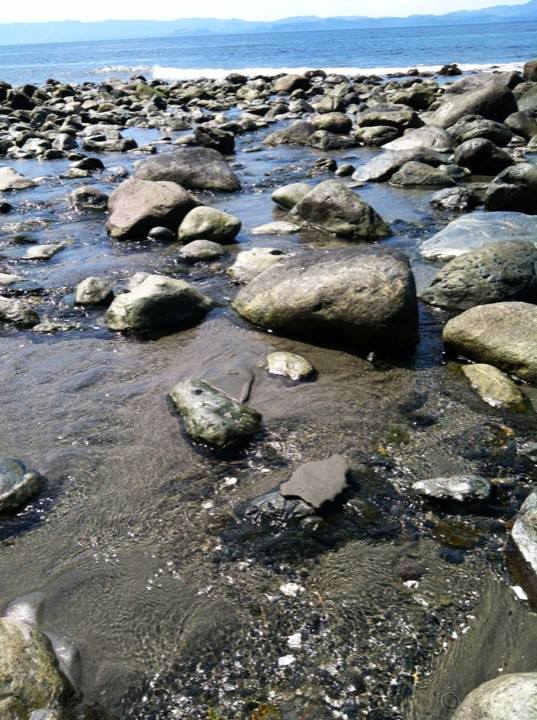
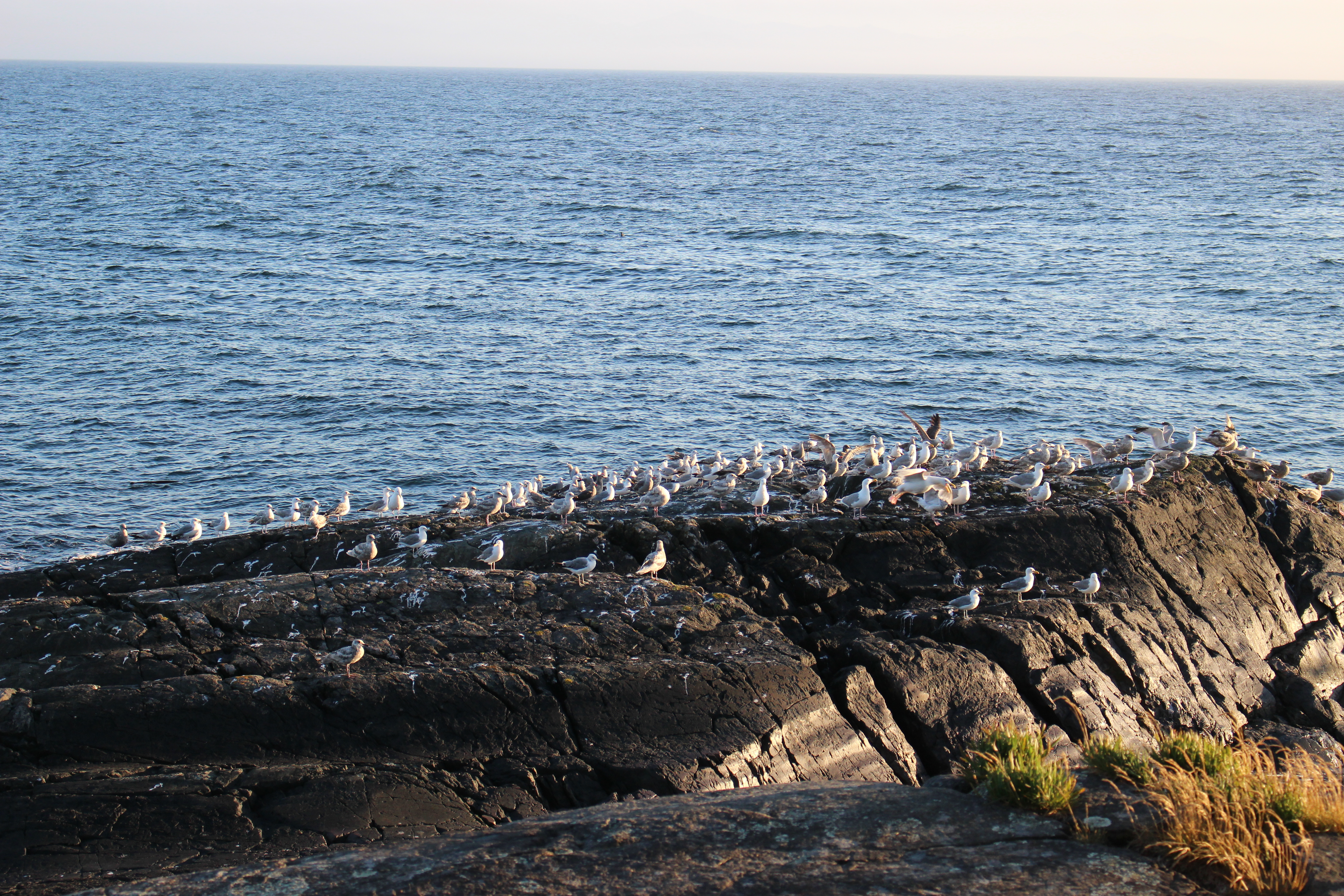
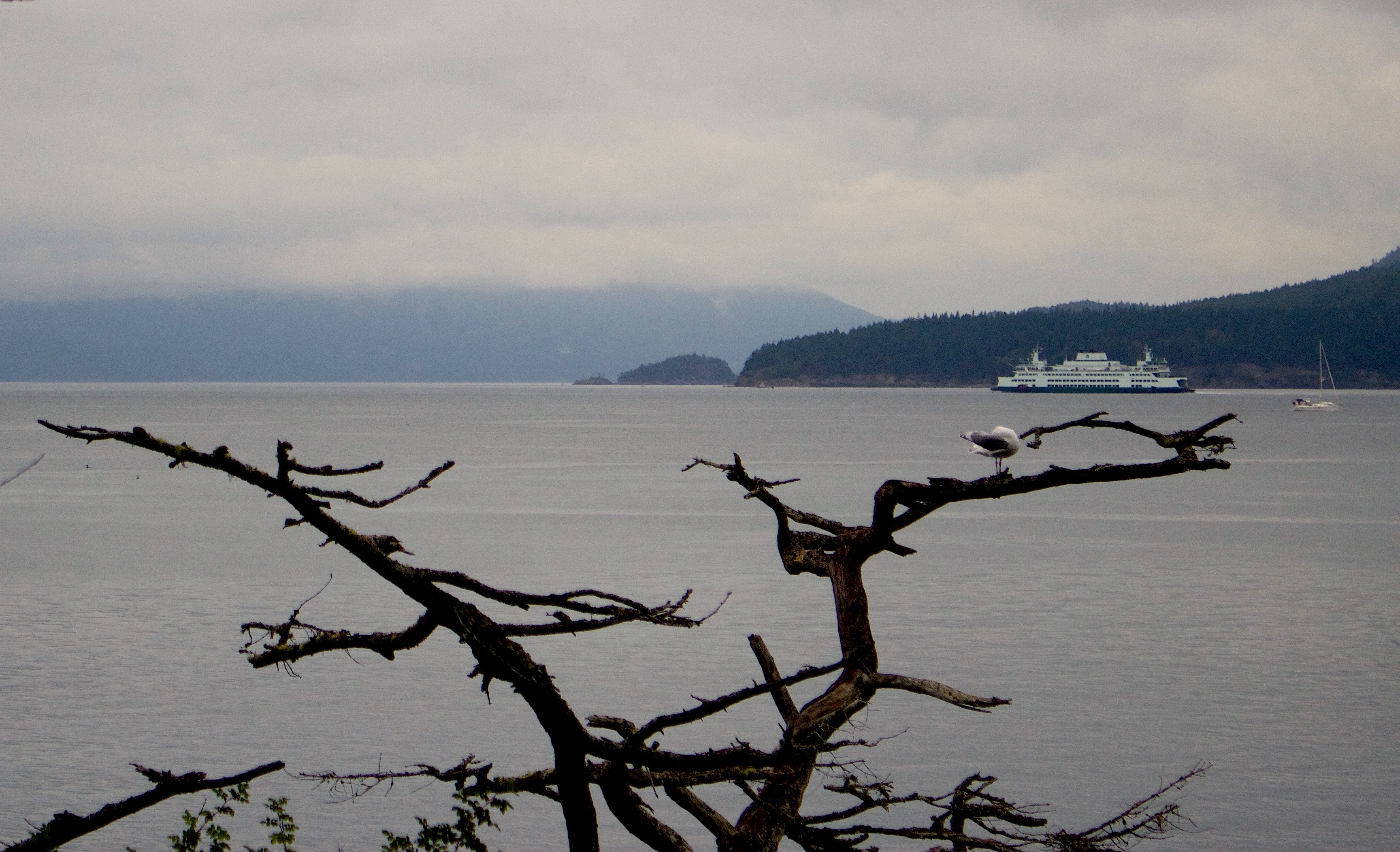
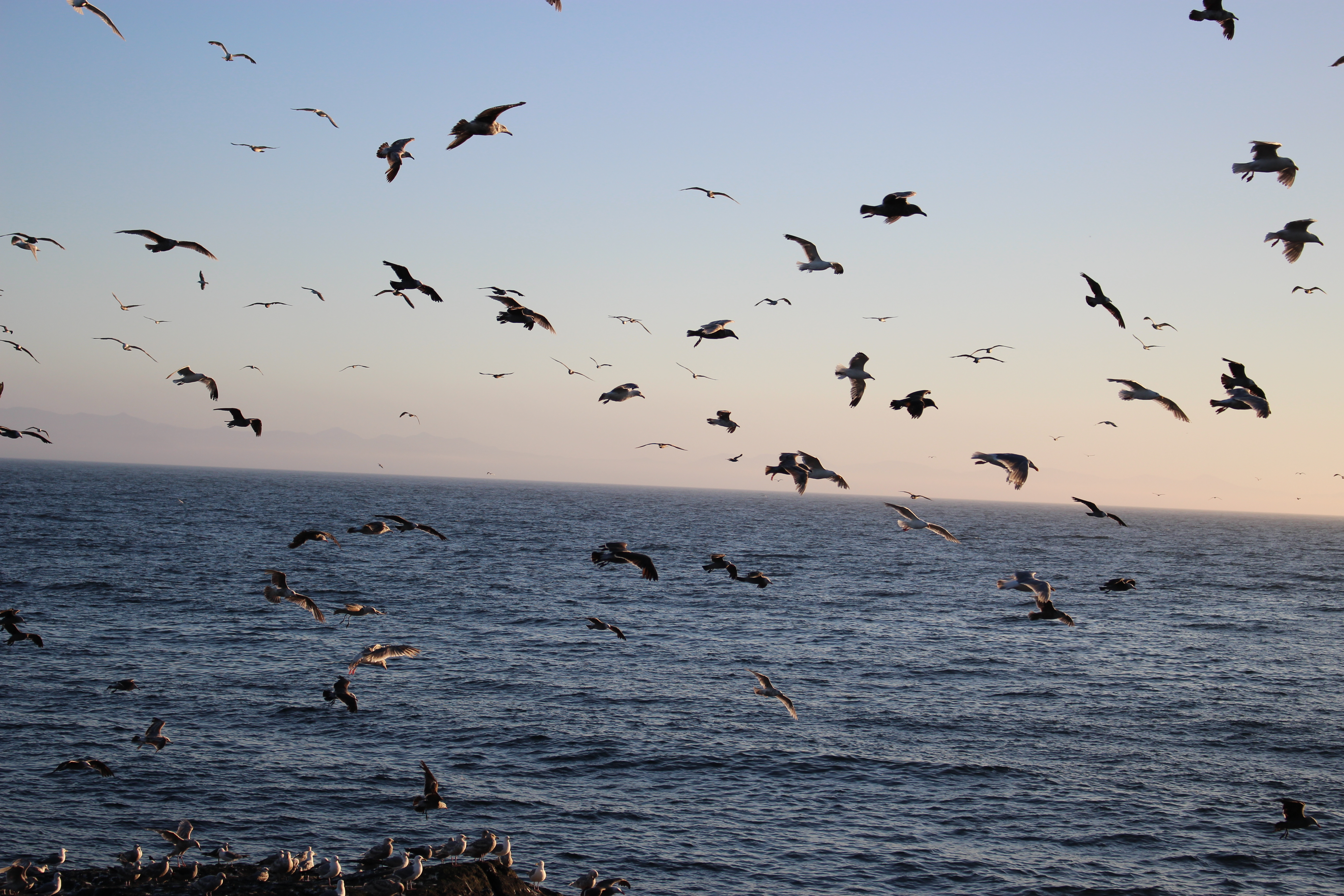
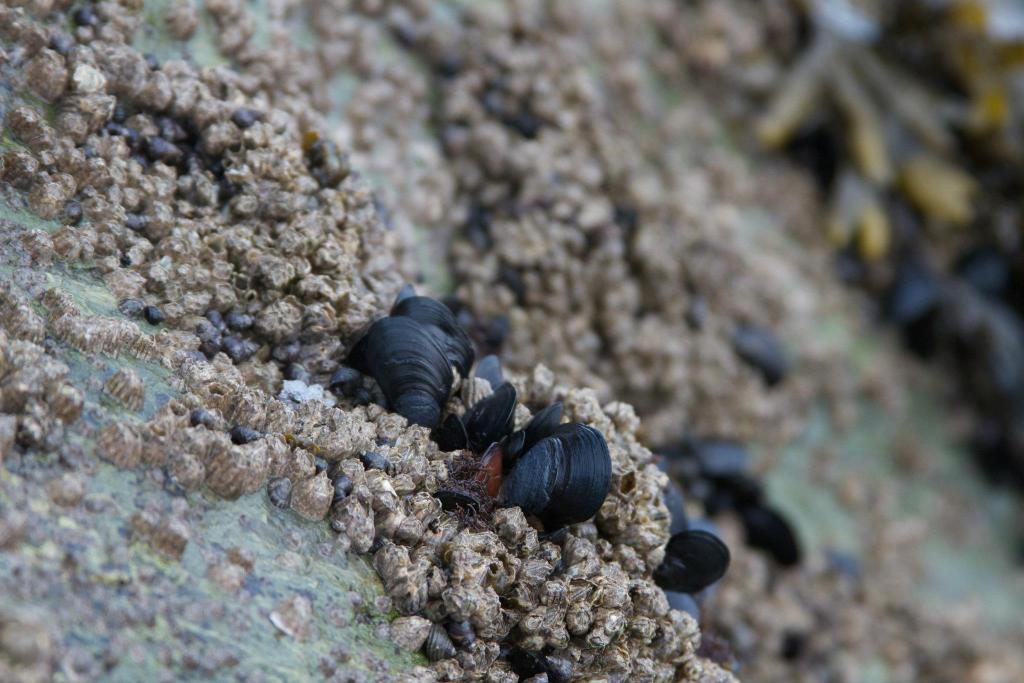
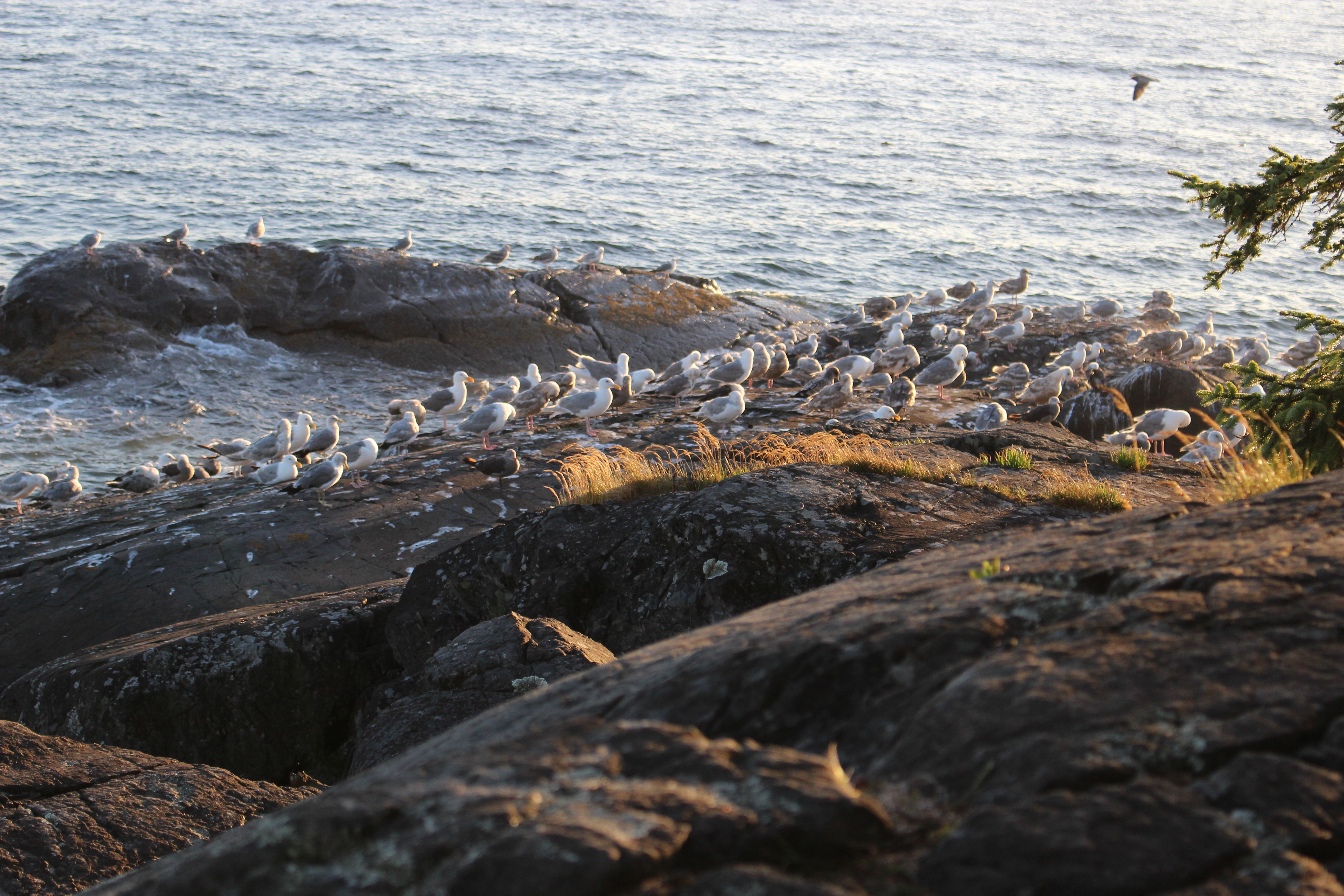
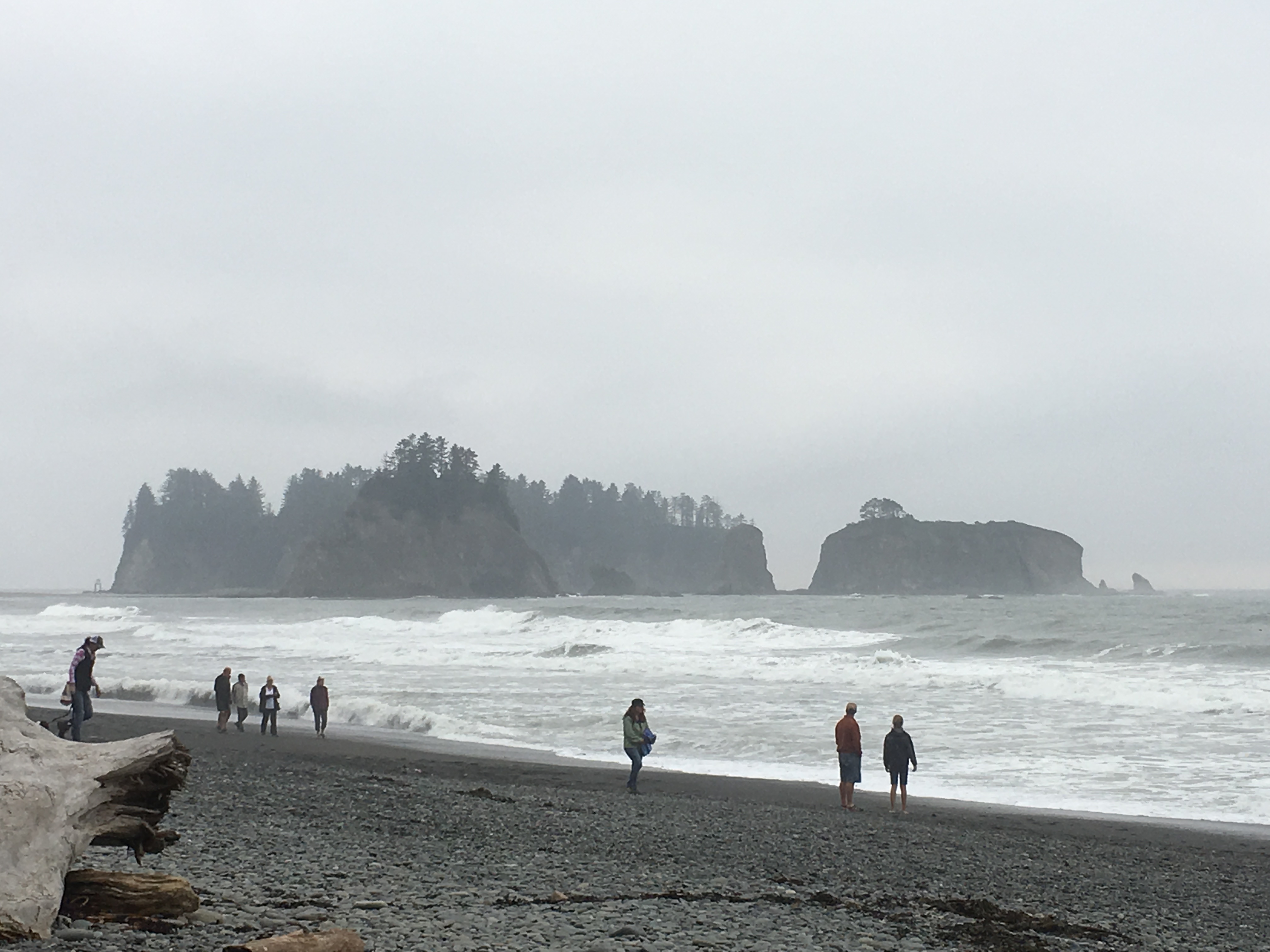
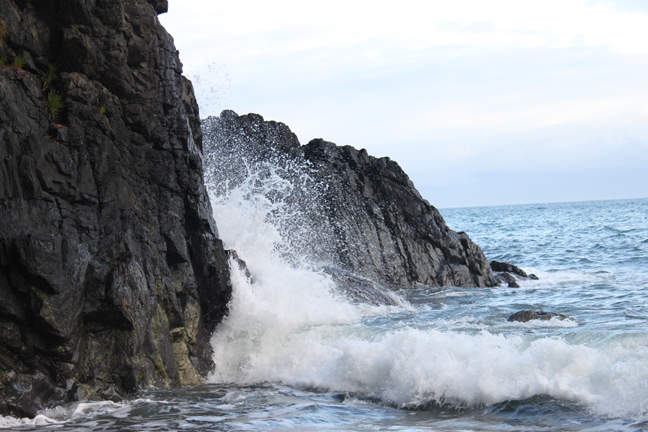
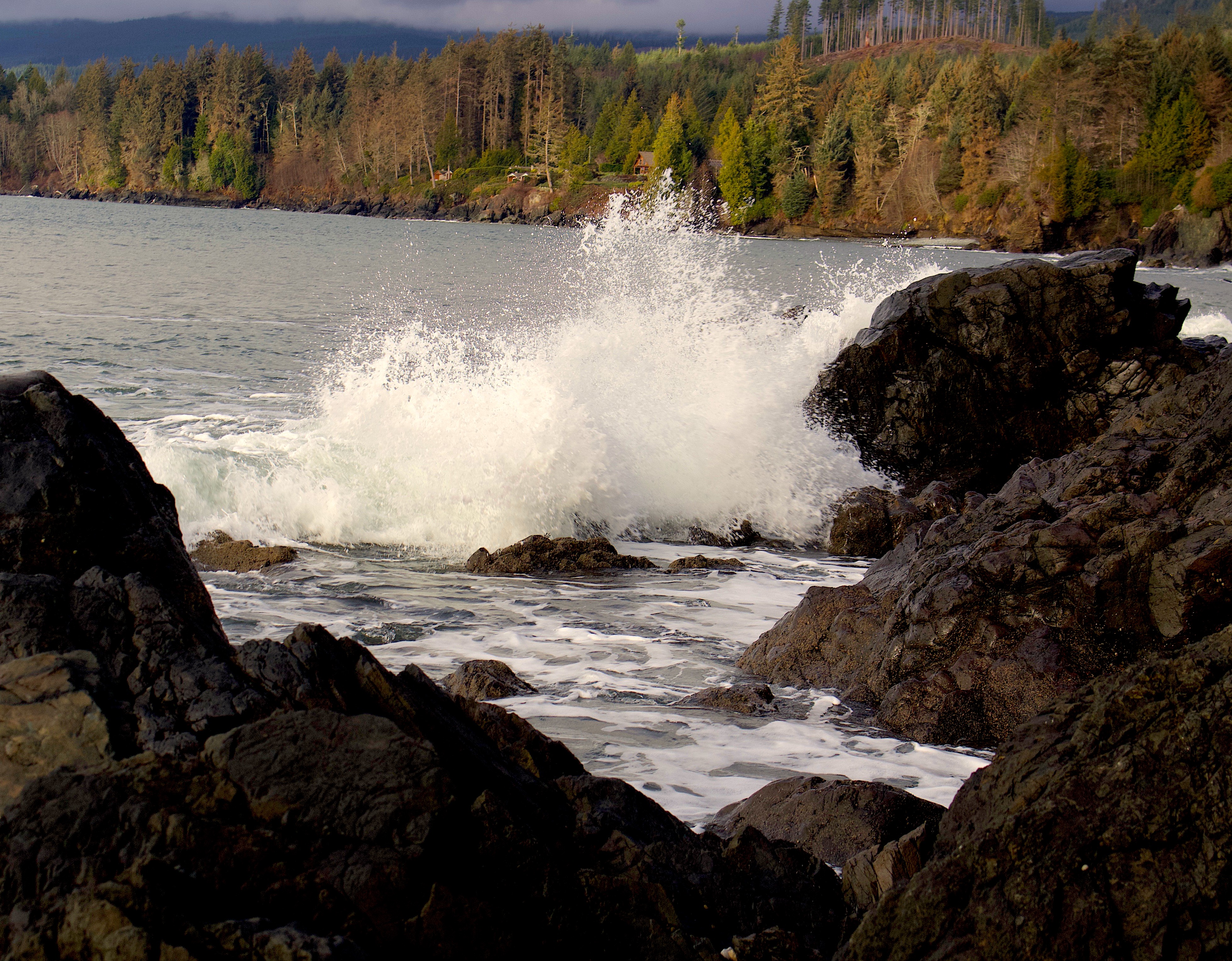
photo of Vancouver Island west coast by Nate Gibson

All night long do you know it? Do you care?
Up and down the ocean beaches they are marching;
All the lanesome peril of the winter nights they dare,
Where the surf shoots, seething, landward in the bitter, biting air;
And the fitful lights and shadows of the lanterns that they bear
Make more wild the gloomy sky above them arching

Where the coast is bleak and cold;
Where the rocks are high and bold,
While the wind and snow and sleet are beating;
Where the breakers rush and roar,
There they watch for ships ashore,
The cry for help with instant succor meeting.

All night long where the surges flood the dunes,
Stern watch and ward they keep, strong eyes sweeping
The offing, while the breakers are roaring savage runes,
While the stormy winds are howling or wailing dismal tunes,
While the rocks and sands are becoming broad lagoons,
The life-saving watch these braves are keeping.

All night long while the timid landsmen sleep,
Dreaming, snug and warm, on their downy pillows,
The coast-guard, the surf-men down by the deep,
Steadfastly, bravely, their watch heroic keep,
Or into the sea—icy cold—they boldly leap,
To rescue fellow-men from the billows.

Talk not of heroes whose trade it is to kill!
Life savers! these are the god-like heroes still,
Risking their lives for every life they save
From the plunging wreck, or snatch from swirling wave.

O when your beds are warm,
In nights of winter storm,
When you are safe from wind and sea—
Think of the surf-men brave:
Their life watch by the wave,
And cheer them by your grateful sympathy.
~Hannah Augusta Moore “The Life Savers”
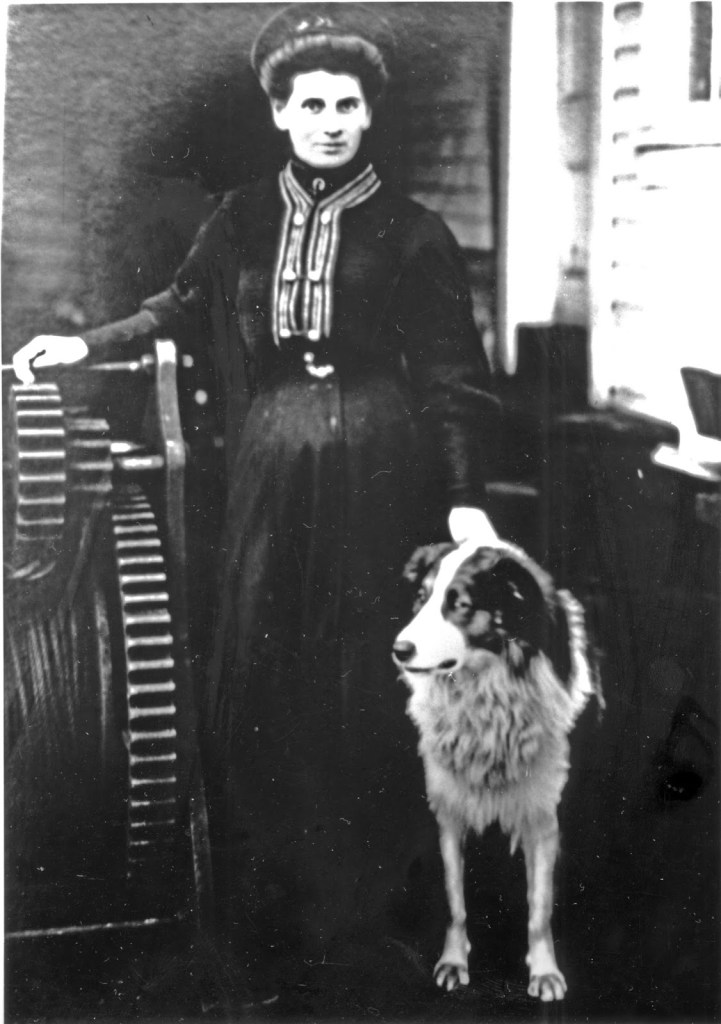
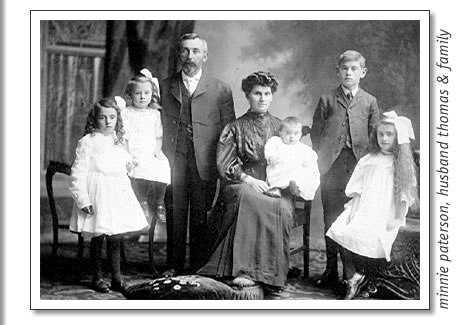
Minnie Paterson and dog Yarrow (archive photo from Alberni Valley Museum)

Minnie Paterson rocked slowly in her rocking chair, nursing her infant son. She sat near the south window of the lighthouse living quarters, and studied the rain streaming down in rivulets. Wind gusts rattled the window. A lighthouse keeper’s home was constantly buffeted by wind bearing salty spray, nearly rendering the windows opaque with salt residue. This early December storm had picked up urgency throughout the night. Now with first light, Minnie looked out at driving rain blowing sideways, barely able to make out the rugged rocks below. The Pacific Ocean was anything but; the mist hung gray, melding horizon into sea, with flashes of white foam in crashing waves against the rocky cliffs of Cape Beale.

Whenever storms came, it seemed the Paterson family lived at the edge of civilization. Yet these storms were the reason she and Tom and their five children lived on the rugged west coast of Vancouver Island, in isolation at the southern edge of Barkley Sound. Tom’s job was to keep the foghorn blaring and the light glowing above the treacherous rocks, to guide sea vessels away from certain peril. The storms sometimes were too powerful even with the lighthouse as a beacon of warning. Nearly a year earlier, in January 1906, the ship Valencia had wrecked off the coast and only a few survivors had managed to make their way to shore, staggering up the rocky trail to the lighthouse where Minnie warmed them by the stove and fed them until rescuers could come.

Eleven months later, her husband came in the door in a rush from the upper room where he tended the light. Another ship, battered by the waves, its sails in tatters, was in distress just off the coast, threatening to run aground on the rocks and break apart.

Minnie went to the window again but could see nothing in the dark mist. Surely this could not be another Valencia disaster! Tom went to the telegraph in the corner of the room and tapped out the urgent message to the fishing village of Bamfield, five miles away inside Barkley Sound. He sat impatiently waiting for a reply, drumming his fingers on the desk. After ten minutes, he sent the message again with no response.

Clearly the telegraph lines were torn down in the storm. Fallen trees frequently pulled them down, leaving no option to summon rescuers. This ship would be doomed, just like the Valencia. There was no way the crew could come ashore in lifeboats without perishing on the rocks.

Seeing the helplessness Tom felt, Minnie knew immediately what she must do. He could not leave his post—it was a condition of his job. She would have to run the six miles for help, through the forest. She kissed Tom and five children goodbye, donned a cap and sweater, and as her swollen feet from recent pregnancy did not fit in her boots, she put on her husband’s slippers. She ran down the long stairway down the hill, taking their dog Yarrow as a precaution to help warn her of bears on the trails.

Minnie first had to cross through a tideland inlet with water waist deep. She quickly stripped from the waist down, held her skirt and slippers over her head and crossed through the icy water, her dog swimming alongside. Shivering on the other side, she quickly dressed, and started down the narrow winding forest trail, scrambling over large fallen trees blocking the way. She waded through deep mud, and crossed rocky beaches where wild waves drenched her. At times the tide was so high she crawled on her hands and knees through underbrush so as not to be swept away by the storm.

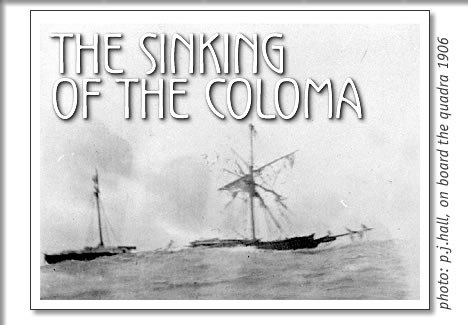
After four hours, she reached a home along the trail and with a friend, launched a rowboat to go on to Bamfield. The two women notified the anchored ship Quadra, which set out immediately for Cape Beale to rescue the stranded sailors. Within an hour, the Quadra had reached the Coloma which was taking on water fast, and drifting close to the rocks on shore.

Minnie walked the long way back home that night, clothing tattered, muscles cramping, exhausted and chilled. Her breasts overflowing, she gratefully fed her baby, unaware for days whether her efforts rescued the crew of the Coloma. When the locals learned of her heroism, they notified media sources in Vancouver, Victoria and Seattle. Minnie was hailed as a life saver, given gifts and honors, including the following citation from Seattle’s Union of Sailors of the Pacific: “…RESOLVED that we, the seamen of America, fully recognize her sterling worth as the highest type of womanhood, deeply appreciating her unselfish sacrifices in behalf of those ‘who go down to the sea in ships’ and assure her and hers of our undying gratitude.”

Tragically, her health compromised by her extreme exertion that night, she died five years later in 1911 of tuberculosis, forever a life saving heroine to remember.
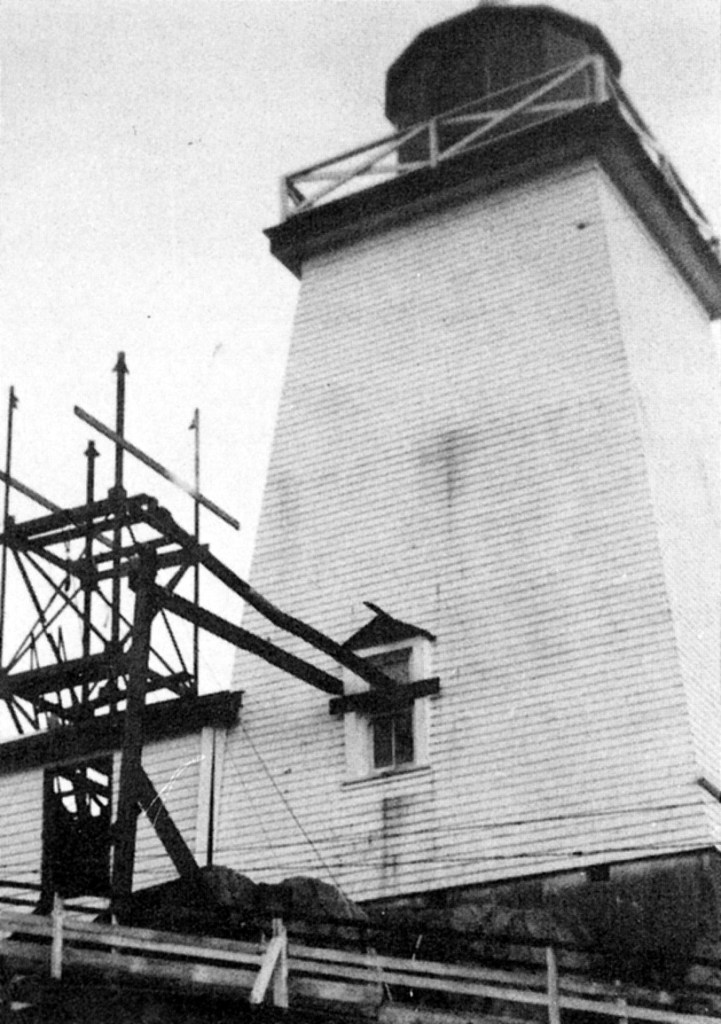
original Cape Beale Lighthouse (archive from Alberni Valley Museum photo collection)
Early 20th century photo of Cape Beale lighthouse and residence buildings (archive of Alberni Valley Museum)

Source material: Bruce Scott’s Barkley Sound and Lighthouse Digest,
Elinor DeWire’s Lighthouses blog,

This is a story Dan and I were told by locals during our stay in Bamfield on our honeymoon over forty years ago. On a bright September day, we walked the trail to visit the Cape Beale lighthouse, a most challenging and beautiful part of the world. The trail was so difficult, I was sure I was not fit enough to make it to the lighthouse and back, so how Minnie managed in a December storm, much of it in the dark with only a lantern for light, is beyond imagining. Her bravery captured me and I honor her sacrifice with this rendering of her remarkable story of personal sacrifice.

modern Cape Beale lighthouse

You are not hidden
There’s never been a moment
You were forgotten
You are not hopeless
Though you have been broken
Your innocence stolen
I hear you whisper underneath your breath
I hear your SOS, your SOS
I will send out an army
To find you in the middle of darkest night
It’s true I will rescue you
There is no distance
That cannot be covered
Over and over
You’re not defenseless
I’ll be your shelter
I’ll be your armor
I hear you whisper underneath your breath
I will never stop marching
To reach you in the middle of the hardest fight
It’s true I will rescue you
I hear the whisper underneath your breath
I hear you whisper you have nothing left
~Lauren Daigle

One-Time
Monthly
Yearly

Make a one-time or recurring donation to support daily Barnstorming posts

Make a monthly donation

Make a yearly donation

Choose an amount

$10.00
$25.00
$50.00
$5.00
$15.00
$100.00
$5.00
$15.00
$100.00

Or enter a custom amount

$

Your contribution is deeply appreciated.

Your contribution is appreciated.

Your contribution is appreciated.

DonateDonate monthlyDonate yearly
Alive and Limber

Deciding whether or not to trust a person
is like deciding whether or not to climb a tree
because you might get a wonderful view from the highest branch
or you might simply get covered in sap
and for this reason many people choose
to spend their time alone and indoors

where it is harder to get a splinter.
~Lemony Snicket from The Penultimate Peril

Heaven knows how many trees I’ve climbed…
when my body was still in a climbing way.

How many afternoons, especially Windy ones,

I sat perched on a limb that rose and fell with every invisible blow

Each tree was a green ship in the wind-waves,

every branch a mast

every leafy height a happiness that came without even trying.

I was that alive

and limber

now I walk under them-cool… beloved….

the household of such tall, kind sisters.
~Mary Oliver “Trees”

Don’t you dare climb that tree
or even try, they said, or you will be
sent way to the hospital of the
very foolish, if not the other one.
And I suppose, considering my age,
it was fair advice.

But the tree is a sister to me, she
lives alone in a green cottage
high in the air and I know what
would happen, she’d clap her green hands,
she’d shake her green hair, she’d
welcome me.  Truly.

I try to be good but sometimes
a person just has to break out and
act like the wild and springy thing
one used to be.  It’s impossible not
to remember 
wild and not want to go back.  So

if someday you can’t find me you might
look into that tree or—of course
it’s possible—under it.

~Mary Oliver, “Green, Green is My Sister’s House,” from A Thousand Mornings

As a child, I was always very cautious about climbing anything, never trusting my judgement or my balance. Perhaps this was because my mother was very fearful about all risk-taking in her children and instilled that caution in me from the start, discouraging me from ever reaching for the sky or dangling from a branch.

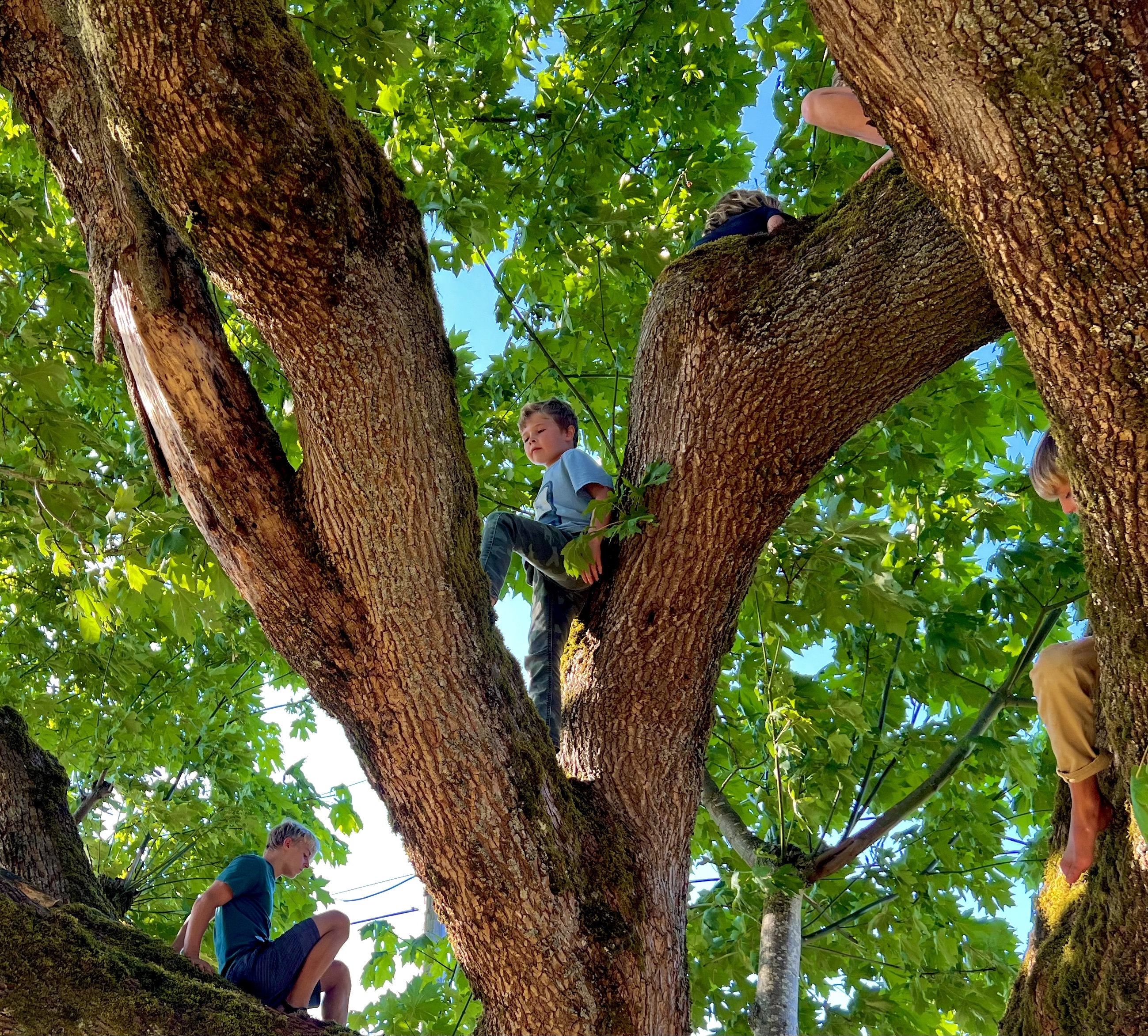
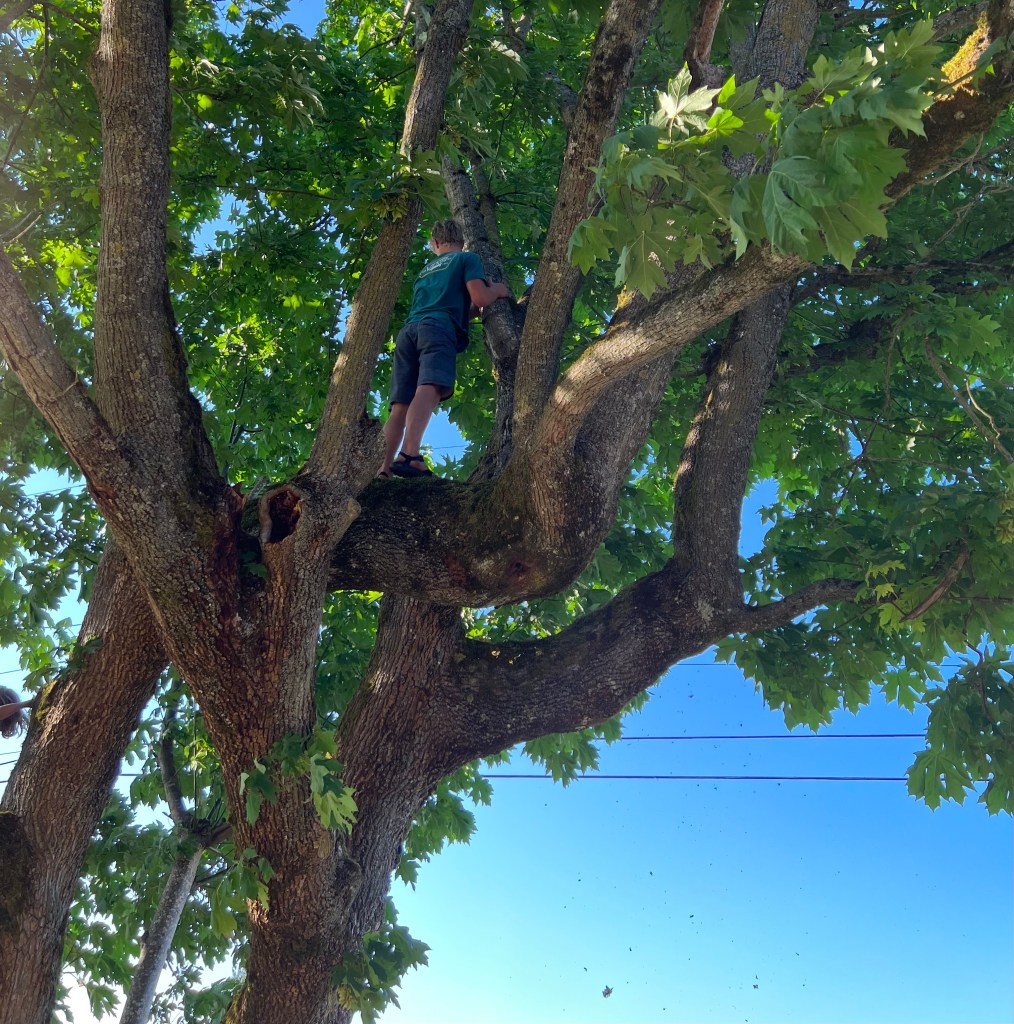
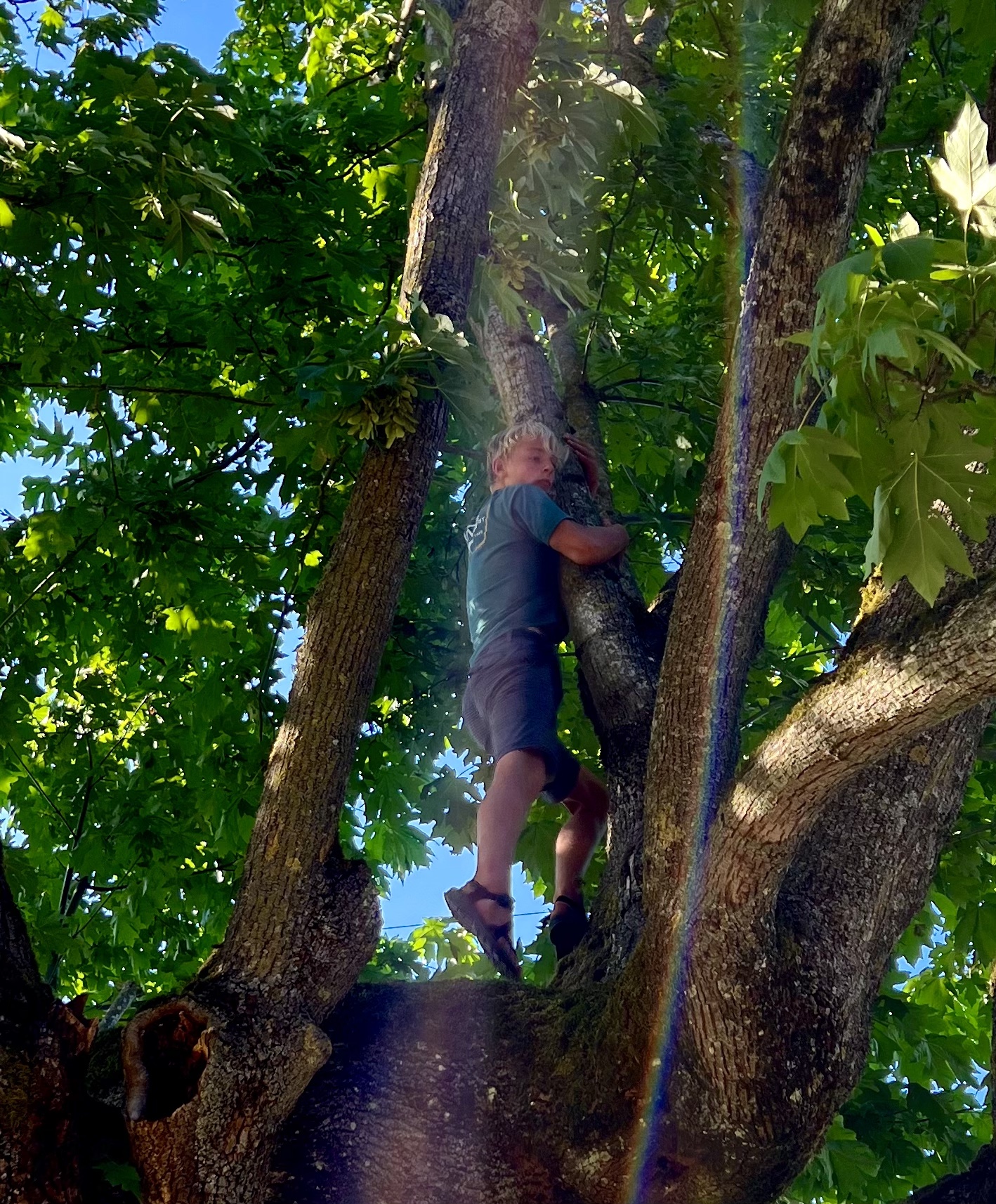
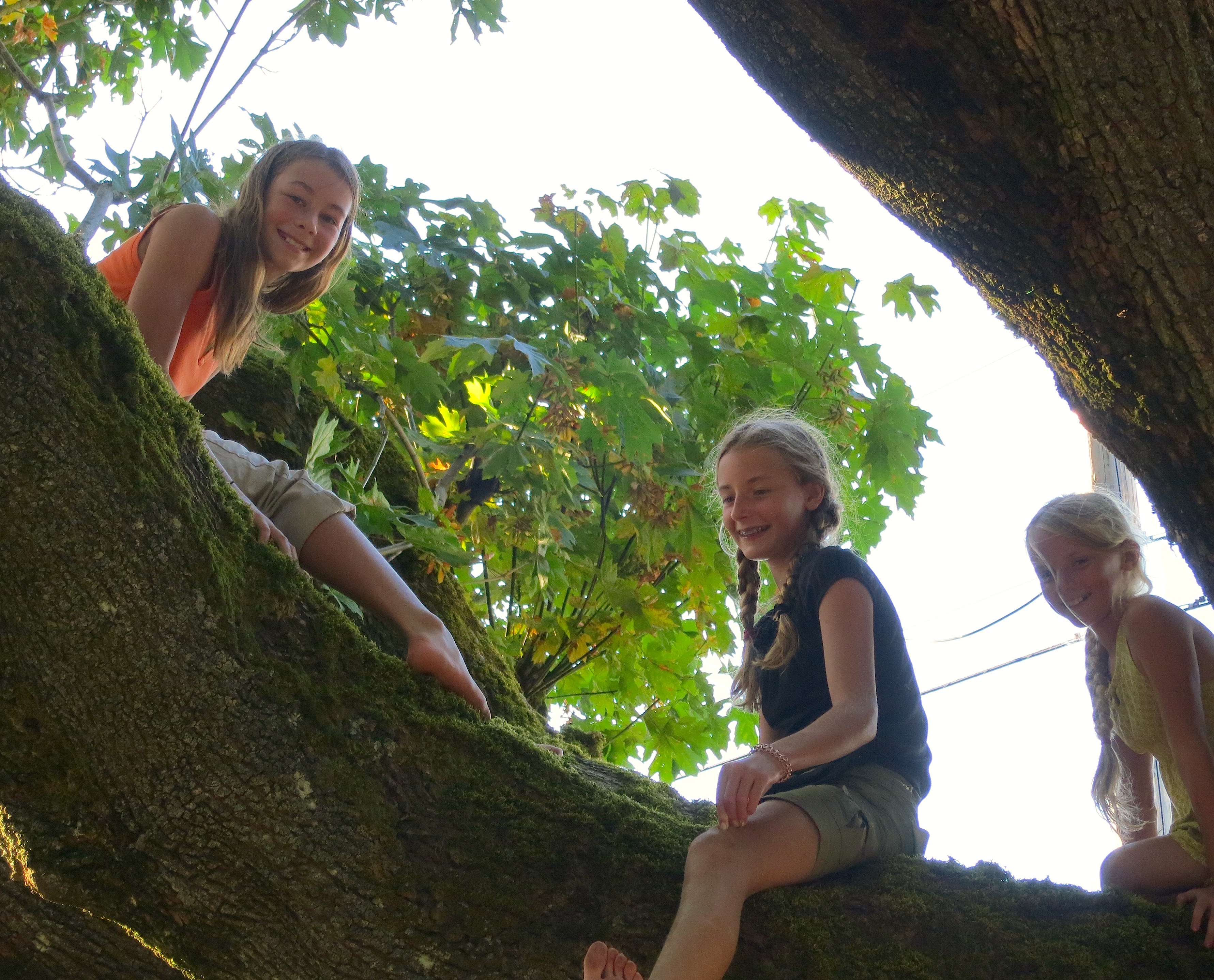
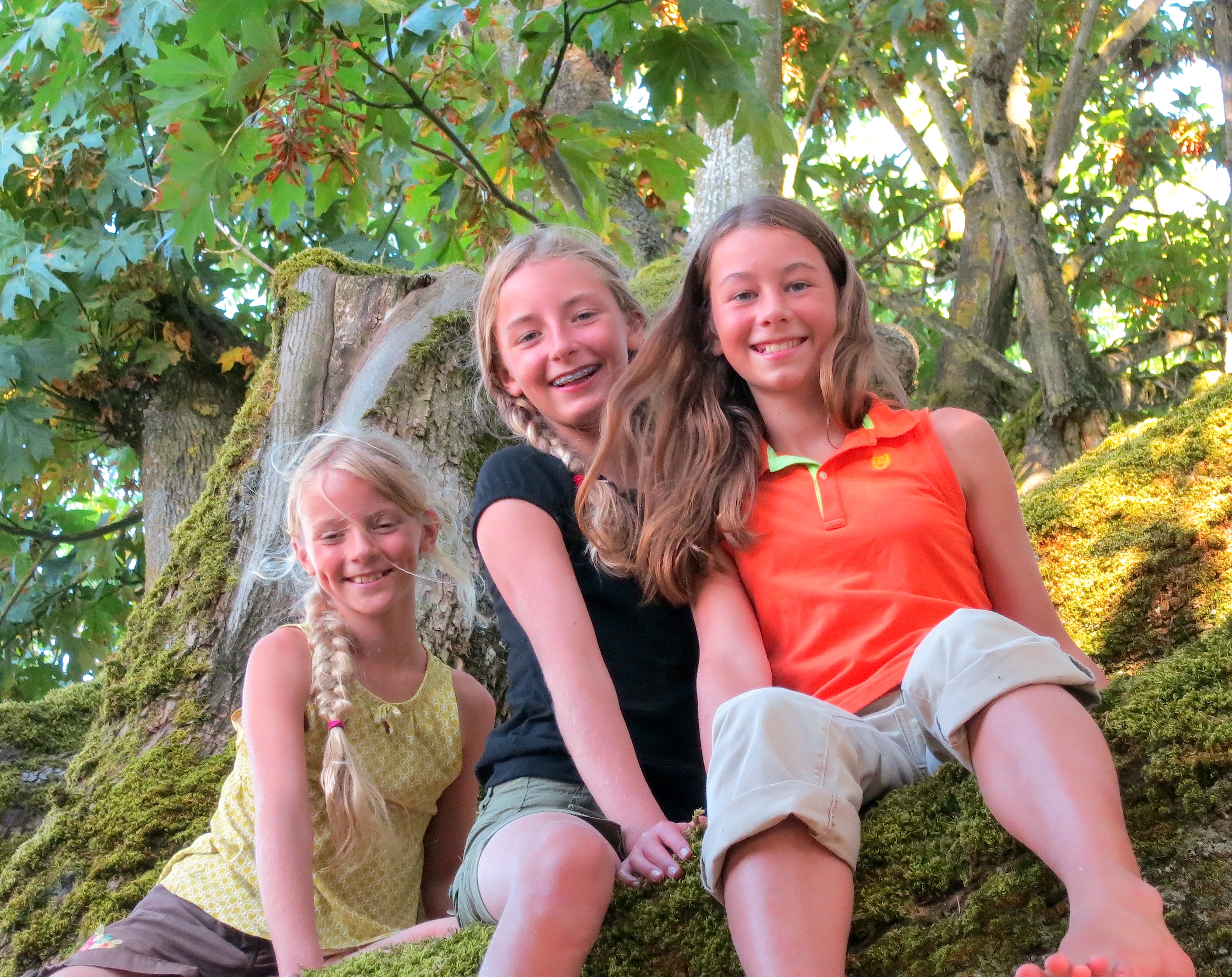
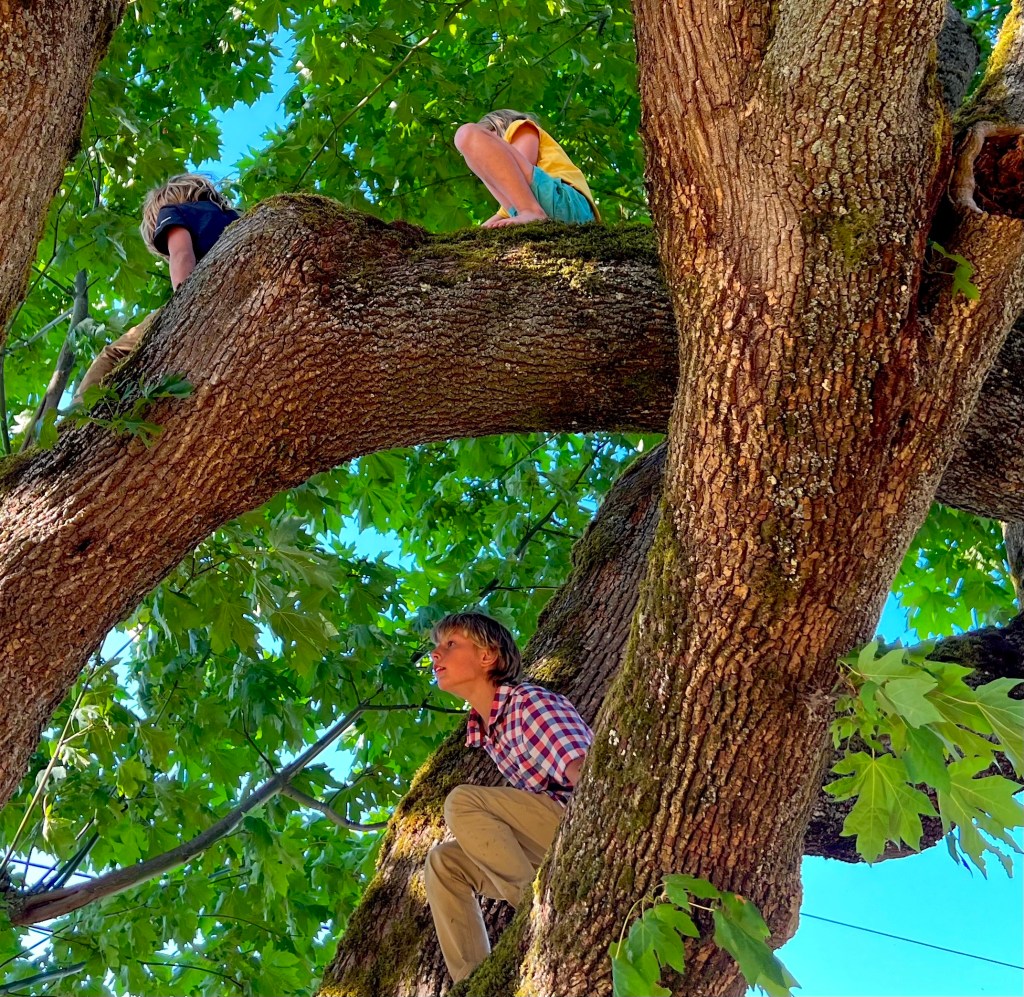
So when the neighbor children come with their families for an evening at our farm, I marvel and cringe at them being drawn as if by a magnet to climb the tall big leaf maple tree in our front yard. I imagine this tree has hosted several generations of children who have scrambled over its twisted trunk, sat in its central saddle to catch the view of the surrounding countryside, and reached its upper limits before being called back down by a nervous adult.

No doubt it is a feeling of incredible freedom to be limber enough to scrabble up a rough-barked branch, placing fingers and feet just-so into perfectly placed nooks and crevices.

No doubt being just out of reach of a fretful parent reinforces independence and autonomy.

No doubt there are leafy heights of happiness up there I’ll never know, way high above my head.

Yet here I stand in the cool shade and breezy evening, looking up, wishing I could be alive and limber like them, praying they will safely make their way down without a trip to the ER, while still honoring my mother’s cautioning pleas to keep my two feet well-grounded.

One-Time
Monthly
Yearly

Make a one-time or recurring donation to support daily Barnstorming posts

Make a monthly donation

Make a yearly donation

Choose an amount

$10.00
$25.00
$50.00
$5.00
$15.00
$100.00
$5.00
$15.00
$100.00

Or enter a custom amount

$

Your contribution is deeply appreciated.

Your contribution is appreciated.

Your contribution is appreciated.

DonateDonate monthlyDonate yearly
The Rising Tide

As the tide rises, the closed mollusc
Opens a fraction to the ocean’s food,
Bathed in its riches. Do not ask
What force would do, or if force could.


A knife is of no use against a fortress.
You might break it to pieces as gulls do.
No, only the rising tide and its slow progress
Opens the shell. Lovers, I tell you true.

You who have held yourselves closed hard
Against warm sun and wind, shelled up in fears
And hostile to a touch or tender word—
The ocean rises, salt as unshed tears.

Now you are floated on this gentle flood
That cannot force or be forced, welcome food
Salt as your tears, the rich ocean’s blood,
Eat, rest, be nourished on the tide of love.

~May Sarton “Of Molluscs” from Complete Poems

photo by Josh Scholten

No question when I was younger, I tried to be a tough shell to crack. Over my years of medical training, I was warned to keep what is soft and tender closed and protected, or I would be picked clean, with my hard remains exposed and emptied.

Yet during those stressful years as a young physician, as one of a handful of female students, I didn’t feel attacked, nor was I forced to float through battering tides to hostile shores. Bathed in salty tears at times, I was comforted when the stormy winds came. My teachers were kind and gentle. Soothing words and heartfelt praise flowed around and through me.

I was treated just as I wanted to treat my patients: with respect and nurture.

All these years later, I have not forgotten this gift of love I was shown by my teachers and colleagues. Even when buried in the muck and sand up to my eyeballs, I could trust enough to open up my hard and crusty parts so I could feel the tide rise over and carry me home.

Hey little boy, whatcha got there?
Kind sir it’s a mollusk i’ve found
Did you find it in the sandy ground?
Does it emulate the ocean’s sound?
Yes I found it on the ground
Emulating the ocean’s sound
Bring forth the mollusk cast unto me
Let’s be forever let forever be free

Hey little boy come walk with me
And bring your new found mollusk along
Does it speaketh of the trinity
Can it gaze at the sun with its wandering eye
Yes it speaks of the trinity
Casting light at the sun with its wandering eye
Bring forth the mollusk, cast unto me
Let’s be forever let forever be free

You see there are three things that spur the mollusk from the sand
The waking of all creatures that live on the land
And with just one faint glance, back into the sea
The mollusk lingers, with it’s wandering eye
~Gene Ween

One-Time
Monthly
Yearly

Make a one-time or recurring donation to support daily Barnstorming posts

Make a monthly donation

Make a yearly donation

Choose an amount

¤10.00
¤25.00
¤50.00
¤5.00
¤15.00
¤100.00
¤5.00
¤15.00
¤100.00

Or enter a custom amount

¤

Your contribution is deeply appreciated.

Your contribution is appreciated.

Your contribution is appreciated.

DonateDonate monthlyDonate yearly
Such Fear and Fascination

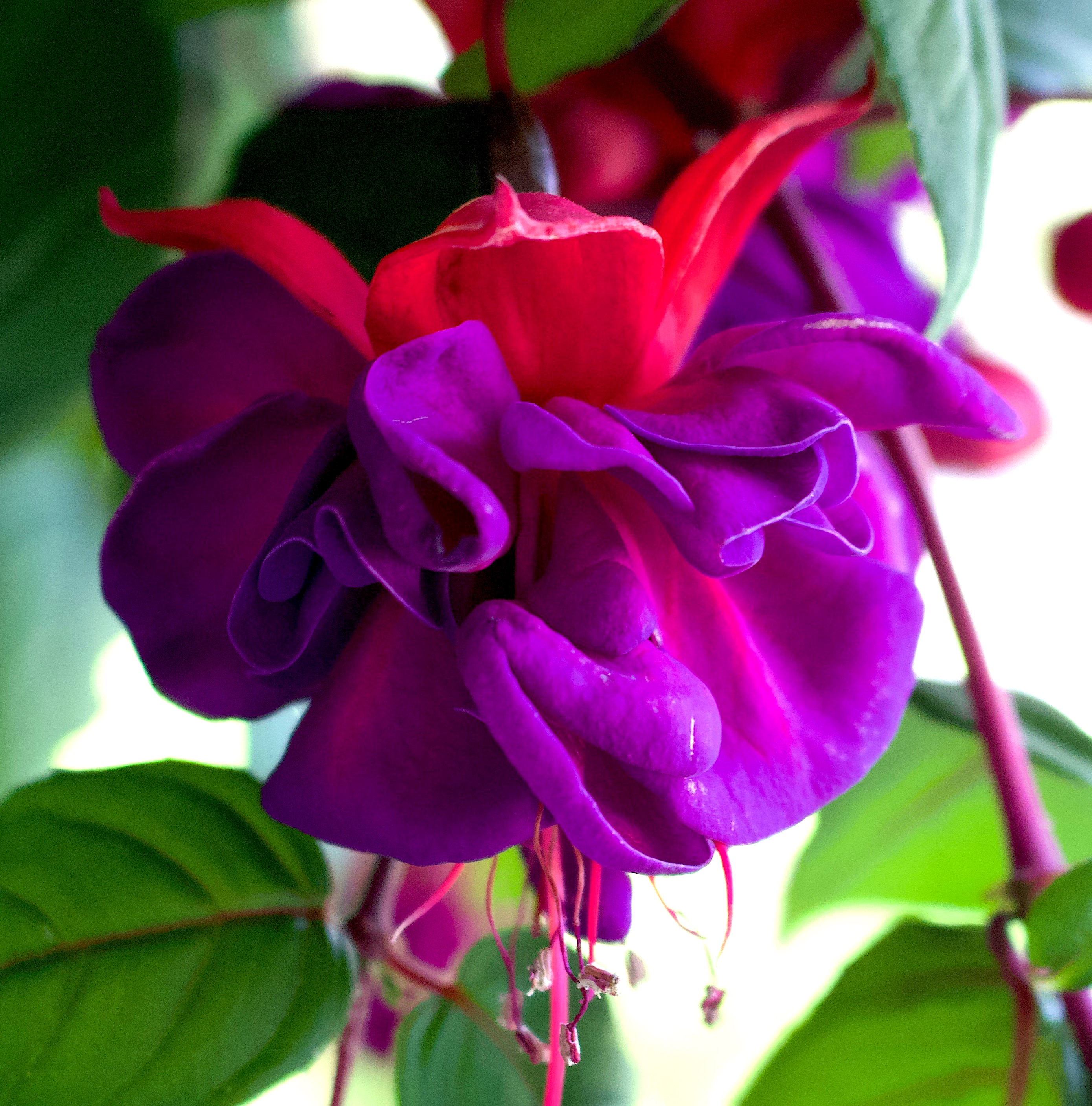
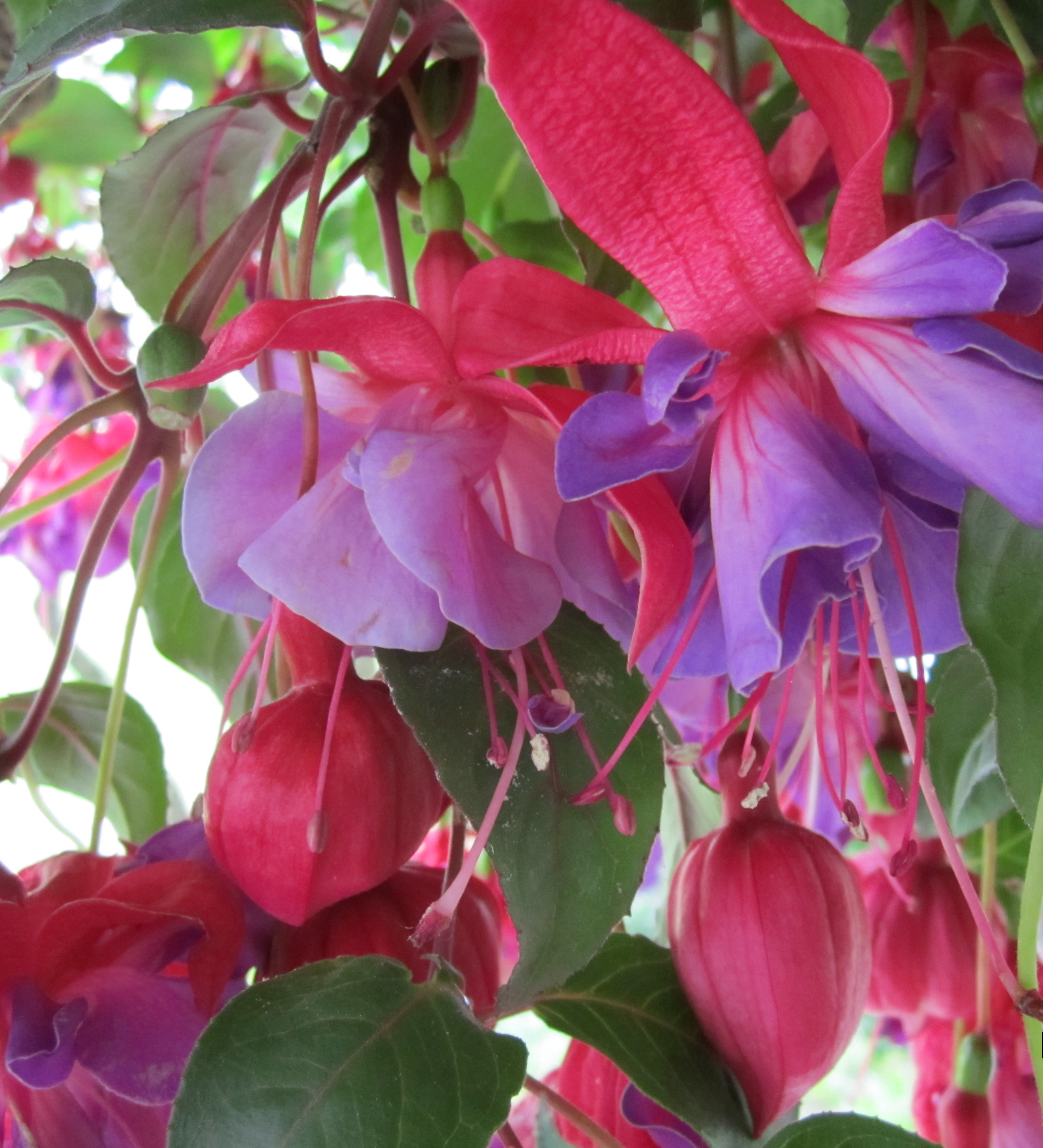
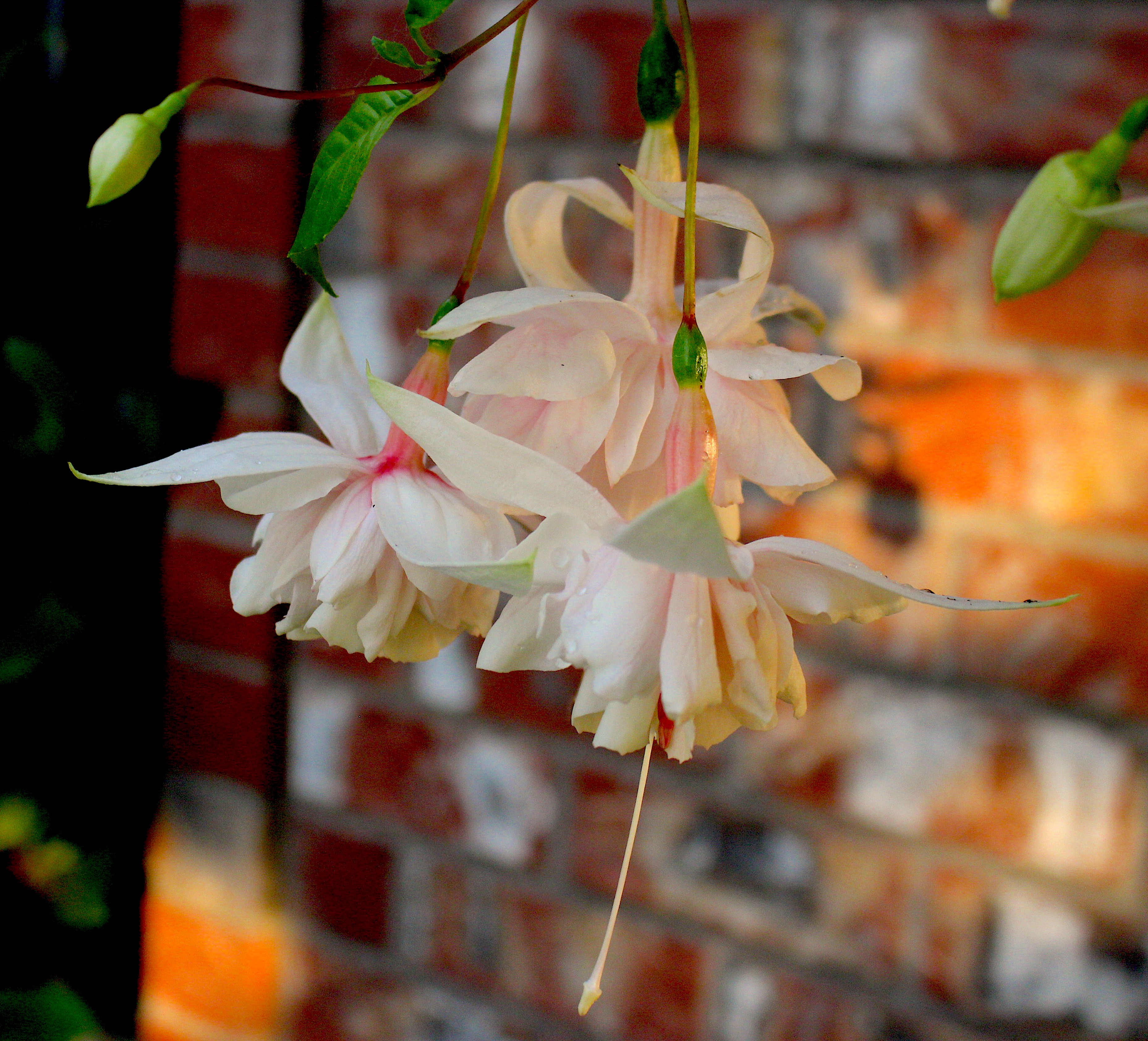
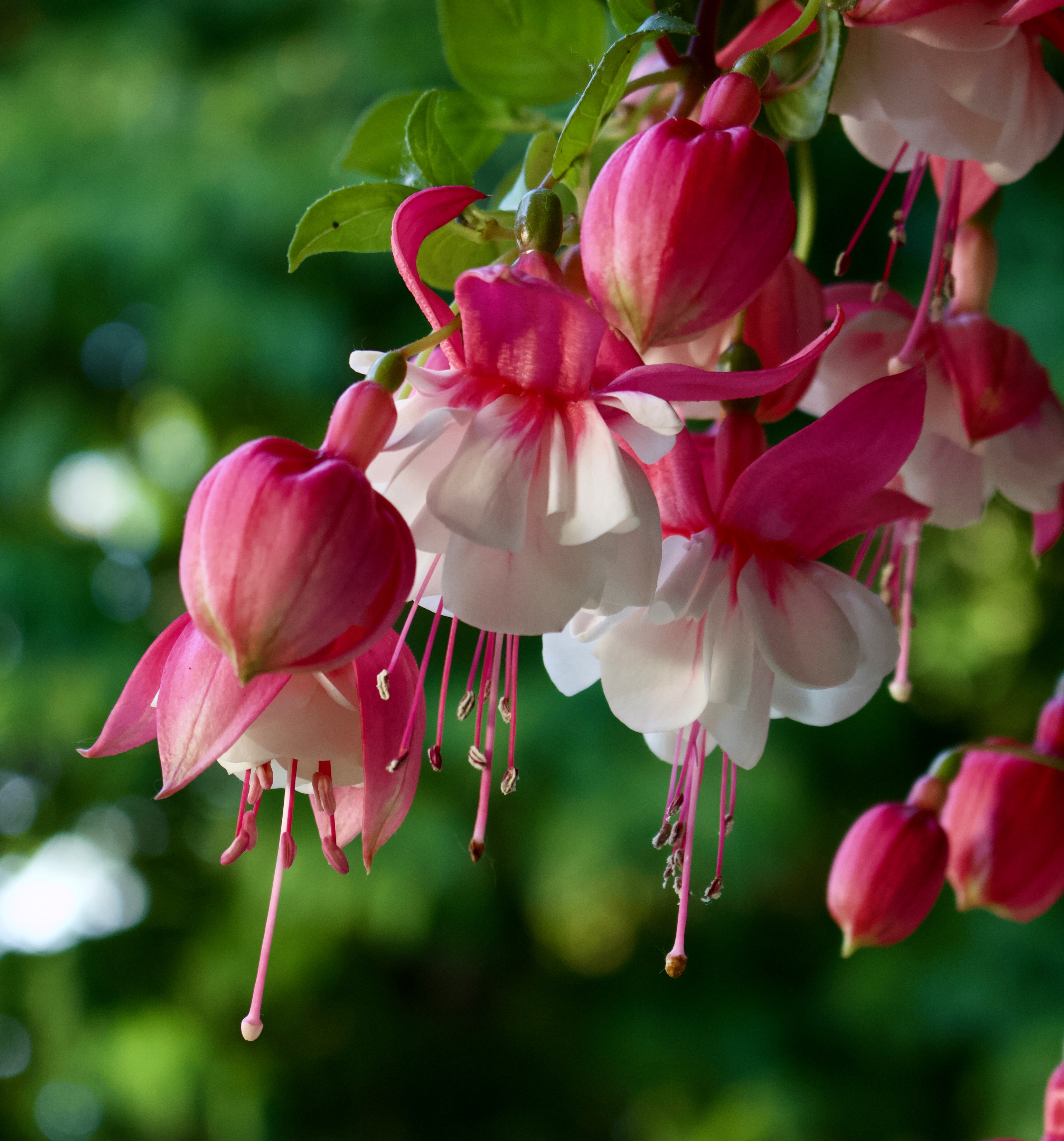
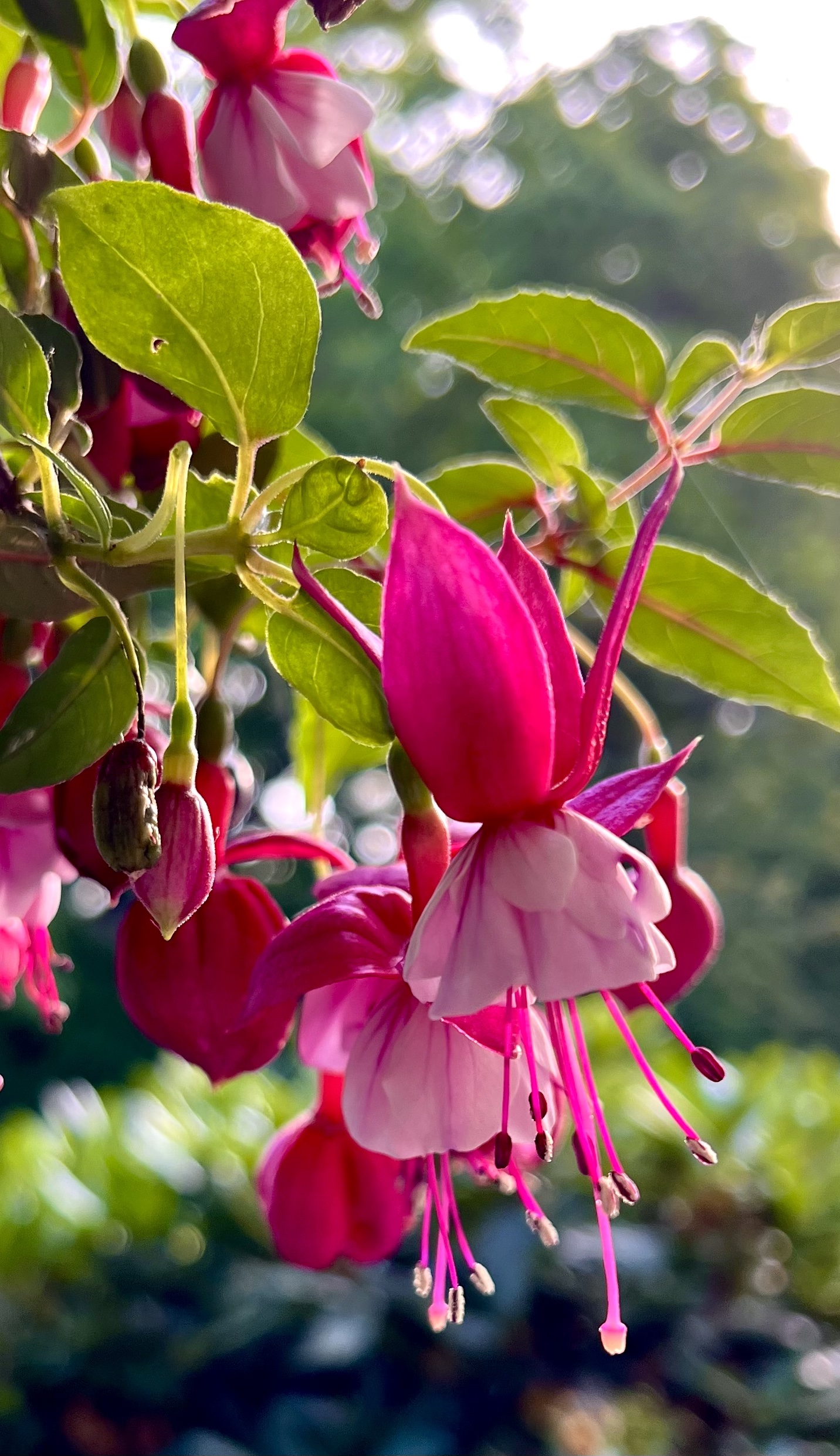
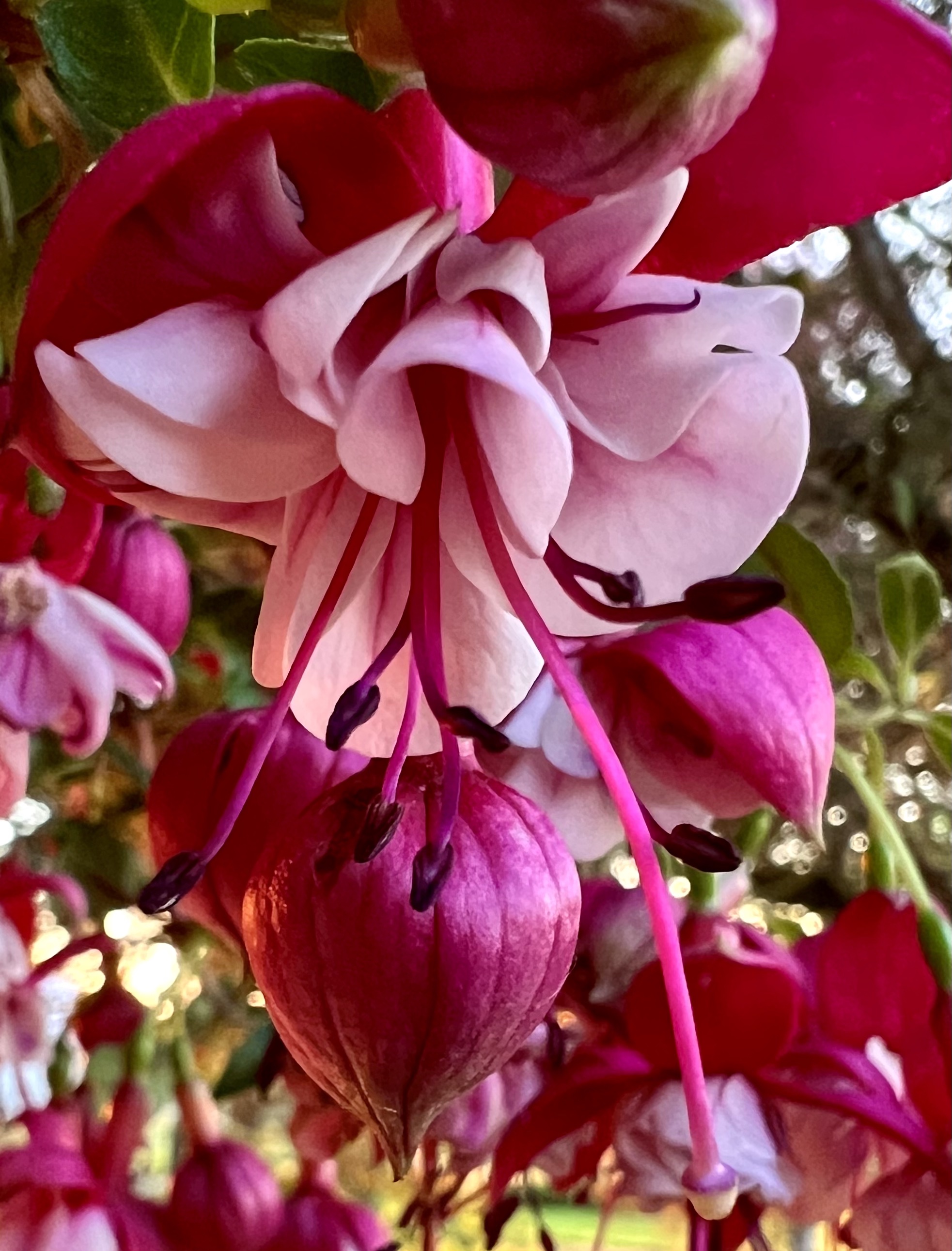
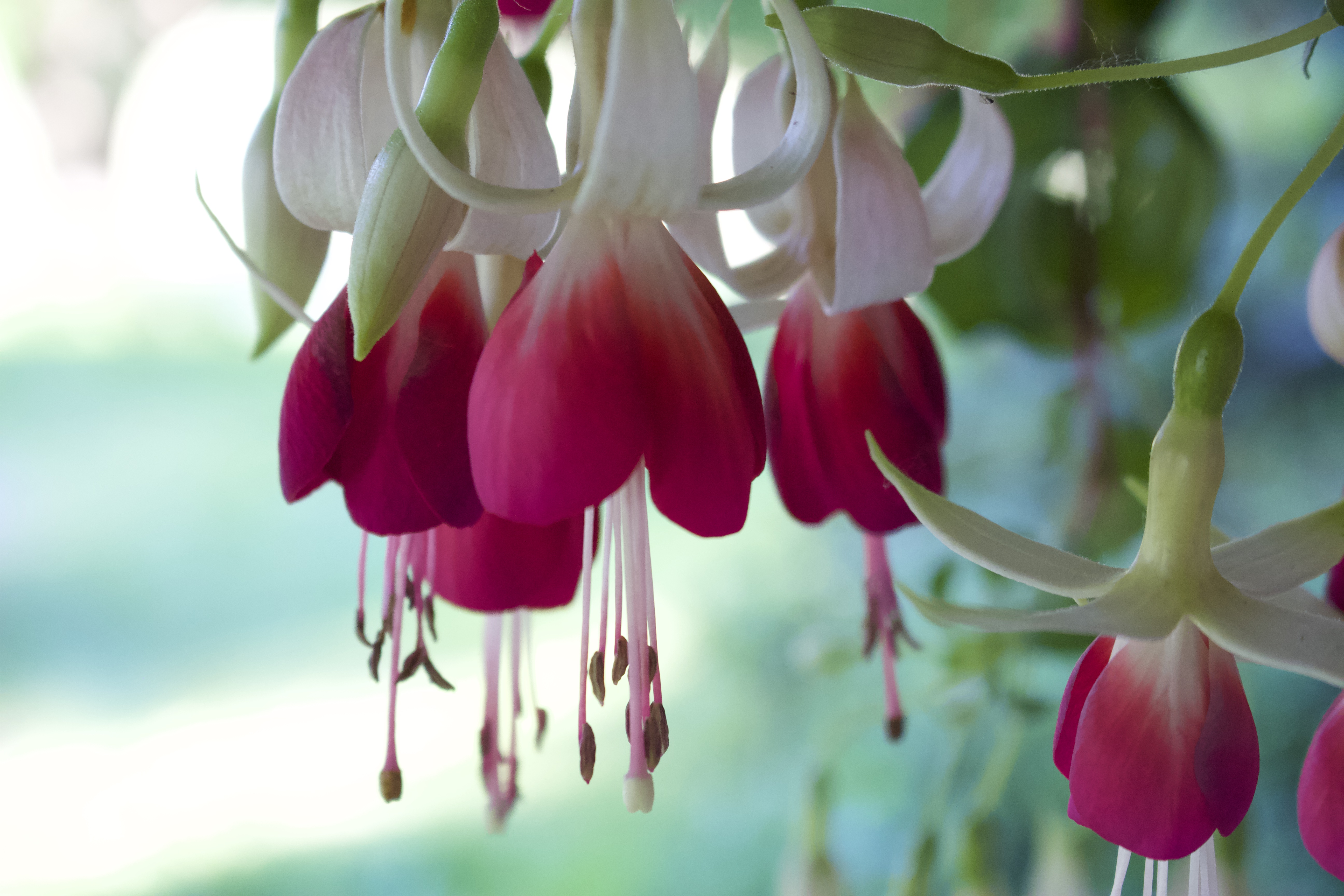
My fuchsia is a middle-aged woman
who’s had fourteen children, and though
she could do it again, she’s rather tired.

All through the summer, new blooms.
I’m amazed. Yet the purple and crimson
have paled. Some leaves are yellowed or withering.

The new buds look weaker and smaller,
like menopause babies. But still
she’s a gallant fine creature performing her function.

– That’s how they talk about women,
and I heard myself using the same sort of language.
Then I understood my love for August:
its exhausted fertility
after glut and harvest.

Out in the garden, playing
at being a peasant forced
to slave until dark with a child on my back

another at the breast and probably
pregnant, I remember
wondering if I’d ever manage

the rites of passage from girl
to woman: fear and fascination

hard to choose between.

Thirty years later, I pick the crumpled flowers
off the fuchsia plant and water it
as if before the shrine
of two unknown grandmothers –
and my mother, who was a fourteenth child.

~Ruth Fainlight “My Fuschia”

Flower in the crannied wall,
I pluck you out of the crannies,
I hold you here, root and all, in my hand,

Little flower – but if I could understand what you are,
root and all in all, I should know what God and man is.
~  Alfred Lord Tennyson
“Flower in the Crannied Wall”

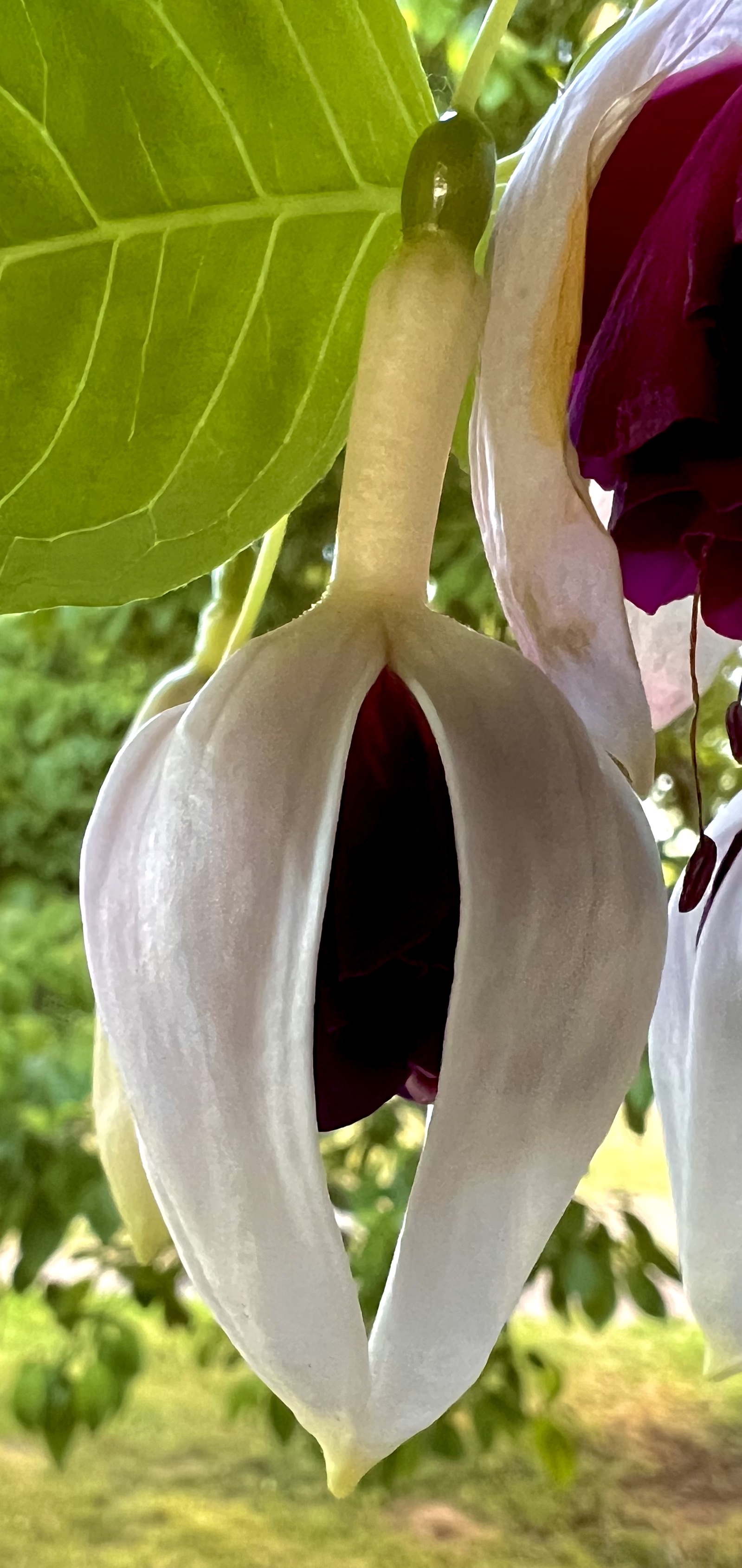
Each fuchsia flower a reminder
of the fear and fascination of
growing up female

Am I root, or am I bud?
Am I stem or am I leaf?
Am I dancing bloom or frail flower?
Am I fruit about to bear seed myself?

Am I still girl, or mother, or graying grandma?

All in all, throughout my life,
I hoped to be a mere reflection
of the Garden’s intended fertile glory;

Like a bulging fuchsia bud,
breaking open into full blossom,
withering on the stem to seed,
and being readied for the fall…

So much fear and fascination
found in fecundity-
to root and bud and bloom again.

One-Time
Monthly
Yearly

Make a one-time or recurring donation to support daily Barnstorming posts

Make a monthly donation

Make a yearly donation

Choose an amount

¤10.00
¤25.00
¤50.00
¤5.00
¤15.00
¤100.00
¤5.00
¤15.00
¤100.00

Or enter a custom amount

¤

Your contribution is deeply appreciated.

Your contribution is appreciated.

Your contribution is appreciated.

DonateDonate monthlyDonate yearly
The Honesty of Horses

It was dragging my hands along its belly,
loosing the bit and wiping the spit
from its mouth that made me
a snatch of grass in the thing’s maw,
a fly tasting its ear. It was
touching my nose to his that made me know
the clover’s bloom, my wet eye to his that
made me know the long field’s secrets.
But it was putting my heart to the horse’s that made me know
the sorrow of horses. Made me
forsake my thumbs for the sheen of unshod hooves.
And in this way drop my torches.
And in this way drop my knives.
Feel the small song in my chest
swell and my coat glisten and twitch.
And my face grow long.
And these words cast off, at last,
for the slow honest tongue of horses.

~Ross Gay “Becoming A Horse”

photo by Emily Vander Haak

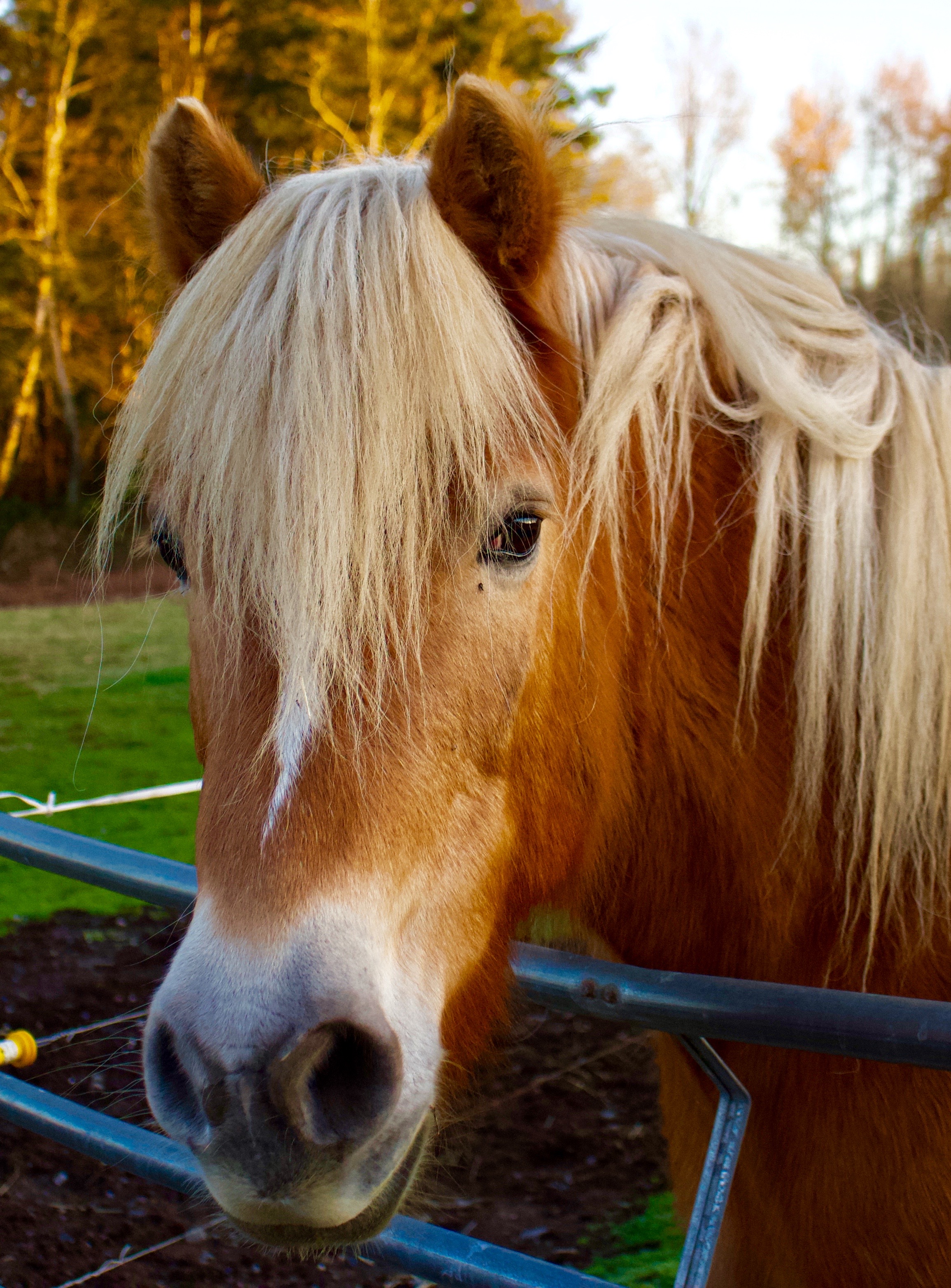
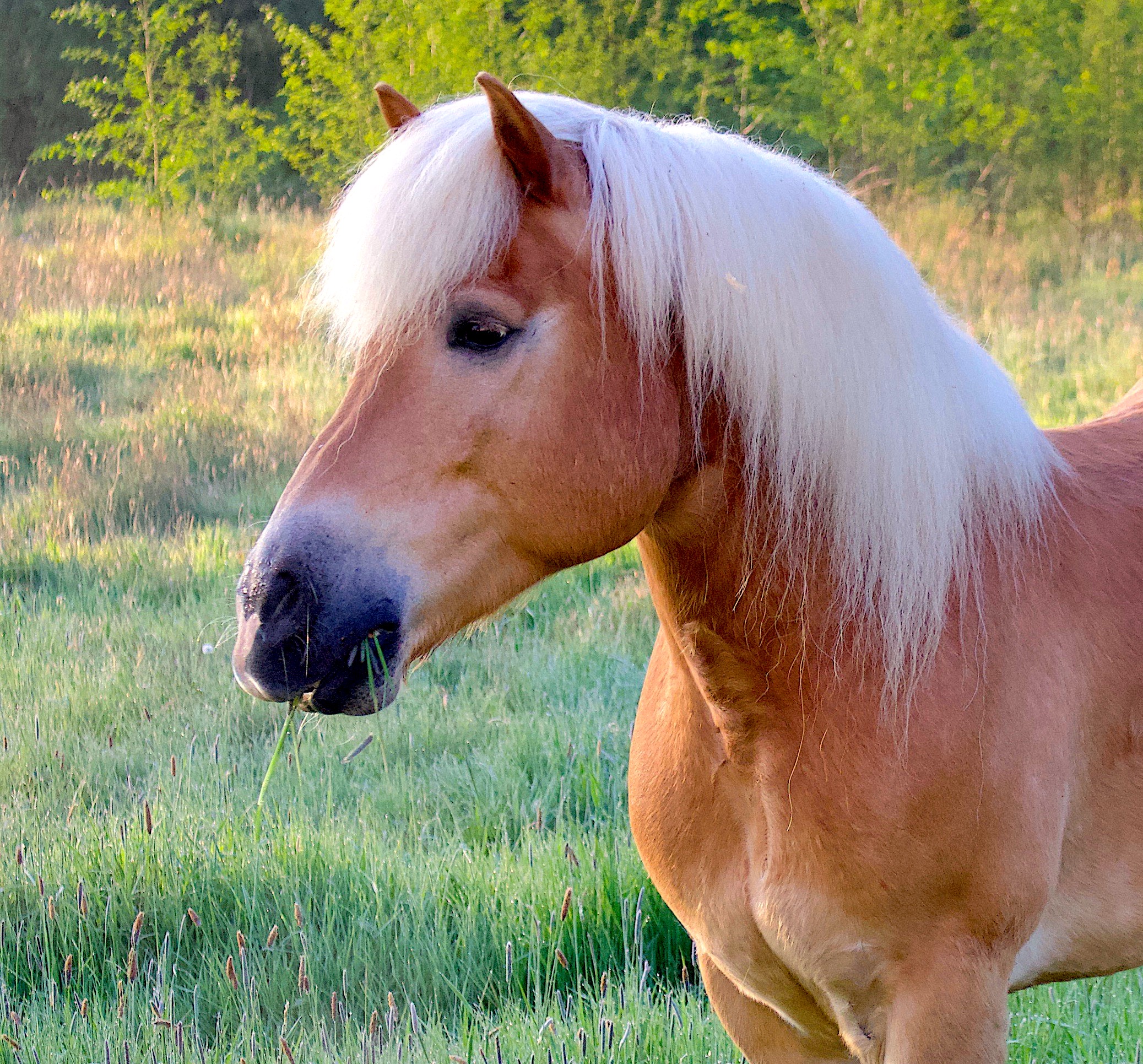
Living the dream of nearly every young girl, I grew up with a horse in our back field. The first was a raw-boned old paint who allowed my older sister and toddler me to sit atop him, walk around the barnyard and on the driveway at no more than a walk. He was arthritic and sore, but patient and tolerant to the attention of little girls. When we moved away to another part of the state, he didn’t come with us and I was too young to fully understand where he had been sent.

The horse on our new farm was my sister’s 4H project who was a spiffy chestnut mare with a penchant for a choppy trot and speedy canter. My sister would go miles with friends on horseback down back-country roads. Sadly, my sister soon became allergic (hives and swelling) to any contact with horses. I was barely old enough to start riding by myself in our fields.The little mare missed her adventures with my sister but seemed to adapt to my inexperience and took care of me as best she could – I never fell off. One night, she broke through a fence and ate her fill in a field of growing oat grass. The next day she was euthanized due to terrible colic. I was inconsolable, crying for days when visiting her burial spot on our property.

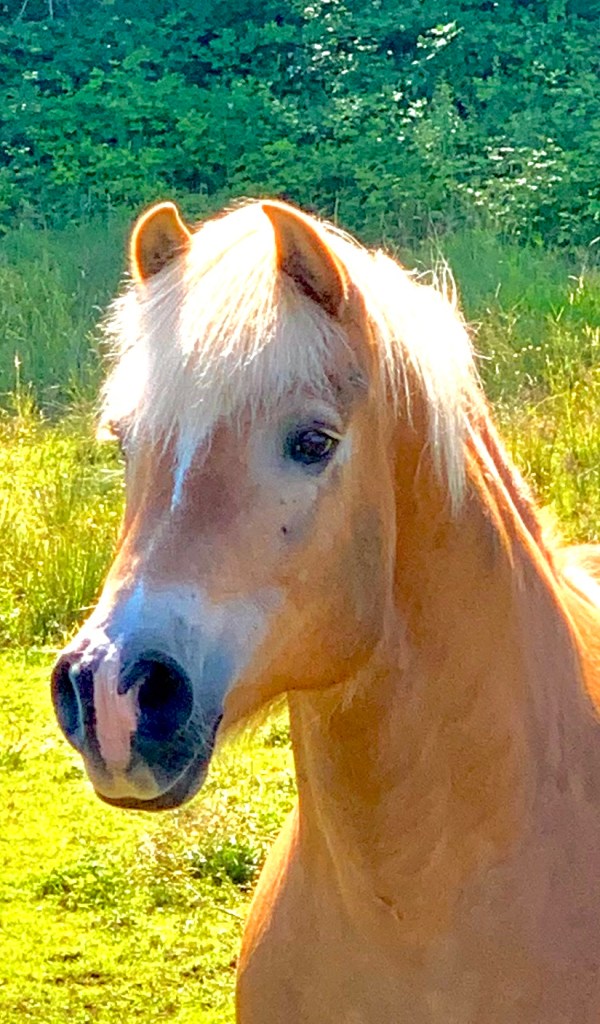
These first two horses tolerated the inexperience of their handlers and tried to compensate for it. I’ve since owned a few horses who knew exactly how to take advantage of such inexperience. Horses size up people quickly as our feelings and fear can be so transparent; it takes much longer for us to understand the complexity of their equine mind. Many diverse training techniques are marketed as testimony to that mystery.

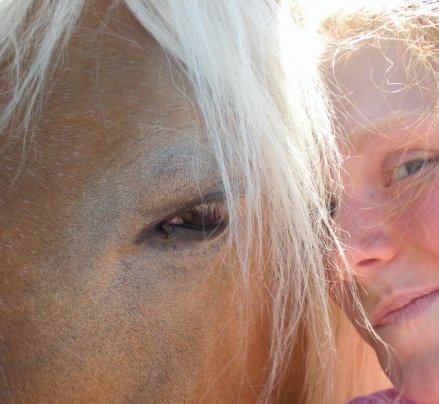
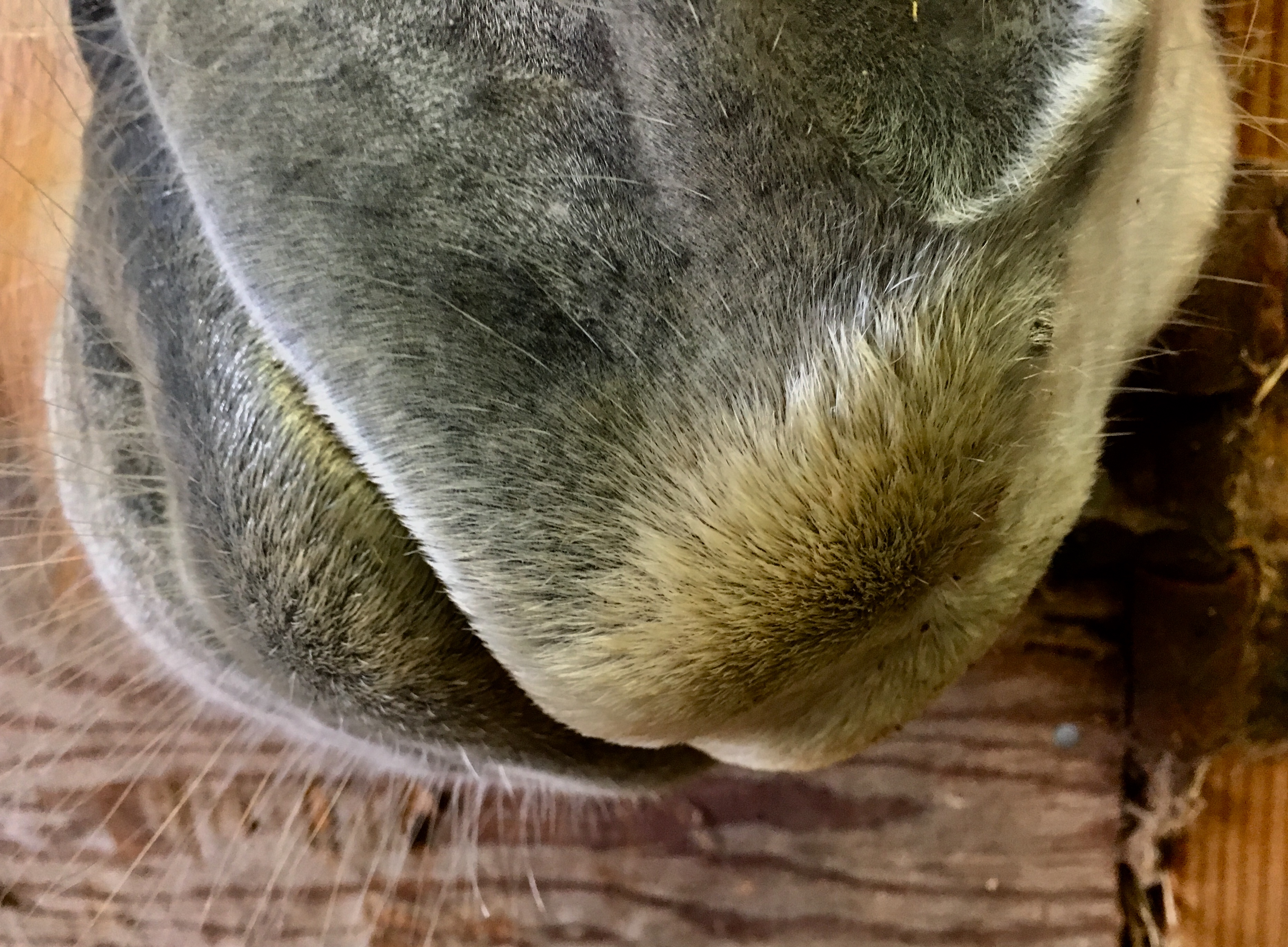
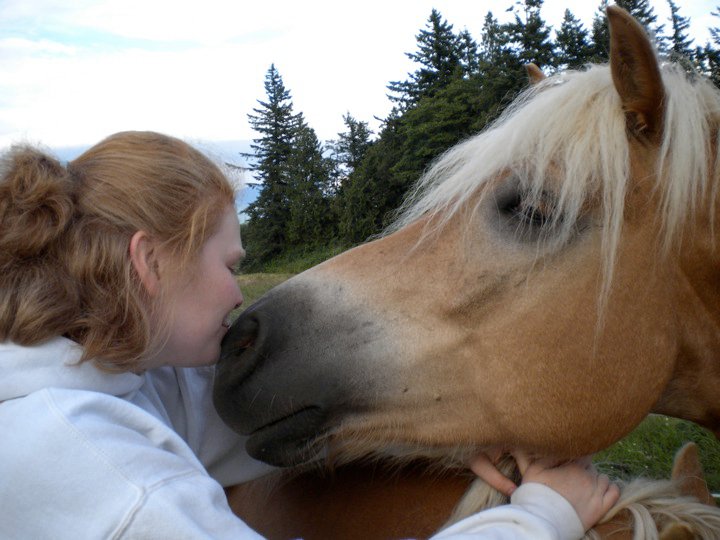
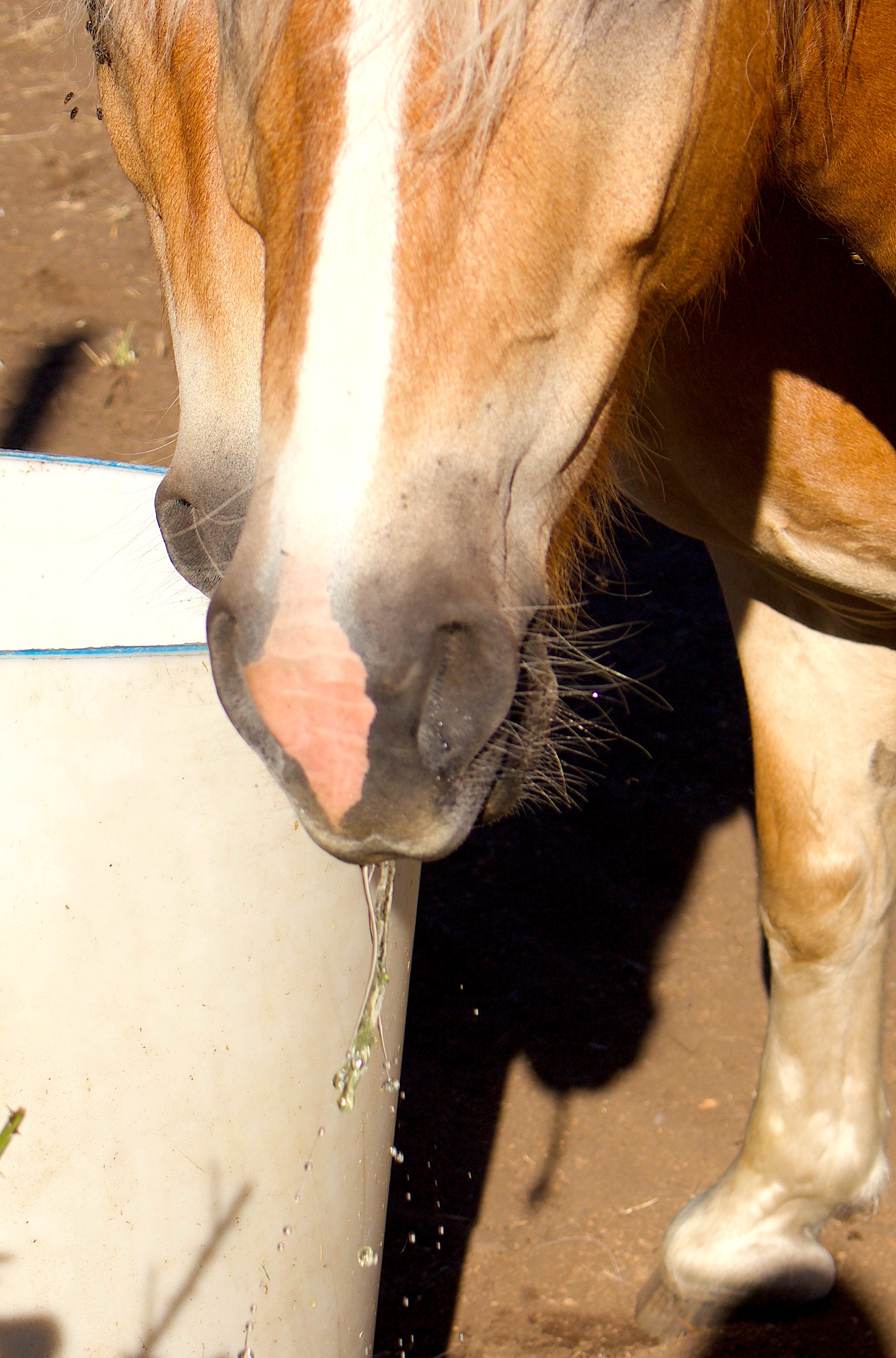
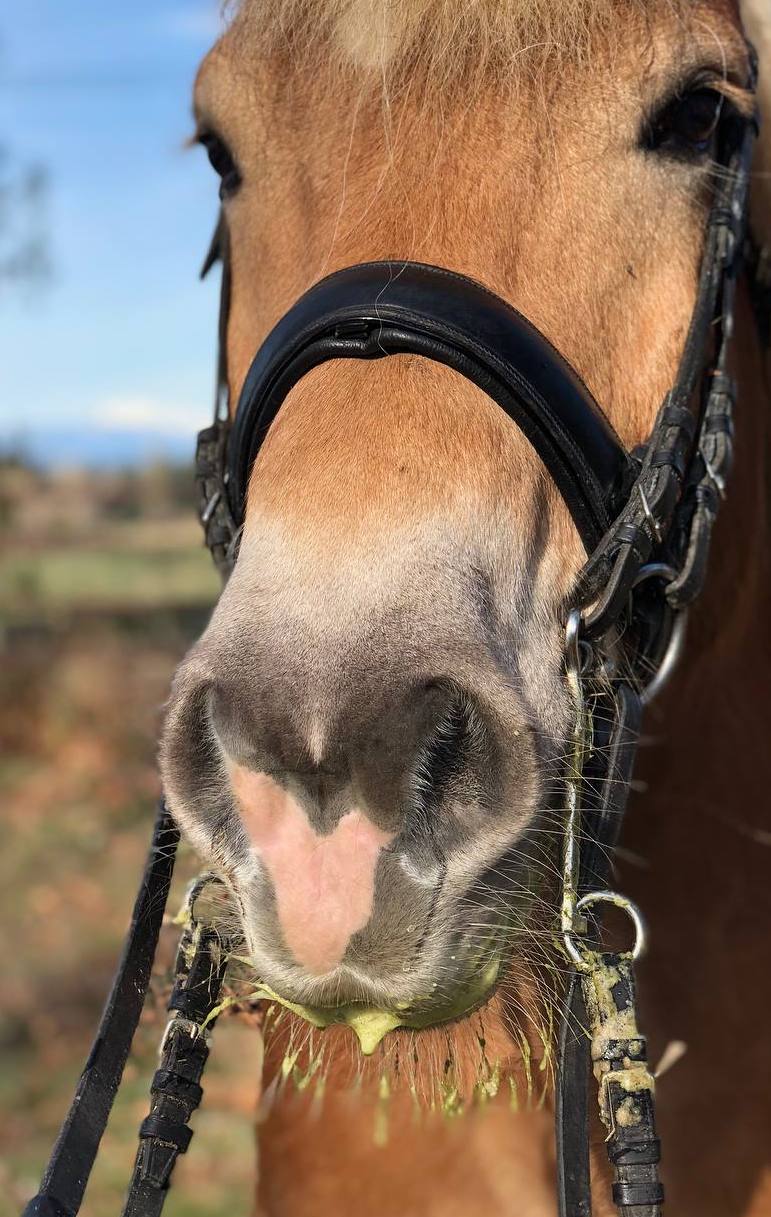
I have learned that horses appreciate a patient and quiet approach, reflecting their consistency and honesty. They like to be looked in the eye and appreciate a soft breath blown over their whiskers. They want us to find their itchy spots rather than act the part of a pseudo-predator with intent to harm.

That’s not asking too much of us.

In return, we learn how best to communicate what we need from them. They are remarkably willing to work when they understand the job and feel appreciated. In return, we are given a chance to experience the world through their eyes and ears, to comprehend the remarkable sensitivity of a skin able to shiver a fly away.

I’ve spent much of my life learning with horses and hope there are a few years still left to learn more. Whatever sorrow they feel in their hearts is when I’ve failed to be who they need me to be. Their gift to me is an honest willingness to forgive, again and yet again.

One-Time
Monthly
Yearly

Make a one-time or recurring donation to support daily Barnstorming posts

Make a monthly donation

Make a yearly donation

Choose an amount

¤10.00
¤25.00
¤50.00
¤5.00
¤15.00
¤100.00
¤5.00
¤15.00
¤100.00

Or enter a custom amount

¤

Your contribution is deeply appreciated.

Your contribution is appreciated.

Your contribution is appreciated.

DonateDonate monthlyDonate yearly
My Own Usefulness

I’ve learned that even when I have pains,
I don’t have to be one …
I’ve learned that:
people will forget what you said,
people will forget what you did,
but people will never forget
how you made them feel.
~
Maya Angelou on her 70th birthday, citing a quote from Carl Buehner

I learned from my mother how to love
the living, to have plenty of vases on hand
in case you have to rush to the hospital
with peonies cut from the lawn, black ants
still stuck to the buds. I learned to save jars
large enough to hold fruit salad for a whole
grieving household, to cube home-canned pears
and peaches, to slice through maroon grape skins
and flick out the sexual seeds with a knife point.
I learned to attend viewings even if I didn’t know

the deceased, to press the moist hands

of the living, to look in their eyes and offer
sympathy, as though I understood loss even then.
I learned that whatever we say means nothing,

what anyone will remember is that we came.
I learned to believe I had the power to ease
awful pains materially like an angel.
Like a doctor, I learned to create

from another’s suffering my own usefulness, and once
you know how to do this, you can never refuse.
To every house you enter, you must offer

healing: a chocolate cake you baked yourself,
the blessing of your voice, your chaste touch.
~Julie Kasdorf– “What I Learned from my Mother”

Moms often know best about these things — how to love others when and how they need it — the ways to ease pain, rather than become one. Despite years of practice, I don’t always get it right; others often do it better.

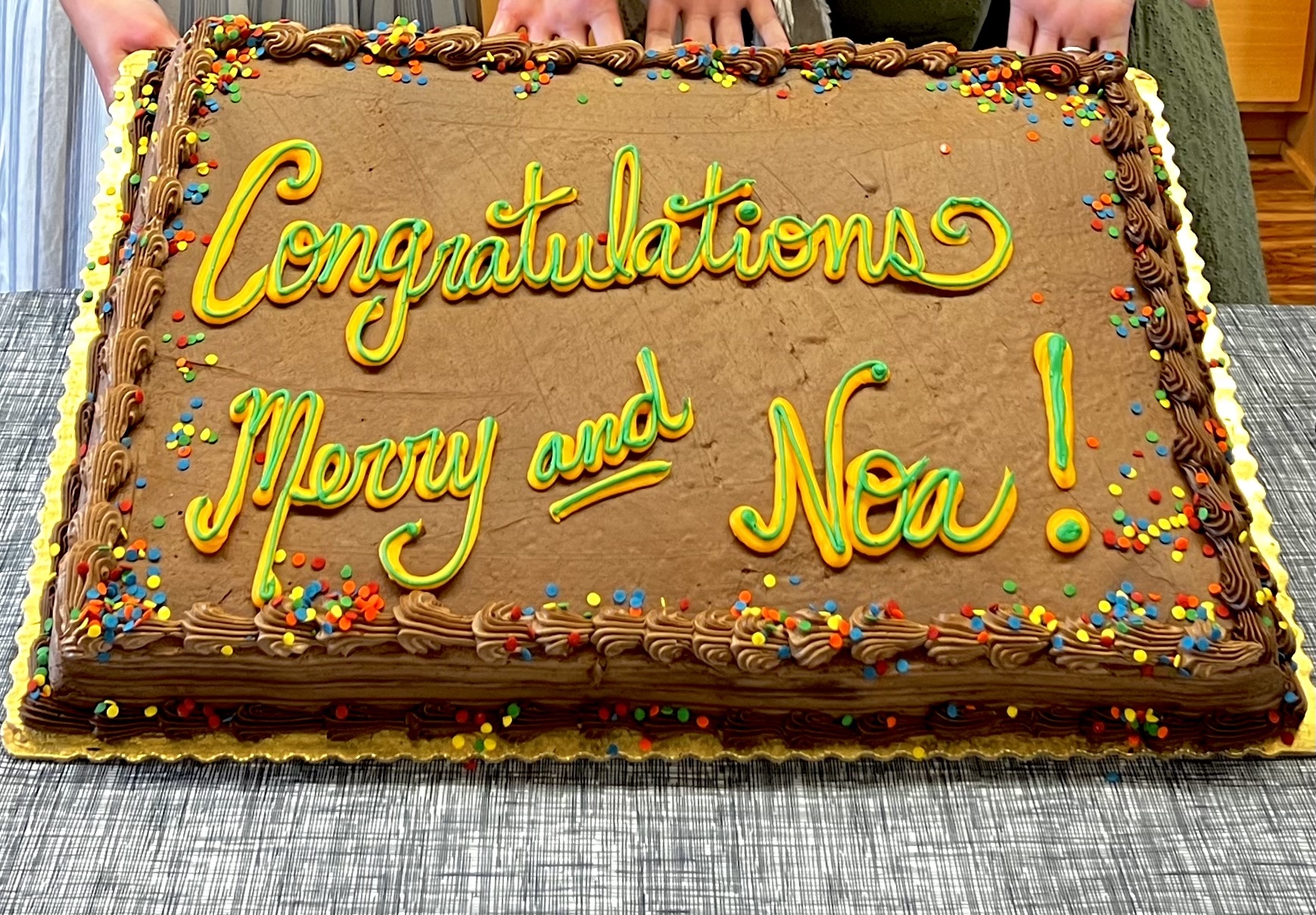
Showing up with food is always a good thing but it is the showing up part that is the real food; bringing a cake is simply the icing.

Working as a physician over four decades, my usefulness tended to depend on the severity of another’s worries and misery. If no illness, no symptoms, no fear, why bother seeing a doctor? Since retiring, the help I offer no longer means writing a prescription for a medication, or performing a minor surgery. I have to simply offer up me for what it’s worth, without the M.D.

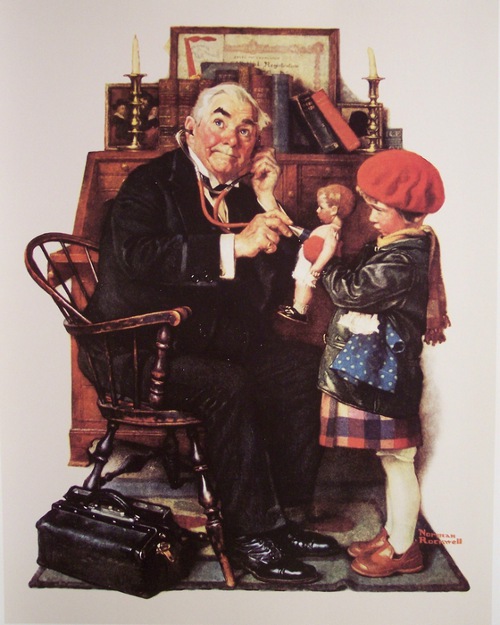
To be useful without a stethoscope, I aim to be like any good mom or grandma. I press my hand into another’s, hug when needed, smile and listen and nod and sometimes weep when someone has something they need to say. No advanced degree needed.

Oh, and bring flowers. Cut up fruit. Bake a cake.
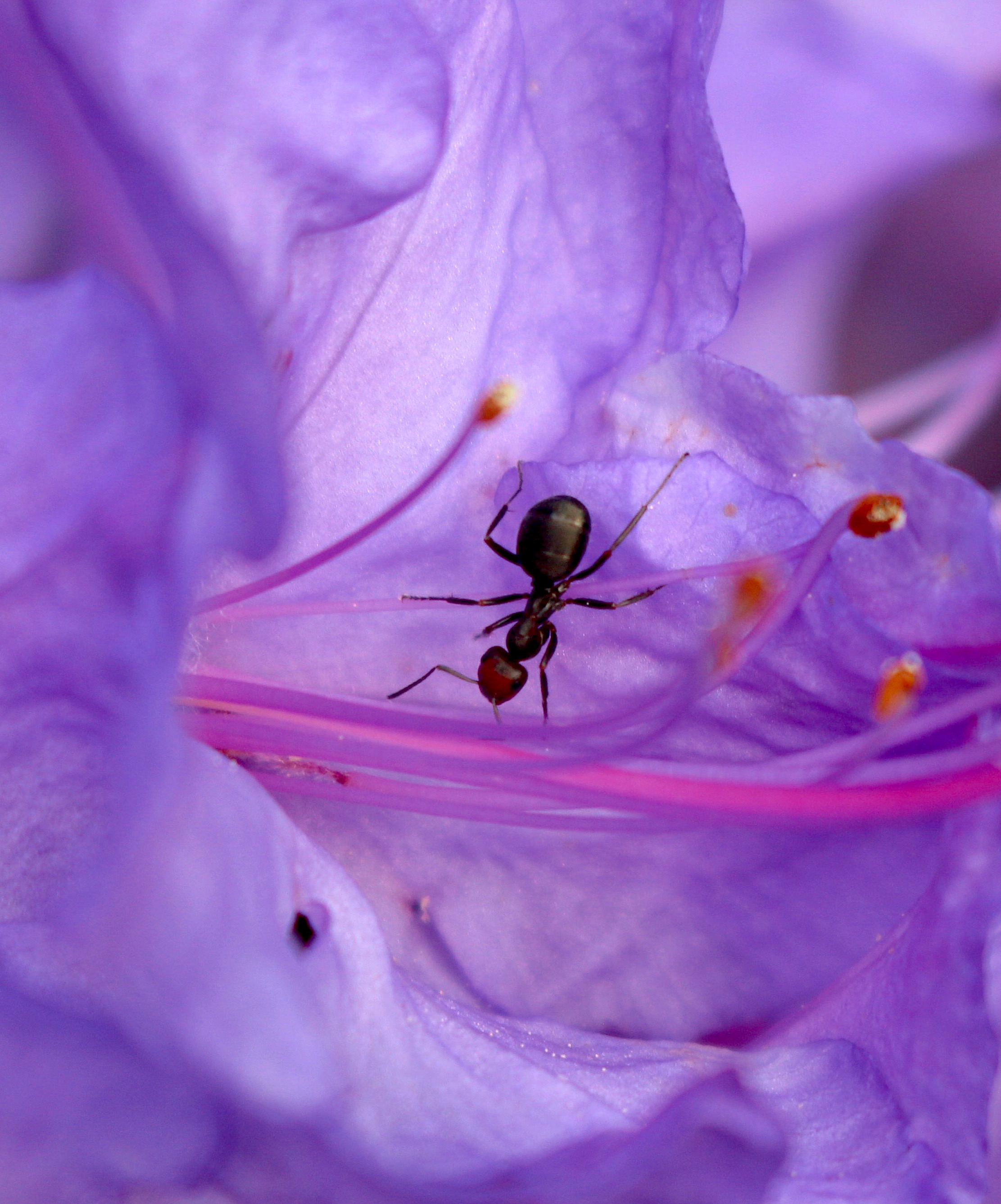
Leave the ants at home.

One-Time
Monthly
Yearly

Make a one-time and recurring donation to support daily Barnstorming posts

Make a monthly donation

Make a yearly donation

Choose an amount

¤10.00
¤25.00
¤50.00
¤5.00
¤15.00
¤100.00
¤5.00
¤15.00
¤100.00

Or enter a custom amount

¤

Your contribution is deeply appreciated.

Your contribution is appreciated.

Your contribution is appreciated.

DonateDonate monthlyDonate yearly
Reconsidering the Meaning of Flag Day

I am what you make me; nothing more. I swing before your eyes as a bright gleam of color, a symbol of yourself.
~Franklin K. Lane, Secretary of the Interior, 1914 Flag Day address

Sometimes, as a child,  when I was bored, I’d grab a step ladder, pull it into our hallway, climb half way up and carefully lift the plywood hatch that was the portal to our unlit attic.  It took some effort to climb up into the attic from the ladder, juggling a flashlight at the same time, but once seated safely on the beams above our ceiling, being careful not to put my foot through the carpet of insulation, I could explore what was stowed and normally inaccessible to me.

All the usual attic-type things were put up there:  Christmas ornaments and lights,  baby cribs and high chairs,  lamps and toys no longer used.  Secrets to my parents’ past were stored away there too.  It was difficult imagining them as young children growing up on opposite sides of the state of Washington, in very different circumstances, or as attractive college students who met at a dance, or as young marrieds unencumbered by the daily responsibilities of a family.  The attic held those images and memories like a three dimensional photo album.

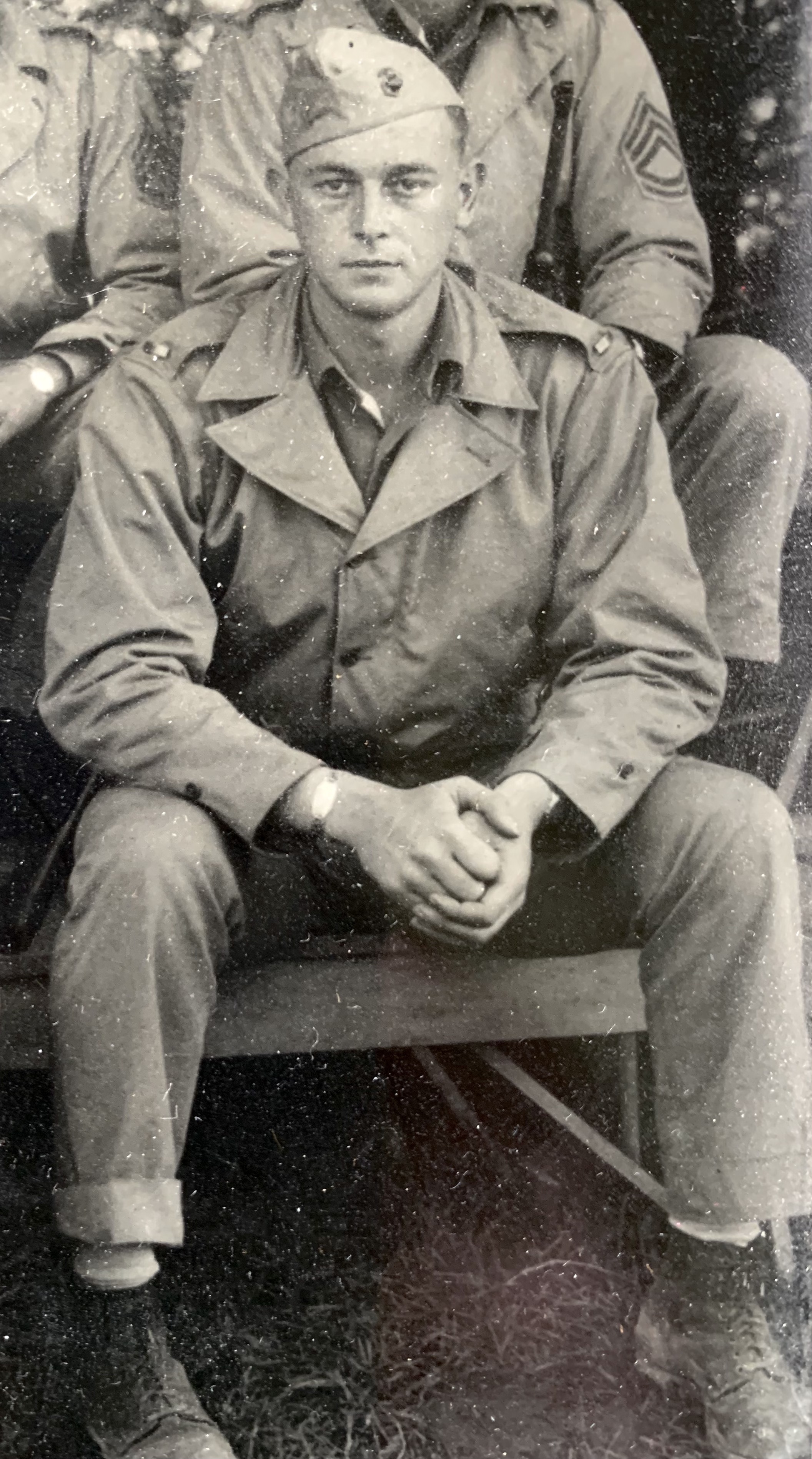
My father’s dark green Marine Corps cargo trunk was up there, the one that followed him from Officer Training in Quantico, Virginia, to beach and mountain battles on Tarawa, Tinian and Saipan in the South Pacific, and three years later back home again.  It had his name and rank stenciled on the side in dark black lettering.  The buckles were stiff but could be opened with effort, and in the dark attic, there was always the thrill of unlatching the lid, and shining the flashlight across the contents.  His Marine Corps dress uniform lay inside underneath his stiff brimmed cap.  There were books about protocol, and a photo album which contained pictures of “his men” that he led in his battalion, and the collection of photos my mother sent of herself as she worked as a teacher of high school students back home.

Most fascinating was a folded Japanese flag inside a small drawstring bag, made of thin white see-through cloth with the bold red sun in the middle.  Surrounding the red sun were the delicate inked characters of many Japanese hands as if painted by artists, each wishing a soldier well in his fight for the empire.  Yet there it was, a symbol of that soldier’s demise, itself buried in an American attic, being gently and curiously held by an American daughter of a Marine Corps captain.  It would occur to me in the 1960s that some of the people who wrote on this flag might still be living, and certainly members of the soldier’s family would still be living.  I asked my father once about how he obtained the flag, and he, protecting both me and himself, waved me away, saying he couldn’t remember.  I know better now.  He knew but could not possibly tell me the truth.

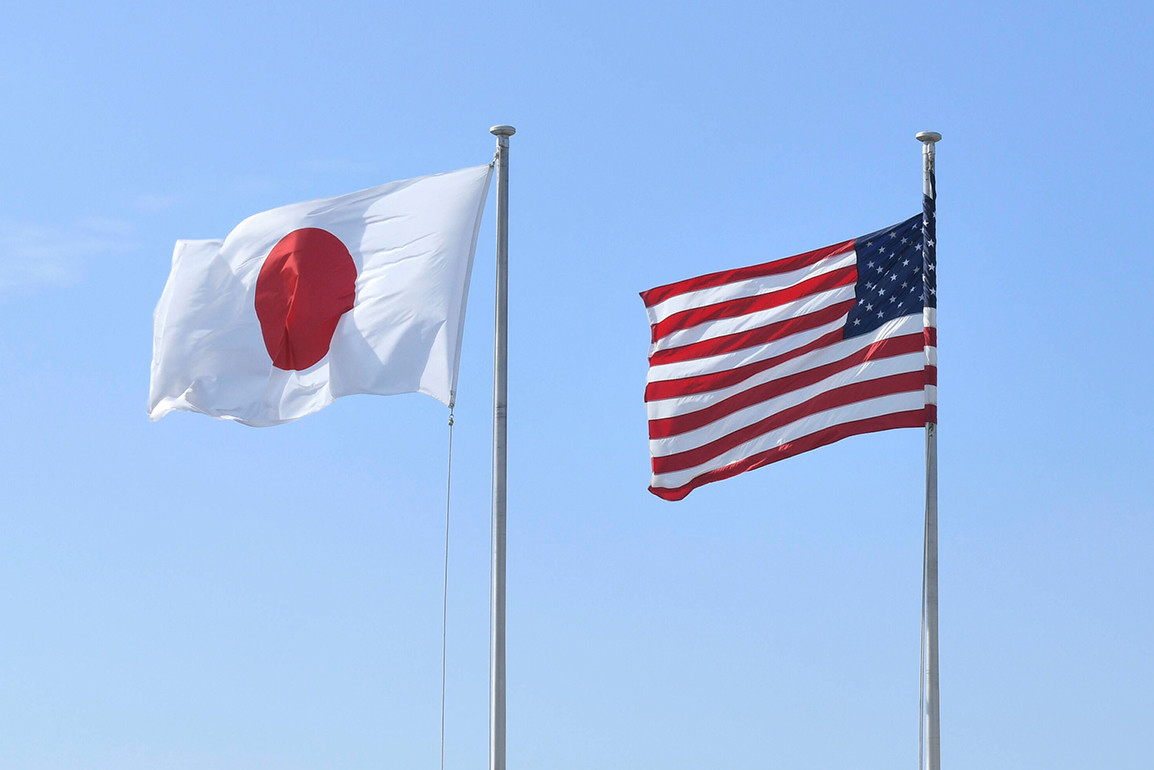
These flags, charms of good luck for the departing Japanese soldier as he left his neighborhood or village for war, are called Hinomaru Yosegaki (日の丸寄せ書き).  Tens of thousands of these flags came home with American soldiers; it is clear they were not the talisman hoped for.  A few of these flags are now finding their way back to their home country, to the original villages, to descendants of the lost soldiers.  So now has this flag.

Eighty years ago doesn’t seem that long, a mere drop in the river of time.  There is more than mere mementos that have flowed from the broken dam of WWII, flooding subsequent generations of Americans, Japanese, Europeans with memories that are now lost as the oldest surviving soldiers in their 90’s pass, scores of them daily, taking their stories of pain and loss and heroism with them.   My father could never talk with a person of Asian descent, Japanese or not, without being visibly uneasy. As a child, I saw and felt this from him, but heard little from his mouth.

When he was twenty two years old,  pressed flat against the rocks of Tarawa, trying to melt into the ground to become invisible to the bullets whizzing overhead, he could not have conceived that sixty five years later his twenty two year old grandson would disembark from a jumbo jet at Narita in Tokyo, making his way to an international school to teach Japanese children.  My father would have been shocked that his grandson would settle happily into a culture so foreign, so seemingly threatening, so apparently abhorrent. Yet this irony is the direct result of the horrors of that too-long horrible bloody war of devastation: Americans and Japanese, despite so many differences, have become the strongest of allies, happily exchanging the grandchildren of those bitterly warring soldiers back and forth across the Pacific.  It too was my privilege to care for Japanese exchange students daily in my University health clinic, peering intently into their open faces and never once seeing the enemy that my father feared.

Now all these decades later, our son taught for 13 years in Tokyo, with deep admiration and appreciation for each of his students, some of whom were great-grandchildren of WWII Japanese soldiers. He married a granddaughter of those my father fought. Their two children are the perfect amalgam of once warring, yet now peaceful, cultures; a symbol of blended and blending peoples overcoming the hatred of past generations, creating a new world.

Our son and daughter-in-law, having settled their family in the States, are adapting to a different language, culture and flag. I pray our son having devoted part of his life as teacher and missionary to the land of the rising sun has redeemed his grandfather, the soldier-warrior of the past century.

(U.S. Air Force photo by Staff Sgt. Peter Reft)
One-Time
Monthly
Yearly

Make a one-time or recurring donation to support daily Barnstorming posts

Make a monthly donation

Make a yearly donation

Choose an amount

¤10.00
¤25.00
¤50.00
¤5.00
¤15.00
¤100.00
¤5.00
¤15.00
¤100.00

Or enter a custom amount

¤

Your contribution is appreciated.

Your contribution is appreciated.

Your contribution is appreciated.

DonateDonate monthlyDonate yearly
Harboring a Hornet’s Nest

With bees, it isn’t the sting itself
but the unprovoked attack
that lingers.

How unfair to walk unwary, barefoot
on hot concrete, simply
pleasuring your feet,
or stepping down on a beach towel
only to be assaulted by the small plot
of something you meant no harm to.

That first pain is learned the hard way:
at five, you call
all-y, all-y, all come free
singing blind into a hive
hidden in the swing-set’s pole, then fall
what seemed the longest
fall; a cloud of bees flowered from your lips.

And later, put to bed with ice
and ointments melting over
the welts that covered you,
there was no explaining the bees’
behavior, no way to comprehend the reason
in their rage. You may never understand
this: the will behind the stinger,
a certain, fatal anger to survive.
~Erin Belieu “Bee Sting”

George got stung by a bee and said,
“I wouldn’t have got stung if I’d stayed in bed.”

Fred got stung and we heard him roar,
“What am I being punished for?”

Lew got stung and we heard him say,
“I learned somethin’ about bees today.”

~Shel Silverstein “Three Stings”

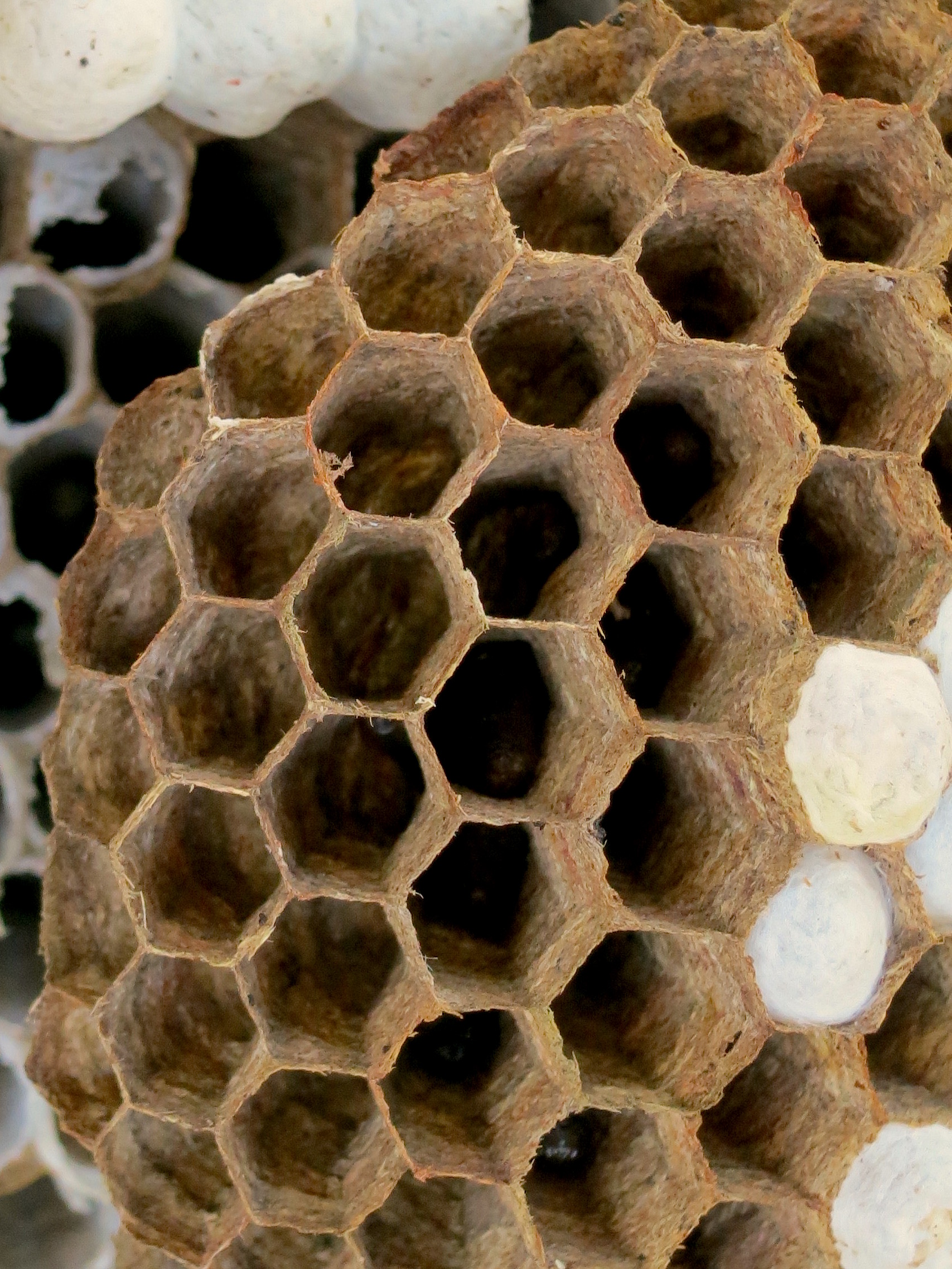
Ever have one of those days when it doesn’t really matter what you do, what you don’t do, what you say, what you don’t say—you find yourself sitting on top of a hornet’s nest, and at the slightest provocation, you’ll get nailed, but good.

The hardest reality of all is that you may have actually invited and fostered the hornets that are now ready to attack you. You offered them shelter, a safe haven, a place to come home to and what happens in return? You’re stung because you just happened to be there, perched in a precarious position.

What difficult lessons life tosses at us sometimes. And this little drama happened in my own backyard.

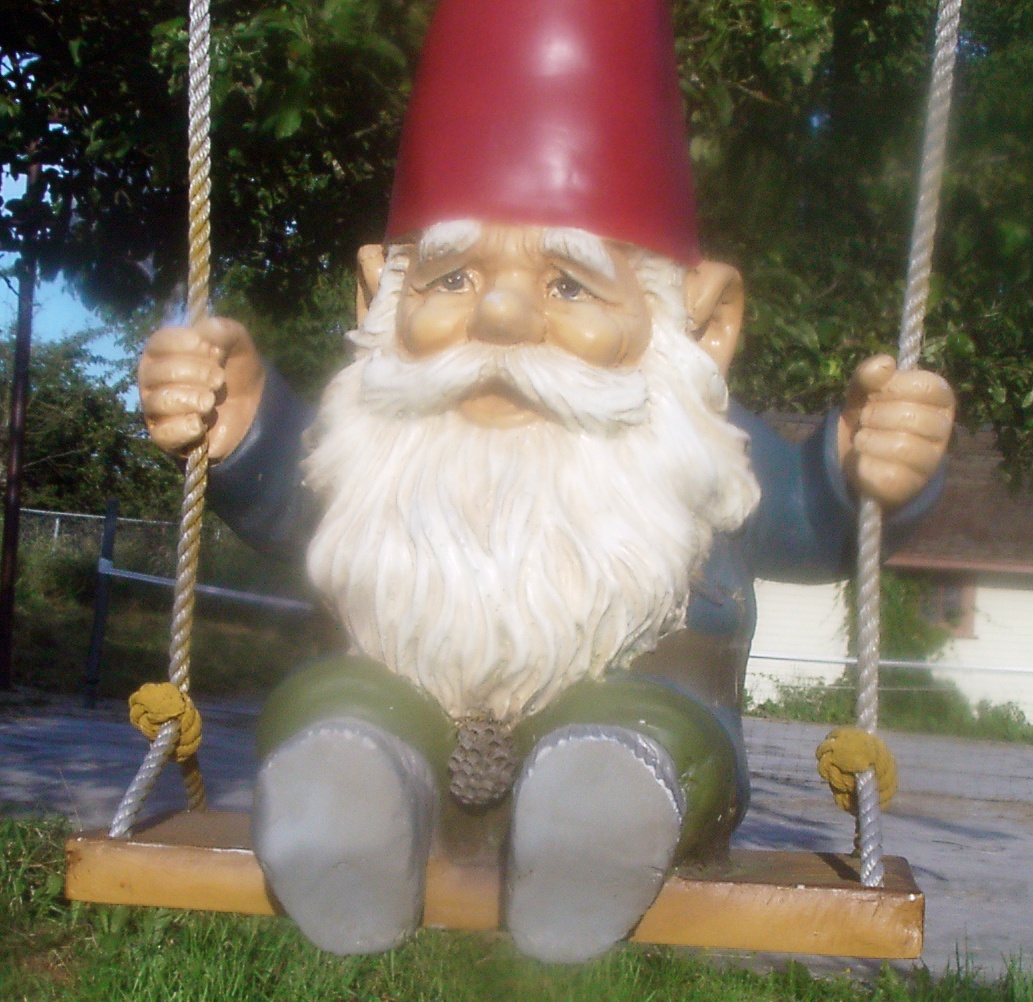
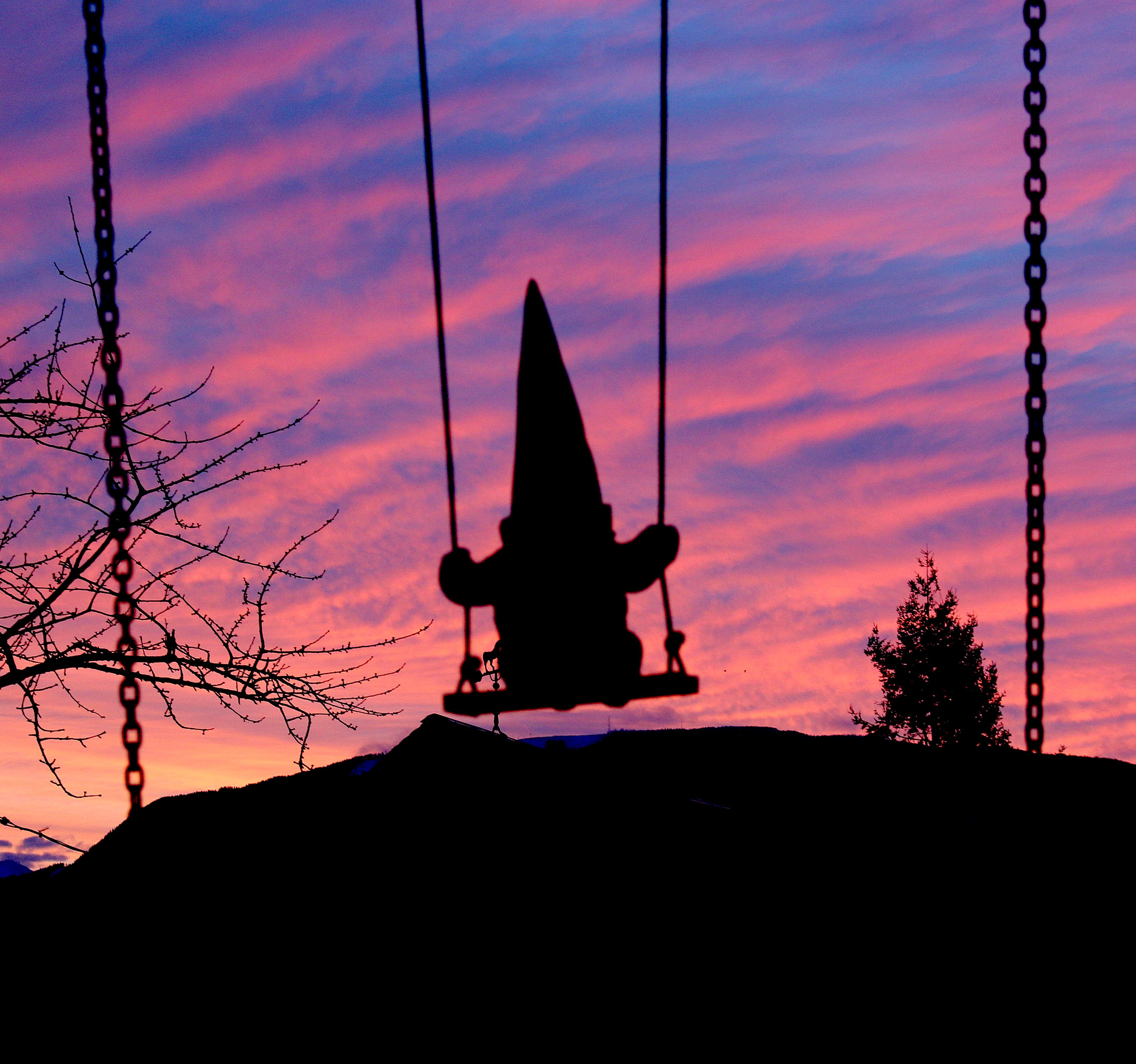
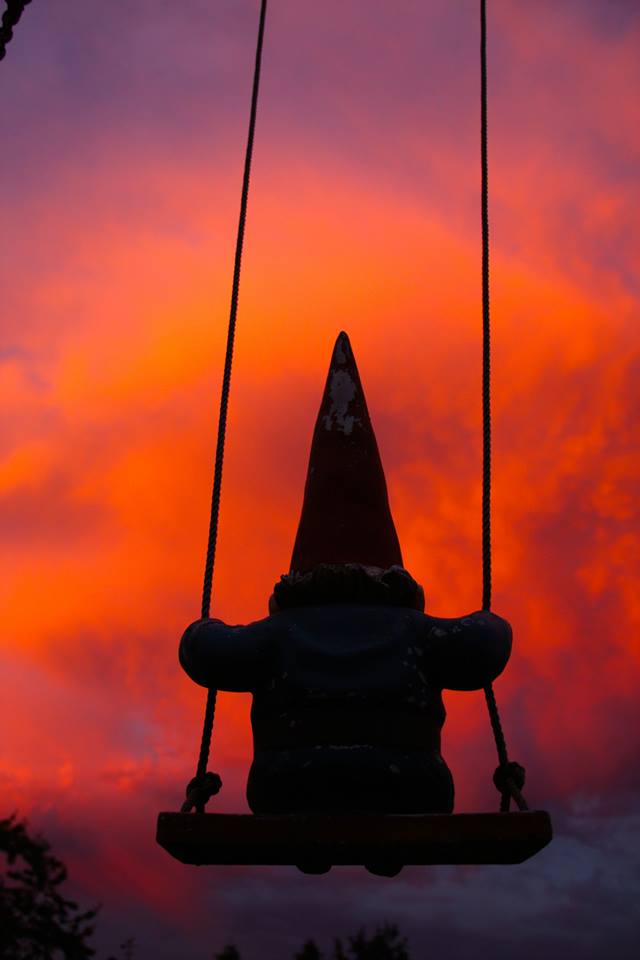
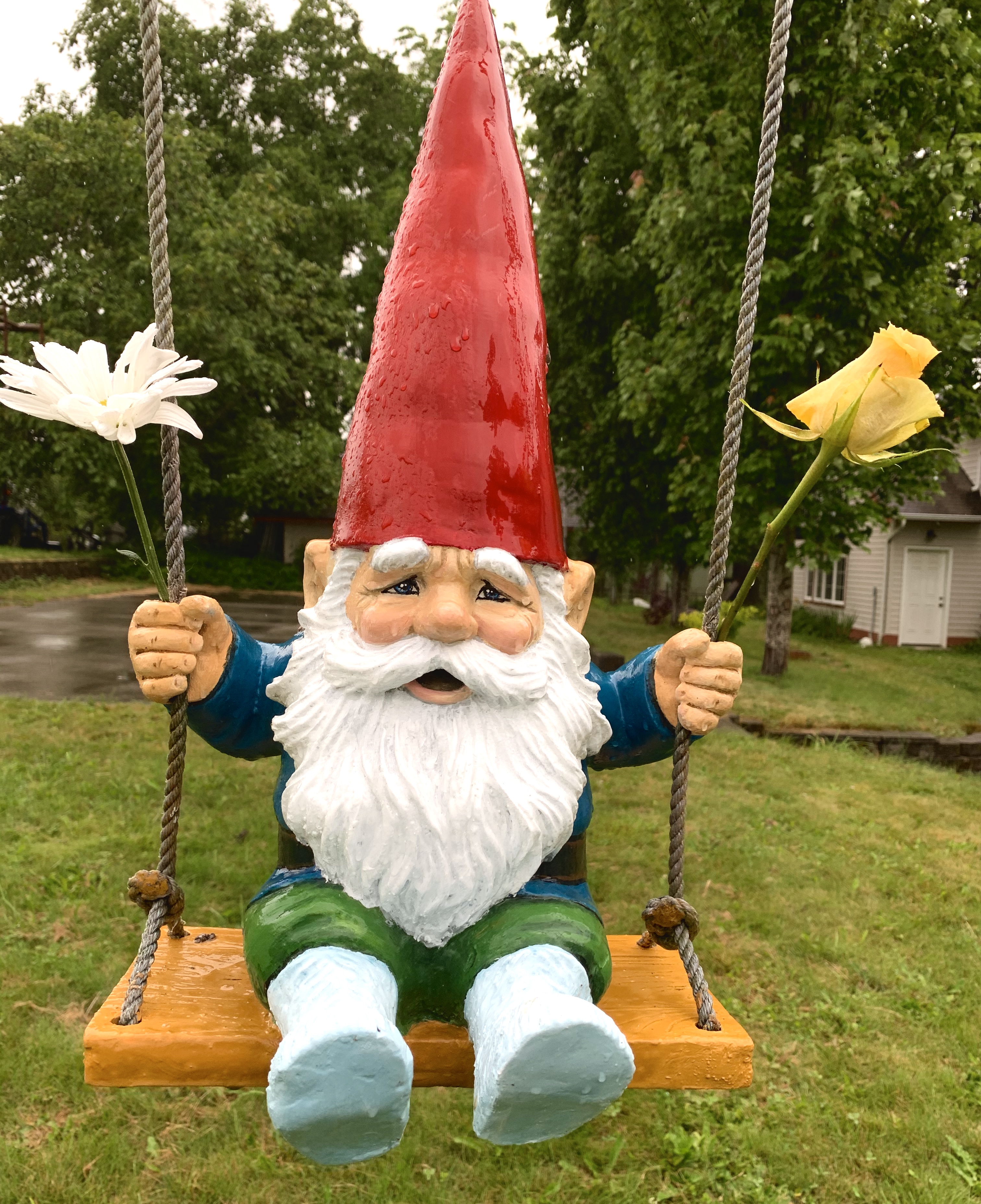
As I headed to the barn for chores and walked past our happy little gnome, I gave him my usual smile, wave and morning greeting, but something was different about him and I looked a little closer. 

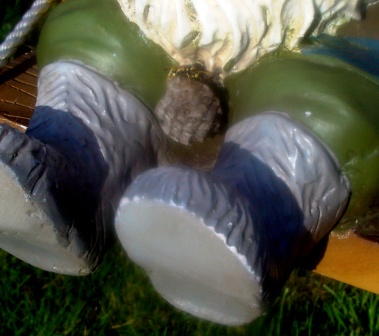
He suddenly was appearing anatomically correct. What the heck?

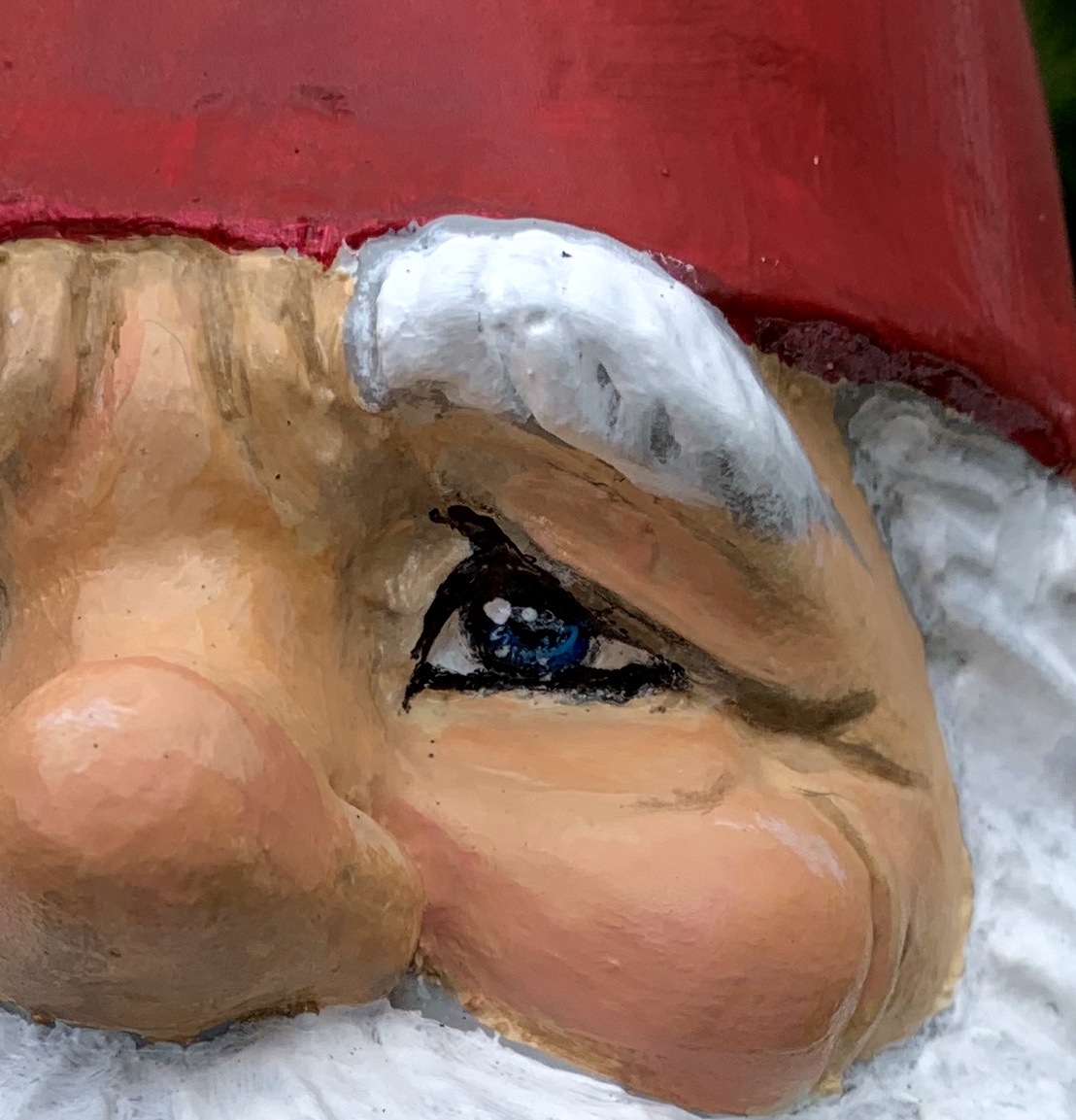
And the look on his face had taken on a distinctly worried cast. How had he gotten himself into this predicament of harboring a hornet’s nest in his lap?

My little backyard friend was in a dilemma, pleading with his eyes to be saved from his agony. So I planned out a stealth rescue mission. Without warning, in the dark of night, I decided I could turn a hose on that nest, sweep it to the ground and crush it, hornets and all – a “take no prisoners” approach to my gnome held hornet-hostage. Then, every time I glanced at his gracious cheerful face I could smile too, knowing I had helped rescue him by eliminating the enemy. I could be the hero of the story…

Postscript:

I didn’t execute the “save our gnome”  rescue mission soon enough.  While I was foolish enough to mow the grass near the swing set, the offending hornet nailed me in the neck.  I walked right into it, forgetting there was a hornet hazard over my head.  One ice bag and benedryl later, I dispatched hornet and nest to the great beyond. 

It was my own fault for violating a hornet’s space, but it was the hornet’s fault for violating my friend’s lap. We’re even now. And my gnome is smiling in grateful relief.

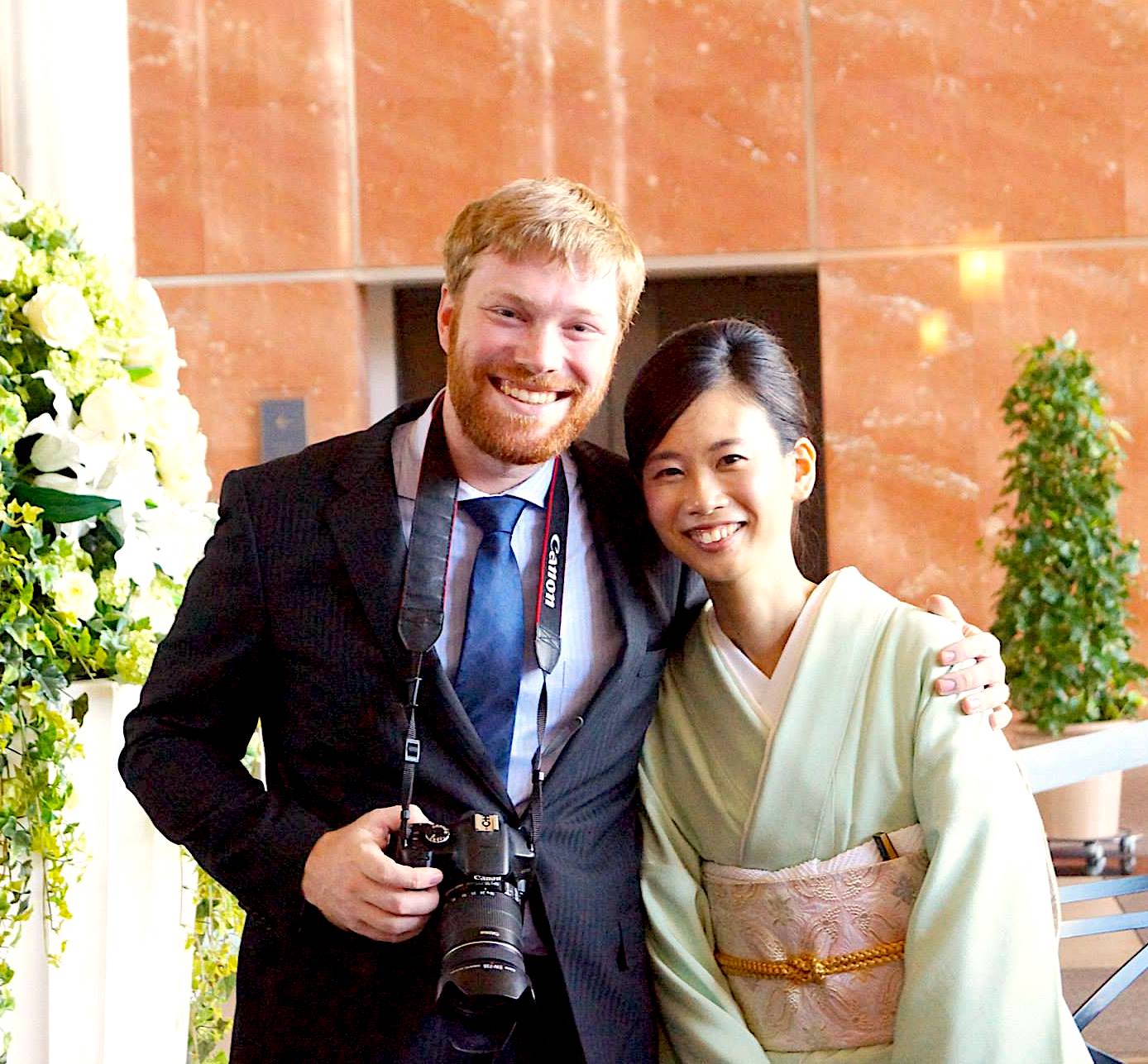
photo by Tomomi Gibson
One-Time
Monthly
Yearly

Make a one-time or recurring donation to support daily Barnstorming posts

Make a monthly donation

Make a yearly donation

Choose an amount

¤10.00
¤25.00
¤50.00
¤5.00
¤15.00
¤100.00
¤5.00
¤15.00
¤100.00

Or enter a custom amount

¤

Your contribution is deeply appreciated.

Your contribution is appreciated.

Your contribution is appreciated.

DonateDonate monthlyDonate yearly
Trusting Angels in the Wilderness

…any father, particularly an old father, must finally give his child up to the wilderness and trust to the providence of God.

It seems almost a cruelty for one generation to beget another when parents can secure so little for their children, so little safety, even in the best circumstances. Great faith is required to give the child up, trusting God to honor the parents’ love for him by assuring that there will indeed be angels in that wilderness.
~Marilynne Robinson, Gilead

A reassuring truth for many families during this graduation season – 
in past years, we too watched our children leave home to begin a life of their own. We trusted in God’s providence that in our absence, there would be angels in the wilderness waiting to guide them.

Indeed there have been angels and continue to be –
you know who you are!

In turn, over thirty two years of clinical work in a university health center, I had opportunity to be that refuge in the wilderness for thousands of young adults who had left their parents’ home to seek out their own journey. Sometimes they found themselves stranded on a path that was twisting, rocky, full of pitfalls and peril. 

Despite plenty of my own limitations over those years, I found keeping this perspective helped me greet each new face, not only with a physician’s skill and knowledge, but always with a mother’s embrace.

Are there angels in the wilderness? I don’t know
I’ve got my doubts, but if you say so
But I’ve got a feeling we’re doing ok
We’re doing our part, to make the brambles seem less sharp

Beneath the wing of an angel
Far away from the night
Carry me till I am able
Beneath the wing of an angel

On the wing of an angel
Fly me on to the light
Hold me close till I’m able
Beneath the wing of an angel

One-Time
Monthly
Yearly

Make a one-time or recurring donation to support daily Barnstorming posts

Make a monthly donation

Make a yearly donation

Choose an amount

¤10.00
¤25.00
¤50.00
¤5.00
¤15.00
¤100.00
¤5.00
¤15.00
¤100.00

Or enter a custom amount

¤

Your contribution is deeply appreciated.

Your contribution is appreciated.

Your contribution is appreciated.

DonateDonate monthlyDonate yearly
An Unthinkable Price

No, I will never know
what you saw or what you felt,
thrust into the maw of Eternity,

watching the mortars nightly
greedily making their rounds,
hearing the soft damp hiss

of men’s souls like helium escaping
their collapsing torn bodies,
or lying alone, feeling the great roar

of your own heart.
But I know:
there is a bitter knowledge

of death I have not achieved.
Thus in thankful ignorance,
and especially for my son

and for all who benefit so easily
at so unthinkable a price,
I thank you.

~Michael Burch “Privilege”


(for my father on Memorial Day)

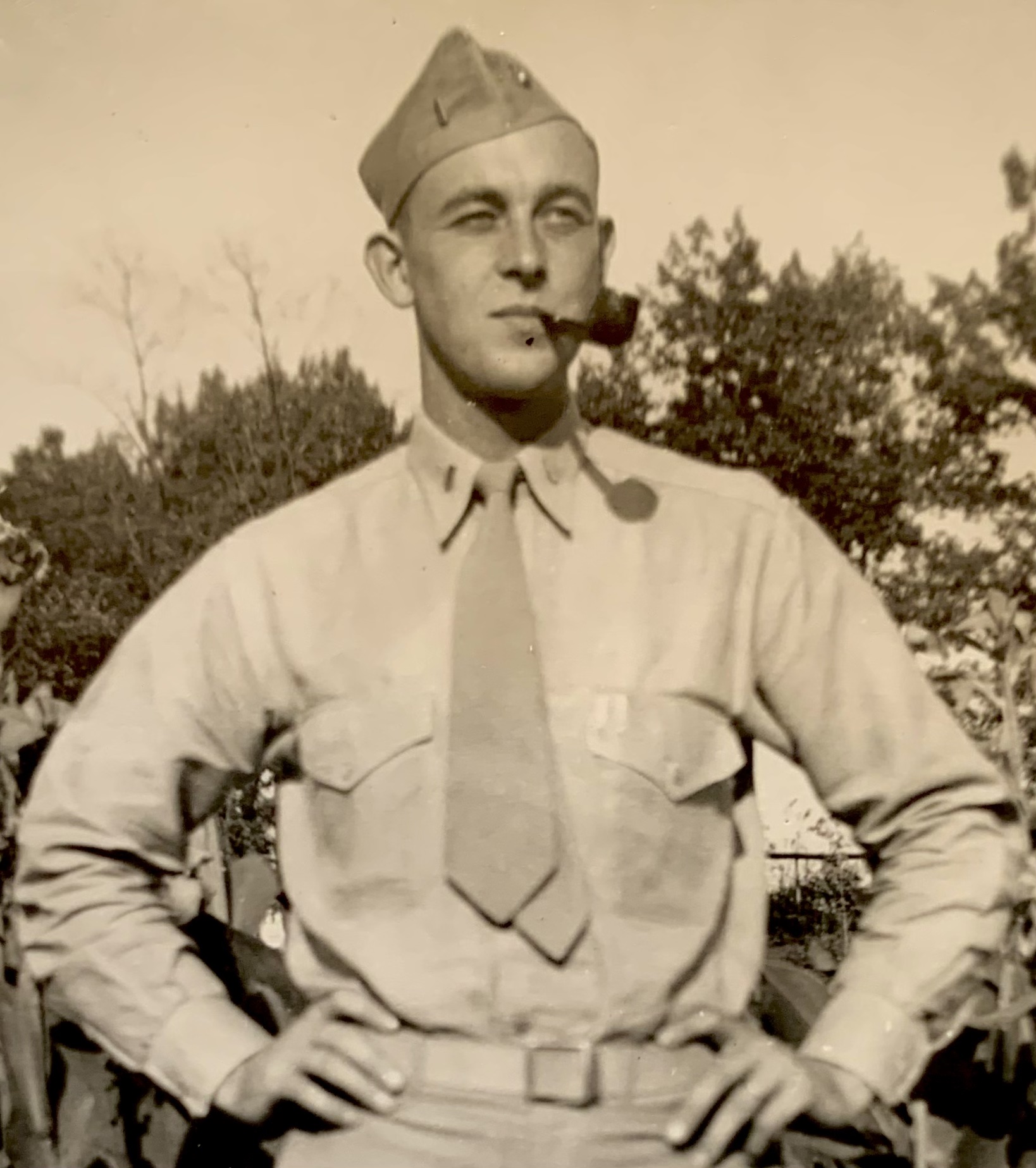
It was only a part of what we knew about you-
serving three long years in the South Pacific,
spoken of obliquely
only if asked about,
but never really answered.

We knew you were a Marine battalion leader,
knew you spent too many nights without sleep,
unsure if you’d see the dawn
only to dread
what the next day would bring.

We knew you lost friends
and your innocence;
found unaccustomed strength
inside a mama’s boy
who once cried too easily and later almost never.

Somehow life had prepared you for this:
pulling your daddy out of bars when you were ten
watching him beat your mama
until finally getting big enough
to stand in the way.

Then Tarawa, Saipan, Tinian beaches
bitterly bloodsoaked
battles won,
to be restored and renewed
as vacation resorts.

We let you go without knowing
your full story–
even Mom didn’t ask.
You could not share the depth
of horror and fear you felt.

It was not shame that kept you silent;
simply no need to revisit
the pain of remembrance.
It was done, finished, you had done your duty.

So as we again set flowers and flag
on your grave,
reunited with Mom after years apart,
I regret so many questions unasked
of a sacrifice beyond imagining,
you having paid an unthinkable price.

Sleep well, Dad,
with Mom now by your side.
I rejoice you finally wakened
to a renewed dawn.

One-Time
Monthly
Yearly

Make a one-time or recurring donation to support daily Barnstorming posts

Make a monthly donation

Make a yearly donation
Choose an amount

¤10.00
¤25.00
¤50.00
¤5.00
¤15.00
¤100.00
¤5.00
¤15.00
¤100.00

Or enter a custom amount

¤

Your contribution is deeply appreciated.

Your contribution is appreciated.

Your contribution is appreciated.

DonateDonate monthlyDonate yearly