Fading Away

rainbowfarm

fog101934

1239963_829259221140_1054885495_n
photo by Kate Steensma

sunset92horses3

Through the ample open door of the peaceful country barn,
A sun-lit pasture field, with cattle and horses feeding;
And haze, and vista, and the far horizon, fading away.
~Walt Whitman “A Farm-Picture”

morning528151

foggymorning13115

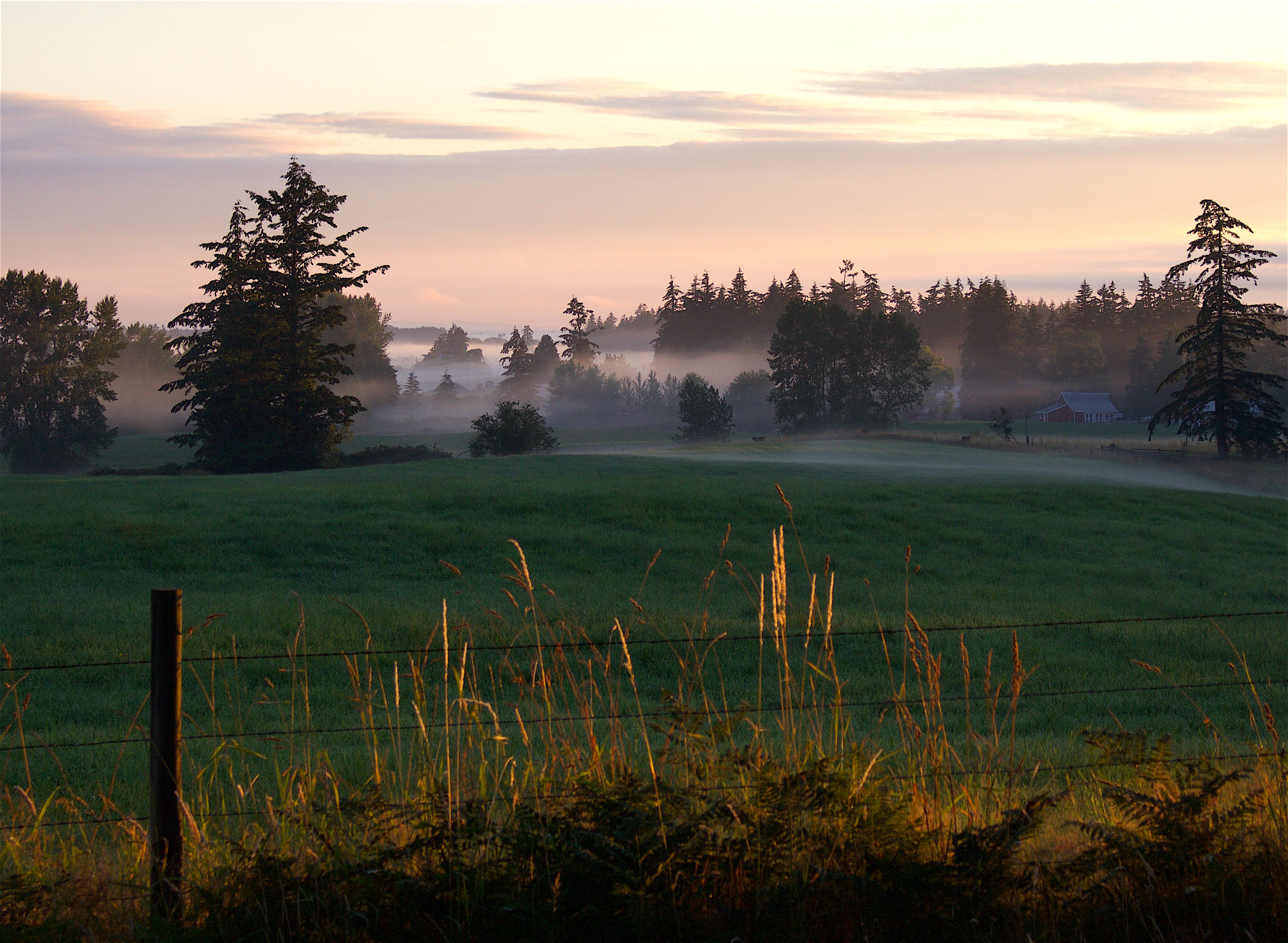
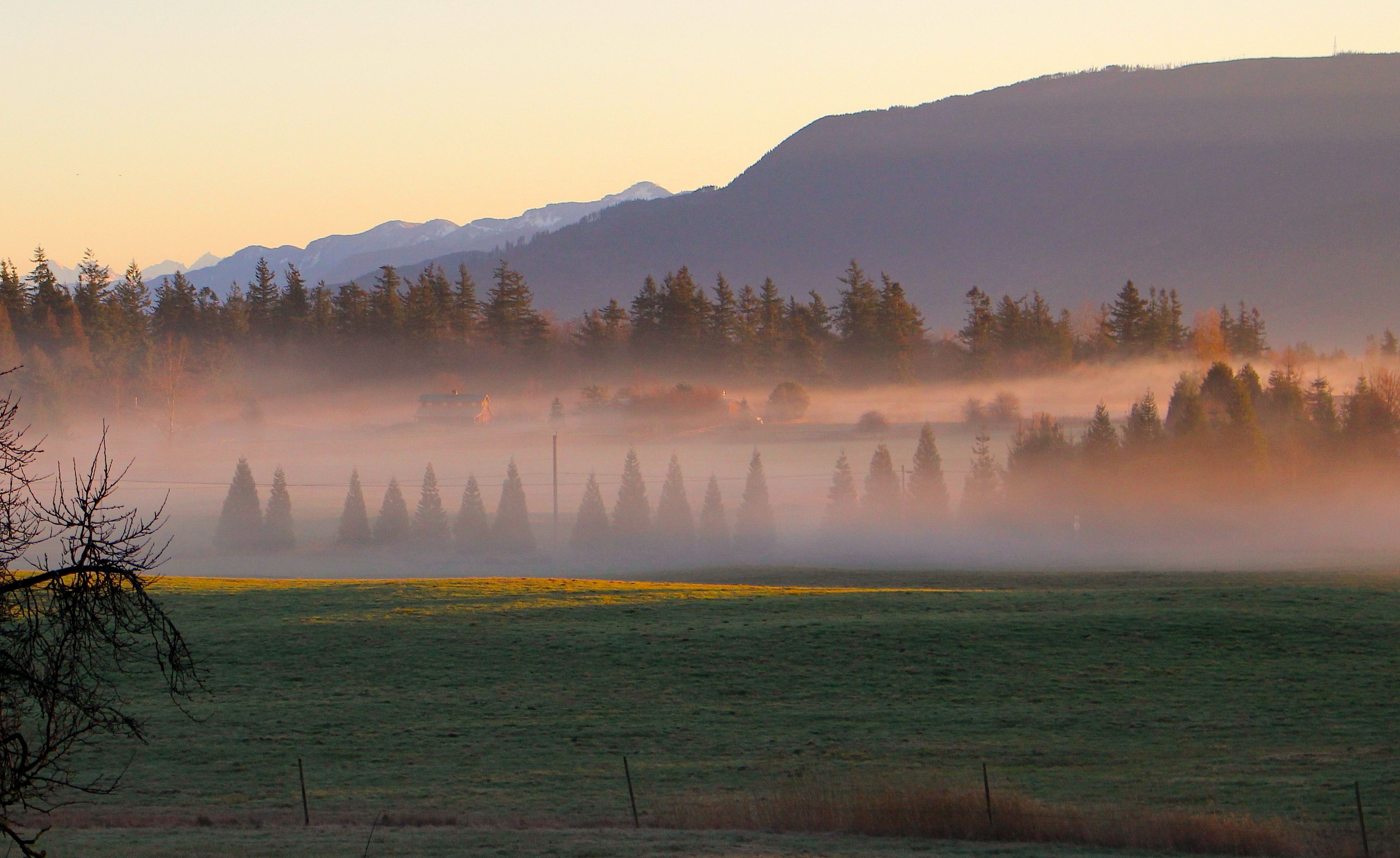
When the light rises on the hills,
slowly fading the haze of a late summer morning,
I feel the veil lift enough
that I am able to see
far beyond my reach or grasp.
The horizon extends on and on forever
and I will endure another descent into winter.

pastureoctober1

goldenhaze

morningonthefarm

morning7616

Late Summer Hay Fields

sundayeveningwindrow2

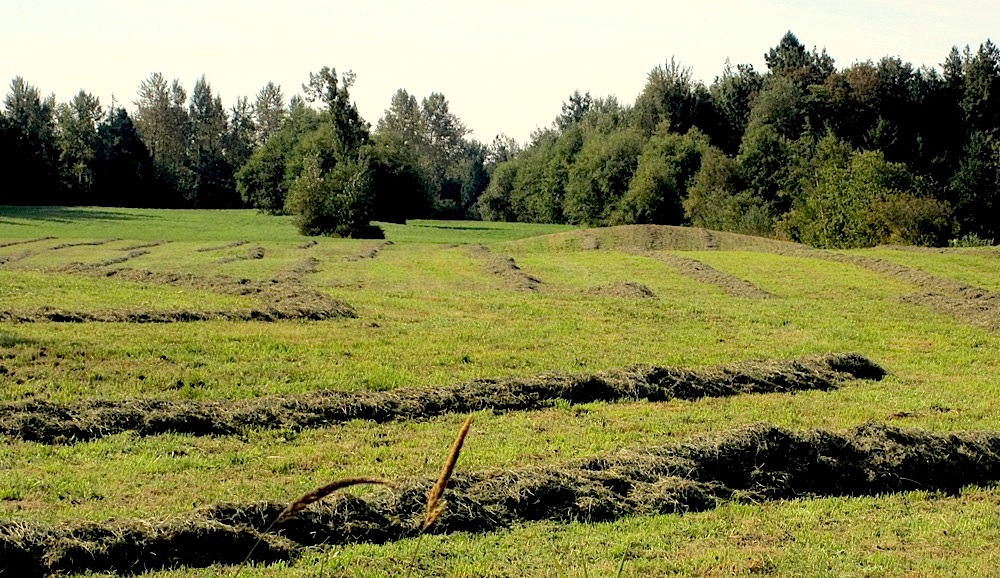
A second crop of hay lies cut   
and turned. Five gleaming crows   
search and peck between the rows.
They make a low, companionable squawk,   
and like midwives and undertakers   

possess a weird authority.

Cloud shadows rush over drying hay,   
fences, dusty lane, and railroad ravine.   
The first yellowing fronds of goldenrod   
brighten the margins of the woods.
Schoolbooks, carpools, pleated skirts;   
water, silver-still, and a vee of geese.
~Jane Kenyon from “Three Songs at the End of Summer”
geesev6

rows

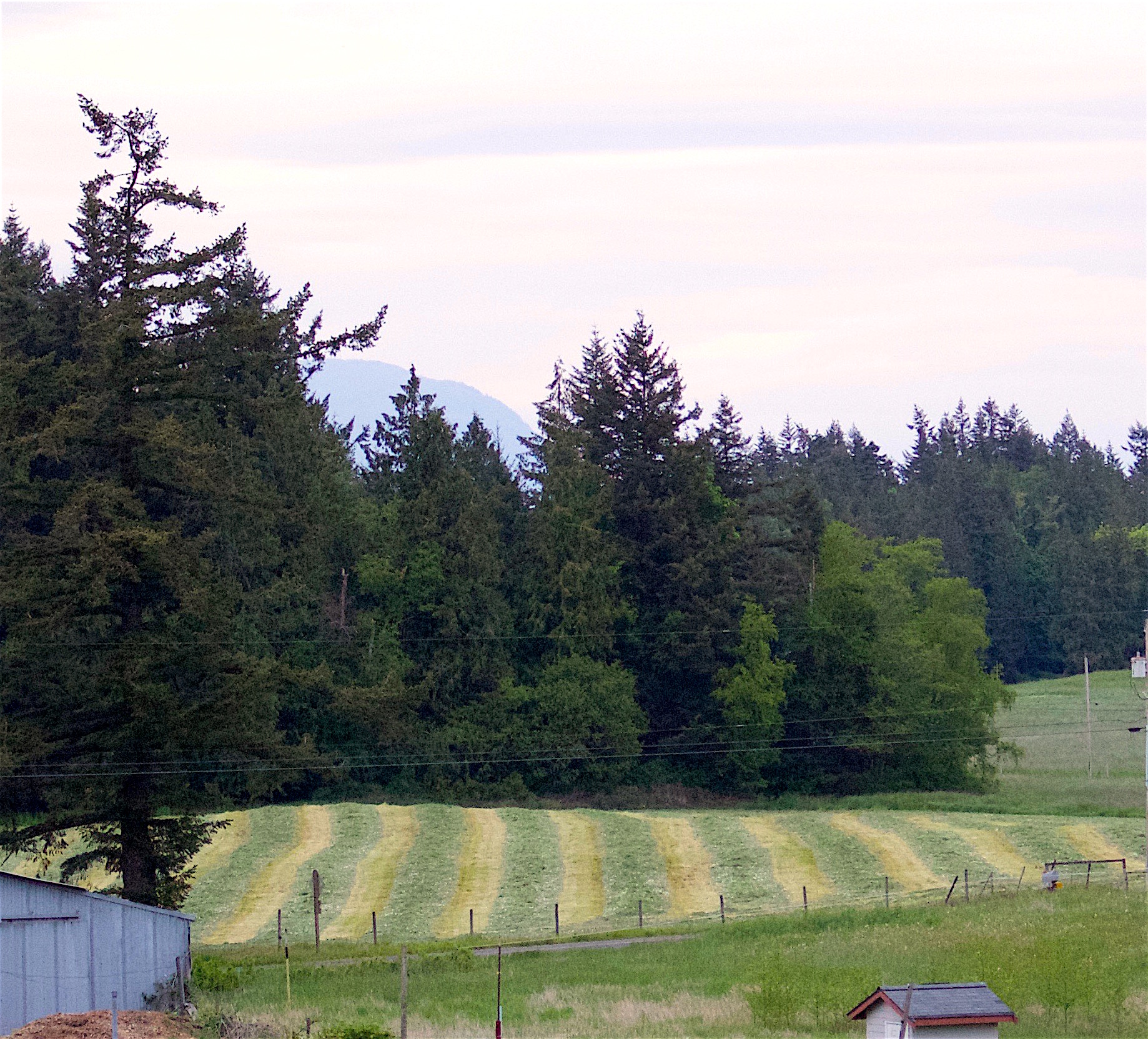
By now the fields have survived
A first, and even second cutting
Mowed and tedded
Raked and baled, scalped clean then
Rained upon in spurts and spells.

The grass blades rise again, reluctant-Certain of the cuts to come;
No longer brazen, reaching to the sky
With the blinding bright enthusiasm of May and June endless days,
But shorter, gentle growth of late summer golden sunsets.The third cutting sparse and short as thinning hair
Tender baby soft forage, light in the hands and on the wagon
Precious cargo carried back to the barn;
Fragrant treasure for vesper manger meals
A special Thanksgiving and Christmas Eve gift.

Once again the fields are bare, aching for cover
Which comes as leaves rain and swirl in release,
Winds buffet, offering respite of deepening winter
Snowdrifts, blanketing in silent relief and rest
Until patiently stirred by melting soaking warmth
To rouse again, reaching toward the light.
~EPG

marshmallowfieldsgrasssun

Let Me Remember

danfield
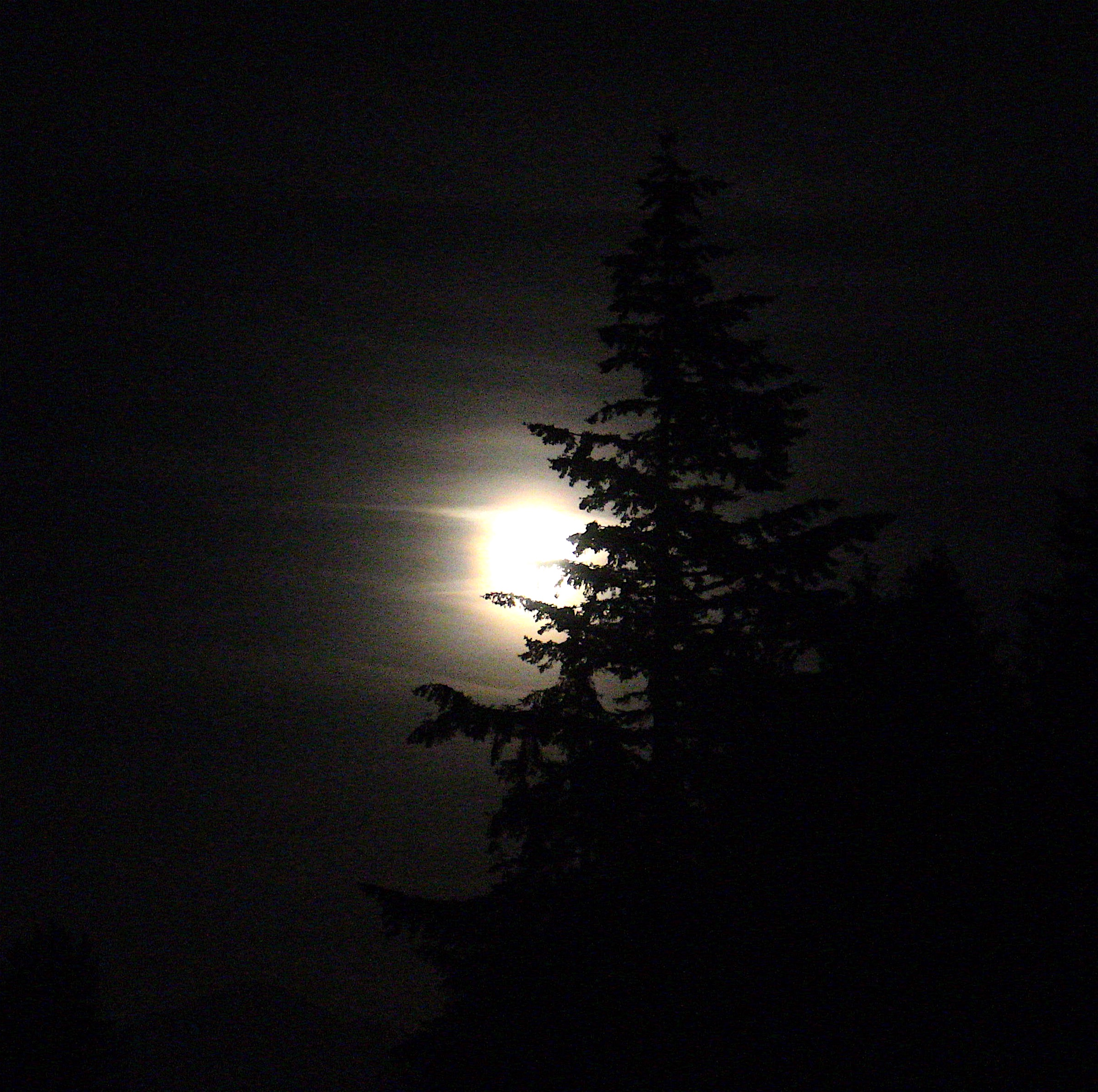
moonrise819
Lyric night of the lingering Indian Summer,
Shadowy fields that are scentless but full of singing,
Never a bird, but the passionless chant of insects,
Ceaseless, insistent.
 
The grasshopper’s horn, and far-off, high in the maples,
The wheel of a locust leisurely grinding the silence
Under a moon waning and worn, broken,
Tired with summer.
 
Let me remember you, voices of little insects,
Weeds in the moonlight, fields that are tangled with asters,
Let me remember, soon will the winter be on us,
Snow-hushed and heavy.
 
Over my soul murmur your mute benediction,
While I gaze, O fields that rest after harvest,
As those who part look long in the eyes they lean to,
Lest they forget them.
~Sara Teasdale “September Midnight”
sunset96166
fullirishmoon
When time stands still,
and it does, for an instant
before moving on, relentless,
I balance barely on that moment~
tipping backward to what has been,
leaning forward to what will be,
and forgetting this, now, here
until I look long into your eyes
and know you too are
now, here, this-
locked together,
leaning in
so we won’t fall
as winter comes,
so we will remember.
sunset96163
danfield2

On Mine Aëry Nest

cloudstudy92165

sunset93163
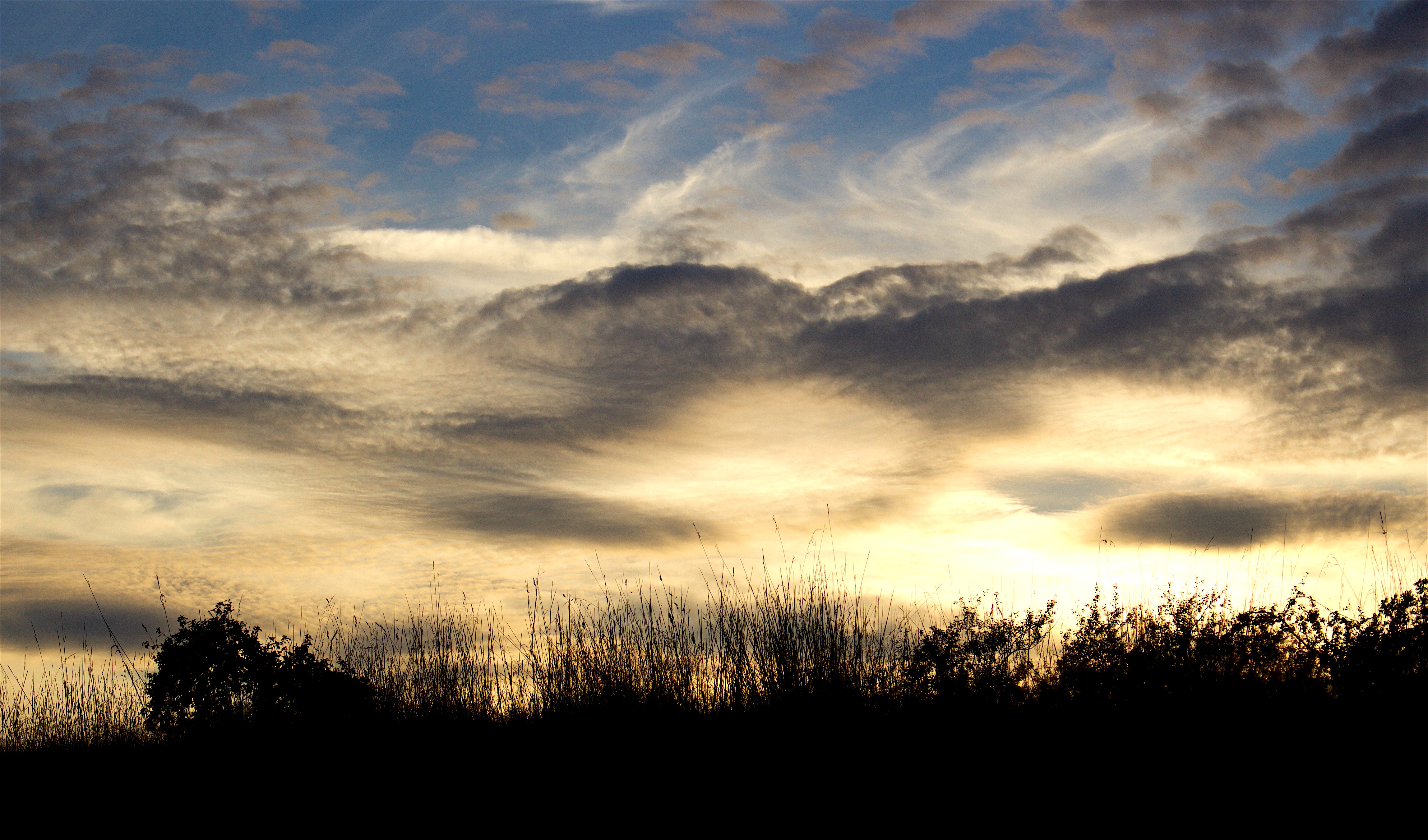
And when Sunset may breathe, from the lit sea beneath,
Its ardours of rest and of love,
And the crimson pall of eve may fall
From the depth of Heaven above,
With wings folded I rest, on mine aëry nest,
As still as a brooding dove.
~Percy Bysse Shelley from “The Cloud”
cloudstudy9216

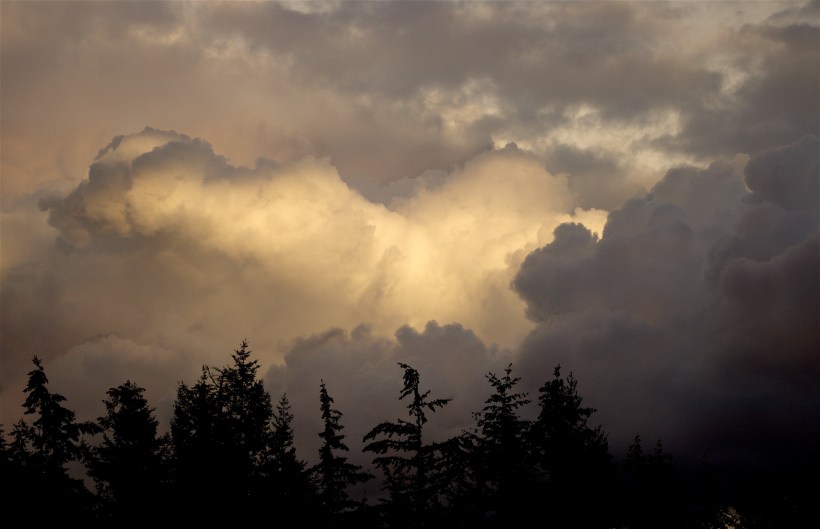
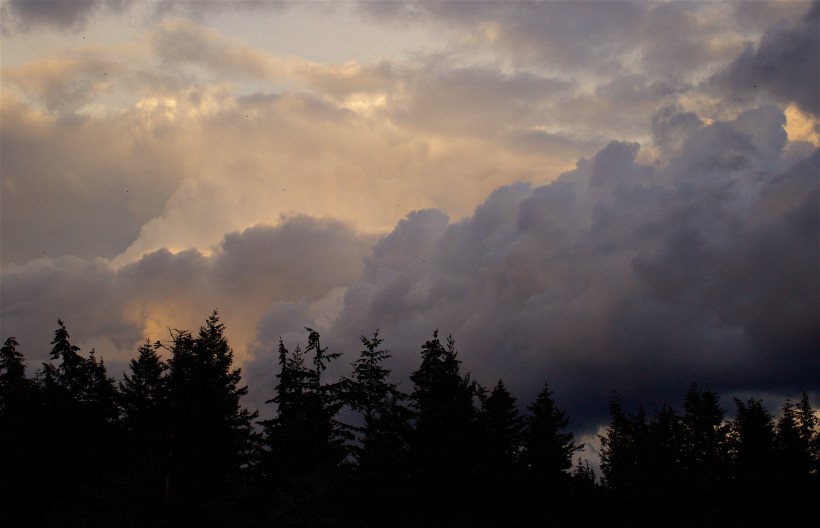
To make myself understood and to diminish the distance between us, I called out: “I am an evening cloud too.” They stopped still, evidently taking a good look at me. Then they stretched towards me their fine, transparent, rosy wings. That is how evening clouds greet each other. They had recognized me.
~Rainer Maria Rilke from Stories of God

cloudstudy92166

cloudstudy92165

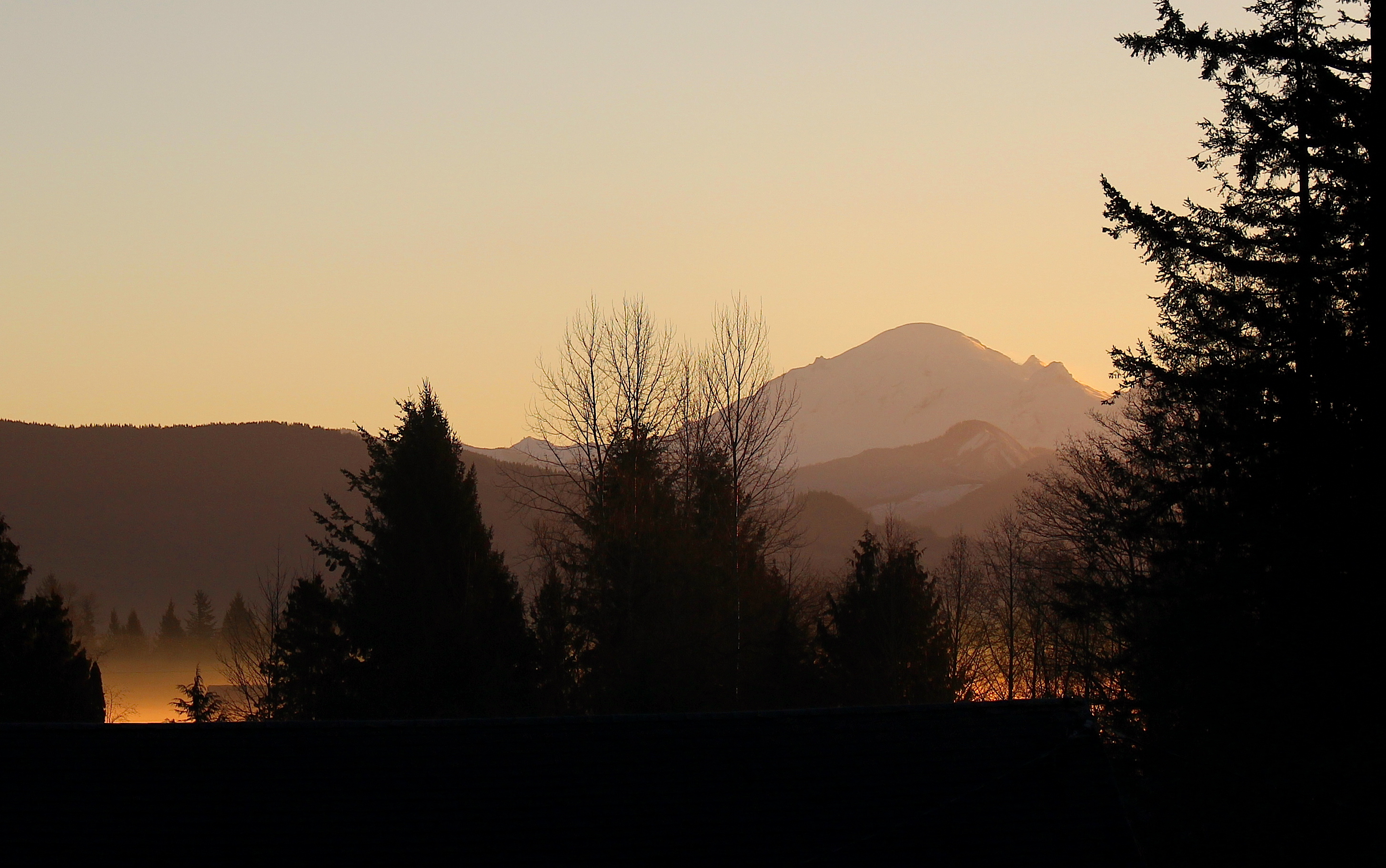
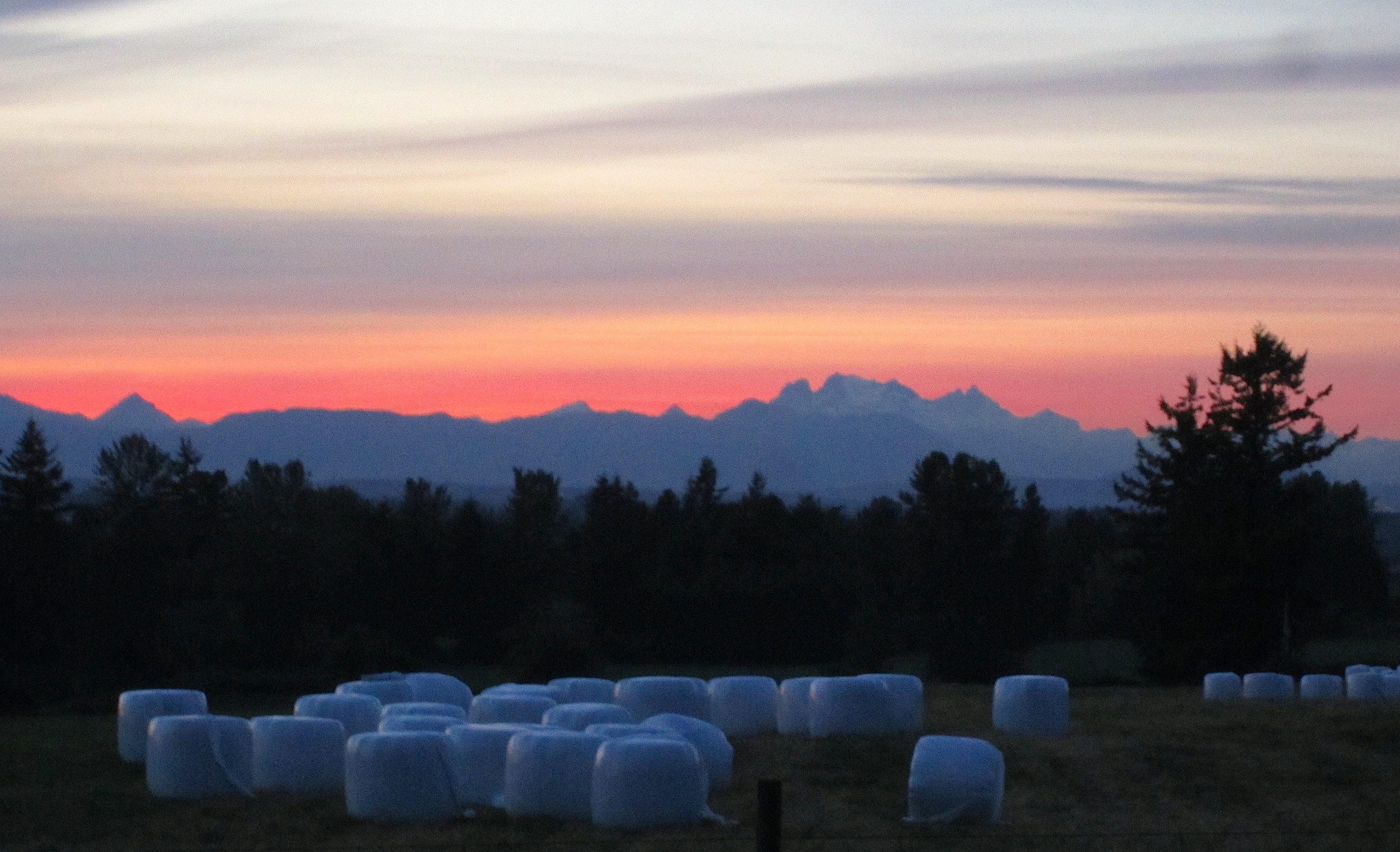
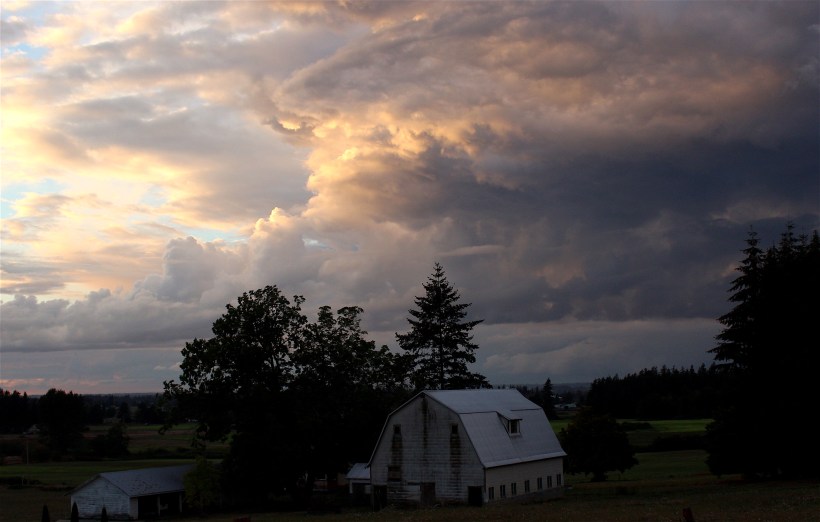
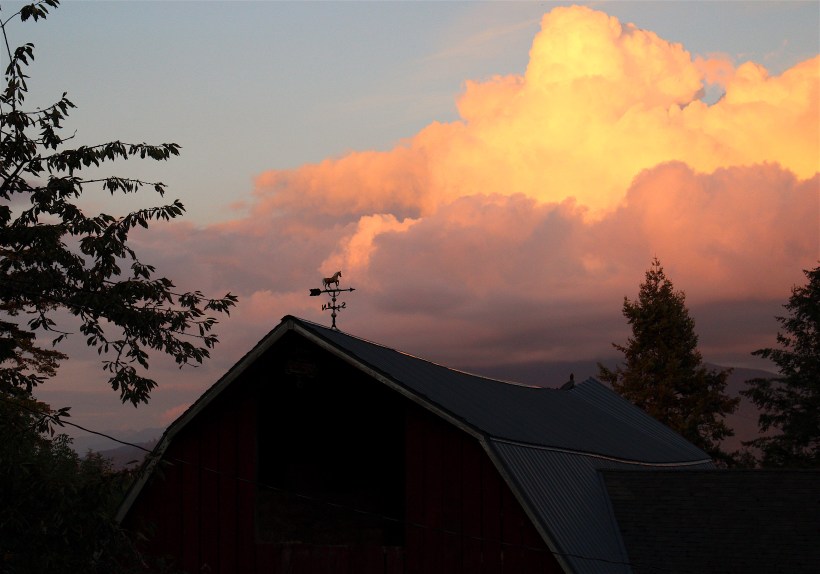
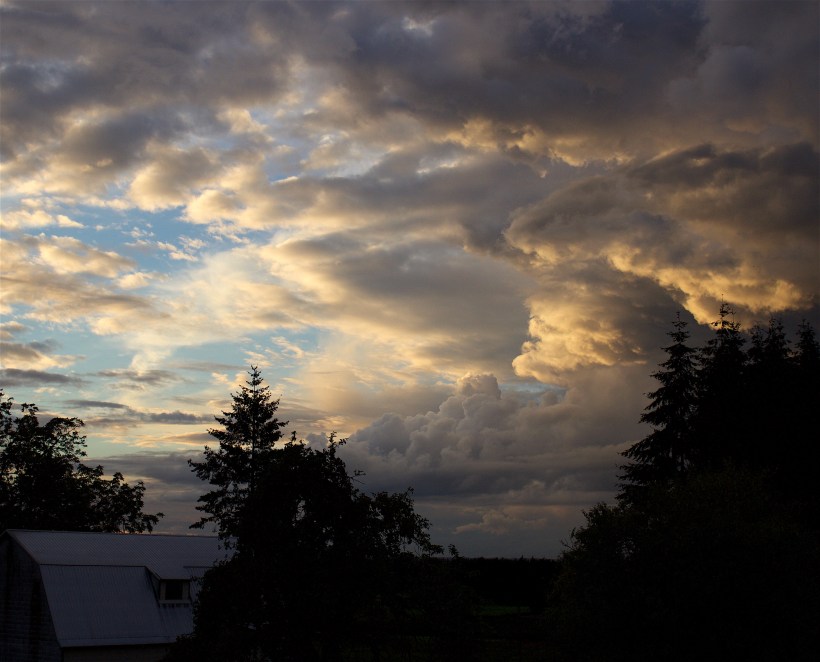
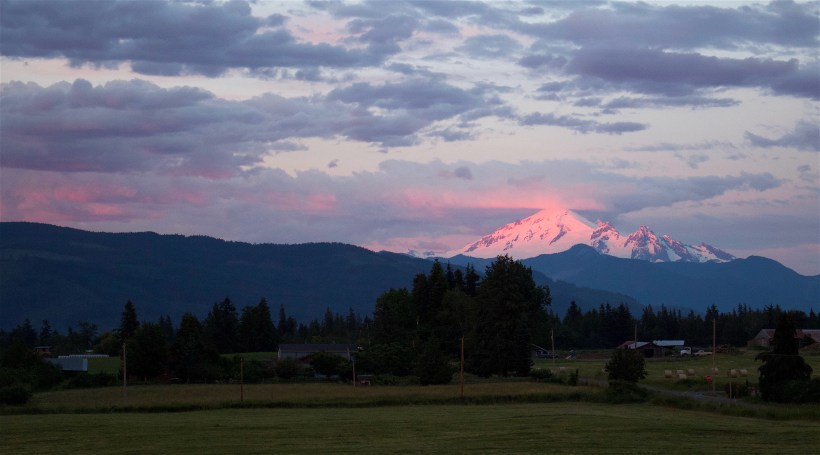
From this hill, we can see for miles.  At certain times of morning and evening, it can feel as if we are aloft, closer up to the clouds, seeing the terrain from their vantage point.  There are the snow-covered peaks to the east, the craggy Canadian coastal range to the north, the stretch of river valley to the north west, the Salish Sea to the west and the forest to the south.

Surrounding us is the farmland and the good people who feed this community: the expanse of dairy land and its vast pastures, the corn fields, berry rows and potato mounds, acres of orchard espaliers and local farm-to-market and CSA growers.

The ever-moving, ever-changing immensity of the clouds covers us all.  As those clouds touch, embrace, release, mold and transform, they show us how connection with others is done.  As we county folk pass on the roads during an evening walk, as we are running late to town jobs, as we meet in the store or at church or community events, we too should touch and greet one another, nod and encourage, acknowledge the shared light that comes from beyond us that restores and transforms us.

Most of all, like the clouds, we are too often full to brimming, a shedding of shared tears at how easily this land can be taken away — whether remembering the sad history of people group domination and removal from their ancestral homes, or the ravages of flood or volcanoes, the effects of drought and wildfire, of blight or sickness, or the currentover-regulation of government ensuring no farmer can afford to continue to do what they know best to preserve the land, the habitat and their crops.

We weep in recognition, like these clouds, to make ourselves understood and to diminish the distance between us.

cloudstudy92163

cloudstudy92162

Bound to the Earth

sunset76161

sistersmoon

My grandparents owned the land,
worked the land, bound
to the earth by seasons of planting
and harvest.

They watched the sky, the habits
of birds, hues of sunset,
the moods of moon and clouds,
the disposition of air.
They inhaled the coming season,
let it brighten their blood
for the work ahead.

Soil sifted through their fingers
imbedded beneath their nails
and this is what they knew;
this rhythm circling the years.
They never left their land;
each in their own time
settled deeper.
~Lois Parker Edstrom “Almanac” from Night Beyond Black. © MoonPath Press, 2016.

morningswans

396747_496652663682556_1002398142_n
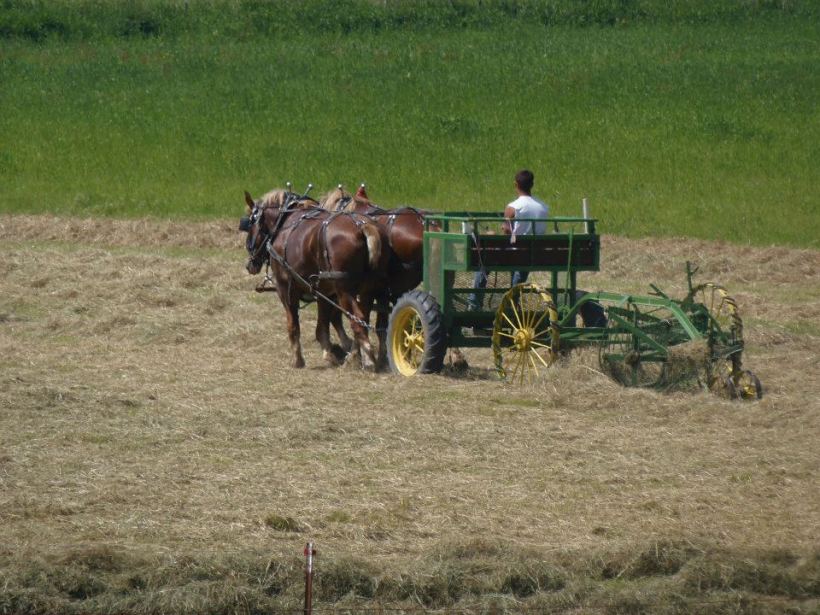
Photo of Aaron Janicki haying with his Oberlander team in Skagit County courtesy of Tayler Rae

I am old enough to have parents who grew up on farms worked by horses, one raising wheat and lentils in the Palouse country of eastern Washington and the other logging in the woodlands of Fidalgo Island of western Washington.  The horses were crucial to my grandparents’ success in caring for and tilling the land, seeding and harvesting the crops and bringing supplies from town miles away.  Theirs was a hardscrabble life in the early 20th century with few conveniences.  Work was year round from dawn to dusk; caring for the animals came before any human comforts.  Once night fell, work ceased and sleep was welcome respite for man and beast.

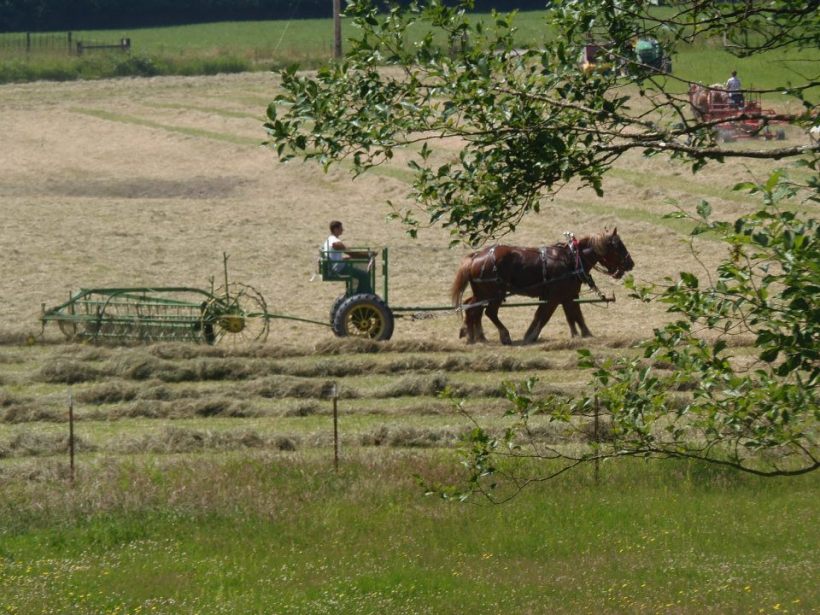
In the rural countryside where we live now, we’ve been fortunate enough to know people who still dabble in horse farming, whose draft teams are hitched to plows and mowers and manure spreaders as they head out to the fields to recapture the past.  Watching a good team work with no diesel motor running means hearing bird calls from the field, the steady footfall of the horses, the harness chains jingling, the leather straps creaking, the machinery shushing quietly as gears turn and grass lays over in submission.  No ear protection is needed.  There is no clock needed to pace the day.   There is a rhythm of nurture when animals instead of engines are part of the work day.   The gauge for taking a break is the amount of foamy sweat on the horses and how fast they are breathing. It is time to stop and take a breather, it is time to start back up and do a few more rows, it is time to water, it is time for a meal, it is time for a nap, it is time for a rest in a shady spot.  This is gentle use of the land with four footed stewards who deposit right back to the soil the digested forage they have eaten only hours before.

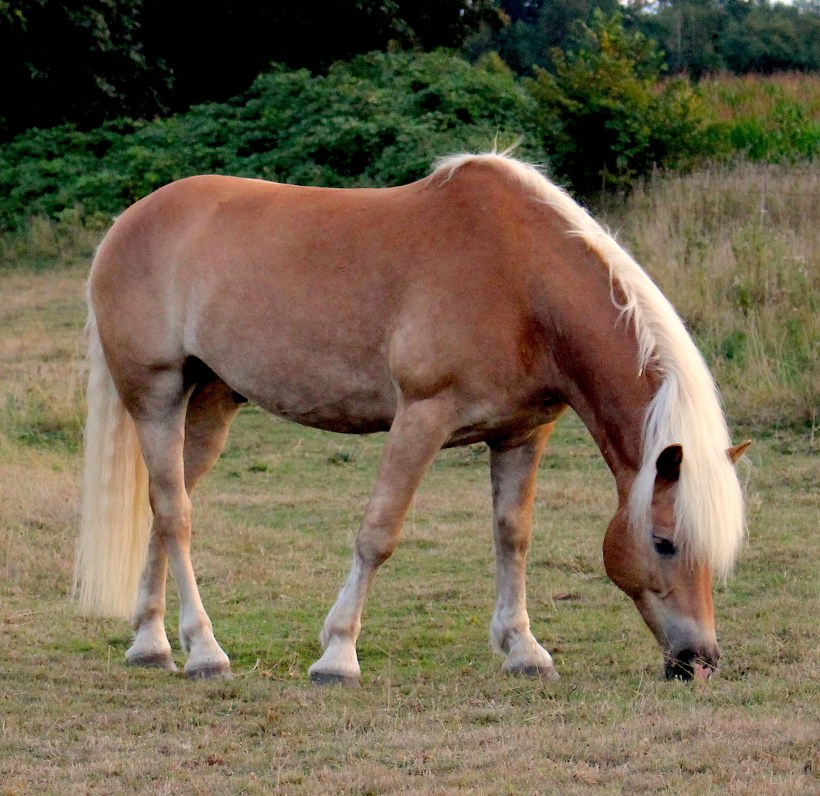
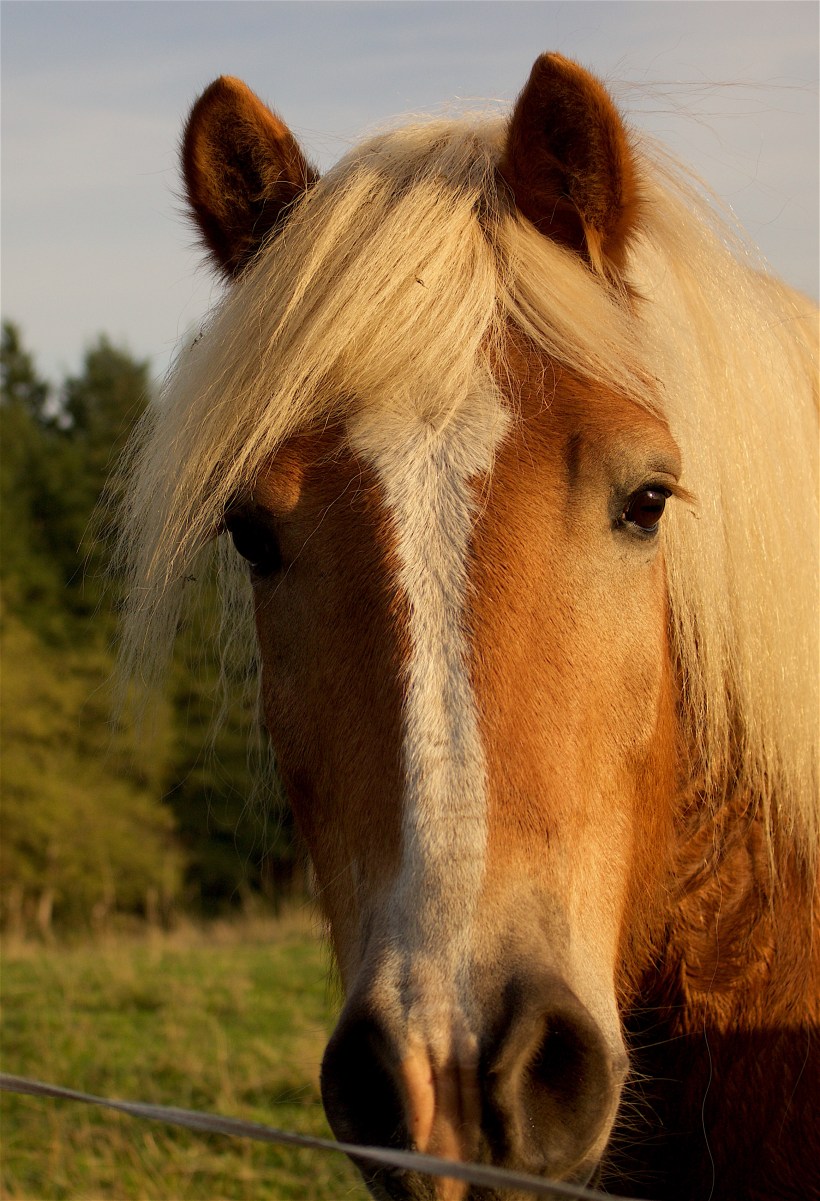
Our modern agribusiness megafarm fossil-fuel-powered approach to food production has bypassed the small family farm which was so dependent on the muscle power of humans and animals.    In our move away from horses worked by skilled teamsters,  what has been gained in high production values has meant loss of self-sufficiency and dedicated stewardship of a particular plot of ground.  Draft breeds, including the Haflinger horses we own, now are bred for higher energy with lighter refined bone structure meant more for eye appeal and floating movement,  rather than the sturdy conformation and unflappable low maintenance mindset needed for pulling work.   Modern children are bred for a different purpose as well, no longer raised to work together with other family members for a common purpose of daily survival.   Their focus at school is waning as they have no morning farm chores when they get up, too little physical work to do before they arrive at their desks in the morning.   Their physical energy, if directed at all,  is directed to competitive sports, engaged in fantasy combat rather than winning a very real victory over hunger.

I am encouraged when young people still reach for horse collars and bridles, hitch up their horses and do the work as it used to be done.   All is not lost if we can still make incremental daily progress,  harnessed together as a team with our horses, tilling for truth and harvesting hope.

pinkbaker4
I like farming. I like the work. I like the livestock and the pastures and the woods.  It’s not necessarily a good living, but it’s a good life.  I now suspect that if we work with machines the world will seem to us to be a machine, but if we work with living creatures the world will appear to us as a living creature.  That’s what I’ve spent my life doing, trying to create an authentic grounds for hope. –Wendell Berry, horse farmer, essayist, poet, professor

sunrise9714

314753_496651617015994_783180103_n
photo by Tayler Rae


A Free Servitude

tonypony

29148_10150192564985462_877840461_12740588_782762_n

homertony

And then, that evening
Late in the summer the strange horses came.

In the first moment we had never a thought
That they were creatures to be owned and used.

Since then they have pulled our plows and borne our loads,
But that free servitude still can pierce our hearts.
Our life is changed; their coming our beginning.

~Edwin Muir from “The Horses”

sashaeye

There is nothing that truly compels a horse to wear a saddle, pull a heavy burden, chew a cold bit until it foams warm — no fear of whip or spur or harsh word.  They, so much more powerful than we are, choose the work, to do what is needed, to serve freely, to be there because they were asked — whether asked nicely or not.
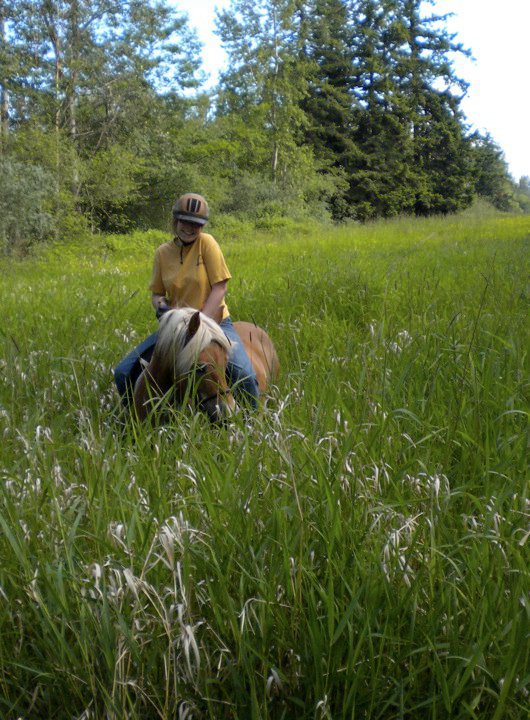
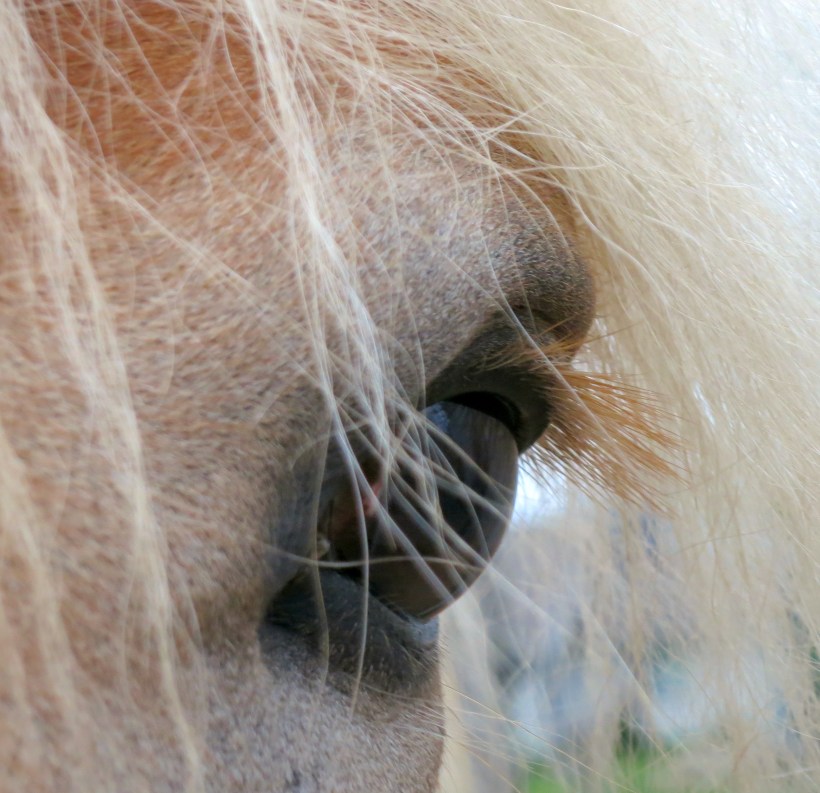
How much more we learn from the lather of their sweaty grace —  how to choose the labor that changes lives, how to offer up love in gratitude for the reward of a scratch in just the right place and a nose buried in sweet clover.


evening1119153

leapony

Illuminated

cowmorning

morning719158

Only six months ago
on a winter morning
waking dark to part
From your warm side,
leaving behind my soft imprint,
I wrapped up in robe
to walk the gravel drive
for the newspaper.

Our hilltop farm
lies silent amid fallow fields
moon shadows
broad across my path
star sparks overhead
tree lined yard shields
the house from road.

In ink of early morning
I walk noiseless;
step out to the mailbox
then turn~ startled~
a flashlight approaching on the road-
an early walker and his dog
illuminate me in dawn disarray
like a deer in headlights:
my ruffled hair,  my sleep-lined face
uncovered in the darkness:
exposed.

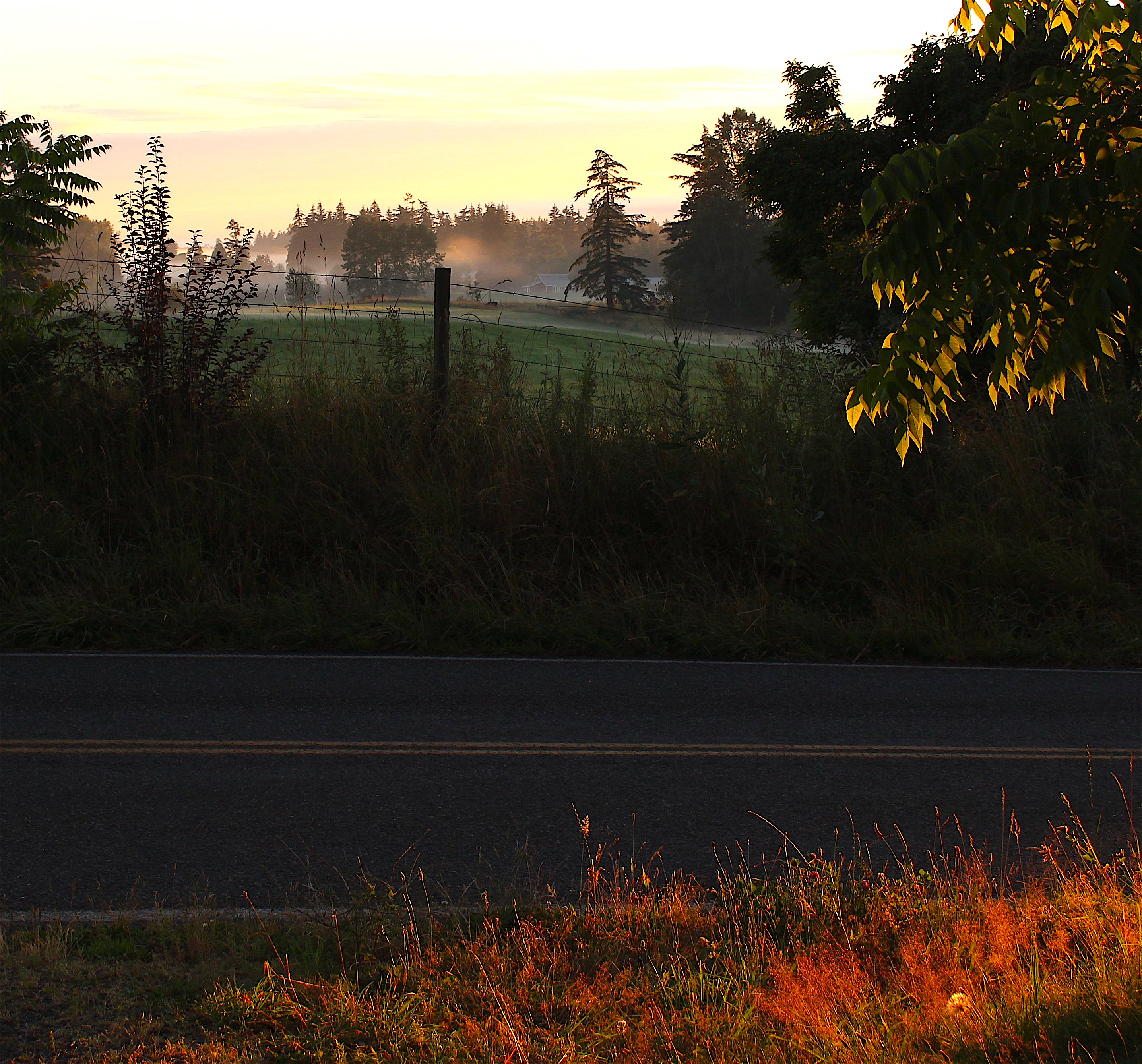
Today this summer morning
wakes me early to streaming light
poured out on quilt and blankets.
I part from your warmth again
readied for this ritual walk.
Dew sparkling below
rich foliage above
road stretches empty
for miles east and west

Crossing the road
I reach for the paper
suddenly surrounded by
a bovine audience
appreciative and nodding
riveted by my bold approach
in broad daylight.
They abruptly scatter, tails in the air
when in rumpled robe and woolen slippers
I dance and twirl, illuminated
in hilltop celebration of such
an ordinary life
and extraordinary love
exposed.

sunrise971411

morning6615

sunrise4316

Standing Together and Apart

sunset92horses

In southern France live two old horses,
High in the foothills, not even French,
But English, retired steeplechasers
Brought across to accept an old age
Of ambling together in the Pyrenees.
At times they whinny and kick
At one another with impatience,
But they have grown to love each other.

In time the gelding grows ill
And is taken away for treatment.
The mare pines, pokes at her food,
Dallies on her rides until the other
Comes home.
                        She is in her stall
When the trailer rumbles
Through the gate into the field,
And she sings with impatience
Until her door is opened.
                                             Then full
Of sound and speed, in need of
Each other, they entwine their necks,
Rub muzzles, bumping flanks
To embrace in their own way.
Together they prance to
The choicest pasture,
Standing together and apart,
To be glad until
They can no longer be glad.
~Paul Zimmer, “Love Poem”

outongrass2

pastureoctober


There is security in a basic routine, especially on our farm – predictable things happening in predictable ways, day after day, week after week, year after year.  Somehow, dull as it may seem, the “norm” is quite comforting, like each breath taken in and let go, each heart beat following the next. We depend on it, take it for granted, forget it until something doesn’t go as it should.

Mornings are very routine for me.  I wake before the alarm, usually by 5:30 AM, fire up the computer and turn the stove on to get my coffee water boiling.  I head down the driveway to fetch the paper, either feeling my way in the dark if it is winter, or squinting at the glare of early morning sunlight if it is not.  I make my morning coffee, check my emails, eat my share of whole grains while reading the paper, climb into my rubber boots and head out for chores.

Some years ago, as I was leading a mare and her colt out to pasture for their daytime turnout, I was whistling to the wandering colt as he had his own ideas about where he wanted to be, and it wasn’t where I was leading. Fifty yards away, he decided he was beyond his comfort zone so whirled around, sped back to his mom and me, and traveling too fast to put his brakes on ended up body slamming her on her right side, putting her off balance and she side stepped toward me, landing one very sizeable Haflinger hoof directly on my rubber booted foot.  Hard.

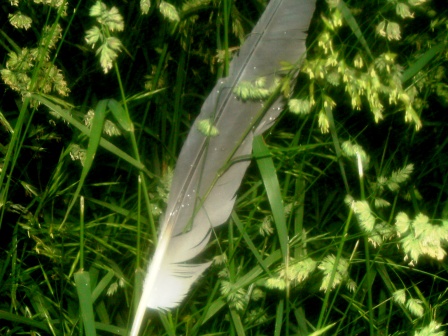
I hobbled my way with them to the pasture, let them go, closed the gate and then pulled my boot off to see my very scrunched looking toes, puffing up and throbbing.  I still had more horses to move, so I started to limp back to the barn, biting my lip and thinking “this is no big deal, this is just a little inconvenience, this will feel better in the next few minutes”  but each step suggested otherwise.  I was getting crankier by the second when I passed beneath one of our big evergreen trees and  noticed something I would not have noticed if I hadn’t been staring down at my poor sore foot.  An eagle feather, dew covered, was lodged in the tall grass beneath the tree, dropped there as a bald eagle had lifted its wings to fly off from the tree top, probably to dive down to grab one of the many wild bunnies that race across the open pasture, each vulnerable to the raptors that know this spot as a good place for lunch .  The wing feather lay there glistening, marking the spot, possessing the tree, claiming the land, owning our farm.  It belonged there and I did not–in fact I can’t even legally keep this feather–the law says I’m to leave it where I find it or turn it over to the federal government.

I am simply a visitor on this acreage, too often numbly going through my morning routine, accomplishing my chores for the few years I am here until I’m too old or crippled to continue. The eagles will always be here as long as the trees and potential lunch remain to attract them.

Contemplating my tenure on this earth, my toes didn’t hurt much anymore.  I was reminded that nothing truly is routine about daily life, it is gifted to us as a feather from heaven, floating down to us in ways we could never expect nor deserve.  I’d been body slammed that morning all right, but by the touch of a feather.  Bruised and broken but then built up, carried and sustained, standing together but yet apart.

I am glad for the gifts of this life, for the ache that love inevitably brings, as pain such as this can bring revelation and renewal.  Sometimes it is the only thing that does.

feather

sasha1015

A Sprung Metronome

morning7616 morninghaze2

“A devout but highly imaginative Jesuit,”
Untermeyer says in my yellowed
college omnibus of modern poets,
perhaps intending an oxymoron, but is it?
Shook foil, sharp rivers start to flow.
Landscape plotted and pieced, gray-blue, snow-pocked
begins to show its margins. Speeding back
down the interstate into my own hills
I see them fickle, freckled, mounded fully
and softened by millennia into pillows.
The priest’s sprung metronome tick-tocks,
repeating how old winter is. It asks
each mile, snow fog battening the valleys,
what is all this juice and all this joy?
~Maxine Kumin “Almost Spring, Driving Home, Reciting Hopkins”

sunrise97144

These summer mornings I awake in a Hopkins landscape~
the priest who died too young at 44
would have created even more beauty
if he had lived twice as long,
combining words in suspended rhythm,
recreating the world outside our windows
entirely in our minds.

What is this joy I feel when witnessing
what must have moved him to write?
What could be more powerful
than words that awaken in us dawn’s redeeming light?

sunrise94141

Oh, morning, at the brown brink eastward, springs —
Because the Holy Ghost over the bent
    World broods with warm breast and with ah! bright wings.
~Gerard Manley Hopkins from “God’s Grandeur”
morning27616

‘Tis Hay Time

haybarnfull

haywagon

Tis haytime & the red complexioned sun
Was scarcely up ere blackbirds had begun
Along the meadow hedges here & there
To sing loud songs to the sweet smelling air
Where breath of flowers & grass & happy cow
Fling oer ones senses streams of fragrance now
While in some pleasant nook the swain & maid
Lean oer their rakes & loiter in the shade
Or bend a minute oer the bridge & throw
Crumbs in their leisure to the fish below
—Hark at that happy shout—& song between
Tis pleasures birthday in her meadow scene
What joy seems half so rich from pleasure won
As the loud laugh of maidens in the sun.
~John Clare “Hay Making”

farmcrew3

haymaking5

haying2012

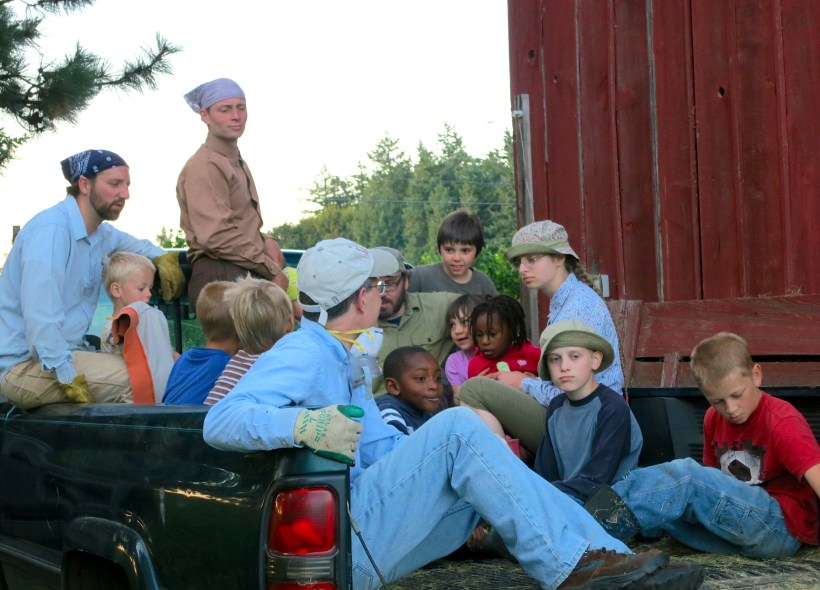
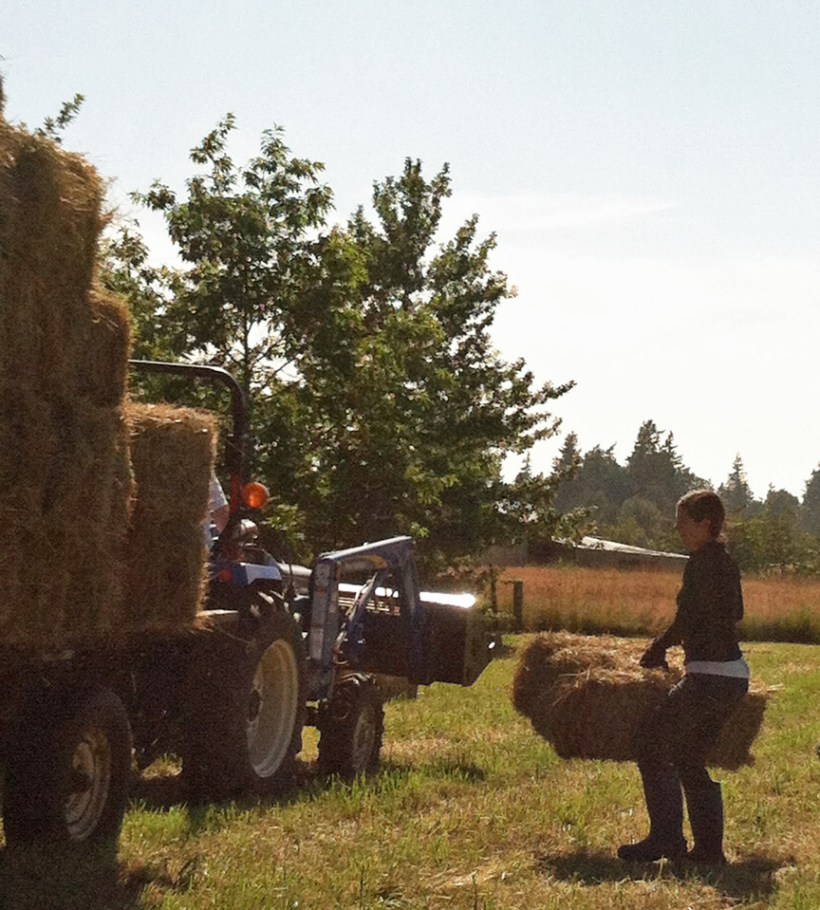
Every hay crew is the same
Though the names change;
Young men flexing their muscles,
A seasoned farmer defying his age
Tossing four bales high,
Determined girls bucking up on the wagon,
Young children rolling bales closer,
Add a school teacher, pastor,
Professor, lawyer and doctor
Getting sweaty and dusty
United in being farmers
If only for an evening.

Stacking
Basket weave
Interlocking
Cut side up
Steadying the load
Riding over hills
Through valleys
In slow motion
Eagles over head
Searching the bare fields
Evening alpen glow
Of snowbound
Eastern peaks

Friends and neighbors
Walking the dotted pastures,
Piling on the wagons,
Driving the truck,
Riding the top of hay stack
In the evening breeze,
Filling empty barn space to the rafters,
Making gallons of lemonade in the kitchen.
A hearty meal consumed
In celebration
Of summer baled, stored, preserved
For another year.

Hay crew
Remembered on
Frosty autumn mornings before dawn
When bales are broken for feed
And fragrant summer spills forth.
In the dead of winter

sunset81115

sunset811153

puffsunset2