An Advent Paradox: Eternal Yet Not a Day Old


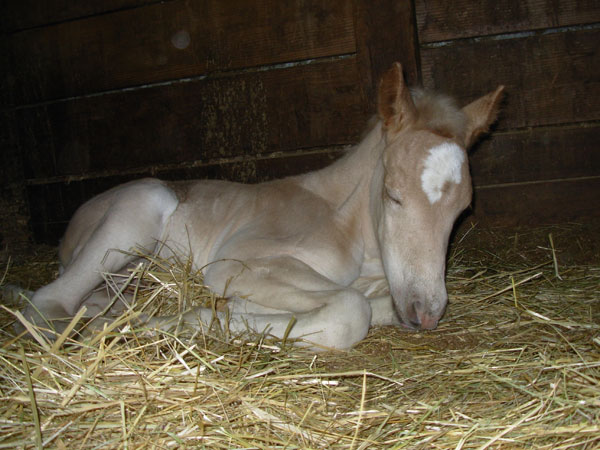
O child, Creator of all! 
How humbly you lie in the manger.
You who rule powerfully in heaven!

There the heaven of heavens cannot contain you;  here, however, you are held in the narrowest manger.

There, in the beginning of the world, you decorated the earth with green grasses that produced seed, with fruit-bearing trees that produced fruit, you ornamented the heavens with the sun, the moon, and the stars, the sky with winged birds, the waters with fish, you filled the land with reptiles, draft animals, and beasts; here, however, in the end of the world, you are wrapped in swaddling clothes!

O majesty! O lowness!
O sublimity! O humility!
O immense, eternal, and Ancient of Days!
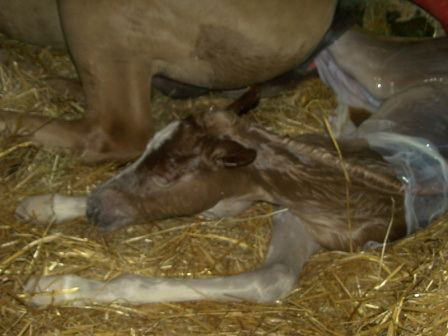
O small, temporal infant whose life is not yet one day upon the earth!

~Adam of Dryburgh from  The Roads from Bethlehem


There is not one blade of grass, there is no color in this world that is not intended to make us rejoice.
John Calvin


We are blinded to the Glory given to us in a narrow manger if we allow ourselves to perceive it as something routine and commonplace.  There is nothing commonplace about the gifts of Creation or the gift of His Son as Savior.

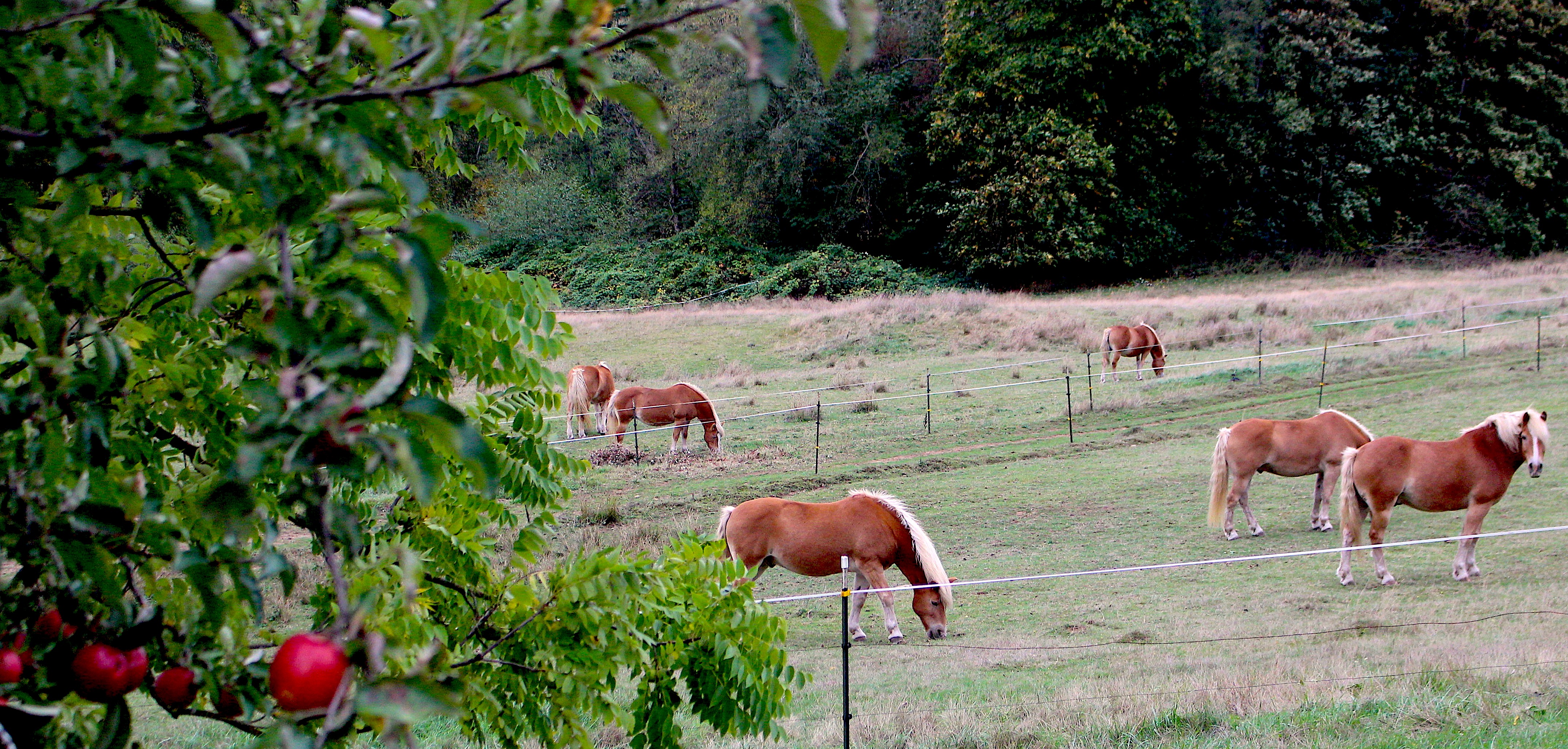
I can’t remember the last time I celebrated even a blade of grass,  given how focused I am in mowing it into conformity and submission.  Or the fruit of the trees, the birds of the air, the fish of the seas, the beasts of burden who work for us. Too often I’m not up early enough to witness the pink sunrise or I’m too busy to take time to watch the sun paint the sky red as it sets.

I miss opportunities to rejoice innumerable times a day.  It takes only a moment of recognition and appreciation to feel joy, and for that moment time stands still.  Life stretches a little longer when I stop to acknowledge the intention of creation and sending the Son of God to earth as an endless reservoir of rejoicing.

If a blade of grass, if a palette of color, if all this is made for joy, then the coming of Jesus into the world means I was made for joy as well.

Even small temporal commonplace me.


An Advent Paradox: From Filth to Flowers


The poor, old stable of Christ’s old, poor country is only four rough walls, a dirty pavement, a roof of beams and slate. It is dark, reeking. The only clean thing in it is the manger where the owner piles the hay and fodder.

Fresh in the clear morning, waving in the wind, sunny, lush, sweet-scented, the spring meadow was mown. The green grass, the long, slim blades, were cut down by the scythe; and with the grass the beautiful flowers in full bloom – white, red, yellow, blue. They withered and dried and took on the one dull color of hay. Oxen dragged back to the barn the dead plunder of May and June. And now that grass has become dry hay and those flowers, still smelling sweet, are there in the manger to feed the slaves of man.

The animals take it slowly with their great black lips, and later the flowering fields, changed into moist dung, return to light on the litter which serves as bedding.

This is the real stable where Jesus was born. The filthiest place in the world was the first room of the only pure man ever born of woman. The Son of Man, who was to be devoured by wild beasts calling themselves men, had as his first cradle the manger where the animals chewed the cud of the miraculous flowers of spring.
~Giovanni Papini from “The Real Stable”


As is my routine on Saturdays, I spent the day in the barn, breaking ice and refilling water buckets, then going from stall to stall to clean out the manure and wet spots, and finally adding fresh bedding. Then I climbed high in the hay stack in the barn and rolled hay bales down to load into the wheel barrow to push into the stable for Sunday Sabbath, a day of rest. There are always chores to do every day, but they can be abbreviated on Sunday thanks to the work accomplished the previous day. This is the nature of farming– preparing and readying for what is to come.

Farmers, by nature, are a hopeful lot. We plan ahead, plot out our next year’s crop, choose our seed in advance and plant it with anticipation. We prune and we plow and we store up mountains of feed far in advance. We evaluate pedigrees and scrutinize genetics carefully. And we wait patiently. As I clean their stalls, I watch my mares’ bellies roll with the movement of their unborn foals and I picture the new life in my mind’s eye. There is a harvest of hope in those bellies.

Unlike many modern horse barns, our decades old stable is a particularly plain and humble place with dirt floors, and as the support beams have settled over the years the door hinges don’t hang balanced and true any longer, so the stall doors are sticky and sometimes hard to open in the winter weather. Despite the lack of fancy design though, I haven’t heard the horses complain–their meals taste as good, they are warm and dry in the cold windy weather and cool in the hot weather. Their needs are met there and amazingly, so are mine.

Christmas began in a stable–probably a dark cave that served the purpose of housing animals. It most assuredly was plain and humble, smelling of manure and urine, and animal fur. Yet it also would have smelled of the sweetness of stored forage, and there would have been the reassuring sounds of animals chewing and breathing deeply. It was truly the only place a group of scruffy shepherds could have felt welcomed without being tossed out as unsuitable visitors– they undoubtedly arrived at the threshold in bad need of a bath, smelly, dirty and terrified and yet left transformed, returning to their fields full of praise and wonder, telling all they met what they had seen. No bath could scrub so clean as the sight of what that stable contained.

There could not have been a more suitable place for this birth that was to change the world: the promise of cleansing hope and peace in the midst of our knee deep filth. Despite our sorry state, we are welcomed into the sanctuary of the stable, sown, grown, pruned and harvested to become seed and food for others.

If even the shepherds became a harvest of hope, the flowers of the future,  then surely so can we.


 Jesus our brother, kind and good
Was humbly born in a stable rude
And the friendly beasts around Him stood,
Jesus our brother, kind and good.

Thus every beast by some good spell,
In the stable dark was glad to tell
Of the gift he gave Immanuel,
The gift he gave Immanuel.


We Will See What We Can Do

prankstersteve


pranksterhammer


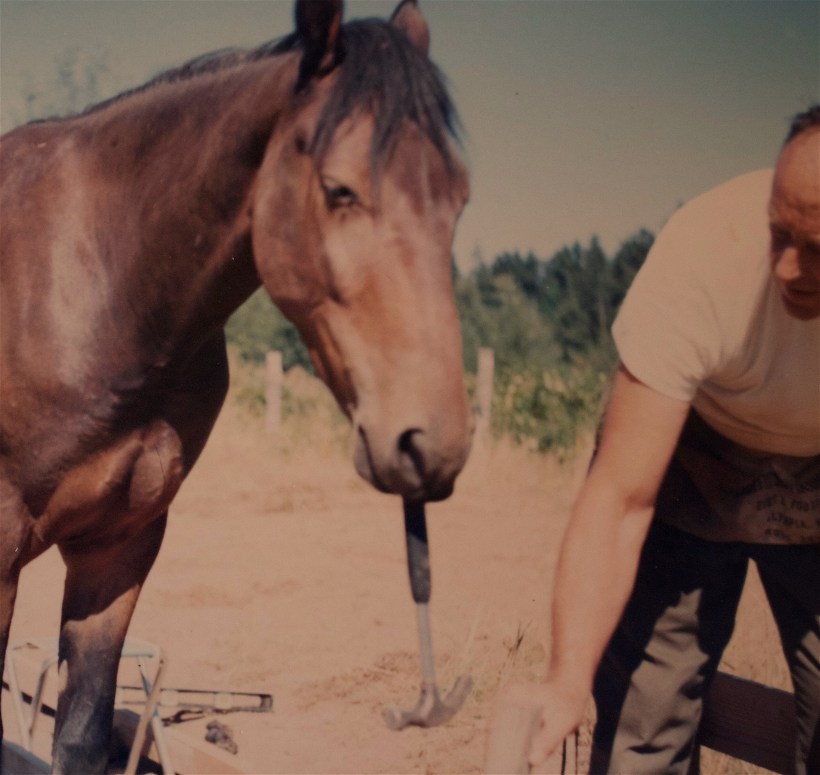
I wanted a horse. This was long after
we sold the work horses, and I was feeling

restless on the farm. I got up early
to help my father milk the cows, talking

a blue streak about TV cowboys
he never had time to see and trying to

convince him that a horse wouldn’t cost
so much and that I’d do all the work.

He listened while he leaned his head
against the flank of a Holstein, pulling

the last line of warm milk into
the stainless bucket. He kept listening

while the milk-machine pumped like an engine,
and the black and silver cups fell off and

dangled down, clanging like bells when he
stepped away, balancing the heavy milker

against the vacuum hose and the leather belt.
I knew he didn’t want the trouble

of a horse, but I also knew there was nothing
else I wanted the way I wanted a horse—

another way of saying I wanted
to ride into the sunset and (maybe)

never come back—I think he knew that too.
We’ll see, he said, we’ll see what we can do.
~Joyce Sutphen “What Every Girl Wants”
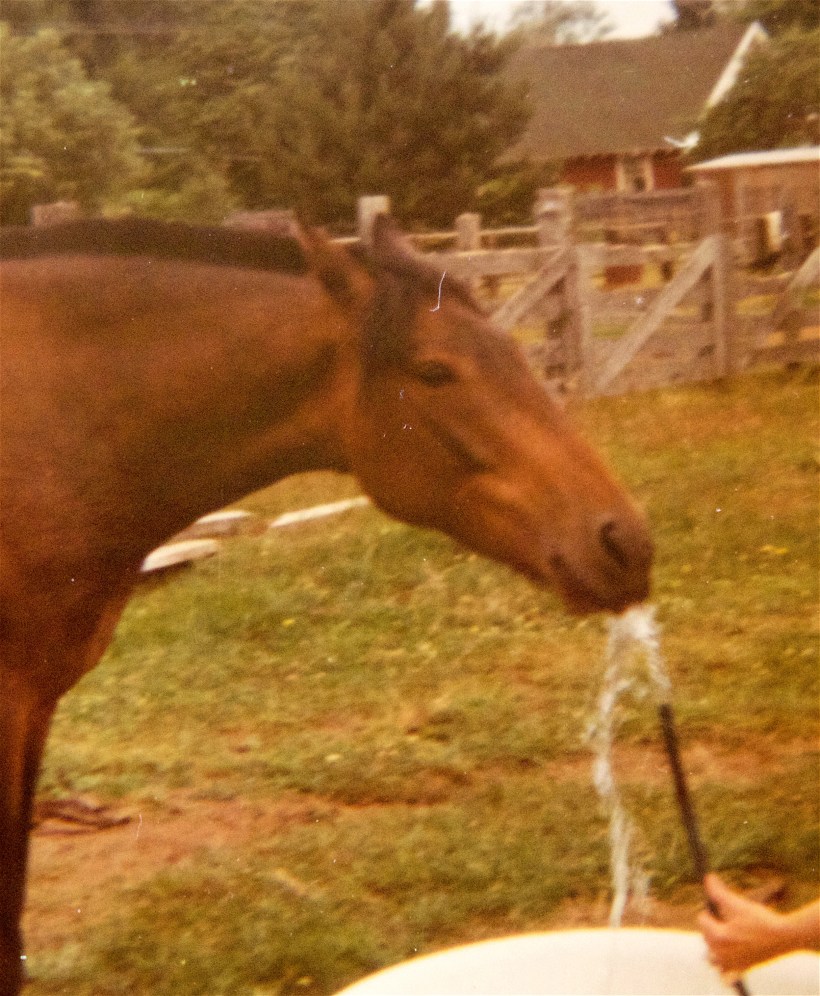
 

pranksterhose


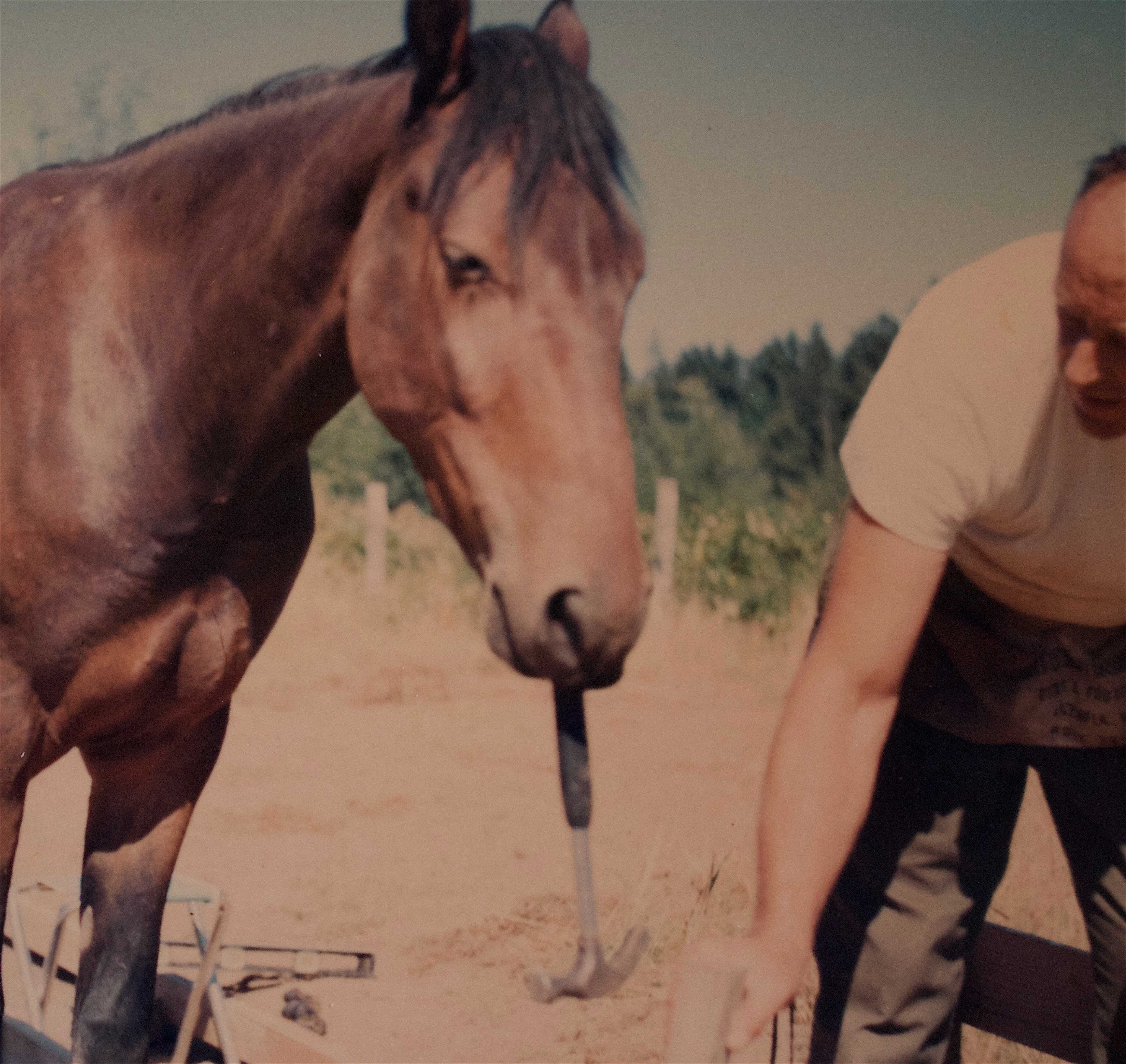
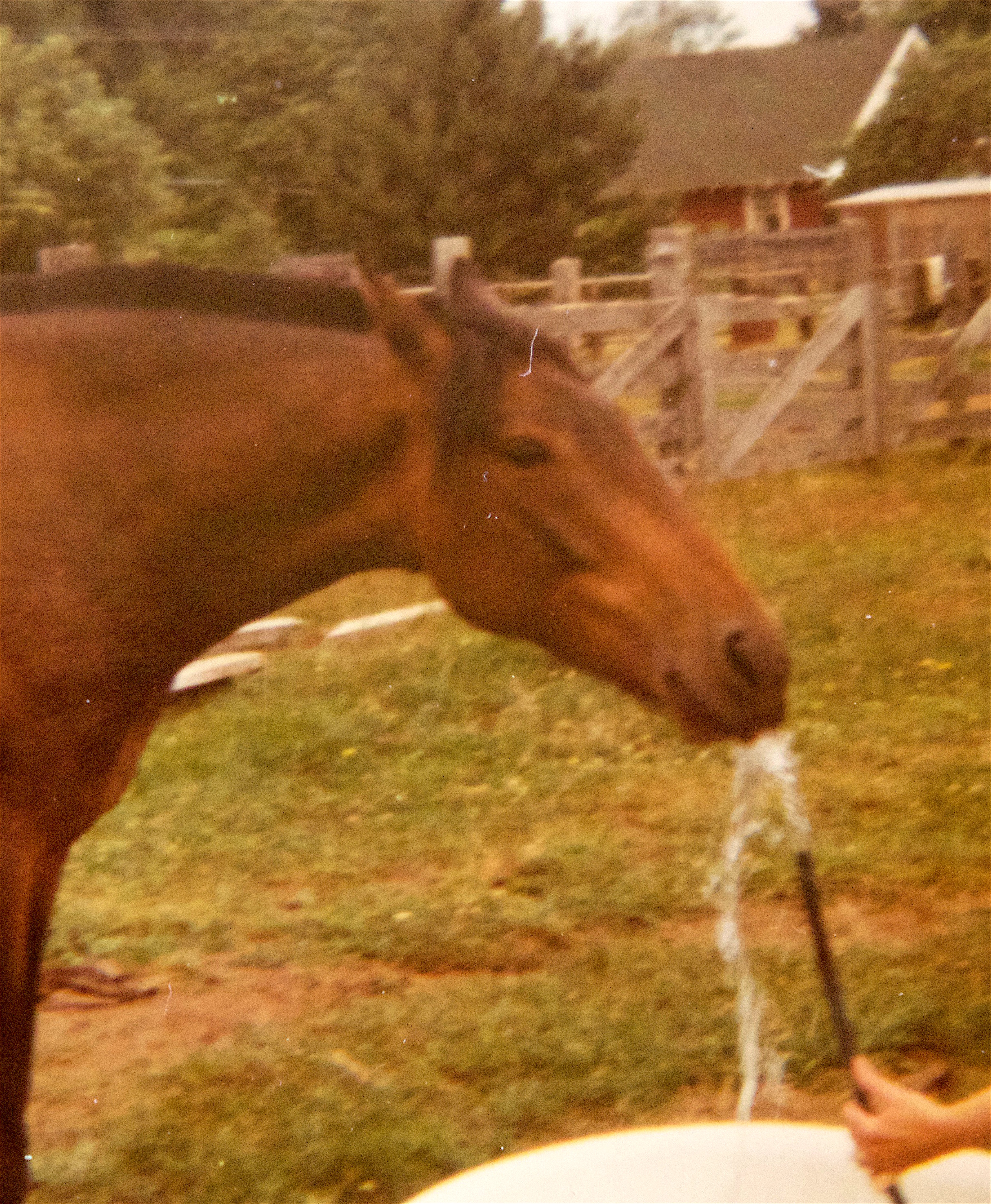
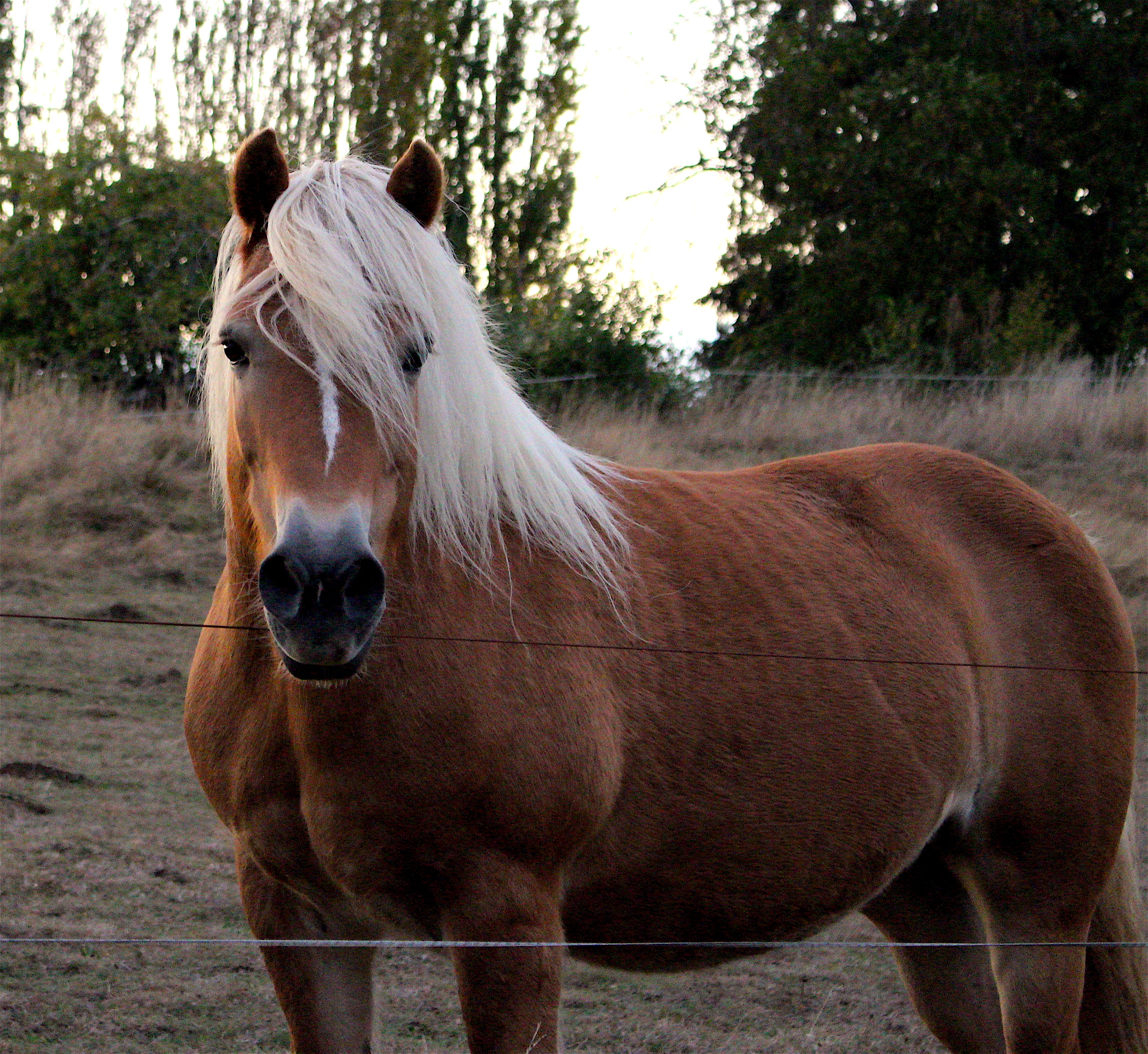
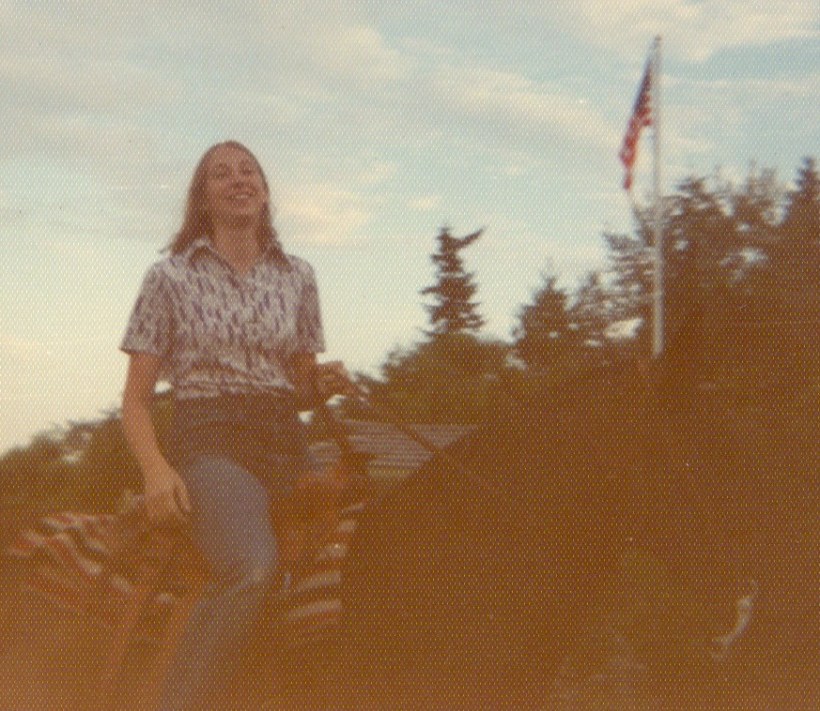
I once was a skinny freckled eleven year old girl who wanted nothing more than to have her own horse. Every inch of my bedroom wall had posters of horses, all my shelves were filled with horse books and horse figurines and my bed was piled with stuffed horses. I suffered an extremely serious case of horse fever.

I had learned to ride my big sister’s horse while my sister was off to college, but the little mare had pushed down a hot wire to get into a field of spring oats which resulted in a terrible case of colic and had to be put down. I was inconsolable until I set my mind to buy another horse.   We had only a small shed, not a real barn, and no actual fences other than the electric hot wire.  Though I was earning money as best I could picking berries and babysitting, I was a long way away from the $150 it would take to buy a trained horse back in 1965. I pestered my father about my dreams of another horse, and since he was the one to dig the hole for my sister’s horse to be buried, he was not enthusiastic.  “We’ll see,”  he said.  “We will see what we can do.”

So I dreamed my horsey dreams, mostly about golden horses with long white manes, hoping one day those dreams might come true.

In fall 1965, the  local radio station KGY’s Saturday morning horse news program announced their “Win a Horse” contest.  I knew I had to try. The prize was a weanling bay colt, part Appaloosa, part Thoroughbred, and the contest was only open to youth ages 9 to 16 years old. All I had to do was write a 250 word or less essay on “Why I Should Have a Horse”. I worked and worked on my essay, crafting the right words and putting all my heart into it, hoping the judges would see me as a worthy potential owner. My parents took me to visit the five month old colt named “Prankster”, a fuzzy engaging little fellow who was getting plenty of attention from all the children coming to visit him, and that visit made me even more determined.

When I read these words now, I realize there is nothing quite like the passion of an eleven year old girl:

“Why I Should Have a Horse”

When God created the horse, He made one of the best creatures in the world.  Horses are a part of me.  I love them and want to win Prankster for the reasons which follow:

To begin with, I’m young enough to have the time to spend with the colt.  My older sister had a horse when she was in high school and her school activities kept her too busy to really enjoy the horse.  I’ll have time to give Prankster the love and training needed.

Another reason is that I’m shy.  When I was younger I found it hard to talk to anybody except my family.  When my sister got the horse I soon became a more friendly person.  When her horse recently died (about when Prankster was born), I became very sad.  If I could win that colt, I couldn’t begin to describe my happiness. 

Also I believe I should have a horse because it would be a good experience to learn how to be patient and responsible while teaching Prankster the same thing. 

When we went to see Prankster, I was invited into the stall to brush him.  I was never so thrilled in my life!  The way he stood there so majestically, it told me he would be a wonderful horse. 

If I should win him, I would be the happiest girl alive.  I would work hard to train him with love and understanding.  If I could only get the wonderful smell and joy of horses back in our barn!

I mailed in my essay and waited.

Fifty three years ago on this day, November 27, 1965, my mother and I listened to the local horse program that was always featured on the radio at 8 AM on Saturday mornings. They said they had over 300 essays to choose from, and it was very difficult for them to decide who the colt should go to. I knew then I didn’t have a chance. They had several consolation prizes for 2nd through 4th place, so they read several clever poems and heartfelt essays, all written by teenagers.  My heart was sinking by the minute.

The winning essay was next.  The first sentence sounded very familiar to me, but it wasn’t until several sentences later that we realized they were reading my essay, not someone else’s. My mom was speechless, trying to absorb the hazards of her little girl owning a young untrained horse. I woke up my dad, who was sick in bed with an early season flu.  He opened one eye, looked at me, and said, “I guess I better get a fence up today, right?”  Somehow, fueled by the excitement of a daughter whose one wish had just come true, he pulled himself together and put up a wood corral that afternoon, despite feeling so miserable.

That little bay colt came home to live with me the next day. Over the next few months he and I did learn together, as I checked out horse training books from the library, and joined a 4H group with helpful leaders to guide me. I made plenty of mistakes along the way, learning from each one, including those that left behind scars I still bear. Prankster was a typical adolescent gelding who lived up to his name — full of mischief with a sense of humor and a penchant for finding trouble, but he was mine and that was all that mattered.

That and a dad who saw what he needed to do for his passionate kid.  I haven’t forgotten.
 

emily20

One Kind of Lullaby

chewing


…let me live
in a small room
up the narrow stairs from the stalls,
the horse shifting comfortably below,
browsing and chewing sweet hay.
A single bed with blanket the color
of factory-sweepings will suffice,
each day shaped to the same arc, 
because days can only end when
the lock slides free on the stall’s
Dutch door, and I lead the horse in,
then muscle the corroded bolt shut.
That’s what days are for: I cannot rest
until the horse comes home.
~Julie Bruck from “To Bring the Horse Home”


muzzle1


Tonyasleep1


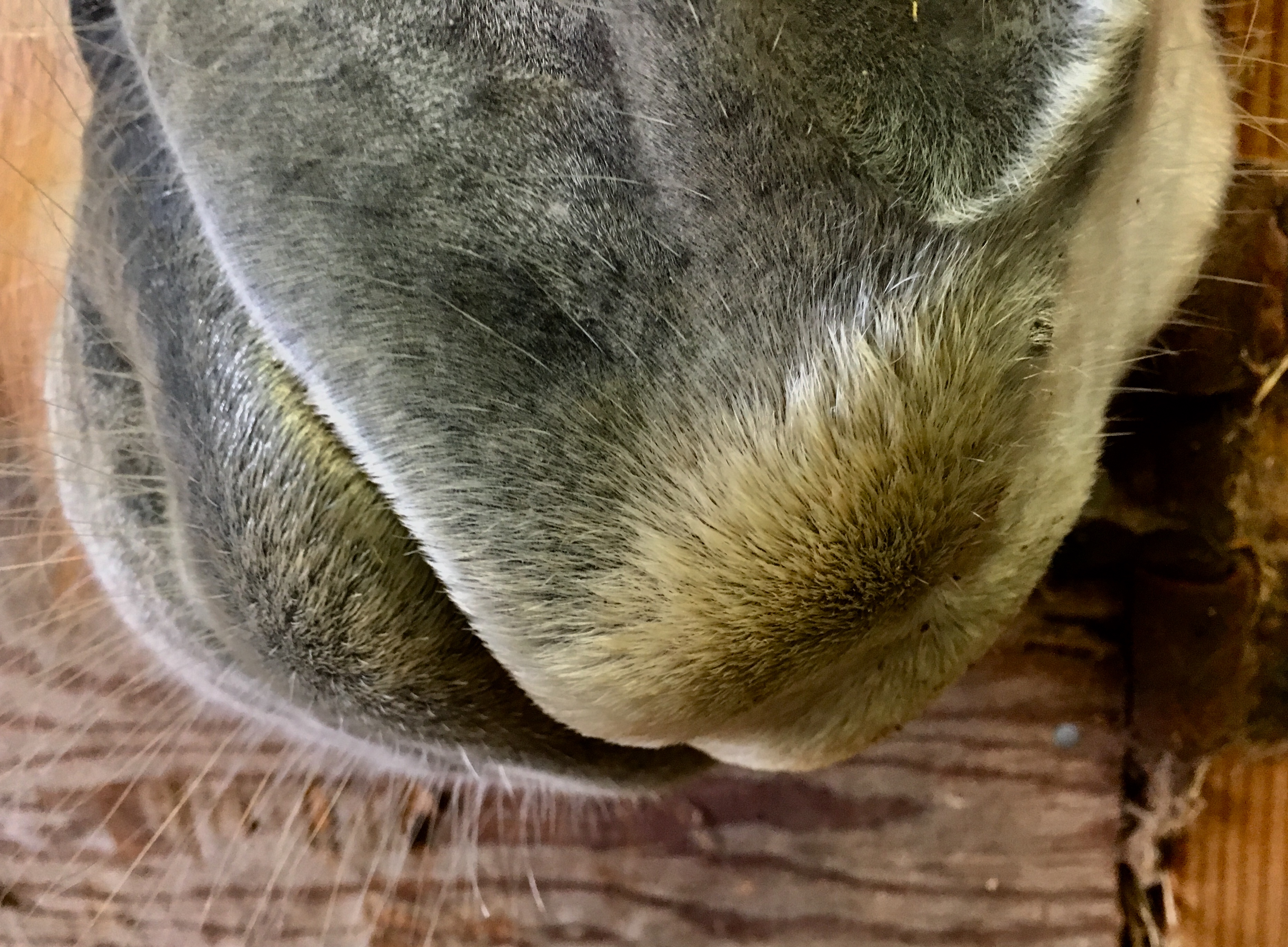
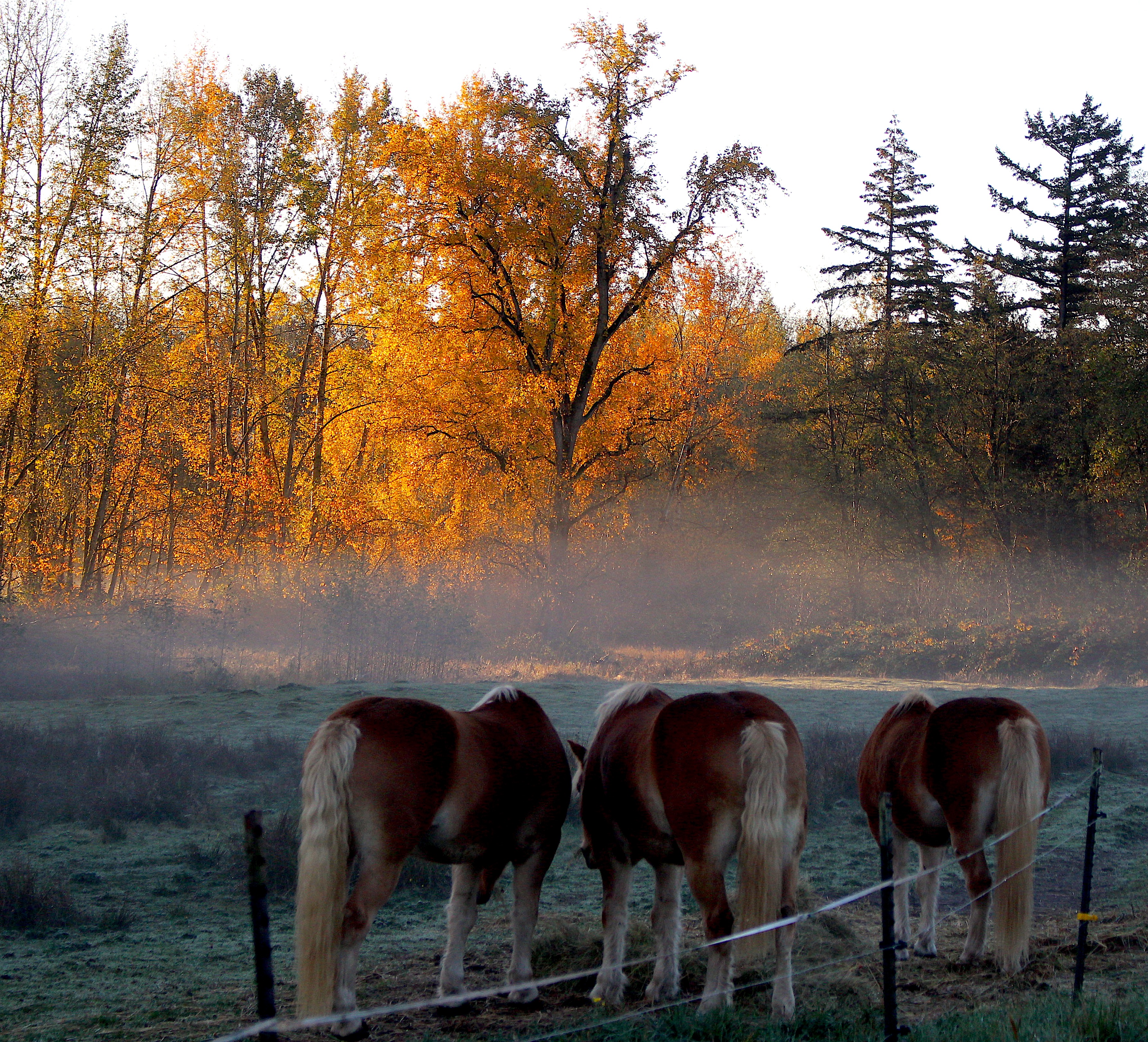
The best moment in the barn is in the evening just following the hay feeding, as the animals are settling down to some serious chewing. I linger in the center aisle, listening to the rhythmic sounds coming from six stalls. It is a most soothing contented cadence, first their lips picking up the grass, then the chew chew chew chew and a pause and it starts again. It’s even better in the dark, with the lights off.
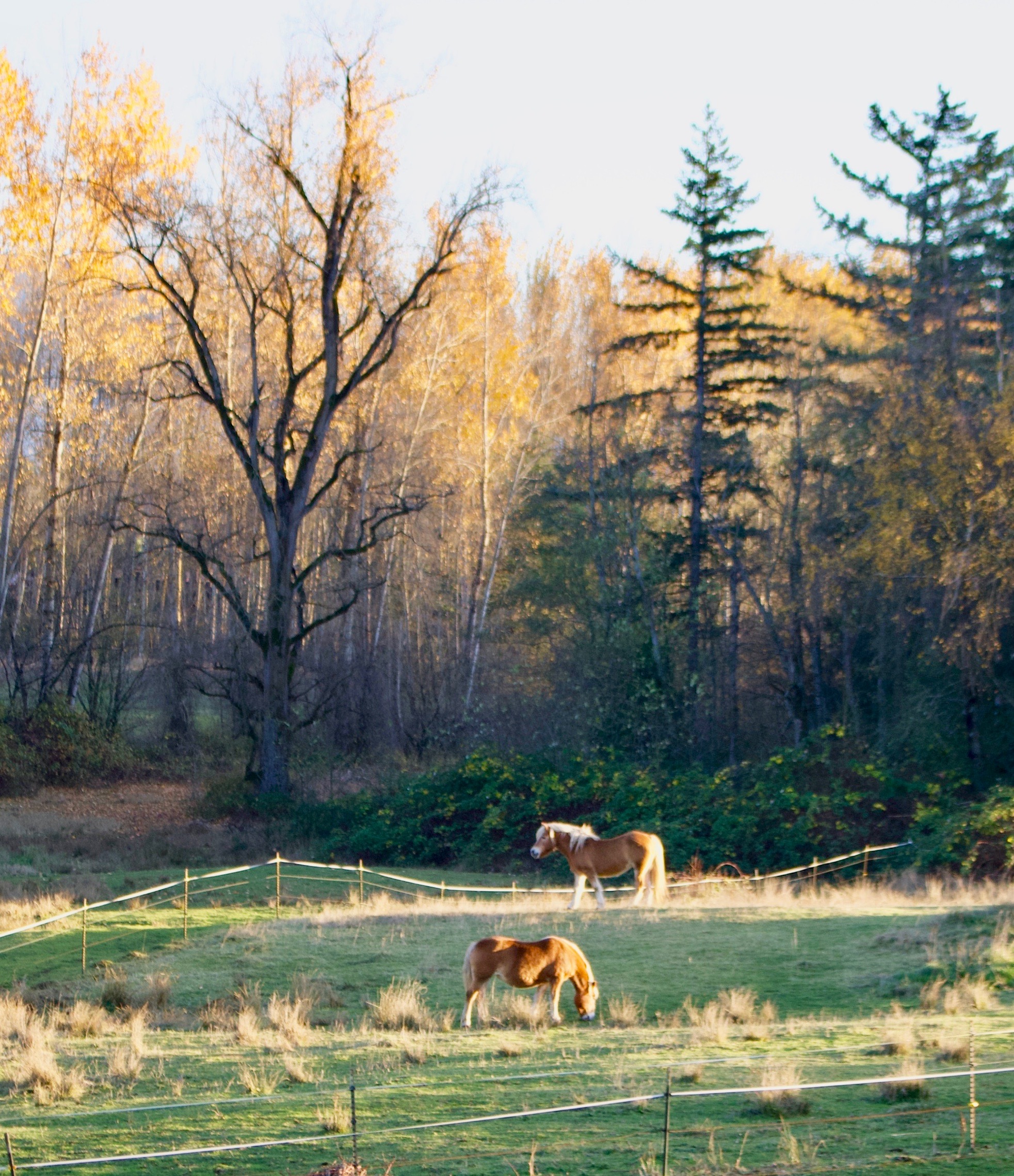
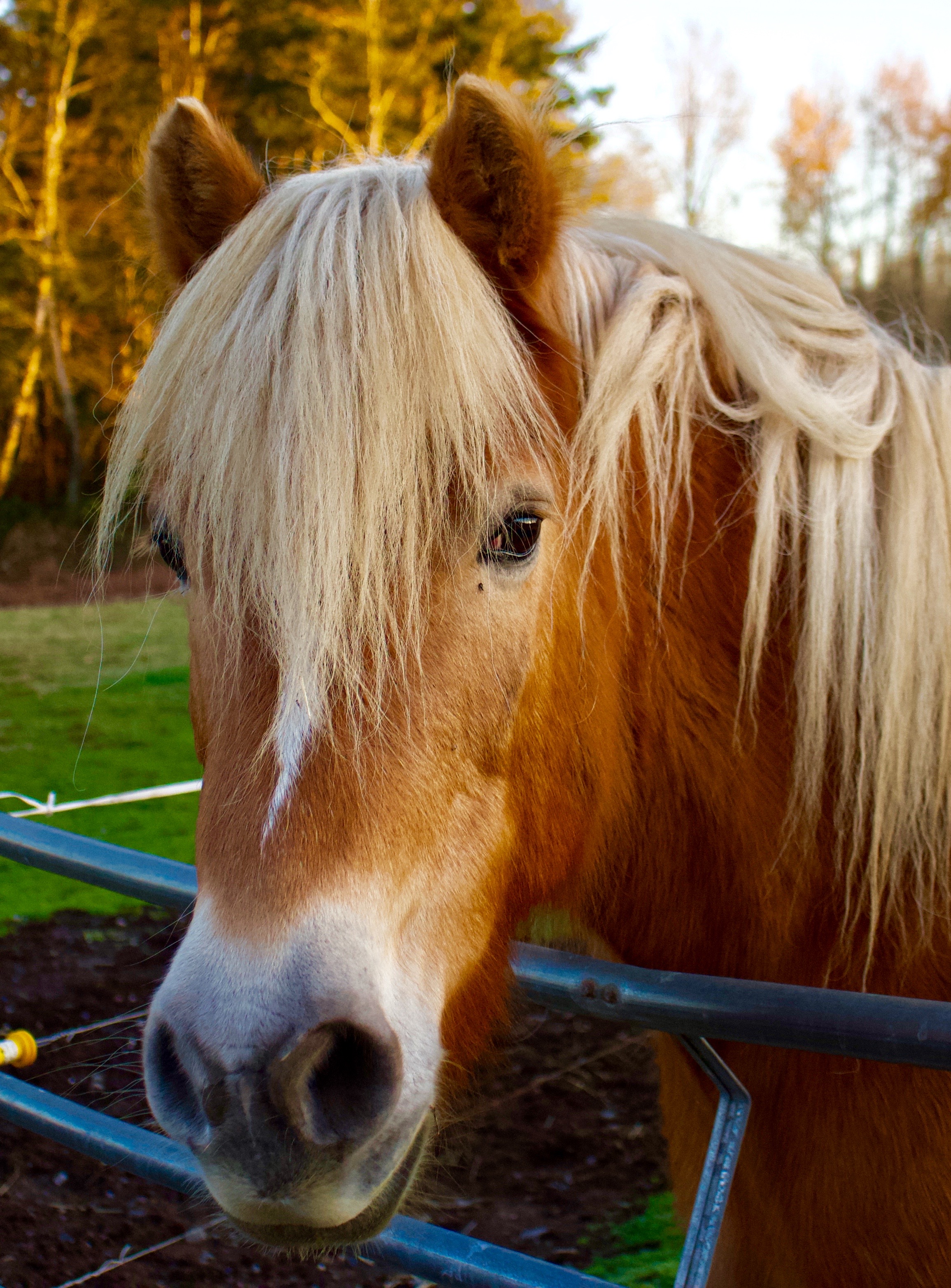
I’ve enjoyed listening to the eating sounds at night from the remote vantage point of my bedroom TV monitor system set up to watch my very pregnant mares before foaling. A peculiar lullaby of sorts, strange as that seems, but when all my farm animals are chewing and happy, I am at peace and sleep better.

It reminds me of those dark deep nights of feeding my own newborns, rocking back and forth with the rhythm of their sucking. It is a moment of being completely present and peaceful, and knowing at that moment, nothing else matters–nothing else at all.

If I am very fortunate, each day I live has a rhythm that is reassuring and steady, like the sounds of hay chewing, or rocking a baby. I awake thinking about where my next step will bring me,  and then the next, like each chew of sweet hay. I try to live in each moment fully, without distraction by the worry of the unknown.

But the reality is:
life’s rhythms are often out of sync,
the cadence is jarring,
the sounds are discordant,
sometimes I’m the one being chewed on, so pain replaces peacefulness.

Maybe that is why this lullaby in the barn~~this sanctuary~~is so treasured. It brings me home to that doubting center of myself that needs reminding that pain is fleeting, and peace, however elusive now, is forever. I always know where to find it for a few minutes at the end of every day, in a pastoral symphony of sorts.

Someday my hope for heaven will be angel choruses of glorious praise, augmenting a hay-chewing lullaby.

So simple yet so grand.


muzzle2


tonynose


wallychew


Smells That Speak

October


The smell of that buttered toast simply spoke to Toad, and with no uncertain voice;
talked of warm kitchens,
of breakfasts on bright frosty mornings,
of cozy parlour firesides on winter evenings,
when one’s ramble was over and slippered feet were propped on the fender;
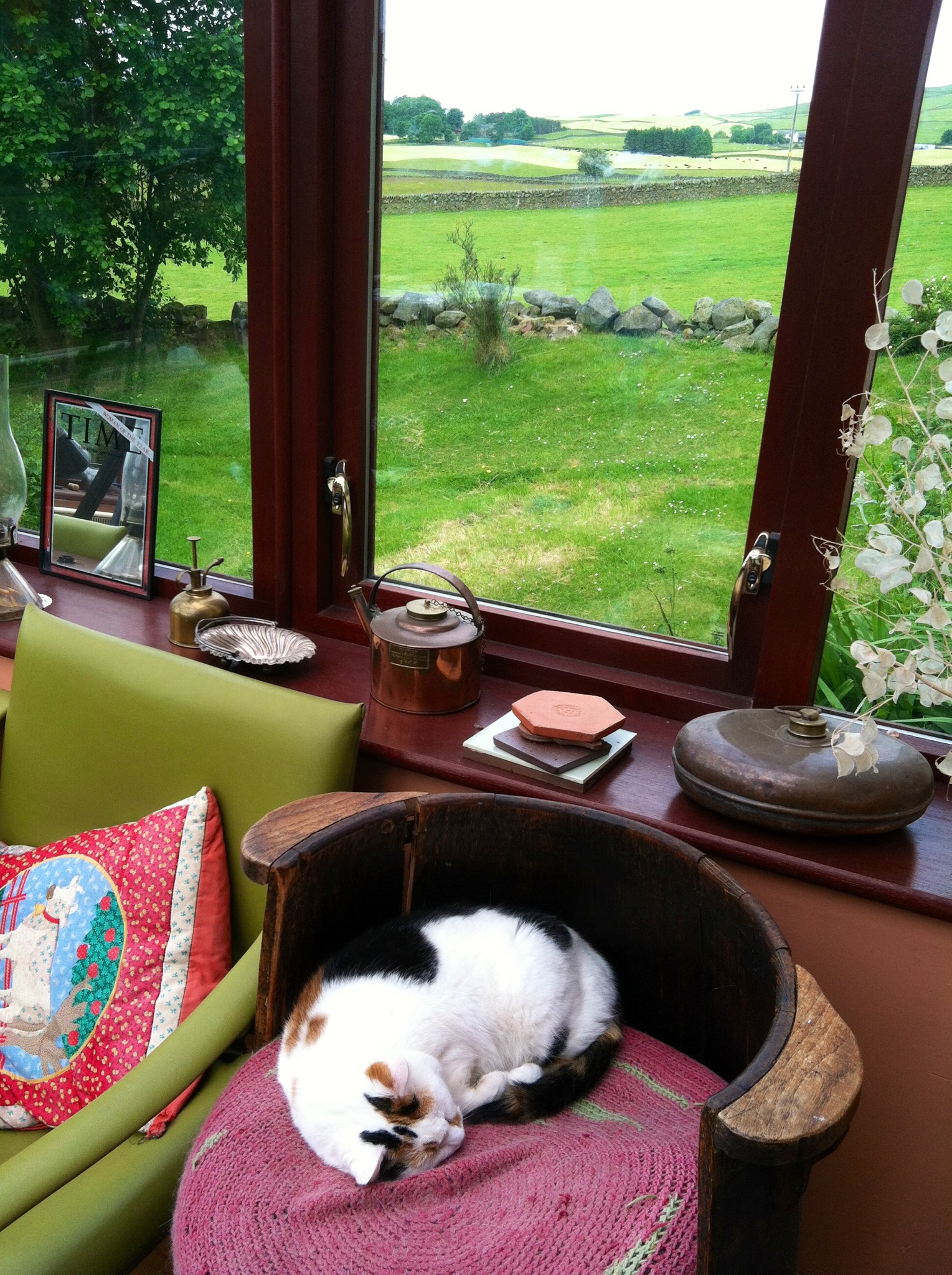
of the purring of contented cats,
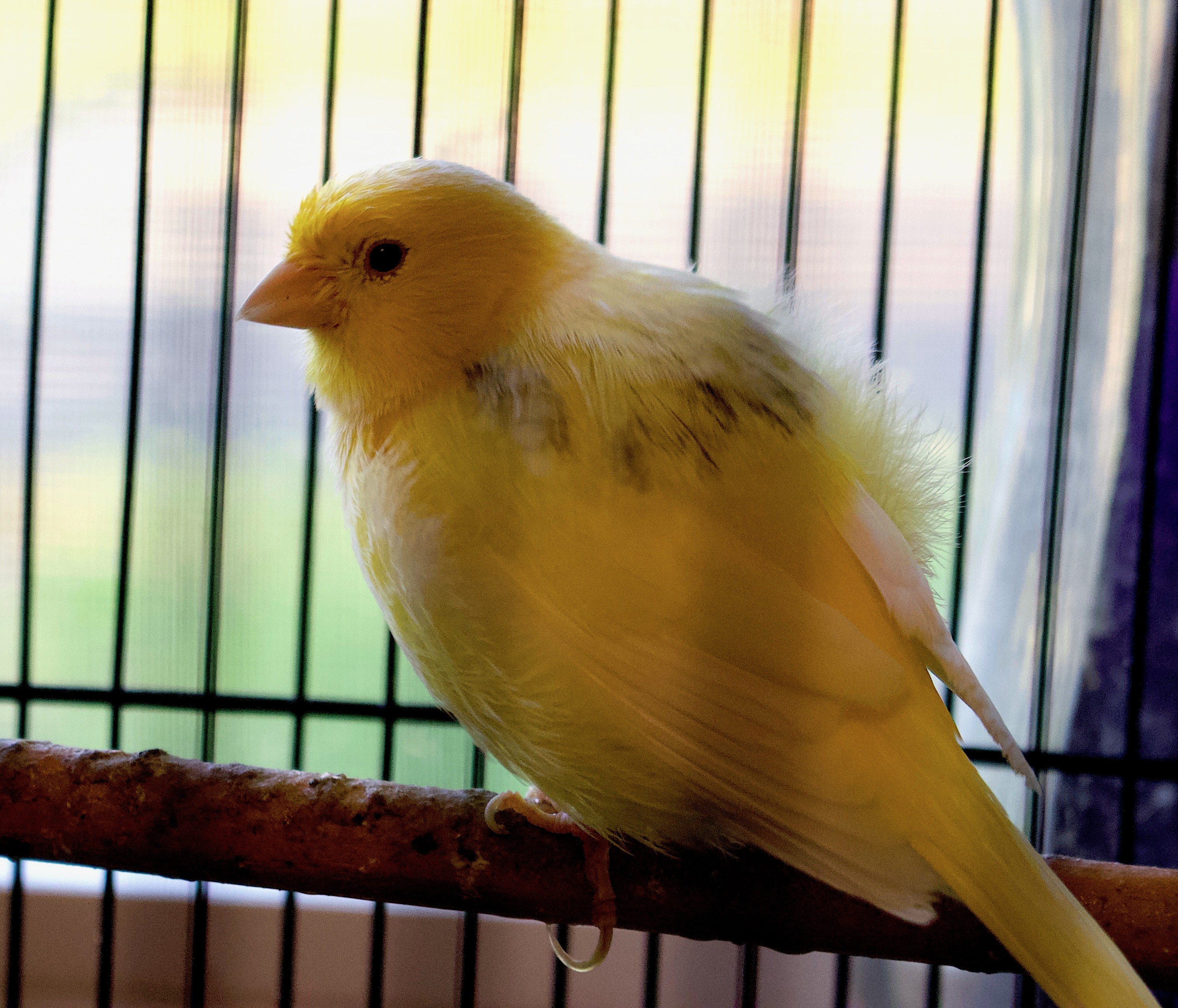
and the twitter of sleepy canaries.

~Kenneth Grahame, The Wind in the Willows


toastedbread


canary2


scottishkitty


I’m not a practitioner of the ancient art of aromatherapy for medicinal purposes but I do know certain smells transport me more effectively than any other mode of travel.  One whiff of a familiar scent can take me back years to another decade and place, almost in time traveling mode.  I am so in the moment, both present and past, my brain sees, hears, tastes, feels everything just as it was before.

The most vivid are kitchen smells, to be sure.  Cinnamon becomes my Grandma’s farm kitchen full of rising breakfast rolls, roasting turkey is my mother’s chaotic kitchen on Thanksgiving Day, fresh baked bread is my own kitchen during those years I needed to knead as therapy during medical training.

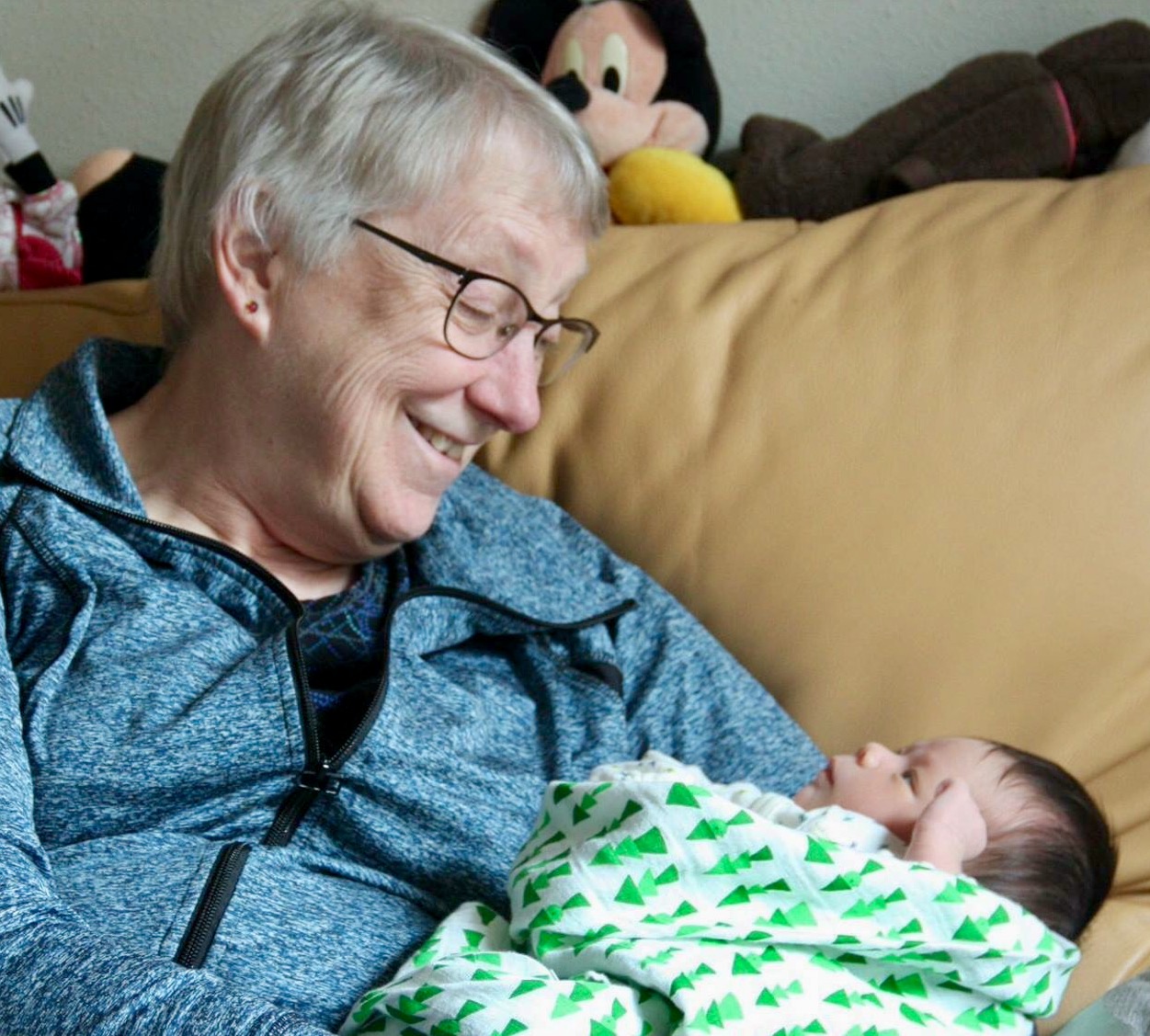
Sometimes I have the privilege of holding infants whose skin smells of baby shampoo and powder, so like the soft velvet of my own childrens’.   The newly born wet fur of my foals carries the sweet and sour amnion that was part of every birth I’ve been part of: delivering others and delivering my own.  My heart races at the memory of the drama of those first breaths.

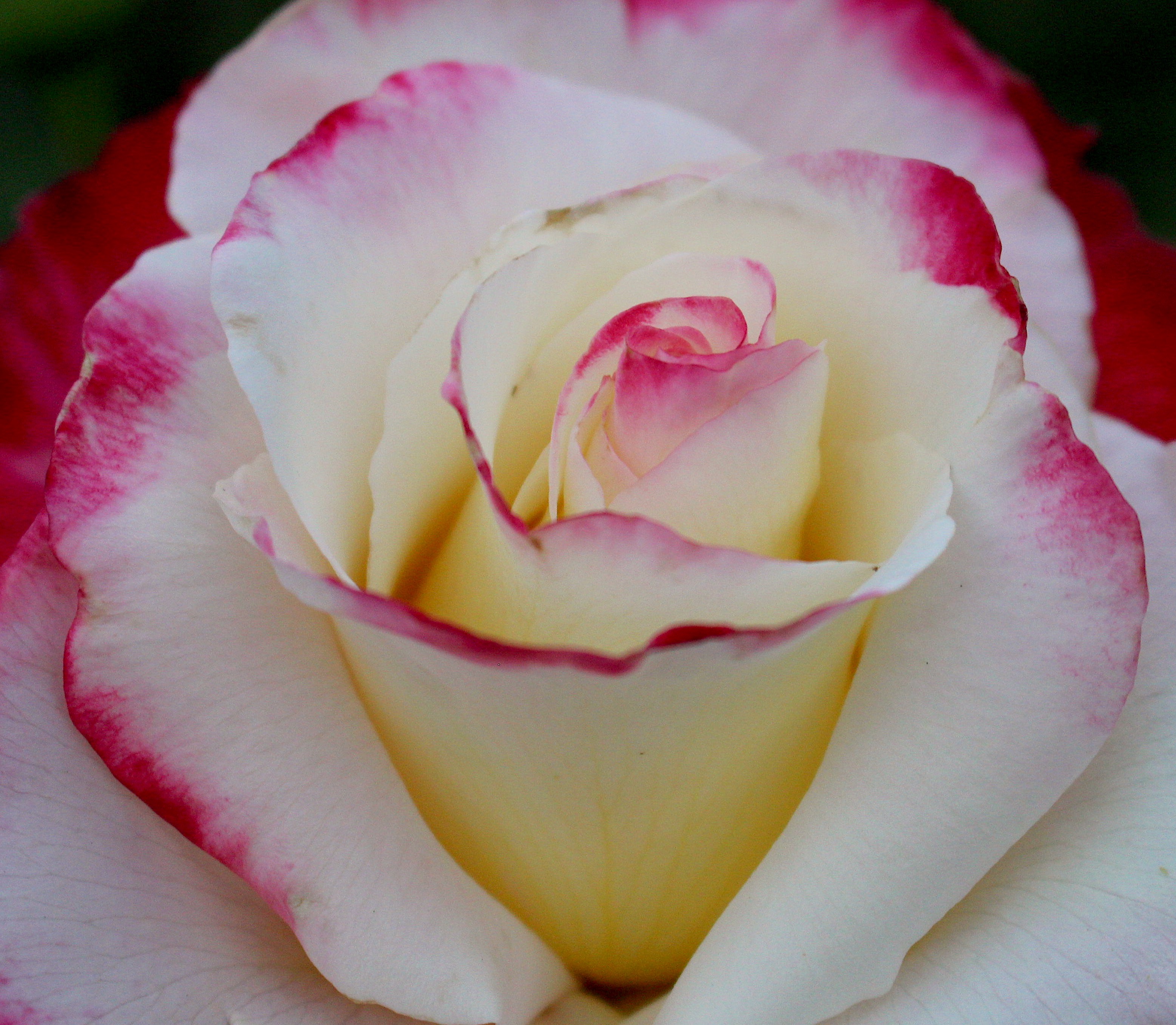
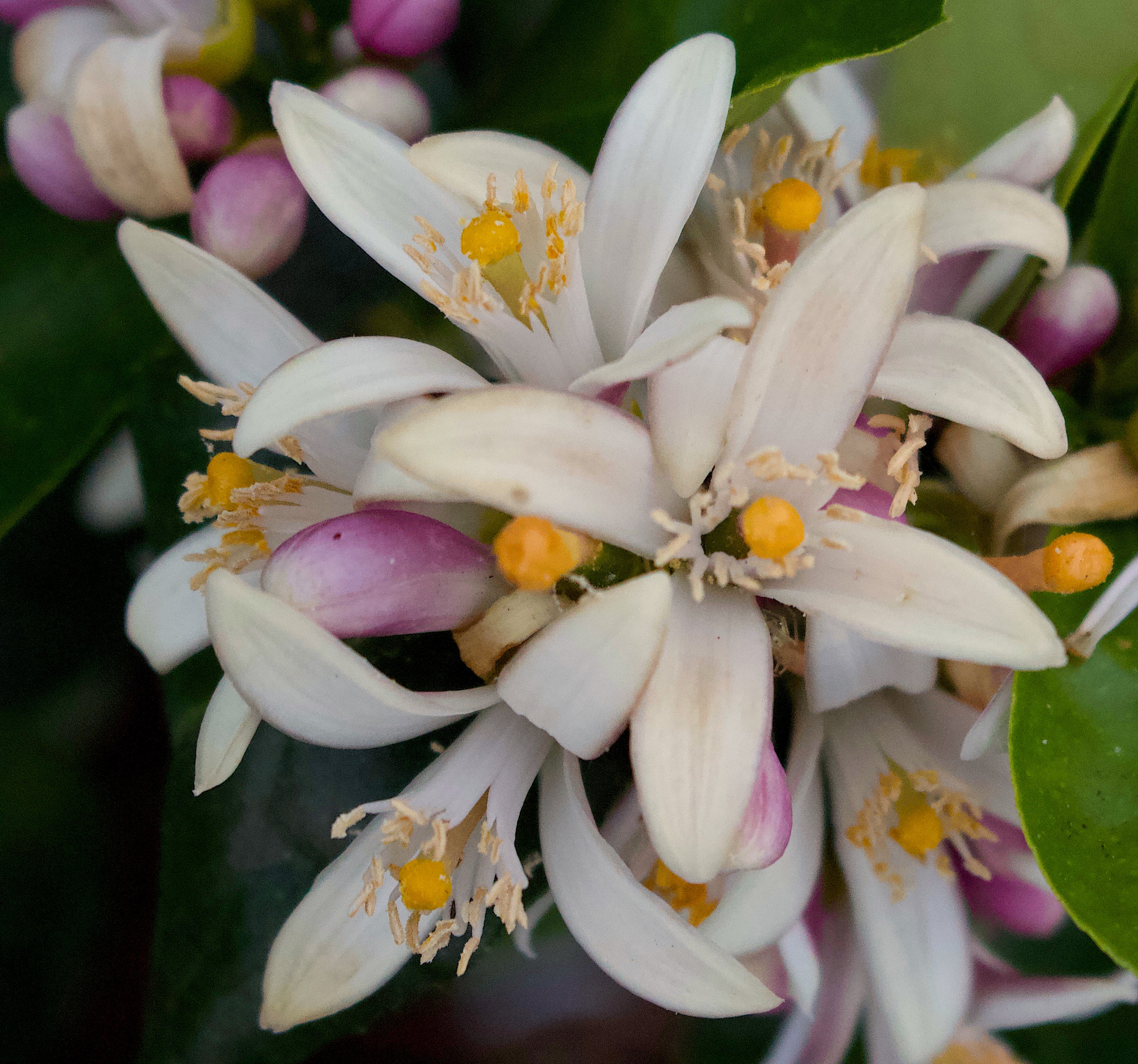
The garden yields its own treasure: tea roses, sweet peas, heliotrope, mint, lemon verbena and lemon blossom take me back to lazy breezes wafting through open bedroom windows in my childhood home.  And of course the richness of petrichor: the fragrance of the earth after a long awaited rain will remind me of how things smell after a dry spell.

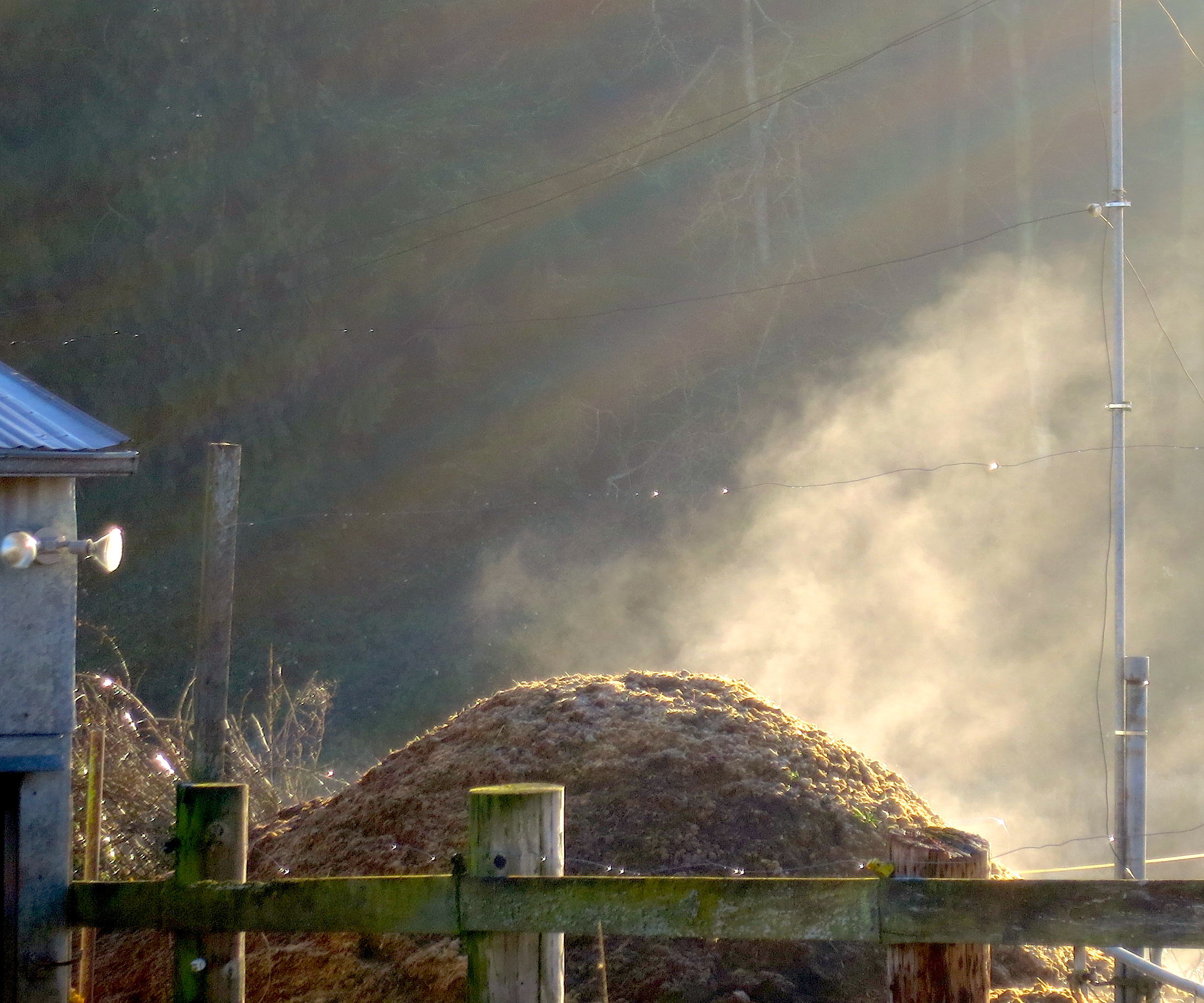
I doubt any aromatherapy kit available includes my most favorite farm smells: newly mown hay, fresh fir shavings for stall bedding,  the mustiness of the manure pile, the green sweetness of a horses’ breath.

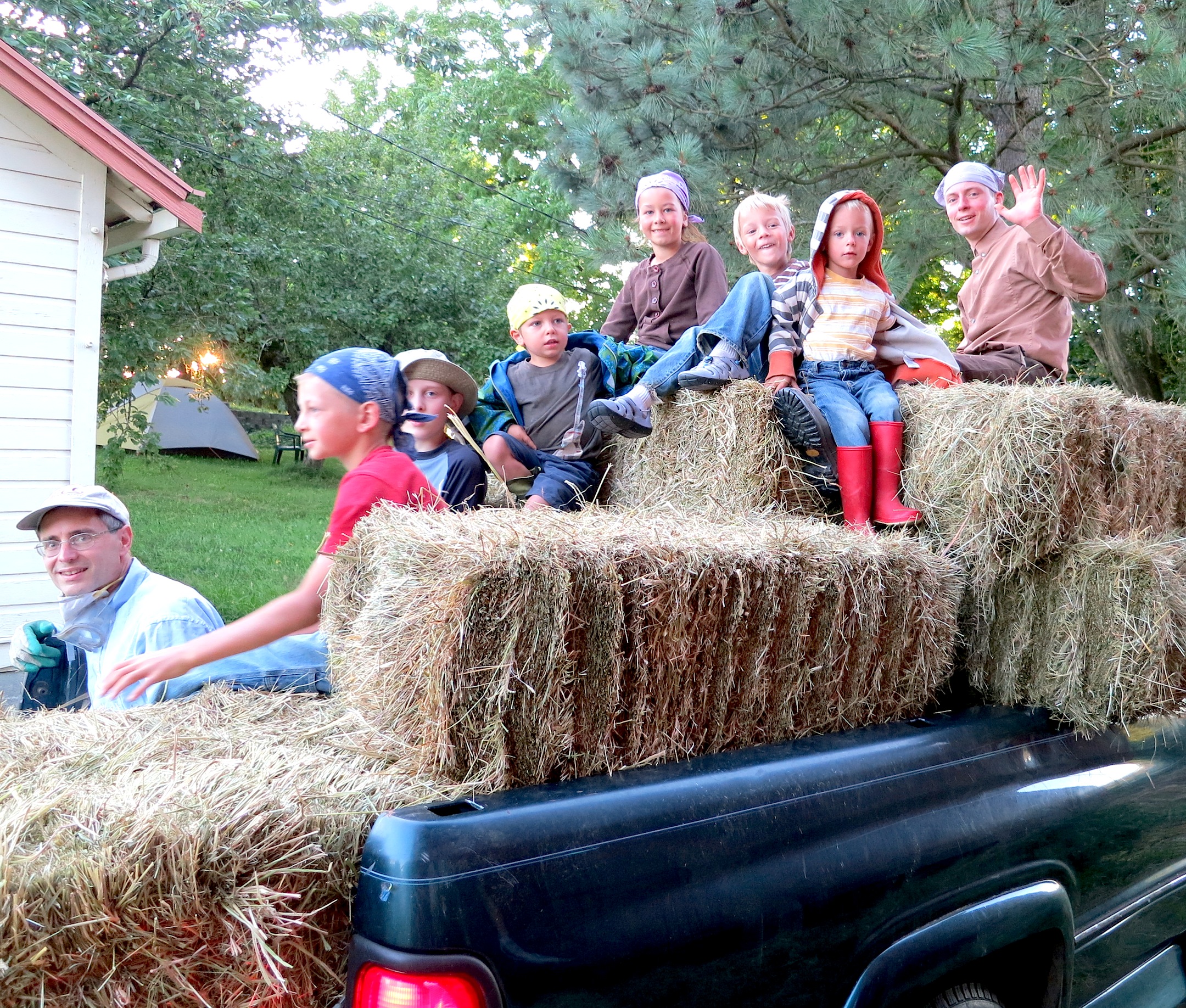
Someday I’ll figure out how to bottle all these up to keep forever.   Years from now my rambles will be over, when I’m too feeble to walk to the barn or be part of the hay harvest crew any longer,  I can sit by my fireplace, close my eyes, open it up and take a whiff now and then and remind me of all I’m grateful for.  It’ll take me back to a day just like today when I cooked in the kitchen, held a friend’s sweet infant, moved hay to the horses and cleaned the barn:

I’ll breathe deeply of the smells that speak to me with no uncertain voice.


hayjobdone


compostjanuary


tonynose

Thankful for Stillness

sunset92horses4


haflingers1117185


sunset92horses


haflingers1117183


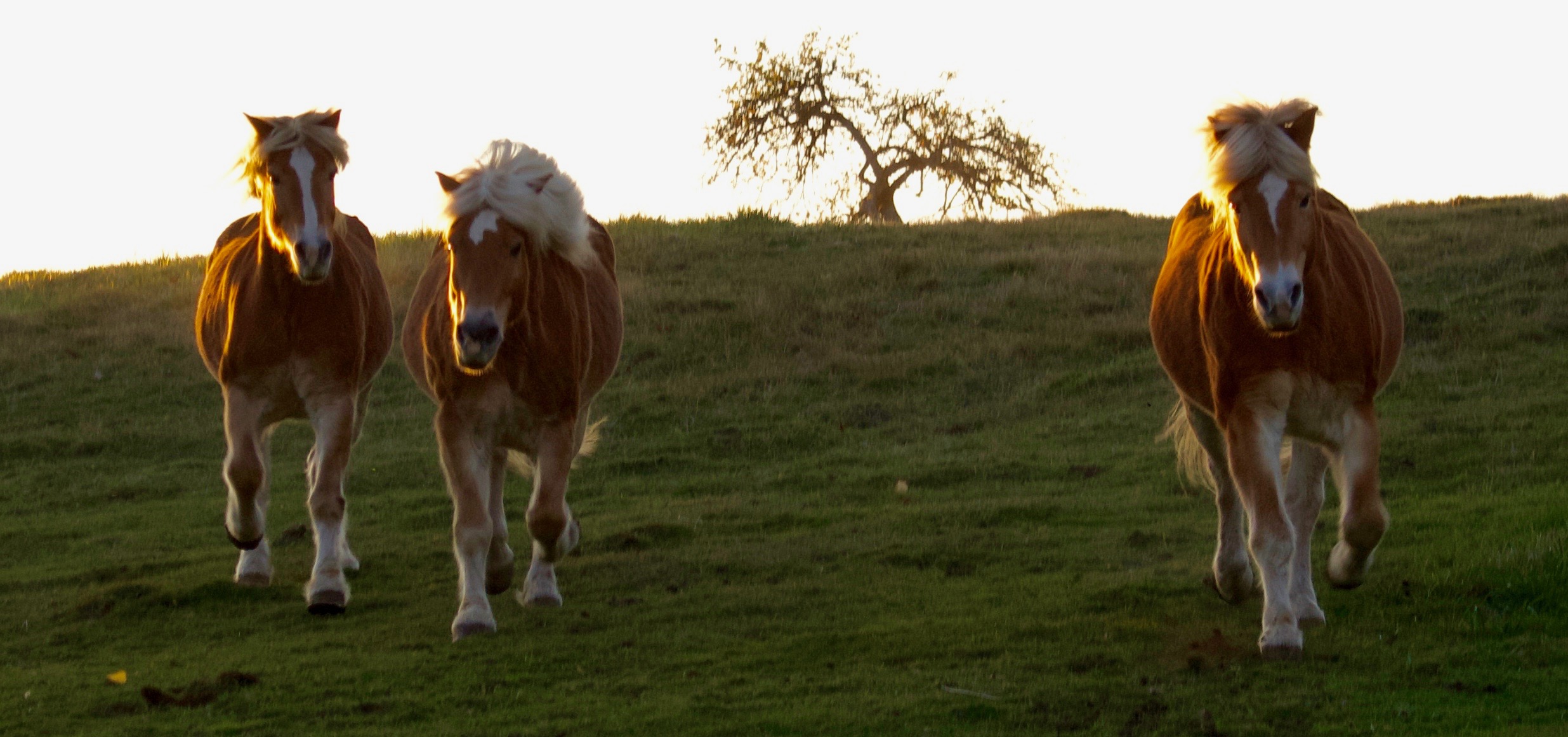
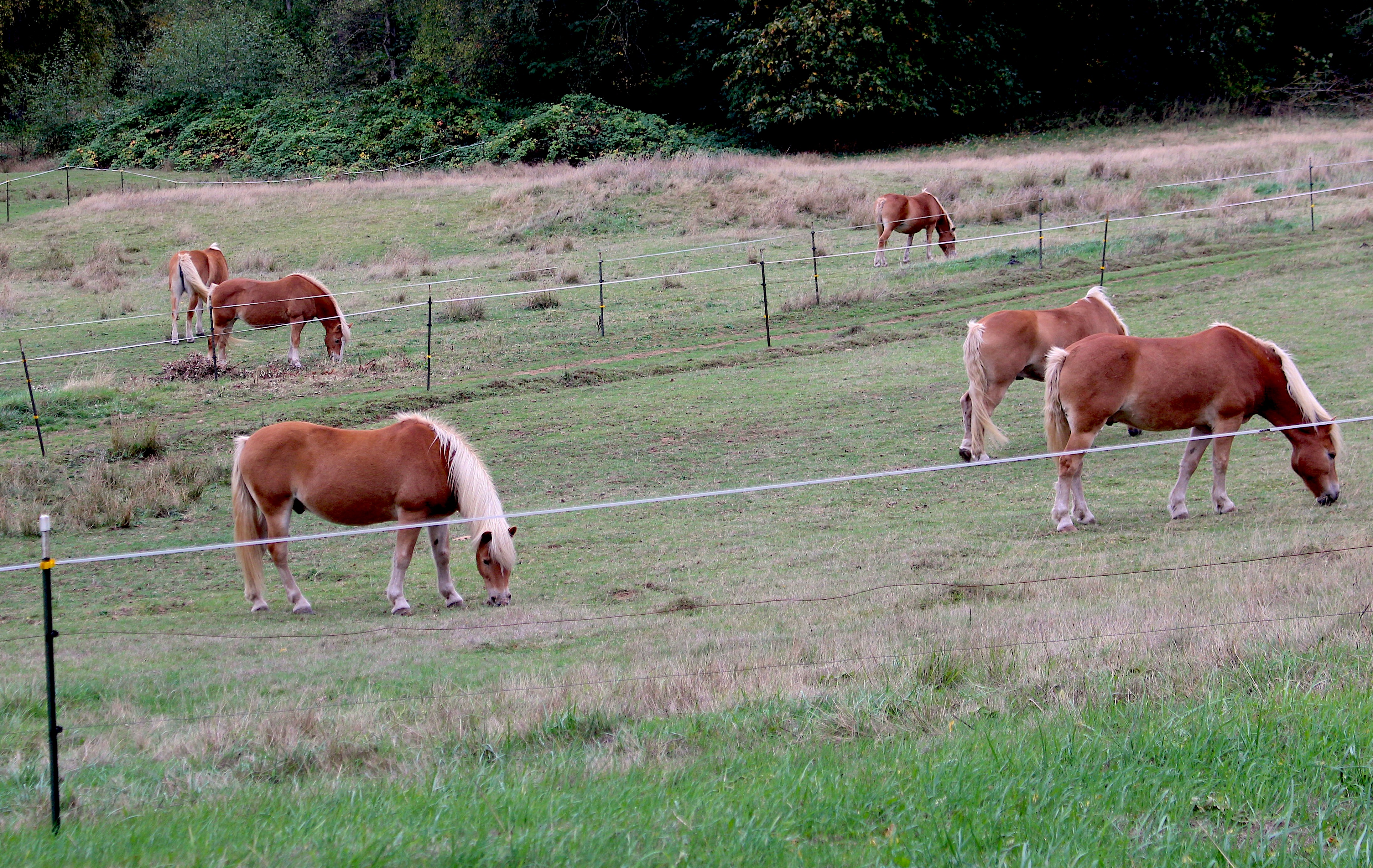
There is a basic lesson that all young horses must learn (and a fewer older horses must relearn) on our farm. It is to stand still when asked and move only when asked. This does not come naturally to a young horse–they tend to be impatient and fidgety and fretful and full of energy. If they are hungry, they want food now and if they are bored, they want something different to do and if they are fearful, they want to be outta there.

Teaching a horse to be still is actually a greater lesson in persistence and consistency for the human handler, which means I don’t always do well in teaching this to my horses and they (and I) lapse frequently–wiggly pushy horses and a weary frustrated handler. It means correcting each little transgression the horse makes, asking them to move back to their original spot, even if there is hay waiting just beyond their nose, asking them to focus not on their hunger, their boredom, their fear, but asking them to focus only on me and where they are in relationship to me. It means they must forget about themselves and recognize something outside of themselves that is in control–even if I move away from them to do other things.

The greatest trust is when I can stand a horse in one spot, ask them to be still, walk away from them, briefly go out of sight, and return to find them as I left them, still focused on me even when I was not visible.

I was reminded of this during Pastor Bert’s sermon on the book of Exodus when he preached on the moments before Moses parted the Red Sea, allowing the Hebrews an escape route away from Pharoah and the Egyptian chariots and soldiers. In those moments beforehand, the Hebrews were pressed up against the Sea with the Egyptians bearing down on them and they lamented they should never have left Egypt in the first place, and that generations of bondage in slavery would have been preferable to dying in the desert at the hands of the soldiers or drowning in the Sea.

Moses told them to “be still”. Or as our pastor said, he told them to “shut up”. Stay focused, be obedient, trust in the Lord’s plan. And the next thing that happened was the Sea opened up. Then the Hebrews rejoiced in thanksgiving for their freedom.

Thanksgiving, as it has developed over the years from the first historical observance of a meal shared jointly between the Pilgrims and their Native American hosts, is just such a moment to “be still and know” about the gifts from our God. Yet in our hurried and harried culture, Thanksgiving is about buying the best bargain turkey (or this year the most free range heritage turkey costing close to $150!), creating the most memorable recipes, decorating in perfect Martha Stewart style, eating together in Norman Rockwell style extended family gatherings, watching football and parades on the biggest flat screen TV, while preparing for the mad dash out the door the next day to start the Christmas shopping season.

Instead of all that fol de rol –  be still.

Like my horses, I need correction when I start to agitate out of “hunger”–wanting to literally stuff myself full, or out of my boredom– seeking the latest in entertainment or satisfaction, or out of my fear–  feeling the threats that surround us all in the world today. I need to be reminded continually that my focus must be outside myself and my perceived needs, and to be still long enough to know God is with us even though we cannot see Him every moment.

I do not do well at this.

My horses learn much faster than I do. I am restless, rarely taking the time to be still and acknowledge God who continually watches, waiting for me to settle down and focus on Him.

May this Thanksgiving remind me of my need for God, and my gratitude for His patient persistence in moving me back into place when I wiggle and fret and stuff myself even when I’m really not hungry.

May I remember that to be still and know God is the greatest gift I can give and that I can receive.

And may His Stillness be with you as well.


haflingers1117181


noblesse111718


haflingers1117182


A Mosaic of Leaves

golden115181


octevening2912


octevening297


goldenoctmorn6


And then in the falling comes a rising, 
as of the bass coming up for autumn’s last insects 
struggling amid the mosaic of leaves on the lake’s surface. 
We express it as the season of lacking, but what is this nakedness
— the unharvested corn frost-shriveled but still a little golden 
under the diffuse light of a foggy sky,
the pin oak’s newly stark web of barbs, the woodbine’s vines 
shriven of their scarlet and left askew in the air 
like the tangle of threads on the wall’s side 
of the castle tapestry—what is it but greater intimacy,
the world slackening its grip on the veils, letting them slump
to the floor in a heap of sodden colors, and saying,
this is me, this is my skeletal muscle, 
my latticework of bones, my barren winter skin, 
this is it and if you love me, know that this is what you love. 
~Laura Fargas “October Struck” from Animal of the Sixth Day


leafdoor


sunset115182


oaklane103018


Something about the emerging nakedness of autumn reassures that we can be loved even when stripped down to our bones. We do make quite a show of shedding our coverings, our bits and pieces fluttering down to rejoin the soil, but what is left is meager lattice.

But when the light is just right, we are golden, illuminated and illuminating, even if barely there.


octevening2917


sunset115184


slipandslide


oldapplenovember


To Hone and Tend Creation

goldenoctmorn6


morningmeadow


homermaple


Creation is the arena in and through which God wishes to reveal himself. 
In creating, in preserving, in pursuing; in hallowing, in participating, in wooing—
the Father, the Son, and the Spirit have made all creation, 
and all its creatures, great and small, their delight.

We recognize that, being made in his image, we are appointed as his stewards. 
This does not give us carte blanche with God’s world. 
We are not given creation to plunder, 
but to hone and tend in such ways that every little part of it gives glory to God.
~Kathleen Mulhern in Dry Bones


fog101948


milkcoma


rexrabbit


turkey3


grumpyfinch


I like the thought of creation being “wooed” into existence by God.  Indeed I need to be gently wooed into tackling the day and tending my part of creation.  The night may have been sleepless, the worry endless, the efforts I make futile.

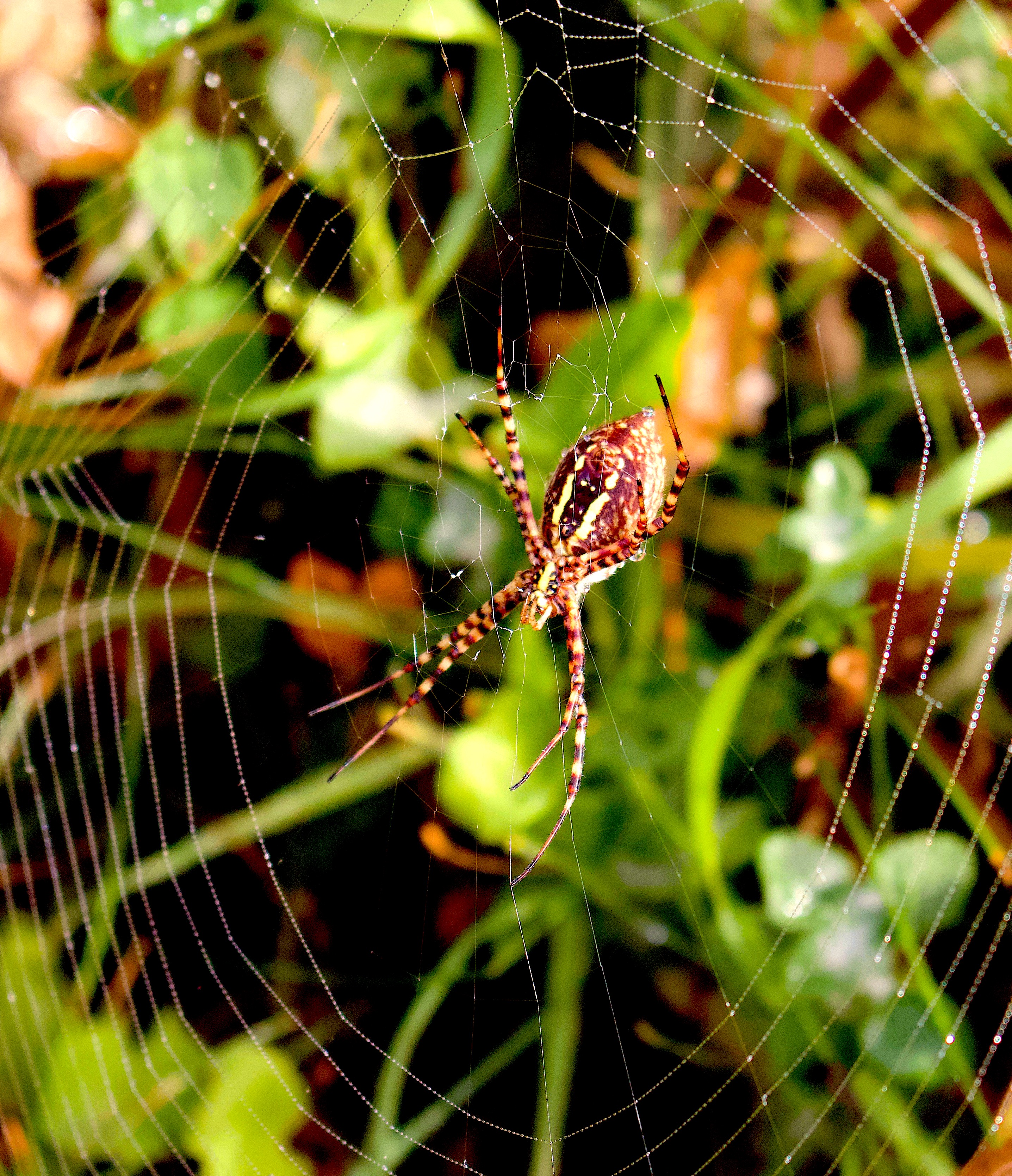
Yet I’m here for a reason, as is every spider, mouse and even mosquito.  It is all to His glory, as insignificant as I feel.

There can be nothing but wooing wonder in all He has made.


simba2


fog101953


snailexplore


spider98181


Dent in the Ground

theherd


noblessesunset


octobertony


All winter your brute shoulders strained against collars, padding
and steerhide over the ash hames, to haul
sledges of cordwood for drying through spring and summer,
for the Glenwood stove next winter, and for the simmering range.

In April you pulled cartloads of manure to spread on the fields,
dark manure of Holsteins, and knobs of your own clustered with oats.
All summer you mowed the grass in meadow and hayfield, the mowing machine
clacketing beside you, while the sun walked high in the morning;

and after noon’s heat, you pulled a clawed rake through the same acres,
gathering stacks, and dragged the wagon from stack to stack,
and the built hayrack back, uphill to the chaffy barn,
three loads of hay a day from standing grass in the morning.

Sundays you trotted the two miles to church with the light load
a leather quartertop buggy, and grazed in the sound of hymns.
Generation on generation, your neck rubbed the windowsill
of the stall, smoothing the wood as the sea smooths glass.

When you were old and lame, when your shoulders hurt bending to graze,
one October the man, who fed you and kept you, and harnessed you every morning,
led you through corn stubble to sandy ground above Eagle Pond,
and dug a hole beside you where you stood shuddering in your skin,

and lay the shotgun’s muzzle in the boneless hollow behind your ear,
and fired the slug into your brain, and felled you into your grave,
shoveling sand to cover you, setting goldenrod upright above you,
where by next summer a dent in the ground made your monument.

For a hundred and fifty years, in the Pasture of dead horses,
roots of pine trees pushed through the pale curves of your ribs,
yellow blossoms flourished above you in autumn, and in winter
frost heaved your bones in the ground – old toilers, soil makers:

O Roger, Mackerel, Riley, Ned, Nellie, Chester, Lady Ghost.
~Donald Hall, “Names of Horses”


breakfastoctober


pastureoctober1


wally92218


As a child,  I regularly visited the horse grave dug by hand by my father in 1965 in an open clearing of our woods where our little chestnut mare, Dolly, rested in the ground.

She was felled by a vet’s bullet to the head after an agonizing bout with colic. I had returned to the house, unable to watch, but could not help but hear the gunshot as if it had gone through me as well.

At first her grave was a place to cry where no one but the trees and wild flowers could see.

When my tears dried up, it was a place to sing loudly where no one but chipmunks and my dog could hear.

Later it became the sanctuary where I retreated to talk to God when my church no longer was.

Her bones lie there still and no one but me knows where. The dent in the ground will always betray the spot.

No one but me remembers you.


noblesseeye1


octoberyard4

A Shining Moment

applesponies


chestnuts92918


When I work outdoors all day, every day, as I do now, in the fall,
getting ready for winter, tearing up the garden, digging potatoes,
gathering the squash, cutting firewood, making kindling, repairing
bridges over the brook, clearing trails in the woods, doing the last of
the fall mowing, pruning apple trees, taking down the screens,
putting up the storm windows, banking the house—all these things,
as preparation for the coming cold…

when I am every day all day all body and no mind, when I am
physically, wholly and completely, in this world with the birds,
the deer, the sky, the wind, the trees…

when day after day I think of nothing but what the next chore is,
when I go from clearing woods roads, to sharpening a chain saw,
to changing the oil in a mower, to stacking wood, when I am
all body and no mind…

when I am only here and now and nowhere else—then, and only
then, do I see the crippling power of mind, the curse of thought,
and I pause and wonder why I so seldom find
this shining moment in the now.
~David Budbill “The Shining Moment in the Now”


evening1151514


morninglightoctober


I spend only a small part of my day doing physical work – clearly not enough – as most of my waking time is spent almost entirely within the confines of my skull.

It is too much “internal” time, to be sure.  My body needs to lift and push and dig and toss so I head outside on the farm twice daily to do farm chores.  This physical activity gives me the opportunity to be “in the moment” and not crushed under “what was, what is, what needs to be and what possibly could be” happening mostly in my head.

I’m grateful for some tenuous balance in my life,  knowing as I do that I would not make a good full time farmer. There is comfort in the glow of those moments of “living it now” rather than dwelling endlessly in my mind about the past or the future.

Let it shine.


rainbowbarnlight


sunset831141


spotlight