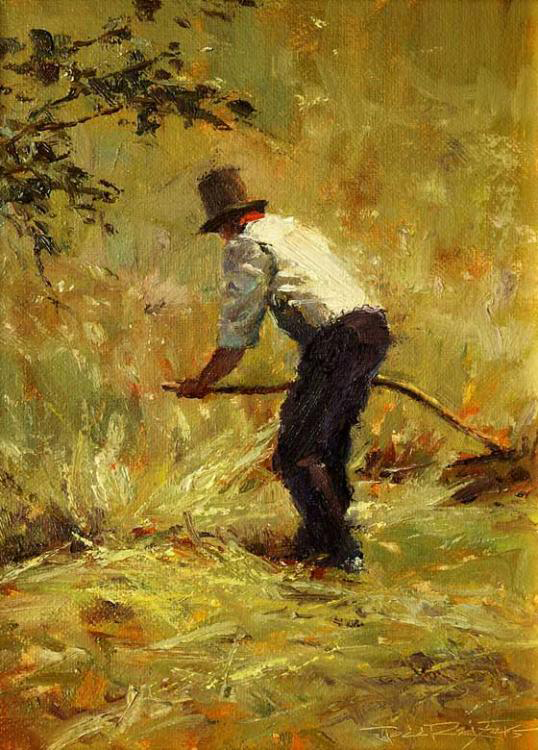
The Grass Forgiving the Scythe

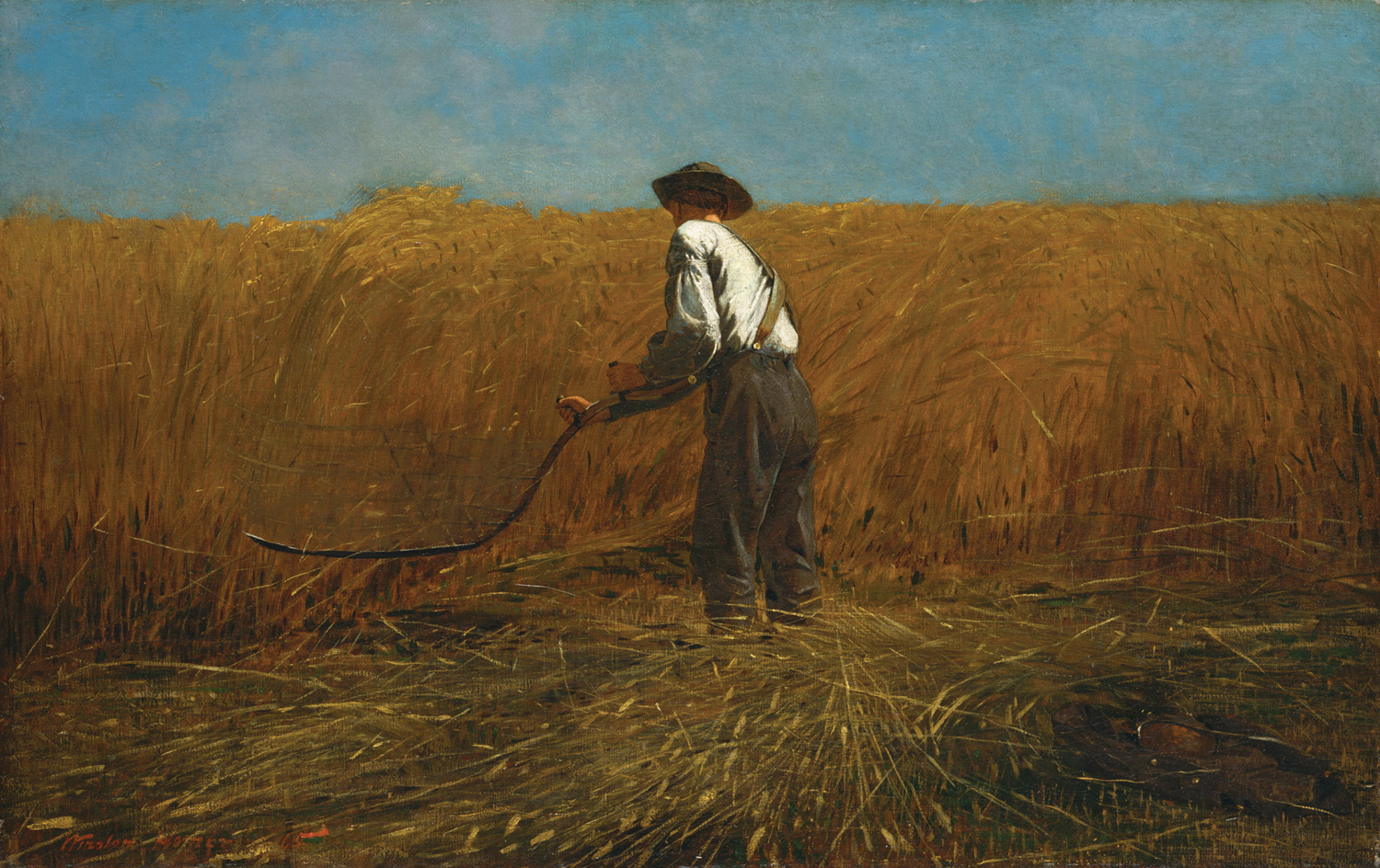
Winslow Homer’s The Veteran in a New Field
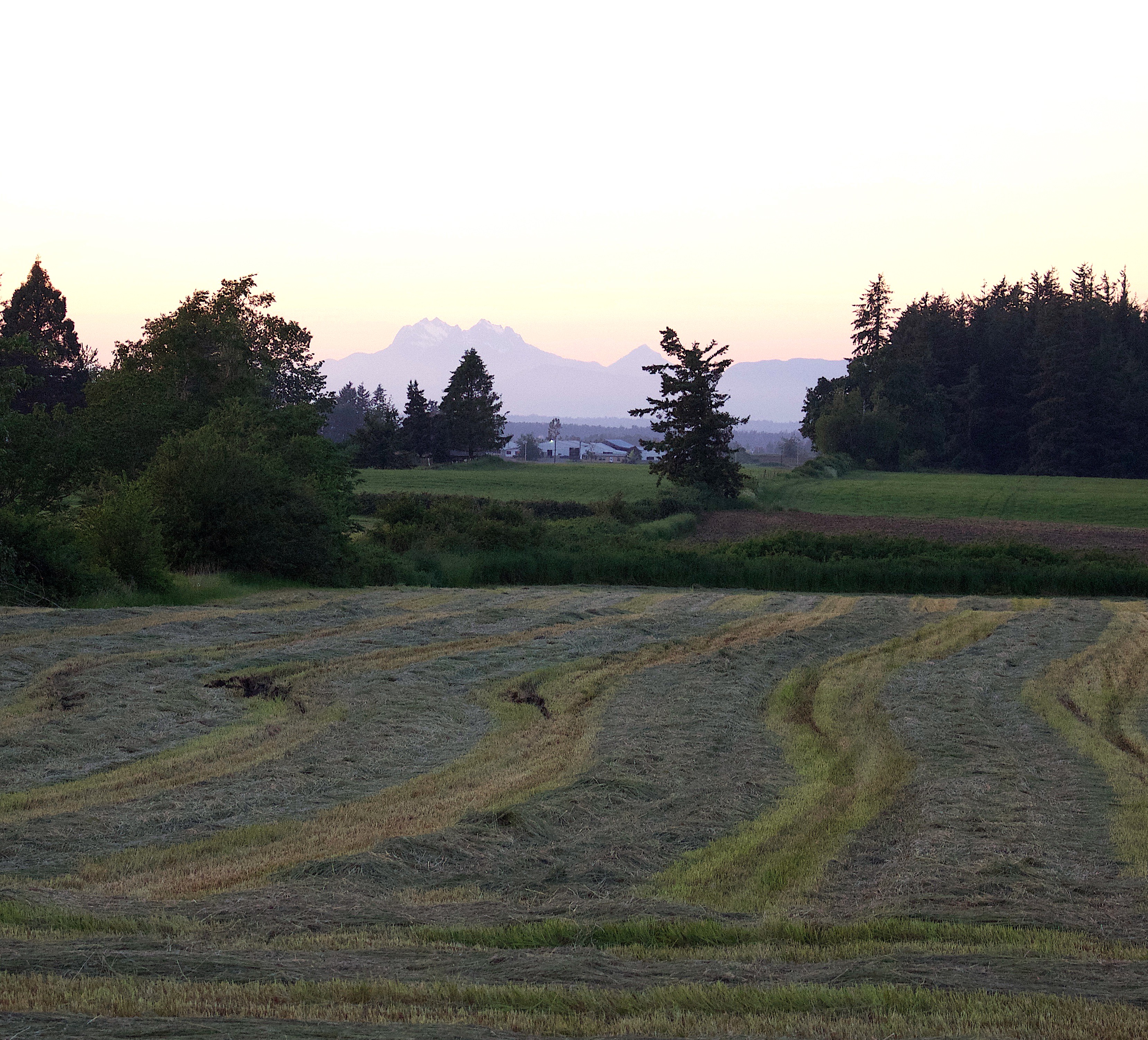
Man Scything Hay by Todd Reifers

There was never a sound beside the wood but one,
And that was my long scythe whispering to the ground.
What was it it whispered? I knew not well myself;
Perhaps it was something about the heat of the sun,
Something, perhaps, about the lack of sound—
And that was why it whispered and did not speak.

To the earnest love that laid the swale in rows,
The fact is the sweetest dream that labor knows.
My long scythe whispered and left the hay to make.
~Robert Frost in “Mowing”
Mowers, weary and brown, and blithe,
What is the word methinks ye know,
Endless over-word that the Scythe
Sings to the blades of the grass below?
Scythes that swing in the grass and clover,
Something still, they say as they pass;
What is the word that, over and over,
Sings the Scythe to the flowers and grass?

Hush, ah hush, the Scythes are saying,
Hush, and heed not, and fall asleep;
Hush, they say to the grasses swaying,
Hush, they sing to the clover deep!
Hush – ’tis the lullaby Time is singing –
Hush, and heed not, for all things pass,
Hush, ah hush! and the Scythes are swinging
Over the clover and over the grass!

~Andrew Lang (1844-1912) “The Scythe Song”
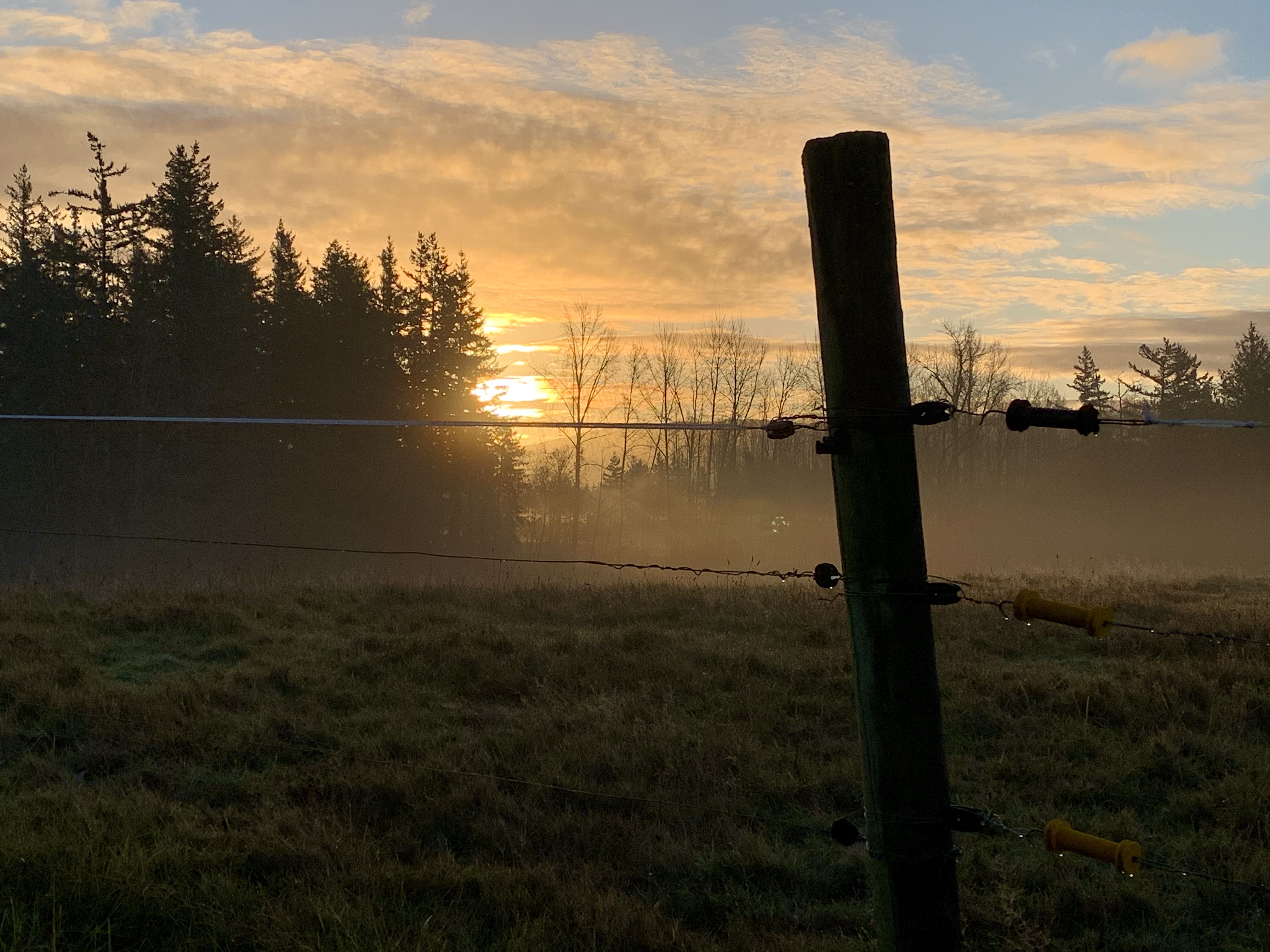
It is blue May. There is work
to be done. The spring’s eye blind
with algae, the stopped water
silent. The garden fills
with nettle and briar.
Dylan drags branches away.
I wade forward with my scythe.

There is stickiness on the blade.
Yolk on my hands. Albumen and blood.
Fragments of shell are baby-bones,
the scythe a scalpel, bloodied and guilty
with crushed feathers, mosses, the cut cords
of the grass. We shout at each other
each hurting with a separate pain.

From the crown of the hawthorn tree
to the ground the willow warbler
drops. All day in silence she repeats
her question. I too return
to the place holding the pieces,
at first still hot from the knife,
recall how warm birth fluids are.

~Gillian Clarke “Scything” from Letter from a Far Country (1982)

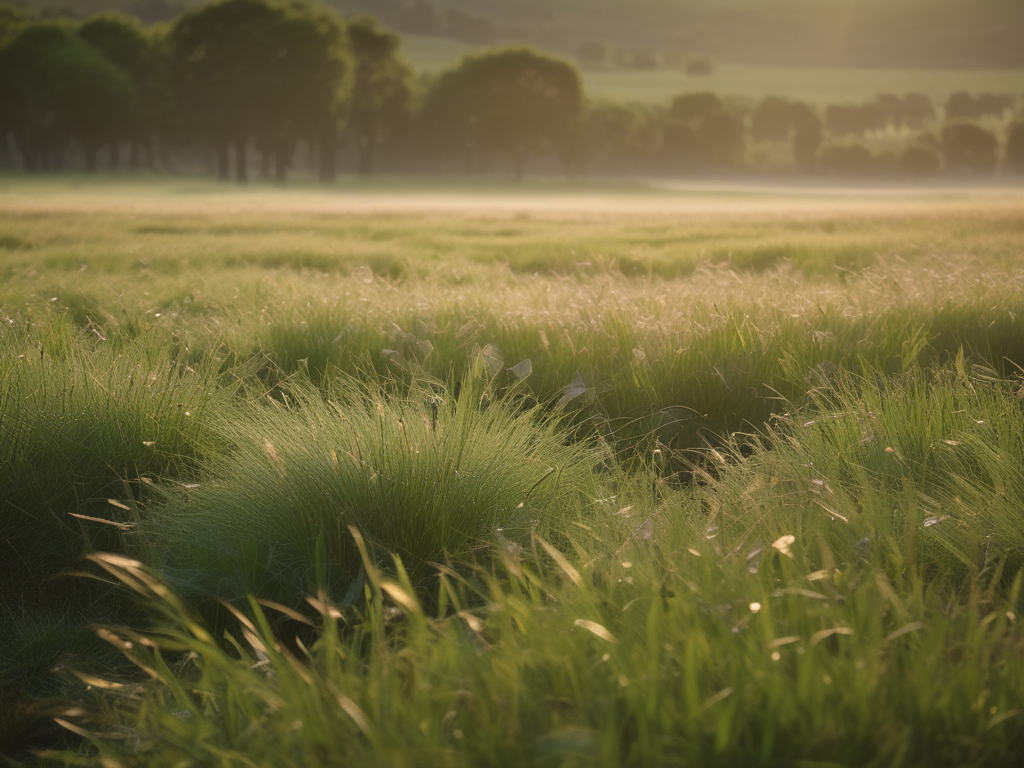
The grass around our orchard and yet-to-be-planted garden is now thigh-high. It practically squeaks while it grows. Anything that used to be in plain sight on the ground is rapidly being swallowed up in a sea of green: a ball, a pet dish, a garden gnome, a hose, a tractor implement, a bucket. In an effort to stem this tidal flood of grass, I grab the scythe out of the garden shed and plan my attack.

When the pastures are too wet yet for heavy hooves, I have hungry horses to provide for and there is more than plenty fodder to cut down for them.

I’m not a weed whacker kind of gal. First there is the necessary fuel, the noise necessitating ear plugs, the risk of flying particles requiring goggles–it all seems too much like an act of war to be remotely enjoyable. Instead, I have tried to take scything lessons from my husband.

Emphasis on “tried.”

I grew up watching my father scythe our hay in our field because he couldn’t afford a mower for his tractor. He enjoyed physical labor in the fields and woods–his other favorite hand tool was a brush cutter that he’d take to blackberry bushes. He would head out to the field with the scythe over this shoulder, grim reaper style. Once he was standing on the edge of the grass needing to be mowed, he would then lower the scythe, curved blade to the ground, turn slightly, positioning his hands on the two handles just so, raise the scythe up past his shoulders, and then in a full body twist almost like a golf swing, he’d bring the blade down. It would follow a smooth arc through the base of the standing grass, laying clumps flat in a tidy pile alongside the 2 inch stubble left behind. It was a swift, silky muscle movement — a thing of beauty.

Once, when I was three years old, I quietly approached my dad in the field while he was busily scything grass for our cows, but I didn’t announce my presence. The handle of his scythe connected with me as he swung it, laying me flat with a bleeding eyebrow. I still bear the scar, somewhat proudly, as he abruptly stopped his fieldwork to lift me up as I bawled and bled on his sweaty shirt. He must have felt so badly to have injured his little girl and drove my mom and I to the local doctor who patched my brow with sticky tape rather than stitches.

So I identify a bit with the grass laid low by the scythe. I forgave my father, of course, and learned never again to surprise him when he was working in the field.

Instead of copying my father’s graceful mowing technique, I tended to chop and mangle rather than effect an efficient slicing blow to the stems. I unintentionally trampled the grass I meant to cut. I got blisters from holding the handles too tightly. It felt hopeless that I’d ever perfect that whispery rise and fall of the scythe, with the rhythmic shush sound of the slice that is almost hypnotic.

Not only did I become an ineffective scything human, I also learned what it is like to be the grass laid flat, on the receiving end of a glancing blow. Over a long career, I bore plenty of footprints from the trampling. It can take awhile to stand back up after being cut down.

Sometimes it makes more sense to simply start over as the oozing stubble bleeds green, with deep roots that no one can reach. As I have grown back over the years, singing rather than squeaking or bawling, I realize, I forgave the scythe every time it came down on my head.
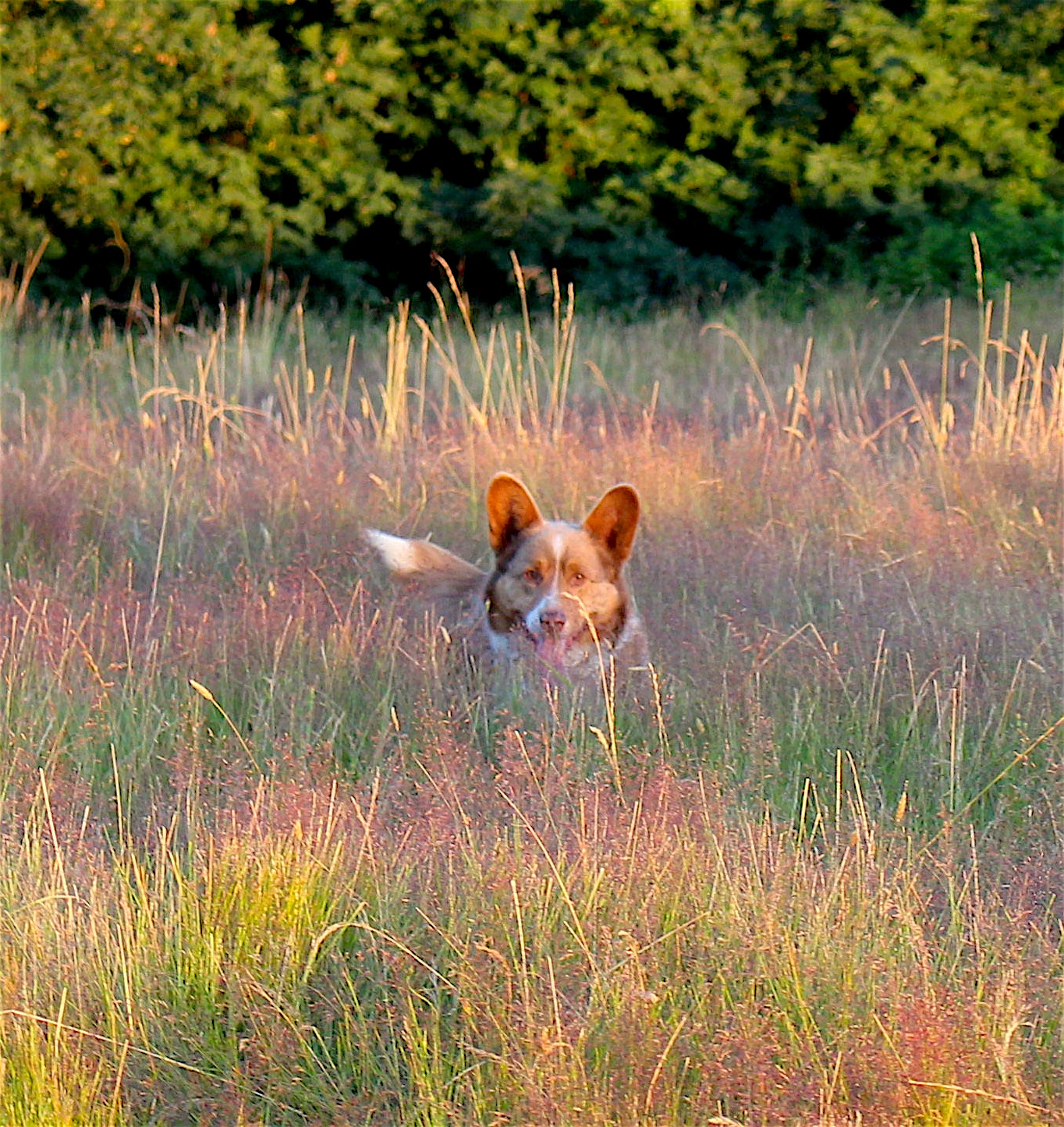
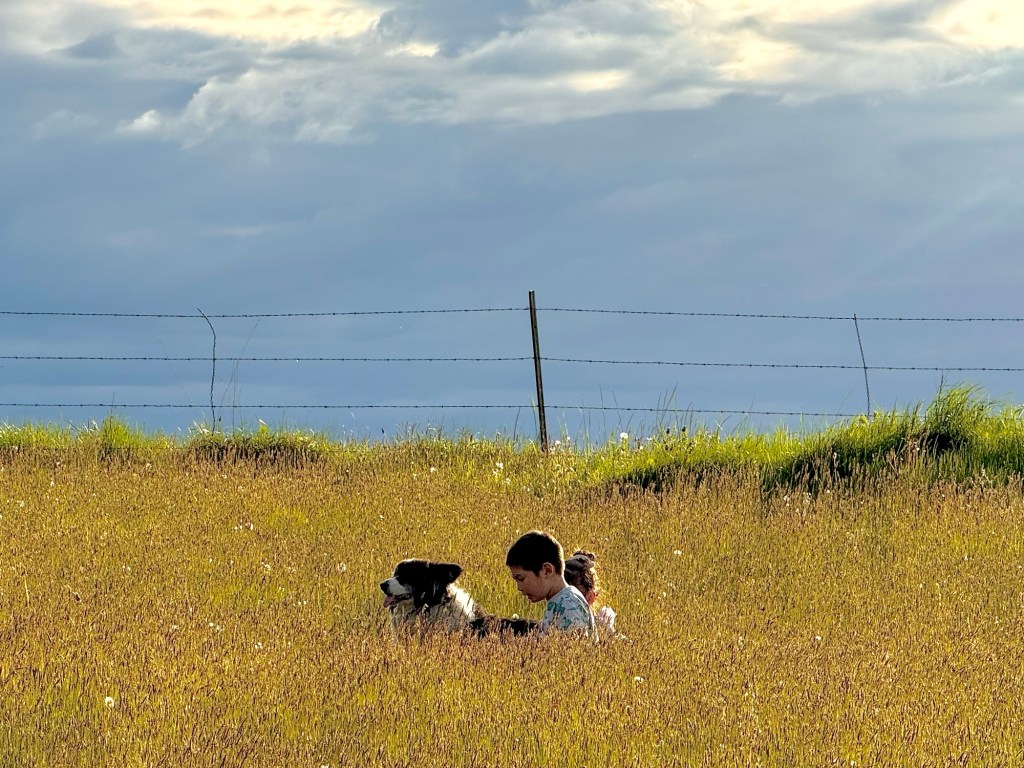
photo by Nate Gibson
One-Time
Monthly
Yearly

Make a one-time or recurring donation to support daily Barnstorming posts

Make a monthly donation

Make a yearly donation

Choose an amount

$5.00
$15.00
$100.00
$5.00
$15.00
$100.00
$5.00
$15.00
$100.00

Or enter a custom amount

$

Your contribution is deeply appreciated.

Your contribution is appreciated.

Your contribution is appreciated.

DonateDonate monthlyDonate yearly
Where You Go, I Will Go: Find Out Where You Belong

I wanted to treat feelings that are not recognized as afflictions and are never diagnosed by doctors. All those little feelings and emotions no therapist is interested in,
because they are apparently too minor and intangible.
The feeling that washes over you

when another summer nears its end.
Or when you recognize that you haven’t got your whole life left to find out where you belong.
Or the slight sense of grief when a friendship

doesn’t develop as you thought,
and you have to continue your search for a lifelong companion.
Or those birthday morning blues.
Nostalgia for the air of your childhood.
Things like that.
~Nina George from The Little Paris Bookshop

Are you so weary? Come to the window;
Lean, and look at this —
Something swift runs under the grass
With a little hiss . . . 

Now you see it ripping off,
Reckless, under the fence.
Are you so tired? Unfasten your mind,
And follow it hence.
~Mark Van Doren “Wind in the Grass”

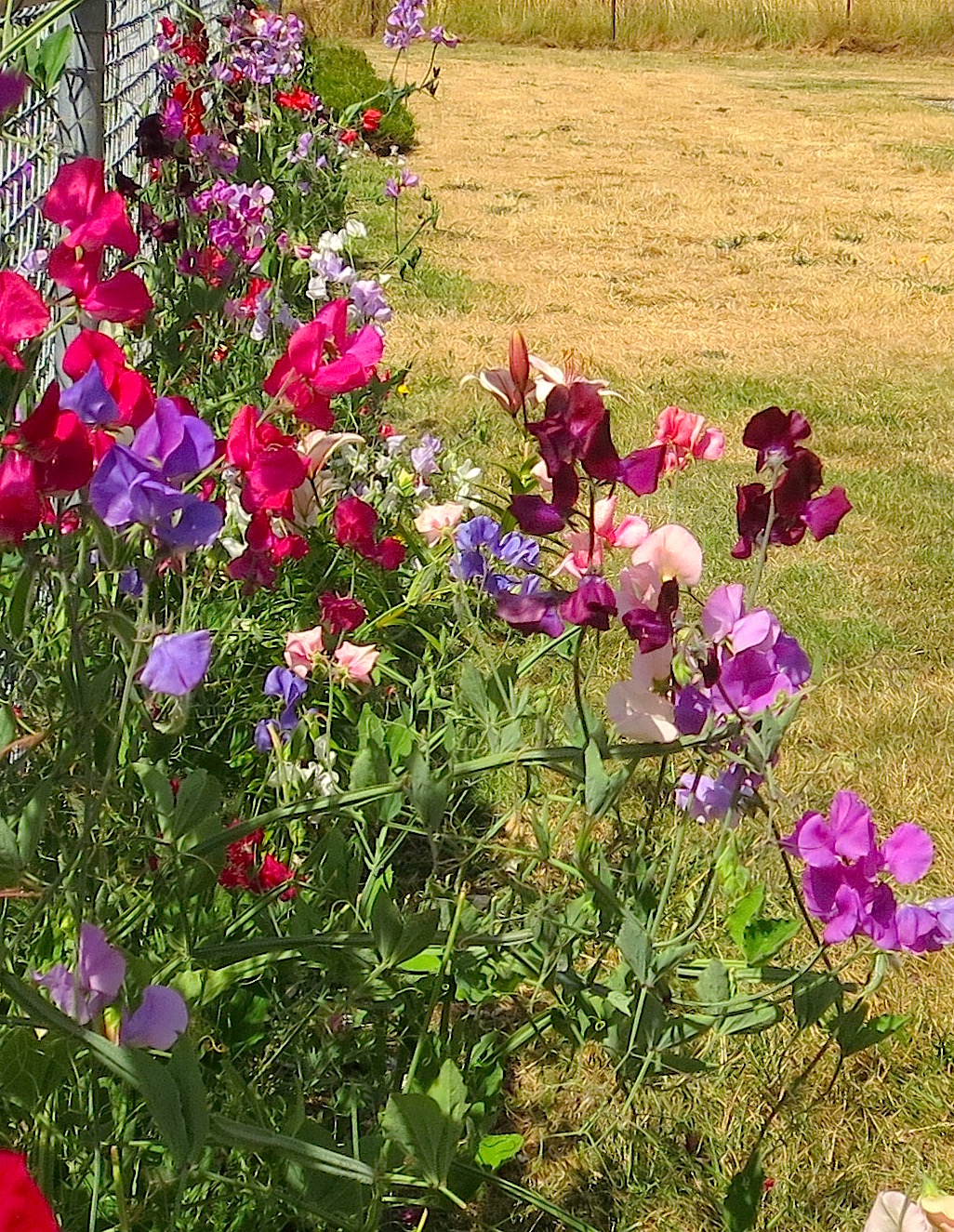
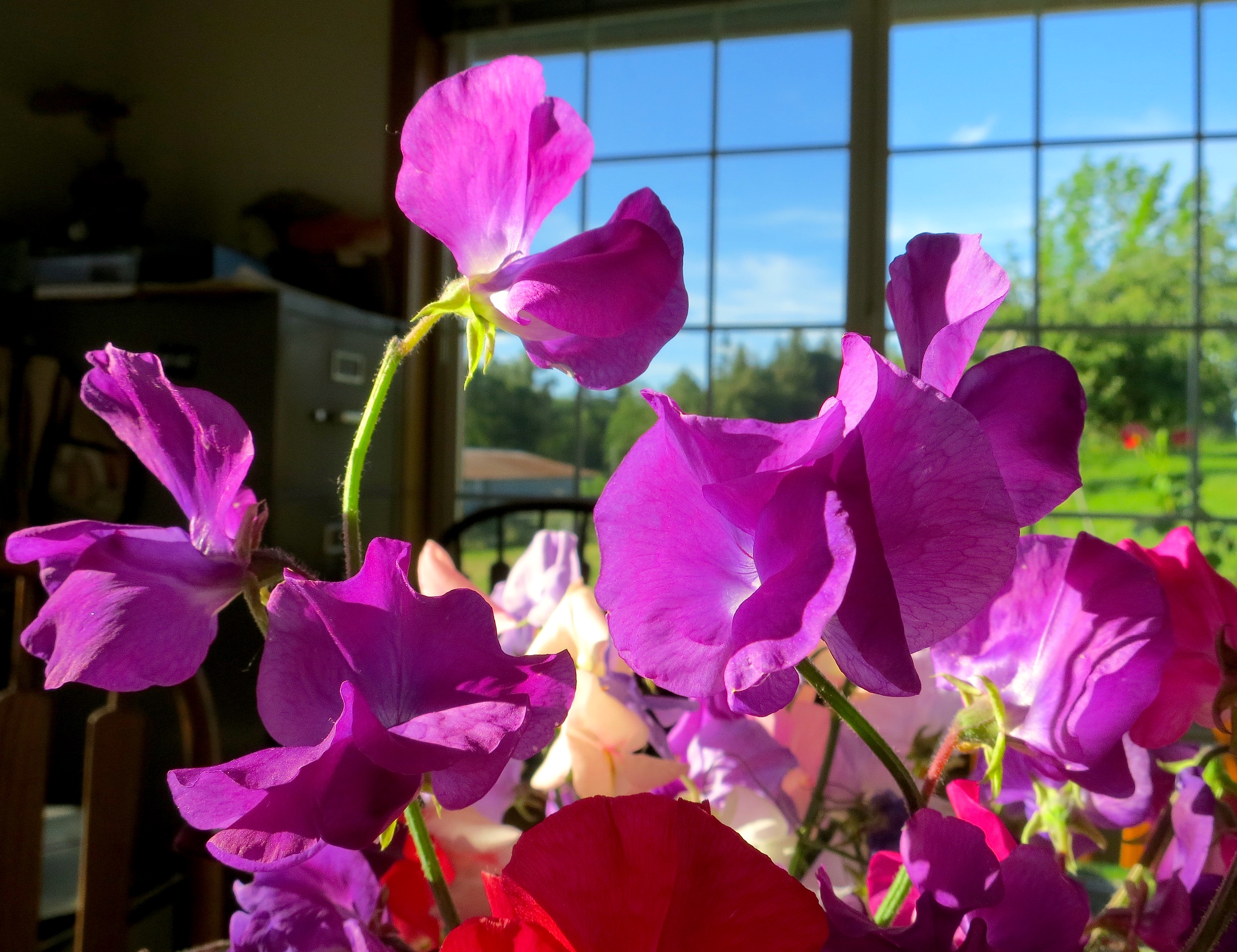
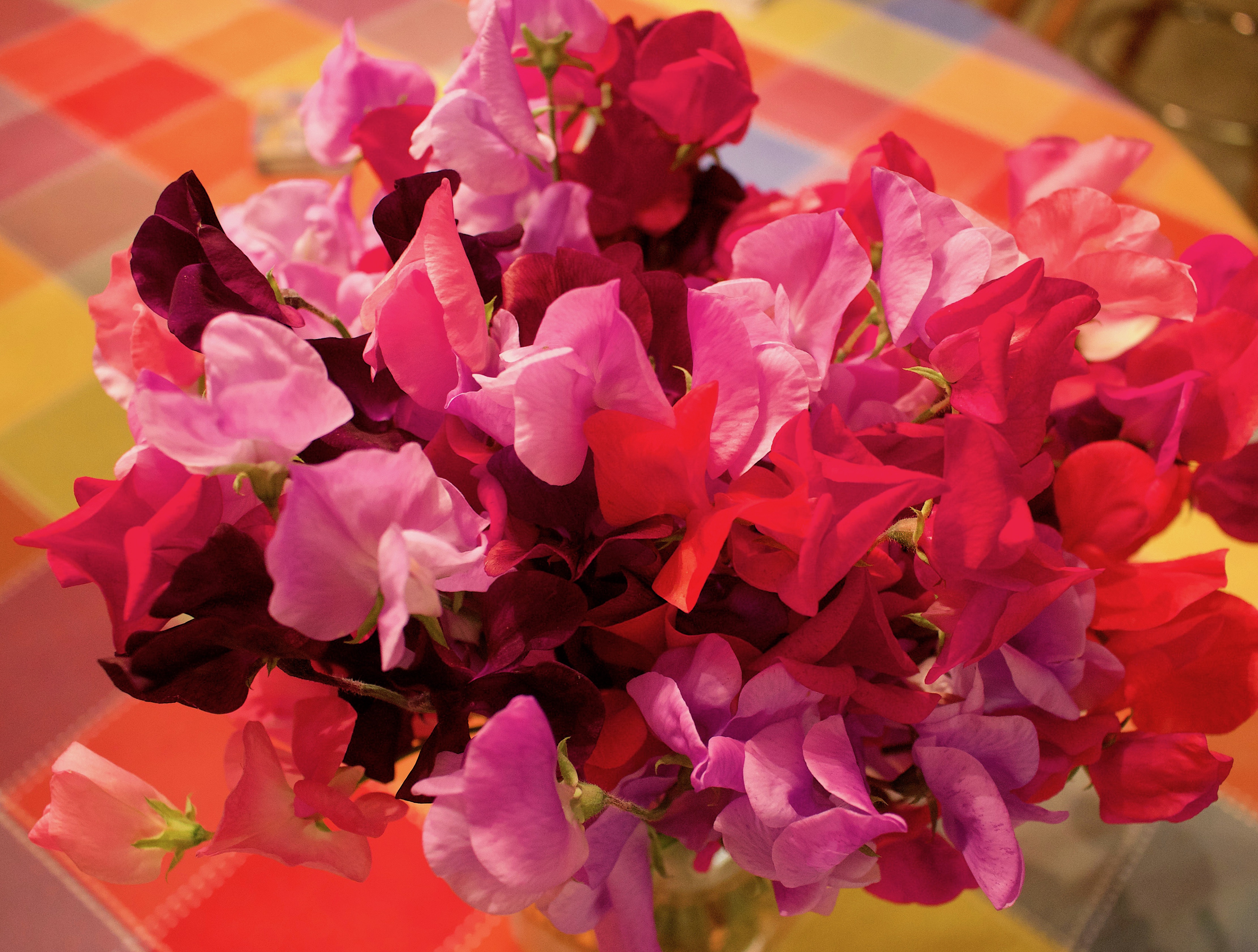
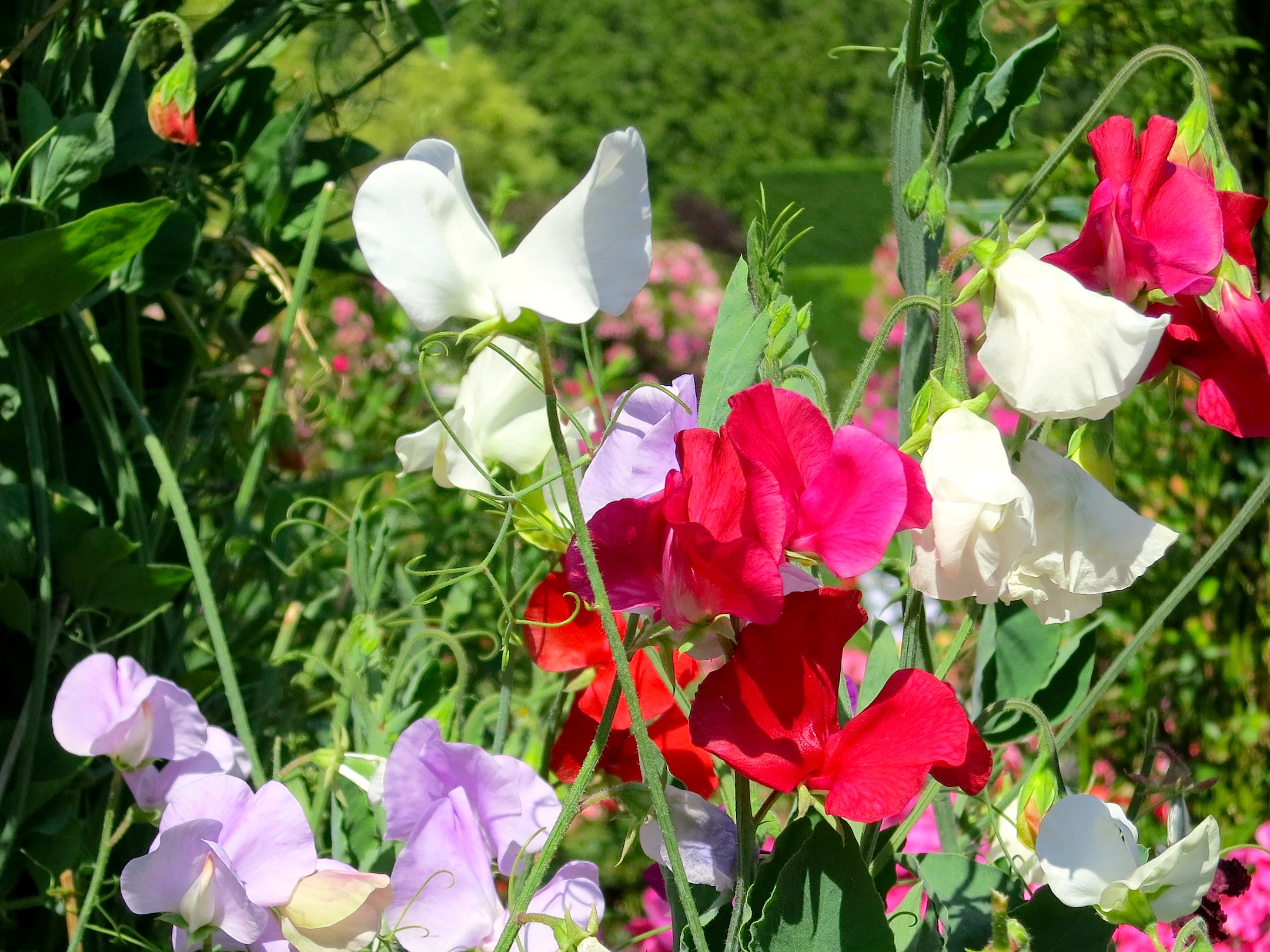
A white vase holds a kaleidoscope of wilting sweet peas
captive in the sunlight on the kitchen table while

wafting morning scent of pancakes
with sticky maple syrup swirls on the plate,

down the hall a dirty diaper left too long in the pail,
spills over tempera paint pots with brushes rinsed in jars after

stroking bright pastel butterflies fluttering on an easel
while wearing dad’s oversized shirt buttoned backwards

as he gently guides a hand beneath the downy underside
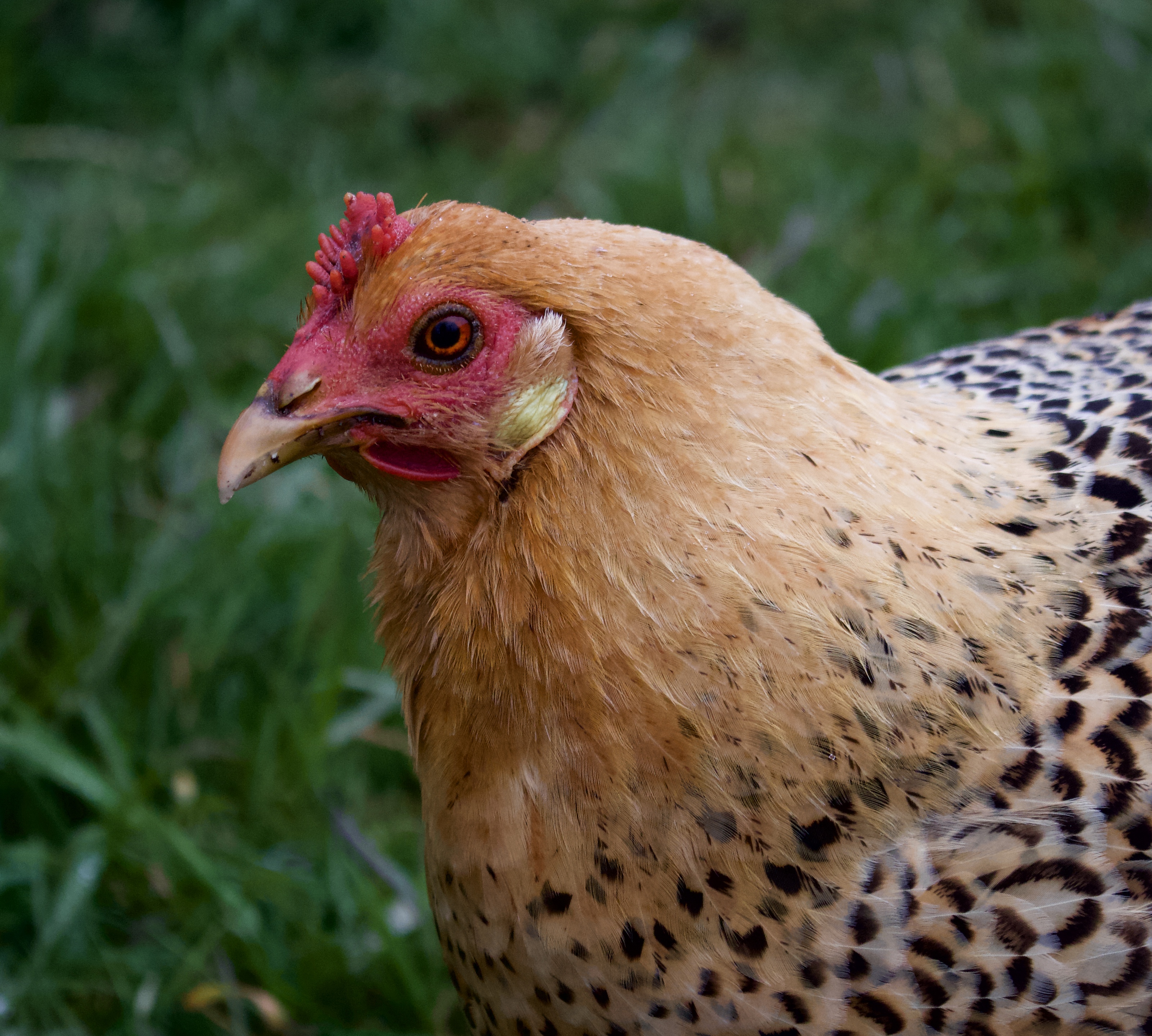
of the muttering hen reaching a warm egg hiding in the nest

broken into fragments like a heart while reading
the last stanza of “Dover Beach” in freshman English

Just down the hall of clanging lockers
To orchestra where strains of “Clair de Lune” accompany

the yearning midnight nipple tug of a baby’s hungry suck
hiccups gulping in rhythm to the rocking rocking

waiting for a last gasp for breath
through gaping mouth, mottled cooling skin

lies still between bleached sheets
illuminated by curtain filtered moonlight just visible

through the treetops while whoosh of owl wings
are felt not heard, sensed not seen.

Waking to bright lights and whirring machines
the hushed voice of the surgeon asking

what do you see now, what can you hear, what odor,
what flavor, what sensation on your skin

with each probe of temporal lobe, of fornix
and amygdala hidden deep in gray matter

of neurons and synaptic holding bins of chemical transmitters
storing the mixed bag of the past and present

to find and remove the offending lesion that seizes up
all remembrance, all awareness

and be set free again to live, to love, to swoon at the perfume
of spring sweet peas climbing dew fresh at dawn,

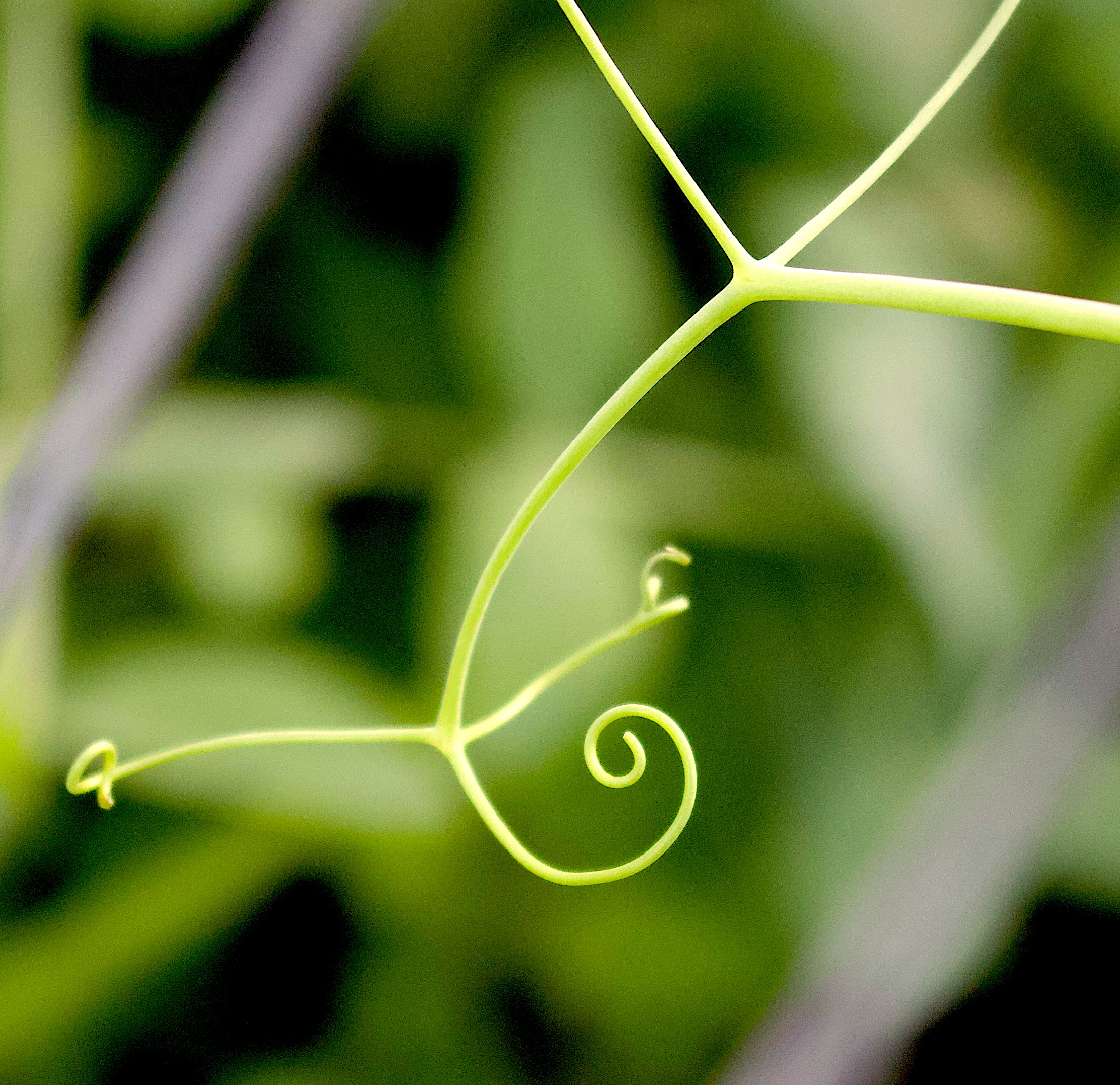
tendril wrapping over tendril,
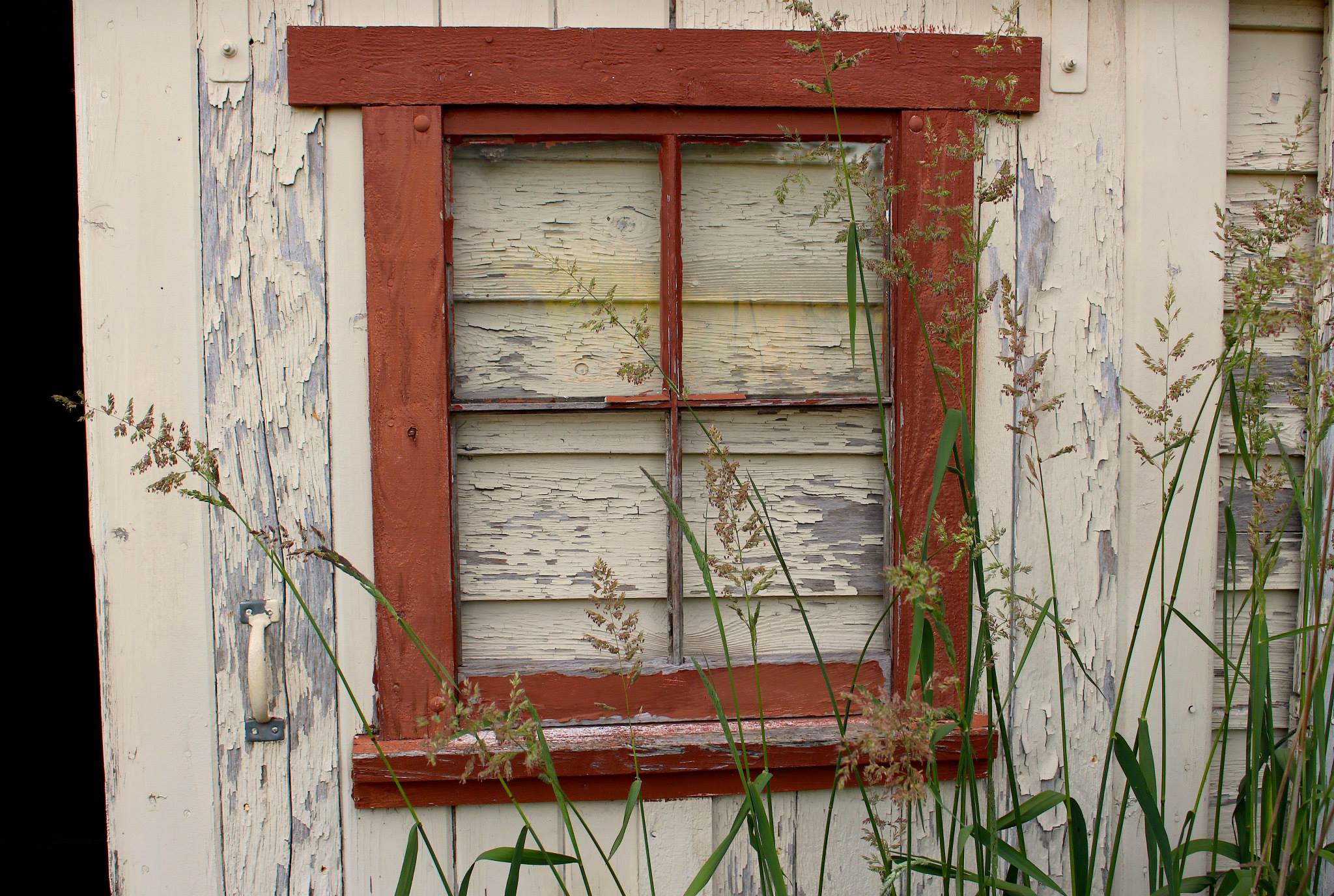
the peeling wall of the garden shed

no more regrets, no more grief
no more sorrow.

This year’s Lenten theme:

…where you go I will go…
Ruth 1:16

One-Time
Monthly
Yearly

Make a one-time or recurring donation to support daily Barnstorming posts

Make a monthly donation

Make a yearly donation

Choose an amount

$10.00
$25.00
$50.00
$5.00
$15.00
$100.00
$5.00
$15.00
$100.00

Or enter a custom amount

$

Your contribution is deeply appreciated.

Your contribution is appreciated.

Your contribution is appreciated.

DonateDonate monthlyDonate yearly
Winter Quickening

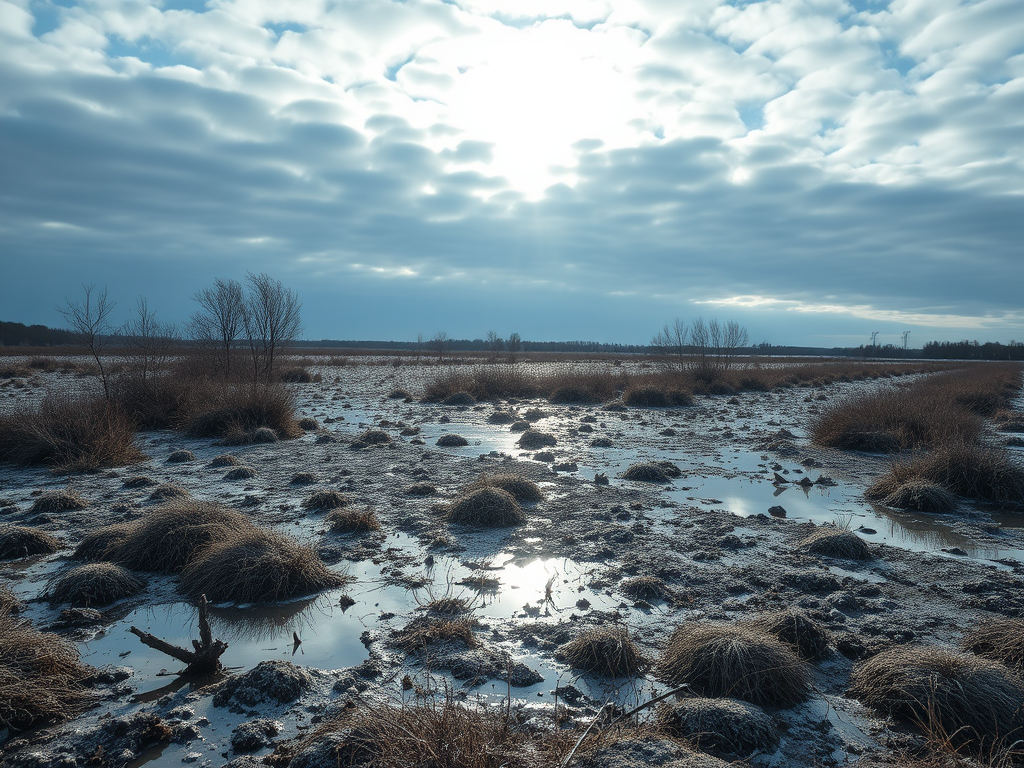
By the road to the contagious hospital
under the surge of the blue
mottled clouds driven from the
northeast — a cold wind. Beyond, the
waste of broad, muddy fields
brown with dried weeds, standing and fallen

patches of standing water
the scattering of tall trees

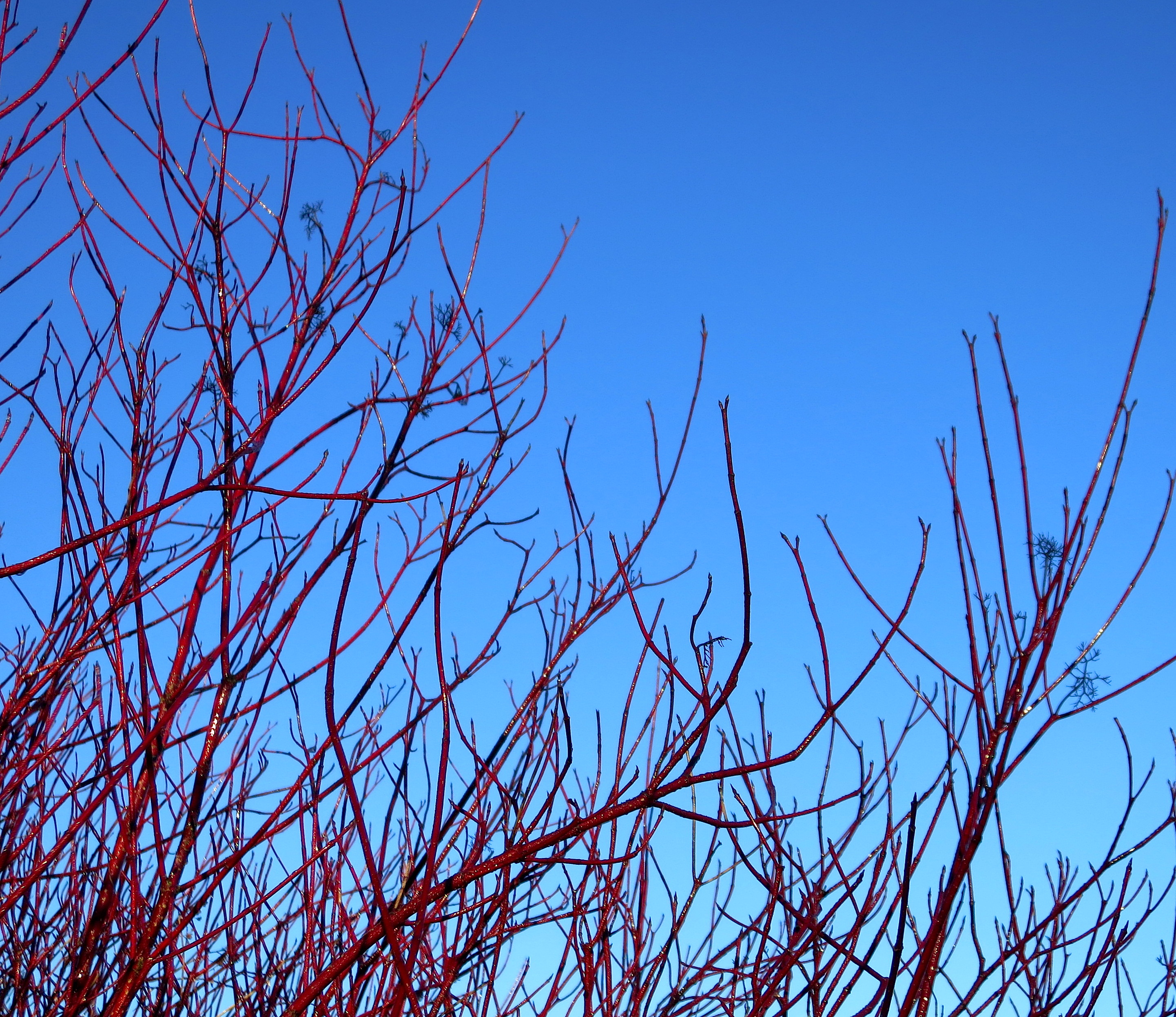
All along the road the reddish
purplish, forked, upstanding, twiggy
stuff of bushes and small trees
with dead, brown leaves under them
leafless vines —

Lifeless in appearance, sluggish
dazed spring approaches —

They enter the new world naked,
cold, uncertain of all
save that they enter. All about them
the cold, familiar w
ind —

Now the grass, tomorrow
the stif
f curl of wildcarrot leaf

One by one objects are defined —
It quickens: clarity, outline of leaf

But now the stark dignity of
entrance — Still, the profound change
has come upon them: rooted they
grip down and begin to awaken
~William Carlos Williams “Spring and All”

A week still left of January
with much of the country
in deep freeze,
covered in snow and ice
with bitter wind chill.

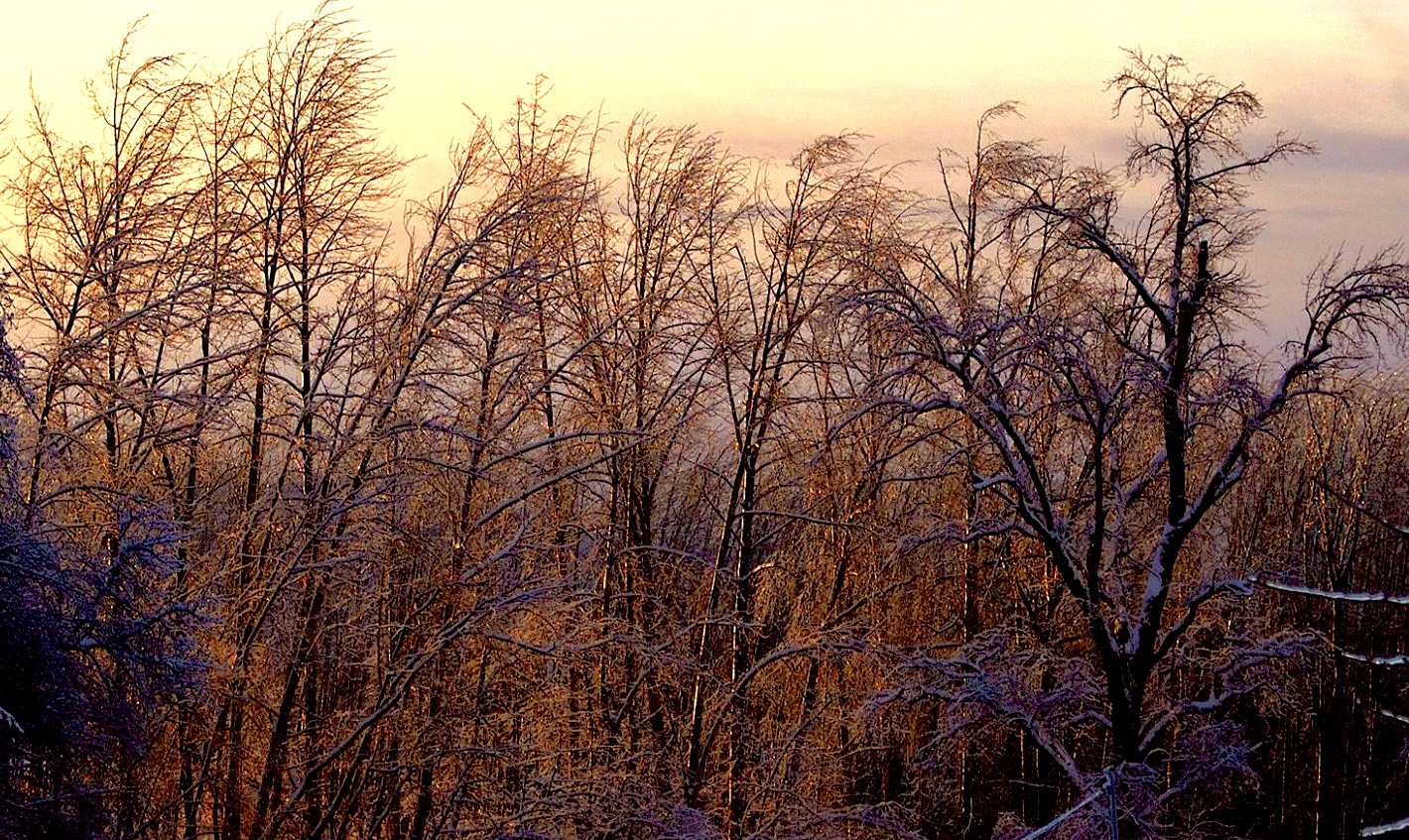
Yet the wintry outsides begin to awaken–
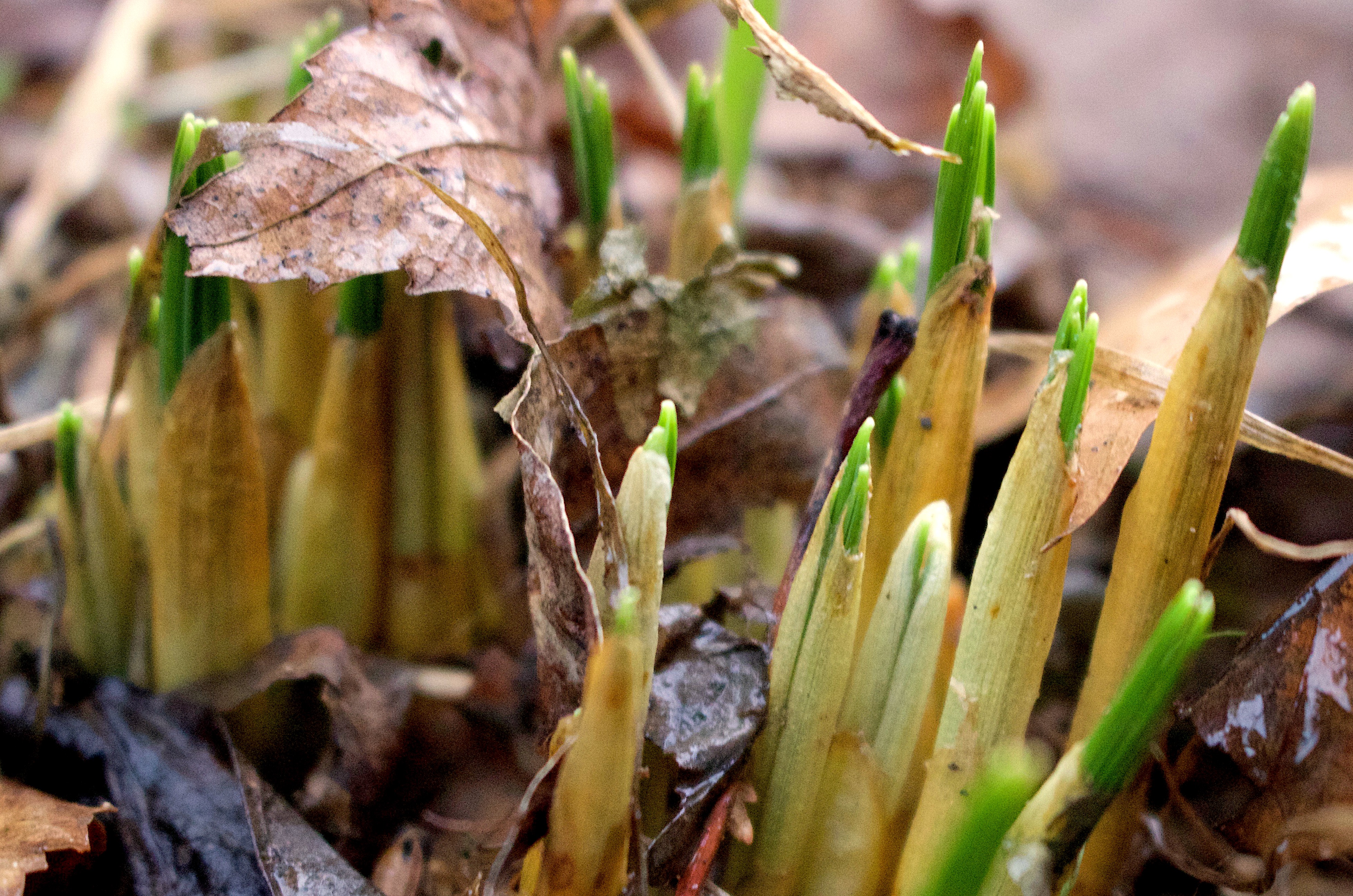
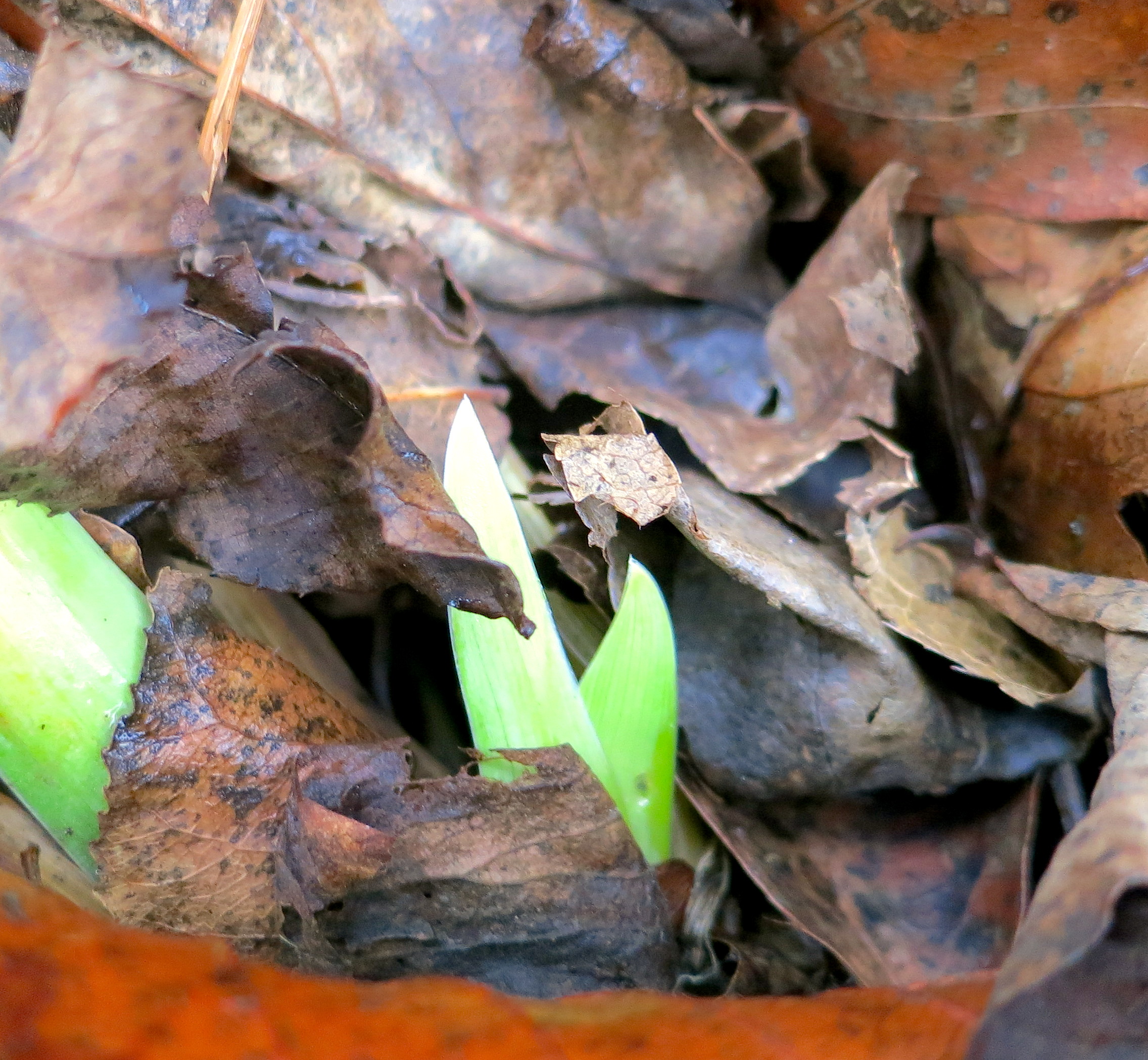
tender buds swelling,
bulbs breaking through soil,
in reentry to the world
from the dark and cold.

Like a mother holding
the mystery of her quickening belly,
so hopeful and marveling –
she knows soon and very soon
there will be spring.

AI image created for this post
One-Time
Monthly
Yearly

Make a one-time or recurring donation to support daily Barnstorming posts

Make a monthly donation

Make a yearly donation

Choose an amount

$10.00
$25.00
$50.00
$5.00
$15.00
$100.00
$5.00
$15.00
$100.00

Or enter a custom amount

$

Your contribution is deeply appreciated.

Your contribution is appreciated.

Your contribution is appreciated.

DonateDonate monthlyDonate yearly
The Grandest Spectacle

There is one spectacle grander than the sea, that is the sky; there is one spectacle grander than the sky, that is the interior of the soul.
~Victor Hugo
from Les Misérables

There is not one blade of grass, there is no color in this world that is not intended to make us rejoice.
~John Calvin
 quoted in John Calvin: A Sixteenth Century Portrait 

Already the end of August.
As another summer wraps up, I am blinded to the glory surrounding me in the seemingly commonplace.

I can’t remember the last time I celebrated a blade of grass, given how focused I am at mowing it into conformity.

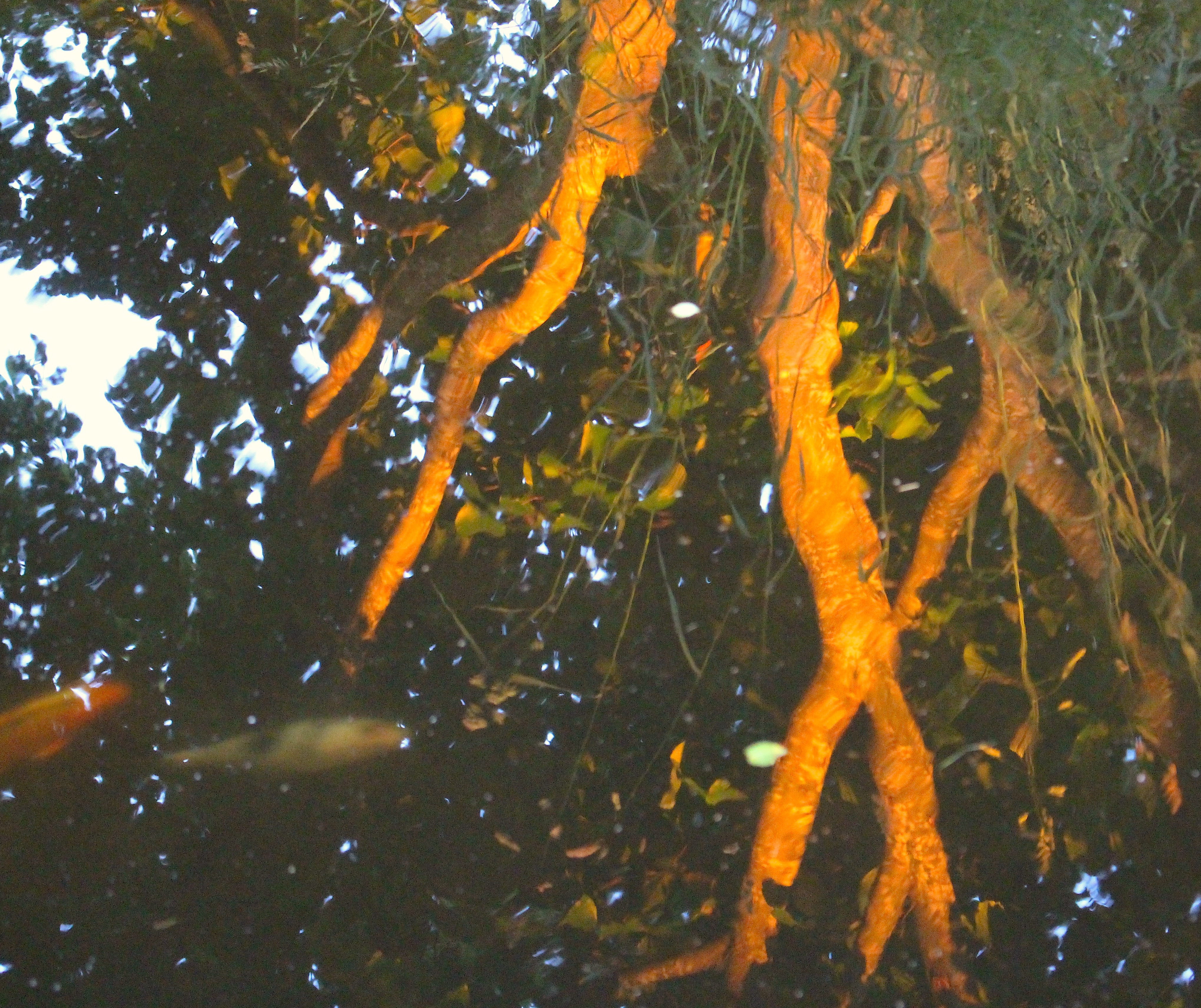
I didn’t notice how the morning light was illuminating our walnut tree until I saw the perfect reflection of it in our koi pond — why had I marveled at a reflection instead of the real thing itself?

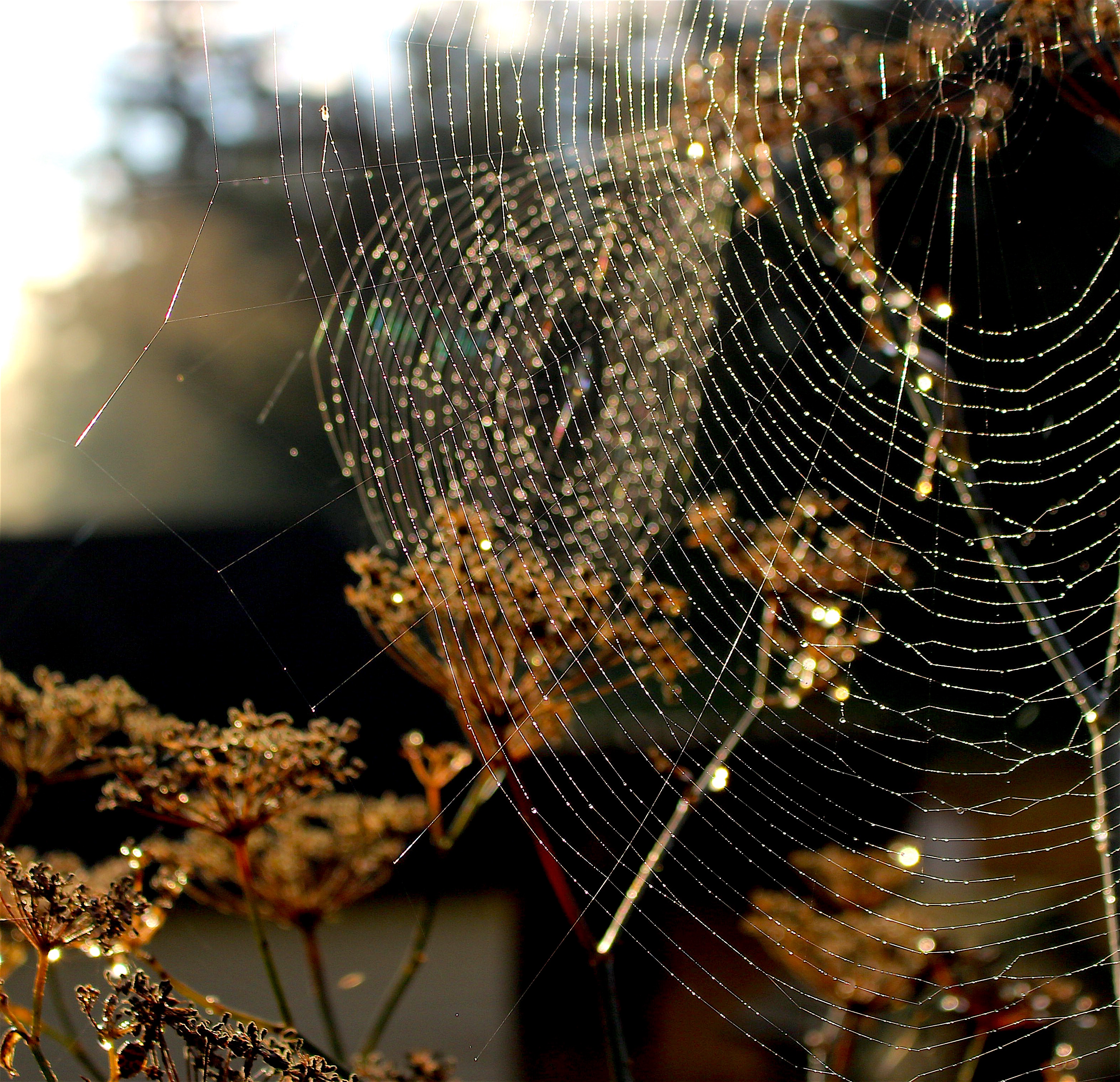
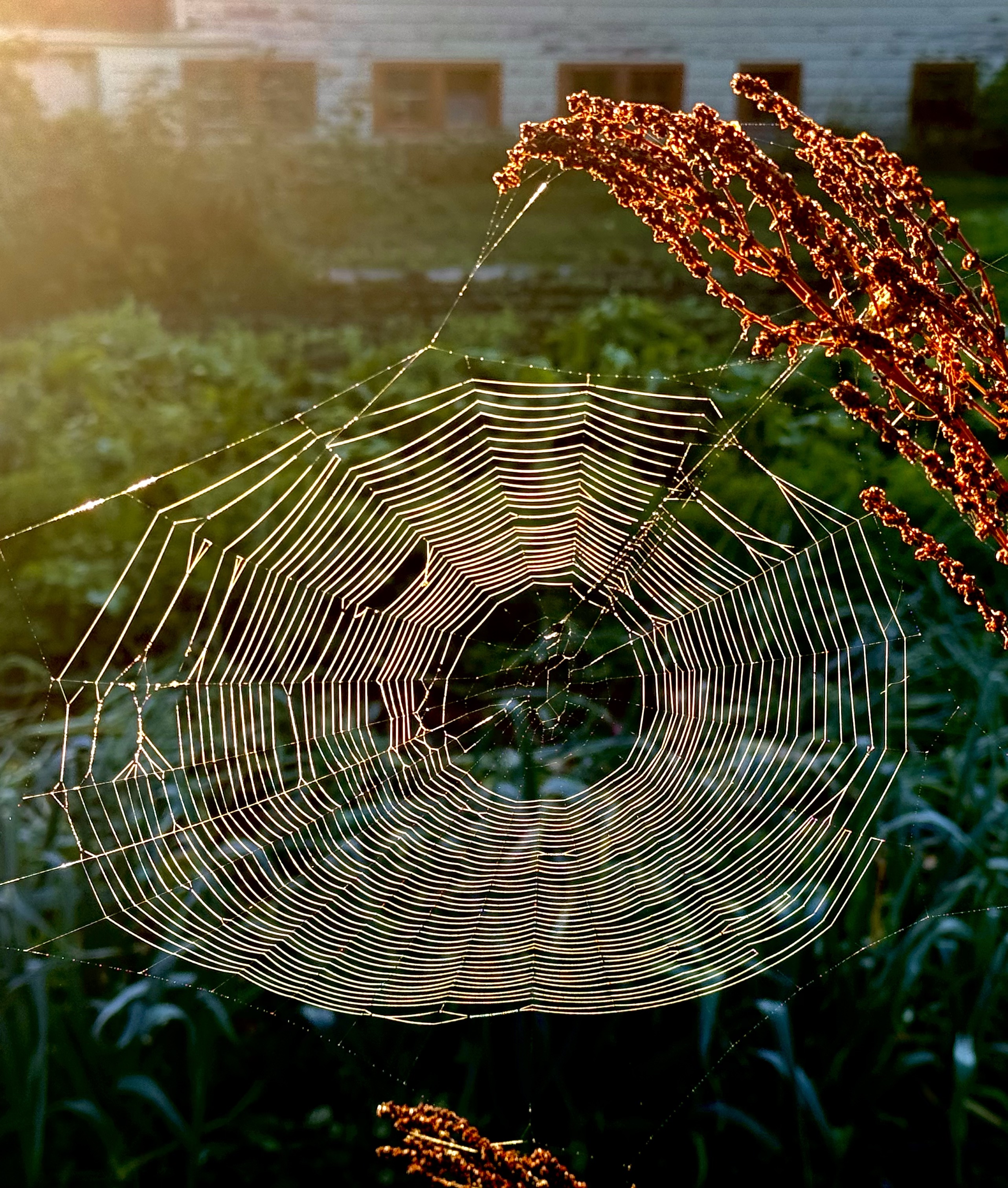
I mistook a spider’s overnight artwork in the grass: from a distance, it looked like a dew-soaked tissue draped like a tent over the green blades. When I went to go pick it up to throw it away in the trash, I realized I was staring at a small creature’s masterpiece.

I miss opportunities to rejoice innumerable times a day. It takes only a moment of recognition and appreciation to feel the joy, and in that moment time stands still. Life stretches a little longer when I stop to acknowledge the intention of creation as an endless reservoir of rejoicing. 

If the sea and the sky, a blade of grass, a leaf turning color, a chance reflection, a delicately woven web — if all this is made for joy, then maybe so am I.

Colorless, plain and commonplace me – created an image-bearer and intended reflector of Light?

Grandest of all is the spectacle of the interior of the soul;
yes then, so am I.

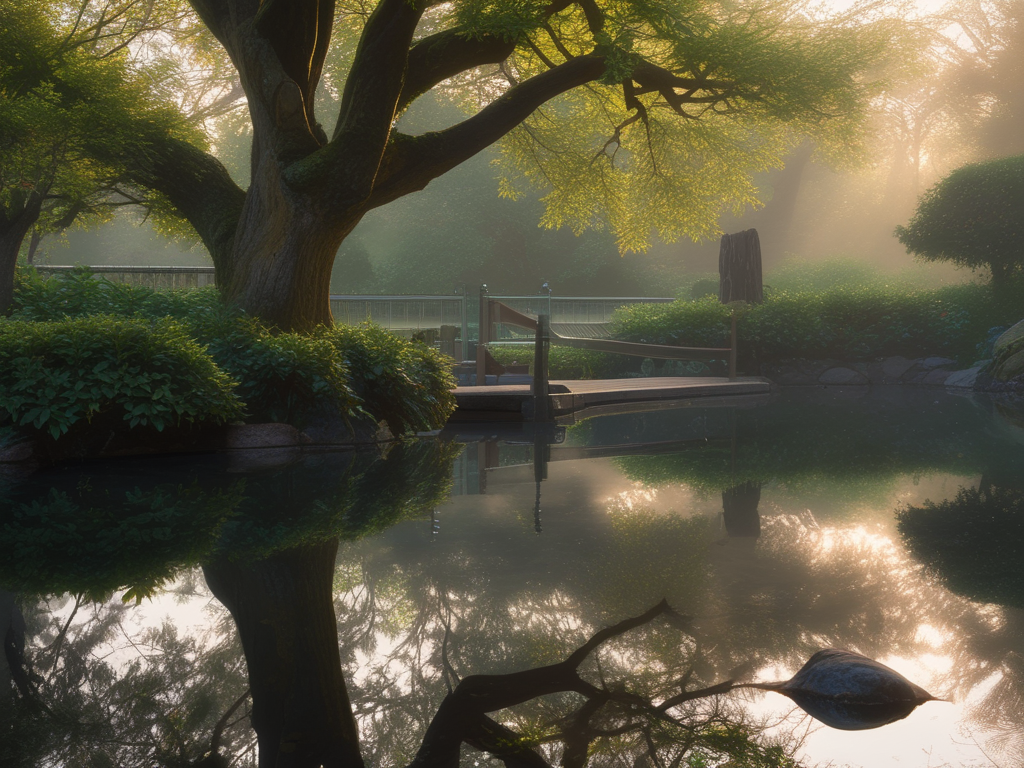
AI image created for this post
One-Time
Monthly
Yearly

Make a one-time or recurring donation to support daily Barnstorming posts

Make a monthly donation

Make a yearly donation

Choose an amount

$10.00
$25.00
$50.00
$5.00
$15.00
$100.00
$5.00
$15.00
$100.00

Or enter a custom amount

$

Your contribution is deeply appreciated.

Your contribution is appreciated.

Your contribution is appreciated.

DonateDonate monthlyDonate yearly

Only an Inch Beneath the Grass

He’s not so absorbed in the life around him
That he never looks up on clear nights
To admire the starry face of the sky.
But he’s awed even more by the earth he lives on,
By how much, for instance, its fertility
Depends on the unseen toil of earthworms.
Who would believe that over decades
Every inch of the field behind his house
Passes through their bodies again and again
As they feed on the dirt they tunnel through?
So much tireless turning over of loam,
So much natural harrowing, shredding, and leveling.
Yes, their work has undermined the stone wall
That marks the edge of his garden. But that’s a small price
For soil that nurtures the berries and grains
He enjoys at breakfast. Why turn from the table
To write a lament on the power of time
To undermine human effort when he can describe
How the work of worms helps sustain us?
Not to bother with them because they aren’t aware
Of his existence—how small-minded
That would seem to him in a species that prides itself
On understanding its place in the scheme of things,
As small-minded as thinking less of the stars
Because they aren’t twinkling for his benefit.
But the stars aren’t likely to go unnoticed
By a species quick to admire what’s distant,
Serene, and glittering, as opposed to what’s near,
Busy, and inconspicuous,
Working an inch beneath the grass.

~Carl Dennis “Near Darwin”

Aren’t you glad at least that the earthworms
Under the grass are ignorant, as they eat the earth,
Of the good they confer on us, that their silence
Isn’t a silent reproof for our bad manners,
Our never casting earthward a crumb of thanks
For their keeping the soil from packing so tight
That no root, however determined, could pierce it?

Imagine if they suspected how much we owe them,
How the weight of our debt would crush us
Even if they enjoyed keeping the grass alive,
The garden flowers and vegetables, the clover,
And wanted nothing that we could give them,
Not even the merest nod of acknowledgment.

A debt to angels would be easy in comparison,
Bright, weightless creatures of cloud, who serve
An even brighter and lighter master.


Lucky for us they don’t know what they’re doing,
These puny anonymous creatures of dark and damp
Who eat simply to live, with no more sense of mission
Than nature feels in providing for our survival.

…the tunneling earthworms, tireless, silent,
As they persist, oblivious, in their service.

~Carl Dennis from “Worms”

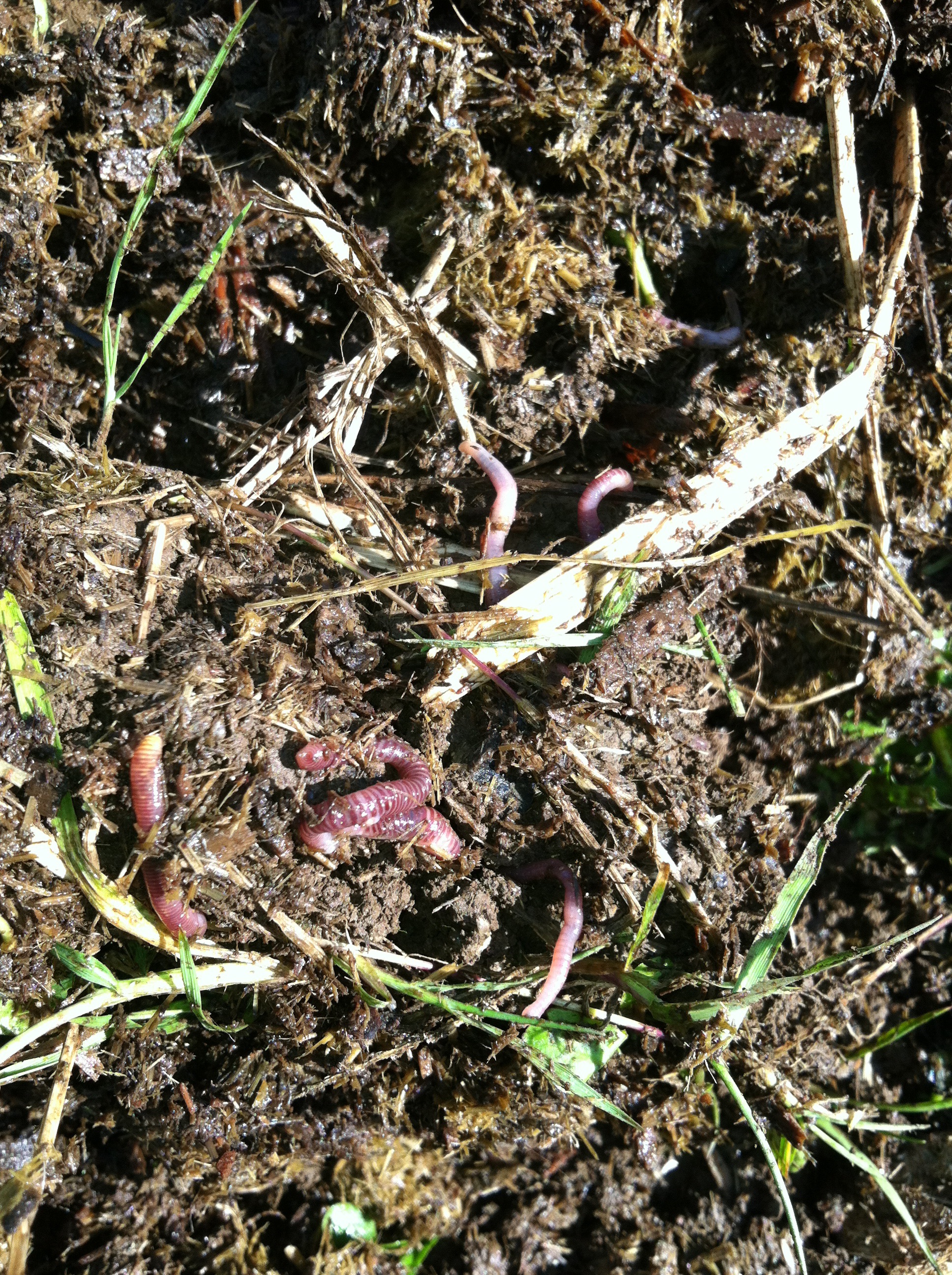
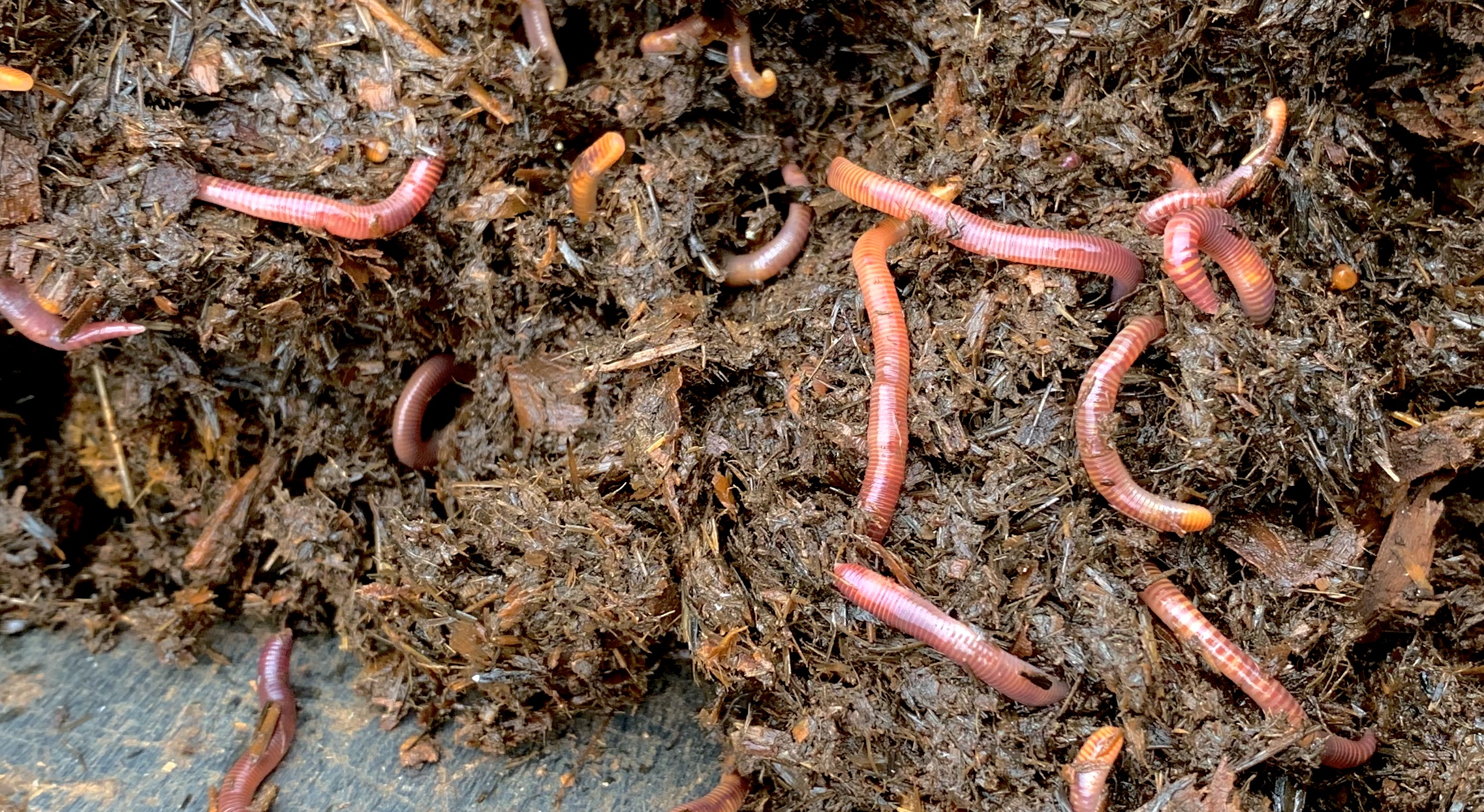
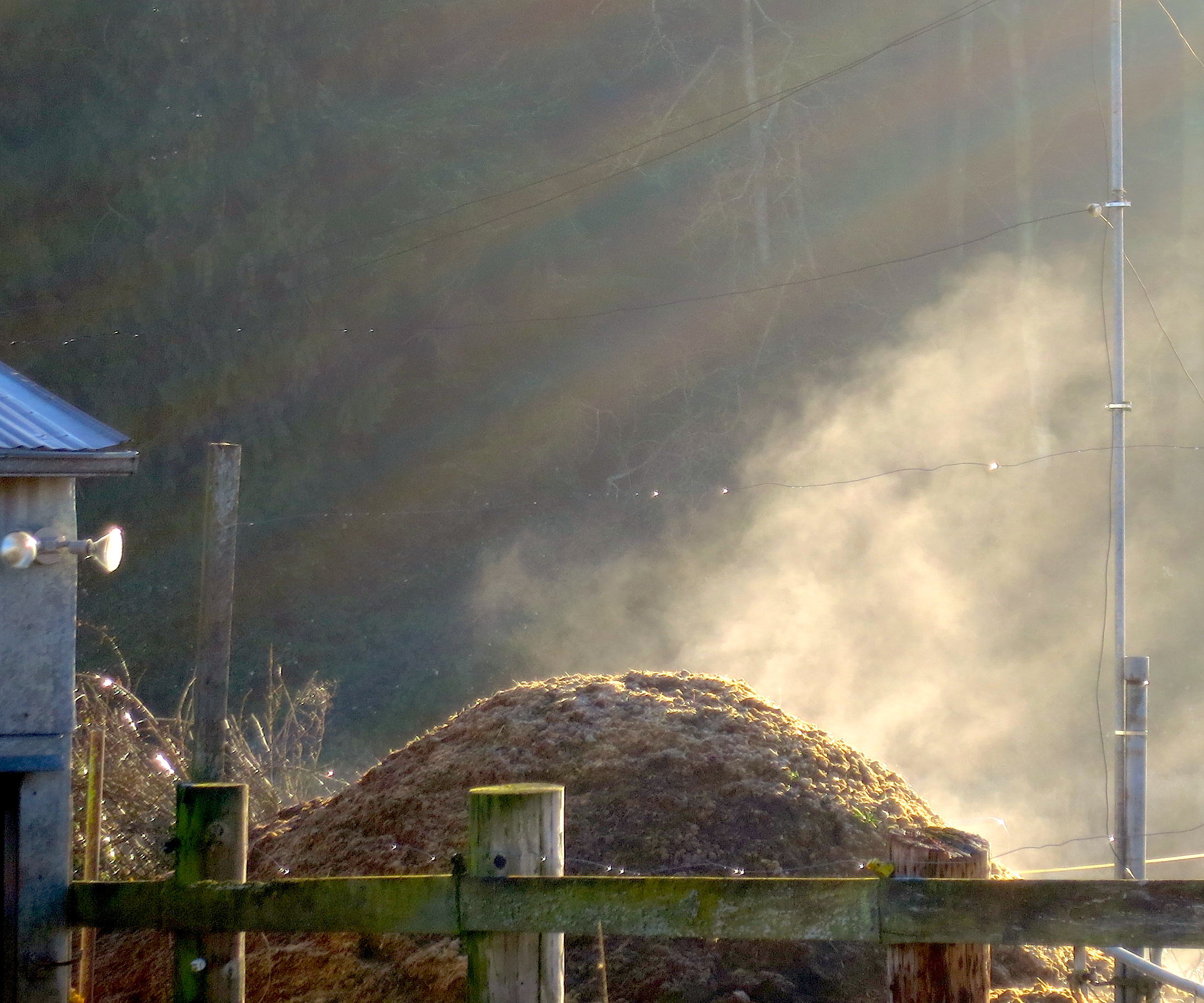
We’ve been composting horse manure for several decades behind the barn, and we dig in to the tall pile to spread on our garden plots. As Dan pushes the tractor’s front loader into the pile, steam rises from its compost innards. As the rich soil is scooped, thousands of newly exposed red wiggler worms immediately dive for cover. Within seconds, thousands of naked little creatures have, well, …wormed their way back into the security of warm dirt, being rudely interrupted from their routine. I can’t say I blame them.

Hundreds of thousands of wigglers end up being forced in the spring to adapt to new quarters, leaving the security of the manure mountain behind. As we smooth the topping of compost over the garden plot, the worms–gracious creatures that they are–tolerate being rolled and raked and lifted and turned over, waving their little bodies expectantly in the cool air before slipping back down into the dark. There they begin their work of digesting, aerating and renewing the soil of the garden, reproducing in their unique hermaphroditic way, leaving voluminous castings behind to further feed future seedlings to be planted.

Worms are unjustly denigrated by humans primarily because we don’t like to be surprised by them. We don’t like to see one in our food, especially only part of one, and are particularly distressed to see them after we’ve digested our food. Once we get past that bit of squeamishness, we can greatly appreciate their role as the ultimate recyclers, leaving the earth under our feet a lot better off once they are finished with their work.

We humans actually suffer by comparison: to be called “a worm” is really not as bad as it sounds at first. It is possible the worm may be offended by the association.

I hope to prove a worthy innkeeper for these new tenants.
May they live long and prosper only an inch beneath the grass,
so much more accessible than the infinite stars in the sky.
May each worm forgive the disruption
perpetrated by our rake and shovel.
May I smile appreciatively the next time
someone calls me a mere worm.

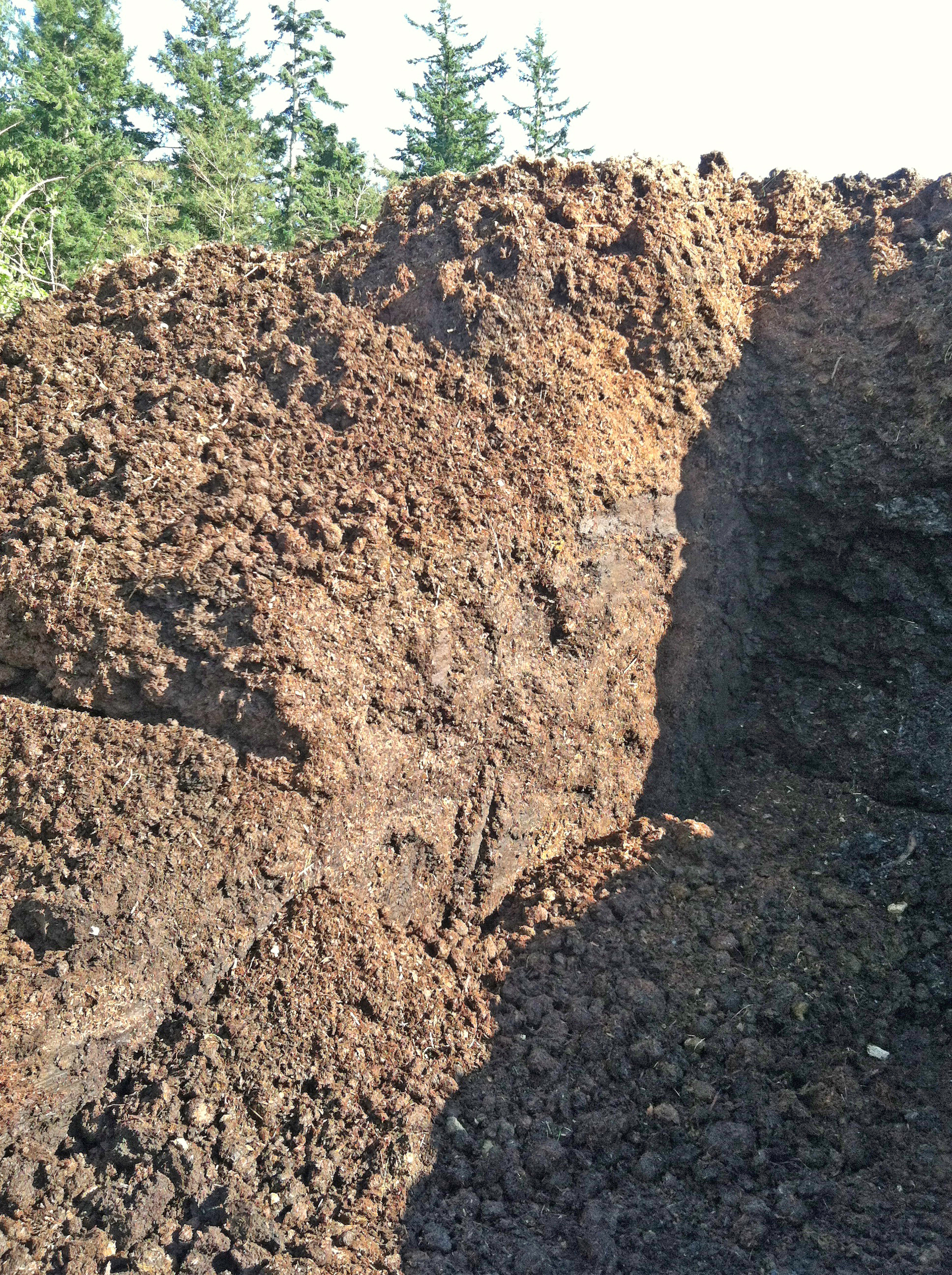
a cross section of 30 months of composted manure
AI image created for this post
One-Time
Monthly
Yearly

Make a one-time or recurring donation to support daily Barnstorming posts

Make a monthly donation

Make a yearly donation

Choose an amount

$10.00
$25.00
$50.00
$5.00
$15.00
$100.00
$5.00
$15.00
$100.00

Or enter a custom amount

$

Your contribution is deeply appreciated.

Your contribution is appreciated.

Your contribution is appreciated.

DonateDonate monthlyDonate yearly

Thoughtful Dripping Muzzles

Let the end of all bathtubs
be this putting out to pasture
of four Victorian bowlegs
anchored in grasses.

Let all longnecked browsers
come drink from the shallows
while faucets grow rusty
and porcelain yellows.

Where once our nude forebears
soaped up in this vessel
come, cows, and come, horses.

Bring burdock and thistle,
come slaver the scum of
timothy and clover
on the cast-iron lip that
our grandsires climbed over

and let there be always
green water for sipping
that muzzles may enter thoughtful
and rise dripping.
~Maxine Kumin “Watering Trough” from Selected Poems

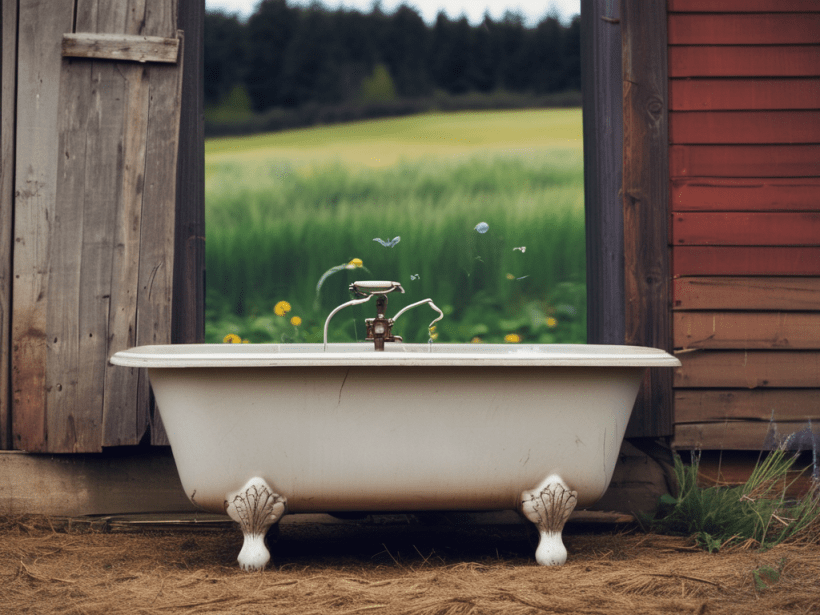
photo by Emily Vander Haak

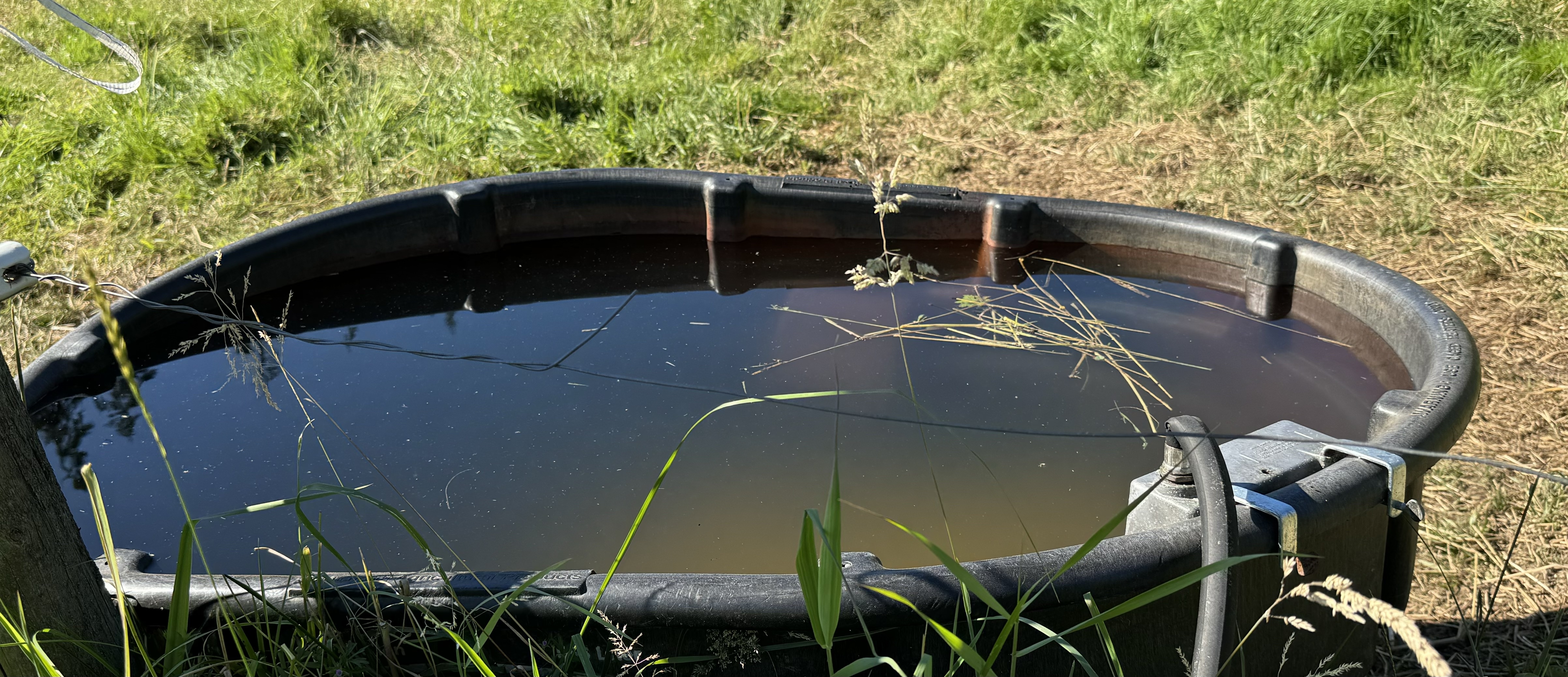
Farmers became the original recyclers before it was a word or an expectation — there isn’t anything that can’t be used twice or thrice for whatever is needed, wherever and whenever, especially far from the nearest retail outlet or farm supply store.

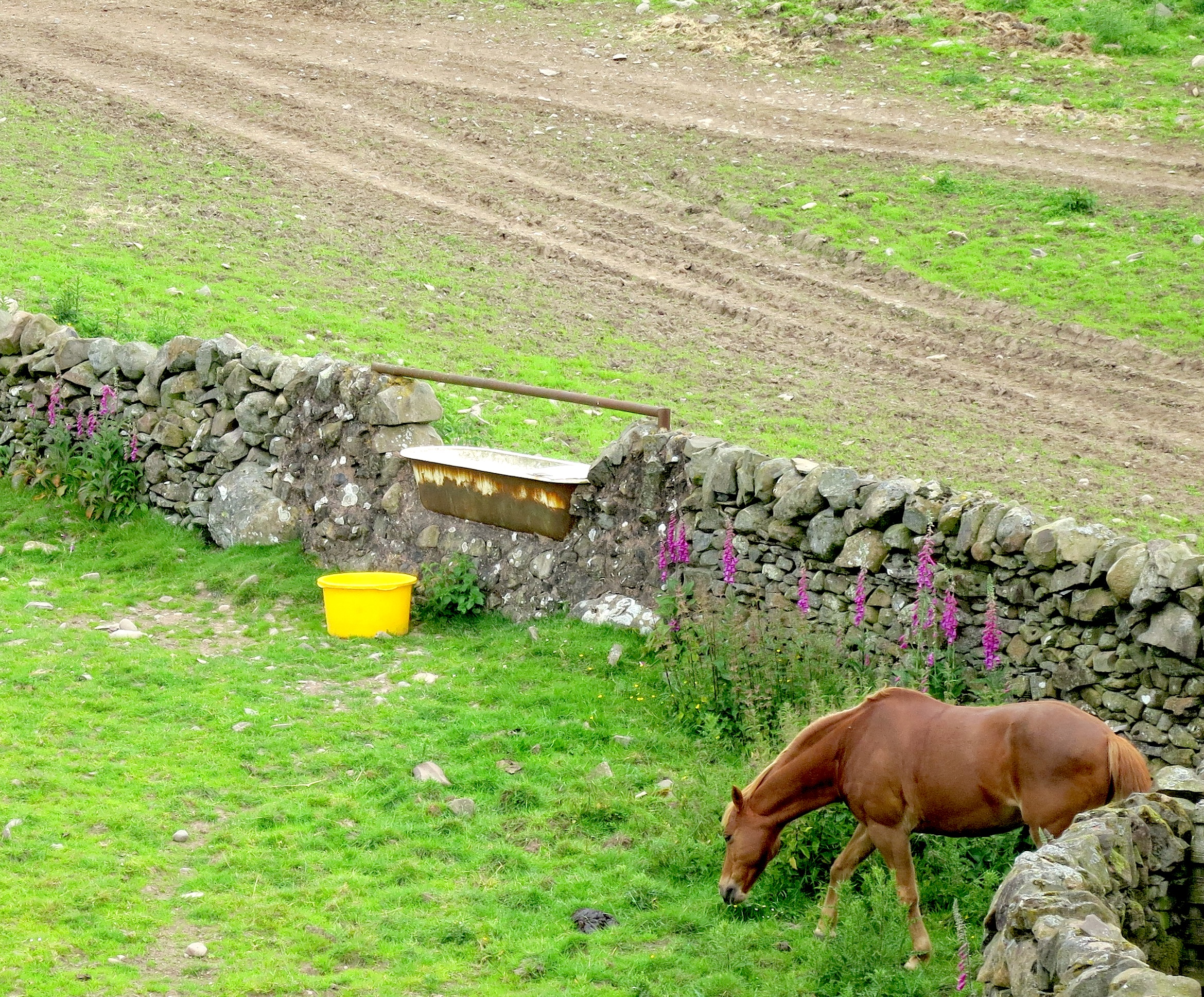
The water troughs on the farm where I grew up were cast-off four-legged bath tubs hauled home from the dump, exactly like the old tub I bathed in when staying overnight at my grandma’s farm house.  She needed her tub to stay put right in the bathroom, never considering an upgrade and remodel; she would never offer it up to her cows.

But there were people who could afford to install showers and molded tubs so out their tubs went to find new life and purpose on farms like ours.

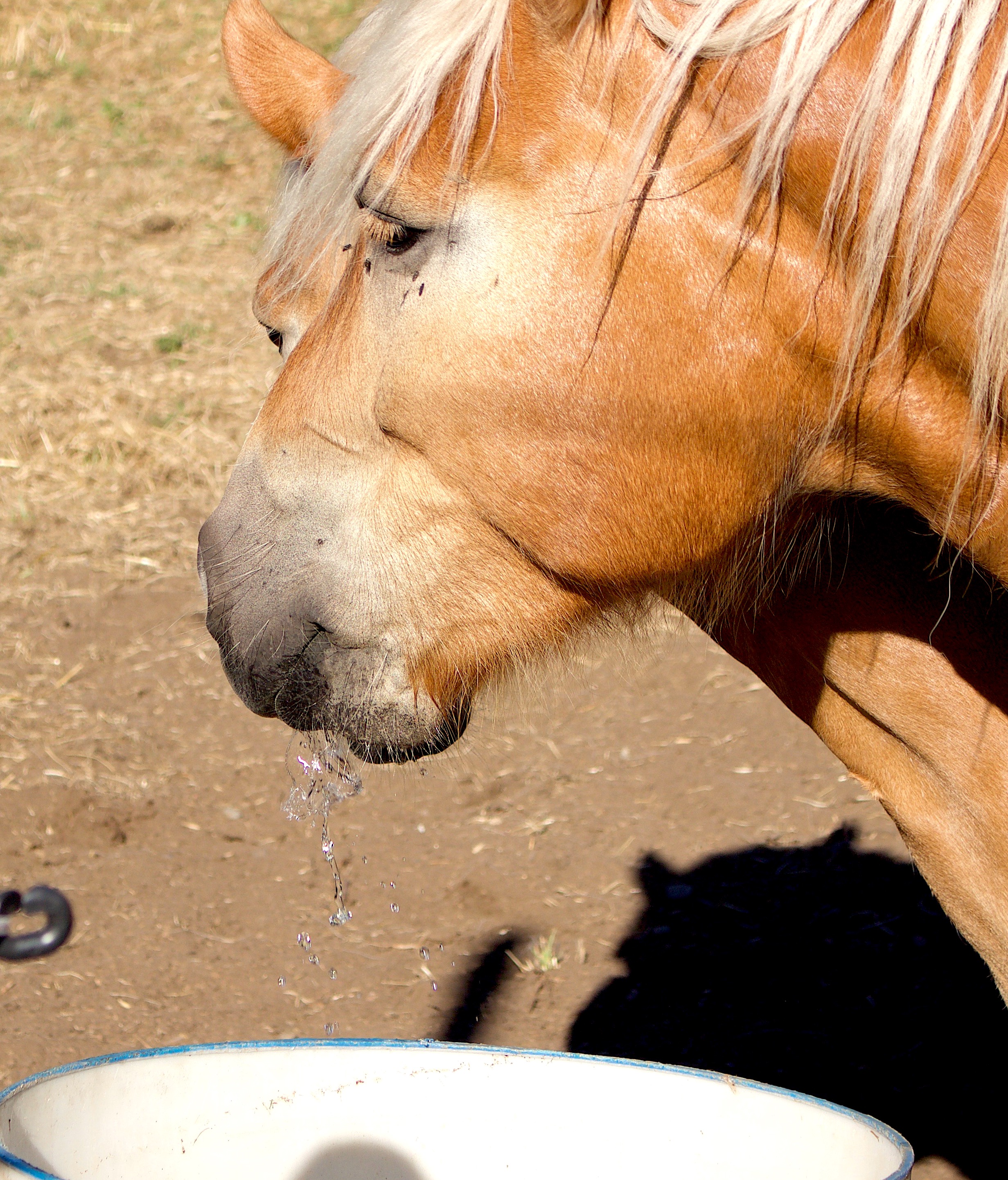
When I was a kid, we kept goldfish in our bathtub water trough, to keep the algae at bay and for the amusement of the farm cats. The horses and cows would stand idle, drowsing by the tub, their muzzles dripping, mesmerized by flashes of orange circling the plugged drain.

I often wondered what they thought of sharing their drinking water with fish, but I suspect they had more weighty things to ponder: where the next lush patch of grass might be, how to reach that belly itch,  and finding the best shade with fewest flies for that summer afternoon nap.

When it comes to sharing a tub, maybe farm animals aren’t that different from their farmer keepers after all: they both stand dripping and thoughtful alongside the tub, contemplating what comes next. After a long hot summer day, it may well be a well-earned rest.

AI image created for this post
One-Time
Monthly
Yearly

Make a one-time or recurring donation to support daily Barnstorming posts

Make a monthly donation

Make a yearly donation

Choose an amount

$10.00
$25.00
$50.00
$5.00
$15.00
$100.00
$5.00
$15.00
$100.00

Or enter a custom amount

$

Your contribution is deeply appreciated.

Your contribution is appreciated.

Your contribution is appreciated.

DonateDonate monthlyDonate yearly

At Summer’s Pace

Light and wind are running
over the headed grass
as though the hill had 
melted and now flowed.
~Wendell Berry “June Wind” from New Collected Poems

Cut grass lies frail:
Brief is the breath
Mown stalks exhale.
Long, long the death

It dies in the white hours
Of young-leafed June
With chestnut flowers,
With hedges snowlike strewn,

White lilac bowed,
Lost lanes of Queen Anne’s lace,
And that high-builded cloud
Moving at summer’s pace.
~Philip Larkin “Cut Grass” from The Complete Poems

June is the month when grass grows abundantly.

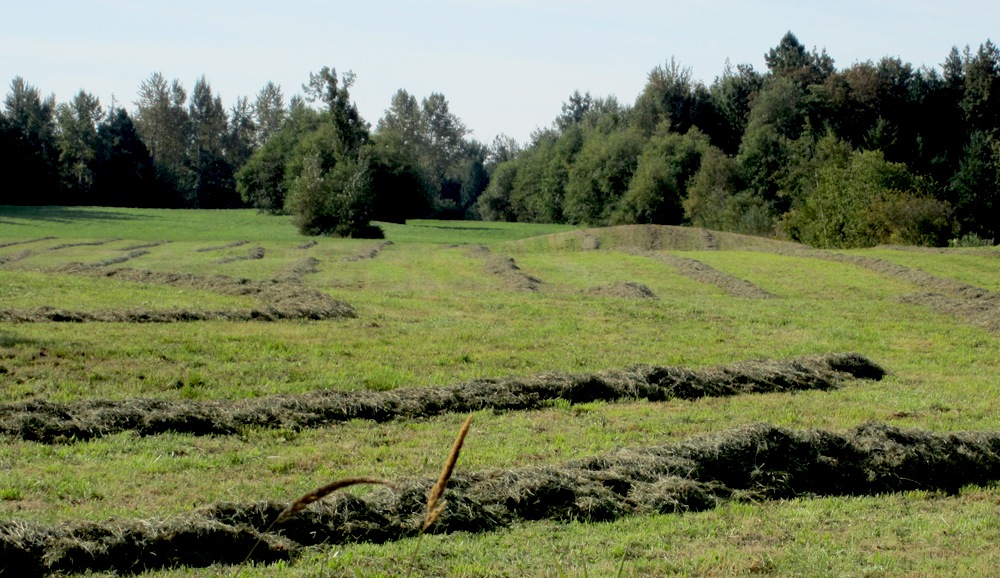
Light and wind work magic on a field of flowing tall grass. The blades of the mower lay it to the ground in green streams that course up and down the slopes. It lies orderly in stoneless cemetery rows.

Farmer’s fields are lined with rows of mown grass, a precious commodity to be harvested for the livestock to eat the rest of the year. Some of the green is bagged up like big marshmallows for easy storage and some put in silos for later in the winter.

The grass’ death is critical to the life of the animals we raise.

What was once waving and bowing to the wind is cut and crushed:
no longer bending but bent,
no longer flowing but flown,
no longer growing but mown.

At summer’s pace, while the clouds saunter overhead, the grasses are stored as fodder for the beasts of the farm on those cold nights when the wind beats at the doors.

It will melt in their mouths. As we watch them chew, we’ll remember the overflowing abundance of summer in June.

AI image created by this post

One-Time
Monthly
Yearly

Make a one-time or recurring donation to support daily Barnstorming posts

Make a monthly donation

Make a yearly donation

Choose an amount

$10.00
$25.00
$50.00
$5.00
$15.00
$100.00
$5.00
$15.00
$100.00

Or enter a custom amount

$

Your contribution is deeply appreciated.

Your contribution is appreciated.

Your contribution is appreciated.

DonateDonate monthlyDonate yearly
An Everlasting Quietness

The simple words no longer work.
Neither do the grand ones.
Something about
The hanging bits of dark
Mixed with your hair.
The everlasting quietness
Attached to the deserted barn
Made me think I’d discovered you
But you already knew all about yourself
As we stood on the edge of a forest
With your dress as languid as the air,
The day made of spring wind and daffodils.
Then the sky appeared in blue patches
Among slow clouds,
Oak leaves came out on the trees,
Grass suddenly became green,
Filled with small animals that sing.
All the parts of spring were gathering,
The earth was being created all over again
One piece at a time
Just for you.

~Tom Hennen “Found on the Earth” From Darkness Sticks To Everything

I’m waking from wintry doldrums,
to earlier mornings, longer evenings,
healing from weeks of cold and weariness.

It is as if all has been rebirthed,
vivid with light and songs and color and smells –
I cannot imagine not sharing it all.

This renewal feels so personal,
as if just for me –
yet I know others are waking too.

I face the morning sun in silence,
my eyelids closed and glowing,
warming in the light.

So I offer up this blessed cup of quiet,
steeped and ready to pour out,
just for you.

One-Time
Monthly
Yearly

Make a one-time or recurring donation to support daily Barnstorming posts

Make a monthly donation

Make a yearly donation

Choose an amount

$10.00
$25.00
$50.00
$5.00
$15.00
$100.00
$5.00
$15.00
$100.00

Or enter a custom amount

$

Your contribution is deeply appreciated.

Your contribution is appreciated.

Your contribution is appreciated.

DonateDonate monthlyDonate yearly
And When From Death I’m Free: I Tell You a Mystery

Trust your bones
Trust the pull of the earth
And the earth itself
Trust the hearts of trees
The stone at the edge of the sea
And all else true


Trust that water will bear you up
Trust the moon to keep faith
With ebb and flow
Trust the leafing
The chrysalis, the seed
And every other way
Death gives birth to resurrection
~Bethany Lee, “To Keep Faith” from The Breath Between

Over the last several weeks, roots have become shoots and their green blades are rising chaotically, uneven and awkward like a bad haircut.  And like a bad haircut, another two weeks will make all the difference — sprouts will cover all the bare earth, breaking through crusted soil to create a smooth carpet of green.

There is nothing more mysterious than the barren made fruitful, the ugly made beautiful, the dead made alive.

The muddy winter field of my heart will recover, bathed in new light;
I trust love will come again like shoots that spring up green.

Behold! I tell you a mystery. We shall not all sleep, but we shall all be changed, in a moment, in the twinkling of an eye, at the last trumpet. For the trumpet will sound, and the dead will be raised imperishable, and we shall be changed
1 Corinthians 15:51–52

This Lenten season I reflect on the words of the 19th century southern spiritual hymn “What Wondrous Love is This”

One-Time
Monthly
Yearly

Make a one-time or recurring donation to support daily Barnstorming posts

Make a monthly donation

Make a yearly donation

Choose an amount

$10.00
$25.00
$50.00
$5.00
$15.00
$100.00
$5.00
$15.00
$100.00

Or enter a custom amount

$

Your contribution is deeply appreciated.

Your contribution is appreciated.

Your contribution is appreciated.

DonateDonate monthlyDonate yearly
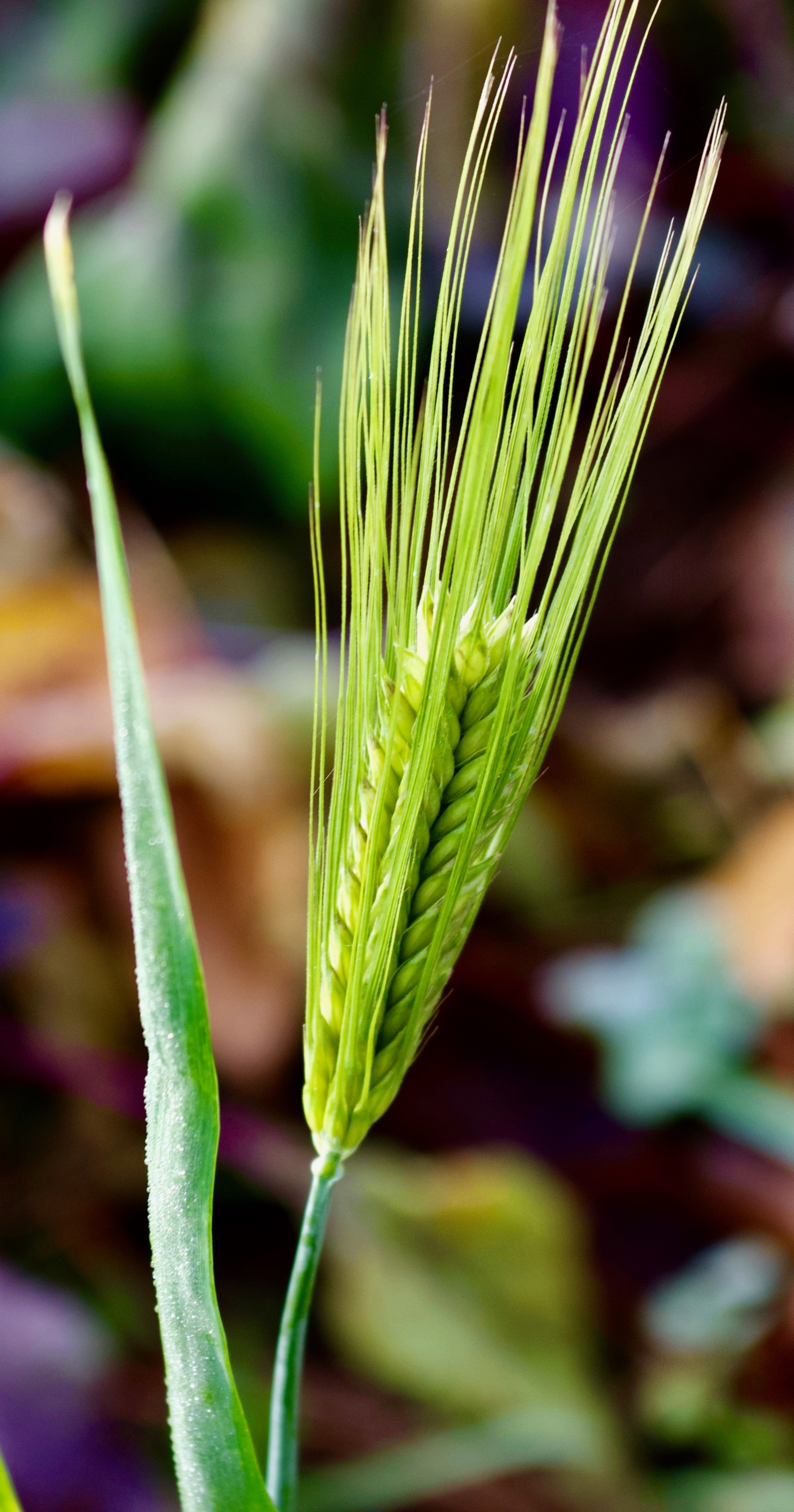
For My Soul: Hidden Grain

  “All Christian thinking is resurrection thinking.” —Jay Parini
Let this sorrow be a fallow field
and grief the seeding rain.
Then may I be hidden, a grain
in night’s still mystery,
until the day
I’m risen, yield
bound in sheaves of joy,
and Negev is an ecstasy.

~Franchot Ballinger, “Let Me Be Like Those Who Dream” from Crossings

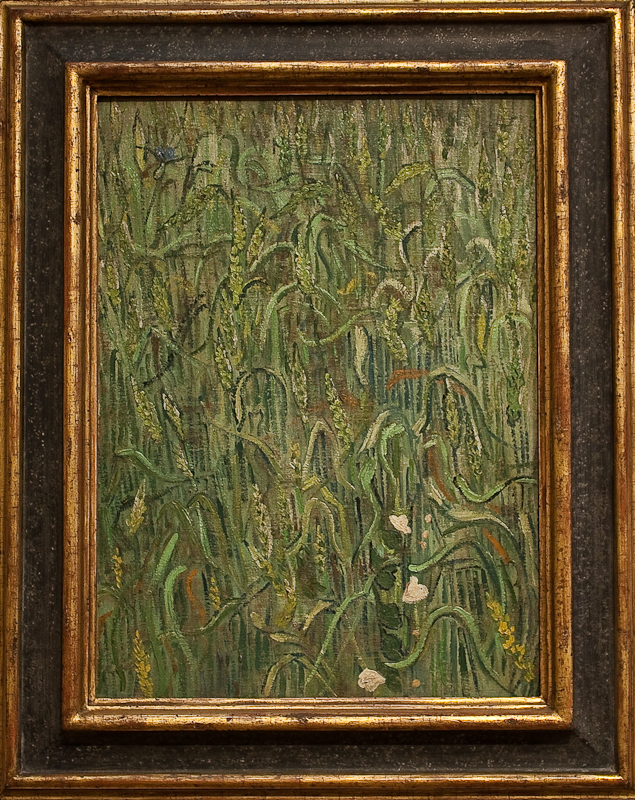
Ears of Wheat – Vincent Van Gogh
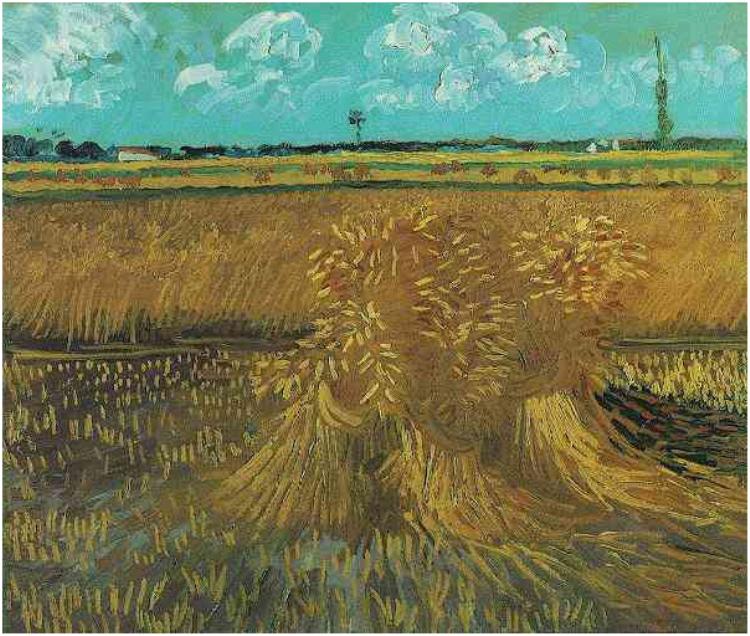
Wheat Field with Sheaves -Vincent Van Gogh
Sheaves of Wheat in a Field –Vincent Van Gogh

The love of God most High for our soul
is so wonderful that it surpasses all
knowledge. No created being can fully know
the greatness, the sweetness, the
tenderness, of the love that our Maker has
for us. By his Grace and help therefore let
us in spirit stand in awe and gaze, eternally
marveling at the supreme, surpassing,
single-minded, incalculable love that God,
Who is all goodness, has for us.

~Juliana of Norwich “God’s Love for Us”

…you have been born again, not of perishable seed but of imperishable, through the living and abiding word of God;  for

“All flesh is like grass
    and all its glory like the flower of grass.
The grass withers,
    and the flower falls,
 but the word of the Lord remains forever.”
1Peter 1:23-25

The fields around our farm still show no signs of wakening.
They are stubble and moss, mole hills and mud.
It is unimaginable they might soon produce anything.

Then grief rains down on buried seed and the grain will rise.

All winter everything, everyone,
has been so dead, so hidden, so hopeless;
His touch calls us back to life.
Nothing can be more hopeful than the barren made fruitful,
the ugly made beautiful,
the dead made alive.

Love is come again, digging deep
into the fallow fields of our hearts.

This Lenten season I reflect on the words of the 19th century southern spiritual hymn “What Wondrous Love is This”

One-Time
Monthly
Yearly

Make a one-time or recurring donation to support Barnstorming daily posts

Make a monthly donation

Make a yearly donation
Choose an amount

$10.00
$25.00
$50.00
$5.00
$15.00
$100.00
$5.00
$15.00
$100.00

Or enter a custom amount

$

Your contribution is deeply appreciated.
Your contribution is appreciated.

Your contribution is appreciated.

DonateDonate monthlyDonate yearly