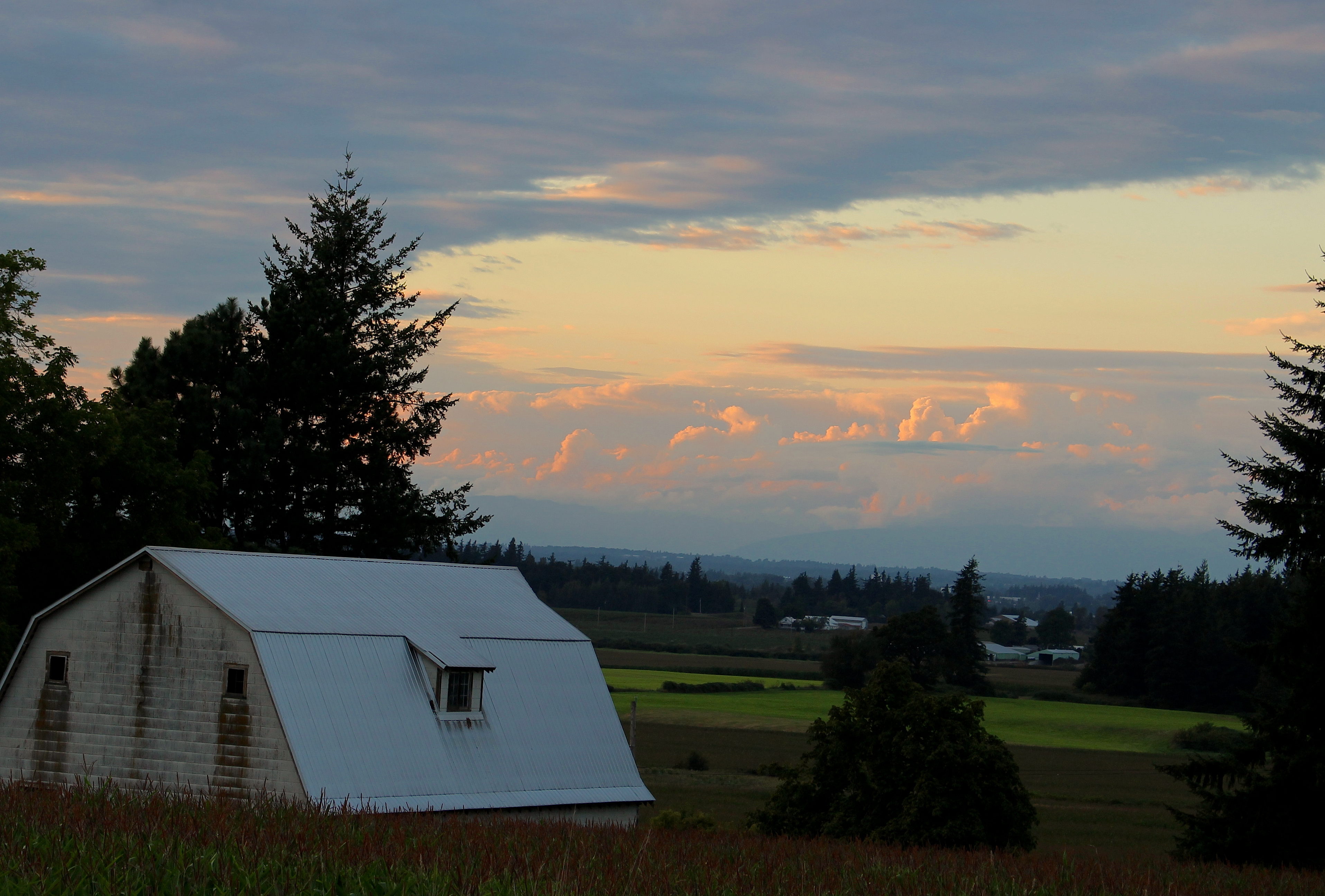
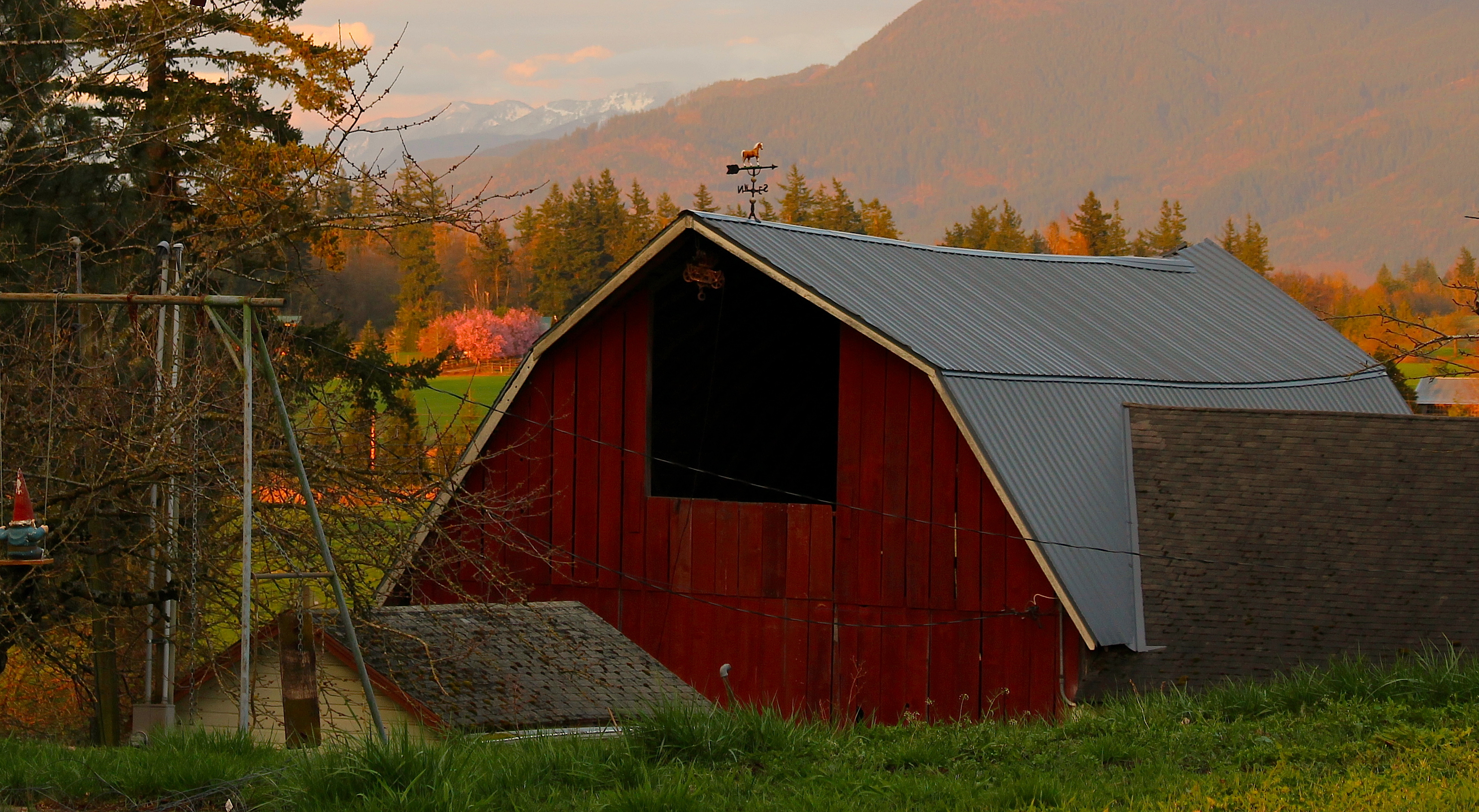
So God Made a Farmer

danbarn

And on the 8th day, God looked down on his planned paradise and said, “I need a caretaker.” So God made a farmer.

God said, “I need somebody willing to get up before dawn, milk cows, work all day in the fields, milk cows again, eat supper and then go to town and stay past midnight at a meeting of the school board.” So God made a farmer.

“I need somebody with arms strong enough to rustle a calf and yet gentle enough to deliver his own grandchild. Somebody to call hogs, tame cantankerous machinery, come home hungry, have to wait lunch until his wife’s done feeding visiting ladies and tell the ladies to be sure and come back real soon — and mean it.” So God made a farmer.

God said, “I need somebody willing to sit up all night with a newborn colt. And watch it die. Then dry his eyes and say, ‘Maybe next year.’ I need somebody who can shape an ax handle from a persimmon sprout, shoe a horse with a hunk of car tire, who can make harness out of haywire, feed sacks and shoe scraps. And who, planting time and harvest season, will finish his forty-hour week by Tuesday noon, then, pain’n from ‘tractor back,’ put in another seventy-two hours.” So God made a farmer.

God had to have somebody willing to ride the ruts at double speed to get the hay in ahead of the rain clouds and yet stop in mid-field and race to help when he sees the first smoke from a neighbor’s place. So God made a farmer.

God said, “I need somebody strong enough to clear trees and heave bails, yet gentle enough to tame lambs and wean pigs and tend the pink-combed pullets, who will stop his mower for an hour to splint the broken leg of a meadow lark. It had to be somebody who’d plow deep and straight and not cut corners. Somebody to seed, weed, feed, breed and rake and disc and plow and plant and tie the fleece and strain the milk and replenish the self-feeder and finish a hard week’s work with a five-mile drive to church.

“Somebody who’d bale a family together with the soft strong bonds of sharing, who would laugh and then sigh, and then reply, with smiling eyes, when his son says he wants to spend his life ‘doing what dad does.'” So God made a farmer.
~Paul Harvey (1978)
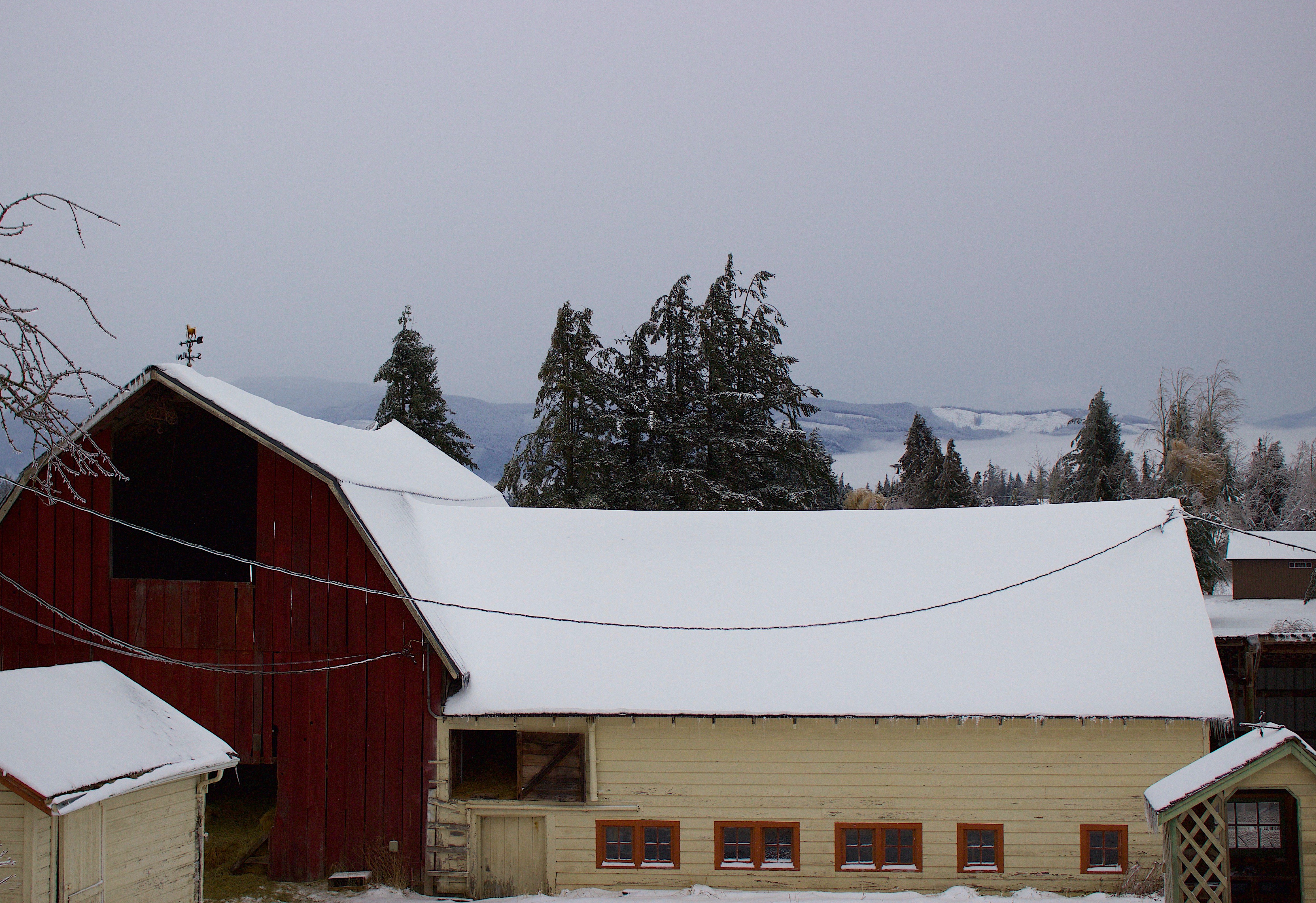
icyfarm

Good farmers, who take seriously their duties as stewards of Creation and of their land’s inheritors, contribute to the welfare of society in more ways than society usually acknowledges, or even knows. These farmers produce valuable goods, of course; but they also conserve soil, they conserve water, they conserve wildlife, they conserve open space, they conserve scenery.
~Wendell Berry

Farmers farm for the love of farming. They love to watch and nurture the growth of plants. They love to live in the presence of animals. They love to work outdoors. They love the weather, maybe even when it is making them miserable. They love to live where they work and to work where they live. If the scale of their farming is small enough, they like to work in the company of their children and with the help of their children.
~Wendell Berry from Bringing it to the Table: Writings on Farming and Food
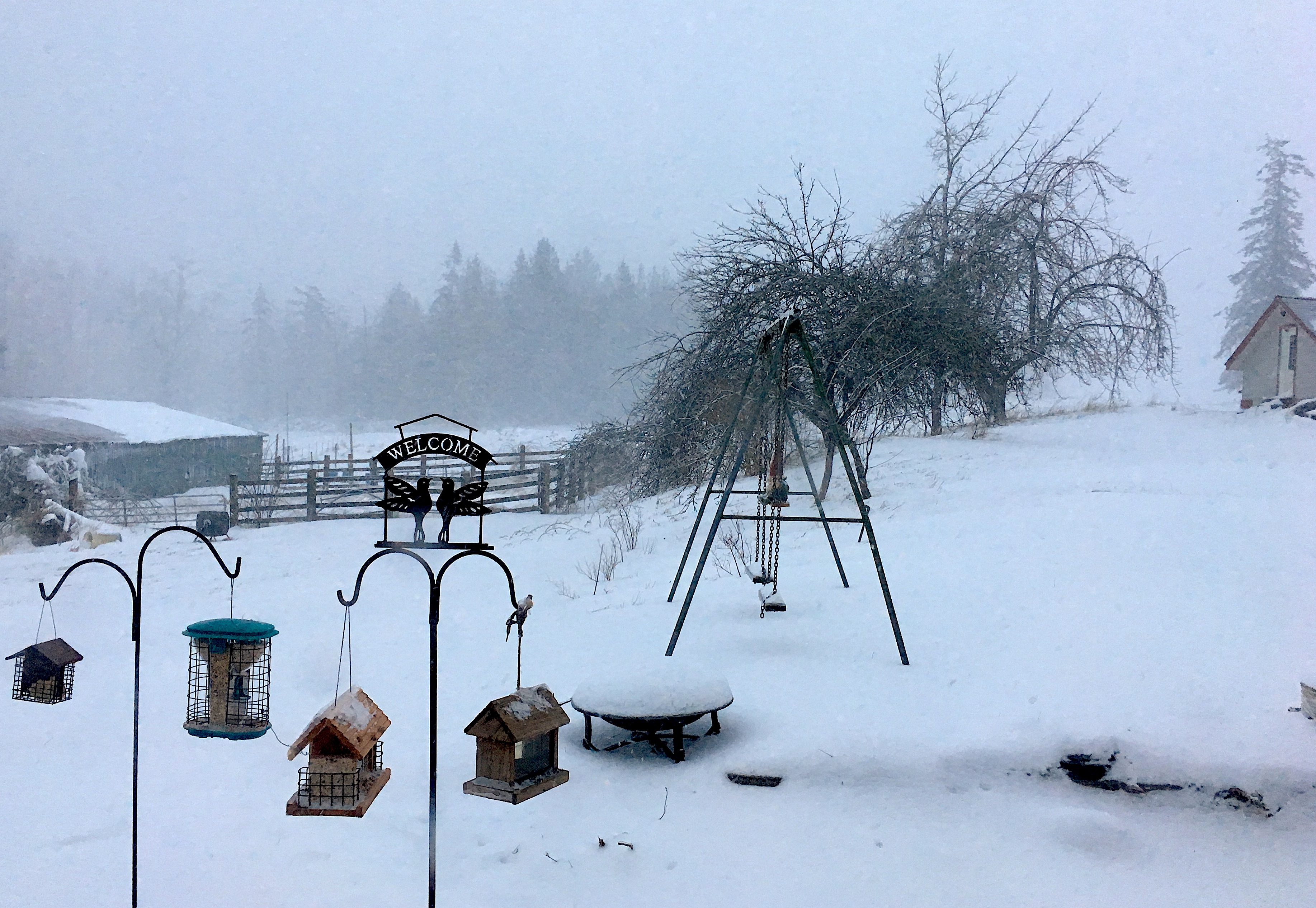
snowyfarming

The ultimate goal of farming is not the growing of crops, but the cultivation and perfection of human beings.”
~Masanobu Fukuoka 
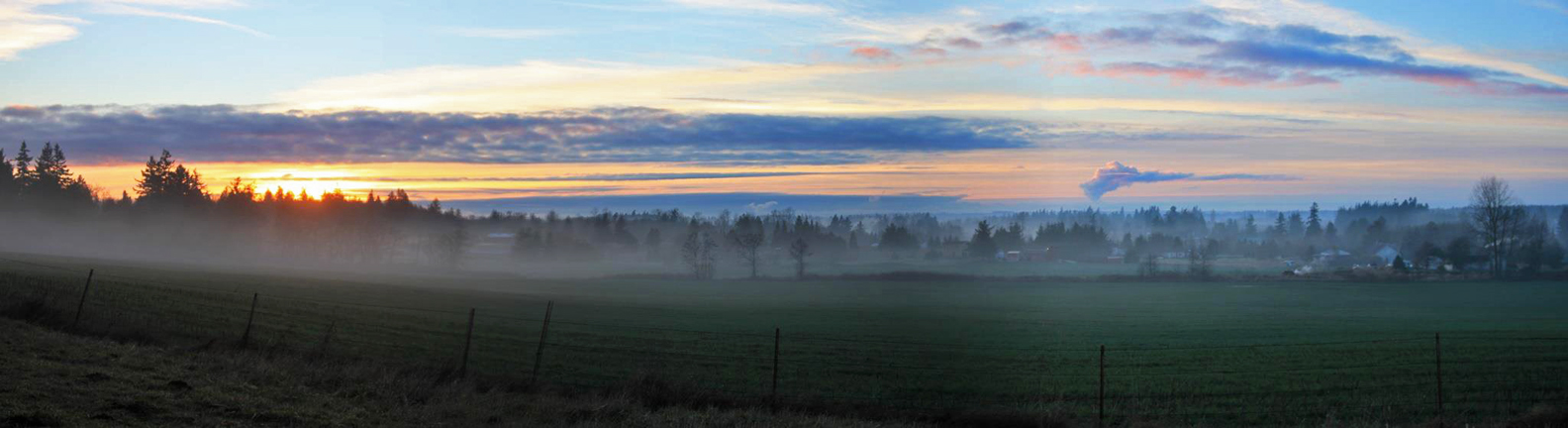
fieldpanorama
photo by Nate Gibson

It is hard for my husband and I to ignore our genetic destiny to struggle as stewards of the land through the challenges of economics and weather. Our blood runs with DNA of dairy farmers, wheat and lentil growers, loggers, cattle ranchers, work horse teamsters, and flower and vegetable gardeners. A farm eventually called us from the city and our professional lives to come back home and care for a piece of ground and its animals. So we heeded and here we remain, some 32 years later, children raised and gone.

Perhaps the call of the farmer genes will bring one of them back to the land.  Because farmers are hand-picked for the job by God Himself.
amberhomer

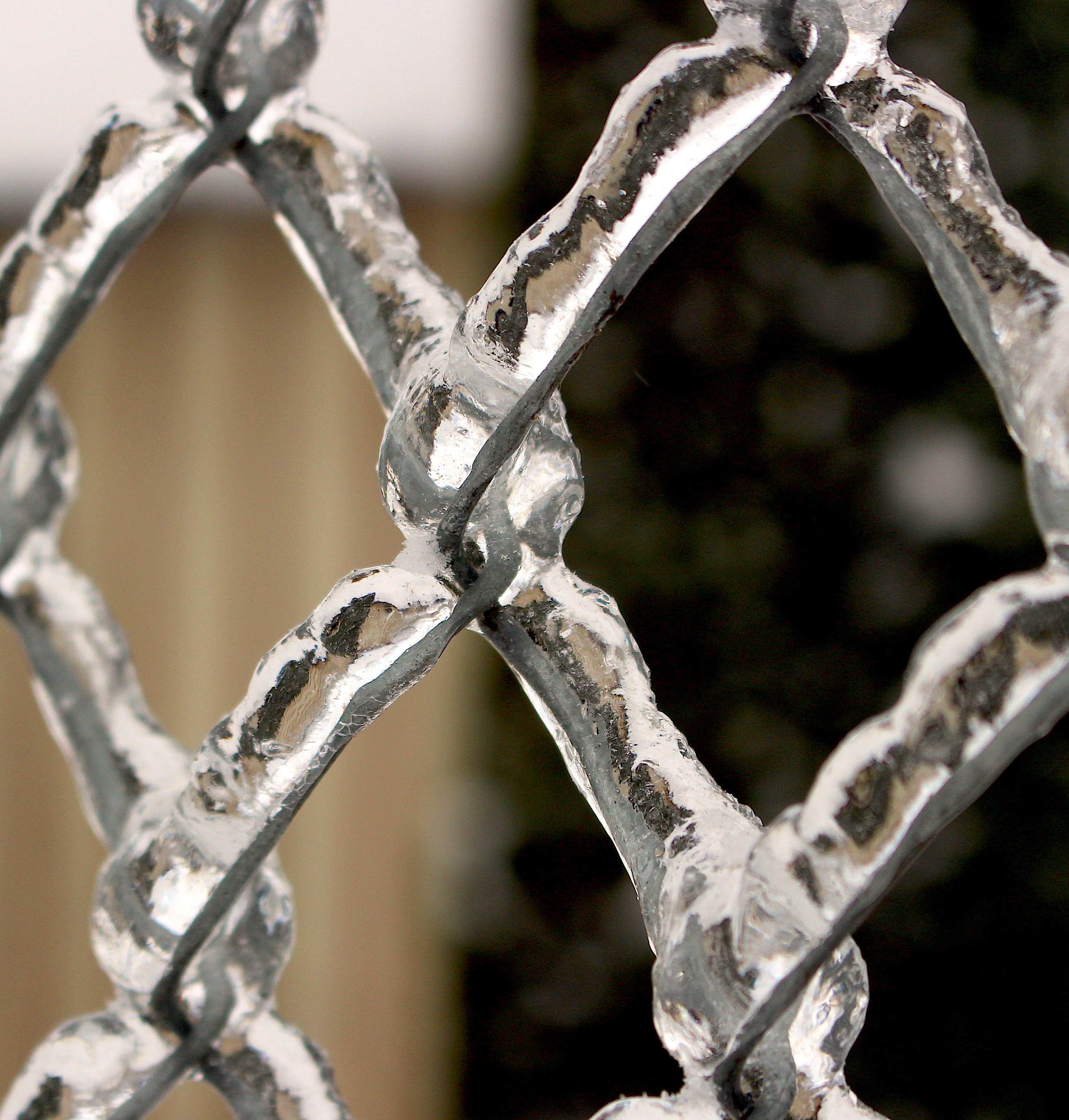
icychainlink

https://www.youtube.com/watch?v=AMpZ0TGjbWE

Suddenly a Wall Becomes a Gate

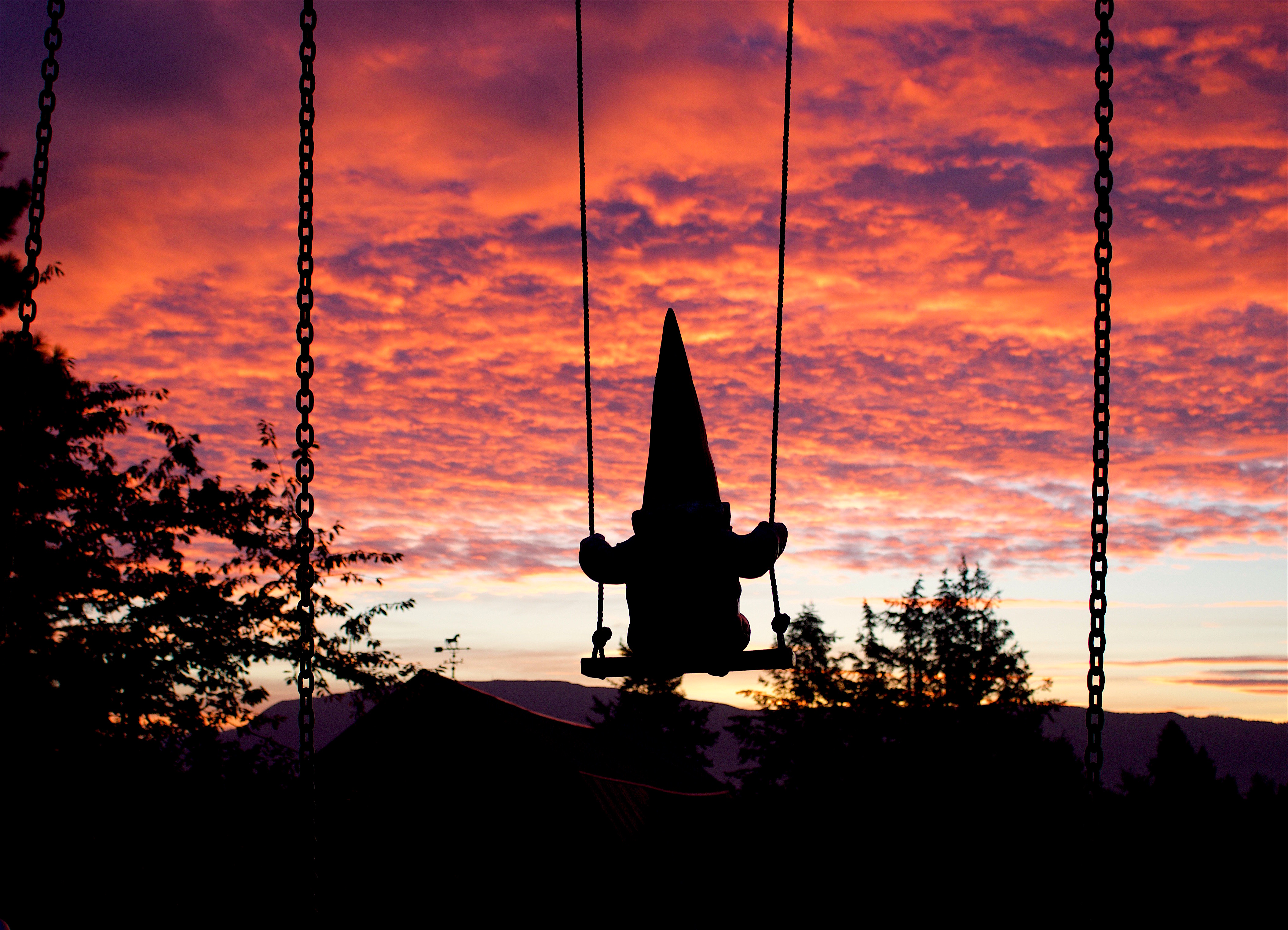
sunrise916165

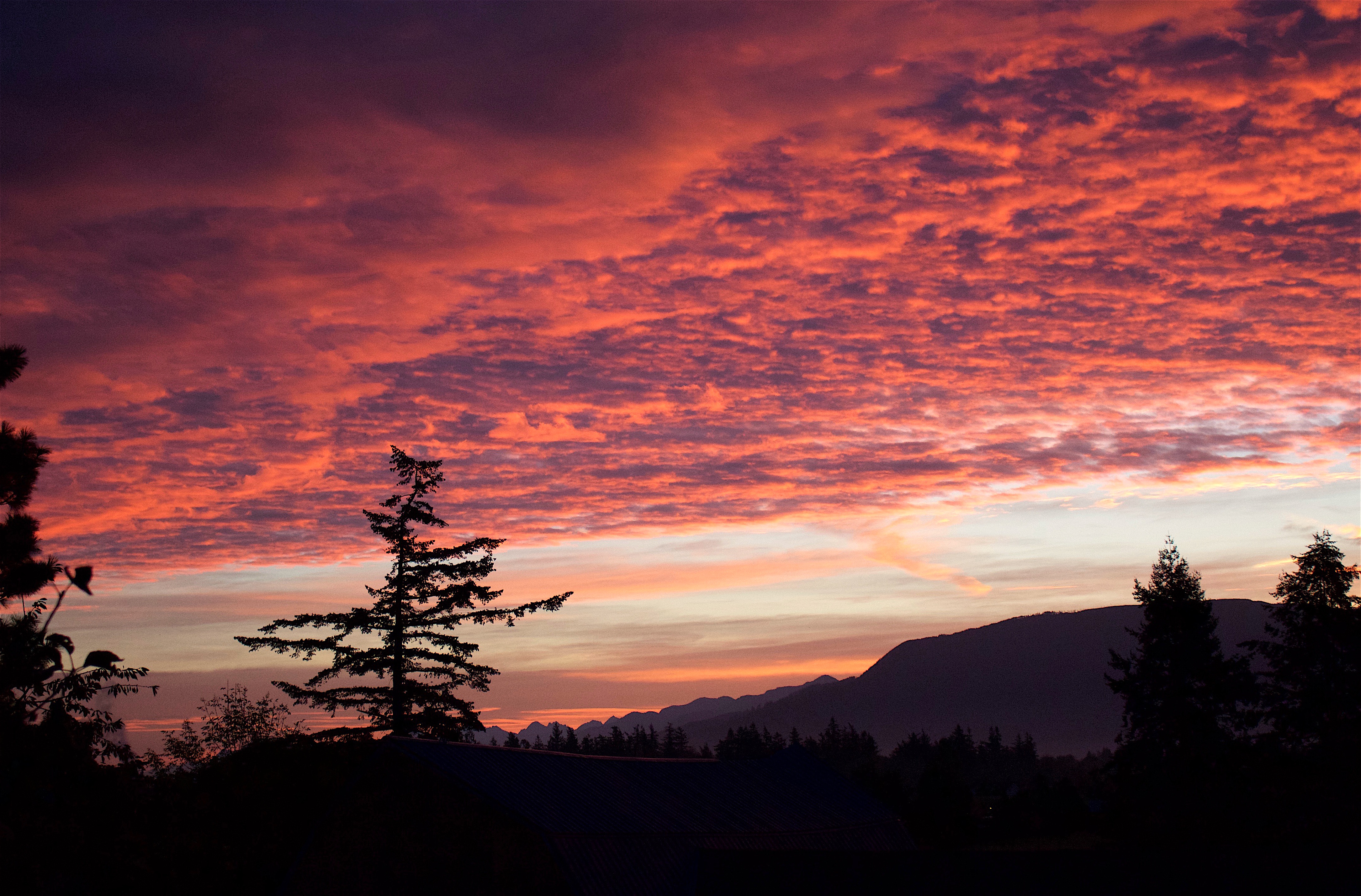
sunset430161

What seemed to be the end proved to be the beginning…
Suddenly a wall becomes a gate.
~Henri Nouwen from Gracias! A Letter of Consolation

sunrise916164

sunrise916167

What we call the beginning is often the end
And to make an end is to make a beginning.
The end is where we start from.

We shall not cease from exploration
And the end of all our exploring
Will be to arrive where we started
And know the place for the first time.
Through the unknown, unremembered gate
When the last of earth left to discover
Is that which was the beginning;
~T.S. Eliot from “Little Gidding” The Four Quartets

sunrise916168

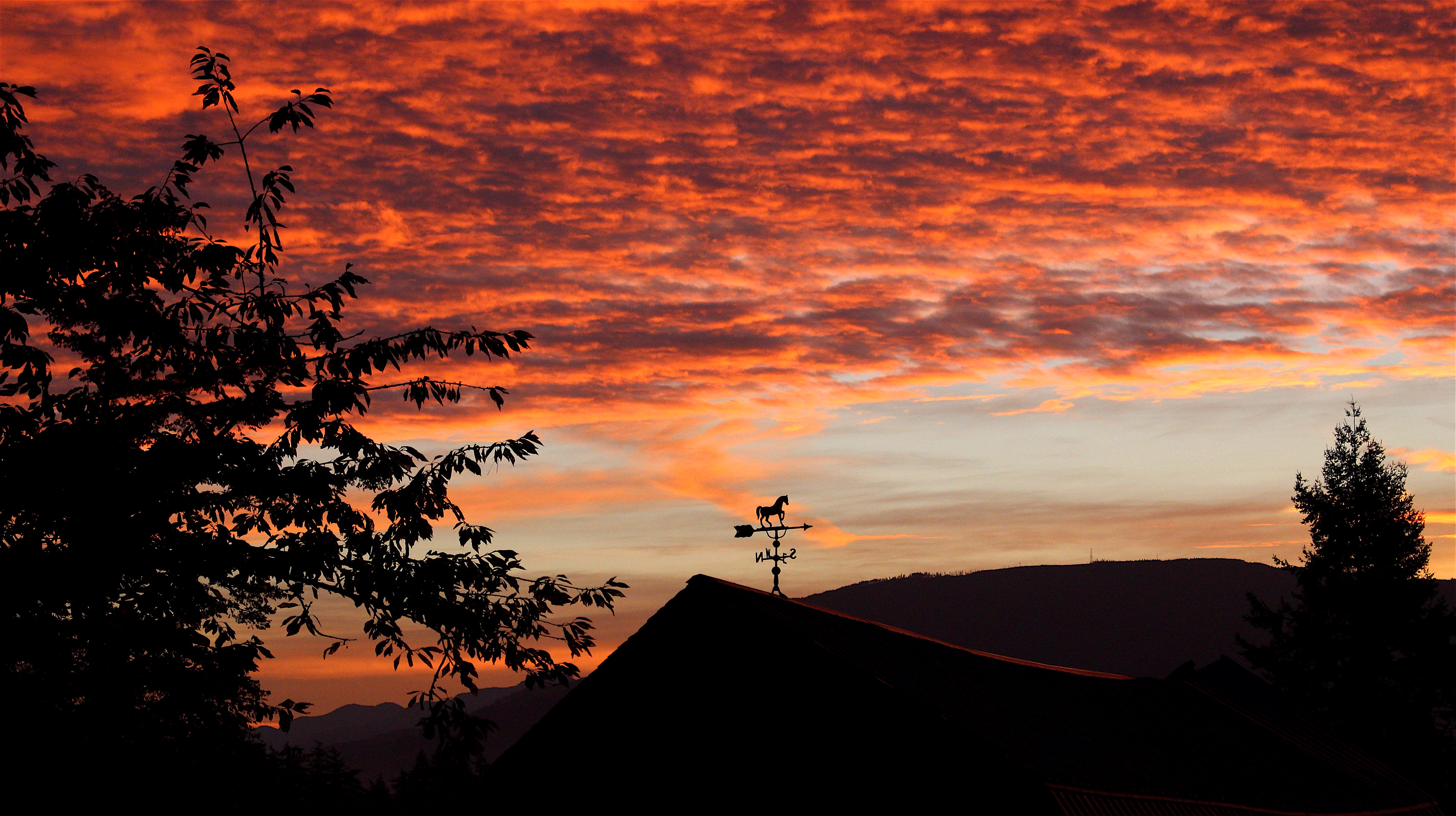
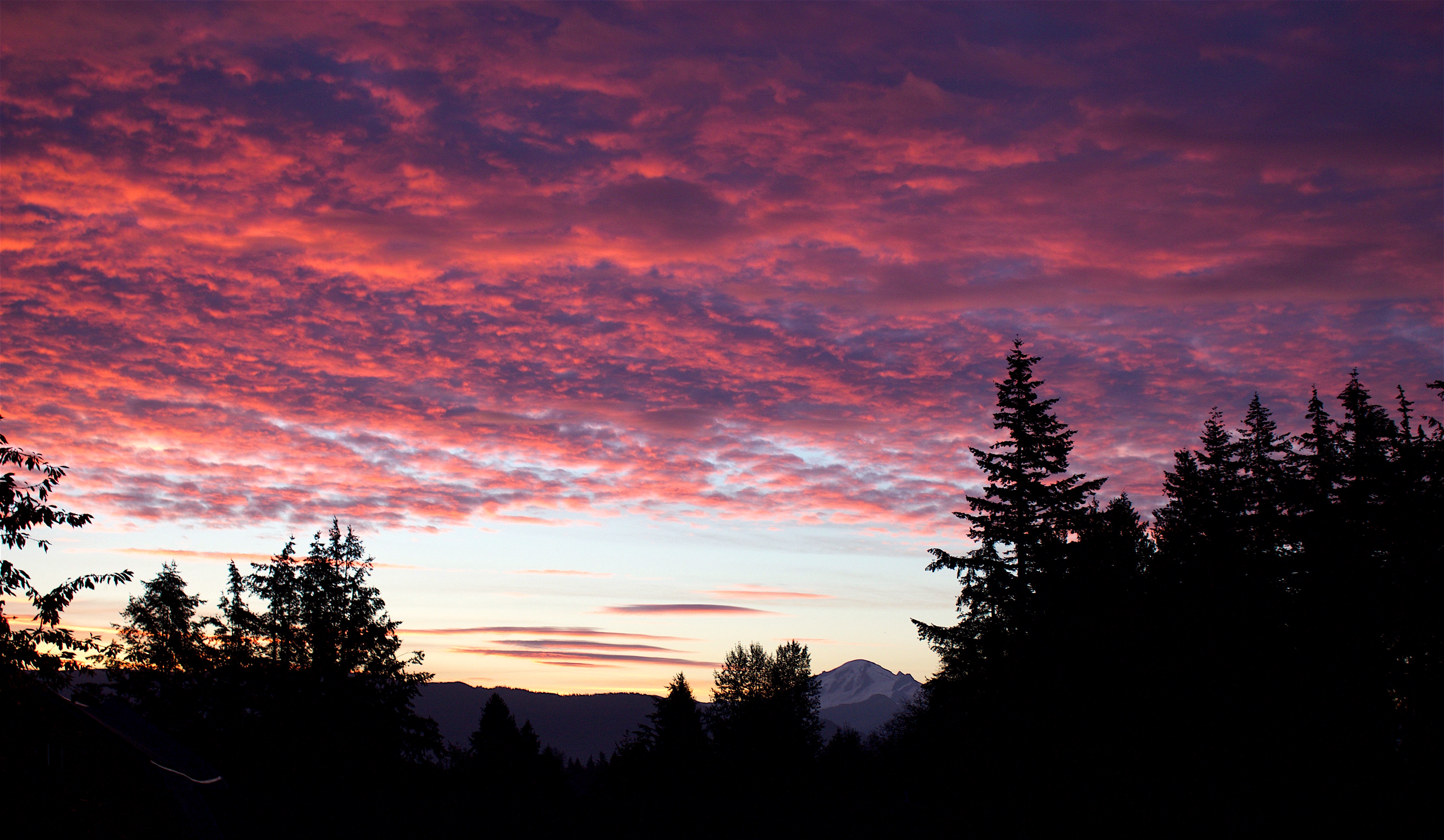
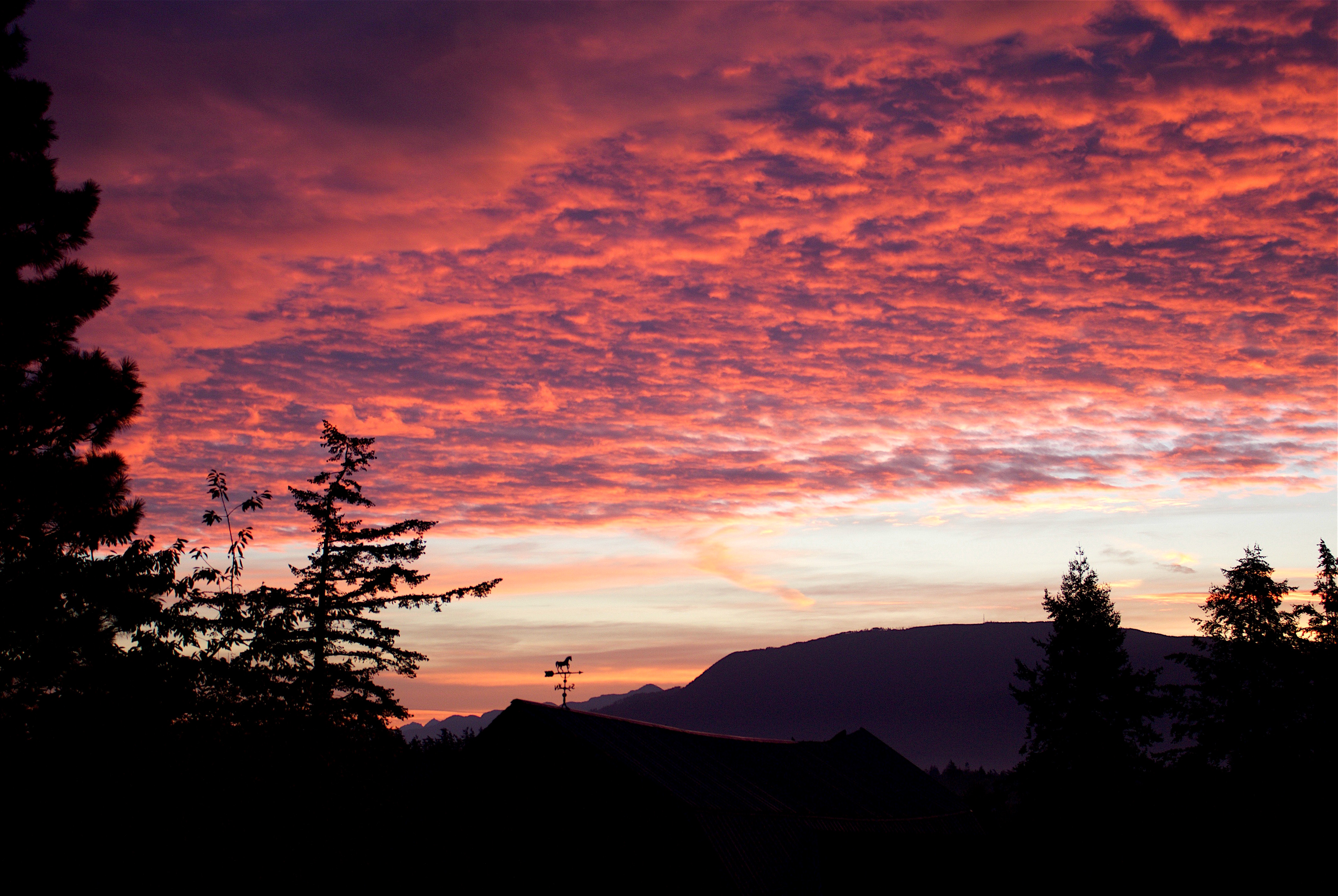
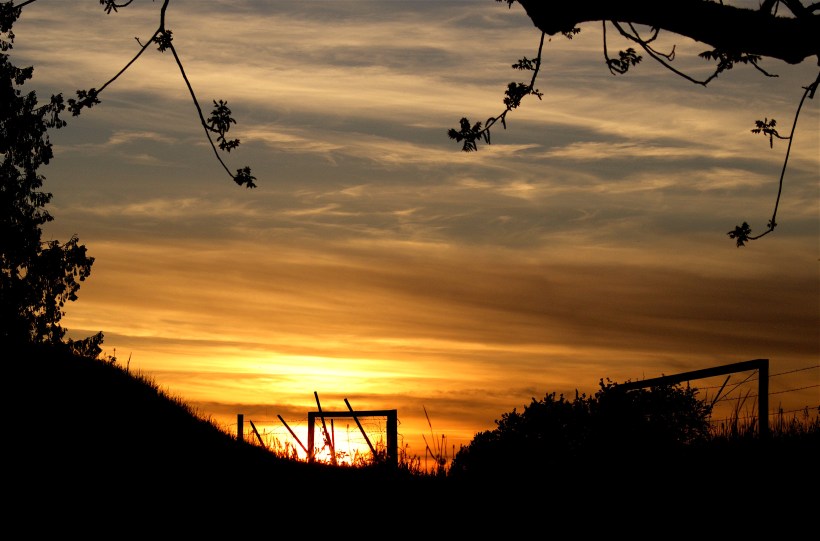
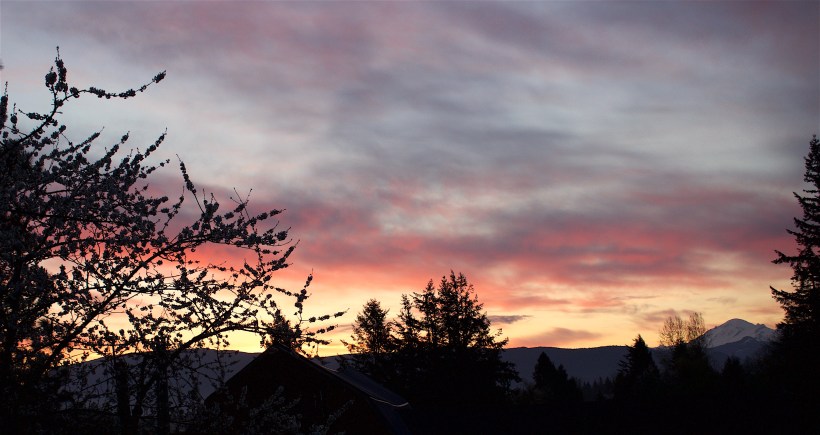
Every once in awhile we are blessed with a few minutes of a rare sunrise where a wall of clouds opens up to become a gateway to heaven.  Darkness becomes pricked full of holes and incredible light leaks out. It can only happen when the clouds become canvas backdrop on which the color is able to be painted– sometimes these clouds create havoc, floods, winds, power outages.

Then this.

Startling, wondrous magnificence beyond imagination. Grace that brings us to our knees, especially when we are mired in our gray troubled ordinariness and plainness.

Drink deeply of this. Hold it, savor it and know that to walk through the gate of any sunrise is to witness the face of God.

sunrise916169

sunrise916161

A Healthy Fence Row

morning528151

mistyfence

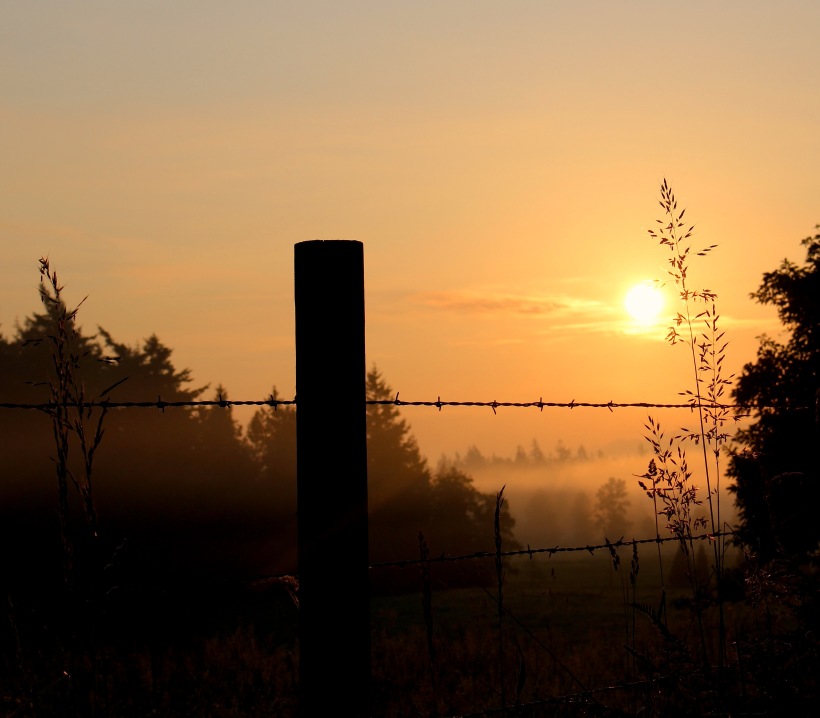
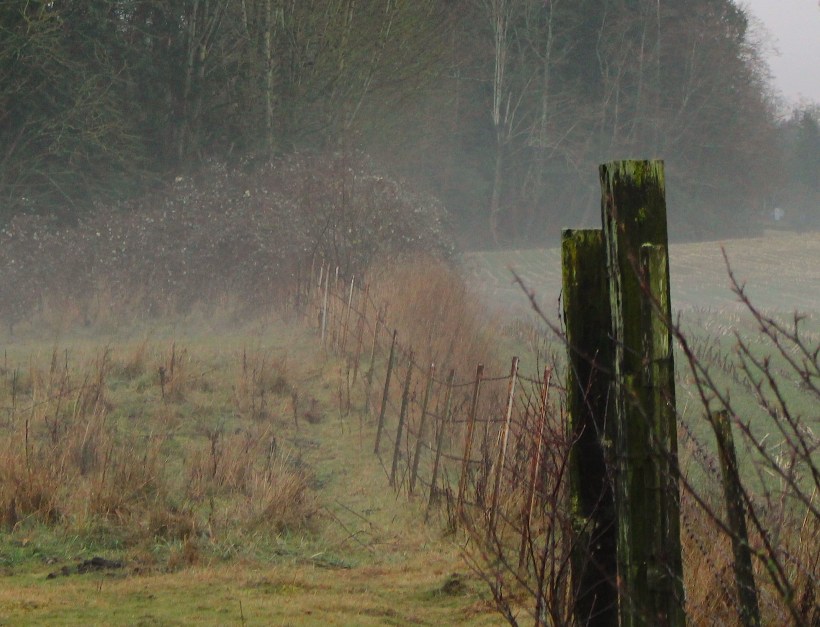
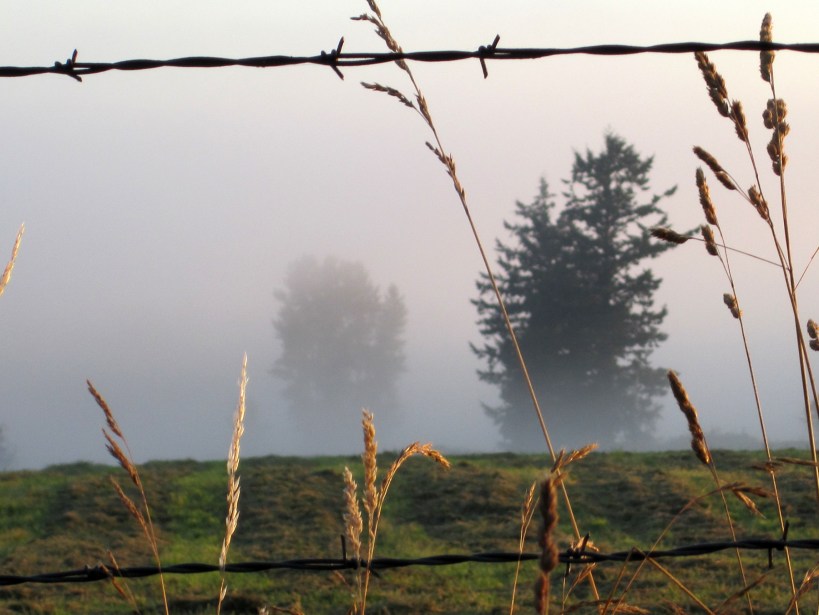
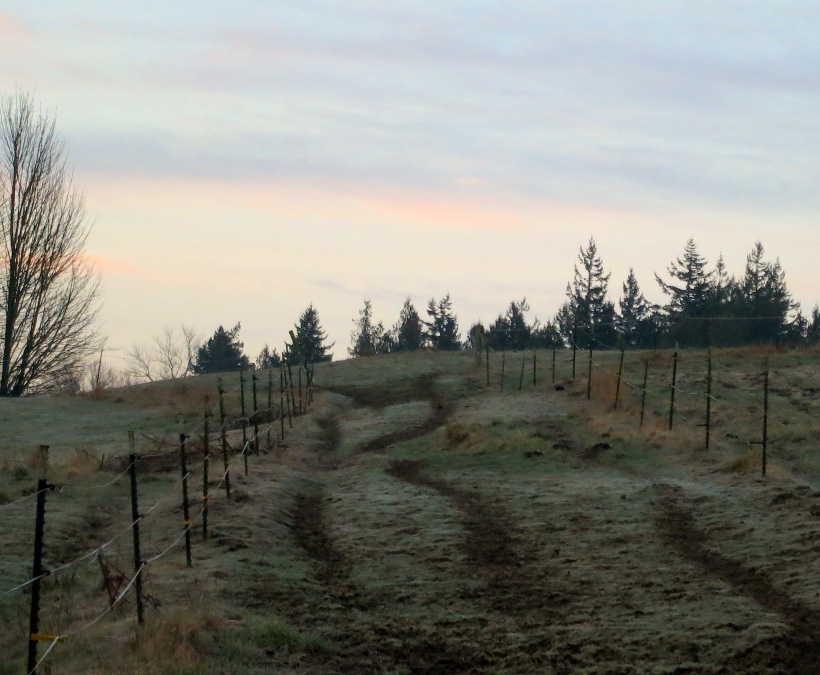
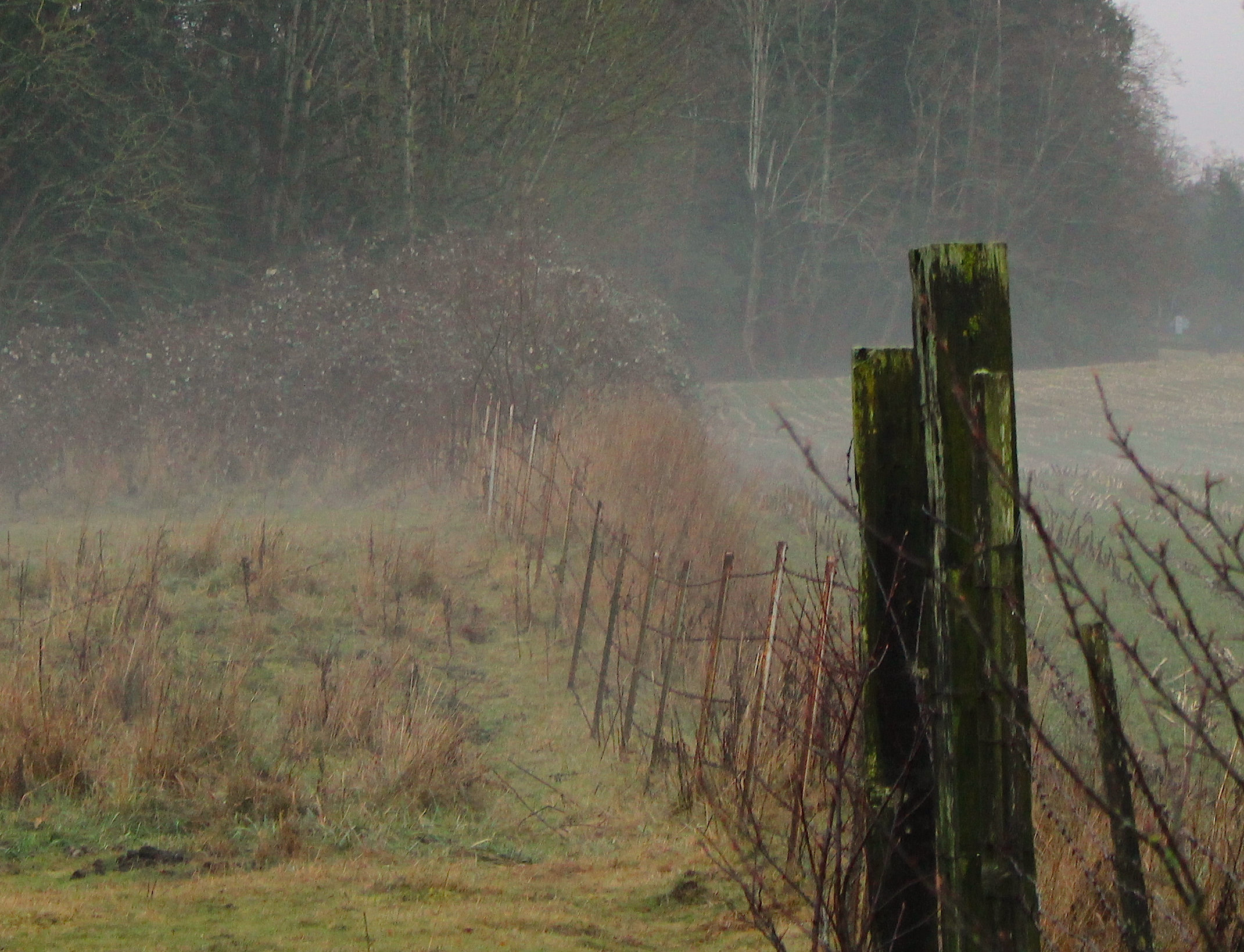
Brushy fencerows are in a sense a gift from man to nature — at least if, after the posts are dug in and the fence stapled to the posts, nature is given some free reign. Birds sitting on the fence and posts will pass undigested seeds in their droppings. Some of these seeds of blackberry, wild cherry, elderberry, bittersweet, sassafras, mulberry, and unfortunately, in some areas, multiflora rose, will take root in the loose soil around the posts and later in soil dug up by woodchucks. Chipmunks scurrying along the fence will bring and bury acorns and hickory nuts, while the wind will deliver dandelion, milkweed, and thistle seeds — all ingredients for a healthy fencerow.
~David Kline from Great Possessions

fence

Before I built a wall I’d ask to know
What I was walling in or walling out,
And to whom I was like to give offence.

He will not go behind his father’s saying,
And he likes having thought of it so well
He says again, “Good fences make good neighbors.”
~Robert Frost from “Mending Fences”

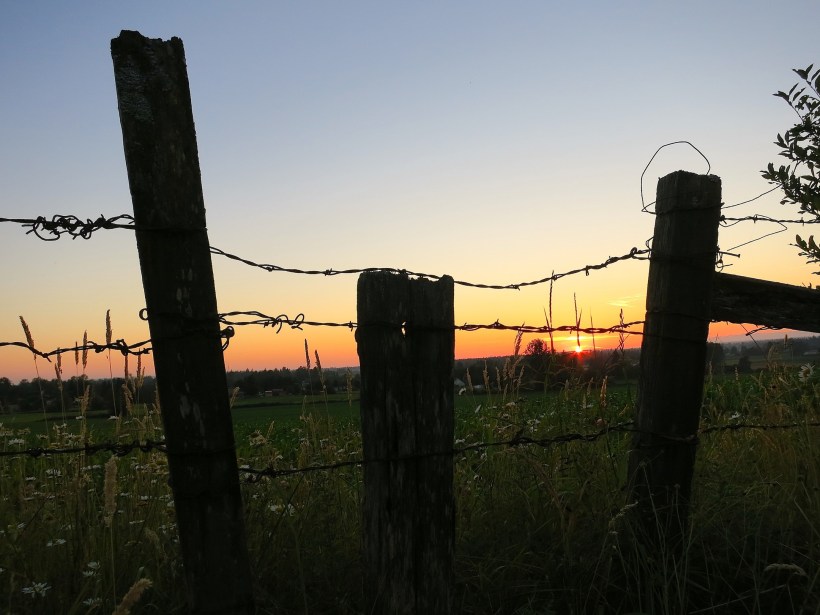
fencepostssunset32

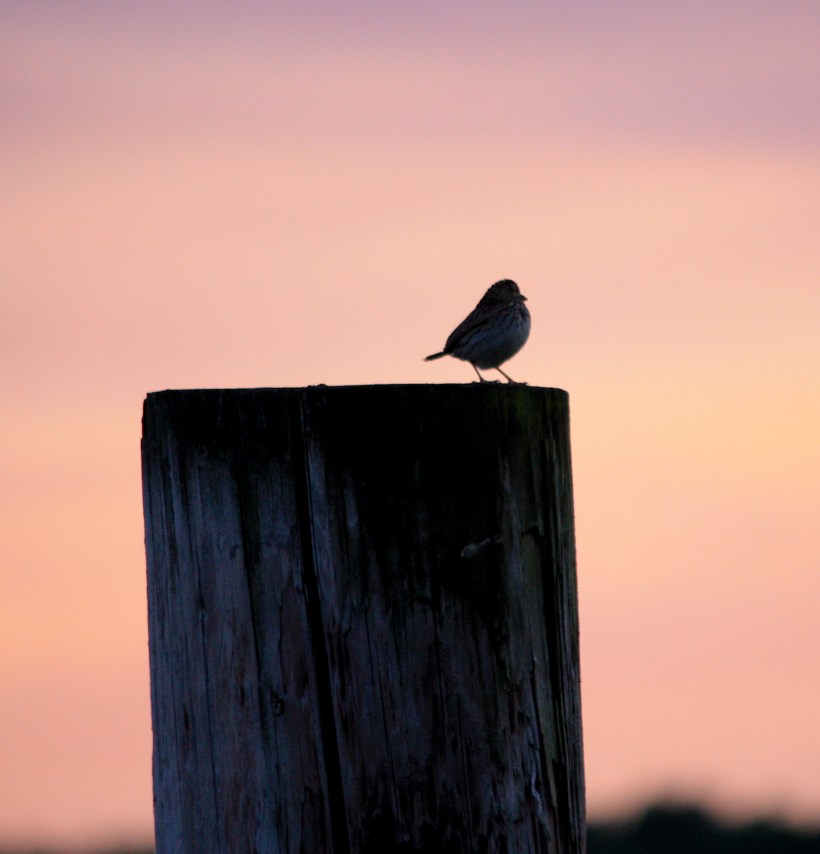
birdonpostrodenberger
photo by Harry Rodenberger


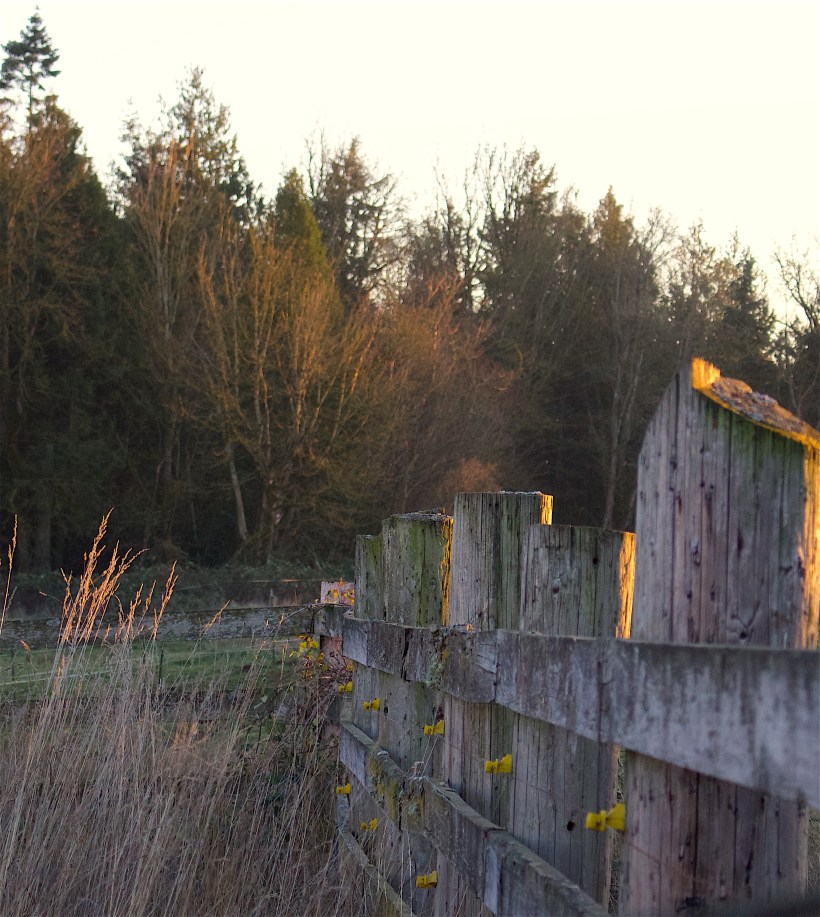
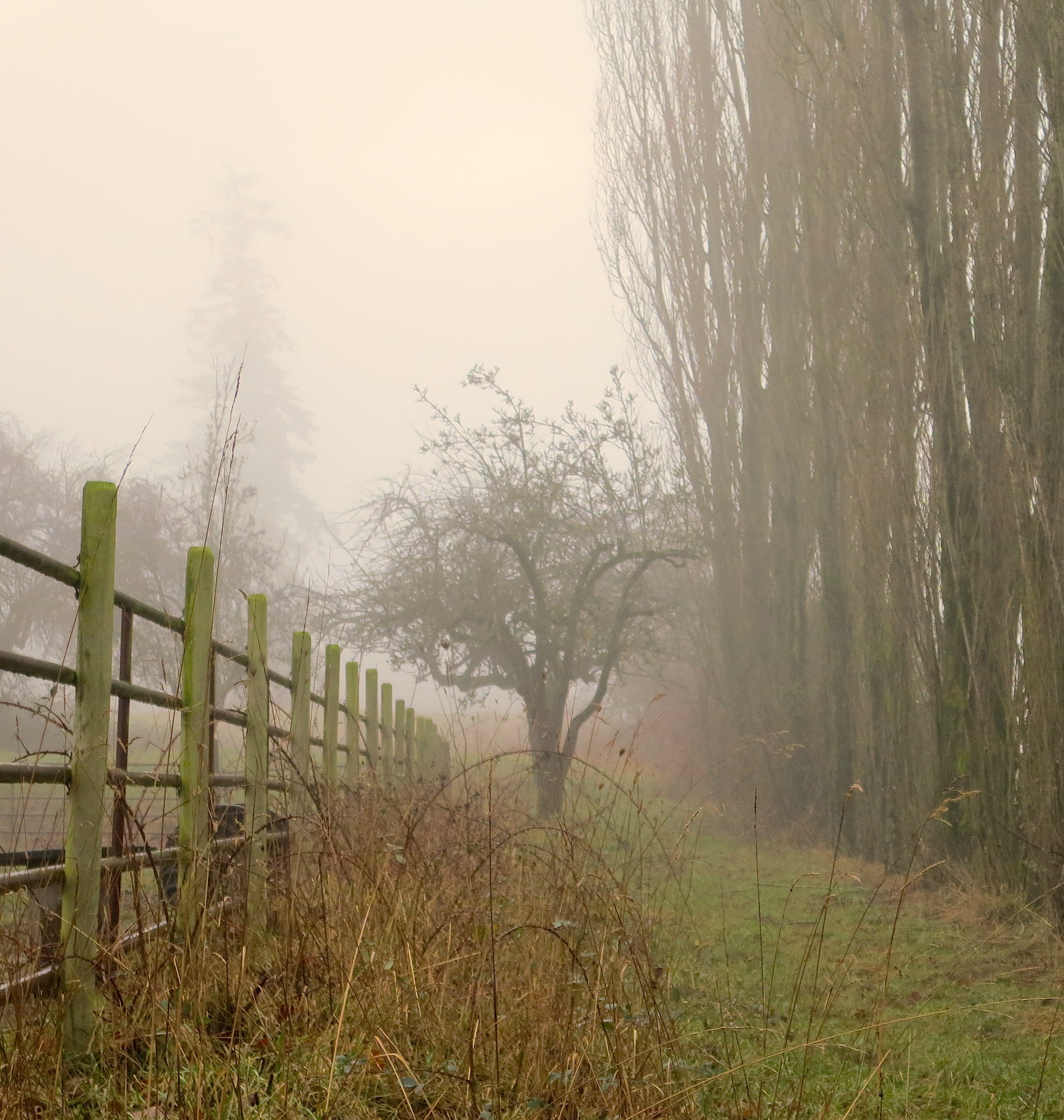
I maintain, in my haphazard and often ineffectual way, our farm’s wood rail and hot wire fences to keep the horses confined, preventing them from wandering into the adjacent orchard, corn field, or most risky of all, the road. As utilitarian as a fence is for that purpose, the fence row itself is the hospitality center for all sorts of diversity of flora and fauna.  It doesn’t repel; it invites.

As one travels in the United Kingdom and across the plains and mountains of North America, old fences are everywhere. Some fences were built painstakingly of stone centuries ago, some of old barbed wire, now falling and decrepit, no longer effective, but still testimony to a determined farmer’s desire to section off his barren land from another’s barren land, or perhaps the requirement borne of the homesteading laws of the time. Robert Frost wrote in his poem “Mending Fences” that a fence spans the balance between man’s sometimes irrational desire for barriers, acknowledging the order that they bring to an uncertain and sometimes unpredictable world that lays beyond our walls.

Political fences continue to exist in many parts of the world today, created primarily out of fear. Indeed, new walls have been proposed, absurdly ridiculous in their scope and expense.  Much celebration accompanied the fall of the Berlin Wall after its years of imposing testimony to the lack of trust and understanding between people who were once relatives, neighbors and friends. The Great Wall of China still stands, now primarily tourist attraction, no longer serving any other useful purpose other than to illustrate the lengths to which man goes to barricade himself off from others.

So why maintain life’s fences, even if the building and maintaining of these fences seems a futile and foolish task when they are pushed down, blown over in the winds, with trees fallen over them, and overgrown with brush and wild blackberries?

Fences, like rules and laws, define order and structure. They can bite back if they are breached. If crashed and broken, they are hazardous in and of themselves, not withstanding the potential dangers that lay beyond them. Remove them altogether and we risk losing the diversity represented in the fence row itself.
So, in the best of times, we are mending walls out of continuing need for contact with our neighbors. We meet across the barriers to shake hands and visit while we repair the fences together, leaving the barriers standing and strong, and the space in the fence row becomes even more diverse and welcoming. In the worst of times, we fortify and hide behind the walls, making them taller, wider, deeper, creating greater and greater gulfs between us and eventually losing touch forever as the walls themselves deteriorate without the necessary mutual “mending”.

So we must not love walls themselves, but must maintain them with our neighbor. We don’t worship the walls themselves but instead respect the foundation they rest on and the life they protect within the row itself.
We accept such boundaries with humility, recognizing their necessity is due to our own imperfections, as we too are full of prickles and barbs that too easily draw blood when breached.

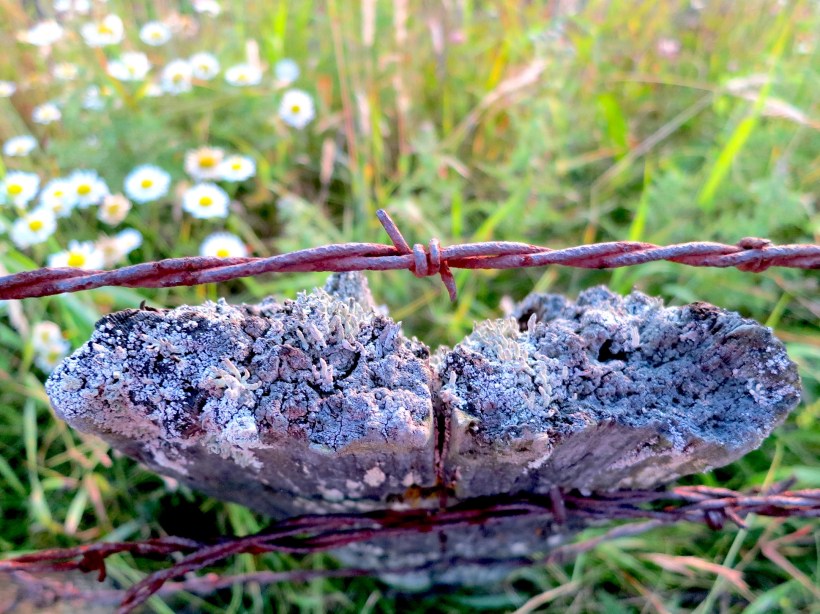
oldfence

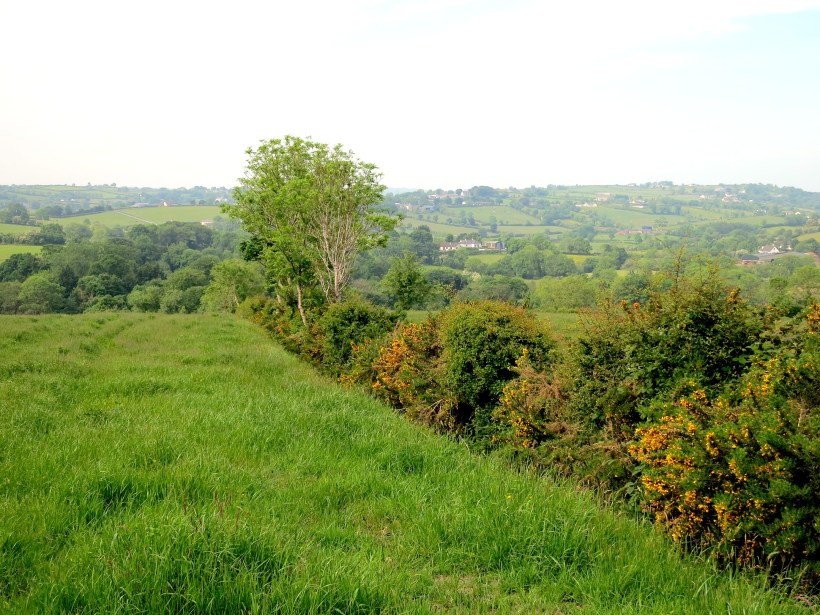
moydalganfield5

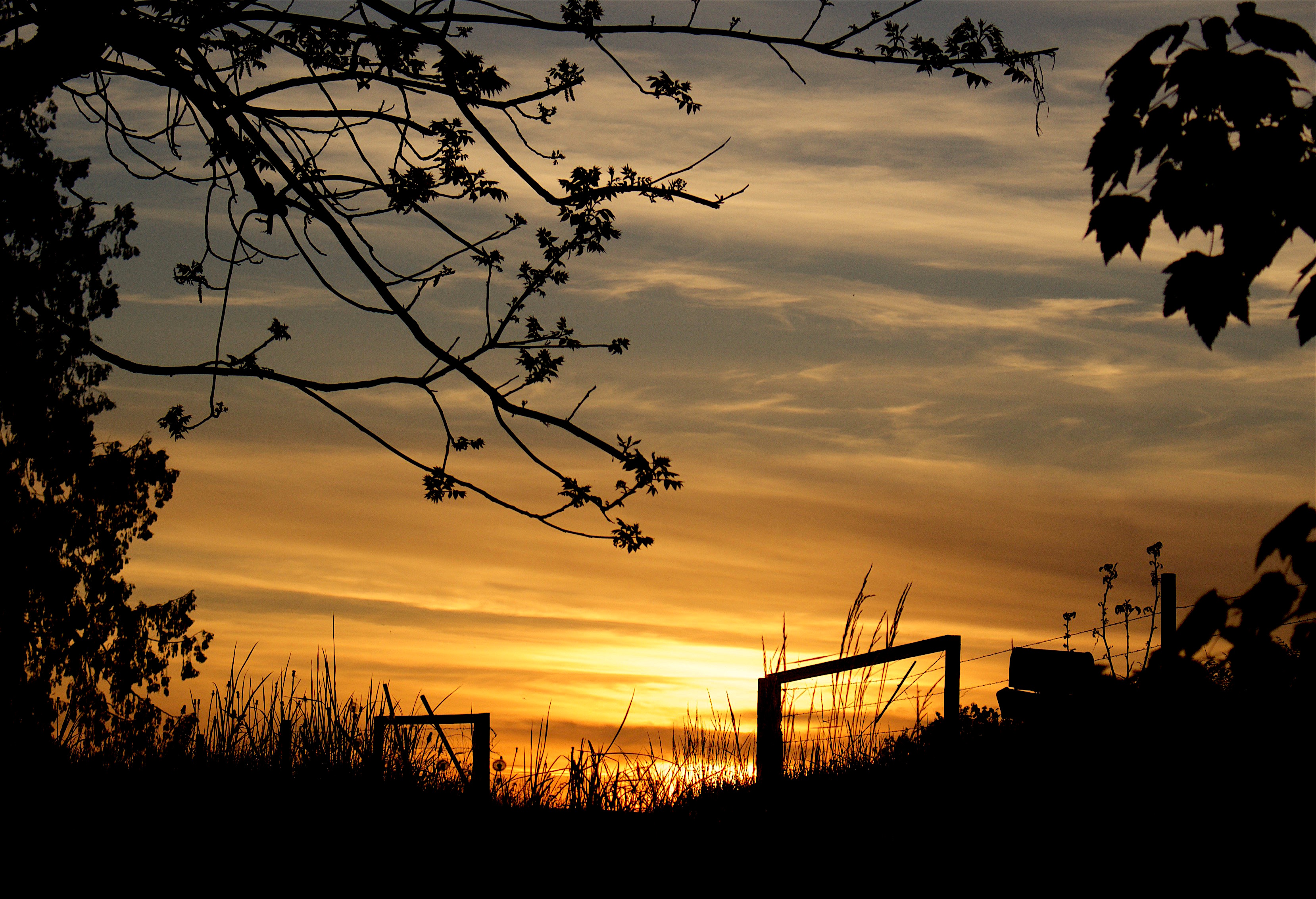
sunsetfence

sunsetfence

Acres and Acres

poppypink

frillypoppy

frillypoppy3

butte4

drizzlegrass3

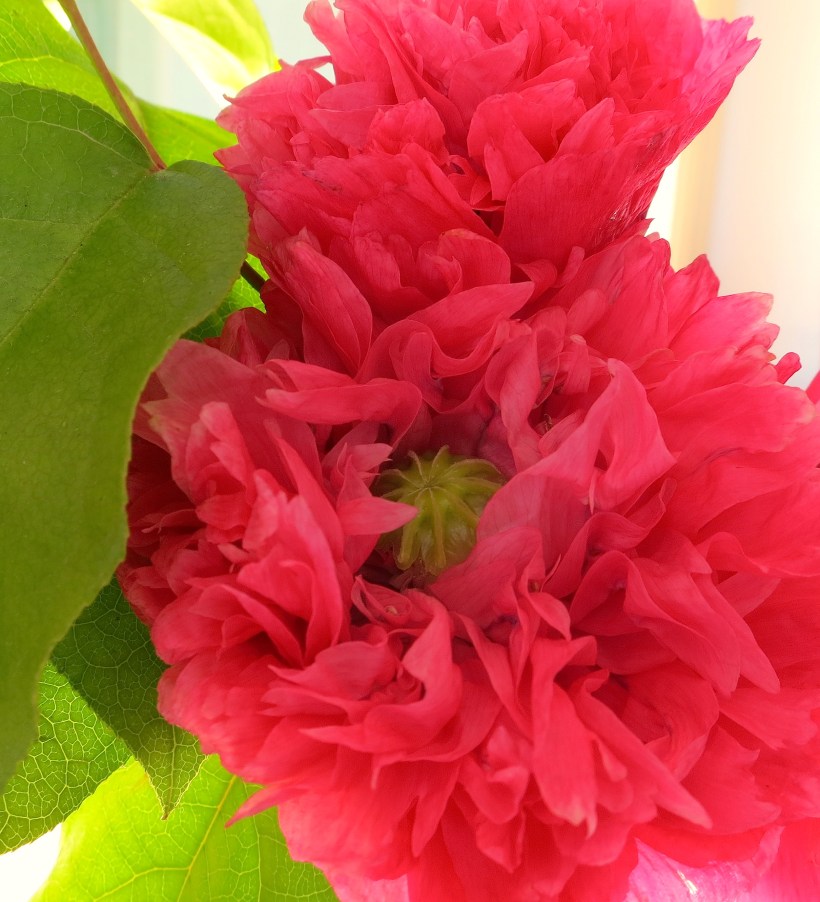
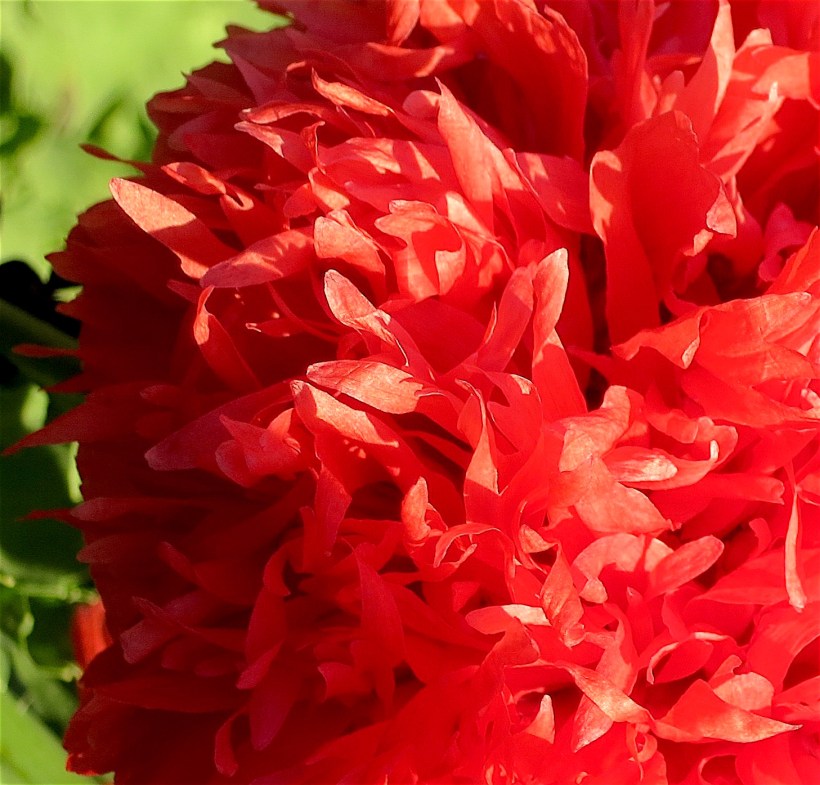
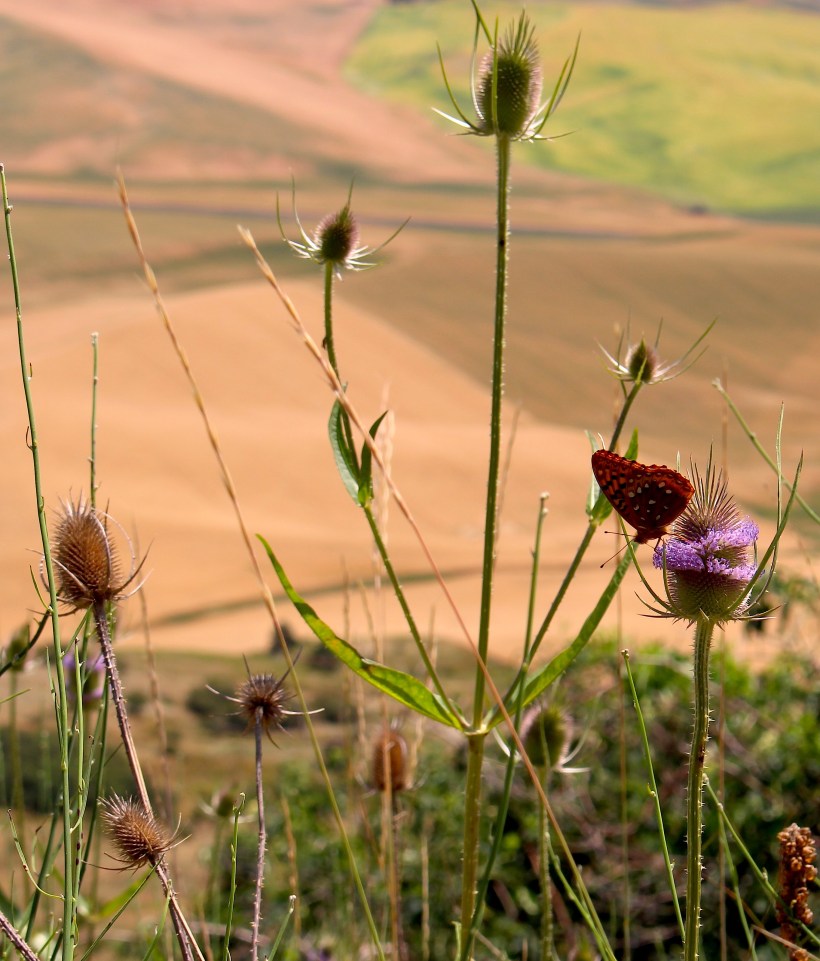
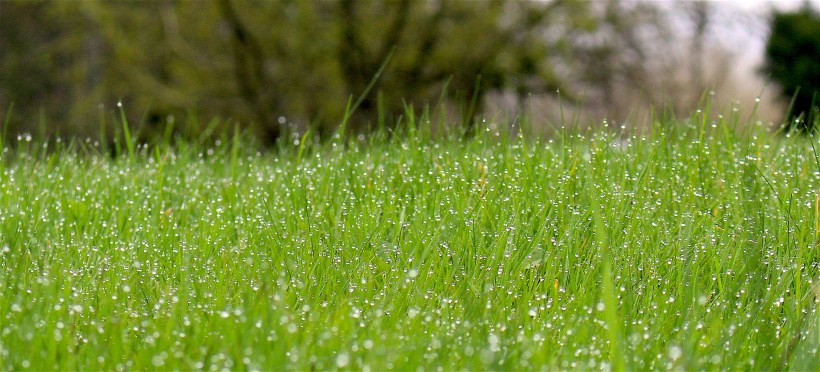
I never met a man who was shaken by a field of identical blades of grass. An acre of poppies and a forest of spruce boggle no one’s mind. Even ten square miles of wheat gladdens the hearts of most.
No, in the plant world, and especially among the flowering plants, fecundity is not an assault on human values. Plants are not our competitors; they are our prey and our nesting materials.

Fecundity is anathema only in the animal.
“Acres and acres of rats” has a suitably chilling ring to it that is decidedly lacking if I say, instead, “acres and acres of tulips”.

~Annie Dillard from “The Force That Drives the Flower”

wwugrasses

This time of year our farm is brilliantly lit by sun and teeming with fecundity.  The cherry orchard blossoms have yielded to fruit and the pastures are knee high with grass.  By this time in June, the daylight starts creeping over the eastern foothills at 4 AM and the last glimpse of sun disappears at nearly 10 PM.   So many hours of light to work with!

I yearn for a dark rainy day to hide inside with a book.  Instead the lawnmower and weed whacker call my name, and the fish pond needs cleaning and the garden must be weeded.

It’s not that things don’t happen on the farm during months like this.  It’s just that nothing we do is enough.  Blackberry brambles have taken over everything, grass grows faster than we can keep it mowed down, the manure piles spread on the fields in May are growing exponentially again.  The fences always need fixing.

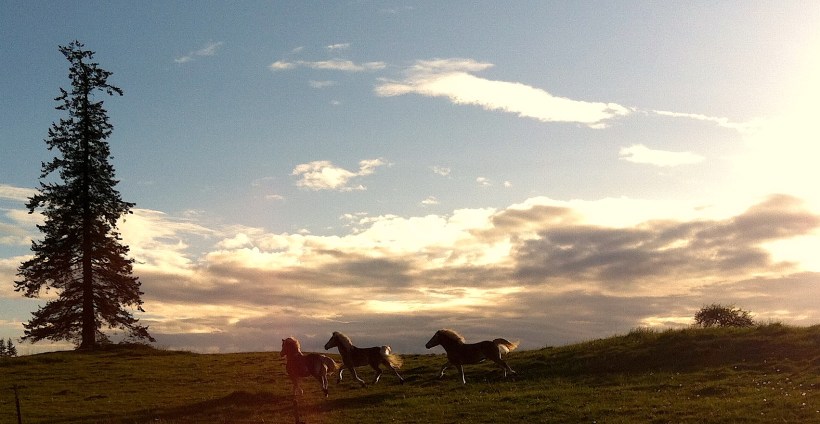
The weather has been hot and the hay is ready to cut but no string of days has been available for harvest – we are low on the priority list of the local dairy man who cuts and bales our hay.  We no longer breed our Haflinger horses, so we are feeding and caring for a retired herd.

Suddenly our farm dream seems not nearly so compelling.

We have spent many years dreaming about the farm as we hoped it would be.  We imagined the pastures managed perfectly with fencing that was both functional and beautiful.  Our barns and buildings would be tidy and leak-proof, and the stalls secure and safe.  We’d have a really nice pick up truck with low miles on it, not a 35 year old hand me down truck with almost 250,000 miles. We would have trees pruned expertly and we’d have flower beds blooming as well as a vegetable garden yielding 9 months of the year.  Our hay would never be rained on. We would have dogs that wouldn’t run off and cats that would take care of all the rodents.  We wouldn’t have any moles, thistles, dandelions or buttercup.  The pheasant, deer, coyotes, raccoons, and wild rabbits would only stroll through the yard for our amusement and not disturb anything.  We’d have livestock with the best bloodlines we could afford and a steady demand from customers to purchase their offspring at reasonable prices so that not a dime of our off-farm income would be necessary to pay farm expenses.   Our animals (and we) would never get sick or injured.

And our house would always stay clean.

Dream on.  Farms can be back-breaking, morale-eroding, expensive sinkholes.   I know ours is.  Yet here we be and here we stay.

It’s home.  We’ve raised three wonderful children here.  We’ve bred and grown good horses and great garden and orchard crops and tons of hay from our own fields.  We breathe clean air and daily hear dozens of different bird songs and look out at some of the best scenery this side of heaven.  Eagles land in the trees in our front yard. It’s all enough for us even if we are not enough for the farm.  I know there will come a time when the farm will need to be a fond memory and not a daily reality.  Until then we will keep pursuing our dream as we and the farm grow older.   Dreams age and mature and I know now what I dreamed of when I was younger was not the important stuff.
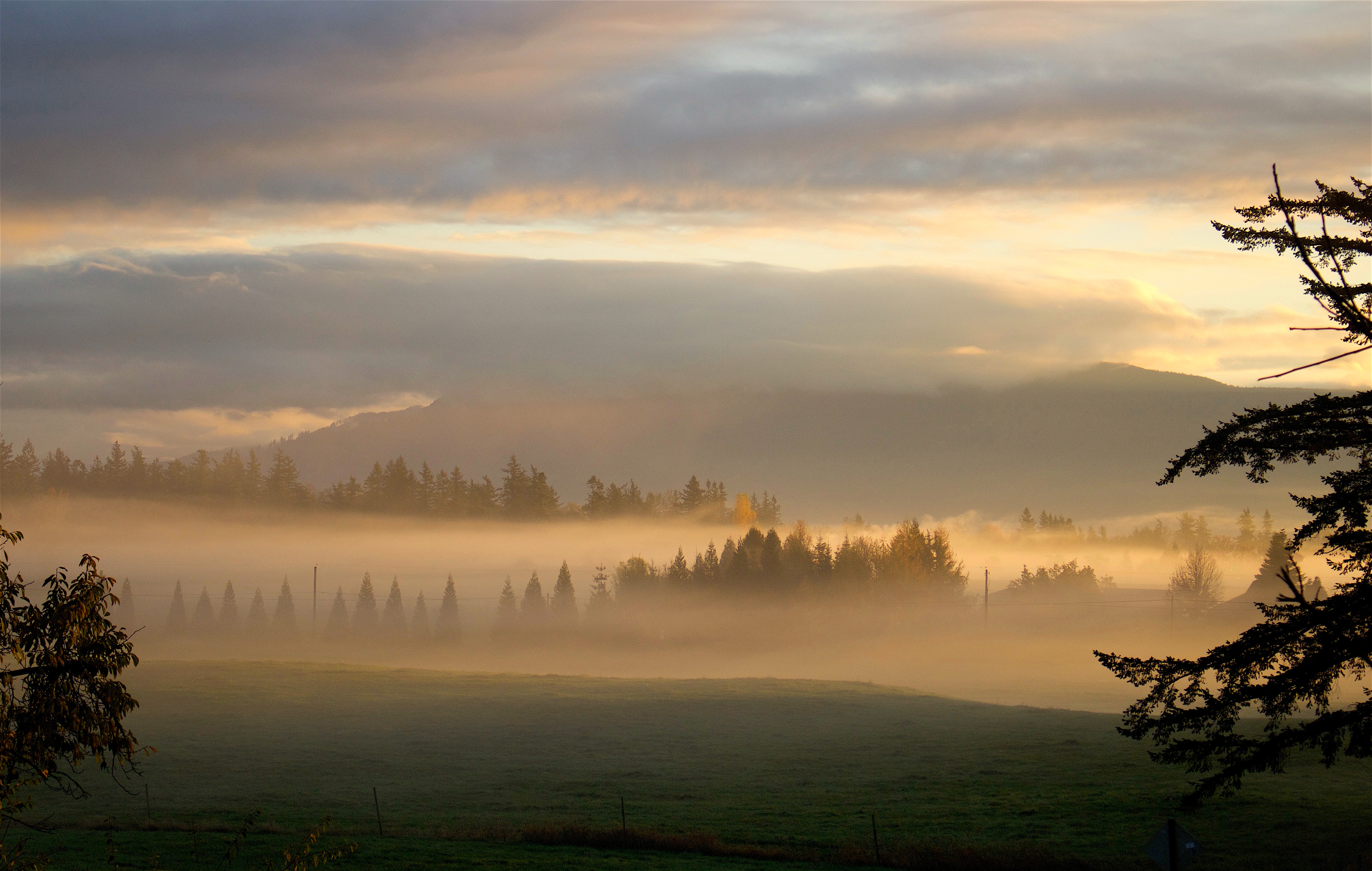
We have been blessed with the abundance of one another, with the sunrises and the sunsets and everything in between.  This is the best of fecundity.
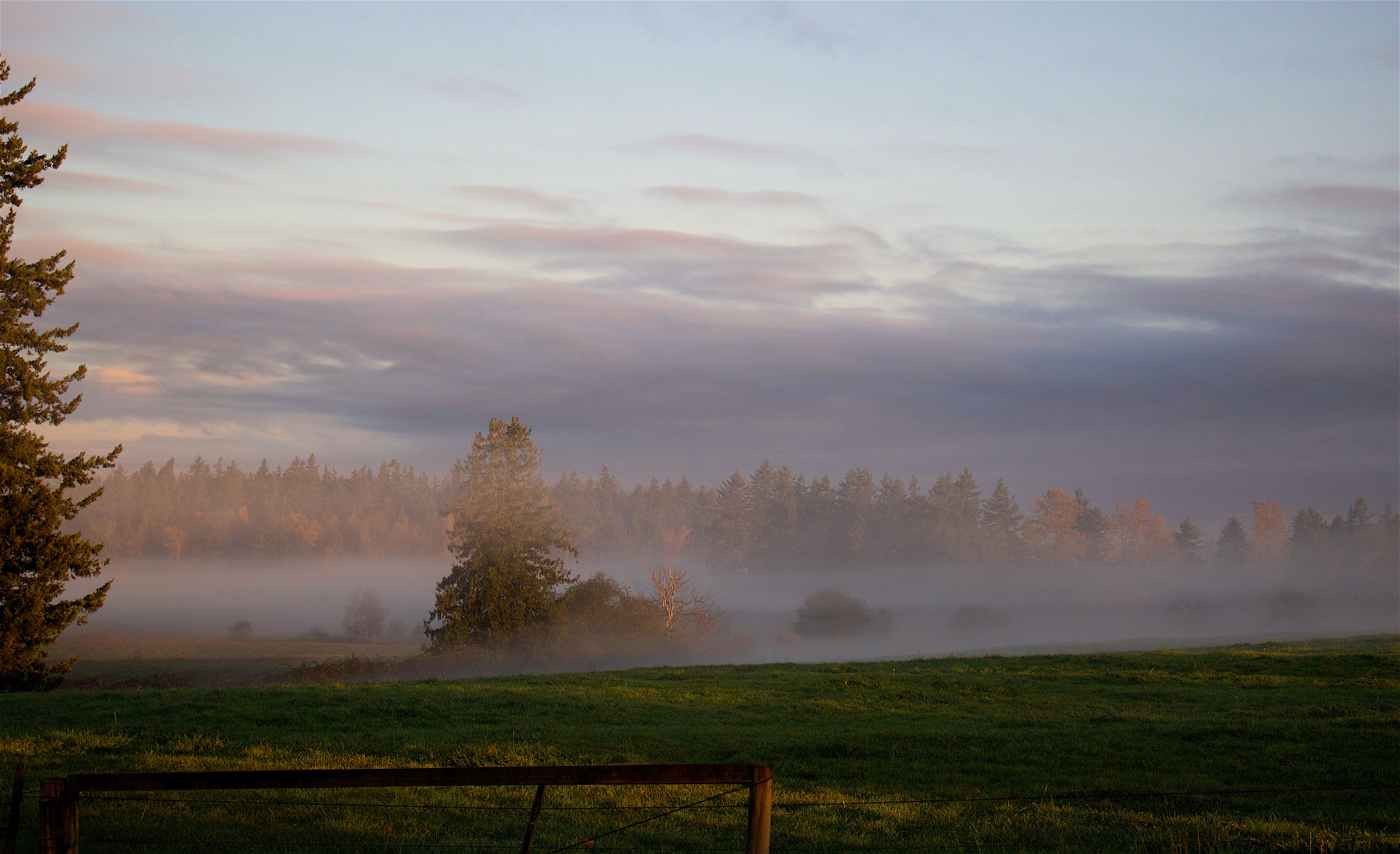
sunset11221415

tulip18

sunset6516

A Surprise No Longer

paths

sunset43016


About living in the country?
…peace can deafen one, beauty surprise
No longer.  There is only the thud
Of the slow foot up the long lane
At morning and back at night.
~R.S. Thomas “The Country”

morning32116


I must not forget my
astonishment
at the beauty around me
even on the grayest of days,
trudging the barnyard path
on dark nights to exhausted chores.
If ever I fail to see
what is right in front of me,
this grace-given gift
to my eyes and ears,
I do not deserve to put on boots
or hold a pitchfork.

thesisters1

sunrise4316

Fifty Years Ago Today

prankstersteve

Prankster getting my brother’s attention


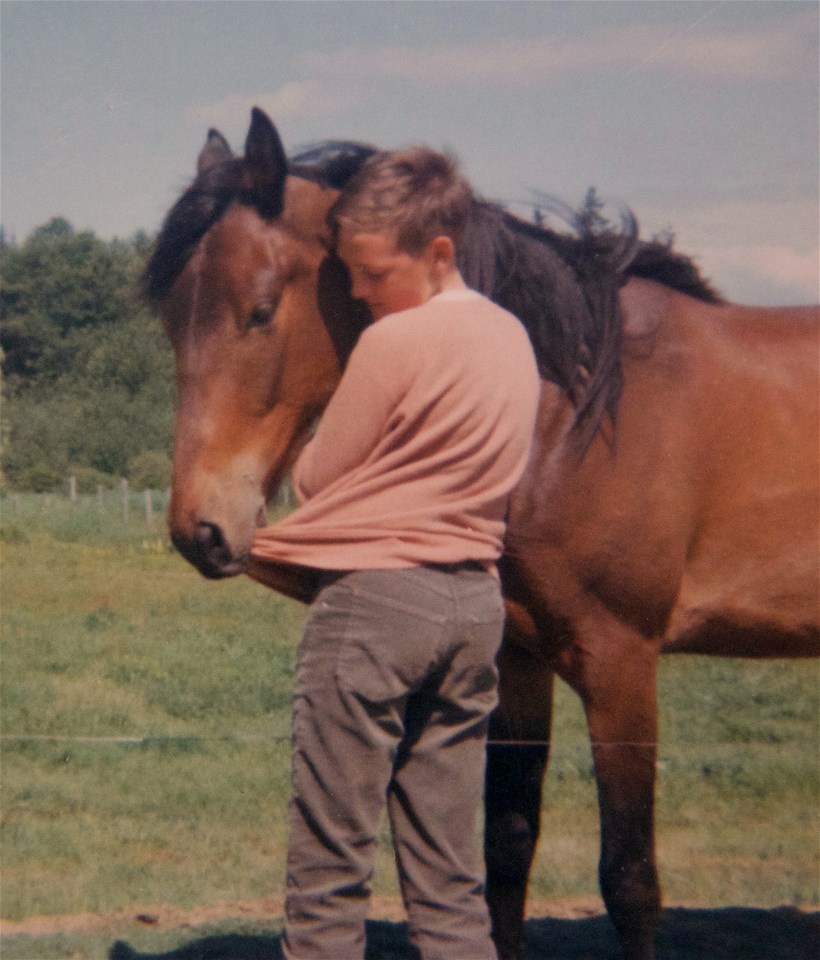
For the past fifty years, this date especially stands out on my calendar. Whenever November 27 comes around, I think back to a skinny freckled eleven year old girl who wanted nothing more than to have her own horse. Every inch of my bedroom wall had posters of horses, all my shelves were filled with horse books and horse figurines and my bed was piled with stuffed horses. I suffered an extremely serious case of horse fever.

I had learned to ride my big sister’s horse while my sister was off to college, but the little mare had pushed down a hot wire to get into a field of spring oats which resulted in a terrible case of colic and had to be put down. I was inconsolable until I set my mind to buy another horse.   We had only a small shed, not a real barn, and no actual fences other than the electric hot wire.  Though I was earning money as best I could picking berries and babysitting, I was a long way away from the $150 it would take to buy a trained horse back in 1965. So I dreamed my horsey dreams, mostly about golden horses with long white manes, hoping one day those dreams might come true.

In fall 1965, the  local radio station KGY’s Saturday morning horse news program announced their “Win a Horse” contest.  I knew I had to try. The prize was a weanling bay colt, part Appaloosa, part Thoroughbred, and the contest was only open to youth ages 9 to 16 years old. All I had to do was write a 250 word or less essay on “Why I Should Have a Horse”. I worked and worked on my essay, crafting the right words and putting all my heart into it, hoping the judges would see me as a worthy potential owner. My parents took me to visit the five month old colt named “Prankster”, a fuzzy engaging little fellow who was getting plenty of attention from all the children coming to visit him, and that visit made me even more determined. When I read these words now, I realize there is nothing quite like the passion of an eleven year old girl:

“Why I Should Have a Horse”

When God created the horse, He made one of the best creatures in the world.  Horses are a part of me.  I love them and want to win Prankster for the reasons which follow:

To begin with, I’m young enough to have the time to spend with the colt.  My older sister had a horse when she was in high school and her school activities kept her too busy to really enjoy the horse.  I’ll have time to give Prankster the love and training needed.

Another reason is that I’m shy.  When I was younger I found it hard to talk to anybody except my family.  When my sister got the horse I soon became a more friendly person.  When her horse recently died (about when Prankster was born), I became very sad.  If I could win that colt, I couldn’t begin to describe my happiness. 

Also I believe I should have a horse because it would be a good experience to learn how to be patient and responsible while teaching Prankster the same thing. 

When we went to see Prankster, I was invited into the stall to brush him.  I was never so thrilled in my life!  The way he stood there so majestically, it told me he would be a wonderful horse. 

If I should win him, I would be the happiest girl alive.  I would work hard to train him with love and understanding.  If I could only get the wonderful smell and joy of horses back in our barn!

I mailed in my essay and waited.

On November 27, 1965, my mother and I listened to the local horse program that was always featured on the radio at 8 AM on Saturday mornings. They said they had over 300 essays to choose from, and it was very difficult for them to decide who the colt should go to. I knew then I didn’t have a chance. They had several consolation prizes for 2nd through 4th place, so they read several clever poems and heartfelt essays, all written by teenagers.  My heart was sinking by the minute.

The winning essay was next.  The first sentence sounded very familiar to me, but it wasn’t until several sentences later that we realized they were reading my essay, not someone else’s. My mom was speechless, trying to absorb the hazards of her little girl owning a young untrained horse. I woke up my dad, sick in bed with an early season flu, who opened one eye, looked at me, and said, “I guess I better get a fence up today, right?”  I have been forever grateful to him that he pulled himself together and put up a wood corral that afternoon, despite feeling so miserable.

That little bay colt came home to live with me the next day. Over the next few months he and I did learn together, as I checked out horse training books from the library, and joined a 4H group with helpful leaders to guide me. I made plenty of mistakes along the way, learning from each one, including those that left behind scars I still bear. Prankster was a typical adolescent gelding who lived up to his name — full of mischief with a sense of humor and a penchant for finding trouble, but he was mine and that was all that mattered.

By the time he was two, I was sitting on him, and when he was three, my Christmas present that year was a beautiful western saddle. We spent many happy hours riding trails in the nearby woods and enjoying life in the moment.

When it was time for me to leave for college, I knew I could no longer afford to keep him, so found Prankster a forever home to live out his days as I spent the next 13 years of my life living and learning in the city. Horse dreams still visited me in my sleep and swept me into book stores to pore over horse books. I knew I’d had my once-in-a-lifetime special “gift” by winning my first horse, so the next horse I would have to earn on my own. I worked long hours, many nights and many holidays, earning what I could to eventually move from Seattle to own land for a farm.

Along the way, I met a farm boy also temporarily displaced to Seattle and together we worked toward building our farm dream while planning our future together. During our weekly Friday evening bookstore visit, I had opened one discount picture book and discovered the golden horses of my childhood dreams, running wild through green mountain meadows, their white manes and tails streaming out behind them. I bought that book in a heartbeat, and began my search for a breed previously unknown to me before — the magical Haflinger. Within a month of our moving to the farm, on November 27, 1985, our first Haflinger mare joined us. Over the past thirty years, we’ve owned dozens of Haflingers, most born and raised here, and today six are still happily munching hay out in our barn.

Twenty years separated my first horse from my second horse, but November 27 stands out as the day a kid’s dream came true. As I clean our barn every morning, I marvel at the privilege it has been to share this land and this farm life with my husband, my children, and these beautiful horses. They all owned me, heart and soul, because of a first prize fuzzy bay colt fifty years ago.

pranksterhammer

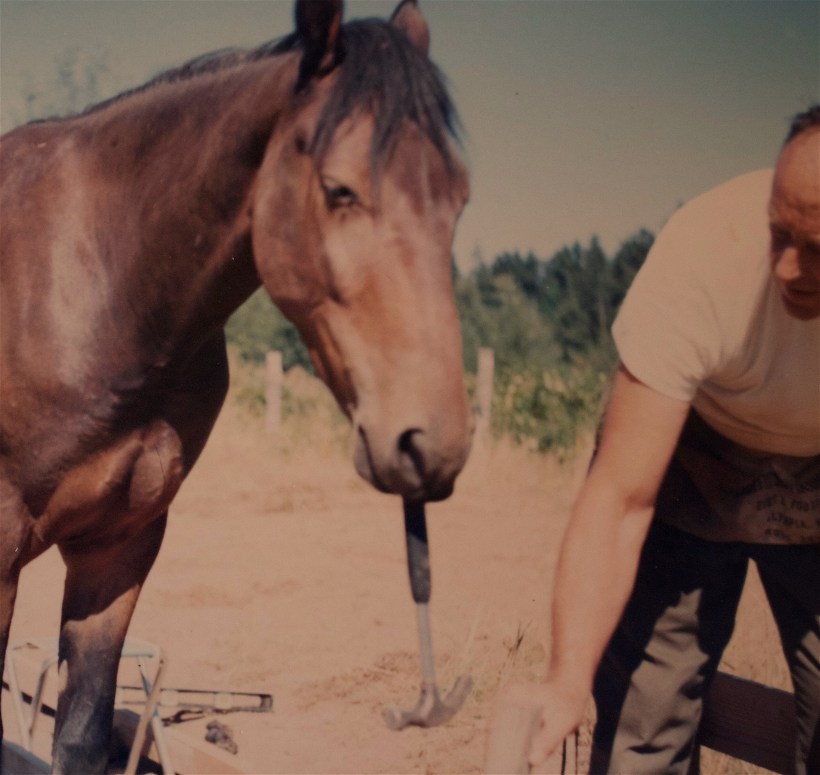
Prankster helping my dad build a new farm building

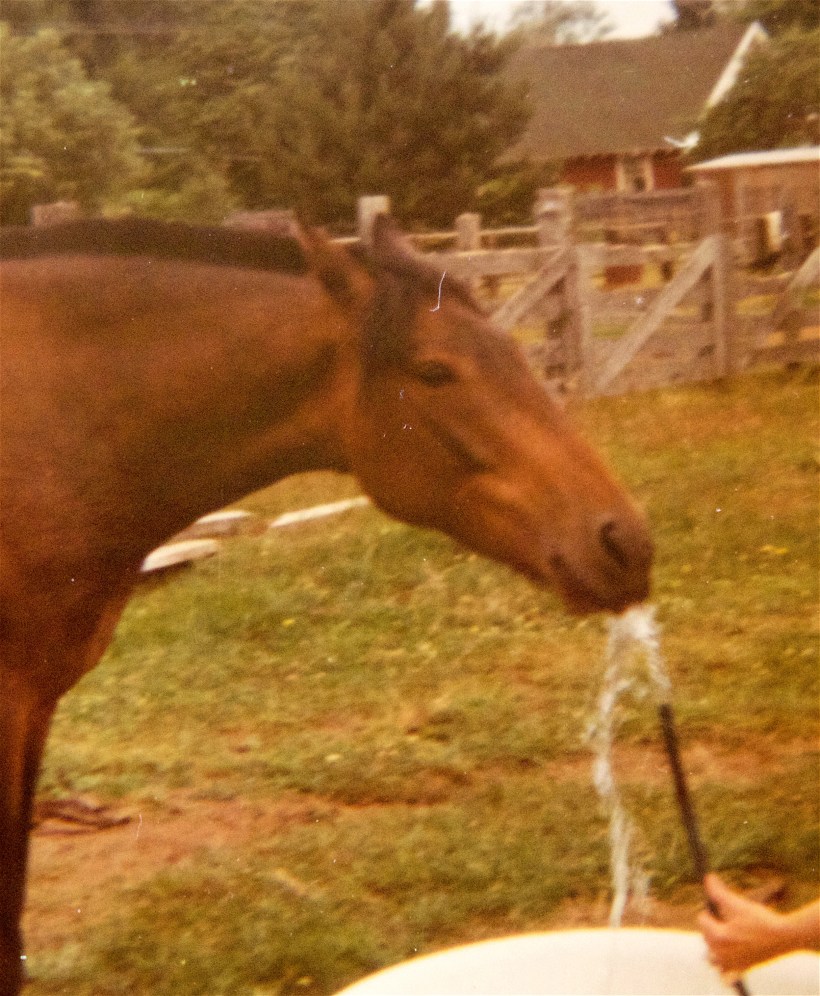
pranksterhose

Prankster’s favorite drinking fountain

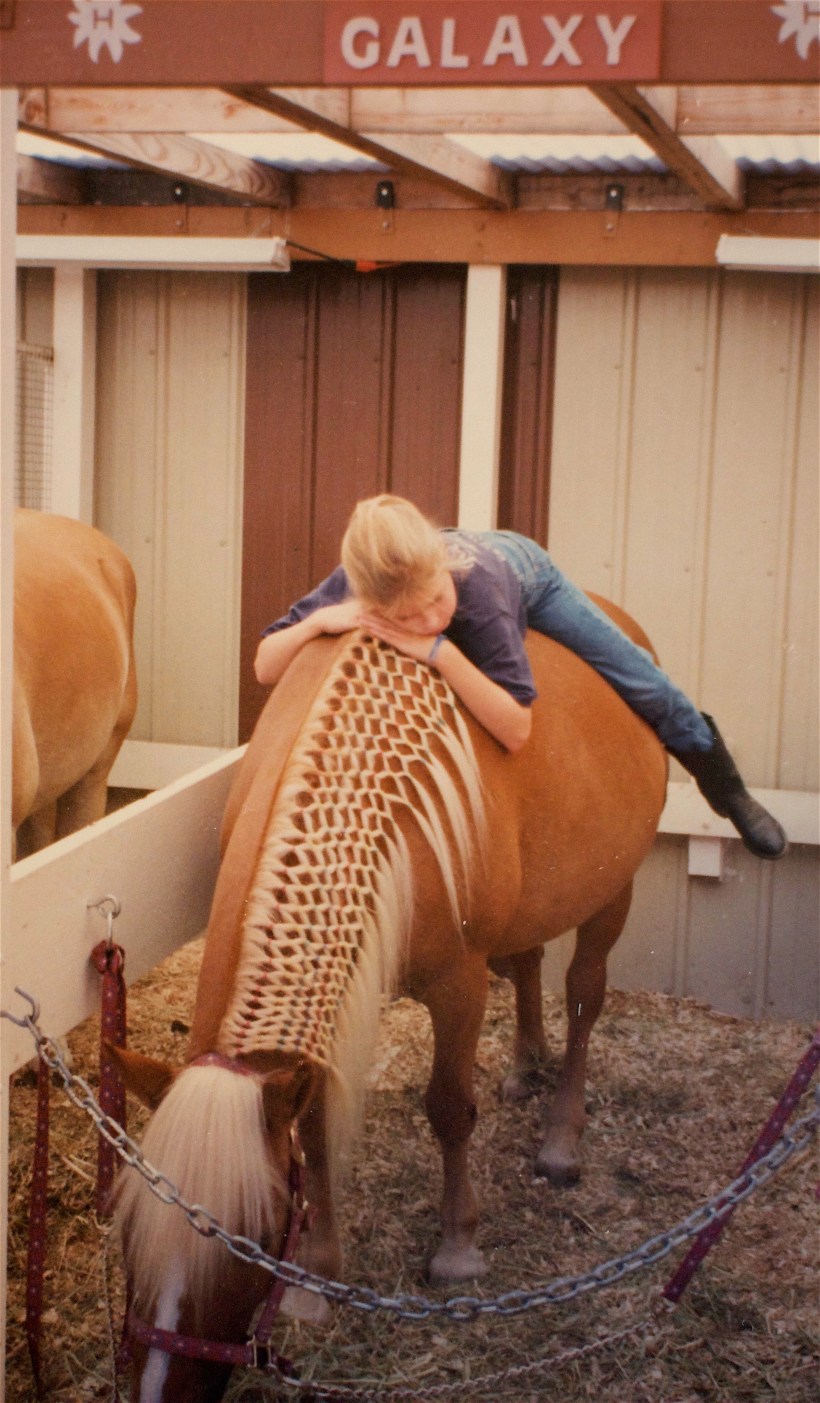
galaxyfair

Galaxy, the first Haflinger born on our farm, entertaining at the fair

outongrass1

A few of our many BriarCroft Haflingers raised here over the years

Yet One Rich Smile

morning113159

morning113158

morning113152

geesev6

fog1228141

Yet one smile more, departing, distant sun!
One mellow smile through the soft vapory air,
Ere, o’er the frozen earth, the loud winds run,
Or snows are sifted o’er the meadows bare.
One smile on the brown hills and naked trees,
And the dark rocks whose summer wreaths are cast,
And the blue gentian flower, that, in the breeze,
Nods lonely, of her beauteous race the last.
Yet a few sunny days, in which the bee
Shall murmur by the hedge that skirts the way,
The cricket chirp upon the russet lea,
And man delight to linger in thy ray.
Yet one rich smile, and we will try to bear
The piercing winter frost, and winds, and darkened air.
~William Cullen Bryant “November”


The window of richness is brief these November mornings,
enough time to feed and water animals,
watch the geese fly overhead,
capture the light and fog in soft vapory air
before it dissipates back to
just another ordinary day.
This blessing of light is
beyond my understanding,
beyond my ability to preserve,
beyond any gratitude I can offer.
It is freely given with a smile
and I delight to linger…

novflower

morning113155

morning113157

The Bounds of the Infinite

fog122814

sunsetgrass810151

scotlandkirkbride

God is not infinite;
He is the synthesis
of infinity and boundary.

~Coventry Patmore

He chose the boundaries of the finite;
to be helpless as a baby,
to love flawed parents,
to be dusty and tired and tempted,
to weep,
to be hurt, bleeding, bound by nails,
dead and buried as man,
to await rising as God.

Living and dying within such boundaries as ours
show us His infinite Truth:
He knows what it means
to be finite,
like us.

fog1228141

mistyfence

thunderheads51521152


morning528151


mournemountains1

A Hot Day on the Farm

hooter

vetch

These hot humid summer days have been barely tolerable for a temperate climate sissy pants like me.  I am melting even as I get up in the morning, and our house has been two degrees warmer (93 degrees) than the out of doors.

One morning as I drove the ten miles of country roads to get to work in town,  I was listening to the news on the car radio when I puzzled over why the radio station would be playing cat meows over the news.  I turned off the radio, and realized the meows didn’t go away.

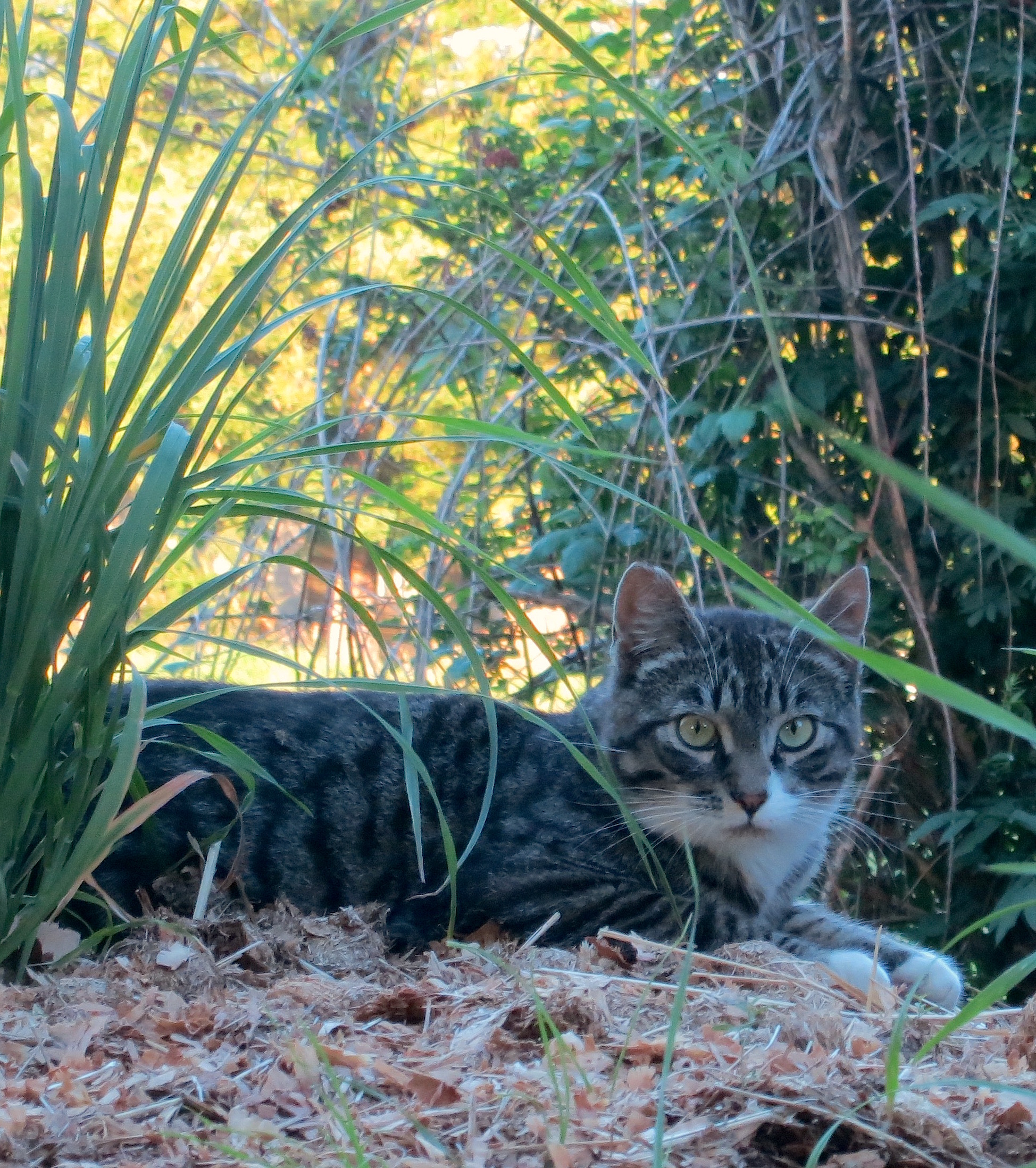
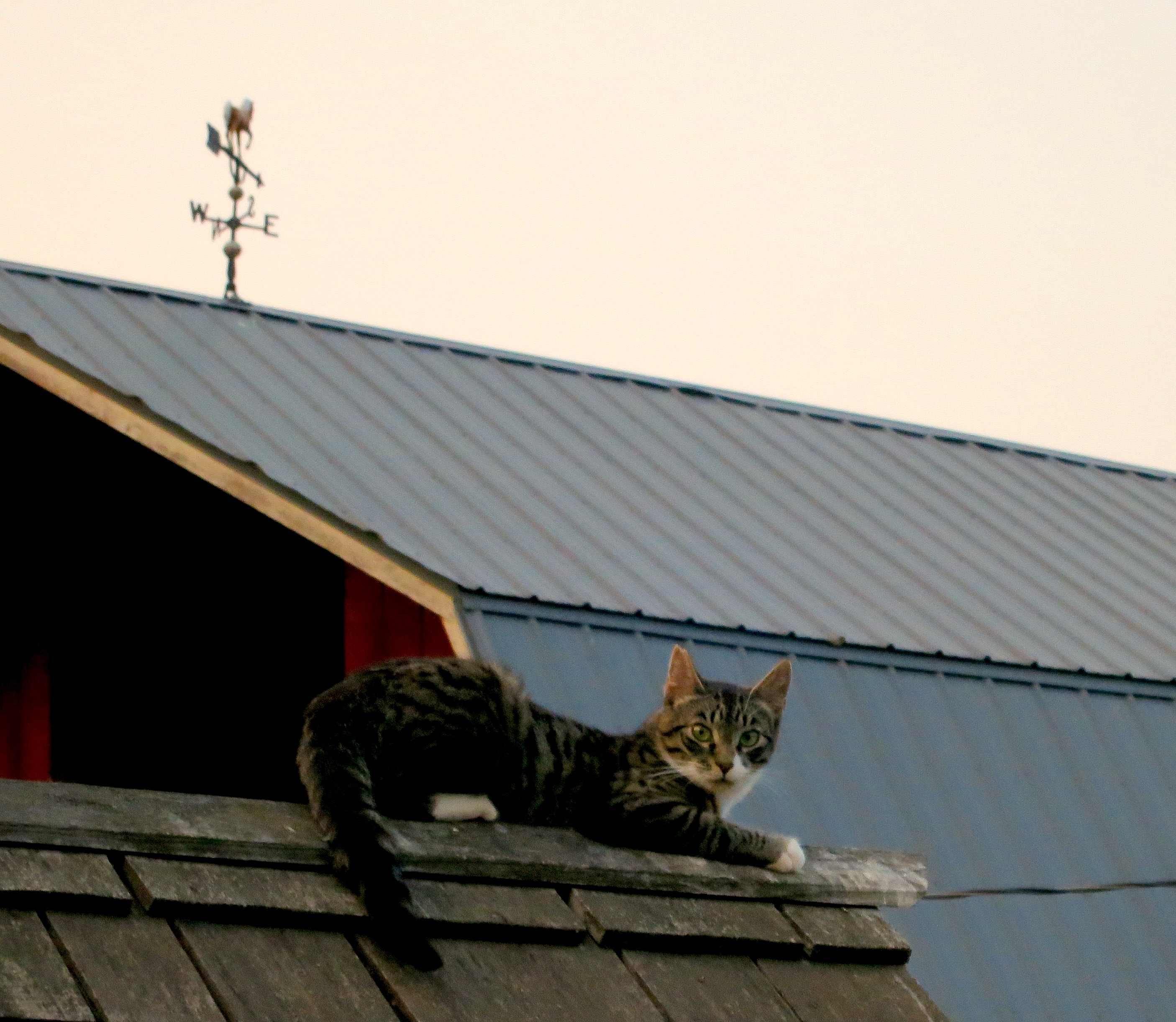
As soon as I was able, I pulled into a parking lot and surveyed my car from back to front, looking under seats, opened the back, scratched my head.  Then the plaintive meowing started again—under the hood.  I struggled with the latch, lifted up the hood and a distressed bundle of kitten fur hurtled out at me, clinging all four little greasy paws to my shirt.  Unscathed except for greasy feet, this little two month old kitten had survived a 50 mile per hour ride for 20 minutes, including several turns and stops.  He immediately crawled up to my shoulder, settled in by my ear, and began to purr.  I contemplated showing up at a meeting at work with a kitten and grease marks all over me vs. heading back home with my newly portable neck warmer.  I opted to call in with the excuse “my cat hitchhiked to work with me this morning and is thumbing for a ride back home” and headed back down the road to take him back to the barn where he belongs.

At that point, my meeting at work was already over so I dawdled in the barn before heading back down the road.   I noticed the Haflinger horses had broken through our electric wire fencing into a more inviting adjacent field so I wandered out to check fence line.   The hot wire must have been shorting out somewhere in the pasture.  As I approached the fence, I heard numerous snaps and pops that I interpreted as hot wire shorting out in the dry grass and weeds, creating a potential fire hazard with the winds whipping up.  I could hear snaps all up and down the fenceline, but could not see sparks to lead me to the problem spot.

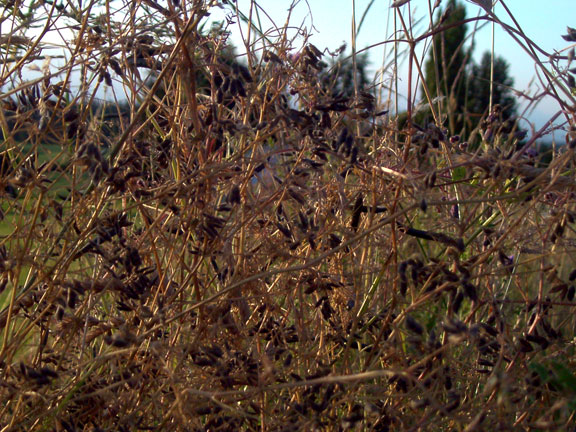
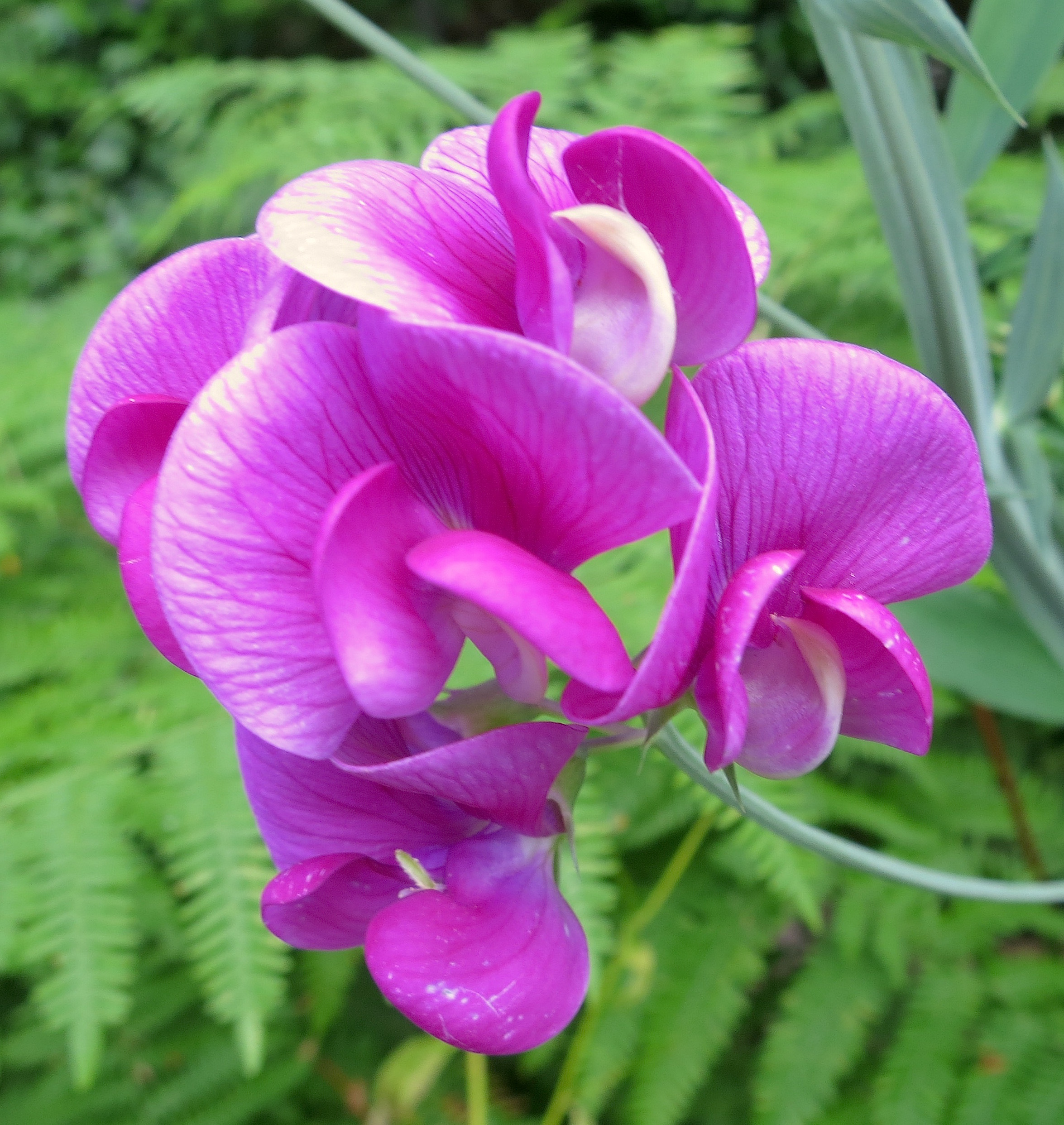
As I studied the wire, I heard a little “snap” and a tiny seed pod burst open in front of my eyes, scattering its contents very effectively on the ground below.  It was dried common vetch seed pods that were snapping and popping, not hot wire shorting out.  They were literally exploding all up and down the fenceline in a symphony of seed release.  Not a spark to be seen — at least not of the electrical variety — only botanical.

So I learned practical advice to be content on a hot day on the farm:

Remember to bang on my car hood before I start the ignition, cats do have nine lives, keep the hotwire hot to keep the horses where they belong,  and especially, vetch doesn’t start wildfires, but explodes wildly in its noisy reproductive cycle.  If vetch can find ecstasy on a hot day, so can we all.

It doesn’t get much better than that.

vetch615

A Fence Post

morning528151

thunderheads51521152


If you stand here you can see the barn.
You can see it from every point on these two hundred acres,
but this spot is the closest.

Here’s a fence post–use your imagination–
that used to be a corner post
for all the fences on this farm.
~Curtis Bauer from “Imaginary Homecoming”


Standing in certain spots on our farm,
at certain times of day
and certain times of year,I think I can see and be seen
into forever,
the expanse of sky unending,
touching shadowy hilltop silhouettes.

I become the corner post from which
all boundaries extend,
fencing in the known world from this spot.
I become the barn visible for miles,
though aging and sagging,
still safe haven to all that need to find rest,
a hub for homecoming.

morningmist22115

sunset831142

sunset33014