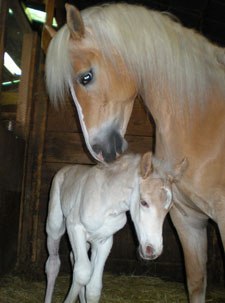
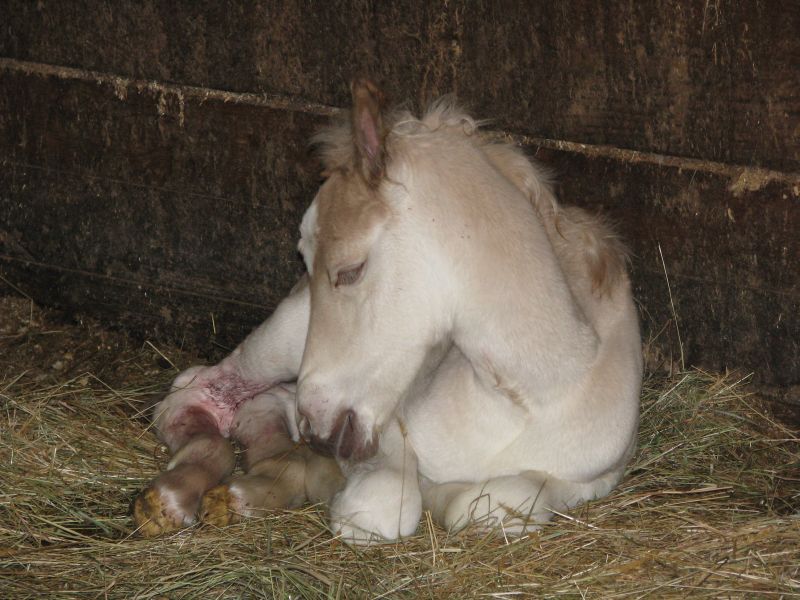
Dawn on our Darkness: O Great Mystery

Christmas Eve, and twelve of the clock.
“Now they are all on their knees,”
An elder said as we sat in a flock
By the embers in hearthside ease.


We pictured the meek mild creatures where
They dwelt in their strawy pen,
Nor did it occur to one of us there
To doubt they were kneeling then.

So fair a fancy few would weave
In these years! Yet, I feel,
If someone said on Christmas Eve,
“Come; see the oxen kneel,


“In the lonely barton by yonder coomb
Our childhood used to know,”
I should go with him in the gloom,
Hoping it might be so.
~Thomas Hardy “The Oxen”
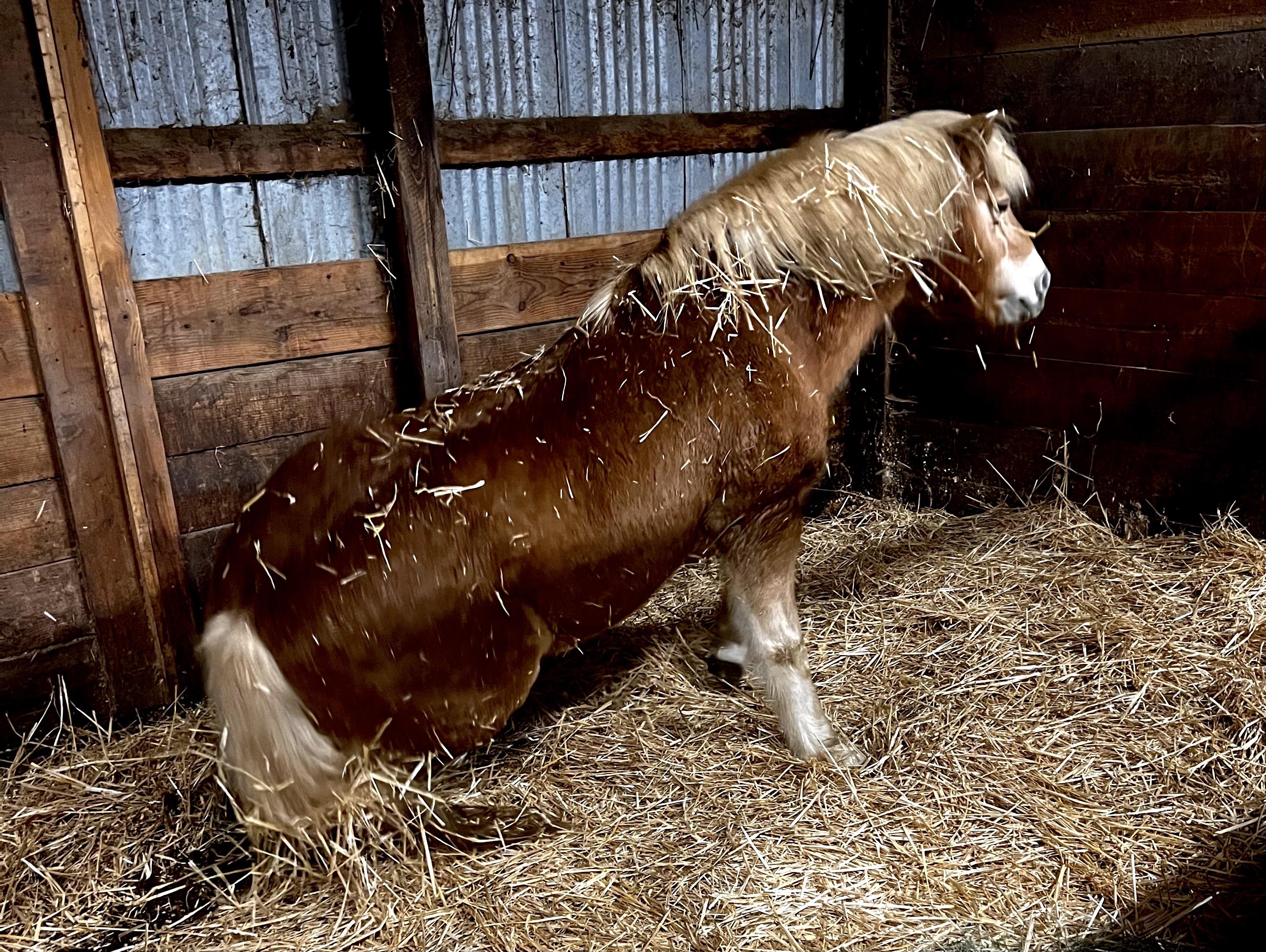
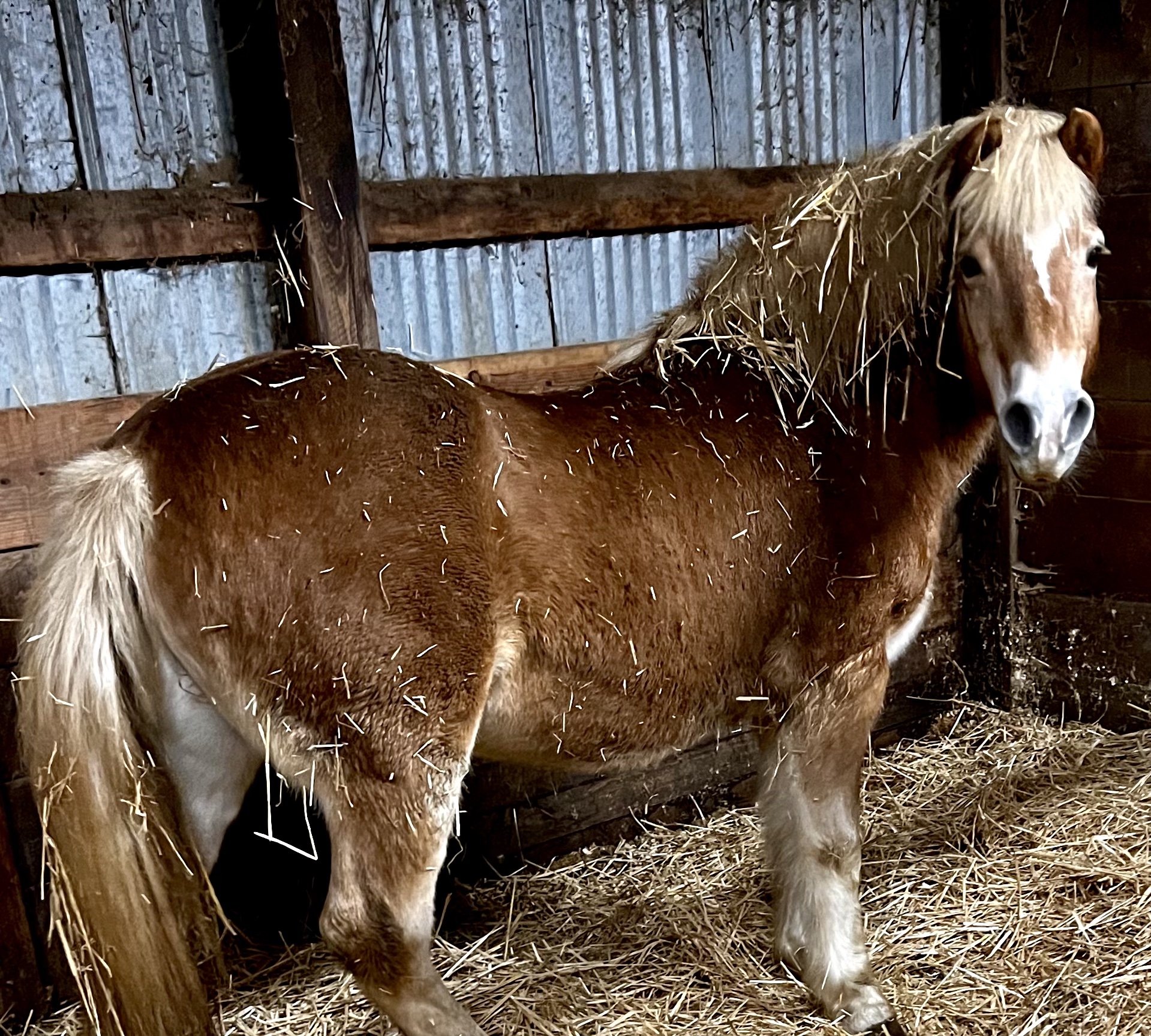
Says a country legend told every year:
Go to the barn on Christmas Eve and see
what the creatures do as that long night tips over.
Down on their knees they will go, the fire
of an old memory whistling through their minds!

So I went. Wrapped to my eyes against the cold
I creaked back the barn door and peered in.
From town the church bells spilled their midnight music,
and the beasts listened – yet they lay in their stalls like stone.

Oh the heretics!
Not to remember Bethlehem,
or the star as bright as a sun,
or the child born on a bed of straw!
To know only of the dissolving Now!

Still they drowsed on –
citizens of the pure, the physical world,
they loomed in the dark: powerful
of body, peaceful of mind, innocent of history.

Brothers! I whispered. It is Christmas!
And you are no heretics, but a miracle,
immaculate still as when you thundered forth
on the morning of creation!


As for Bethlehem, that blazing star

still sailed the dark, but only looked for me.
Caught in its light, listening again to its story,
I curled against some sleepy beast, who nuzzled
my hair as though I were a child, and warmed me
the best it could all night.

~Mary Oliver “Christmas Poem” from Goodness and Light
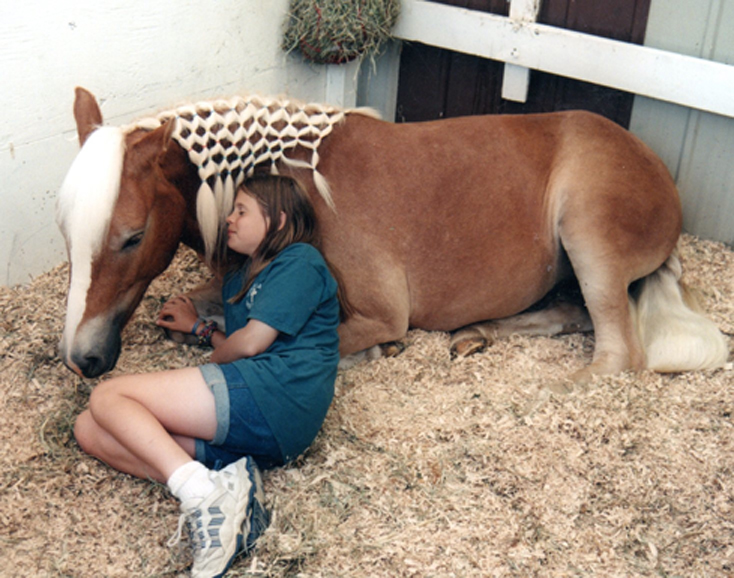
The winds were scornful,
Passing by;
And gathering Angels
Wondered why

A burdened Mother
Did not mind
That only animals
Were kind.

For who in all the world
Could guess
That God would search out
Loneliness.
~Sr. M. Chrysostom, O.S.B.  “The Stable”
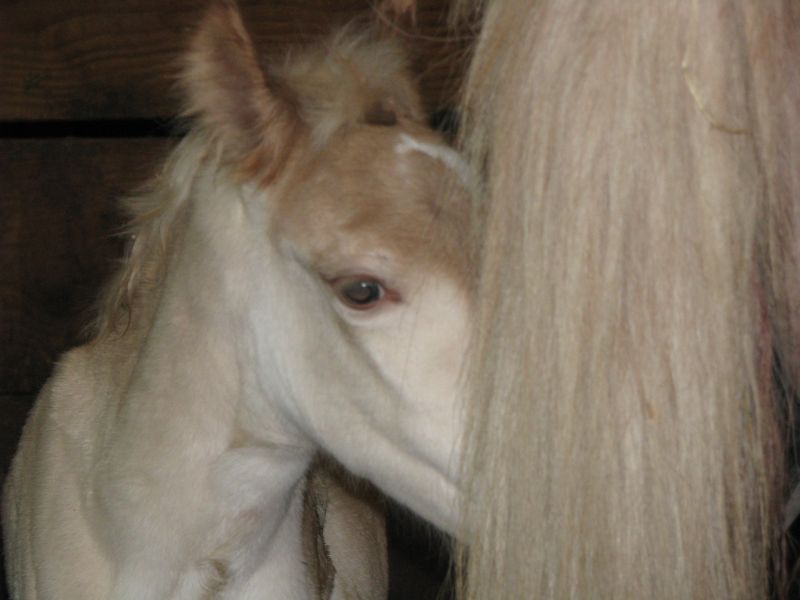
Growing up on my childhood farm,
remembering the magic of Christmas eve night,
I bundled myself up to stay warm
in our barn, to witness an unbelievable sight.

At midnight we knew the animals knelt down,
speaking words we could all understand,
to worship a Child born in Bethlehem town,
in a barn, long ago in a far away land.

They were there that night, to see and to hear,
the blessings that came from the sky.
They patiently stood watch at the manger near,
in a barn, while shepherds and kings stopped by.

My trips to the barn were always too late,
our cows would be chewing, our chickens asleep,
our horses breathing softly, cats climbing the gate,
in our barn, there was never a neigh, moo or peep.

But I knew they had done it, I just missed it again!
They were plainly so calm, well-fed and at peace
in the sweet smelling straw, all snug in their pens,
in a barn, a mystery, once more, took place.

Even now, I still bundle to go out Christmas eve,
in the hope I’ll catch them just once more this time.
Though I’m older and grayer, I still firmly believe
in the barn, a Birth happened amid cobwebs and grime.

Our horses sigh low as they hear me come near,
that tells me the time I hope for is now,
they will drop to their knees without any fear
in our barn, as worship, all living things bow.

I wonder anew at God’s immense trust
for His creatures so sheltered that darkening night –
the mystery of why of all places, His Son must
begin life in a barn: a welcoming most holy and right.
~ “In the Barn” (written Christmas Eve 1999)

Latin text
O magnum mysterium,
et admirabile sacramentum,
ut animalia viderent Dominum natum,
iacentem in praesepio!
Beata Virgo, cujus viscera
meruerunt portare
Dominum Iesum Christum.
Alleluia!

English translation
O great mystery,
and wonderful sacrament,
that animals should see the newborn Lord,
lying in a manger!
Blessed is the virgin whose womb
was worthy to bear
the Lord, Jesus Christ.
Alleluia!

Jesus our brother, strong and good
Was humbly born in a stable rude
And the friendly beasts around him stood
Jesus our brother, strong and good
“I, ” said the donkey, shaggy and brown
“I carried his mother up hill and down
I carried his mother to Bethlehem town”
“I, ” said the donkey, shaggy and brown
“I, ” said the cow, all white and red
“I gave him my manger for his bed
I gave him my hay to pillow his head”
“I, ” said the cow, all white and red
“I, ” said the sheep with curly horn
“I gave him my wool for his blanket warm
He wore my coat on Christmas morn”
“I, ” said the sheep with curly horn
“I, ” said the dove from the rafters high
“I cooed him to sleep so he would not cry
We cooed him to sleep, my mate and I”
“I, ” said the dove from rafters high
Thus every beast by some good spell
In the stable dark was glad to tell
Of the gifts they gave Emmanuel

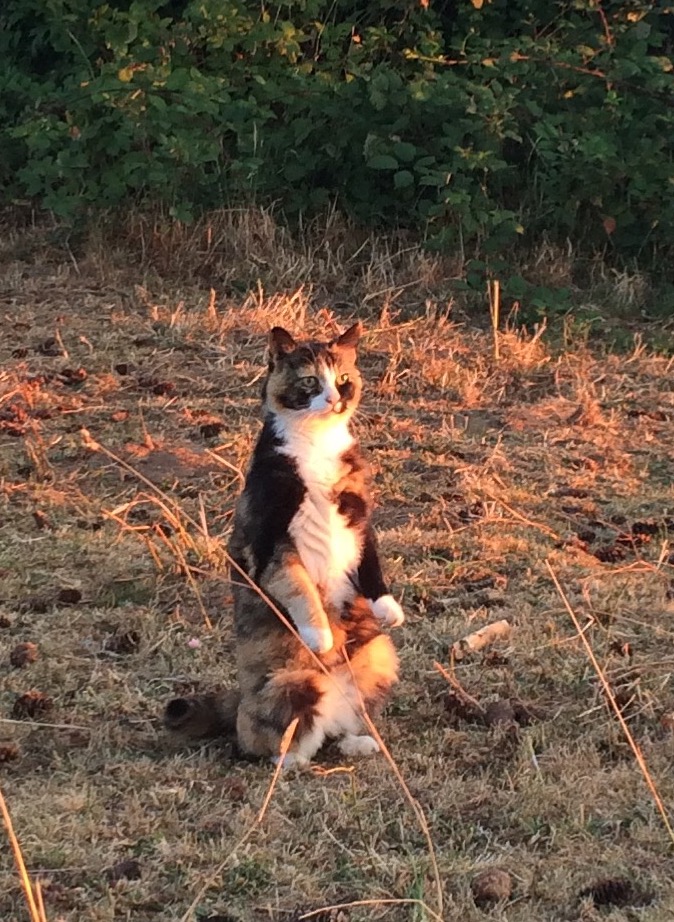
Take Time to Stand and Stare

What is this life if, full of care,
We have no time to stand and stare?—

No time to stand beneath the boughs,
And stare as long as sheep and cows:

No time to see, when woods we pass,
Where squirrels hide their nuts in grass:

No time to see, in broad daylight,
Streams full of stars, like skies at night:

No time to turn at Beauty’s glance,
And watch her feet, how they can dance:

No time to wait till her mouth can
Enrich that smile her eyes began?

A poor life this if, full of care,
We have no time to stand and stare.

~W.H. Davies “Leisure”

…I believe there are certain habits that, if practiced, will stimulate the growth of humble roots in our lives. One of those is a habit of awe and wonder.

By awe and wonder, I mean the regular practice of paying careful attention to the world around us. Not merely seeing but observing. Perceiving. Considering. Asking thoughtful questions about what we see, smell, hear, touch, taste. In other words, attending with love and curiosity to what our senses sense. (How often do we eat without tasting? How often do we look without seeing? Hear without listening?) Admiring, imagining, receiving the beauty of the world around us in a regular, intentional way: this is the habit of a wonder-filled person. And it leads to humility.

A regular habit of awe and wonder de-centers us. It opens a window in our imaginations, beckoning us to climb out of our own opinions and experiences and to consider things greater and beyond our own lives. It strengthens our curiosity, which in turn lowers the volume on our anxieties and grows our ability to empathize. Over time, we become less self-focused and can admit without embarrassment what we don’t know. In short, we grow more humble.
~Kelly Givens from “Teaching Children to See” from Mere Orthodoxy

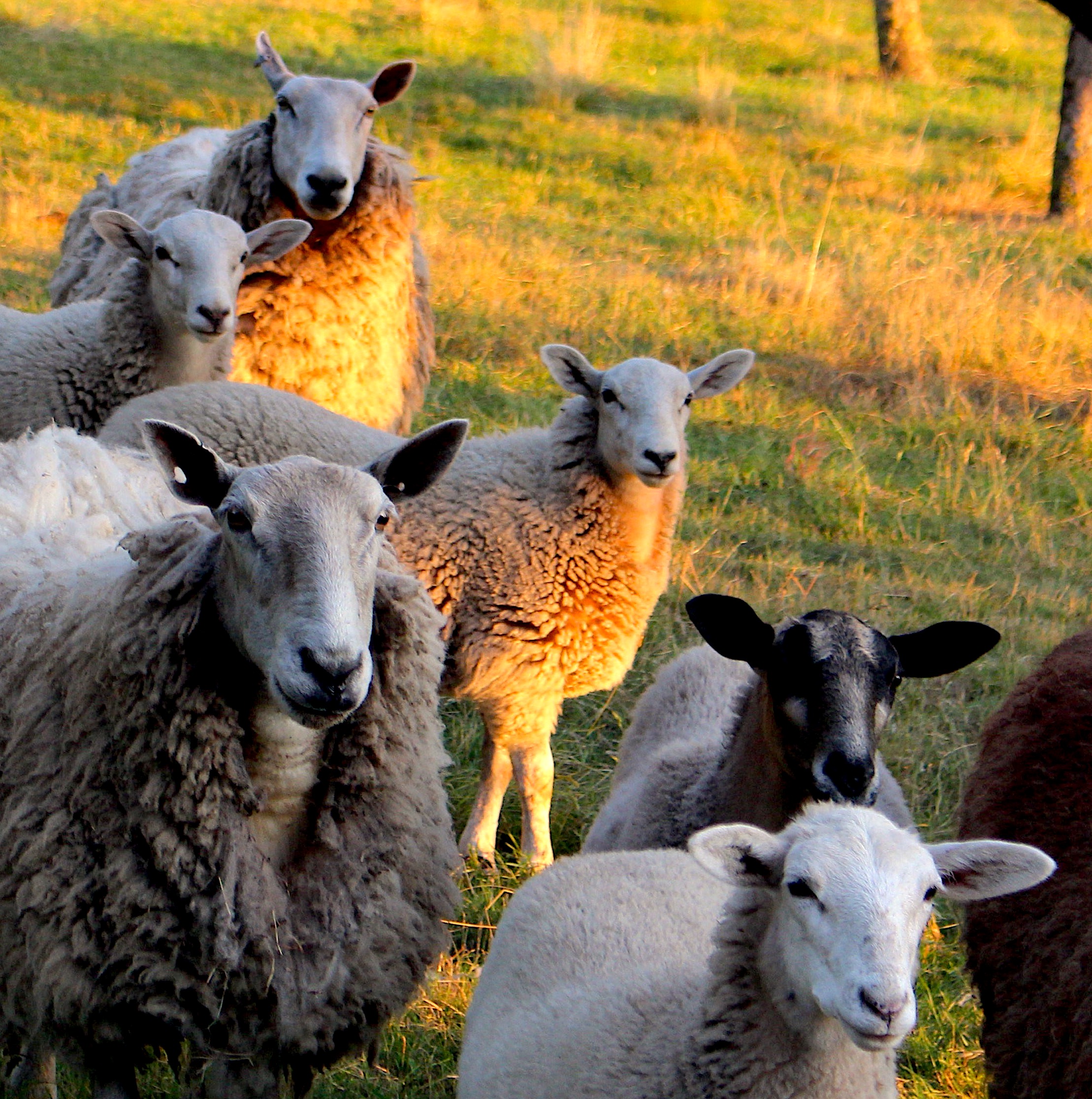
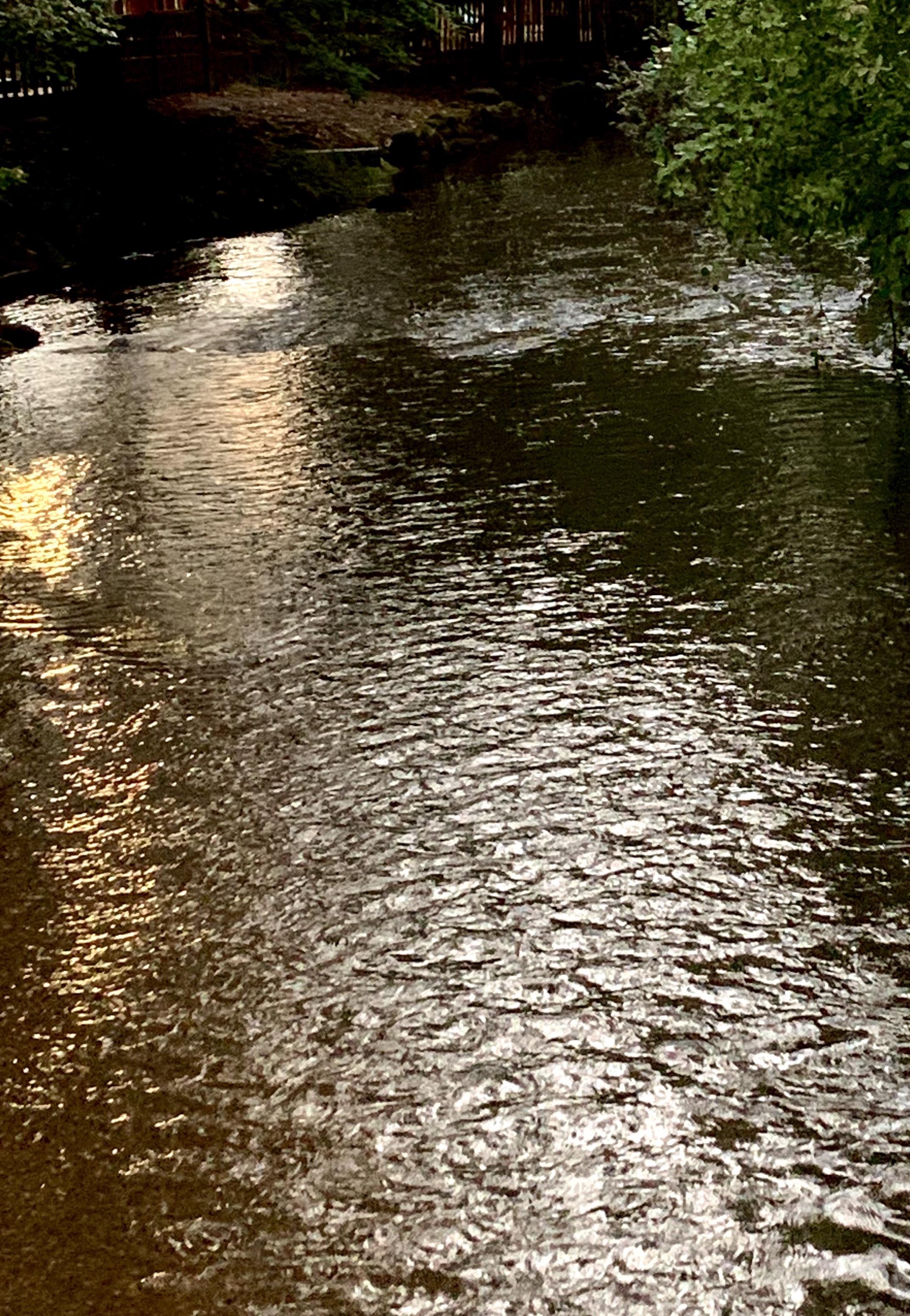
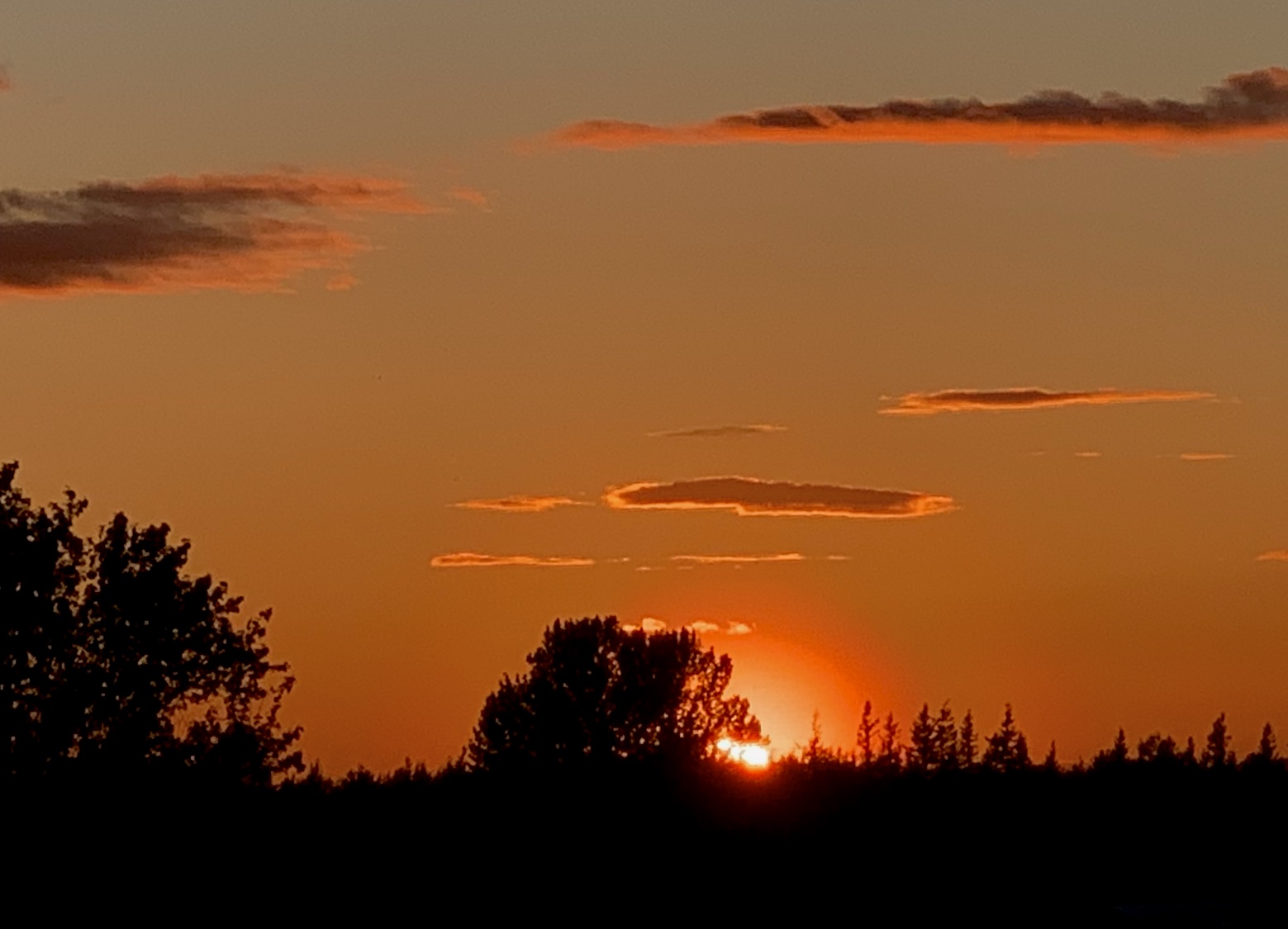
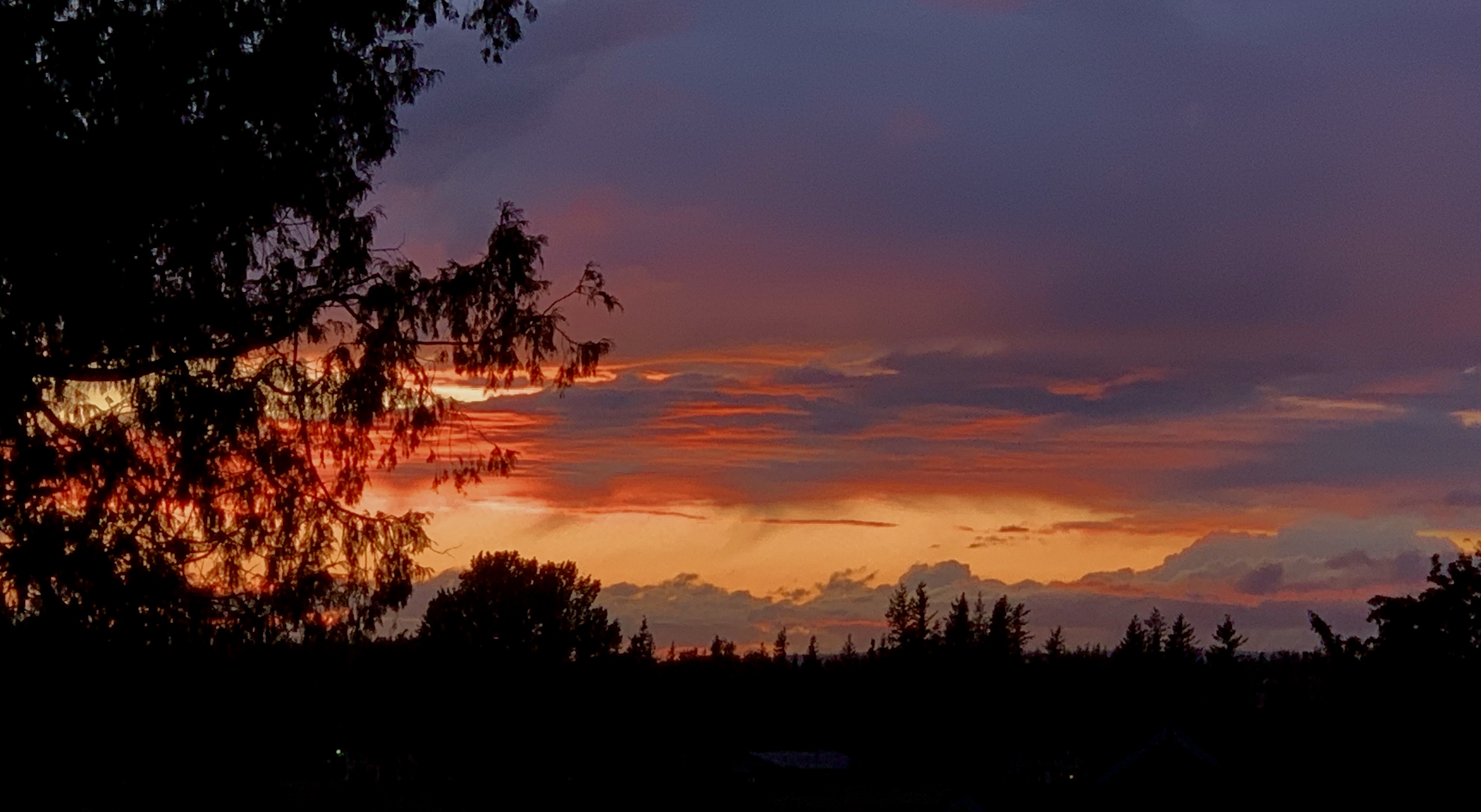
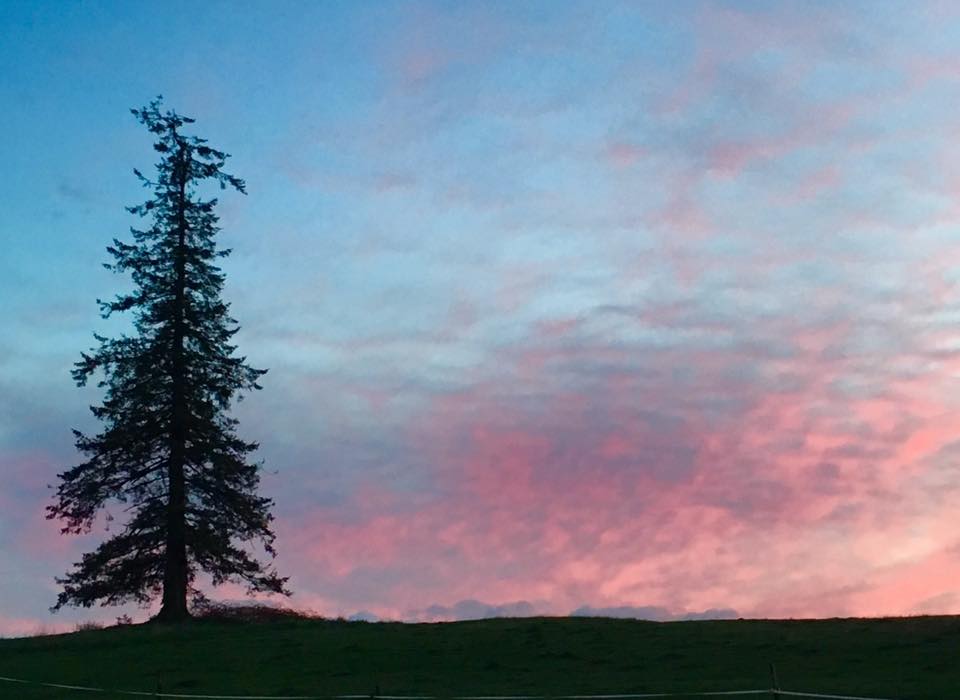
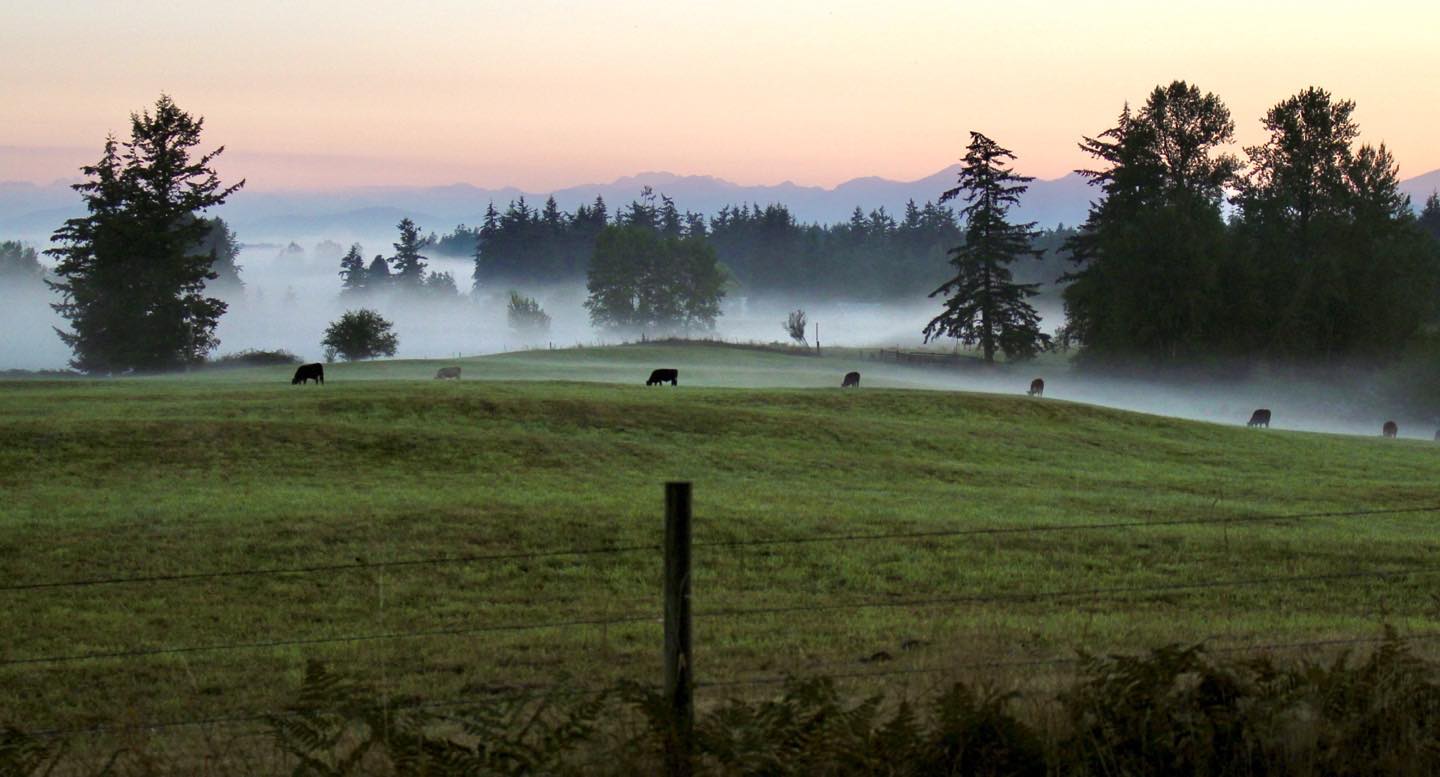
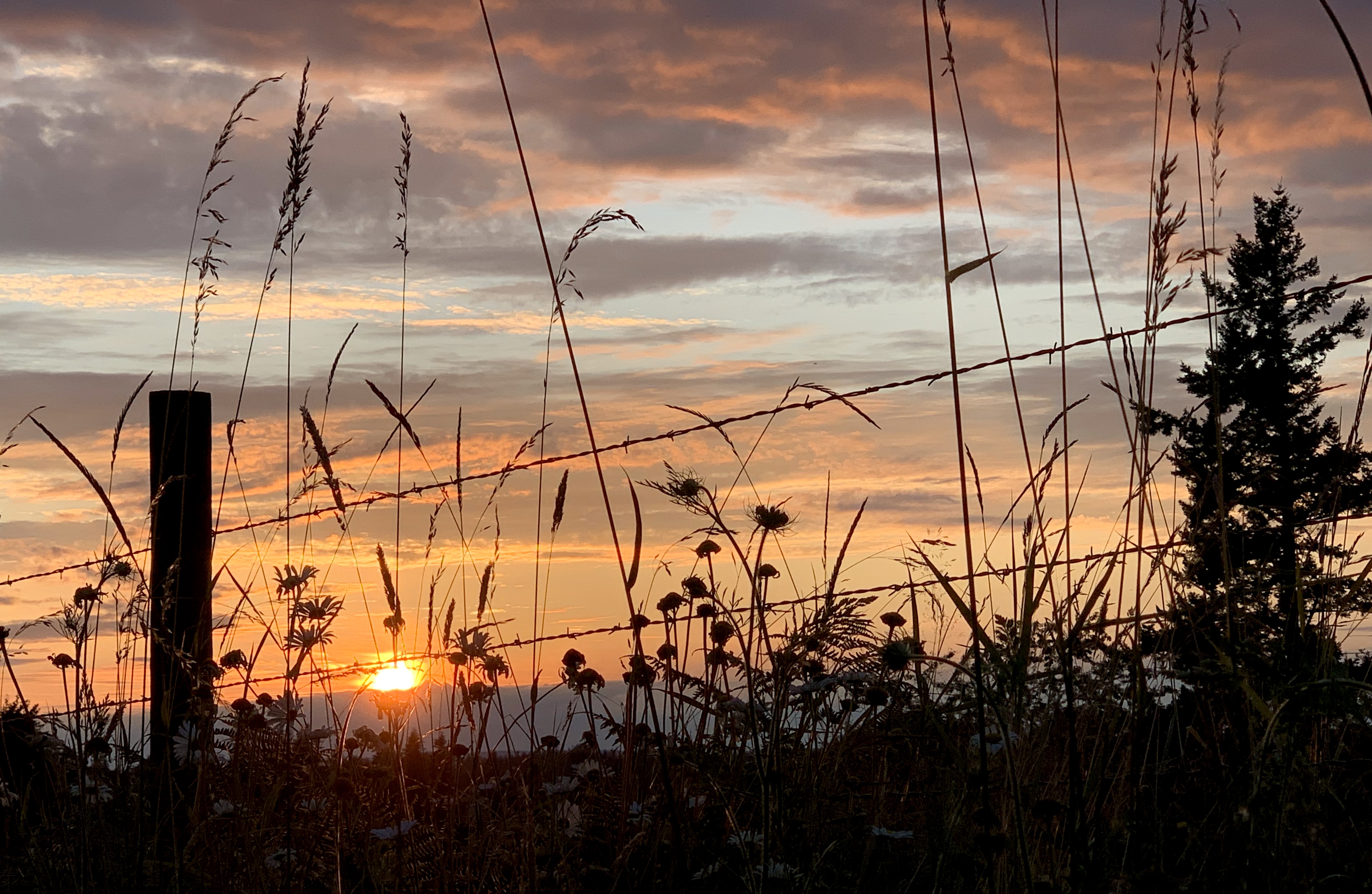
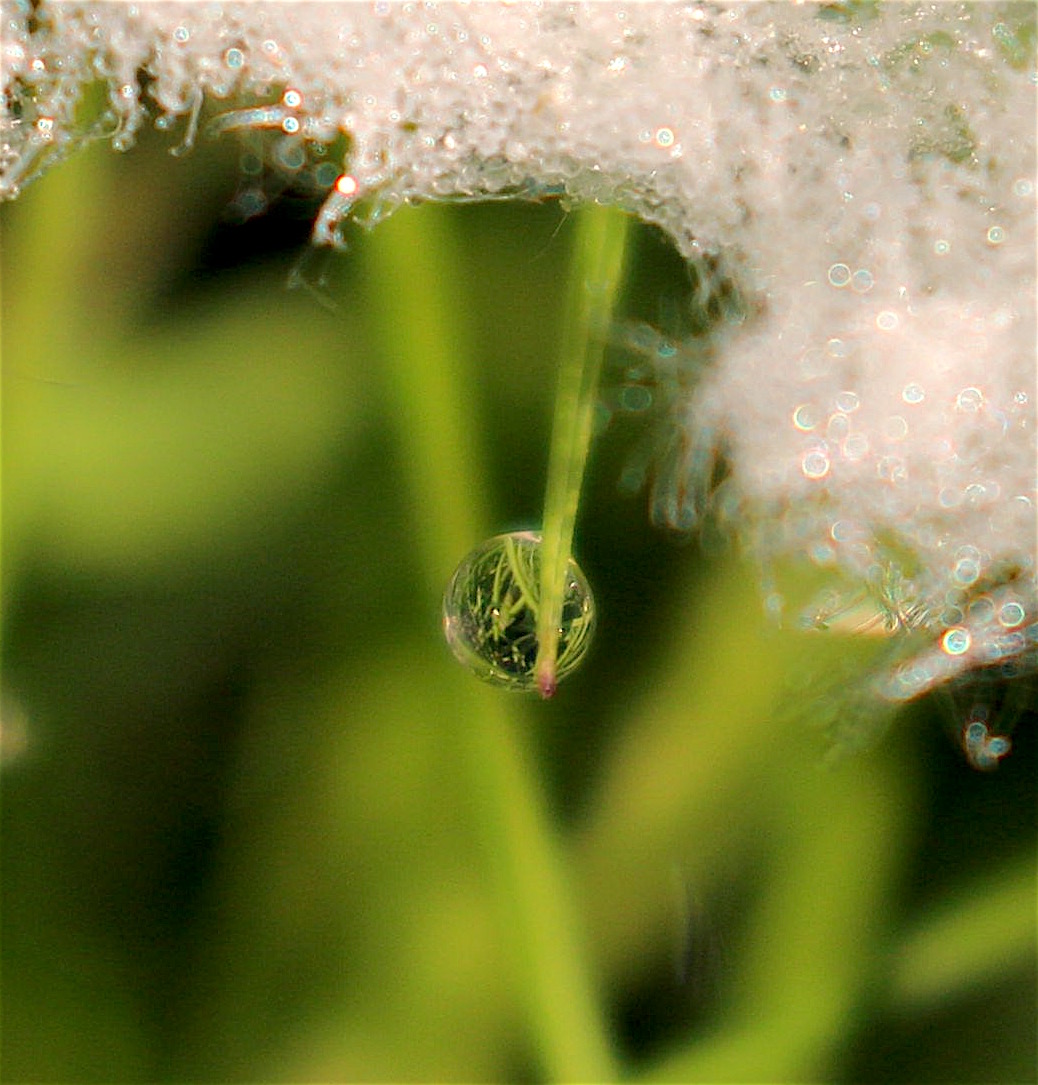
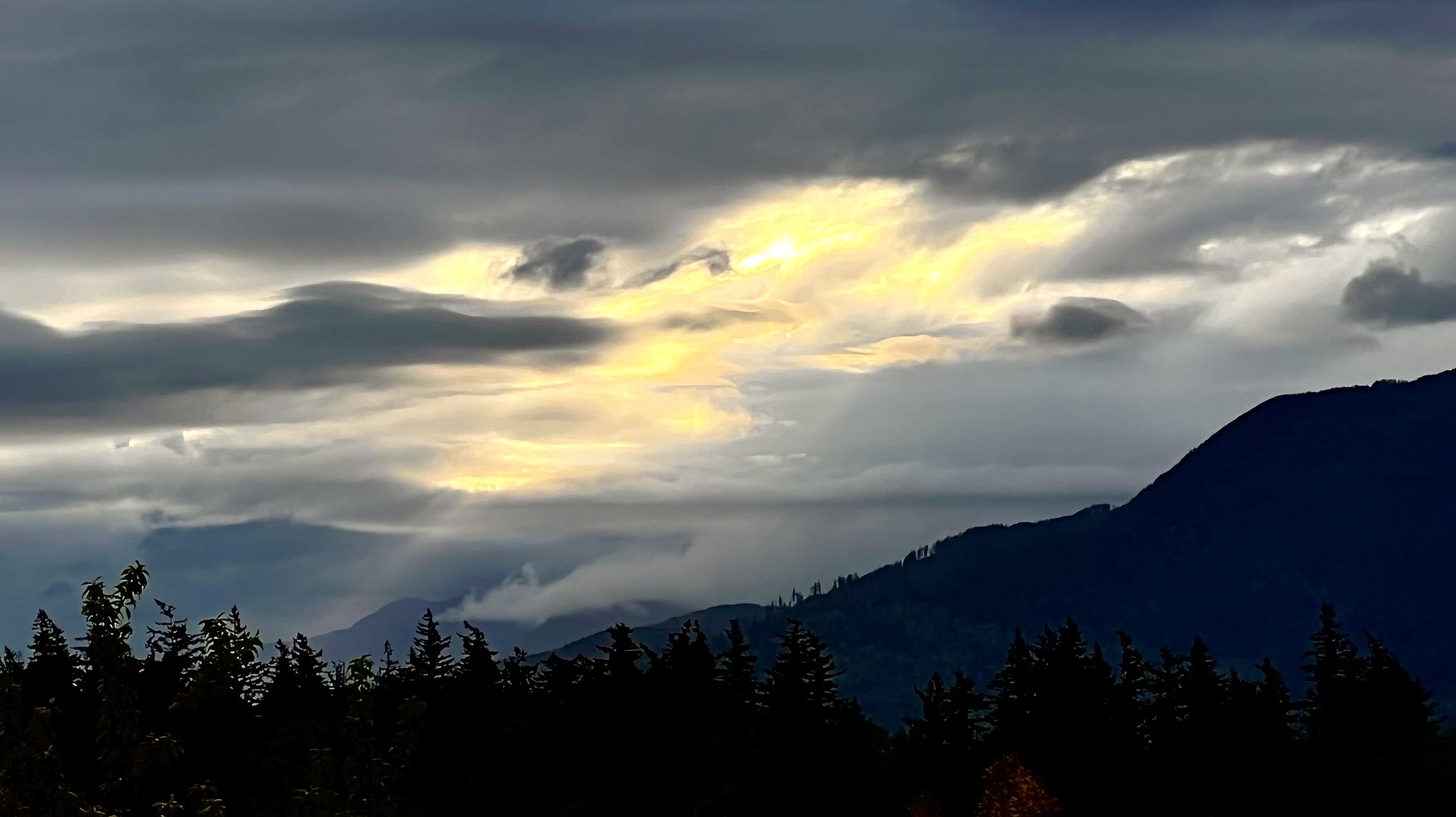
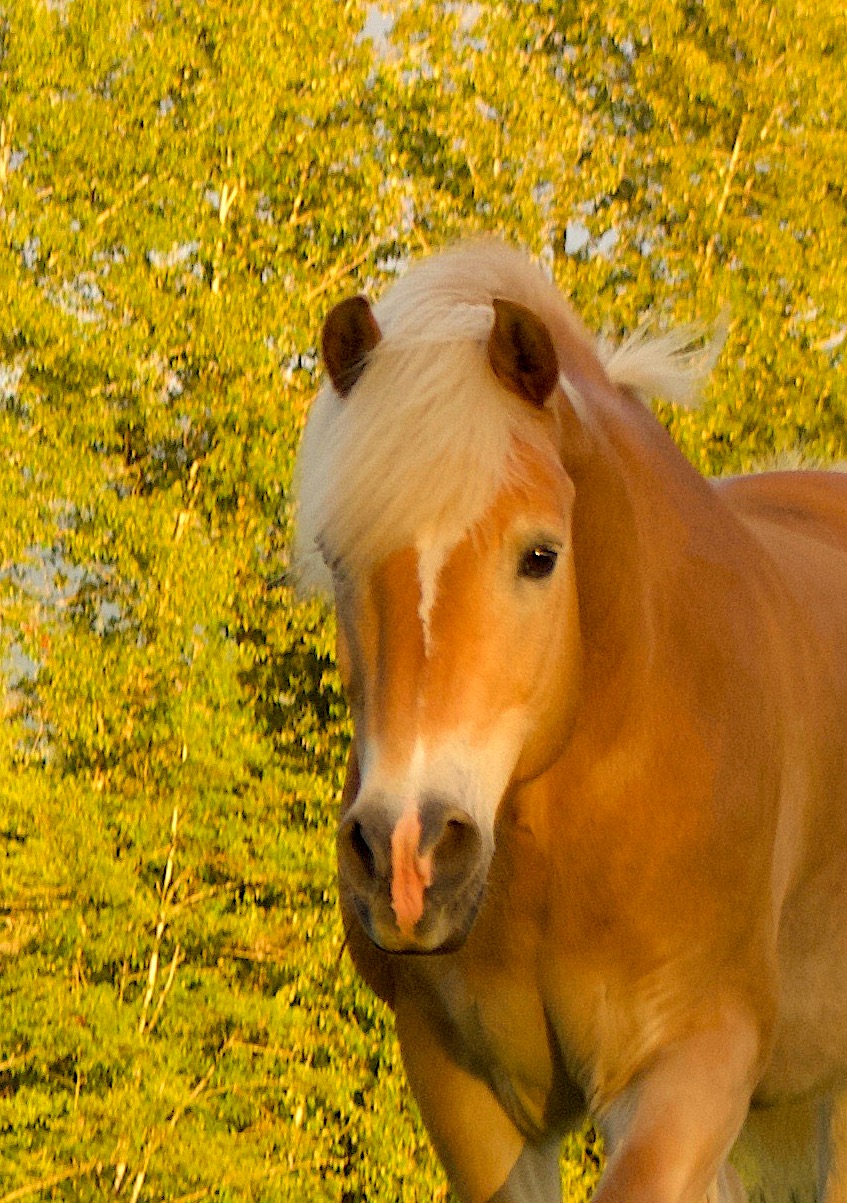
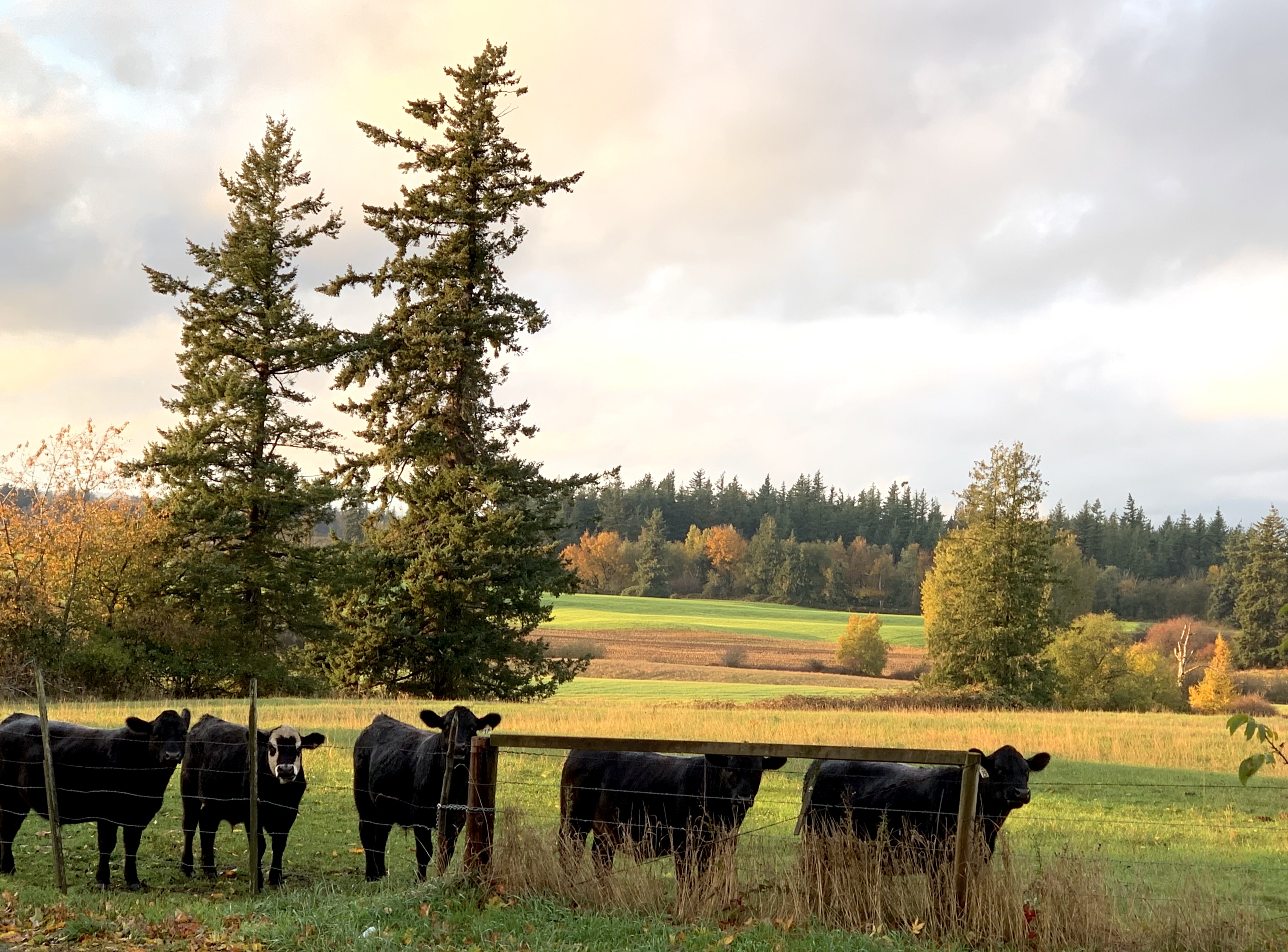
This would be a poor life indeed if we didn’t take time to stand and stare at all that is displayed before us – whether it is the golden cast at the beginning and endings of the days, the light dancing in streams or simply staring at God’s creatures staring back at us.

I need to be a child for a minute, an hour, a day, a week, or forever, just to experience the wonder of what is before me. There is nothing sweeter.

One-Time
Monthly
Yearly

Make a one-time or recurring donation
to support daily Barnstorming posts

Make a monthly donation

Make a yearly donation

Choose an amount

¤5.00
¤10.00
¤20.00
¤5.00
¤15.00
¤100.00
¤5.00
¤15.00
¤100.00

Or enter a custom amount

¤

Your contribution is deeply appreciated.

Your contribution is appreciated.

Your contribution is appreciated.

DonateDonate monthlyDonate yearly

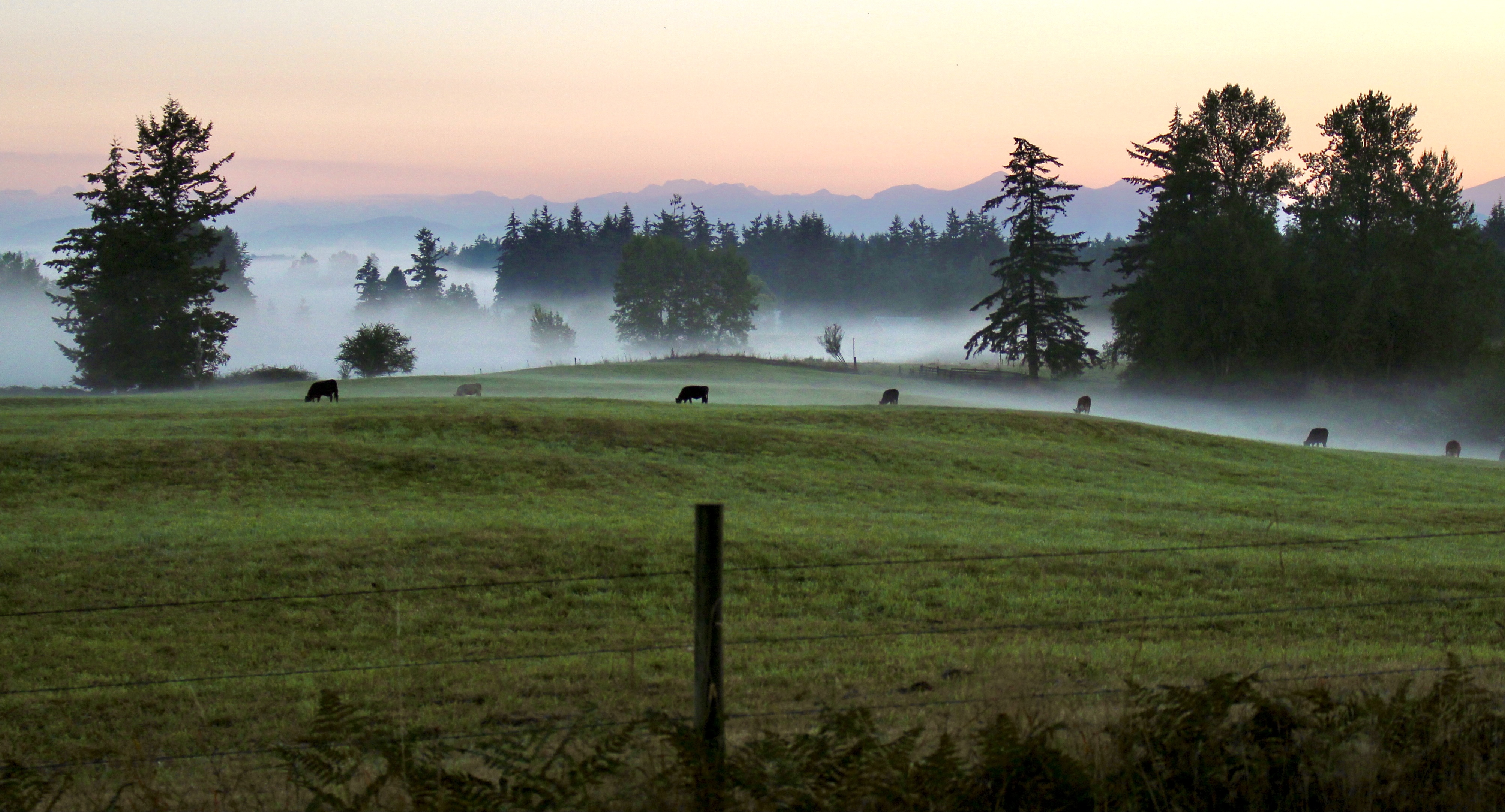
Fast Falls the Eventide

Forgive me if I forget
with the birdsong and the day’s
last glow folding into the hands
of the trees, forgive me the few
syllables of the autumn crickets,
the year’s last firefly winking
like a penny in the shoulder’s weeds,
if I forget the hour, if I forget
the day as the evening star
pours out its whiskey over the gravel
and asphalt I’ve walked
for years alone, if I startle
when you put your hand in mine,
if I wonder how long your light
has taken to reach me here.
~Jake Adam York “Abide”

Through cloud and sunshine, Lord, abide with me.
~Henry Lyte, from the hymn “Abide with Me”

A Peaceful Day on a Shaded Porch
As a couple dozen Holstein cows
Swaying their great udders march
To the barn behind this house.
We rock in the chairs, drinking tea,
Thinking of the ones who died,
Working this farm before you and me,
Singing, “Fast falls the eventide,”
Thinking of all they must do
Before the end and the deep abyss,
They took great comfort from this view
On just such a peaceful day as this.
     Which says: our time is short, no time to waste.
      Let us improve today before we are replaced.

~Rozel Hunt, “A Peaceful Day on a Shaded Porch.”
On my grayest days,
as transient as life can feel,
I am no more
than a raindrop
on the fingertip of a glass blade.

We walk hand in hand, alongside
~abiding~
in Him whose Light reaches out
even in the depths of our night.

Abide with me, fast falls the eventide,
The darkness deepens Lord, with me abide
When other helpers fail and comforts flee
Help of the helpless, oh, abide with me

Swift to its close ebbs out life’s little day
Earth’s joys grow dim, its glories pass away
Change and decay in all around I see
O Thou who changest not, abide with me

I fear no foe, with Thee at hand to bless
Ills have no weight, and tears no bitterness
Where is death’s sting?
Where, grave, thy victory?
I triumph still, if Thou abide with me

I need thy presence every passing hour.
What but thy grace can foil the tempter’s power?
Who like thyself my guide and strength can be?
Through cloud and sunshine, O abide with me.

Hold Thou Thy cross before my closing eyes
Shine through the gloom and point me to the skies
Heaven’s morning breaks, and earth’s vain shadows flee
In life, in death, o Lord, abide with me
Abide with me, abide with me

One-Time
Monthly
Yearly

Make a one-time or recurring donation to support daily Barnstorming posts

Make a monthly donation

Make a yearly donation

Choose an amount

¤5.00
¤10.00
¤20.00
¤5.00
¤15.00
¤100.00
¤5.00
¤15.00
¤100.00

Or enter a custom amount

¤

Your contribution is deeply appreciated.

Your contribution is appreciated.

Your contribution is appreciated.

DonateDonate monthlyDonate yearly

Time to Stand and Stare

What is this life is, full of care
We have no time to stand and stare.
No time to stand beneath the boughs
And stare as long as sheep or cows.
No time to see, when woods we pass,
Where squirrels hide their nuts in grass.
No time to see, in broad daylight,
Streams full of stars, like skies at night.
No time to turn at Beauty’s glance,
And watch her feet, how they can dance.
No time to wait till her mouth can
Enrich that smile her eyes began.
A poor life this if, full of care,
We have no time to stand and stare.

~William Henry Davies “Leisure”

Fingers of twilight shadow
begin to reach over the hill
crawling down through the field
up unto the bank of blackberries
covering fences along the alder grove.

Our horses chew their last
clover leafs before
coming to the barn for night, eyelids heavy,
relaxed and full, drowsy with spring evening
peace at hand and hoof.

A sudden change in the air forces
their heads up and ears forward;
they form a line, standing and staring at the hilltop
above them, riveted to the spot, alert
to an coming intruder, unfamiliar and foreign.

The roar is intermittent, like a warm wind
rattling a barn roof, but inconstant;
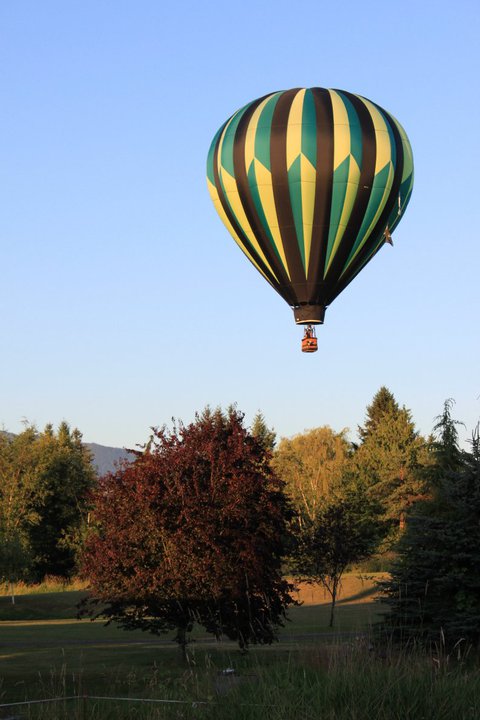
then peaking over the crest of the hill
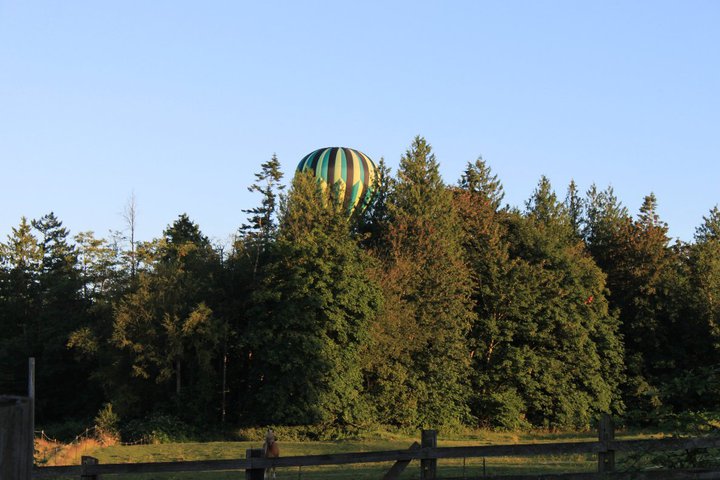
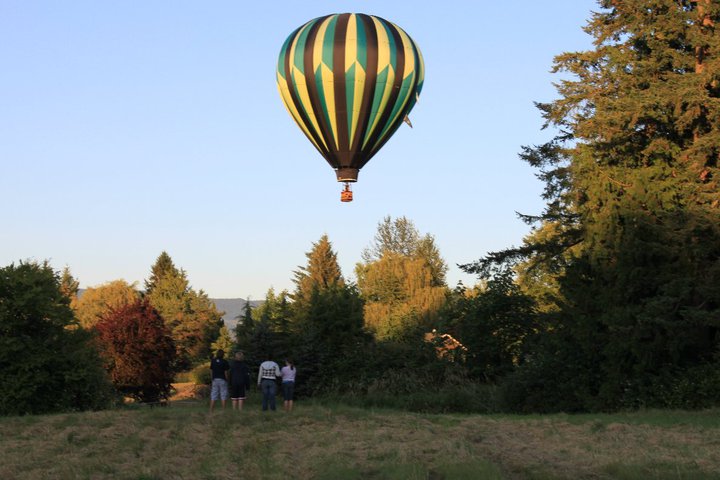
a rounded top of technicolor glory:
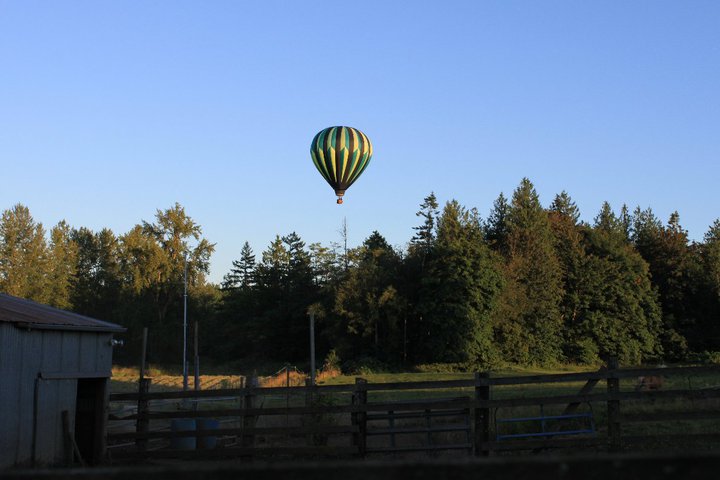
The hot air balloon rises.

The horses riveted, baffled, fascinated;
no wild instinct prepares their response
to this wizard’s act from Oz in their own backyard.
The basket riders wave and laugh at the equine audience below
standing in formation with golden noses in the air
and white manes blowing in the breeze.

The balloon summits the hill, dipping low, almost touchable
before moving back up to race the sunset,
and search out other pastures, other valleys and hills.
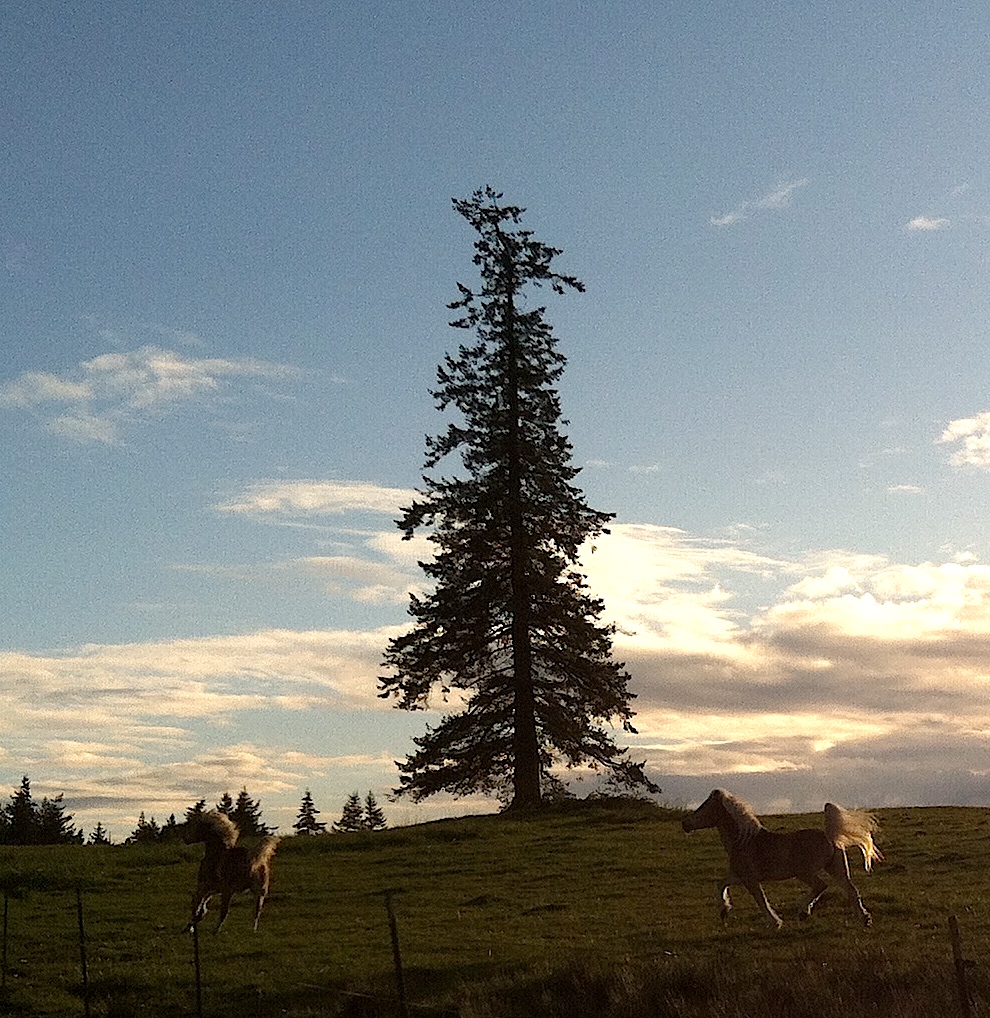
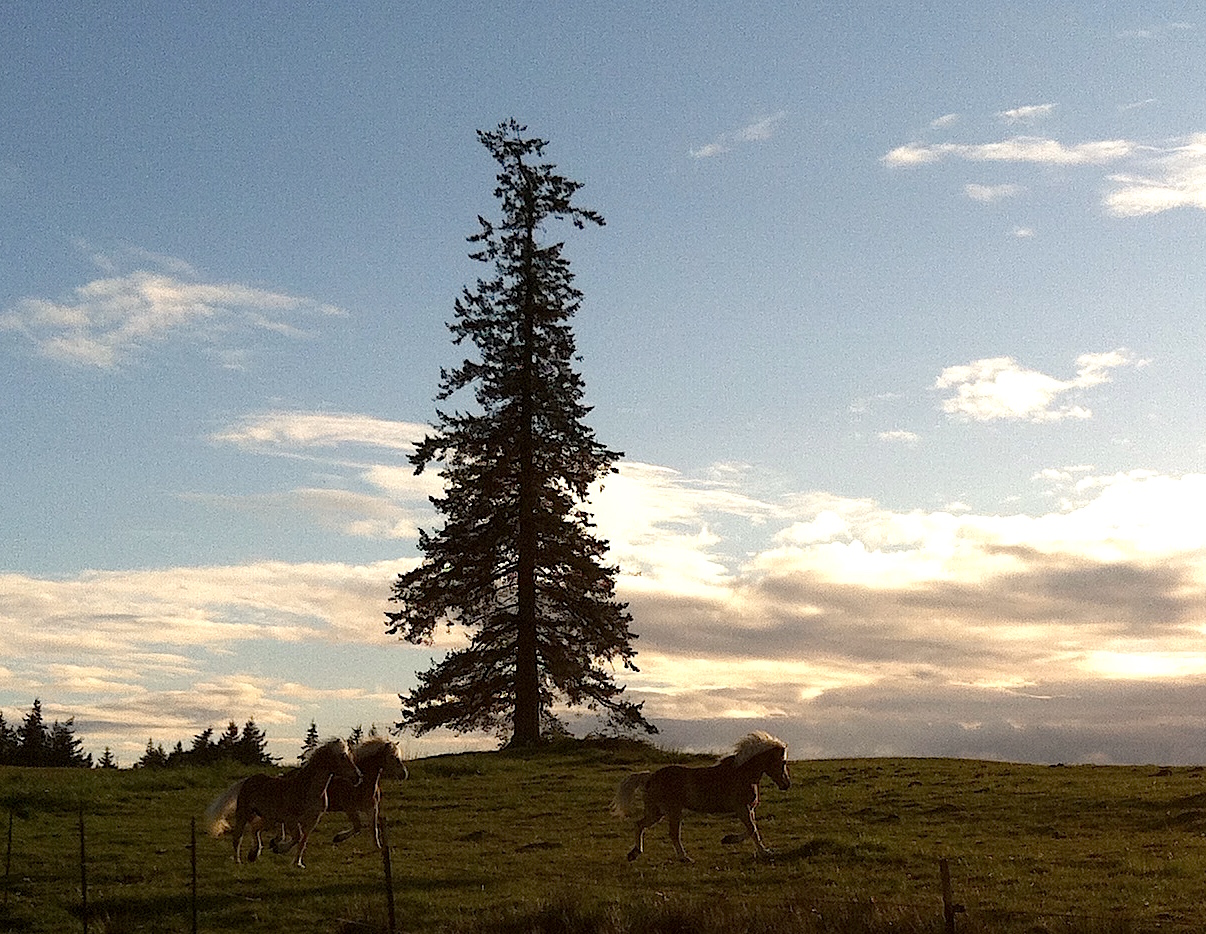
The horses released from the spell of “stand and stare”
leap in response, snowy tails high, noses flared-

To race up the hill to catch impending darkness,
our night mares cavort, float suspended
until their air is let out, gently, in softening snorts,
to settle down in a shavings bed in the barn
where night, blissful, becomes ordinary again.

One-Time
Monthly
Yearly

Make a one-time or recurring donation to support daily Barnstorming posts

Make a monthly donation

Make a yearly donation

Choose an amount

¤5.00
¤10.00
¤20.00
¤5.00
¤15.00
¤100.00
¤5.00
¤15.00
¤100.00

Or enter a custom amount

¤

Your contribution is deeply appreciated.

Your contribution is appreciated.

Your contribution is appreciated.

DonateDonate monthlyDonate yearly

The Stones Themselves Will Start to Sing: The Hope of Peace

Then enemies shall learn to love,
All creatures find their true accord;
The hope of peace shall be fulfilled,
For all the earth shall know the Lord.
~Carl Daw, Jr.

Can enemies ever learn to love one another? Sometimes they live under the same roof, not always across armored yet porous political borders.

Can hatred be redeemed to grace and acceptance and peace?
What are we teaching children who are kept in barracks as unwelcome interlopers at our own border, or who sleep with their coats as pillows in basements in Ukraine as bombs rain around them?

They learn so young they are unwanted.
They learn so young to fear.
They learn so young to hate.

It is a little Child who will lead them to peace – a child sought out to be murdered by an earthly king who took thousands of innocent lives in the process. He survived in order to give His life for ours – an act He chose – rather than be slaughtered by a paranoid leader.

May this enemy lay down their swords and learn the sacrifice of love.
May the whole earth know the hope for peace through Christ our Lord.

This year’s Lenten theme for Barnstorming is a daily selection from songs and hymns about Christ’s profound sacrifice on our behalf.

If we remain silent about Him, the stones themselves will shout out and start to sing (Luke 19:40).

In His name, may we sing…

O day of peace that dimly shines
Through all our hopes and prayers and dreams,
Guide us to justice, truth, and love,
Delivered from our selfish schemes.

May swords of hate fall from our hands,
Our hearts from envy find release,
Till by God’s grace our warring world
Shall see Christ’s promised reign of peace.

Then shall the wolf dwell with the lamb,
Nor shall the fierce devour the small;
As beasts and cattle calmly graze
A little child shall lead them all.

Then enemies shall learn to love,
All creatures find their true accord;
The hope of peace shall be fulfilled,
For all the earth shall know the Lord.
~Carl Daw

One-Time
Monthly
Yearly

Make a one-time or recurring donation to support daily Barnstorming posts

Make a monthly donation

Make a yearly donation

Choose an amount

¤5.00
¤10.00
¤20.00
¤5.00
¤15.00
¤100.00
¤5.00
¤15.00
¤100.00

Or enter a custom amount

¤

Your contribution is deeply appreciated.

Your contribution is appreciated.

Your contribution is appreciated.

DonateDonate monthlyDonate yearly

The Barn Serious in the Moonlight

After writing for a week alone in my old shack,
I guide the car through Ortonville around midnight.

The policeman talks intently in his swivel chair.
The light from above shines on his bald head.

Soon the car picks up speed again beside the quarries.
The moonspot on the steel tracks moves so fast!

Thirty or so Black Angus hold down their earth
Among silvery grasses blown back and forth in the wind.

My family is still away; no one is home.
How sweet it is to come back to an empty house—

The windows dark, no lamps lit, trees still,
The barn serious and mature in the moonlight.

~Robert Bly, “Living a Week Alone” from Like the New Moon, I Will Live My Life. 

Being introverted, I would expect to enjoy time alone. But I don’t. A conversation with myself is uninspiring, leading me back into the inner circle of my thoughts when I would much rather explore the unknown of another’s view of the world. Alone, I feel exceptionally unexceptional and extraordinarily ordinary. Quite simply, without others around me, I’m empty.

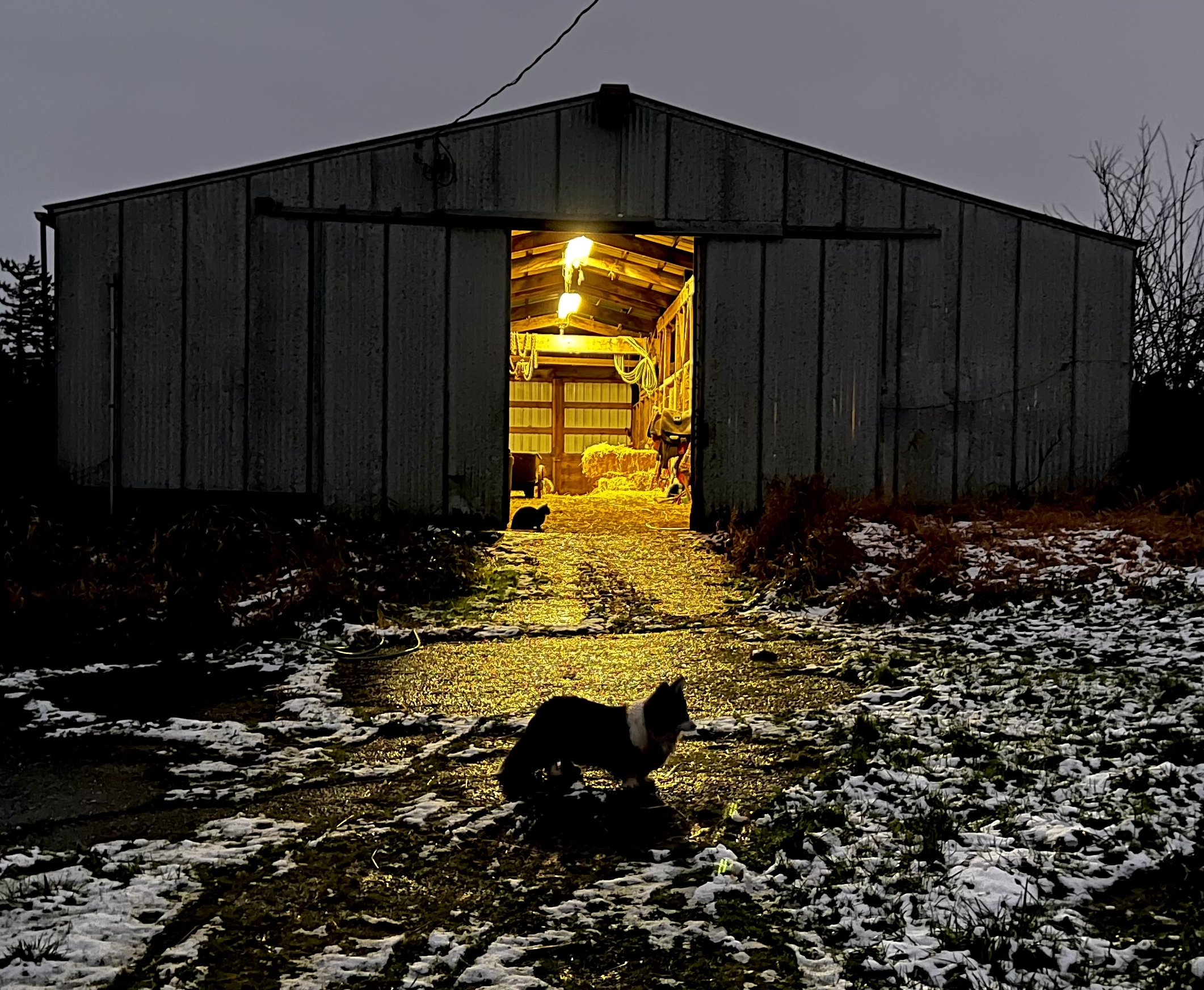
At night, when I drive up to our farm and see both house and barn glowing with lights and life rather than still and dark, it is a warm blessing to return home. Someone left the lights on for me.

I’ll leave the lights on for you as well.

One-Time
Monthly
Yearly

Make a one-time donation to support Barnstorming

Make a monthly donation

Make a yearly donation

Choose an amount

¤5.00
¤10.00
¤20.00
¤5.00
¤15.00
¤100.00
¤5.00
¤15.00
¤100.00

Or enter a custom amount

¤

Your contribution is deeply appreciated.

Your contribution is appreciated.

Your contribution is appreciated.

DonateDonate monthlyDonate yearly

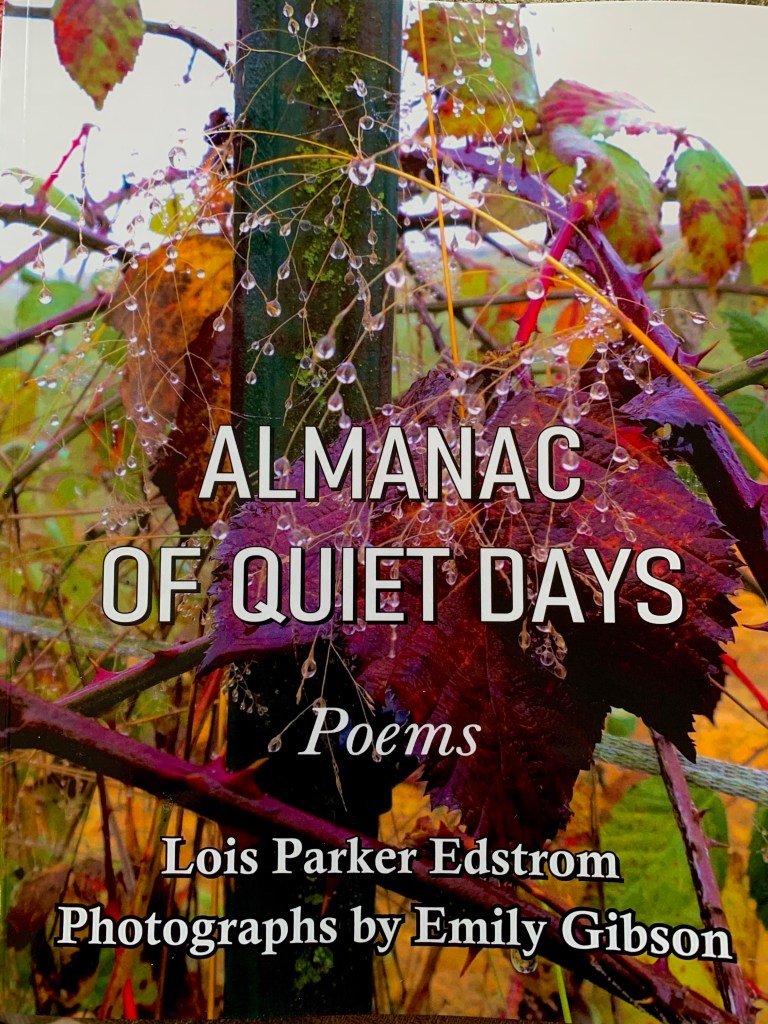
A book of beauty in words and photography – available for order here:

Starting the Day

My father taught me how to eat breakfast
those mornings when it was my turn to help
him milk the cows. I loved rising up from

the darkness and coming quietly down
the stairs while the others were still sleeping.
I’d take a bowl from the cupboard, a spoon

from the drawer, and slip into the pantry
where he was already eating spoonfuls
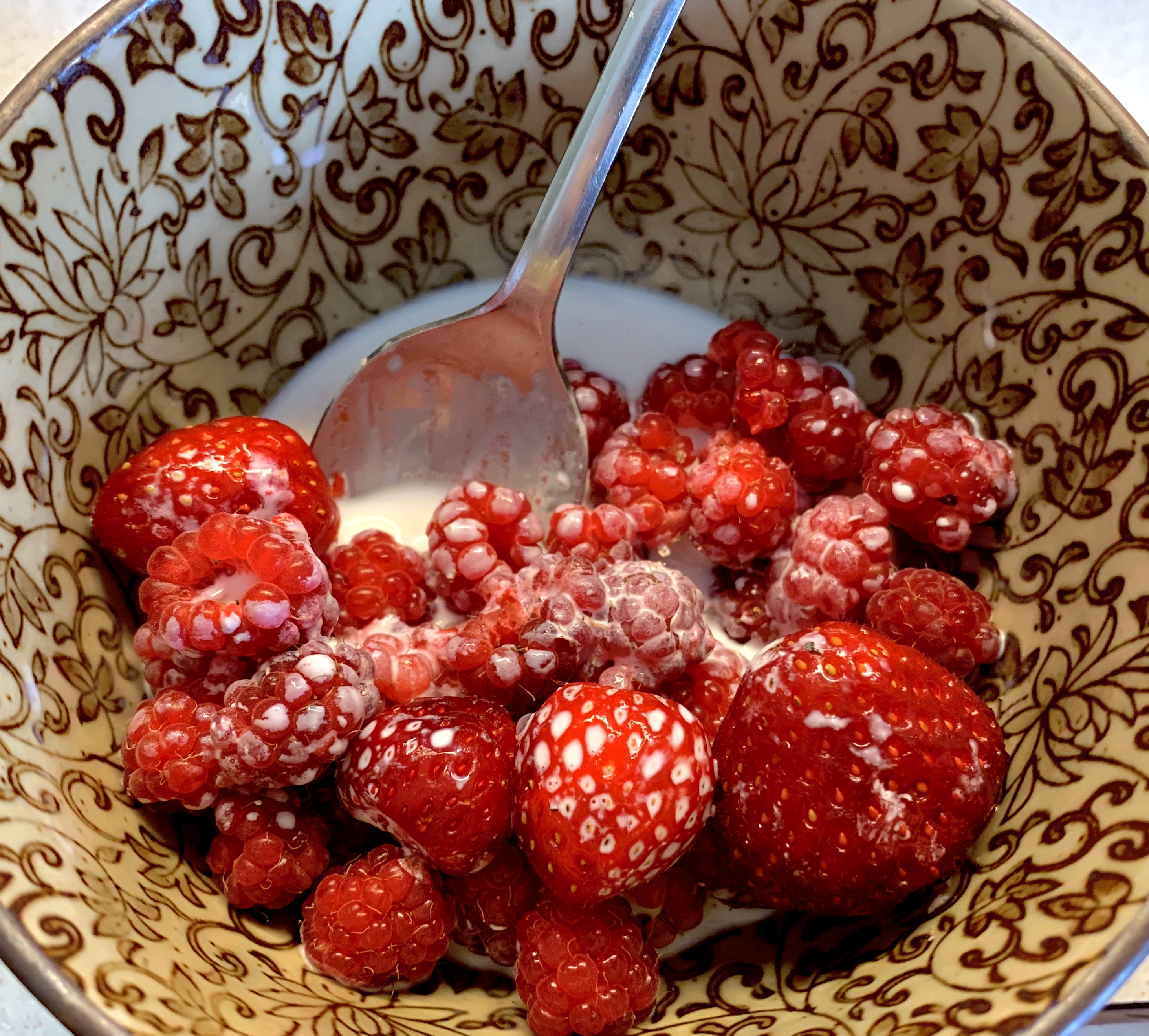
of cornflakes covered with mashed strawberries

from our own strawberry fields forever.
Didn’t talk much—except to mention how
good the strawberries tasted or the way

those clouds hung over the hay barn roof.
Simple—that’s how we started up the day.

~Joyce Sutphen, “Breakfast” from First Words, Red Dragonfly.

By the time I was four years old, my family owned several Guernsey and Jersey dairy cows who my father milked by hand twice a day. My mother pasteurized the milk on our wood stove and we grew up drinking the best milk on earth, as well as enjoying home-made butter and ice cream.

One of my fondest memories is getting up early with my dad, before he needed to be at school teaching FFA agriculture students (Future Farmers of America). I would eat breakfast with him and then walk out into the foggy fall mornings with our dog to bring in the cows for milking. He would boost me up on top of a very bony-backed chestnut and white patchwork cow while he washed her udder and set to work milking.

I would sometimes sing songs from up there on my perch and my dad would whistle since he didn’t sing.

I can still hear the rhythmic sound of the milk squirting into the stainless steel bucket – the high-pitched metallic whoosh initially and then a more gurgling low wet sound as the bucket filled up. I can see my dad’s capped forehead resting against the flank of the cow as he leaned into the muscular work of squeezing the udder teats, each in turn. I can hear the cow’s chewing her breakfast of alfalfa and grain as I balanced on her prominent spine feeling her smooth hair over her ribs. The barn cats circulated around us, mewing, attracted by the warm milky fragrance in the air.

Those were preciously simple starts to the day for me and my father, whose thoughts he didn’t articulate nor I could ever quite discern. But I did know I wasn’t only his daughter on mornings like that – I was one of his future farmers of America he dedicated his life to teaching.

Dad, even without you saying much, those were mornings when my every sense was awakened. I’ve never forgotten that- the best start to the day.

A new shipment of this book is arriving soon – you can order here:

Unseen, Unknown

Happy the man, whose wish and care
   A few paternal acres bound,
Content to breathe his native air,
                          In his own ground.


Whose herds with milk, whose fields with bread,
   Whose flocks supply him with attire,
Whose trees in summer yield him shade,
                          In winter fire.


Blest, who can unconcernedly find
   Hours, days, and years slide soft away,
In health of body, peace of mind,
                         Quiet by day,


Sound sleep by night; study and ease,
   Together mixed; sweet recreation;
And innocence, which most does please,
                         With meditation.


Thus let me live, unseen, unknown;
   Thus unlamented let me die;
Steal from the world, and not a stone
                          Tell where I lie.

~Alexander Pope, “Ode to Solitude” from Pope: Poems

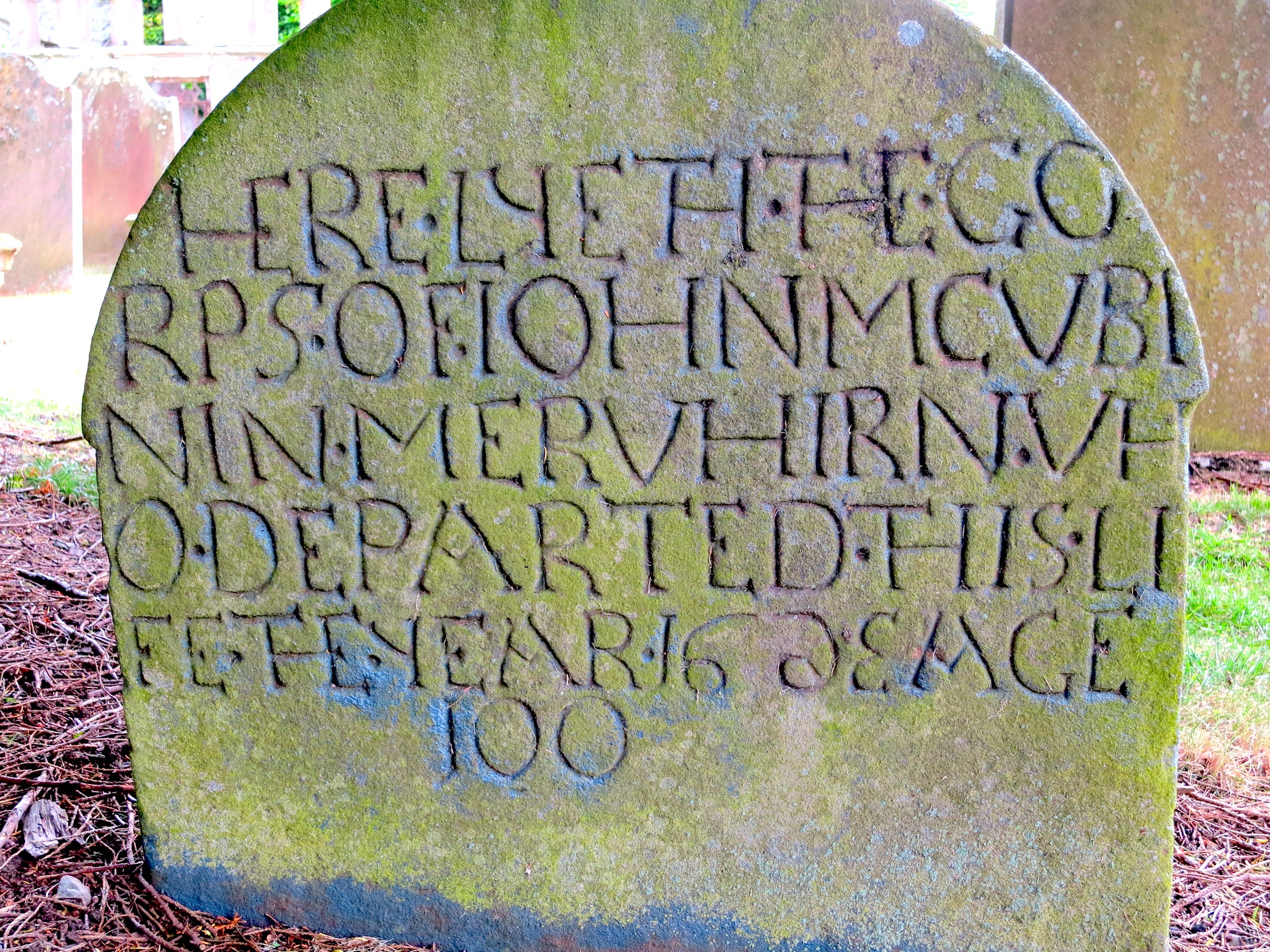
450 year old gravestone in Glencairn Parish Cemetery in Scotland which reads:
Here Lyeth The Corps Of John Mcubin in Meruhirn (Marwhin) Who Departed This Life The Year 1663 Age 100

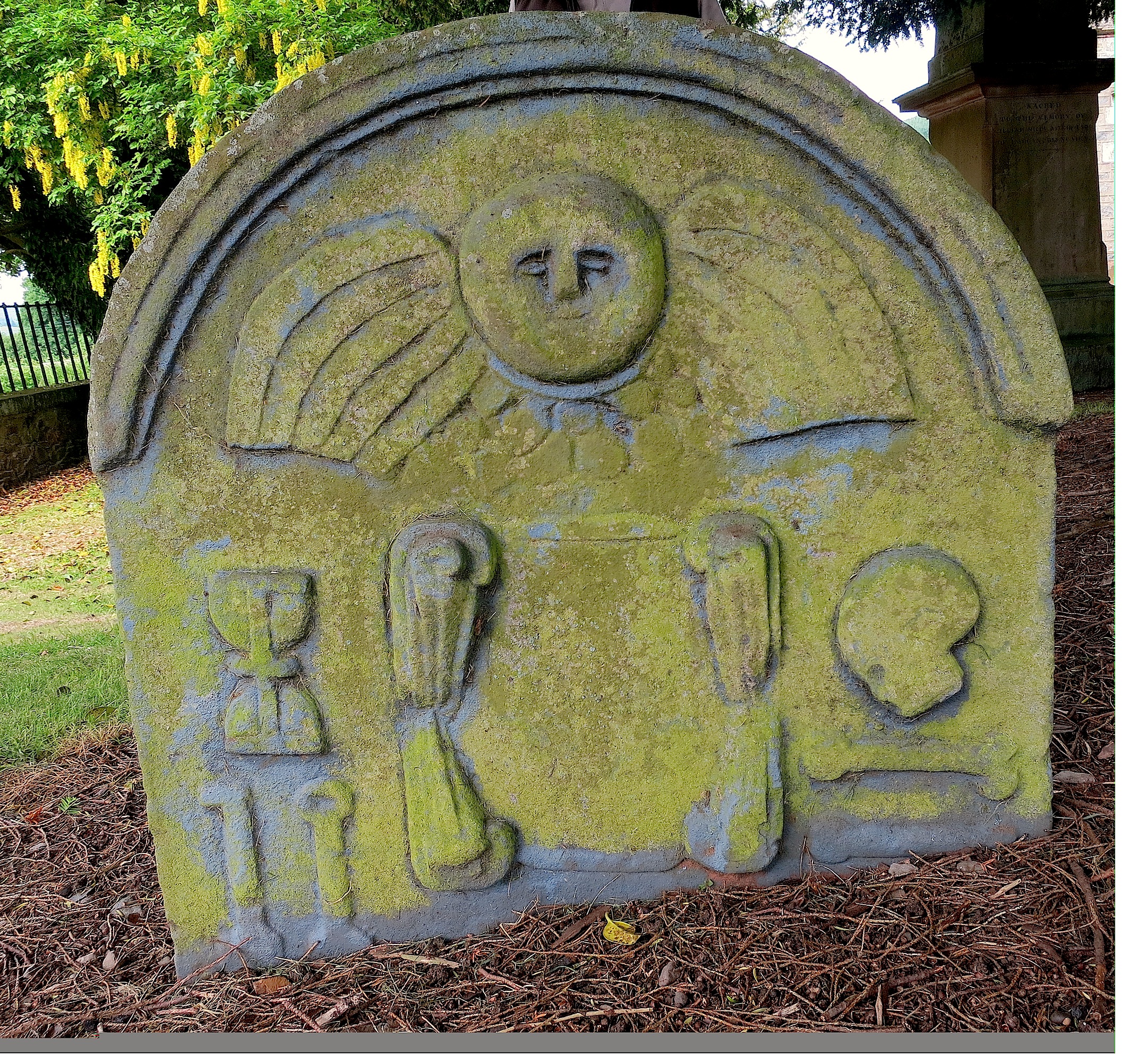
other side of the same stone

But the effect of her being on those around her
was incalculably diffusive:
for the growing good of the world
is partly dependent on unhistoric acts,
and that things are not so ill
with you and me as they might have been,
is half owing to the number who lived faithfully a hidden life,
and rest in unvisited tombs.
~George Eliot’s final sentence in Middlemarch

We have no idea who came before us,
unseen, unknown, unheralded, unvisited,
yet they, by living and dying, made our lives better today.

They lie, forgotten, now dust in the ground.

Yet they lived fully and lovingly, stewards of the earth and its creatures, parents to the next generation and the next and the next, placed here as images of their Creator.

May we, someday, having also lived faithfully in the fullness of time, leave behind a legacy of good and unhistoric acts that leave this world a better place for those who walk behind us in our footsteps.

It’s the least we can do, to honor those whose footprints we now follow.

A new book from Barnstorming available for order here

Feathers of Flame

Come, Holy Spirit,
bending or not bending the grasses,
appearing or not above our heads in a tongue of flame,
at hay harvest or when they plough in the orchards or when snow
covers crippled firs…
~Czeslaw Milosz from “Veni Creator” in Selected and Last Poems

The cows
munched or stirred or were still. I
was at home and lonely,
both in good measure. Until
the sudden angel affrighted me––light effacing
my feeble beam,
a forest of torches, feathers of flame, sparks upflying:
but the cows as before
were calm, and nothing was burning,
nothing but I, as that hand of fire
touched my lips and scorched my tongue
and pulled my voice
into the ring of the dance.
~Denise Levertov from “Caedmon” in Breathing the Water

The world is charged with the grandeur of God.
It will flame out, like shining from shook foil;
It gathers to a greatness, like the ooze of oil
Crushed.

And for all this, nature is never spent;
There lives the dearest freshness deep down things;
And though the last lights off the black West went
Oh, morning, at the brown brink eastward, springs—
Because the Holy Ghost over the bent
World broods with warm breast and with ah! bright wings.
~Gerard Manley Hopkins from “God’s Grandeur”

Today, when I feel at times without hope,
as mute and dumb as cattle chewing the cud,
as the bent world reels with illness, blood and violence,
I remain in hiding: my faith feels frail, love seems distant.

I wait, stilled
for the moment I am lit afire ~
when the Living God is
seen, heard, named, loved, known
forever burning in my heart deep down,
brooded over by His bright wings: His dearest
in this moment
and for eternity.

A new book from Barnstorming is available – information on how to order here

Dwelling On What Has Been

The house had gone to bring again
To the midnight sky a sunset glow.
Now the chimney was all of the house that stood,
Like a pistil after the petals go.

The barn opposed across the way,
That would have joined the house in flame
Had it been the will of the wind, was left
To bear forsaken the place’s name.

No more it opened with all one end
For teams that came by the stony road
To drum on the floor with scurrying hoofs
And brush the mow with the summer load.

The birds that came to it through the air
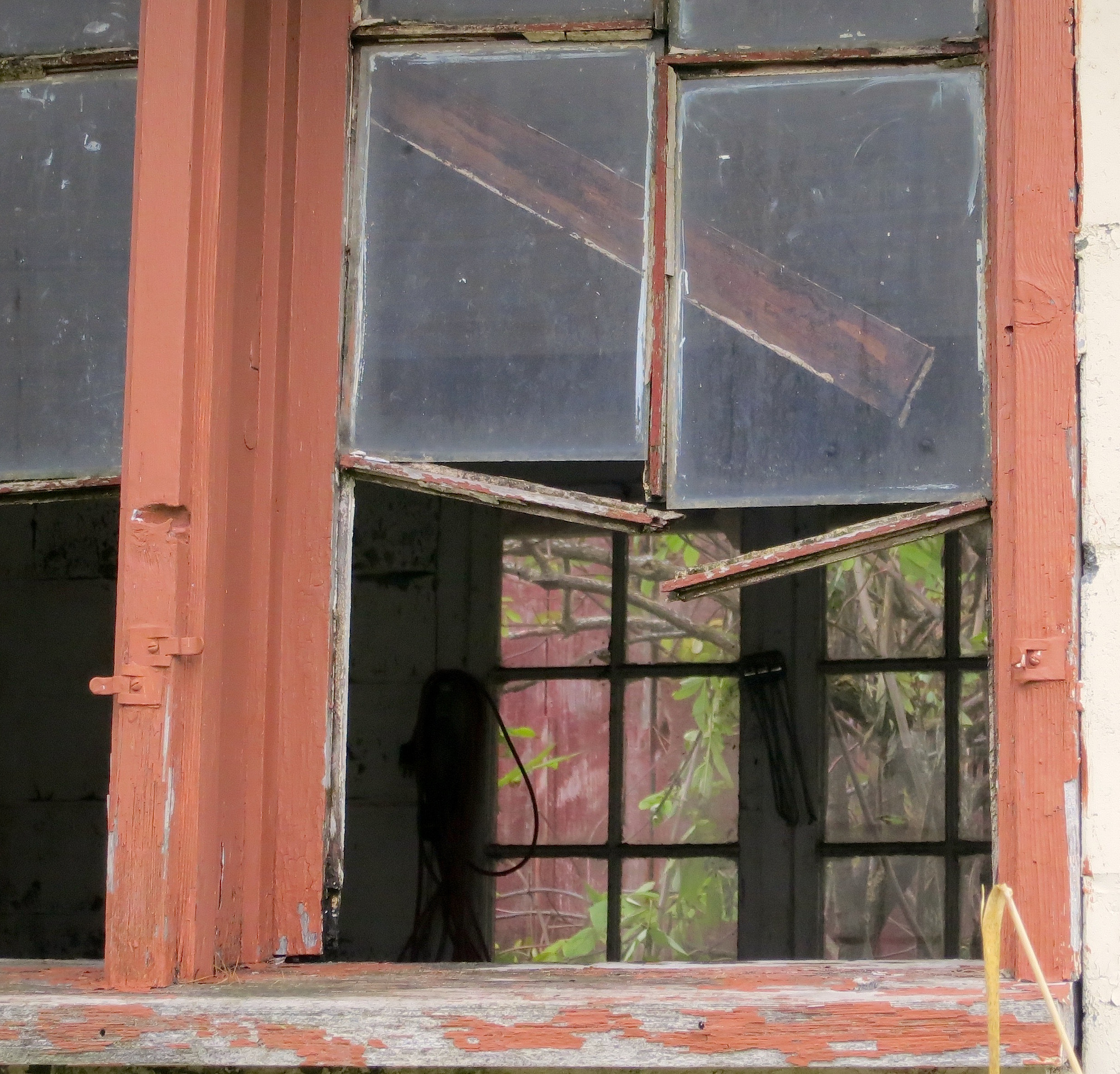
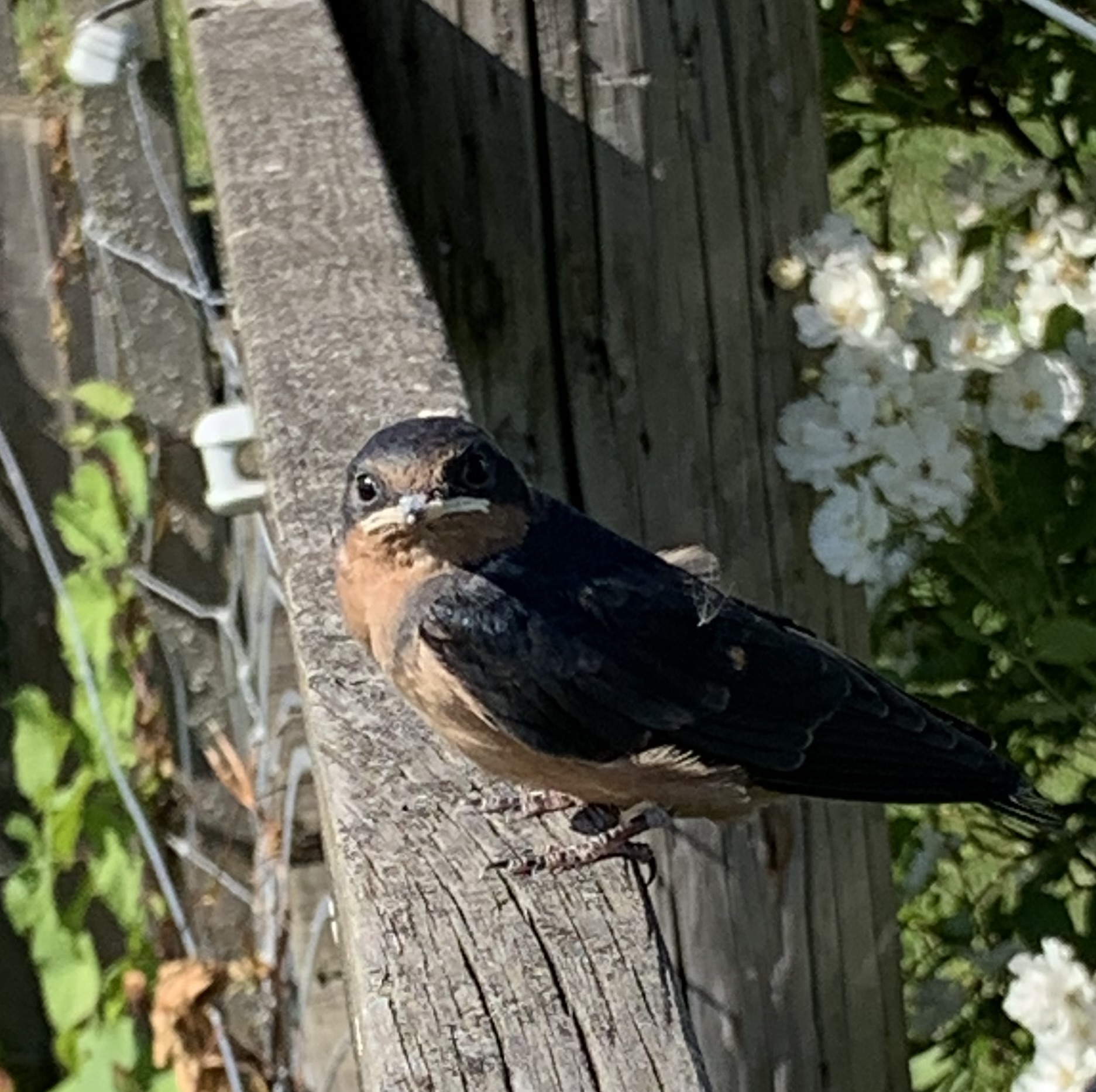
At broken windows flew out and in,
Their murmur more like the sigh we sigh
From too much dwelling on what has been.

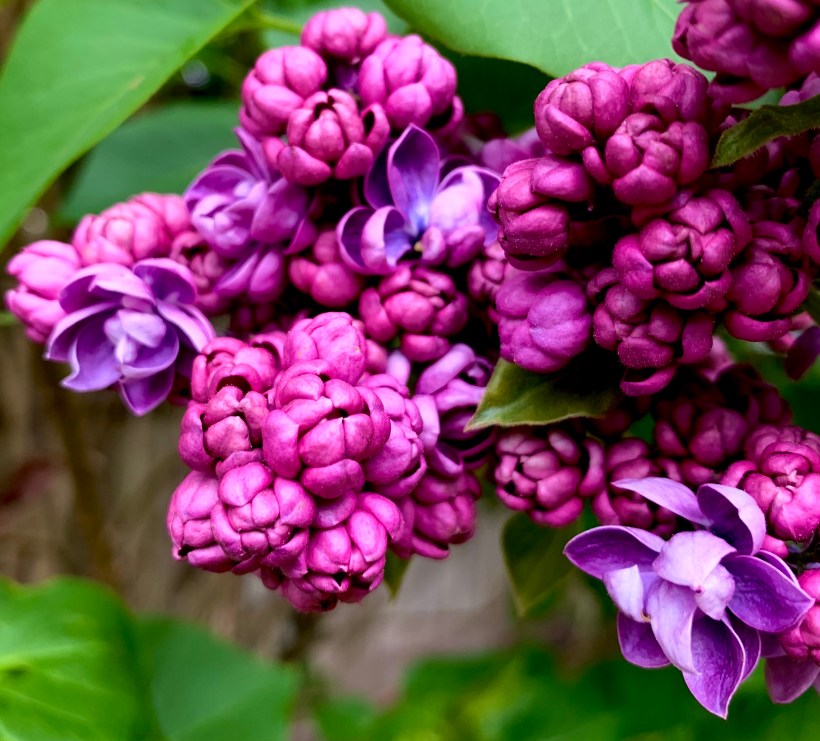
Yet for them the lilac renewed its leaf,
And the aged elm, though touched with fire;
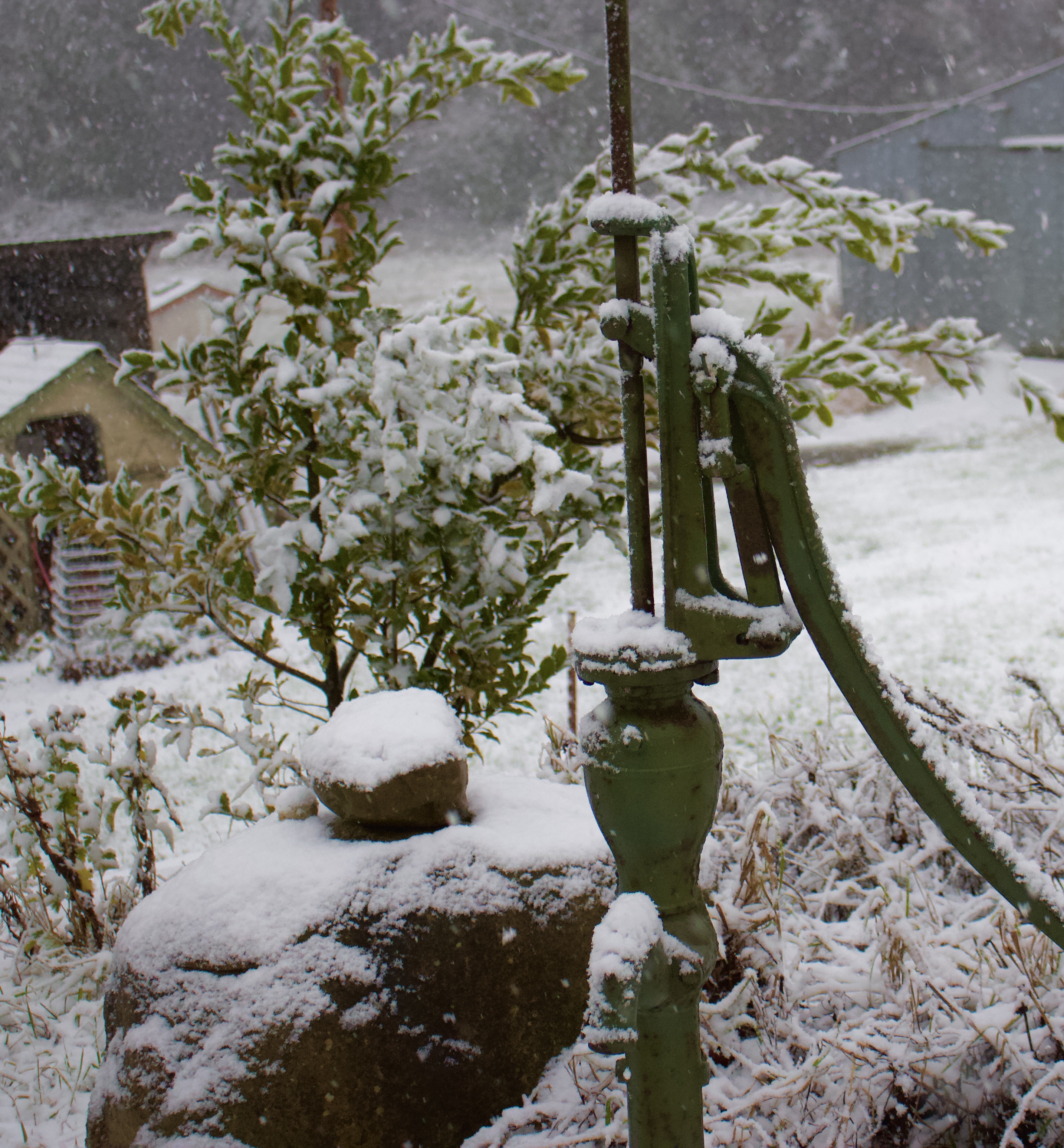
And the dry pump flung up an awkward arm:
And the fence post carried a strand of wire.

For them there was really nothing sad.
But though they rejoiced in the nest they kept,
One had to be versed in country things
Not to believe the phoebes wept.
 ~Robert Frost “The Need of Being Versed in Country Things”

The field of my childhood farm (1954-59) with the red barn visible on the right. The house was destroyed by fire in the mid-60s but the barn was spared

photo by Harry Rodenberger

My family sold our first farm in East Stanwood when my father took a job working for the state in Olympia, moving to supervising high school agriculture teachers rather than being a teacher himself. It was a difficult transition for us all: we moved to a smaller home and a few acres, leaving behind a large two story house, a huge hay barn and chicken coop as well as large fields and a woods where our dairy cows had grazed.

Only a few years later, the old farmhouse burned down but the rest of the buildings were spared. It passed through a few hands and when we had occasion to drive by, we were dismayed to see how nature was taking over the place. The barn still stood but unused it was weathering and withering. The windows were broken, birds flew in and out, the former flower garden had grown wild and unruly.

This was the place I was conceived and learned to walk and talk, where I developed my love for wandering in the fields and respecting the farm animals we depended upon. I remember as a child of four sitting at the kitchen table looking out the window at the sunrise coming rising over the woods and making the misty fields turn golden.

Yet now this land has returned to its essence before the ground was ever plowed or buildings were constructed. It no longer belongs to our family (as if it ever did) but it forever belongs to our memories.

I am overly prone to nostalgia, dwelling more on what has been than what is now or what I hope is to come. It is easy to weep over the losses when time and circumstances reap circumstances that become unrecognizable.

I may weep, but nature does not. The sun continues to rise over the fields, the birds continue to build nests, the lilacs grow taller with outrageous blooms, and each day ends with a promise of another to come.

So I must dwell on what lies ahead, not what perished in the ashes.

photo by Harry Rodenberger

A book available from Barnstorming — information about how to order here