When the miracle happened it was not with bright light or fire— but a farm door with the thick smell of sheep and a wind tugging at the shutters.
There was no sign the world had changed for ever or that God had taken place; just a child crying softly in a corner, and the door open, for those who came to find. ~Kenneth Steven “Nativity”
This Advent, I’m trying not to be scared of the dark. ~James K.A. Smith from “Waiting” (Image Journal)
I feel like I’m constantly aware of the world’s anguish, reminded daily in headlines and news updates. The knowledge of others’ grief and mourning, their losses and struggles, is overwhelming.
This world is a fearful place of pain and tears for so many, so much of the time. For my part, I try not to be afraid of the dark…
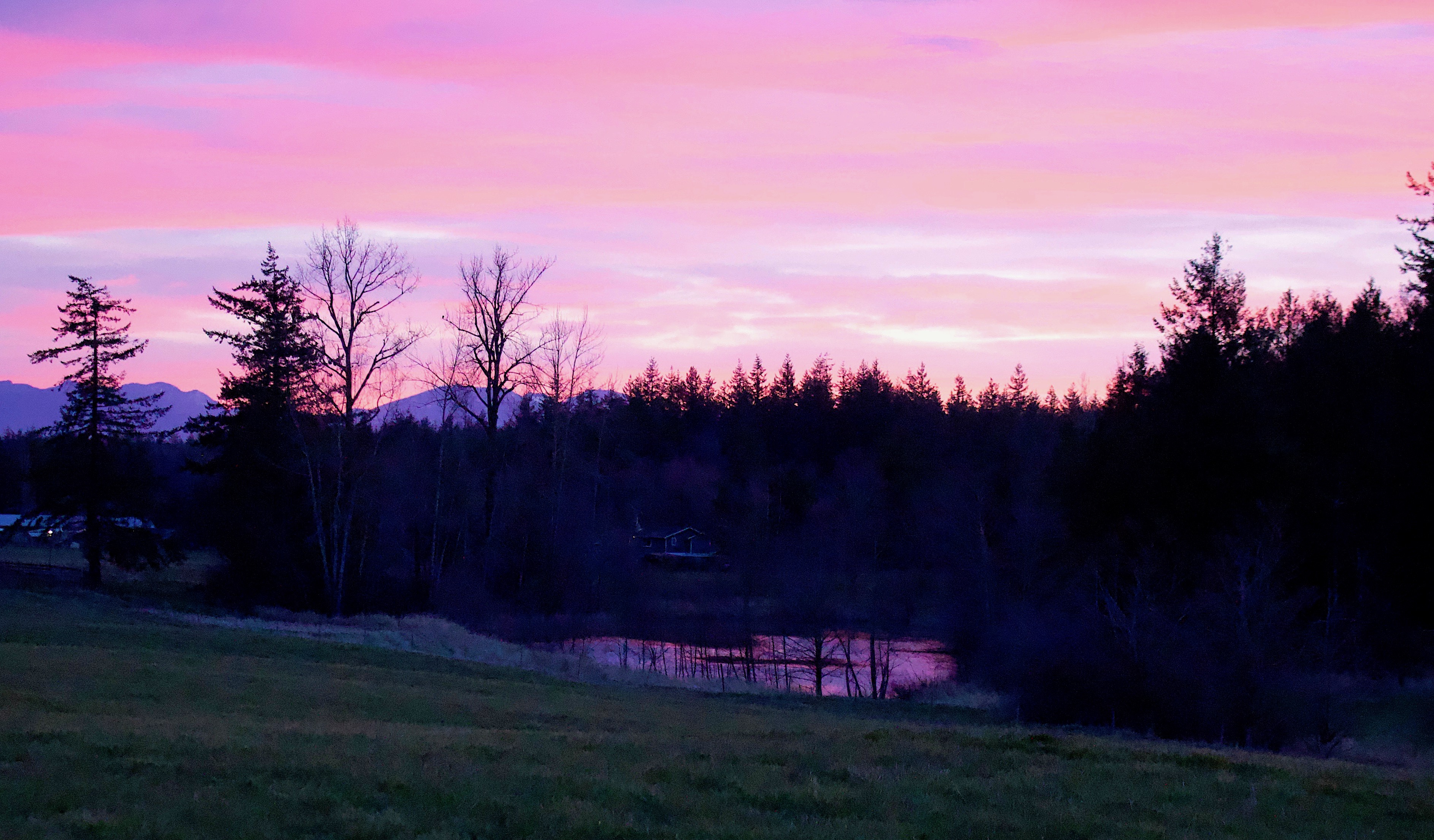
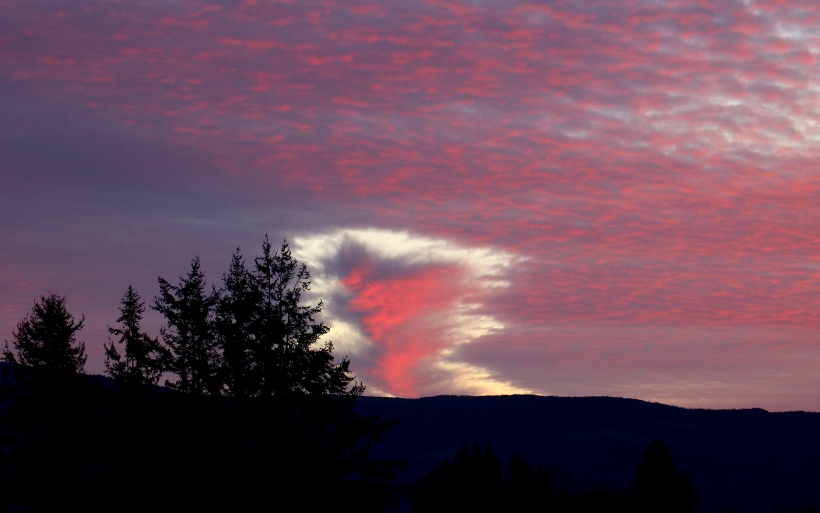
So who am I to write of moments of incredible encouragement and beauty, posting pictures of the latest masterpiece painted through the filtered light of sunrise and sunset, searching out and sharing the illuminated gifts that exist all around me – while people suffer?
We were certainly not created to wallow in anguish – yet here we are, trying in every way to climb our way out of the dark mess we’ve made. I am one of the countless standing on the threshold of a Light sent to diminish and overwhelm our darkest times.
Three different times, a messenger angel appeared out of the blue, saying “do not be afraid.” Zechariah had been “startled and gripped with fear,” Mary was “troubled and wondered at his words” and the shepherds were “terrified.” They were never to be the same again.
Yet the first words directly from heaven were “fear not.” My first reaction would be: there must be plenty to fear if I’m being told not to be afraid. And this world is a terrifying place, especially in the dark.
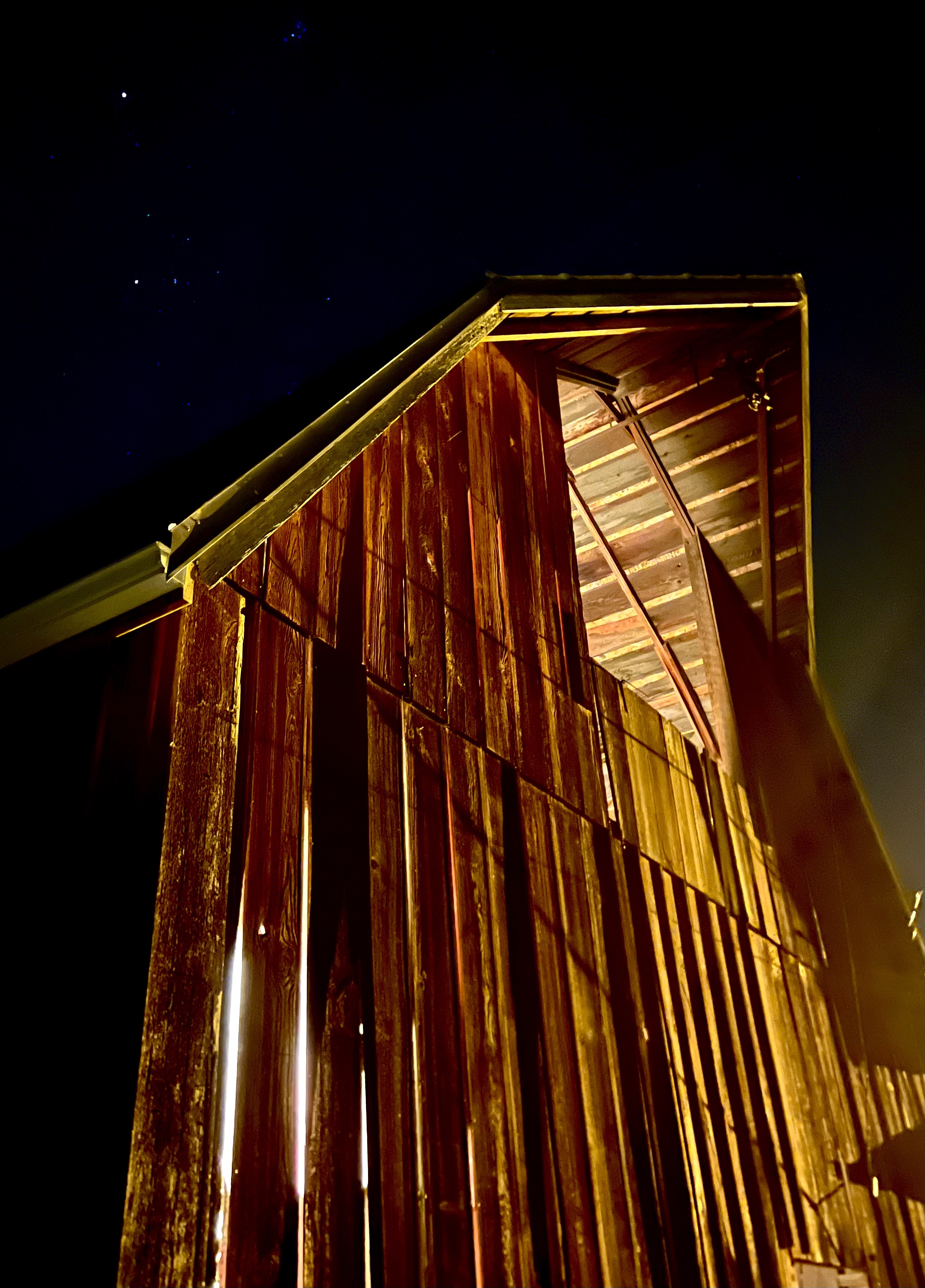
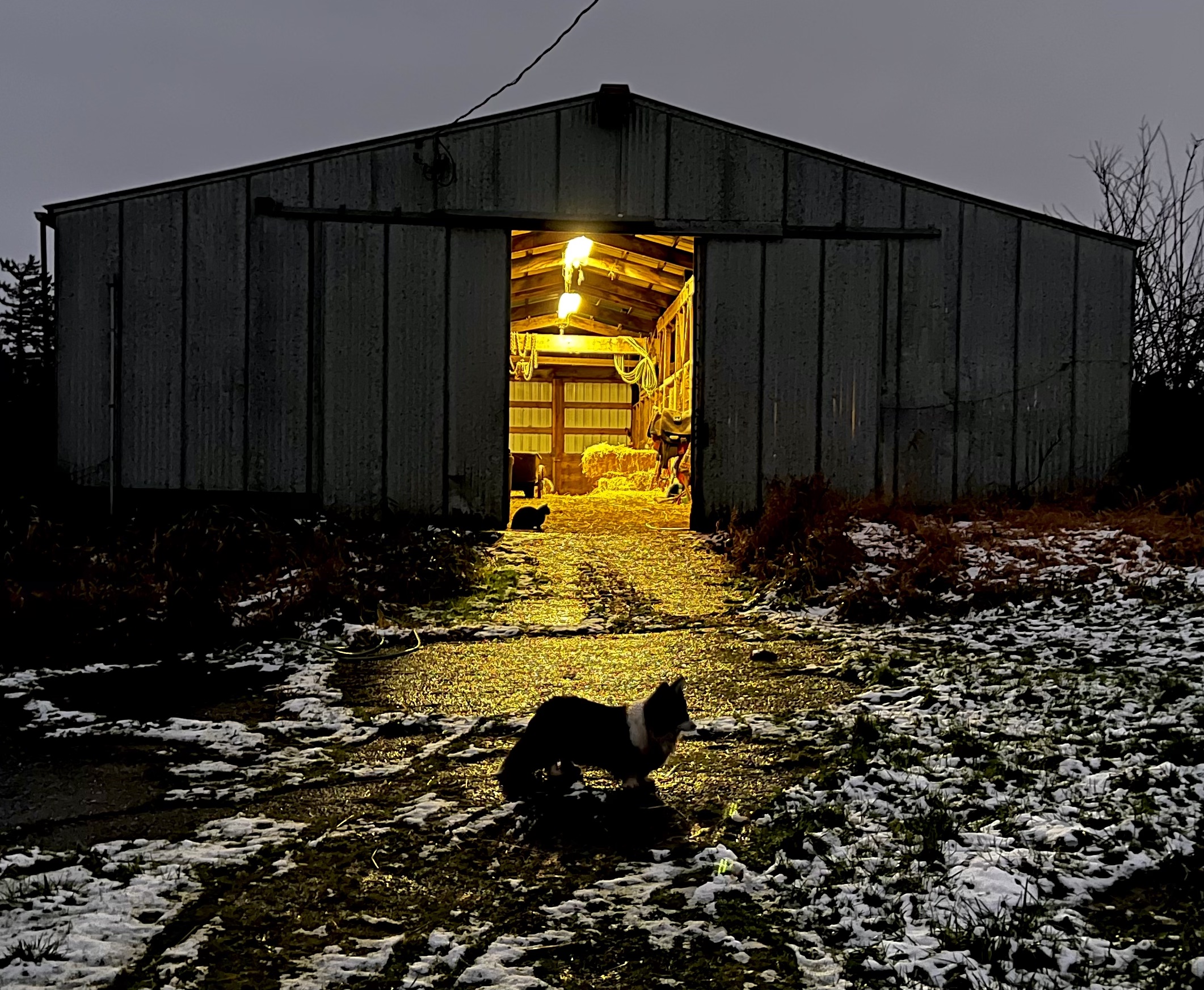
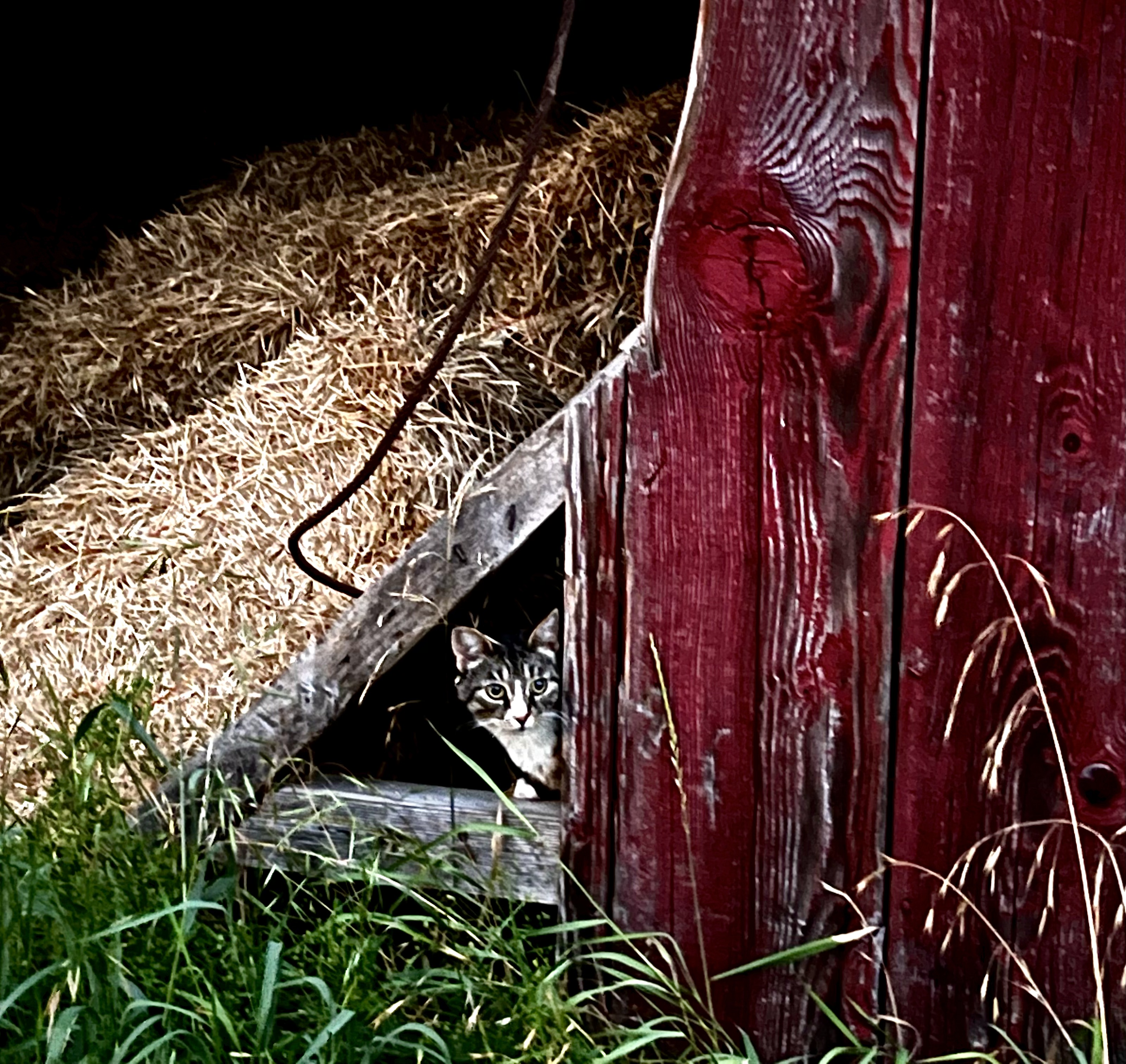
It is up to us, overwhelmed by the darkness of these times, to seek out the barn door opening enough to show a light spilling out. We are invited, troubled and doubtful, to come see what is inside.
So too then, we ourselves open: waiting, watching, longing for this glory to come. Nothing will be the same, ever again.
My 2025 Advent theme: On the threshold between day and night
On that day there will be neither sunlight nor cold, frosty darkness. It will be a unique day—a day known only to the Lord— with no distinction between day and night. When evening comes, there will be light. Zechariah 14:6-7
So once in Israel love came to us incarnate, stood in the doorway between two worlds, and we were all afraid. ~Annie Dillard in Teaching a Stone to Talk
One-Time
Monthly
Yearly
Make a one-time or recurring donation to support daily Barnstorming posts
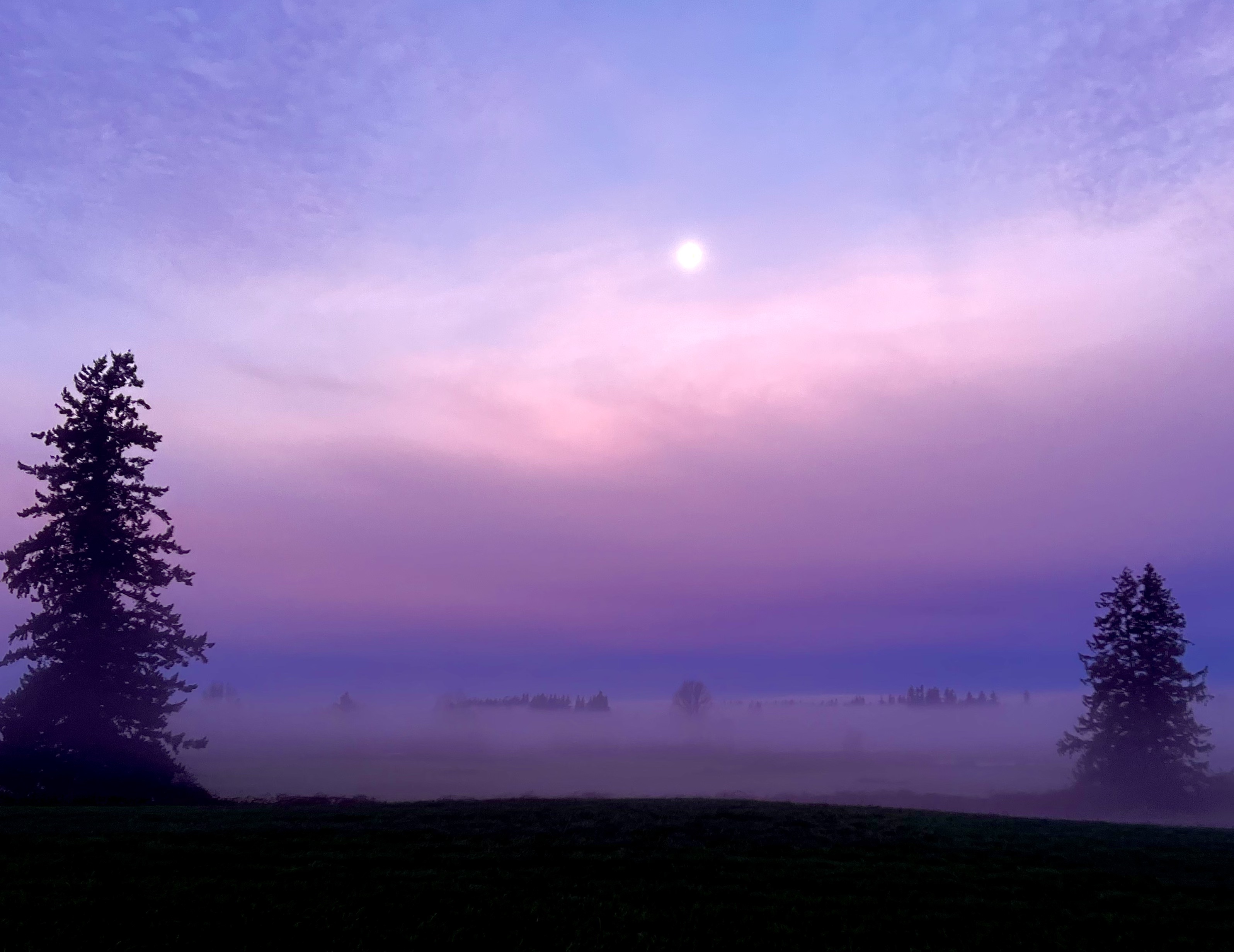
These still December mornings… Outside everything’s tinted rose, grape, turquoise, silver–the stones by the path, the skin of the sun
on the pond ice, at the night the aureola of a pregnant moon, like me, iridescent, almost full term with light. ~Luci Shaw from “Advent Visitation“in Accompanied by Angels
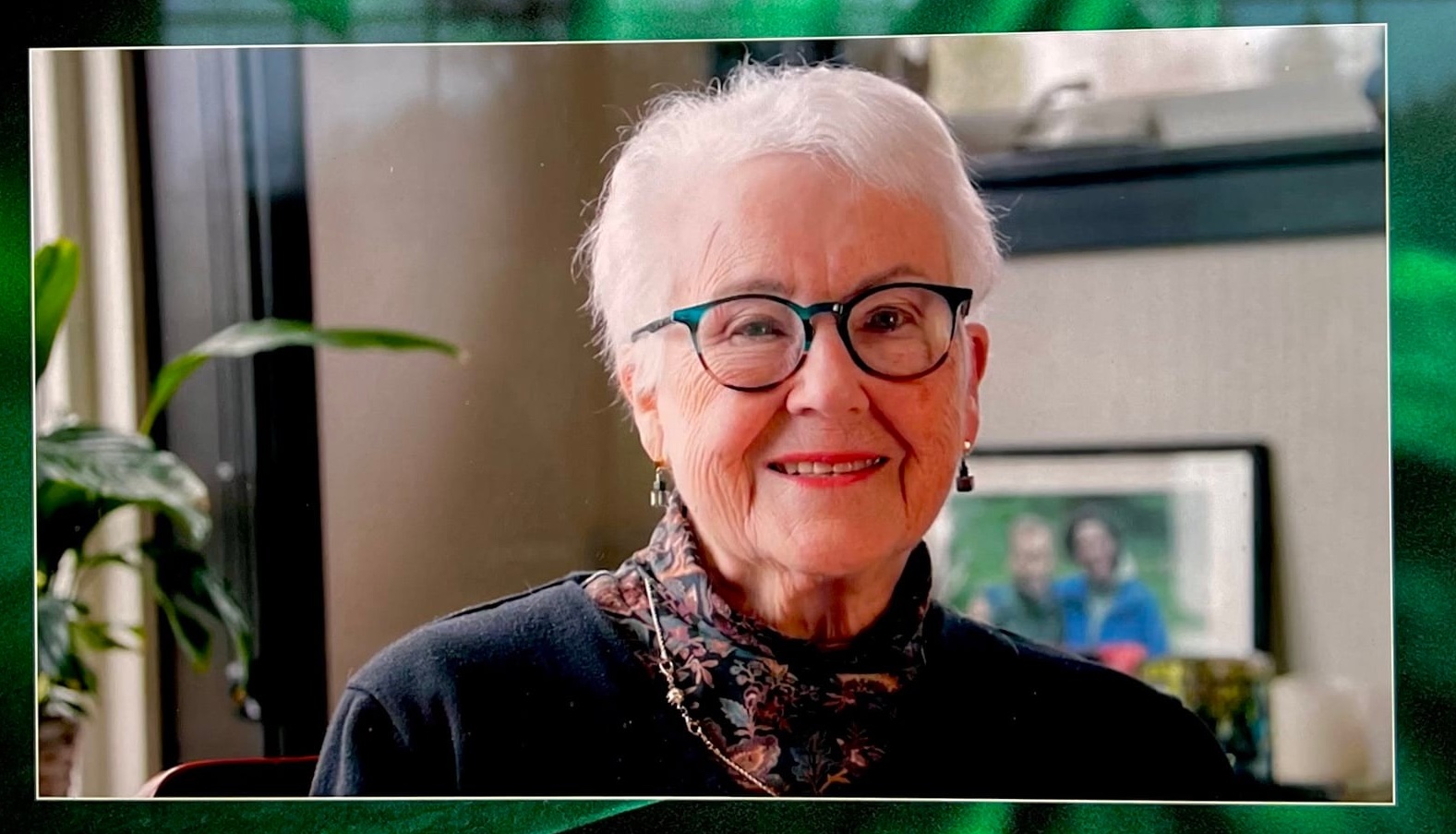
Writer Luci Shaw passed into eternity on December 1, just four weeks from her 97th birthday.
A life-long poet and essayist, in addition to being a wife, mother, publisher, gardener and outdoor enthusiast, Luci was a child of God who continually lived out and articulated the questions of faith, grace, and belief.
It is my privilege to have known her as a neighbor in nearby Bellingham. Her books grace my shelves and I cherish her many personal words of encouragement and mentoring.
Luci has gifted the world for decades with beauty and honesty, composing enriching poetic observations with heavenly anticipation. She was nearly full term, iridescent with light which glowed on those around her.
Below is only a small sample of her work. She was still writing and publishing poetry this year. More of her writing and many books can be found at www.lucishaw.com.
Luci Shaw -virtual presentation for Calvin Festival of Faith and Writing 2022
Last night I lay awake and practiced getting old. Not difficult,
but I needed to teach myself to love my destination before I arrive.
I feel the earth shifting under me. My writing hand shakes—its rubbery nudges clumsy,
my mind going slack, the way a day will lose its light and give itself to darkness,
and that long, nocturnal pause of inquiry— What next? And how long before light
reopens her blue eye? And will I need to learn a new language to converse with my Creator?
So, I am a questioner, one who waits, still, to arrive somewhere, some bright nest where
a new language breeds that I can learn to speak, unhindered, into heaven’s air,
somewhere I can live a long time, and never have to look back. ~Luci Shaw “December the 95th Year”
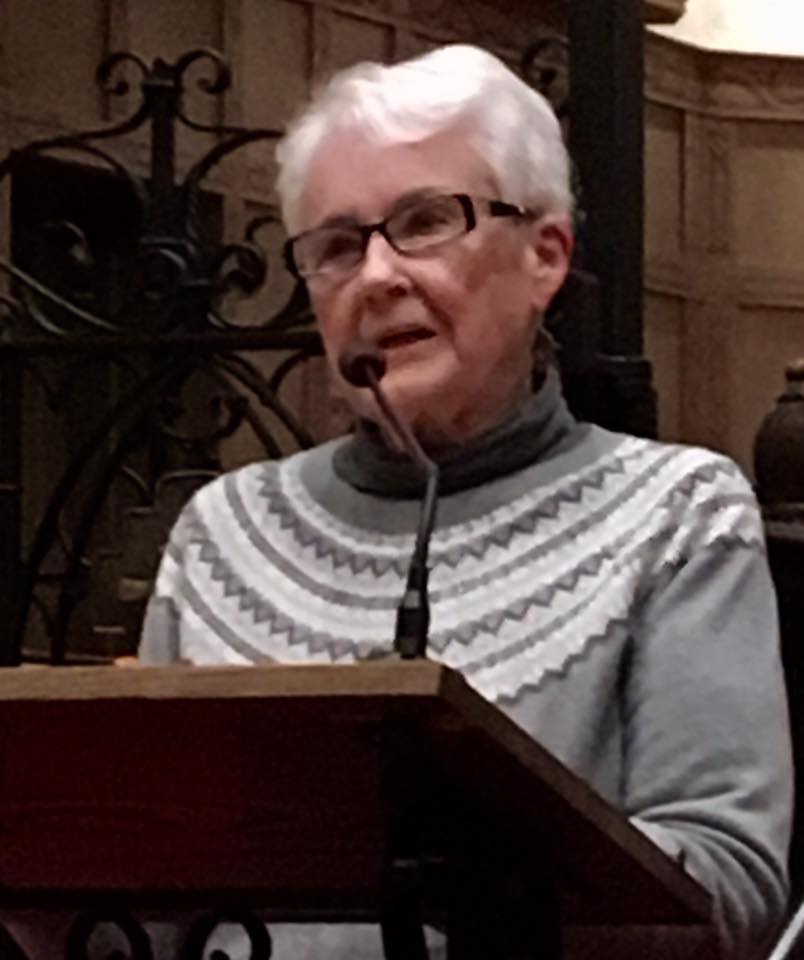
Luci Shaw at a Bellingham reading at St. Paul’s Episcopal Church -2017
In time of drought, let us be thankful for this very gentle rain, a gift not to be disdained though it is little and brief, reaching no great depth, barely kissing the leaves’ lips. Think of it as mercy. Other minor blessings may show up—tweezers for splinters, change for the parking meter, a green light at the intersection, a cool wind that lifts away summer’s suffocating heat. An apology after a harsh comment. A word that opens an unfinished poem like a key in a lock. ~Luci Shaw “Signs” from Eye of the Beholder.
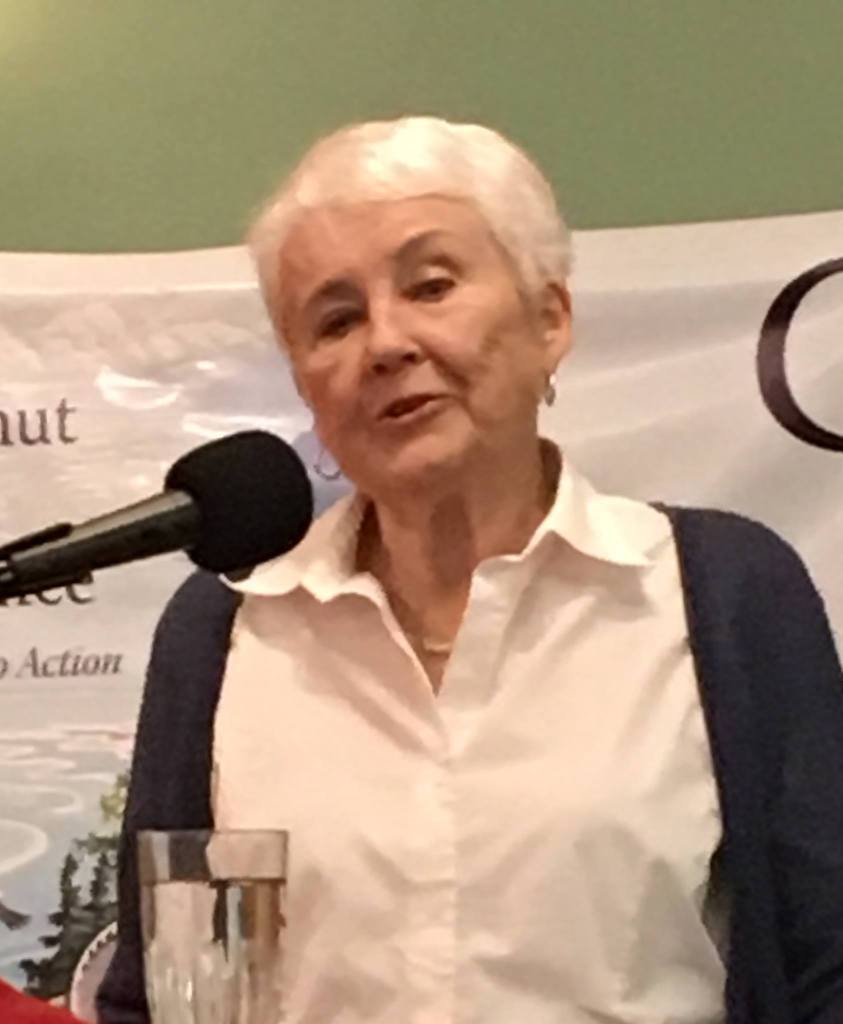
Luci at a Bellingham reading of her poetry at Village Books in 2016
Today, in Bellingham, even the sidewalks gleam. Small change glints from the creases in the lady’s mantle and the hostas after the rain that falls, like grace, unmerited. My pockets are full, spilling over. ~Luci Shaw from “Small Change”
Out of the shame of spittle, the scratch of dirt, he made an anointing.
Oh, it was an agony-the gravel in the eye, the rude slime, the brittle clay caked on the lid.
But with the hurt light came leaping; in the shock and shine, abstracts took flesh and flew;
winged words like view and space, shape and shade and green and sky, bird and horizon and sun,
What next, she wonders, with the angel disappearing, and her room suddenly gone dark.
The loneliness of her news possesses her. She ponders how to tell her mother.
Still, the secret at her heart burns like a sun rising. How to hold it in— that which cannot be contained.
She nestles into herself, half-convinced it was some kind of good dream, she its visionary.
But then, part dazzled, part prescient— she hugs her body, a pod with a seed that will split her. ~Luci Shaw “Mary Considers Her Situation”
When, in the cavern darkness, the child first opened his mouth (even before his eyes widened to see the supple world his lungs had breathed into being), could he have known that breathing trumps seeing? Did he love the way air sighs as it brushes in and out through flesh to sustain the tiny heart’s iambic beating, tramping the crossroads of the brain like donkey tracks, the blood dazzling and invisible, the corpuscles skittering to the earlobes and toenails? Did he have any idea it would take all his breath to speak in stories that would change the world? ~Luci Shaw “Breath” from Accompanied By Angels: Poems of the Incarnation
because we are all betrayers, taking silver and eating body and blood and asking (guilty) is it I and hearing him say yes it would be simple for us all to rush out and hang ourselves but if we find grace to weep and wait after the voice of morning has crowed in our ears clearly enough to break our hearts he will be there to ask us each again do you love me ~Luci Shaw “Judas, Peter” from Polishing the Petoskey Stone
Down he came from up, and in from out, and here from there. A long leap, an incandescent fall from magnificent to naked, frail, small, through space, between stars, into our chill night air, shrunk, in infant grace, to our damp, cramped earthy place among all the shivering sheep.
And now, after all, there he lies, fast asleep. ~Luci Shaw “Descent” from Accompanied By Angels
Blue homespun and the bend of my breast keep warm this small hot naked star fallen to my arms. (Rest … you who have had so far to come.) Now nearness satisfies the body of God sweetly. Quiet he lies whose vigor hurled a universe. He sleeps whose eyelids have not closed before. His breath (so slight it seems no breath at all) once ruffled the dark deeps to sprout a world. Charmed by doves’ voices, the whisper of straw, he dreams, hearing no music from his other spheres. Breath, mouth, ears, eyes he is curtailed who overflowed all skies, all years. Older than eternity, now he is new. Now native to earth as I am, nailed to my poor planet, caught that I might be free, blind in my womb to know my darkness ended, brought to this birth for me to be new-born, and for him to see me mended I must see him torn. ~Luci Shaw “Mary’s Song”
My 2025 Advent theme: On the threshold between day and night
On that day there will be neither sunlight nor cold, frosty darkness. It will be a unique day—a day known only to the Lord— with no distinction between day and night. When evening comes, there will be light. Zechariah 14:6-7
So once in Israel love came to us incarnate, stood in the doorway between two worlds, and we were all afraid. ~Annie Dillard in Teaching a Stone to Talk
One-Time
Monthly
Yearly
Make a one-time or recurring donation to support daily Barnstorming posts
I wonder if, in the dark night of the sea, the octopus dreams of me. ~N. Scott Momaday
photo by Nate Gibson
If I am brutally honest with myself after my recent cardiac brush with my mortality, one of my worst fears is to have lived on this earth for a handful of decades and then pass away forgotten, inconsequential, having left behind no legacy of significance whatsoever.
I’m well aware it is self-absorbed to feel the need to leave a mark, but a search for purpose and meaning lasting beyond my time here provides new momentum for each day. The forgetting can happen so fast.
Most people know little about their great-great-grandparents, if they even know their names. A mere four generations, a century, renders us dust, not just in flesh, but in memory as well. There may be a yellowed photograph in a box somewhere, perhaps a tattered postcard or letter written in elegant script, but the essence of this person is long lost and forgotten.
We owe it to our descendants to write down the stories about who we were while we lived on this earth. We need to share why we lived, for whom we lived, for what we lived.
I suspect, although I try every day to record some part of who I am, it will be no different with me and those who come after me. Whether or not we are remembered by great-great grandchildren or become part of the dreams of creatures in the depths of the seas:
we are just dust here and there is no changing that.
Good thing this is not our only home. Good thing we are more than mere memory and dreams. Good thing the river of life flows into an eternity that transcends good works or long memories or legacies left behind. Good thing we are loved that much and always will be. You see, we are alive, we are alive, forever and ever, Amen.
I remember your lectures, Professor Scott Momaday, now nearly two years after you passed from this earth at age 89 – your voice, your stories and your poetry live on.
You are alive. You are alive…
One-Time
Monthly
Yearly
Make a one-time or recurring donation to support daily Barnstorming posts
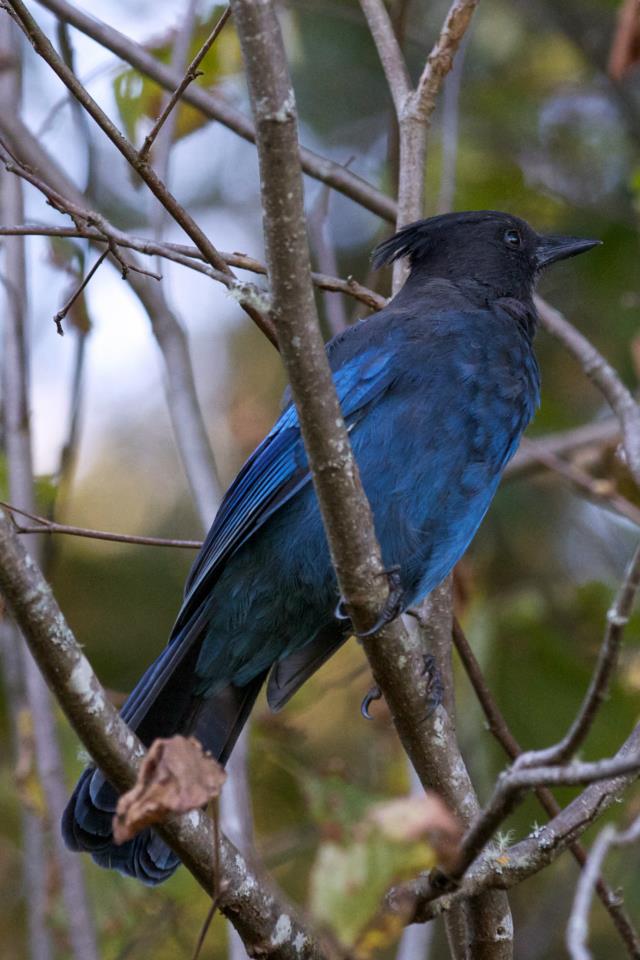
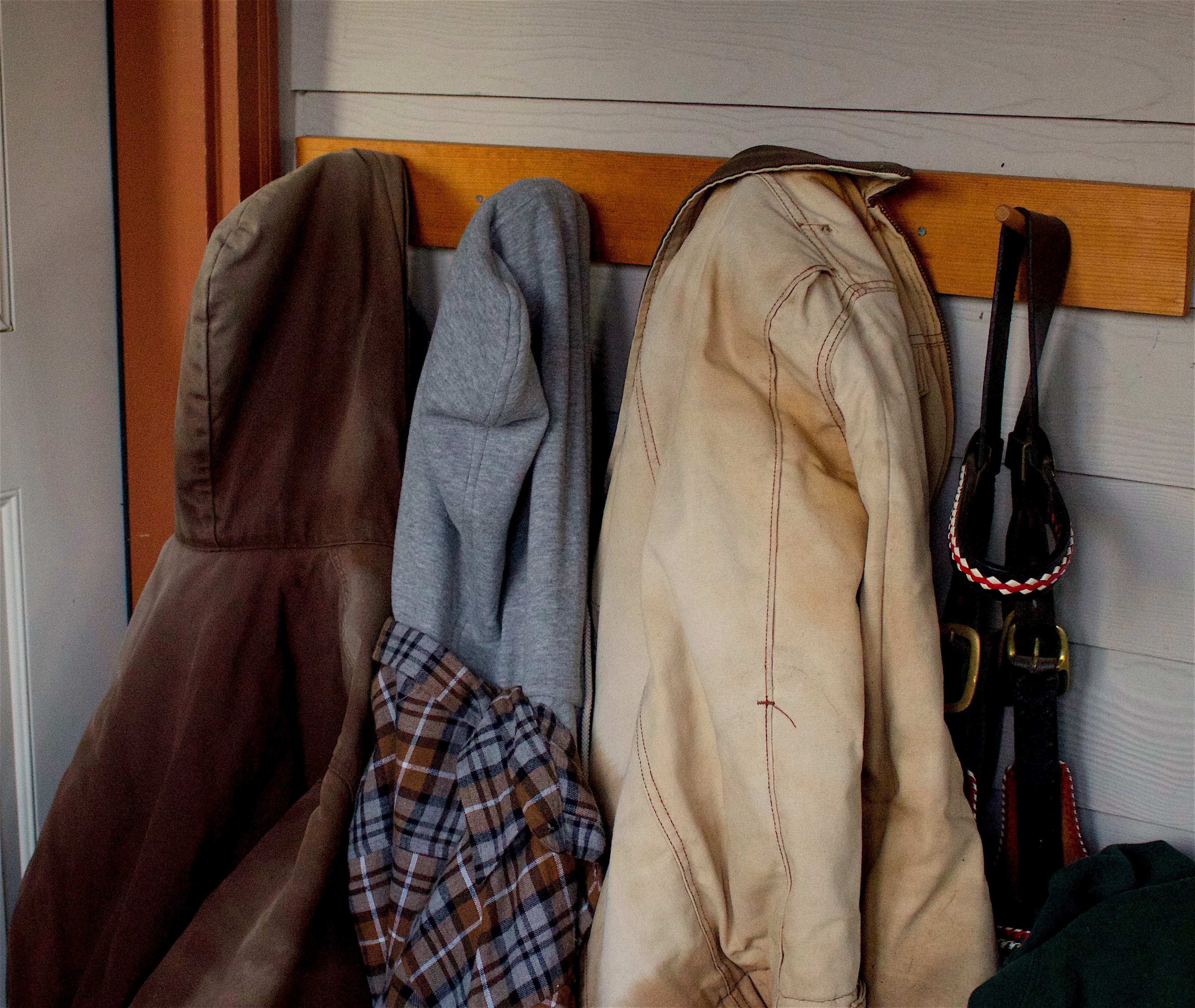
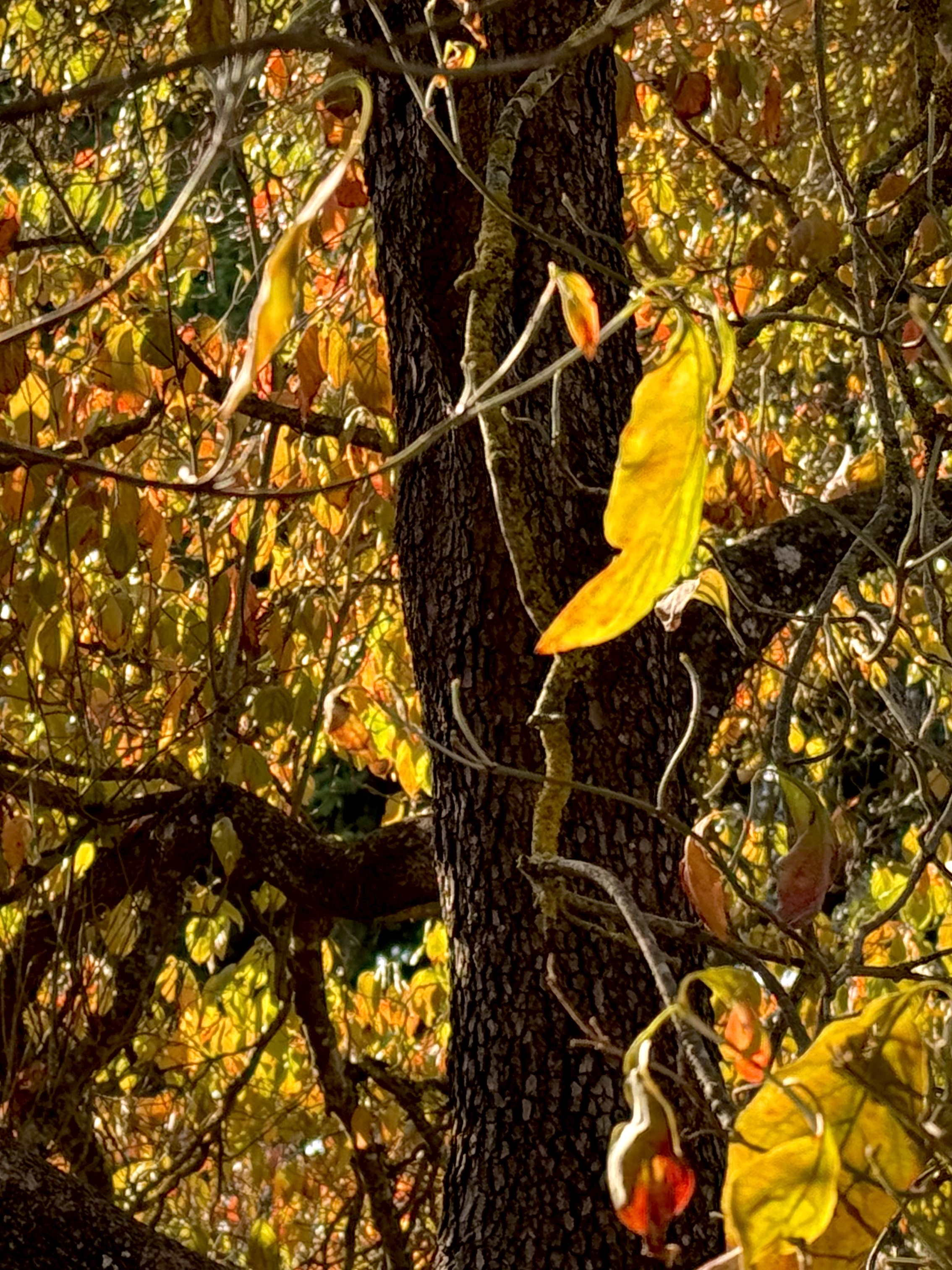
It is a dark fall day. The earth is slightly damp with rain. I hear a jay. The cry is blue. I have found you in the story again. Is there another word for “divine”? I need a song that will keep sky open in my mind. If I think behind me, I might break. If I think forward, I lose now. Forever will be a day like this Strung perfectly on the necklace of days. Slightly overcast Yellow leaves Your jacket hanging in the hallway Next to mine. ~Joy Harjo “Fall Song”
November 22 always has a sadness about it for those of us who listened to the tragic news reports and experienced the aftermath of that day…
In the seemingly endless, sometimes bleak string of fall days, each one differing little from the one before and the one that comes after, there is linkage to winter on its way, inescapable and unrelenting.
If I were to try to stop time now, hold tight to a particular moment, this necklace of days would break and scatter, as a sustaining connection depends on preserving what was before, breathing deeply of what is now, and praying for what is to come.
Each moment never in isolation from those surrounding it.
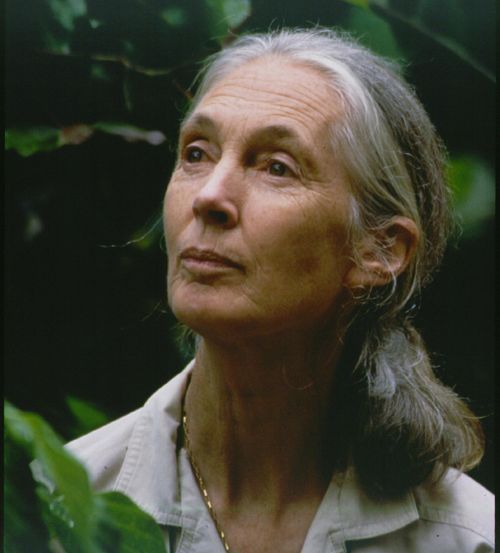
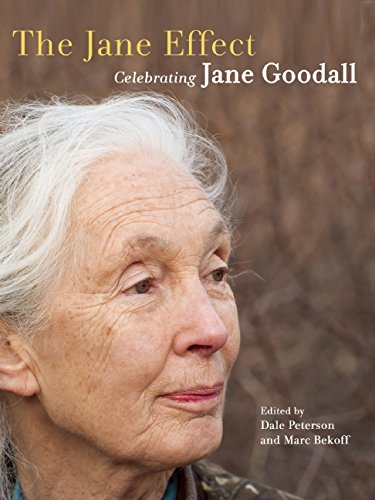
This morning was the live streaming of the Washington National Cathedral memorial service and life celebration for Dr. Jane Goodall. I had received an invitation to attend along with others who had worked with Jane, but I decided this was not the best time to travel.
I encourage you to watch (linked below) when you have 90 minutes. It was a beautifully planned service that fit Jane well.
It was very moving for me to hear her three grandchildren speak, as well as several others who were touched directly by her.
When you go home tell them of us and say – “For your tomorrow we gave our today” ~John Maxwell Edmonds from “The Kohima Epitaph”
They shall grow not old, as we that are left grow old: Age shall not weary them, nor the years condemn. At the going down of the sun and in the morning We will remember them. ~Lawrence Binyon from “For the Fallen” (1914)
We are the Dead. Short days ago We lived, felt dawn, saw sunset glow, Loved and were loved, and now we lie In Flanders fields. ~LtCol (Dr.) John McCrae from “In Flanders Fields”
We who are left, how shall we look again Happily on the sun, or feel the rain, Without remembering how they who went Ungrudgingly, and spent Their all for us, loved, too, the sun and rain?
A bird upon the rain-wet lilac sings — But we, how shall we turn to little things And listen to the birds and winds and streams Made holy by their dreams, Nor feel the heartbreak in the heart of things? ~Wilfred Wilson Gibson “A Lament”
November pierces with its bleak remembrance Of all the bitterness and waste of war. Our silence tries but fails to make a semblance Of that lost peace they thought worth fighting for. Our silence seethes instead with wraiths and whispers, And all the restless rumour of new wars, The shells are falling all around our vespers, No moment is unscarred, there is no pause, In every instant bloodied innocence Falls to the weary earth ,and whilst we stand Quiescence ends again in acquiescence, And Abel’s blood still cries in every land One silence only might redeem that blood Only the silence of a dying God. ~Malcolm Guite “Silence: a Sonnet for Remembrance Day”
To our military veterans here and abroad – in deep appreciation and gratitude– for the freedoms you have defended on behalf of us all:
No one is left untouched and unscarred in the bitterness of war.
My father was one of the fortunate ones who came home, returning to a quiet farm life after three years serving in the Pacific with the Marines Corp from 1942 to 1945. Hundreds of thousands of his colleagues didn’t come home, dying on beaches and battlefields. Tens of thousands more came home forever marked, through physical or psychological injury, by the experience of war and witness of death and mayhem all around them.
No matter how one views wars our nation has fought and may be obligated to fight in the future, we must support and care for the men and women who have made, on our behalf, the commitment and sacrifice to be on the front line for freedom’s sake.
Even our God died so we could stop fighting each other (and Him). What a waste we have not stopped to listen and understand His sacrifice enough to finally lay down our weapons against one another forever.
My grandfather stands on the front porch watching the dogs come back, reassembled
from hair and grit and eyeteeth. Now the twin mares browse by the fence
in their coats of dust. Nobody asks what they mean, appearing so suddenly
when nobody needed them, or called. In the back yard, the buried people —
great-grandmothers in spectator pumps, the great-grandfather who died of sneezing,
the first baby, never named — stay buried. It’s not their overshoes
lost in the grass behind the smokehouse, not their faces alive in anyone’s
memory. But my mother waits in the pecan tree’s fingered shadow,
holding a broken milk jug full of daylilies, waiting as if
she wanted someone to tell her again it’s all right to be born now,
now is as good a time as any. In a month we’ll find my grandfather’s glasses
in their case under the front seat of his car. “Oh goodness,” my aunt will say,
as if it were a matter of his forgetting them. As if we could
give them back. We’re all convinced we’ve missed the moment. We forget
that pause while a soul undoes its buttons, the world falls away,
and one by one we step out into this death, to be remembered. ~Sally Thomas “Reunion”
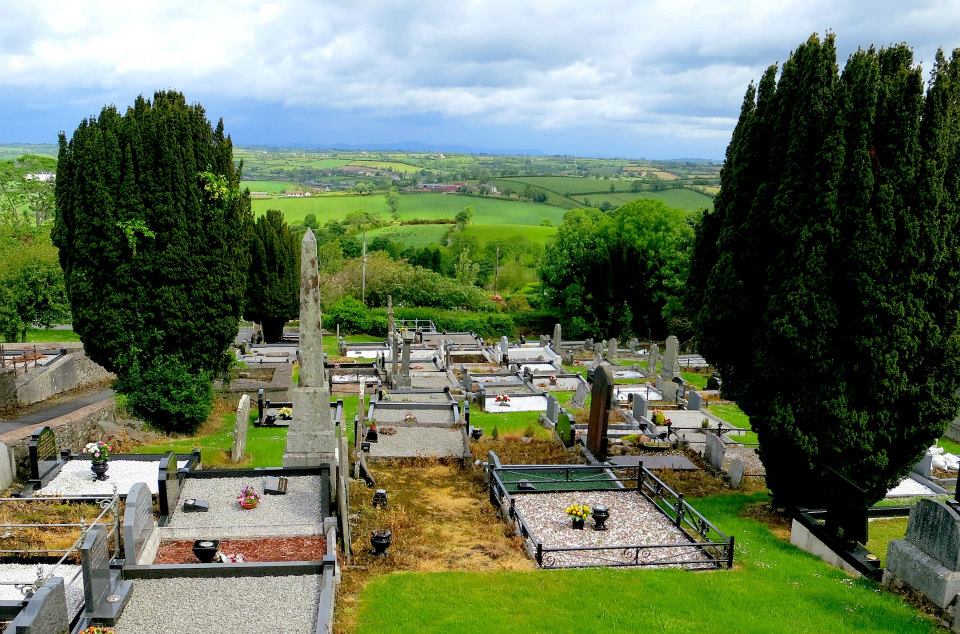
The sunlight now lay over the valley perfectly still. I went over to the graveyard beside the church and found them under the old cedars… I am finding it a little hard to say that I felt them resting there, but I did… I saw that, for me, this country would always be populated with presences and absences, presences of absences, the living and the dead. The world as it is would always be a reminder of the world that was, and of the world that is to come. Wendell Berry in Jayber Crow
When it’s over, I don’t want to wonder if I have made of my life something particular, and real. I don’t want to find myself sighing and frightened or full of argument.
I don’t want to end up simply having visited this world. ~Mary Oliver from “When Death Comes”
God is at home. It is we who have gone out for a walk. ~Meister Eckhart
And He awaits for our return. He keeps the light on, so we can find our way back, when we are weary, or fearful or hungry or simply longing for reunion, to be remembered.
I think of those who wait for me on the other side, including our baby lost before birth over 42 years ago.
I know God watches over all these reunions; He knows the moment when our fractured hearts heal whole once again.
I will see you soon enough, sweet ones. Soon enough.
One-Time
Monthly
Yearly
Make a one-time or recurring donation to support daily Barnstorming posts
October’s bellowing anger breaks and cleaves The bronzed battalions of the stricken wood In whose lament I hear a voice that grieves For battle’s fruitless harvest, and the feud Of outraged men. Their lives are like the leaves Scattered in flocks of ruin, tossed and blown Along the westering furnace flaring red. O martyred youth and manhood overthrown, The burden of your wrongs is on my head. ~Siegfried Sassoon “Autumn”(about his time in the trenches in WWI)
Over more than a century, we have learned little about how to resolve the bellows of outraged men.
The fruitless harvest of battle, counting up each violent death, as warships gather for unsanctioned war games.
Lament the tossing and blowing of lives like October leaves, in a show of force as transient and arbitrary as the wind, merely to make a fruitless point…
to what end are the feuds of angry men?
One-Time
Monthly
Yearly
Make a one-time or recurring donation to support daily Barnstorming posts
O hushed October morning mild, Thy leaves have ripened to the fall; Tomorrow’s wind, if it be wild, Should waste them all. The crows above the forest call; Tomorrow they may form and go. O hushed October morning mild, Begin the hours of this day slow. Make the day seem to us less brief. Hearts not averse to being beguiled, Beguile us in the way you know. Release one leaf at break of day; At noon release another leaf; One from our trees, one far away. Retard the sun with gentle mist; Enchant the land with amethyst. Slow, slow! ~Robert Frost from “October”
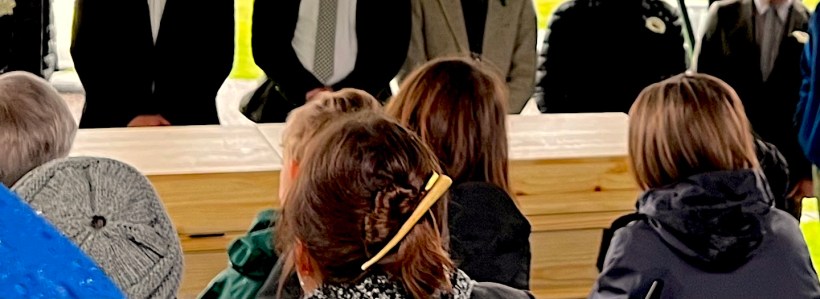
After yesterday’s travel through curtains of heavy rainfall, we abandoned plans to meet with family across state for today’s memorial service, so returned home, defeated, weary with sadness.
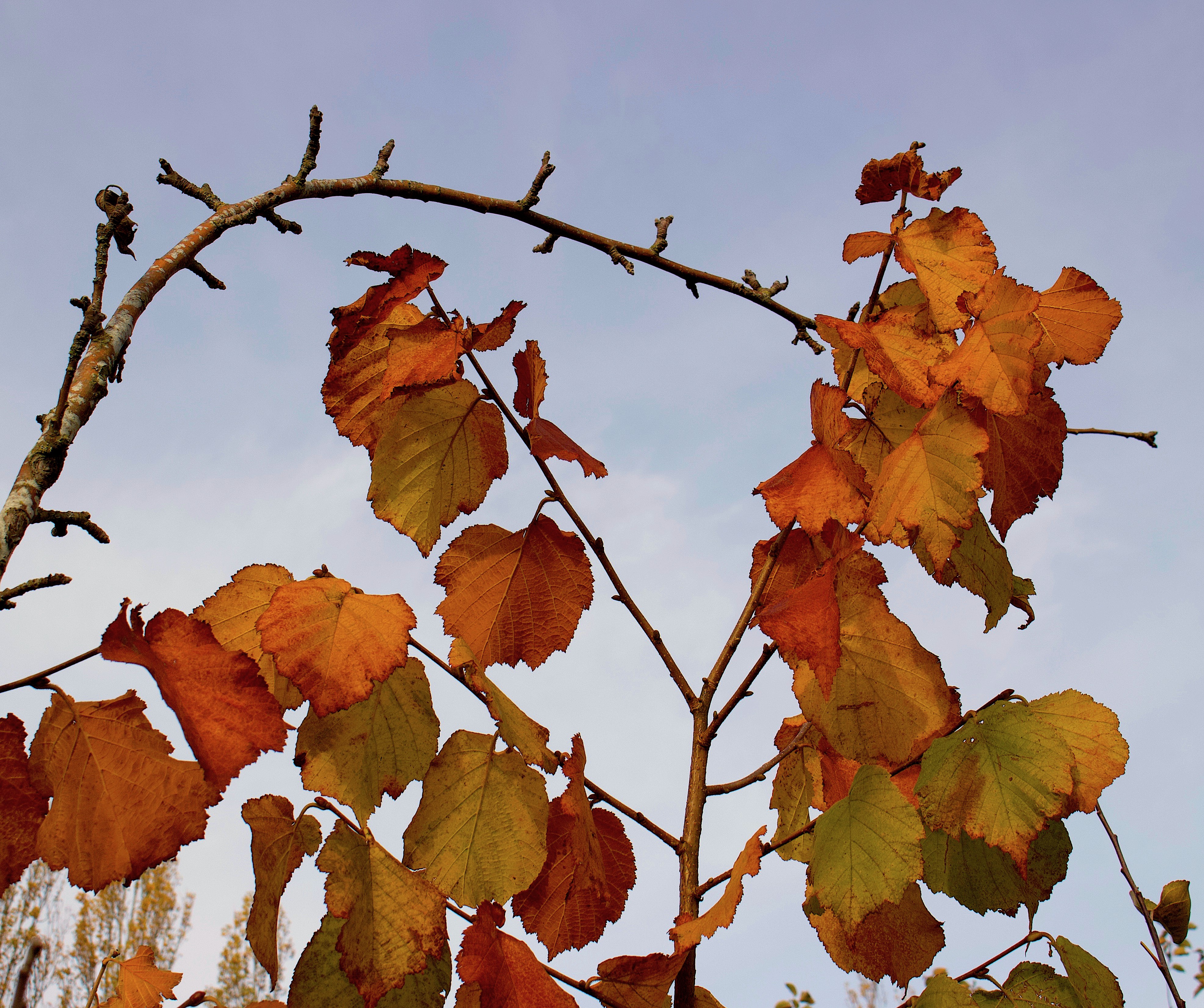
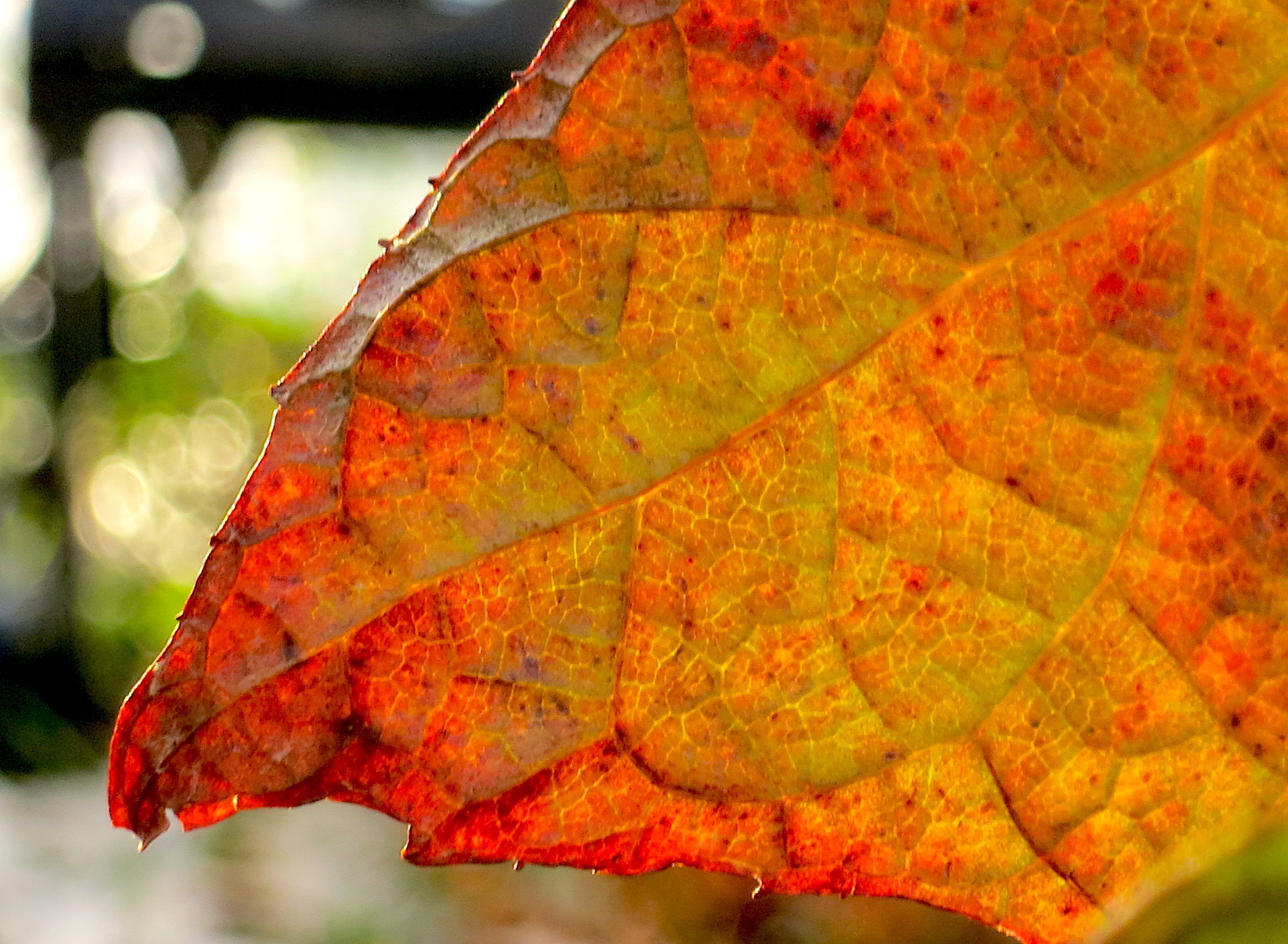
October is enough reminder of mortality, with winds stripping trees to bare bones, birds flocking and vacating, bright leaves reduced to rusting dust.
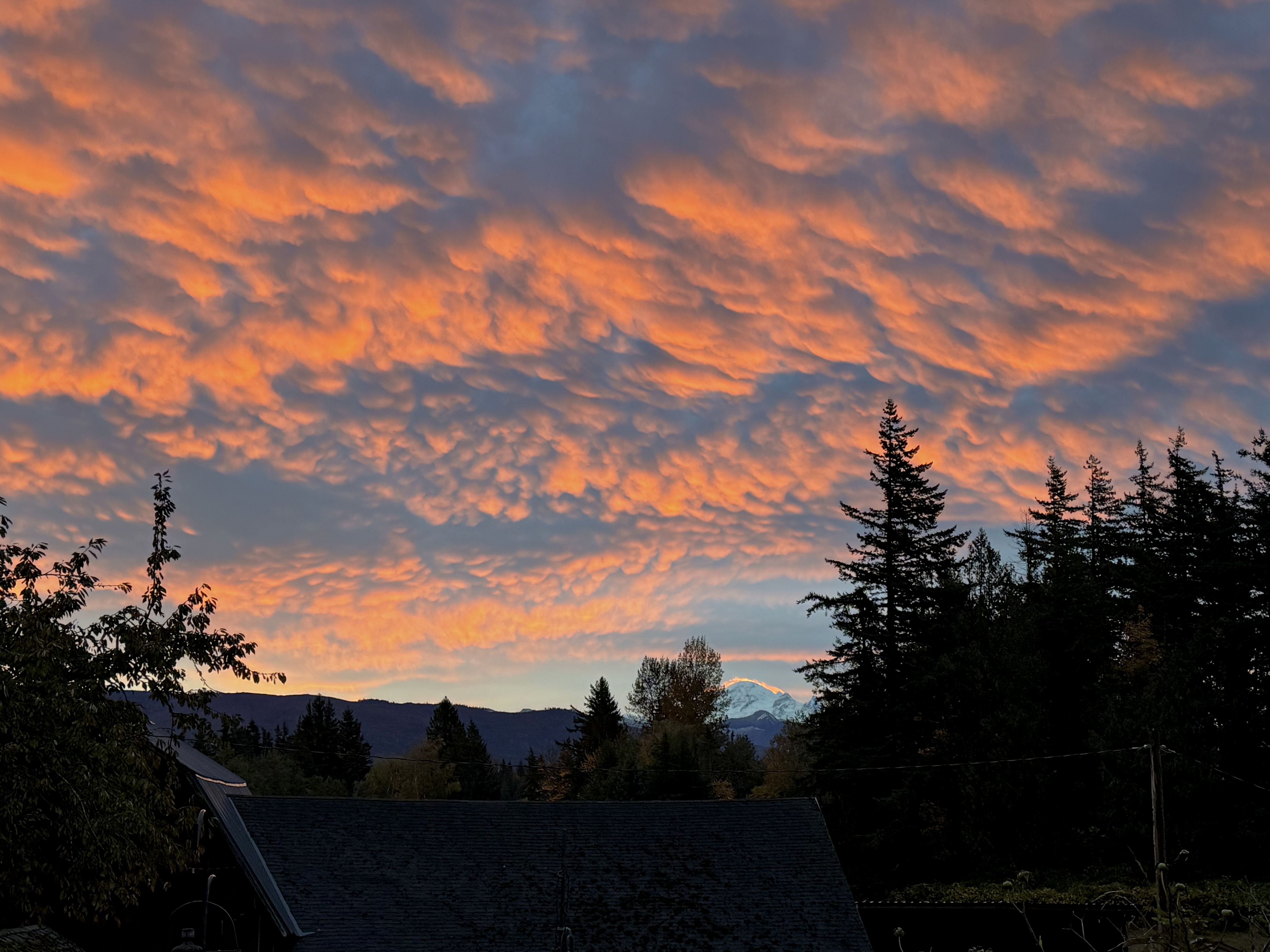
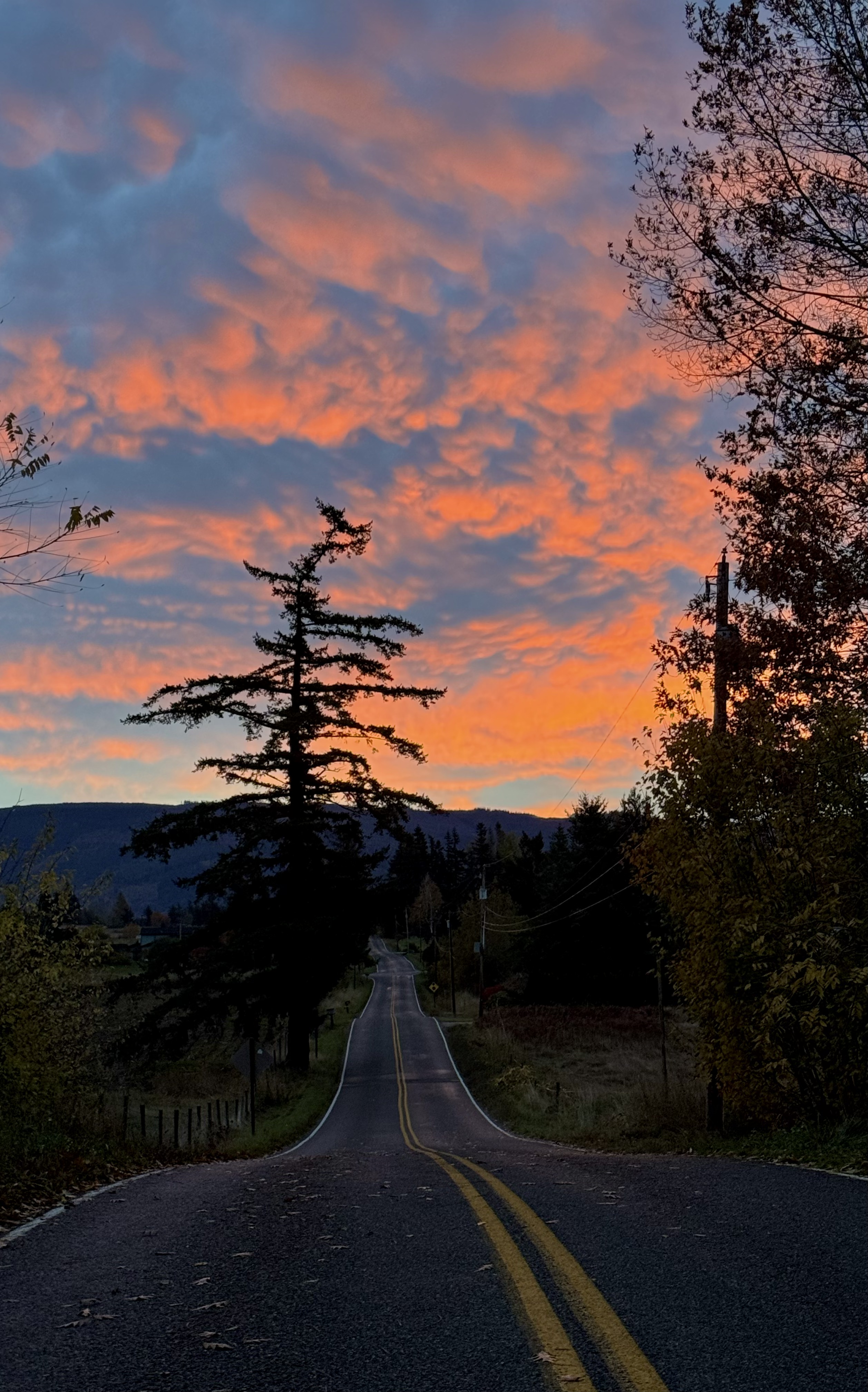
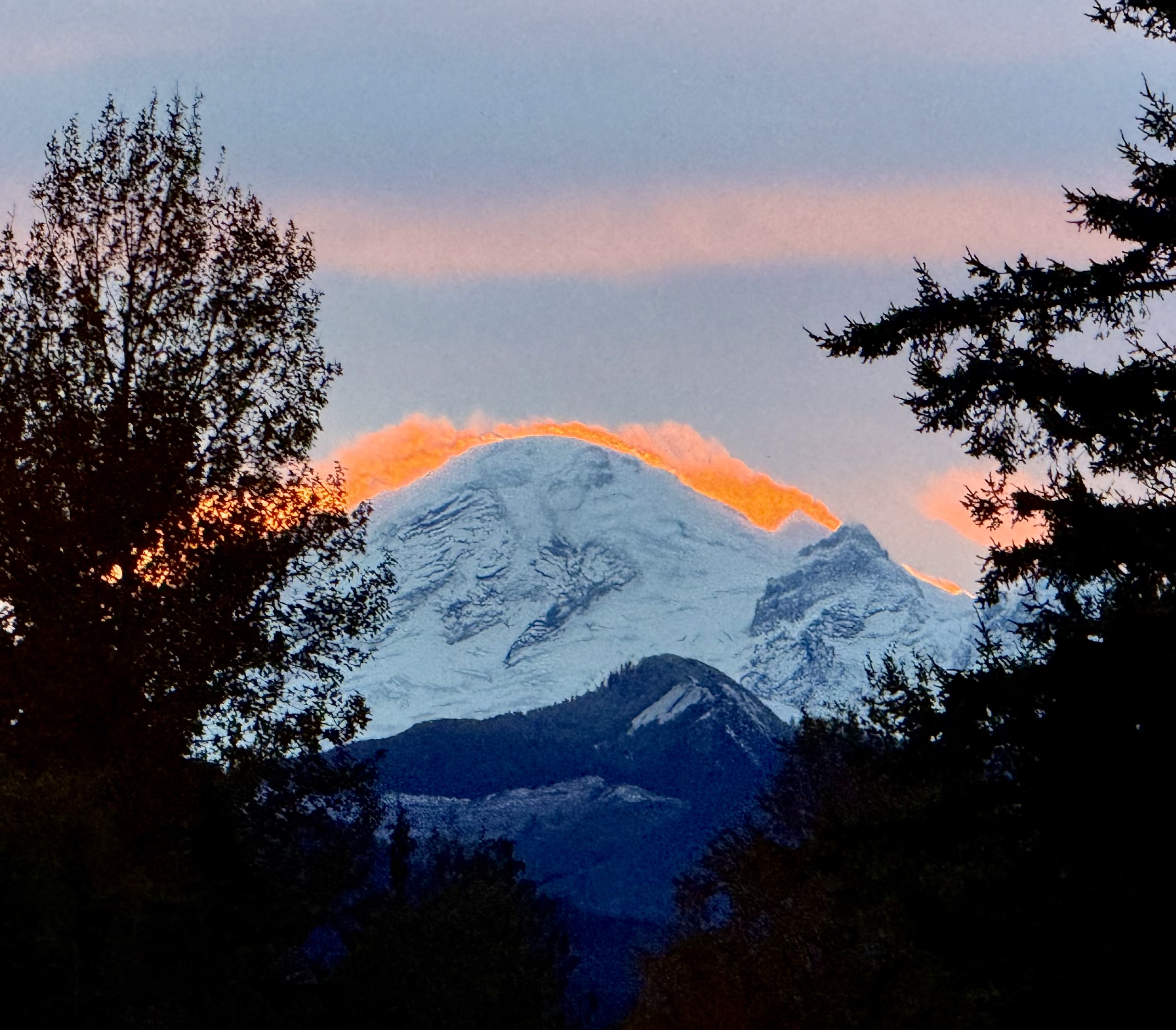
This morning, the rain suspended, its gray curtain pulled back briefly to view what awaits beyond the haze: this luminous brilliance, radiance, promise.
Slow down to look. Slow down to live. Slow.
One-Time
Monthly
Yearly
Make a one-time or recurring donation to support daily Barnstorming posts
Two old dogs out doing chores. One on two legs, one on four. Side by side, they water and feed. Caring for others daily need.
Two old dogs make their rounds Well worn paths on familiar ground. To greet the day or say goodnight Side by side, their friendship tight.
Two old dogs with dish and pail. Singing songs and wagging tail. Slower now, than in the past But that just makes the good time last.
Two old dogs, both muzzles grey. Aging joints sometimes curb play. Companionship a simple joy. His old dad; Dad’s old boy.
Two old dogs, and then one day One old dog has gone away. The other left to carry on Two legs to barn and field and pond.
One old dog, eyes full of tears Can still feel his old friend walking near A reminder in the morning dew. Just one path, instead of two.
When one old dog has no more chores And walks through heaven’s golden doors He’ll see that face he can’t forget. A kindred spirit, not just a pet.
So many old dogs, made whole; anew Reunion of a loyal crew. Never again to be apart. Many souls. But just one heart. ~Jeff Pillars “Two Old Dogs”
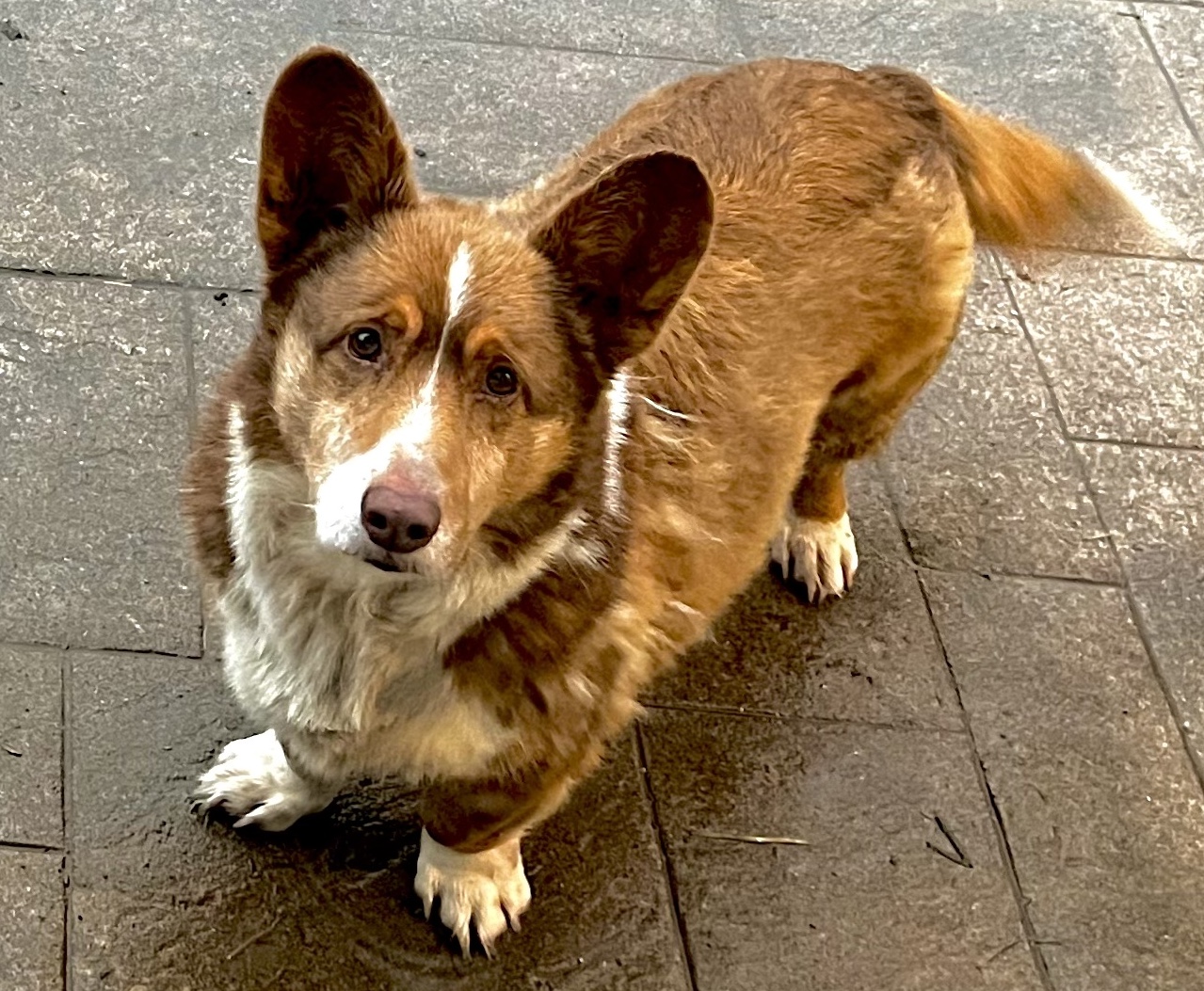
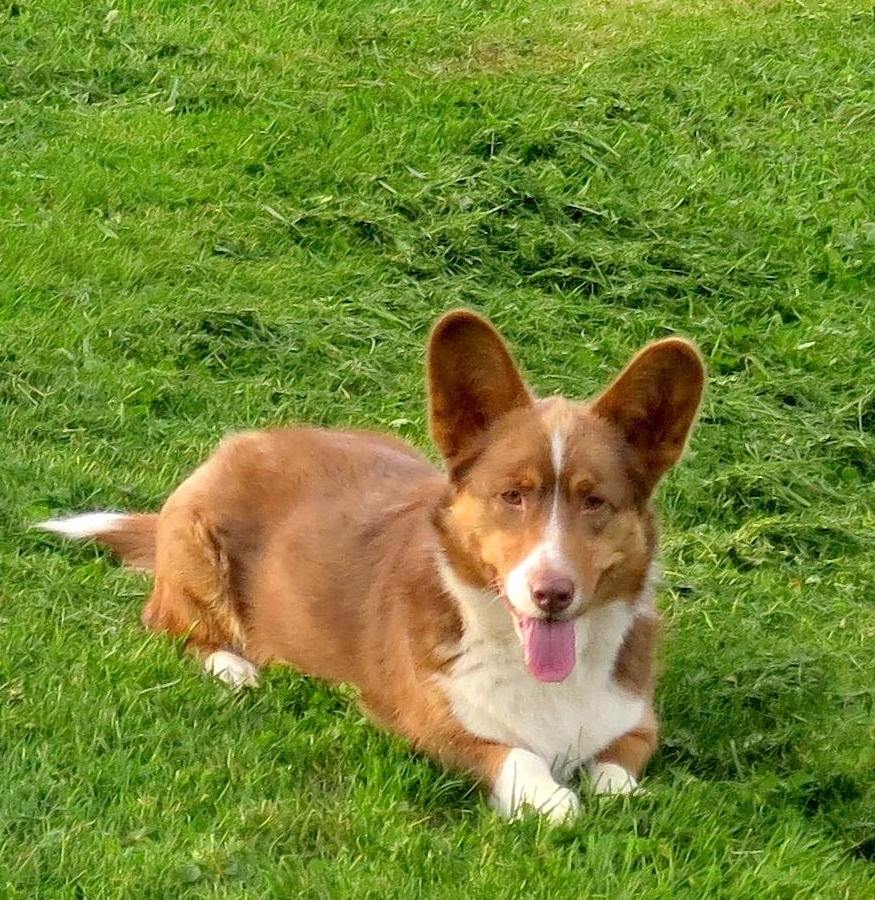
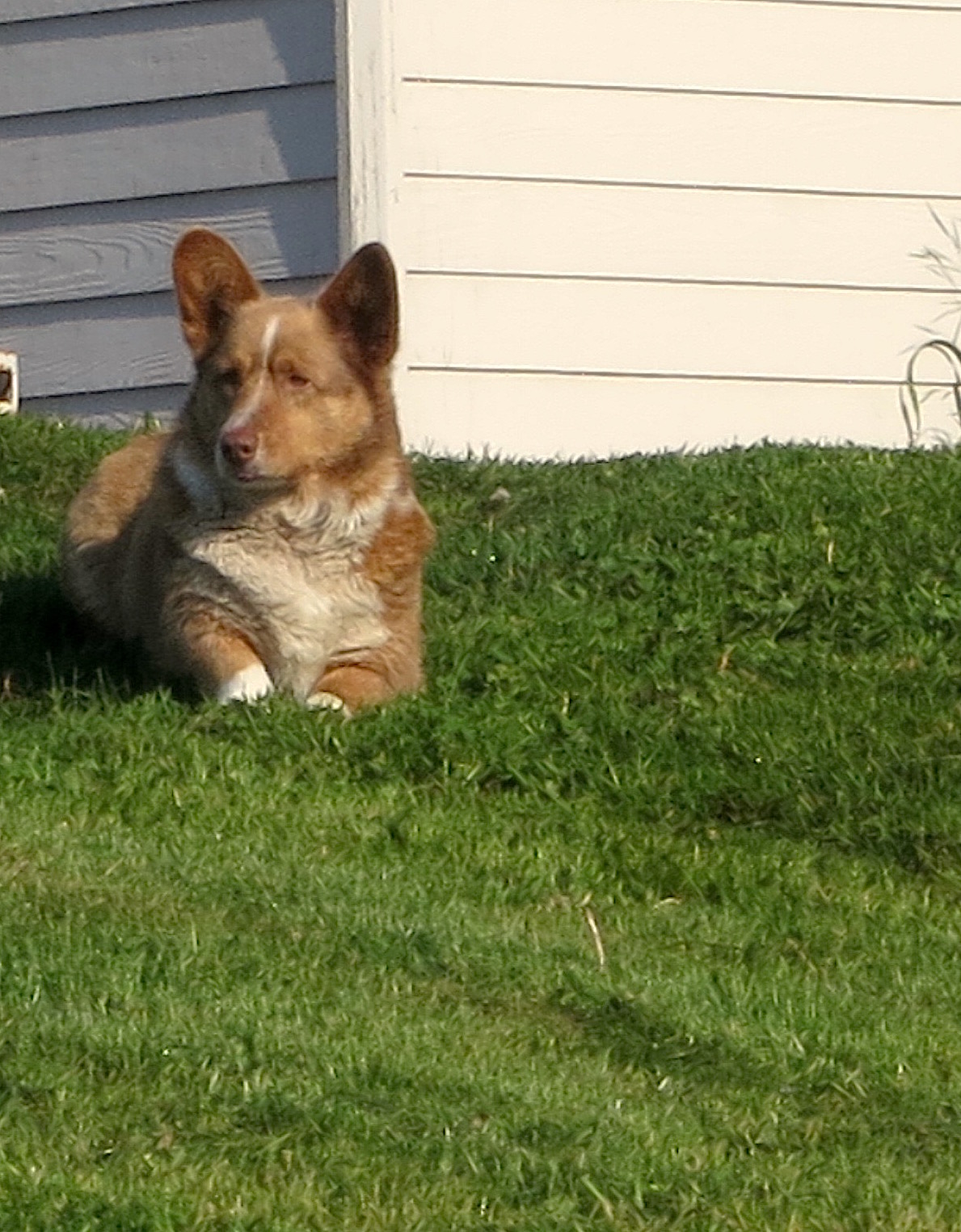
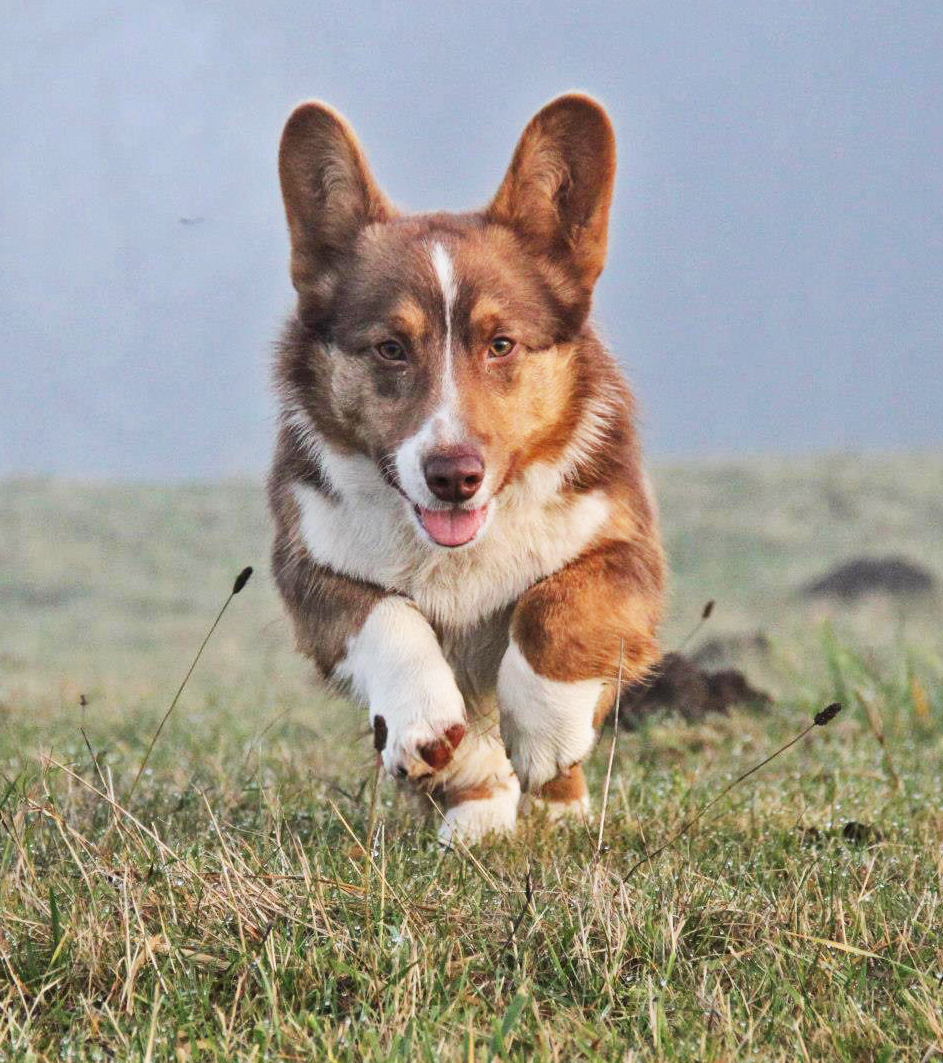
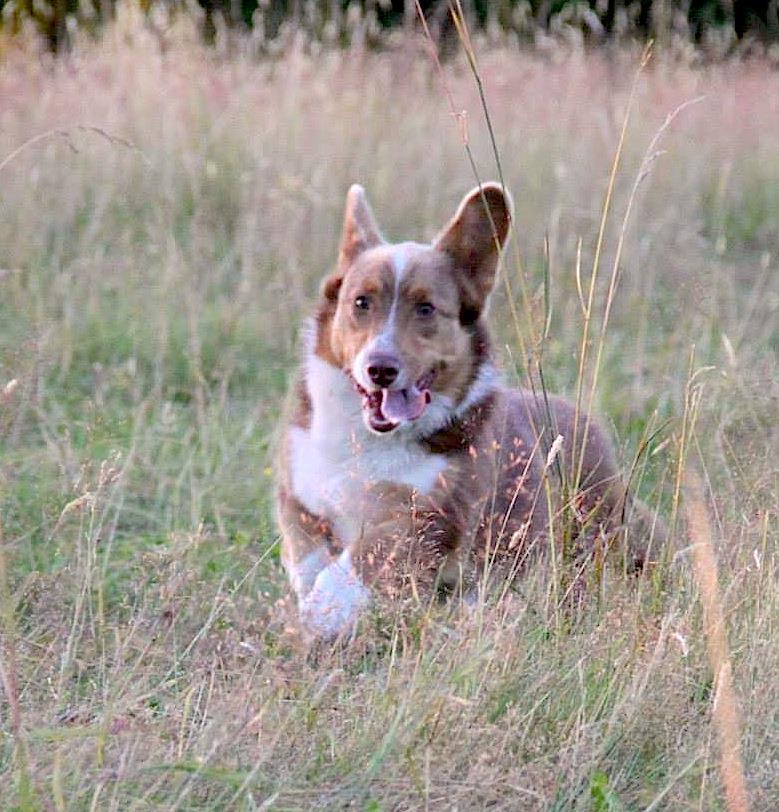
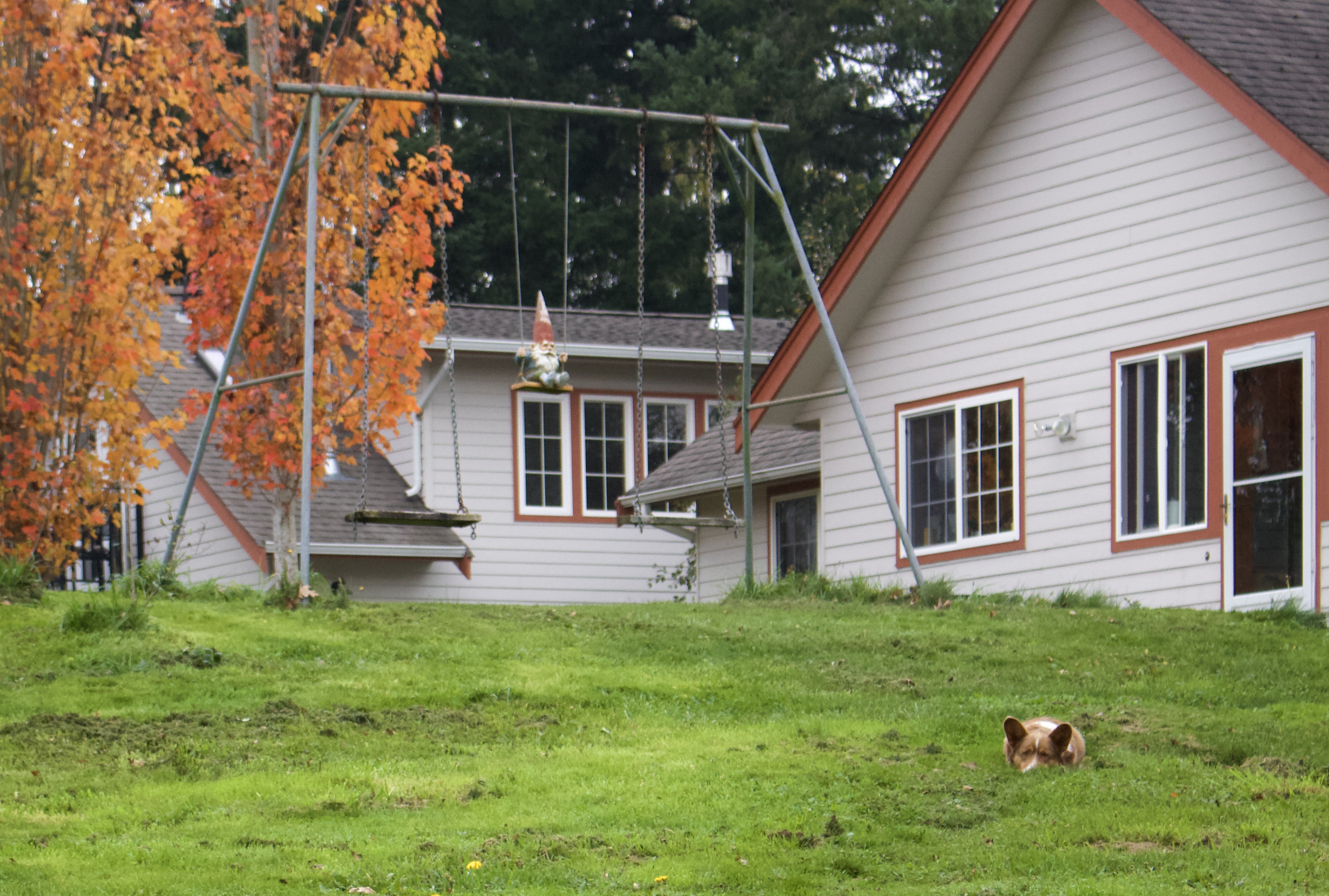
I knew this day was coming. Samwise Gamgee, approaching age 14, had been hinting that he was getting ready to leave for the past couple weeks. He was much slower following me for chores, his appetite wasn’t quite as robust as usual, and his hearing was fading.
Life had become an effort when it had been a lark for 13+ years.
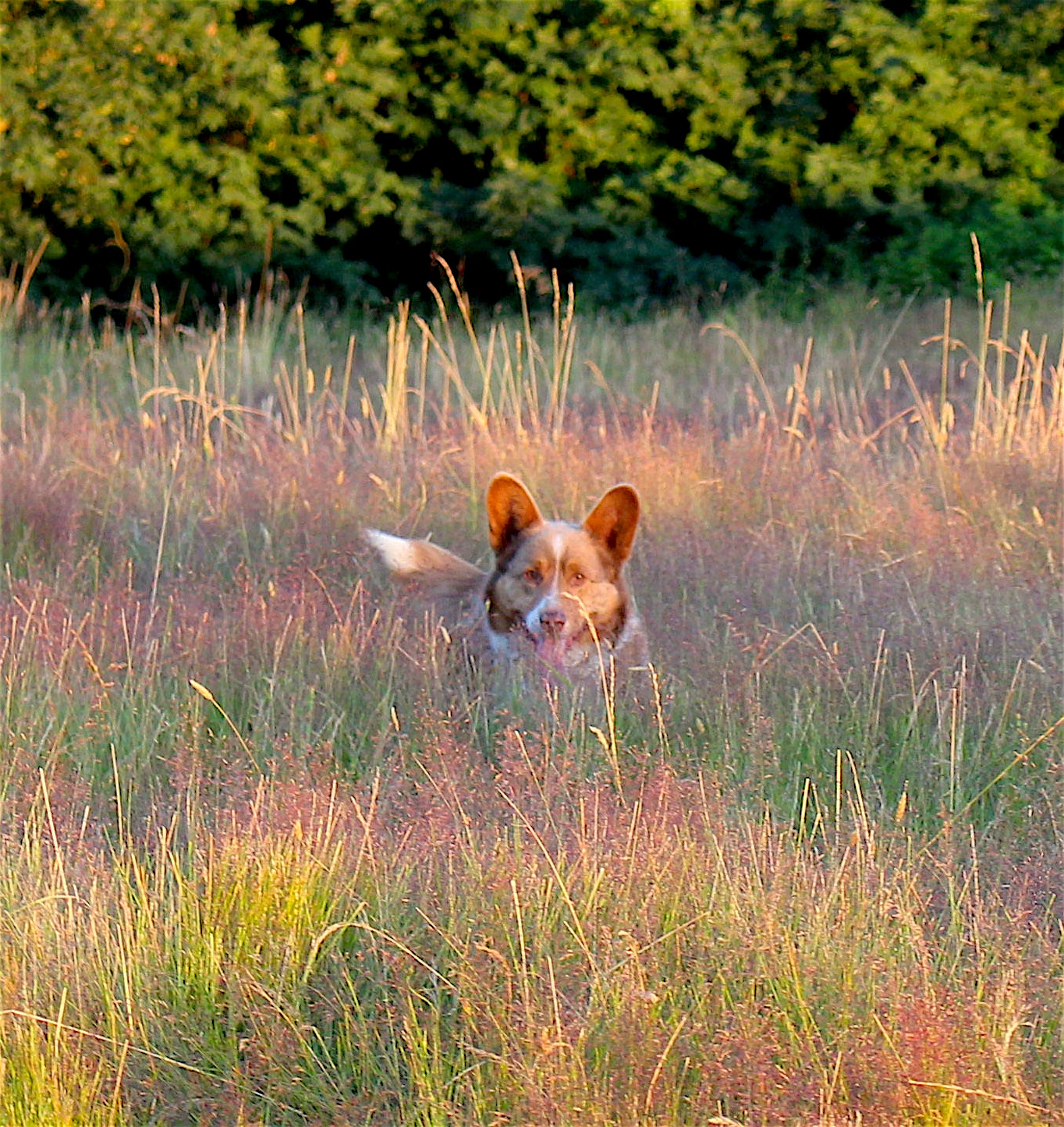
But yesterday morning, he perked up enough to do his usual rounds on the farm, poke around the stalls in the barn, check the cat dishes for morsels, and bark when a strange car drove in the driveway. Then last night he ignored his supper, laid down and closed his eyes, having used up all his reserves.
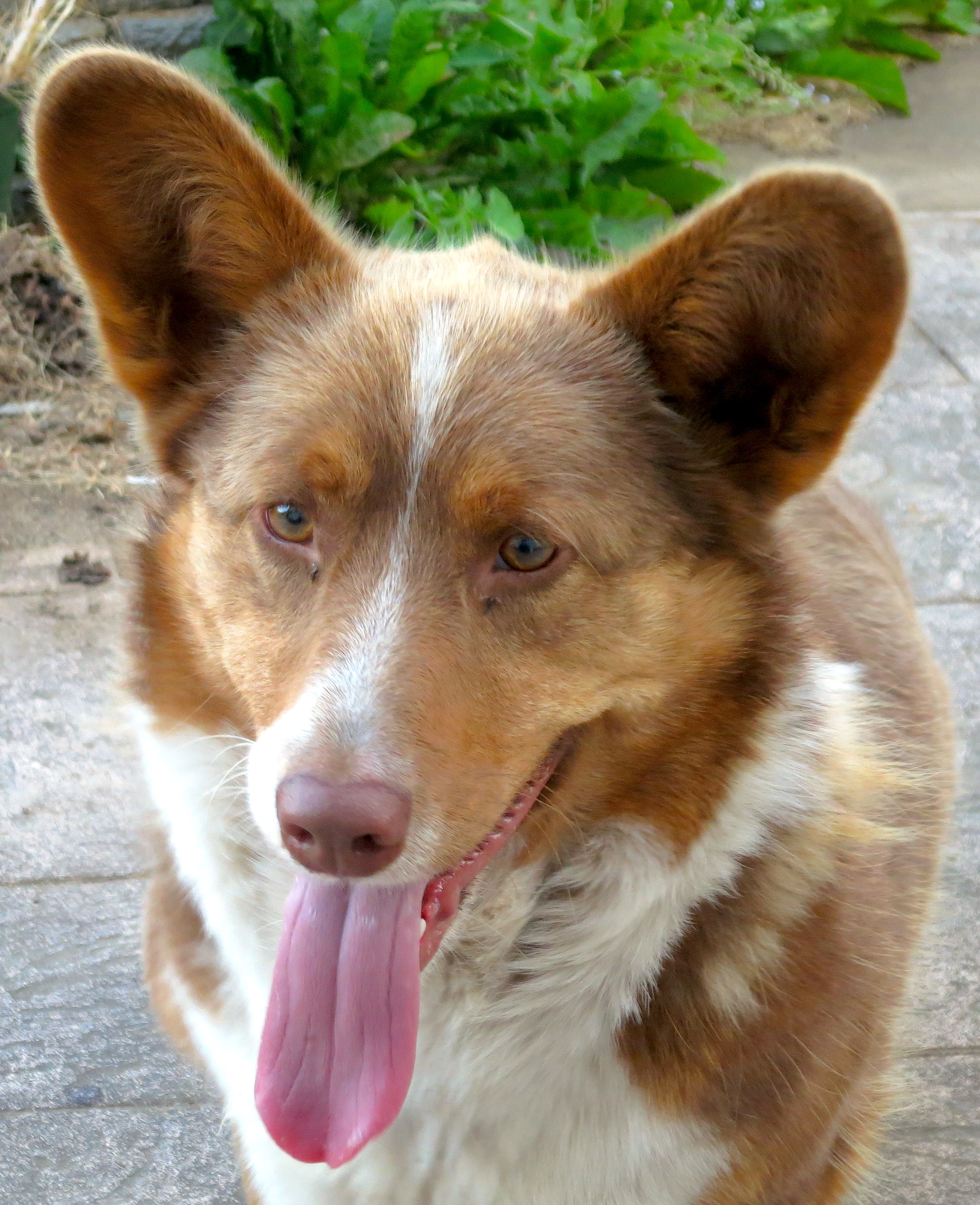
This morning, he was gone, leaving only a furry shell with big ears behind.
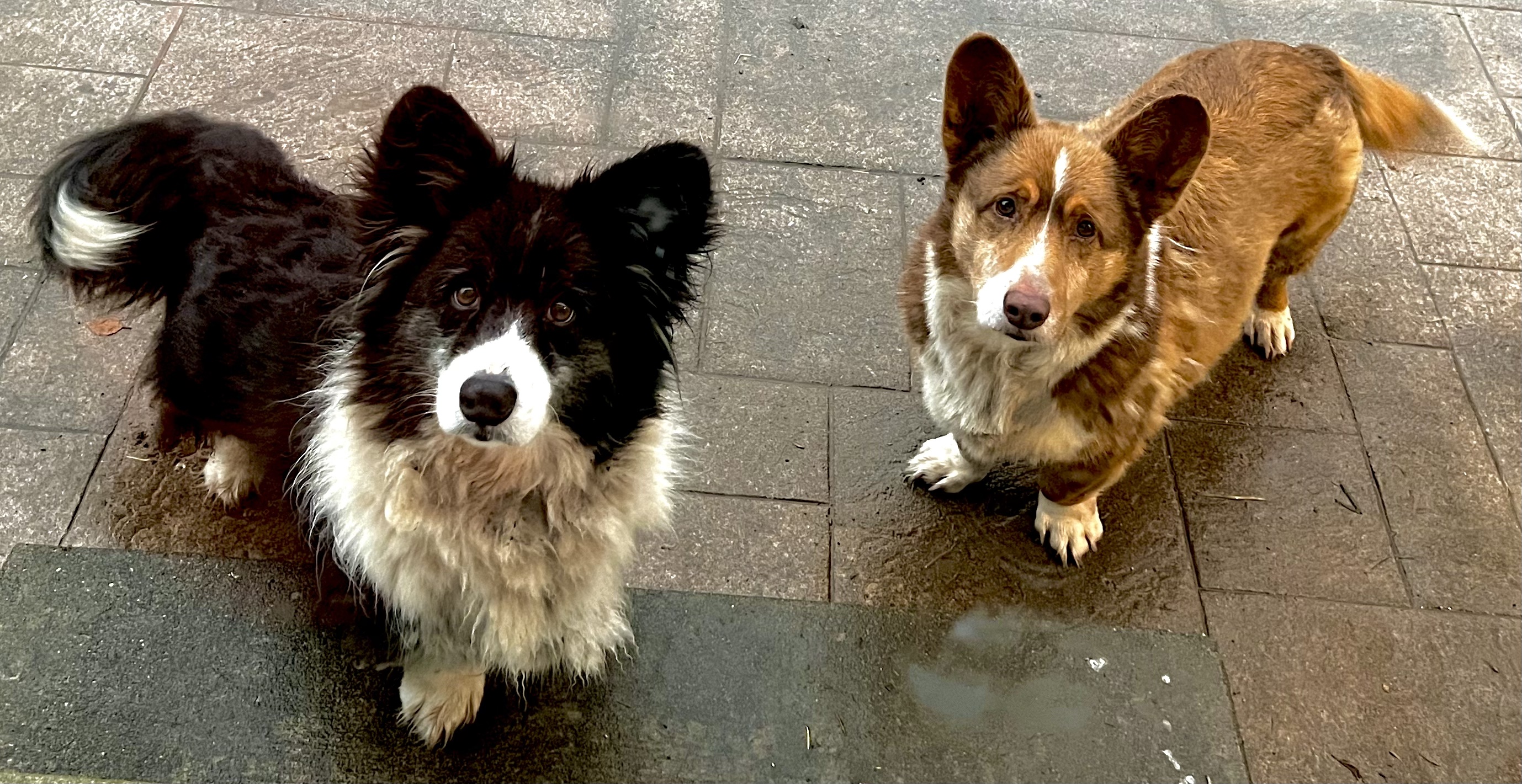
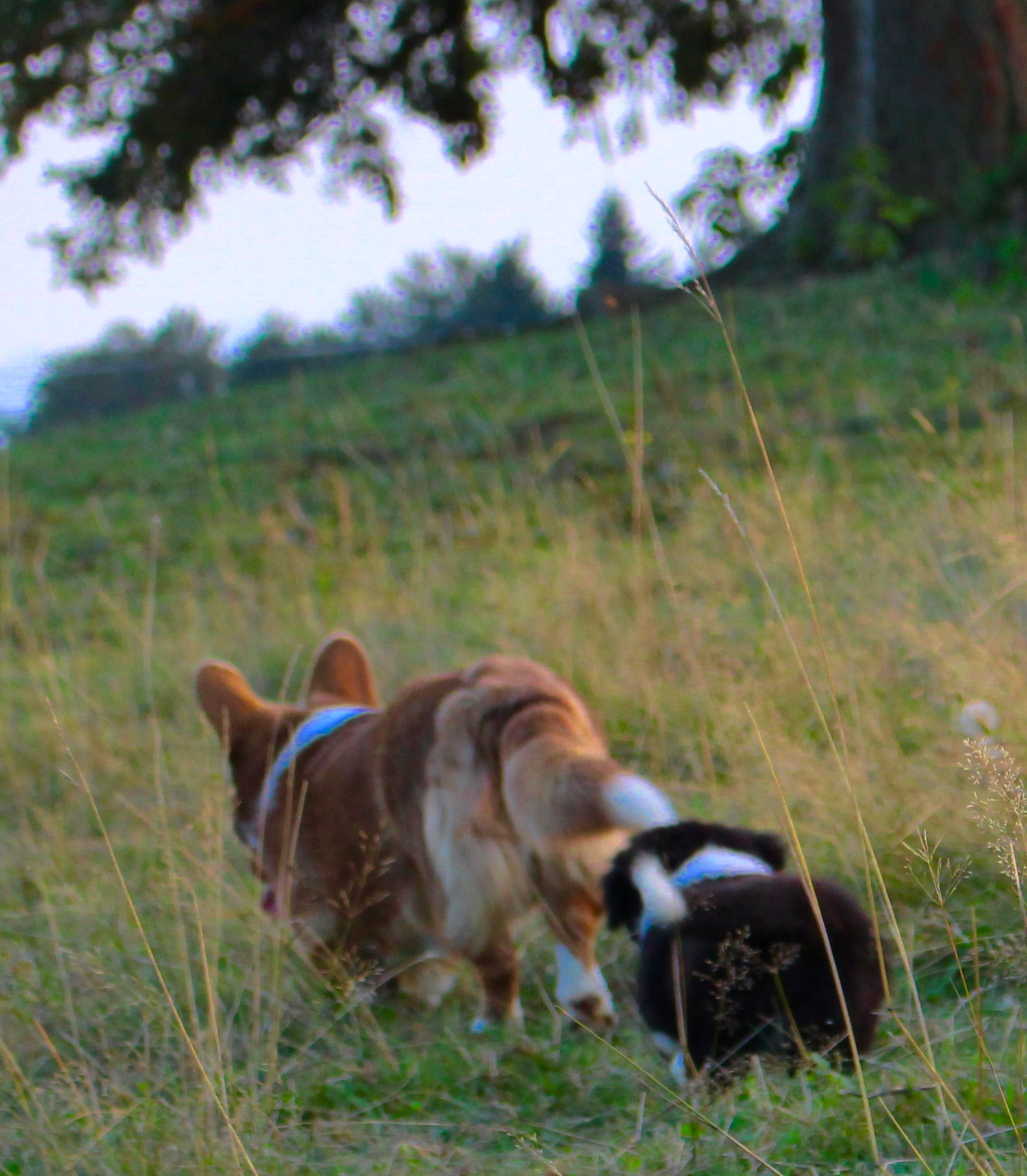
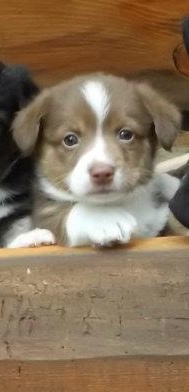
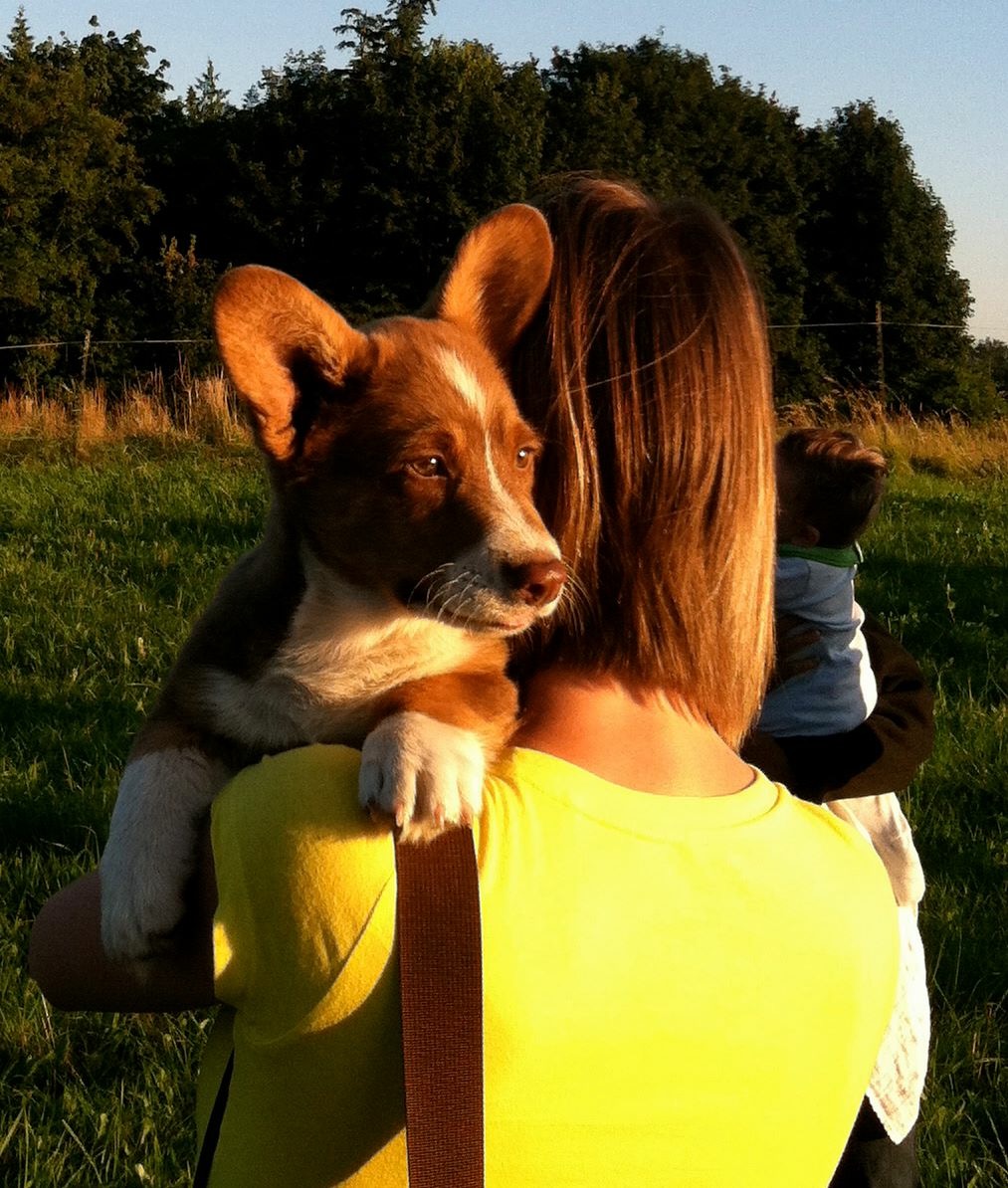
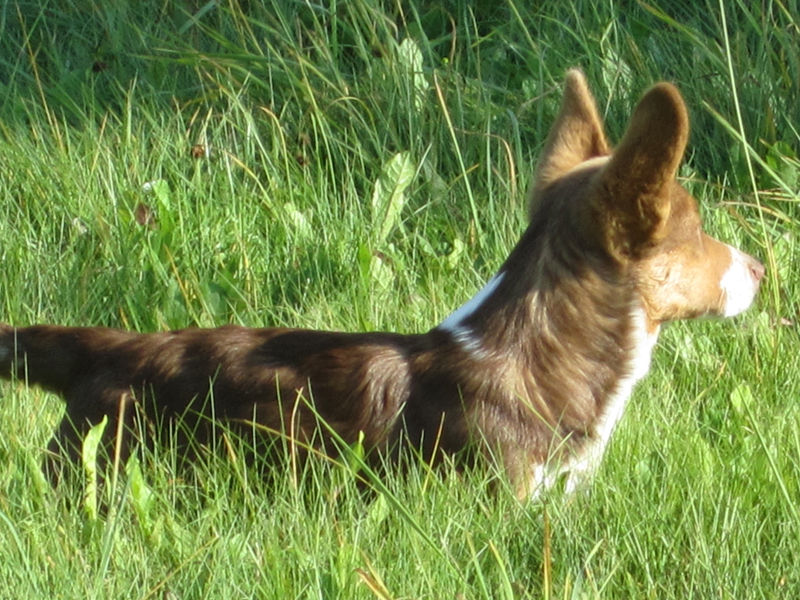
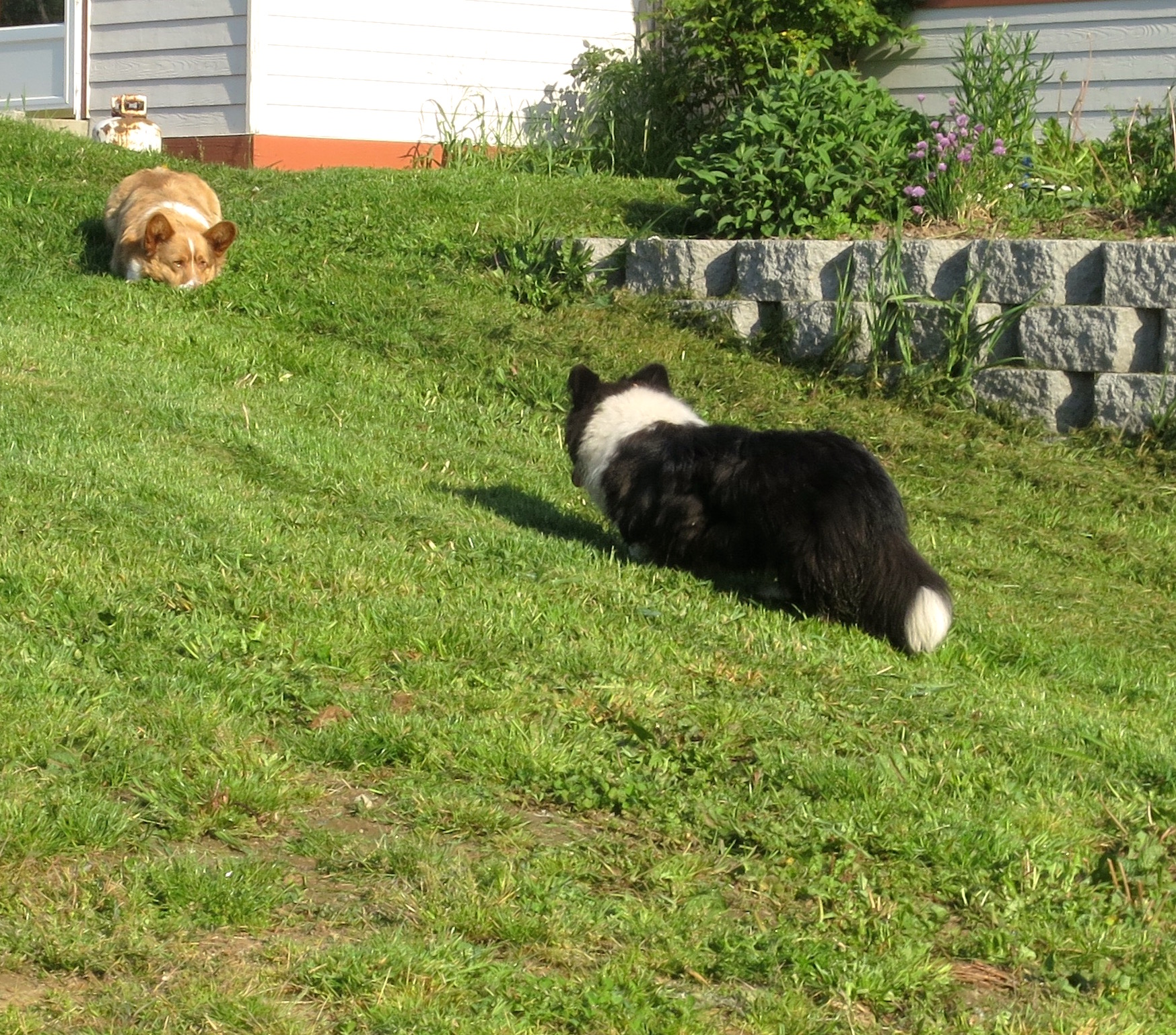
He had joined us on the farm as company for our aged Cardigan Corgi Dylan Thomas, who died two years after Samwise arrived. Then Sam himself needed company, so another Cardigan corgi, Homer, arrived. They became a happy Corgi team on the farm.
Sam had a great dog life, with the exception of getting lost once and one overnight visit to the emergency vet hospital for treatment from poisoning from ivermectin, the horse worming medicine he somehow managed to lap up quickly off the barn floor when a horse dripped the paste from her mouth. After that he promised to never need a vet again.
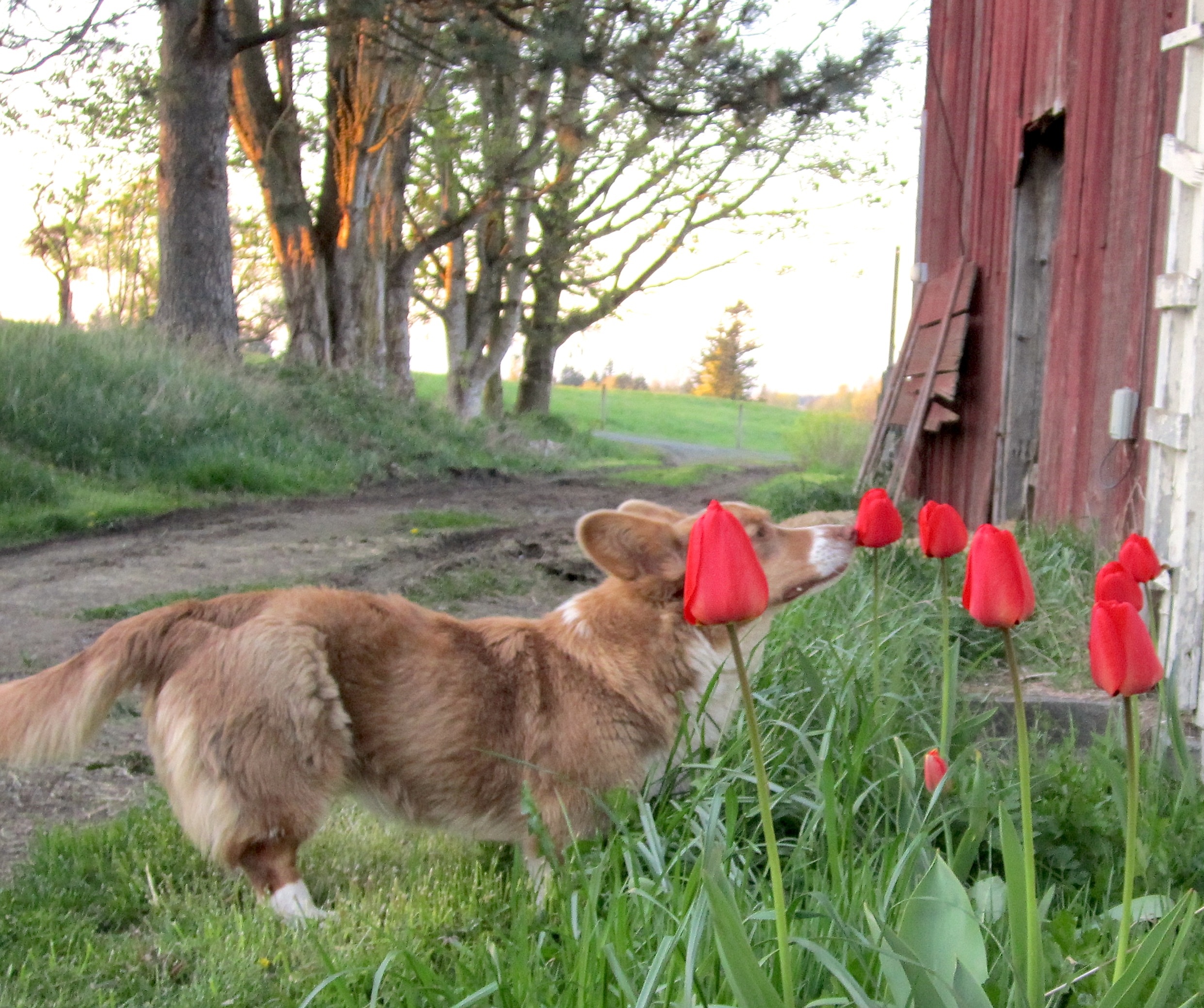
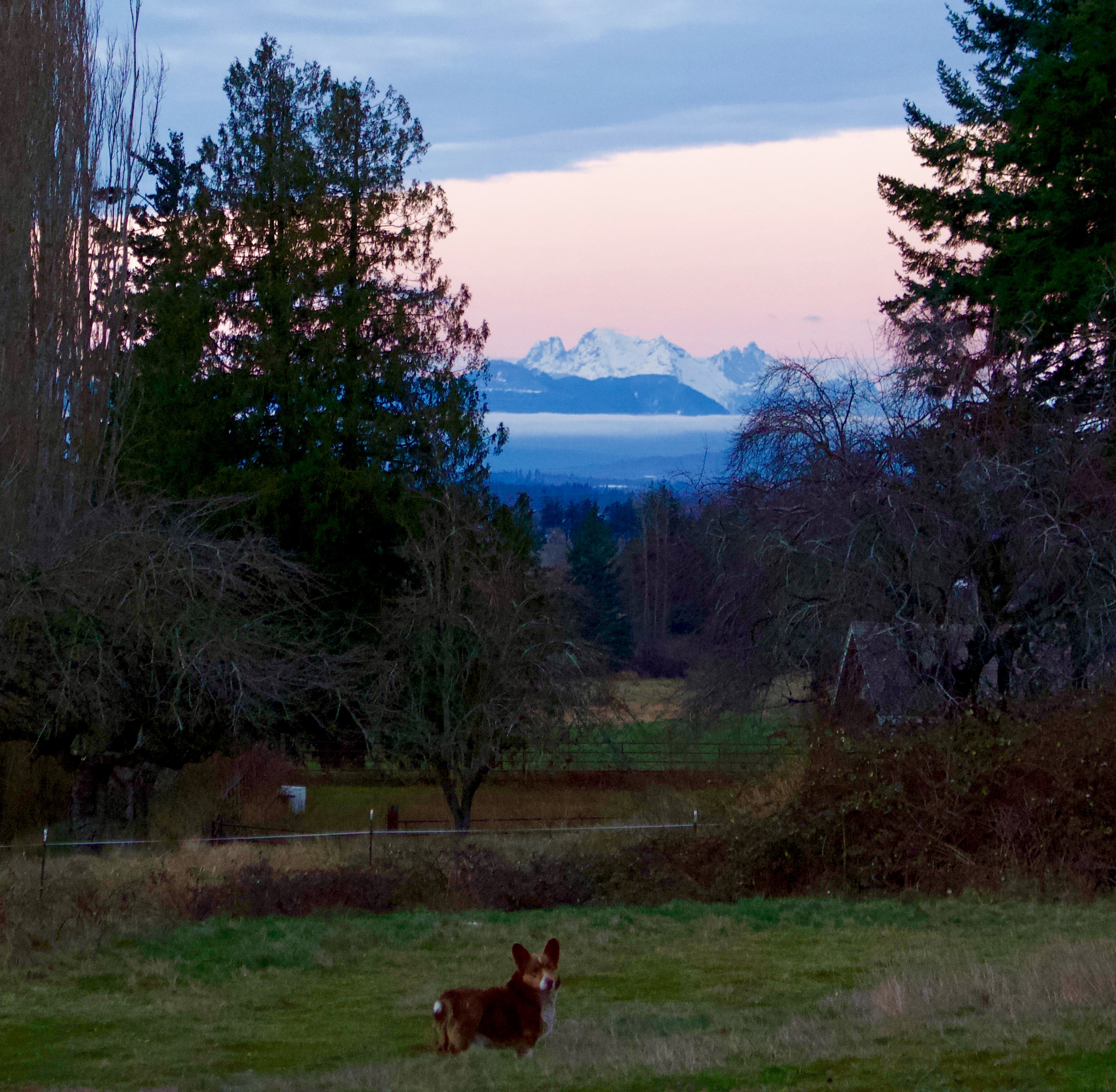
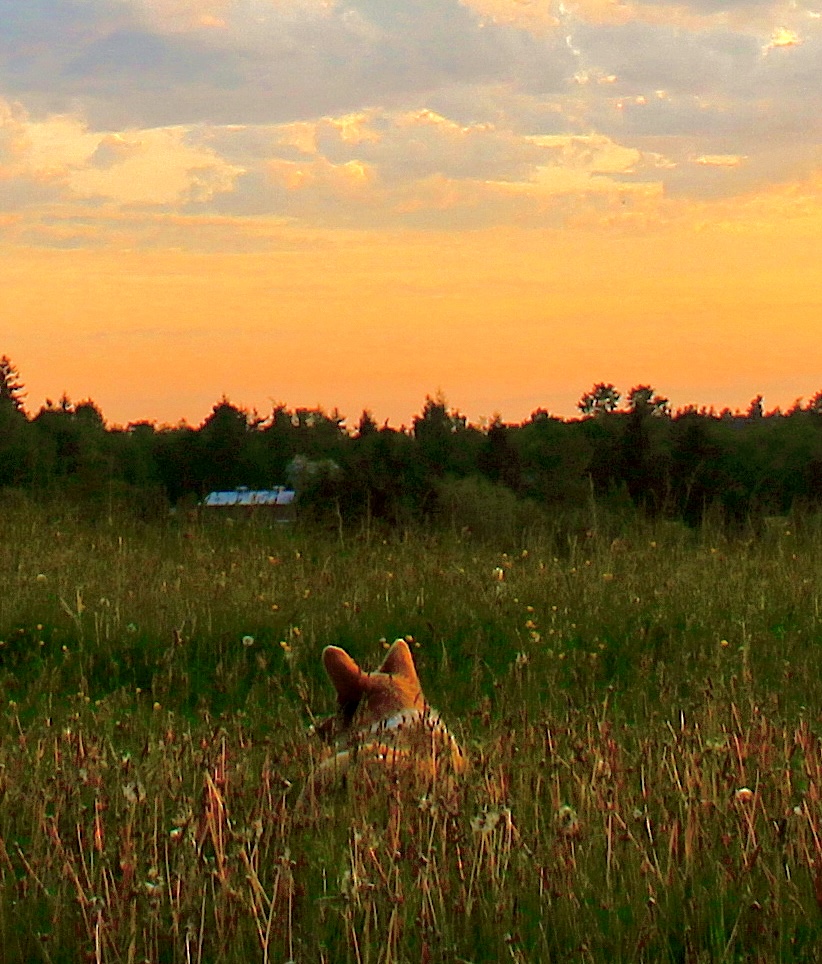
His peaceful passing is a reminder of our temporary stay on his soil. He’s smelling the flowers and watching the sunrises and sunsets from the other side now.
I honor Samwise’s long life with the photos I have compiled over the years.
Till we meet again, old friend.
photo by Nate Gibson
One-Time
Monthly
Yearly
Make a one-time or recurring donation to support daily Barnstorming posts
























 Barnstorming