Spreading Infection

Good things as well as bad, you know, are caught by a kind of infection.

If you want to get warm you must stand near the fire:
if you want to be wet you must get into the water.
If you want joy, power, peace, eternal life,
you must get close to, or even into, the thing that has them. 

They are not a sort of prize which God could,
if He chose, just hand out to anyone.
They are a great fountain of energy and beauty

spurting up at the very centre of reality.
If you are close to it, the spray will wet you:

if you are not, you will remain dry.

Once a man is united to God, how could he not live forever?
Once a man is separated from God, what can he do but wither and die?

~C.S. Lewis- Mere Christianity
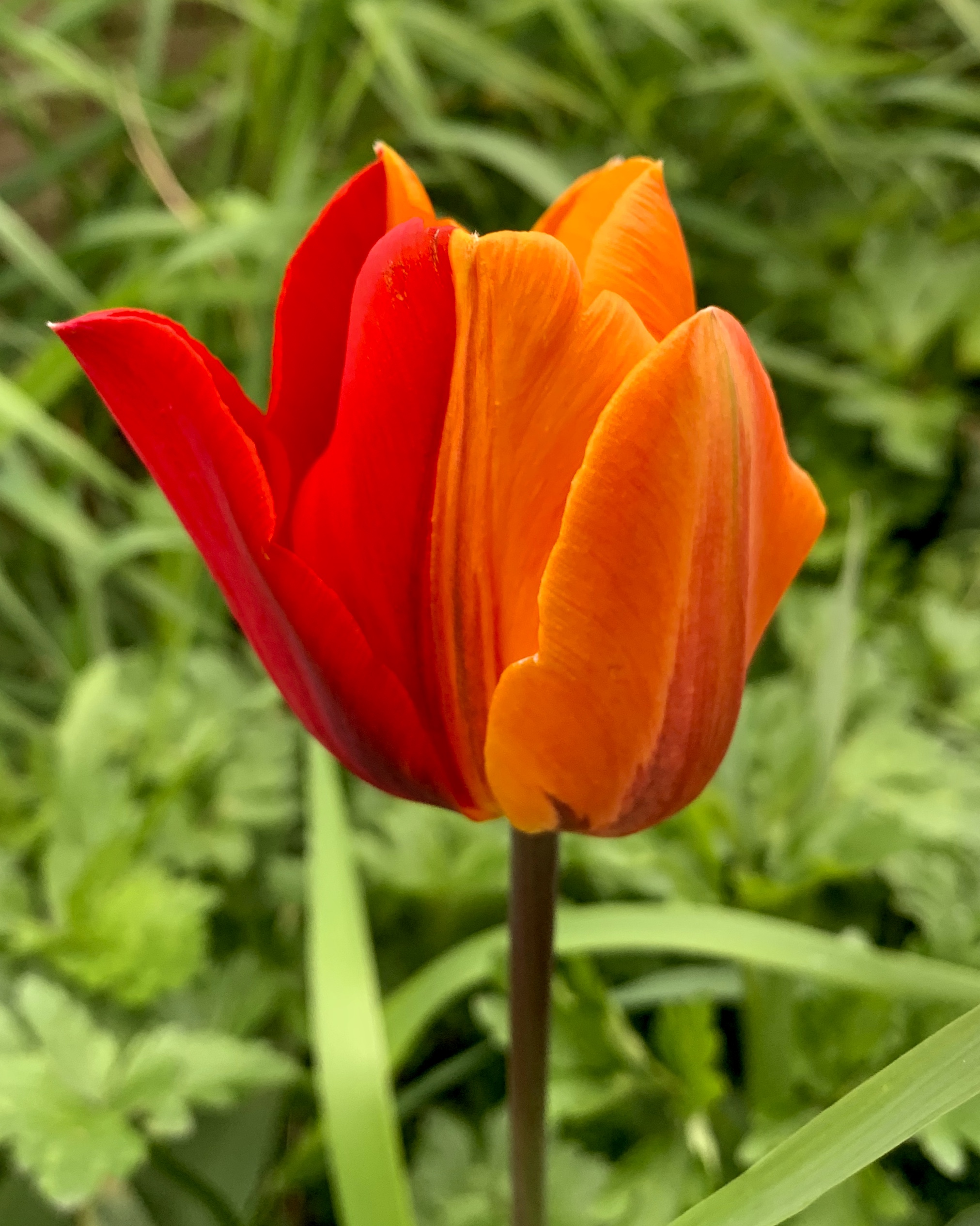
As society becomes more divided about how to manage continued COVID pandemic spread with new long-term medical complications among young and old — I wonder what is it that is truly infecting us aside from a tiny packet of RNA?

We are willing to believe almost anything without verification if it suits our previously held viewpoints; we can’t discern truth from fiction if it appears in a youtube video or a clickable headline.

The forces of evil are using a virus to divide and conquer good and well- meaning people who become infected without realizing it, spreading a contagion of suspicion, distrust and conspiracy theories.

Out of caution, as I’ve done for forty years inside the walls of my clinic, I now glove and mask outside the clinic to prevent me from inadvertently infecting others. Just as it has been during my whole professional career, taking those precautions doesn’t infringe on my rights nor does it harm me. It simply shows my careful consideration for others around me. Yet, more than ever, I am unwillingly exposed to the sad reality of this fallen fragile world through the angry words and deeds of others.

Instead, I want to be infected and contagious with the reality of God. I seek out the life-saving vaccination of God’s Word: eternal, unchanging and 100% effective.

If I’m to be contagious to others, let it be because I’m overwhelmed with the Spirit, not dangling helplessly by a mere thread in a pandemic spread of suspicion and distrust.
This Tranquil Dust

I like to live in the sound of water,
in the feel of mountain air. A sharp
reminder hits me: this world still is alive;
it stretches out there shivering toward its own
creation, and I’m part of it. Even my breathing
enters into the elaborate give-and-take,
this bowing to sun and moon, day or night,
winter, summer, storm, still—this tranquil
chaos that seems to be going somewhere.
This wilderness with a great peacefulness in it.
This motionless turmoil, this everything dance.

~William Stafford, “Time for Serenity, Anyone?” from Even in Quiet Places

We are, as breathed on dust, called into the service and company of another, called to do work other than our own. This creature, formed of dust, is entrusted with the garden, with all the animals, and with all living things. Our creatureliness binds us to the role of steward, friend, and companion of all other creatures who share our fragility.
~Walter Brueggemann from “Remember You Are Dust”

As a physician, I am reminded daily of the fragility of our bodies and minds, this breathed-on dust of us, especially now as a mere novel virus has immobilizes the world’s population.

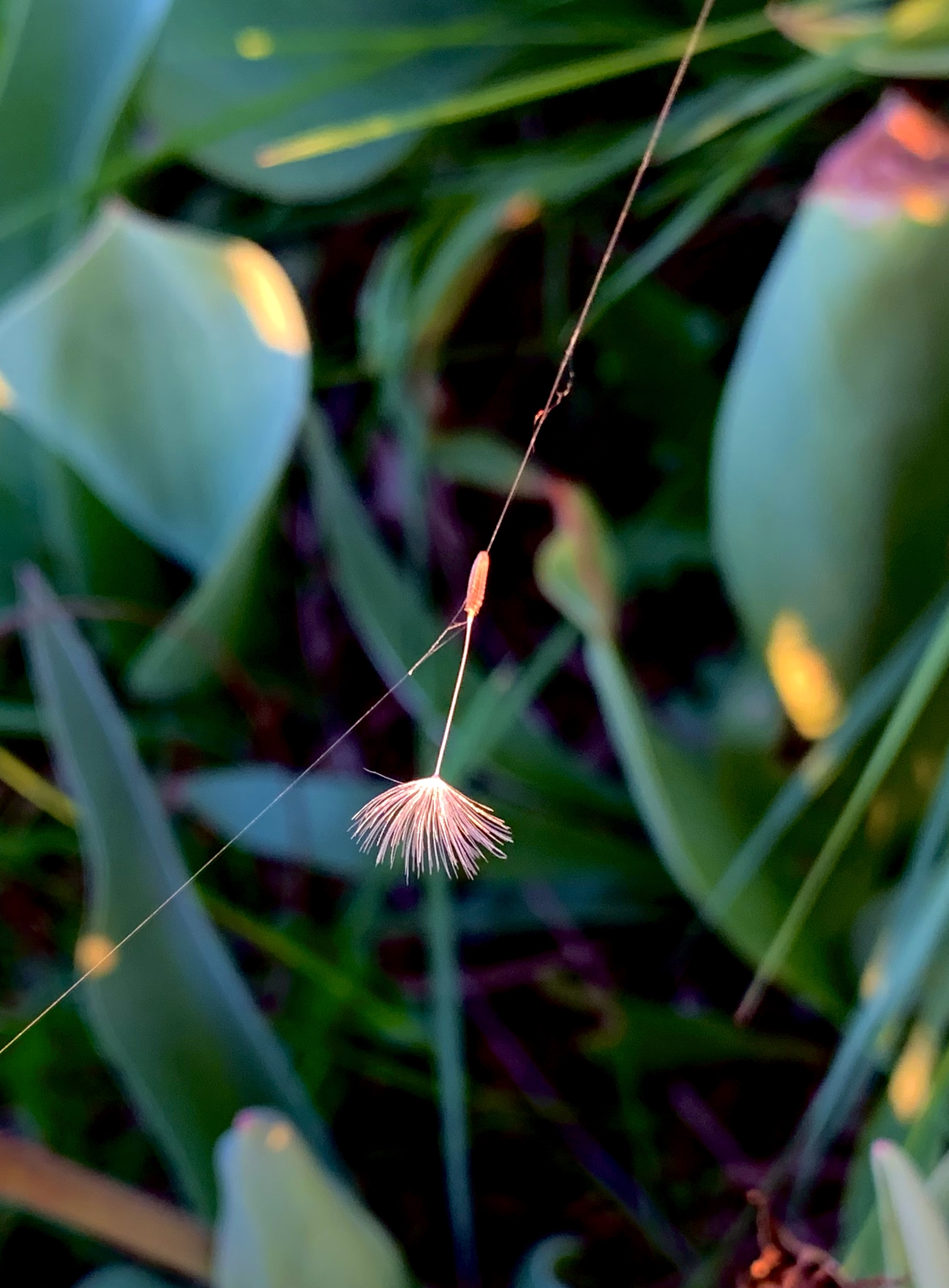
As a farmer, I dwell compatibly with the dust I’m entrusted to steward.  I carry it around under my fingernails, on my boots, my skin smudged in unexpected ways and places as I go about my chores and tasks.  The dust of the barnyard wilderness clings to me, not wanting to let go of one of its own as I return indoors.  Sunbeams in our house swirl with released dust motes given new life through solar energy, each mote a source of fragile strength, tranquil beauty, complex simplicity.  Such joyful dust dance makes me reluctant to get out the dust rags and cleaning solutions.

As a child of the Creator, I am well aware of the cleansing needed in this grimy, desperately soiled world.  The dustiest parts of me lie far deeper than my shedding skin — the breathed-on dust that innervates, circulates and motivates me.

God sent His Son to be the dust rag I sorely need;  I cling to Him as He comes to clean house.

Little Bowls of Color

…I will continue to set before you little bowls of colors
bright and pure if possible,
for what is needed in misfortune is a little order and beauty.
~Czeslaw Milosz from “My Faithful Mother Tongue”

We do not want merely to see beauty…
we want something else which can hardly be put into words-
to be united with the beauty we see,
to pass into it,
to receive it into ourselves,
to bathe in it,
to become part of it.

~C.S. Lewis from The Weight of Glory

Each day brings new social media headlines that tear away at each of us, pulling us away one from another amid differing opinions, resulting in everyone getting down and dirty in the mud of disgreement. 

We become grimy in our frustration and anger with one another, sullied and smeared.

Yet in our state of disgrace, Beauty is offered up to us.

In His last act with those He loved,
Jesus shared Himself through a communal meal,
then washed and toweled their dirty feet clean, immersing them, despite their protests,  in all that is beautiful and clean.
He took on and wore another’s grime and disgrace.

It is now our turn to dip into those bowls of beauty and color,
to wash away the dirt from whomever is in need. 
He showed us how. We know how.
It’s time we do what He taught us.

I don’t wanna hear anymore, teach me to listen
I don’t wanna see anymore, give me a vision
That you could move this heart, to be set apart
I don’t need to recognize, the man in the mirror
And I don’t wanna trade Your plan, for something familiar
I can’t waste a day, I can’t stay the same

I wanna be different
I wanna be changed
‘Til all of me is gone
And all that remains
Is a fire so bright
The whole world can see
That there’s something different
So come and be different
In me

And I don’t wanna spend my life, stuck in a pattern
And I don’t wanna gain this world but lose what matters
And so I’m giving up, everything becauseI wanna be different
I wanna be changed
‘Til all of me is gone
And all that remains
Is a fire so bright
The whole world can see
That there’s something different
So come and be different; oh-oh I know, that I am far, from perfect
But through You, the cross still says, I’m worth it
So take this beating in my heart and
Come and finish what You started
When they see me, let them see You
‘Cause I just wanna be different, ye-ey

I wanna be different
I wanna be changed
‘Til all of me is gone
And all that remains
Oh is a fire so bright
The whole world can see
That there’s something different
So come and be different
I just wanna be different
So could You be different
In me

Songwriters: Micah Tyler Begnaud / Kyle Lee

The Soul Confined

 
It’s frail, this spring snow, it’s pot cheese
packing down underfoot. It flies out of the trees
at sunrise like a flock of migrant birds.
It slips in clumps off the barn roof,
wingless angels dropped by parachute.
Inside, I hear the horses knocking
aimlessly in their warm brown lockup,
testing the four known sides of the box
as the soul must, confined under the breastbone.
Horses blowing their noses, coming awake,
shaking the sawdust bedding out of their coats.
They do not know what has fallen
out of the sky, colder than apple bloom,
since last night’s hay and oats.
They do not know how satisfactory
they look, set loose in the April sun,
nor what handsprings are turned under
my ribs with winter gone.
~Maxine Kumin “Late Snow” from Selected Poems: 1960 – 1990

photo of spring snow by Paul Dorpat

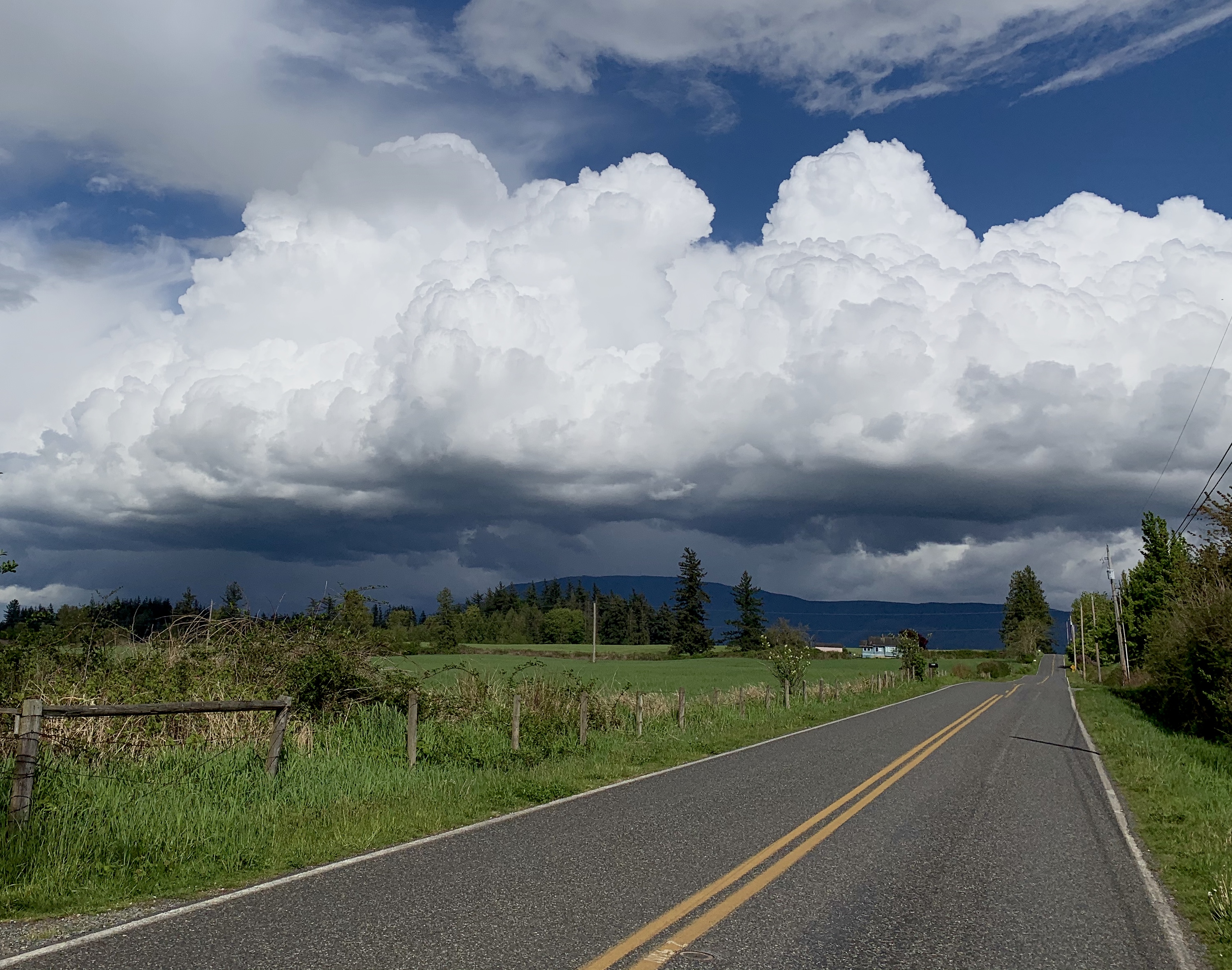
This past weekend we had it all: sun, rain, windstorm, hail, and some local areas even reported a late April snowfall. It is disorienting to have one foot still in winter and the other firmly on grass growing out of control and needs mowing.

It is also confusing to look at pandemic data and hear varying experts’ interpretations about what is happening, what they predict and what strategies are recommended.

It may be time to loosen the tight grip on social distancing yet many are reticent to emerge from the safety of their confinement, for good reason.

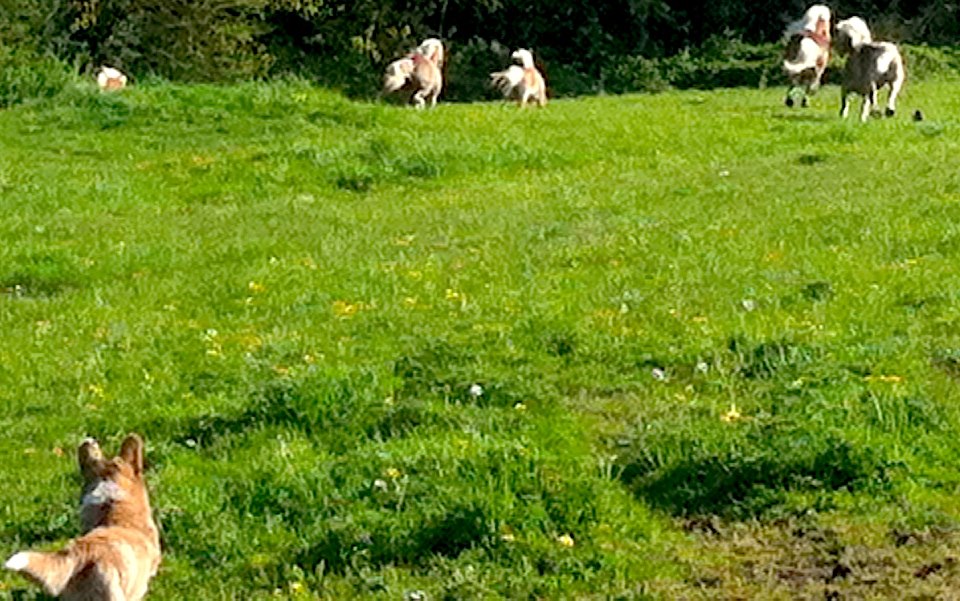
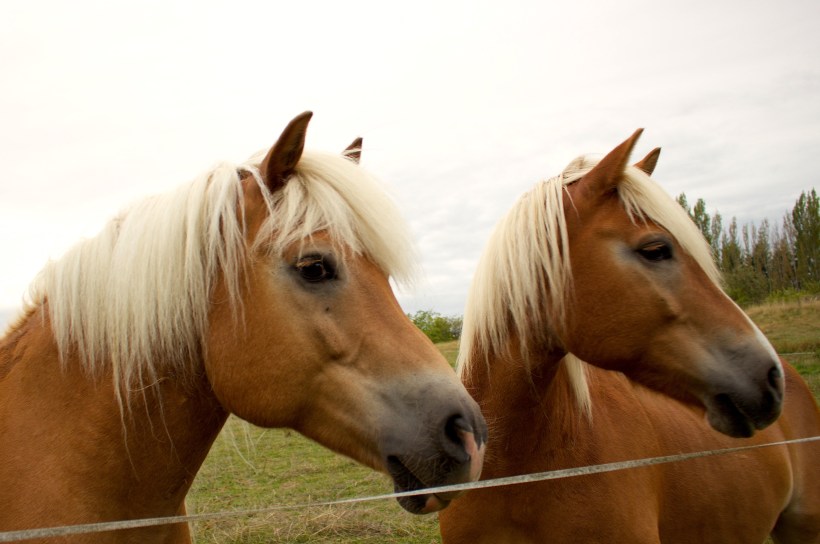
Just last week, we released the Haflingers from their winter lock-in back onto the fields – their winter-creaky barn-confined joints stretched as they joyfully ran the perimeter of the fields before settling their noses into fresh clover. Their ribs sprung with the fragrance of the apple blossom perfume of the orchard and it lifted my sagging spirit to see them gallop. But even the horses are not ready for complete freedom either – I whistled them in after two hours, not wanting them to eat themselves sick with too much spring grass. Their time on the outside will be tightly controlled until it is safe for them to be out unrestricted.

Surprisingly, the horses leave the sun and the grass and the relative freedom and come in willingly to settle back into their stalls and their confinement routine.

I’m not so different. I long to be set loose in the April sun with the freedom to go when and where I wish. But the new reality means winter is not entirely gone yet and may not be for some time. There are still tragic and untimely losses of life, still plenty of weeping and lament from the grief-stricken who have been robbed prematurely of loved ones due to a virus that is circulating indiscriminately.

So we must ease out slowly, carefully and cautiously, with one ear cocked and ready to be whistled back in when we are called to return to safety.

The Battle of the Bucket

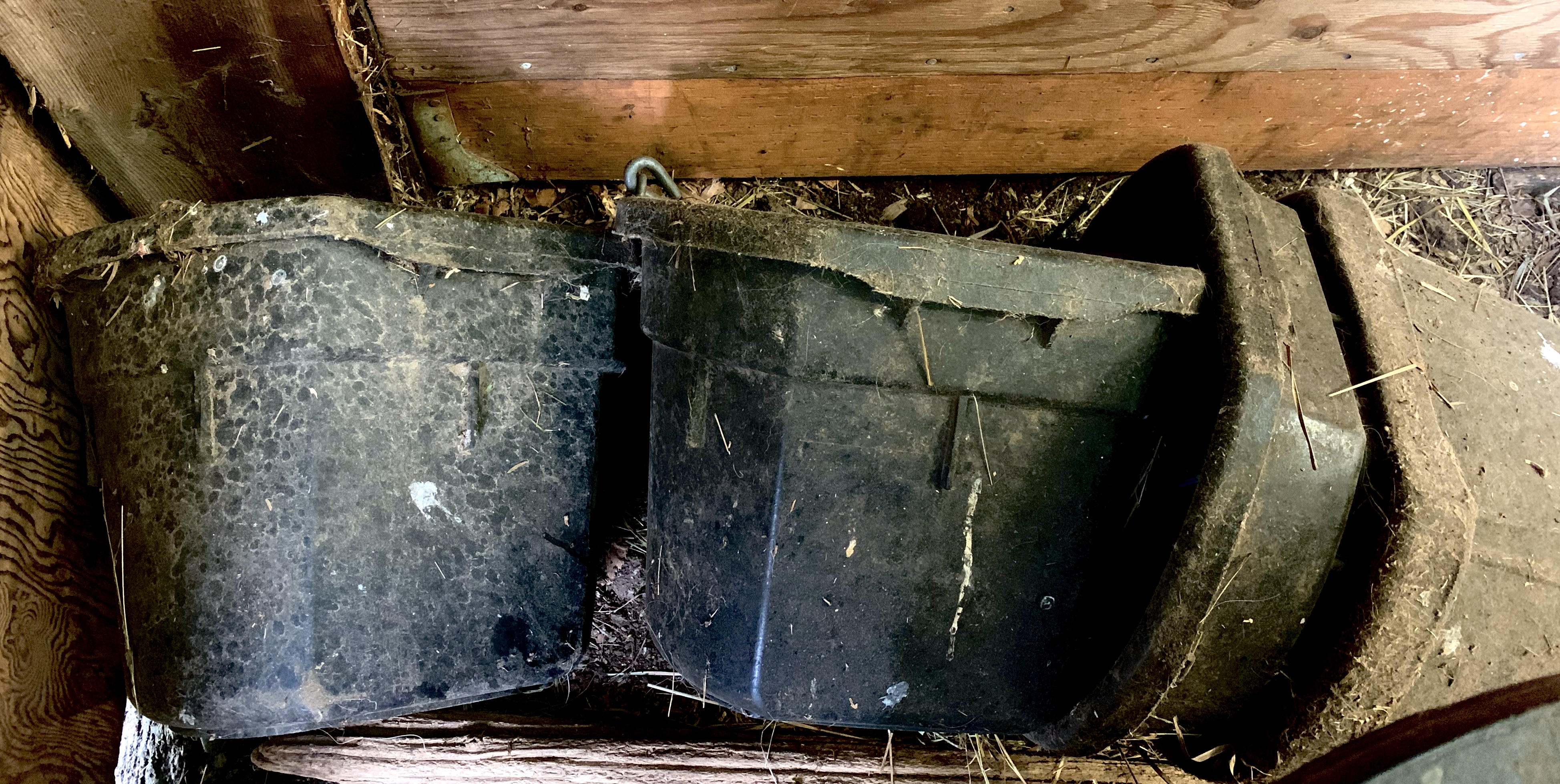
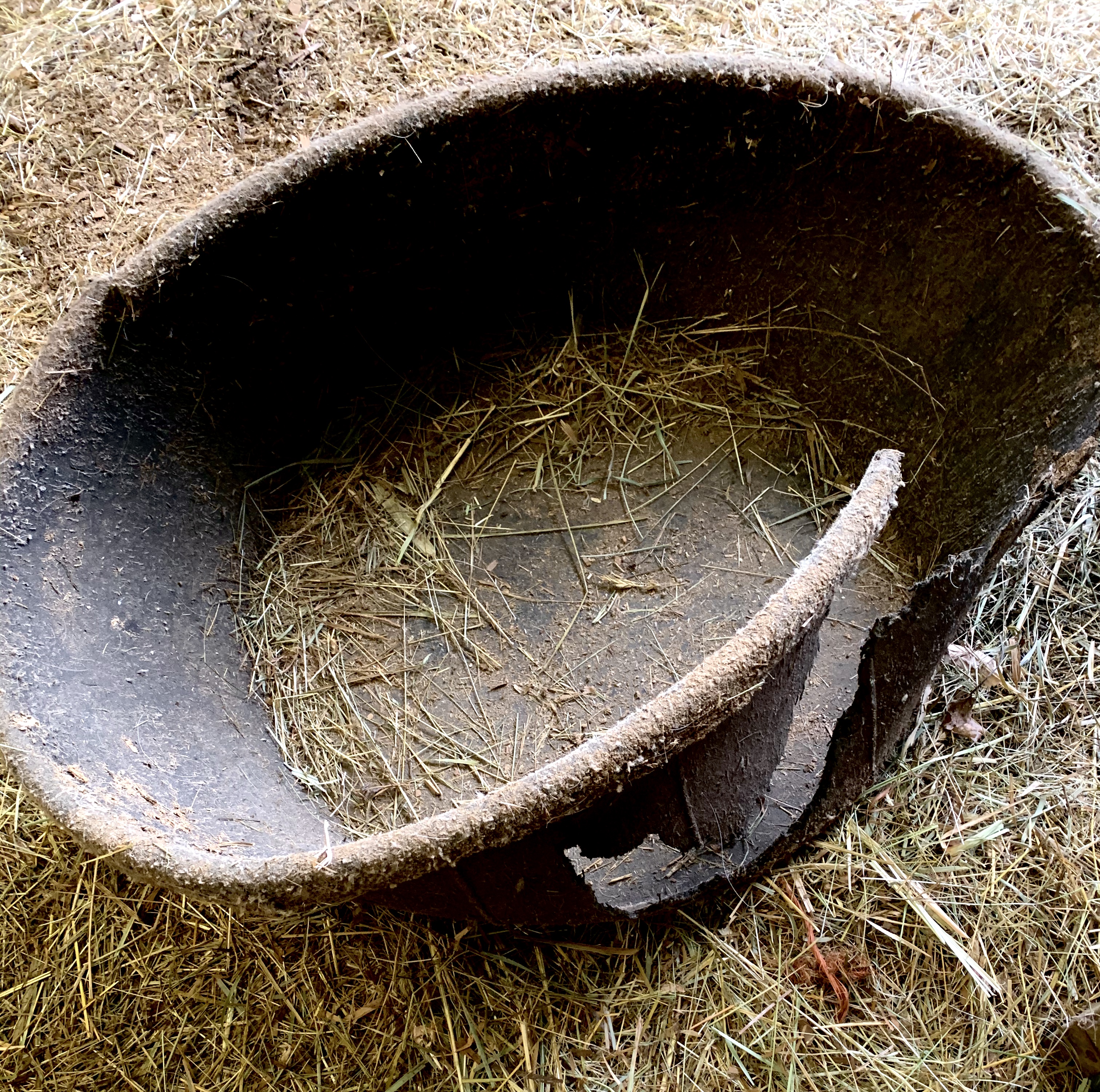
We have a water bucket graveyard on our farm. Buckets, tubs, barrels, you name it – if it once had water in it, it is no longer functional and therefore is not only merely dead, it is really most sincerely dead.

Over the decades, we have bought various styles of buckets and tubs with which to water our Haflinger horses. None have survived more than a few weeks, all thanks to one Haflinger in particular who sees anything rubber, plastic or steel-coated as his personal ninja playground.

We discovered early on that Haflingers do have a variety of creative techniques for attracting attention to themselves when someone walks in the barn, especially around feeding time. Over the years, we’ve had the gamut: the noisy neigher, the mane tosser, the foot stomper, the stall door striker, the play with your lips in the water and splash everything, and most irritating of all, the teeth raked across the woven wire front of the stall. A few Haflingers do wait patiently for their turn for attention, without fussing or furor, sometimes nickering a low “huhuhuhuhuh” of greeting. That is truly blissful in comparison.

We raised one filly whose chosen method of bringing attention to herself was to bump her belly up against her rubber water buckets that hang in the stall, making them bounce wildly about, spraying water everywhere, drenching her, and her stall in the process. She loved it. It was sport for her to see if she could tip the buckets to the point of emptying them and then knock them off their hooks so she could boot them around the stall, destroying a few in the process. Nothing made this mare happier. When she had occasion to share a big stall space with one of her half-siblings, she found that the bucket bouncing technique was very effective at keeping her brothers away, as they had no desire to be drenched and they didn’t find noisy bucket bumping very attractive. So her hay pile was hers alone–very clever thinking.

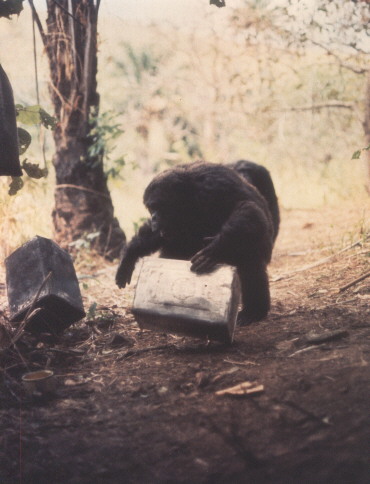
This is not unlike a wild chimpanzee that I knew at Gombe in Tanzania, named “Mike” by Jane Goodall, who found an ingenious way of rising to alpha male status by incorporating empty oil drums in his “displays” of aggression, pounding on them and rolling them down hills to take advantage of their noise and completely intimidating effect on the other male chimpanzees. Mike was on the small side, and a bit old to be alpha male, but assumed the position in spite of his limitations through use of his oil drum displays. So my noisy and water splashing mare,  became alpha over her peers.

Mike rolling an oil drum at Gombe (National Geographic photo)

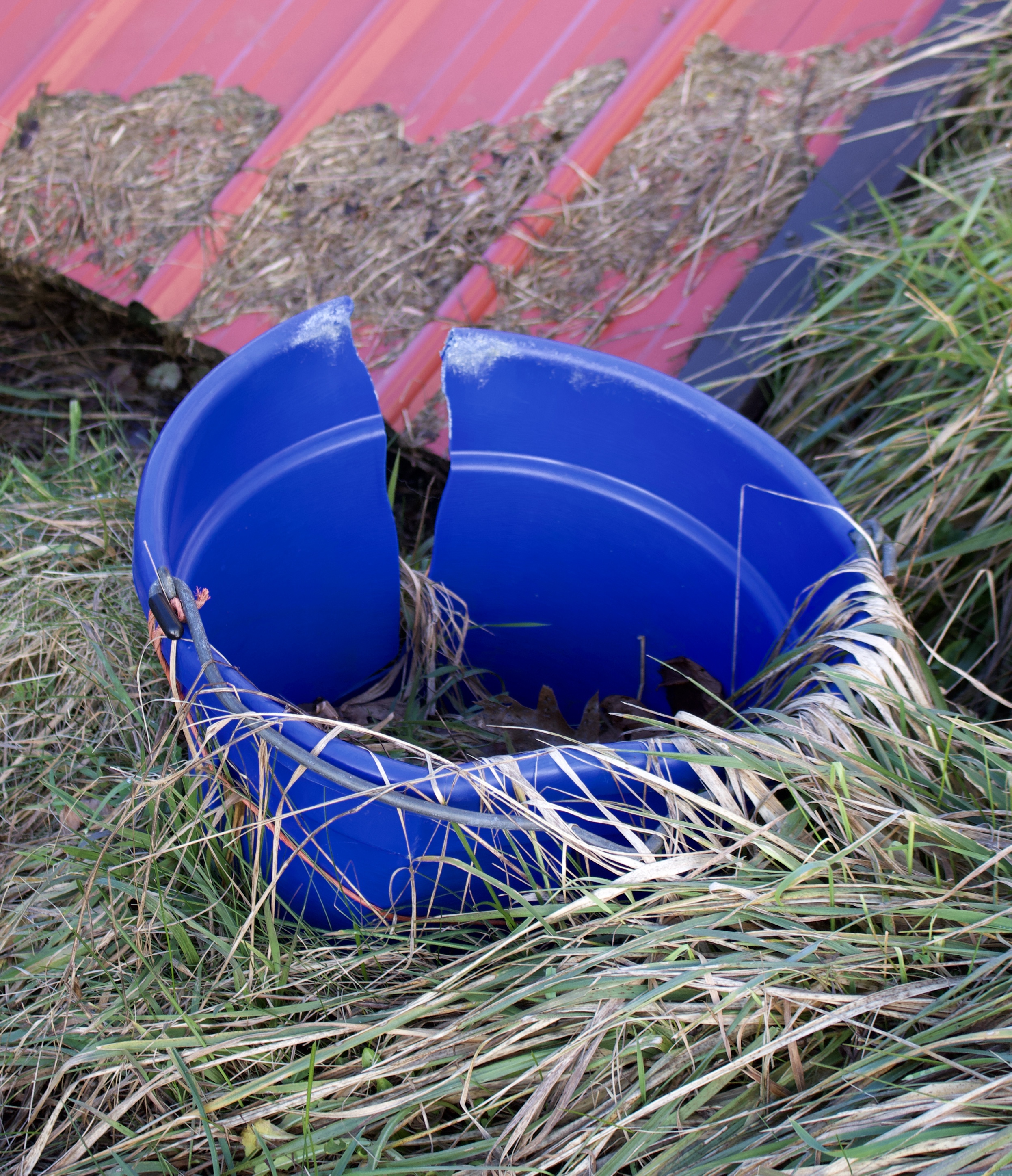
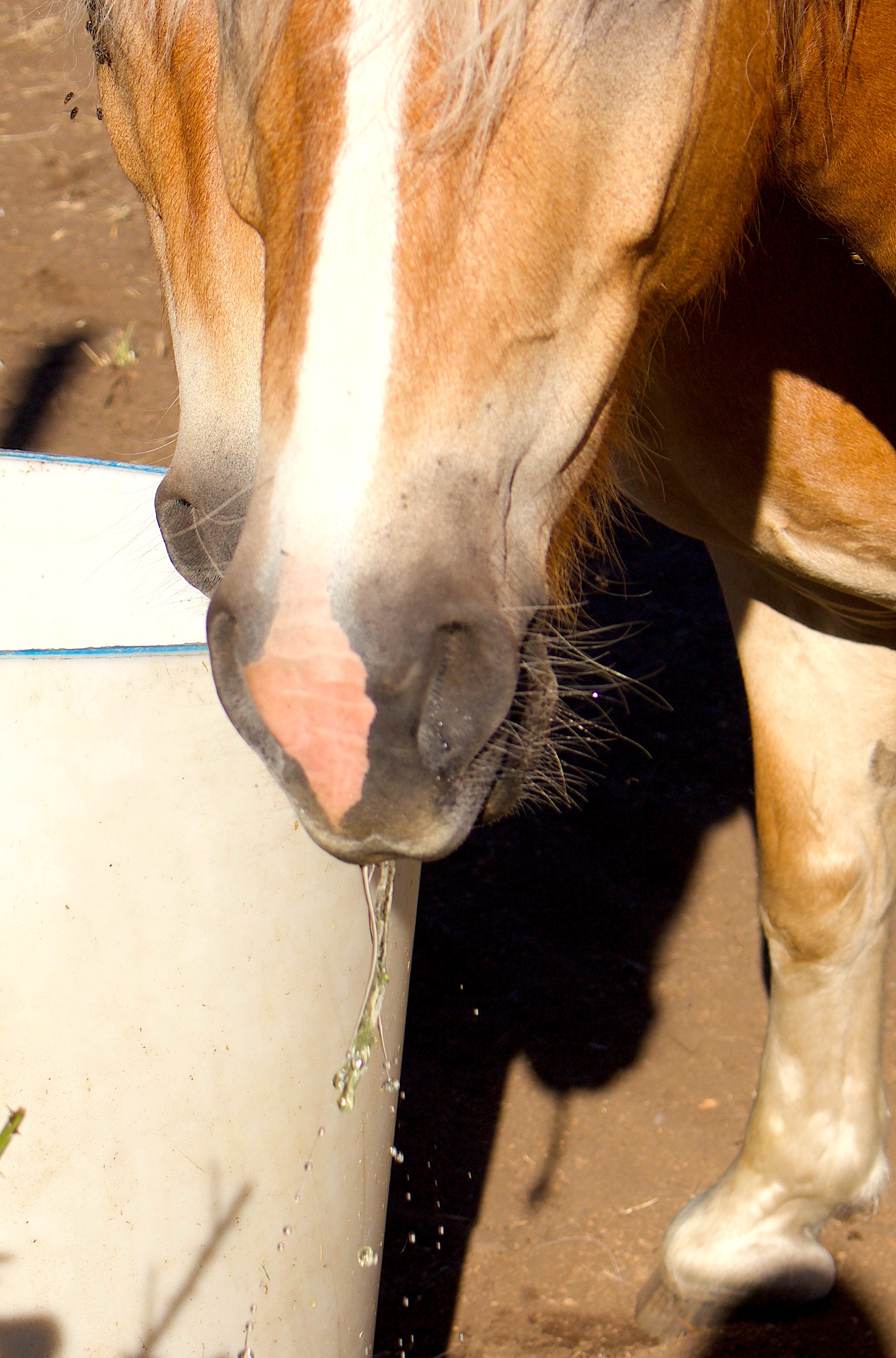
Our current bucket destroyer is intent on making the kill rather than making noise for attention. During this gelding’s fifteen years of life, I estimate he has gone through over a hundred buckets. Ironically some buckets bite him back, causing such significant lower lip tears that on two occasions a vet made an emergency call to perform a laceration repair (also known as plastic surgery in the barn aisle) so this Haflinger bears scars for his bad bucket habit. Unfortunately, expensive lip repairs have not discouraged him from ongoing bucket battles. His latest victim was found this morning, its steel handle broken, the bucket itself half-buried in a hole my gelding had dug in the dirt floor of the stall. He isn’t even waiting for me to issue last rites anymore; he’s taking care of that himself.

We humans aren’t much different in our destructive tendencies and our need for attracting attention. Some of us talk too much, even if we have nothing much to say, some of us strut our physical beauty and toss our hair, some of us are pushy to the point of obnoxiousness. Some of us are real bluffers, making a whole lot more noise and fuss than is warranted, but enjoying the chaos that ensues. Sometimes we even tear down what is important to our own survival and nurture (everyone needs water, right?) and leave a wake of destruction behind us – all done to make sure someone notices.

Well, now I notice each time I buy a new bucket and am reminded:

I need to quit stomping and knocking doors in my impatience, as well as quit hollering when a quiet greeting is far more welcome and appropriate. I need to quit soaking everyone else with my splashing drama – after all, it yields me nothing more than empty broken buckets that sometimes bite me back. Eventually, when I destroy every bucket in the place, I will get very thirsty and wish I hadn’t been so foolish and brash.

So if my horses are potentially trainable to have better manners, so am I.

And then I realize: over the years, my horses have been busy training me.

Lest They Sicken

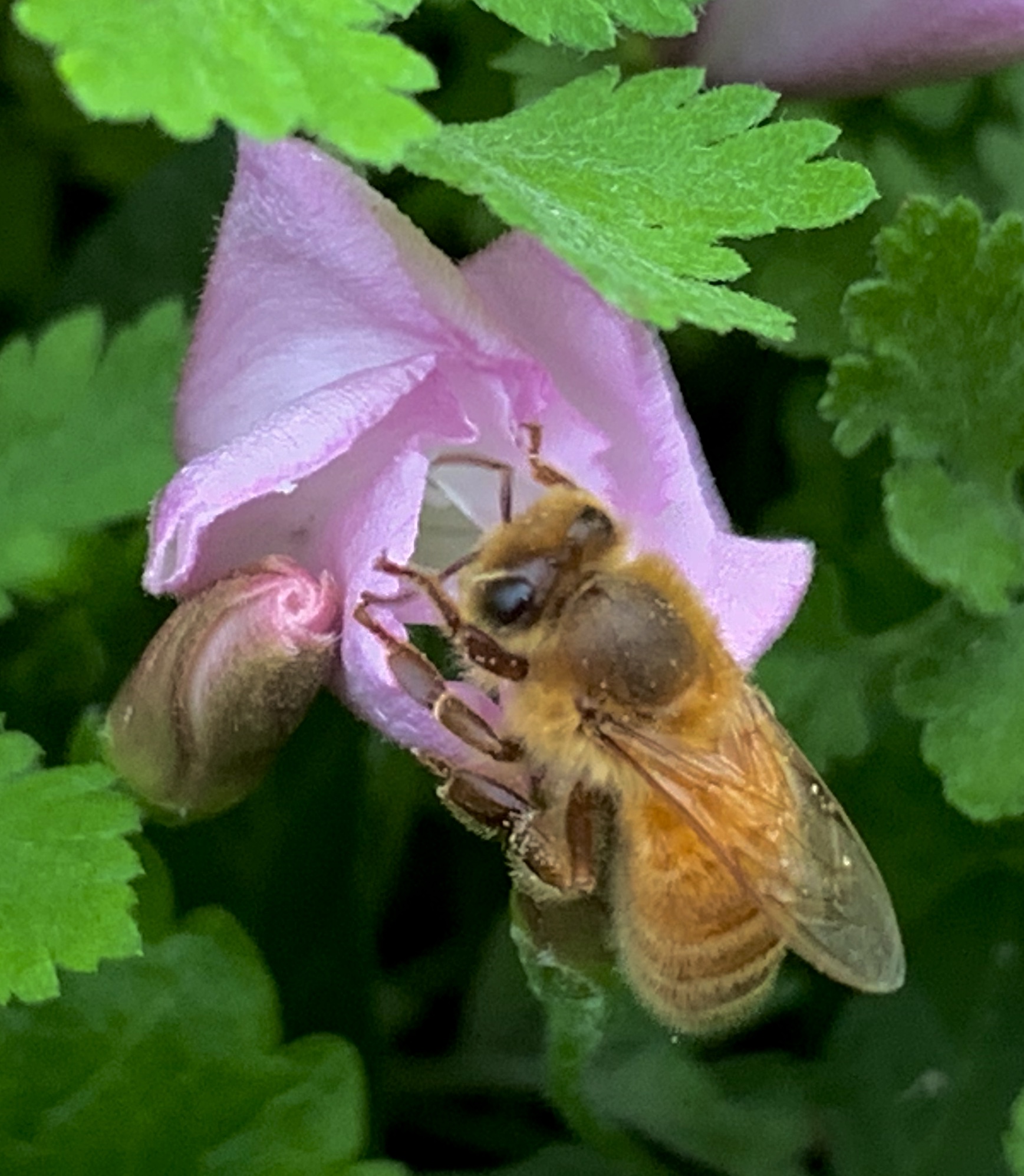
Tell the bees. They require news of the house;
they must know, lest they sicken
from the gap between their ignorance and our grief.
Speak in a whisper. Tie a black swatch
to a stick and attach the stick to their hive.
From the fortress of casseroles and desserts
built in the kitchen these past few weeks
as though hunger were the enemy, remove
a slice of cake and lay it where they can
slowly draw it in, making a mournful sound.

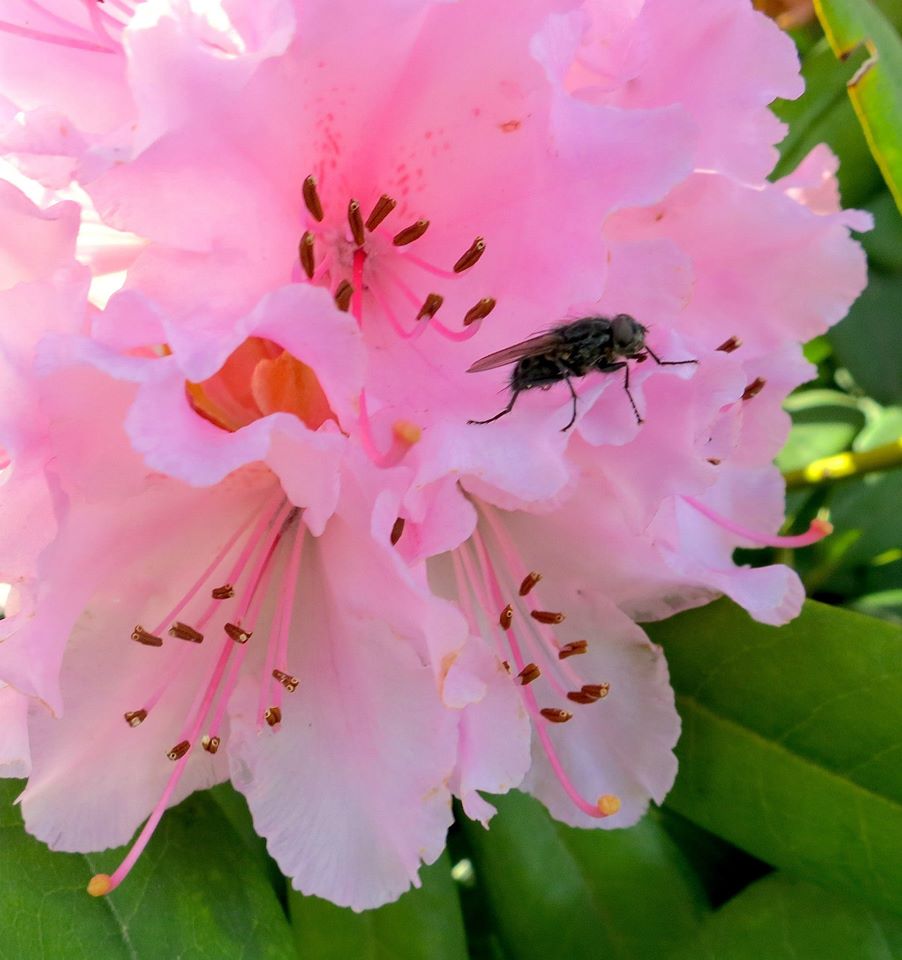
And tell the fly that has knocked on the window all day.
Tell the redbird that rammed the glass from outside
and stands too dazed to go. Tell the grass,
though it’s already guessed, and the ground clenched in furrows;
tell the water you spill on the ground,
then all the water will know.
And the last shrunken pearl of snow in its hiding place.

Tell the blighted elms, and the young oaks we plant instead.
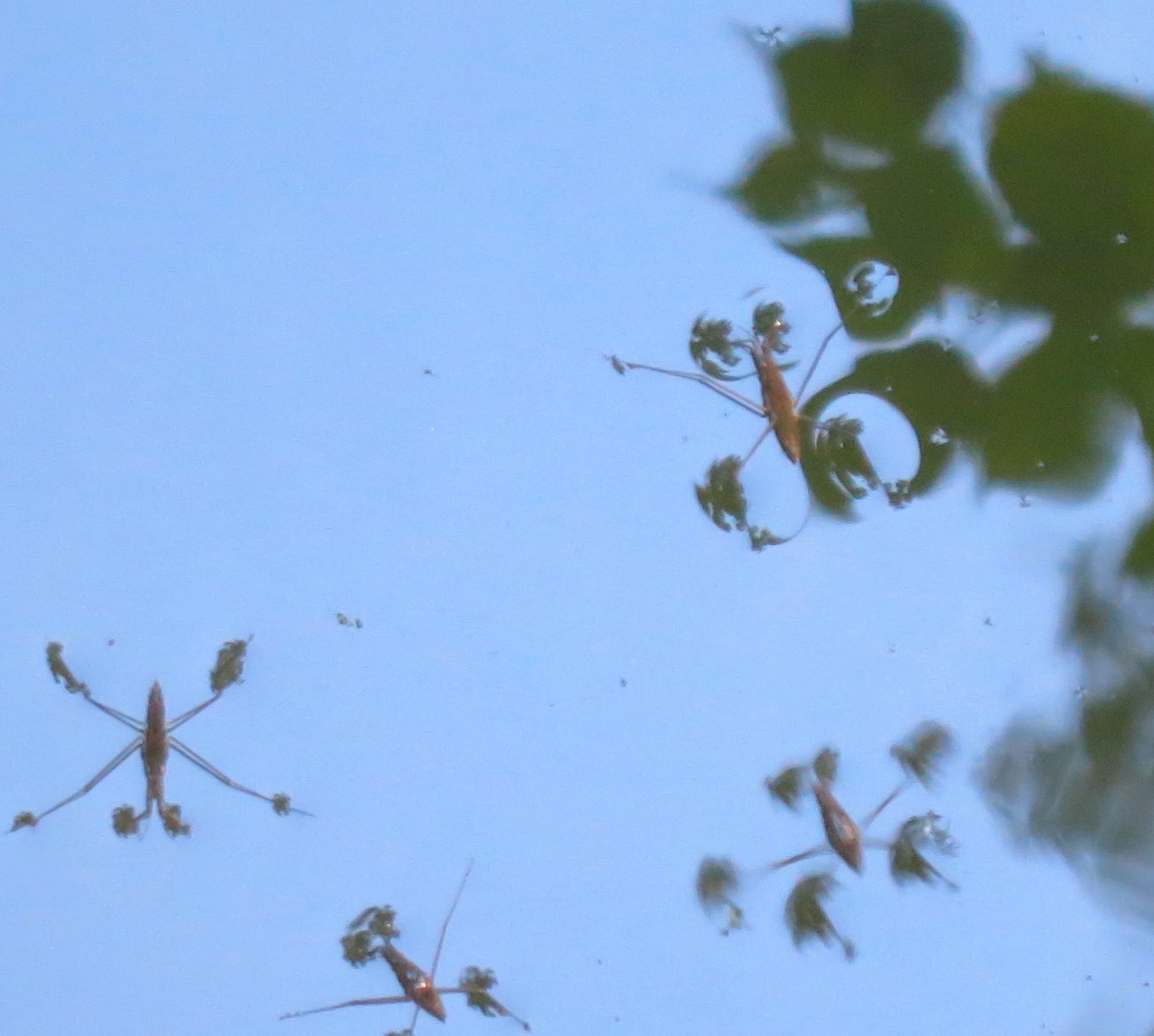
The water bug, while it scribbles
a hundred lines that dissolve behind it.
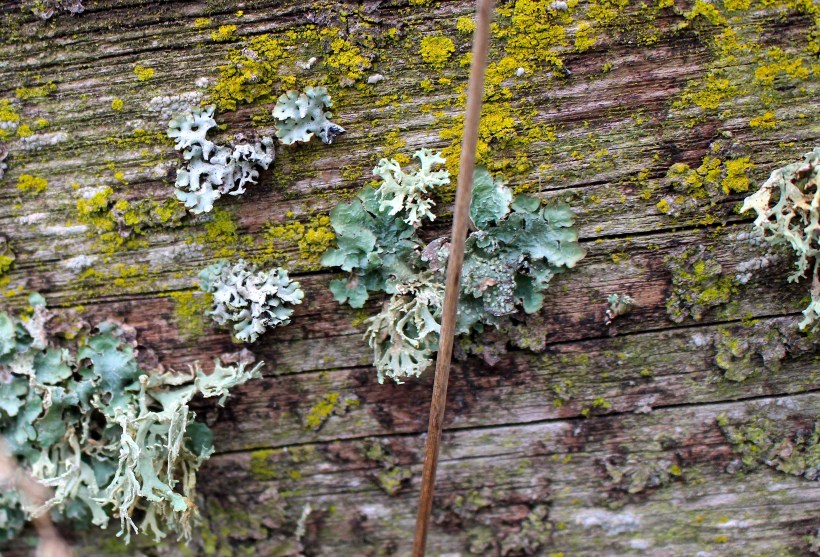
The lichen, while it etches deeper
its single rune. The boulders, letting their fissures widen,
the pebbles, which have no more to lose,
the hills—they will be slightly smaller, as always,

when the bees fly out tomorrow to look for sweetness
and find their way
because nothing else has changed.
~Sarah Lindsay “Tell the Bees”

So many around the globe are grieving their losses, their reality forever changed by a virus. Yet the world churns on, oblivious to the sorrows of individuals.

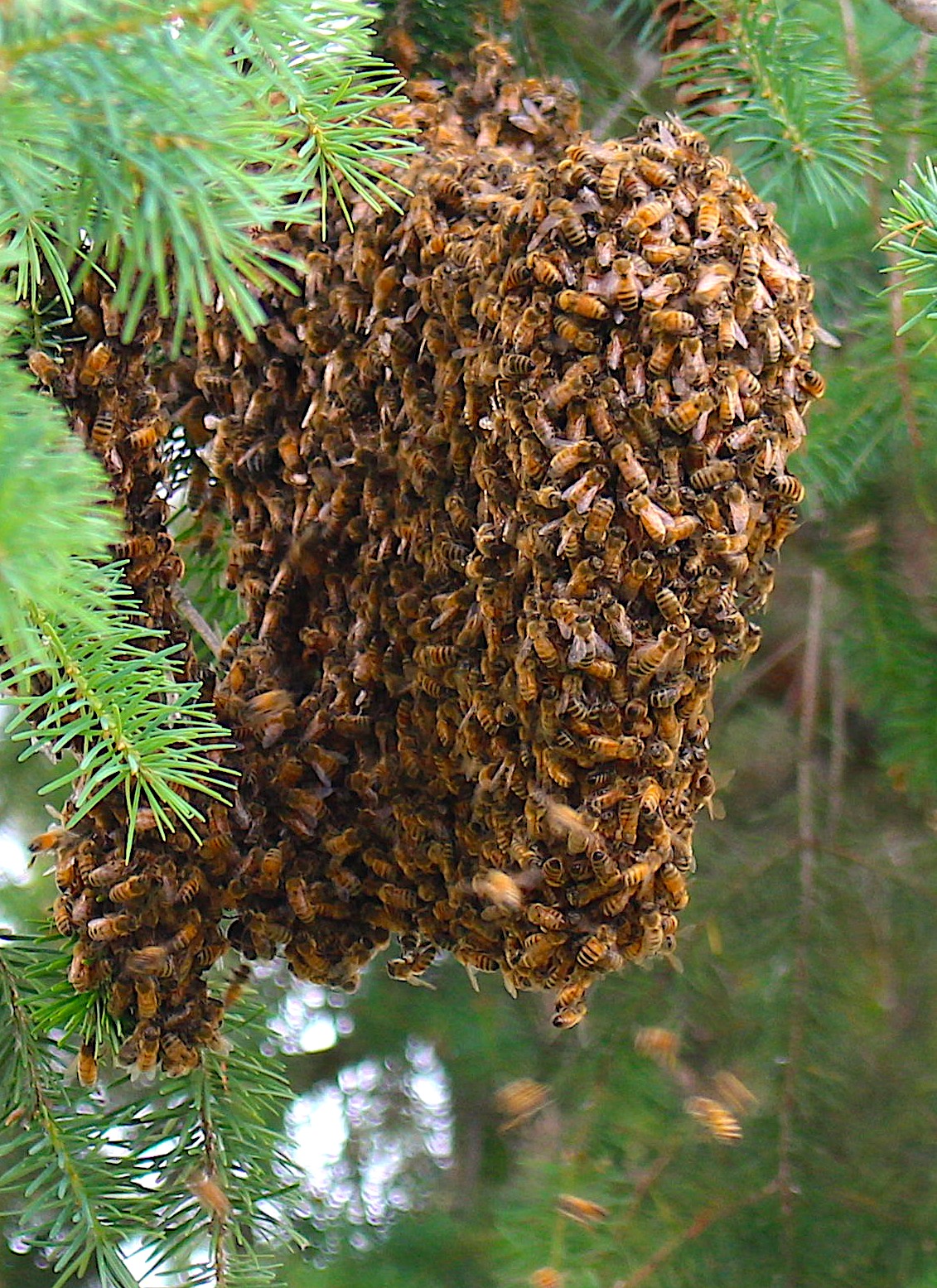
The tradition of telling the bees is that it matters to the community of hives how people who care for them are faring: is there a wedding coming up? a baby due? an overwhelming illness? a death of a loved one? If a hive is kept in ignorance, the cloud of grief will sicken them or drive them away. Shared grief is a nurturing spirit that allows the community to thrive and move on in sweetness.

Nothing happens without an impact down the line; the butterfly effect is also the bee effect. We speak softly of our desolation and suffering so our tears water thirsty ground.

Let the bees know, let them hear; the bees will go about their work and they will turn our sorrow to honey.

Nature’s Scream

I was walking along the road with two friends – the sun was setting – suddenly the sky turned blood red – I paused, feeling exhausted, and leaned on the fence – there was blood and tongues of fire above the blue-black fjord and the city – my friends walked on, and I stood there trembling with anxiety – and I sensed an infinite scream passing through nature.
~Edvard Munch
describing his inspiration for his famous painting
“The Scream”

I get the sense there are now millions of people who just want to scream about the situation the world is in. In my telehealth visits with my patients whose worlds have been turned upside down in the last two months – plans canceled, jobs lost, schooling disrupted, finances uncertain, social support only through screens – I hear the words “overwhelmed,” “isolated,” “frustrated,” in addition to their usual “depressed” and “anxious.” Labeling these feelings “normal” just doesn’t seem to cut it. They want life to feel normal again and don’t want to accept that normal is a moving target and things won’t ever be quite the same again.

They don’t know what’s next for them and neither do I, but we are living it out, one day at a time, all in the same rocking bouncing (perhaps sinking) boat together.

I know Mr. Rogers always counseled to “look for the helpers” when something scary and unpredictable happens, and it is gratifying to see the immense support being given to the thousands of workers who are doing just that – at great personal risk. Even grocery store clerks are no longer unsung heroes but have become the real deal and I never fail to thank them when I go get my one week food supply.

There are other great efforts to make us smile together such as John Krasinski’s “Some Good News” reports on Youtube and the worldwide participation in Facebook’s “View from my window” page. Zoom Virtual Choirs and Orchestras are entertaining us and late night TV hosts are broadcasting from their own bedrooms.

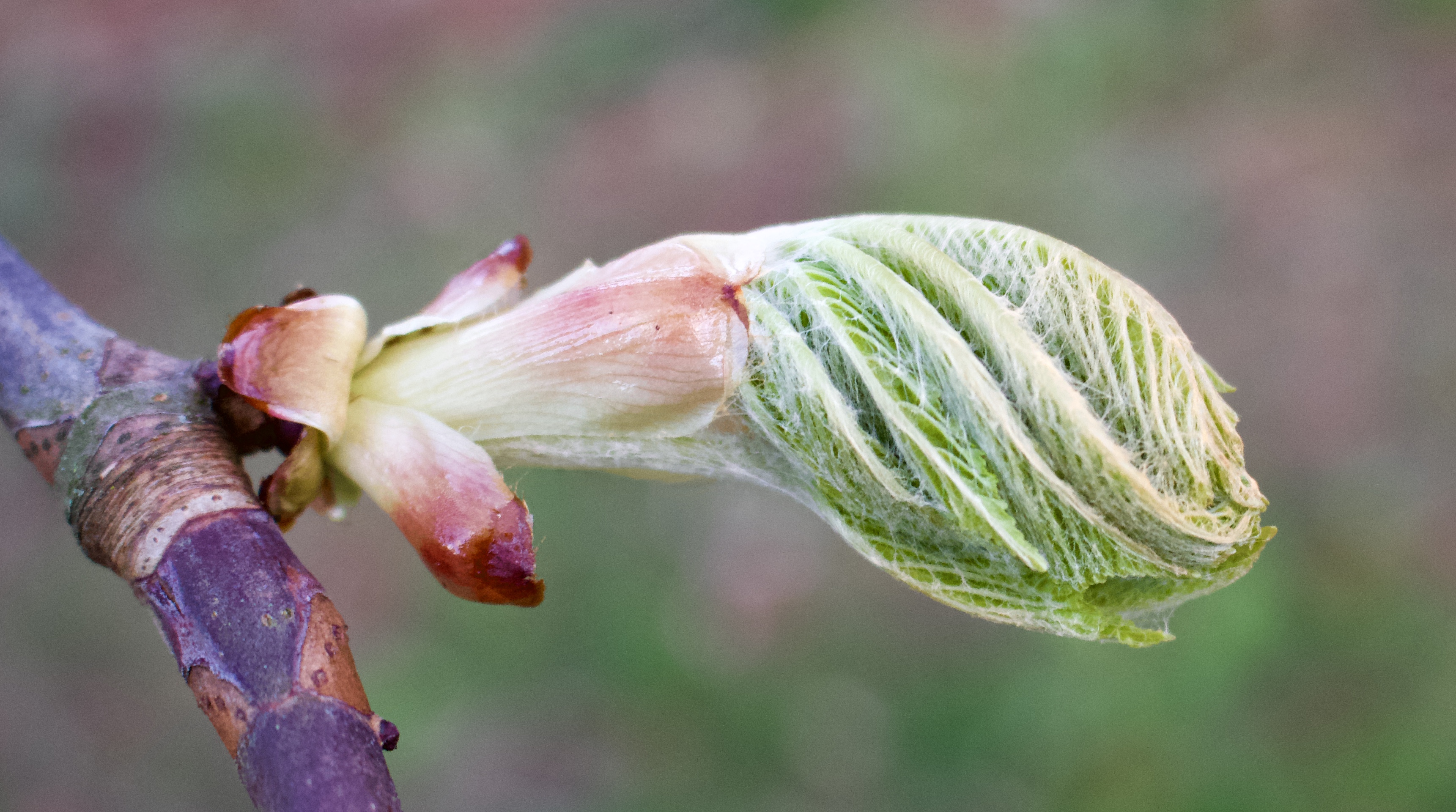
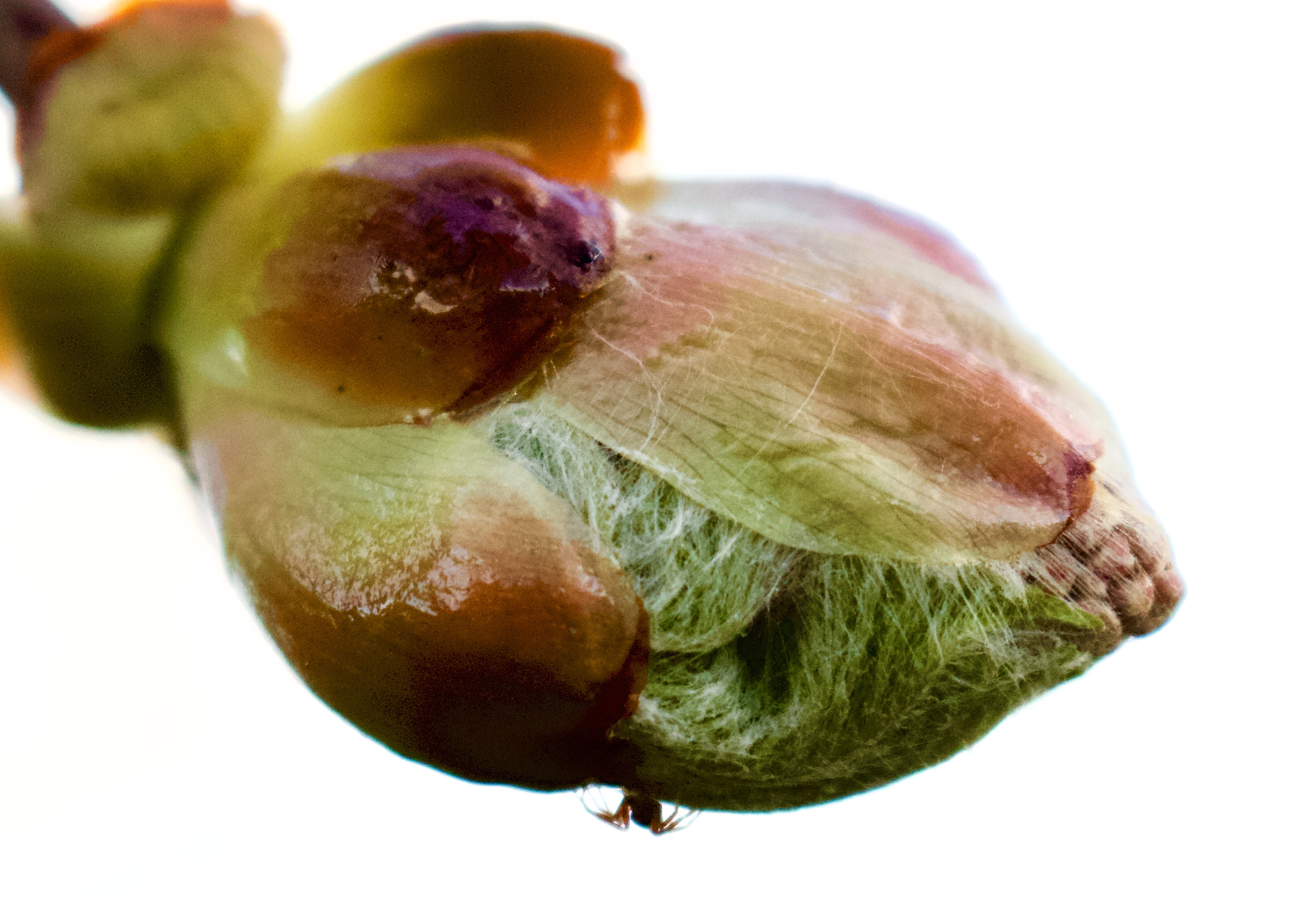
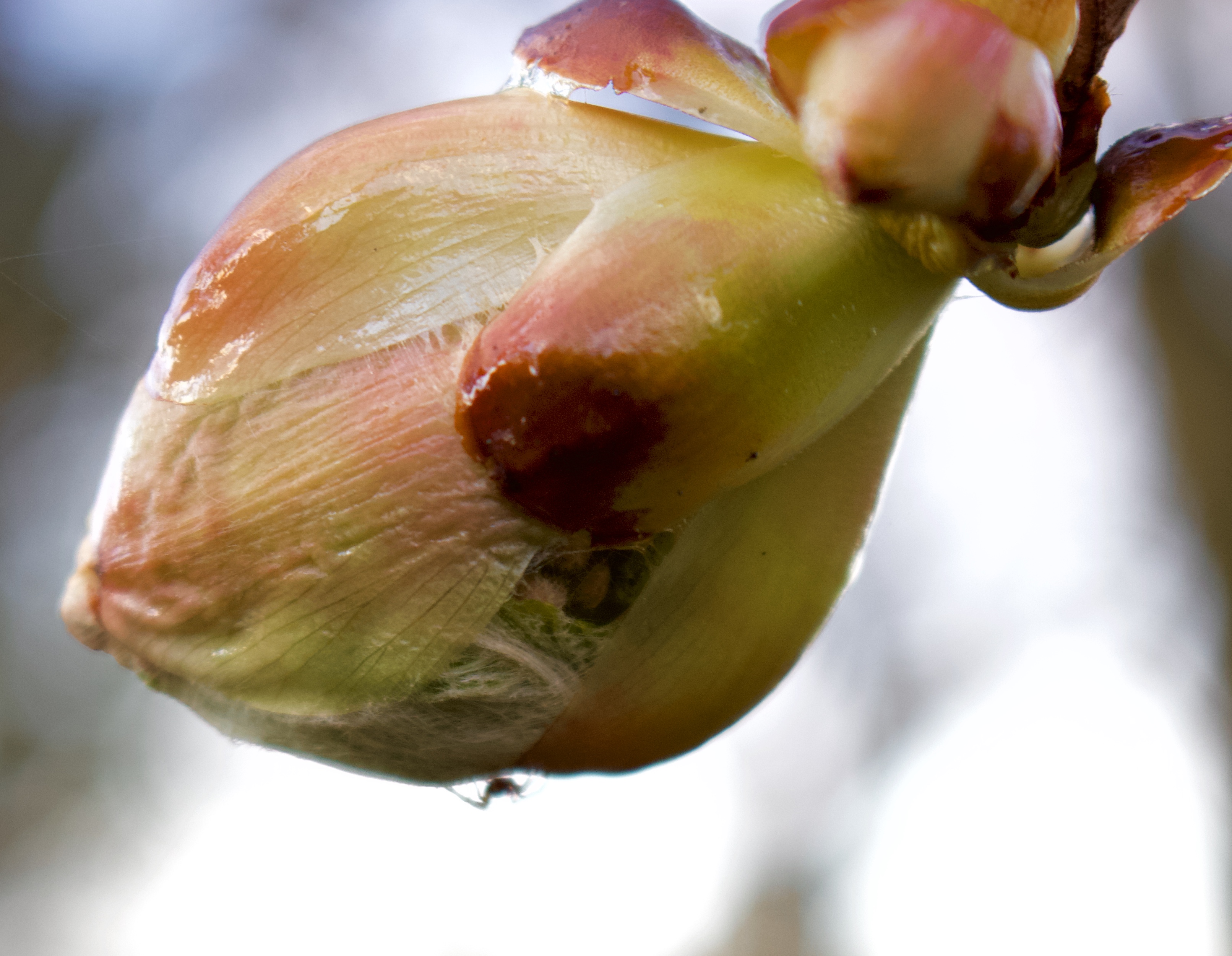
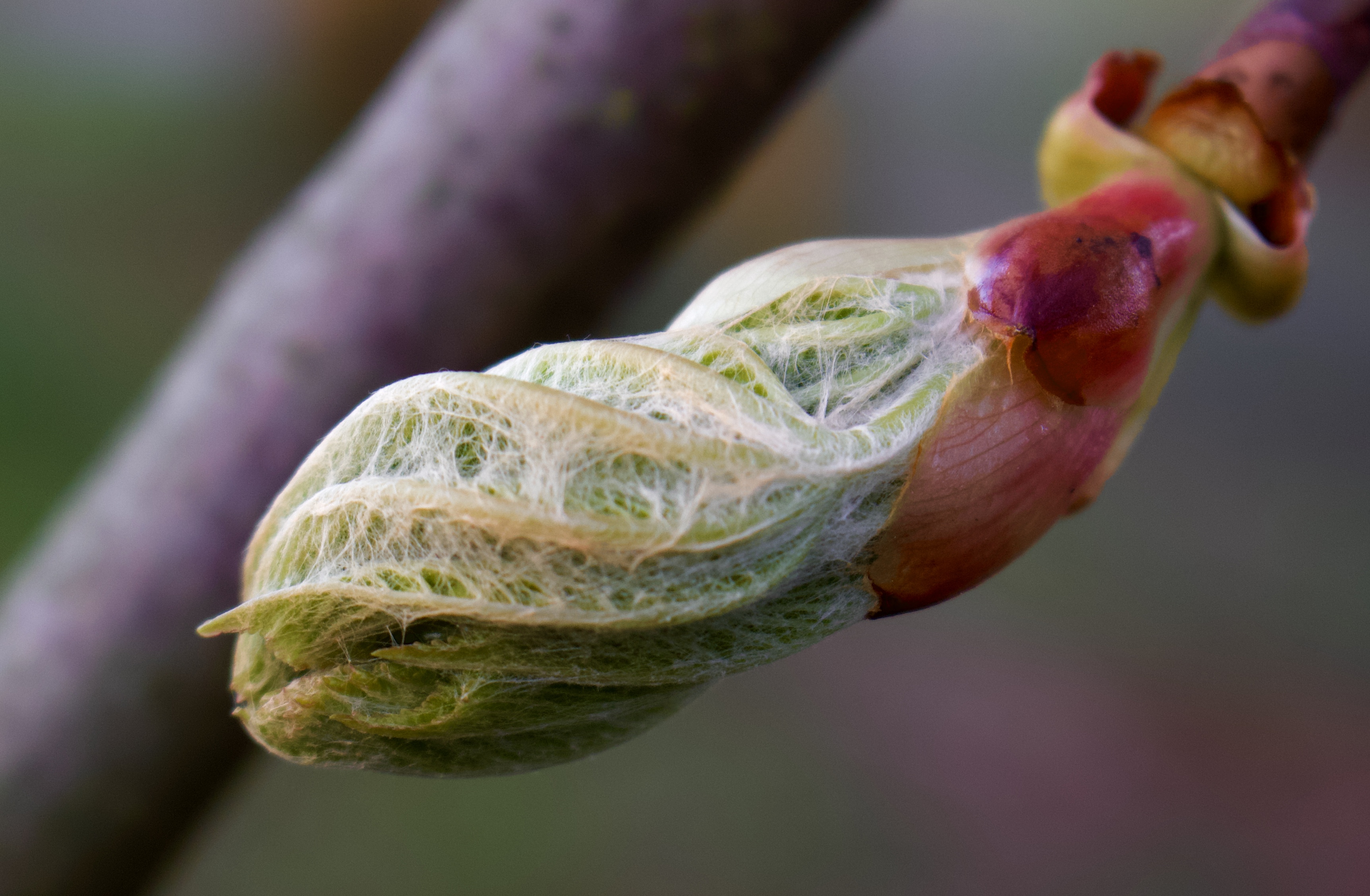
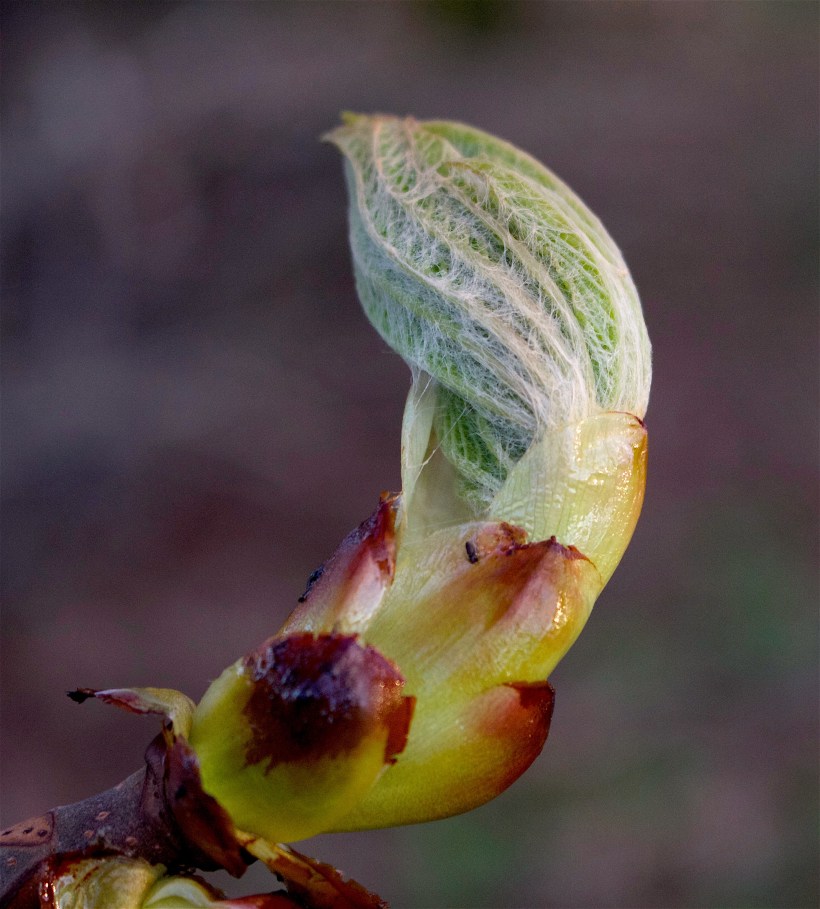
In our angst, we may forget that nature itself is full of its own powerful emotions, and this year is no different. I’ve read somewhere the high pitched sound of sap rising in trees in the spring is like a shriek beyond our capacity to hear. The sound of a bud growing, bulging and eventually unfolding must be like an exhalation of relief. Seeds and bulbs erupting through the soil surely groan and mutter in their strain.

Nature has also yielded mutated viruses attaching with vigor to a new host’s cells, and if we had microscopic microphones, the release of the duplicated RNA packets from a decimated living host cell probably sounds a bit like a scream as all the other cells prepare for a deadly virus on the move. It is like the Revolutionary War all over again in microcosm.

I do think a little screaming is in order.

So I remind myself and my patients: anxiety is normal. Discouragement is normal. But so is our need to scream out loud every once in awhile – even if all that comes out is the sound of silence.

Edvard Munch “The Scream”

When Burdens Weigh Us Down

God of our life,
there are days when the burdens we carry
chafe our shoulders and weigh us down;
when the road seems dreary and endless,
the skies grey and threatening;
when our lives have no music in them,
and our hearts are lonely,
and our souls have lost their courage.

Flood the path with light,
run our eyes to where the skies are full of promise;
tune our hearts to brave music;
give us the sense of comradeship with heroes and saints of every age;
and so quicken our spirits
that we may be able to encourage the souls of all
who journey with us on the road of life,
to Your honour and glory.
~Augustine of Hippo

The broken alabaster of your heart
Revealed to Him alone a hidden door,
Into a garden where the fountain sealed,
Could flow at last for him in healing tears…
~Malcolm Guite from “Mary Magdelene: A Sonnet”

She has done what she could…
~Mark 14:8

Those final few days of His life may have been like this:
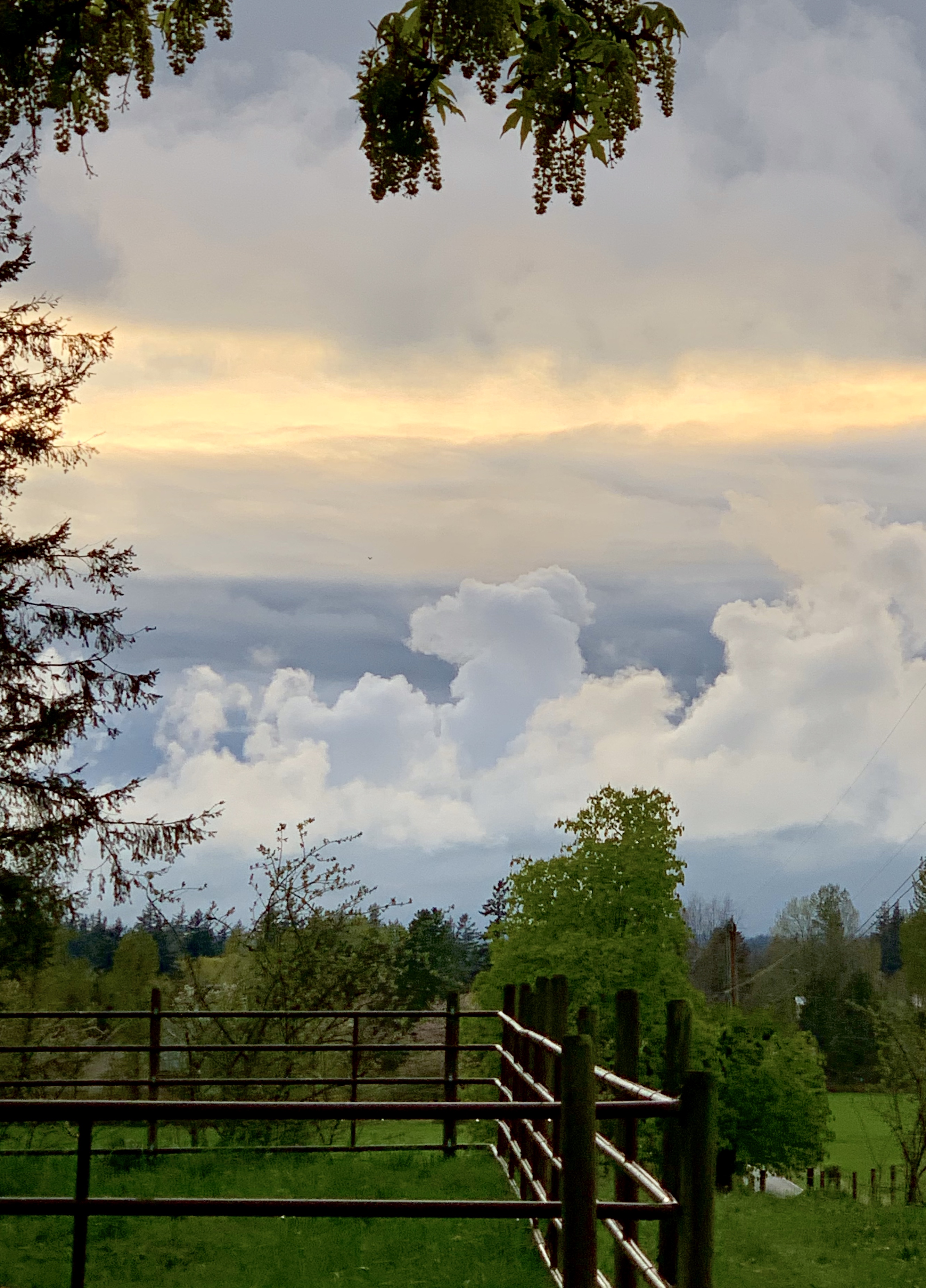
the sky oppressive with storm clouds,
the shouldered burden too painful,
His soul weighed down, discouraged, disheartened.
Each step brought Him closer
to a desperate loneliness borne of betrayal and rejection.

But the end of that dark walk was just the beginning
of a journey into new covenant:

He is anointed from the broken jar,
His aching joints covered in perfume
by one who believes
and wants to help bear His burden.

Instead of rain, the clouds bear light,
flooding the pathway so we too can come together to lift the load.
Instead of loneliness, now arises a community like no other.
Instead of stillness, there is declaration of His glory to the heavens.
Instead of discouragement, He embodies hope for all hearts.

His promise fulfilled spills over our path, our feet, our heads.
We too are drenched in gratitude, flooded with grace.

Come out of sadness
From wherever you’ve been
Come broken hearted
Let rescue begin
Come find your mercy
Oh sinner come kneel
Earth has no sorrow
That heaven can’t heal
Earth has no sorrow
That heaven can’t healSo lay down your burdens
Lay down your shame
All who are broken
Lift up your face
Oh wanderer come home
You’re not too far
So lay down your hurt
Lay down your heart
Come as you areThere’s hope for the hopeless
And all those who’ve strayed
Come sit at the table
Come taste the grace
There’s rest for the weary
Rest that endures
Earth has no sorrow
That heaven can’t cureSo lay down your burdens
Lay down your shame
All who are broken
Lift up your face
Oh wanderer come home
You’re not too far
Lay down your hurt lay down your heart
Come as you are
Come as you are
Fall in his arms
Come as you are
There’s joy for the morning
Oh sinner be still
Earth has no sorrow
That heaven can’t heal
Earth has no sorrow
That heaven can’t healSo lay down your burdens
Lay down your shame
All who are broken
Lift up your face
Oh wanderer come home
You’re not too far
So lay down your hurt
Lay down your heart
Come as you are
Come as you are
Come as you are
Come as you are
~David Crowder

A Glut of Melancholy

I eat oatmeal for breakfast.
I make it on the hot plate and put skimmed milk on it.
I eat it alone.
I am aware it is not good to eat oatmeal alone.
Its consistency is such that is better for your mental health
if somebody eats it with you.
That is why I often think up an imaginary companion to have
breakfast with.
Possibly it is even worse to eat oatmeal with an imaginary
companion.
Nevertheless, yesterday morning, I ate my oatmeal porridge,
as he called it with John Keats.
Keats said I was absolutely right to invite him:
due to its glutinous texture, gluey lumpishness, hint of slime,
and unusual willingness to disintegrate, oatmeal should
not be eaten alone…
~Galway Kinnell from “Oatmeal”

But when the melancholy fit shall fall
Sudden from heaven like a weeping cloud,
That fosters the droop-headed flowers all,
And hides the green hill in an April shroud;
Then glut thy sorrow on a morning rose,
Or on the rainbow of the salt sand-wave,
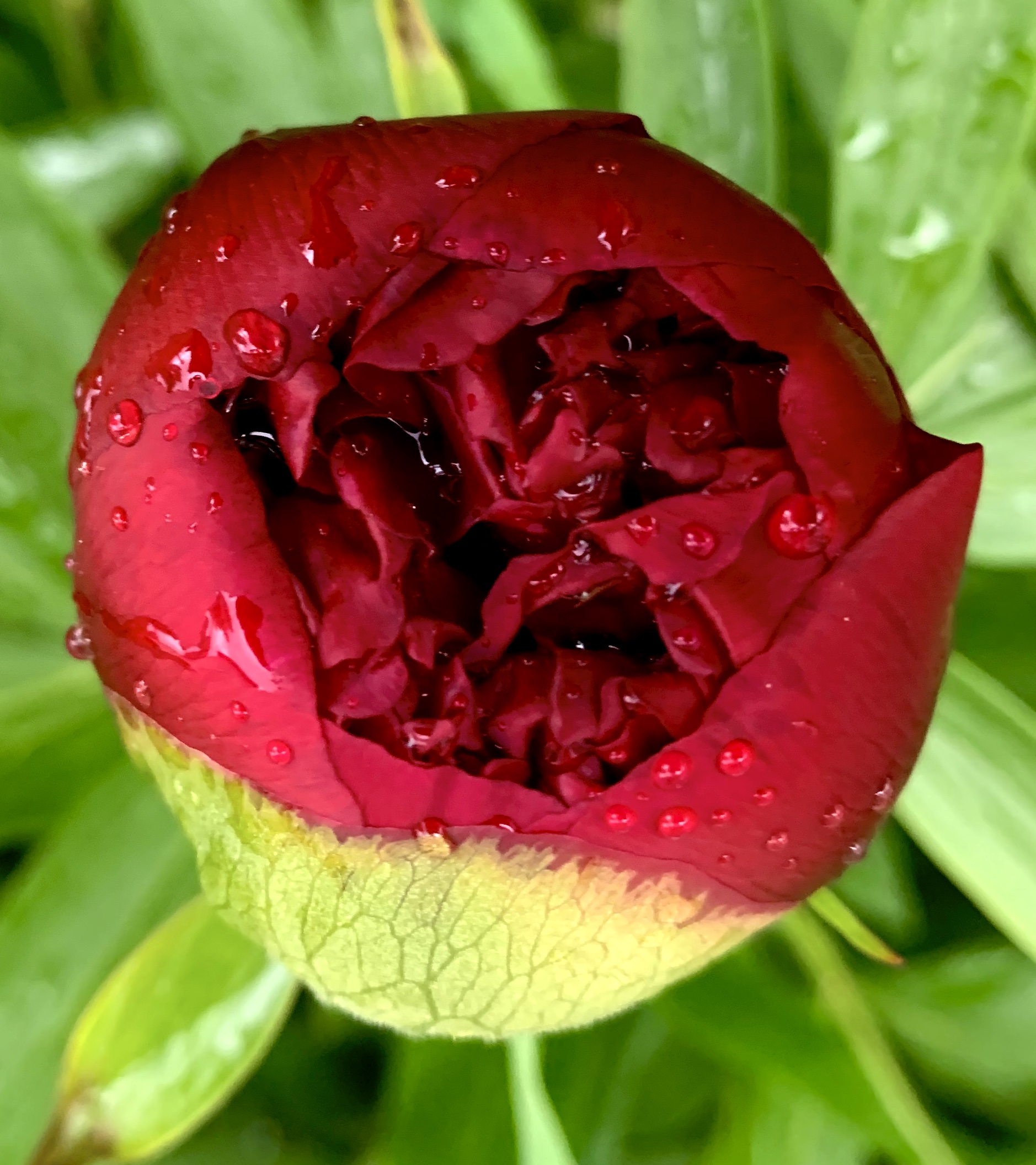
Or on the wealth of globed peonies;
~John Keats from “Ode on Melancholy”

Oatmeal porridge and melancholy,
poets and peonies,
stay-at-home orders and quarantine,
a rising COVID-19 death toll;
a week of walking through the suffering
of our Redeemer.

To be glutted with melancholy:
I am not alone in feeling it is
already too much to be borne on
a holy Monday morning~~
nothing more need be said.

We do what we can to understand
why He does what He must.

But By His Grace: Waiting Patiently

For in this hope we were saved. But hope that is seen is no hope at all. Who hopes for what they already have? But if we hope for what we do not yet have, we wait for it patiently.
Romans 8:24-25

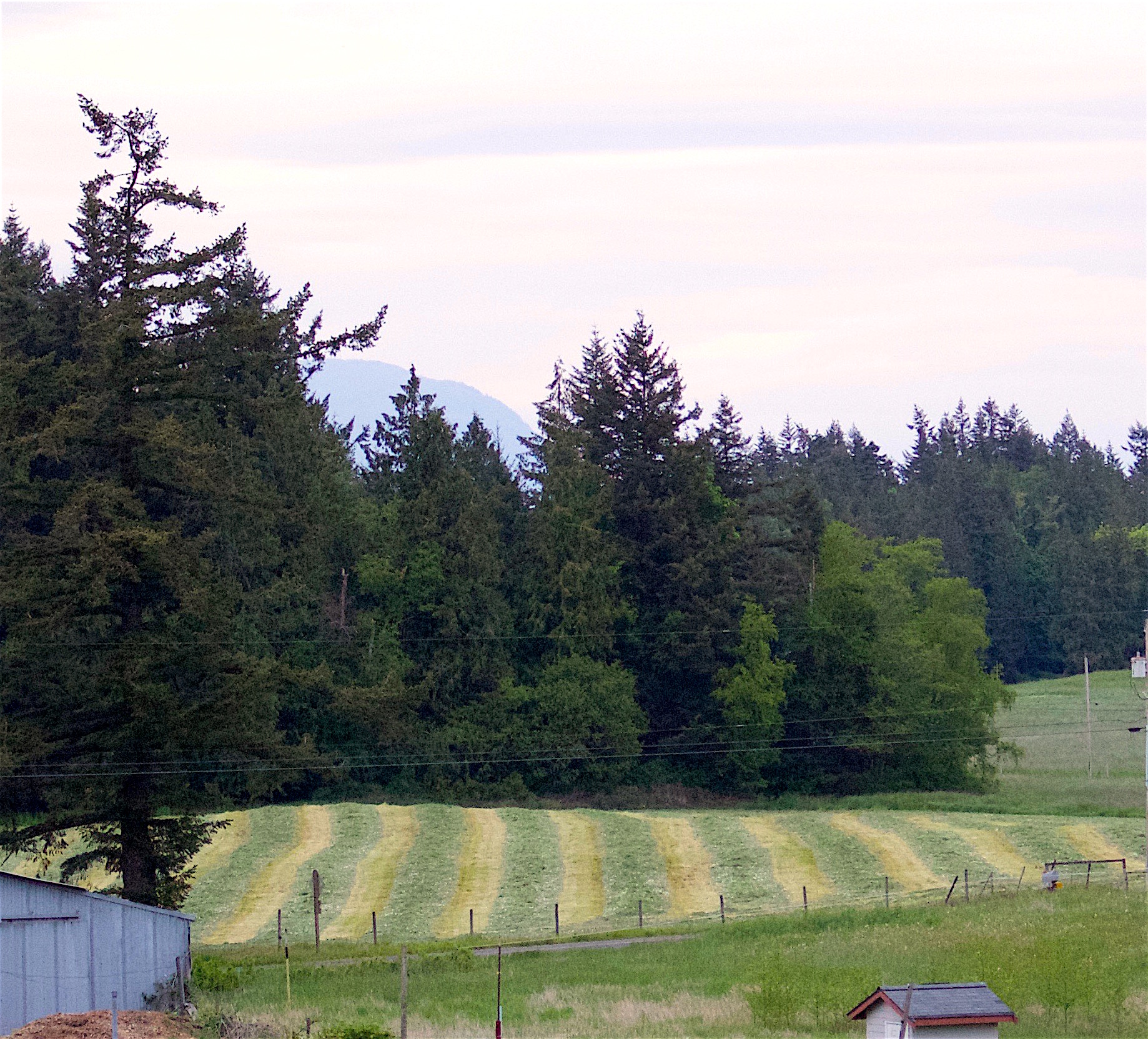
An absolute
patience.
Trees stand
up to their knees in
fog. The fog
slowly flows
uphill.
White
cobwebs, the grass
leaning where deer
have looked for apples.
The woods
from brook to where
the top of the hill looks
over the fog, send up
not one bird.
So absolute, it is
no other than
happiness itself, a breathing
too quiet to hear.
~Denise Levertov “The Breathing”

I wait for the Lord, my soul waits,
    and in his word I put my hope.
My soul waits for the Lord
    more than watchmen wait for the morning,
    more than watchmen wait for the morning.
Psalm 130: 5-6 from a Song of Ascents

Waiting is essential to the spiritual life. But waiting as a disciple of Jesus is not an empty waiting. It is a waiting with a promise in our hearts that makes already present what we are waiting for. We wait during Advent for the birth of Jesus. We wait after Easter for the coming of the Spirit, and after the ascension of Jesus we wait for his coming again in glory. We are always waiting, but it is a waiting in the conviction that we have already seen God’s footsteps.
— Henri Nouwen from Bread For The Journey: A Daybook of Wisdom and Faith

The world’s people wait impatiently: sheltering at home, watching jobs and savings dissipate, feeling wholly isolated, praying this plague will bypass our doorsteps and fade away. 

The hard part is not knowing how long we must wait for life to feel safe and normal again (as if it ever was!). We want our reprieve, our salvation now.

Yet we can have certainty that eventually all will be well. We have seen His footprints beside us and His Word is spoken with a quiet breath.

He is here among us. 

So shall we persevere together, with patience, watching and hoping –
a community groaning together in sweet expectation of the morning.

This year’s Lenten theme for Barnstorming:

God sees us as we are,
loves us as we are,
and accepts us as we are.
But by His grace,
He does not leave us where we are.
~Tim Keller