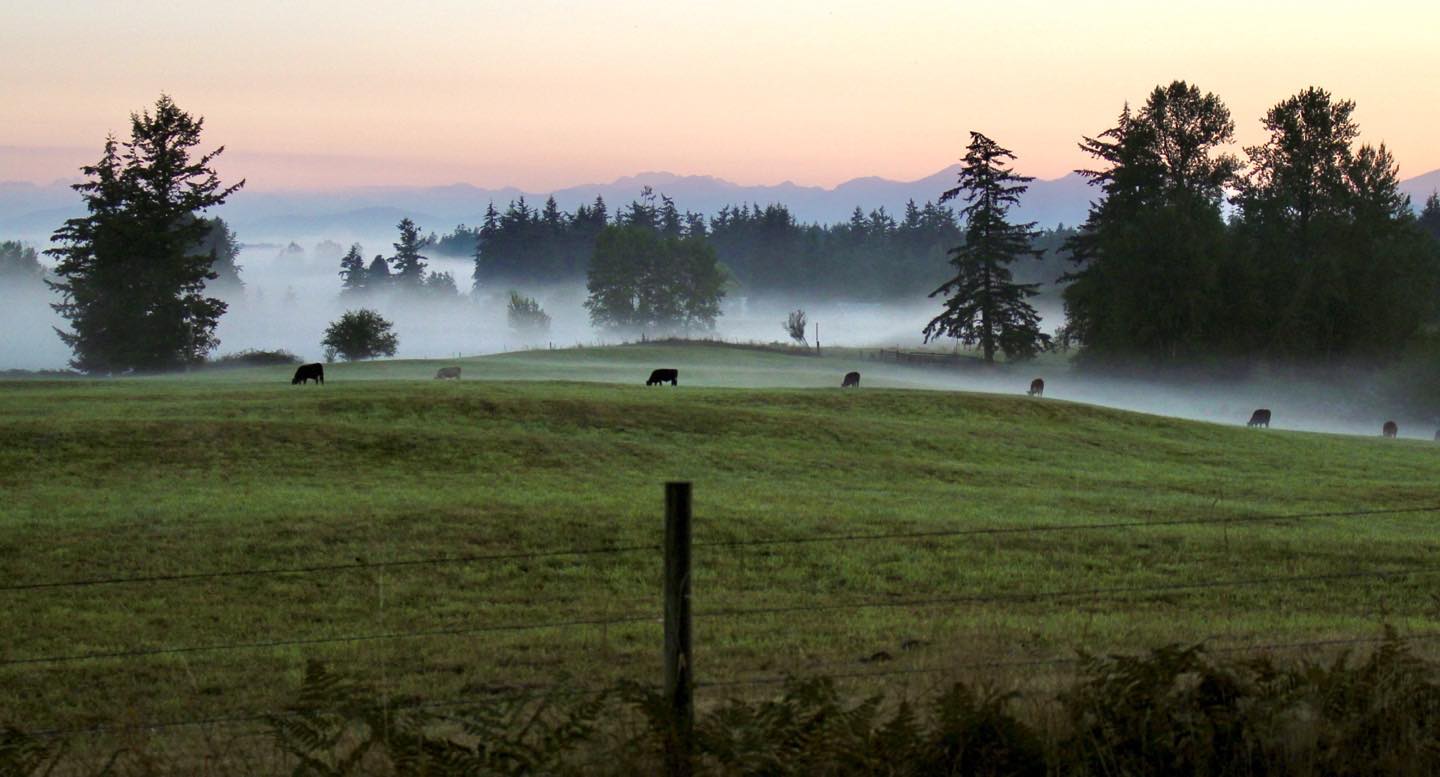
Where You Go, I Will Go: Unfinished Business

Morning of buttered toast;
of coffee, sweetened, with milk.

Out the window,
snow-spruces step from their cobwebs.
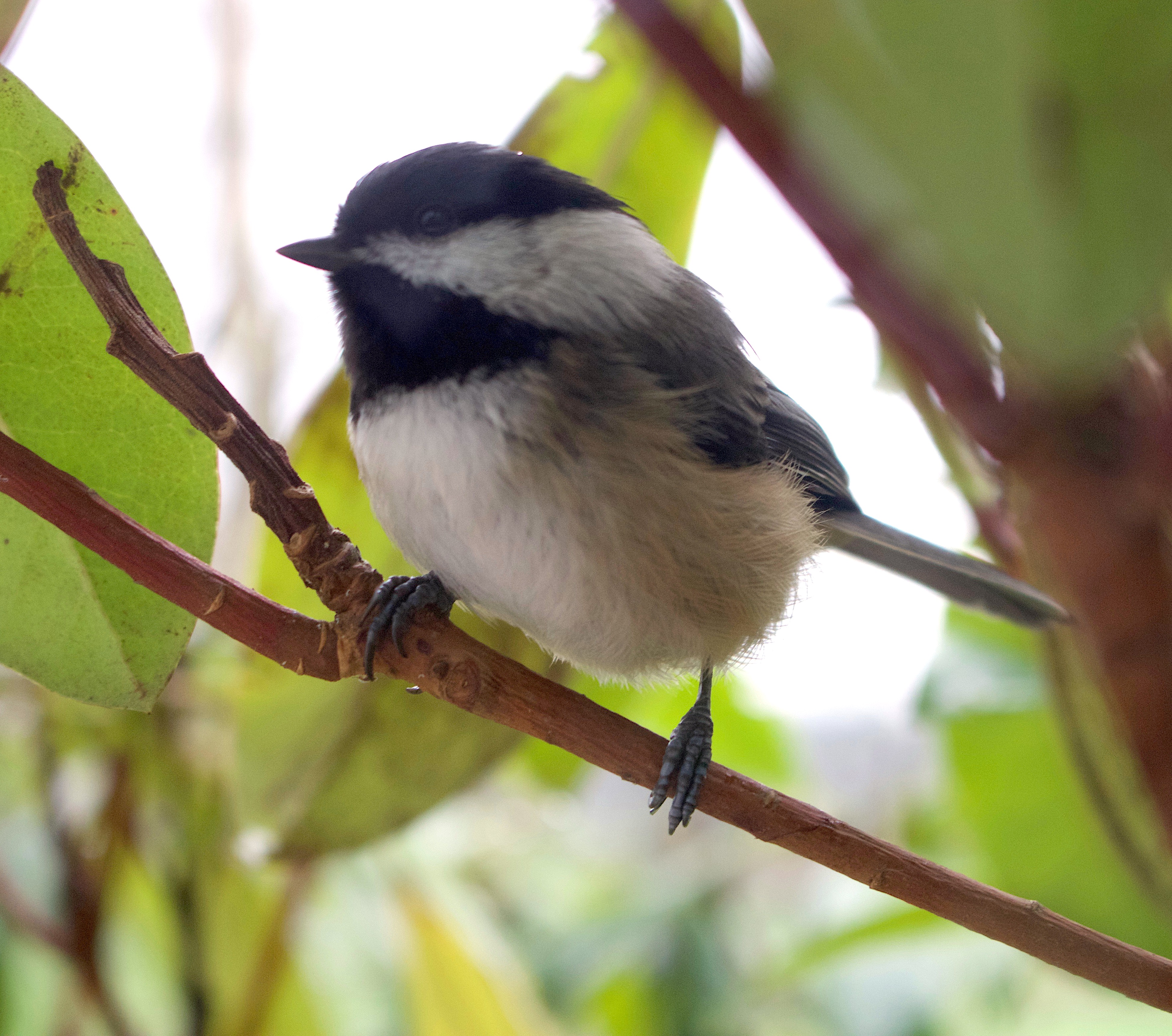
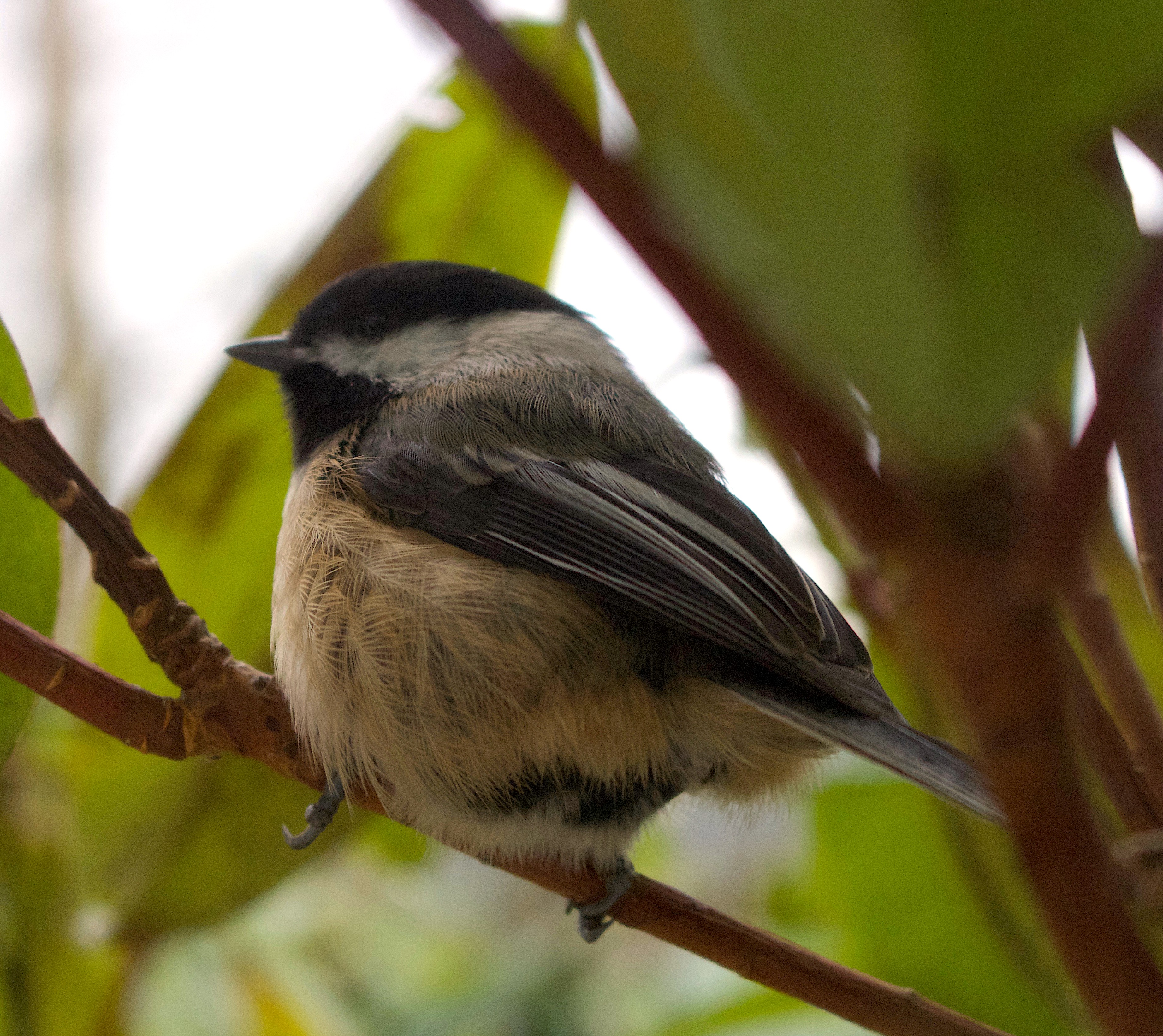
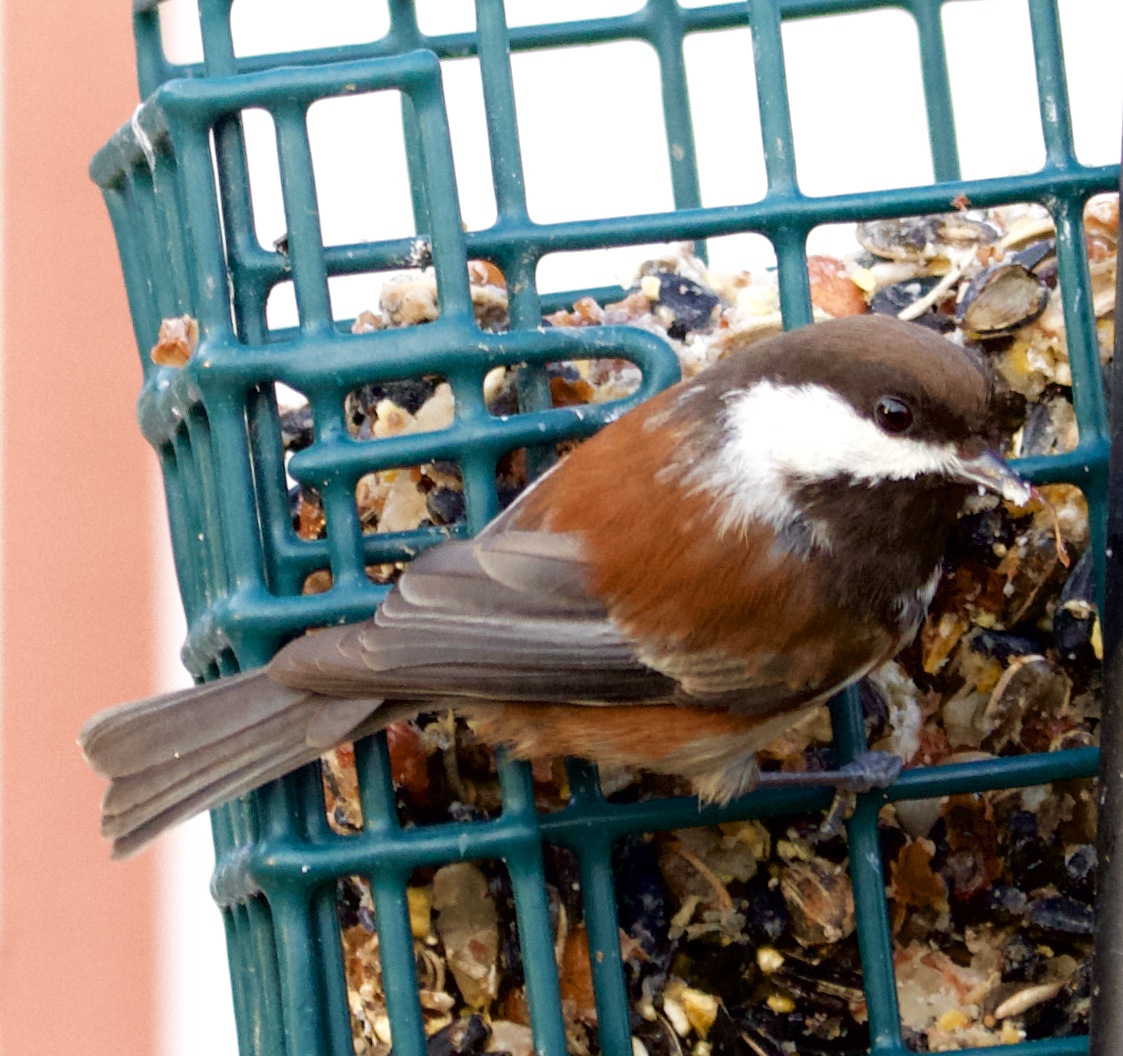
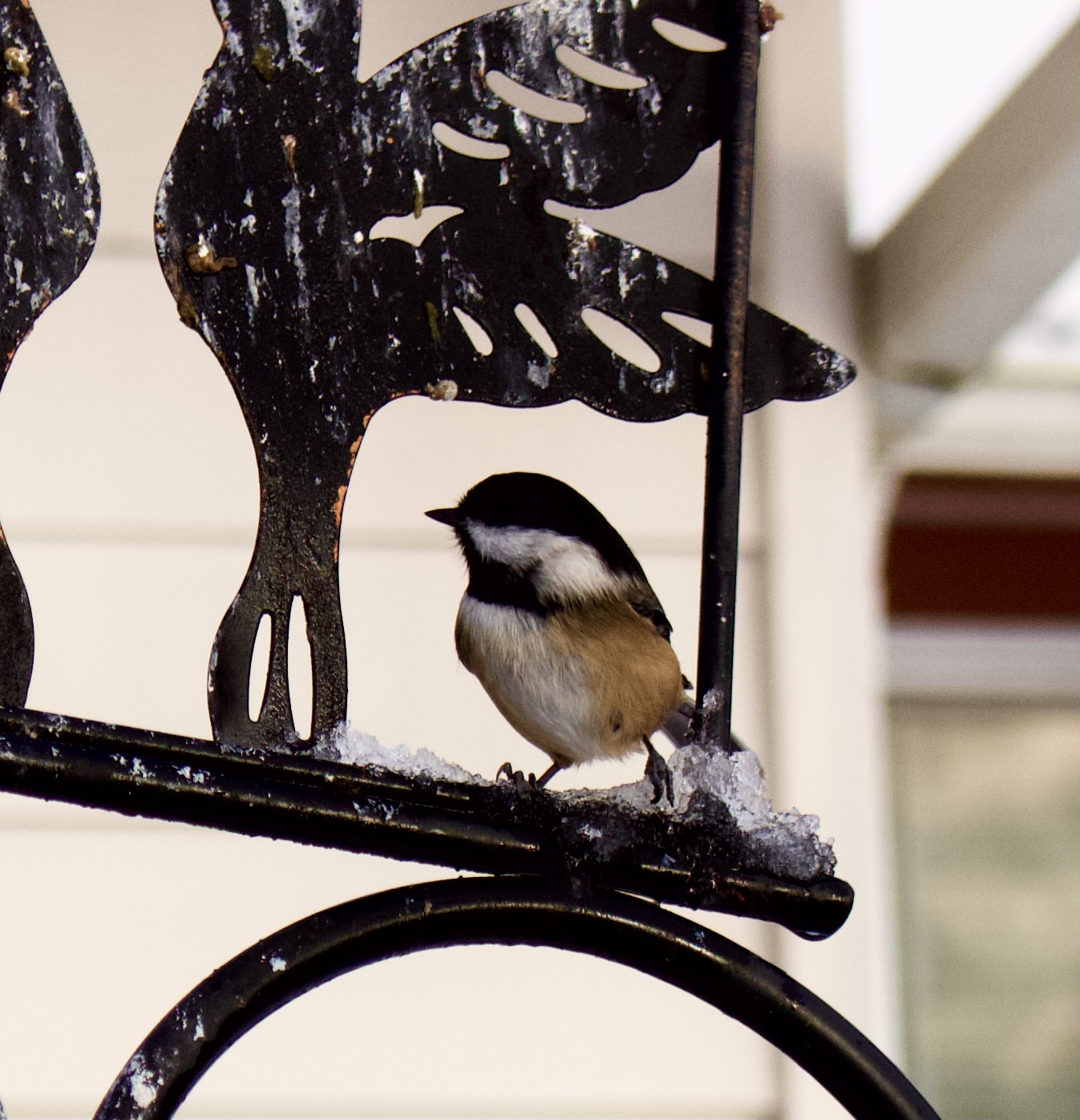
Flurry of chickadees, feeding then gone.
A single cardinal stipples an empty branch—
one maple leaf lifted back.

I turn my blessings like photographs into the light;
over my shoulder the god of Not-Yet looks on:

Not-yet-dead, not-yet-lost, not-yet-taken.
Not-yet-shattered, not-yet-sectioned,
not-yet-strewn.

Ample litany, sparing nothing I hate or love,
not-yet-silenced, not-yet-fractured; not-yet-

Not-yet-not.

I move my ear a little closer to that humming figure,
I ask him only to stay.
~Jane Hirshfield “Not Yet”
 from The Lives of the Heart.

To wait for the “not yet” is a hard sweet tension.

There is tension in knowing that something profound is happening –
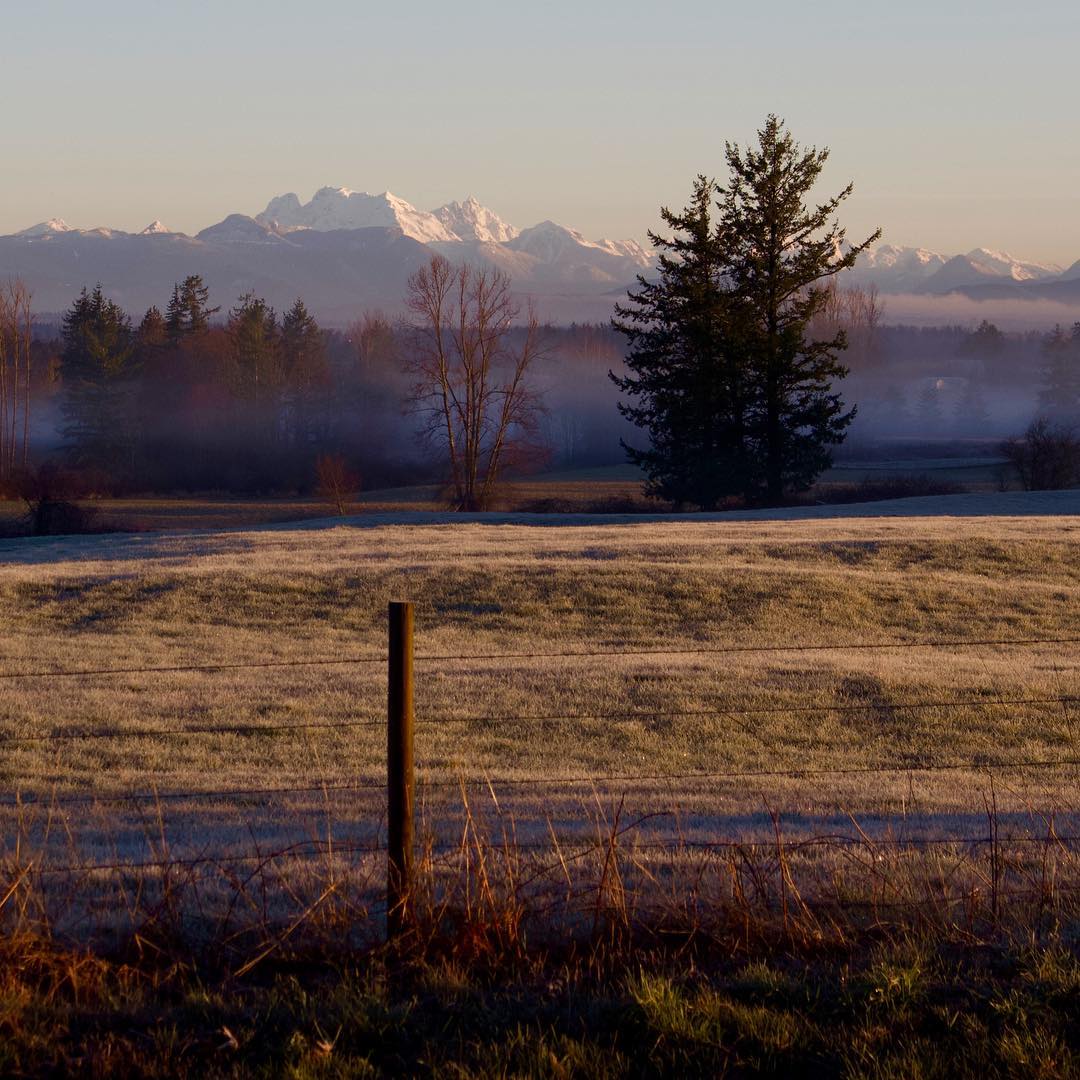
today’s vernal equinox,
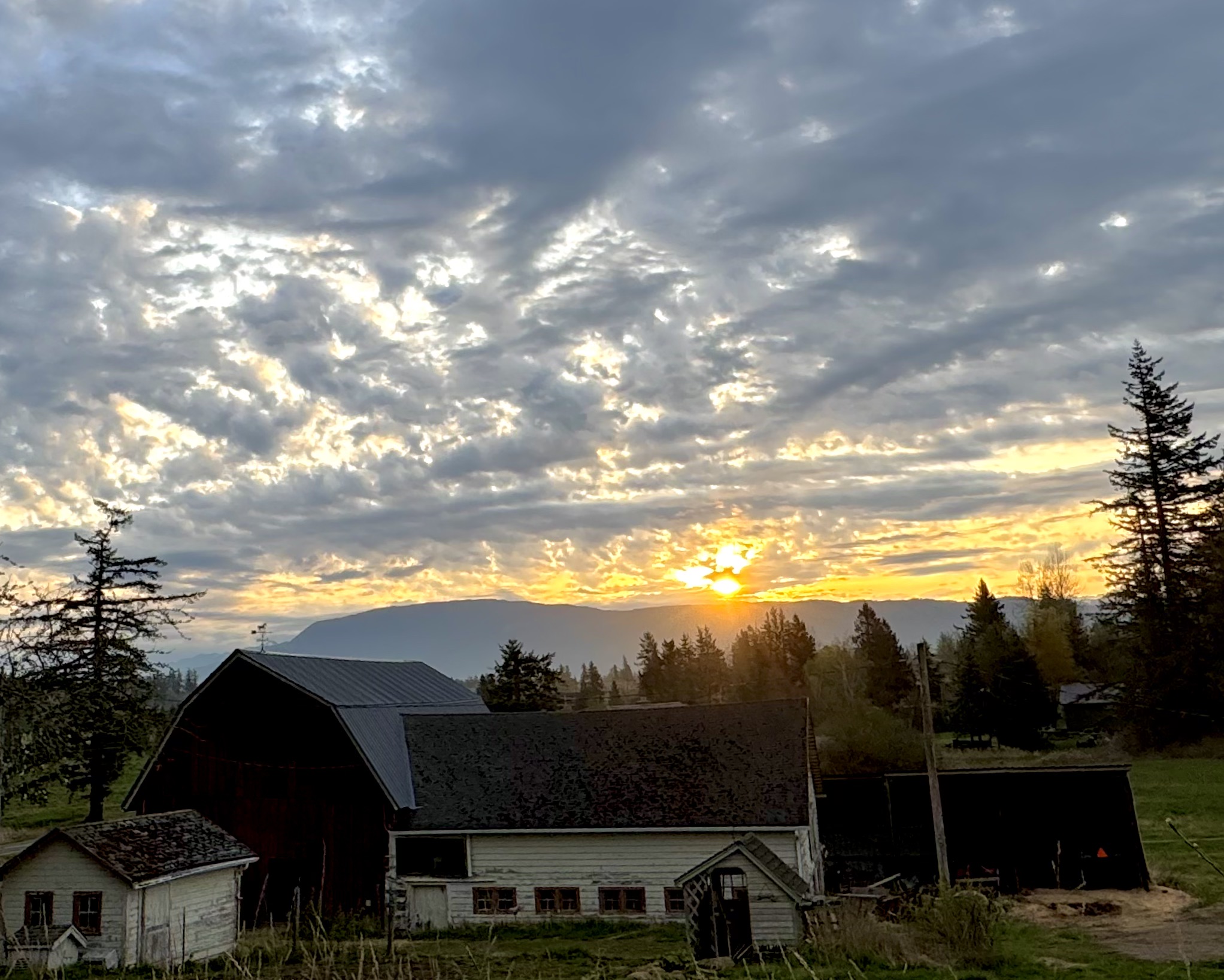
a brilliant sunrise,
a fading sunset,
new life growing,
but the transformation is not yet complete,
and I’m unsure when it will be.

I am still unfinished business and so is everyone else.

Soon, I will be reminded of what is yet to come.

I will know the shock of the empty tomb.
My heart will burn within me as more is revealed,
through the simple act of bread breaking.

Waiting is never easy;
it is painful to be patient,
to be unfinished,
staying open to possibility and hope.

Others don’t understand why I wait,
nor do they comprehend what I could possibly be waiting for.

I’m all-ready, not-yet-finished, but sometime soon.

This year’s Lenten theme:

…where you go I will go…
Ruth 1:16

AI image created for this post
One-Time
Monthly
Yearly

Make a one-time or recurring donation to support daily Barnstorming posts

Make a monthly donation

Make a yearly donation

Choose an amount

$10.00
$25.00
$50.00
$5.00
$15.00
$100.00
$5.00
$15.00
$100.00

Or enter a custom amount

$

Your contribution is deeply appreciated.

Your contribution is appreciated.

Your contribution is appreciated.

DonateDonate monthlyDonate yearly
Where You Go, I Will Go: A Constant Who Never Changes

When the moon scrapes past obscuring clouds,
there is the startle of pale-yellow light
escaping the sky onto the pasture, where
I walk my two young whippets in early spring
listening to chorus frogs shamelessly seeking
mates in the marsh-ponds spring rain has become
in my back pasture. And then coyotes too on the
far hill startling the dogs with their turbulent yips
joining the necessary summoning for more
of this tipping into spring, night-ascending prayers to
the moon and watching stars. But the moonlight’s
caught sounds of fecundity are deceiving—cold north wind
needles my cheeks, embraces my earlobes despite the
upturned hood on my too-thin jacket. A light frost
on pasture-grass licks against my winter chore boots. Despite the
whetted signs and sounds of approaching spring, there is
yet to be early crocus, daffodils filling the yard, or leaves
on the maple trees that will later shade the pigs in summer
now shivering in the night’s transition in the barnyard.
~Ed Higgins, “Transitions” from  Near Truth Only

Only another day until the spring equinox.

I confess to being impatient to transition away from winter, although we had snow and hail only a few days ago, our mornings are chilly with cold north breezes and our nights leave frosty icing on the barn roofs.

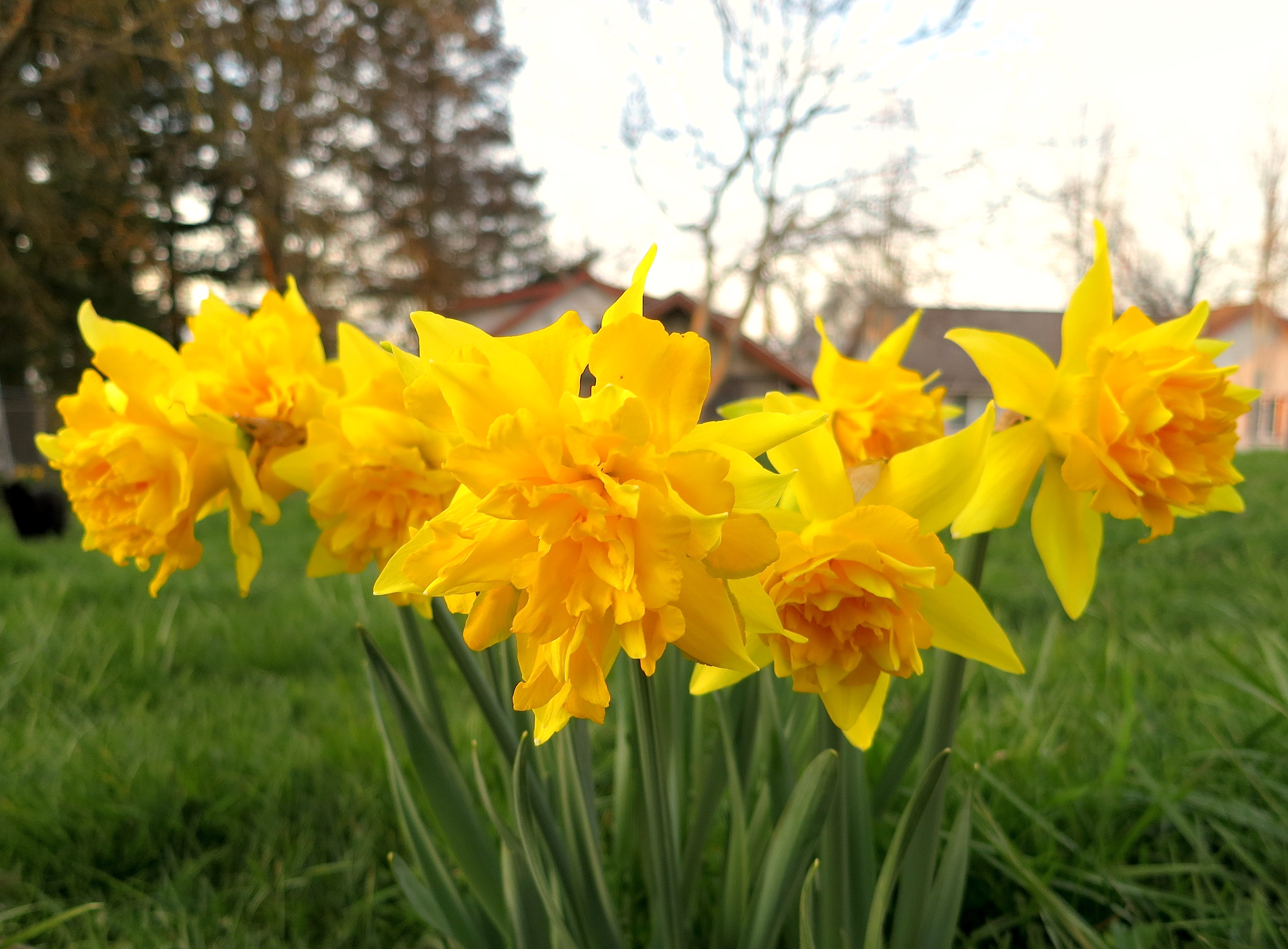
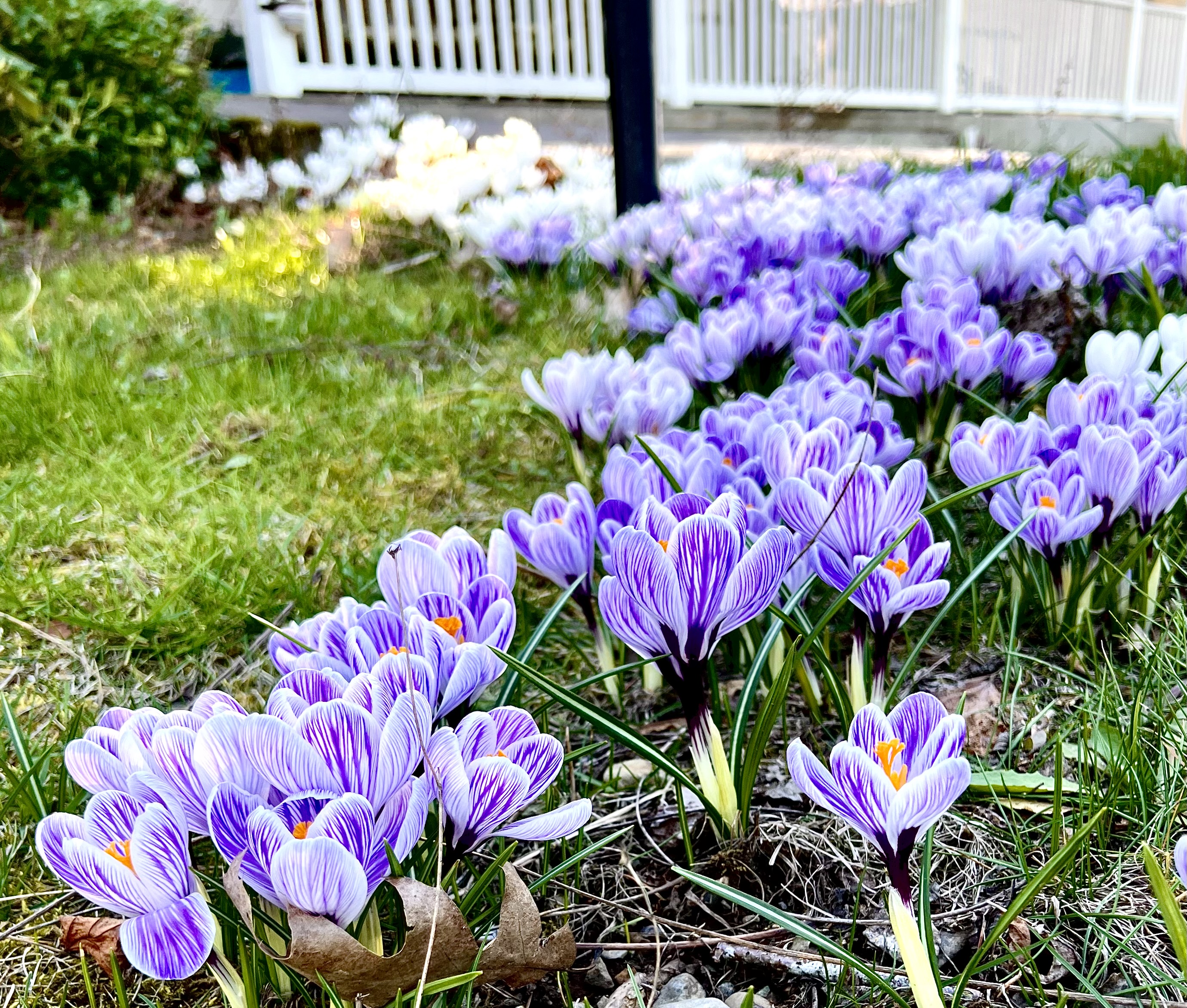
Even so, all the signs are there: the marsh frogs have been chorusing for nearly a month, coyotes are yipping it up, the pastures show a hint of green, early plum trees have broken open their tiny blossoms, crocus and daffodils have erupted in cheer and hope.

Some seasonal and life transitions are welcome.
Some not at all.
Some take my breath away.
One won’t give my breath back.

Whatever we face in this life, we will face it together,
knowing the arms of God surround us
when we’re weary,
when we’re ill,
when we’re discouraged.

His love is a sentinel beacon welcoming us home.

He is the constant when all else is in transition.

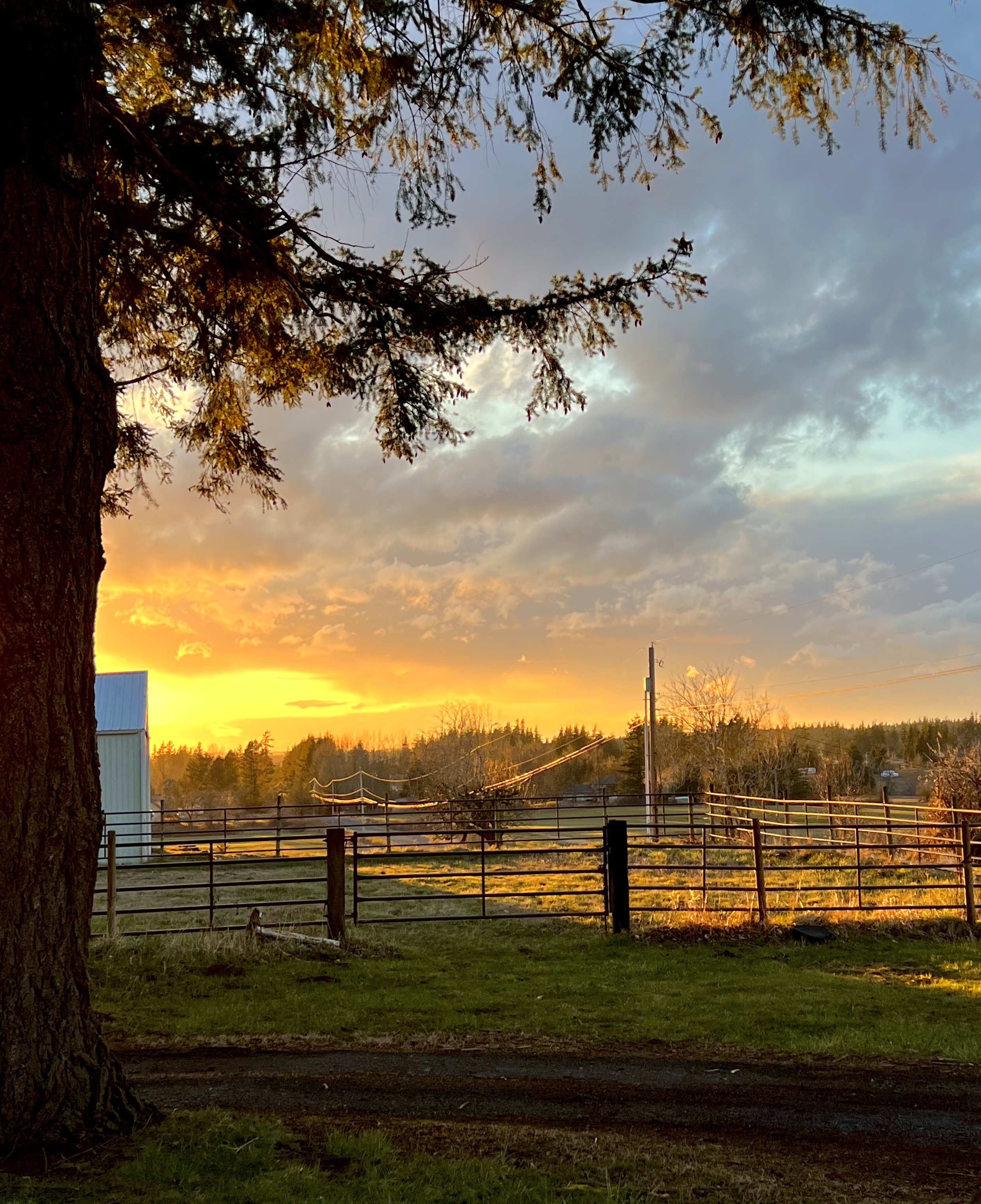
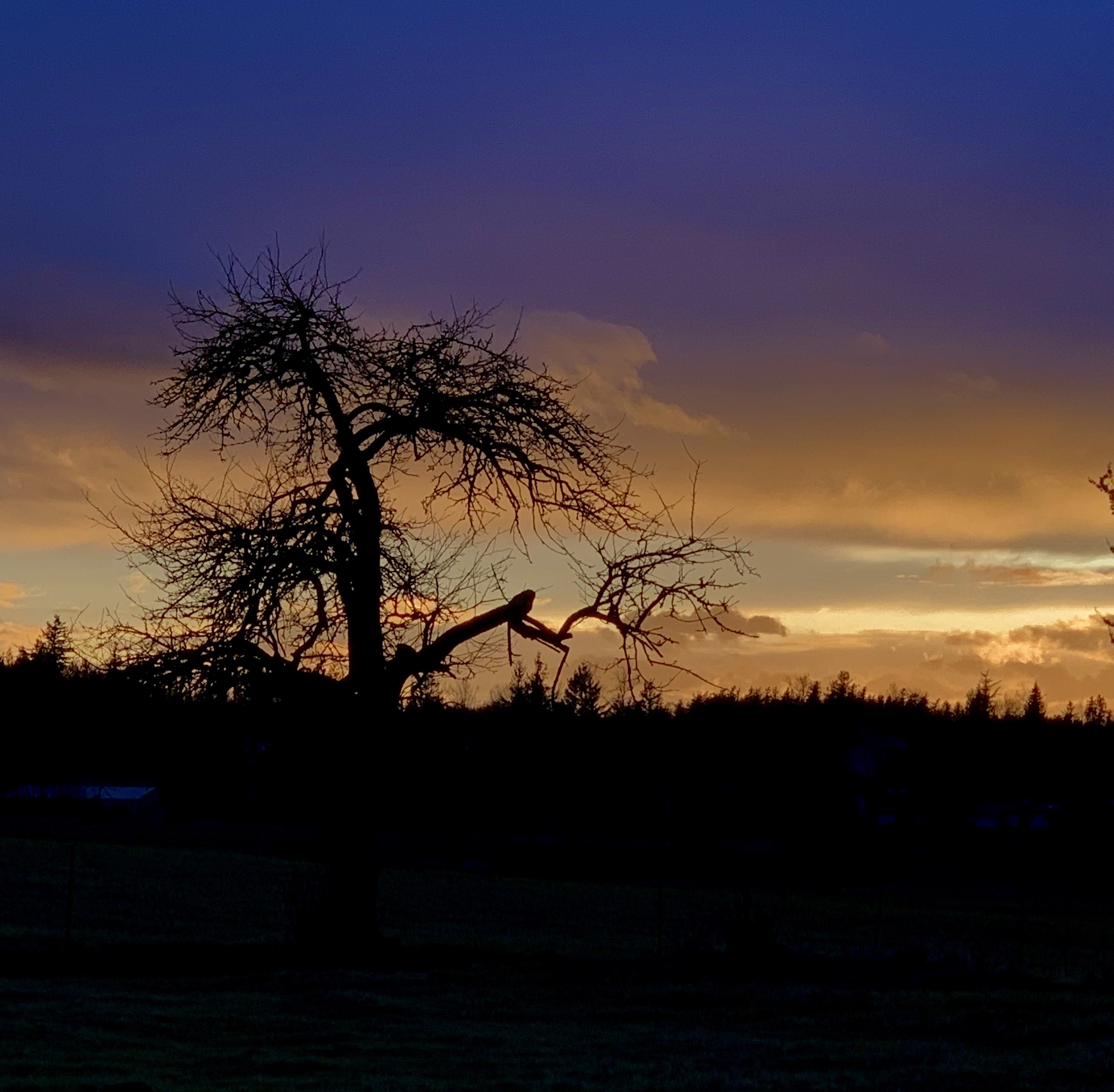
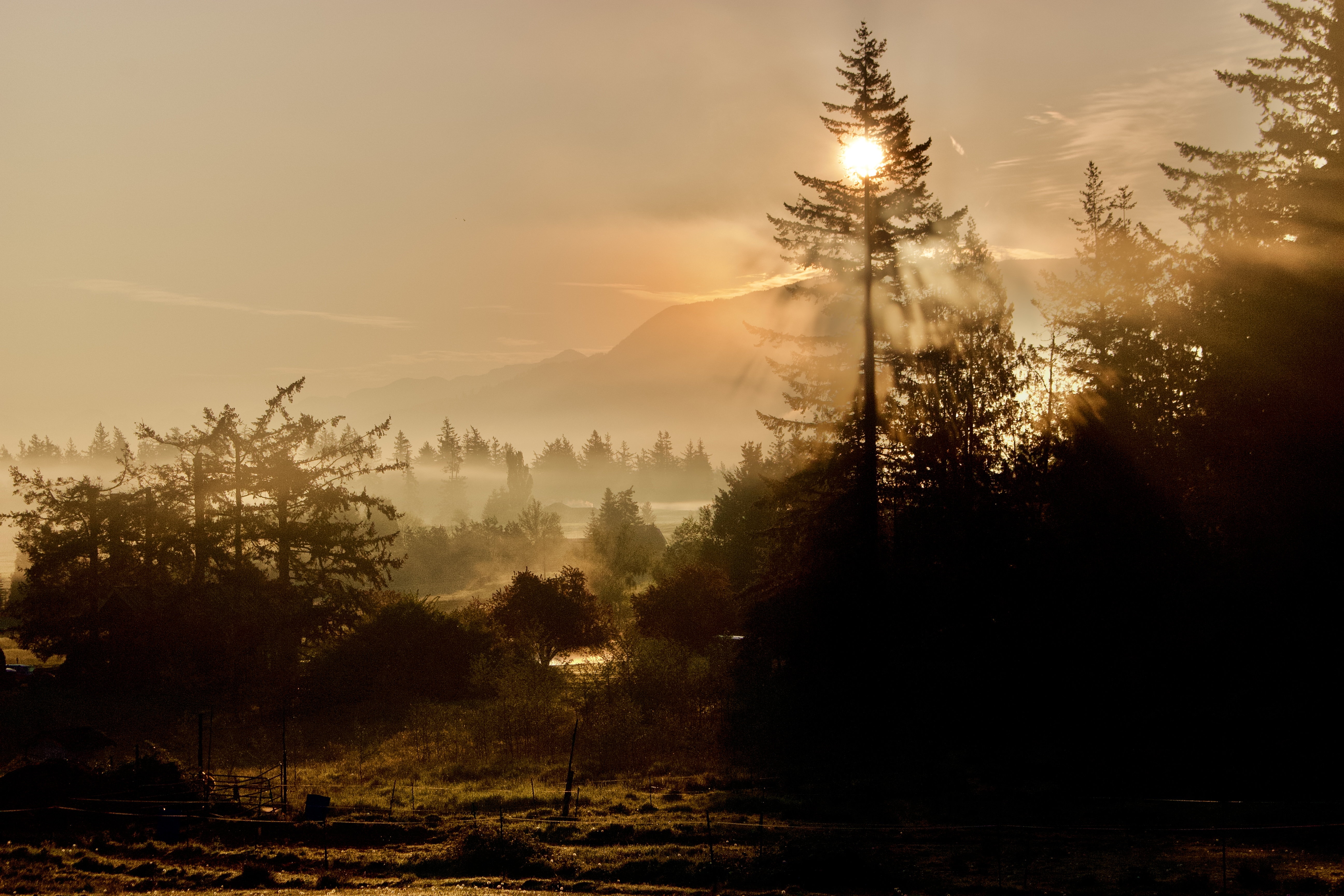
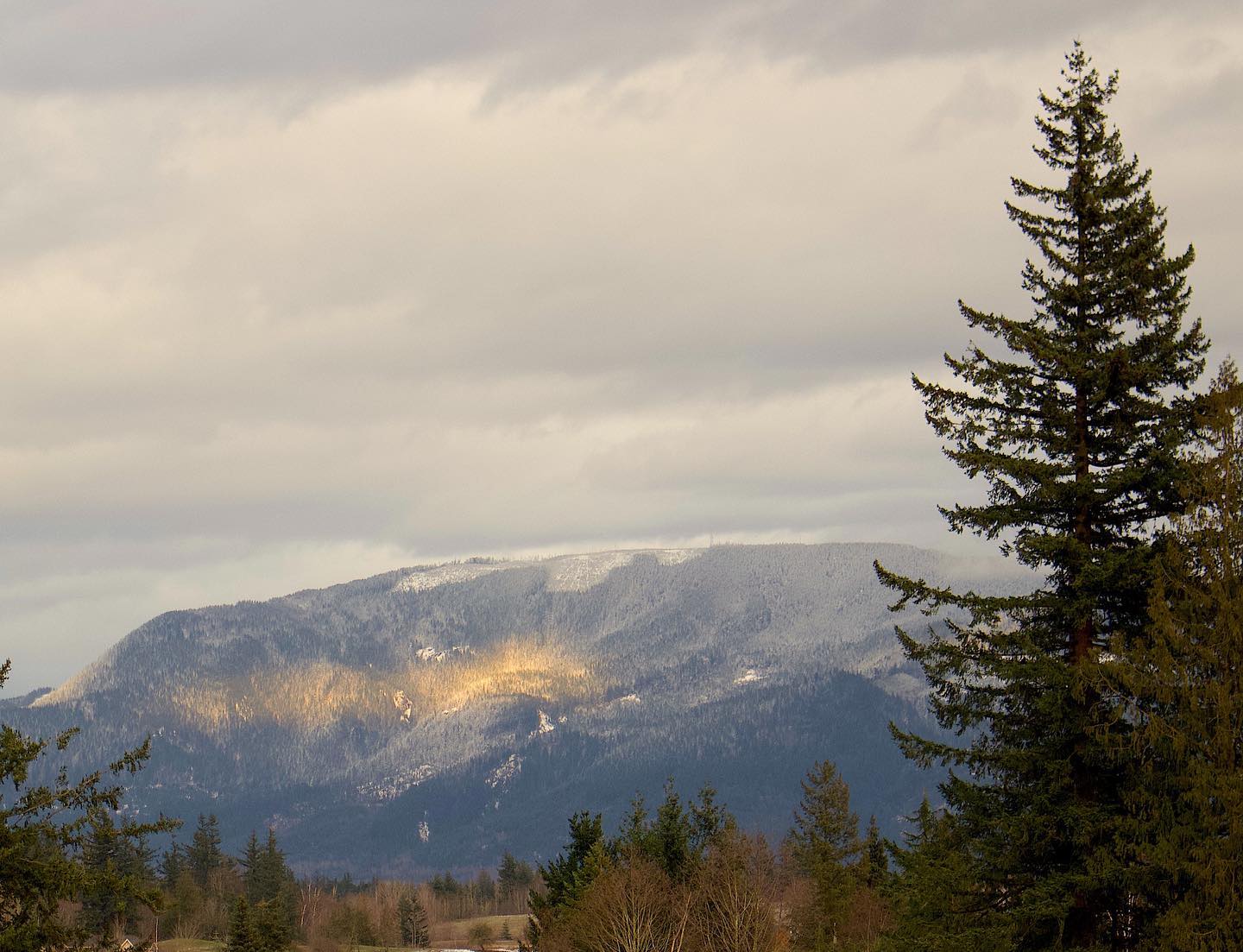
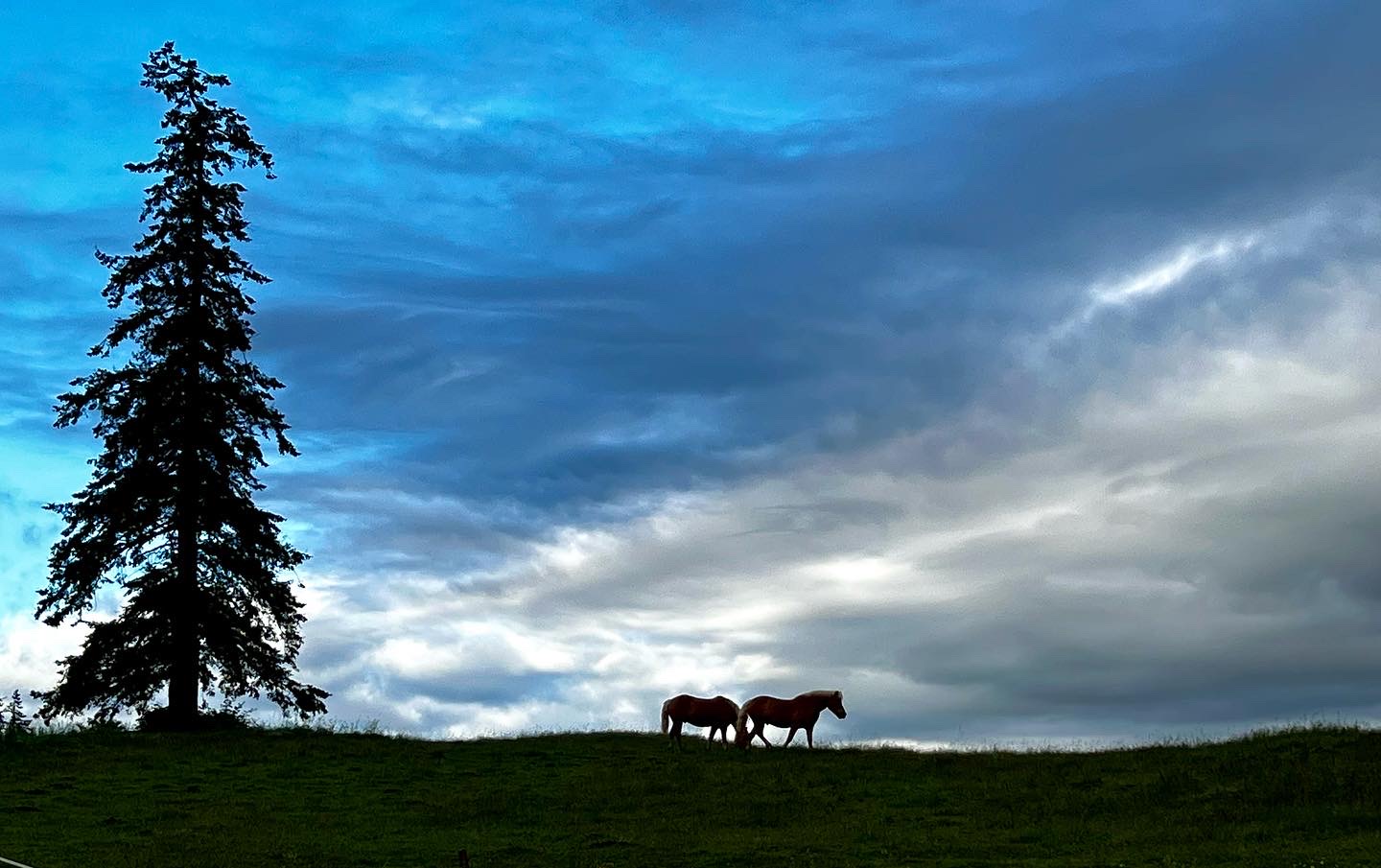
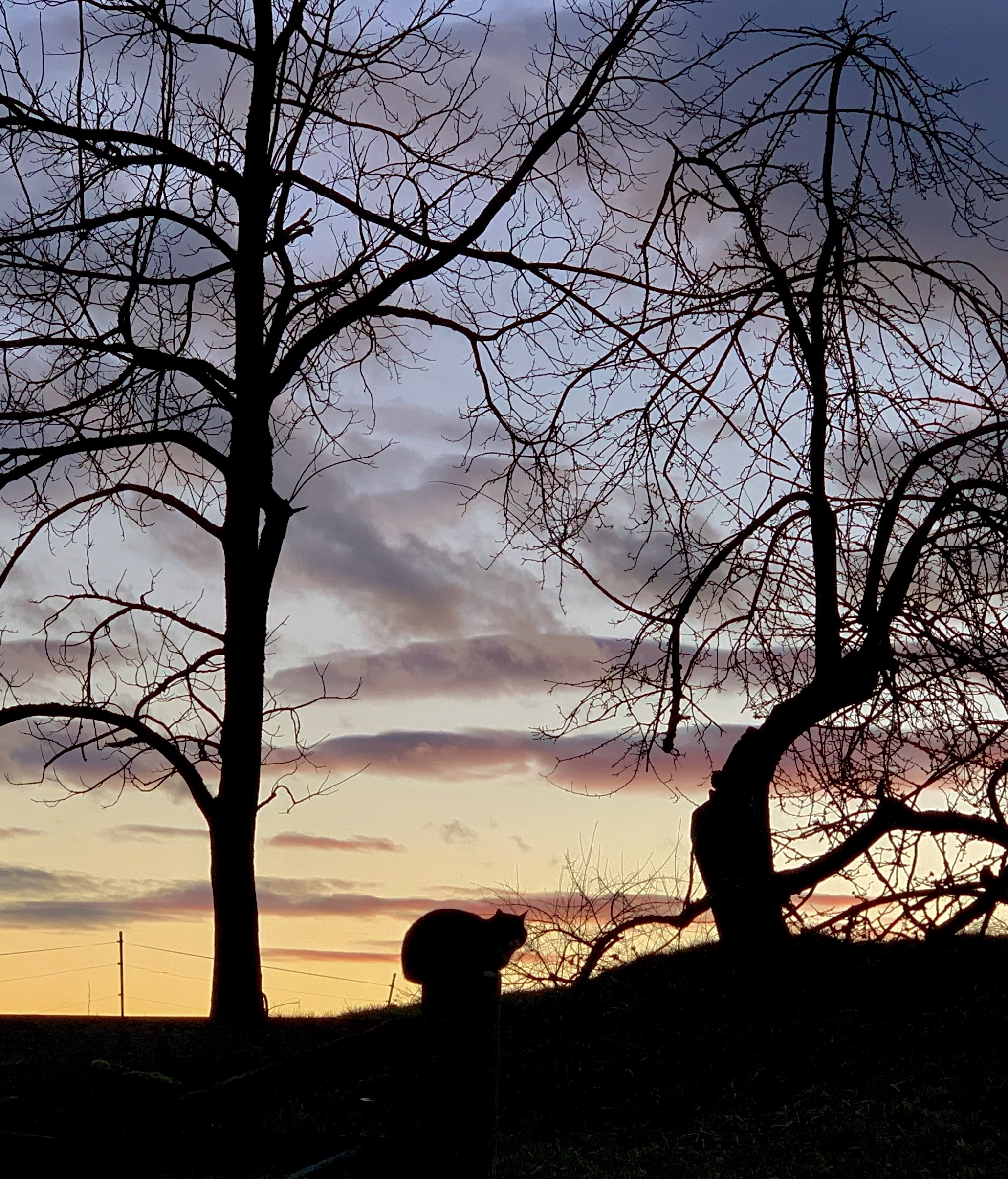
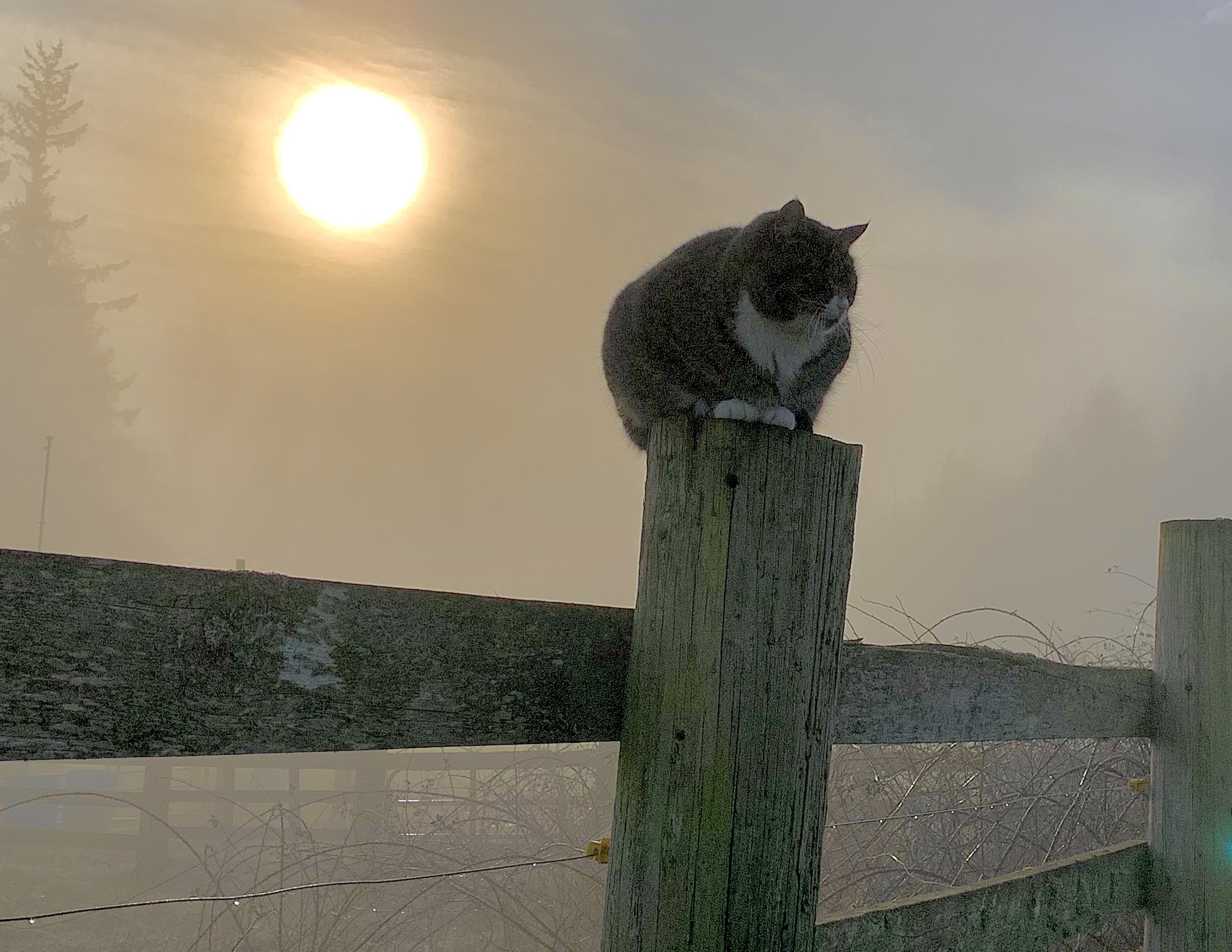
photo by Bob Tjoelker of our sentinel tree

Let nothing disturb thee,
Nothing affright thee;
All things are passing;
God never changeth;
Patient endurance attaineth to all things;
Who God possesseth in nothing is wanting;
Alone God sufficeth.
– St. Teresa of Avila
“Prayer”

This year’s Lenten theme:

…where you go I will go…
Ruth 1:16

AI image created for this post
One-Time
Monthly
Yearly

Make a one-time or recurring donation to support daily Barnstorming posts

Make a monthly donation

Make a yearly donation

Choose an amount

$10.00
$25.00
$50.00
$5.00
$15.00
$100.00
$5.00
$15.00
$100.00

Or enter a custom amount

$

Your contribution is deeply appreciated.

Your contribution is appreciated.

Your contribution is appreciated.

DonateDonate monthlyDonate yearly

Where You Go, I Will Go: Comfort Food and Clean Up

The church, I think, is God’s way of saying,
“What I have in the pot is yours,
and what I have is a group of misfits
whom you need more than you know
and who need you more than they know.” 

“Take, and eat,” he says,
“and take, and eat,
until the day, and it is coming,
that you knock on my door.
I will open it, and you will see me face to face.”

He is preparing a table.
He will welcome us in.
Jesus will be there, smiling and holy,
holding out a green bean casserole.
And at that moment, what we say, what we think, and what we believe will be the same:
“I didn’t know how badly I needed this.”
~Jeremy Clive Huggins from “The Church Potluck”

“When someone invites you to a wedding feast, do not take the place of honor, for a person more distinguished than you may have been invited. If so, the host who invited both of you will come and say to you, ‘Give this person your seat.’ Then, humiliated, you will have to take the least important place. 10 But when you are invited, take the lowest place, so that when your host comes, he will say to you, ‘Friend, move up to a better place.’ Then you will be honored in the presence of all the other guests. 11 For all those who exalt themselves will be humbled, and those who humble themselves will be exalted.”

“When you give a luncheon or dinner, do not invite your friends, your brothers or sisters, your relatives, or your rich neighbors; if you do, they may invite you back and so you will be repaid. 13 But when you give a banquet, invite the poor, the crippled, the lame, the blind, 14 and you will be blessed. Although they cannot repay you, you will be repaid at the resurrection of the righteous.”
Luke 14: 7-14

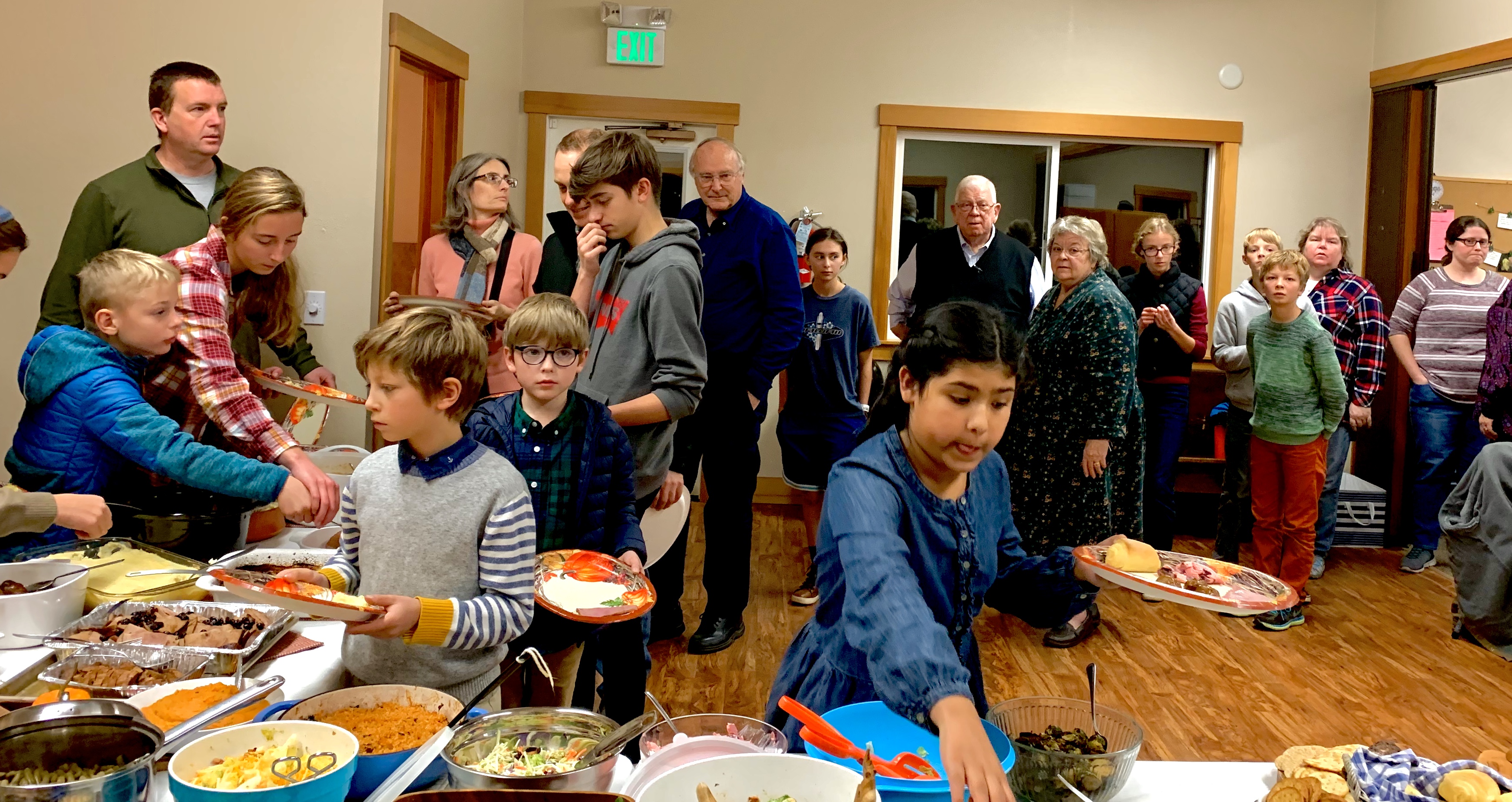
In the unspoken hierarchy of what makes a church function, I’m a kitchen lady and always will be.  I remember those very women from my childhood church of the fifties and sixties– their tight-knit ability to function as if one organism, swarming in aprons among tables set up in the fellowship hall and bustling around in the back by the stoves with steaming pots and pans and the occasionally dropped plate.

They kept the rest of us alive, those church ladies, by feeding us efficiently and plentifully and never ever sitting down.  I would occasionally see them eating standing up in the back of the hall, chatting amiably among themselves after the rest of us were served, but I knew they carefully wrapped up the leftovers during the clean up to deliver to shut-ins who couldn’t make it to the church supper.

I knew I was destined to become a kitchen lady, shy and introverted as I am, hiding myself behind huge plates of food and piles of dish cloths. Our church potlucks together every Sunday after our evening worship. For me, it is a welcoming place of comfort and clean up filled with plenty of leftovers for anyone who needs them.

That perfectly describes the kingdom of God in my book and His Book.

AI image created for this post

This year’s Lenten theme:

…where you go I will go…
Ruth 1:16

One-Time
Monthly
Yearly

Make a one-time or recurring donation to support daily Barnstorming posts

Make a monthly donation

Make a yearly donation

Choose an amount

$10.00
$25.00
$50.00
$5.00
$15.00
$100.00
$5.00
$15.00
$100.00

Or enter a custom amount

$

Your contribution is deeply appreciated.

Your contribution is appreciated.

Your contribution is appreciated.

DonateDonate monthlyDonate yearly
Where You Go, I Will Go: A Vast Incredible Gift

Our heart wanders lost in the dark woods.
Our dream wrestles in the castle of doubt.
But there’s music in us. Hope is pushed down
but the angel flies up again taking us with her.
It is no surprise 
that danger and suffering surround us.
What astonishes is the singing.
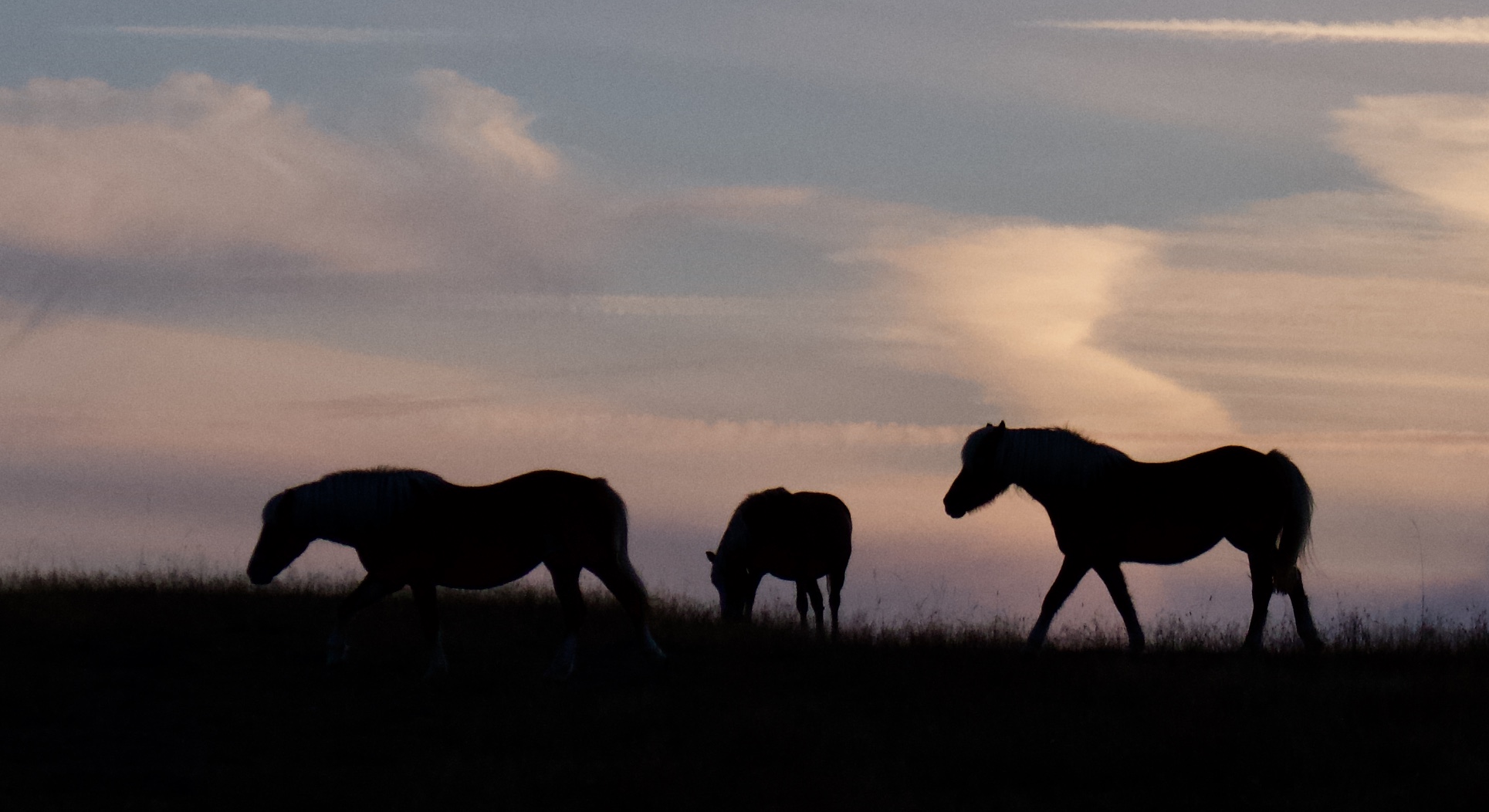
We know the horses are there in the dark
meadow because we can smell them,
can hear them breathing. 
Our spirit persists like a man struggling 
through the frozen valley
who suddenly smells flowers
and realizes the snow is melting
out of sight on top of the mountain,
knows that spring has begun.

~Jack Gilbert from  “Horses at Midnight Without a Moon”

In trees still dripping night some nameless birds
Woke, shook out their arrowy wings, and sang,
Slowly, like finches sifting through a dream.
The pink sun fell, like glass, into the fields.
Two chestnuts, and a dapple gray,
Their shoulders wet with light, their dark hair streaming,
Climbed the hill. The last mist fell away.

And under the trees, beyond time’s brittle drift,
I stood like Adam in his lonely garden
On that first morning, shaken out of sleep,
Rubbing his eyes, listening, parting the leaves,
Like tissue on some vast, incredible gift.

~Mary Oliver “Morning In a New Land” from New and Selected Poems

As if —
we are walking through the darkest woods, still stuck in the throes of winter, and catch a whiff of a floral scent, or a hint of green grass, or hear the early jingle bells song of peeper frogs in the wetlands, or feel the warm breath of horses puffing steam at night.

As if —
there is hope on the other side, refreshment and renewal and rejoicing just around the corner.

As if —
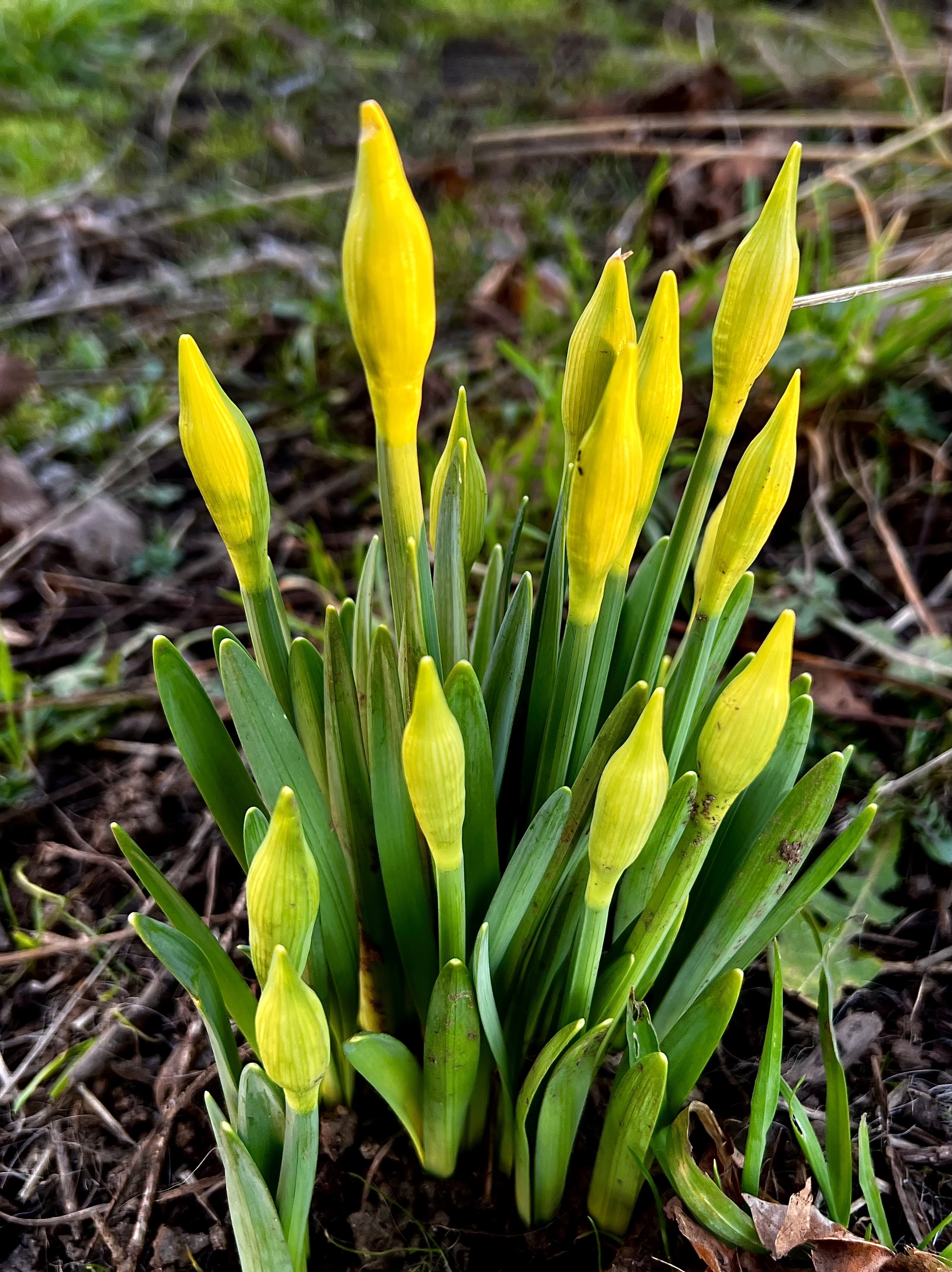
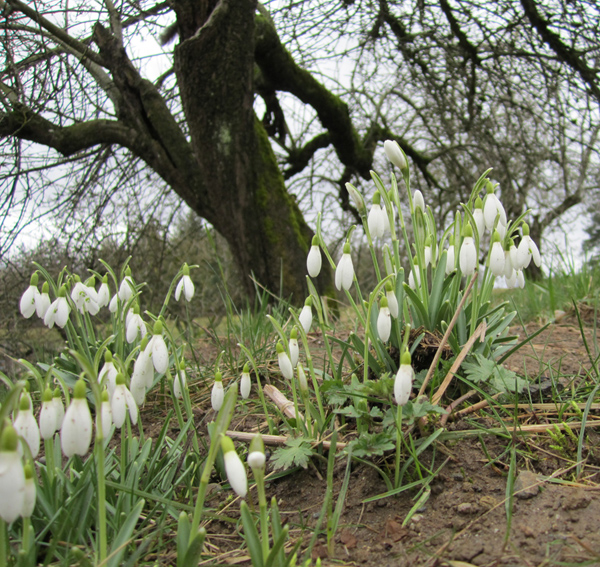
things won’t always be frozen or muddy or barren, that something is coming behind the snowdrops and crocus.

The snow is melting, imperceptibly, but melting nonetheless.
And that vast incredible gift thaws what is frozen in me…

photo by Emily Dieleman

This year’s Lenten theme:

…where you go I will go…
Ruth 1:16

One-Time
Monthly
Yearly

Make a one-time and recurring donation to support daily Barnstorming posts

Make a monthly donation

Make a yearly donation

Choose an amount

$10.00
$25.00
$50.00
$5.00
$15.00
$100.00
$5.00
$15.00
$100.00

Or enter a custom amount

$

Your contribution is deeply appreciated.

Your contribution is appreciated.

Your contribution is appreciated.

DonateDonate monthlyDonate yearly
Where You Go, I Will Go: The Mourning Bench

…we all suffer.
For we all prize and love;
and in this present existence of ours,
prizing and loving yield suffering.
Love in our world is suffering love.


Some do not suffer much, though,
for they do not love much.
Suffering is for the loving.
This, said Jesus, is the command of the Holy One:
“You shall love your neighbor as yourself.”
In commanding us to love, God invites us to suffer
.

Over there, you are of no help.
What I need to hear from you is that you recognize how painful it is.
I need to hear from you that you are with me in my desperation.


To comfort me, you have to come close.
Come sit beside me on my mourning bench.
~Nicholas Wolterstorff from Lament for a Son

I wondered if 7:30 AM was too early to call her. As a sleep-deprived fourth year medical student finishing a long night admitting patients in the hospital, I selfishly needed to hear her voice.

I wanted to know how Margy was doing with the latest round of chemotherapy for breast cancer; I knew she was not sleeping well these days. She was wearing a new halo brace—a metal contraption that wrapped around her head like a scaffolding to secure her degenerating cervical spine from collapsing from metastatic tumor growths in her bones.

She knew, we all knew, she was trying to buy more time from a life of rapidly diminishing days.

Each patient I had seen the previous 24 hours while working in the Emergency Room benefited from the interviewing skills Margy had taught each medical student in our class. She reminded us that each patient had an important story to tell, and no matter how pressured our time, we needed to ask questions that gave permission for that story to be told. As a former nun now married with two teenage children, Margy had become our de facto therapist at a time no medical school hired supportive counselors.

She insisted physicians-in-training remember the suffering soul thriving inside the broken body.

“Just let the patient know with certainty, through your eyes, your body language, your words, that you want to hear what they have to say. You can heal so much hurt simply by sitting beside them and caring enough to listen…”

After her diagnosis with stage 4 cancer, Margy herself became the broken vessel who needed the glue of a good listener. She continued to teach, often from her bed at home. I planned to visit her that day, maybe help out by cleaning her house, or take her for a drive as a diversion.

Her phone rang only once after I dialed her number. There was a long pause; I could hear a clearing of her throat. A deep dam of tears welled behind a muffled “Hello?”

“Margy?”

“Yes? Emily? ”

“Margy? What is it? What’s wrong?”

Her voice shattered like glass into fragments, strangling on words that struggled to form.

“Gordy’s gone, Emily. He’s gone. He’s gone forever…”

“What? What are you saying?”

“A policeman just left. He told us our boy is dead.”

I sat in stunned silence, listening to her sobs, completely unequipped to know how to respond.

None of this made sense. I knew her son was on college spring break, heading to Mexico for a missions trip.

“I’m here, what’s happened?”

“The doorbell rang about an hour ago. Larry got up to answer it. I heard him talking to someone downstairs, so I decided to try to get up and go see what was going on. There was a policeman sitting with Larry on the couch. I knew it had to be about Gordy.”

She paused and took in a shuddering breath.

“The group was driving through the night in California. He was asleep in the back of the camper. They think he was sleepwalking and walked right out of the back of the moving camper and was hit by another car.”

Silence.  A strangling choking silence.

“They’ll bring him home to me, won’t they? I need to know I can see my boy again. I need to tell him how much I love him.”

“They’ll bring him home to you, Margy.
I’m on my way to help you get ready…

God is not only the God of the sufferers
but the God who suffers. …
It is said of God that no one can behold his face and live.
I always thought this meant
that no one could see his splendor and live.
A friend said perhaps it meant
that no one could see his sorrow and live.
Or perhaps his sorrow is splendor. …
Instead of explaining our suffering, God shares it.

~Nicholas Wolterstorff from Lament for a Son

This year’s Lenten theme:

…where you go I will go…
Ruth 1:16

One-Time
Monthly
Yearly

Make a one-time or recurring donation to support daily Barnstorming posts

Make a monthly donation

Make a yearly donation

Choose an amount

$10.00
$25.00
$50.00
$5.00
$15.00
$100.00
$5.00
$15.00
$100.00

Or enter a custom amount

$

Your contribution is deeply appreciated.

Your contribution is appreciated.

Your contribution is appreciated.

DonateDonate monthlyDonate yearly
Where You Go, I Will Go: Anticipating the Thaw

March. I am beginning
to anticipate a thaw. Early mornings
the earth, old unbeliever, is still crusted with frost
where the moles have nosed up their
cold castings, and the ground cover
in shadow under the cedars hasn’t softened
for months, fogs layering their slow, complicated ice
around foliage and stem
night by night,

but as the light lengthens, preacher
of good news, evangelizing leaves and branches,
his large gestures beckon green
out of gray. Pinpricks of coral bursting
from the cotoneasters. A single bee
finding the white heather. Eager lemon-yellow
aconites glowing, low to the ground like
little uplifted faces. A crocus shooting up
a purple hand here, there, as I stand
on my doorstep, my own face drinking in heat
and light like a bud welcoming resurrection,
and my hand up, too, ready to sign on
for conversion.
~Luci Shaw “Revival” from What the Light was Like

A few remaining hints of frost
drip with rain,
the frozen ground oozing
with mud and mire.

This morning has a hint of fragrance
as buds dare to peek open, testing the air.

I wake to dawn’s fiery burning light
I hear beckoning eagle chatter and frog chorus

I follow the sun wherever it may appear,
so eager for warmth and revival, grateful to be alive to notice.

The thaw is at hand; a new day is aching to bloom.

This year’s Lenten theme:

…where you go I will go…
Ruth 1:16

AI image created for this post
One-Time
Monthly
Yearly

Make a one-time or recurring donation to support daily Barnstorming posts

Make a monthly donation

Make a yearly donation

Choose an amount

$10.00
$25.00
$50.00
$5.00
$15.00
$100.00
$5.00
$15.00
$100.00

Or enter a custom amount

$

Your contribution is deeply appreciated.

Your contribution is appreciated.

Your contribution is appreciated.

DonateDonate monthlyDonate yearly
Where You Go, I Will Go: An Ache Like Homesickness

When I was a child
I once sat sobbing on the floor
Beside my mother’s piano
As she played and sang
For there was in her singing
A shy yet solemn glory
My smallness could not hold

And when I was asked
Why I was crying
I had no words for it
I only shook my head
And went on crying

Why is it that music
At its most beautiful
Opens a wound in us
An ache a desolation
Deep as a homesickness
For some far-off
And half-forgotten country

I’ve never understood
Why this is so

But there’s an ancient legend
From the other side of the world
That gives away the secret
Of this mysterious sorrow

For centuries on centuries
We have been wandering
But we were made for Paradise
As deer for the forest

And when music comes to us
With its heavenly beauty
It brings us desolation
For when we hear it
We half remember
That lost native country

We dimly remember the fields
Their fragrant windswept clover
The birdsongs in the orchards
The wild white violets in the moss
By the transparent streams

And shining at the heart of it
Is the longed-for beauty
Of the One who waits for us
Who will always wait for us
In those radiant meadows

Yet also came to live with us
And wanders where we wander.
~Anne Porter “Music” from Living Things

One evening, when our daughter was only a toddler,
just learning the words to tell us what she needed,
I was preparing dinner, humming to
a choral music piece playing in the background.

She sat on the kitchen floor, looking up at me,
her eyes welling full with tears
like pools of reflected light spilling over
from some deep-remembered reservoir.

At first I thought she was hurt or upset
but then could see she was feeling
an ache a desolation
deep as a homesickness
as she wept for wonder
at the sad beauty of the music
that spoke for her
the words she could not express:

Of the One who waits for us
Who will always wait for us
In those radiant meadows

Yet also came to live with us
And wandered where we wander.

For our present troubles are small and won’t last very long. Yet they produce for us a glory that vastly outweighs them and will last forever! So we don’t look at the troubles we can see now; rather, we fix our gaze on things that cannot be seen. For the things we see now will soon be gone, but the things we cannot see will last forever
2Corinthians 4:17-18

This year’s Lenten theme:

…where you go I will go…
Ruth 1:16

AI image created for this post
One-Time
Monthly
Yearly

Make a one-time or recurring donation to support daily Barnstorming posts

Make a monthly donation

Make a yearly donation

Choose an amount

$10.00
$25.00
$50.00
$5.00
$15.00
$100.00
$5.00
$15.00
$100.00

Or enter a custom amount

$

Your contribution is deeply appreciated.

Your contribution is appreciated.

Your contribution is appreciated.

DonateDonate monthlyDonate yearly
Where You Go, I Will Go: Savor the Bitterness of Earth and Ashes

This is a litany to earth and ashes,
to the dust of roads and vacant rooms,
to the fine silt circling in a shaft of sun,
settling indifferently on books and beds.
This is a prayer to praise what we become,
“Dust thou art, to dust thou shalt return.”
Savor its taste—the bitterness of earth and ashes.

~Dana Gioia from “The Litany”

I will show you fear in a handful of dust.
~T.S. Eliot from “The Wasteland”

…let us be marked
not for sorrow.
And let us be marked
not for shame.
Let us be marked
not for false humility
or for thinking
we are less
than we are

but for claiming
what God can do
within the dust,
within the dirt,
within the stuff
of which the world
is made,
and the stars that blaze
in our bones,
and the galaxies that spiral
inside the smudge
we bear.

~Jan Richardson from “Blessing the Dust” in Circle of Grace

God’s people are reminded today, through dust and ashes,
that our stay here is temporary.

This reality recently became very clear to me.
So I follow Christ where He goes,
He paused to gather me in – one more lost sheep.

This earth quakes and floods and burns and shatters,
as does my frail human heart in all its dustiness.

His light splinters, spilling into colors and hues through that misty veil -God’s people are smudged with no longer bitter ash,
no longer opaque, but shining luminous and eternal and glorious.

This year’s Lenten theme:

…where you go I will go…
Ruth 1:16

One-Time
Monthly
Yearly

Make a one-time or recurring donation to support daily Barnstorming posts

Make a monthly donation

Make a yearly donation

Choose an amount

$10.00
$25.00
$50.00
$5.00
$15.00
$100.00
$5.00
$15.00
$100.00

Or enter a custom amount

$

Your contribution is deeply appreciated.

Your contribution is appreciated.

Your contribution is appreciated.

DonateDonate monthlyDonate yearly

Who is the Great I Am: A Saturday of Stillness

God goes, belonging to every riven thing he’s made
sing his being simply by being
the thing it is:
stone and tree and sky,
man who sees and sings and wonders why

God goes. Belonging, to every riven thing he’s made,
means a storm of peace.
Think of the atoms inside the stone.
Think of the man who sits alone
trying to will himself into a stillness where

God goes belonging. To every riven thing he’s made
there is given one shade
shaped exactly to the thing itself:
under the tree a darker tree;
under the man the only man to see

God goes belonging to every riven thing. He’s made
the things that bring him near,
made the mind that makes him go.
A part of what man knows,
apart from what man knows,

God goes belonging to every riven thing he’s made.
~Christian Wiman “Every Riven Thing”

The Holy Saturday of our life must be the preparation for Easter,
the persistent hope for the final glory of God. 

The virtue of our daily life is the hope which does what is possible
and expects God to do the impossible. 

To express it somewhat paradoxically, but nevertheless seriously: 
the worst has actually already happened; 
we exist,
and even death cannot deprive us of this. 

Now is the Holy Saturday of our ordinary life, 
but there will also be Easter, our true and eternal life. 
~Karl Rahner “Holy Saturday” in The Great Church Year

This is the day in between when nothing makes sense
 we are lost, hopeless, grieving, riven beyond recognition.

We are brought to our senses by this one Death, this premeditated killing, this senseless act that darkened the skies, shook the earth and tore down the curtained barriers to the Living Eternal God.

The worst has already happened, despite how horrific are the constant tragic events filling our headlines.

Today, this Holy Saturday we are in between, stumbling in the darkness but aware of hints of light, of buds, of life, of promised fruit to come.

The best has already happened; it happened even as we remained oblivious to its impossibility.

We move through this Saturday, doing what is possible even when it feels senseless, even as we feel split apart, torn and sundered.

Tomorrow it will all make sense: our hope brings us face to face with our God who is and was and does the impossible.

So Joseph bought some linen cloth, took down the body, wrapped it in the linen, and placed it in a tomb cut out of rock. Then he rolled a stone against the entrance of the tomb. Mary Magdalene and Mary the mother of Joseph saw where he was laid.
Mark 15:46-47

Wait for the Lord; be strong and take heart and wait for the Lord.
Psalm 27:14

This Lenten season I reflect on the words of the 19th century southern spiritual hymn “What Wondrous Love is This”

I see his blood upon the rose
And in the stars the glory of his eyes,
His body gleams amid eternal snows,
His tears fall from the skies.

I see his face in every flower;
The thunder and the singing of the birds
Are but his voice-and carven by his power
Rocks are his written words.

All pathways by his feet are worn,
His strong heart stirs the ever-beating sea,
His crown of thorns is twined with every thorn,
His cross is every tree.

~Joseph Plunkett “I See His Blood Upon the Rose”

One-Time
Monthly
Yearly

Make a one-time or recurring donation to support daily Barnstorming posts

Make a monthly donation

Make a yearly donation

Choose an amount

$10.00
$25.00
$50.00
$5.00
$15.00
$100.00
$5.00
$15.00
$100.00

Or enter a custom amount

$

Your contribution is deeply appreciated.

Your contribution is appreciated.

Your contribution is appreciated.

DonateDonate monthlyDonate yearly
What Wondrous Love: Straw as Sharp as Thorns

“My God, My God,” goes the Psalm 22, “hear me, why have you forsaken me?”  

This is the anguish all we of Godforsaken heart know well. But hear the revelation to which Christ directs us, further in the same psalm:

For He has not despised nor scorned the beggar’s supplication,
Nor has He turned away His face from me;
And when I cried out to Him, He heard me.

He hears us, and he knows, because he has suffered as one Godforsaken. Which means that you and I, even in our darkest hours, are not forsaken. Though we may hear nothing, feel nothing, believe nothing, we are not forsaken, and so we need not despair. And that is everything. That is Good Friday and it is hope, it is life in this darkened age, and it is the life of the world to come.
~Tony Woodlief from “We are Not Forsaken”

The whole of Christ’s life was a continual passion;
others die martyrs, but Christ was born a martyr.
He found a Golgotha, where he was crucified,
even in Bethlehem, where he was born;

for to his tenderness then the straws
were almost as sharp as the thorns after,
and the manger as uneasy at first as the cross at last.

His birth and his death were but one continual act,
and his Christmas Day and his Good Friday
are but the evening and the morning of one and the same day.

From the creche to the cross is an inseparable line. Christmas only points forward to Good Friday and Easter. It can have no meaning apart from that, where the Son of God displayed his glory by his death.

~John Donne in the opening words of his sermon on Christmas Day 1626

photo by Josh Scholten

How is faith to endure, O God, when you allow all this scraping and tearing on us? You have allowed rivers of blood to flow, mountains of suffering to pile up, sobs to become humanity’s song–all without lifting a finger that we could see. You have allowed bonds of love beyond number to be painfully snapped. If you have not abandoned us, explain yourself.

Instead of explaining our suffering God shares it.

We strain to hear. But instead of hearing an answer we catch sight of God himself scraped and torn. Through our tears we see the tears of God.
~Nicholas Wolterstorff  in Lament for a Son

In a daring and beautiful creative reversal, 
God takes the worse we can do to Him
and turns it into the very best He can do for us.

~Malcolm Guite from The Word in the Wilderness

La Pietà of Michelangelo

Emmett Till’s mother
speaking over the radio

She tells in a comforting voice
what it was like to touch her dead boy’s face,

how she’d lingered and traced
the broken jaw, the crushed eyes —

the face that badly beaten, disfigured —
before confirming his identity.

And then she compares his face
to the face of Jesus, dying on the cross.

This mother says, no, she’d not recognize
her Lord, for he was beaten far, far worse

than the son she loved with all her heart.
For, she said, she could still discern her son’s curved earlobe,

but the face of Christ
was beaten to death by the whole world.
~Richard Jones “The Face” from Between Midnight and Dawn

May we remember today – Good Friday – of all days,
the worst that can happen became the best that can happen.

We tussle and haggle over the price of what this cost us, but realizing He paid all for us makes an impossible loss possible.

We are paid in full, no longer debtors. 

From now on, we recognize His face even when He is beaten unrecognizable: the worst became the best because He loves us over all else.

Detail from “Descent from the Cross” by Rogier van der Weyden