Ancestral Wanderlust

Because I have come to the fence at night,
the horses arrive also from their ancient stable.
They let me stroke their long faces, and I note
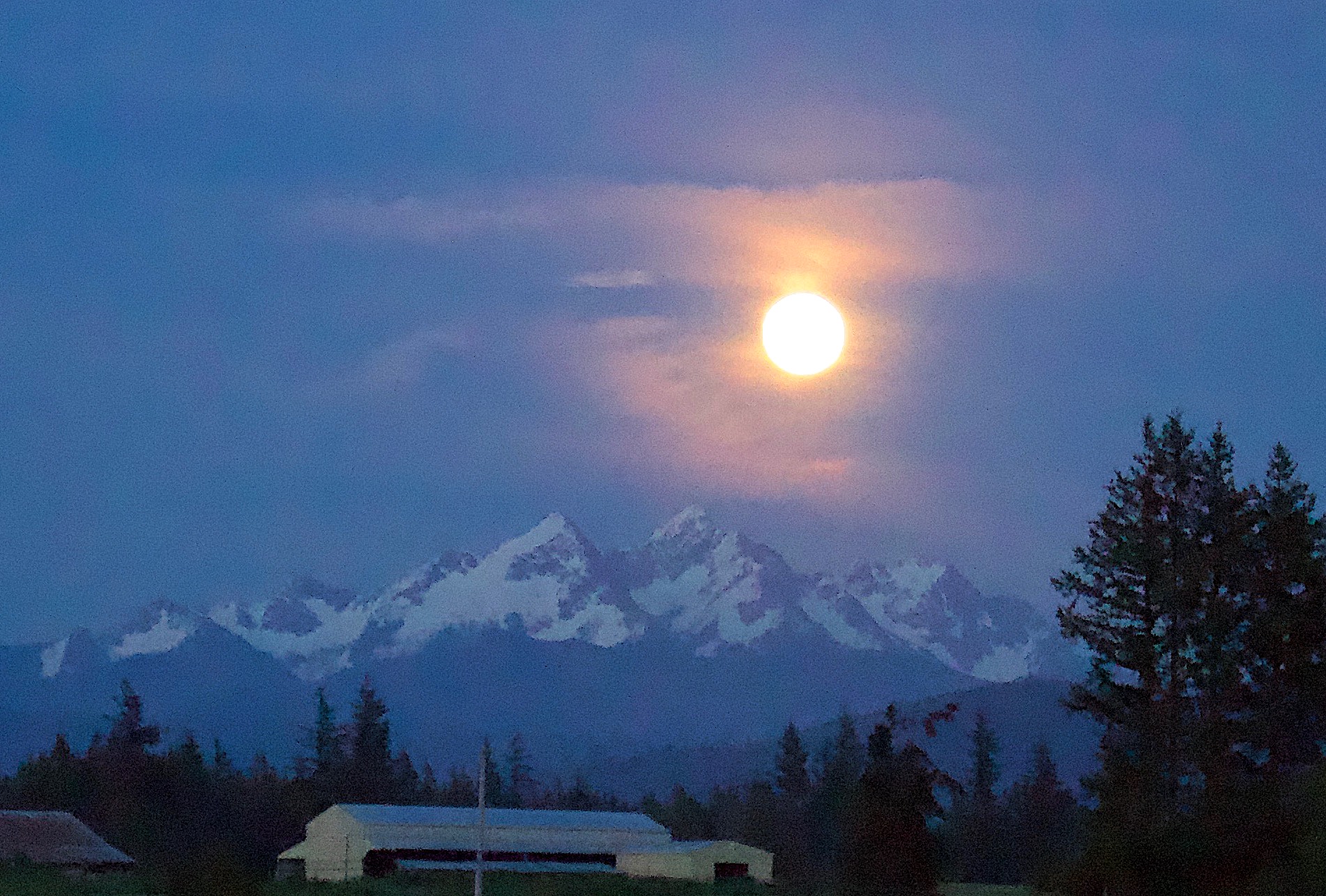
in the light of the now-merging moon

how they, a Morgan and a Quarter, have been
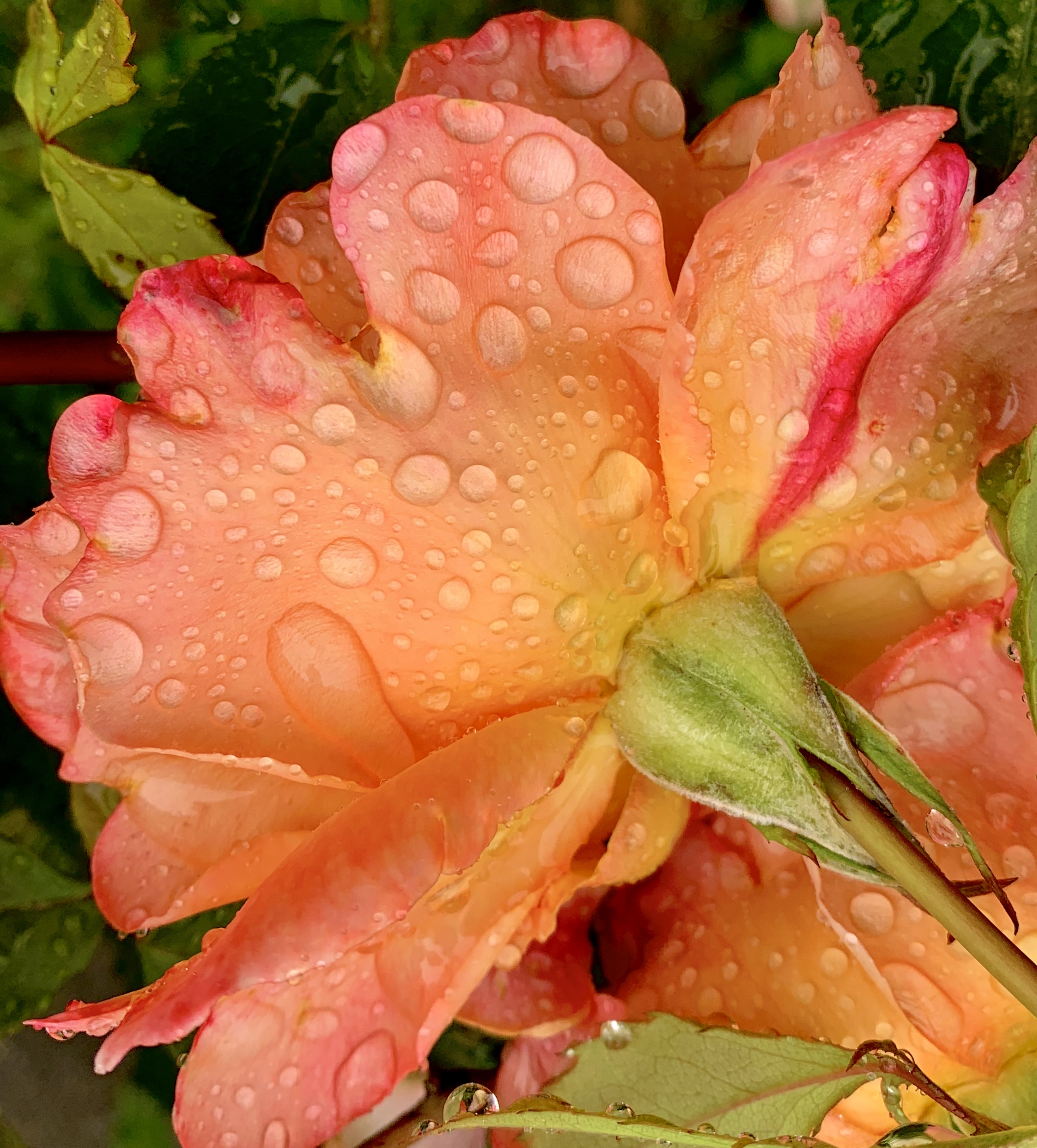
by shake-guttered raindrops
spotted around their rumps and thus made
Appaloosas, the ancestral horses of this place.

Maybe because it is night, they are nervous,
or maybe because they too sense
what they have become, they seem
to be waiting for me to say something

to whatever ancient spirits might still abide here,
that they might awaken from this strange dream,
in which there are fences and stables and a man
who doesn’t know a single word they understand.

~Robert Wrigley “After a Rainstorm” from Beautiful Country

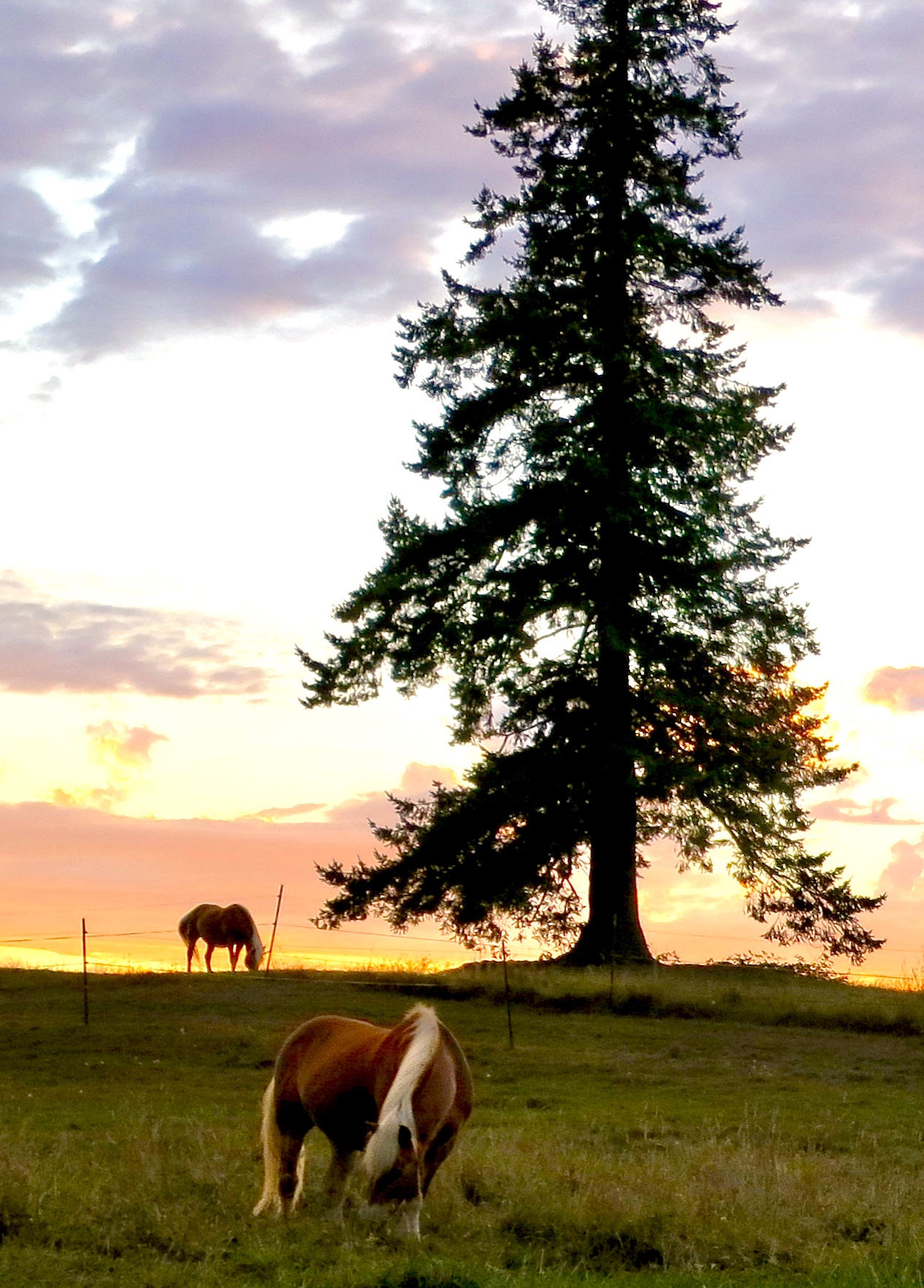
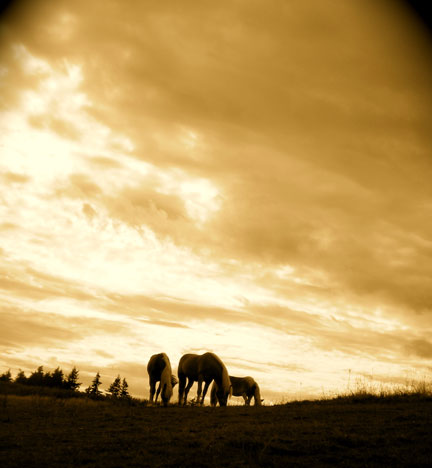
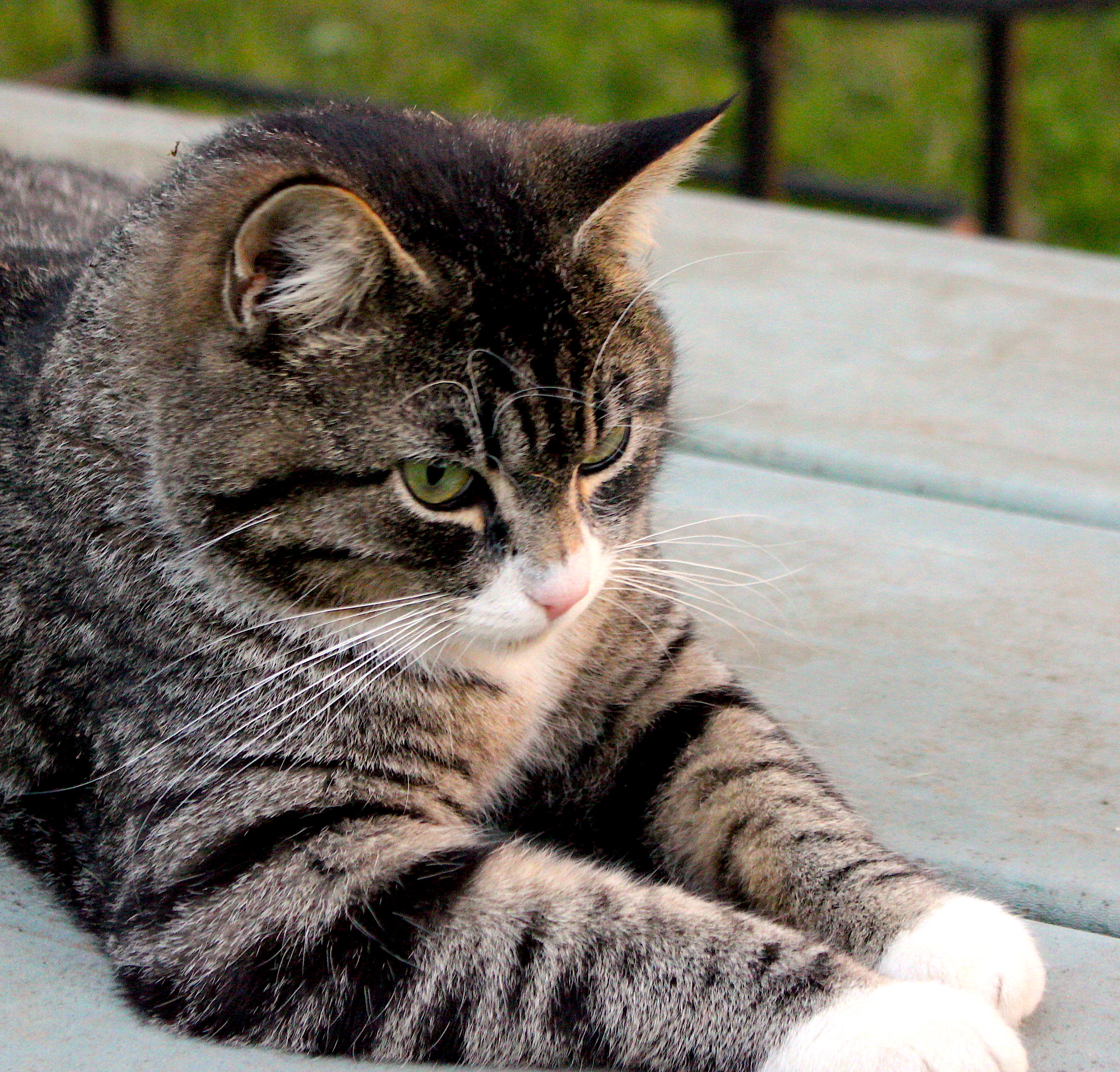
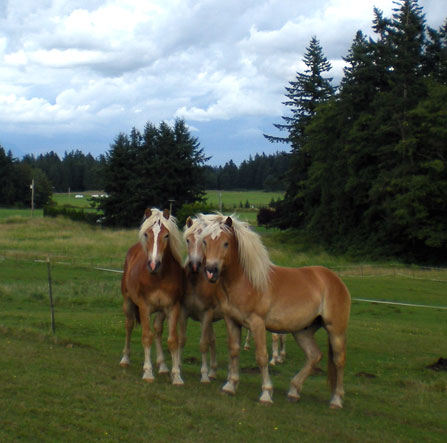
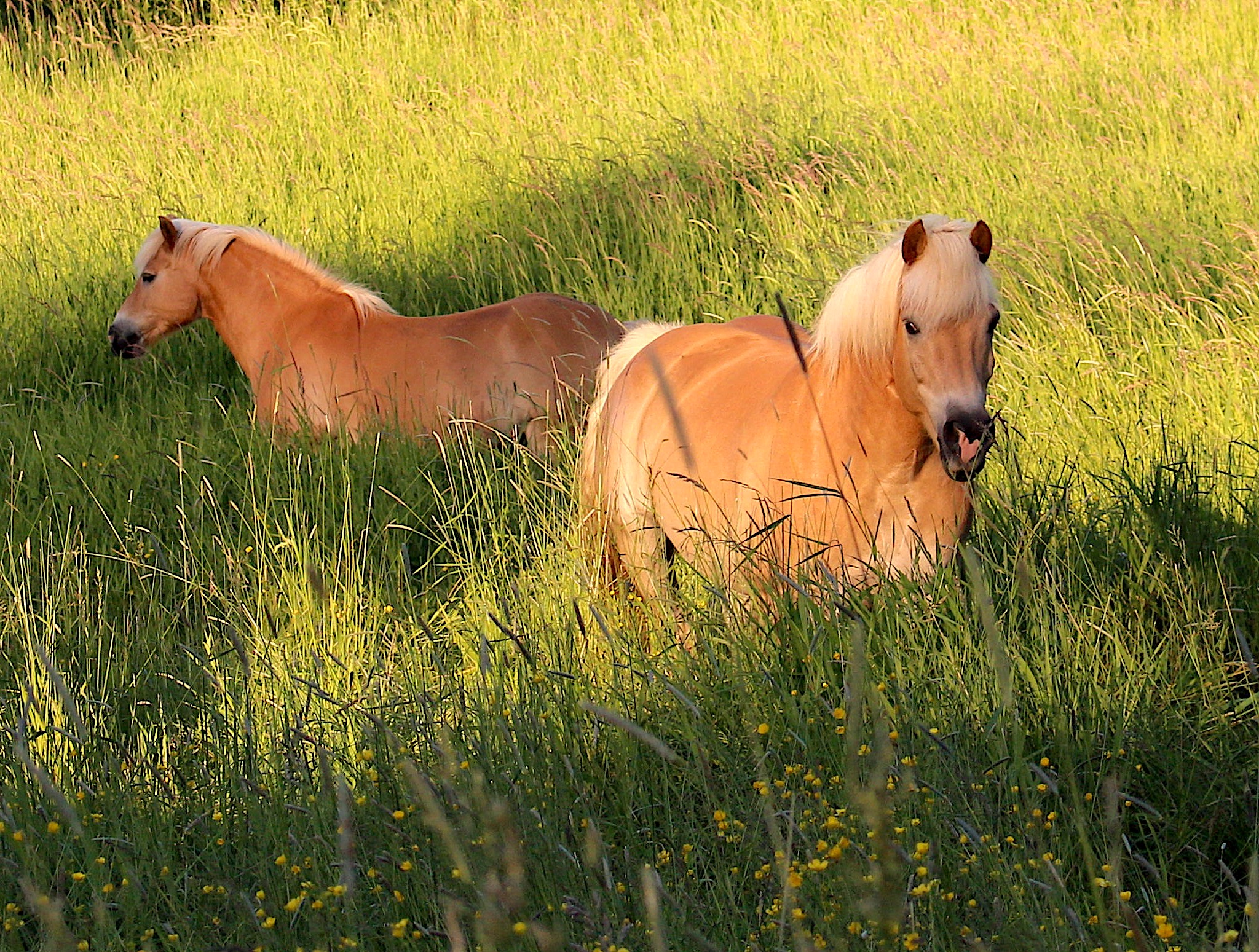
Haflinger horses must have a migration center in their brain that tells them that it is time to move on to other territory, a move based on quality of forage, the seasons, or maybe simply a sudden urge for a change in scenery. I imagine, over hundreds of years of living in the rather sparse Alpen meadows, they needed to move on to another feeding area enmasse on a pretty regular basis, or if the weather was starting to get crummy. Or perhaps the next valley over had a better view, who knows? Trouble is, my Haflingers seem to have the desire to “move to other pastures” even if the grass in their own territory is plentiful and the view is great. And there doesn’t seem to be much in the way of natural or man-made barrier that will discourage them.

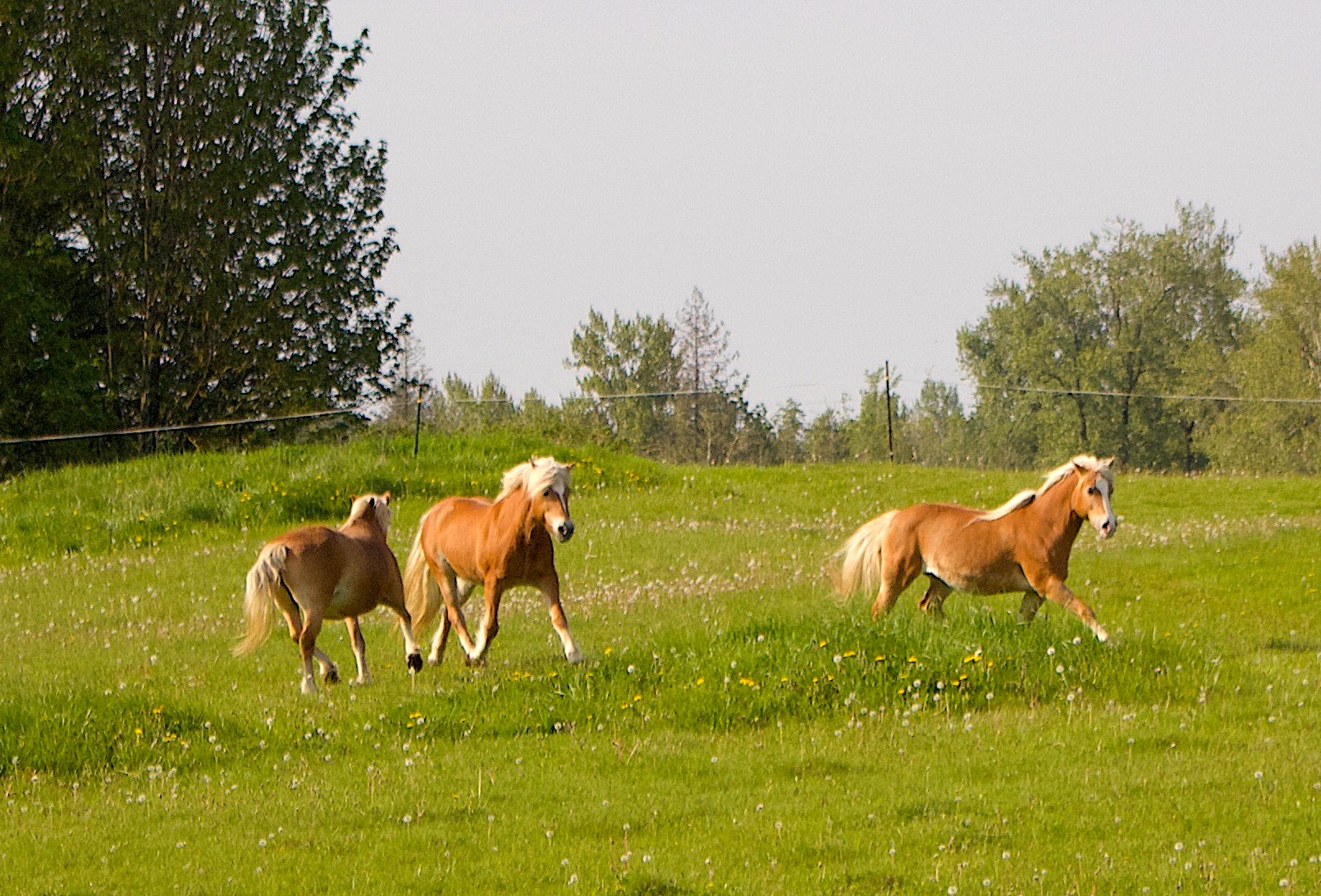
I have a trio of geldings (the “Three Musketeers”) who are particularly afflicted with wanderlust. There is not a field yet that has held them when they decide together that it is time to move on. We are a hotwire and white tape fenced farm–something that has worked fairly well over the years, as it is inexpensive, easily repaired and best of all, easily moved if we need to change the fencing arrangement in our pasture rotation between five different 2 acre pastures. Previous generations of Haflingers have tested the hotwire and learned not to bother it again. No problem. But not the Three Musketeers.

They know when the wire is grounding out somewhere, so the current is low. They know when the weather is so dry that the conduction is poor through the wire. They know when I’ve absent mindedly left the fencer unplugged because I’ve had someone visit and we wanted to climb unshocked through the fences to walk from field to field. These three actually have little conferences out in the field together about this–I’ve seen them huddled together, discussing their strategy, and fifteen minutes later, I’ll look out my kitchen window and they are in another field altogether and the wire and tape is strewn everywhere and there’s not a mark on any of them. Even more mysteriously, often I can’t really tell where they made their escape as they leave no trace–I think one holds up the top wire with his teeth and the others carefully step over the bottom wire. I’m convinced they do this just to make me crazy.

Last night, when I brought them in from a totally different field from where they had started in the morning, they all smirked at me as they marched to their stalls as if to say, “guess what you have waiting for you out there.” It was too dark to survey the damage last night but I got up extra early to check it out this morning before I turned them out again.

Sure enough, in the back corner of the field they had been put in yesterday morning, (which has plenty of grass), the tape had been stretched, but not broken, and the wires popped off their insulators and dragging on the ground and in a huge tangled mass. I enjoyed 45 minutes of Pacific Northwest cloudy morning putting it all back together. Then I put them out in the field they had escaped to last night, thinking, “okay, if you like this field so well, this is where you’ll stay”.

Tonight, they were back in the first field where they started out yesterday morning. Just to make me crazy. They are thoroughly enjoying this sport. I’m ready to buy a grand poobah mega-wattage fry-their-whiskers fence charger.

But then, I’d be spoiling their fun and their travels. As long as they stay off the road, out of our garden, and out of my kitchen, they can have the run of the place. I too remember being afflicted with wanderlust, long long ago, and wanting to see the big wide world, no matter what obstacles had to be overcome or shocks I had to endure to get there. And I got there after all that trouble and effort and realized that home was really where I wanted to be. Now, prying me away from my little corner of the world gets more difficult every year. I hope my Haflinger trio will eventually decide that staying home is the best thing after all.
An Ordinary Life

No doubt she’s disappointed.

Such a disgrace I turned out to be.

Not a policy-maker
Or tech-savvy entrepreneur.
Nothing of note.

I gave birth three times
and sent three
tall, kind people 
into the world

I offered words of consolation
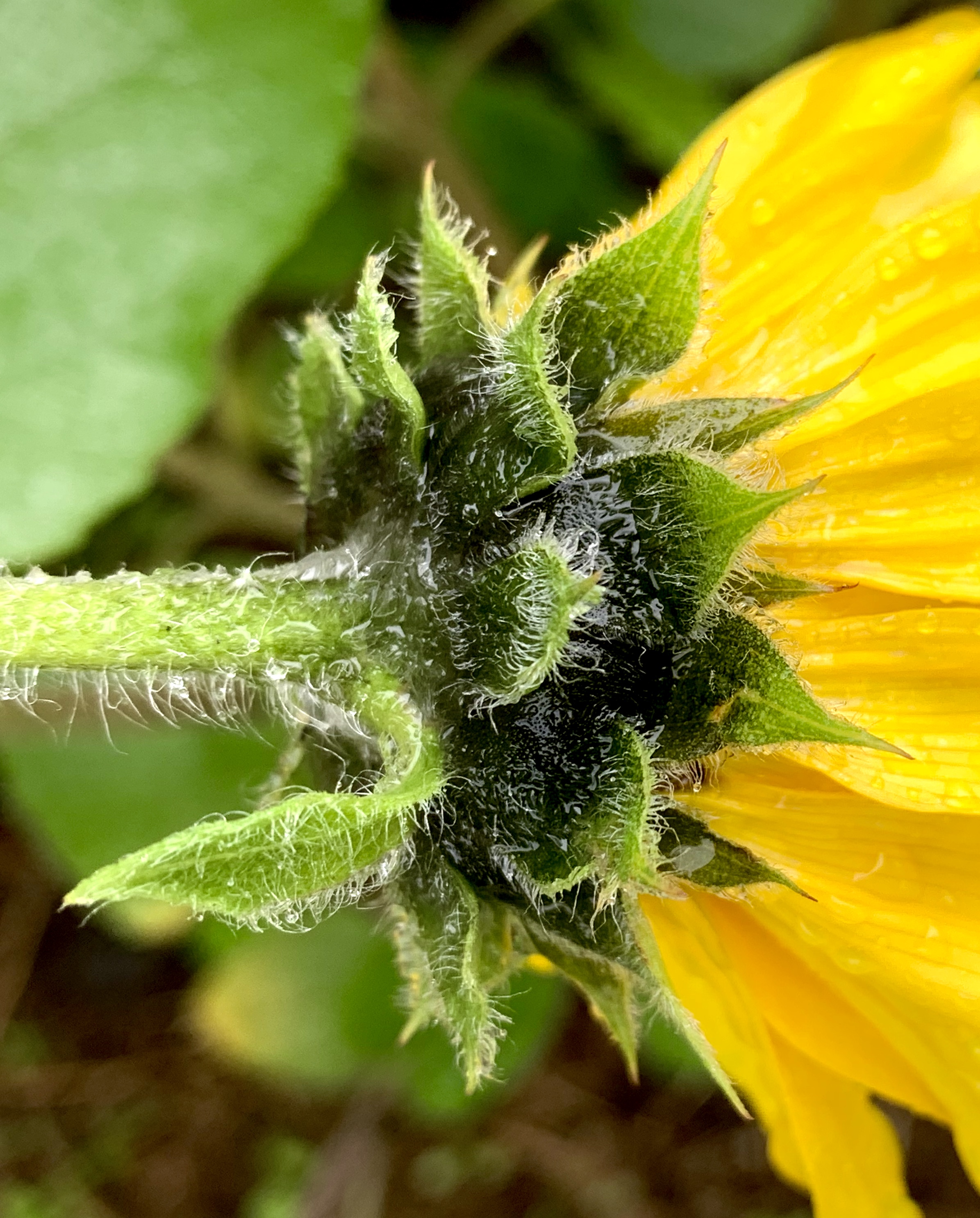
I planted sunflowers
I listened

Elected official?
Pulitzer Prize-winning journalist?
Cutting-edge thought-leader?
MD, PhD, CEO?
Oscar, Emmy, Tony? 
Nobel? 
Anything?

I closed my mother’s eyes
when she died
and again, my father’s

I made no fortune
no headlines
nothing went viral

I sang and danced
for no one

I remembered
I noticed
I breathed

Just an ordinary life
filled with extraordinary love.

How disappointing.
~Mary Poindexter McLaughlin “Alma Mater”

Do not ask your children
to strive for extraordinary lives.

Such striving may seem admirable,
but it is a way of foolishness.
Help them instead to find the wonder
and the marvel of an ordinary life.
Show them the joy of tasting
tomatoes, apples, and pears.
Show them how to cry
when pets and people die.
Show them the infinite pleasure
in the touch of a hand.
And make the ordinary come alive for them.
The extraordinary will take care of itself.
~William Martin from The Parent’s Tao Te Ching: Ancient Advice for Modern Parents

Parents can hold expectations of success for their children
that reflect their own deficiencies or failures.
After all, we want the world to be a better place for them than for us.

Yet no academic degree, no bank account, no notoriety or award
can match living an ordinary life filled with extraordinary love.

I did disappoint my parents despite checking off all the boxes they hoped I would achieve in my younger years, because in retrospect, I disappointed myself.

I tended to cling to old grievances and resentments, withholding myself emotionally from them. I could have been more compassionate in their failing years, more available even though physically present. That is something I cannot undo except to pray now for forgiveness for my own deficiencies and failures.

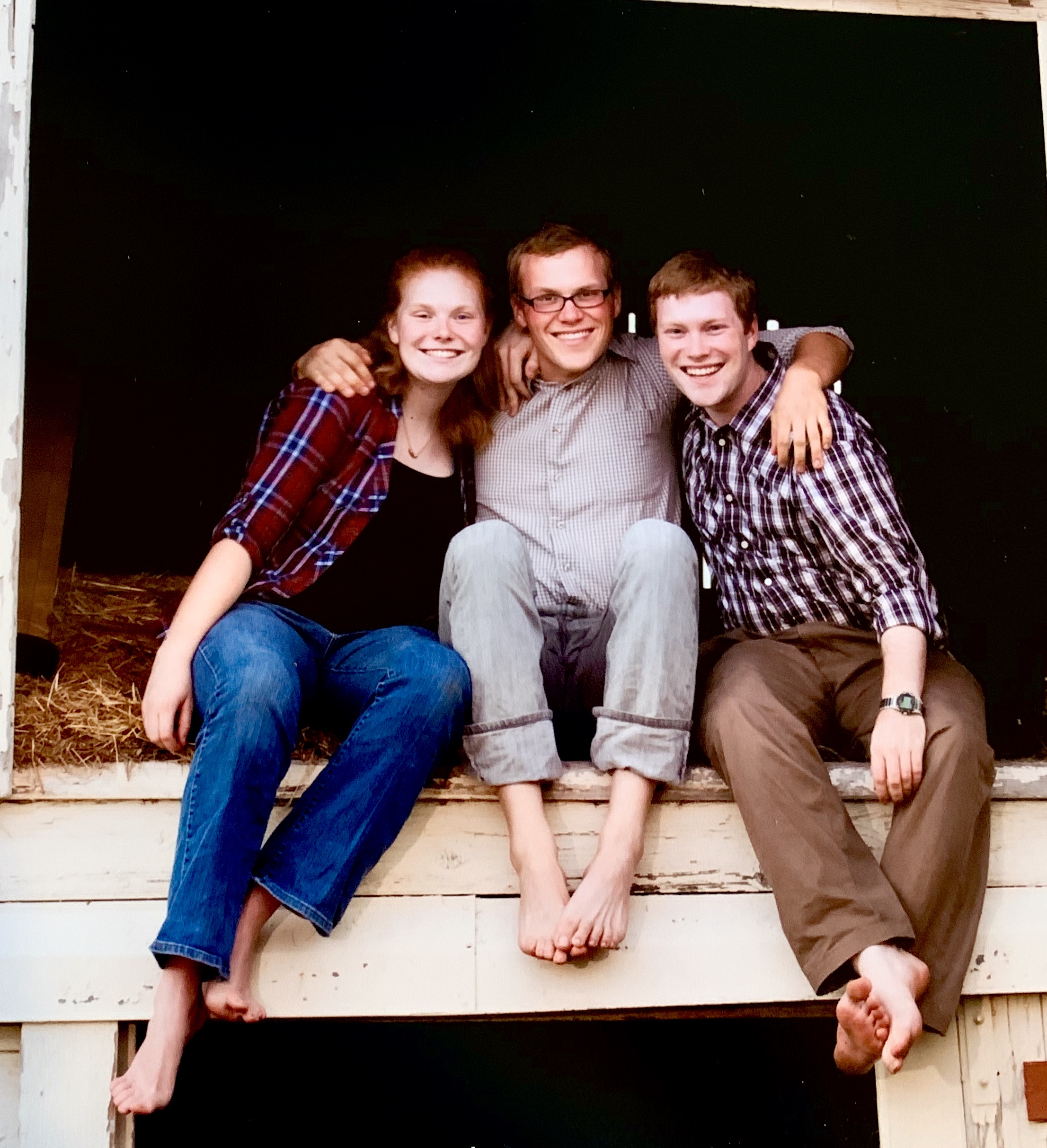
Giving birth to three tall kind people who we have sent into the world, I hope for them what I wish I had understood when I was sent into the world by my parents: living an ordinary life of extraordinary love is more important than anything else they set out to do.

I rejoice as I see them foster such love with their spouses and their children and their communities: remembering, noticing and breathing life into each new day.

Seeing that, I can let go of my own disgrace and disappointment in myself.


Better Than Any Argument

However just and anxious I have been
I will stop and step back
from the crowd of those who may agree
with what I say, and be apart.
There is no earthly promise of life or peace
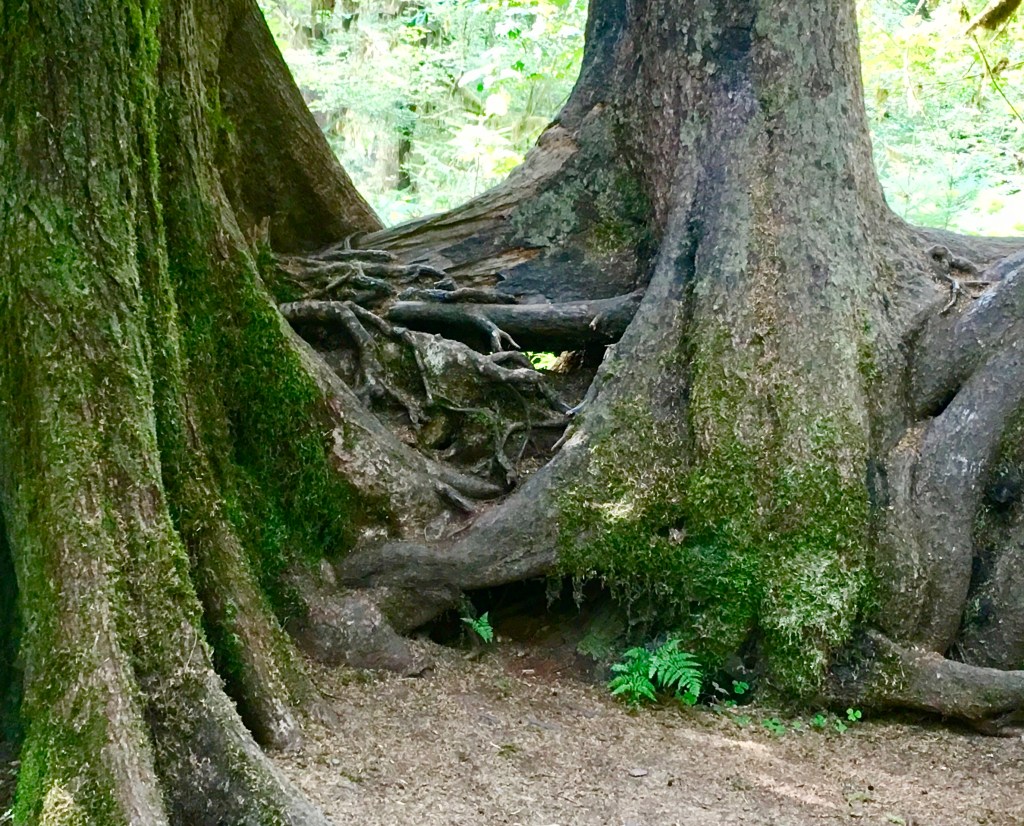
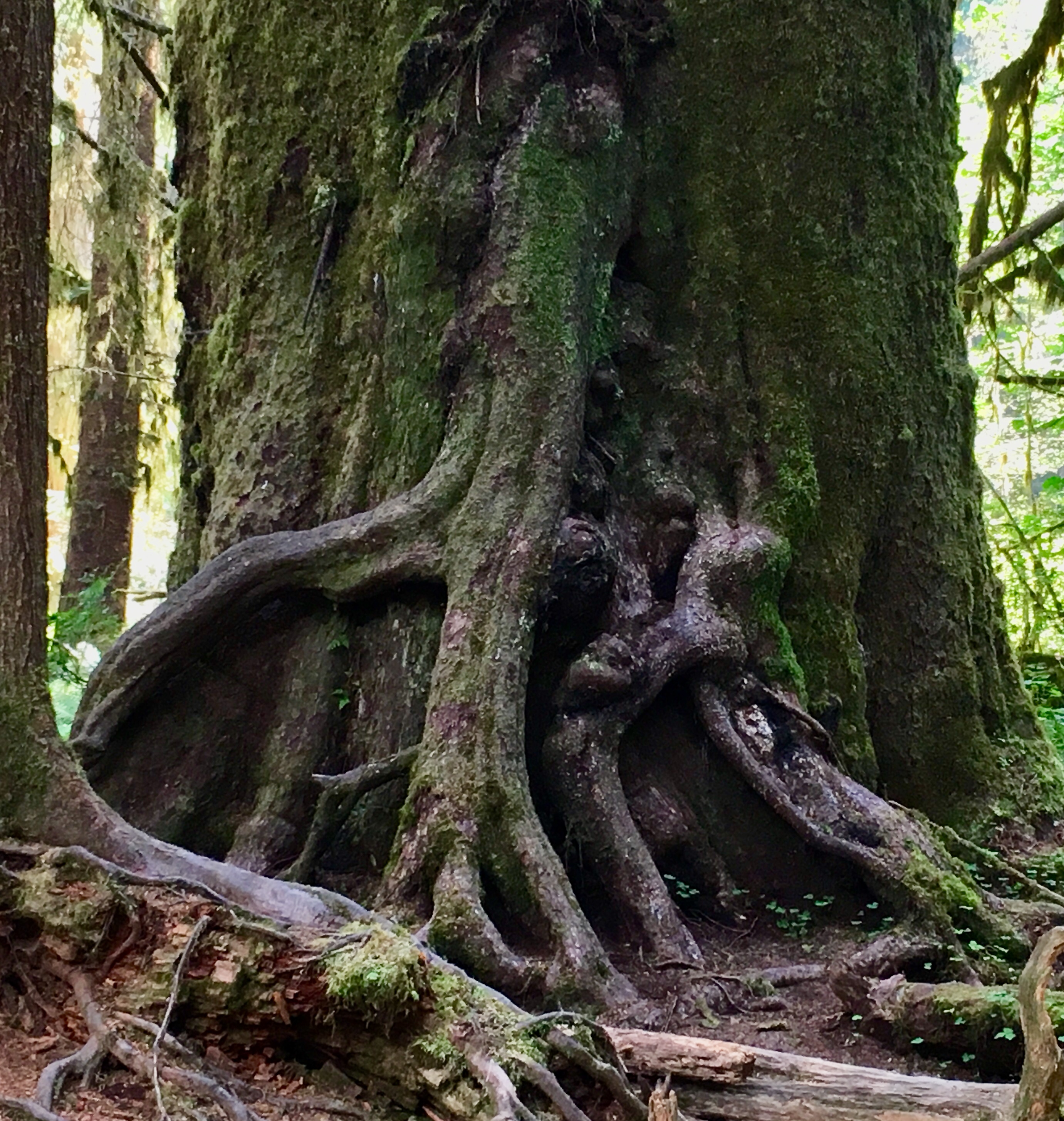
but where the roots branch and weave
their patient silent passages in the dark;
uprooted, I have been furious without an aim.
I am not bound for any public place,
but for ground of my own
where I have planted vines and orchard trees,
and in the heat of the day climbed up
into the healing shadow of the woods.
Better than any argument is to rise at dawn
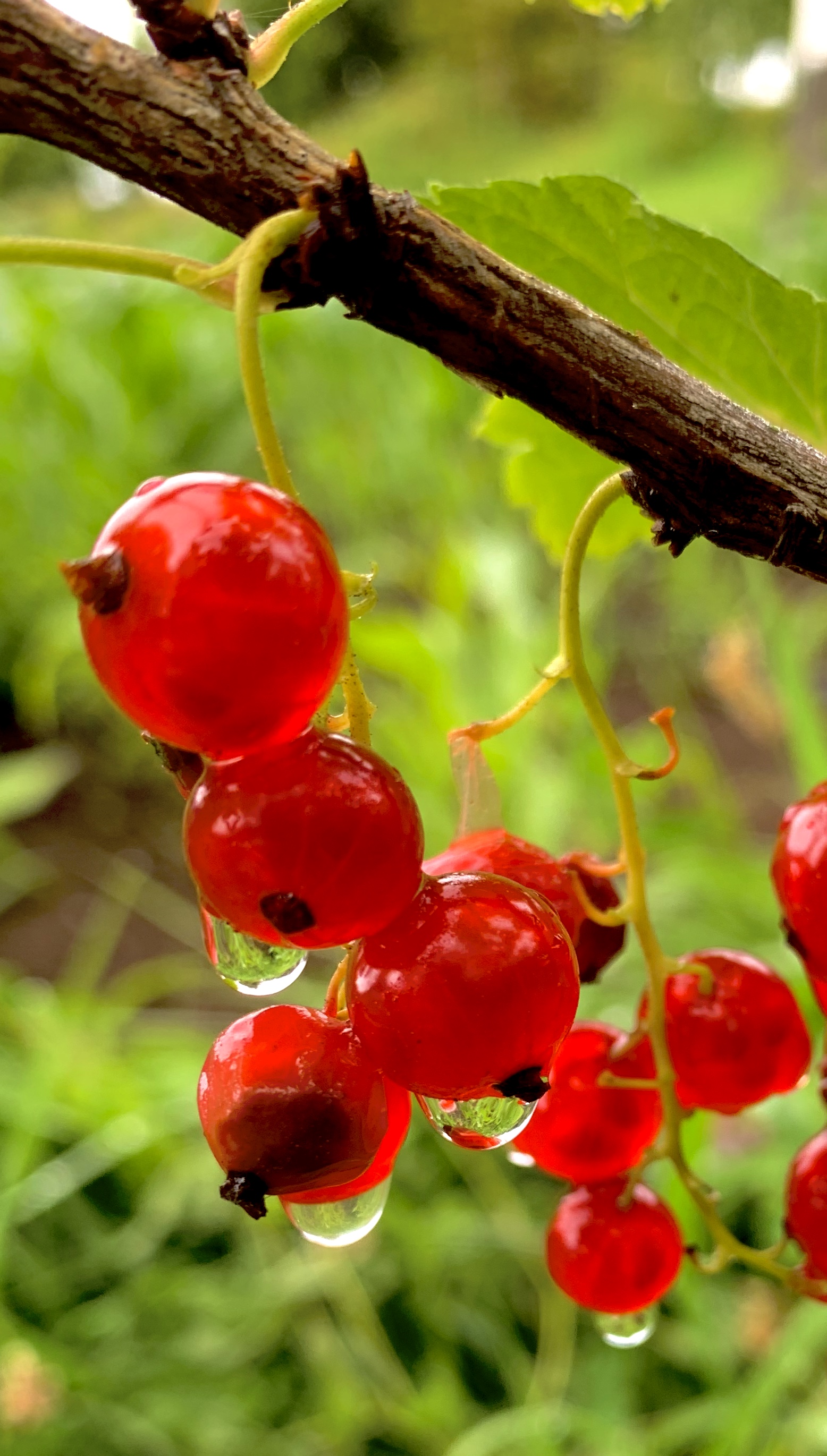
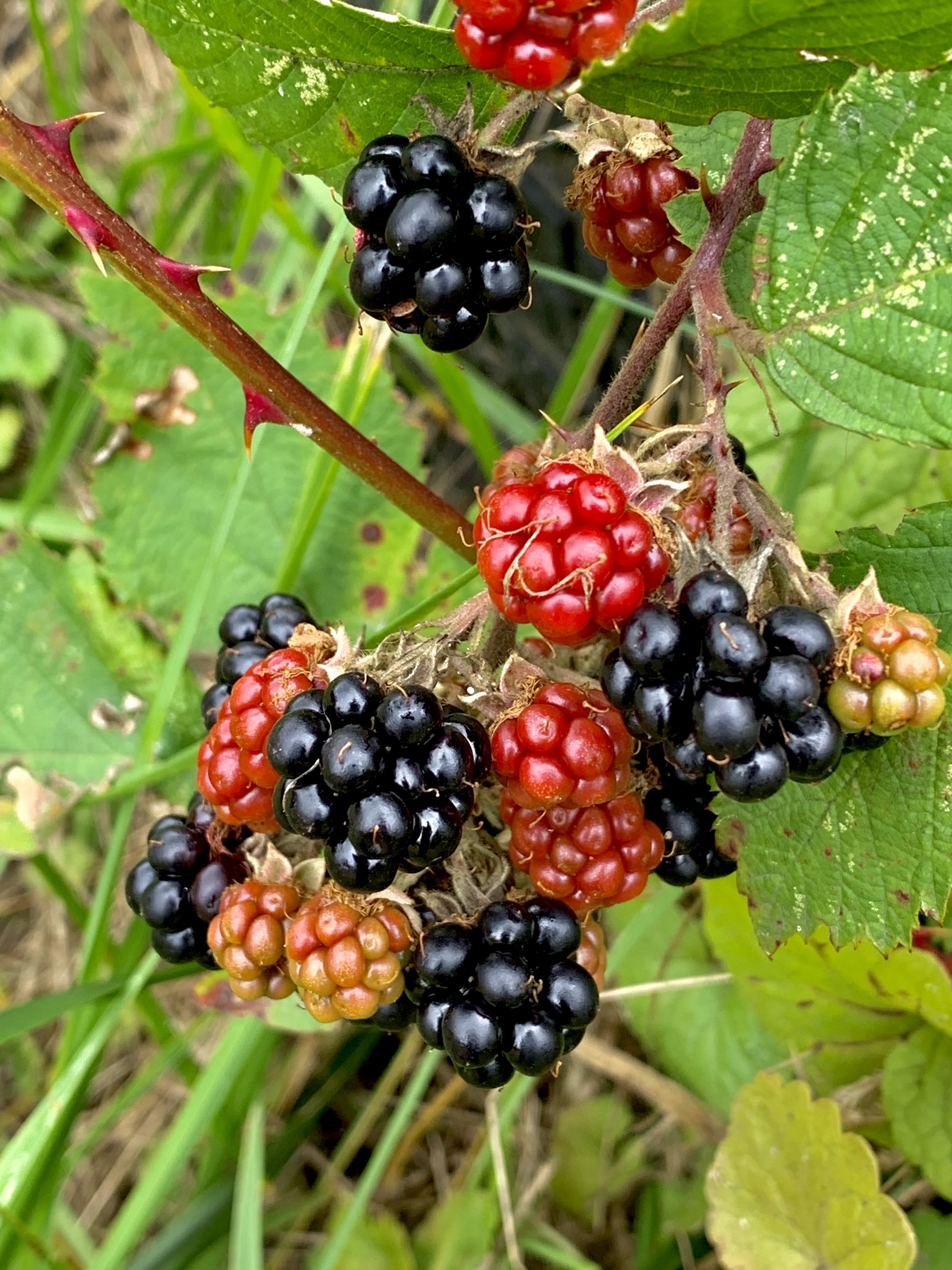
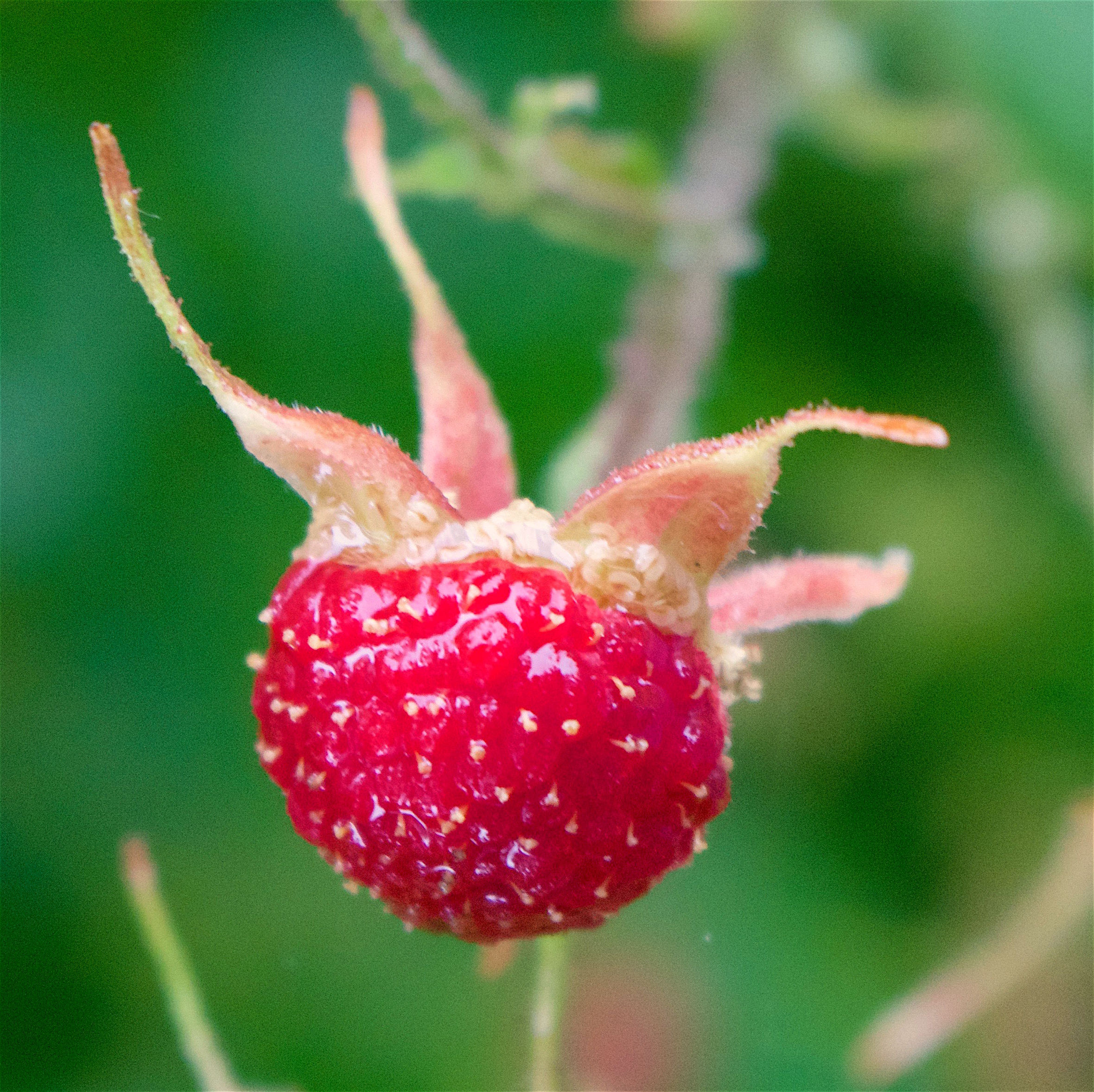
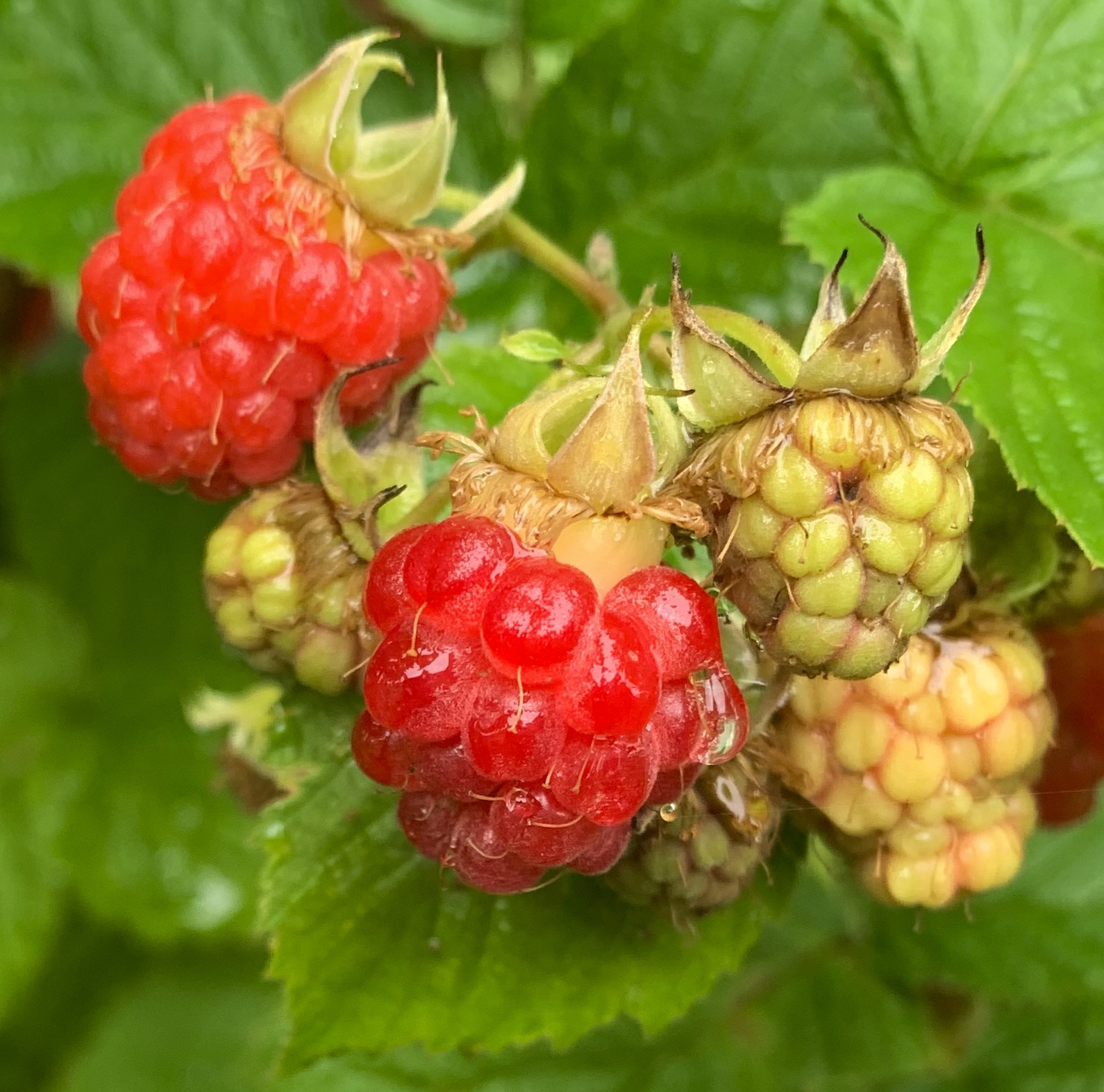
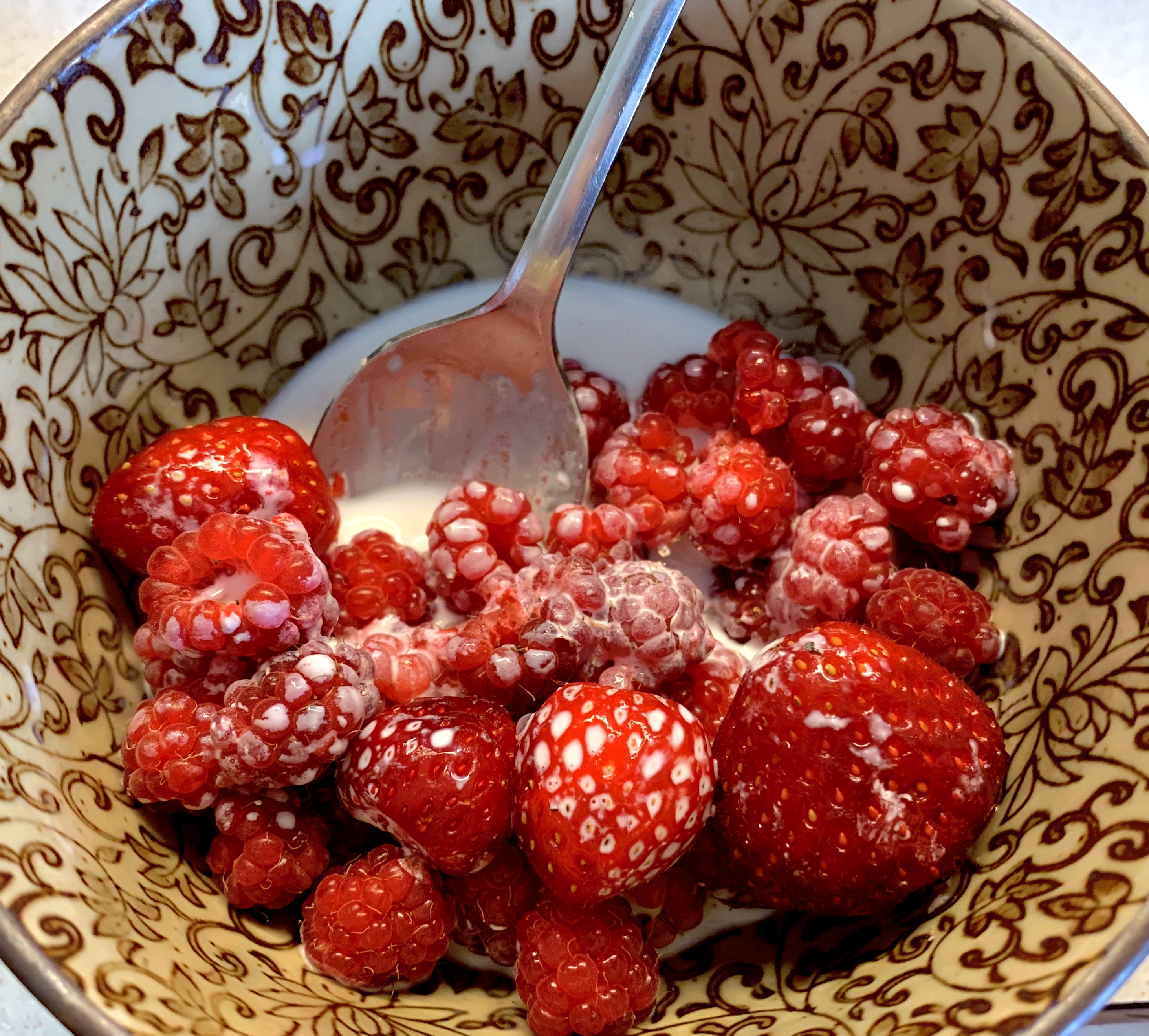
and pick dew-wet berries in a cup.
~Wendell Berry “A Standing Ground”
from The Selected Poems of Wendell Berry

This is an age of argument: silence is labeled violence so we’re induced to have our say and look for others to listen and support our point of view. Without mutual agreement, there is plenty of fodder for argument with a duel-to-the-death determination to win others over to our way of thinking.

Agreeing to disagree doesn’t seem to be an option any longer. Why can’t our debates simply settle down to get on with life and find a way to live alongside each other? Instead, if I don’t see it your way, I’m morally deficient or hostile or worst of all I’m not an ally, so by modern definition, I’ve become the enemy.

But I’m not the enemy and never want to be.

It’s enough to make one retreat from the fray altogether. Those of us who have been around awhile know: anger puts a match to feelings that burn hot inside and outside. Initially debate is energizing with a profound sense of purpose and direction, yet too soon it becomes nothing but ashes.

I refuse to be furious for the sake of fury and indignation. Arguments, tempting as they may be in the heat of the moment, don’t hold a candle to the lure of sharing sweet fruit of the garden and the cool shadows of the forest with those who need it most.

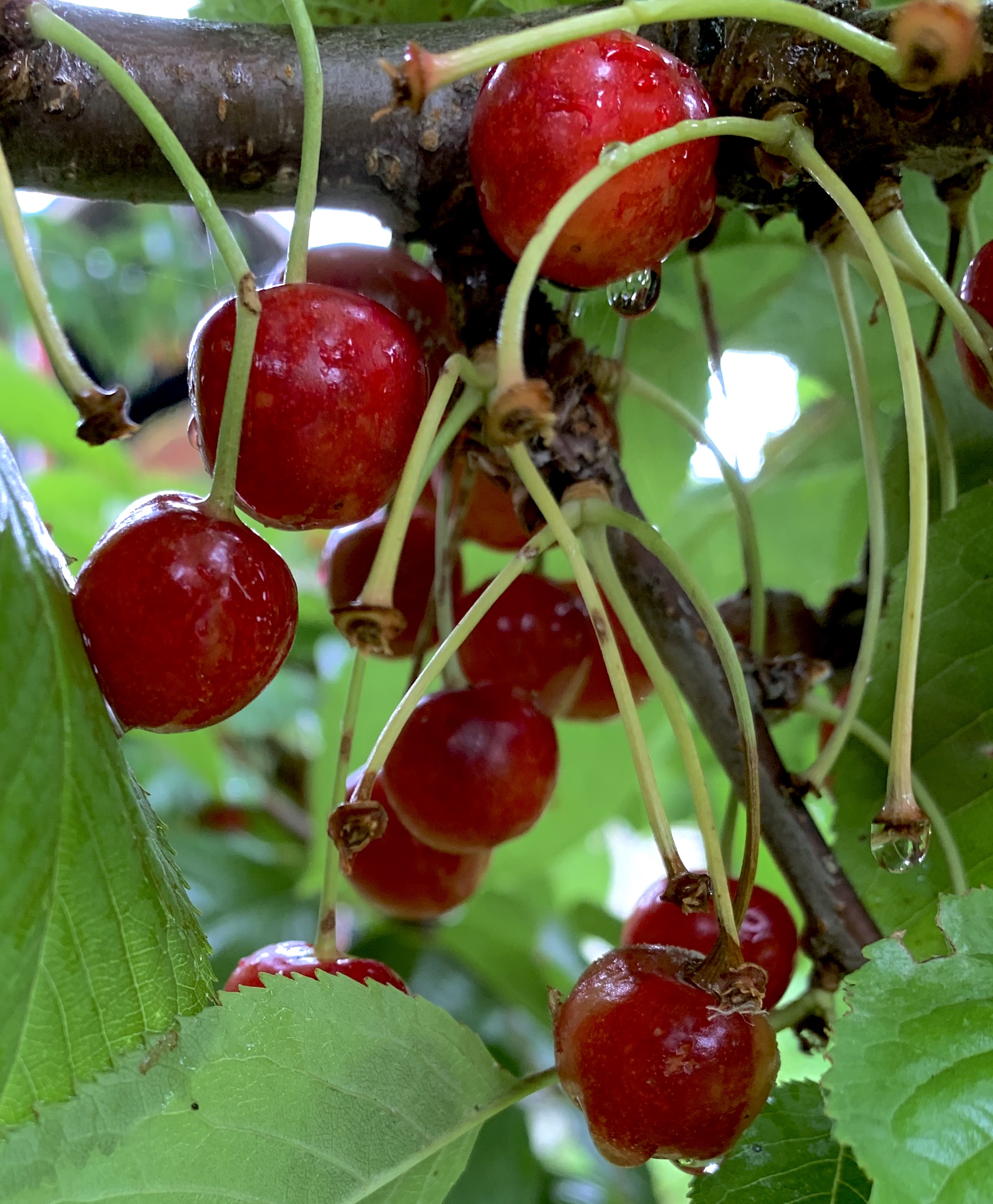
So come in and help me eat berries and cherries but leave your arguments at the door. You can pick them up later on your way out if you wish, but most likely they will have forgotten all about you and wandered away while you were busy living life.

Fickle things, arguments – they tend to fizzle out until someone decides to light a match to them again.

How You Made Them Feel

I’ve learned that even
when I have pains, I don’t have to be one …
I’ve learned that people will forget what you said,
people will forget what you did,
but people will never forget how you made them feel.
~Maya Angelou
on her 70th birthday, citing a quote from Carl Buehner

I learned from my mother how to love
the living, to have plenty of vases on hand
in case you have to rush to the hospital
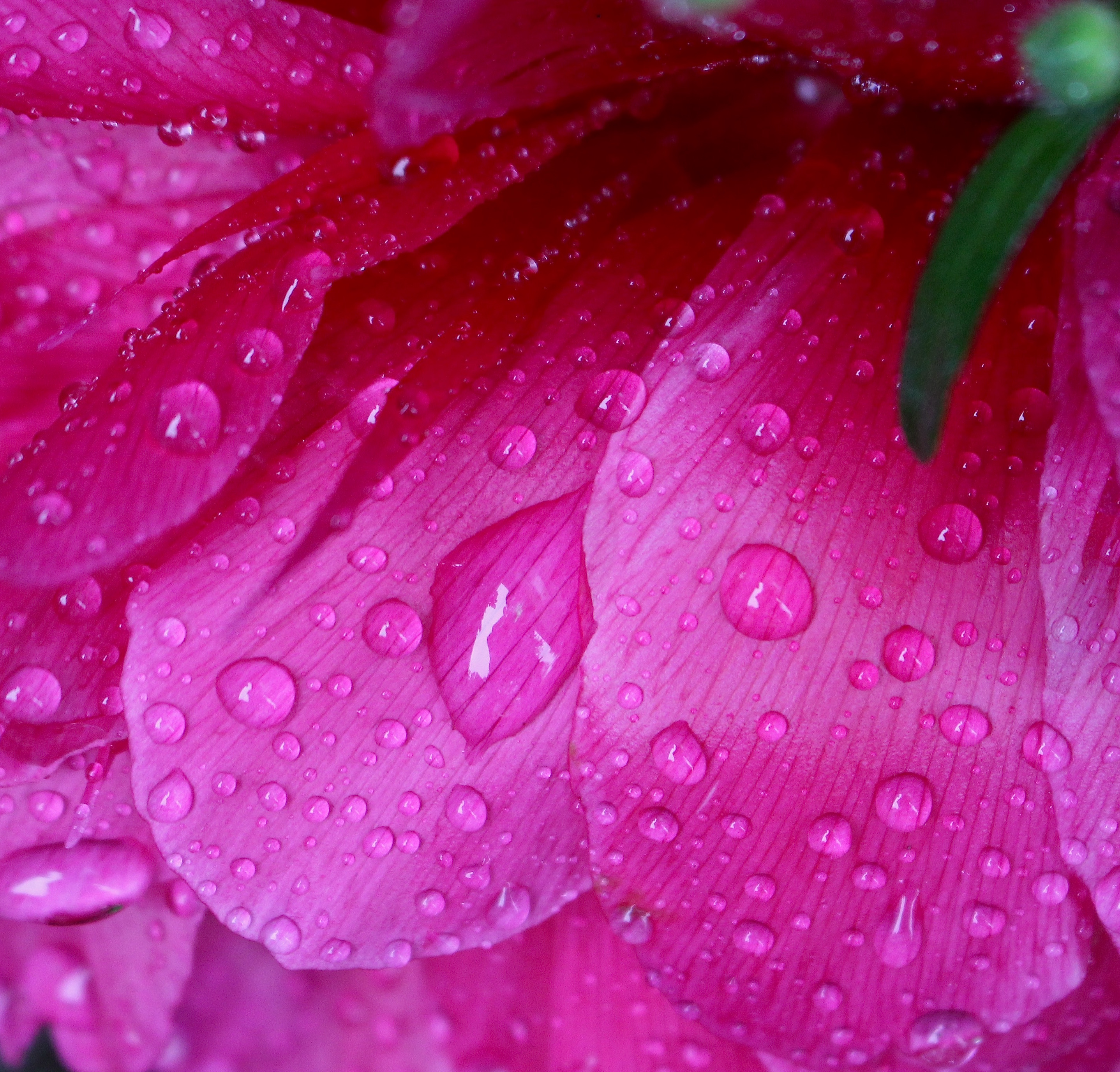
with peonies cut from the lawn, black ants
still stuck to the buds. I learned to save jars
large enough to hold fruit salad for a whole
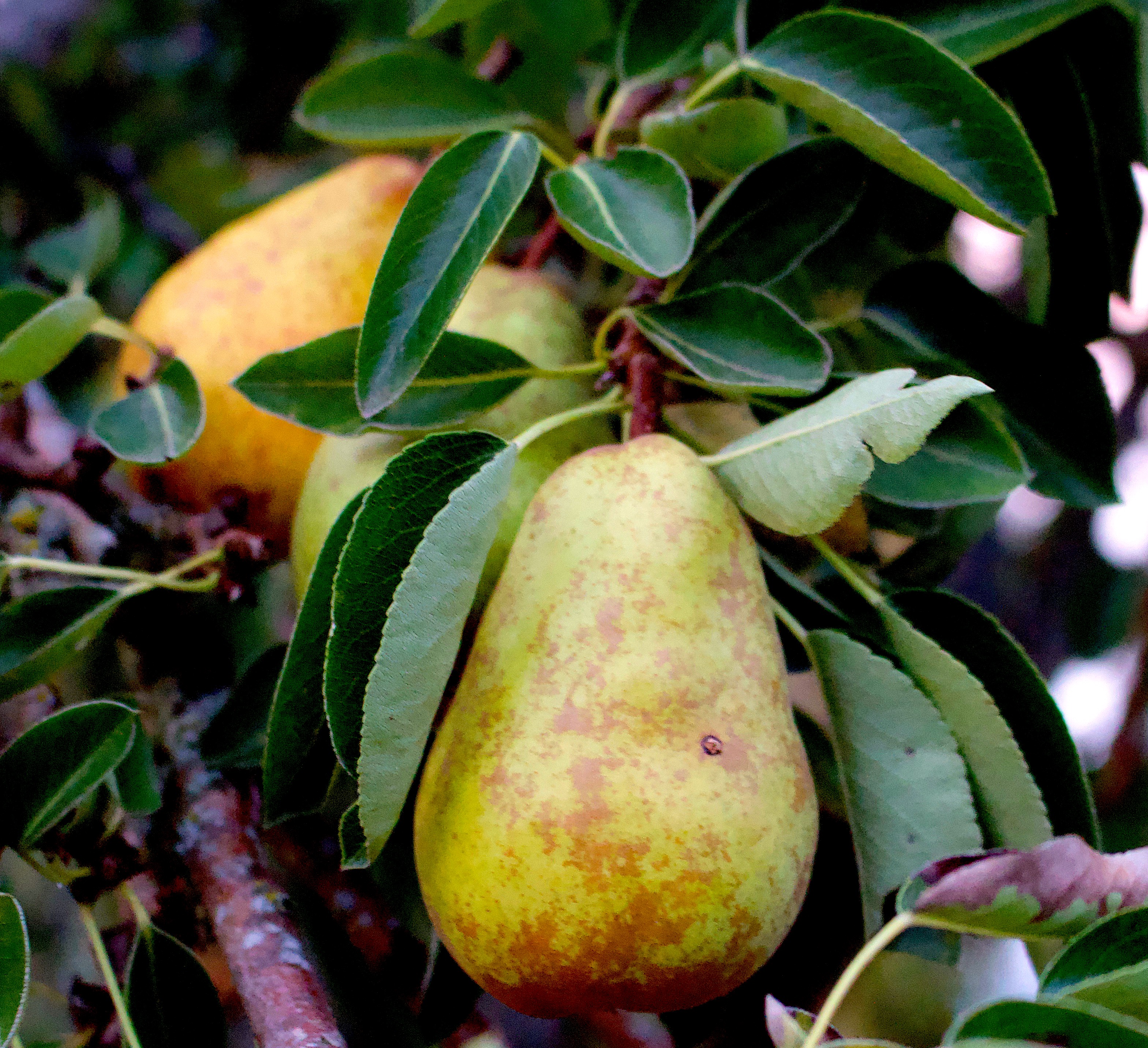
grieving household, to cube home-canned pears
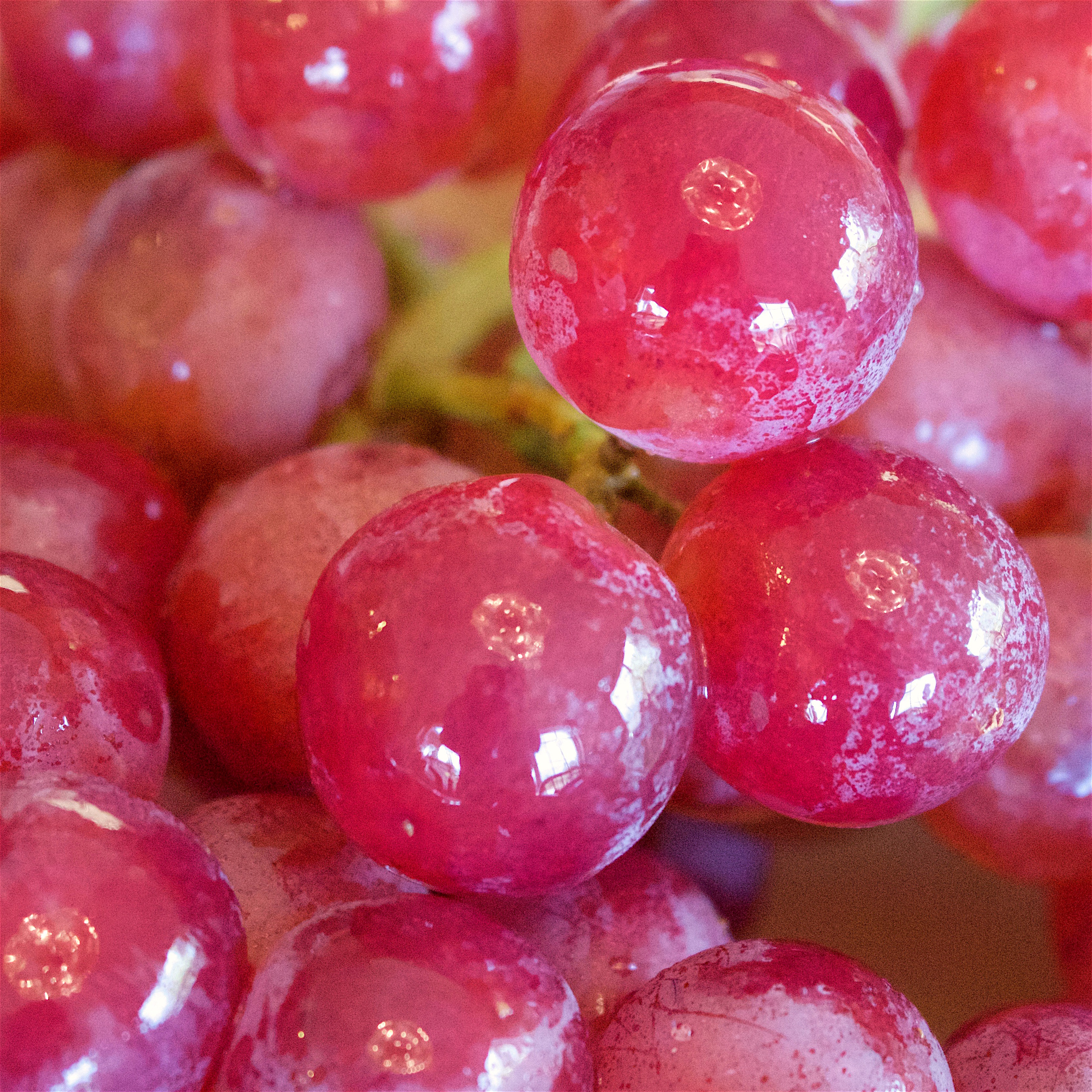
and peaches, to slice through maroon grape skins
and flick out the sexual seeds with a knife point.
I learned to attend viewings even if I didn’t know

the deceased, to press the moist hands

of the living, to look in their eyes and offer
sympathy, as though I understood loss even then.
I learned that whatever we say means nothing,

what anyone will remember is that we came.
I learned to believe I had the power to ease
awful pains materially like an angel.
Like a doctor, I learned to create

from another’s suffering my own usefulness, and once
you know how to do this, you can never refuse.
To every house you enter, you must offer

healing: a chocolate cake you baked yourself,
the blessing of your voice, your chaste touch.
~Julie Kasdorf– “What I Learned from my Mother”

Usually a mom knows best about these things — how to love others when and how they need it and how to ease pain, not become one.  We don’t always get it right though, and dads can do it better.

Showing up with food is always a good thing but it is the showing up part that is the real food;  bringing along a cake is simply the icing.

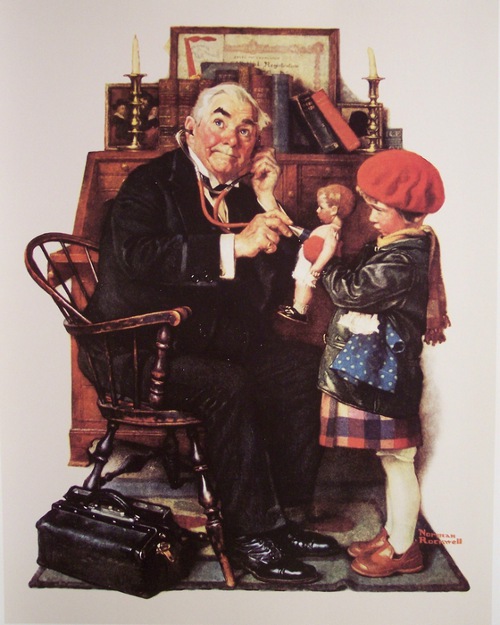
This is a good reminder that as a doctor,
my usefulness has tended to depend on another’s suffering.
No illness, no misery, no symptoms and I’m out of a job.
I can only hope that someday that might be the case.
What a world it would be, especially as now suffering is universal.

And then I can still be a mom and grandmom
even if there is no more doctor work to be done:
….if I’d known it could help, I’d have baked a cake and shown up with it…

A Day Bathed in Sunlight


May your love be firm,
and may your dream of life together
be a river between two shores—
by day bathed in sunlight, and by night
illuminated from within. May the heron
carry news of you to the heavens, and the salmon bring
the sea’s blue grace. May your twin thoughts
spiral upward like leafy vines,
like fiddle strings in the wind,
and be as noble as the Douglas fir.
May you never find yourselves back to back
without love pulling you around
into each other’s arms.
~James Bertolino “Wedding Toast” from Ravenous Bliss

photo by Karen Mullen

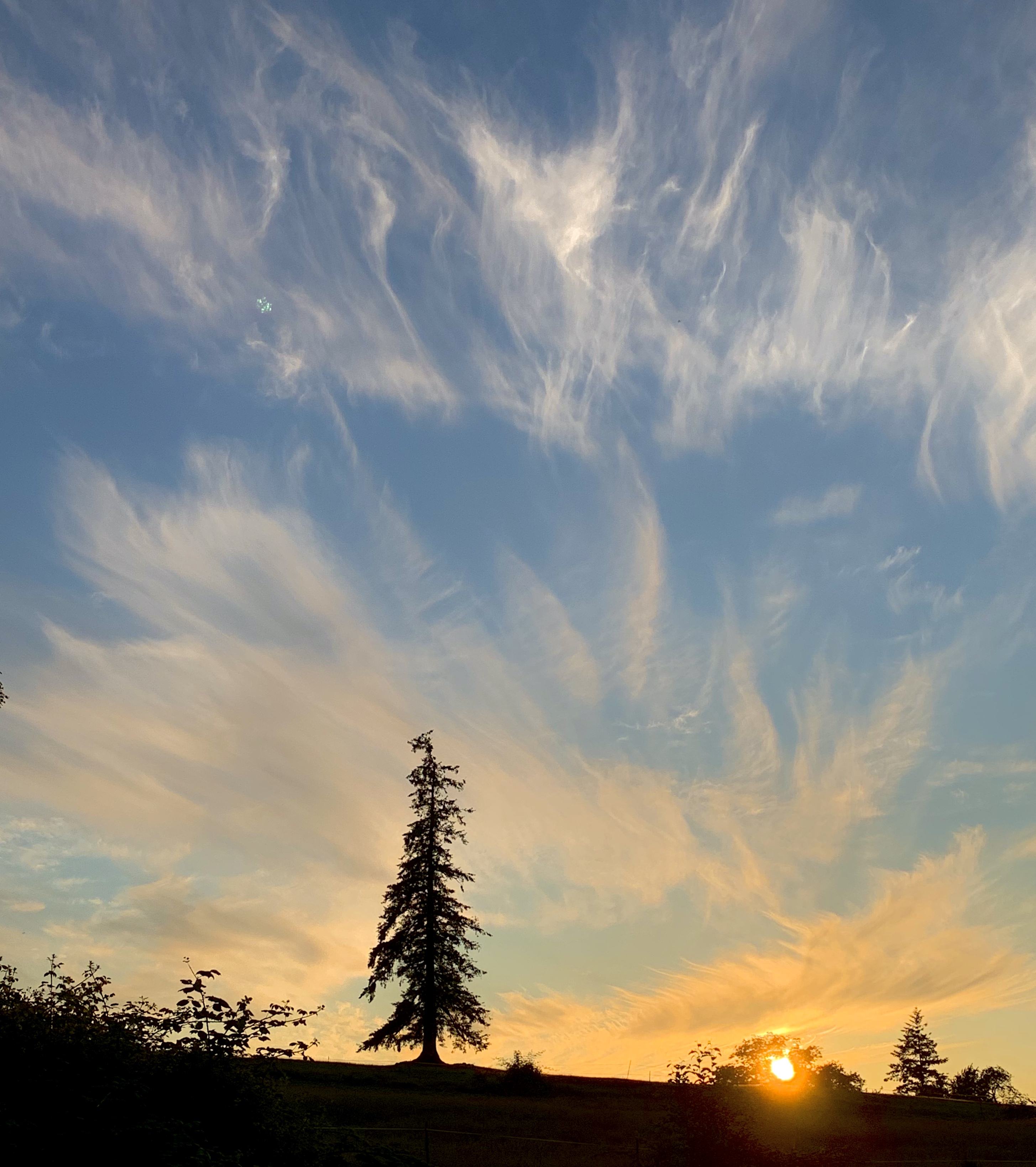
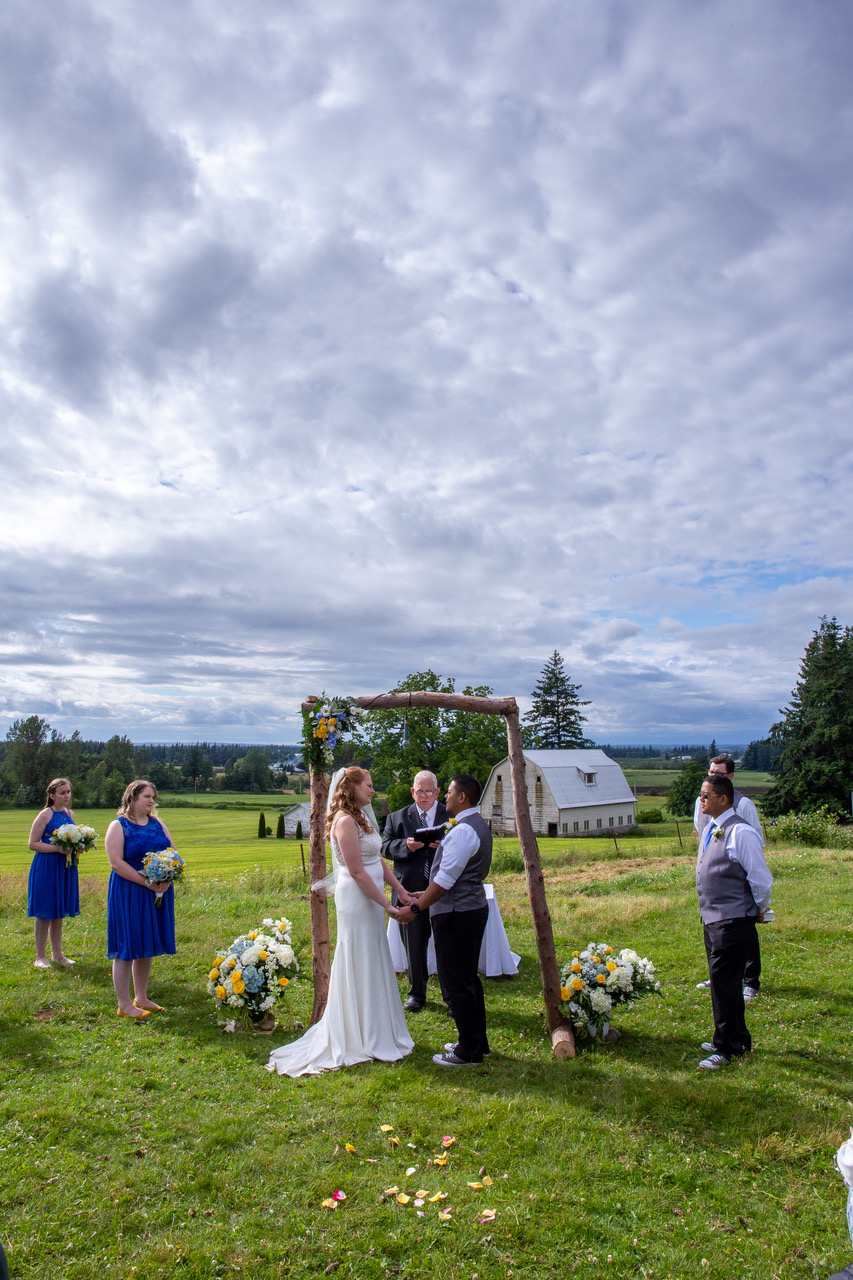
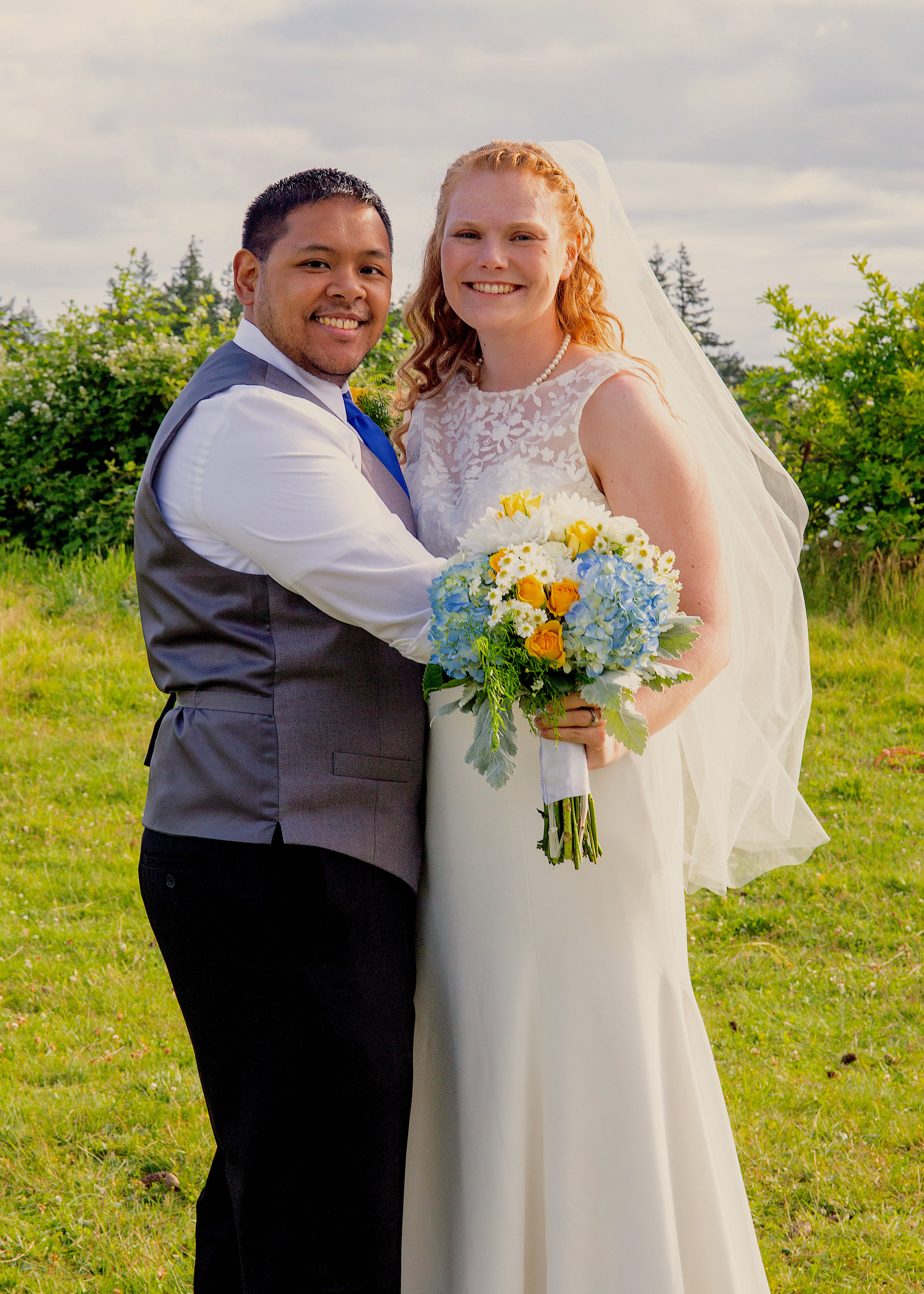
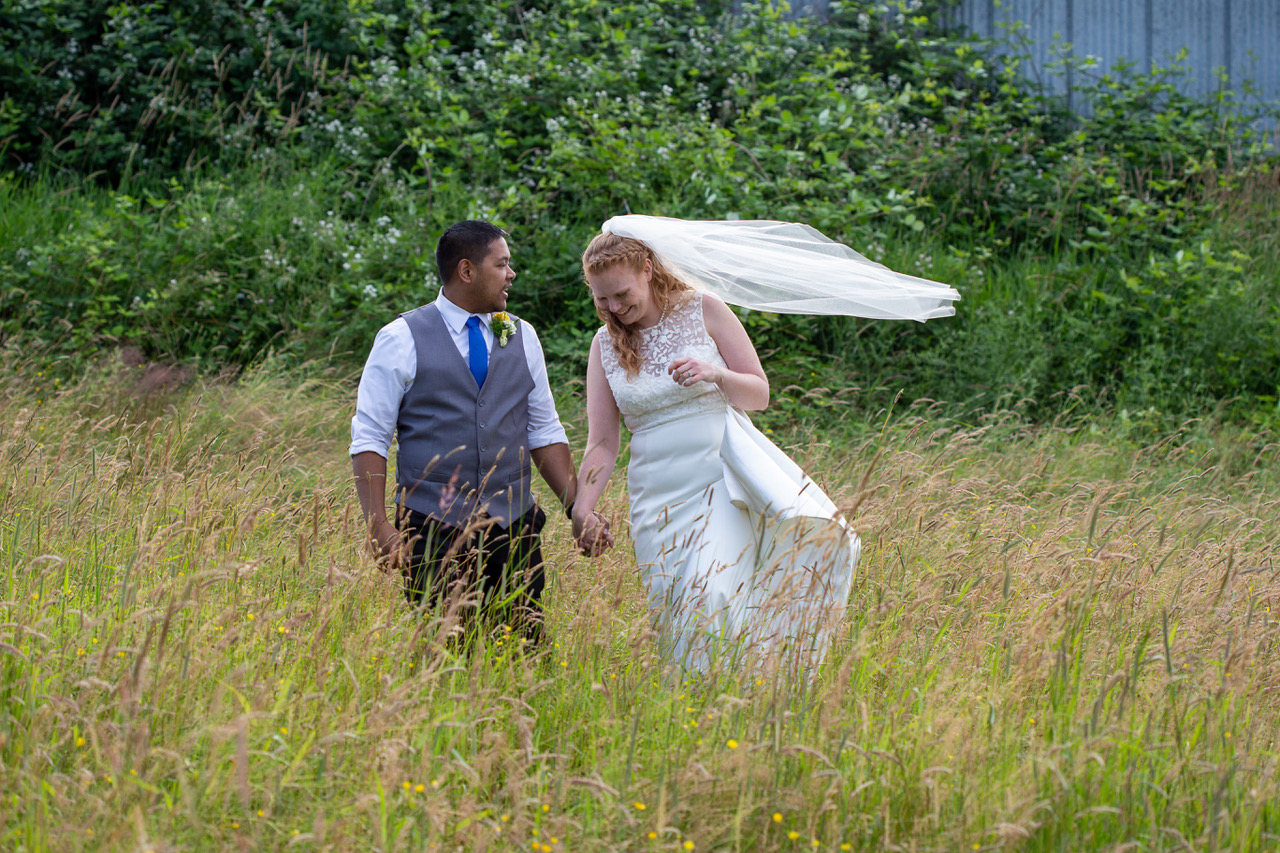
It was a late June day predicted to be bathed in sunlight with a few clouds, and it ended up a day bathed solely in God’s own light, with cloudy skies, scant sun and a few showers, some from the sky and some from the eyes who witnessed your promised covenant to one another.

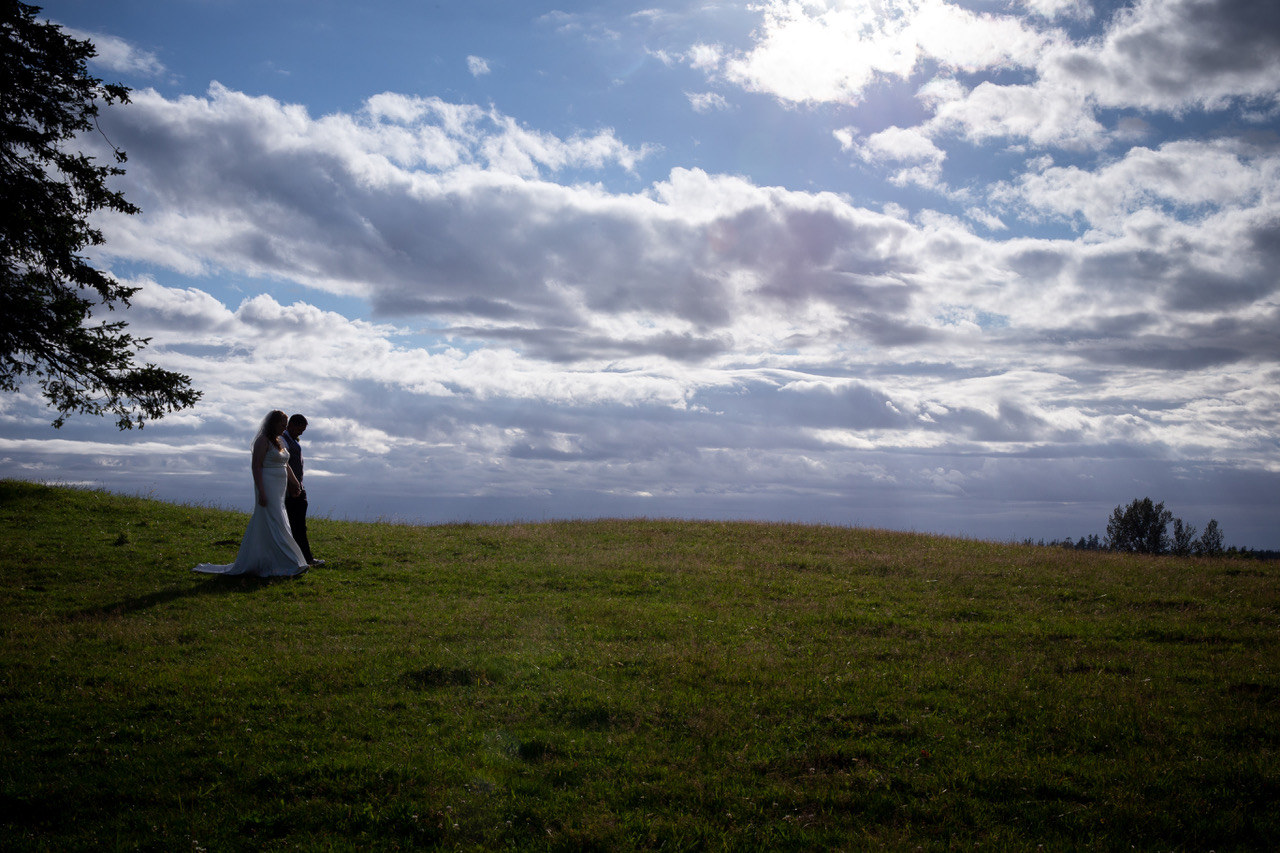
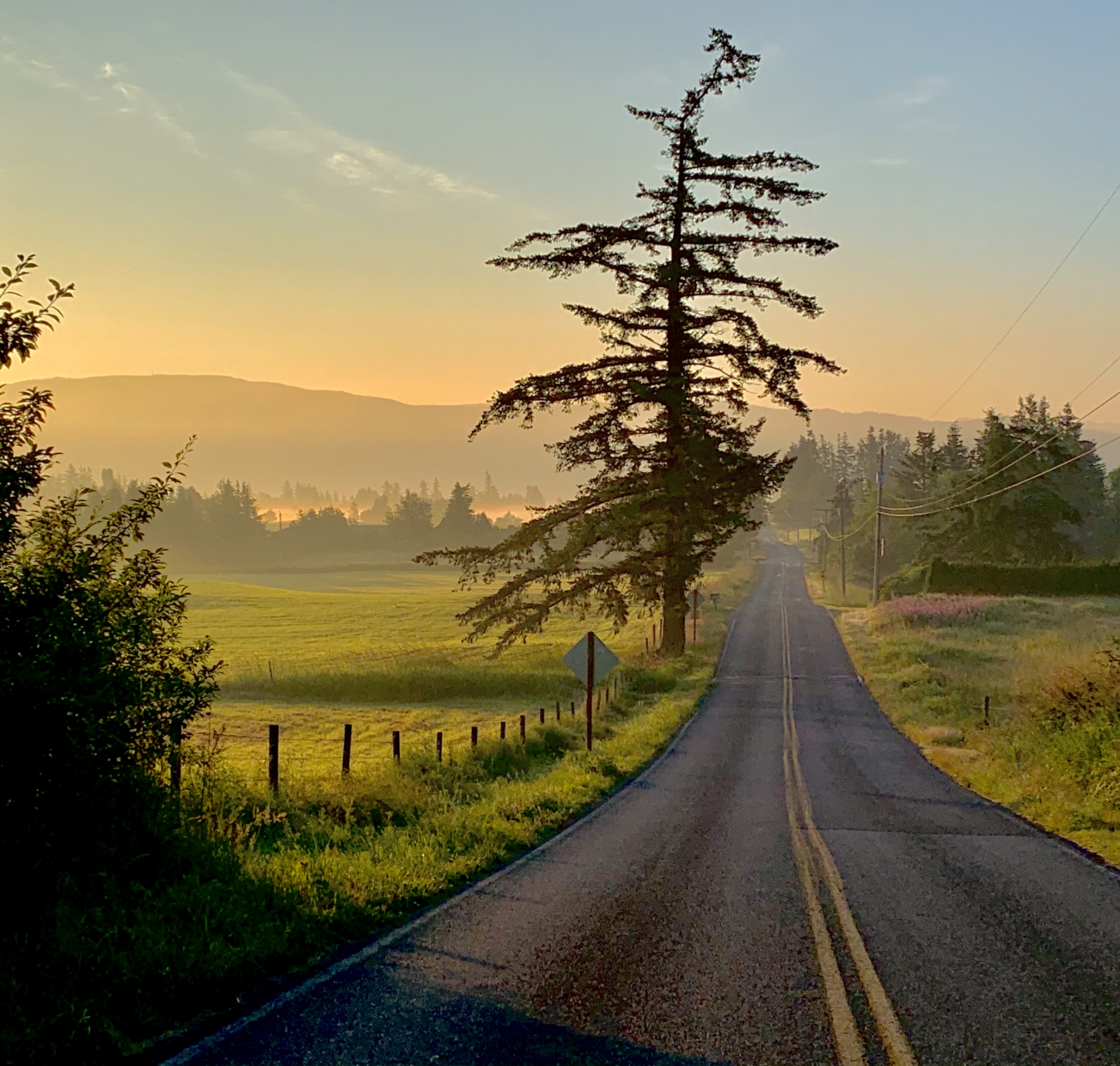
May you journey together on a road that reaches to infinity, with no bridges out, or deep ditches to fall into, or trees fallen, barring the path. There may be rough patches, and a fair amount of mud along the way, but always keep the horizon in focus.

May you find each other’s arms when you need them and give yourselves in service to the world when you are able.

And may you always remember your beginnings, next to the noble Douglas fir on a hill, where God in heaven smiled His Light down upon you through teary clouds.

photo by Karen Mullen

Just As I Left It

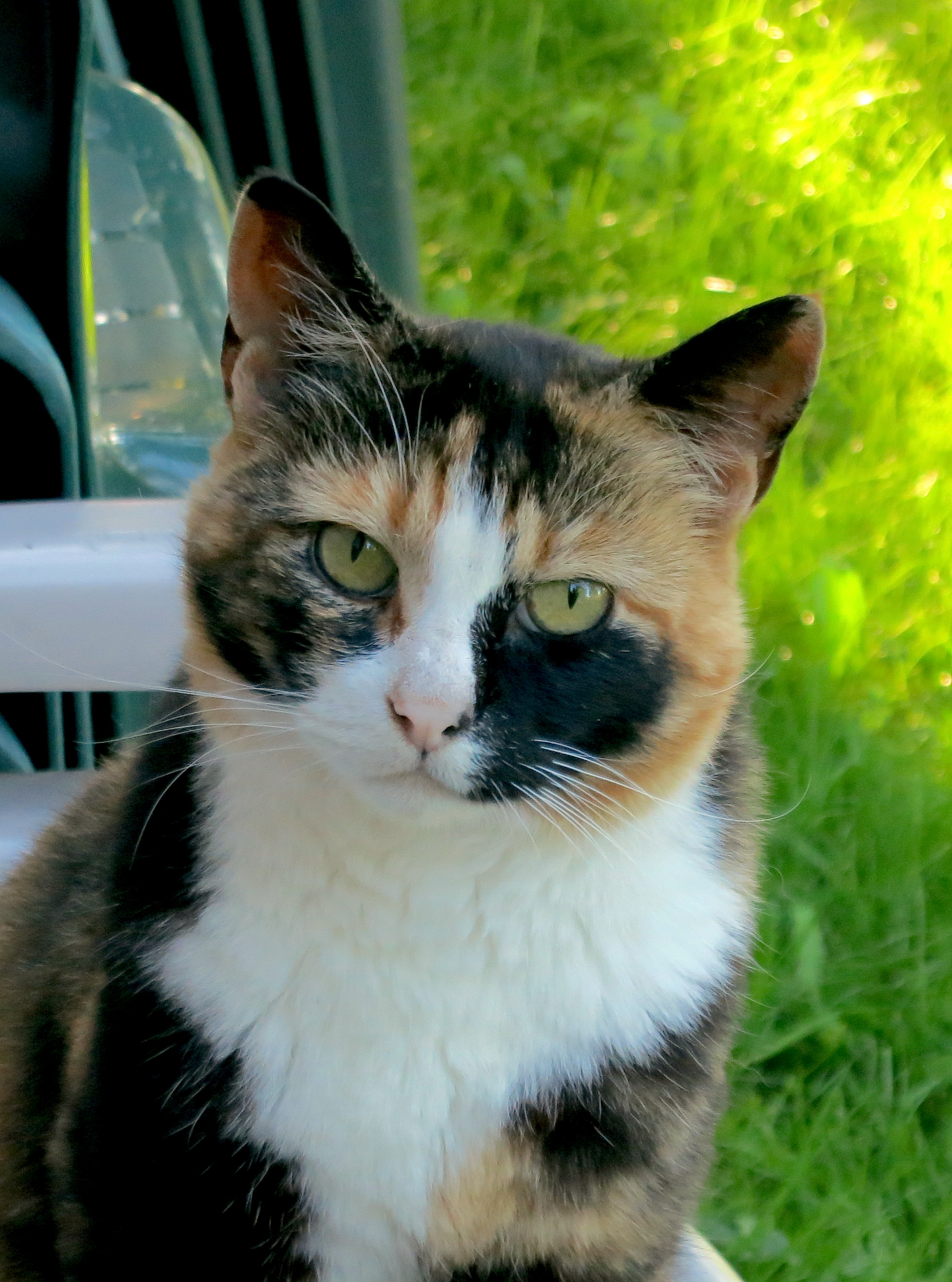
The cat calls for her dinner.
On the porch I bend and pour
brown soy stars into her bowl,
stroke her dark fur.
It’s not quite night.
Pinpricks of light in the eastern sky.
Above my neighbor’s roof, a transparent
moon, a pink rag of cloud.
Inside my house are those who love me.
My daughter dusts biscuit dough.
And there’s a man who will lift my hair
in his hands, brush it
until it throws sparks.
Everything is just as I’ve left it.
Dinner simmers on the stove.
Glass bowls wait to be filled
with gold broth. Sprigs of parsley
on the cutting board.
I want to smell this rich soup, the air
around me going dark, as stars press
their simple shapes into the sky.
I want to stay on the back porch
while the world tilts
toward sleep, until what I love
misses me, and calls me in.
~Dorianne Laux “On the Back Porch” from Awake

If just for a moment,
when the world feels like it is tilting so far
I just might fall off,
there is a need to pause
to look at where I’ve been
and get my feet back under me.

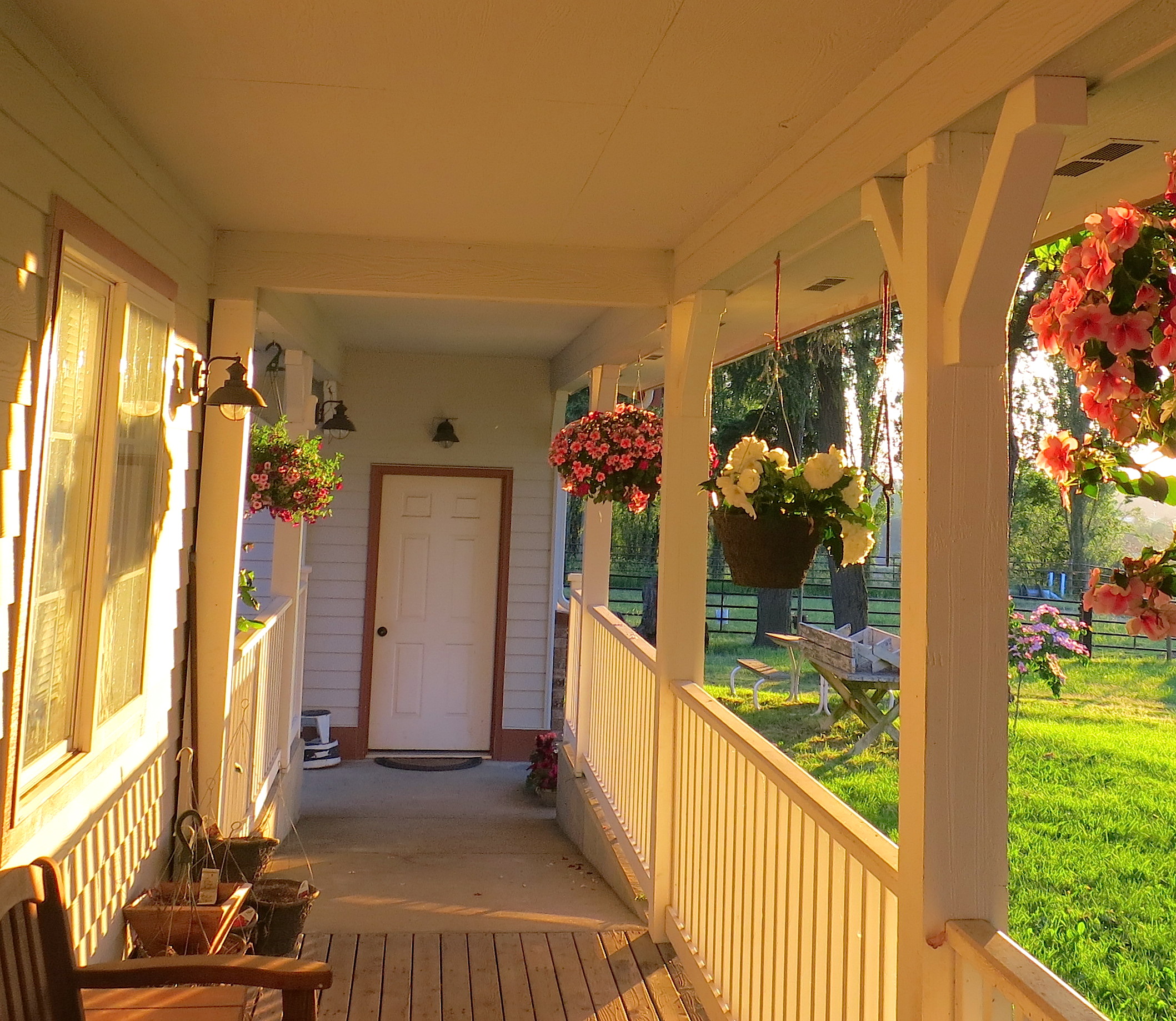
The porch is a good place to start:
a bridge to what exists beyond
without completely leaving the safety of inside.

I am outside looking square at uncertainty
and still hear and smell and taste
the love that dwells just inside these walls.

What do any of us want more
than to be missed if we were to step away
or be taken from this life?

Our voice, our words, our heart, our touch
never to be replaced,
its absence a hole impossible to fill?

When we are called back inside to the Love
that made us who we are,
may we leave behind the outside world
more beautiful because we were part of it.

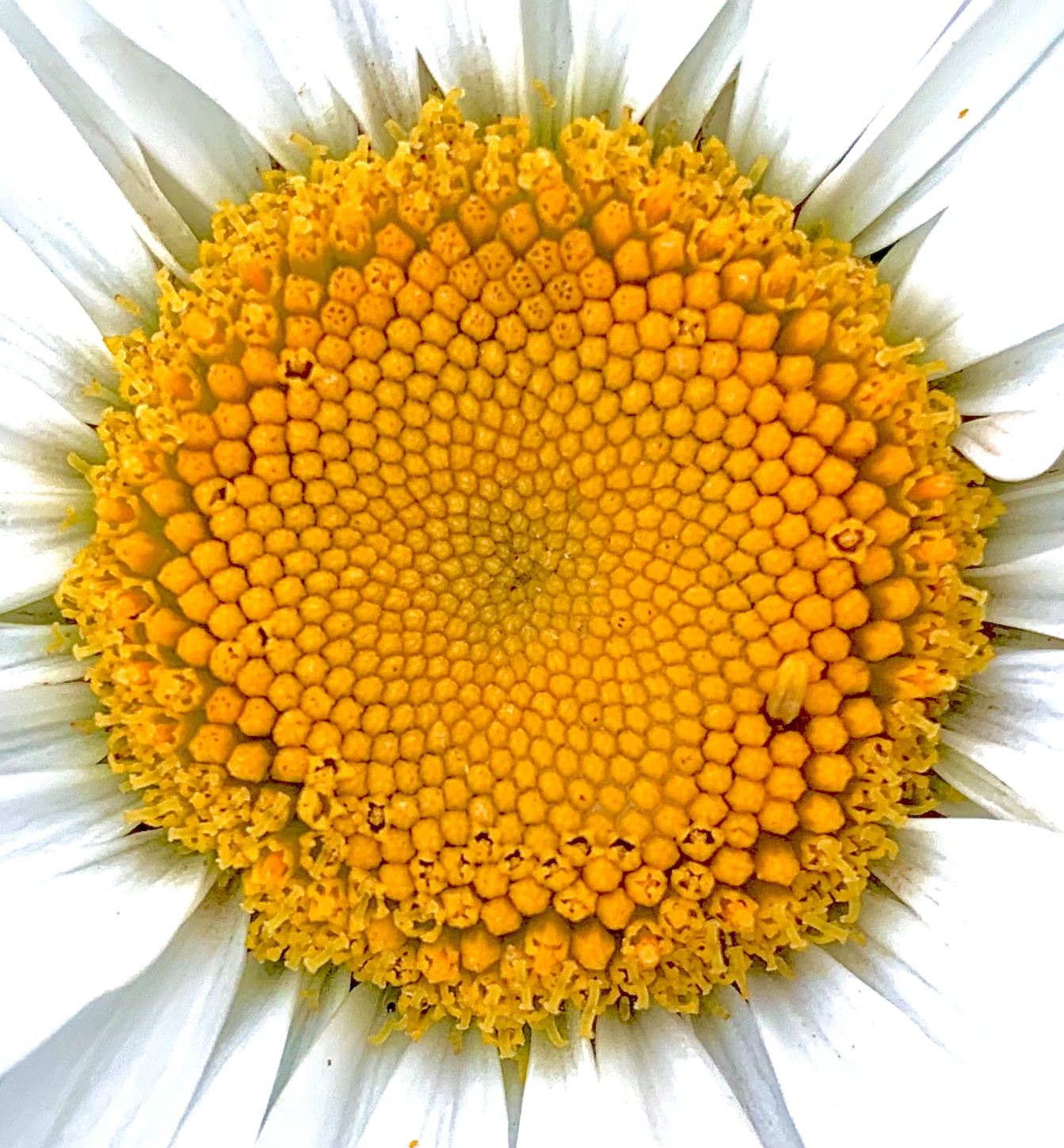
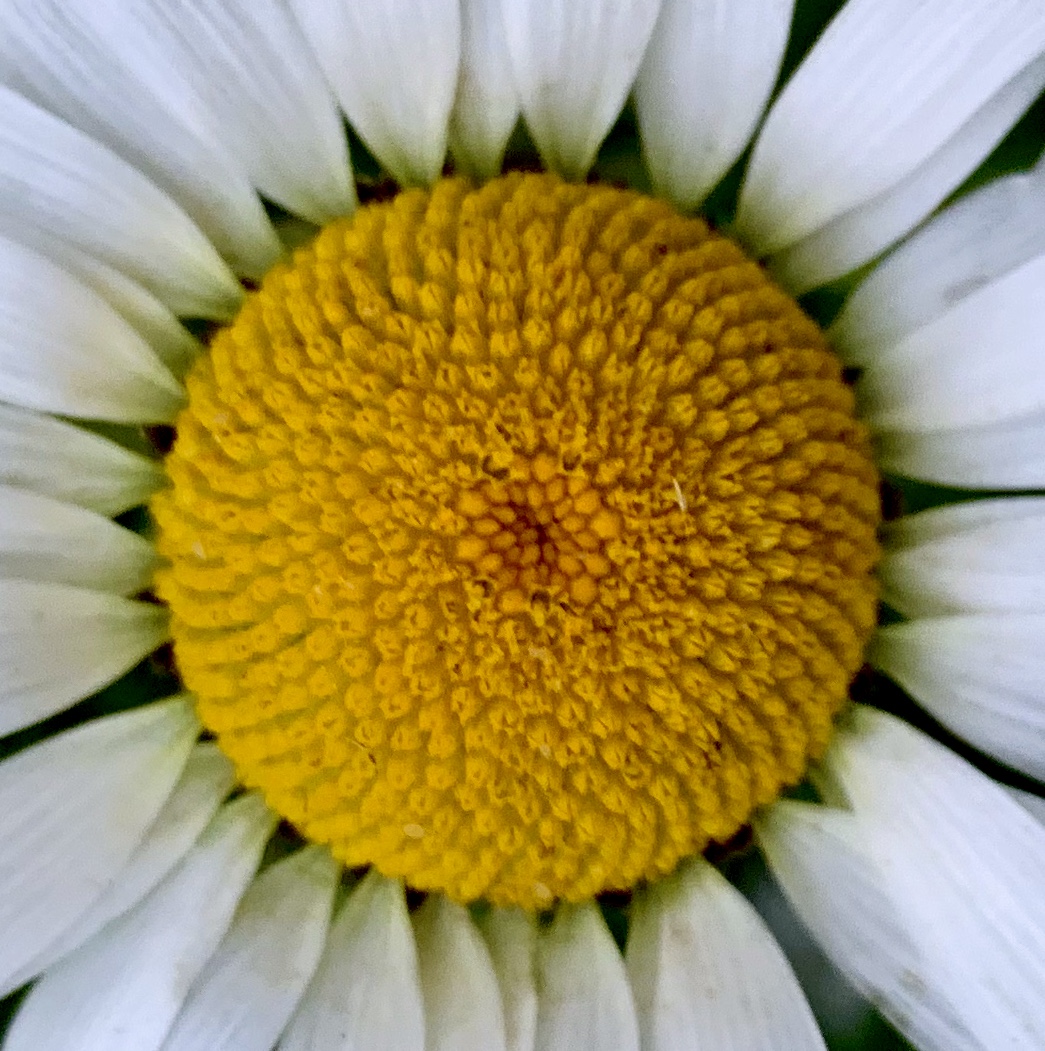
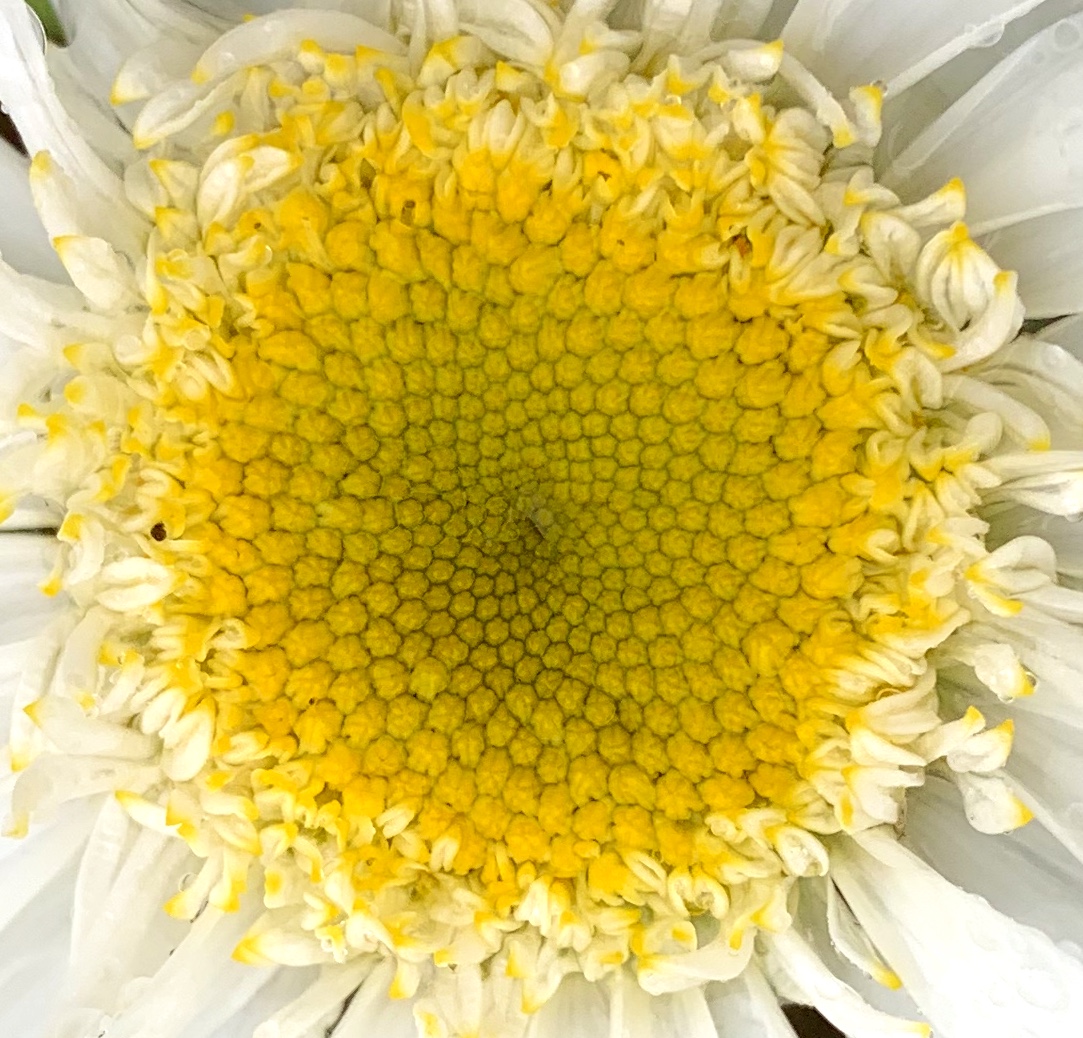
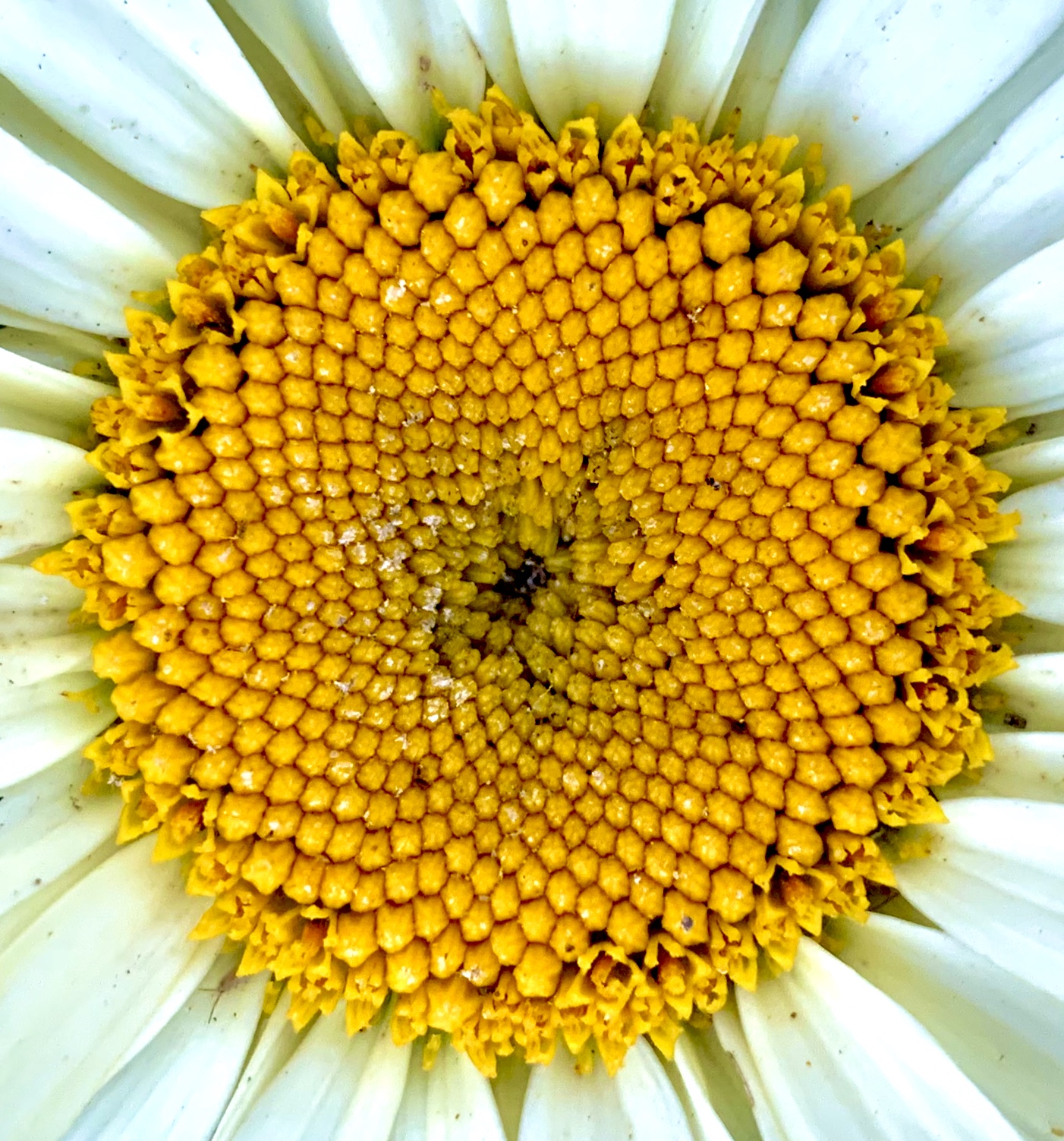
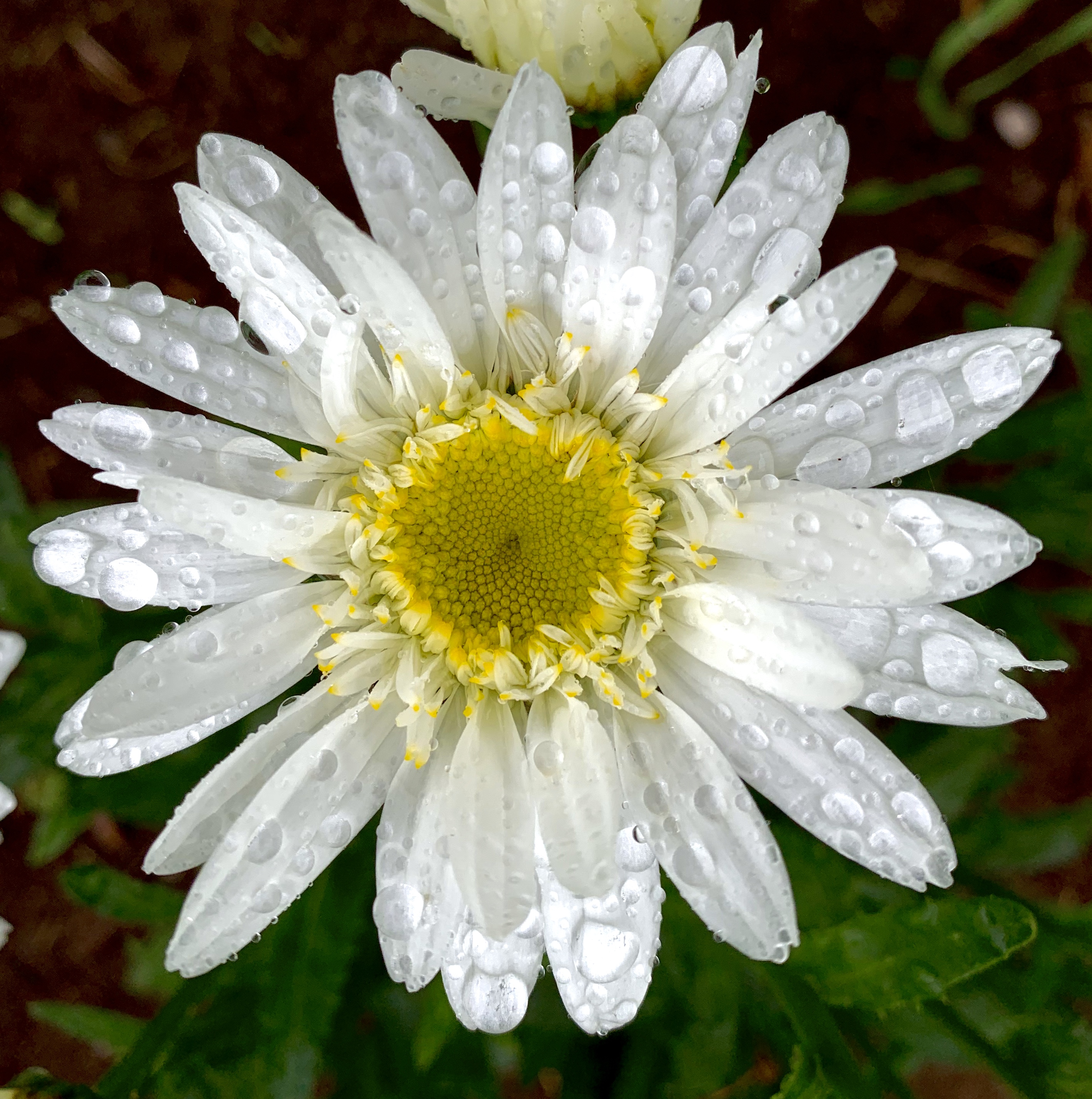
A Daisy Vanished

So has a Daisy vanished
From the fields today—
So tiptoed many a slipper
To Paradise away—

Oozed so in crimson bubbles
Day’s departing tide—
Blooming—tripping—flowing
Are ye then with God?

~Emily Dickinson (28)

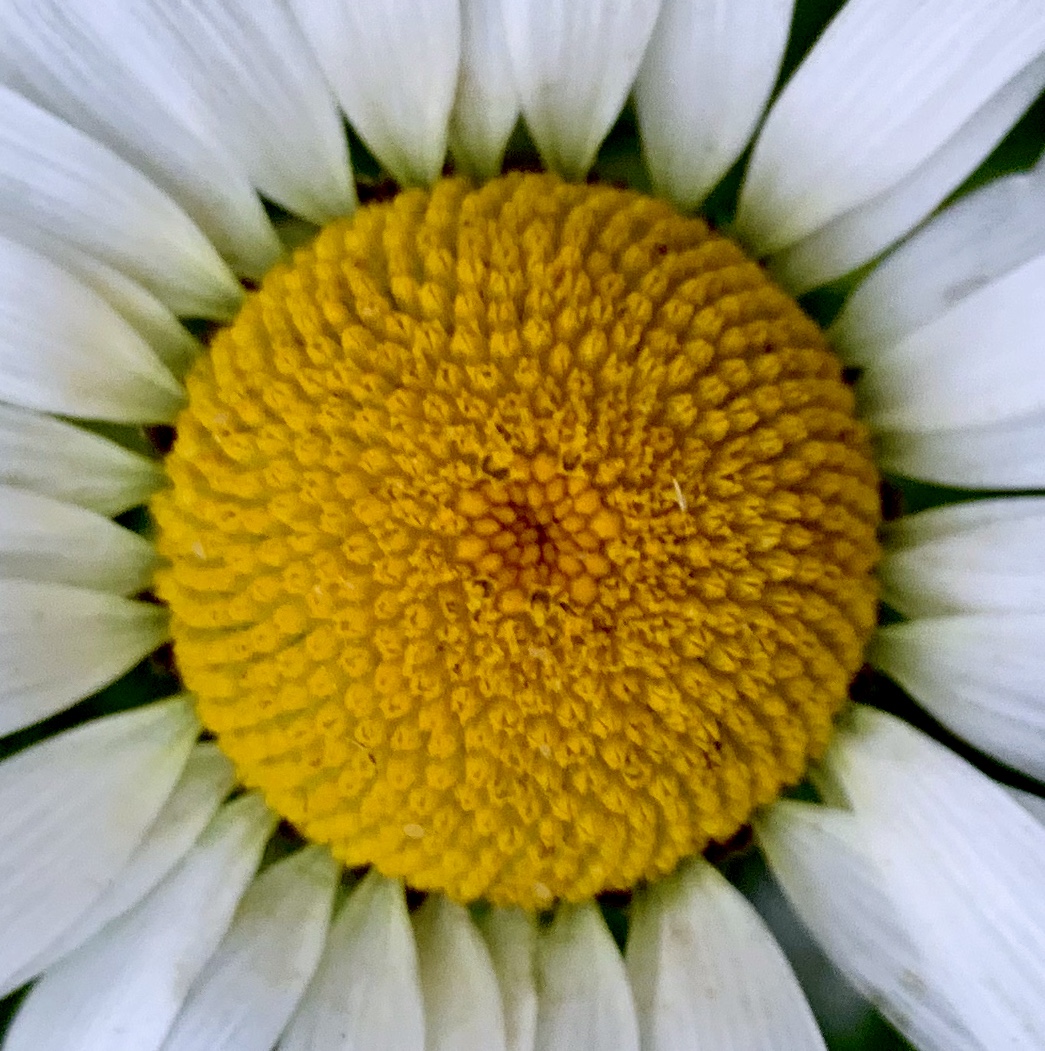
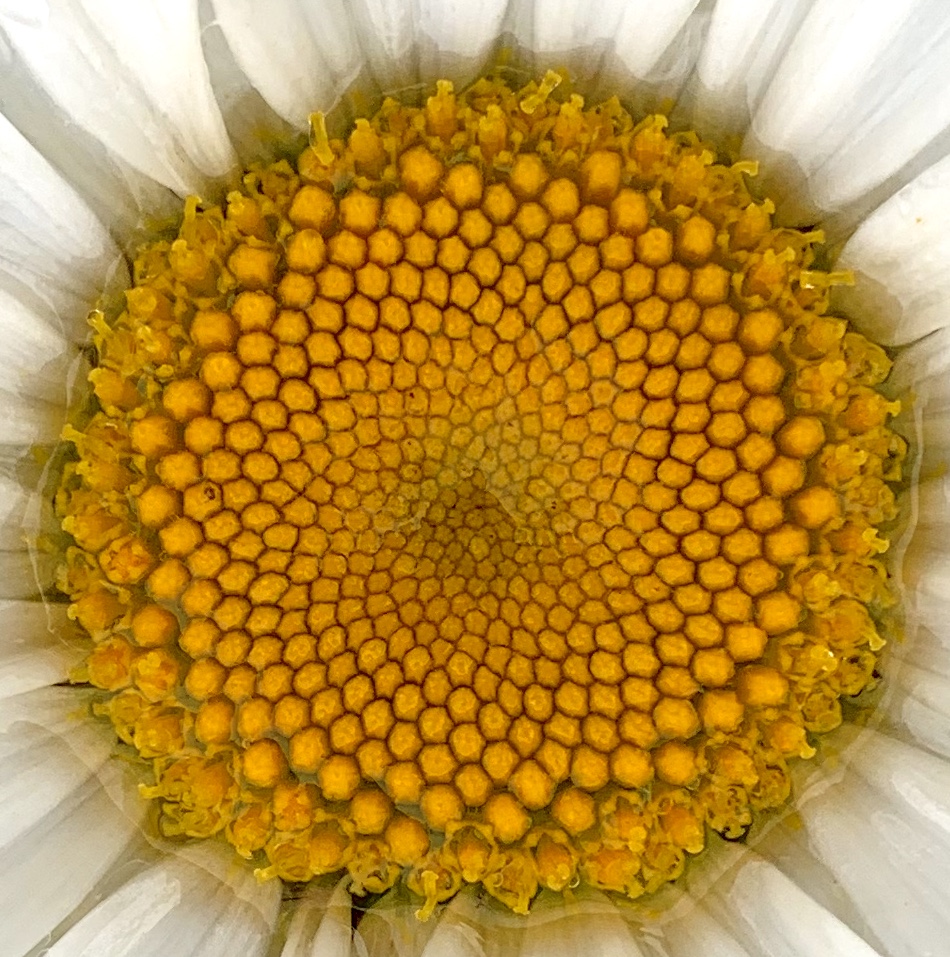
We may be as ephemeral
as the daisies of the field,
but we are not lost to God.

Our hearts swirl and spiral
into the vortex of infinity
that only contains Him.


Acres of Opinions

Now we are here at home, in the little nation
of our marriage, swearing allegiance to the table
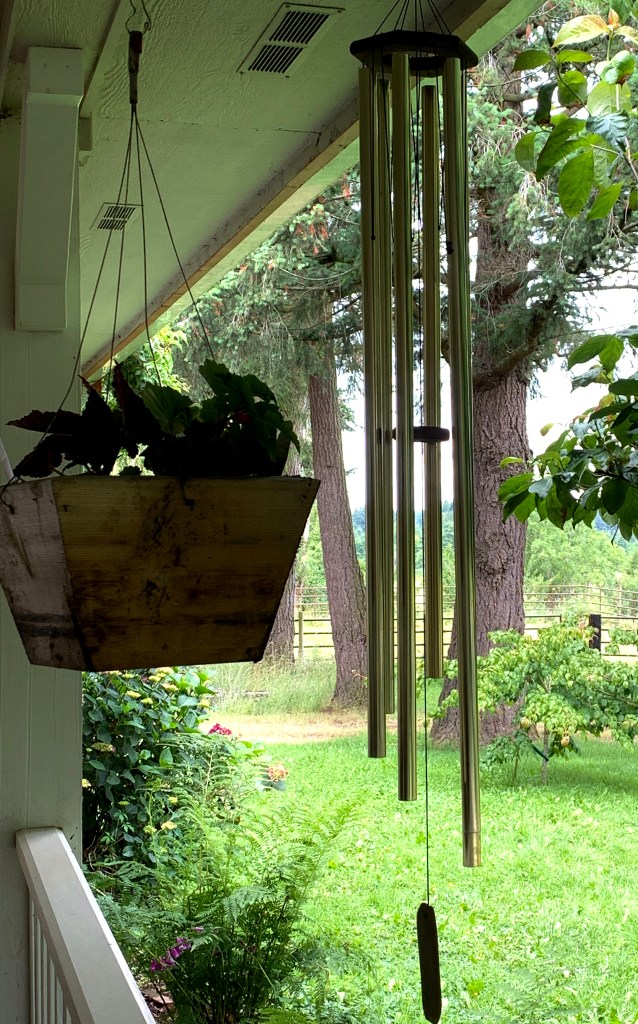
we set for lunch or the windchime on the porch,

its easy dissonance. Even in our shared country,
the afternoon allots its golden lines
so that we’re seated, both in shadow, on opposite

ends of a couch and two gray dogs between us.
There are acres of opinions in this house.
I make two cups of tea, two bowls of soup,

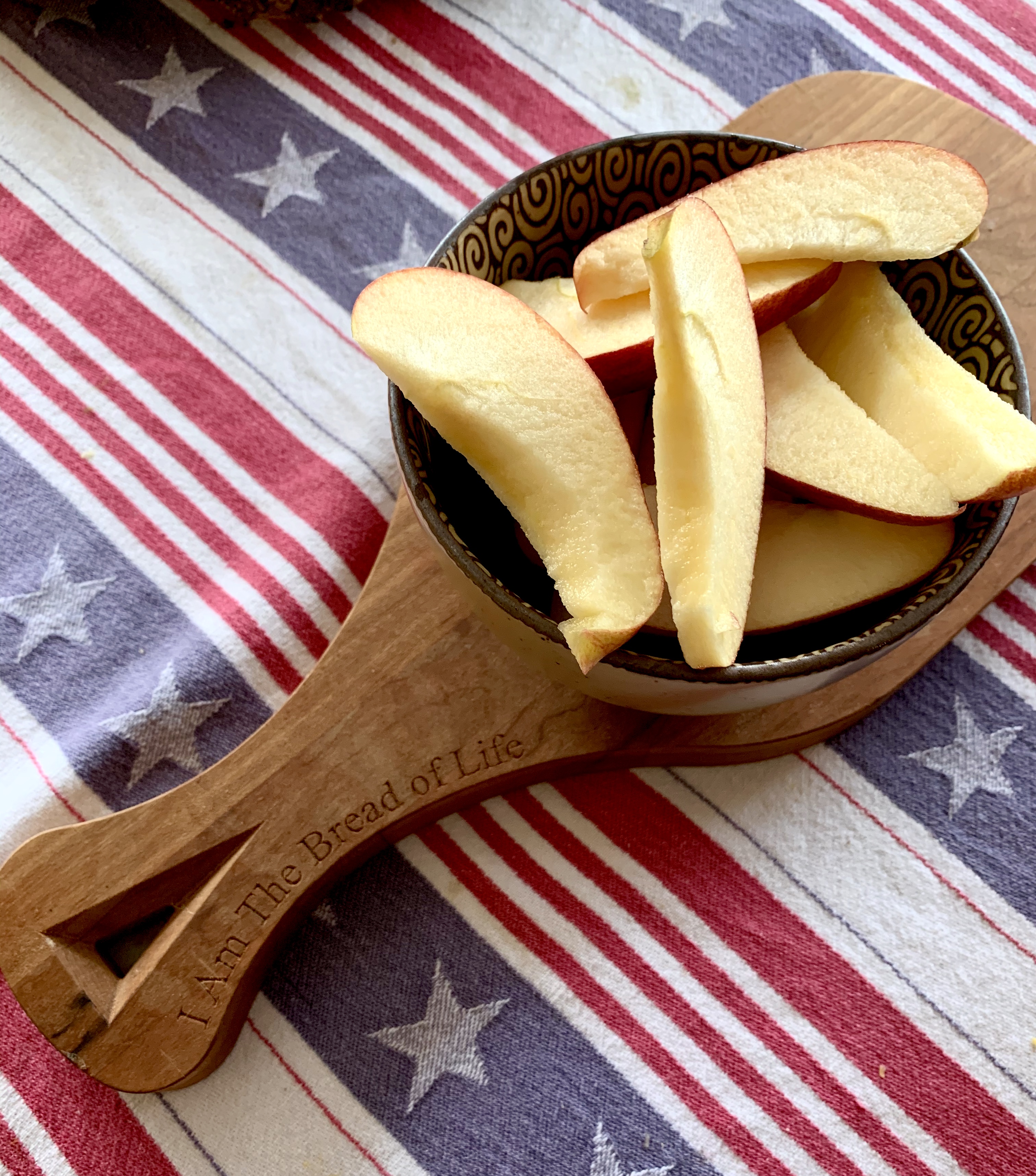
divide an apple equally. If I were a patriot,
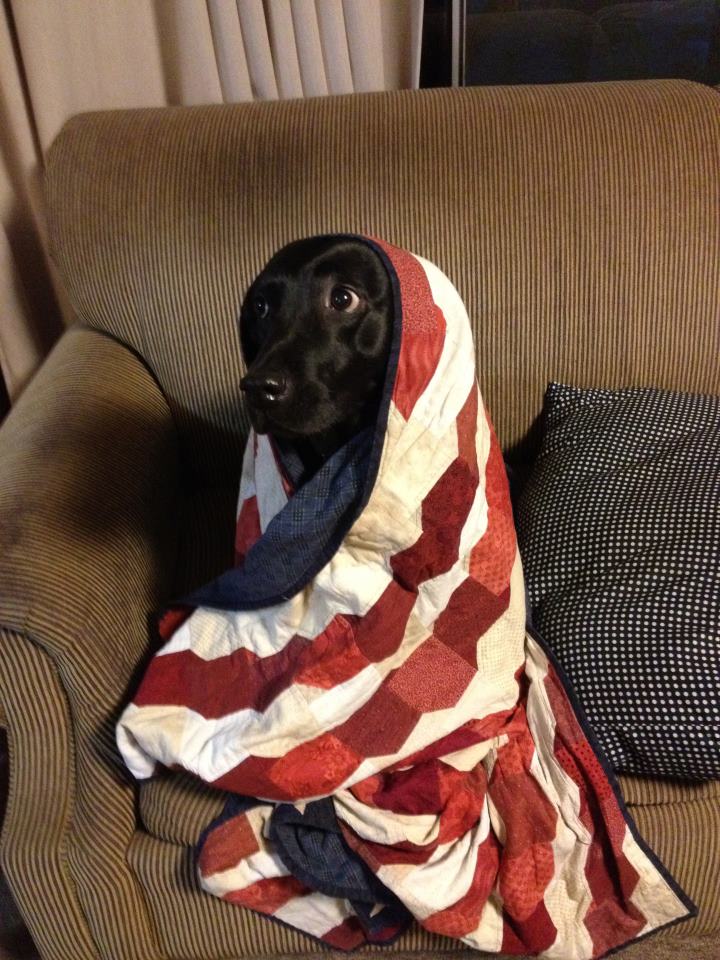
I would call the blanket we spread across our bed
the only fla
g—some nights we’ve burned it

with our anger at each other.
Some nights
we’ve welcomed the weight, a woolen scratch
on both our skins. My love, I am pledging

to this republic, for however long we stand,
I’ll watch with you the rain’s arrival in our yard.
We’ll lift our faces, together, toward the glistening.
~Jehanne Dubrow from “Pledge”

photo by Bette Vander Haak

Whether it is a beloved country, or a devoted marriage, there is need for loyalty to last through the difficult times and the imperfections.

We pledge allegiance to the republic of one another among acres of opinions: our differences in how we see the world contrast with our shared goals and dreams. Our stubborn persistence to stay intact is threatened by our fragile weaknesses that can easily break us asunder.

So we stand united, no matter the dissonance and the disagreements, drenched with the responsibility and accountability to make this union work, no matter what, for as long as we shall live, and much much beyond.

May we glisten with the pledge of allegiance:
we can only accomplish this together.

Stained Glass Windows

Because my parents had denied
me comic books as sordid and
salacious, I would sneak a look
at those of friends, the bold and bright
slick covers, pages rough as news
and inked in pinks and greens and blues
as cowboys shouted in balloons
and Indian yells were printed on
the clouds. I borrowed books and hid
them in the crib and under shoes
and under bed. The glories of
those hyperbolic zaps and screams
were my illuminated texts,
the chapbook prophets of forbidden
and secret art, the narratives
of quest and conquest in the West,
of Superman and Lash Larue.
The print and pictures cruder than
the catalog were sweeter than
the cake at Bible School. I crouched
in almost dark and swilled the words
that soared in their balloons and bulbs
of grainy breath into my pulse,
into the stratosphere of my
imagination, reaching Mach
and orbit speed, escape velocity
just at the edge of Sputnik’s age,
in stained glass windows of the page.
~Robert Morgan “Funny Books” from The Strange Attractor: New and Selected Poems

I learned to read at age four by spending hours poring over the stained glass panels of innumerable 10 cent comic books. One was sent weekly to us kids by our grandfather who only saw us twice a year so we took turns reading that comic over and over until we had the pictures and the content of the dialogue balloons completely memorized before the next one arrived.

My personal favorites were Superman and Archie and Little Lulu but I didn’t discriminate – I’d read anything with colorful pictures and thought bubbles, which probably explains my persisting penchant for Life magazines and National Geographics.

It also explains this blog being 2/3 photos and 1/3 text. I need pictures to get me through most reading material. Medical school was a breeze thanks to so many pictures in the text books. A good thing I’m not an attorney – no pictures in those texts.

I eventually graduated in my cynical pre-teen years to Mad Magazine and (when my parents weren’t paying attention — Cracked) and finally gave up comics altogether by high school.

So whatever happened to a collection of 762 comic books that had accumulated over years of Grandpa’s mailings, as well as my own purchases, spending my hard-earned allowance on comics throughout the 60’s?

As an industrious (and bored) nine year old in the summer of 1964, I decided to open a neighborhood comic book library for kids who wanted to borrow them so I catalogued each and every one on notebook paper and then created a card system taped into each one inside, just like at the real library. If a local kid borrowed a comic, I kept the card showing the date it was borrowed and when it was “due” back and who the borrower was. I don’t remember having many library visitors, as we lived in a rural part of the community, but I did have few friends who would take home several comics (a limit of 3!) and return them the following week.

Eventually the comics were put to rest in a trunk that was stored in our barn and forgotten until my mother had to sell the farm and get everything moved out after my parents’ divorce. My brother and I both thought the other sibling had managed to grab the comic collection but when we talked about it years later, realized that neither of us had possession of them. This became a bit of an issue when we realized that well-cared-for vintage comic books were selling for significant prices in today’s market and we estimated that our collection may have been worth a few thousand dollars.

But oh well.

I hope they ended up in someone’s worthy hands, complete with their kid-made library cards taped to the inside and very well-thumbed pages.
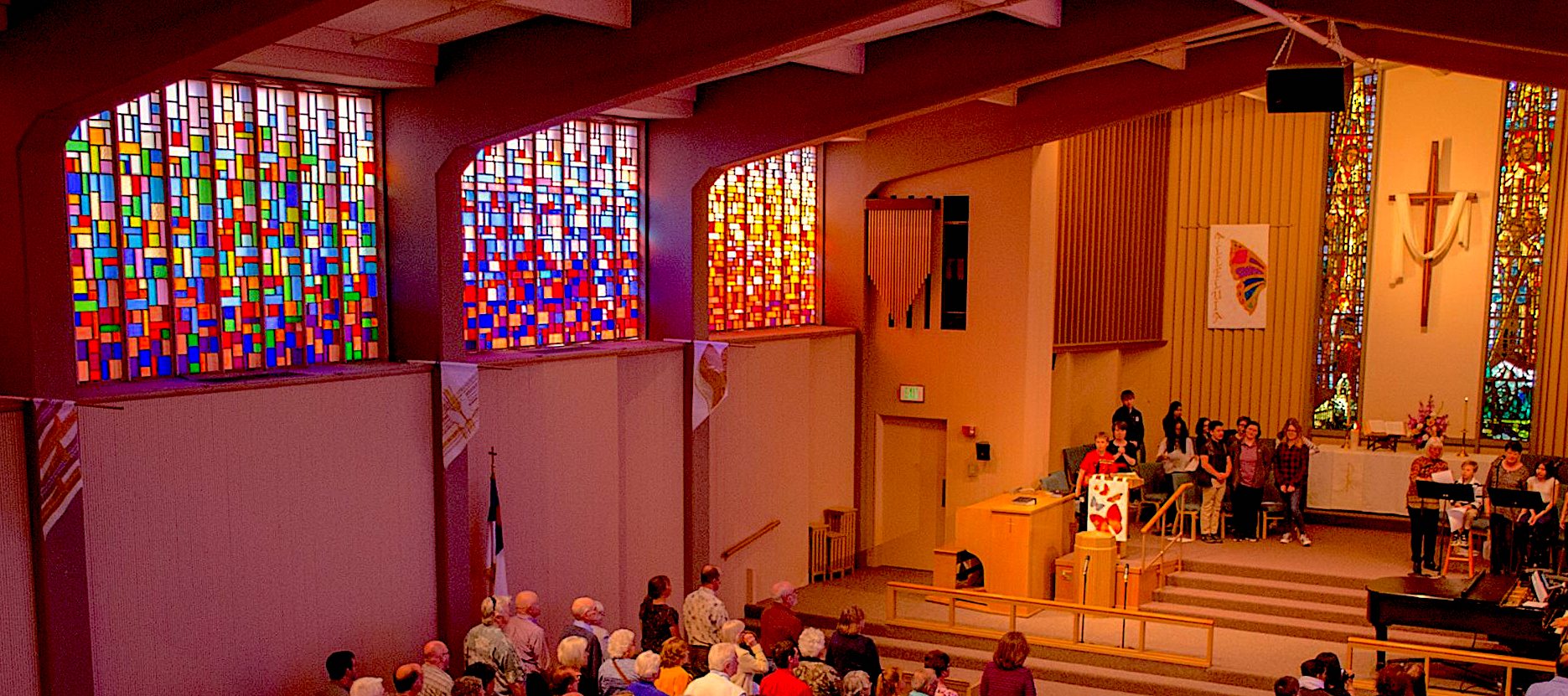
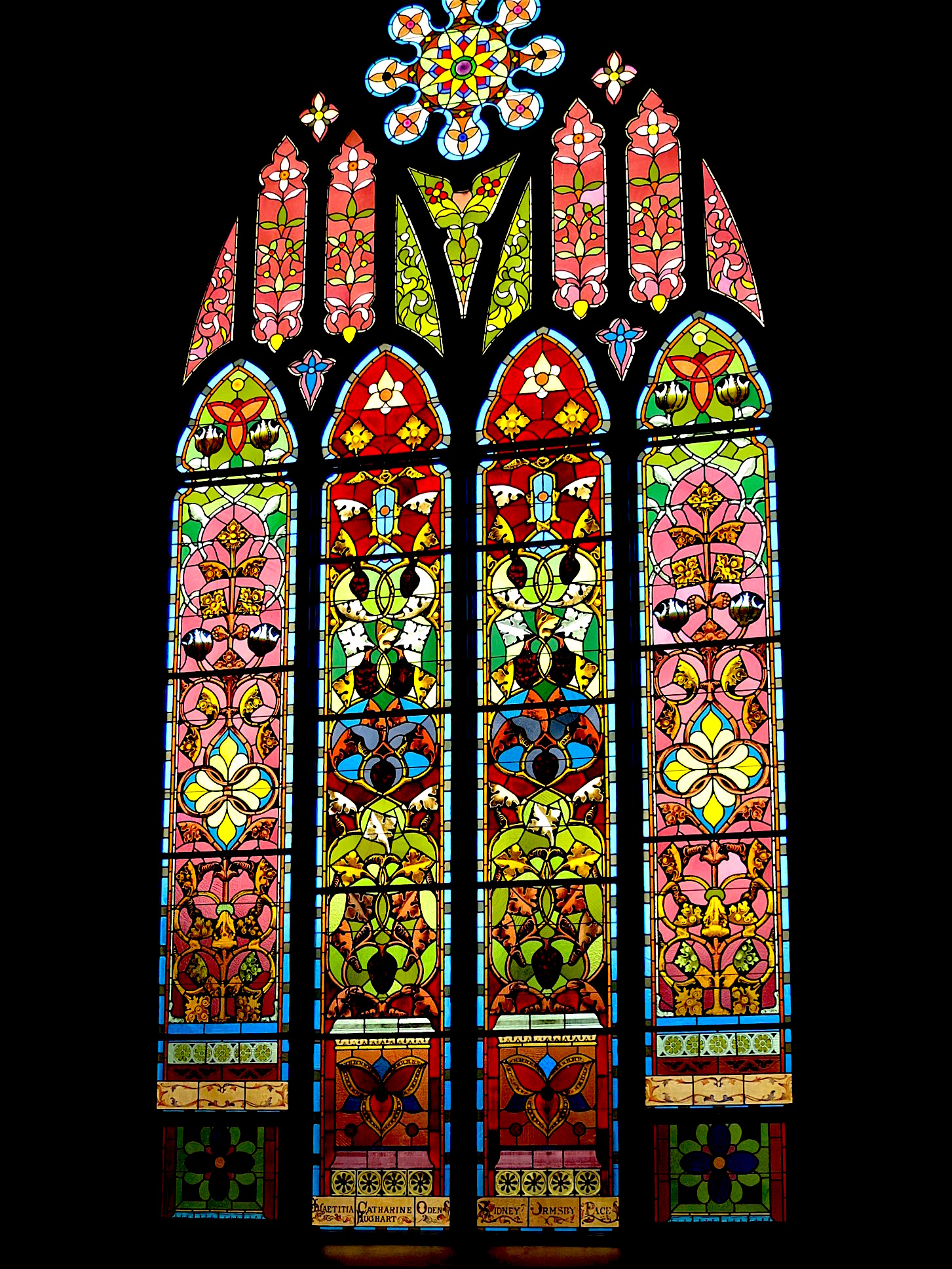
The irony is that to this day, I can’t look at stained glass windows in church without wondering about the silent thought balloons rising above the heads of the people around me. I suspect they would make a great story.
Only To Do What He Could

No taste of food, no feel of water, no sound of wind, no memory of tree or grass or flower, no image of moon or star are left to me. I am naked in the dark, Sam, and there is no veil between me and the wheel of fire. I begin to see it even with my waking eyes, and all else fades.
~J.R.R. Tolkien The Lord of the Rings

Frodo is a study of a hobbit broken by a burden of fear and horror— broken down, and in the end made into something quite different. Frodo undertook his quest out of love– to save the world he knew from disaster at his own expense, if he could; and also in complete humility, acknowledging that he was wholly inadequate to the task His real contract was only to do what he could, to try to find a way, and to go as far on the road as his strength of mind and body allowed. He did that.
~J.R.R. Tolkien

We are regularly called to do more than we feel capable of accomplishing. Whether we are in the midst of a crisis of confidence, feeling beaten down, physically and emotionally vulnerable, or just plain scared – it is tempting to shrink away from doing what is needed.

Our call to obedience may not be quite as dramatic as Frodo’s monumental task of saving the world from destruction by evil forces — it may simply be getting out of bed and facing the day despite pain and overwhelming sorrow — but it takes no less courage and strength.

We are equipped by the intimacy of the Word of God speaking to each of us individually, instructing us on how to live these days we are given.

Like Frodo, we are to do what we can, to find a way through darkness and fire and threat, and to go down that road as far as our minds and bodies allow. We are inadequate by ourselves, but we are bolstered by the constancy of God alongside. We never travel alone.