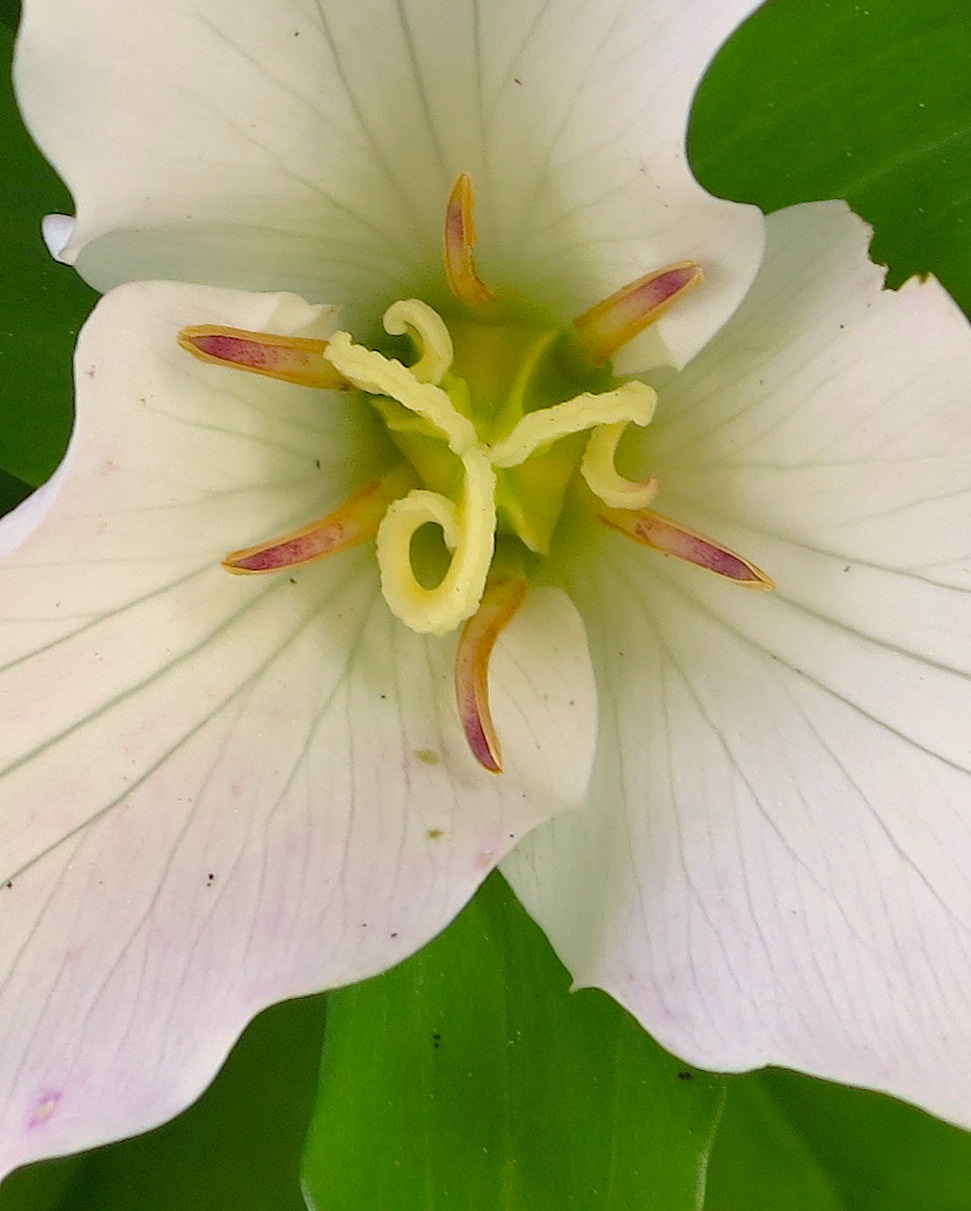
Dust Specks of Eden


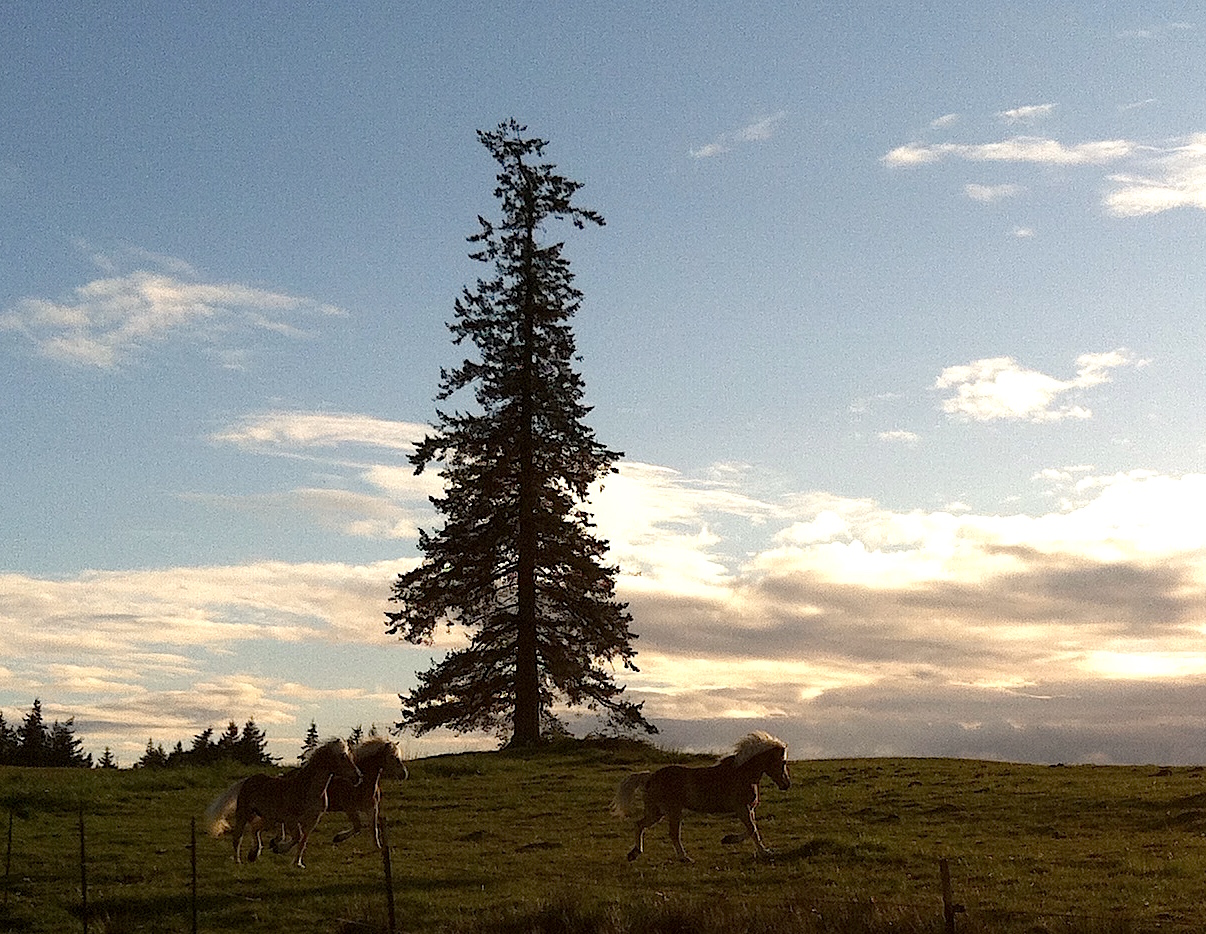
photo by Josh Scholten


Skin was earth; it was soil.
I could see, even on my own skin,
the joined trapezoids of dust specks God had wetted and stuck with his spit
the morning he made Adam from dirt.
Now, all these generations later,
we people could still see on our skin
the inherited prints of the dust specks of Eden.

~Annie Dillard from An American Childhood


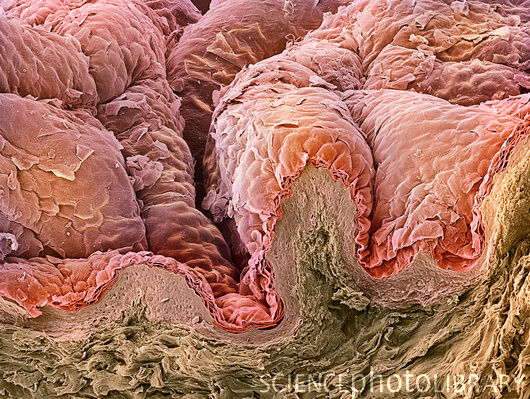
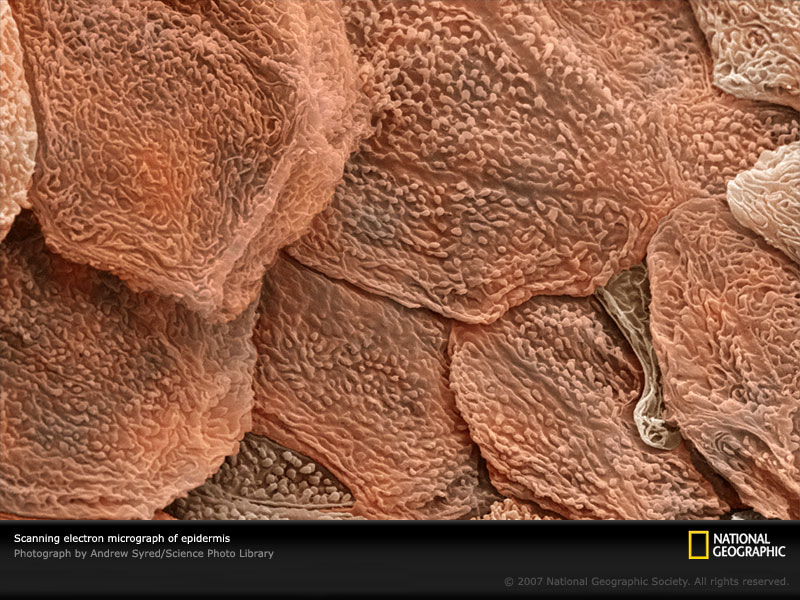
magnified landscape of human skin


A goodly portion of my work as a physician is spent looking at my patients’ skin.  Most of the time, it is a quick assessment of color, moisture and texture before I go on to concentrate on the chief complaint that brought the patient in.  However, skin concerns frequently are the chief complaint — perhaps as straight forward as an abrasion or laceration, or a puzzling bump, an oozing sore, a total body itch, or an ominous pigmented lesion.

I feel like Sherlock Holmes when I focus on a patient’s outer covering in magnified detail.  I assume the identity of detective, inspector and archeologist all at once, trying to discern what is taking place on or beneath a piece of dermatologic geography.

No matter what the diagnosis or the treatment plan, I’m continually awestruck by the topography of skin.  This supple landscape is made up of trapezoidal specks connected one to another, just like the soil upon which I tread.   Skin cells are in a state of constant renewal, the dead and discarded falling off to rejoin the dust from which it came.

This elaborate matrix of collagen and keratin is the foundation for our scaffolding and our shroud.

His spit provides the superglue: the rivets, the bolts and the nails that bind us together for a lifetime, creating us to be far more than a mere pile of random dust specks.


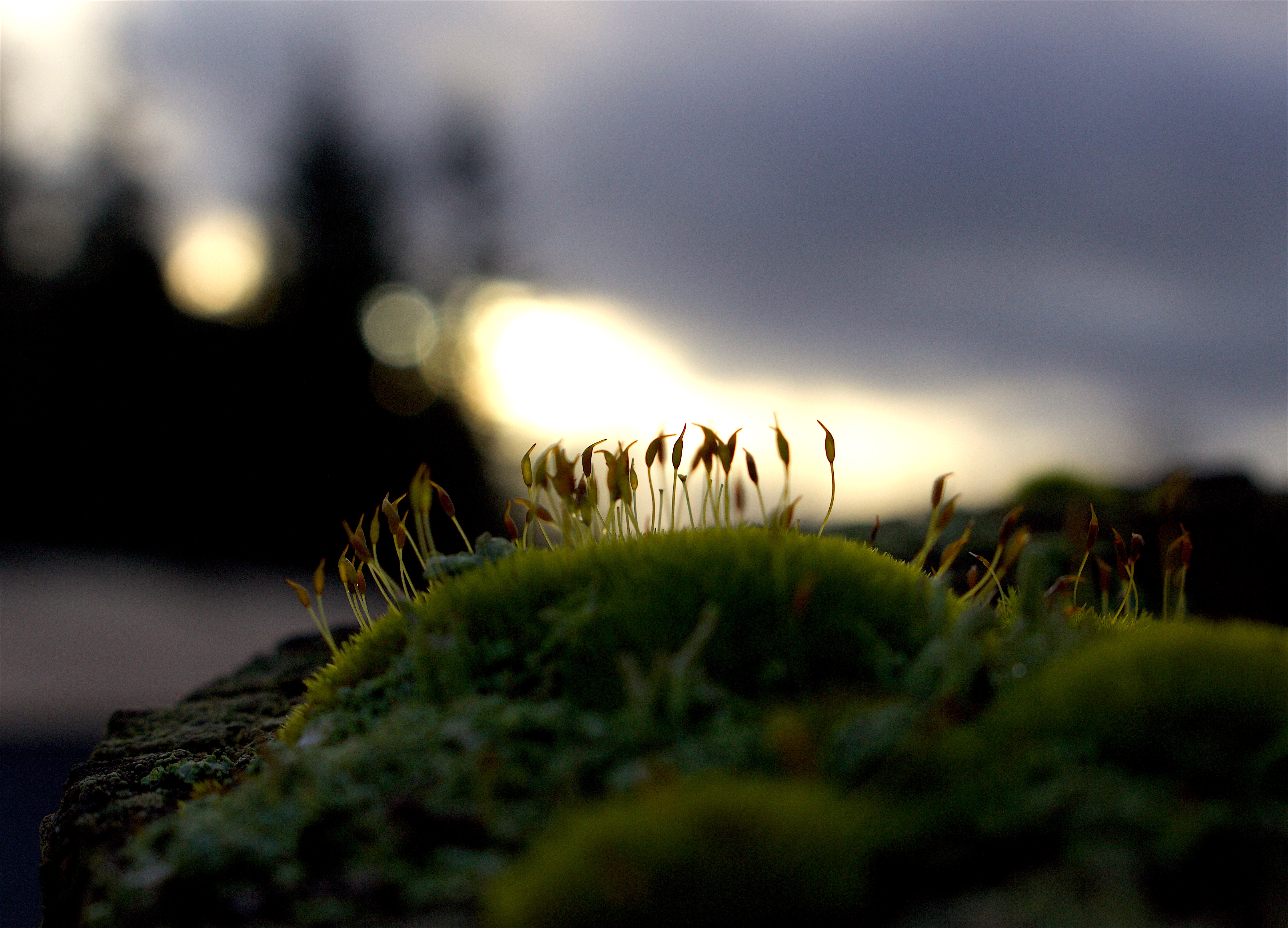
Scattering Souls Like Spores


Most lie low, flourishing with damp,
harvesting sunlight, no commotion, moss
mouse-silent, even through wind and hail,
stoic through motors roaring fumes,
through fat-clawed bears grubbing.

They can soothe the knife-edges of stones
with frothy leaf by leaf of gray-green life,
and burned-ground mosses cover destruction,
charred stumps, trees felled and blackened.
Cosmopolitan mosses likewise salve
sidewalk cracks, crumbling walls.

They root in thin alpine air, on sedentary
sand dunes, cling to cliff seeps beneath
spilling springs. For rest, they make mats
on streamside banks, for pleasure produce silky
tufts, wavy brooms of themselves in woodlands
for beauty, red roof moss for whim, elf
cap, hair cap, sphagnum for nurturing.

No fossil record of note, no bone
history, so lenient they possess only
those memories remembered.

I believe they could comfort the world
with their ministries. That is my hope,
even though this world be a jagged rock,
even though this rock be an icy berg of blue
or a mirage of summer misunderstood
(moss balm for misunderstanding),
even though this world be blind and awry
and adrift, scattering souls like spores
through the deep of a starlit sea.
~Pattiann Rogers “The Moss Method”


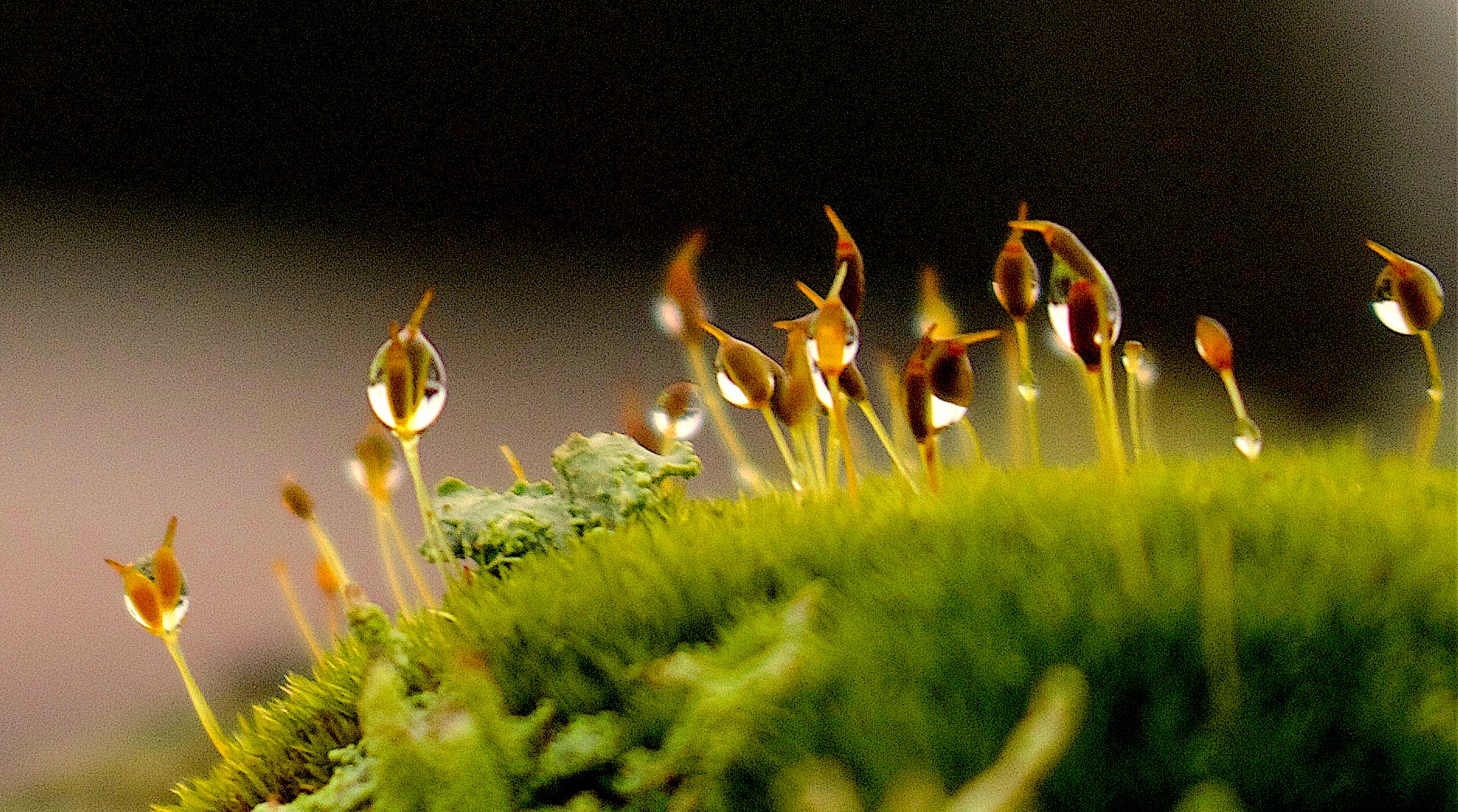
Moss completely carpets our front lawn –
only a few blades of grass persist within spongy moisture-retaining greenery.
When the rains stop and the sun turns up the temperature,
the faux-grass mat withers to shades of brown and sits dormant,
waiting patiently for fall rains to thrive luxurious again.

A messy mossy forgiveness.

Just so,
the words I write
are like doormats of moss,
lying thick as a carpet across the page,
piled one upon another,
some more beautiful,
some so plain as not to be noticed,
some dry out quickly when the heat turns on,
some with just the right curve and form
to make a difference,
cushioning my fall
with a gentle grace.


A Witnessing Presence

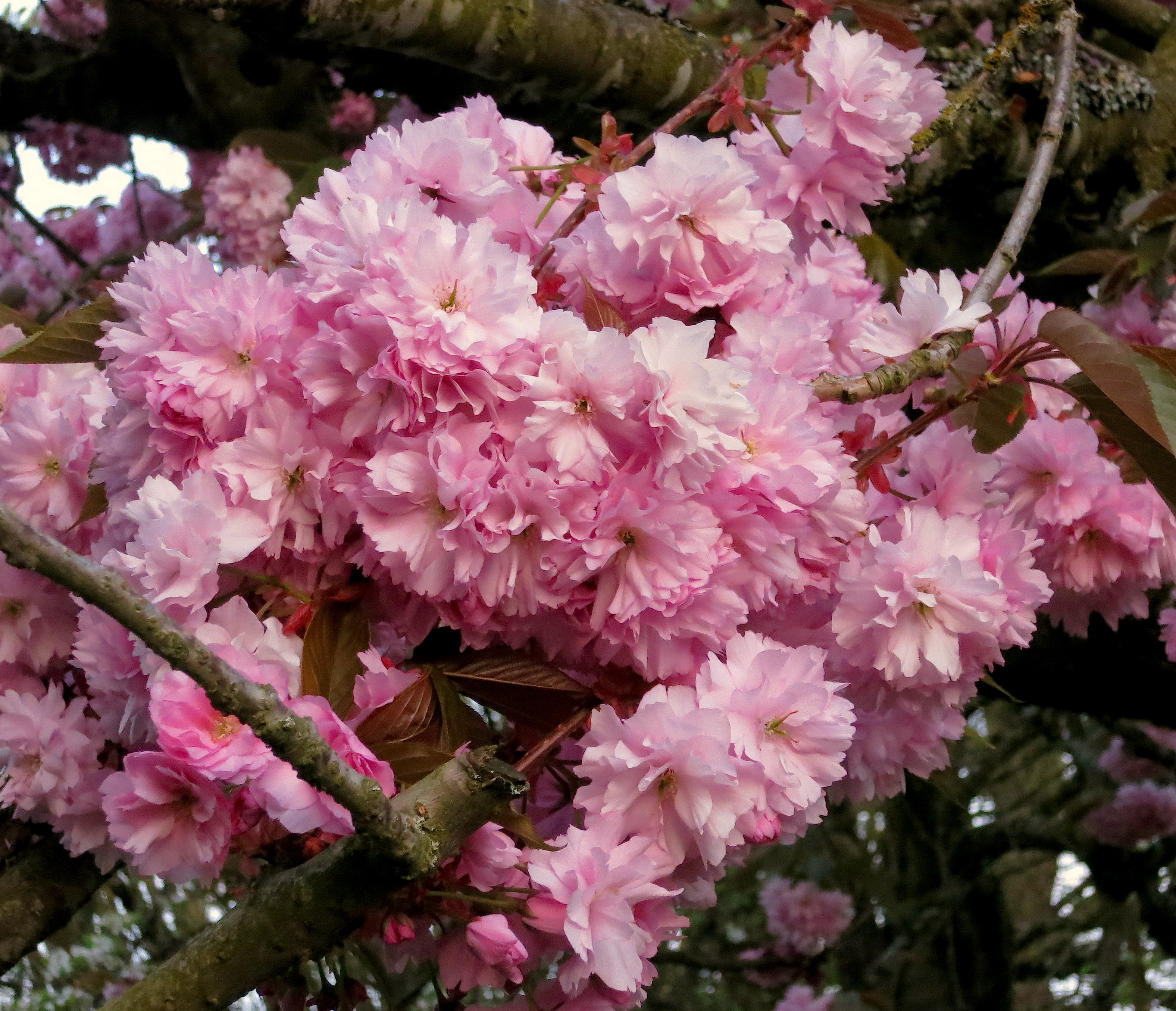
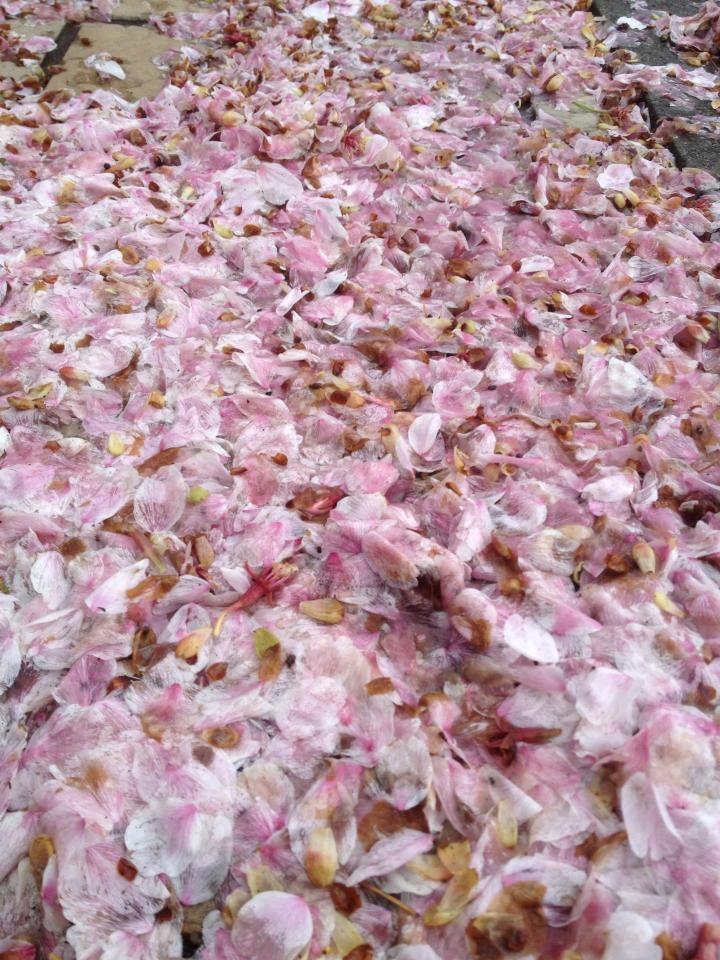
Are we to look at cherry blossoms only in full bloom, 
the moon only when it is cloudless?  
To long for the moon while looking on the rain, 
to lower the blinds and be unaware
of the passing of the spring – 

these are even more deeply moving.  
Branches about to blossom
or gardens strewn with flowers
are worthier of our admiration.

~Yoshida Kenko

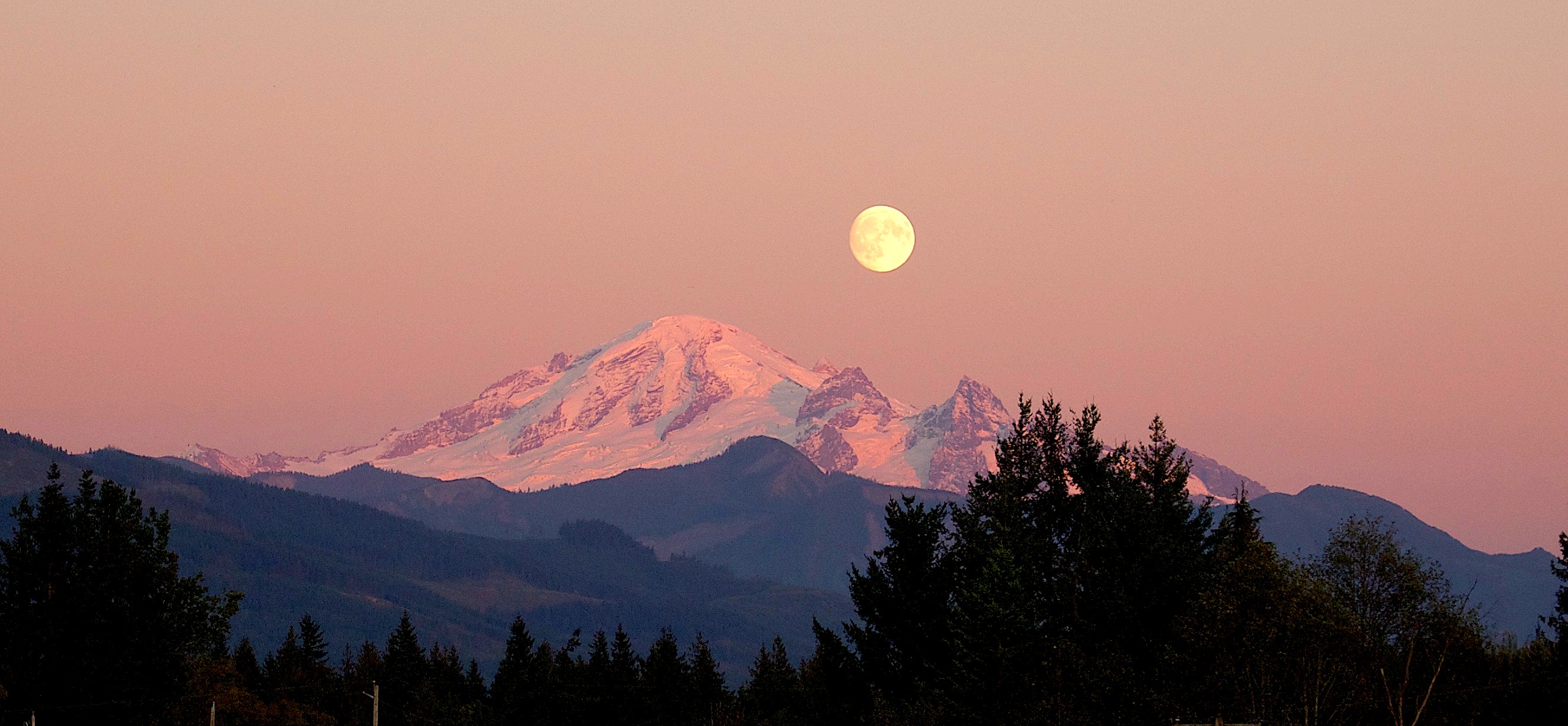
Sometimes the mountain
is hidden from me in veils
of cloud, sometimes
I am hidden from the mountain
in veils of inattention, apathy, fatigue,
when I forget or refuse to go
down to the shore or a few yards
up the road, on a clear day,
to reconfirm
that witnessing presence.
~Denise Levertov  “Witness”

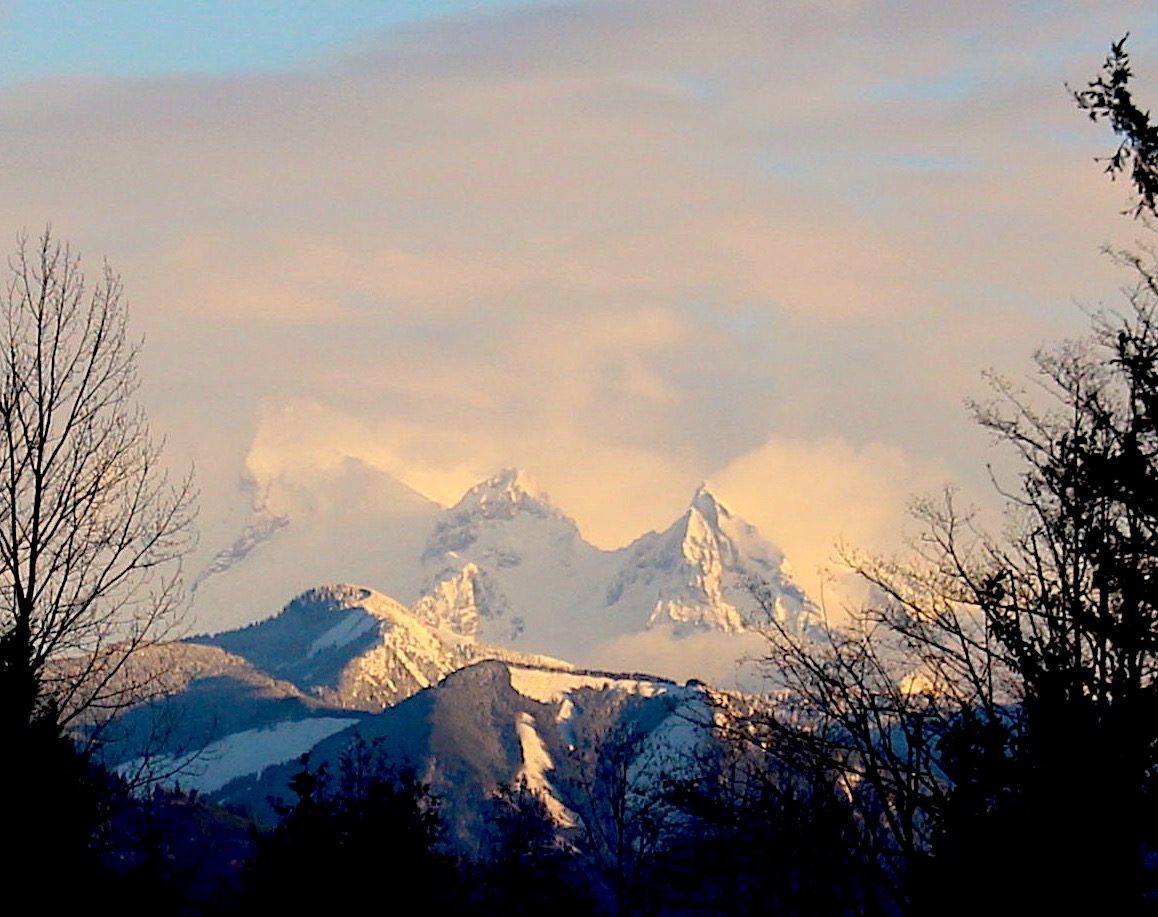
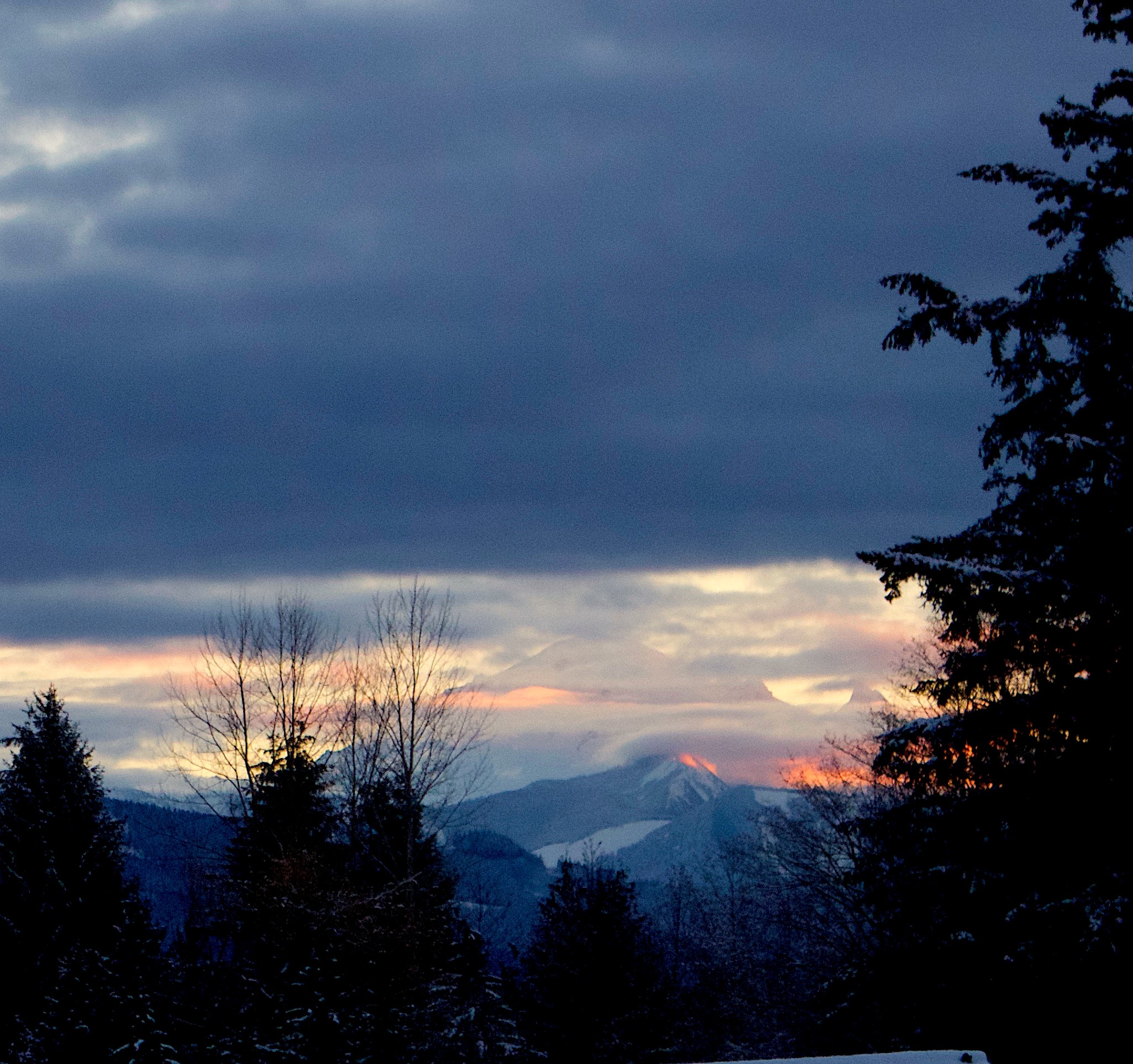
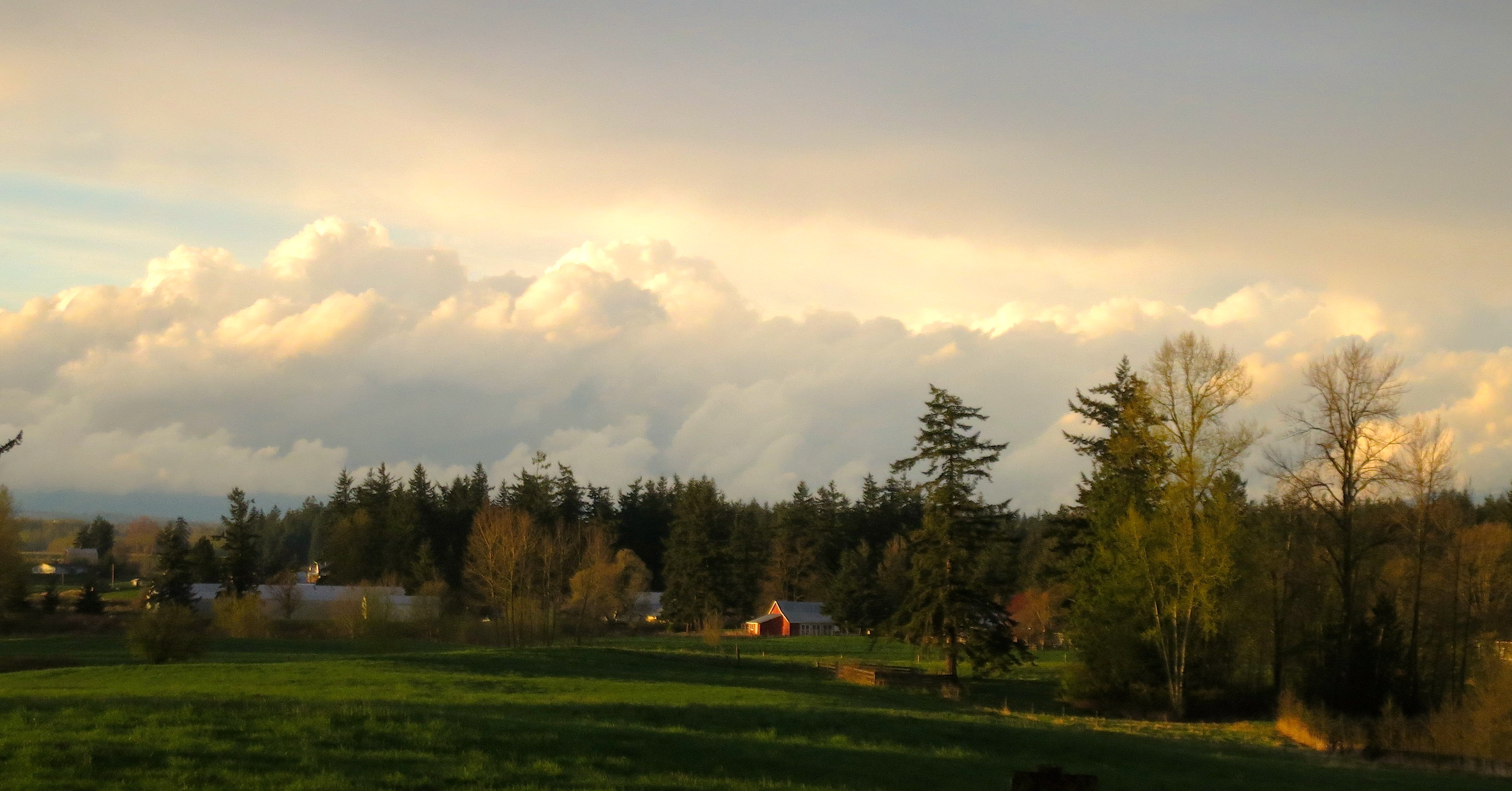
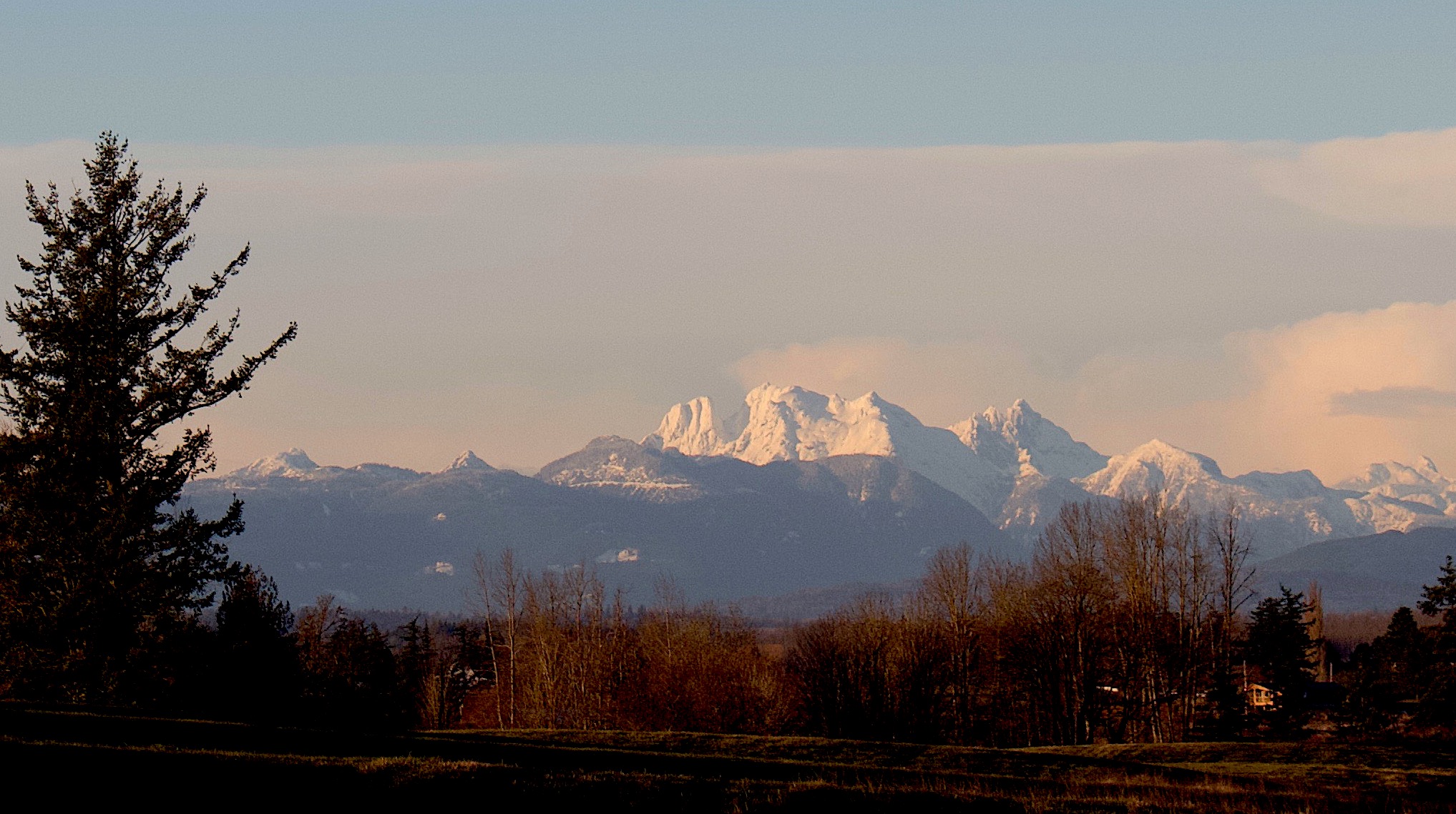
Even on the days like today when the mountain is hidden behind a veil of clouds,
I have every confidence it is there.
It has not moved in the night, gone to another county, blown up or melted down.

There are more days its snowy peak is hidden
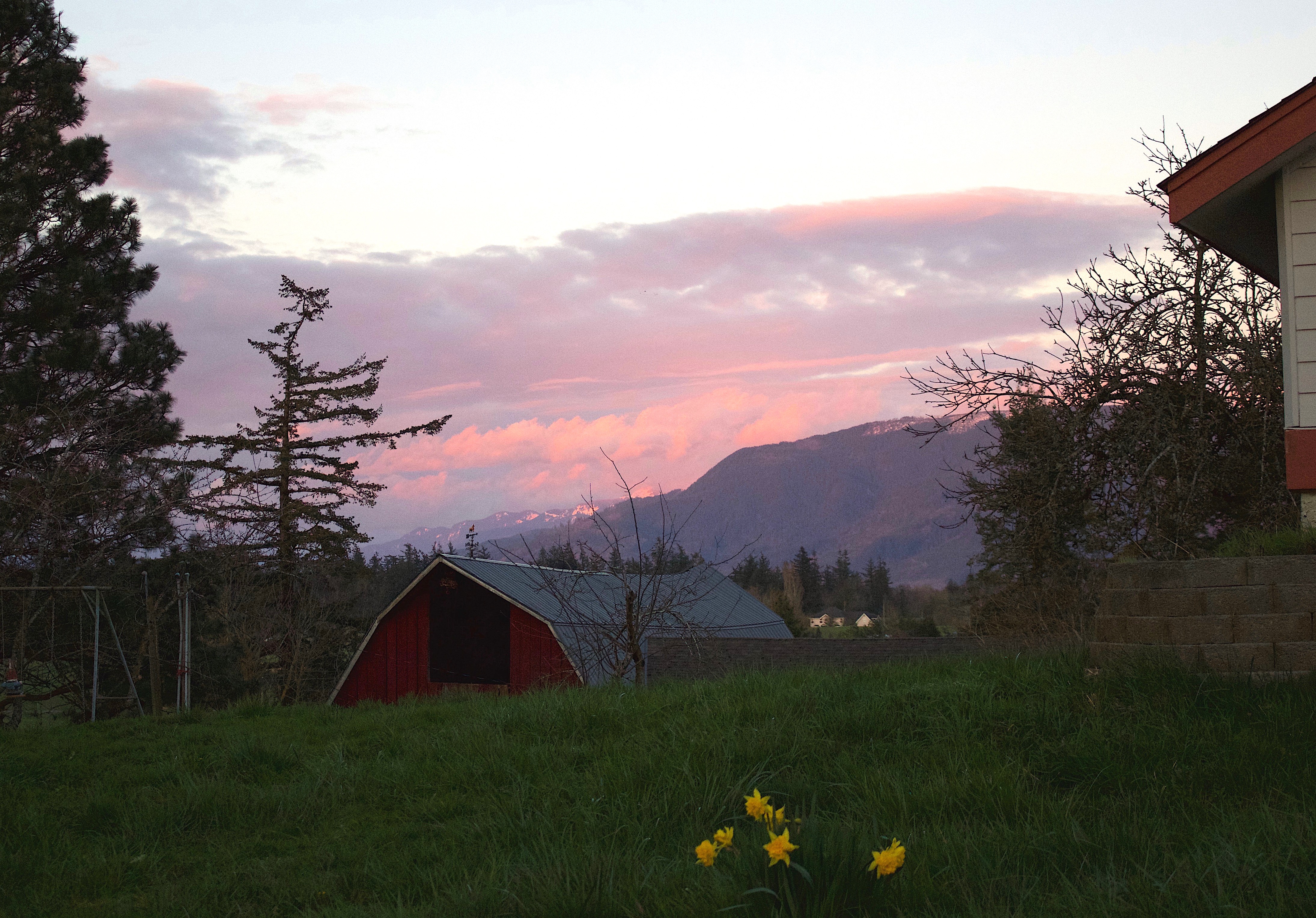
than days it is blossom-stark floating cloud-like above the horizon of our barn roof

Visitors to the farm are too often told “the mountain is right there”
as I point to a bank of nondescript gray clouds

My loving and longing for it, my knowing it is always there, in hiding,
moves me more than the days it is simply given to me.

I keep coming back to gaze, sometimes just at clouds, yearning to lift the veil,
and lift my veil, just one more time.

The beauty of anticipation,
confident of fulfillment to come
my thirstiness
to be slaked
my hunger to be
satisfied.

photo by Nate Gibson

What’s a Heaven For?


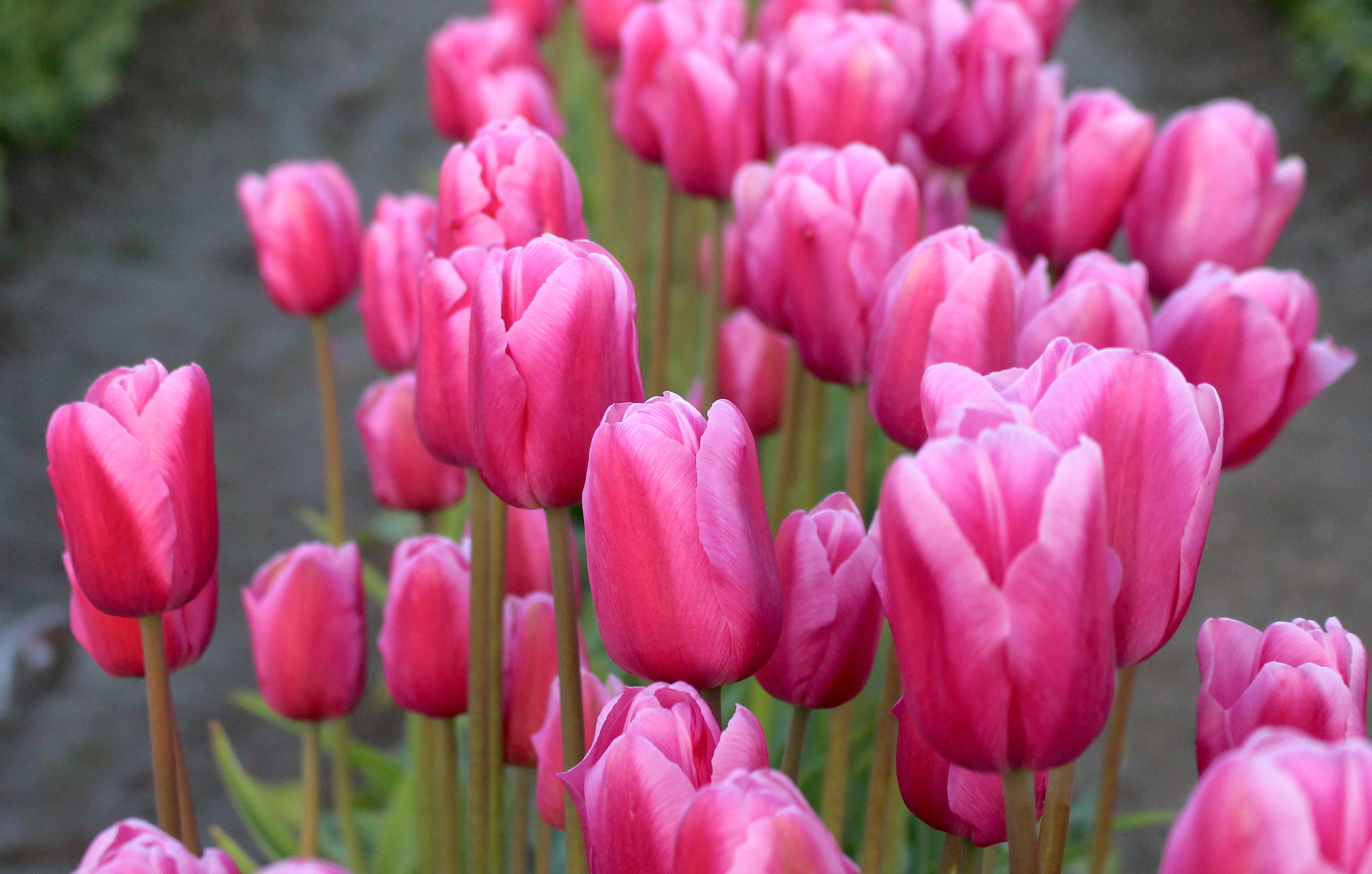
each of us has known the pleasure
of spring, the way it feels for something closed

to open: the soft, heavenly weather of arrival.
~Faith Shearin from “Geese”


This welcome and painful season of opening and emptying:
from cloistered tight
to reaching beyond our grasp.
Or what’s a heaven for?


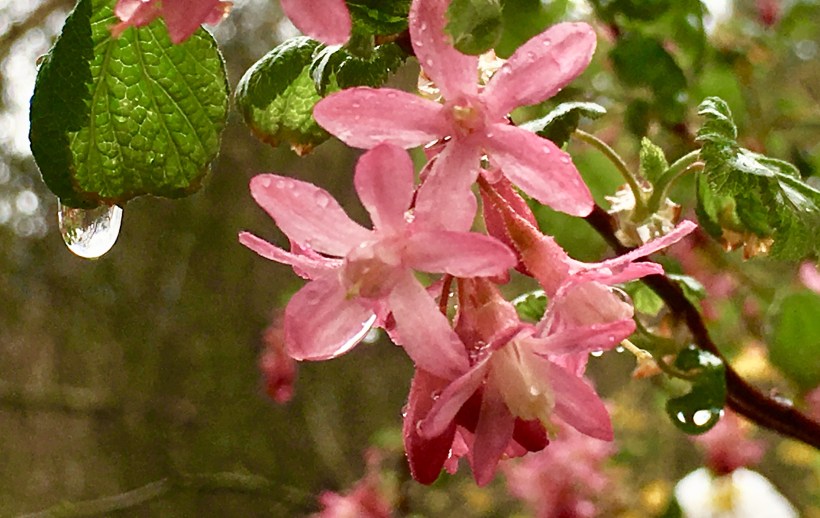
Let the Rain


Let the rain kiss you
Let the rain beat upon your head with silver liquid drops
Let the rain sing you a lullaby
The rain makes still pools on the sidewalk
The rain makes running pools in the gutter
The rain plays a little sleep song on our roof at night
And I love the rain.

~Langston Hughes “April Rain Song”
 IMG_1321
Spring is the sun shining on the rain and the rain falling on the sunshine…
~ Frances Hodgson Burnett, The Secret Garden

Some days this time of year, the skies begin gray with indecision and it doesn’t rain nor does the sun ever shine —  a truly lukewarm day.  The days that are most interesting, however, are those that declare themselves “clear” or “soaking wet” and then switch somewhere in the middle in a stormy transition.

A day can start with pouring rain — no half-hearted drizzle, this — with no hope of clearing, no peek of blue sky, no mountains on the horizon as if covered in gray cotton wool.

Then in a mighty switch near sunset, a wind blows in and takes the gray away with a sweep of the hand.  The skies clear, the mountains reappear with even more snow cover than the day before, and everything around shines with the glistening wash that has taken place.

It is spring, it is April, when all things are reborn wet and shimmering.  Let the rain drench irresistible light.


Live Long and Prosper

The cut worm forgives the plow…
~William Blake
Aren’t you glad at least that the earthworms 
Under the grass are ignorant, as they eat the earth, 
Of the good they confer on us, that their silence 
Isn’t a silent reproof for our bad manners, 
Our never casting earthward a crumb of thanks 
For their keeping the soil from packing so tight 
That no root, however determined, could pierce it? 
Imagine if they suspected how much we owe them, 
How the weight of our debt would crush us 
Even if they enjoyed keeping the grass alive, 
The garden flowers and vegetables, the clover, 
And wanted nothing that we could give them, 
Not even the merest nod of acknowledgment. 
A debt to angels would be easy in comparison, 
Bright, weightless creatures of cloud, who serve 
An even brighter and lighter master. 
~Carl Dennis  from “Worms”

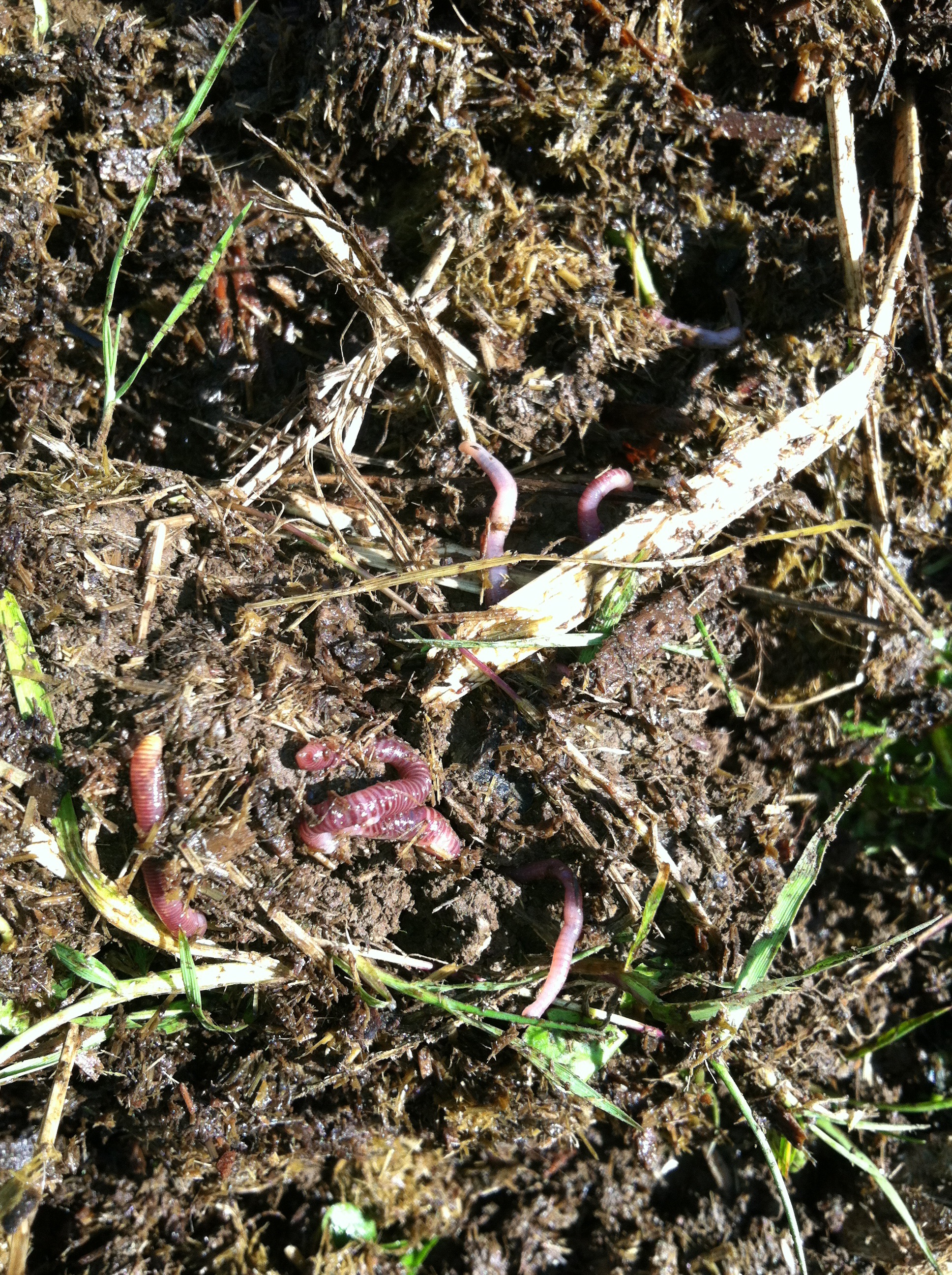
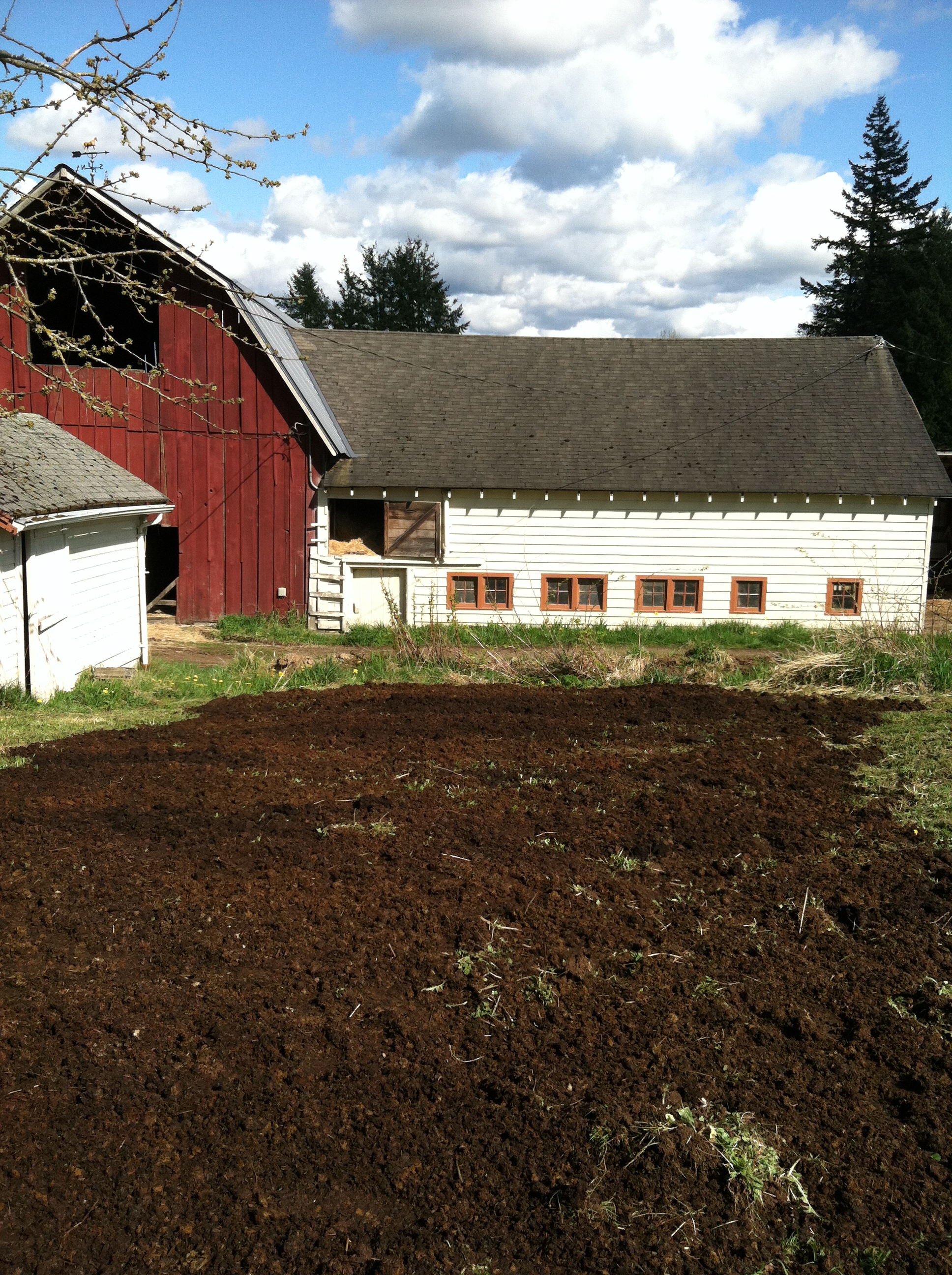
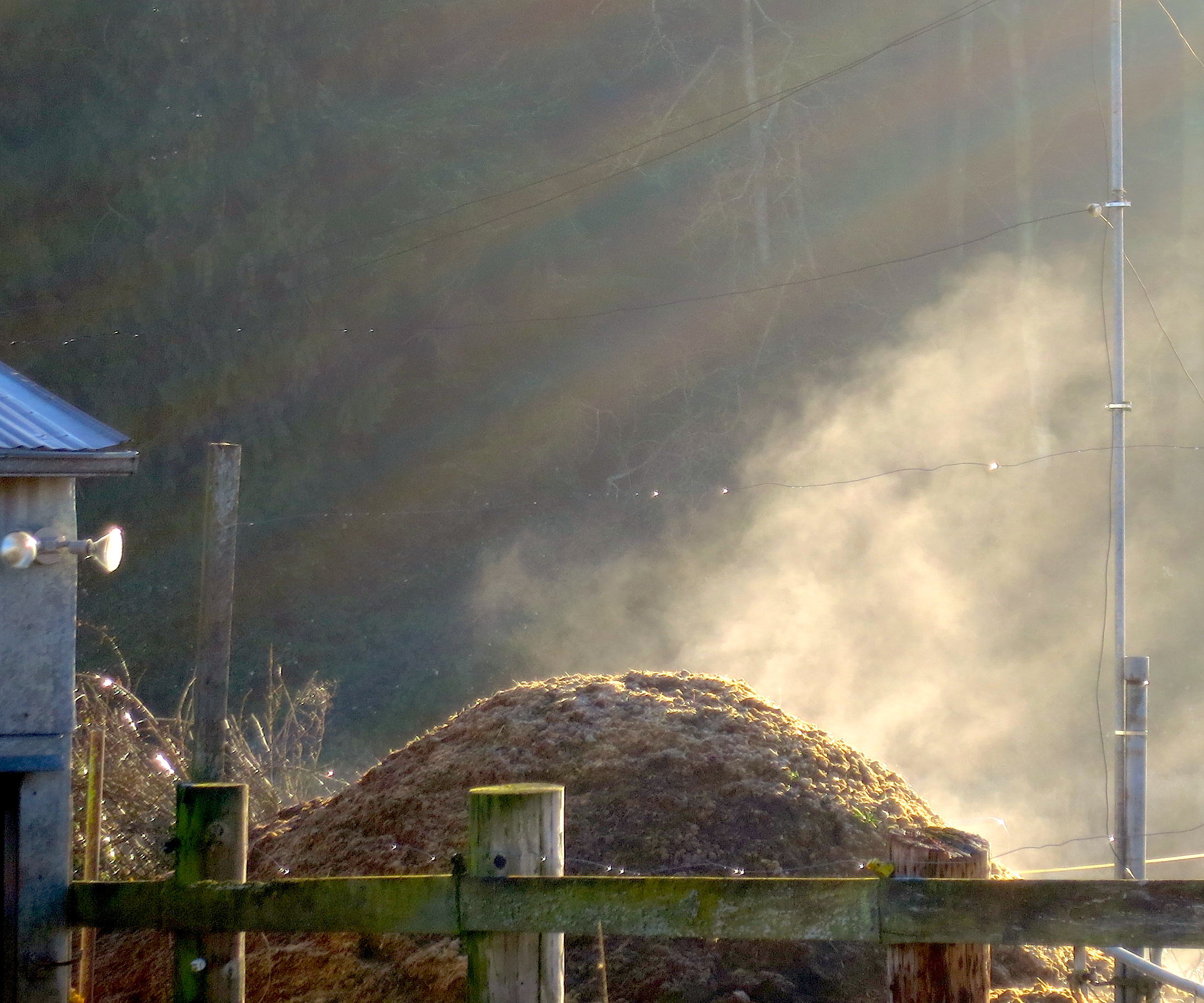
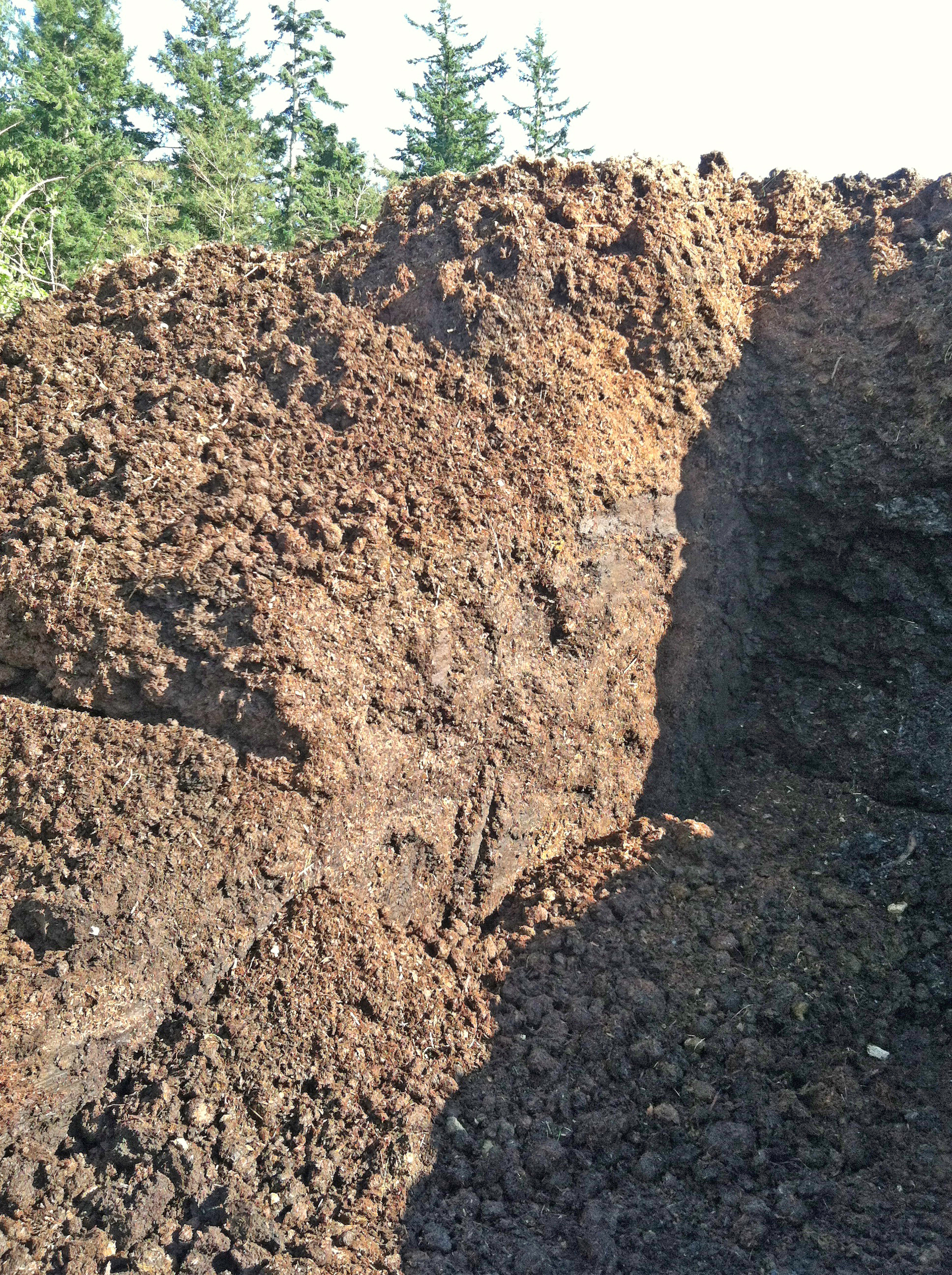
We hope for a sunny spring day soon to lure us outside for yard and garden prep before the anticipated grass and weed explosion in a few short weeks. We’ve been carefully composting horse manure for over ten years behind the barn, and it is time to dig in to the 10 foot tall pile to spread it on our garden plot. As Dan pushes the tractor’s front loader into the pile, steam rises from its compost innards. As the rich soil is scooped, thousands of newly exposed red wiggler worms immediately dive for cover. Within seconds, thousands of naked little creatures  …worm their way back into the security of warm dirt, rudely interrupted from their routine. I can’t say I blame them.

Hundreds of thousands of wigglers end up being forced to adapt to new quarters, leaving the security of the manure mountain behind. As I smooth the topping of compost over the garden plot, the worms–gracious creatures that they are–tolerate being rolled and raked and lifted and turned over, waving their little bodies expectantly in the cool air before slipping back down into the dark. There they will begin their work of digesting and aerating the tired soil of the garden, reproducing in their unique hermaphroditic way, leaving voluminous castings behind to further feed the seedlings to be planted.

Worms are unjustly denigrated by humans primarily because we don’t like to be surprised by them. We don’t like to see one in our food, especially only part of one, and are particularly distressed to see them after we’ve digested our food. Once we get past that bit of squeamishness, we can greatly appreciate their role as the ultimate recyclers, leaving the earth a lot better off once they are finished with their work.
We humans actually suffer by comparison, so for man to be called “a worm” is really not as bad as it sounds at first although the worm may not think so.
I hope to prove a worthy innkeeper for these new tenants. May they live long and prosper. May worms be forgiving for the continual disruption of their routine.

May I smile in gratitude the next time someone calls me a worm.


But I am a worm and not a man, scorned by mankind and despised by the people.
~Psalm 22:6


Oatmeal Should Not Be Eaten Alone


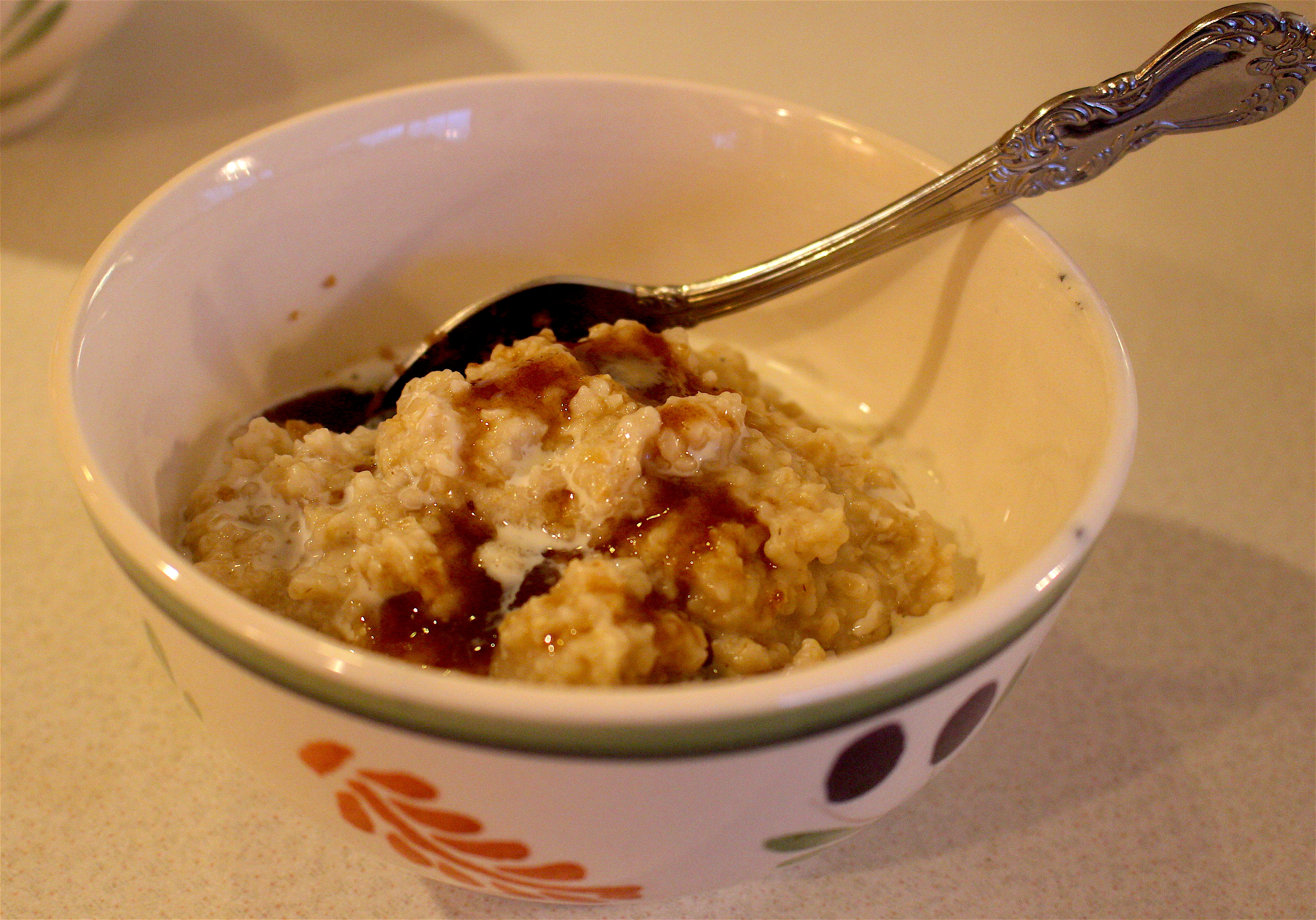
I eat oatmeal for breakfast.
I make it on the hot plate and put skimmed milk on it.
I eat it alone. 
I am aware it is not good to eat oatmeal alone.
Its consistency is such that is better for your mental health 
if somebody eats it with you.
That is why I often think up an imaginary companion to have 
breakfast with.
Possibly it is even worse to eat oatmeal with an imaginary 
companion. 
Nevertheless, yesterday morning, I ate my oatmeal porridge, 
as he called it with John Keats.
Keats said I was absolutely right to invite him: 
due to its glutinous texture, gluey lumpishness, hint of slime, 
and unusual willingness to disintegrate, oatmeal should 
not be eaten alone.
…I can see him drawing a spoon through the stuff, gazing into the glimmering
furrows, muttering.
Maybe there is no sublime; only the shining of the amnion’s tatters.
~Galway Kinnell from “Oatmeal”


But now the supper crowns their simple board, 
The halesome parritch, chief o Scotia’s food;
~Robert Burns from “The Cotter’s Saturday Night”


But when the melancholy fit shall fall 
Sudden from heaven like a weeping cloud, 
That fosters the droop-headed flowers all, 
And hides the green hill in an April shroud; 
Then glut thy sorrow on a morning rose, 
Or on the rainbow of the salt sand-wave, 
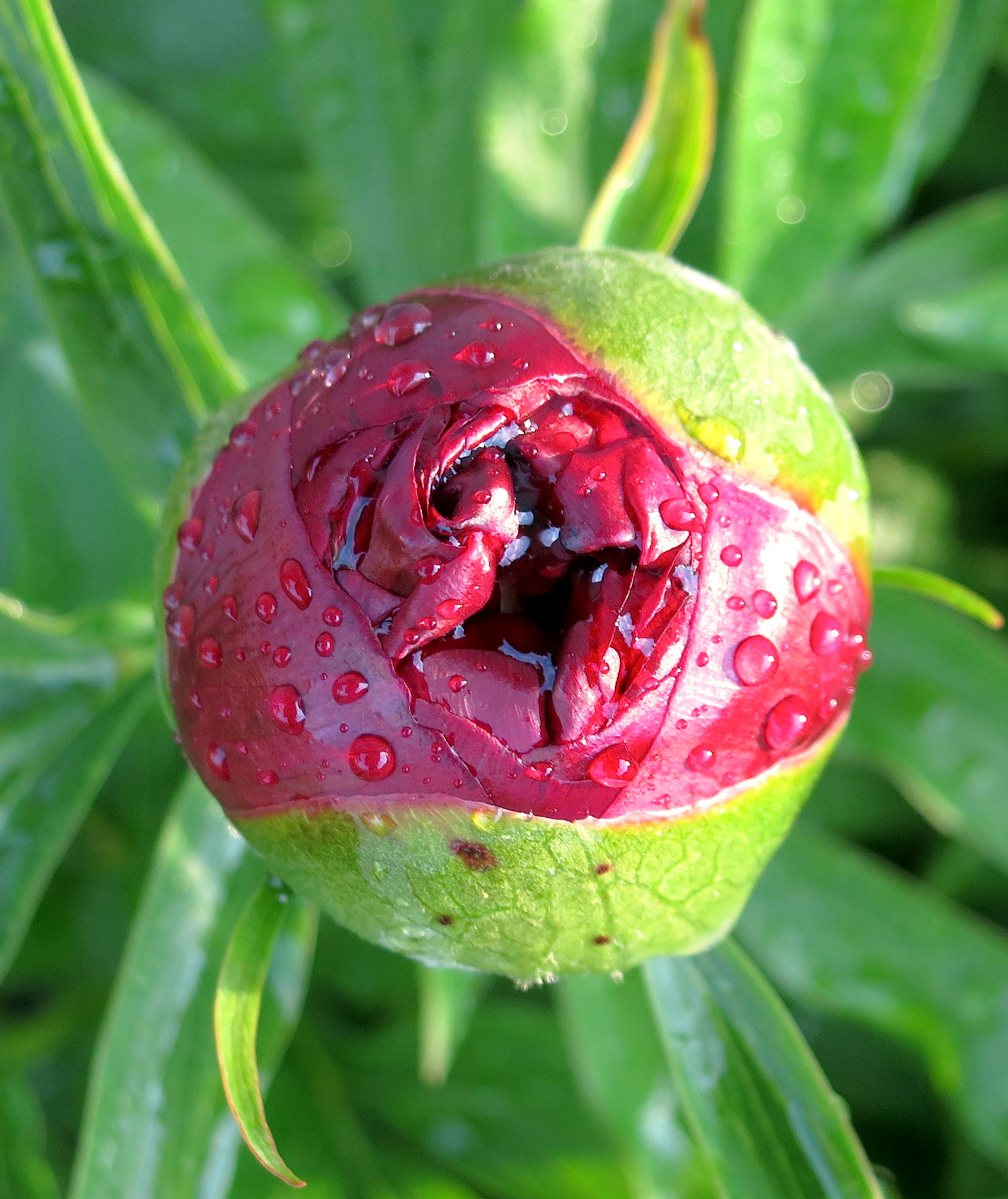
Or on the wealth of globed peonies;
~John Keats from “Ode on Melancholy”


Oatmeal mixed up with a bit of chewy melancholy,
reading of poets and peonies and wholesome parritch;
it seems early for poetry on this sublime shrouded morning in April …
yet like porridge, nothing more is needed to begin the day well.


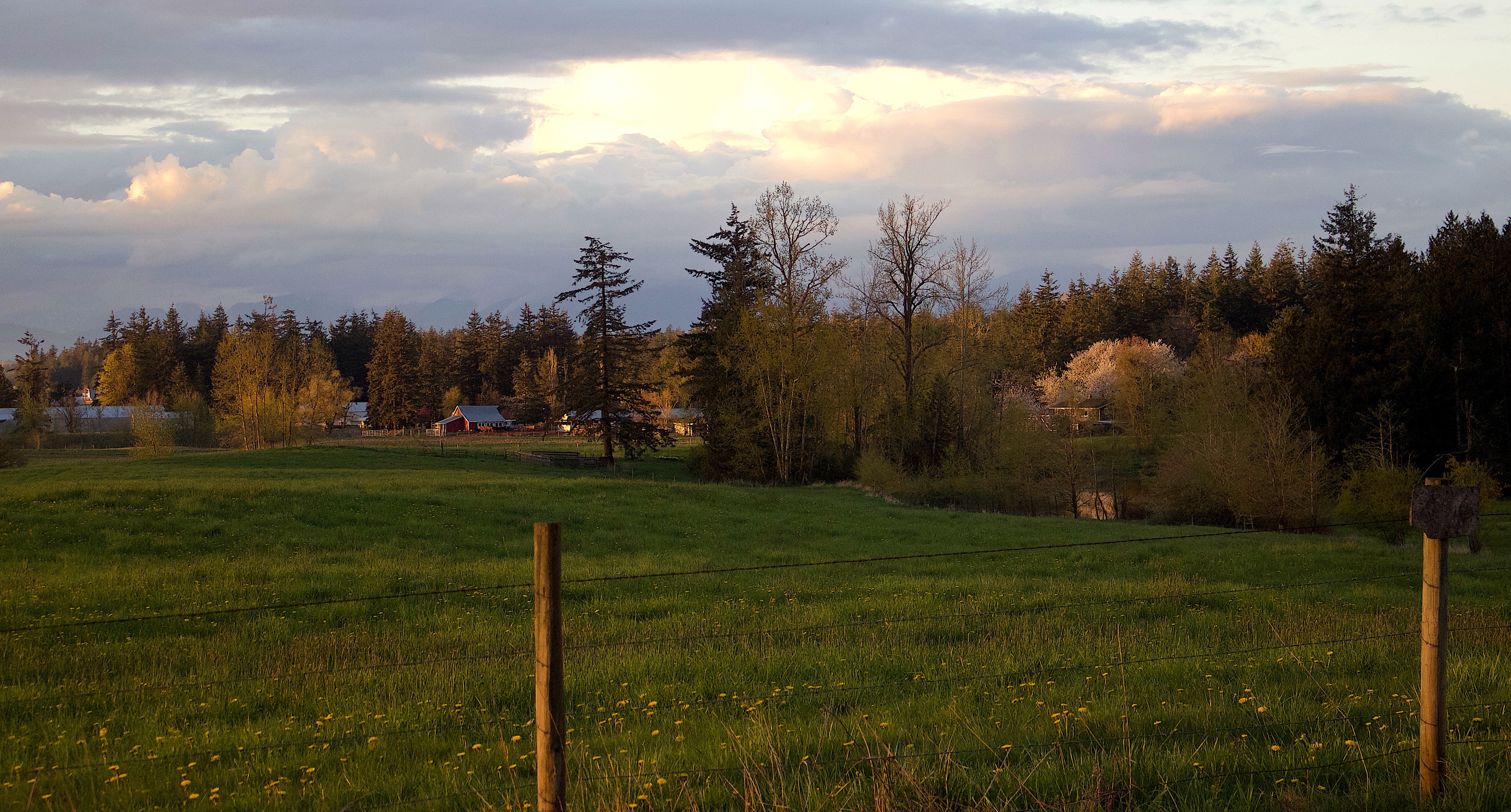
Visitors to the Farm


Fingers of twilight shadow
begin to reach over the hill
crawling down through the field
up unto the bank of blackberries
covering fences along the alder grove.

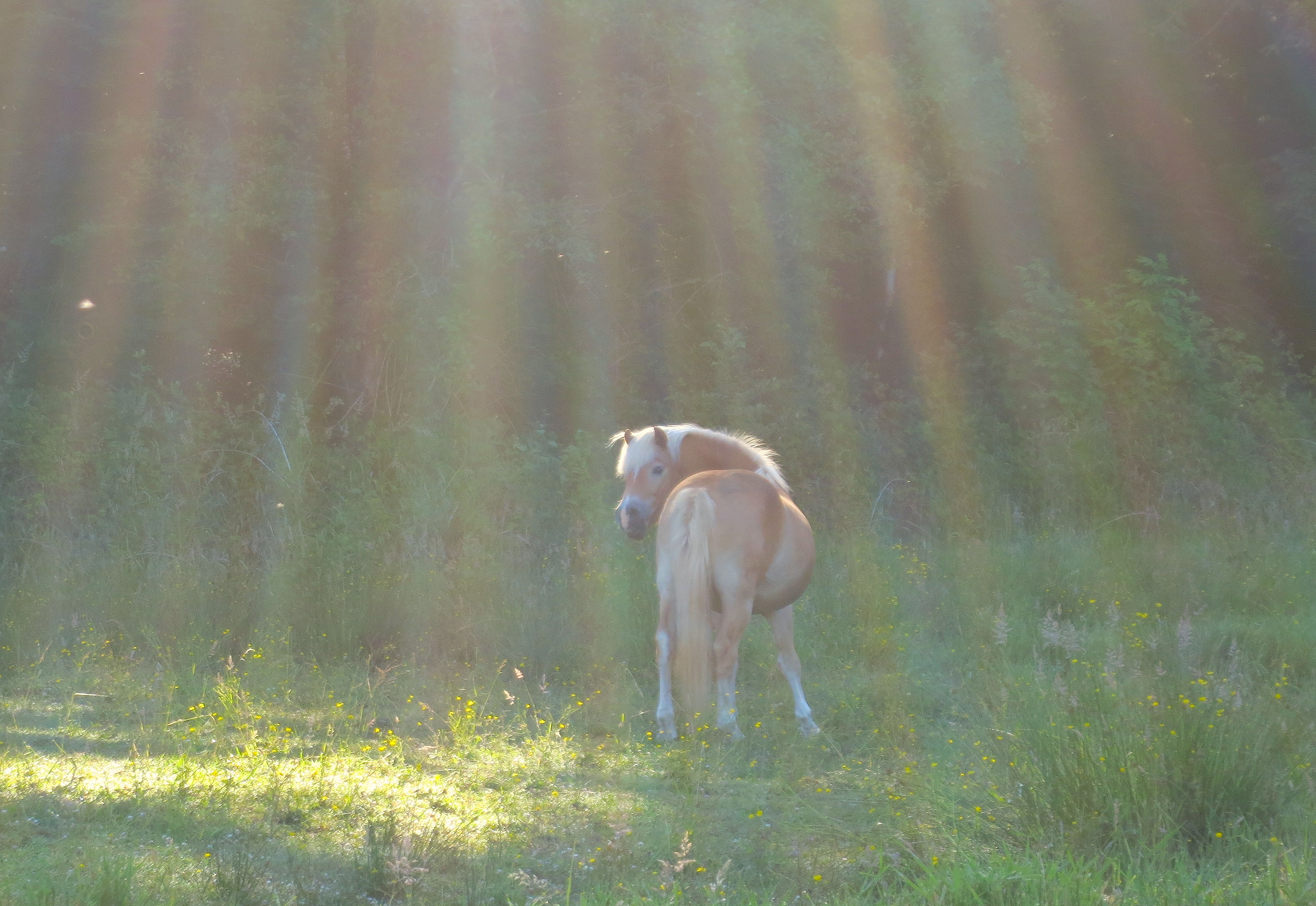
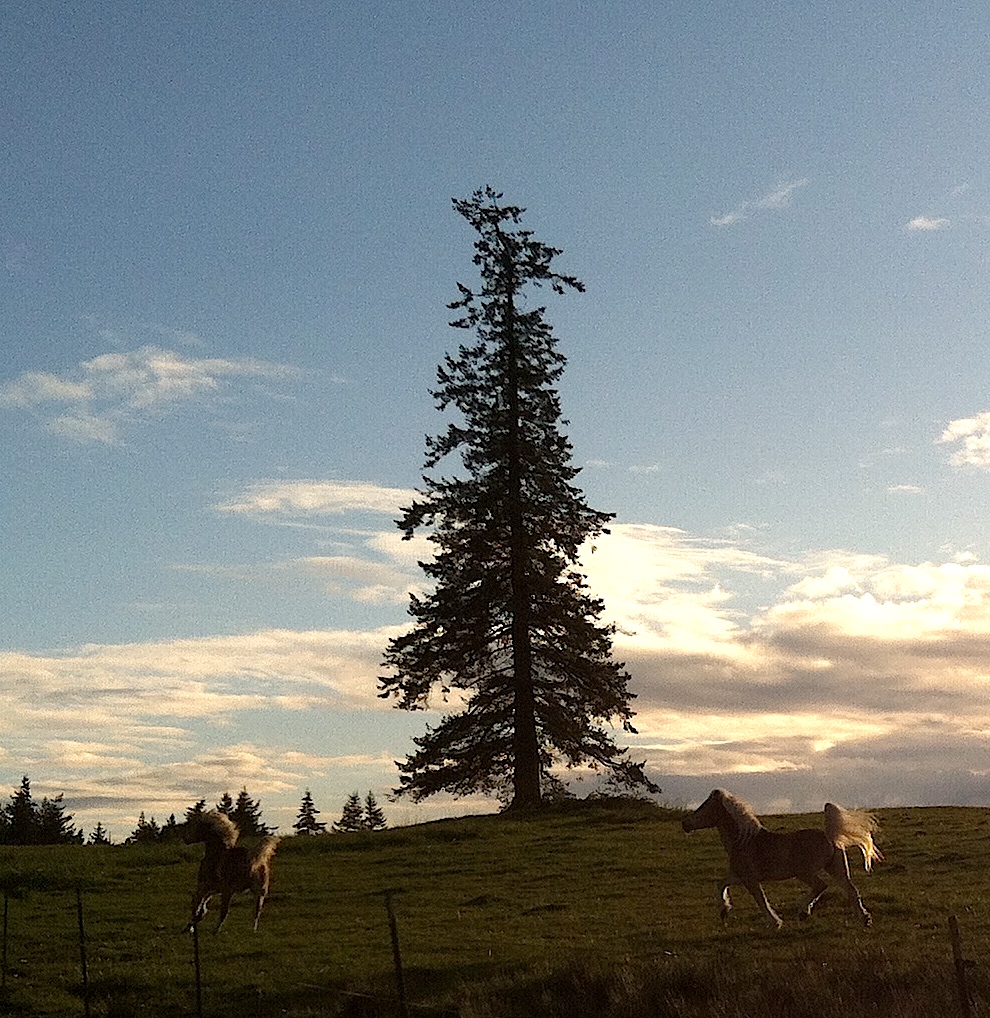
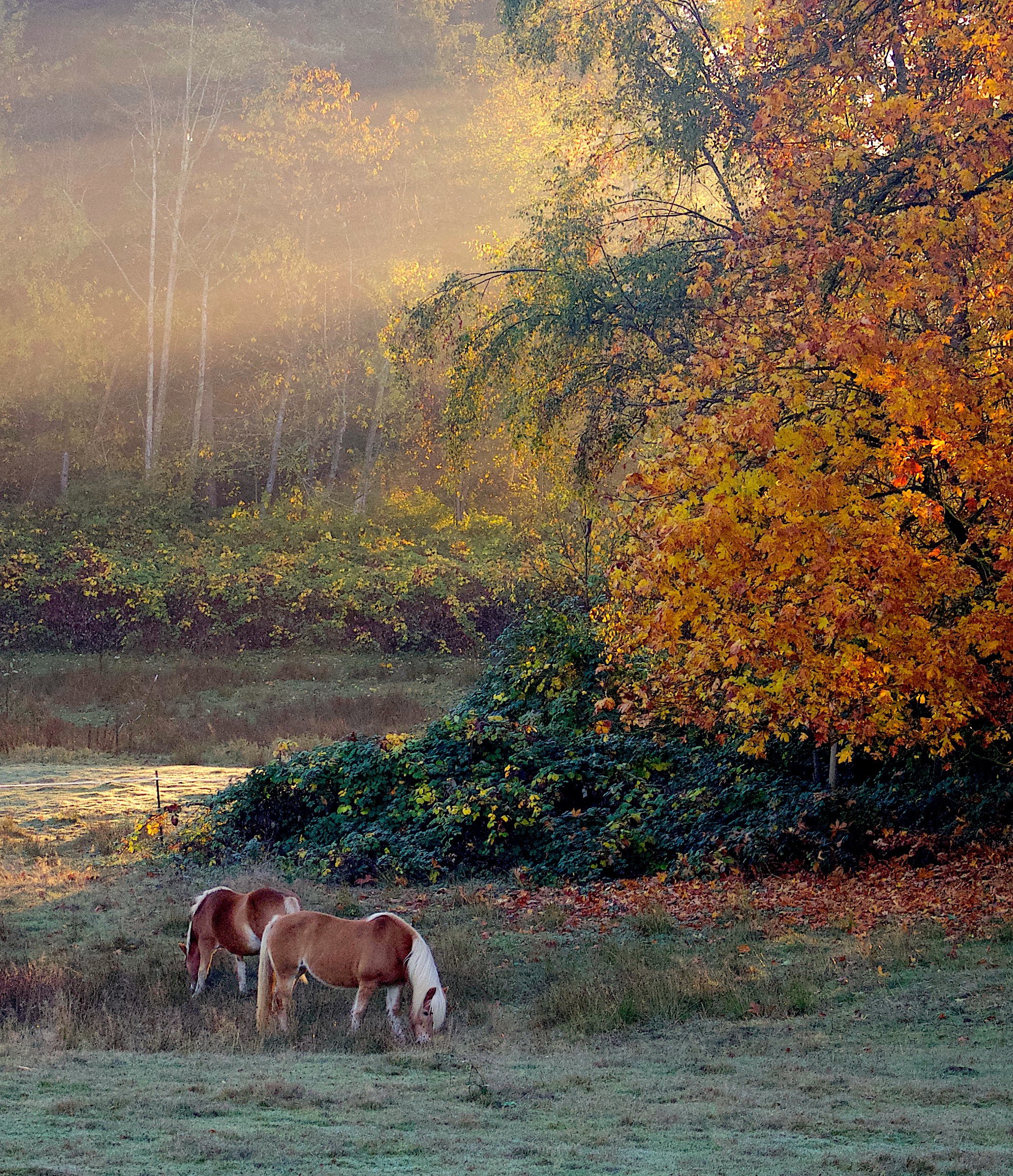
The horses chew their last
leaves of clover before
coming to the barn for night, eyelids heavy,
relaxed and full, drowsy with spring evening
peace at hand and hoof.

A sudden change in the air forces
their heads up and ears forward;
they form a line, staring at the hilltop
above them, riveted to the spot, alert
to an coming intruder, unfamiliar and foreign.

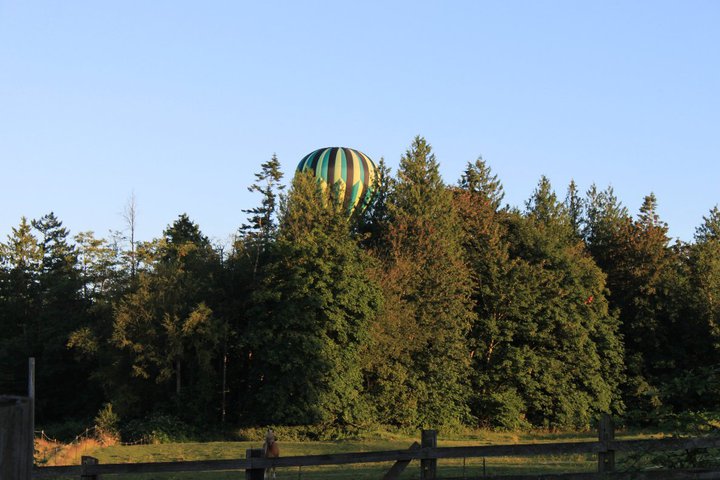
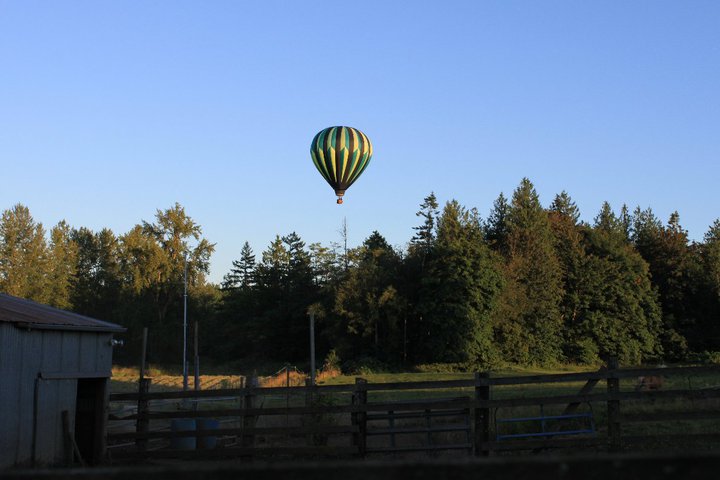
The roar is intermittent, like a warm wind
rattling a barn roof, but inconstant;
then peaking over the crest of the hill
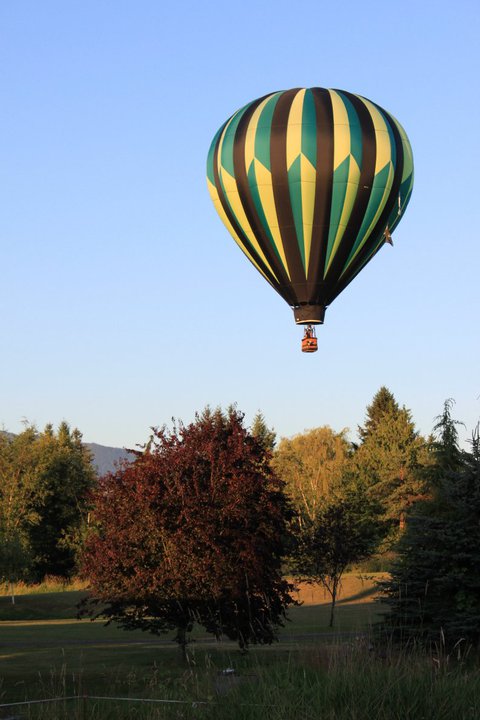
a rounded top of technicolor glory:
The hot air balloon rises.

The horses silenced, baffled, fascinated;
no alpine instinct prepares their response
to this wizard’s act from Oz in their own backyard.
The basket riders wave and laugh at the equine audience below
in formation with golden noses in the air and white manes blowing in the breeze.

The balloon summits the hill, dipping low, almost touchable
before moving back up to race the sunset,
and search out other pastures, other valleys and hills.
The horses released from the spell
leap in response, snowy tails high, noses flared-

To race up the hill to catch impending darkness,
night mares cavort, float suspended
until their air is let out, gently, in softening snorts,
to settle down in a shavings bed in the barn
where night, blissful, becomes ordinary again.


The Morning After


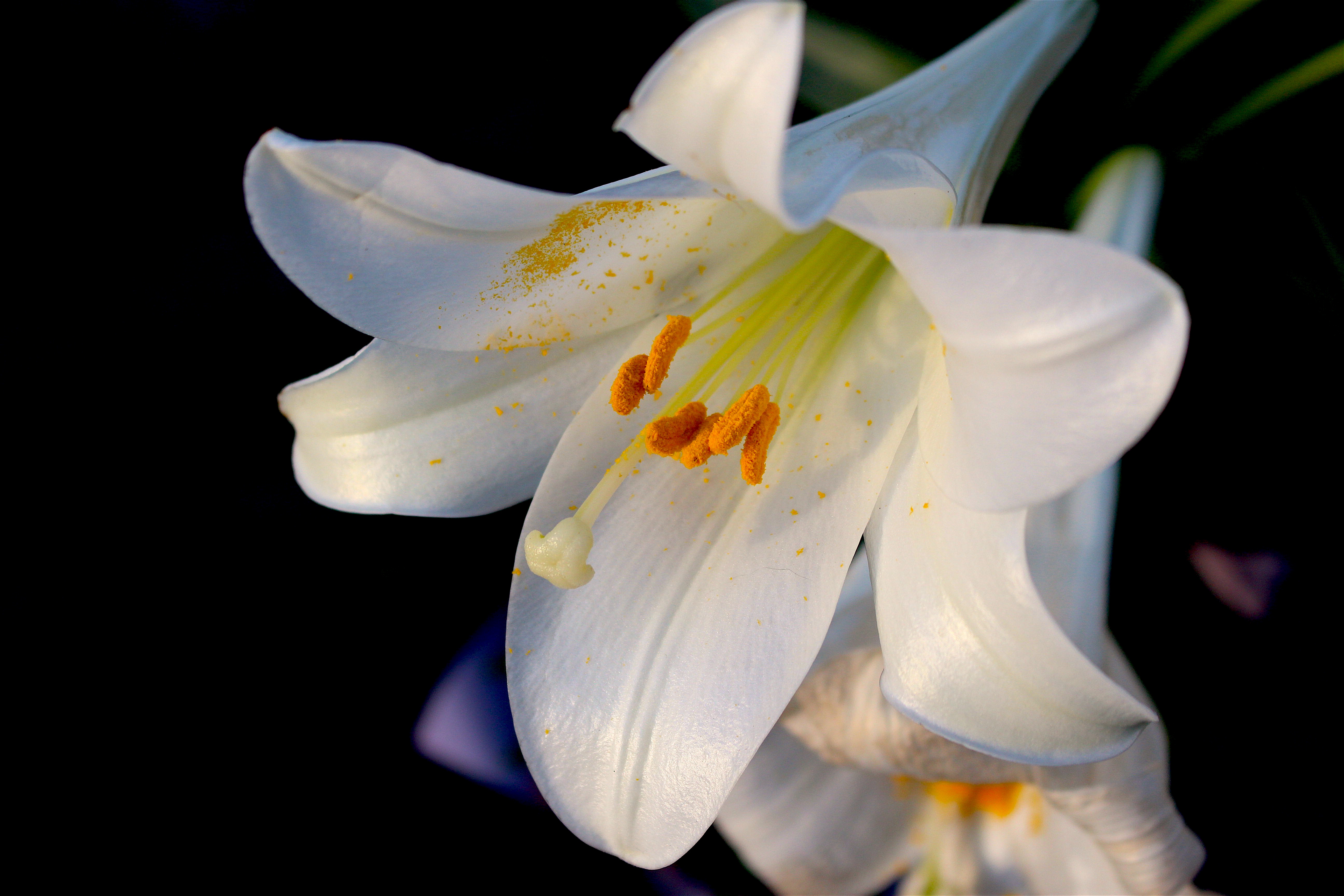
A lily shivered
at His passing,
supposing Him to be
the Gardener.
~Margaret D. Smith “Easter morning, yesterday”
from A Widening Light -Poems of the Incarnation


Jesus said to them, “Come and have breakfast.” None of the disciples dared ask him, “Who are you?” They knew it was the Lord.
John 21:12


It is too easy to let go of Easter — to slide back into the Monday routine, managing our best to survive each day, teeth gritted, as we have before.

We are so blind, thinking Him the Gardener as He passes by; we just don’t pay attention to Who is right before us, tending us.

God knows this about us.  So He meets us for breakfast today and every day and feeds us, a tangible and meaningful act of nourishing us in our most basic human needs though we’ve done nothing to deserve the gift. He cooks up fish on a beach at dawn and invites us to join Him though we have done nothing to deserve it.

The night before he shared a meal and broke bread in Emmaus to open the eyes and hearts of the blinded.

This is no mere Gardener.

When He offers me a meal,  I accept it with open eyes of gratitude, knowing the gift He hands me is nothing less than Himself.


…be comforted in the fact that the ache in your heart and the confusion in your soul means that you are still alive, still human, and still open to the beauty of the world, even though you have done nothing to deserve it.
Paul Harding in Tinkers


His Flesh and Ours


Now if we died with Christ, we believe that we will also live with him.
For we know that since Christ was raised from the dead, he cannot die again; death no longer has mastery over him.

The death he died, he died to sin once for all; but the life he lives, he lives to God.

In the same way, count yourselves dead to sin but alive to God in Christ Jesus.
Romans 6: 8-10


So what do I believe actually happened that morning on the third day after he died?
…I speak very plainly here…

He got up.  He said, “Don’t be afraid.”

Love is the victor.  Death is not the end.  The end is life.  His life and our lives through him, in him.

Existence has greater depths of beauty, mystery, and benediction than the wildest visionary has ever dared to dream. 

Christ our Lord has risen.
~Frederick Buechner from The Magnificent Defeat


Make no mistake: if He rose at all
it was as His body;if the cells’ dissolution did not reverse, the molecules
reknit, the amino acids rekindle,
the Church will fall…

It was not as the flowers,
each soft Spring recurrent;
it was not as His Spirit in the mouths and fuddled
eyes of the eleven apostles;
it was as His Flesh: ours.
~John Updike from “Seven Stanzas at Easter”


Since this moment (the resurrection), the universe is no longer what it was;  nature has received another meaning; history is transformed and you and I are no more, and should not be anymore, what we were before.
~Paul Tillich


Our flesh is so weak, so temporary,
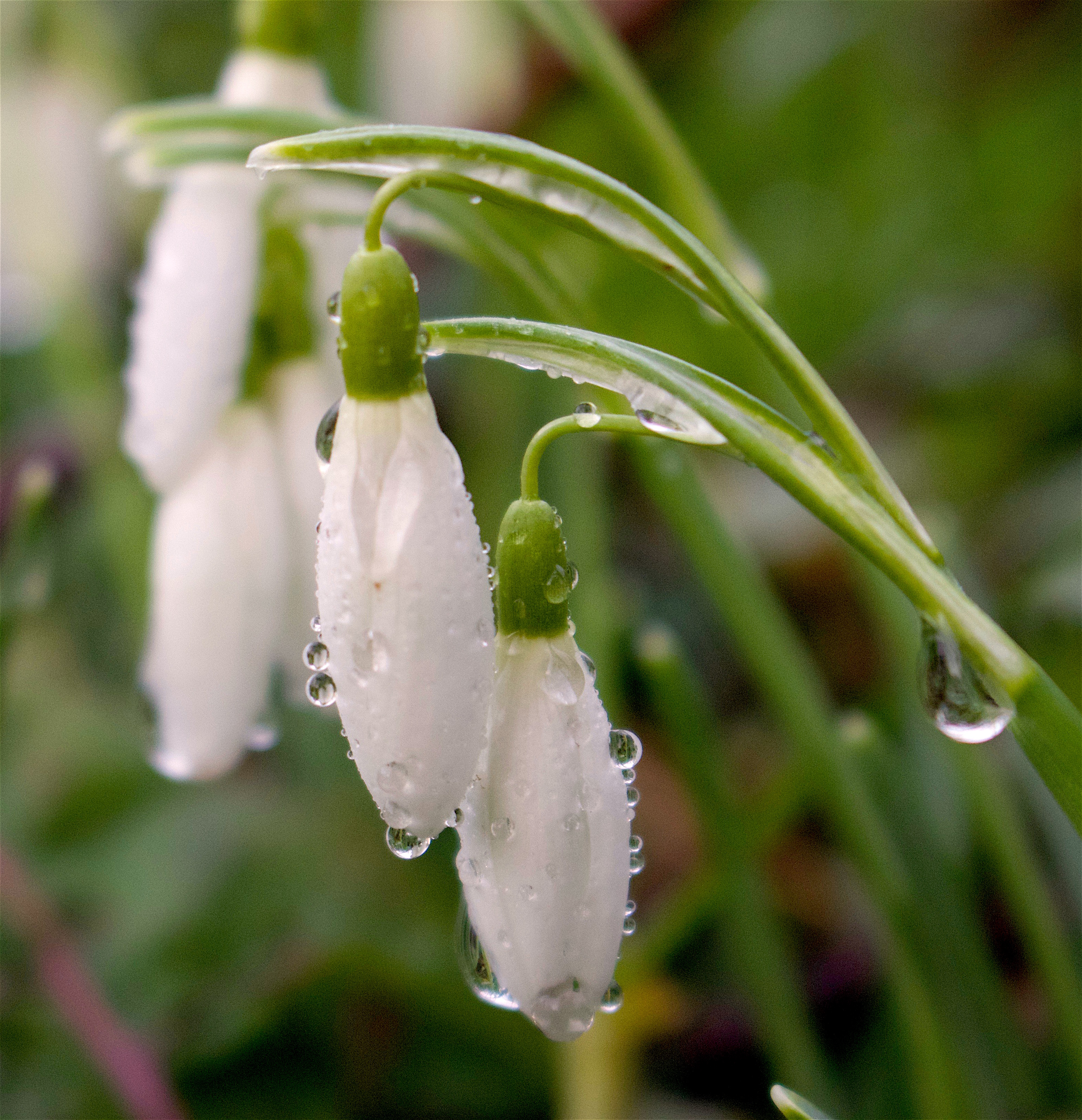
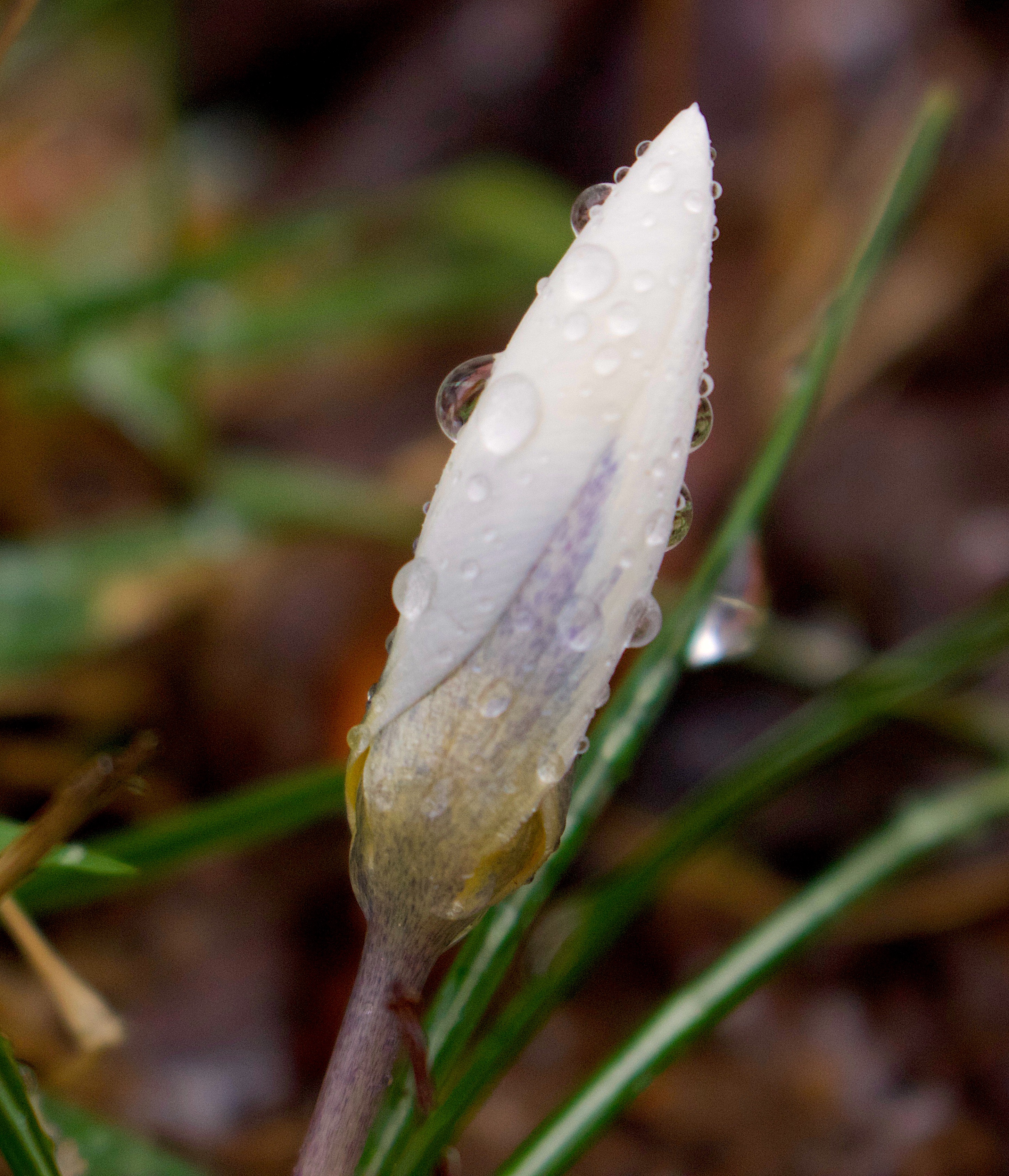
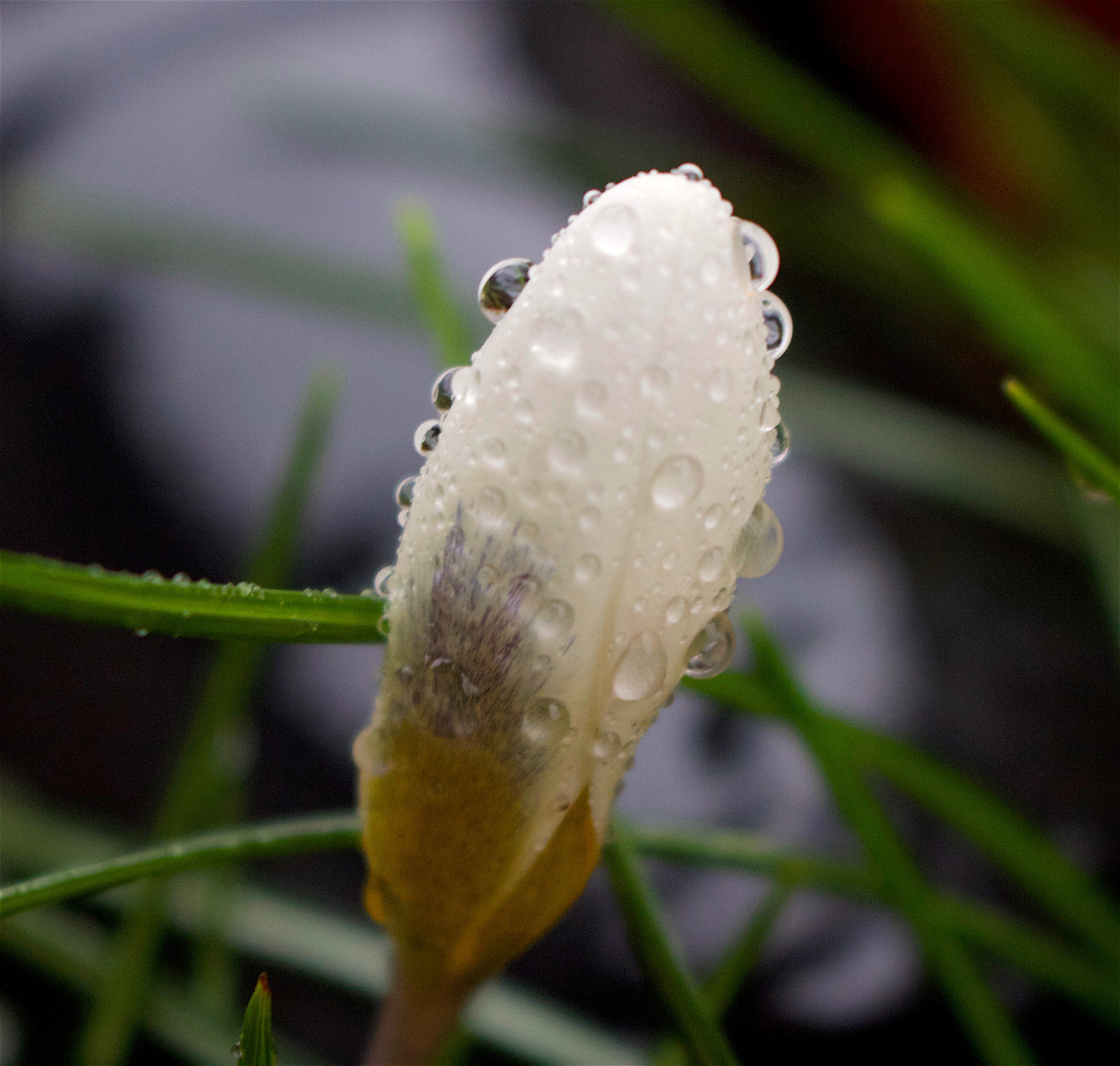
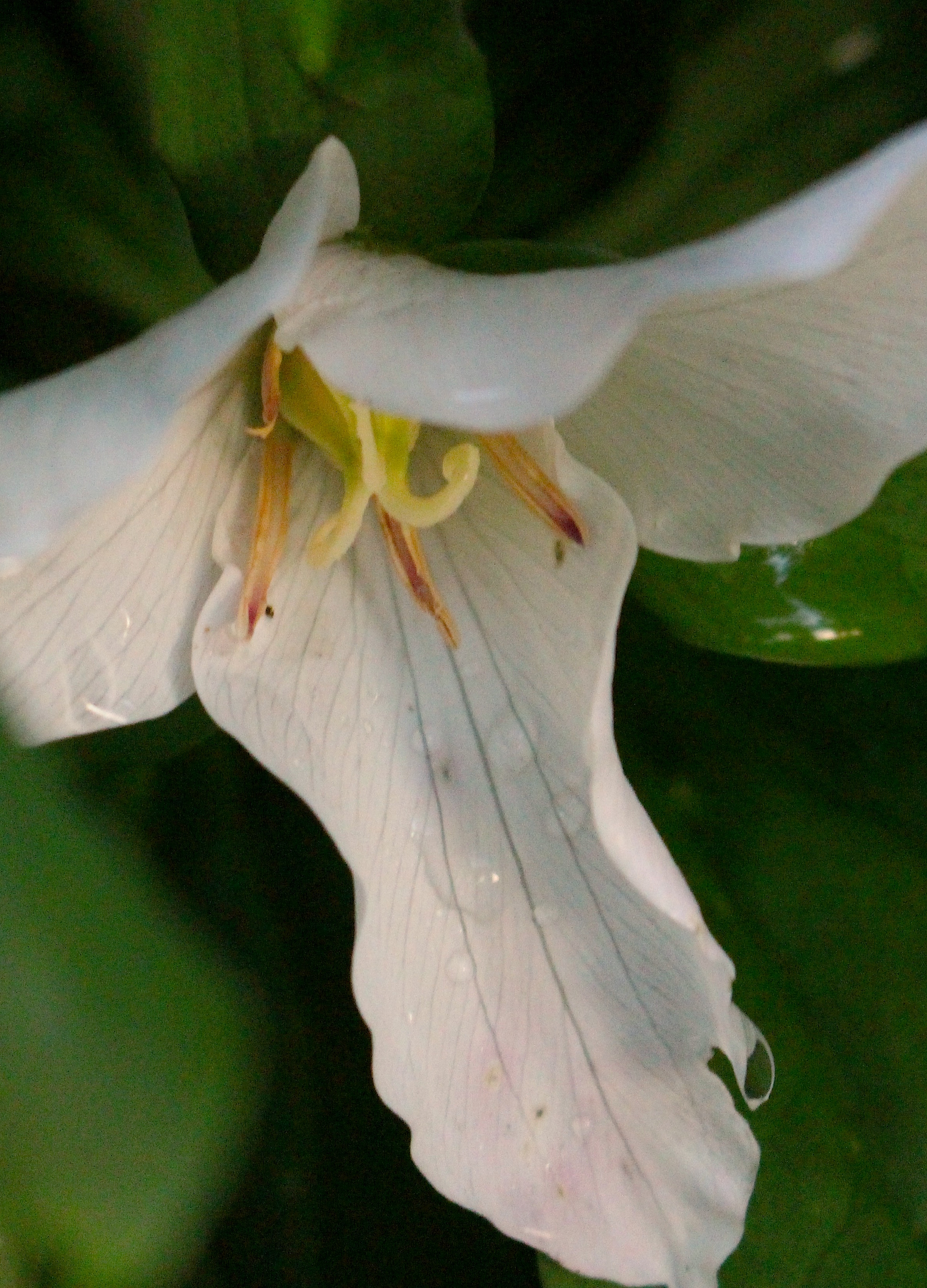
as ephemeral as a dew drop on a petal
yet with our earthly vision
it is all we know of ourselves
and it is what we trust knowing
of Him.

He was born as our flesh, from our flesh.
He walked and hungered and thirsted and slept
as our flesh.
He died, His flesh hanging in tatters,
blood spilling freely
breath fading
to nought
speaking Words
our ears can never forget.

And He got up,
to walk and hunger and thirst alongside us
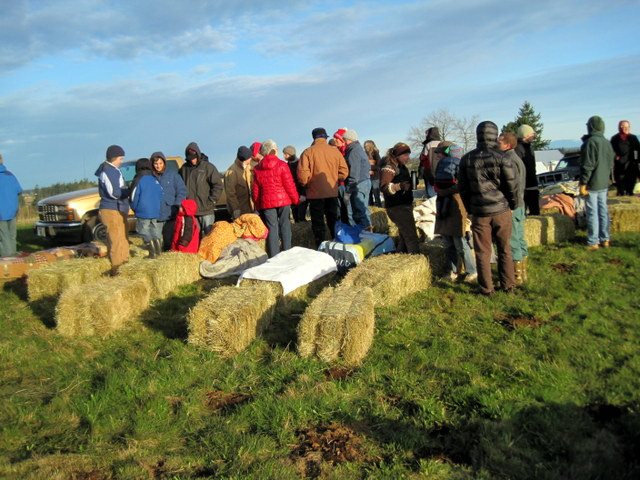
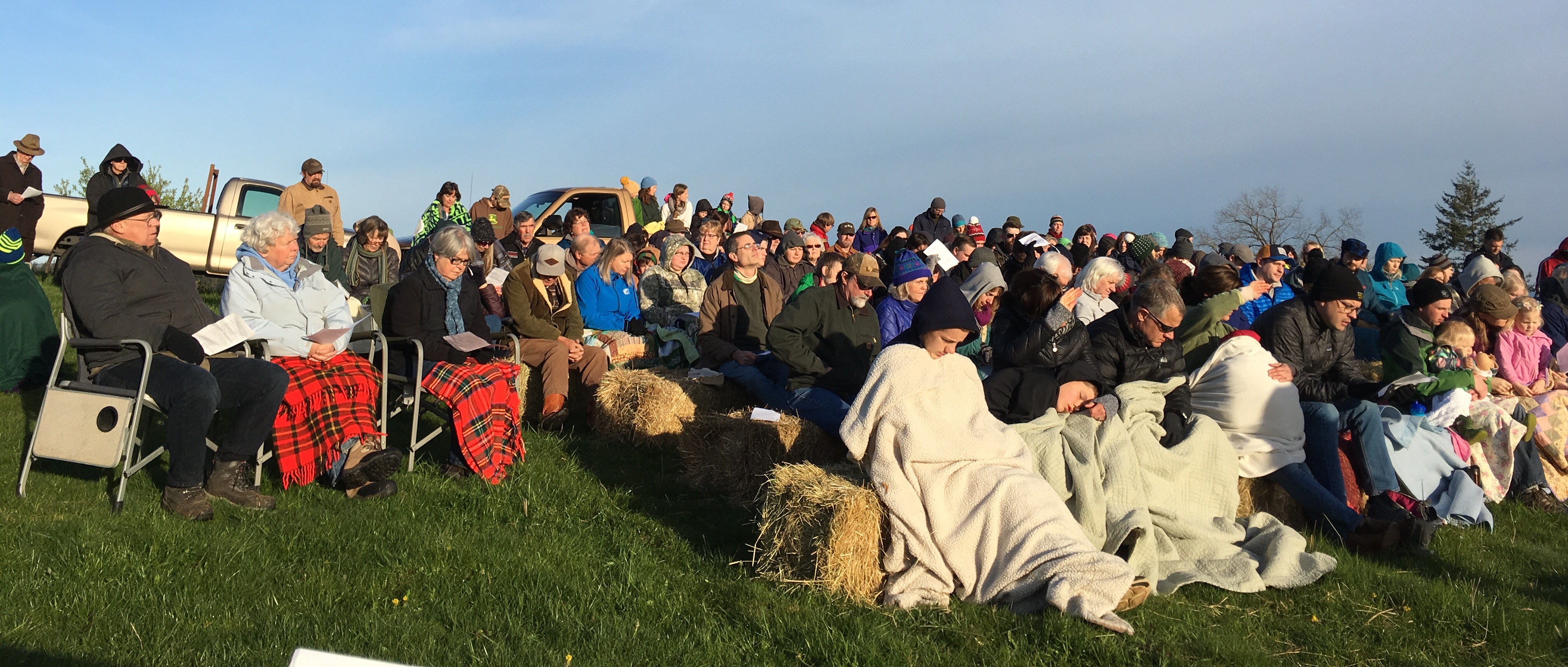
and here on this hill we meet together,
–flesh of His flesh–
here among us He is risen
–flesh of our flesh–
married forever
as the Church:
a fragile, flawed
and everlasting body.