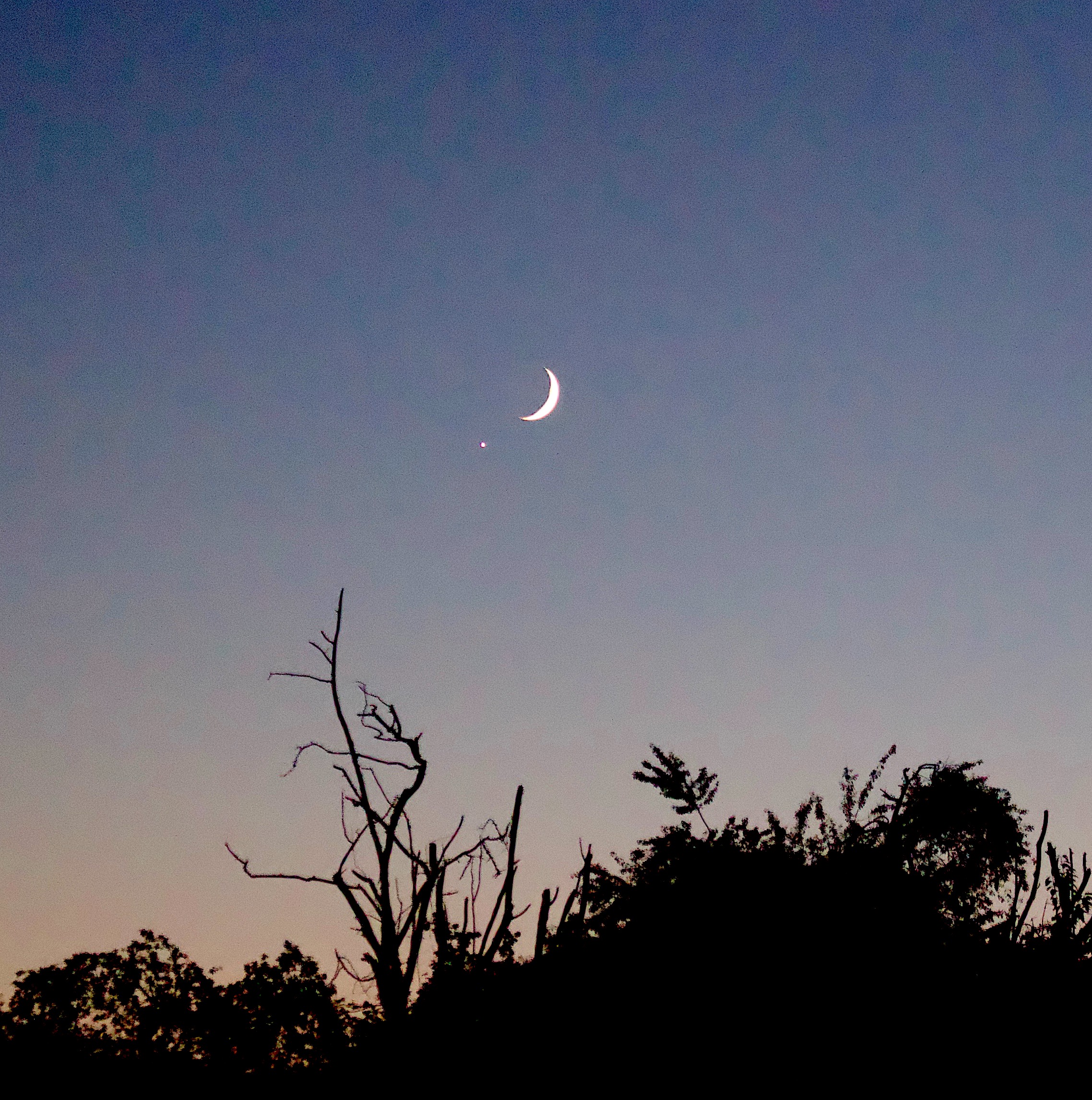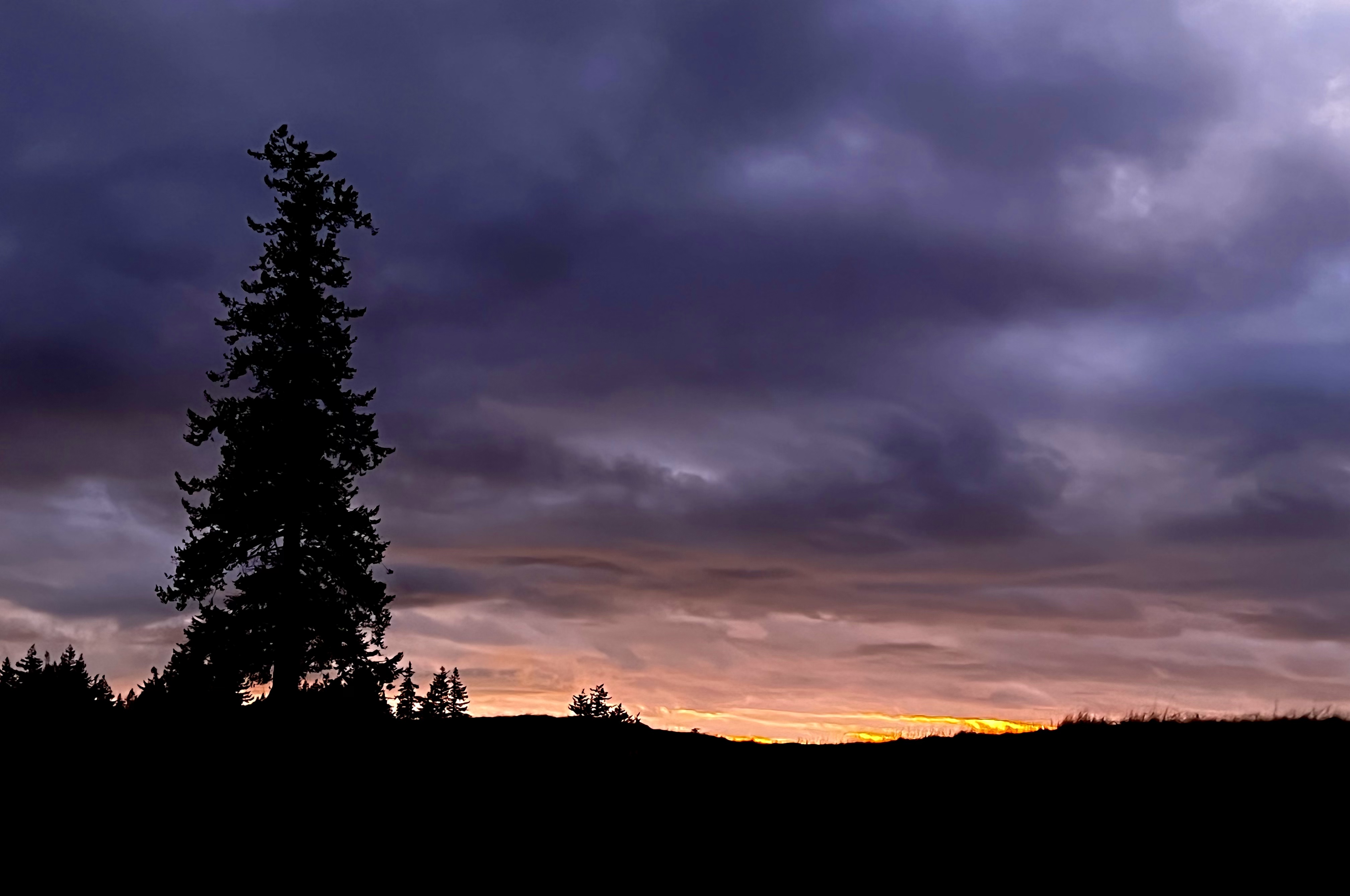

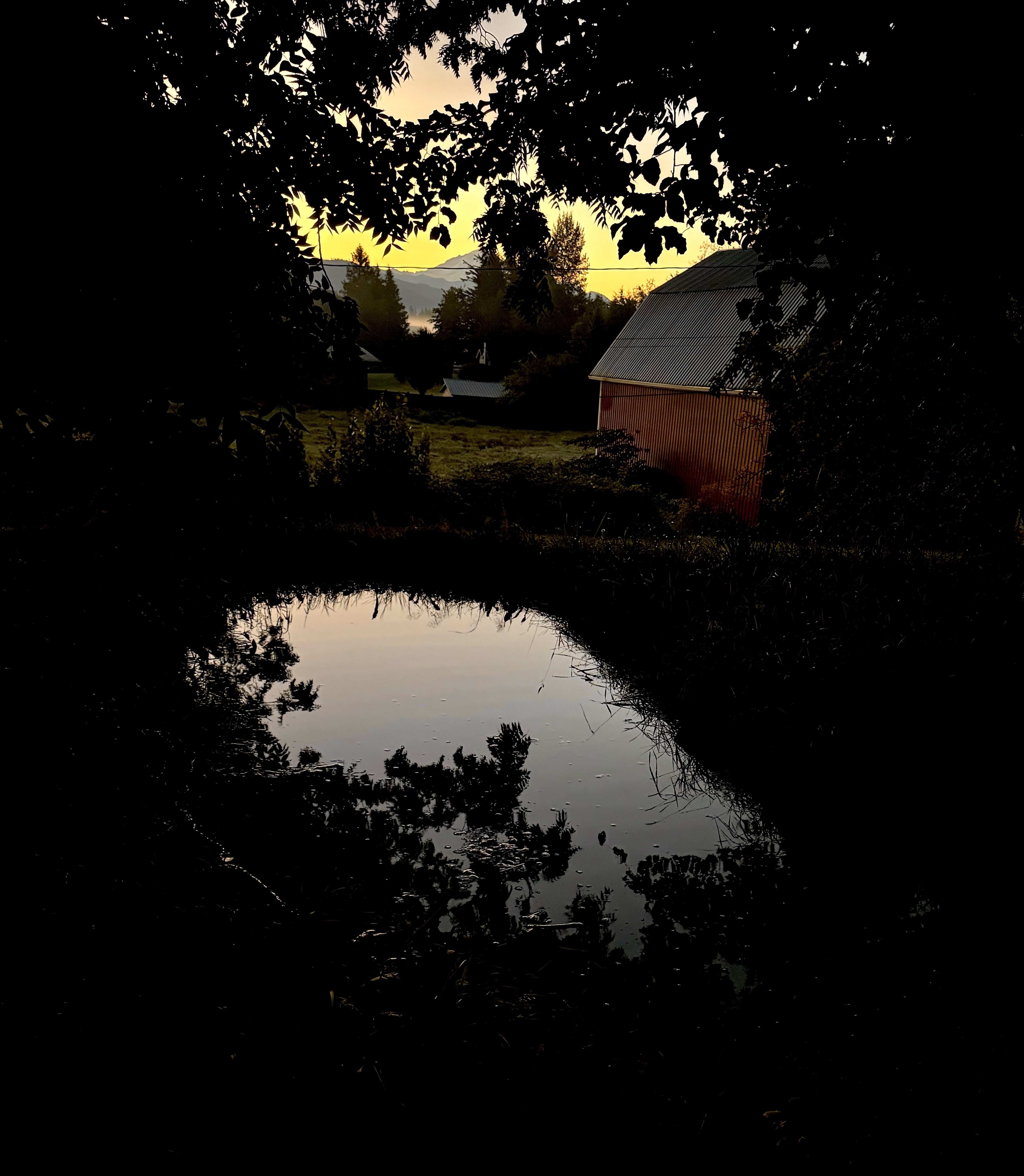
We Are Lost…

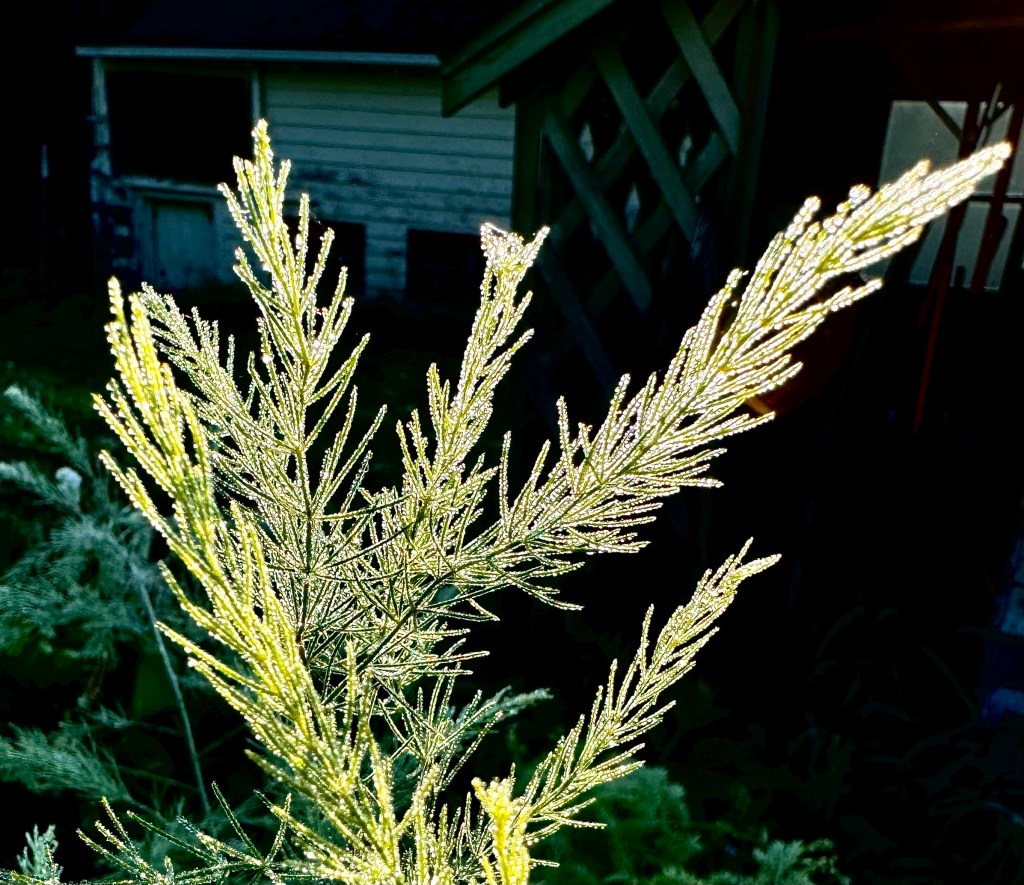
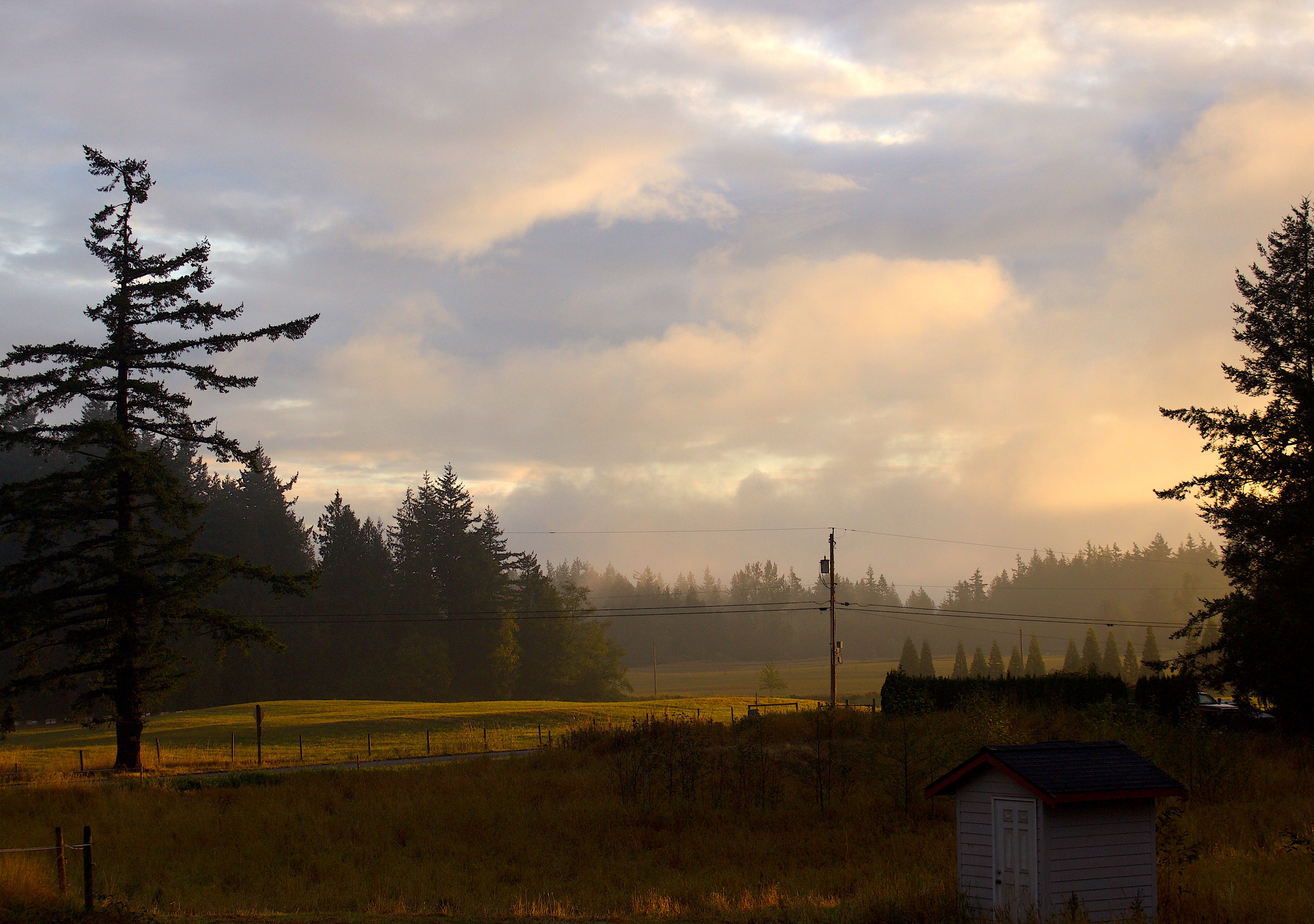
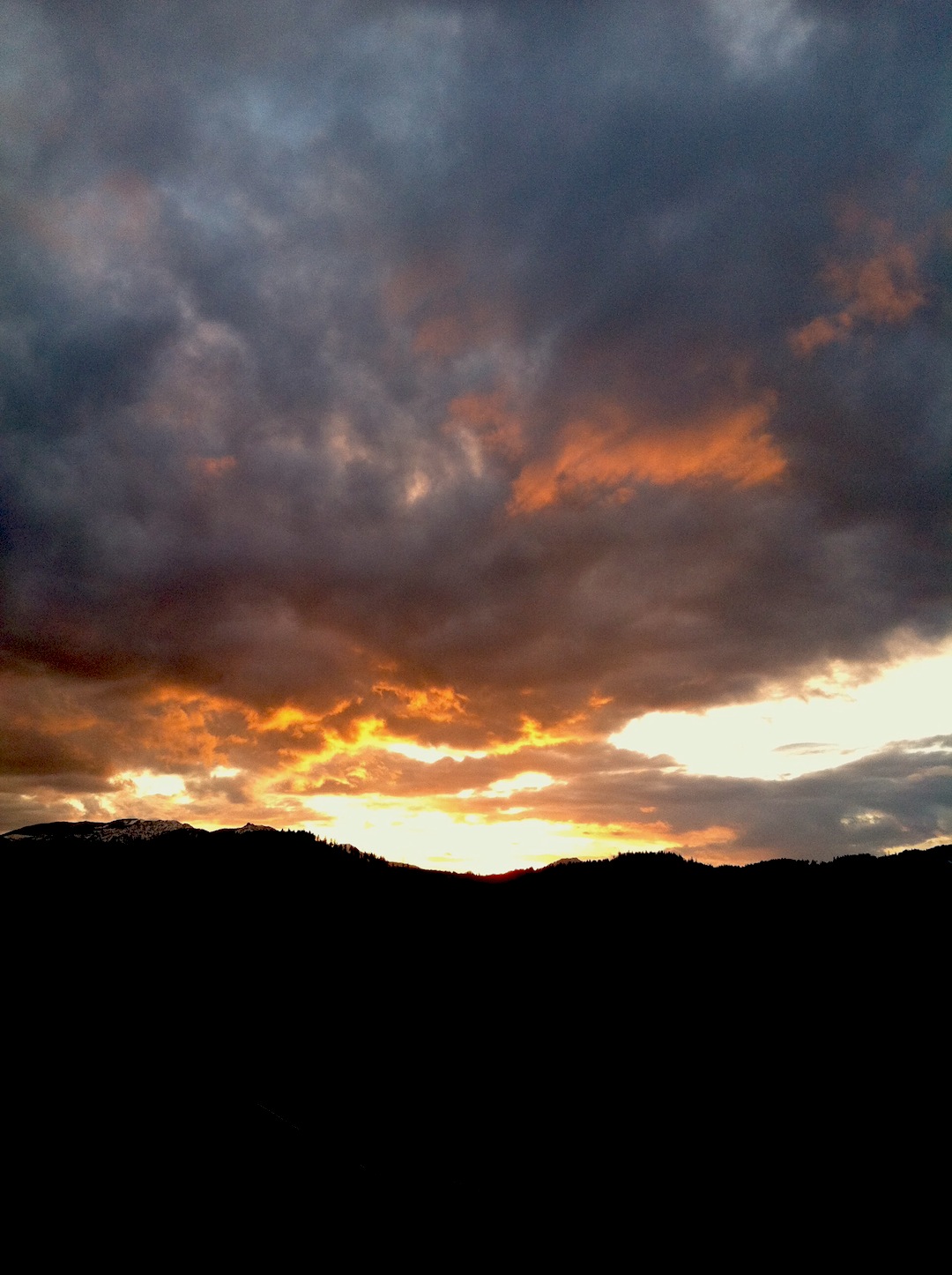
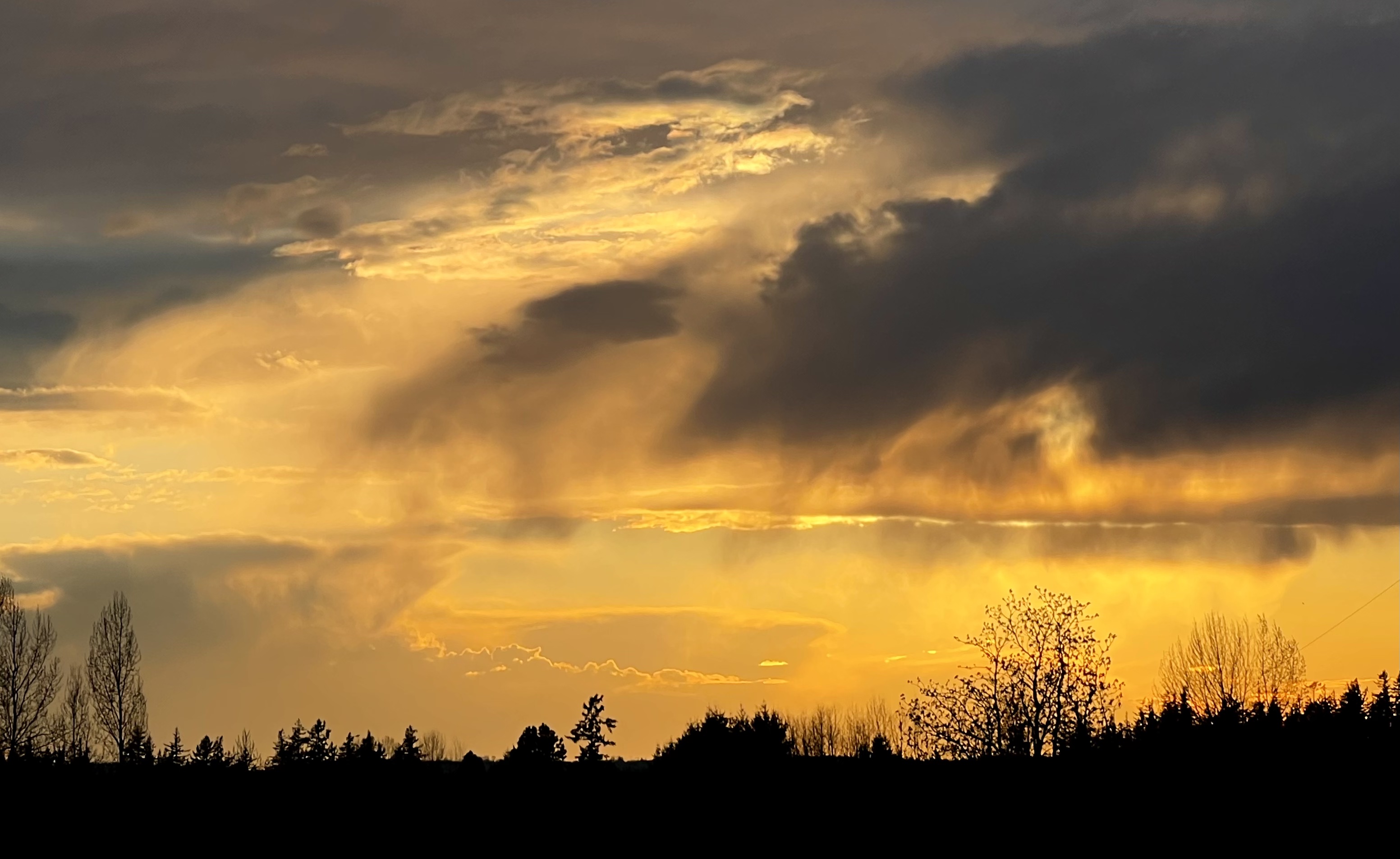
when the sun peeks over the horizon to greet
the day and spread golden honey warmth
to the dark, sleepy earth

when the birds begin to stir and twitter
and tune their songs to one another

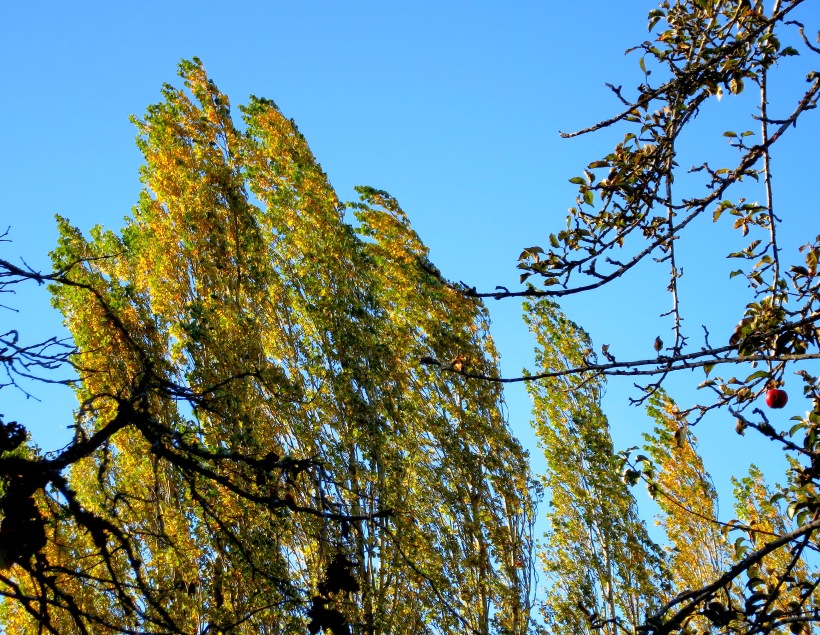
when the trees rustle as the morning breeze
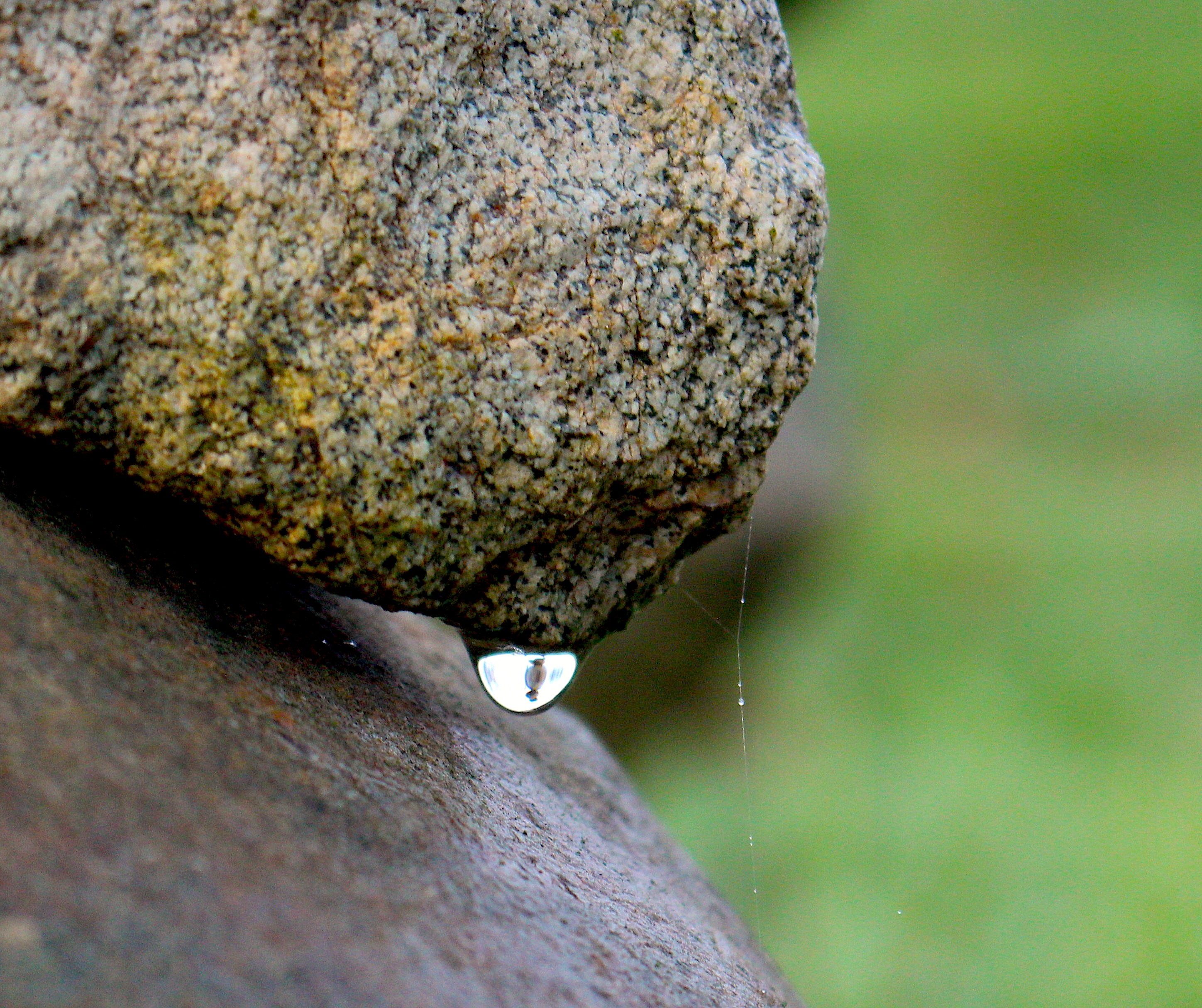
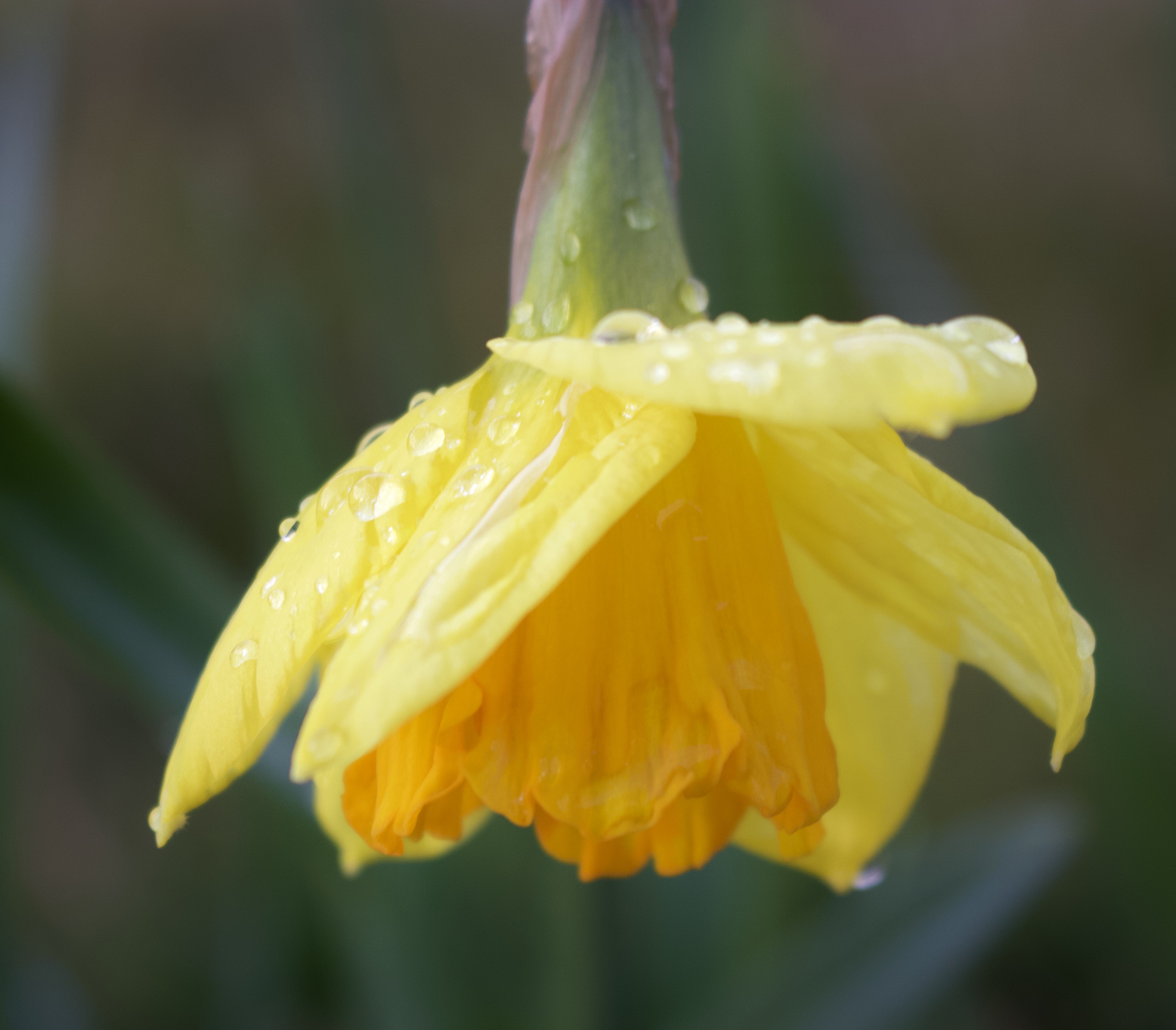
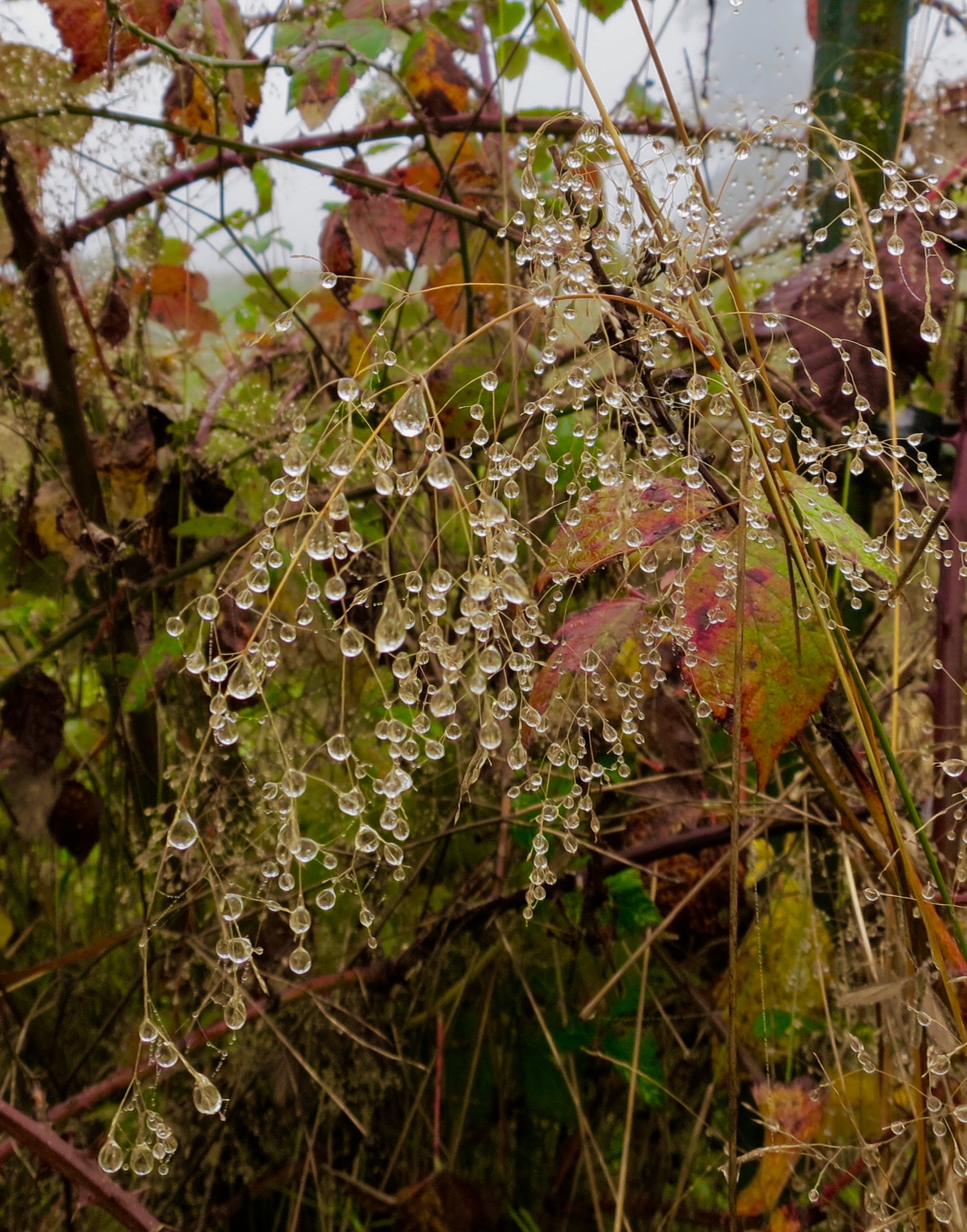
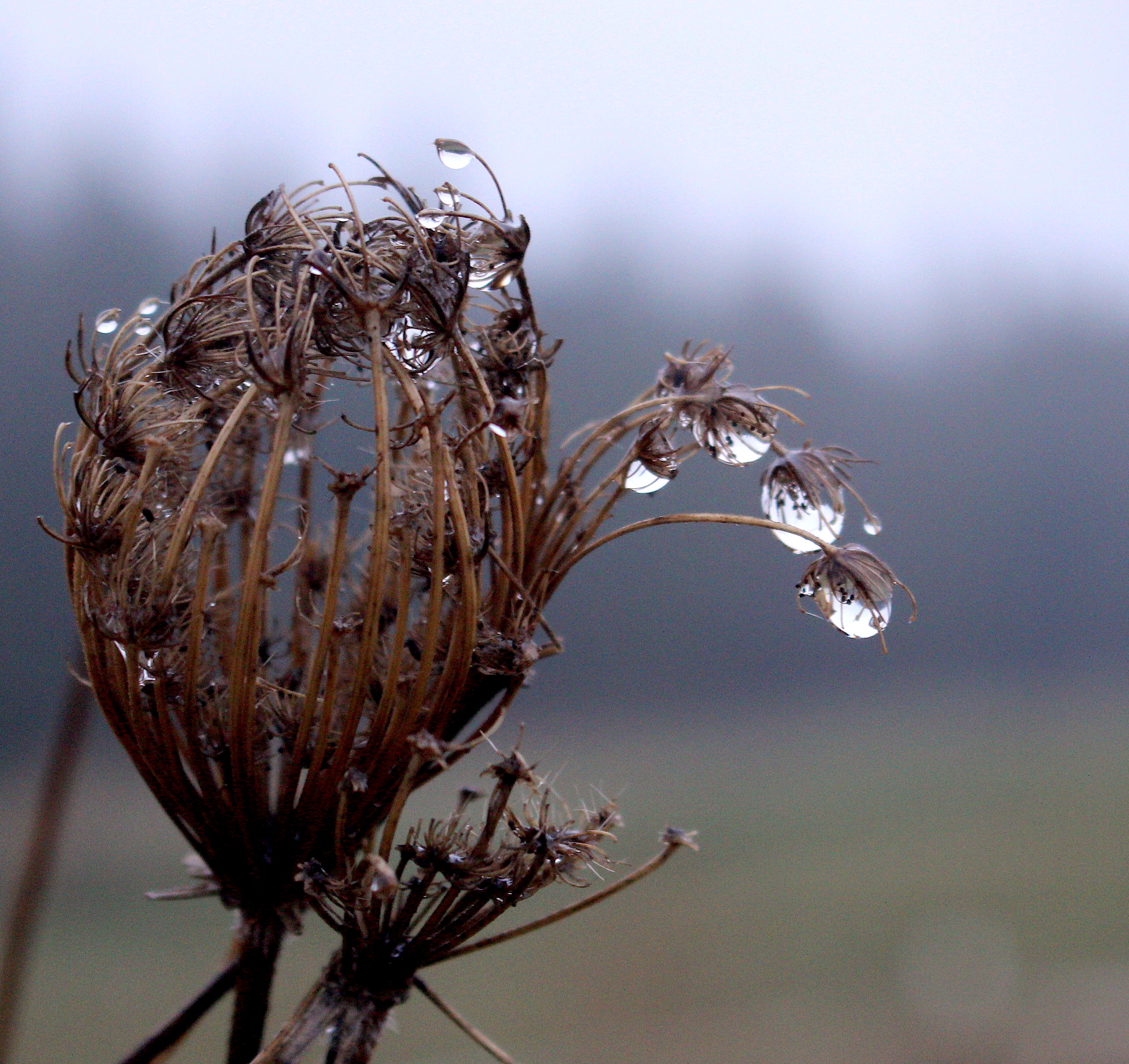
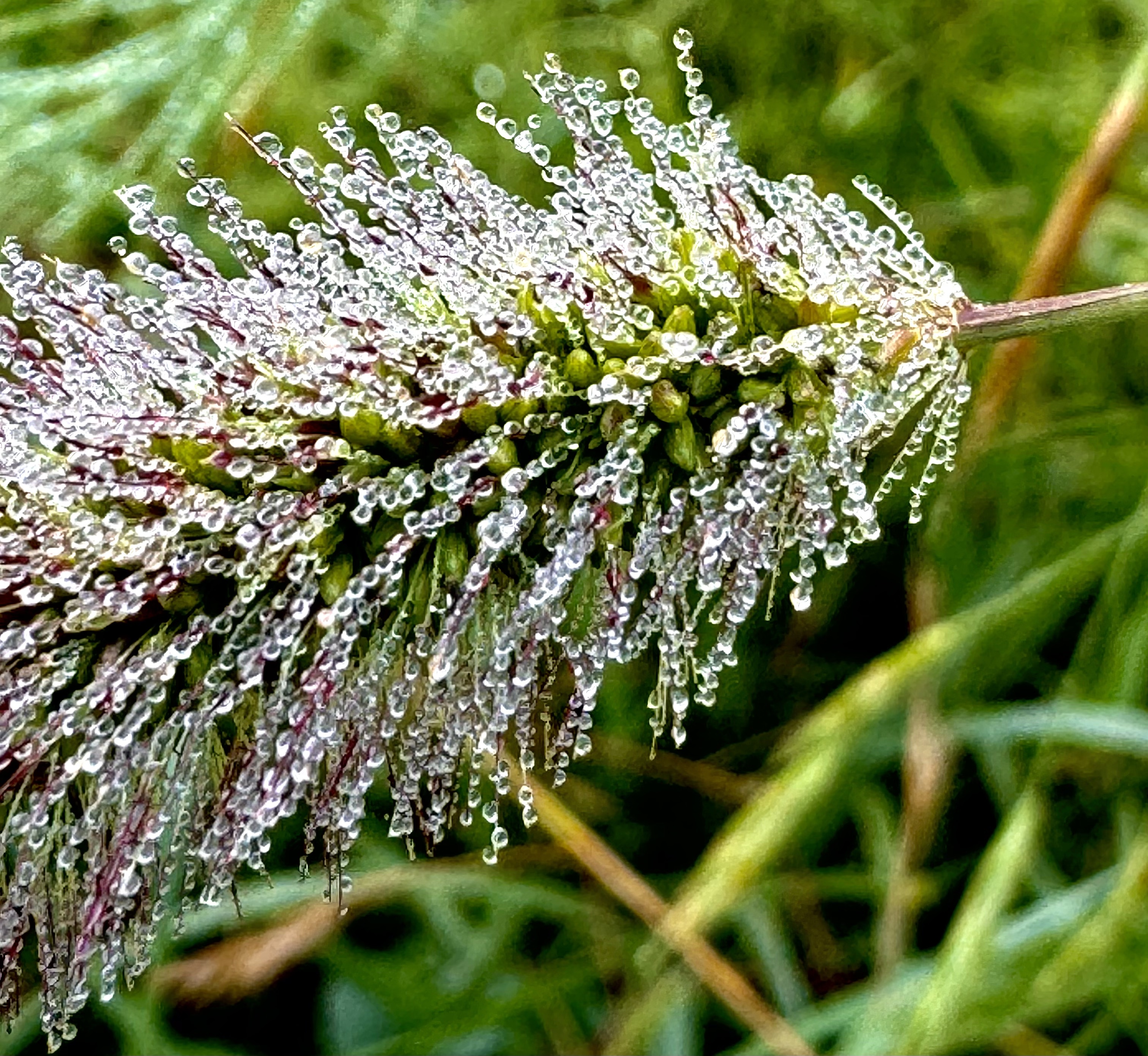
opens her eyes from slumber, and the dew is heavy
on the blades of grass

when I know morning has come once again
and we are not lost to the night, even as we
are not lost to the day

light dawns, and I can move again
breathing in streams of fresh morning air
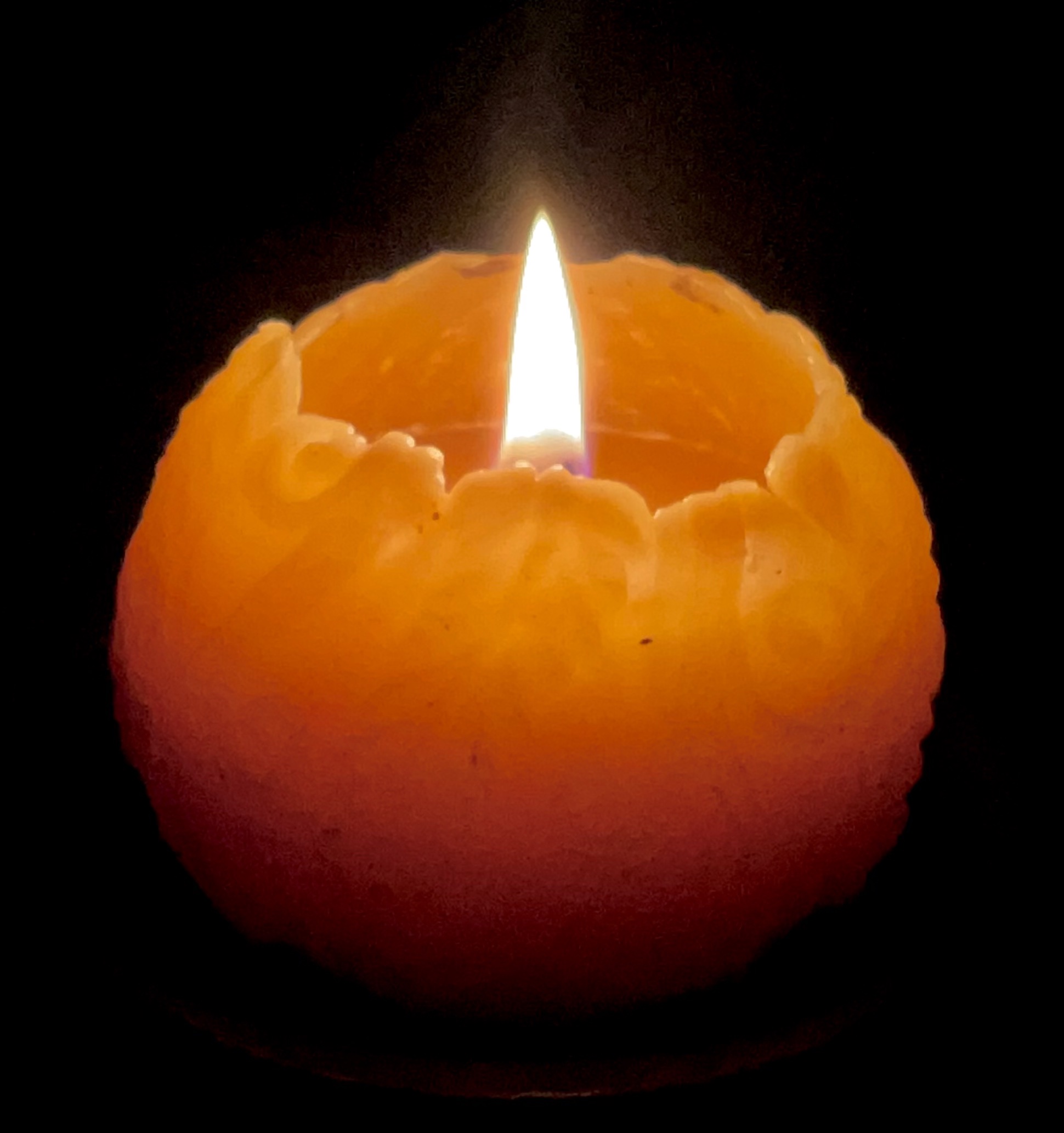
lighting a candle for rejuvenation
and praying the day in with ginger and
salt and clay

oh how lovely it feels to be alive
how magical to wake with the light
and live
~Juniper Klatt, I was raised in a house of water


…deeds are done which appear so evil to us
and people suffer such terrible evils
that it does not seem as though any good will ever come of them;
and we consider this, sorrowing and grieving over it 

so that we cannot find peace in the blessed contemplation of God as we should do; 

and this is why:


our reasoning powers are so blind now, so humble and so simple

And this is what he means where he says, 
“You shall see for yourself that all manner of things shall be well”, 
as if he said, “Pay attention to this now, faithfully and confidently, 
and at the end of time you will truly see it in the fullness of joy.

~Julian of Norwich from Revelations of Divine Love

Even when,
yet again,
innocents – our children, our teachers –
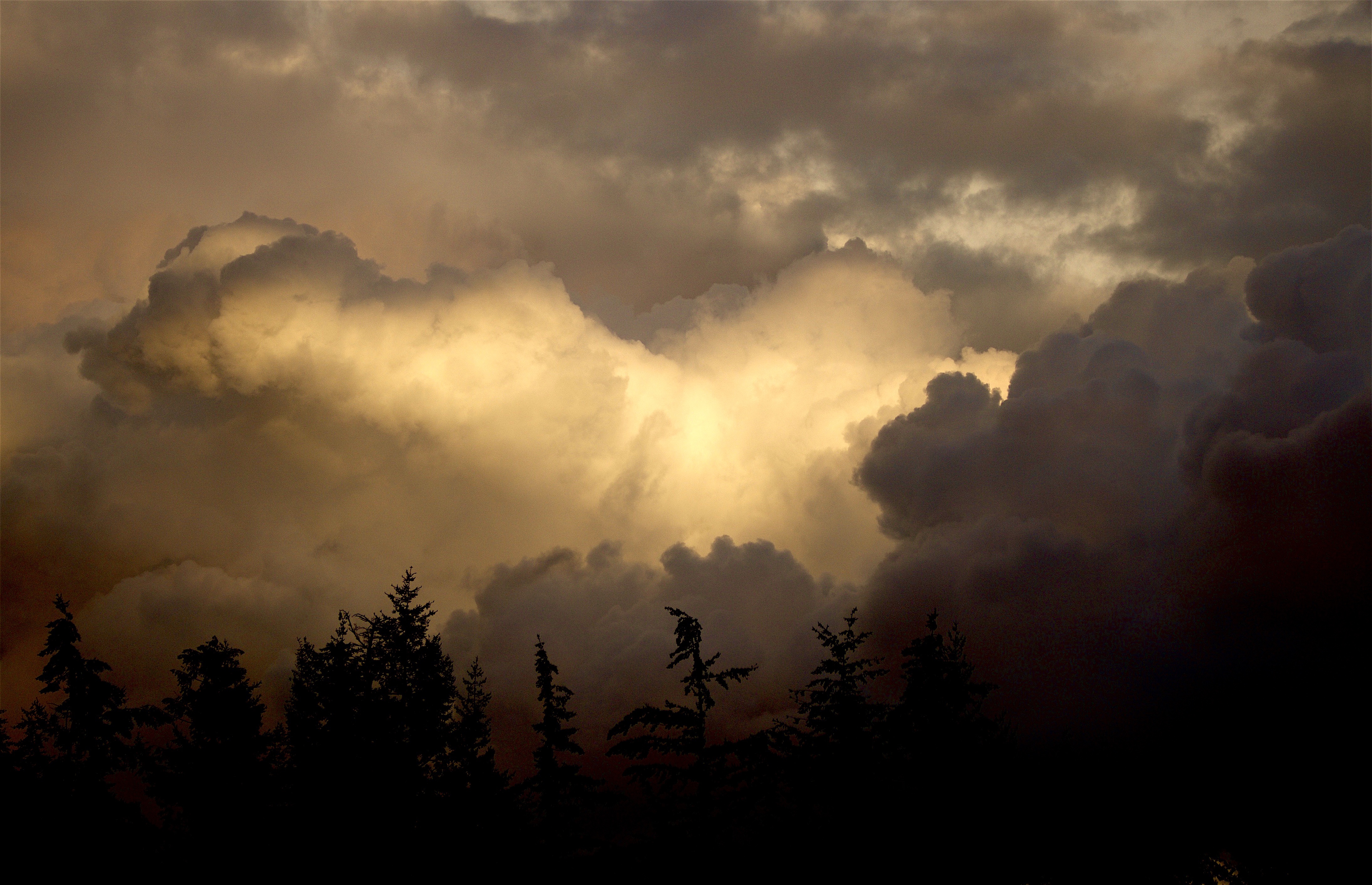
do not wake, as if by magic, to see this golden morn

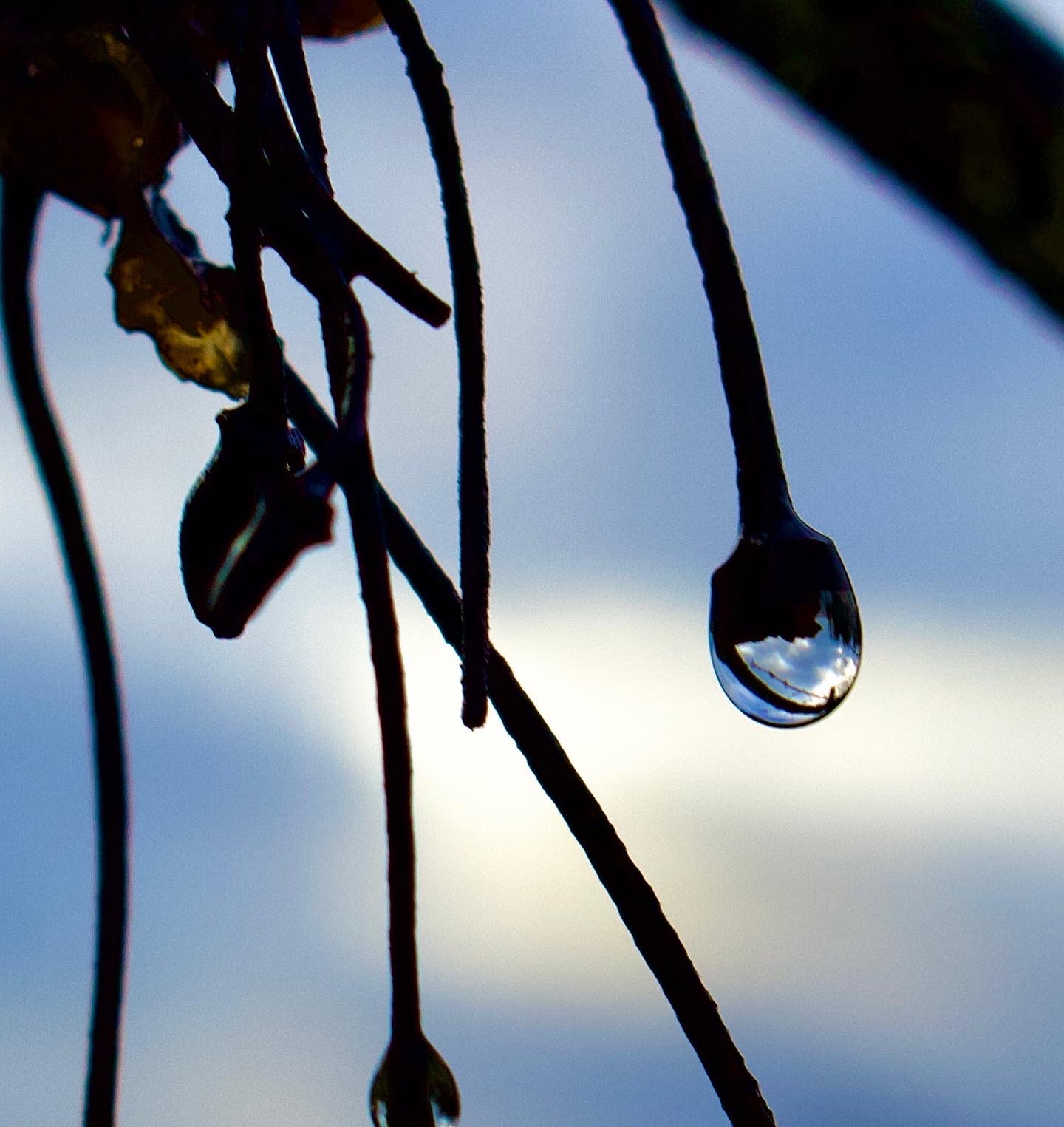
I’m heavy laden as the tears of this dewy dawn
touch every lost and grieving thing

there is no reason for this
to happen again and again and again
~we weep until we are dry as dust~

Pay attention to this now, to this mourning for innocents
who are lost to the night and the day.

If only we listen and act, shall this be made well.
AI image created for this post

One-Time
Monthly
Yearly

Make a one-time or recurring donation to support daily Barnstorming posts

Make a monthly donation

Make a yearly donation

Choose an amount

$10.00
$25.00
$50.00
$5.00
$15.00
$100.00
$5.00
$15.00
$100.00

Or enter a custom amount

$

Your contribution is deeply appreciated.

Your contribution is appreciated.

Your contribution is appreciated.

DonateDonate monthlyDonate yearly
Sudden Tears

Some things are very dear to me—
Such things as flowers bathed by rain
Or patterns traced upon the sea
Or crocuses where snow has lain …
the iridescence of a gem,
The moon’s cool opalescent light,
Azaleas and the scent of them,
And honeysuckles in the night.
And many sounds are also dear—
Like winds that sing among the trees
Or crickets calling from the weir
Or Negroes humming melodies.
But dearer far than all surmise
Are sudden tear-drops in your eyes.
~Gwendolyn Brooks “Sonnet 2”

We human beings do real harm.
History could make a stone weep.
~Marilynne Robinson from Gilead

I am an easy cryer. It takes very little to tip me over the edge: a hymn, a poem, simply witnessing a child’s joy. Suddenly my eyes fill up. I blame this on my paternal grandmother who was in tears much of her time when visiting our family, crying happy, crying sad, crying frustrated and angry tears.

Somehow after her visit, she was always smiling, so I think her weeping was cathartic emptying of her stress.

My greatest trigger to weep myself is watching someone else tear up. I think my grandmother left behind some powerful empathy genes.

I had to desensitize my response to tears to be effective as a physician/healer. Witnessing tears in the exam room is a normal part of the job: patients are anxious, ill, in pain or simply need to decompress in safety. I learned early on to be unobtrusive and not interrupt, letting the flow of tears be part of how the patient was trying to communicate. It was a struggle when my inclination was to cry right along with them. But I needed to be the rock in the room, solid and steady. I could understand their tears as yet another symptom of a clinical presentation, allowing me to observe without being clouded by my own emotional response.

Sometimes that worked. Sometimes not. At times overwhelmed, I wept at births, I wept at deaths, I wept at the sharing of bad news.

Now, liberated from the exam room, I freely weep at the state of the world, or when I read of disaster and tragedy, and especially when I witness intentional harm and meanness in others. I’m no longer a barely responsive stone, but more like an over-filled sponge being squeezed – everything builds up until I can hold it no more. Reading headlines in the news is sometimes more than I can bear.

I cry myself dry.

And that is okay. Once emptied out, I can be filled again by so much that is good and precious in this life.

That is worth weeping over.

AI image created for this post
Detail from “Descent from the Cross” by Rogier van der Weyden
One-Time
Monthly
Yearly

Make a one-time or recurring donation to support daily Barnstorming posts

Make a monthly donation

Make a yearly donation

Choose an amount

$10.00
$25.00
$50.00
$5.00
$15.00
$100.00
$5.00
$15.00
$100.00

Or enter a custom amount

$

Your contribution is deeply appreciated.

Your contribution is appreciated.

Your contribution is appreciated.

DonateDonate monthlyDonate yearly

Freed From Pain and Woe: Weary with Weeping

Jesus comes near and he beholds the city
And looks on us with tears in his eyes,
And wells of mercy, streams of love and pity
Flow from the fountain whence all things arise.
He loved us into life and longs to gather
And meet with his beloved face to face
How often has he called, a careful mother,
And wept for our refusals of his grace,
Wept for a world that, weary with its weeping,
Benumbed and stumbling, turns the other way,
Fatigued compassion is already sleeping
Whilst her worst nightmares stalk the light of day.
But we might waken yet, and face those fears,
If we could see ourselves through Jesus’ tears.

~Malcolm Guite “Jesus Weeps”

On this Holy Monday, facing ahead to
a week of knowing our world is in disarray~
a week of facing our own shame and mortality,
a week where thorns and tears overwhelm the blossoms~~

To remember what He did this week long ago,
to conquer the shroud and the stone,
to defy death,
makes all the difference to me.

Indeed Jesus wept and groaned for us.

To be known for who we are
by a God who weeps for our sin and despair
and groans with pain we caused:
we can know no greater love.

This week ends our living for self, only to die,
and begins our dying to self, in order to live.

And when he drew near and saw the city, he wept over it, saying, “Would that you, even you, had known on this day the things that make for peace!
But now they are hidden from your eyes. 

Luke 19:41

This Lenten season I reflect on the words of the 19th century southern spiritual hymn “What Wondrous Love is This”

Seems the sorrow untold, as you look down the road
At the clamoring crowd drawing near
Feel the heat of the day, as you look down the way
Hear the shouts of Hosanna the King

Chorus
Oh, daughter of Zion your time’s drawing near
Don’t forsake Him, oh don’t pass it by
On the foal of a donkey as the prophets had said
Passing by you, He rides on to die

Come now little foal, though you’re not very old
Come and bear your first burden bravely
Walk so softly upon all the coats and the palms
Bare the One on your back oh so gently

Midst the shouting so loud and the joy of the crowd
There is One who is riding in silence
For He knows the ones here will be fleeing in fear
When their shepherd is taken away

Soon the thorn cursed ground will bring forth a crown
And this Jesus will seem to be beaten
But He’ll conquer alone both the shroud and the stone
And the prophesies will be completed
On the foal of a donkey as the prophets had said
Passing by you He rides on to die
~Michael Card

God’s Righteous Frown: With Steady Gaze

Directly in front of me
he is here,
him on this quiet morning
in a room of the Byzantine Museum, Athens,
in the hundred-degree heat and dust
of a city not yet fully awake.
Here, and I am suddenly confronted—
the oldest icon in existence—with
his image.

The rest of the room evaporates,
and all I see is him:
Pure mystery, great and wondrous,
dizzying and terrible.

How can wood and pigment
egg yolk and animal skin convey
such ethereal truth,
intensify the power,
captivate Christian eye and heart?

Christ of Sinai looks at me
with steady gaze.
His eyes—the famed twins
Justice and Mercy—
see straight through me
piercing the whitewashed tomb
of my exterior till it hurts.
One eye is dark, foreboding
shadows between the brow and lid
deepening and on the verge of righteous anger—
the other eye embraces all
even my unworthy soul.
I stand and cannot pray. My eyes swell with tears.
I cannot look anymore.

~Ed Higgins from “Icon: Christ of Sinai” from Near Truth Only 

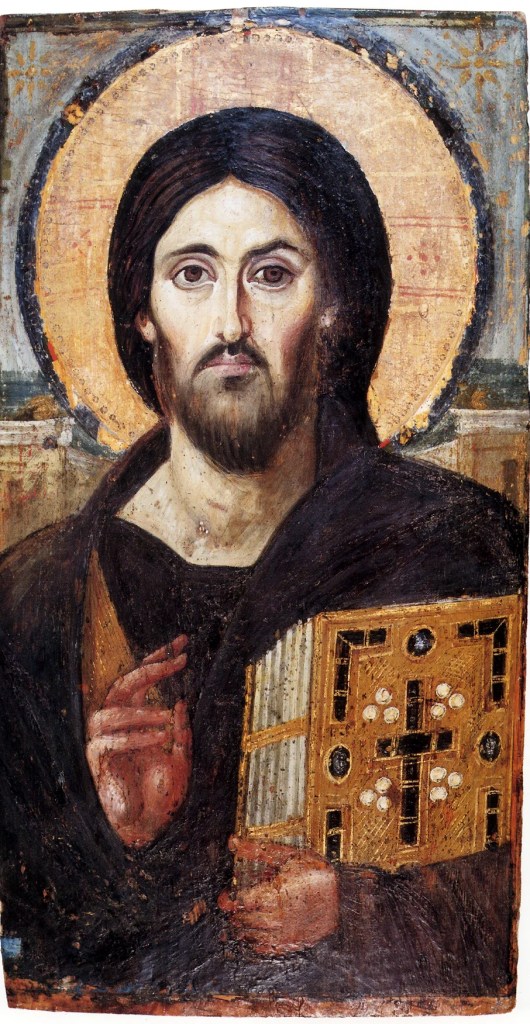
Icon of Christ Pantocrator

I was not raised with religious icons. I have little understanding about how they may comfort and encourage those who value and even worship them. Yet I do understand inspiring art and words may deepen our faith in God. This has been true for millennia.

This particular Byzantine icon, the oldest known of Christ, is preserved from the 6th century, an early representation with an intense gaze from eyes that are both from man and God.

I look for tears in those eyes. My own fill up knowing Christ is able to see the depths beyond my white-washed exterior.

I look away, ashamed.

Because He sees what we try to keep from Him, Jesus weeps,
knowing the truth about us, yet loving us anyway.

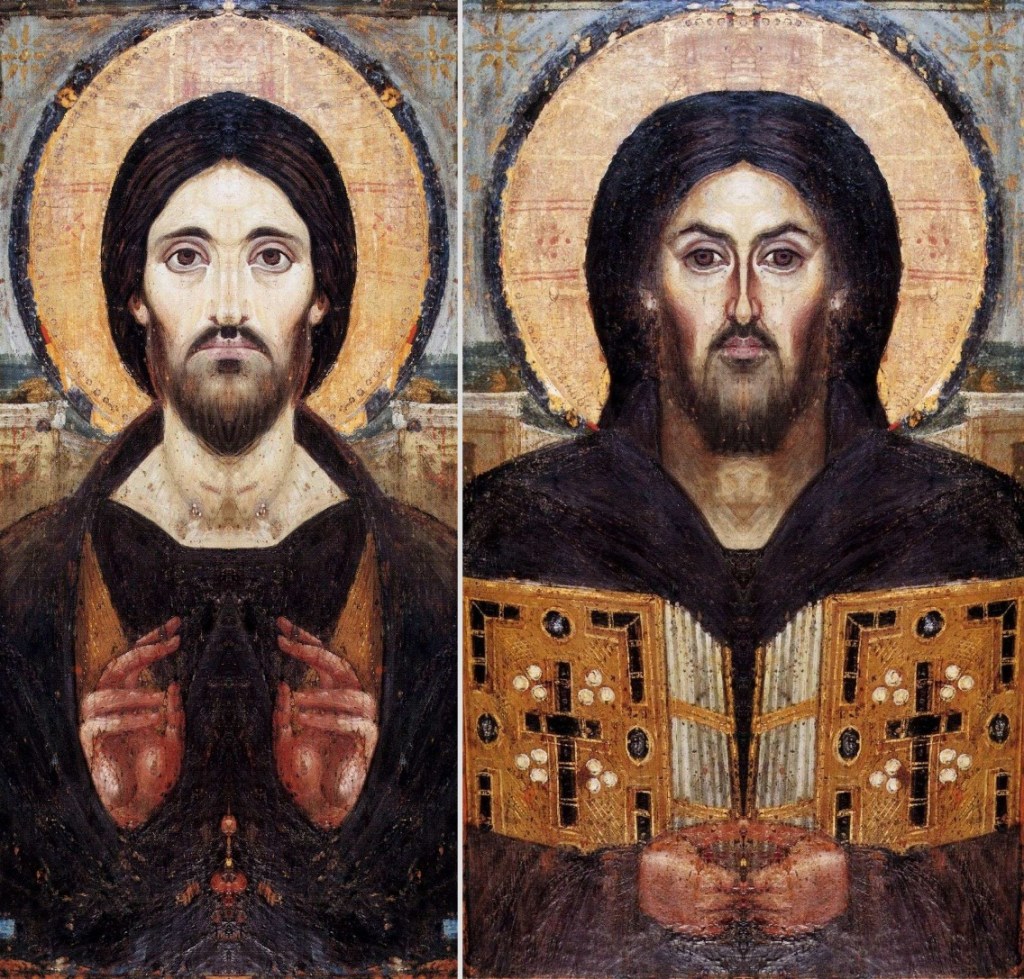
the right and left sides of the icon shown in mirror image, illustrating the dual nature of divine and human

You are like whitewashed tombs, which look beautiful on the outside but on the inside are full of the bones of the dead and everything unclean.
Matthew 23:27

Detail from “Descent from the Cross” by Rogier van der Weyden

This Lenten season I reflect on the words of the 19th century southern spiritual hymn “What Wondrous Love is This”

One-Time
Monthly
Yearly

Make a one-time or recurring donation to support daily Barnstorming posts

Make a monthly donation

Make a yearly donation

Choose an amount

$10.00
$25.00
$50.00
$5.00
$15.00
$100.00
$5.00
$15.00
$100.00

Or enter a custom amount

$

Your contribution is deeply appreciated.

Your contribution is appreciated.

Your contribution is appreciated.

DonateDonate monthlyDonate yearly

You Can Never Be Sure

You never know what may cause them. The sight of the ocean can do it, or a piece of music, or a face you’ve never seen before. A pair of somebody’s old shoes can do it. Almost any movie made before the great sadness that came over the world after the Second World War, a horse cantering across a meadow…

You can never be sure. But of this you can be sure. Whenever you find tears in your eyes, especially unexpected tears, it is well to pay the closest attention. They are not only telling you something about the secret of who you are, but more often than not God is speaking to you through them of the mystery of where you have come from and is summoning you to where, if your soul is to be saved, you should go next.
~Frederick Buechner from
 Whistling in the Dark

photo by Emily Vander Haak

I’m not paying close enough attention to the meaning of my leaking eyes if I’m constantly looking for kleenex to stem the flow. During the holidays, it seems I have more than ample opportunity to find out the secret of who I am, where I have come from, and where I am to be next.

So I keep my pockets loaded with kleenex, and there is a box ready in every room of the house.

It mostly has to do with welcoming our three children, their spouses, and six grandchildren back home for a few days to become a full-out, noisy, messy, chaotic household again. There will be puzzles and games and music and laughter and unending laundry and constant meal preparation and consumption. It is about singing grace together in five-part harmony before we eat, praying precious words of gratitude. 

It is about remembering the drama of our youngest’s birthday thirty-one years ago today, as if it were only yesterday, when her life was saved by a snowstorm. Now she and her husband bring their own son for visits back to the farm.

It certainly has to do with bidding farewell again, gathering them all in for that final hug and then letting go.

We have urged and encouraged them to go where their hearts are telling them they are needed and called to be, even if that means miles away from their one-time home on the farm. For our oldest son’s family, that means returning and settling in just down the road.

I too was let go once and though I would try to look back, too often in tears, I set my face toward the future. It led me here, to this marriage, this family, this farm, this work, our church, to more tears, to more letting go if I’m granted more years to weep again and again with gusto and grace and gravitas.

This is what I’m sure is the secret of me:
to love so much and so deeply that letting go is so hard that tears are no longer unexpected or a mystery to me or my children and grandchildren. It is a given that Grandma will weep at a drop of a hat, at a hug, or a hymn. My tears are the spill-over of fullness that can no longer be contained: God’s still small voice spills down my cheeks drop by drop like wax from a burning candle.

No kleenex are needed with these tears.

Let them flow as I let them go. It is as it should be.

One-Time
Monthly
Yearly

Make a one-time or recurring donation to support daily Barnstorming posts

Make a monthly donation

Make a yearly donation

Choose an amount

$10.00
$25.00
$50.00
$5.00
$15.00
$100.00
$5.00
$15.00
$100.00

Or enter a custom amount

$

Your contribution is deeply appreciated.

Your contribution is appreciated.

Your contribution is appreciated.

DonateDonate monthlyDonate yearly

Sweet and Sour

In Summer, in a burst of summertime
Following falls and falls of rain,
When the air was sweet-and-sour of the flown fineflower of
Those goldnails and their gaylinks that hang along a lime
~Gerard Manley Hopkins from “Cheery Beggar”

What I wanted
wasn’t to let in the wetness.
That can be mopped.

Nor the cold.
There are blankets.

What I wanted was
the siren, the thunder, the neighbor,
the fireworks, the dog’s bark.

Which of them didn’t matter?

Yes, this world is perfect,
all things as they are.

But I wanted
not to be
the one sleeping soundly, on a soft pillow,
clean sheets untroubled,
dreaming there still might be time,

while this everywhere crying
~Jane Hirshfield “I Open the Window” from The Asking

Sweet and sour extends far beyond a Chinese menu; it is the air we breathe.  Dichotomy is in our life and times – the bittersweet of simple pleasures laced with twinges and tears.

I am but a cheery beggar in this world, desiring to hang tight to the overwhelming sweetness of each glorious moment:

the startling late summer sunrise,
the renewed green coming through the dead of spent fields,
the warm hug of a compassionate word,
a house filled with love and laughter.

But as beggars aren’t choosers, I can’t only have sweet alone;
I must endure the sour that comes as part of the package —

the deepening dark of a sleepless and restless night,
the muddy muck that comes after endless rain,
the sting of a biting critique,
the emptiness when younger ones head home.

So I slog through sour to revel some day in sweet. 

Months of manure-permeated air is overcome one miraculous morning by the unexpected and undeserved fragrance of apple blossoms, so sweet, so pure, so full of promise of the wholesome fruit to come.

The manure makes the sweet sweeter months later, long after the stench is gone.

And I breathe in deeply now, content and grateful for this moment of grace and bliss, wanting to hold it in the depths of my lungs forever, its mercy overwhelming the power of sour.

One-Time
Monthly
Yearly

Make a one-time or recurring donation to support daily Barnstorming posts

Make a monthly donation

Make a yearly donation

Choose an amount

$10.00
$25.00
$50.00
$5.00
$15.00
$100.00
$5.00
$15.00
$100.00

Or enter a custom amount

$

Your contribution is deeply appreciated.

Your contribution is appreciated.

Your contribution is appreciated.

DonateDonate monthlyDonate yearly

Fixing Eyes on the Unseen – Every Stone Shall Cry

I tell you… if these should hold their peace,
the stones would immediately cry out.”
~Luke 19: 39-40

A stable lamp is lighted
Whose glow shall wake the sky
The stars shall bend their voices
And every stone shall cry
And straw like gold will shine
A barn shall harbour heaven
A stall become a shrine

This child through David’s city
Will ride in triumph by
The palm shall strew its branches
And every stone shall cry
Though heavy, dull and dumb
And lie within the roadway
To pave the Kingdom come

Yet He shall be forsaken
And yielded up to die
The sky shall groan and darken
And every stone shall cry
For thorny hearts of men
God’s blood upon the spearhead
God’s love refused again

 
But now as at the ending
The low is lifted high
The stars will bend their voices
And every stone shall cry
In praises of the child
By whose descent among us
The worlds are reconciled
~Richard Wilbur
 “A Christmas Hymn”

Feeling heavy, dull and dumb,
I am convinced
I’m no better than a simple rock,
inconsequential and immobile,
trod upon and paved over,
forgettable and forgotten.

I believe
there can be no pulse
in my stony heart,
if I turn away from God
who has come to walk beside me
on this humble gravelly ground.

Yet especially the lowest are lifted high by His descent–
every balanced or falling stone – the dumb and lifeless –
shall cry out in community with Him,
their silence finds a voice to praise.

Even my own voice,
meager as it is,
shall be heard.

I am no longer forgotten.
In fact, never have been forgotten.
So hard to reconcile:
as the stones have known Him all along,
then so should I.

So must I.

photo by Kathy Yates

This year’s Lenten theme:
So we fix our eyes not on what is seen, but on what is unseen, since what is seen is temporary, but what is unseen is eternal.
2 Corinthians 4: 18

Fixing Eyes on the Unseen – Everything Sad is Going to Come Untrue

He will wipe away every tear from their eyes, and death shall be no more, neither shall there be mourning, nor crying, nor pain anymore, for the former things have passed away. And he who was seated on the throne said, “Behold, I am making all things new.” Also he said, “Write this down, for these words are trustworthy and true.  Revelation 21: 4-5

“Gandalf! I thought you were dead! But then I thought I was dead! Is everything sad going to come untrue?”
~J.R.R. Tolkien as Samwise Gamgee wakes to find his friends all around him in The Lord of the Rings

“The answer is yes. And the answer of the Bible is yes. If the resurrection is true, then the answer is yes. Everything sad is going to come untrue.”
~Pastor Tim Keller’s response in a sermon given in an ecumenical prayer service memorial in Lower Manhattan on the fifth anniversary of Sept. 11.

photo by Joel De Waard

In our minds, we want to rewind and replay the sad events of this week in a way that would prevent them from happening in the first place.

We want those in a broken relationship to come back together, hug and forgive. The devastating diagnosis would be proven an error and, in reality, only a transient illness. When a terrible tragedy happens, we want the dead and injured to rise up again. The destructive earthquake becomes a mere tremor, the flooding tsunami is only one foot, not over thirty feet tall, the hijackers are prevented from ever boarding a plane, the shooter changes her mind at the last minute and lays down her arms, the terrorist disables his suicide bombs and walks away from his training and misguided mission.

We want so badly for it all to be untrue. The bitter reality of horrendous suffering and sadness daily all over the earth is too much for us to absorb. We plead for relief and beg for a better day.

Our minds may play mental tricks like this, but God does not play tricks. He knows and feels what we do. He too wants to see it rewound and replayed differently. He has known grief and sadness, He has wept, He has suffered, He too has died in terrible humiliating and painful circumstances. 

And because of this, because of a God who came to dwell with us, was broken, died and then rose again whole and holy, we are assured, in His time, everything sad is going to come untrue.

Our tears will be dried, our grief turned to joy, our pain nonexistent, not even a memory.  It will be a new day, a better day–as it is written, trustworthy and true.

May it come.

Quickly.

photo by Nate Gibson

This year’s Lenten theme:
So we fix our eyes not on what is seen, but on what is unseen, since what is seen is temporary, but what is unseen is eternal.
2 Corinthians 4: 18

Fixing Eyes on the Unseen – In Sorrow, Scraped and Torn

“I wish it need not have happened in my time,” said Frodo.
“So do I,” said Gandalf,

“and so do all who live to see such times.
But that is not for them to decide.
All we have to decide
is what to do with the time that is given us.”

The world is indeed full of peril,
and in it there are many dark places;
but still there is much that is fair,
and though in all lands
love is now mingled with grief,
it grows perhaps the greater.
― J.R.R. Tolkien, from The Fellowship of the Ring

God is not only the God of the sufferers but the God who suffers. … It is said of God that no one can behold his face and live. I always thought this meant that no one could see his splendor and live. A friend said perhaps it meant that no one could see his sorrow and live. Or perhaps his sorrow is splendor. …

Instead of explaining our suffering God shares it.

How is faith to endure, O God, when you allow all this scraping and tearing on us? You have allowed rivers of blood to flow, mountains of suffering to pile up, sobs to become humanity’s song–all without lifting a finger that we could see. You have allowed bonds of love beyond number to be painfully snapped. If you have not abandoned us, explain yourself.

We strain to hear. But instead of hearing an answer we catch sight of God himself scraped and torn. Through our tears we see the tears of God.
~Nicholas Wolterstorff  in Lament for a Son

“My God, My God,” goes the Psalm 22, “hear me, why have you forsaken me?”  This is the anguish all we of Godforsaken heart know well. But hear the revelation to which Christ directs us, further in the same psalm:

For He has not despised nor scorned the beggar’s supplication,
Nor has He turned away His face from me;
And when I cried out to Him, He heard me.

He hears us, and he knows, because he has suffered as one Godforsaken. Which means that you and I, even in our darkest hours, are not forsaken. Though we may hear nothing, feel nothing, believe nothing, we are not forsaken, and so we need not despair. And that is everything. That is Good Friday and it is hope, it is life in this darkened age, and it is the life of the world to come.
~Tony Woodlief from “We are Not Forsaken”

Scratch the surface of a human being and the demons of hate and revenge … and sheer destructiveness break forth.

    Again and again we read the stories of violence in our daily papers, of the mass murders and ethnic wars still occurring in numerous parts of our world. But how often do we say to ourselves: “What seizes people like that, even young people, to make them forget family and friends, and suddenly kill other human beings?” We don’t always ask the question in that manner. Sometimes we are likely to think, almost smugly: “How different those horrible creatures are from the rest of us. How fortunate I am that I could never kill or hurt other people like they did.”

    I do not like to stop and, in the silence, look within, but when I do I hear a pounding on the floor of my soul. When I open the trap door into the deep darkness I see the monsters emerge for me to deal with. How painful it is to bear all this, but it is there to bear in all of us. Freud called it the death wish, Jung the demonic darkness. If I do not deal with it, it deals with me. The cross reminds me of all this.

    This inhumanity of human to human is tamed most of the time by law and order in most of our communities, but there are not laws strong enough to make men and women simply cease their cruelty and bitterness. This destructiveness within us can seldom be transformed until we squarely face it in ourselves. This confrontation often leads us into the pit. The empty cross is planted there to remind us that suffering is real but not the end, that victory still is possible…
~Morton Kelsey from “The Cross and the Cellar”

I’m depending on others’ words right now. The maelstrom of emotions following this week’s latest school shooting silences everything but my tears.

Have mercy, Holy God, on your people.

This year’s Lenten theme:
So we fix our eyes not on what is seen, but on what is unseen, since what is seen is temporary, but what is unseen is eternal.
2 Corinthians 4: 18

Fixing Eyes on the Unseen: The Eyes of My Regret

Always at dusk, the same tearless experience,
The same dragging of feet up the same well-worn path
To the same well-worn rock;
The same crimson or gold dropping away of the sun
The same tints—rose, saffron, violet, lavender, grey
Meeting, mingling, mixing mistily;
Before me the same blue black cedar rising jaggedly to a point;
Over it, the same slow unlidding of twin stars,
Two eyes, unfathomable, soul-searing,
Watching, watching—watching me;
The same two eyes that draw me forth, against my will dusk after dusk;
The same two eyes that keep me sitting late into the night, chin on knees
Keep me there lonely, rigid, tearless, numbly miserable,
       —The eyes of my Regret.

~Angelina Weld Grimké “The Eyes of My Regret”

How granular they feel—grief and regret, arriving, as they do,
in the sharp particularities of distress. Inserting themselves—
cunning, intricate, subversive—into our discourse.

In the long night, grievances seem to multiply. Old dreams
mingling with new. Disappointment and regret bludgeon
the soul, your best imaginings bruised, your hopes ragged.

Yet wait, watch. From the skylight the room is filling with
soft early sun, slowly sifting its light on the bed, on your head,


a shower of fine particles. How welcome. And how reliable.

~Luci Shaw “Sorrow”

It’s now been a interminably long three years: millions of people sickened by a virus that could kill within days or simply be spread by those unwitting and asymptomatic. We’ve lived through shut down of businesses and schools, hospitals and clinics being overwhelmed, and hoarding behavior resulting in shortages of products addressing basic needs.

Now that I can look back with a bit more perspective, I know my first reaction was fear for myself and those I love. My words flew out too quickly, my anxiety mixed with frustration and anger, my tears spilling too easily. Like so many others, my work life forever changed.

I ended up lying awake many nights with regrets, wondering if I should be doing more than just telemedicine from home, yet wanting to hide myself and my M.D. degree under a rock until the unending viral scourge blew over.

Yet amazingly, miracles of grace in many places:
generous people full of courage made a difference in small and large ways all around the world. Some took enormous personal risks to take care of strangers and loved ones. Some worked endless hours and when they came home, they remained isolated to avoid infecting their families.

Such grace happens when hardship is confronted head on by the brilliant light of sacrifice. I am deeply grateful to those who have worked tirelessly providing care and compassion to the ill. Their work is never done.

We know, in His humanity, Jesus wept, in frustration, in worry for His people, in grief.
His tears still light the sky with a promise of salvation as He assures He won’t leave us alone in darkness – our regret dissipates with the dawn.

This year’s Barnstorming Lenten theme is taken from 2 Corinthians 4: 18:
So we fix our eyes not on what is seen, but on what is unseen, since what is seen is temporary, but what is unseen is eternal.