Fall, leaves, fall; die, flowers, away; Lengthen night and shorten day; Every leaf speaks bliss to me Fluttering from the autumn tree. I shall smile when wreaths of snow Blossom where the rose should grow; I shall sing when night’s decay Ushers in a drearier day. ~Emily Brontë “Fall, Leaves, Fall”
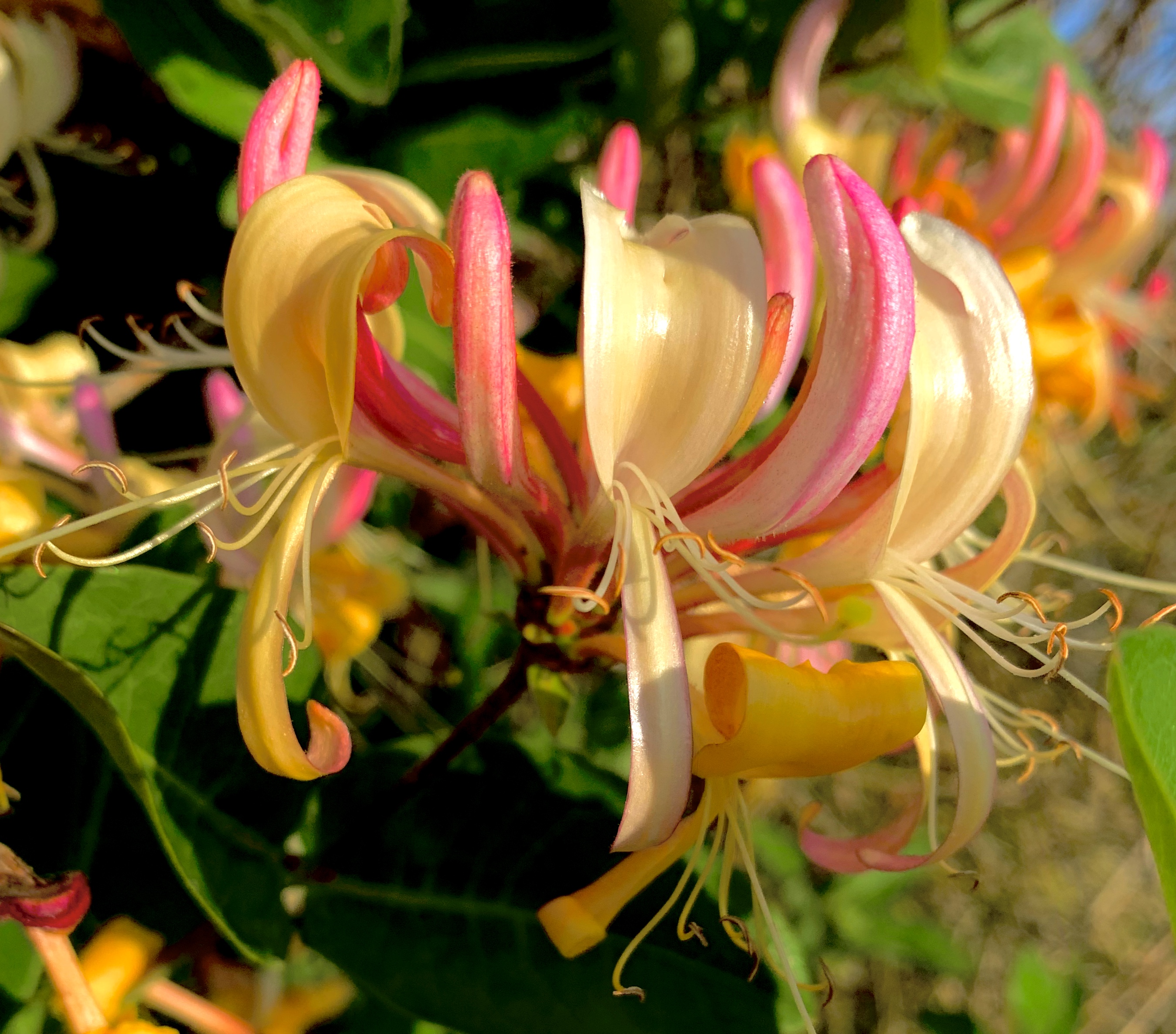
It was not the thorn bending to the honeysuckles, but the honeysuckles embracing the thorn. ~Emily Brontë from Wuthering Heights
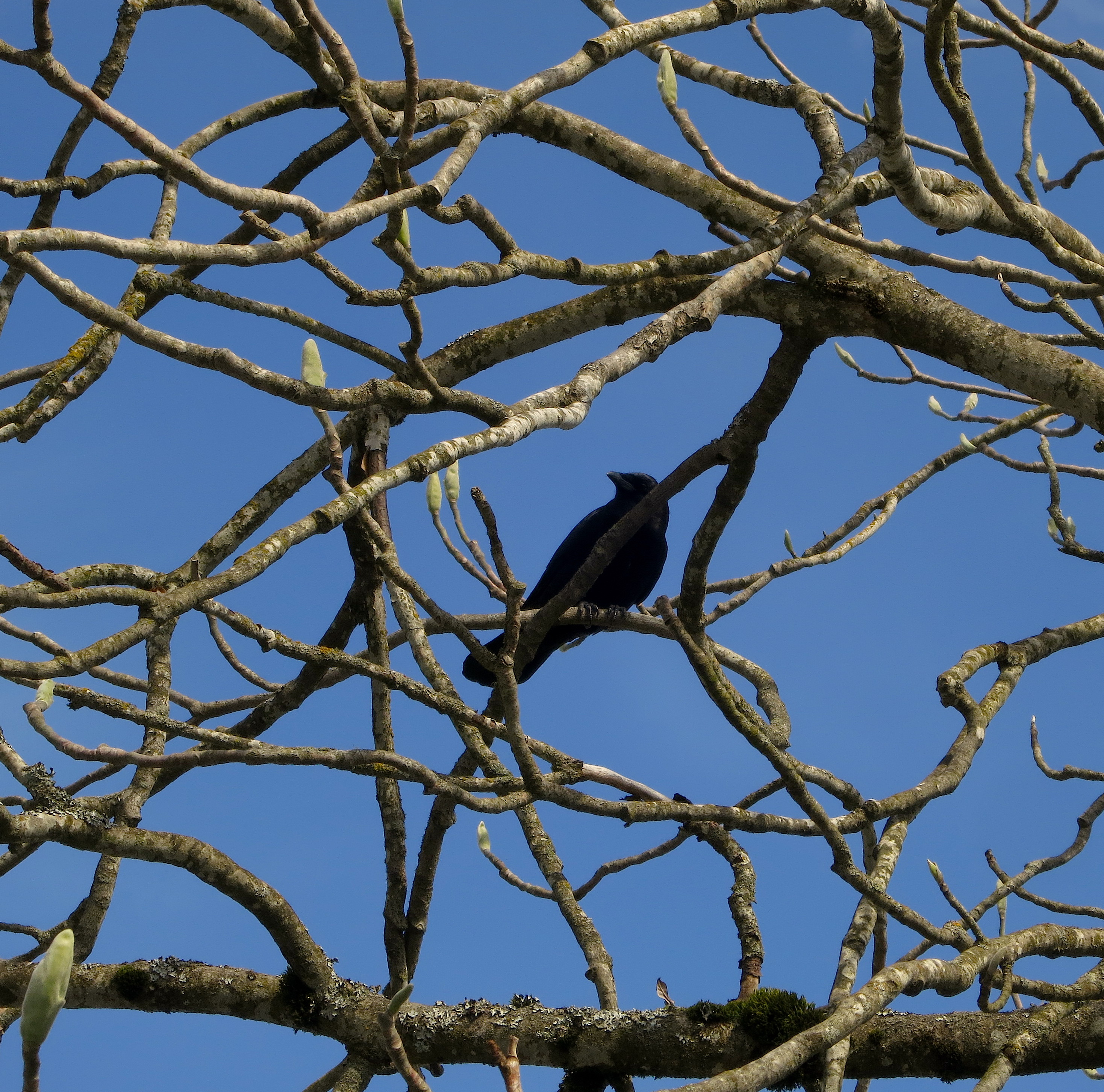
The loudest crows cawing over the tops of the oaks call me to autumn already, and though my back is to the window,
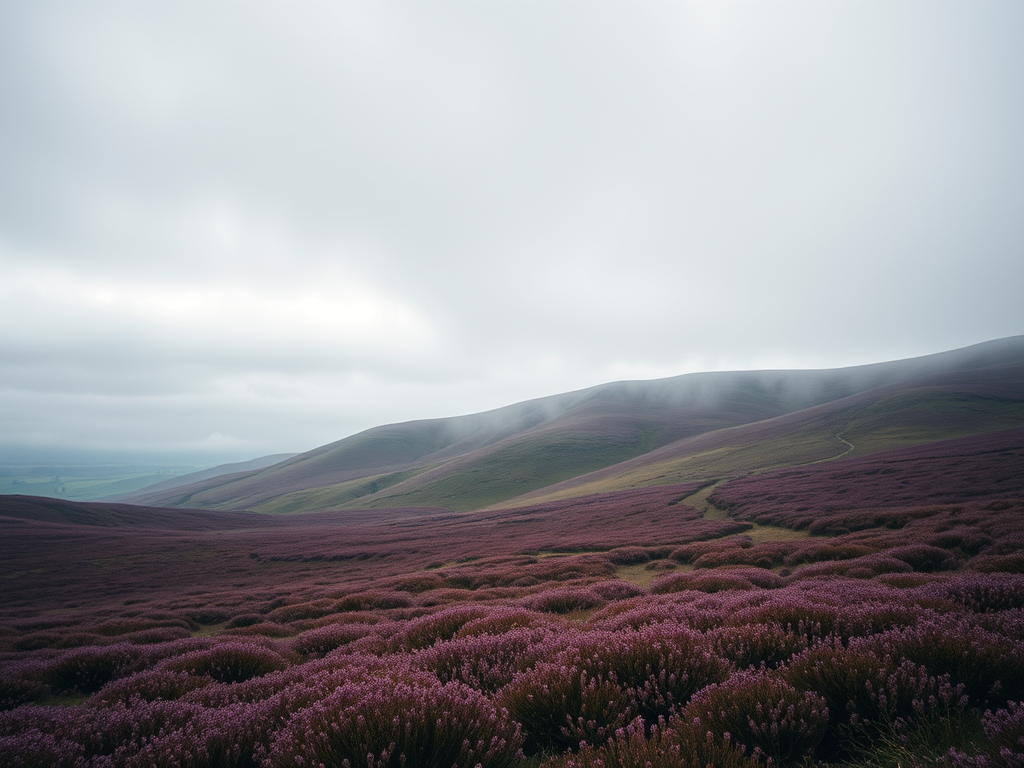
I know the sky must be a gray wuthering, and the curlews are crying. The wind must be moaning as it goes sweeping across heath and moors and the spikes of purple heather thousands of miles away from where my body sits; yet
I avoid watching sad movies and will close a book that is clearly heading for a weepy ending.
I don’t need to wrap myself around things that hurt when there is enough sadness and pain in the world already. Deep emotion sticks to me like velcro, even when I know the tragedy is not my own. I take it on as if it is.
As a result, the Brontë novel Wuthering Heights is not my cup of tea. I suffered through the book as well as the movie versions. It is grim with wild, destructive passions that only lead to more sorrow. I become immersed in those desperately gray “wuthering” scenes feeling the sharp thorns of the words I read that end up drawing blood from me.
But most suffering is not at all fictional. When I become aware of tragedy happening far away, when the hurricane leaves behind terrible devastation or bombs and bullets rip communities to shreds, even though there is little I can physically do to help, I can’t turn away and not look. I can’t close the book that makes me sad and uncomfortable.
I too must feel the hurt, embracing the thorns rather than avoiding them.
Jesus did just that, taking it all upon Himself. He never turned away and still, now, today, He is pierced, bloodied for our sake.
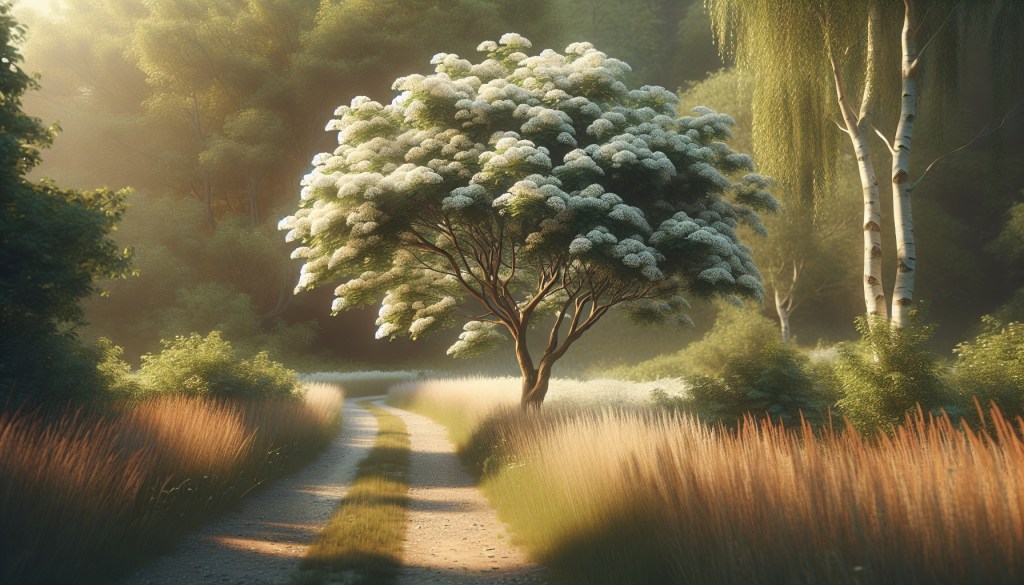
AI image created for this post
One-Time
Monthly
Yearly
Make a one-time or recurring donation to support daily Barnstorming posts
Not much to me is yonder lane Where I go every day; But when there’s been a shower of rain And hedge-birds whistle gay, I know my lad that’s out in France With fearsome things to see Would give his eyes for just one glance At our white hawthorn tree.
. . . .
Not much to me is yonder lane Where he so longs to tread: But when there’s been a shower of rain I think I’ll never weep again Until I’ve heard he’s dead. ~Siegfried Sassoon“The Hawthorn Tree”
I drove West in the season between seasons. I left behind suburban gardens. Lawnmowers. Small talk.
Under low skies, past splashes of coltsfoot, I assumed the hard shyness of Atlantic light and the superstitious aura of hawthorn.
All I wanted then was to fill my arms with sharp flowers, to seem from a distance, to be part of that ivory, downhill rush. But I knew,
I had always known, the custom was not to touch hawthorn. Not to bring it indoors for the sake of
the luck such constraint would forfeit– a child might die, perhaps, or an unexplained fever speckle heifers. So I left it
stirring on those hills with a fluency only water has. And, like water, able to redefine land. And free to seem to be–
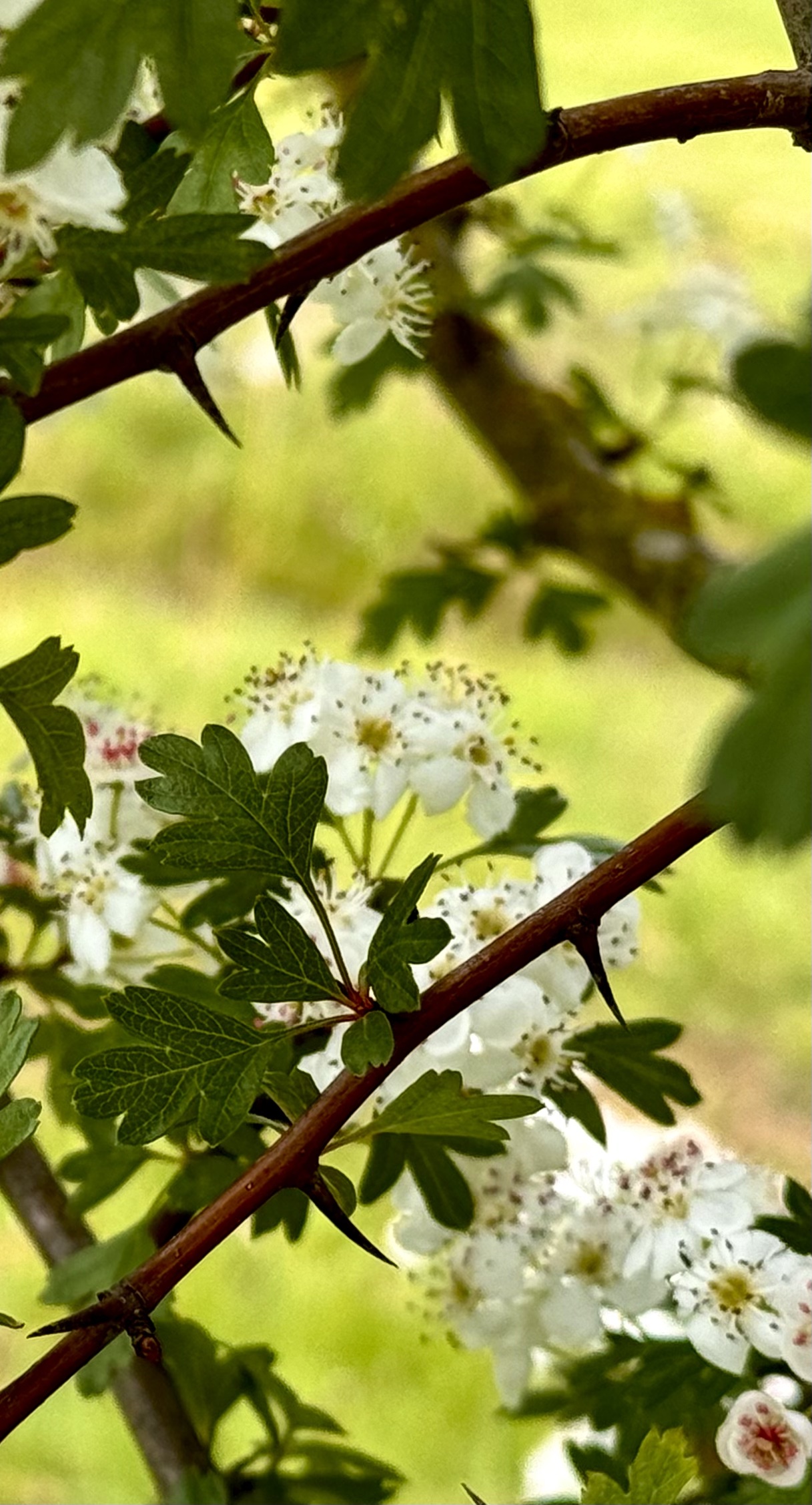
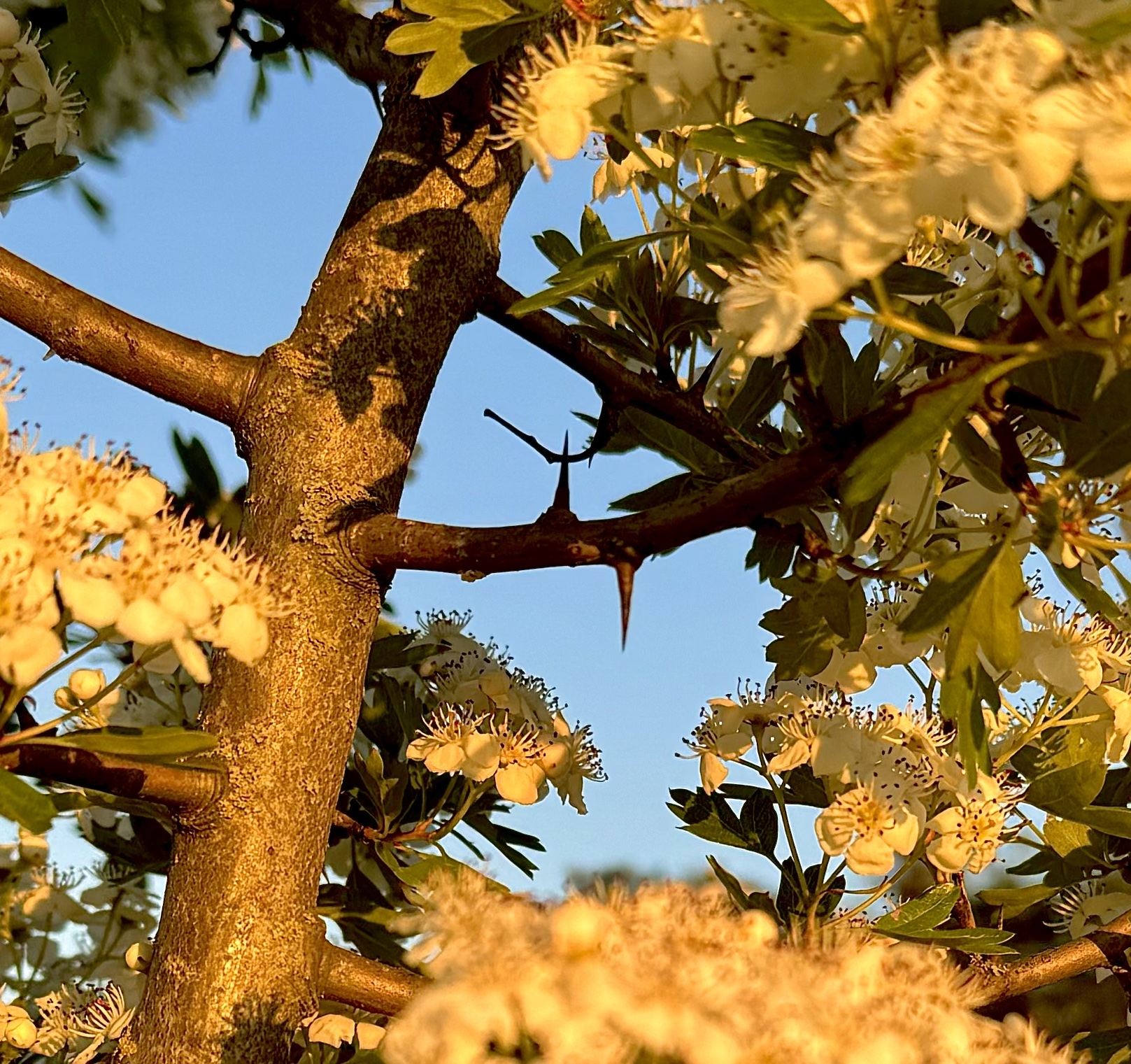
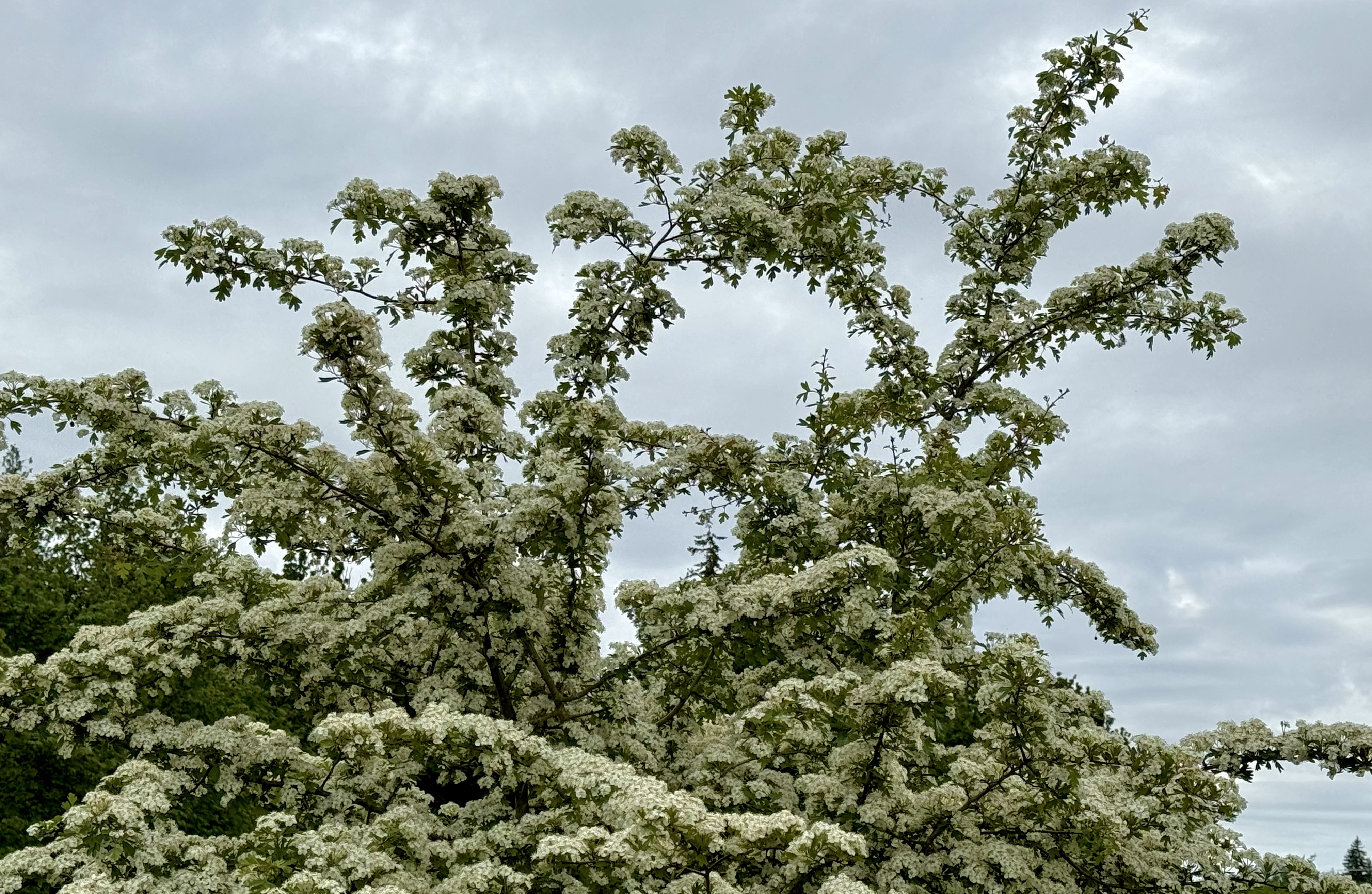
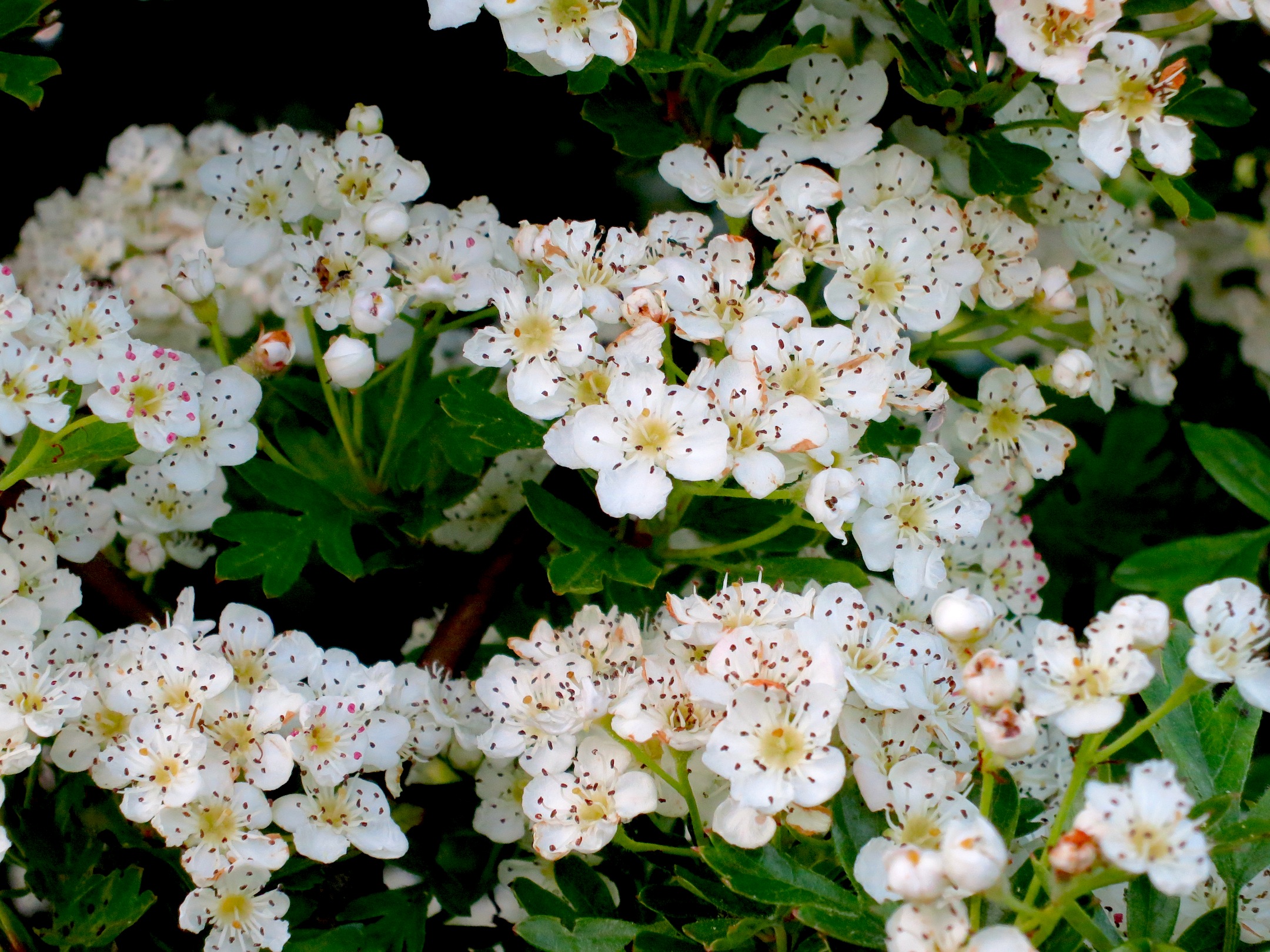
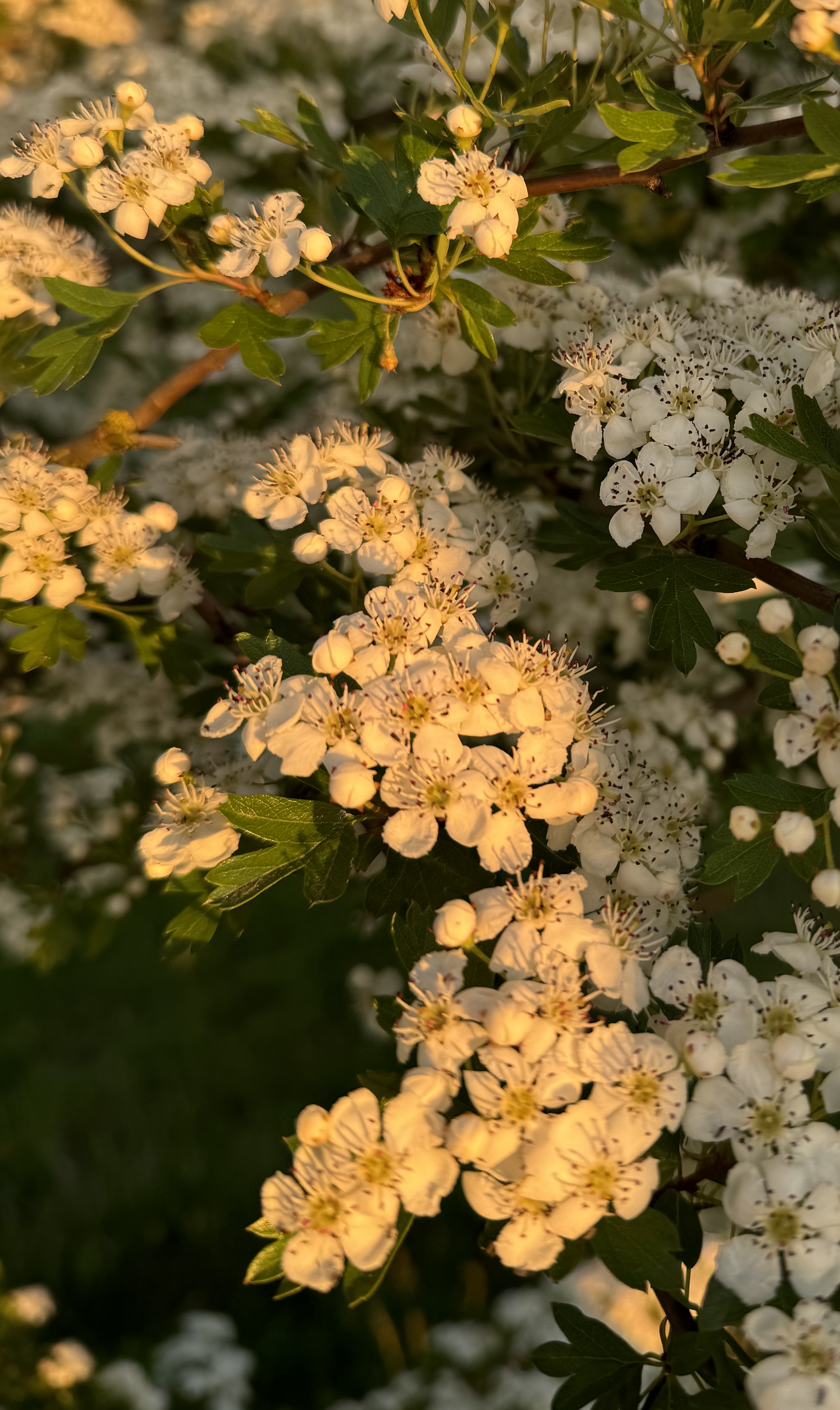
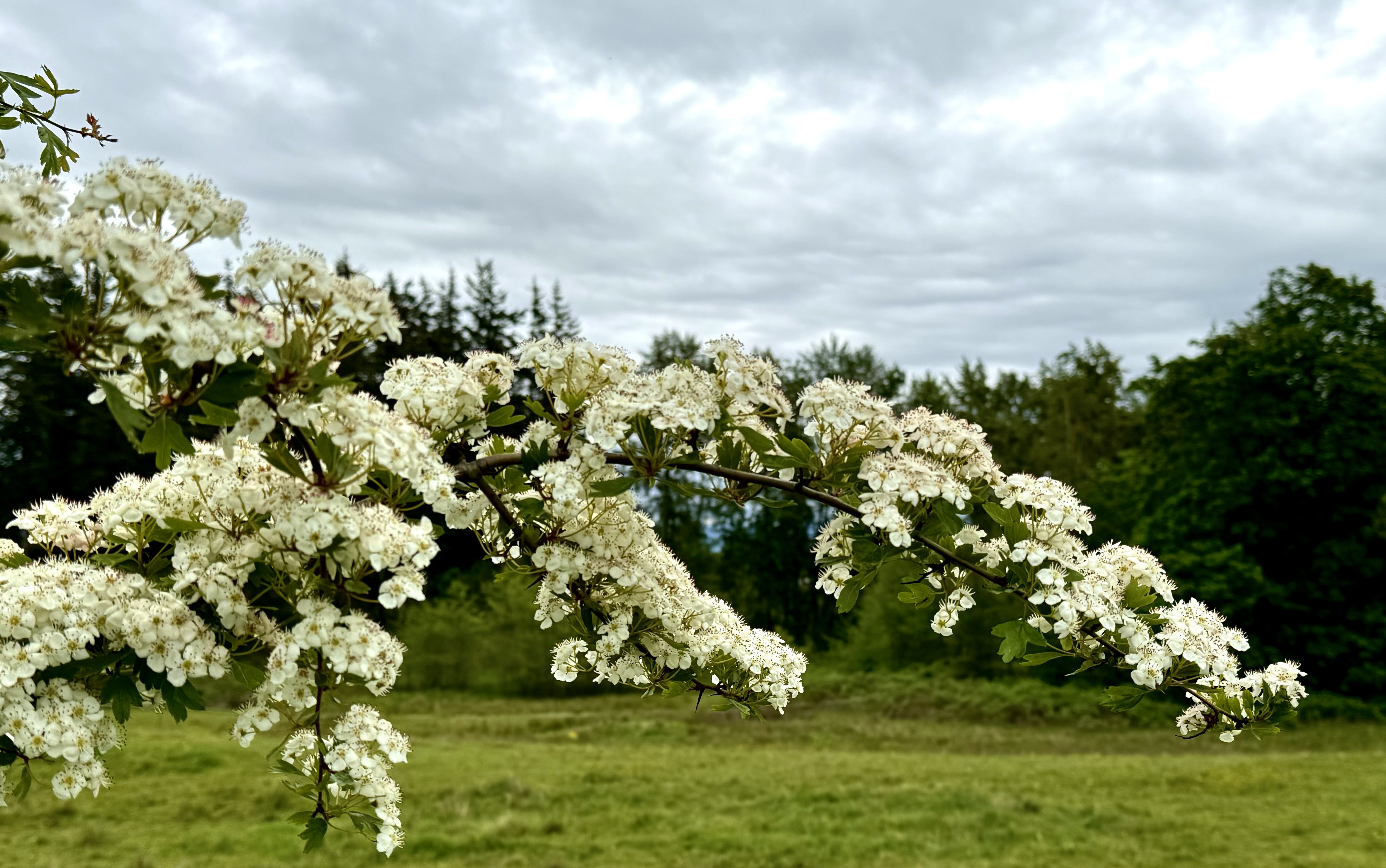
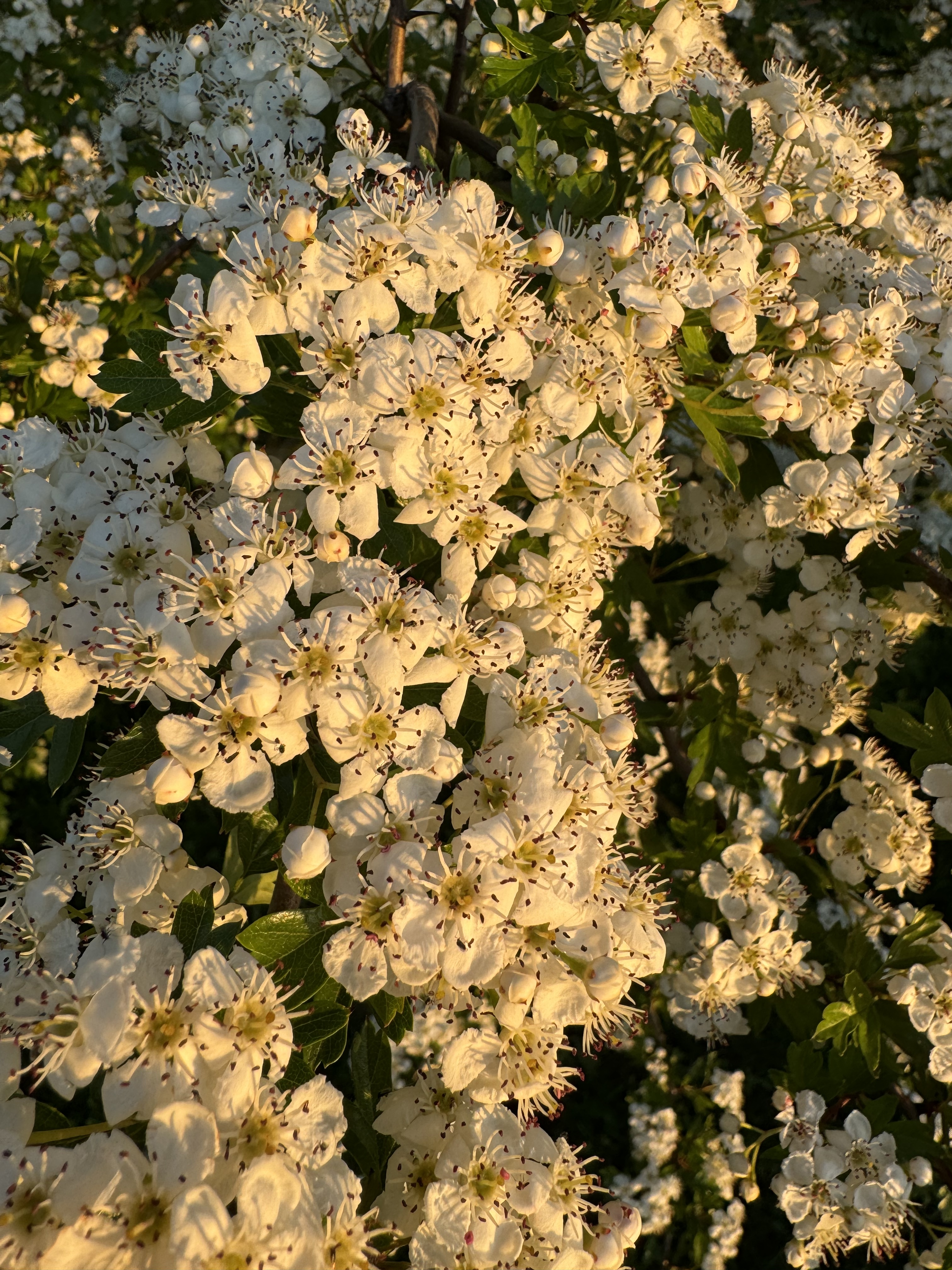
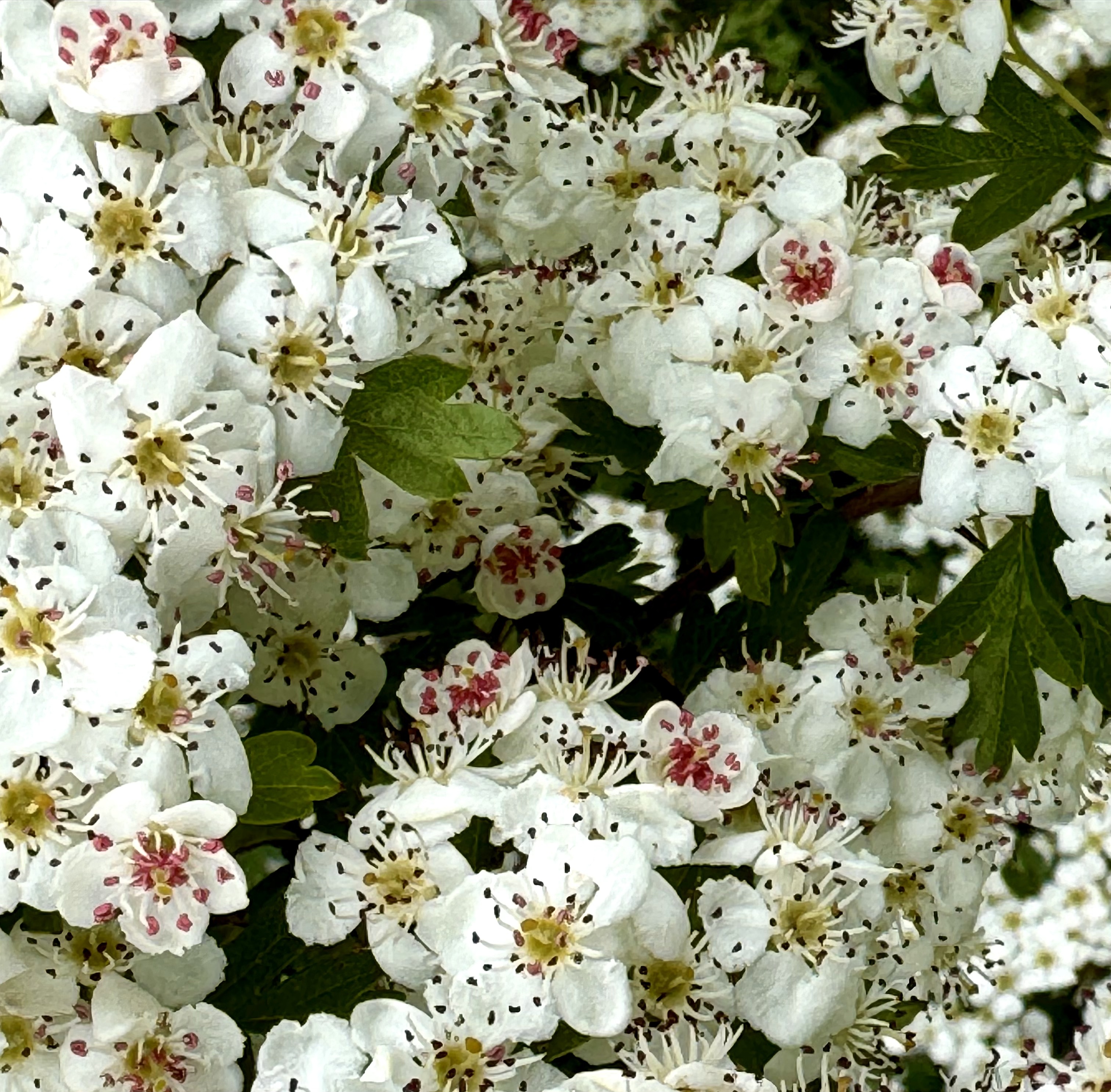
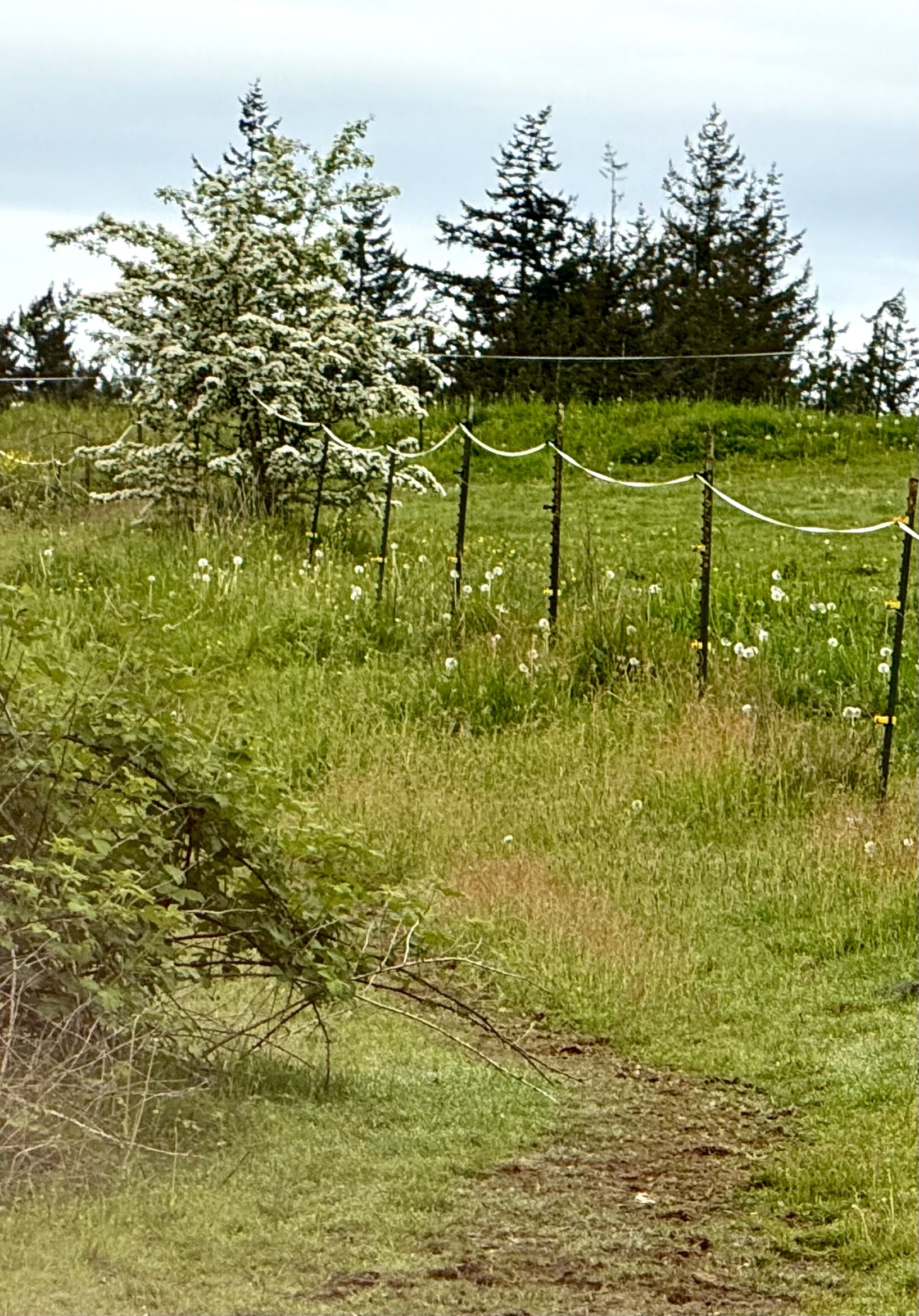
The bird-sowed hawthorn bush along the lane to our back field has suddenly become a blooming tree, staking out its place alongside the trail the horses follow to their pasture. This May, it is a white flame against the dark woods.
Though we didn’t intend for it to be there, we’ll leave it be. Hawthorns are great bird habitat and a haven for honeybees. They are found in most hedge rows in the United Kingdom, impenetrable due to their fierce thorns and criss-cross network of branches, a historic symbol of the toughness and persistence of the Celtic people. Though we don’t need a hedge row here, I appreciate the tree’s reminder it has a place in myth and lore.
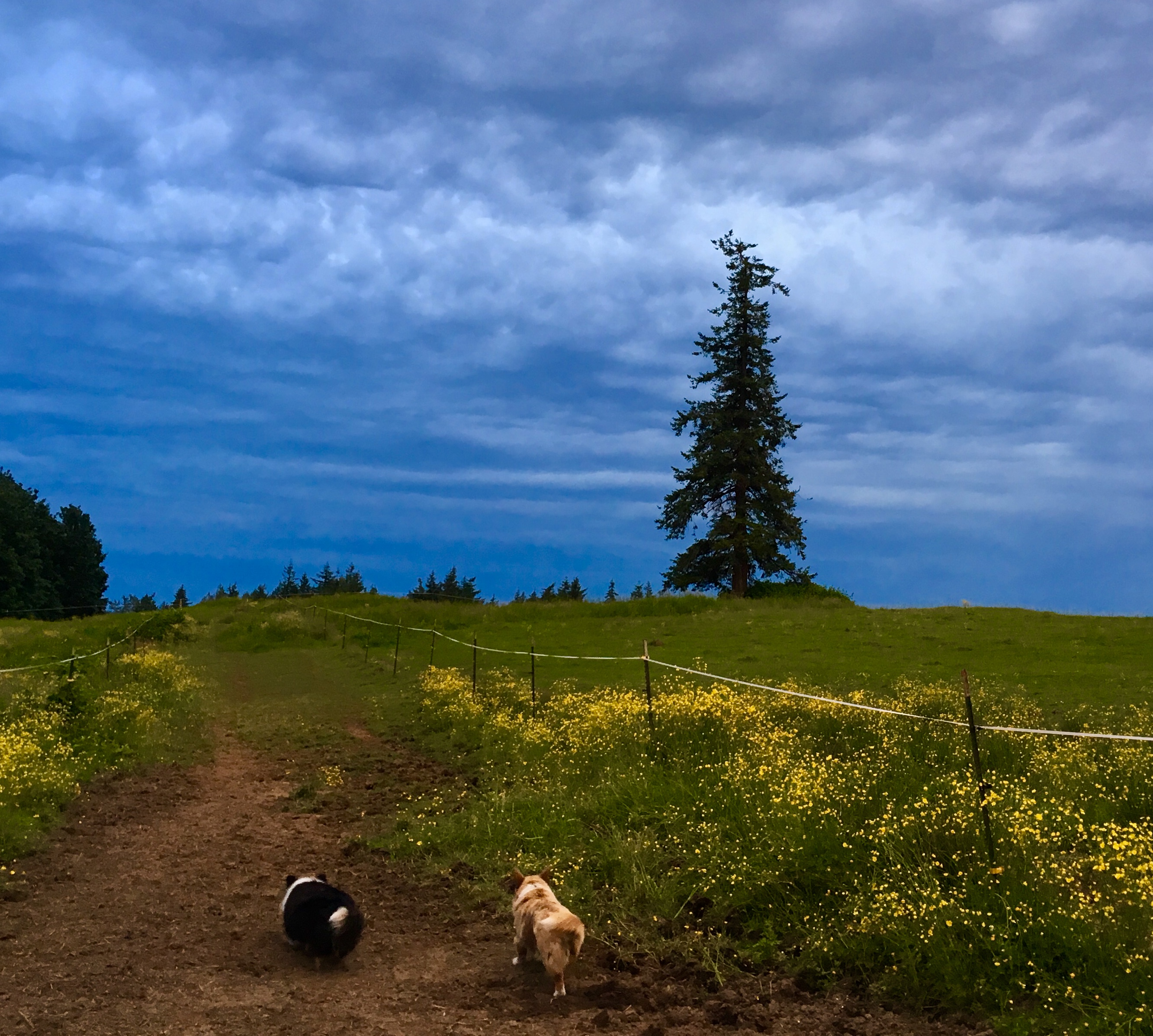
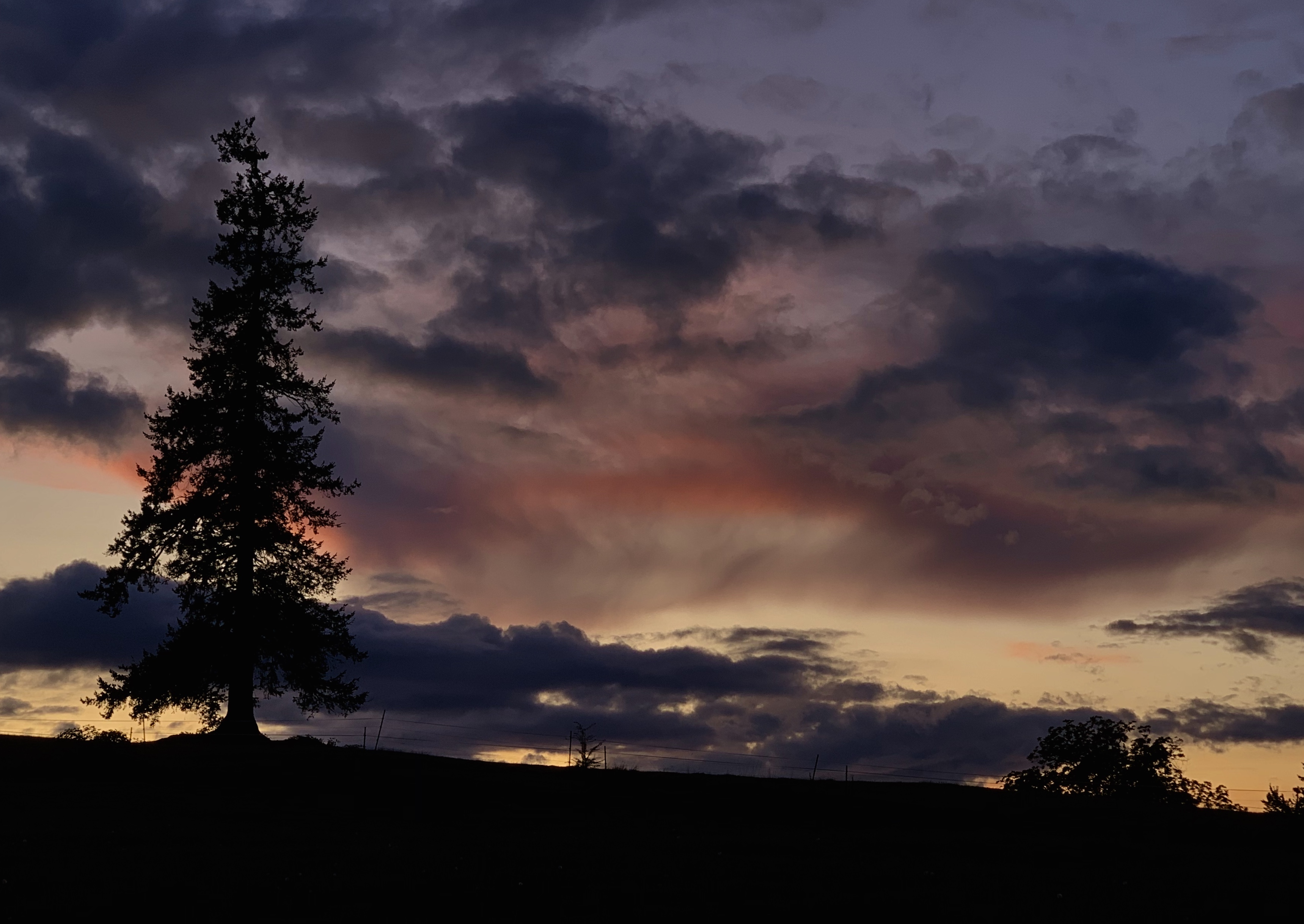
It will never be a hospitable tree like the lone fir tree that graces our hill, or the big leaf maple where children climb, or the black walnut whose branches support the treehouse. But it will be a white beacon every May, portending the summer to come, and if it bears fruit, it will feed the birds that nest in its interior.
And like the poem written by WWI soldier/poet Sassoon, it will be a bittersweet reminder of the familiar comfort of home, even though sharp thorns abound among the blossoms. Those thorns are nothing compared to the despair found in the fearsome trenches of warfare.
AI image created for this postSiegfried Sassoon’s handwritten poem
along fair Arran’s shores the swans sing soft of tale of yore, of a young love taken to sea
the two were hand in glove like sparrows bound in sacred love a tune that only they can sing
a tree of unity they planted by the green eyed sea the branch would hold their love through time
a sailor lad was he he said,”dont cry my lovely, mhari before the moon is full i’ll return”
I’ll wait for thee and she sang to him
the moon shone full and bright and home he sailed mid-summers night the tree so young and blossoming
they slept among the green the world was light and dreams serene the fires in their hearts burned bright
Where moss-grown boulders stand, he took her by the lily hand and there they wed at break of day
the seas know not of hearts and once again the two must part. “it wont be long, i swear to thee.
please wait for me.” and she sang to him
The hawthorn tree has grown, 10 years she walked shores alone, she hears his whisper in the leaves
Home is the sailor lad, home in the sea, forever plaid, Under the wide and starry sky
Yes, I will wait for thee, By mountain, sea and tree; And on the wind you’ll hear my love,
for at the fall of day Beneath the leaves where once we lay I’ll sit and sing i’ll wait for thee
come back to me…. music and lyrics by Fae Wiedenhoeft
One-Time
Monthly
Yearly
Make a one-time or recurring donation to support daily Barnstorming posts
The whole of Christ’s life was a continual passion; others die martyrs, but Christ was born a martyr. He found a Golgotha, where he was crucified, even in Bethlehem, where he was born; for to his tenderness then the straws were almost as sharp as the thorns after, and the manger as uneasy at first as the cross at last. His birth and his death were but one continual act, and his Christmas Day and his Good Friday are but the evening and the morning of one and the same day. From the creche to the cross is an inseparable line. Christmas only points forward to Good Friday and Easter. It can have no meaning apart from that, where the Son of God displayed his glory by his death. ~John Donne, opening words in his sermon on Christmas Day 1626
O dying souls! behold your living spring! O dazzled eyes! behold your sun of grace! Dull ears attend what word this word doth bring! Up, heavy hearts, with joy your joy embrace! From death, from dark, from deafness, from despairs, This life, this light, this word, this joy repairs.
Man altered by sin from man to beast; Beast’s food is hay, hay is all mortal flesh. Now God is flesh and lies in manger pressed As hay, the brutish sinner to refresh. O happy field wherein this fodder grew, Whose taste doth us from beasts to men renew. ~Robert Southwell from The Nativity of the Christ,Jesuit poet (1561-1595)
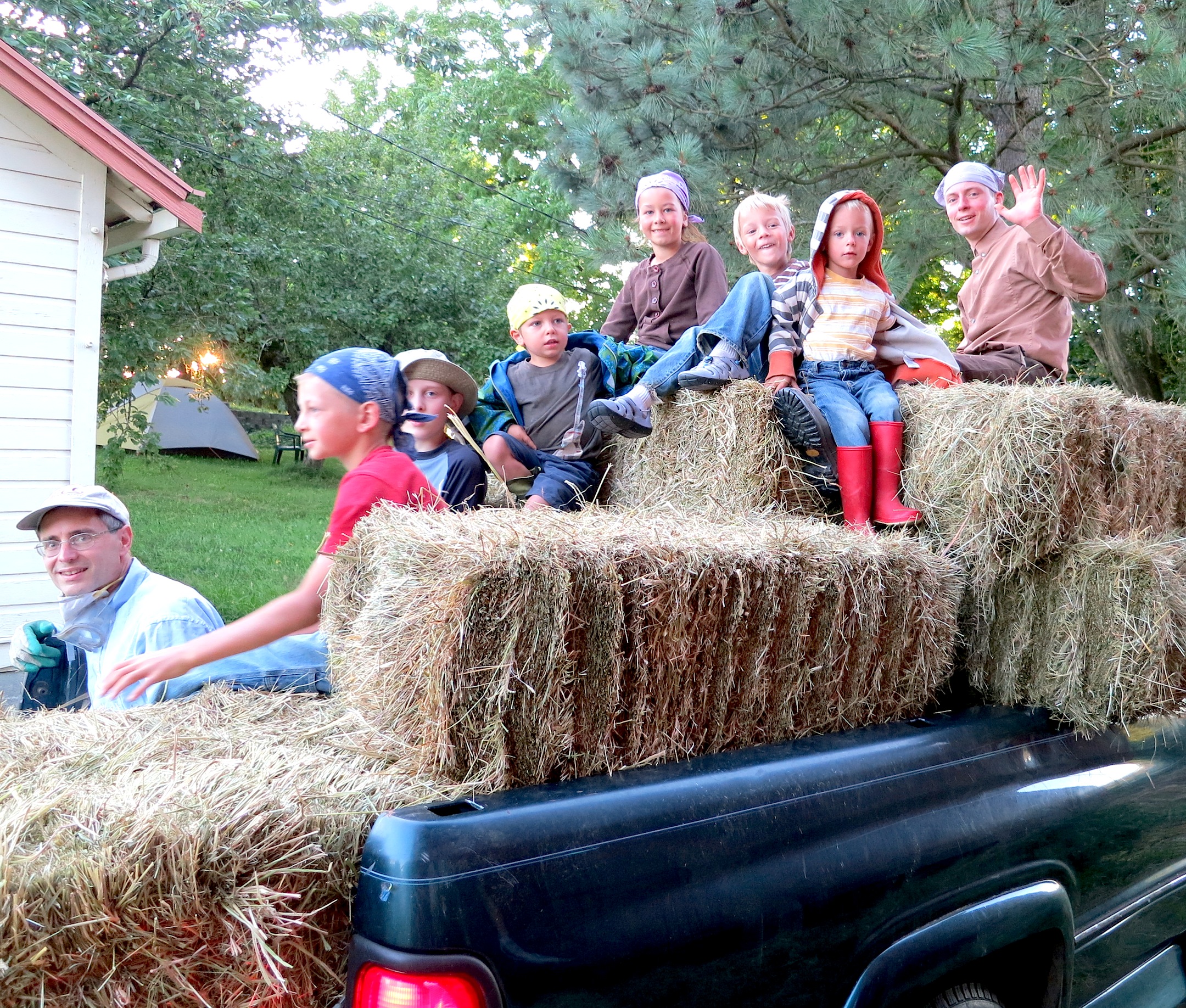
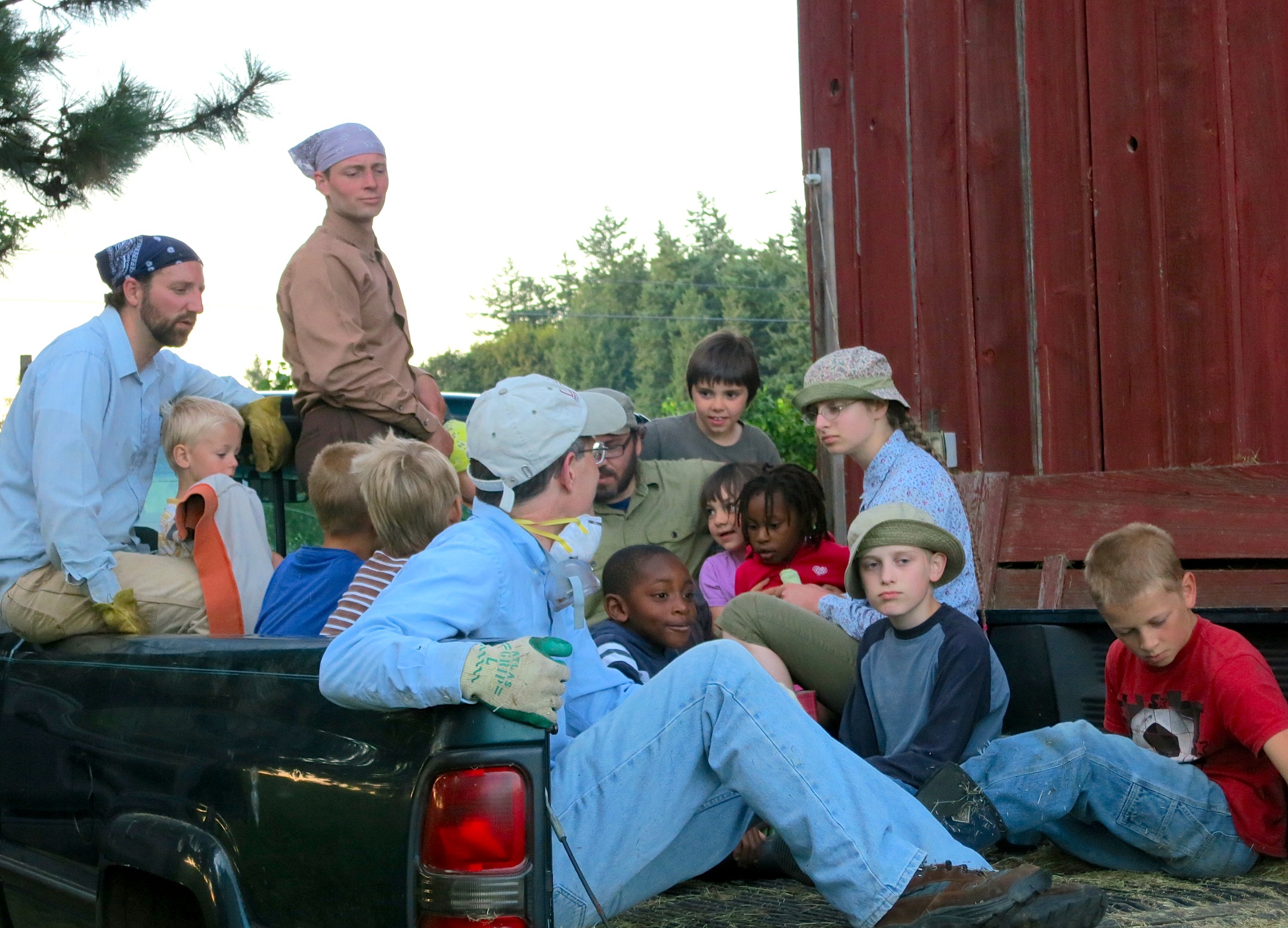
Our neighborhood hay crew
remembered on
frosty mornings before dawn
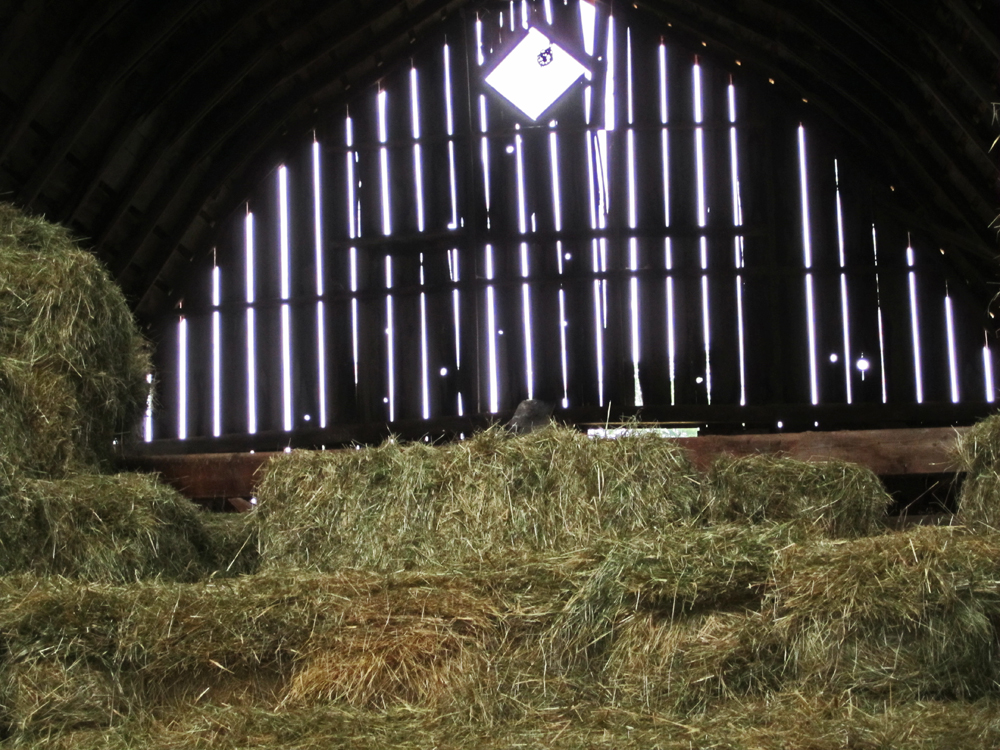
when bales are broken for feed
and fragrant summer spills forth.
In the dead of winter
during the darkest blowing icy nights
the bales open like a picture book
illustrating how life once was,
and will be again~
Rainy spring nights’ hay
becomes bedding
for new foals’ sleep
to guarantee sunshine
in the uneasy manger
on the darkest of days:
Communion.
Advent 2023 theme …because of the tender mercy of our God, whereby the sunrise shall visit us from on high to give light to those who sit in darkness and in the shadow of death, to guide our feet into the way of peace. Luke 1: 78-79 from Zechariah’s Song
One-Time
Monthly
Yearly
Make a one-time or recurring donation to support daily Barnstorming posts
They lie on the ground after the deer have left after the bear has had her fill they
lie under the stars and under the sun in a cloud of brambles the ripest ones fall first become black jam in the thatch. as a boy I hated picking blackberries the pail never full like one half of a slow conversation.
Now their taste is sweeter in memory the insect buzz the branches too high the blue summer never quite over before the fall begins. ~Richard Terrell from “Blackberries” from What Falls Away is Always
You ate that first one and its flesh was sweet Like thickened wine: summer’s blood was in it Leaving stains upon the tongue and lust for Picking. Then red ones inked up and that hunger Sent us out with milk cans, pea tins, jam-pots Where briars scratched and wet grass bleached our boots. Round hayfields, cornfields and potato-drills We trekked and picked until the cans were full, Until the tinkling bottom had been covered With green ones, and on top big dark blobs burned Like a plate of eyes. Our hands were peppered With thorn pricks, our palms sticky as Bluebeard’s.
We hoarded the fresh berries in the byre. But when the bath was filled we found a fur, A rat-grey fungus, glutting on our cache. The juice was stinking too. Once off the bush The fruit fermented, the sweet flesh would turn sour. I always felt like crying. It wasn’t fair That all the lovely canfuls smelt of rot. Each year I hoped they’d keep, knew they would not. ~Seamus Heaney from “Blackberry Picking”
In the early morning an old woman is picking blackberries in the shade. It will be too hot later but right now there’s dew.
Some berries fall: those are for squirrels. Some are unripe, reserved for bears. Some go into the metal bowl. Those are for you, so you may taste them just for a moment. That’s good times: one little sweetness after another, then quickly gone.
Once, this old woman I’m conjuring up for you would have been my grandmother. Today it’s me. Years from now it might be you, if you’re quite lucky.
The hands reaching in among the leaves and spines were once my mother’s. I’ve passed them on. Decades ahead, you’ll study your own temporary hands, and you’ll remember. Don’t cry, this is what happens.
Look! The steel bowl is almost full. Enough for all of us. The blackberries gleam like glass, like the glass ornaments we hang on trees in December to remind ourselves to be grateful for snow.
Some berries occur in sun, but they are smaller. It’s as I always told you: the best ones grow in shadow. ~Margaret Atwood “Blackberries” from Dearly
I love to go out in late September among the fat, overripe, icy, black blackberries to eat blackberries for breakfast, the stalks very prickly, a penalty they earn for knowing the black art of blackberry-making; and as I stand among them lifting the stalks to my mouth, the ripest berries fall almost unbidden to my tongue, as words sometimes do, certain peculiar words like strengths or squinched, many-lettered, one-syllabled lumps, which I squeeze, squinch open, and splurge well in the silent, startled, icy, black language of blackberry-eating in late September. ~Galway Kinnell “Blackberry Eating”
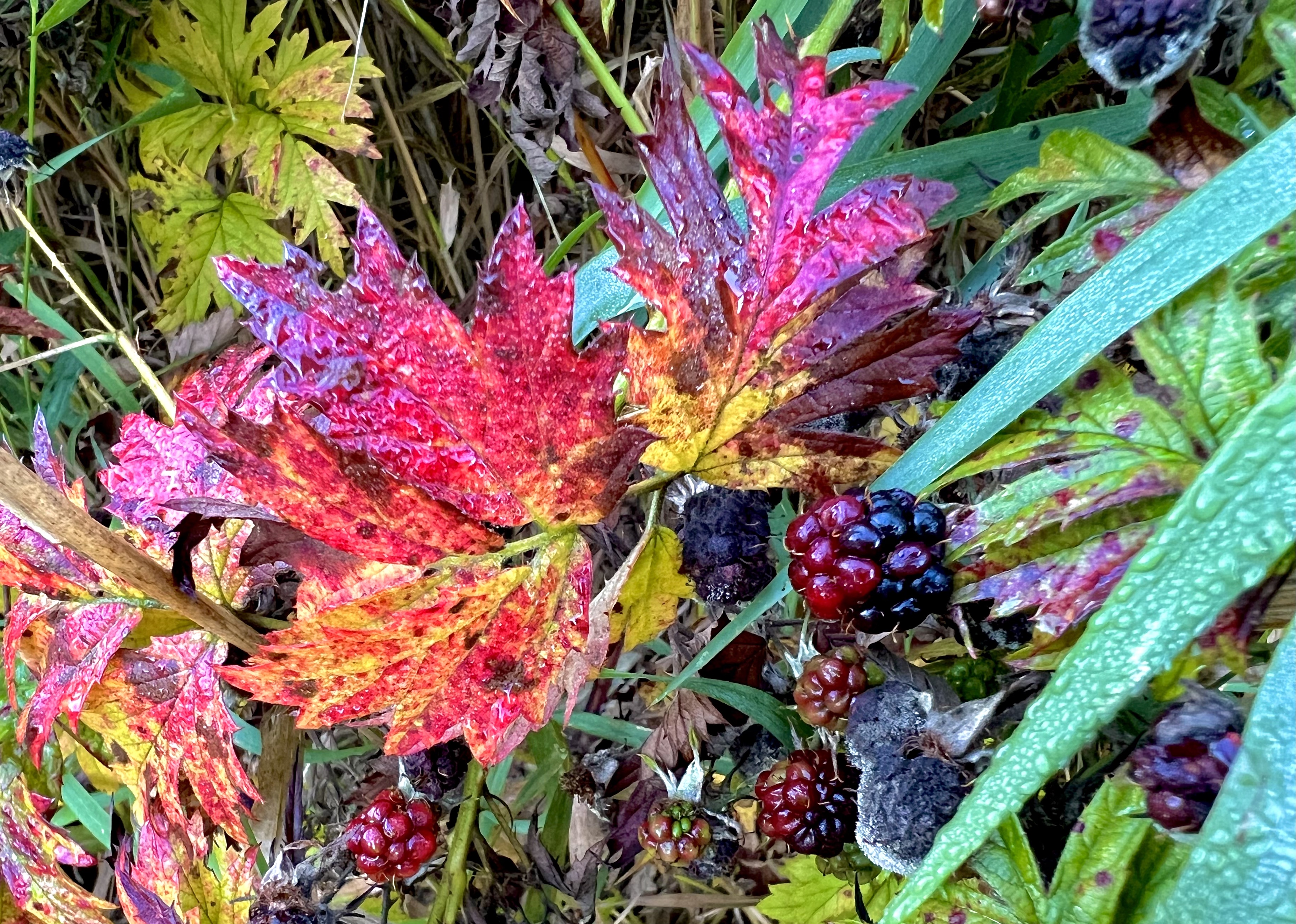
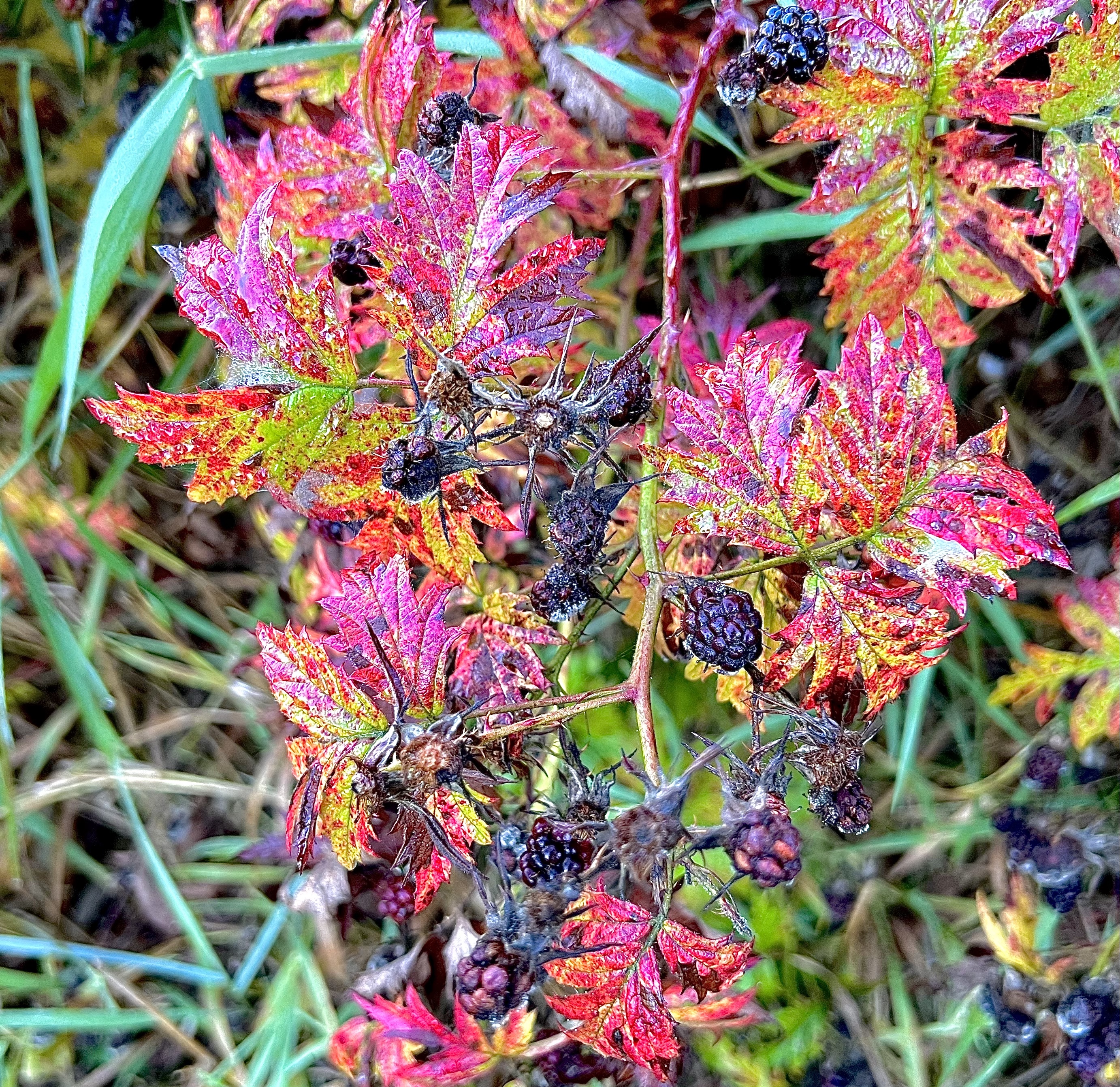
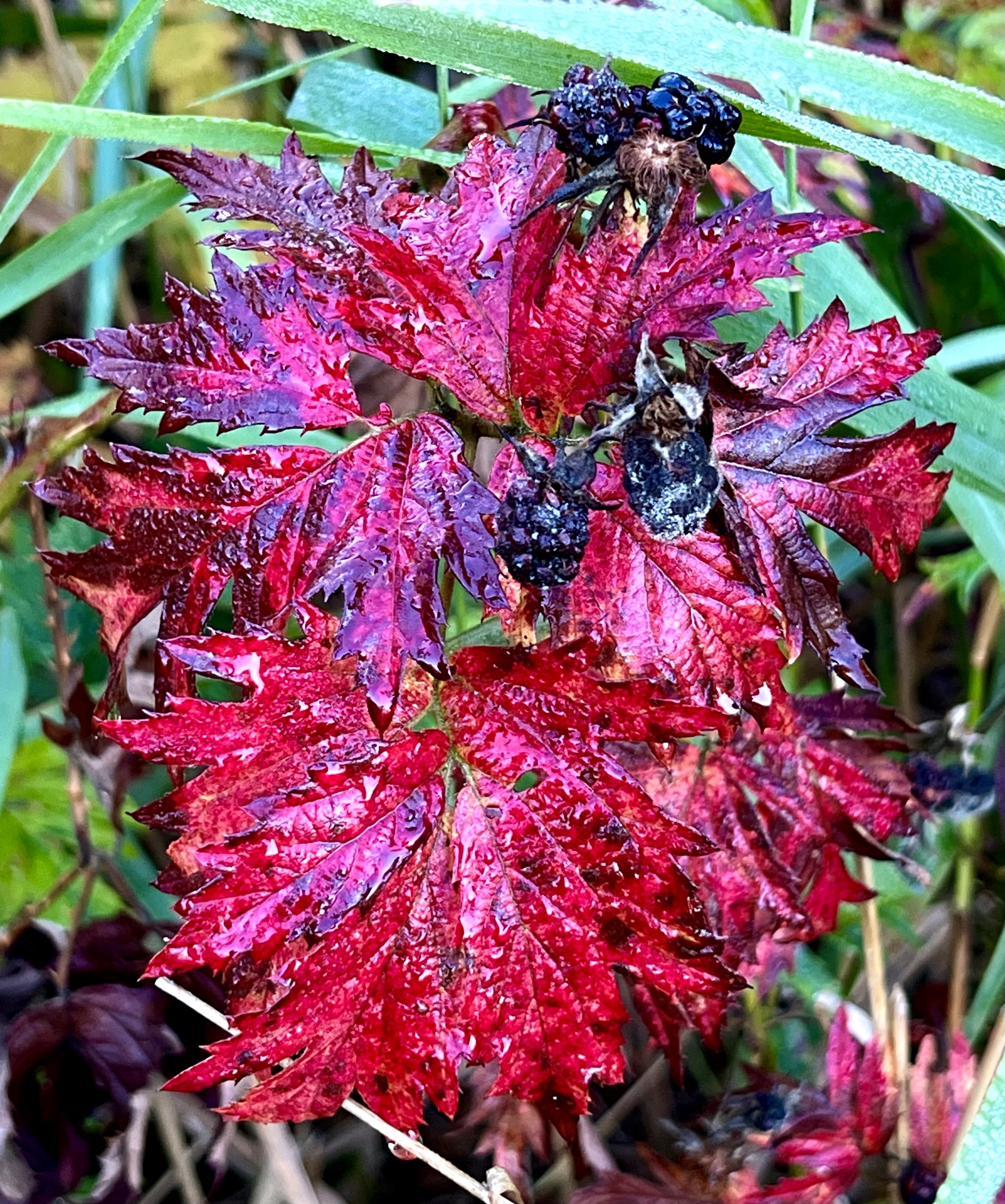
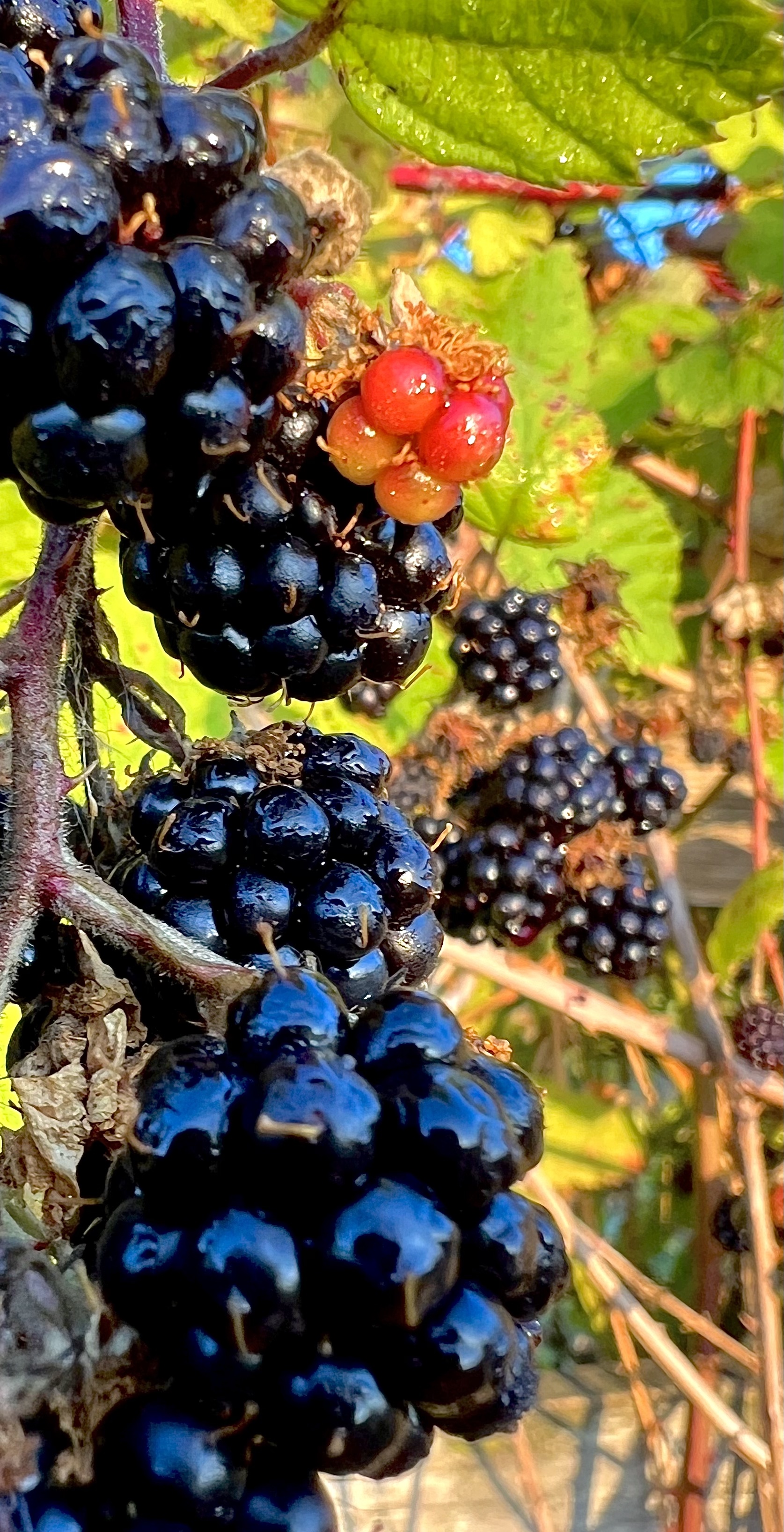
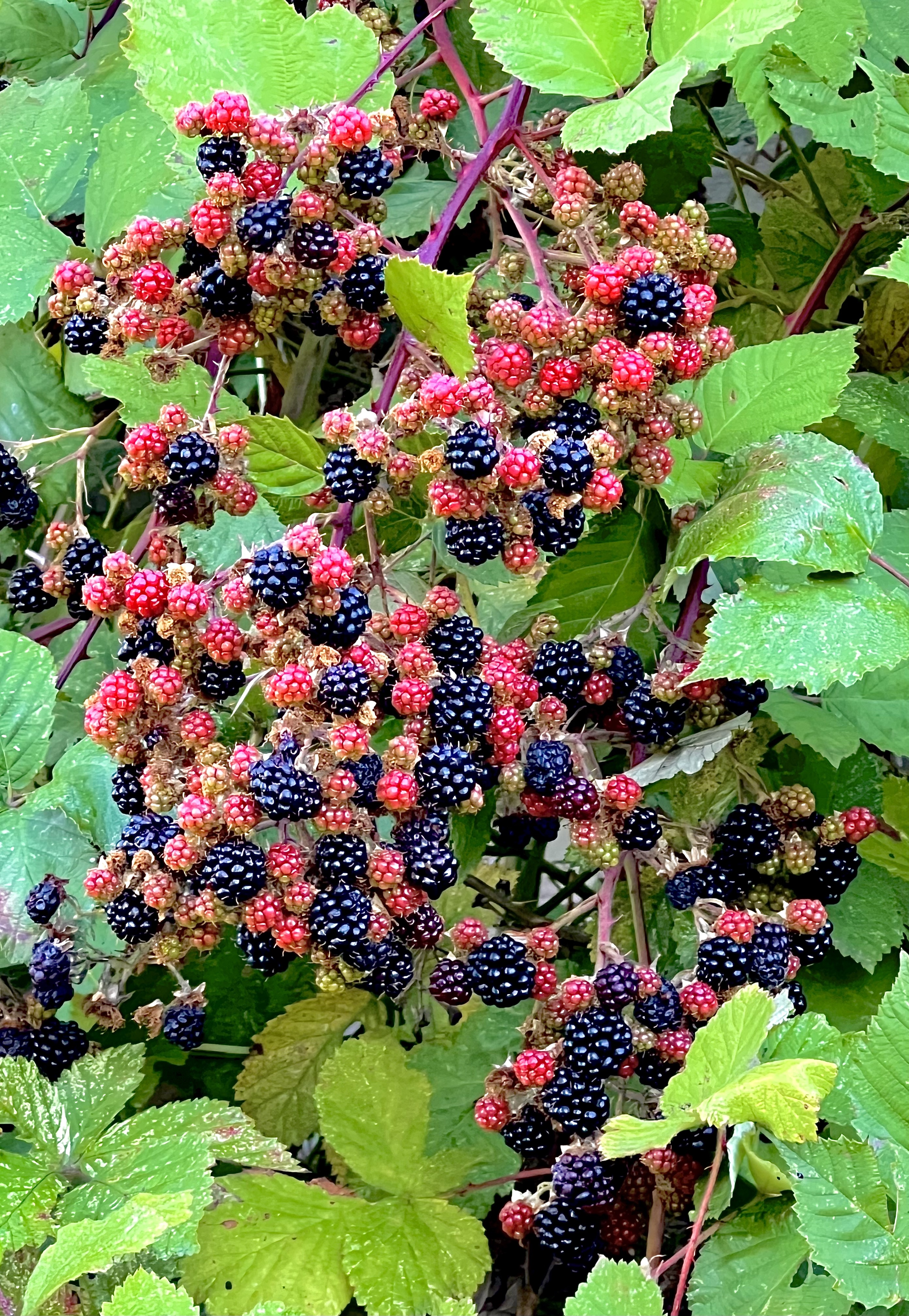
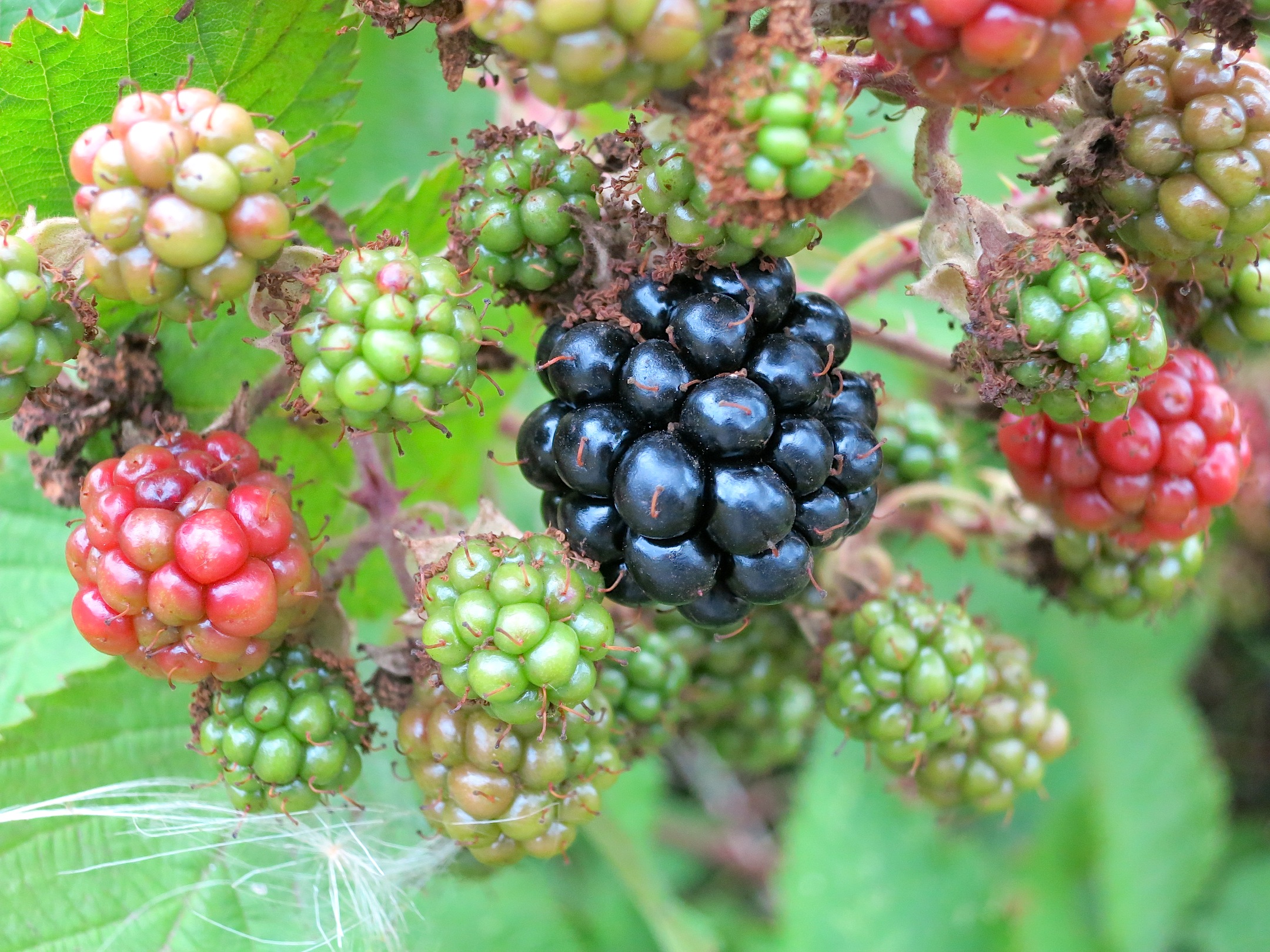
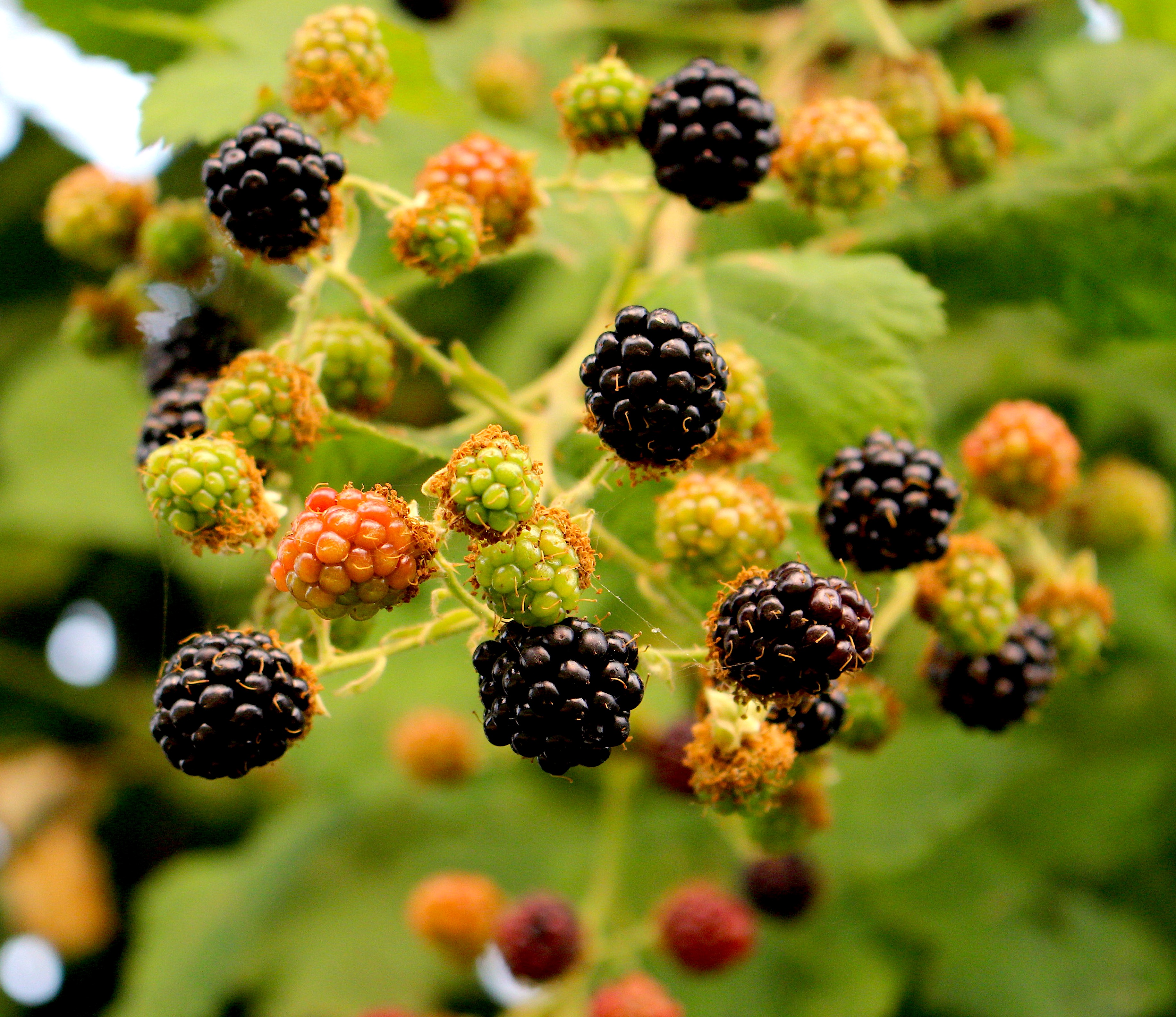
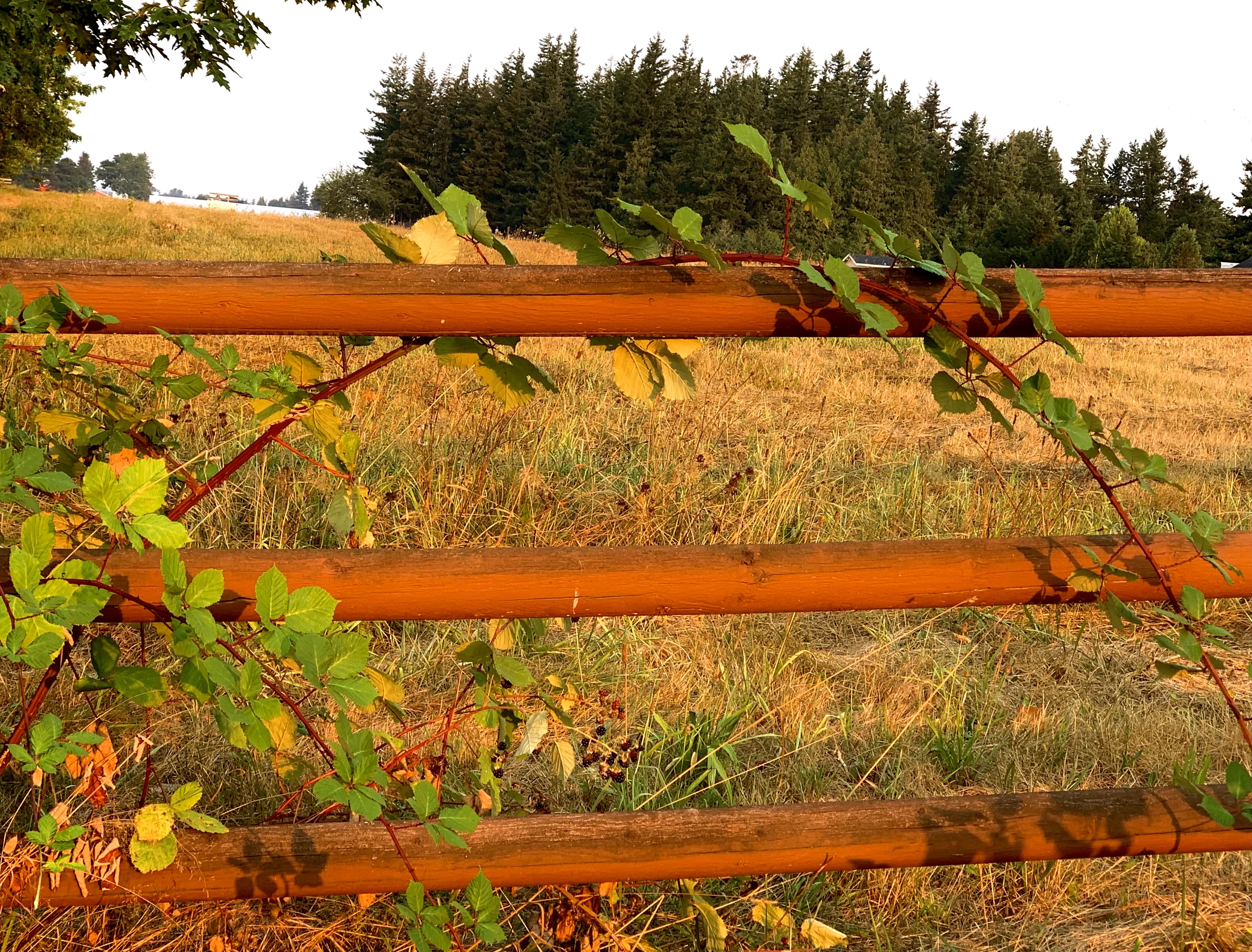
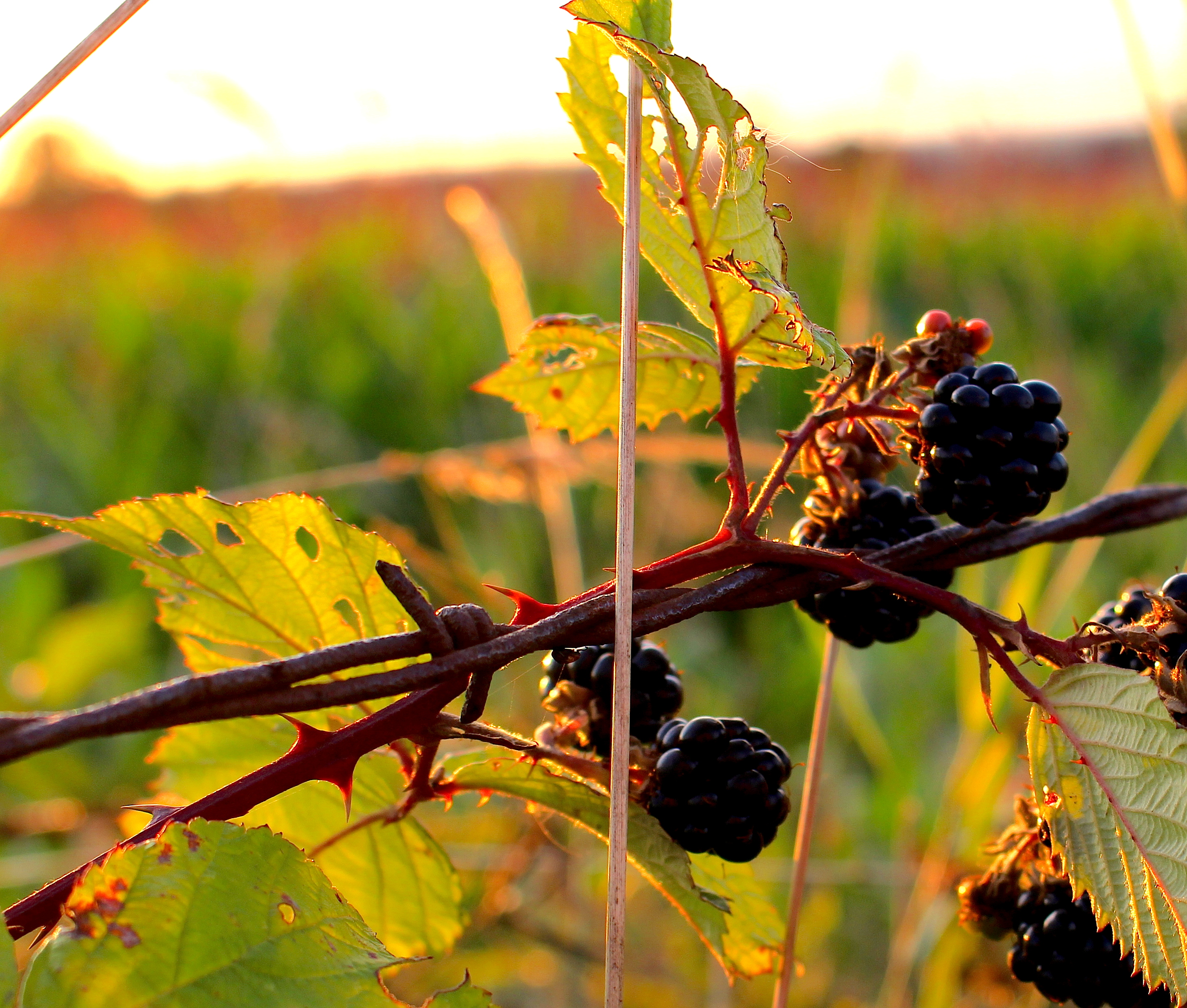
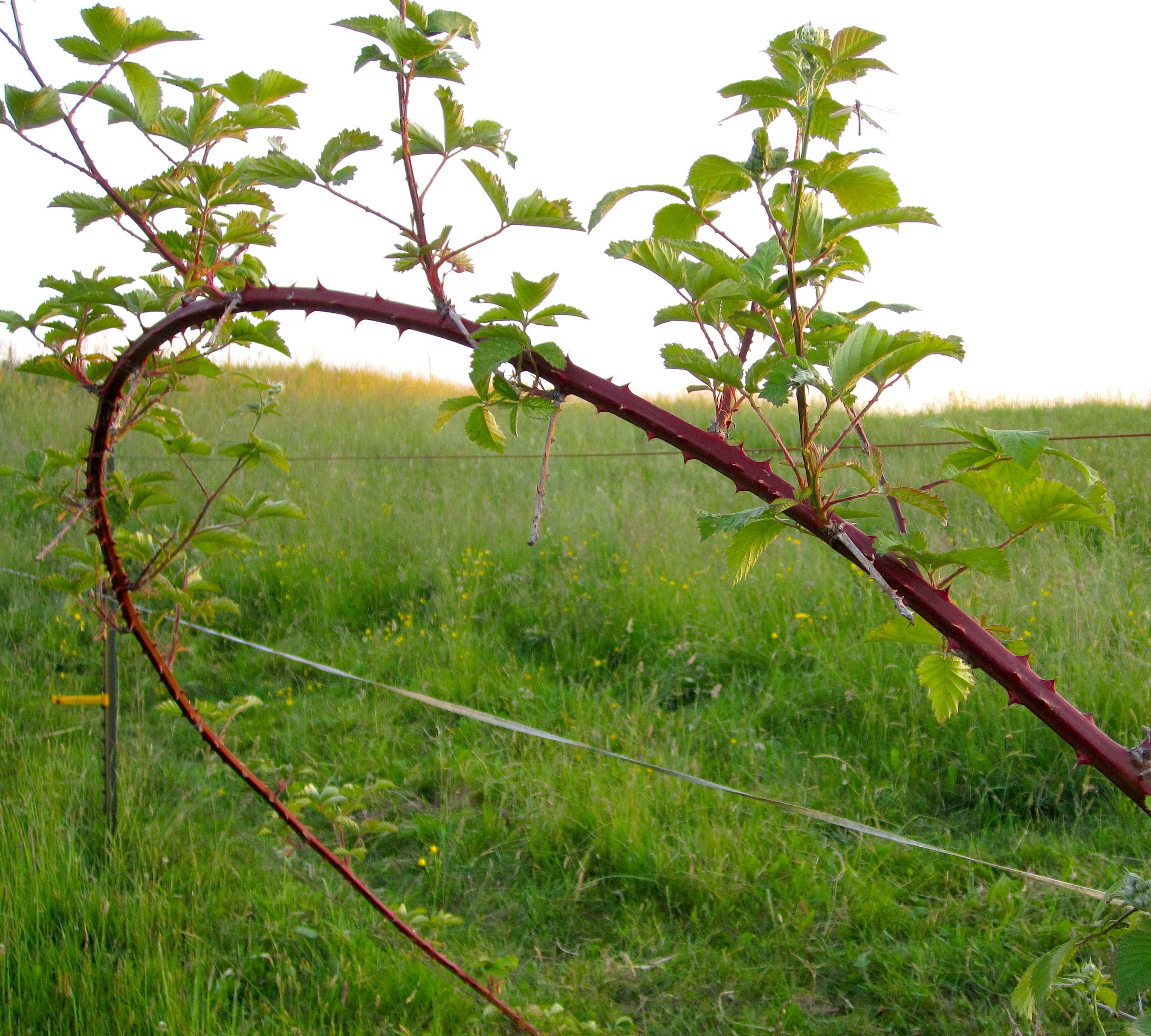
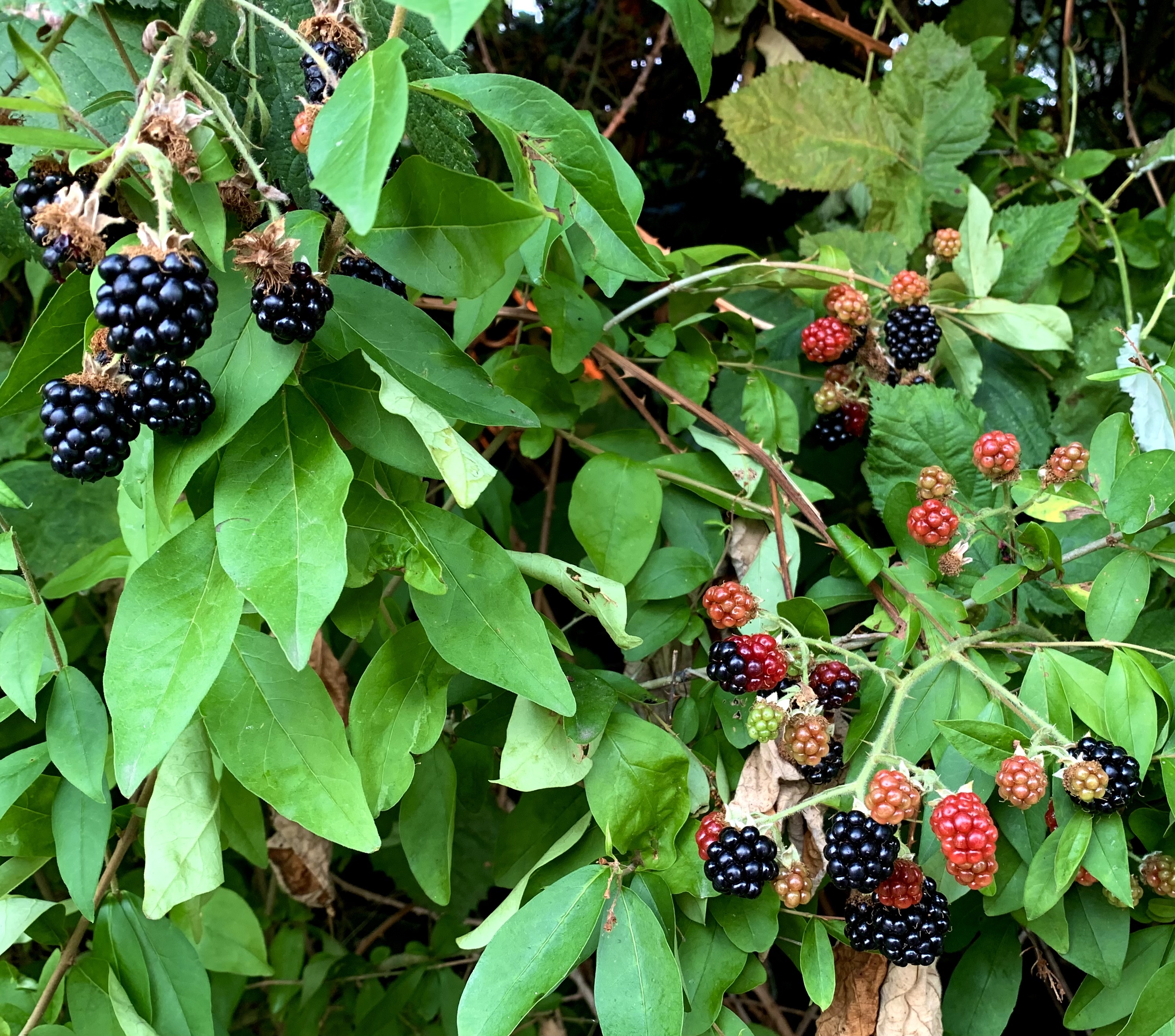
Blackberry vines are trouble 90% of the year – always growing where they are not welcome – reaching out to grab passersby without discriminating between human, dog or horse. But for a month in late summer and early fall, they yield black gold – bursting, swelling, unimaginably sweet fruit that is worth the hassle tolerated the rest of the weeks of the year.
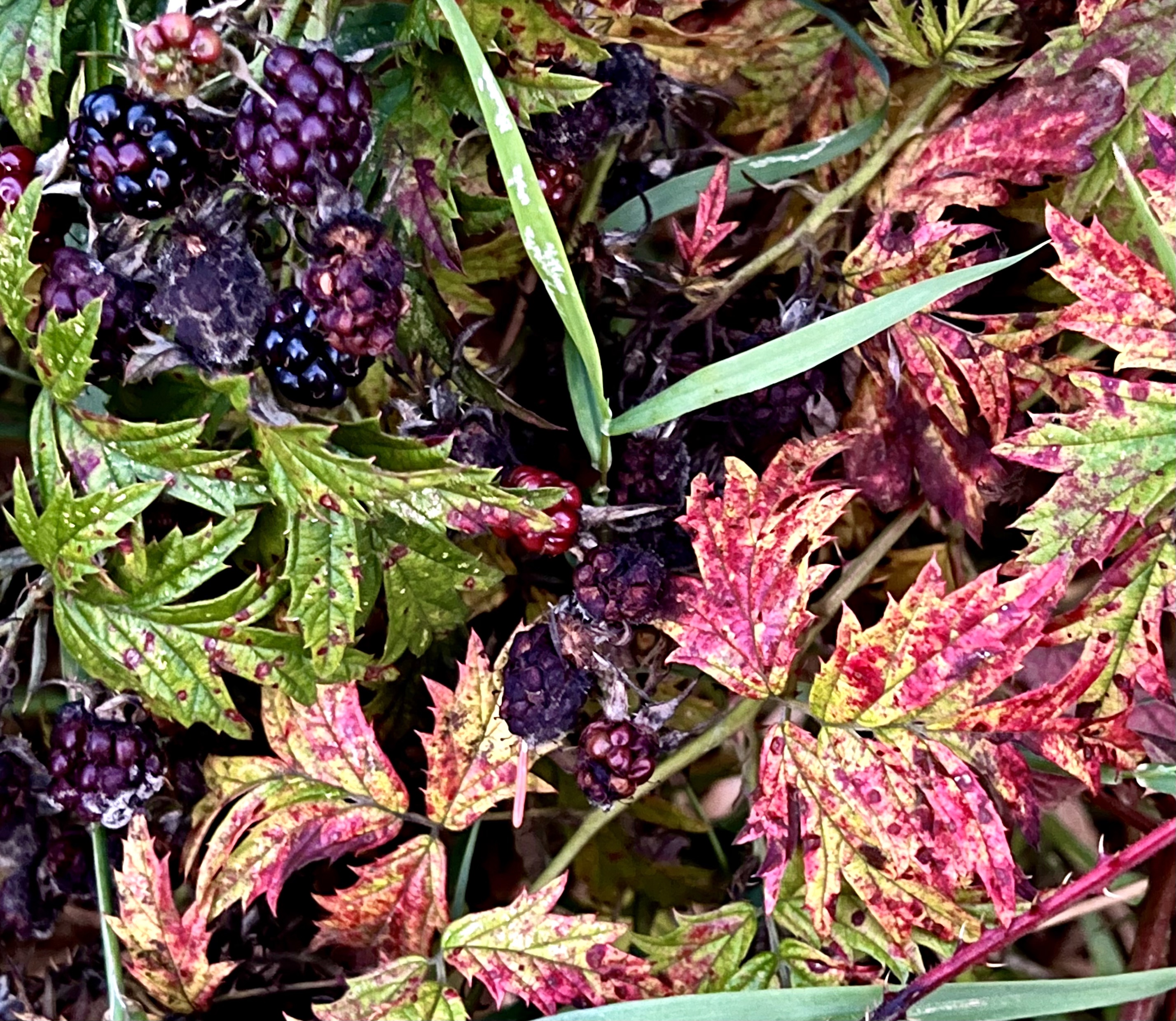
It has been an unusually dry summer here in the Pacific Northwest with little rain until recently, so the fields are brown and even the usually lush blackberry vines have started to dry and color up. The berries themselves are rich from the sun but starting now to shrivel and mold.
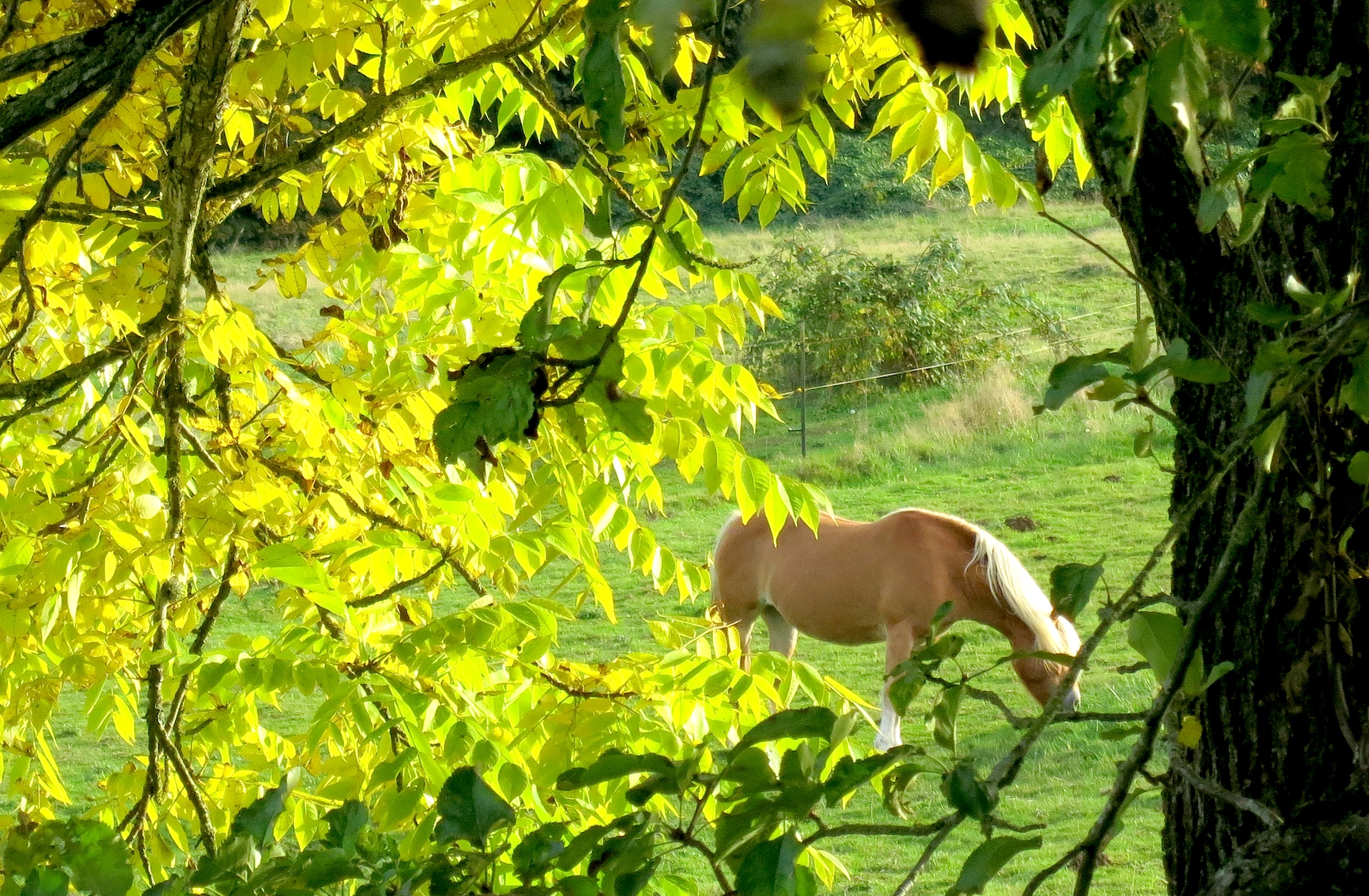
Our Haflinger horses have been fed hay for the past several weeks as there is not enough pasture for them without the supplement–we are about 6 weeks ahead of schedule in feeding hay. I had grown a little suspicious the last couple nights as I brought the Haflingers into the barn for the night. Two of the mares turned out in the back field had purplish stains on their chests and front legs. Hmmmm. Raiding the berries. Desperate drought forage behavior in an extremely efficient eating machine.
So this evening I headed toward the berries. When the mares saw the bowl in my hand, that was it. They mobbed me. I was irresistible.
So with mares in tow, I approached a berry bank. It was ravaged. Trampled. Haflinger poop piles everywhere. All that were left were some clusters of gleaming black berries up high overhead, barely reachable on my tip toes, and only reachable if I walked directly into the thicket. The mares stood in a little line behind me, pondering me as I pondered my dilemma.
I set to work picking what I could reach, snagging, ripping and bloodying my hands and arms, despite my sleeves. Pretty soon I had mares on either side of me, diving into the brambles and reaching up to pick what they could reach as well, unconcerned about the thorns that tore at their sides and muzzles. They were like sharks in bloody water–completely focused on their prey and amazingly skilled at grabbing just the black berries, and not the pale green or red ones.
Plump Haflingers and one *plumpish* woman were willingly accumulating scars in the name of sweetness.
When my bowl was full, I extracted myself from the brambles and contemplated how I was going to safely make it back to the barn without being mare-mugged. Instead, they obediently trailed behind me, happy to be put in their stalls for their evening hay, accepting a gift from me with no thorns or vines attached.
Clearly, thorns are part of our everyday life. Thorns stand in front of much that is sweet and good and precious to us. They tear us up, bloody us, make us cry, make us beg for mercy.
Yet thorns have been overcome. They did not stop our salvation, did not stop goodness raining down on us, did not stop the taste of sweetness given as a gracious gift.
If we hesitate, thorns only proliferate unchecked.
So, desperate and hungry, we dive right in, to taste and eat.
One-Time
Monthly
Yearly
Make a one-time or recurring donation to support daily Barnstorming posts
Earth’s crammed with heaven And every common bush afire with God But only he who sees, takes off his shoes, The rest sit round it and pluck blackberries~ –Elizabeth Barrett Browning from “Aurora Leigh”
Fringing the woods, the stone walls, and the lanes, Old thickets everywhere have come alive, Their new leaves reaching out in fans of five From tangles overarched by this year’s canes.
They have their flowers too, it being June, And here or there in brambled dark-and-light Are small, five-petaled blooms of chalky white, As random-clustered and as loosely strewn
As the far stars, of which we now are told That ever faster do they bolt away, And that a night may come in which, some say, We shall have only blackness to behold.
I have no time for any change so great, But I shall see the August weather spur Berries to ripen where the flowers were– Dark berries, savage-sweet and worth the wait–
And there will come the moment to be quick And save some from the birds, and I shall need Two pails, old clothes in which to stain and bleed, And a grandchild to talk with while we pick. ~Richard Wilbur “Blackberries for Amelia”
I love to go out in late September among the fat, overripe, icy, black blackberries to eat blackberries for breakfast, the stalks very prickly, a penalty they earn for knowing the black art of blackberry-making; and as I stand among them lifting the stalks to my mouth, the ripest berries fall almost unbidden to my tongue, as words sometimes do, certain peculiar words like strengths or squinched, many-lettered, one-syllabled lumps, which I squeeze, squinch open, and splurge well in the silent, startled, icy, black language of blackberry-eating in late September. ~Galway Kinnell“Blackberry Eating”
All I wanted was a few blackberries.
My objective was just to pick enough for cobbler for dessert, being oblivious to God burning in the bushes towering over me, around me, snagging me at every opportunity. If I had given it more thought, I would have realized the reaching vines hooking my arms and legs were hardly subtle. The thorns ripped at my skin, leaving me bloody and smarting. The fruit itself stained my hands purple, making them look freshly bruised. I crushed fat vines underfoot, trampling and stomping with my muck boots in order to dive deeper into the bushes. Webs were everywhere, with spiders crawling up my arms and dropping down into my hair. I managed to kick up one hornet’s nest so I called it quits.
All I wanted was a few blackberries, so blinded to all the clues crammed in every nook and cranny of every bush.
All I wanted was a few blackberries, trampling on holy ground with well-protected feet, unwilling to be barefoot and tenderly vulnerable.
All I wanted was a few blackberries, the lure of black gold plucked at the cost of rips and scratches and tears.
What I got was burned by a bush…
and a few blackberries for a crammed-with-heaven cobbler.
photo by Joel DeWaard
One-Time
Monthly
Yearly
Make a one-time or recurring donation to support daily Barnstorming posts
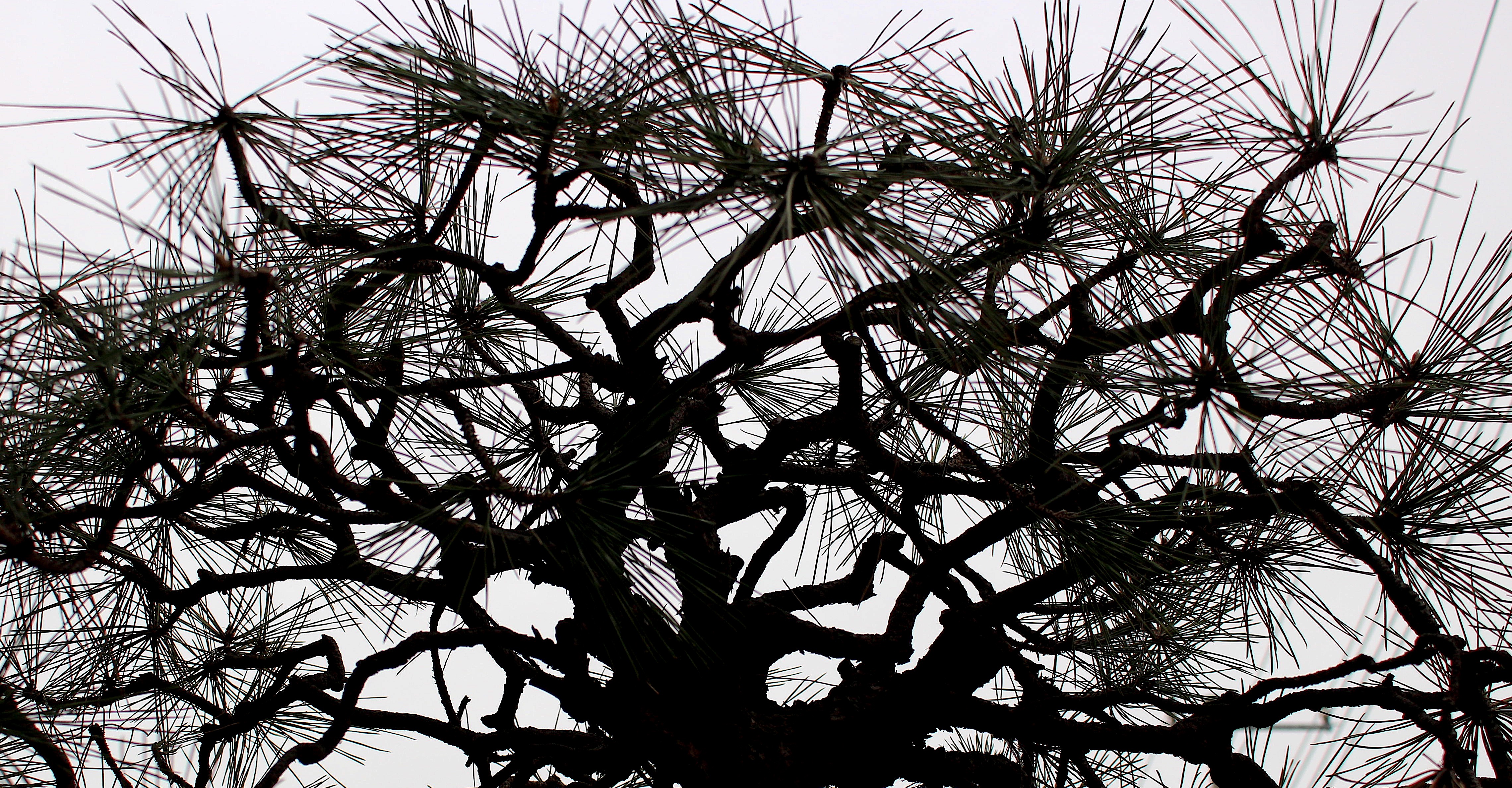
between the rosebuds and the thorns the pine tree branches with their needles and kitty claws
my hands are always bleeding
and turning up scars that cry, “I’m alive, I feel it. I feel it all” and then falling back into whispers while my body heals itself one more time ~Juniper Klatt, I was raised in a house of water
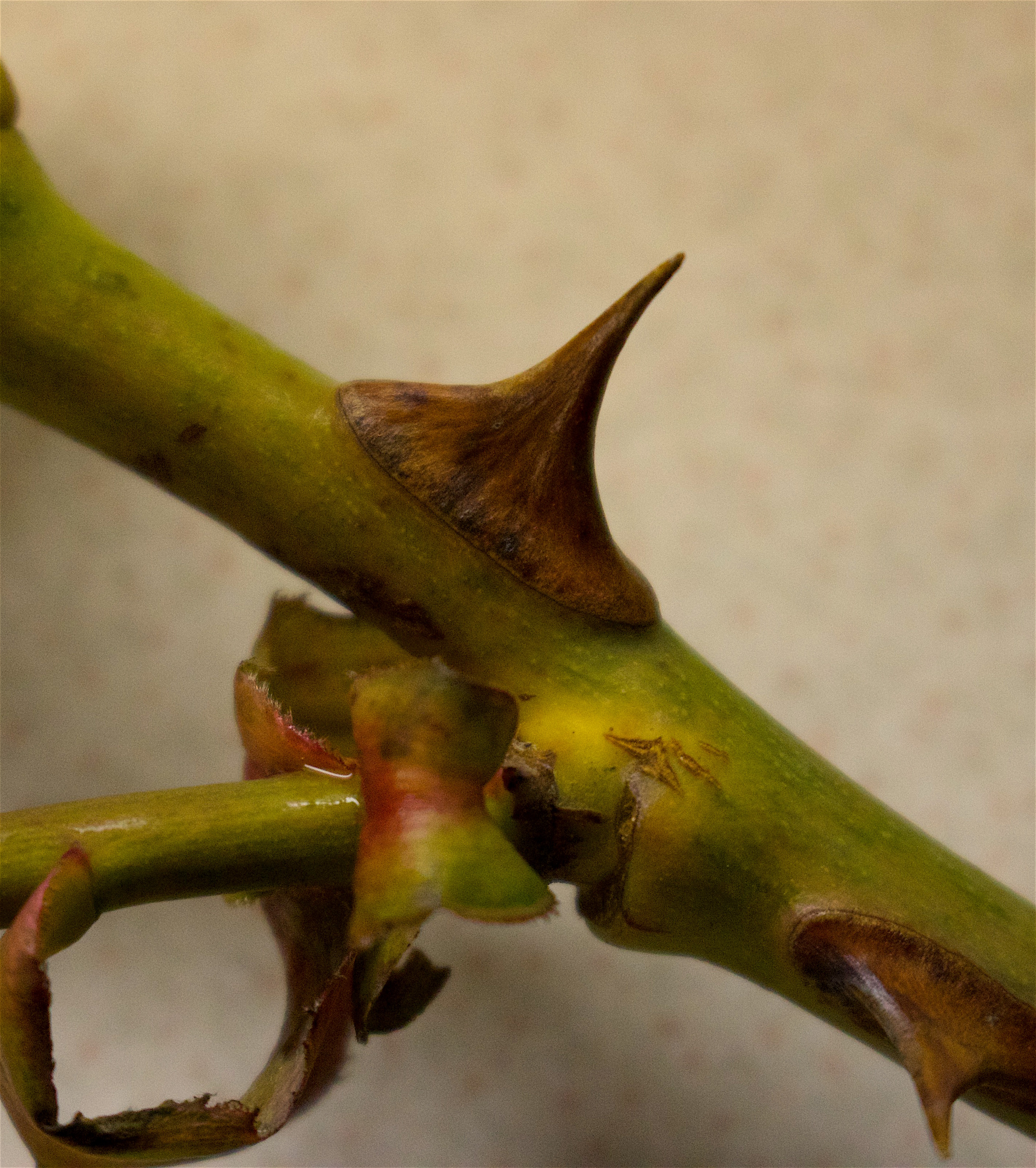
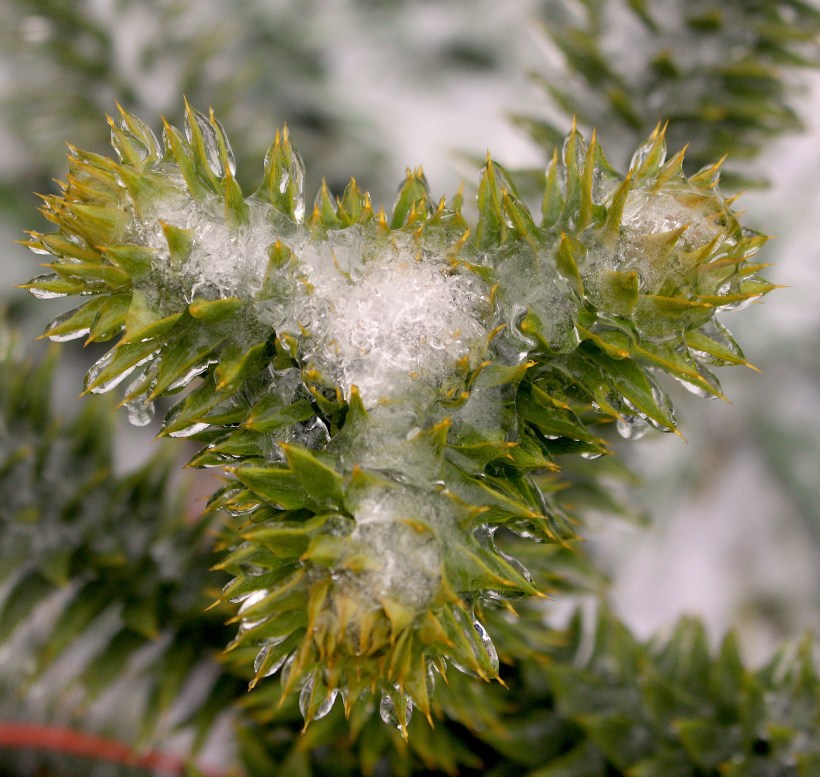
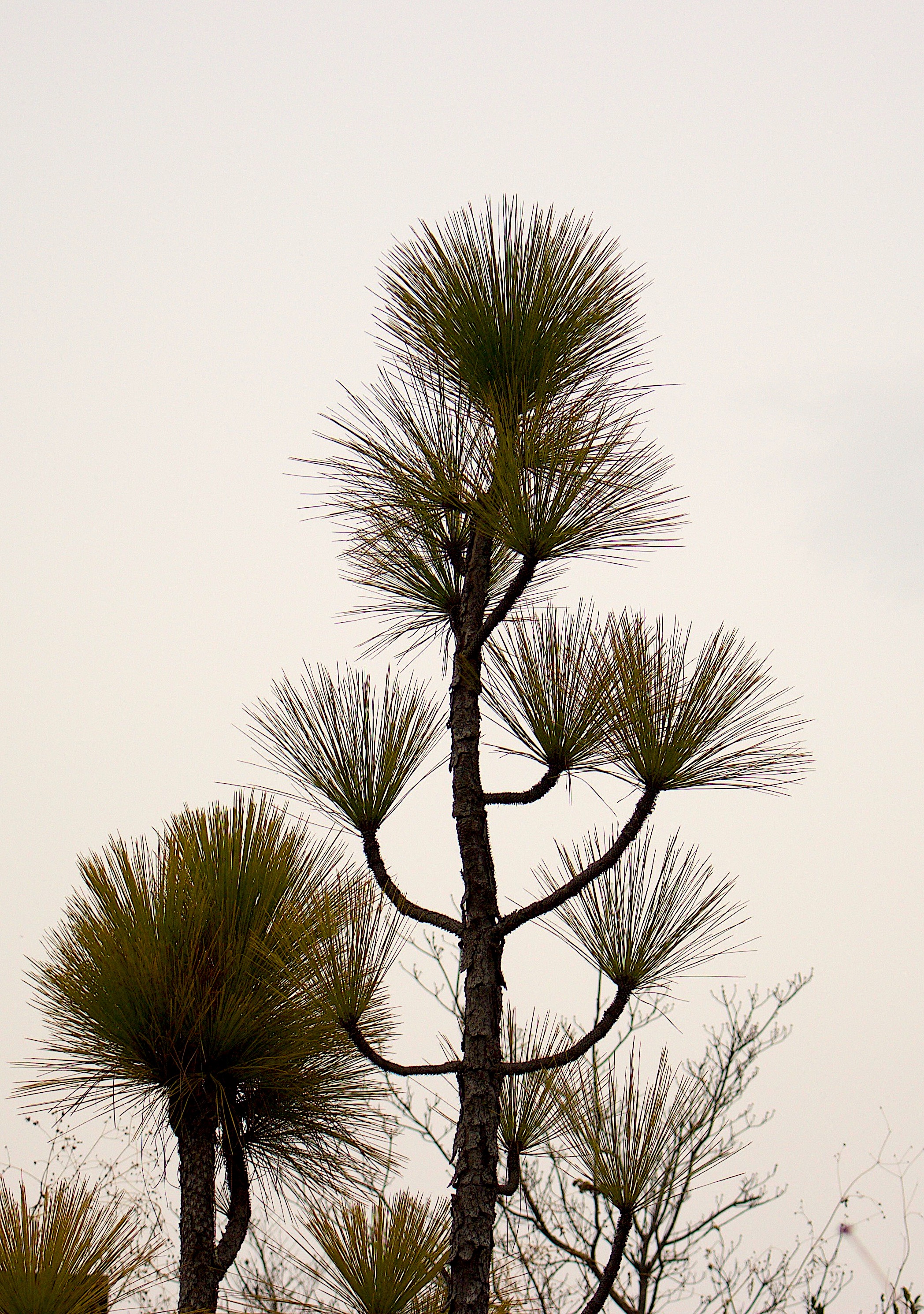
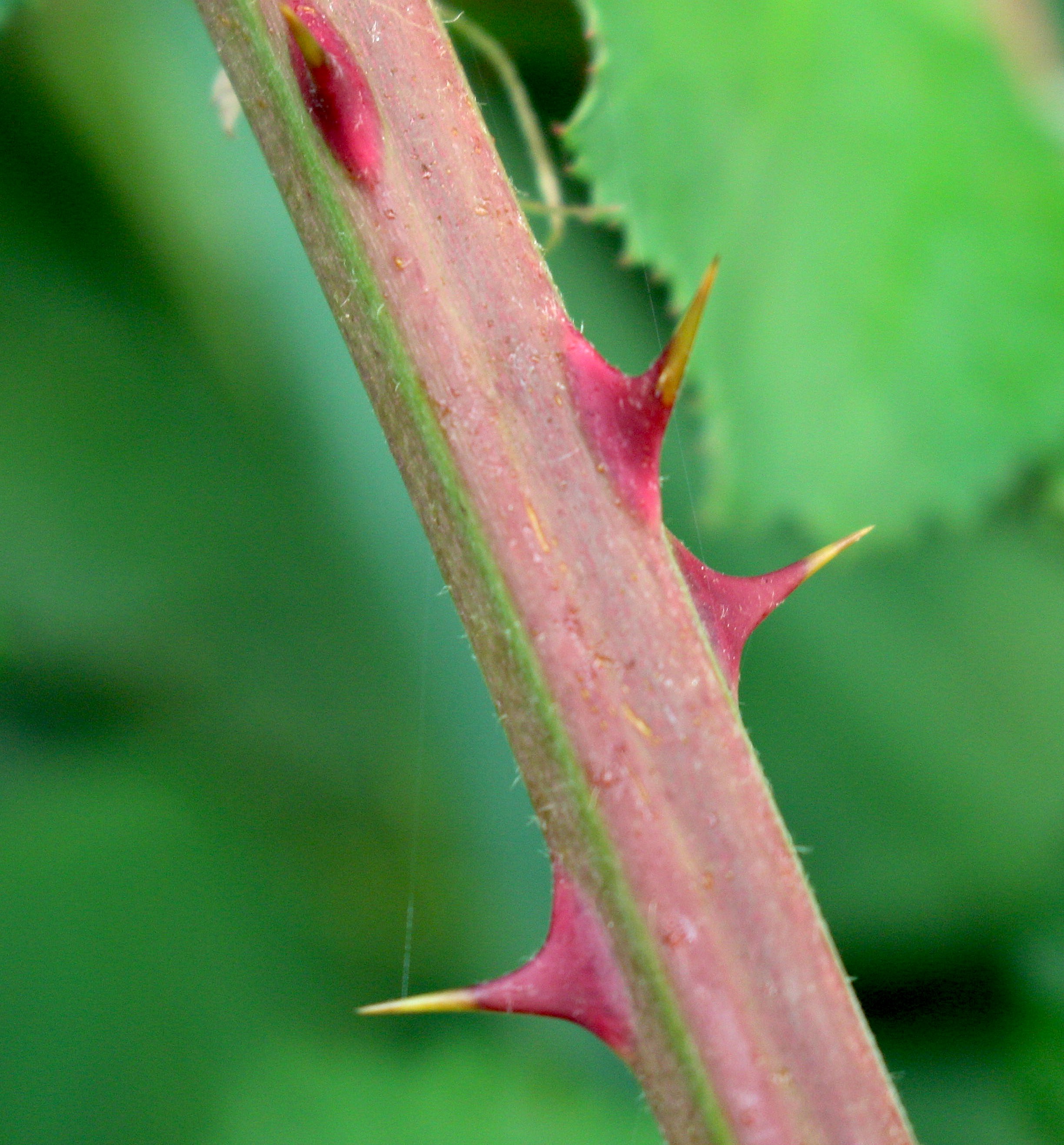
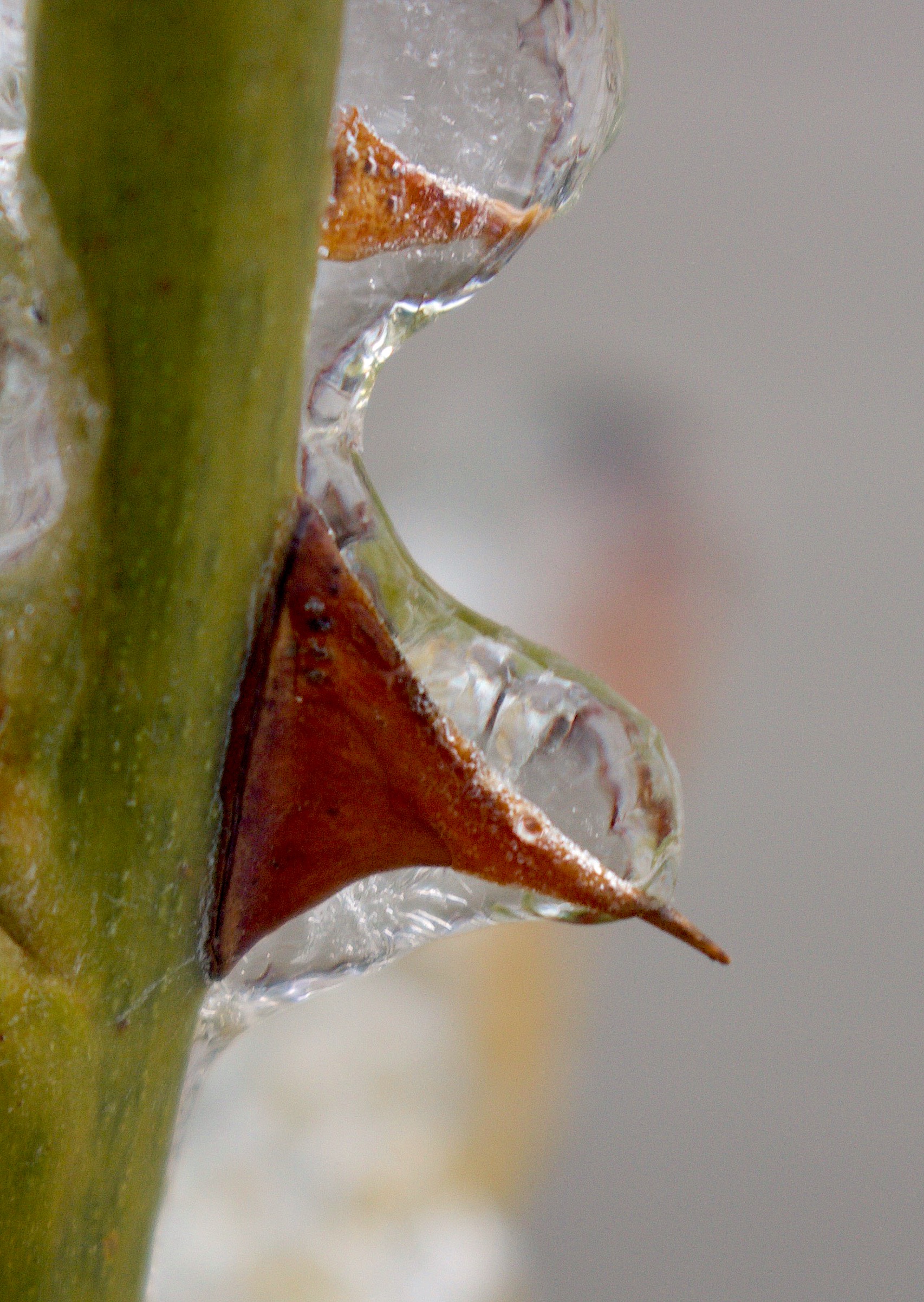
Thorns, needles and claws are indeed part of everyday life. They often are a barrier to that which is sweet and good and precious.
They can tear us up, bloody us, make us weep, make us beg for mercy.
Yet thorns did not stop our search for Salvation, did not stop Goodness, did not stop the Promise of sweetness to come.
Our scars prove we’re alive and even having been hurt, our ability to heal will never give up.
photo by Nate Gibson
One-Time
Monthly
Yearly
Make a one-time or recurring donation to support daily Barnstorming posts
A stable lamp is lighted Whose glow shall wake the sky The stars shall bend their voices And every stone shall cry And every stone shall cry And straw like gold will shine A barn shall harbour heaven A stall become a shrine
This child through David’s city Will ride in triumph by The palm shall strew its branches And every stone shall cry And every stone shall cry Though heavy, dull and dumb And lie within the roadway To pave the Kingdom come
Yet He shall be forsaken And yielded up to die The sky shall groan and darken And every stone shall cry And every stone shall cry For thorny hearts of men God’s blood upon the spearhead God’s love refused again
But now as at the ending The low is lifted high The stars will bend their voices And every stone shall cry And every stone shall cry In praises of the child By whose descent among us The worlds are reconciled ~Richard Wilbur“A Christmas Hymn”
Castlerigg Stone Circle in Cumbria
Feeling heavy, dull and dumb, I am convinced I’m no better than a simple rock, inconsequential and immobile, trod upon and paved over, forgettable and forgotten.
I could believe there exists no pulse in my stony heart, incapable of love if I turn away from God who has come to walk beside me on this humble ground .
Yet the especially the low are lifted high by His descent– every stone, even the dumb and lifeless, shall cry out in community with Him, even the silent will find a voice to praise.
Even my own voice, meager and anemic, shall be heard.
I am no longer forgotten. In fact, never have been forgotten. So hard to reconcile: as the stones have known Him all along, then so should I.
So must I.
One-Time
Monthly
Yearly
Make a one-time or recurring donation to support daily Barnstorming posts
Late August, given heavy rain and sun For a full week, the blackberries would ripen. At first, just one, a glossy purple clot Among others, red, green, hard as a knot. You ate that first one and its flesh was sweet Like thickened wine: summer’s blood was in it Leaving stains upon the tongue and lust for Picking. Then red ones inked up and that hunger Sent us out with milk cans, pea tins, jam-pots Where briars scratched and wet grass bleached our boots. Round hayfields, cornfields and potato-drills We trekked and picked until the cans were full, Until the tinkling bottom had been covered With green ones, and on top big dark blobs burned Like a plate of eyes. Our hands were peppered With thorn pricks, our palms sticky as Bluebeard’s.
We hoarded the fresh berries in the byre. But when the bath was filled we found a fur, A rat-grey fungus, glutting on our cache. The juice was stinking too. Once off the bush The fruit fermented, the sweet flesh would turn sour. I always felt like crying. It wasn’t fair That all the lovely canfuls smelt of rot. Each year I hoped they’d keep, knew they would not. ~Seamus Heaney “Blackberry Picking”
…Do not be afraid, though briers and thorns are all around you… Ezekiel 2:6
In the real world of pain, how could one worship a God who was immune to it?He laid aside his immunity to pain. He entered our world of flesh and blood, tears and death. ~John Stottfrom The Cross
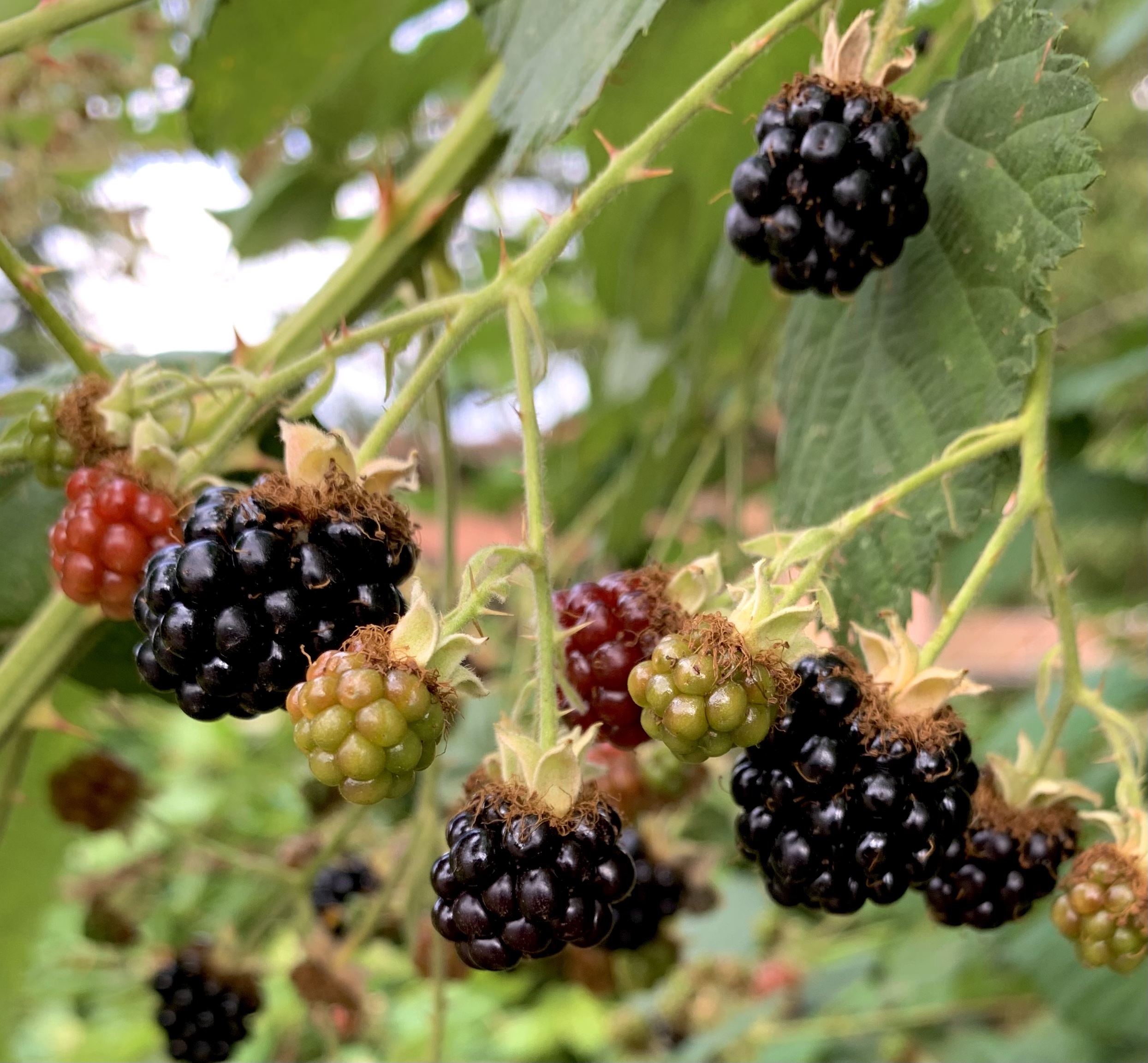
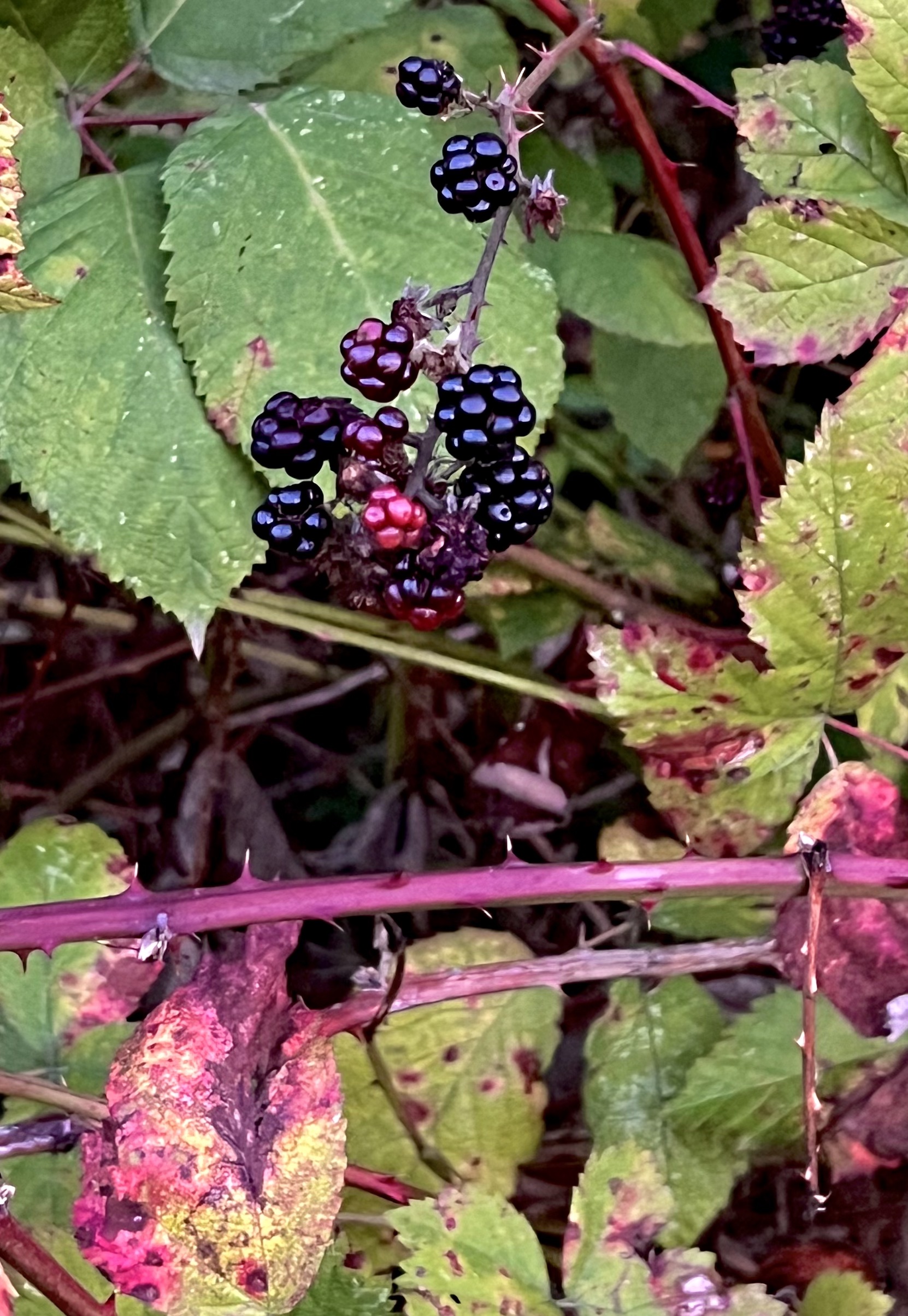
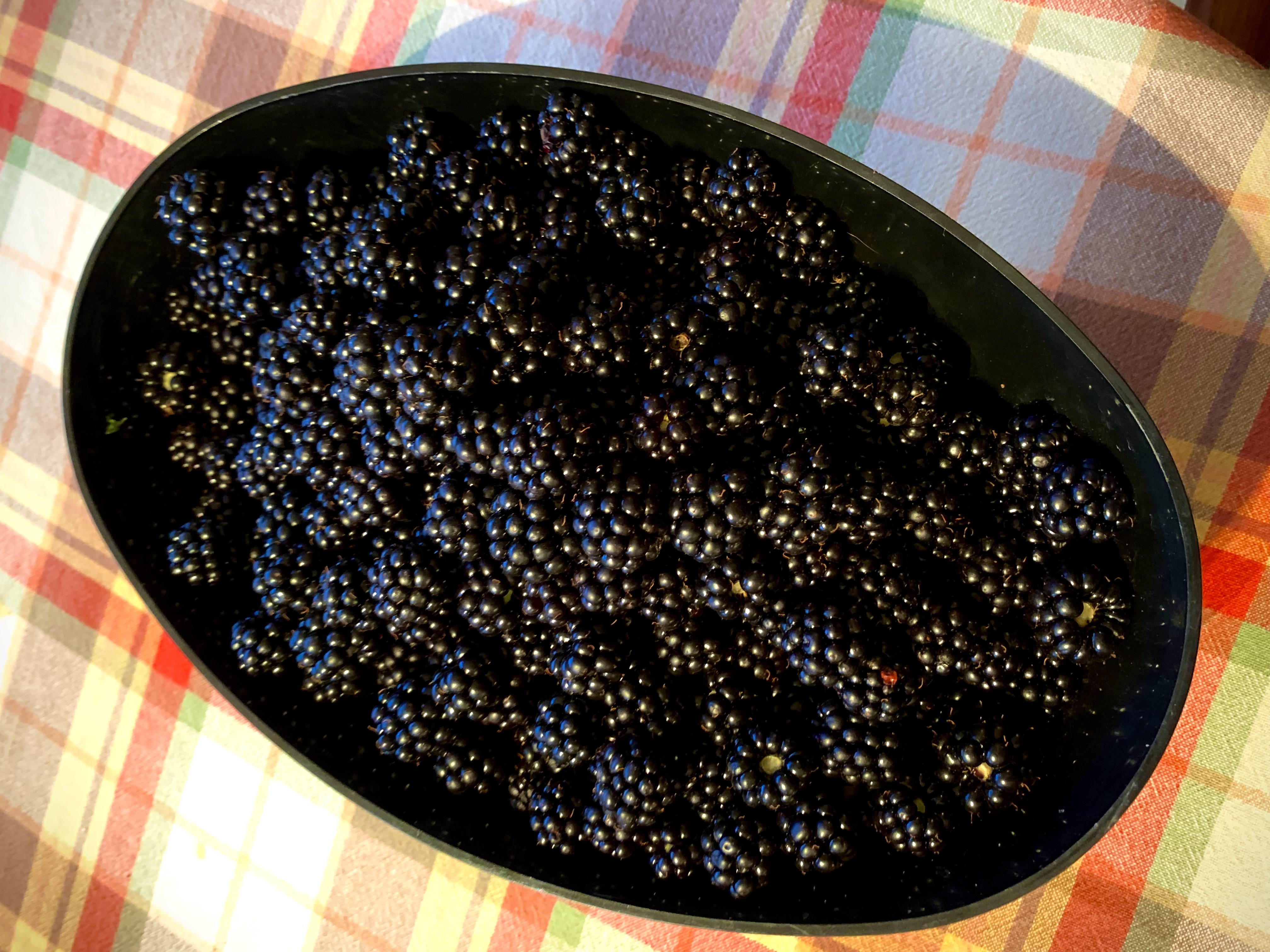
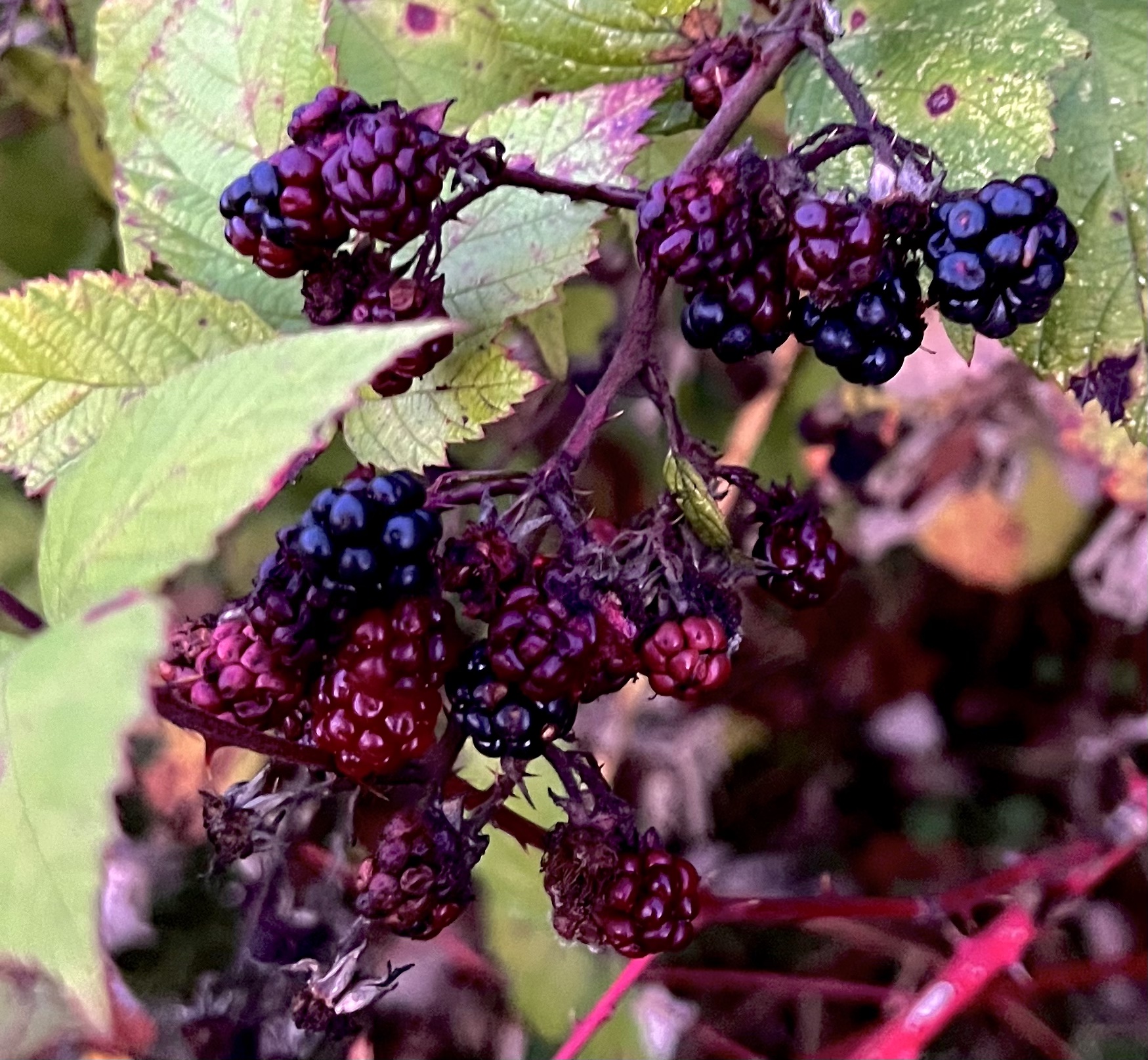
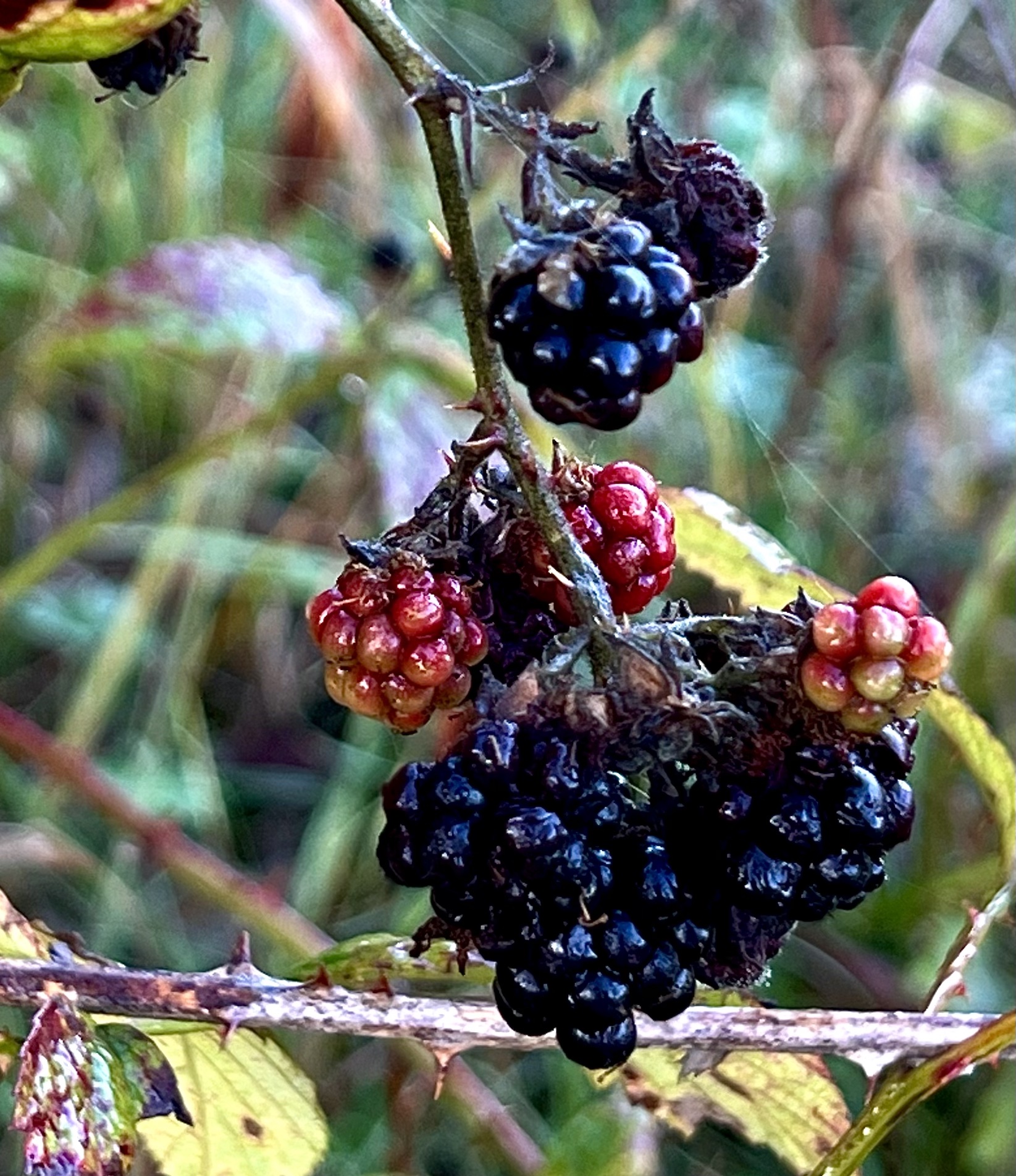
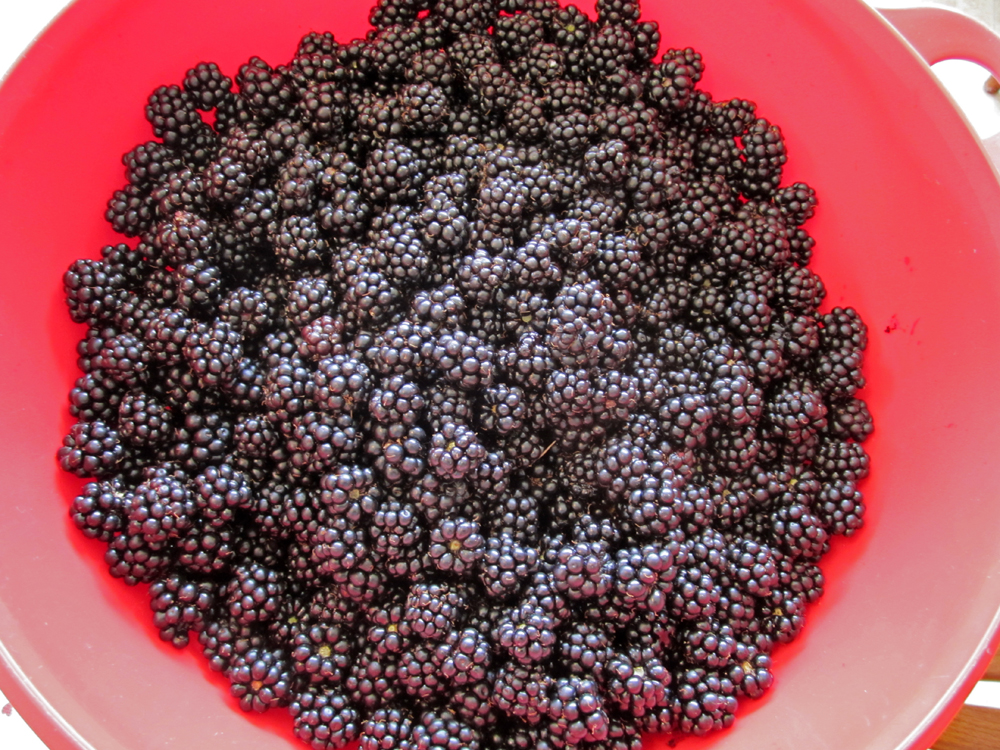
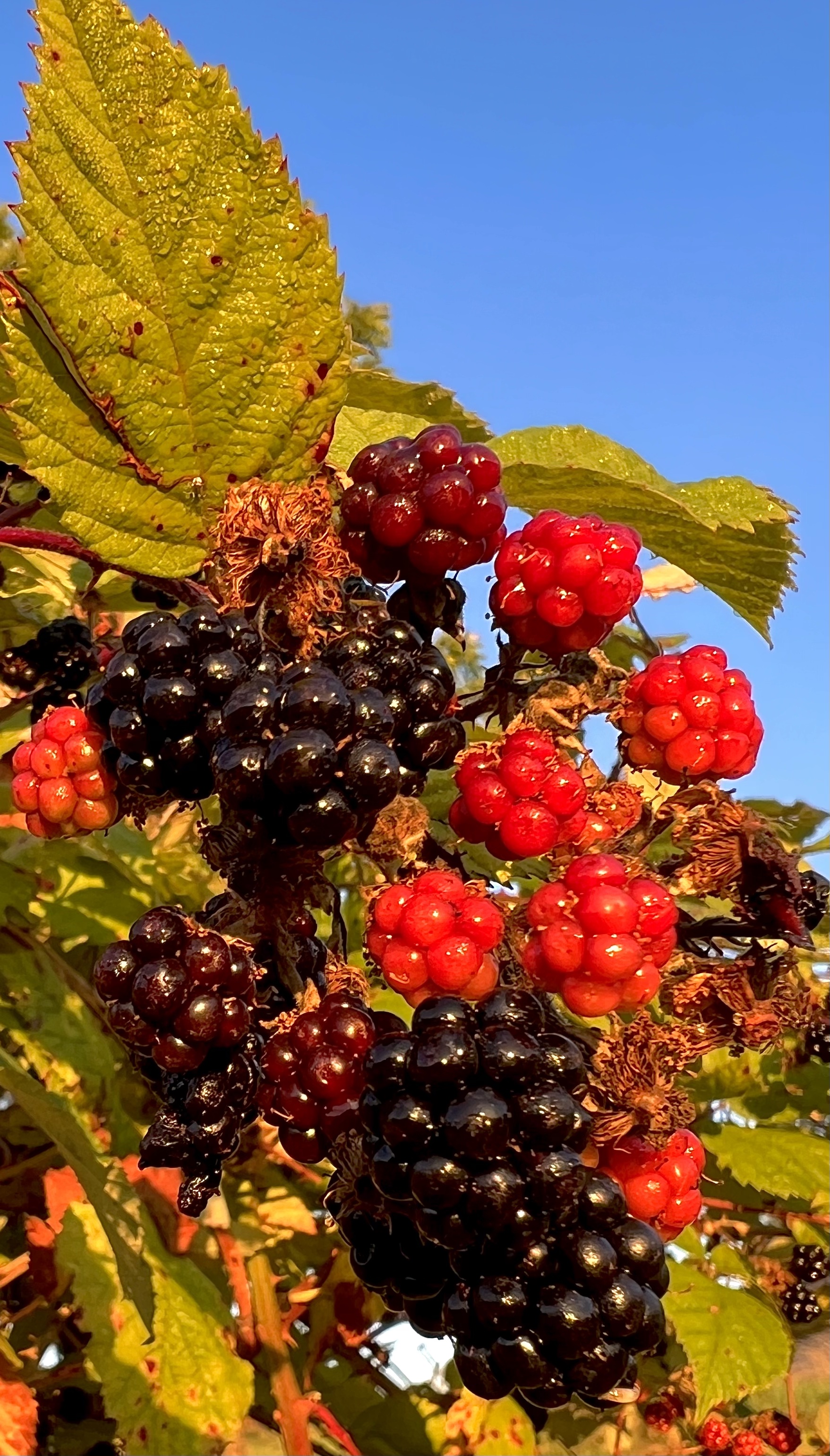
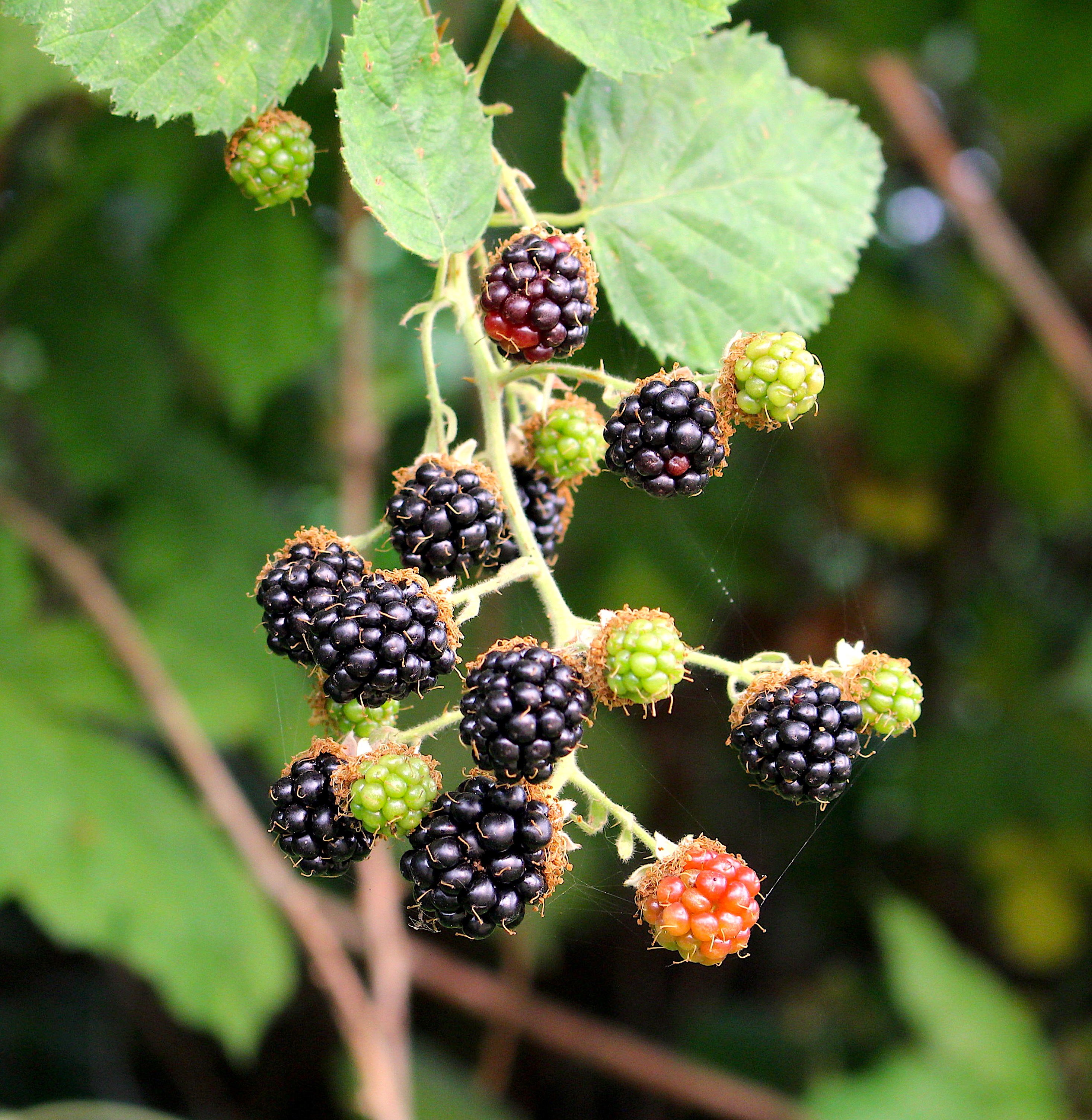
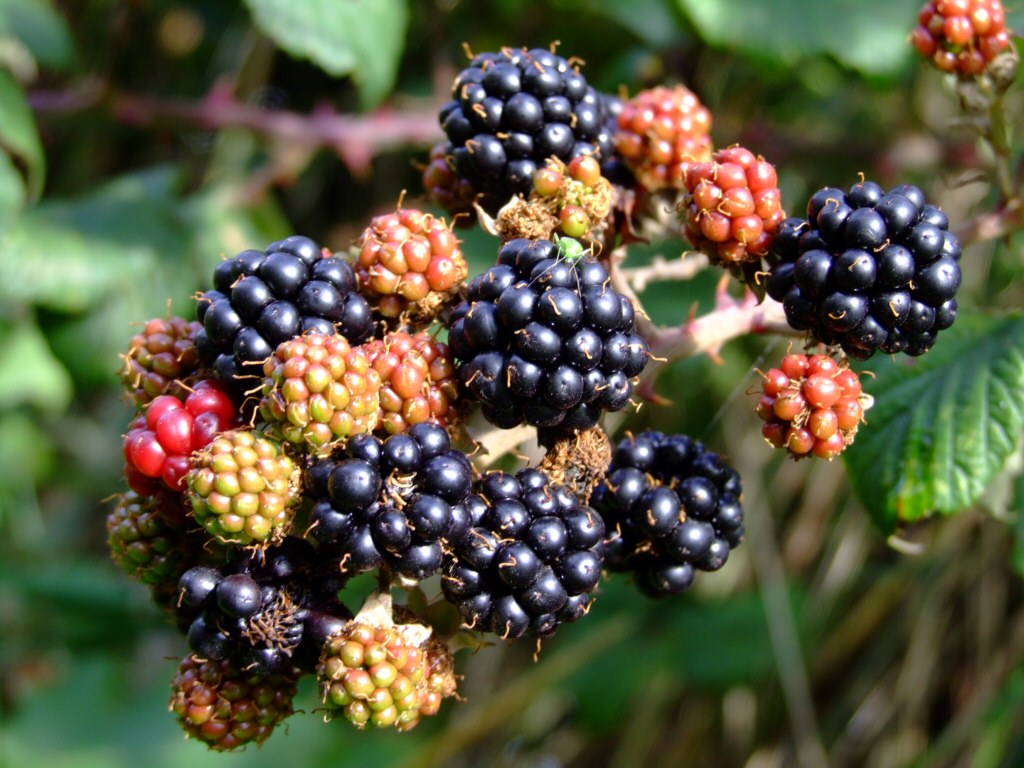
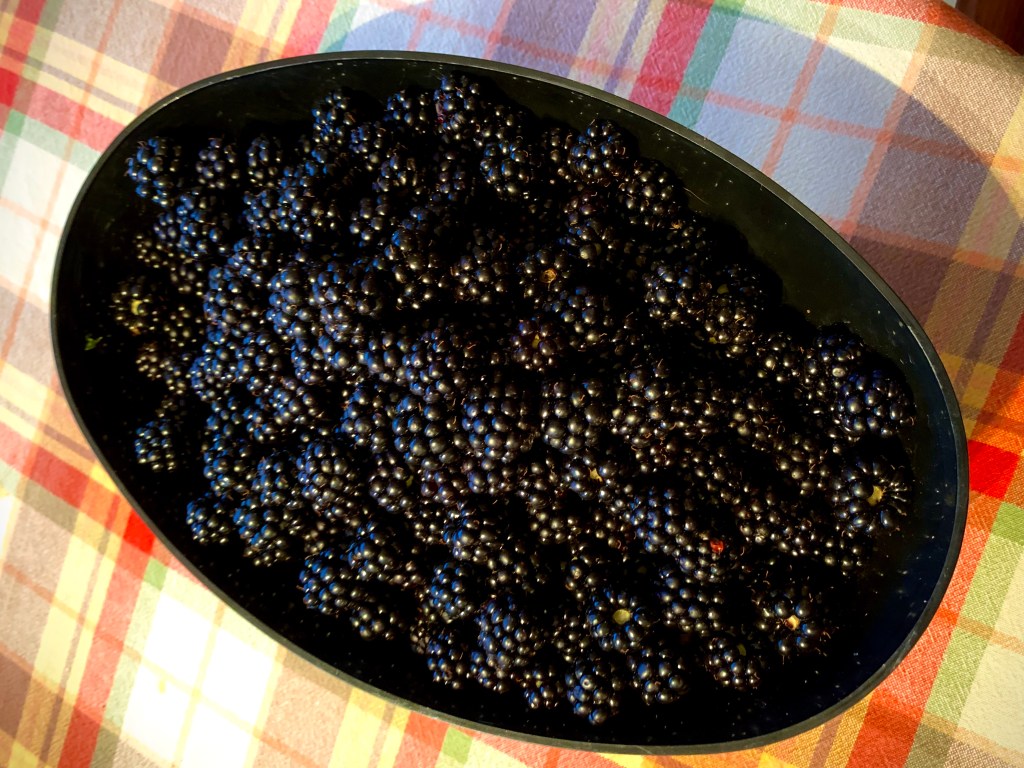
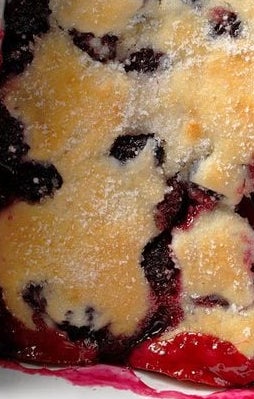
Today I will make wild blackberry cobbler, facing down the brambles and briers that thwart my reach for the elusive fruit – in this heat, it is important to harvest blackberries before they shrivel up and rot on the vine. I aim to gather more berries than scratches to prove that thorns and rot must never win and I will not yield to them.
Painful thorns and decay have always been part of life. They barricade us from all that is sweet and good and precious. They tear us up, bloody us, make us cry out in pain and grief, cause a stink, and deepen our fear that we may never overcome such a sorrowful destiny.
Yet even the most brutal crown of thorns or the rot of the grave did not stop the loving sacrifice, can never thwart the sweetness of redemption, will not spoil the goodness, nor destroy the promise of salvation to come.
We simply wait to be fed the loving gift that comes only from bloodied hands.
Flesh will fail and bones will break thieves will steal, the earth will shake Night will fall, the light will fade The Lord will give and take away
Put no trust in the earth in the sod you stand upon Flowers fade into dust The Lord will make a place for us
Because of His great Love We are not overcome Because of His great Love We are not overcome
Have no fear for your life Turn your cheek, turn your cheek Bear the yoke of love and death The Lord will give all life and breath
Because of His great Love We are not overcome Because of His great Love We are not overcome (from Bifrost Arts)
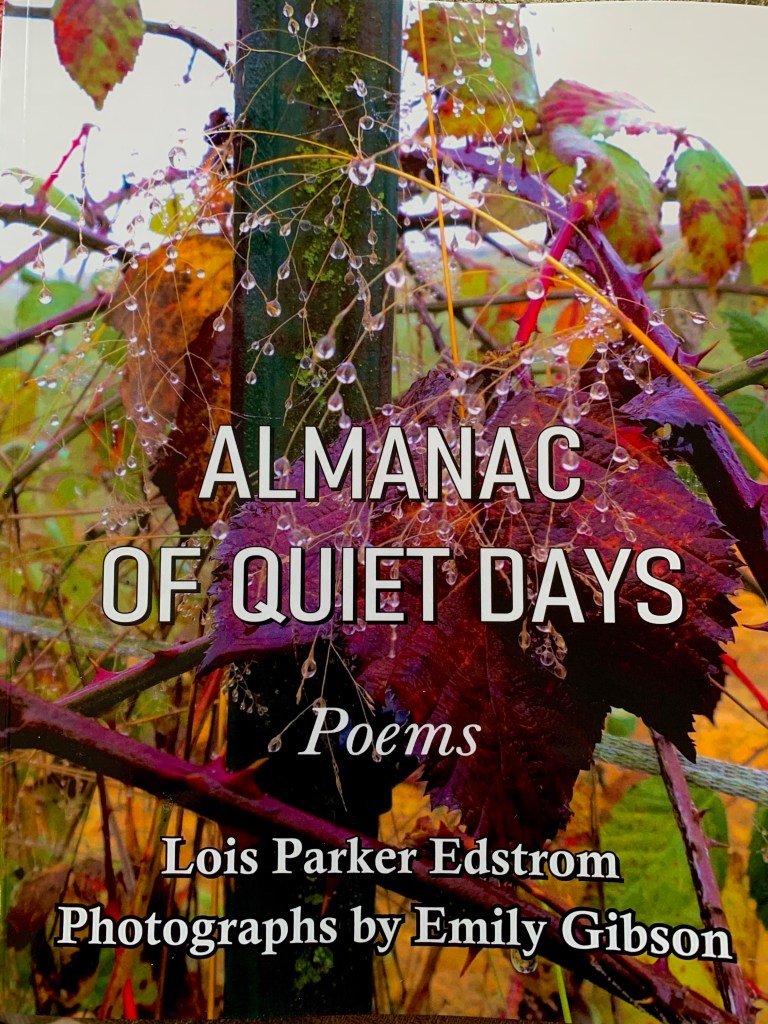
If you enjoy the Barnstorming blog, you’ll like our new book, available for order here:
May the power of your love, Lord Christ, fiery and sweet as honey, so absorb our hearts as to withdraw them from all that is under heaven. Grant that we may be ready to die for love of your love, as you died for love of our love. ~St. Francis of Assisi
Maundy Thursday is a day of letting go while still holding on.
If I am to see Jesus and know the power of His love, I must let go of this life and walk with Him with every step to the cross. I have only a tenuous grip on this world, utterly dependent on the Lord taking care of me.
This day, I am reminded of a few basics: No arguing over who is best. No hiding my dirty feet. No holding back on the most precious of gifts. No falling asleep. No selling out. No turning and running away. No covering my face in denial. No looking back. No clinging to the comforts of the world.
But of course I fail again and again. My heart resists leaving behind what I know.
Plucked from the crowd, I must grasp and carry His load (which is, of course, my load) alongside Him. Now is my turn to hold on and not let go, as if life depends on it. Which it does — requiring no nails.
The fire of His love leaves my sin in ashes. The food of His body nurtures my soul. From that soul and ashes rises new life. Love of His love of our love.
No doubts are permitted— though they will come and may before our time overwhelm us.
Just as the nature of briars is to tear flesh, I have proceeded through them. Keep the briars out, they say. You cannot live and keep free of briars.
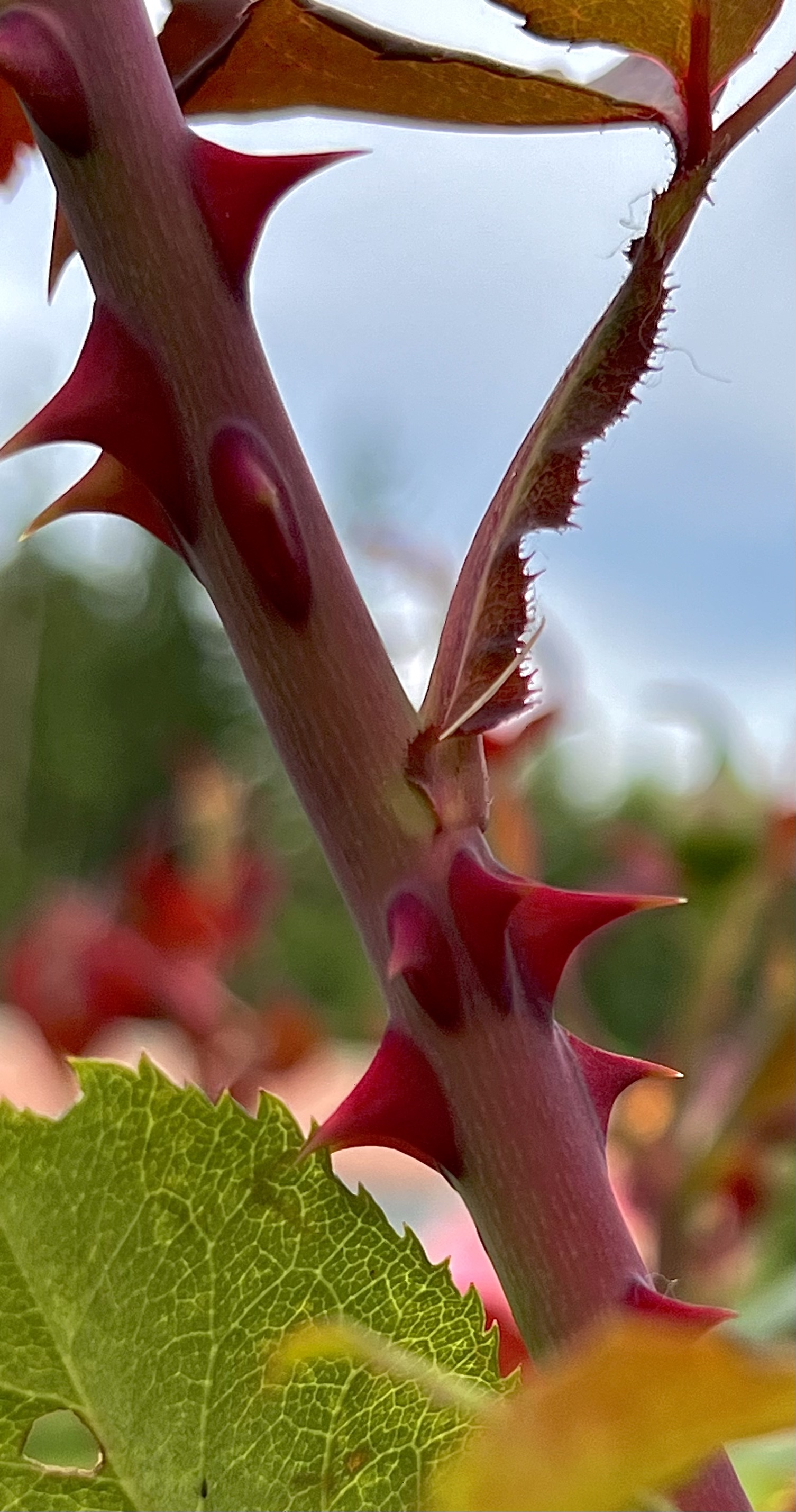
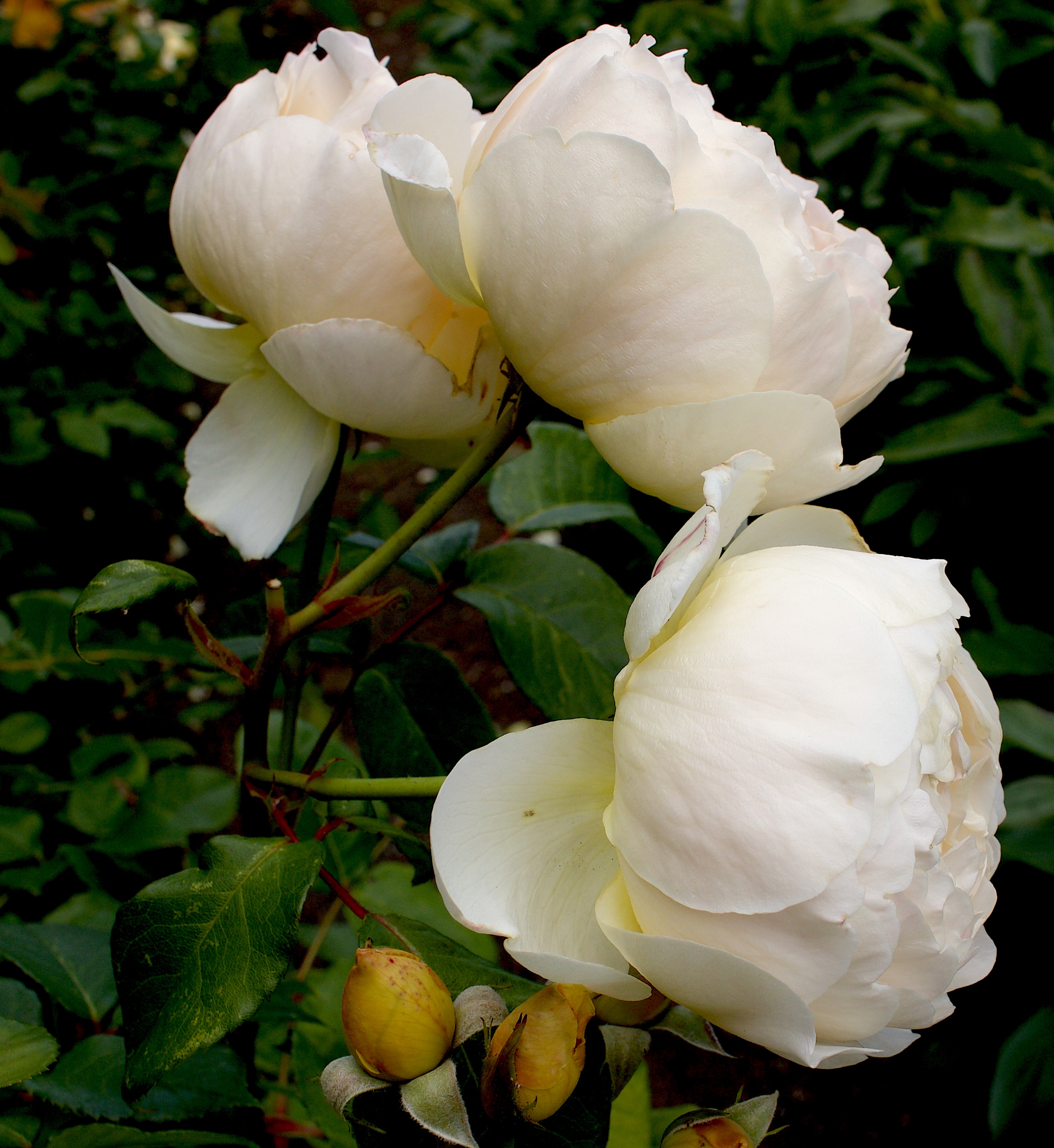
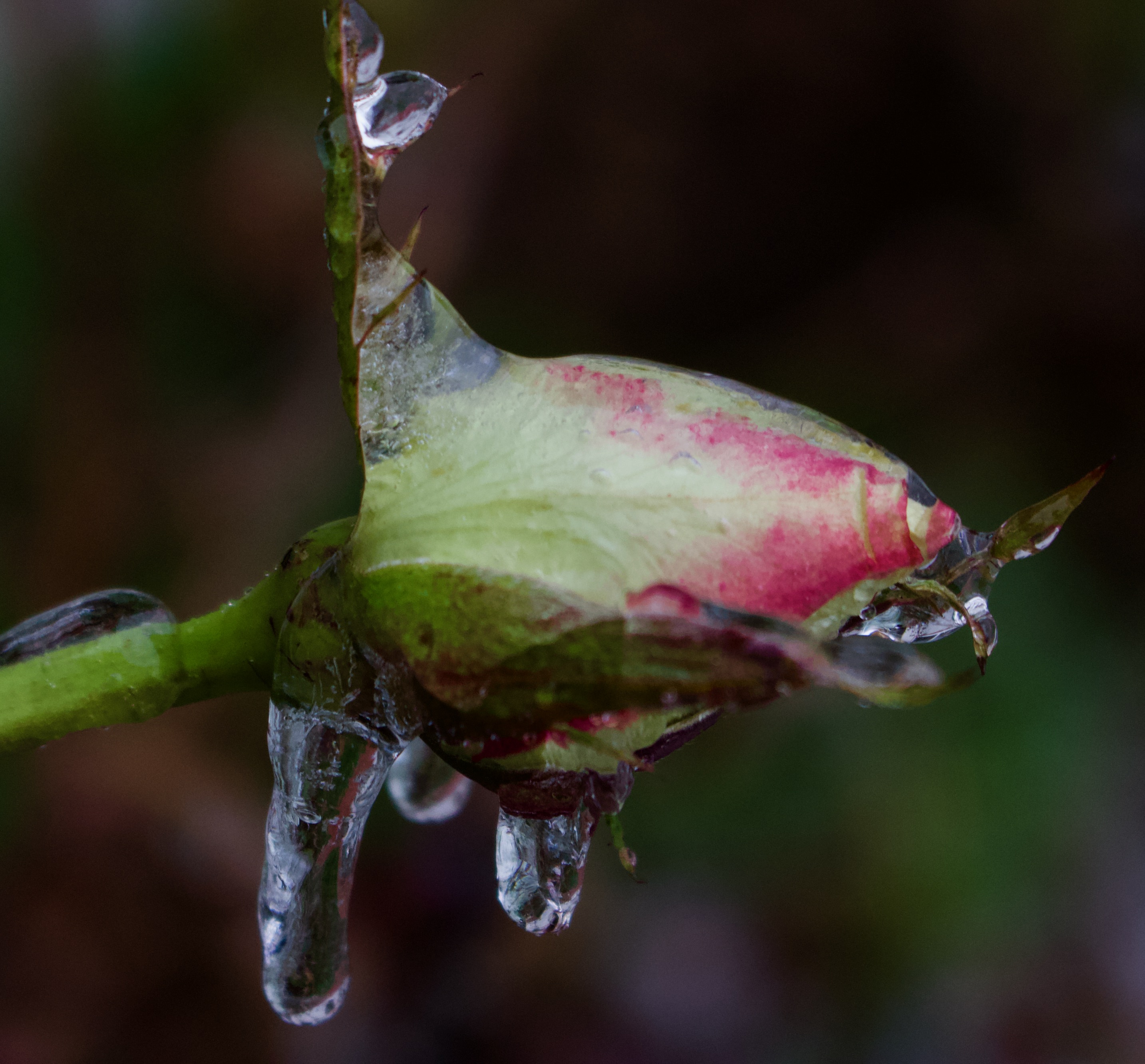
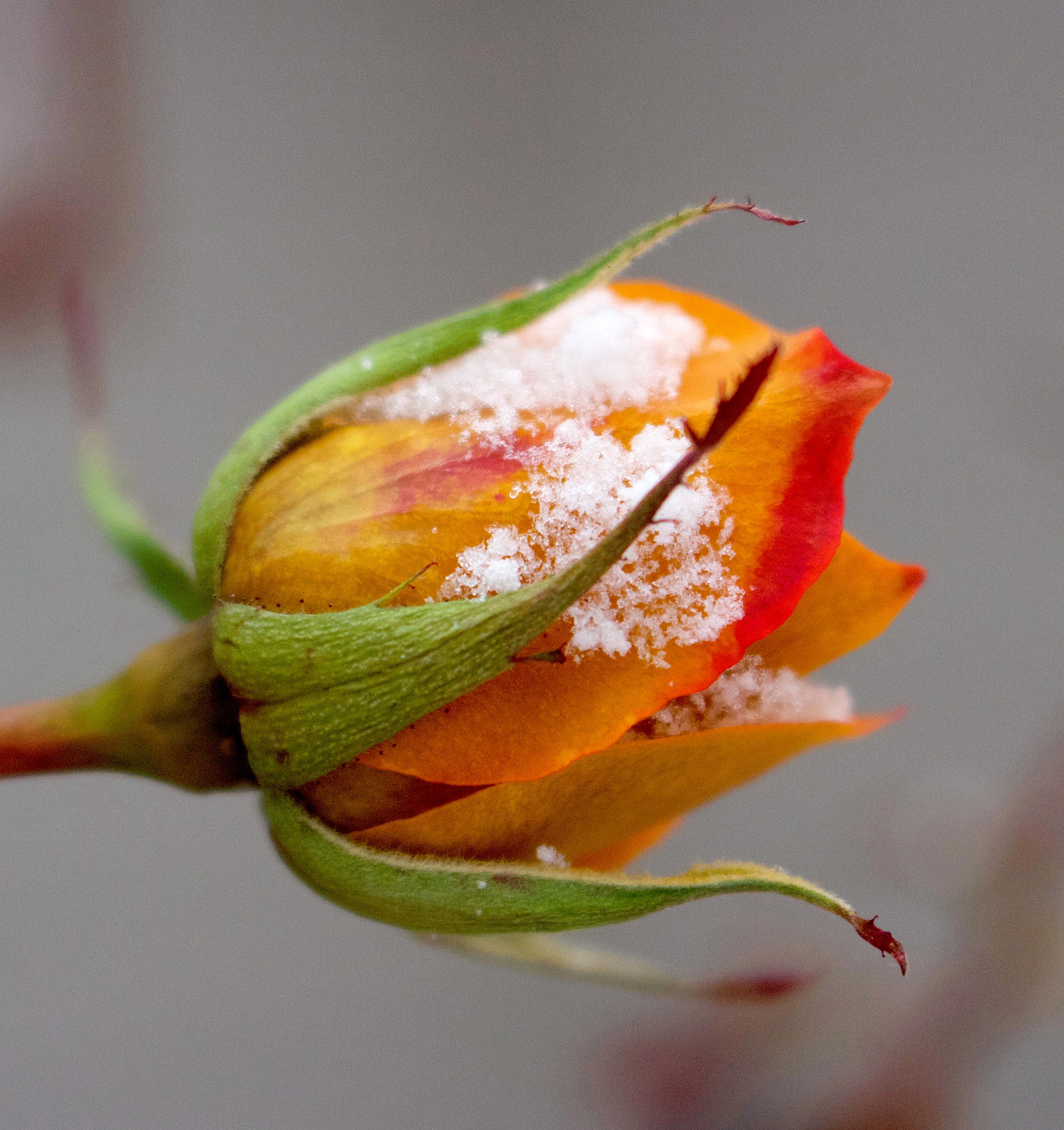
At our age the imagination across the sorry facts lifts us to make roses stand before thorns.
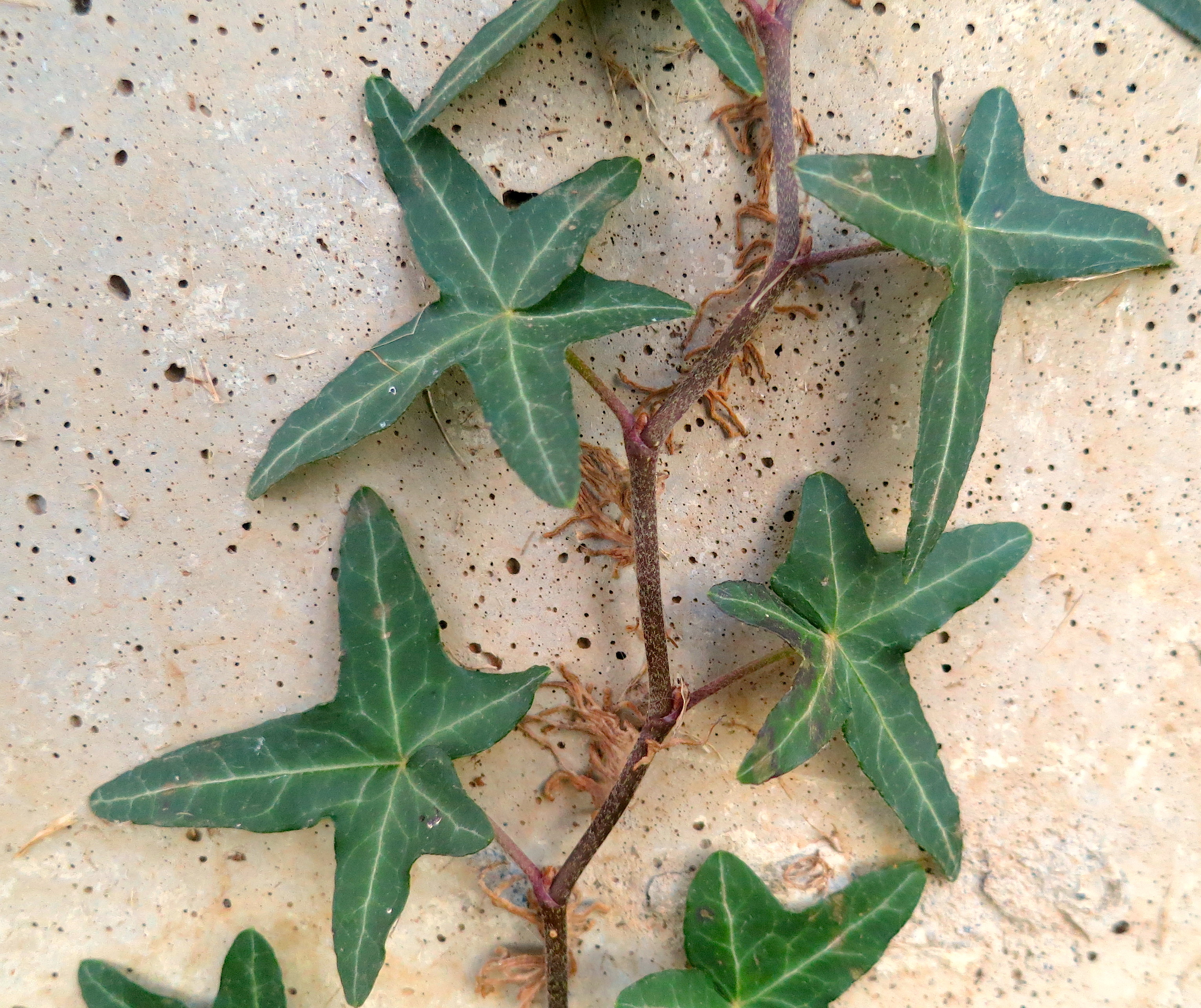
But we are older, I to love and you to be loved, we have, no matter how, by our wills survived to keep the jeweled prize always at our finger tips. We will it so and so it is past all accident. ~William Carlos Williams (written at age 72) from “The Ivy Crown”
How can we, at our age, who have treated love as no accident, looking into a well of such depth and richness – how can we tell the young to will their love to survive – to strive through thorns and briars, though tears wept and flesh torn, to come to cherish the prize of rose and ivy crown.
It is everything that matters, this crown of love we have willed and worn together:
I love you or I do not live at all. I to love and you to be loved.




















 Barnstorming