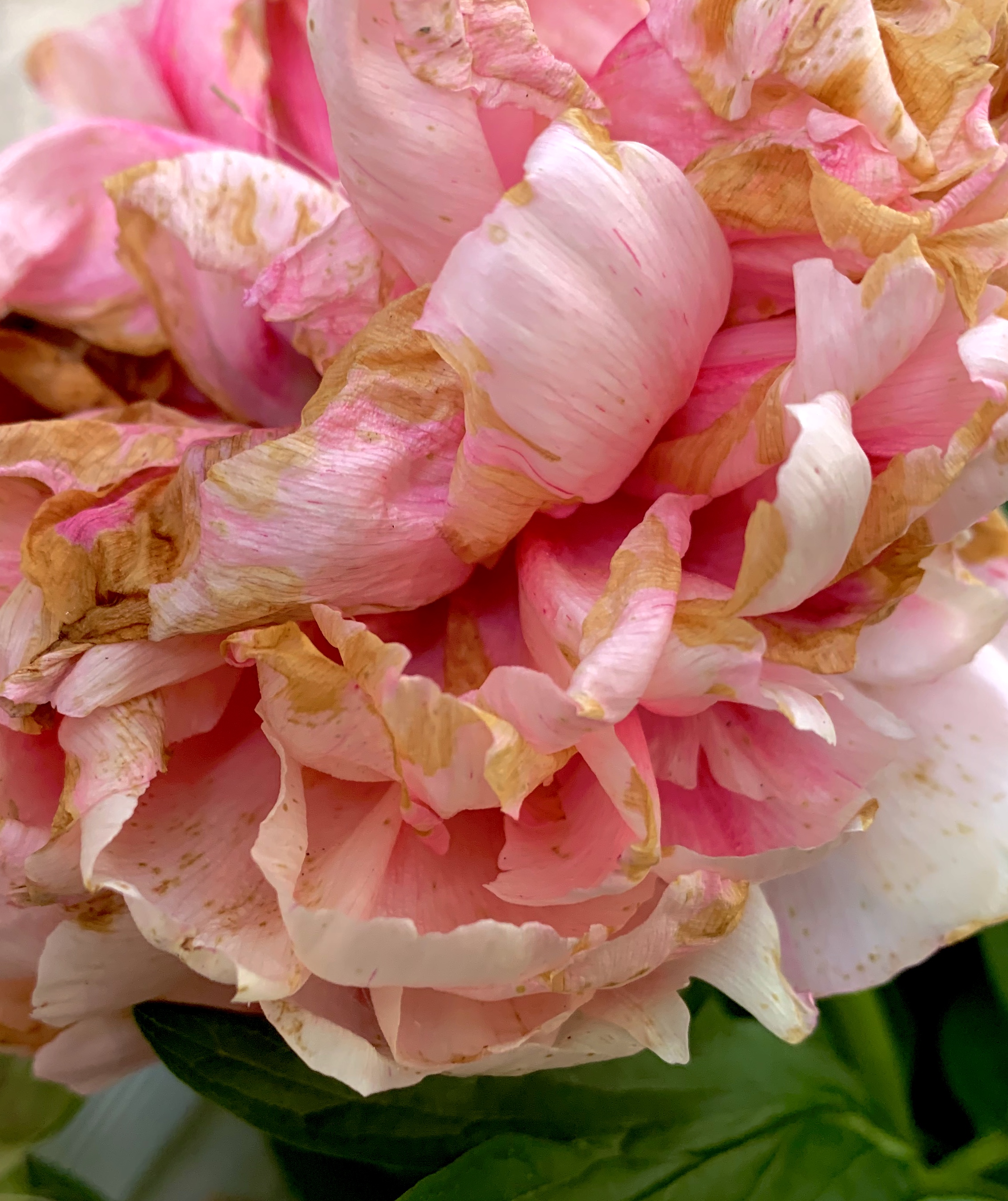
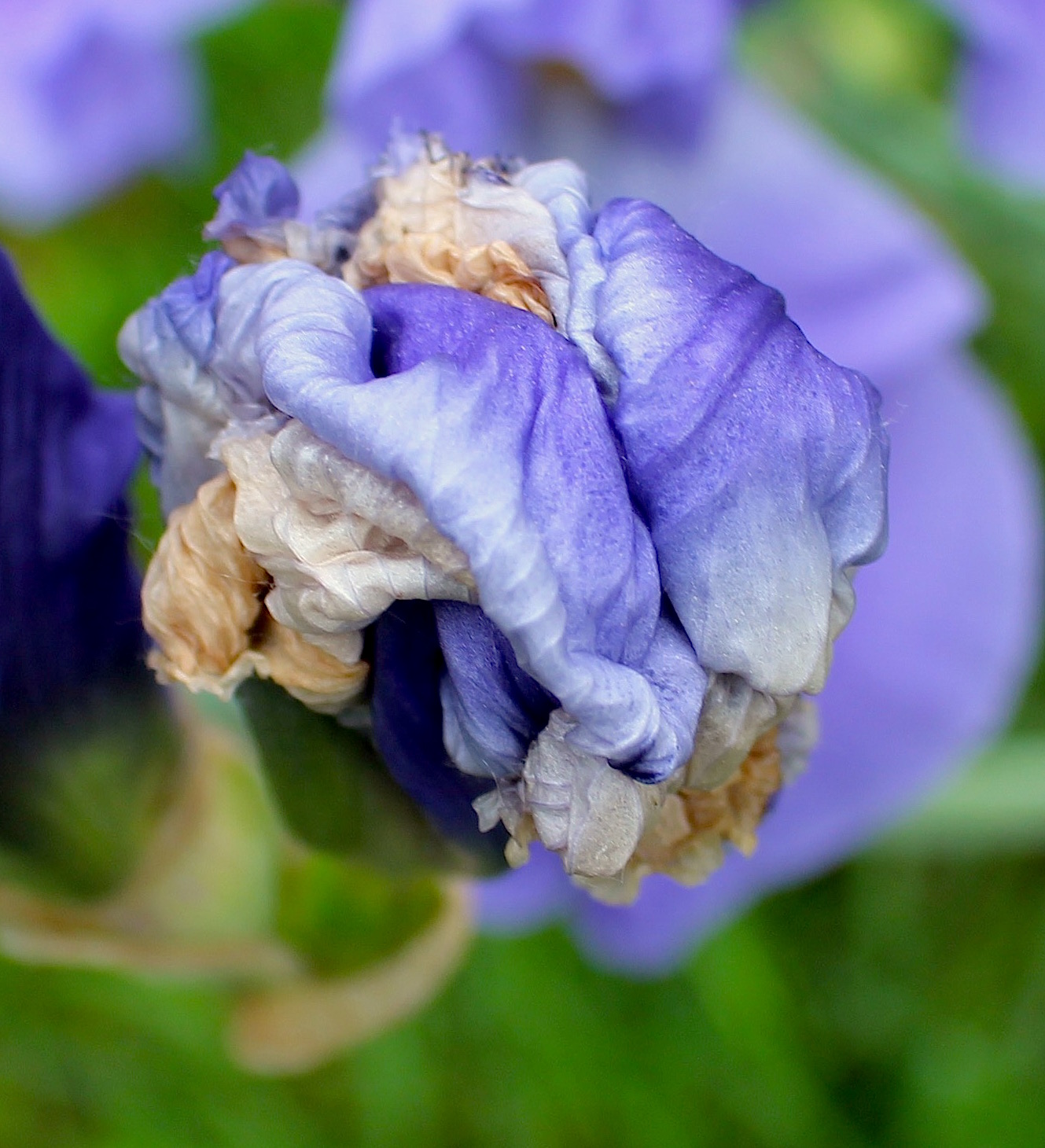
Equality In The Air We Breathe, If Allowed to Breathe

Let America be America again.
Let it be the dream it used to be.
Let it be the pioneer on the plain
Seeking a home where he himself is free.

(America never was America to me.)

Let America be the dream the dreamers dreamed—
Let it be that great strong land of love
Where never kings connive nor tyrants scheme
That any man be crushed by one above.

(It never was America to me.)

O, let my land be a land where Liberty
Is crowned with no false patriotic wreath,
But opportunity is real, and life is free,
Equality is in the air we breathe.

(There’s never been equality for me,
Nor freedom in this “homeland of the free.”)

Say, who are you that mumbles in the dark?
And who are you that draws your veil across the stars?

I am the poor white, fooled and pushed apart,
I am the Negro bearing slavery’s scars.
I am the red man driven from the land,
I am the immigrant clutching the hope I seek—
And finding only the same old stupid plan
Of dog eat dog, of mighty crush the weak.

I am the farmer, bondsman to the soil.
I am the worker sold to the machine.
I am the Negro, servant to you all.
I am the people, humble, hungry, mean—
Hungry yet today despite the dream.
Beaten yet today—O, Pioneers!

I am the man who never got ahead,
The poorest worker bartered through the years.
Yet I’m the one who dreamt our basic dream
In the Old World while still a serf of kings,
Who dreamt a dream so strong, so brave, so true,
That even yet its mighty daring sings
In every brick and stone, in every furrow turned
That’s made America the land it has become.

O, I’m the man who sailed those early seas
In search of what I meant to be my home—
For I’m the one who left dark Ireland’s shore,
And Poland’s plain, and England’s grassy lea,
And torn from Black Africa’s strand I came
To build a “homeland of the free.”

The free?
Who said the free? Not me?
Surely not me? The millions on relief today?
The millions shot down when we strike?
The millions who have nothing for our pay?
For all the dreams we’ve dreamed
And all the songs we’ve sung
And all the hopes we’ve held
And all the flags we’ve hung,
The millions who have nothing for our pay—
Except the dream that’s almost dead today.

O, let America be America again—
The land that never has been yet—
And yet must be—the land where every man is free.
The land that’s mine—the poor man’s, Indian’s, Negro’s, ME—
Who made America,
Whose sweat and blood, whose faith and pain,
Whose hand at the foundry, whose plow in the rain,
Must bring back our mighty dream again.

America!
O, yes,
I say it plain,
America never was America to me,
And yet I swear this oath—
America will be!

Out of the rack and ruin of our gangster death,
The rape and rot of graft, and stealth, and lies,
We, the people, must redeem
The land, the mines, the plants, the rivers.
The mountains and the endless plain—
All, all the stretch of these great green states—
And make America again!

~Langston Hughes from “Let America Be America Again” (1935)
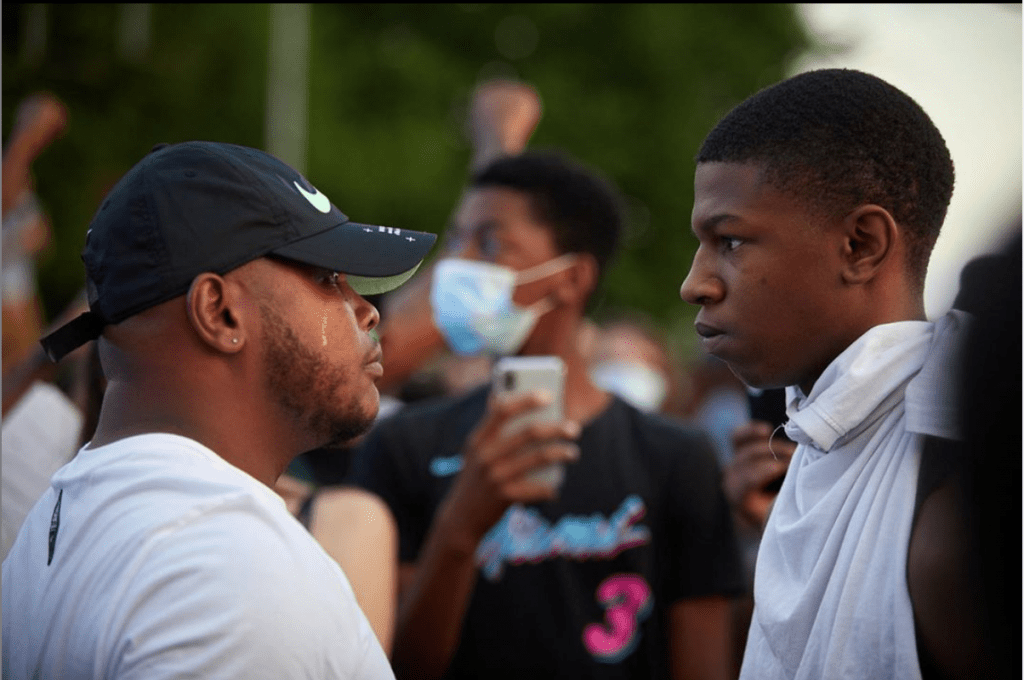
When we remain silent in the face of injustice,
we loudly slap the face of God.
Because the person being abused
is the face of God.
~Ann Voskamp
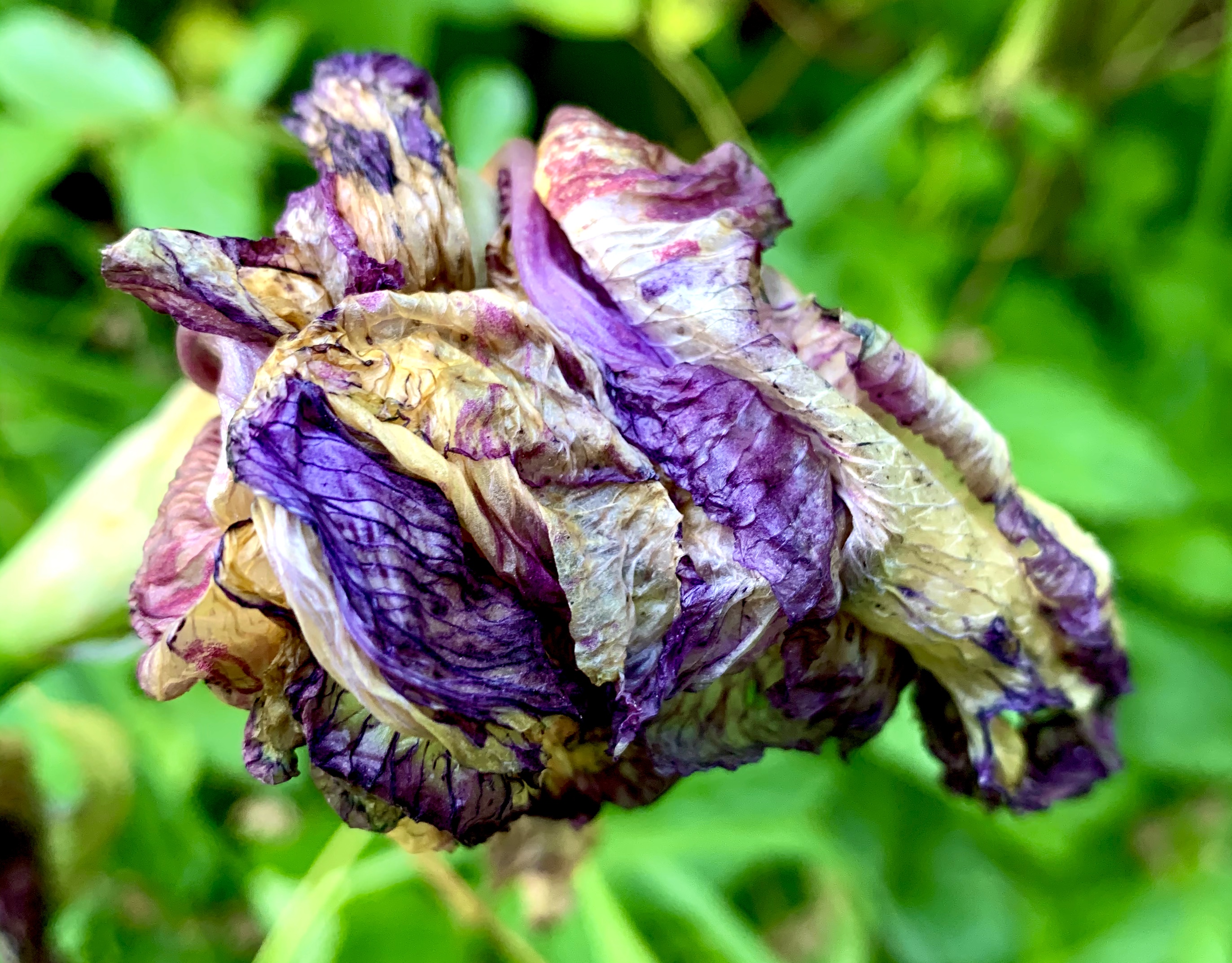
What has changed in America since Langston Hughes wrote “Let America Be America” in 1935? How many angry generations have passed since then and how many more are to come?

When three generations stand side by side, with angry words and tear-streaked faces, admitting that nothing has changed, then things have to change.

We are withering together in our anger and our tears.

Our children should not be faced with the choice of putting themselves in harm’s way because they are not allowed to breathe the same air of equality as everyone else. They deserve breath because God breathed them into existence, like everyone else. Instead, we are destroying their future as they are suffocated in the streets.

It has never been about “making America great again.”

It is about let America be America, once and for all.

Unless the Heart Catch Fire

The world is charged with the grandeur of God.
It will flame out, like shining from shook foil;
It gathers to a greatness, like the ooze of oil
Crushed. Why do men then now not reck his rod?
Generations have trod, have trod, have trod;
And all is seared with trade; bleared, smeared with toil;
And wears man’s smudge and shares man’s smell: the soil
Is bare now, nor can foot feel, being shod.

And for all this, nature is never spent;
There lives the dearest freshness deep down things;
And though the last lights off the black West went
Oh, morning, at the brown brink eastward, springs—
Because the Holy Ghost over the bent
World broods with warm breast and with ah! bright wings.
~Gerard Manley Hopkins “God’s Grandeur”

…the sudden angel affrighted me––light effacing
my feeble beam,
a forest of torches, feathers of flame, sparks upflying:
…as that hand of fire
touched my lips and scorched by tongue
and pulled by voice
into the ring of the dance.
~Denise Levertov from “Caedmon” in Breathing the Water

Unless the eye catch fire,
Then God will not be seen.
Unless the ear catch fire
Then God will not be heard.
Unless the tongue catch fire
Then God will not be named.
Unless the heart catch fire,
Then God will not be loved.
Unless the mind catch fire,
Then God will not be known.
~William Blake from “Pentecost”

Christ has no body now on earth but yours.
Yours are the only hands with which he can do his work.
yours are the only feet with which he can go about the world.
Yours are the only eyes through which his compassion
can shine forth upon a troubled world.
Christ has no body now on earth but yours.
~Teresa of Avila

Today,
when we feel we are without hope,
when the bent world reels with a troubled sickness of
shedding blood and spreading violence,
when faith feels frail,
when love seems distant,
we wait, stilled,
for the moment we ourselves – not our cities –
are lit afire ~
when the Living God is
seen, heard, named, loved, known
forever burning in our hearts deep down,
brooded over by His bright wings~
we are His dearest, His freshest deep down things,
in this moment
and for eternity.

Muddied But Whole

The crow’s voice filtered through the walls of the farmhouse
makes sounds of a rusty car engine turning over. Clouds on a
north wind that whistles softly and cold. Spruce trees planted
in a line on the south side of the house weave and scrape at the
air. I’ve walked to a far field to a fence line of rocks where I am
surprised to see soft mud this raw day. No new tracks in the
mud, only desiccated grass among the rocks, a bare grove of
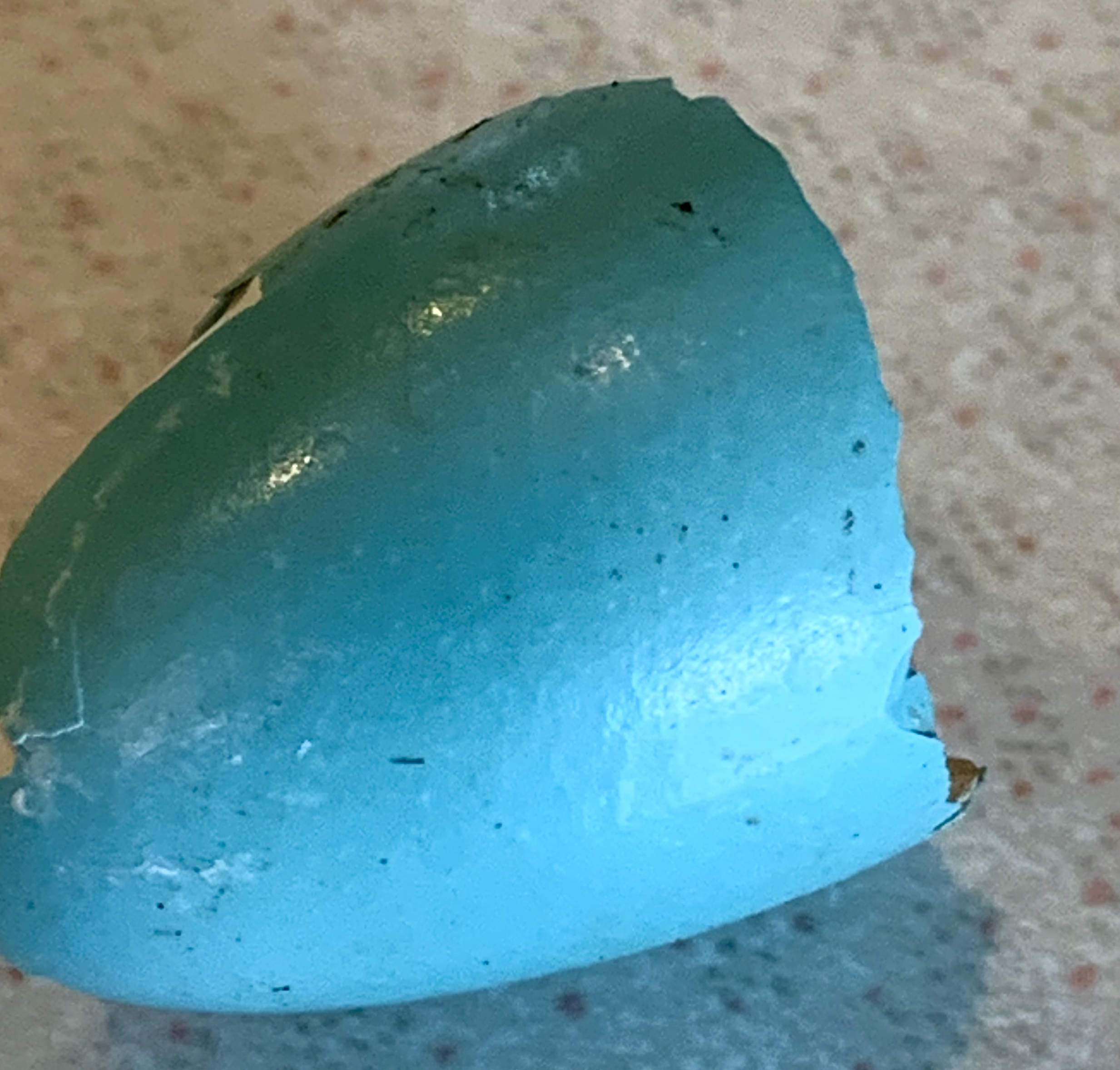
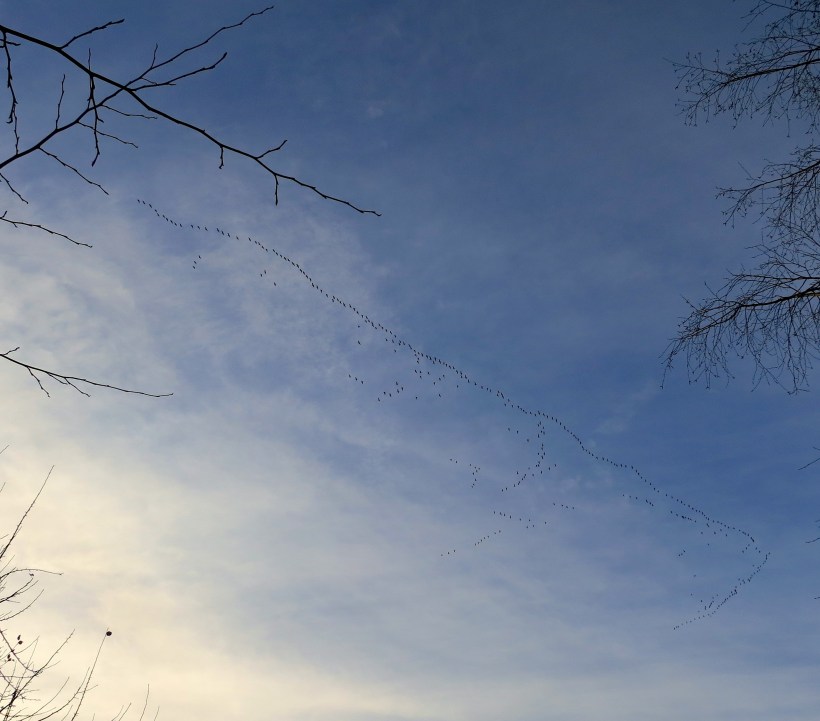
trees in the distance, a blue sky thin as an eggshell with a crack
of dark geese running through it, their voices faint and almost
troubled as they disappear in a wedge that has opened at last
the cold heart of winter.

~Tom Hennen, “Early Spring in the Field” from Darkness Sticks to Everything: Collected and New Poems

I shouldn’t be turning on the heat in the house on a late May morning but there is still an undeniable chill, even at this point in spring. The flowers outside are lush, but we’re still two or three weeks behind our usual bloom schedule.

We’re all impatient to be done with the coldness of a winter that has driven a wedge between people and politics, families and friends, well and ill.

We seek warmth and renewal and hugs and handshakes.

Instead we are asked for patience, to continue to practice the art of waiting for a safe reentry to spring and summer. No one wants to be tossed brutally back to the winter we just crawled away from.

May we emerge together, muddied but whole, ready to face whatever comes next.

Groaning Too Deep for Words

What stood will stand, though all be fallen,
The good return that time has stolen.
Though creatures groan in misery,
Their flesh prefigures liberty
To end travail and bring to birth
Their new perfection in new earth.
At word of that enlivening
Let the trees of the woods all sing
And every field rejoice, let praise
Rise up out of the ground like grass.
What stood, whole in every piecemeal
Thing that stood, will stand though all
Fall–field and woods and all in them
Rejoin the primal Sabbath’s hymn.
~Wendell Berry, from “Sabbaths” (North Point Press, 1987)
.

We live in a time where the groaning need and dividedness of humankind is especially to be felt and recognized…

Yet this terrific human need and burden of the times causes us to see how weak and powerless we are to change this. Then we must see that if we are to advocate change, we must start with ourselves. We must recognize that we as individuals are to blame for social injustice, oppression, and the downgrading of others, whether personal or on a broader plane. We must see that a revolution must take place against all that destroys life. This revolution must become a revolution different from any the world has ever seen. God must intervene and lead such a revolution with his Spirit and his justice and his truth.
~Dwight Blough from the introduction to When the Time was Fulfilled (1965)

22 For we know that the whole creation has been groaning together in the pains of childbirth until now. 23 And not only the creation, but we ourselves, who have the firstfruits of the Spirit, groan inwardly as we wait eagerly for adoption as sons, the redemption of our bodies. 24 For in this hope we were saved. Now hope that is seen is not hope. For who hopes for what he sees? 25 But if we hope for what we do not see, we wait for it with patience.

26 Likewise the Spirit helps us in our weakness. For we do not know what to pray for as we ought, but the Spirit himself intercedes for us with groanings too deep for words.
Romans 8: 22-26

We are groaning in anticipation of what might come next – so many ill, so many lost. What can we make of this, how can we make sense of it?

We could groan together in the hard labor of birthing a newly unified people all facing the same viral enemy. Instead we groan angry and bitter, irritable with one another, wanting to find someone else, anything to blame for our misery.

God willingly pulls our groanings onto Himself and out of us.
He understands even when we are too inarticulate to form the words we want Him to hear.

We must cling tenaciously to the mystery of God’s magnetism
for our weakness and suffering and allow His healing us to begin.

By His Spirit
we will be forever changed
and our groanings will be no more.

It’s All Right Now

How should I not be glad to contemplate
the clouds clearing beyond the dormer window
and a high tide reflected on the ceiling?
There will be dying, there will be dying,
but there is no need to go into that.
The poems flow from the hand unbidden
and the hidden source is the watchful heart.
The sun rises in spite of everything
and the far cities are beautiful and bright.
I lie here in a riot of sunlight
watching the day break and the clouds flying.
Everything is going to be all right.
~Derek Mahon,”Everything is Going to be All Right” from Selected Poems

It’s tough to find reassurance these days; in a mere five months, things have gone from “doing okay” to outright disastrous. There is no expert anywhere with a crystal ball who can tell us what things will be like in another five months. We simply have to live it out as best we can.

I regularly remind myself: history has a way of repeating itself, and yes, the world has been in this place before. We’ve fought back against global pandemics and economic depressions and devastating world conflicts and we somehow manage to come out the other side.

It takes time and patience and prayer and groaning and a fair amount of teeth gritting.

So the sun rises in spite of everything. The clouds still fly by above us. We still love one another even when it takes a little work. So let’s give ourselves a little break from the bad news and just love, oh Lord above, in the glory of now.

Everything is going to be all right. Let your heart be watchful and untroubled.

Truly.

Lest They Sicken

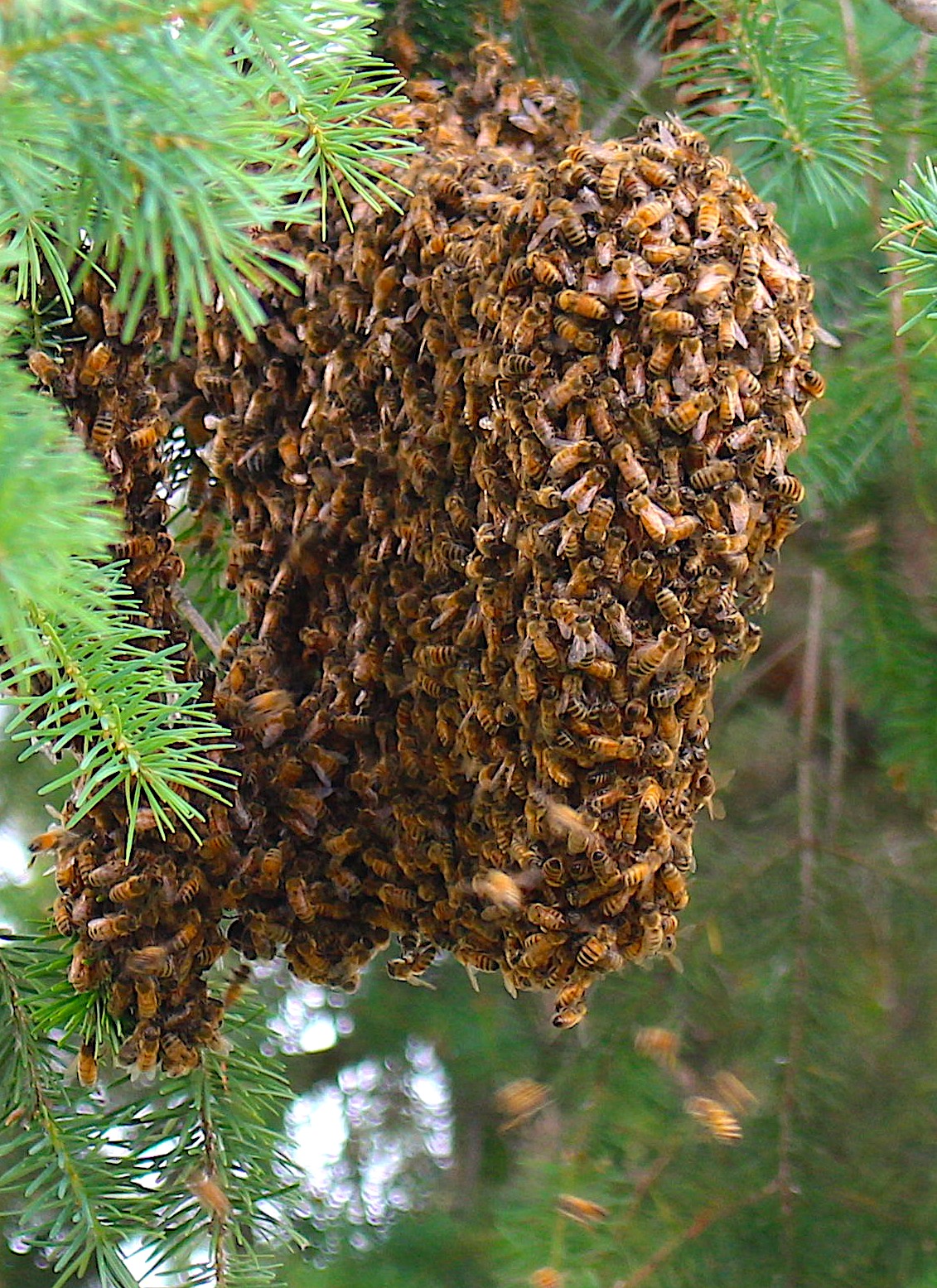
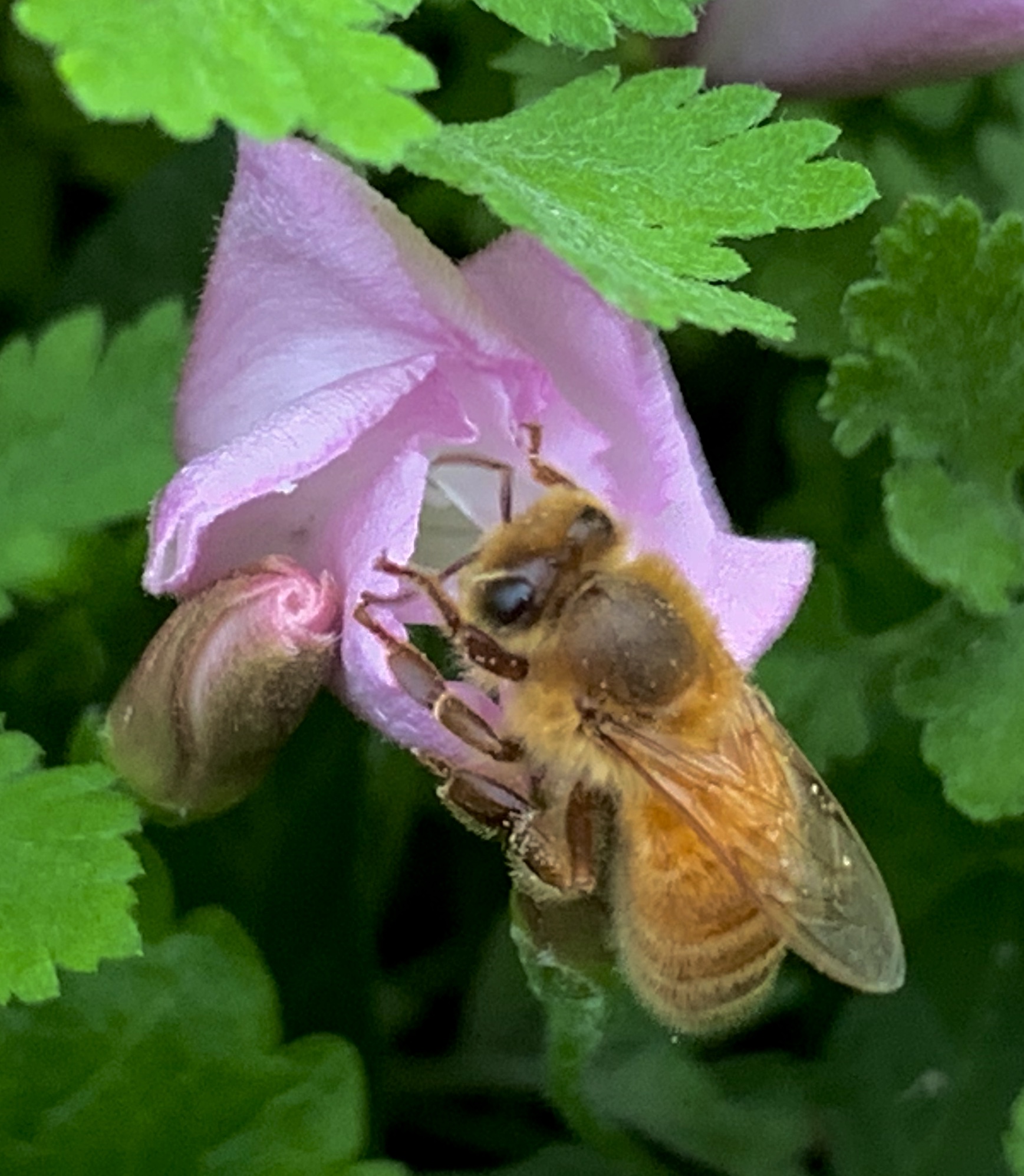
Tell the bees. They require news of the house;
they must know, lest they sicken
from the gap between their ignorance and our grief.
Speak in a whisper. Tie a black swatch
to a stick and attach the stick to their hive.
From the fortress of casseroles and desserts
built in the kitchen these past few weeks
as though hunger were the enemy, remove
a slice of cake and lay it where they can
slowly draw it in, making a mournful sound.

And tell the fly that has knocked on the window all day.
Tell the redbird that rammed the glass from outside
and stands too dazed to go. Tell the grass,
though it’s already guessed, and the ground clenched in furrows;
tell the water you spill on the ground,
then all the water will know.
And the last shrunken pearl of snow in its hiding place.

Tell the blighted elms, and the young oaks we plant instead.
The water bug, while it scribbles
a hundred lines that dissolve behind it.
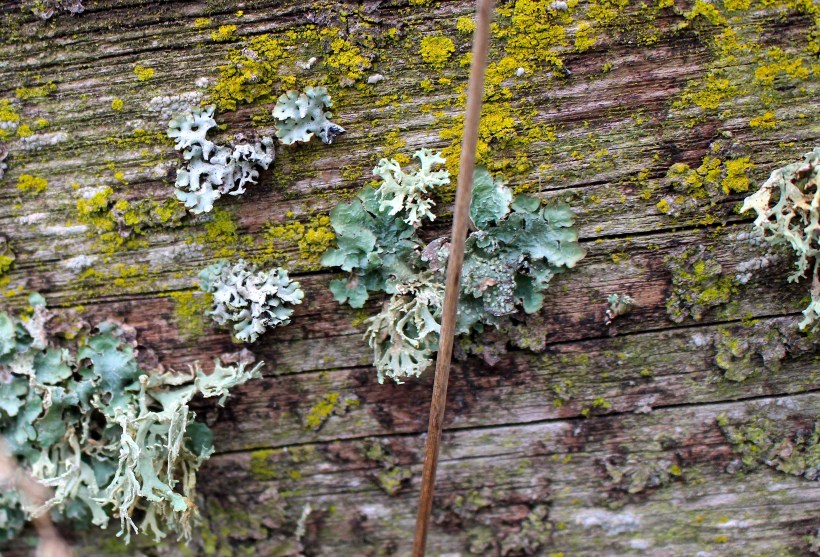
The lichen, while it etches deeper
its single rune. The boulders, letting their fissures widen,
the pebbles, which have no more to lose,
the hills—they will be slightly smaller, as always,

when the bees fly out tomorrow to look for sweetness
and find their way
because nothing else has changed.
~Sarah Lindsay “Tell the Bees”

So many around the globe are grieving their losses, their reality forever changed by a virus. Yet the world churns on, oblivious to the sorrows of individuals.

The tradition of telling the bees is that it matters to the community of hives how people who care for them are faring: is there a wedding coming up? a baby due? an overwhelming illness? a death of a loved one? If a hive is kept in ignorance, the cloud of grief will sicken them or drive them away. Shared grief is a nurturing spirit that allows the community to thrive and move on in sweetness.

Nothing happens without an impact down the line; the butterfly effect is also the bee effect. We speak softly of our desolation and suffering so our tears water thirsty ground.

Let the bees know, let them hear; the bees will go about their work and they will turn our sorrow to honey.

A Terrible and Beautiful Saturday

God goes, belonging to every riven thing he’s made
sing his being simply by being
the thing it is:
stone and tree and sky,
man who sees and sings and wonders why

God goes. Belonging, to every riven thing he’s made,
means a storm of peace.
Think of the atoms inside the stone.
Think of the man who sits alone
trying to will himself into a stillness where

God goes belonging. To every riven thing he’s made
there is given one shade
shaped exactly to the thing itself:
under the tree a darker tree;
under the man the only man to see

God goes belonging to every riven thing. He’s made
the things that bring him near,
made the mind that makes him go.
A part of what man knows,
apart from what man knows,

God goes belonging to every riven thing he’s made.
~Christian Wiman “Every Riven Thing”

The Holy Saturday of our life must be the preparation for Easter,
the persistent hope for the final glory of God. 

The virtue of our daily life is the hope which does what is possible
and expects God to do the impossible. 

To express it somewhat paradoxically, but nevertheless seriously: 
the worst has actually already happened; 
we exist,
and even death cannot deprive us of this. 

Now is the Holy Saturday of our ordinary life, 
but there will also be Easter, our true and eternal life. 
~Karl Rahner “Holy Saturday” in The Great Church Year

This is the day in between when nothing makes sense
 we are lost, hopeless, grieving, riven beyond recognition.

We are brought to our senses by this one Death, this premeditated killing, this senseless act that darkened the skies, shook the earth and tore down the curtained barriers to the Living Eternal God.

The worst has already happened, despite how horrific are the constant tragic events filling our headlines.

Today, this Holy Saturday we are in between, stumbling in the darkness but aware of hints of light, of buds, of life, of promised fruit to come.

The best has already happened; it happened even as we remained oblivious to its impossibility.

We move through this Saturday, doing what is possible even when it feels senseless, even as we feel split apart, torn and sundered.

Tomorrow it will all make sense: our hope brings us face to face with our God who is and was and does the impossible.


Here in between the death and life
Of broken God and risen Christ
We watch and wait, we kneel and pray
For hope to breathe at break of day
The temple torn by sacrifice
How can this be the way?

The Son of God nailed to a tree, this is not how we thought it’d be
Your condemnation makes no sense, an act of hate and violence
We broke the bread; we spilled the wine; how can this be the way?

Within this day of Sabbath rest- A gift to those whom you have blessed-
Your peace transforms our hearts content in this already and not yet.
In stillness beats the drum of life. How can this be the way?

Your never-ending sovereignty, still flickers with eternity
It brightens fading eventide, the gospel hums of mercy wide.
Oh Lord of Life, open Your eyes, you are the only…
you are the only… You are the only way.

~ Rev. Brian Moss

They have been saying all our plans are empty.
They have been saying “Where is their God now?”
Roll away the stone see the Glory of God. Roll away the stone.

They have been saying no one will remember.
They have been saying Power rules the world.
Roll away the stone see the Glory of God. Roll away the stone.

They have been saying no one hears the singing.
They have been saying all our strength is gone.
Roll away the stone see the Glory of God. Roll away the stone.

They have been saying “All of us are dying.”
They have been saying “All of us are dead.”
Roll away the stone see the Glory of God. Roll away the stone.
~Tom Conry

The Bent World

The world is charged with the grandeur of God.   
It will flame out, like shining from shook foil;   
It gathers to a greatness, like the ooze of oil
Crushed. Why do men then now not reck his rod?
Generations have trod, have trod, have trod;   
And all is seared with trade; bleared, smeared with toil;   
And wears man’s smudge and shares man’s smell: the soil
Is bare now, nor can foot feel, being shod.
And for all this, nature is never spent;   
There lives the dearest freshness deep down things;
And though the last lights off the black West went   
Oh, morning, at the brown brink eastward, springs —
Because the Holy Ghost over the bent   
World broods with warm breast and with ah! bright wings.
~Gerard Manley Hopkins “God’s Grandeur”

Jerusalem, Jerusalem, you who kill the prophets and stone those sent to you, how often I have longed to gather your children together, as a hen gathers her chicks under her wings, and you were not willing.
Luke 13:34

for him to see me mended,
I must see him torn…
~Luci Shaw
from “Mary’s Song”

Today marks the crushing of Christ in the Garden of the Oil Press, Gethsemane. 

“Gethsemane” means “oil press” –a place of olive trees treasured for the fine oil delivered from their fruit. And so, on this Thursday night, the pressure is turned up high on the disciples, not just on Jesus.

The disciples are expected, indeed commanded, to keep watch alongside the Master, to be filled with prayer, to avoid the temptation of the weakened flesh thrown at them at every turn.

But they fail pressure testing and fall apart. 

Like them, I am easily lulled by complacency, by my over-indulged satiety for material comforts that do not truly fill hunger or quench thirst,  by my expectation that being called a follower of Jesus is enough.

It is not enough.
I fail the pressure test as well.

I fall asleep through His anguish.
I dream, oblivious, while He sweats blood.
I might even deny I know Him when pressed hard.

Yet, the moment of betrayal becomes the moment He is glorified,
thereby God is glorified. 

Crushed, bleeding,  poured out over the world
— from wings that brood and cover us —
He becomes the sacrifice that anoints us.

Incredibly,
indeed miraculously,
He loves us, bent as we are, anyway.

VERSE 1
Let us praise Jesus, the Washer of Feet;
Jesus, the Lordly who gave up his Seat;
Jesus, the Maker of all that there is;
Jesus, the Servant to all who are his.

REFRAIN
We praise Jesus
We praise Jesus

VERSE 2
Let us praise Jesus, the Blesser of Bread;
Jesus, the Off’ring who suffered and bled;
Jesus, the Royal who knelt in the dust;
Jesus, the Priest in whose Blessing we trust.

VERSE 3
Let us praise Jesus, the Shepherd alone;
Jesus, the Lover who gathers His own;
Jesus, the Wounded who died for us all;
Jesus, the Christ on whose goodness we call.

VERSE 4
Let us praise Jesus, the Savior adored;
Jesus, the Sonnet of praise to our Lord;
Jesus, the Gracious whose own life He gave;
Jesus, the Lowly who came down to save.
Why Me? Why Not Me?

When he takes it all away,
will we love him more than things,
more than health,
more than family,
and more than life?
That’s the question.
That’s the warning.
That’s the wonderful invitation.
John Piper in “I Was Warned By Job This Morning”

Come, all you who are thirsty, come to the waters; and you who have no money, come, buy and eat! Come, buy wine and milk without money and without cost. Why spend money on what is not bread, and your labor on what does not satisfy? Listen, listen to me, and eat what is good, and you will delight in the richest of fare. Give ear and come to me; listen, that you may live. I will make an everlasting covenant with you…
Isaiah 55:1

We are suddenly living in a time when the freedoms we have taken for granted – our jobs, our corporate worship, seeing our extended family and friends, our desire to go where we wish when we wish – is no longer possible due to the threat of a packet of viral RNA invading our bodies and wreaking havoc.

The Book of Job is a warning about losing everything – what we have strived for, cared about, loved and valued suddenly taken away. If we are stripped bare naked, nothing left but our love for God and His sovereign power over our lives, will we still worship His Name, inhale His Word like air itself, submit ourselves to His plan over our plan?

I know I fall far short of the mark. It takes only small obstacles or losses to trip me up so I stagger in my faith, trying futilely to not lose my balance, and fall flat-faced and immobilized.

When I’ve seen people lose almost everything, either in a disaster, or an accident, or devastating illness like cancer or COVID-19, I’ve looked hard at myself and asked if I could sustain such loss in my life and still turn myself over to the will of God.

I would surely plead for reprieve and ask the horribly desperate question, “why me?”,
girding myself for the response:
“and why not you?”

The invitation, scary and radical as it is, is from God straight to my heart, asking that I trust His plan for my life and death, no matter what happens, no matter how much suffering, no matter how much, like Christ in the garden, I plead that it work out differently, and not hurt so much.

The invitation to His plan for my life has been written, personally carried to me by His Son, and lies ready in my hands, although it has remained untouched for years. It is now up to me to open it, read it carefully, and with deep gratitude that I am even included, respond with an RSVP that says emphatically, “I’ll be there! Nothing could keep me away.”

Or I could leave it untouched and unread, fearing it is too scary to open. Or even toss it away altogether, thinking it really wasn’t meant for me.

Even if, in my heart, I knew it was.

Mine are days that God has numbered
I was made to walk with Him
Yet I look for worldly treasure
And forsake the King of kings
But mine is hope in my Redeemer
Though I fall, his love is sure
For Christ has paid for every failing
I am His forevermore


Mine are tears in times of sorrow
Darkness not yet understood
Through the valley I must travel
Where I see no earthly good
But mine is peace that flows from heaven
And the strength in times of need
I know my pain will not be wasted
Christ completes his work in me


Mine are days here as a stranger
Pilgrim on a narrow way
One with Christ I will encounter
Harm and hatred for his name
But mine is armour for this battle
Strong enough to last the war
And he has said he will deliver
Safely to the golden shore

And mine are keys to Zion city
Where beside the King I walk
For there my heart has found its treasure
Christ is mine forevermore


Come rejoice now, O my soul
For his love is my reward
Fear is gone and hope is sure
Christ is mine forevermore!


And mine are keys to Zion city
Where beside the King I walk
For there my heart has found its treasure
Christ is mine forevermore

A Glut of Melancholy

I eat oatmeal for breakfast.
I make it on the hot plate and put skimmed milk on it.
I eat it alone.
I am aware it is not good to eat oatmeal alone.
Its consistency is such that is better for your mental health
if somebody eats it with you.
That is why I often think up an imaginary companion to have
breakfast with.
Possibly it is even worse to eat oatmeal with an imaginary
companion.
Nevertheless, yesterday morning, I ate my oatmeal porridge,
as he called it with John Keats.
Keats said I was absolutely right to invite him:
due to its glutinous texture, gluey lumpishness, hint of slime,
and unusual willingness to disintegrate, oatmeal should
not be eaten alone…
~Galway Kinnell from “Oatmeal”

But when the melancholy fit shall fall
Sudden from heaven like a weeping cloud,
That fosters the droop-headed flowers all,
And hides the green hill in an April shroud;
Then glut thy sorrow on a morning rose,
Or on the rainbow of the salt sand-wave,
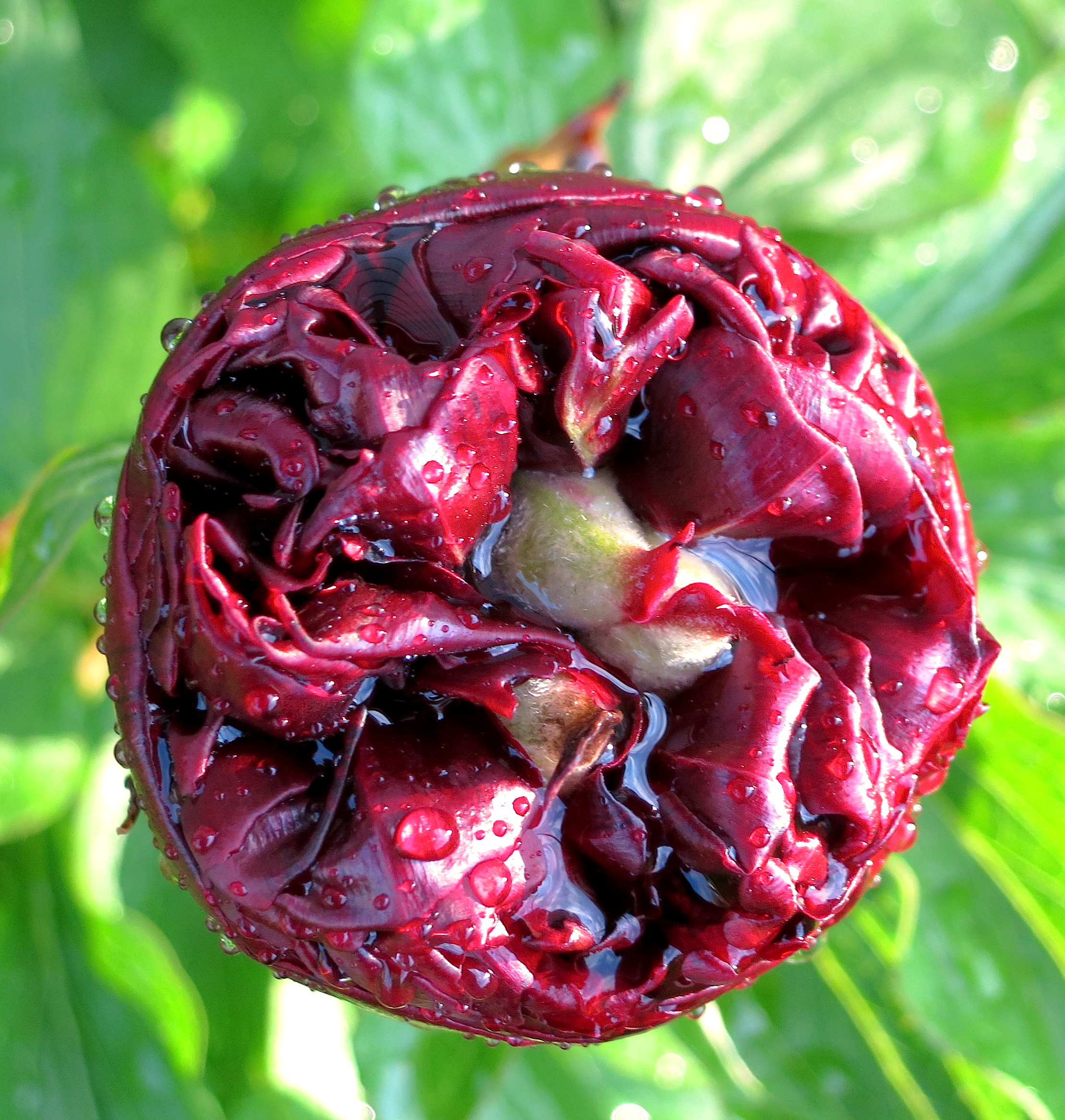
Or on the wealth of globed peonies;
~John Keats from “Ode on Melancholy”

Oatmeal porridge and melancholy,
poets and peonies,
stay-at-home orders and quarantine,
a rising COVID-19 death toll;
a week of walking through the suffering
of our Redeemer.

To be glutted with melancholy:
I am not alone in feeling it is
already too much to be borne on
a holy Monday morning~~
nothing more need be said.

We do what we can to understand
why He does what He must.