The Beginning of an Uprising

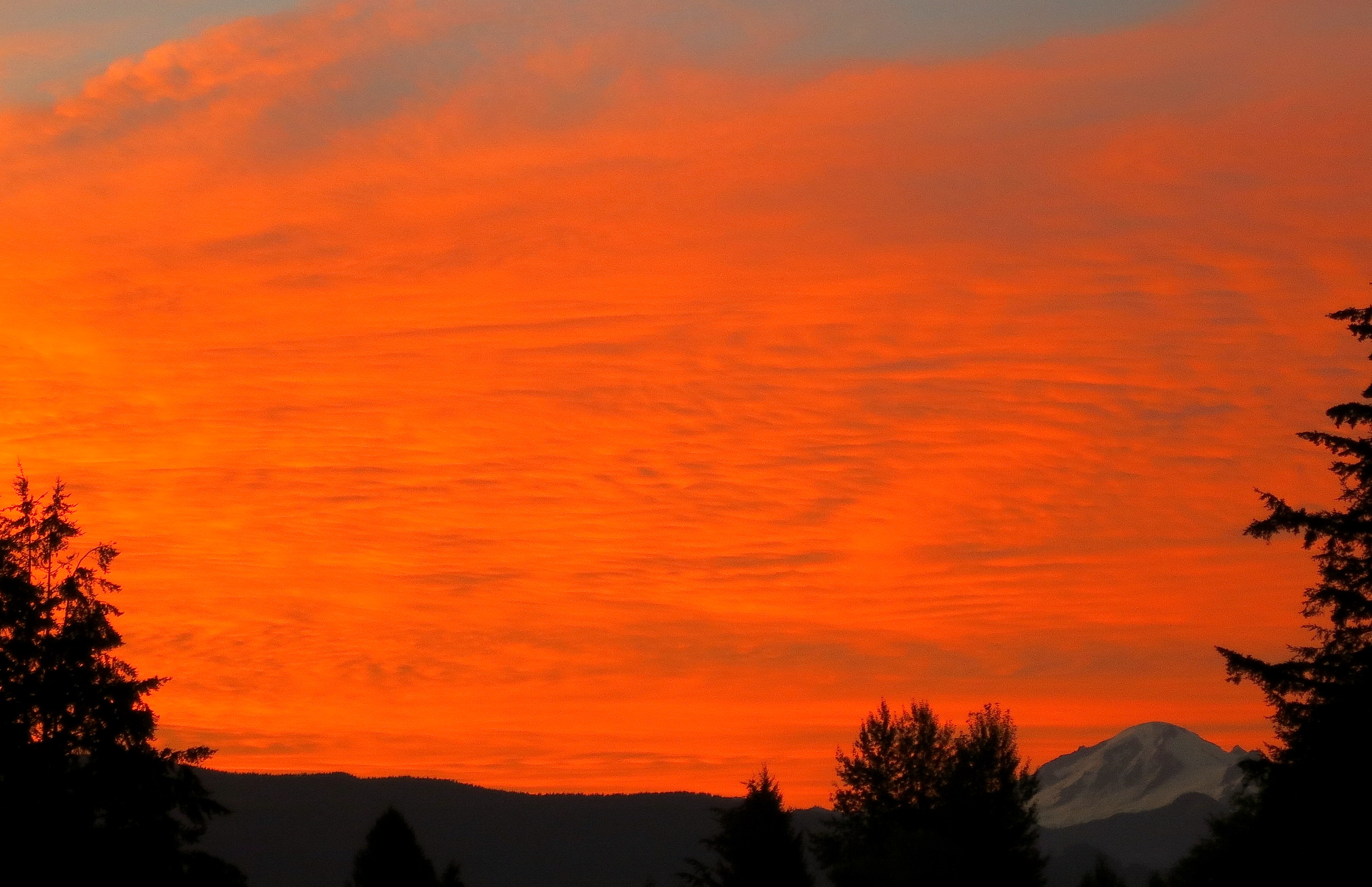
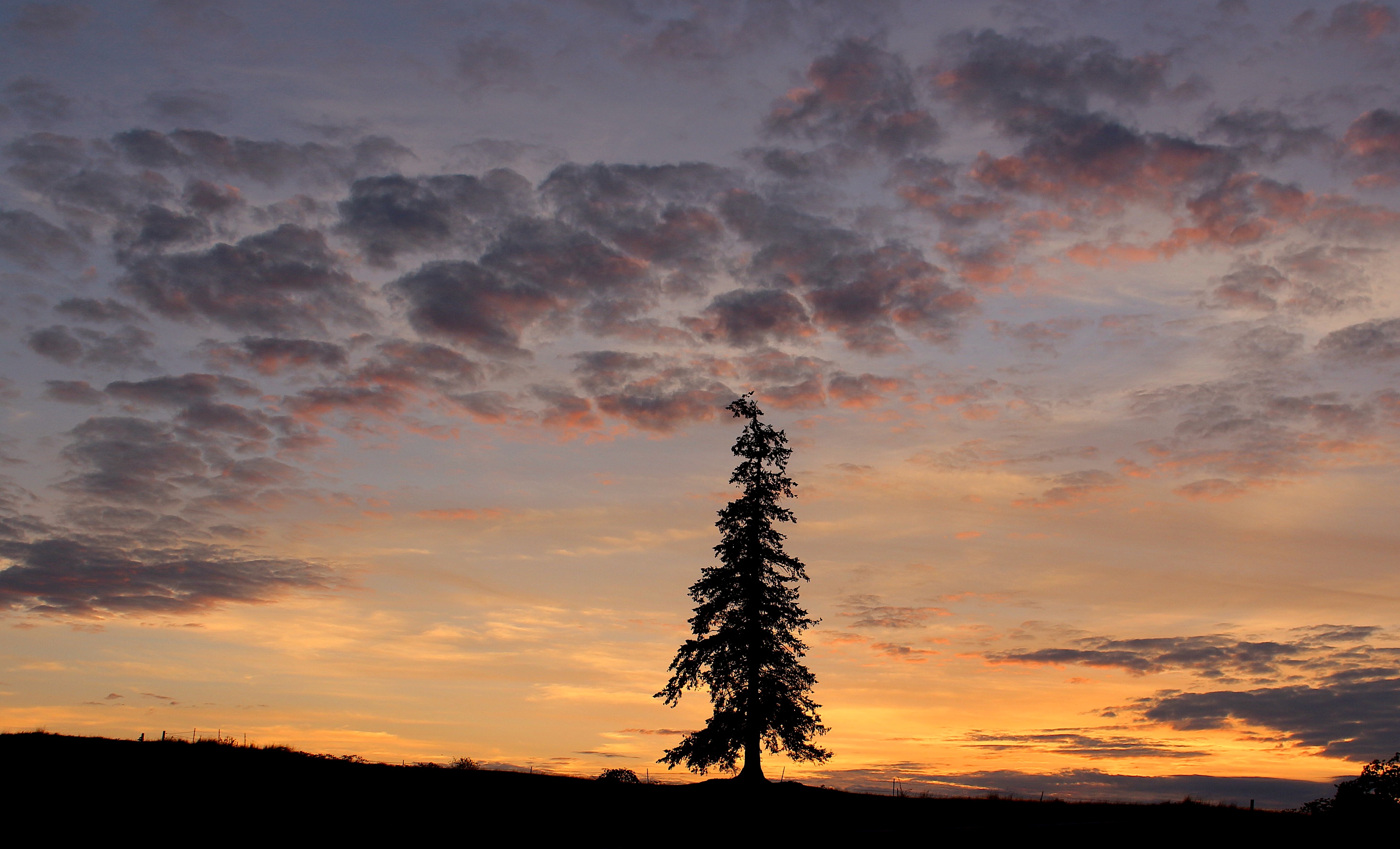
sunrise81144

To clasp the hands in prayer is the beginning of an uprising against the disorder of the world.
~Karl Barth

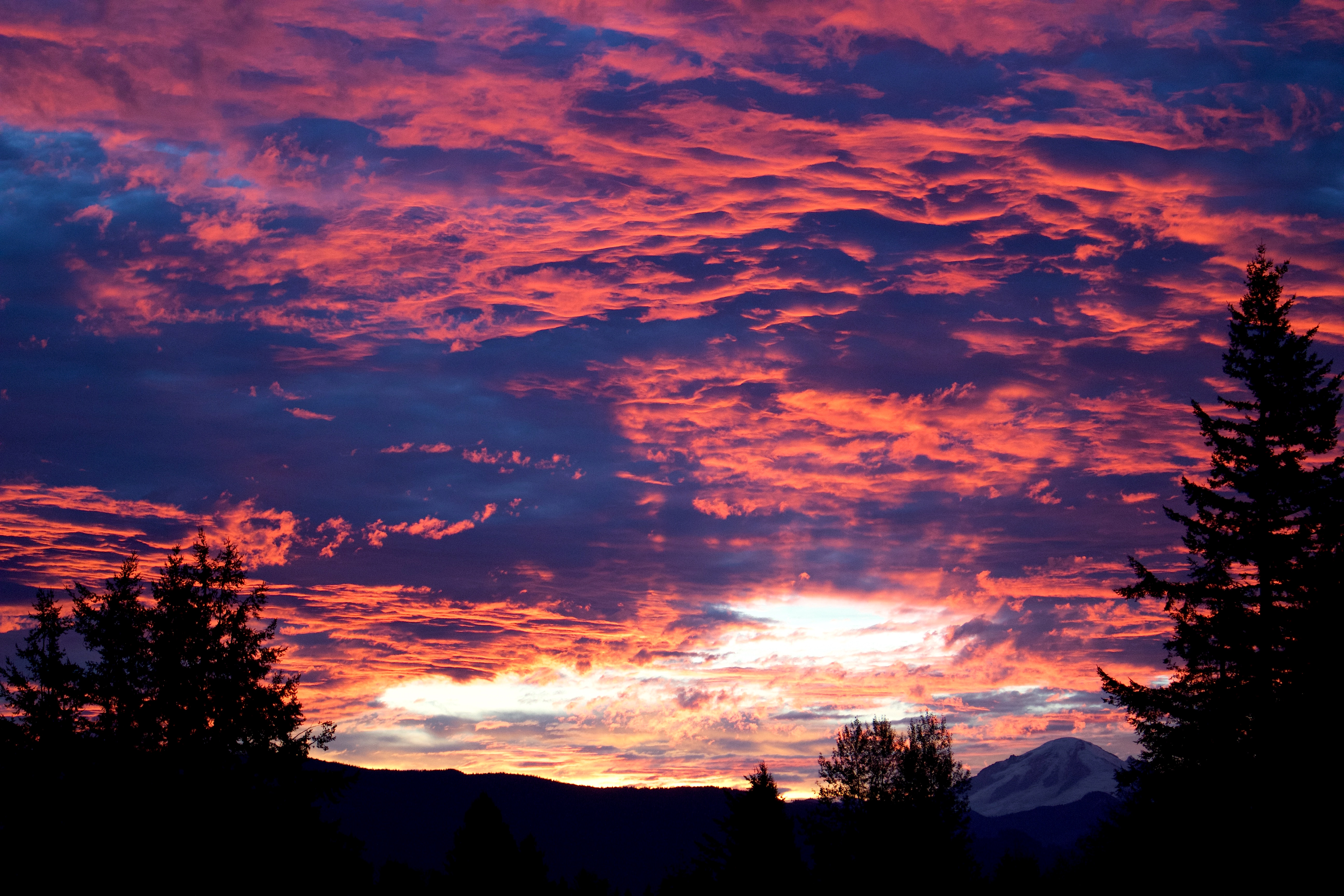
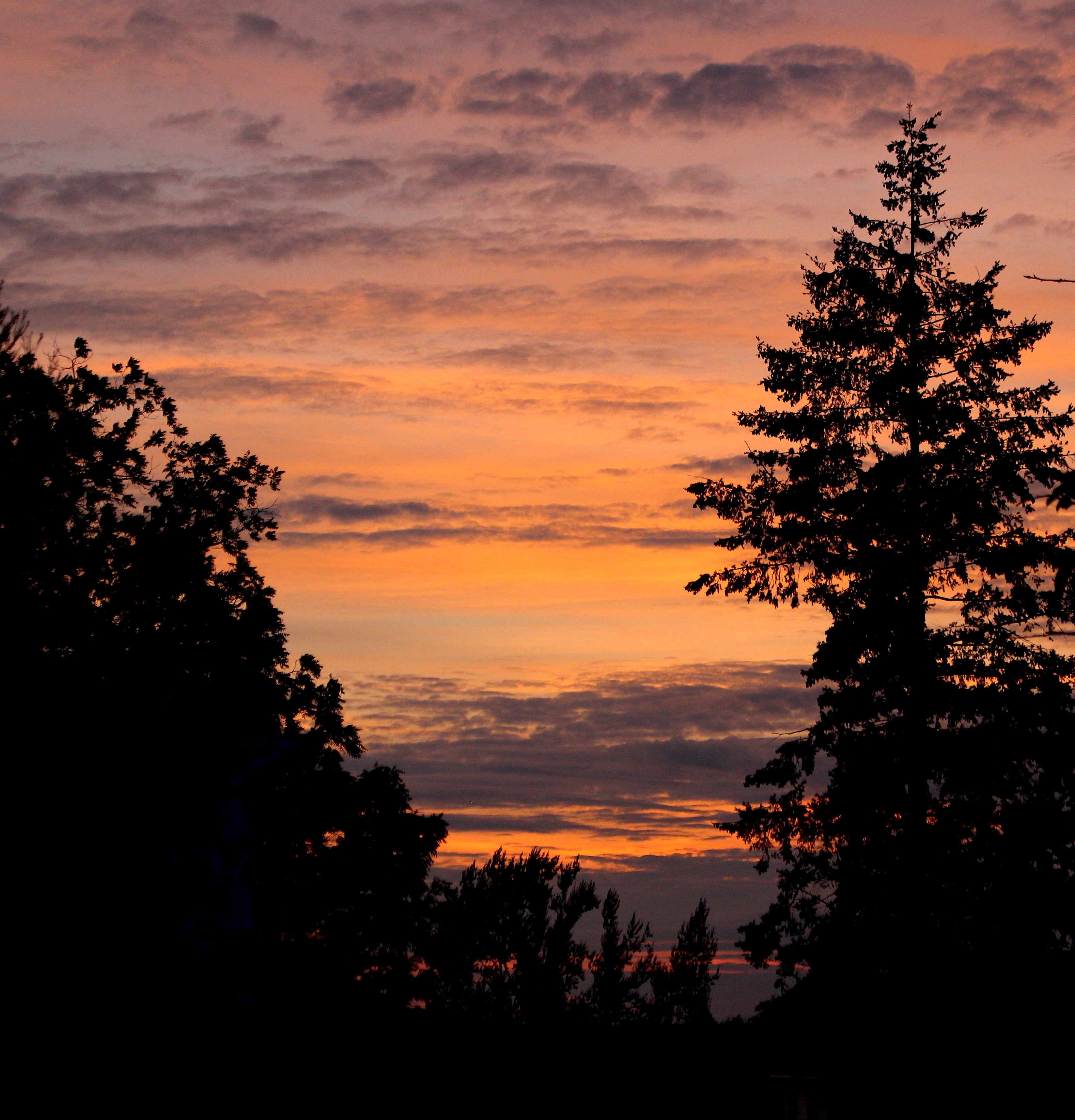
sunrise10915

There is much shouting and gnashing of teeth going on in our country right now.  Some from the streets, some from computer keyboards and screens, and some from inside the halls of government and a certain White House.

We need to stop shouting and clasp hands in prayer.

Prayer is always easier for the youngest among us.  It can be amazingly spontaneous for kids — an outright exclamation of joy, a crying plea for help, a word of unprompted gratitude.   As a child I can remember making up my own songs and monologues to God as I wandered alone in our farm’s woods, enjoying His company in my semi-solitude.  I’m not sure when I began to silence myself out of self-conscious embarrassment, but I stayed silent for many years, unwilling to put voice to the prayers that rattled in my head.  In my childhood, prayer in public schools had been hushed into a mere and meaningless moment of silence, and intuitively I knew silence never changed anything.  The world became more and more disorderly in the 60’s and 70’s and in my increasingly indoctrinated mind, there was no prayer I could say that would make a difference either.

How wrong could I and my education be?  Nothing can right the world until we are right with God through talking to Him out of our depth of need and fear.  Nothing can right the world until we submit ourselves wholly, bowed low, hands clasped, eyes closed, articulating the joy, the thanks, and the petitions weighing on our hearts.

An uprising is only possible when our voice comes alive, unashamed, unselfconscious, rising up from within us, uttering words that beseech and thank and praise.  To rise up with hands clasped together calls upon a power needing no billions and no weapons and no walls ~ only the Word ~ to overcome and overwhelm the shambles left of our world.

Nothing can be more victorious than the Amen, our Amen, at the end.

So be it and so shall it be.

Amen, and Amen again.

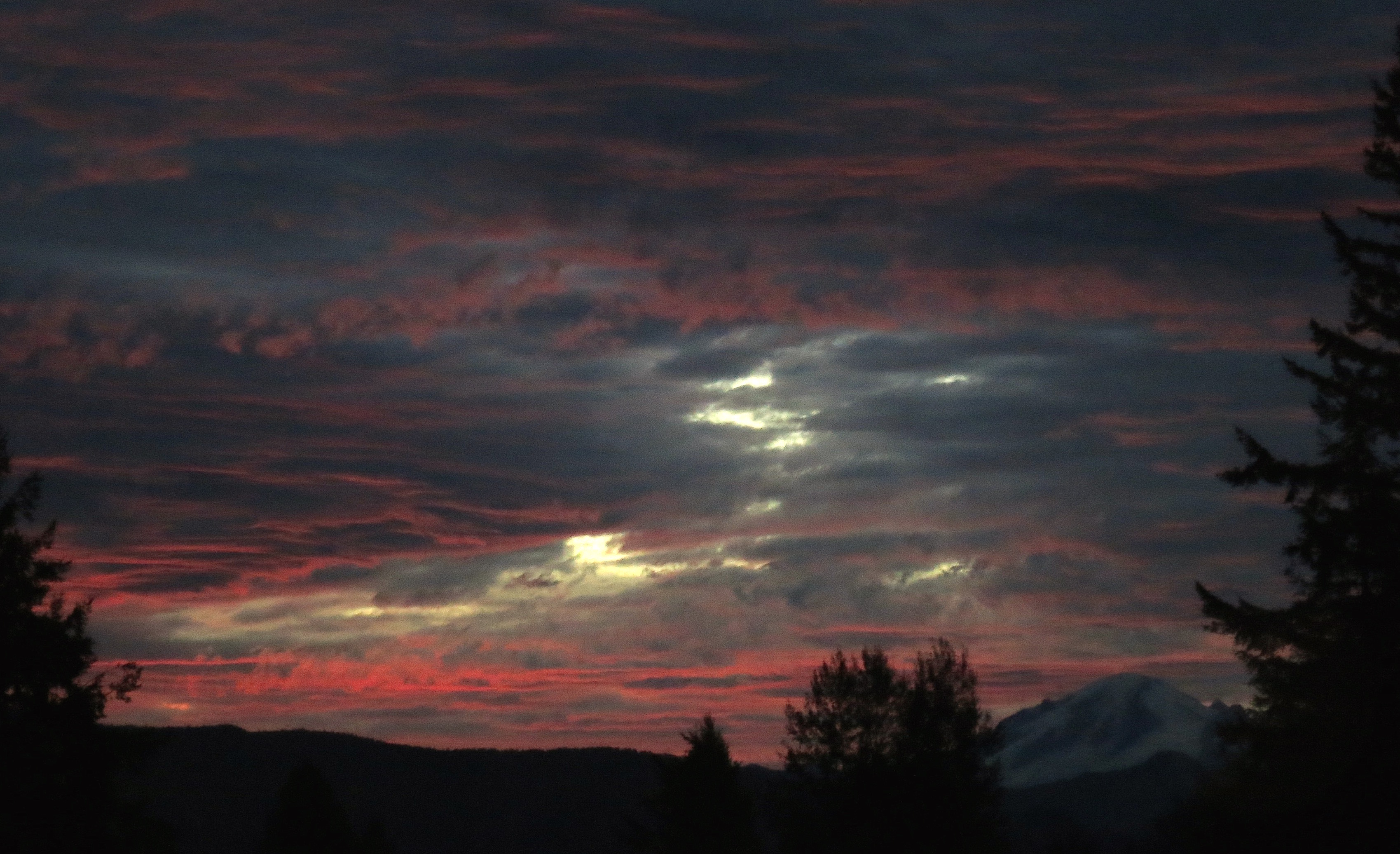
sunrise109151

Last Year’s Mistakes Wiped Clean

redsquare
 
 
That old September feeling, left over from school days, of summer passing… Another fall, another turned page: there was something of jubilee in that annual autumnal beginning, as if last year’s mistakes had been wiped clean by summer.
~Wallace Stegner from Angle of Repose


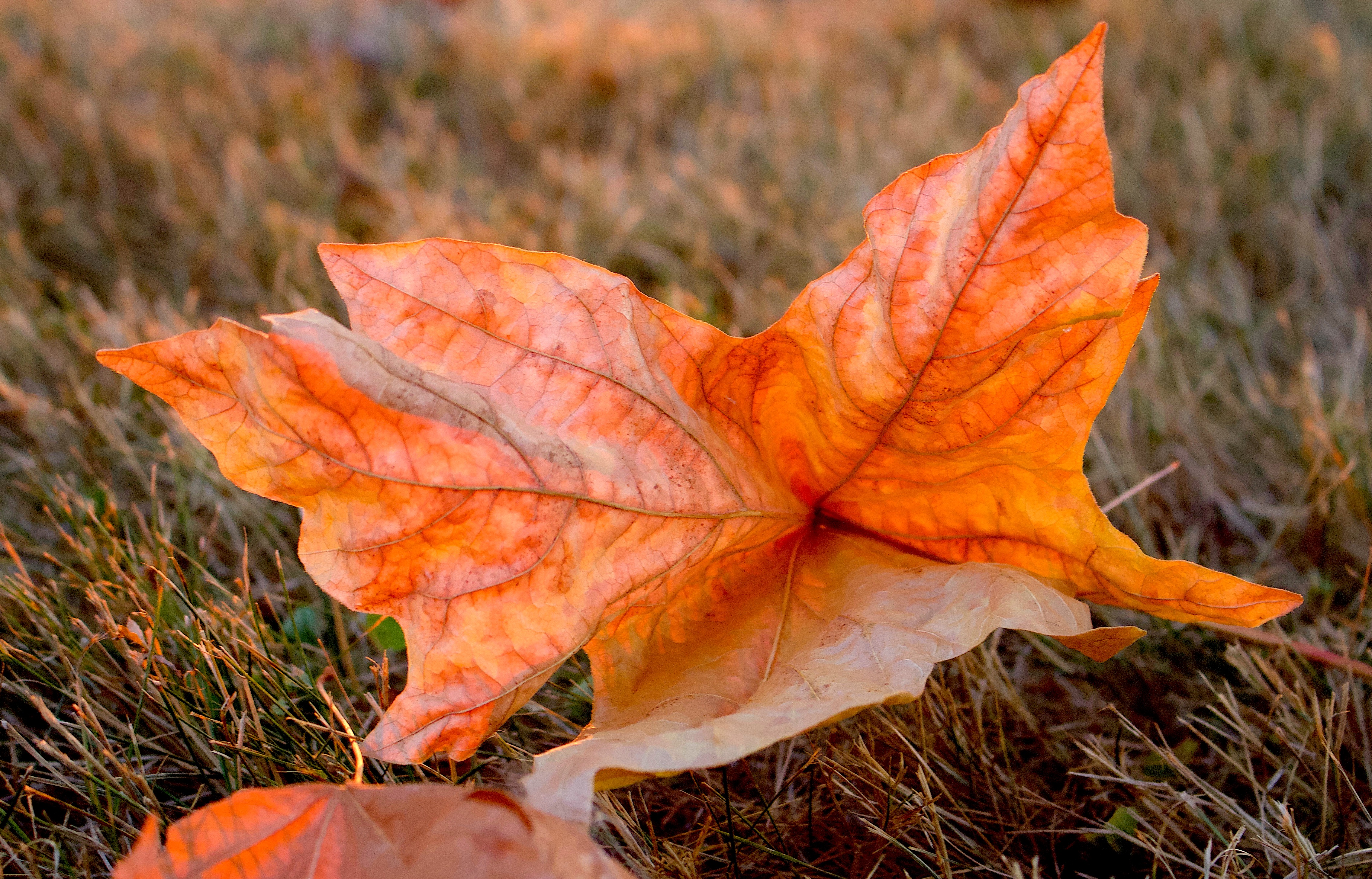
fallleaves91518
 
 
mapleWWU


Sixteen thousand students have appeared magically overnight on the campus where I’ve worked for three decades.  Unfortunately a record was set for the number who ended up in the emergency room last night due to their celebrating the start of the school year a bit too aggressively.

How is it the start of a new school year can be wistful, jubilant and potentially hazardous all at the same time?  There are always plenty of mistakes to be made and plenty to learn from, though sometimes at tremendous cost.  This is a risky way to start an education.

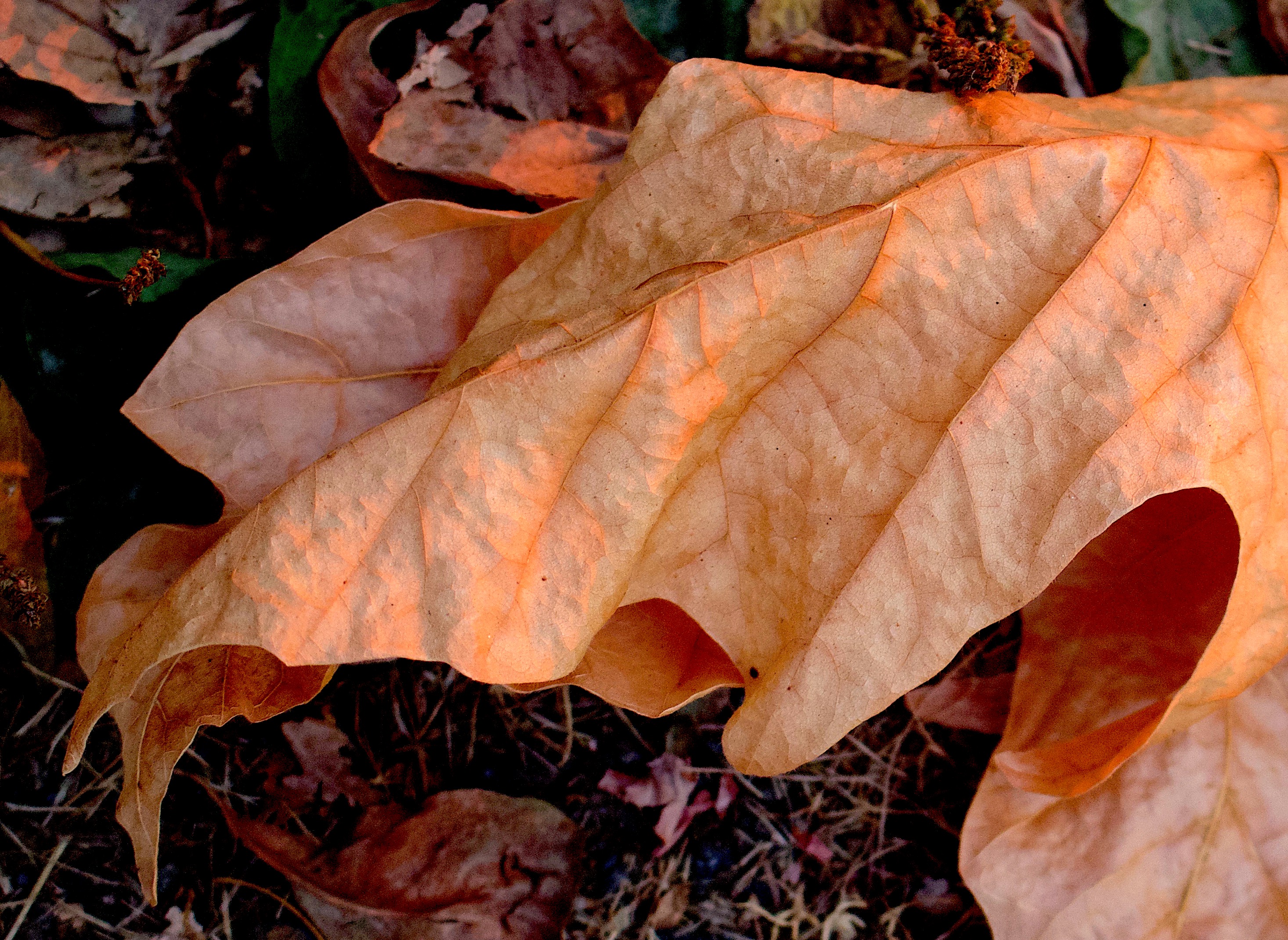
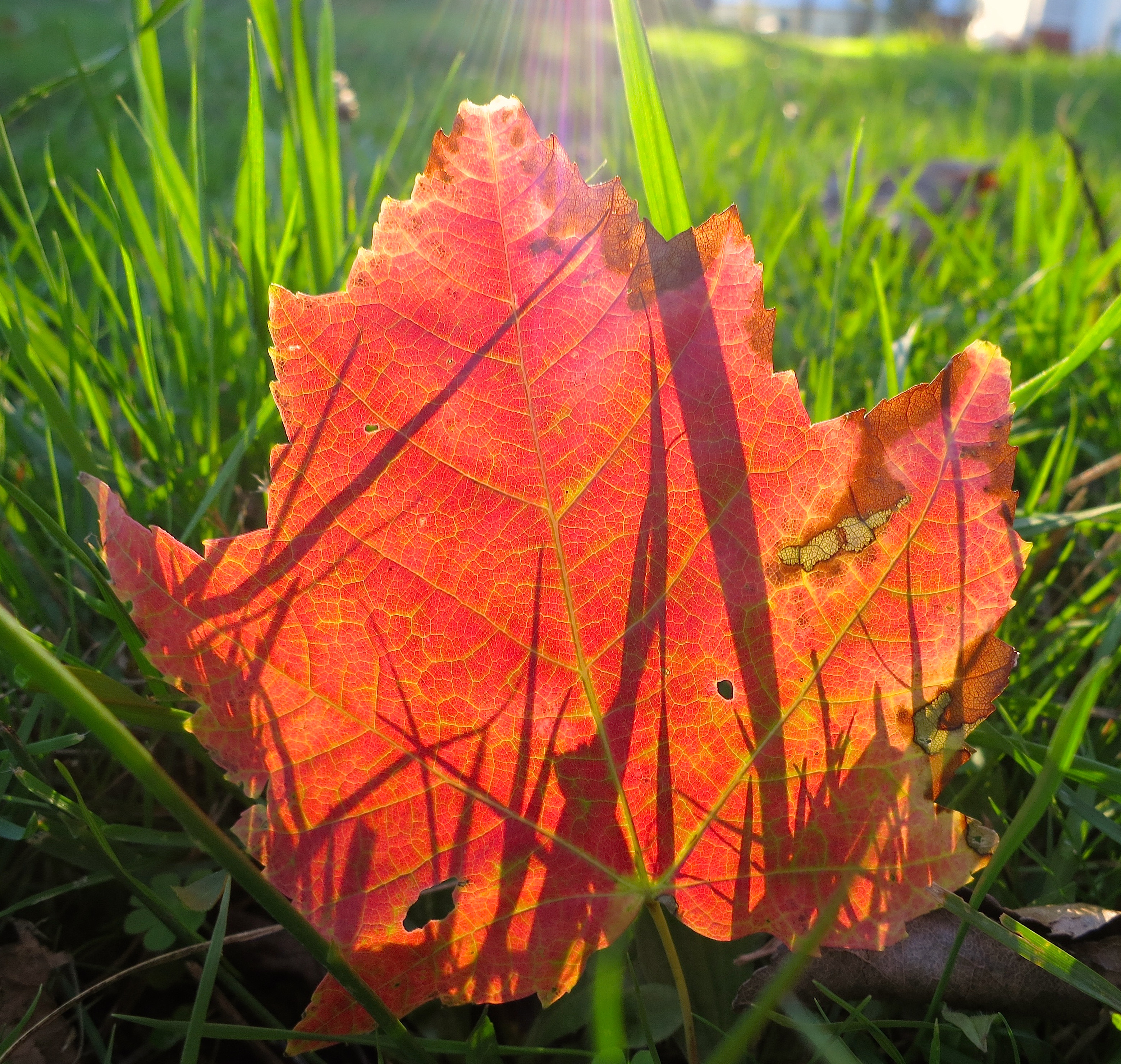
More than New Year’s Day, the beginning of autumn represents so many turned-over new “leafs”.  We are reminded of this whenever we look at the trees all over our beautiful campus and how their leaves are turning and letting go, seemingly joyful as they make way for the next stage of growth, the slate wiped clean and ready to be scribbled on once again.

Every autumn each emerging adult comes to the university with a similar clean slate, hoping to start fresh, leaving behind what has not worked well for them in the past.  These are our future patients who we hope are open to change because they are dedicating themselves to self-transformation through knowledge and discipline.

It is a true privilege, as a college health doc, to participate in our students’ transition to become autonomous critical thinkers striving to better the world as compassionate global citizens.  Their rich colors deepen when they let go to fly wherever the wind may next take them.

We who remain rooted in place celebrate each new beginning, knowing we nurture the hoped-for transformation…

…as long as we can keep them out of the emergency room.


irresistiblewwu


wwu11147


Nostalgic For What is to Come

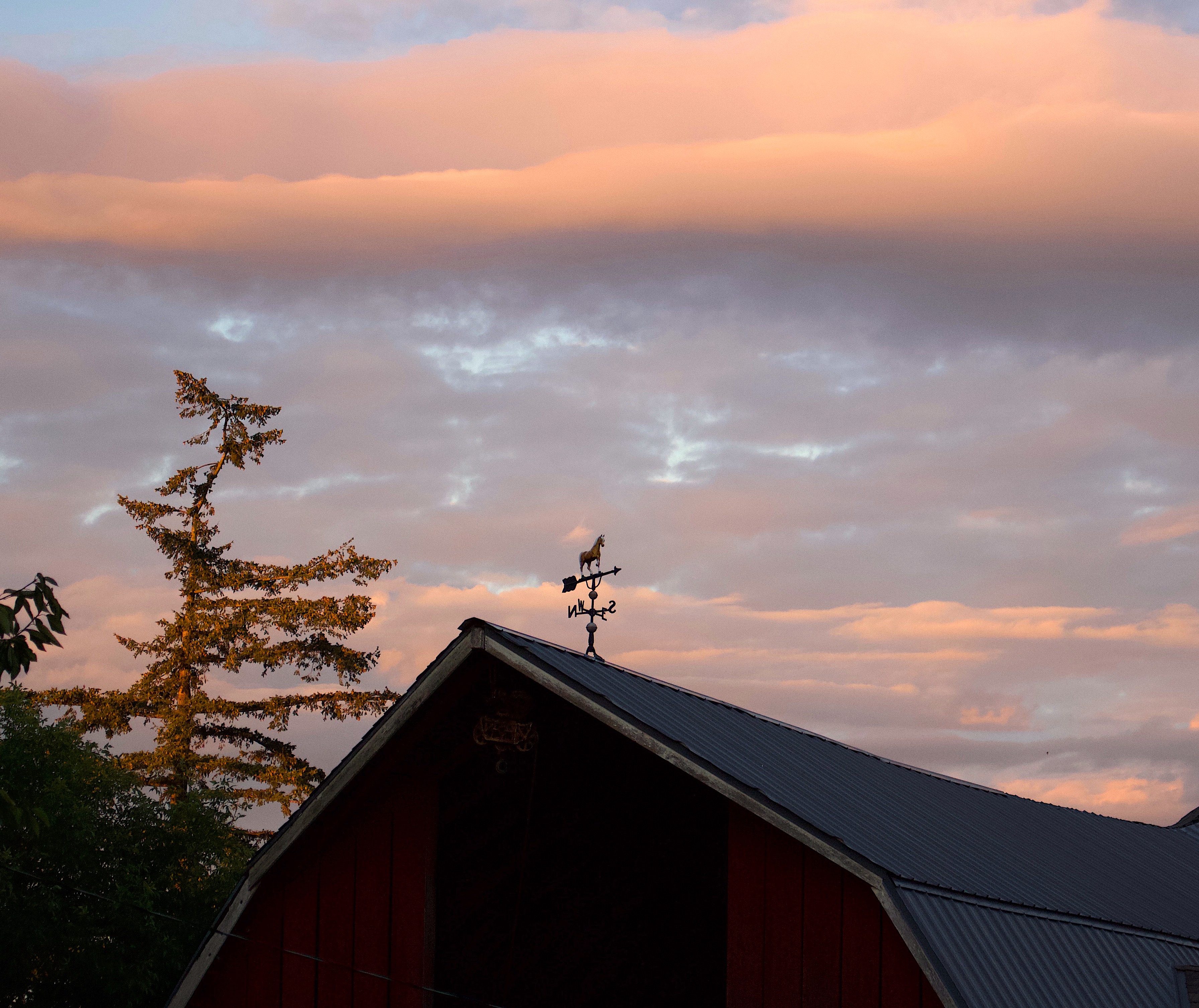
sunset831183


sunseteast830181


sunset831181


Toward the end of August I begin to dream about fall, how
this place will empty of people, the air will get cold and
leaves begin to turn. Everything will quiet down, everything
will become a skeleton of its summer self. Toward

the end of August I get nostalgic for what’s to come, for
that quiet time, time alone, peace and stillness, calm, all
those things the summer doesn’t have. The woodshed is
already full, the kindling’s in, the last of the garden soon

will be harvested, and then there will be nothing left to do
but watch fall play itself out, the earth freeze, winter come.
~David Budbill “Toward the End of August”


augustleaf2


sunset830181


As the calendar page flips to September this morning, I feel nostalgic for what is coming.

Summer is filled with so much overwhelming activity due to ~18 hours of daylight accompanying weeks of unending sunny weather resulting in never-enough-sleep.  Waking on a summer morning feels so brim full with possibilities: there are places to go, people to see, new things to explore and of course, a garden and orchard always bearing and fruiting out of control.

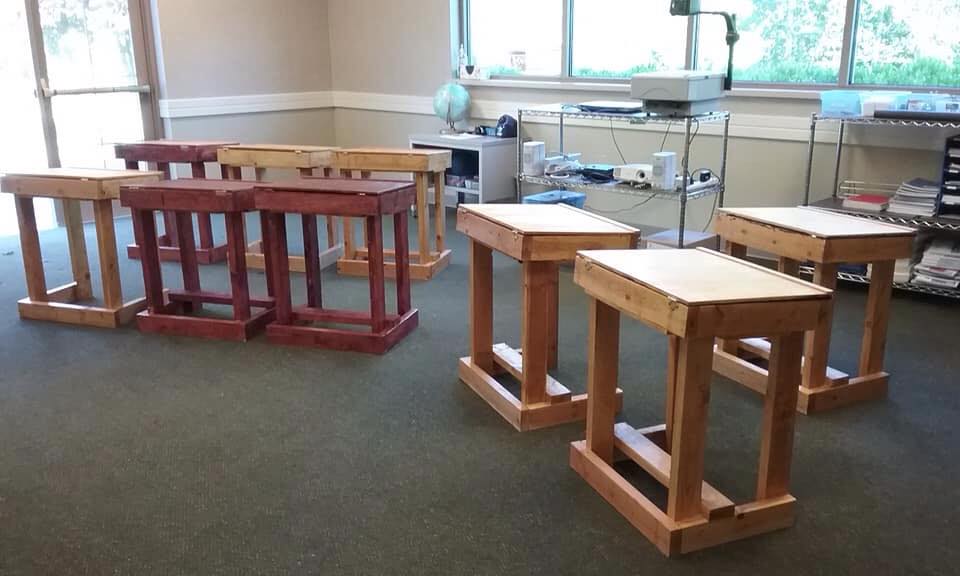
As early September days usher us toward autumn, we long for the more predictable routine of school days, so ripe with new learning opportunities. This week my teacher friend Bonnie orchestrated an innovative introduction to fifth grade by asking her students, with some parental assistance, to make (from scratch) their own personalized school desks that will go home with them at the end of the year.  These students have created their own learning center with their brains and hands, with wood-burned and painted designs, pictures and quotes for daily encouragement.

For those students, their desks will always represent a solid reminder of what has been and what is to come.

So too, I welcome September’s quieting times ushering in a new cool freshness in the air as breezes pluck and toss a few drying leaves from the trees.  I will watch the days play themselves out rather than feeling I must direct each moment.  I can be a sponge.

I whisper hush … to myself.

Goodnight August, goodnight farm, goodnight air, goodnight noises everywhere.


40526707_10217538863569991_4157598582423158784_n
Mrs. Bonnie Patterson’s fifth graders’ handmade desks at Evergreen Christian School, Bellingham, Washington


foggylayers


autumn9271415


augustleaf3

Enter Autumn Cautiously

autumnleaf2


squirrellayers


Enter autumn as you would 
a closing door. Quickly, 
cautiously. Look for something inside 
that promises color, but be wary 
of its cast — a desolate reflection, 
an indelible tint.
~Pamela Steed Hill  “September Pitch”


morningdew95146


morningdew9514


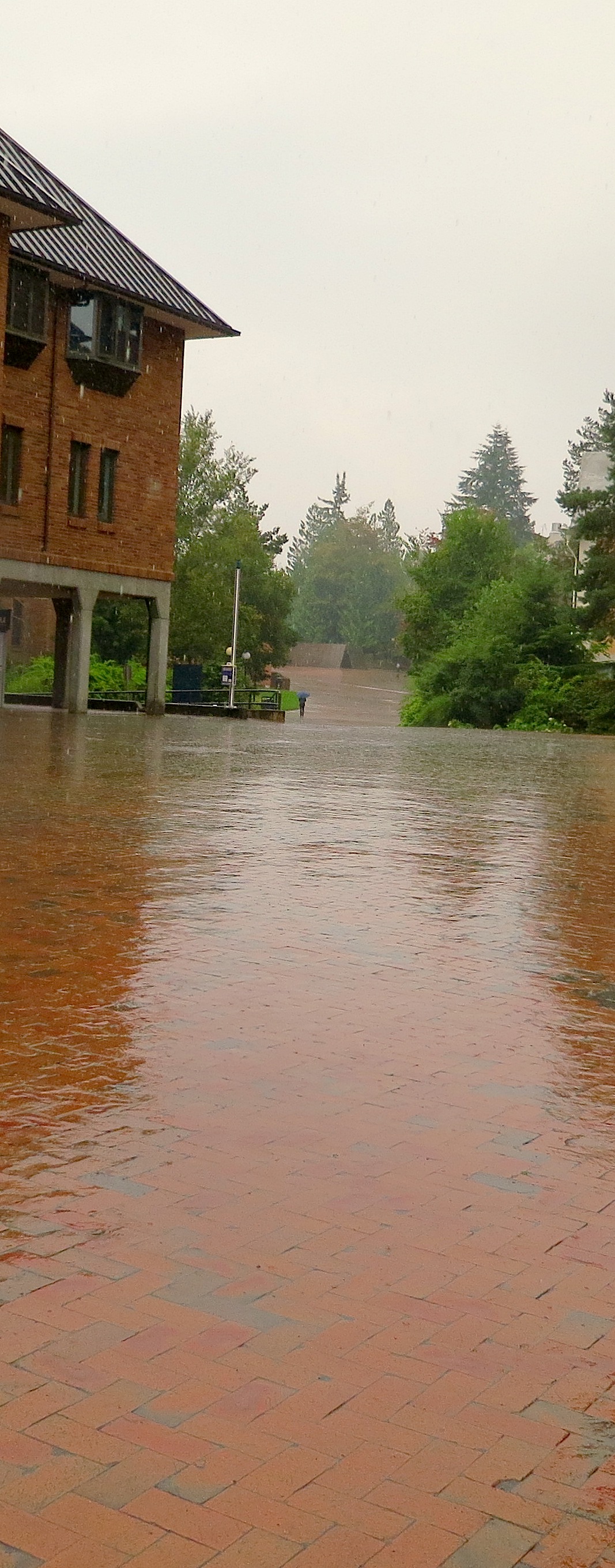
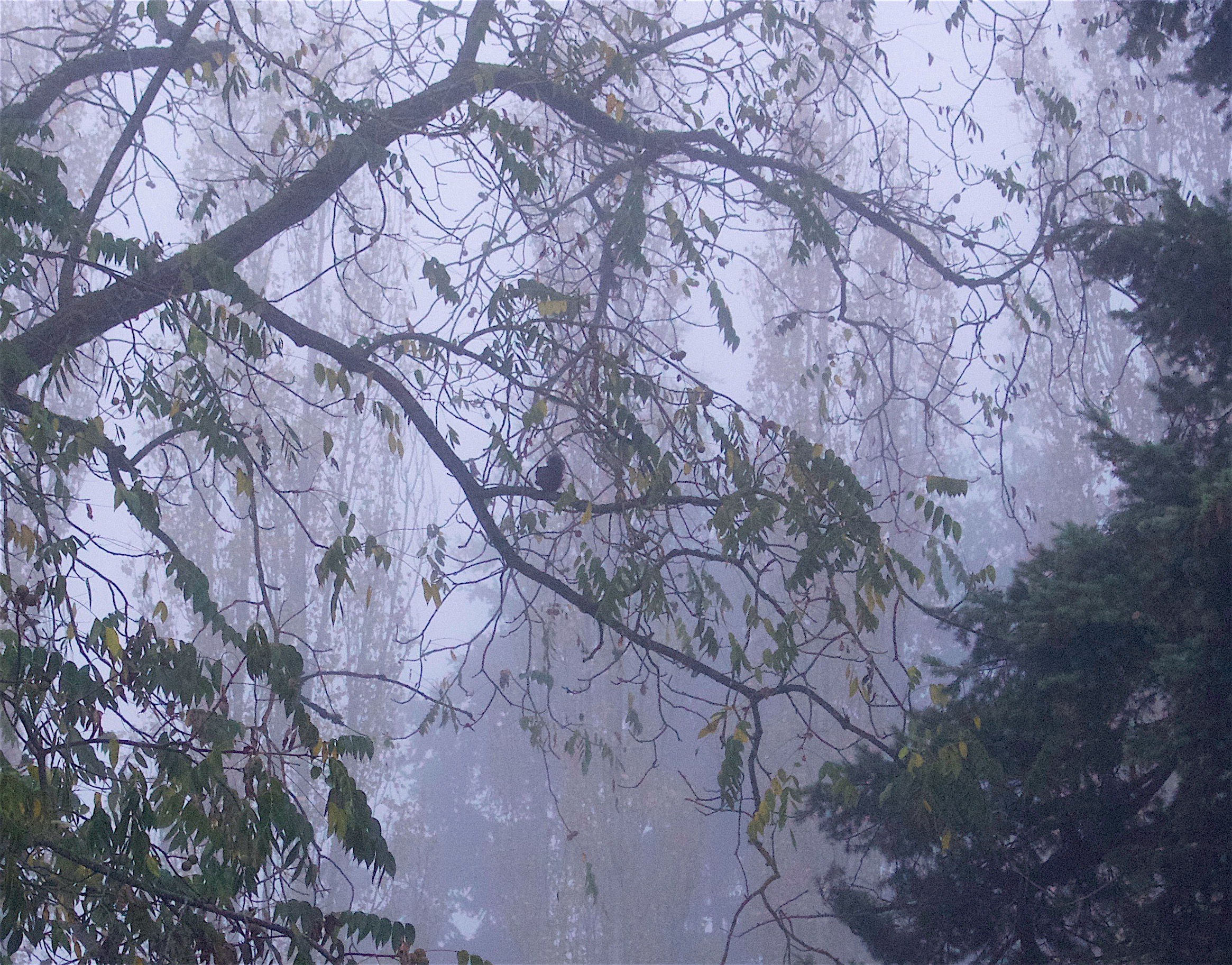
Today is a rainy gray start to the University’s academic year:  we enter autumn cautiously with no little trepidation about what comes next.

Once we’re on the other side of the closing door, we search for what enriches and envelopes  —  that which is unforgettable and indelible.

May we find the color midst the gray.


redsquare


redleaf1


alittlecolor

Financial Support for the Barnstorming Blog from our Readers

Your financial support helps to keep this blog an ad-free daily offering. Your contribution of any amount is encouragement to me and deeply appreciated.

$10.00

Questions Die Away

sunset917168

sunrise9161610

I know now, Lord, why you utter no answer.
You are yourself the answer.
Before your face questions die away.
~C.S. Lewis from Till We Have Faces

sunset917163

Today I help greet new and returning 15,000 college students who begin classes this week at my university.  Each one seeks answers to their many difficult questions about life and how to live in this troubled time.

Every day I will see college students who are so consumed by anxiety about the questions in their lives they become immobilized in their ability to move forward through inevitable obstacles and difficulties.  They become so stuck in overwhelming feelings they can’t sleep or eat or think clearly, distracted by their symptoms.  They self-medicate, self-injure and self-hate.  Being unable to nurture themselves or others, they wither like a young tree without roots deep enough to reach the vast reservoir of answers that lies untapped beneath them.  In epidemic numbers, some decide to die, even before life really has fully begun for them.

I grieve for them in their distress.   My role is to help find healing solutions, whether it is counseling therapy, a break from school, or a medicine that may give some form of relief.  My heart knows the ultimate answer is not as simple as the right prescription.

Before the face of God, the questions fall away.

We who are anxious are not trusting a Creator who does not suffer from attention deficit disorder and who is not distracted from His care for us even when we turn away in worry and sorrow.  We magnify our difficult circumstances by staying so tightly into ourselves, unable to look beyond our own eyelashes.  Instead we are to reach higher and deeper, through prayer, through service to others, through acknowledging there is power greater than ourselves who can answer all our unaskable questions.

So we are called to pray for ourselves and for others,  disabling our anxiety and fear and transforming it to gratitude and grace.

No longer withering, no longer deaf to the answers we’ve been given, we just might bloom.

dahliafair1

lily8161

Back to School Fog

morningfog82916

crow

A white, indifferent morning sky,
and a crow, hectoring from its nest
high in the hemlock, a nest as big
as a laundry basket …
                                    In my childhood
I stood under a dripping oak,
while autumnal fog eddied around my feet,
waiting for the school bus
with a dread that took my breath away.
 
The damp dirt road gave off
this same complex organic scent.
 
I had the new books—words, numbers,
and operations with numbers I did not
comprehend—and crayons, unspoiled
by use, in a blue canvas satchel
with red leather straps.
 
Spruce, inadequate, and alien
I stood at the side of the road.
It was the only life I had.
~Jane Kenyon “Three Songs at the End of Summer”
morninglayers

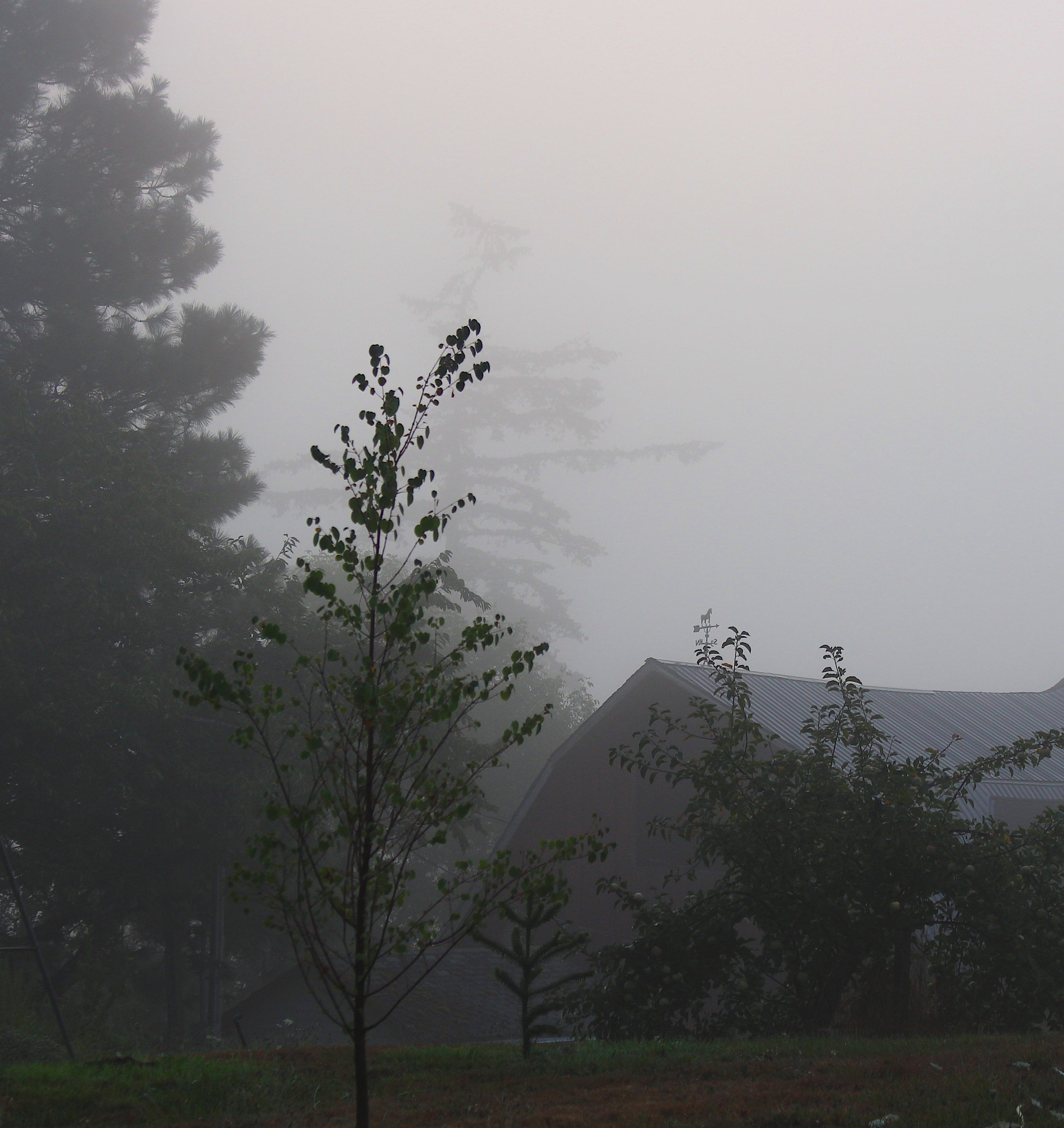
Back to school no longer is the day after Labor Day as it was when I was growing up. Some students have been in classes for a couple weeks now, others started a few days ago to ease into the transition more gently.  Only a few are starting today: school buses roar past our farm brimming with young faces, new clothes and shoes, stuffed back packs and a fair amount of dread and anxiety.

I remember well that foreboding that accompanied a return to school — the strict schedule, the inflexible rules and the painful reconfiguration of social hierarchies and friend groups.  Even as a good learner and obedient student, I felt I was a square peg being pushed into a round hole when I returned to the classroom, so the students who struggled academically and who pushed against the boundaries of rules must have felt even more so. We all felt alien and inadequate to the immense task before us to fit in with each other, allow teachers to open our minds to new thoughts, and to become something more than who we were.

Growth is so very hard, our stretching so painful, the tug and pull of potential friendships stressful.  As my own children now make this annual transition to a new school year as teachers, and as I prepare for the new students who will soon be under my care, I take a deep breath on a foggy morning and am immediately taken back to the fears of a skinny little girl in a new home-made corduroy jumper and saddle shoes,  waiting for the bus on a wooded country road.

She is still me — just buried deeply in the fog of who I have become, under all the piled-on layers of learning and growing and stretching — but I do remember her well. She could use a hug.

squirrellayers


Waking on a June Morning

sunrise611143

Some of the most powerful memories of summer come out of our childhood
when we wake up on a June morning and suddenly remember that school is out
and that summer stretches in front of us as endlessly as the infinities of space.

Everything is different.
The old routines are gone.
The relentless school bus isn’t coming.
The bells will be silent in silent hallways.

And all the world is leafy green,
and will be green,
forever and ever.
~Ray Bradbury

summershadow

treehousesunset

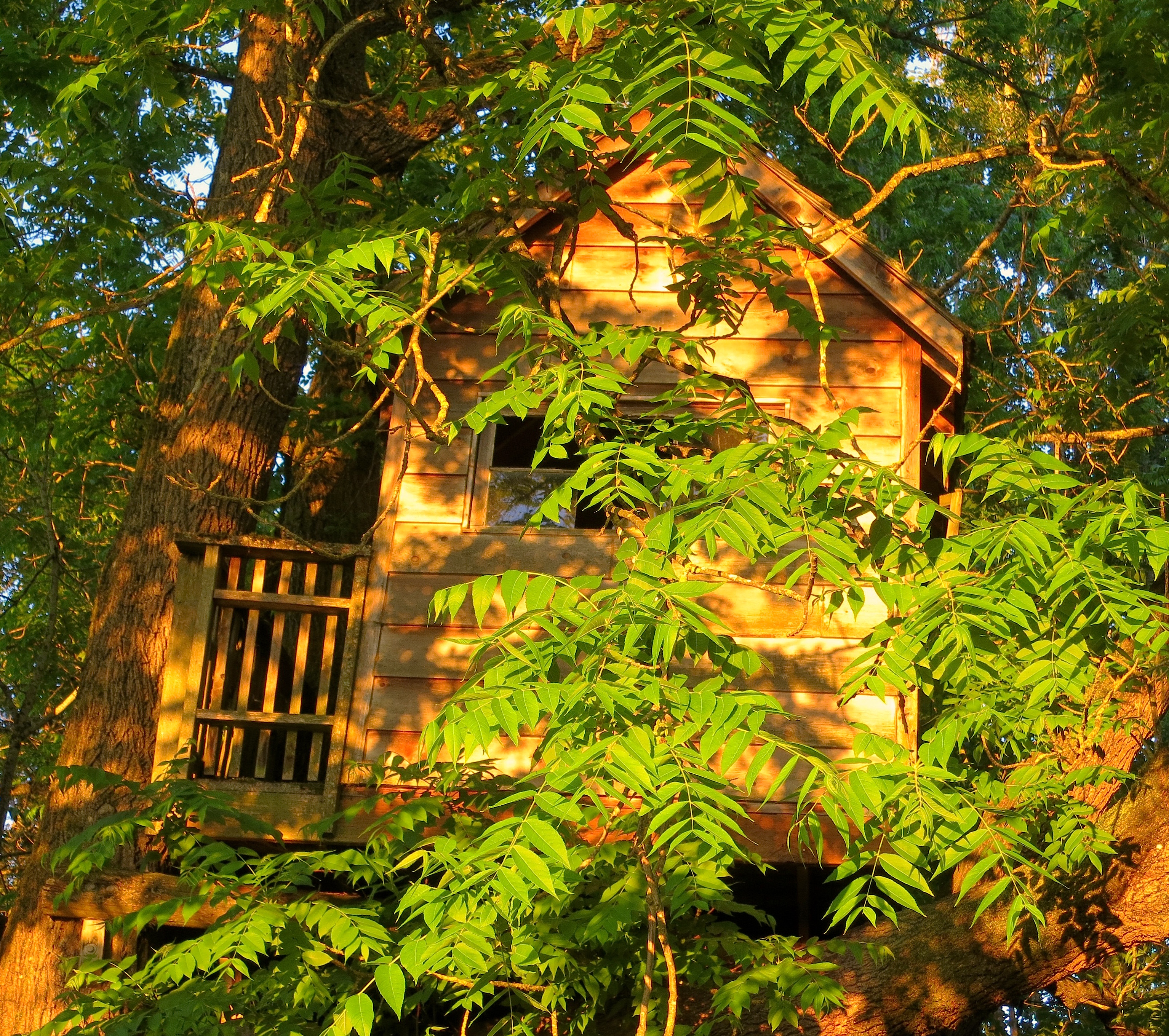
Summer was our best season: it was sleeping on the back screened porch in cots, or trying to sleep in the treehouse; summer was everything good to eat; it was a thousand colors in a parched landscape; but most of all, summer was Dill.
~ Harper Lee in Too Kill a Mockingbird

thistleseeds

Time lurches ahead in imprecisely measured chunks.  Sometimes the beginning and ending of seasons are the yardstick,  or celebrating a holiday or a birthday.  Memories tend to be stickiest surrounding a milestone event: a graduation, a move, a wedding, a birth, a road trip, a funeral.

But Summer needs nothing so remarkable to be memorable.  It simply stands on its own in all its extravagant abundance of light and warmth and growth and color stretching deep within the rising and setting horizons.  Each long day can feel like it must last forever, never ending, yet it does eventually wind down, spin itself out, darkening gradually into shadow.  We let go with reluctance; we feel as if no summer like it will ever come again.

Yet another will, somehow, somewhere, someday.  Surely a never-ending summer is what heaven itself will be.

Perfectly delightful and delightfully perfect.  We’ve already had a taste.

easternlandscape2

sunrise724154

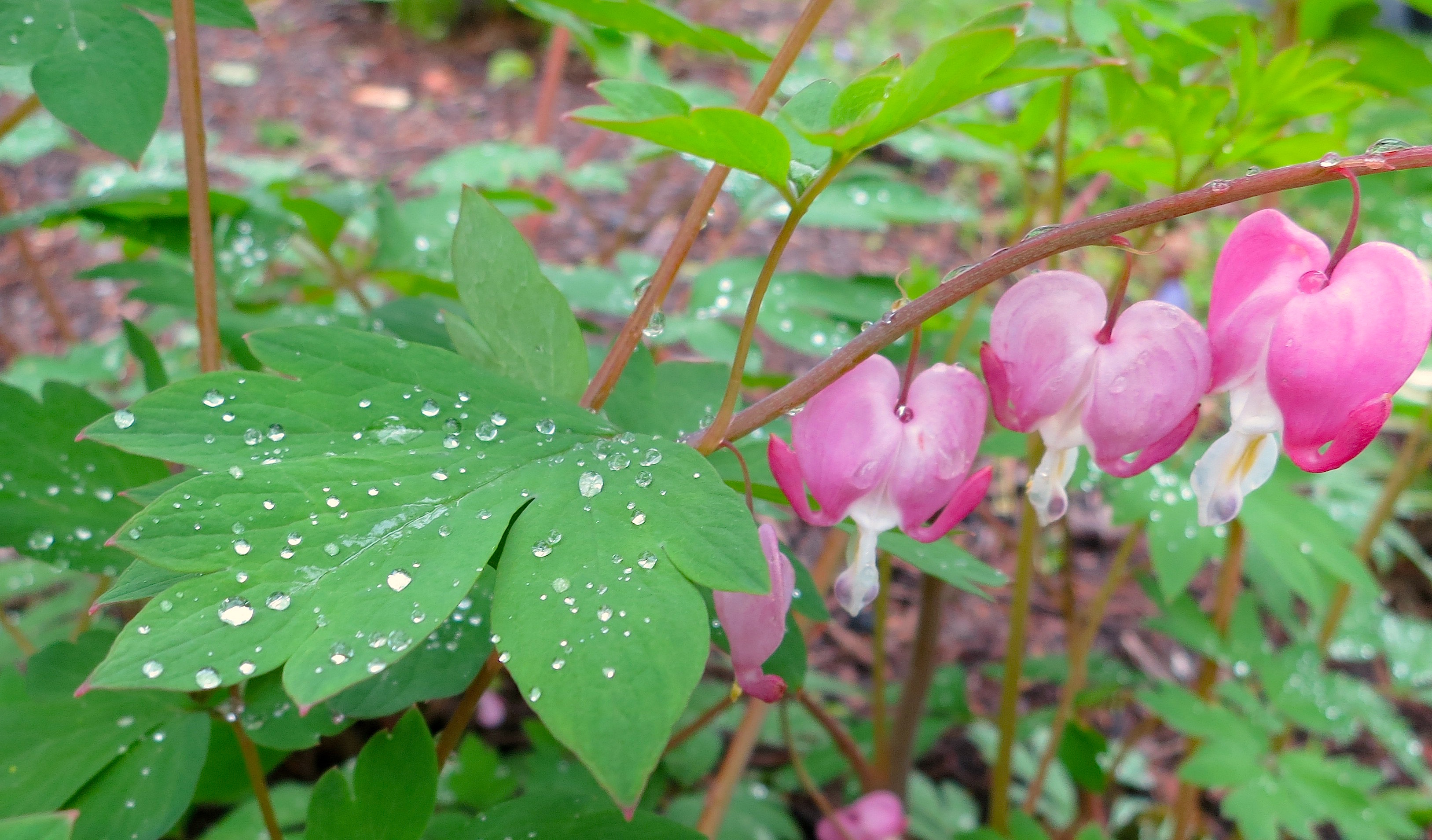
Bleeding Hearts

hearttears

Whatever he needs, he has or doesn’t
have by now.
Whatever the world is going to do to him
it has started to do… 

…Whatever is
stored in his heart, he can use, now.
Whatever he has laid up in his mind
he can call on.  What he does not have
he can lack…

…Whatever his exuberant soul
can do for him, it is doing right now…

…Everything that’s been placed in him will come out, now, the contents of a trunk
unpacked and lined up on a bunk in the underpine light.
~Sharon Olds from “The Summer-Camp Bus Pulls Away from the Curb”

whitehearts

This is the season for graduations, when children move into the adult world and don’t look back.

As a parent, as an educator, as a mentor within church and community, and over twenty seven years as a college health physician witnessing this transition many times over, I can’t help but be wistful about what I may have left undone and unsaid with the generation about to launch.   In their moments of vulnerability, did I pack enough love into their bleeding hearts so he or she can pull it out when it is most needed?

When our three children traveled the world after their graduations, moving way beyond the fenced perimeter of our little farm, I trust they left well prepared.

As a school board member, I watched students, parents and teachers work diligently together in their preparation for that graduation day, knowing the encompassing love behind each congratulatory hand shake.

When another batch of our church family children say goodbye, I remember holding them in the nursery, listening to their joyful voices as I played piano accompaniment in Sunday School, feeding them in innumerable potlucks over the years.  I pray we have fed them well in every way with enough spiritual food to stick to their ribs in the “thin” and hungry times.

When hundreds of my student/patients move on each year beyond our university and health clinic, I wish for their continued emotional growth buoyed by plenty of resilience when the road gets inevitably bumpy.

I believe I know what is stored in the hearts of graduates because I, among many others, helped them pack it full of love.   Only they will know the time to unpack their heart when their need arises.

irishroad

sunset69168

Each Minute the Last

11951312_1198925466800331_3990099488883249004_nphoto of Watson Lakes in the North Cascades by Benjamin Janicki

The fire in leaf and grass
so green it seems
each summer the last summer.

The wind blowing, the leaves
shivering in the sun,
each day the last day.

A red salamander
so cold and so
easy to catch, dreamily

moves his delicate feet
and long tail. I hold
my hand open for him to go.

Each minute the last minute.
~Denise Levertov

creeper29145

To think that this meaningless thing was ever a rose,
Scentless, colourless, this!
Will it ever be thus (who knows?)
Thus with our bliss,
If we wait till the close?

Though we care not to wait for the end, there comes the end
Sooner, later, at last,
Which nothing can mar, nothing mend:
An end locked fast,
Bent we cannot re-bend.
~Christina Rossetti “Summer is Ended”

homerose

As now school buses drone past the farm,
no longer bearing our children away to greater knowledge,
as they each have caught rides far beyond my reach.
I recall each first day of school feels like a day of mourning
each “last” of summer a loss, each ending so bent
I find no strength to bend it back carefree,
and I must learn, once more, with each “last”,
how fleeting the bliss of this life.

backsidebriarcroft

A Crippled Heart

sunsetappletree

All of us come to the study and practice of medicine through different pathways: some because of family members who were doctors or patients, some out of our own illness or wounded brokenness, some out of intense drive to achieve and serve.

I came to medicine because of my grade school classmate Michael.

My grade school represented a grand social experiment of the early 1960’s.  It was one of the first schools to mainstream special needs children into “regular” classrooms.   At that time, the usual approach was to warehouse kids with disabilities (i.e. “handicaps” in 60′s parlance)  in separate rooms, if not whole separate schools.

During those years, the average class size for a grade school teacher was 32-35 kids, with no teacher’s aides, rare parent volunteers (except for field trips and room mothers who threw the holiday parties) and no medications or special accommodations for ADHD or learning disabilities.  I’m not sure how teachers coped with a room full of too-often noisy unruly kids,  but somehow they managed to teach in spite of the obstacles.  Adding in children with mental and physical challenges without additional adult help must have added immeasurable challenges and lots of gray hair.

So the more capable kids got recruited to mentor the kids with disabilities.  It was a way to keep some kids busy who out of boredom might otherwise find themselves engaging in disruptive entertainment. It helped the teacher by creating a buddy system for the special needs kids who might need help with class work or who might have difficulty getting around.

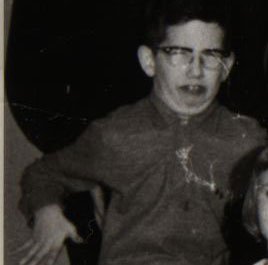
In fifth grade I was assigned to be a buddy to Michael.  He was a spindly boy with cerebral palsy and hearing aids, thick glasses hooked with a wide band around the back of his head,  and spastic muscles that never seemed to go where he wanted them to go.  He walked independently with some difficulty, mostly on his tiptoes because of his shortened leg muscles, falling when he got going too quickly as his thick orthopedic shoes with braces would trip him up.   His hands were intermittently in a crab like grip of contracted muscles, and his face always contorting and grimacing.  He drooled continuously so perpetually carried a soppy Kleenex in his hand to catch the drips of spit that ran out of his mouth and dropped on his desk, threatening to spoil his coloring and writing papers. I would deliver him to the bathroom on a schedule, pushing the heavy door open for him to get inside, and waiting outside until he knocked on the door so I could open it back up for him.

His speech consisted of all vowels, as his tongue couldn’t quite connect with his teeth or palate to sound out the consonants, so it took some time and patience to understand what he said.  He could write with great effort, gripping the pencil awkwardly in his tight palm and found he could communicate better at times on paper than by talking. I made sure he had help to finish assignments if his muscles were too tight to write, and I learned his language so I could interpret for the teacher. I quickly discovered he was brave and bright, with a finer mind than most of the kids in our class.    He loved a good joke and his little body would shudder as he roared his appreciation.   I was impressed at how he expressed himself and how little bitterness he had about his limitations.

He was the most articulate inarticulate person I knew.  As a peer-opinion-driven preadolescent girl, I’m amazed I could even recognize that about Michael.  It was so tempting to stay oblivious to the person that Michael was inside his broken shell of a body.

Sometimes I wanted to hide as Michael appeared around the corner of the grade school building every morning. He would be walking too quickly in his tightly wound tip-toe cadence, arms flailing, shoes scuffing, raising up dust with each step. He would wave at me and call out my name in his indecipherable voice, a voice I knew too well.

There were many times when I resented being Michael’s buddy though I was determined not to let him know it.  I was myself stuck fast in my 5th-grade-need to be popular and acceptable to my peers.  I didn’t want to be constantly responsible for him and other kids teased me about him being my boyfriend.

And in many ways, he was.

As he would approach while I stood in my clump of friends on the playground, a group of boys playing tag would swoop past him, purposely a little too close, spinning him off his feet like a top and onto the ground. Glasses askew, he would lay momentarily still, and realizing I was needed, I would run to his side. Despite all he endured, I never saw Michael cry, not even once, not even when he fell down hard.  When he got angry or frustrated, he’d get very quiet, but his muscles would tense up so much he would go into even greater spasms.

I would help him up,  brush off the playground dirt from his sweatshirt and pants and look at his grimacing face. Although he would give me a huge toothy smile of thanks, his eyes, as usual, said what his mouth could not. He looked right past my hardened pretense, into my softening heart. Michael knew I needed him as much as he needed me. I was a lifesaver that had been thrown to him as he struggled to stay afloat in the sea of playground hostility.  And he was the first boy who loved me despite of who he saw inside my own inner broken shell.

After two years, when parents complained that the educational process was suffering for all the students, the social experiment was over and the school segregated the special needs kids back to therapeutic educational classrooms.  Though I never saw Michael again, I heard him on the radio six years later, reading an essay he’d written for the local Voice of Democracy contest on what it meant to be a free citizen.  His speech was one of the top three award winners that year.  I was so proud of how he’d done and how understandable his speaking voice had become.

I’ve thought of him frequently over the years as I went on to medical school, knowing that my initial training in compassionate caring came as I sat by his side for hours, even when I didn’t want to be there, learning to understand another person’s  voice and heart.  I didn’t appreciate it then as I do now, but he taught me far more than I ever taught him:  patience, perseverance and respect for the journey rather than the destination. He taught me life isn’t always fair: you make the best of what you are given and pay no attention to what others think and say.

Michael, wherever you are, you did that for me.  You helped me put someone else’s needs above my own.  You set me on the road to practice medicine. Your kindness reached deep into my own special needs heart, helping heal the crippled part of me that no one else could see, but you could feel.

Thank you, Michael, for being a buddy to someone whose pre-teen emotional handicaps ran far deeper than your life-time physical disabilities.

In my own imperfect way,  I loved you too.
michael