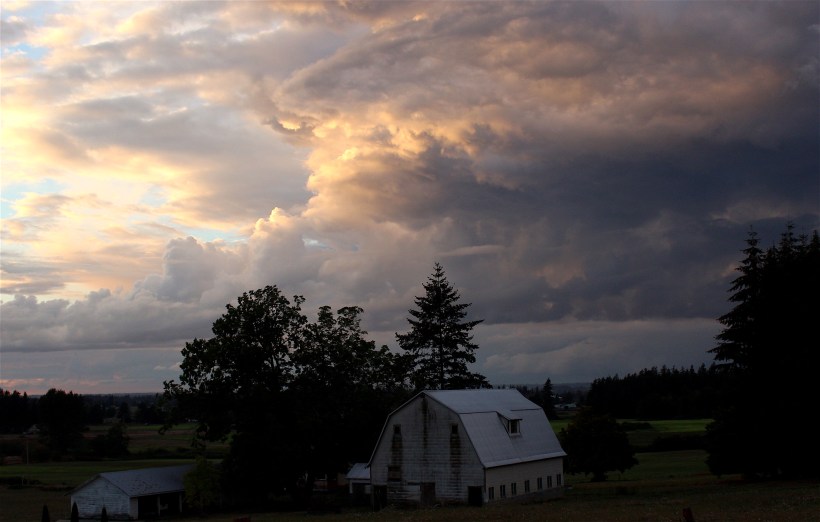
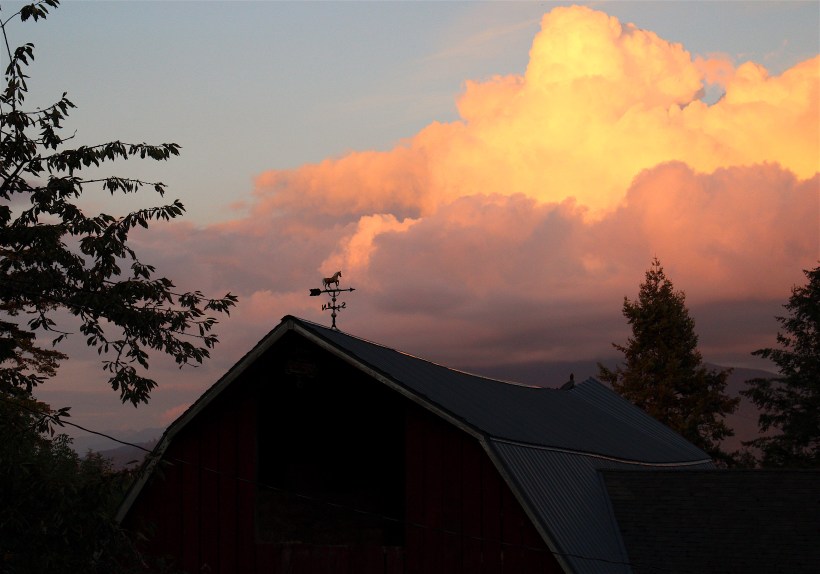
On Mine Aëry Nest

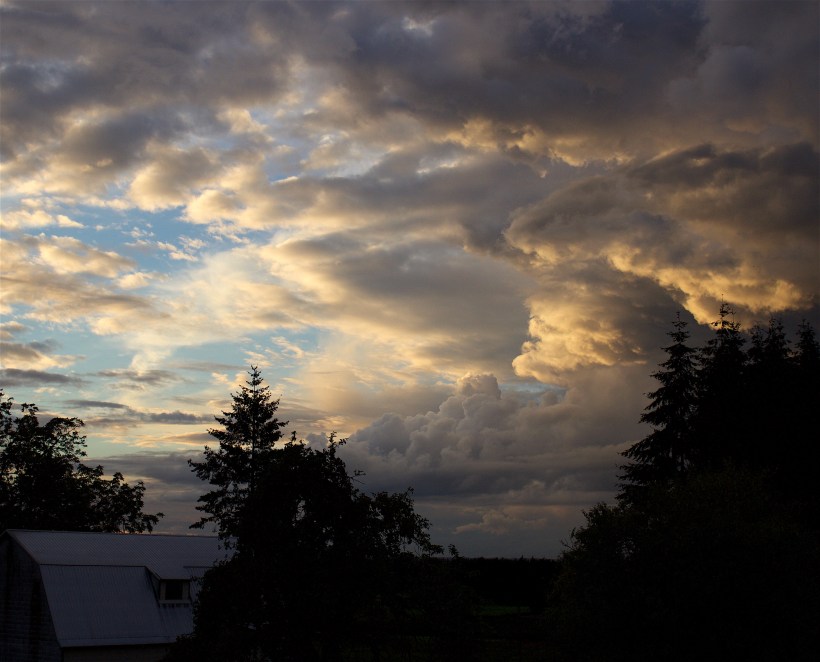
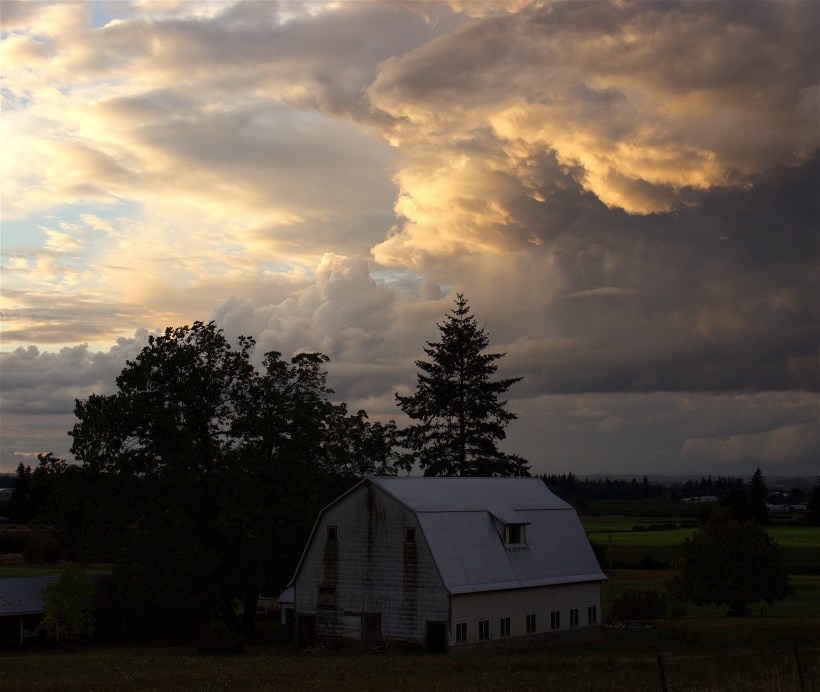
cloudstudy92165

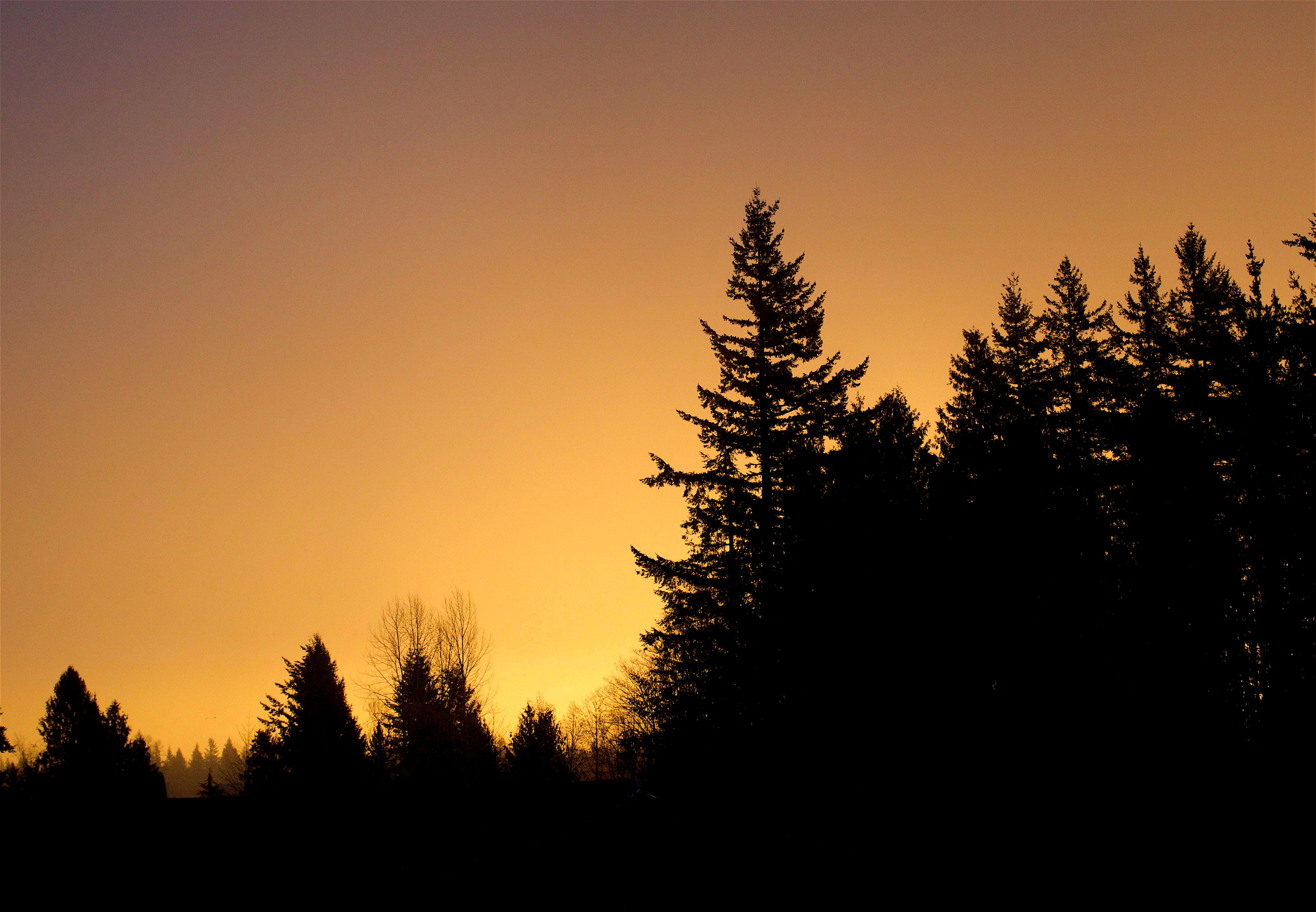
sunset93163
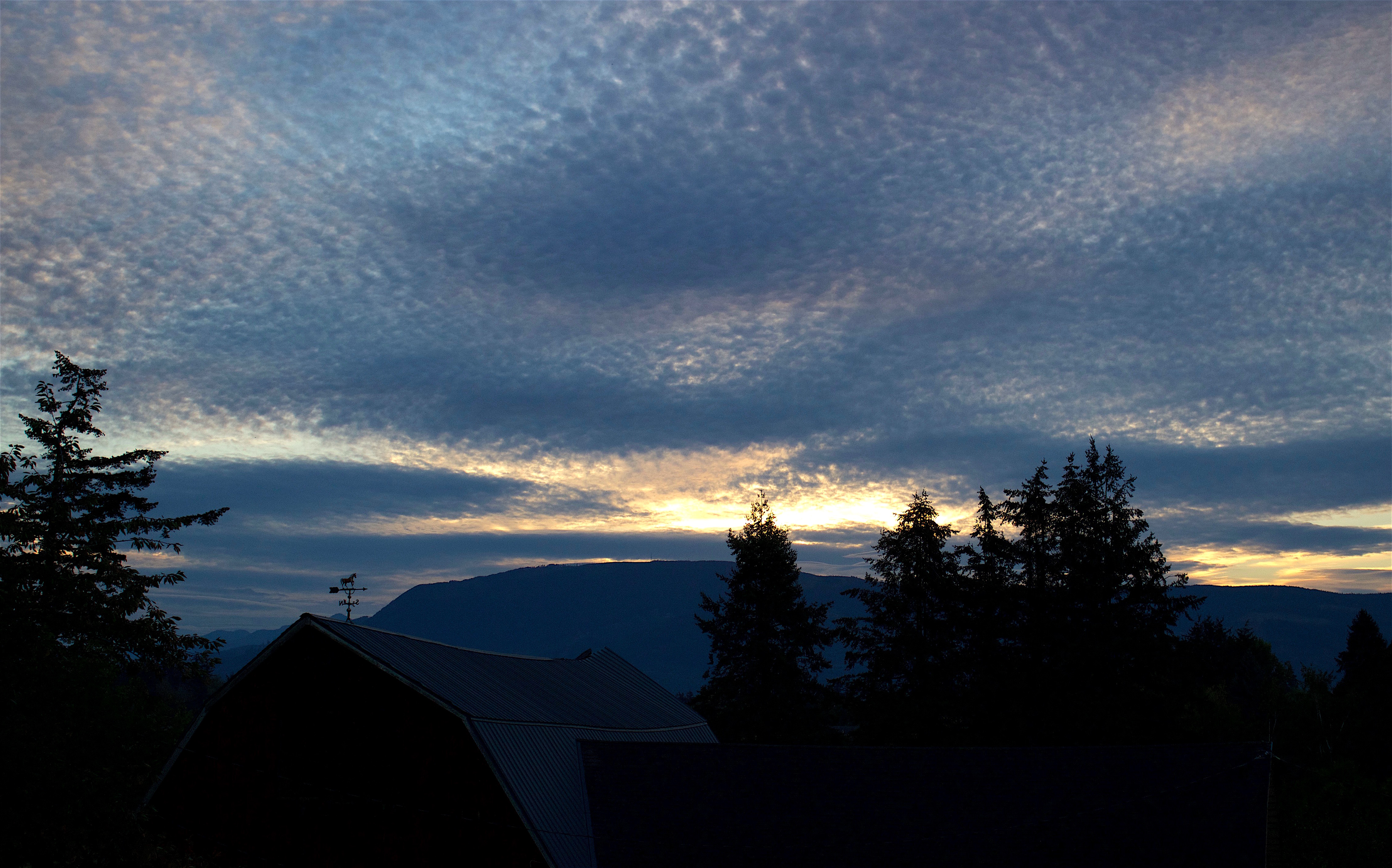
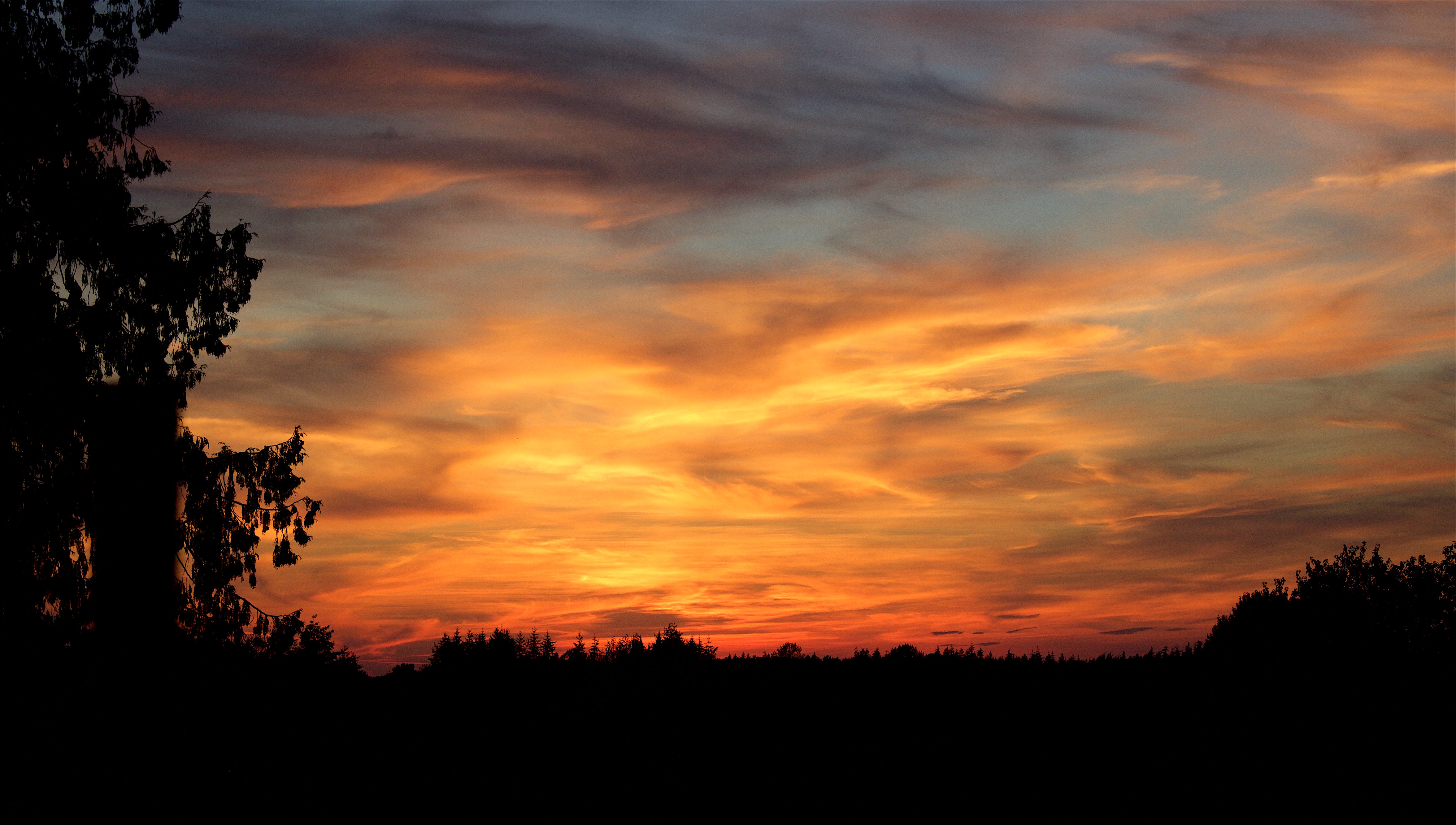
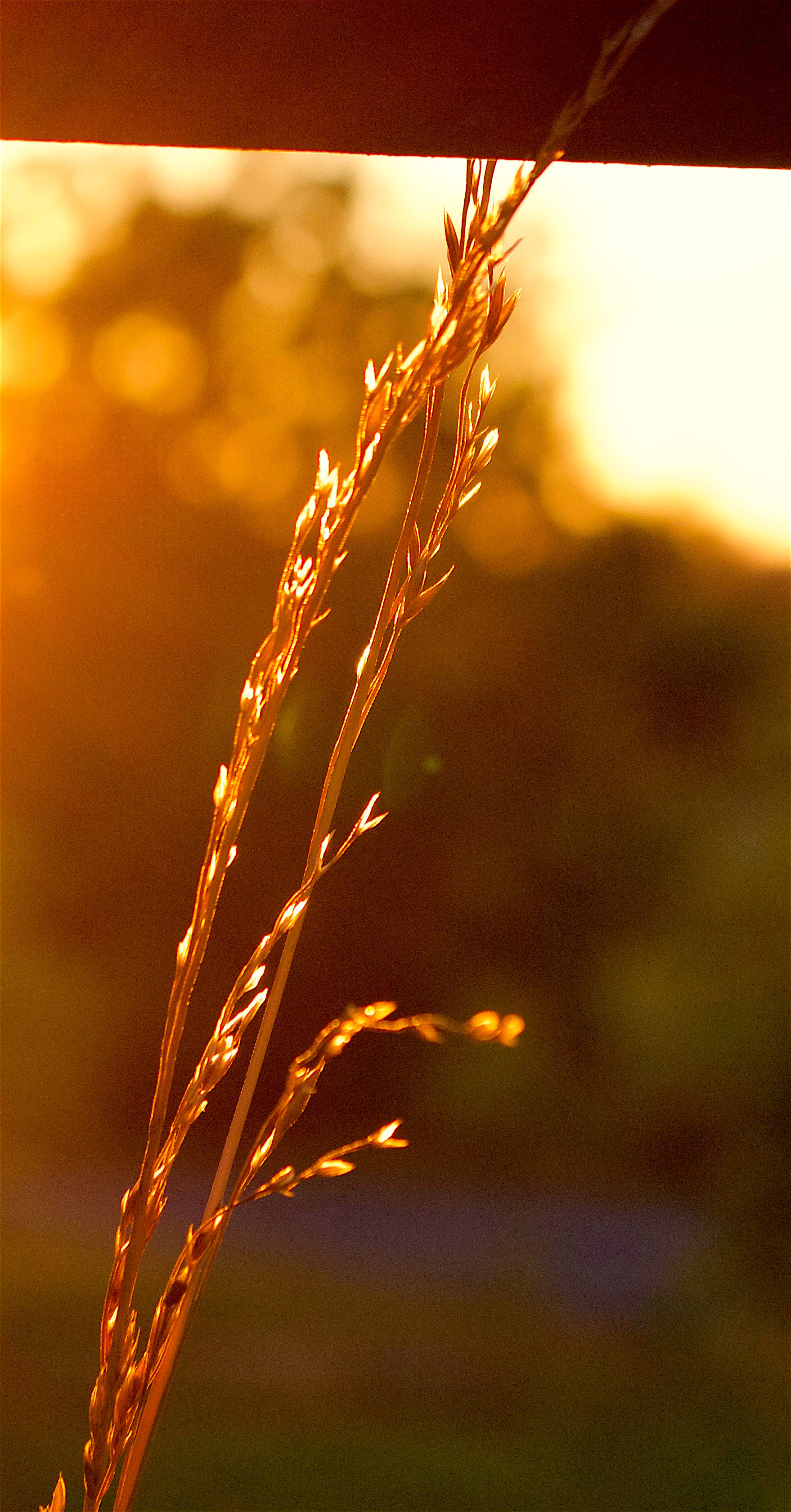
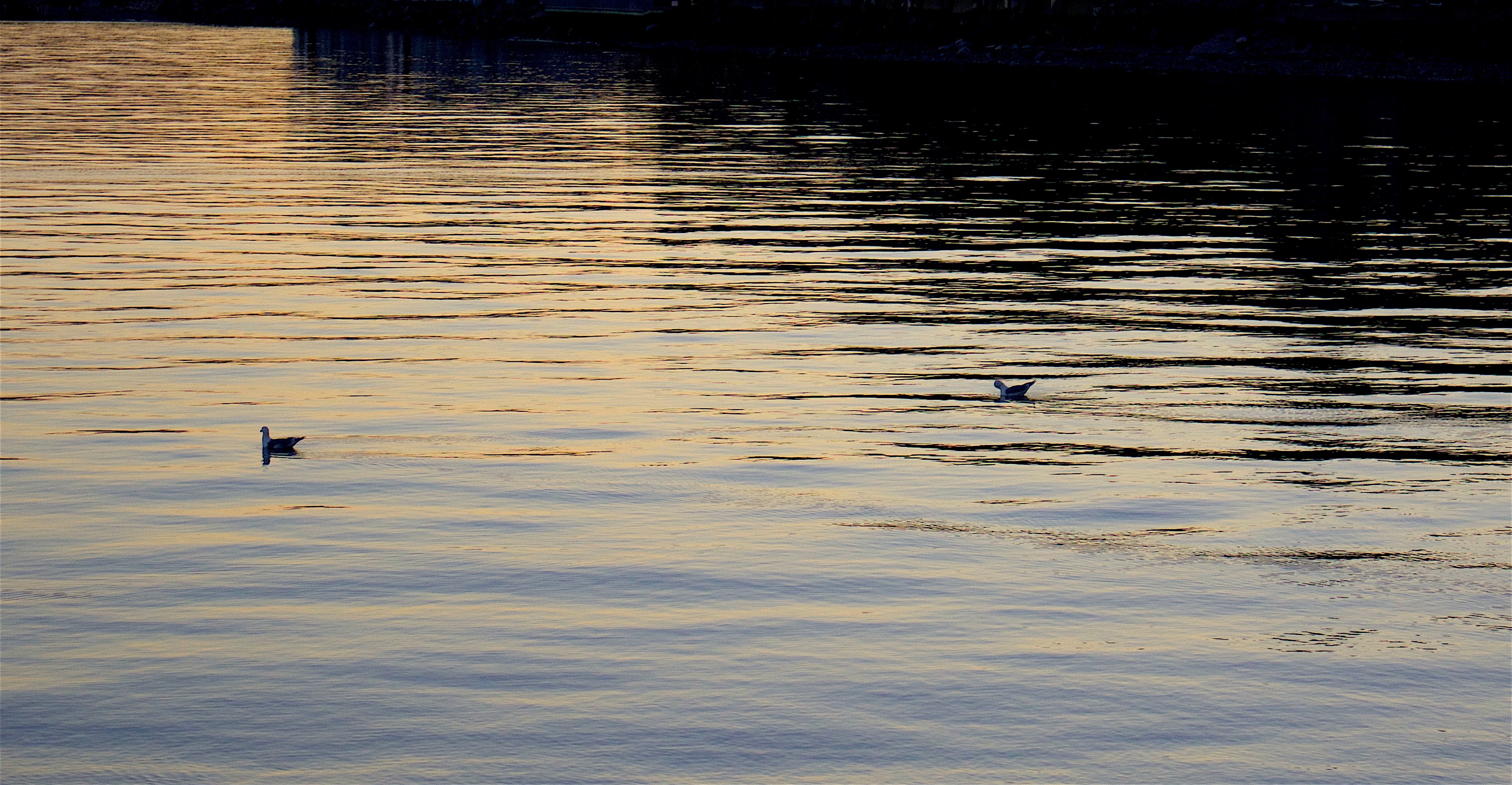
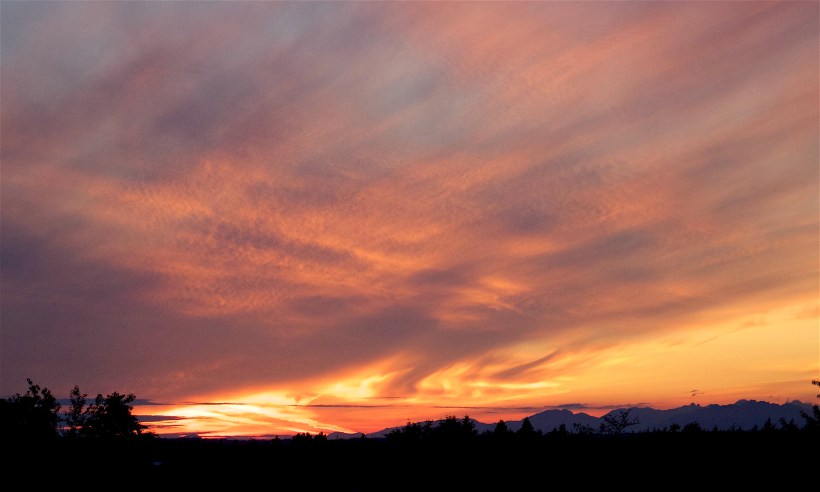
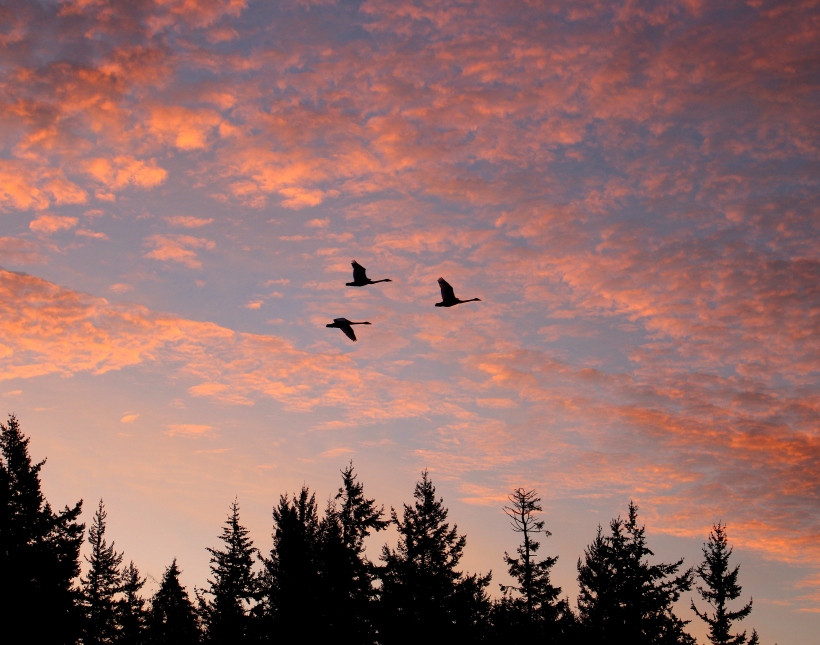
And when Sunset may breathe, from the lit sea beneath,
Its ardours of rest and of love,
And the crimson pall of eve may fall
From the depth of Heaven above,
With wings folded I rest, on mine aëry nest,
As still as a brooding dove.
~Percy Bysse Shelley from “The Cloud”
cloudstudy9216

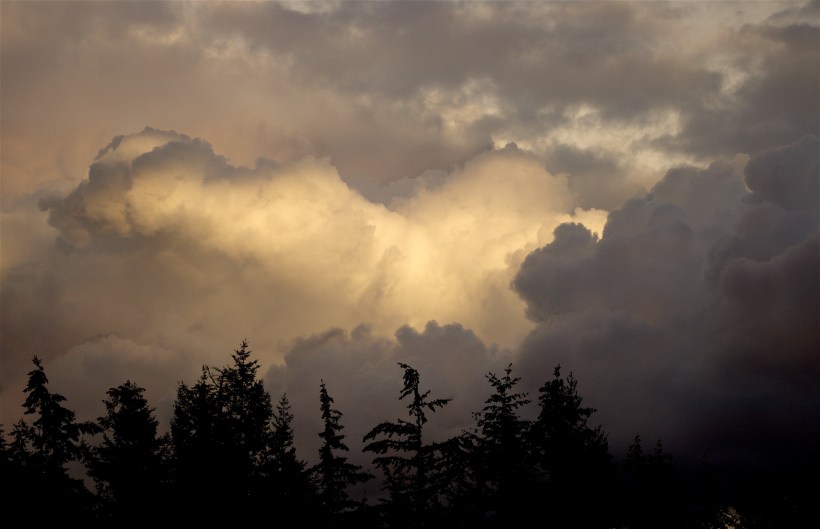
To make myself understood and to diminish the distance between us, I called out: “I am an evening cloud too.” They stopped still, evidently taking a good look at me. Then they stretched towards me their fine, transparent, rosy wings. That is how evening clouds greet each other. They had recognized me.
~Rainer Maria Rilke from Stories of God

cloudstudy92166

cloudstudy92165

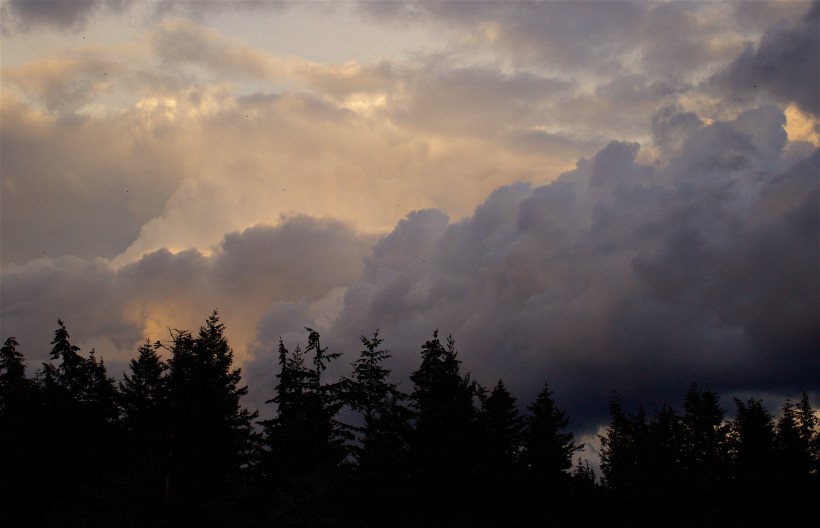
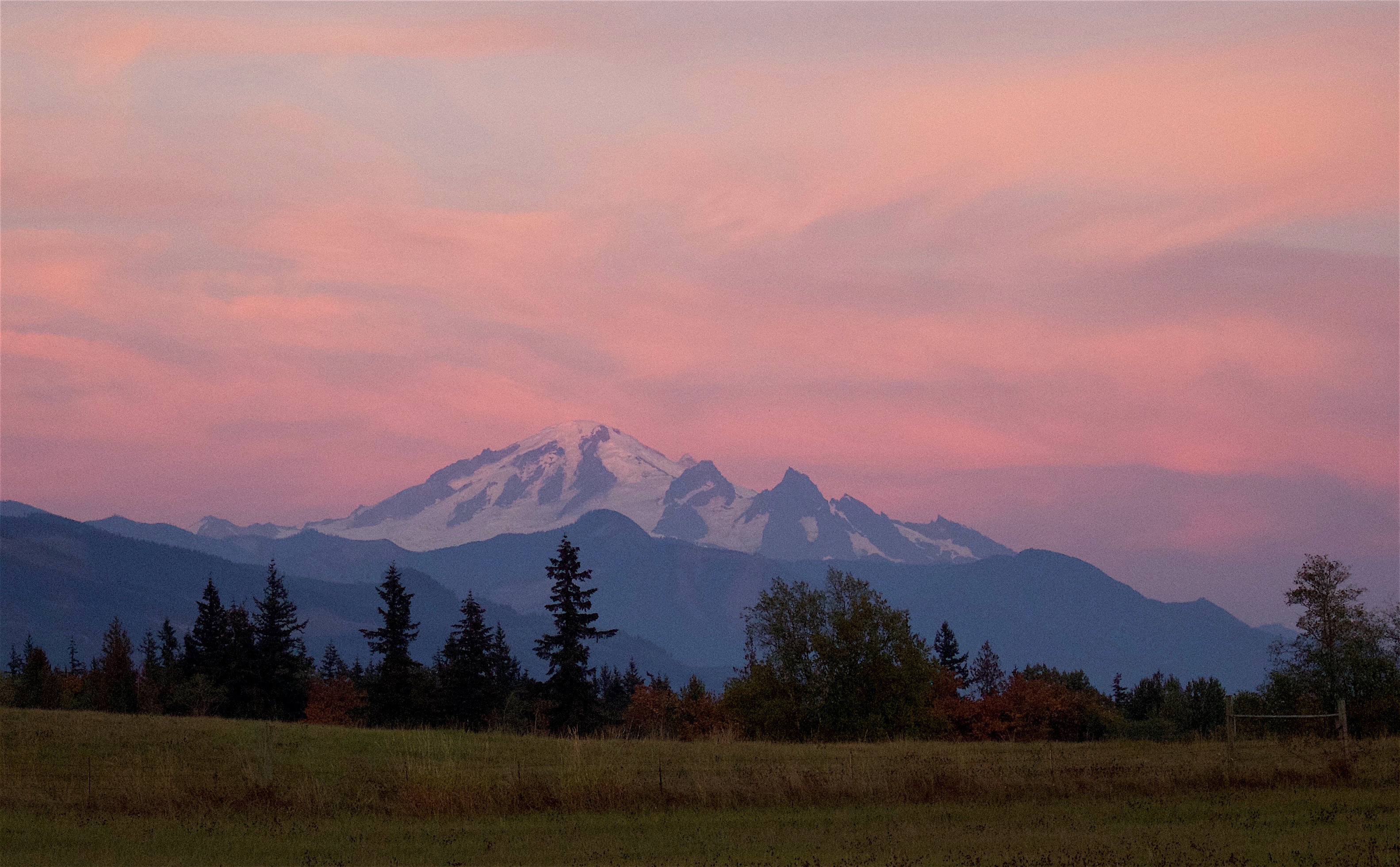
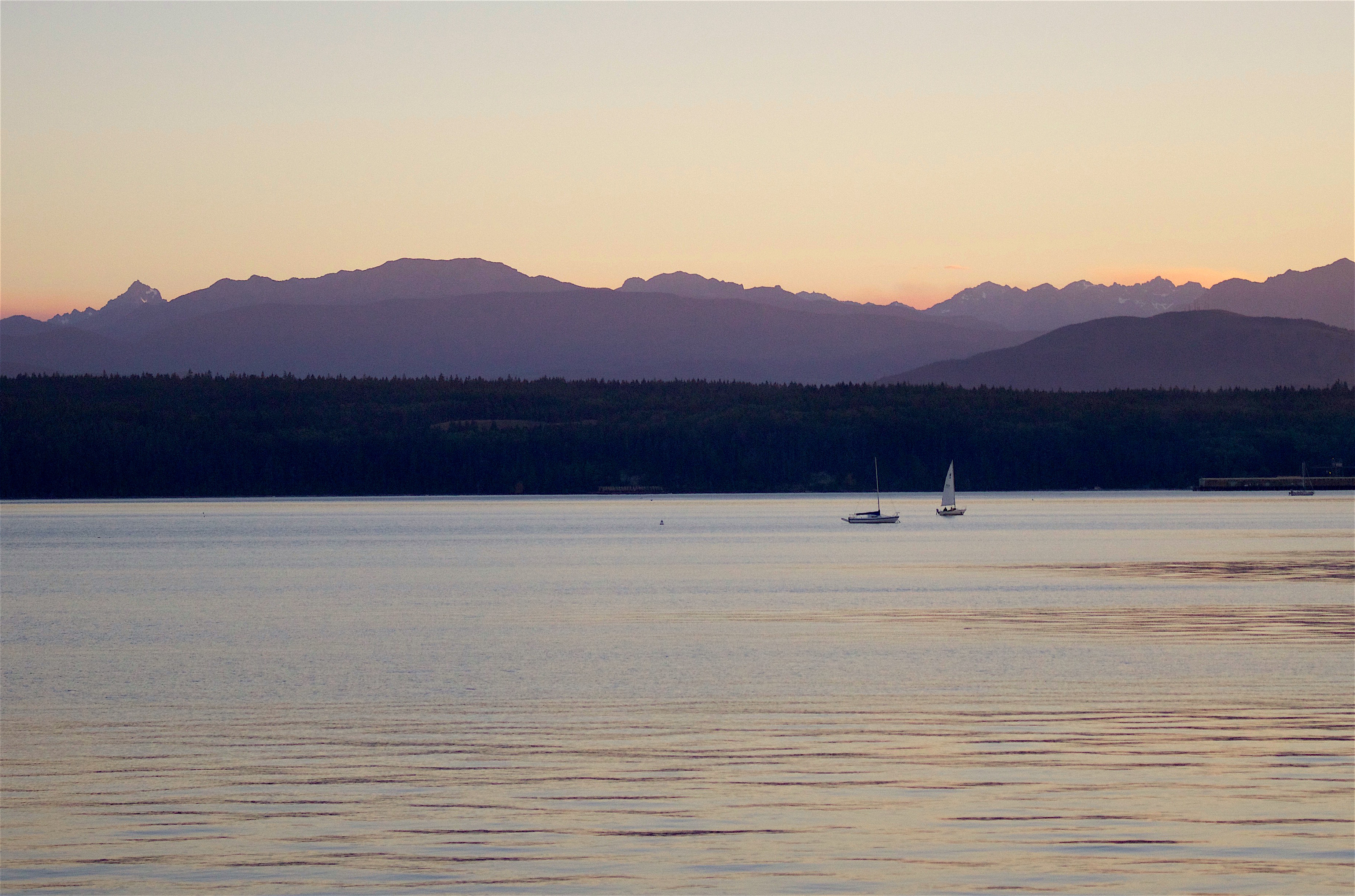
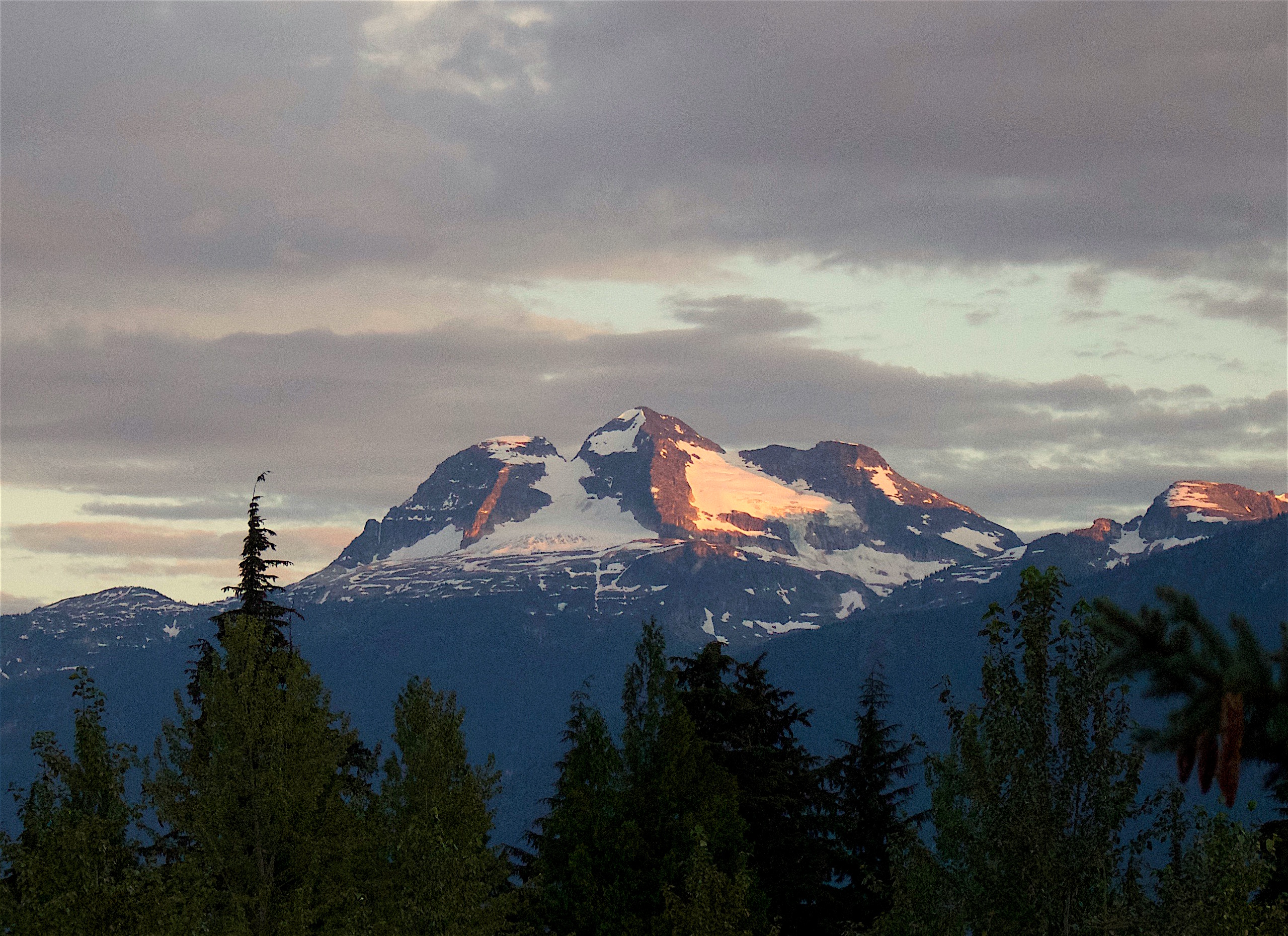
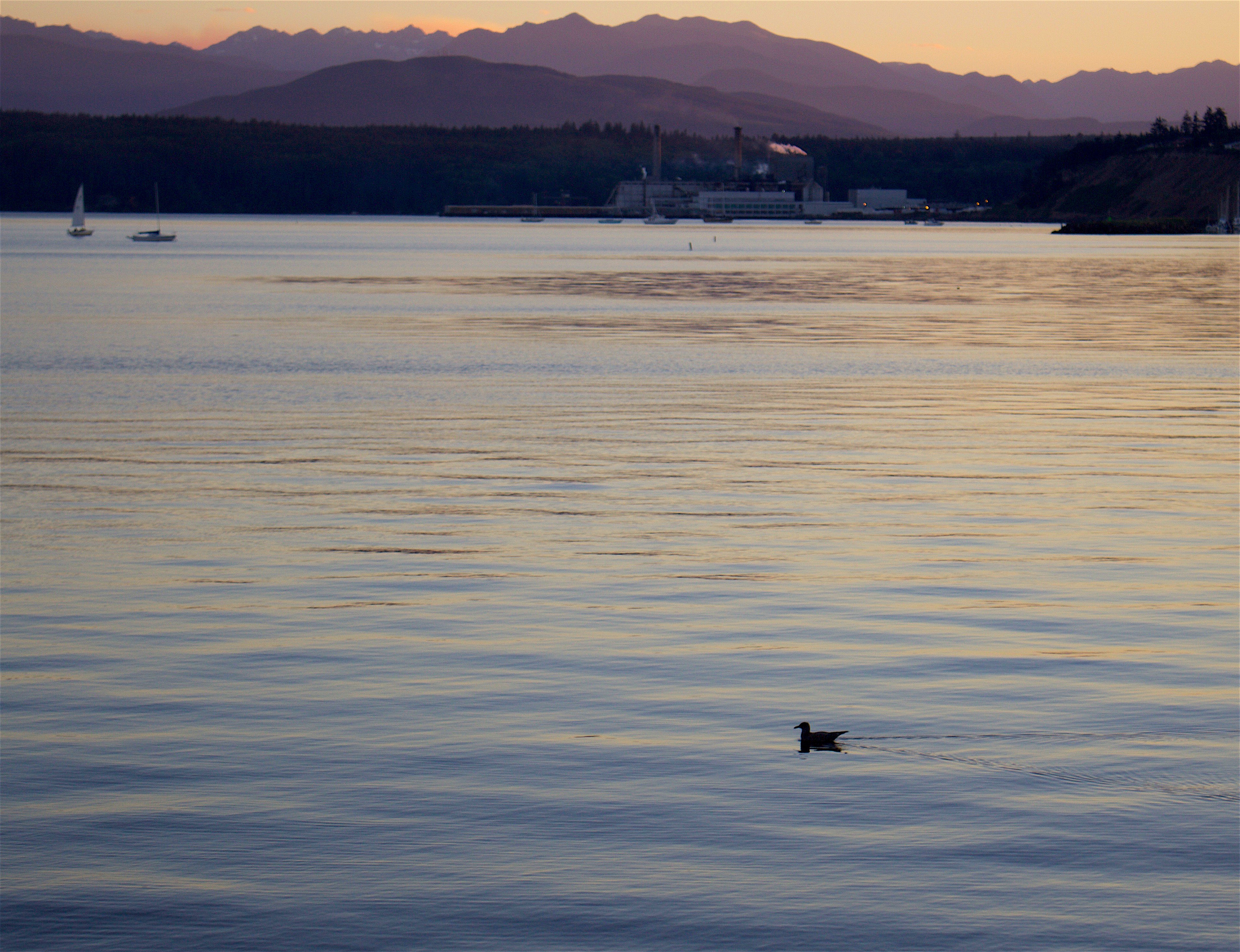
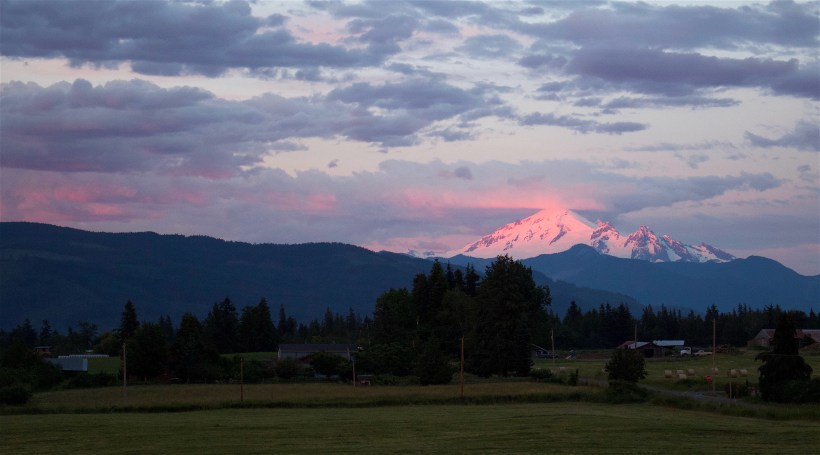
From this hill, we can see for miles.  At certain times of morning and evening, it can feel as if we are aloft, closer up to the clouds, seeing the terrain from their vantage point.  There are the snow-covered peaks to the east, the craggy Canadian coastal range to the north, the stretch of river valley to the north west, the Salish Sea to the west and the forest to the south.

Surrounding us is the farmland and the good people who feed this community: the expanse of dairy land and its vast pastures, the corn fields, berry rows and potato mounds, acres of orchard espaliers and local farm-to-market and CSA growers.

The ever-moving, ever-changing immensity of the clouds covers us all.  As those clouds touch, embrace, release, mold and transform, they show us how connection with others is done.  As we county folk pass on the roads during an evening walk, as we are running late to town jobs, as we meet in the store or at church or community events, we too should touch and greet one another, nod and encourage, acknowledge the shared light that comes from beyond us that restores and transforms us.

Most of all, like the clouds, we are too often full to brimming, a shedding of shared tears at how easily this land can be taken away — whether remembering the sad history of people group domination and removal from their ancestral homes, or the ravages of flood or volcanoes, the effects of drought and wildfire, of blight or sickness, or the currentover-regulation of government ensuring no farmer can afford to continue to do what they know best to preserve the land, the habitat and their crops.

We weep in recognition, like these clouds, to make ourselves understood and to diminish the distance between us.

cloudstudy92163

cloudstudy92162

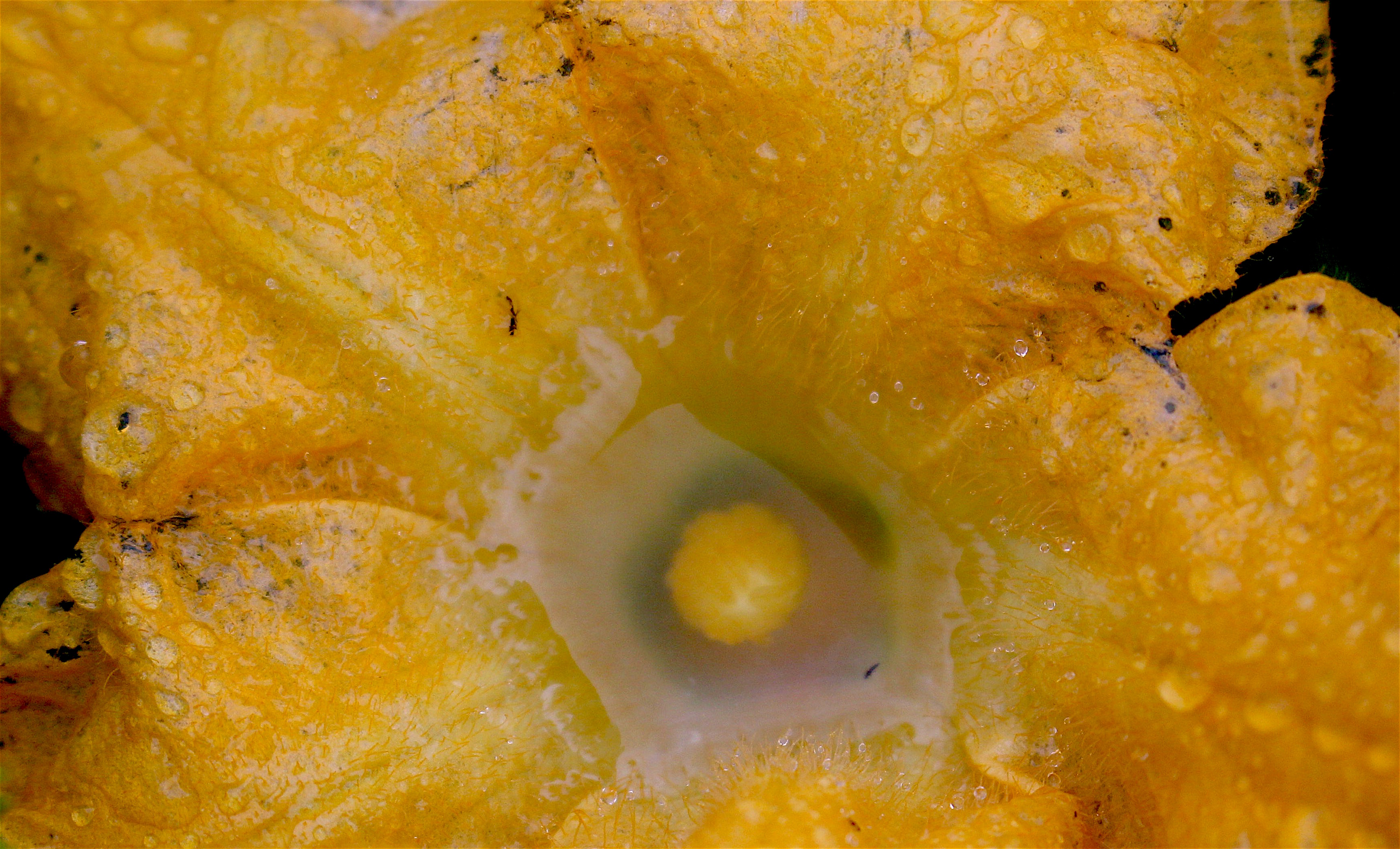
Puddle-wonderful

squashblossompuddle

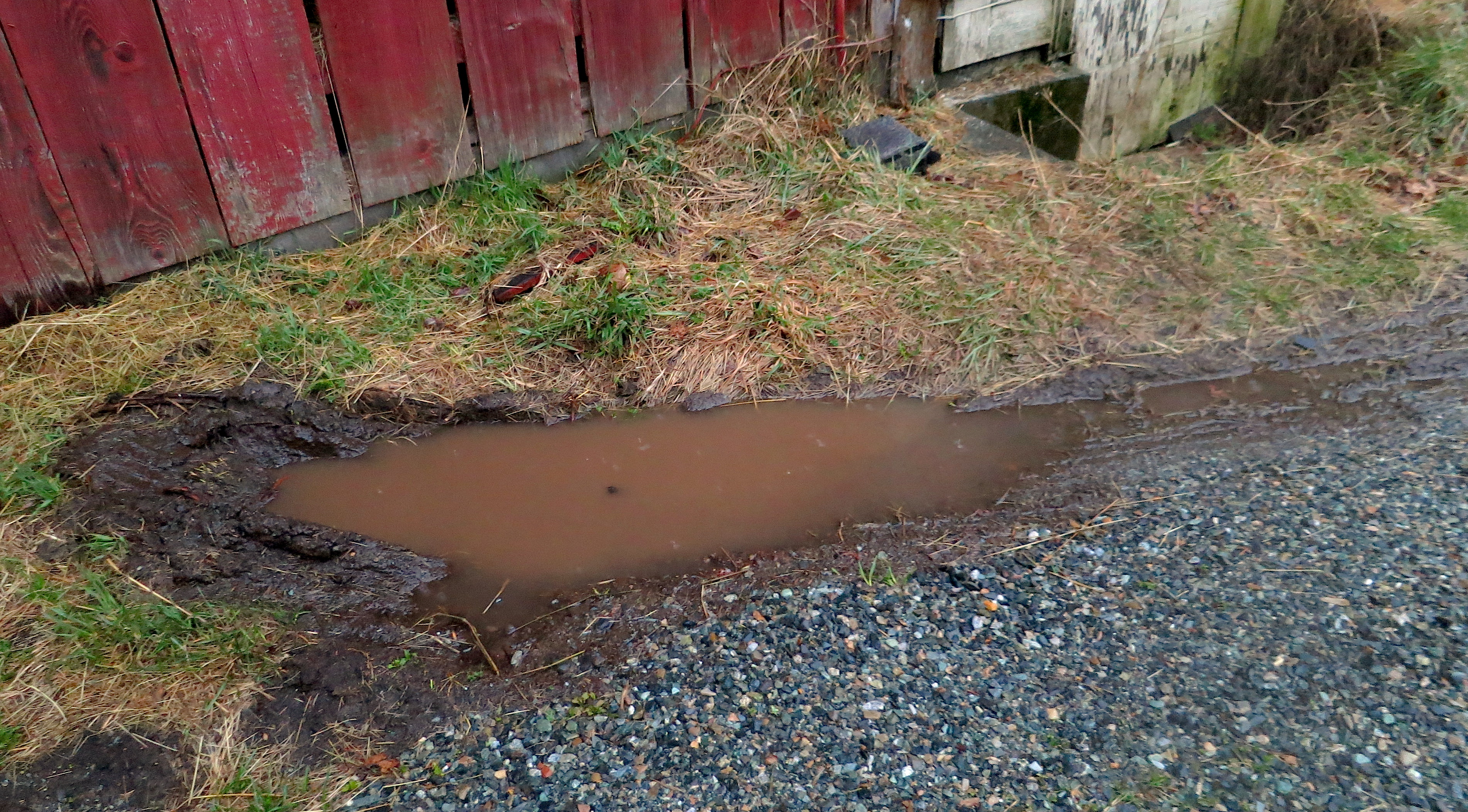
mud36141

The world is mud-lucious and puddle-wonderful.
~e.e. cummings

rainstorm

…he sought the privacy of rain,
the one time no one was likely to be
out and he was left to the intimacy
of drops touching every leaf and tree in
the woods and the easy muttering of
drip and runoff…
~Robert Morgan from “Working in the Rain”

rainykale2

rainyelderberry

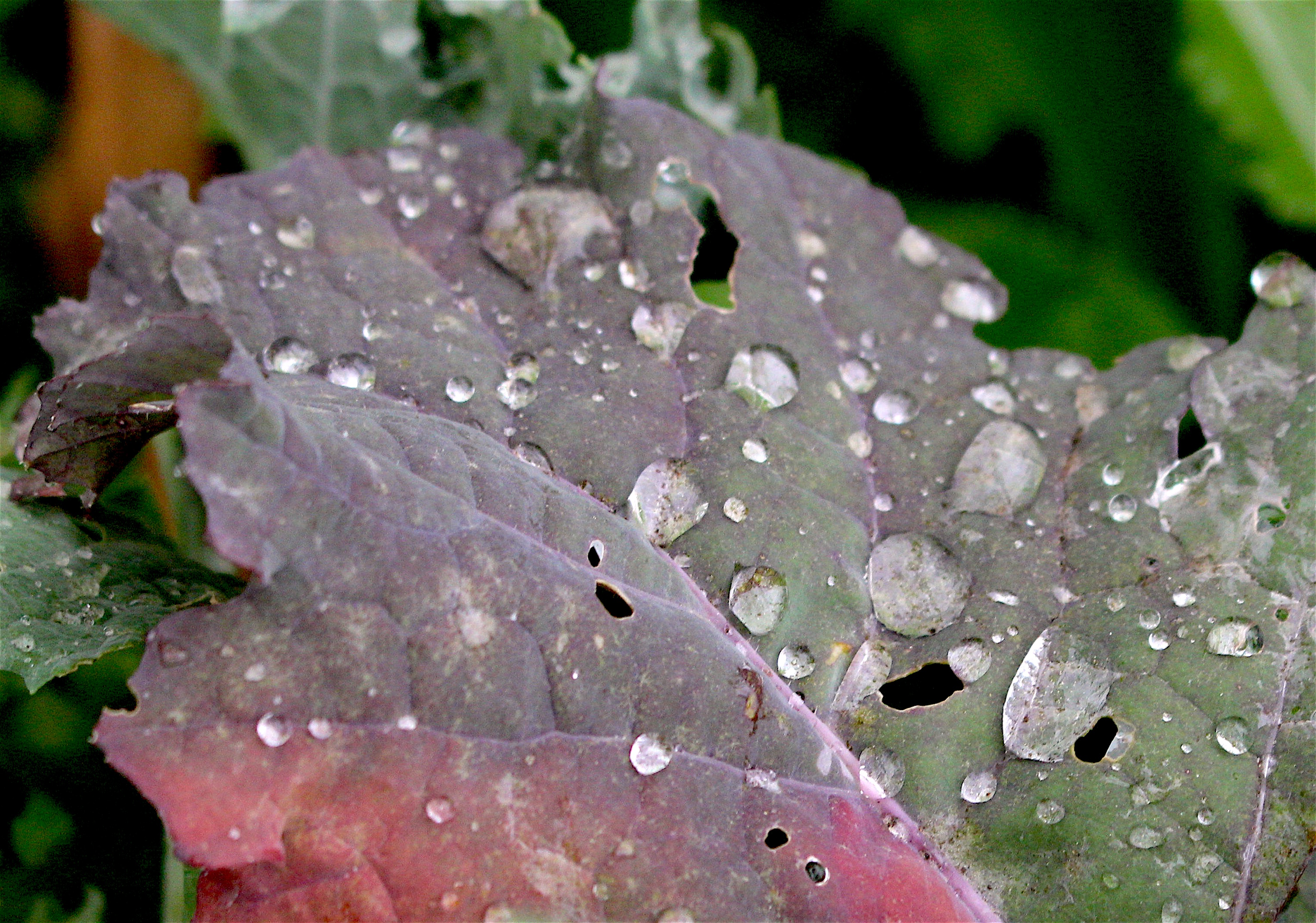
There is plenty of muttering, both private and public, since the rain started yesterday.  And not all of it is from dripping and runoff into puddles.  Anytime a holiday weekend is predicted to be rained out, plenty of people mutter too.

I’m celebrating as it has been weeks — no, months — since we have had a decent rain and everything, including me, has been far too tinder-dry.

Rain is what makes this part of the world special, but like Camelot,  most would prefer it never fall till after sundown.   To them we live not in a more congenial spot — than Camelot.

I may be an oddity, though somewhat typical of northwest-born natives.  I celebrate rain whenever it comes, whether before sundown or after sunrise, as I grew up working outside in the intimacy of a drenching shower.  Yet rain, this falling weather, gives me an excuse to stay indoors to putter around instead of mutter.

He could not resist the long
ritual, the companionship and freedom
of falling weather, or even the cold
drenching, the heavy soak and chill of clothes
and sobbing of fingers and sacrifice
of shoes that earned a baking by the fire
and washed fatigue after the wandering
and loneliness in the country of rain.
~Robert Morgan, conclusion of “Working in the Rain”

rainygold

fogdrops2


An Invisible Cloak

sunrise826163

sunset825162

bakersunset825163

On the day when
The weight deadens
On your shoulders
And you stumble,
May the clay dance
To balance you.

And when your eyes
Freeze behind
The grey window
And the ghost of loss
Gets into you,
May a flock of colours,
Indigo, red, green
And azure blue,
Come to awaken in you
A meadow of delight.

When the canvas frays
In the currach of thought
And a stain of ocean
Blackens beneath you,
May there come across the waters
A path of yellow moonlight
To bring you safely home.

May the nourishment of the earth be yours,
May the clarity of light be yours,
May the fluency of the ocean be yours,
May the protection of the ancestors be yours.

And so may a slow
Wind work these words
Of love around you,
An invisible cloak
To mind your life.
~John O’Donohue “Beannacht

porttownsend3

We all stumble, bearing the bruises and scars of our fall.
We all waken to gray days when there seems no point in going on.
We all are sucked into the darkest thoughts, tunneling ever more deeply.

In those moments, those days, those months, wrapped tight in love’s cloak of invisibility:
the darkness can swallow us no longer~
we follow a lightening path of contentment and encouragement,
our failing feet are steadied, the bland becomes kaleidoscope,
the way to go illuminated with hope.

May our brokenness be forever covered in such blessings.

sunset825166

revelstoke3

pnp7164

A Commonwealth of Joy

gull2

sunsetdandy824

grassysunset3

What I am learning to give you is my death
to set you free of me, and me from myself
into the dark and the new light. Like the water
of a deep stream, love is always too much. We
did not make it. Though we drink till we burst
we cannot have it all, or want it all.
In its abundance it survives our thirst.
In the evening we come down to the shore
to drink our fill, and sleep, while it
flows through the regions of the dark.
It does not hold us, except we keep returning
to its rich waters thirsty. We enter,
willing to die, into the commonwealth of its joy.

I give you what is unbounded, passing from dark to dark,
containing darkness: a night of rain, an early morning.
I give you the life I have let live for the love of you:
a clump of orange-blooming weeds beside the road,
the young orchard waiting in the snow, our own life
that we have planted in the ground, as I
have planted mine in you.
~Wendell Berry from “The Country of Marriage”

morningrain

raindrops1315
And so again we find ourselves alone together ~
planted in each other so deeply
we cannot always know
where one ends and another begins,
a commonwealth of shared everything,
the joy and the tears,
no matter what comes next.
Mine is yours.

snow2221414

litgrasses

gulls2

To Be Bound with Tiny Rings

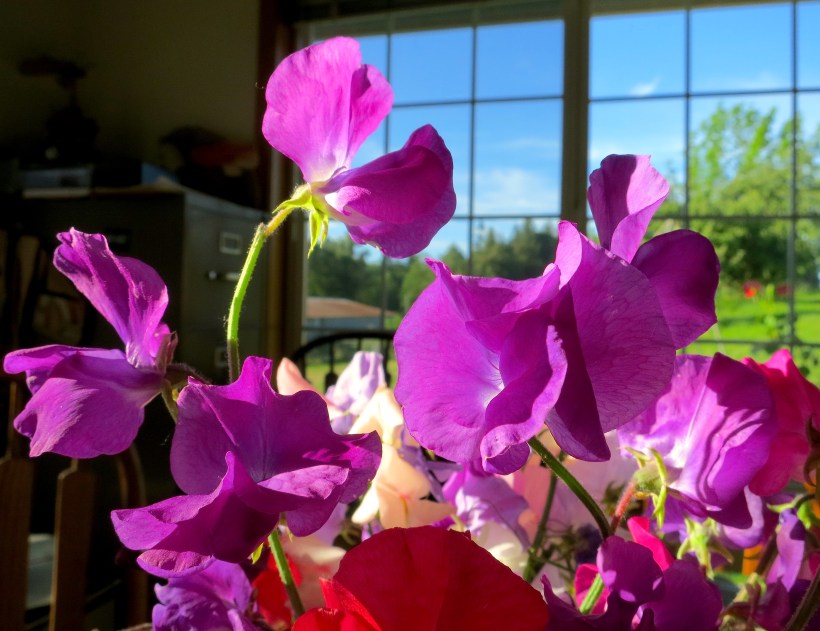
sweeterpeas

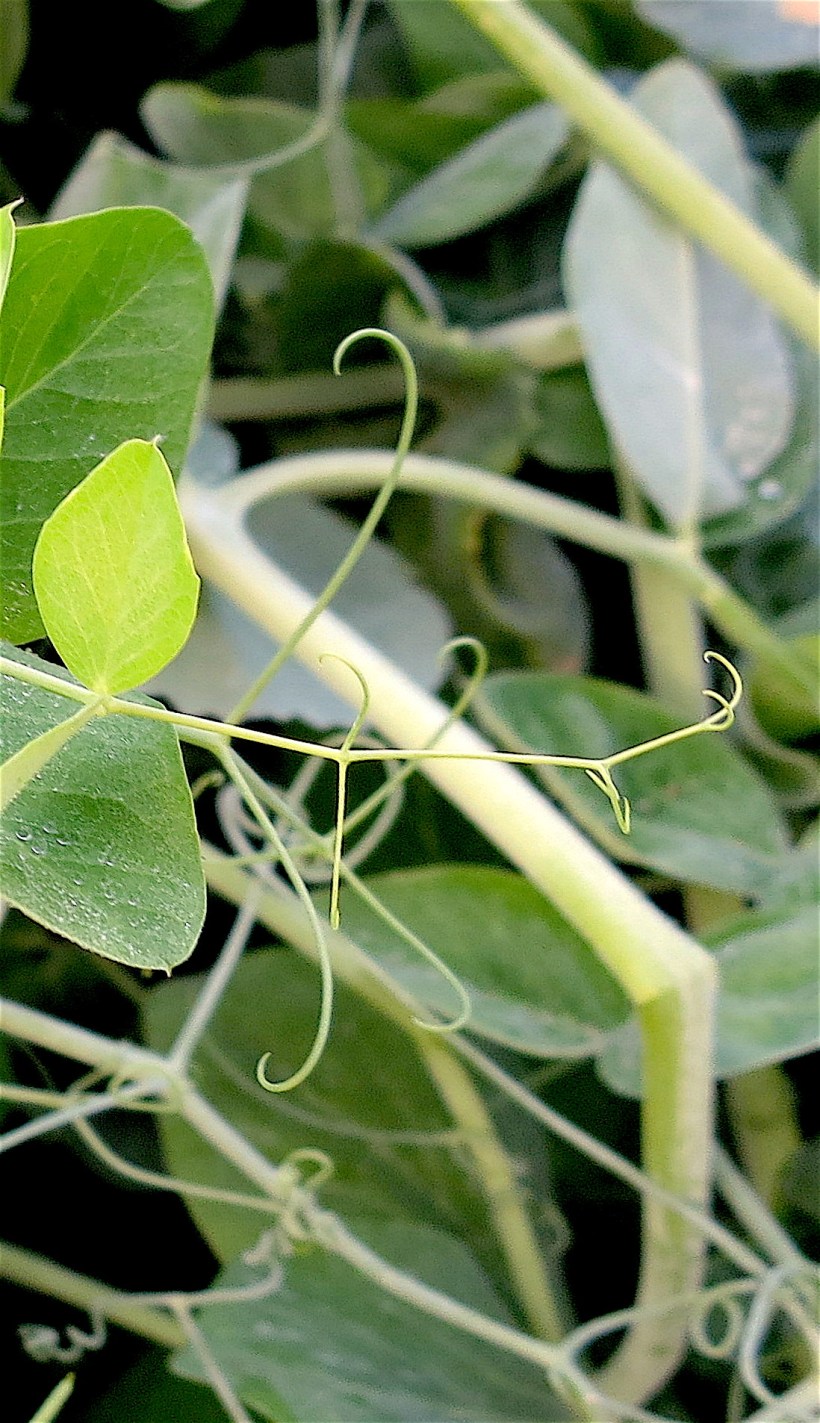
tendril

Here are sweet-peas, on tip-toe for a flight:
With wings of gentle flush o’er delicate white,
And taper fingers catching at all things,
To bind them all about with tiny rings.
~John Keats

sweetpeas15

I grew up watching sweet peas climb a trellis in our family garden. Their delicate tendrils did wrap clinging fingers around anything they could reach and grasp. The blossoms were too ephemeral to waste indoors for a vase on the table — the petals would droop and then drop within a day or so. They were meant to be appreciated right where they grew, so I would visit them regularly, breathe deeply in their midst to capture and keep their lovely scent with me as I went on about my day, leaving them waving their vines in my wake.

Some things are better left undisturbed, to flourish right where they have taken hold. In the case of sweet peas, if I had stood beside them long enough, the finger-like tendrils would have reached out and grasped me as well, climbing up my frame and wrapping their blooming fragrance around me, truly changing me forever.

And so it will be in heaven someday: we will be grasped and clung to with the sweet scent of everlasting love, never to be let go, and never again to be what we once were.

sweeterpeas

One Hundred Years Old

WiserLakeChapel4Star

…when I experienced the warm, unpretentious reception of those who have nothing to boast about, and experienced a loving embrace from people who didn’t ask any questions, I began to discover that a true spiritual homecoming means a return to the poor in spirit to whom the kingdom of heaven belongs.
~Henri Nouwen from The Return of the Prodigal Son

chapel75

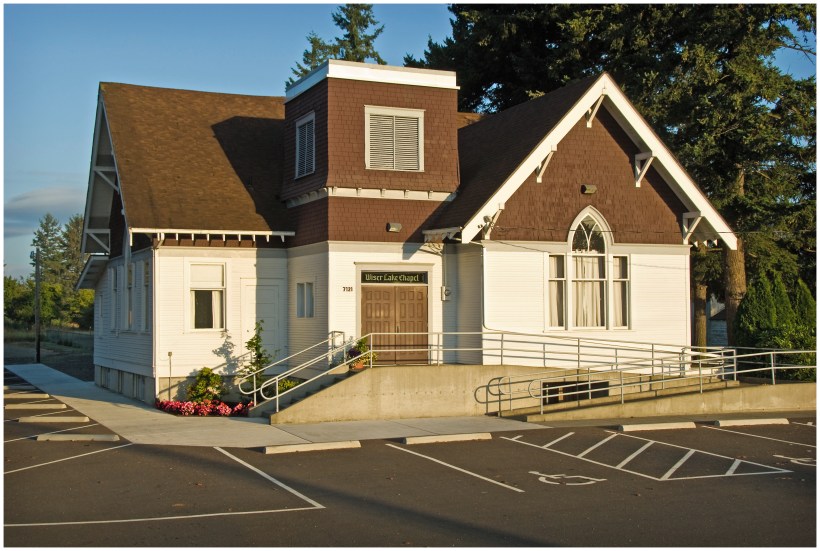
Today is the 100th anniversary of Wiser Lake Chapel‘s building dedication ceremony and picnic — a special celebration is planned with information found here.

chapel2

Back in the early days of Whatcom County,  the little church on Wiser Lake had been constructed through “contributions of the people” in a rural neighborhood only a few miles from where we now live.  $600 in lumber was provided by a local farmer whose trees were cut and milled and brought by horse drawn wagon to a building site adjacent to a one room school house along a corrugated plank road. The total property was “valued at $1800, but of even more value to the community.” The dedication ceremony was held on Sunday, August 27, 1916 followed by “a basket dinner—come with well filled baskets for a common table, under the direction of the Ladies Aid”. This was to be followed by a “Fellowship Meeting, special music and fraternal addresses” and the day ended at 8 PM with a Young People’s Meeting.  So began the long history of the “Wiser Lake Church”.

chapel7

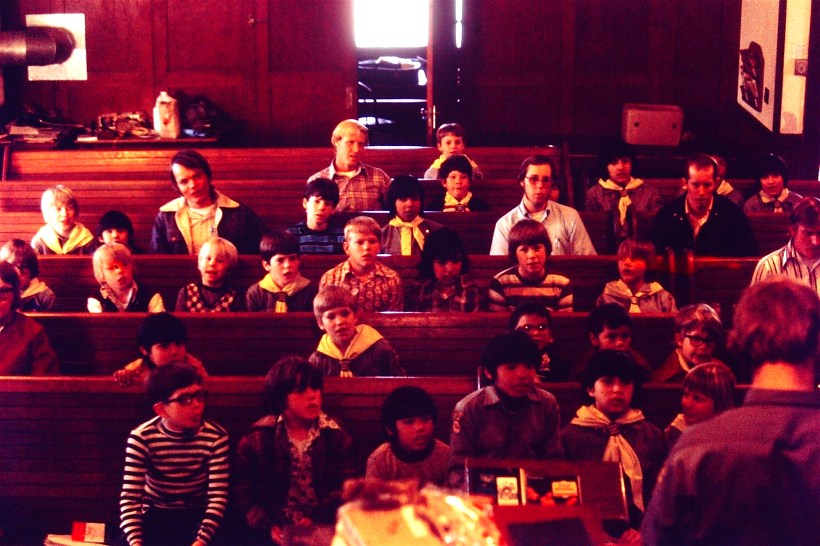
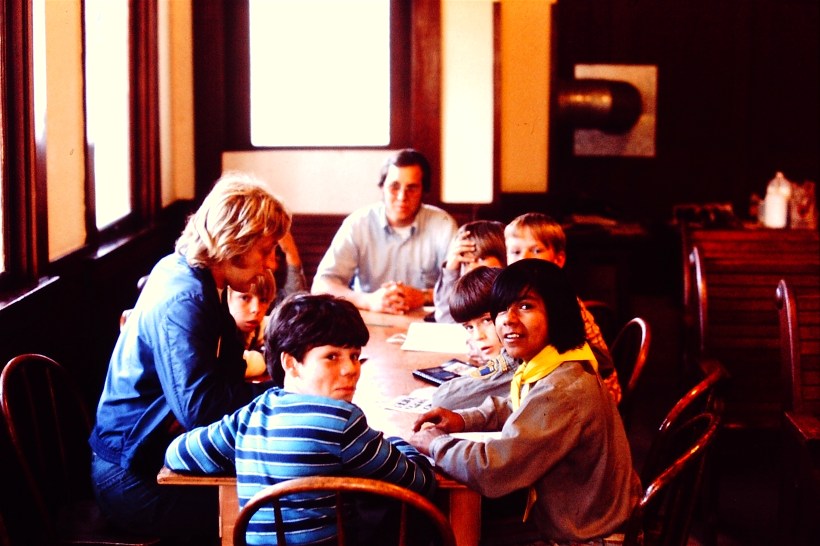
For reasons unrecorded in the history of the church, the original denomination closed the doors thirty years later, and for awhile the building was empty and in need of a congregation. By the fifties, it became a mission church of the local Christian Reformed Churches and launched a Sunday School program for migrant farm and Native American children in the surrounding rural neighborhood.  No formal church services started until the sixties. By the time the building was sixty years old, so many children were arriving for Sunday School, there was not enough room so the building was hoisted up on jacks to allow a hole to be dug underneath for a basement full of classrooms. Over the course of a summer, the floor space doubled, and the church settled back into place, allowed to rest again on its foundation.

chapel12

chapel19

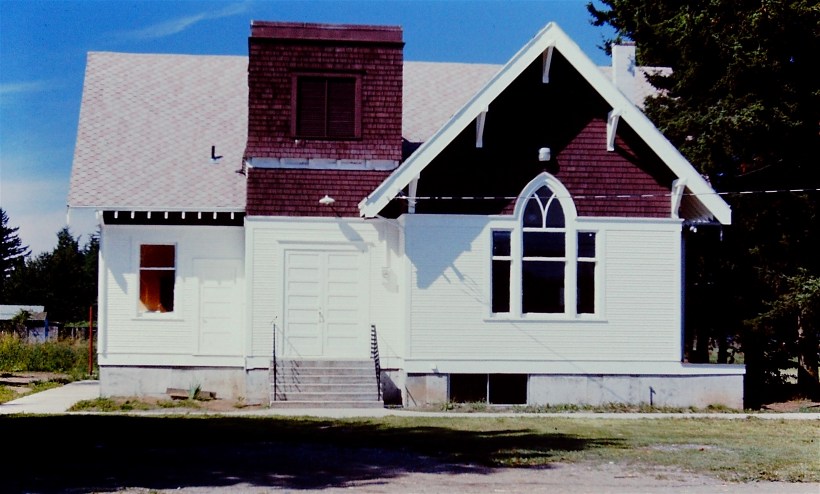
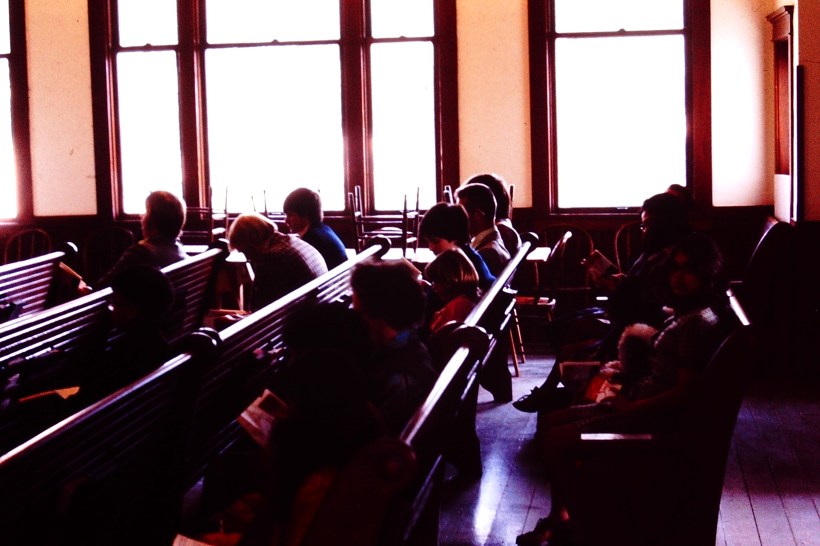
Over seventy years after its dedication ceremony, our family drove past the boxy building countless times hurrying on our way to other places, barely giving it a second glance. It had a classic design, but showed its age with peeling paint,  a few missing shingles, an old fashioned square flat roofed belfry, and arched windows. The hand lettered sign spelling out “Wiser Lake Chapel” by the road constituted a humble invitation of sorts, simply by listing the times of the services.

allkids
photo by Julie Garrett
angels
photo by Julie Garrett

On a blustery December Sunday evening, we had no place else to be for a change.  Instead of driving past, we stopped, welcomed by the yellow glow pouring from the windows and an almost full parking lot. Our young family climbed the steps to the big double doors, and inside were immediately greeted by a large balding man with a huge grin and encompassing handshake. He pointed us to one of the few open spots still available in the old wooden pews.

The sanctuary was a warm and open space with a high lofted ceiling, dark wood trim accents matching the ancient pews, and a plain wooden cross above the pulpit in front. There was a pungent smell from fir bough garlands strung along high wainscoting, and a circle of candles standing lit on a small altar table. Apple pie was baking in the kitchen oven, blending with the aroma of good coffee and hot cocoa.

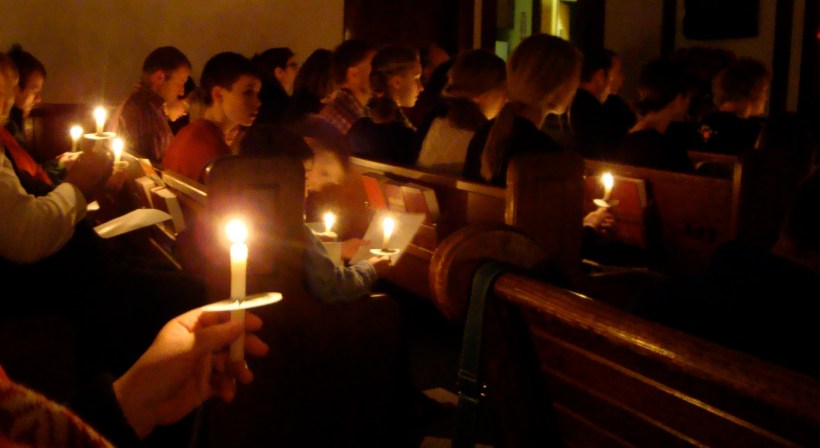
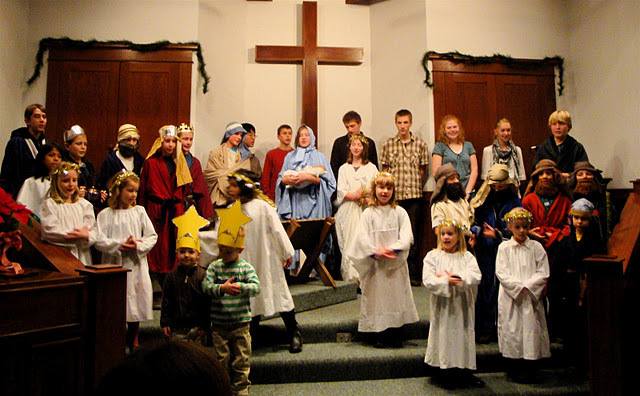
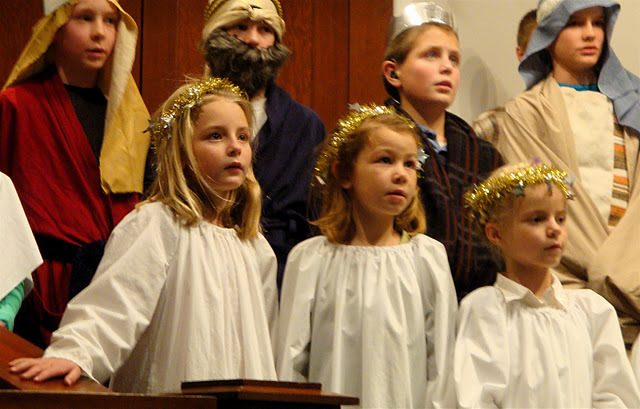
The service was a Sunday School Christmas program, with thirty some children of all ages and skin colors standing up front in bathrobes and white sheet angel gowns, wearing gold foil halos, tinfoil crowns and dish towels wrapped with string around their heads. They were prompted by their teachers through carols and readings of the Christmas story. The final song was Silent Night, sung by candle light, with each child and member of the congregation holding a lit candle. There was a moment of excitement when one girl’s long hair briefly caught fire, but after that was quickly extinguished, the evening ended in darkness, with the soft glow of candlelight illuminating faces of the young and old, some in tears streaming over their smiles.

candle3
photo by Julie Garrett

It felt like home. We had found our church.

We’ve never left.

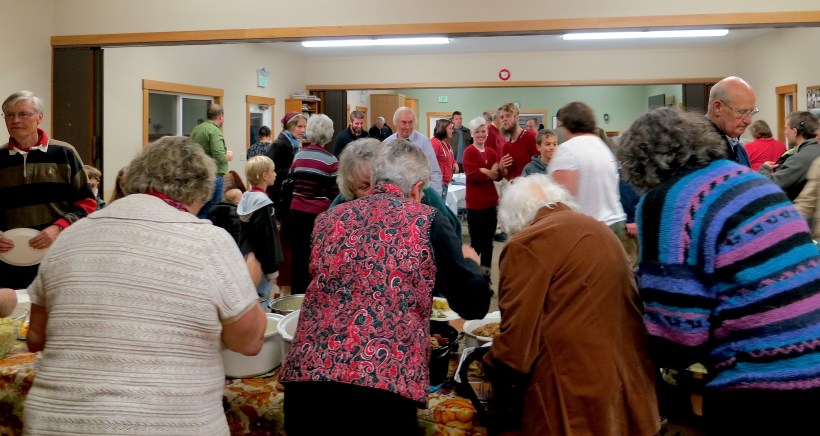
Over the past one hundred years this old building has seen a few thousand people come and go, has had peeling paint and missing shingles, a basement that floods when the rain comes down hard, toilets that don’t always flush, and though it smells heavenly on potluck days, there are times when it can be just a bit out of sorts and musty.  It really isn’t anything to boast about.
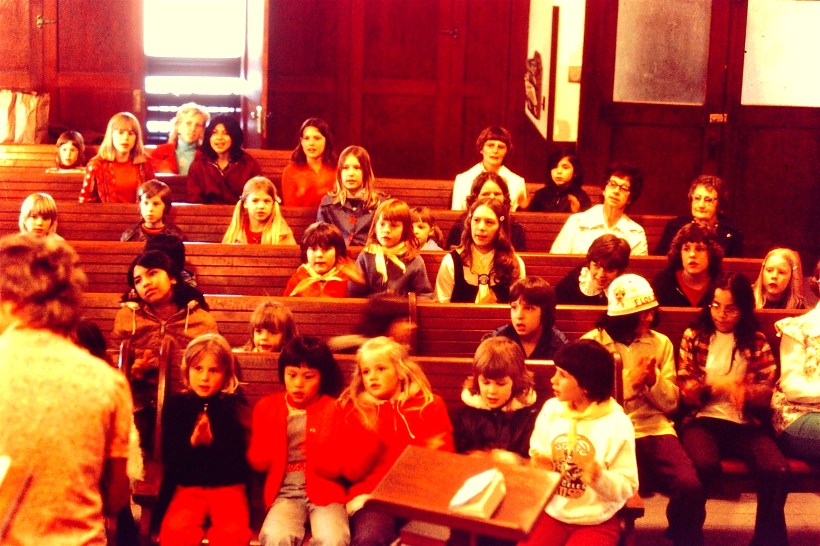
It is humble and unpretentious yet envelops its people in its loving and imperfect embrace, with warmth, character and a uniqueness that is unforgettable.

It really is not so different from the folks who have gathered there over the years.

We know we belong,
such as we are,
just as we are,
blessed by God with a place to join together.

chapel25

harvestpotluck1


Peace Blooms

giantcedars6

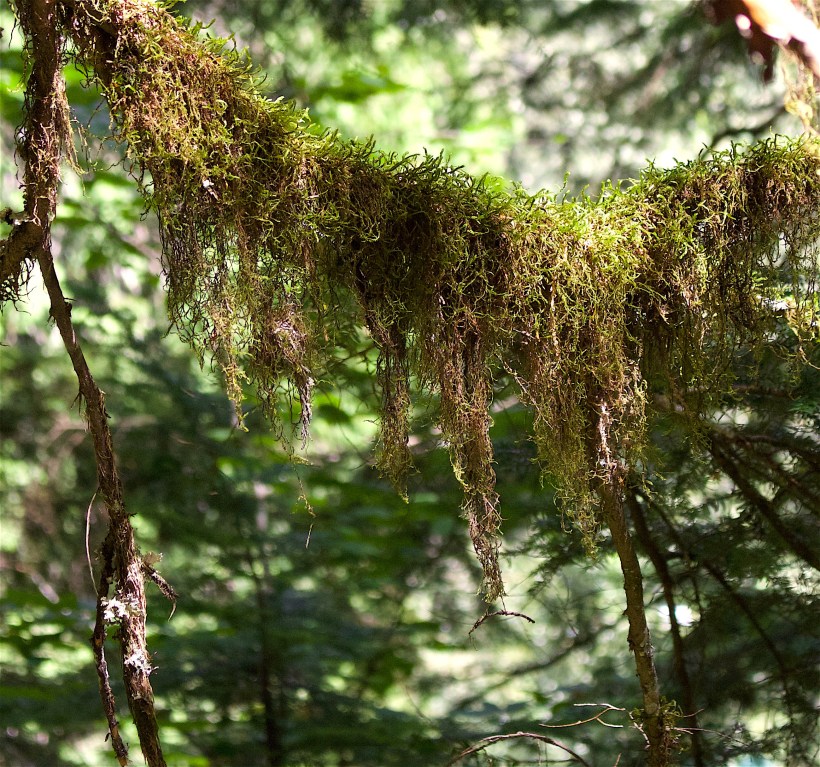
giantcedarsmoss

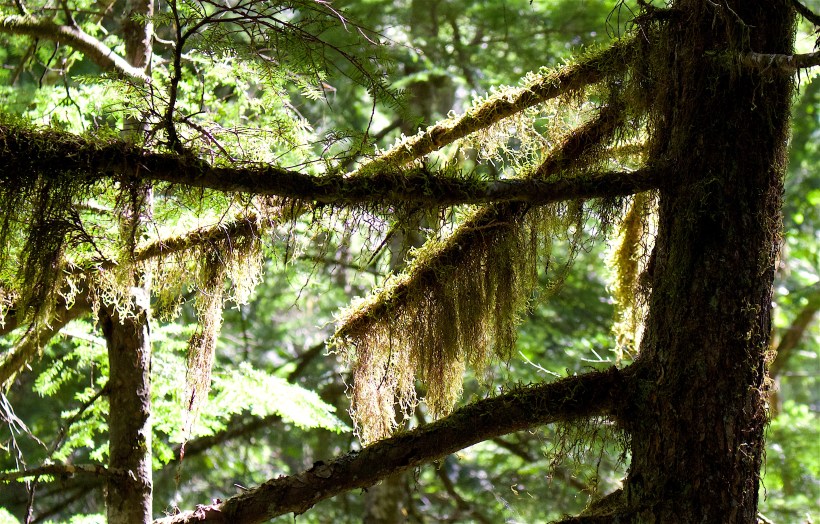
When great trees fall
in forests,
small things recoil into silence,
their senses
eroded beyond fear.

Great souls die and
our reality, bound to
them, takes leave of us.
Our souls,
dependent upon their
nurture,
now shrink, wizened.

And when great souls die,
after a period peace blooms,
slowly and always
irregularly…

Our senses, restored, never
to be the same, whisper to us.
They existed. They existed.
We can be. Be and be
better. For they existed.
~Maya Angelou from “When Great Trees Fall”

woods14

woods29

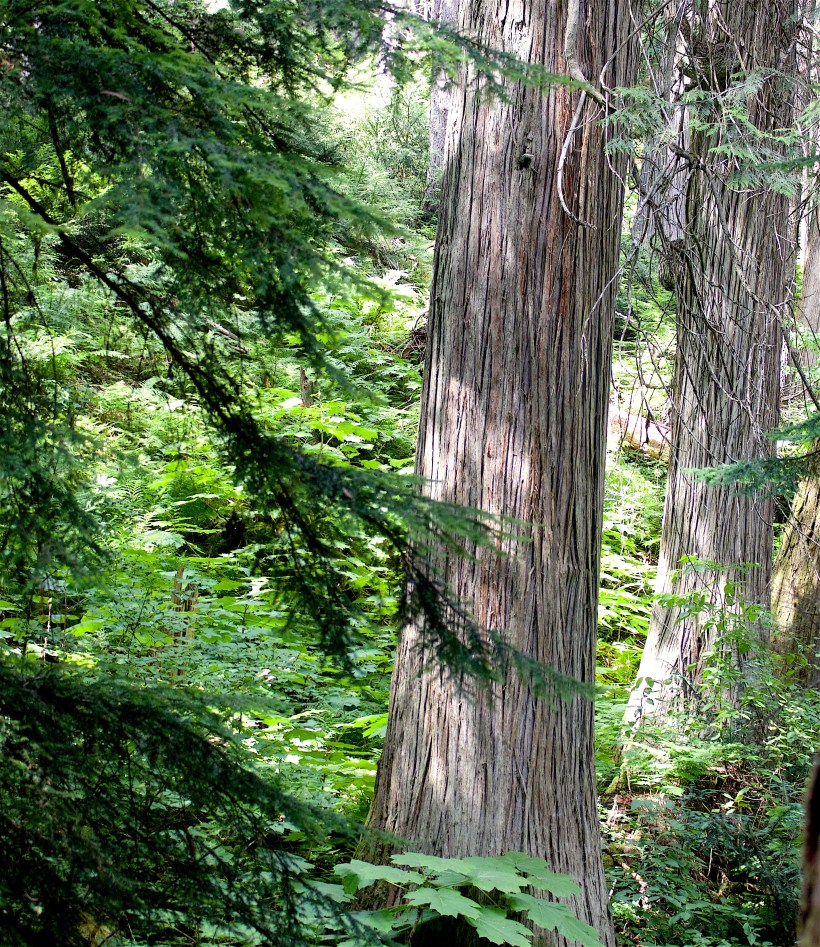
When I need to be restored,
humbled and forgiven,
I walk back to the woods
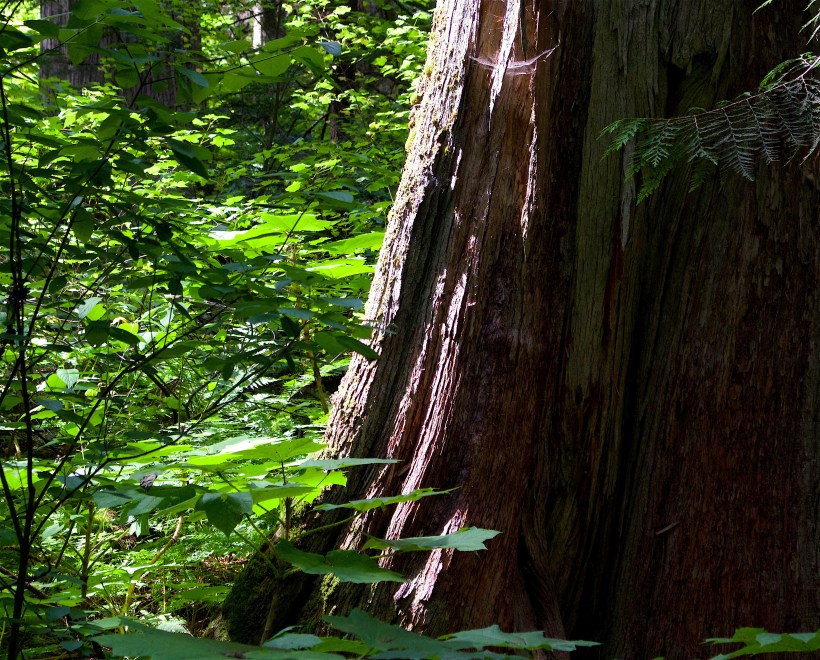
to stand before the great beings
cut down in their prime
over one hundred years ago,
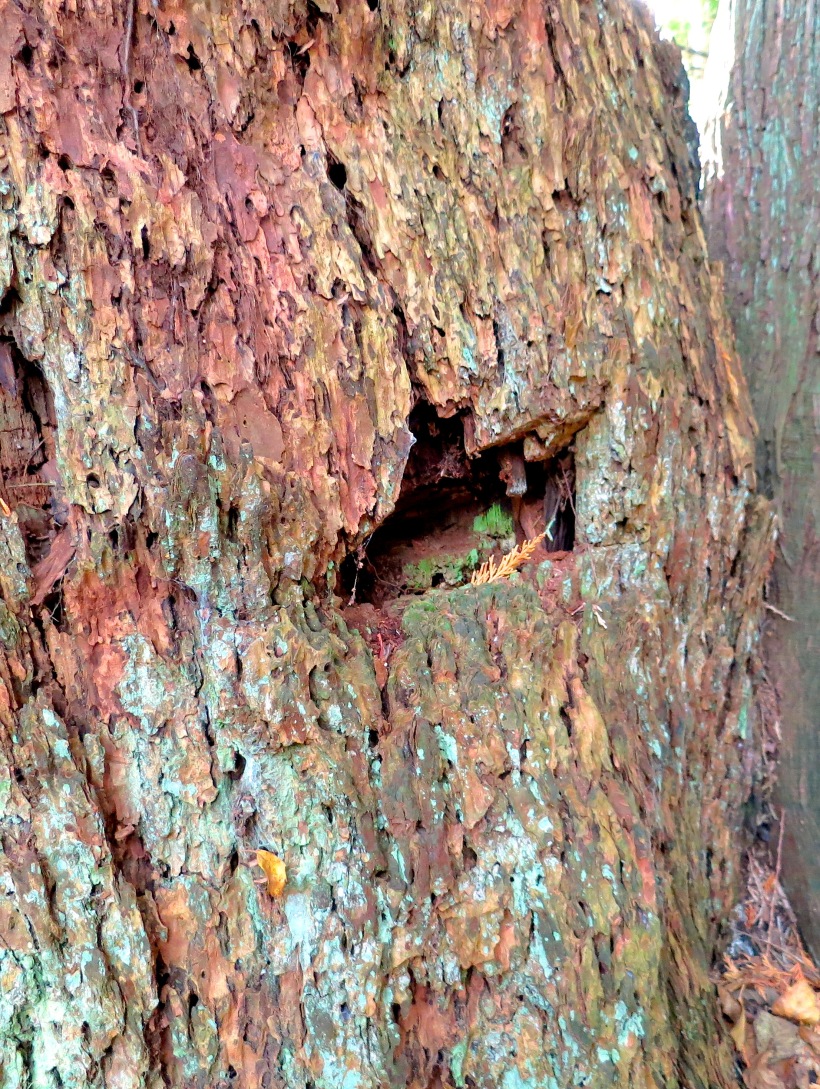
their scarred stumps still bearing the notches
from the lumbermen’s springboards.

Old growth firs and cedars
became mere headstones
in the graveyard left behind.

They existed, they existed,
their grandeur leaves no doubt.
I leave the woods and come back
to the world better
because they existed.


giantcedars

giantcedars5

Dancing in Dust Motes

barnboys

farmkids3

ready
emptied and ready

They put up hay loose there, the old way,
forking it into the loft from the wagon rack
while the sweaty horses snorted and switched off flies
and the littlest kids were commanded to trample it flat
in between loads until the entire bay
was alight with its radiant sun-dried manna….
It was paradise up there with dusty sun motes
you could write your name in as they skirled and drifted down.
There were ropes we swung on and dropped from and shinnied up
and the smell of the place was heaven, hurling me back
to some unknown plateau, tears standing up in my eyes
and an ancient hunger in my throat, a hunger….
~Maxine Kumin from “Hay”

filling
filling up

haybarnfull

My parents knew that ancient hunger, both born on farms with teams of horses that brought in hay the old way while the children tramped and stamped the loose piles firm.

I’ve known that ancient hunger, having grown up on a farm that brought in to the barn loose hay the old way by tractor and wagon, having danced in the dusty sun motes on the top of the hay on a bright afternoon, the light cut in stripes over the sweet smelling grass.

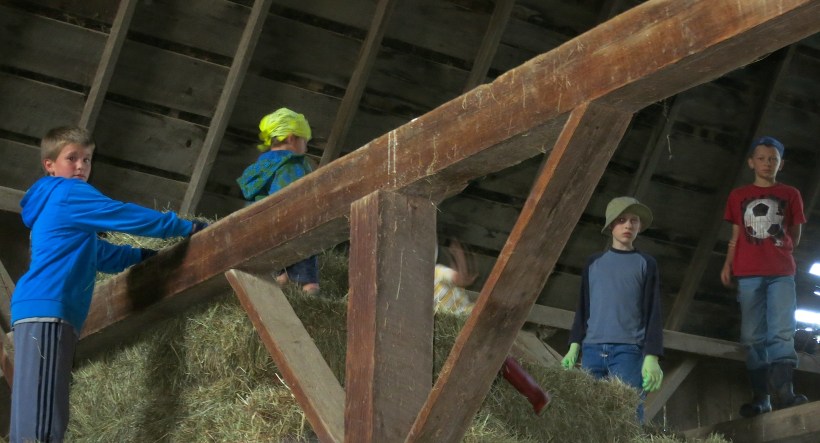
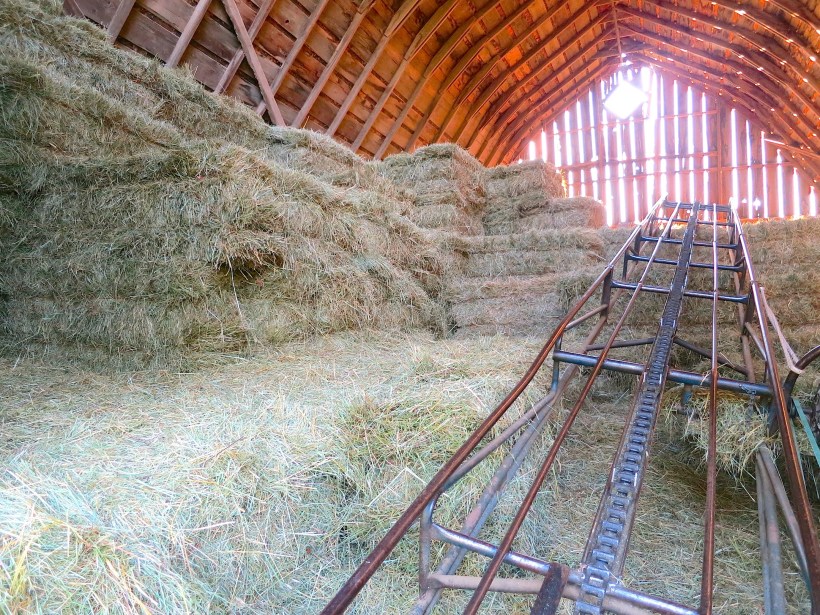
We’ve made sure our three children knew that ancient hunger, born to a farm that brought in hay bales stacked to the rafters through community effort, those same dusty sun motes swirling about their heads as they learned their jobs, from bale rolling to lifting to tossing and stacking.

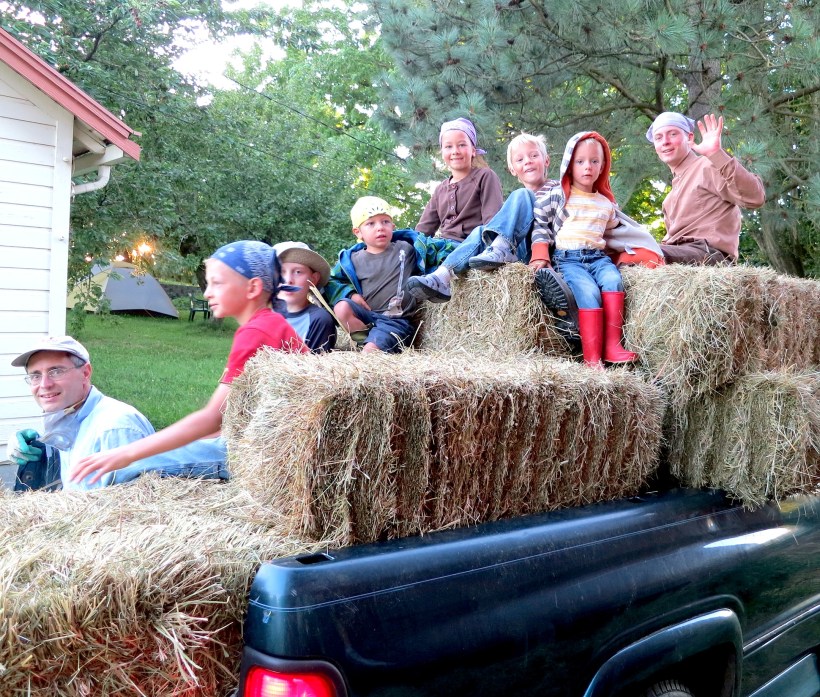
And now the next generation of neighborhood children arrive with shouts on haying days to clamor up and down the bale mountains, answering to the same hunger, blowing the same dusty snot and thrilling to the adventure of tractors, wagons and trucks, celebrating the gathering in of sun-dried manna together.

Surely this is what heaven will be like: we are all together, dancing in the light of the sun motes, our hunger filled to the brim by manna provided from above.

farmertheo1

farmgirls

farmcrew


Bound to the Earth

sunset76161

sistersmoon

My grandparents owned the land,
worked the land, bound
to the earth by seasons of planting
and harvest.

They watched the sky, the habits
of birds, hues of sunset,
the moods of moon and clouds,
the disposition of air.
They inhaled the coming season,
let it brighten their blood
for the work ahead.

Soil sifted through their fingers
imbedded beneath their nails
and this is what they knew;
this rhythm circling the years.
They never left their land;
each in their own time
settled deeper.
~Lois Parker Edstrom “Almanac” from Night Beyond Black. © MoonPath Press, 2016.

morningswans

396747_496652663682556_1002398142_n
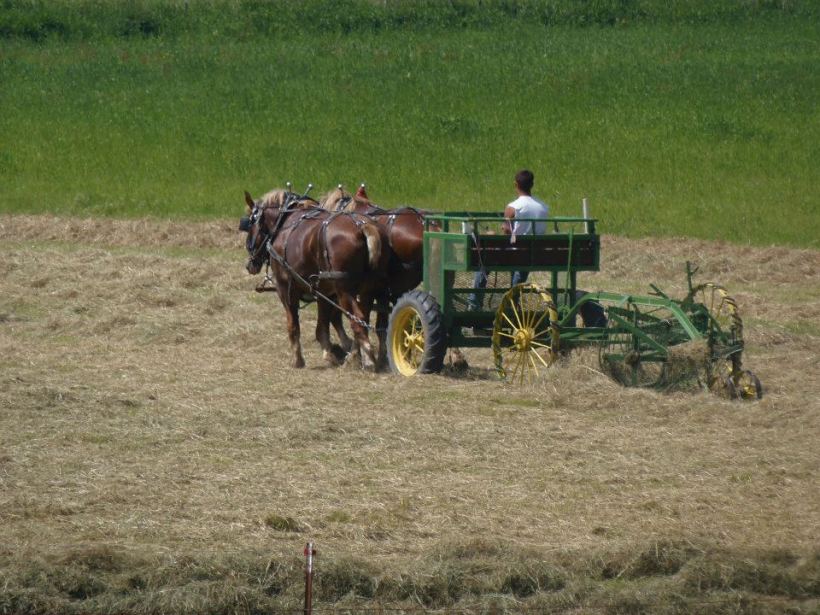
Photo of Aaron Janicki haying with his Oberlander team in Skagit County courtesy of Tayler Rae

I am old enough to have parents who grew up on farms worked by horses, one raising wheat and lentils in the Palouse country of eastern Washington and the other logging in the woodlands of Fidalgo Island of western Washington.  The horses were crucial to my grandparents’ success in caring for and tilling the land, seeding and harvesting the crops and bringing supplies from town miles away.  Theirs was a hardscrabble life in the early 20th century with few conveniences.  Work was year round from dawn to dusk; caring for the animals came before any human comforts.  Once night fell, work ceased and sleep was welcome respite for man and beast.

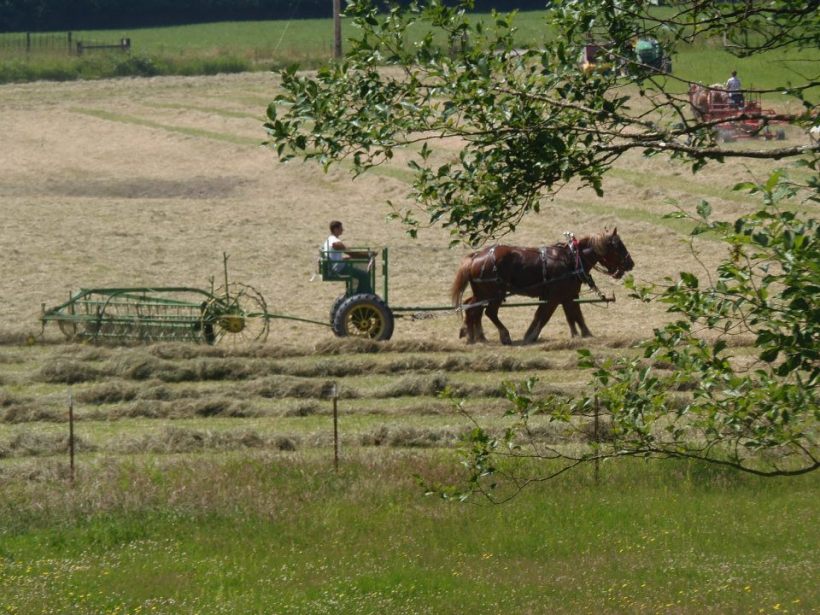
In the rural countryside where we live now, we’ve been fortunate enough to know people who still dabble in horse farming, whose draft teams are hitched to plows and mowers and manure spreaders as they head out to the fields to recapture the past.  Watching a good team work with no diesel motor running means hearing bird calls from the field, the steady footfall of the horses, the harness chains jingling, the leather straps creaking, the machinery shushing quietly as gears turn and grass lays over in submission.  No ear protection is needed.  There is no clock needed to pace the day.   There is a rhythm of nurture when animals instead of engines are part of the work day.   The gauge for taking a break is the amount of foamy sweat on the horses and how fast they are breathing. It is time to stop and take a breather, it is time to start back up and do a few more rows, it is time to water, it is time for a meal, it is time for a nap, it is time for a rest in a shady spot.  This is gentle use of the land with four footed stewards who deposit right back to the soil the digested forage they have eaten only hours before.

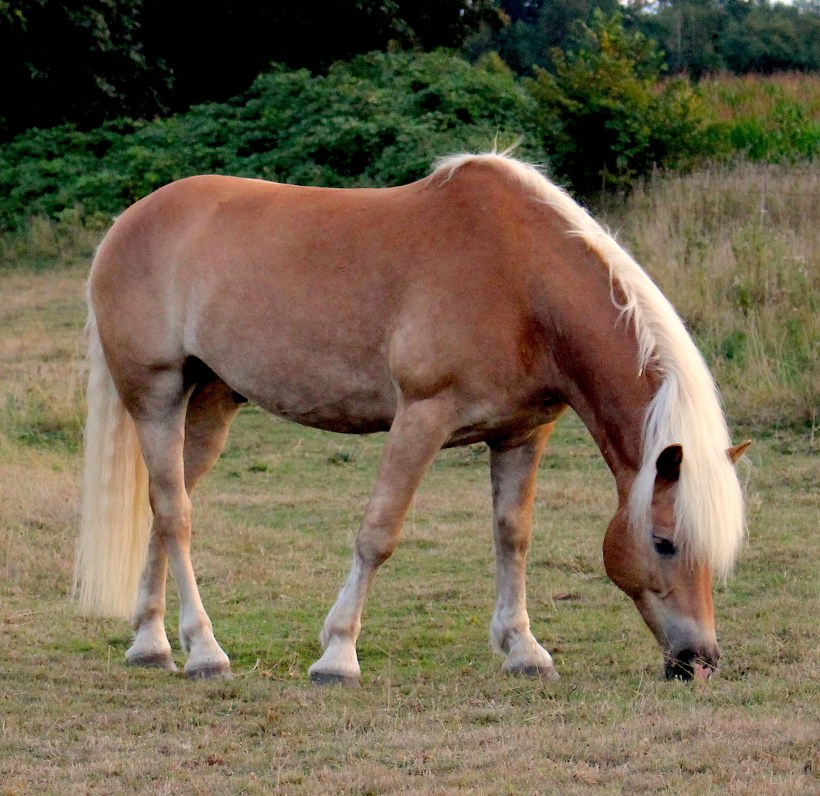
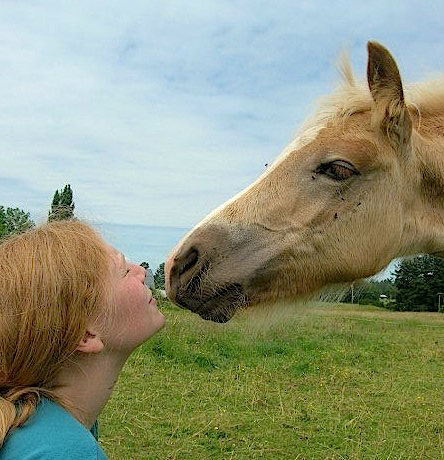
Our modern agribusiness megafarm fossil-fuel-powered approach to food production has bypassed the small family farm which was so dependent on the muscle power of humans and animals.    In our move away from horses worked by skilled teamsters,  what has been gained in high production values has meant loss of self-sufficiency and dedicated stewardship of a particular plot of ground.  Draft breeds, including the Haflinger horses we own, now are bred for higher energy with lighter refined bone structure meant more for eye appeal and floating movement,  rather than the sturdy conformation and unflappable low maintenance mindset needed for pulling work.   Modern children are bred for a different purpose as well, no longer raised to work together with other family members for a common purpose of daily survival.   Their focus at school is waning as they have no morning farm chores when they get up, too little physical work to do before they arrive at their desks in the morning.   Their physical energy, if directed at all,  is directed to competitive sports, engaged in fantasy combat rather than winning a very real victory over hunger.

I am encouraged when young people still reach for horse collars and bridles, hitch up their horses and do the work as it used to be done.   All is not lost if we can still make incremental daily progress,  harnessed together as a team with our horses, tilling for truth and harvesting hope.

pinkbaker4
I like farming. I like the work. I like the livestock and the pastures and the woods.  It’s not necessarily a good living, but it’s a good life.  I now suspect that if we work with machines the world will seem to us to be a machine, but if we work with living creatures the world will appear to us as a living creature.  That’s what I’ve spent my life doing, trying to create an authentic grounds for hope. –Wendell Berry, horse farmer, essayist, poet, professor

sunrise9714

314753_496651617015994_783180103_n
photo by Tayler Rae


A Free Servitude

tonypony

29148_10150192564985462_877840461_12740588_782762_n

homertony

And then, that evening
Late in the summer the strange horses came.

In the first moment we had never a thought
That they were creatures to be owned and used.

Since then they have pulled our plows and borne our loads,
But that free servitude still can pierce our hearts.
Our life is changed; their coming our beginning.

~Edwin Muir from “The Horses”

sashaeye

There is nothing that truly compels a horse to wear a saddle, pull a heavy burden, chew a cold bit until it foams warm — no fear of whip or spur or harsh word.  They, so much more powerful than we are, choose the work, to do what is needed, to serve freely, to be there because they were asked — whether asked nicely or not.

How much more we learn from the lather of their sweaty grace —  how to choose the labor that changes lives, how to offer up love in gratitude for the reward of a scratch in just the right place and a nose buried in sweet clover.


evening1119153

leapony