My aspens dear, whose airy cages quelled, Quelled or quenched in leaves the leaping sun, All felled, felled, are all felled; Of a fresh and following folded rank Not spared, not one That dandled a sandalled Shadow that swam or sank On meadow & river & wind-wandering weed-winding bank.
O if we but knew what we do When we delve or hew — Hack and rack the growing green! Since country is so tender To touch, her being só slender, That, like this sleek and seeing ball But a prick will make no eye at all, Where we, even where we mean To mend her we end her, When we hew or delve: After-comers cannot guess the beauty been. Ten or twelve, only ten or twelve Strokes of havoc unselve The sweet especial scene, Rural scene, a rural scene, Sweet especial rural scene. ~Gerard Manley Hopkins “Binsey Poplars”
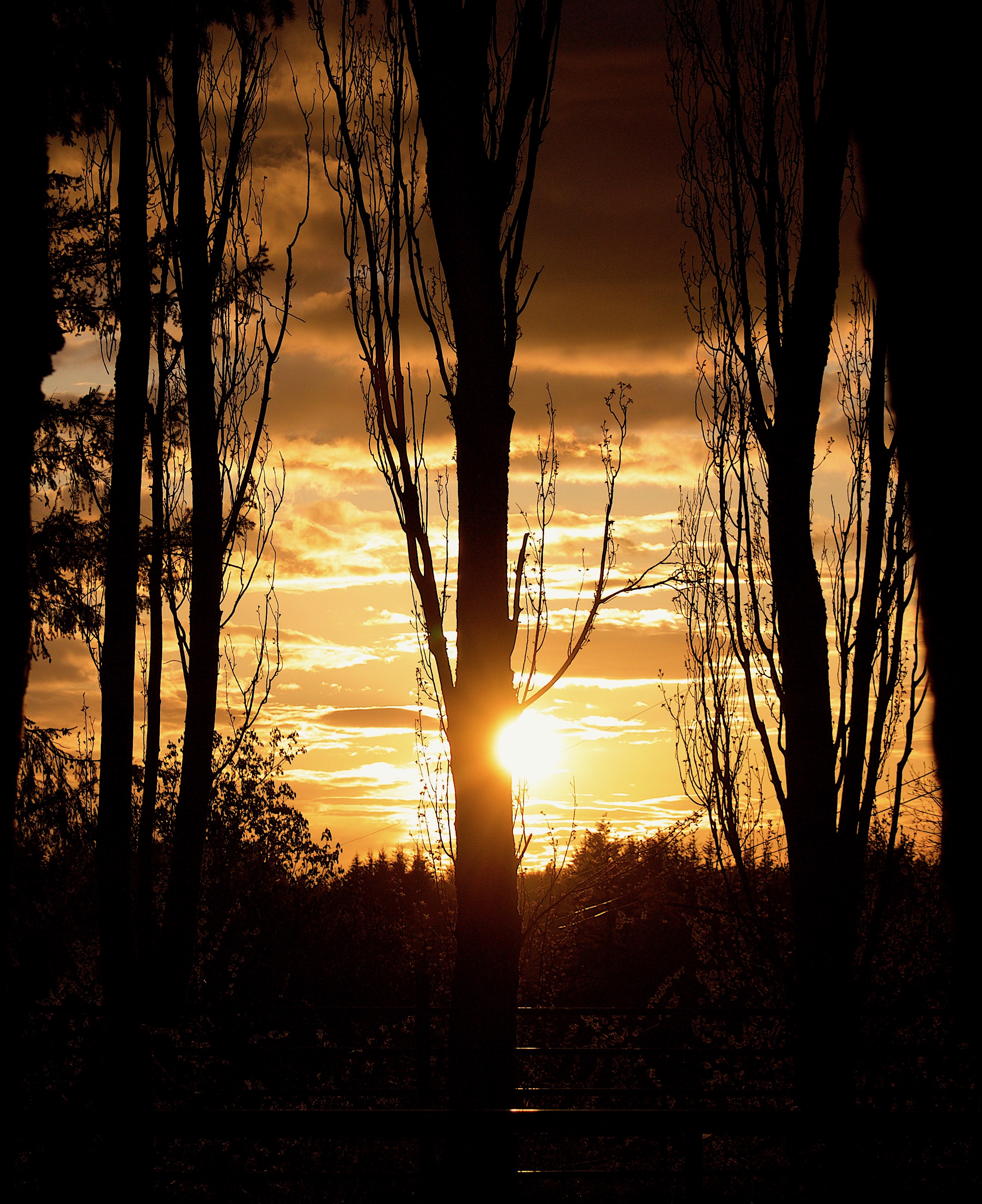
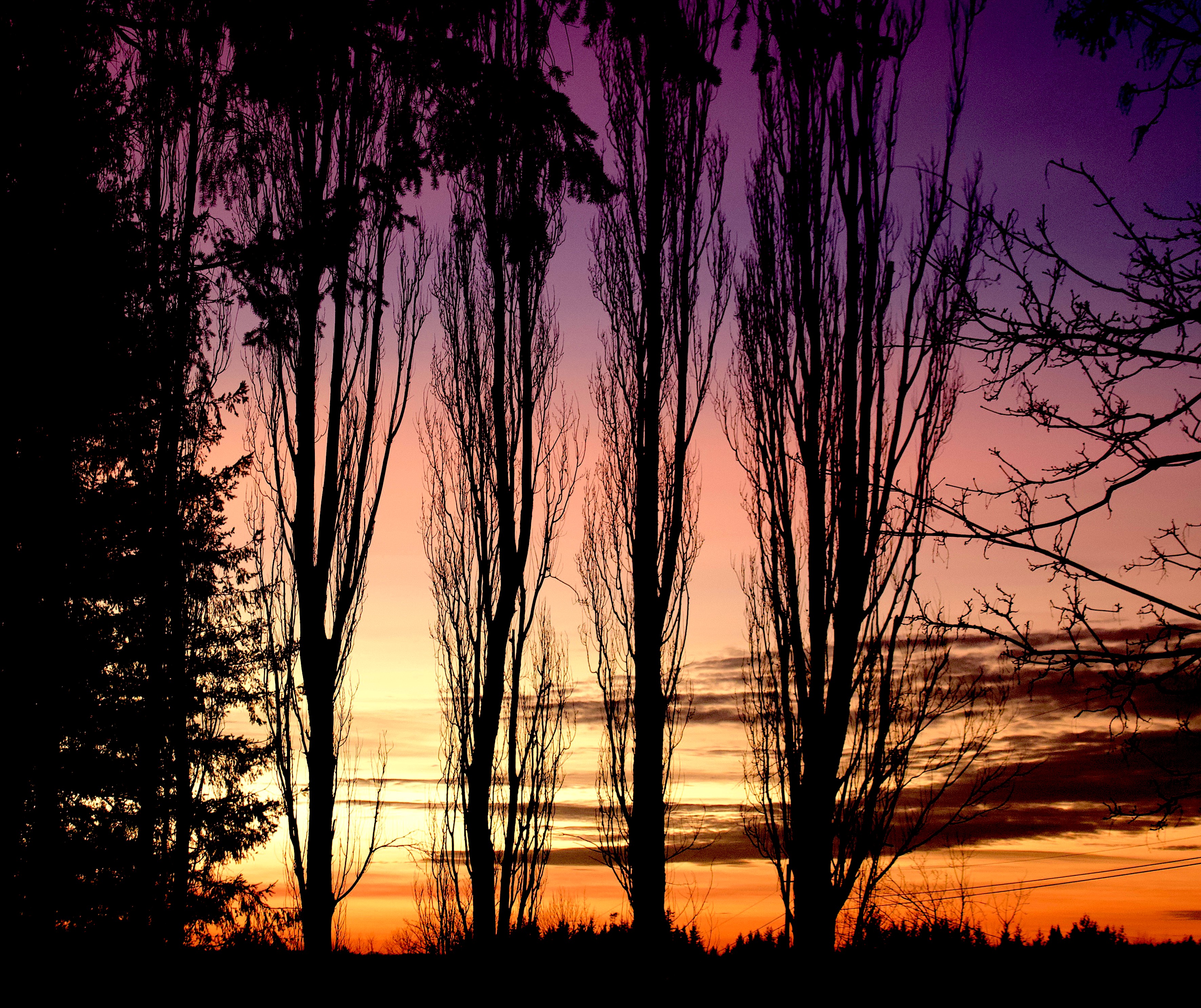
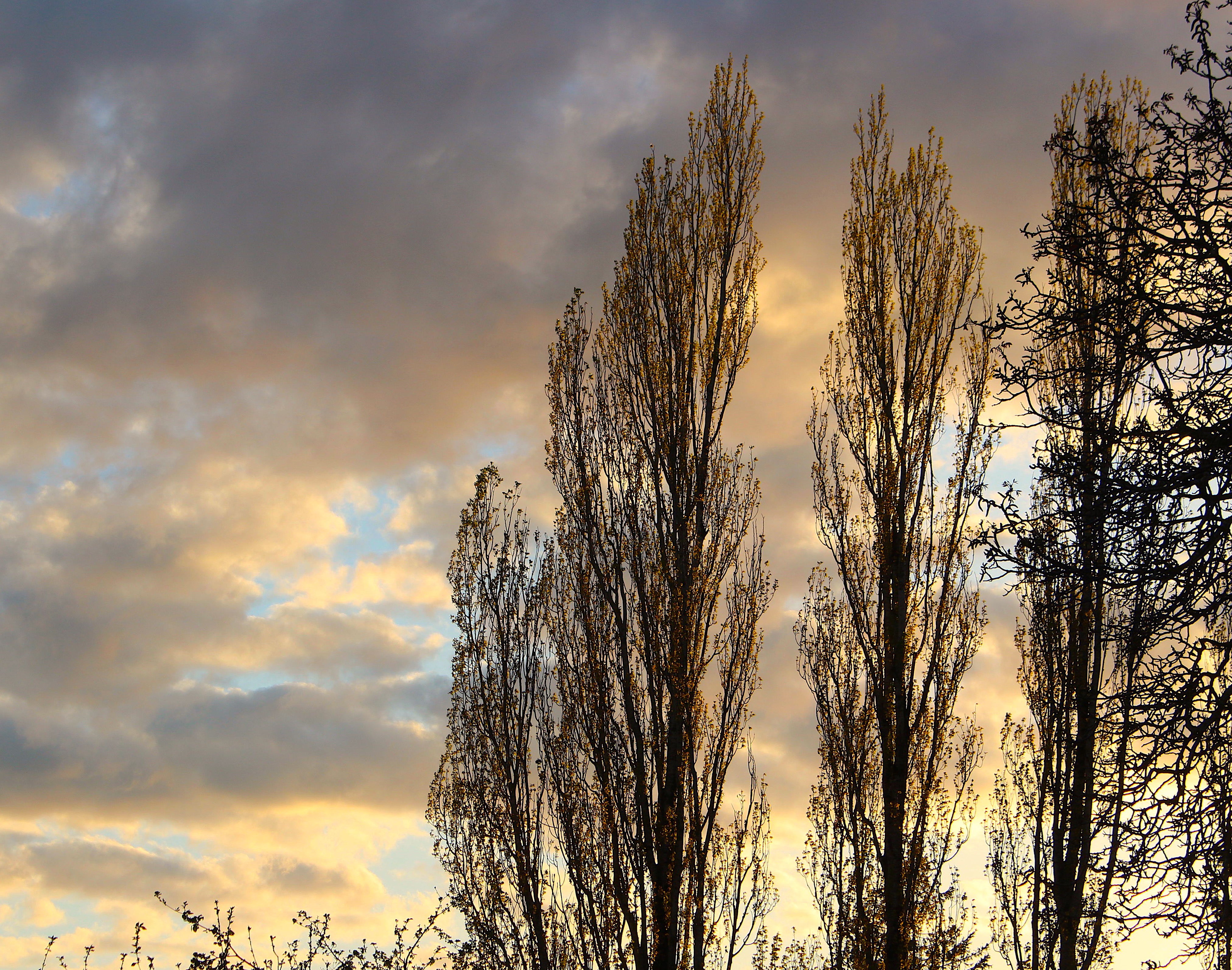
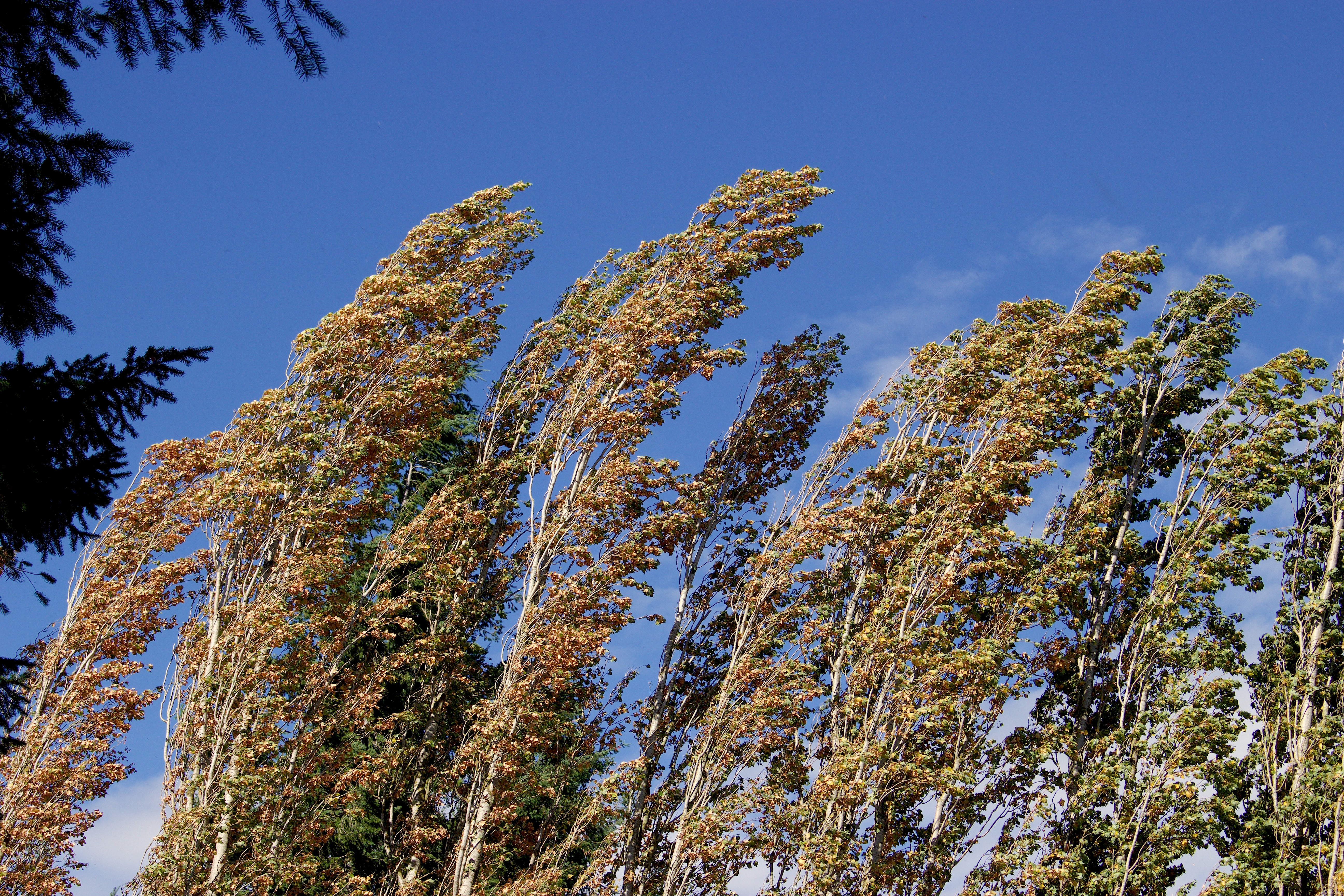
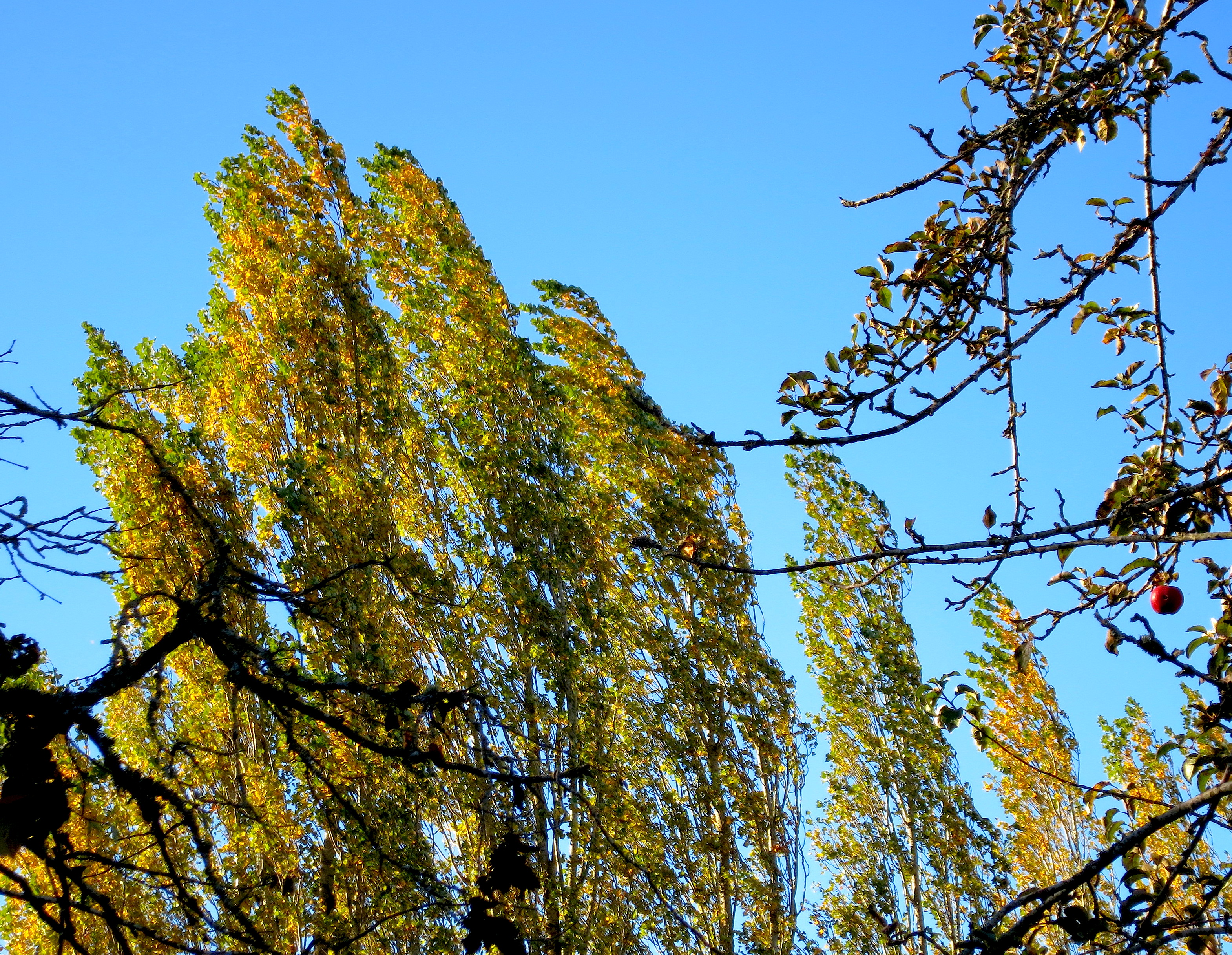
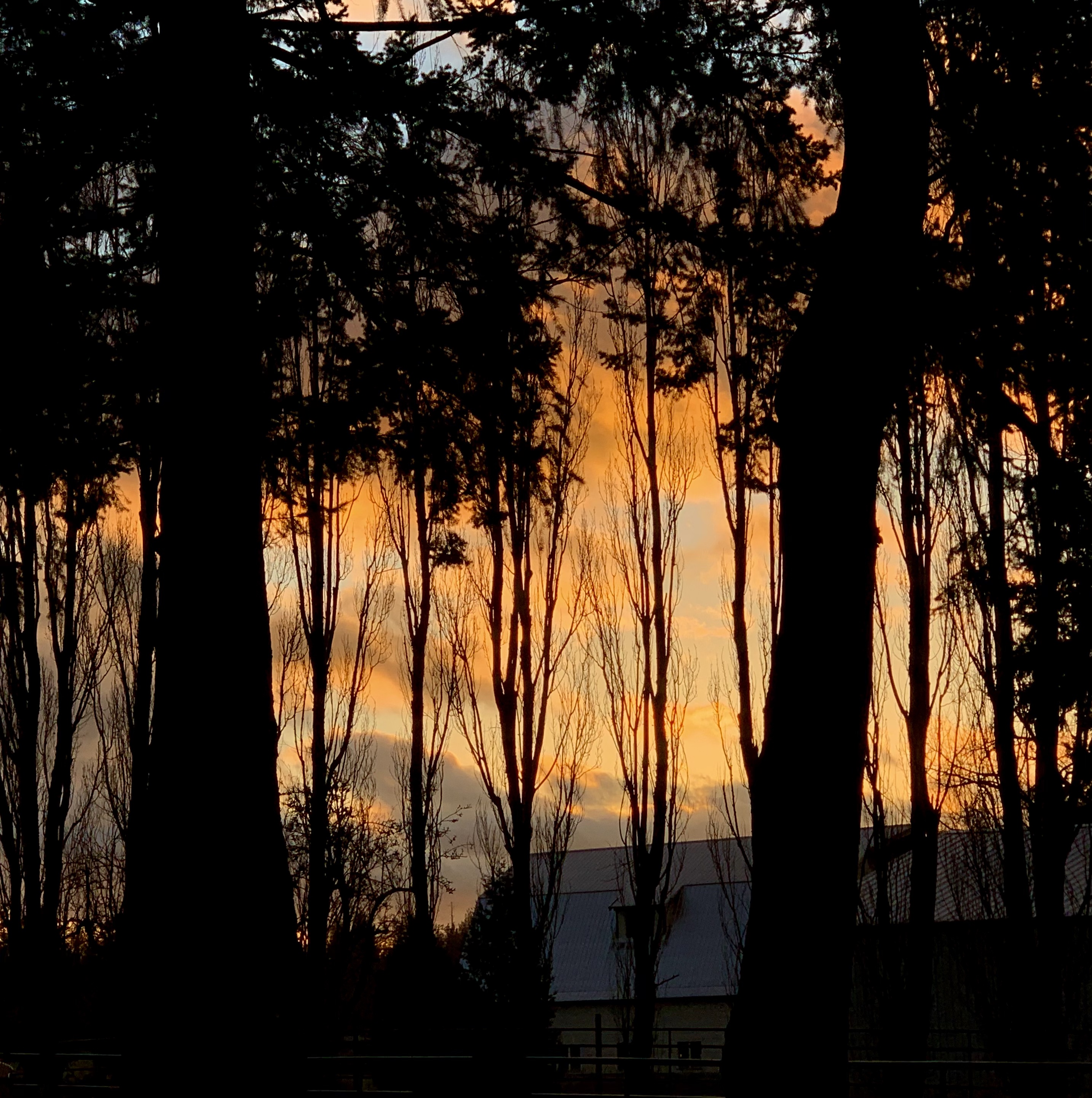
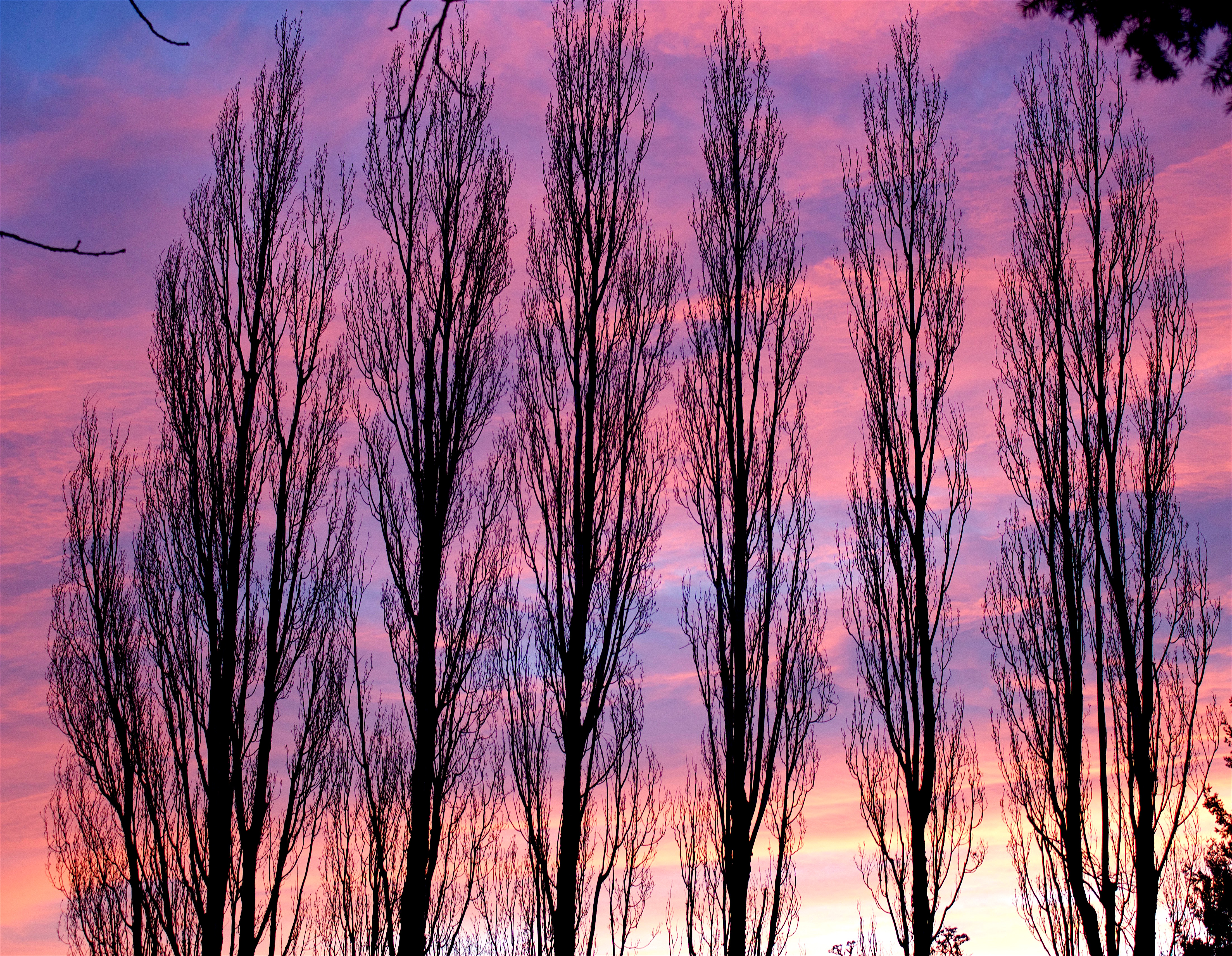
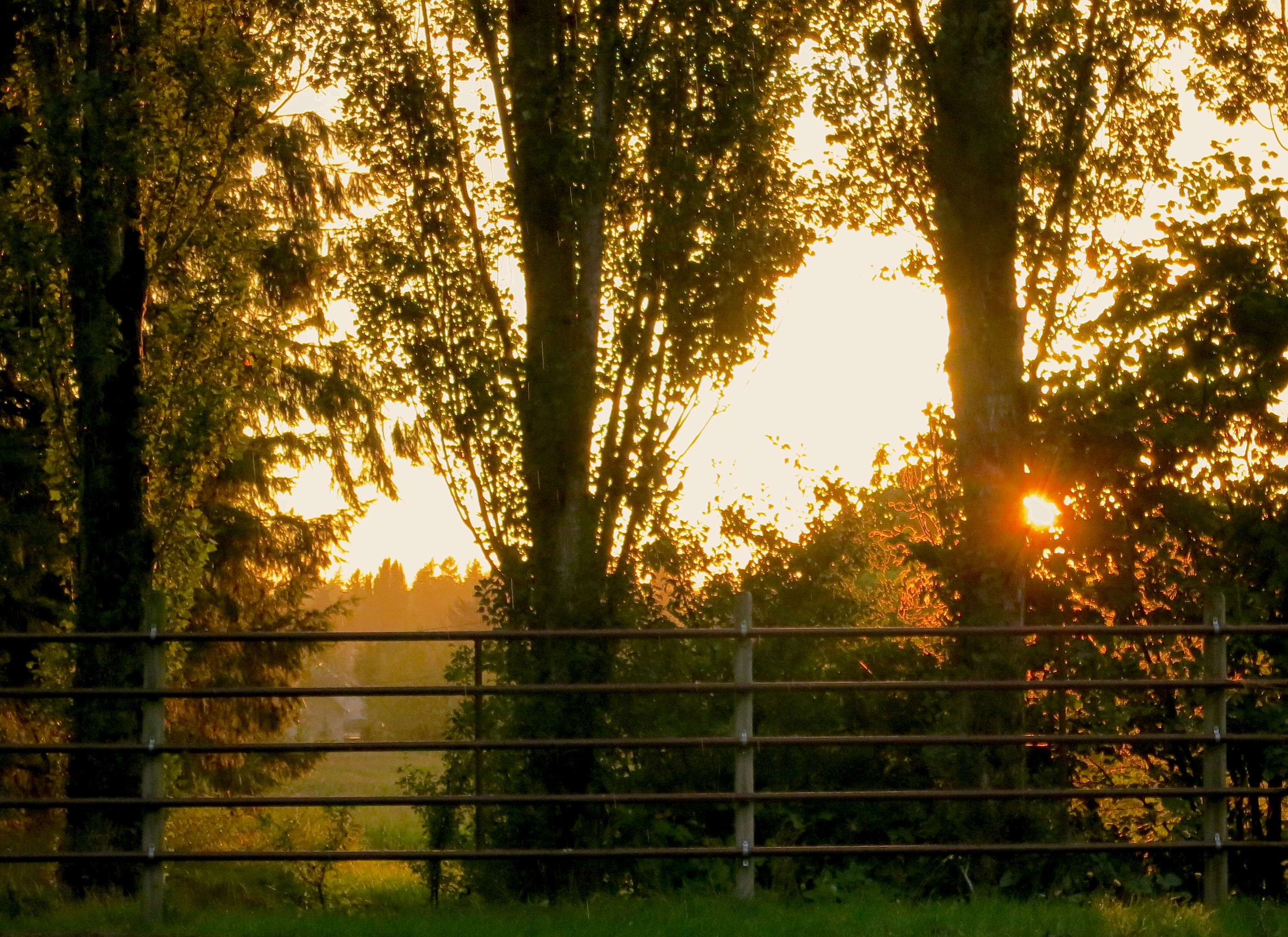
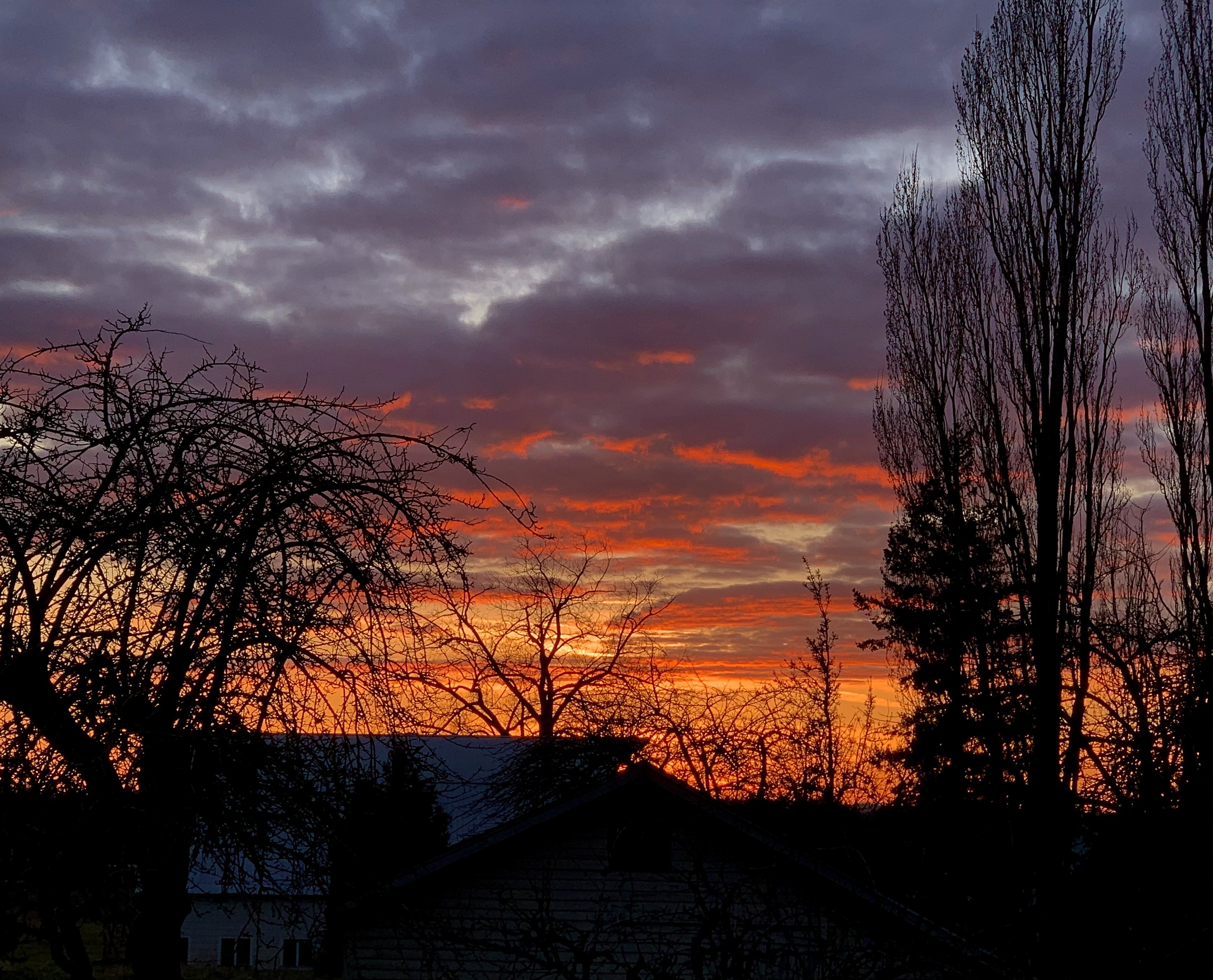
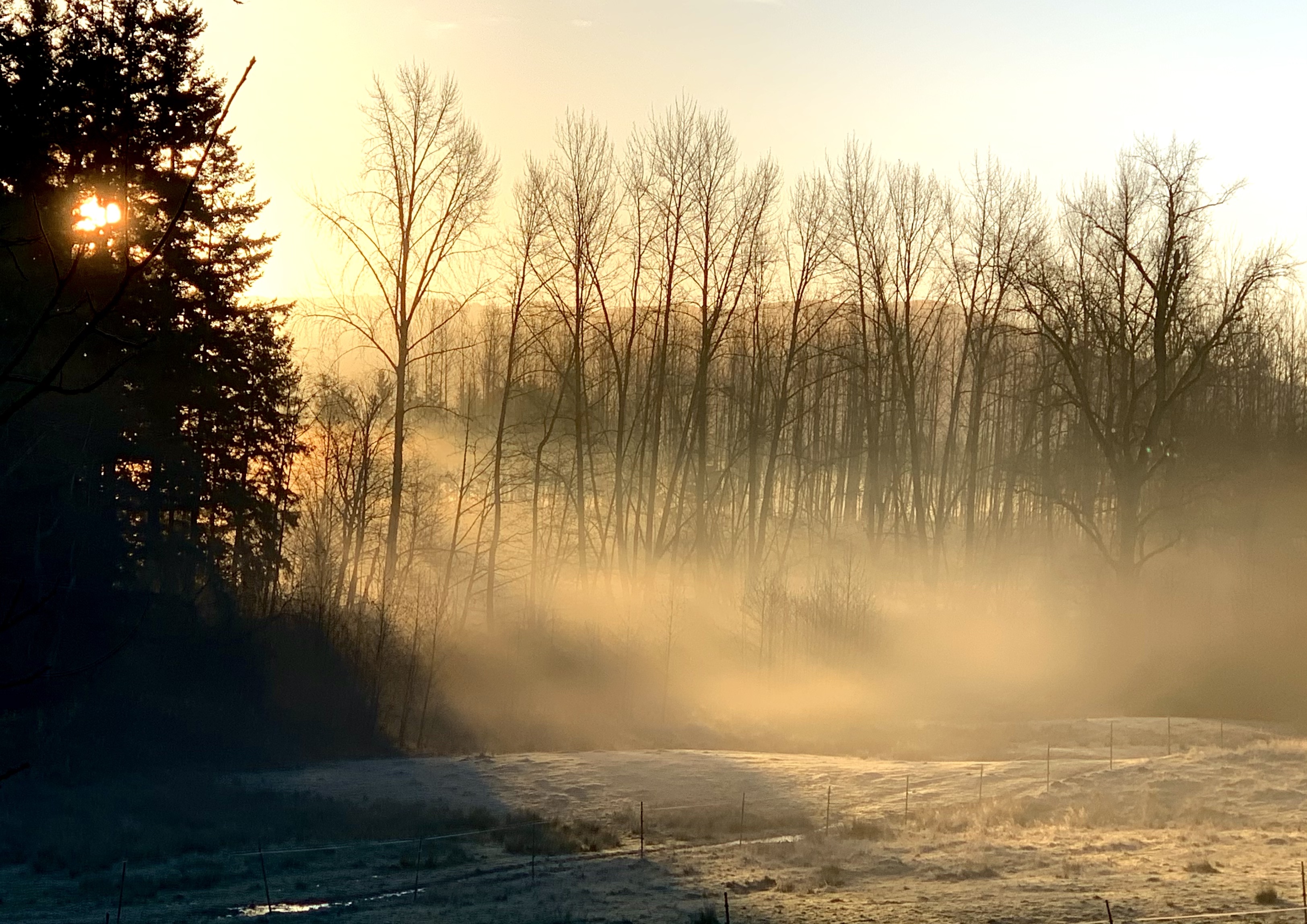
Our farm is bookshelved between two poplar rows, one short, the other longer. The trees are showing their advanced age and struggle now with winter storms with heavy winds and icy build-up, branches shattering like toothpicks.
They will eventually, like Hopkins’ Binsey poplars, be felled before they tumble weakened and withered in a gale, landing where they mustn’t.
I will miss their blowhard boldness, their noisy leaves and branches, their dance in the wind and their orderliness as they stand like guardians to the farm. I’m being sentimental but there will be a sadness when it comes time to say goodbye.
Once they are gone, who in the future would know they once stood there, towering above everything else.
Unlike the poplars, I must leave something behind to be remembered.
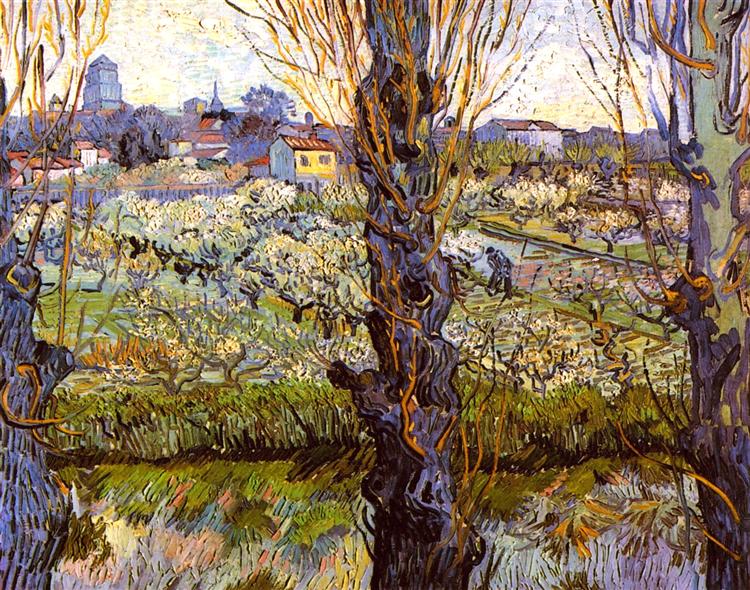
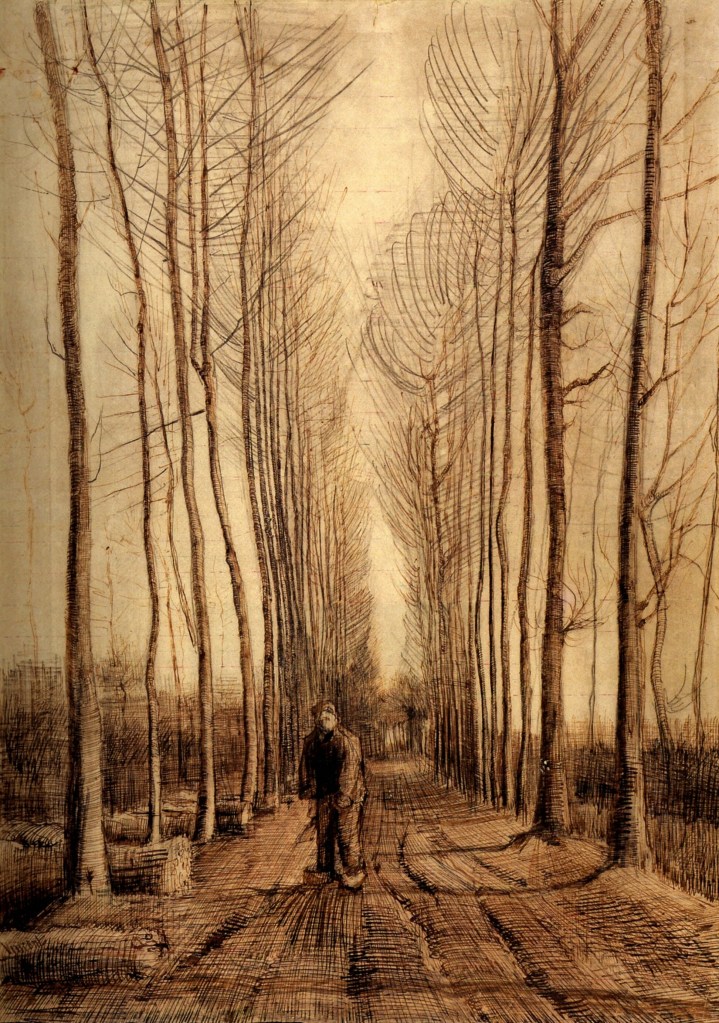
Orchard in bloom with poplars- Van Gogh
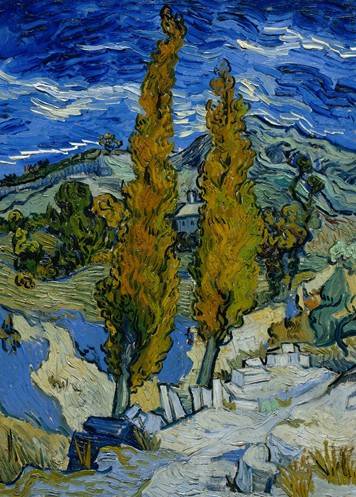
Two Poplars in the Alpilles near Saint-Remy by Van Gogh
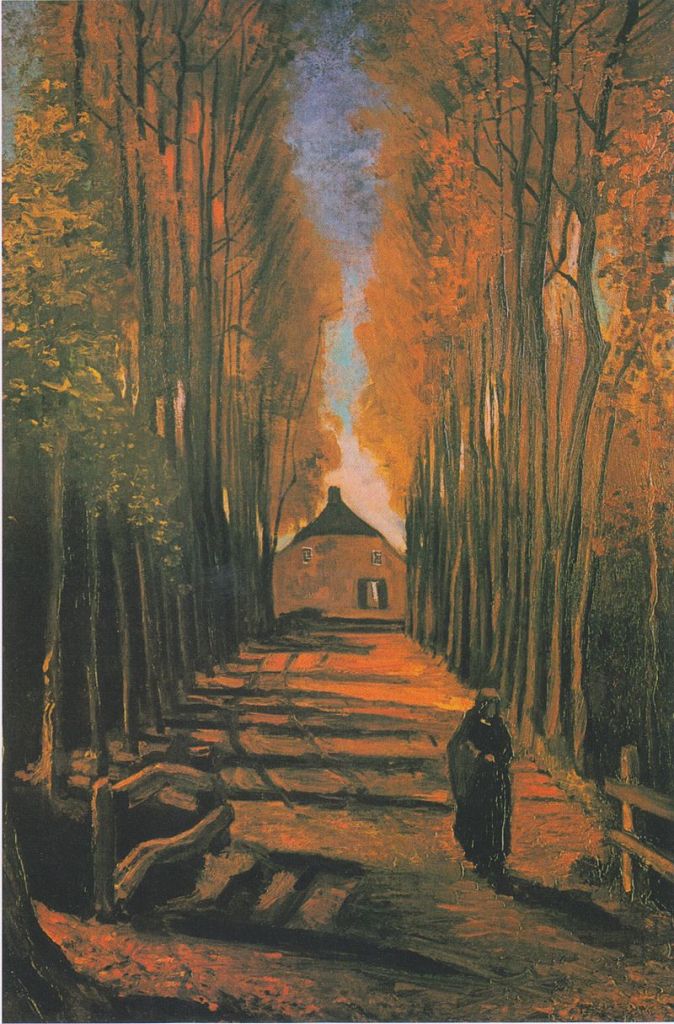
Avenue of Poplars in Autumn– Van Gogh MuseumPoplar trees Van Gogh
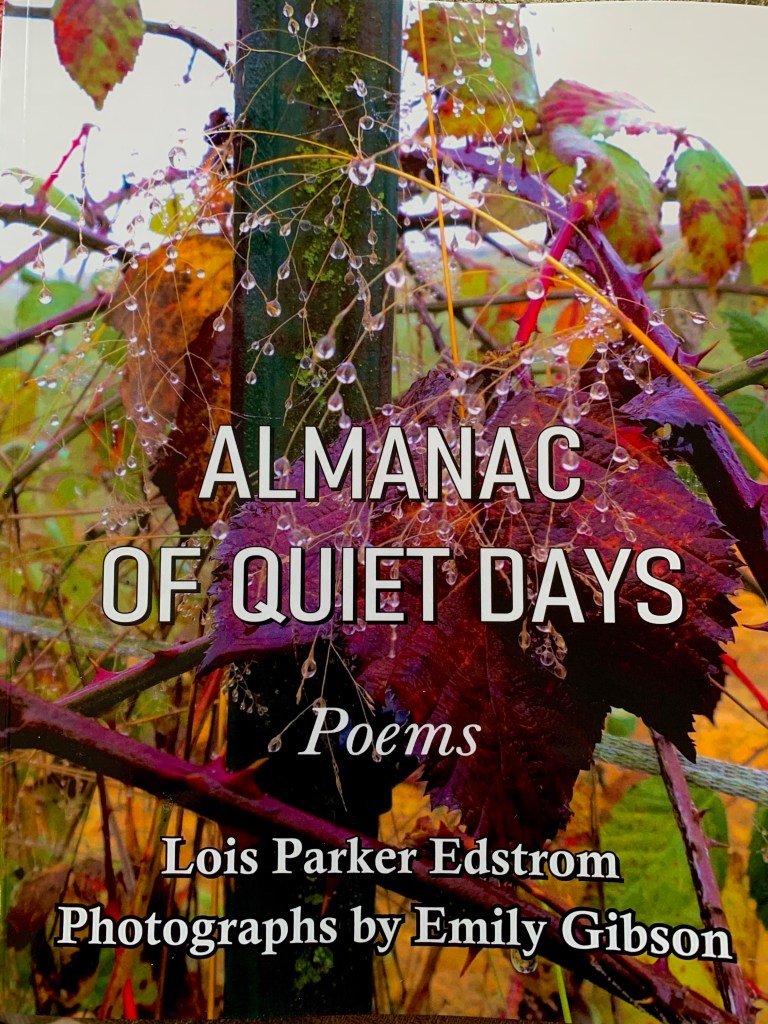
A new book from Barnstorming — information for how to order here
At first we just say flower. How thrilling it is to name. Then it’s aster. Begonia. Chrysanthemum.
We spend our childhood learning to separate one thing from another. Daffodil. Edelweiss. Fern. We learn
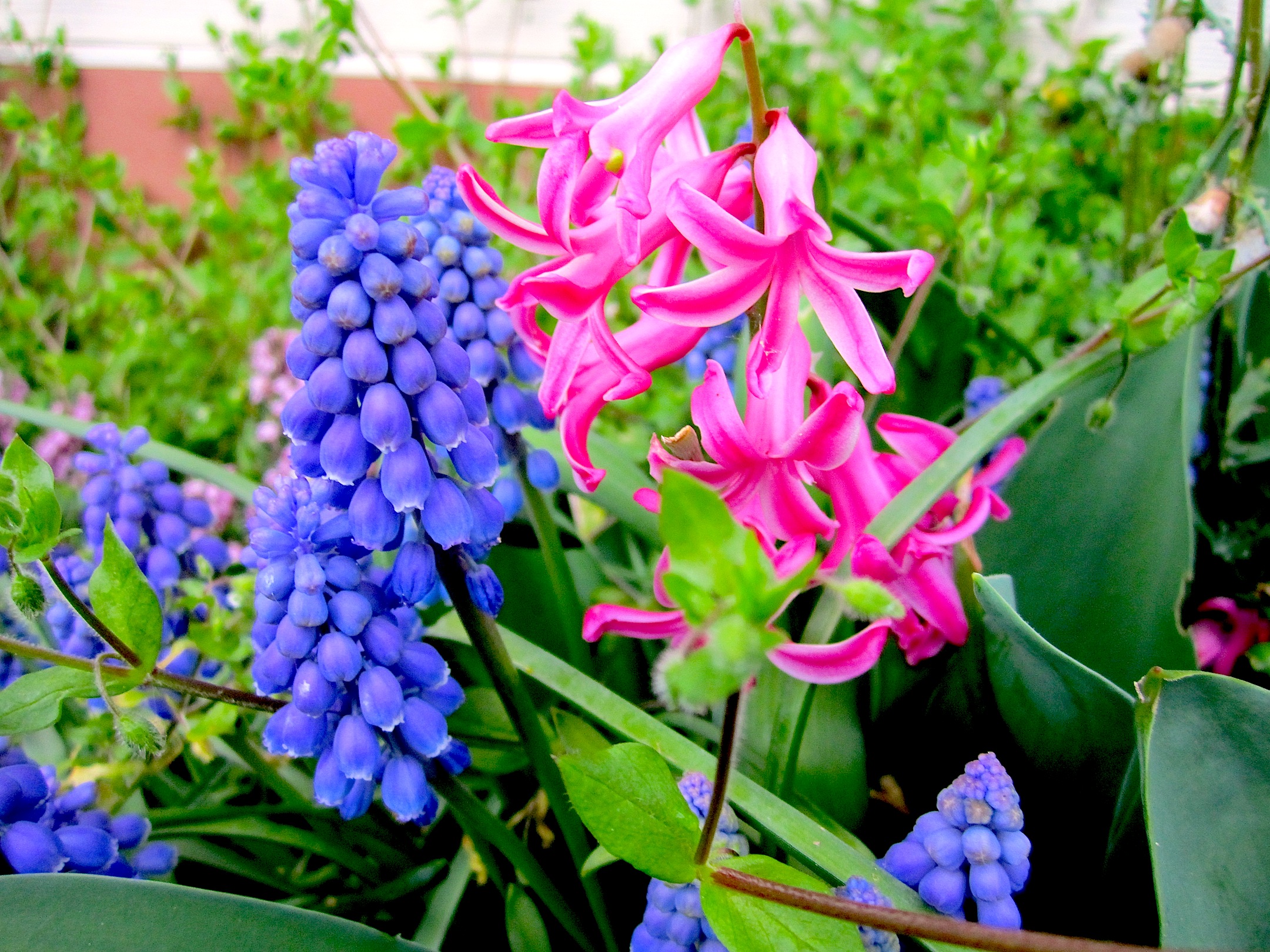
which have five petals, which have six. We say, “This is a gladiolus, this hyacinth.” And we fracture the world into separate
identities. Iris. Jasmine. Lavender. Divorcing the world into singular bits. And then, when we know how to tell
one thing from another, perhaps at last we feel the tug to see not what makes things different, but
what makes things the same. Perhaps we feel the pleasure that comes when we start to blur the lines—and once again everything is flower, and by everything, I mean everything. ~Rosemerry Wahtola Trommer, “Where We are Headed” from Hush
Somehow we find reassurance in naming things each according to its own kind – after all, we were given that task by God Himself in the Garden. We take our work seriously at lining up labels and categories based on all the differences we observe — we want to organize and define, separate and segregate, to do our best to create order out of a jumble, even if we are too young to have words for what we are doing.
Yet when we emphasize differences, we fail to appreciate all that is shared among us and end up fracturing rather than joining together. We look for what keeps us apart rather than find the common ground that blurs the lines, creating a healing bond between us.
Everything has a common origin, and I mean everything.
Flowers: each needs soil, sun and some water no matter how differently they flourish and bloom.
People who cherish an identity: we are all human. We were all created from dust and rib. We share the same Creator. We bloom, all in our own unique and precious way, but what matters most is where we put down roots and how freely we share our fruit.
“Like Mary, we have no way of knowing… We can ask for courage, however, and trust that God has not led us into this new land only to abandon us there.” ~Kathleen Norrisfrom God With Us
We know the scene: the room, variously furnished,
almost always a lectern, a book; always the tall lily. Arrived on solemn grandeur of great wings, the angelic ambassador, standing or hovering, whom she acknowledges, a guest.
But we are told of meek obedience. No one mentions courage. The engendering Spirit did not enter her without consent. God waited.
She was free to accept or to refuse, choice integral to humanness.
____________________________
Aren’t there annunciations of one sort or another in most lives? Some unwillingly undertake great destinies, enact them in sullen pride, uncomprehending. More often those moments when roads of light and storm open from darkness in a man or woman, are turned away from in dread, in a wave of weakness, in despair and with relief. Ordinary lives continue. God does not smite them. But the gates close, the pathway vanishes.
______________________________
She had been a child who played, ate, slept like any other child – but unlike others, wept only for pity, laughed in joy not triumph. Compassion and intelligence fused in her, indivisible.
Called to a destiny more momentous than any in all of Time, she did not quail, only asked a simple, ‘How can this be?’ and gravely, courteously, took to heart the angel’s reply, perceiving instantly the astounding ministry she was offered:
to bear in her womb Infinite weight and lightness; to carry in hidden, finite inwardness, nine months of Eternity; to contain in slender vase of being, the sum of power – in narrow flesh, the sum of light. Then bring to birth, push out into air, a Man-child needing, like any other, milk and love –
but who was God.
This was the moment no one speaks of, when she could still refuse.
A breath unbreathed, Spirit, suspended, waiting.
______________________________
She did not cry, ‘I cannot. I am not worthy,’ Nor, ‘I have not the strength.’ She did not submit with gritted teeth, raging, coerced. Bravest of all humans, consent illumined her. The room filled with its light, the lily glowed in it, and the iridescent wings. Consent, courage unparalleled, opened her utterly. ~Denise Levertov “The Annunciation”
Like most people living in 2020, I want things to be the way I want them: my plans, my timing, my hopes and dreams first and foremost.
And then the unexpected happens and suddenly nothing looks the way it was supposed to be. There is infinite weight within infinite emptiness.
Only then, as an emptied vessel, can I be filled.
In my forty years of clinical work, I’ve never before seen such an epidemic of hopelessness. Debts seem too great, reserves too limited, foundations too shaky, plans dashed, the future too uncertain.
In the annunciation of the angel approaching a young woman out of the blue, Mary’s response to this overwhelming event is a model for us all when we are hit by the unexpected.
She is prepared; she has studied and knows God’s Word and His promise to His people, even in the midst of trouble. She is able to articulate it beautifully in the song she sings as her response. She gives up her so-carefully-planned-out life to give life to God within her.
Her resilience reverberates through the ages and to each one of us in our own multi-faceted and overwhelming troubles: may it be to me as you say.
May it be. Your plans, Your purpose, Your promise – all embodied within me.
Let it be.
Even if it pierces my soul as with a sword so that I leak out to empty; you are there to plug the bleeding hole, filling me with your infinite light.
Everything inside me cries for order Everything inside me wants to hide Is this shadow an angel or a warrior? If God is pleased with me, why am I so terrified? Someone tell me I am only dreaming Somehow help me see with Heaven’s eyes And before my head agrees, My heart is on its knees Holy is He. Blessed am I.
Be born in me Be born in me Trembling heart, somehow I believe That You chose me I’ll hold you in the beginning You will hold me in the end Every moment in the middle, Make my heart your Bethlehem Be born in me
All this time we’ve waited for the promise All this time You’ve waited for my arms Did You wrap yourself inside the unexpected So we might know that Love would go that far?
Be born in me Be born in me Trembling heart, somehow I believe That You chose me I’ll hold you in the beginning You will hold me in the end Every moment in the middle, Make my heart your Bethlehem Be born in me
I am not brave I’ll never be The only thing my heart can offer is a vacancy I’m just a girl Nothing more But I am willing, I am Yours Be born in me Be born in me Trembling heart, somehow I believe That You chose me I’ll hold you in the beginning You will hold me in the end Every moment in the middle, Make my heart your Bethlehem Be born in me
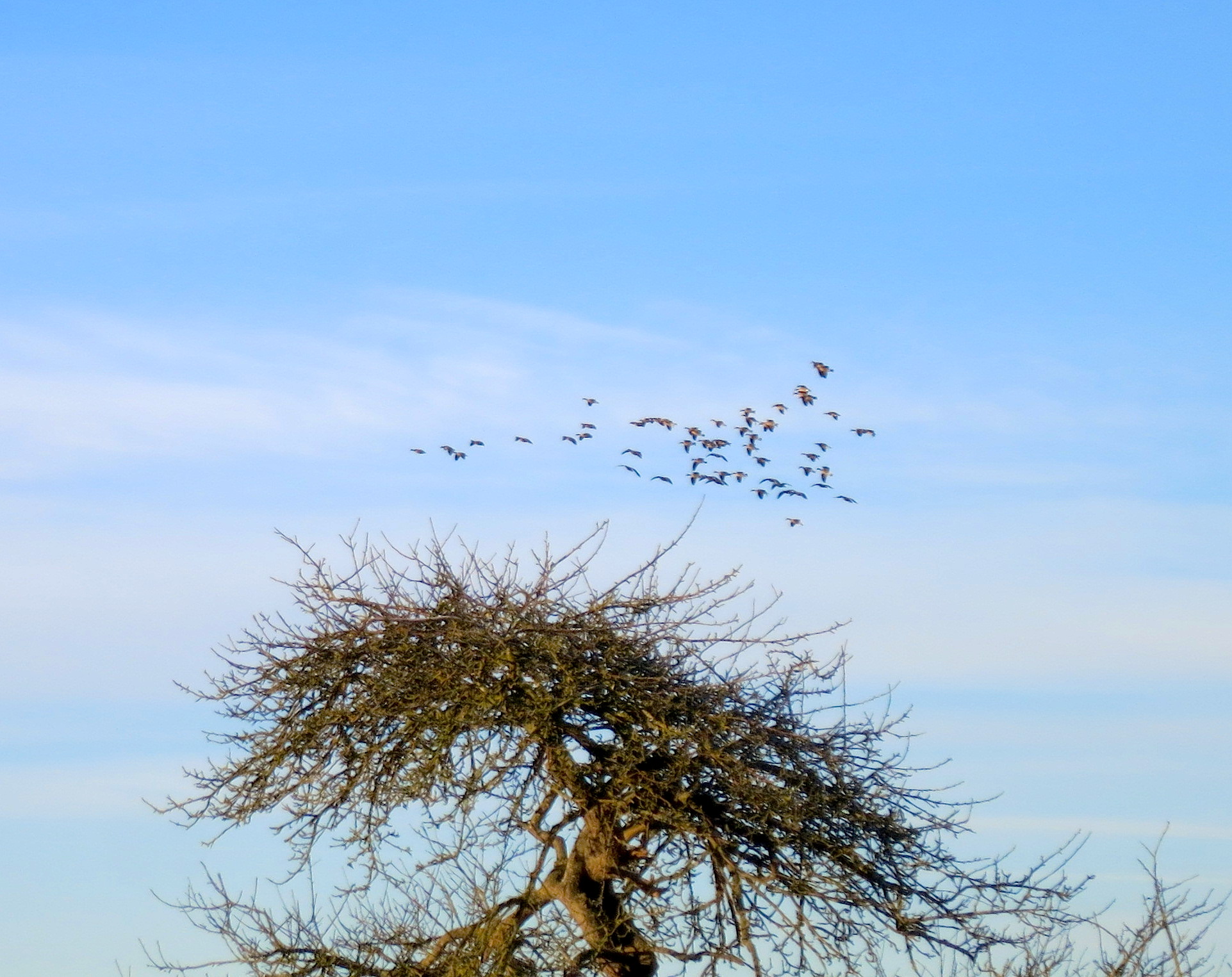
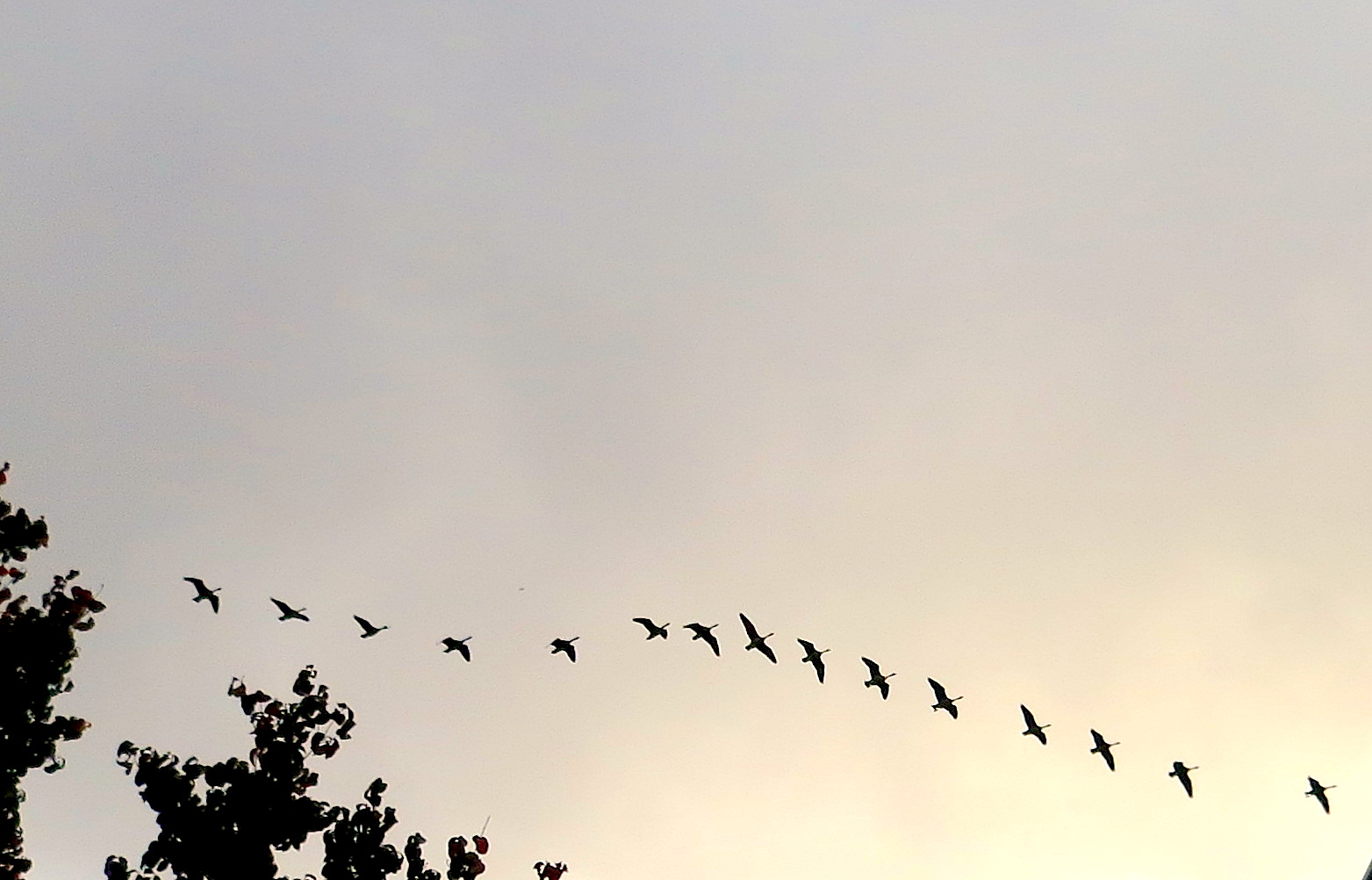
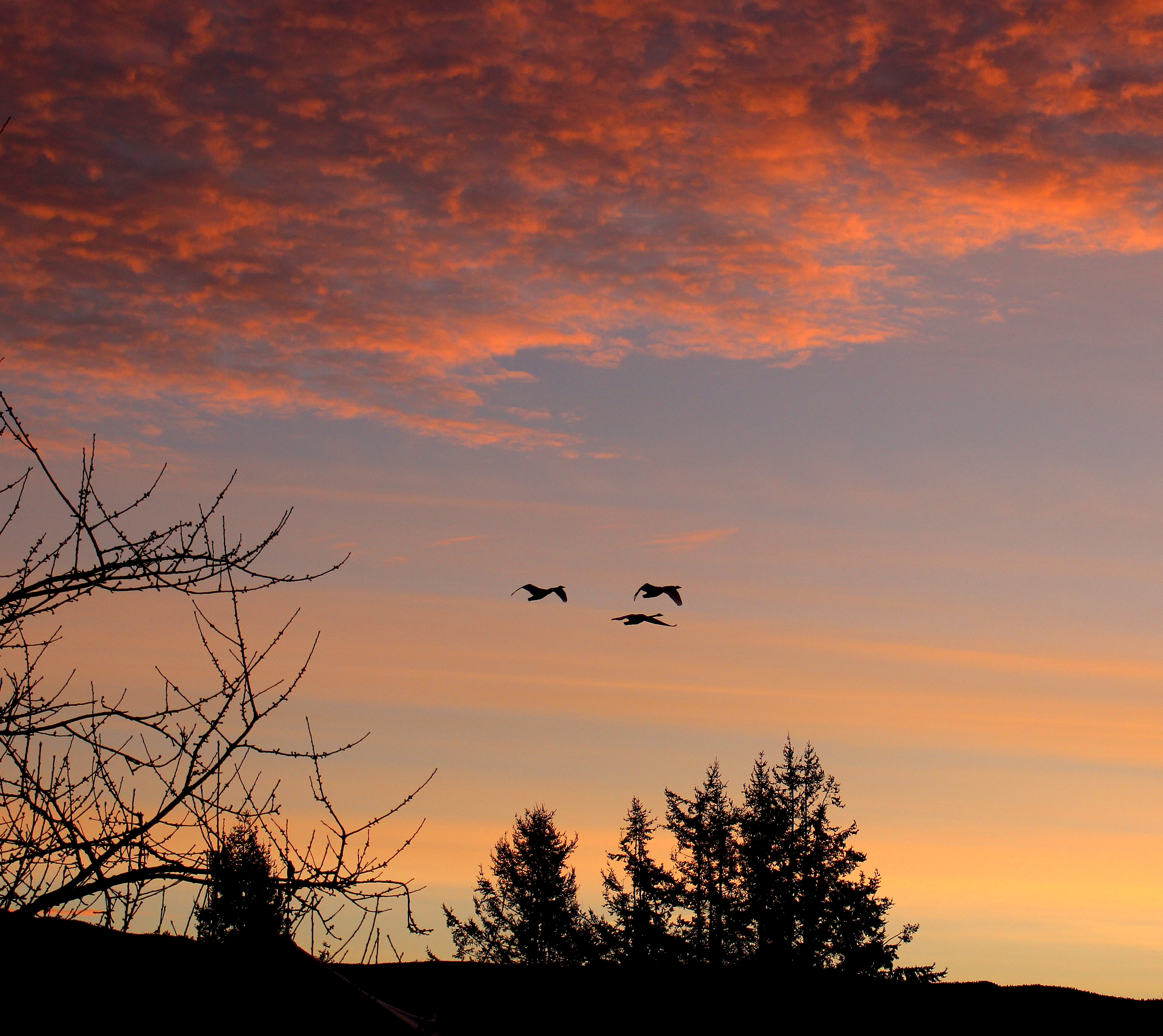
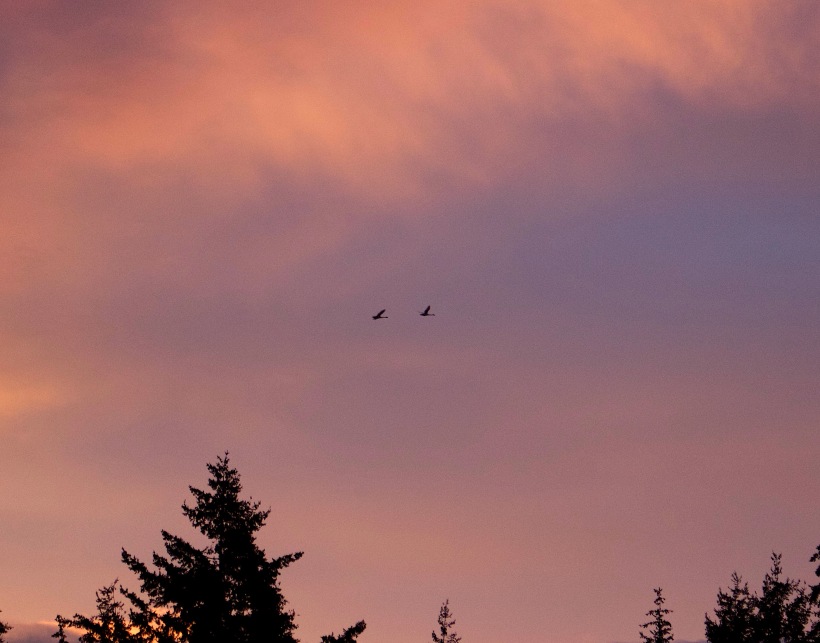
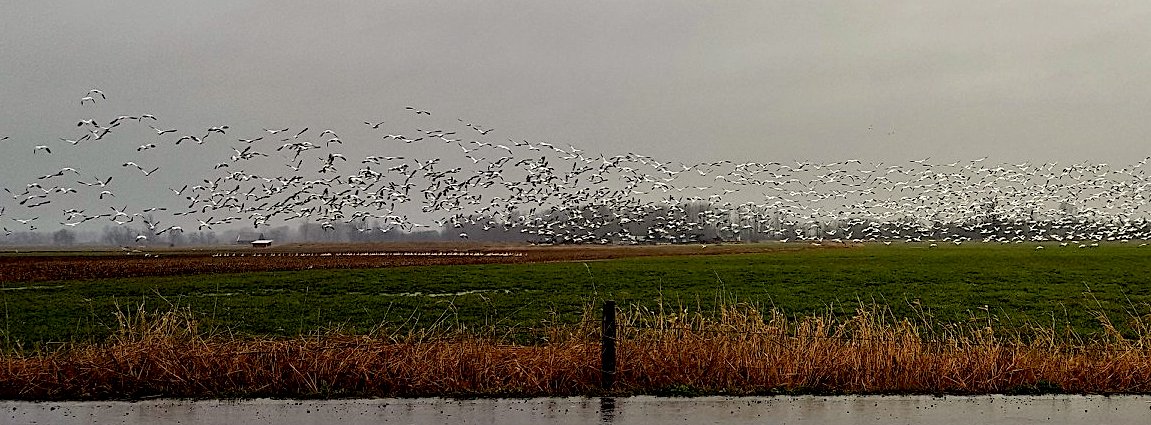
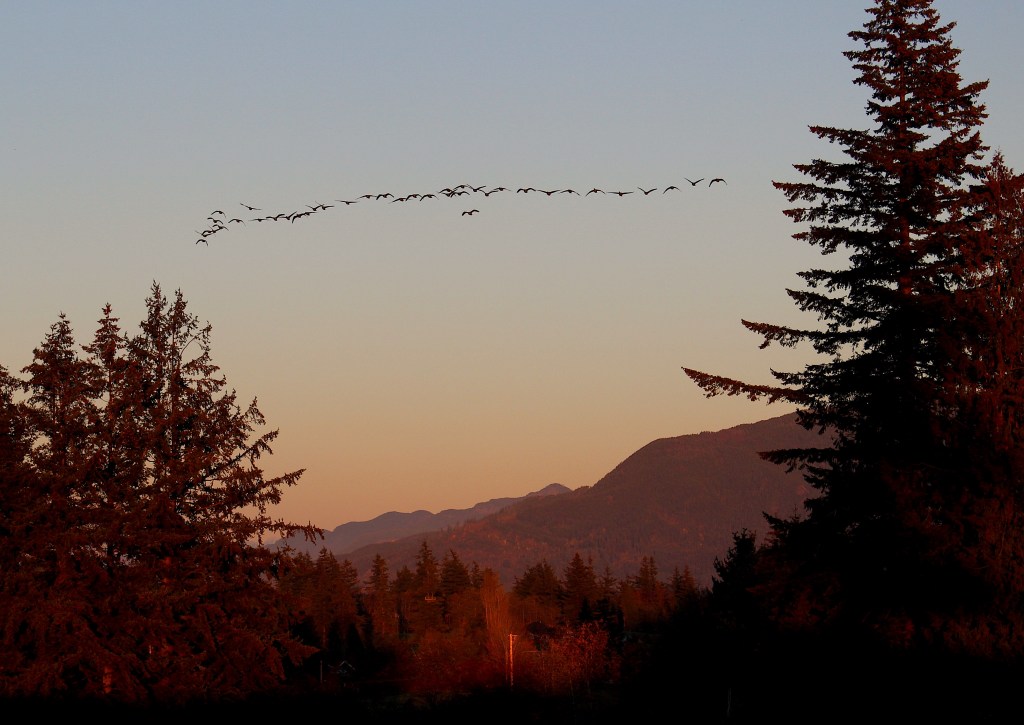
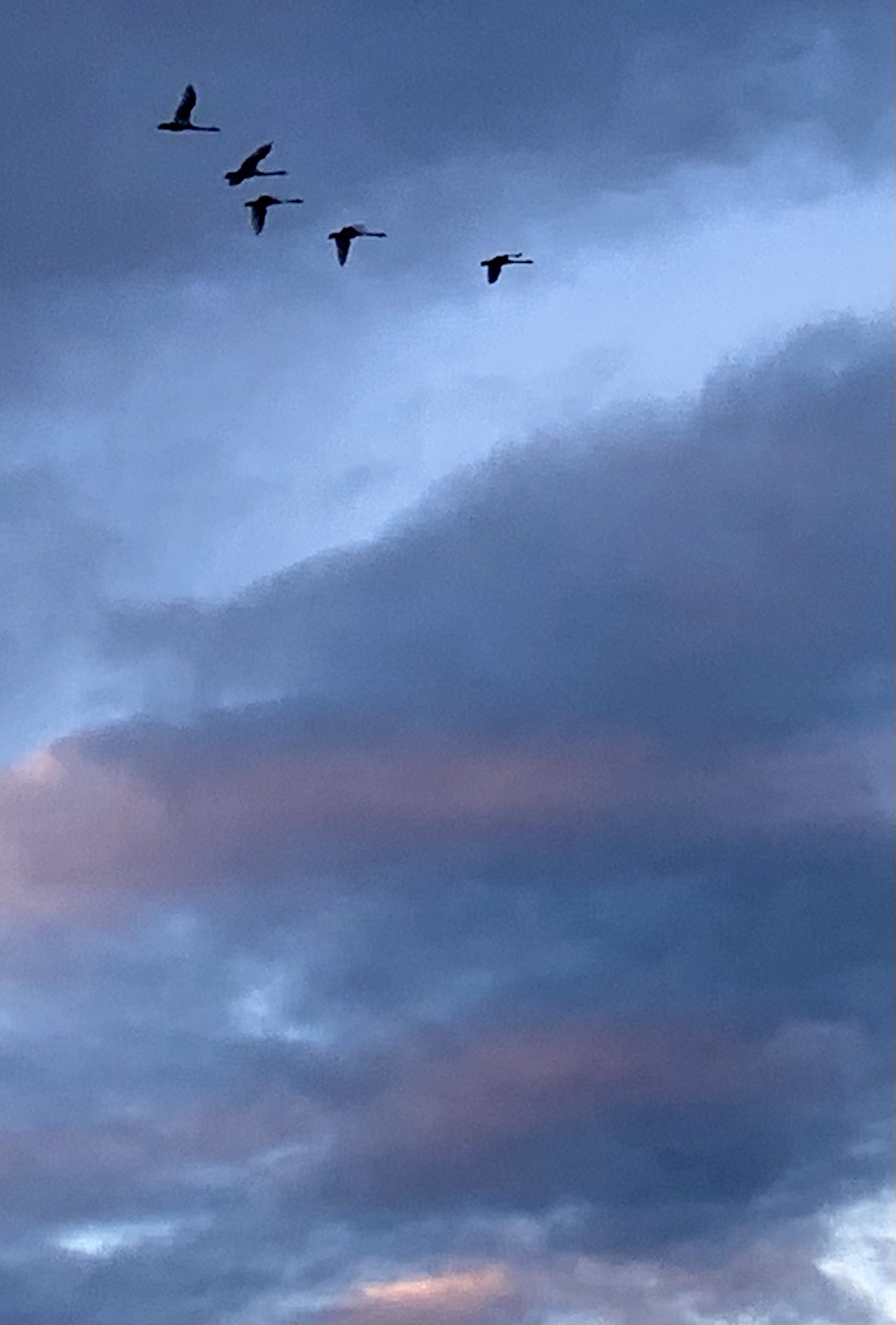
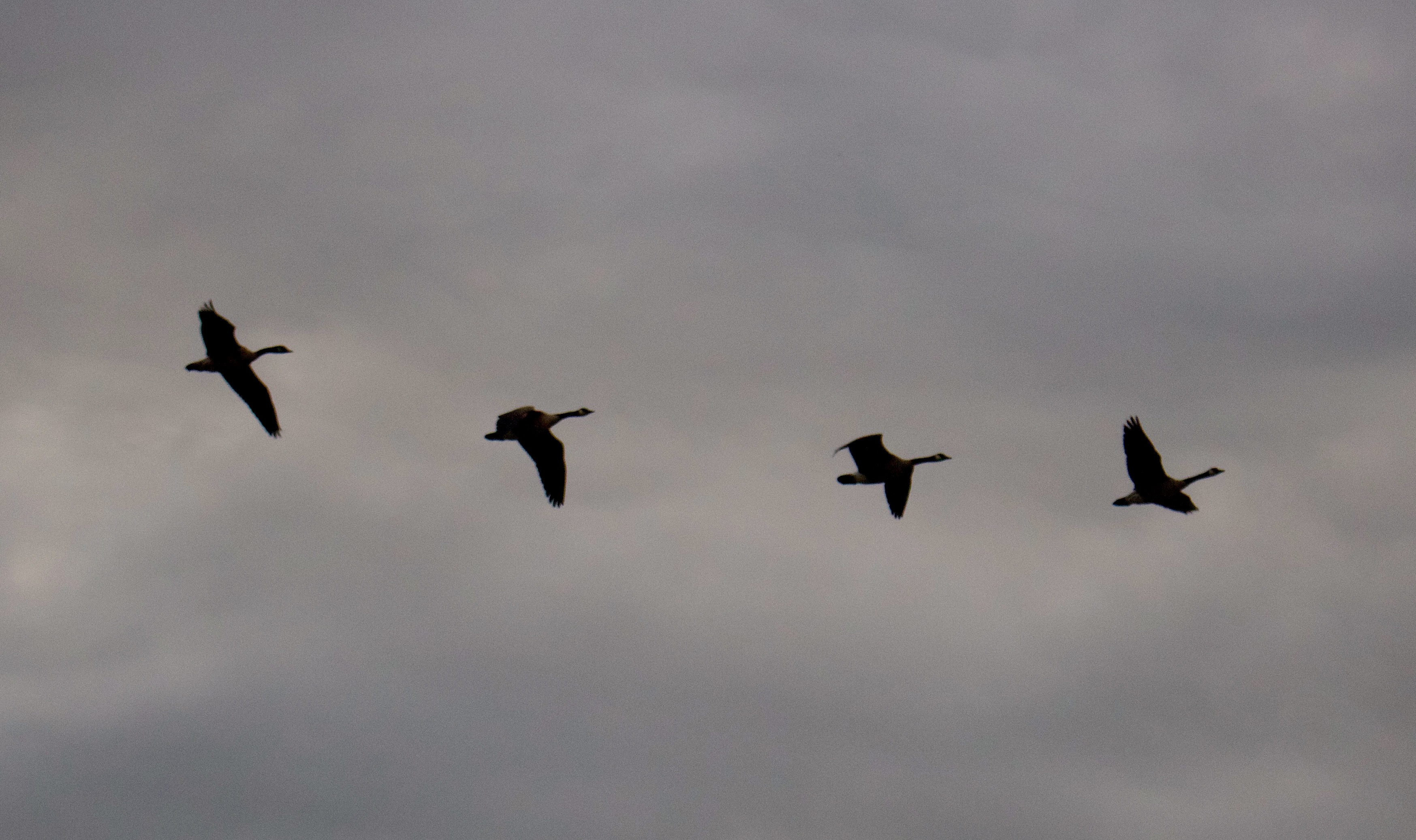
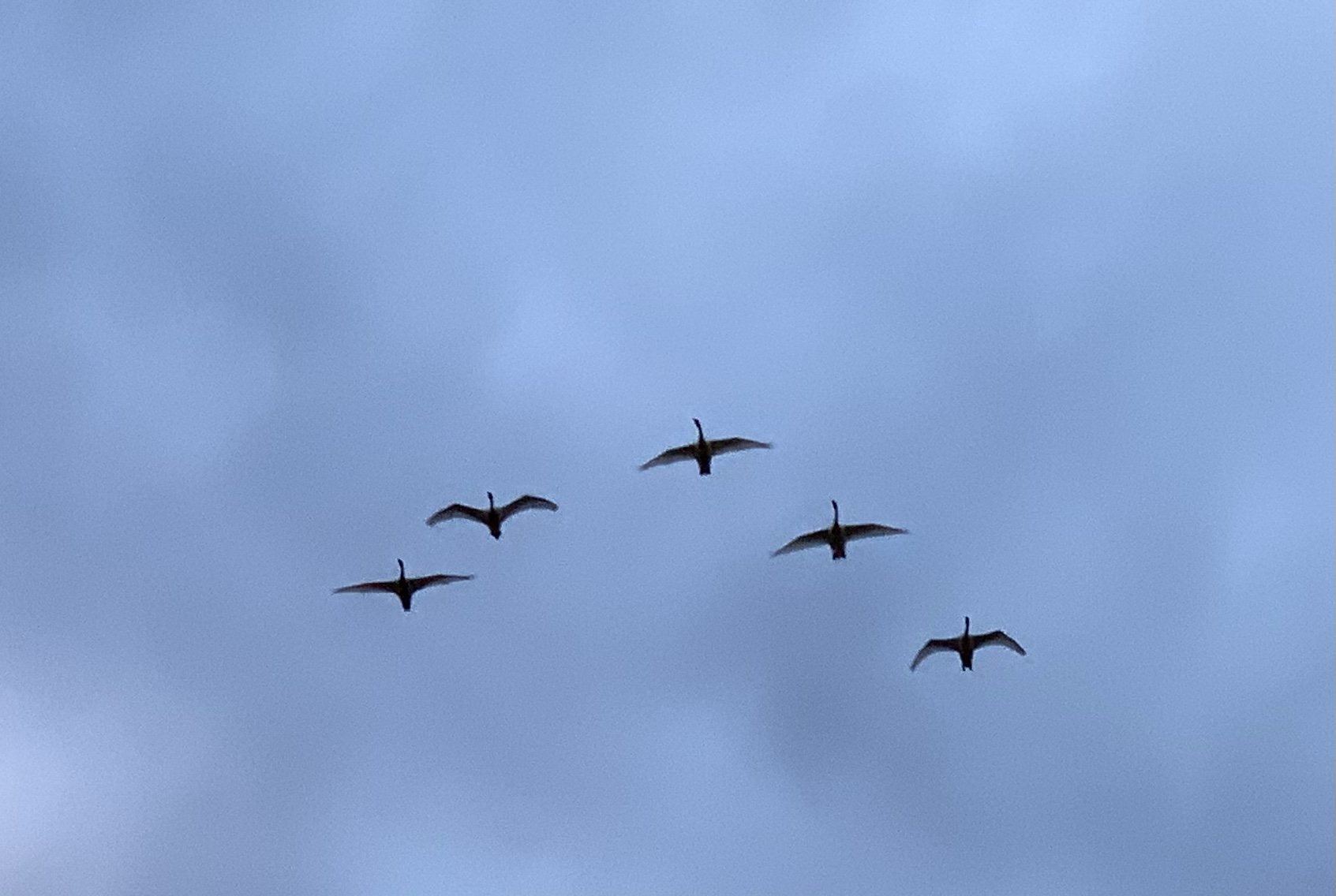
at either end of day. The work of wings was always freedom, fastening one heart to every falling thing. ~Li-Young Lee“One Heart”
I. What banged?
II. Before banging How did it get there?
III. When it got there Where was it? ~Wendell Berry “On the Theory of the Big Bang as the Origin of the Universe” from Leavings
Creation ex nihilo is a way of saying that although we are nothing, in our natural capabilities, God might yet make something of us… ~Dr. Nathan Chambers from Reconsidering Creation Ex Nihilo in Genesis 1
“In the beginning, God…”
We came, out of nothing, from Him, not randomly, not by chance, not a cosmic accident but an intentional act.
That first day -“and there was evening and there was morning, the first day” – is built within our very DNA. We are created with everything we need to support our freedom, our wings bearing our hearts aloft.
Our choice to fall is ours alone; it was not what God intended for us.
From nothing, God might yet make something of us – let our wings bear our hearts to Him who made us.
And He will raise you up on eagles’ wings Bear you on the breath of dawn Make you to shine like the sun And hold you in the palm of His hand… ~Michael Joncas
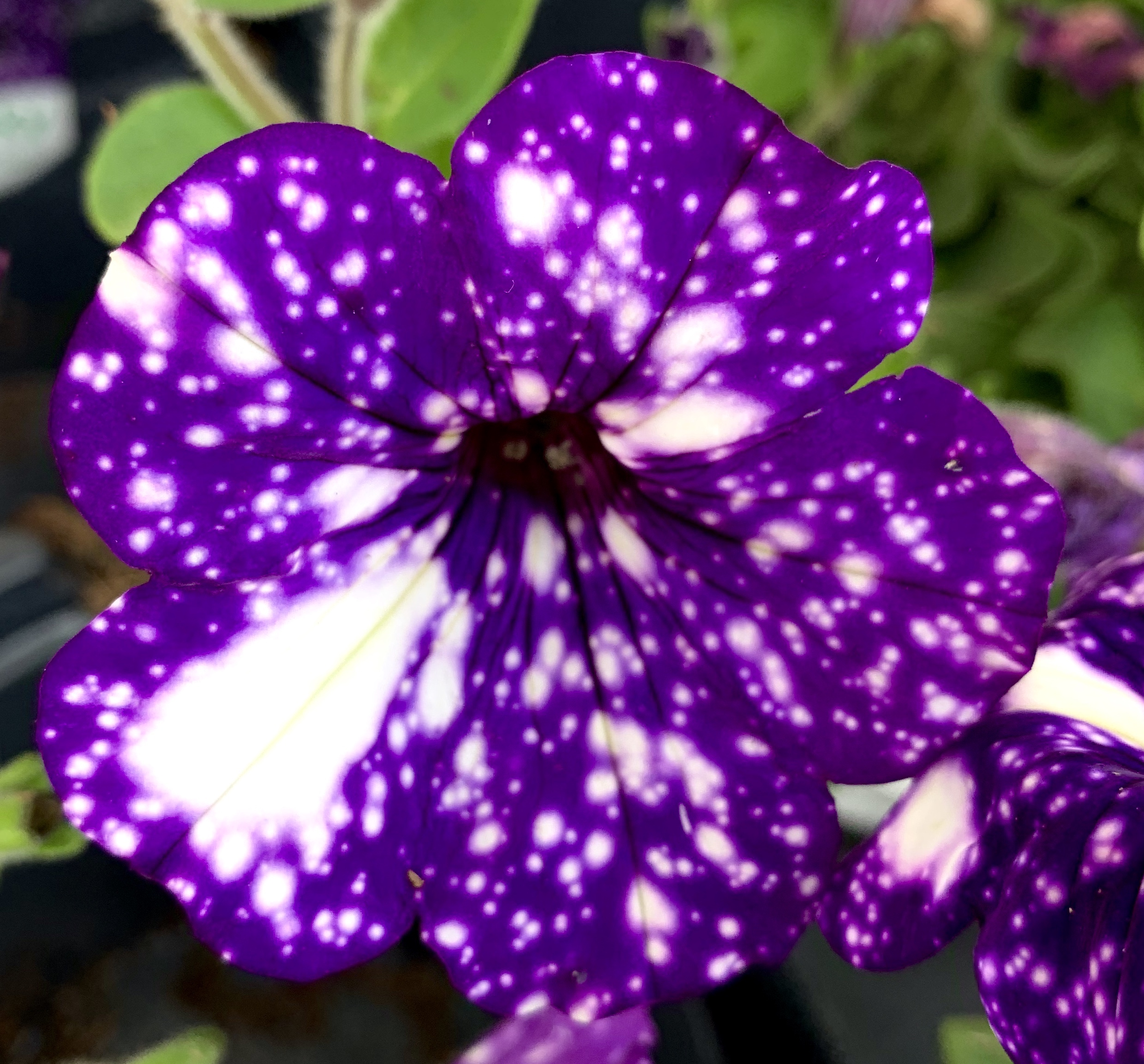
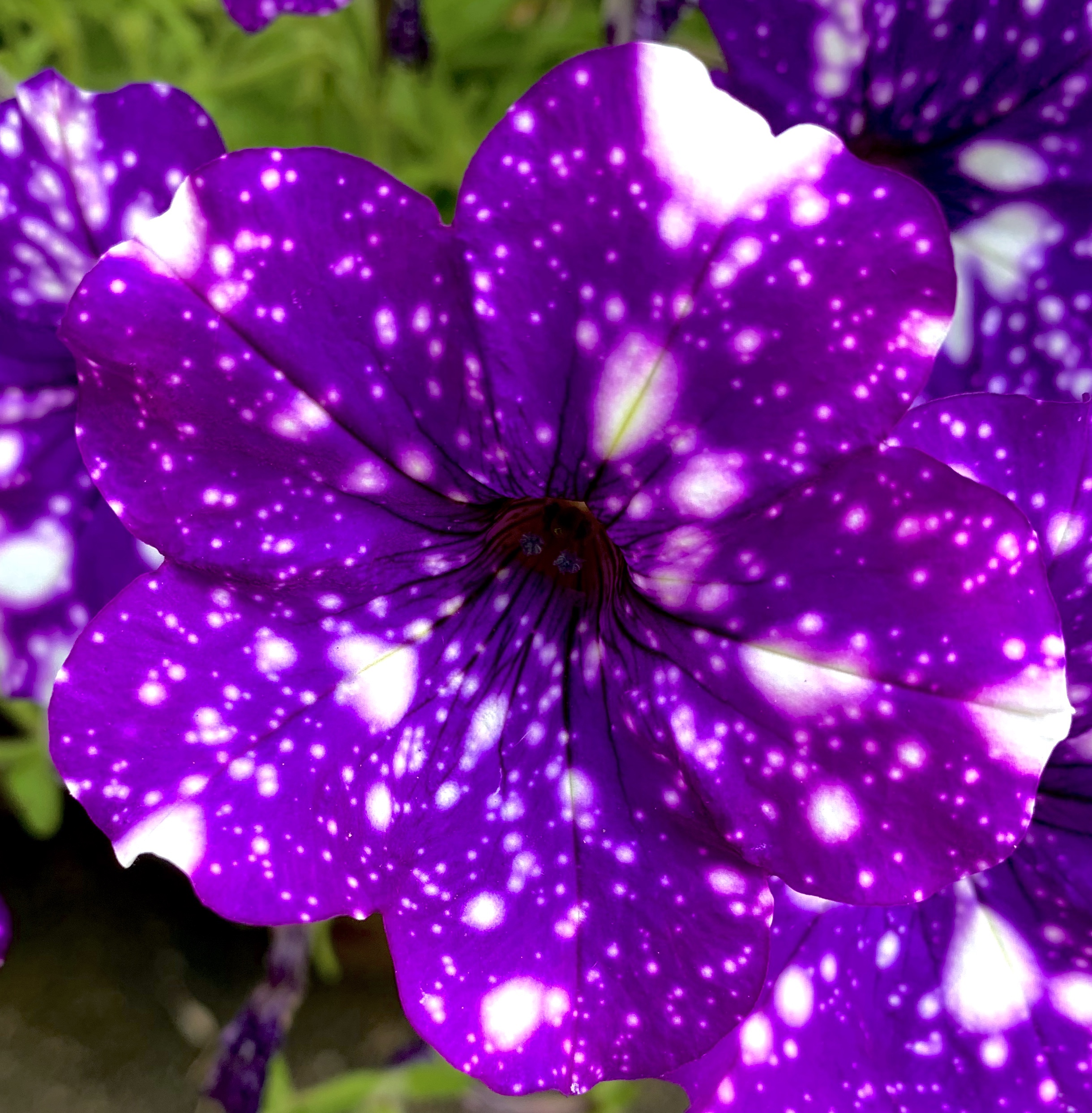
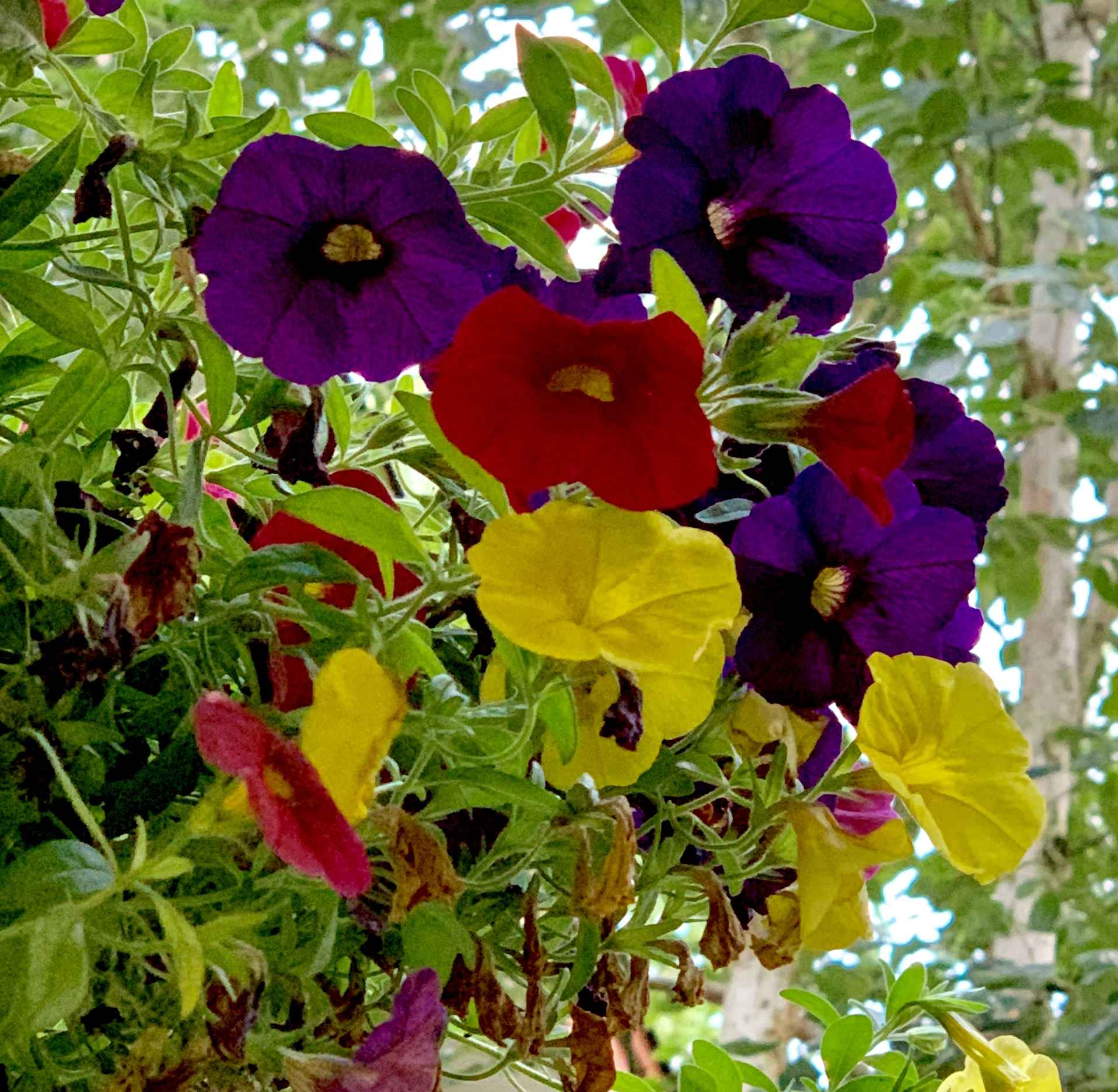
On the fire escape, one stupid petunia still blooms, purple trumpet blowing high notes at the sky long after the rest of the band has packed up and gone home. ~Sarah Frehligh “December” from Sad Math
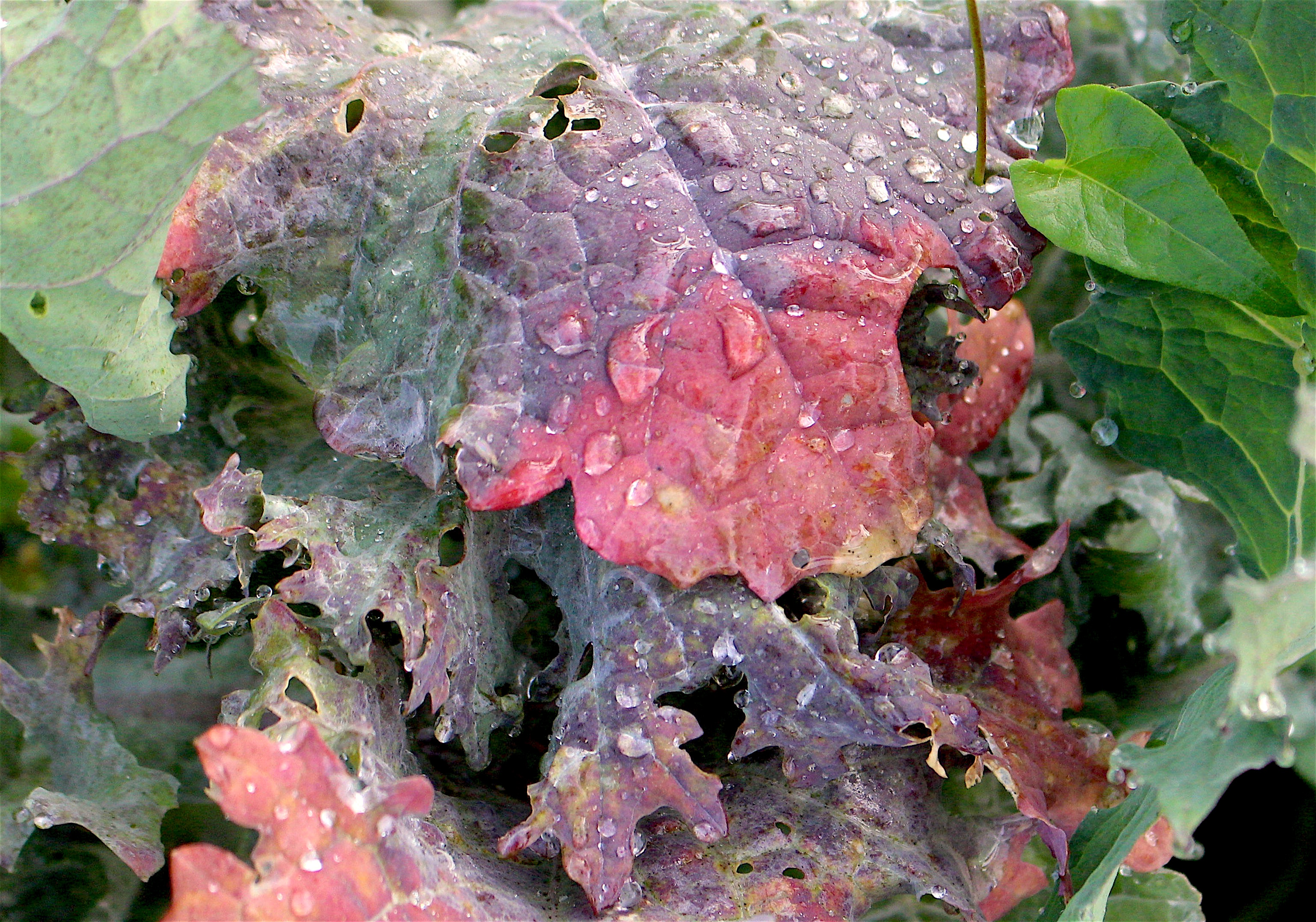
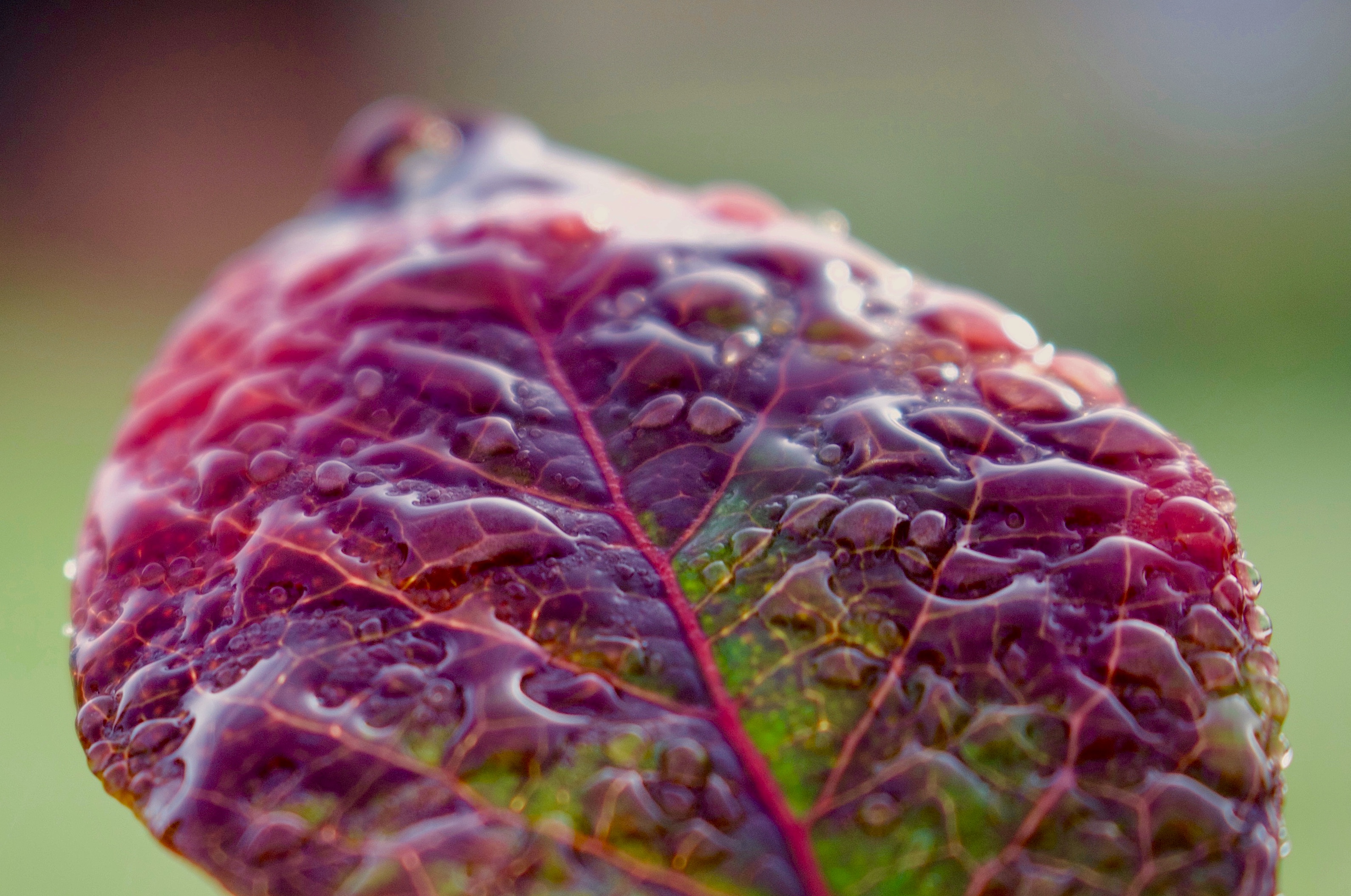
Despite two killing frosts, heavy melting rains and blowing gusts of 45mph, some of us still remain standing.
Despite all that comes at us, whether expected or unexpected, we’re still here even when everyone else has packed up and headed home.
We’re still blooming, still breathing, still shouting at the top of our lungs:
~life is pretty good~
so as not to forget blooming out of season beats giving up.
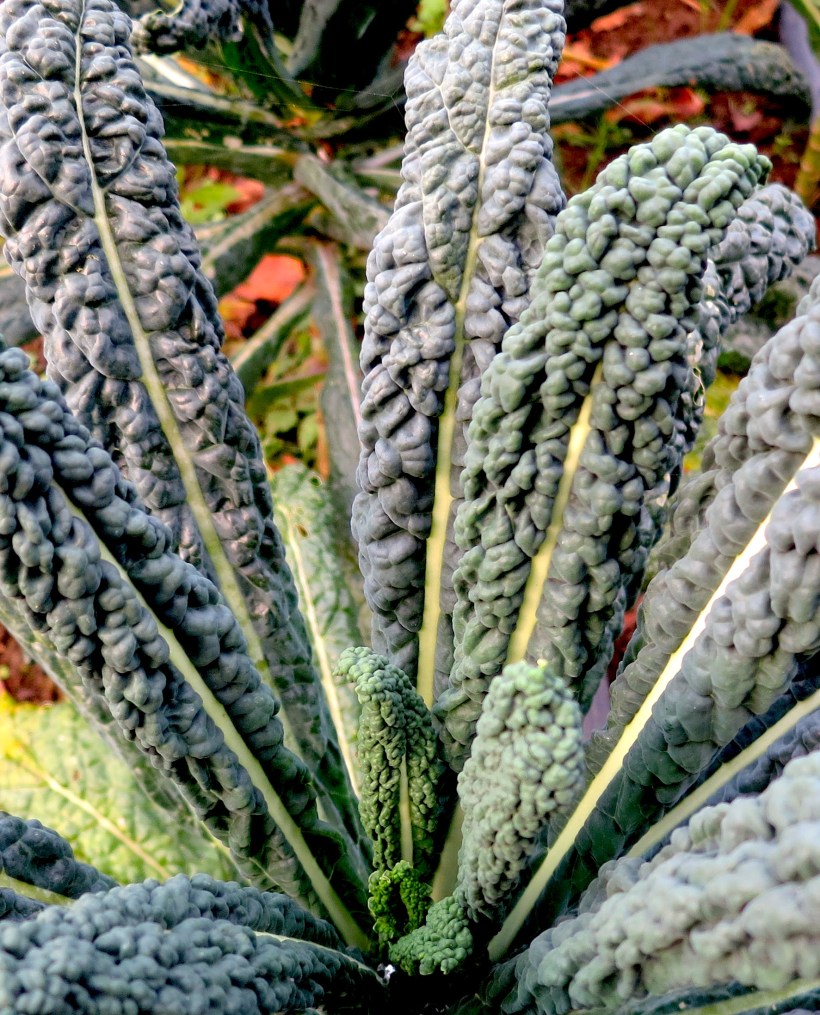
After dinner, I try to digest kale and cauliflower in my longing to live longer, and a root-beer float in case my world ends tomorrow.
I play the gamble game with exercise and diet, reminded daily by obituaries featuring people younger than me: the impossible becoming likely.
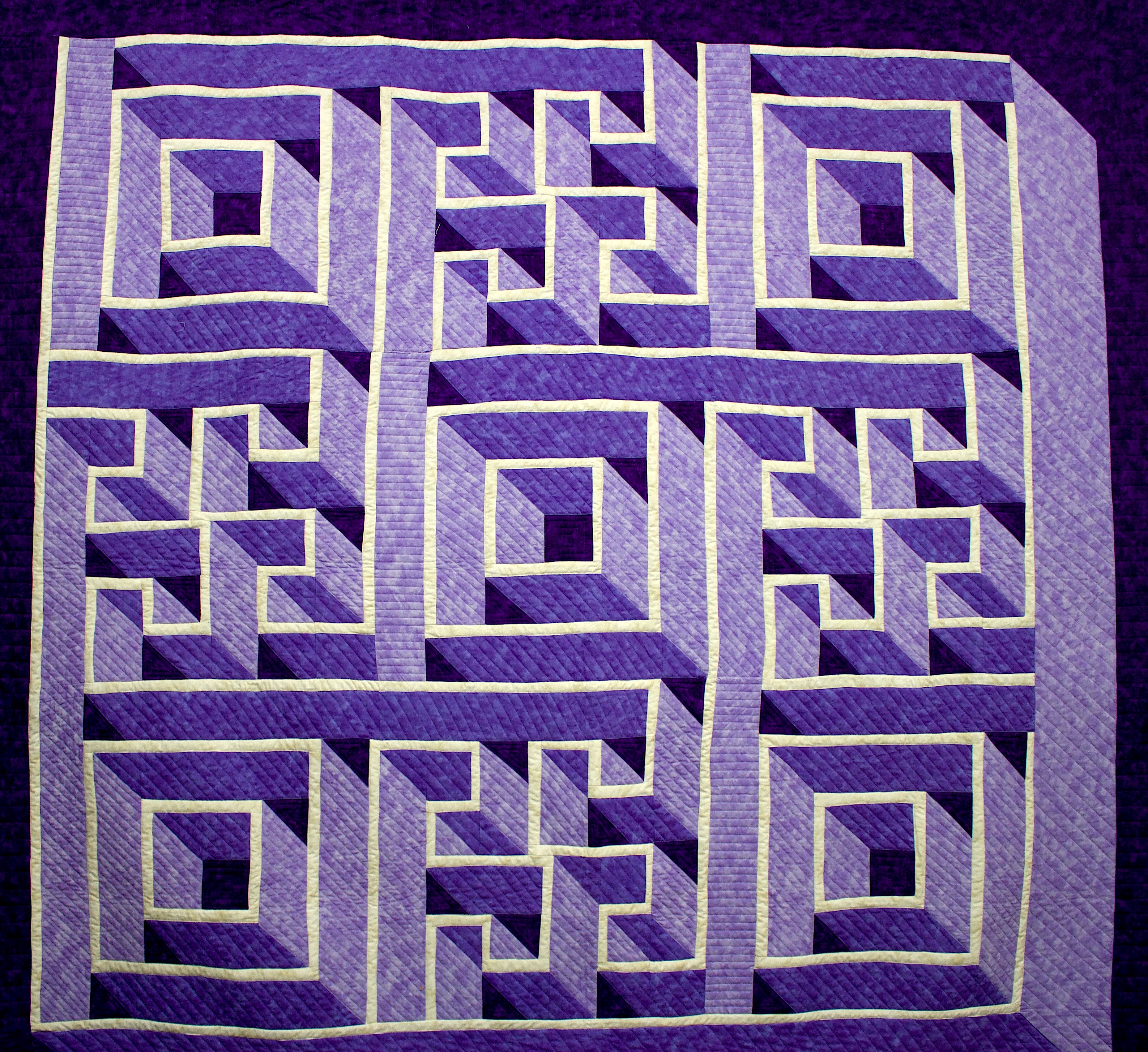
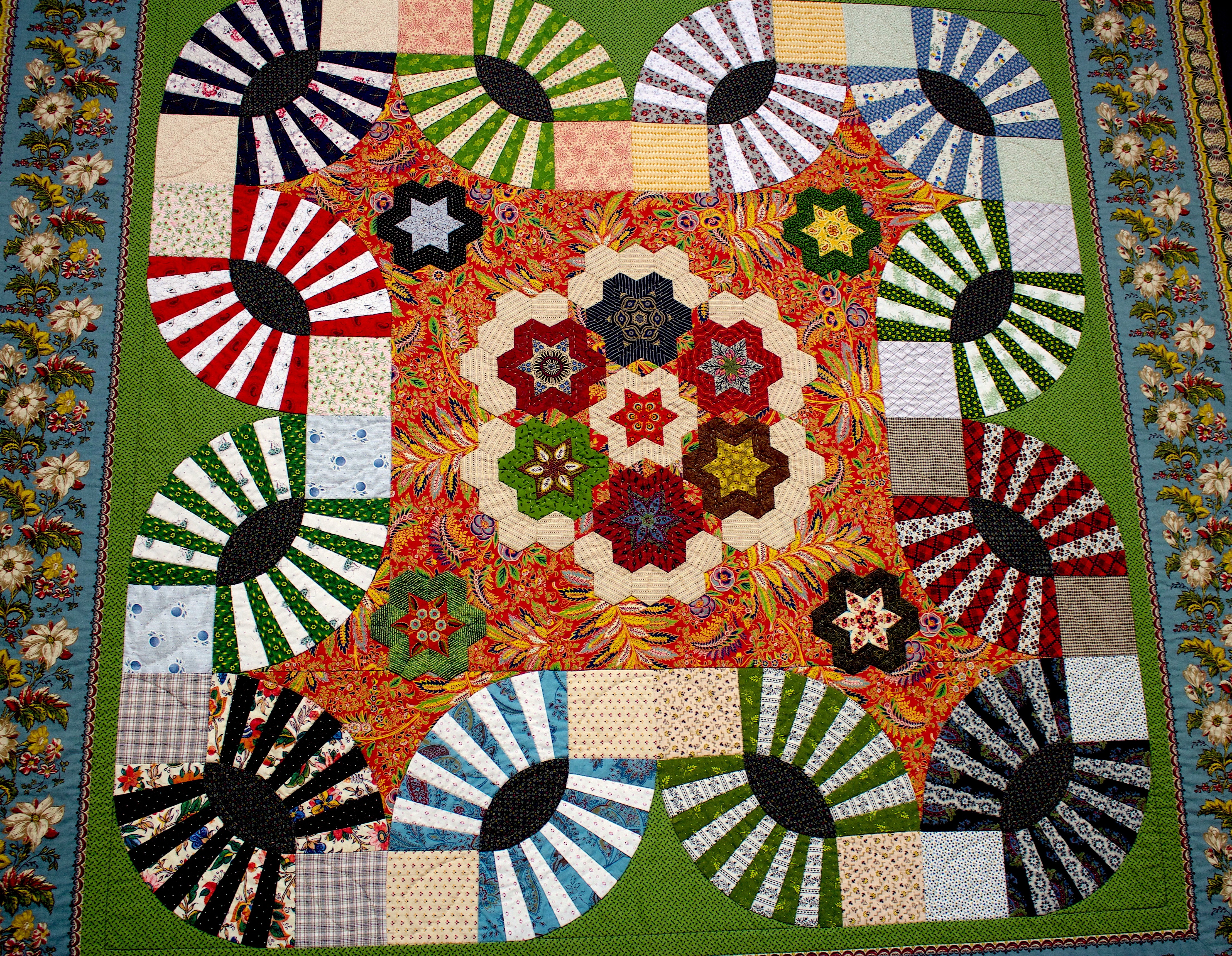
I want to go out full, embraced by my life, the grand quilt of being here. Yet memories are remnants, and come one patch at a time. And like moments, most fade unnoticed.
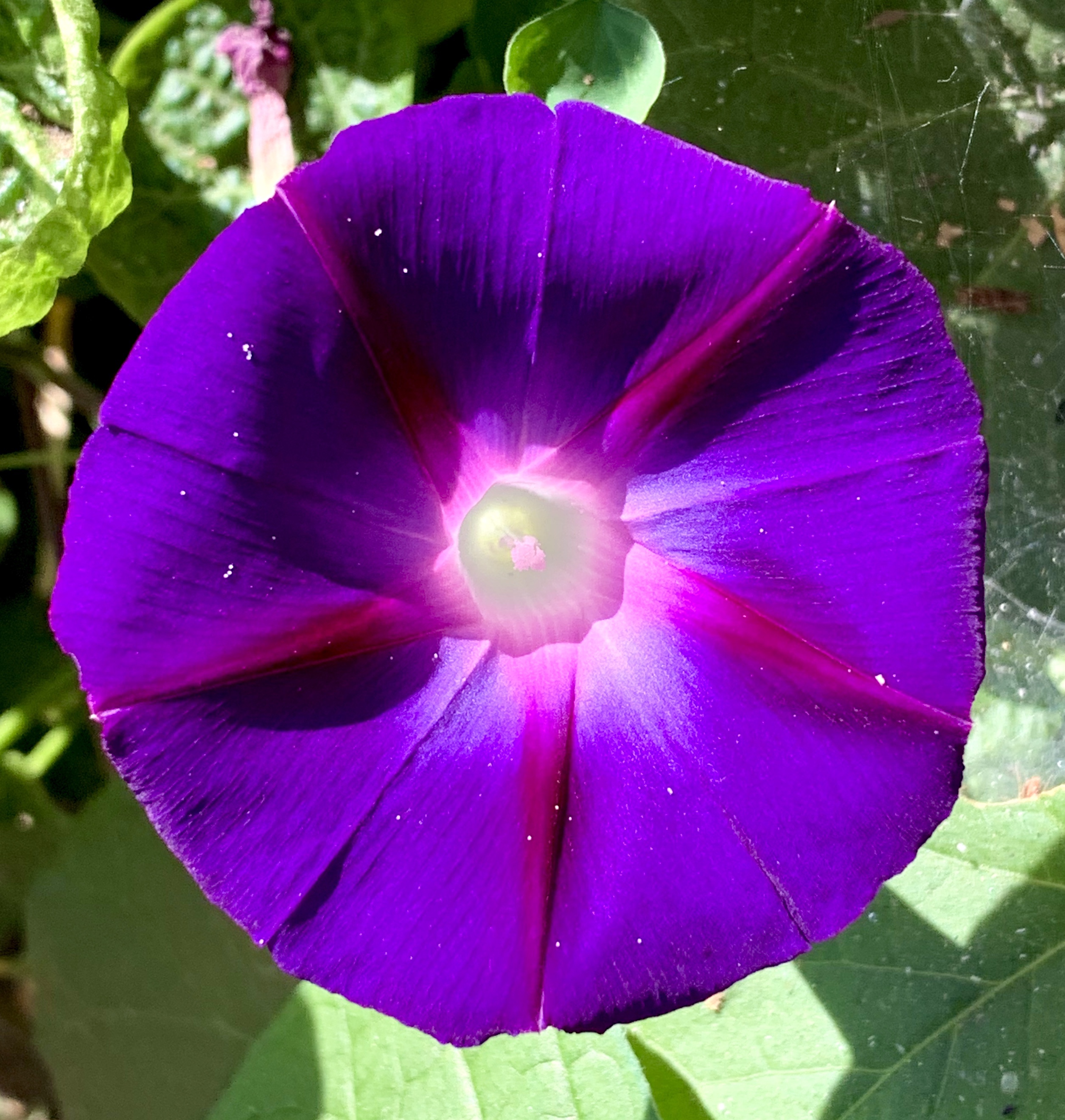
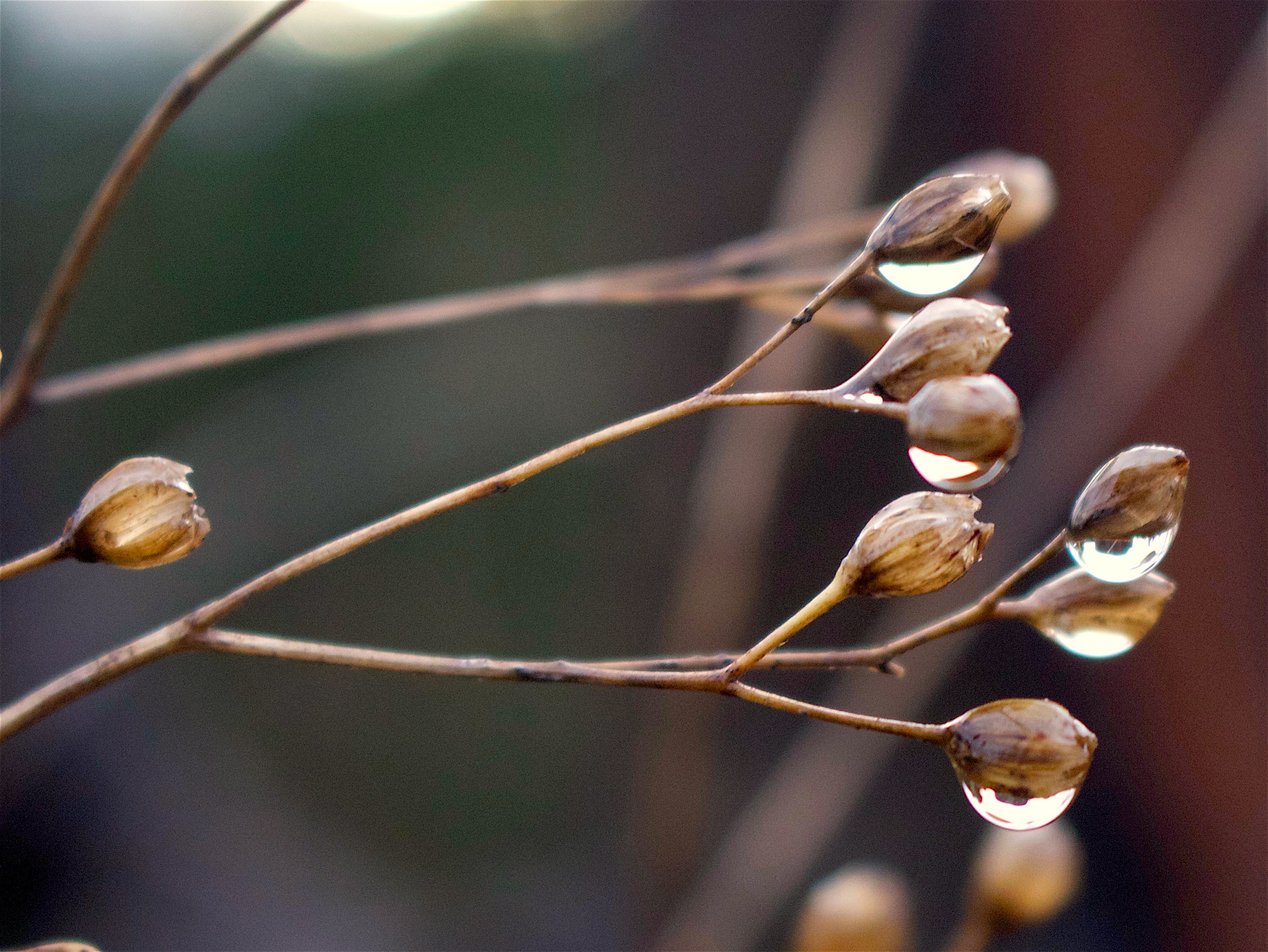
After a storm, I take a walk. At the jasmine vine by my front door, a raindrop, suspended on a stem, stops me. What I want, what I can have, merge. ~Jeanie Greensfelder “What I Want and What I Can Have” from I Got What I Came For
My life looks like a quilt of patches and patterns, sometimes with no discernible plan or design, sometimes with distinct colors and borders and purpose.
I easily get lost in a maze of moments and memories searching for what I want, missing the point of embracing all the senses I have, so generously given to me at the Beginning.
Seeing, hearing, tasting, smelling, touching: each is still available to me. What I have – miraculously – can become what I want.
The river is famous to the fish. The loud voice is famous to silence, which knew it would inherit the earth before anybody said so.
The cat sleeping on the fence is famous to the birds watching him from the birdhouse. The tear is famous, briefly, to the cheek. The idea you carry close to your bosom is famous to your bosom.
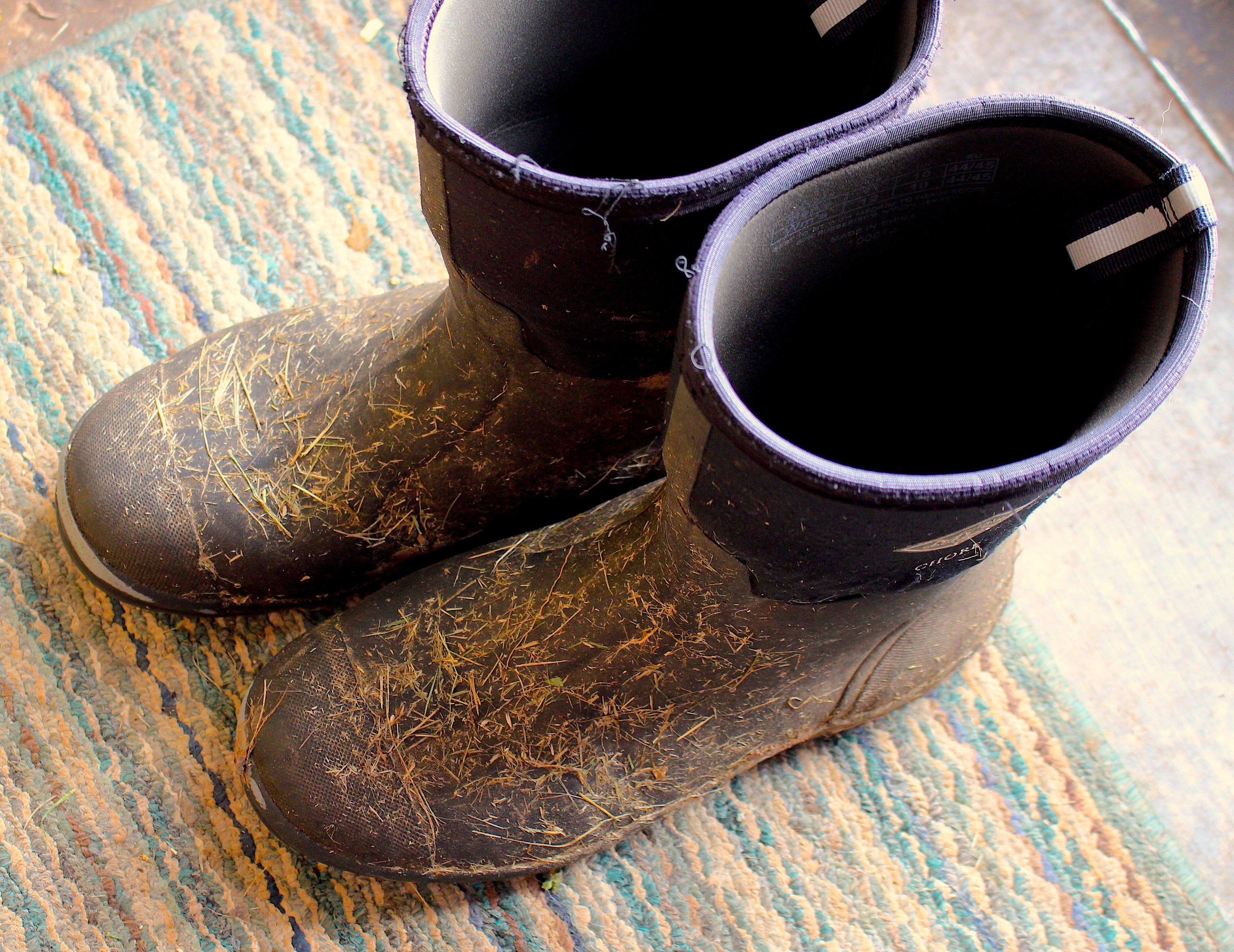
The boot is famous to the earth, more famous than the dress shoe, which is famous only to floors. The bent photograph is famous to the one who carries it and not at all famous to the one who is pictured.
I want to be famous to shuffling men who smile while crossing streets, sticky children in grocery lines, famous as the one who smiled back.
I want to be famous in the way a pulley is famous, or a buttonhole, not because it did anything spectacular, but because it never forgot what it could do. ~Naomi Shihab Nye “Famous” from Words Under the Words: Selected Poems
Detail from “Descent from the Cross” by Rogier van der Weyden
Here’s the truth of it: no one really wants to be famous but seeks a life of meaning and purpose rather than one empty of significance.
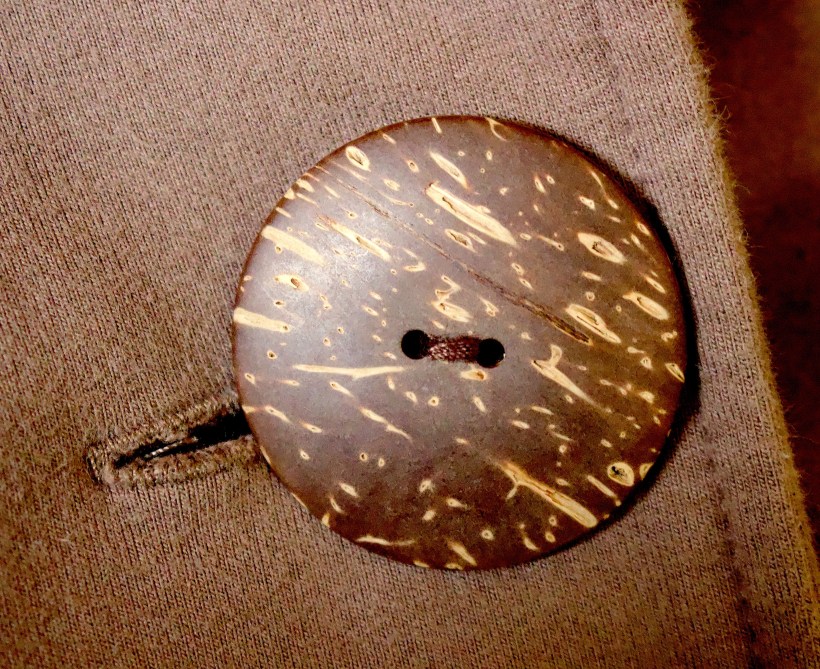
The button alone is pure window-dressing, a flash in the pan, a bauble ready to loosen and fall off, easy to go missing.
A button hole by itself without a button to latch around is plain and gaping and lonely and allows in drafts, blending into the background, silently waiting for its moment of usefulness.
We cannot forget who we’re meant to be and what we’re meant to do – we fit the task for which we’re made.
Send me a button and I’ll make sure it is secured.
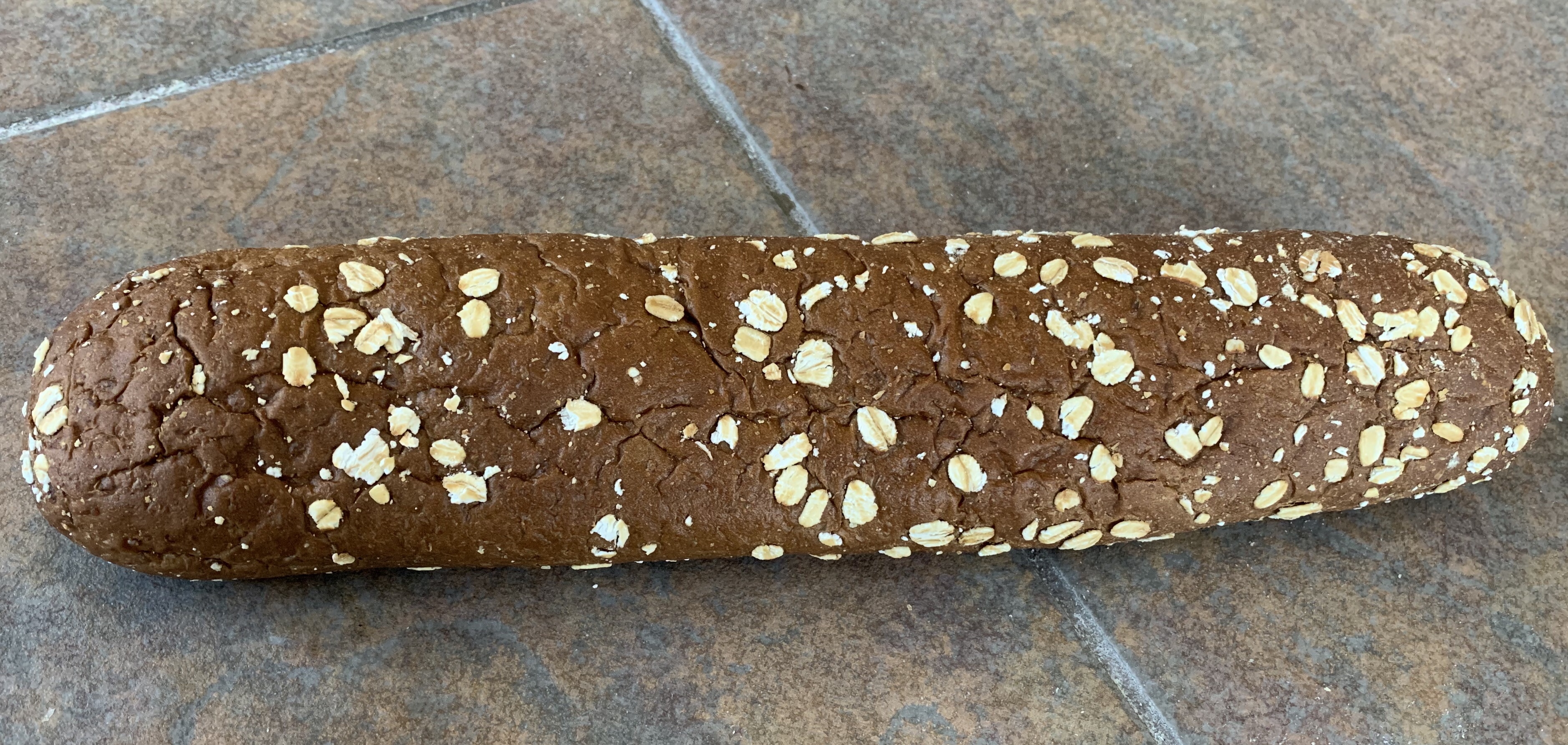
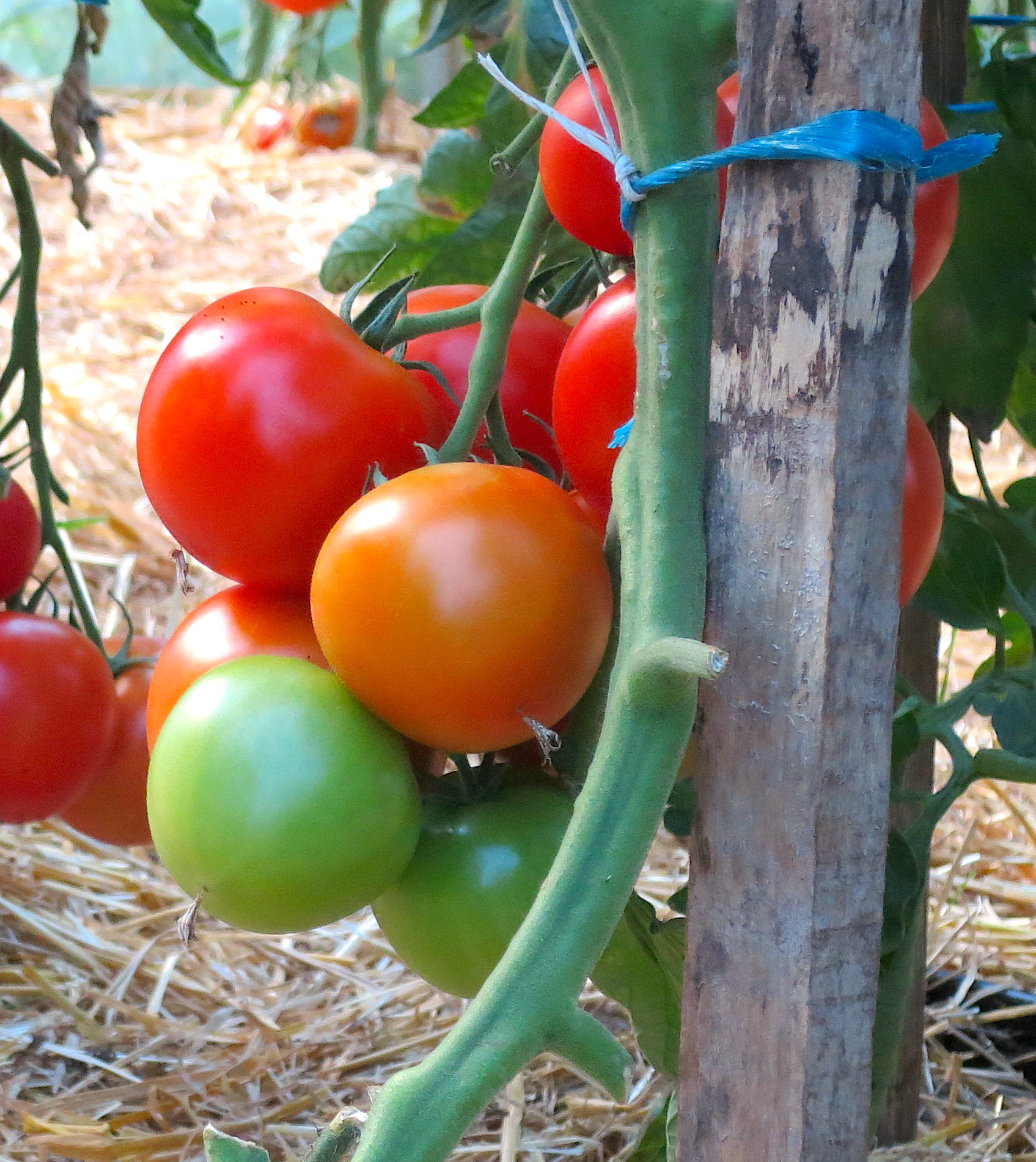
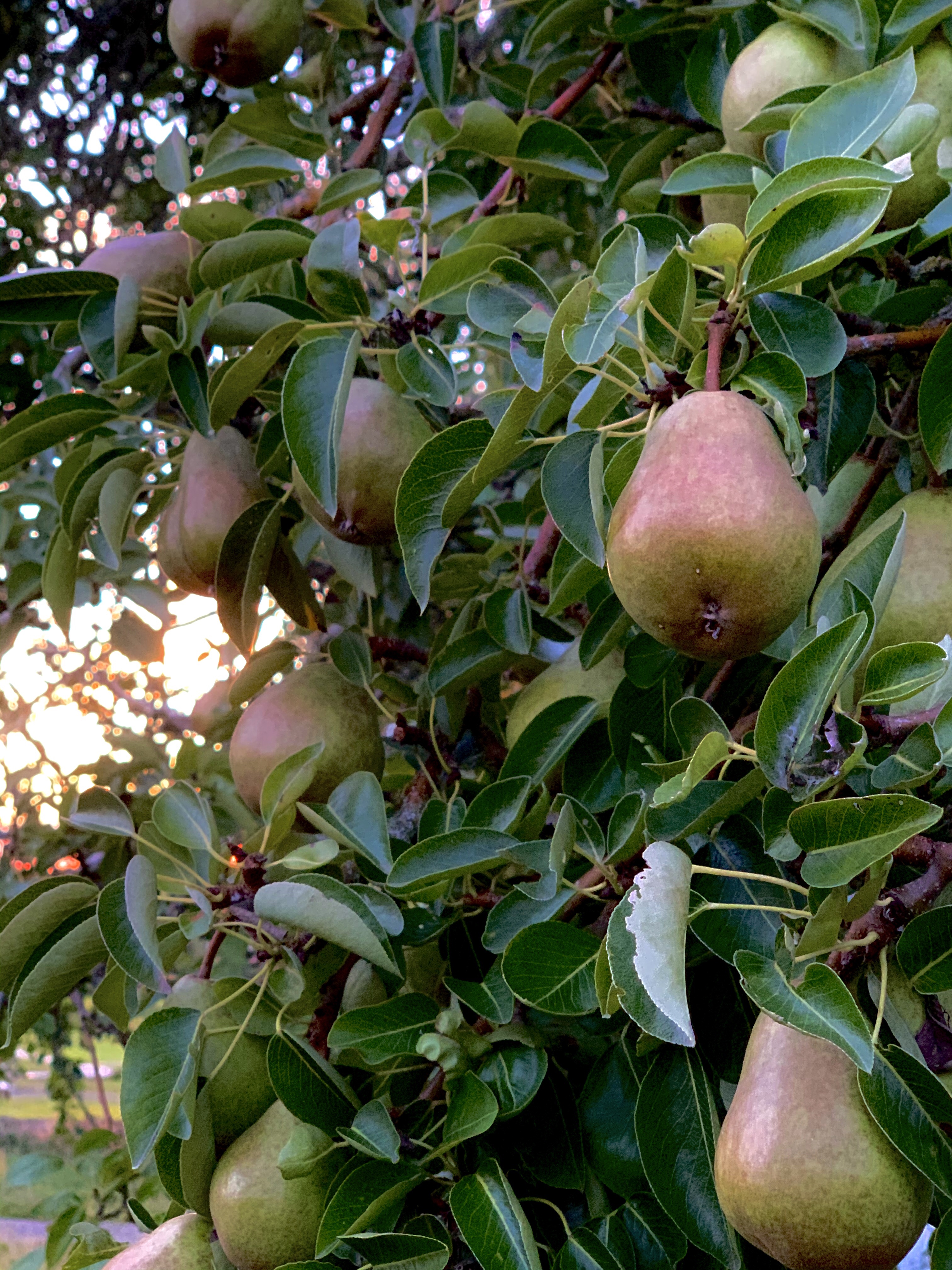
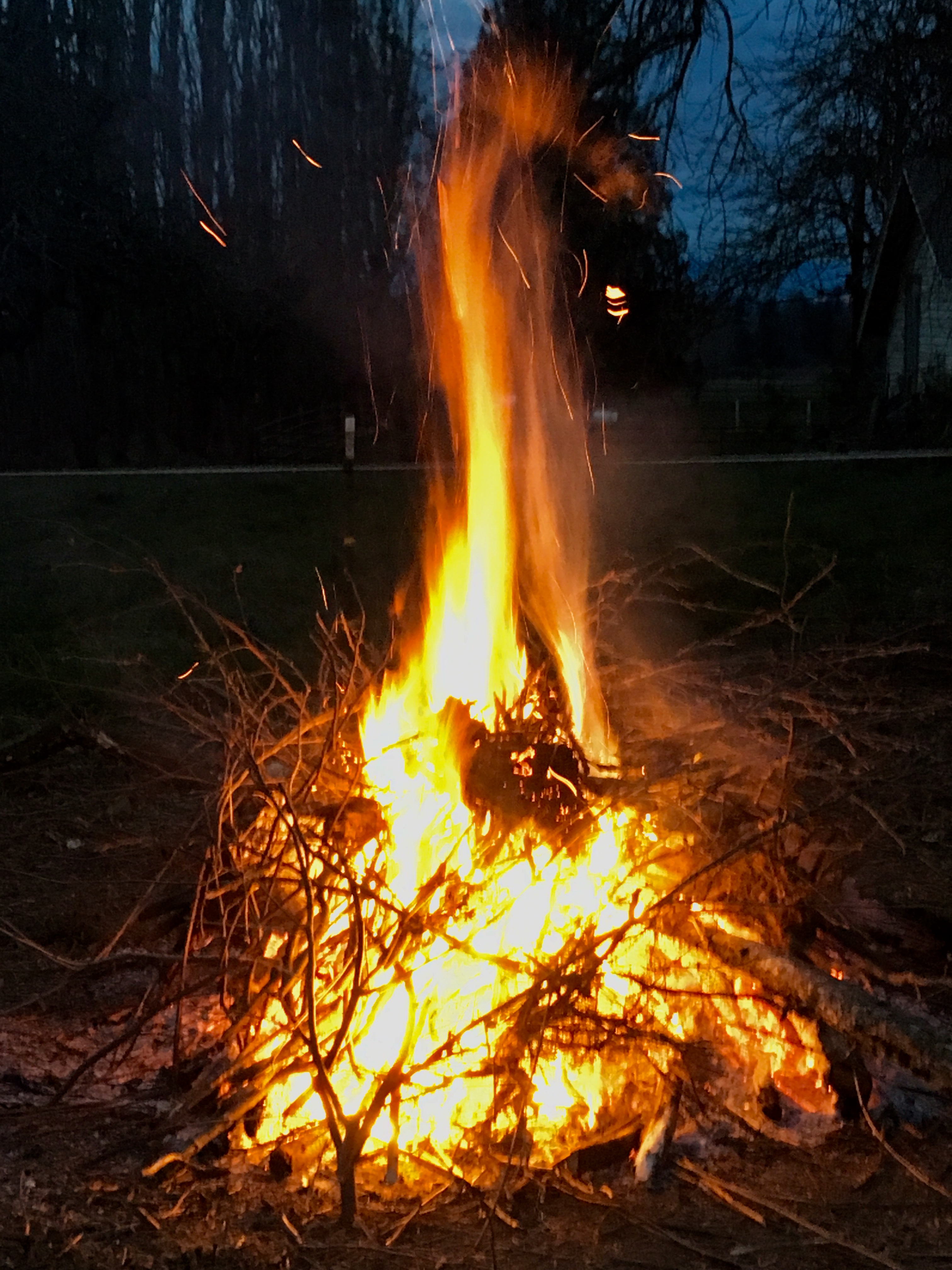
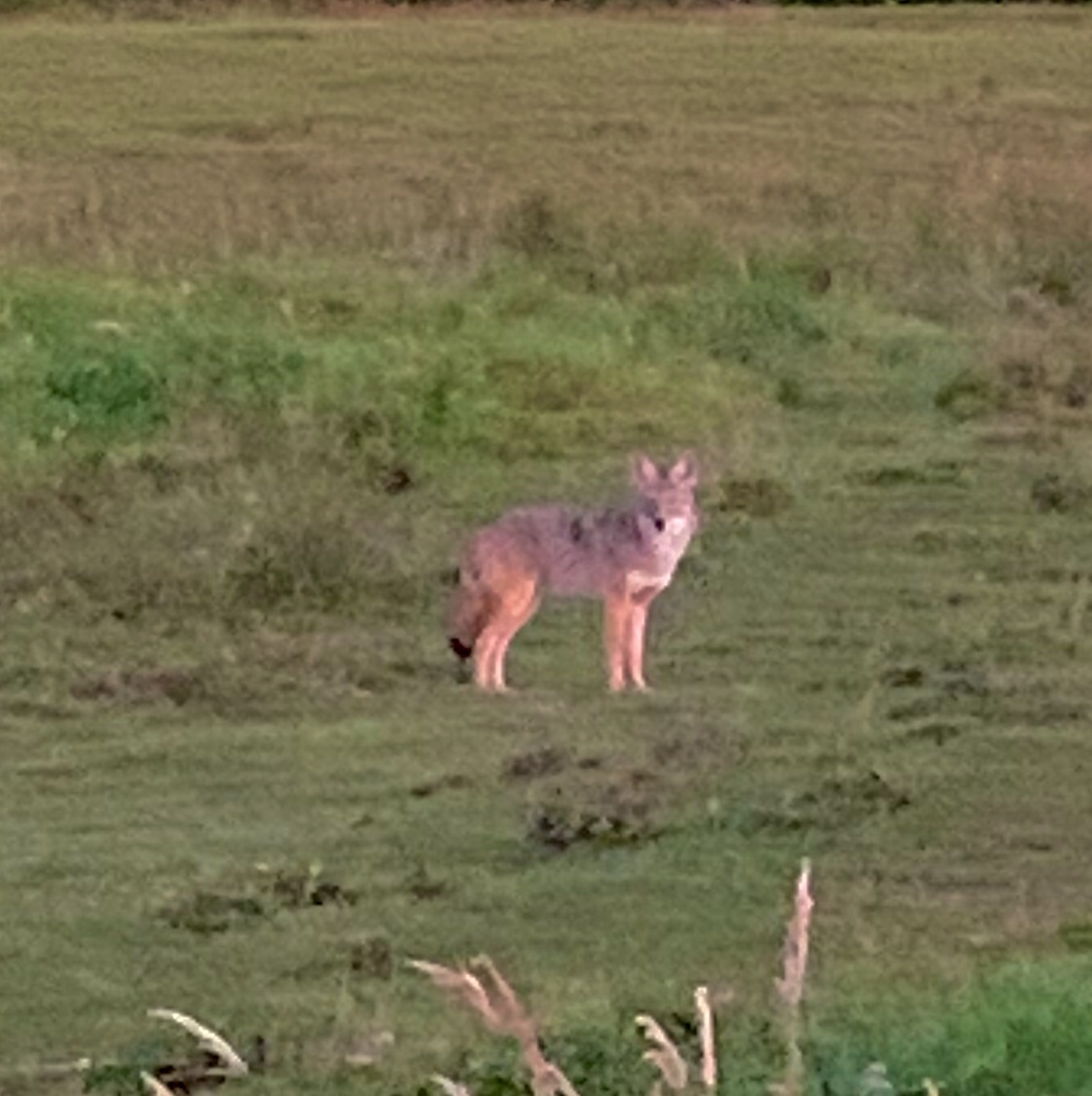
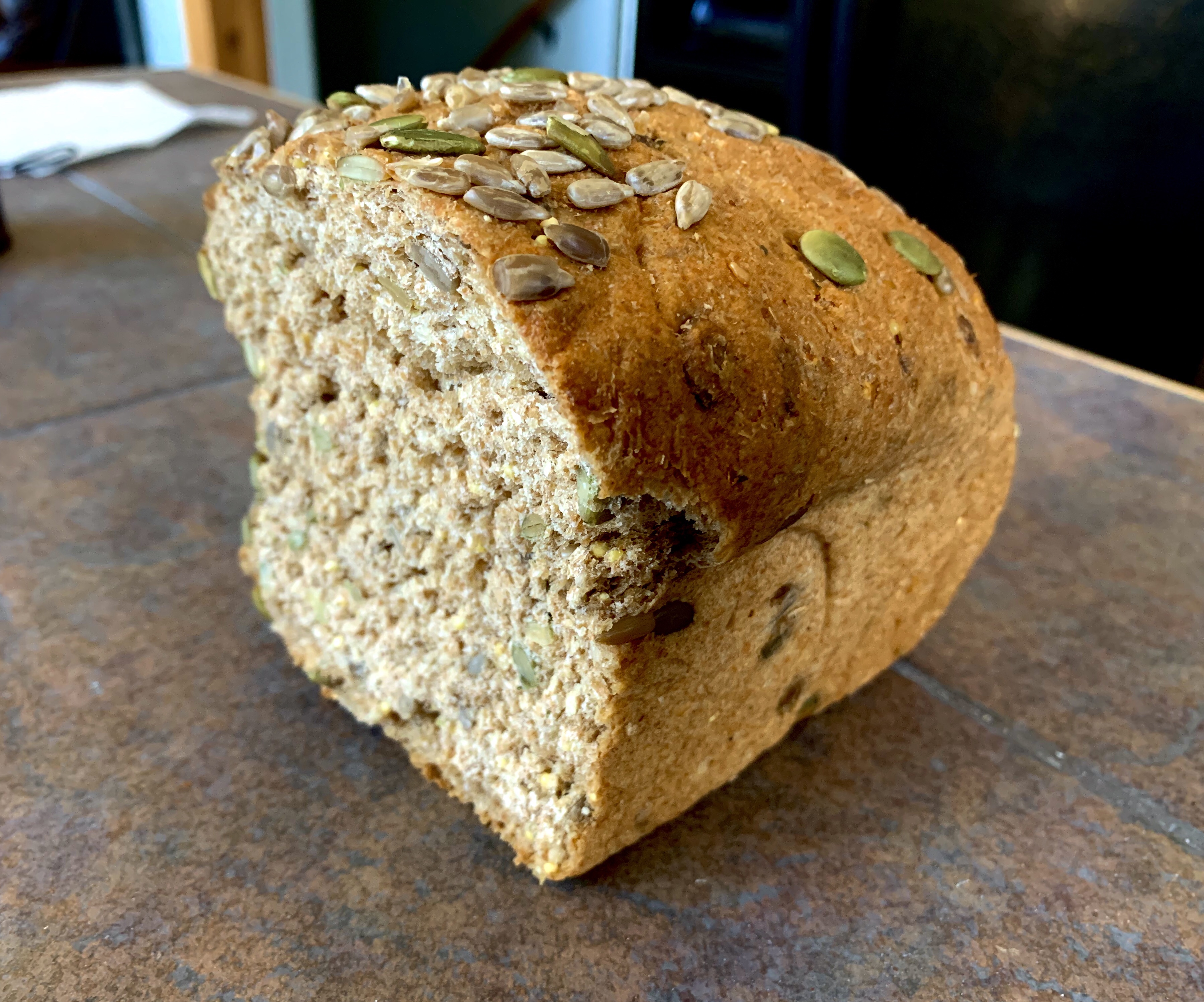
There is a day that comes when you realize you can’t bake enough bread to make things turn out right, no matter how many times you read Little House on the Prairie to your children. There aren’t enough quart jars to fill with tomatoes or translucent slices of pear to keep you from feeling unproductive. There is no bonfire that burns orange enough in the chill October night to keep your mind from following the lonesome howls and yips of the coyotes concealed by darkness in the harvested cornfield just beyond the circle of your fire.
And when you step away from your family and fire, into the dark pasture and tip your head back, feel the whole black bowl of sky with its icy prickles of stars, its swath of Milky Way, settle over you, you know that no one and everyone is just this alone on the Earth though most keep themselves distracted enough not to notice. In your hollowness you open your arms to God because no one else is enough to fill them. Eternity passes between and no one knows this but you.
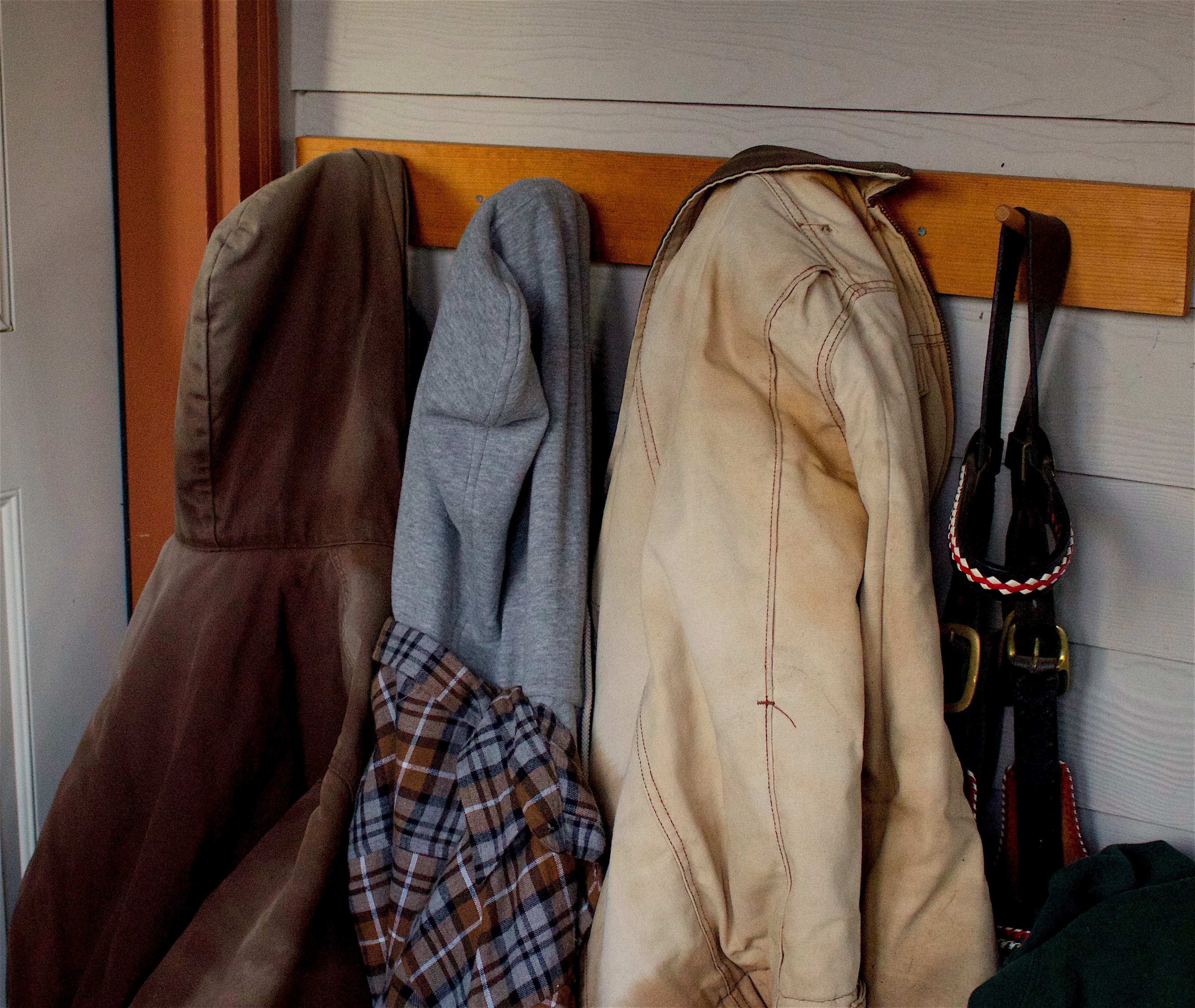
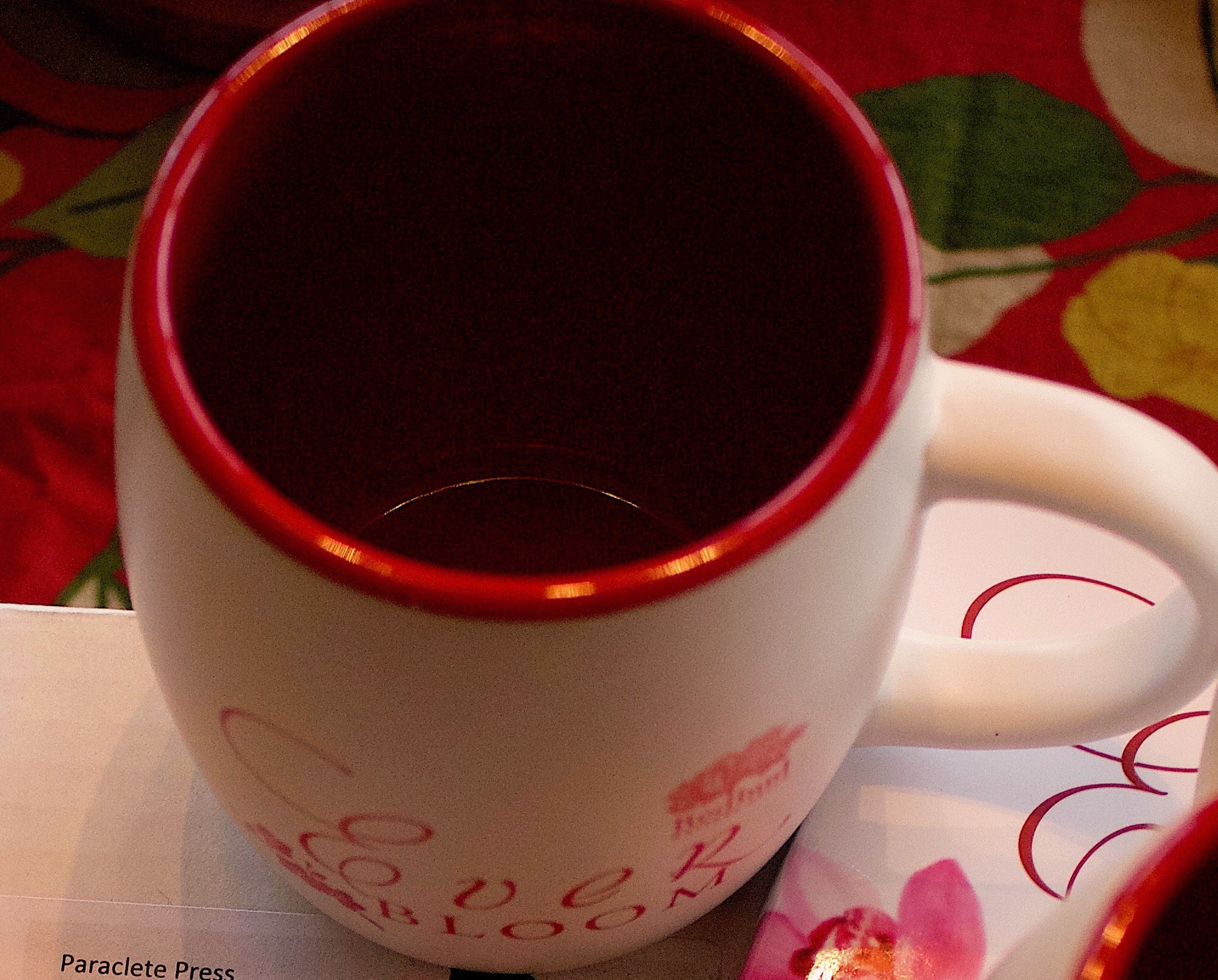
The hum of their conversation, the whole world, talking. When it is time, you turn, grasp the woodcart’s handle, pull it, bumping behind you across the frosty grass, up the hill to the house, where you step inside cubes of light, and begin to do ordinary things, hang up coats, open and close drawers, rinse hot chocolate from mugs. And you are still separate, but no longer grieving bread. ~Daye Phillippo “Bread” from The Exponent. Vol. 124 – No 75 (May 3, 2010)
Try as I might, there aren’t enough chores to do, nor meals to make, nor pictures to take or words to write to distract me from the emptiness that can hit in the middle of the night. We each try to find our own way to make the world feel right and good, to give us a sense of purpose for getting up each morning.
Yet life can be harsh. I hear regularly from my patients who fight a futile struggle with pointlessness. Hours, days and years are hollow without loving and meaningful relationships with each other, but especially with our Creator.
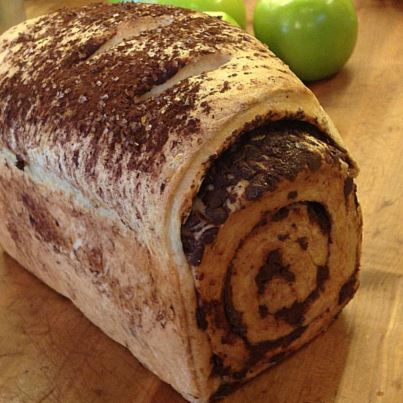
My work here is simple: to find meaning in routine and the rhythm of the seasons with a desire to leave behind something that will last longer than I will. In those moments of feeling hollowed-out, I am reminded that God-shaped hole is just as He created it. God knows exactly what I need— I rise like leavened bread becoming more than I could ever be without Him.
The ordinary in me is filled by the extraordinary.
But you can have the fig tree and its fat leaves like clown hands gloved with green. You can have the touch of a single eleven-year-old finger on your cheek, waking you at one a.m. to say the hamster is back. You can have the purr of the cat and the soulful look of the black dog, the look that says, If I could I would bite every sorrow until it fled, and when it is August, you can have it August and abundantly so. You can have love, though often it will be mysterious, like the white foam that bubbles up at the top of the bean pot over the red kidneys until you realize foam’s twin is blood.
You can speak a foreign language, sometimes, and it can mean something. You can visit the marker on the grave where your father wept openly. You can’t bring back the dead, but you can have the words forgive and forget hold hands as if they meant to spend a lifetime together.
You can have your grandfather sitting on the side of your bed, at least for a while, you can have clouds and letters, the leaping of distances, and Indian food with yellow sauce like sunrise.
You can’t count on grace to pick you out of a crowd but here is your friend to teach you how to high jump, how to throw yourself over the bar, backwards, until you learn about love, about sweet surrender, and here are periwinkles, buses that kneel, farms in the mind as real as Africa. And when adulthood fails you,
you can still summon the memory of the black swan on the pond of your childhood, the rye bread with peanut butter and bananas your grandmother gave you while the rest of the family slept. There is the voice you can still summon at will, like your mother’s, it will always whisper, you can’t have it all, but there is this. ~Barbara Ras from “You Can’t Have It All“ from Bite Every Sorrow
My pragmatic mother who gave up her teaching career for marriage and family reminded me regularly that I couldn’t have it all: there was no way a woman can have a husband and children and a farm and a garden and animals and a profession and travel and volunteer in the community and not make a mess of it all and herself.
My father would listen to her and say softly under his breath: “you do whatever you put your mind to…you know what you are here for.”
They were both right. The alluring abundance of this life has invited me to want to touch and feel and taste it all, not unlike another woman who was placed with purpose in the Garden to be side-by-side companion and co-worker. Yet she demonstrated what happens when you want more than you are given and yes, she made a mess of it.
Yet there is this: despite wanting it all and working hard for it all and believing I could do it all, I indeed missed the point altogether. It’s forgive and forget walking hand in hand for a lifetime. It’s all gift, not earned. It’s all grace, not deserved. It’s all August abundance, all year long, to sustain us through the drought and drab of winter.
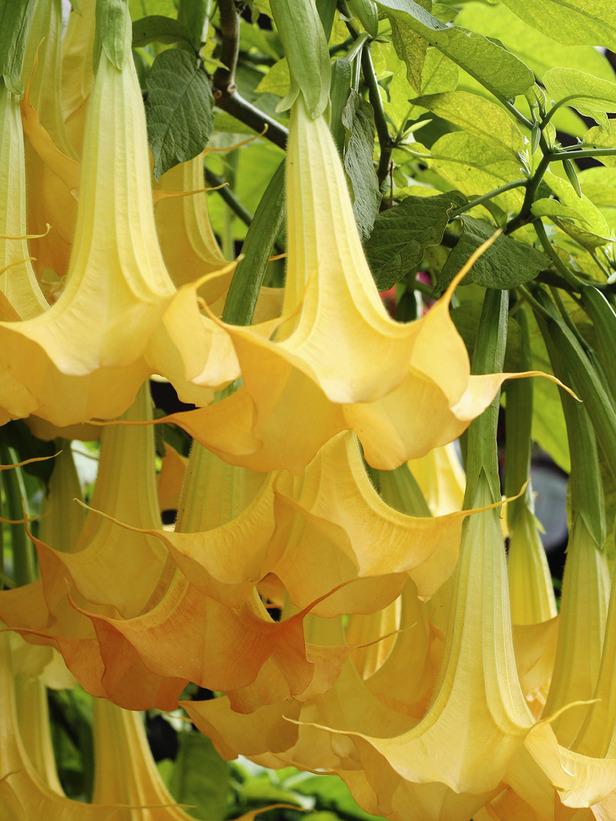
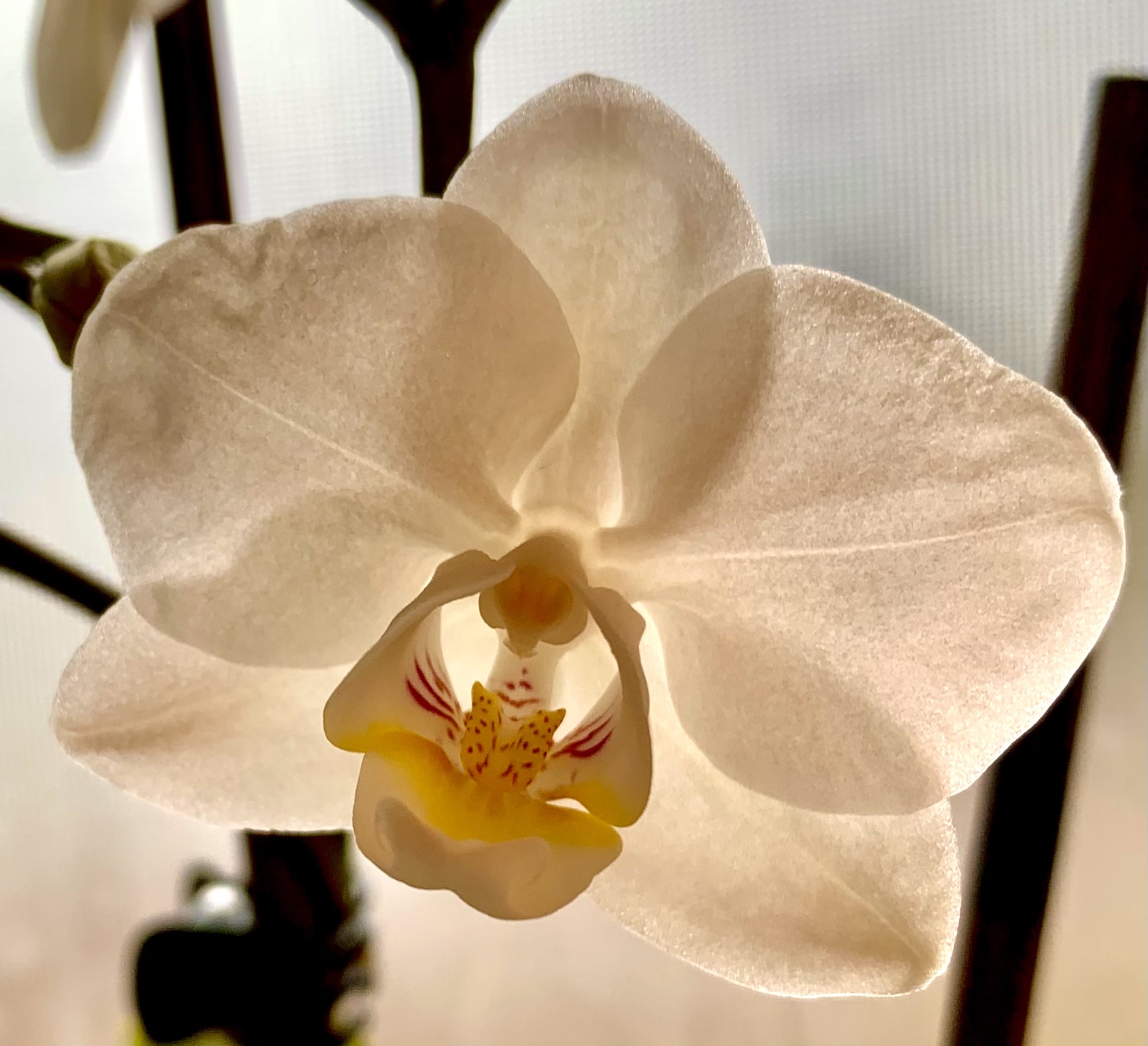
… how do the roots know they must climb toward the light? And then greet the air with so many flowers and colors?
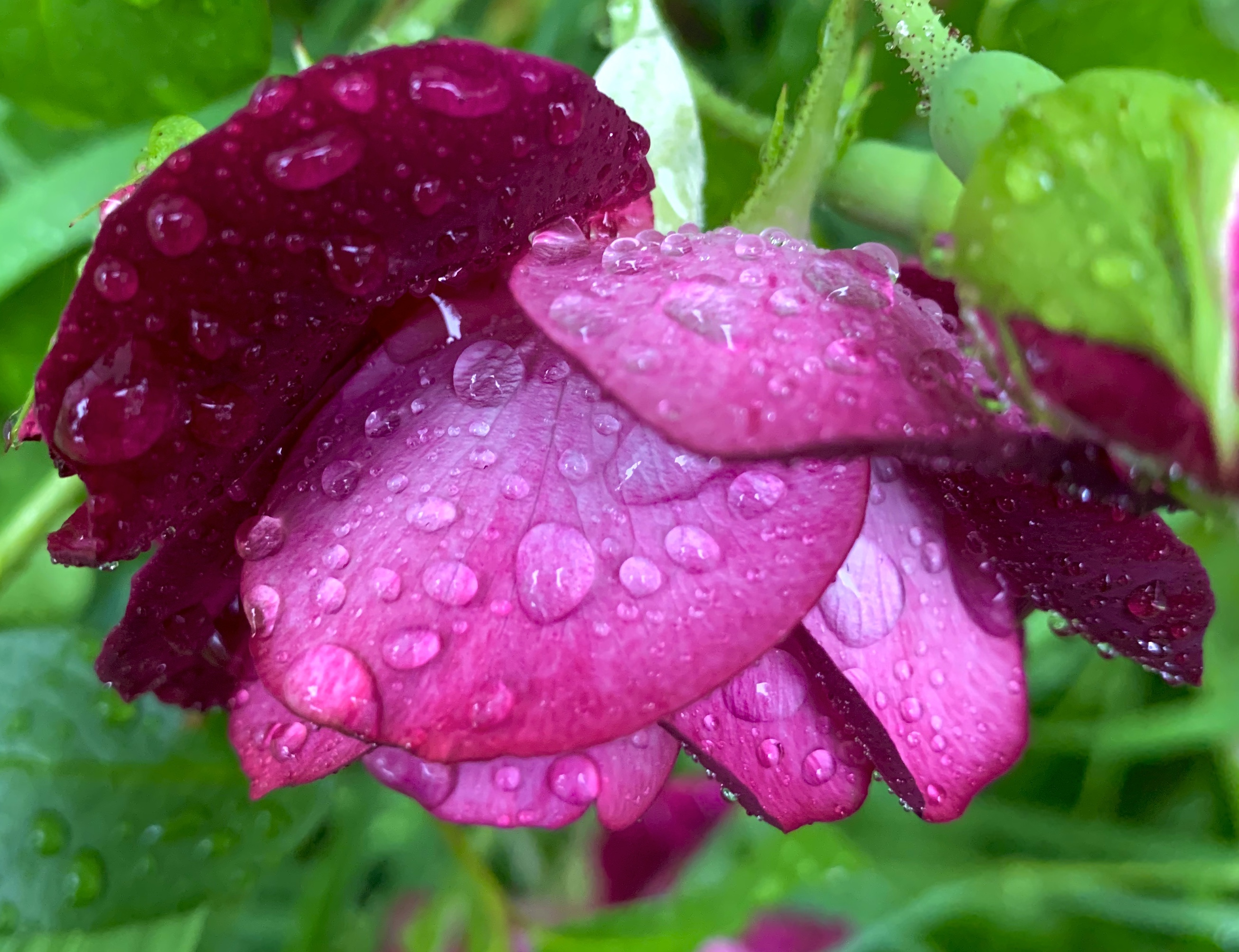
Tell me, is the rose naked or is that her only dress?
Why do trees conceal the splendor of their roots?
But do you know from where death comes, from above or from below? From microbes or walls, from wars or winter?
Where is the child I was, still inside me or gone? ~Pablo Neruda from “The Book of Questions”
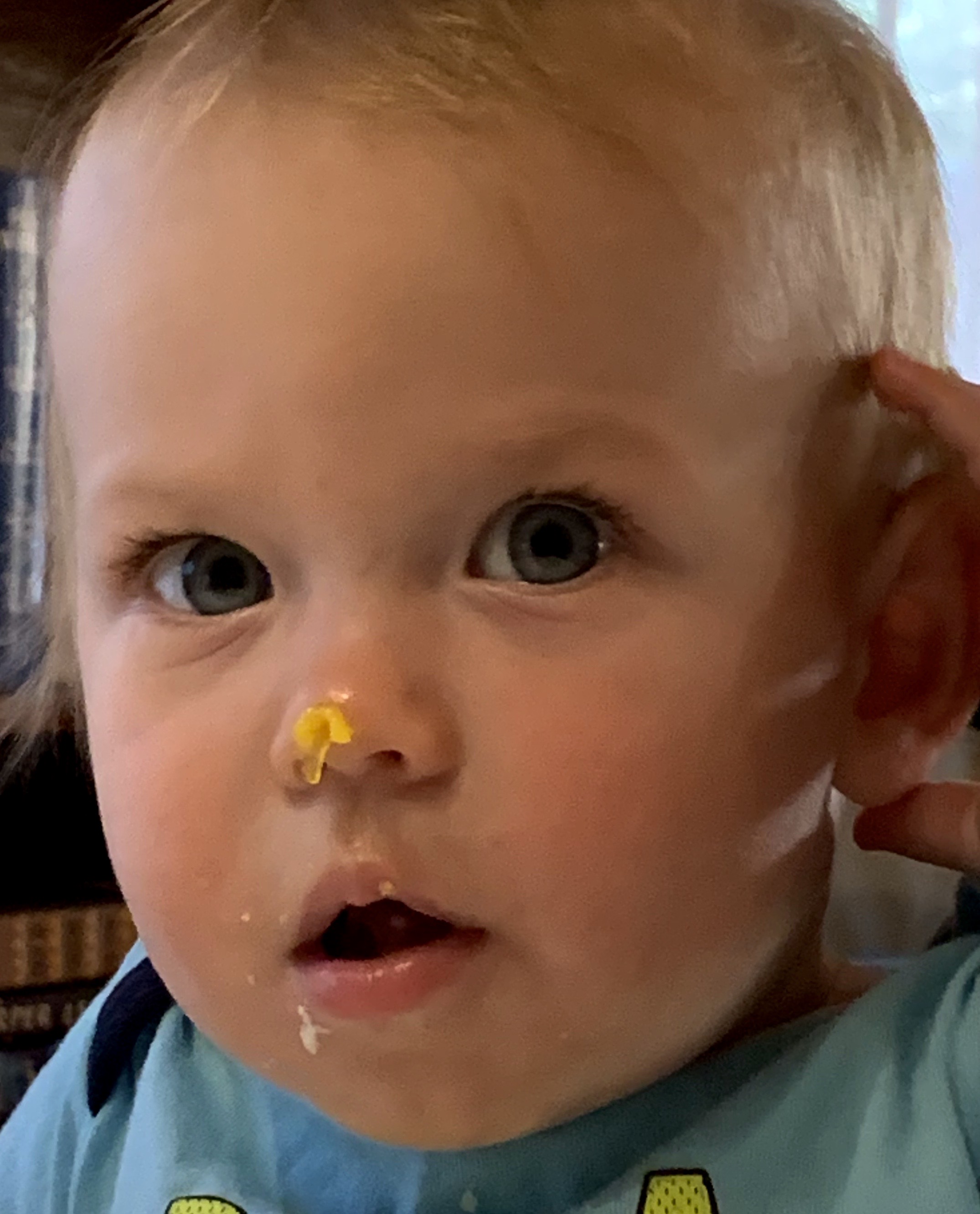
Here I am, on the eve of my 66th birthday, with more questions than answers, the child still inside me puzzling over the mundane and profound.
The “why’s” of life are the reason to keep getting up every day, if only to greet the air, feel the sun, smell the flowers and recognize that from hidden roots come beautiful growth.
I’m still growing by asking the questions that need to be asked. I’m still growing while my roots reach deeper by the day. I’m still growing because I know I need to reach out to the Light.




















 Barnstorming