Wake with the Light

morning54173


rainymorning920173


dawn7251


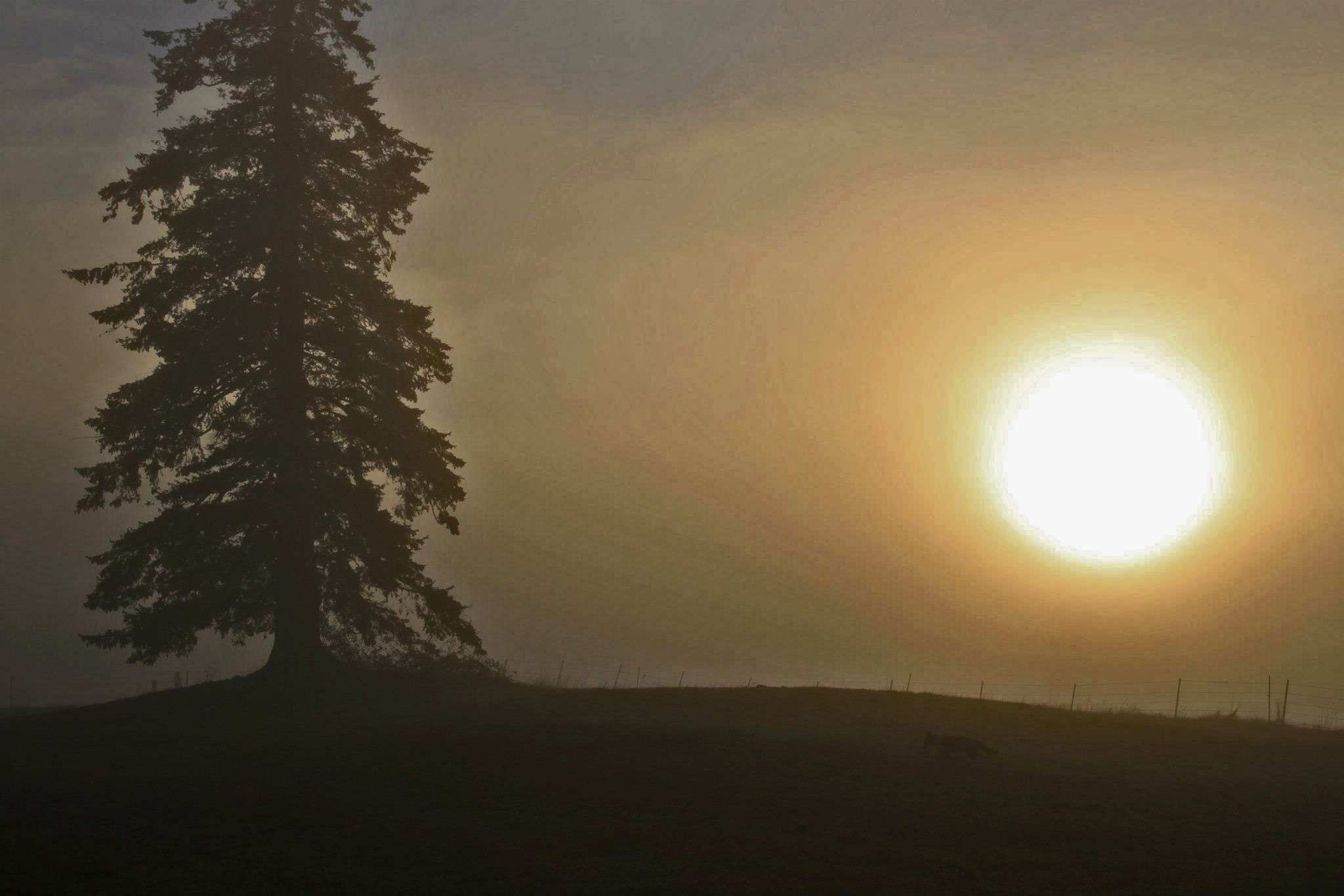
Light wakes us – there’s the sun
climbing the mountains’ rim, spilling across the valley,
finding our faces.
It is July,
            between the hay and harvest,
a time at arm’s length from all other time…

It is the time
to set aside all vigil, good or ill,
to loosen the fixed gaze of our attention
as dandelions let seedlings to the wind.
Wake with the light.
Get up and go about the day and watch
its surfaces that brighten with the sun.
~Kerry Hardie from “Sleep in Summer”


puffsunset2


dandysunset2


Saying good-bye to July
is admitting summer is almost half-baked
and so are we
not nearly done enough.

The rush to autumn is breathless
and we want to hold on tight
to our longish days
and our sweaty nights
for just a little while longer,

Please, oh please
grant us light
just a little while longer.


ambermorning


morning55184


Going Home to Mother

IMG_2960


Crit-0.53.57


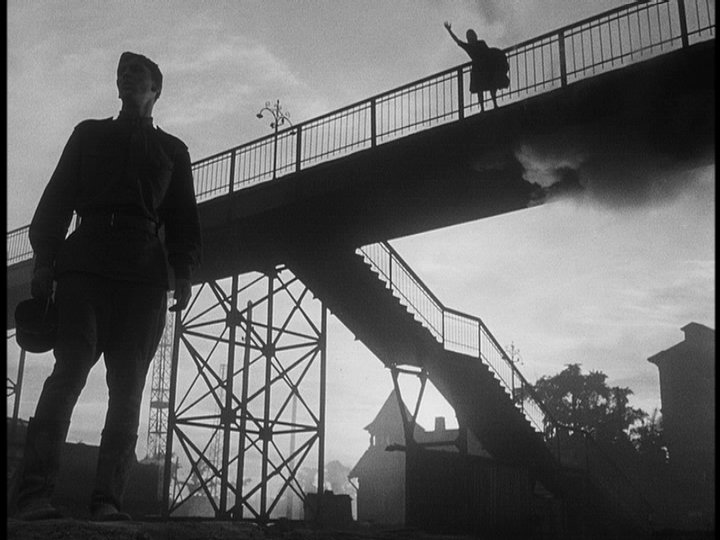
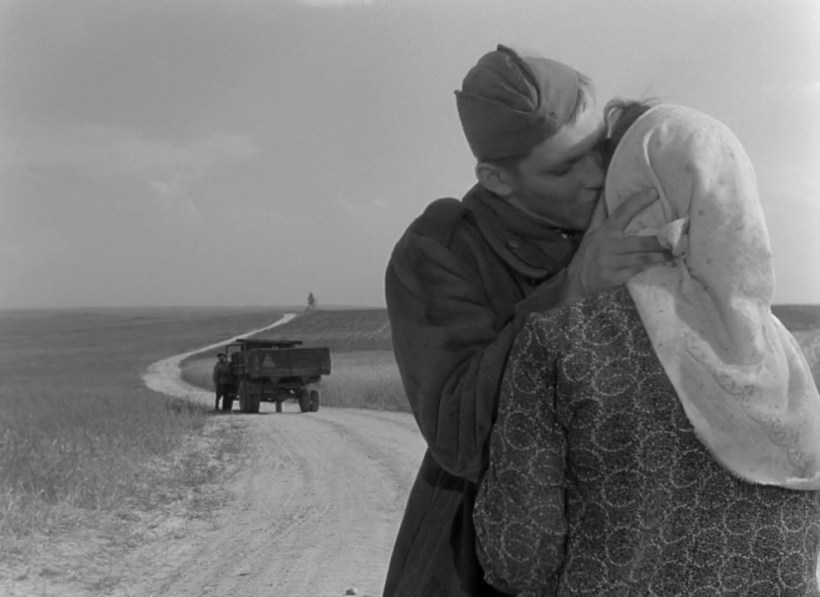
“Comrade General, instead of a decoration, could I go home to see my mother?”

I was sixteen, taking second year high school Russian during the Cold War, partly for the challenge, but mostly to understand better who our “enemy” was.  Our teacher assigned us unusual homework one weekend: watch the 1959 Russian movie  Ballad of a Soldier being broadcast on PBS in 1970.  It had English subtitles, but the point of the assignment was to experience the sounds and inflections of native Russian speakers.  Although the movie was a fictional story of a Russian soldier’s brief leave from the front during WWII, it complemented a concurrent assignment in our World History class, reading All Quiet on the Western Front. The unforgettable juxtaposition of these two works of art helped me appreciate, in the midst of the nightly news from Vietnam,  the terrible cost of war.

Recently, some forty seven years later, I watched this movie again. The tale is a classic “returning home from war” saga with the twist that young Alyosha is only on a brief leave granted by a compassionate general rewarding the front line soldier for an extraordinary act of bravery.  Alyosha asks only to return to his home village to fix the leaking roof of his mother’s home.  Given the extraordinary difficulties of war time travel in an economically struggling country, as well as the challenges and people he ends up meeting along the way, his time home ends up being only a few precious minutes before he has to turn around and return to the front.  He only has enough time to hug his mother, and say goodbye one last time, never to return again.

Although the story focuses on a son’s determination to get home to his mother, it also allows a view of war’s permanent damage to bodies and minds,  as well as the toll of war time separation on relationships.  There seems little sense of hopeful future for the characters in this story, so the immediacy of what they experience takes on greater significance.

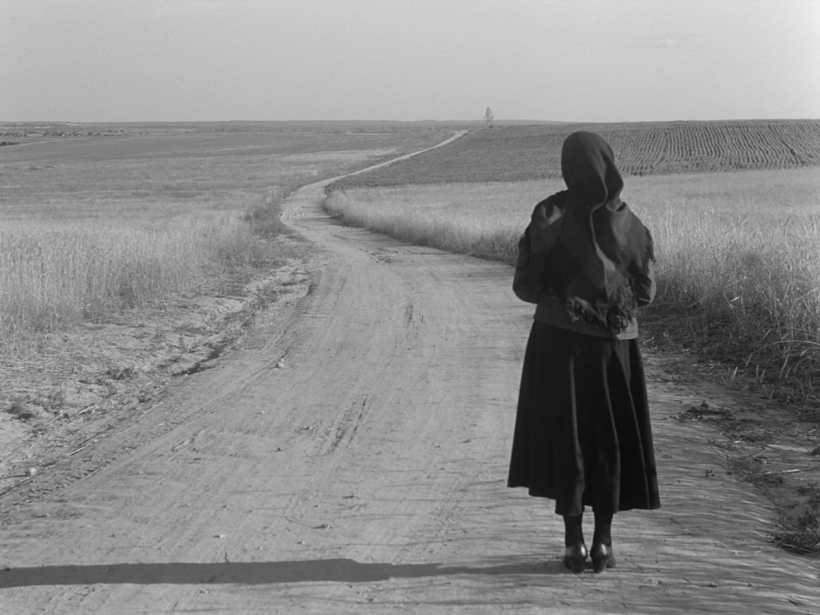
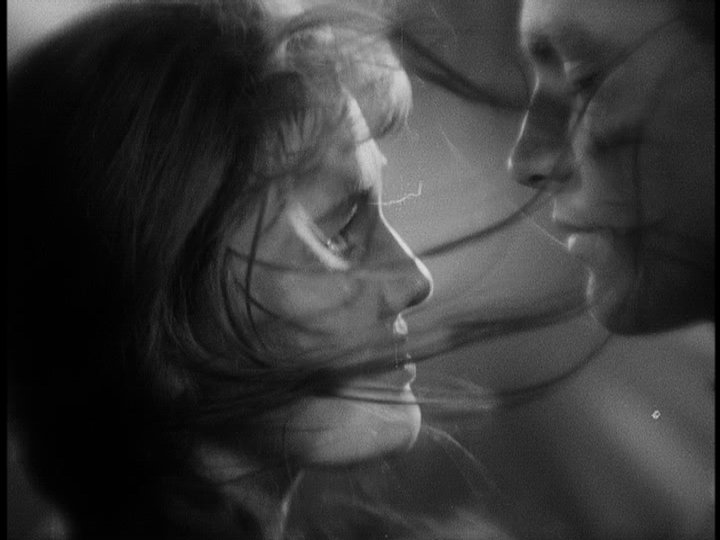
Alyosha meets a young woman on the train and their evolving connection offers a glimpse of a potential love that can transcend the ugliness of war.  They part not even knowing how to find each other again, after having spent precious few hours in conversation.   Acknowledging that lack of future hope is the most painful of all;  there is no ability to make plans with confidence, no sense of a long life stretching ahead like the dusty road leading from his village that reaches endless to the horizon.

I remember sitting in my childhood home, watching this movie as a teenager with so little life experience at that point.  Tears streamed down my face, touched forever by the tender story of a man made too old by war and hardship for his young years and his simple desire to once again hug his mother.   This Russian soldier did not feel like an enemy to me.  This felt like someone I could easily love and hold on to–as a brother, someday as a cherished husband, eventually as a precious son.   Years later I would identify with the role of the mother with moistening eyes, watching my children leave our home, heading down that long endless road to their own uncertain futures.

On this day — May 26 — what would have been my mother’s 98th birthday — I have the simple desire to once again hug my mother and feel her tender love.  The wrenching moments of saying goodbye as I left home remain my precious bittersweet memories of her, even as my own road now grows shorter.

There will come a time, in our forever home,  when there will be no more goodbyes,  I’ll never have to let go of her and neither of us will walk away to an uncertain future.


MV5BOWE2YjkzMWItZDkwMS00NTdjLTk1OTYtYWM4OTI5Y2Q0N2NhXkEyXkFqcGdeQXVyMTI3MDk3MzQ@._V1_


3e318c37e55e5befe876a86a8820f4c9


maymarshmallows.jpg


Oatmeal Should Not Be Eaten Alone


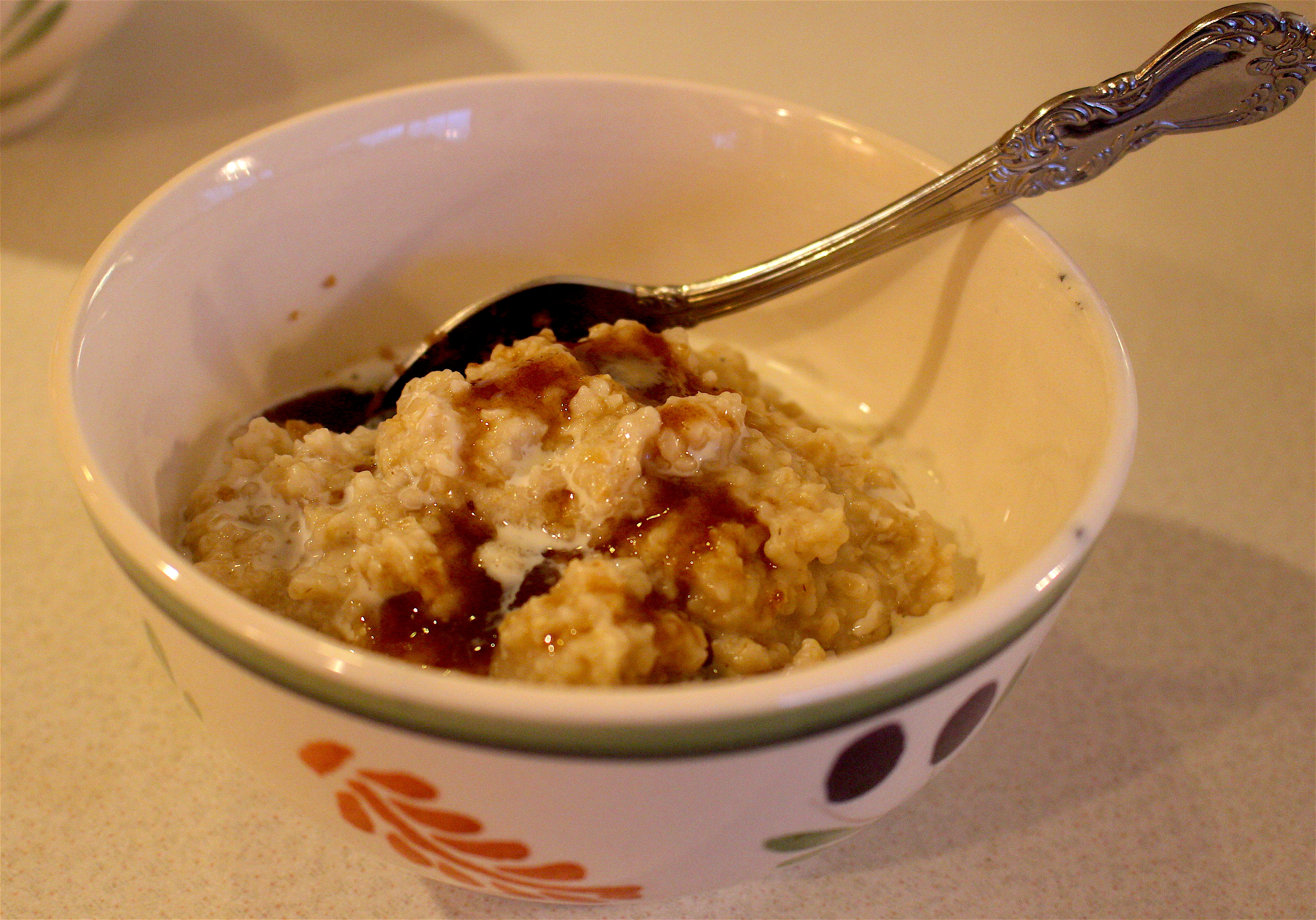
I eat oatmeal for breakfast.
I make it on the hot plate and put skimmed milk on it.
I eat it alone. 
I am aware it is not good to eat oatmeal alone.
Its consistency is such that is better for your mental health 
if somebody eats it with you.
That is why I often think up an imaginary companion to have 
breakfast with.
Possibly it is even worse to eat oatmeal with an imaginary 
companion. 
Nevertheless, yesterday morning, I ate my oatmeal porridge, 
as he called it with John Keats.
Keats said I was absolutely right to invite him: 
due to its glutinous texture, gluey lumpishness, hint of slime, 
and unusual willingness to disintegrate, oatmeal should 
not be eaten alone.
…I can see him drawing a spoon through the stuff, gazing into the glimmering
furrows, muttering.
Maybe there is no sublime; only the shining of the amnion’s tatters.
~Galway Kinnell from “Oatmeal”


But now the supper crowns their simple board, 
The halesome parritch, chief o Scotia’s food;
~Robert Burns from “The Cotter’s Saturday Night”


But when the melancholy fit shall fall 
Sudden from heaven like a weeping cloud, 
That fosters the droop-headed flowers all, 
And hides the green hill in an April shroud; 
Then glut thy sorrow on a morning rose, 
Or on the rainbow of the salt sand-wave, 
Or on the wealth of globed peonies;
~John Keats from “Ode on Melancholy”


Oatmeal mixed up with a bit of chewy melancholy,
reading of poets and peonies and wholesome parritch;
it seems early for poetry on this sublime shrouded morning in April …
yet like porridge, nothing more is needed to begin the day well.


Preparing Through Parable: Knock Like You Mean It


Then Jesus said to them, “Suppose you have a friend, and you go to him at midnight and say, ‘Friend, lend me three loaves of bread; a friend of mine on a journey has come to me, and I have no food to offer him.’
And suppose the one inside answers, ‘Don’t bother me. The door is already locked, and my children and I are in bed. I can’t get up and give you anything.’ I tell you, even though he will not get up and give you the bread because of friendship, yet because of your shameless audacity he will surely get up and give you as much as you need.
“So I say to you: Ask and it will be given to you; seek and you will find; knock and the door will be opened to you. 10 For everyone who asks receives; the one who seeks finds; and to the one who knocks, the door will be opened.”
Luke 11: 5-10


…we are faced with the shocking reality: 
Jesus stands at the door and knocks, in complete reality. 
He asks you for help in the form of a beggar, 
in the form of a ruined human being in torn clothing. 
He confronts you in every person that you meet. 
Christ walks on the earth as your neighbor as long as there are people. 
He walks on the earth as the one through whom 
God calls you, speaks to you and makes his demands. 
Christ stands at the door. 
Will you keep the door locked or open it to him?
~Dietrich Bonhoeffer from an Advent Sermon “The Coming of Jesus into our Midst”


Over ten years ago a young woman I’d been seeing for several weeks in my clinic for depression called unexpectedly on a Friday afternoon and canceled an upcoming appointment for the following Monday and did not reschedule. The receptionist sent me a message as is our policy for patients who “cancel and do not reschedule”. It gave me a bad feeling that she was turning her back on her treatment plan and I was uneasy about the upcoming weekend without knowing what was going on with her.

I could have just put on my coat and headed home at the end of that long Friday but decided to call my patient. She didn’t answer her phone. I mulled over my options, looked up her apartment address and drove there. As I approached her door, I could hear someone moving around in her apartment, but she didn’t respond to my knocks or my voice.

I decided to stay right there, talking to her through the door for about 15 minutes, letting her know I wasn’t leaving until she opened up the door. I finally told her she could decide to open the door or I would call 911 and ask the police to come to make sure she was okay. She then opened the door, tears streaming down her face. She had been drinking heavily, with liquor bottles strewn around on the floor. She admitted an intent to overdose on aspirin and vodka. The vodka was already consumed but the unopened aspirin bottle was in her hand. I was the last person she expected to see at her door.

I called the mental health unit at the local hospital and they had an open bed. I told my patient that we could save time and hassle by heading over right then and there, and avoid the emergency room mess, and the possibility of an involuntary detainment.

She agreed to come with me and be admitted voluntarily for stabilization. I went the following day to visit her and she greeted me with a hug and thanked me for not giving up on her when she had given up on herself. In sobriety, her eyes were brighter and she was more hopeful. She never expected anyone to care enough to come knocking on her door looking for her, and to stand firm when she was rejecting all approaches. She was astounded and grateful, and frankly, so was I.

Four years later, a small card arrived in my clinic mailbox on a most challenging work day, from an unfamiliar address two thousand miles away. The name looked vaguely familiar to me but when I opened and read the contents, this time it was my turn to let tears flow:

“Dear Doctor,

I am not sure if you will remember me considering you see a number of patients daily; however, I am a patient whose life you changed in the most positive way. I never truly THANKED YOU for listening to me and hearing my silent words of grief and hearing my cries for help. If it had not been for you, had you not knocked on my door, I would not be writing this letter to you today. I don’t know exactly what to say to the person who saved me from hurting myself fatally. You were a stranger in my life, but a dear friend in my time of need. THANK YOU, for everything that you did for me. You have a permanent place in my heart, you have given my spirit hope, you have reminded me that a life is worth living. Thank you, thank you, thank you! Sincerely, L_____”

I’m grateful so many years ago I had the sense to go knock on her door, the stubbornness to stay put until she responded, and most of all, I’m appreciative for her gracious note letting me know it made a difference. Later, on a most difficult day, she made a difference for me.

She kept knocking on my door and I opened it, awash in my own tears.


May my eyes see, my ears hear, my heart understand.  He prepares me with parable.

Feeling Bereft

fullmooneve


Silence and darkness grow apace, broken only by the crack of a hunter’s gun in the woods.  Songbirds abandon us so gradually that, until the day when we hear no birdsong at all but the scolding of the jay, we haven’t fully realized that we are bereft — as after a death.  Even the sun has gone off somewhere… Now we all come in, having put the garden to bed, and we wait for winter to pull a chilly sheet over its head.   
~Jane Kenyon from “Good-by and Keep Cold”


sunset15185


Every day now we hear hunters firing in the woods and the wetlands around our farm, most likely aiming for the few ducks that have stayed in the marshes through the winter, or possibly a Canadian goose or a deer to bring home for the freezer.   The usual day-long symphony of birdsong is replaced by shotguns popping, hawks and eagle screams and chittering, the occasional dog barking, with the bluejays and squirrels arguing over the last of the filbert nuts.

In the clear cold evenings, when coyotes aren’t howling in the moonlight, the owls hoot to each other across the fields from one patch of woods to another, their gentle resonant conversation echoing back and forth.    The horses confined to their stalls in the barns snort and blow as they bury their noses in flakes of summer-bound hay.

But there are no birdsong arias now,  leaving me bereft of their blending musical tapestry that wake me at 4 AM in the spring.   No peeper orchestra from the swamps in the evenings, rising and falling on the breeze.

It is too too quiet.

The chilly silence of the darkened days is now interrupted by all percussion, no melody at all.   I listen intently for early morning and evening serenades returning.
It won’t be long.


hidenseeksisters2

In the Echo of Fog Horns

morning113159


foggymorning13115


new year’s eve-
in the echo of fog horns
another voyage starts
–  Keiko Izawa


foggydrops15


fogtree


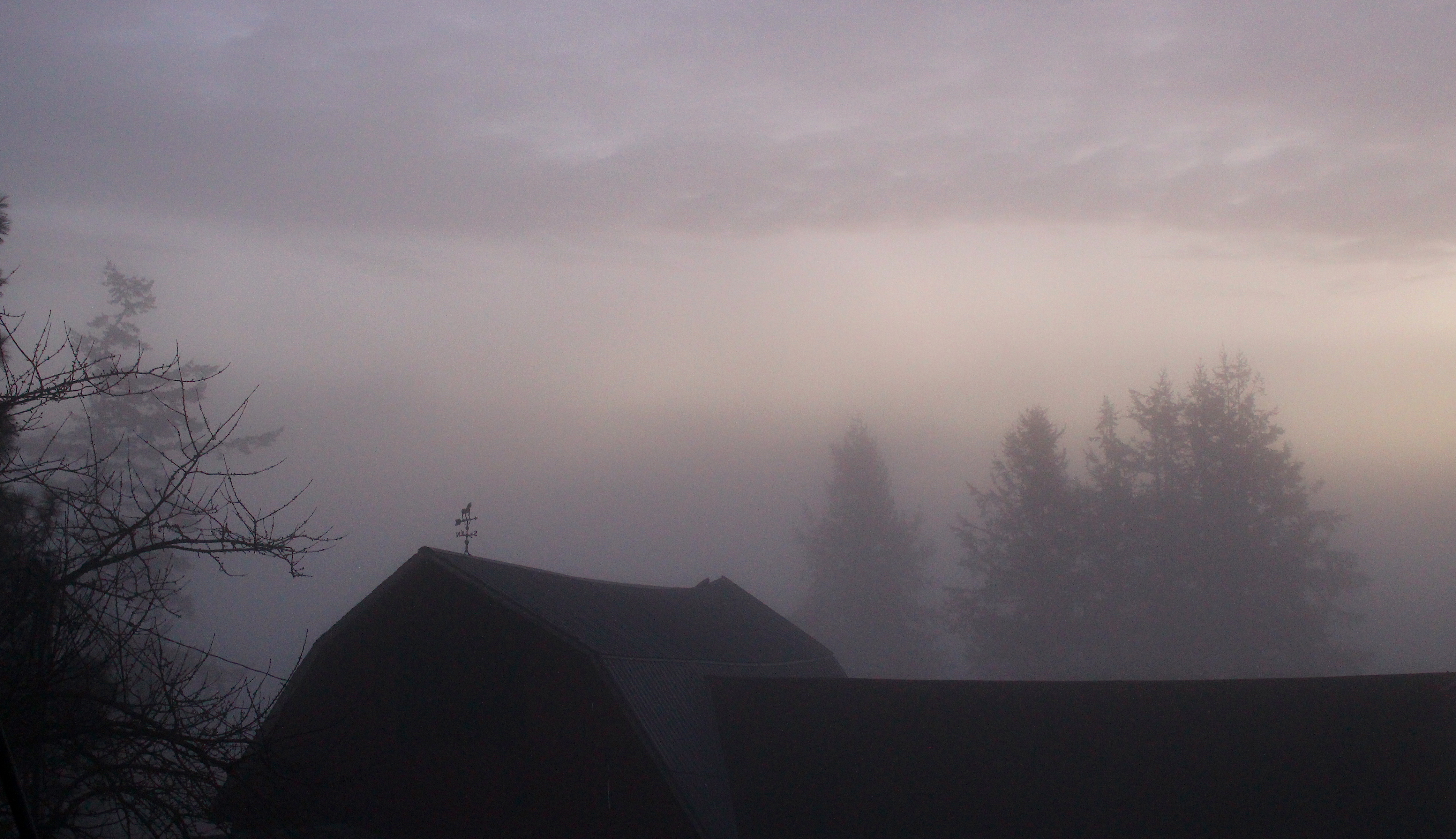
I grew up on a small farm located about two miles from a bay in Puget Sound.  When I awoke, I knew it was a foggy morning outside even before looking out my bedroom window.  The fog horns located on coastal buildings and bobbing buoys scattered throughout the inlet would echo mournful moans and groans to warn freighter ships away from the rocky or muddy shallows.   The resonant lowing of the horns carried miles over the surrounding landscape due to countless water particles in the fog transmitting sound waves so effectively.  The louder the foghorn moan heard on our farm, the thicker the mist in the air.  Those horn voices would make me unspeakably sad for reasons I could never articulate.

Embarking on a voyage in blinding foggy conditions, just like starting a new year,  portends both adventure and risk.  Of course I’d prefer to see exactly where I am headed, carefully navigating with precise knowledge,  eventually winding up exactly at my intended destination.  The reality is that the future can be a murky mess.  We cannot see what lies ahead: we navigate by our wits, by our best guess, but particularly by listening for the low-throated warnings coming from the rocky shores and shallows of those who have gone ahead of us.

I am still too easily lost in the fog of my fears – disconnected, afloat and circling aimlessly, searching for a touch point of purpose and direction.  The isolation I sometimes feel may simply be my own self-absorbed state of mind, sucking me in deep until I’m soaked, dripping and shivering from the smothering gray.   If only I might trust the fog horn voices, I could charge into the future undaunted, knowing there are others out there in the pea soup prepared to come alongside me as together we await the sun’s dissipation of the fog.

Now I know, over sixty years into the voyage,  fog does eventually clear so the journey continues on.

Even so, I will keep listening for the resonant voices of wisdom and caution from shore, and at times raise my voice to join in.

Instead of echoing the moans and groans of my childhood mornings, may I sing an anthem of hope and promise.


morningfog12615

dogtreefog
photo by Nate Gibson

The Dying of the Year

freezingrain10


pastureice8

Now winter downs the dying of the year,   
And night is all a settlement of snow; 
From the soft street the rooms of houses show   
A gathered light, a shapen atmosphere,   
Like frozen-over lakes whose ice is thin   
And still allows some stirring down within. 
These sudden ends of time must give us pause.   
We fray into the future, rarely wrought 
Save in the tapestries of afterthought. 
More time, more time. Barrages of applause   
Come muffled from a buried radio. 
The New-year bells are wrangling with the snow.
~Richard Wilbur from “Year’s End”
snowycottonwood


The melancholy days are come, the saddest of the year,
Of wailing winds, and naked woods, and meadows brown and sear.
Heaped in the hollows of the grove, the autumn leaves lie dead;
They rustle to the eddying gust, and to the rabbit’s tread.
The robin and the wren are flown, and from the shrubs the jay,
And from the wood-top calls the crow through all the gloomy day.
~William Cullen Bryant from “The Death of the Flowers”


freezingrain7


freezingrain9


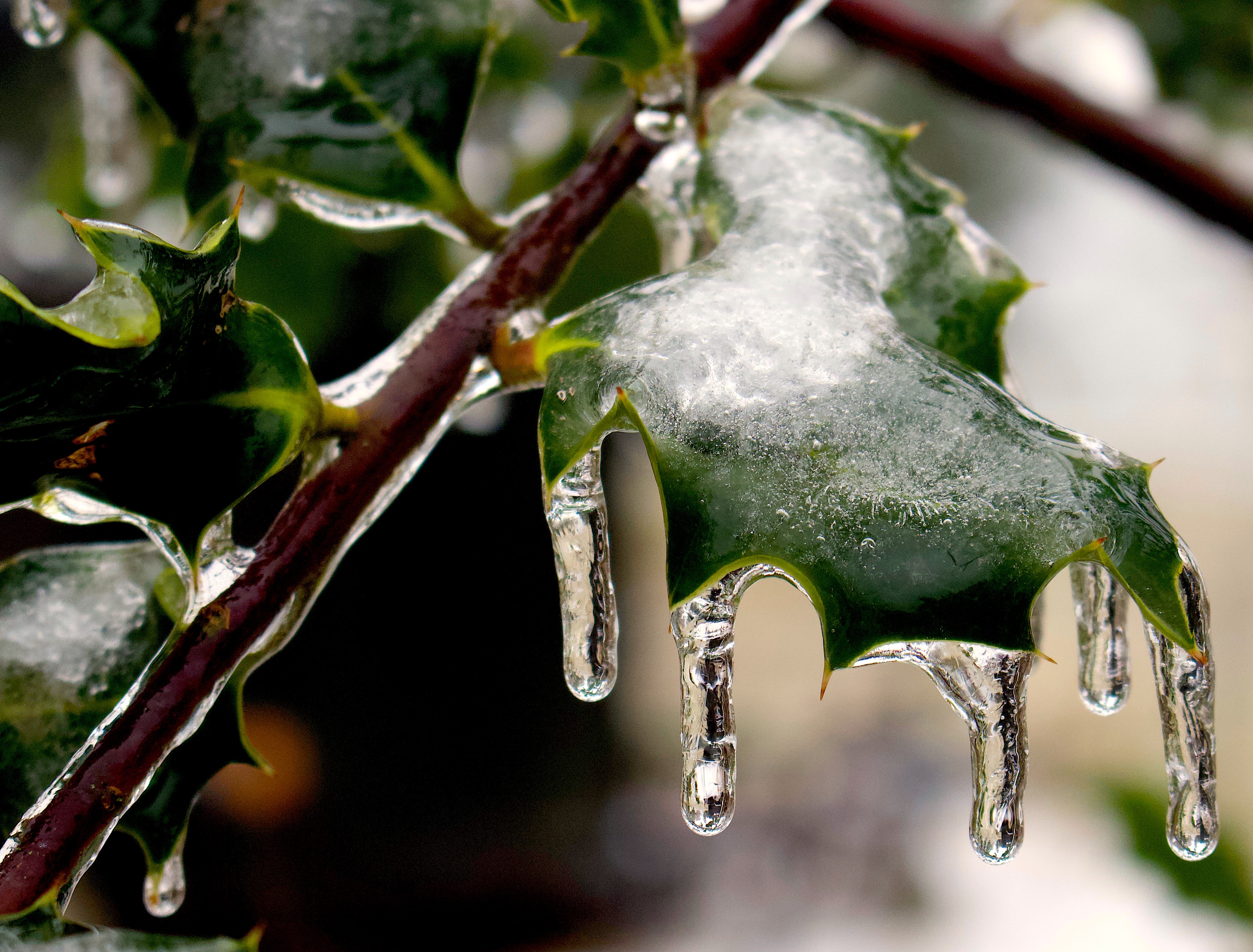
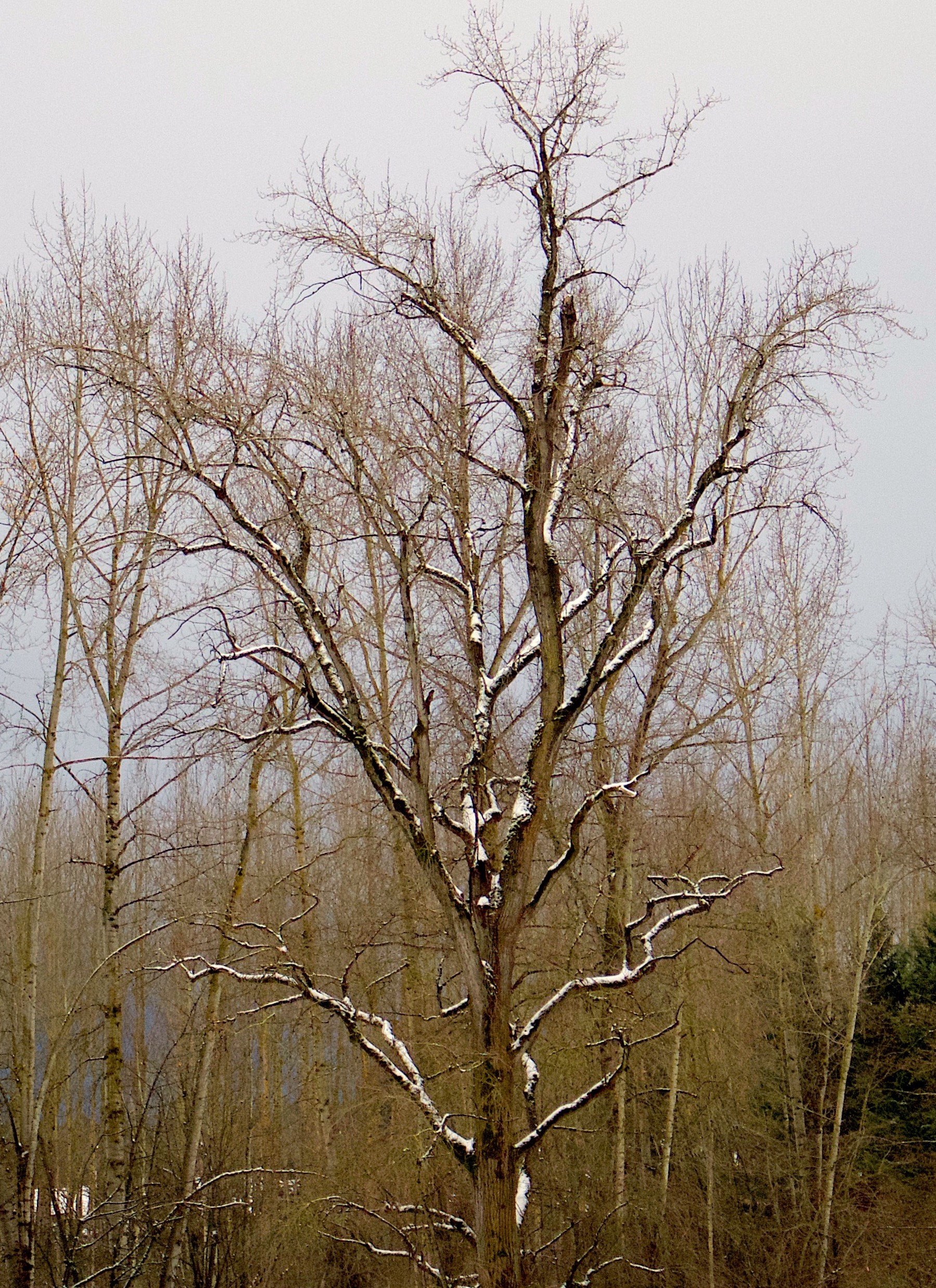
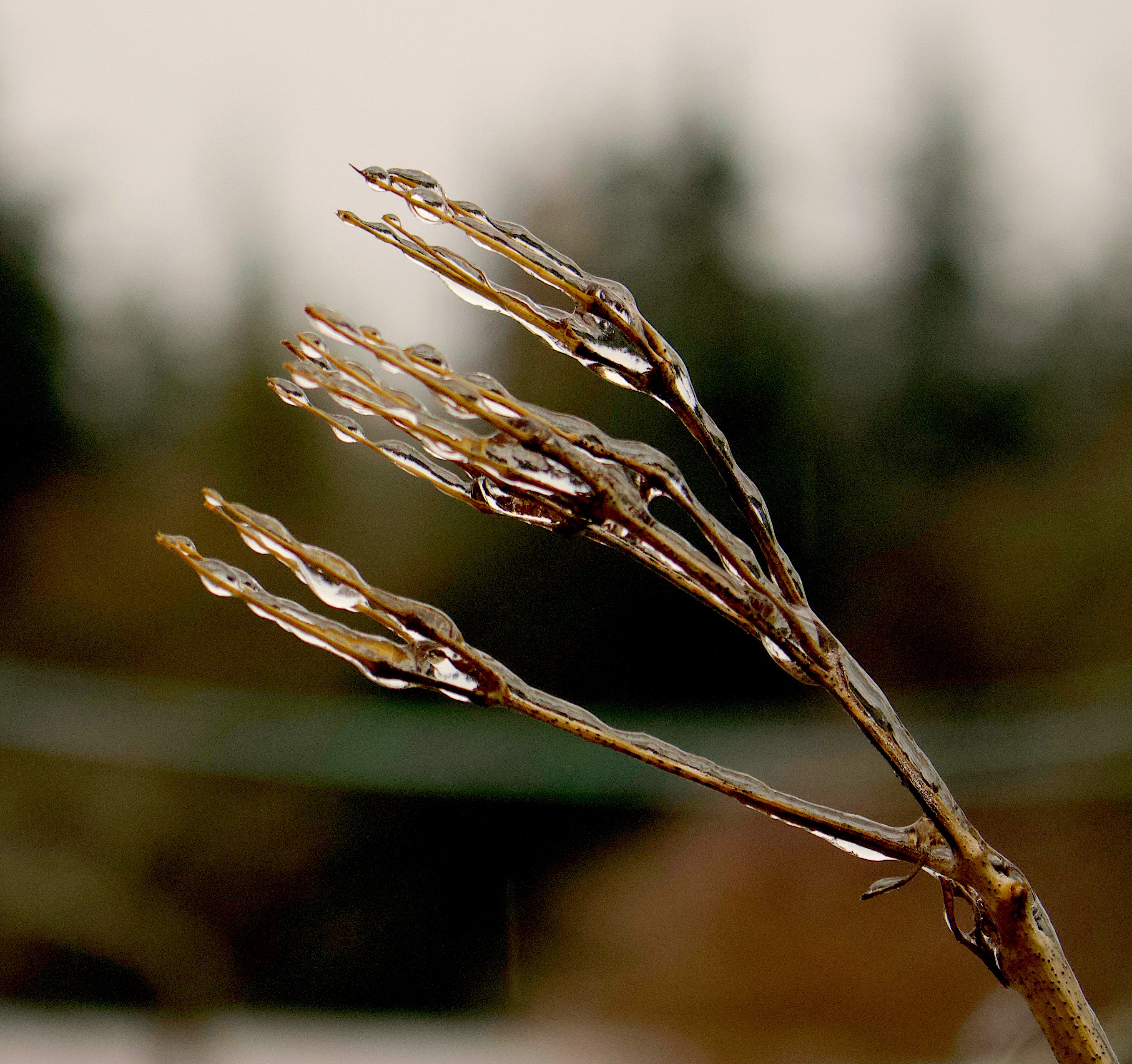
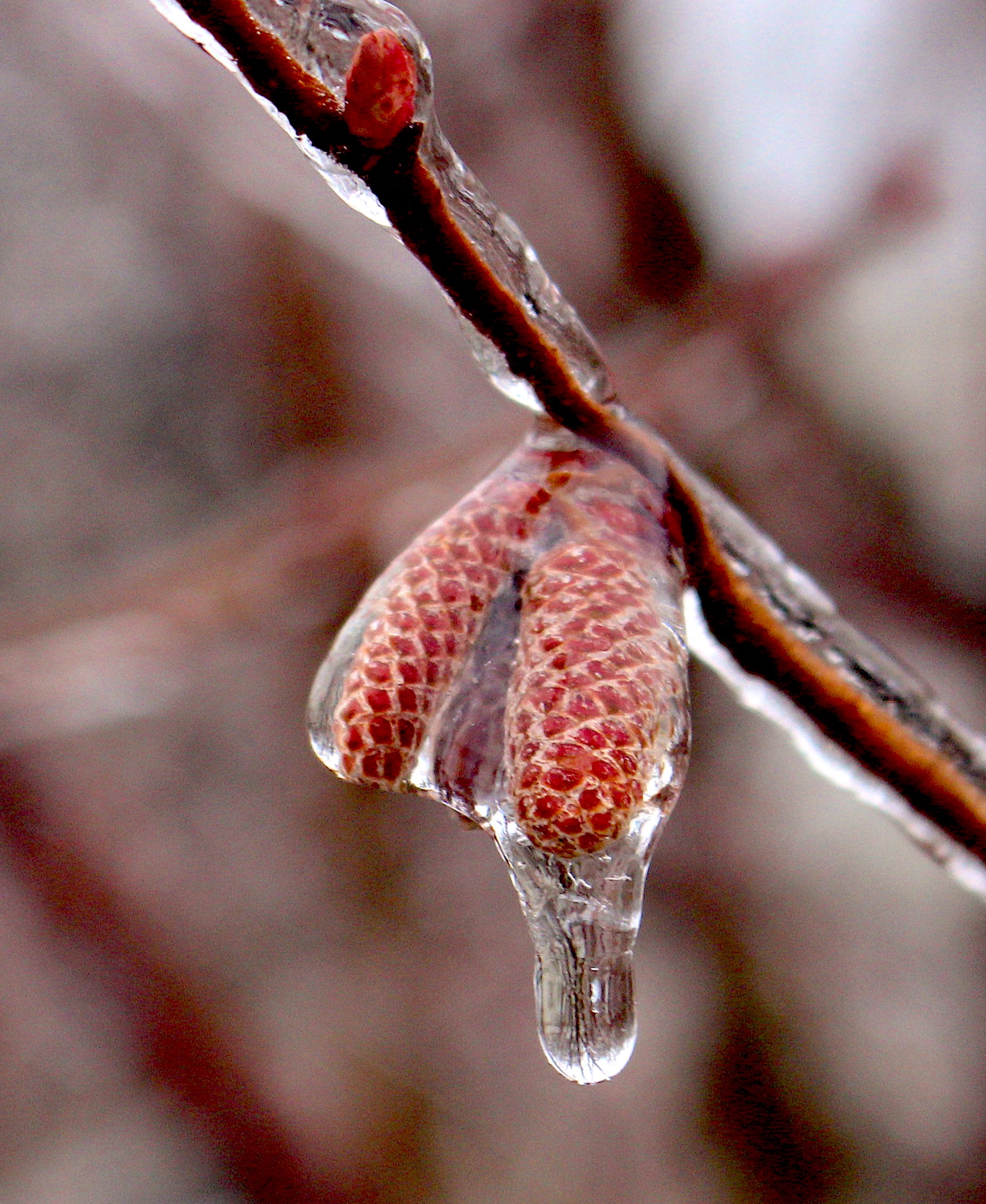
These dark, icy,  and sodden days are scarcely recalled while basking in the lightness of June when the sun shines 19 hours a day.

There is no way to cope with such overwhelming darkness except by adding in a few minutes more a day over six months, otherwise the shock of leaving behind the light would be too great.  Howling wind knocks and batters, freezing rain beats mercilessly at the window panes to coat everything with a 1/4 inch of ice,  puddles stand deeper than they appear, mud sucks off boots, leaves are thoroughly shaken from embarrassed branches.

We have no remnant of summer civility and frivolity left; we must adapt or cry trying, only adding to a pervasive sogginess.

Nevertheless, these melancholy days have their usefulness — there are times of joyful respite from frenetic activity while reading, snuggled deep under quilts, safe and warm.  Without such stark contrast, the light and bright time of year would become merely routine, yet just another sunny day.

That never happens here in the Pacific northwest.

We celebrate the emerging light with real thanksgiving and acknowledge this encompassing darkness makes our gratitude more genuine.

We are privileged to live within such a paradox:  there is, after all, a certain gladness in our sadness.


freezingrain13


freezingrain12

A State of the Soul

1031drops7


raindrops111415


A fine rain was falling, and the landscape was that of autumn.  
The sky was hung with various shades of gray, 
and mists hovered about the distant mountains
– a melancholy nature.  
Every landscape is, 
as it were, 
a state of the soul, 
and whoever penetrates into both 
is astonished to find how much likeness there is in each detail.
~Henri Frederic Amiel


fogdrops7


mushrooms1031151


wetoctleavs


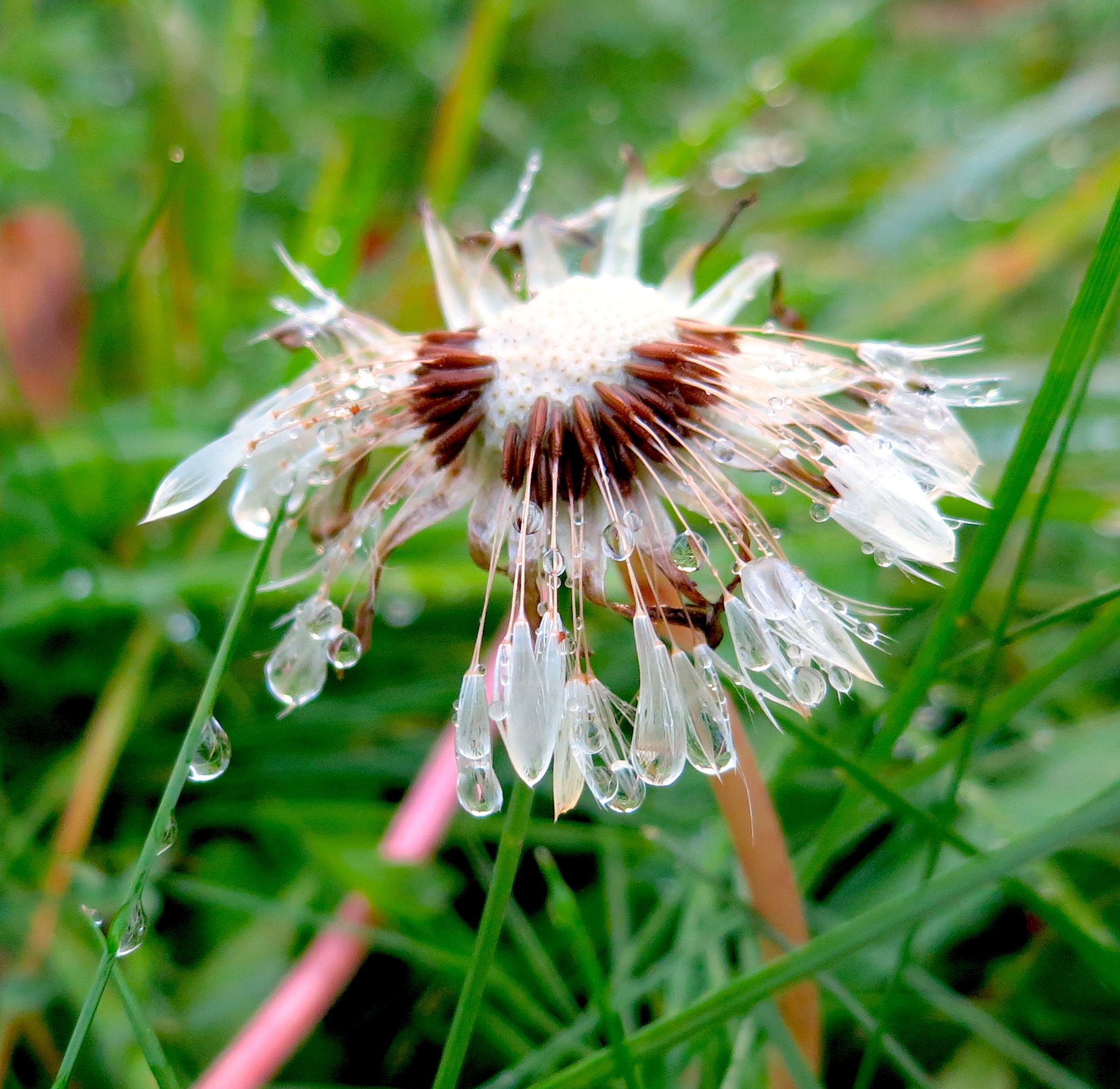
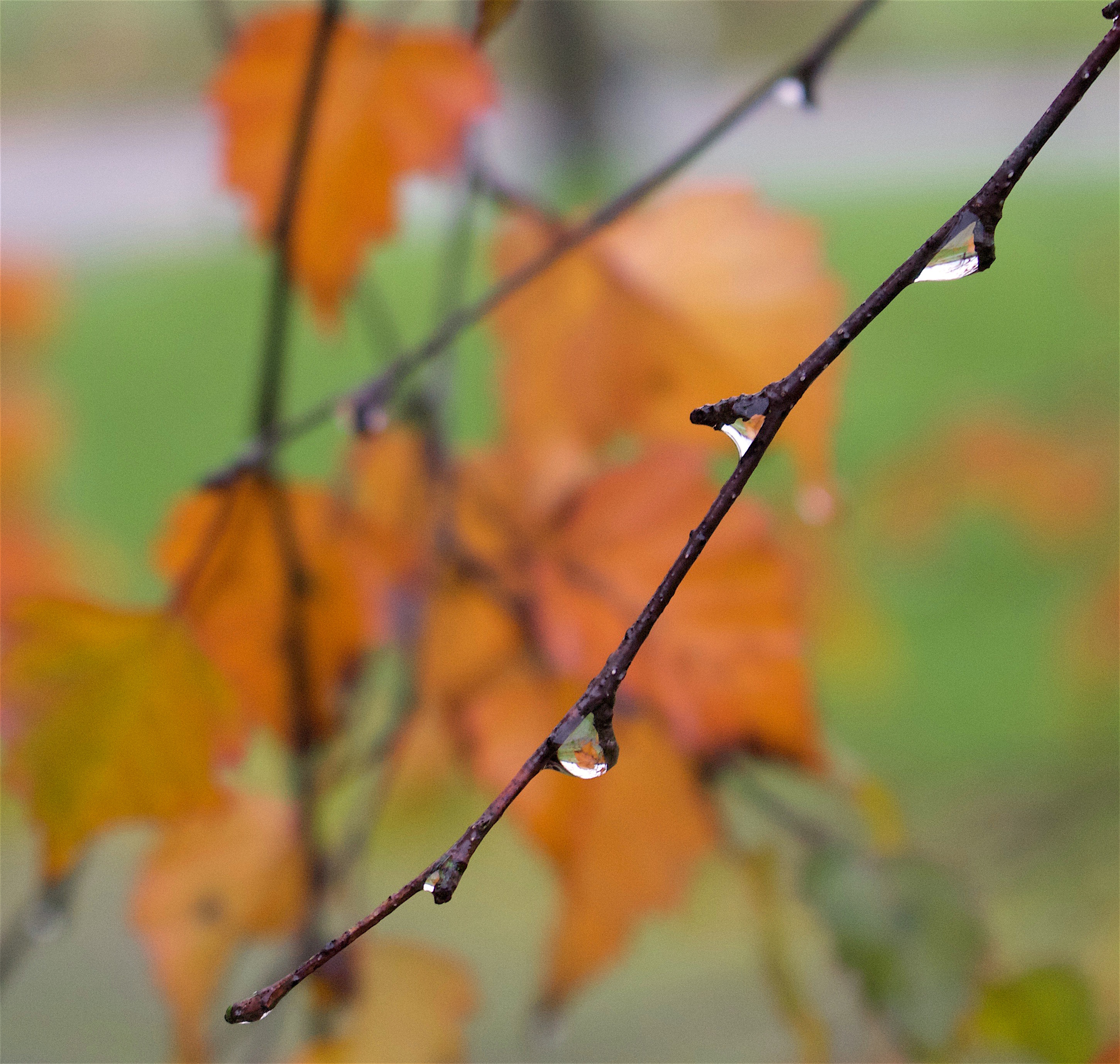
What is melancholy
at first glance
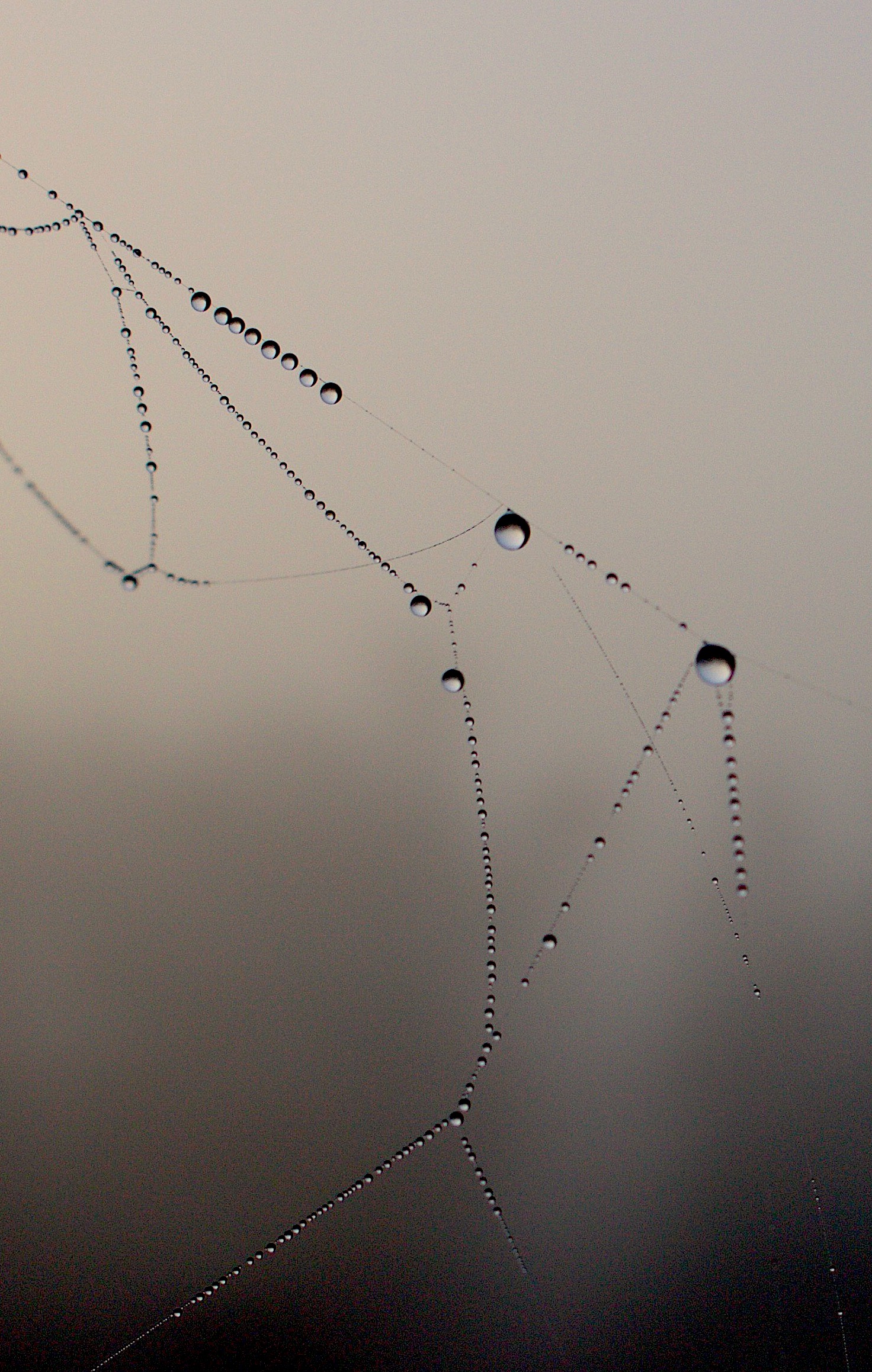
glistens bejeweled
when studied up close
in the right light.

It can’t be all sadness~
there is solace in knowing
the landscape and I share
~a state of the soul~
an inner world of tears
nevertheless forever illuminated.


foggydrops17


sunrise109171

These Tattered and Tumbling Skies

cloudstudy92166
 
 
cloudstudy92165
 
 
novemberyard
 
 
The rain and the wind, the wind and the rain —
They are with us like a disease:
They worry the heart,
they work the brain,
As they shoulder and clutch at the shrieking pane,
And savage the helpless trees.
What does it profit a man to know
These tattered and tumbling skies
A million stately stars will show,
And the ruining grace of the after-glow
And the rush of the wild sunrise?
~William Ernest Henley from “The Rain and the Wind”
 
 
sunrise1031172


wetoctleaves2


barnstorm


Yesterday started with a calm and steady rain
making even more sodden a sullen gray dawn–
then unbidden, a sudden chilly gust from the northeast
ripped loose remaining leaves
and sent them spinning,
swirling earthbound
in yellow clouds.

The battering of rain and wind
followed by an early snowfall
leaves no doubt
summer is done for good —
the past is past.

I hunker through the turbulence
to await a clear night when once again
heaven empties itself out
into a fragile crystalline dawn.


yardnovember


1002556_581472858054_326807933_n


A Deep Fear of Emptiness

dawn7251


marshmallowglow2


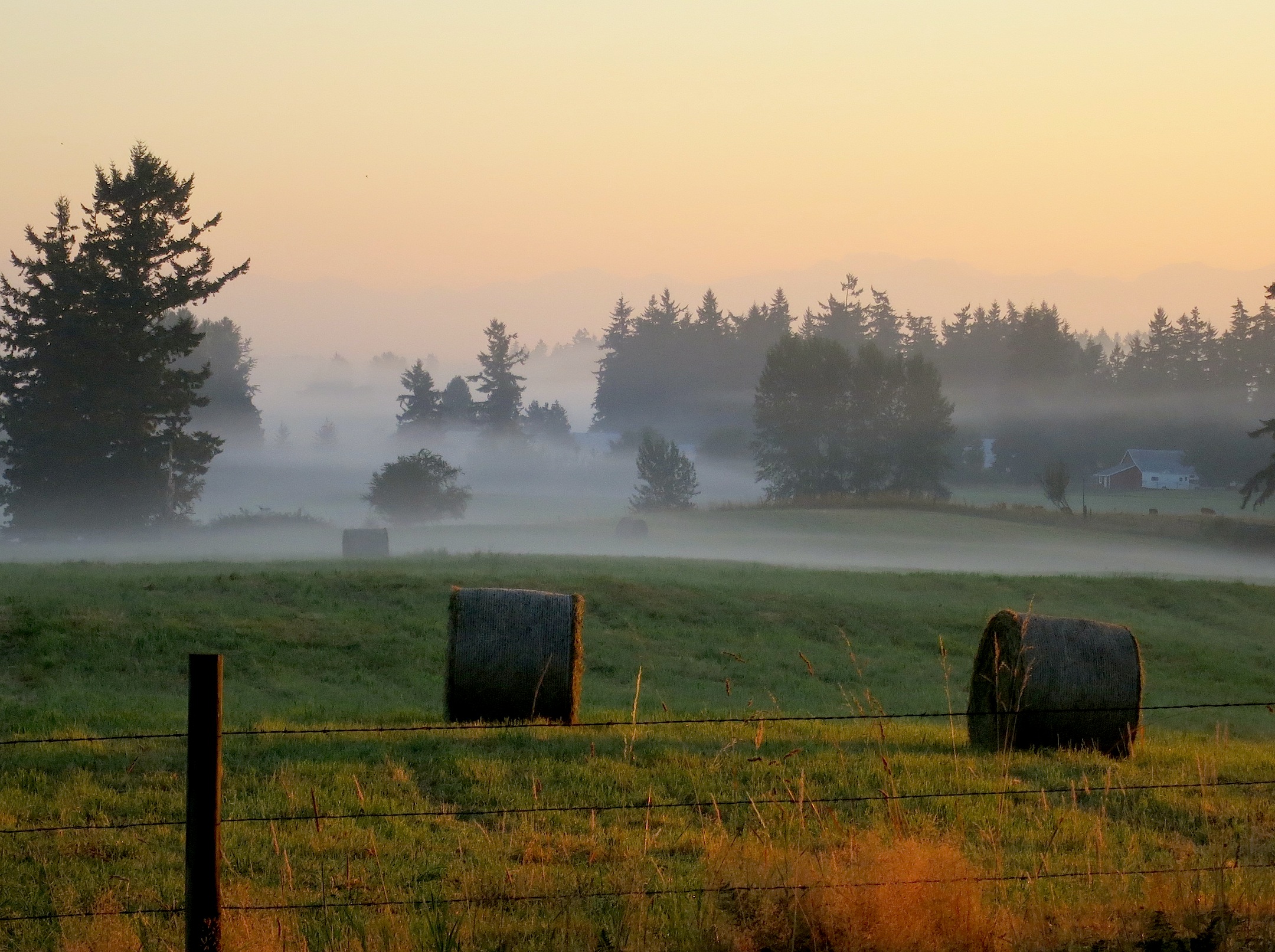
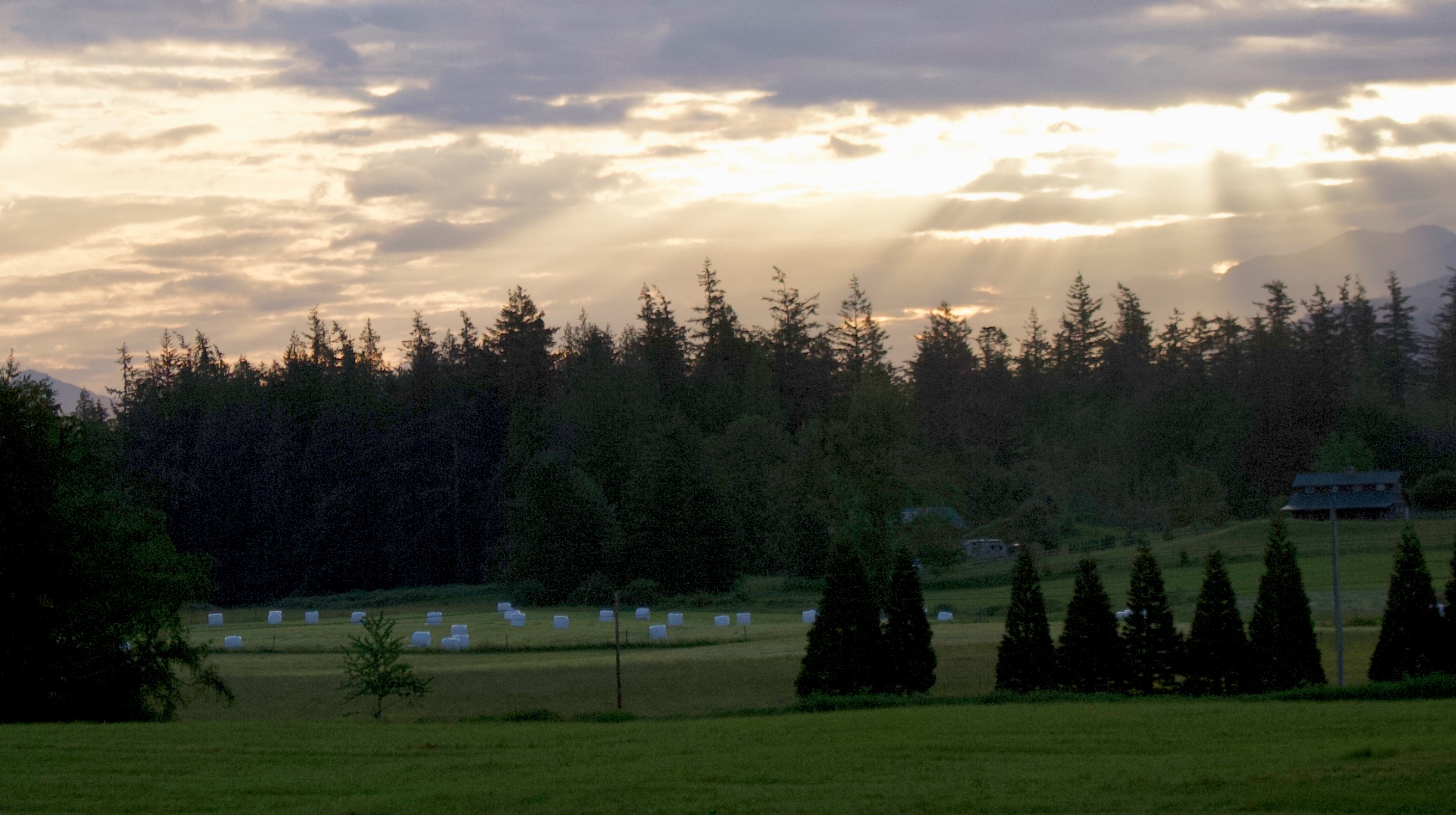
Wheels of baled hay bask in October sun:
Gold circles strewn across the sloping field,
They seem arranged as if each one
Has found its place; together they appeal
To some glimpsed order in my mind
Preceding my chance pausing here —
A randomness that also seems designed.
Gold circles strewn across the sloping field
Evoke a silence deep as my deep fear
Of emptiness; I feel the scene requires
A listener who can respond with words, yet who
Prolongs the silence that I still desire,
Relieved as clacking crows come flashing through,
Whose blackness shows chance radiance of fire.
Yet stillness in the field remains for everyone:
Wheels of baled hay bask in October sun.
~Robert Pack “Baled Hay” from Rounding it Out: A Cycle of Sonnetelles (1999).


mayfieldbales


marshmallows51116


Each day I am called to see and listen,
to open fully to all that is around me.
From the simple stillness of the fields
surrounding our farm,
to the weeping of those who sit with me
day after day
in their deep fear of emptiness,
their struggle with whether to try to live
or give up and die.

Their deep fear of emptiness renders me silent;
I struggle to respond with words
that might offer up a healing balm
assuring them even in the darkest time
hope lies waiting, wrapped and baled,
radiant as fire,
ready to spill out fragrant,
to bear us silently to a new morning,
to a stillness borne of grace.


lookingnortheastoct


centralroadoct