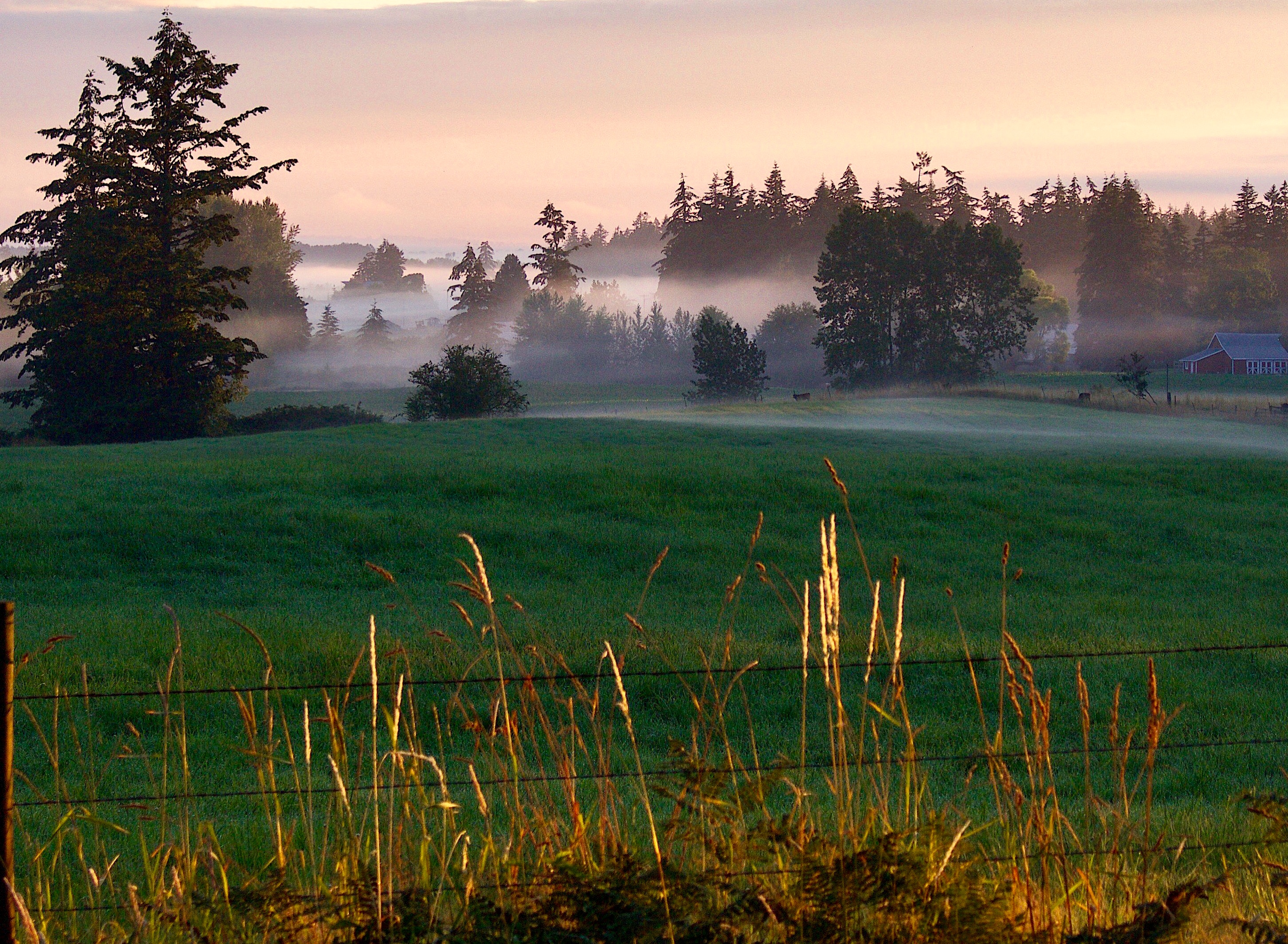
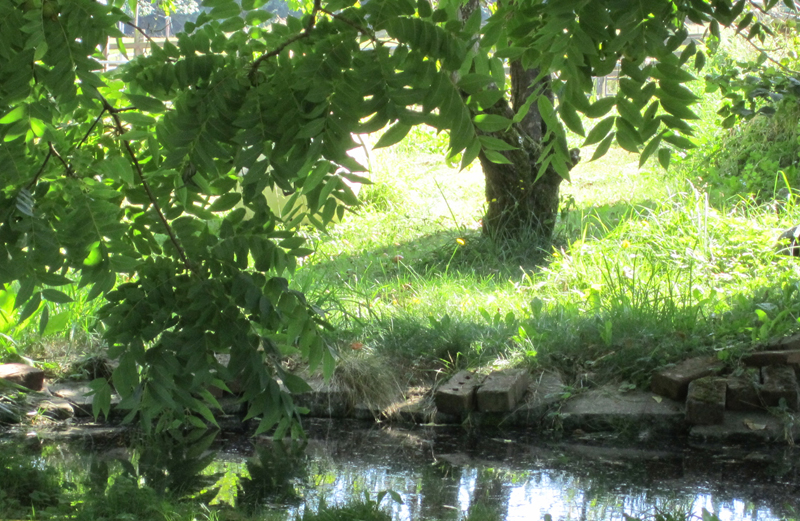
Some of the most powerful memories of summer come out of our childhood when we wake up on a June morning and suddenly remember that school is out and that summer stretches in front of us as endlessly as the infinities of space.
Everything is different. The old routines are gone. The relentless school bus isn’t coming. The bells will be silent in silent hallways.
Time lurches ahead in imprecisely measured chunks.
Sometimes the beginning and ending of seasons are the yardstick, or the celebration of a holiday or a birthday. Memories tend to be stickiest surrounding a milestone event: a graduation, a move, a wedding, a birth, a road trip, a funeral.
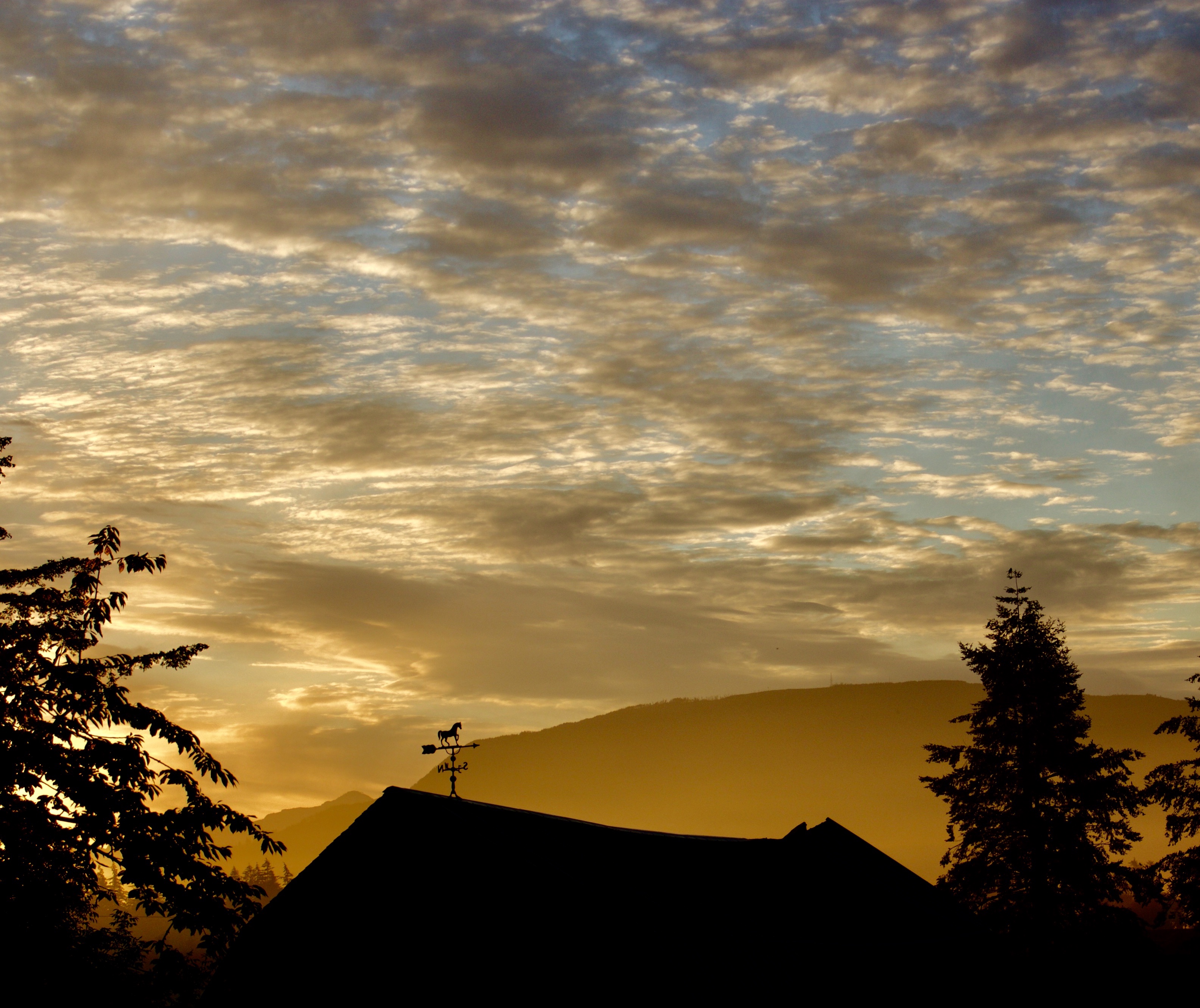
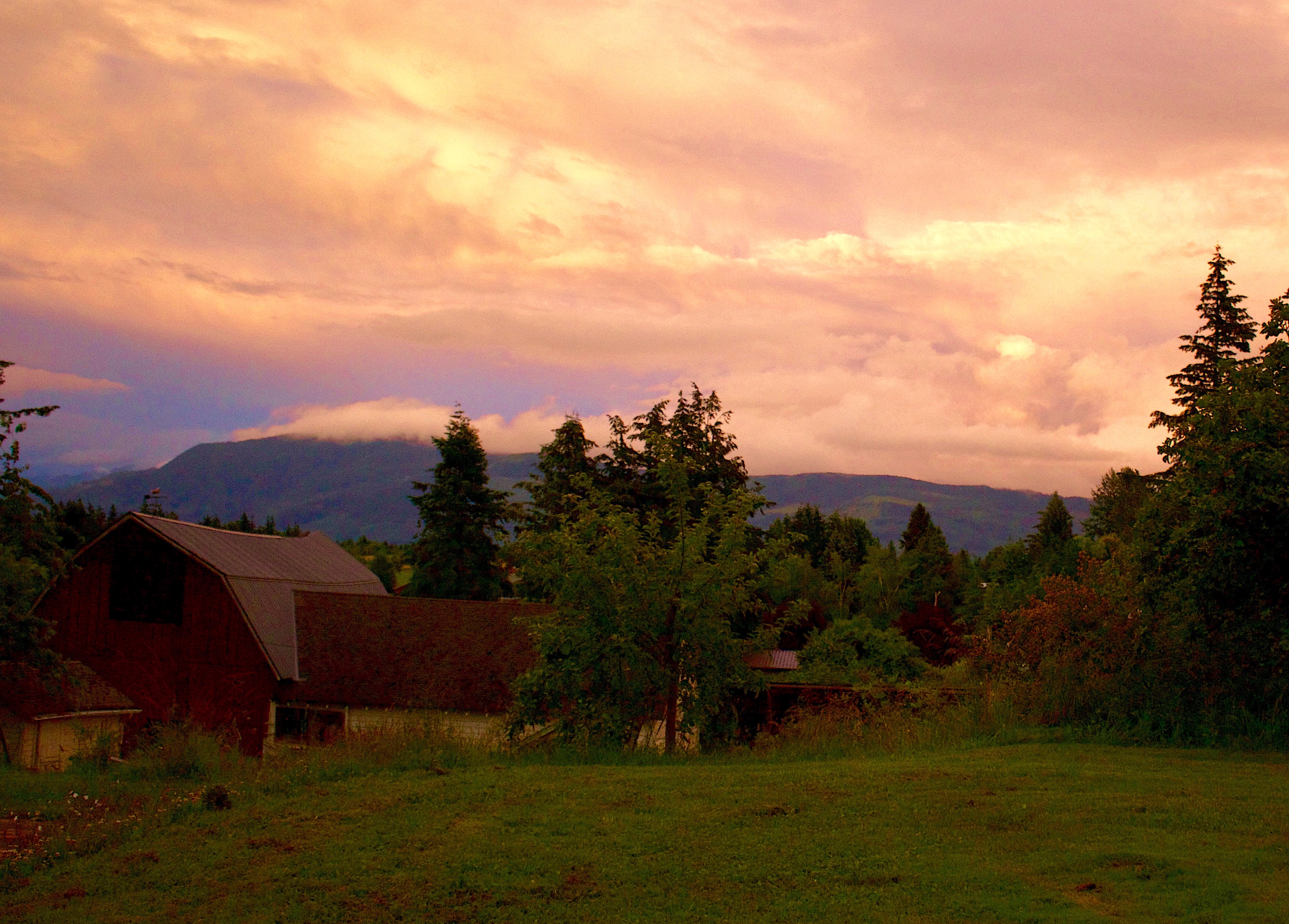
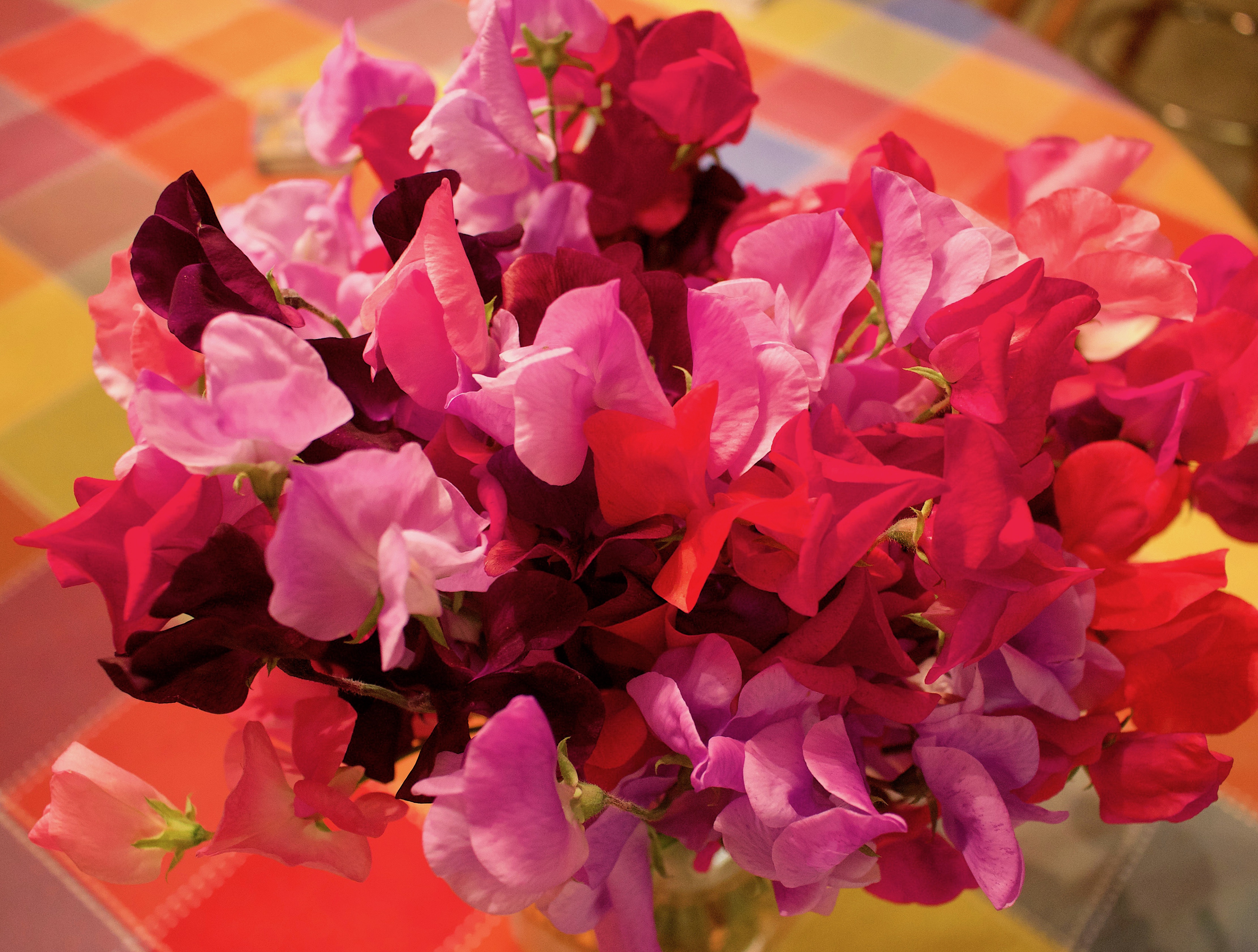
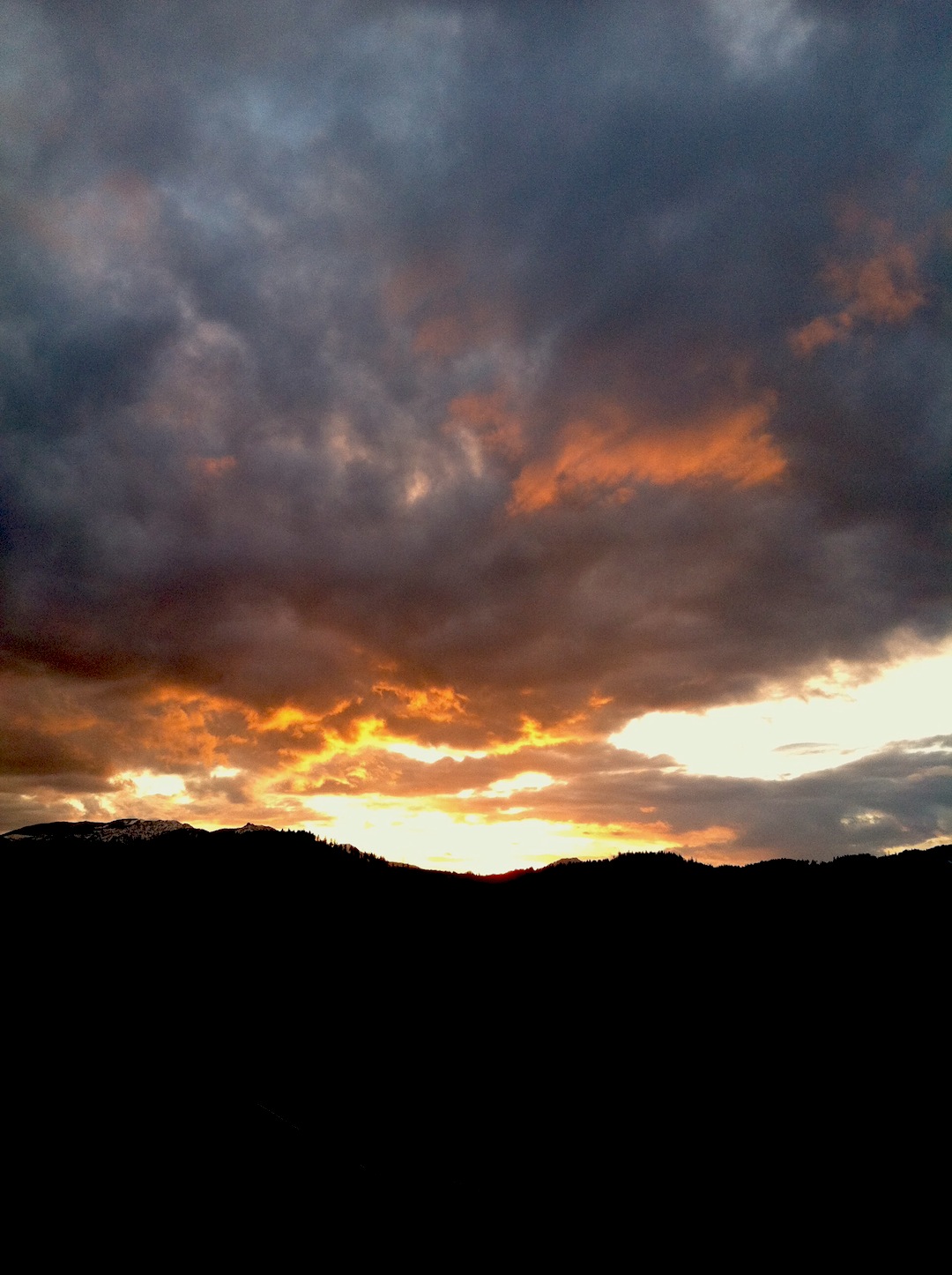
But Summer needs nothing so remarkable to be memorable. It simply stands on its own in all its extravagant abundance of light and warmth and growth and color stretching deep within the rising and setting horizons. Each long day can feel like it must last forever, never ending.
Yet summer does eventually wind down, spin itself out, darkening gradually into the shadow dusk of autumn and the night of winter.
I always let go of summer with reluctance, feeling as if no summer like it will ever come again.
Yet another will, somehow, somewhere, someday. Surely a never-ending summer is what heaven itself will be.
Perfectly delightful and delightfully perfect.
We’ve already had a taste.
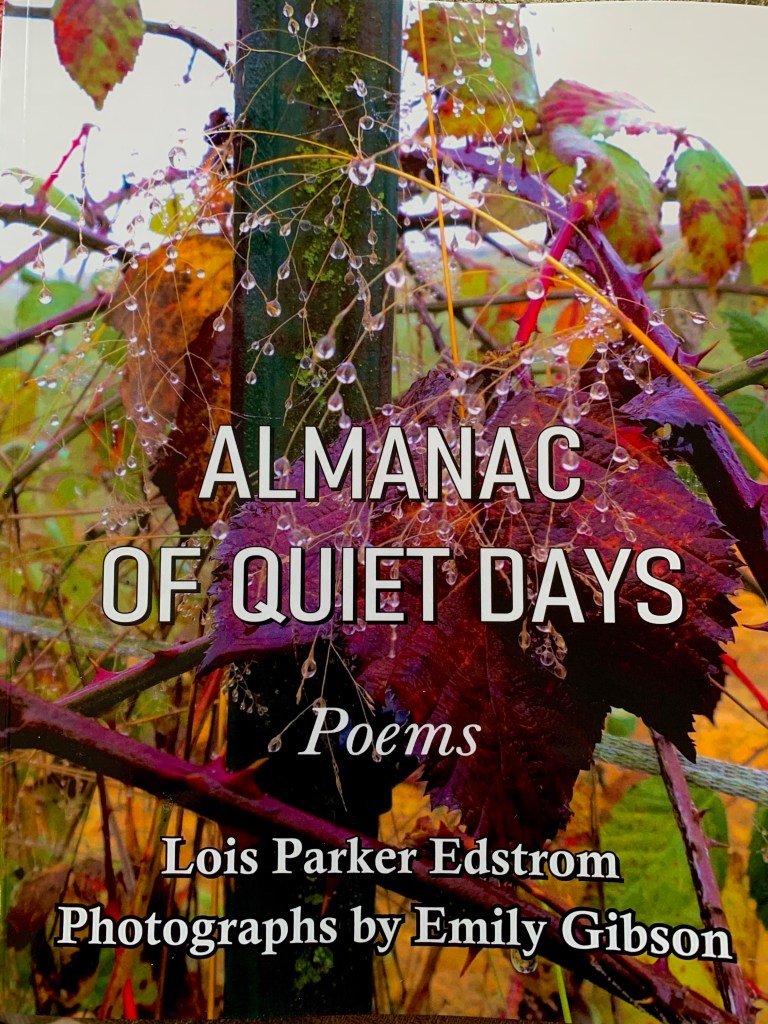
A new book from Barnstorming is available to order here:
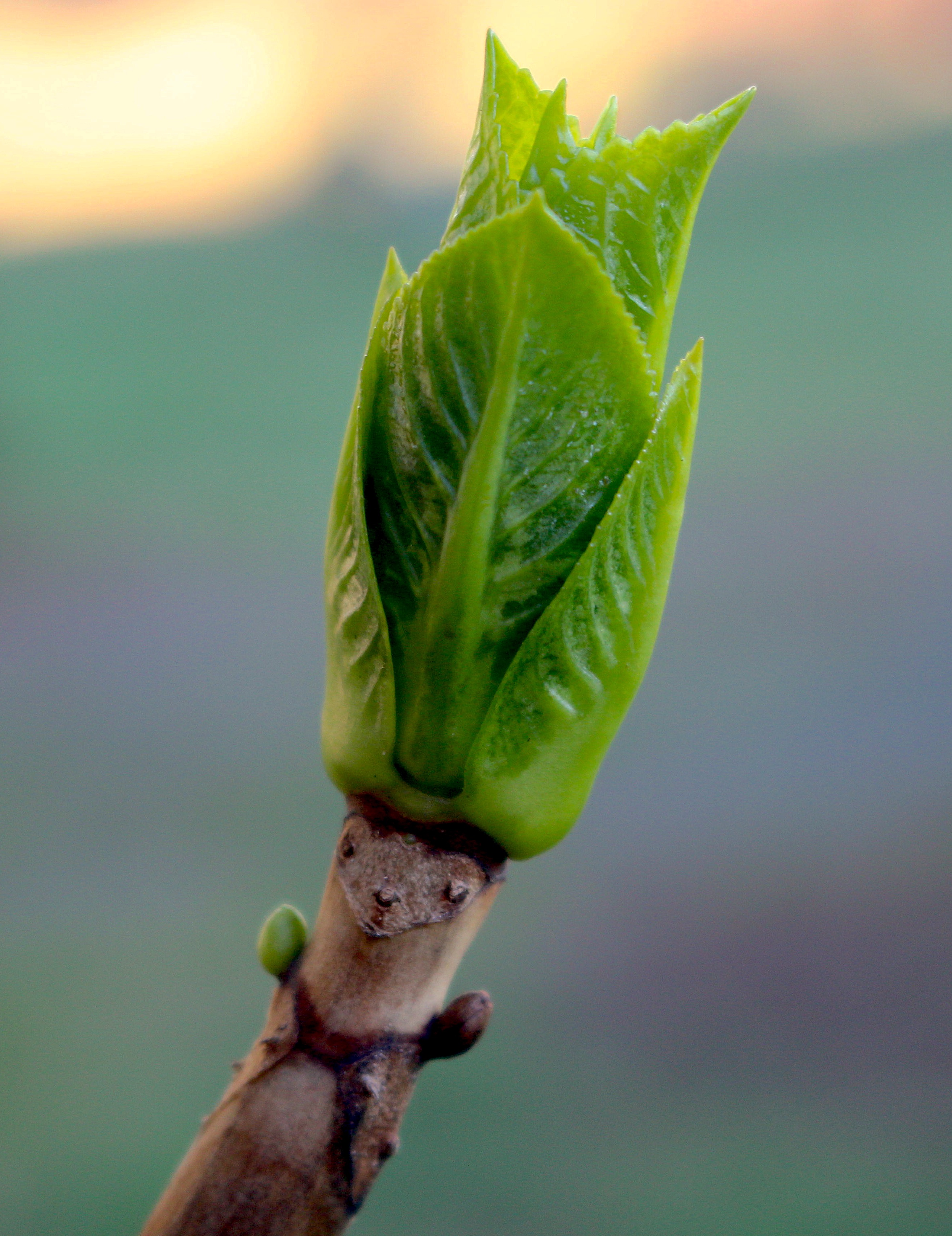
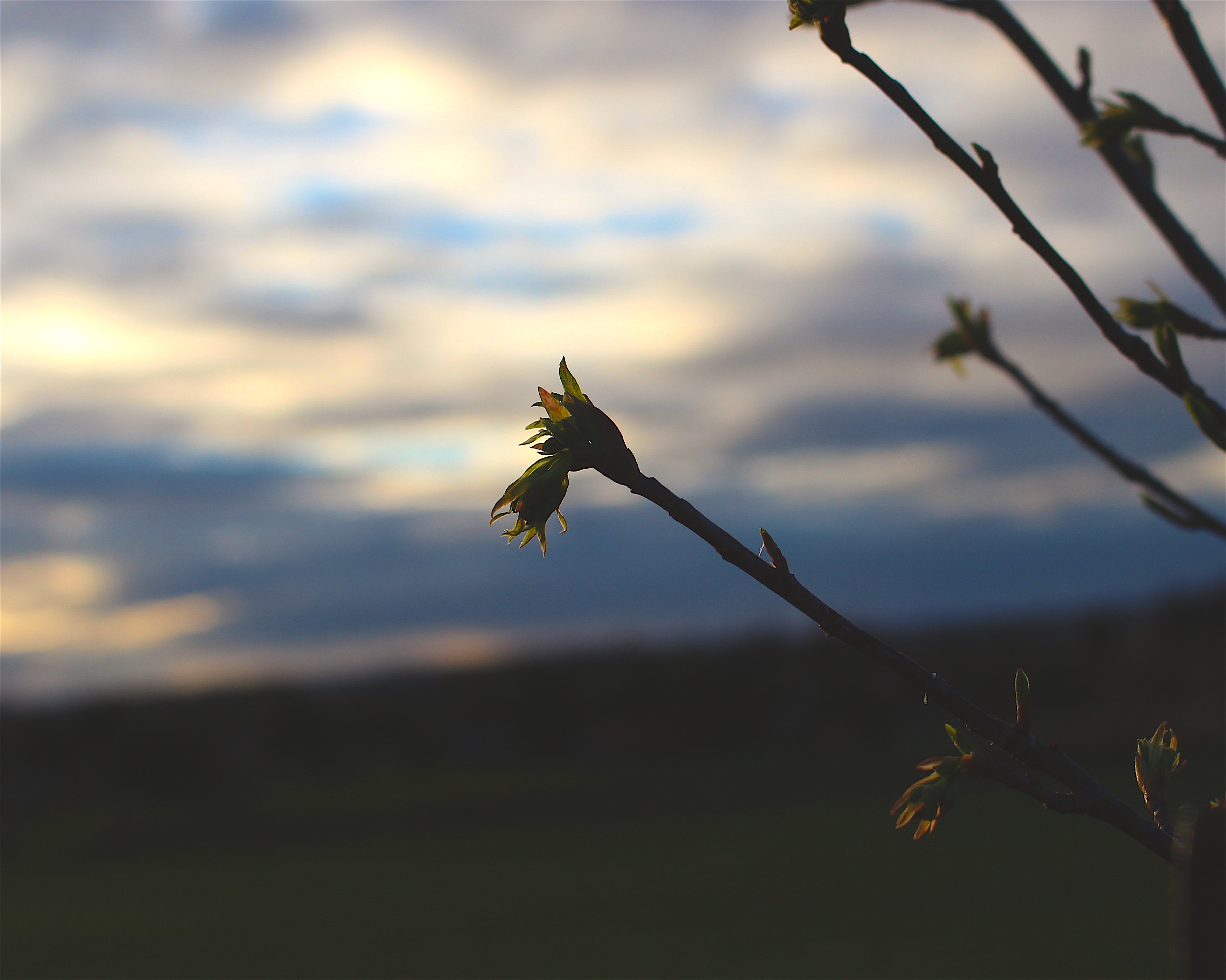
A shoot shall sprout from the stump of Jesse, and from his roots a bud shall blossom. The spirit of the Lord shall rest upon him. — Isaiah 11:1-2a
Our salvation comes from something small, tender, and vulnerable, something hardly noticeable. God, who is the Creator of the Universe, comes to us in smallness, weakness, and hiddenness.
I find this a hopeful message. Somehow, I keep expecting loud and impressive events to convince me and others of God’s saving power; but over and over again I am reminded that spectacles, power plays, and big events are the ways of the world. Our temptation is to be distracted by them and made blind to the “shoot that shall sprout from the stump.”
When I have no eyes for the small signs of God’s presence – the smile of a baby, the carefree play of children, the words of encouragement and gestures of love offered by friends – I will always remain tempted to despair.
The small child of Bethlehem, the unknown young man of Nazareth, the rejected preacher, the naked man on the cross, he asks for my full attention. The work of our salvation takes place in the midst of a world that continues to shout, scream, and overwhelm us with its claims and promises. But the promise is hidden in the shoot that sprouts from the stump, a shoot that hardly anyone notices. — Henri Nouwen from Gracias: A Latin American Journal
He who has come to men dwells where we cannot tell nor sight reveal him, until the hour has struck when the small heart does break with hunger for him;
those who do merit least, those whom no tongue does praise the first to know him, and on the face of the earth the poorest village street blossoming for him. ~Jane Tyson Clement from Watch for the Light
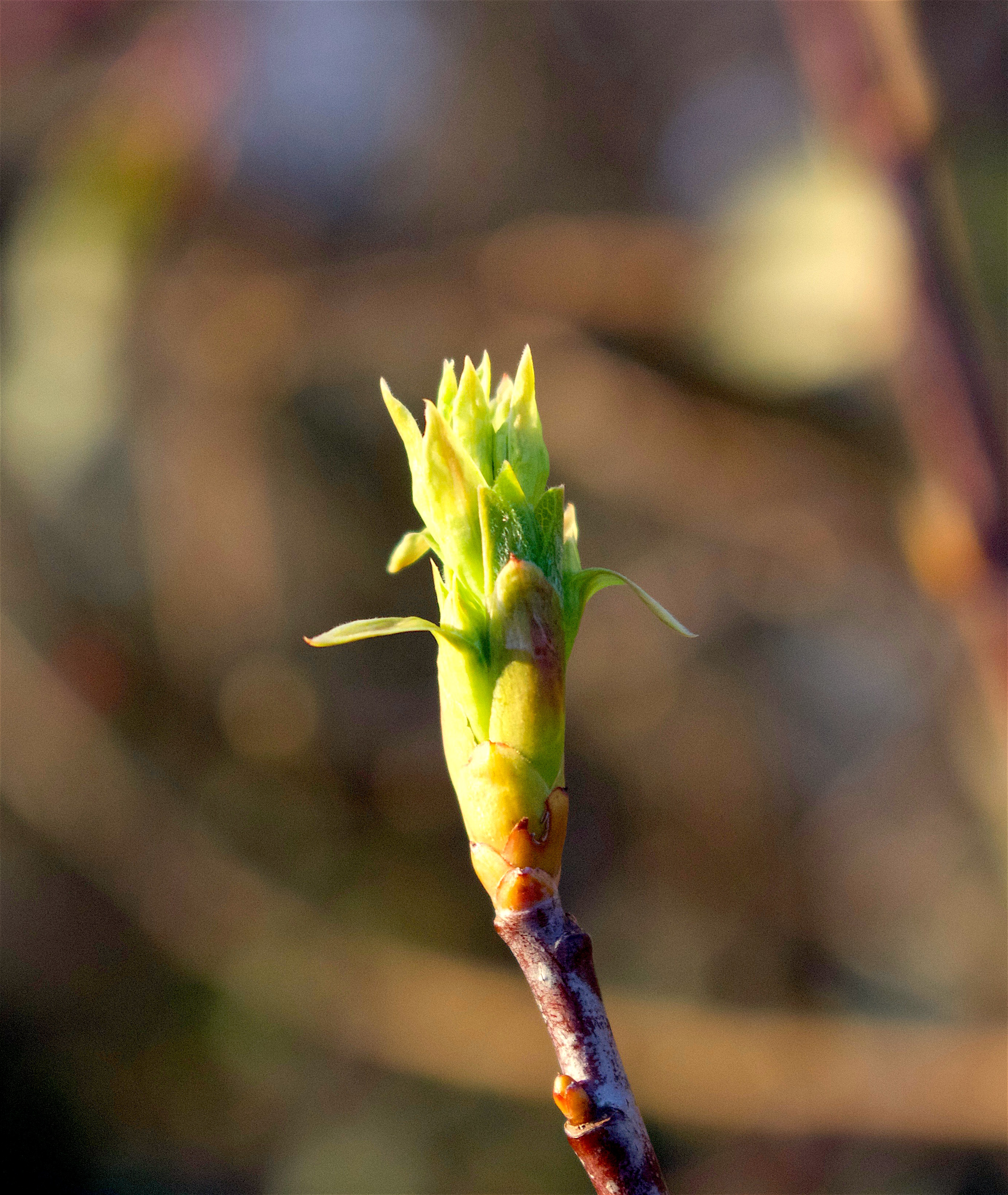
I see buds so subtle they know, though fat, that this is no time to bloom. ~John Updike from “December, Outdoors”
Our local grocery store garden center will soon do a brisk business selling buds. There is no market for the subtlety of potential.
After Christmas, overnight, unsold poinsettias and fresh evergreen wreaths are hauled away with the oddly shaped and drying Christmas trees to make way for containers of unbearably cheerful primroses and early forced narcissus and hyacinth plants. Just a week into winter, spring is right in our faces as we wheel past with the grocery cart, a seductive lure to effectively skip a whole season of restorative quiet. Color and fragrance and lush blooms are handed to us without taking a breather and simply waiting a couple months for them.
Dormant plants and hibernating animals have the right idea this time of year. Rather than slogging daily through the daily burden of mud, skittering precariously across icy pavement or reaching up out of snow drifts, they are staying busy taking a break. Well fed and pregnant with potential, they remain alive and well beneath a facade of sleep. Come out too early and risk frostbite.
It’s no time to bloom right now — being a bud is exactly what is needed, out of season blossoms need not apply.
We can stay busy swelling with potential and dream dreams of the glorious growth to come.
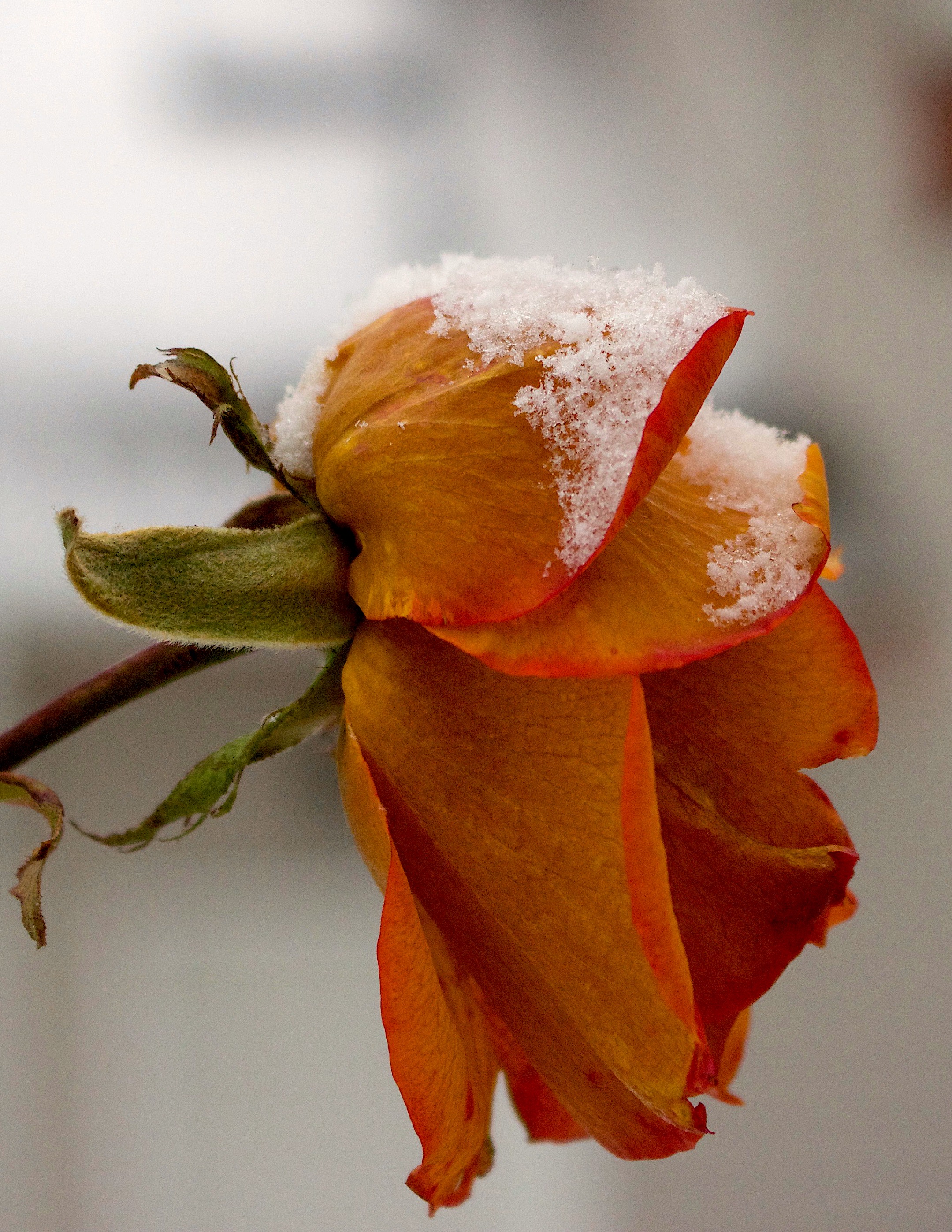
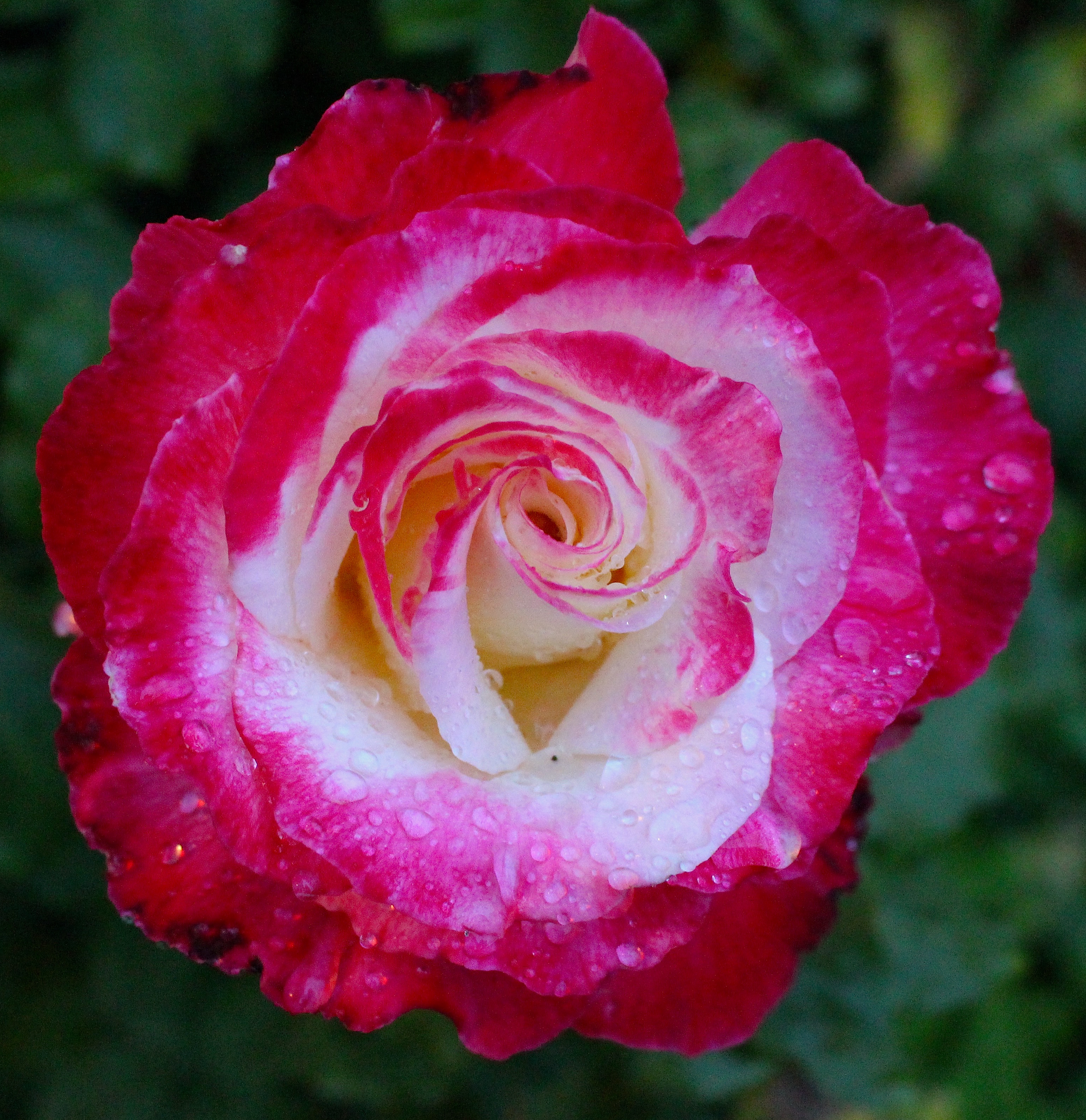
Lo, how a Rose e’er blooming from tender stem hath sprung!
Of Jesse’s lineage coming, as men of old have sung.
It came, a floweret bright, amid the cold of winter,
When half spent was the night.
Isaiah ’twas foretold it, the Rose I have in mind;
With Mary we behold it, the virgin mother kind.
To show God’s love aright, she bore to men a Savior,
When half spent was the night.
The shepherds heard the story proclaimed by angels bright,
How Christ, the Lord of glory was born on earth this night.
To Bethlehem they sped and in the manger found Him,
As angel heralds said.
This Flower, whose fragrance tender with sweetness fills the air,
Dispels with glorious splendor the darkness everywhere;
True Man, yet very God, from sin and death He saves us,
And lightens every load.
O Savior, Child of Mary, who felt our human woe,
O Savior, King of glory, who dost our weakness know;
Bring us at length we pray, to the bright courts of Heaven,
And to the endless day!
I see buds so subtle they know, though fat, that this is no time to bloom. ~John Updike from “December, Outdoors”
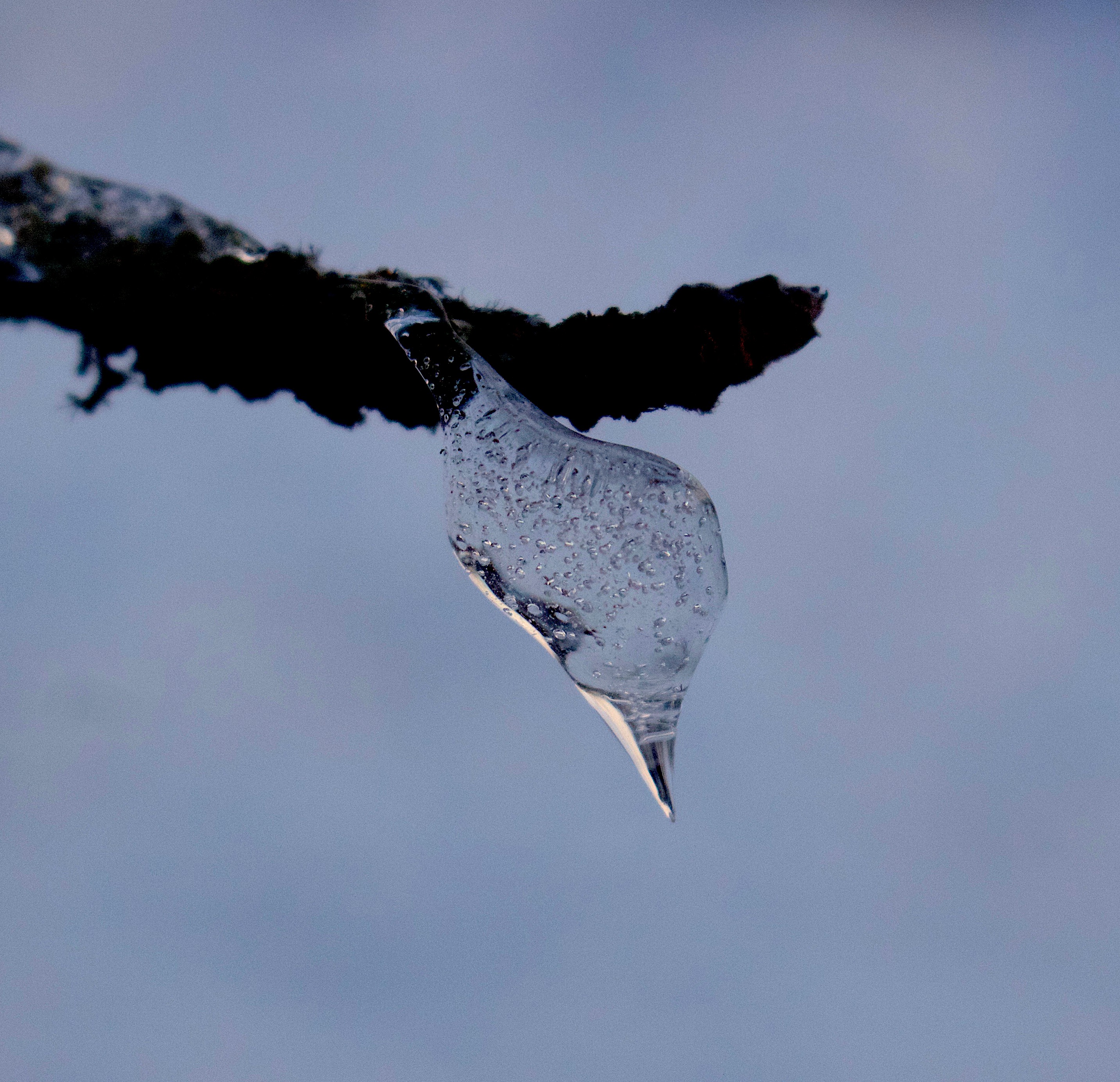
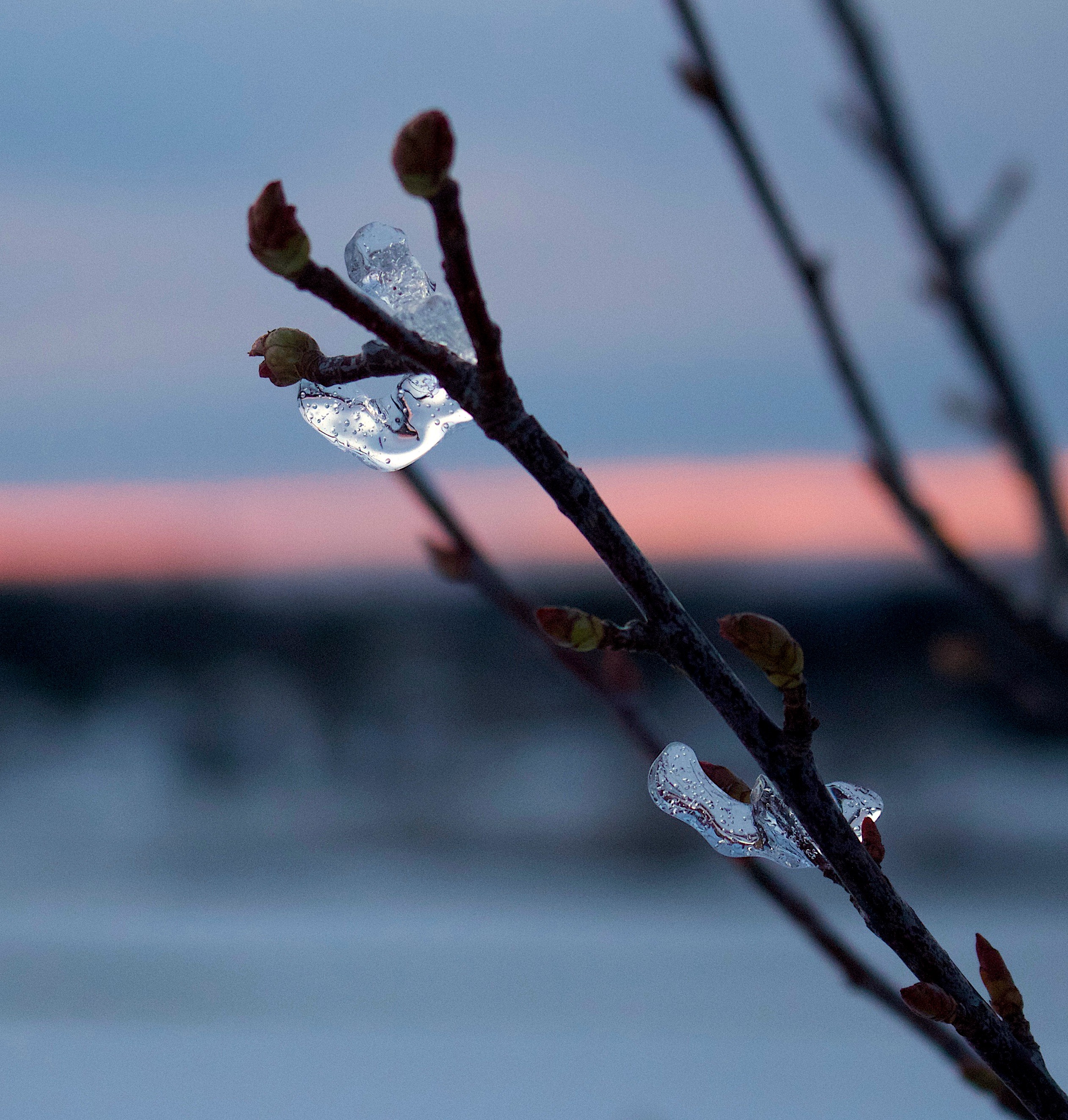
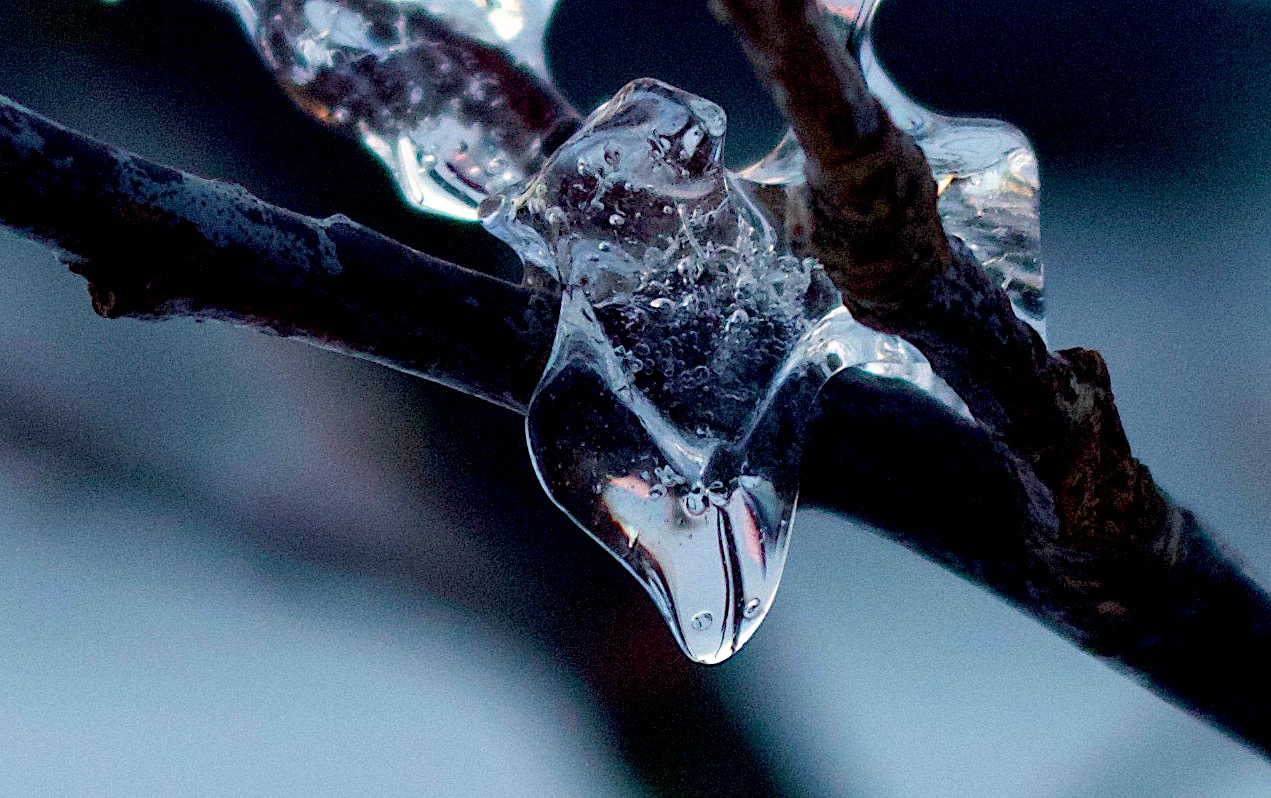
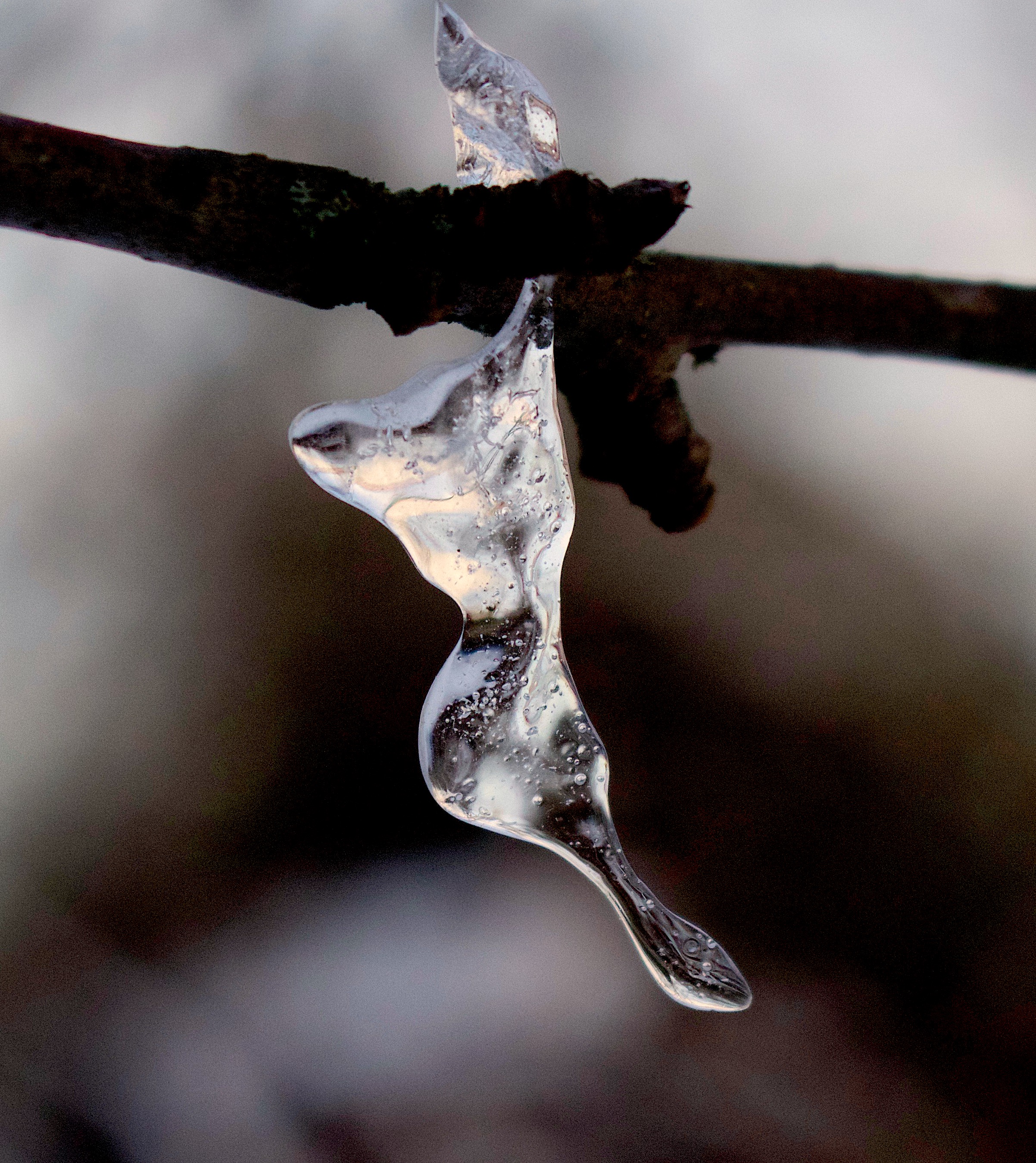
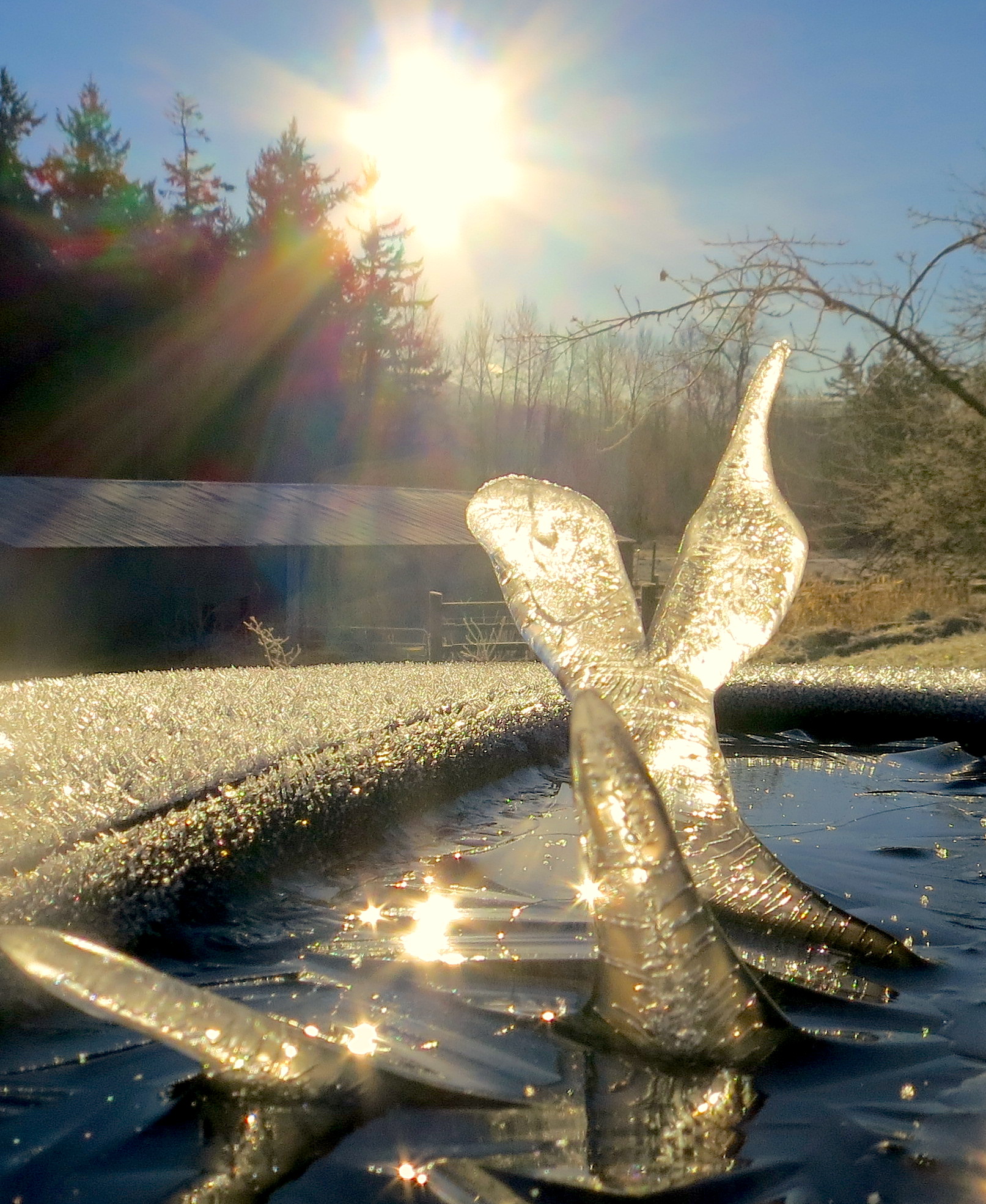
Yesterday, our farm trees and bushes filled with buds of ice reflecting a bright and crisp Christmas sunlight. It was a crystalline wonderland celebrating the subtle beauty of winter.
Yet even today at the local grocery store garden centers, there will no longer be buyers for “winter” products — overnight, Christmas completely disappears except for the “remainder” and “two-for-one” tables. Unsold poinsettias and fresh evergreen wreaths are hauled away along with the oddly shaped and drying Christmas trees to make way for containers of unbearably cheerful primroses and early forced narcissus and hyacinth plants. Barely a week into winter, Valentine’s Day and spring will be right in our faces as we wheel past with the grocery cart, a seductive lure to effectively skip a whole season of restorative watch-and-wait. Color and fragrance and lush blooms are handed to us without even taking a breather.
Dormant plants and hibernating animals have the right idea this time of year: “already, but not yet.” Rather than slogging daily through the burden of mud, skittering precariously across icy fields or reaching up out of snow drifts, they quietly rest up. Well fed and pregnant with potential, they are alive and well beneath a facade of sleep. Come out too early and risk starvation and frostbite.
So it’s not yet time to bloom — being a subtle bud is exactly what is needed. Out-of-season blossoms need not apply.
We swell with potential to dream dreams of a glorious growth to come.
Now if we died with Christ, we believe that we will also live with him.For we know that since Christ was raised from the dead, he cannot die again; death no longer has mastery over him. The death he died, he died to sin once for all; but the life he lives, he lives to God.In the same way, count yourselves dead to sin but alive to God in Christ Jesus. Romans 6: 8-10
So what do I believe actually happened that morning on the third day after he died? …I speak very plainly here…
He got up. He said, “Don’t be afraid.”
Love is the victor. Death is not the end. The end is life. His life and our lives through him, in him. Existence has greater depths of beauty, mystery, and benediction than the wildest visionary has ever dared to dream. Christ our Lord has risen. ~Frederick Buechner
Make no mistake: if He rose at all it was as His body; if the cells’ dissolution did not reverse, the molecules reknit, the amino acids rekindle, the Church will fall…
It was not as the flowers, each soft Spring recurrent; it was not as His Spirit in the mouths and fuddled eyes of the eleven apostles; it was as His Flesh: ours. ~John Updike from “Seven Stanzas at Easter”
Since this moment (the resurrection), the universe is no longer what it was; nature has received another meaning; history is transformed and you and I are no more, and should not be anymore, what we were before. ~Paul Tillich
Our flesh is so weak, so temporary,
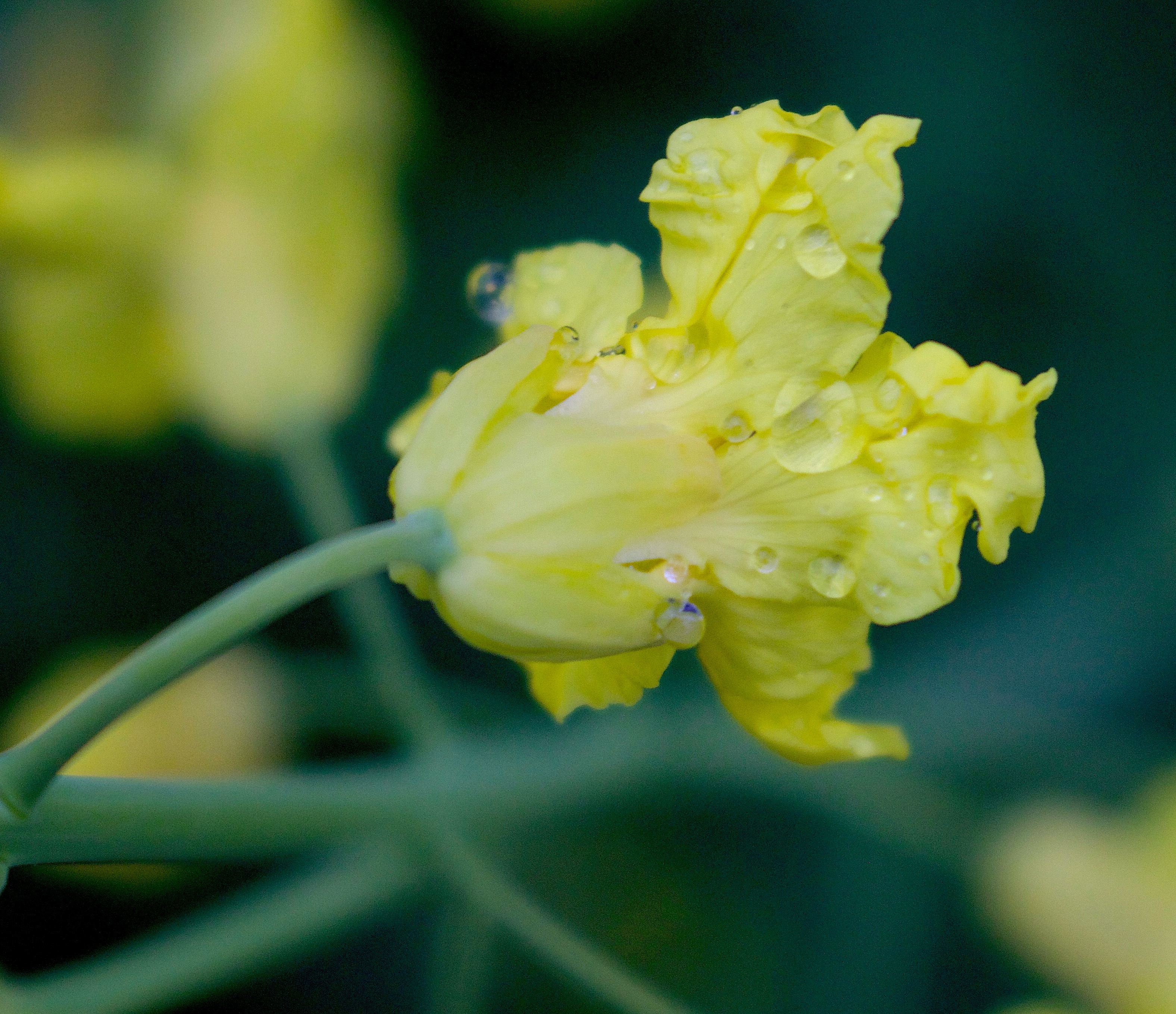
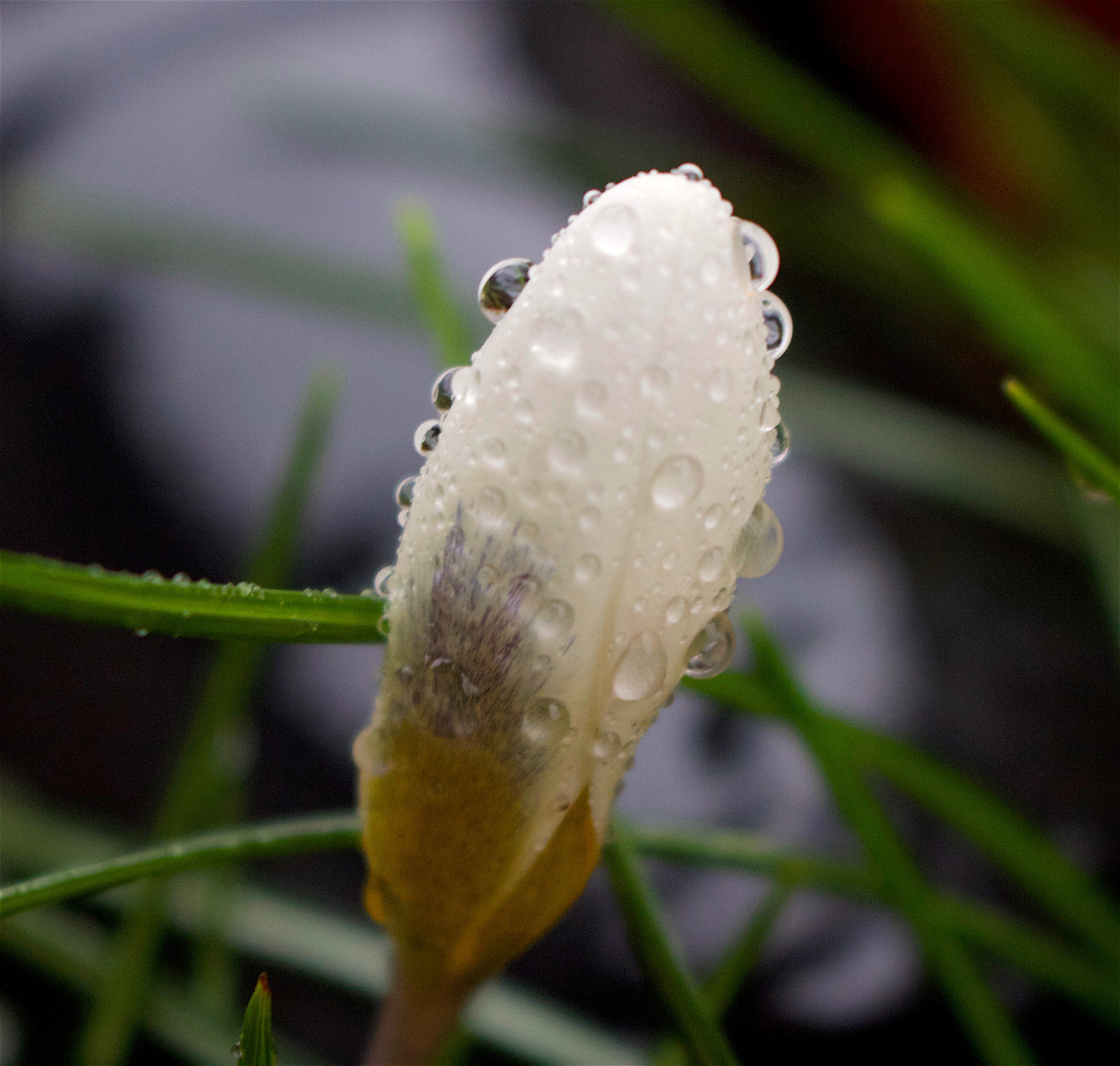
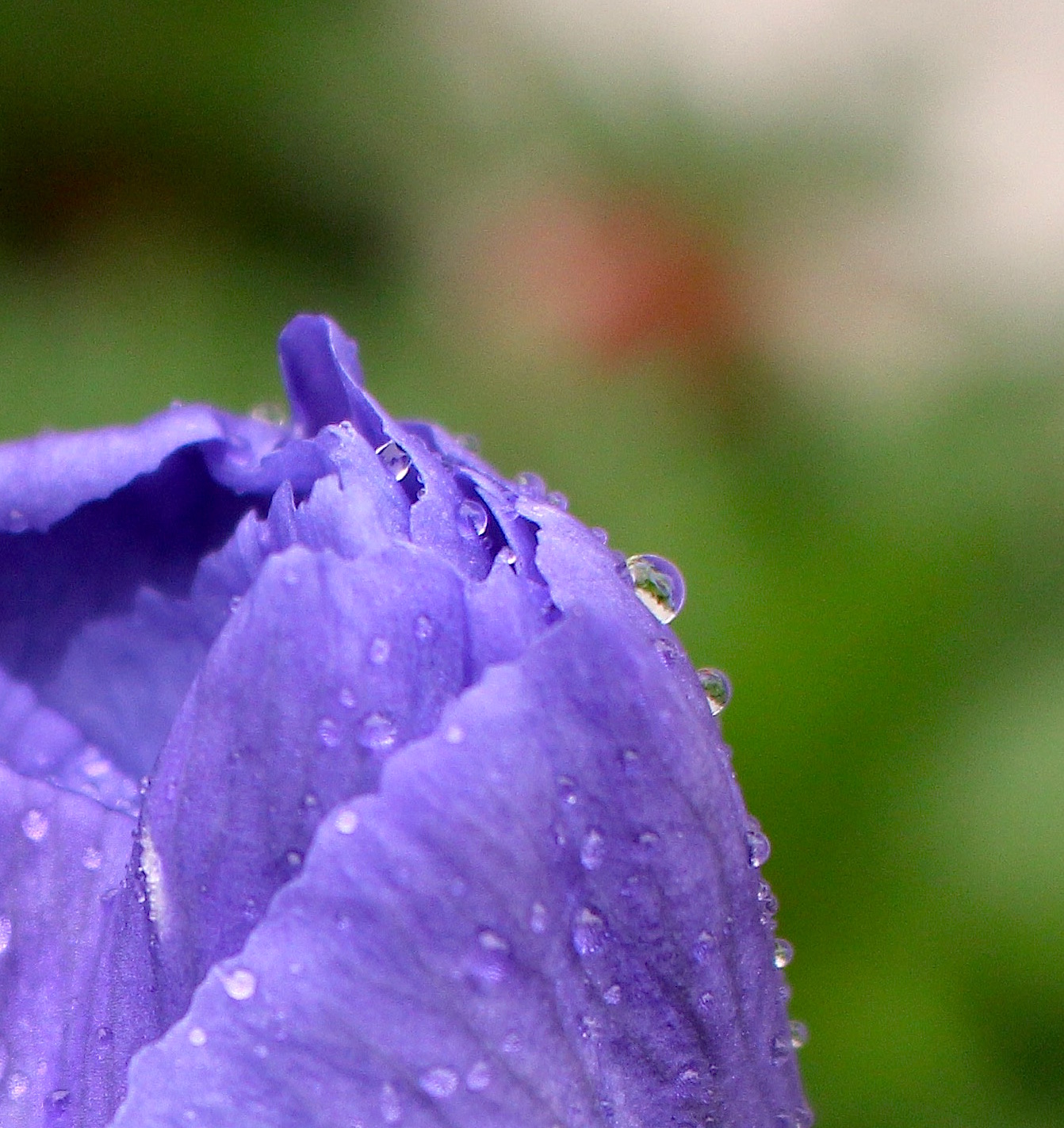
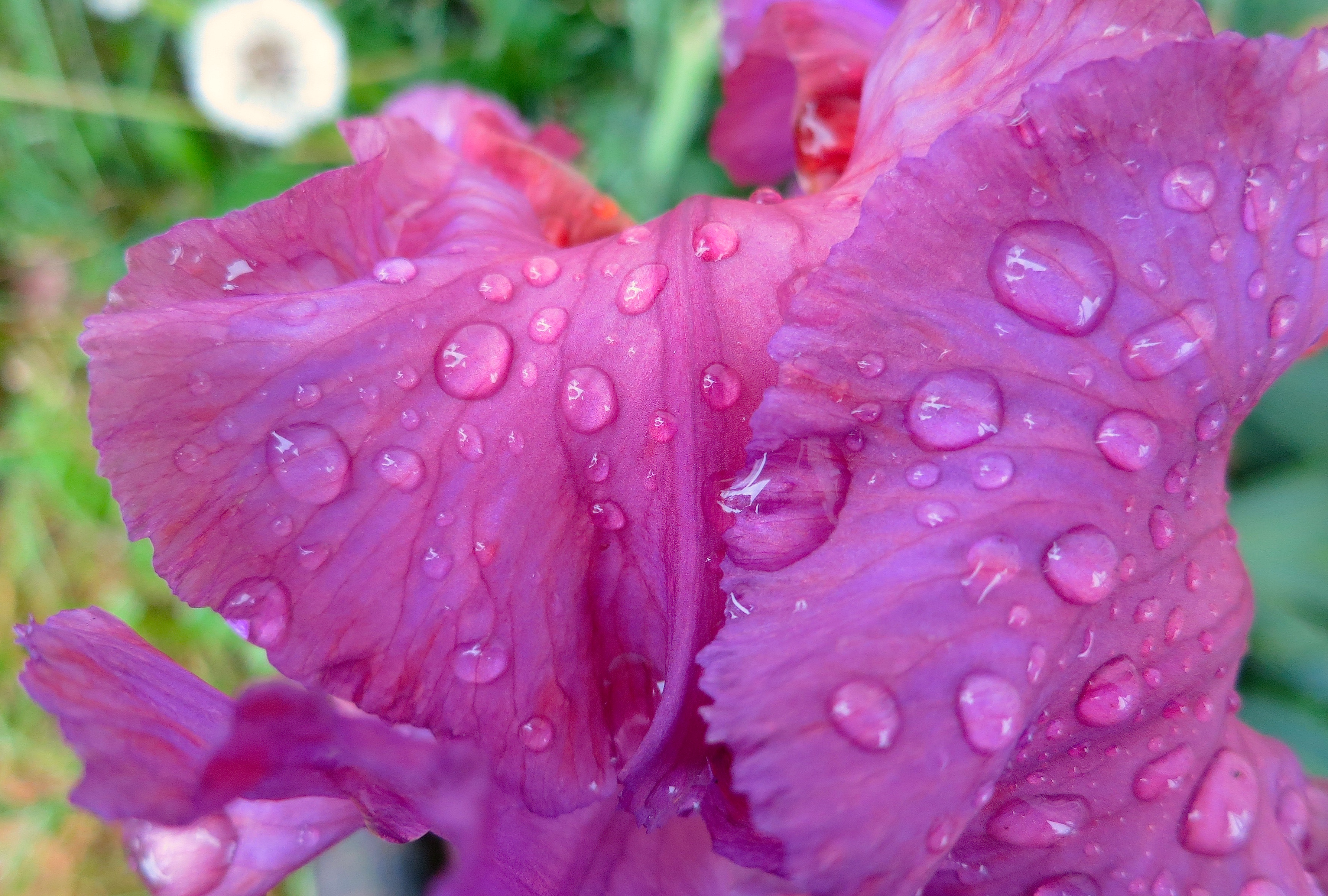
as ephemeral as a dew drop on a petal
yet with our earthly vision
it is all we know of ourselves
and it is what we trust knowing
of Him.
He was born as our flesh, from our flesh.
He walked and hungered and thirsted and slept
as our flesh.
He died, His flesh hanging in tatters,
blood spilling freely
breath fading
to nought
speaking Words
our ears can never forget.
And He got up,
to walk and hunger and thirst alongside us
and here on this hill we meet together,
–flesh of His flesh–
here among us He is risen
–flesh of our flesh–
married forever
as the Church:
a fragile, flawed
and everlasting body.
During this Lenten season, I have drawn inspiration from the new devotional collection edited by Sarah Arthur —Between Midnight and Dawn
Cold is an absence, an absence of heat, and yet it feels like a presence–a vigorous, hostilely active presence in the air that presses upon your naked face and that makes your fingers and toes ache within their mittens and boots. Cold is always working, it seems– busy freezing water in the ponds and rivers, knitting intricate six-sided snowflakes by the billions, finding cracks around the walls and windows of your house, forcing furnaces in the cellar to roar away.
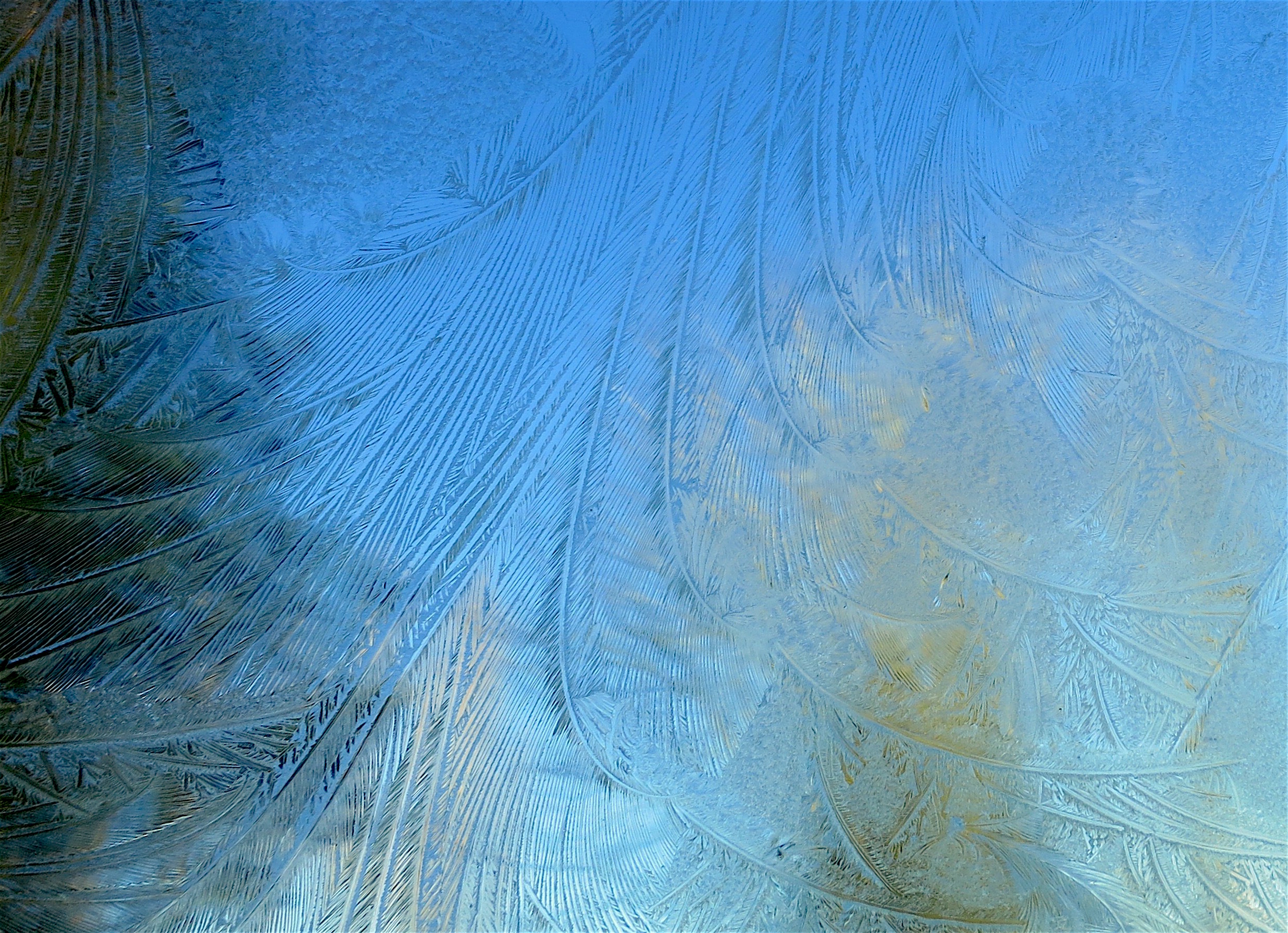
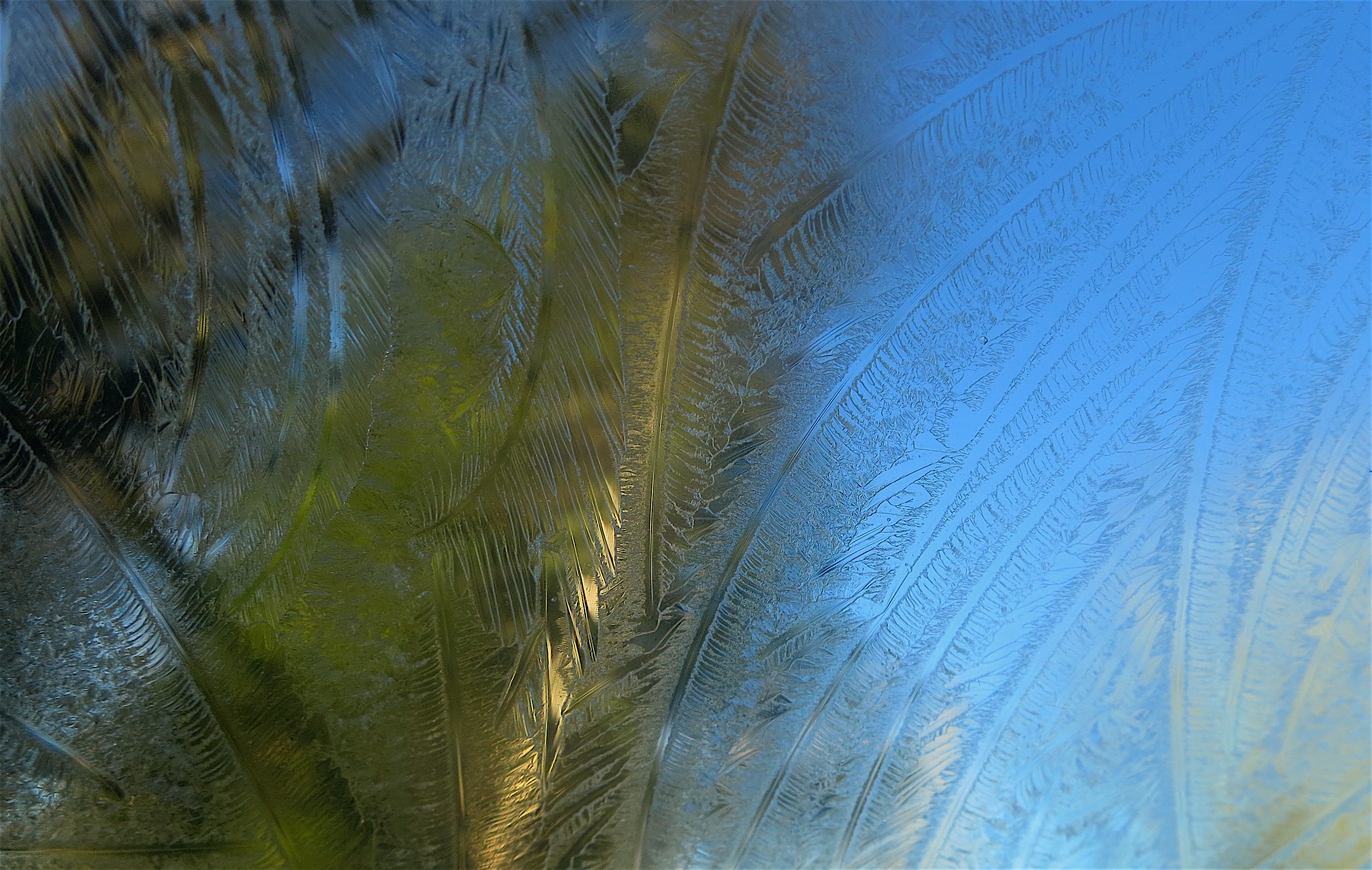
I like winter because it locks me indoors with my books, my word processor, and my clear and brittle thoughts. There is a visual poetry that goes with the cold. Ferns and stars of frost mysteriously appear on the windows and take their place in a child’s mythology.
The cold has the philosophical value of reminding men that the universe does not love us…cold is our ancient companion. To return back indoors after exposure to the bitter, inimical, implacable cold is to experience gratitude for the shelters of civilization, for the islands of warmth that life creates. ~John Updike from “The Cold”
Today, a goodly portion of the eastern seaboard of the United States is bracing for a mammoth blizzard immobilizing travelers and rendering folks home-bound. Meanwhile, here in the Pacific Northwest, our temperature reached an unseasonably balmy 60 degrees yesterday.
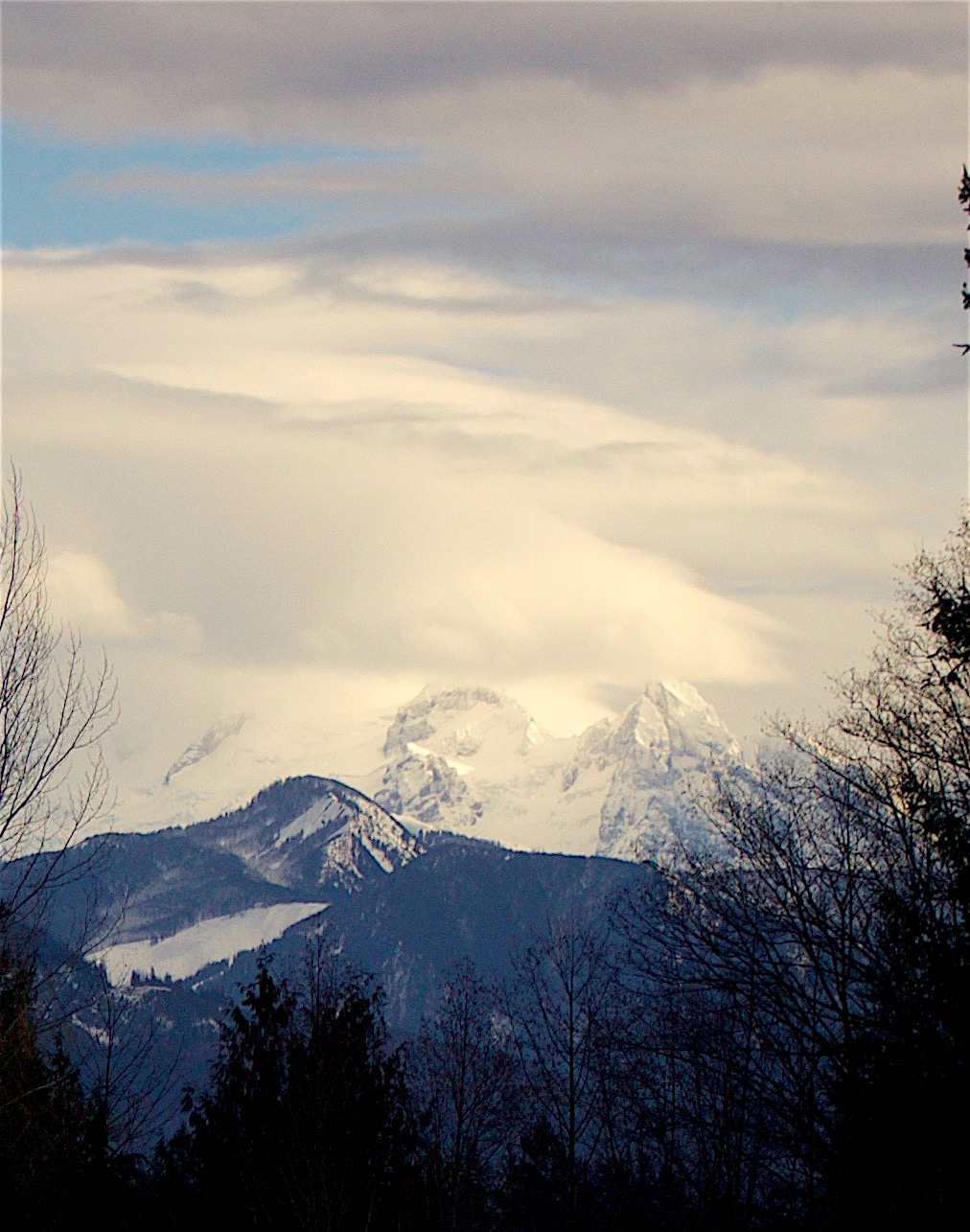
Even in our relative warmth here, we’ve already endured our string of sub-freezing temperature nights and days with crystal clear skies once the frozen fog abates. Several feet of snow are back on our summer drought-bared hills and mountains. During our cold snaps, everything shimmers with diamonds of frosty glitter all day long. It is the kind of cold this Pacific Northwest native can actually enjoy. It is not the cold of the midwest plains, or the Alaskan frontier. This is civilized, “kill the bugs and the allergens” cold that helps balance out the ecosystem as well as our internal thermostats. It is just not natural or seemly to live at 70 degrees year round, toasted by the stove in the winter, soothed by conditioned air in the summer.
We are not always so lucky here. The cold that sometimes descends in northeast winds from the Arctic can blast through the strongest Carhartt clothing, sneak through drafty doors and windows, and freeze pipes not left dripping. It leaves no one untouched and unbitten with universal freezer burn.
Bitter cold or a heavy snow storm ensures even independent fair-weather individualists must become companionable when the going gets rugged, mandating shelter with others for survival. It can even mean forced companionship with those we ordinarily avoid, with whom we have little in common, with whom we disagree and even quarrel, with whom sharing a hug or snuggling for warmth would be unimaginable.
Our whole nation is in just such a bitter, inimical, implacable political cold snap today, terribly divided as we suffer through one of the most hostile and regrettable presidential election cycles in memory.
If we don’t come in out of the societal deep freeze that is afflicting us all, we each will perish alone. It is time to be thankful we have each other, such as we are. At least we can generate heat, even if we can’t manage to lighten up.
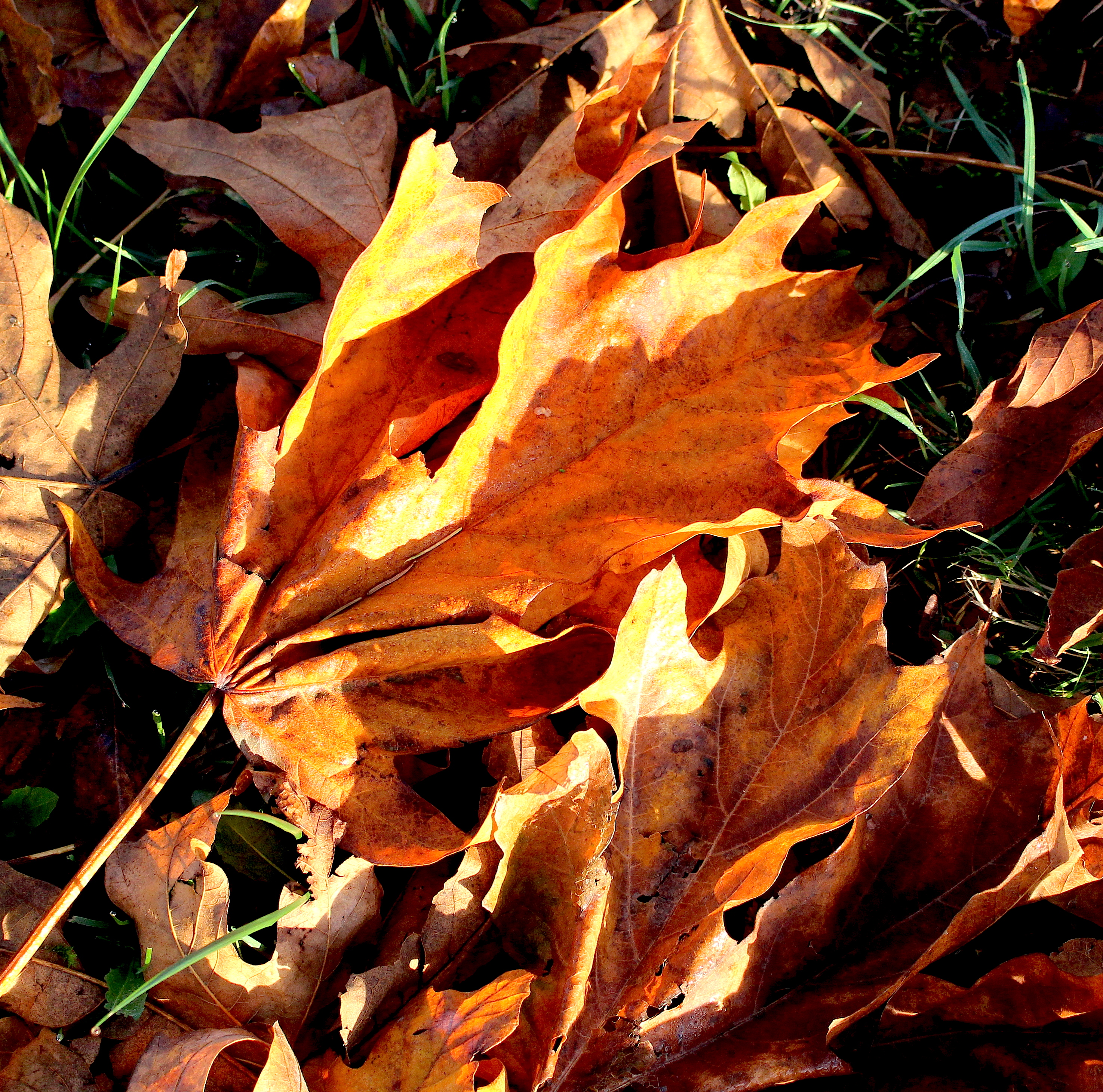
It’s spring! The blushing, girlish World unfolds Each flower, leaf And blade of sod— Small letters sent To her from God. ~John Updike from “A Child’s Calendar”
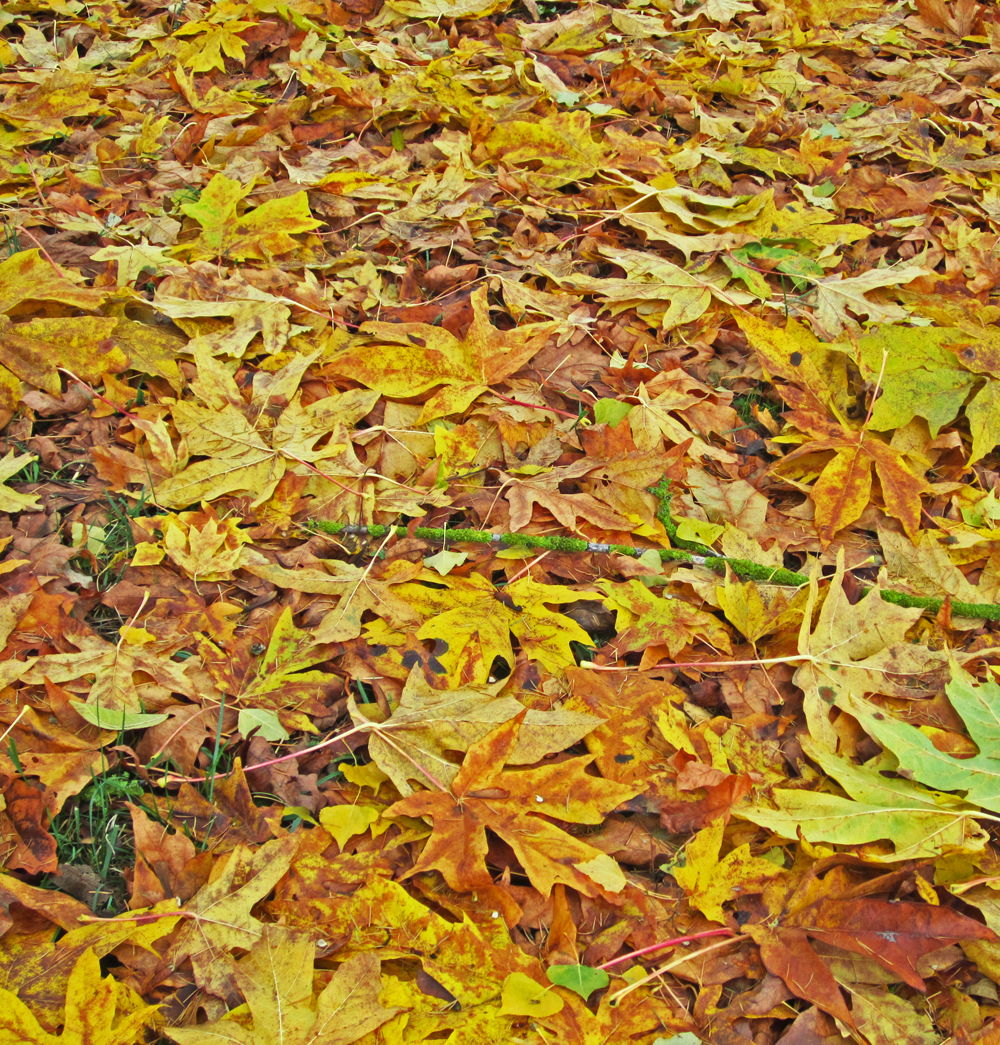
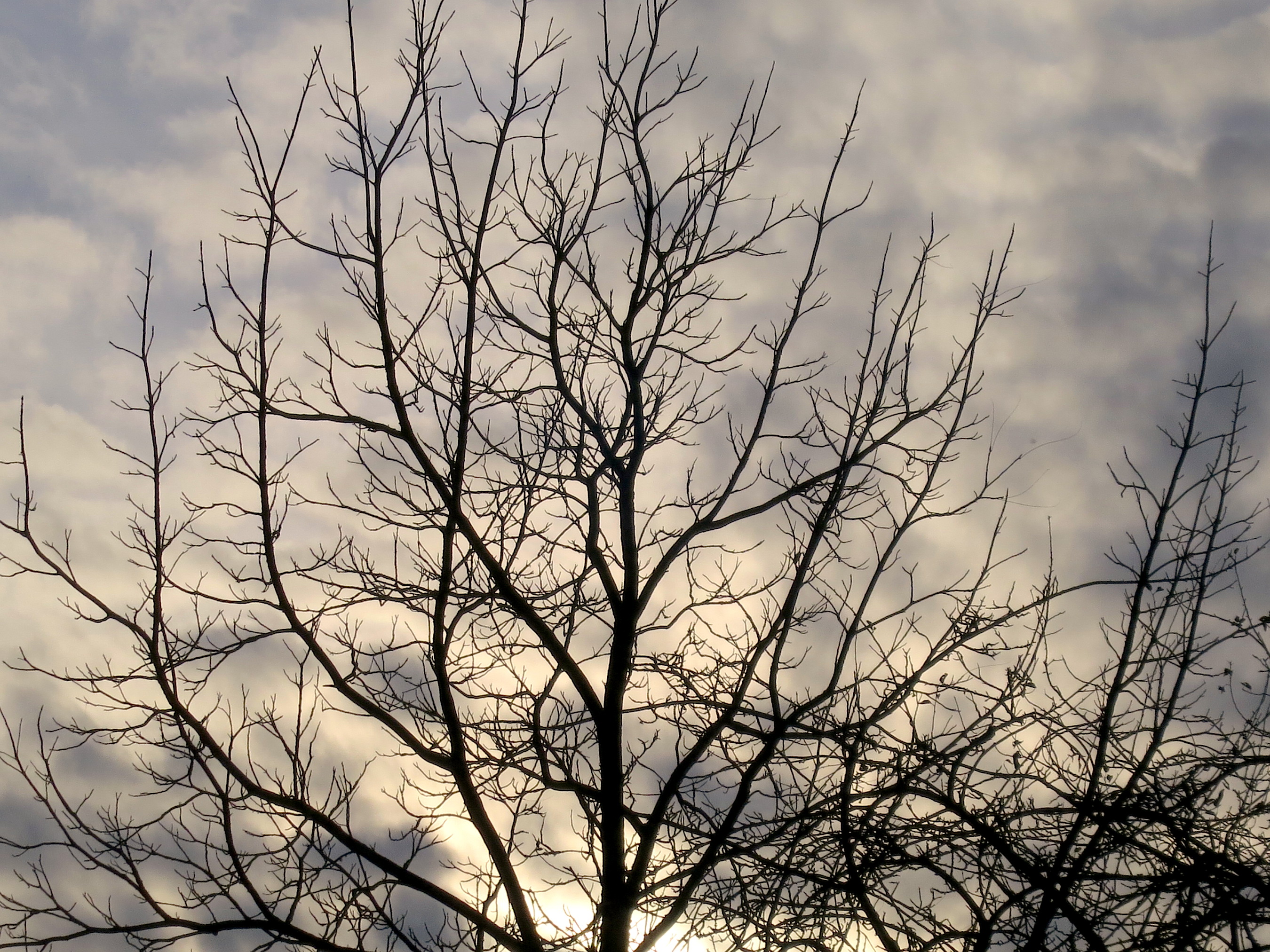
The stripped and shapely
Maple grieves
The ghosts of her
Departed leaves.
The ground is hard,
As hard as stone.
The year is old,
The birds are flown.
And yet the world,
In its distress,
Displays a certain
Loveliness.
~John Updike from “A Child’s Calendar”
Yea, I have looked, and seen November there; The changeless seal of change it seemed to be, Fair death of things that, living once, were fair; Bright sign of loneliness too great for me, Strange image of the dread eternity, In whose void patience how can these have part, These outstretched feverish hands, this restless heart? ~William Morris, “November”
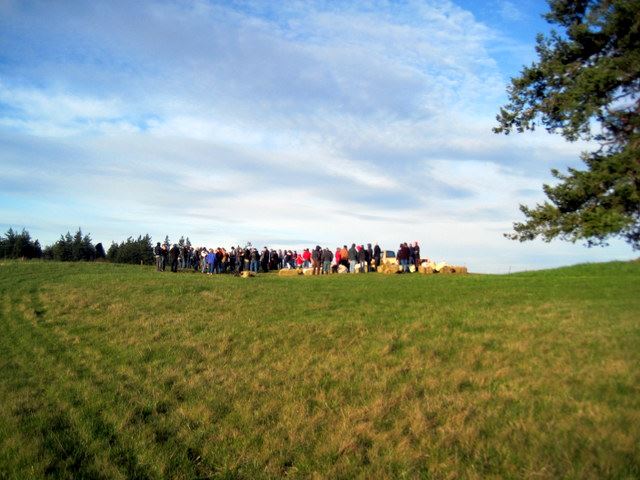
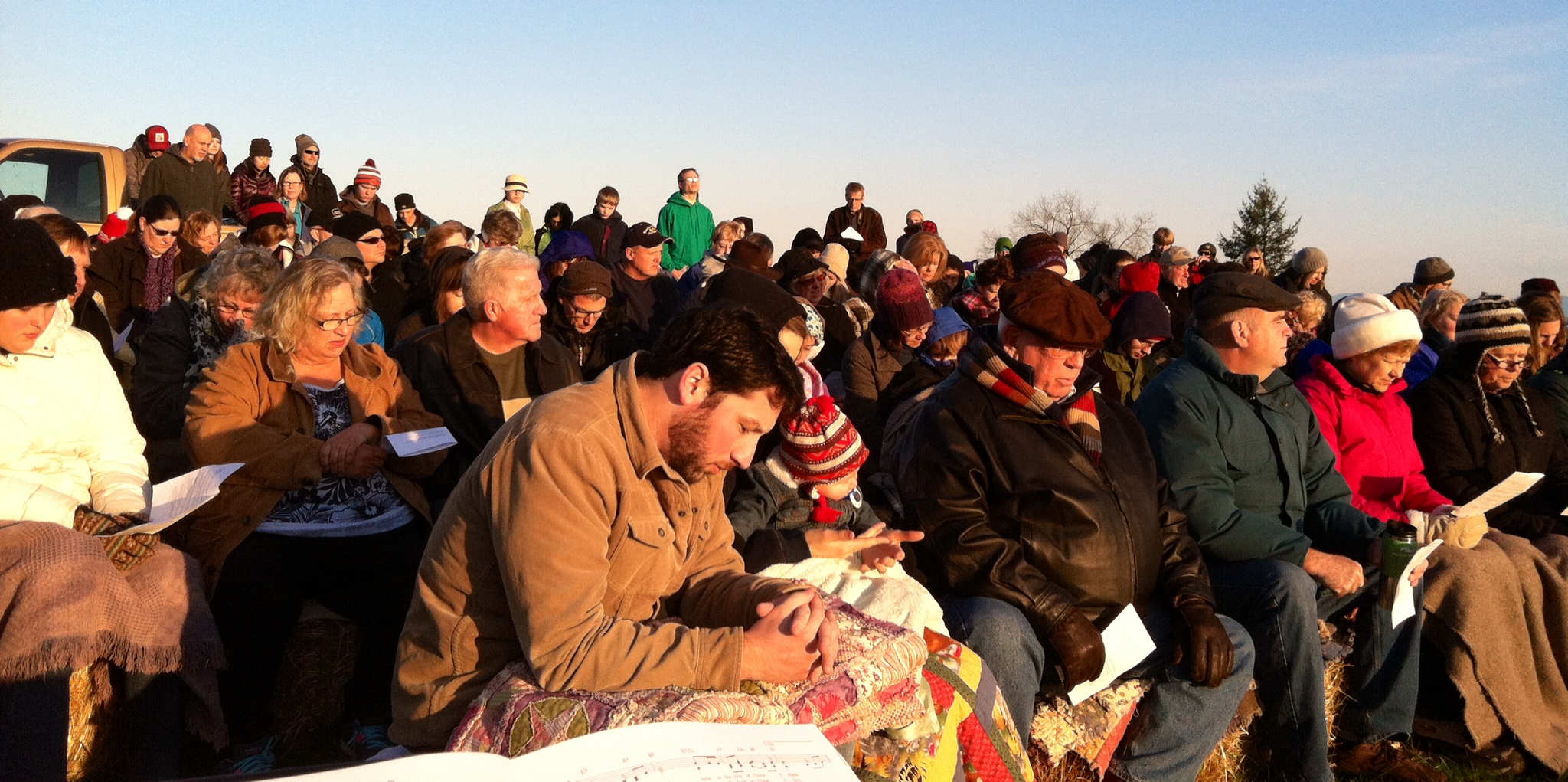
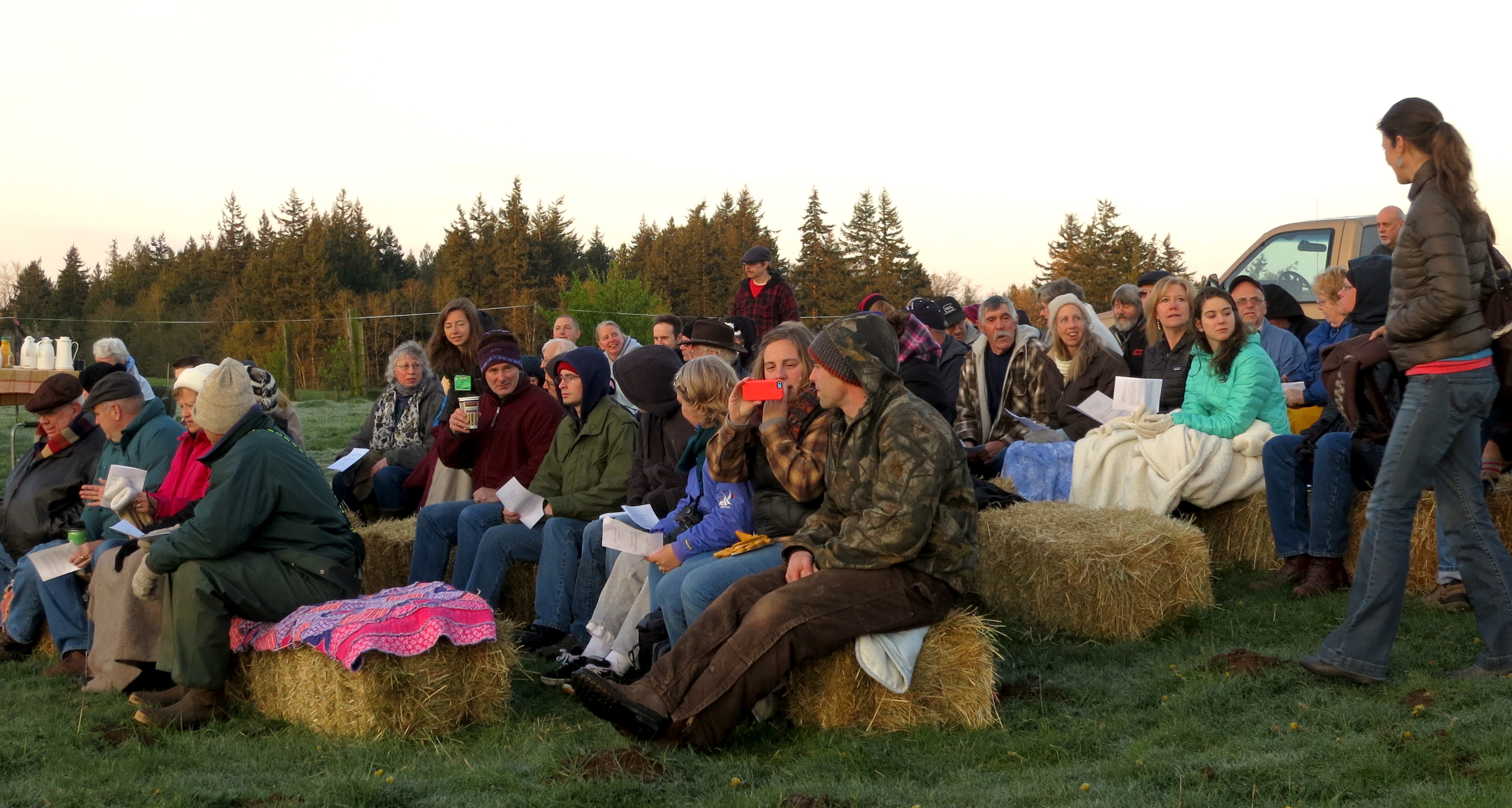
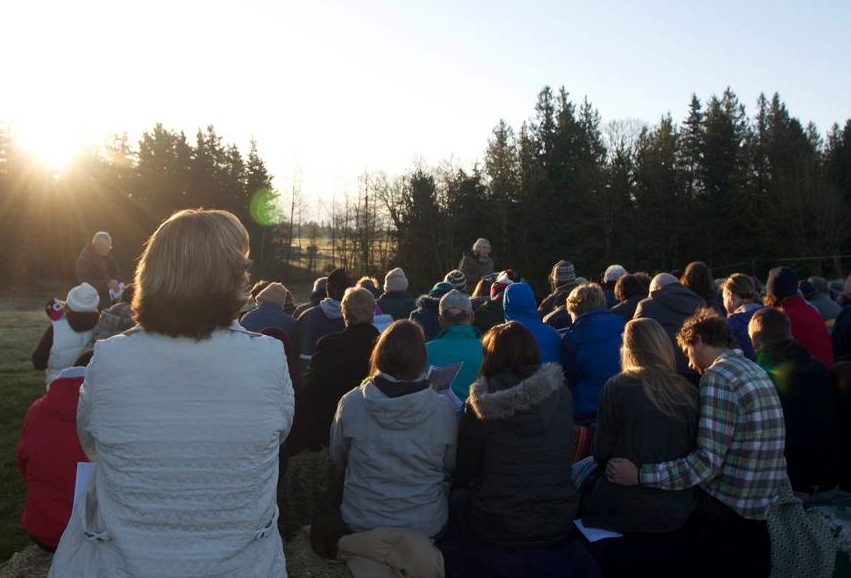
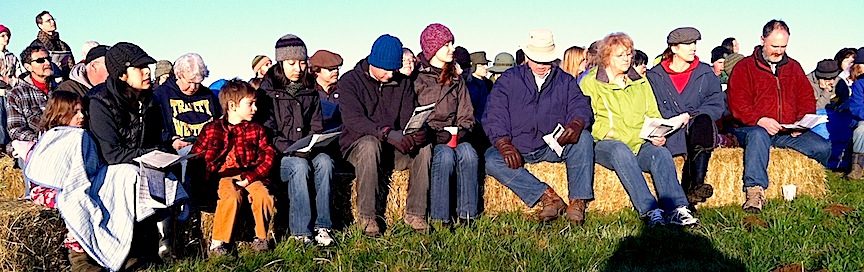
photo of BriarCroft Sunrise Service 2013 by Emily Gibson
Make no mistake: if He rose at all it was as His body; if the cells’ dissolution did not reverse, the molecules reknit, the amino acids rekindle, the Church will fall…
It was not as the flowers, each soft Spring recurrent; it was not as His Spirit in the mouths and fuddled eyes of the eleven apostles; it was as His Flesh: ours. ~John Updike from “Seven Stanzas at Easter”
Our flesh is so weak, so temporary,
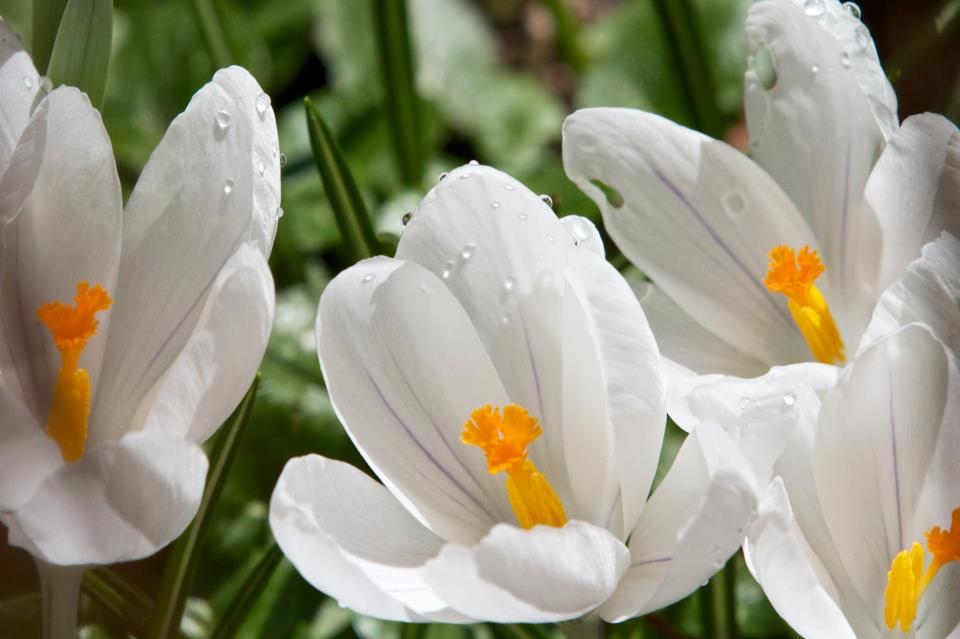
as ephemeral as a dew drop on a petal
yet with our earthly vision
it is all we know of ourselves
and it is what we trust knowing
of Him.
He was born as our flesh, from our flesh.
He walked and hungered and thirsted and slept
as our flesh.
He died, His flesh hanging in tatters,
blood spilling freely
breath fading
to nought
speaking Words
our ears can never forget.
And He rose again
as His flesh: ours
to walk and hunger and thirst alongside us
and here on this hill we meet together,
–flesh of His flesh–
here among us He is risen
–flesh of our flesh–
married forever
as the Church
and its fragile, flawed
and everlasting body.
The cold has the philosophical value of reminding men that the universe does not love us…cold is our ancient companion. To return back indoors after exposure to the bitter, inimical, implacable cold is to experience gratitude for the shelters of civilization, for the islands of warmth that life creates. ~John Updike from “The Cold”
We’ve had a string of sub-freezing temperature nights and days with crystal clear skies once the frozen fog abates. There has been no northeaster to send the windchill plummeting. Everything shimmers with diamonds of frosty glitter all day long. It is the kind of cold this pacific northwest native can actually enjoy. It is not the cold of the midwest plains, or the Alaskan frontier. This is civilized, “kill the bugs and the allergens” cold that helps balance out the ecosystem as well as our internal thermostats. It is just not seemly to live at 70 degrees year round, toasted by the stove in the winter, soothed by conditioned air in the summer.
We are not always so lucky as this. The cold that sometimes descends from the Arctic can blast through the strongest Carhartt clothing, sneak through drafty doors and windows, and freeze pipes not left dripping. It leaves no one untouched and unbitten with universal freezer burn.
A bitter cold snap ensures even independent fair-weather individualists must become companionable when the going gets rugged, mandating shelter with others for survival. It can even mean forced companionship with those we ordinarily avoid, with whom we have little in common, with whom we disagree and even quarrel, with whom sharing a hug or snuggling for warmth would be unimaginable.
Our nation is in such a cold snap today, terribly and bitterly divided. If we all together don’t come in out of the deep freeze, we each will perish alone. It is time to be thankful we have each other, such as we are. At least we can generate heat, even if we can’t lighten up.










 Barnstorming