
Flat Affect

I used to think the land
had something to say to us,
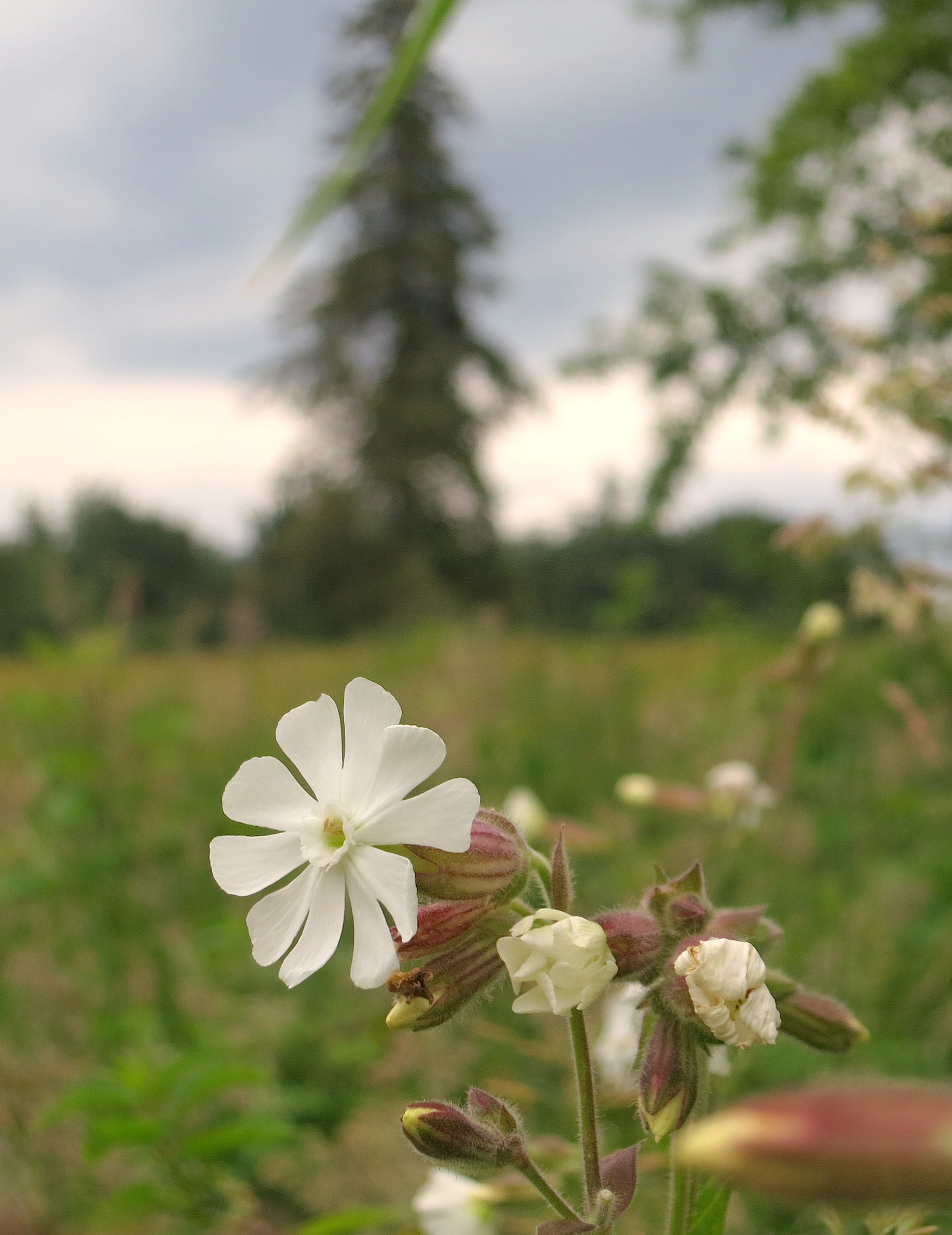
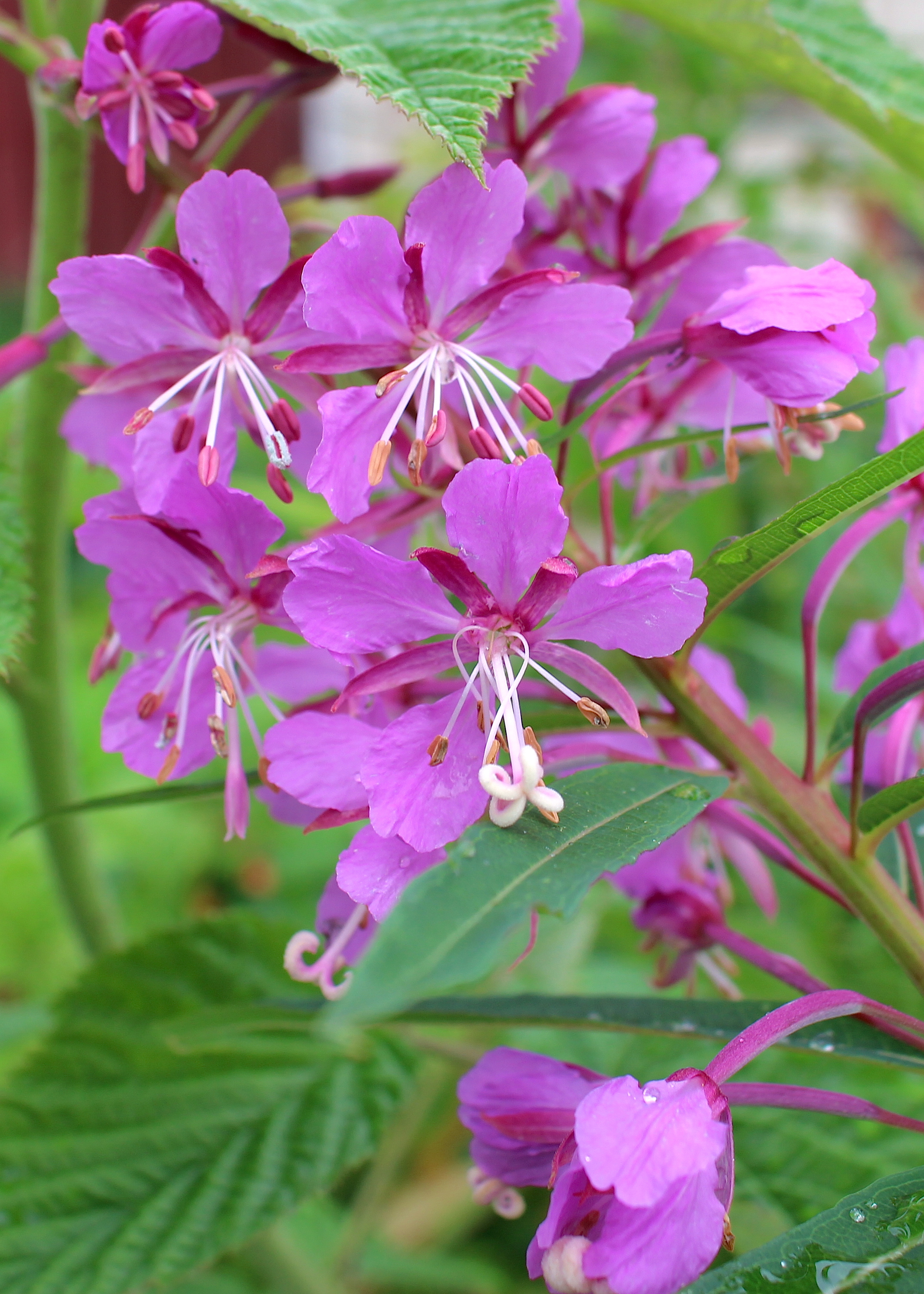
back when wildflowers
would come right up to your hand
as if they were tame.

Sooner or later, I thought,
the wind would begin to make sense
if I listened hard
and took notes religiously.
That was spring.

Now I’m not so sure:
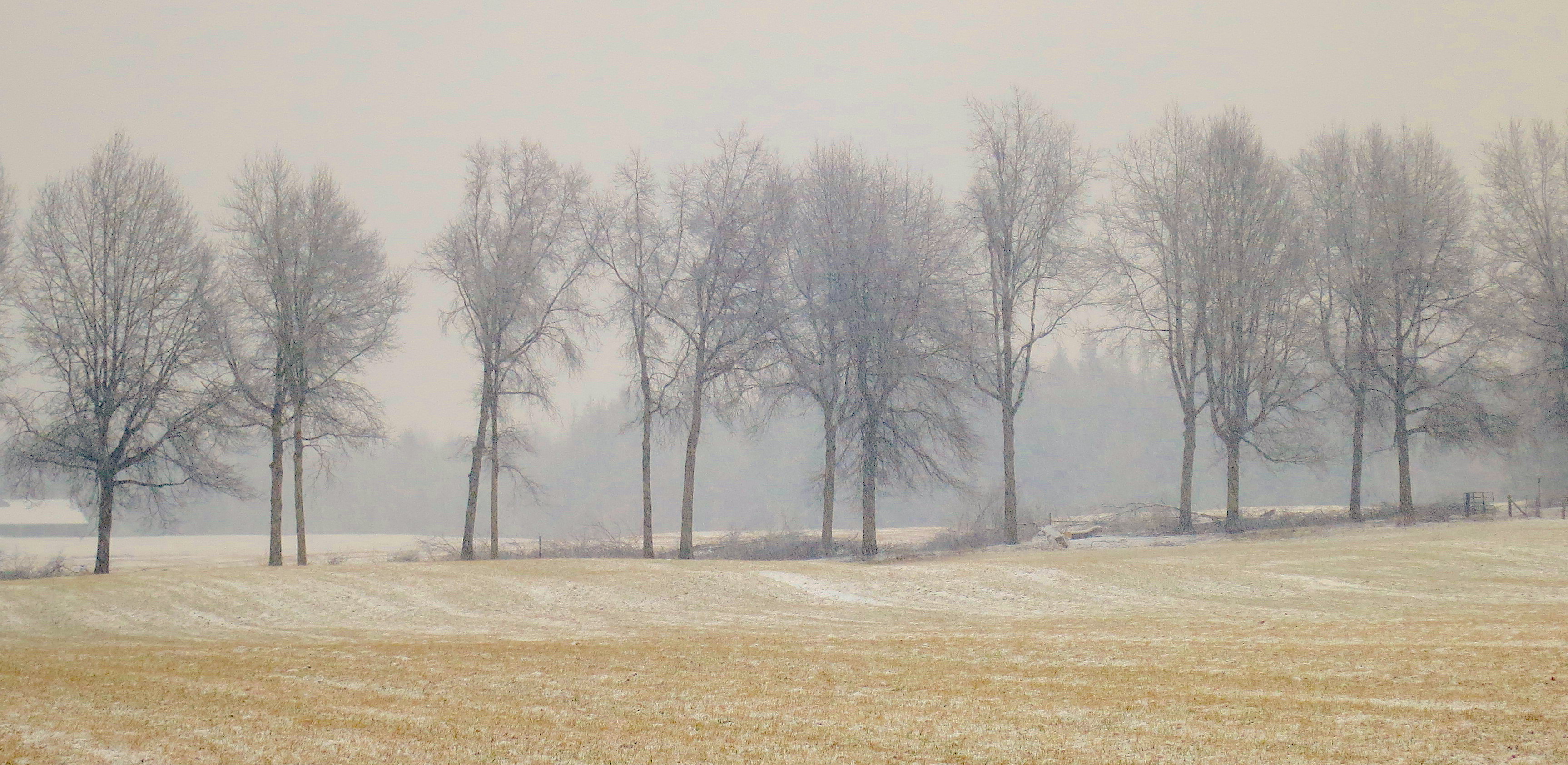
the cloudless sky has a flat affect
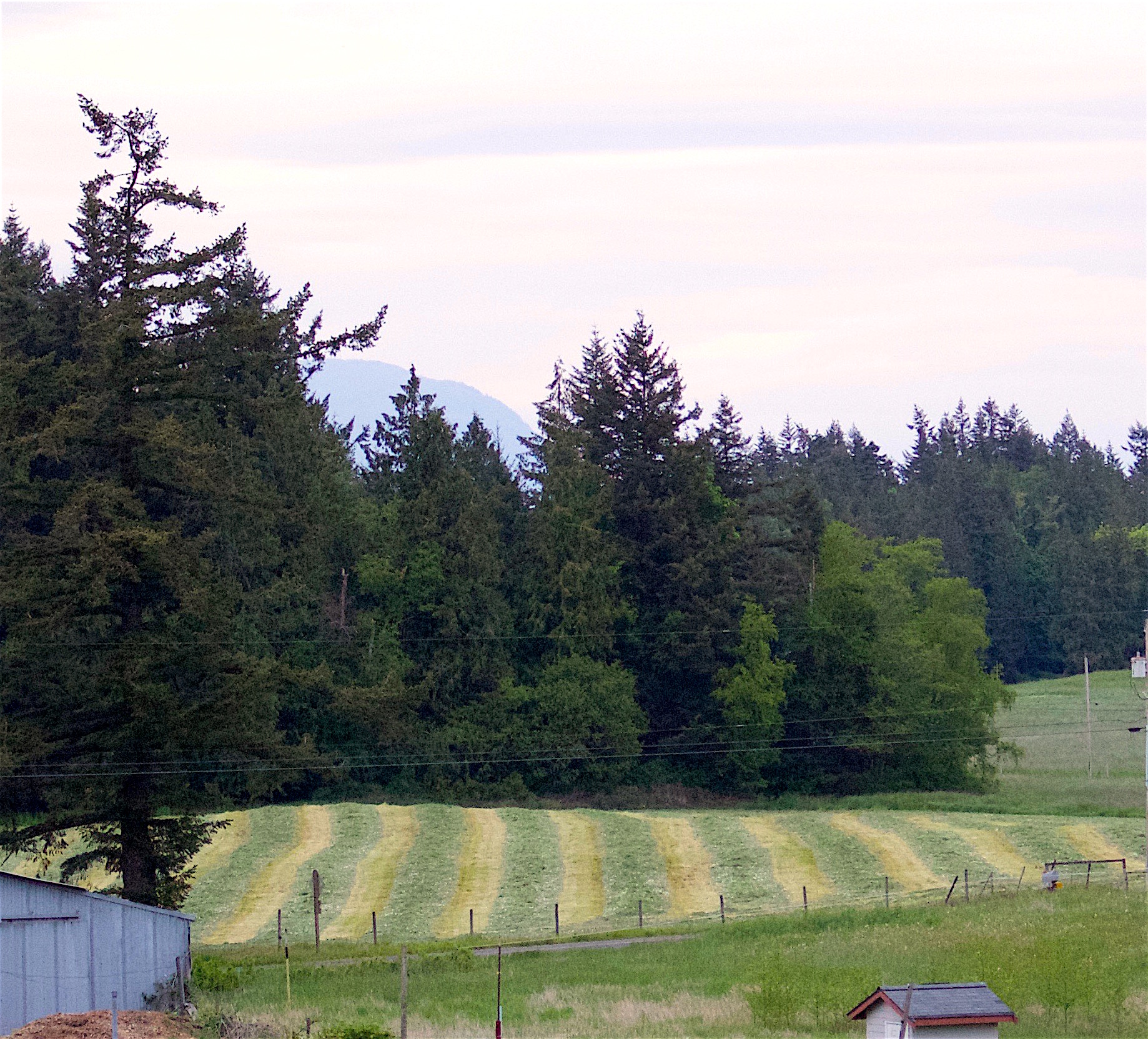
and the fields plowed down after harvest
seem so expressionless,
keeping their own counsel.

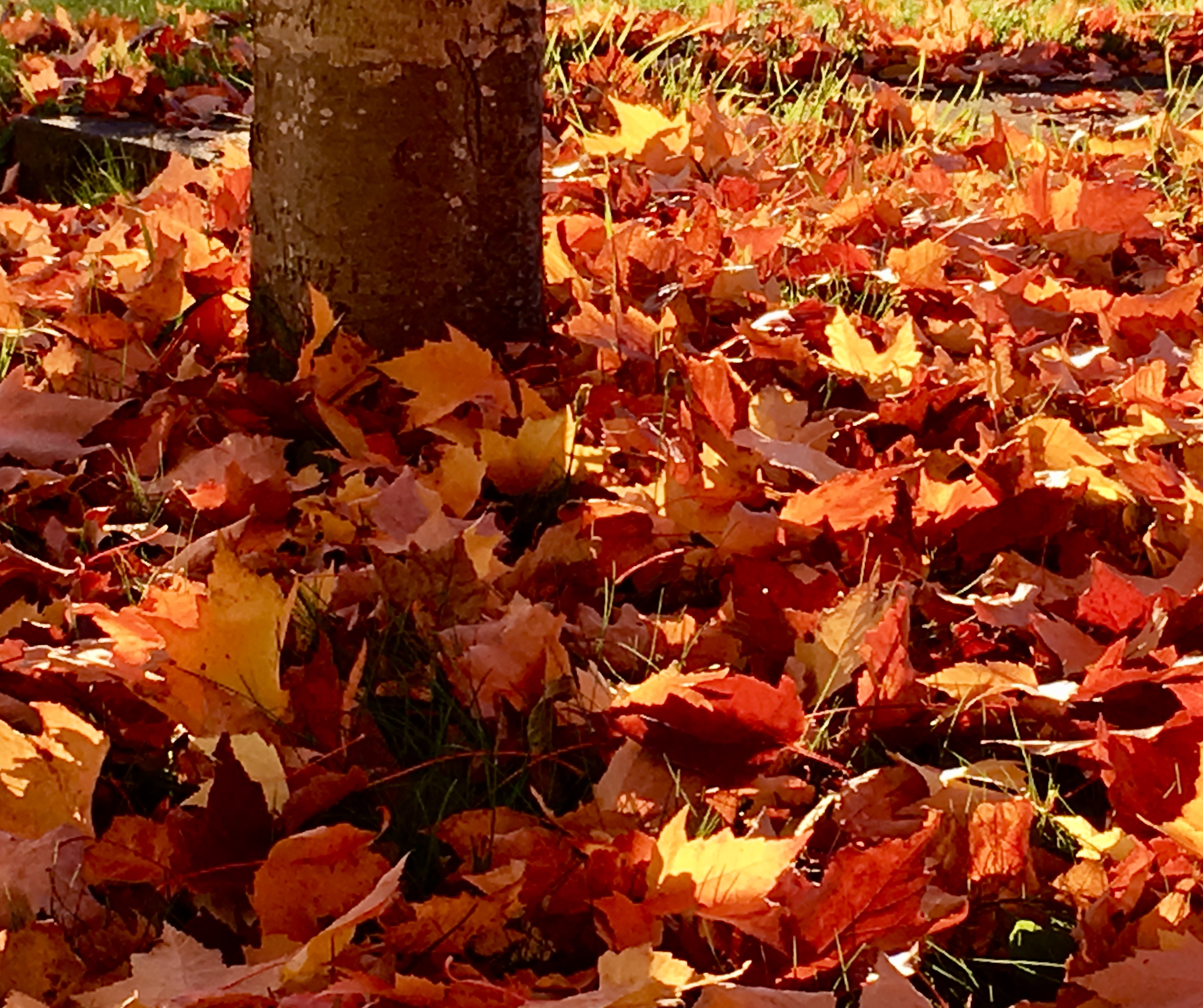
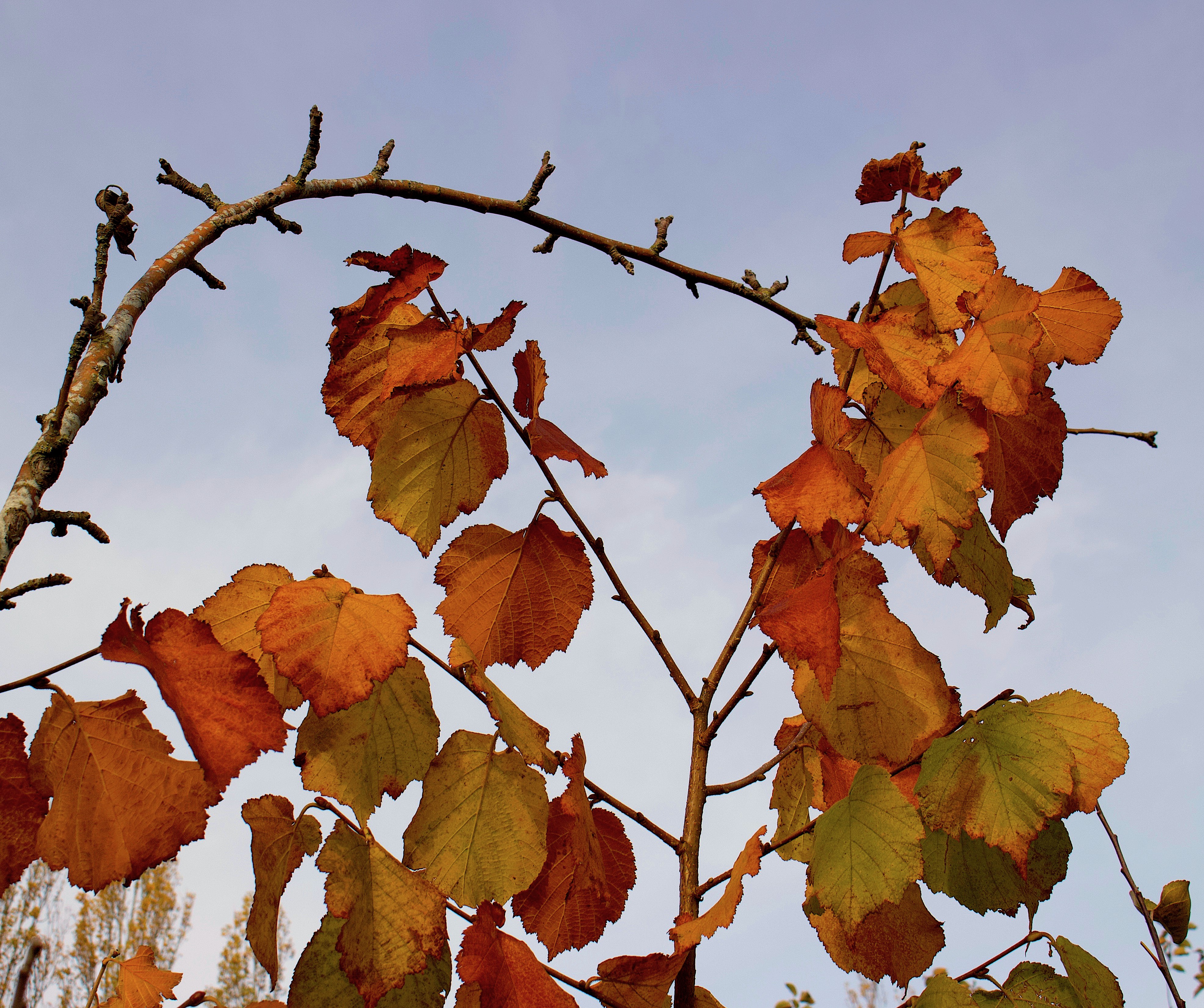
This afternoon, nut tree leaves
blow across them
as if autumn had written us a long letter,
changed its mind,
and tore it into little scraps.
~Don Thompson October
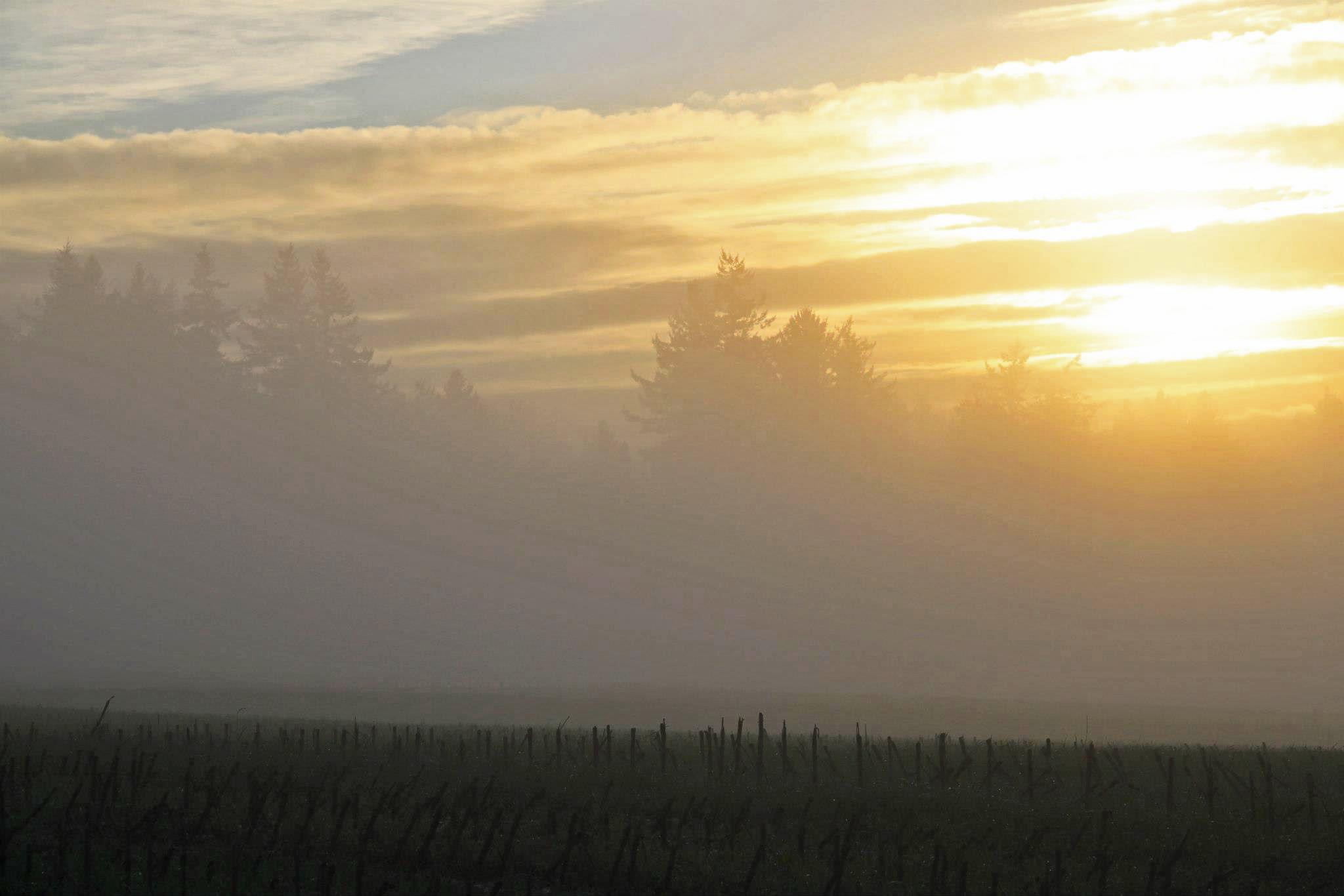
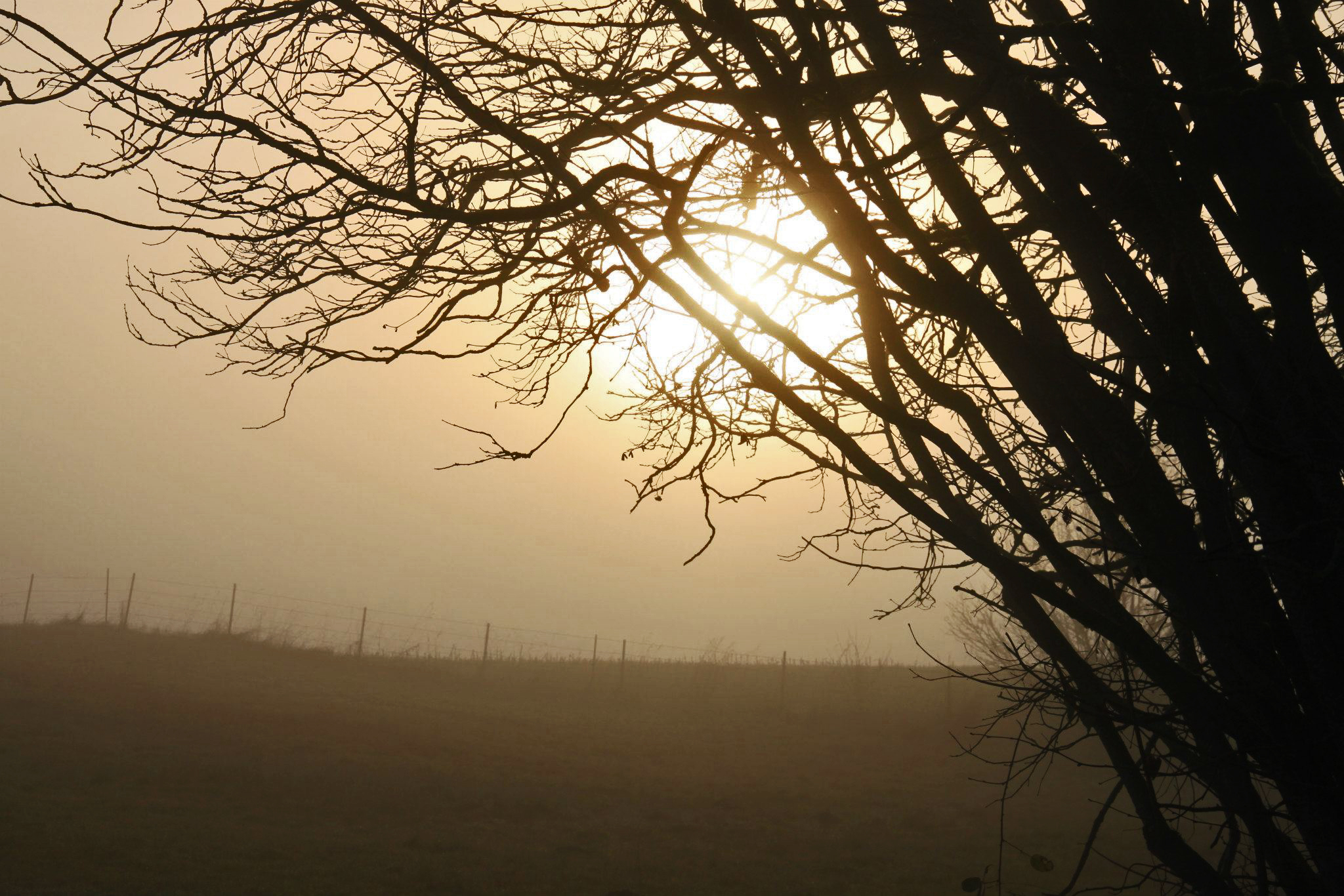
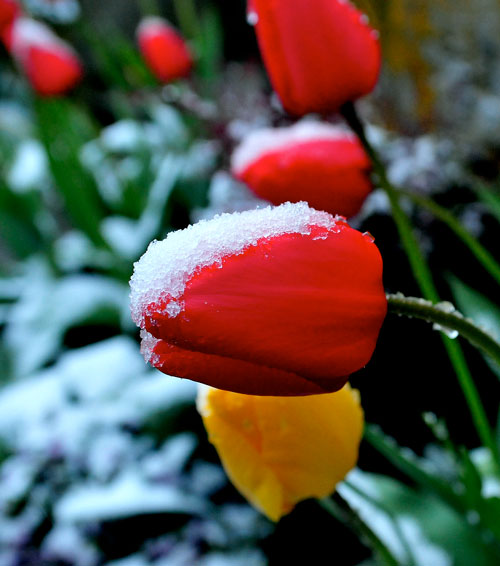
photo by Nate Gibson

We’re in a time of seasonal abundance but our emotions are spent from containment through lock-down, shelter-in, social distancing, zoom-in and zoom-out.

As I meet with my patients via a televisit, I try to read their faces and find that along with the flatness of our screens, our emotions are flat too. My usual gentle humor to lighten things up becomes pointless – it is hard to elicit smiles these days. On the other hand, there no longer is a need for abundant tissues for tearful conversations because no one will weep on screen. There may be a hint of emotion in a catch in a voice, but I have yet to see anyone actually cry in two months of telehealth conversations. That would be too vulnerable – somehow being on camera suggests we need to put the actor-mask on, be expression-less, strong and invulnerable. And somehow my patient knows I can’t reach out as I would in an exam room, literally and verbally, to reassure them I’m present and listening. I’m not really present on a screen even though I’m listening.

And while out in society, we must literally hide ourselves behind a mask that conceals our smiles as well as our grim-faced frowns.

So our social and clinical interactions are as flat as the screens they play out on.

We need some unchecked tears about now, as well as endless belly laughs. Perhaps there will be a reawakening to the range of emotions we have taken for granted before finding ourselves in this time of restraint and restriction.

As we reintegrate and reunite, slowly, carefully and compassionately, let us re-experience in 3-D what we have been missing in our virtual meetings: tears that accompany joyous reunion as well as the lament of all we’re lost during this time.

Please pass the tissues.
Blooming Impossibly

There are days we live
as if death were nowhere
in the background; from joy
to joy to joy, from wing to wing,
from blossom to blossom to
impossible blossom, to sweet impossible blossom.

~Li-Young Lee, last stanza of “From Blossoms” from Rose.

… it seemed as if the tiniest seed of belief had finally flowered in me, or, more accurately, as if I had happened upon some rare flower deep in the desert and had known, though I was just then discovering it, that it had been blooming impossibly year after parched year in me, surviving all the seasons of my unbelief.
~Christian Wiman from My Bright Abyss

To live as if
death were nowhere in the background:
that is impossible right now
when death is in every headline
and everyone knows someone
who has been lost to the virus.

Yet, to still emerge and blossom,
despite the dryness and drought of pandemic~
this is Christ’s call to us.
 
We are not dying,
but alive in Him,
an amazing impossible flowering.

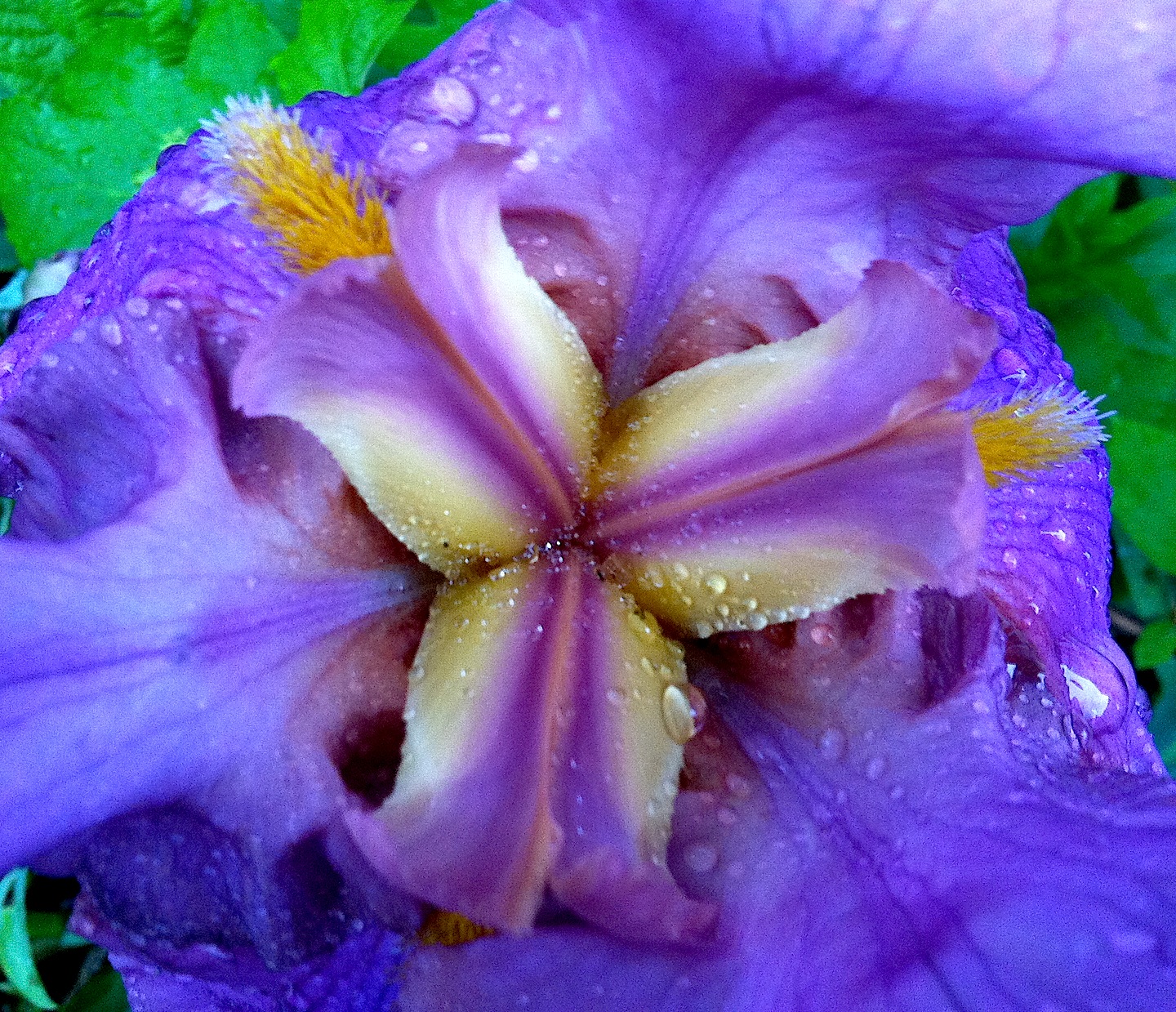
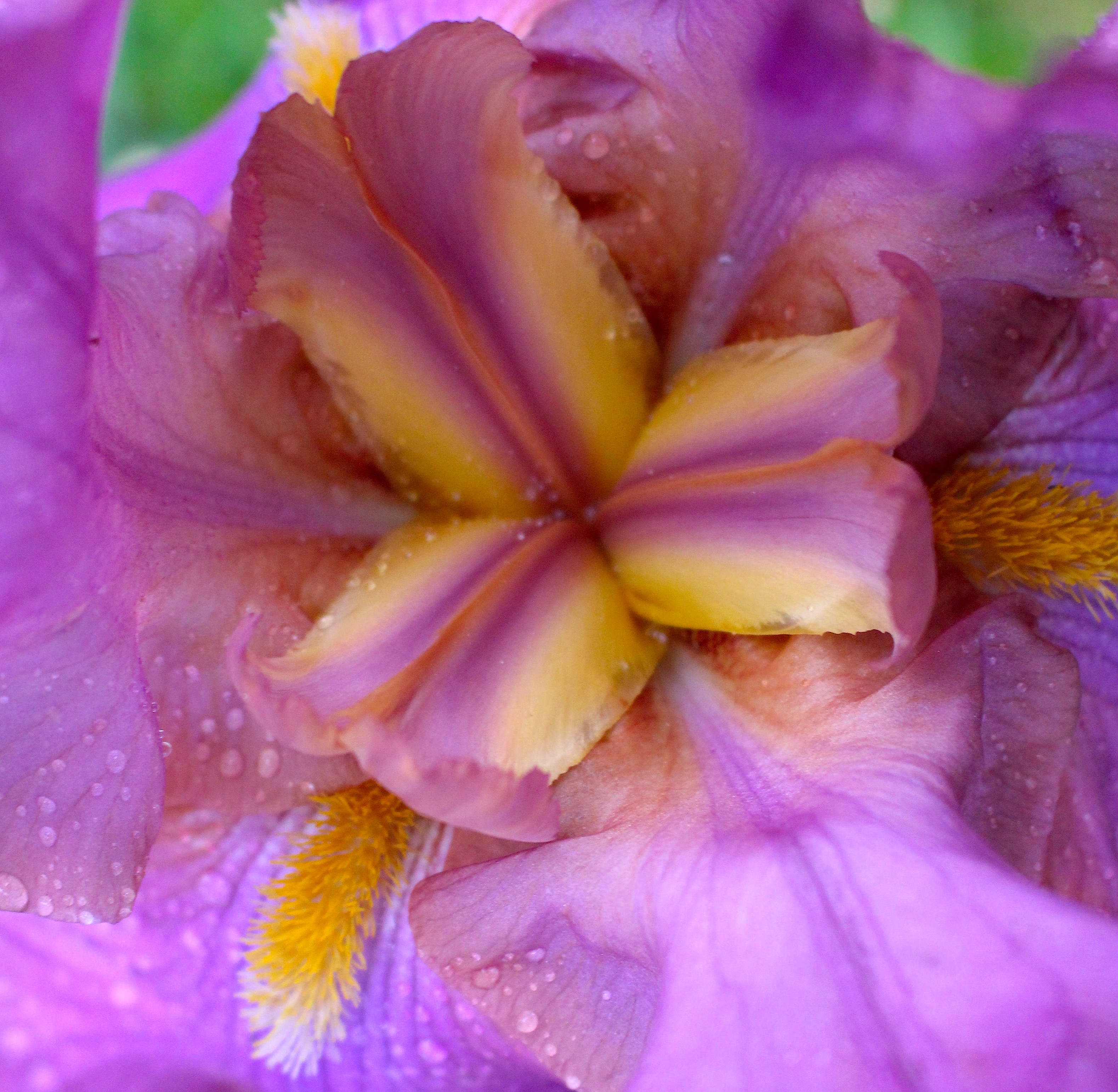
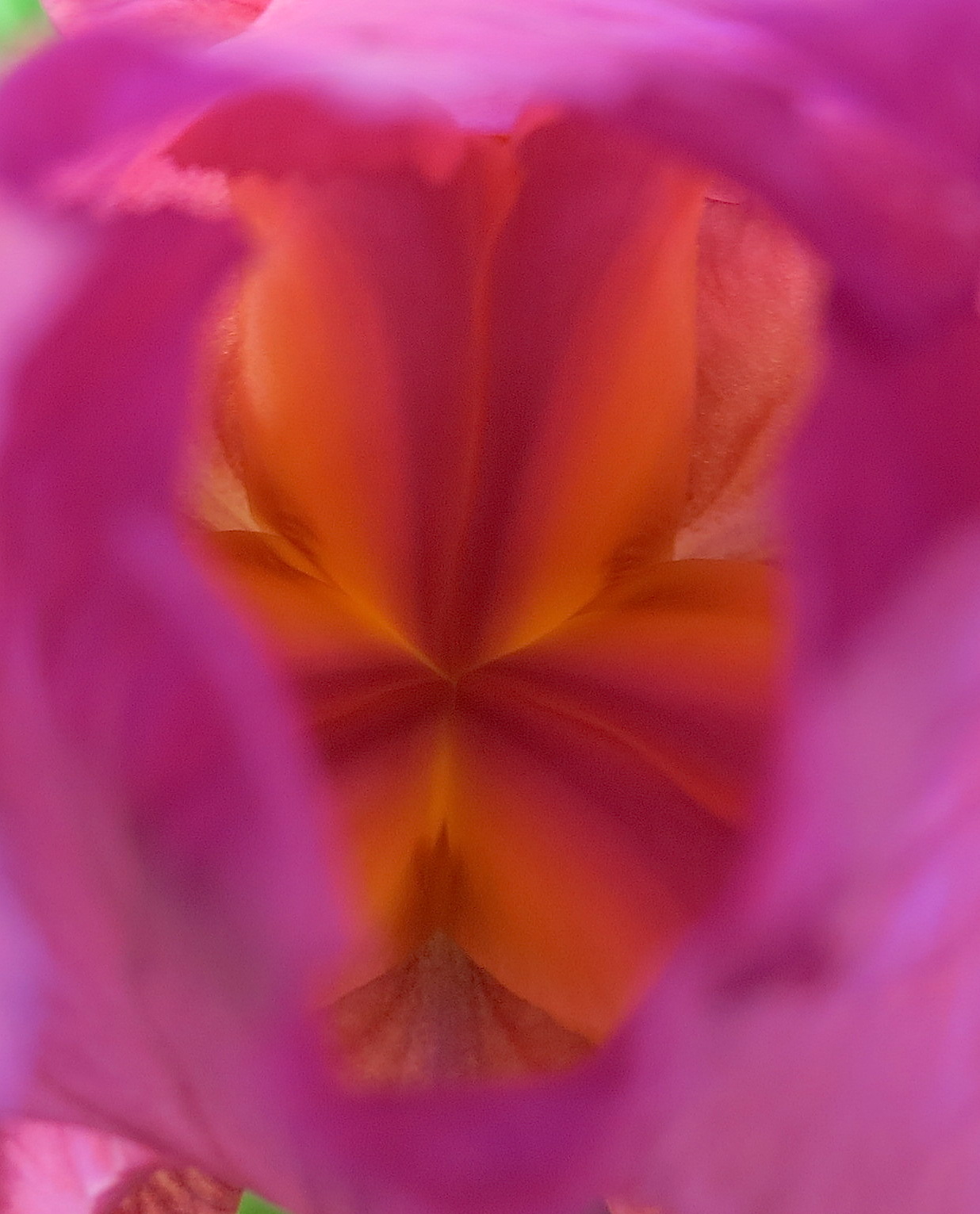
So I allow my eye to peer through
a dying time such as this,
needing a flotation device
and depth finder
as I’m likely to get lost,
sweeping and swooning
through the inner space
of life’s deep tunnels,
canyons and corners,
coming up for air and diving in again
to journey into exotic locales
draped in silken hues
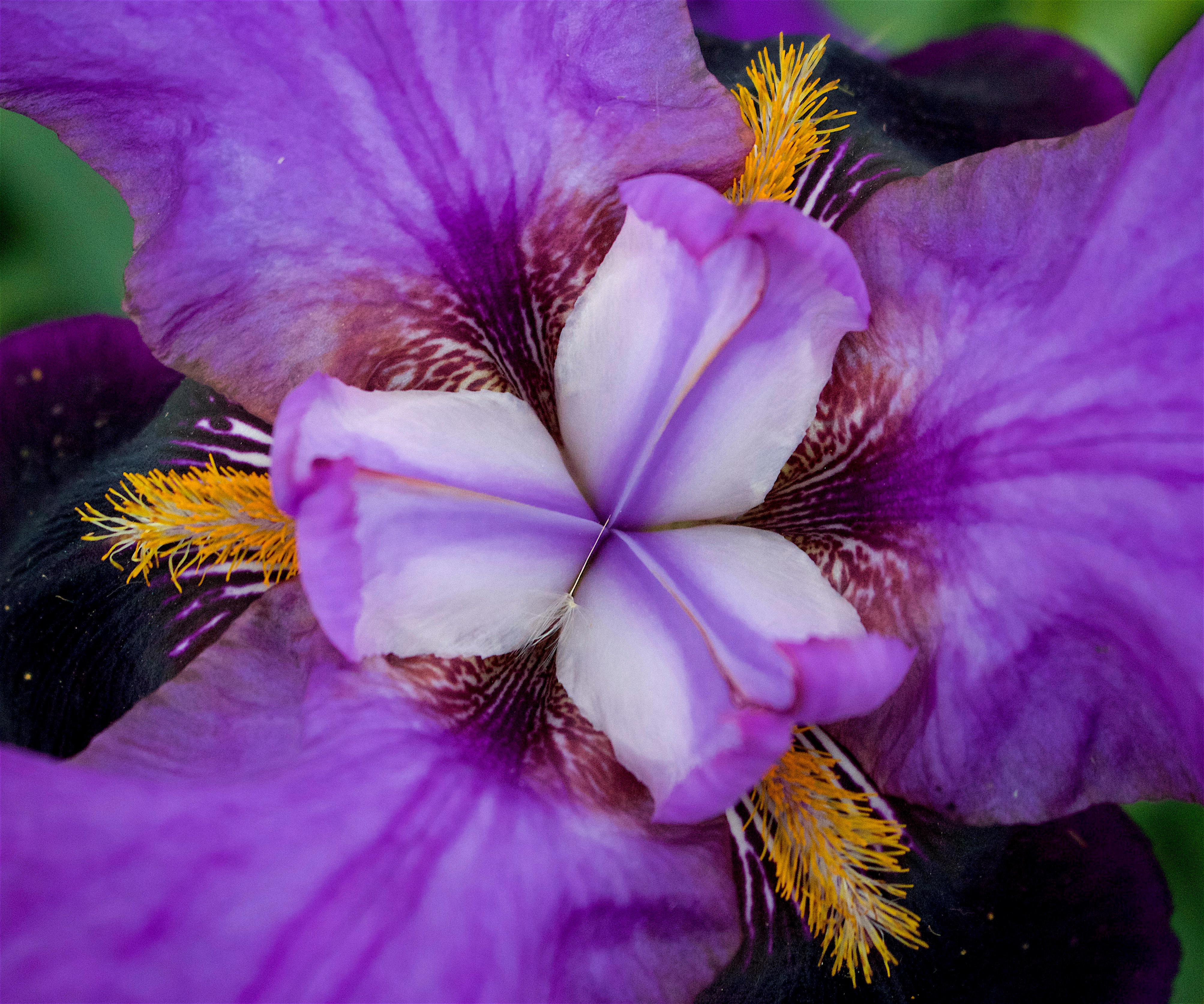
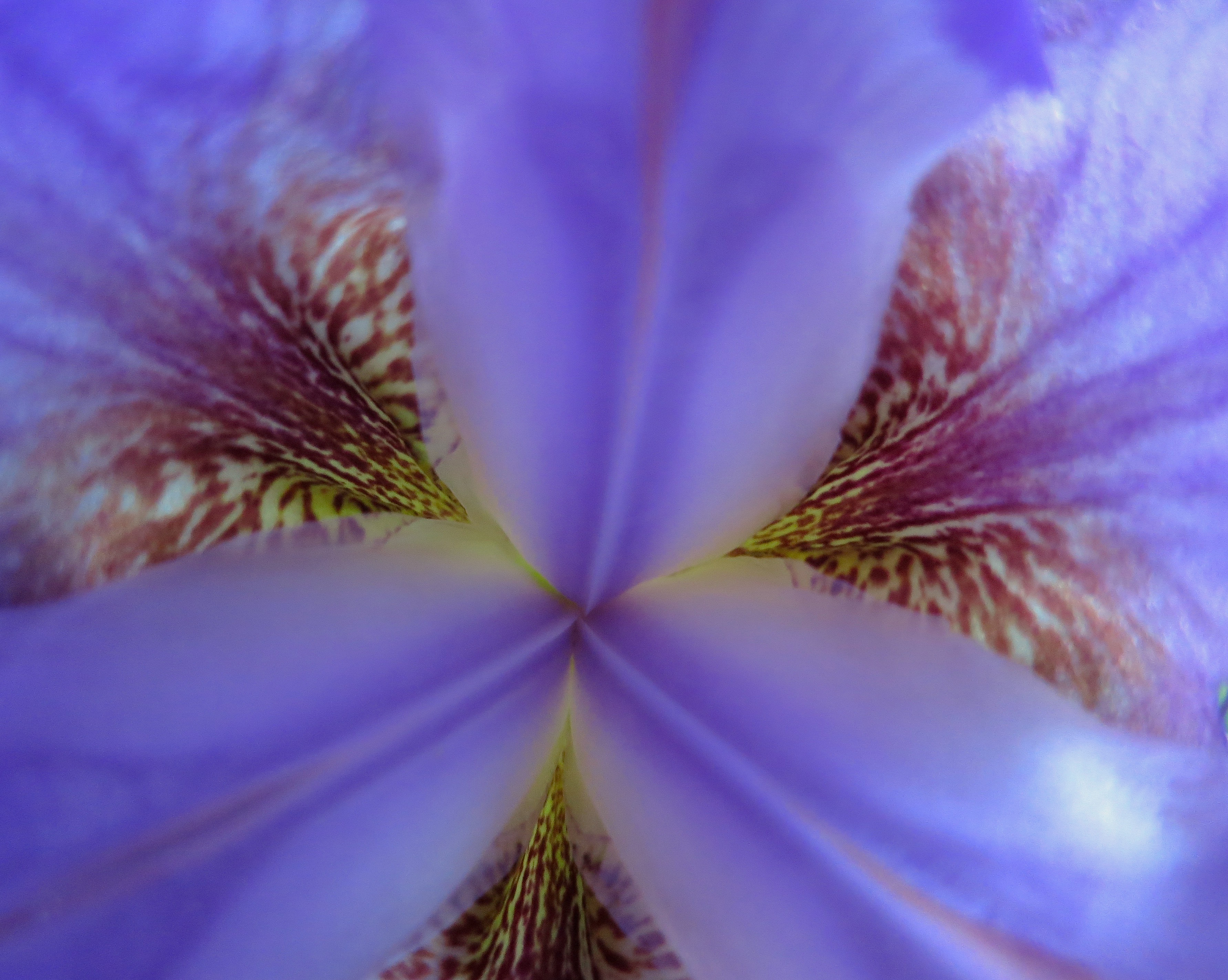
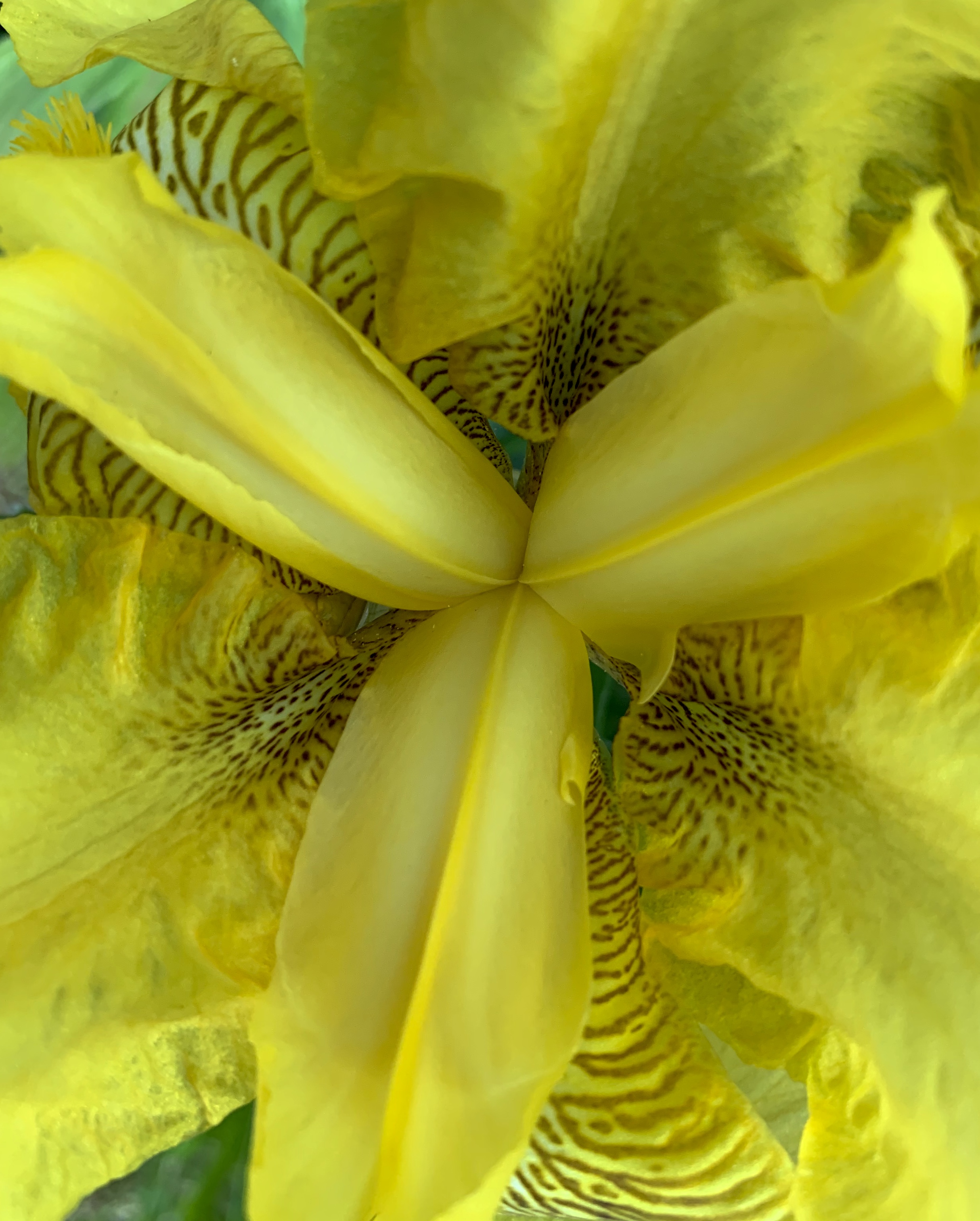
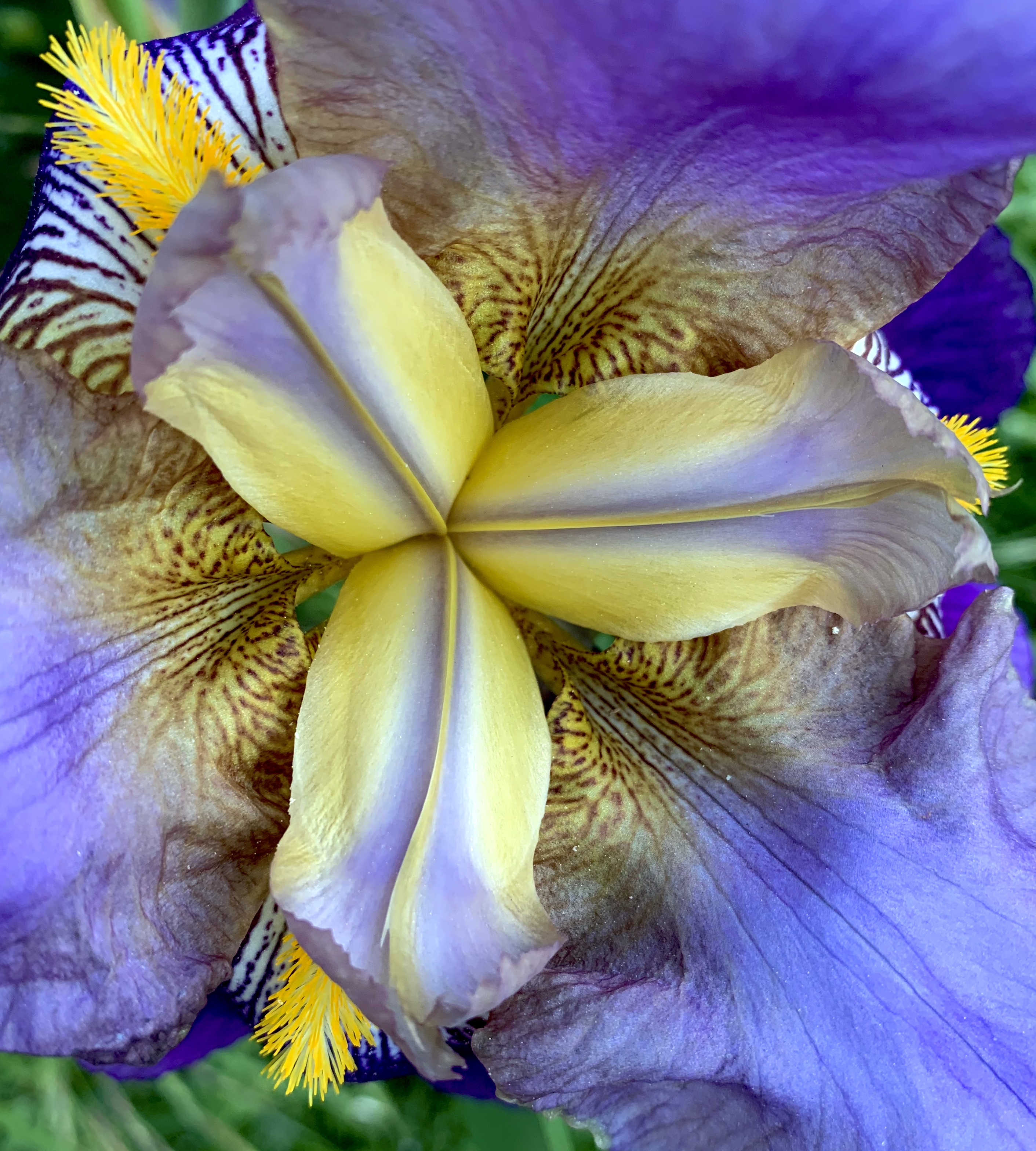
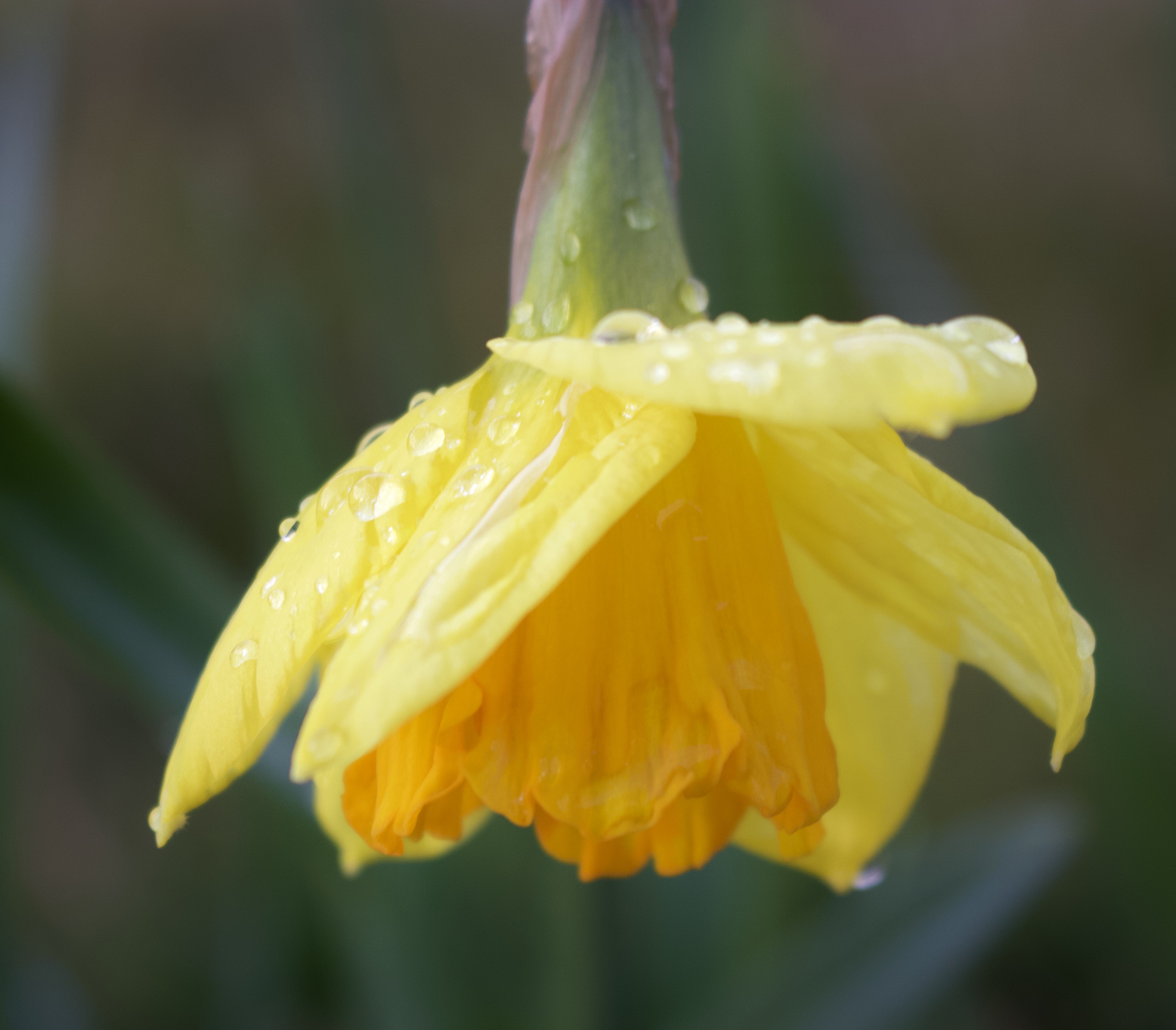
~this fairy land on a stem~
to immerse and emerge
in the possibilities
of such an impossible blossom.

The Soul Confined

 
It’s frail, this spring snow, it’s pot cheese
packing down underfoot. It flies out of the trees
at sunrise like a flock of migrant birds.
It slips in clumps off the barn roof,
wingless angels dropped by parachute.
Inside, I hear the horses knocking
aimlessly in their warm brown lockup,
testing the four known sides of the box
as the soul must, confined under the breastbone.
Horses blowing their noses, coming awake,
shaking the sawdust bedding out of their coats.
They do not know what has fallen
out of the sky, colder than apple bloom,
since last night’s hay and oats.
They do not know how satisfactory
they look, set loose in the April sun,
nor what handsprings are turned under
my ribs with winter gone.
~Maxine Kumin “Late Snow” from Selected Poems: 1960 – 1990

photo of spring snow by Paul Dorpat

This past weekend we had it all: sun, rain, windstorm, hail, and some local areas even reported a late April snowfall. It is disorienting to have one foot still in winter and the other firmly on grass growing out of control and needs mowing.

It is also confusing to look at pandemic data and hear varying experts’ interpretations about what is happening, what they predict and what strategies are recommended.

It may be time to loosen the tight grip on social distancing yet many are reticent to emerge from the safety of their confinement, for good reason.

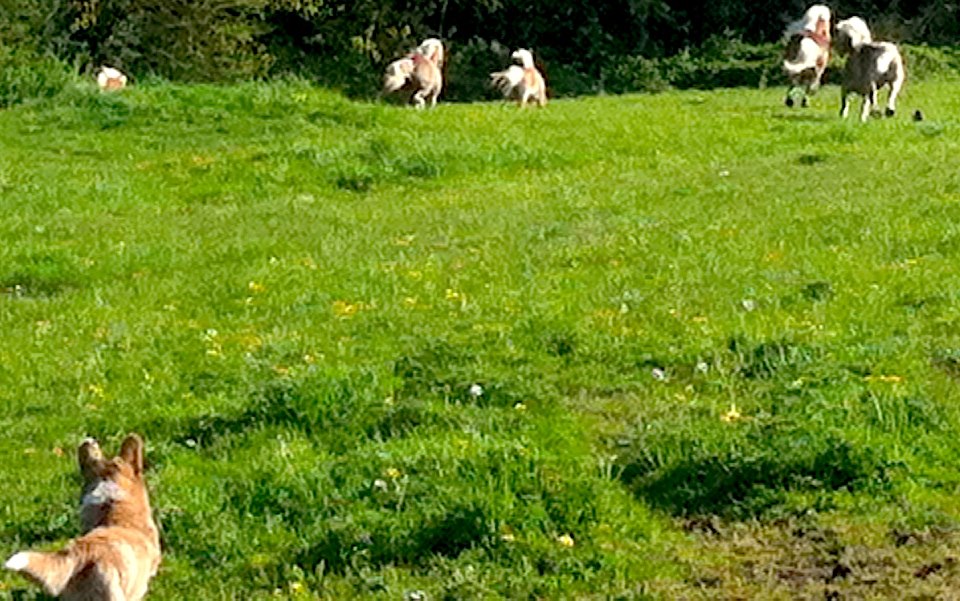
Just last week, we released the Haflingers from their winter lock-in back onto the fields – their winter-creaky barn-confined joints stretched as they joyfully ran the perimeter of the fields before settling their noses into fresh clover. Their ribs sprung with the fragrance of the apple blossom perfume of the orchard and it lifted my sagging spirit to see them gallop. But even the horses are not ready for complete freedom either – I whistled them in after two hours, not wanting them to eat themselves sick with too much spring grass. Their time on the outside will be tightly controlled until it is safe for them to be out unrestricted.

Surprisingly, the horses leave the sun and the grass and the relative freedom and come in willingly to settle back into their stalls and their confinement routine.

I’m not so different. I long to be set loose in the April sun with the freedom to go when and where I wish. But the new reality means winter is not entirely gone yet and may not be for some time. There are still tragic and untimely losses of life, still plenty of weeping and lament from the grief-stricken who have been robbed prematurely of loved ones due to a virus that is circulating indiscriminately.

So we must ease out slowly, carefully and cautiously, with one ear cocked and ready to be whistled back in when we are called to return to safety.

Lest They Sicken

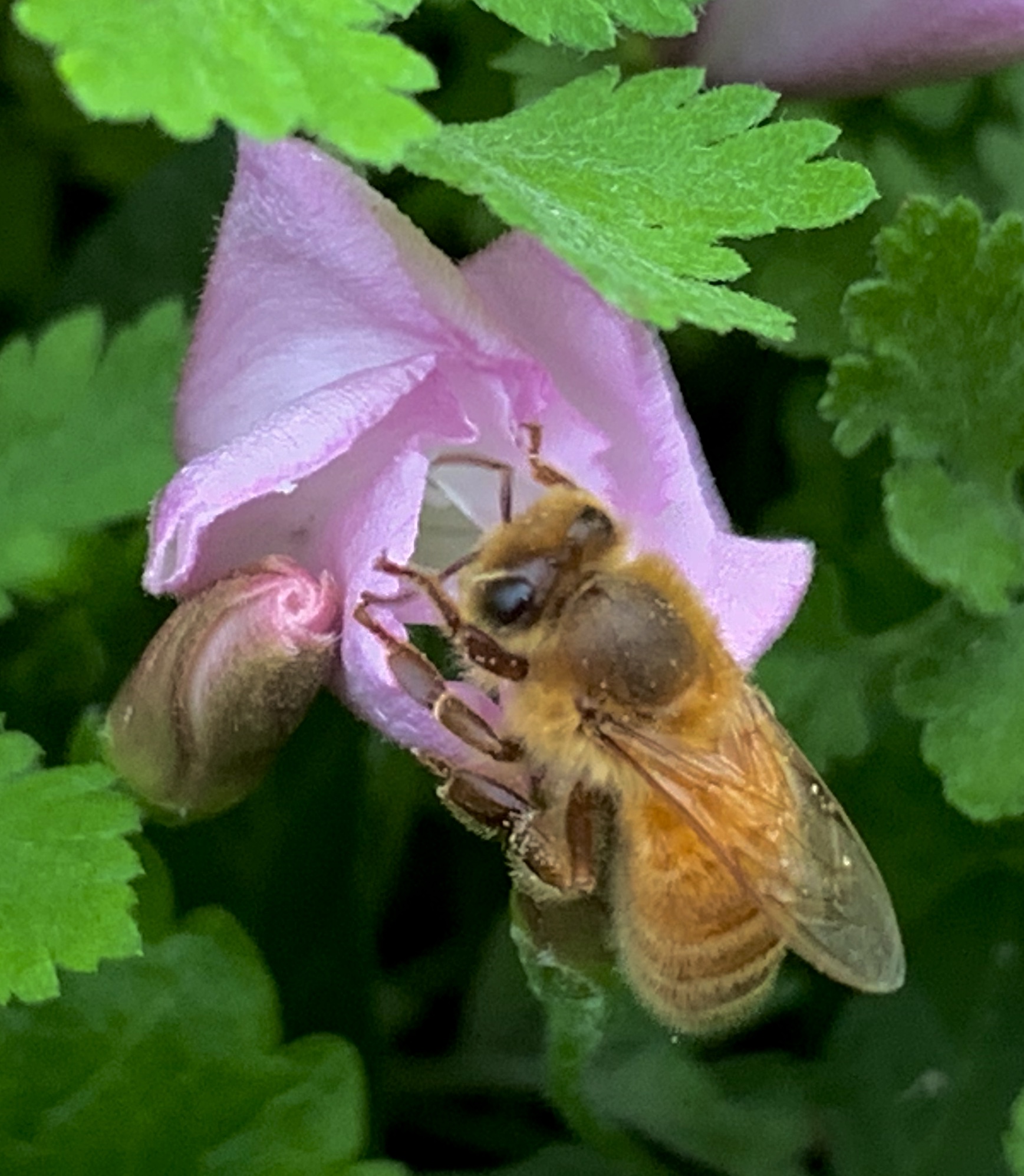
Tell the bees. They require news of the house;
they must know, lest they sicken
from the gap between their ignorance and our grief.
Speak in a whisper. Tie a black swatch
to a stick and attach the stick to their hive.
From the fortress of casseroles and desserts
built in the kitchen these past few weeks
as though hunger were the enemy, remove
a slice of cake and lay it where they can
slowly draw it in, making a mournful sound.

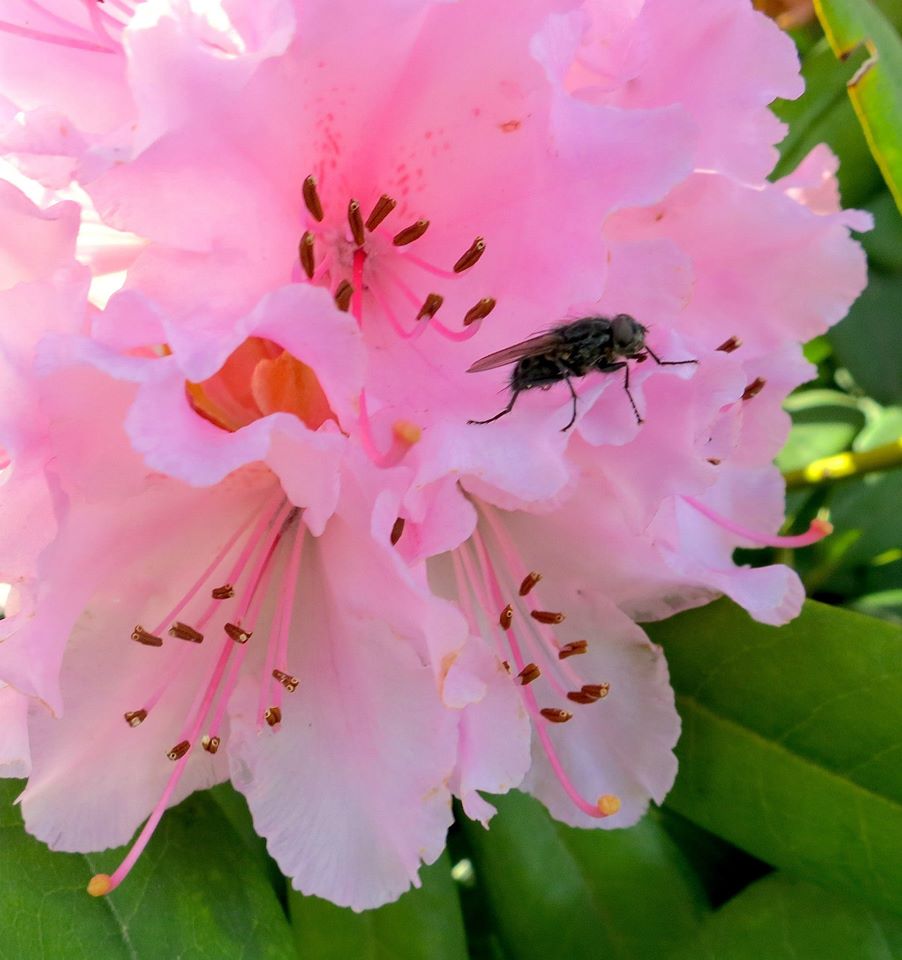
And tell the fly that has knocked on the window all day.
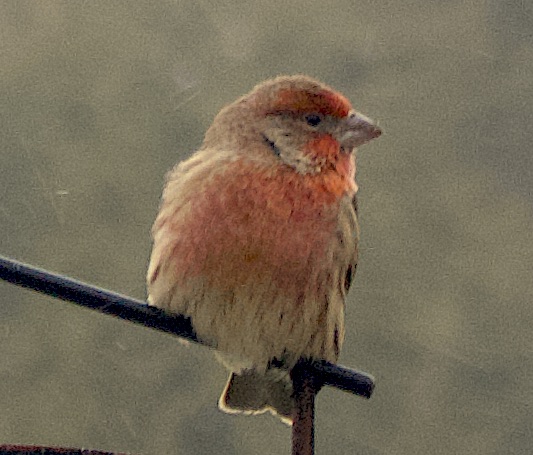
Tell the redbird that rammed the glass from outside
and stands too dazed to go. Tell the grass,
though it’s already guessed, and the ground clenched in furrows;
tell the water you spill on the ground,
then all the water will know.
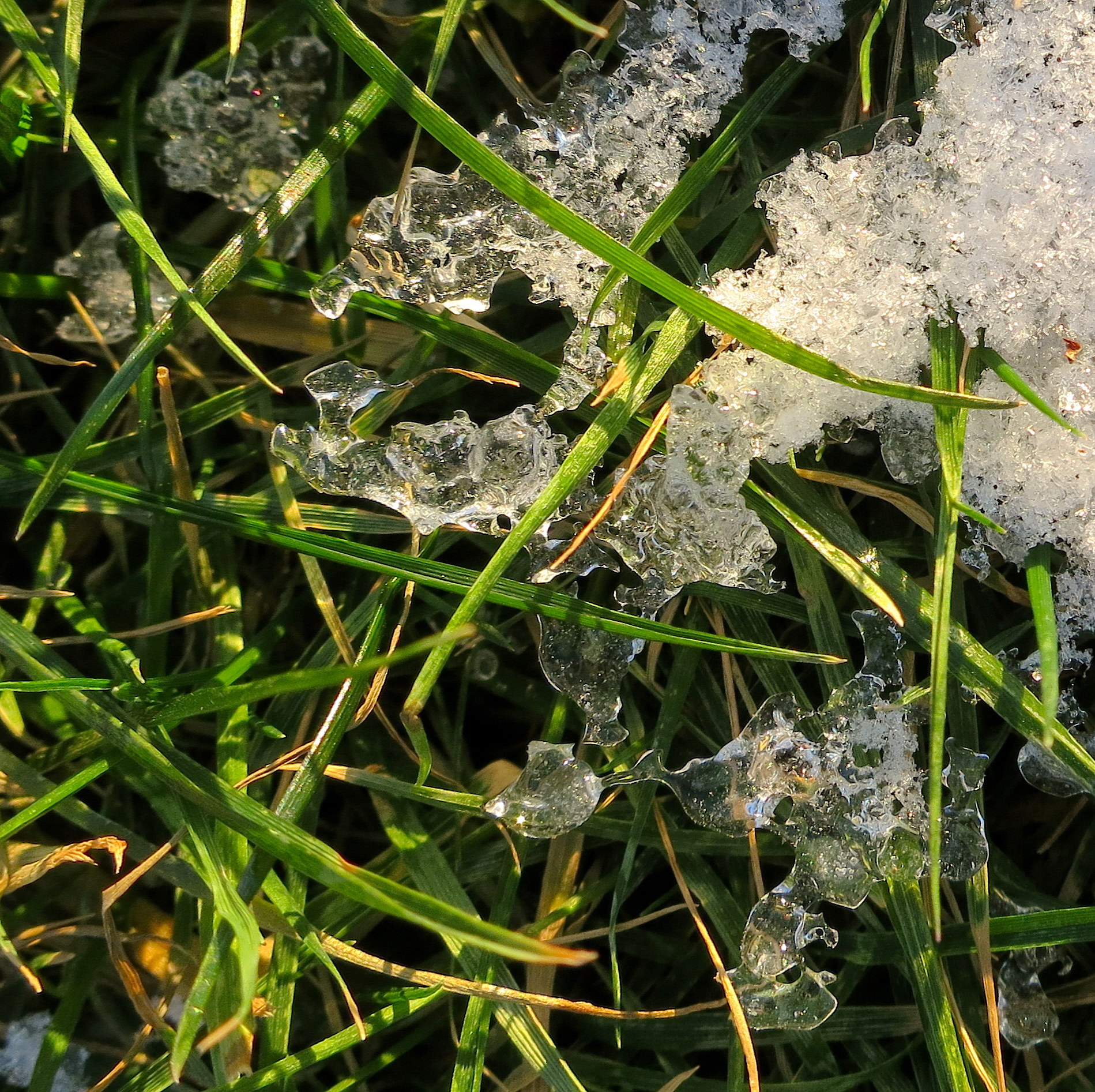
And the last shrunken pearl of snow in its hiding place.

Tell the blighted elms, and the young oaks we plant instead.
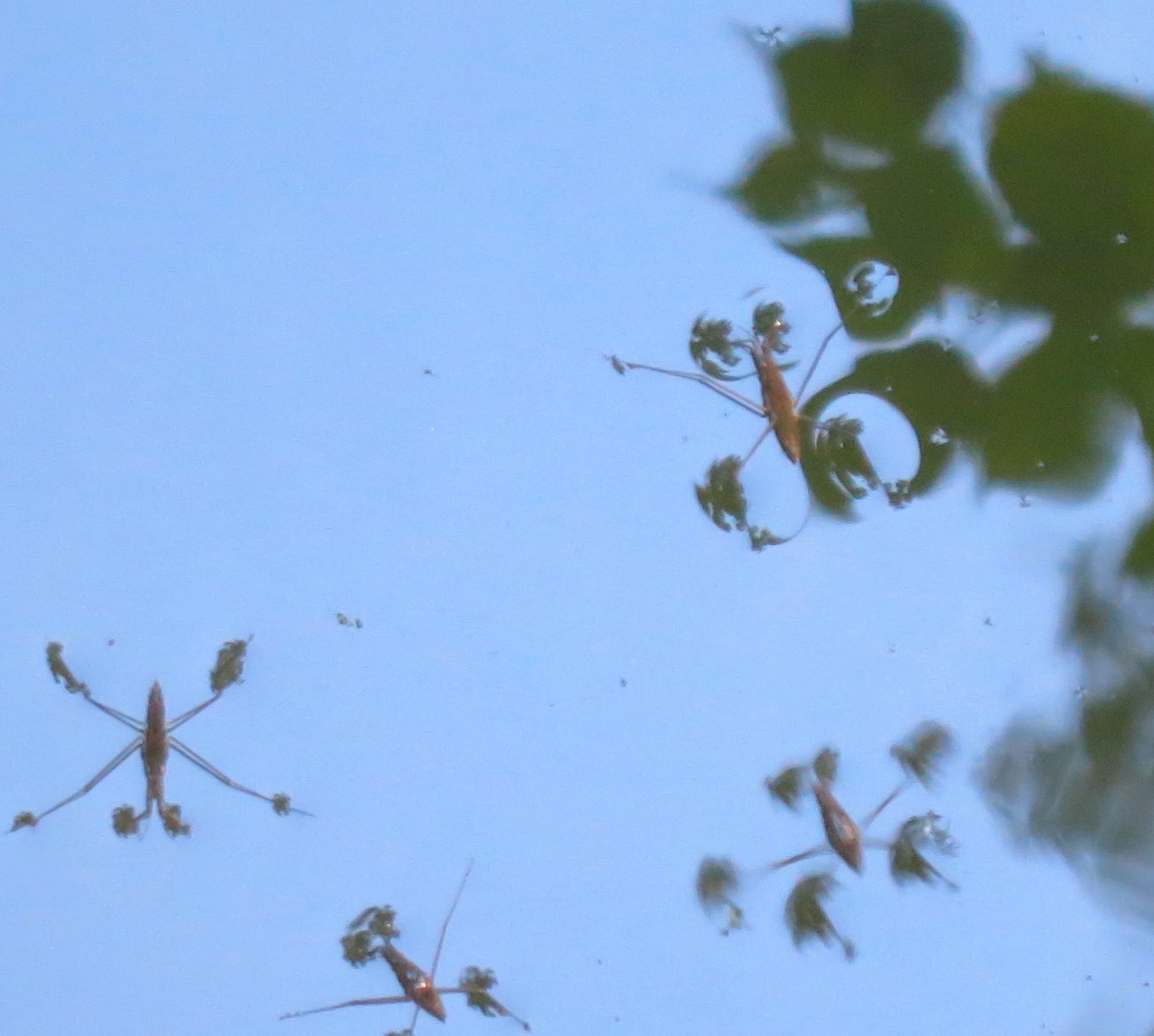
The water bug, while it scribbles
a hundred lines that dissolve behind it.
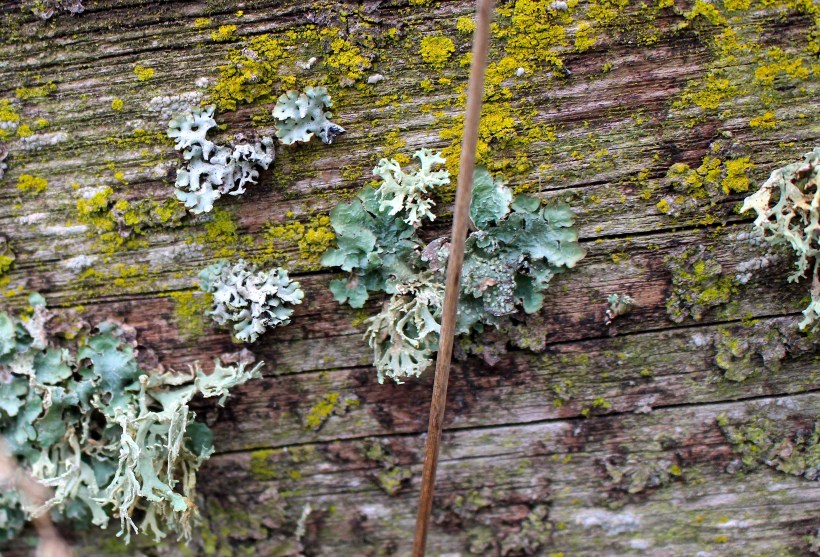
The lichen, while it etches deeper
its single rune. The boulders, letting their fissures widen,
the pebbles, which have no more to lose,
the hills—they will be slightly smaller, as always,

when the bees fly out tomorrow to look for sweetness
and find their way
because nothing else has changed.
~Sarah Lindsay “Tell the Bees”

So many around the globe are grieving their losses, their reality forever changed by a virus. Yet the world churns on, oblivious to the sorrows of individuals.

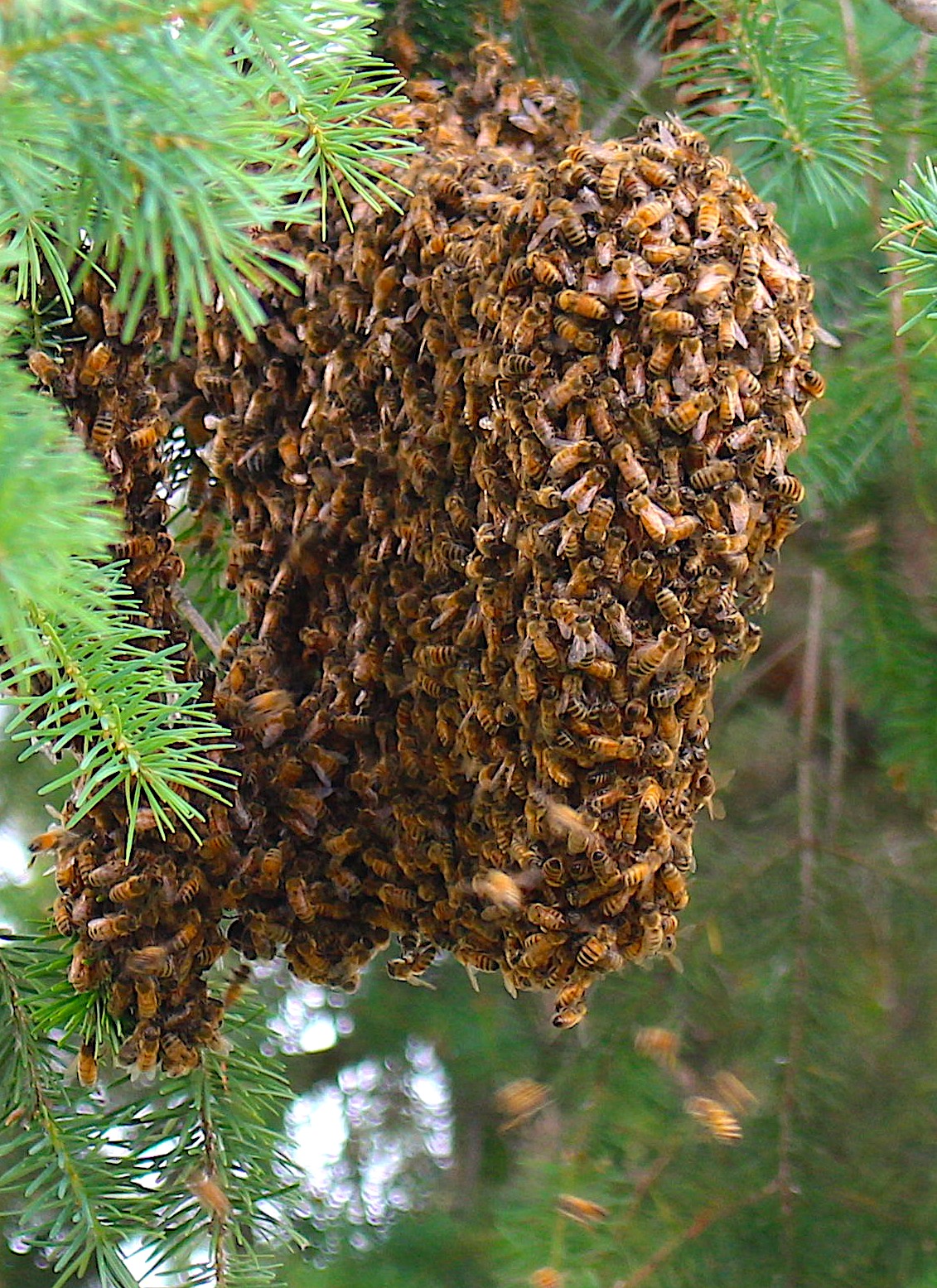
The tradition of telling the bees is that it matters to the community of hives how people who care for them are faring: is there a wedding coming up? a baby due? an overwhelming illness? a death of a loved one? If a hive is kept in ignorance, the cloud of grief will sicken them or drive them away. Shared grief is a nurturing spirit that allows the community to thrive and move on in sweetness.

Nothing happens without an impact down the line; the butterfly effect is also the bee effect. We speak softly of our desolation and suffering so our tears water thirsty ground.

Let the bees know, let them hear; the bees will go about their work and they will turn our sorrow to honey.

Wept Over

And when he drew near and saw the city, he wept over it, saying, “Would that you, even you, had known on this day the things that make for peace!
But now they are hidden from your eyes. 
~Luke 19:41-42

Facing ahead to
a week of knowing thousands
are ill, grieving, dying,
a week facing my own fears of vulnerability and mortality,
a week where thorns overwhelm the blossoms~~

To remember what He did this week long ago,
to conquer the shroud and the stone,
to defy death,
makes all the difference for us right now, here.

Indeed Jesus wept and groaned for us.

To be known for who we are
by a God who weeps for us
and groans with pain we caused:
we can know
no greater love.

This week ends our living for self, only to die,
and begins our dying to self, in order to live.

This year’s Barnstorming theme for the season of Lent:

God sees us as we are,
loves us as we are,
and accepts us as we are.
But by His grace,
He does not leave us where we are.
~Tim Keller

Seems the sorrow untold, as you look down the road
At the clamoring crowd drawing near
Feel the heat of the day, as you look down the way
Hear the shouts of Hosanna the King

Chorus
Oh, daughter of Zion your time’s drawing near
Don’t forsake Him, oh don’t pass it by
On the foal of a donkey as the prophets had said
Passing by you, He rides on to die

Come now little foal, though you’re not very old
Come and bear your first burden bravely
Walk so softly upon all the coats and the palms
Bare the One on your back oh so gently

Midst the shouting so loud and the joy of the crowd
There is One who is riding in silence
For He knows the ones here will be fleeing in fear
When their shepherd is taken away

Soon the thorn cursed ground will bring forth a crown
And this Jesus will seem to be beaten
But He’ll conquer alone both the shroud and the stone
And the prophesies will be completed
On the foal of a donkey as the prophets had said
Passing by you He rides on to die
~Michael Card

He Does Not Leave Us Where We Are: Between Heaven and Earth

Slowly the west reaches for clothes of new colors
which it passes to a row of ancient trees.
You look, and soon these two worlds both leave you
one part climbs toward heaven, one sinks to earth.

leaving you, not really belonging to either,
not so hopelessly dark as that house that is silent,
not so unswervingly given to the eternal as that thing
that turns to a star each night and climbs–

leaving you (it is impossible to untangle the threads)
your own life, timid and standing high and growing,
so that, sometimes blocked in, sometimes reaching out,
one moment your life is a stone in you, and the next, a star.
~Rainer Maria Rilke “Sunset” (Trans. by Robert Bly) from The Soul is Here for Its Own Joy


We, frail people that we are, live out our lives between heaven and earth, sometimes in an uneasy tug-of-war between the two. We feel not quite ready for heaven as our roots go deep here, yet the challenges of daily life on this soil can seem overwhelmingly difficult and we seek relief, begging for mercy.

As we struggle to stay healthy during a spreading pandemic, it is frightening to watch others suffer as death tolls rise. We pray for safety for ourselves and those we love, knowing we are living “in between” where we are now and where we soon will be.

Shall we remain stones on the ground, still and lifeless, or are we destined to become a star glistening in the firmament?

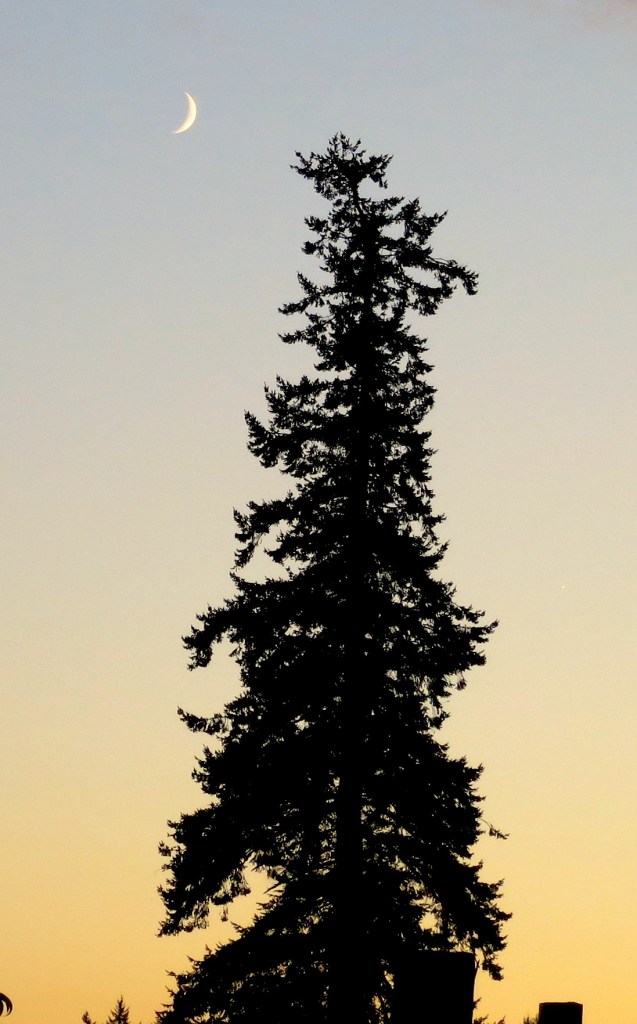
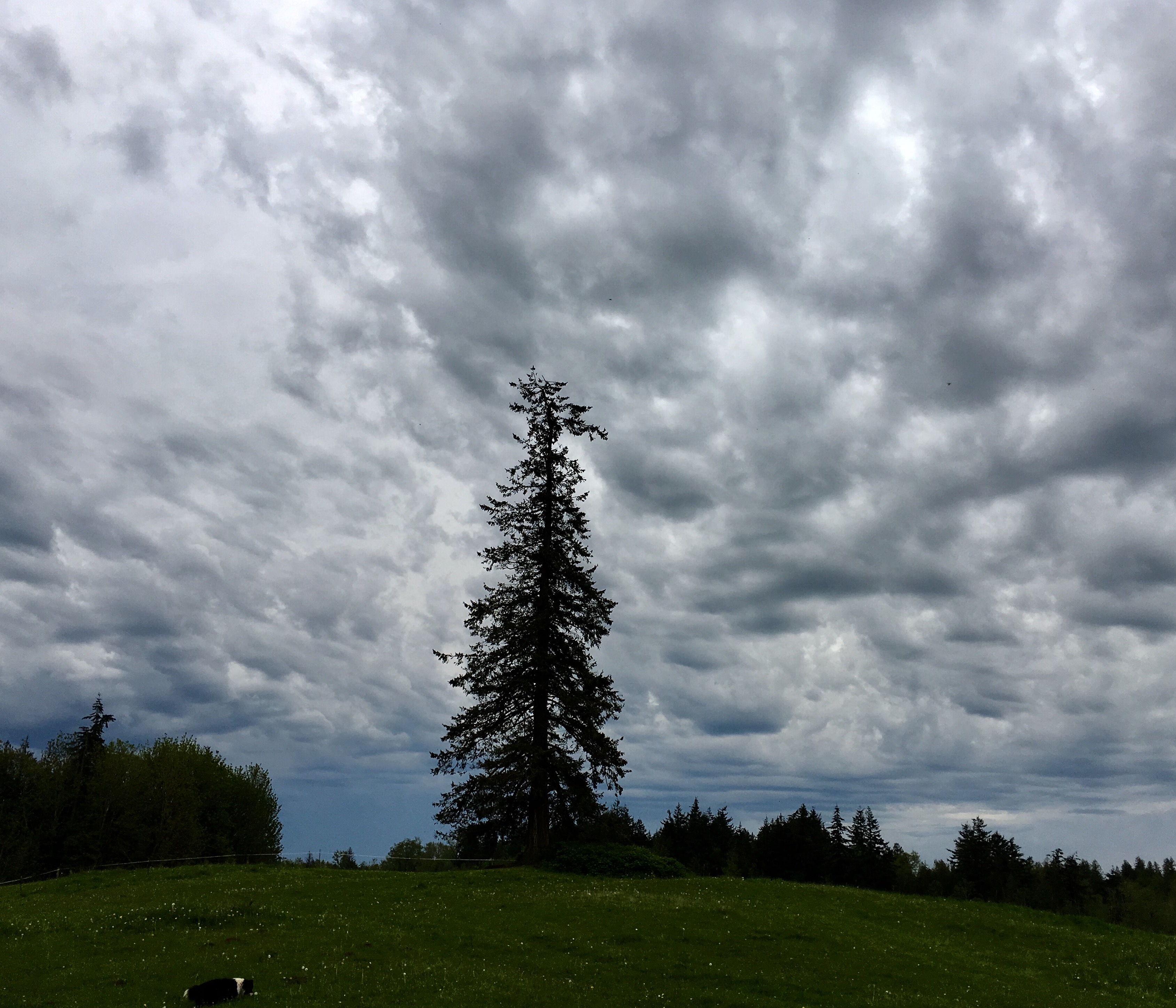
Or are we like a tree stretching between soil and sky trying to touch both and remain standing while buffeted by forces beyond our control?

Christ the Son, on earth and in heaven, maintains an eternal connection to above and below. In His hands and under His protection, we are safe no matter where we are and where He takes us.

We can be mere stones no more.

This year’s Barnstorming theme for the season of Lent:

God sees us as we are,
loves us as we are,
and accepts us as we are.
But by His grace,
He does not leave us where we are.
~Tim Keller

He Does Not Leave Us Where We Are: The Storm Within

Beneath our clothes, our reputations, our pretensions,
beneath our religion or lack of it,
we are all vulnerable both to the storm without
and to the storm within.
~Frederick Buechner – from Telling the Truth

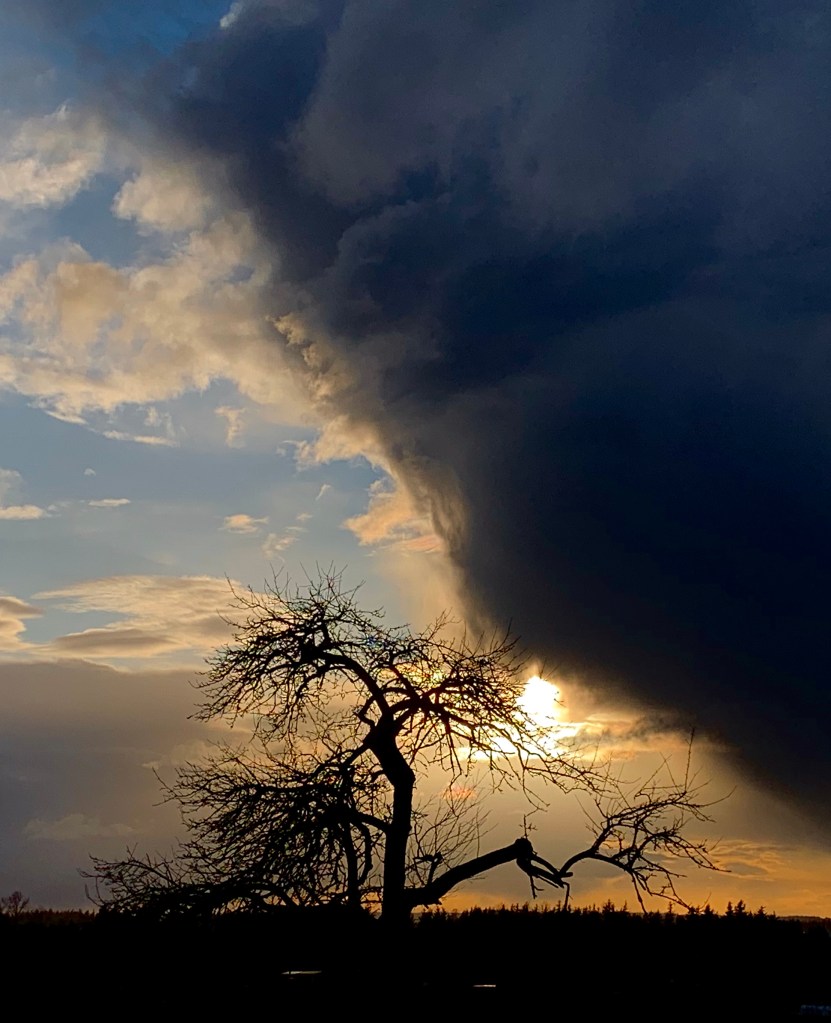
This past month’s storms have been tumultuous on the outside:
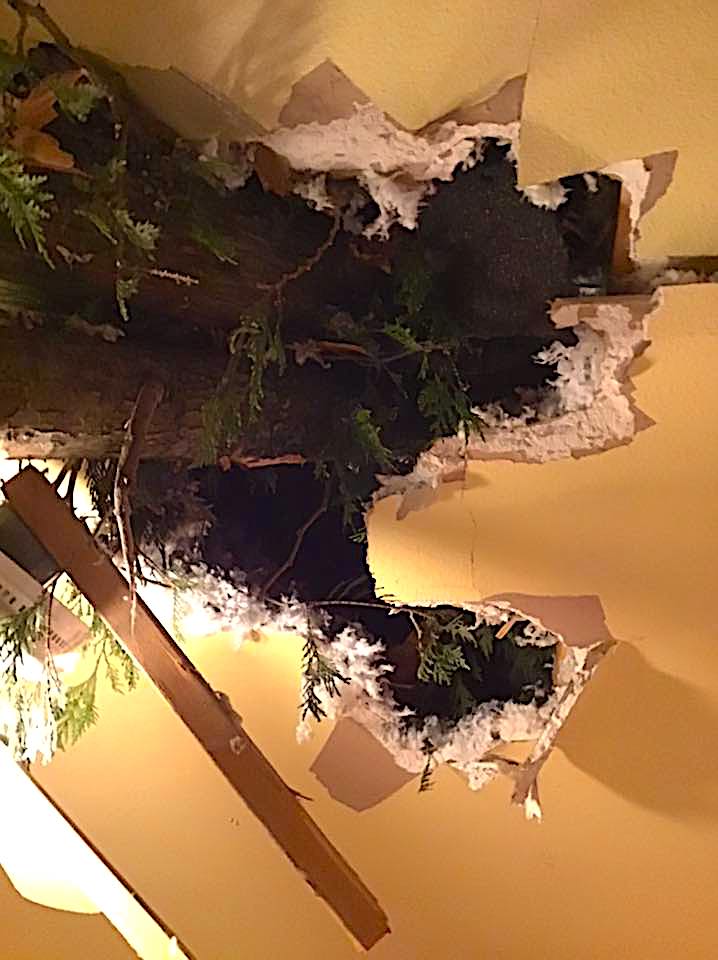
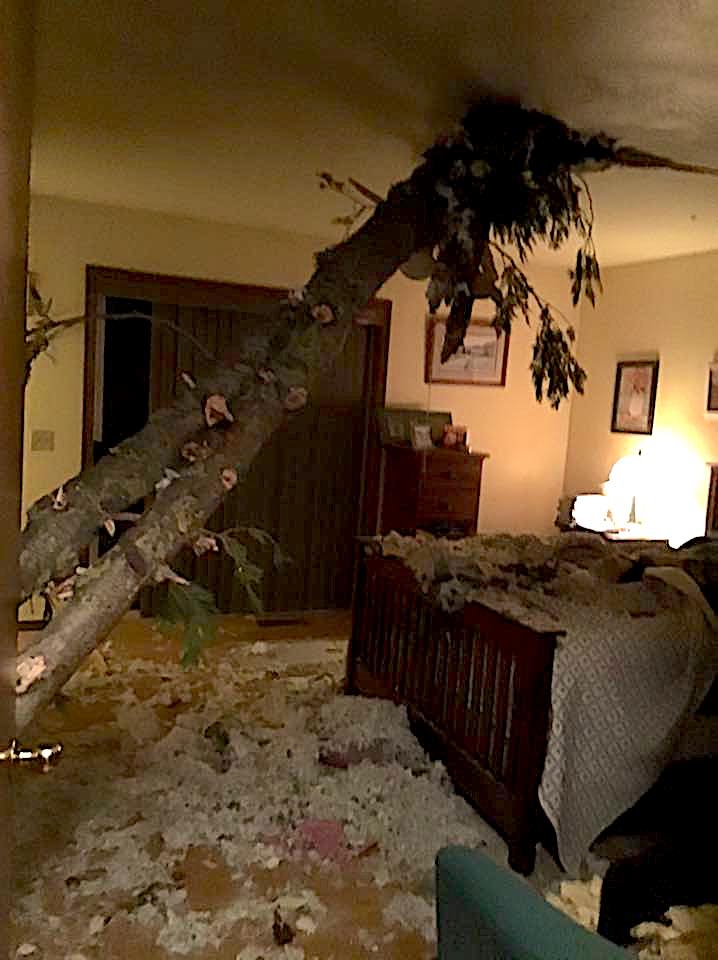
heavy winds toppling a large tree into our friends’ bed room at midnight narrowing missing the bed in which they slept, unexpected regional snowfall, torrential showers, dark threatening clouds on the horizon.

Yet March’s storms are not limited to just the weather:
hundreds of thousands of people sickened by a virus that can kill within days or simply be spread by unwitting asymptomatic people, businesses shut down, hospitals and clinics overwhelmed, hoarding behavior resulting in shortages of products addressing basic needs.

And storms inside my cranium:
at times I feel fearful for myself and my extended family living far away, my words fly out too quickly, my anxiety mixes with frustration, my tears spill too easily, I am immobilized by limitations on where I can go and who I can visit.

This past month and the months to come may well be filled with continued hardship, but I won’t blame the calendar for what has happened. I am not so easily excused from responsibility.  I end up lying awake at night with regrets, wondering if I should be doing more than just telemedicine from home, yet wanting to hide myself and my M.D. degree under a rock until this unending storm blows over.

While the storm rages on, a miracle of grace is happening in many places:
generous people are making a difference in small and large ways all around the world. Some take enormous personal risks to take care of strangers and loved ones. Some work endless hours and when they come home, they remain isolated to avoid contaminating their families.

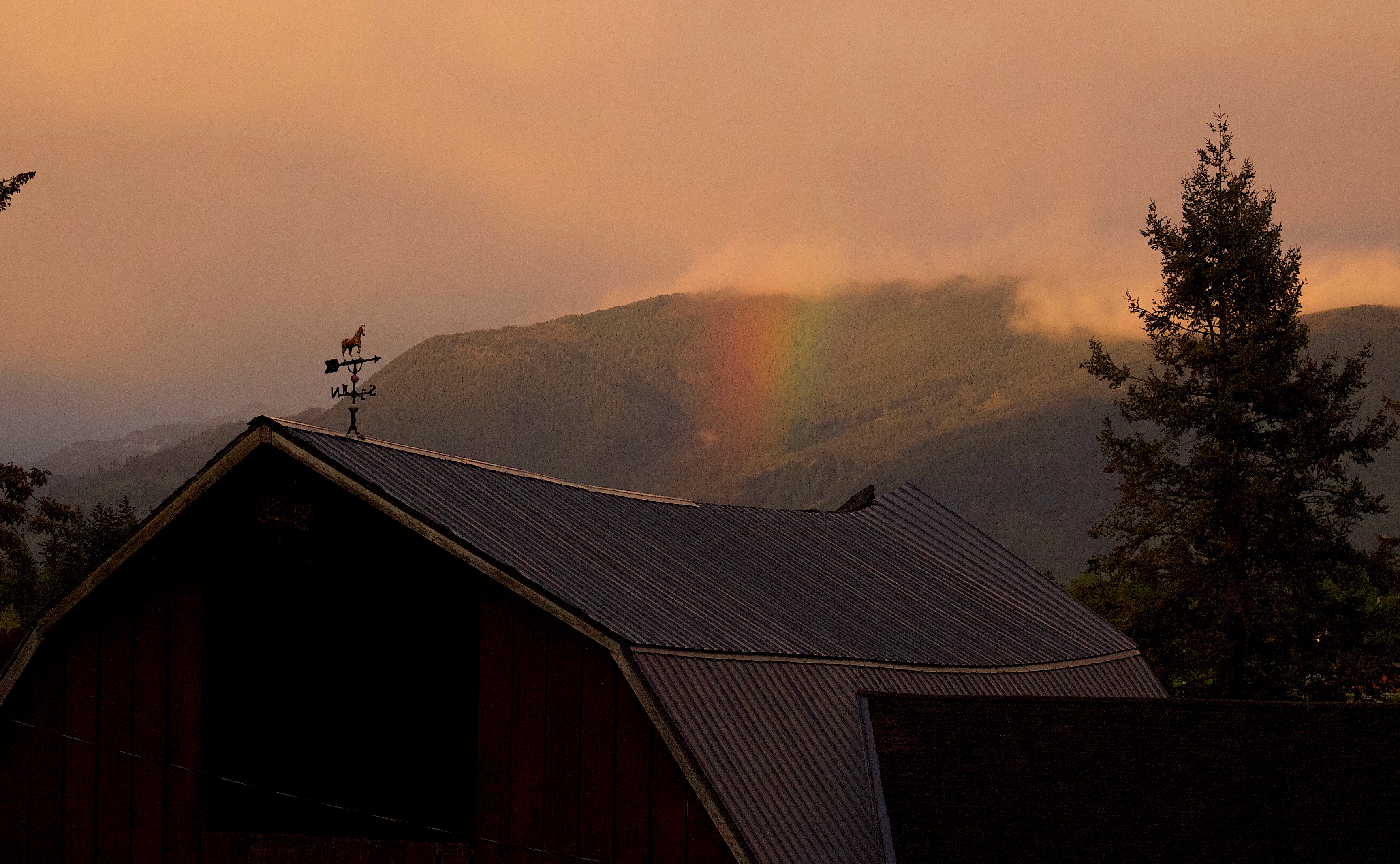
Such grace only happens when the storm is confronted head on by the brilliant light of sacrifice, when the heaviest most threatening clouds begin to weep from illumination that creates a rainbow dropped from heaven.

So we know God cries too. 
His wept tears light the sky in a promise of salvation.
He assures us of this because He won’t leave us in the darkness:
His Light will prevail and this storm too shall pass.

God sees us as we are,
loves us as we are,
and accepts us as we are.
But by His grace,
He does not leave us where we are.
~Tim Keller

But By His Grace: Let Love Be Heard

The world is indeed full of peril and in it there are many dark places.
But still there is much that is fair. And though in all lands, love is now mingled with grief, it still grows, perhaps, the greater.
— J. R. R. Tolkien from The Fellowship of the Ring

Worldwide. a tsunami of tears overflows in households and communities as COVID-19 wreaks physical and economic havoc in hundreds of thousands of lives. We experience deep sadness and grief when older folks with health conditions are taken by a virulent pneumonia within a matter of days, often dying without a familiar face nearby. And there is no end to our distress when up to 40% of hospitalizations are for younger victims of the virus, most of whom survive, but too many don’t and won’t.

Our sorrow fills a chasm so deep and dark that it is a fearsome thing to even peer from the edge, as so many of us do, praying for far-flung family and friends to remain healthy and unable to be of any direct assistance even if they become ill.  We join the helplessness of countless people in human history who have lived through times that seem unendurable.

We don’t understand why inexplicable tragedy befalls good and gracious people, taking them when they are not yet finished with their work on earth.  From quakes that topple buildings burying people, to waves that wipe out whole cities and sweep away thousands of people, to a pathogen too swift and powerful for all the weapons of modern medicine,  we are reminded every day – we live on perilous ground and our time here has always been finite. We don’t have control over the amount of time, but we do have control over how our love is heard and spread.

There is assurance in knowing we do not weep alone; Our Lord is acquainted with grief.  Our grieving is so familiar to a suffering God who too wept at the death of a beloved friend, and who cried out when He was tasked with enduring the unendurable.

There is comfort in knowing He too peered into the chasm of darkness;
He willingly entered its depths to come to our rescue with His incomparable capacity for Light and Love.

This year’s Lenten theme for Barnstorming:

God sees us as we are,
loves us as we are,
and accepts us as we are.
But by His grace,
He does not leave us where we are.
~Tim Keller

Angels, where you soar
Up to God’s own light
Take my own lost bird
On your hearts tonight;
And as grief once more
Mounts to heaven and sings
Let my love be heard
Whispering in your wings
~Alfred Noyes

But By His Grace: In Solitudes of Peace

Now a red, sleepy sun above the rim
Of twilight stares along the quiet weald,
And the kind, simple country shines revealed
In solitudes of peace, no longer dim.
The old horse lifts his face and thanks the light,
Then stretches down his head to crop the green.
All things that he has loved are in his sight;
The places where his happiness has been
Are in his eyes, his heart, and they are good.
~Siegfried Sassoon from “Break of Day”

When we are at war,
whether deep in the foxhole
hiding from the enemy,
or fighting against a wily pathogen
which makes its hidden way, person to person,
we sing our battle hymn without ceasing.

Amid the suffering
we dream of better days
and an untroubled past,
when the hunter and hunted was merely a game,
not real life and even more real death.

This is war against a contagious disease,
not against one another.

Move away from reading 24 hour headlines.
Avoid being crushed in the numbers of viral dead and dying;
ignore the politics of power
or by those frantically salvaging shredded investments
or hoarding the last from bare shelves.

Do not forget
how the means of peace was
sent to earth
directly from God
by one Man walking among us.

So stay home, giving the enemy no fresh place to invade.
Pray for those who sacrifice much to care for the ill.

A new day breaks fresh each morning
and folds gently and quietly each evening.
Be glad to live another day
with all those things you love within your sight:
so glad, so grateful, such glory
to be reminded how rich we all are.

This year’s Lenten theme for Barnstorming:

God sees us as we are,
loves us as we are,
and accepts us as we are.
But by His grace,
He does not leave us where we are.
~Tim Keller

Mine eyes have seen the glory of the coming of the Lord
You are speaking truth to power, you are laying down our swords
Replanting every vineyard ’til a brand new wine is poured
Your peace will make us one

I’ve seen you in our home fires burning with a quiet light
You are mothering and feeding in the wee hours of the night
Your gentle love is patient, you will never fade or tire
Your peace will make us one

Glory! Glory! Hallelujah!
Your peace will make us one

In the beauty of the lilies, you were born across the sea
With a glory in your bosom that is still transfiguring
Dismantling our empires ’til each one of us is free
Your peace will make us one

Glory! Glory! Hallelujah!
Your peace will make us one

He Accepts Us As We Are: Hiding Nothing

You can hide nothing from God.
The mask you wear before men will do you no good before Him.
He wants to see you as you are,
He wants to be gracious to you.
You do not have to go on lying to yourself and your brothers,
as if you were without sin;
you can dare to be a sinner.

~Dietrich Bonhoeffer from Life Together


In your hands

The dog, the donkey, surely they know
They are alive.
Who would argue otherwise?


But now, after years of consideration,
I am getting beyond that.
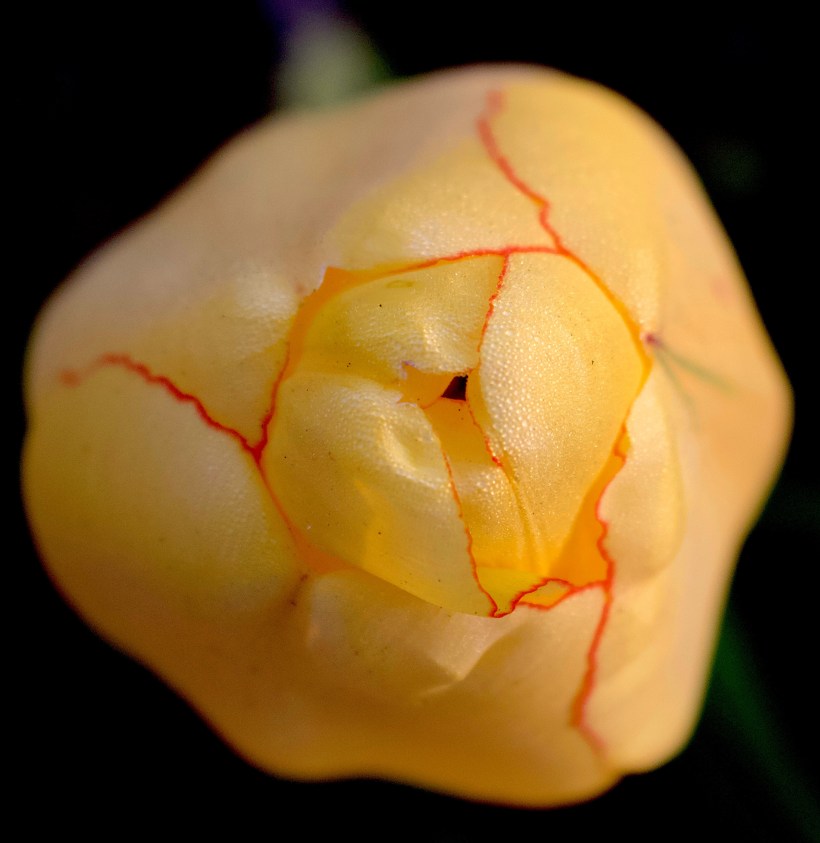
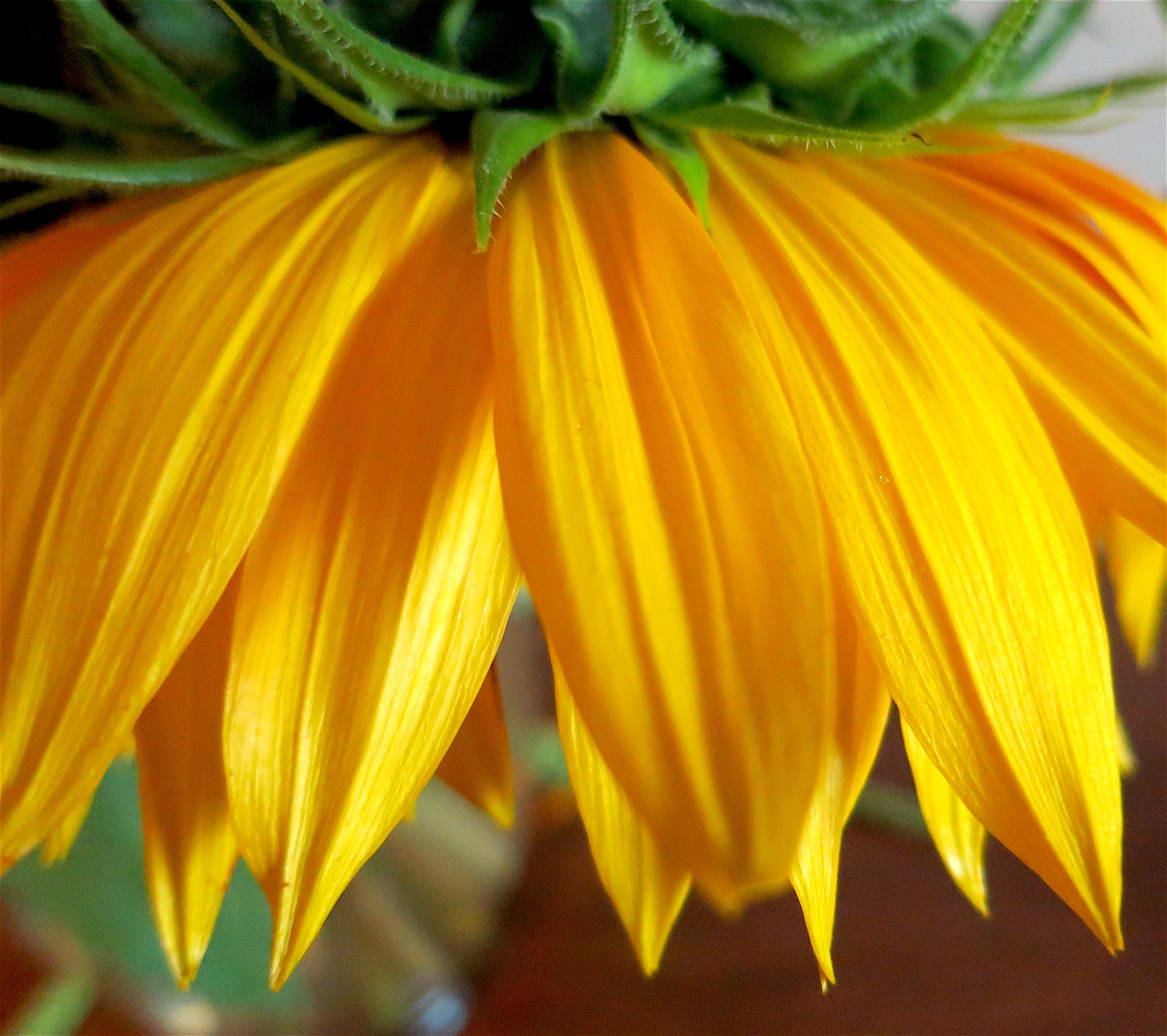
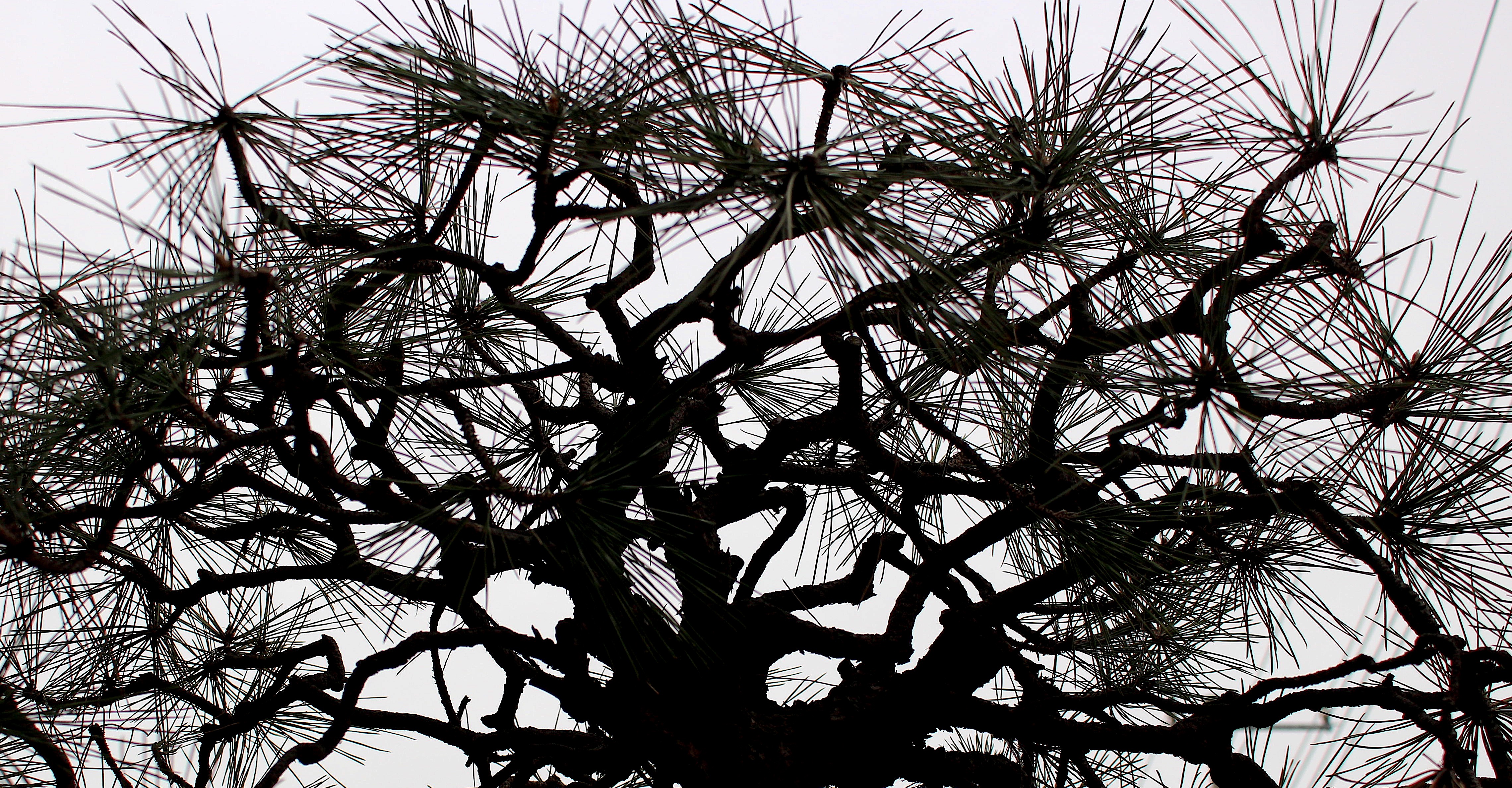
What about the sunflowers? What about
The tulips, and the pines?


Listen, all you have to do is start and
There’ll be no stopping.
What about mountains? What about water
Slipping over rocks?


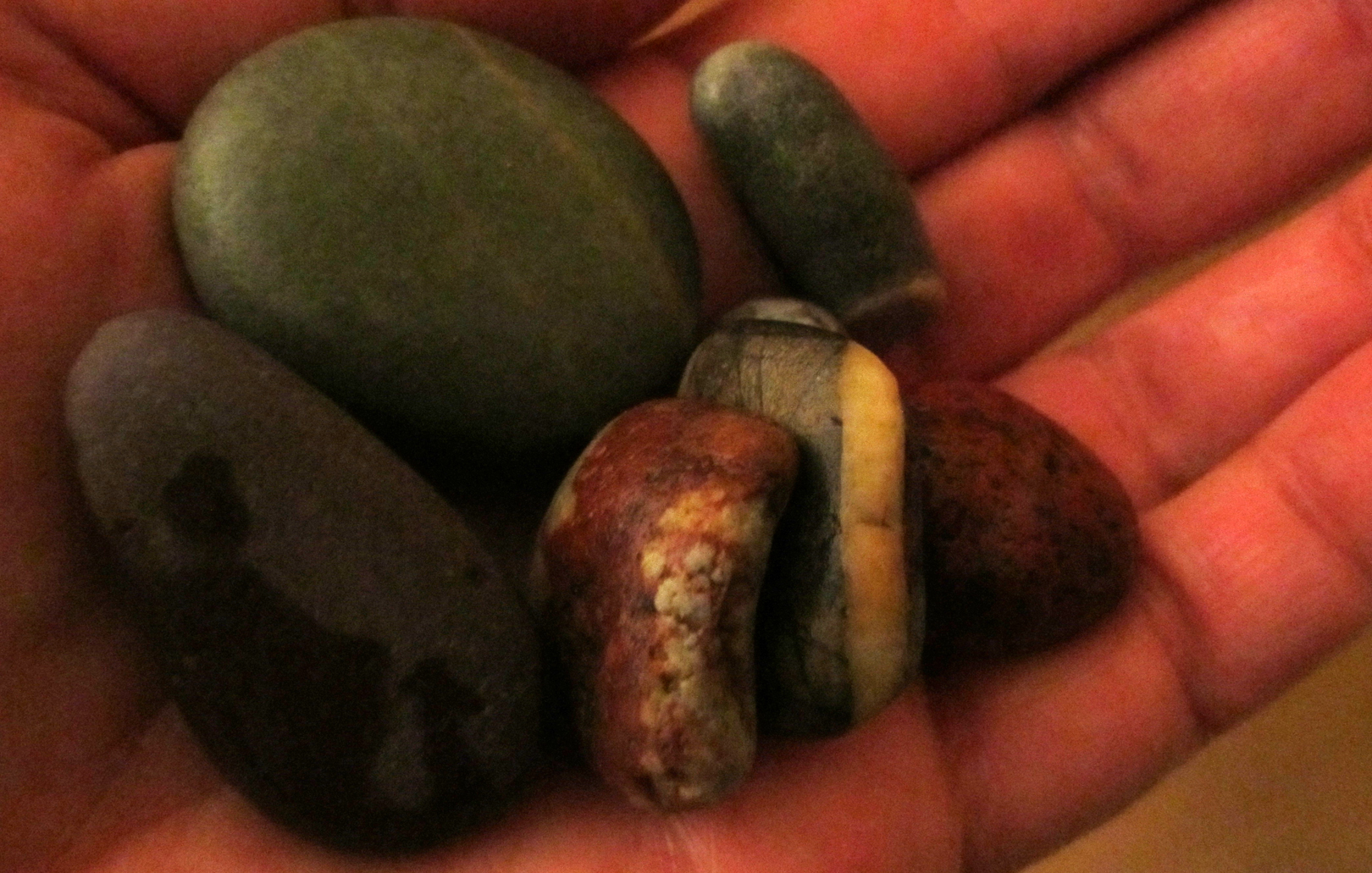
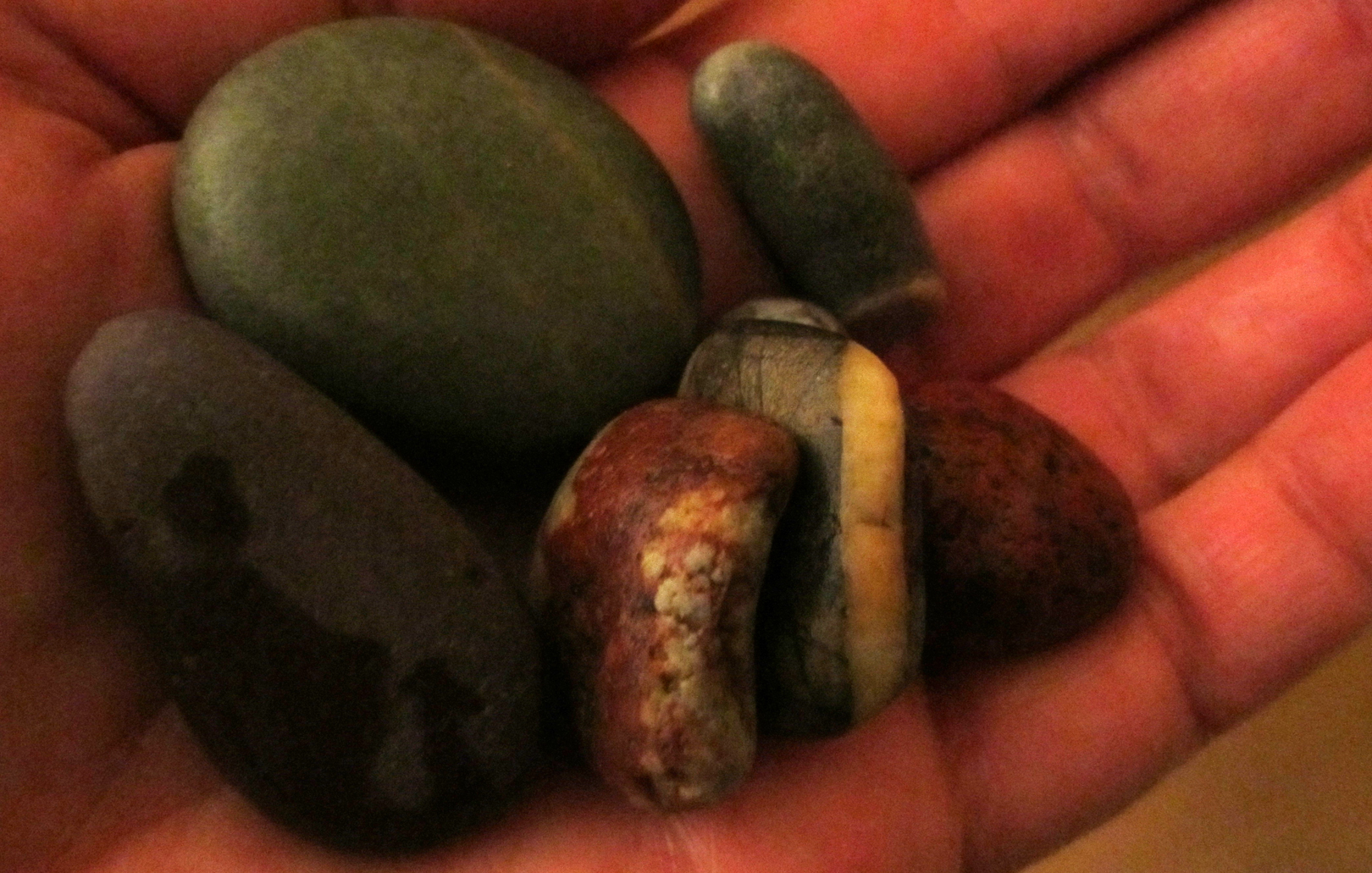
And speaking of stones, what about
The little ones you can
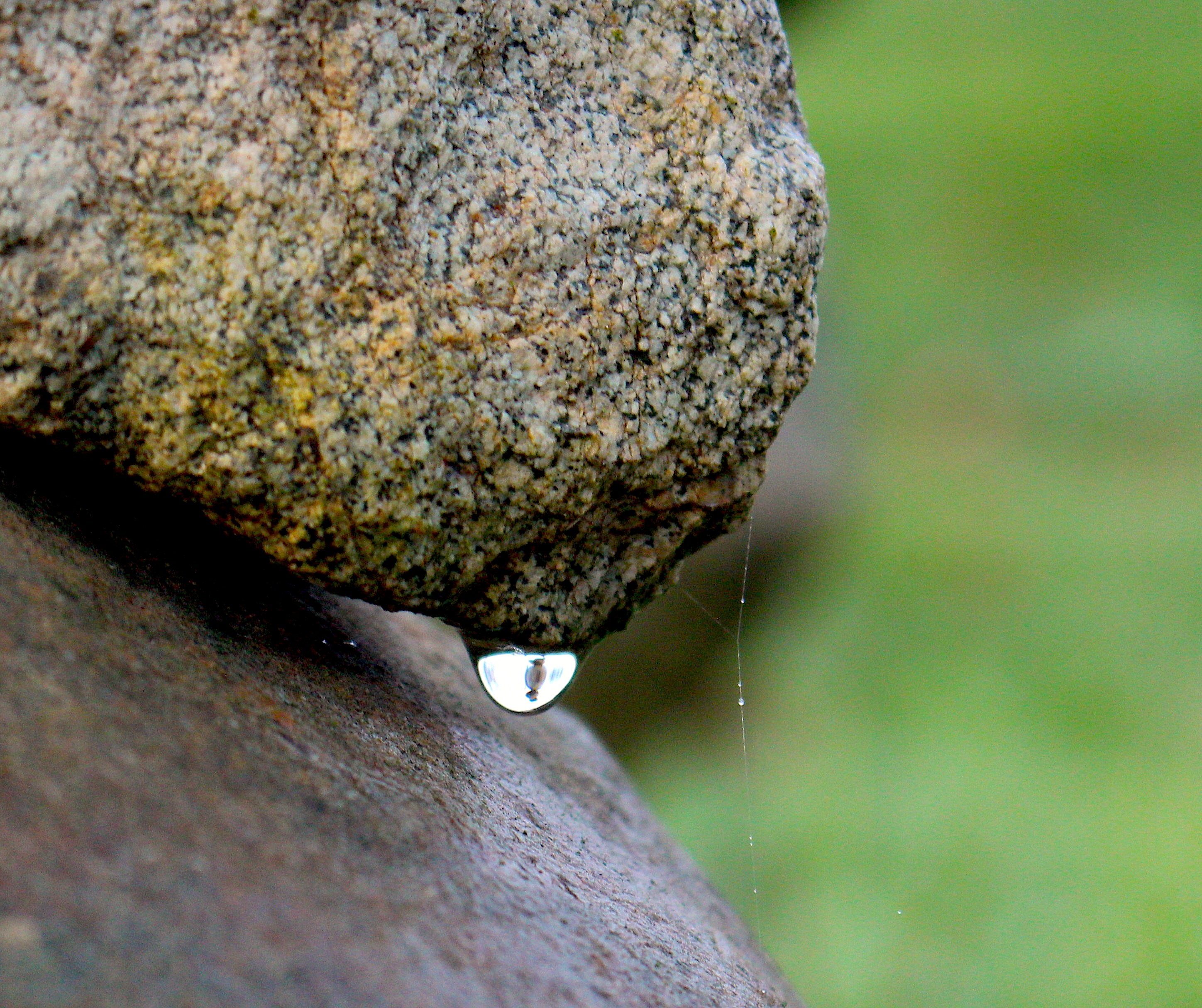
Hold in your hands, their heartbeats
So secret, so hidden it may take years


Before, finally, you hear them?
~Mary Oliver from
Swan: Prose and Poems

When I myself go to the doctor, I am to trust I’m seeing someone who is meant to know me thoroughly enough that he or she will help me move out of illness into better health. This is how acceptance feels: trusting someone enough to come out of hiding.

As a physician myself, I am reminded by the amount of “noticing” I need to do in the course of my work.  Each patient, and there are so many,  deserves my full attention for the few minutes we are together.  I start my clinical evaluation the minute we sit down together and I begin taking in all the complex verbal and non-verbal clues offered up, sometimes unwittingly, by another human being.

Now, during the COVID19 pandemic, my interactions with patients are all “virtual” so I don’t have the ability to observe as I usually do, so I need them to tell me outright what is going on in their lives, their minds and their hearts in spoken or written words. I can’t ‘see’ them, even on a screen, in the same way.

How might someone call out to me when their faces are hidden?

I can’t witness first hand the trembling hands, their sweatiness, the scars of self injury.  Still, I am their audience and a witness to their struggle; even more, I must understand it in order to best assist them.  My brain must rise to the occasion of taking in another person, accepting them for who they are, offering them the gift of compassion and simply be there for them, just them, right now.

God doesn’t struggle in His Holy work as I do in my clinical duties. He knows us thoroughly because He made us; He knows our thoughts before we put them into words. There is no point in staying hidden from Him.

He holds us, little pebbles that we are, in His Hand, and He discerns our secret heartbeats.

We, the hidden, are His.

This year’s Lenten theme for Barnstorming:

God sees us as we are,
loves us as we are,
and accepts us as we are.
But by His grace,
He does not leave us where we are.
~Tim Keller

I will search in the silence for your hiding place.
In the quiet, Lord, I seek your face.
Where can I discover the wellsprings of your love?
Is my search and seeking in vain?
How can I recover the beauty of your word?
In the silence I call out your name.
Where can I find shelter to shield me from the storm?
To find comfort, though dark be the night?
For I know that my welfare is ever in your sight.
In the shadows I long for your light.
Lead me in your footsteps along your ancient way.
Let me walk in the love of the Lord.
Your wisdom is my heart’s wealth, a blessing all our days.
In the silence I long for Your world.
~Liam Lawton