Now Moses was pasturing the flock of Jethro His father-in-law, the priest of Midian; and He led the flock to the west side of the wilderness, and came to Horeb, the mountain of God.
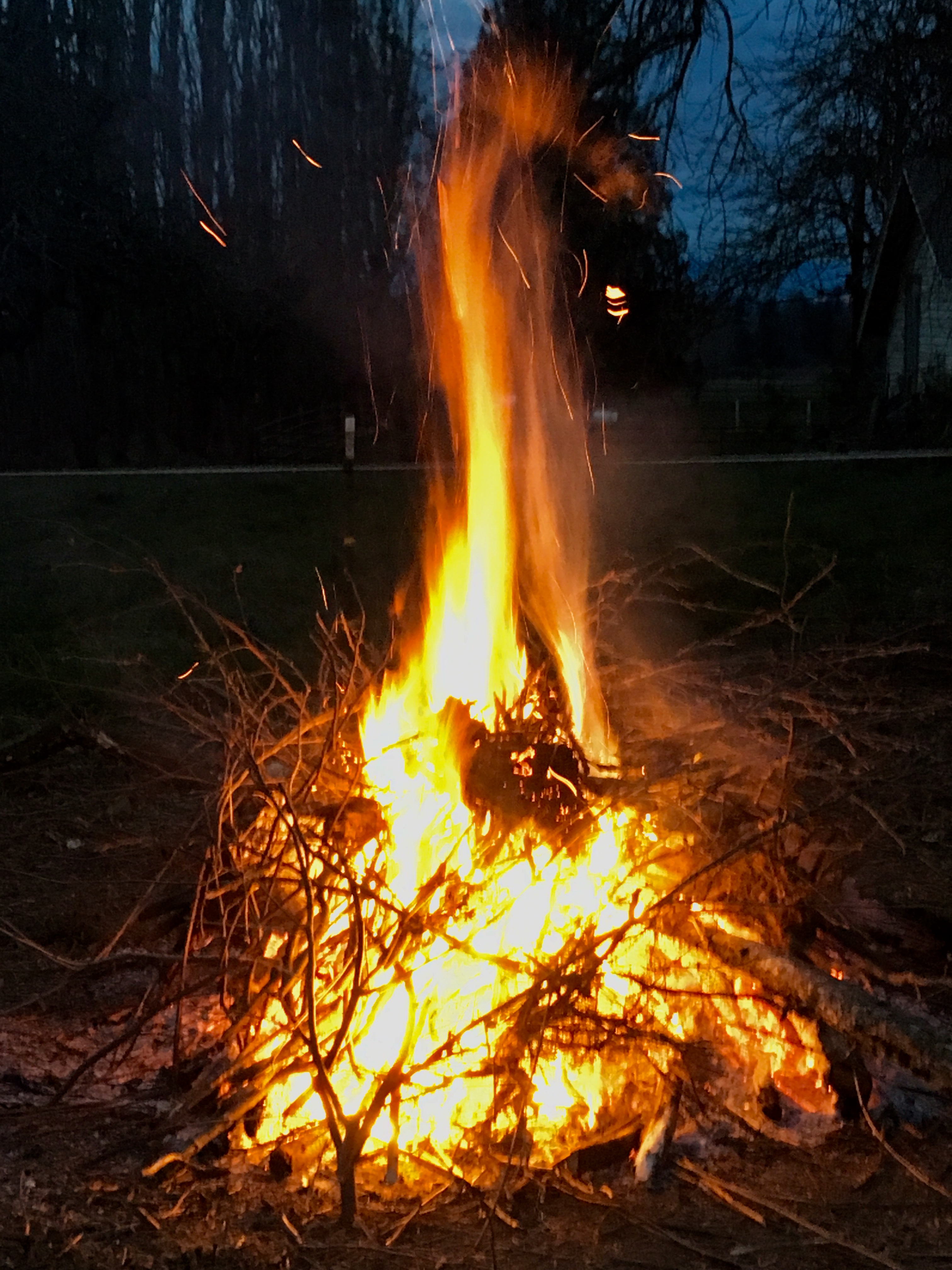
And the Angel of the Lord appeared to him in a blazing fire from the midst of a bush; and He looked, and behold, the bush was burning with fire, yet the bush was not consumed.
So Moses said, “I must turn aside now, and see this marvelous sight, why the bush is not burned up.” When the Lord saw that he turned aside to look, God called to him from the midst of the bush, and said, “Moses, Moses!” And Moses said, “Here I am.” Then God said, “Do not come near here; remove your sandals from your feet, for the place on which you are standing is holy ground.” ~Exodus 3: 1-5
Earth’s crammed with heaven, and every common bush afire with God; but only he who sees, takes off his shoes — the rest sit around it and pluck blackberries. ~Elizabeth Barrett Browning from “Aurora Leigh”
It is difficult to undo our own damage… It is hard to desecrate a grove and change your mind. The very holy mountains are keeping mum. We doused the burning bush and cannot rekindle it; we are lighting matches in vain under every green tree. ~Annie Dillard from Teaching a Stone to Talk
I need to turn aside and look, to see, as if for the first and last time, the kindled fire that illuminates even the darkest day and never dies away.
I can not douse the burning bush.
I am invited, by no less than God Himself, to shed my shoes, to walk barefoot and vulnerable, to approach His bright and burning dawn.
Only then, only then can I say: “Here I am! Consume me!”
This year’s Lenten theme:
…where you go I will go… Ruth 1:16
AI image created for this post
One-Time
Monthly
Yearly
Make a one-time or recurring donation to support daily Barnstorming posts
Days come and go: this bird by minute, hour by leaf, a calendar of loss.
I shift through woods, sifting the air for August cadences and walk beyond the boundaries I’ve kept
for months, past loose stone walls, the fences breaking into sticks, the poems always spilling into prose.
A low sweet meadow full of stars beyond the margin fills with big-boned, steaming mares.
The skies above are bruised like fruit, their juices running, black-veined marble of regret.
The road gusts sideways: sassafras and rue. A warbler warbles.
Did I wake the night through? Walk through sleeping? Shuffle for another way to mourn?
Dawn pinks up. In sparking grass I find beginnings. I was cradled here. I gabbled and I spun.
As the faithful seasons fell away, I followed till my thoughts inhabited a tree of thorns
that grew in muck of my own making. Yet I was lifted and laid bare. I hung there weakly: crossed, crossed-out.
At first I didn’t know a voice inside me speaking low. I stumbled in my way.
But now these hours that can’t be counted find me fresh, this ordinary time like kingdom come.
In clarity of dawn, I fill my lungs, a summer-full of breaths. The great field holds the wind, and sways. ~Jay Parini from “Ordinary Time”
It can happen like that: meeting at the market, buying tires amid the smell of rubber, the grating sound of jack hammers and drills, anywhere we share stories, and grace flows between us.
The tire center waiting room becomes a healing place as one speaks of her husband’s heart valve replacement, bedsores from complications. A man speaks of multiple surgeries, notes his false appearance as strong and healthy.
I share my sister’s death from breast cancer, her youngest only seven. A woman rises, gives her name, Mrs. Henry, then takes my hand. Suddenly an ordinary day becomes holy ground. ~ Stella Nesanovich, “Everyday Grace,” from Third Wednesday
photo by Emily Gibson
The only use of a knowledge of the past is to equip us for the present. The present contains all that there is. It is holy ground; for it is the past, and it is the future. ~Alfred North Whitehead
This is the last day of “ordinary time” in the church calendar. Yet nothing in this moment is ordinary.
What matters, happens right at this very moment – standing in the grocery store check out line, changing a smelly diaper, sitting in the exam room of the doctor’s office, mucking stalls in an old barn. Am I living fully in the present now? Am I paying attention?
We are sentient creatures with a proclivity to bypass the here and now to dwell on the past or fret about the future. This has been true of humans since our creation.
Those observing Buddhist tradition and New Age believers of the “Eternal Now” call our attention to the present moment through the teaching of “mindfulness” to dwell fully in a sense of peacefulness and fulfillment.
Mindfulness is all well and good but I don’t believe the present is about our minds.
It is not about us at all.
The present is an ordinary day transformed by God to holy ground where we have been allowed to tread with Him who comes to walk alongside us in our travails:
We remove our shoes in an attitude of respect to a living God. We approach each other and each sacred moment with humility. We see His quotidian holiness in all our ordinary activities. We are connected to one another through His Word and promises.
There will be no other moment just like this one, so there is no time to waste.
Barefoot and calloused, sore and stumbling at times, together we step onto the holy and healing ground of Advent.
AI image created for this post — I burst out laughing when I saw what AI came up with for “walking on holy ground”!! Maybe it really isn’t too far off, as much of the time, I’m not sure if I’m coming or going and this illustrates that dilemma pretty well!
Pleni sunt caeli et terra gloria tua. Osana in excelsis. Benedictus qui venit in nomine Domina. Benedictus qui venit. Osana in excelsis. Agnus Dei, qui tolis peccata mundi. Dona nobis pacem.
Heaven and earth are full of your glory. Hosanna in the highest. Blessed is he who comes in the name of the Lord. Blessed is he who comes. Hosanna in the highest. Lamb of God, Who take away the sins of the world. Grant us peace.
One-Time
Monthly
Yearly
Make a one-time or recurring donation to support daily Barnstorming posts
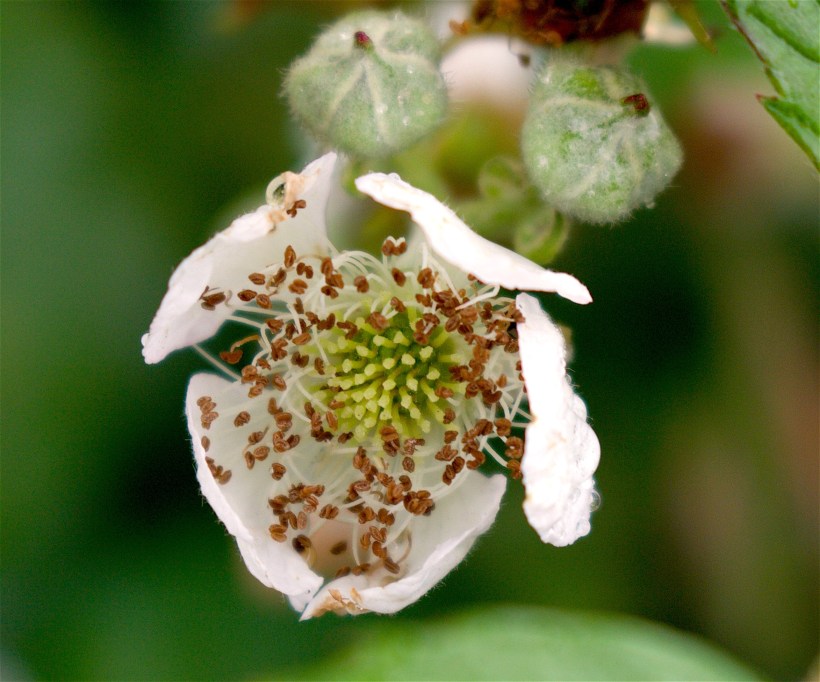
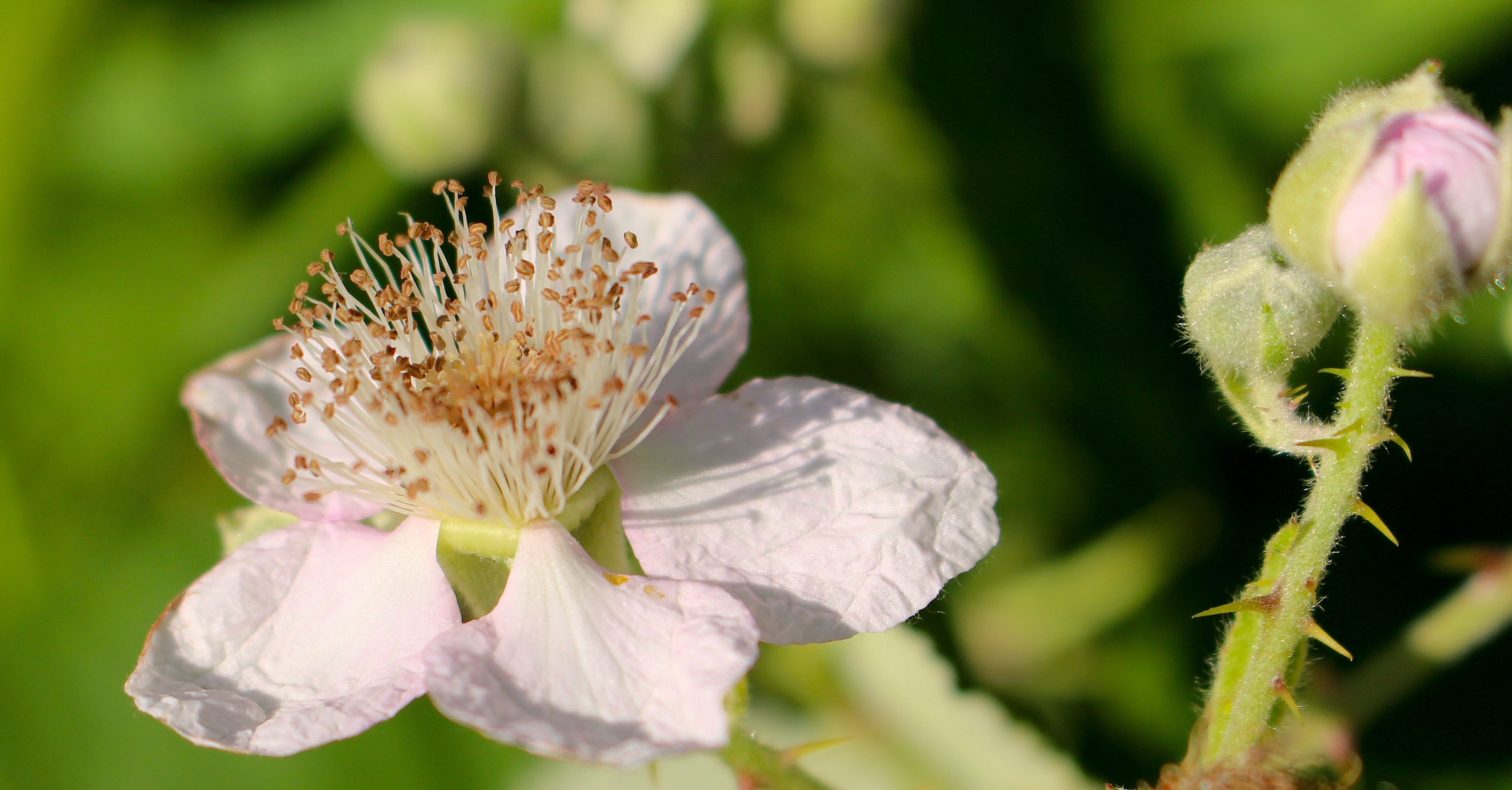
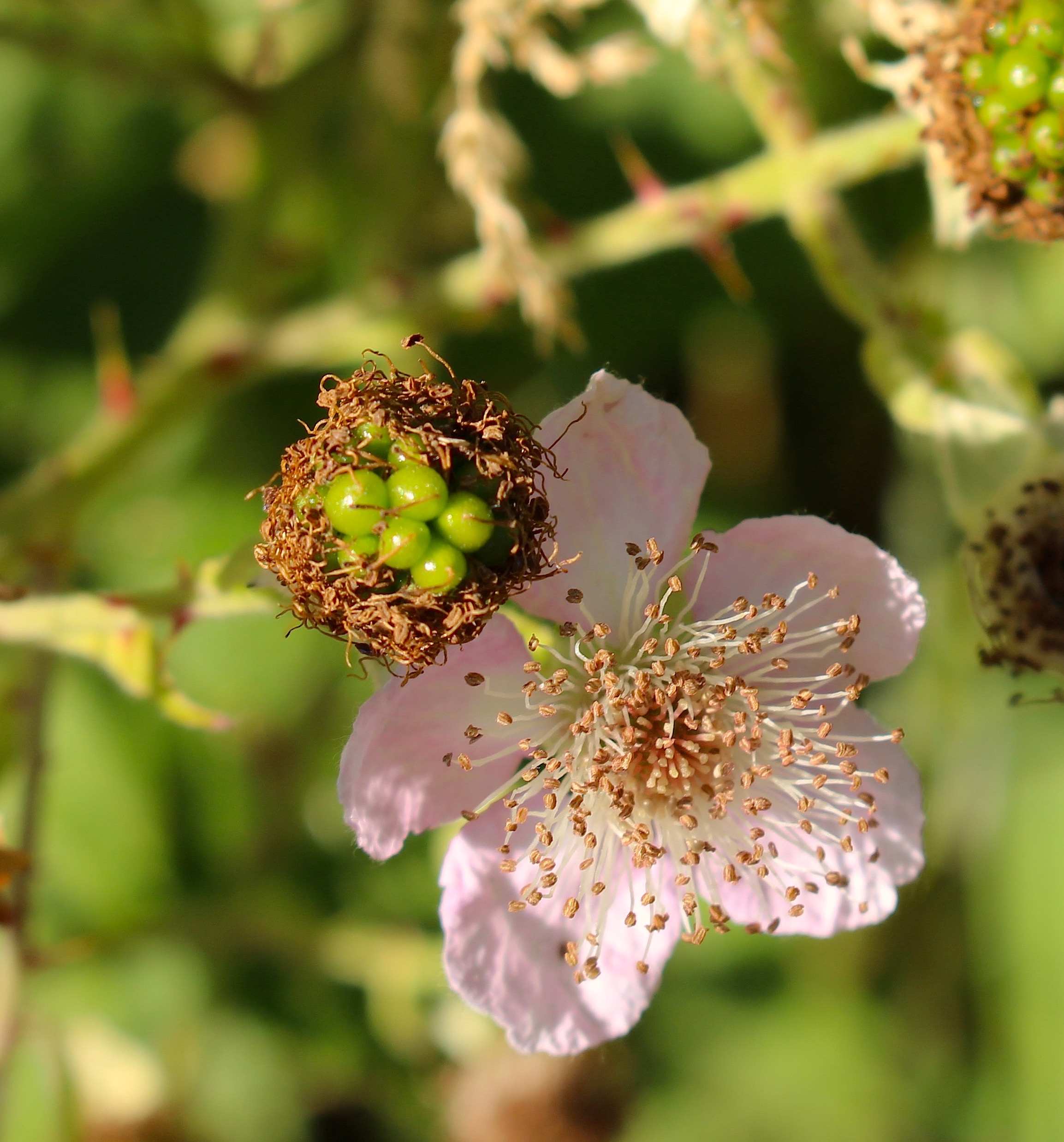
If you listen, you can hear it, a blackberry changing from flower to berry, in the slowness
you can hear the leaves make oxygen, like filling a low tire, or a pinfeather breaking loose,
the still has different shades of quiet, some potency, and then, the words disappear
you have to lower the heart like temperature, like a stone in molasses, filling the emptiness. ~Martin Willitts Jr., “Sitting Still to Hear the Quiet” at Blue Heron Review
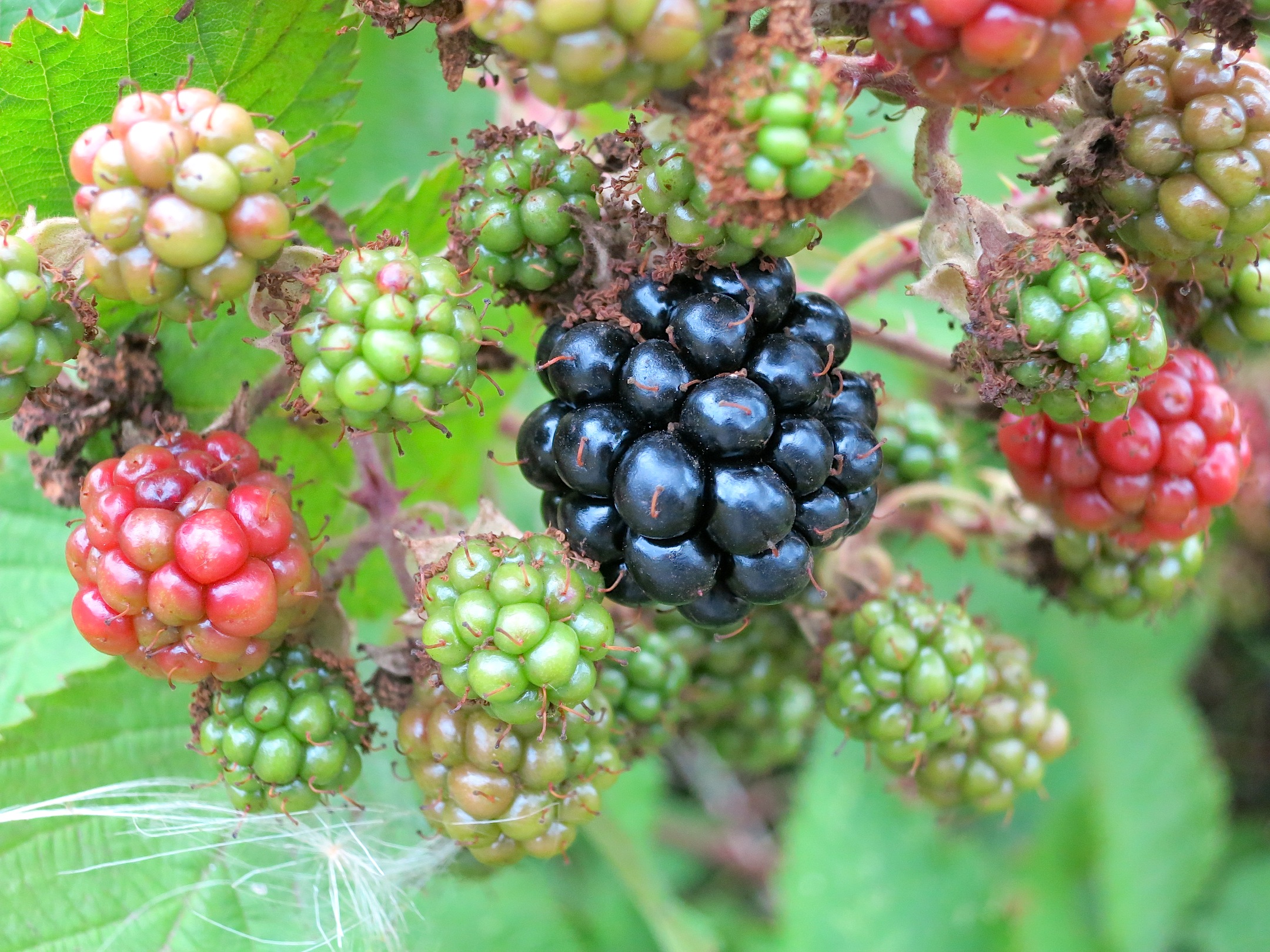
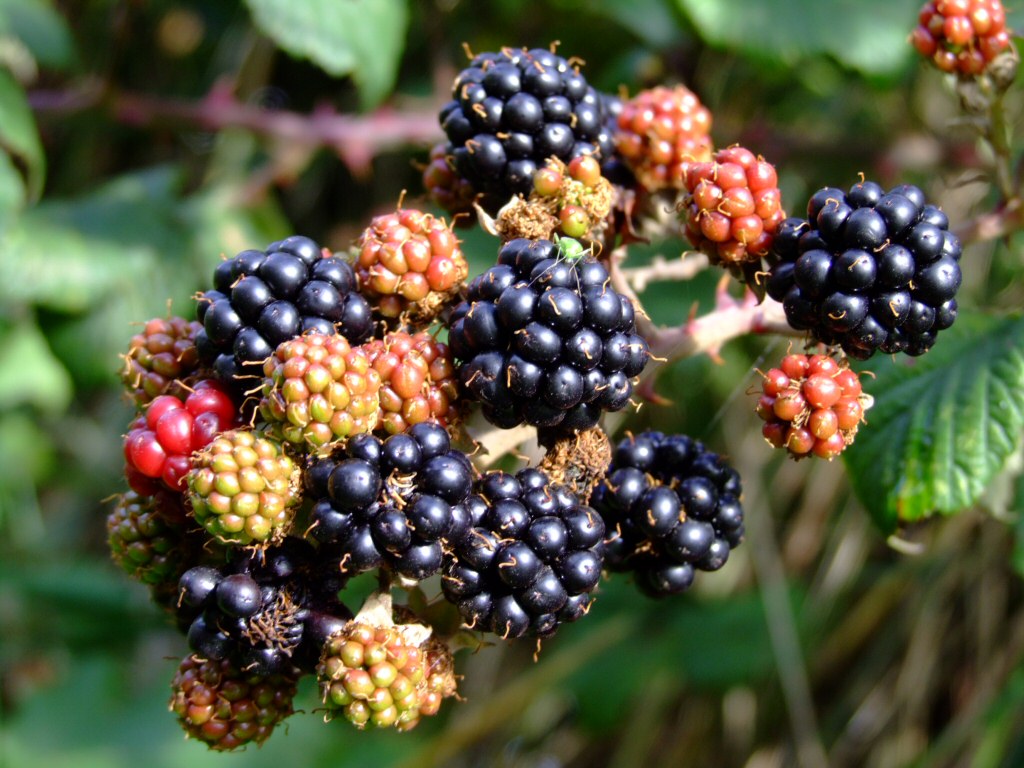
Earth’s crammed with heaven And every common bush afire with God But only he who sees, takes off his shoes, The rest sit round it and pluck blackberries~ –Elizabeth Barrett Browning in “Aurora Leigh”
…the ripest berries fall almost unbidden to my tongue, as words sometimes do, certain peculiar words like strengths or squinched, many-lettered, one-syllabled lumps, which I squeeze, squinch open, and splurge well in the silent, startled, icy, black language of blackberry-eating…. ~Galway Kinnell from “Blackberry Eating”
The hot days of summer bring a new stillness when I find it difficult to do even the basics each day. The air is sticky and so am I.
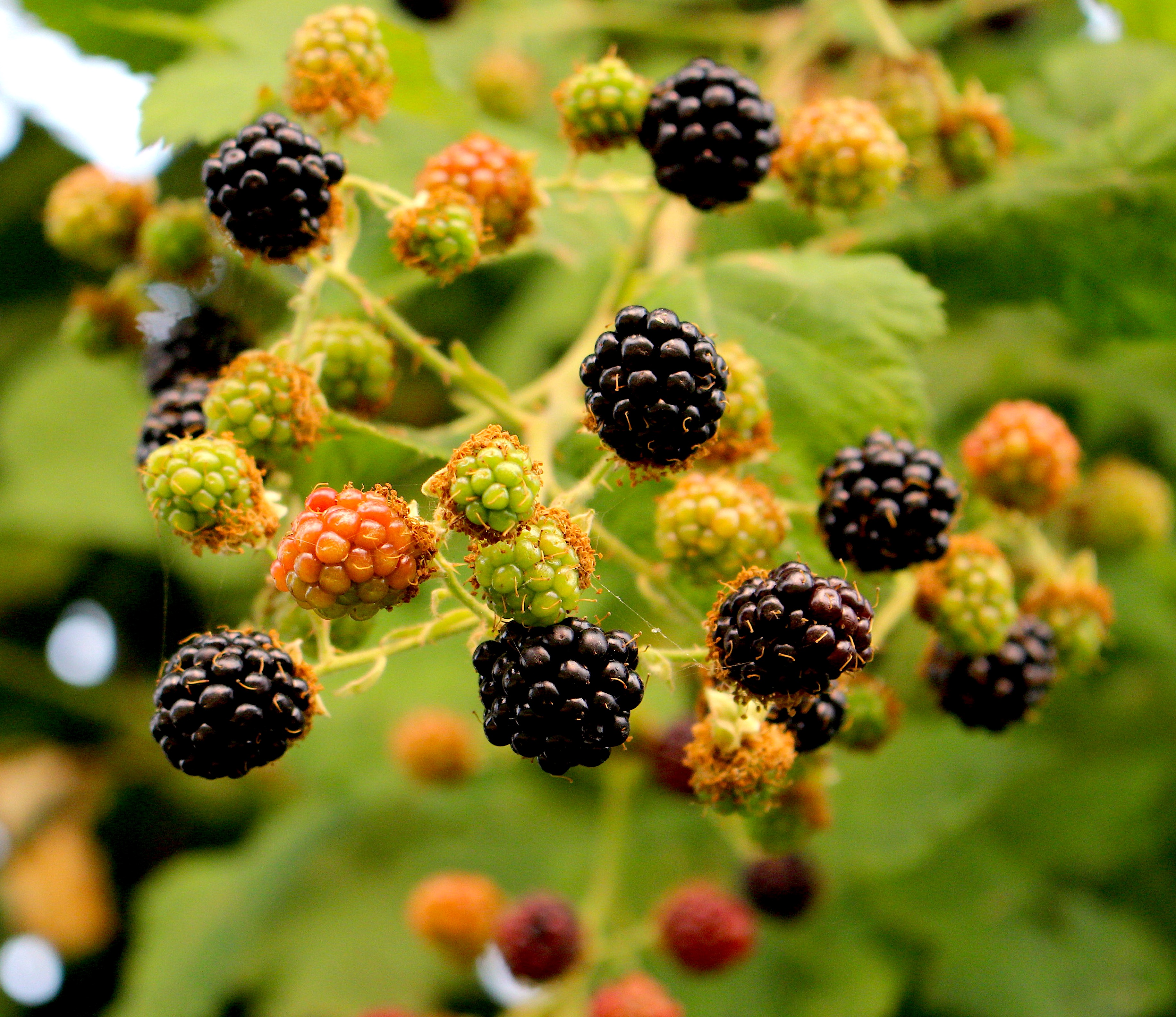
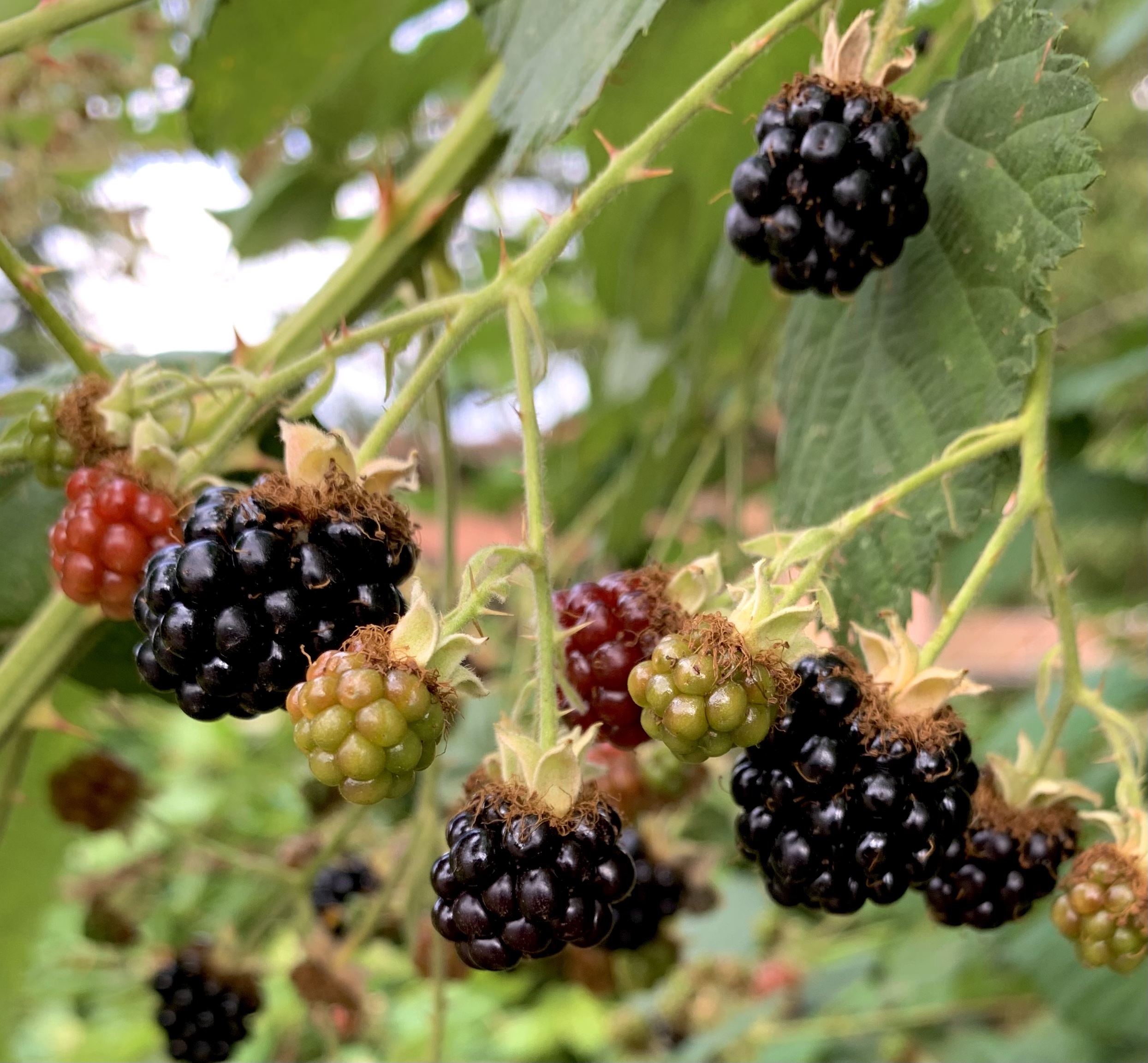
So I sit in silence, listening for the changes taking place around me as blossoms slowly fruit and once-bare thorny vines bear black gold.
What once was empty fills quickly.
I am filled to fruiting as well, finding no words to describe how life feels. I’m blinded to the burning bushes surrounding me, I forget to take off my shoes and pay attention to the holy ground beneath my feet.
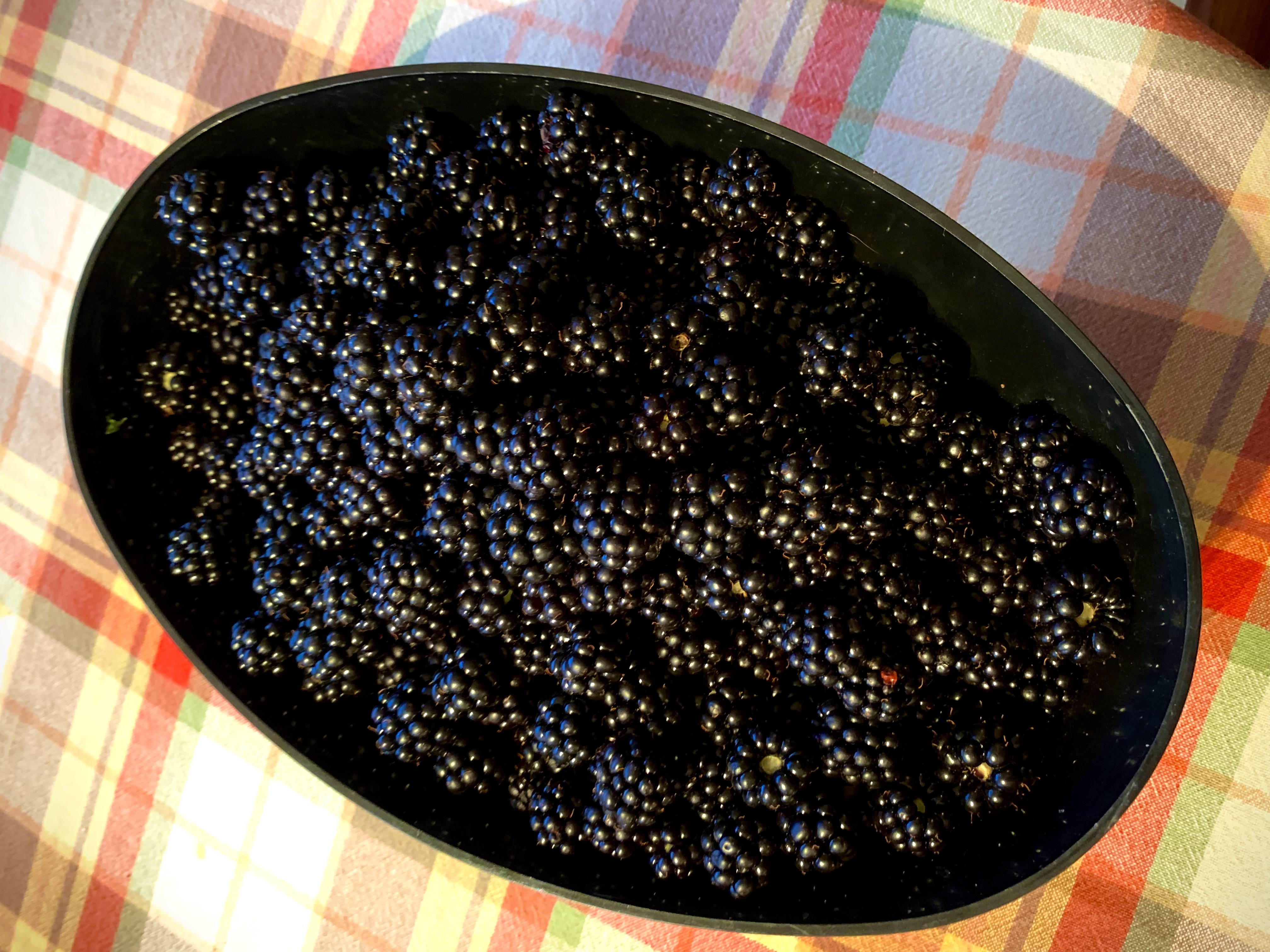
Instead I sit and pluck blackberries, lost within myself, trying to fill up my empty spots when God knows He is sufficient.
One-Time
Monthly
Yearly
Make a one-time or recurring donation to support daily Barnstorming posts
Earth’s crammed with heaven, And every common bush afire with God: But only he who sees takes off his shoes. ~Elizabeth Barrett Browningfrom “Aurora Leigh”
This week, the body of Christian believers once again traverse the holy ground of Jesus’ passion, death and resurrection.
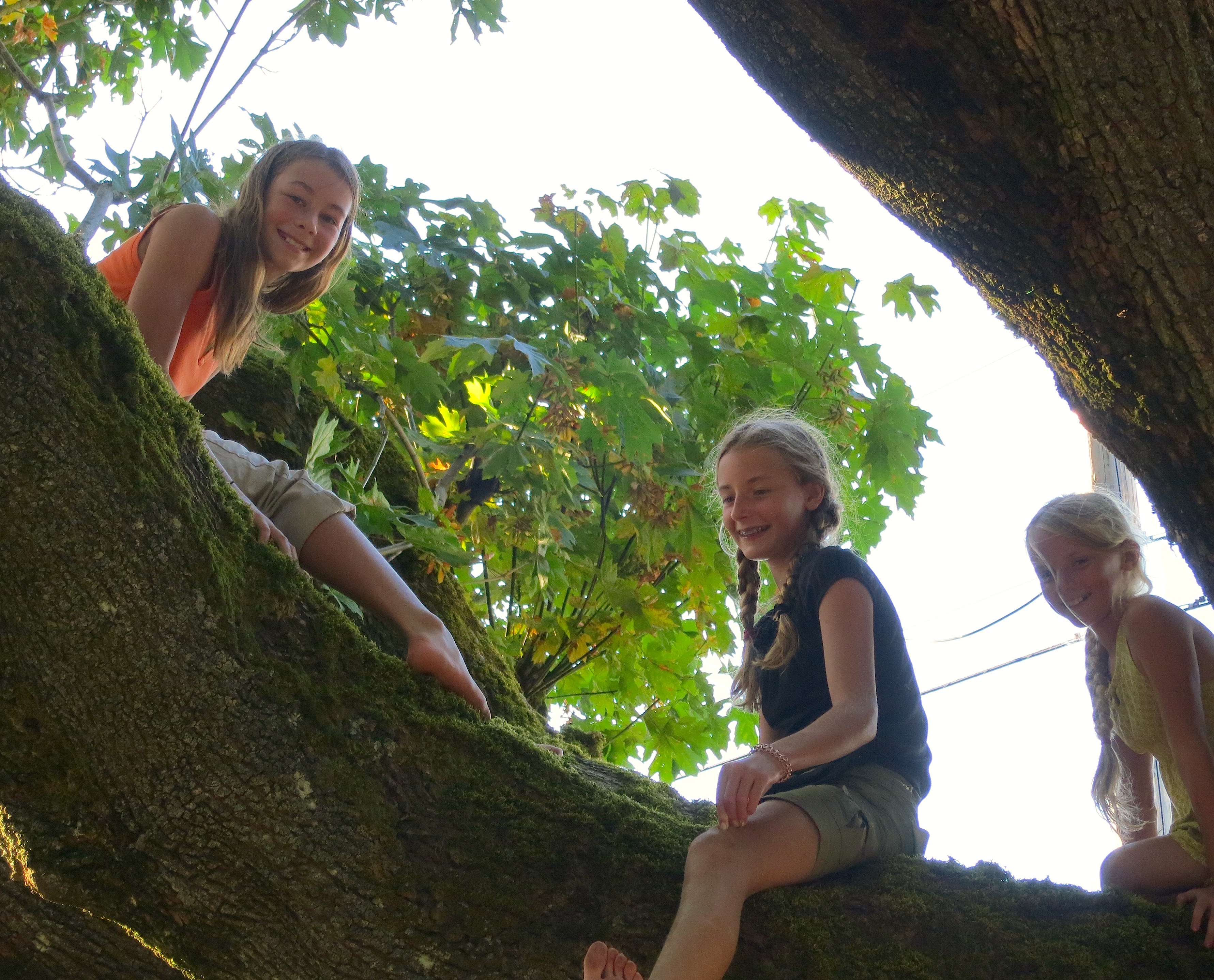
Indeed, our children and grandchildren, happy to be barefoot most of the time, are more apt than the grown ups to follow the instruction of the Lord when He told Moses:
“Remove your sandals from your feet, for the place on which you are standing is holy ground.”
There have long been cultures where shoes are removed before touching the surface of the floor inside a residence or temple in an intentional act of leaving the dirt of the world at the door in order to preserve the sanctity and cleanliness of the inner life.
Jesus overturned the tables of those who corrupted that sanctity within the walls of the temple. We Christians should also heed that warning.
We wear shoes into church every Sunday, having walked in figurative muck and mire of one sort or another all week. We try our best to clean up for Sunday, but we track in the detritus of our lives when we come to sit in the pews. Rather than leave it at the door, it comes right in with us, not exactly hidden and sometimes downright stinky. That is when we are in obvious need for a good overturning and cleansing ourselves – shoes, feet, soles, souls and all.
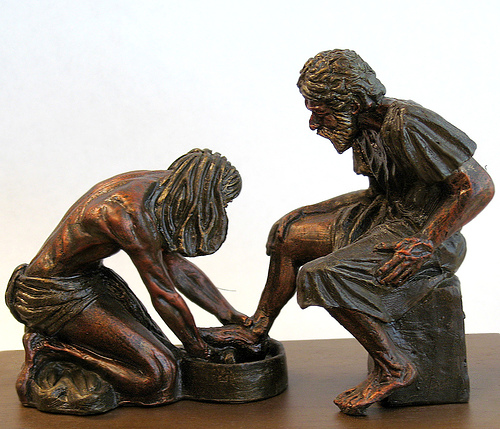
The Lord reinforced our need for a wash-up on the last night of His life, scrubbing the dusty feet of His disciples.
And then there is what God said. He asked that holy ground be respected by the removal of our sandals. We must remove any barrier that prevents us from entering fully into His presence, whether it be our attitude, our stubbornness, our unbelief, or our centering on self rather than others.
No separation, whether a thin layer of leather or our own emotional resistance, is desirable when encountering God.
We trample roughshod over holy ground all the time, blind to where our feet land and the impact they leave behind. Perhaps by shedding the covering of our eyes, our minds, and our feet, we would see earth crammed with heaven and God on fire everywhere, in every common bush and in every common heart.
So we may see. So we may listen. So we may feast together. So we may weep at what we have done, yet stand forgiven. So we may celebrate as our Risen Lord startles us by calling our name. So we remove our sandals so our bare feet and souls may touch His holy ground.
sculpture by Mark Greine
This year’s Lenten theme for Barnstorming is a daily selection from songs and hymns about Christ’s profound sacrifice on our behalf.
If we remain silent about Him, the stones themselves will shout out and start to sing (Luke 19:40).
In His name, may we sing…
One-Time
Monthly
Yearly
Make a one-time or recurring donation to support daily Barnstorming posts
I am still skeptical about the reasons some seek spirituality in the land, for the spirituality the land offers is anything but easy.
It is the spirituality of a God who would, with lightening and earthquakes, sneeze away the bland moralism preached in many pulpits, a wildly free, undomesticated divinity, the same God who demands of Moses from a burning bush, “Remove your shoes, for the place on which you are standing is holy ground.”
When God appears to Job, the comforting sentiments we might expect to feel are absent because such sentiments are at most God’s trappings, not the infinite himself. The God who speaks to Job from the whirlwind reminds him that, comforting or terrifying, he alone is God. To be satisfied with anything less would be the spiritual catastrophe the Old Testament calls idolatry.
Some of our idols shatter in the West’s rugged vastness, others remain.
Perhaps God leaves exposed the land’s brokenness – the scars of forest fires, the fossils of extinct biospheres, rifts showing ancient continents now scattered like puzzle pieces – to remind us that he is greater than the icon, too.
The heavens and earth will wear out like a garment, the Psalmist says, like clothes that are changed.
“But You neither change, nor have an end.” Psalm 102:27 ~Anthony Lusvardi from “Nature is Your Church?”
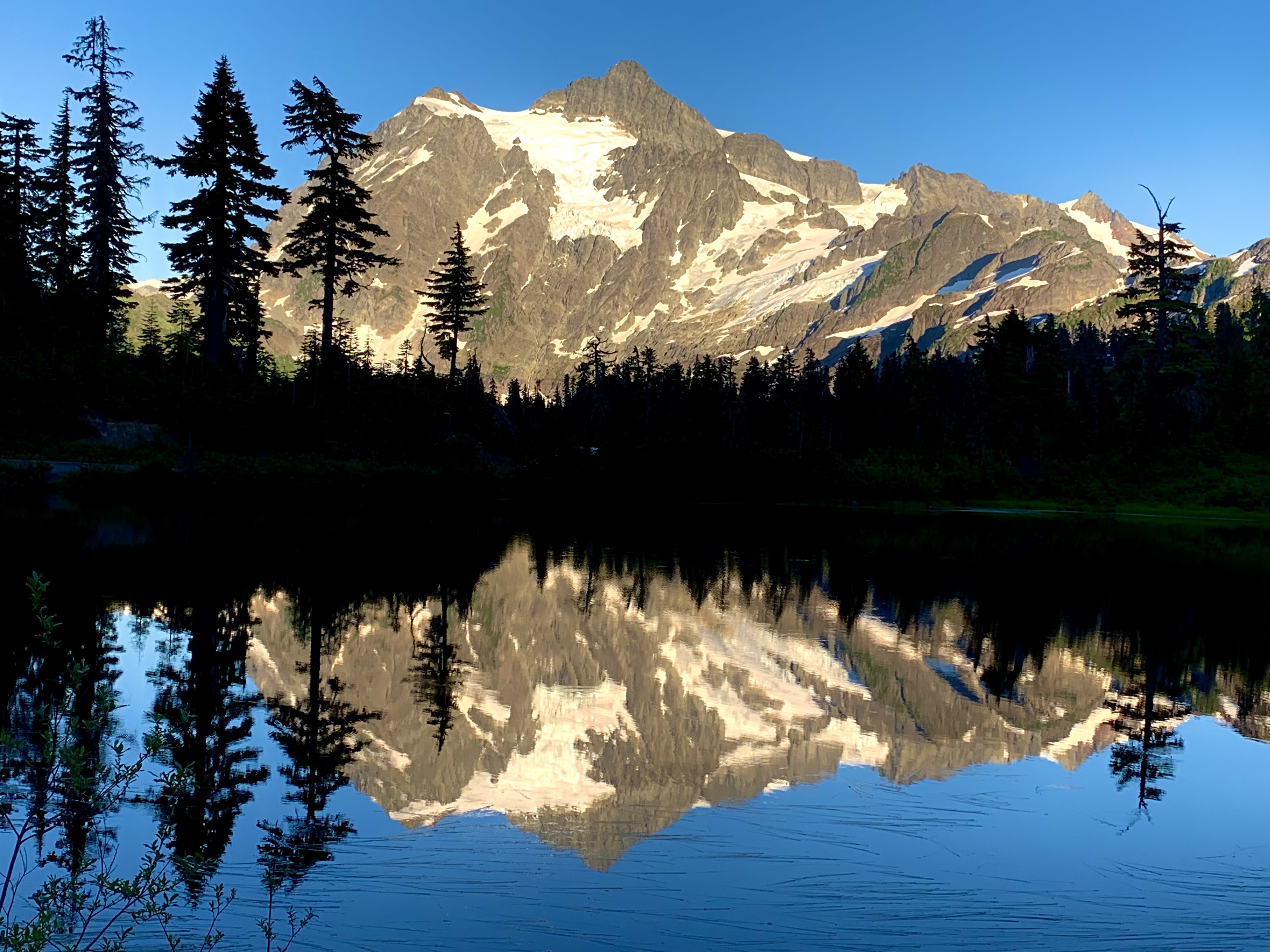
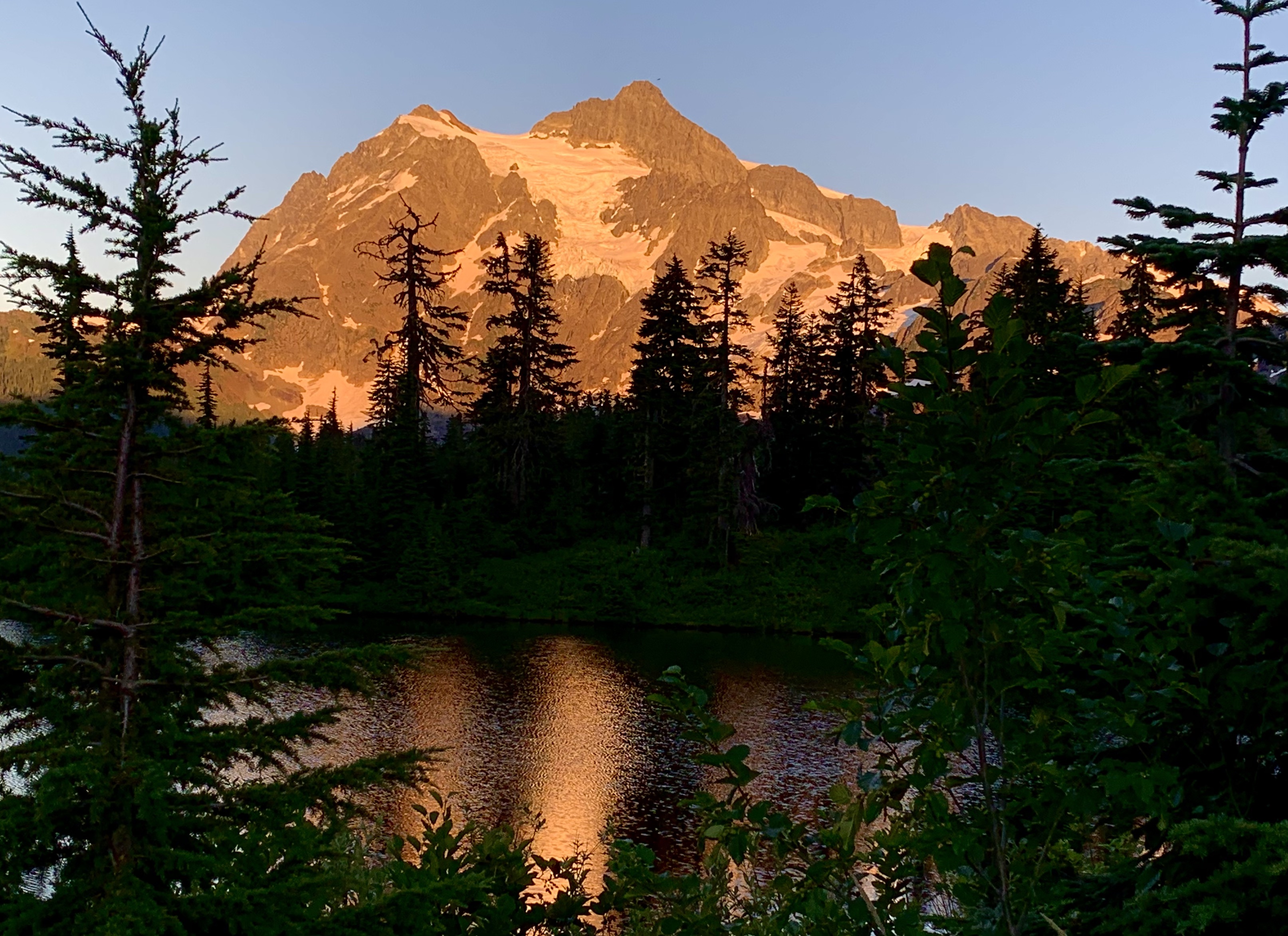
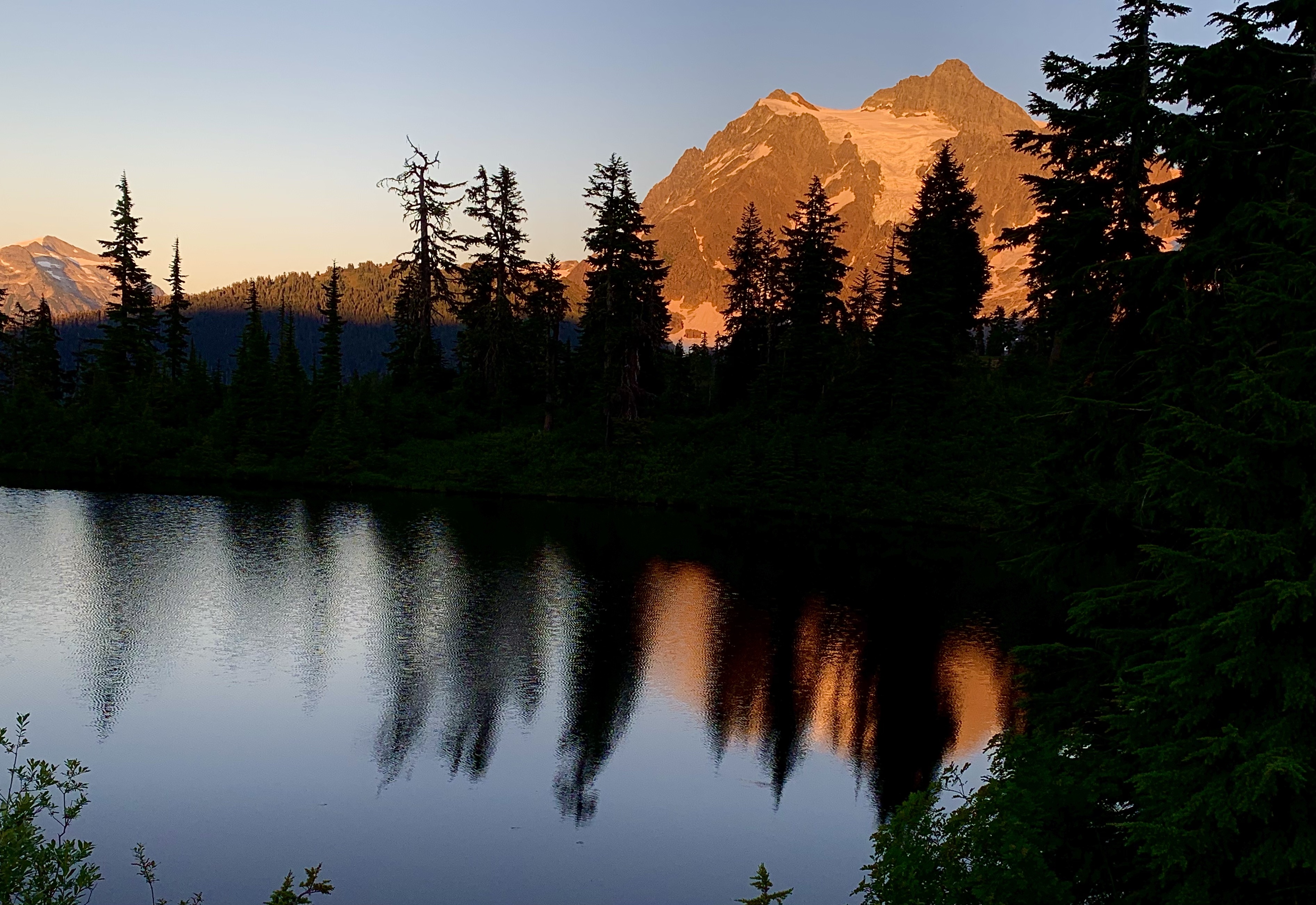
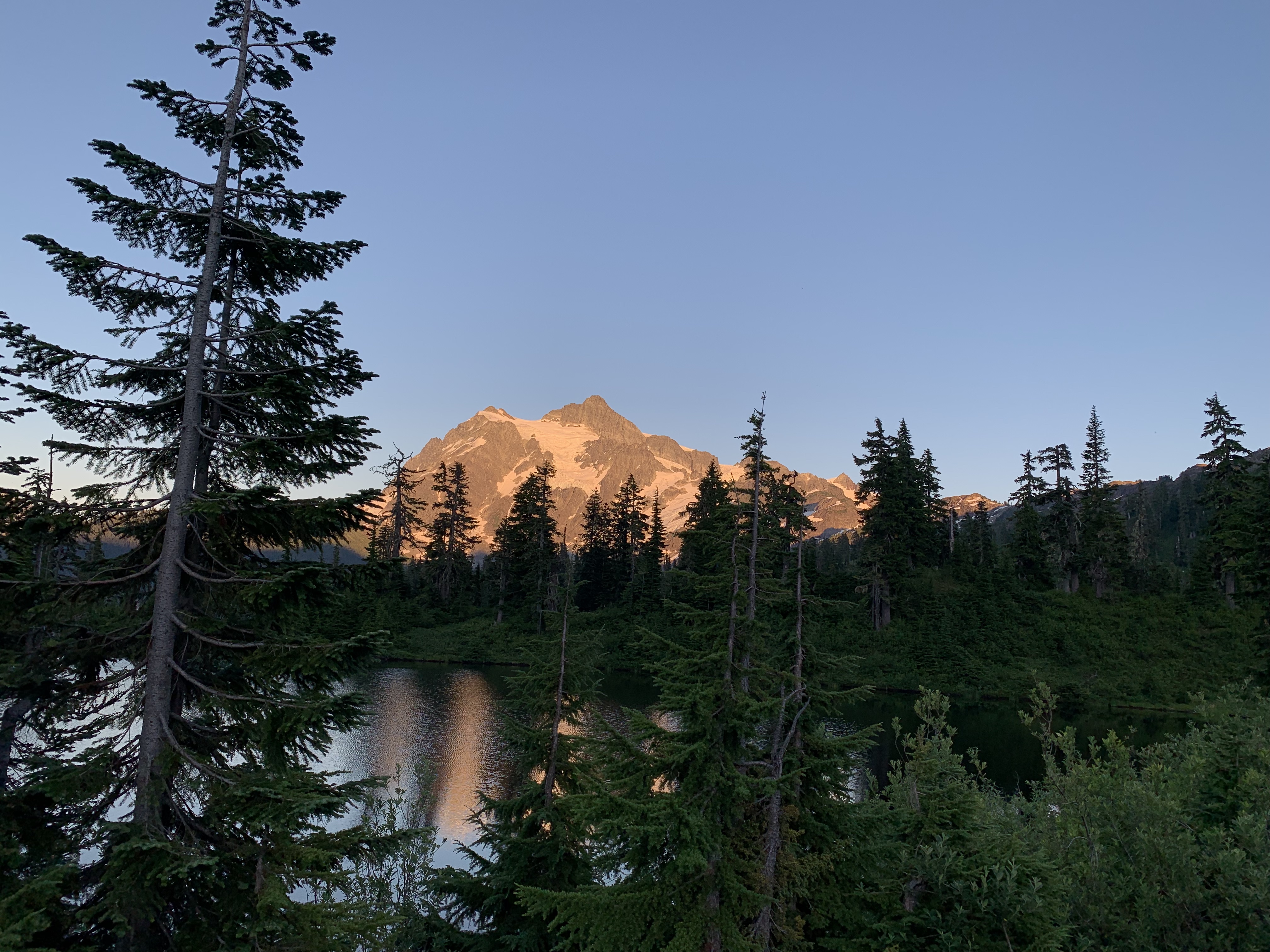
We are now 45 days into a hotter dry spell this summer with a slight possibility of some rain next week. Everything here in the Pacific Northwest is looking as it would in late August with the snow melt in the Cascades much accelerated from its usual timeline. With the fires already happening for weeks on the eastern side of the state, as well as to the north of us in British Columbia and south in Oregon and California, we are looking at a withering August of smoke and ash.
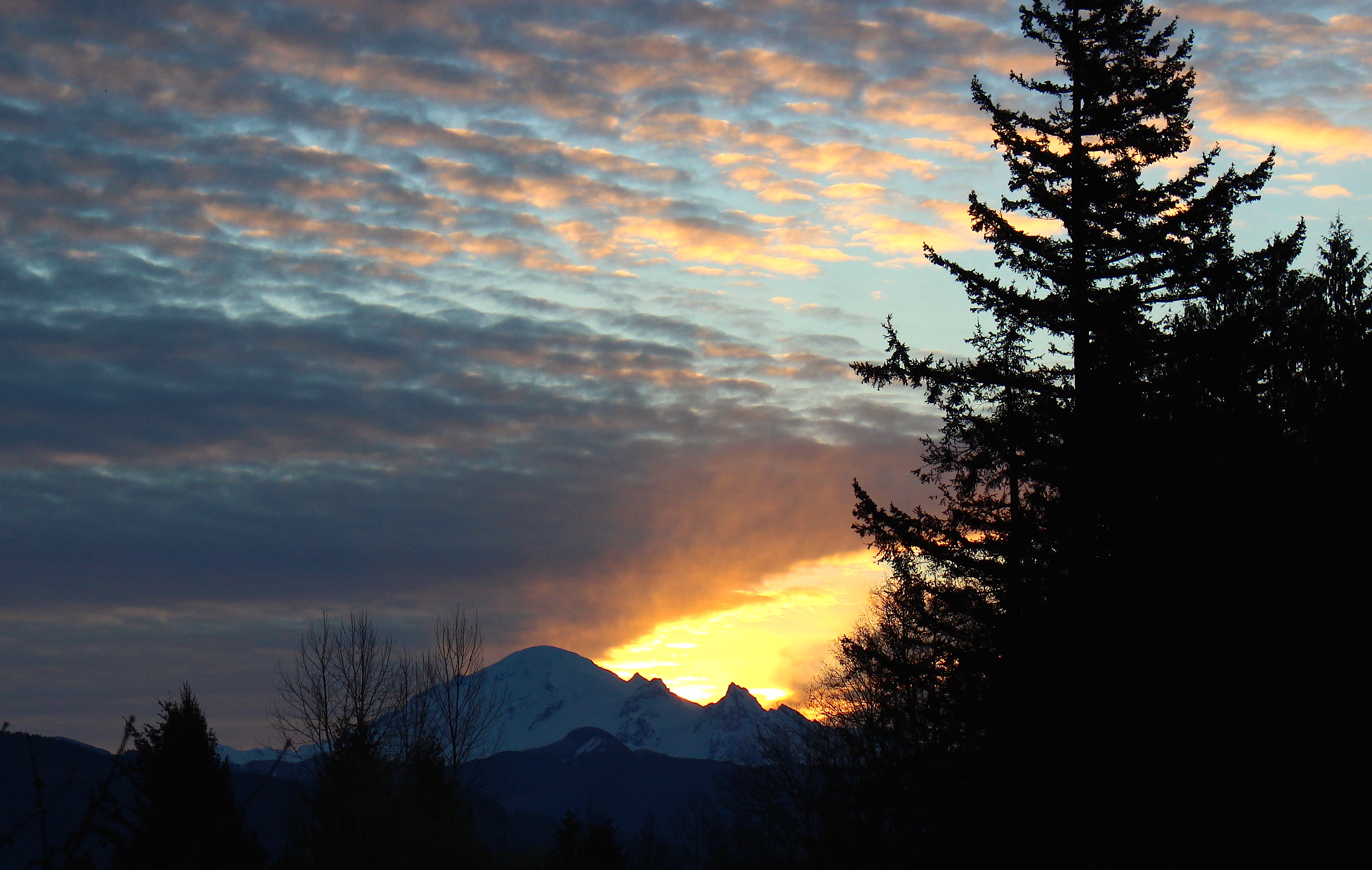
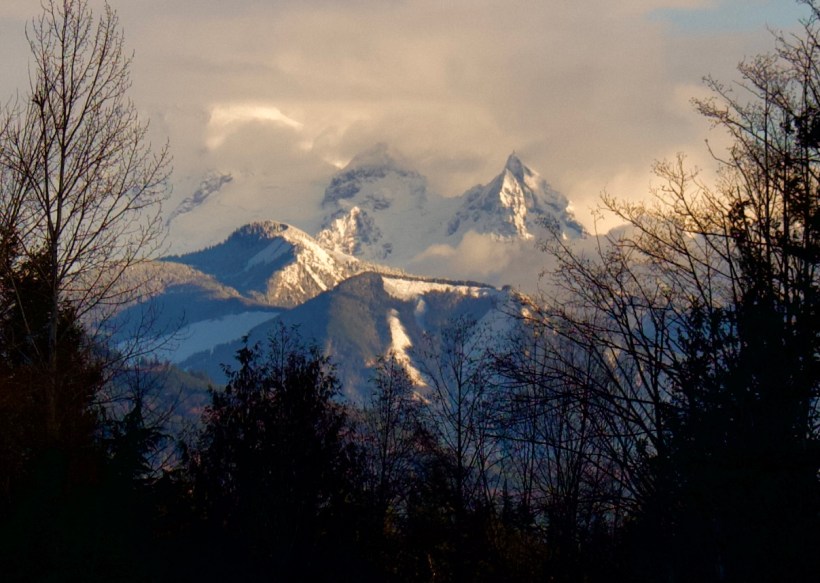
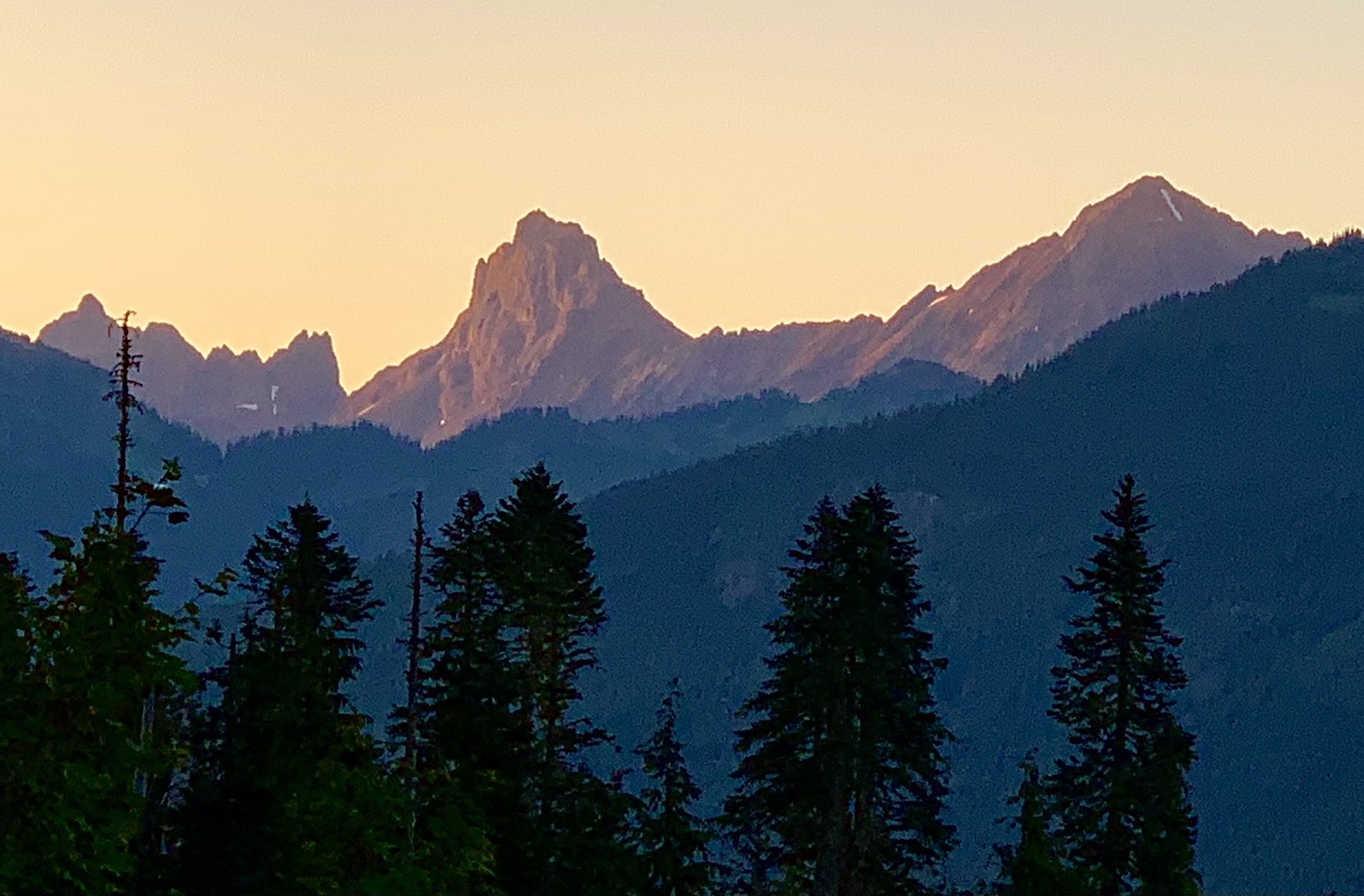
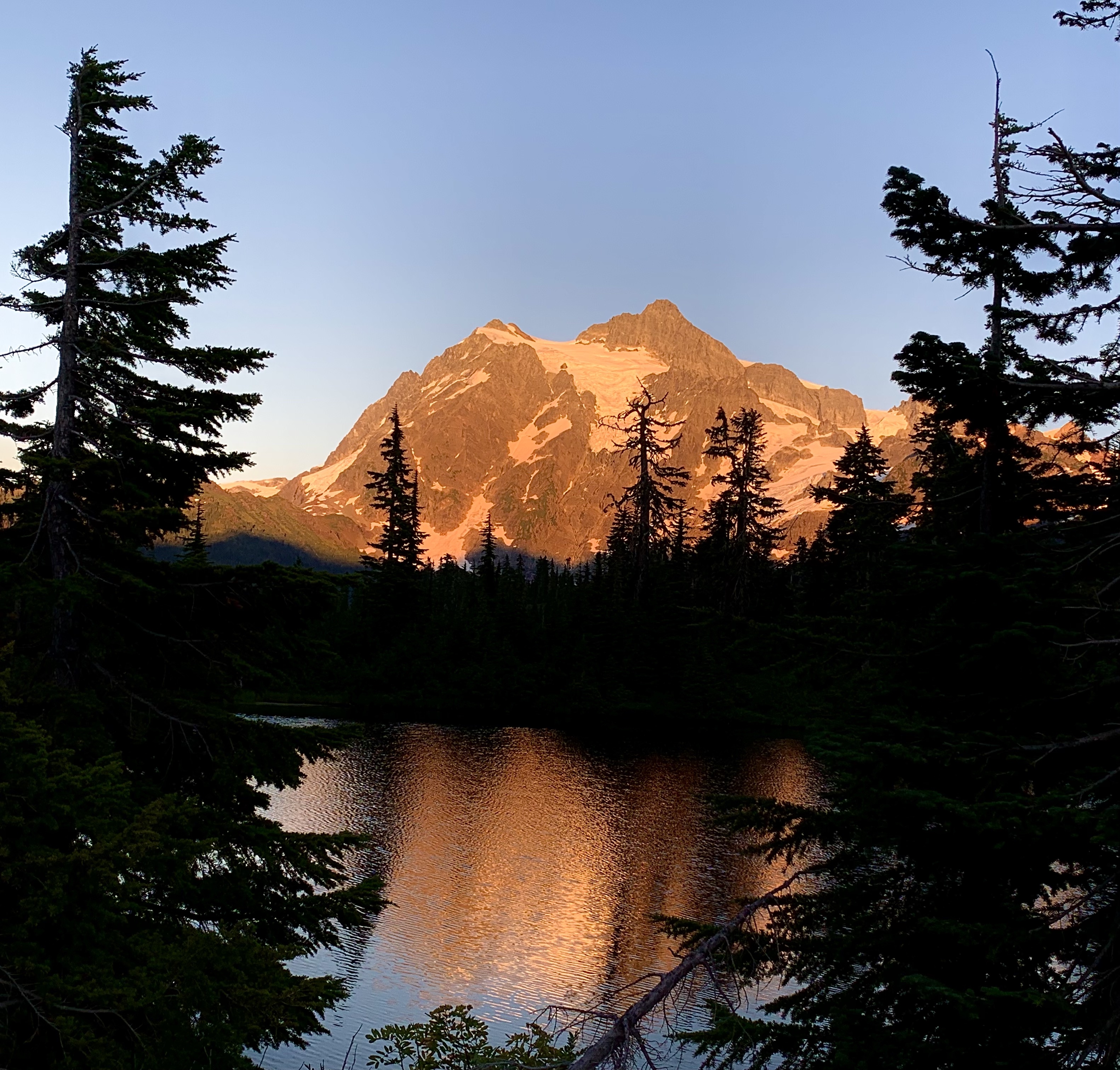
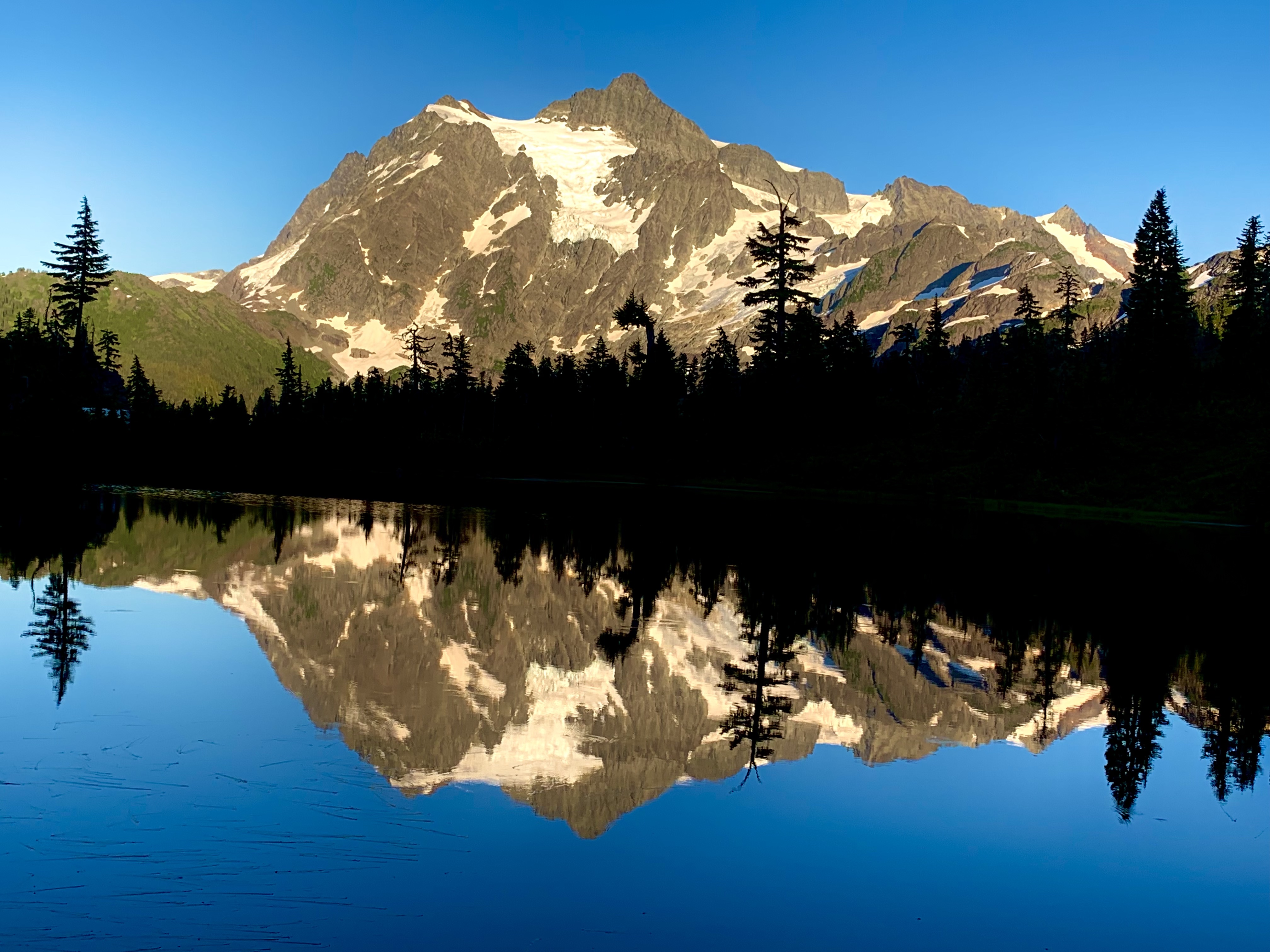
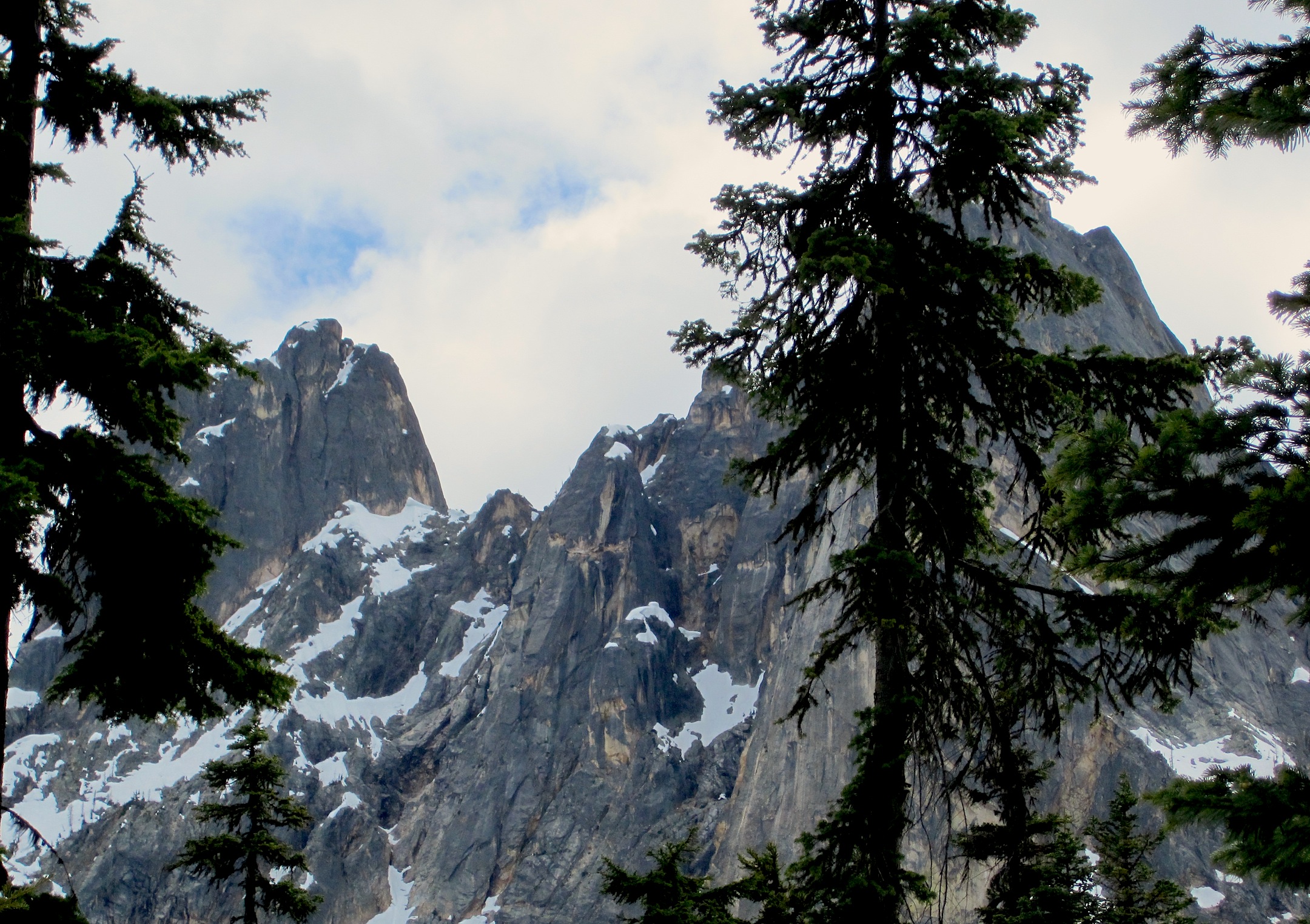
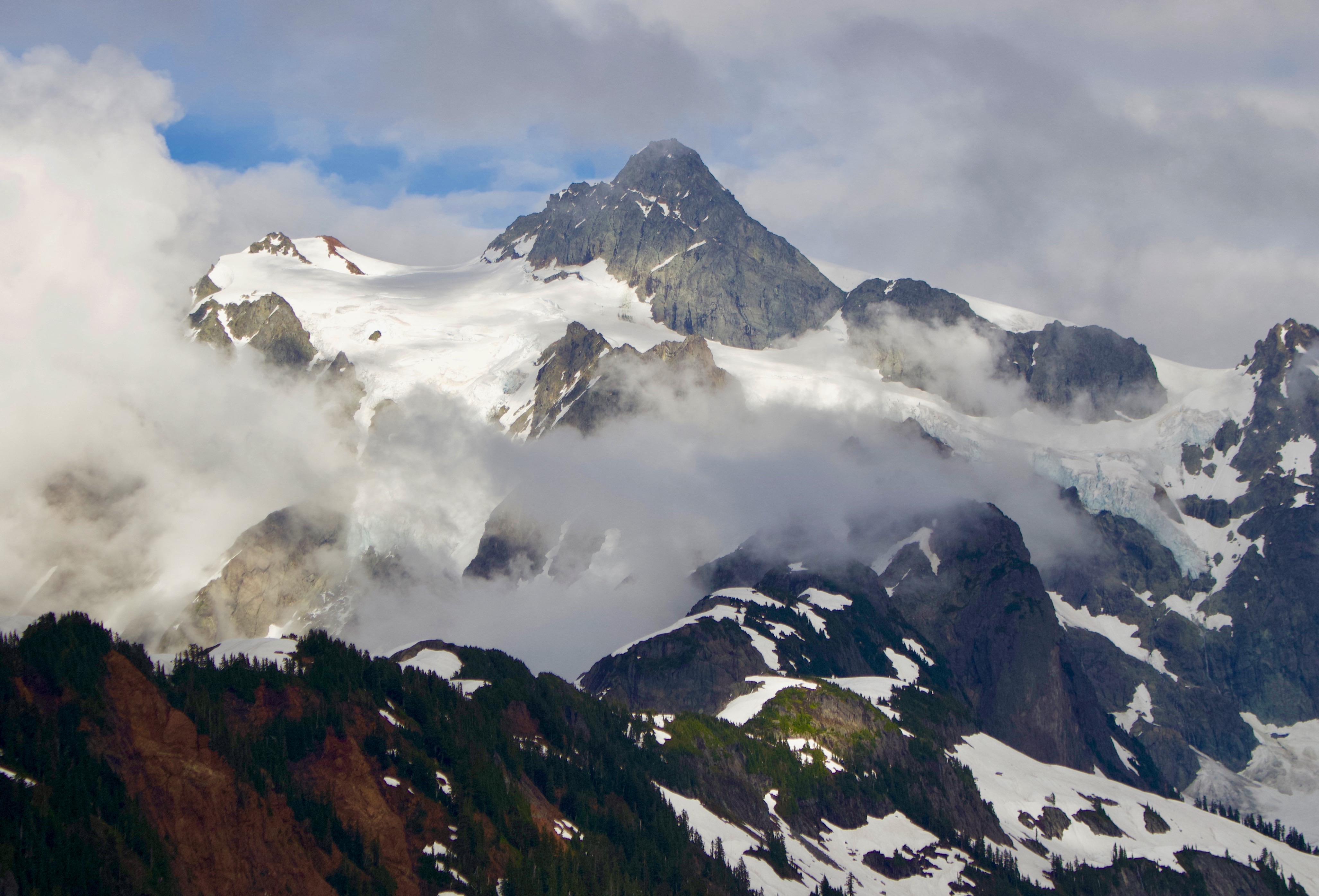
Dan and I headed up the Mt. Baker Highway yesterday evening to see how bare Baker and Shuksan look up close. We wonder what snow will be left before our typical precipitation begins in earnest in early October. These seemingly unchanging monoliths are being stripped of their usual garments, now naked and vulnerable. They are subject to God’s transforming power just as surely as we are.
When I stand at the foot of these peaks, I never fail to be awed to a whisper, as if I were inside an immense cathedral. God reminds us to remove our shoes out of respect for His holy ground. Yet I worship not the mountains nor the awe-inspiring landscape they are placed in, but worship their Creator whose strength and love is greater than all.
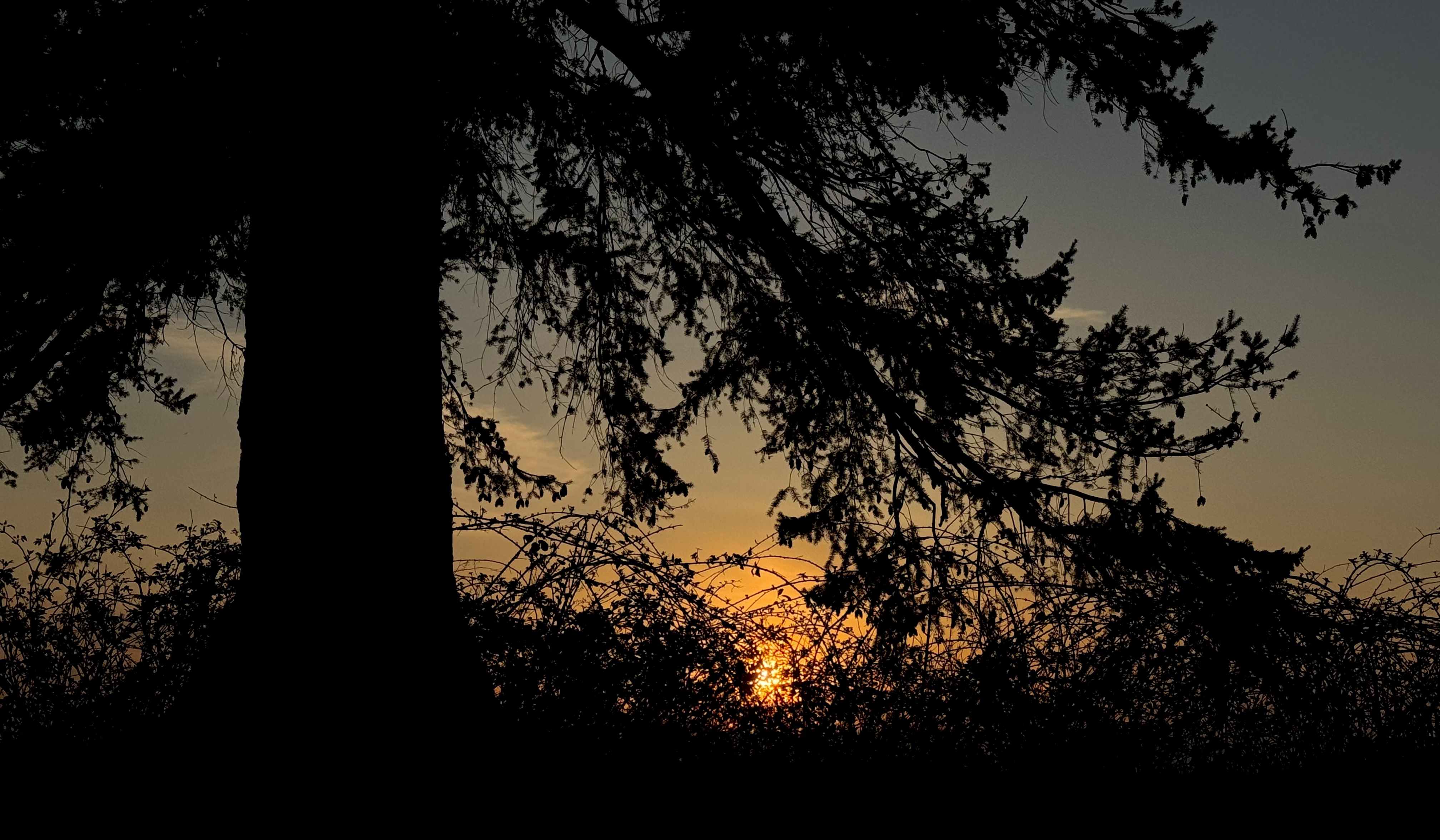
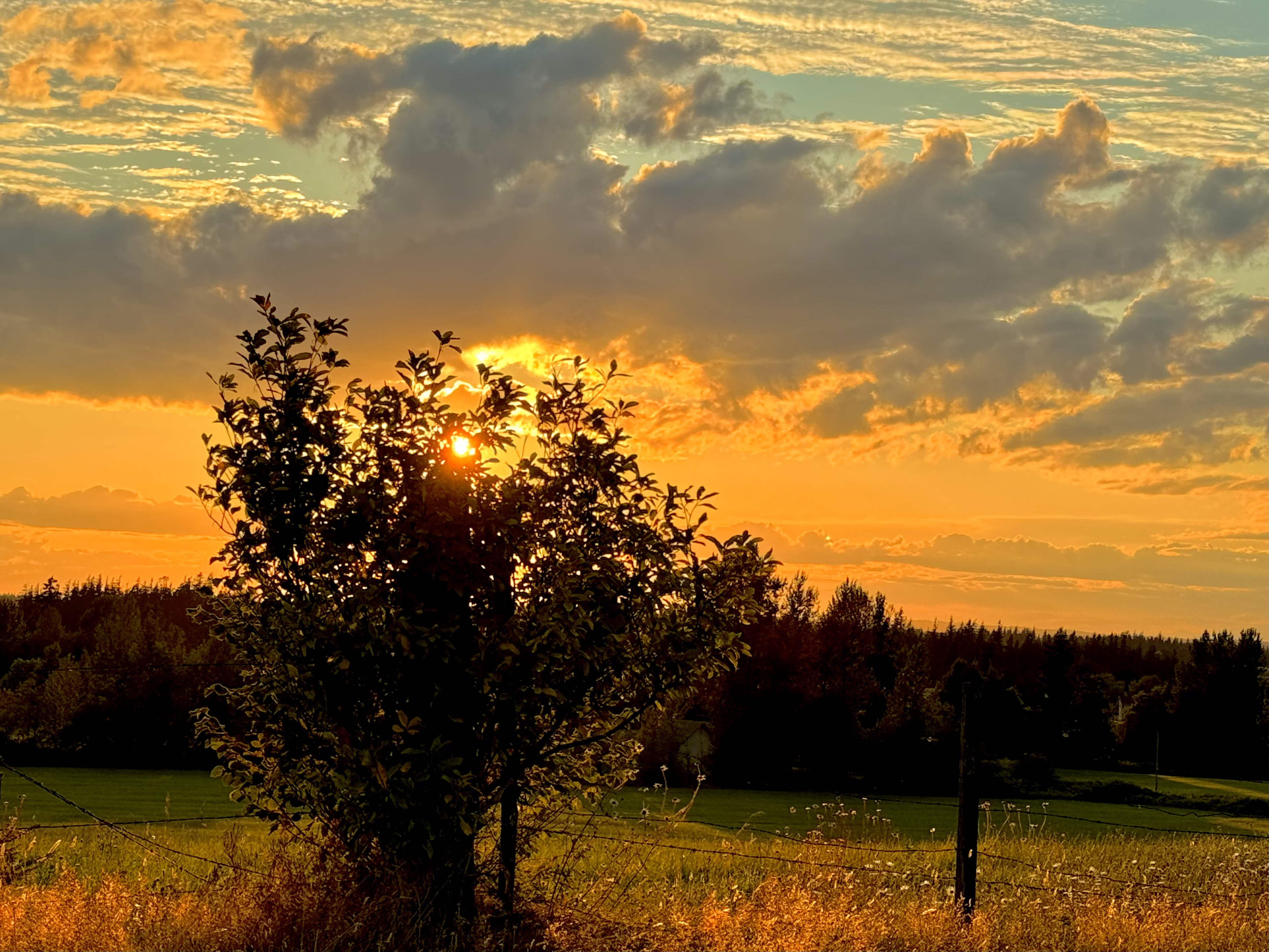
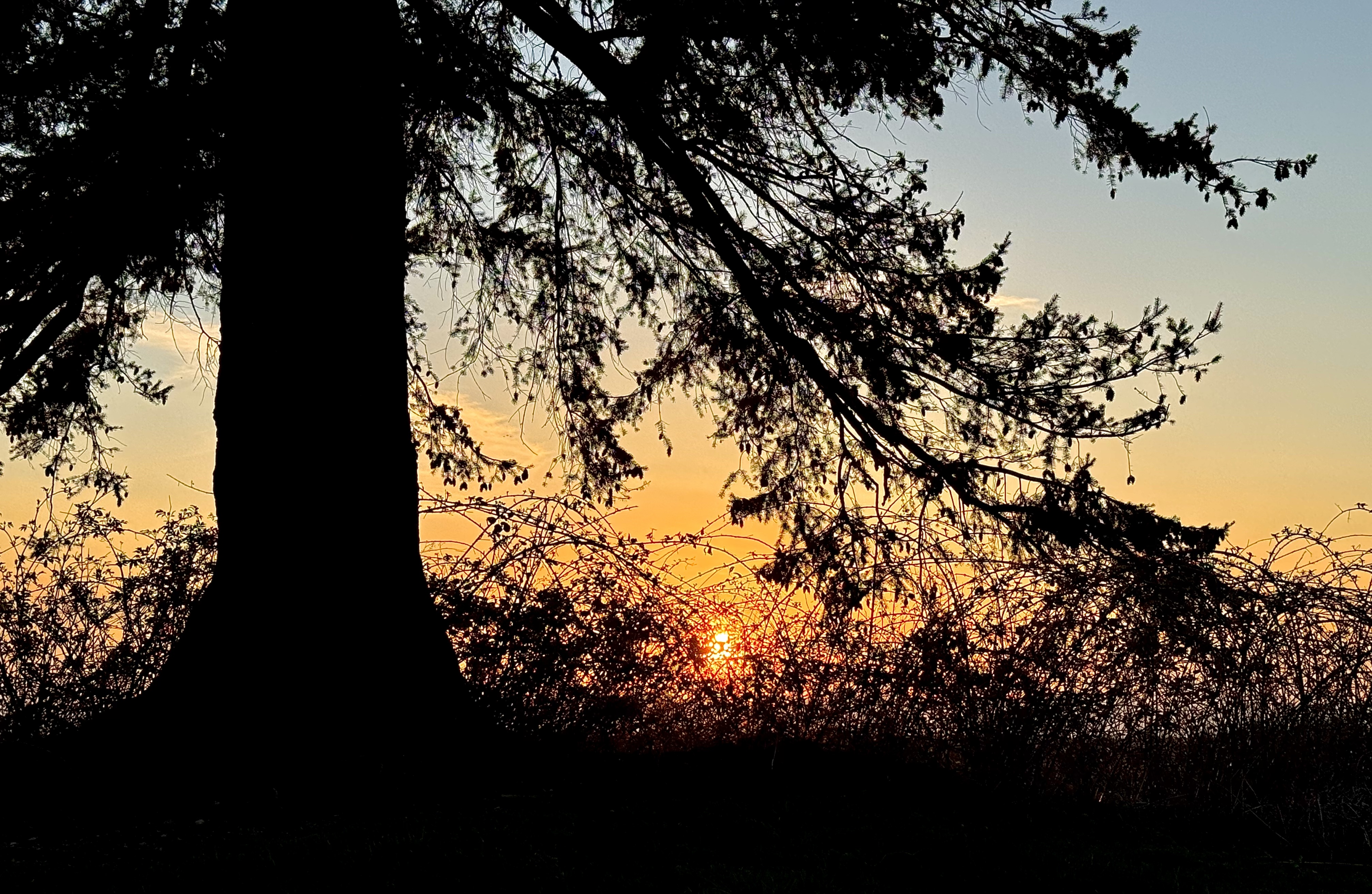
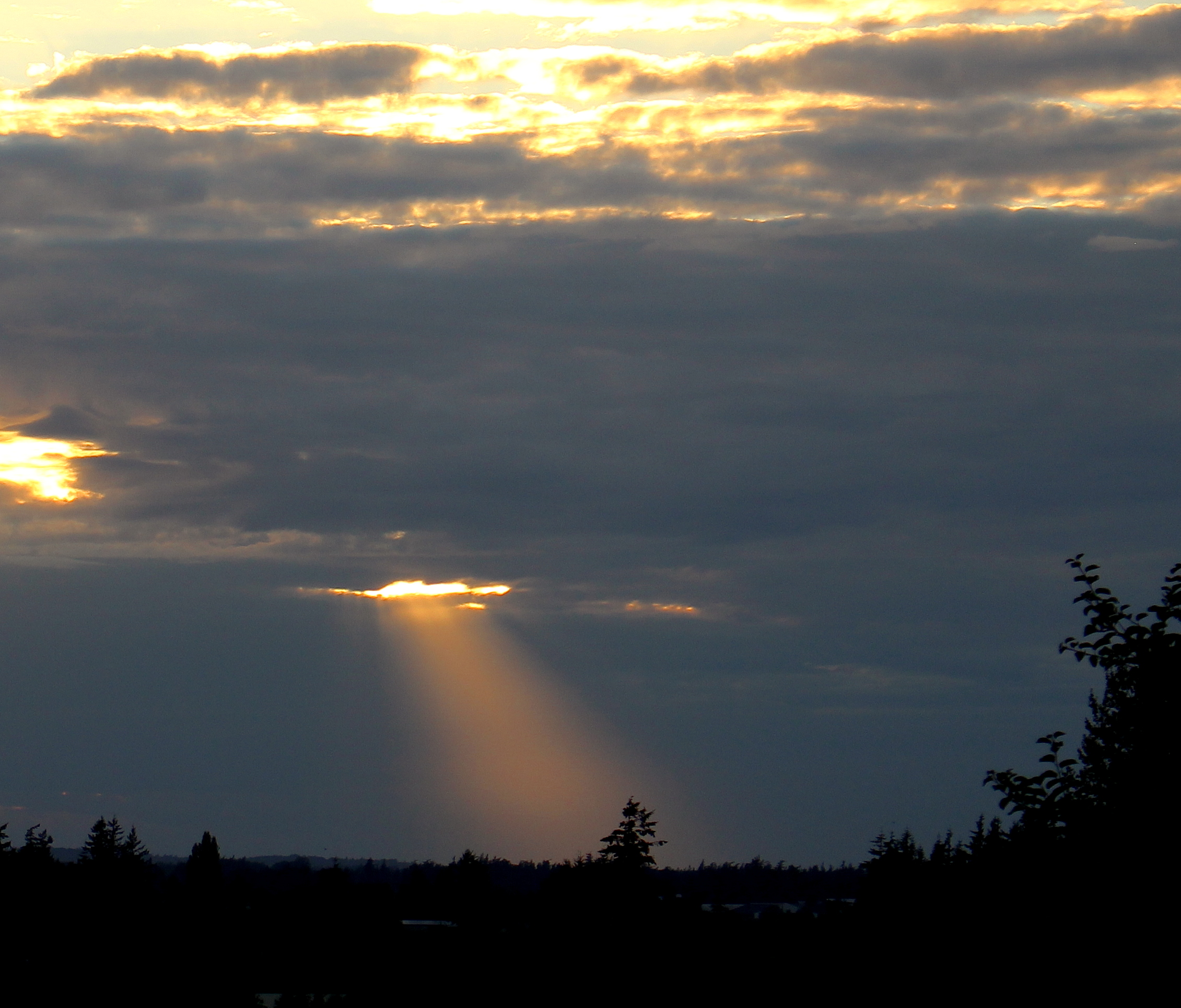
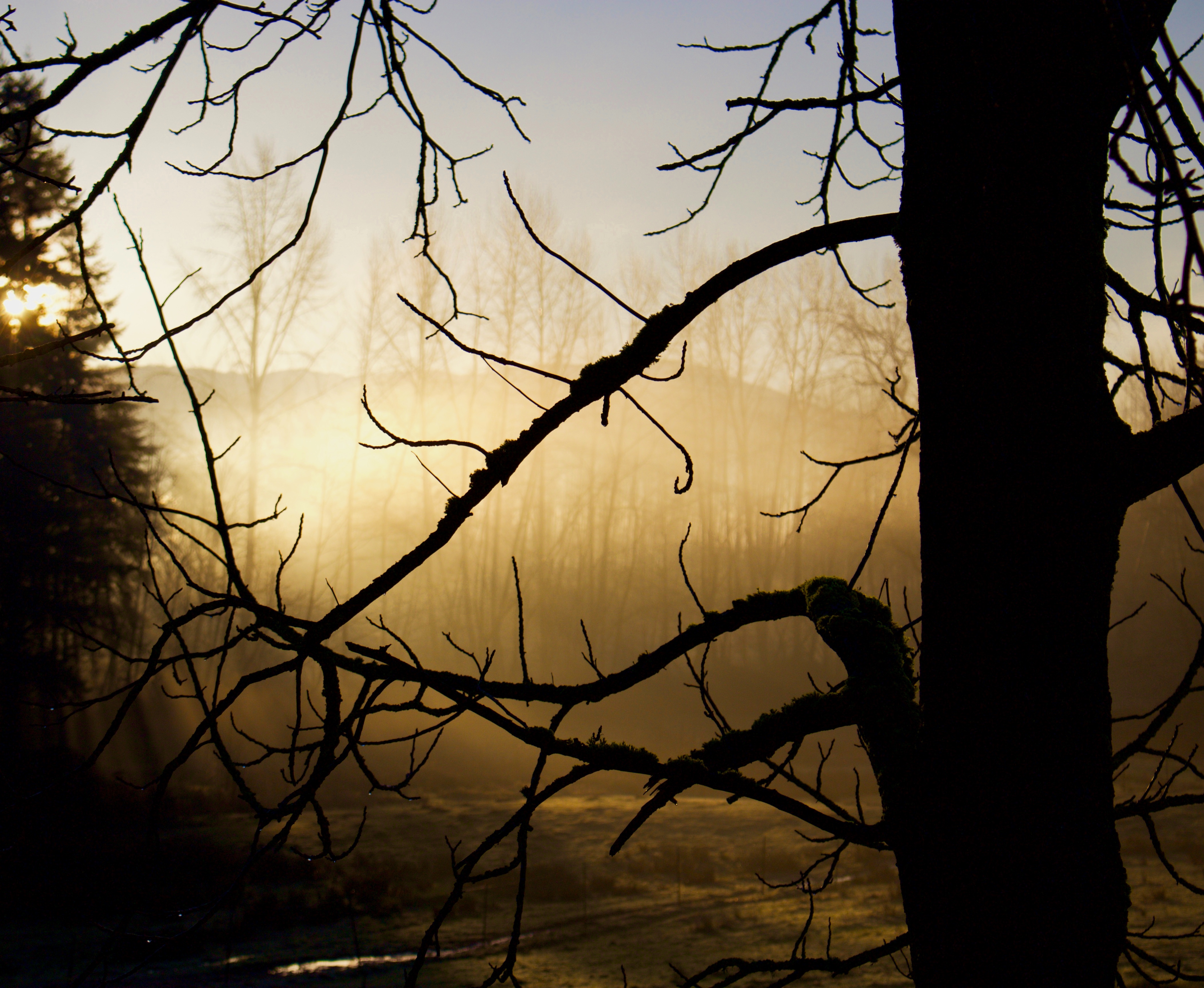
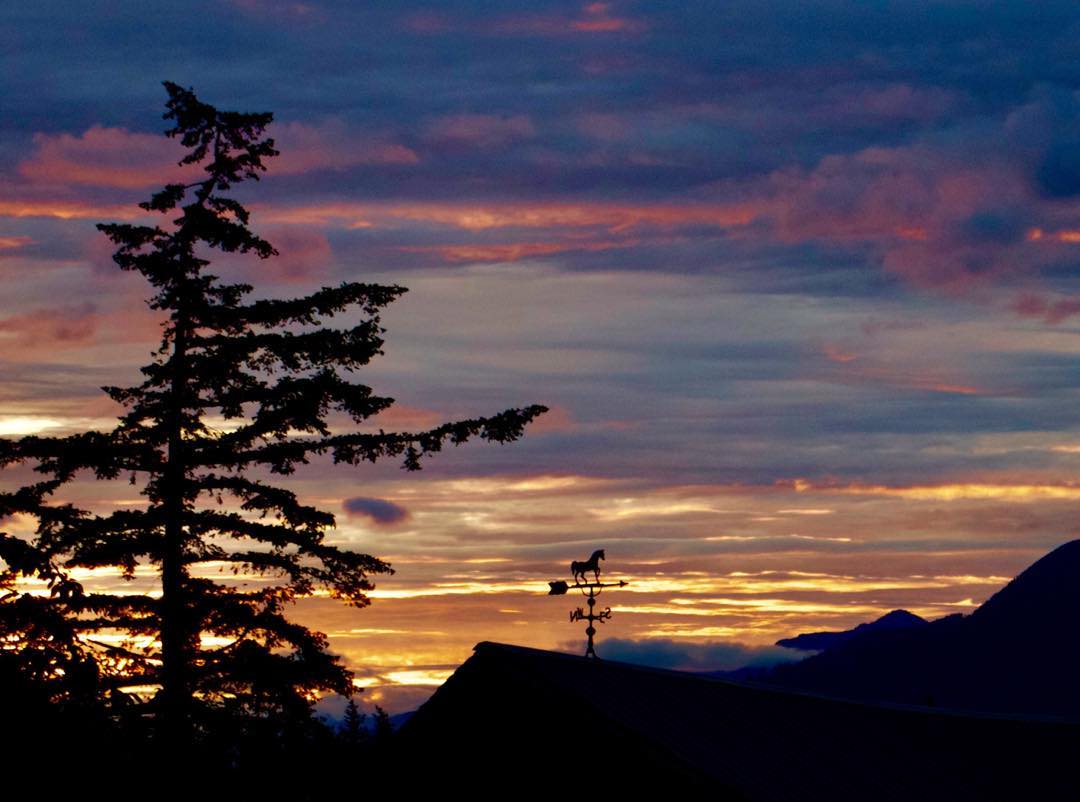
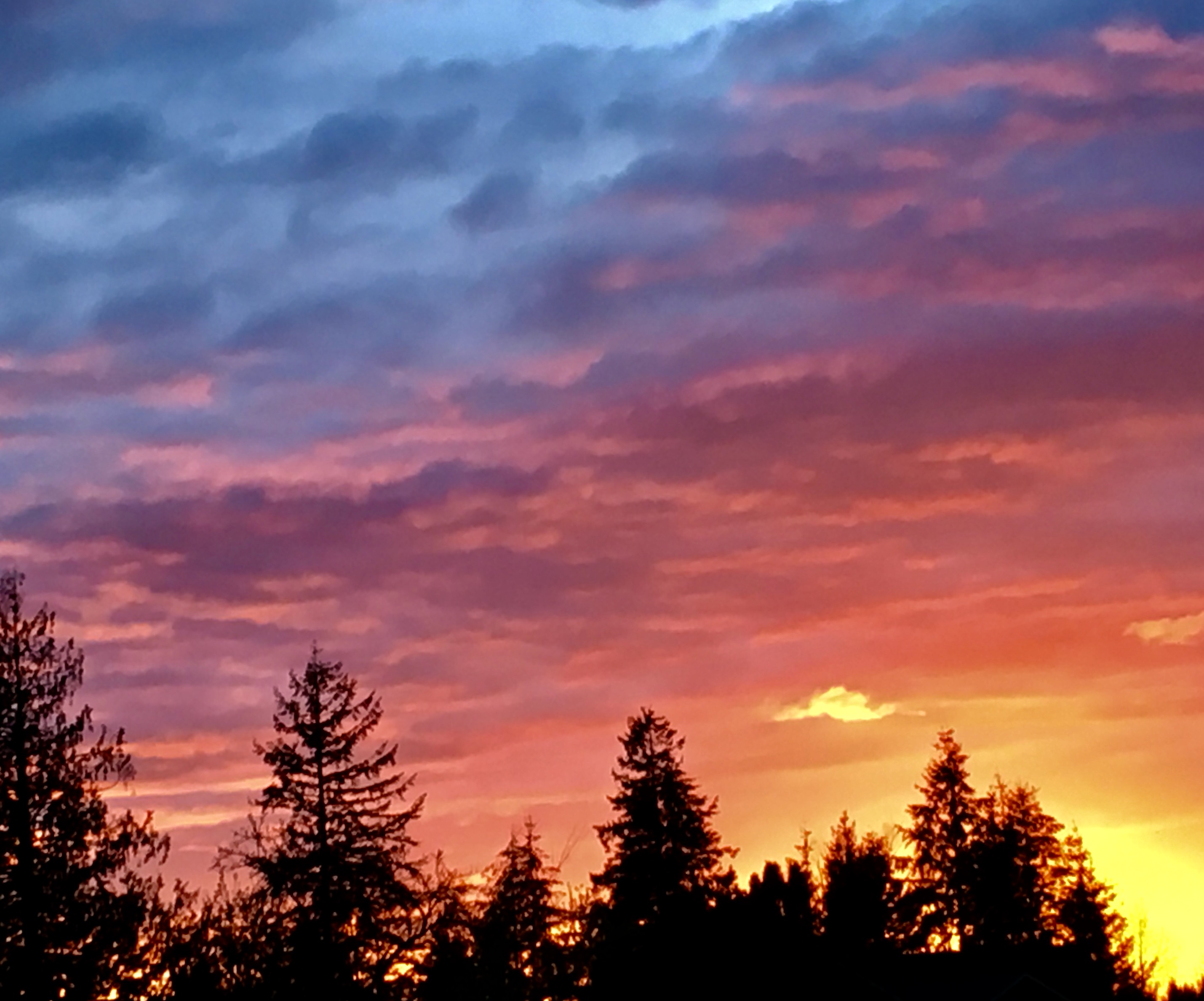
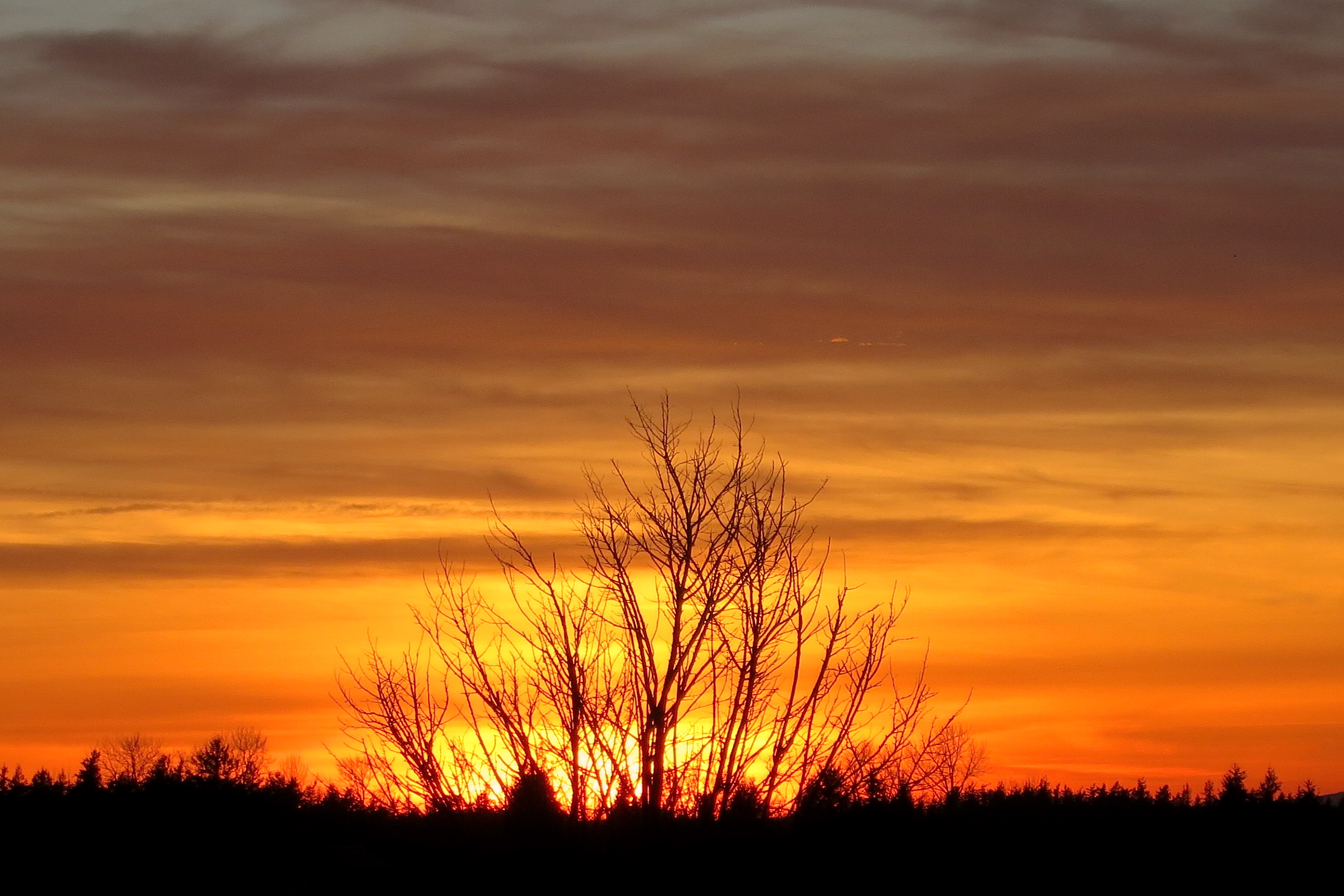
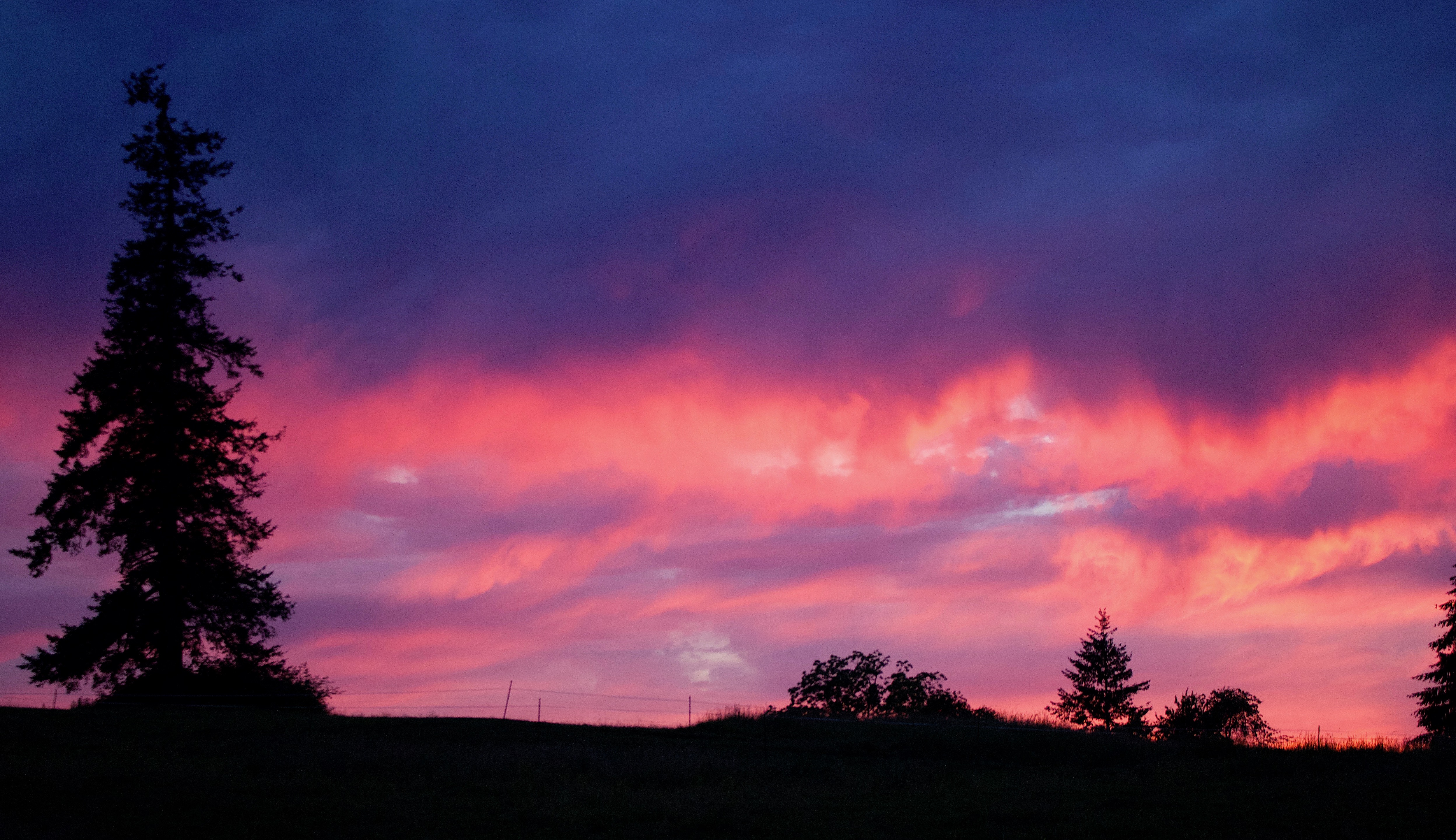
I tread lightly. I speak softly. I remove my shoes. I witness the fading light.
God, the eternal, the unchangeable, takes my breath away, as only He can..
Here is an opportunity to own a Barnstorming book of more photos like these along with poems written for each poem by Lois Edstrom. It is available to order here:
It can happen like that: meeting at the market, buying tires amid the smell of rubber, the grating sound of jack hammers and drills, anywhere we share stories, and grace flows between us.
The tire center waiting room becomes a healing place as one speaks of her husband’s heart valve replacement, bedsores from complications. A man speaks of multiple surgeries, notes his false appearance as strong and healthy.
I share my sister’s death from breast cancer, her youngest only seven. A woman rises, gives her name, Mrs. Henry, then takes my hand. Suddenly an ordinary day becomes holy ground. ~ Stella Nesanovich, “Everyday Grace,” from Third Wednesday
The only use of a knowledge of the past is to equip us for the present. The present contains all that there is. It is holy ground; for it is the past, and it is the future. ~Alfred North Whitehead
It matters less what has happened or what will happen. What matters is happening right this very moment – in the tire center waiting room, the grocery store check out line, the exam room of the doctor’s office. Are we living fully in the present and paying attention?
We are sentient creatures with a proclivity to bypass the present to dwell on the past or fret about the future. This has been true of humans since our creation. Those observing Buddhist tradition and New Age believers of the “Eternal Now” call our attention to the present moment through the teaching of “mindfulness” to bring a sense of peacefulness and fulfillment.
Mindfulness is all well and good but I don’t believe the present is about our minds. It is not about us at all.
The present is an ordinary day transformed to holy ground where we are allowed to tread:
We are asked to remove our shoes in an attitude of respect to a loving God who gives us life. We are to approach each other and each sacred moment with humility. We turn aside from the dailiness of our lives to look at what He has promised. We are connected to one another through our Maker.
There can be no other moment just like this one, so this is no time to waste. There may be no other beyond this one. Right now, this moment sorely barefoot, I am simply grateful to be here and connected to each of you.
God is the fire my feet are held to. ~Charles Wright, from “Ars Poetica II” in Appalachia
If we think we’re going to get off easy in this life because we do what we’re told to do: keeping the Sabbath and our noses clean, saying what we ought to say when we should say it and keeping our mouths shut when it is best to say nothing at all.
If we think our good deeds and relative lack of bad deeds will save us, we have another think coming and a lot of explaining to do.
We walk through fire because nothing about God’s glory is easy. We are hidden in the cleft because He is too much for our eyes to behold. We remove our sandals to feel the hot coals of holy ground. He burns without being consumed so our hearts are scorched in His presence.
Yet His feet are blistered too. He knows exactly how this feels.
Earth’s crammed with heaven, And every common bush afire with God: But only he who sees takes off his shoes. ~Elizabeth Barrett Browning
Over the next eight days, the body of Christian believers will be traversing once again the holy ground of Jesus’ passion, death and resurrection.
Indeed, our children, happy to be barefoot most of the time, are more apt than the grown ups to follow the instruction of the Lord when He told Moses:
“Remove your sandals from your feet, for the place on which you are standing is holy ground.”
There have long been cultures where shoes are to be removed before touching the surface of the floor inside a residence or temple in an intentional act of leaving the dirt of the world at the door to preserve the sanctity and cleanliness of the inner life.
Yet we as Christians wear shoes into church every Sunday, having walked in muck and mire of one sort or another all week. We try our best to clean up for Sunday, but we track in the detritus of our lives when we come to sit in the pews. Rather than leave it at the door, it comes right in with us, not exactly hidden and sometimes downright stinky. That is when we are in obvious need for a good washing, shoes, feet, soul and all, and that is exactly why we need to worship together as a church family in need of cleansing, whether indoors or outdoors.
Jesus Himself demonstrated our need for a wash-up on the last night of His life, soaking the dusty feet of His disciples.
And then there is what God said. He asked that holy ground be respected by the removal of our sandals. We must remove any barrier that prevents us from entering fully into His presence, whether it be our attitude, our stubbornness, our unbelief, or our constant centering on self rather than other.
No separation, even a thin layer of leather, is desirable when encountering God.
We trample roughshod over holy ground all the time, blind to where our feet land and the impact they leave behind. Perhaps by shedding the covering of our eyes, our minds, and our feet, we would see earth crammed with heaven and God on fire everywhere, in every common bush and in every common heart.
So we may see. So we may listen. So we may feast together. So we may weep at what we have done, yet stand forgiven. So we may celebrate as our Risen Lord startles us by calling our name. So we remove our sandals so our bare feet may touch His holy ground.
Earth’s crammed with heaven,
And every common bush afire with God:
But only he who sees takes off his shoes.
Elizabeth Barrett Browning
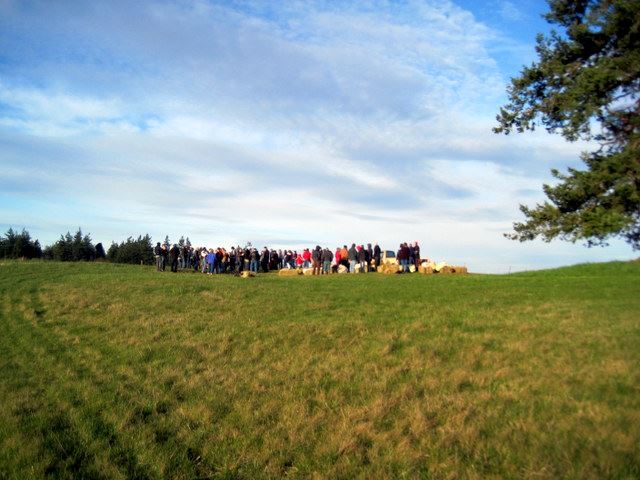
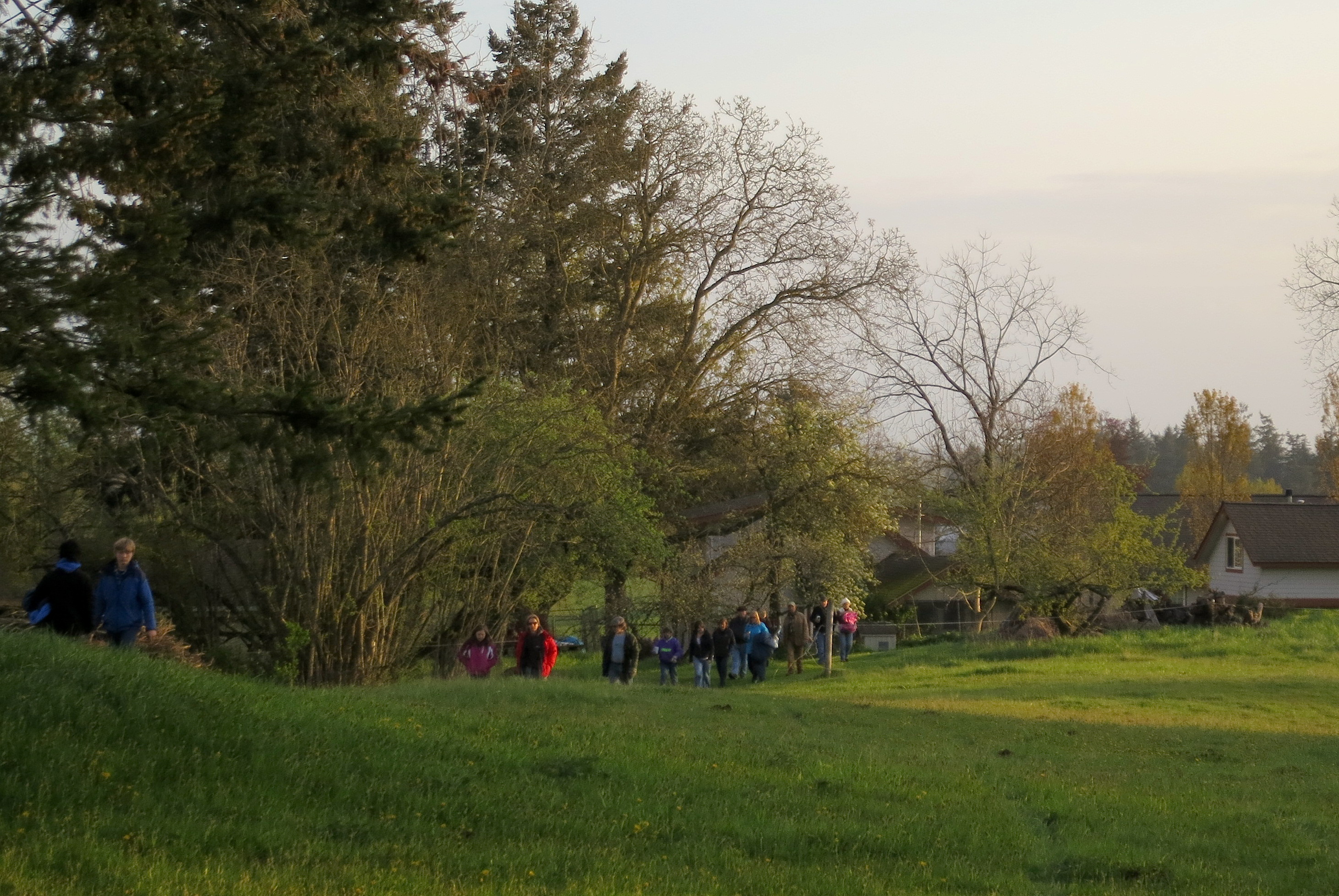
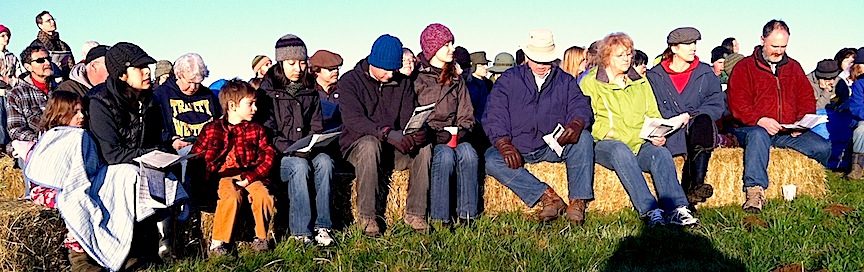
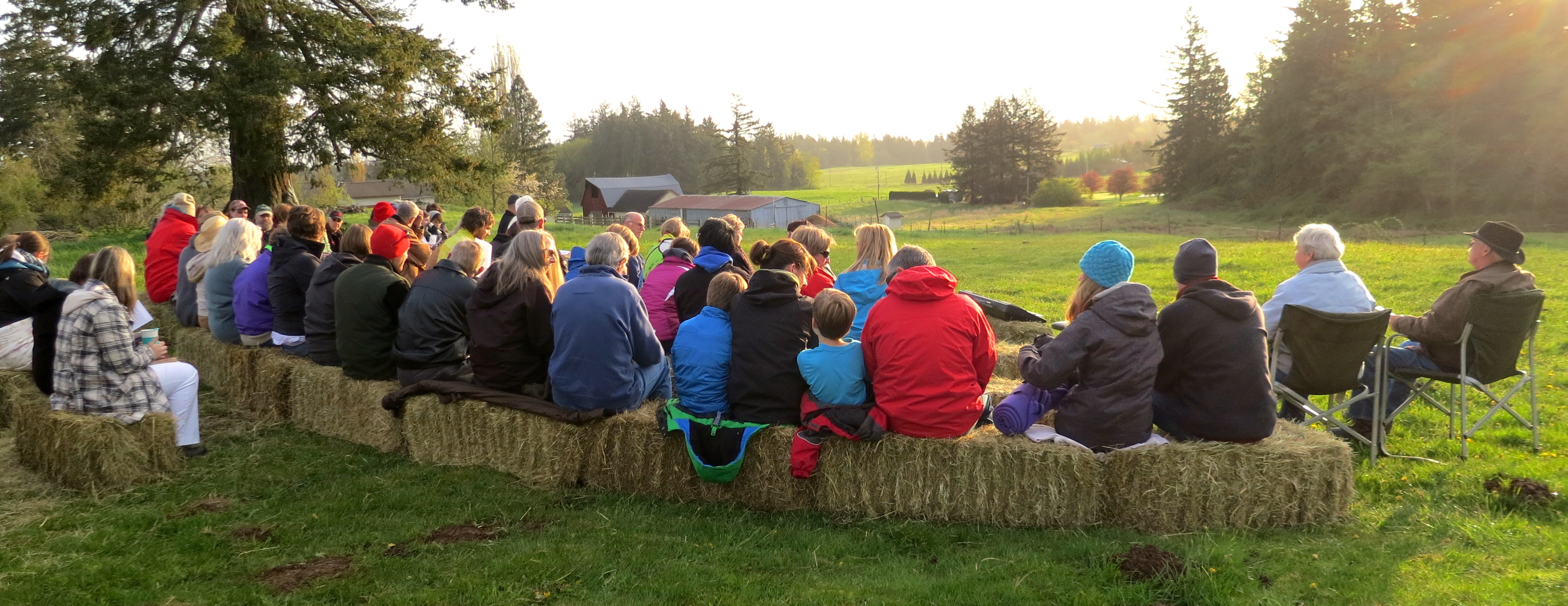
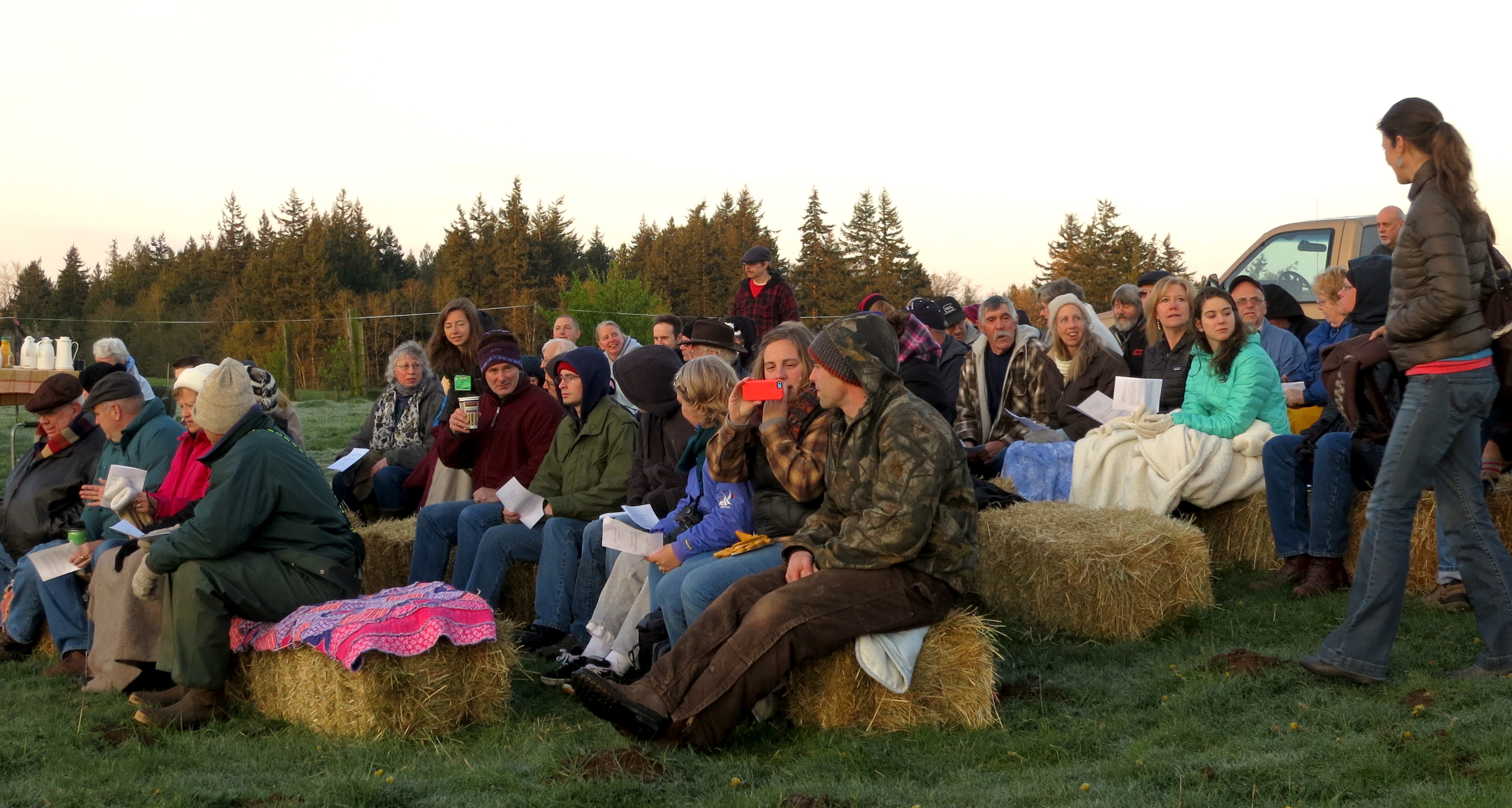
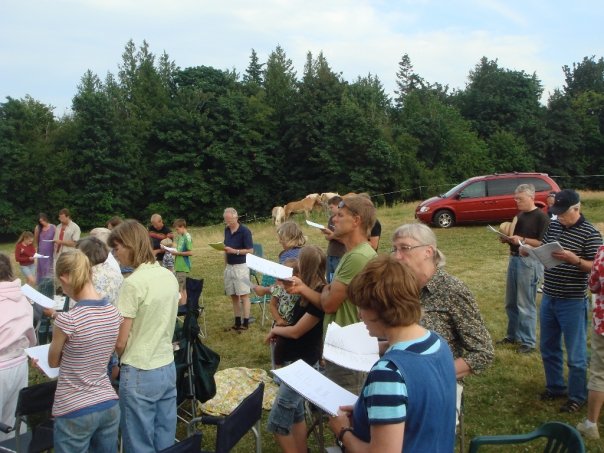
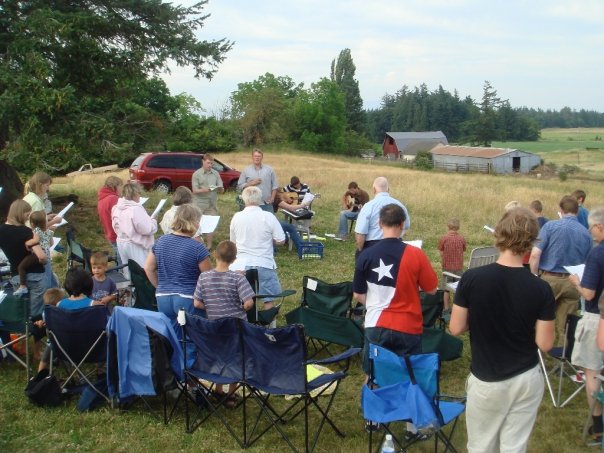
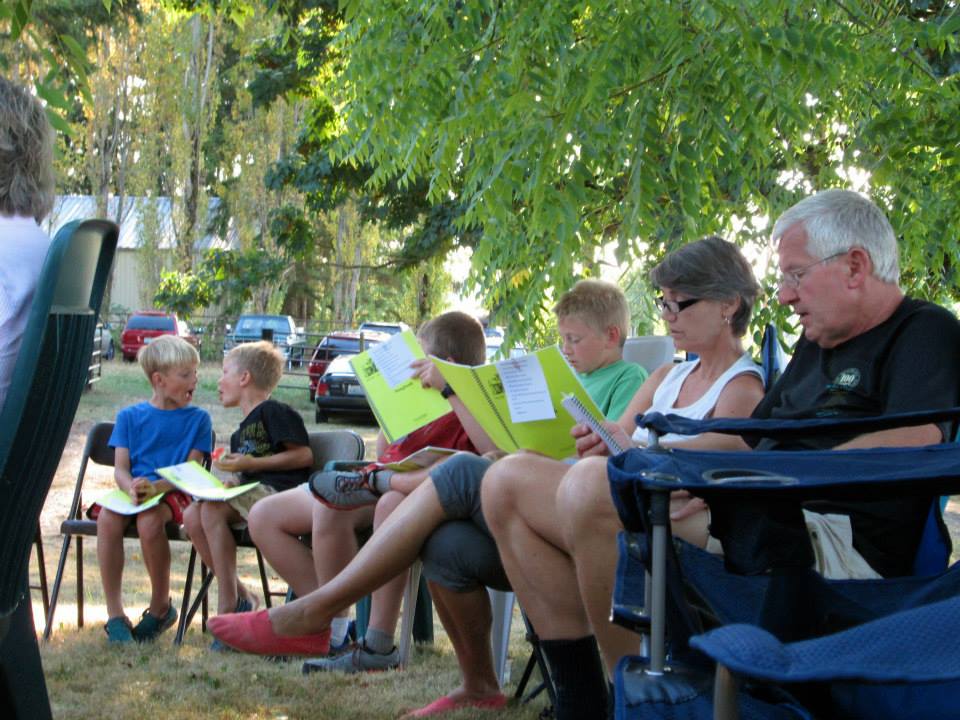
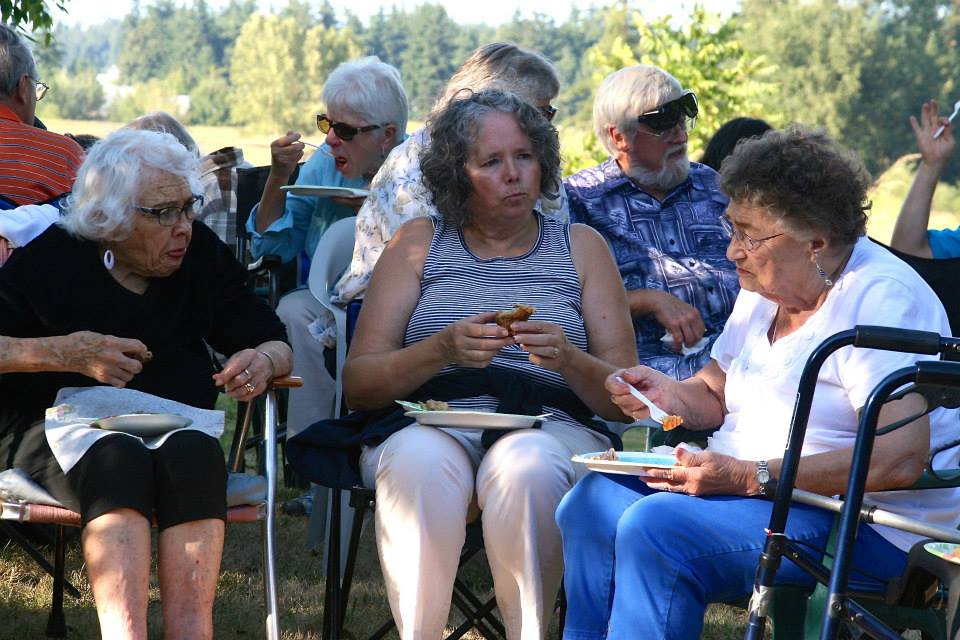
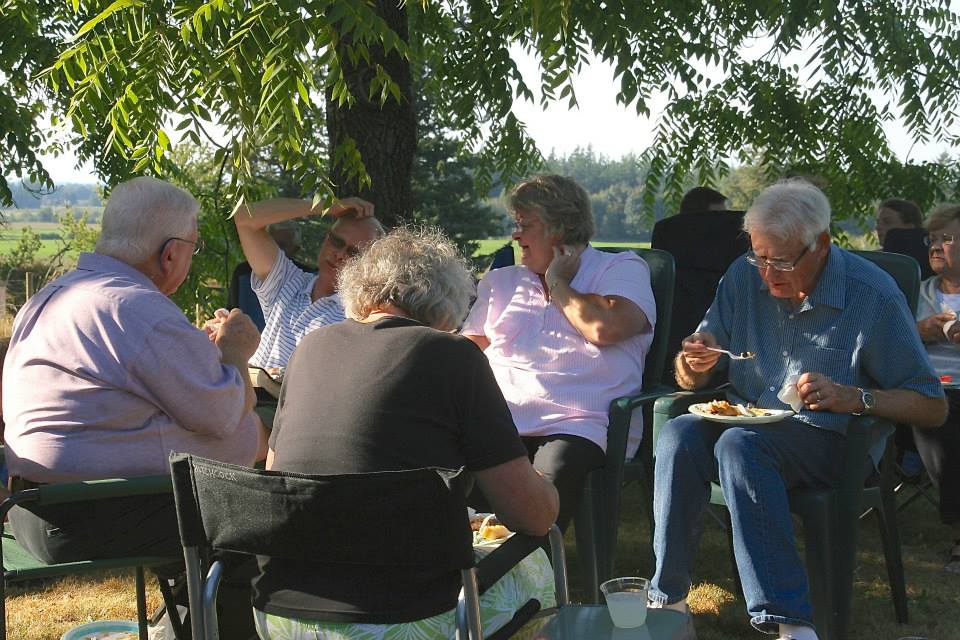
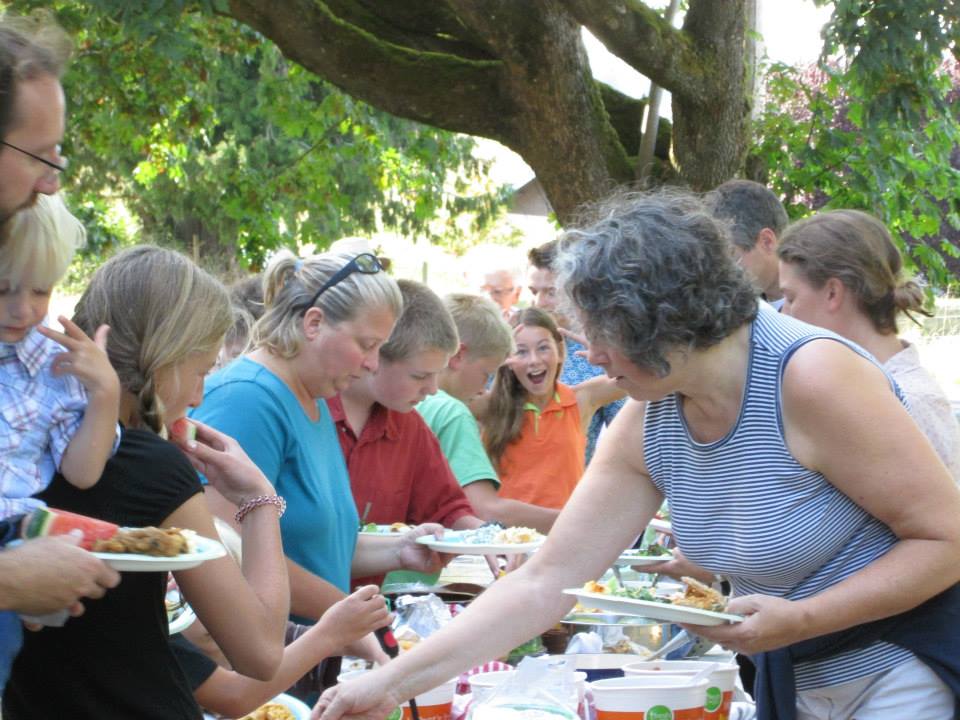
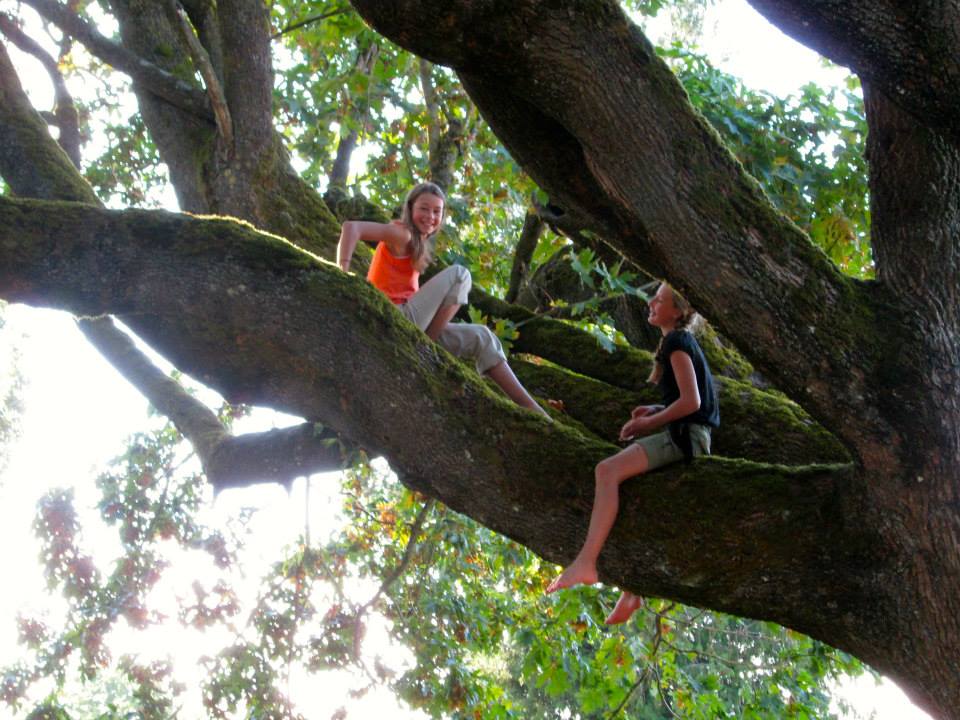
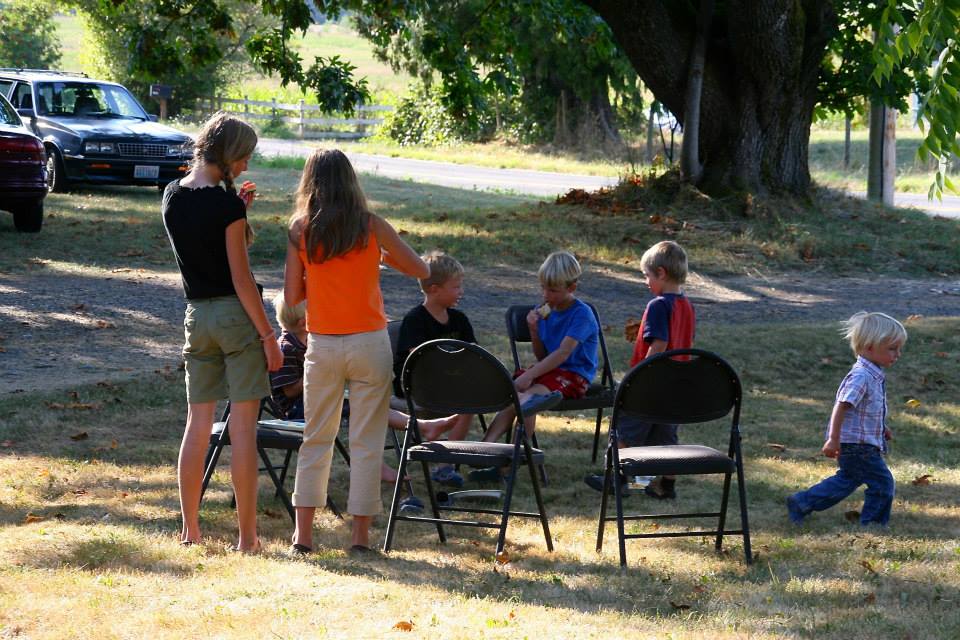
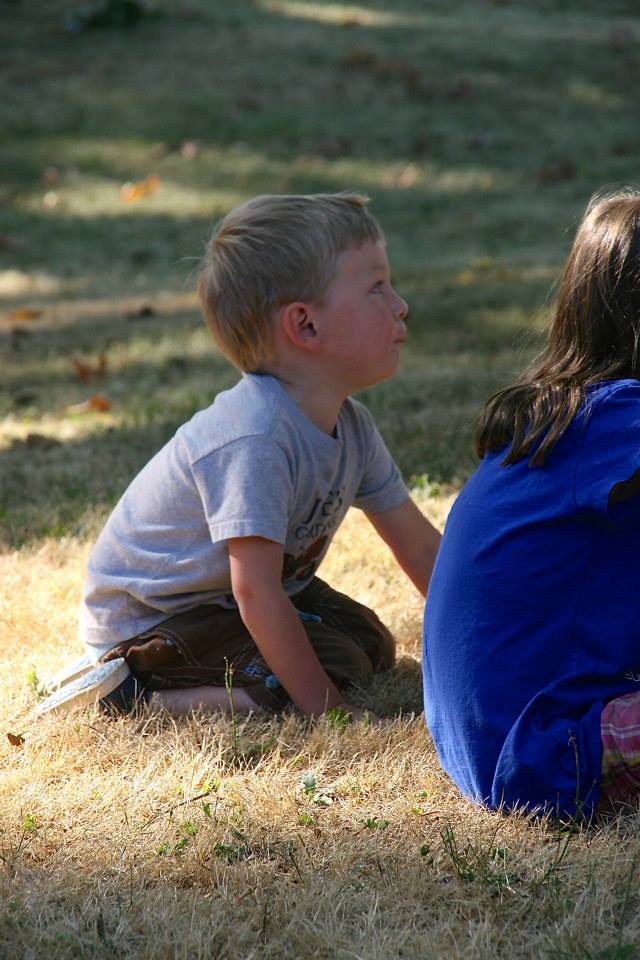
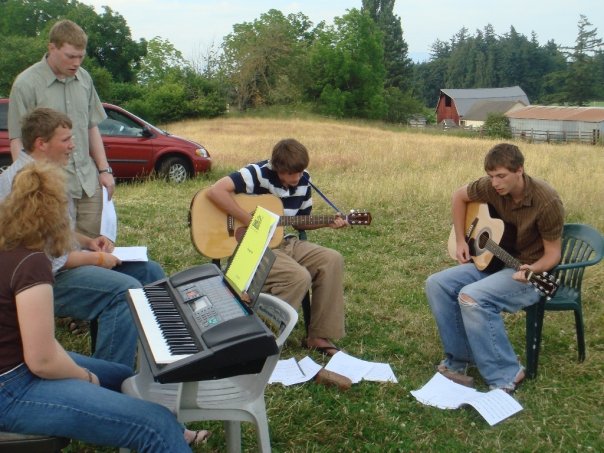
Yesterday, on a beautiful Sabbath evening, some fifty folks spent a few hours here on our farm for worship and potluck for this summer’s first of our Wiser Lake Chapel’s long-running “outdoor church” tradition at various farms in our county. Over the many years we have hosted this wonderful gathering of our church body, we have met up on our farm’s hill pasture and also under the shade of our front yard walnut trees. As lovely as it is to meet on the hill with so many vistas and views, there are many manure piles and mole hills lying in wait to sully the bare toes of our active church kids.
Indeed, our children are more apt than the grown ups to follow the instruction of the Lord when He told Moses:
“Remove your sandals from your feet, for the place on which you are standing is holy ground.”
There have long been cultures where shoes are to be removed before touching the surface of the floor inside a residence or temple in an intentional act of leaving the dirt of the world at the door to preserve the sanctity and cleanliness of the inner life.
Yet we as Christians wear shoes into church every Sunday, having walked in muck and mire of one sort or another all week. We try our best to clean up for Sunday, but we track in the detritus of our lives when we come to sit in the pews. Rather than leave it at the door, it comes right in with us, not exactly hidden and sometimes downright stinky. That is when we are in obvious need for a good washing, shoes, feet, soul and all, and that is exactly why we need to worship together as a church family in need of cleansing, whether indoors or outdoors.
Jesus Himself demonstrated our need for a wash-up on the last night of His life, soaking the dusty feet of His disciples.
And then there is what God said. He asked that holy ground be respected by the removal of our sandals. We must remove any barrier that prevents us from entering fully into His presence, whether it be our attitude, our stubbornness, our unbelief, or our constant centering on self rather than other.
No separation, even a thin layer of leather, is desirable when encountering God.
We trample roughshod over holy ground all the time, blind to where our feet land and the impact they leave behind. Perhaps by shedding the covering of our eyes, our minds, and our feet, we would see earth crammed with heaven and God on fire everywhere, in every common bush and in every common heart.
So we may see.
So we may listen.
So we may feast together.
So we remove our sandals so our bare feet may touch His holy ground.
Thank you to Bette Vander Haak and Kerry Garrett for sharing their pictures of outdoor church on our farm.
The present is holy ground. — Alfred North Whitehead
It matters less what has happened or what will happen. What matters is happening right this very moment.
We are sentient creatures with a proclivity to bypass the present to dwell on the past or fret about the future. This has been true of humans since our creation. Those observing Buddhist tradition and New Age believers of the “Eternal Now” call our attention to the present moment through the teaching of “mindfulness” to bring a sense of peacefulness and fulfillment.
Yet I don’t believe the present is about our minds, or how well we dwell in the moment. It is not about us at all.
The present is holy ground where we are allowed to tread. We are asked to remove our shoes in an attitude of respect to a loving God who gives us life, and we approach each sacred moment with humility. We turn aside from the dailiness of our lives to look at what He has promised.
There will be no other moment just like this one. There may be no other beyond this one. Right now, this moment barefoot, I am simply grateful to be here.















 Barnstorming