And the Eyes Have It

cellardoor

Nothing would sleep in that cellar, dank as a ditch,
Bulbs broke out of boxes hunting for chinks in the dark,
Shoots dangled and drooped,
Lolling obscenely from mildewed crates,
Hung down long yellow evil necks, like tropical snakes.
And what a congress of stinks!
Roots ripe as old bait,
Pulpy stems, rank, silo-rich,
Leaf-mold, manure, lime, piled against slippery planks.
Nothing would give up life:
Even the dirt kept breathing a small breath.
~Theodore Roethke “Root Cellar”

rootcellarsteps

pears9614

rootcellarjars

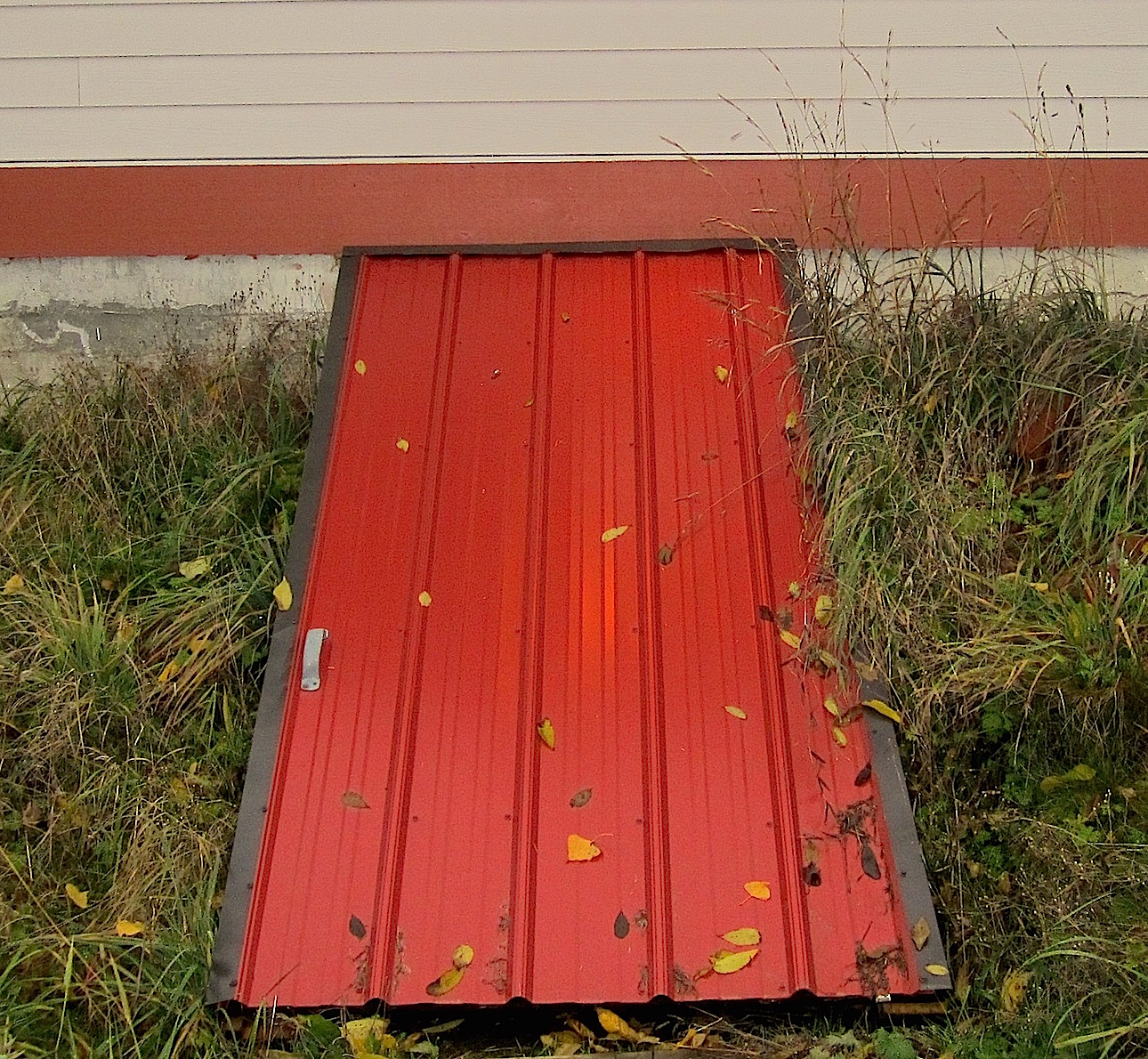
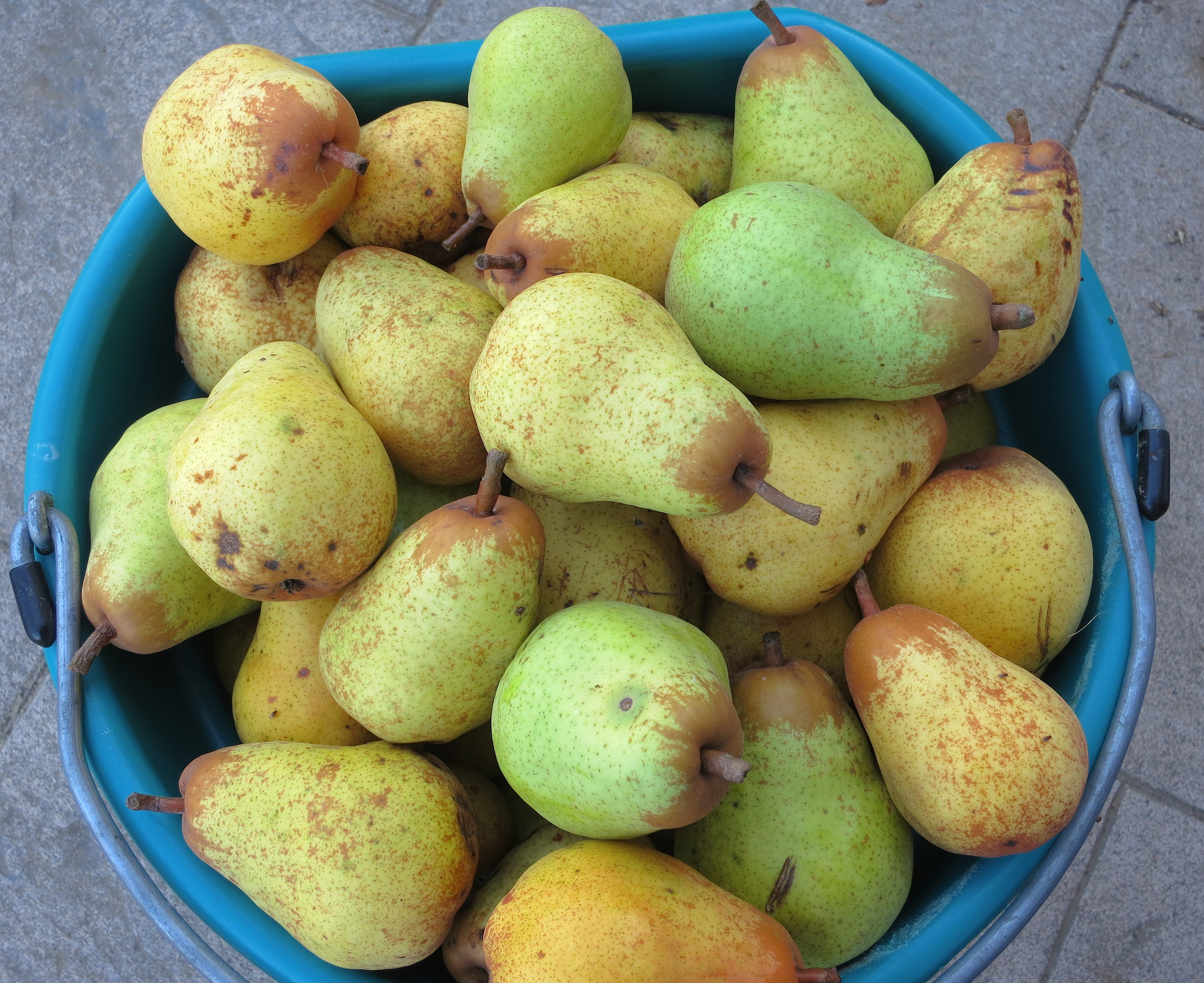
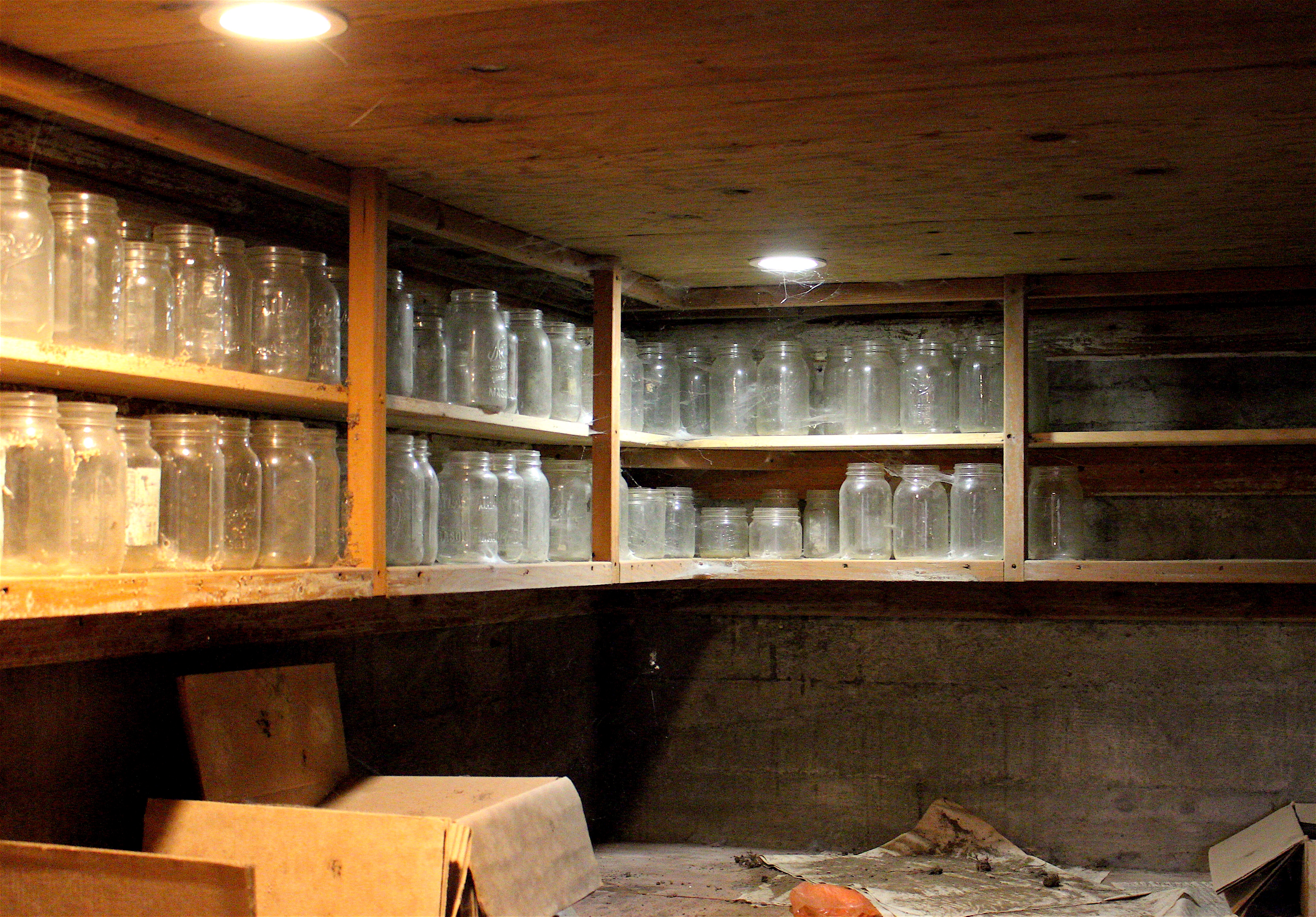
I tug on the handle of the heavy root cellar cover to lift it to one side in order to descend the steps to the underground room that serves as a year round natural refrigerator on our farm.  At the bottom of the stairs, I open the thick sealed door to permit a shaft of sunlight to illuminate the inner darkness–there is always a moment of wondering what I might find on the other side in such a mysterious place.  A rush of cool earthen air blows back at me as if displaced by the light that has rushed in.  Until I snap on the lights, it is as secret as a womb harboring its precious cargo.  This place smells of dirt and moisture–the lifeblood of the fruits and roots that tarry here until it is finally their turn to be brought up into the light.  Potatoes, onions, apples, pears, nuts all resting and waiting, as if suspended in time.
It has been awhile since my last visit.  As the lights blink on, I blink too in unbelief.  There had been a startling transformation, as time no longer stands still as it had through the winter.  Long white arms, almost waving with enthusiasm, were reaching out from the potato bin in a desperate searching plunge through the blackness.   In this dark place, their blind eyes must sense a better place and have set out on a mission to get there.  The naked shoots are so entangled one with the other, it feels voyeuristic, as if I were witnessing something private and personal.

I gather them up,  apologetic for causing them a moment’s doubt about their destiny.  A trench must be dug, so they are placed gently at the base with shoots pointed toward the sky, and the dirt swept over them in a burial that is more commencement than coda.

And so the eyes have it, having reached for a light not seen but sensed.

…even the dirt kept breathing a small breath…

Was blind, but now can see.

rootcellarjars2

IMG_1113

The True Harvest

sunrise81316

sunset8916

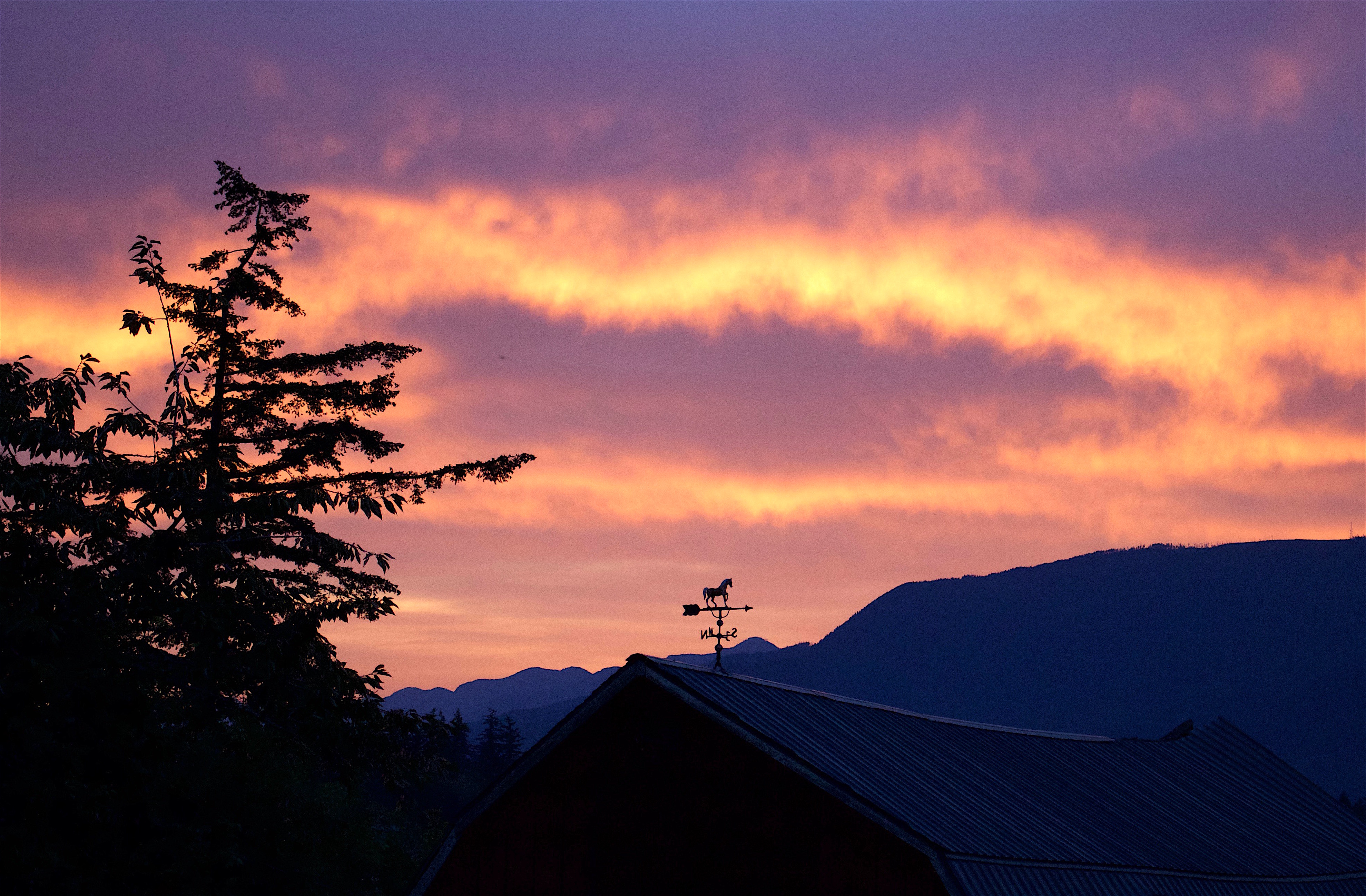
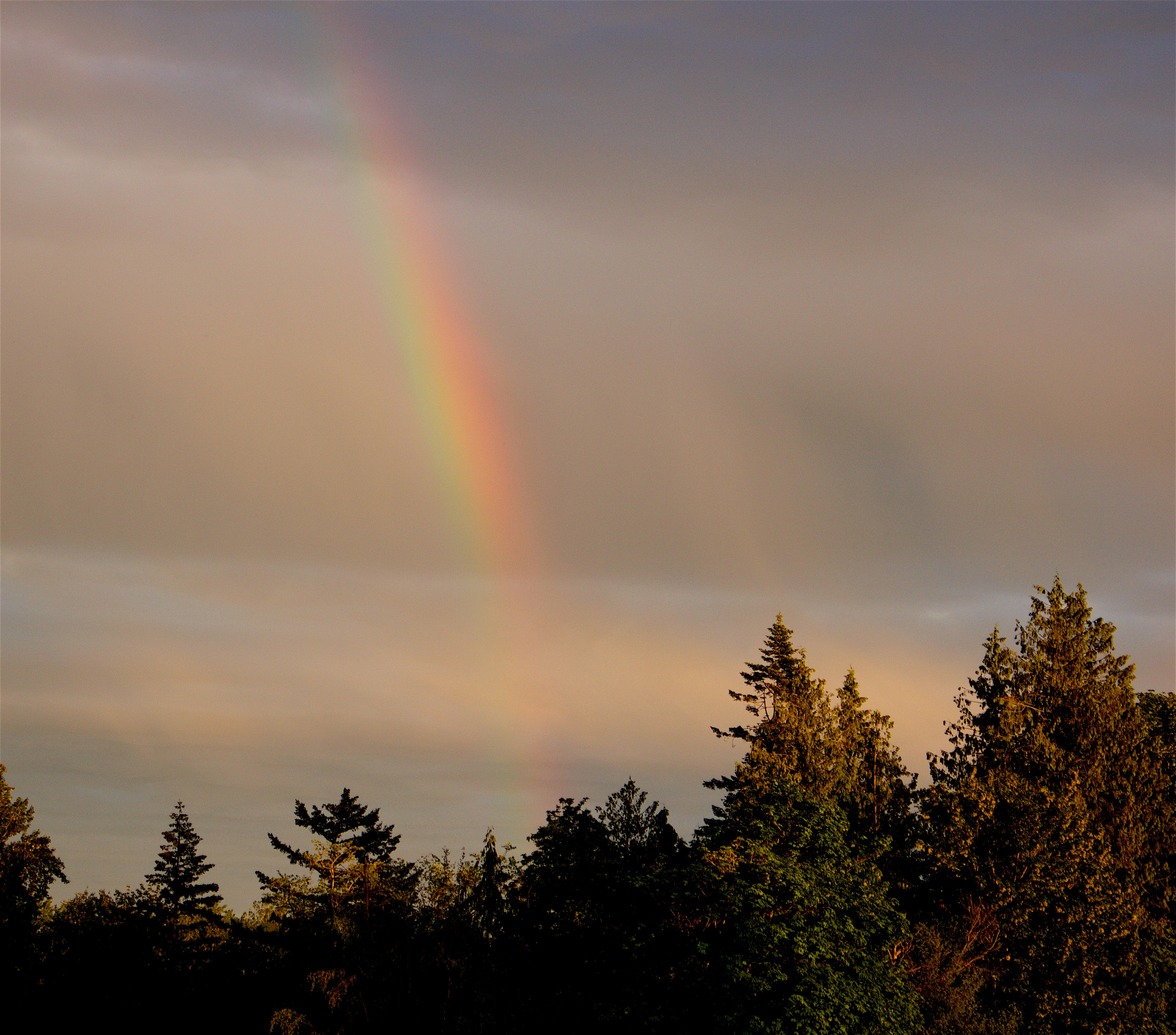
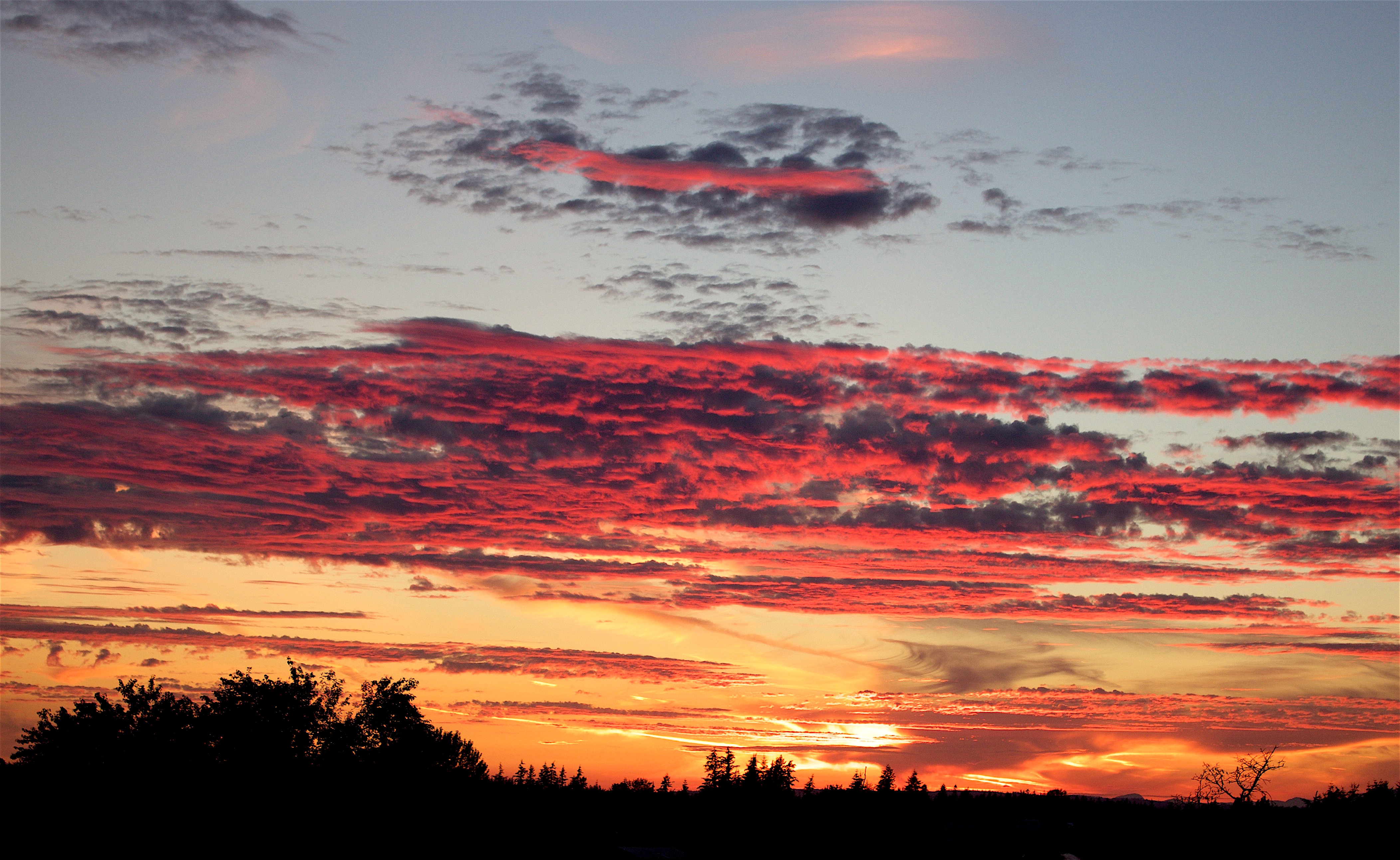
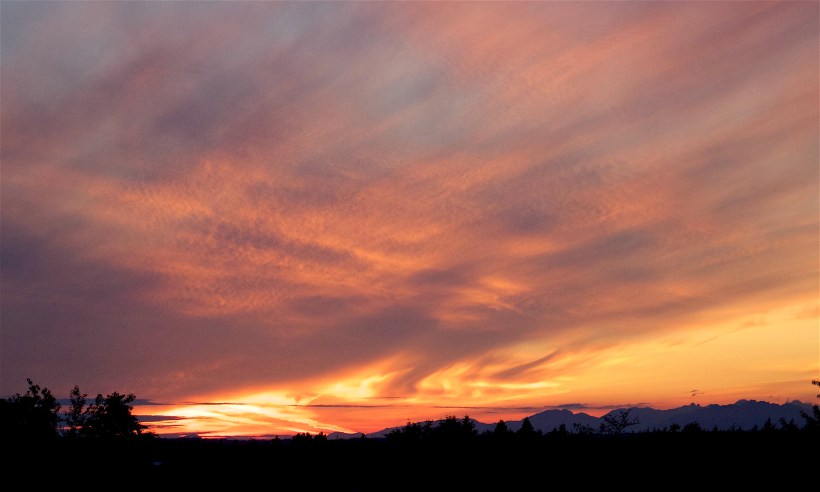
The true harvest of my daily life is somewhat as intangible and indescribable as the tints of morning or evening. It is a little star-dust caught, a segment of the rainbow which I have clutched.
~Henry David Thoreau

rainbow51116

Painting the indescribable with words necessitates subtlety, sound and rhythm on a page.  The best word color portraits I know are by Gerard Manley Hopkins who created  through startling combinations:  “crimson-cresseted”, “couple-colour”, “rose-moles”, “fresh-firecoal”, “adazzle, dim”, “dapple-dawn-drawn”, “blue-bleak embers”, “gash gold-vermillion”.

I understand, as Thoreau does,  how difficult it is to harvest a day using ordinary words.   Like grasping ephemeral star trails like our current Perseid meteor showers or the transient rainbow that moves away as I approach, what I hold on the page is intangible yet very real.

I will keep reaching for that rainbow moving target, searching for the best word pictures to preserve my days and nights forever, perhaps for my someday greatgrandchildren, or whoever, even today, might have the need to imagine what it is like to capture and clutch it fast in their mind’s eye.

sunset72516


Bound to the Earth

sunset76161

sistersmoon

My grandparents owned the land,
worked the land, bound
to the earth by seasons of planting
and harvest.

They watched the sky, the habits
of birds, hues of sunset,
the moods of moon and clouds,
the disposition of air.
They inhaled the coming season,
let it brighten their blood
for the work ahead.

Soil sifted through their fingers
imbedded beneath their nails
and this is what they knew;
this rhythm circling the years.
They never left their land;
each in their own time
settled deeper.
~Lois Parker Edstrom “Almanac” from Night Beyond Black. © MoonPath Press, 2016.

morningswans

396747_496652663682556_1002398142_n
Photo of Aaron Janicki haying with his Oberlander team in Skagit County courtesy of Tayler Rae

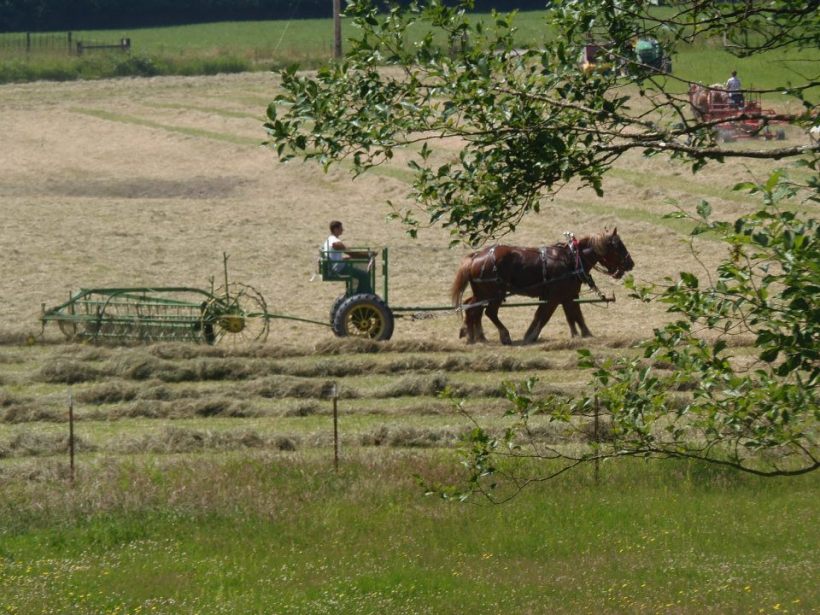
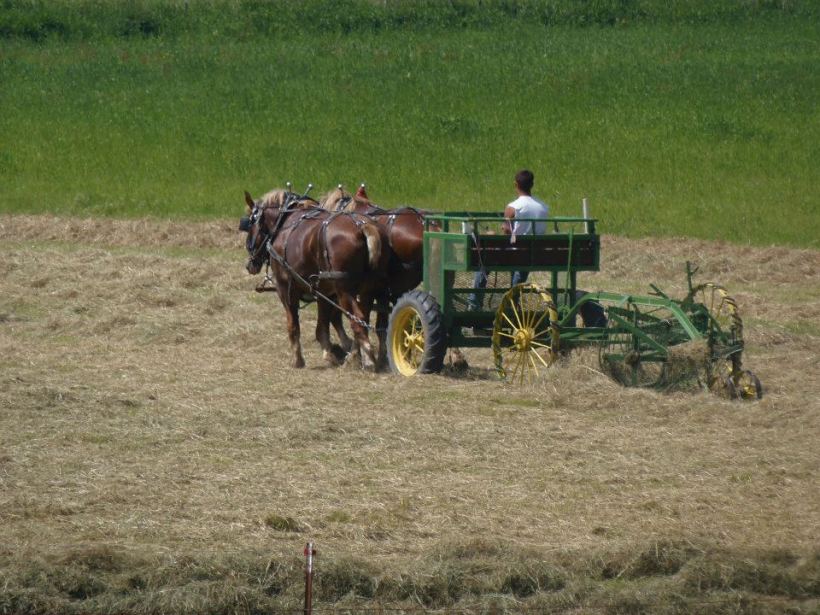
I am old enough to have parents who grew up on farms worked by horses, one raising wheat and lentils in the Palouse country of eastern Washington and the other logging in the woodlands of Fidalgo Island of western Washington.  The horses were crucial to my grandparents’ success in caring for and tilling the land, seeding and harvesting the crops and bringing supplies from town miles away.  Theirs was a hardscrabble life in the early 20th century with few conveniences.  Work was year round from dawn to dusk; caring for the animals came before any human comforts.  Once night fell, work ceased and sleep was welcome respite for man and beast.

In the rural countryside where we live now, we’ve been fortunate enough to know people who still dabble in horse farming, whose draft teams are hitched to plows and mowers and manure spreaders as they head out to the fields to recapture the past.  Watching a good team work with no diesel motor running means hearing bird calls from the field, the steady footfall of the horses, the harness chains jingling, the leather straps creaking, the machinery shushing quietly as gears turn and grass lays over in submission.  No ear protection is needed.  There is no clock needed to pace the day.   There is a rhythm of nurture when animals instead of engines are part of the work day.   The gauge for taking a break is the amount of foamy sweat on the horses and how fast they are breathing. It is time to stop and take a breather, it is time to start back up and do a few more rows, it is time to water, it is time for a meal, it is time for a nap, it is time for a rest in a shady spot.  This is gentle use of the land with four footed stewards who deposit right back to the soil the digested forage they have eaten only hours before.

Our modern agribusiness megafarm fossil-fuel-powered approach to food production has bypassed the small family farm which was so dependent on the muscle power of humans and animals.    In our move away from horses worked by skilled teamsters,  what has been gained in high production values has meant loss of self-sufficiency and dedicated stewardship of a particular plot of ground.  Draft breeds, including the Haflinger horses we own, now are bred for higher energy with lighter refined bone structure meant more for eye appeal and floating movement,  rather than the sturdy conformation and unflappable low maintenance mindset needed for pulling work.   Modern children are bred for a different purpose as well, no longer raised to work together with other family members for a common purpose of daily survival.   Their focus at school is waning as they have no morning farm chores when they get up, too little physical work to do before they arrive at their desks in the morning.   Their physical energy, if directed at all,  is directed to competitive sports, engaged in fantasy combat rather than winning a very real victory over hunger.

I am encouraged when young people still reach for horse collars and bridles, hitch up their horses and do the work as it used to be done.   All is not lost if we can still make incremental daily progress,  harnessed together as a team with our horses, tilling for truth and harvesting hope.

pinkbaker4
I like farming. I like the work. I like the livestock and the pastures and the woods.  It’s not necessarily a good living, but it’s a good life.  I now suspect that if we work with machines the world will seem to us to be a machine, but if we work with living creatures the world will appear to us as a living creature.  That’s what I’ve spent my life doing, trying to create an authentic grounds for hope. –Wendell Berry, horse farmer, essayist, poet, professor

sunrise9714

314753_496651617015994_783180103_n
photo by Tayler Rae


A Steward of Creation

rainbowfarm

marshmallowmorning1

Good farmers, who take seriously their duties as stewards of Creation and of their land’s inheritors, contribute to the welfare of society in more ways than society usually acknowledges, or even knows. These farmers produce valuable goods, of course; but they also conserve soil, they conserve water, they conserve wildlife, they conserve open space, they conserve scenery.
~Wendell Berry

rows

When it is understood that one loses joy and happiness in the attempt to possess them, the essence of natural farming will be realized. The ultimate goal of farming is not the growing of crops, but the cultivation and perfection of human beings.”
~Masanobu Fukuoka 

hayjobdone

cedargrove2

I should understand the land, not as a commodity, an inert fact to be taken for granted, but as an ultimate value, enduring and alive, useful and beautiful and mysterious and formidable and comforting, beneficent and terribly demanding, worthy of the best of man’s attention and care… [My father] insisted that I learn to do the hand labor that the land required, knowing–and saying again and again–that the ability to do such work is the source of a confidence and an independence of character that can come no other way, not by money, not by education.
~Wendell Berry

northcountyevening

northcounty4

He knows all about the cycle of the seasons
When to plow, when to disc, when to harrow,
When to plant, when to fertilize,
When to irrigate, when to weed,
When to harvest, when to leave stubble and
When to lie fallow.

He knows to read the sky and feel the wind
When the forecast is right,
When it is just plain off,
When to quit early for the day,
When to keep going beyond dark and
When to give up and go to bed.

He knows his animals and what they need
When to bring them in, when to turn them out,
When to doctor them himself,
When to call the vet,
When to use heroics and
When to let go.

He knows his family and friends
When to tease his wife, when to hug her,
When to be tough on the kids, when to love them
When to give all he’s got, when to withhold
When to bid at the sale barn, when to just smile and
When to go home empty handed but full of stories.

He knows his Bible and his faith
When to pray aloud, when to be silent,
When to trust through hard times,
When to share abundance,
When to believe with burning heart and
When to forgive and be forgiven.

He knows his time is coming
When his worn and tired body slows down,
When he drives his pickup and takes a wrong turn,
When he shows up for chores breathing hard,
When he bids at auction just because and
When he lies down for a nap and doesn’t get up.

He lies fallow, sleeping,
Having given up and let go
To head home, without getting lost,
Stubbled, forgiven and loved,
Storing the rest of his harvest
For a new and glorious day.


tractorguy

‘Tis Hay Time

haybarnfull

haywagon

Tis haytime & the red complexioned sun
Was scarcely up ere blackbirds had begun
Along the meadow hedges here & there
To sing loud songs to the sweet smelling air
Where breath of flowers & grass & happy cow
Fling oer ones senses streams of fragrance now
While in some pleasant nook the swain & maid
Lean oer their rakes & loiter in the shade
Or bend a minute oer the bridge & throw
Crumbs in their leisure to the fish below
—Hark at that happy shout—& song between
Tis pleasures birthday in her meadow scene
What joy seems half so rich from pleasure won
As the loud laugh of maidens in the sun.
~John Clare “Hay Making”

farmcrew3

haymaking5

haying2012

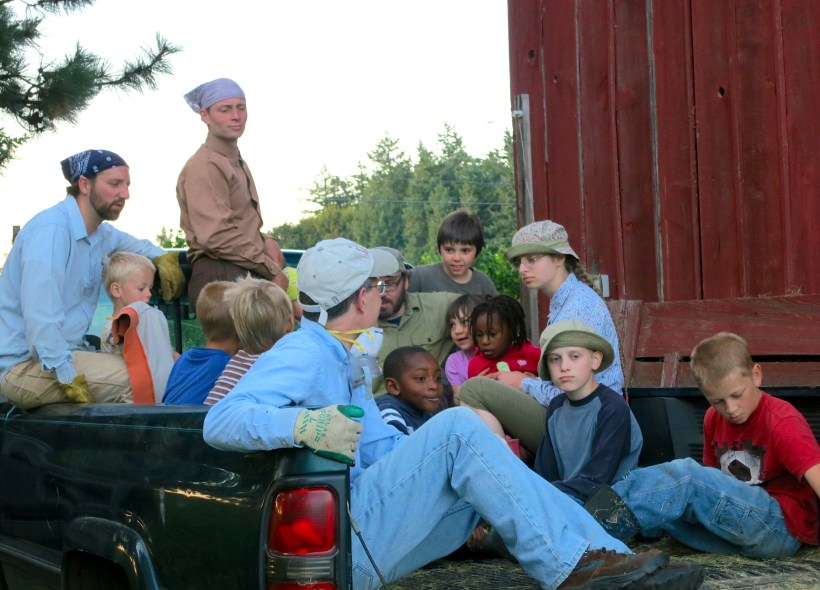
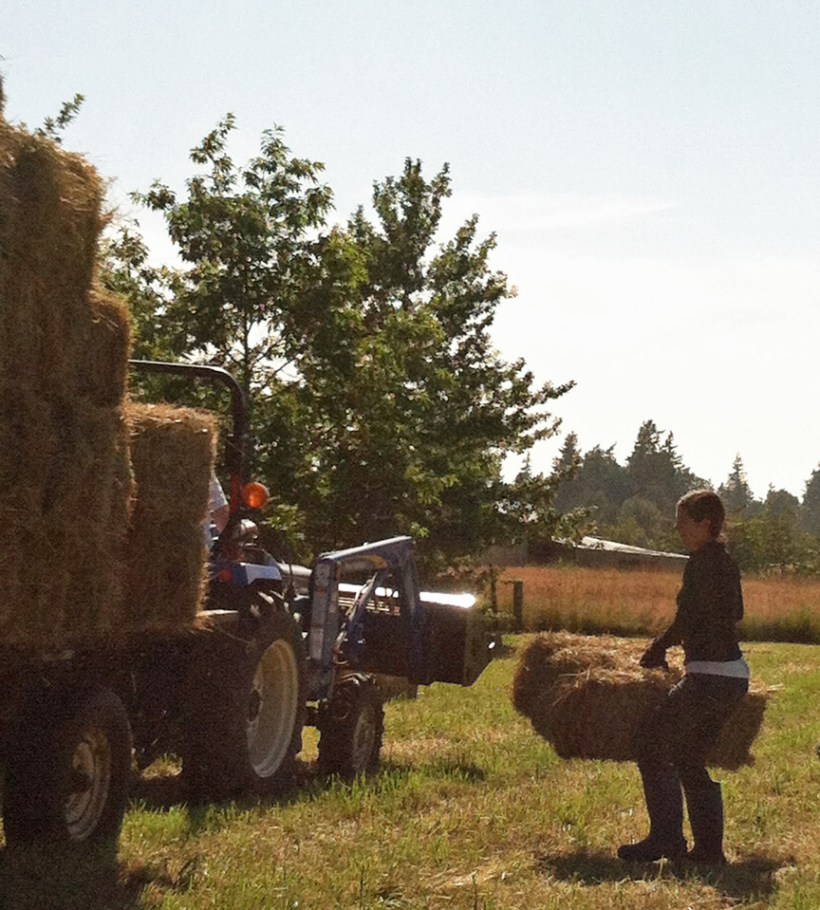
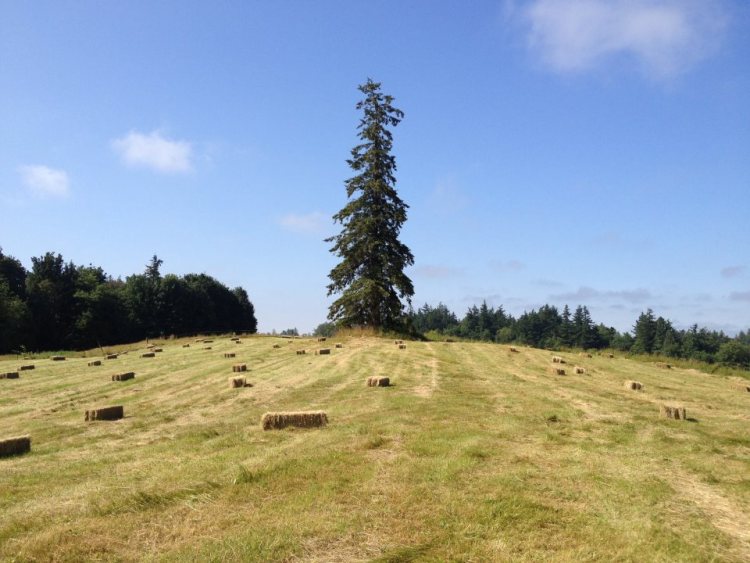
Every hay crew is the same
Though the names change;
Young men flexing their muscles,
A seasoned farmer defying his age
Tossing four bales high,
Determined girls bucking up on the wagon,
Young children rolling bales closer,
Add a school teacher, pastor,
Professor, lawyer and doctor
Getting sweaty and dusty
United in being farmers
If only for an evening.

Stacking
Basket weave
Interlocking
Cut side up
Steadying the load
Riding over hills
Through valleys
In slow motion
Eagles over head
Searching the bare fields
Evening alpen glow
Of snowbound
Eastern peaks

Friends and neighbors
Walking the dotted pastures,
Piling on the wagons,
Driving the truck,
Riding the top of hay stack
In the evening breeze,
Filling empty barn space to the rafters,
Making gallons of lemonade in the kitchen.
A hearty meal consumed
In celebration
Of summer baled, stored, preserved
For another year.

Hay crew
Remembered on
Frosty autumn mornings before dawn
When bales are broken for feed
And fragrant summer spills forth.
In the dead of winter

sunset81115

sunset811153

puffsunset2

The Headed Grass

lodge2

lodge3

Light and wind are running
over the headed grass
as though the hill had
melted and now flowed.
~Wendell Berry “June Wind”

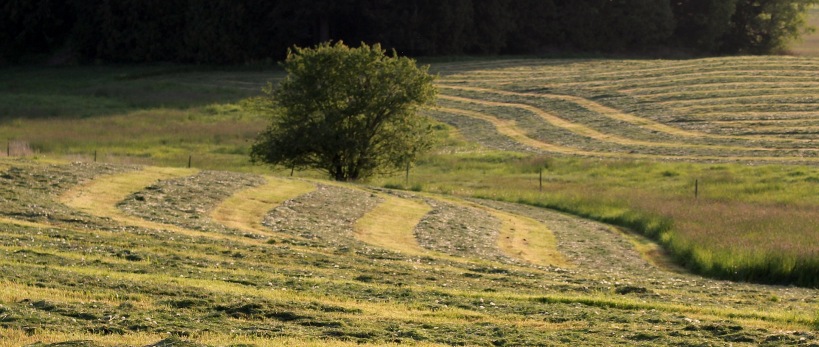
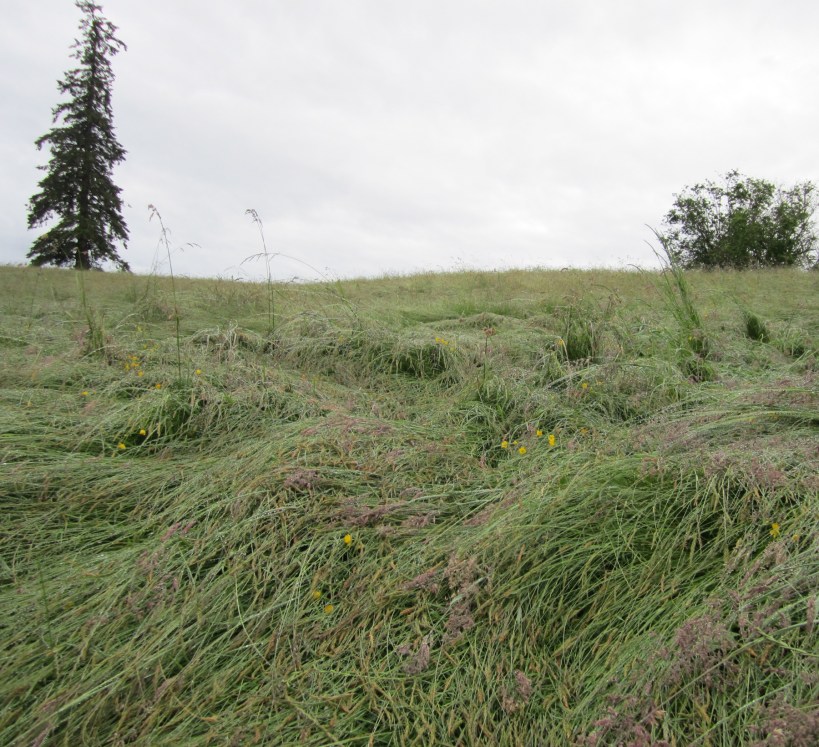
It will soon be haying time, as soon as another stretch of clear days appears on the horizon.  We missed a haying window last week, and now are staring at 10 days of forecast rain and clouds.

The headed grass is growing heavier, falling over, lodged before it can be cut, with the undulations of moist breezes flowing over the hill.   It has matured too fast, rising up too lush, too overcome with itself so that it can no longer stand.  It is melting, pulled back to the soil.  We must work fast to save it.

The light and wind works its magic on our hill.  The blades of the mower will come soon to lay it to the ground in green streams that flow up and down the slopes.  It will lie comfortless in its stoneless cemetery rows, until tossed about by the tedder into random piles to dry, then raked back into a semblance of order in mounded lines flowing over the landscape.

It will be crushed and bound together for transport to the barn, no longer bending but bent, no longer flowing but flown, no longer growing but grown and salvaged.

It becomes fodder for the beasts of the farm during the cold nights when the wind beats at the doors.   It melts in their mouths, as it was meant to, as we are meant to melt and flow.

Truly.

grasses51815

field52151

rows

531606_557728686564_1157537123_n

hayjobdone

Hard to Take to Heart

downtothree
IMG_4394
octrose3

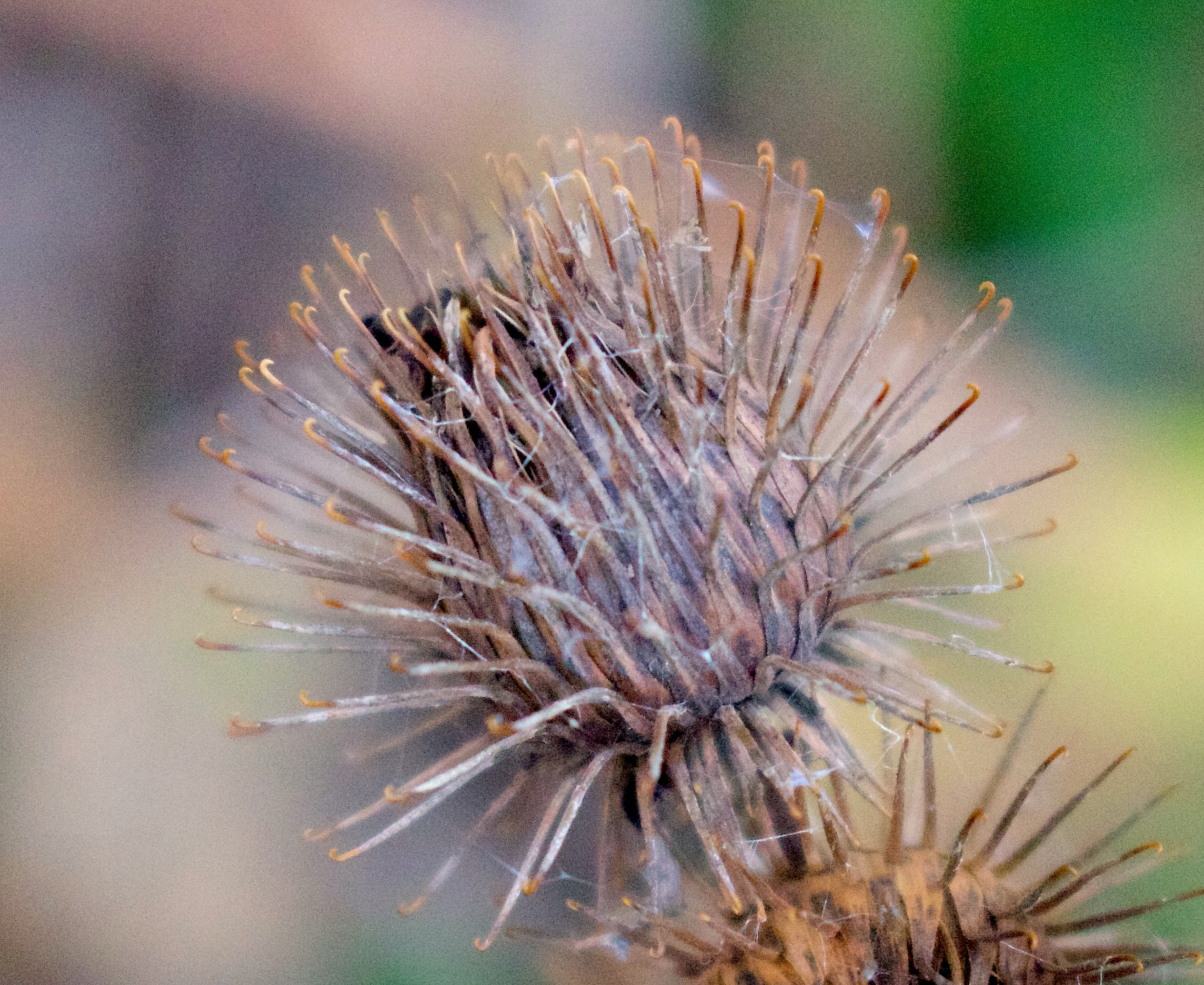
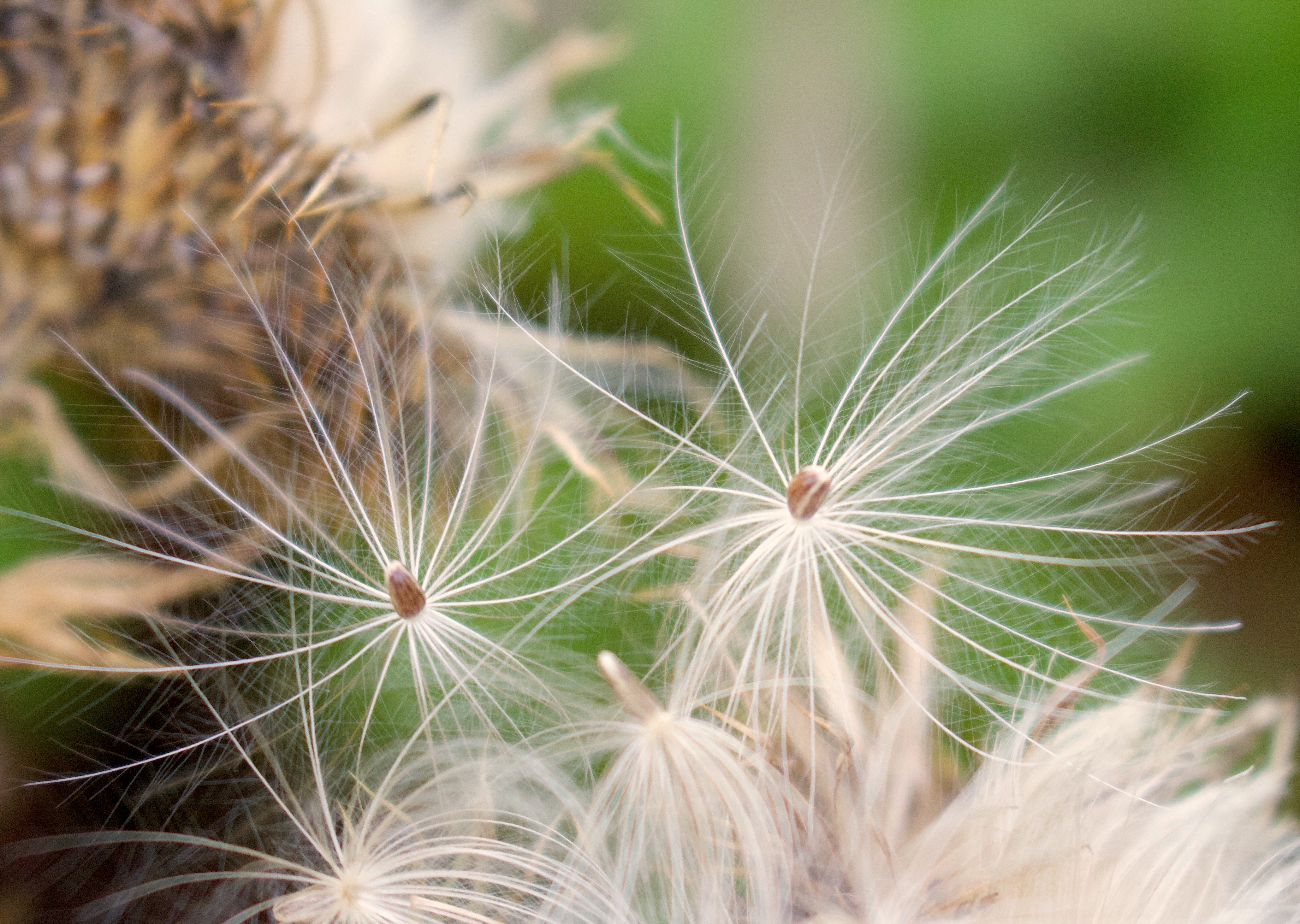
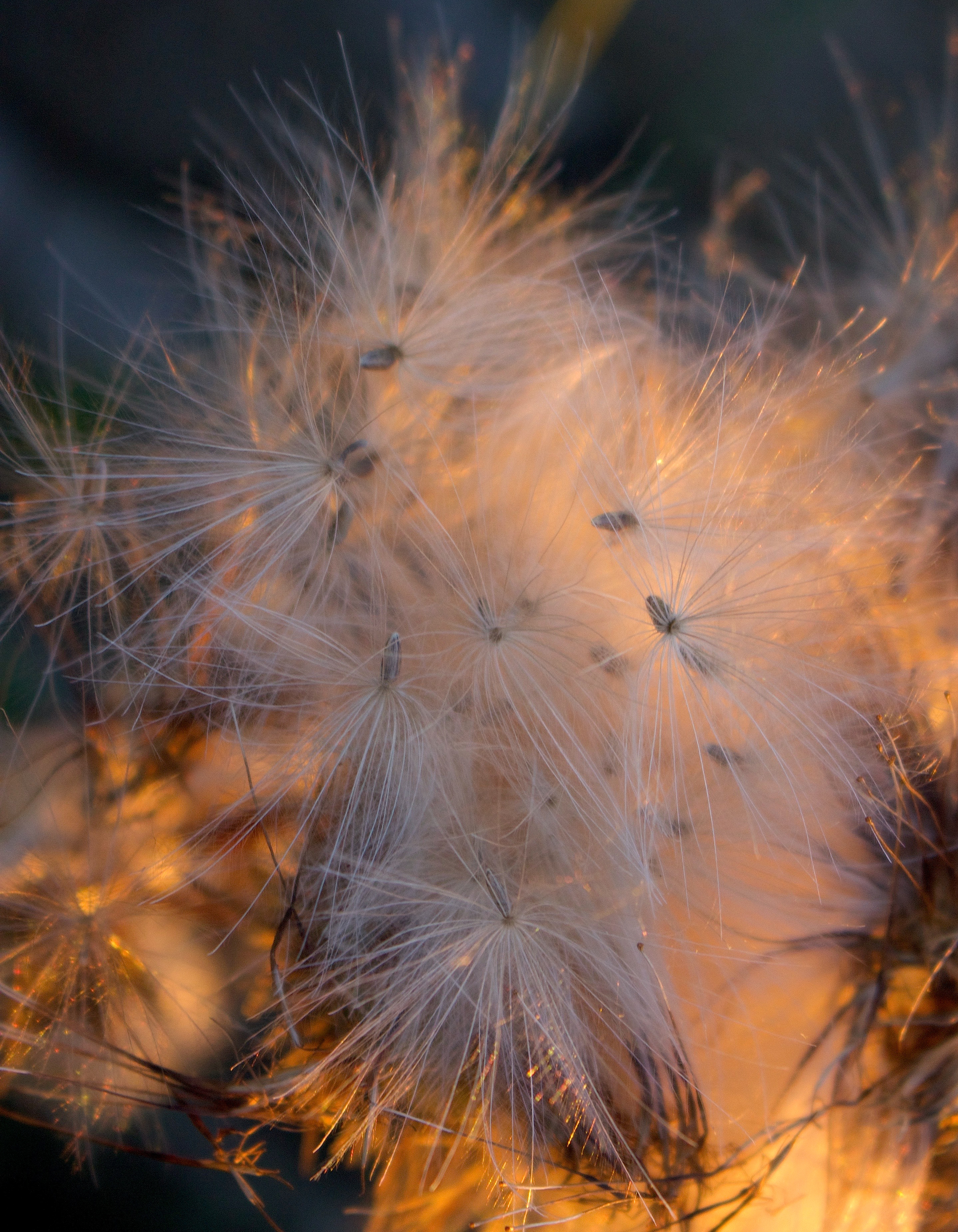
The thistles, rooted out, throng in again;
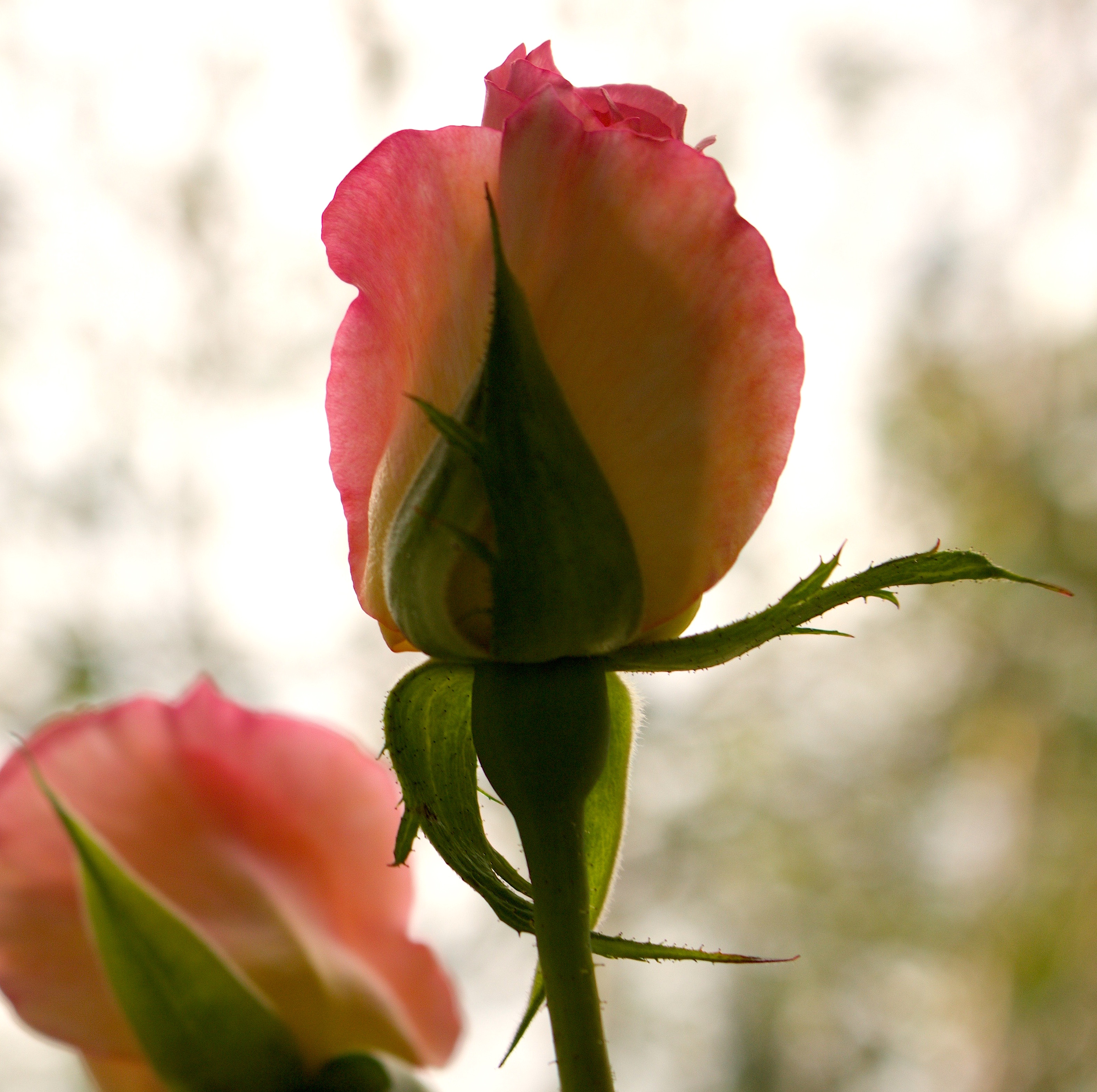
The single regal rose is mobbed by weeds;
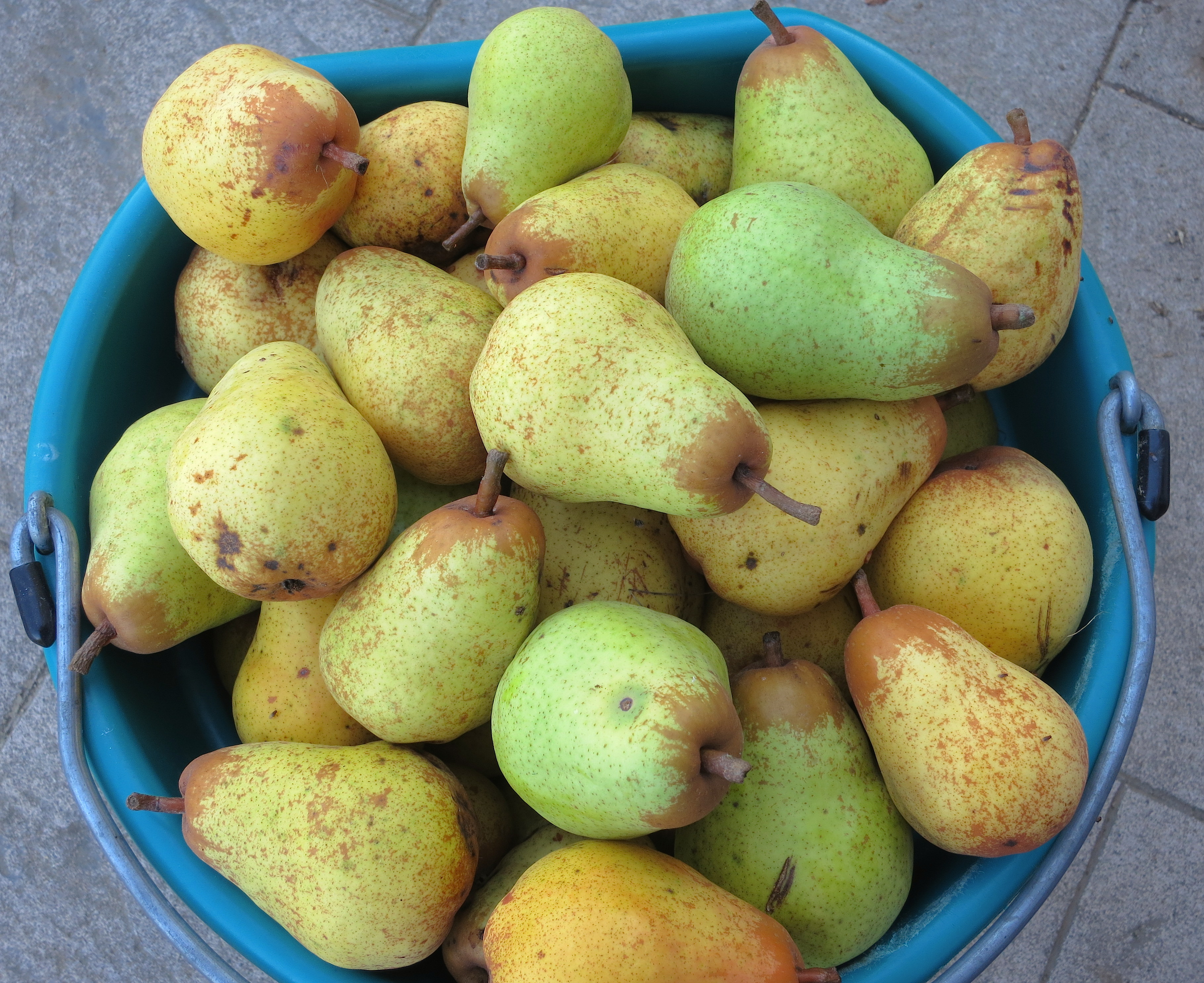
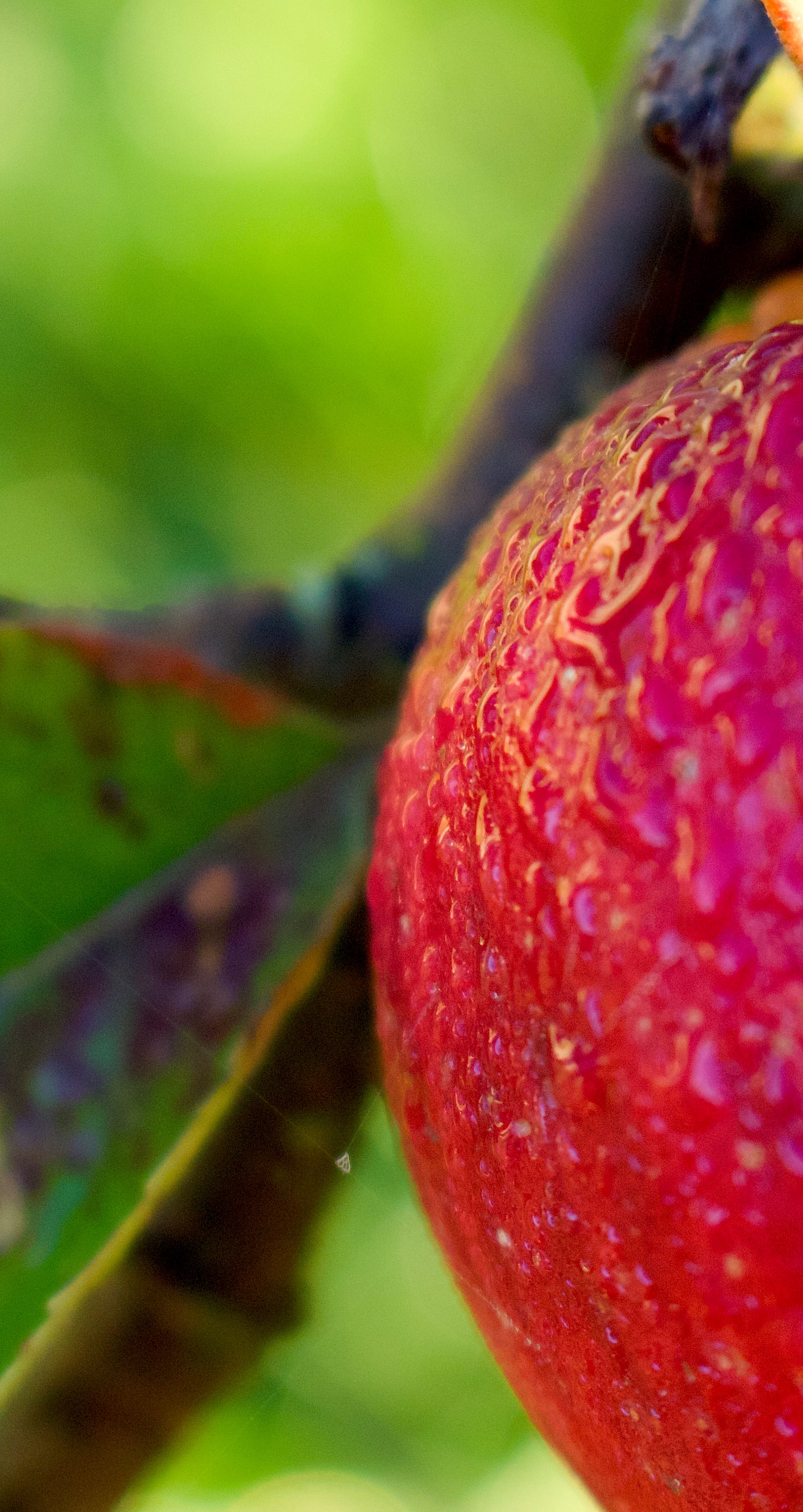
The plums, the pears, the ripening apples, rain
In the sun; and past summer plants new seeds.

Here, or there, these common yearly things
Repeat, repeat, and gardens do not range:
Yet thistles, roses, fruit trees, birds, and stings
Come to an end, and the church bells sound a change.

These many soft declensions of the day,
So hard to take to heart, bear life away.
~Dunstan Thompson from “Passage”


This winding down,
this descent into
shorter days and longer nights,
this preparation for an autumn austerity,
reminds me of my ongoing emptying,
once so full of fruit and seed,
now clinging to what is left me~
the joys, the tears,
the eyes of my brimming heart.


pears9614

appledew2

thistledown915

thistle9281sunset822153

The Boreal Fruit

morning928154

underherwings
underherwings2
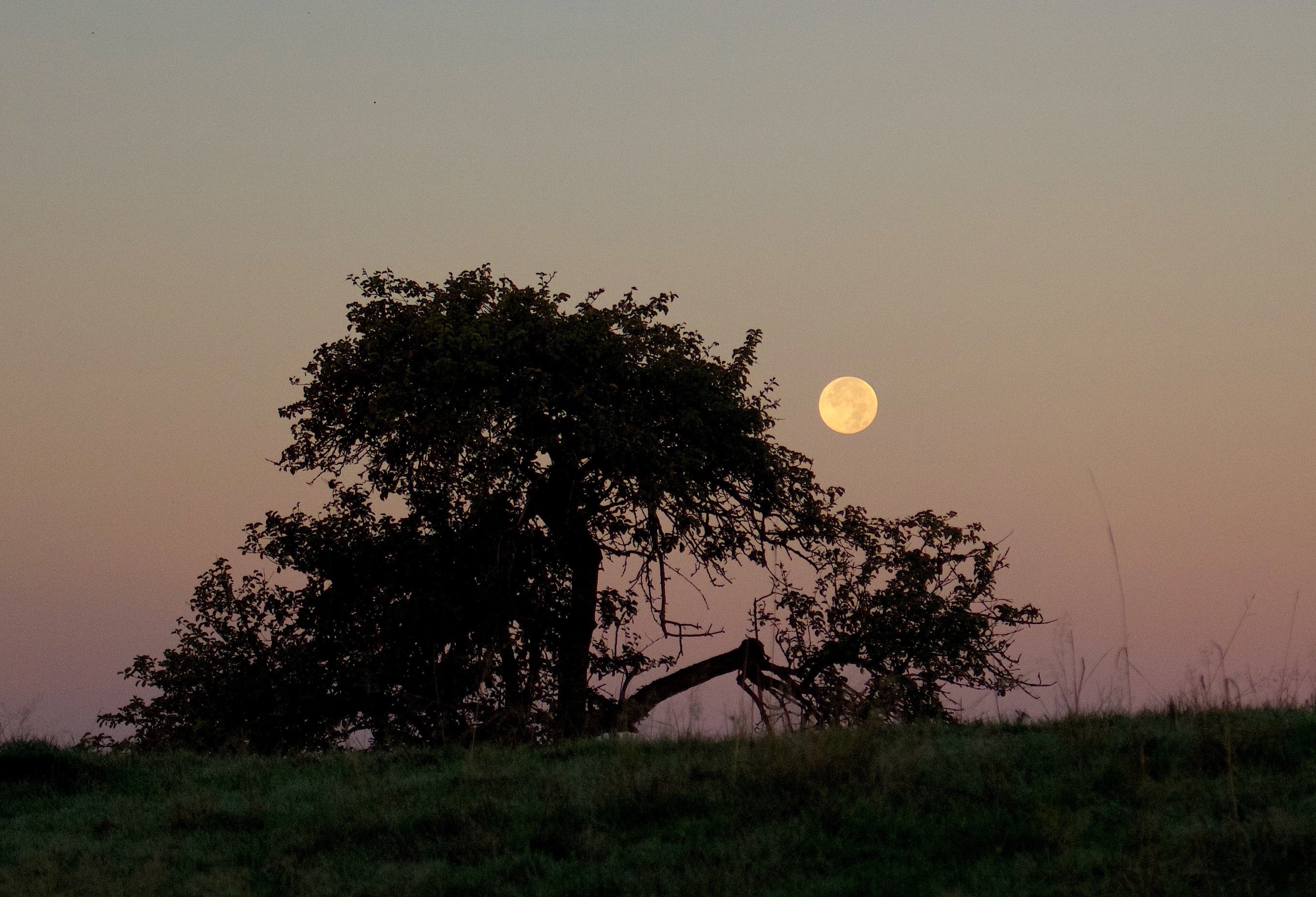
The moon now rises to her absolute rule,
And the husbandman and hunter
Acknowledge her for their mistress.
Asters and golden reign in the fields
And the life everlasting withers not.
The fields are reaped and shorn of their pride
But an inward verdure still crowns them;
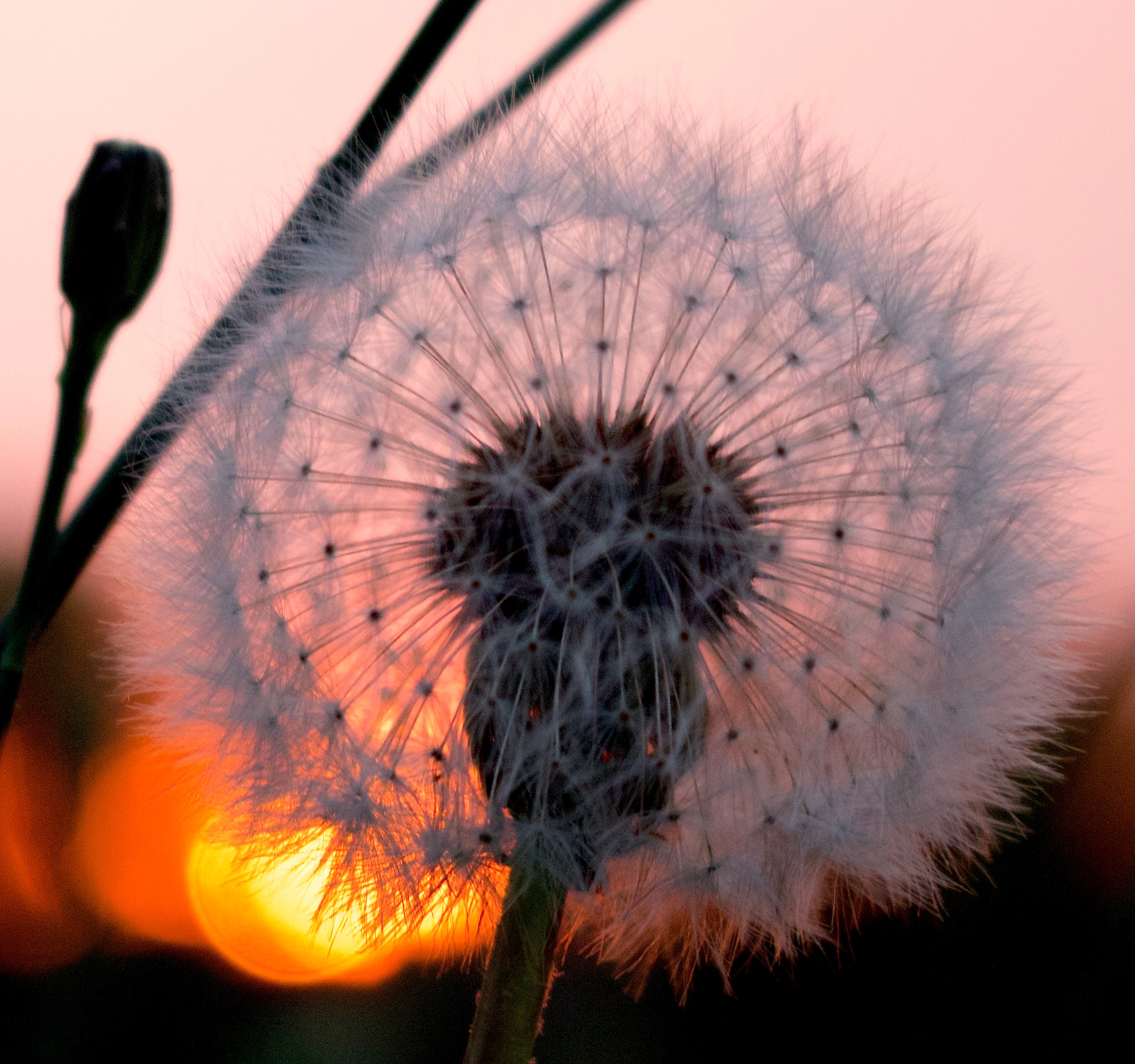
The thistle scatters its down on the pool
And yellow leaves clothe the river—
And nought disturbs the serious life of men.
But behind the sheaves and under the sod
There lurks a ripe fruit which the reapers have not gathered,
The true harvest of the year—the boreal fruit
Which it bears forever,
With fondness annually watering and maturing it.
But man never severs the stalk
Which bears this palatable fruit.
~Henry David Thoreau
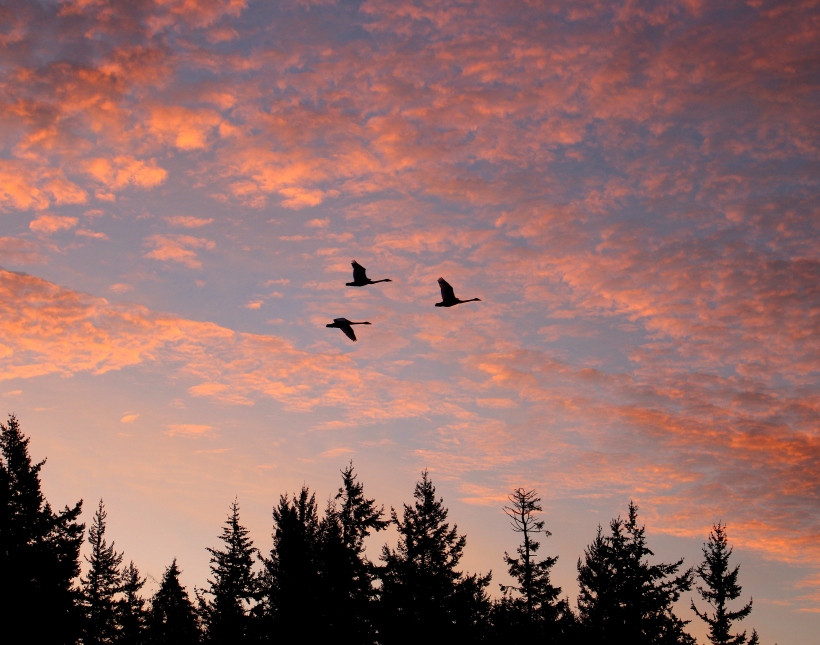
So many eyes turned skyward last night
to witness the shadowing of the moon,
its large unblinking eye turned bloodshot.
The wonder is that we are mere witness
to something beyond our reach,
trying our best to harvest, record and keep it.
This morning the moon sets,
bright and cheerful,
as it always does,
and we go about our daily lives
oblivious that it will continue to do so
long after we ourselves are harvested.
thistledown915
morning928153
morning92815

Let Fall Your Shadows

sunrise913152

sunrise91315

geese913


Lord: it is time. The summer was immense.
Let fall your shadows on the sundials,
upon the fields let loose your winds.

Command the last fruits to be full;
give them just two more southern days,
Press them to completion, and chase the last
sweetness into the heavy wine.

Who has no house now – he will never build.
Whoever is alone now, long will so remain;
will stay awake, and read, and write long letters
and wander the alleys up and down,
restless, as the leaves are drifting.
~Rainer Maria Rilke “Autumn Day”


This sadness that fall brings
is less about the ending of a long hot dry summer
and more about deepening shadows,
the fullness of harvest,
the drifting and dying to self.

I am misty in memories
of children dressed for school
eating around a full kitchen table,
of chores done hurriedly on frosty mornings,
of afternoons darkening too early
from drizzly clouds,
of nights under heavy comforters.

Lord, it is time.  Too soon, too soon.
Help ready me.


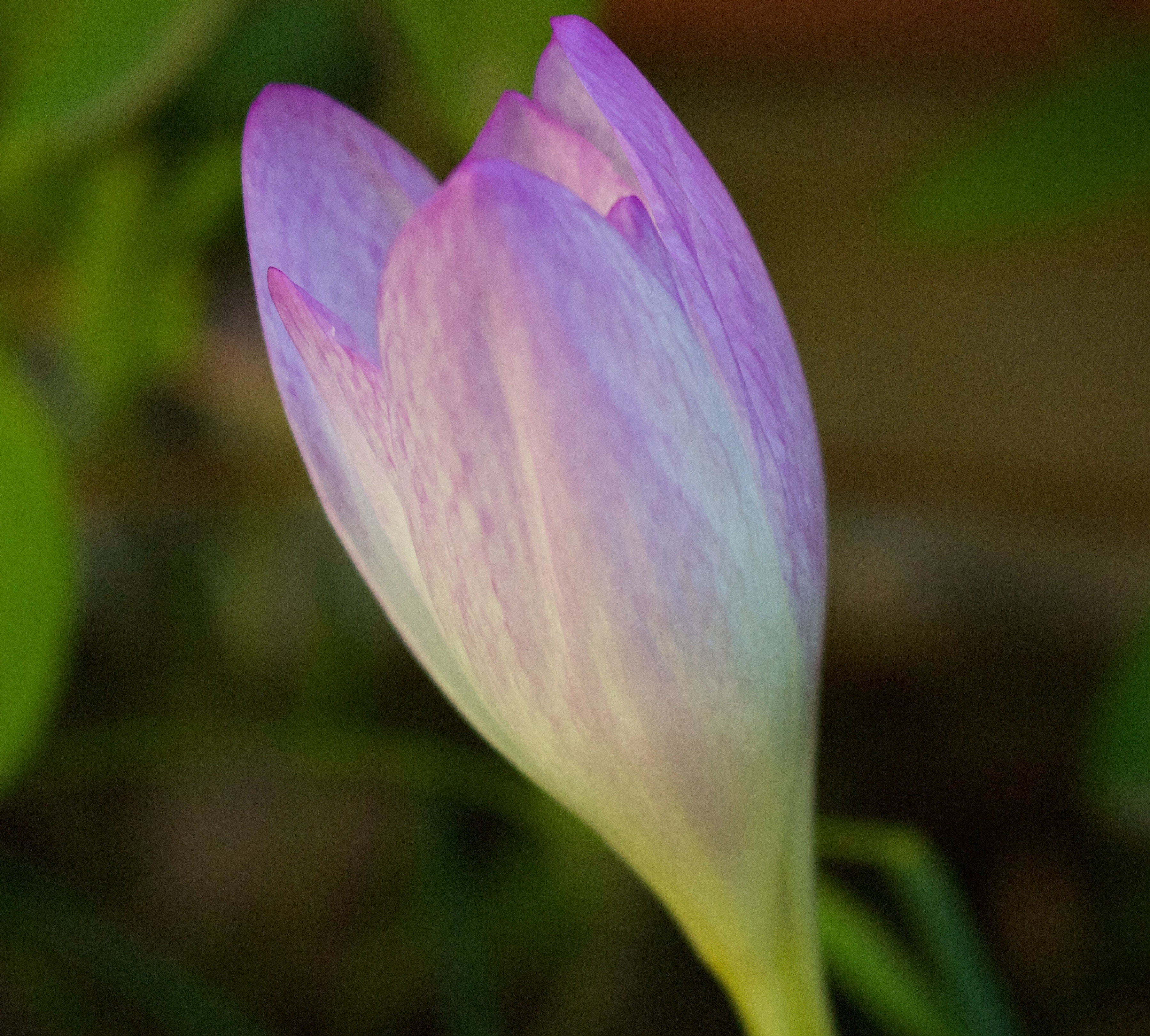
fallcrocus

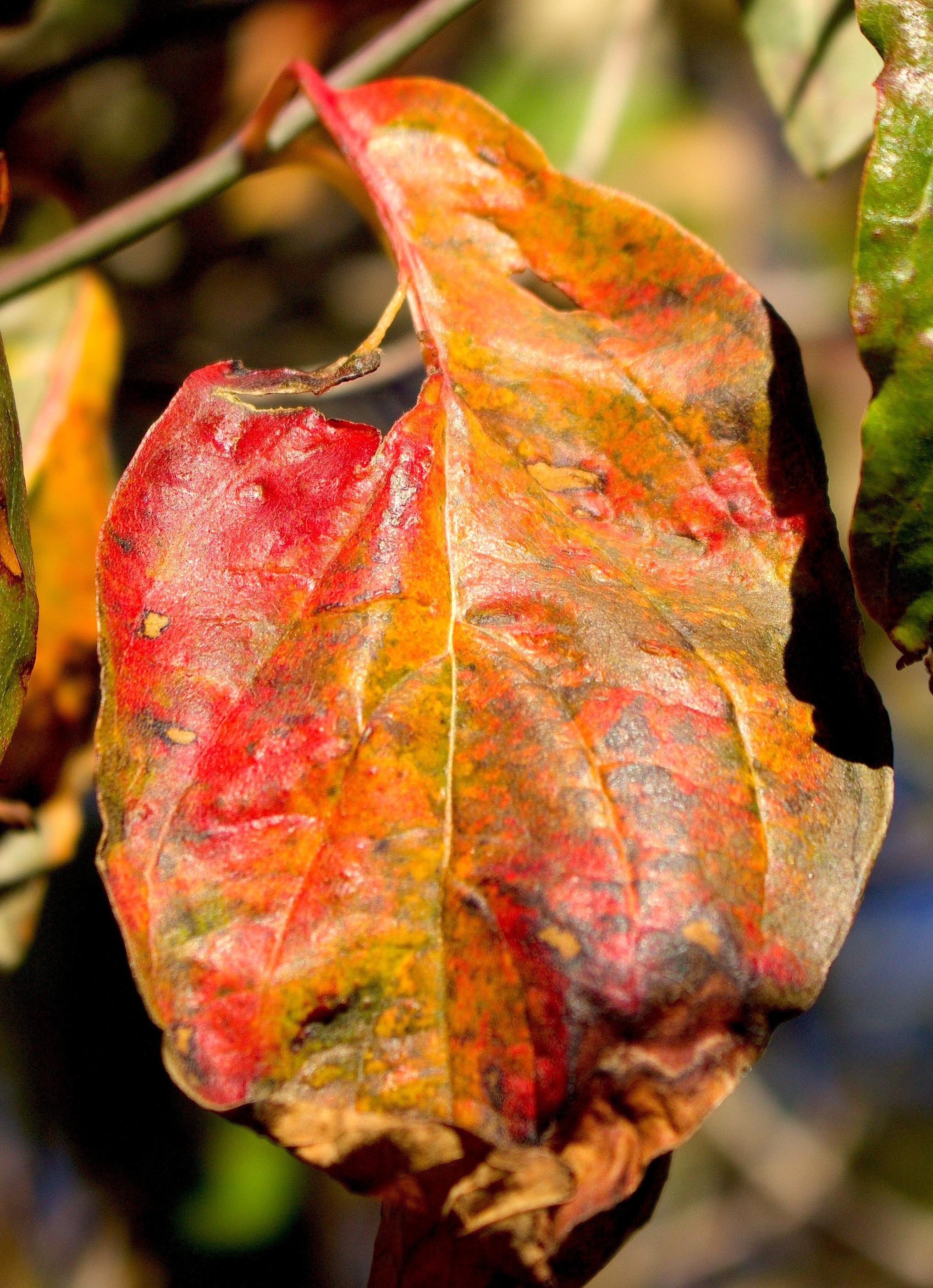
dogwoodfall

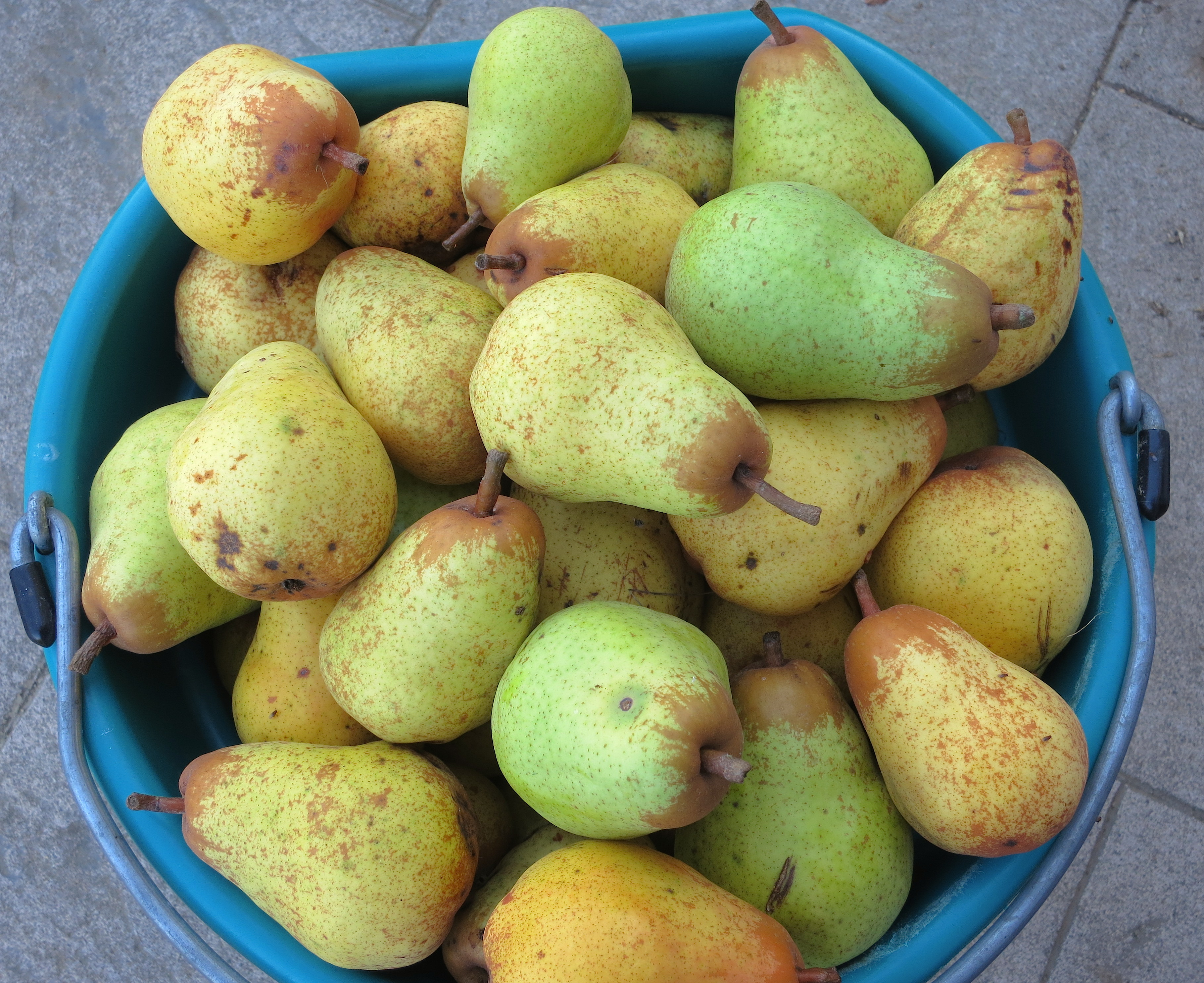
pears9614

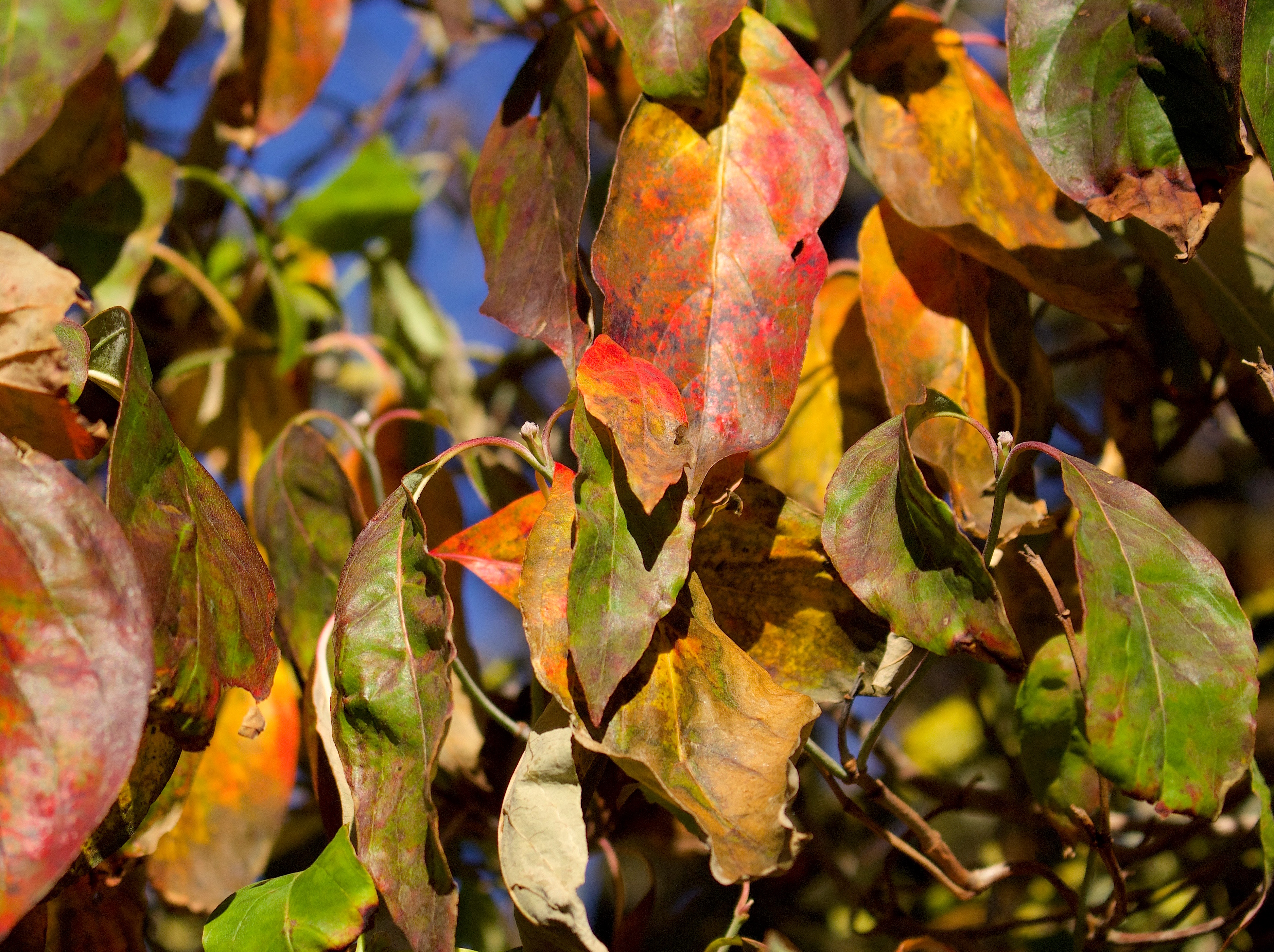
dogwood911

Waving Gold

butte9

butte4

Now that summer’s ripen’d bloom
Frolics where the winter frow n’d,
Stretch’d upon these banks of broom,
We command the landscape round.

Nature in the prospect yields
Humble dales and mountains bold,
Meadows, woodlands, heaths-and fields
Yellow’d o’er with waving gold.

On the uplands ev’ry glade
Brightens in the blaze of day;
O’er the vales the sober shade
Softens to an ev’ning gray.
~John Cunningham from “The Landscape”

image

A certain day became a presence to me;
there it was, confronting me—a sky, air, light:
a being. And before it started to descend
from the height of noon, it leaned over
and struck my shoulder as if with
the flat of a sword, granting me
honor and a task. The day’s blow

rang out, metallic—or it was I, a bell awakened,
and what I heard was my whole self
saying and singing what it knew: I can.

~Denise Levertov “Variations on a Theme of Rilke”

image image image

Yesterday we visited my mother’s childhood home in Spring Valley, Washington in Palouse country, where at the turn of the century a thriving small village sat at a crossroads in the rolling wheat fields.  Where the grain elevators now stand tall against the horizon, a train depot for the electric powered train running north-south once drew Teddy Roosevelt on his whistle-stop tour. The foundation still exists, broken in pieces, of the one room schoolhouse where my mother and uncle attended school until age 13.  My aunt is still vital and strong in her mid-nineties and my cousins still steward the land, training up the next generation to take over.

Walking the old poplar-lined driveway again, seeing the willows where moose come to graze, walking through the old farmhouse where my mother and uncle were born and I spent summer visits,  I was a bell rung.  If the people I come from could do this, this hard life, I can do my calling too.  I can wave gold, like the grain of these fields, readying for harvest.

image image