Each Petal a Hymn

Something about the relentless beauty
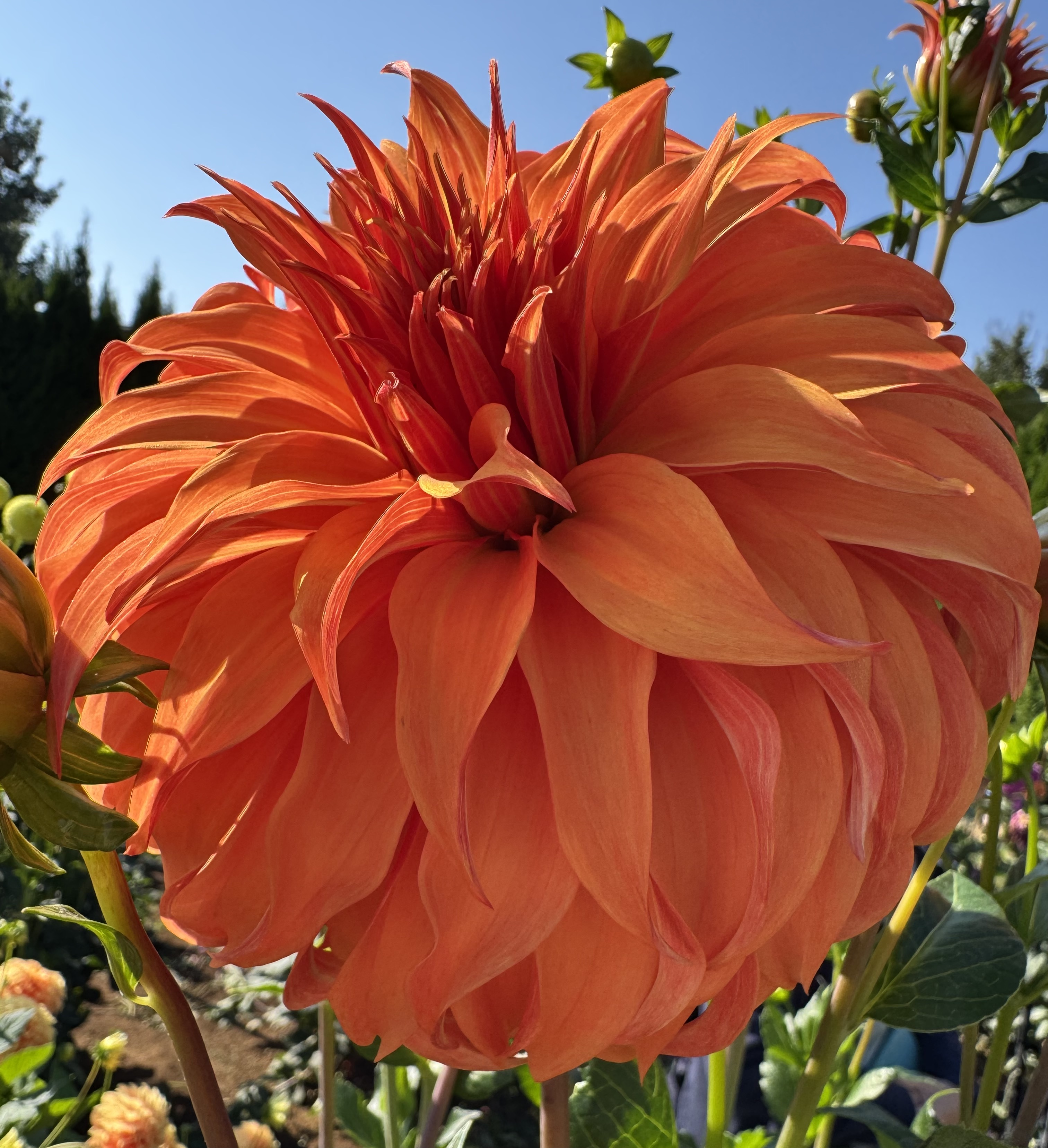
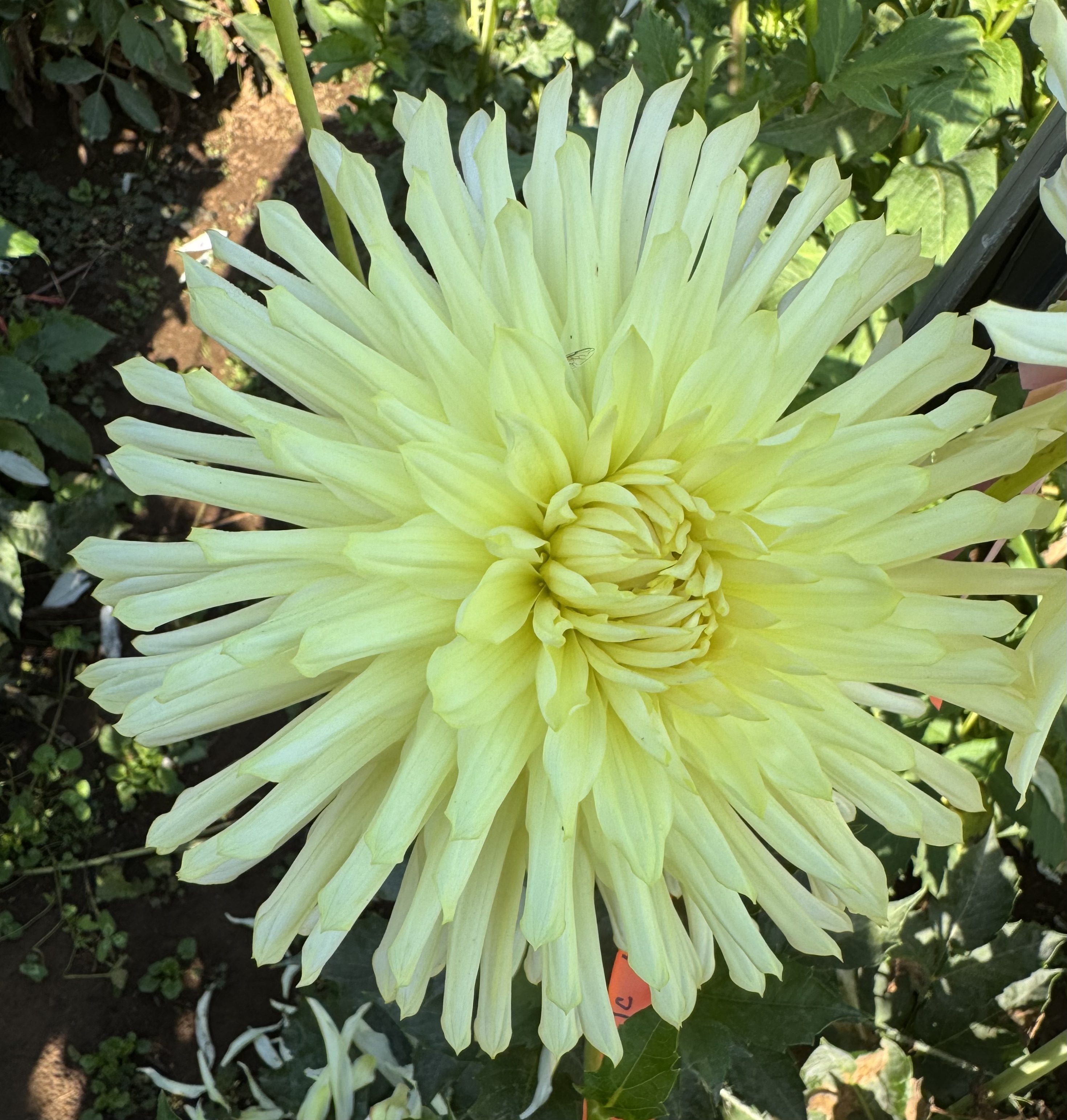
of the dahlias this year makes me forget
lists and calls and news and aches as
I stand beside them in a splendor stupor,
watching them bloom in real time, not
wanting to miss a moment of the long stems
rising, the red color deepening then fading
from the petals as they age. I imagine a time lapse
begins, and the world’s winter white, then greening
again, and now a hundred years pass,
now five hundred, a thousand, and the garden
bed is gone and the fence is gone and
the trees and the ditch and the home
are gone, and there’s no way to know
this was once a place where dahlias grew.
Is it any wonder, then, I call to you, ask you
to come stand here with me to watch
the dahlias open themselves to the sun,
each petal a hymn to the present,
a history soon to be forgotten, a shimmer in time
we might put in a vase and marvel as
all around it the whole world spins.

 ~Rosemerry Wahtola TrommerA Scrap in Time”

In my beginning is my end. Now the light falls
Across the open field, leaving the deep lane
Shuttered with branches, dark in the afternoon…


The dahlias sleep in the empty silence.
Wait for the early owl.

Dawn points, and another day
Prepares for heat and silence. Out at sea the dawn wind
Wrinkles and slides. I am here
Or there, or elsewhere. In my beginning.

Home is where one starts from.

Love is most nearly itself
When here and now cease to matter.

~T. S. Eliot, verses from “East Coker” in Four Quartets

What a pity flowers can utter no sound!
—A singing rose, a whispering violet, a murmuring honeysuckle…
oh, what a rare and exquisite miracle would these be!
~Henry Ward Beecher

A flower garden is a place for prayer and hymns of praise.

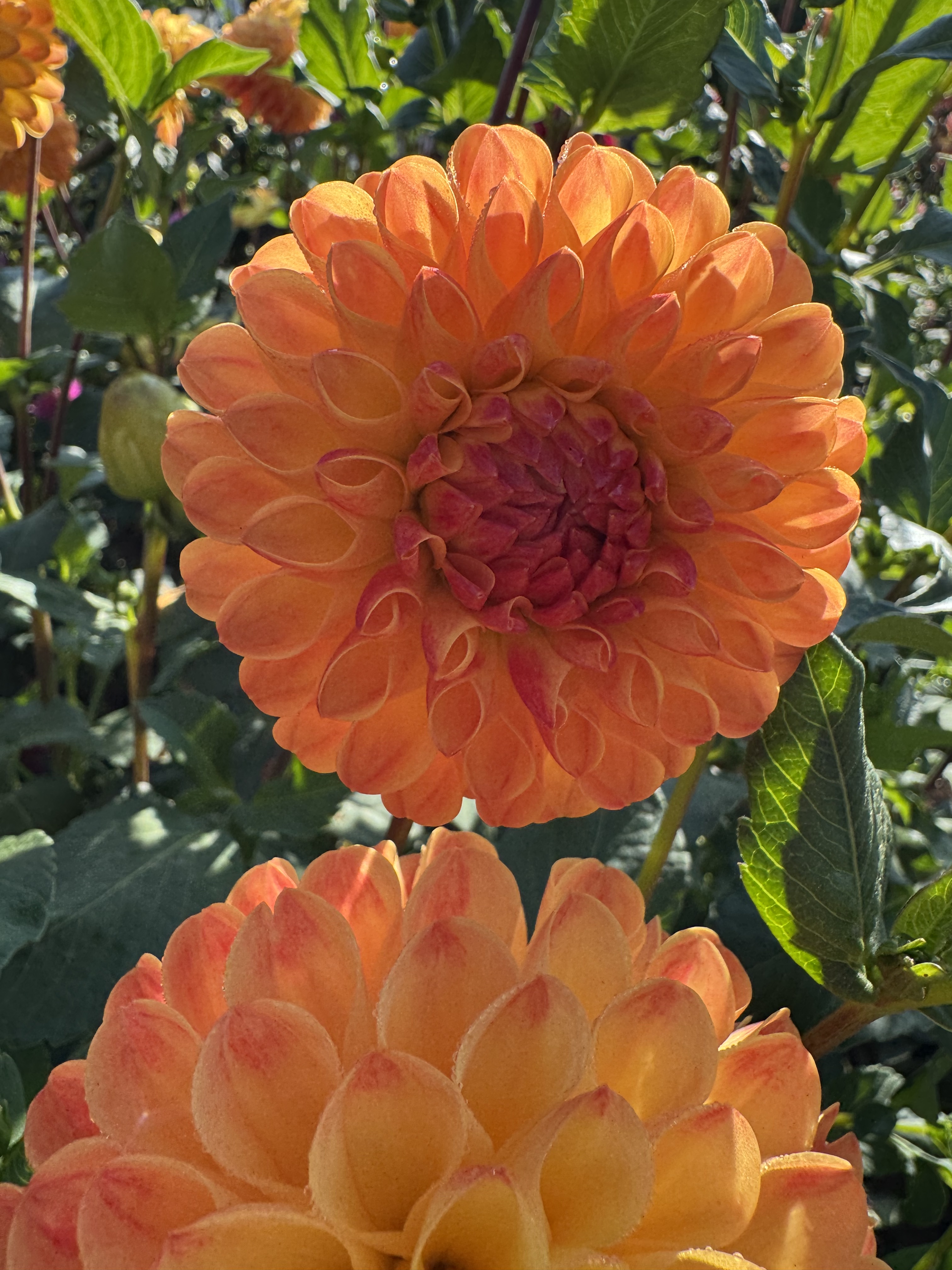
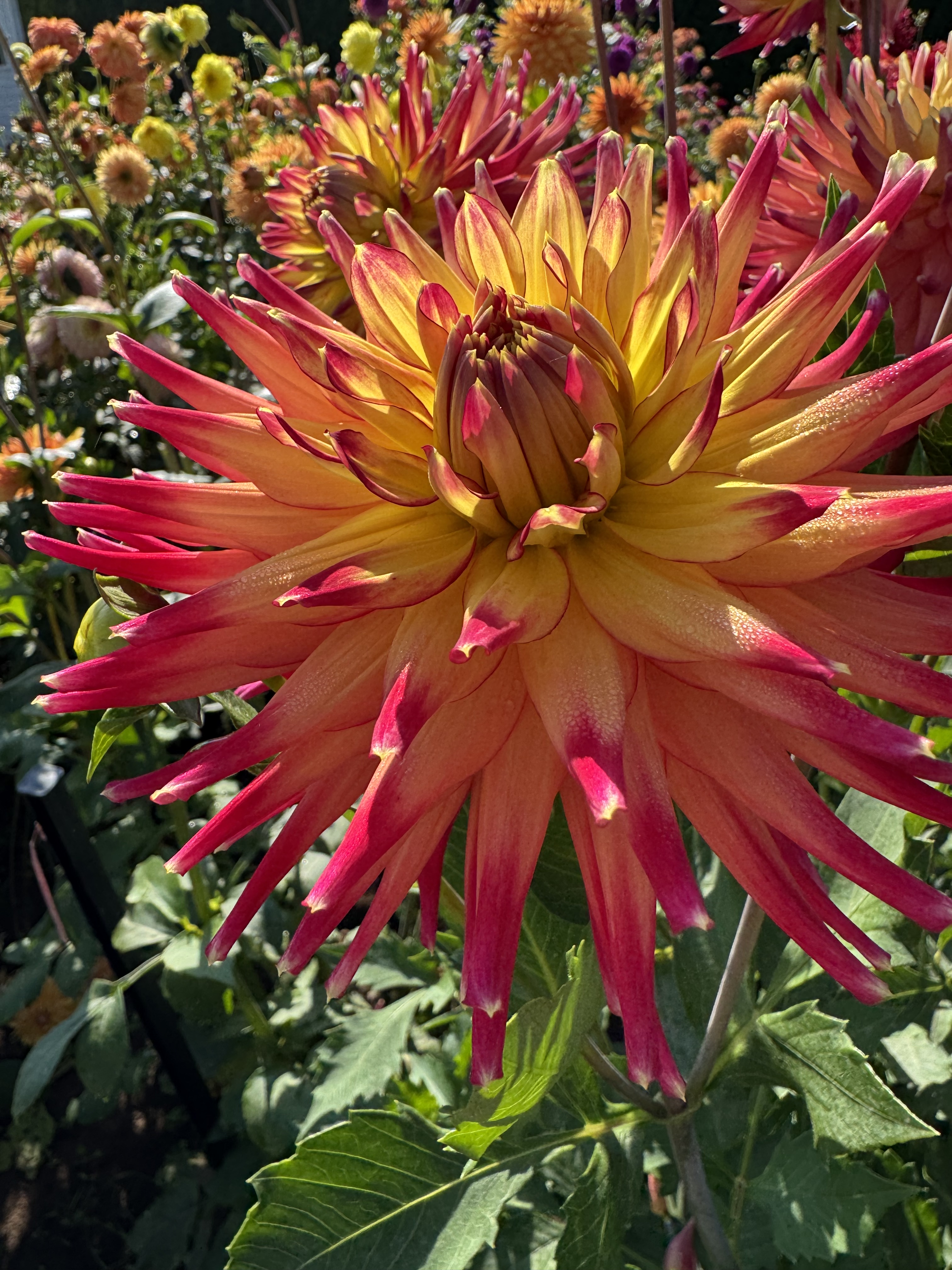
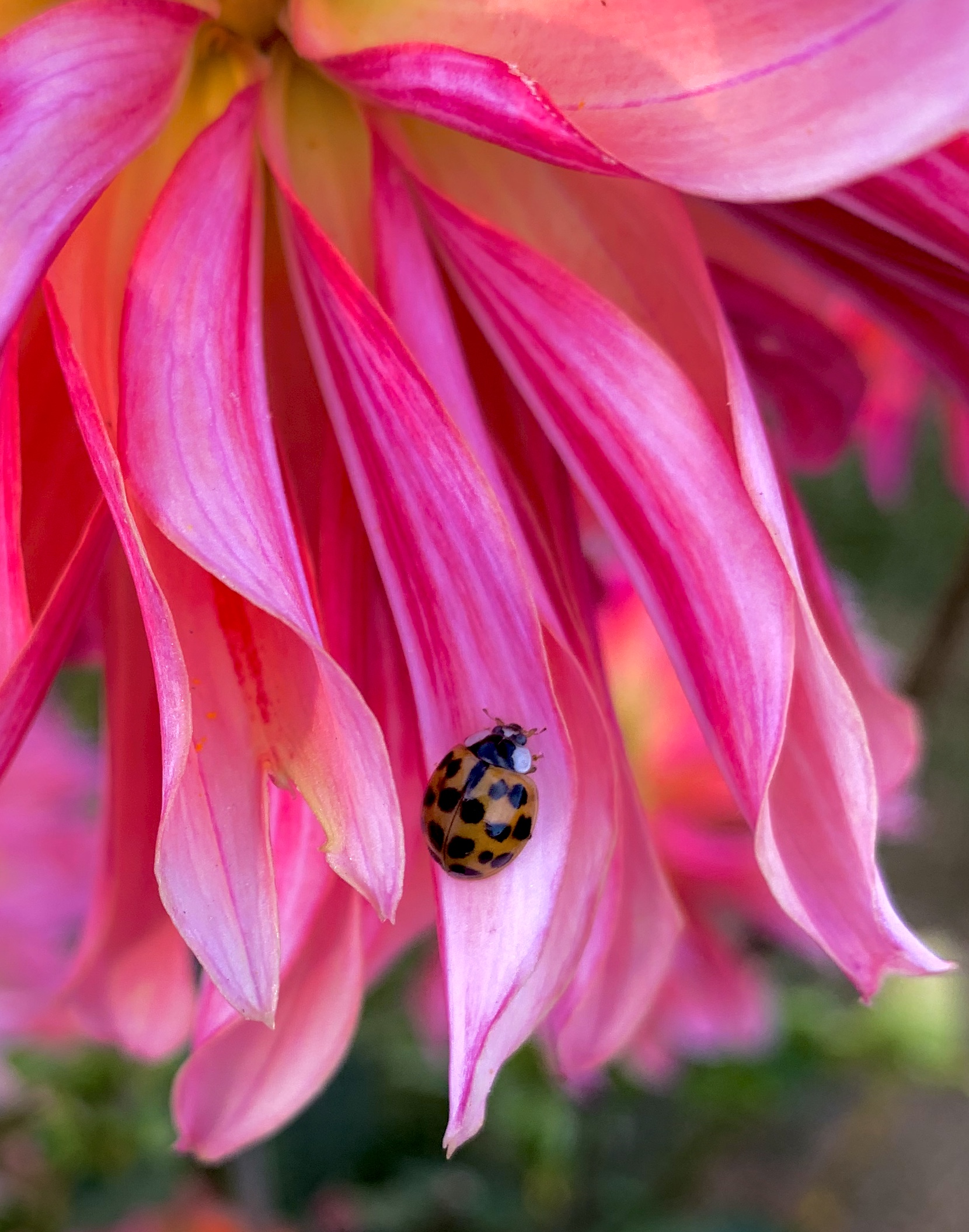
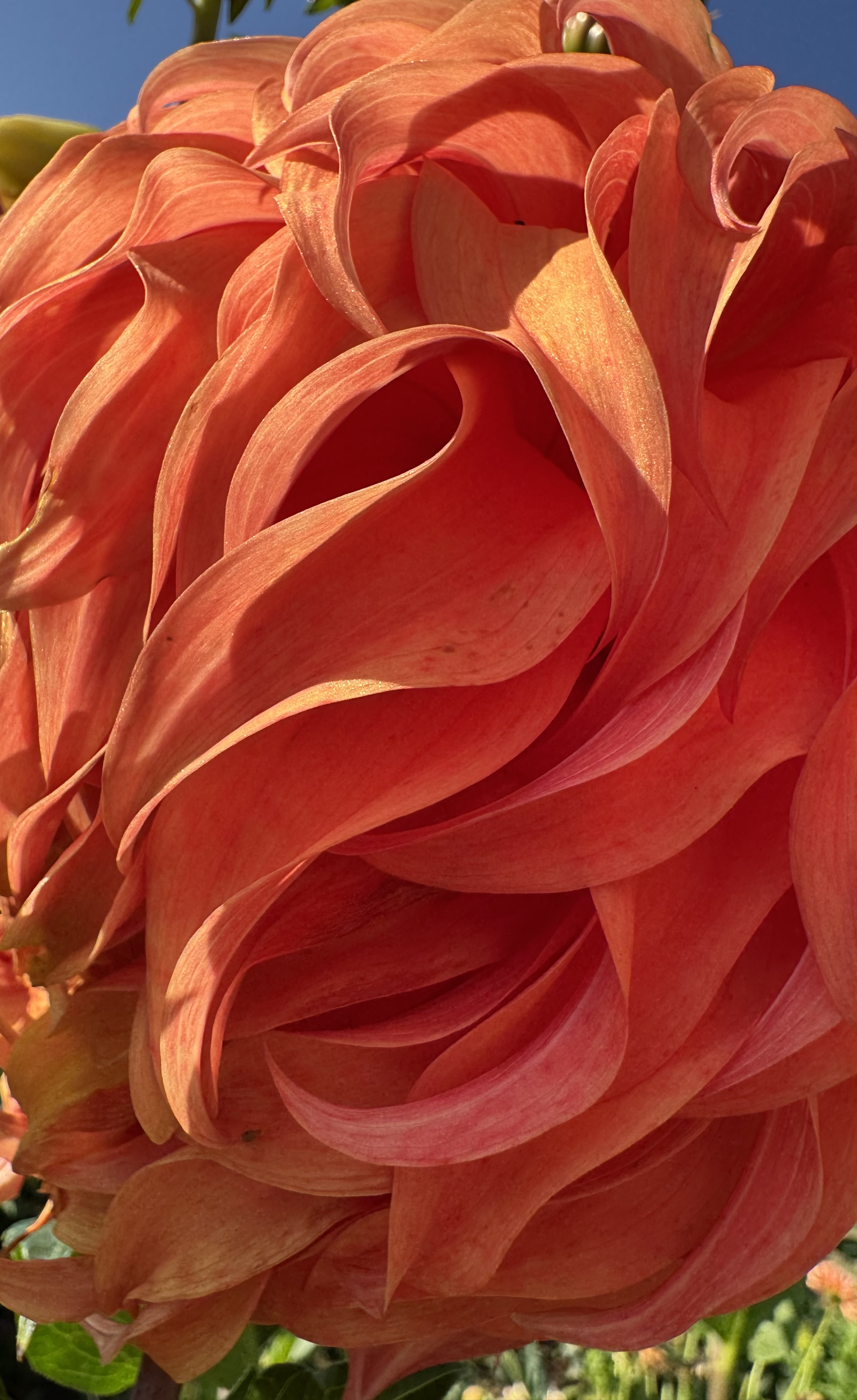
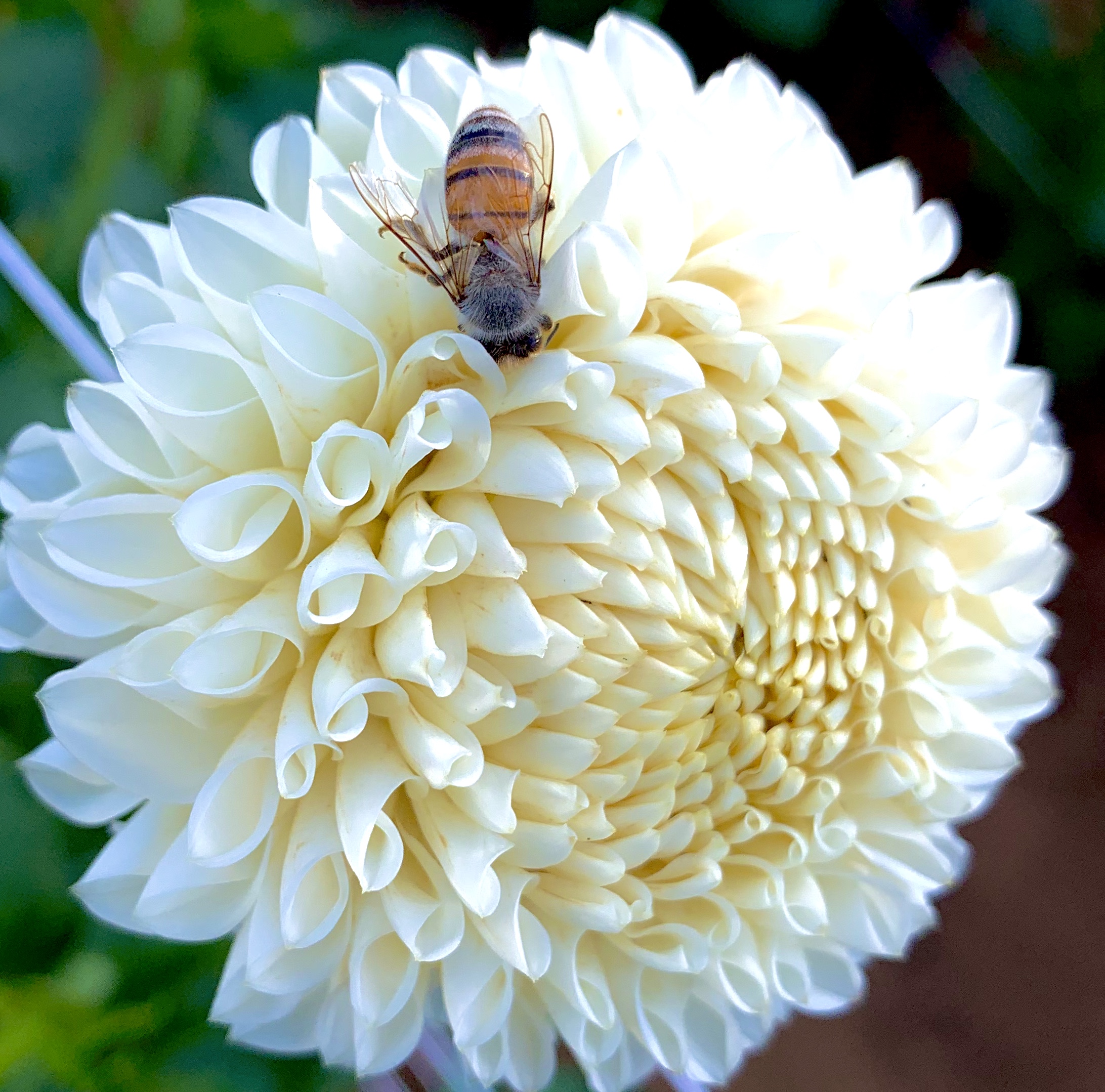
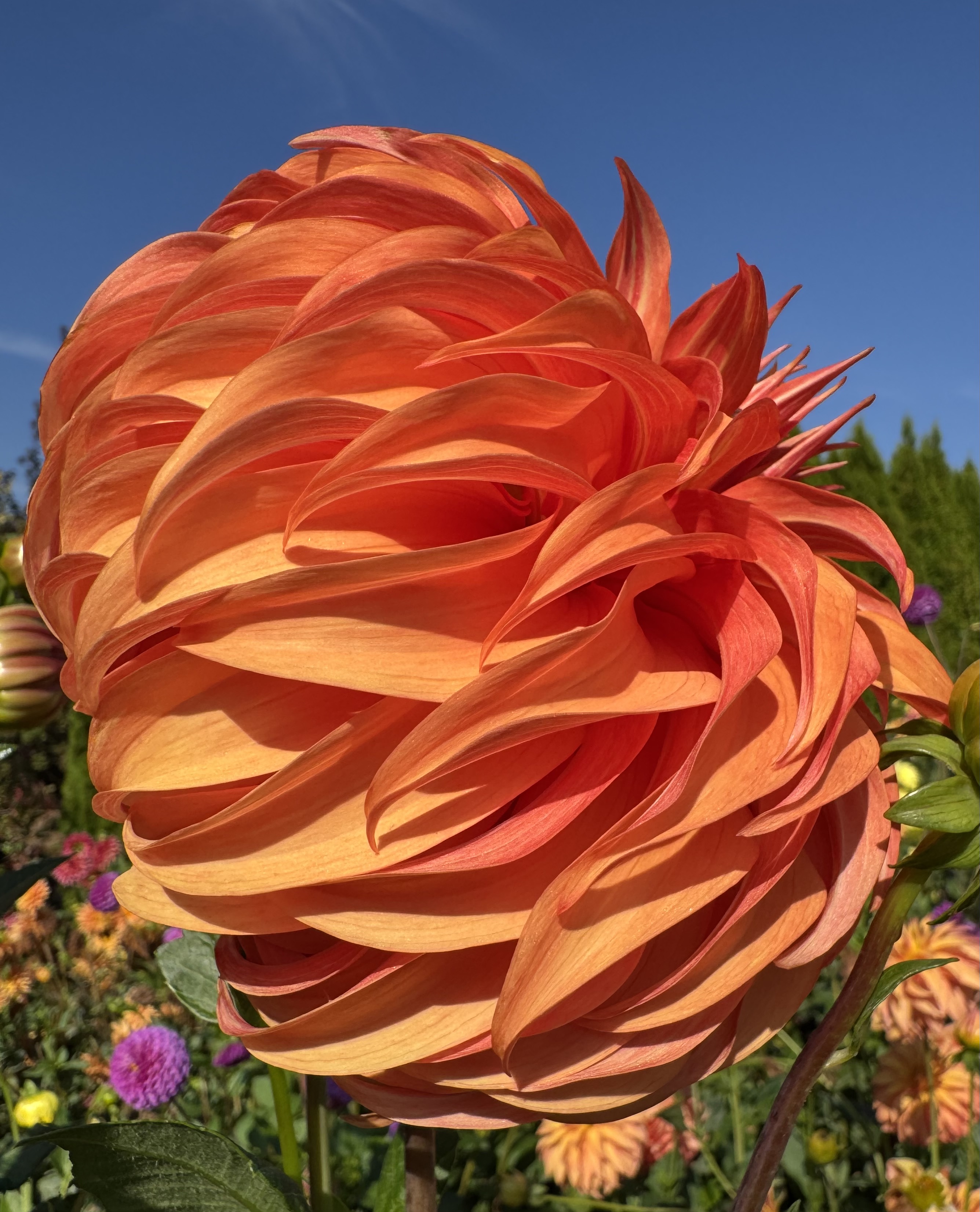
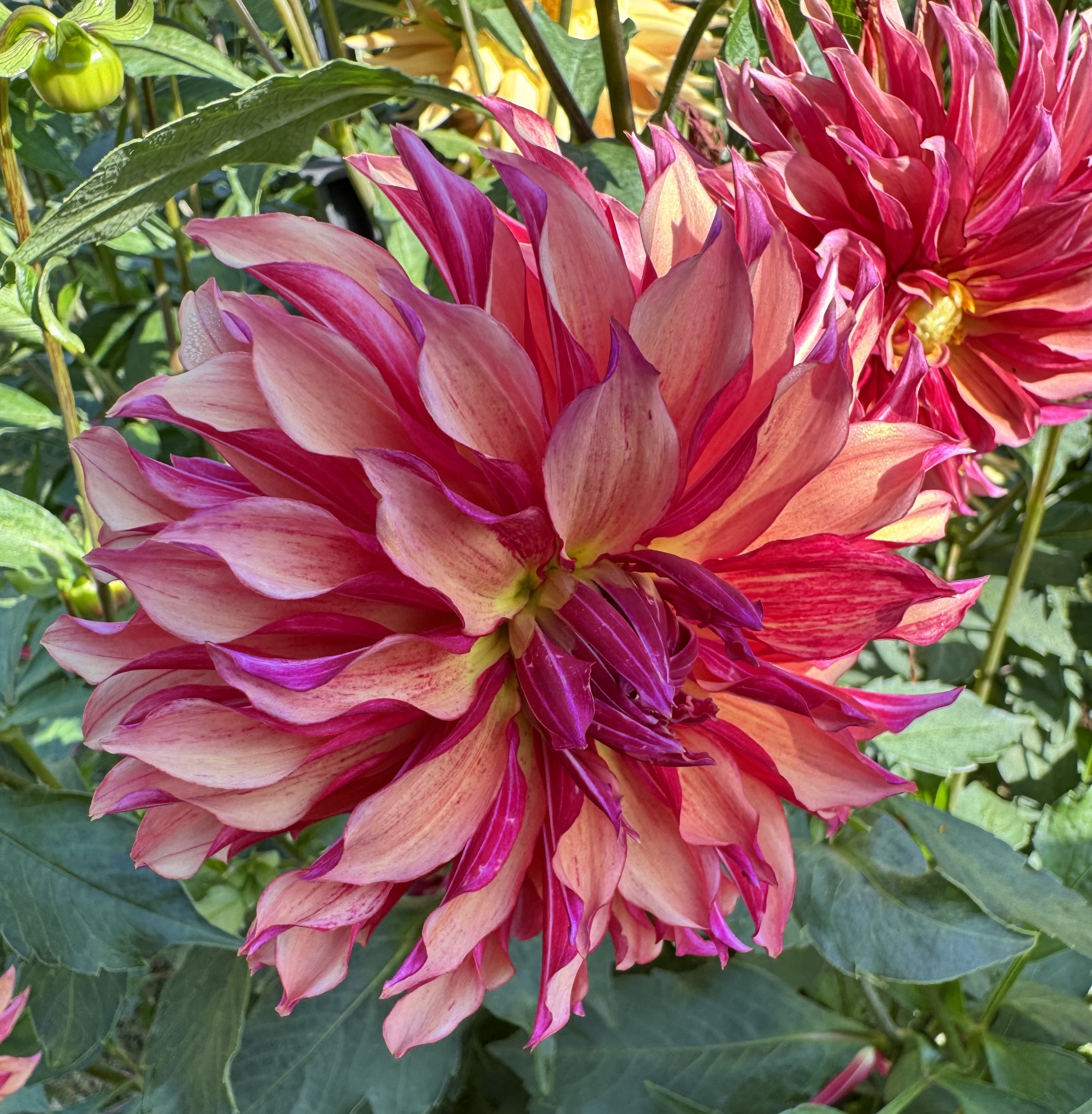
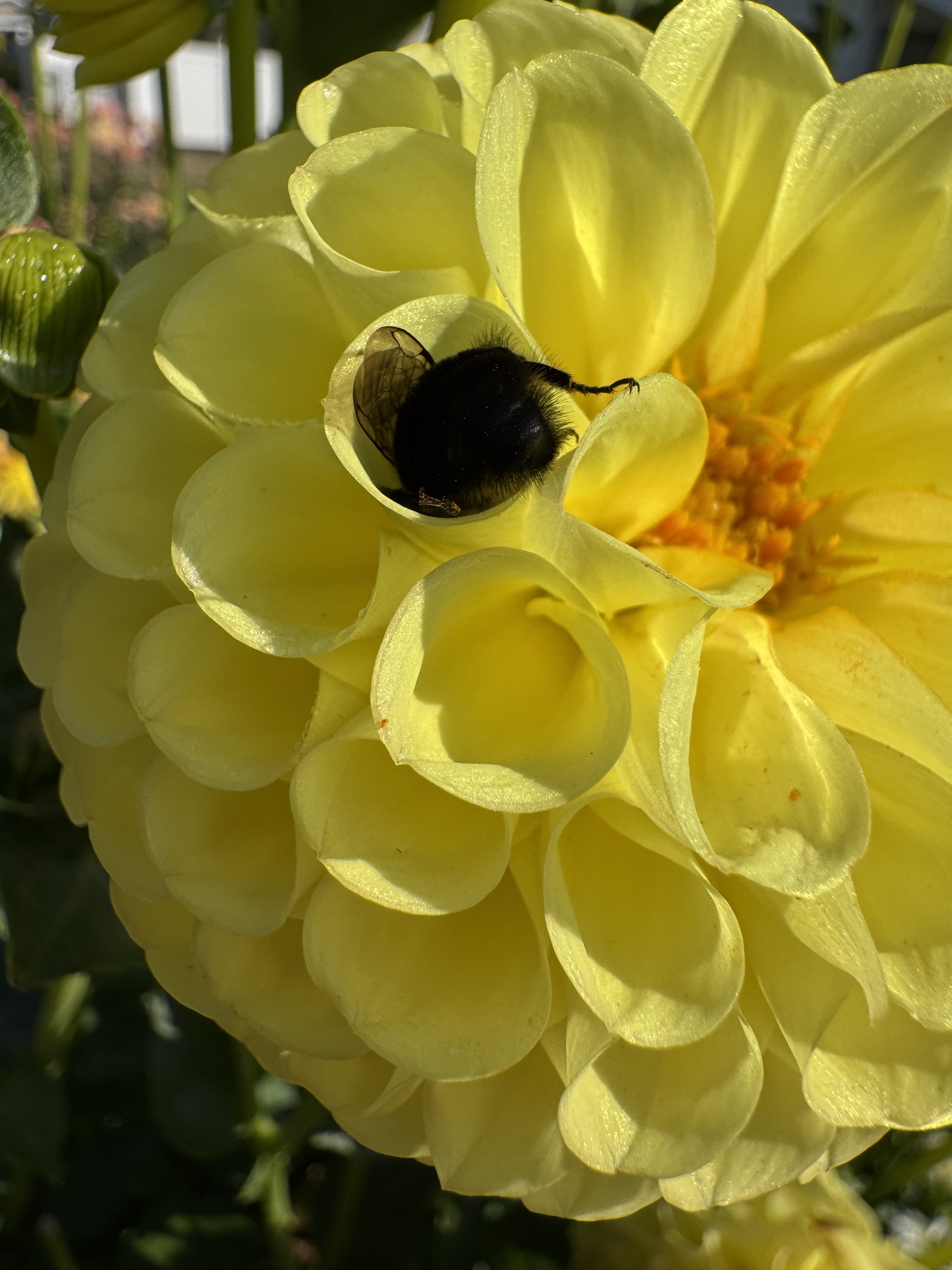
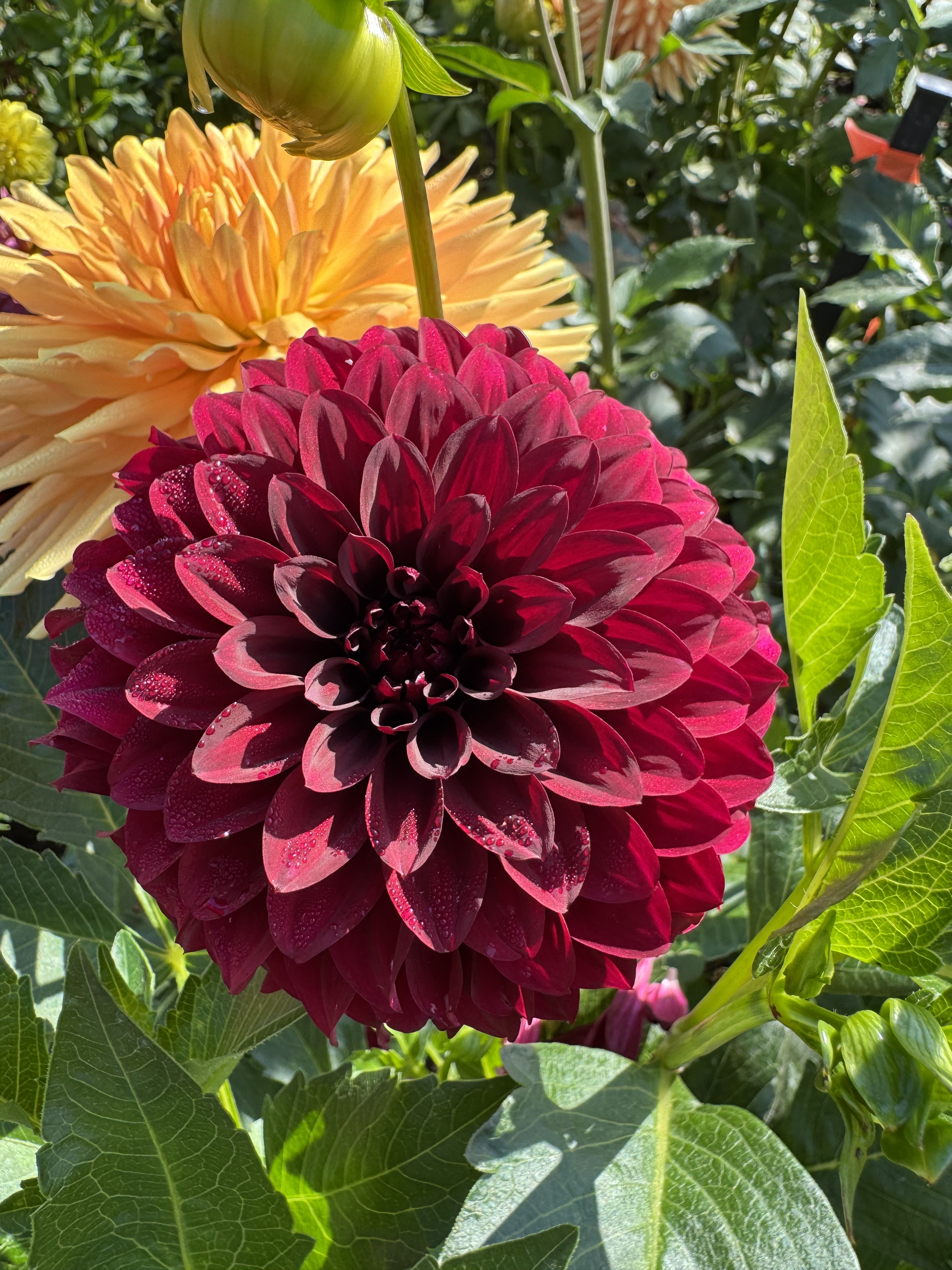
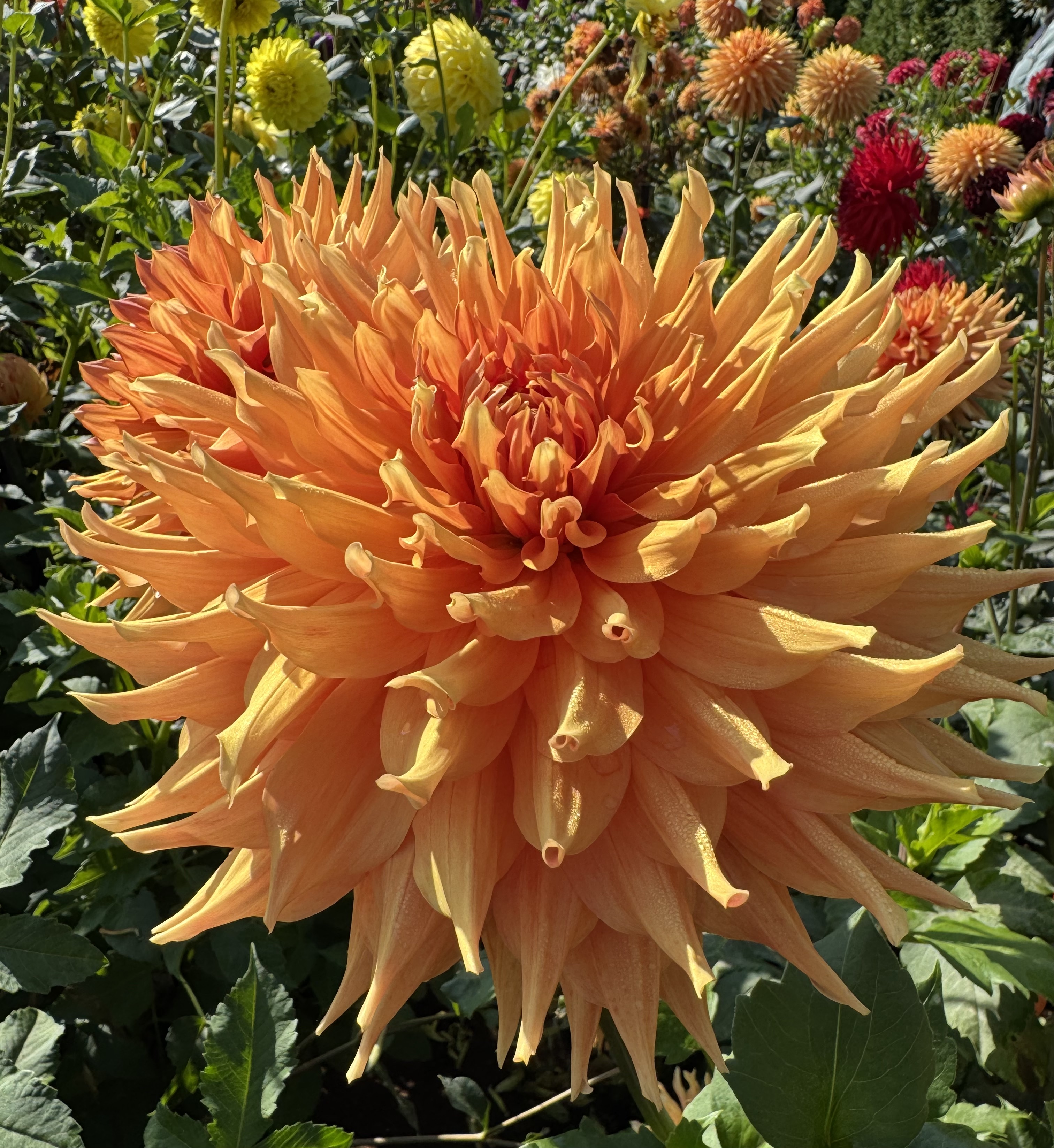
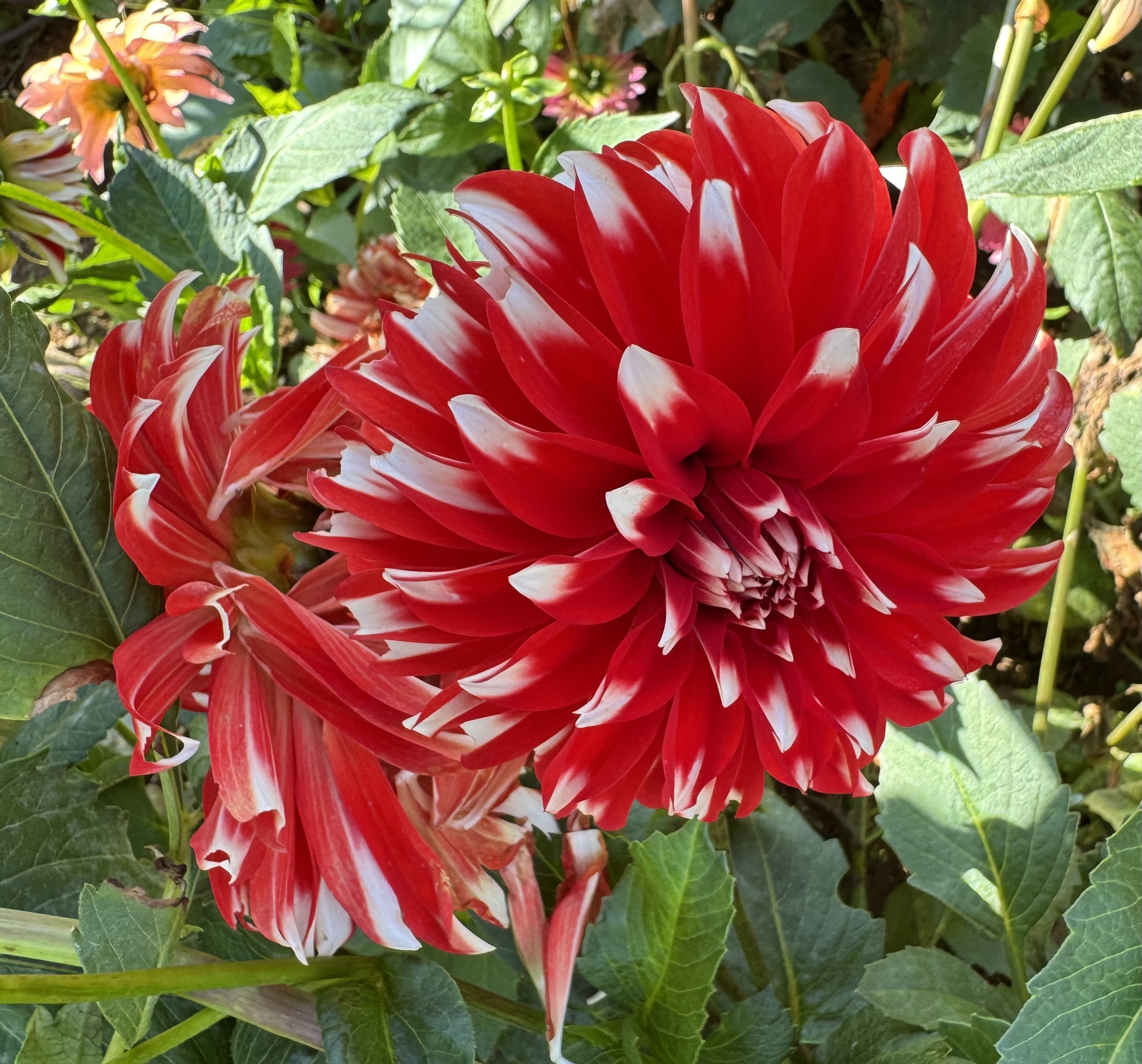
When I meet a truly great gardener, like my friend Jean who has grown and hybridized dahlias, what I see growing in the soil is a choral composition of petals, leaves and roots.

Jean has passionately cared for these plants for many of her nine decades of life. They reflect that love in every spiral and swirl, hue and gradient of color, showing stark symmetry and delightful variegation.

Arising from the plainest of homely and knobby look-alike tubers grow these luxurious beauties of infinite variety. I am stunned by each one, captivated, realizing that same Creator ensures we too bloom from mere dust, becoming a hymn of praise arising from every fiber of our being.

One-Time
Monthly
Yearly

Make a one-time or recurring donation to support daily Barnstorming posts

Make a monthly donation

Make a yearly donation

Choose an amount

$10.00
$25.00
$50.00
$5.00
$15.00
$100.00
$5.00
$15.00
$100.00

Or enter a custom amount

$

Your contribution is deeply appreciated.

Your contribution is appreciated.

Your contribution is appreciated.

DonateDonate monthlyDonate yearly
Winged With Celestial Azure

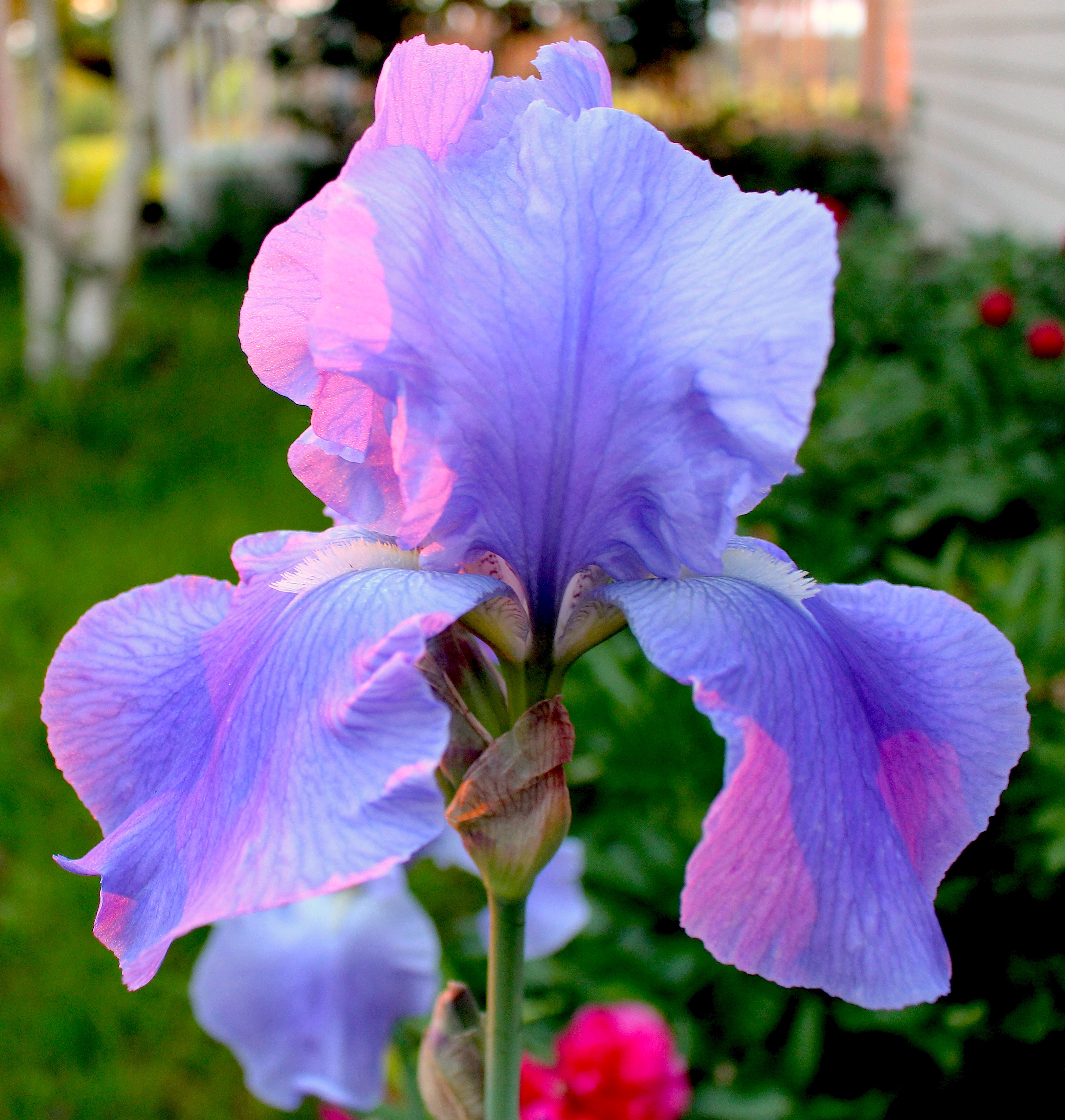
Thou art the Iris, fair among the fairest,
   Who, armed with golden rod
And winged with the celestial azure, bearest
   The message of some God.
~Henry Wadsworth Longfellow from Flower-de-Luce

At the end of my suffering
there was a door.

Hear me out: that which you call death
I remember.

Overhead, noises, branches of the pine shifting.
Then nothing. The weak sun
flickered over the dry surface.

It is terrible to survive
as consciousness
buried in the dark earth.

Then it was over: that which you fear, being
a soul and unable
to speak, ending abruptly, the stiff earth
bending a little.  And what I took to be
birds darting in low shrubs.

You who do not remember
passage from the other world
I tell you I could speak again: whatever
returns from oblivion returns
to find a voice:

from the center of my life came
a great fountain, deep blue
shadows on azure sea water.

~Louise Glück “The Wild Iris”

It doesn’t have to be
the blue iris, it could be
weeds in a vacant lot, or a few
small stones; just
pay attention, then patch
a few words together and don’t try
to make them elaborate, this isn’t
a contest but the doorway
into thanks, and a silence in which
another voice may speak.

~Mary Oliver “Blue Iris”

May your blooms be floriferous and in good form,
Distinctive, with good substance, flare, and airborne,
With standards and falls that endure, never torn.
May you display many buds and blooms sublime,
In graceful proportion on strong stalks each day,
Gently floating above the fans and the fray.
May you too reach toward the moon and stars,
Bloom after bloom, many seasons in the sun,
Enjoying your life, health, and each loved one,
Until your living days are artfully done.
~Georgia Gudykunst  “Iris Blessing”

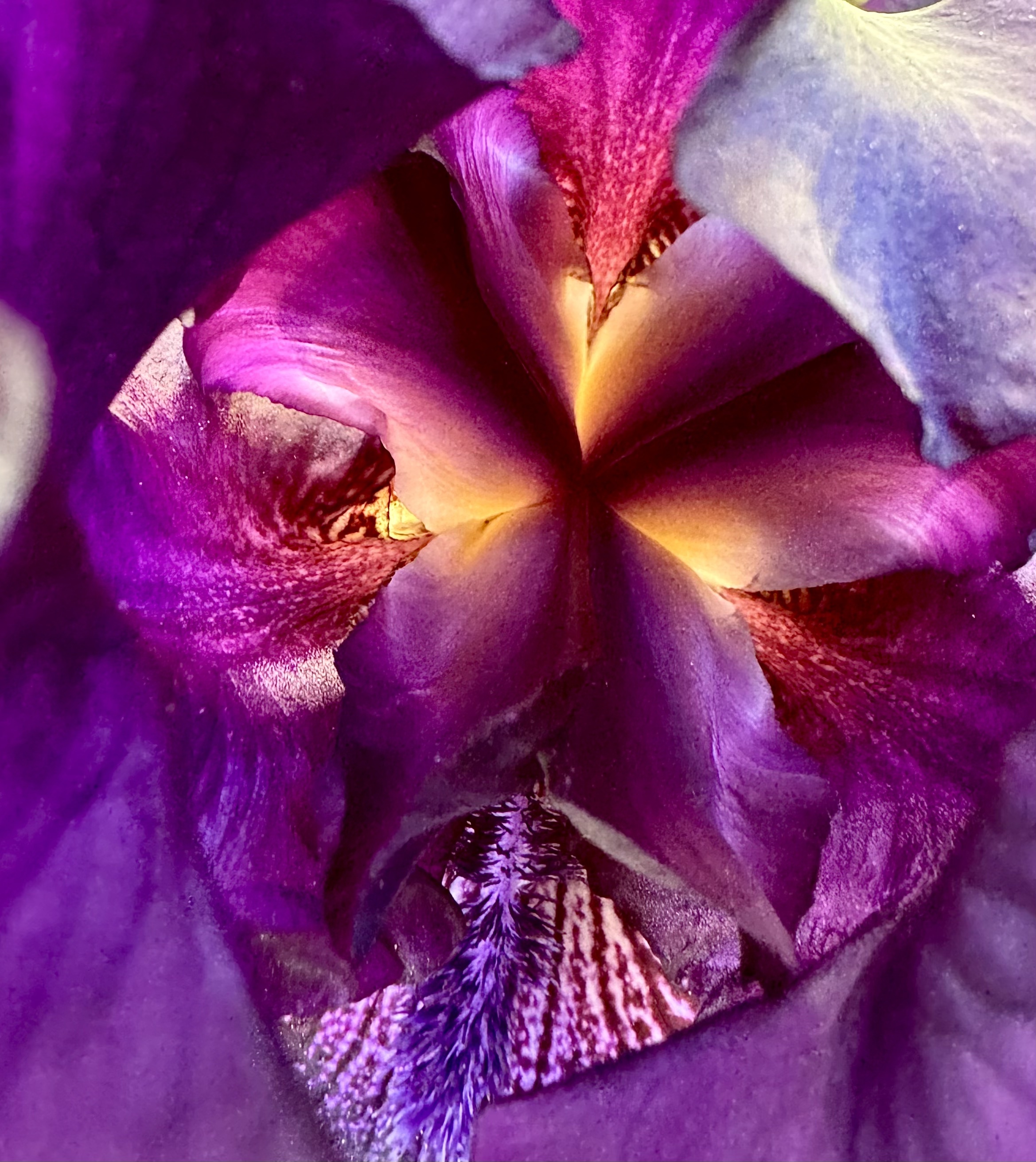
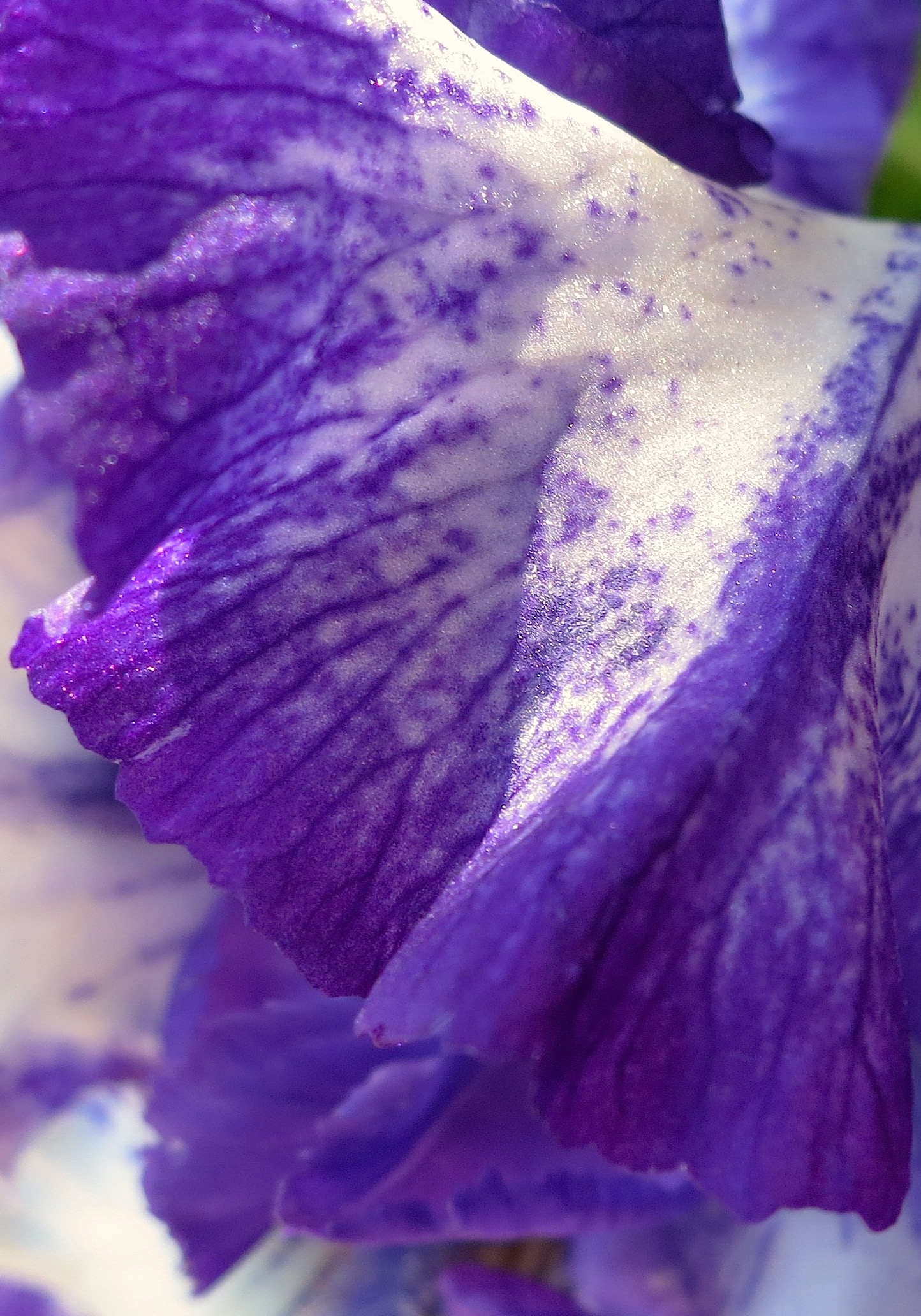
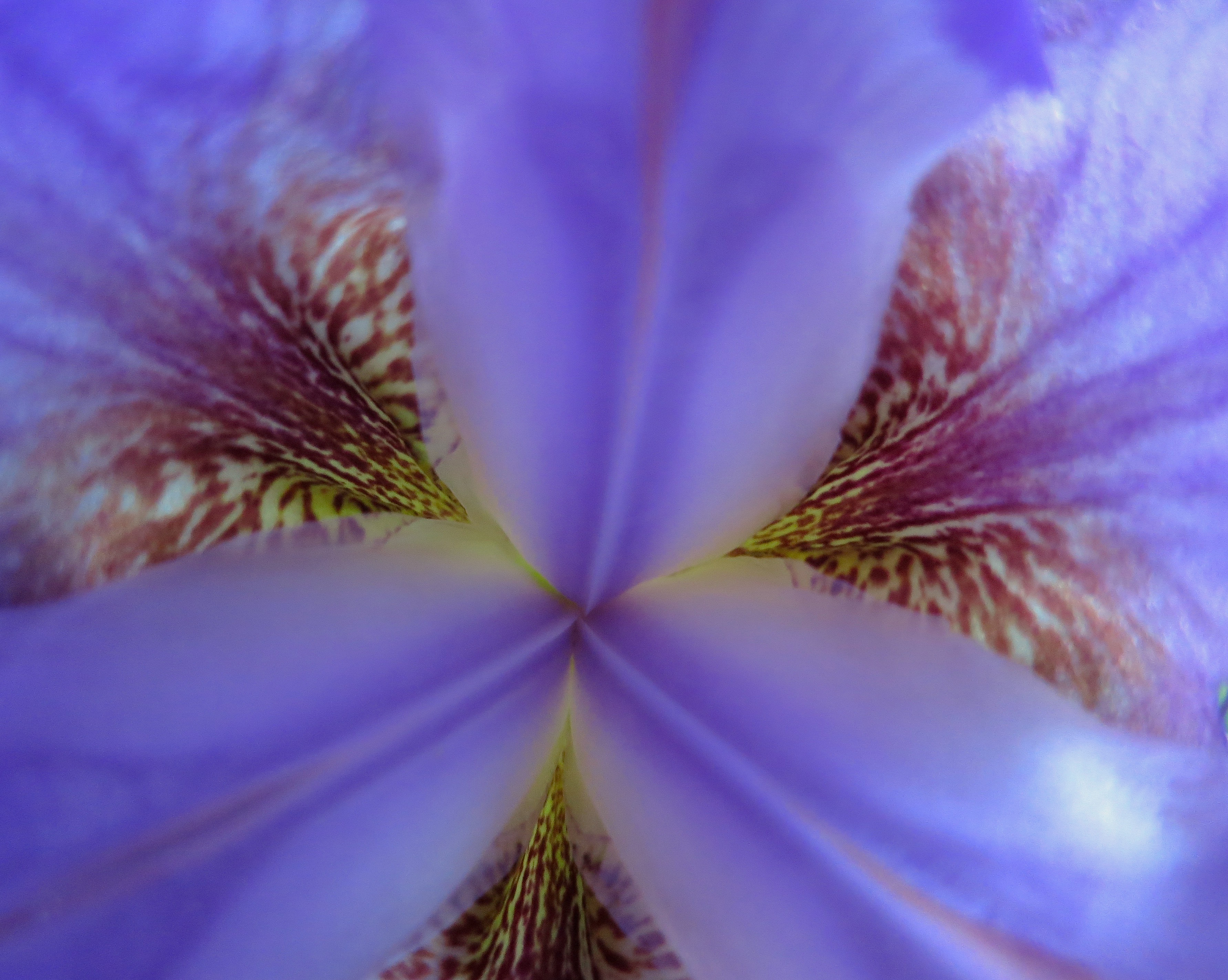
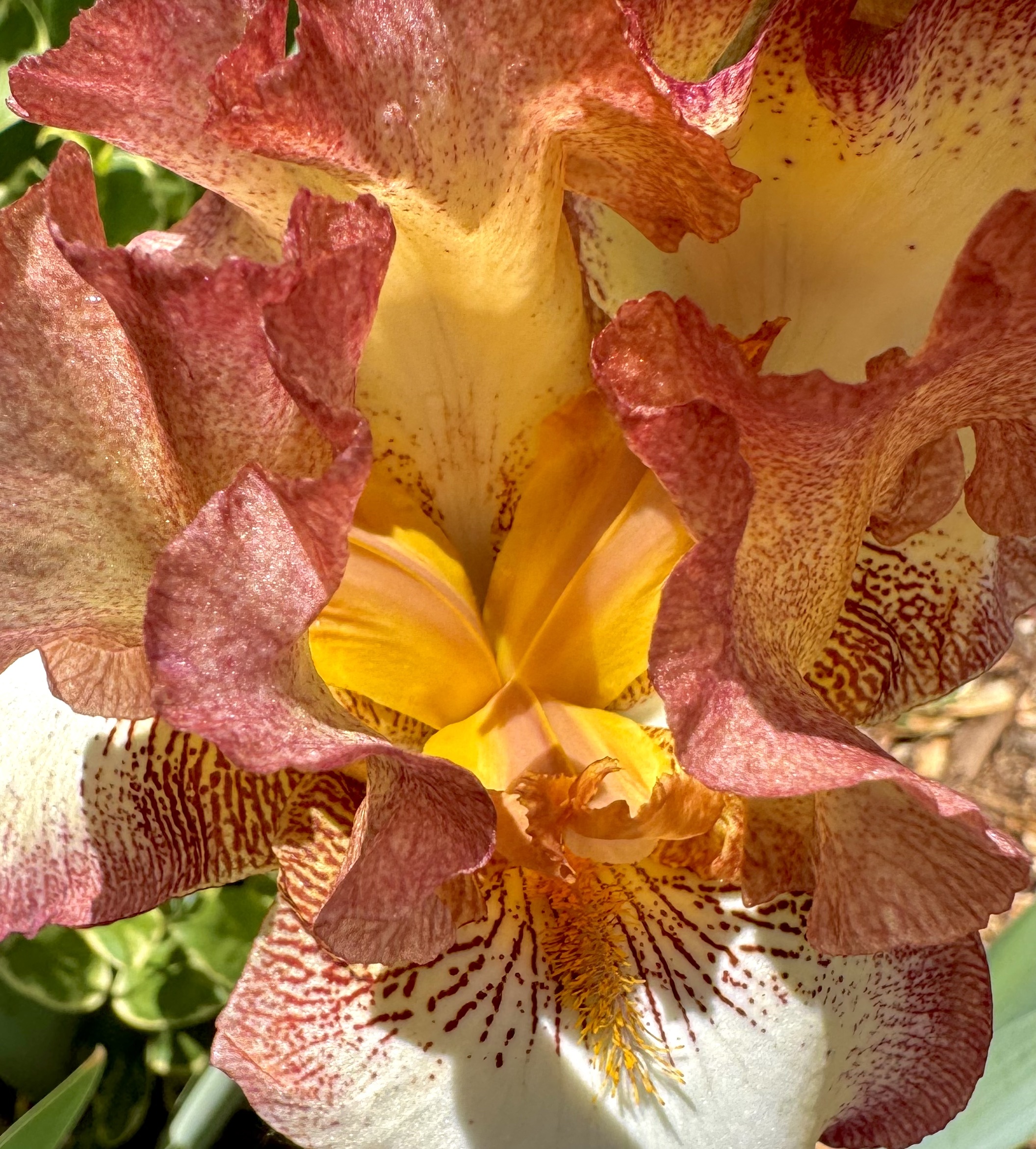
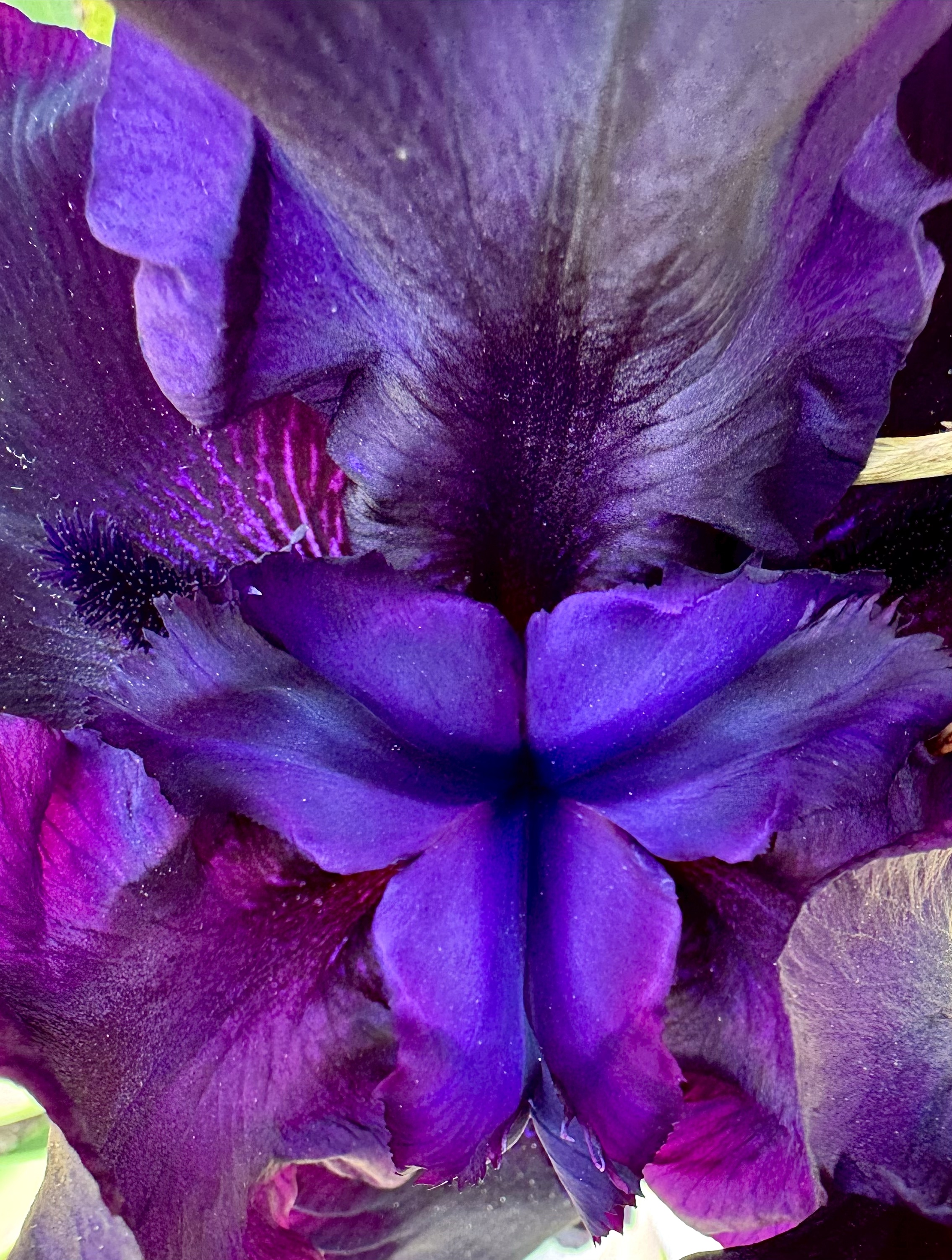
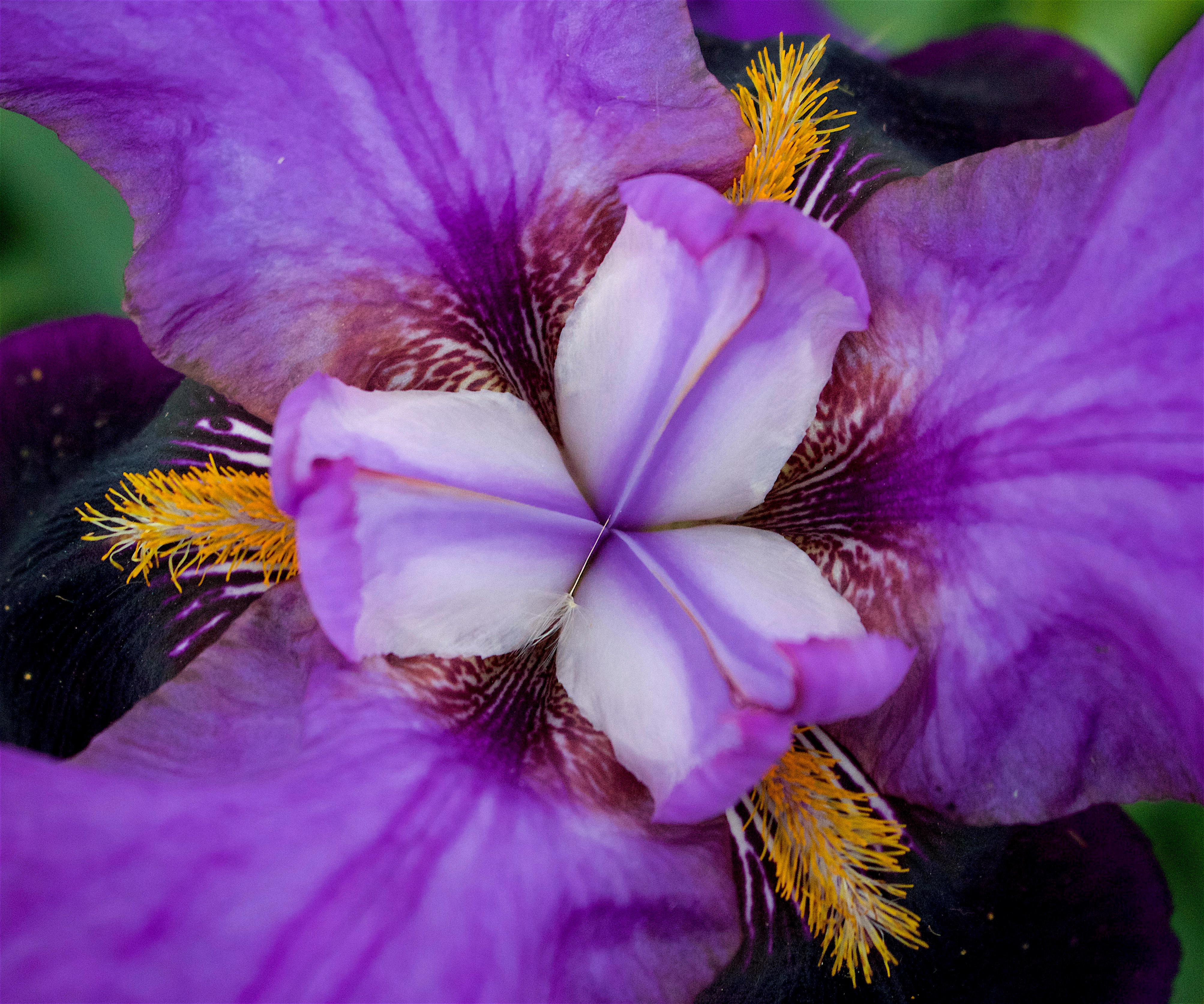
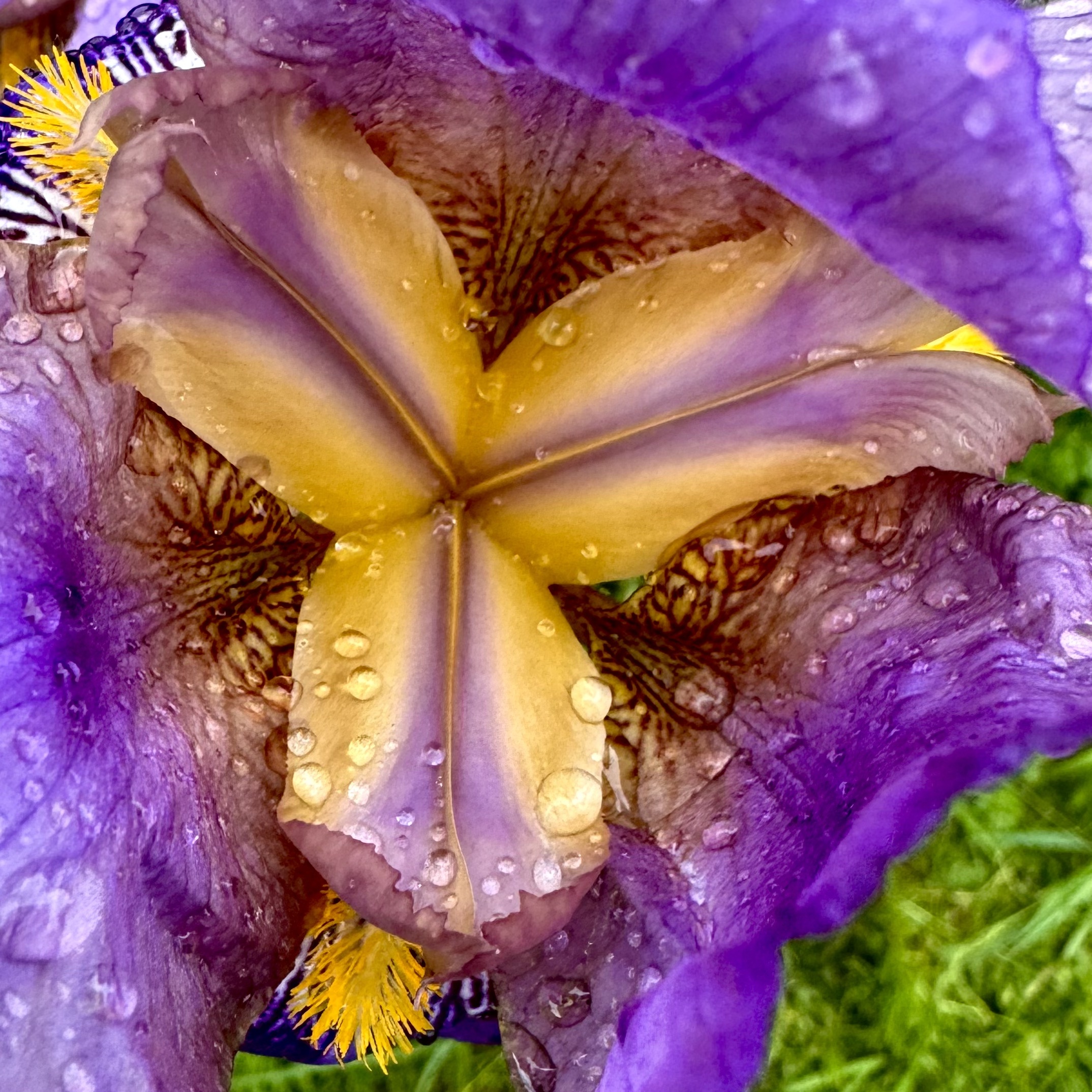
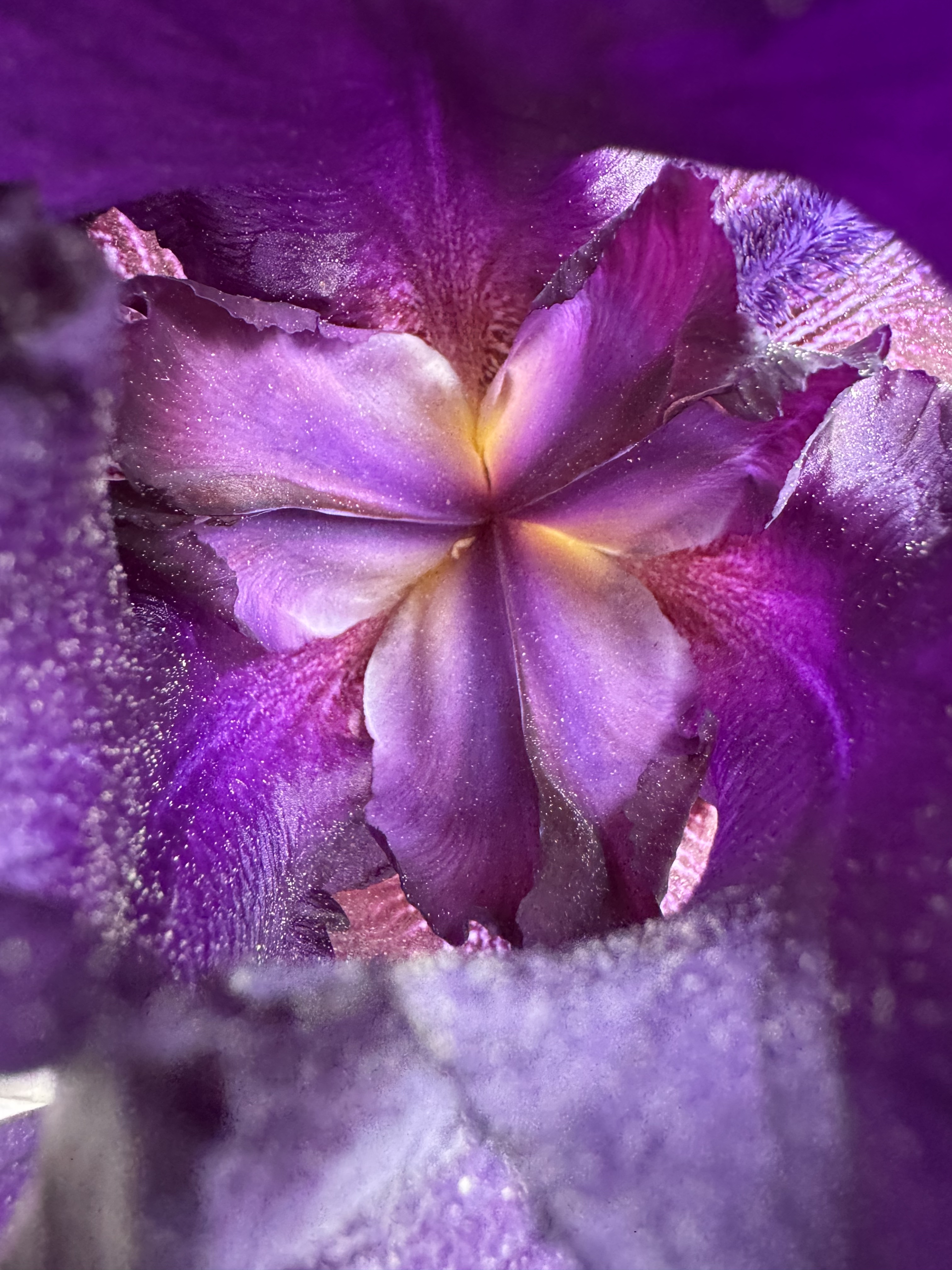
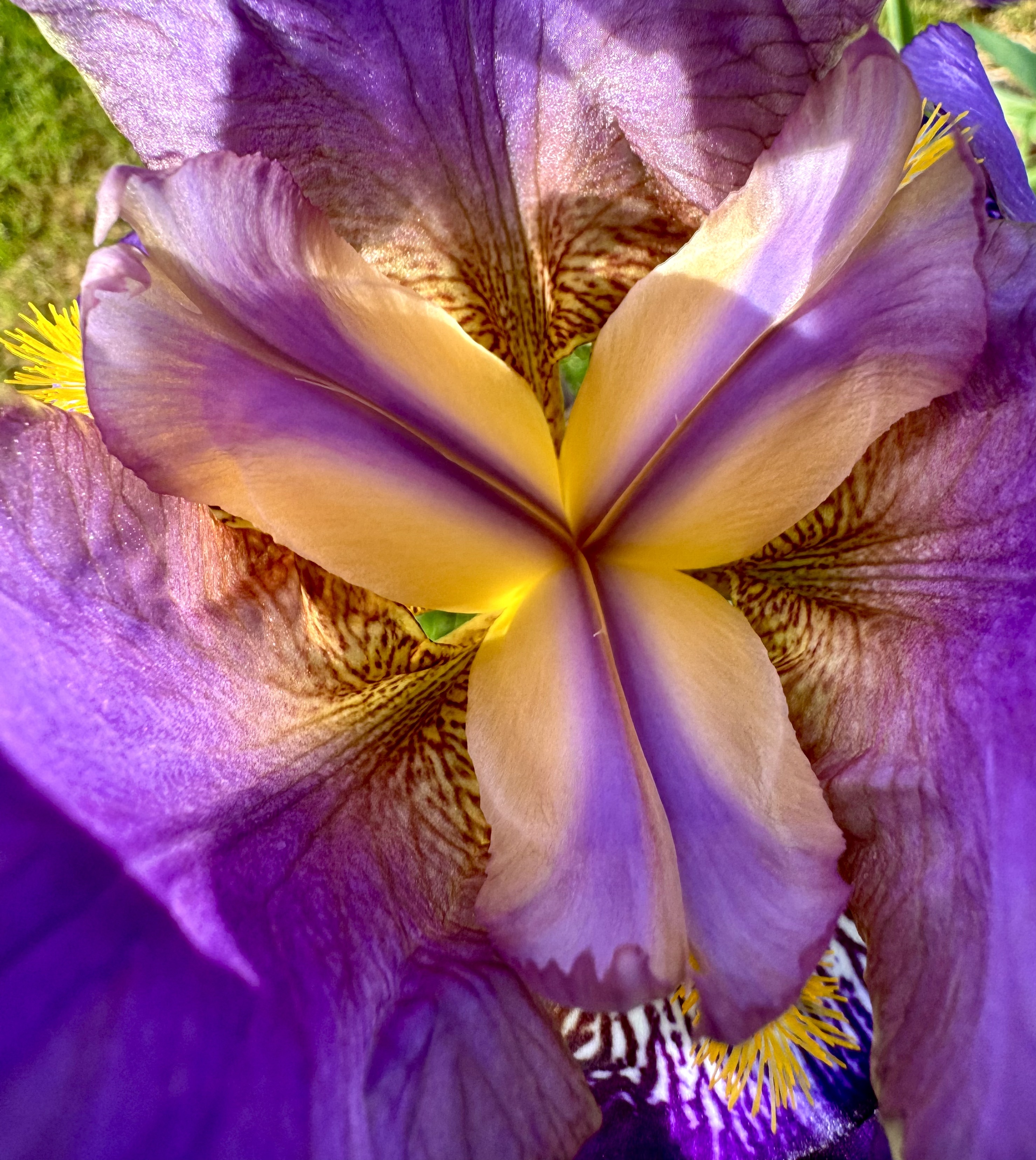
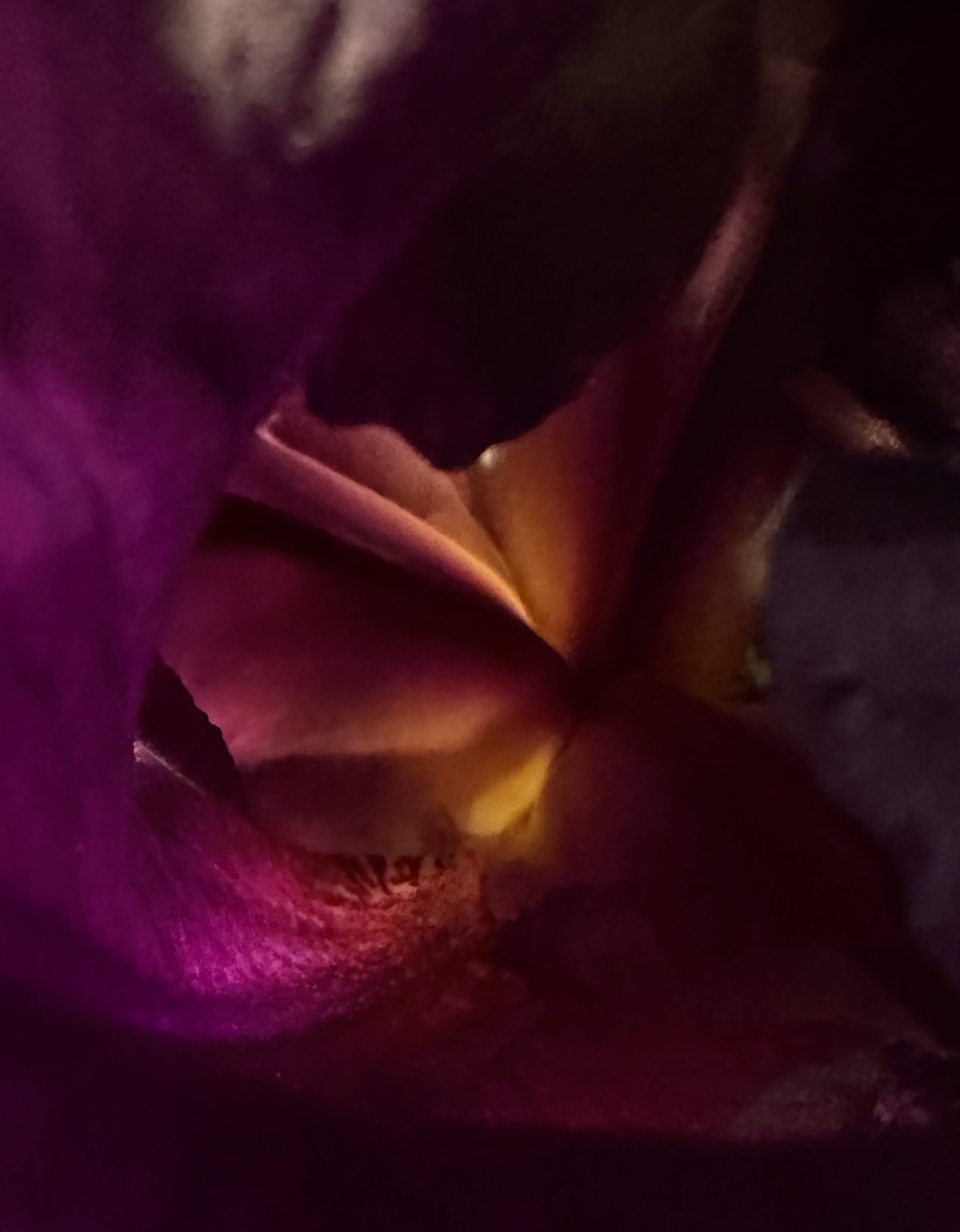
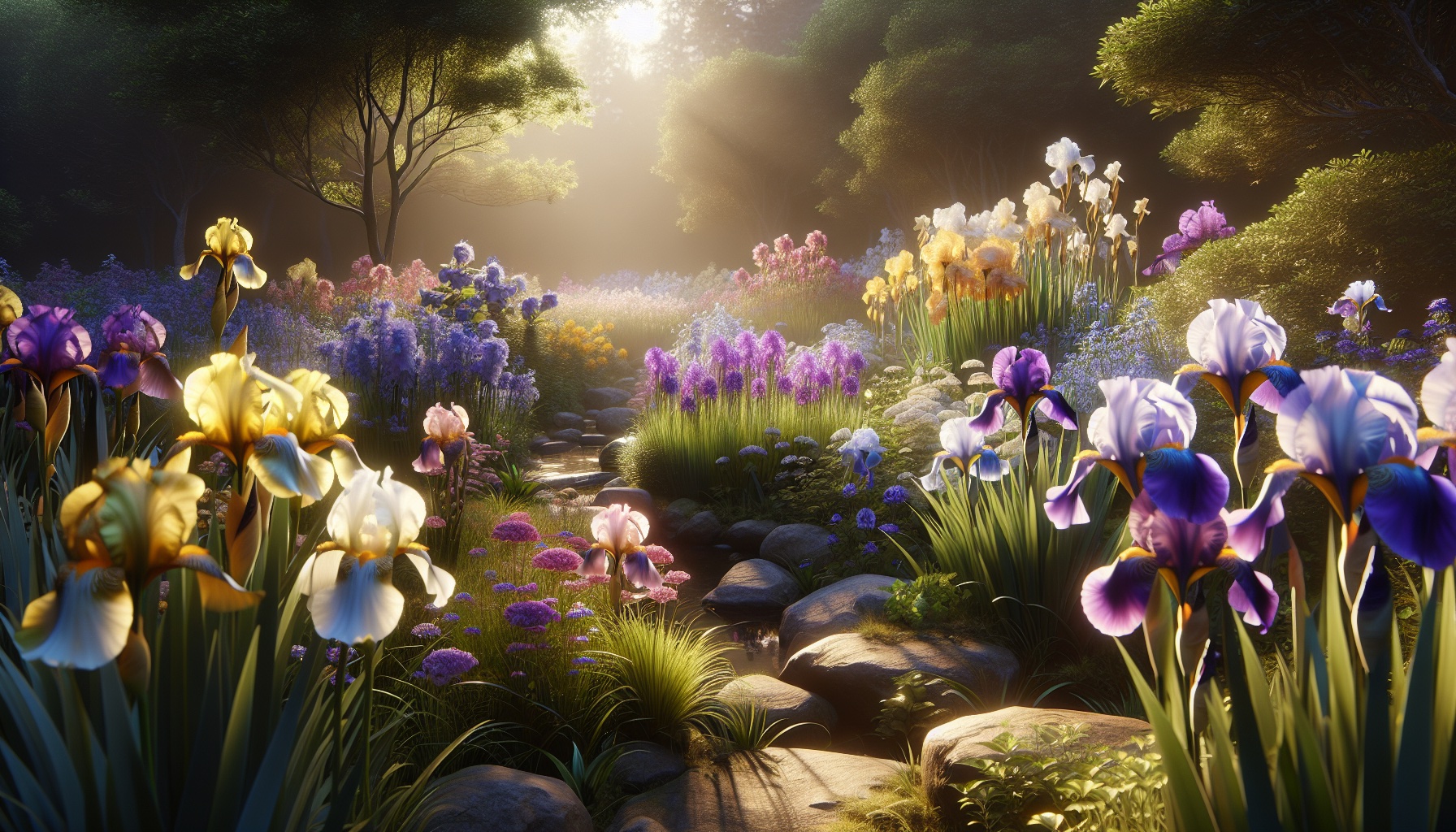
Whenever I allow my eye to peer inside
an iris, it takes all my attention.


I need a flotation device
and depth finder as
I’m likely to get lost,
sweeping and swooning
through inner space
of complex tunnels, canyons and corners,
then coming up for air and diving in again
to journey into exotic locales
draped in silken hues.

This fairy land of petals on a stem,
is birthed by the creative genius of God.

AI image created for this post
One-Time
Monthly
Yearly

Make a one-time or recurring donation to support daily Barnstorming posts

Make a monthly donation

Make a yearly donation

Choose an amount

$10.00
$25.00
$50.00
$5.00
$15.00
$100.00
$5.00
$15.00
$100.00

Or enter a custom amount

$

Your contribution is deeply appreciated.

Your contribution is appreciated.

Your contribution is appreciated.

DonateDonate monthlyDonate yearly

Revery Alone Will Do…

To make a prairie it takes a clover and one bee, a
One clover, and a bee,
And revery.
The revery alone will do,
If bees are few.
~Emily Dickinson

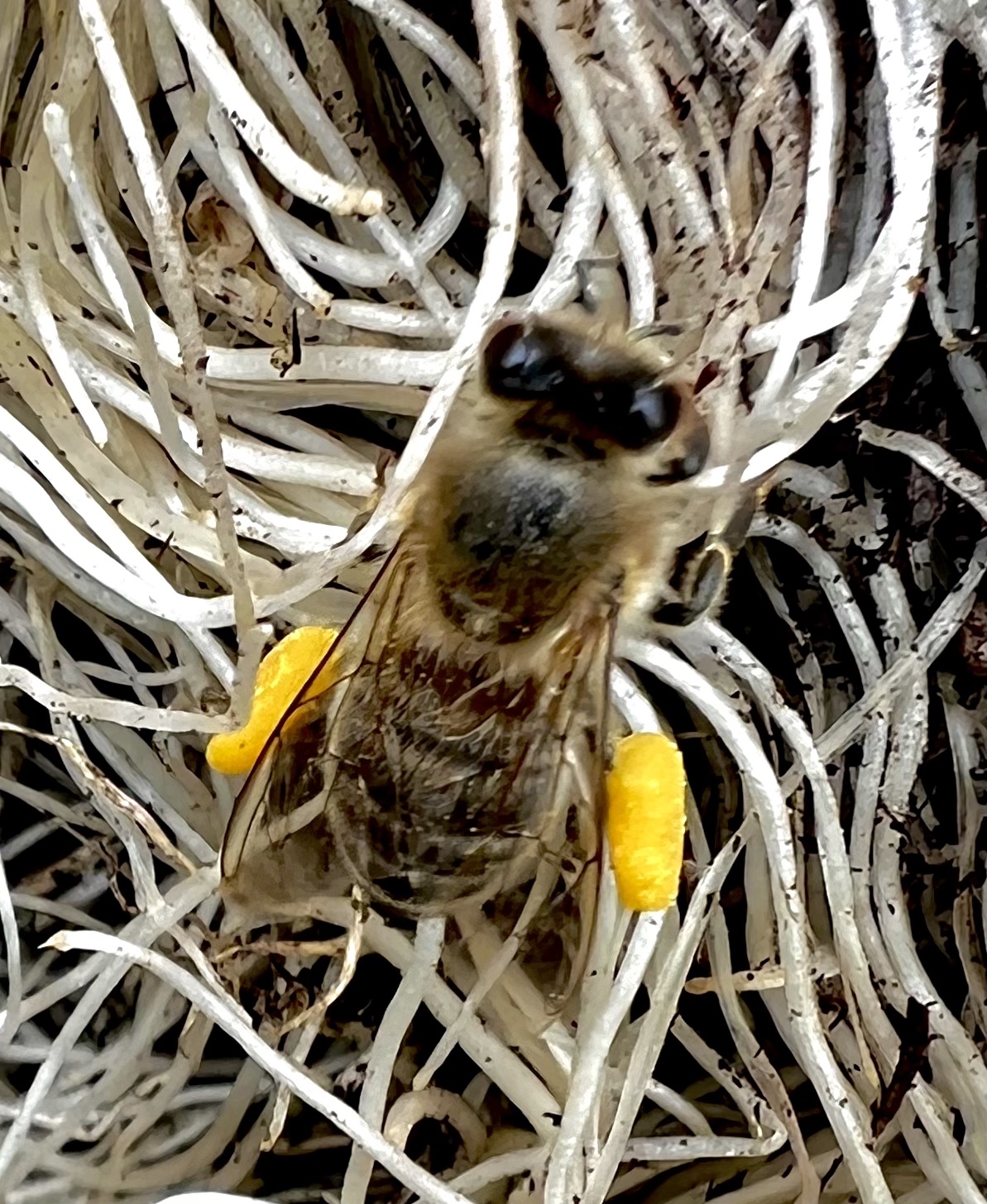
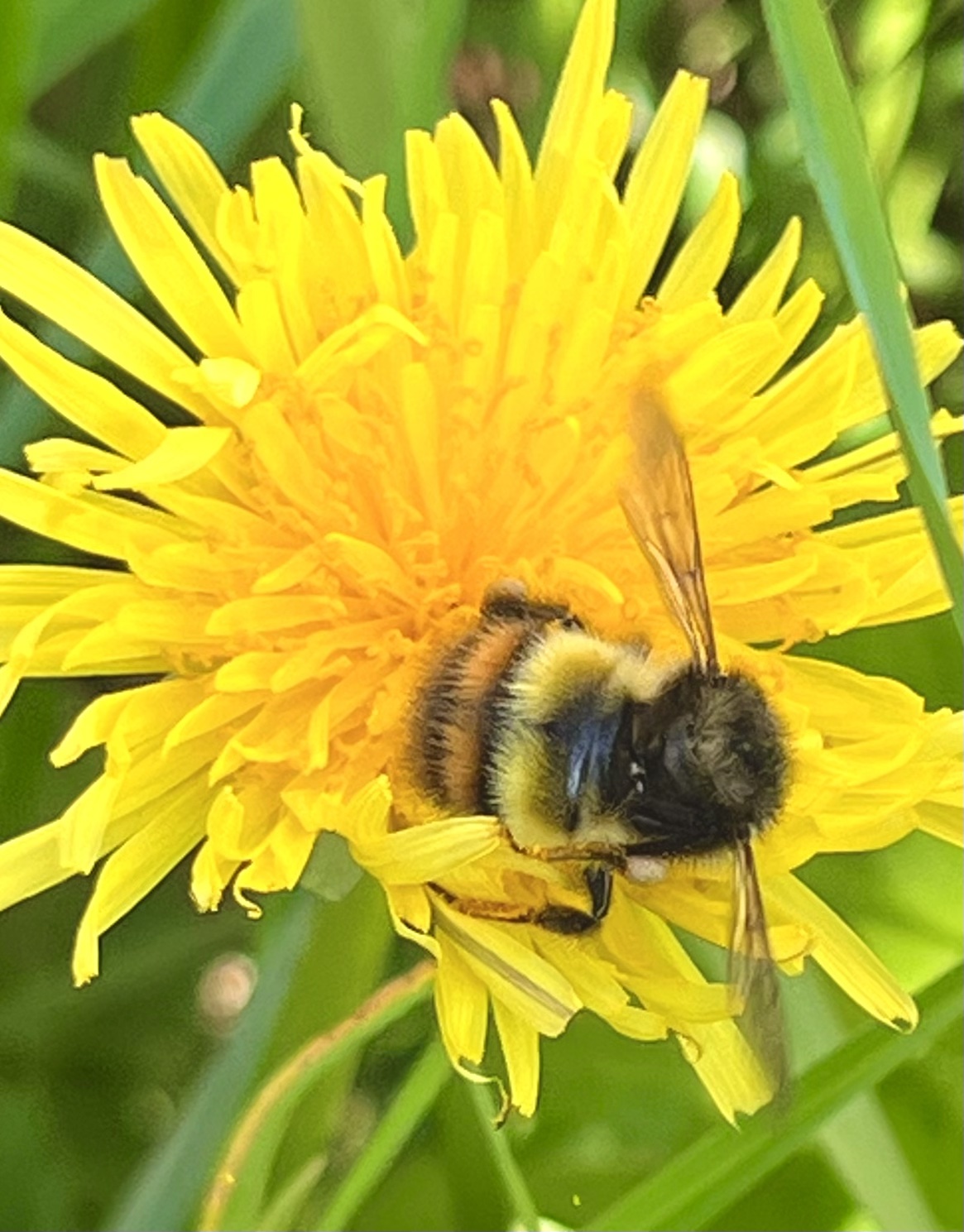
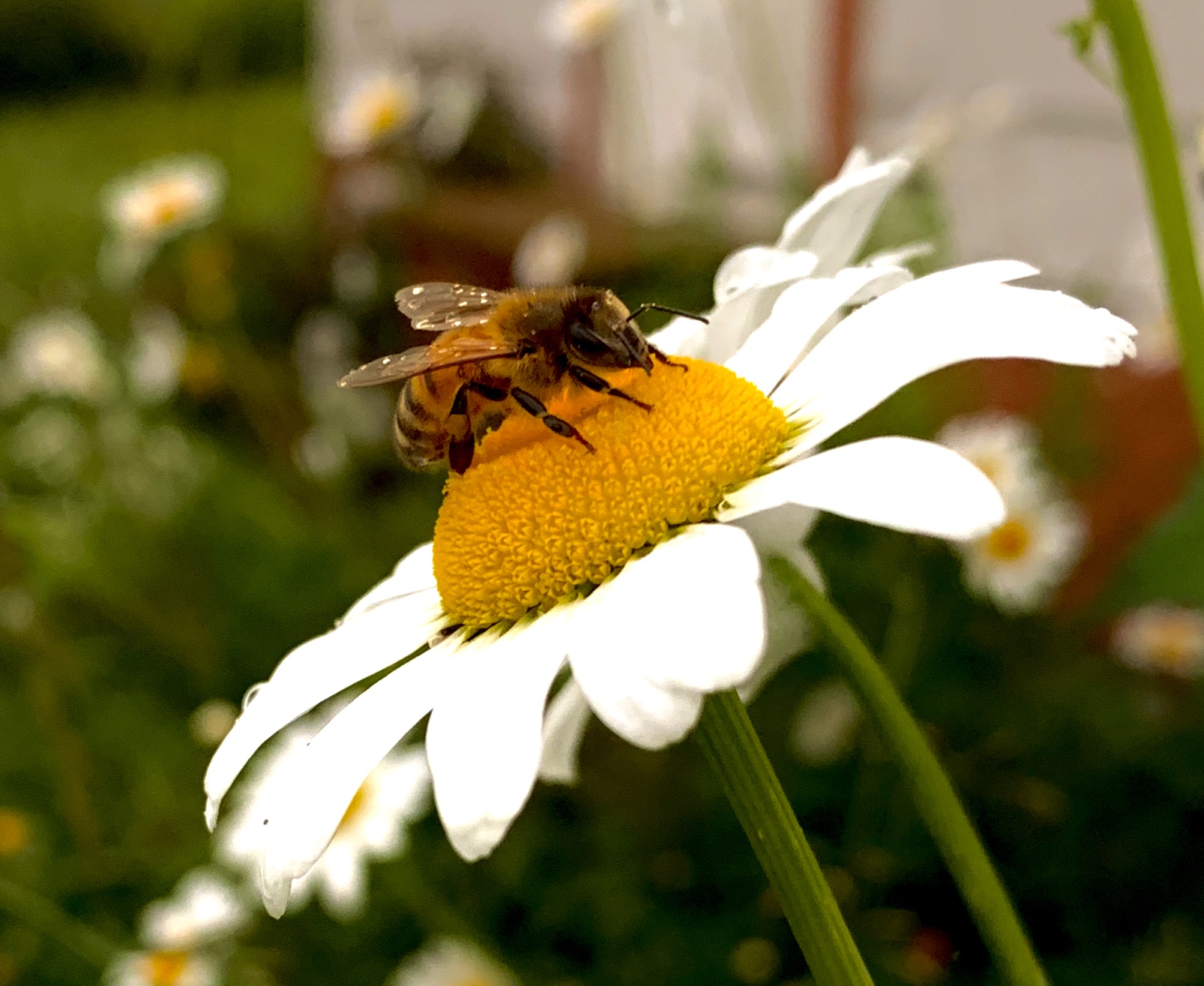
Bees do have a smell, you know, and if they don’t they should, for their feet are dusted with spices from a million flowers.
~Ray Bradbury
from Dandelion Wine

Pollinators are having a rough time of it these days, combating man-made insecticides or failing to find flowering weeds to visit given the wide-spread use of herbicides. Plus, there is the American penchant for mowing grassy landscapes to look perfectly uniform and weed-free.

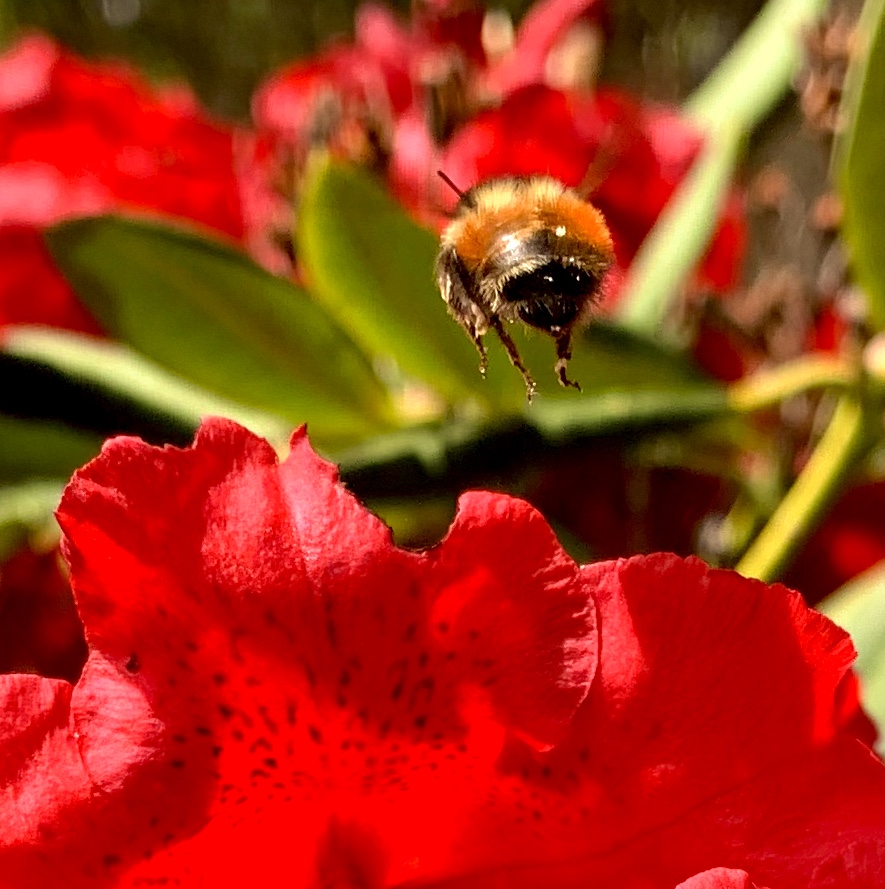
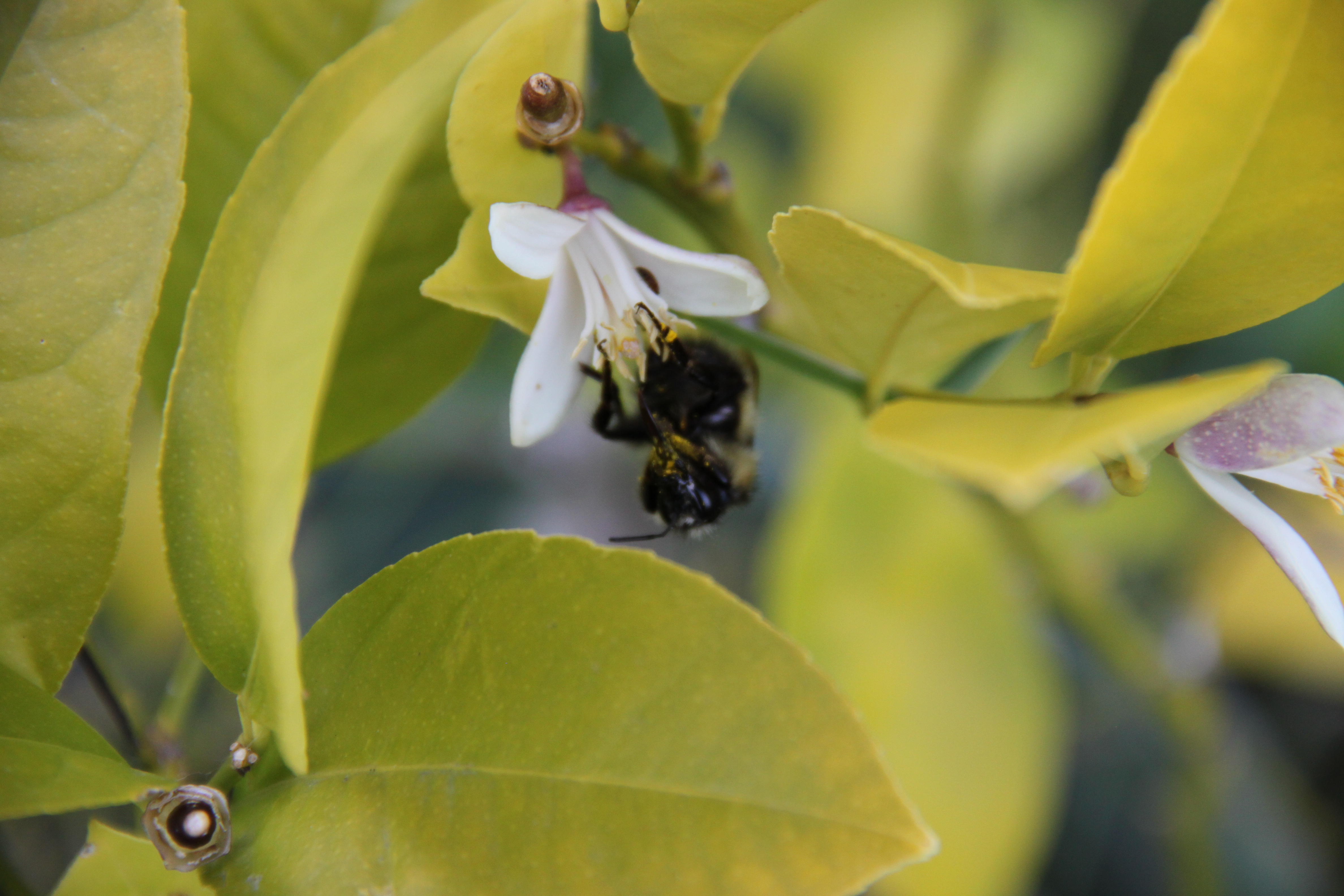
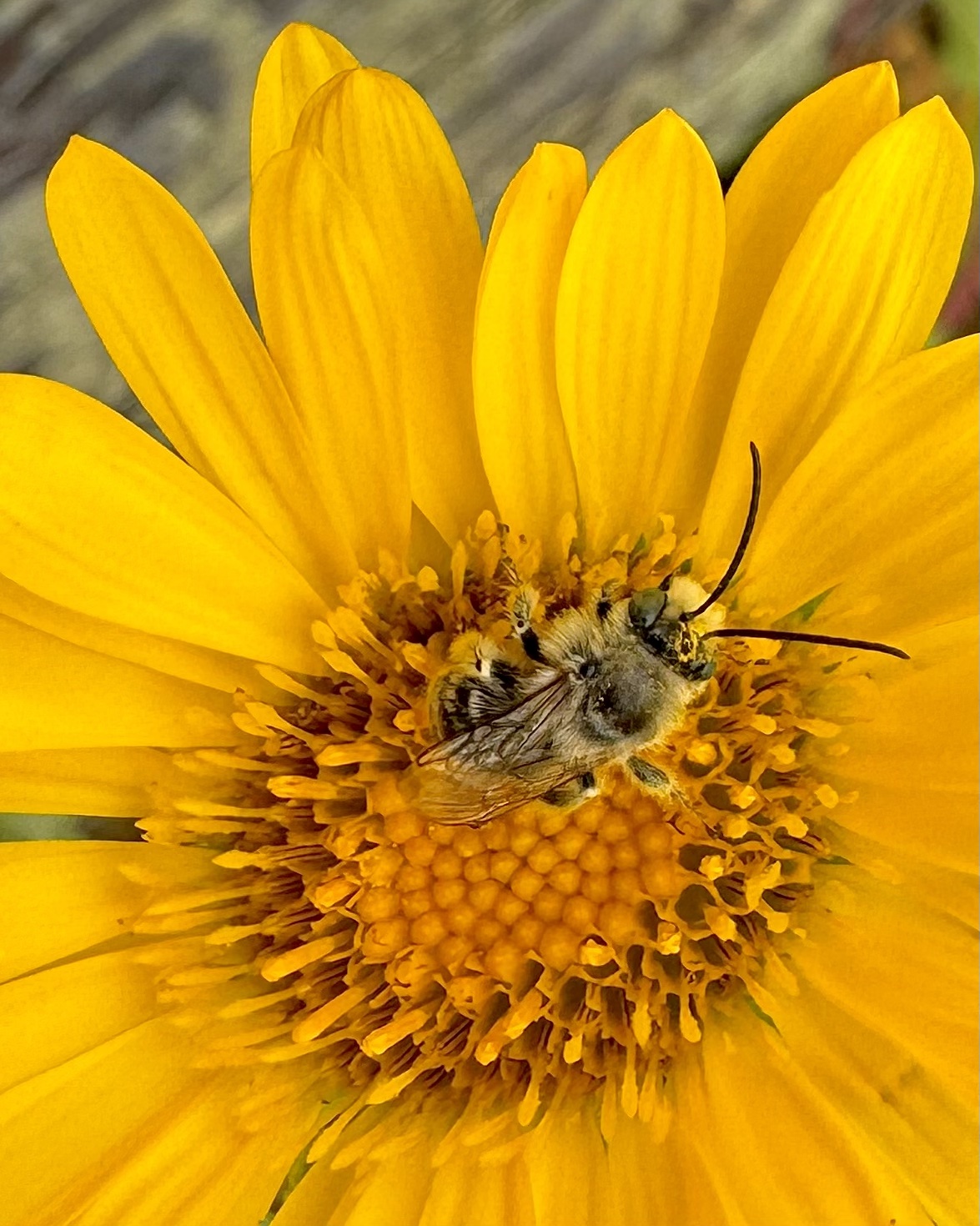
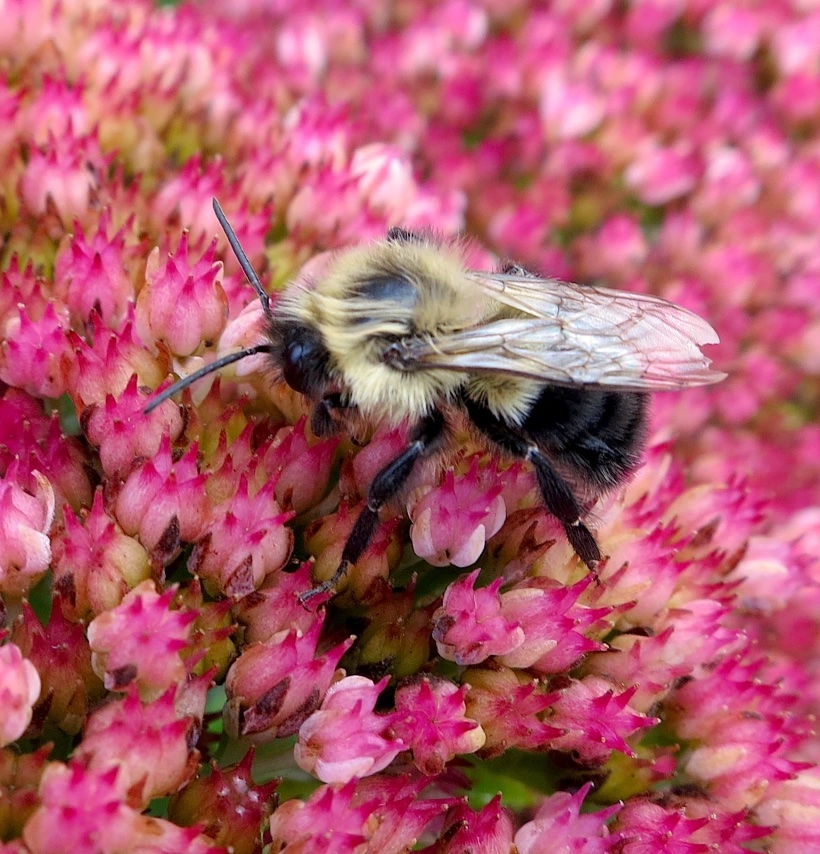
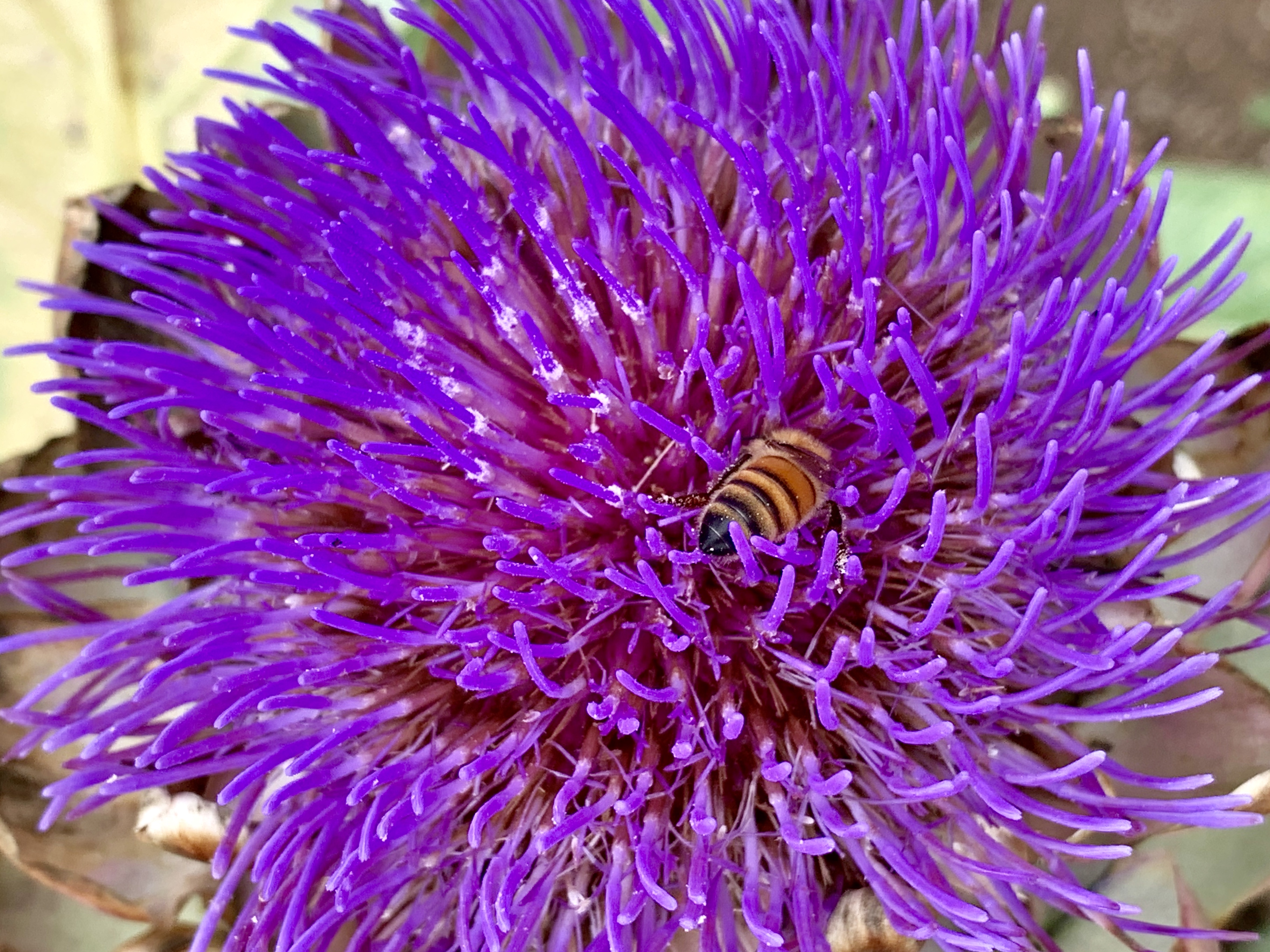
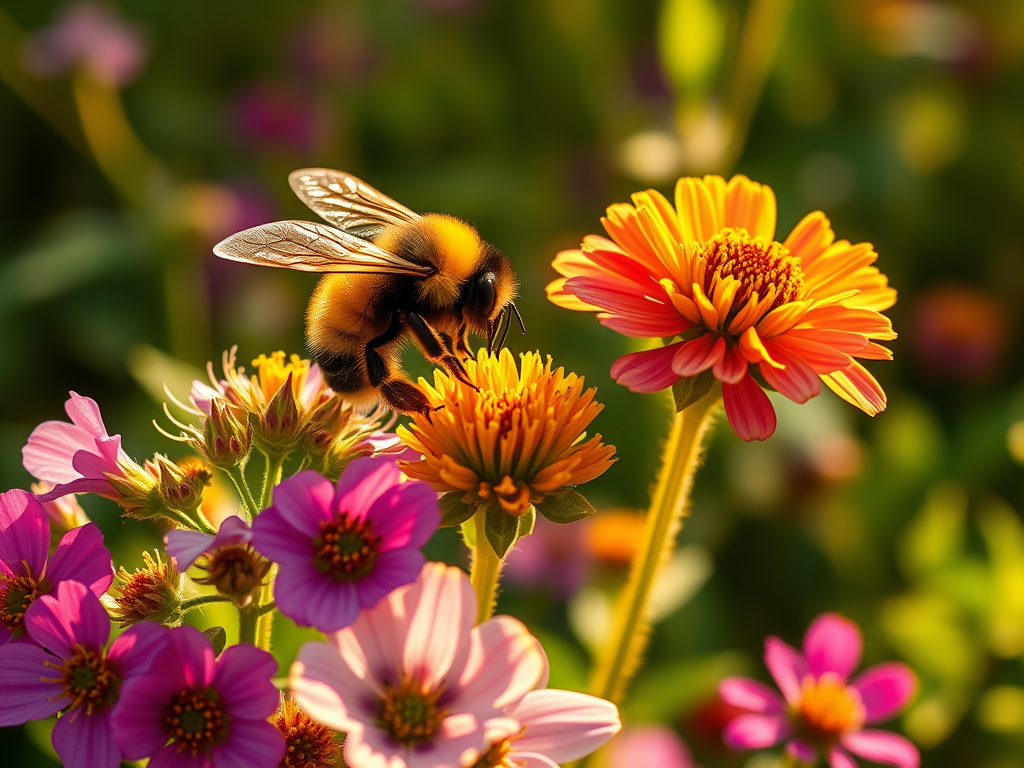
When I see a honey or bumble bee happily doing its job, it is a cause for celebration.

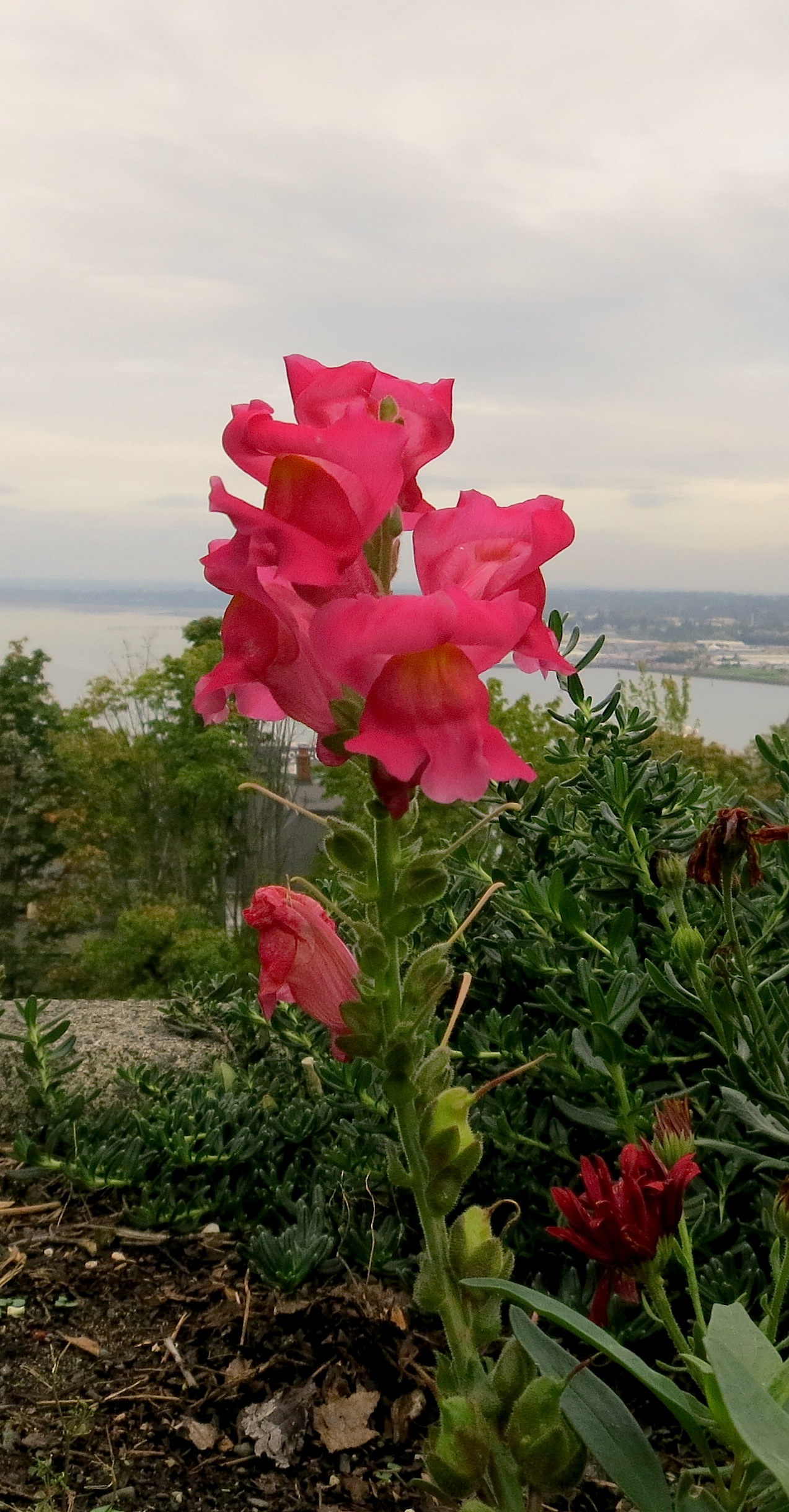
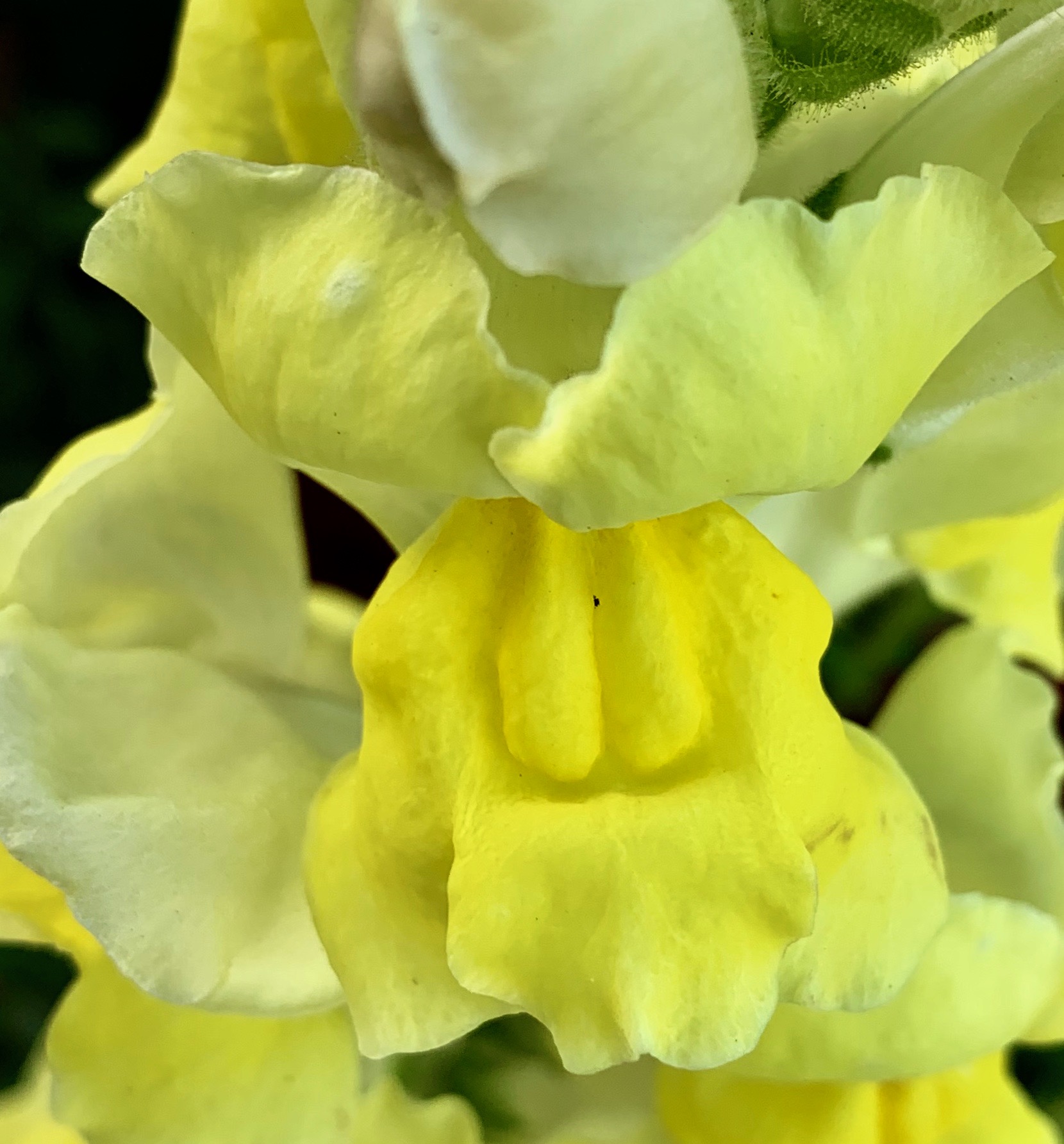
I was thrilled to see the latest research reported today demonstrating the ability of a flowering plant, like a snapdragon in the study, to “hear” (through vibro-acoustic signals) the buzz of an approaching pollinator, responding instantly by increasing its nectar volume and sweetness.
The postulated feedback mechanism is that pollinators will be more attracted to a plant that “rewards” their visit, thereby increasing the likelihood of ongoing pollination visits and survival of further generations of both creatures.

This world depends on a revery of communication we can only begin to understand – between plant to plant, plant to insect — a daydream of connections bringing the spicy smell of pollen from a million flowers to the lowly feet of the bee, which generates more of both as well as honey for you and me.
May it be, may it be, may it bee…

May we know such reverie.

AI image created for this post
One-Time
Monthly
Yearly

Make a one-time or recurring donation to support daily Barnstorming posts

Make a monthly donation

Make a yearly donation

Choose an amount

$10.00
$25.00
$50.00
$5.00
$15.00
$100.00
$5.00
$15.00
$100.00

Or enter a custom amount

$

Your contribution is deeply appreciated.

Your contribution is appreciated.

Your contribution is appreciated.

DonateDonate monthlyDonate yearly
Where You Go, I Will Go: Restless in Winter’s Grip

This morning’s sun is not the honey light
of summer, thick with golden dust and slow
as syrup pouring from a jug. It’s bright,
but thin and cold, and slanted steep and low
across the hillsides. Frost is blooming white,
these flowers forced by icy winds that blow
as hard this morning as they blew all night.
Too cold for rain, but far too dry for snow.

And I am restless, pacing to and fro
enduring winter’s grip that holds us tight.
But my camellias, which somehow know
what weather to expect—they’re always right—
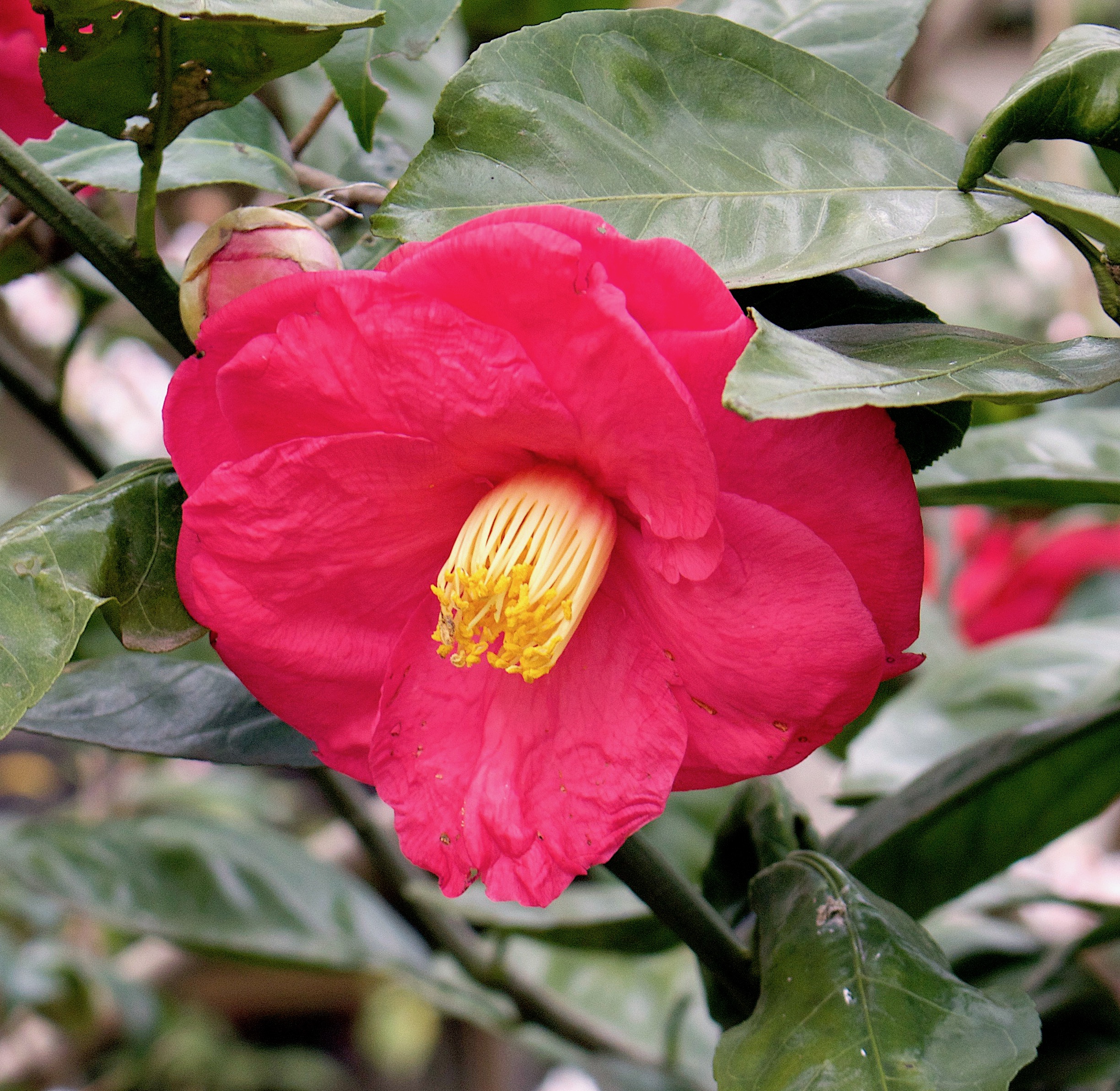
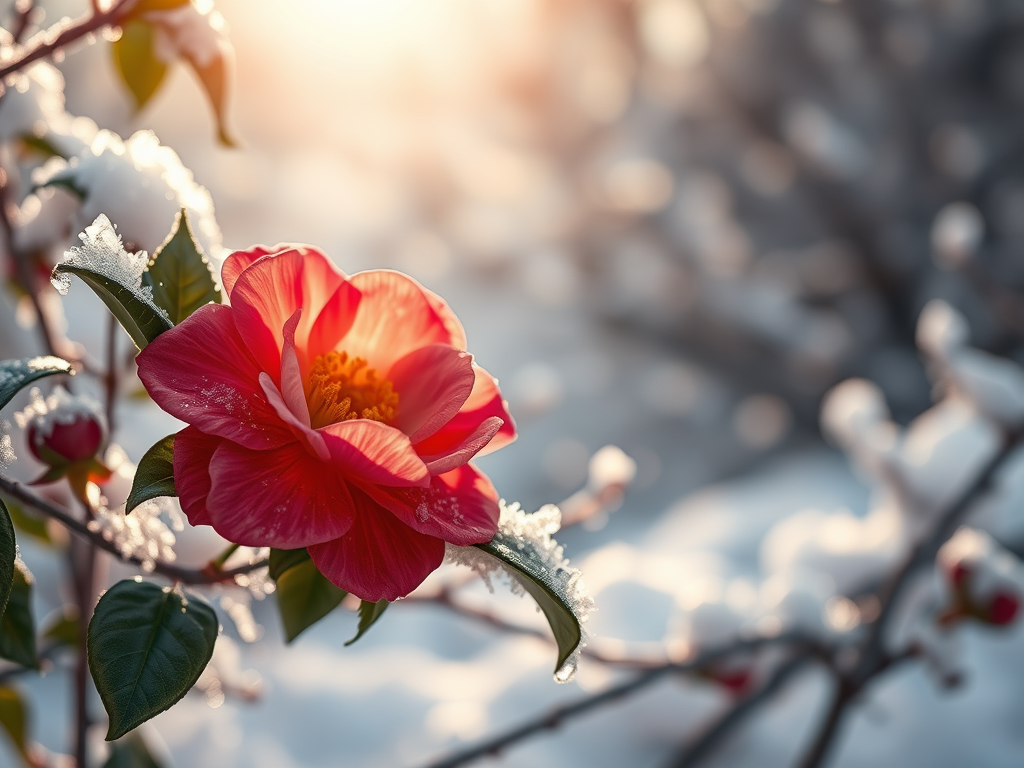
have broken bud. Now scarlet petals glow
outside the window where I sit and write.

~Tiel Aisha Ansari “Camellias” from Dervish Lions

Near a shrine in Japan he’d swept the path
and then placed camellia blossoms there.

Or — we had no way of knowing — he’d swept the path
between fallen camellias.

~Carol Snow “Tour”

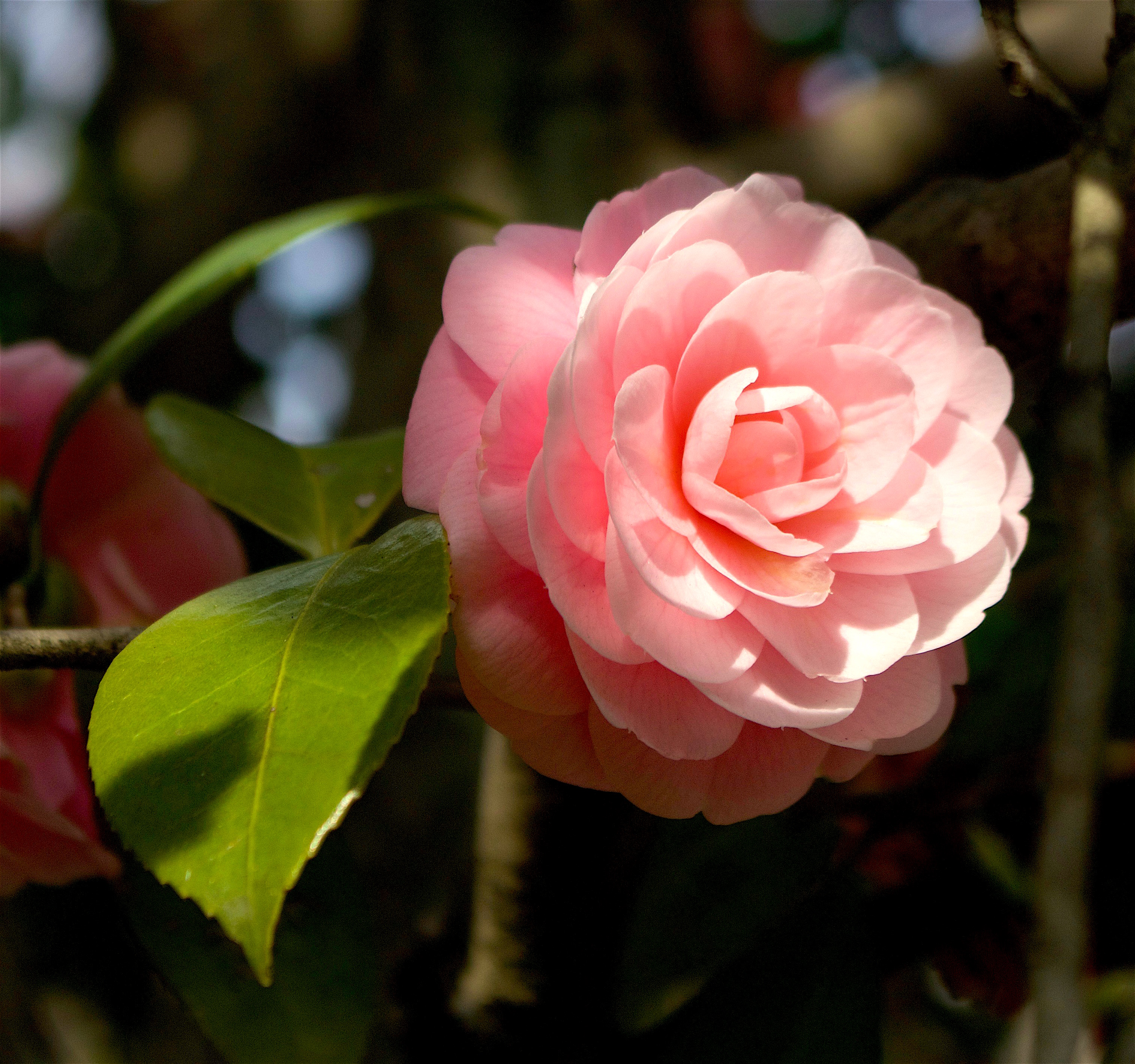
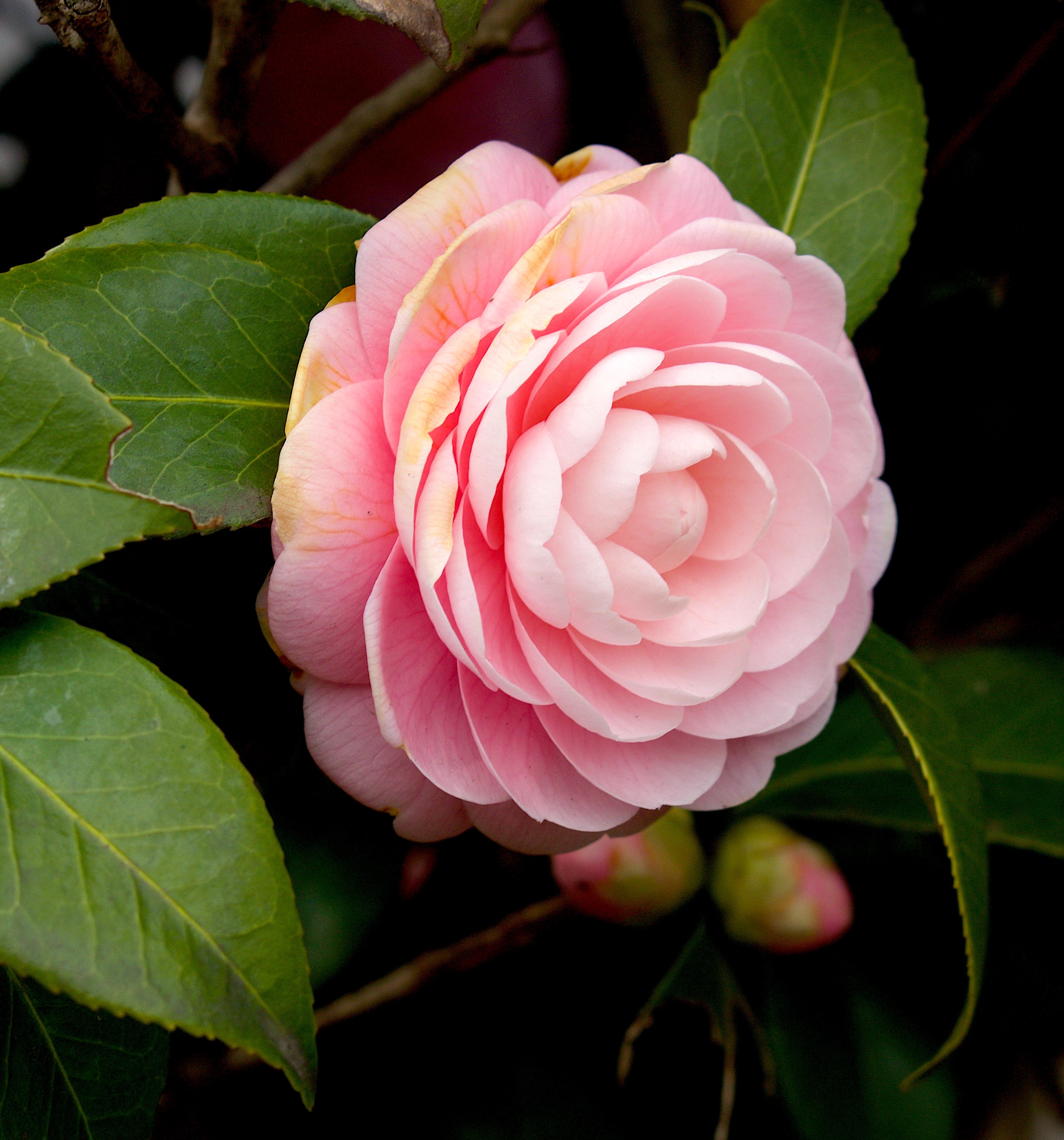
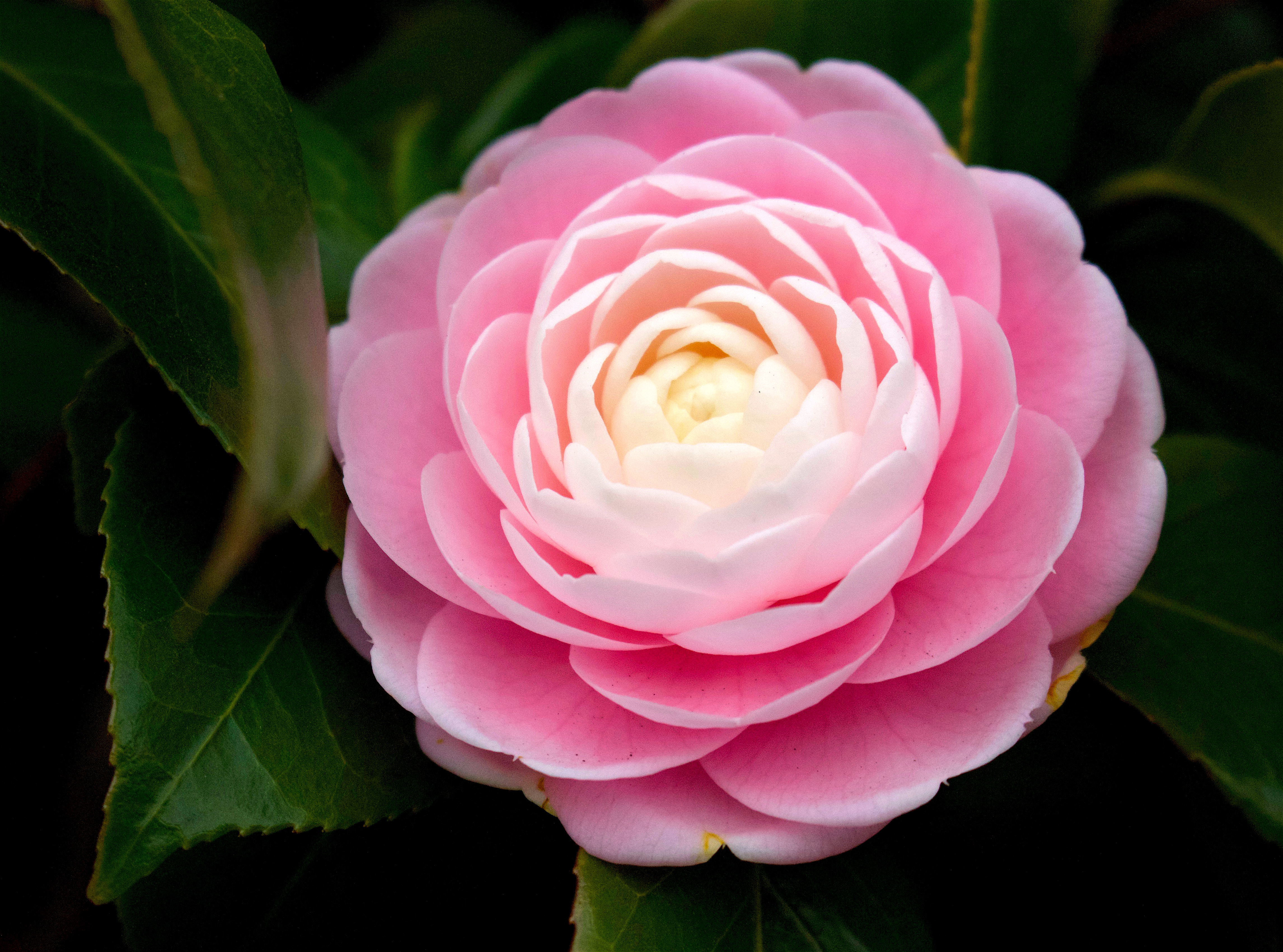
Camellias are hardy enough to withstand winter’s low temperatures, defying freezing winds and hard frosts with their resilience.

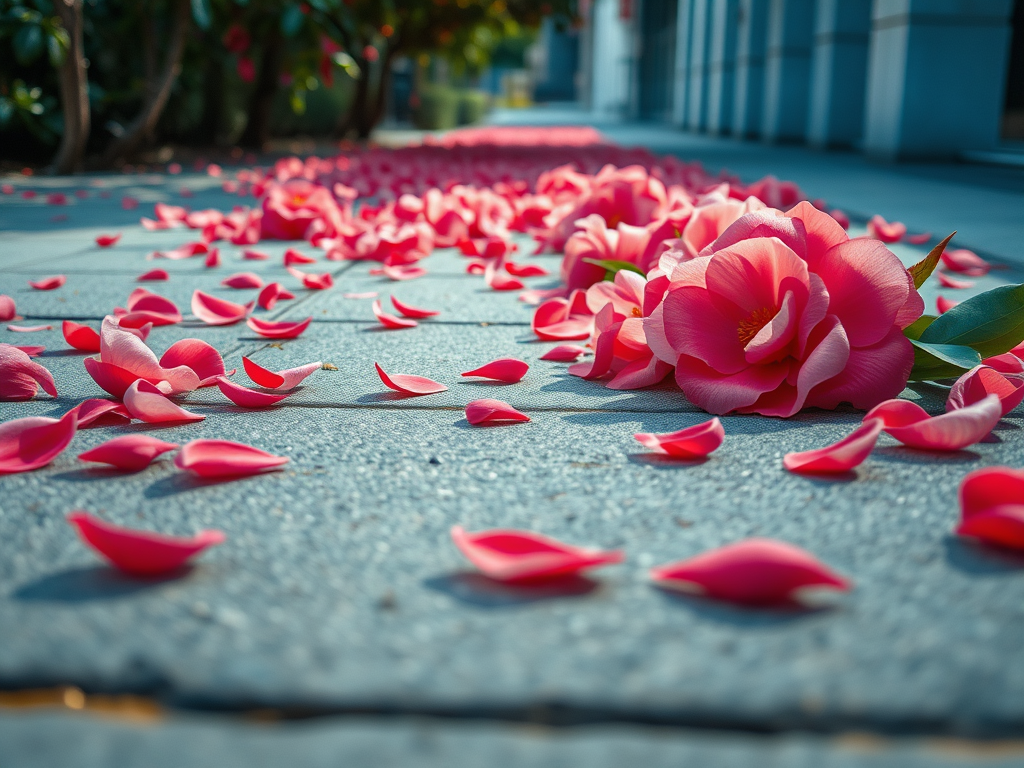
On windy days, full and ripe camellia blooms plop to the ground without warning, scattering about like a nubby floral throw rug. They are too bulky to step on, so the tendency is to pick a path around them, allowing them the dignity of a few more days before being swept off sidewalks.

In one sense, these fallen winter blossoms are holy messengers, gracing the paths the living must navigate. They are grounding for the passersby, a reminder our own time to let go will soon come. As we restlessly pursue our days and measure our steps, we respectfully make our way around their fading beauty.

An unexpected blessing is bestowed in the camellia’s restlessness:
in their budding,
in their breaking open,
in their full blooming,
in their falling to earth,
in their ebbing away.

The grass withers and the flowers fall,
    because the breath of the Lord blows on them.
    Surely the people are grass.
The grass withers and the flowers fall,
    but the word of our God endures forever.
Isaiah 40:7-8

Mortals, born of woman,
    are of few days and full of trouble.
They spring up like flowers and wither away;
    like fleeting shadows, they do not endure.
Do you fix your eye on them?
Job 14: 1-3

This year’s Lenten theme:

…where you go I will go…
Ruth 1:16

AI image created for this post
One-Time
Monthly
Yearly

Make a one-time or recurring donation to support daily Barnstorming posts

Make a monthly donation

Make a yearly donation

Choose an amount

$10.00
$25.00
$50.00
$5.00
$15.00
$100.00
$5.00
$15.00
$100.00

Or enter a custom amount

$

Your contribution is deeply appreciated.

Your contribution is appreciated.

Your contribution is appreciated.

DonateDonate monthlyDonate yearly
The Edge of Dark and Cold

This saying good-by on the edge of the dark
And the cold to an orchard so young in the bark
Reminds me of all that can happen to harm
An orchard away at the end of the farm
All winter, cut off by a hill from the house.


I wish I could promise to lie in the night
And think of an orchard’s arboreal plight
When slowly (and nobody comes with a light)
Its heart sinks lower under the sod.
But something has to be left to God.
~Robert Frost from “Good-bye and Keep Cold”

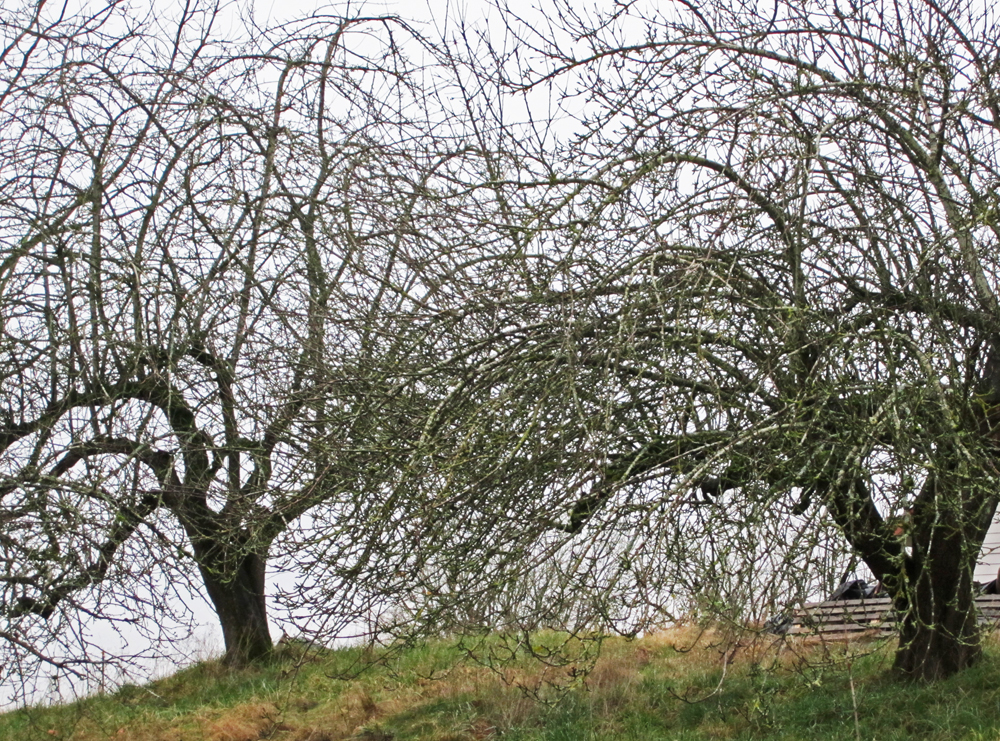
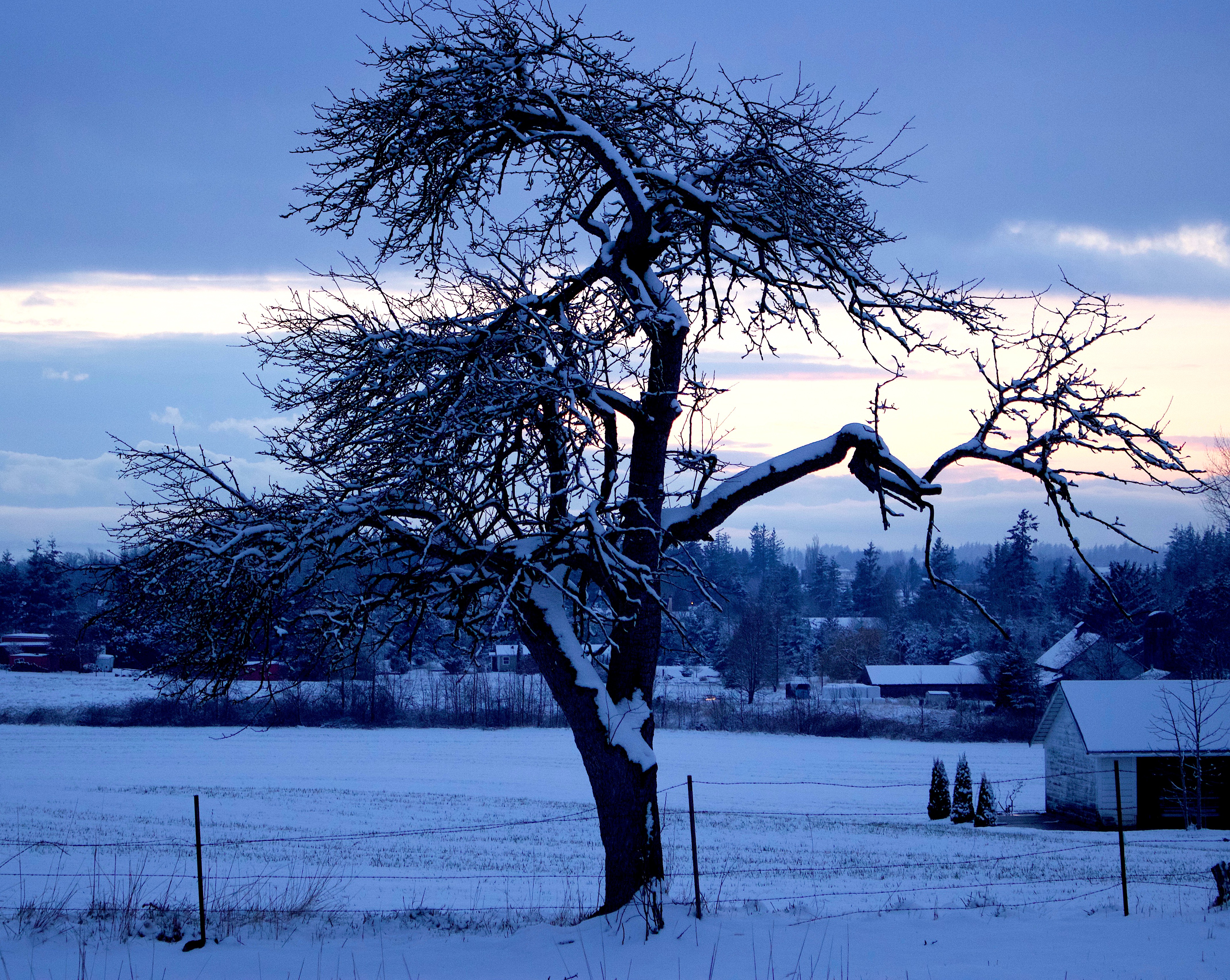
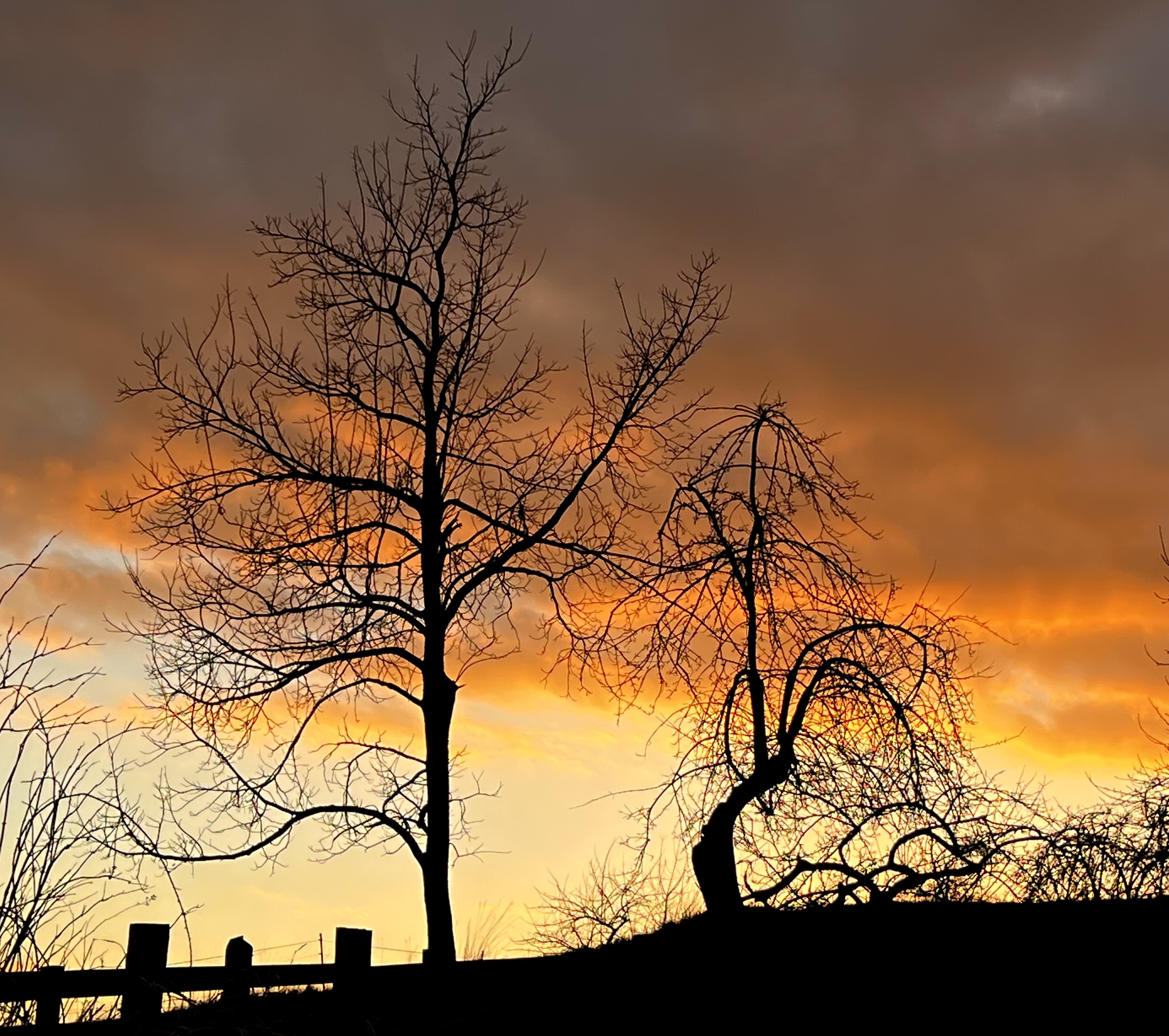
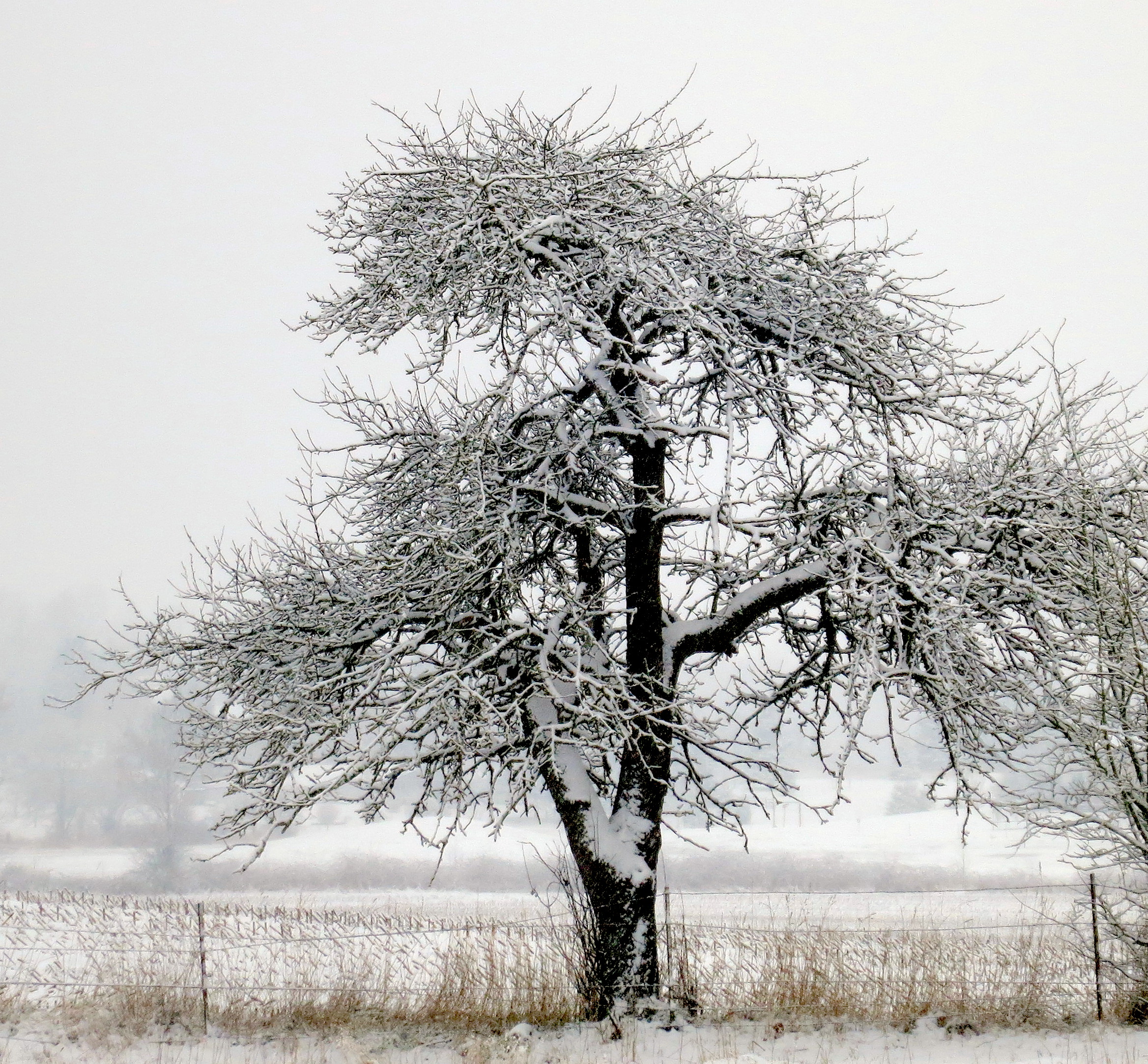
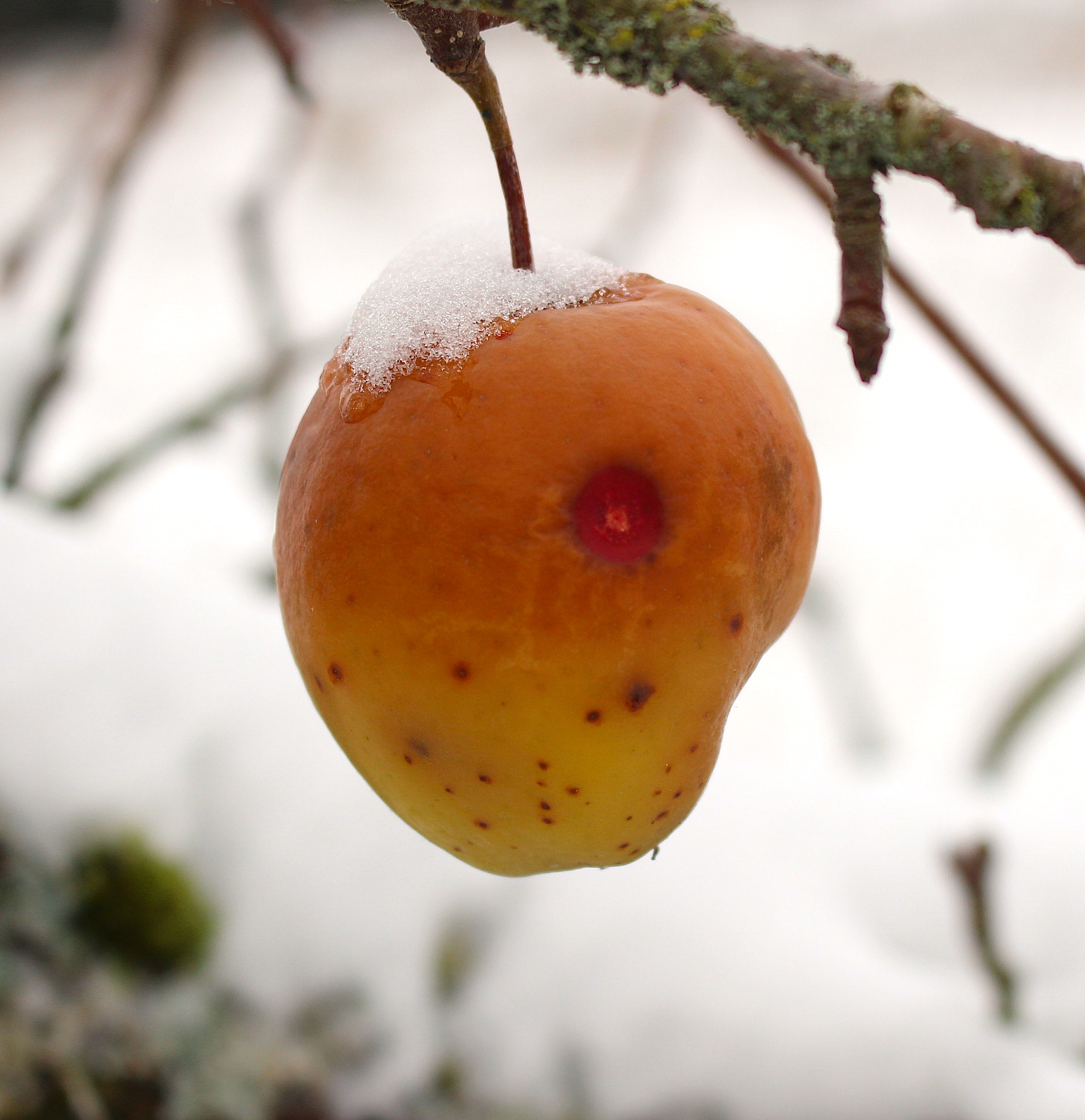
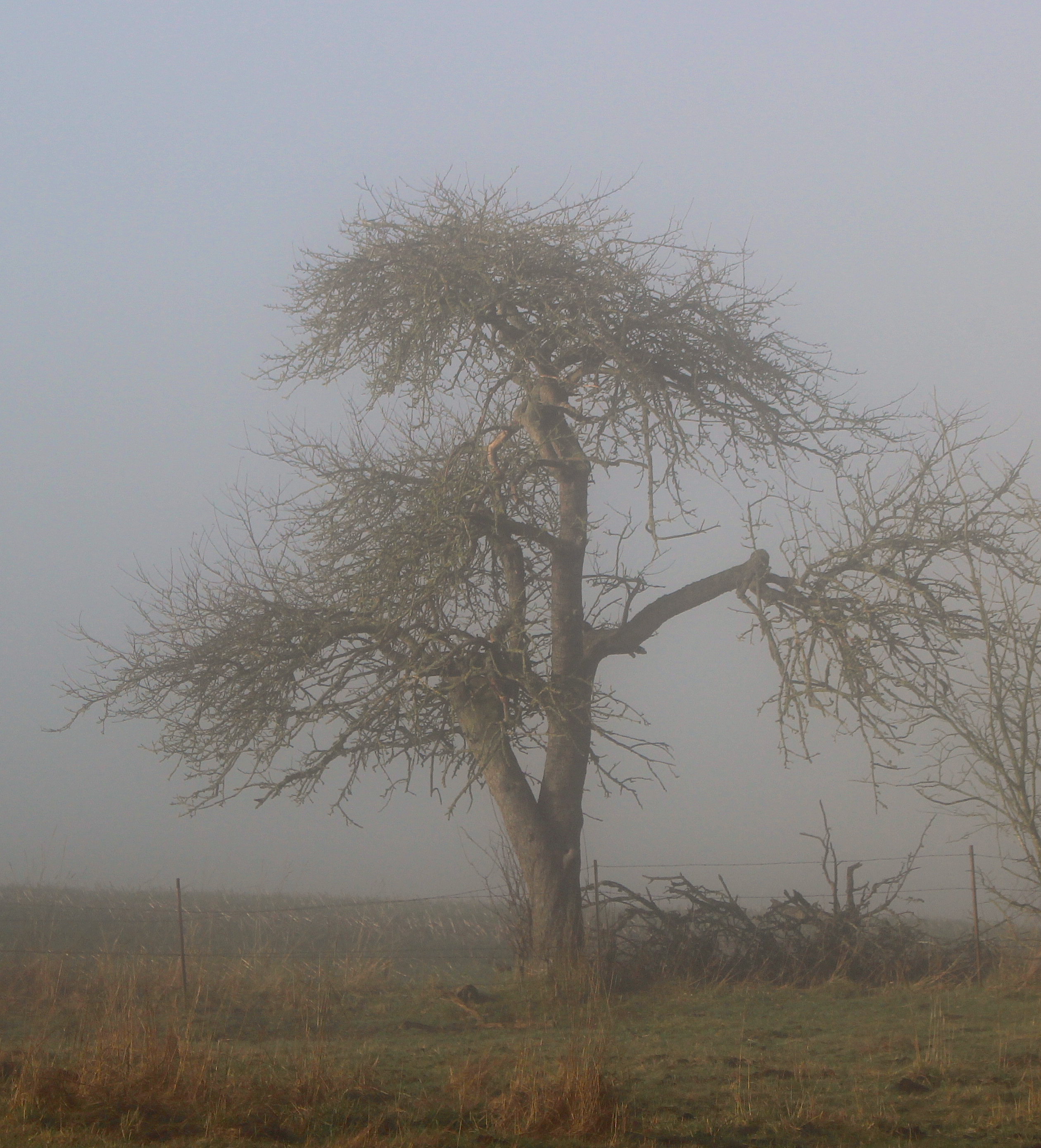
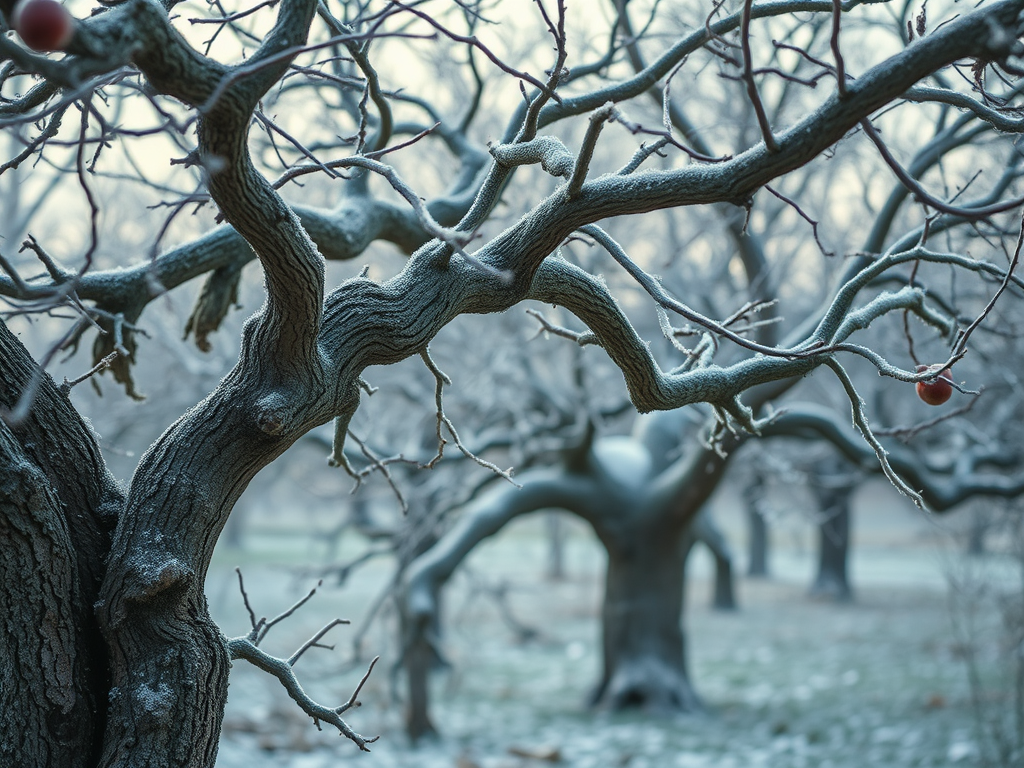
The winter orchard looks cold and silent yet I know plenty is happening beneath the sod.

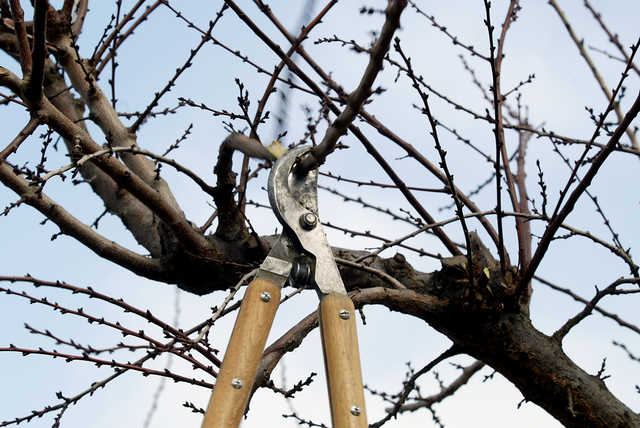
There isn’t much to be done this time of year until the pruning hook comes out. Ideally, now is the time the trees should be shaped and shorn.

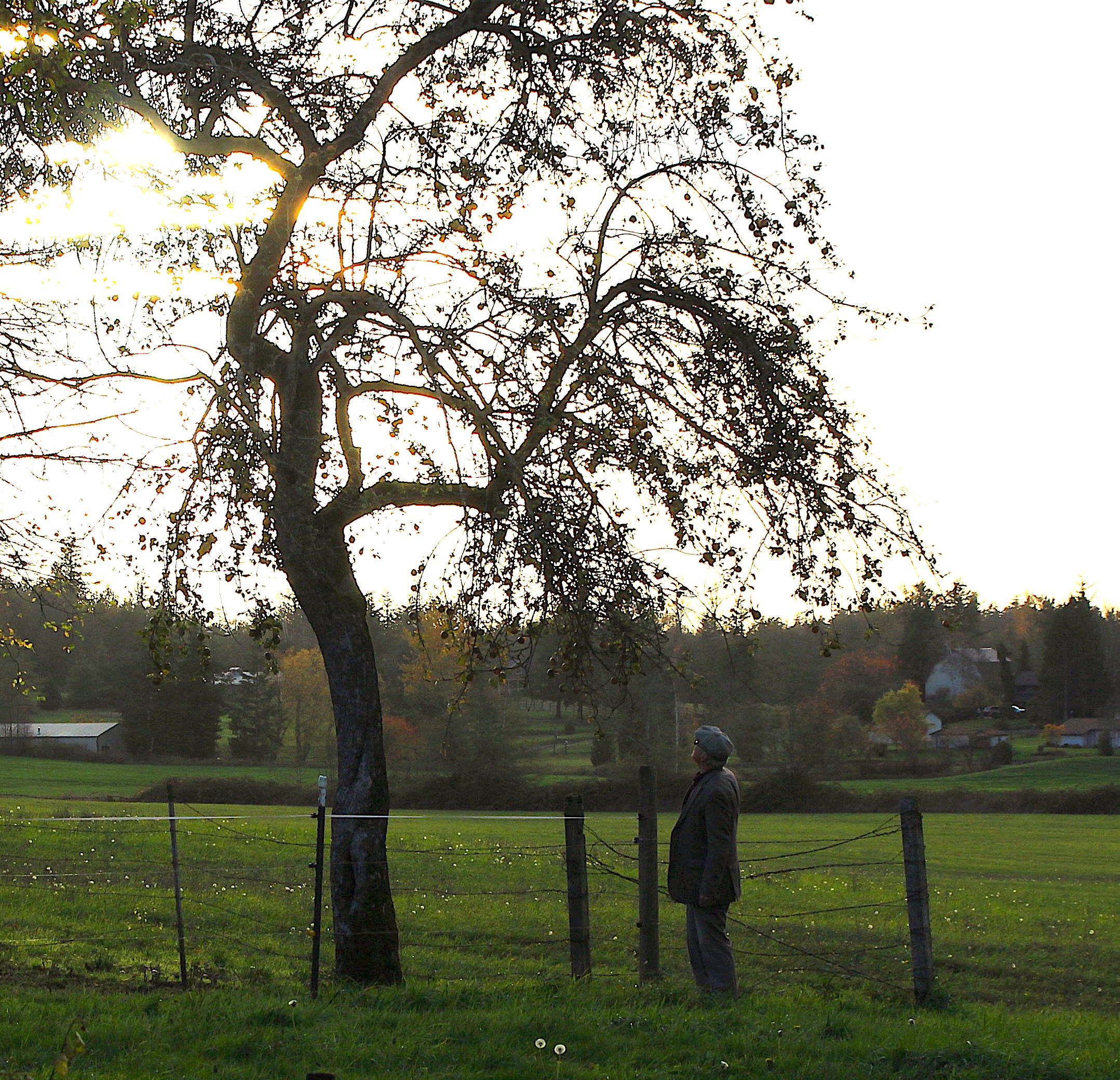
Pruning is one of those tasks that is immensely satisfying–after it’s done – way after. Several years after in some cases. In the case of our fruit trees, which all have an average age of 90 years or more, it is a matter of prune or lose them forever. We set to work, trying to gently retrain wild and chaotic apple, cherry, plum, and pear trees, but our consistency was lacking. The trees remained on the wild side, defying us, and several have toppled over in windstorms due to their weakened frame.

We hired additional help, hoping to get ahead of the new growth, but our helper had the “chain saw” approach to pruning and literally scalped several trees into dormancy before we saw what was happening and stopped the savaging.

Instead, the process of retraining a wild tree is slow, meticulous, thoughtful, and expectant. We must study the tree, the setting, know the fruit it is supposed to bear, and begin making decisions before making cuts. The dead stuff goes first–that’s easy. It’s not useful, it’s taking up space, it’s outta here. It’s the removal of viable branches that takes courage. Like thinning healthy vegetable plants in a garden, I can almost hear the plant utter a little scream as we choose it to be the next one to go. Gardening is not for the faint of heart. So ideally, we choose to trim about a third of the superfluous branches, rather than taking them all at once. In three years, we have the hoped-for tree, bearing fruit that is larger, healthier and hardier.

Then we’re in maintenance mode. That takes patience, vision, dedication, and love. That’s the ideal world.

The reality is we skip years of pruning work, sometimes several years in a row. Or we make a really dumb error and prune in a way that is counter productive, and it takes several years for the tree to recover. Or, in the case of the scalping, those trees took years to ever bear fruit again–standing embarrassed and naked among their peers.

Then there is the clean up process after pruning–if it was just lopping off stuff, I’d be out there doing it right now, but the process of picking up all those discarded branches off the ground, carrying them to a brush pile and burning them takes much more time and effort. That’s where kids come in very handy.

Our three children tolerated our shaping, trimming and pruning for years, grew tall and strong and ready to meet the world, to give it all they’ve got. In our hopes and dreams for them, there were times we  probably pruned a bit in haste, or sometimes neglected to prune enough, but even so, they’re all bearing great fruit, now grown up with few “scars” to show for our mistakes. 

I’m still pruned regularly by the Master Gardener, often painfully. Sometimes I see the pruning hook coming, knowing the dead branches that I’ve needlessly hung onto must go, and sometimes it comes as a complete surprise, cutting me at my most vulnerable spots. Some years I bear better fruit than other years. Some years, it seems, hardly any at all. I can be cold and dormant, unfruitful and at times desolate.

Yet, I’m still rooted, still fed when hungry and watered when thirsty, and still, amazingly enough, loved. I’ll continue to hang on to the root that chose to feed me and hold me fast through the windstorms of life. Even when my trunk is leaning, my branches broken, my fruit withered, I will know that God’s love sustains me, no matter what.

I am the true vine, and my Father is the gardener.  He cuts off every branch in me that bears no fruit, while every branch that does bear fruit he prunes so that it will be even more fruitful. 
John 15: 1-2

AI image created for this post
One-Time
Monthly
Yearly

Make a one-time or recurring donation to support daily Barnstorming posts

Make a monthly donation

Make a yearly donation

Choose an amount

$10.00
$25.00
$50.00
$5.00
$15.00
$100.00
$5.00
$15.00
$100.00

Or enter a custom amount

$

Your contribution is deeply appreciated to help offset the costs of maintaining an ad-free website.

Your contribution is appreciated.

Your contribution is appreciated.

DonateDonate monthlyDonate yearly
The Rustling Maize

A dim veil hangs over the landscape and flood,
And the hills are all mellowed in haze,
While Fall, creeping on like a monk ‘neath his hood,
Plucks the thick-rustling wealth of the maize.

And long for this manna that springs from the sod
Shall we gratefully give Him the praise,
The source of all bounty, our Father and God,
Who sent us from heaven the maize!
~William Fosdick “The Maize”

Come, boys, sing!—
                               Sing of the yellow corn,
                           Sing, boys, sing,
                               Sing of the yellow corn!
He springeth up from the fallow soil,
With the blade so green and tall,
And he payeth well the reaper’s toil,
When the husks in the autumn fall.
              The pointed leaves,
                  And the golden ear,
              The rustling sheaves,
                  In the ripened year—
                            Sing, boys, sing!
                               Sing of the yellow corn,
                            Sing, boys, sing,
                               Sing of the yellow corn.

He drinks the rain in the summer long,
And he loves the streams that run,
And he sends the stalk so stout and strong,
To bask in the summer sun.
              The pointed leaves,
                   And the golden ear,
              The rustling sheaves,
                   In the ripened year—
                              Sing, boys, sing!
                                  Sing of the yellow corn,
                              Sing, boys, sing,
                                  Sing of the yellow corn.

He loves the dews of the starry night,
And the breathing wind that plays
With his tassels green, when the mellow light
Of the moon on the meadow stays.
              The pointed leaves,
                   And the golden ear,
              The rustling sheaves,
                   In the ripened year—
                              Sing, boys, sing!
                                  Sing of the yellow corn,
                              Sing, boys, sing,
                                  Sing of the yellow corn.

A glorious thing is the yellow corn,
With the blade so green and tall,
A blessed thing is the yellow corn,
When the husks in the autumn fall.
              Then, sing, boys, sing!
                  Sing of the yellow corn,
              Sing, boys, sing,
                  Sing of the yellow corn!
                     The pointed leaves,
                          And the golden ear,
                     The rustling sheaves,
                          In the ripened year—
                              Come, sing, boys, sing!
                                   Sing of the yellow corn,
                               Sing, boys, sing,
                                   Sing of the yellow corn.

~Charles Eastman “The Yellow Corn”

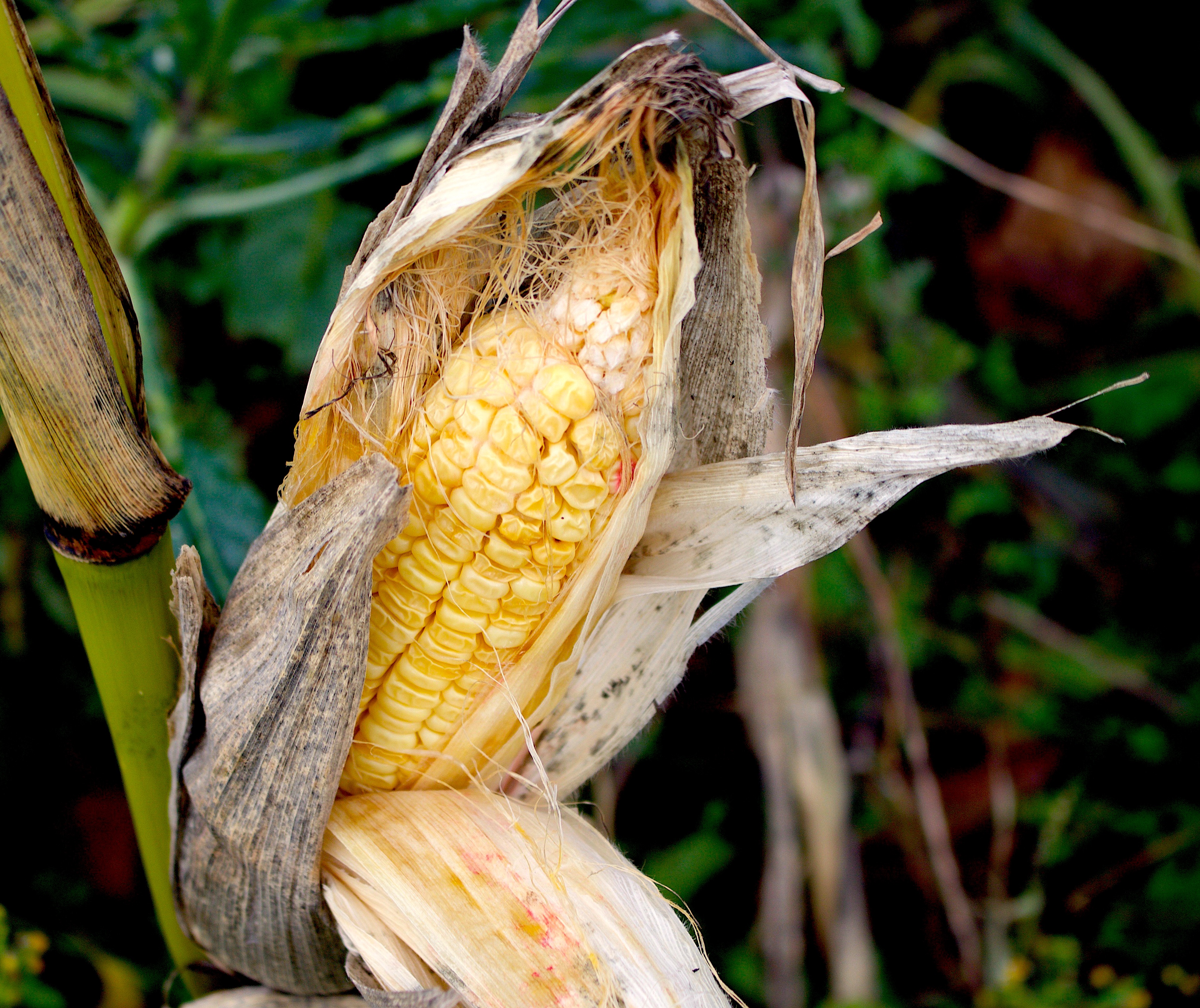
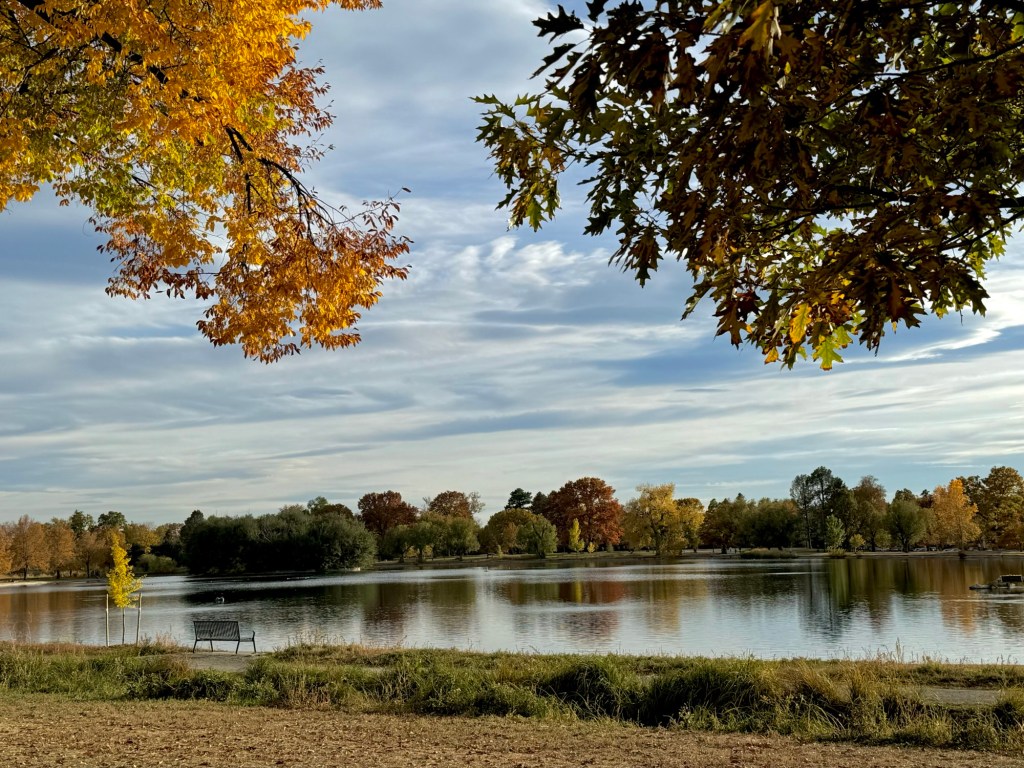
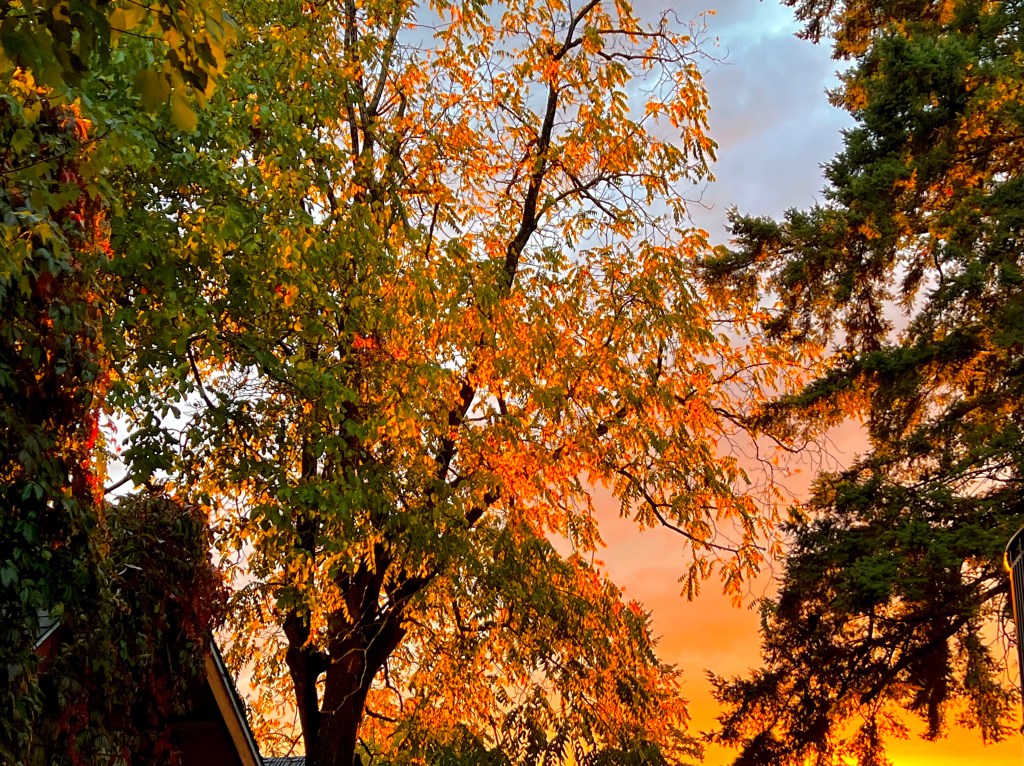
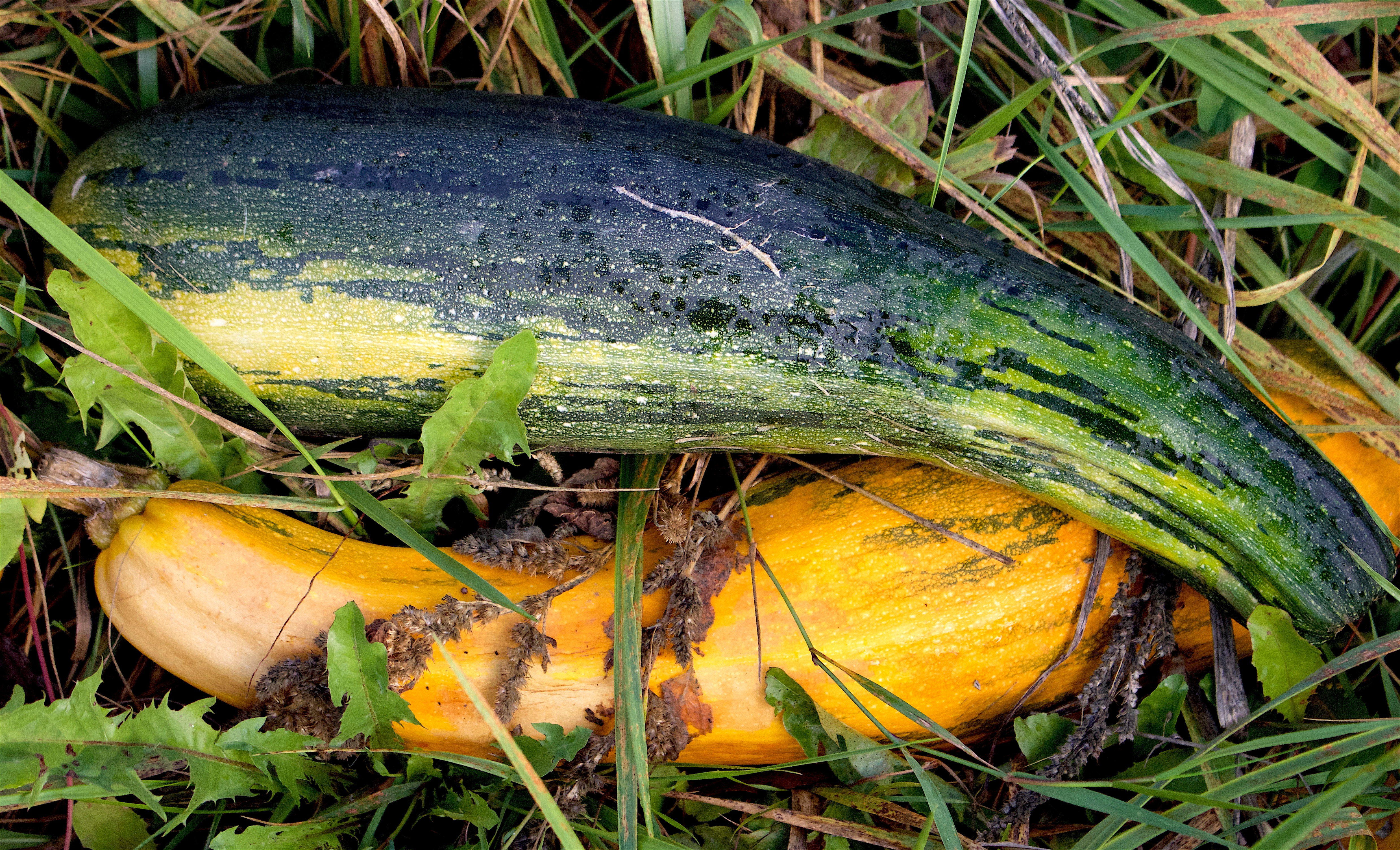
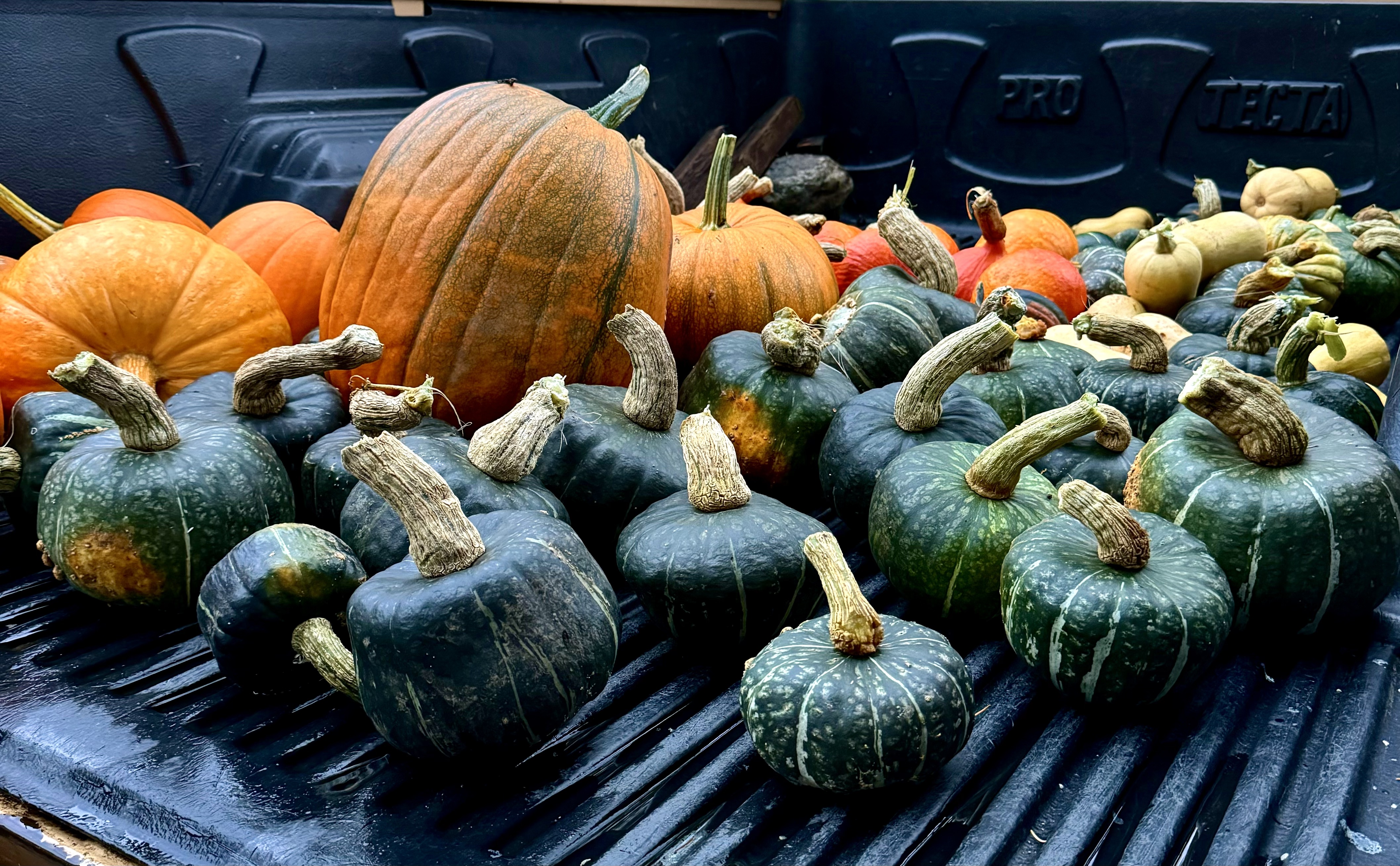
The dying autumn garden can feel like a treasure hunt as we pull out and sort through the dead and dying vines and stalks: a giant zucchini growing undetected under leaves, a rotting pumpkin collapsing into itself, fat hollowed beans ready to burst with seed.

Everything is dry and rustling in the north winds.

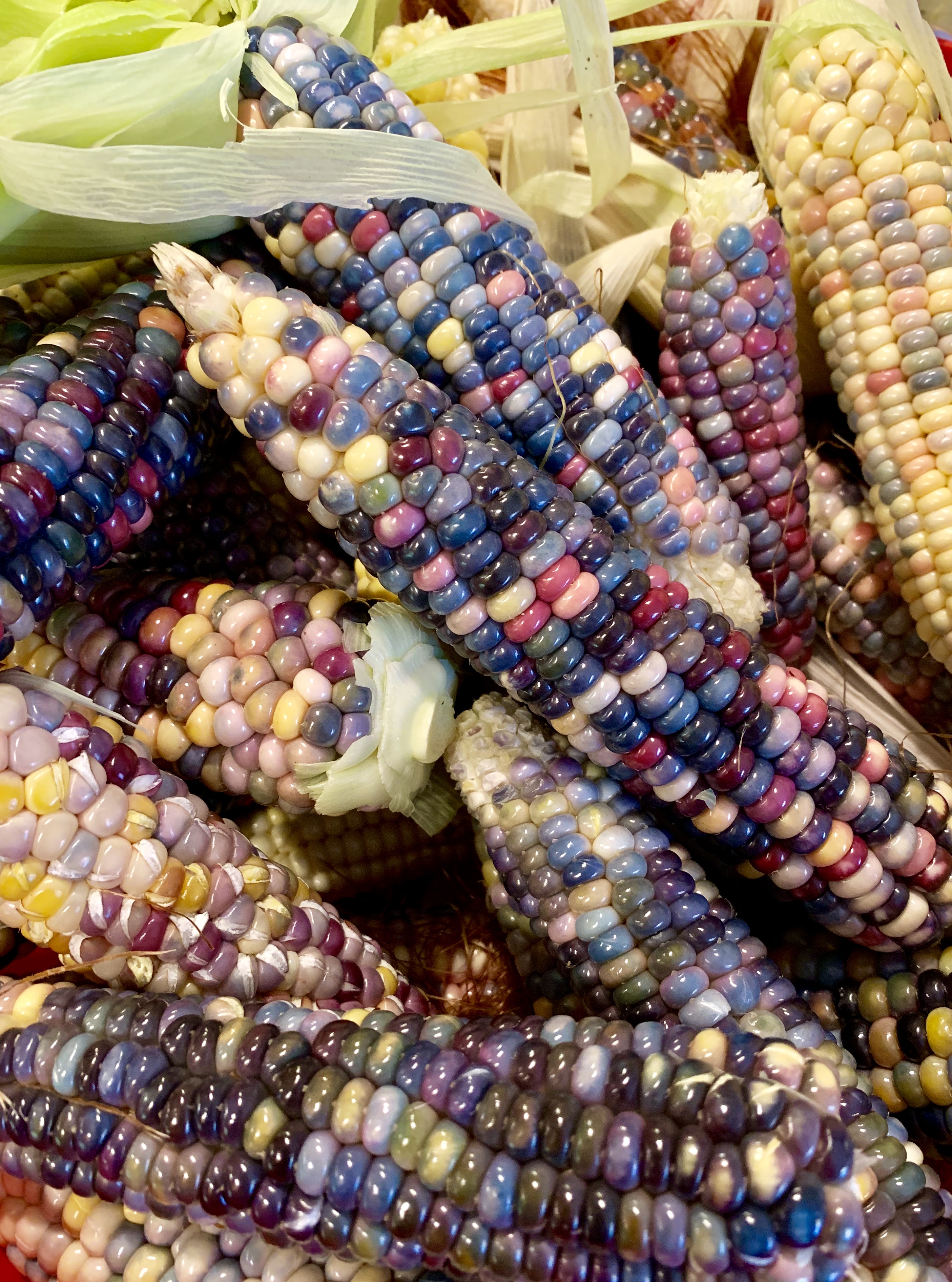
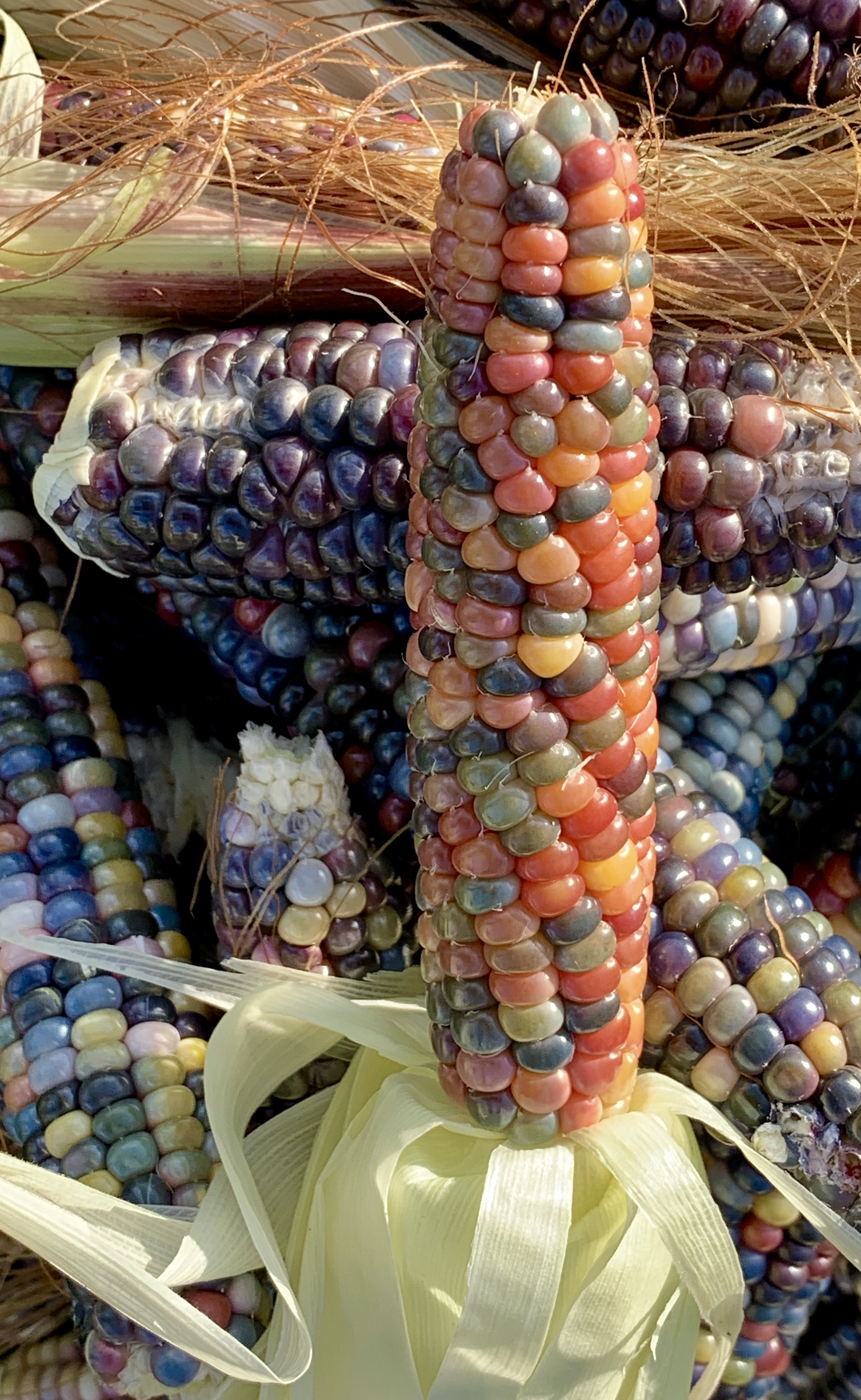
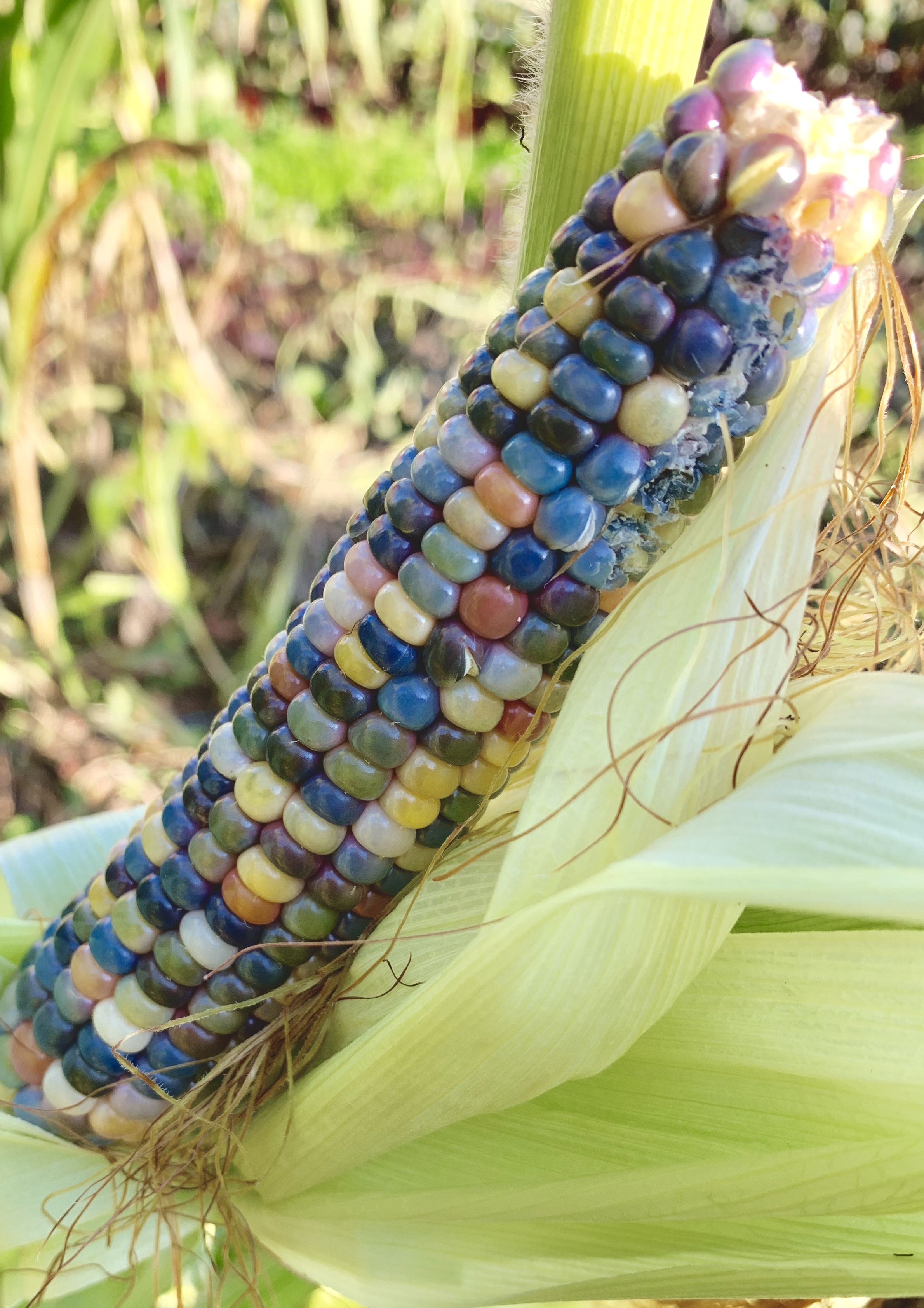
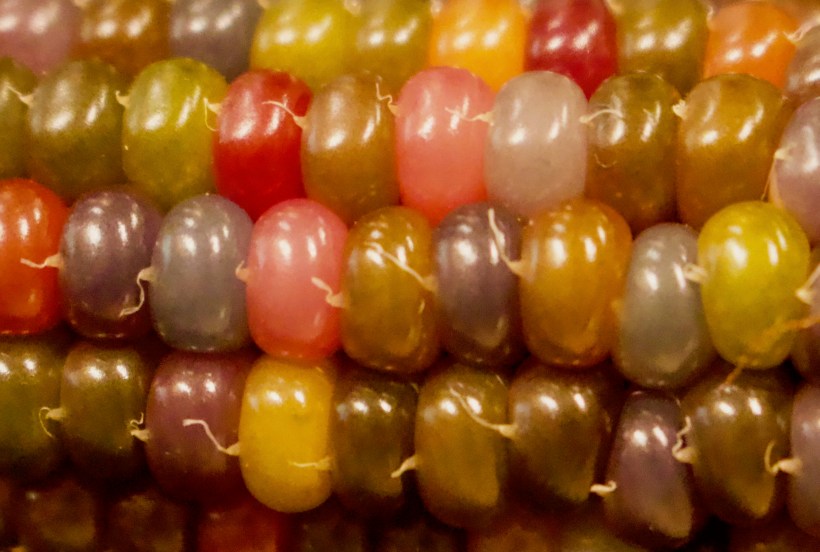
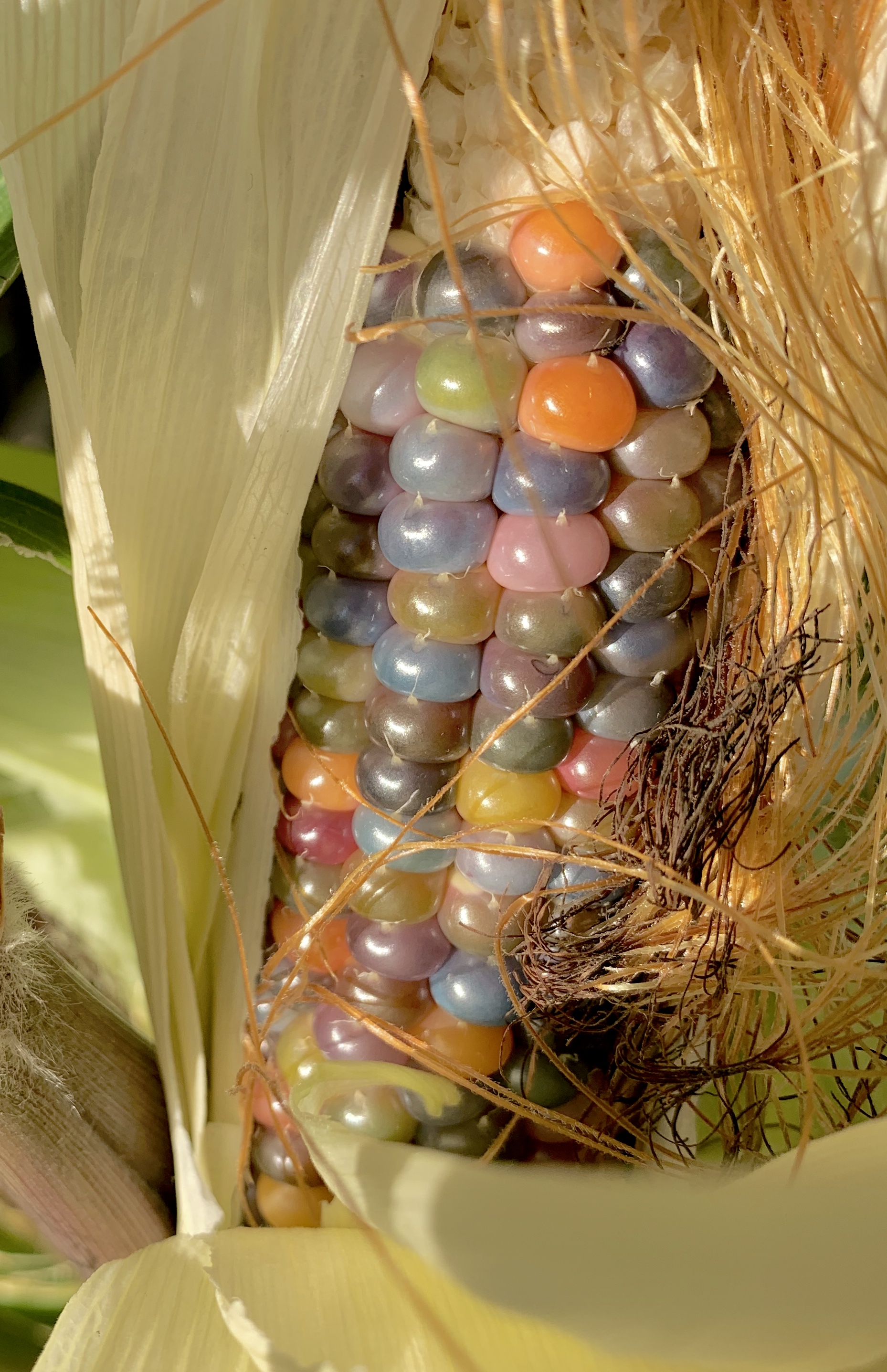
The greatest Easter Egg of all hidden away in husk and cornsilk is glass gem corn. It grew on stunted stalks with few apparent ears, so pitiful next to our robust sweet corn crop.

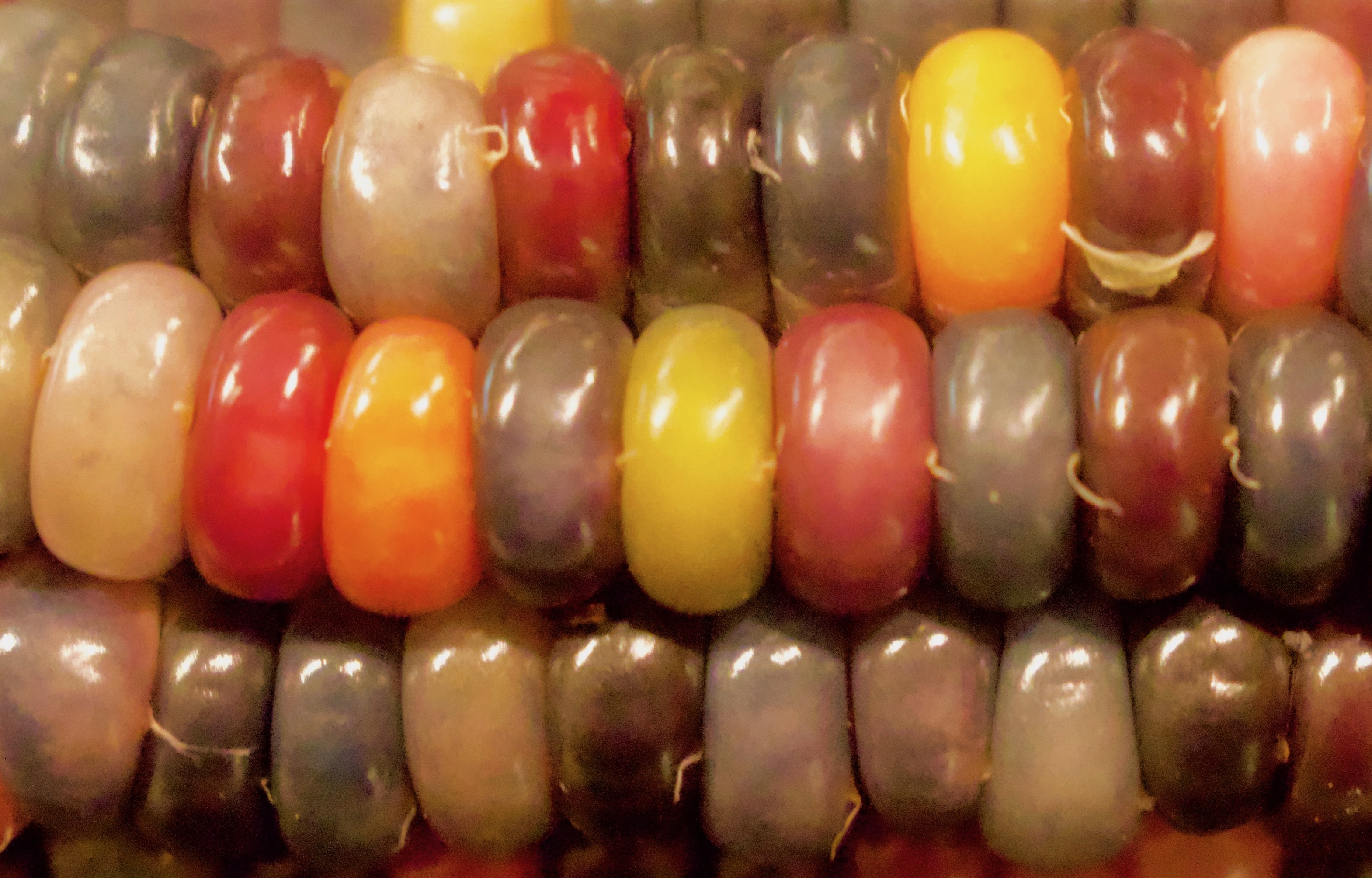
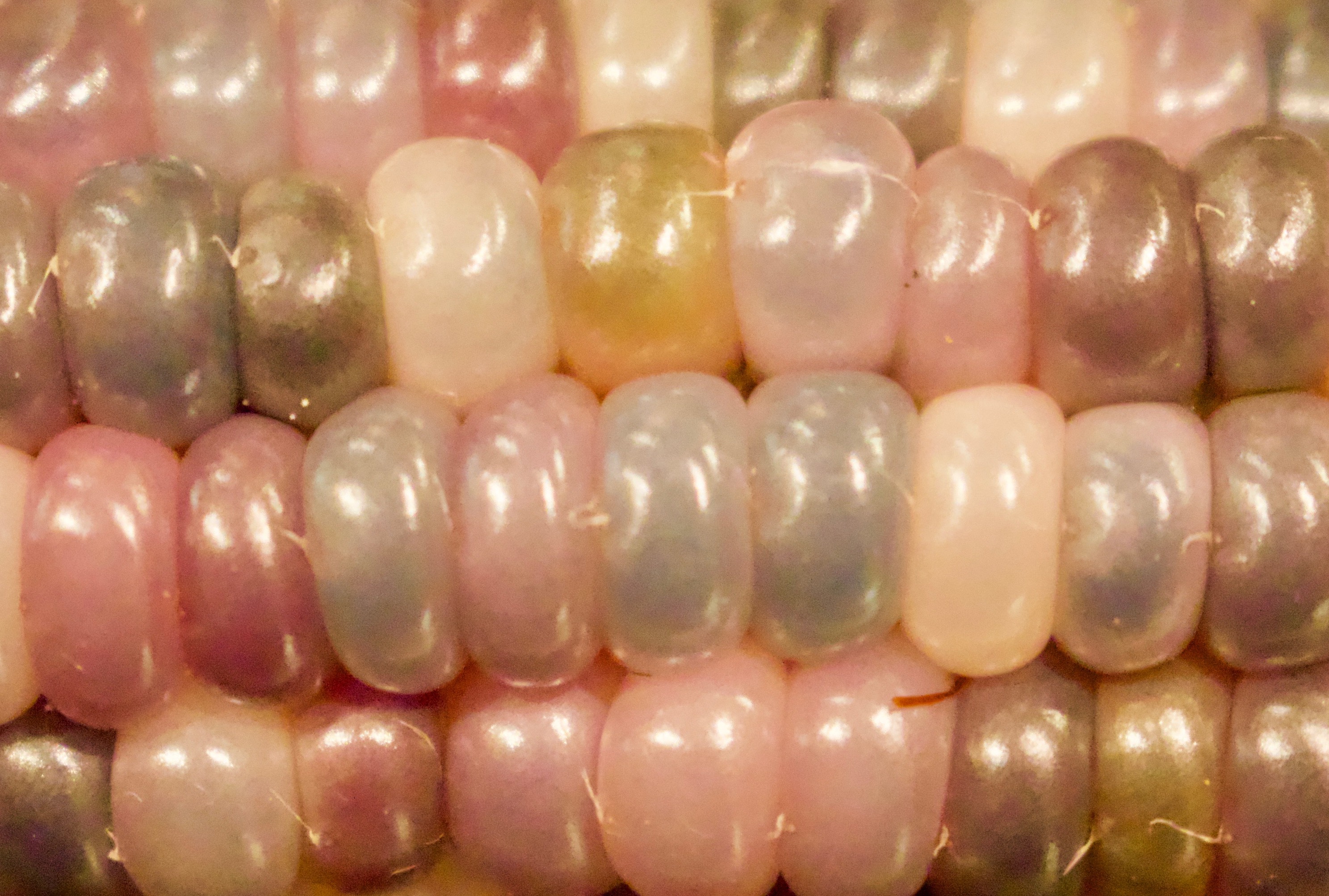
It fooled us; this corn is pure gold in a kaleidoscope Thanksgiving display – purely ornamental since it doesn’t grow prolific like a sweet yellow corn. Yet these meager ears glow like stained glass, colorful quilt swatches on a stalk.

God has a palette of heaven-sent color and imagination. People come in all colors too, thanks to His artistry, but not nearly so varied as these kernels of colored glass.

One-Time
Monthly
Yearly

Make a one-time and recurring donation to support daily Barnstorming posts

Make a monthly donation

Make a yearly donation

Choose an amount

$10.00
$25.00
$50.00
$5.00
$15.00
$100.00
$5.00
$15.00
$100.00

Or enter a custom amount

$

Your contribution is deeply appreciated.

Your contribution is appreciated.

Your contribution is appreciated.

DonateDonate monthlyDonate yearly

A Slow and Radiant Happening

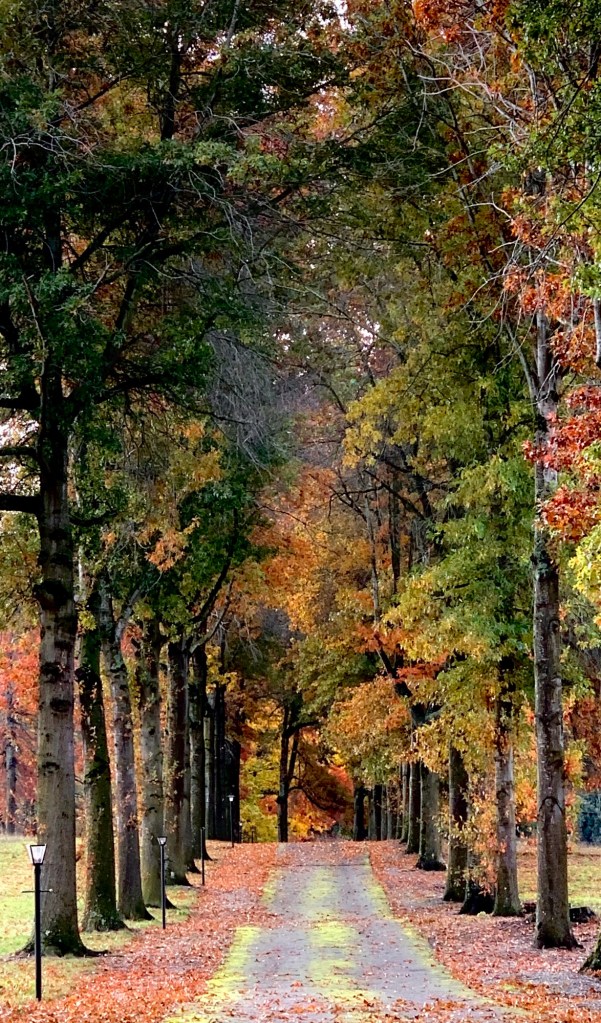
In heaven it is always autumn. The leaves are always near
to falling there but never fall, and pairs of souls out walking
heaven’s paths no longer feel the weight of years upon them.
Safe in heaven’s calm, they take each other’s arm,
the light shining through them, all joy and terror gone.
But we are far from heaven here, in a garden ragged and unkept
as Eden would be with the walls knocked down, the paths littered
with the unswept leaves of many years, bright keepsakes
for children of the Fall. The light is gold, the sun pulling
the long shadow soul out of each thing, disclosing an outcome.
The last roses of the year nod their frail heads,
like listeners listening to all that’s said, to ask,
What brought us here? What seed? What rain? What light?
What forced us upward through dark earth? What made us bloom?
What wind shall take us soon, sweeping the garden bare?

Their voiceless voices hang there, as ours might,
if we were roses, too. Their beds are blanketed with leaves,
tended by an absent gardener whose life is elsewhere.
It is the last of many last days. Is it enough?
To rest in this moment? To turn our faces to the sun?
To watch the lineaments of a world passing?
To feel the metal of a black iron chair, cool and eternal,
press against our skin? To apprehend a chill as clouds
pass overhead, turning us to shivering shade and shadow?
And then to be restored, small miracle, the sun shining brightly
as before? We go on, you leading the way, a figure
leaning on a cane that leaves its mark on the earth.
My friend, you have led me farther than I have ever been.
To a garden in autumn. To a heaven of impermanence
where the final falling off is slow, a slow and radiant happening.
The light is gold. And while we’re here, I think it must
    be heaven.
~Elizabeth Spires from “In Heaven it is Always Autumn”
from Now the Green Blade Rises

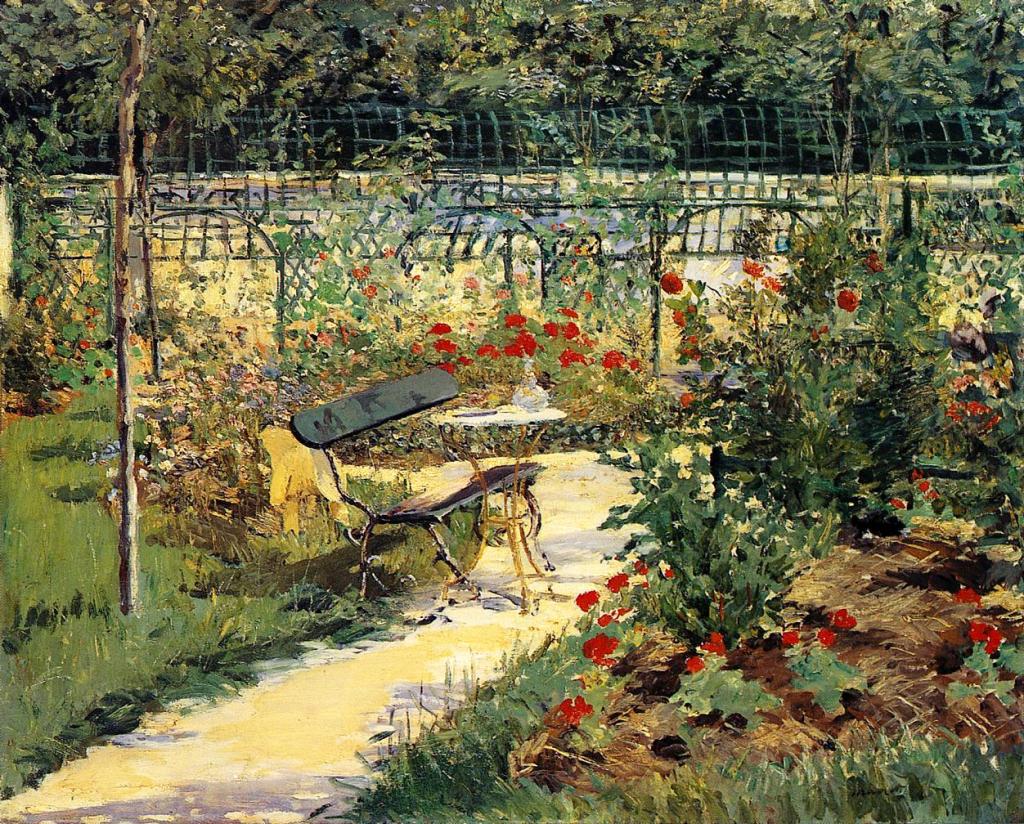
The Bench by Manet

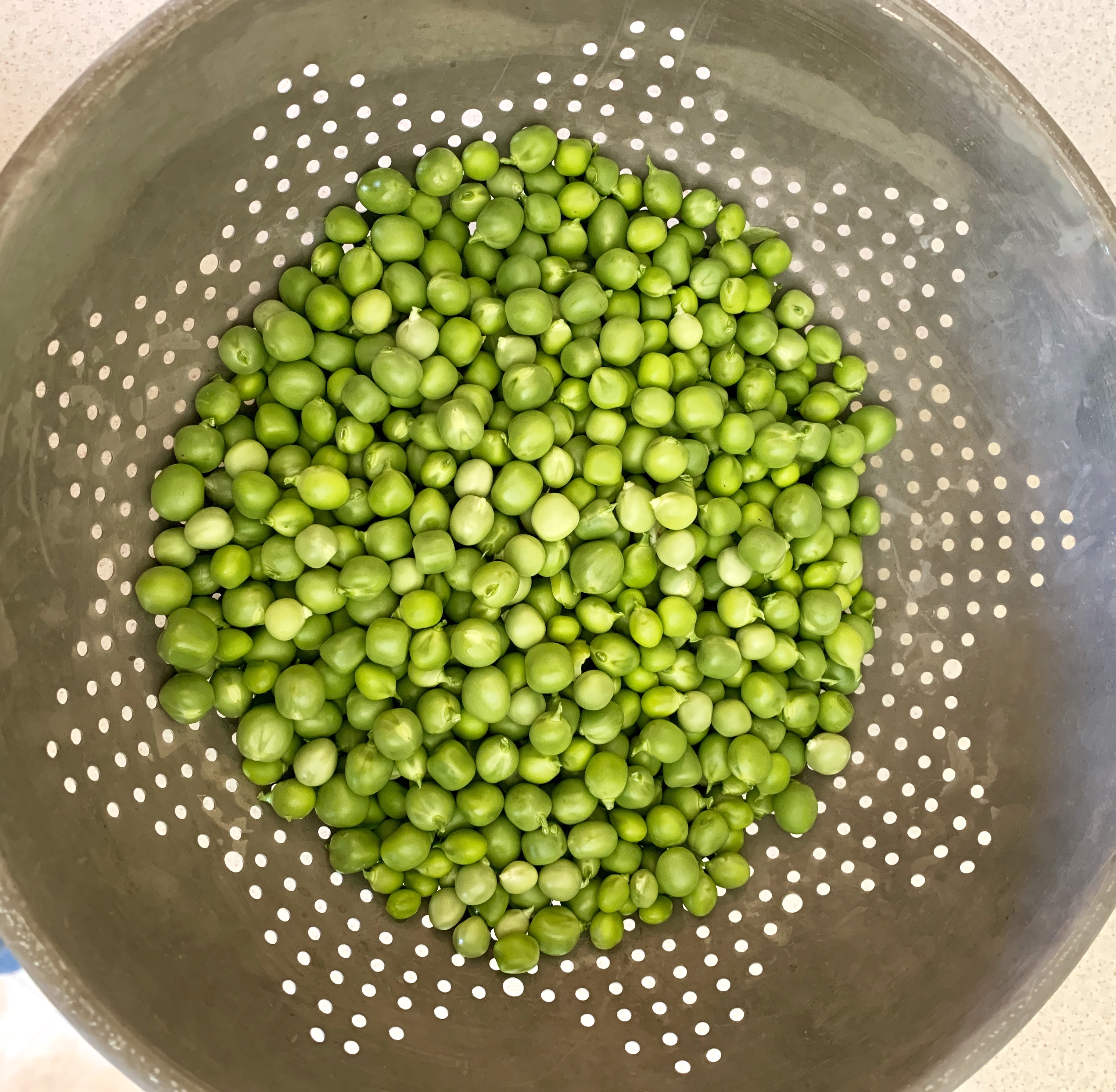
We wander our autumn garden mystified at the passing of the weeks since seed was first sown, weeds pulled, peapods picked. It could not possibly be done so soon–this patch of productivity and beauty, now wilted and brown, vines crushed to the ground, no longer fruitful.

The root cellar is filling up, the freezer packed. The work of putting away is almost done.

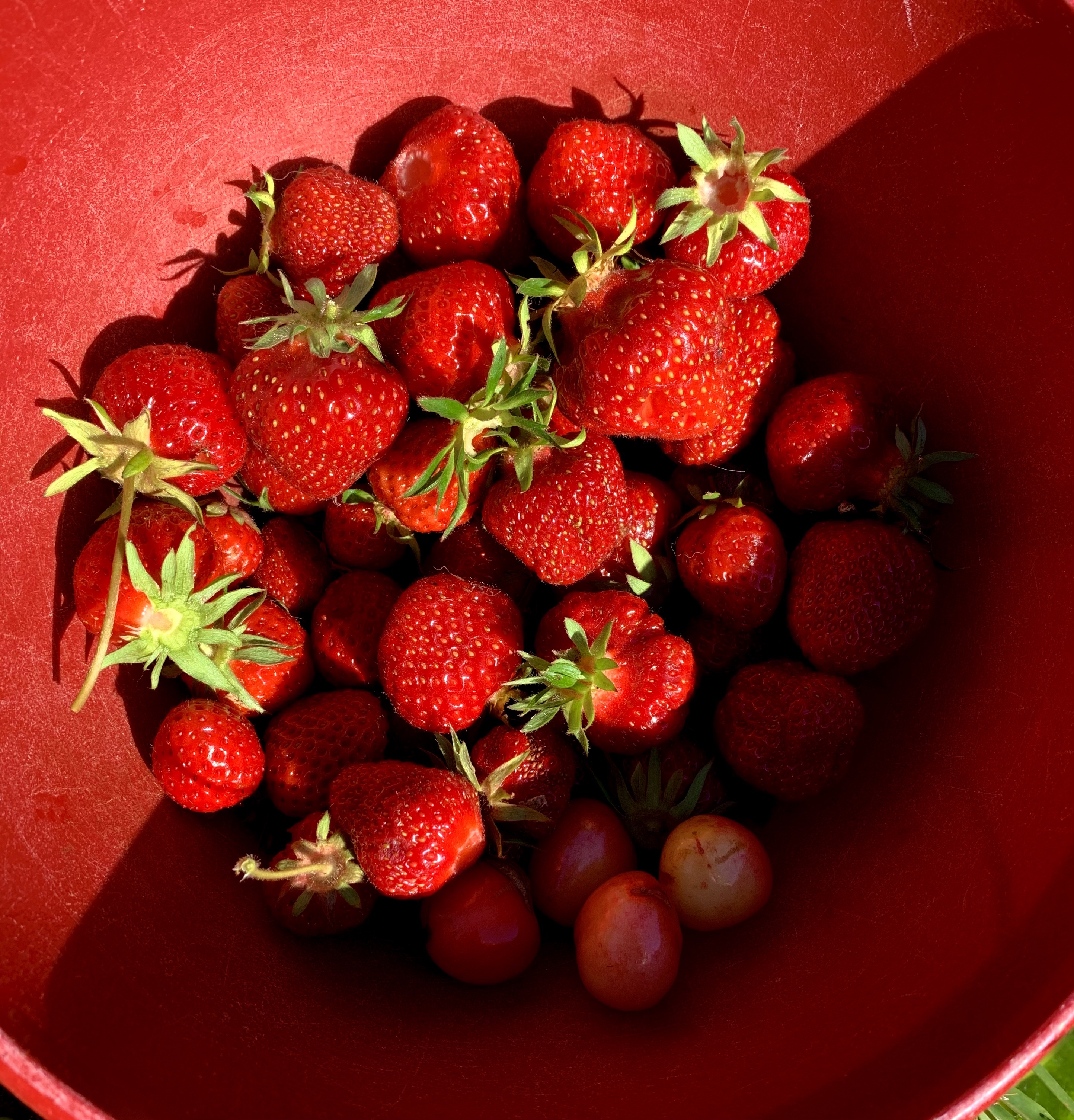
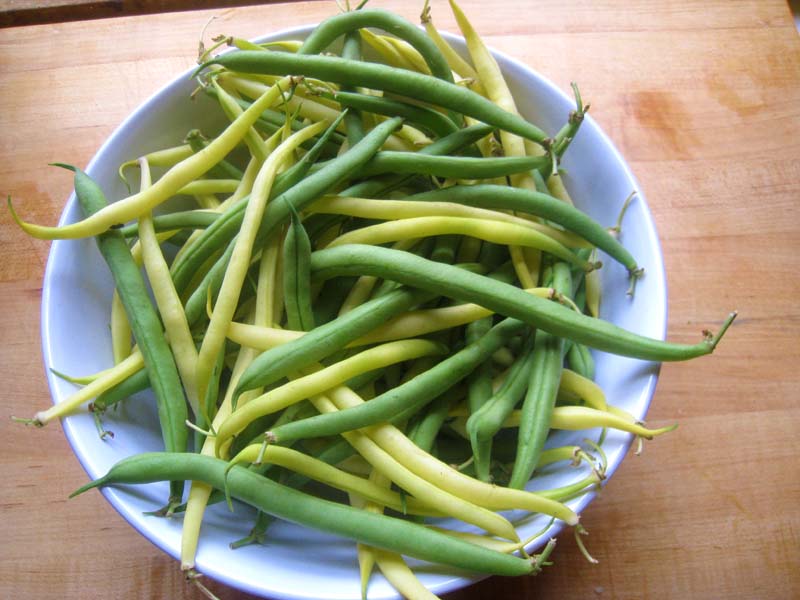
So why do I go back to the now barren soil my husband so carefully worked, numb in the knowledge I will pick no more this season, feel the burst of a cherry tomato exploding in my mouth or the green freshness of a bean straight off the vine?

Because for a few fertile weeks, only a few weeks, the garden was a bit of heaven on earth, impermanent but a real taste nonetheless. 

We may have mistaken Him for the gardener when He appeared to us radiant, suddenly unfamiliar. He offered the care of the garden, to bring in the sheaves, to share the forever mercies in the form of daily bread grown right here and now.

When He says my name, I will know Him. 

And the light is golden.

One-Time
Monthly
Yearly

Make a one-time or recurring donation to support daily Barnstorming posts

Make a monthly donation

Make a yearly donation

Choose an amount

$10.00
$25.00
$50.00
$5.00
$15.00
$100.00
$5.00
$15.00
$100.00

Or enter a custom amount

$

Your contribution is deeply appreciated.

Your contribution is appreciated.

Your contribution is appreciated.

DonateDonate monthlyDonate yearly
Now in Age I Bud Again

How fresh, oh Lord, how sweet and clean 

Are thy returns! even as the flowers in spring; 

         To which, besides their own demean, 

The late-past frosts tributes of pleasure bring. 

                      Grief melts away 

                      Like snow in May, 

         As if there were no such cold thing. 

         Who would have thought my shriveled heart 

Could have recovered greenness? It was gone 

         Quite underground; as flowers depart 

To see their mother-root, when they have blown, 

                      Where they together 

                      All the hard weather, 

         Dead to the world, keep house unknown. 

         These are thy wonders, Lord of power, 

Killing and quickening, bringing down to hell 

         And up to heaven in an hour; 

Making a chiming of a passing-bell. 

                      We say amiss 

                      This or that is: 

         Thy word is all, if we could spell. 

         Oh that I once past changing were, 

Fast in thy Paradise, where no flower can wither! 

         Many a spring I shoot up fair, 

Offering at heaven, growing and groaning thither; 

                      Nor doth my flower 

                      Want a spring shower, 

         My sins and I joining together. 

         But while I grow in a straight line, 

Still upwards bent, as if heaven were mine own, 

         Thy anger comes, and I decline: 

What frost to that? what pole is not the zone 

                      Where all things burn, 

                      When thou dost turn, 

         And the least frown of thine is shown? 

         And now in age I bud again, 

After so many deaths I live and write; 

         I once more smell the dew and rain, 

And relish versing. Oh, my only light, 

                      It cannot be 

                      That I am he 

         On whom thy tempests fell all night. 

         These are thy wonders, Lord of love, 

To make us see we are but flowers that glide; 

         Which when we once can find and prove, 

Thou hast a garden for us where to bide; 

                      Who would be more, 

                      Swelling through store, 

         Forfeit their Paradise by their pride.
~George Herbert “The Flower”

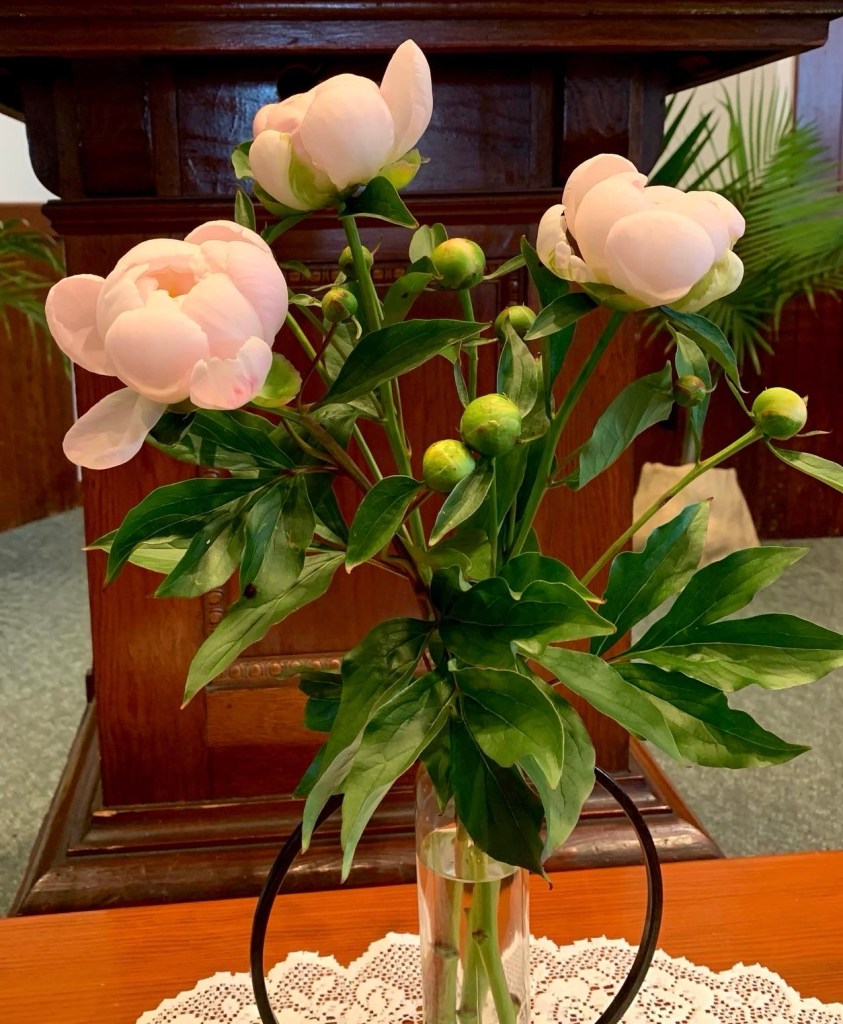
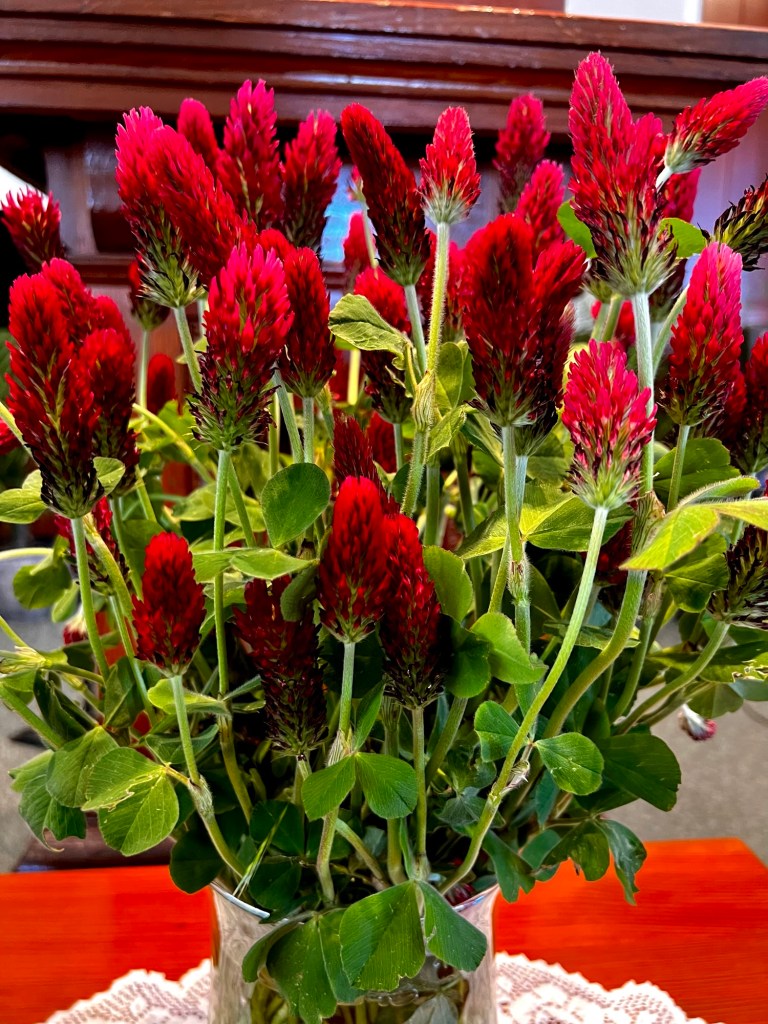
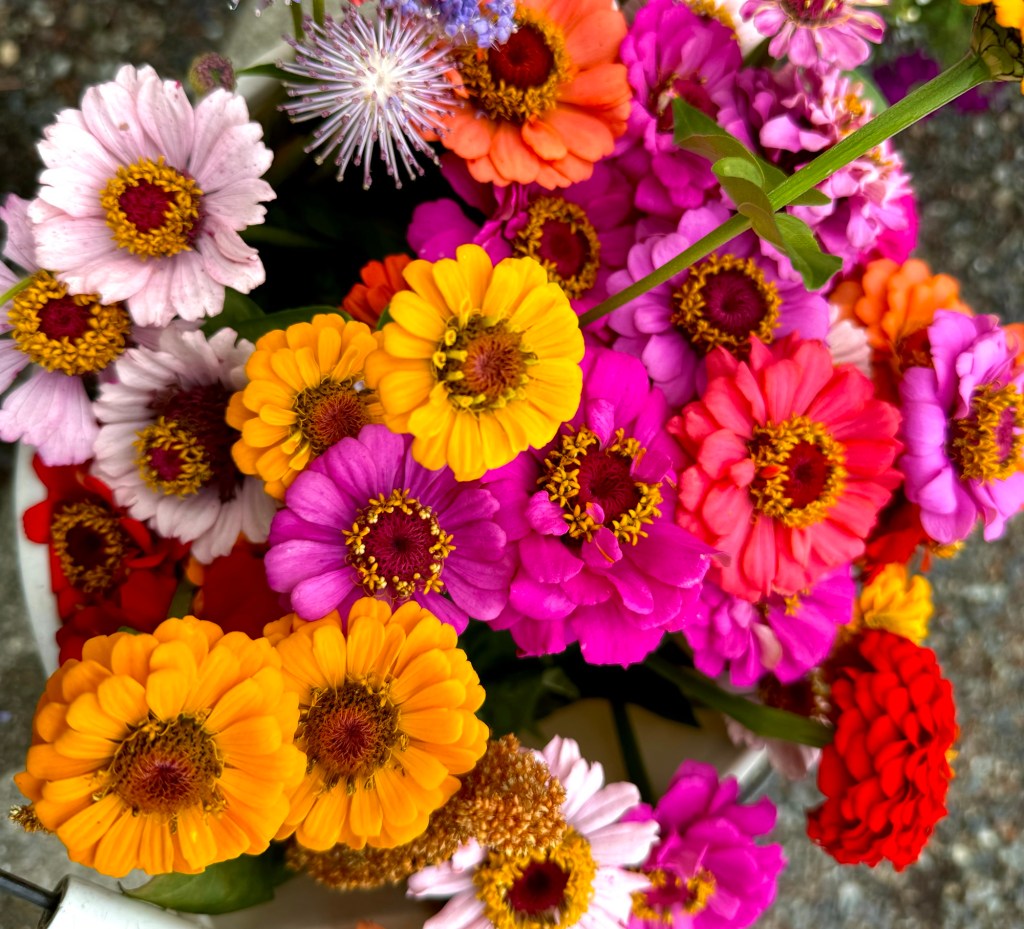
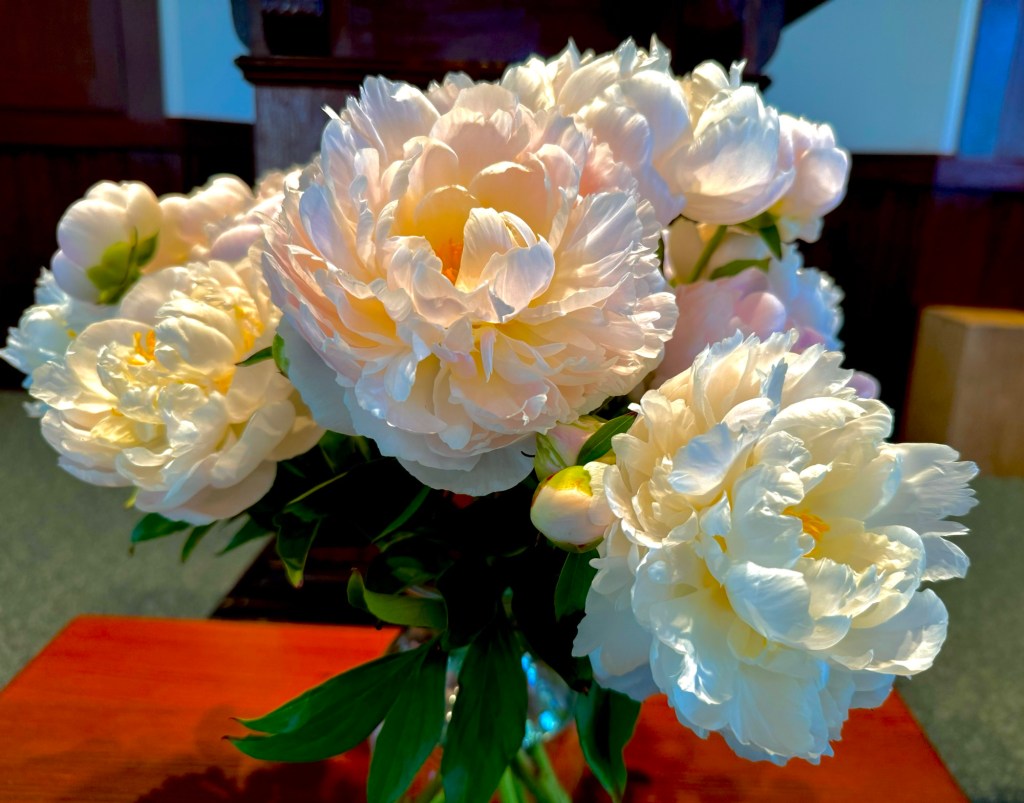
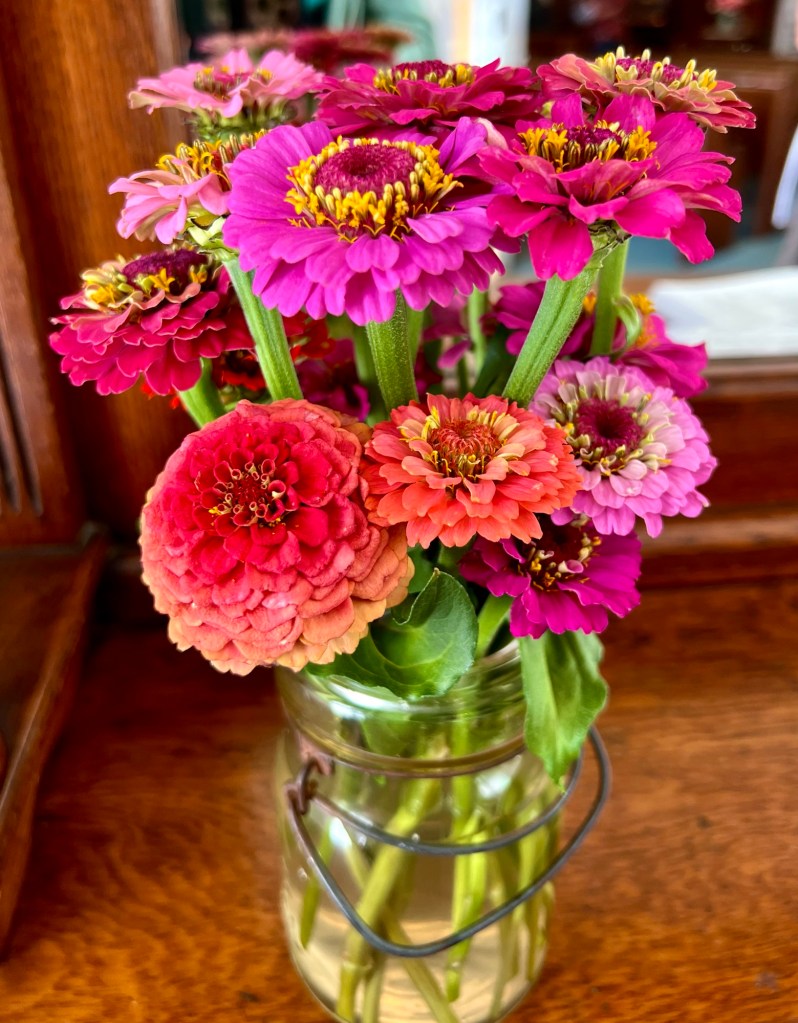
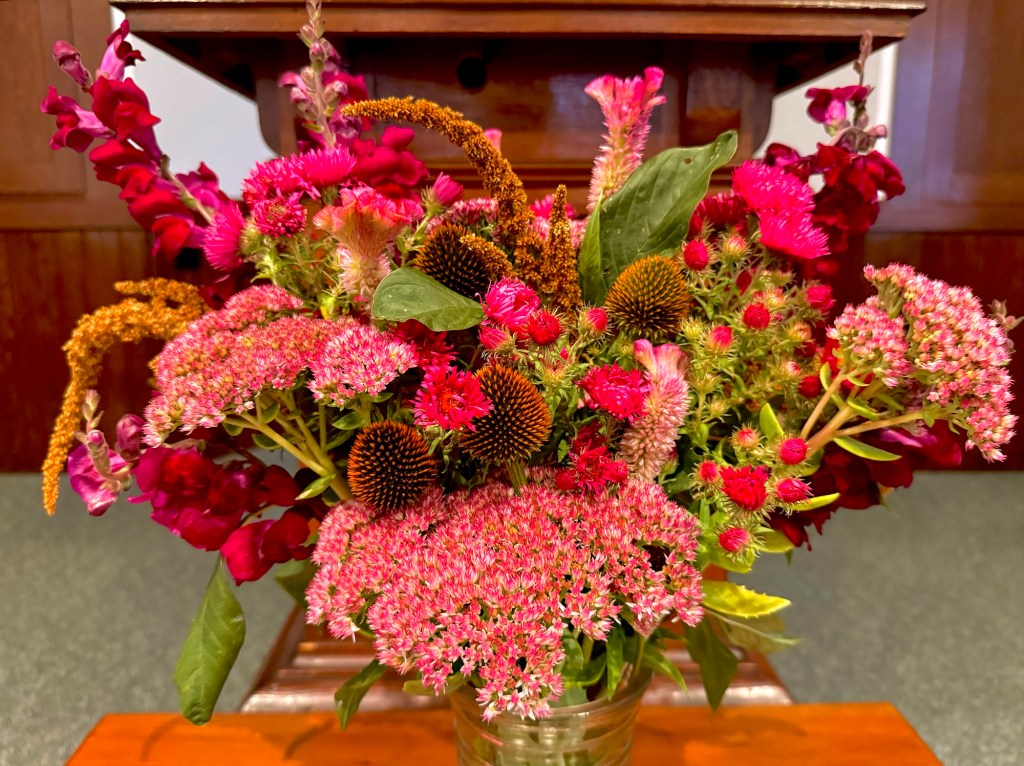
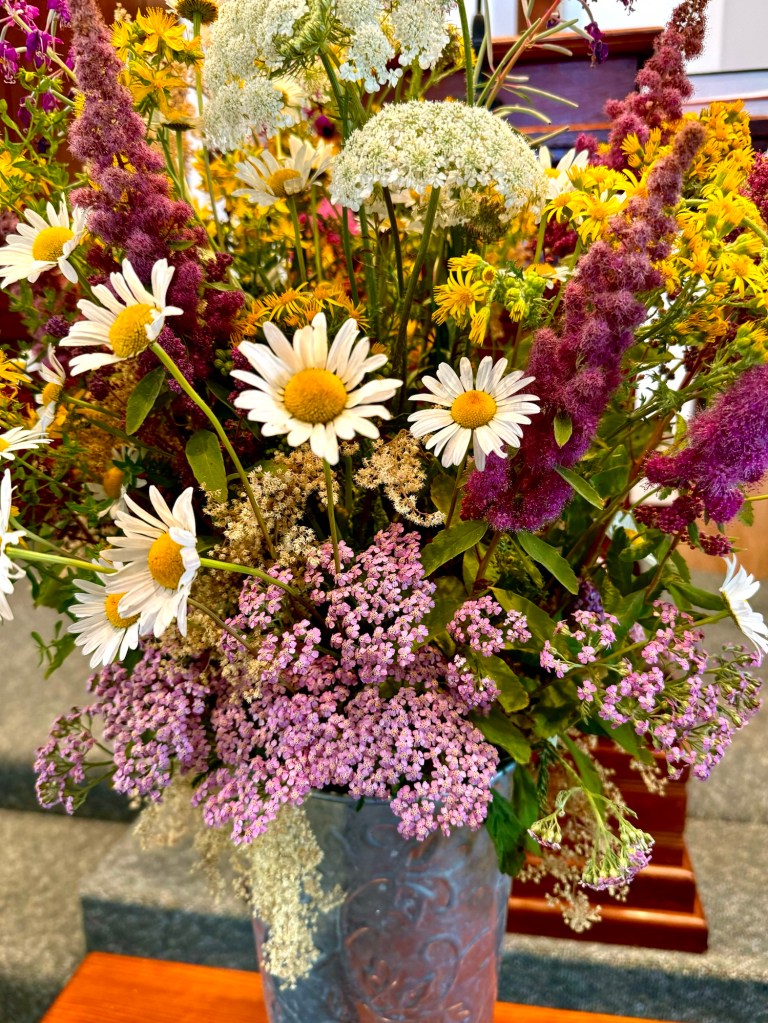
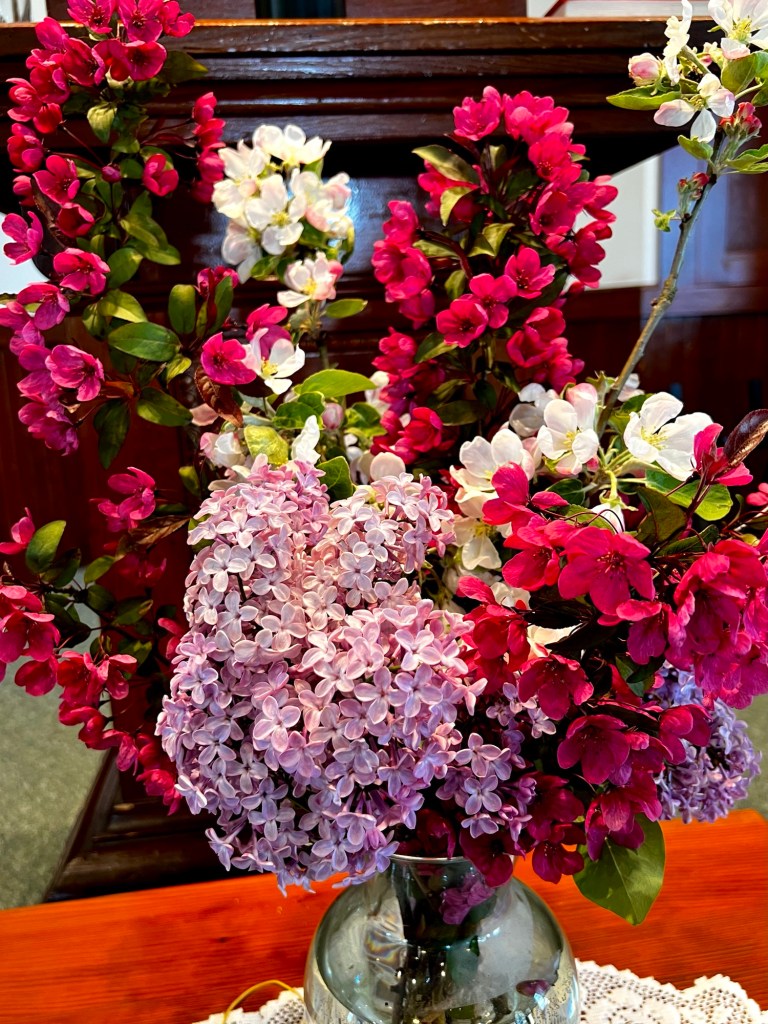
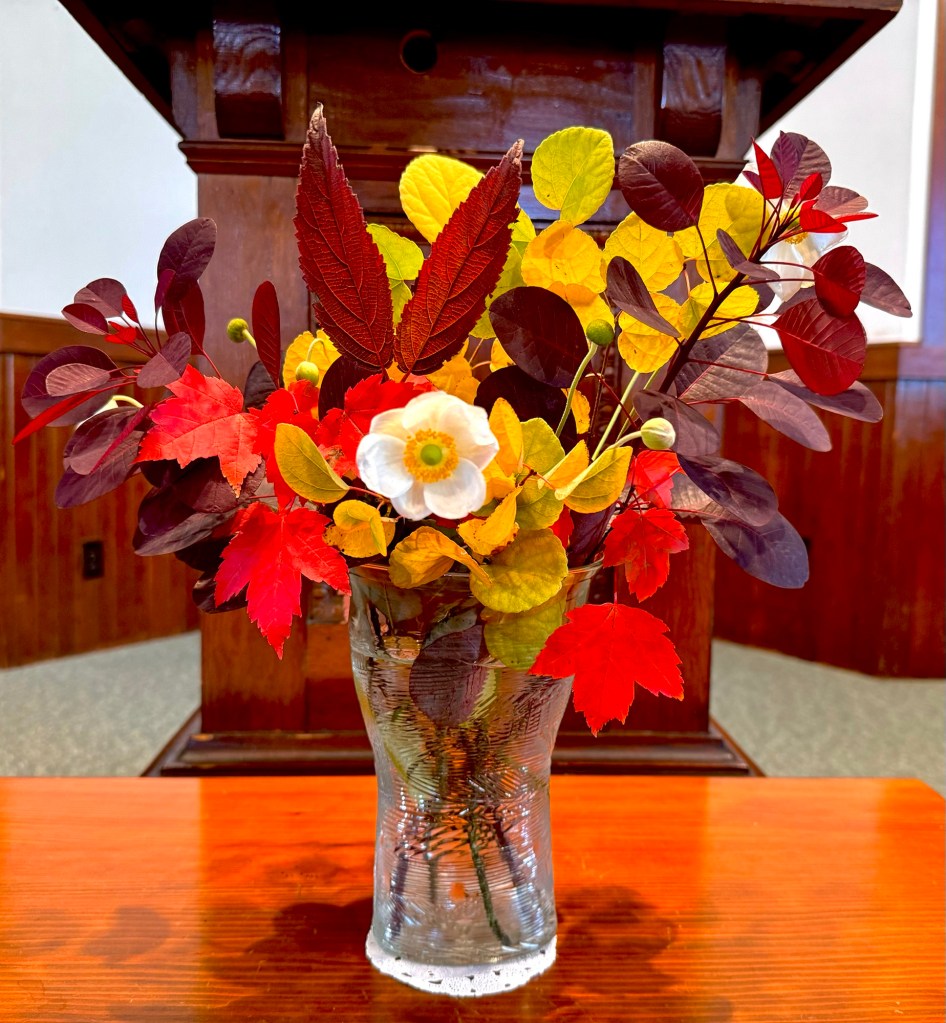
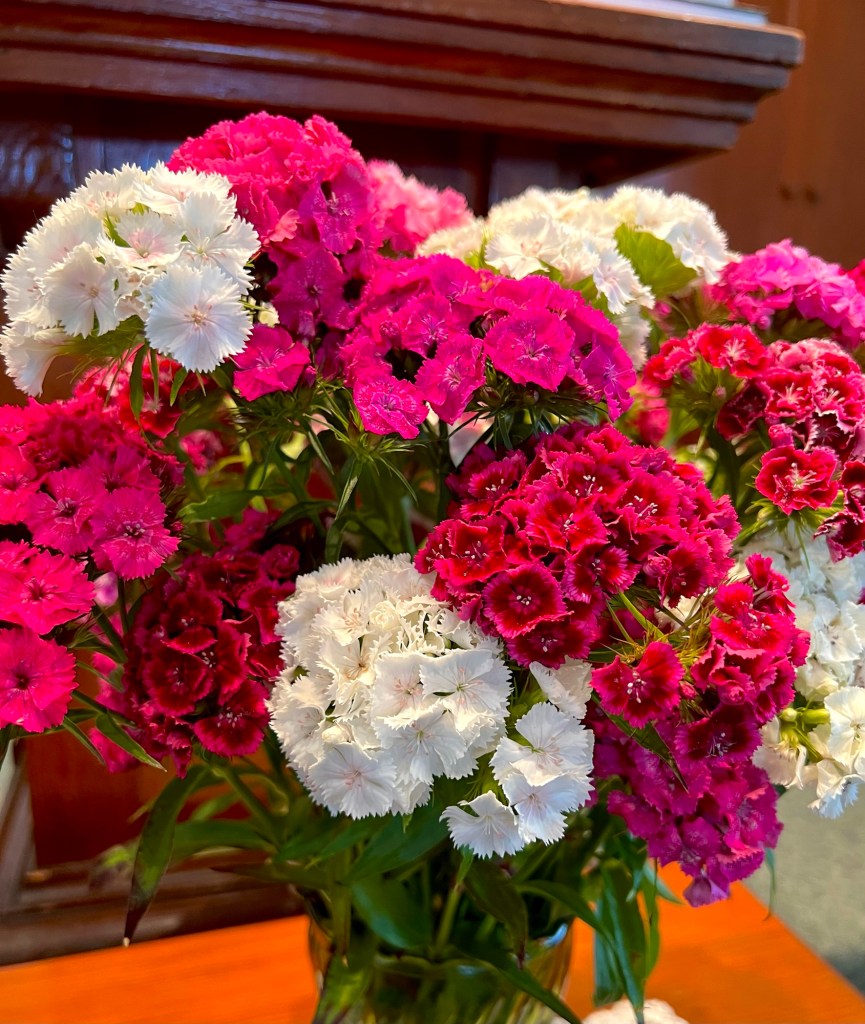
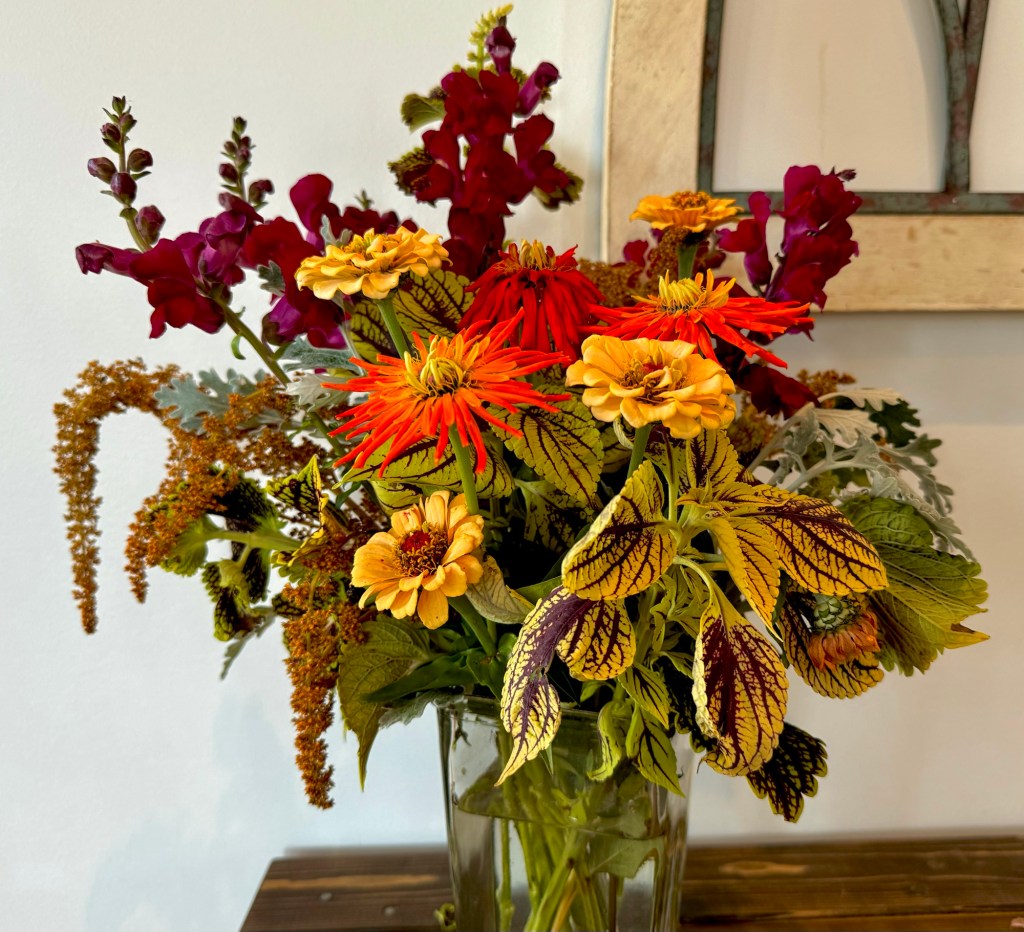
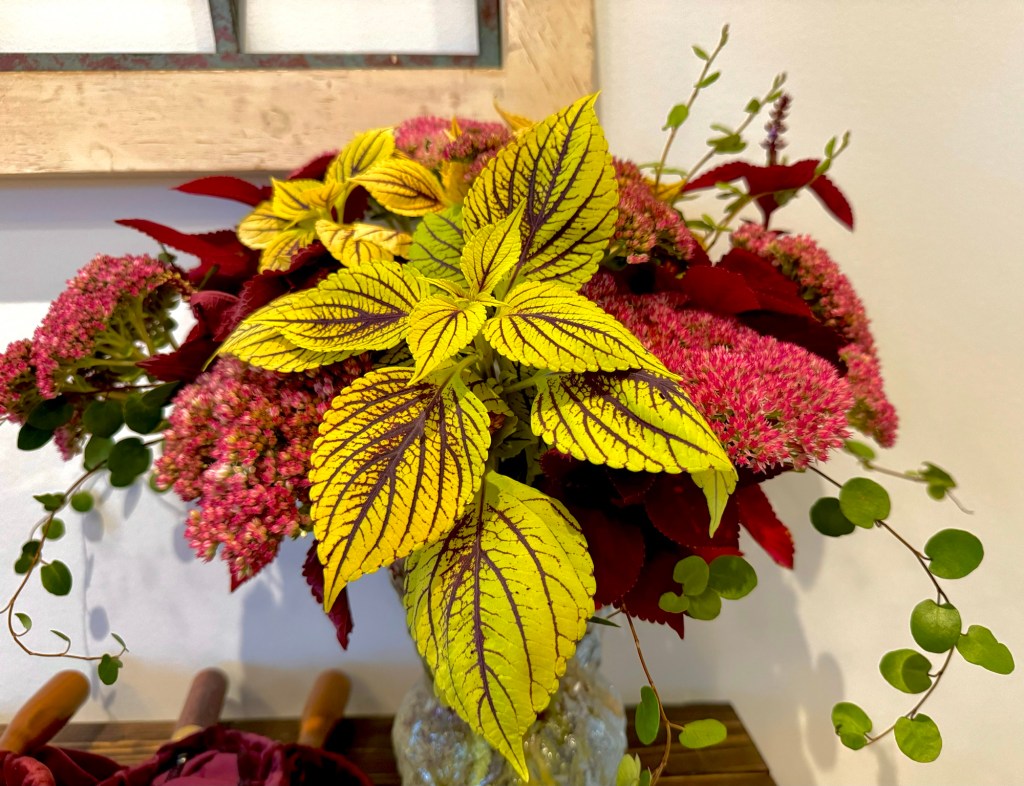
Our small church has several gracious and kind gardeners who share the produce from their yards each week to provide a fresh bouquet to sit on the table in front of our humble wooden pulpit.

It is a treat to walk into church and see what has been brought to the altar on Sunday morning. I have started to keep a photo album of these very special Sunday “pulpit posies.”

Why are these special? After all, almost every church displays a floral arrangement every Sunday.

These are special as most of these flowers are seeded, watered, fertilized and nurtured by one of our own, grown with love and caring, just as God cares for each of His children.

These are special as some are considered simple weeds, and are picked from ditches and hedges. They are still part of God’s creation and have a wild beauty that can be as breathtaking as a hothouse orchid.

These are special because they often go home with a congregant or visitor who will enjoy their loveliness for many more days, as if they represent the manifestation of God’s Word itself.

Some of us are dahlias, zinnias and roses. Some of us are rare gardenias and orchids. Most of us are dandelions, sagebrush, fireweed, burdock, and daisies populating the ditches.

No matter which roots we sprout from, or where, we are the wonders of this gardening God of love.

As we age, we bud afresh for Him.

One-Time
Monthly
Yearly

Make a one-time or recurring donation to support daily Barnstorming posts

Make a monthly donation

Make a yearly donation

Choose an amount

$10.00
$25.00
$50.00
$5.00
$15.00
$100.00
$5.00
$15.00
$100.00

Or enter a custom amount

$

Your contribution is deeply appreciated.

Your contribution is appreciated.

Your contribution is appreciated.

DonateDonate monthlyDonate yearly
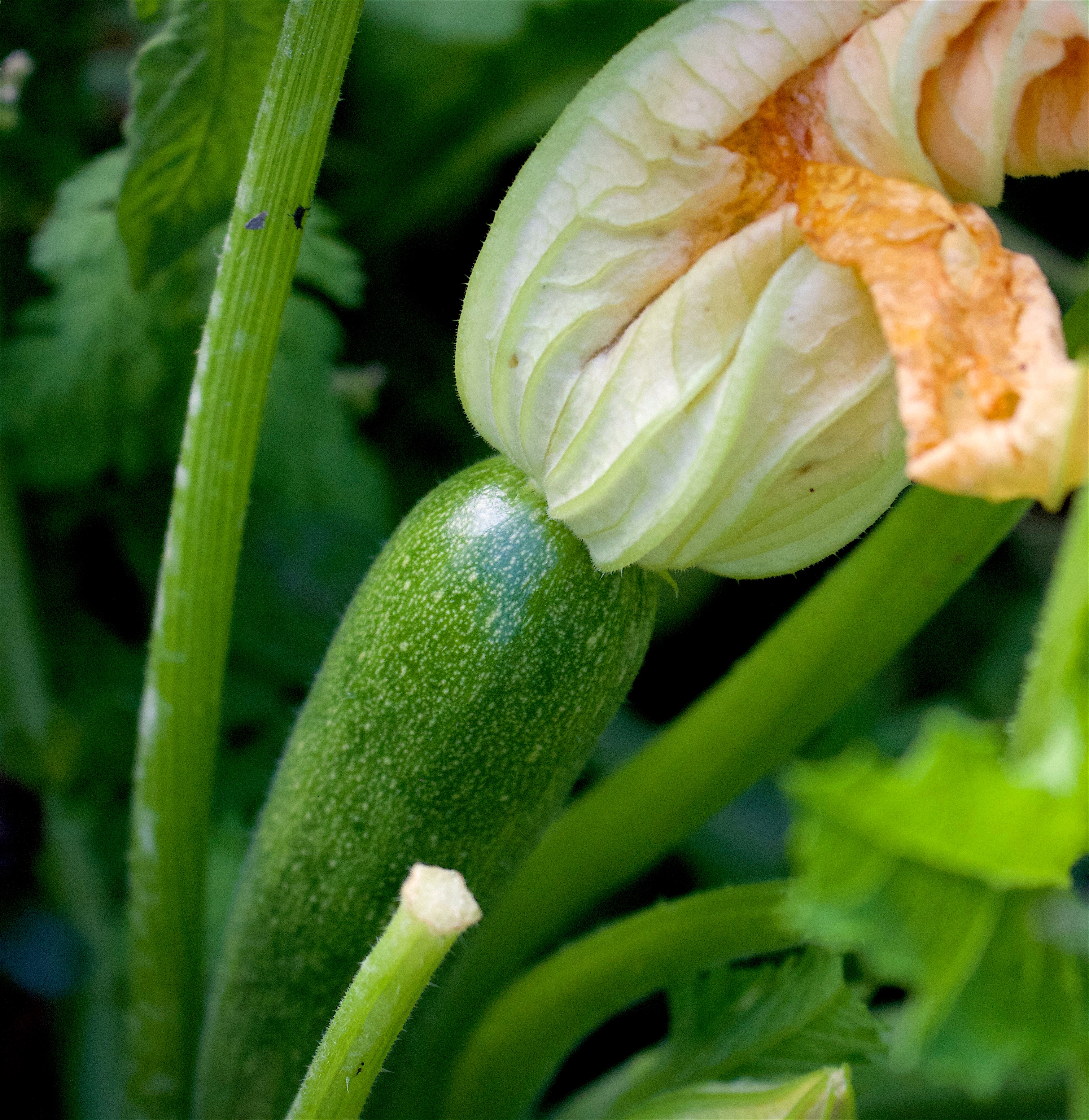
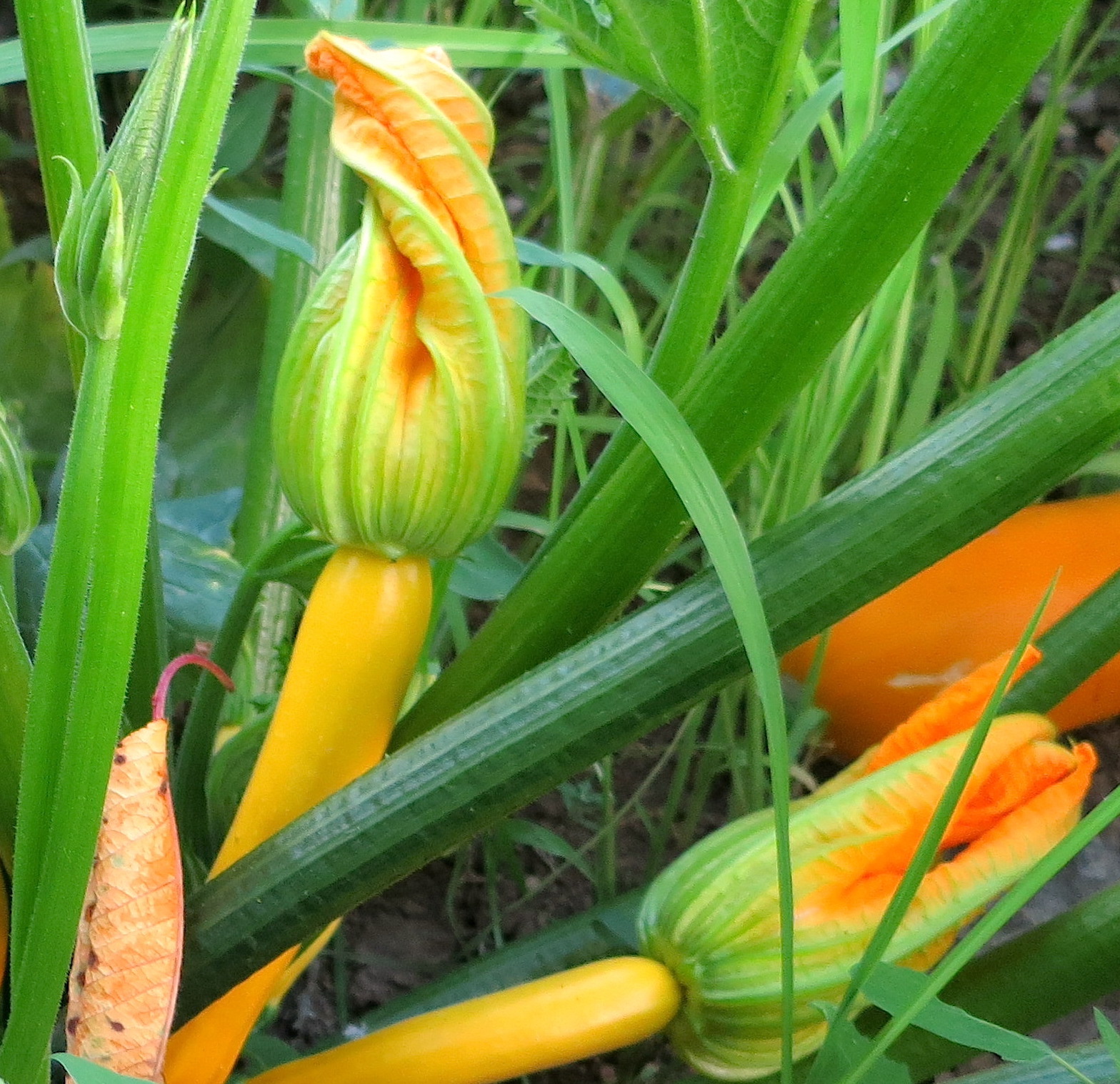
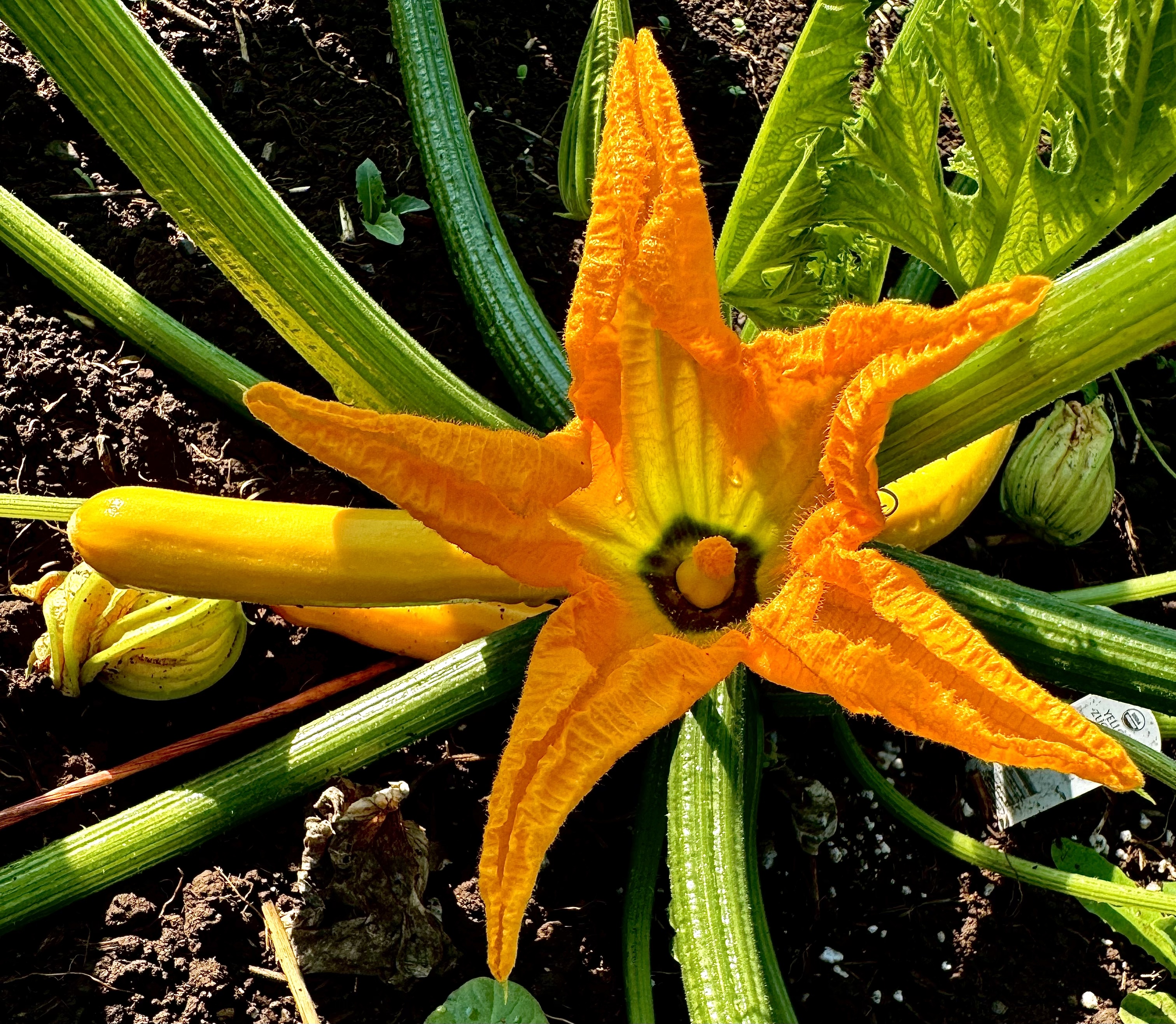
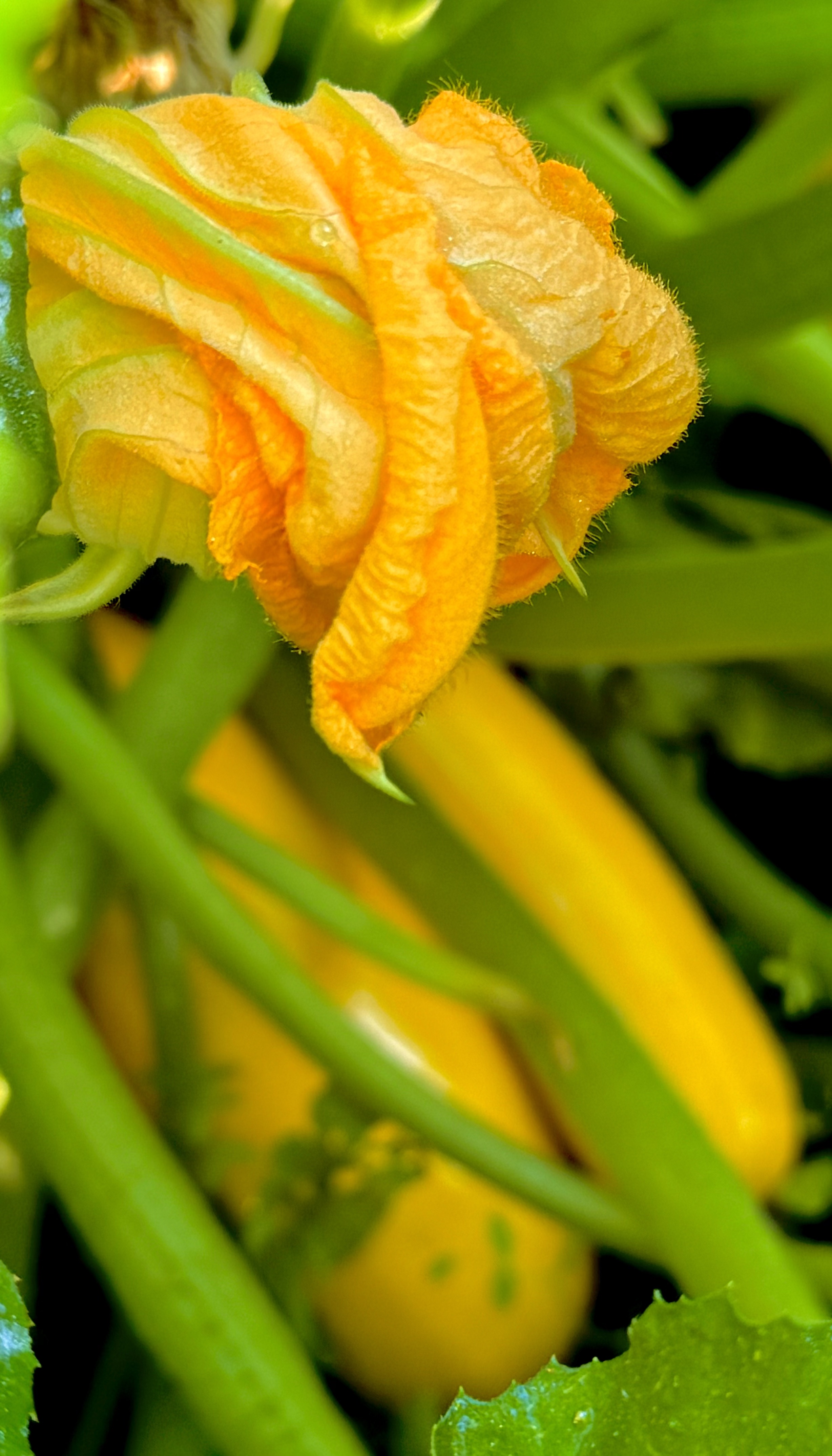
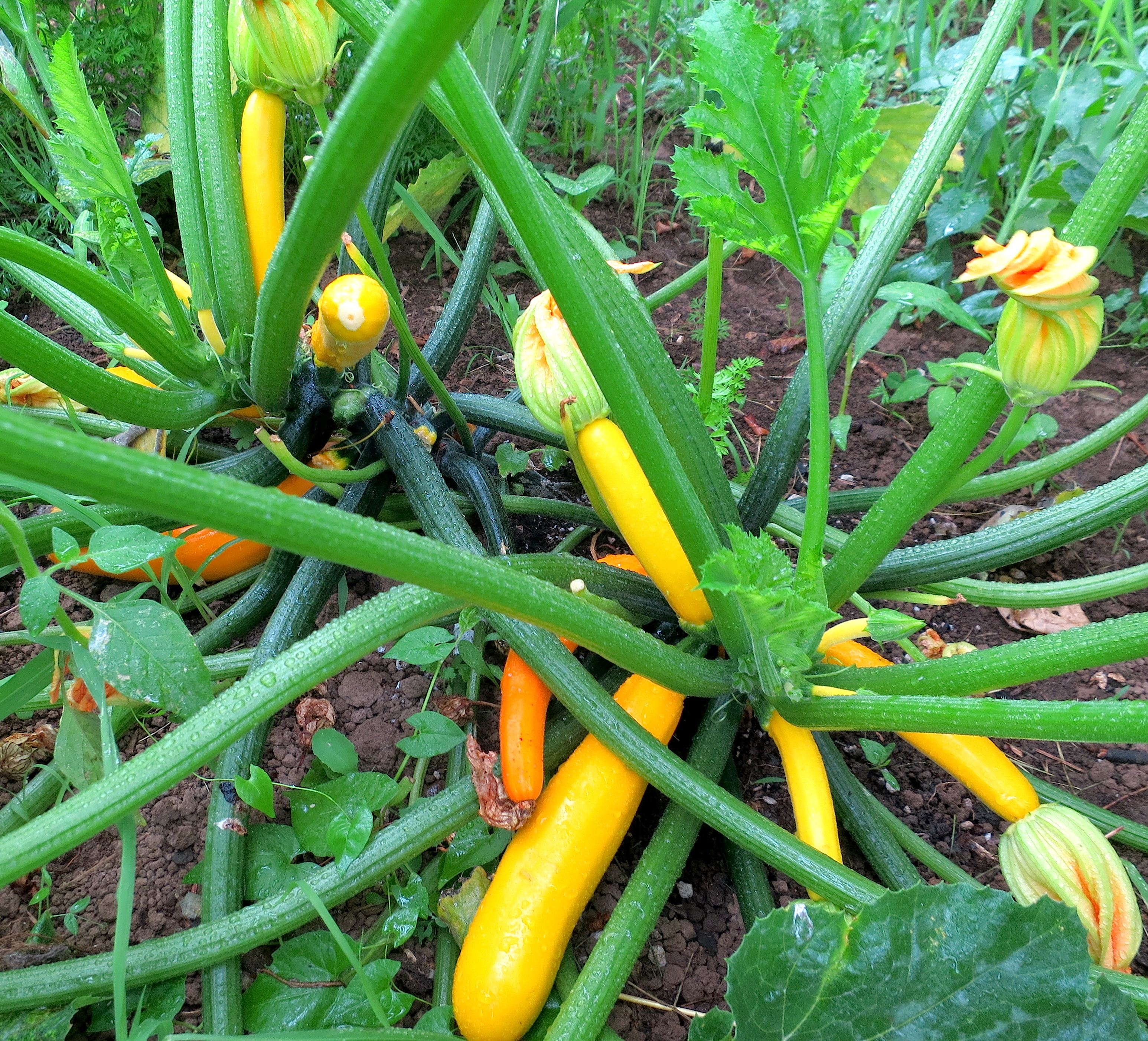
Zucchini Chronicles

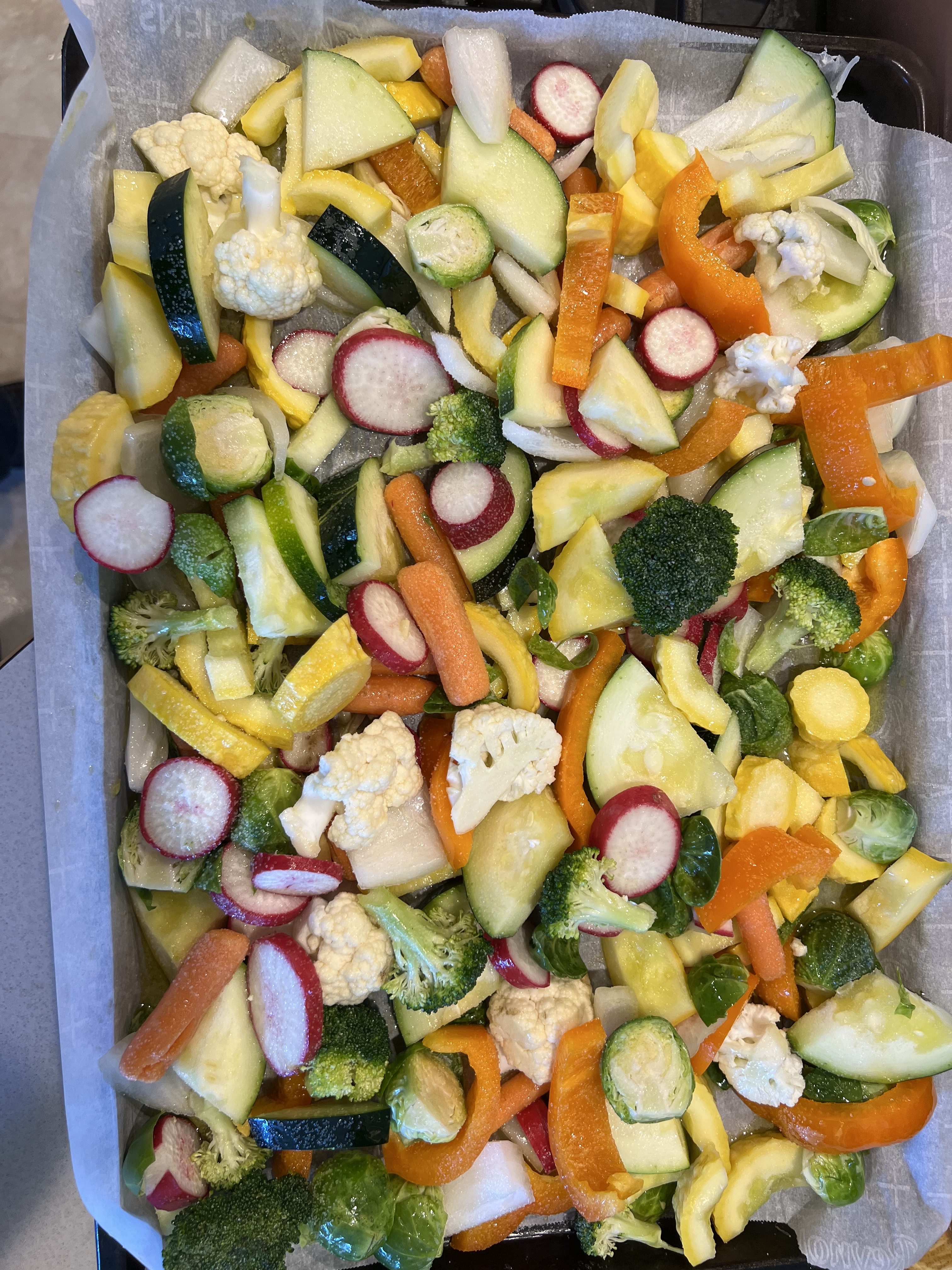
Recite fifty zucchini recipes!                                                                                     Zucchini tempura; creamed soup;                                                                                 sauté with olive oil and cumin,                                                                                casserole of lamb; baked                                                                                             topped with cheese; marinated;                                                                                stuffed; stewed….

Sneak out before dawn to drop                                                                                              them in other people’s gardens,                                                                                            in baby buggies at churchdoors.

 Shot, smuggling zucchini into                                                                                               mailboxes, a federal offense.
~Marge Piercy from “Attack of the Squash People”

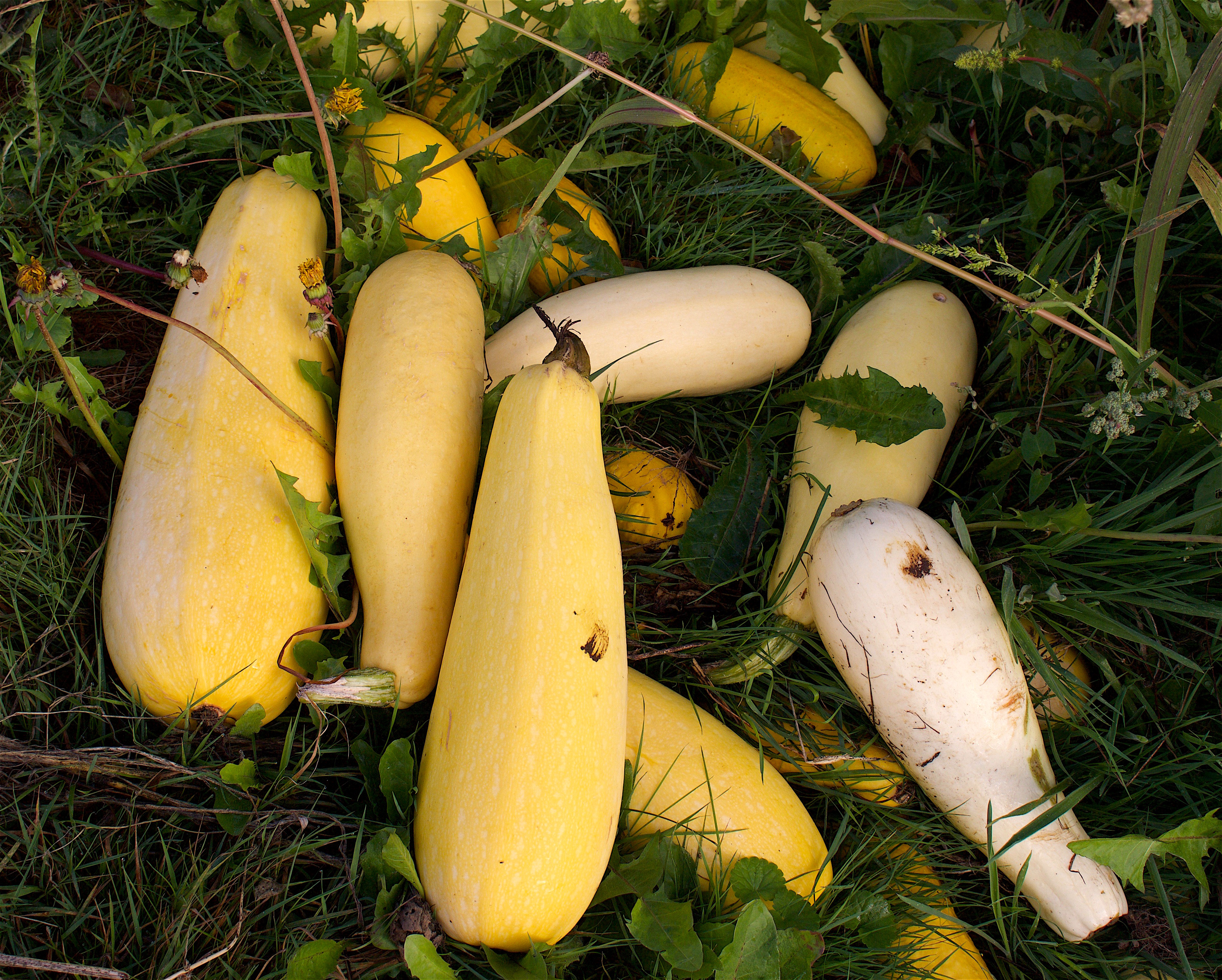
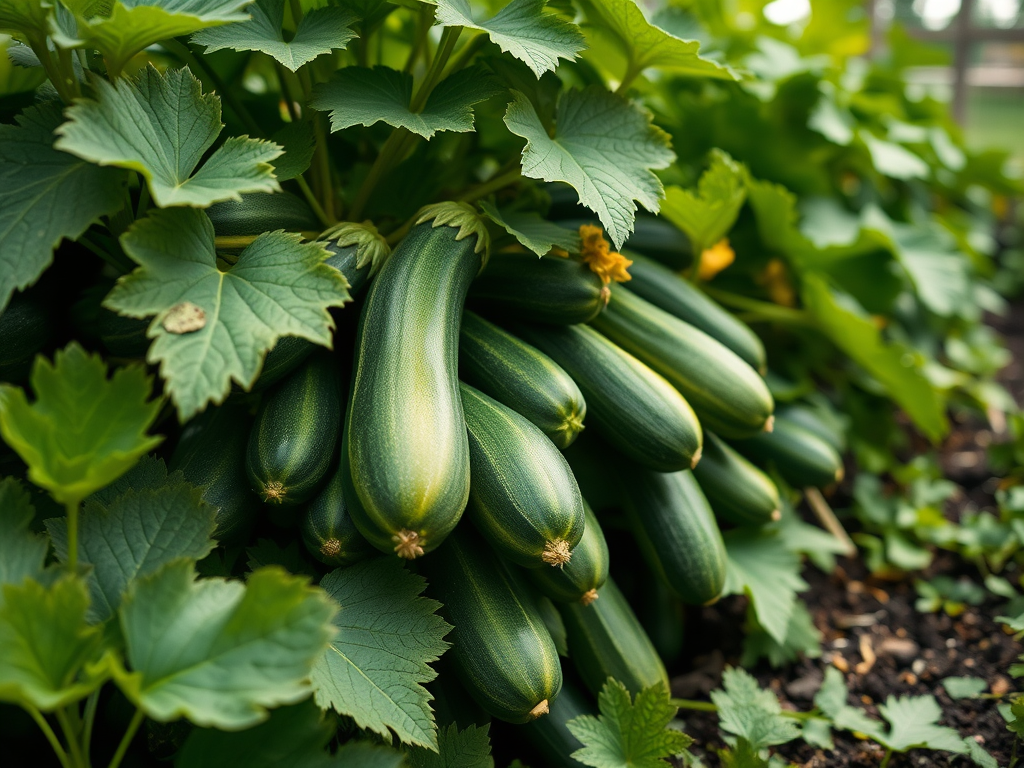
The trouble is, you cannot grow just one zucchini. Minutes after you plant a single seed, hundreds of zucchini will barge out of the ground and sprawl around the garden, menacing the other vegetables. At night, you will be able to hear the ground quake as more and more zucchinis erupt.
~Dave Barry

One day we came home from some errands to find a grocery sack of [zucchini] hanging on our mailbox. The perpetrator, of course, was nowhere in sight … Garrison Keillor says July is the only time of year when country people lock our cars in the church parking lot, so people won’t put squash on the front seat. I used to think that was a joke.
~Barbara Kingsolver

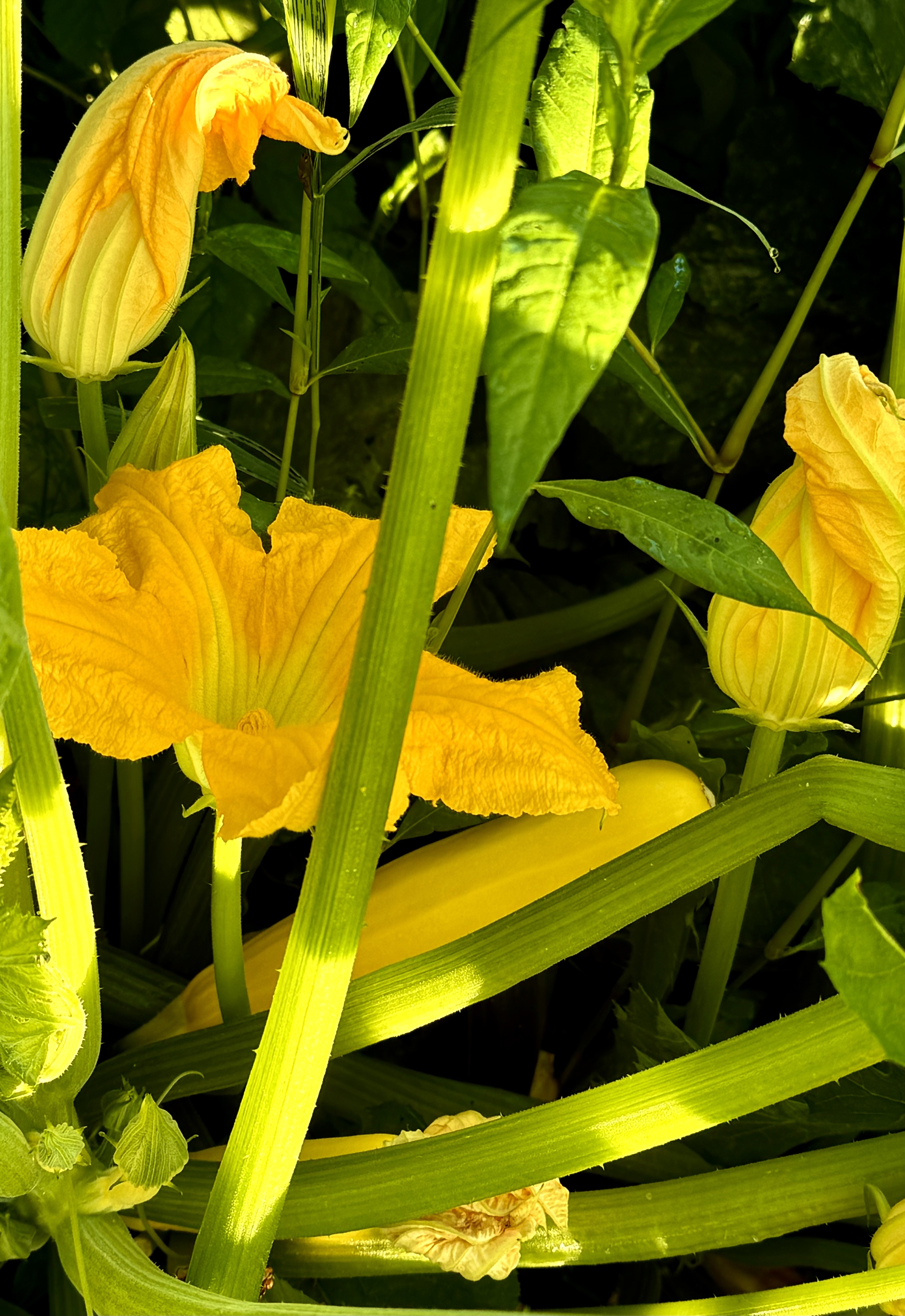
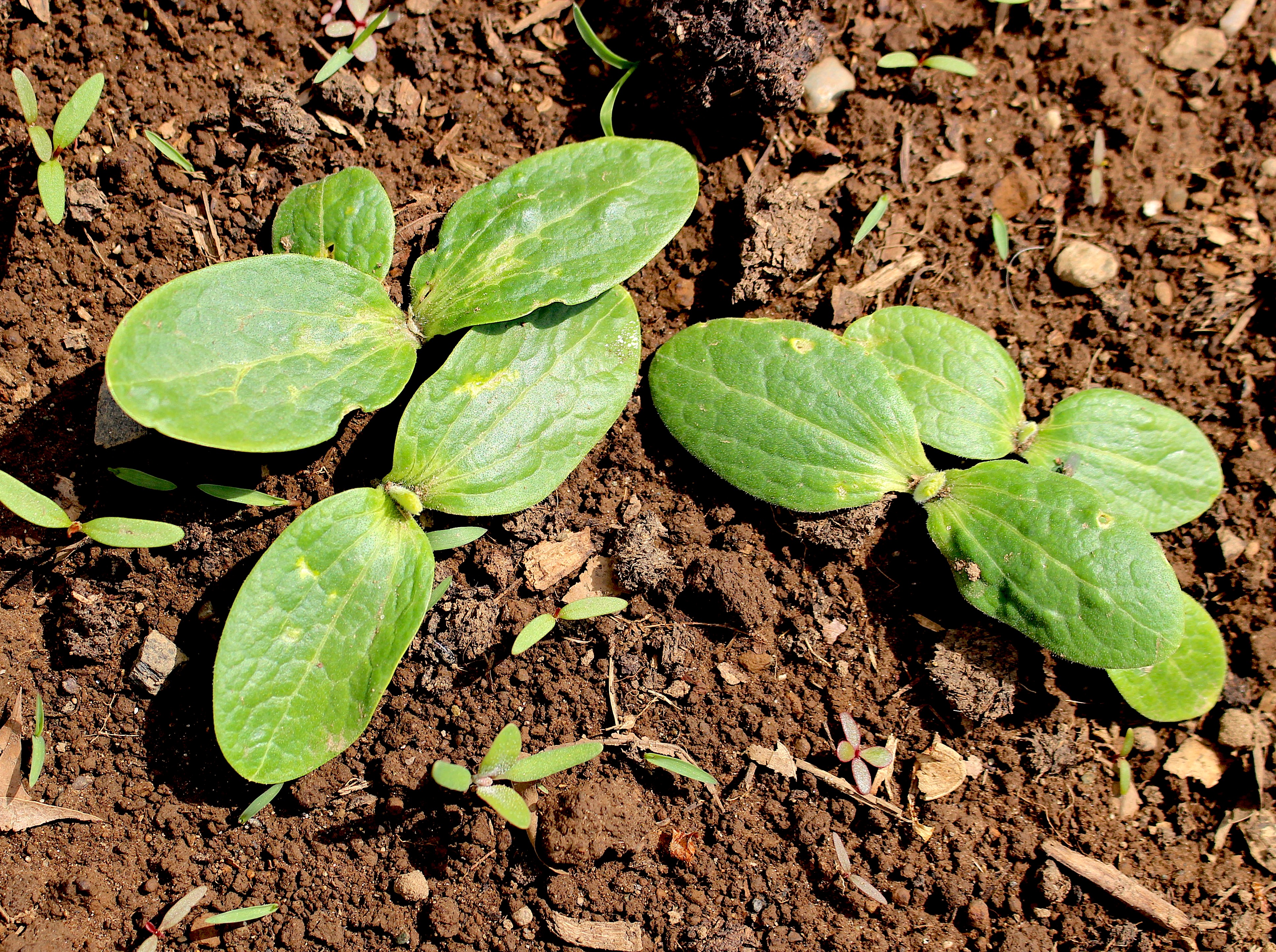
It started innocently enough in April
with two-leaf seedlings labeled green and golden;
non-descript squash plants harboring
vast potential.

By June the plants crept across the ground with vines
reaching past the beans to threaten the cucumbers:
going where no vine has gone before,
to divide and conquer, leaving no dust untouched.

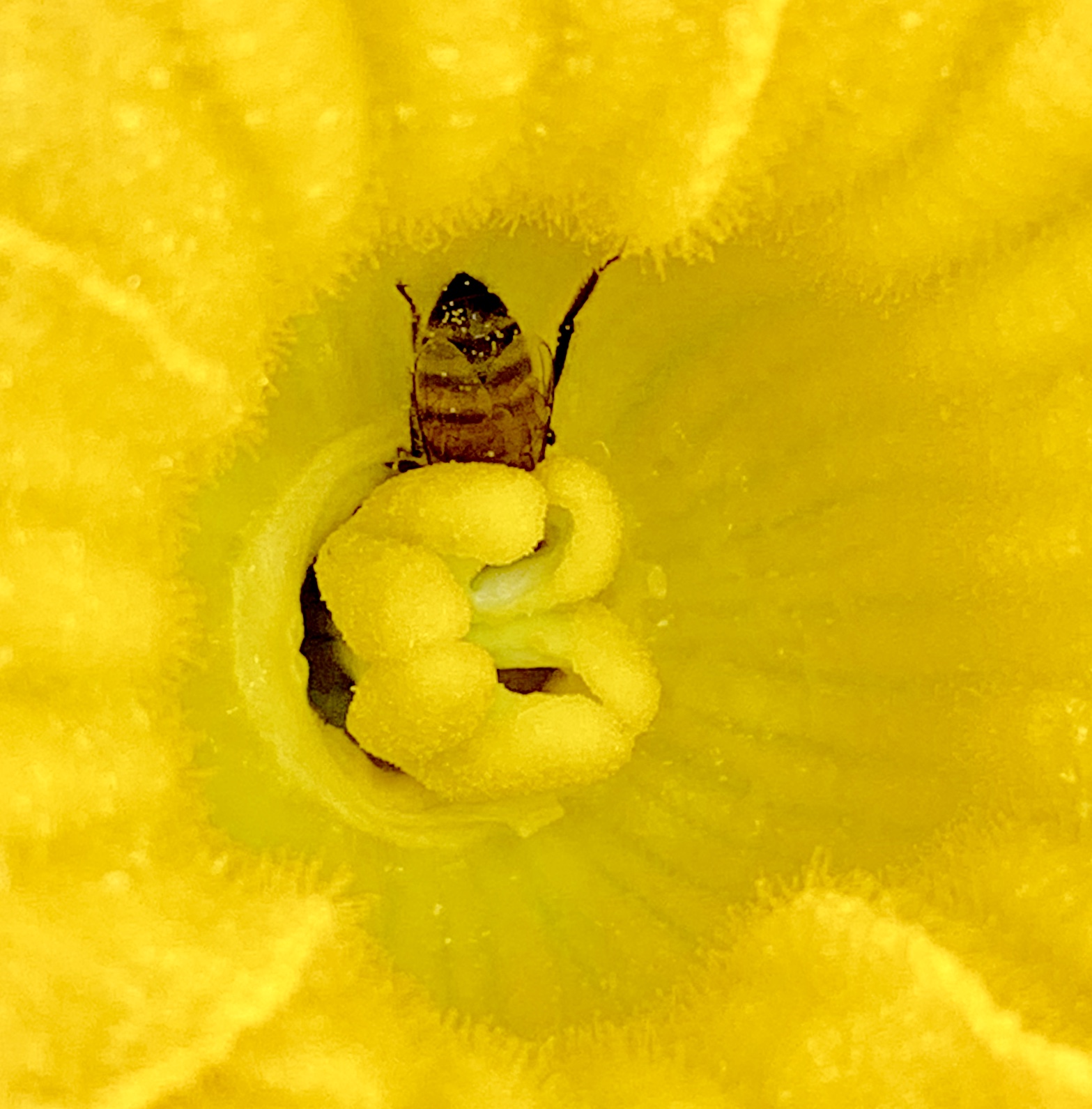
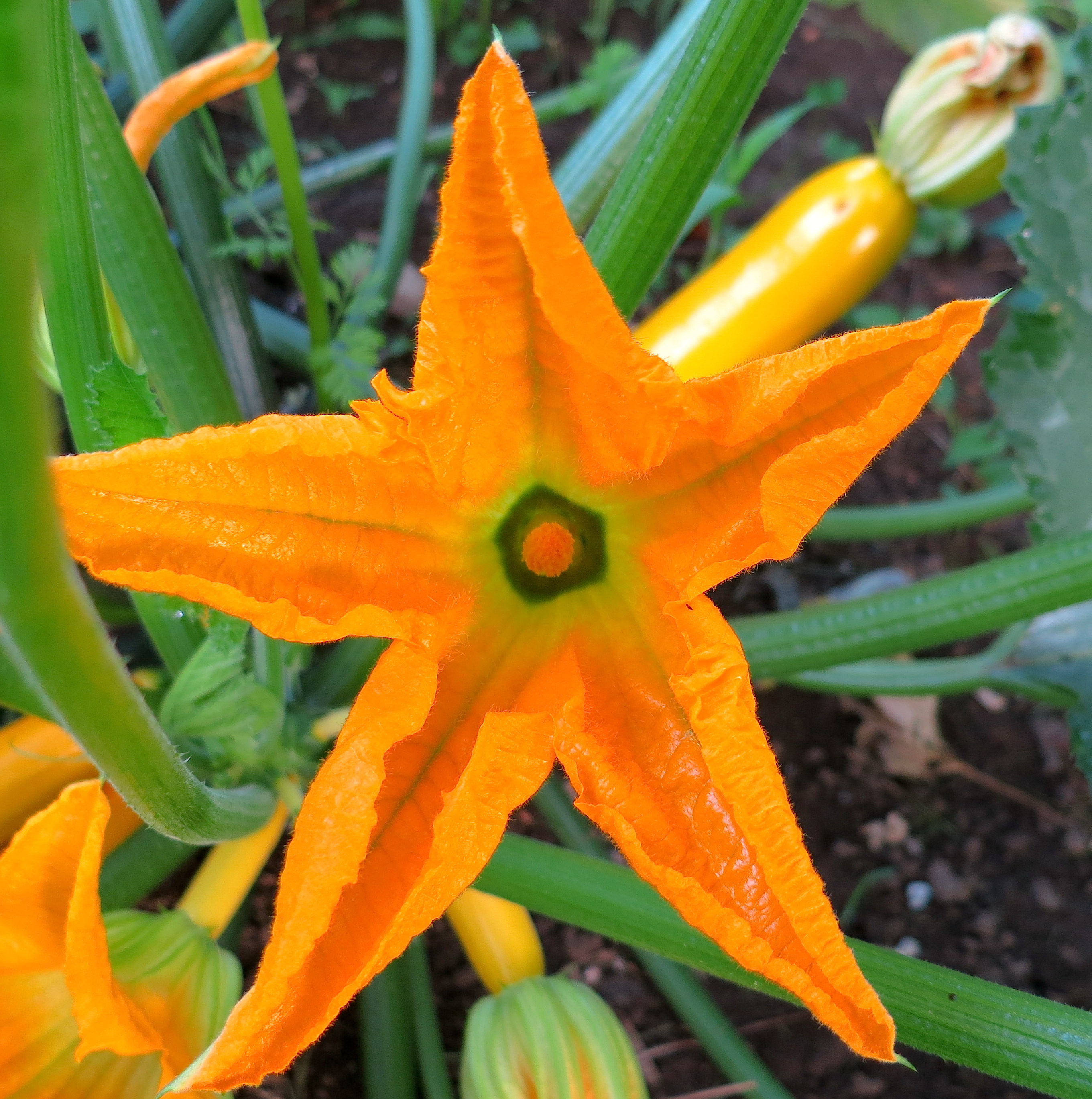
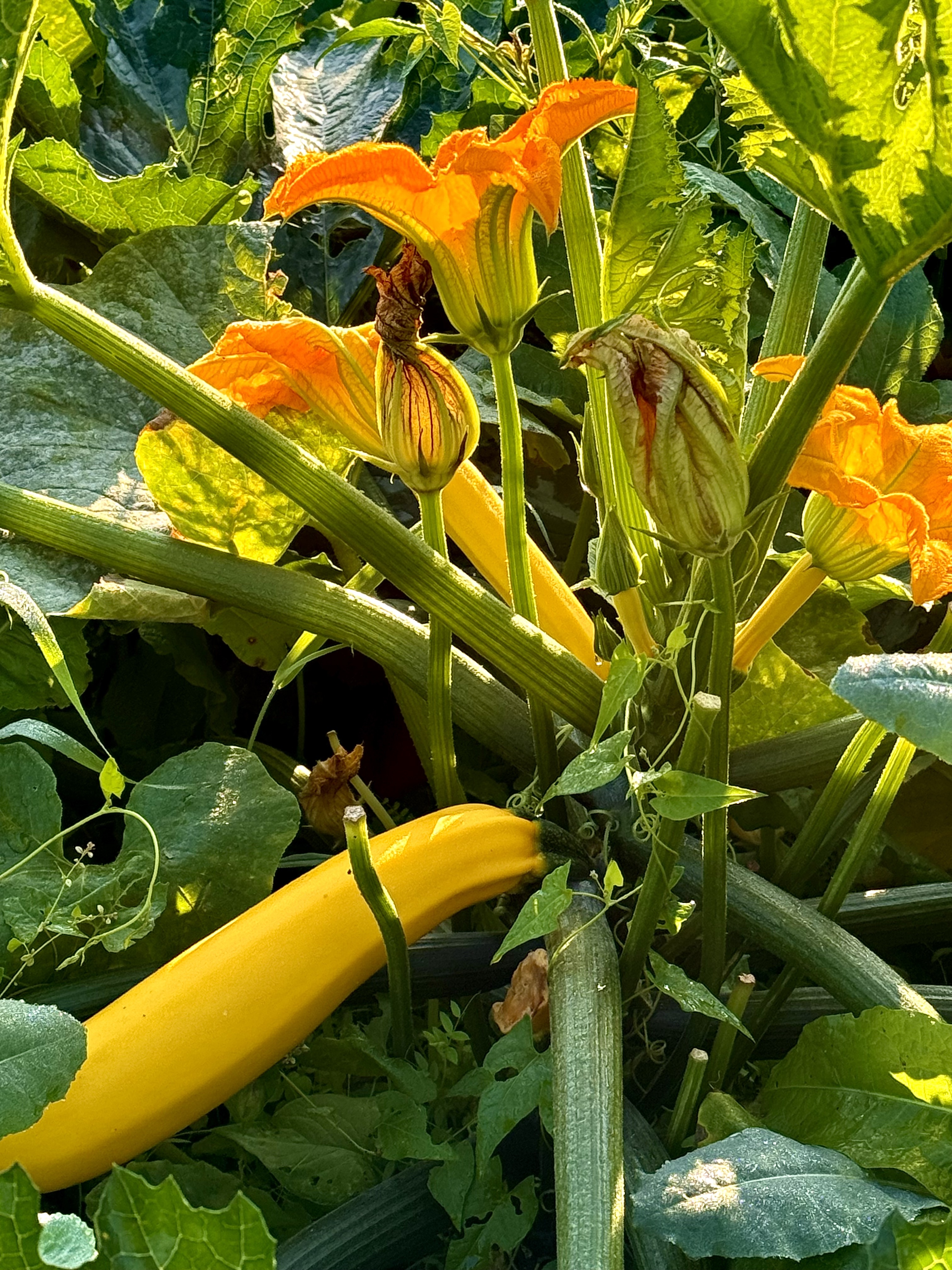
July buds formed blossoms inviting bees deep
into yellow-throated pollen pools
thickening within days to elongated flesh:
fecundity in action before our eyes.

The finger-like projections at first harvested
too small, but temptation overwhelms patience;
sauted, grilled with garlic, superb in
supreme simplicity.

But come back a day later: hose-like vines
pumping into each squash, progressive inflation like
balloon-man creations to be twisted and transformed,
but too plump, too distended, too insatiable.

It’s a race to keep up with the pace of production
eat some, give them away, leave on doorsteps like abandoned kittens,
in boxes in church lobbies, lunch rooms at work,
food banks posting signs: “No more zucchini please!”

They march in formation in the garden path
as they are yanked swelling from their umbilical cords
and lined up, stacked, multiplying
like the broom fragments of the “Sorcerer’s Apprentice”.

Once tossed on to the compost pile,
they rest in intimate embrace through heated decomposition
in dead of winter, amid steam rising,
a seedling, innocent enough, pokes through exploding with potential~

Run for your lives!

AI image created for this post
One-Time
Monthly
Yearly

Make a one-time or recurring donation to support daily Barnstorming posts

Make a monthly donation

Make a yearly donation

Choose an amount

$10.00
$25.00
$50.00
$5.00
$15.00
$100.00
$5.00
$15.00
$100.00

Or enter a custom amount

$

Your contribution is deeply appreciated.

Your contribution is appreciated.

Your contribution is appreciated.

DonateDonate monthlyDonate yearly
Each Impossible Blossom

There are days we live
as if death were nowhere
in the background; from joy
to joy to joy, from wing to wing,
from blossom to blossom to
impossible blossom, to sweet impossible blossom.

~Li-Young Lee from “From Blossoms”

August of another summer, and once again
I am drinking the sun…
All my life I have been able to feel happiness,

except whatever was not happiness,
which I also remember.
Each of us wears a shadow.
But just now it is summer again…

Soon now, I’ll turn and start for home.
And who knows, maybe I’ll be singing.

~Mary Oliver from “The Pond” from Felicity

…what I want in my life
is to be willing
to be dazzled-
to cast aside the weight of facts

and maybe even
to float a little
above this difficult world.
I want to believe I am looking

into the white fire of a great mystery.
I want to believe that the imperfections are nothing-
that the light is everything-that it is more than the sum
of each flawed blossom rising and fading. And I do.

~Mary Oliver from “The Ponds” from House of Light

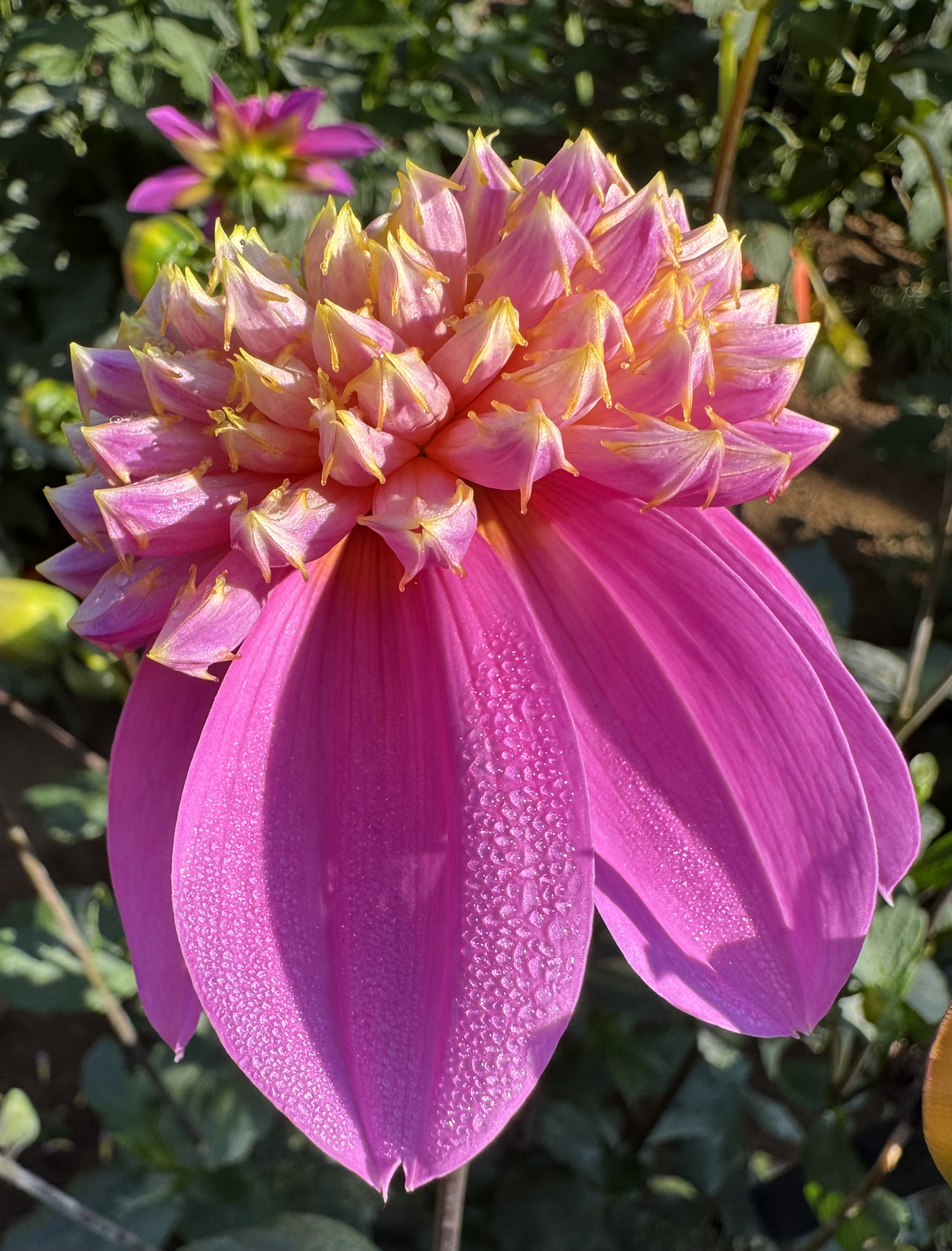
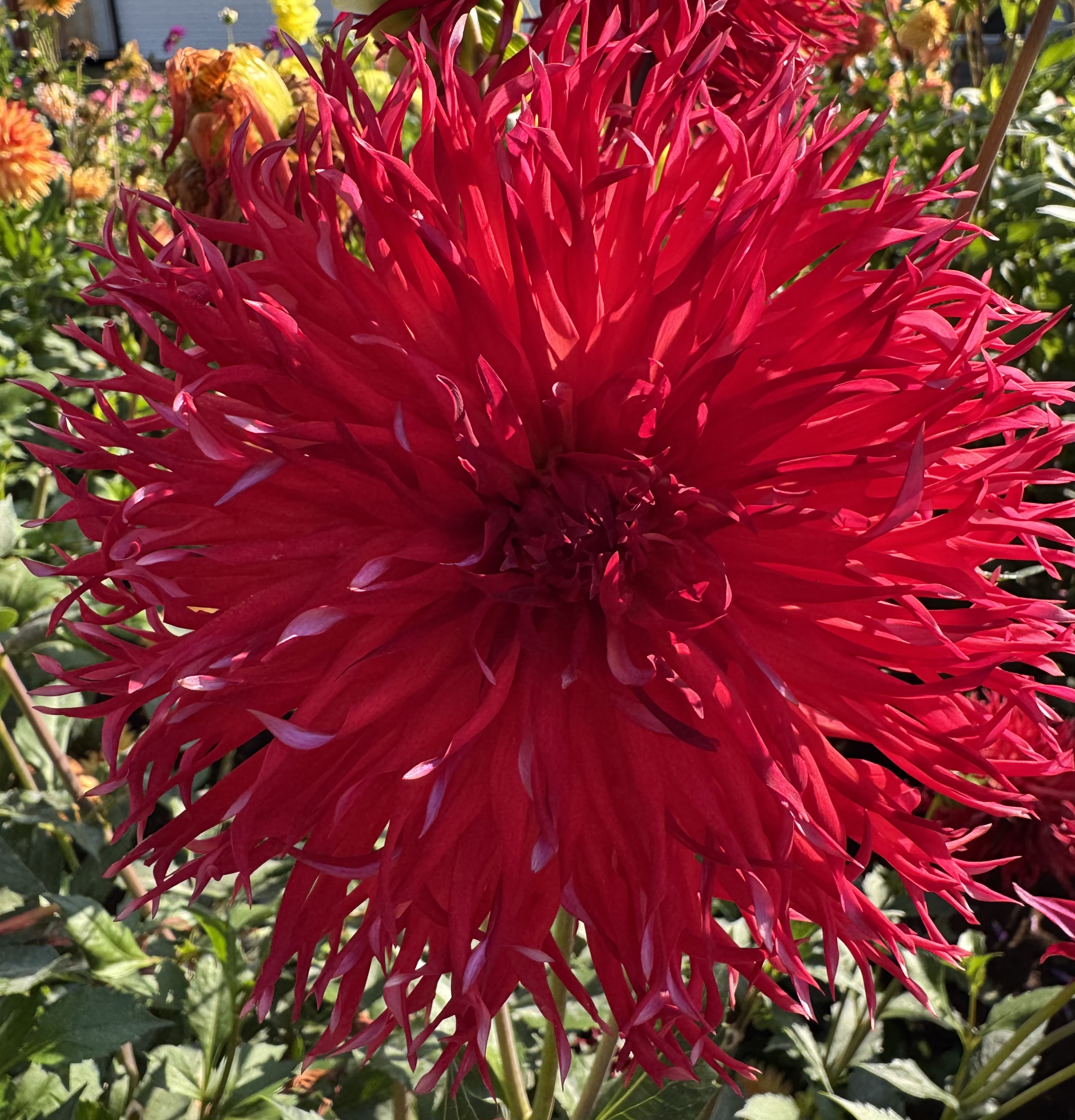
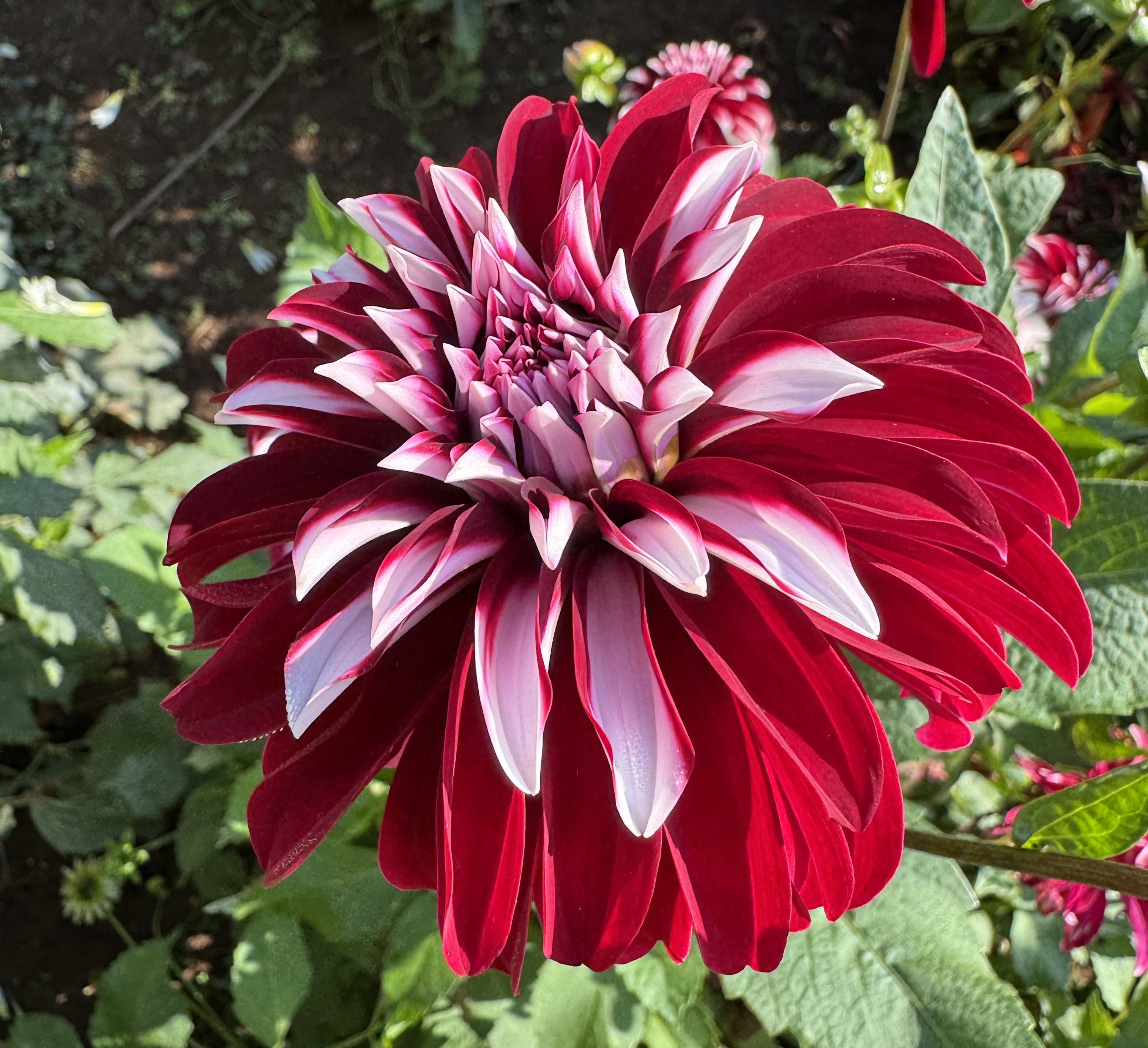
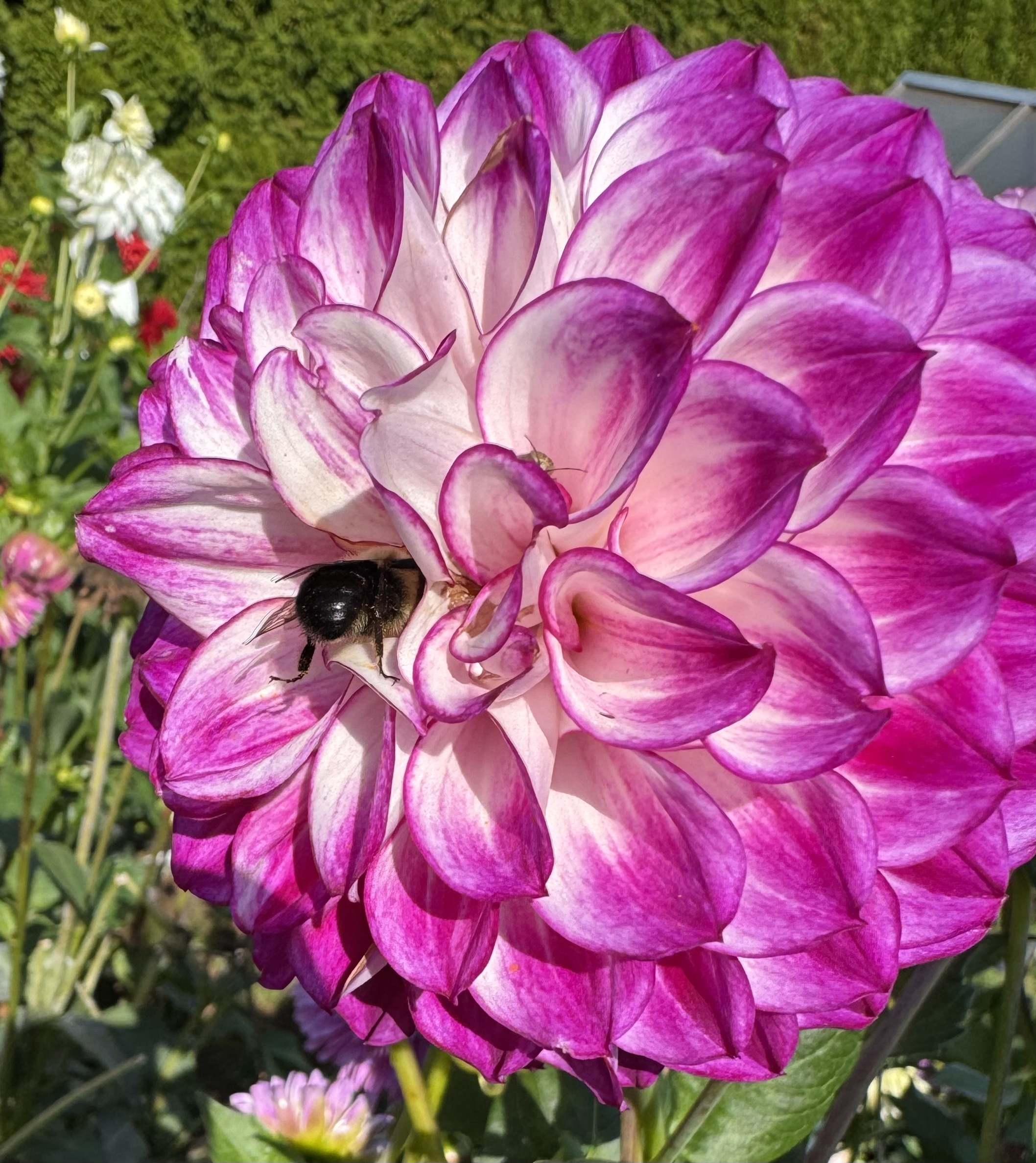
My friend Jean is a skilled gardener who has grown and hybridized dahlias for decades. What I see growing in the soil is her artist’s palette composed of petals, leaves and roots.

She has passionately cared for these plants; they reflect that love in every spiral and swirl, hue and gradient of color, showing stark symmetry and delightful variegation.

From homely and knobby look-alike tubers grow these luxurious beauties of infinite variety. I stand captivated before each one, realizing that same Creator makes sure I too impossibly bloom from mere dust.

Then He sets me to work in His garden, singing.

AI image created for this post
One-Time
Monthly
Yearly

Make a one-time or recurring donation to support daily Barnstorming posts

Make a monthly donation

Make a yearly donation
Choose an amount

$10.00
$25.00
$50.00
$5.00
$15.00
$100.00
$5.00
$15.00
$100.00

Or enter a custom amount

$

Your contribution is deeply appreciated.
Your contribution is appreciated.

Your contribution is appreciated.

DonateDonate monthlyDonate yearly