Leading a Lost One Home

I appear at the kitchen door,
spiritual equivalent
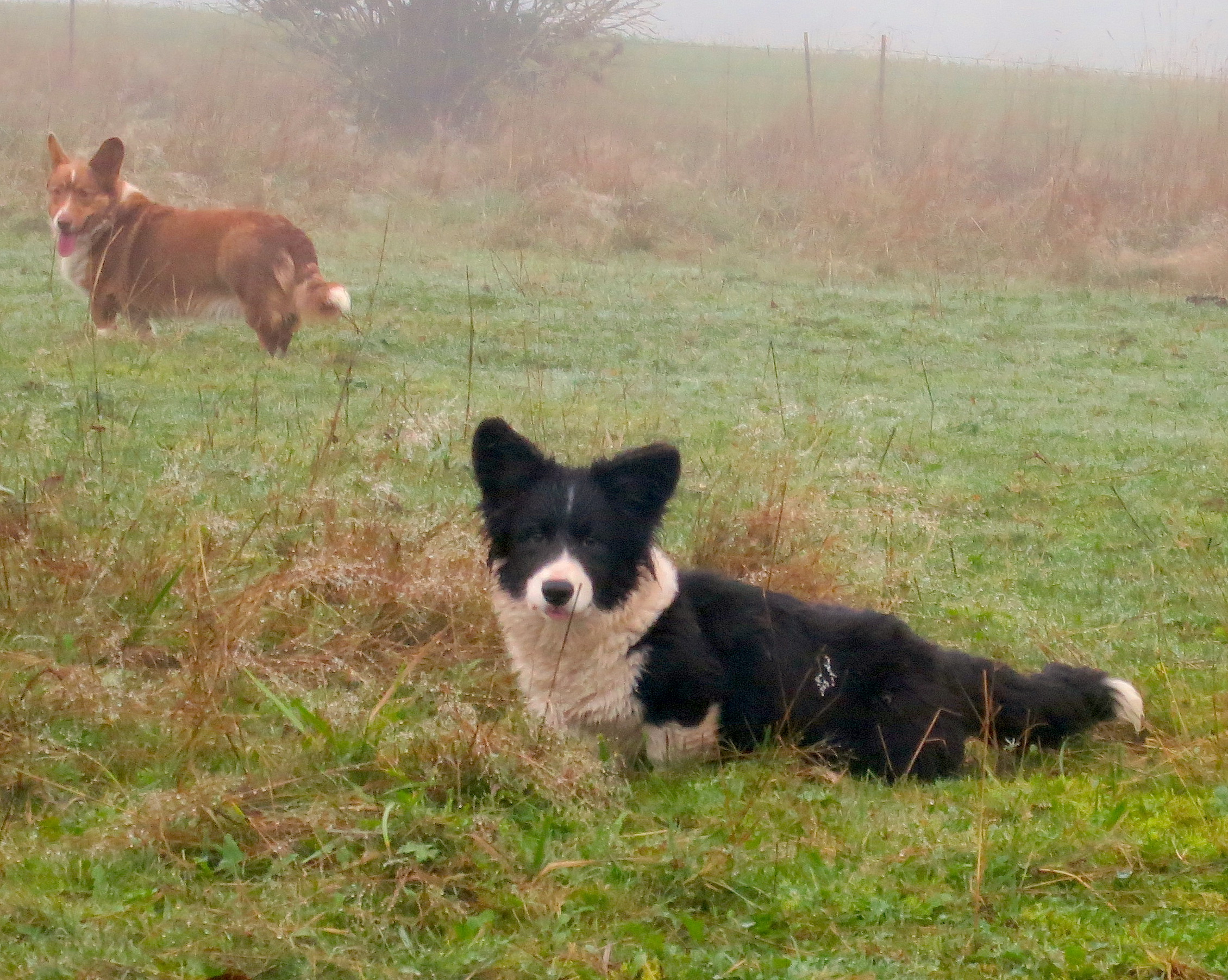
of a wet dog from a storm,
tail tucked, trembling.
You open your lives, this life,
provide prayerful provision,
a vigorous toweling down,
a large bowl of kibbles.
I curl up and sleep safe on the rug by your heart,
the chapel that warms His,
and so, restored, return
to the weary world rejoicing,
perhaps to provide
a bracing swig from the fiery word,
perhaps to lead a lost one home.
~Bonnie Thurston “Strays” from O Taste and See

How many times have I shown up
muddy, cold, hungry
and you invited me in,
dried me off,
offered me your supper,
let me sleep warmed and safe?

How many times
did I go back out into the world
with every good intention
of doing the same for other strays
and yet get lost again myself?

You call me back,
whistle me in,
open the door
to let me know
no matter how much of a mess I’m in
your hearth,
your heart
await my return.

The Coiled Shell of Their Lives

Needing them still, I come
when I can, this time to the sea
where we share a room: their double bed,
my single. Morning fog paints the pale
scene even paler. Lace curtains breathing,
the chenille spread folded back,
my father’s feet white sails furled
at the edge of blue pajamas.
Every child’s dream, a parent
in each hand, though this child is fifty.
Their bodies fit easily, with room
to spare. When did they grow
so small? Grow so small—
as if it were possible to swell
backwards into an earlier self.


One more year, I ask the silence.
Last night to launch myself
into sleep I counted their breaths, the tidal
rise and fall I now put my ear to,
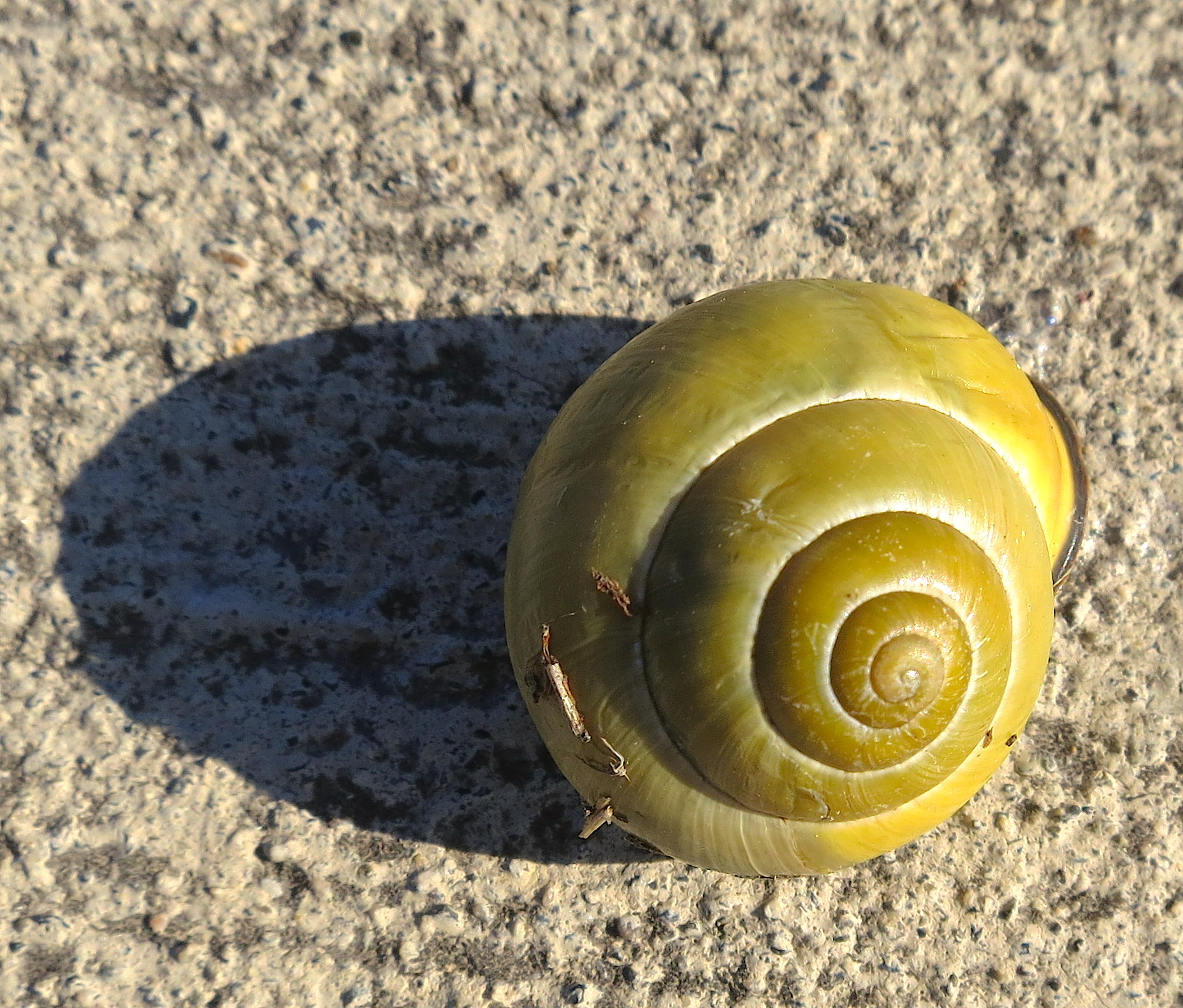
the coiled shell of their lives.
~Rebecca McClanahan from “Watching my Parents Sleeping Beside an Open Window Near the Sea” from Deep Light: New and Selected Poems.

My parents have been gone now for some time, my father over 25 years, my mother now over 10 years. Their dying was a long process of counted breaths and pauses. I witnessed their bodies curling into themselves, shrinking smaller, worn down by illness and age.

I still miss them, reminded of them by the events of my own life, still wanting them to take me by the hand as I navigate my own daily path.

After mom’s death, those possessions not distributed to family members have remained packed up and stored in our barn buildings. I know it is well past time to deal with their stuff as I become keenly aware of my own greying and aging.

Untouched in the bookshelf of our bedroom is a sealed box of over 500 letters written by my mother and father between 1941 and 1945. I know the letters began as they were getting to know each other at college, then going from “pinned” to “engaged” and continue for three and a half more years after a hurried wedding Christmas Eve 1942. By mid January 1943 my newly minted Marine officer father shipped out to spend the next three years of his life on the Pacific Ocean, fighting on the battlefields of Saipan, Tinian and Tarawa, not to return again to the states until late summer of 1945. My mother wrote her letters from a rural eastern Washington community, living in a “teachers’ cottage” with other war wives who taught school while waiting for their husbands to return home – or not.

It has taken me a decade to find the courage and time to devote to reading these letters they treasured and never threw away. Yesterday I sorted them unopened by postmark date into some semblance of order and sat down to start at the very beginning, which, of course, is my beginning as well. Only sixty letters in, I open each one with some trepidation and a lump in my throat about what I might find written there. I worry I may find things I don’t want to know. I hope I find things that I desperately need to know.

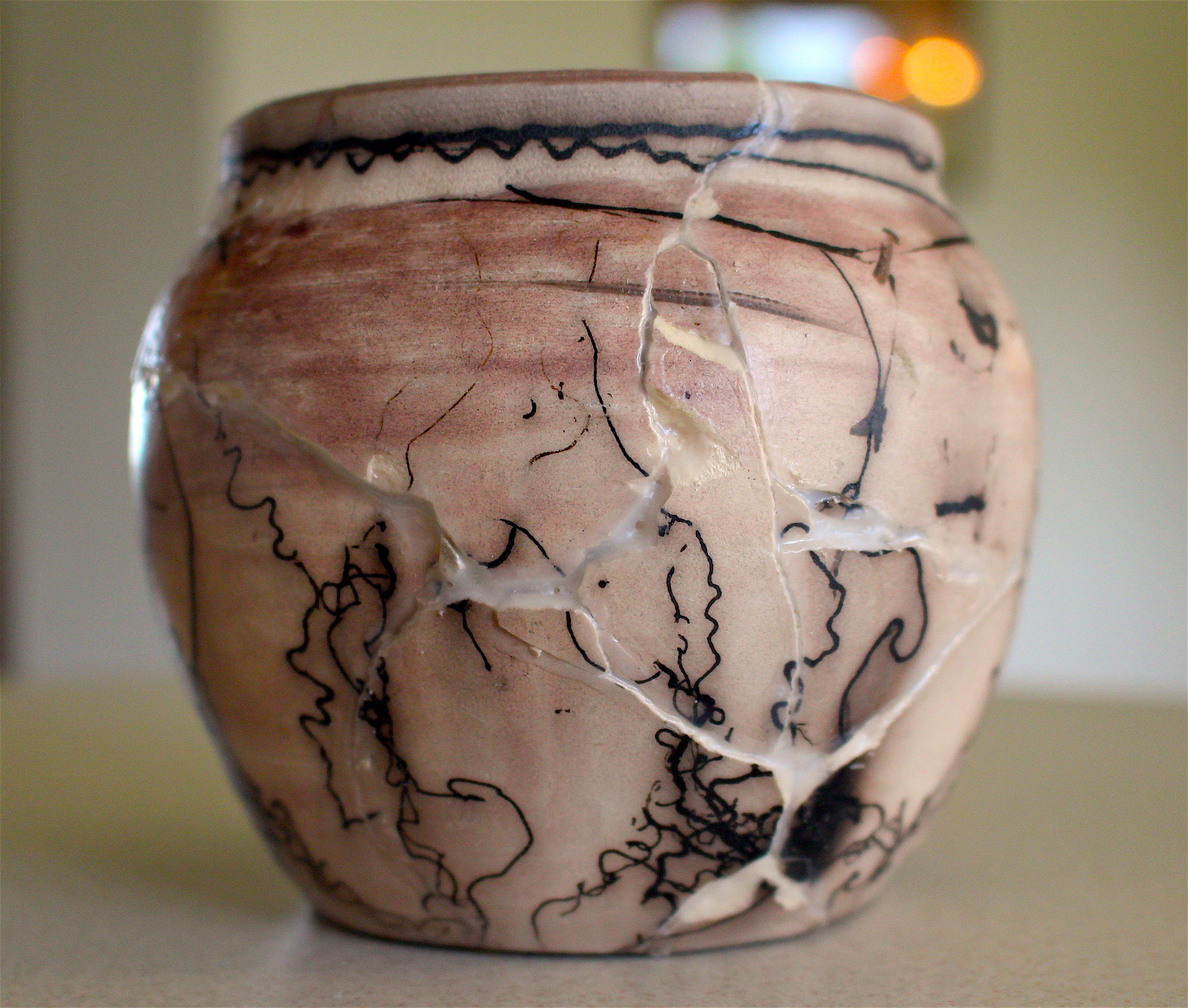
Most of all I want to understand the two people who became my parents within the coiled shell of their forty years together, though broken by a painful divorce which lasted a decade. Having lived through that awful time with them, I want to understand the origin of a love which mended their cracked shell, glueing them back together for five more years before my father died.

As I read their words over the next few weeks, I hope I too can cross a bridge back to them both.

Grace is Glue

Man is born broken. He lives by mending. The grace of God is glue.
~Eugene O’Neill

We are born hollering,
already aware of our brokenness –
our emptiness evident
from the first breath,
each tiny air sac bursting
with the air of a fallen world
that is never quite enough to satisfy.

The rest of our days are spent
filling up our empty spaces:
whether alveoli
or stomach
or synapse hungry for knowledge;
still hollering and heart
broken.

So we mend and are mended
through healing another,
sewn up
by knitting together
the scraggly fragments of lives,
becoming the crucial glue
boiled from His gifted Grace,
all empty holes made holy
when filled to brimming
so wholly.

Moving at Summer’s Pace

mowingfield


Cut grass lies frail:
Brief is the breath
Mown stalks exhale.
Long, long the death

It dies in the white hours
Of young-leafed June
With chestnut flowers,
With hedges snowlike strewn,

White lilac bowed,
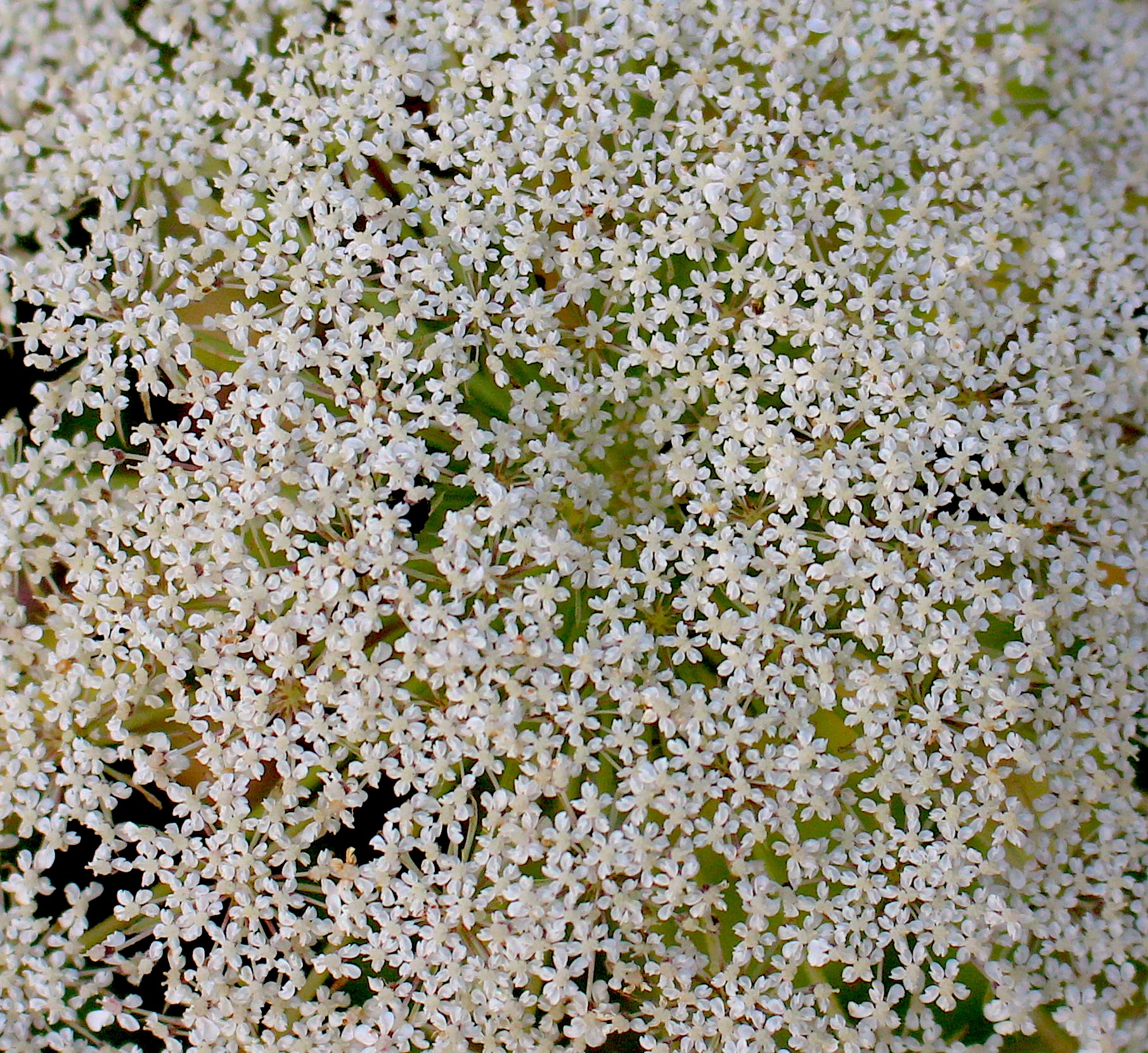
Lost lanes of Queen Anne’s lace,
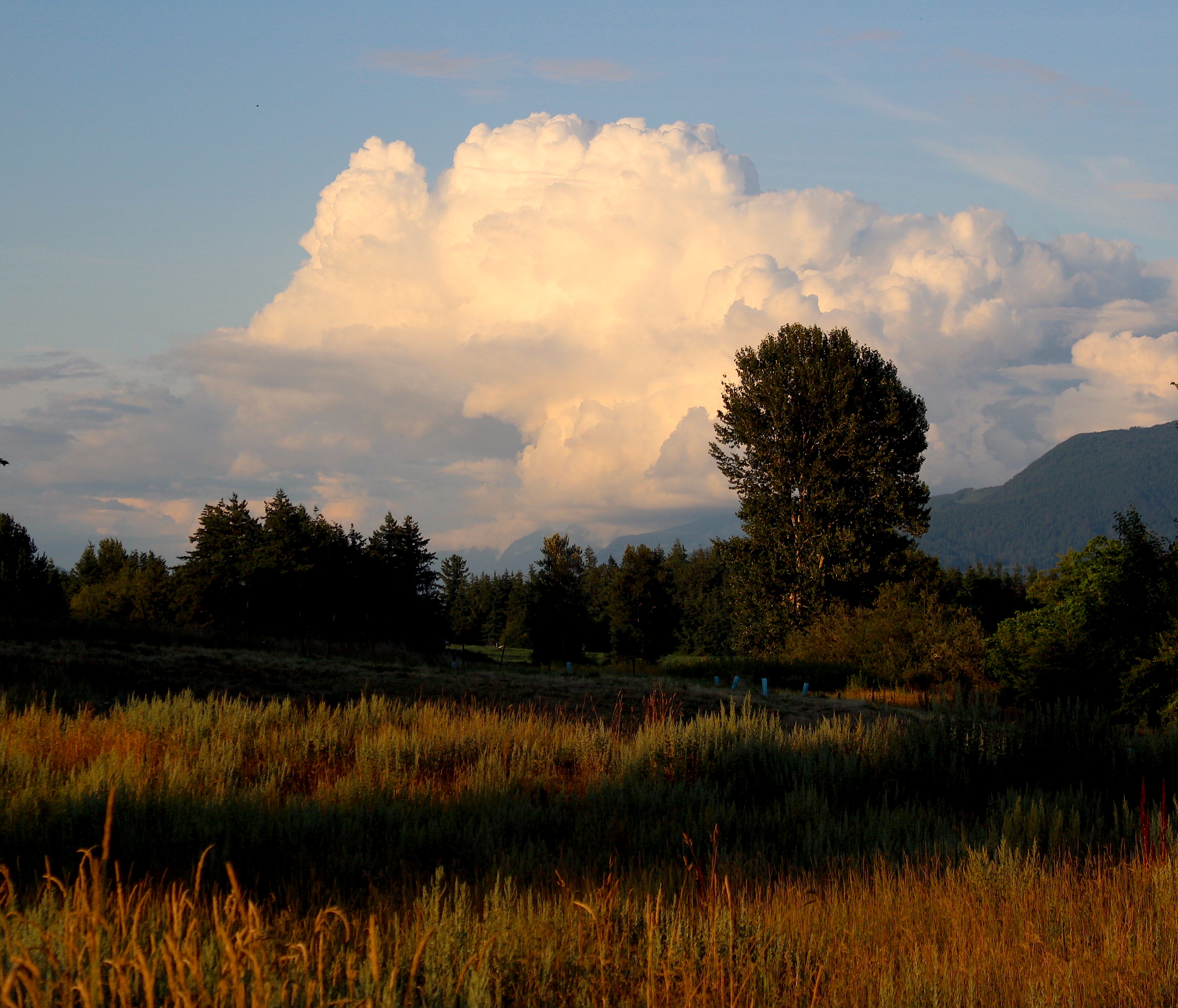
And that high-builded cloud
Moving at summer’s pace.~
~Philip Larkin “Cut Grass” from The Complete Poems

Light and wind are running
over the headed grass
as though the hill had 
melted and now flowed.
~Wendell Berry “June Wind”

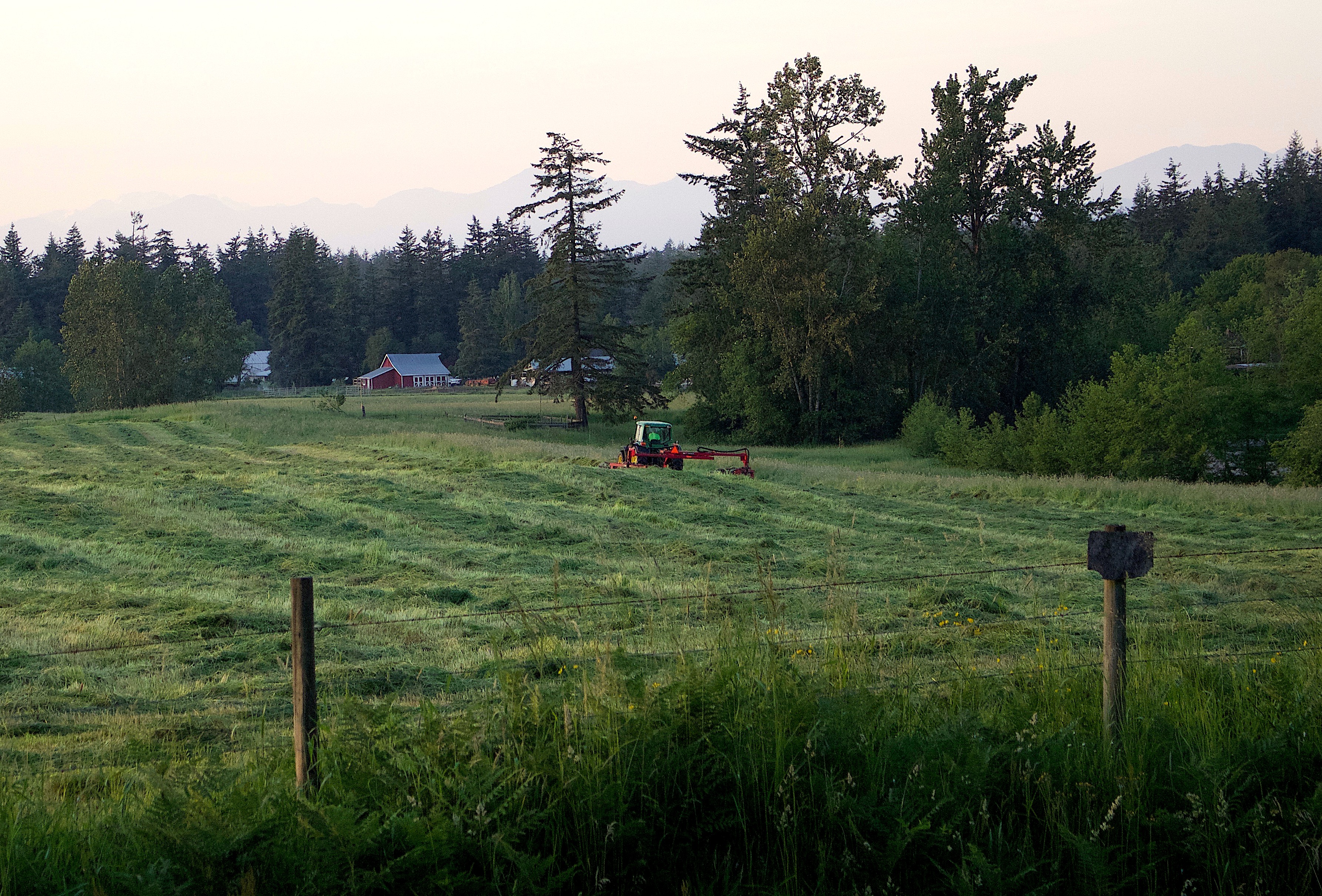
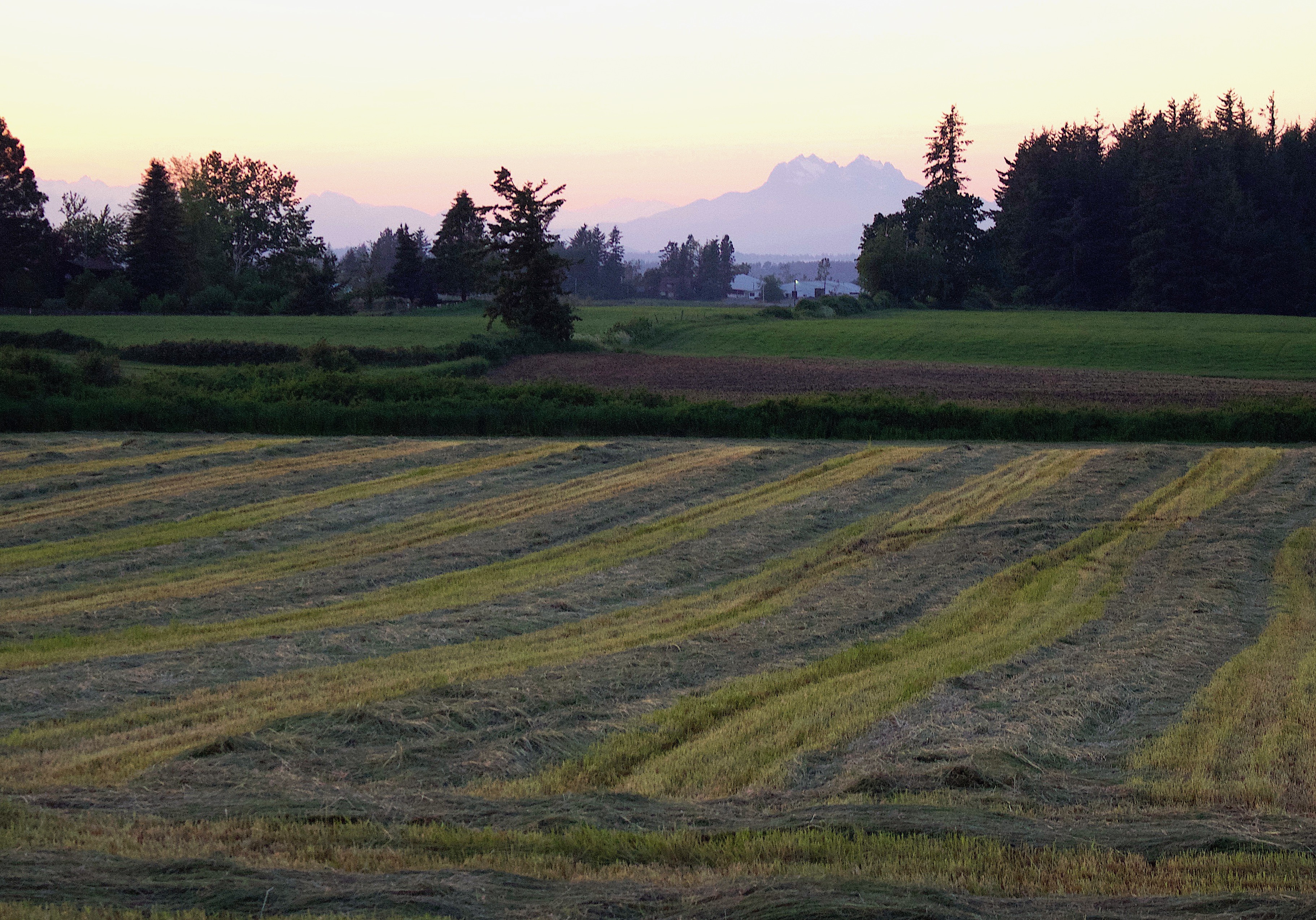
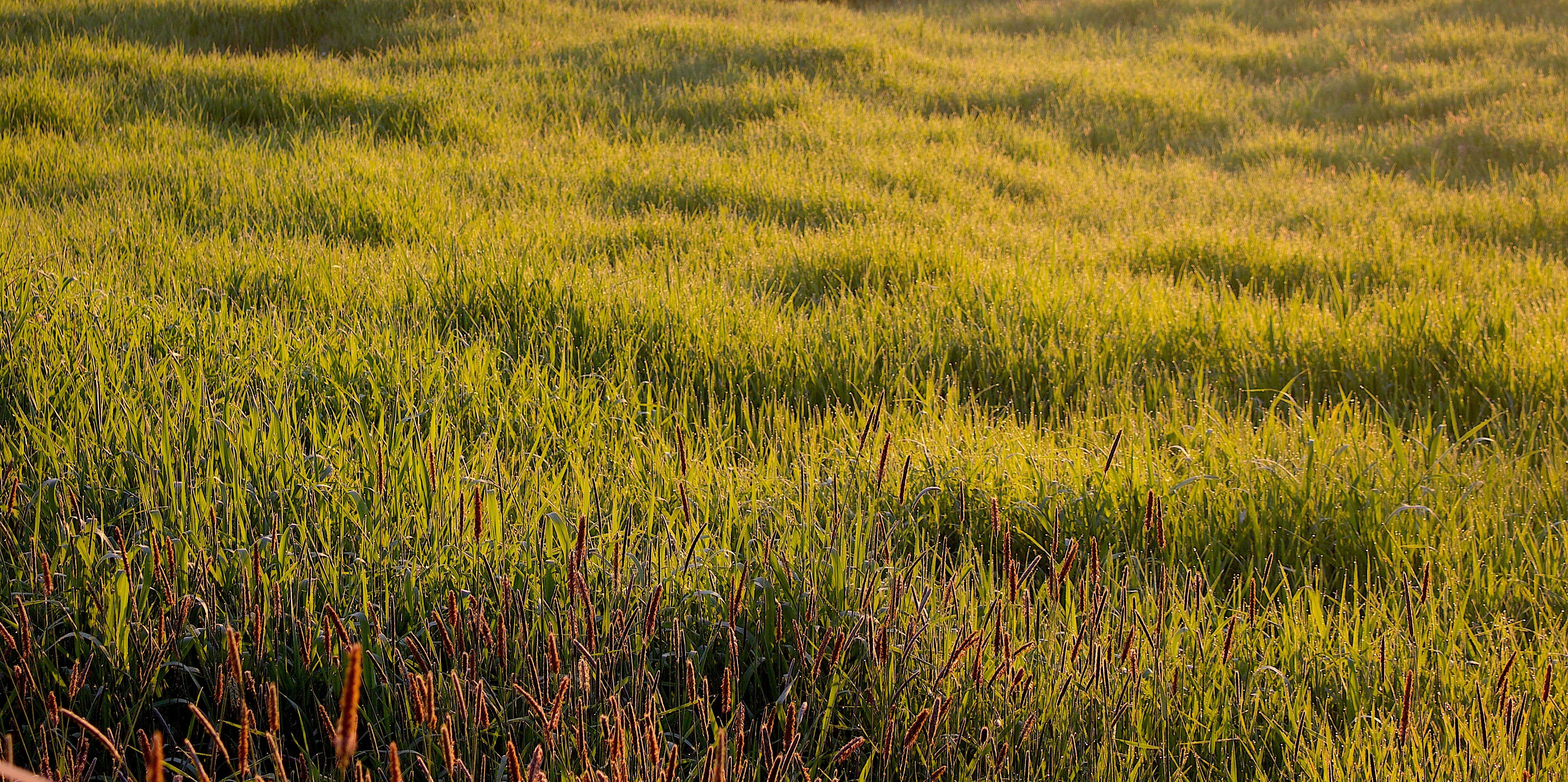
The uncut field grass is growing heavier, falling over, lodged before it can be cut; the undulations of summer breezes urge it back upright.  It has matured too fast, rising up too lush, too overcome with itself so that it can no longer stand unsupported.  We must work fast to save it and more rain is on the way.

Light and wind work magic on a field of melting tall grass.  The blades of the mower will come to lay it to the ground in green streams that flow up and down the slopes.  It will lie comfortless in its stoneless cemetery rows, until tossed about by the tedder into random piles to dry, then raked back into a semblance of order in mounded lines flowing over the landscape.

It will be crushed and bound together for transport to the barn,
no longer bending but bent,
no longer flowing but flown,
no longer growing but grown

We move at summer’s pace to ensure the grasses become fodder for the beasts of the farm during the cold nights when the wind beats at the doors. It will melt in their mouths, as it was meant to be.  

Way Out Beyond Us

My father would lift me
to the ceiling in his big hands
and ask, 
How’s the weather up there?
And it was good, the weather
of being in his hands, his breath
of scotch and cigarettes, his face
smiling from the world below.
O daddy, was the lullaby I sang
back down to him as he stood on earth,
my great, white-shirted father, home
from work, his gold wristwatch
and wedding band gleaming
as he held me above him
for as long as he could,
before his strength failed
down there in the world I find myself
standing in tonight, my little boy
looking down from his flight
below the ceiling, cradled in my hands,
his eyes wide and already staring
into the distance beyond the man
asking him again and again,
How’s the weather up there?
~George Bilgere “Weather”.

It was hard work, dying, harder
than anything he’d ever done.

Whatever brutal, bruising, back-
breaking chore he’d forced himself

to endure—it was nothing
compared to this. And it took

so long. When would the job
be over? Who would call him

home for supper? And it was
hard for us (his children)—

all of our lives we’d heard
my mother telling us to go out,

help your father, but this
was work we could not do.

He was way out beyond us,
in a field we could not reach.

~Joyce Sutphen “My Father, Dying”

Deep in one of our closets is an old film reel of me about 16 months old sitting securely held by my father on his shoulders. I am bursting out with giggles as he repeatedly bends forward, dipping this head and shoulders down. I tip forward, looking like I am about to fall off, and when he stands back up straight, my mouth becomes a large O and I can almost remember the tummy tickle I feel. I want him to do it again and again, taking me to the edge of falling off and then bringing me back from the brink.

My father was a tall man, so being swept up onto his shoulders felt a bit like I was touching heaven.
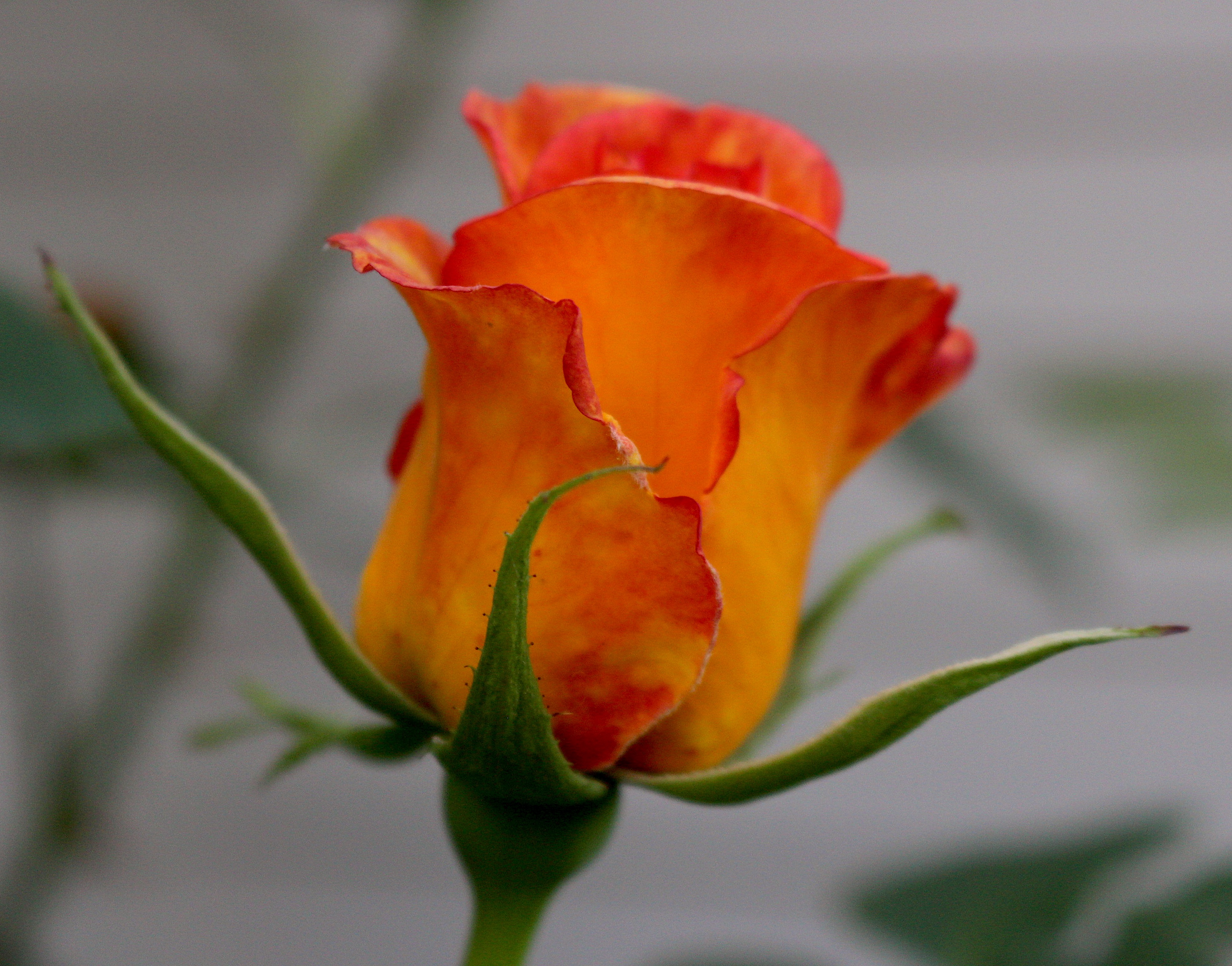
It was as he was dying 24 years ago this week that I realized again how tall he was — his feet kept hitting the foot panel of the hospital bed my mother had requested for their home. We cushioned his feet with padding so he wouldn’t get abrasions even though he would never stand on them again, no longer towering over us.

His helplessness in dying was startling – this man who could build anything and accomplish whatever he set his mind to was unable to subdue his cancer. Our father, who was so self-sufficient he rarely asked for help, did not know how to ask for help now.

So we did what we could when we could tell he was uncomfortable, which wasn’t often. He didn’t say much, even though there was much we could have been saying. We didn’t reminisce. We didn’t laugh and joke together. We just were there, taking shifts catching naps on the couch so we could be available if he called out, which he never did.

This man:
who had grown up dirt poor,
fought hard with his alcoholic father
left abruptly to go to college – the first in his family –
then called to war for three years in the South Pacific.

This man:
who had raised a family on a small farm while he was a teacher,
then a supervisor, then a desk worker.

This man:
who left our family to marry another woman
but returned after a decade to ask forgiveness.

This man:
who died in a house he had built completely himself,
without assistance, from the ground up.

He didn’t need our help – he who had held tightly to us and brought us back from the brink when we went too far – he had been on the brink himself and was rescued, coming back humbled.

No question the weather is fine for him up there. I have no doubt.

Don’t Go Too Early

Wait, for now.
Distrust everything, if you have to.
But trust the hours. Haven’t they
carried you everywhere, up to now?
Personal events will become interesting again.
Hair will become interesting.
Pain will become interesting.
Buds that open out of season will become lovely again.
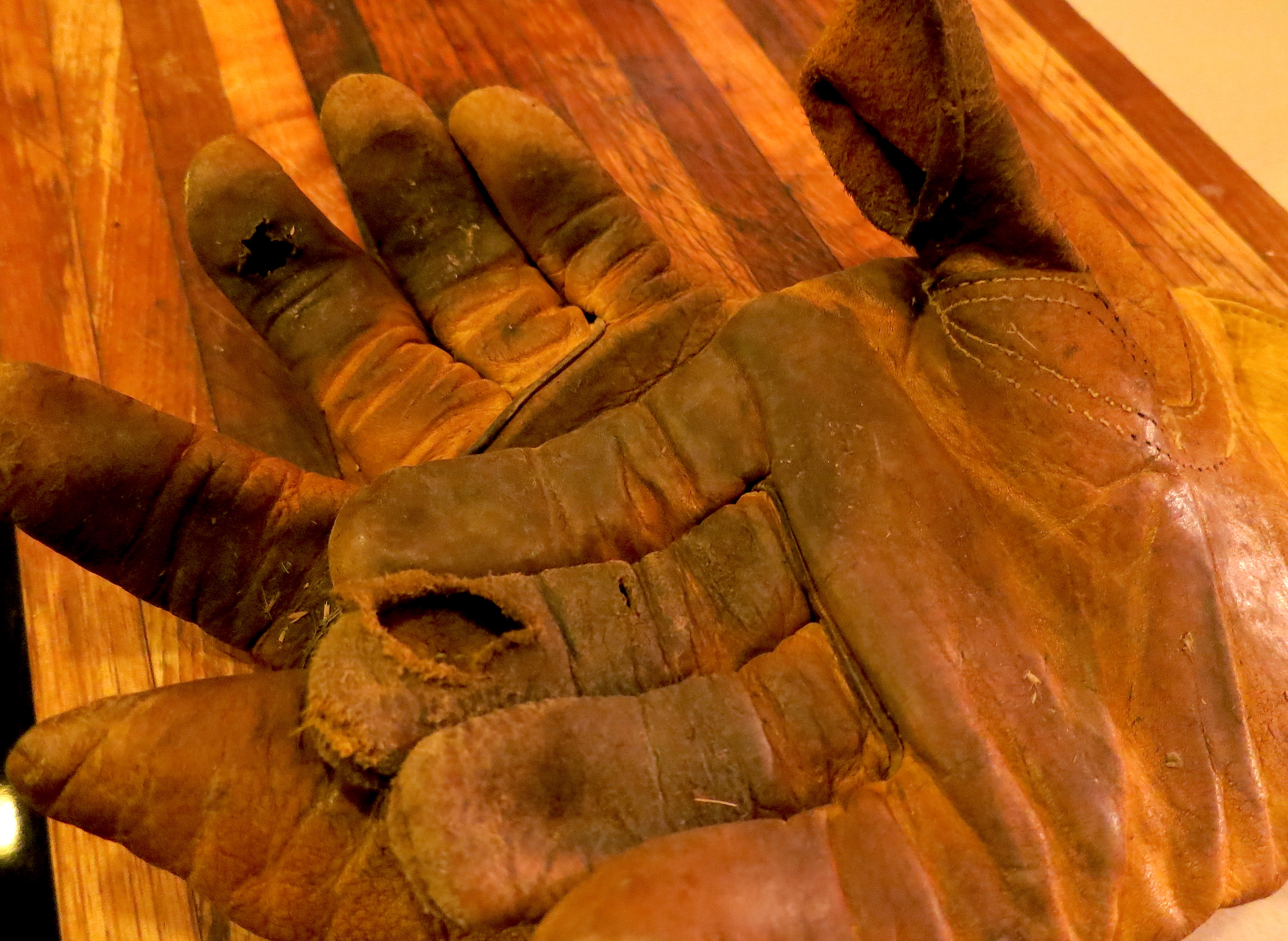
Second-hand gloves will become lovely again,
their memories are what give them
the need for other hands. And the desolation
of lovers is the same: that enormous emptiness
carved out of such tiny beings as we are
asks to be filled; the need
for the new love is faithfulness to the old.

Wait.
Don’t go too early.
You’re tired. But everyone’s tired.
But no one is tired enough.
Only wait a while and listen.
Music of hair,
Music of pain,
music of looms weaving all our loves again.
Be there to hear it, it will be the only time,

most of all to hear,
the flute of your whole existence,
rehearsed by the sorrows, play itself into total exhaustion.
~Galway Kinnell “Wait”
from A New Selected Poems 

If everyone abandons you and even drives you away by force,
then when you are left alone
fall on the earth and kiss it,
water it with your tears,
and it will bring forth fruit
even though no one has seen or heard you in your solitude.
Believe to the end, even if all people went astray
and you were left the only one faithful;
bring your offering even then and praise God in your loneliness. 
~Fyodor Dostoyevsky from The Brothers Karamazov

Suicide rates of teenagers in the United States have increased well over 30% since 2009. It is a national epidemic and tragedy.

Based on the anguish of the patients I see every day,
one after another and another,
over and over again I hear
a too-easy contemplation of suicide,
from “It would be easier if I were dead”
or “no one cares if I live or die”,
or “the world would be better off without me”,
or “I’m not worthy to be here”
to “that is my plan, it is my right and no one can stop me”.

Without us all pledging an oath to live life no matter what,
willing to lay ourselves down for one another,
to bridge the sorrow and lead the troubled to the light,
there will be no slowing of this trend.

…when there is no loyalty to life, as stressful and messy as it can be,
…when there is no honoring of the holiness of each created being as weak and frail and prone to helpless hopelessness as we are,
…when there is no resistance to the buffeting winds of life~

please just wait a little longer, only a little longer:
don’t go too early

“As You Wish”

Buttercup’s heart was a secret garden and the walls were very high.

Buttercup: We’ll never survive.
Westley: Nonsense. You’re only saying that because no one ever has.

Westley: Hear this now. I will always come for you.
Buttercup: But how can you be sure?
Westley: This is true love. You think this happens every day?

That day, she was amazed to discover that when he was saying “As you wish”, what he meant was, “I love you.” And even more amazing was the day she realized she truly loved him back.
~William Golding, quotes from The Princess Bride

How was I ever blessed to find just such a farm boy?
A farm boy who says “I love you” in many ways every day,
so the walls of my secret garden heart come tumbling down…

Where All is Unentangled

And this, then,
is the vision of that Heaven of which
we have heard, where those who love
each other have forgiven each other,

where, for that, the leaves are green,
the light a music in the air,
and all is unentangled,
and all is undismayed.
~Wendell Berry “To My Mother”

To think how a mother’s love is strengthened
by the experience of a life and light within her,
moving, stretching, hiccuping, listening

~already forgiven: this is heaven where all is grace~

the tangles we have made of our lives
unraveled, straightened and smoothed,
without worry or dismay over mistakes we’ve made

I only hope I have loved well
<those three I carried within>
as I was so well loved


Flowers Preach

Flowers preach to us if we will hear:
The rose saith in the dewy morn:
I am most fair;
Yet all my loveliness is born
Upon a thorn.
The poppy saith amid the corn:
Let but my scarlet head appear
And I am held in scorn;
Yet juice of subtle virtue lies
Within my cup of curious dyes.
The lilies say: Behold how we
Preach without words of purity.
The violets whisper from the shade
Which their own leaves have made:
Men scent our fragrance on the air,
Yet take no heed
Of humble lessons we would read.
But not alone the fairest flowers:
The merest grass
Along the roadside where we pass,
Lichen and moss and sturdy weed,
Tell of His love who sends the dew,
The rain and sunshine too,
To nourish one small seed.
~Christina Rossetti from Goblin Market, The Prince’s Progress, and Other Poems

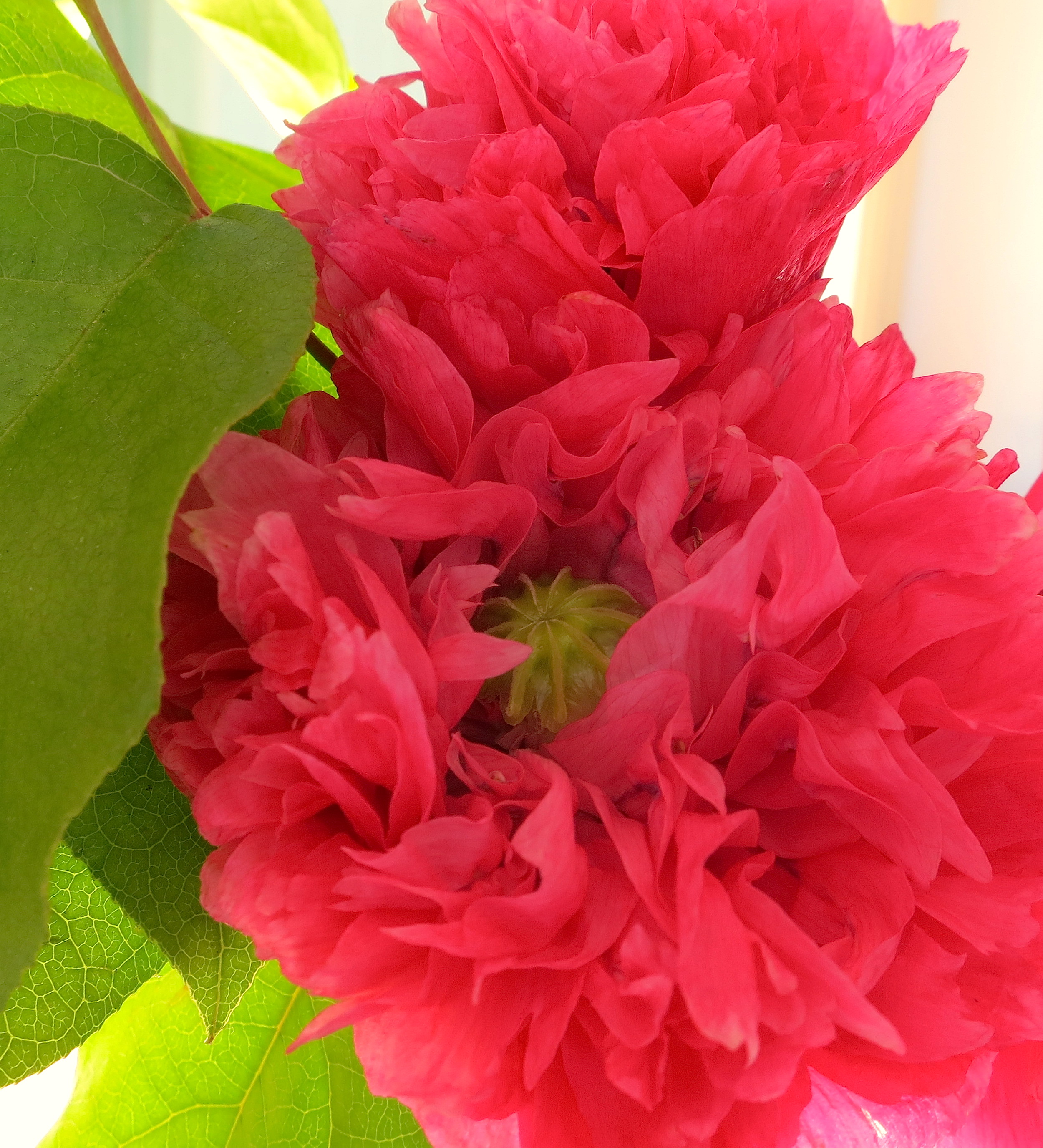
Some sermons are written bold with color, illustrated with powerful gospel stories of righteousness and redemption in the face of our sin.

Some sermon passages are fragrant with the scent of grace and forgiveness, lingering long after the words are spoken.

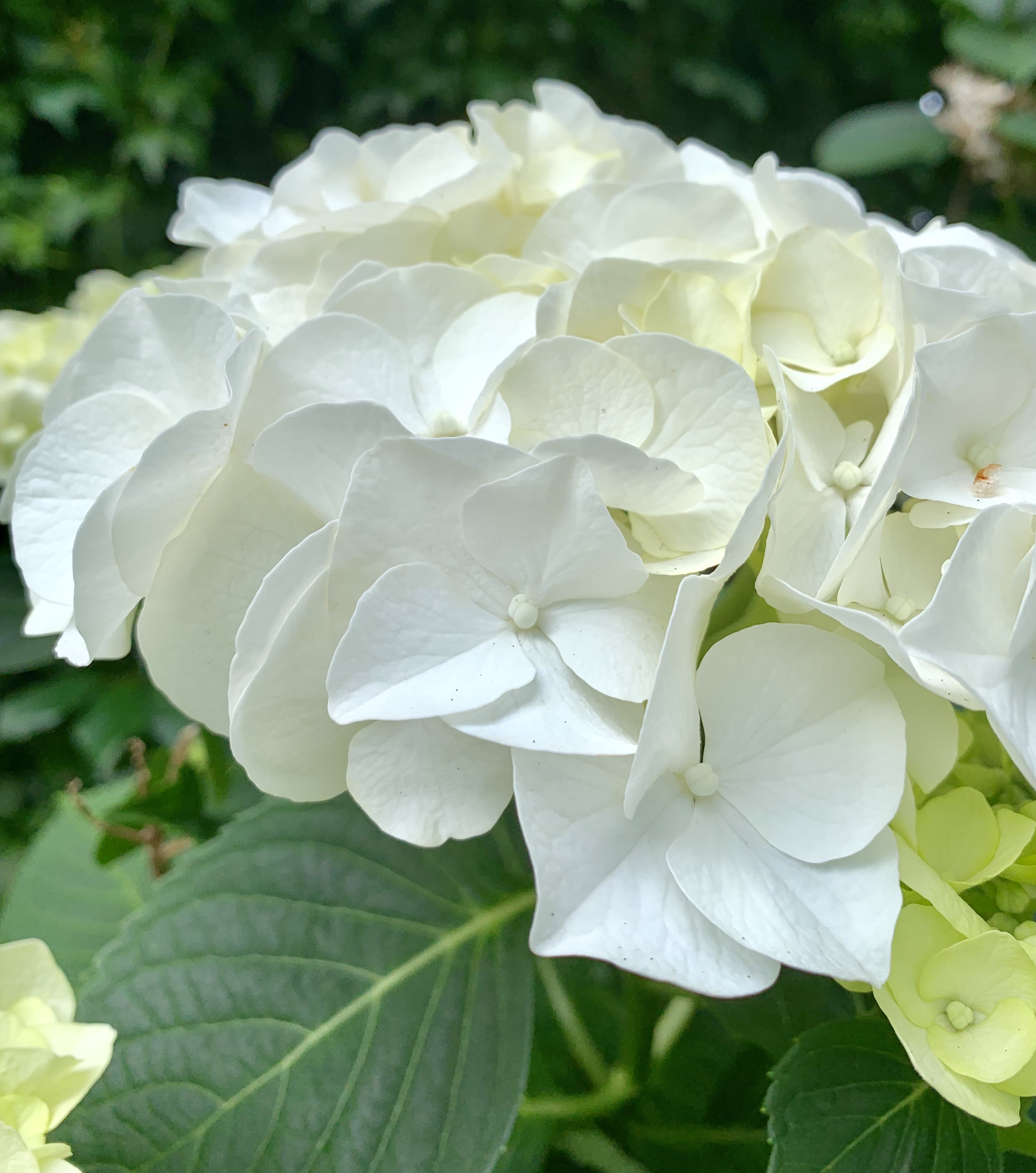
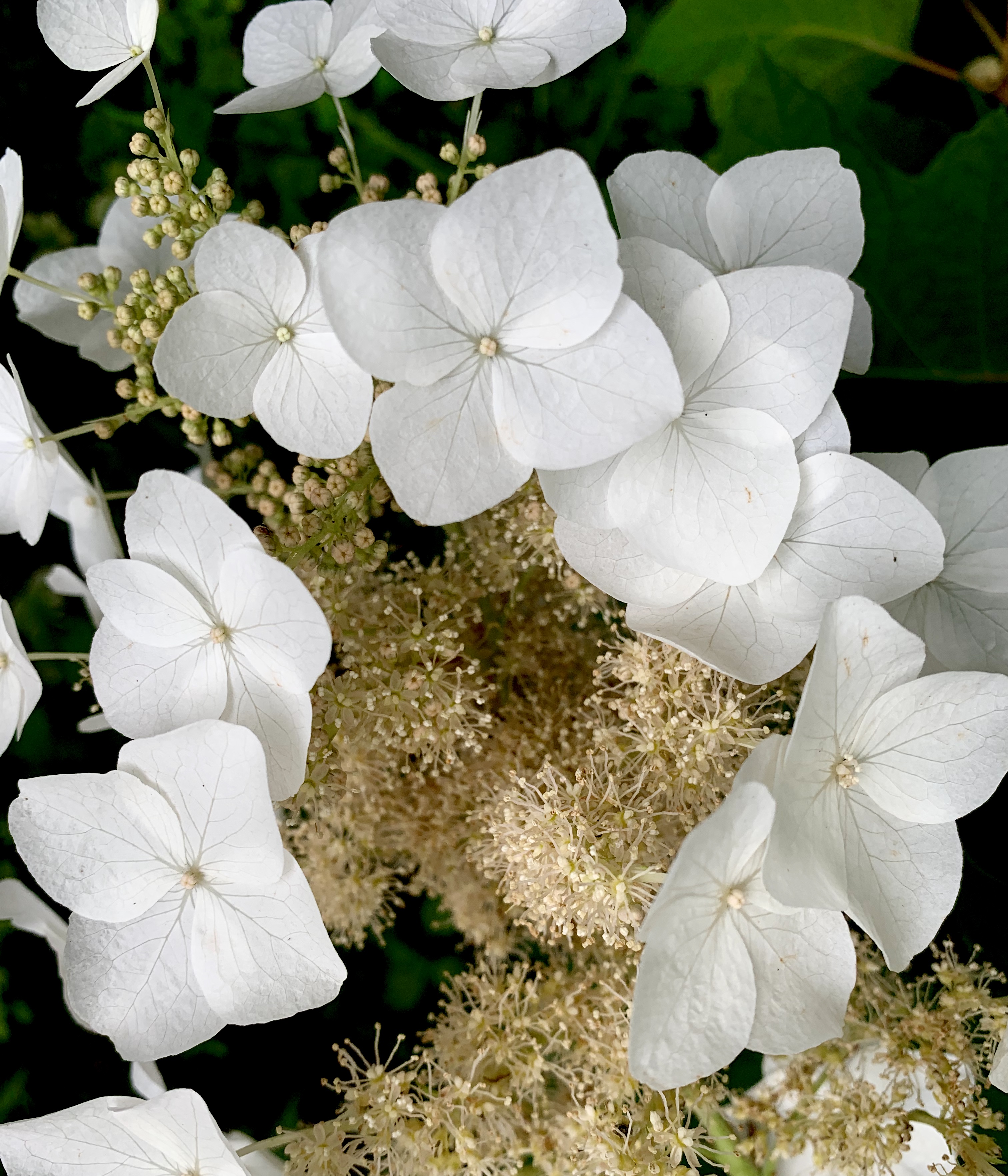
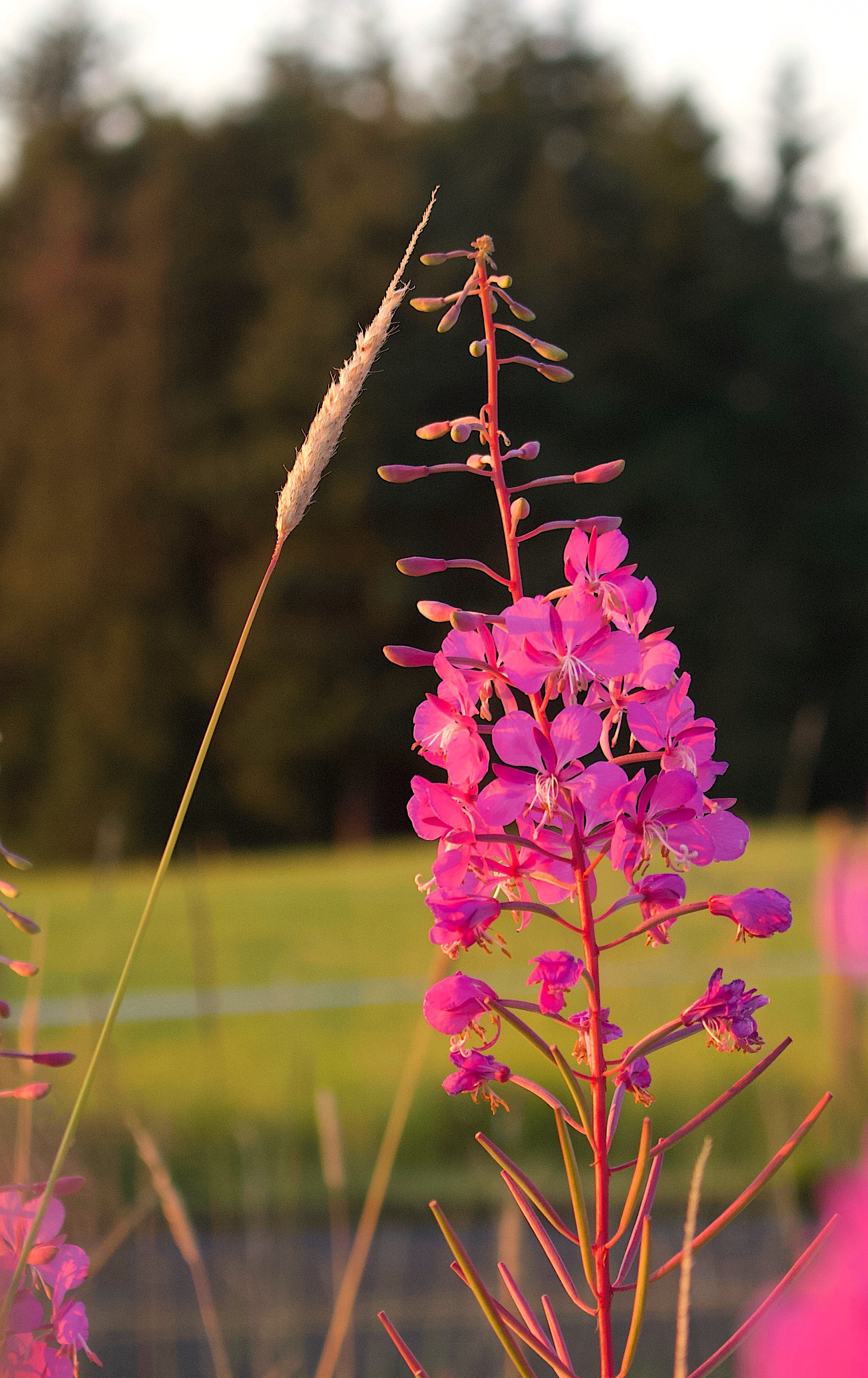
Some sermon stories remain subtle and hidden, cryptic messages like the blooms that grow close to the ground, barely visible.

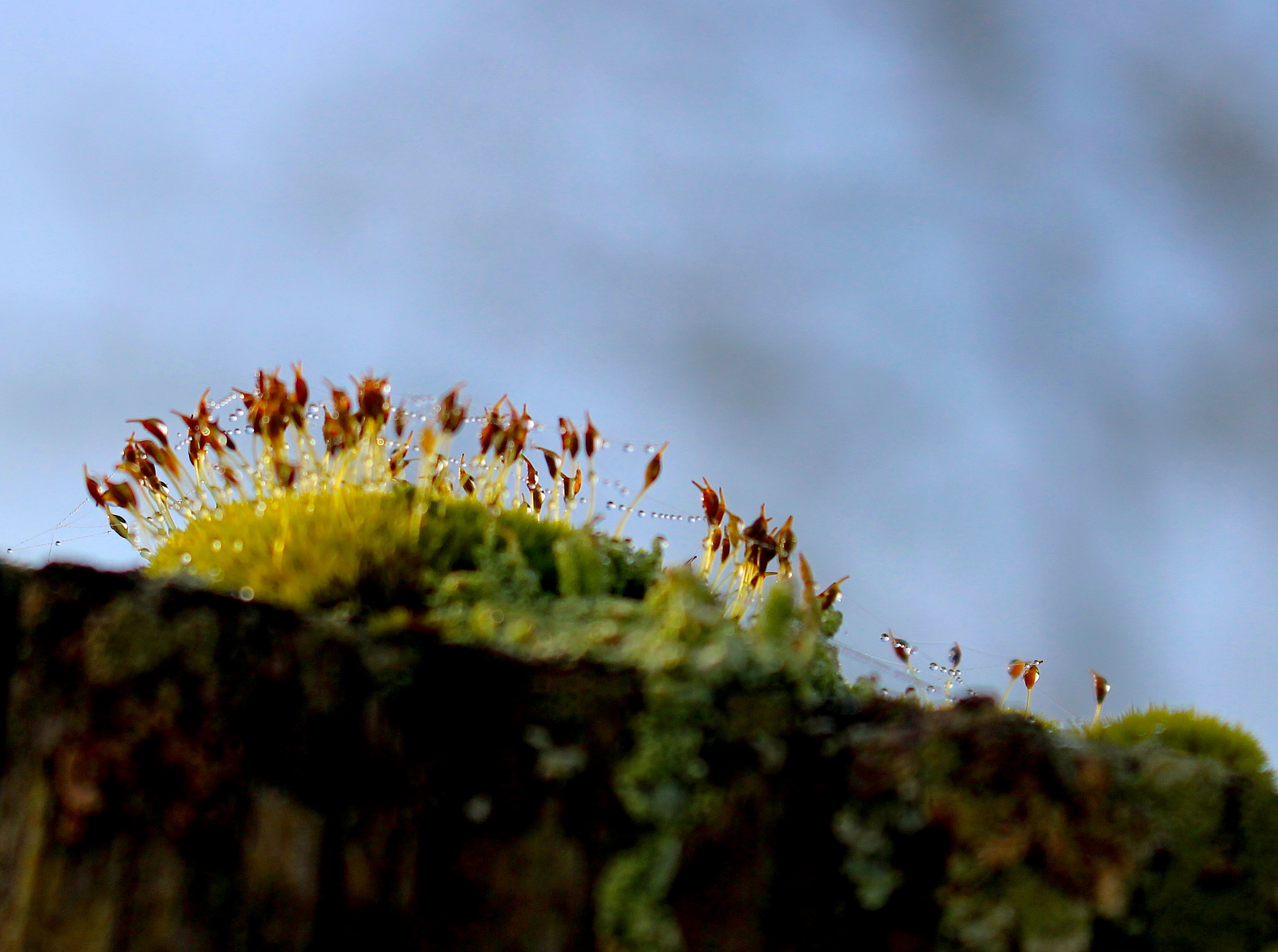
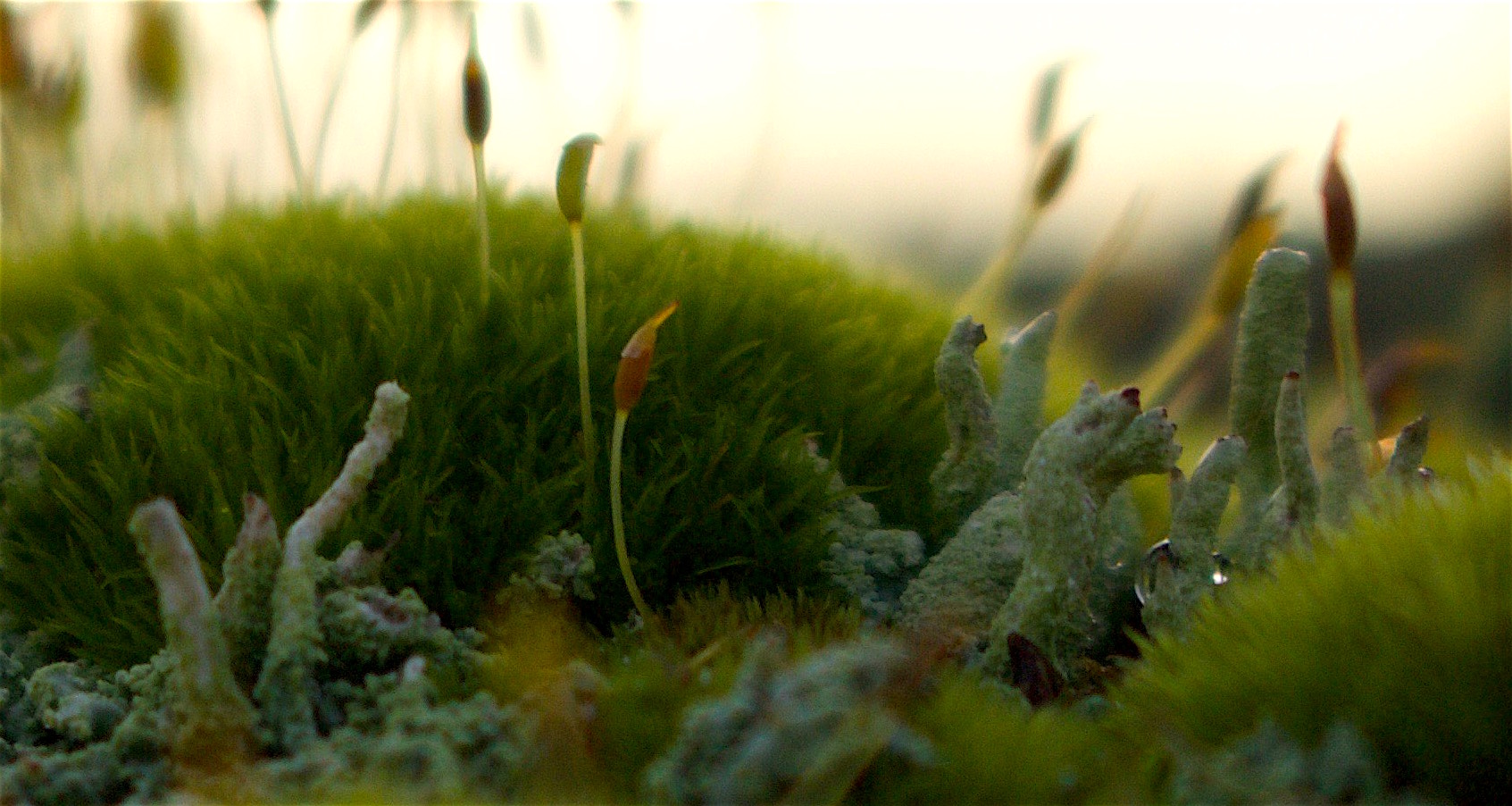
We need to hear them all preached, but most of all we need those every day plain-to-the-bone sermons which are trampled and tread upon, springing back up to guide our feet to the best pathway home. No color, no fragrance, no hiding: just celebrating the ubiquitous lichens, mosses and grasses and weeds which exist solely to help cushion our inevitable fall and help us rise up again.

Light and Cloud-Shadows

.…you mustn’t be frightened … if a sadness rises in front of you, larger than any you have ever seen; if an anxiety, like light and cloud-shadows, moves over your hands and over everything you do. You must realize that something is happening to you, that life has not forgotten you, that it holds you in its hand and will not let you fall. Why do you want to shut out of your life any uneasiness, any misery, any depression, since after all you don’t know what work these conditions are doing inside you?
~Rainer Maria Rilke from Letters to a Young Poet

…difficulties are magnified out of all proportion simply by fear and anxiety. From the moment we wake until we fall asleep we must commend other people wholly and unreservedly to God and leave them in his hands, and transform our anxiety for them into prayers on their behalf: 
With sorrow and with grief…
God will not be distracted.
~Dietrich Bonhoeffer in Letters from Prison

Every day I see college students who are so consumed by anxiety they become immobilized in their ability to move forward through the midst of life’s inevitable obstacles and difficulties.  They become so stuck in their own overwhelming feelings they can’t sleep or eat or think clearly, so distracted are they by their symptoms.  They self-medicate, self-injure and self-hate.  Being unable to nurture themselves or others, they wither like a young tree without roots deep enough to reach the vast reservoir that lies untapped beneath them.  In epidemic numbers, some decide to die, even before life really has fully begun for them.

I grieve for them in their distress.   My role is to help find healing solutions, whether it is counseling therapy, a break from school, or a medicine that may give some form of relief.  My heart knows the ultimate answer is not as simple as the right prescription.

We who are anxious must depend upon a Creator who does not suffer from attention deficit disorder and who is not distracted from His care for us even when we turn away in worry and sorrow.  We magnify our difficult circumstances by staying so tightly into ourselves, unable to look beyond our own eyelashes.  Instead we are to reach higher and deeper, through prayer, through service to others, through acknowledging there is power greater than ourselves.

So we are called to pray for ourselves and for others,  disabling anxiety and fear and transforming it to gratitude and grace.   No longer withering, we just might bloom.