Days pass when I forget the mystery. Problems insoluble and problems offering their own ignored solutions jostle for my attention… And then once more the quiet mystery is present to me, the throng’s clamor recedes: the mystery that there is anything, anything at all, let alone cosmos, joy, memory, everything, rather than void: and that, O Lord, Creator, Hallowed one, You still, hour by hour sustain it. ~Denise Levertov from “Primary Wonder” from Sands of the Well
Here is the mystery, the secret, one might almost say the cunning, of the deep love of God: that it is bound to draw upon itself the hatred and pain and shame and anger and bitterness and rejection of the world, but to draw all those things on to itself is precisely the means chosen from all eternity by the generous, loving God, by which to rid his world of the evils which have resulted from human abuse of God-given freedom. ~N.T. Wright from The Crown and The Fire
Inundated by the inevitable bad news of the world, I must cling to the mystery of His magnetism for my own weaknesses, flaws and bitterness.
I am frozen in the ice of sin, waiting to be thawed.
He willingly pulls evil onto Himself, out of me. Hatred and pain and shame and anger disappear into the vortex of His love and beauty, the mucky corners of my heart vacuumed spotless.
We are let in on a secret: He is not sullied by absorbing the dirty messes of our lives.
Created in His image, sustained and loved, thus a reflection of Him, it is no mystery we are washed forever clean.
photo of Mt. Baker reflected in Wiser Lake by Joel DeWaard
This year’s Barnstorming Lenten theme is Ephesians 3:9:
…to bring to light for everyone what is the plan of the mystery hidden for ages in God, who created all things…
One-Time
Monthly
Yearly
Make a one-time or recurring donation to support daily Barnstorming posts
I have left my wife at the airport, flying out to help our daughter whose baby will not eat. And I am driving on to Kent to hear some poets read tonight.
I don’t know what to do with myself when she leaves me like this. An old friend has decided to end our friendship. Another is breaking it off with his wife.
I don’t know what to say to any of this-Life’s hard. And I say it aloud to myself, Living is hard, and drive further into the darkness, my headlights only going so far.
I sense my own tense breath, this fear we call stress, making it something else, hiding from all that is real.
As I glide past Twin Lakes, flat bodies of water under stars, I hold the wheel gently, slowing my body to the road, and know again that this is just living, not a trauma nor dying, but a lingering pain reminding us that we are alive. ~Larry Smith “Following the Road” from A River Remains
The grace of God means something like: Here is your life. You might never have been, but you are because the party wouldn’t have been complete without you. Here is the world. Beautiful and terrible things will happen. Don’t be afraid. I am with you. Nothing can ever separate us. It’s for you I created the universe. I love you. There’s only one catch. Like any other gift, the gift of grace can be yours only if you’ll reach out and take it. Maybe being able to reach out and take it is a gift too. ~Frederich Buechner from Wishful Thinking
You get out of bed, wash and dress; eat breakfast, say goodbye and go away never maybe, to return for all you know, to work, talk, lust, pray, dawdle and do, and at the end of the day, if your luck holds, you come home again, home again. Then night again. Bed. The little death of sleep, sleep of death. Morning, afternoon, evening— the hours of the day, of any day, of your day and my day. The alphabet of grace. If there is a God who speaks anywhere, surely he speaks here: through waking up and working, through going away and coming back again, through people you read and books you meet, through falling asleep in the dark. Life is grace. Sleep is forgiveness. The night absolves. Darkness wipes the slate clean, not spotless to be sure, but clean enough for another day’s chalking. ~Frederich Buechner from “The Alphabet of Grace
Our six year old grandson, hoping to calm his older sister’s melt-down: “Life is life – it’ll be okay tomorrow…“
So tomorrow – move forward to leave a mark on a new day after tonight’s erasing rest.
No matter what took place this day, no matter the misgivings, no matter what should have been left unsaid, no matter how hard the heart, no matter the lingering pain, there is another day to make it right.
Forgiveness finds a foothold in the dark, when eyelids close, thoughts quietly open, voices hush in prayers of praise, petition and gratitude.
And so now simply sleep on it knowing his grace abounds in blameless dreams.
Morning will come awash in new light, another chance freely given.
One-Time
Monthly
Yearly
Make a one-time or recurring donation to support daily Barnstorming posts
Some people see scars, and it is wounding they remember. To me they are proof of the fact that there is healing. ~ Linda Hoganfrom Solar Storms
Wet stones from the middle path. A shard of green heartwood ripped by the big storm from the oak’s broken, heavy limb. And we all have scar stories.
Which say more than wound stories. Wound stories tell how we were injured. Scar stories tell how we heal. ~Liza Hyatt,”What I Carry Home With Me” from Wayfaring
between the rosebuds and the thorns the pine tree branches with their needles and kitty claws
my hands are always bleeding
and turning up scars that cry, “I’m alive, I feel it. I feel it all” and then falling back into whispers while my body heals itself one more time ~Juniper Klatt, I was raised in a house of water
…see how the flesh grows back across a wound, with a great vehemence, more strong than the simple, untested surface before.
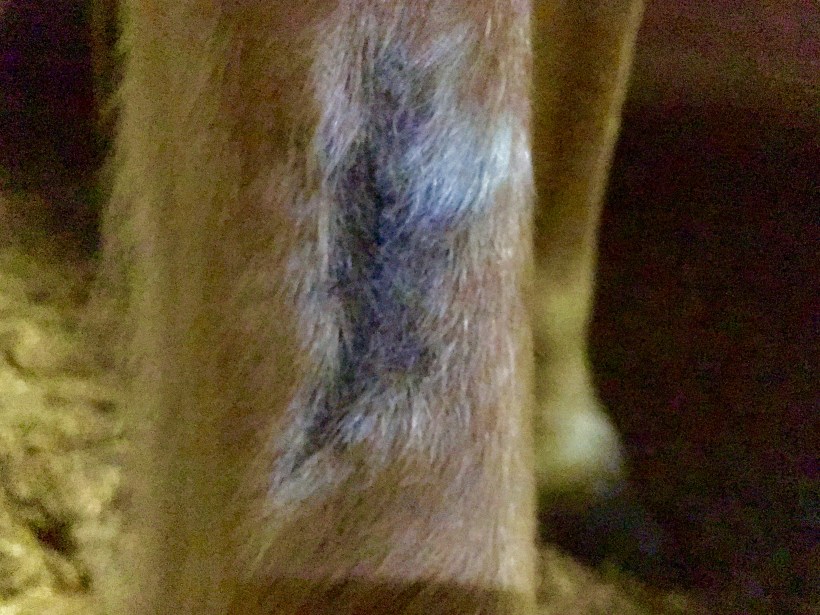
There’s a name for it on horses, when it comes back darker and raised: proud flesh, as all flesh is proud of its wounds, wears them as honors given out after battle, small triumphs pinned to the chest –
And when two people have loved each other, see how it is like a scar between their bodies, stronger, darker, and proud; how the black cord makes of them a single fabric that nothing can tear or mend. ~Jane Hirshfield from “For What Binds Us”
I prefer winter and fall, when you feel the bone structure of the landscape — the loneliness of it, the dead feeling of winter. Something waits beneath it, the whole story doesn’t show. ~Andrew Wyeth, artist
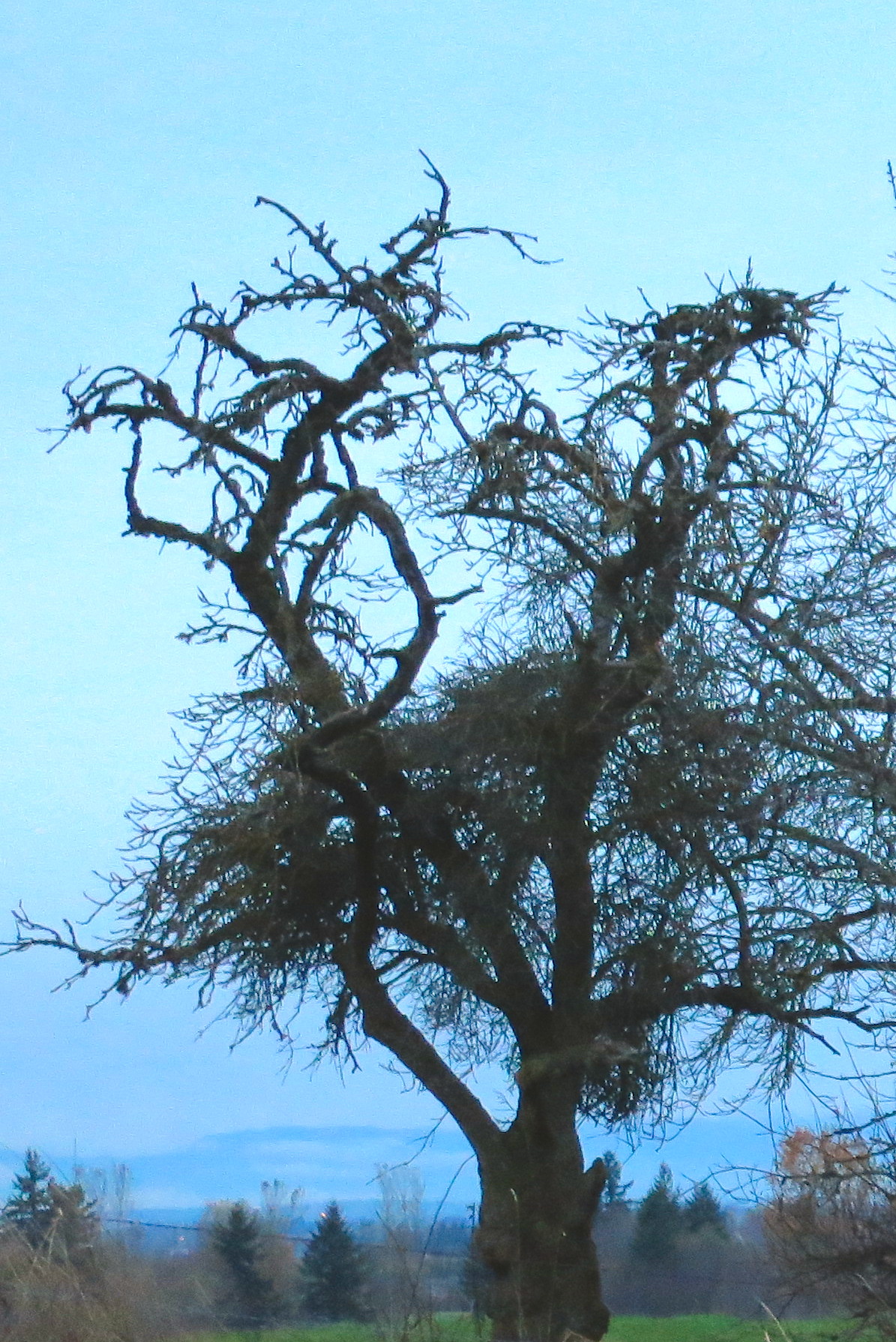
photo by Nate Gibson
In winter, we are stripped naked as the bare trees right now; our skin and bones reveal the scars, broken branches, and healed fractures of previous winter windstorms. We no longer have anything to hide behind or among, as our defects are plain to see.
Our whole story is a mystery untold, impossible to conceal.
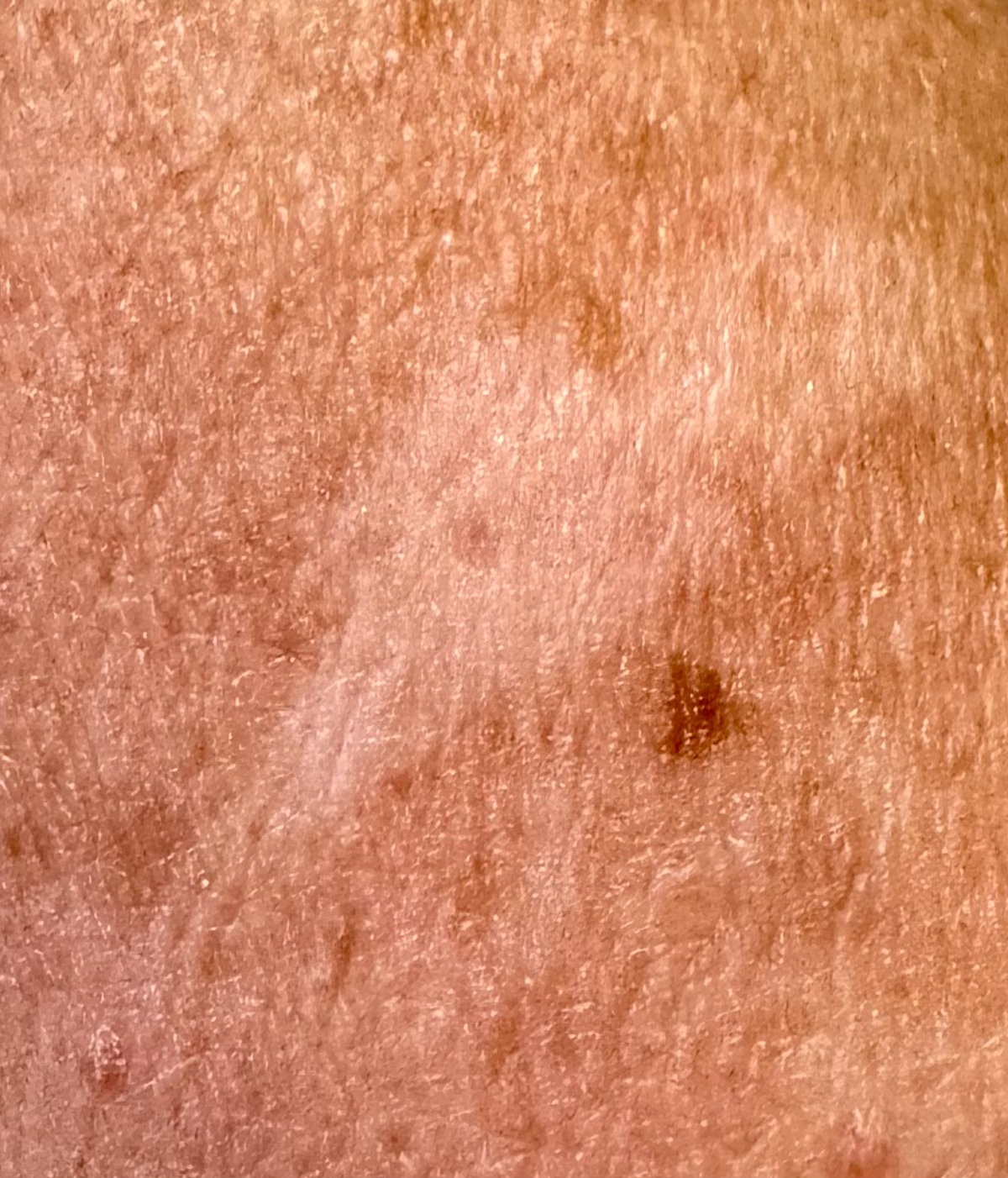
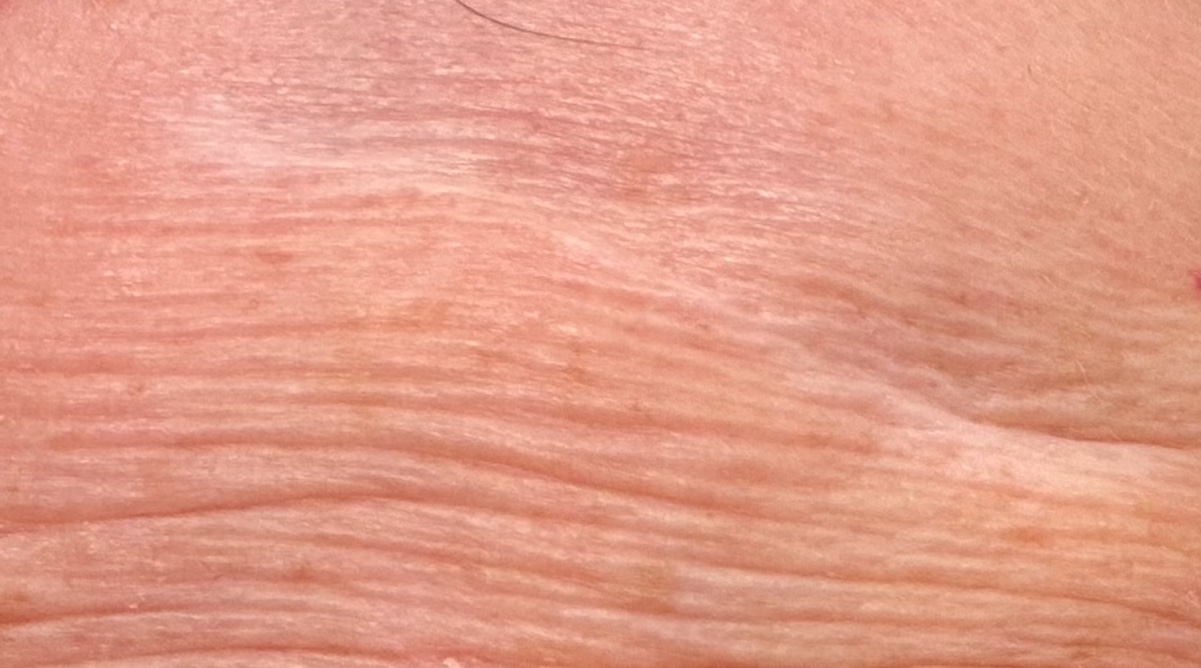
Scars come in various sizes and shapes, some hidden, some quite obvious to all. How they are inflicted also varies–some accidental, others therapeutic, and too many intentional.
The most insidious are the ones so internal, no one can see or know they are there. Sometimes we aren’t aware of them ourselves – only something unreachable is still hurting at times.
Most often, they are simply the scars of living in a hazardous world – on farm animals, healing into a tough scar of leathery “proud flesh”.
Yet, none of them are as deep and wide as scars accepted on our behalf, nor as wondrous as the Love that oozed from them, nor as amazing as the Grace that abounds to this day because of the promise they represent. These are scars from the Word made Flesh, a proud flesh that won’t give way, lasting forever.
Though I am abundantly flawed with pocks and scars, I am reminded each winter of my renewal. There are hints of new growth to come when the frost abates and the sap thaws.
Indeed, I am prepared to wait an eternity, if necessary, to understand the rest of the story.
One-Time
Monthly
Yearly
Make a one-time or recurring donation to support daily Barnstorming posts
In those days, we finally chose to walk like giants and hold the world in arms grown strong with love. And there may be many things we forget in the days to come, but this will not be one of them. ~Brian Andreas from Traveling Light: Stories & Drawings for a Quiet Mind
No discipline seems pleasant at the time, but painful. Later on, however, it produces a harvest of righteousness and peace for those who have been trained by it.
Therefore, strengthen your feeble arms and weak knees. Hebrews 12:11-12
She sets about her work vigorously; her arms are strong for her tasks. ~Proverbs 31:17
I know what it is to be in need, and I know what it is to have plenty. I have learned the secret of being content in any and every situation, whether well fed or hungry, whether living in plenty or in want. I can do all this through him who gives me strength. ~Philippians 4: 12-13
Some of us think holding on makes us strong; but sometimes it is letting go. ~Hermann Hesse
The world asks of us only the strength we have and we give it. Then it asks more, and we give it. ~Jane Hirshfield from “The Weighing” from The Beauty
A few years ago, I dislocated and broke my elbow in a clumsy fall while doing barn chores.
After a trip to the ER to have it set and put in a restrictive brace for three months, I learned letting go takes far more strength than holding on and pushing through.
I had to figure out how to “be flexible” when in reality, I felt immobilized.
I discovered how to ask for help when I’m in need which is tough for someone who has always been the helper – there was unity in our mutual need for one another.
Others watched me carefully to see if I’d quietly go stir-crazy with my new temporary limitations. Instead, I began seeing the world in a different light: what could I do on my own and what was impossible without assistance.
I needed to rely on others. For a stubborn person who thrives on self-sufficiency, this is a humbling reminder of my brokenness and frailty.
May the Lord have mercy on all those with broken wings who still endeavor to lift up the weight of the world and fly as high as ever.
Instead, may we find our strength is in Him, not in our feeble (and very breakable) arms.
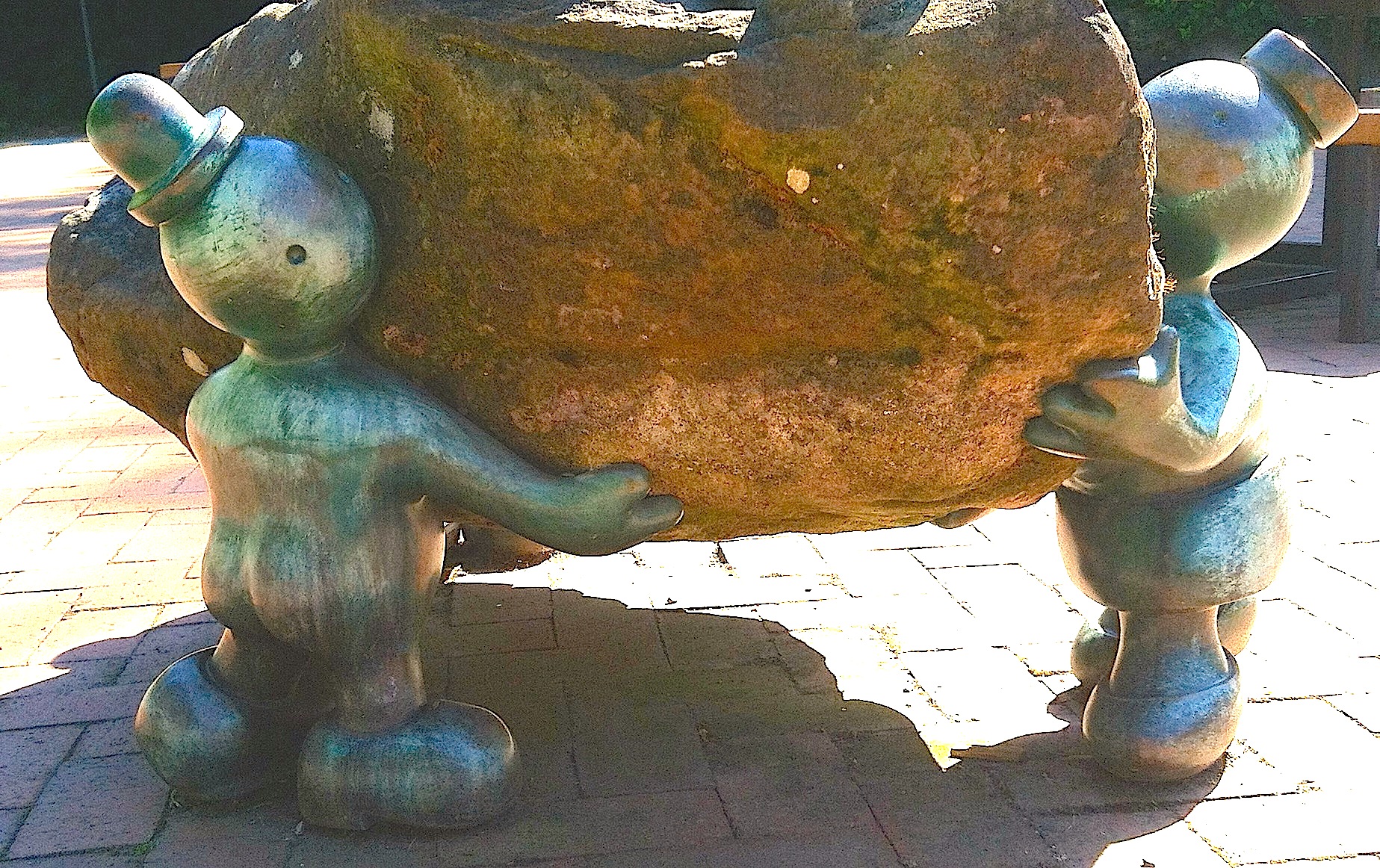
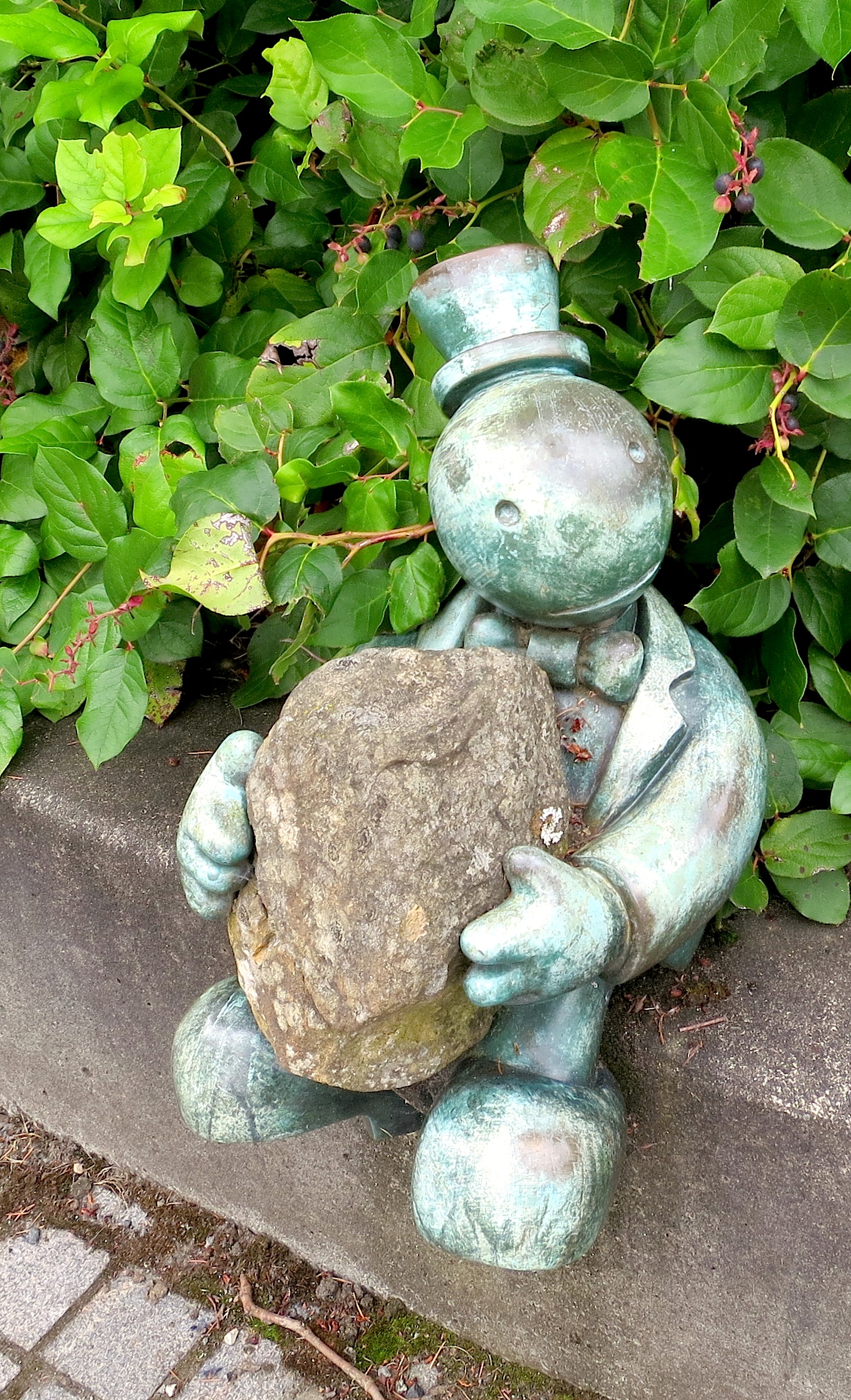
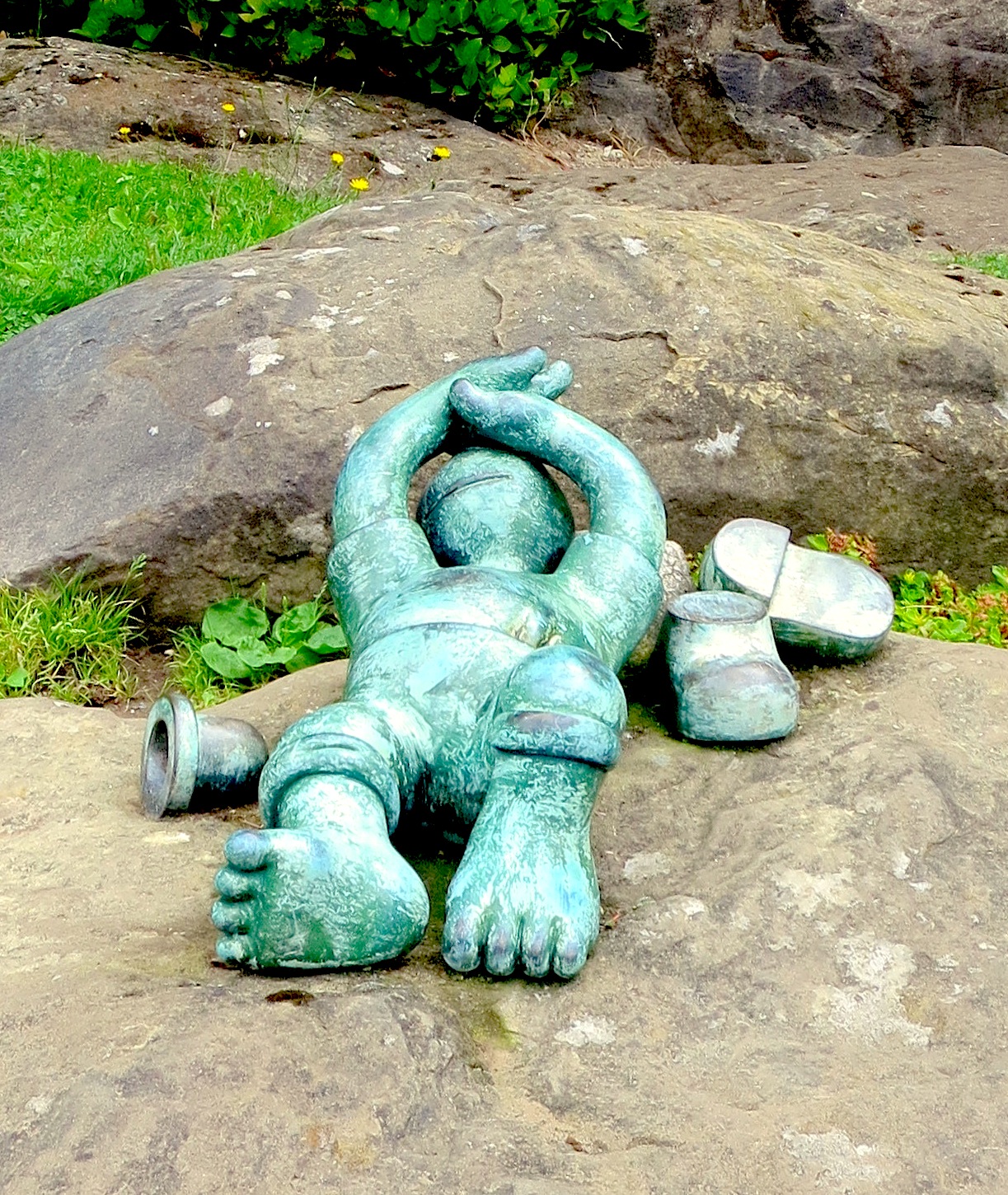
photos of “Feats of Strength” by Tom Otterness at Western Washington University
One-Time
Monthly
Yearly
Make a one-time or recurring donation to support daily Barnstorming posts
On Sundays, when the rain held off, after lunch or later, I would go with my twelve year old daughter into town, and put down the time at junk sales, antique fairs.
There I would lean over tables, absorbed by lace, wooden frames, glass. My daughter stood at the other end of the room, her flame-coloured hair obvious whenever— which was not often—
I turned around. I turned around. She was gone. Grown. No longer ready to come with me, whenever a dry Sunday held out its promises of small histories. Endings.
Spirit of irony, my caustic author of the past, of memory,—
and of its pain, which returns hurts, stings—reproach me now, remind me that I was in those rooms, with my child, with my back turned to her, searching—oh irony!— for beautiful things. ~Eavan Boland from “The Necessity for Irony” in The Lost Land.
How is it we look past the golden treasure right in front of us, the beauty gifted generously to us, to pursue the glittery with no value in the long run?
If my history of misplaced focus be forgiven, it is only because of your own golden and generous grace – ironically, always the most beautiful object of my searching.
One-Time
Monthly
Yearly
Make a one-time or recurring donation to support daily Barnstorming posts
The cold remote islands And the blue estuaries Where what breathes, breathes The restless wind of the inlets, And what drinks, drinks The incoming tide;
Where shell and weed Wait upon the salt wash of the sea, And the clear nights of stars Swing their lights westward To set behind the land;
Where the pulse clinging to the rocks Renews itself forever; Where, again on cloudless nights, The water reflects The firmament’s partial setting;
—O remember In your narrowing dark hours That more things move Than blood in the heart. Louise Bogan “Night” from The Blue Estuaries
I know what my heart is like Since your love died: It is like a hollow ledge Holding a little pool Left there by the tide, A little tepid pool, Drying inward from the edge. ~Edna St. Vincent Millay “Ebb”
My mother was 58 when my father left her for a younger woman.
For months, she withered, her heart broken, her pulse erratic, crying until there were no more tears left.
She began drying inward from her edges despite the ebbing and flowing of her heartbeat.
It took ten years, but he came back like an overdue high tide.
She was sure her love had died but that tepid pool refilled with water cool to the touch, yet overflowing.
AI image created for this post
One-Time
Monthly
Yearly
Make a one-time or recurring donation to support daily Barnstorming posts
People have said, “Don’t cry” to other people for years and years, and all it has ever meant is, “I’m too uncomfortable when you show your feelings. Don’t cry.” I’d rather have them say, “Go ahead and cry. I’m here to be with you.”
I cry easily, always have. Certain songs and hymns will trigger tears, and of course, any rituals surrounding baptisms, funerals, weddings, and graduations.
Tears don’t bother me, whether they are my own or someone else’s. My medical office and exam rooms were always well- stocked with boxes of tissues as a safe place to cry it out.
One of my routine mental health history questions was “what will bring tears to your eyes – dicing onions doesn’t count?”
Some patients would look at me blankly, not sure they ever remember crying, and others will weep at the mere suggestion.
No matter what the reason for someone’s tears, it is a powerful outward expression of human feeling, like a laugh or a grimace of pain. I watch for those cues and sometimes feel their emotion as surely as if it were my own.
Even tears can bring peace – like a river.
I am with you. And always intend to be.
One-Time
Monthly
Yearly
Make a one-time donation to support daily Barnstorming posts
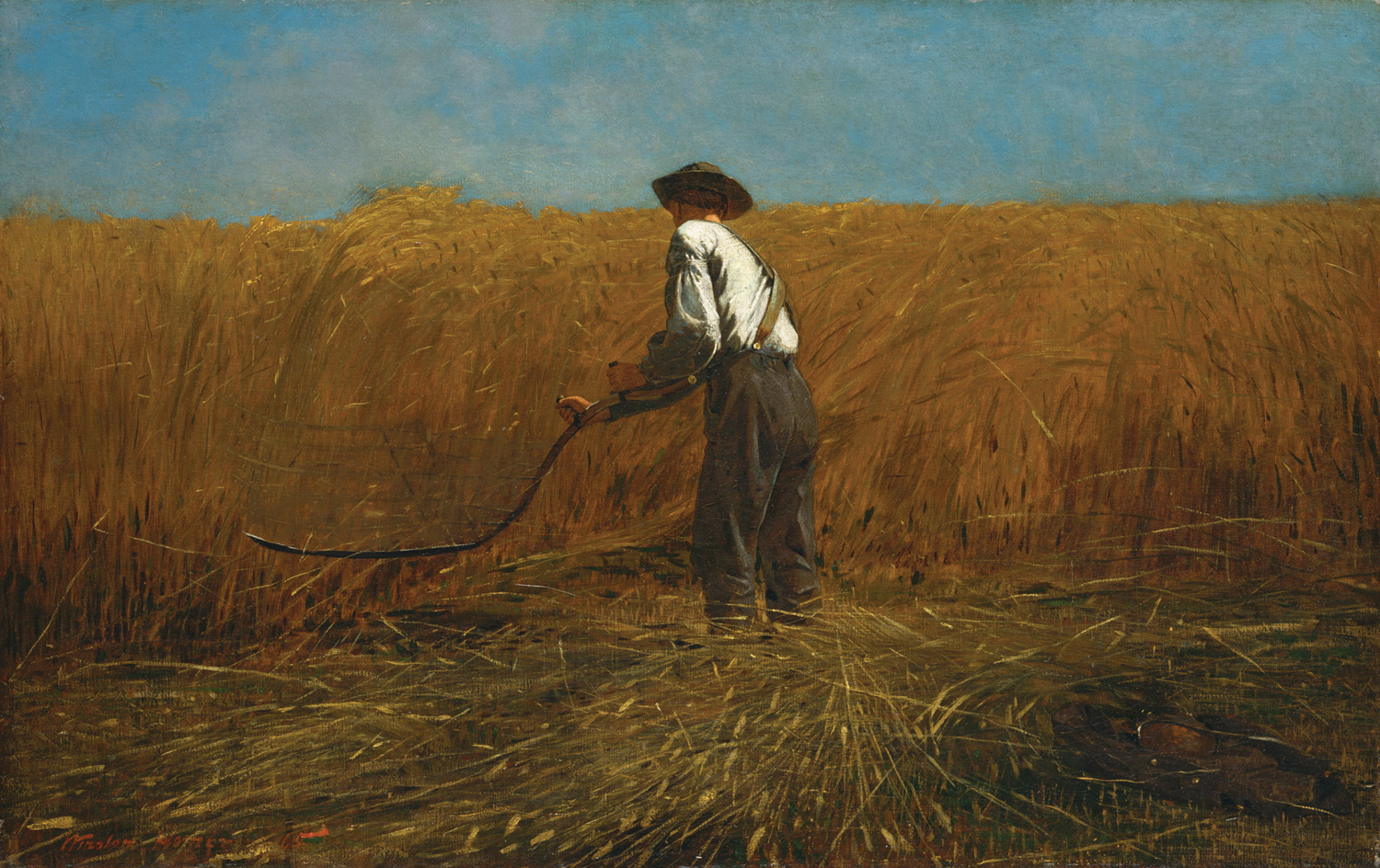
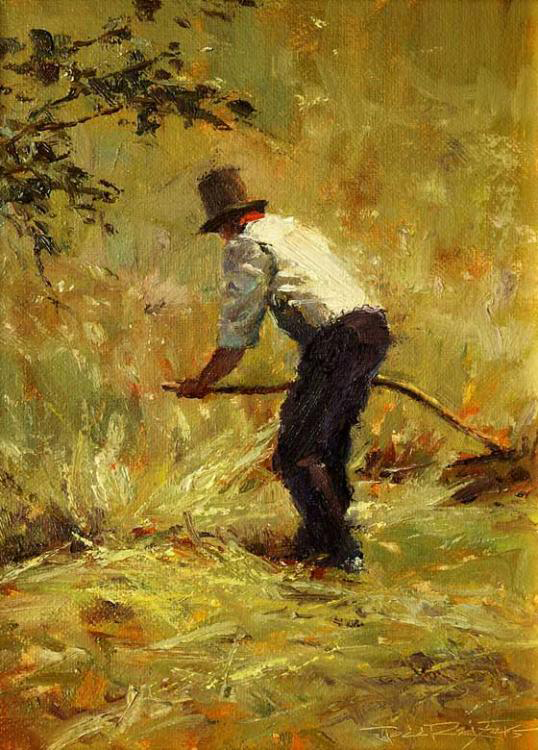
Winslow Homer’s The Veteran in a New FieldMan Scything Hay by Todd Reifers
There was never a sound beside the wood but one, And that was my long scythe whispering to the ground. What was it it whispered? I knew not well myself; Perhaps it was something about the heat of the sun, Something, perhaps, about the lack of sound— And that was why it whispered and did not speak. To the earnest love that laid the swale in rows, The fact is the sweetest dream that labor knows. My long scythe whispered and left the hay to make. ~Robert Frost in “Mowing”
Mowers, weary and brown, and blithe, What is the word methinks ye know, Endless over-word that the Scythe Sings to the blades of the grass below? Scythes that swing in the grass and clover, Something still, they say as they pass; What is the word that, over and over, Sings the Scythe to the flowers and grass?
Hush, ah hush, the Scythes are saying, Hush, and heed not, and fall asleep; Hush, they say to the grasses swaying, Hush, they sing to the clover deep! Hush – ’tis the lullaby Time is singing – Hush, and heed not, for all things pass, Hush, ah hush! and the Scythes are swinging Over the clover and over the grass! ~Andrew Lang (1844-1912) “The ScytheSong”
It is blue May. There is work to be done. The spring’s eye blind with algae, the stopped water silent. The garden fills with nettle and briar. Dylan drags branches away. I wade forward with my scythe.
There is stickiness on the blade. Yolk on my hands. Albumen and blood. Fragments of shell are baby-bones, the scythe a scalpel, bloodied and guilty with crushed feathers, mosses, the cut cords of the grass. We shout at each other each hurting with a separate pain.
From the crown of the hawthorn tree to the ground the willow warbler drops. All day in silence she repeats her question. I too return to the place holding the pieces, at first still hot from the knife, recall how warm birth fluids are. ~Gillian Clarke“Scything” from Letter from a Far Country (1982)
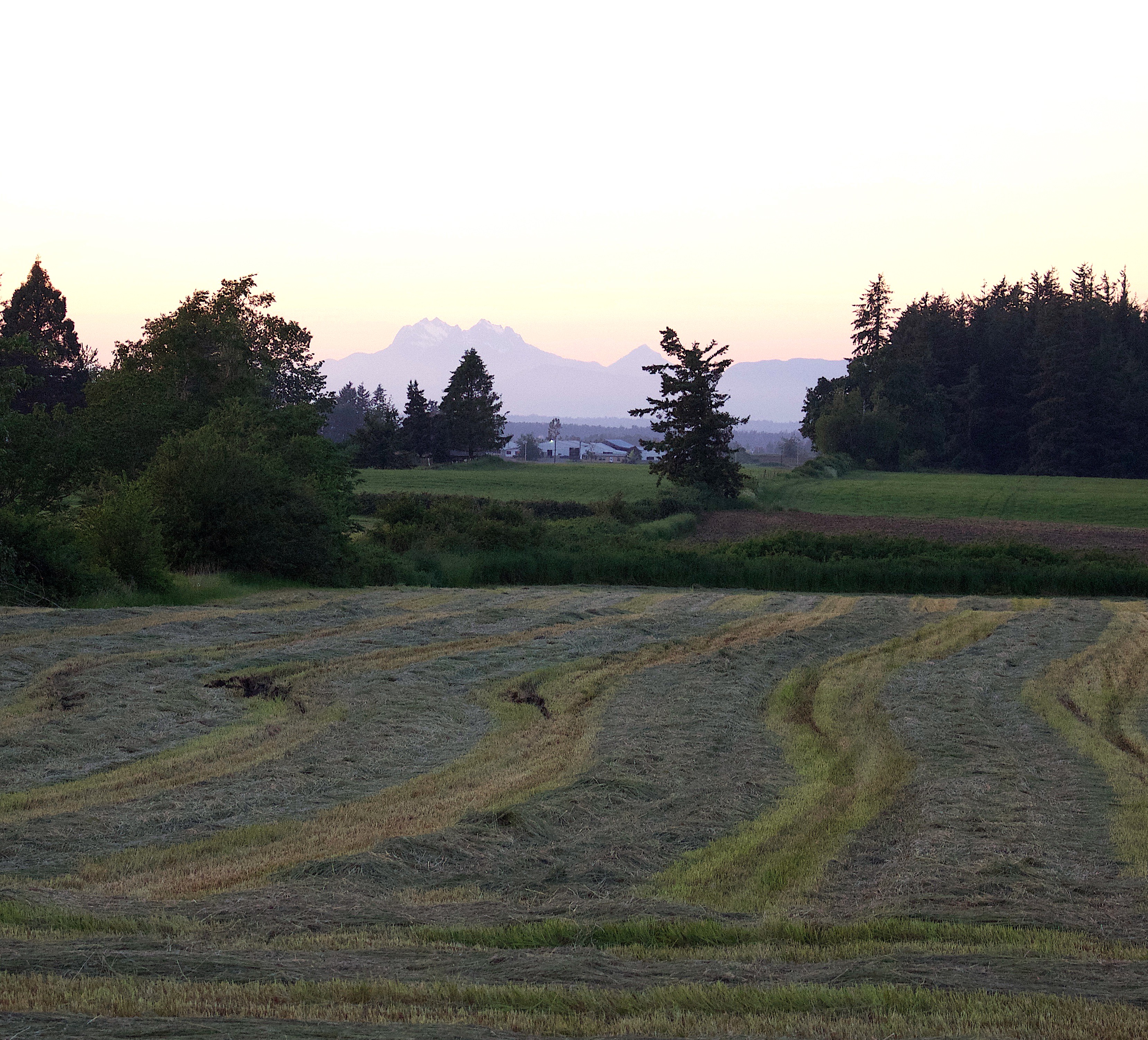
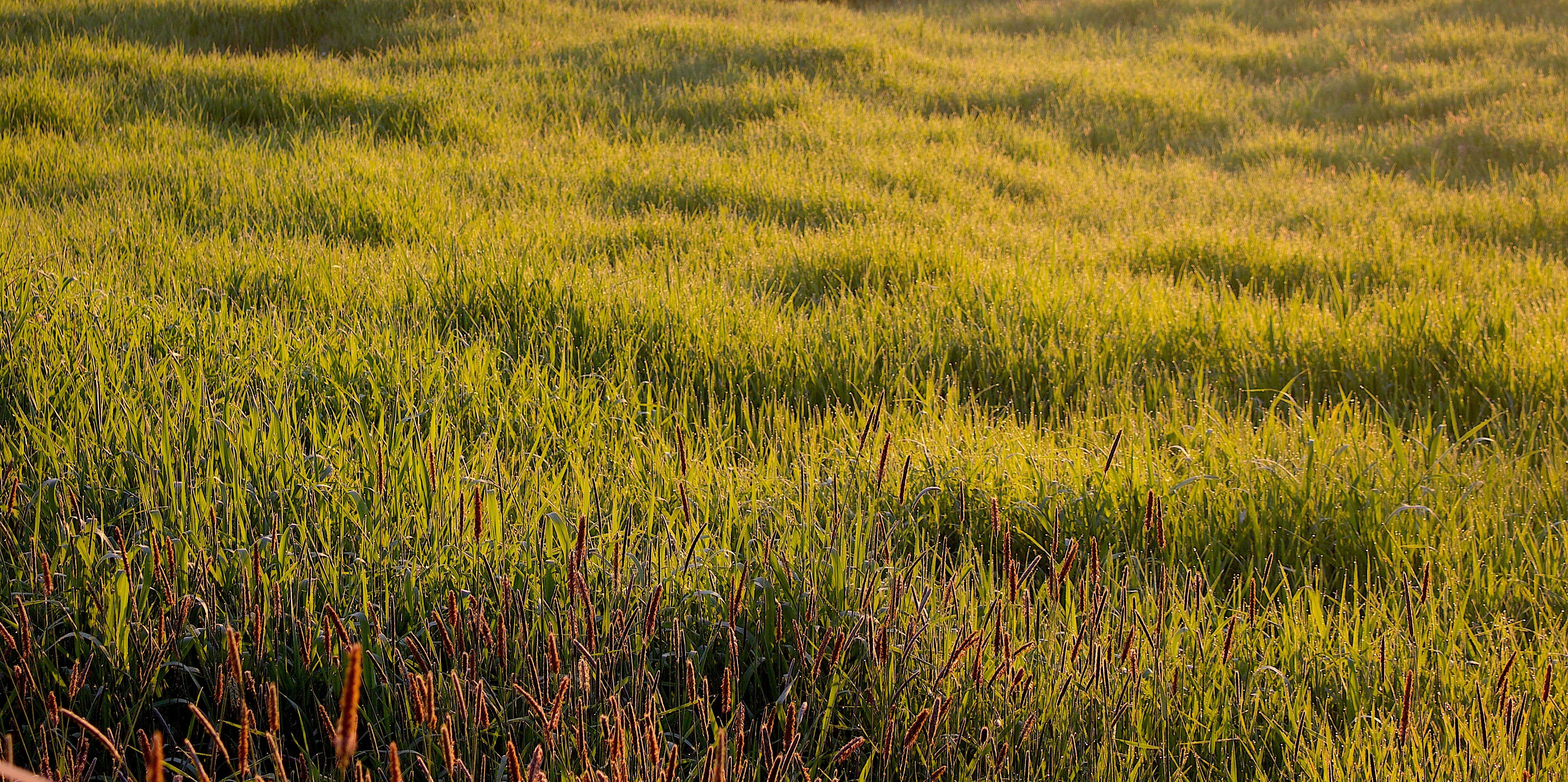
The grass around our orchard and yet-to-be-planted garden is now thigh-high. It practically squeaks while it grows. Anything that used to be in plain sight on the ground is rapidly being swallowed up in a sea of green: a ball, a pet dish, a garden gnome, a hose, a tractor implement, a bucket. In an effort to stem this tidal flood of grass, I grab the scythe out of the garden shed and plan my attack.
When the pastures are too wet yet for heavy hooves, I have hungry horses to provide for and there is more than plenty fodder to cut down for them.
I’m not a weed whacker kind of gal. First there is the necessary fuel, the noise necessitating ear plugs, the risk of flying particles requiring goggles–it all seems too much like an act of war to be remotely enjoyable. Instead, I have tried to take scything lessons from my husband.
Emphasis on “tried.”
I grew up watching my father scythe our hay in our field because he couldn’t afford a mower for his tractor. He enjoyed physical labor in the fields and woods–his other favorite hand tool was a brush cutter that he’d take to blackberry bushes. He would head out to the field with the scythe over this shoulder, grim reaper style. Once he was standing on the edge of the grass needing to be mowed, he would then lower the scythe, curved blade to the ground, turn slightly, positioning his hands on the two handles just so, raise the scythe up past his shoulders, and then in a full body twist almost like a golf swing, he’d bring the blade down. It would follow a smooth arc through the base of the standing grass, laying clumps flat in a tidy pile alongside the 2 inch stubble left behind. It was a swift, silky muscle movement — a thing of beauty.
Once, when I was three years old, I quietly approached my dad in the field while he was busily scything grass for our cows, but I didn’t announce my presence. The handle of his scythe connected with me as he swung it, laying me flat with a bleeding eyebrow. I still bear the scar, somewhat proudly, as he abruptly stopped his fieldwork to lift me up as I bawled and bled on his sweaty shirt. He must have felt so badly to have injured his little girl and drove my mom and I to the local doctor who patched my brow with sticky tape rather than stitches.
So I identify a bit with the grass laid low by the scythe. I forgave my father, of course, and learned never again to surprise him when he was working in the field.
Instead of copying my father’s graceful mowing technique, I tended to chop and mangle rather than effect an efficient slicing blow to the stems. I unintentionally trampled the grass I meant to cut. I got blisters from holding the handles too tightly. It felt hopeless that I’d ever perfect that whispery rise and fall of the scythe, with the rhythmic shush sound of the slice that is almost hypnotic.
Not only did I become an ineffective scything human, I also learned what it is like to be the grass laid flat, on the receiving end of a glancing blow. Over a long career, I bore plenty of footprints from the trampling. It can take awhile to stand back up after being cut down.
Sometimes it makes more sense to simply start over as the oozing stubble bleeds green, with deep roots that no one can reach. As I have grown back over the years, singing rather than squeaking or bawling, I realize, I forgave the scythe every time it came down on my head.
photo by Nate Gibson
One-Time
Monthly
Yearly
Make a one-time or recurring donation to support daily Barnstorming posts
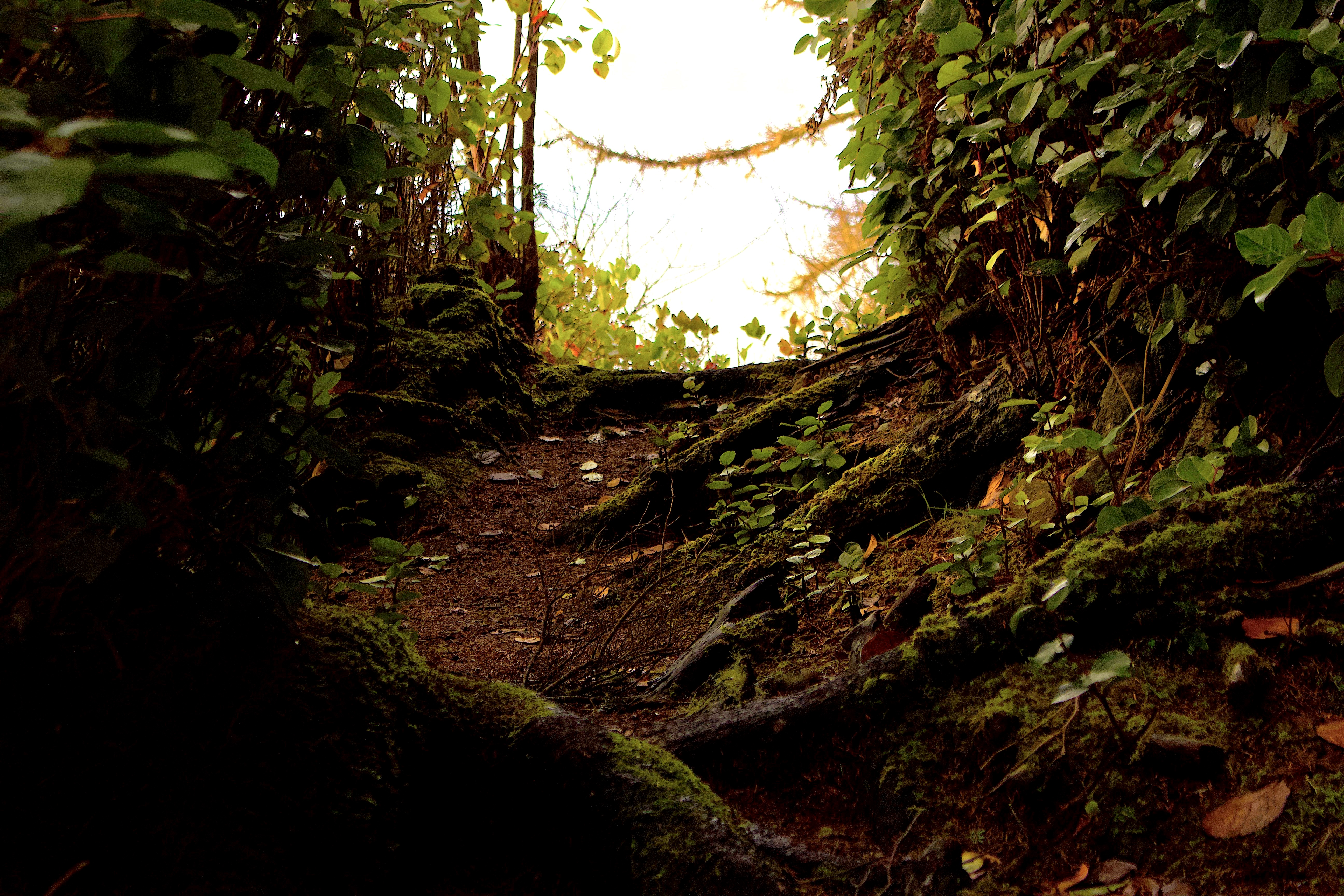
To be commanded to love God at all, let alone in the wilderness , is like being commanded to be well when we are sick, to sing for joy when we are dying of thirst, to run when our legs are broken. But this is the first and great commandment nonetheless. Even in the wilderness- especially in the wilderness – you shall love him. ~Frederick Buechnerfrom A Room Called Remember
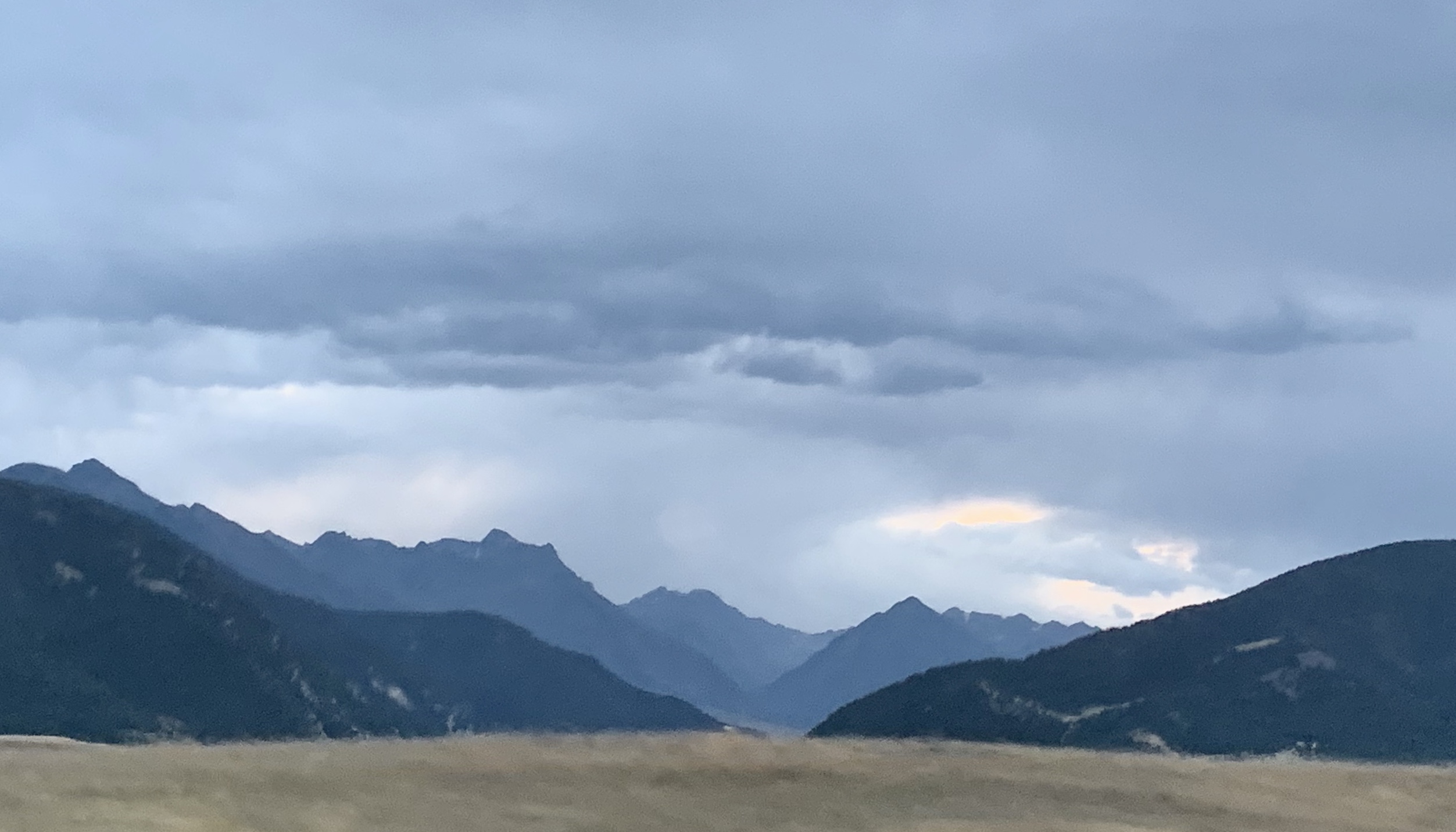
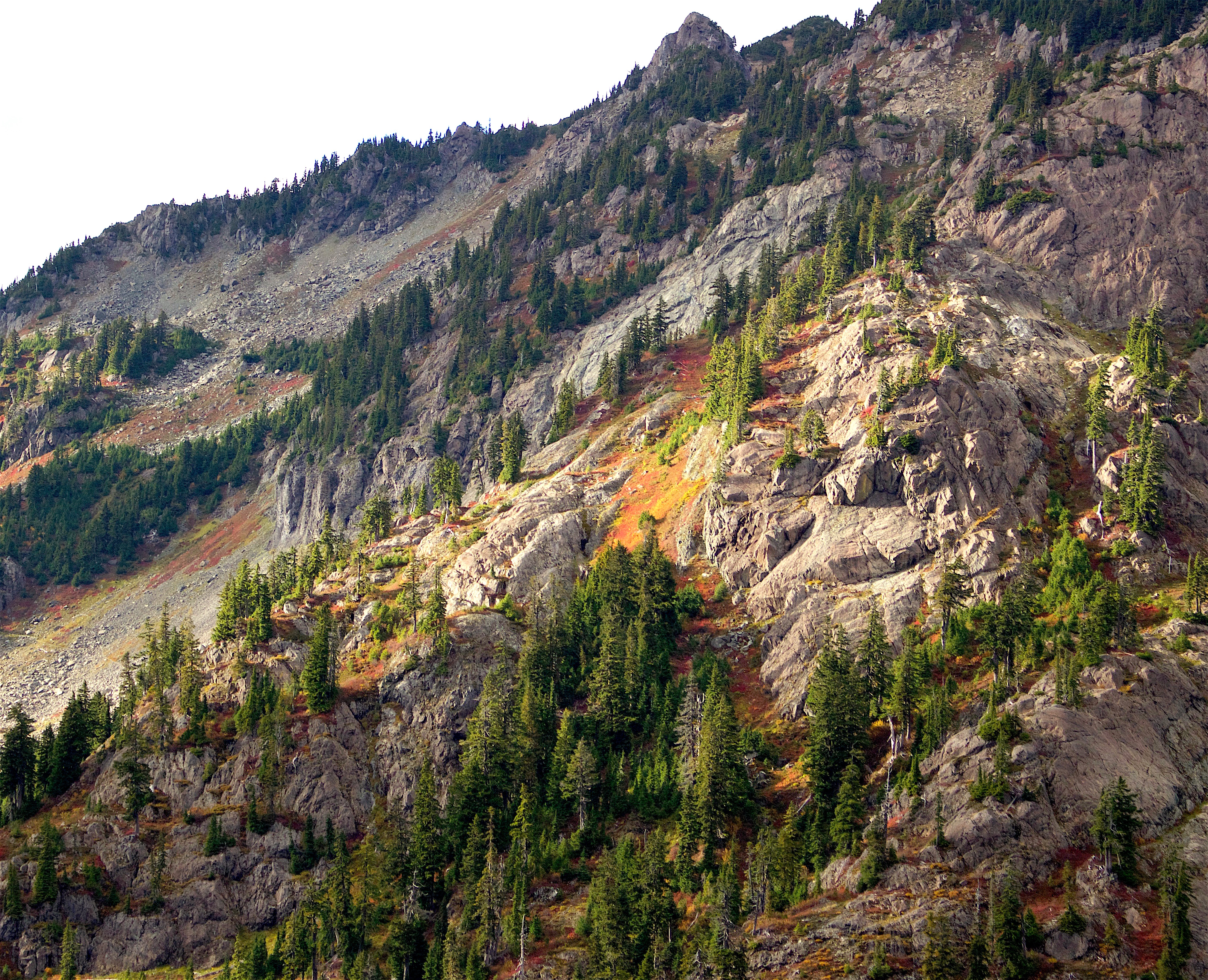
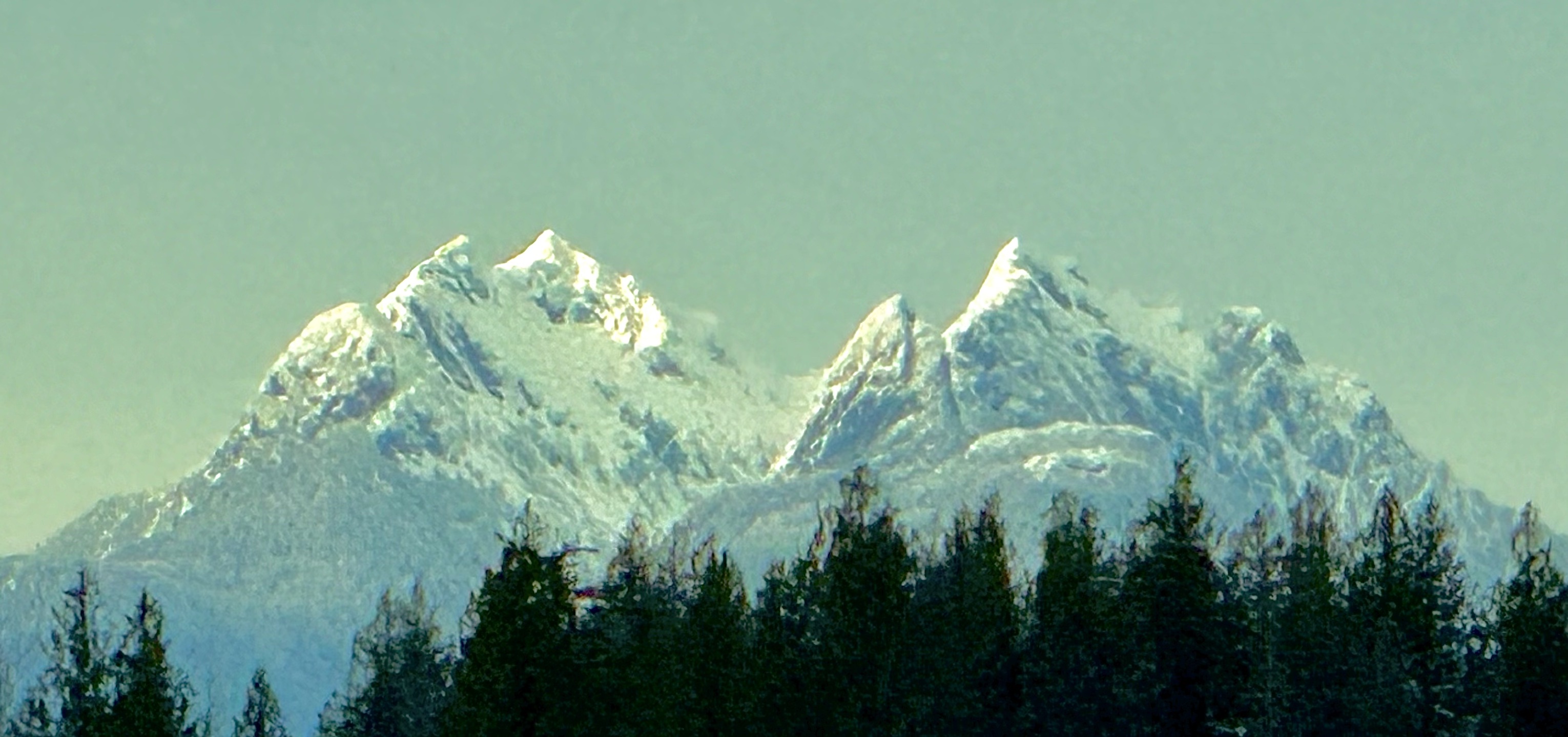
The wilderness might be a distant peak far removed from anything or anyone, where there is bleak darkness.
The wilderness might be the darkest corner of the human heart we keep far away from anything and anyone.
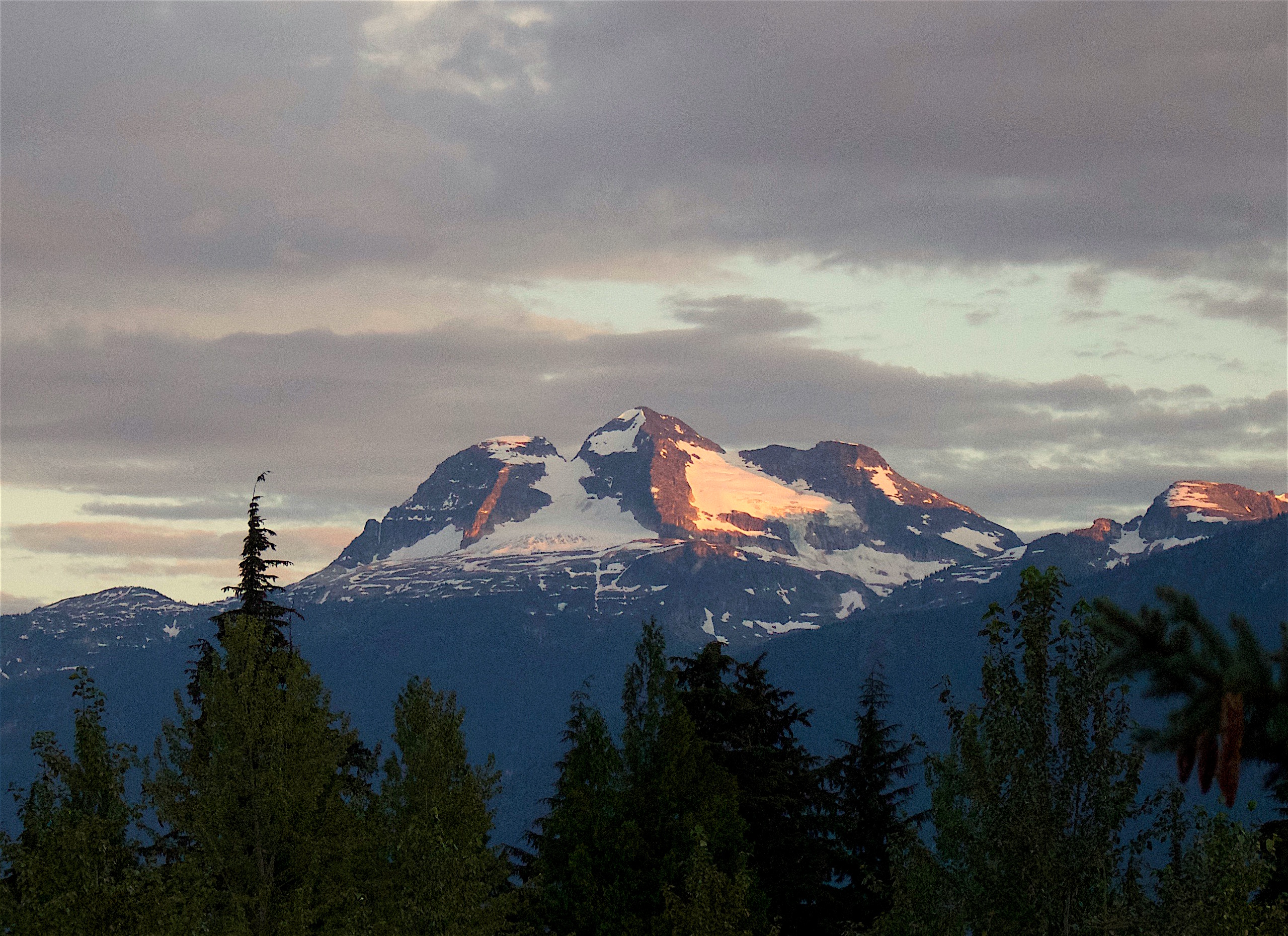
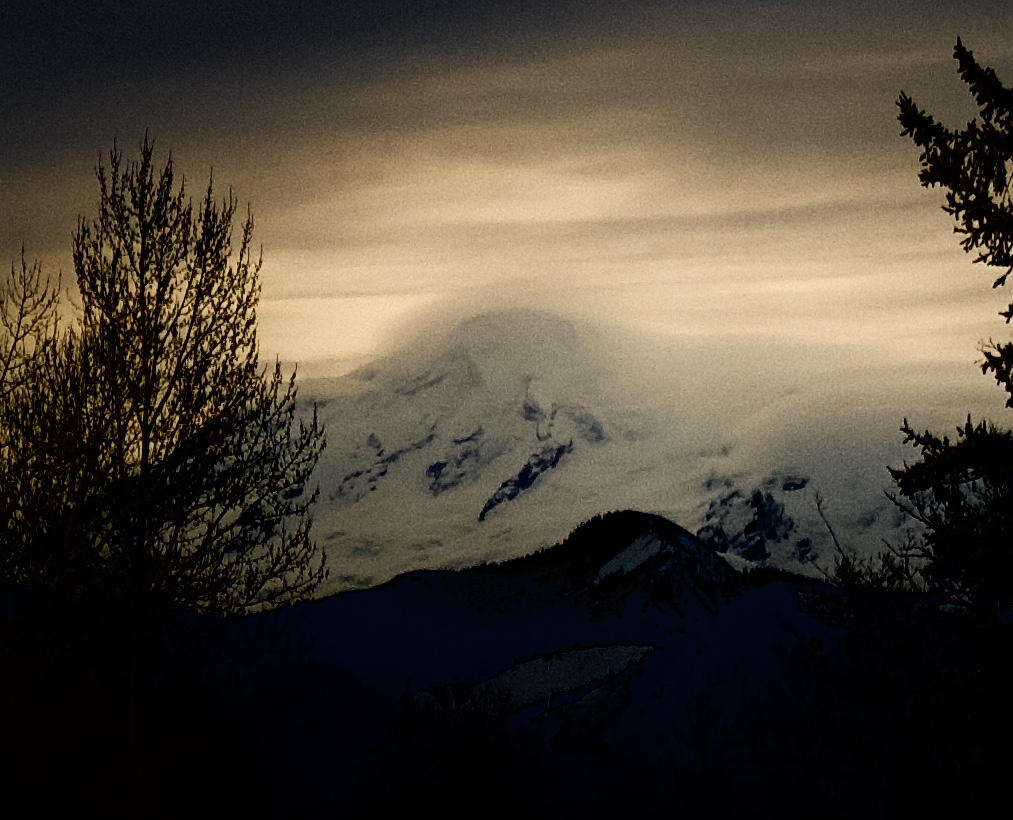
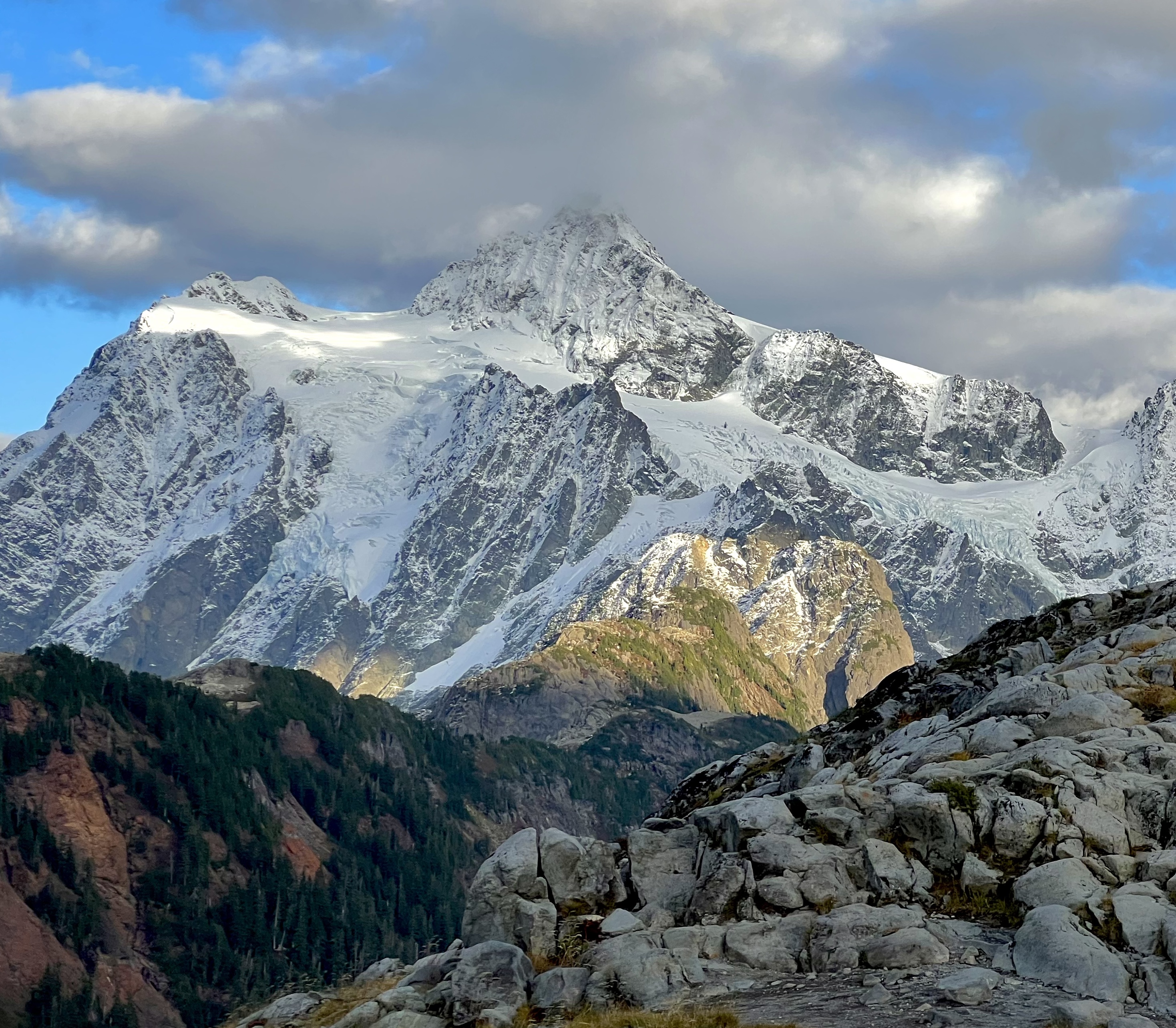
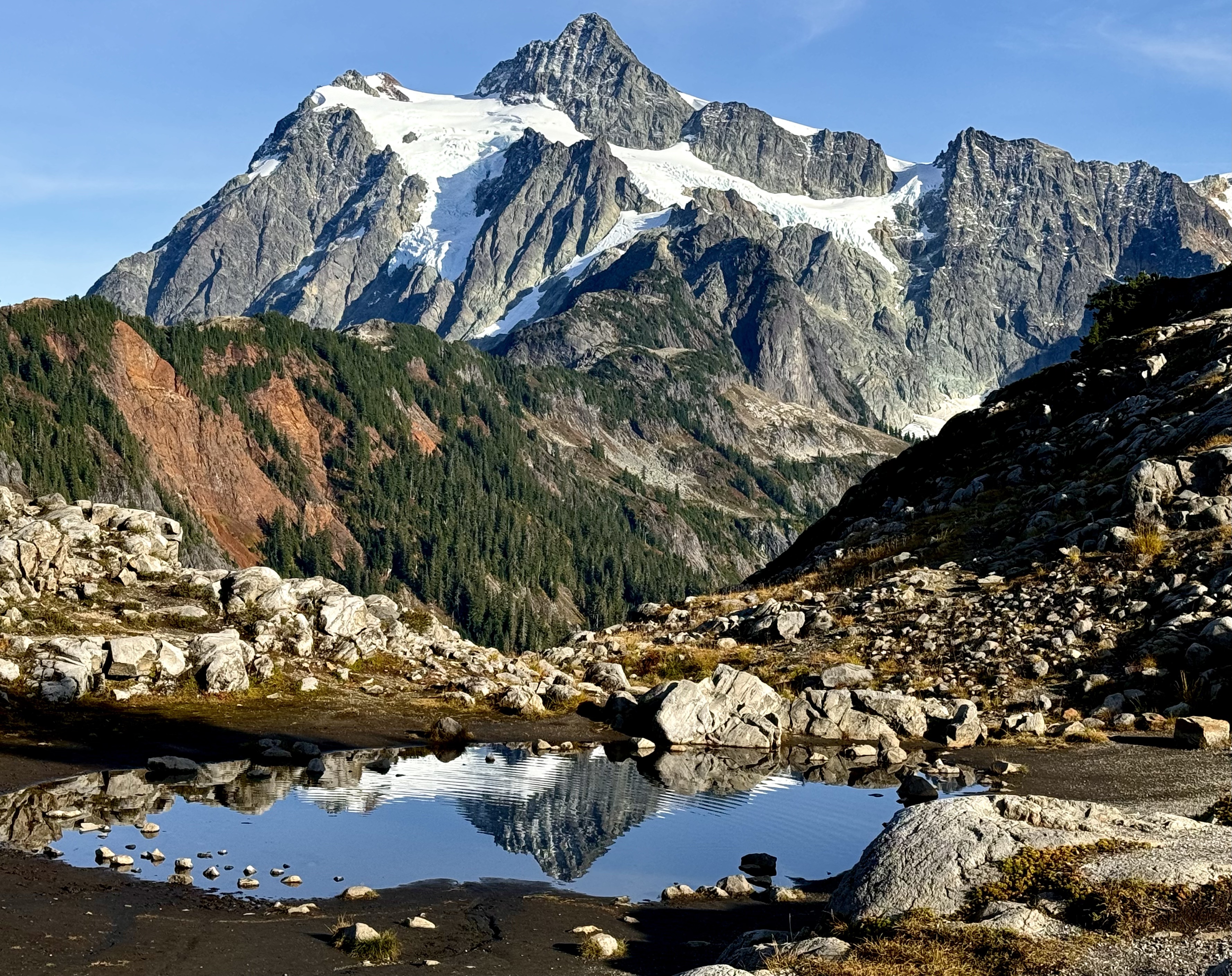
From my kitchen window on a clear day, I sometimes see a distant mountain wilderness, when the cloud cover moves away.
During decades of perching on a round stool in clinic exam rooms, I was given access to hearts lost in the wilderness many times every day.
Sometimes the commandment to love God seems impossible. We are too self-sufficient, too broken, too frightened, too wary to trust God with our love and devotion.
Recognizing a diagnosis of wilderness of the heart is straight forward: despair, discouragement,disappointment, lack of gratitude, lack of hope.
The treatment is to allow the healing power of the Father who sent His own Son to navigate the wilderness in our place.
He reaches for our bitter, wary, and broken hearts that beat within our bodies, to bring us home from the dark wilderness of our souls.
This year’s Lenten theme:
…where you go I will go… Ruth 1:16
AI image created for this post
One-Time
Monthly
Yearly
Make a one-time or recurring donation to support daily Barnstorming posts
























 Barnstorming