Like an Idiot, Babbling and Strewing Flowers

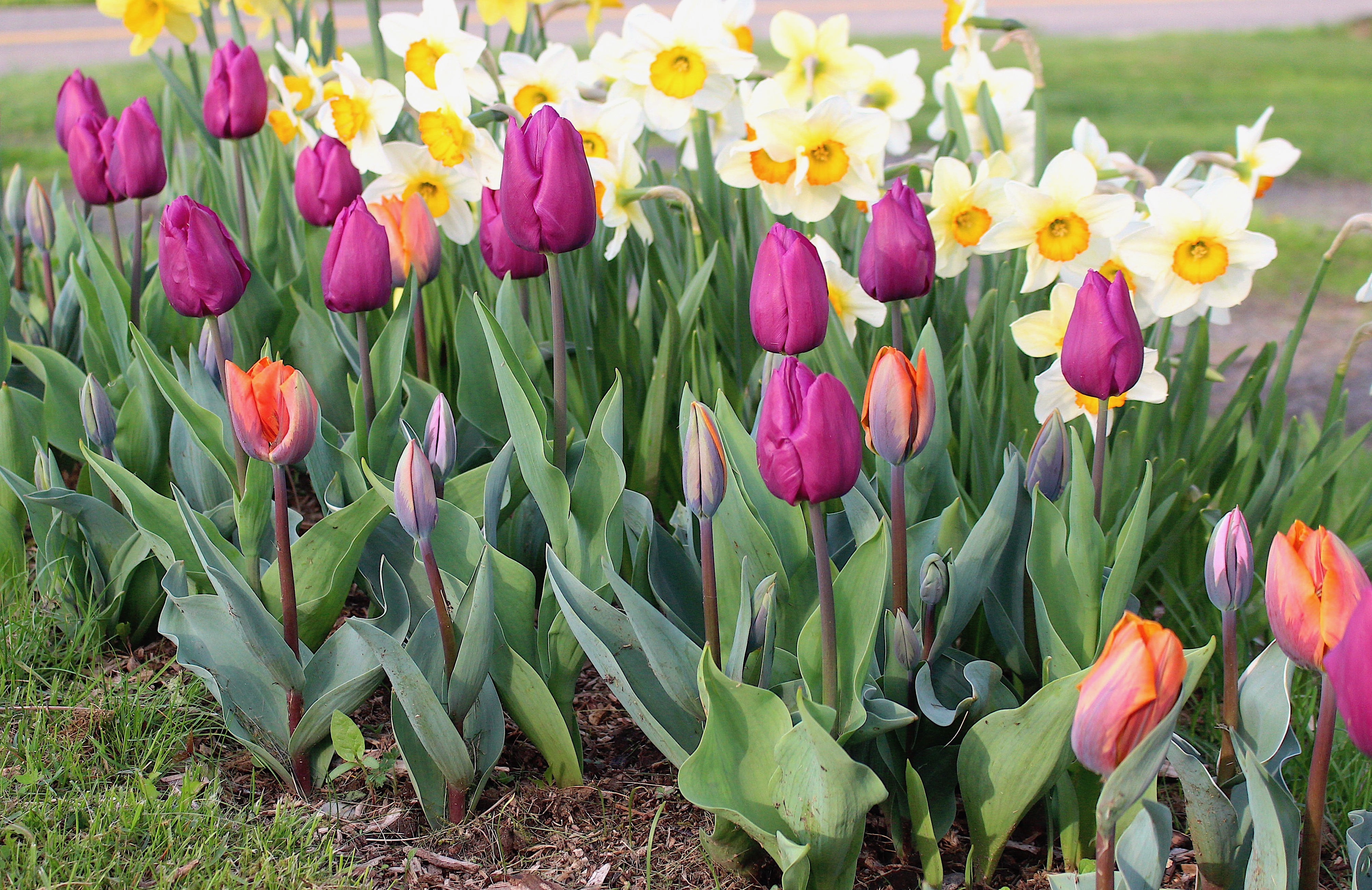
To what purpose, April, do you return again? 
Beauty is not enough. 
You can no longer quiet me with the redness 
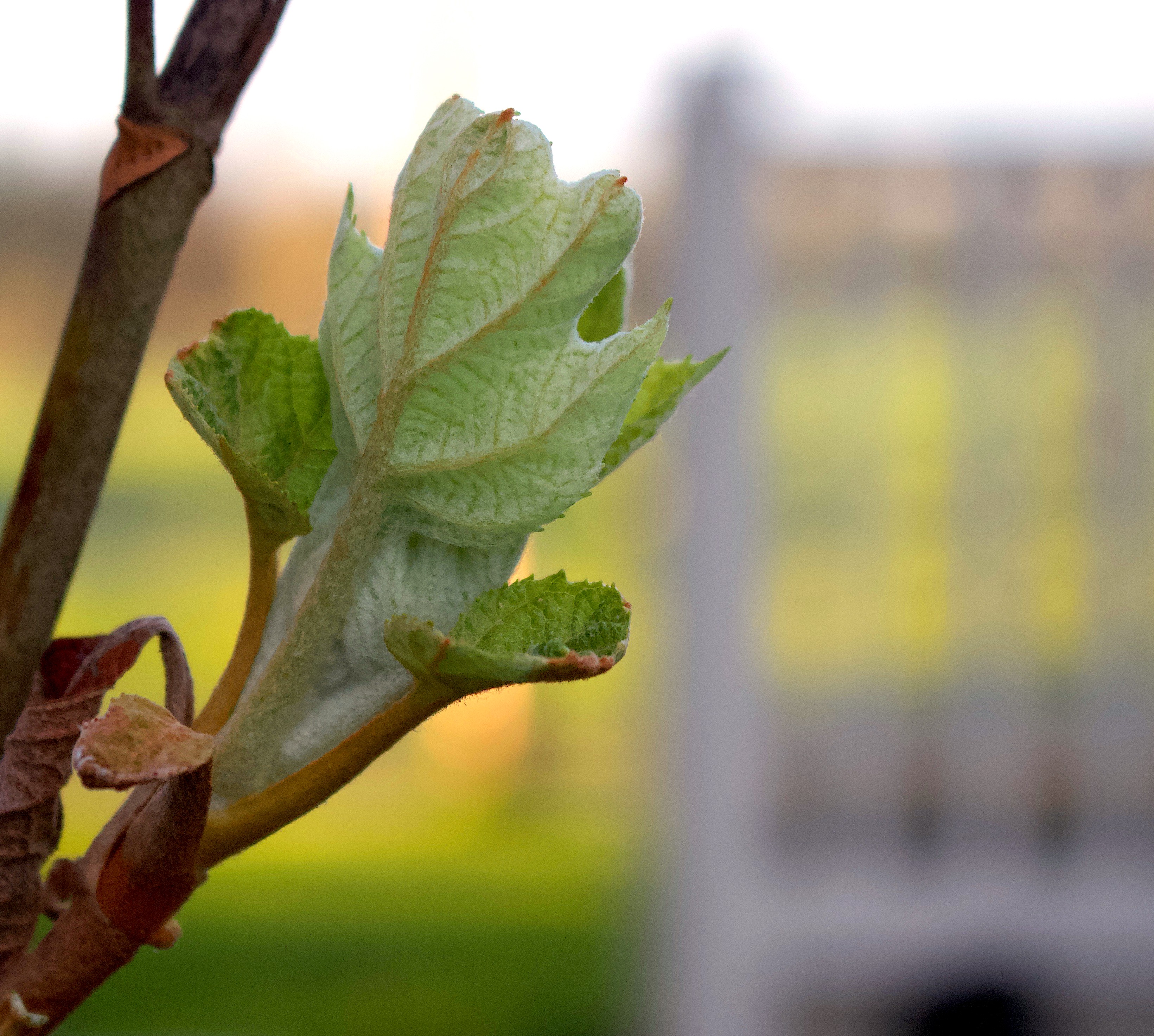
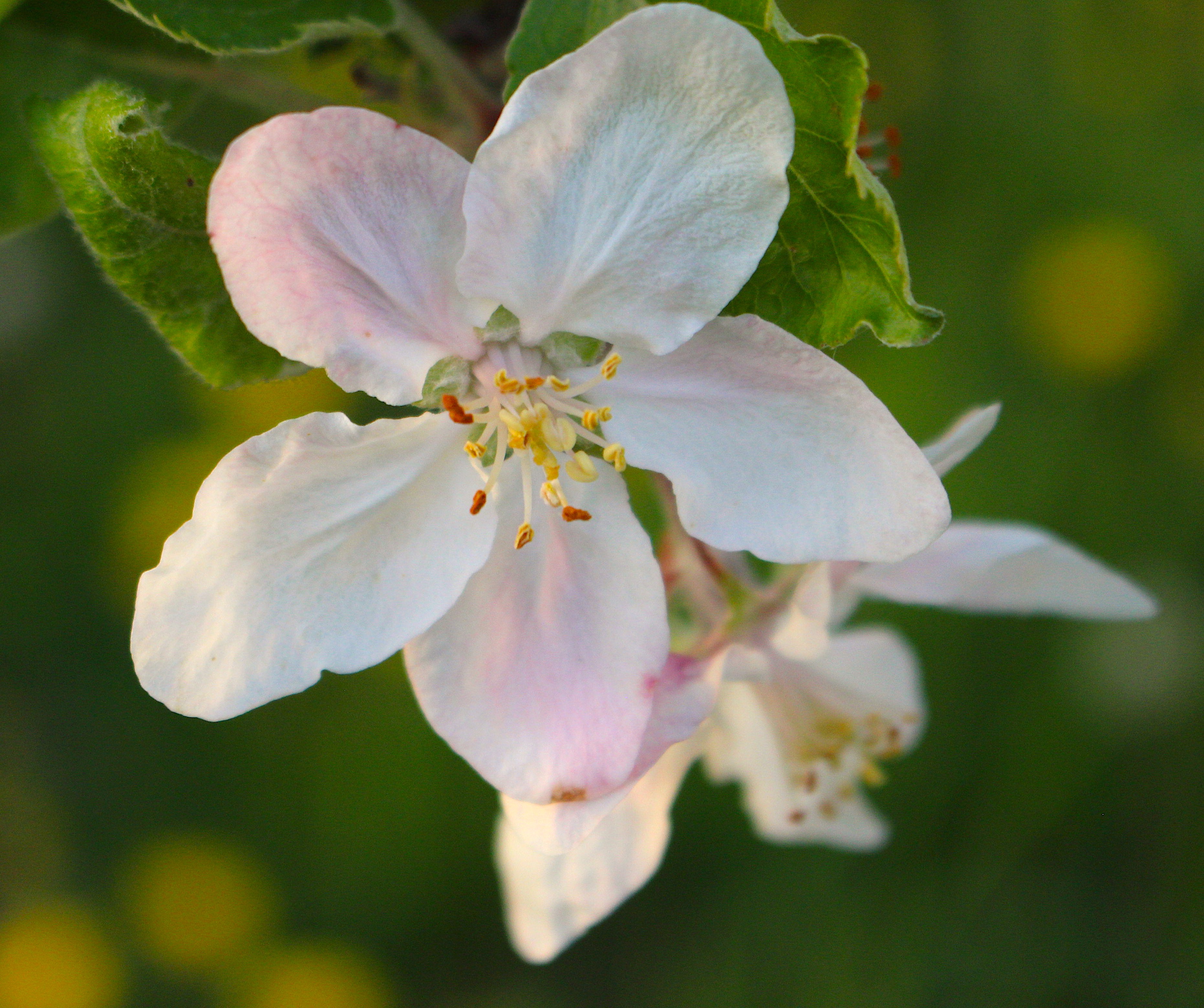
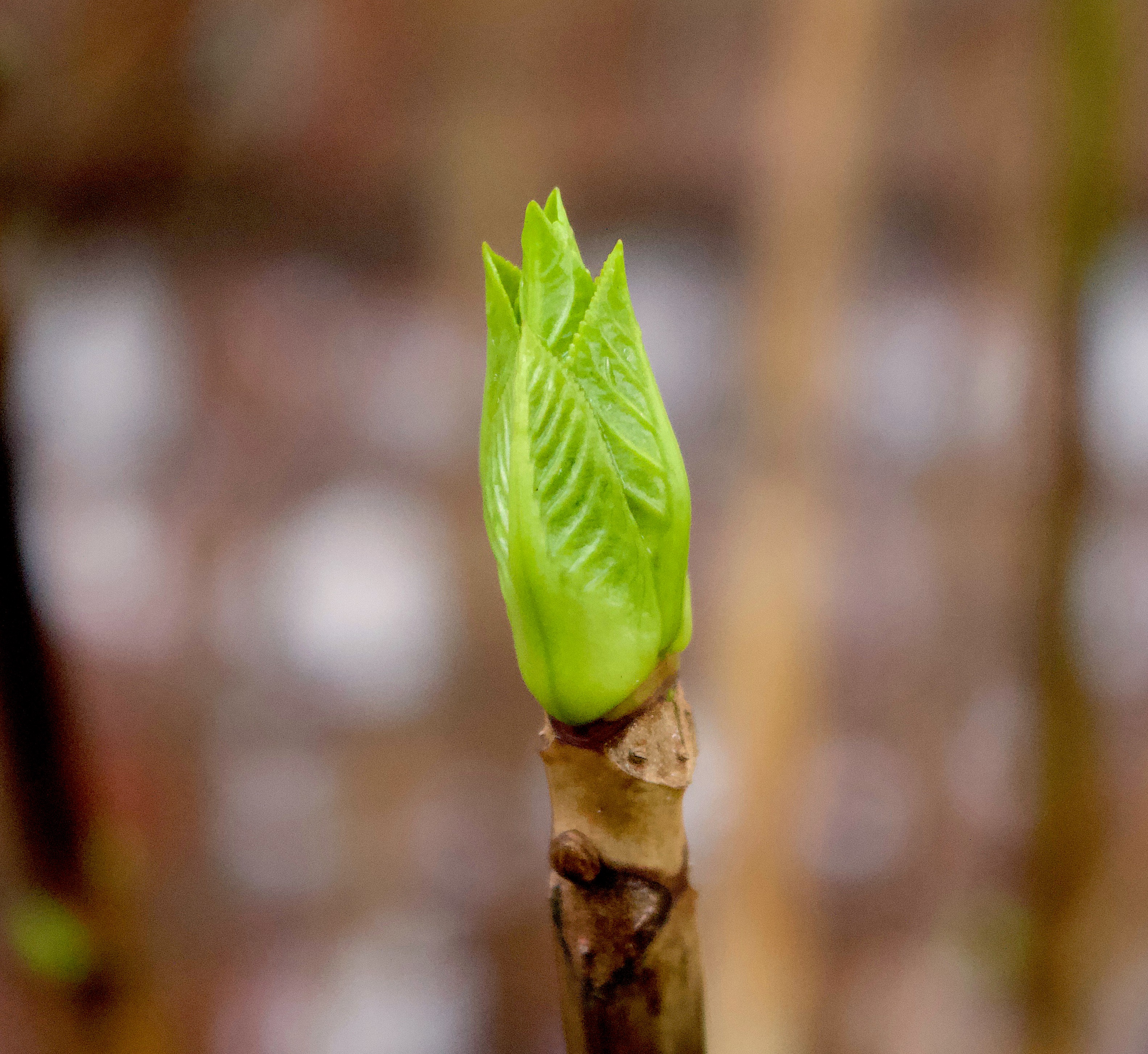
Of little leaves opening stickily. 
I know what I know. 
The sun is hot on my neck as I observe 
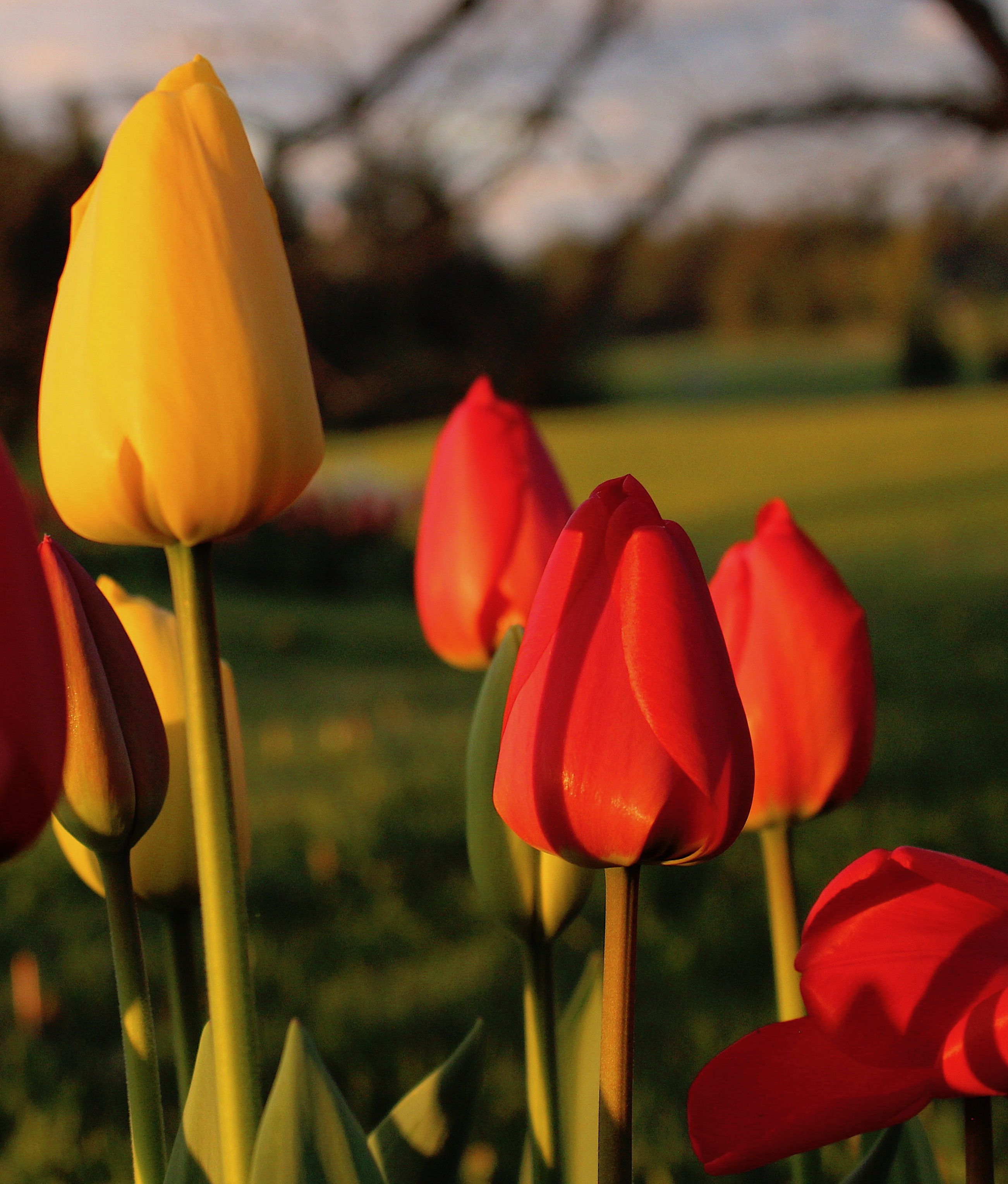
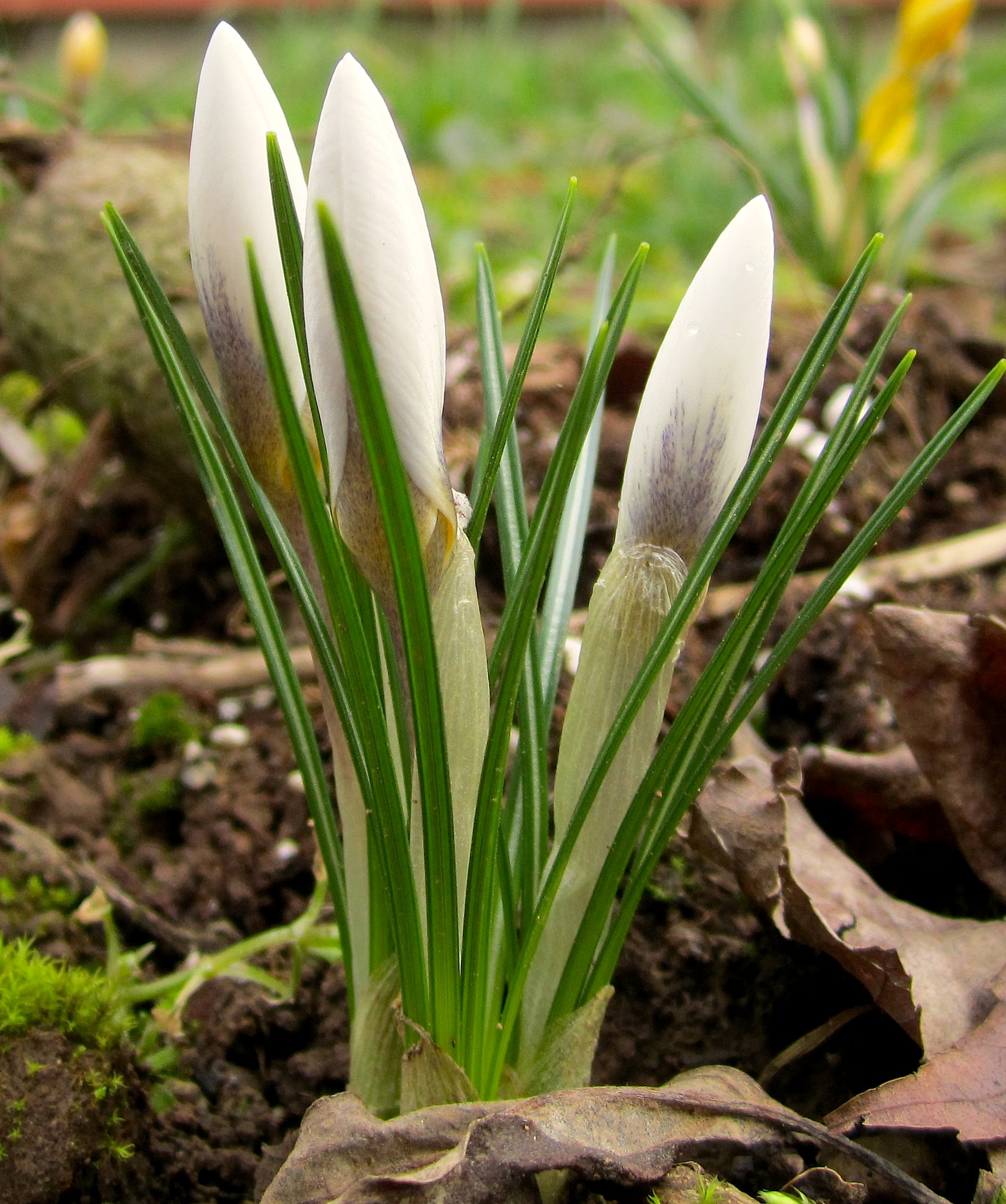
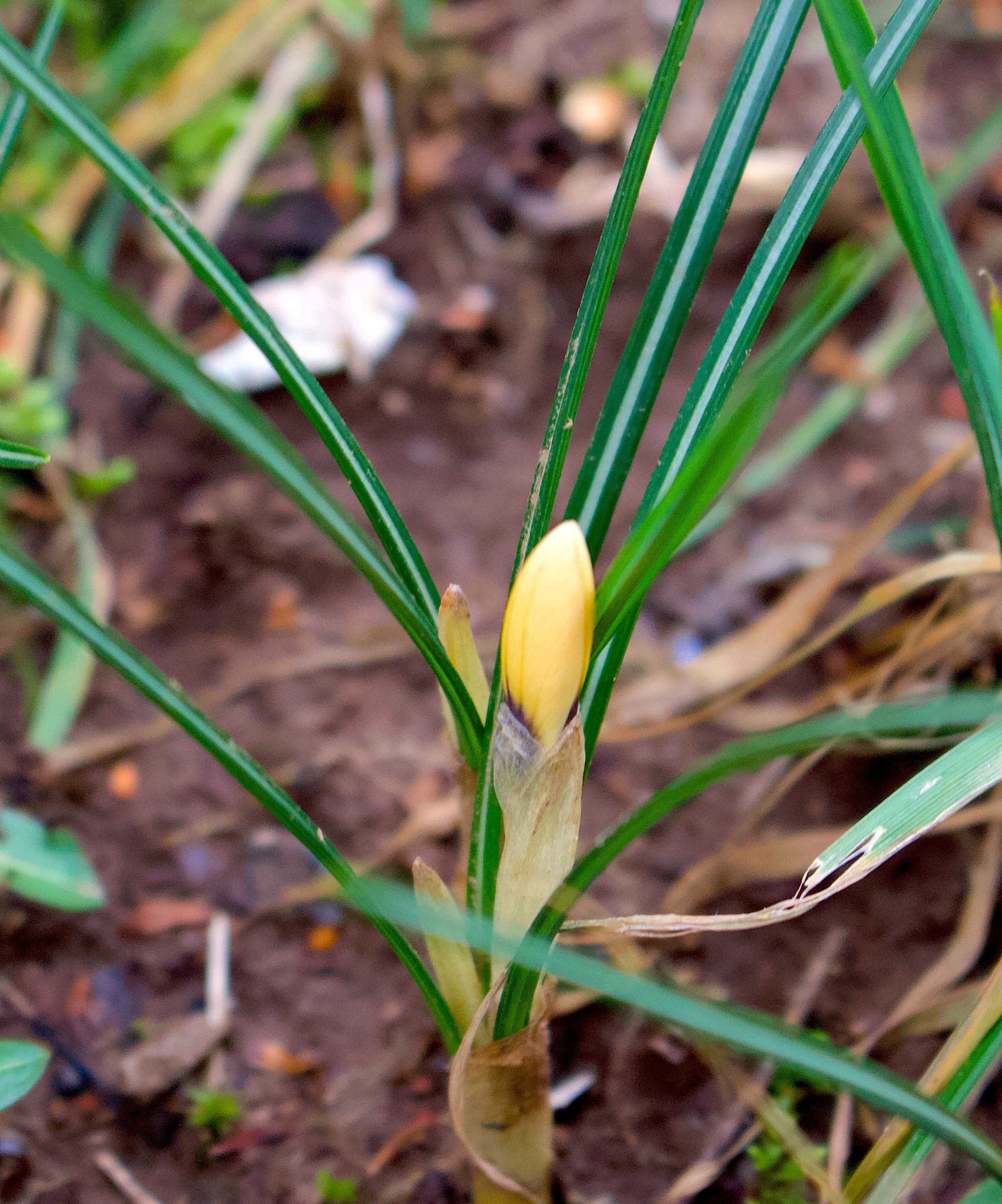
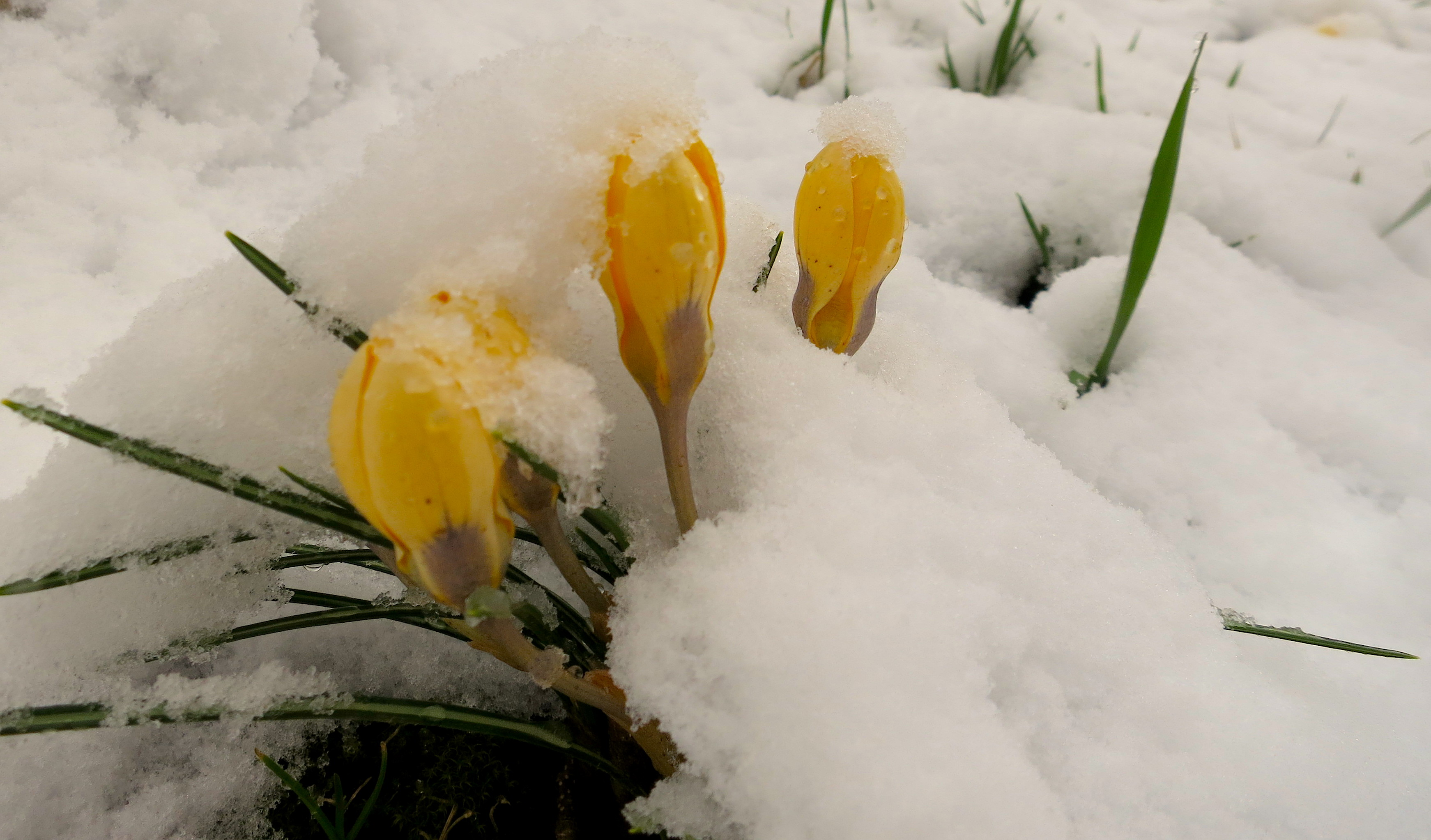
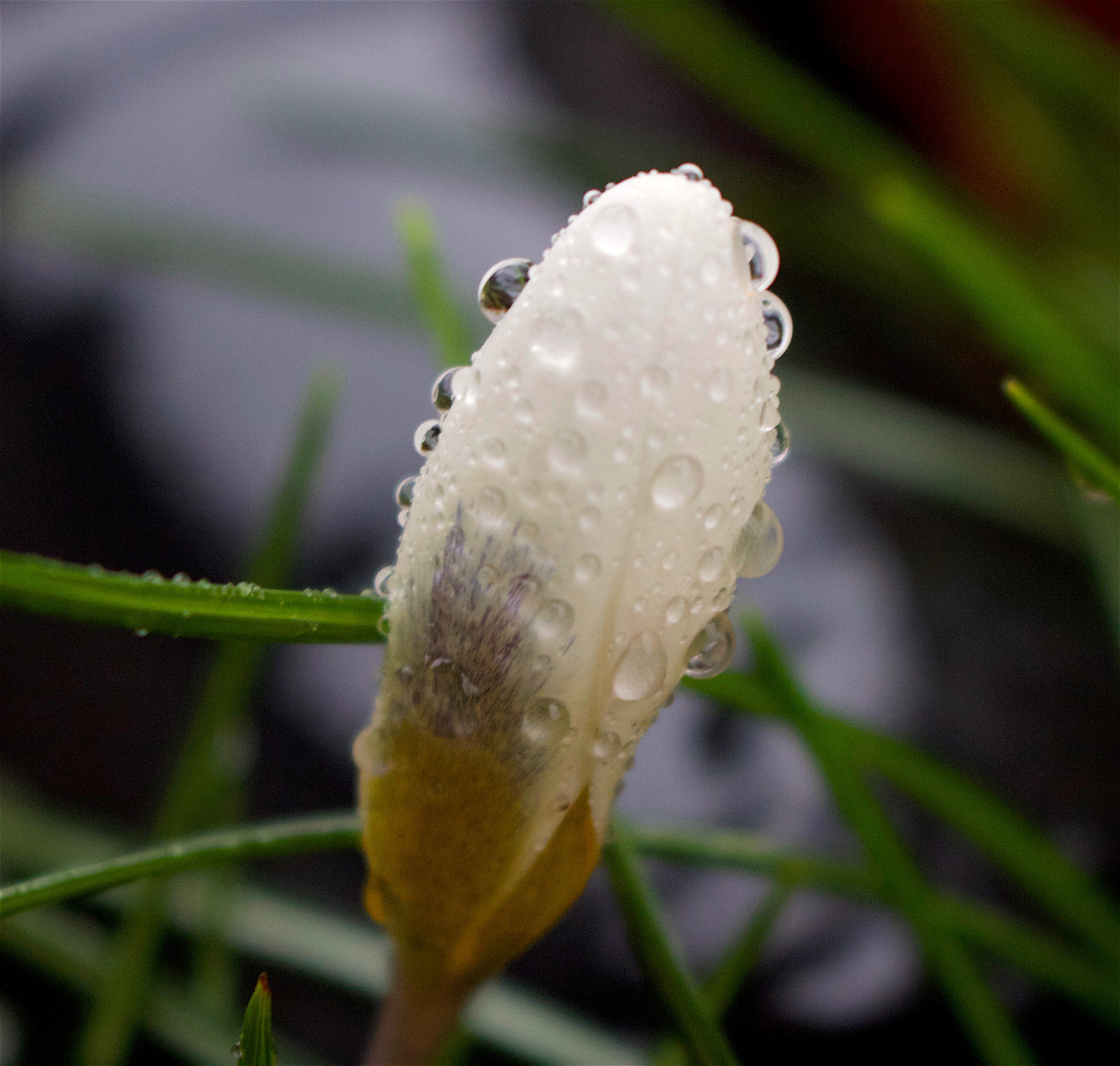
The spikes of the crocus. 
The smell of the earth is good. 
It is apparent that there is no death. 
But what does that signify? 
Not only under ground are the brains of men 
Eaten by maggots. 
Life in itself 
Is nothing, 
An empty cup, a flight of uncarpeted stairs. 
It is not enough that yearly, down this hill, 
April 
Comes like an idiot, babbling and strewing flowers. 
~Edna St. Vincent Millay
“Spring”

I know that we cannot depend on the return of Spring to heal us~
it is balm not cure.
I know that none of its beauty can bloom without it dying before~
it is a shroud thrown over to cover our decay.

I know I cannot be transformed by the warmth of the sun~
it is not enough for my skin to sweat when my heart lies still and cold.

I know I must dig deeper in holy ground for the truth~
it does not lie in perfumed blossoms and sweet blue skies.

I know what I know~
life in itself is nothing unless
death is overcome yet again
and our hearts, once broken,
begin to pulse red once more.

Holding Wonder Like a Cup

Life has loveliness to sell,
All beautiful and splendid things,
Blue waves whitened on a cliff,
Soaring fire that sways and sings,
And children’s faces looking up
Holding wonder like a cup.

Life has loveliness to sell,
Music like a curve of gold,
Scent of pine trees in the rain,
Eyes that love you, arms that hold,
And for your spirit’s still delight,
Holy thoughts that star the night.

Spend all you have for loveliness,
Buy it and never count the cost;
For one white singing hour of peace
Count many a year of strife well lost,
And for a breath of ecstasy
Give all you have been, or could be.
~Sara Teasdale “Barter”

photo by Nate Gibson

Some days I wish to keep hold forever:
when the light is just right in the trees,
the breezes fill with blossom fragrance,
the congregation sings with joy as I play accompaniment,
a smiling child climbs up on my lap just because,
a meal is enjoyed by all who join together.

I know I barter for these moments
by giving up some piece of me,
knowing the sowing of self
will reap the rich harvest of an overflowing heart.

Only the Gardener

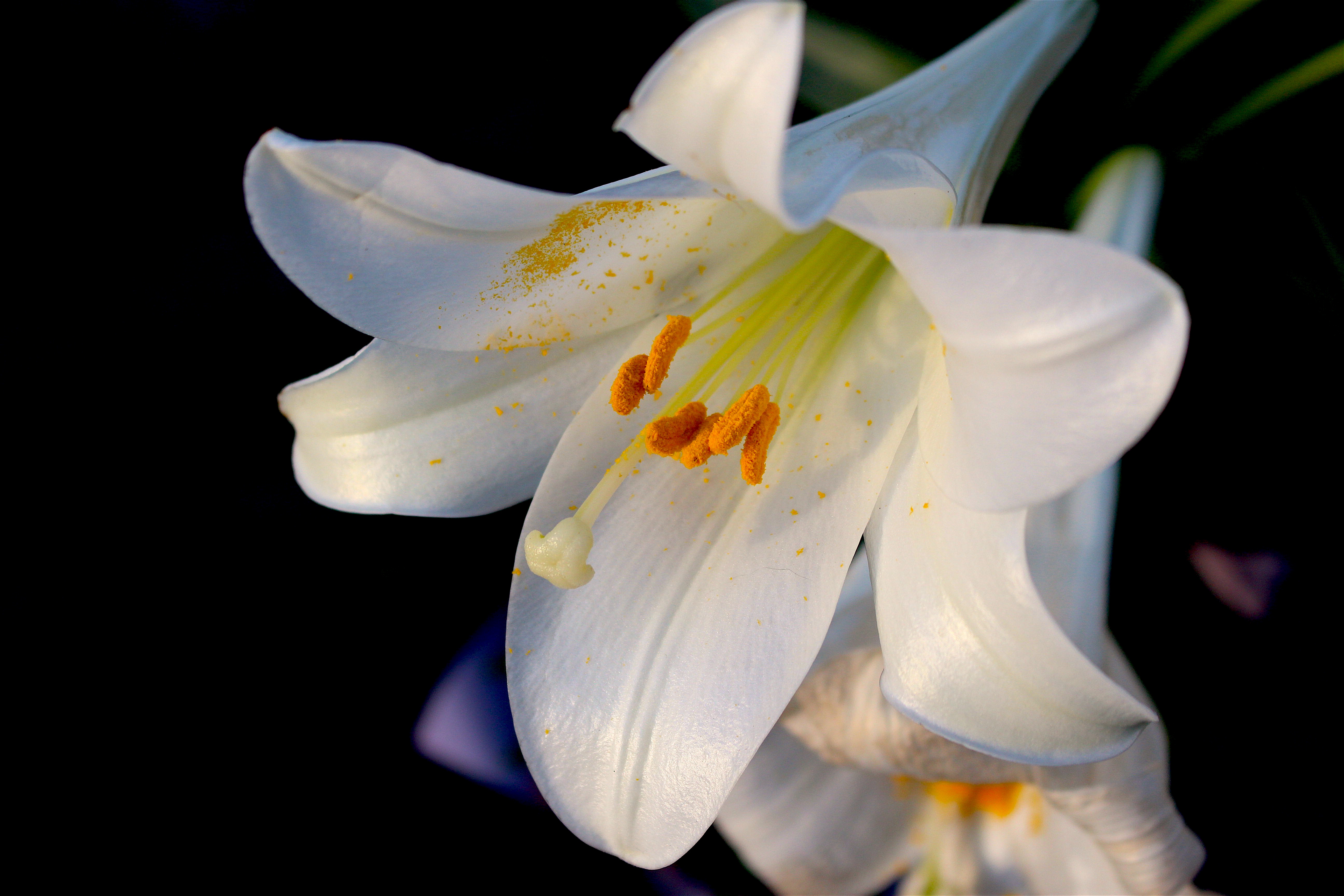
A lily shivered
at His passing,
supposing Him to be
the Gardener.
~Margaret D. Smith “Easter morning, yesterday”
from A Widening Light -Poems of the Incarnation

Jesus said to them, “Come and have breakfast.” None of the disciples dared ask him, “Who are you?” They knew it was the Lord.
John 21:12

It’s so easy to look and see what we pass through in this world, but we don’t. If you’re like me, you see so little. You see what you expect to see rather than what’s there.
~Frederick Buechner from The Remarkable Ordinary

It is too easy by the next day to let go of Easter — to slide back into the Monday routine, managing our best to survive each day, teeth gritted, as we have before.

We were blind, thinking Him the Gardener as He passed by; we just don’t pay attention to Who is right before us, tending us.

God knows this about us.  So He meets us for breakfast on Monday and every day thereafter and feeds us, a tangible and meaningful act of nourishing us in our most basic human needs though we’ve done nothing to deserve the gift. He cooks up fish on a beach at dawn and invites us to join Him though we have done nothing to deserve it.

The night before he shared a meal and broke bread in Emmaus to open the eyes and hearts of the blinded.

It is time to open our eyes, our minds, our hearts to Who this really is. This is no mere Gardener.

When He offers me a meal of His Word,  I will accept it with open eyes of gratitude, knowing the gift He hands me is nothing less than Himself.


A Bright Sadness: Imperfect Stewardship

We live in an imperfect world, with imperfect characters to match. Our imperfections should not keep us from dreaming of better things, or even from trying, within our limits, to be better stewards of the soil, and more ardent strivers after beauty and a responsible serenity.
~Jane Kenyon from “In the Garden of My Dreams”

And this is my prayer: that your love may abound more and more in knowledge and depth of insight,  so that you may be able to discern what is best and may be pure and blameless for the day of Christ,  filled with the fruit of righteousness that comes through Jesus Christ—to the glory and praise of God.
Philippians 1: 9-11

O Holy Father,
I will be a child of peace and purity
For well I know
Thy Hand will bless 
the seeker after righteousness
~Shaker Hymn

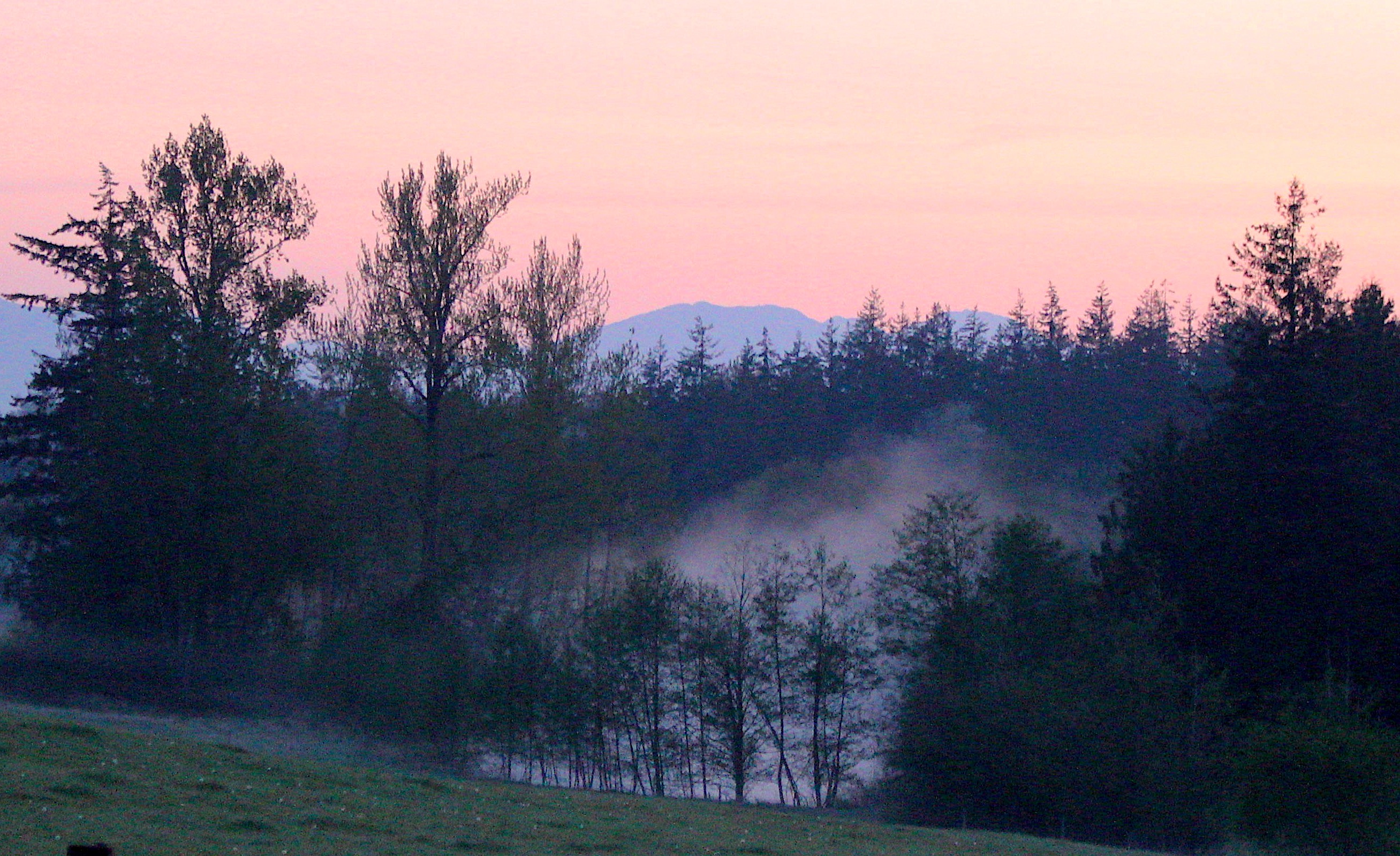
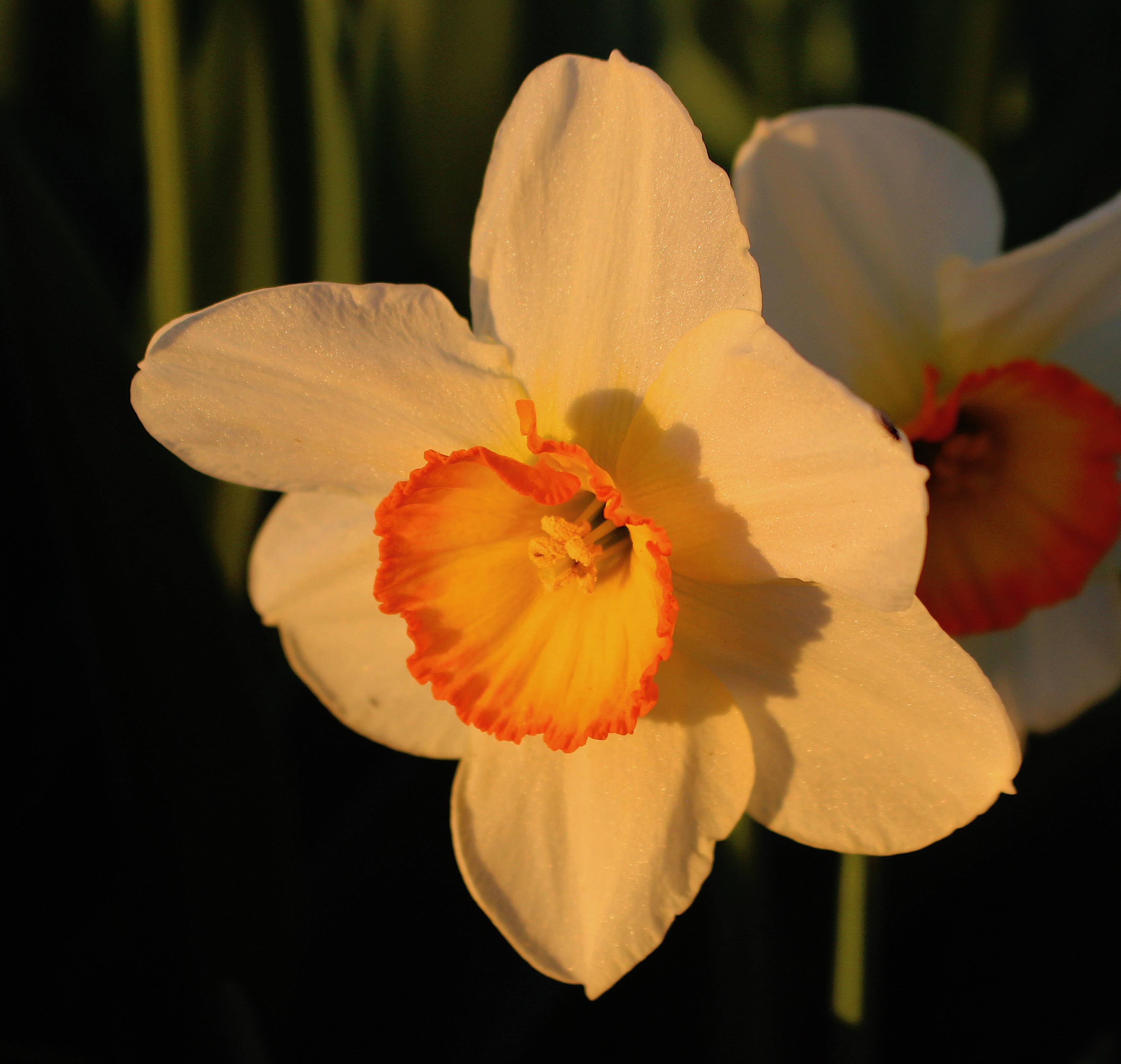
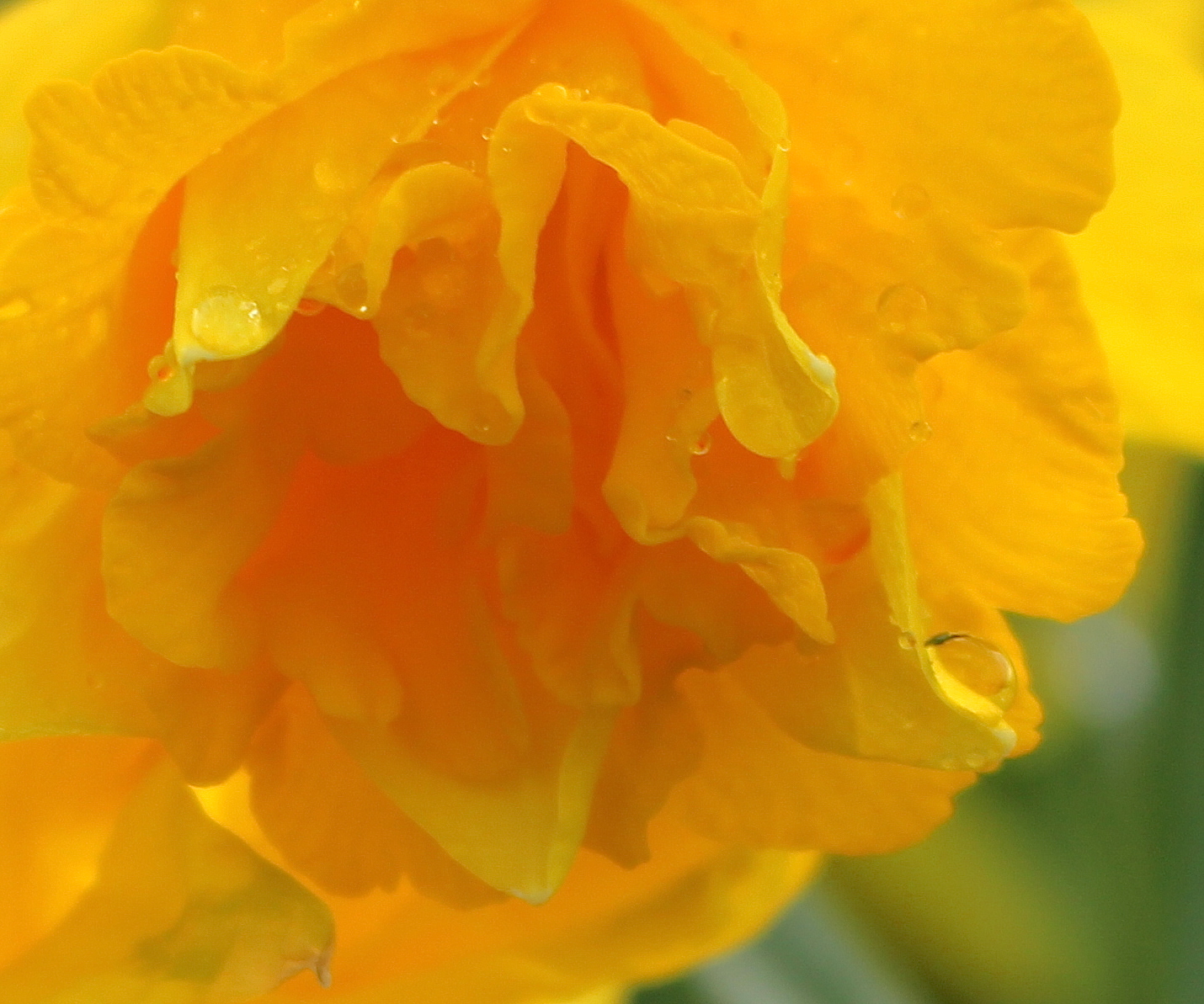
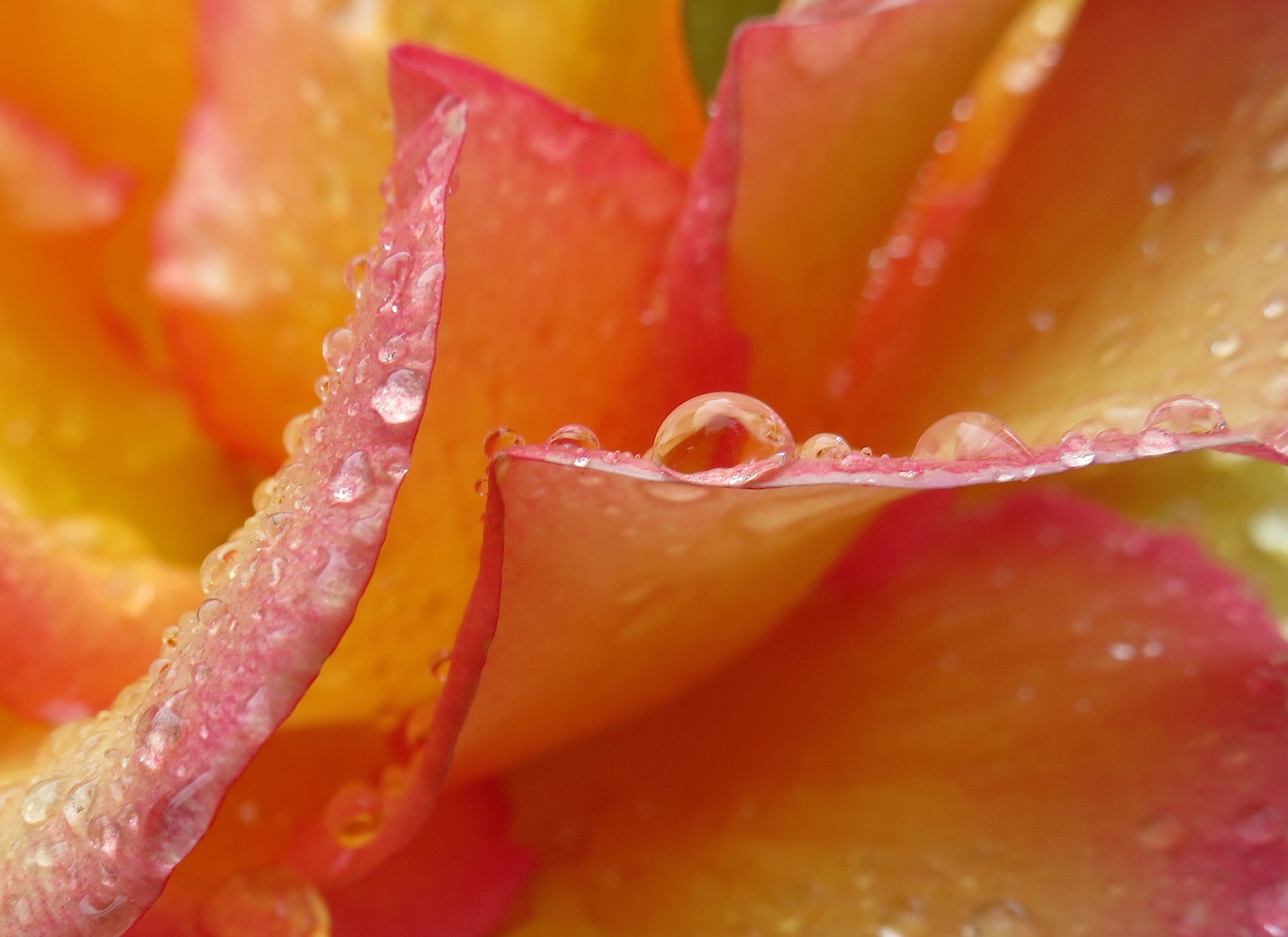
The beauty of peace and purity is right outside my back door, in a misty dawn moment of drizzle-sprinkled flowers.  They heal me after an imperfect yesterday and an imperfect night’s sleep and prepare me for another imperfect day today.

Today I will strive to be a steward for a garden of righteousness and serenity, aiding their growth and helping them flourish despite my flaws and failings.

I can never do it perfectly but am not giving up, as His hand blesses my seeking and my efforts.

Tenderness Brushing Tenderness

Abandon entouré d’abandon, tendresse touchant aux tendresses…
C’est ton intérieur qui sans cesse se caresse, dirait-on;
se caresse en soi-même, par son propre reflet éclairé.
Ainsi tu inventes le thème du Narcisse exaucé.
~Rainer Maria Rilke “Dirait-on” from his French Poetry collection ‘Les chansons de la rose’

Translation:

Abandon enveloping abandon, Tenderness brushing
tendernesses,
Who you are sustains you eternally, so they say;
Your very being is nourished by its own enlightened
reflection;
So you reveal to us the theme of Narcissus redeemed.

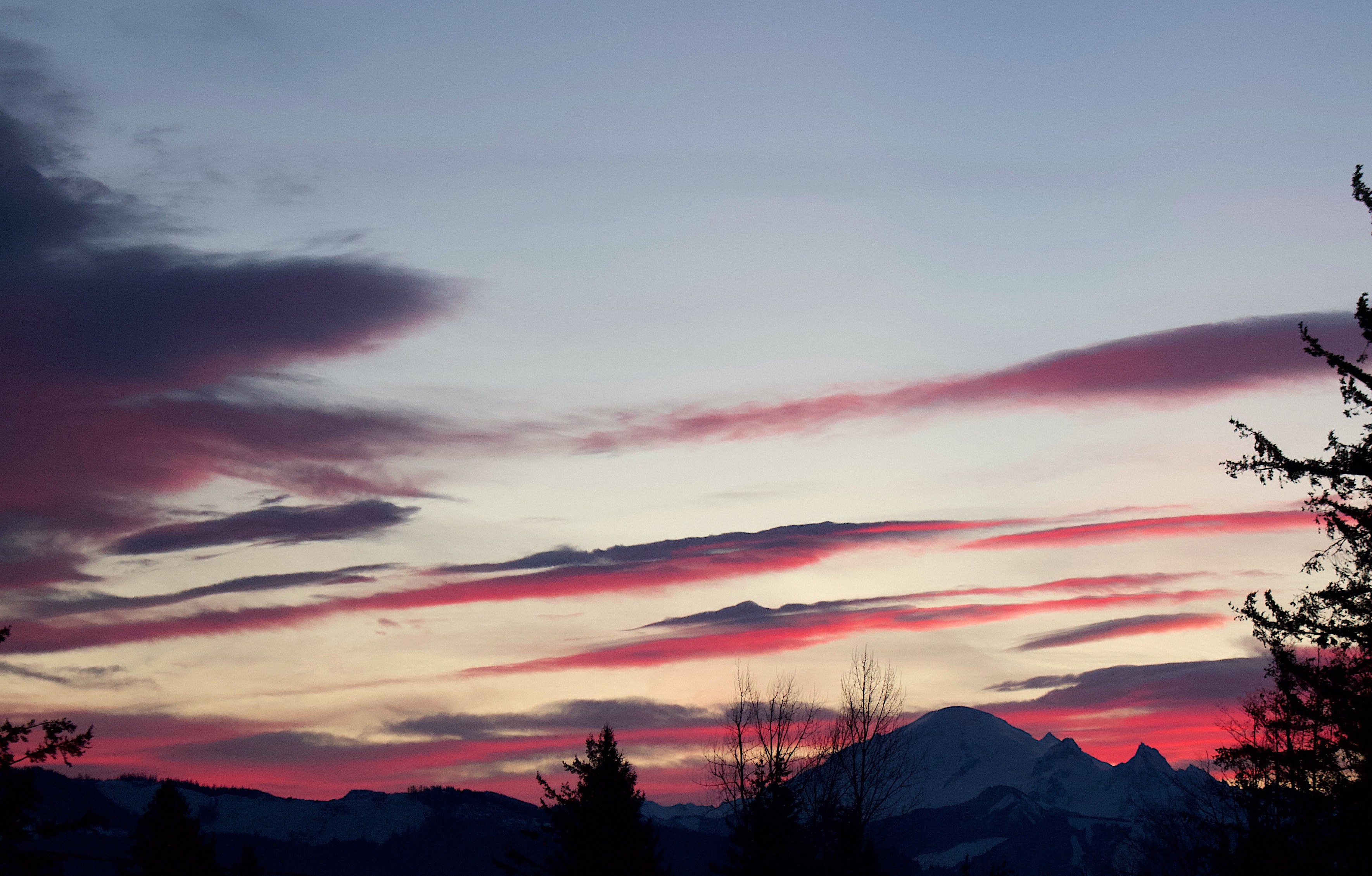
So like the Valentine sunrise brushing the sky this morning:

There is nothing so tender as love in full bloom–
no longer an enclosed bud with potential
but opened fully
petal unfolding upon petal
in caressing abandon.

The Giving Snow

Under the giving snow
blossoms a daring spring.
~Terri Guillemets


As if we need a reminder
that nature doesn’t check the calendar
and the weather does what it pleases when it pleases:

~a snow fell for hours yesterday
and we remain cloaked and drifted this morning~

we look more pristine than we are.

Underneath this fluffy blanket
we’re barely presentable,
sleep-deprived,
wrinkled and worn,
all mud and mildew beneath.

But Spring will come
rising from its snowy bed,
lit from an inner fire
that never burns out.

Through clouds like ashes
we turn aside to see God’s glory;
our eyes carefully covered
from the glaze of snow,
we feel His flash of life as He passes by.


A February Face

“Why, what’s the matter, 
That you have such a February face, 
So full of frost, of storm and cloudiness?” 
–  William Shakespeare,  Much Ado About Nothing

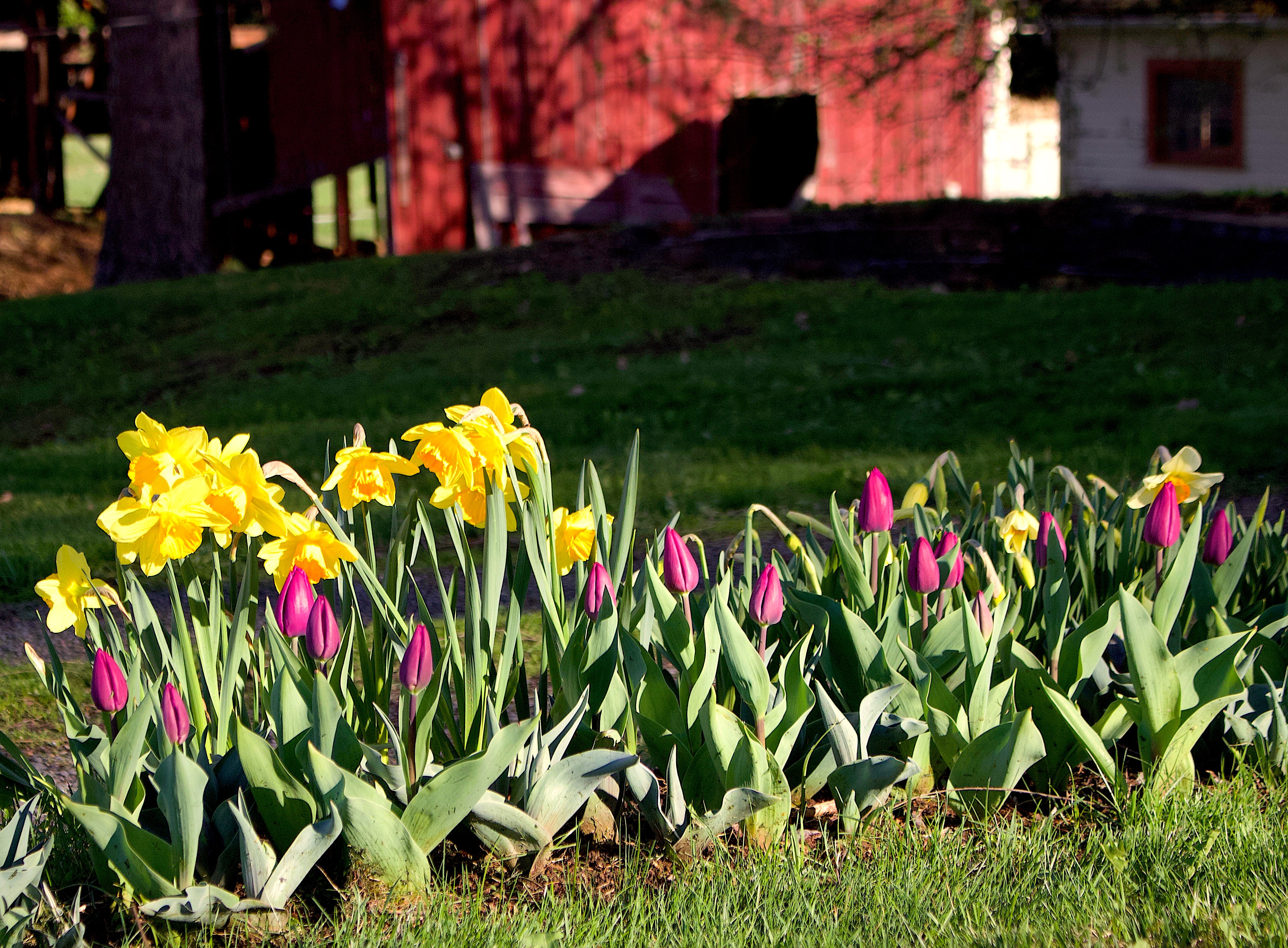
February never fails to be seductive,  teasing of spring on a bright sunny day and the next day all hope is dashed by a frosty wind cutting through layers of clothing.  There is a hint of green in the pastures but the deepening mud is sucking at our boots.  The snowdrops and crocus are up and blooming, but the brown leaves from last summer still cling tenaciously to oak branches, appearing as if they will never ever let go to make room for a new leaf crop.

A February face is tear-streaked and weepy, winter weary and spring hungry.  Thank goodness it is a short month or we’d never survive the glumminess of a month that can’t quite decide whether it is done with us or not.

So much ado.
So much nothing.
So much anything that becomes everything.

So Pressed for Time

Now a decade after her death, I’m still slowly sorting through my mother’s packed up possessions stored in one of our farm outbuildings. Some boxes I am not ready to open, such as the 30 months of letters written by my newlywed father and mother while he fought in several bloody island battles as a Marine in the South Pacific during WWII. Other boxes contain items from too distant an era to be practical in my kitchen, such as the ones labeled “decorative teacups” or “assorted tupperware bowls without lids”.

But I do open the boxes of books. My mother was a high school speech teacher during those war years, and she had a good sense of a classic book, so there are always treasures in those boxes.

Recently I found the 1956 Webster’s New Dictionary of the Twentieth Century that I grew up with. This book was massive, easily weighing 10 pounds, and served as a booster seat for haircuts, a step stool for trying to reach the cookie jar on the kitchen cupboard, and of course, for looking up any obscure word that ever existed in all of history. Or so it seemed.

It was an amazing tome. And as I flipped through the pages, I found some old familiar friends that were neither black nor white nor read all over.

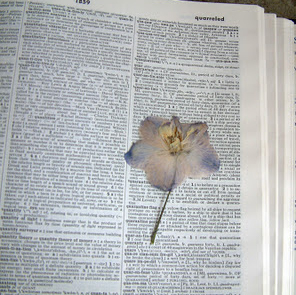
Wildflowers had been carefully pressed between the pages–over two dozen specimens paper thin themselves, their existence squeezed into two dimensions–still showing faint pink or blue, or purple color, almost exuding a long ago fragrance from a summer over fifty years ago. As a child I regularly wandered out to our fields and woods to gather crimson clover blossoms, buttercup, dandelions, daisies, wild violets, wild ginger, calypso lady slippers for bouquets for my mother, and she would select the most perfect to slide between the pages of the dictionary. Occasionally she would pull out one to gently paste on a hand written card she sent to a friend.

Here were my perfect flowers, preserved and pressed for time, just waiting for the fifty-five-years-older me to rediscover them lying between wonderful words that I love to roll in my mouth and type on a page. They are too fragile to paste to a greeting card, or even to handle due to their brittleness. They need to stay right where they are, for another generation or two or three to discover.

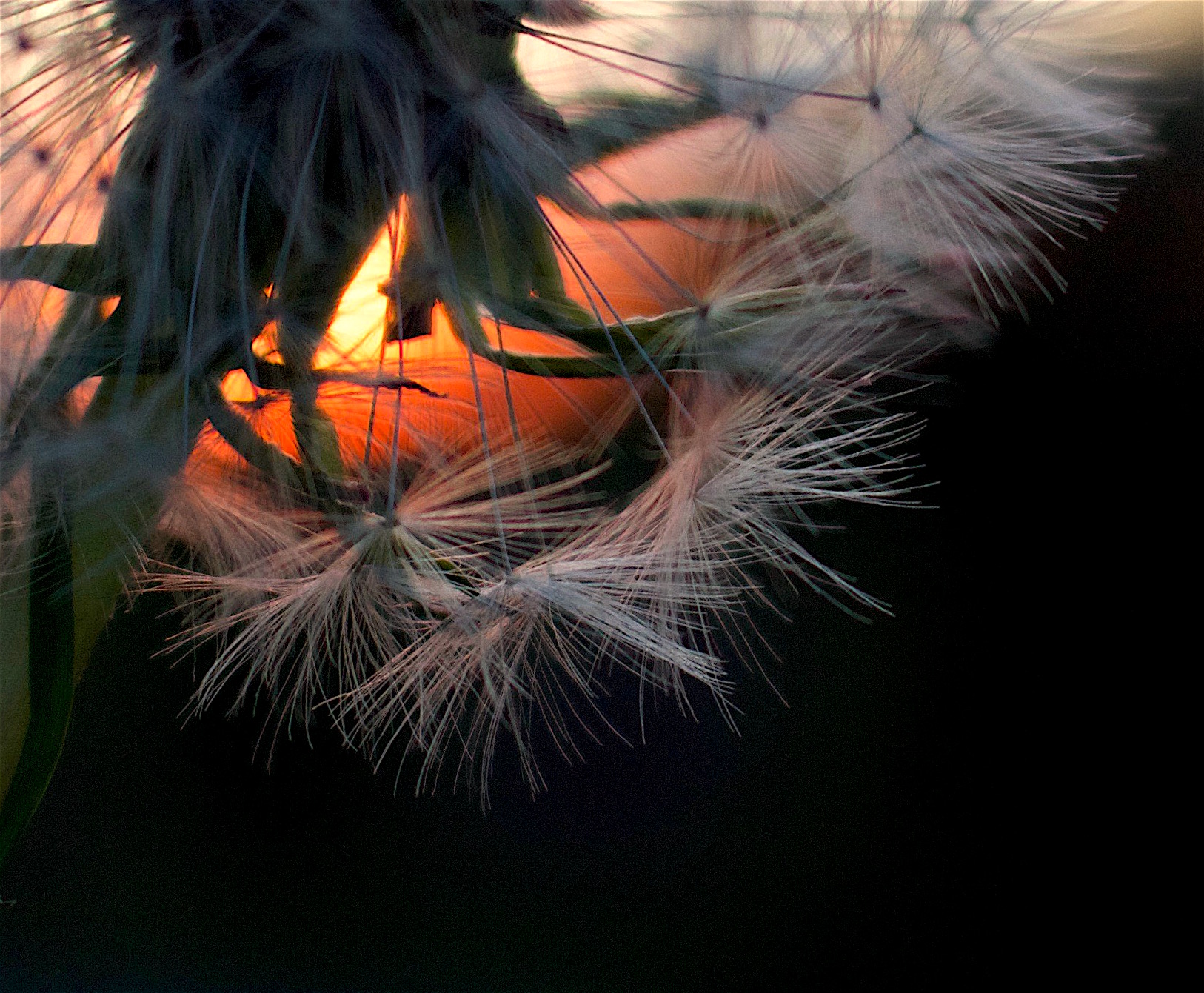
I am so pressed for time, becoming more fragile, perhaps more brittle than I care to admit. My mother and father have blown away like the puff ball seeds of the dandelion, on to other horizons, but the sturdy old dictionary is going nowhere. It will be passed down, its delicate passengers preserved inside, a long ago far away summer afternoon of flower gathering to be shared as a great grandchild opens the book to look up a favorite word sometime in the not so far off future.

Clumsy Clusters of Grace

irisrain


irispotential


I have a small grain of hope–
one small crystal that gleams
clear colors out of transparency.

I need more.

I break off a fragment
to send you.

Please take
this grain of a grain of hope
so that mine won’t shrink.

Please share your fragment
so that yours will grow.

Only so, by division,
will hope increase,

like a clump of irises, which will cease to flower
unless you distribute
the clustered roots, unlikely source–
clumsy and earth-covered–
of grace.
~Denise Levertov “For the New Year, 1981”


irisinnard


irischance2


irisrain5137


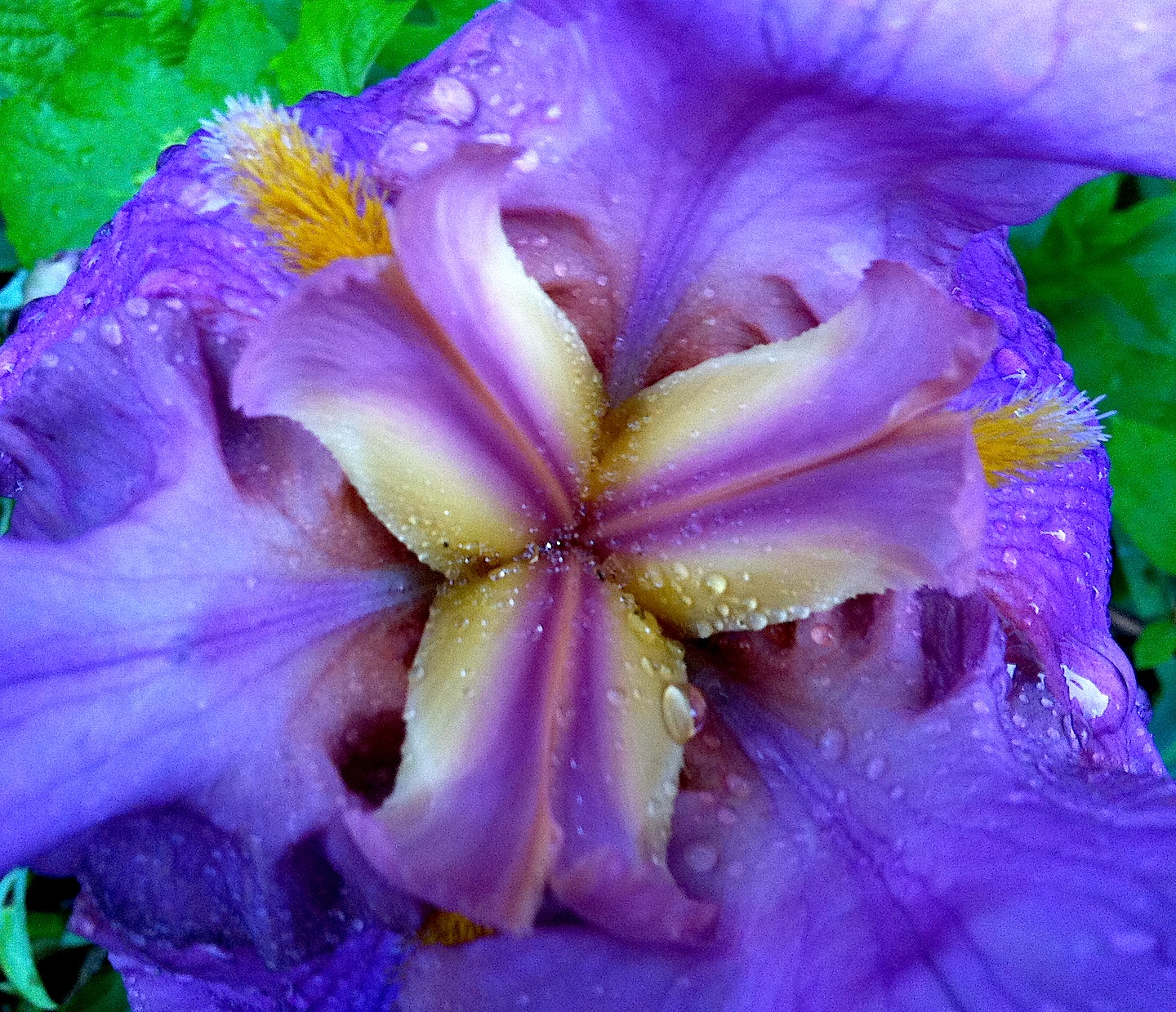
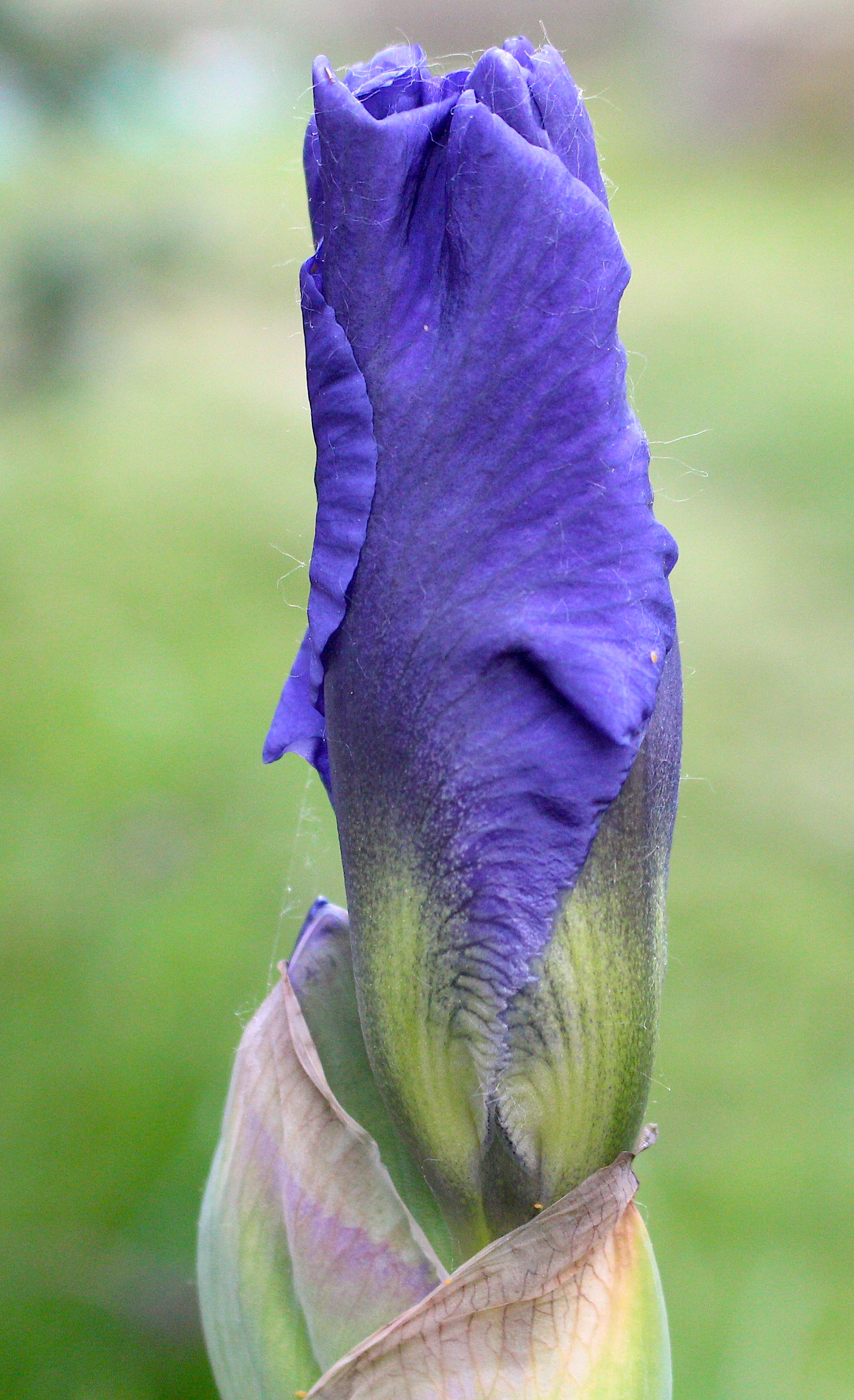
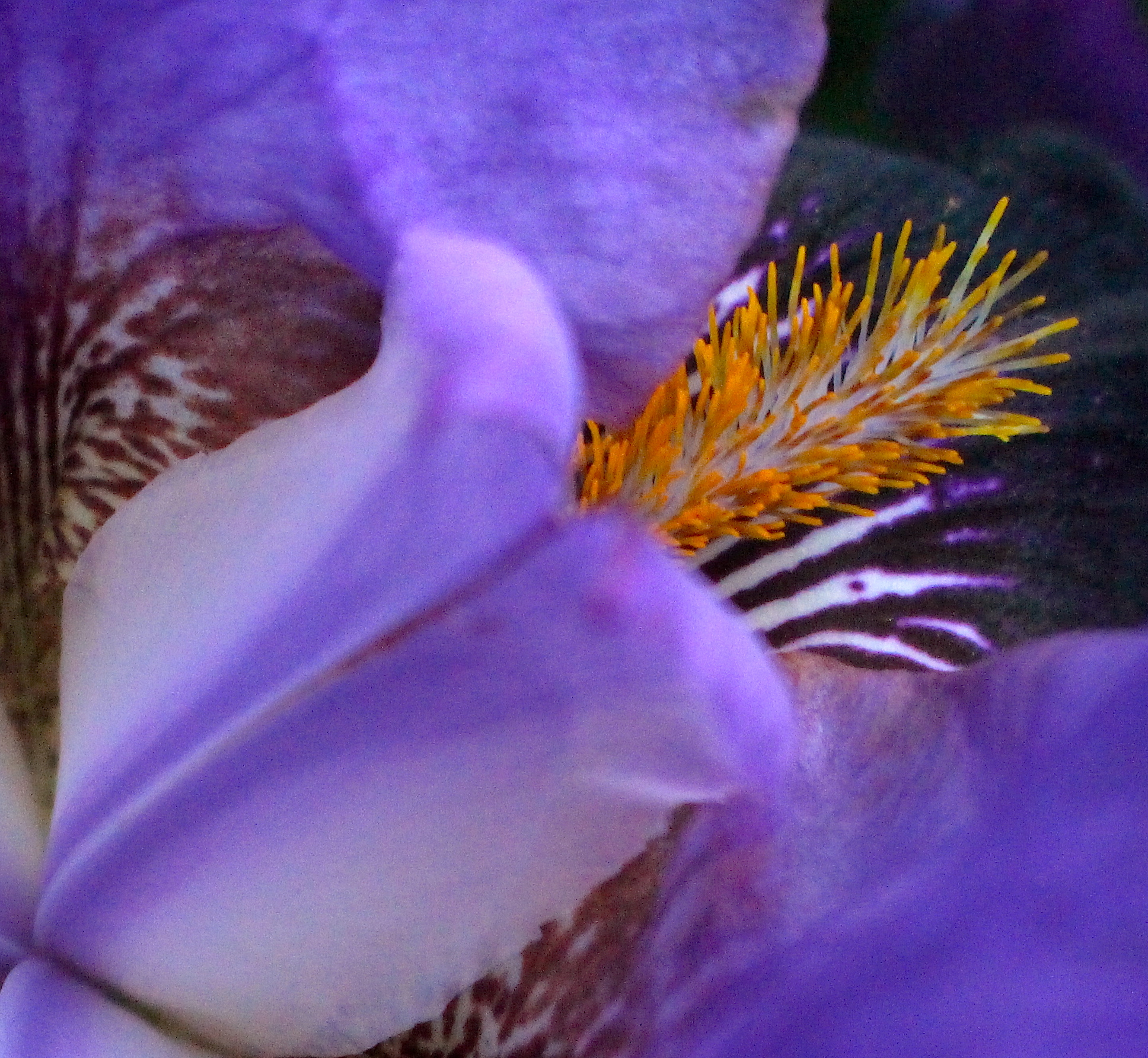
One autumn years ago,  my sister-in-law brought several paper bags full of iris roots resting solemnly in earth-covered clumps: dirt–dry misshaped feet and fingers crippled with potential. Her garden had become overcrowded and for her iris to continue to thrive, she needed to divide and share the roots.

We were late getting them into the ground but their clustered grace rose up forgiving us our clumsiness. They took hold and transformed our little courtyard into a Van Gogh landscape.

These iris will continue to gladden our hearts until we too must divide them to pass on their gift of beauty to another garden. This act– “by division, will hope increase”–feels radical yet that is exactly what God did in sending His Son to become earth-covered.

A part of God was broken off to put down roots, grow, thrive and be divided, over and over and over again to increase the beauty and grace for those of us limited to this soil.

Each spring our garden blooms so all can see and know: hope lives here —
even in the last few hours of an old and tired year
passing haltingly, hesitantly
into something brand new.


irischance1


irisrain5121


iriscenter5


iris514152

An Advent Paradox: From Filth to Flowers


The poor, old stable of Christ’s old, poor country is only four rough walls, a dirty pavement, a roof of beams and slate. It is dark, reeking. The only clean thing in it is the manger where the owner piles the hay and fodder.

Fresh in the clear morning, waving in the wind, sunny, lush, sweet-scented, the spring meadow was mown. The green grass, the long, slim blades, were cut down by the scythe; and with the grass the beautiful flowers in full bloom – white, red, yellow, blue. They withered and dried and took on the one dull color of hay. Oxen dragged back to the barn the dead plunder of May and June. And now that grass has become dry hay and those flowers, still smelling sweet, are there in the manger to feed the slaves of man.

The animals take it slowly with their great black lips, and later the flowering fields, changed into moist dung, return to light on the litter which serves as bedding.

This is the real stable where Jesus was born. The filthiest place in the world was the first room of the only pure man ever born of woman. The Son of Man, who was to be devoured by wild beasts calling themselves men, had as his first cradle the manger where the animals chewed the cud of the miraculous flowers of spring.
~Giovanni Papini from “The Real Stable”


As is my routine on Saturdays, I spent the day in the barn, breaking ice and refilling water buckets, then going from stall to stall to clean out the manure and wet spots, and finally adding fresh bedding. Then I climbed high in the hay stack in the barn and rolled hay bales down to load into the wheel barrow to push into the stable for Sunday Sabbath, a day of rest. There are always chores to do every day, but they can be abbreviated on Sunday thanks to the work accomplished the previous day. This is the nature of farming– preparing and readying for what is to come.

Farmers, by nature, are a hopeful lot. We plan ahead, plot out our next year’s crop, choose our seed in advance and plant it with anticipation. We prune and we plow and we store up mountains of feed far in advance. We evaluate pedigrees and scrutinize genetics carefully. And we wait patiently. As I clean their stalls, I watch my mares’ bellies roll with the movement of their unborn foals and I picture the new life in my mind’s eye. There is a harvest of hope in those bellies.

Unlike many modern horse barns, our decades old stable is a particularly plain and humble place with dirt floors, and as the support beams have settled over the years the door hinges don’t hang balanced and true any longer, so the stall doors are sticky and sometimes hard to open in the winter weather. Despite the lack of fancy design though, I haven’t heard the horses complain–their meals taste as good, they are warm and dry in the cold windy weather and cool in the hot weather. Their needs are met there and amazingly, so are mine.

Christmas began in a stable–probably a dark cave that served the purpose of housing animals. It most assuredly was plain and humble, smelling of manure and urine, and animal fur. Yet it also would have smelled of the sweetness of stored forage, and there would have been the reassuring sounds of animals chewing and breathing deeply. It was truly the only place a group of scruffy shepherds could have felt welcomed without being tossed out as unsuitable visitors– they undoubtedly arrived at the threshold in bad need of a bath, smelly, dirty and terrified and yet left transformed, returning to their fields full of praise and wonder, telling all they met what they had seen. No bath could scrub so clean as the sight of what that stable contained.

There could not have been a more suitable place for this birth that was to change the world: the promise of cleansing hope and peace in the midst of our knee deep filth. Despite our sorry state, we are welcomed into the sanctuary of the stable, sown, grown, pruned and harvested to become seed and food for others.

If even the shepherds became a harvest of hope, the flowers of the future,  then surely so can we.


 Jesus our brother, kind and good
Was humbly born in a stable rude
And the friendly beasts around Him stood,
Jesus our brother, kind and good.

Thus every beast by some good spell,
In the stable dark was glad to tell
Of the gift he gave Immanuel,
The gift he gave Immanuel.