Catastrophic Thinking

(story from the Barnstorming archives)

Chores at our farm are rarely routine since our batch of four male kittens were born 6 months ago. They were delivered unceremoniously in the corner of one of the horse stalls by their young mother whose spontaneous adoption we accepted a mere four weeks before, not realizing we were accepting five kitties, not just one.

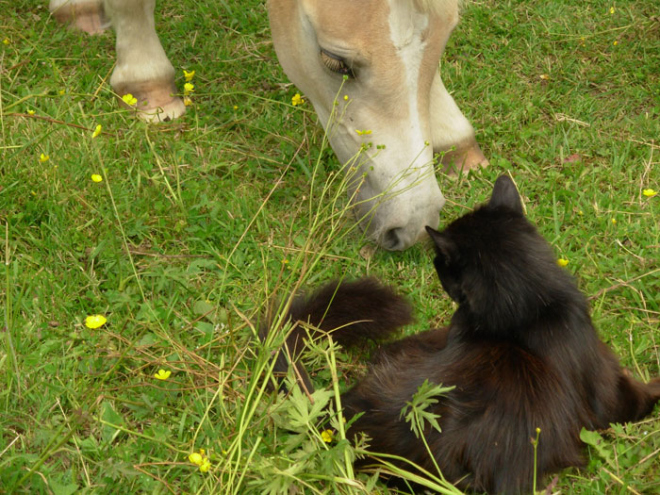
They were born under a Haflinger’s nose, and amazingly survived the ordeal and managed to stay safe until the next day when we came in to clean and discovered them nicely warmed near a nice fresh pile of poop. What a birthing spot this mama had chosen. Thankfully Haflingers are tolerant about sharing their space as long as you don’t ask for a share of their food too…

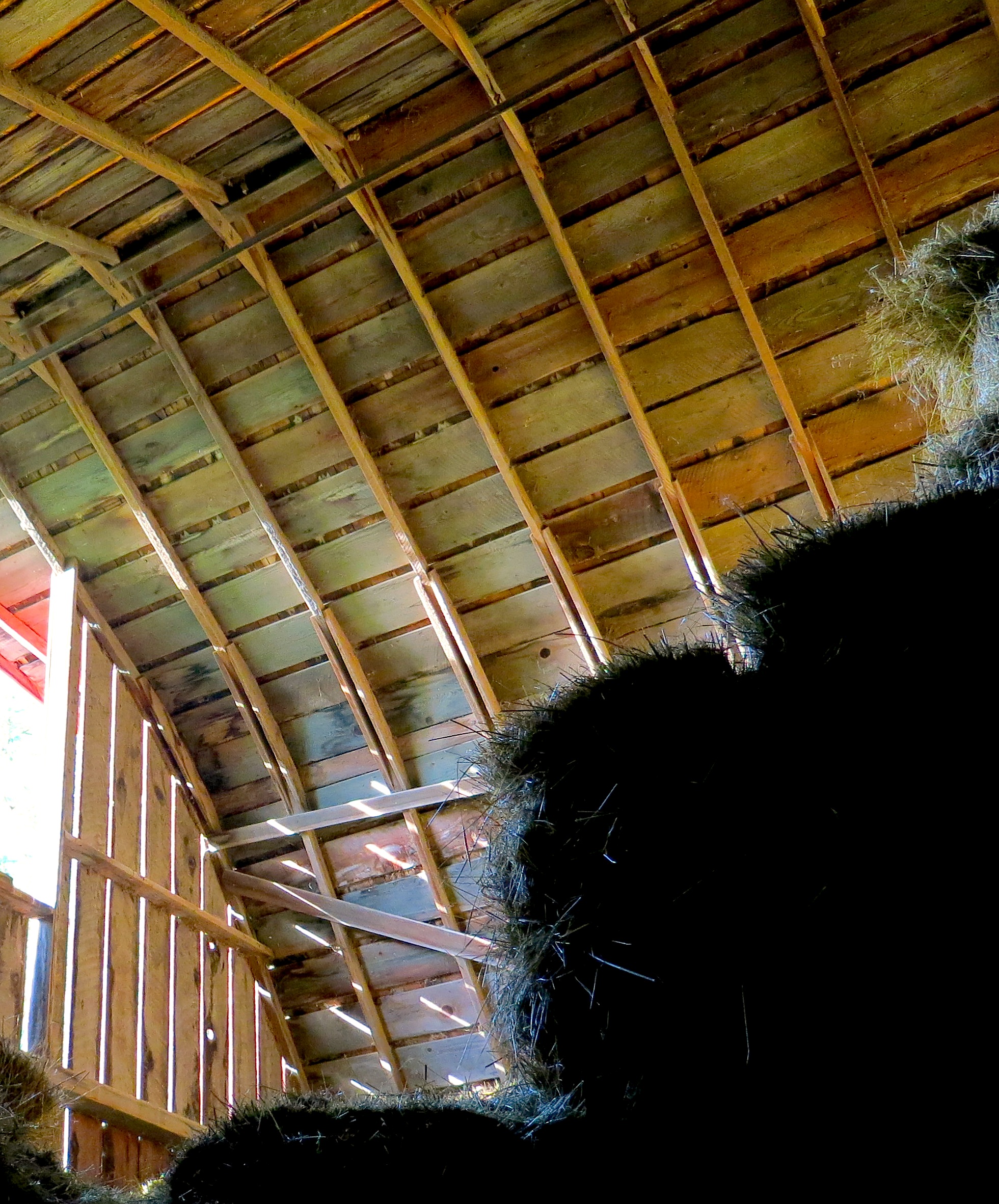
We moved them and mama to a safer spot in the barn, away from big Haflinger feet, and they thrived, getting more adventuresome by the week, until they are now in full adolescent glory, mock fighting with each other, scrambling up and down the hay bales, using the shavings as their personal litter box, doing rodent patrol, and most of all, strolling along the shelves that line the stalls, breathing in the Haflinger smell, and rubbing their fur up against Haflinger noses through the wire. They are best of friends with these ponies in the light of day, as after all they were born right in a Haflinger bed.

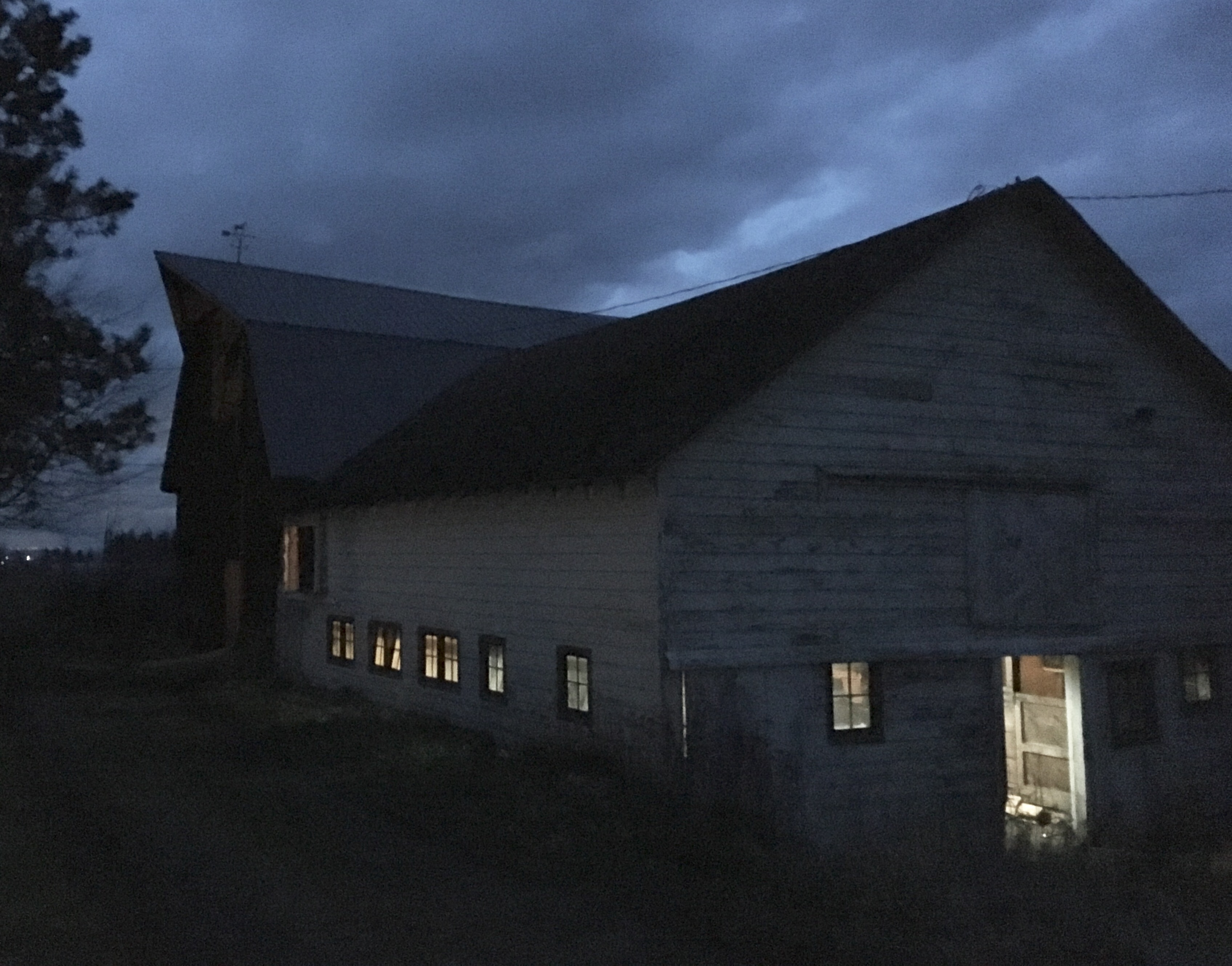
But at night it’s another story. Each evening as I come out to do chores after returning home from work, it is pitch dark and the Haflingers, out in their winter paddocks, must walk with me one by one back to their box stalls for the night. Only this is now far more of an adventure thanks to four cats who glory in stealth attacks in the dark, like mountain lions in the shadows, waiting for their prey to pass by.

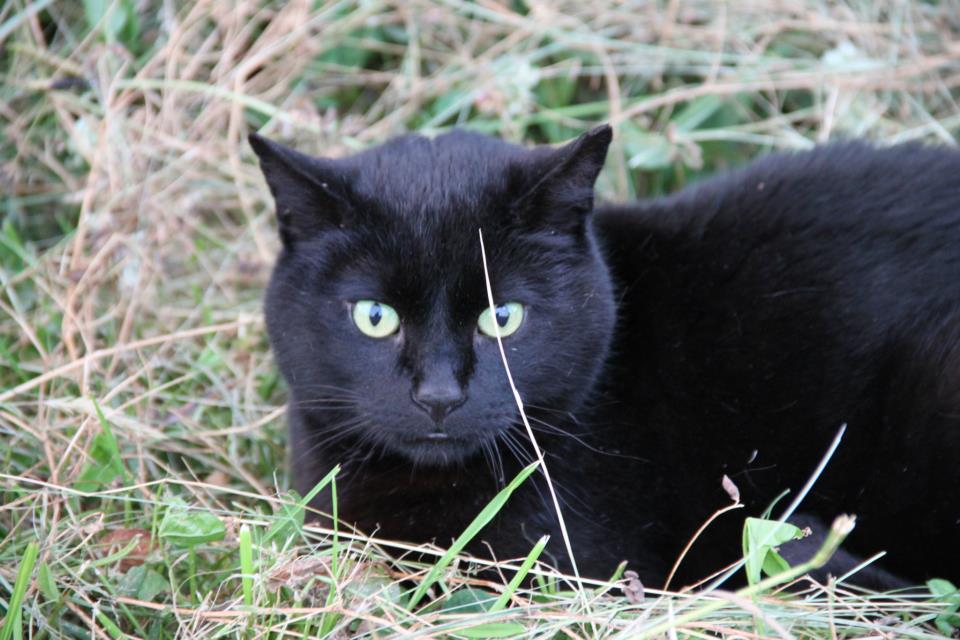
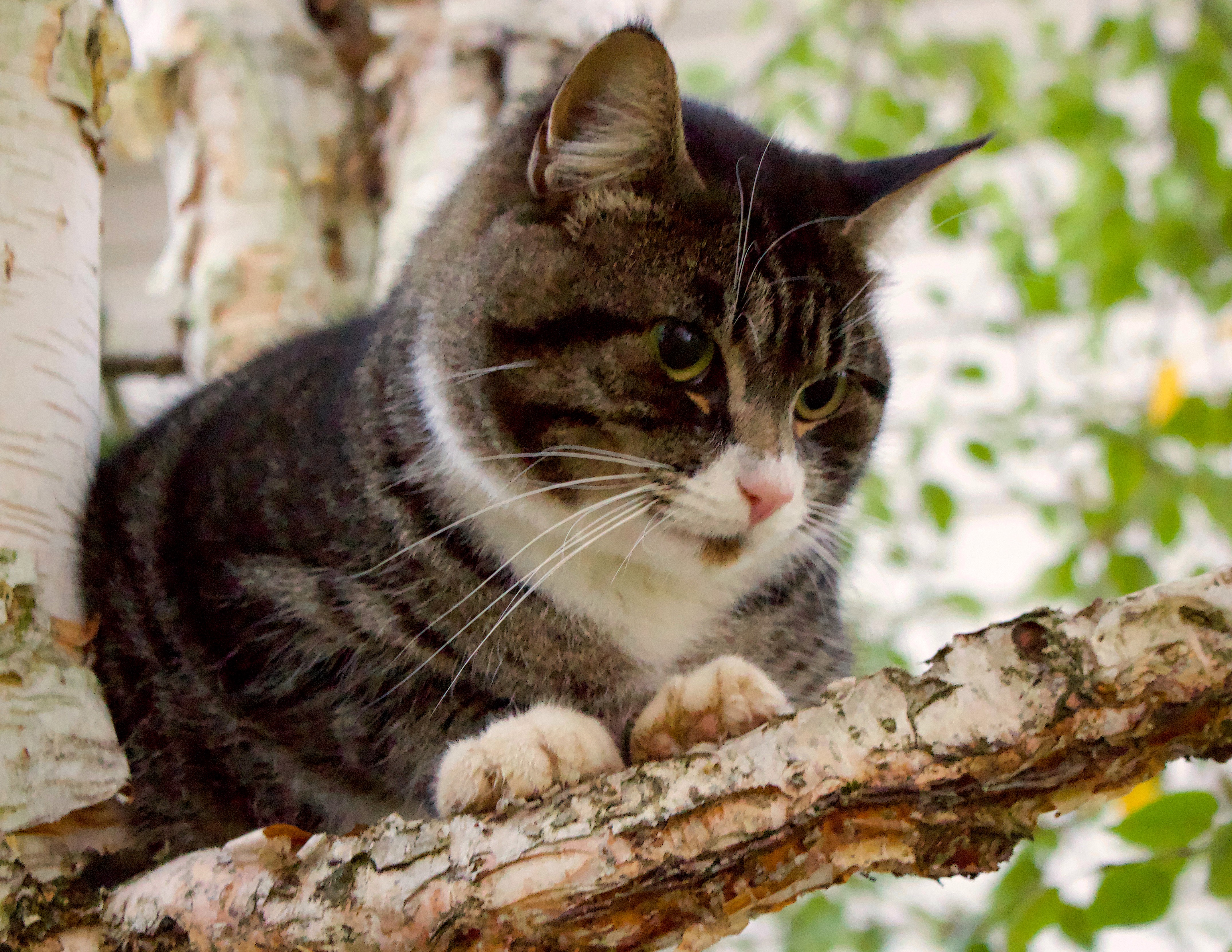
These four rascals are two tabbies, one black and one gray, all four perfectly suited to be camouflaged in the northwest dim misty fall evenings along a barely lit pathway between paddocks and barn. They flatten themselves tight on the ground, just inches from where our feet will pass, and suddenly, they spring into the air as we approach, just looking for a reaction from either the horse or myself. It never fails to unnerve me, as I’m always anticipating and fearing the horse’s response to a surprise cat attack. Interestingly, the Haflingers, used to kitten antics all night long in the barn, are completely bored by the whole show, but when the tension from me as I tighten on the lead rope comes through to them, their head goes up and they sense there must be something to fear. Then the dancing on the lead rope begins, only because I’m the one with the fear transmitted like an electric current to the Haflinger. We do this four times along the path to the barn as four kittens lay in wait, one after another, just to torment me. By the end of bringing in eight horses, I’m done in by my own case of nerves.

You’d think I’d learn to stop fearing, and start laughing at these pranksters. They are hilarious in their hiding places, their attempts to “guard” the barn door from intruders, their occasional miscalculations that land them right in front of a hoof about to hit the ground. Why I haven’t had at least one squished kitten by now is beyond my comprehension. Yet they survive to torment me and delight me yet another night. I cuddle them after the horses are all put away, flopping them on their backs in my arms, and tickling their tummies and scolding them for their contribution to my increasingly gray hair.

I’m a slow learner. These are like so many of my little daily fears, which seem to hide, blended in to the surroundings of my daily life, ready to spring at me without warning, looking like much bigger scarier things than they really are. I’m a highly skilled catastrophizer in the best of circumstances, and if I have a kitten sized worry, it becomes a mountain lion sized melodrama in no time. Only because I allow it to become so.

Stepping back, taking a deep breath, if I learn to laugh at the small stuff, then it won’t become a “cat”astrophe, now will it? If I can grab those fears, turn them over on their back and tickle their tummies until they purr, then I’m the one enjoying a good time.

I’ll try that the next time I feel that old familiar sensation of “what if?” making my muscles tense and my step quicken. I just might tolerate that walk in the dark a little better, whether it is the scary plane flight, the worry over a loved one’s health, the state of the economy, where the next terrorist will strike, or the uncertainty of what tomorrow might bring.

I’ll know that behind that mountain lion is a soft loving purring fur ball, granting me relief from the mundane, for which I’m extremely grateful. Life is always an adventure, even if it is just a stroll down a barn lane in the dark wondering what might come at me next on the path.

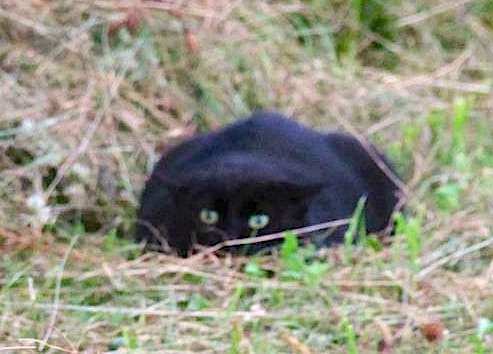
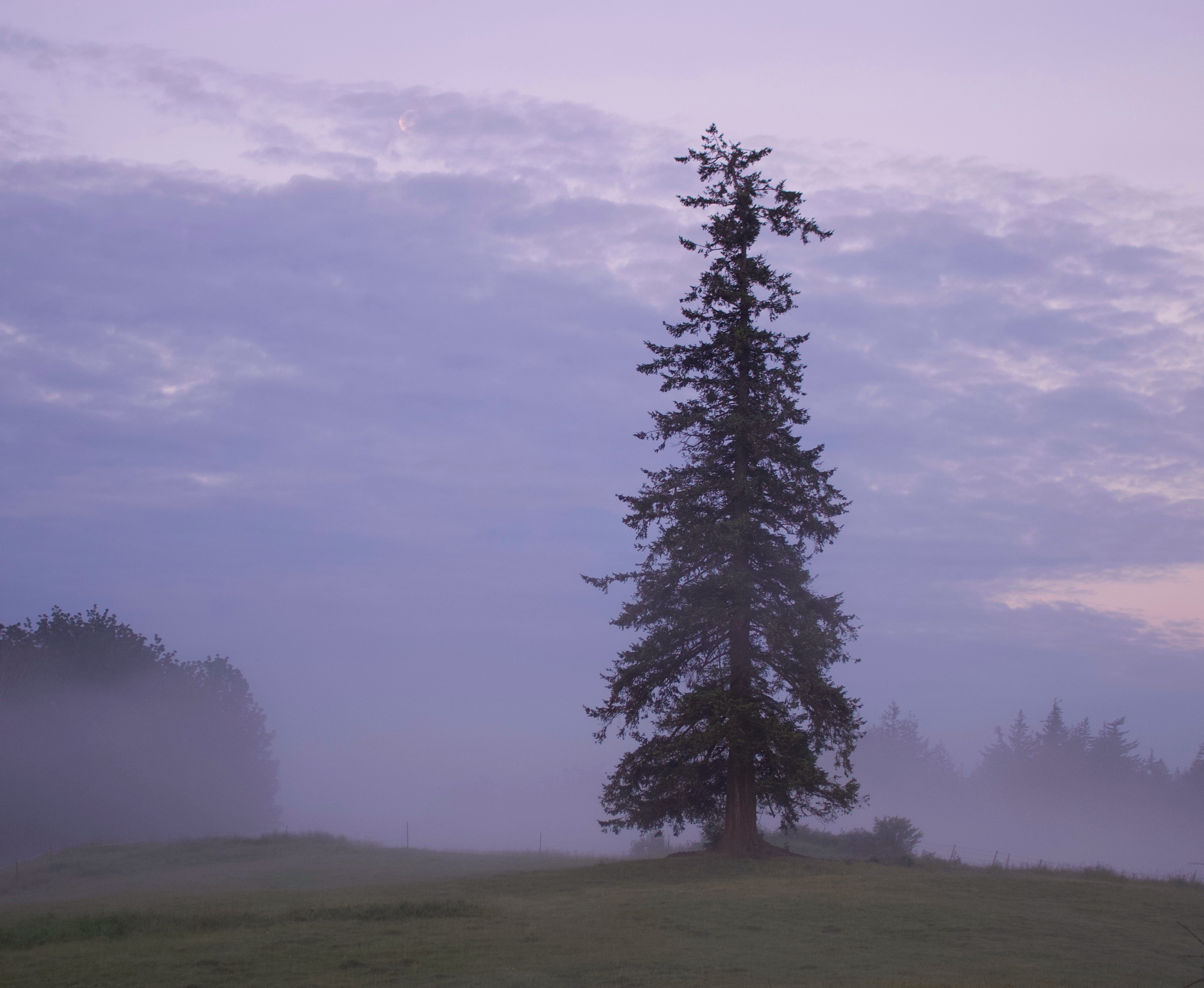
photo by Nate Gibson

Not Alone in the Dark

“If there were no God, there would be no atheists.”
—G.K. Chesterton

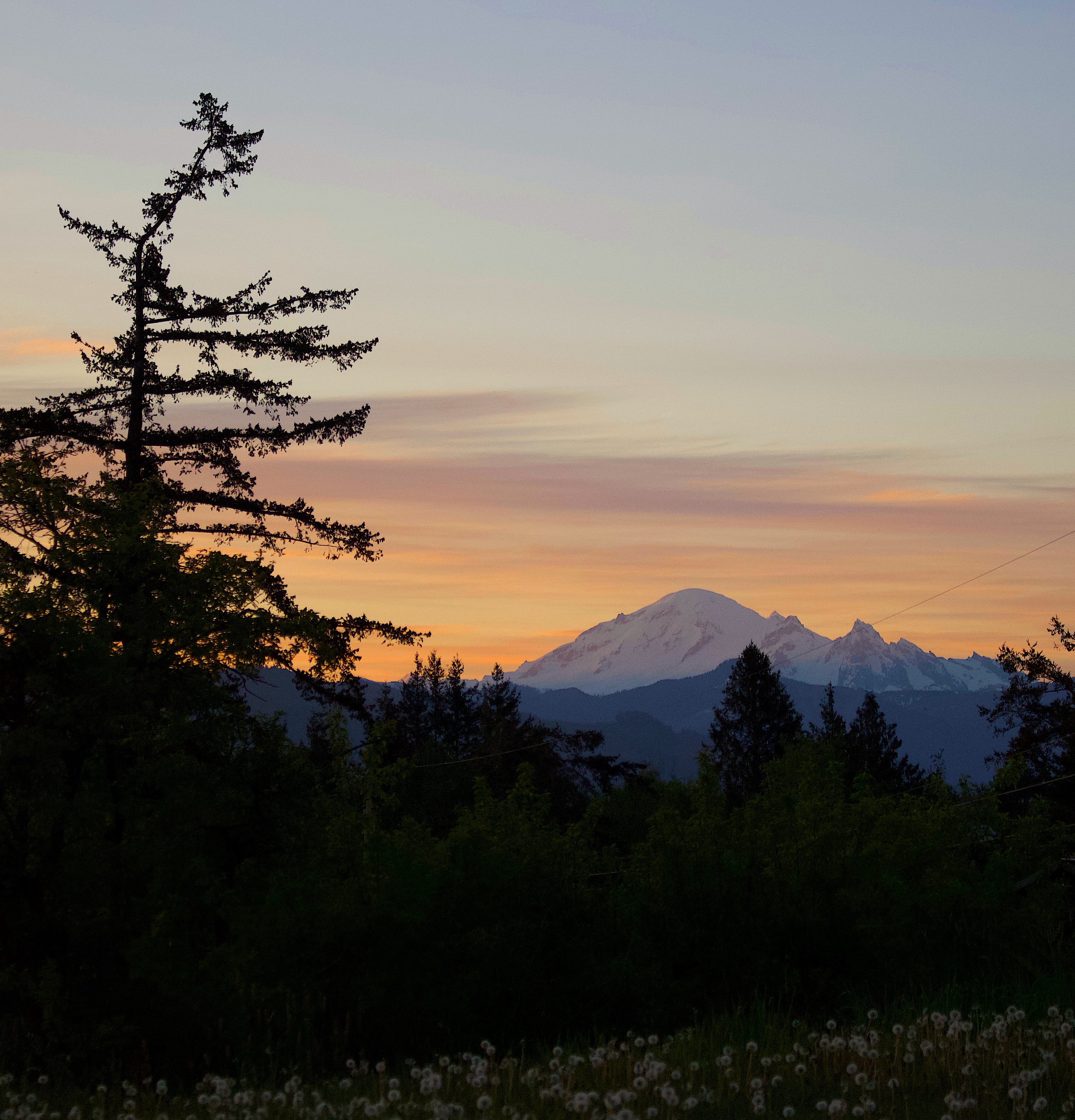
shuksan622194

It’s the season of grace coming out of the void
Where a man is saved by a voice in the distance
It’s the season of possible miracle cures
Where hope is currency and death is not the last unknown
Where time begins to fade
And age is welcome home

It’s the season of eyes meeting over the noise
And holding fast with sharp realization
It’s the season of cold making warmth a divine intervention
You are safe here you know now

Don’t forget
Don’t forget I love
I love
I love you

It’s the season of scars and of wounds in the heart
Of feeling the full weight of our burdens
It’s the season of bowing our heads in the wind
And knowing we are not alone in fear
Not alone in the dark

Don’t forget
Don’t forget I love
I love
I love you
~Vienna Teng “The Atheist Christmas Carol”

shuksanhiding

I have heard the same message
from several patients:
they feel so alone
so in the dark,
so afraid
and weighted down
they would rather
choose to end their life~

yet not believing
in God means
jumping from
the pain of living
into
…nothing at all…

(feeling nothing
being the 
point
of ceasing
to be)

Perhaps they can’t imagine
this God who loves
doubters too sore afraid
of His caring enough to die
to assure
no one ever
becomes
nothing.

Evening Comes On Fast

It hangs on its
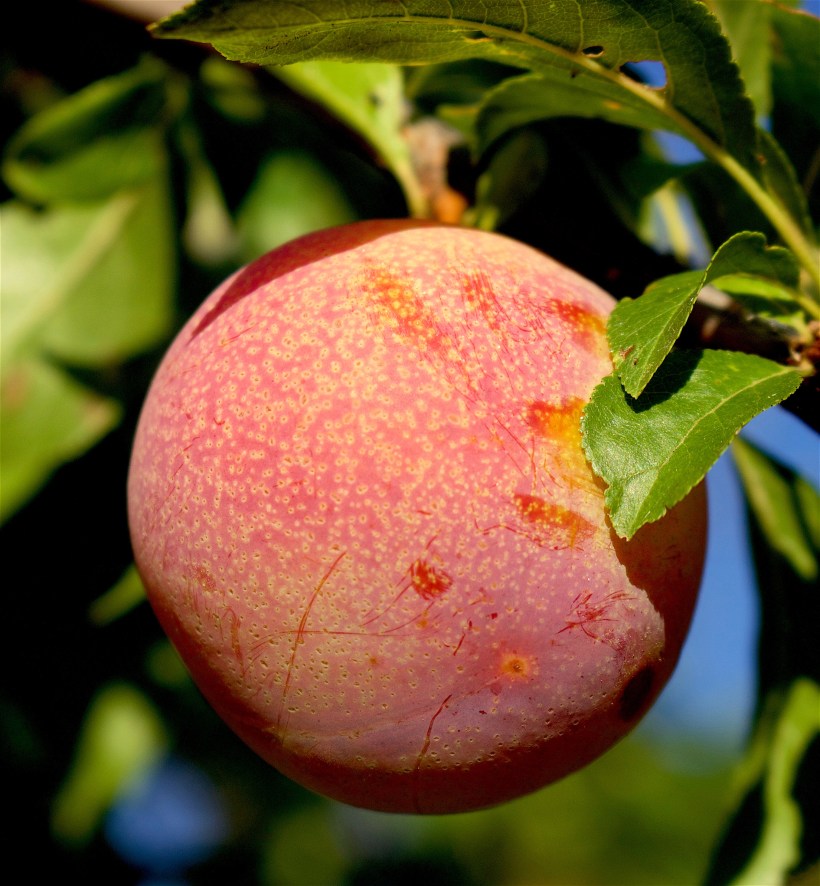
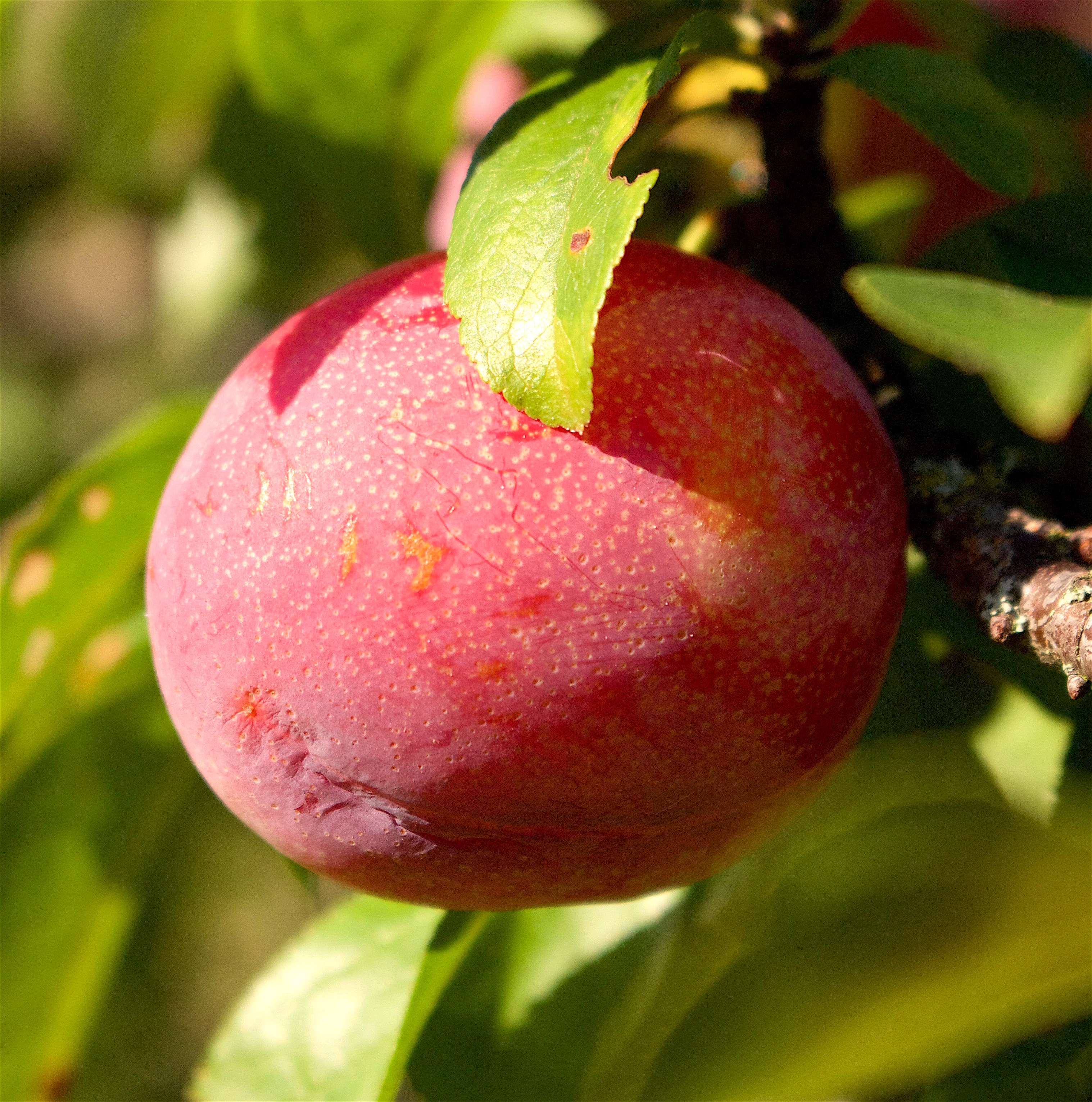
                  stem like a plum
at the edge of a
                 darkening thicket.

It’s swelling and
                 blushing and ripe
and I reach out a
                 hand to pick it

      but flesh moves
                 slow through time
and evening
                 comes on fast

and just when I
                 think my fingers

might seize that
                 sweetness at last

the gentlest of
                 breezes rises
and the plum lets
                 go of   the stem.

And now it’s my
                 fingers ripening
and evening that’s
                 reaching for them.
~Geoffrey Brock, “The Day” author of Voices Bright Flags

Let the light of late afternoon
shine through chinks in the barn, moving   
up the bales as the sun moves down.

Let the cricket take up chafing   
as a woman takes up her needles   
and her yarn. Let evening come.

Let dew collect on the hoe abandoned   
in long grass. Let the stars appear
and the moon disclose her silver horn.

To the bottle in the ditch, to the scoop   
in the oats, to air in the lung   
let evening come.

Let it come, as it will, and don’t   
be afraid. God does not leave us   
comfortless, so let evening come.

~Jane Kenyon, from “Let Evening Come” from Collected Poems.

So much of our living is preparing for rest and here we are, fighting it every step of the way.

We resist it mightily:
the toddler fussing about taking a nap, 
the youngster devoted to their screen time and unwilling to surrender to darkness, or
the parent trying to eke out the last bit of daylight to get the chores done. 

We are comforted by activity.
We are created in the image of One who remembered to rest. 

So must we be “evened” by Him.
The evening comes – there is no stopping it –
we are to settle into it, our fingertips ripening,
to close our eyes and drift on the comfort it brings.

The Coiled Shell of Their Lives

Needing them still, I come
when I can, this time to the sea
where we share a room: their double bed,
my single. Morning fog paints the pale
scene even paler. Lace curtains breathing,
the chenille spread folded back,
my father’s feet white sails furled
at the edge of blue pajamas.
Every child’s dream, a parent
in each hand, though this child is fifty.
Their bodies fit easily, with room
to spare. When did they grow
so small? Grow so small—
as if it were possible to swell
backwards into an earlier self.


One more year, I ask the silence.
Last night to launch myself
into sleep I counted their breaths, the tidal
rise and fall I now put my ear to,
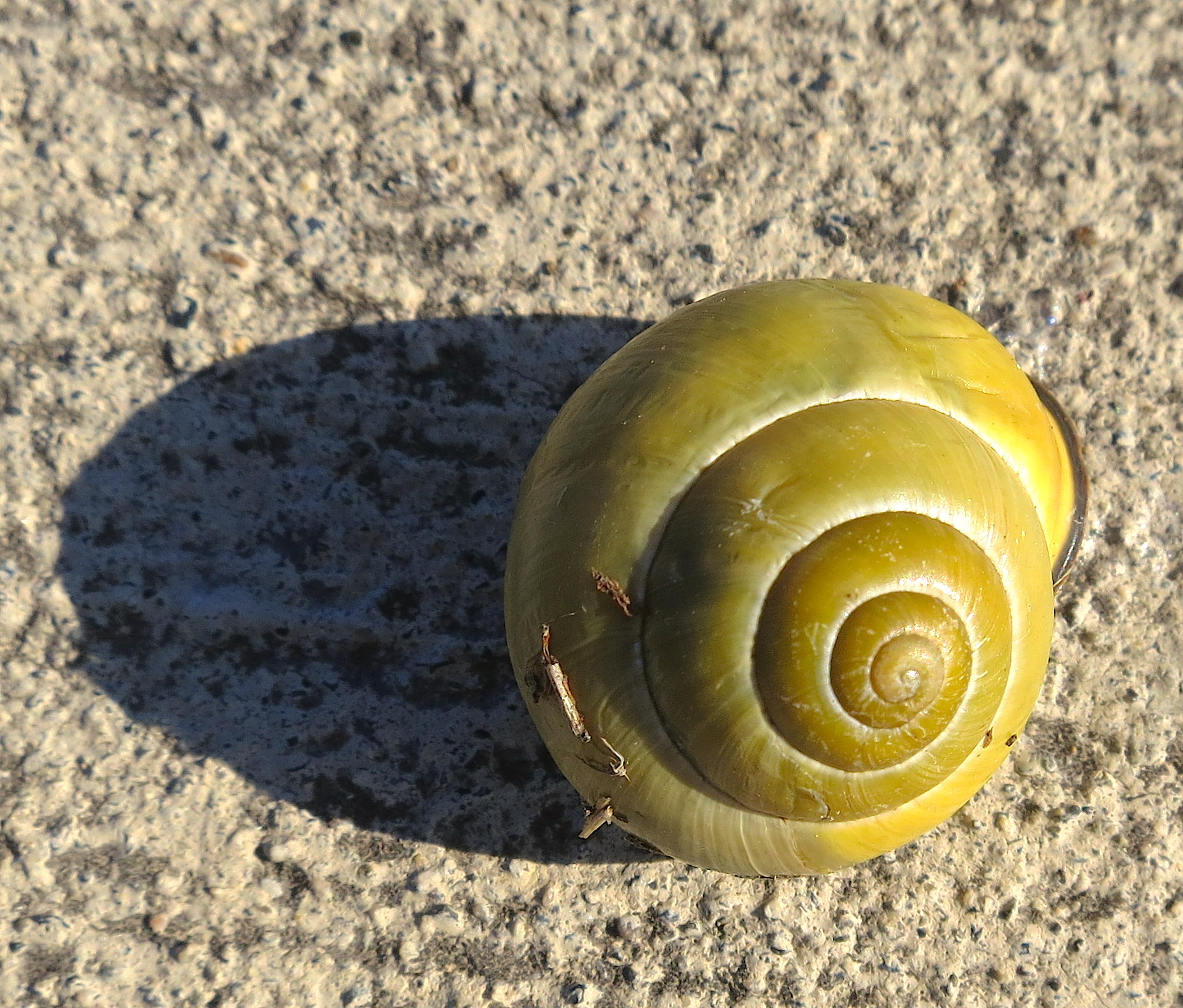
the coiled shell of their lives.
~Rebecca McClanahan from “Watching my Parents Sleeping Beside an Open Window Near the Sea” from Deep Light: New and Selected Poems.

My parents have been gone now for some time, my father over 25 years, my mother now over 10 years. Their dying was a long process of counted breaths and pauses. I witnessed their bodies curling into themselves, shrinking smaller, worn down by illness and age.

I still miss them, reminded of them by the events of my own life, still wanting them to take me by the hand as I navigate my own daily path.
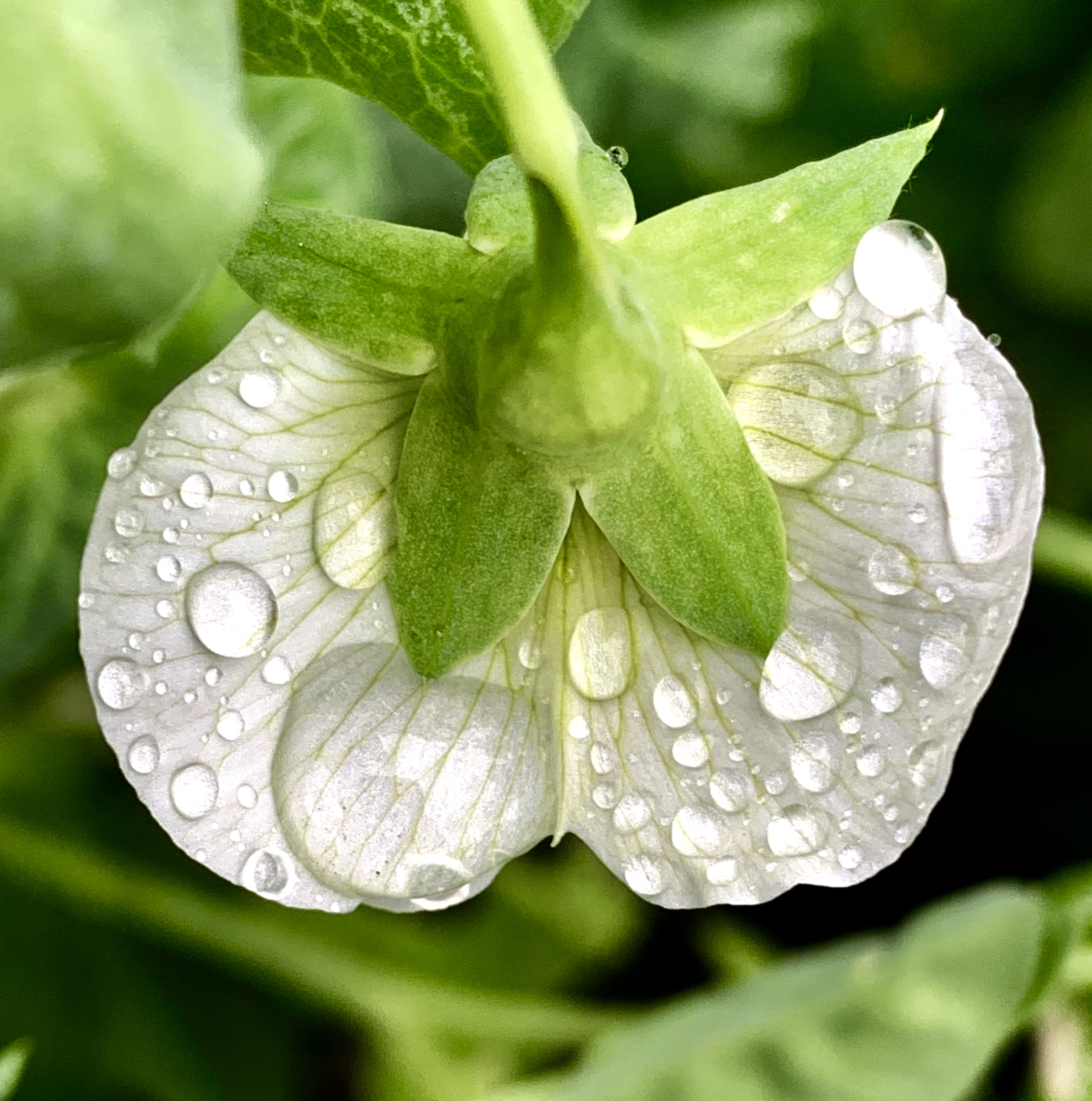
After mom’s death, those possessions not distributed to family members have remained packed up and stored in our barn buildings. I know it is well past time to deal with their stuff as I become keenly aware of my own greying and aging.

Untouched in the bookshelf of our bedroom is a sealed box of over 500 letters written by my mother and father between 1941 and 1945. I know the letters began as they were getting to know each other at college, then going from “pinned” to “engaged” and continue for three and a half more years after a hurried wedding Christmas Eve 1942. By mid January 1943 my newly minted Marine officer father shipped out to spend the next three years of his life on the Pacific Ocean, fighting on the battlefields of Saipan, Tinian and Tarawa, not to return again to the states until late summer of 1945. My mother wrote her letters from a rural eastern Washington community, living in a “teachers’ cottage” with other war wives who taught school while waiting for their husbands to return home – or not.

It has taken me a decade to find the courage and time to devote to reading these letters they treasured and never threw away. Yesterday I sorted them unopened by postmark date into some semblance of order and sat down to start at the very beginning, which, of course, is my beginning as well. Only sixty letters in, I open each one with some trepidation and a lump in my throat about what I might find written there. I worry I may find things I don’t want to know. I hope I find things that I desperately need to know.

Most of all I want to understand the two people who became my parents within the coiled shell of their forty years together, though broken by a painful divorce which lasted a decade. Having lived through that awful time with them, I want to understand the origin of a love which mended their cracked shell, glueing them back together for five more years before my father died.

As I read their words over the next few weeks, I hope I too can cross a bridge back to them both.

We Who are Blended

You’ve got to be taught
To hate and fear
You’ve got to be taught
From year to year
It’s got to
Be drummed in your dear little ear
You’ve got to be taught
To be afraid of people
Who’s eyes are oddly made
And people who’s skin is a different shade
You’ve got to be carefully taught
~ Matthew Morrison from Oscar and Hammerstein’s “South Pacific”

It demands great spiritual resilience not to hate the hater
whose foot is on your neck, 
and an even greater miracle of perception and charity
not to teach your child to hate.
~James Arthur Baldwin

If you’re white and you’re wrong, then you’re wrong; 
if you’re black and you’re wrong, you’re wrong. 
People are people. 
Black, blue, pink, green – 
God make no rules about color; 
only society make rules where my people suffer, 
and that why we must have redemption and redemption now.
~Bob Marley

We’ve got to be taught to hate. I was and so were you.

And not a one of us grows up without that sickening uneasiness about not belonging and not feeling like we fit in with those around us. We crave belonging and most of us seek to blend in.

Yet we are created in the image of God, in most ways more similar than we are different. We have created the differences in our own minds and cultures, not God’s Mind. Our fear of one another is purely man-made.

Yet hating and fearing the “other” is meaningless when we are already the “other.”

As more and more people have their DNA profiles done and discover an unexpected mix of various ethnic and racial backgrounds, we are gaining new brothers and sisters on the molecular level. Many are already blended; most of us are mutts.

I have a white friend who recently discovered a branch of family four generations back where a white man and black woman had married and had several children who could pass as white and married so other light-skinned people. Several children were darker skinned and married black spouses. Sadly, due to the prejudices of the time, the family separated along skin color lines and didn’t maintain contact. Now the descendants have discovered each other. Their family reunion portraits display a colorful spectrum of black to brown to pale white. None of them are “other” any longer when they all are “other.”

So let us celebrate the infinite gradations of Imago Dei, and the redeeming reunion of long-lost brothers and sisters.

And remember — we are responsible for what we teach our children.

Sauntering in a Musing Pace

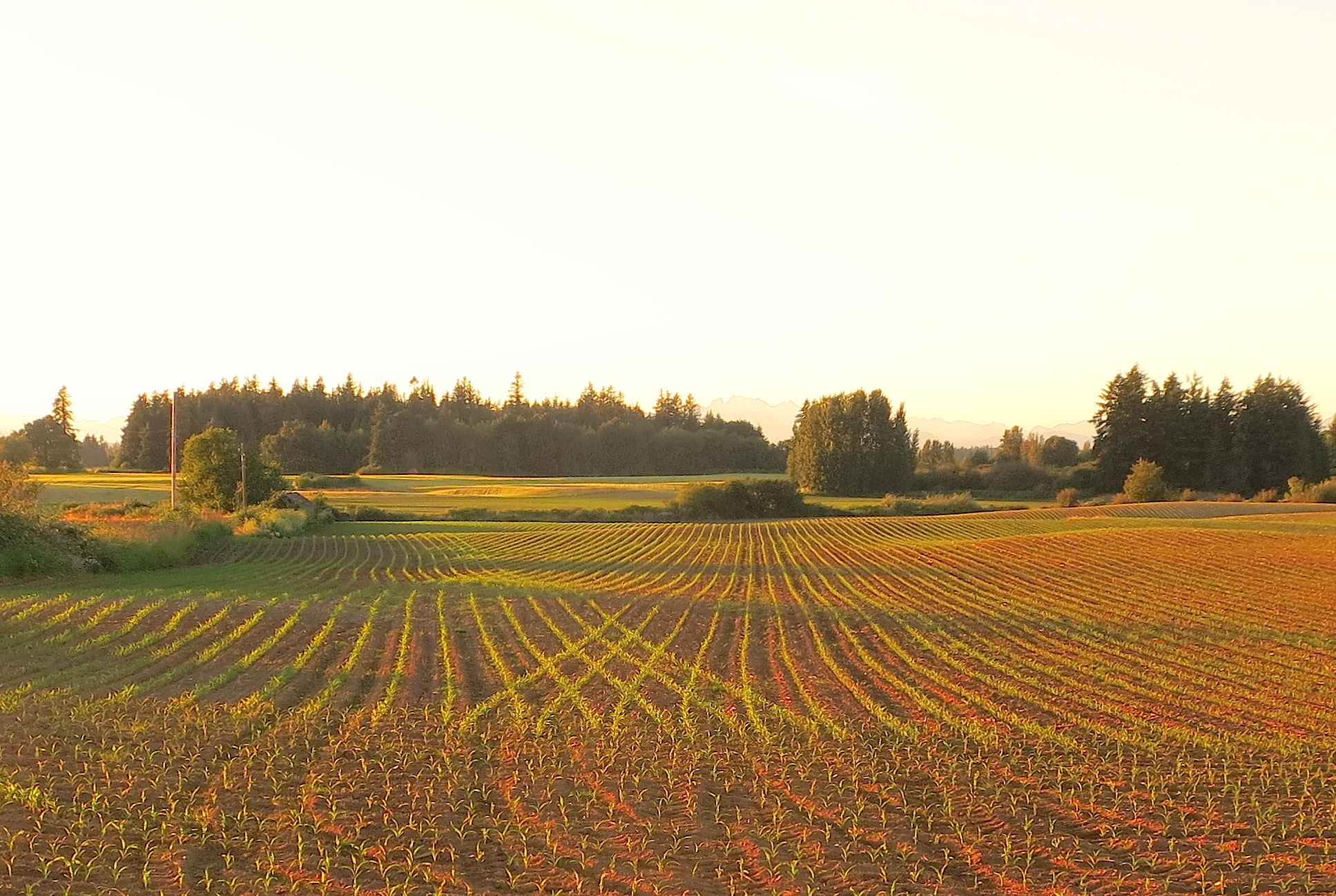
The south-west wind! how pleasant in the face
It breathes! while, sauntering in a musing pace,
I roam these new ploughed fields; or by the side
Of this old wood, where happy birds abide,
And the rich blackbird, through his golden bill,
Utters wild music when the rest are still.
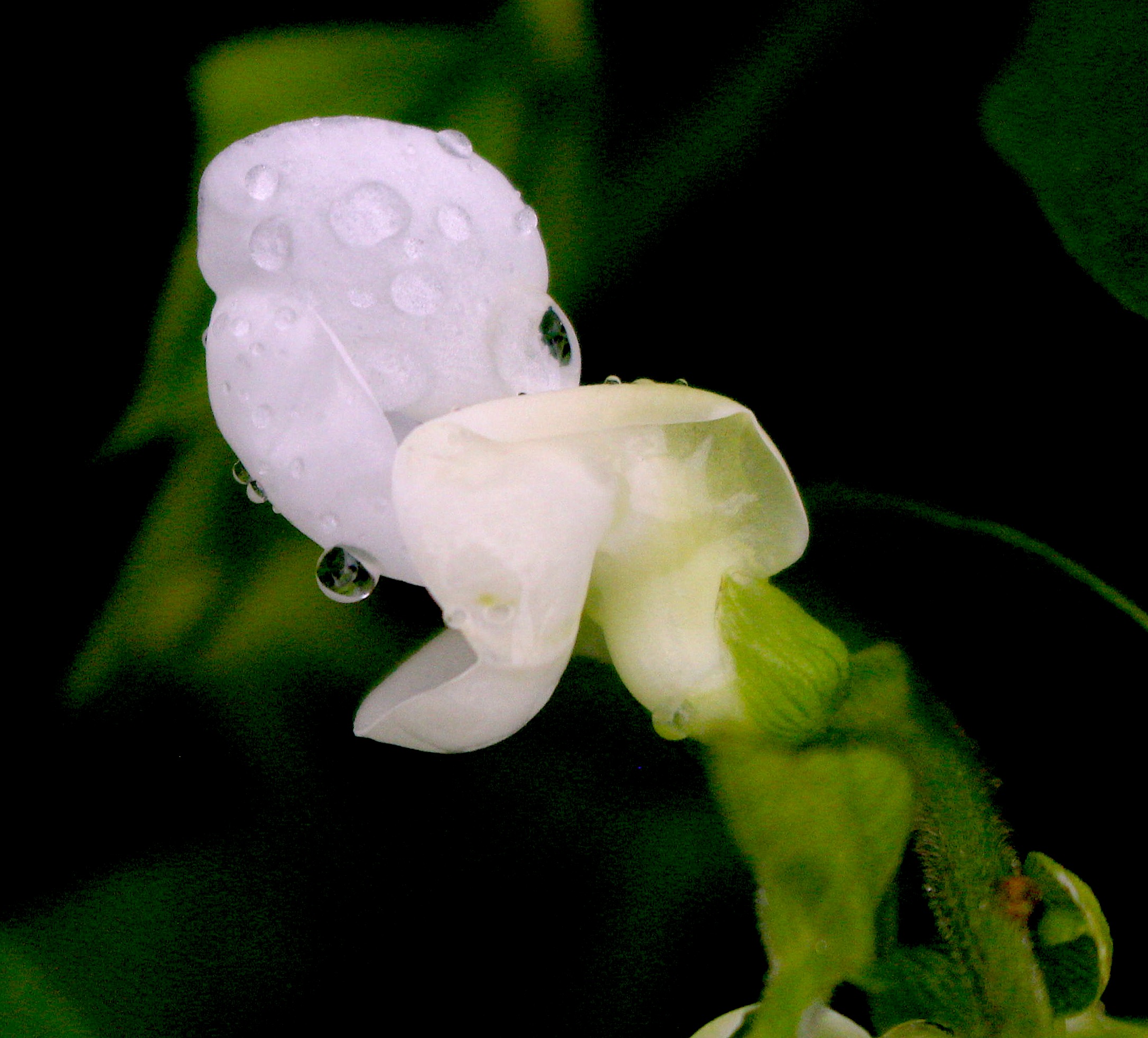
Luscious the scent comes of the blossomed bean,
As o’er the path in rich disorder lean
Its stalks; when bees, in busy rows and toils,
Load home luxuriantly their yellow spoils.
The herd-cows toss the molehills in their play;
And often stand the stranger’s steps at bay,
Mid clover blossoms red and tawny white,
Strong scented with the summer’s warm delight.
~John Clare “Beans in Blossom”

Walking, thinking and paying attention to one’s surroundings all at the same time requires a slower pace than the recommended 3x a week standard cardiovascular work-out.

So, even if it isn’t getting my heart rate up, I’m trying out sauntering. Ambling.
Meandering.
Strolling.
Dilly-dallying.
Lingering.

As my feet move more slowly, my brain stays busy, even as my muscles aren’t so much.

Musing.
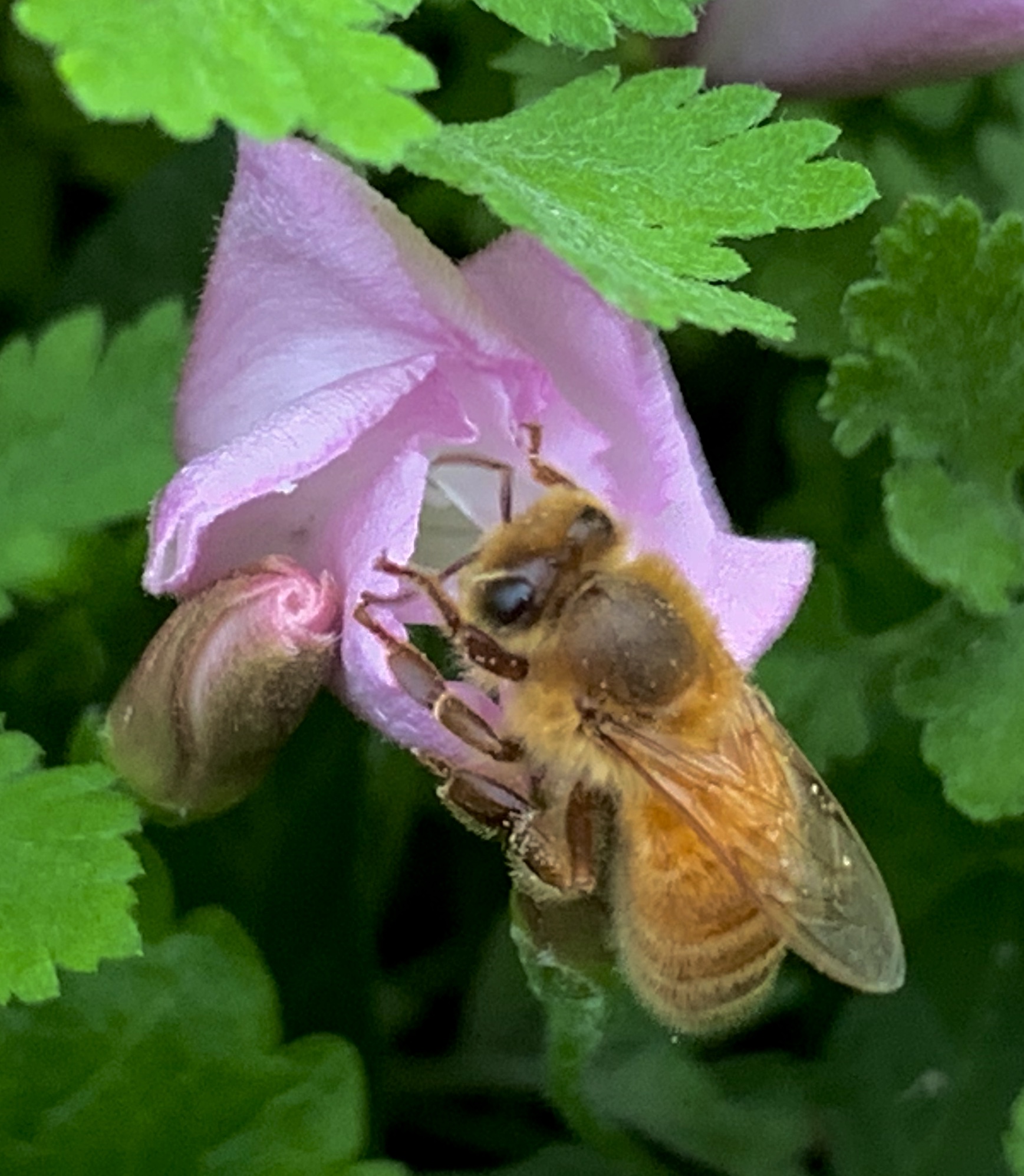
Cogitating.
Contemplating.
Reflecting.
Pondering.
Ruminating.
Appreciating.

What takes place is a perplexing paradox:
I empty out while filling up:

letting go of worry, doubt, fear, anxiety, grief, self-absorption
allowing room for praise, contentment, grace, gratitude, worship

A fair trade if you ask me.


Supposing a Tree Fell Down

“Supposing a tree fell down, Pooh, when we were underneath it?”

“Supposing it didn’t,” said Pooh after careful thought.

Piglet was comforted by this.
~A.A. Milne

It is the final week of a very long academic year and tension is running high.

Among those students to whom I provide care,
there are many who dwell deeply in “what if?” mode,
immobilized in their anticipation of impending disaster.

I understand this line of thinking,
particularly in this day and age of
“in the moment” tragedy
played out real-time in the palm of our hand
and we can’t help but watch as it unfolds.

Those who know me well
know I can fret and worry
better than most.
Medical training only makes it worse.
It teaches one to think catastrophically.
That is what I do for a living,
to always be ready for the worse case scenario.

When I rise, sleepless,
to face a day of uncertainty
as we all must do at times~
after careful thought,
I reach for the certainty I am promised
over the uncertainty I can only imagine:

What is my only comfort in life and in death? 
That I am not my own, but belong
—body and soul, in life and in death—
to my faithful Savior, Jesus Christ.

“Supposing it didn’t” — He says (and thus we are comforted)


Lifting the Dusky Gauze

Veil after veil of thin dusky gauze is lifted, 
and by degrees 
the forms and colours of things are restored to them, 
and we watch the dawn 
remaking the world in its antique pattern.
~Oscar Wilde from The Picture of Dorian Gray

Dawn is the time when nothing breathes, the hour of silence. 
Everything is transfixed, only the light moves.
~Leonora Carrington

In the moments before dawn
when glow gently tints
the inside of horizon’s eyelids,
the black of midnight
waxes to mere shadow,
the fear forgotten for but a few hours.

Gloaming dusk
fades into gleaming dawn,
its backlit silhouettes stark
as the darkening earth
slowly opens her eyes
to greet a new and glorious morn.

The World’s Weight

Let nothing disturb you,
nothing frighten you,
all things are passing.
God never changes.
Patience obtains all things.
Whoever has God lacks nothing.
God is enough.
~The Prayer of St. Teresa of Avila (1515-1582)

I know from experience that when I allow busy little doings to fill the precious time of early morning, when contemplation might flourish, I open the doors to the demon of acedia.
Noon becomes a blur – no time, no time – the wolfing down of a sandwich as I listen to the morning’s phone messages and plan the afternoon’s errands.
When evening comes, I am so exhausted that vespers has become impossible.
It is as if I have taken the world’s weight on my shoulders and am too greedy, and too foolish, to surrender it to God.
~Kathleen Norris from The Quotidian Mysteries: Laundry, Liturgy and Woman’s “Work”

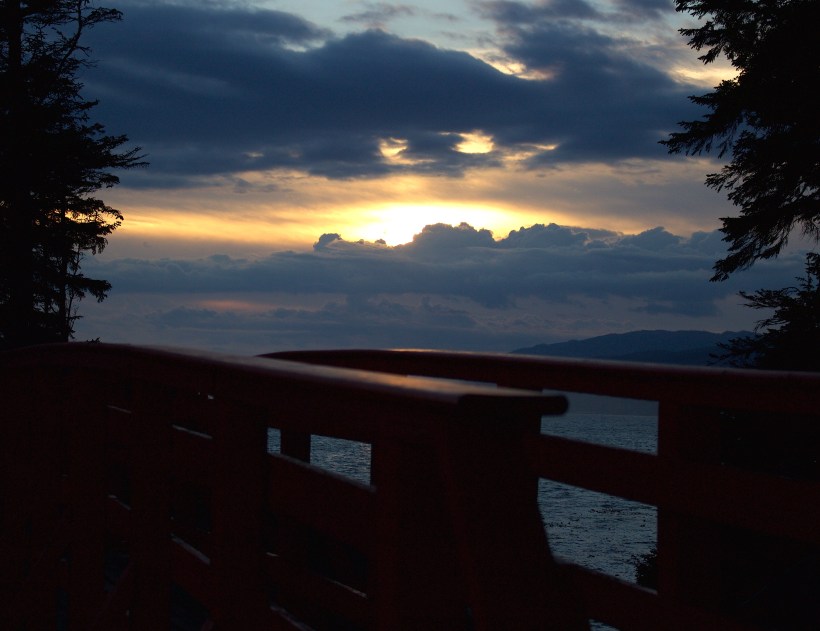
There are sleepless nights when the burdens of my waking hours weigh heavily. Almost anything becomes more fearsome in the dark.

Even in the misty dawn of daylight, the puzzle pieces of the duties of the day feel scattered and impossible to put together, making no logical pattern or sense.

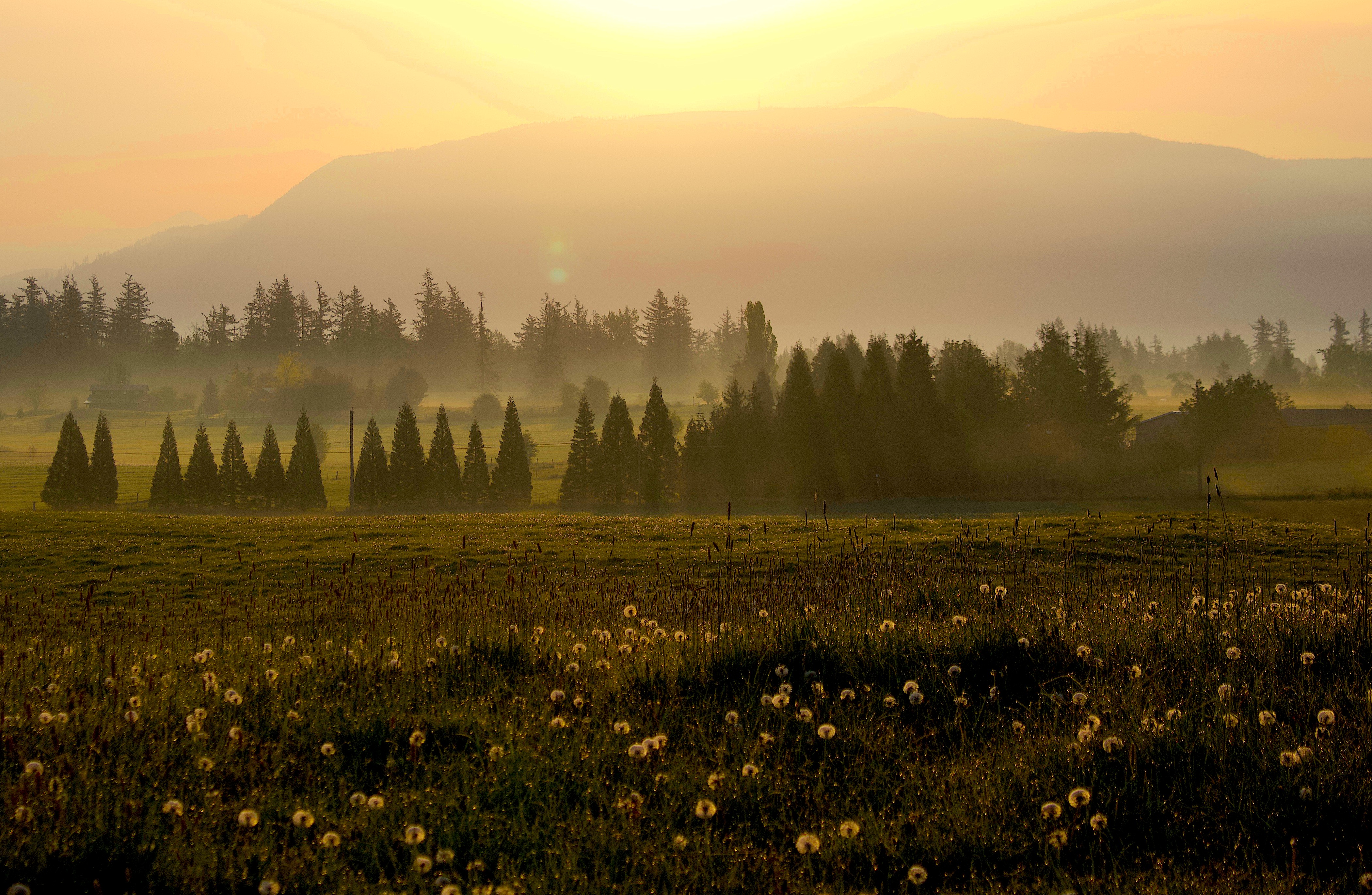
They can feel as random as a million dandelions overwhelming a pasture.

In those helpless moments, I must remember that if I surrender them over to God, He picks up what I cannot carry.

God does not change, God is sufficient, God is patient.

He is enough for now, for tonight, for today, for tomorrow.

And forever.

Unhurried

God never hurries. There are no deadlines against which He must work. Only to know this, is to quiet our spirits and relax our nerves.
Those who are in Christ share with Him all the riches of limitless time and endless years. For those out of Christ, time is a devouring beast; before the sons of the new creation time crouches and purrs and licks their hands.
~A. W. Tozer from
The Knowledge of the Holy

When worries overwhelm and fretting becomes fearsome,
I need quieting.
When the noise of news headlines screams for attention,
I call out for quieting.
When there is sadness, conflict, tragedy, illness, estrangement,
I long for quieting.
When too many balls are juggled at once, and I drop one,
I desire quieting.
When the ache lasts too long, the tiredness lingers, the heart skips a beat, and one too many symptoms causes anxiety,
I am desperate for quieting.
When tempted and ready for surrender, forgetting confidence, conviction, commitment and faith,
I pine for quieting.
In order to stay still reflecting restoration and rest,
I am called to quieting.


Just remaining quietly in the presence of God, listening to Him, being attentive to Him, requires a lot of courage

~Thomas Merton

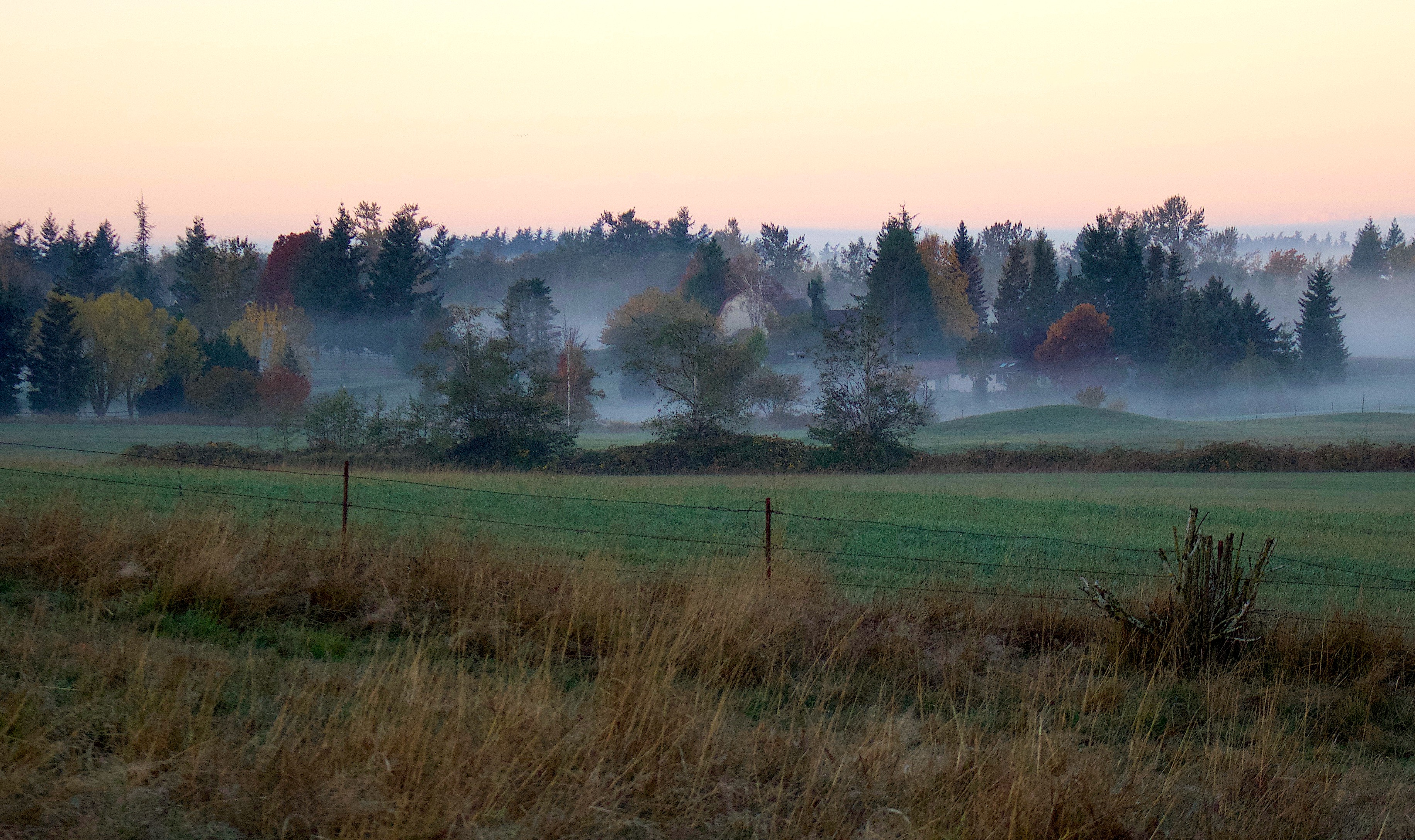
photo by Tomomi Gibson