How exactly good it is to know myself in the solitude of winter, my body containing its own warmth, divided from all by the cold; and to go separate and sure among the trees cleanly divided, thinking of you perfect too in your solitude, your life withdrawn into your own keeping –to be clear, poised in perfect self-suspension toward you, as though frozen. And having known fully the goodness of that, it will be good also to melt. ~Wendell Berry “The Cold” from New Collected Poems
It is too easy to find comfort in solitude in yet another waning pandemic winter, with trust and friendship eroded, to stay protected one from another by screens and windows and masks.
Standing apart can no longer be an option as we long for reconnection; the time has come for the melt, for a re-blending of moments full of meals and singing and hugs.
We’ll find our way out of the cold. We’ll find our way to trust. We’ll find our way back to one another.
One-Time
Monthly
Yearly
Make a one-time or recurring donation to support Barnstorming
Some of us . . . are darkness-lovers. We do not dislike the early and late daylight of June, but we cherish the gradually increasing dark of November, which we wrap around ourselves in the prosperous warmth of woodstove, oil, electric blanket, storm window, and insulation.
We are partly tuber, partly bear. Inside our warmth we fold ourselves in the dark and its cold – around us, outside us, safely away from us; we tuck ourselves up in the long sleep and comfort of cold’s opposite, warming ourselves by thought of the cold, lighting ourselves by darkness’s idea. ~Donald Hall from “Seasons at Eagle Pond”
I confess to a love of the dark of January winter mornings as much as the pervasive light of mid-summer.
Drawn away from our warm bed without need for an alarm, I awake before sunrise in inky blackness to this yet uncharted day.
I am raw with underground ripening, belonging to earth and dust until the Light comes to force me forth to seek out sun.
Only from darkness could I sprout so boldly to find out what comes next.
One-Time
Monthly
Yearly
Make a one-time or recurring donation to support Barnstorming
Whose woods these are I think I know. His house is in the village though; He will not see me stopping here To watch his woods fill up with snow.
My little horse must think it queer To stop without a farmhouse near Between the woods and frozen lake The darkest evening of the year.
He gives his harness bells a shake To ask if there is some mistake. The only other sound’s the sweep Of easy wind and downy flake.
The woods are lovely, dark and deep, But I have promises to keep, And miles to go before I sleep, And miles to go before I sleep. ~Robert Frost, “Stopping by Woods on a Snowy Evening” from The Poetry of Robert Frost
I wish one could press snowflakes in a book like flowers. ~James Schuyler from “February 13, 1975”
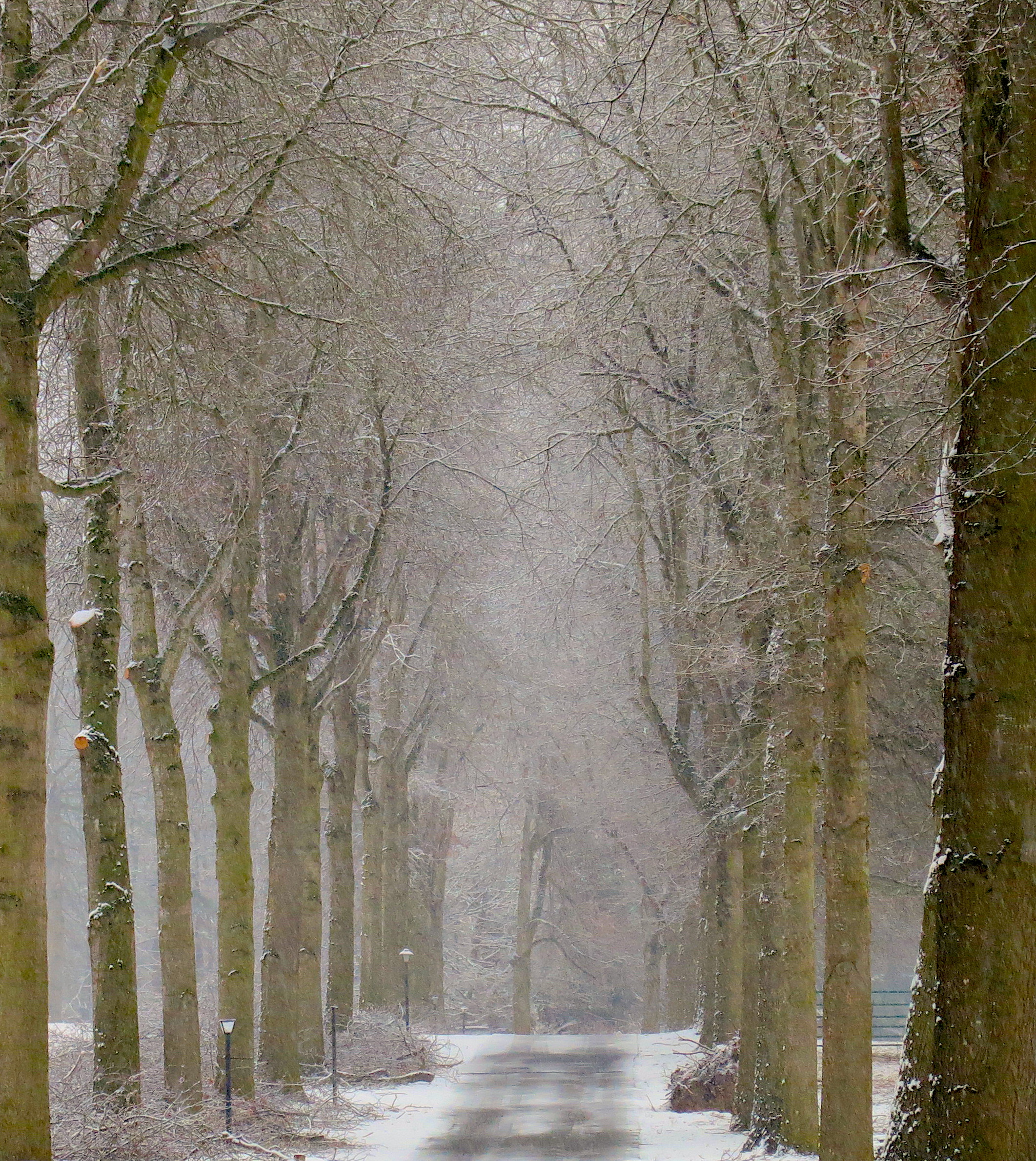
When a January night lingers long, beginning too early and lasting too late, I find myself in my own insistent winter, wanting to hide away from trouble deep in a peaceful snowy woods, knowing I choose to avoid doing what is needed when it is needed.
I look inward when I must focus outside myself. I muffle my ears to deafen voices crying in need. I turn away rather than meet a stranger’s gaze.
A wintry soul is a cold and empty place, not lovely, dark and deep.
I appeal to my Creator who knows my darkness. He expects me to keep my promises because He keeps His promises. His buds of hope and warmth and color and fruit will arise from my bare branches.
He brings me out of the night to finish what He brought me here to do.
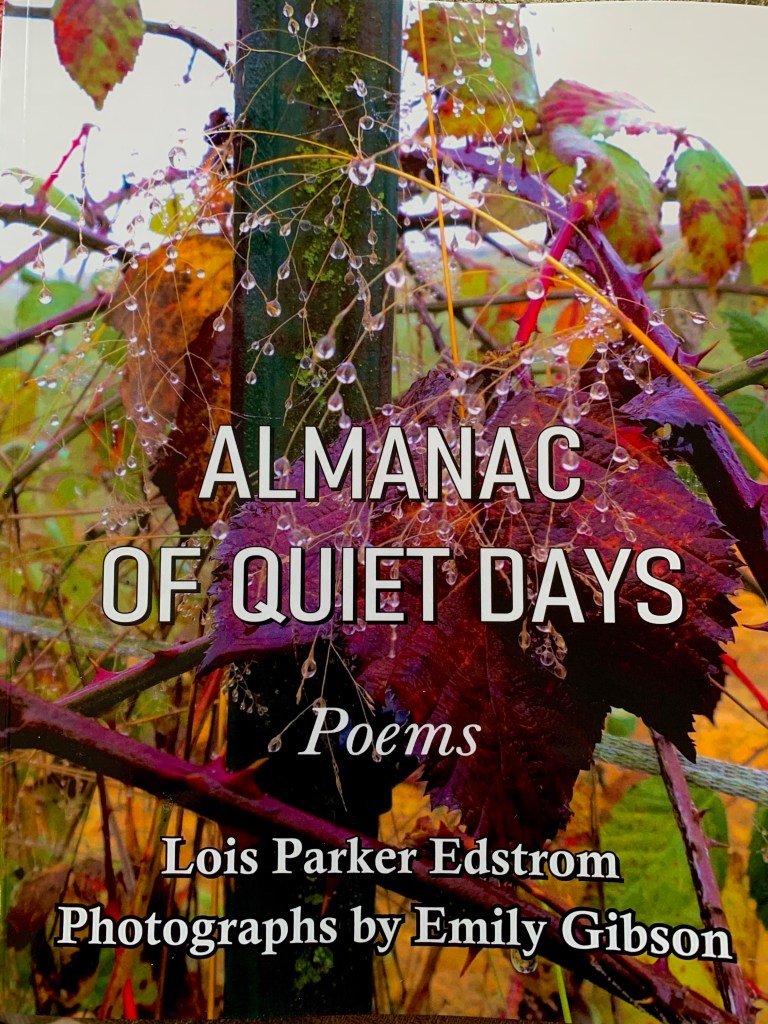
A book from Barnstorming combining the beauty of Lois Edstrom’s words and Barnstorming photography, available for order here:
One-Time
Monthly
Yearly
Make a one-time or recurring donation to support Barnstorming
By the road to the contagious hospital under the surge of the blue mottled clouds driven from the northeast — a cold wind. Beyond, the waste of broad, muddy fields brown with dried weeds, standing and fallen
patches of standing water the scattering of tall trees
All along the road the reddish purplish, forked, upstanding, twiggy stuff of bushes and small trees with dead, brown leaves under them leafless vines —
Lifeless in appearance, sluggish dazed spring approaches —
They enter the new world naked, cold, uncertain of all save that they enter. All about them the cold, familiar wind —
Now the grass, tomorrow the stiff curl of wildcarrot leaf
One by one objects are defined — It quickens: clarity, outline of leaf
But now the stark dignity of entrance — Still, the profound change has come upon them: rooted they grip down and begin to awaken ~William Carlos Williams “Spring and All”
I ask your doctor of infectious disease if she’s read Williams he cured sick babies I tell her and begin describing spring and all she’s looking at the wall now the floor now your chart now the door never heard of him she says but I can’t stop explaining how important this is I need to know your doctor believes in the tenacity of nature to endure I’m past his heart attack his strokes and now as if etching the tombstone myself I find I can’t remember the date he died or even the year of what now are we the pure products and what does that even mean pure isn’t it obvious we are each our own culture alive with the virus that’s waiting to unmake us ~Brian Russell, “The Year of What Now”
It is the third January of a pandemic of a virus far more tenacious than we have proven to be, it continues to unmake us, able to mutate spike proteins seemingly overnight while too many of us stubbornly remain unchanged by this, clinging to our “faith over fear” and “my body, my choice” and “lions, not sheep” and “never comply” — because self-determination must trump compassion for the unfortunate fate of vulnerable millions.
We defend the freedom to choose to be vectors of a contagion that may not sicken us yet fills clinics, hospitals and morgues.
William Carlos Williams, the early 20th century physician, would be astonished at the clinical tools we have now to fight this scourge. William Carlos Williams, last centuries’ imagist poet, would recognize our deadly erosion of cooperation when faced with a worthy viral opponent.
So what happens now?
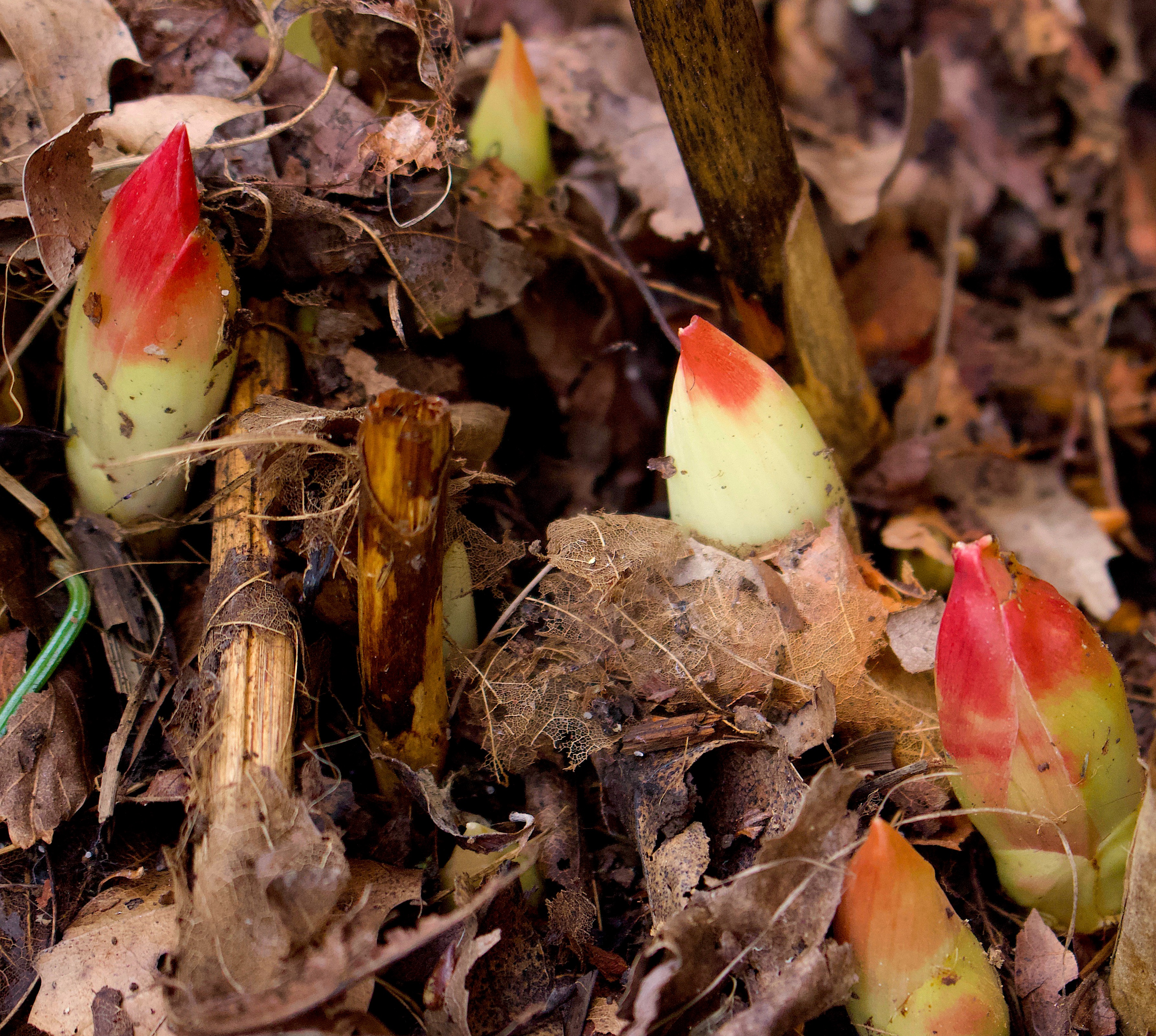
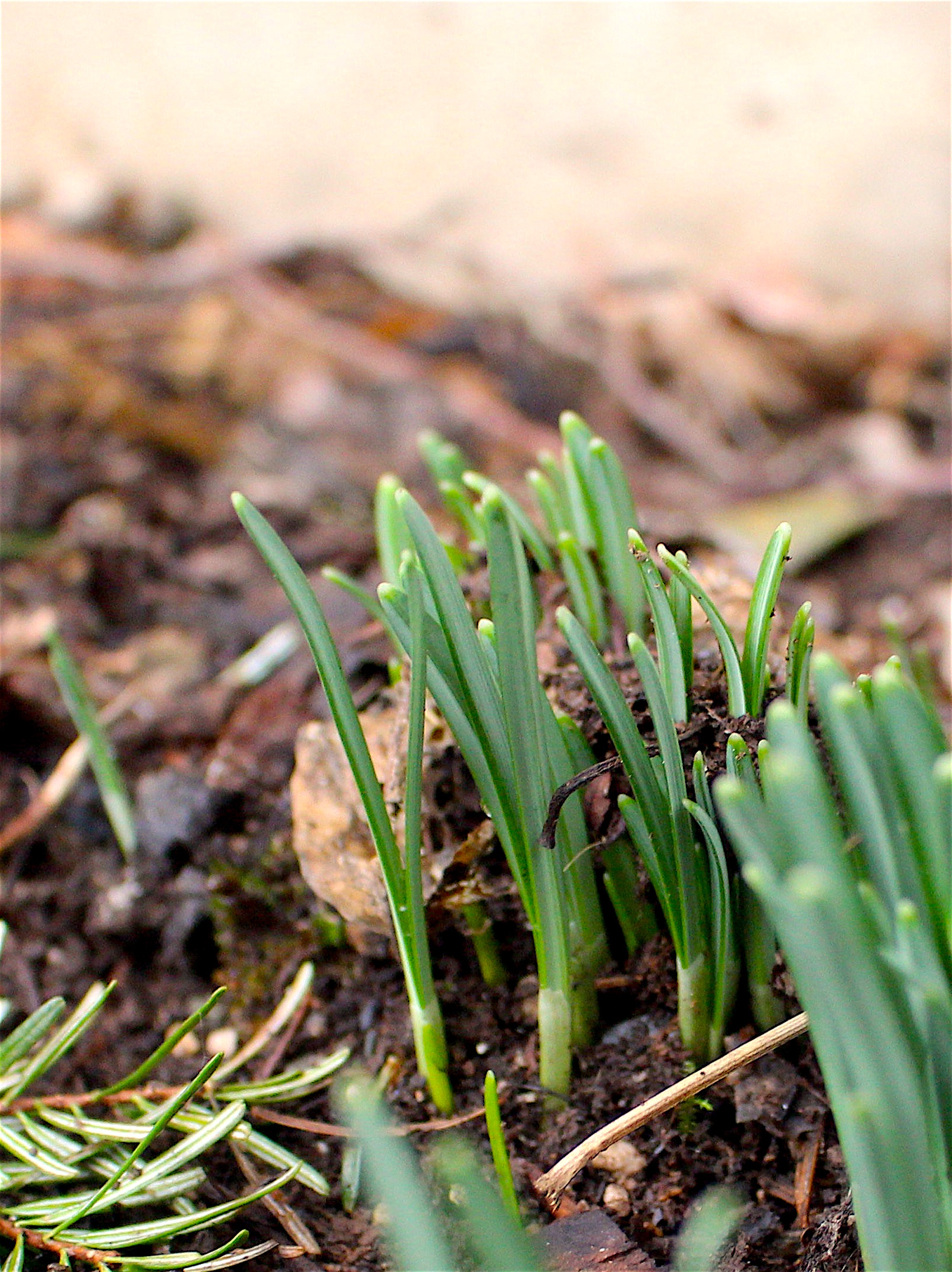
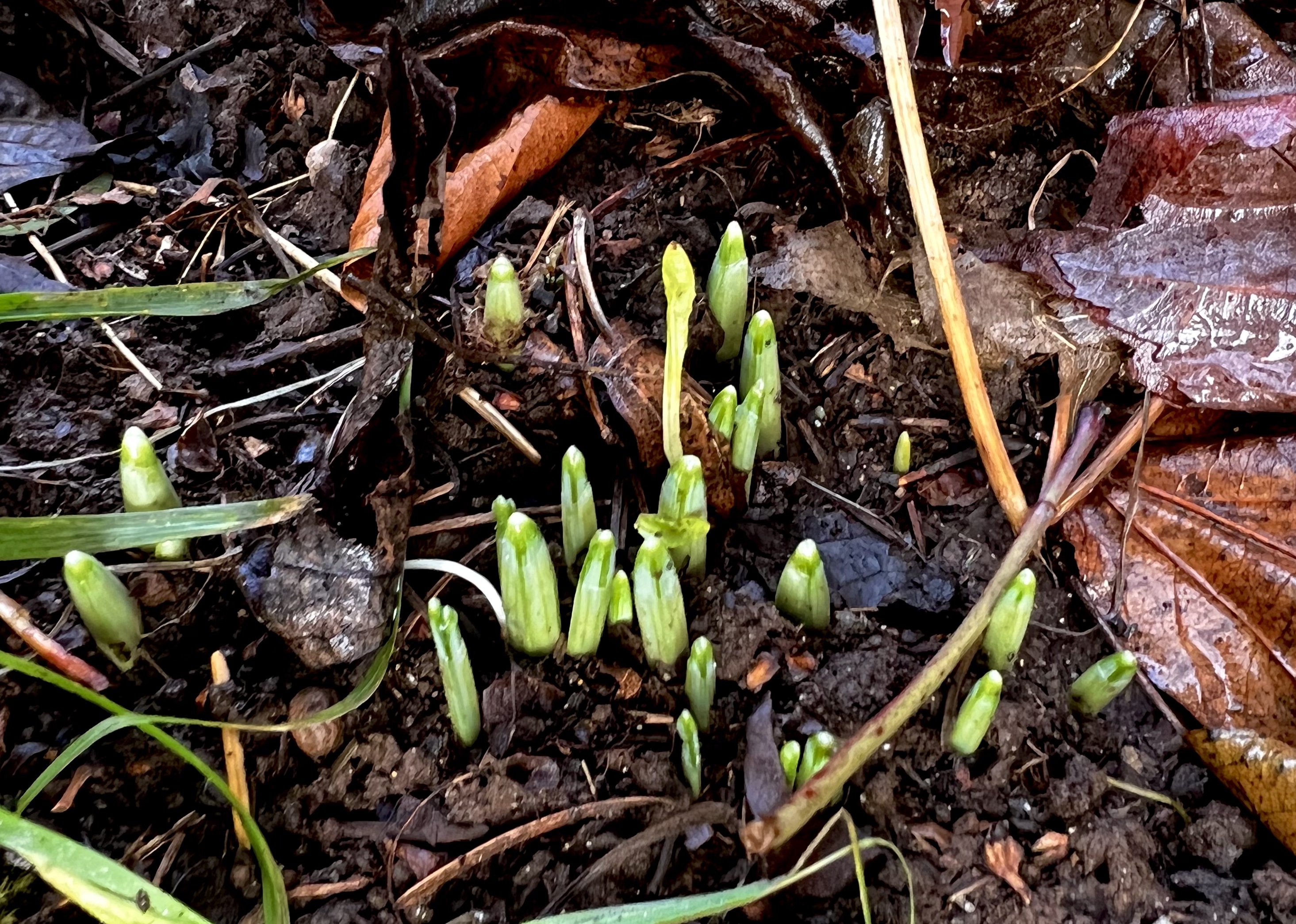
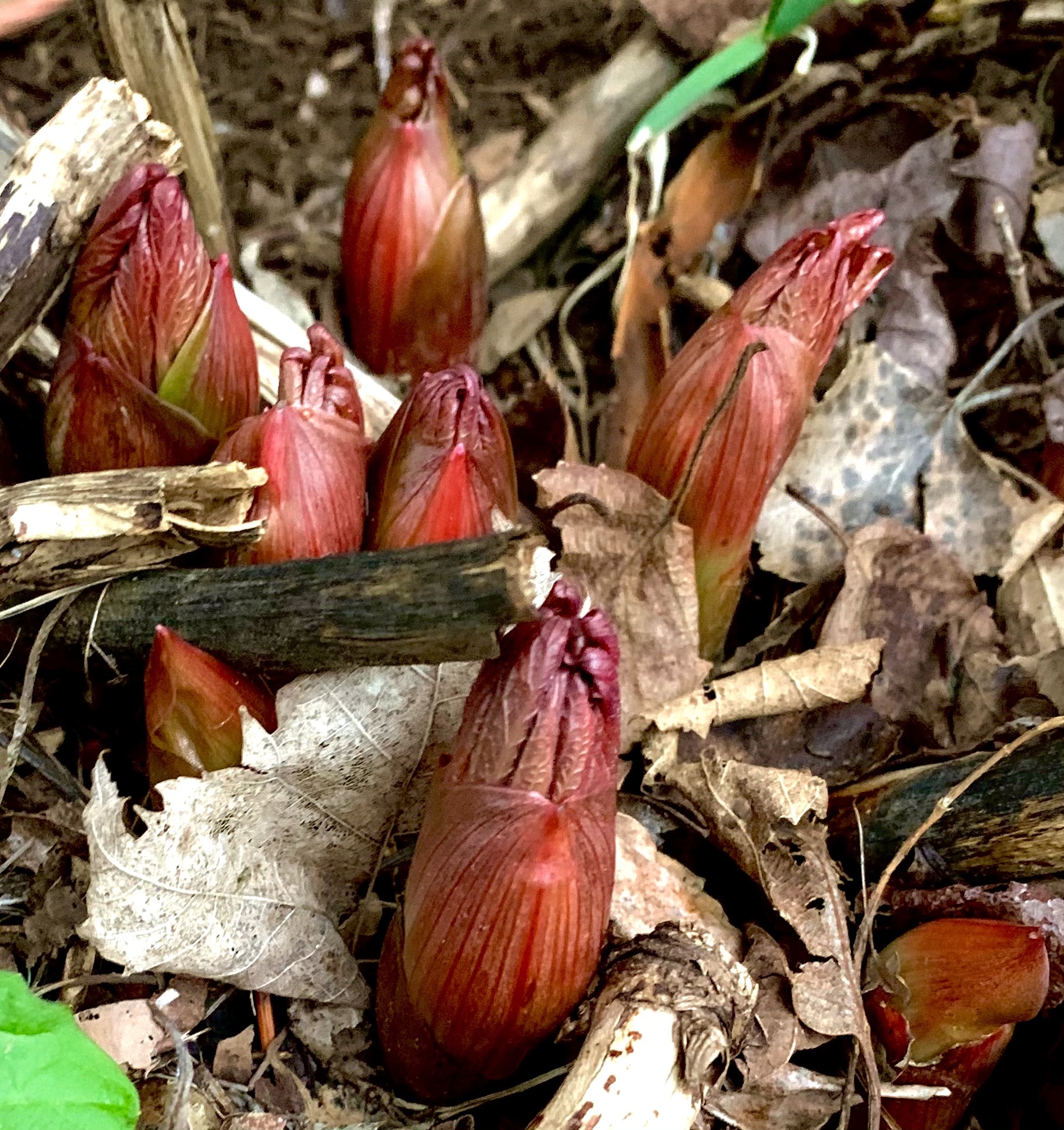
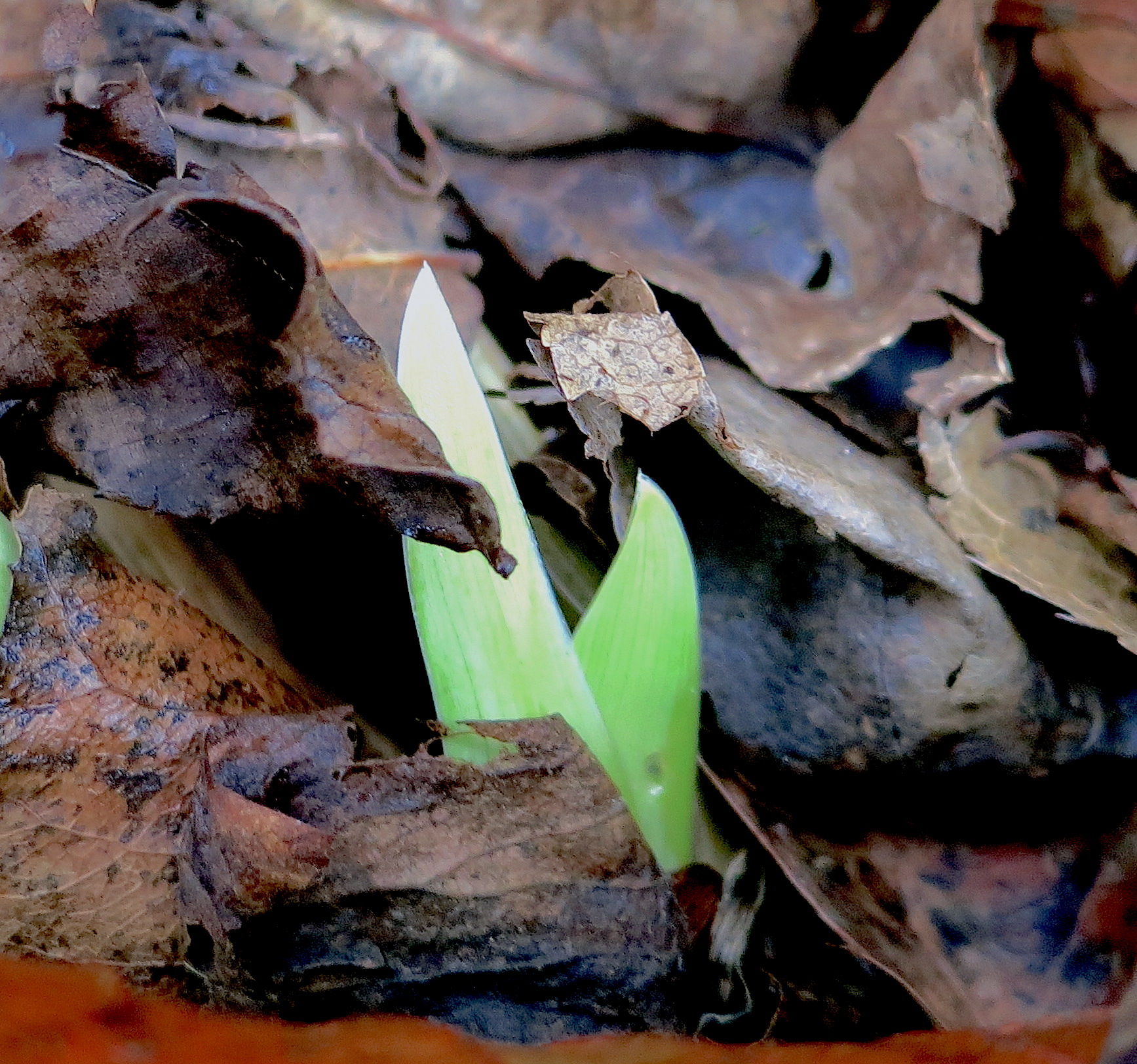
Starting with this third pandemic winter, with our souls in another deep freeze, covered in snow and ice and bitter wind chill, a tenuous hope of restoration could awaken – tender buds swelling, bulbs breaking through soil, being called forth from long burial in a dark and cold and heartless earth.
Like a mother who holds the mystery of her quickening belly, knowing we nurture other lives with our own body, we too can be hopeful and marveling at who we are created to be.
She, and we, know soon and very soon there will be spring.
One-Time
Monthly
Yearly
Make a one-time or recurring donation to support Barnstorming
These still December mornings… Outside everything’s tinted rose, grape, turquoise, silver–the stones by the path, the skin of the sun
on the pond ice, at the night the aureola of a pregnant moon, like me, iridescent, almost full term with light. ~Luci Shaw from “Advent Visitation“in Accompanied by Angels
And Mary said: “My soul magnifies the Lord”… Luke 1:46
The Incarnation allows us to see and hear and touch what before we could only glimpse in a pillar of smoke, a tabernacle, a burning bush, a still small voice.
God becomes magnified in the manger with unmistakable clarity and focus. He is remarkably tangible: rocked and fed, comforted when crying, cleansed when soiled, mourned when dying.
What was once remote is now up close, magnified like a setting moon so huge on the horizon at dawn.
He has settled among us as He becomes us.
Softly the light is stealing, sweetly a maiden sings ever wakeful, ever wistful watching faithfully, thankfully, tenderly her king of kings
My soul doth magnify, doth magnify the Lord and my spirit hath rejoiced in God my Saviour Mary sang to Jesus, softly the Lady sings, I will love you, I will serve you, make my lullaby glorify, magnify the King of Kings Lullaby, lullaby, lullaby ~Andrew Carter
1. Magnificat, anima mea, Dominum My soul doth magnify the Lord
2. et exultavit spiritus meus in Deo, salutari meo. and my spirit hath rejoiced in God my Saviour.
3. Quia respexit humilitatem ancillæ suæ: ecce enim ex hoc beatam me dicent omnes generationes. For he hath regarded: the lowliness of his handmaiden: for behold, from henceforth: all generations shall call me blessed.
4. Quia fecit mihi magna, qui potens est, et sanctum nomen eius, For he that is mighty hath magnified me: and holy is his Name,
5. et misericordia eius a progenie in progenies timentibus eum. and his mercy is on them that fear him: throughout all generations.
6. Fecit potentiam in brachio suo, dispersit superbos mente cordis sui. He hath showed strength with his arm: he hath scattered the proud in the imagination of their hearts.
7. Deposuit potentes de sede et exaltavit humiles; He hath put down the mighty from their seat, and hath exalted the humble and meek;
8. esurientes implevit bonis et divites dimisit inanes. he hath filled the hungry with good things: and the rich he hath sent empty away.
9. Suscepit Israel puerum suum recordatus misericordiæ suæ, He remembering his mercy hath holpen his servant Israel,
10. sicut locutus est ad patres nostros, Abraham et semini eius in sæcula. as he promised to our forefathers, Abraham and his seed, for ever.
11. Gloria Patri, et Filio, et Spiritui Sancto: Glory be to the Father, and to the Son, and to the Holy Ghost:
12. sicut erat in principio, et nunc, et semper, et in sæcula sæculorum. Amen. as it was in the beginning, is now, and ever shall be, world without end. Amen.
This year’s Barnstorming Advent theme “… the Beginning shall remind us of the End” is taken from the final lines in T.S. Eliot’s poem “The Cultivation of Christmas Trees”
…the little baby, born in such pitiful humility and cut down as a young man in his prime, commands the allegiance of millions of people all over the world. Although they have never seen him, he has become friend and companion to innumerable people. This undeniable fact is, by any measurement, the most astonishing phenomenon in human history.
That is why … we should not try to escape a sense of awe, almost a sense of fright, at what God has done. We must never allow anything to blind us to the true significance of what happened at Bethlehem so long ago. Nothing can alter the fact that we live on a visited planet.
We shall be celebrating no beautiful myth, no lovely piece of traditional folklore, but a solemn fact. God has been here once historically, but, as millions will testify, he will come again with the same silence and the same devastating humility into any human heart ready to receive him. ~J.B. Phillips from “The Dangers of Advent” inWatch for the Light: Readings for Advent and Christmas.
During this month of advent waiting, I am, once again, humbled by the fact of our God not only “visiting” His children within His created world, but becoming one with us. He committed Himself to far more than a brief visit; He came to rescue us from ourselves. That we are valued enough to warrant this – that our spiritual deterioration necessitates His humble sacrifice – is astonishing.
In Philippians 2:Though he was God, he did not think of equality with God as something to cling to. Instead, he gave up his divine privileges; he took the humble position of a slave and was born as a human being. When he appeared in human form, he humbled himself in obedience to God and died a criminal’s death on a cross. (2:6-8)
The story of Christ come to earth is the beginning of His earthly life of humility and obedience, to remind us how our story will conclude at the end of time. He calls us to model humility and obedience throughout the Advent season, and until He comes again.
As in the song below:
Dark and cheerless is the morn Till Your love in me is born Joyless is the evening sun ‘till Emmanuel has come
This is no brief visit. The Light has come to stay put and stay on.
Christ whose glory fills the skies Christ the Everlasting Light Son of Righteousness arise Triumph o’er these shades of night
Come Thou long awaited one In the fullness of Your Love Loose this heart bound up by shame And I will never be the same
So here I wait in hope of You, My soul’s longing through and through Dayspring from on high be near Daystar in my heart appear
Dark and cheerless is the morn ‘Till Your love in me is born Joyless is the evening sun ‘till Emmanuel has come
So here I wait in hope of You, My soul’s longing through and through Dayspring from on high be near Daystar in my heart appear So here I wait in hope of You, My soul’s longing through and through Dayspring from on high be near Daystar in my heart appear ~Christy Nockels “Advent Hymn”
Now may the fragrance of His peace Soar through your heart like the dove released Hide in His wings oh weary, distant soul He’ll guide your spirit home And may His love poured from on high Flow to the depths of your deepest sigh Oh come and drink from the only living stream And on His shoulder lean And may the hope that will not deceive Through every pain bring eternal ease There is no night that can steal the promises His coming brings to us So may His joy rush over you Delight in the path He has called you to May all your steps walk in Heaven’s endless light Beyond this Christmas night (Make your sole purpose Christ) ~Keith and Kristyn Getty
This year’s Barnstorming Advent theme “… the Beginning shall remind us of the End” is taken from the final lines in T.S. Eliot’s poem “The Cultivation of Christmas Trees”
There was a fire in the wide hearth before them, and it was burning with a sweet smell, as if it were built of apple-wood. When everything was set in order, all the lights in the room were put out, except one lamp and a pair of candles at each end of the chimney-shelf. Then Goldberry came and stood before them, holding a candle; and she wished them each a good night and deep sleep.
“Have peace now,” she said, “until the morning! Heed no nightly noises! For nothing passes door and window here save moonlight and starlight and the wind off the hill-top. Good night!” She passed out of the room with a glimmer and a rustle. The sound of her footsteps was like a stream falling gently away downhill over cool stones in the quiet of night.
Tom sat on a while beside them in silence, while each of them tried to muster the courage to ask one of the many questions he had meant to ask at supper. Sleep gathered on their eyelids. At last Frodo spoke:“Did you hear me calling, Master, or was it just chance that brought you at that moment?”
Tom stirred like a man shaken out of a pleasant dream. ‘Eh, what?’ said he. ‘Did I hear you calling? Nay, I did not hear: I was busy singing. Just chance brought me then, if chance you call it. It was no plan of mine, though I was waiting for you. We heard news of you, and learned that you were wandering.” ~J.R.R. Tolkien from The Lord of the Rings
We wander through this life, sometimes with a destination in mind, but too often lost and surrounded by a darkness threatening to swallow us whole.
It isn’t by chance that we have been rescued and brought to safety.
Our Savior has been waiting for us, hearing us call out for help. Our rescue begins again tomorrow with the Advent of the Light that comes into pitch dark to illuminate our way to becoming un-lost.
No longer do we need to fear the noises of the night or where we take our next step. We are reassured we have been found, as T.S. Eliot wrote of Advent: “the beginning shall remind us of the end and the first coming of the second coming.”
May the coming weeks be a time of peace and reflection: For nothing passes door and window here save moonlight and starlight and the wind off the hill-top…
IV My fiftieth year had come and gone,
I sat, a solitary man,
In a crowded London shop,
An open book and empty cup
On the marble table-top.
While on the shop and street I gazedMy body of a sudden blazed;
And twenty minutes more or less
It seemed, so great my happiness,
That I was blessed and could bless.V Although the summer Sunlight gild
Cloudy leafage of the sky,
Or wintry moonlight sink the field
In storm-scattered intricacy,
I cannot look thereon,
Responsibility so weighs me down.
Things said or done long years ago,
Or things I did not do or say
But thought that I might say or do,
Weigh me down, and not a day
But something is recalled,
My conscience or my vanity appalled.
~William Butler Yeats,Vacillation Parts IV and V
In this, the last trimester of my life, I find myself dwelling on how I continue to grow and change, as if I was gestating all over again, 68 years later. It is a time or preparation for what comes next, while not wanting to miss a moment of what is – right now.
I have plenty of opportunity to replay the many moments I’ve regretted what I said or did, or what I could have said or did….and didn’t. Recalling remorse is far easier and stickier than replaying joy that seems so fleeting in my memory.
There are times when I feel both weighed down by memories and freed at the same time. It almost always happens while sitting in worship in church, while silently confessing how I have wronged those around me or turned my face from God, yet in the next moment, I feel the embrace of a Creator who never forgets but still forgives. It is an overwhelming knowledge that brings me to tears every time.
It is in that moment that my joy no longer is fleeting; it lives deeply in my cells since I, like all around me, am created in His image.
And God saw what He had made, and it was, and still is, good. He made us for joy, not out of regret.
The care of the disciples was the care for the day, not for the morrow; the word morrow must stand for any and every point of the future. The next hour, the next moment, is as much beyond our grasp and as much in God’s care, as that a hundred years away. Care for the next minute is just as foolish as care for the morrow, or for a day in the next thousand years– in neither can we do anything, in both God is doing everything. Those claims only of the morrow which have to be prepared to-day are of the duty of to-day; the moment which coincides with work to be done, is the moment to be minded; the next is nowhere till God has made it. ~George McDonald “The Cause of Spiritual Stupidity” from Unspoken Sermons
I come from a long line of worriers, so it comes quite naturally to me to anticipate the cares and concerns not only of this very moment, but every moment to come.
Unfortunately, medical training did little to calm that tendency as every worst-case-scenario is emphasized by every teacher to prepare the doctor-novice for any potential eventuality. Knowing about all the bad things that can happen is essential for disaster-preparedness in order to be ready to leap into action. Hospital rounds focus on the “what-ifs” as much as the “what-is” to be sure that all possible research and due diligence had been done in a particular patient’s case.
So for Jesus to say to His disciples (and us) “Do you not understand?” hits me hard because I’ve spent my life working hard to understand. My training and my human nature tells me to care in advance so I’ll be ready for what is to come; yet, true to form, just as He says, it doesn’t change what will happen.
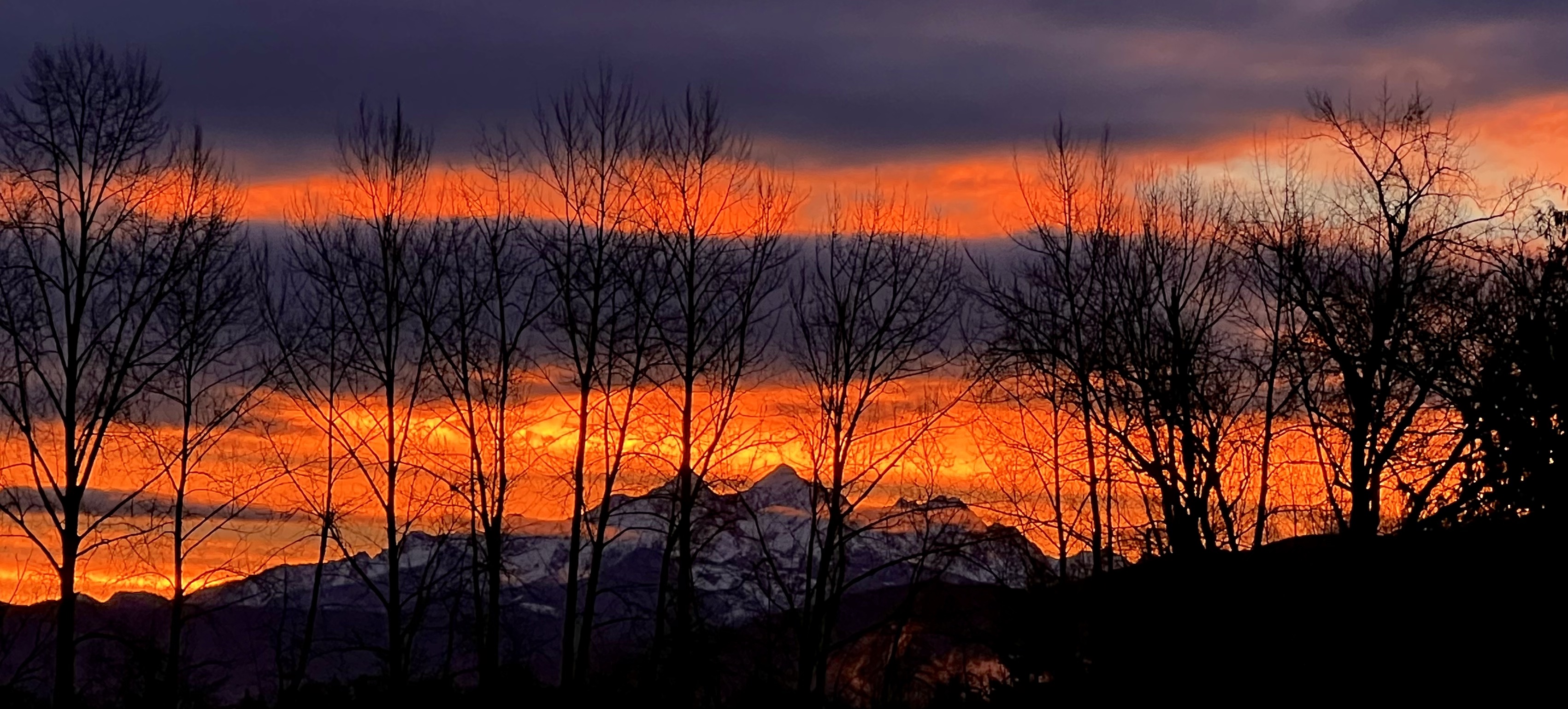
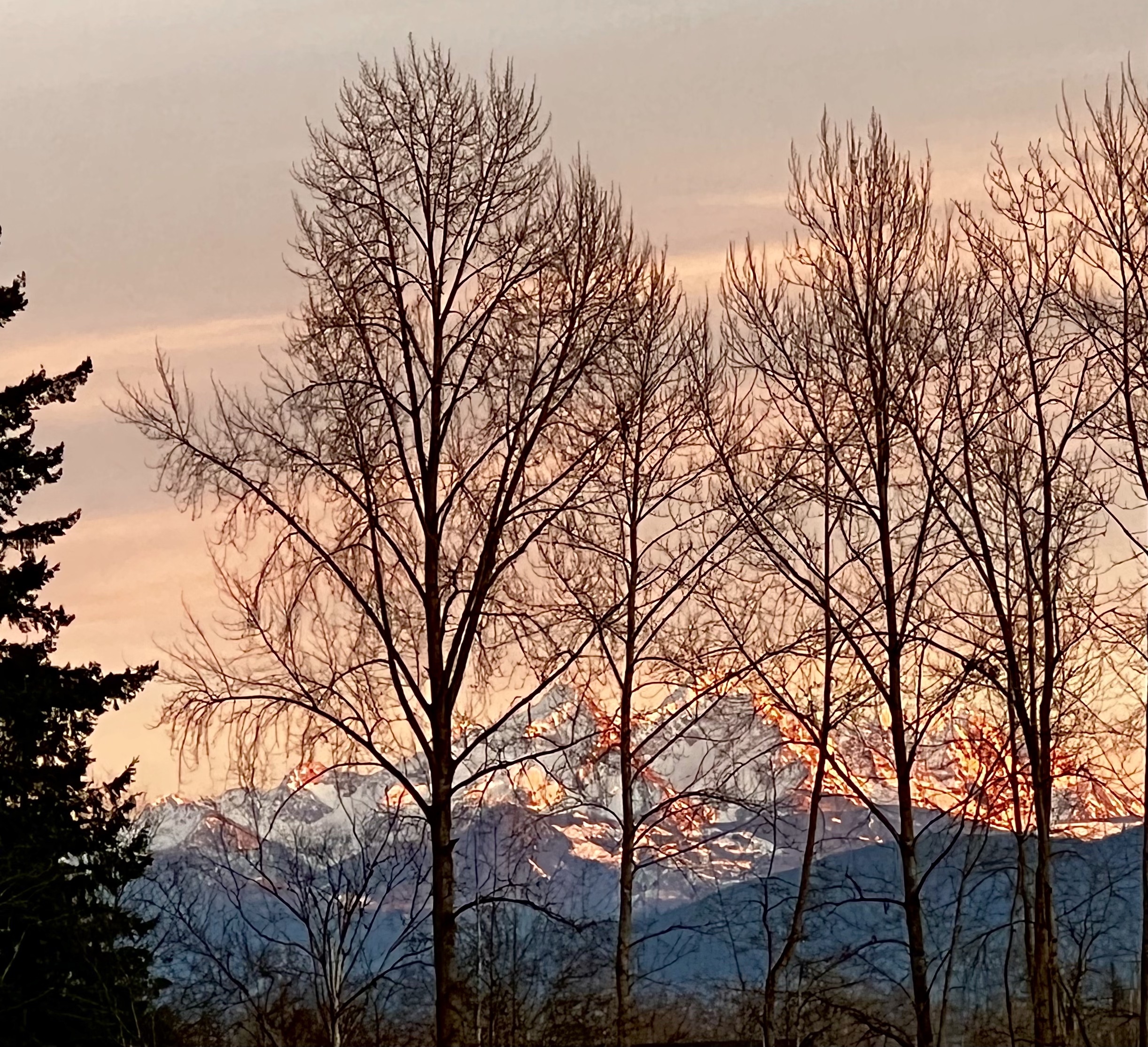
As I watch the sun rise yet again, watching the fire in the sky light and then slowly fade, I know Who is in control, and it surely is not me. There will be enough for today, enough for tomorrow and enough for all the years to come, because God is enough.
It takes strength to believe that. And that understanding has to be enough.
Thank you to Amy Baik Lee in her essay, which led me to George McDonald’s “Unspoken Sermons” and the song below.
Late nights, long hours Questions are drawn like a thin red line No comfort left over No safe harbor in sight
Really we don’t need much Just strength to believe There’s honey in the rock, There’s more than we see In these patches of joy These stretches of sorrow There’s enough for today There will be enough tomorrow
Upstairs a child is sleeping What a light in our strain and stress We pray without speaking Lord help us wait in kindness
Really we don’t need much Just strength to believe There’s honey in the rock, There’s more than we see In these patches of joy These stretches of sorrow There’s enough for today There will be enough tomorrow Songwriters: Sara Groves / Julie Ann Lee / Sarah Dark
In Christ there is no east or west, in him no south or north, but one great fellowship of love throughout the whole wide earth.
In Christ shall true hearts everywhere their high communion find; his service is the golden cord close binding humankind.
Join hands, companions in the faith, whate’er your race may be! All children of the living God are surely kin to me.
In Christ now meet both east and west; in him meet south and north, all Christly souls are one in him throughout the whole wide earth. ~William Dunkerley
northsoutheastwest
We Christians are accused of being judgmental and unwilling to consider other points of view. We are usually the first to criticize another Christian of being unfaithful or heretical, not following doctrine and creeds, or being too liberal or too conservative or just too plain stubborn.
I’ve done it myself pretty recently and have received more than my share of mean-spirited, even hateful, messages from Christian brothers and sisters who disagree with my point of view on some issue.
Christians tend to revel in eating their own.
When I’m tempted to judge lest I be judged, I remember who Christ hung out with: the cast offs, the diseased and some of the most undesirable people in society. They were surely more receptive to His message than those who believed they knew better than Him, who questioned His every action and motive, and who plotted against Him behind His back.
It is crucial to be reminded that Christ doesn’t endorse one political party over another, one denomination or faith community over another, one zip code over another, or one racial or ethnic group over another. He seeks true hearts
Christians, east and west, north and south, constitute His body on earth, crucially dwelling in companionship as His image. It is only through His loving Spirit we are brought home where we belong, back to the center from the fraying ends of the earth and fragile edges of our faith.
WestNorth
A book of beauty in words and photography, available to order here:






















 Barnstorming