Do Not Look Back

He loved to ask his mother questions. It was the pleasantest thing for him to ask a question and then to hear what answer his mother would give. Bambi was never surprised that question after question should come into his mind continually and without effort. 

Sometimes he felt very sure that his mother was not giving him a complete answer, was intentionally not telling him all she knew.  For then there would remain in him such a lively curiosity, such suspicion, mysteriously and joyously flashing through him, such anticipation, that he would become anxious and happy at the same time, and grow silent.
~Felix Salten from Bambi
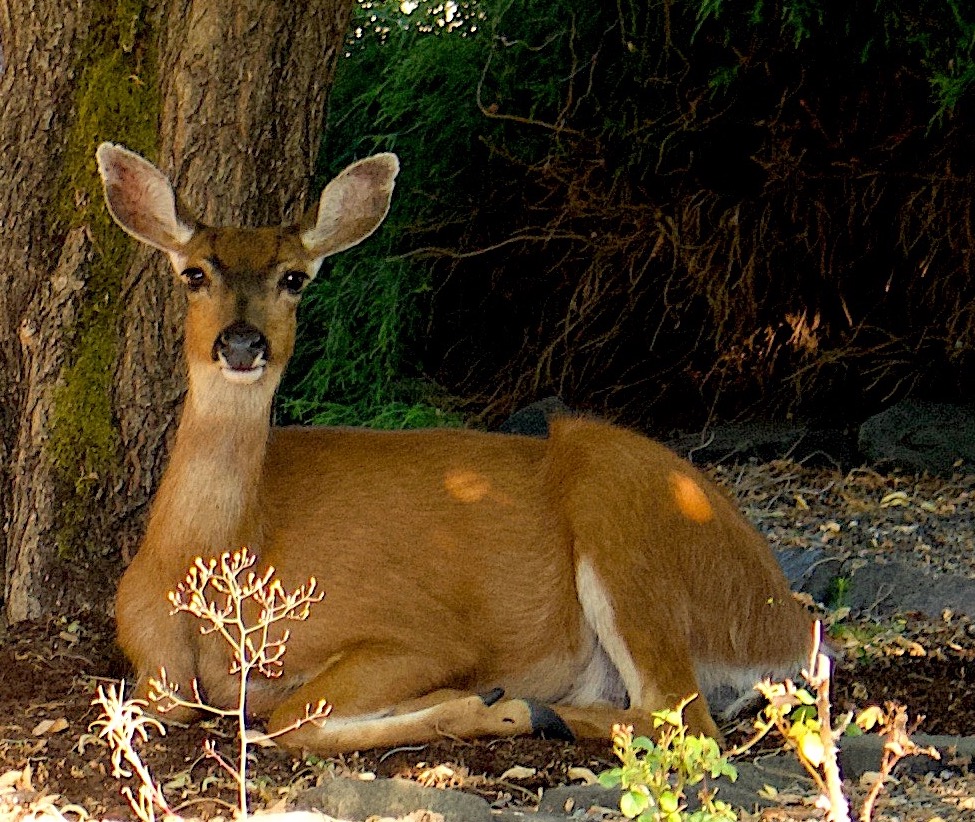
A Wounded Deer—leaps highest—
I’ve heard the Hunter tell—
‘Tis but the Ecstasy of death—
And then the Brake is still!
~Emily Dickinson “165″
As the house of a person
in age sometimes grows cluttered
with what is
too loved or too heavy to part with,
the heart may grow cluttered.
And still the house will be emptied,
and still the heart.

Empty and filled,
like the curling half-light of morning,
in which everything is still possible and so why not.

Filled and empty,
like the curling half-light of evening,
in which everything now is finished and so why not.

Beloved, what can be, what was,
will be taken from us.
I have disappointed.
I am sorry. I knew no better.

A root seeks water.
Tenderness only breaks open the earth.
This morning, out the window,
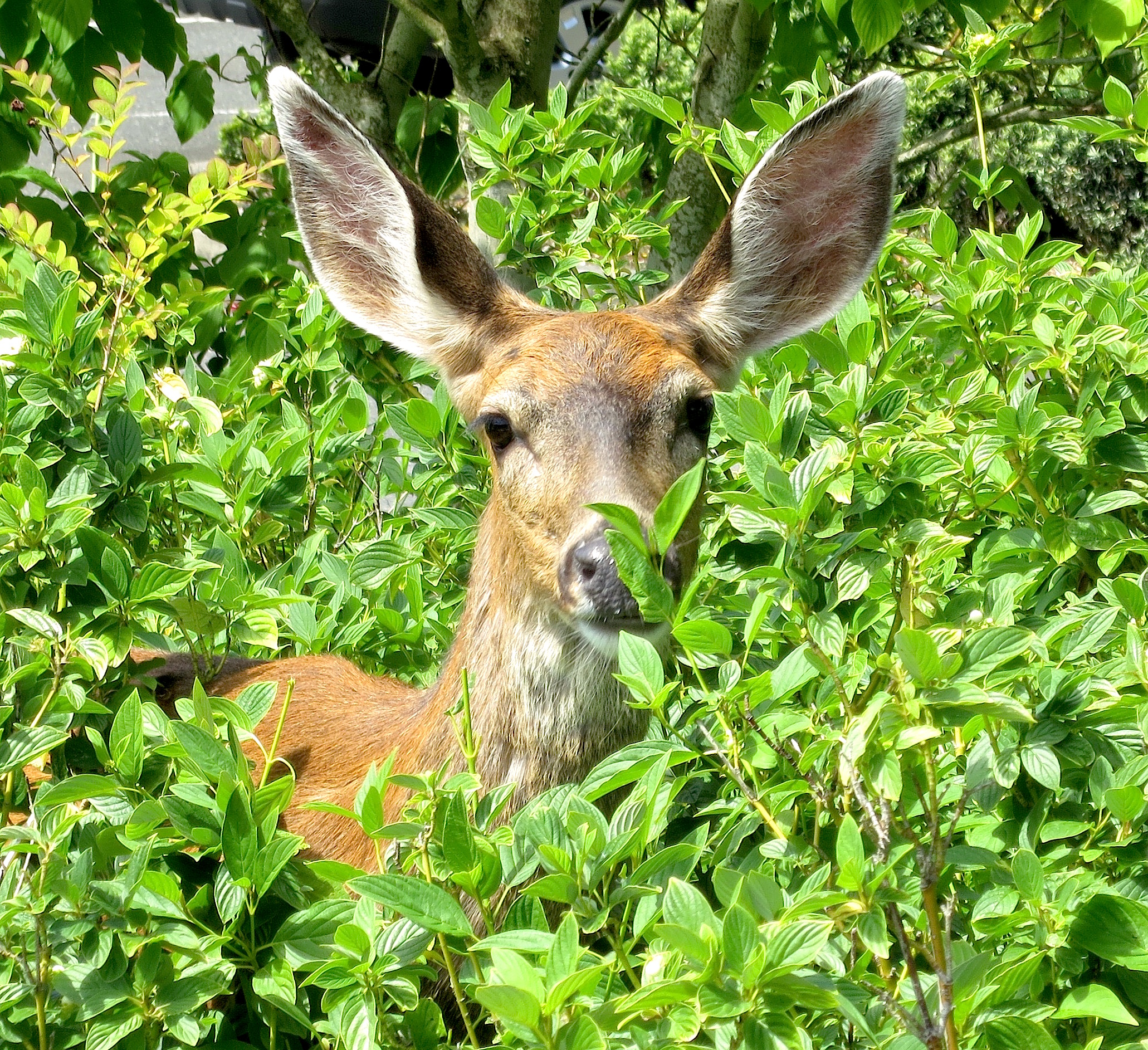
the deer stood like a blessing, then vanished.

~Jane Hirschfield from “The Standing Deer”


My first time ever
seated next to my mother
in a movie theater, just
a skinny four year old girl
practically folded in half
by a large padded chair
whose seat won’t stay down,
bursting with anticipation
to see Disney’s Bambi.

Enthralled with so much color,
motion,  music, songs and fun
characters, I am wholly lost
in this new world of animated
reality when suddenly
Bambi’s mother looks up,
alarmed, from eating
a new clump of spring grass
growing in the snow.

My heart leaps
with worry.
She tells him
to run quickly
for the thicket –
find the safest place where
she has always
kept him warm
next to her.

She follows behind,
urges him to run faster,
not to look back,
don’t ever look back.

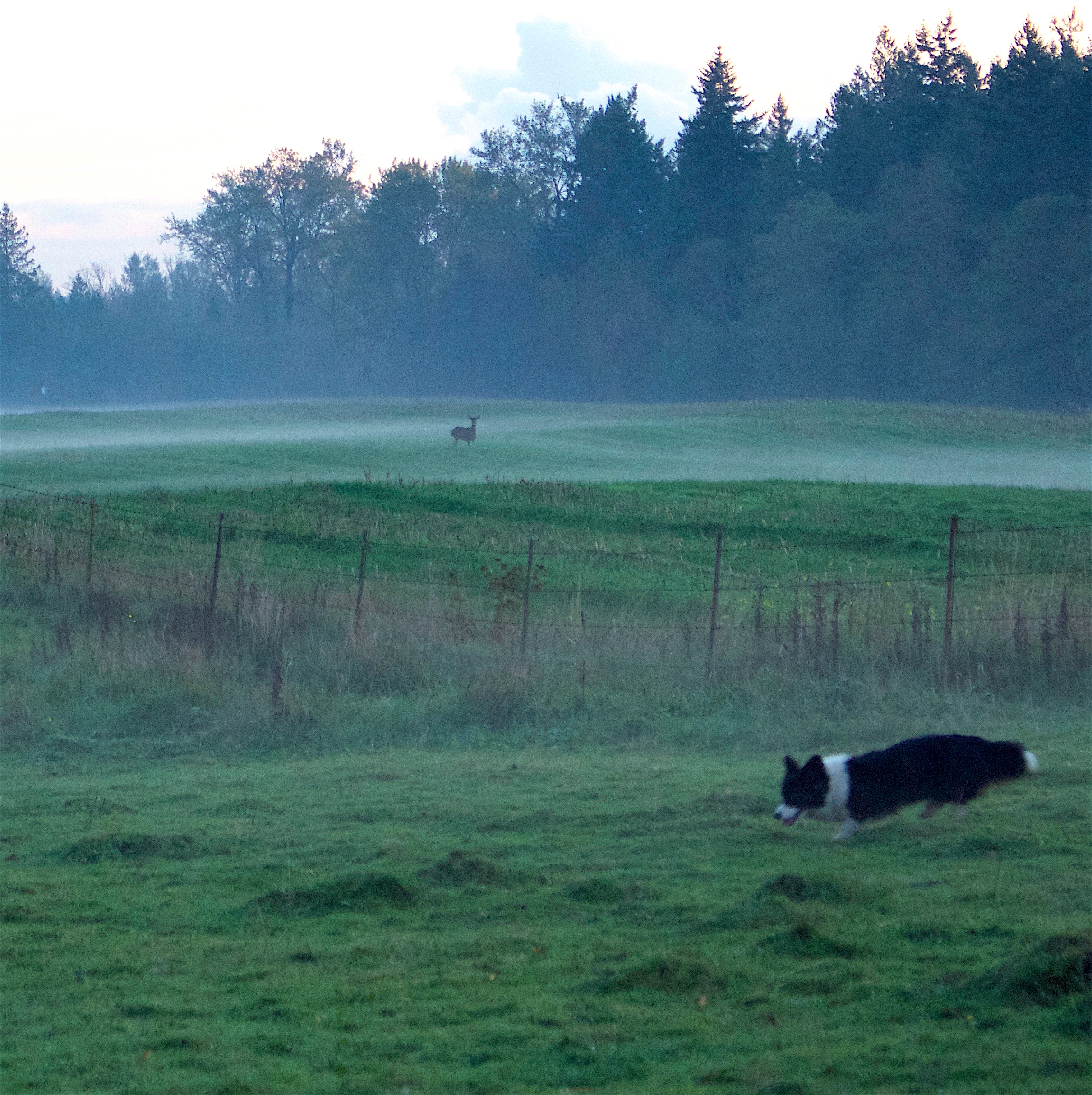
Then the gun shot
hits my belly too.

My stomach twists
as he cries out
for his mother,
pleading for her.
I know in my heart
she is lost forever,
sacrificed to save him.

I sob as my mother
reaches out to me,
telling me not to look.
I bury my face
inside her hug,
knowing Bambi
is cold and alone
with no mother
any more.

My mama took me home
before the end.
I could not bear to watch
the rest of the movie 
for years.

Those cries
still echo
in my ears
any time someone hunts and shoots
to kill the innocent.

Now, my own three children are grown,
they have babies of their own,
my mom is gone from this earth.
I can even keep the seat from folding
me in half in a movie theater.

I am nearing my eighth decade, and
there are still places in this world where
mothers and fathers
sons and daughters
grandmothers and grandfathers
sisters and brothers
and babies are hunted down
despite the supposed safety of the thicket~
the sanctuary, the school, the grocery store, the home,
places where we believe we are shielded from violence.

There can be no innocence when any of us may be hunted.
One-Time
Monthly
Yearly

Make a one-time or recurring donation to support daily Barnstorming posts

Make a monthly donation

Make a yearly donation

Choose an amount

$10.00
$25.00
$50.00
$5.00
$15.00
$100.00
$5.00
$15.00
$100.00

Or enter a custom amount

$

Your contribution is deeply appreciated.

Your contribution is appreciated.

Your contribution is appreciated.

DonateDonate monthlyDonate yearly
Blossoming with Loss

I let her garden go.
let it go, let it go
How can I watch the hummingbird
Hover to sip
With its beak’s tip
The purple bee balm—whirring as we heard

It years ago?
The weeds rise rank and thick
let it go, let it go

Where annuals grew and burdock grows,
Where standing she
At once could see

The peony, the lily, and the rose
Rise over brick

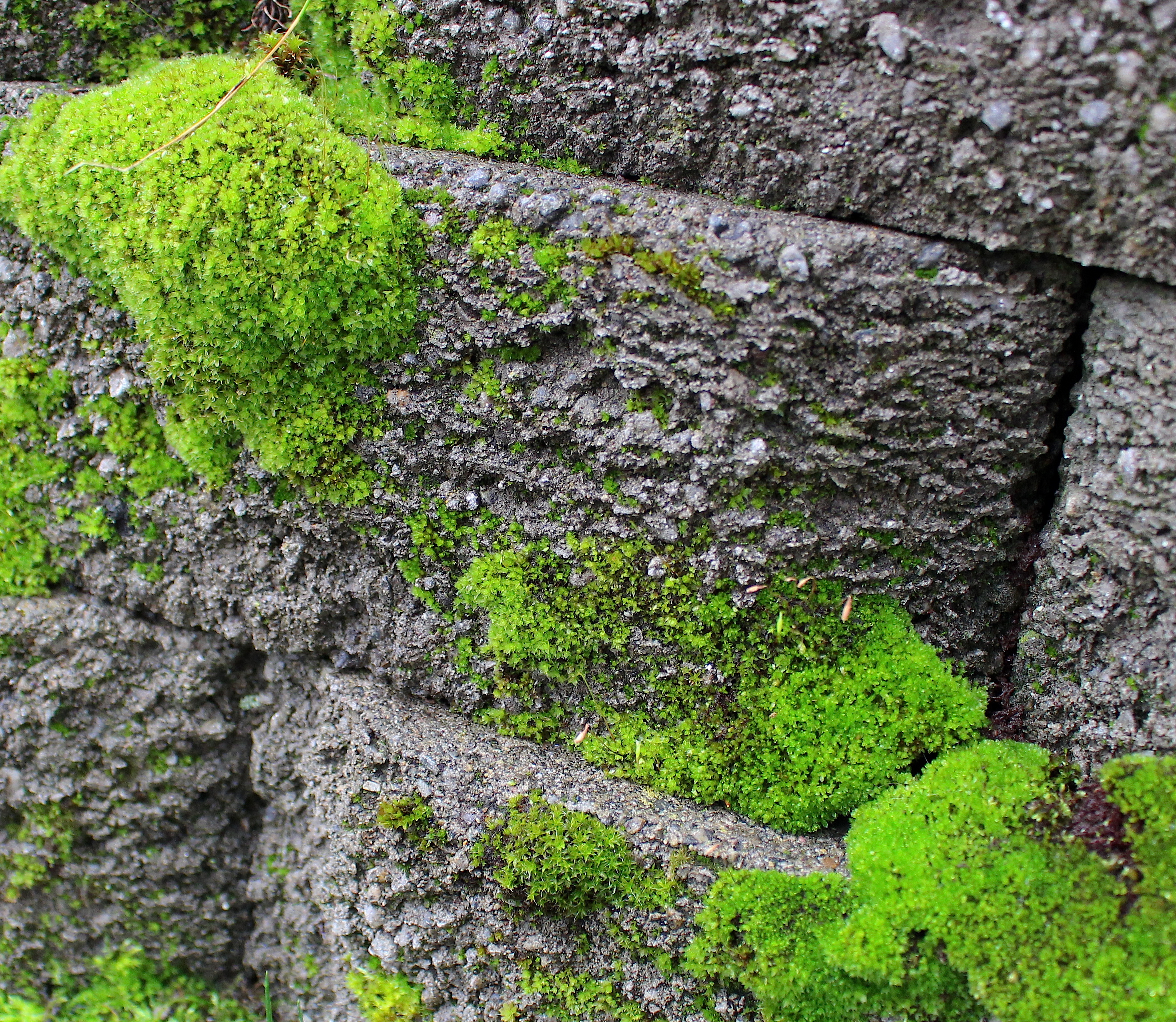
She’d laid in patterns. Moss
    let it go, let it go
Turns the bricks green, softening them
By the gray rocks
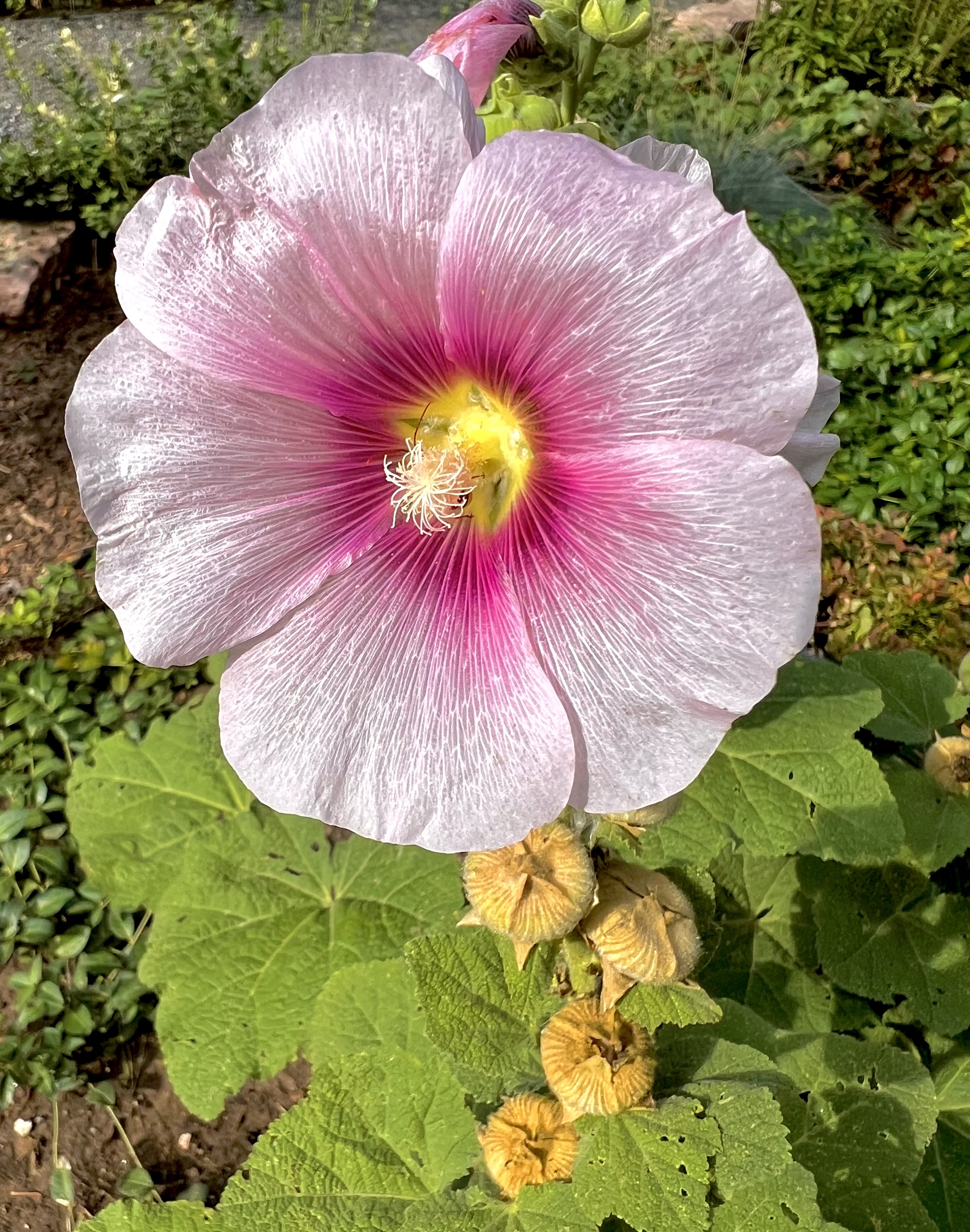
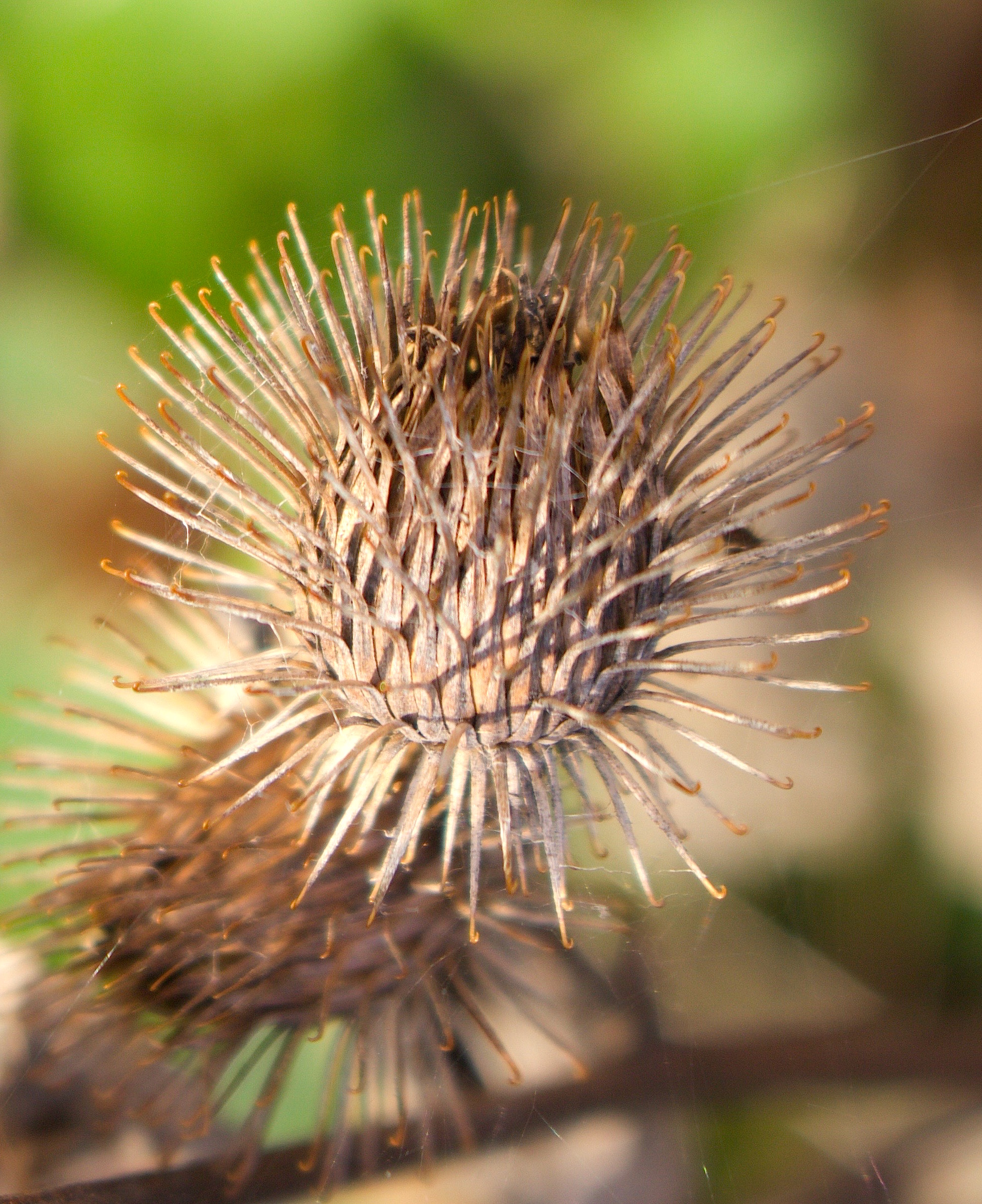
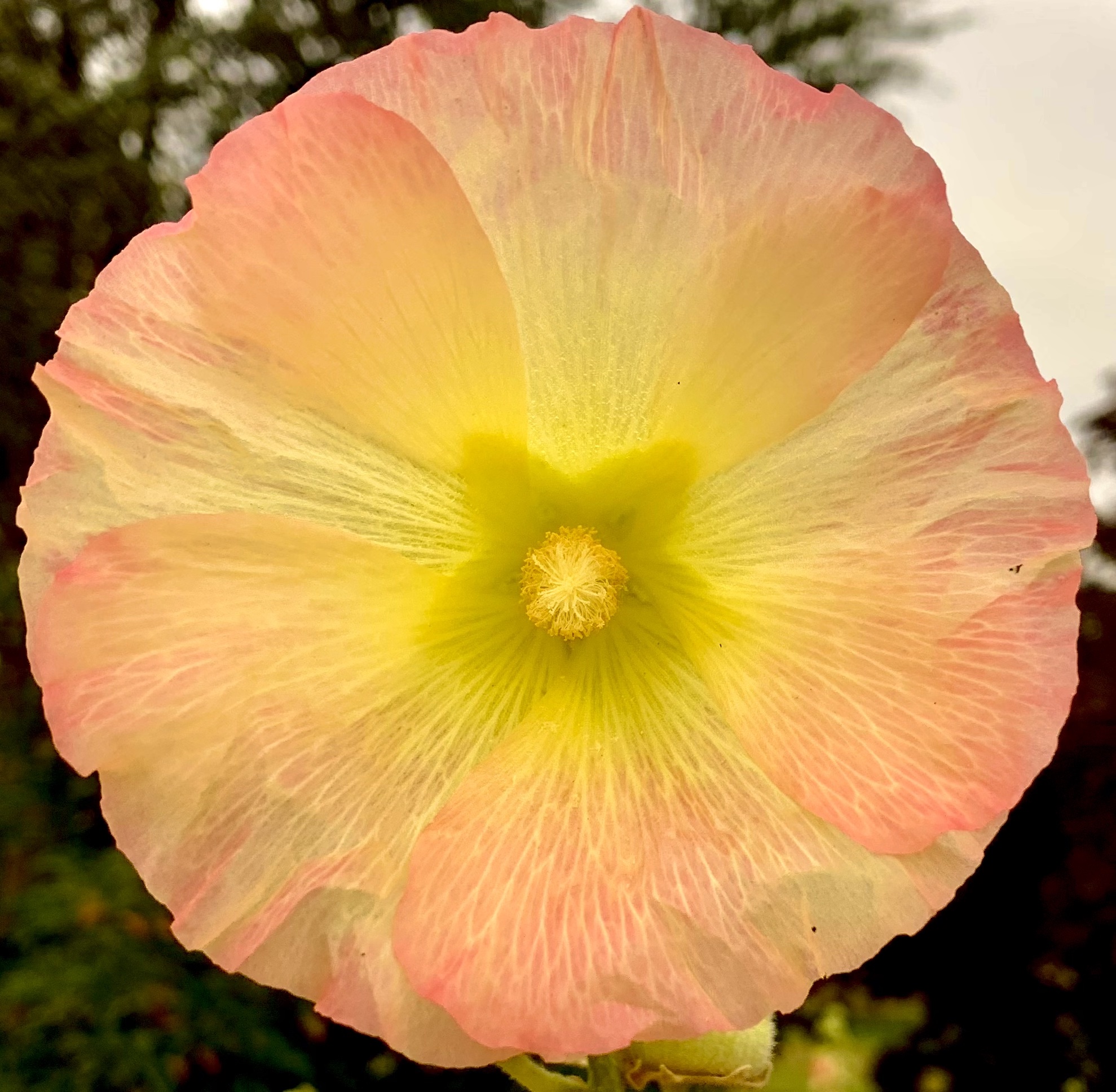
Where hollyhocks
That lofted while she lived, stem by tall stem,
Blossom with loss.

~Donald Hall, “Her Garden” from White Apples and the Taste of Stone

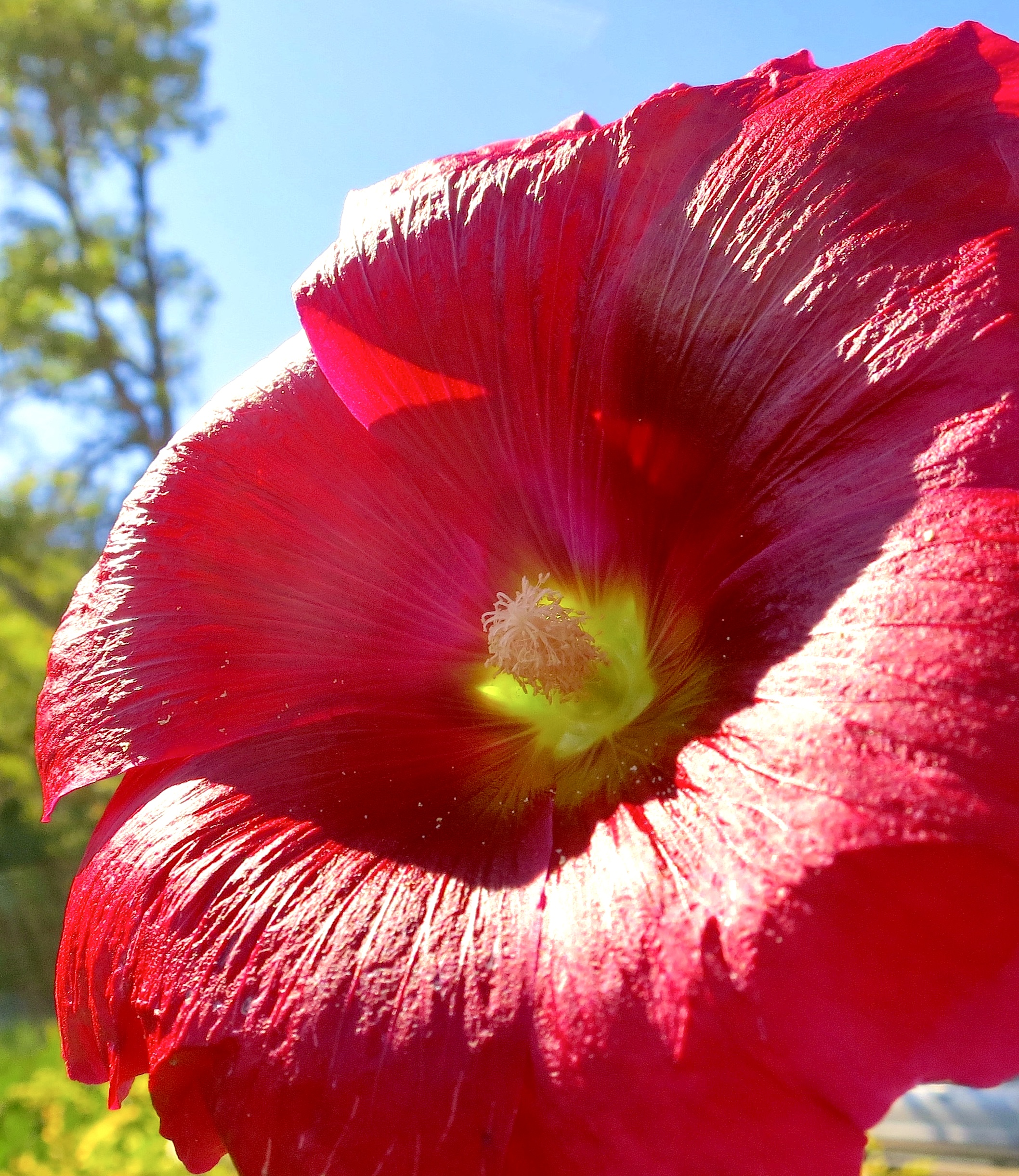
photo by Josh Scholten

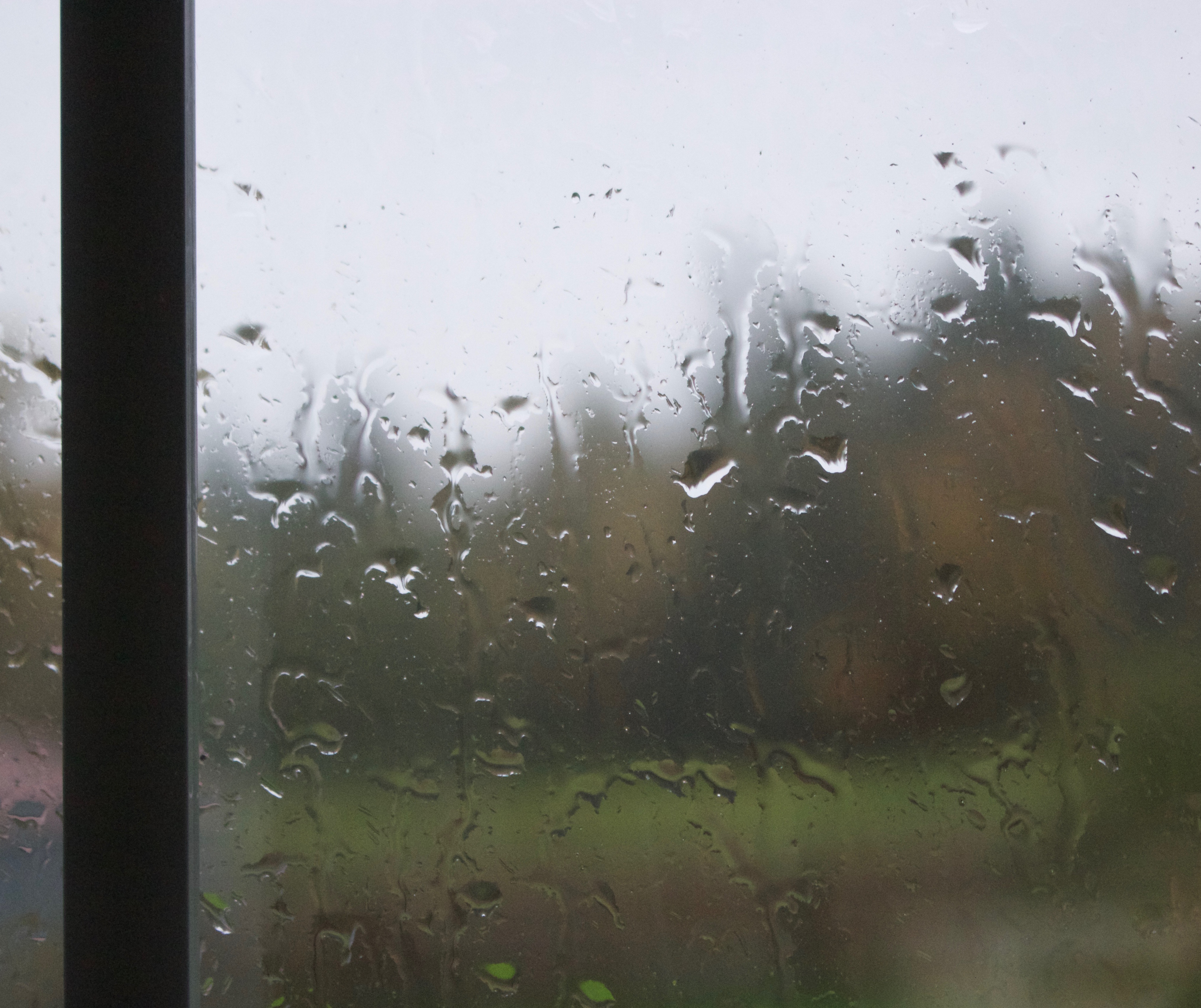
As fall now brings gray mornings
heavy with clouds
and tear-streaked windows,
I pause, melancholy
at the passage of time.

Whether to grieve over
another hour passed
another breath exhaled
another broken heart beat

Or to climb my way
out of deepless dolor
by starting the work of
planting next spring’s garden

It takes sweat
and dirty hands
and yes,
tears from heaven
to make it flourish,
but even so
– just maybe –
my memories
so carefully planted like seeds
might blossom fully
from the soil of loss.

One-Time
Monthly
Yearly

Make a one-time or recurring donation to support daily Barnstorming posts

Make a monthly donation

Make a yearly donation

Choose an amount

$10.00
$25.00
$50.00
$5.00
$15.00
$100.00
$5.00
$15.00
$100.00

Or enter a custom amount

$

Your contribution is deeply appreciated.

Your contribution is appreciated.

Your contribution is appreciated.

DonateDonate monthlyDonate yearly
Finding Refuge

When the wind
turns and asks, in my father’s voice,
Have you prayed?

I know three things. One:
I’m never finished answering to the dead.

Two: A man is four winds and three fires.
And the four winds are his father’s voice,
his mother’s voice . . .

Or maybe he’s seven winds and ten fires.
And the fires are seeing, hearing, touching,
dreaming, thinking . . .
Or is he the breath of God?

When the wind turns traveler
and asks, in my father’s voice, Have you prayed?
I remember three things.

One: A father’s love
is milk and sugar,
two-thirds worry, two-thirds grief, and what’s left over
is trimmed and leavened to make the bread
the dead and the living share.

And patience? That’s to endure
the terrible leavening and kneading.


And wisdom? That’s my father’s face in sleep.

When the wind
asks, Have you prayed?
I know it’s only me
reminding myself

a flower is one station between
earth’s wish and earth’s rapture, and blood
was fire, salt, and breath long before
it quickened any wand or branch, any limb
that woke speaking. It’s just me
in the gowns of the wind,

or my father through me, asking,
Have you found your refuge yet?
asking, Are you happy?

Strange. A troubled father. A happy son.
The wind with a voice. And me talking to no one.

~Li Young Lee “Have You Prayed?”

I pray because I can’t help myself.
I pray because I’m helpless.
I pray because the need flows out of me all the time — waking and sleeping.
It doesn’t change God — it changes me.

~C.S. Lewis

I never did hear my father pray out loud except for saying grace together as a family before our dinner meal. Once he described a prayer he uttered while hunkering in a trench on the island of Tarawa during WWII: if God could see him safe through the three years of combat, he would turn his life to over to God and become a preacher of the Word.

He came home safe, his body still whole but he could see the harsh reality of his foxhole promise: agriculture teachers made better incomes than preachers. He had a family to support so he became a high school FFA teacher. I’m not sure he ever forgave himself for not keeping his word, even when God did. I figure the world needs good farmers as much as good preachers and he trained his share of farmers over the decades, including me.

I learned to pray out loud at our small church as we spend part of every evening service praying out loud for the needs of our church people, our community and our world. It still does not come easily or naturally to me, yet I hope our children, having heard their parents pray out loud, have learned they are not just talking to the wind when they speak to God aloud, when helpless, when weary, when joyful, when thankful.

Praying changes everything.

One-Time
Monthly
Yearly

Make a one-time or recurring donation to support daily Barnstorming posts

Make a monthly donation

Make a yearly donation

Choose an amount

$10.00
$25.00
$50.00
$5.00
$15.00
$100.00
$5.00
$15.00
$100.00

Or enter a custom amount

$

Your contribution is deeply appreciated.

Your contribution is appreciated.

Your contribution is appreciated.

DonateDonate monthlyDonate yearly

A Gift of Purple

Walking, I drew my hand over the lumpy
bloom of a spray of purple; I stripped away
my fingers, stained purple; put it to my nose,

the minty honey, a perfume so aggressively
pleasant—I gave it to you to smell,
my daughter, and you pulled away as if

I was giving you a palm full of wasps,
deceptions: “Smell the way the air
changes because of purple and green.”

This is the promise I make to you:
I will never give you a fist full of wasps,
just the surprise of purple and the scent of rain.
~Kwame Dawes “Purple”

But maybe I ought to practise a little now?
So people who know me are not too shocked and surprised
When suddenly I am old, and start to wear purple.

~Jenny Joseph from “Warning”

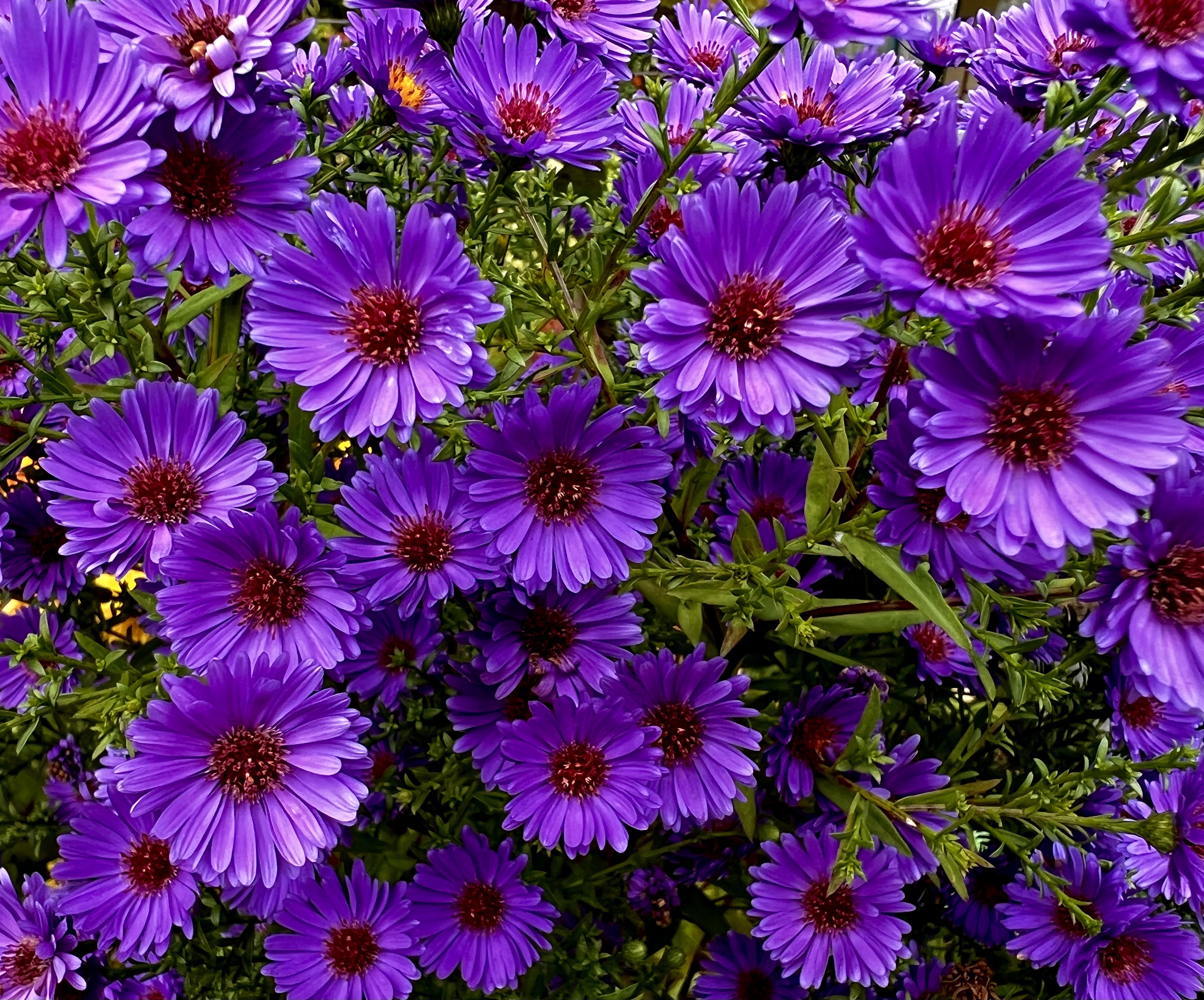
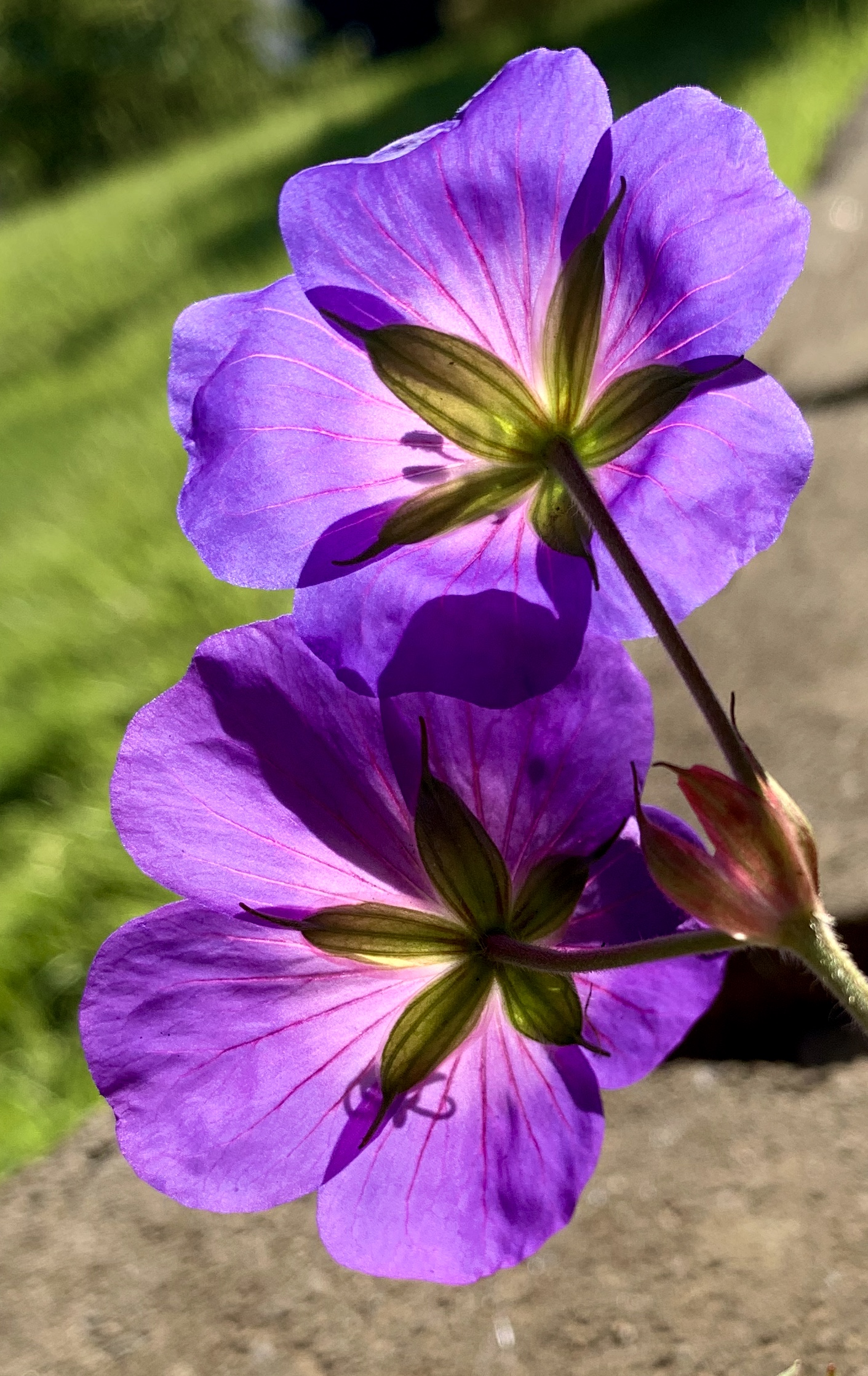
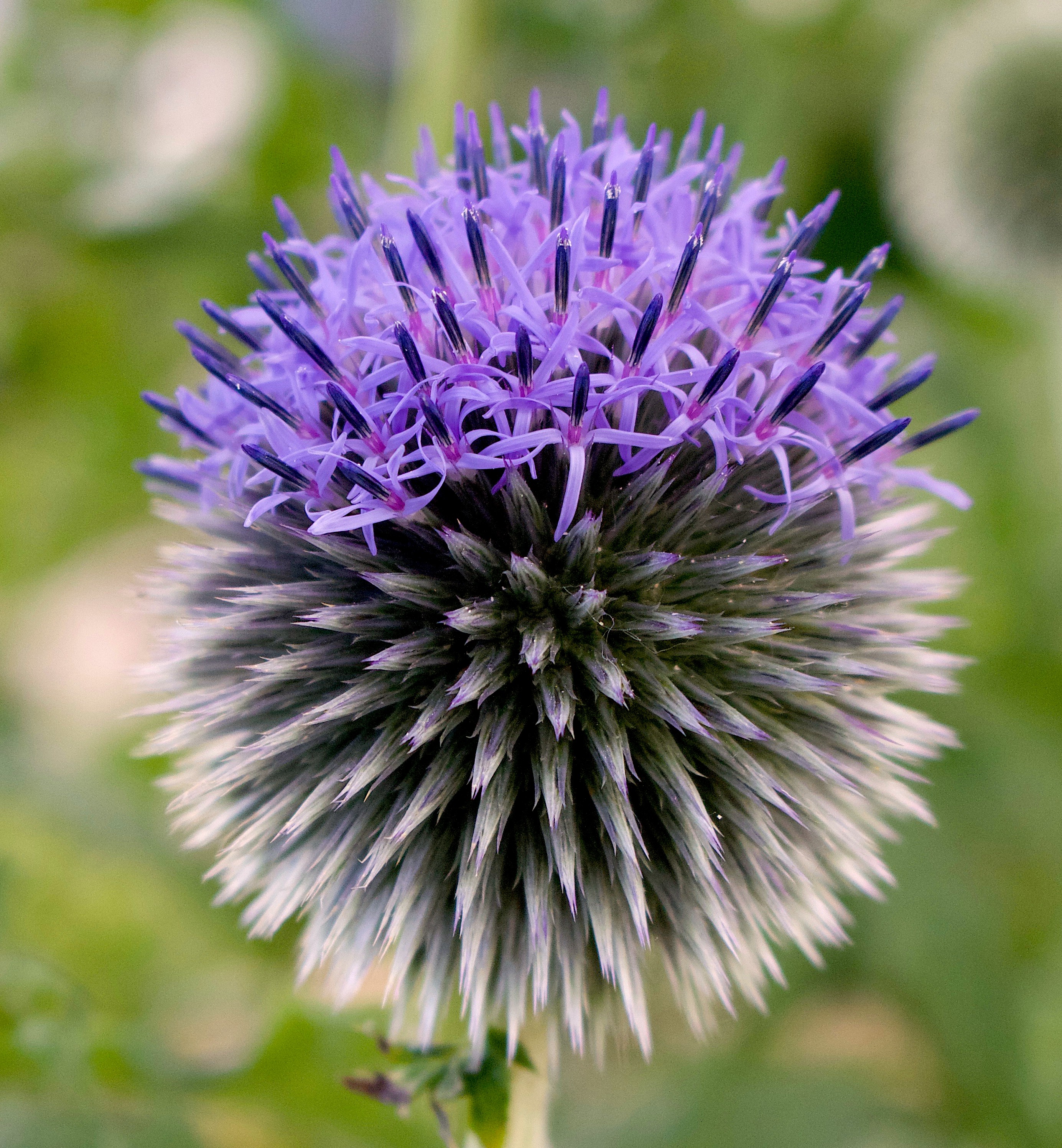
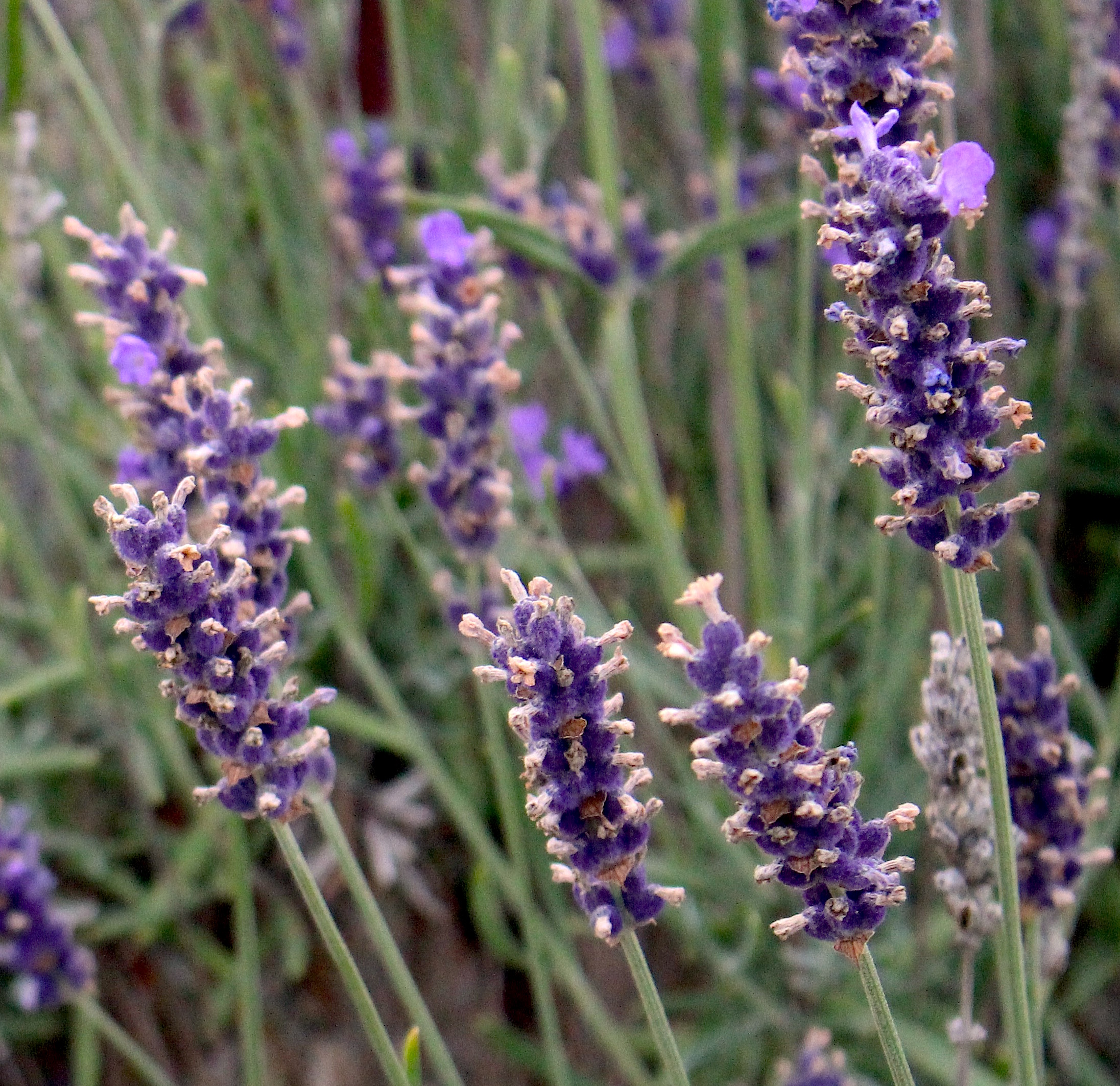
I own no purple clothing or accessories to wear – never have.
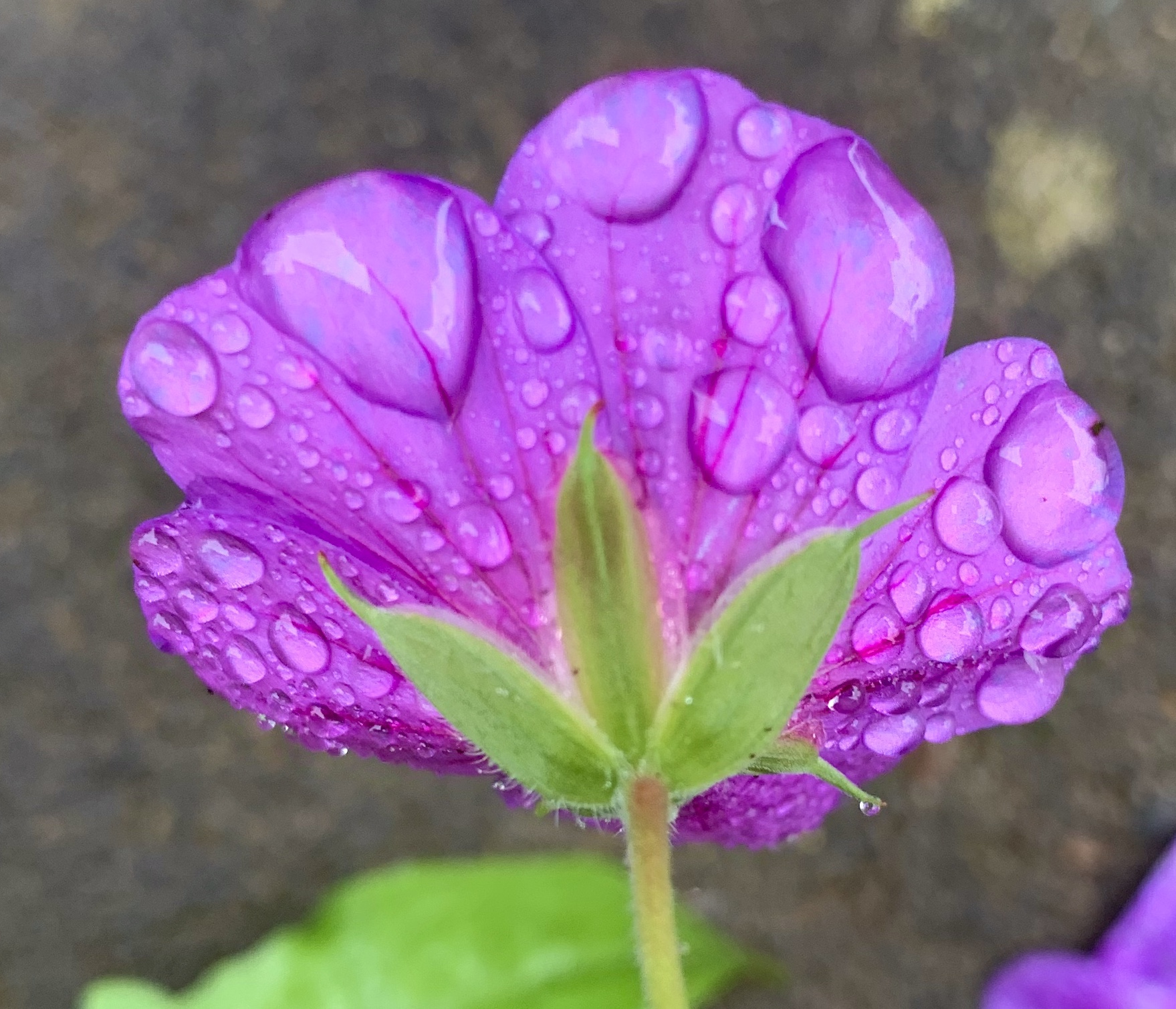
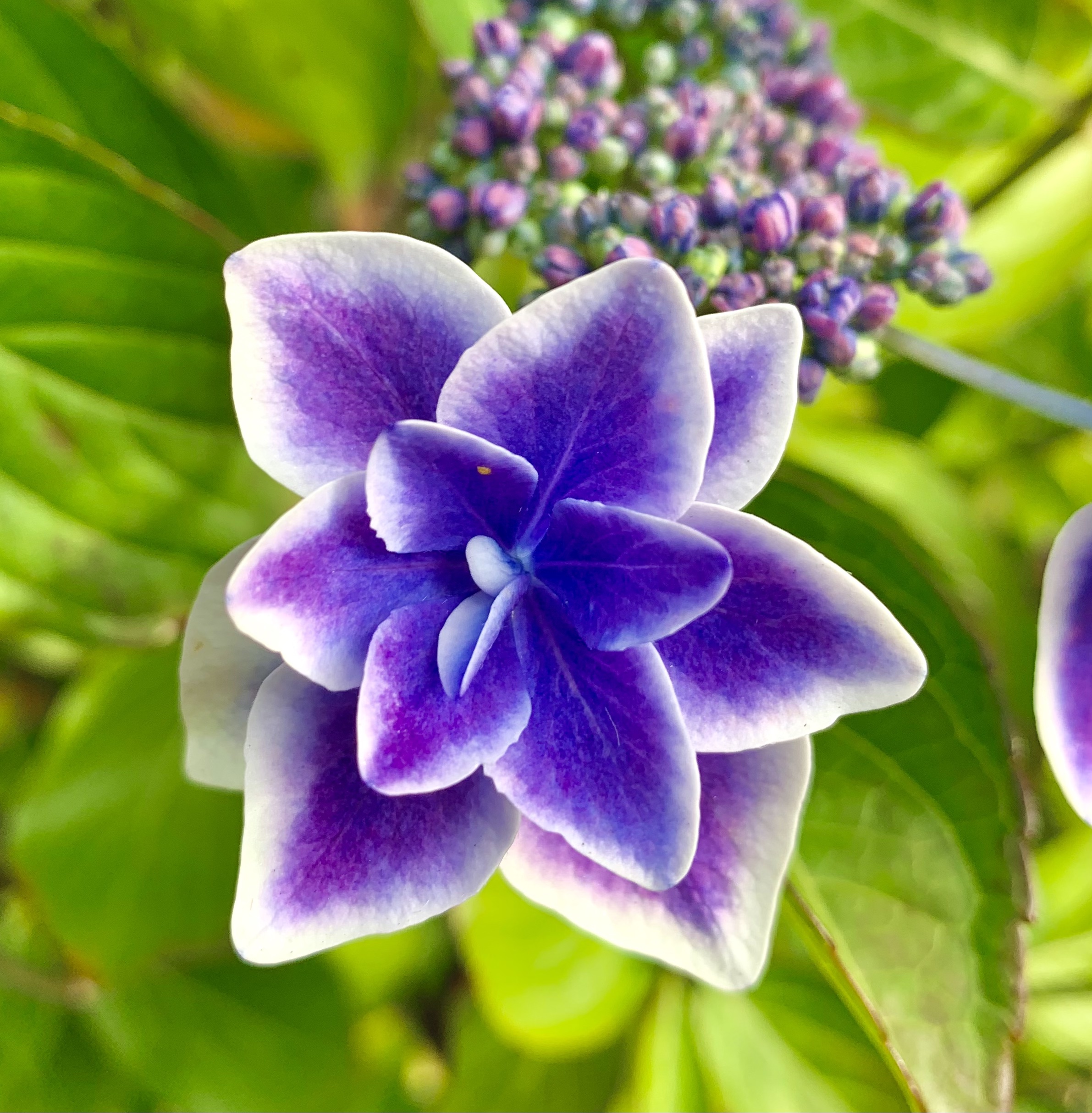
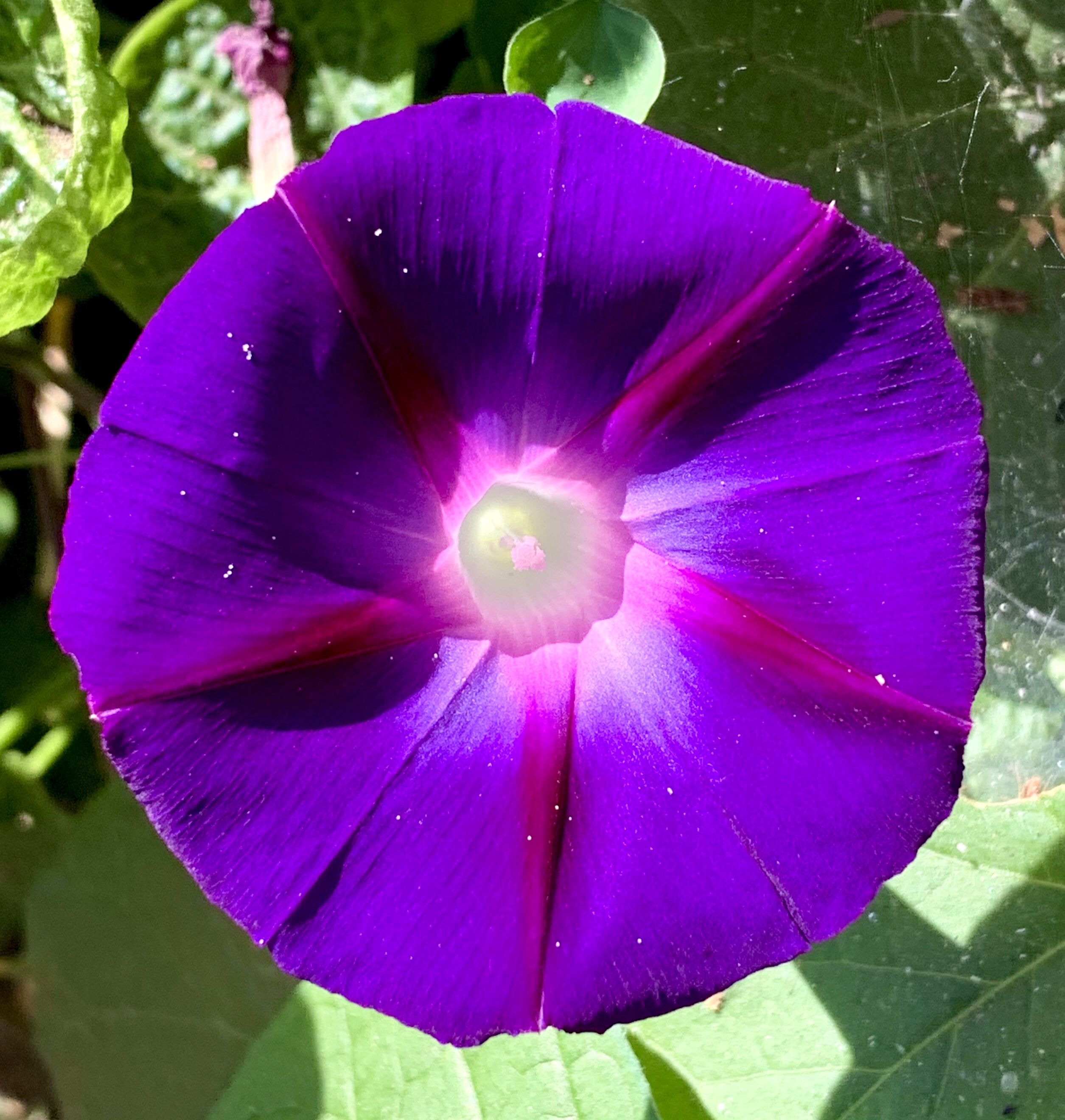
It’s not that I don’t like purple – I do. I just have never felt worthy to be adorned in it like the sky and flowers and fruit.

Perhaps my reluctance to wear purple is that it represents the rich and royal … yet also the bruised and battered … all at once. I know One who was both and took a beating for me, in my place.

A surprise in His gift of purple to us all.

One-Time
Monthly
Yearly

Make a one-time or recurring donation to support daily Barnstorming posts

Make a monthly donation

Make a yearly donation

Choose an amount

$10.00
$25.00
$50.00
$5.00
$15.00
$100.00
$5.00
$15.00
$100.00

Or enter a custom amount

$

Your contribution is deeply appreciated.

Your contribution is appreciated.

Your contribution is appreciated.

DonateDonate monthlyDonate yearly
The Honesty of Horses

It was dragging my hands along its belly,
loosing the bit and wiping the spit
from its mouth that made me
a snatch of grass in the thing’s maw,
a fly tasting its ear. It was
touching my nose to his that made me know
the clover’s bloom, my wet eye to his that
made me know the long field’s secrets.
But it was putting my heart to the horse’s that made me know
the sorrow of horses. Made me
forsake my thumbs for the sheen of unshod hooves.
And in this way drop my torches.
And in this way drop my knives.
Feel the small song in my chest
swell and my coat glisten and twitch.
And my face grow long.
And these words cast off, at last,
for the slow honest tongue of horses.

~Ross Gay “Becoming A Horse”

photo by Emily Vander Haak

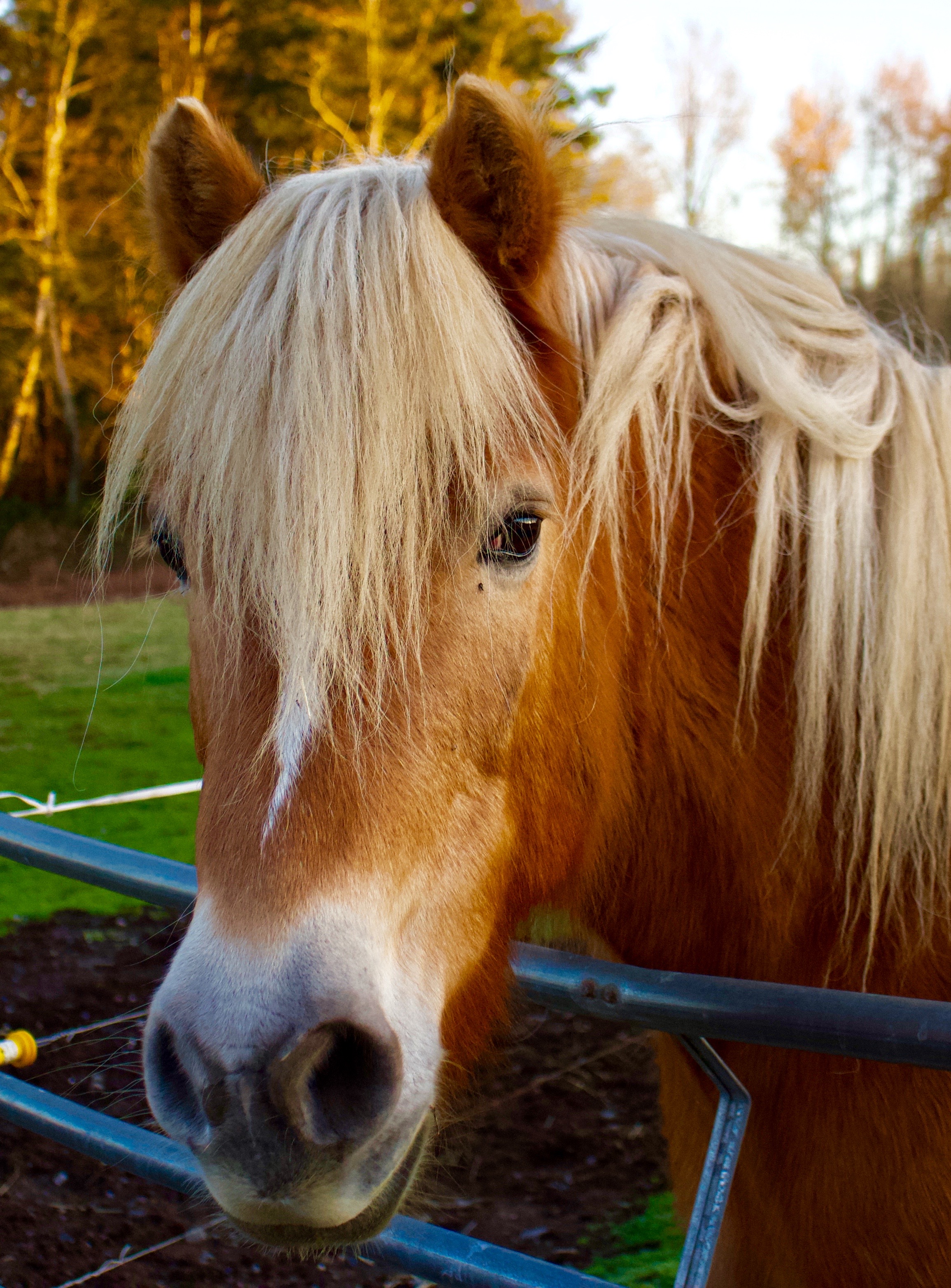
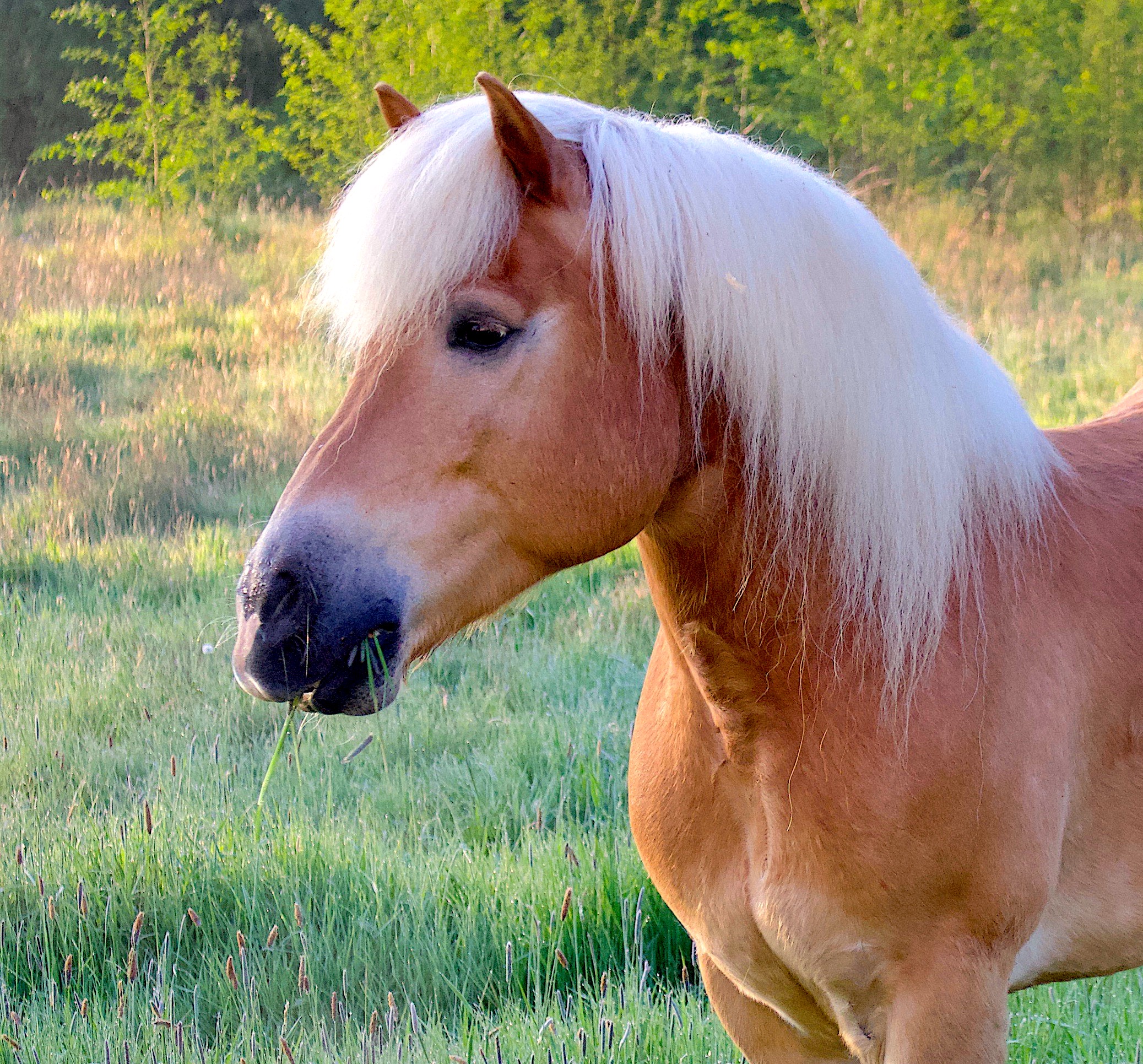
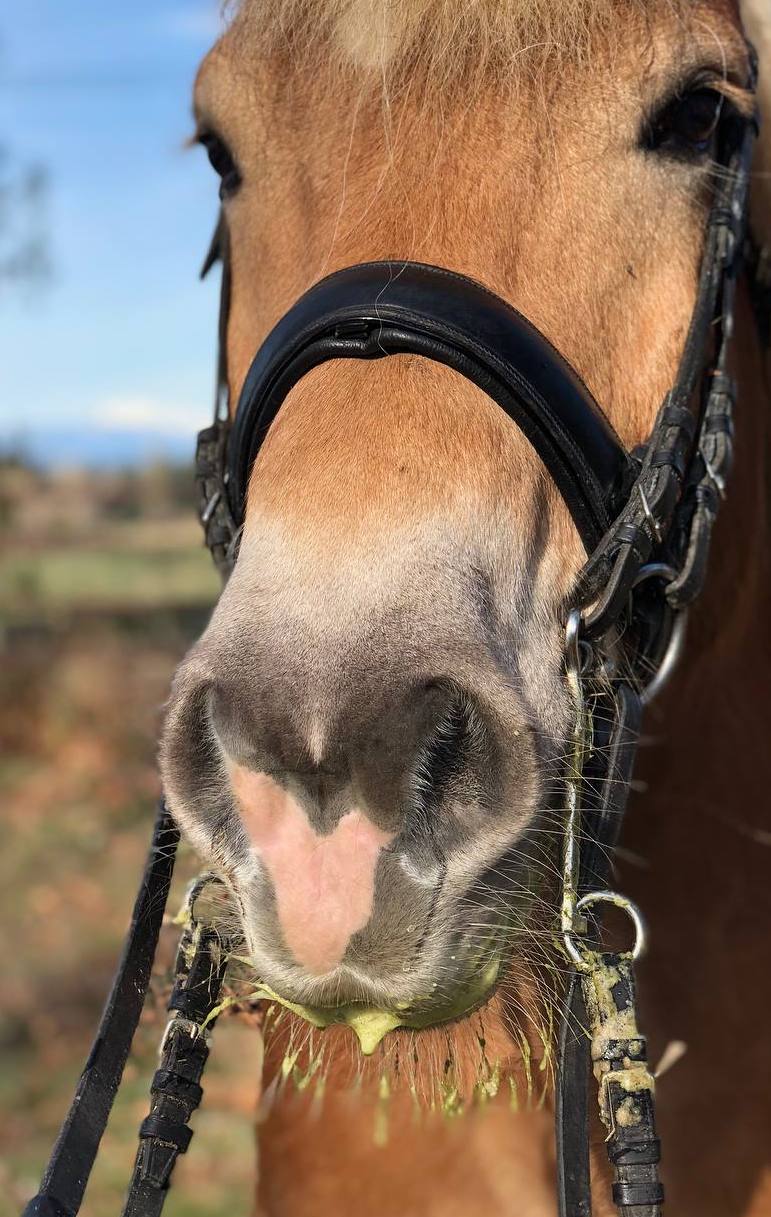
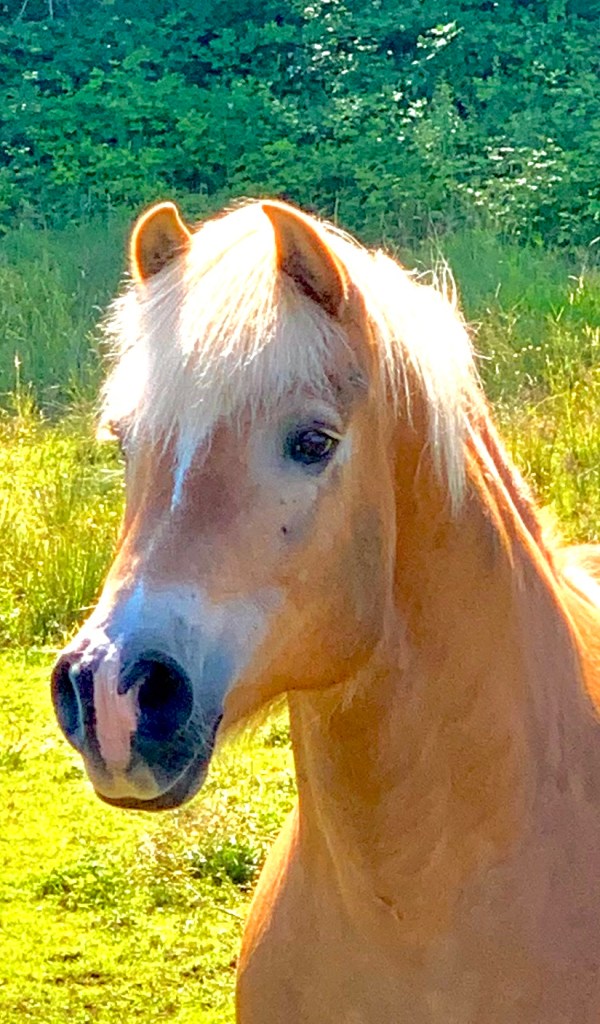
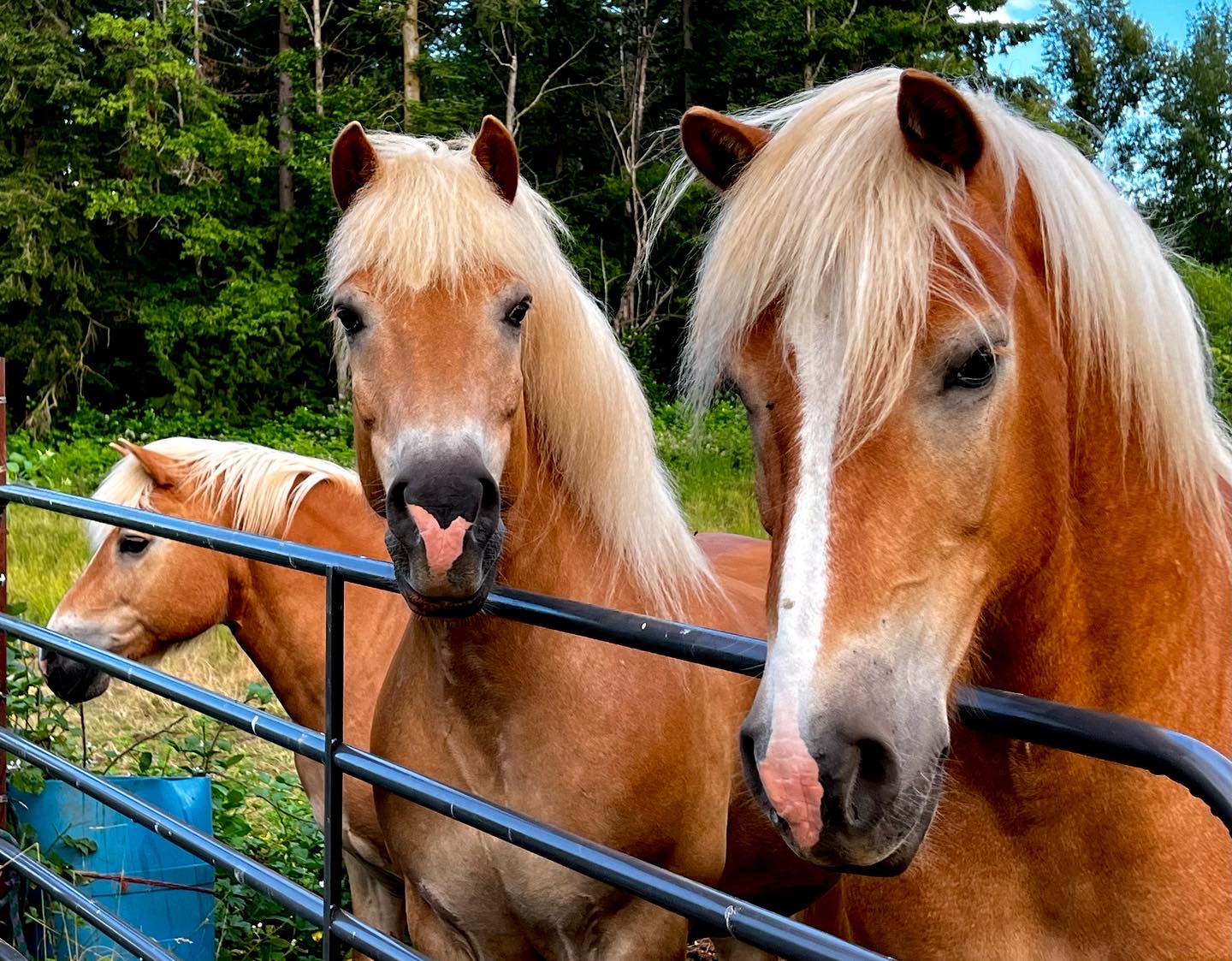
Living the dream of nearly every young girl, I grew up with a horse in our back field. The first was a raw-boned old paint who allowed my older sister and toddler me to sit atop him, walk around the barnyard and on the driveway at no more than a walk. He was arthritic and sore, but patient and tolerant to the attention of little girls. When we moved away to another part of the state, he didn’t come with us and I was too young to fully understand where he had been sent.

The horse on our new farm was my sister’s 4H project who was a spiffy chestnut mare with a penchant for a choppy trot and speedy canter. My sister would go miles with friends on horseback down back-country roads. Sadly, my sister soon became allergic (hives and swelling) to any contact with horses. I was barely old enough to start riding by myself in our fields.The little mare missed her adventures with my sister but seemed to adapt to my inexperience and took care of me as best she could – I never fell off. One night, she broke through a fence and ate her fill in a field of growing oat grass. The next day she was euthanized due to terrible colic. I was inconsolable, crying for days when visiting her burial spot on our property.

These first two horses tolerated the inexperience of their handlers and tried to compensate for it. I’ve since owned a few horses who knew exactly how to take advantage of such inexperience. Horses size up people quickly as our feelings and fear can be so transparent; it takes much longer for us to understand the complexity of their equine mind. Many diverse training techniques are marketed as testimony to that mystery.

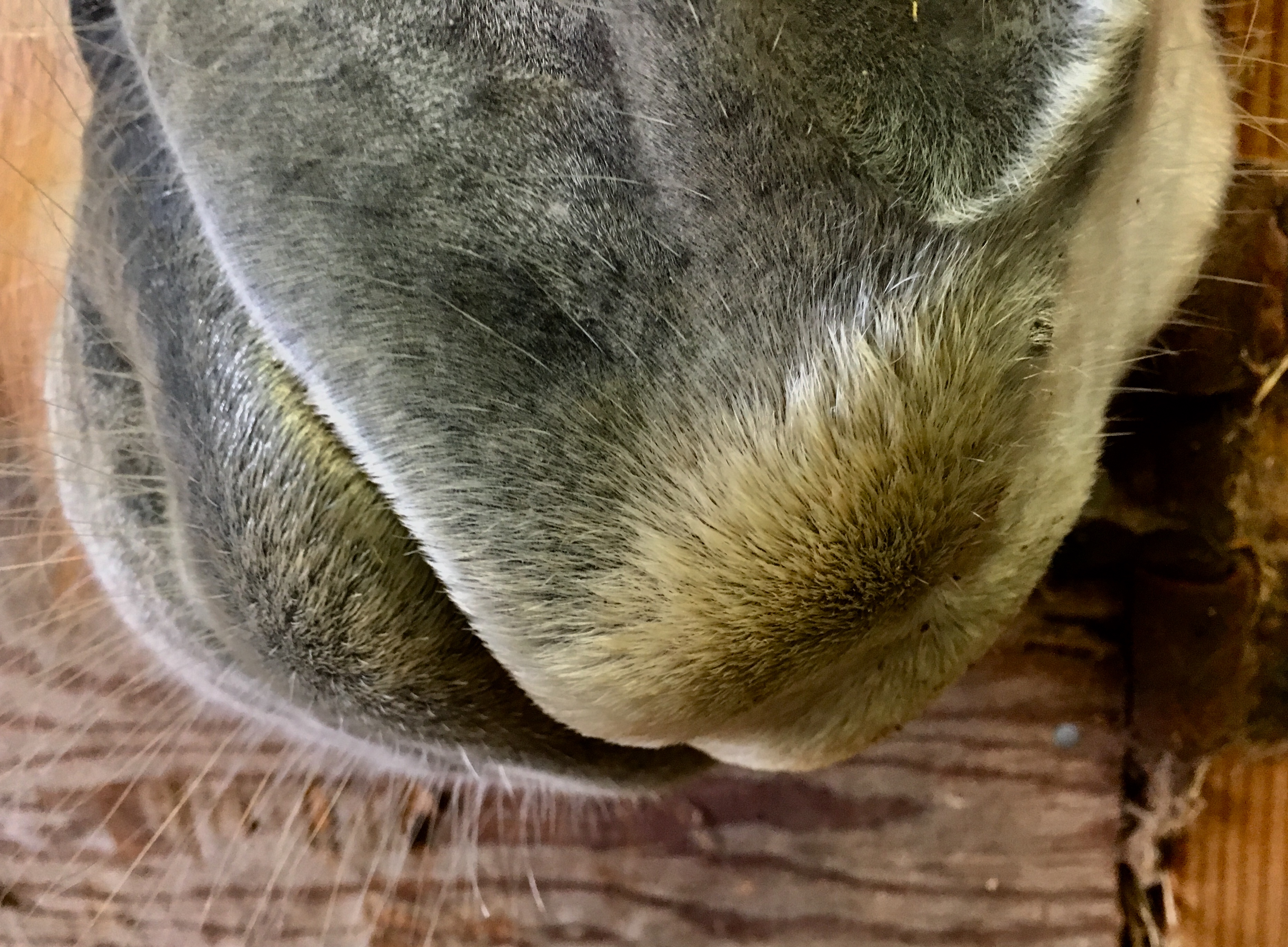
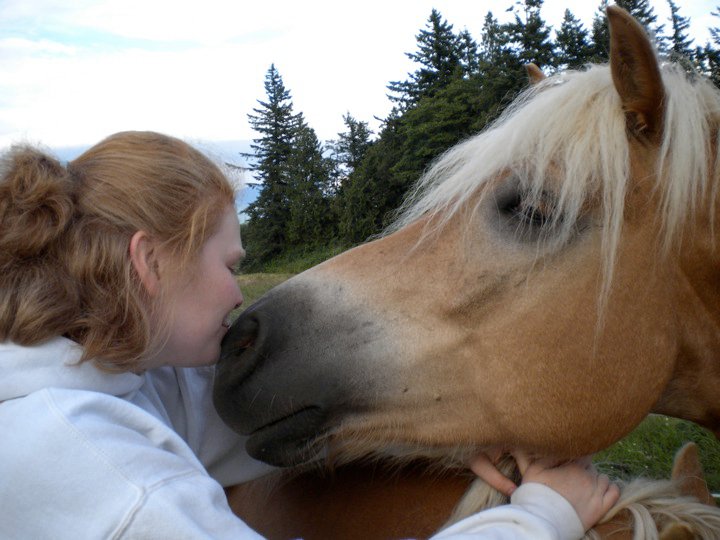
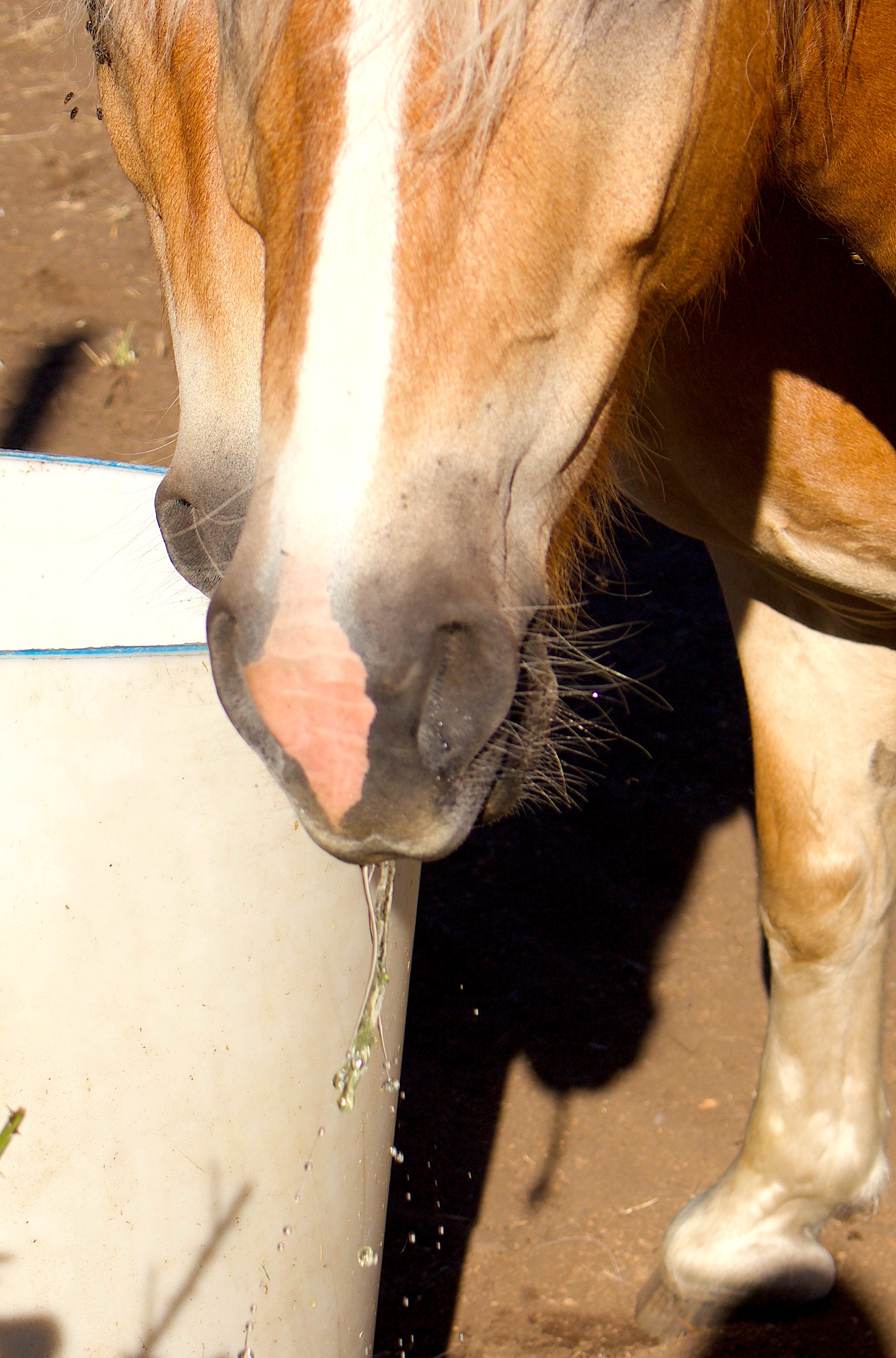
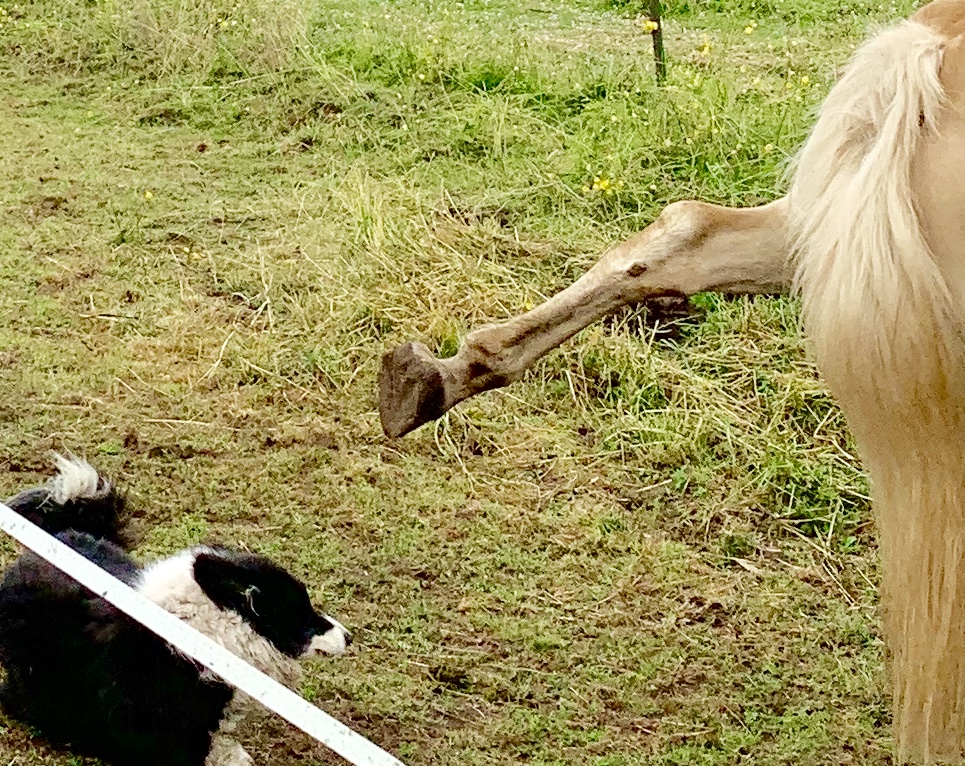
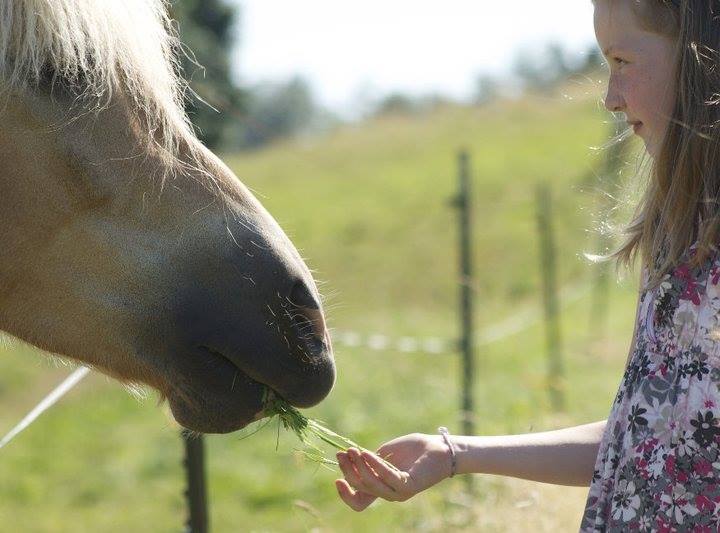
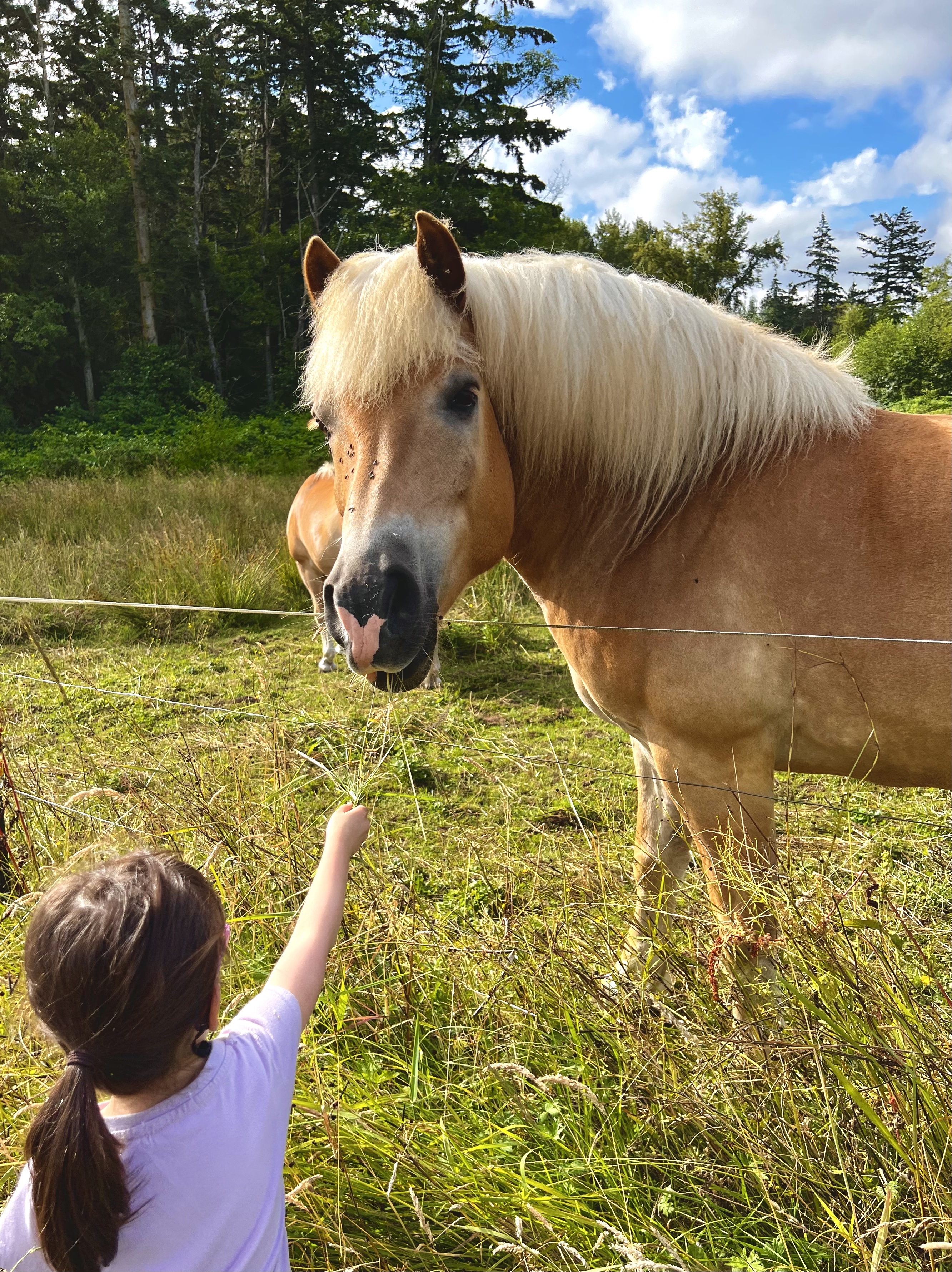
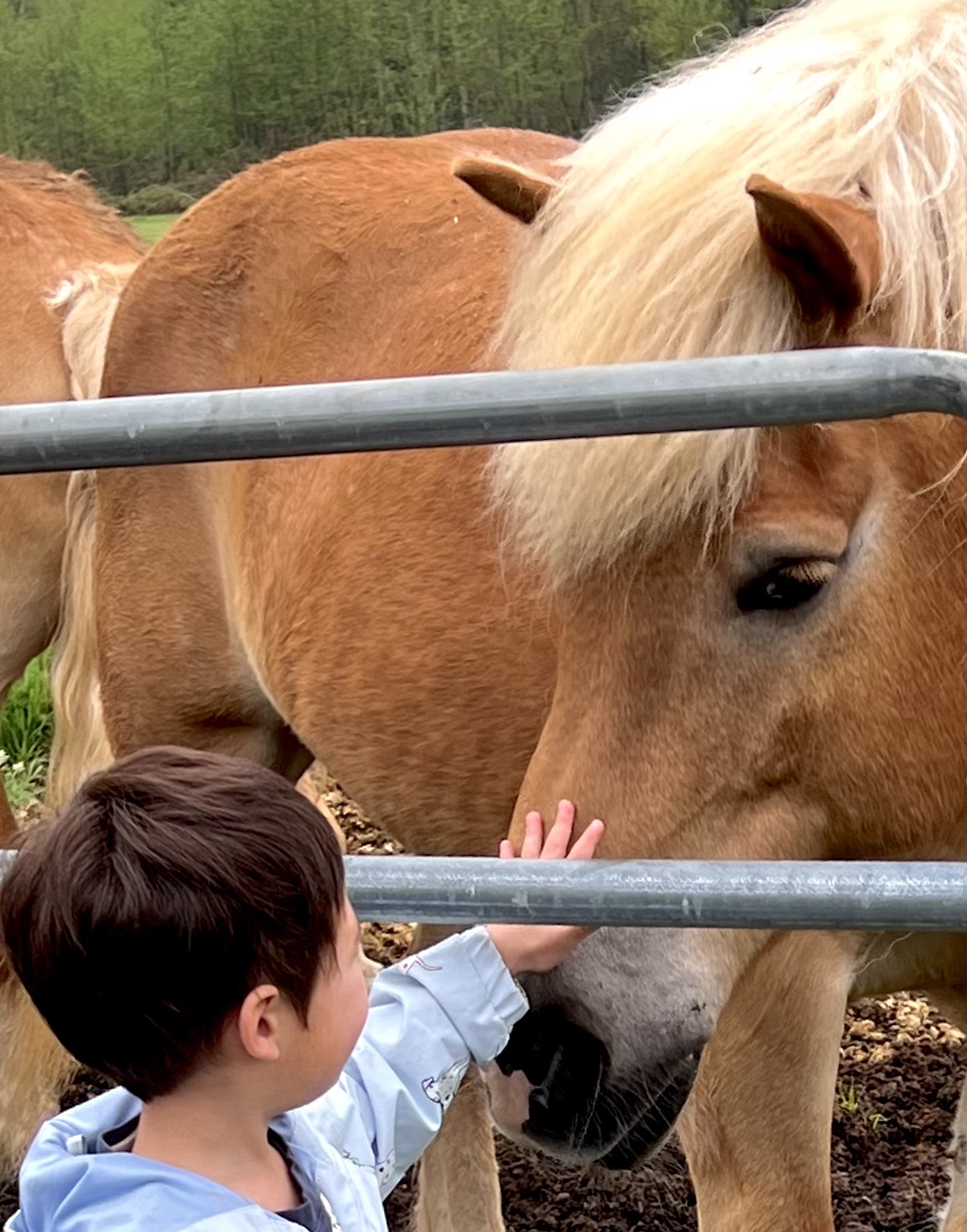
I have learned that horses appreciate a patient and quiet approach, reflecting their consistency and honesty. They like to be looked in the eye and appreciate a soft breath blown over their whiskers. They want us to find their itchy spots rather than act the part of a pseudo-predator with intent to harm.

That’s not asking too much of us.

In return, we learn how best to communicate what we need from them. They are remarkably willing to work when they understand the job and feel appreciated. In return, we are given a chance to experience the world through their eyes and ears, to comprehend the remarkable sensitivity of a skin able to shiver a fly away.

I’ve spent much of my life learning with horses and hope there are a few years still left to learn more. Whatever sorrow they feel in their hearts is when I’ve failed to be who they need me to be. Their gift to me is an honest willingness to forgive, again and yet again.

One-Time
Monthly
Yearly

Make a one-time or recurring donation to support daily Barnstorming posts

Make a monthly donation

Make a yearly donation

Choose an amount

¤10.00
¤25.00
¤50.00
¤5.00
¤15.00
¤100.00
¤5.00
¤15.00
¤100.00

Or enter a custom amount

¤

Your contribution is deeply appreciated.

Your contribution is appreciated.

Your contribution is appreciated.

DonateDonate monthlyDonate yearly

My Own Usefulness

I’ve learned that even when I have pains,
I don’t have to be one …
I’ve learned that:
people will forget what you said,
people will forget what you did,
but people will never forget
how you made them feel.
~
Maya Angelou on her 70th birthday, citing a quote from Carl Buehner

I learned from my mother how to love
the living, to have plenty of vases on hand
in case you have to rush to the hospital
with peonies cut from the lawn, black ants
still stuck to the buds. I learned to save jars
large enough to hold fruit salad for a whole
grieving household, to cube home-canned pears
and peaches, to slice through maroon grape skins
and flick out the sexual seeds with a knife point.
I learned to attend viewings even if I didn’t know

the deceased, to press the moist hands

of the living, to look in their eyes and offer
sympathy, as though I understood loss even then.
I learned that whatever we say means nothing,

what anyone will remember is that we came.
I learned to believe I had the power to ease
awful pains materially like an angel.
Like a doctor, I learned to create

from another’s suffering my own usefulness, and once
you know how to do this, you can never refuse.
To every house you enter, you must offer

healing: a chocolate cake you baked yourself,
the blessing of your voice, your chaste touch.
~Julie Kasdorf– “What I Learned from my Mother”

Moms often know best about these things — how to love others when and how they need it — the ways to ease pain, rather than become one. Despite years of practice, I don’t always get it right; others often do it better.

Showing up with food is always a good thing but it is the showing up part that is the real food; bringing a cake is simply the icing.

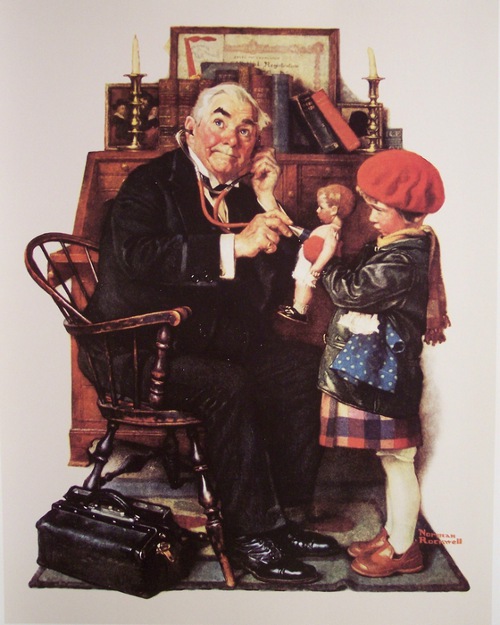
Working as a physician over four decades, my usefulness tended to depend on the severity of another’s worries and misery. If no illness, no symptoms, no fear, why bother seeing a doctor? Since retiring, the help I offer no longer means writing a prescription for a medication, or performing a minor surgery. I have to simply offer up me for what it’s worth, without the M.D.

To be useful without a stethoscope, I aim to be like any good mom or grandma. I press my hand into another’s, hug when needed, smile and listen and nod and sometimes weep when someone has something they need to say. No advanced degree needed.

Oh, and bring flowers. Cut up fruit. Bake a cake.
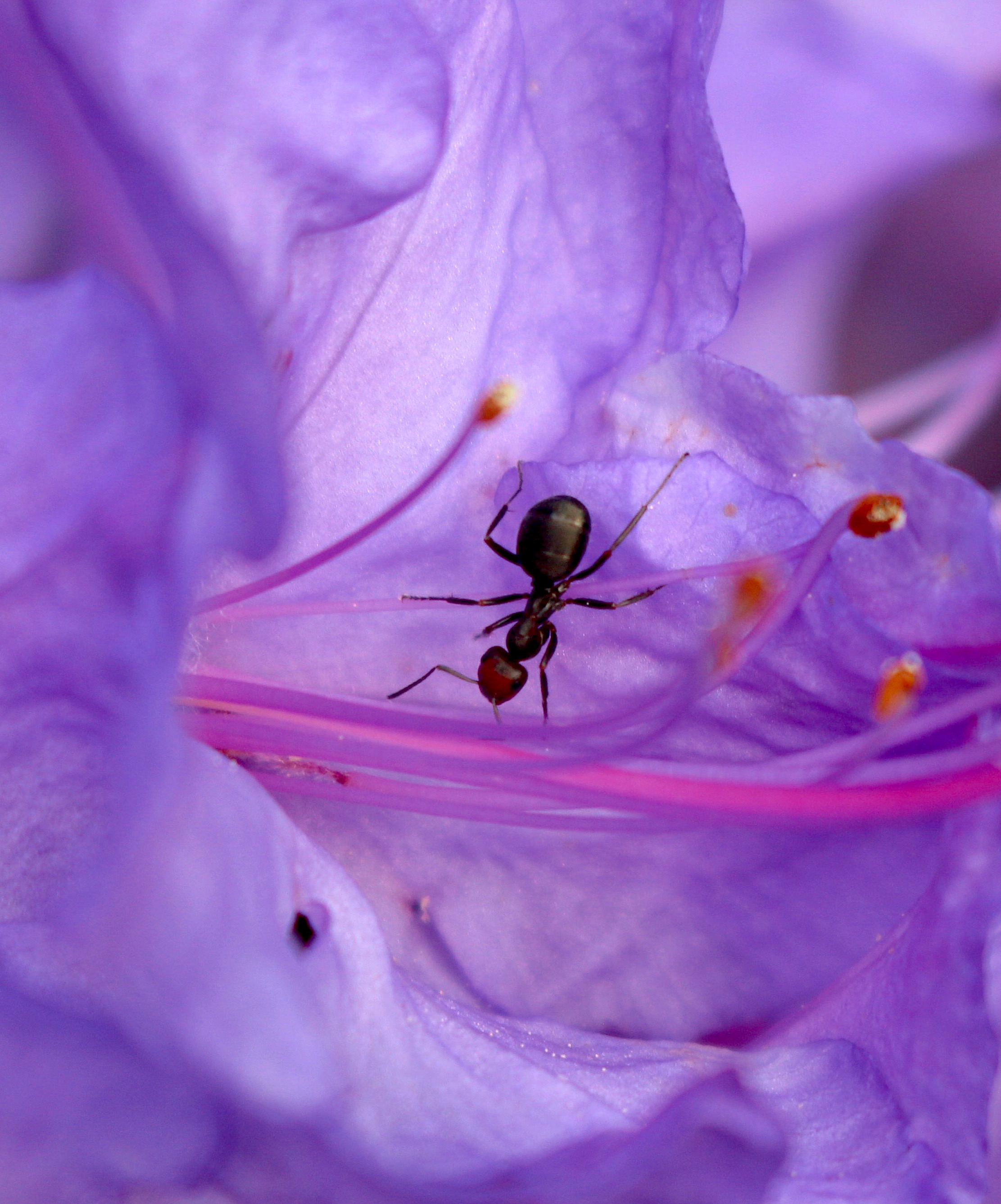
Leave the ants at home.

One-Time
Monthly
Yearly

Make a one-time and recurring donation to support daily Barnstorming posts

Make a monthly donation

Make a yearly donation

Choose an amount

¤10.00
¤25.00
¤50.00
¤5.00
¤15.00
¤100.00
¤5.00
¤15.00
¤100.00

Or enter a custom amount

¤

Your contribution is deeply appreciated.

Your contribution is appreciated.

Your contribution is appreciated.

DonateDonate monthlyDonate yearly
Seeking What Won’t Be Found

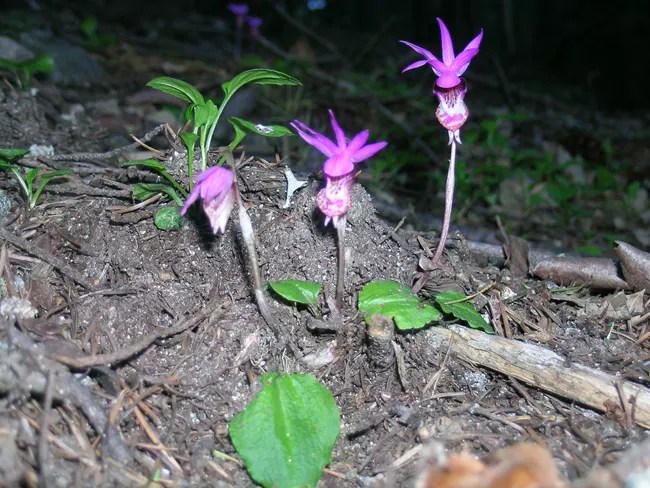
photo of Calypso Bulbosa by Kate Steensma

Though I know well enough
To hunt the Lady’s Slipper now
Is playing blindman’s-buff,
For it was June She put it on
And grey with mist the spider’s lace
Swings in the autumn wind,
Yet through this hill-wood, high and low,
I peer in every place;
Seeking for what I cannot find
I do as I have often done
And shall do while I stay beneath the sun.
~Andrew Young “Lady’s Slipper Orchid”

photo from USNPS

How strange to find you where I did
along a path beside a road,
your legs in graceful green dancing
to music made by wind and woods.

Like ladies from a bygone age,
you left your slippers there to air
in dappled shade, while you, barefoot,
relaxed your stays, let loose your hair.

The treasures of this world might be
as simple as an orchid’s bloom;
how sad that so much time is spent
in filling coffers for the tomb.

If only life could be so fresh
and free as you in serenade,
we might learn we value most those
things found lost in woodland shade.

~Mike Orlock “Lady Slipper Serenade (in 4/4 time)”


My grandmother’s house where my father was born had been torn down. She sold her property on Fidalgo Island near Anacortes, Washington to a lumber company – this was the house where all four of her babies were born, where she and my grandfather loved and fought and separated and finally loved again, and where we spent chaotic and memorable Thanksgiving and Christmas meals. After Grandpa died, Grandma took on boarders, trying to afford to remain there on the homesteaded wooded acreage on Similk Bay, fronted by meadows where her Scottish Highland cattle grazed. Her own health was suffering and she reached a point when it was no longer possible to make it work. A deal was struck with the lumber company and she moved to a small apartment for the few years left to her, remaining bruised by leaving her farm.

My father realized what her selling to a lumber company meant and it was a crushing thought. The old growth woods would soon be stumps on the rocky hill above the bay, opening a view to Mt. Baker to the east, to the San Juan Islands to the north, and presenting an opportunity for development into a subdivision. He woke my brother and me early one Saturday in May and told us we were driving the 120 miles to Anacortes. He was on a mission.

As a boy growing up on that land, he had wandered the woods, explored the hill, and helped his dad farm the rocky soil. There was only one thing he felt he needed from that farm and he had decided to take us with him, to trespass where he had been born and raised to bring home a most prized treasure–his beloved lady slippers (Calypso bulbosa) from the woods.

These dainty flowers enjoy a spring display known for its brevity–a week or two at the most–and they tend to bloom in small little clusters in the leafy duff mulch of the deep woods, preferring only a little indirect sunlight part of the day.  They are not easy to find unless you know where to look. 

My father remembered exactly where to look.

We hauled buckets up the hill along with spades, looking as if we were about to dig for clams at the ocean. Dad led us up a trail into the thickening foliage, until we had to bushwhack our way into the taller trees where the ground was less brush and more hospitable ground cover. He would stop occasionally to get his bearings as things were overgrown.  We reached a small clearing and he knew we were near.  He went straight to a copse of fir trees standing guard over a garden of lady slippers.

There were almost thirty of them blooming, scattered about in an area the size of my small bedroom.  Each orchid-like pink and lavender blossom had a straight backed stem that held it with sturdy confidence. To me, they looked like they could be little shoes for fairies who may have hung them up while they danced about barefoot.  To my father, they represented the last redeeming vestiges of his often traumatic childhood, and were about to be trammeled by bulldozers.  We set to work gently digging them out of their soft bedding, carefully keeping their bulb-like corms from losing a protective covering of soil and leafy mulch. Carrying them in the buckets back to the car, we felt some vindication that even if the trees were to be lost to the saws, these precious flowers would survive.

When we got home, Dad set to work creating a spot where he felt they could thrive in our own woods. He found a place with the ideal amount of shade and light, with the protection of towering trees and the right depth of undisturbed leaf mulch. We carefully placed the lady slippers in their new home, scattered in a pattern similar to how we found them. Then Dad built a four foot split rail fence in an octagon around them, as a protection from our cattle and a horse who wandered the woods, and as a way to demarcate that something special was contained inside.

The next spring, only six lady slippers bloomed from the original thirty.  Dad was disappointed but hoped another year might bring a resurgence as the flowers established themselves in their new home.  The following year there were only three. A decade later, my father left our farm and family, not looking back.

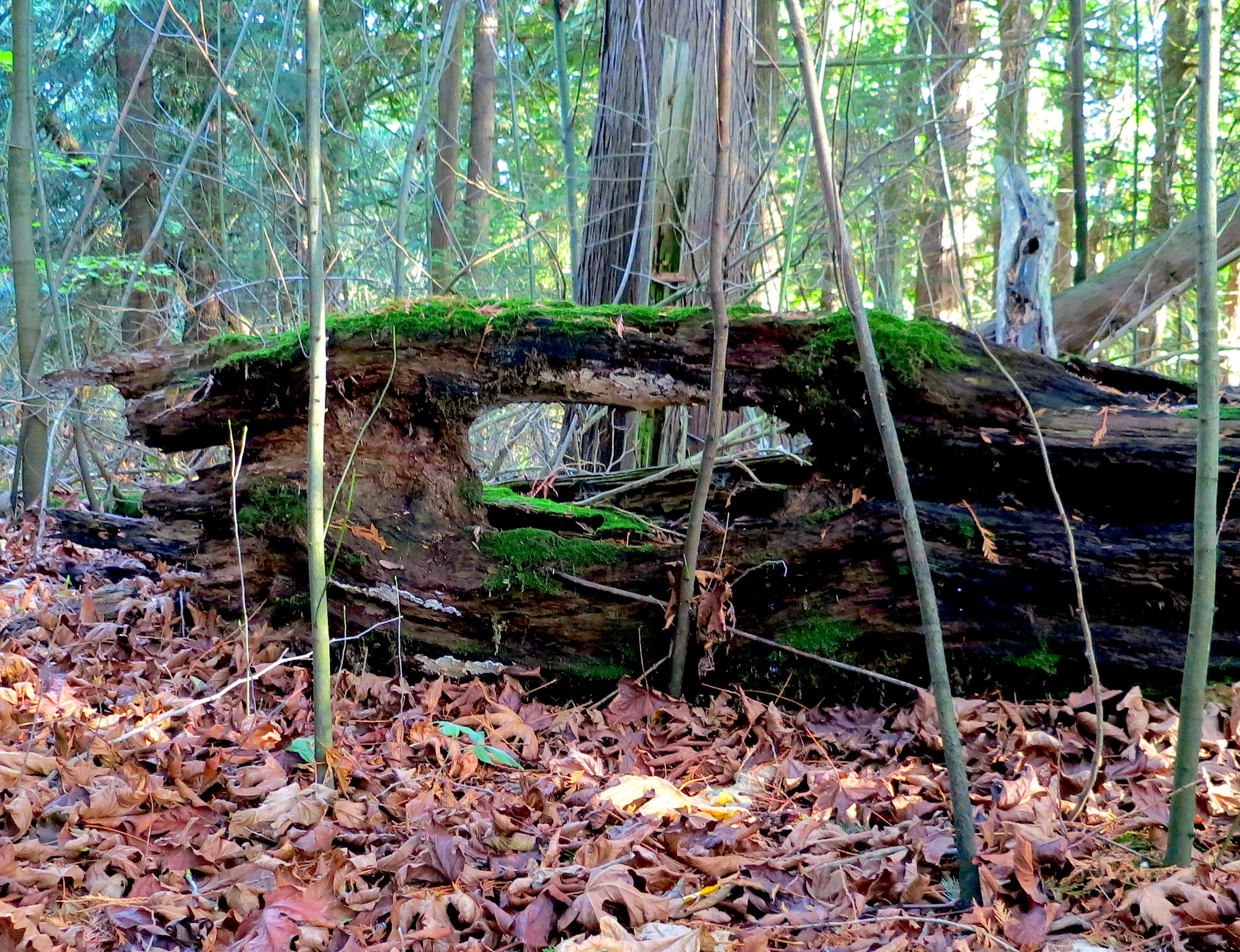
Sometime after the divorce, when my mother had to sell the farm, I visited our lady slipper sanctuary in the woods for the last time in the middle of May, seeking what I hoped might still be there, but I knew was no longer. The split rail fence still stood, guarding nothing but old memories. No lady slippers bloomed. There was not a trace they had ever been there. They had given up and disappeared.

The new owners of the farm surely puzzled over the significance of the small fenced-in area in the middle of our woods. They probably thought it surrounded a graveyard of some sort.

And they would be right – it did.

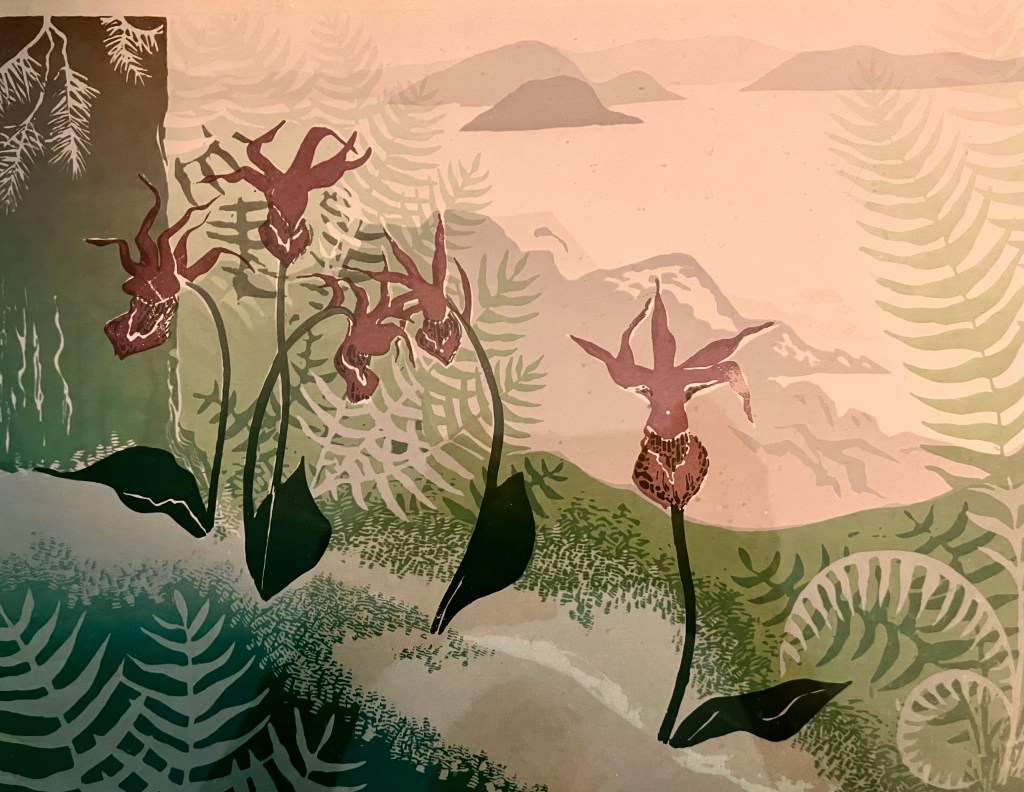
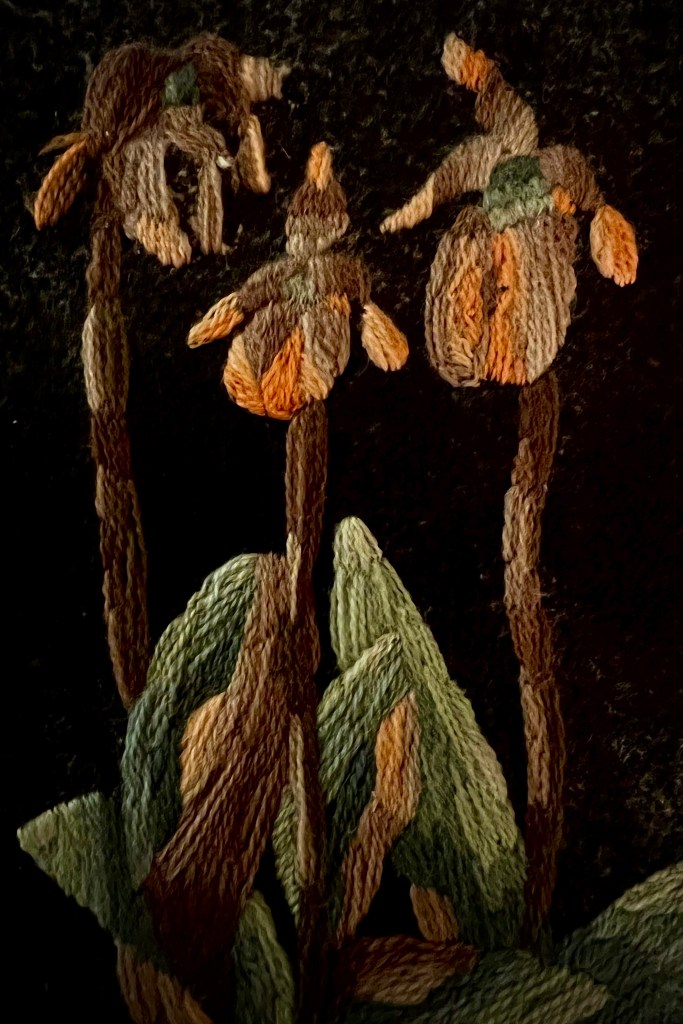
An embroidery I made for my father after he replanted the lady slippers — on the back I wrote “The miracle of creation recurs each spring in the delicate beauty of the lady slipper – may we ourselves be recreated as well…”

One-Time
Monthly
Yearly

Make a one-time or recurring donation to support daily Barnstorming posts

Make a monthly donation

Make a yearly donation

Choose an amount

¤10.00
¤25.00
¤50.00
¤5.00
¤15.00
¤100.00
¤5.00
¤15.00
¤100.00

Or enter a custom amount

¤

Your contribution is deeply appreciated.

Your contribution is appreciated.

Your contribution is appreciated.

DonateDonate monthlyDonate yearly
Fixing Eyes on the Unseen – Expecting the Impossible

…to break through earth and stone of the faithless world
back to the cold sepulchre, tearstained
stifling shroud; to break from them
back into breath and heartbeat, and walk
the world again, closed into days and weeks again,
wounds of His anguish open, and Spirit
streaming through every cell of flesh
so that if mortal sight could bear
to perceive it, it would be seen
His mortal flesh was lit from within, now,
and aching for home. He must return,
first, In Divine patience, and know
hunger again, and give
to humble friends the joy
of giving Him food – fish and a honeycomb.
~Denise Levertov “Ikon: The Harrowing of Hell” from A Door in the Hive

The Holy Saturday of our life must be the preparation for Easter,
the persistent hope for the final glory of God. 

The virtue of our daily life is the hope which does what is possible
and expects God to do the impossible. 

To express it somewhat paradoxically, but nevertheless seriously: 
the worst has actually already happened; 
we exist,
and even death cannot deprive us of this. 

Now is the Holy Saturday of our ordinary life, 
but there will also be Easter, our true and eternal life. 
~Karl Rahner “Holy Saturday” in The Great Church Year

This is the day in between when nothing makes sense
 we are lost, hopeless, grieving, aching.

We are brought to our senses by this one Death, this premeditated killing, this senseless act that darkened the skies, shook the earth and tore down the curtained barriers to the Living Eternal God.

The worst has already happened, despite how horrific are the constant tragic events filling our headlines.

Today, this Holy Saturday we are in between, stumbling in the darkness but aware of hints of light, of buds, of life, of promised fruit to come.

The best has already happened; it happened even as we remained oblivious to its impossibility.

We move through this Saturday, doing what is possible even when it feels senseless, even as we feel split apart, torn and sundered.

Tomorrow it will all make sense: our hope brings us face to face with our God who is and was and does the impossible.

This year’s Lenten theme:
So we fix our eyes not on what is seen, but on what is unseen, since what is seen is temporary, but what is unseen is eternal.
2 Corinthians 4: 18

Fixing Eyes on the Unseen – One Fierce Sweet Hour

photo by Anna Blake

On the outskirts of Jerusalem
the donkey waited.
Not especially brave, or filled with understanding,
he stood and waited.

How horses, turned out into the meadow,
   leap with delight!
How doves, released from their cages,
   clatter away, splashed with sunlight.

But the donkey, tied to a tree as usual, waited.
Then he let himself be led away.
Then he let the stranger mount.

Never had he seen such crowds!
And I wonder if he at all imagined what was to happen.
Still, he was what he had always been: small, dark, obedient.

I hope, finally, he felt brave.
I hope, finally, he loved the man who rode so lightly upon him,
as he lifted one dusty hoof and stepped, as he had to, forward.
~Mary Oliver “The Poet thinks about the donkey” from her book Thirst.

photo by Anna Blake, Infinity Farm

With monstrous head and sickening cry
And ears like errant wings…

The tattered outlaw of the earth,
Of ancient crooked will;
Starve, scourge, deride me: I am dumb,
I keep my secret still.

Fools! For I also had my hour;
One far fierce hour and sweet:
There was a shout about my ears,
And palms before my feet.
G. K. Chesterton from “The Donkey”

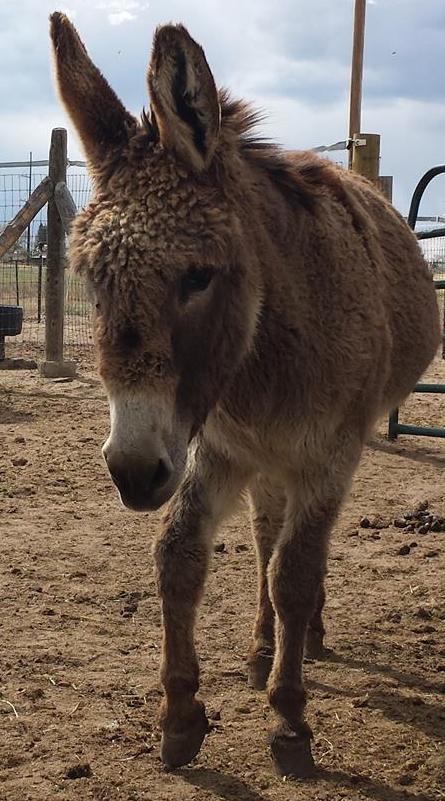
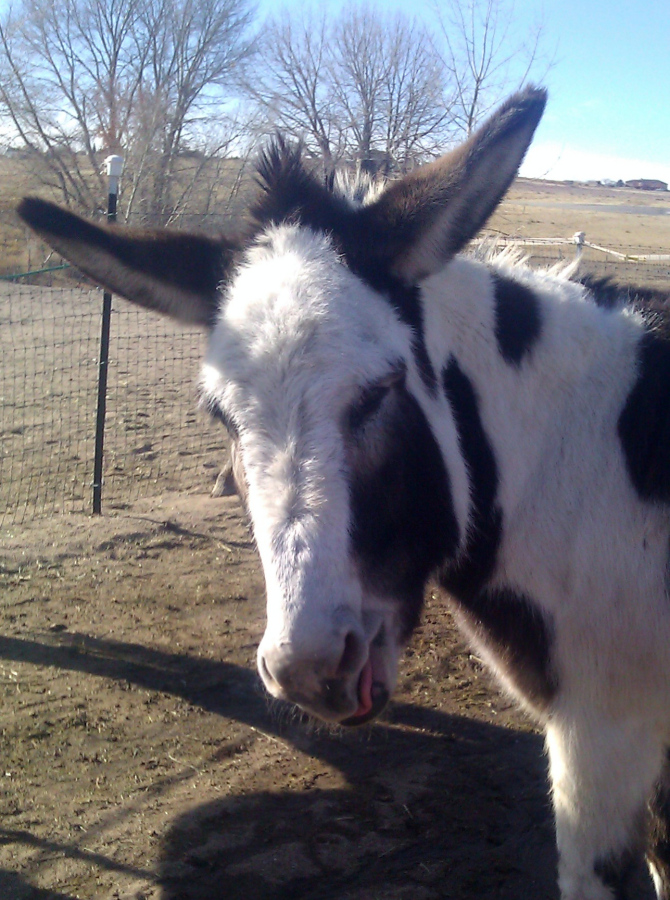
Palm Sunday is a day of dissonance and dichotomy in the church year, very much like the donkey who figured as a central character that day. 

Sadly, a donkey gets no respect, then or now – for his plain and awkward hairy looks, for his loud and inharmonious voice, for his apparent lack of strength — yet he was the chosen mode of transportation for a King riding to His death.

There was a motley parade to Jerusalem: cloaks and palms laid at the feet of the donkey bearing the Son of God, disorderly shouts of adoration and blessings, the rebuke of the Pharisees to quiet the people, His response that “even the stones will cry out” knowing what is to come.
But the welcoming crowd waving palm branches, shouting sweet hosannas and laying down their cloaks did not understand the fierce transformation to come, did not know within days they would be a mob shouting words of derision and rejection and condemnation.

The donkey knew because he had been derided, rejected and condemned himself, yet still kept serving. Just as he was given voice and understanding centuries before to protect Balaam from going the wrong way, he could have opened his mouth to tell them, suffering beatings for his effort. Instead, just as he bore the unborn Jesus to Bethlehem and stood over Him sleeping in the manger, just as he bore a mother and child all the way to Egypt to hide from Herod, the donkey would keep his secret well.  

Who, after all, would ever listen to a mere donkey?

We would do well to pay attention to this braying wisdom. 

The donkey knows – he’s a believer.

He bears the burden we have shirked. He treads with heavy heart over the palms and cloaks we lay down as meaningless symbols of honor. He is the ultimate servant to the Servant.

A day of dichotomy —
of honor and glory laid underfoot only to be stepped on, 
of blessings and praise turning to curses,
of the beginning of the end becoming a new beginning for us all.

And so He wept, knowing all this. I suspect the donkey bearing Him wept as well, in his own simple, plain and honest way, and I’m quite sure he kept it as his special secret.

This year’s Lenten theme:
So we fix our eyes not on what is seen, but on what is unseen, since what is seen is temporary, but what is unseen is eternal.
2 Corinthians 4: 18

and just for fun on April 1st, I can’t resist sharing this one ….

Fixing Eyes on the Unseen – Everything Sad is Going to Come Untrue

He will wipe away every tear from their eyes, and death shall be no more, neither shall there be mourning, nor crying, nor pain anymore, for the former things have passed away. And he who was seated on the throne said, “Behold, I am making all things new.” Also he said, “Write this down, for these words are trustworthy and true.  Revelation 21: 4-5

“Gandalf! I thought you were dead! But then I thought I was dead! Is everything sad going to come untrue?”
~J.R.R. Tolkien as Samwise Gamgee wakes to find his friends all around him in The Lord of the Rings

“The answer is yes. And the answer of the Bible is yes. If the resurrection is true, then the answer is yes. Everything sad is going to come untrue.”
~Pastor Tim Keller’s response in a sermon given in an ecumenical prayer service memorial in Lower Manhattan on the fifth anniversary of Sept. 11.

photo by Joel De Waard

In our minds, we want to rewind and replay the sad events of this week in a way that would prevent them from happening in the first place.

We want those in a broken relationship to come back together, hug and forgive. The devastating diagnosis would be proven an error and, in reality, only a transient illness. When a terrible tragedy happens, we want the dead and injured to rise up again. The destructive earthquake becomes a mere tremor, the flooding tsunami is only one foot, not over thirty feet tall, the hijackers are prevented from ever boarding a plane, the shooter changes her mind at the last minute and lays down her arms, the terrorist disables his suicide bombs and walks away from his training and misguided mission.
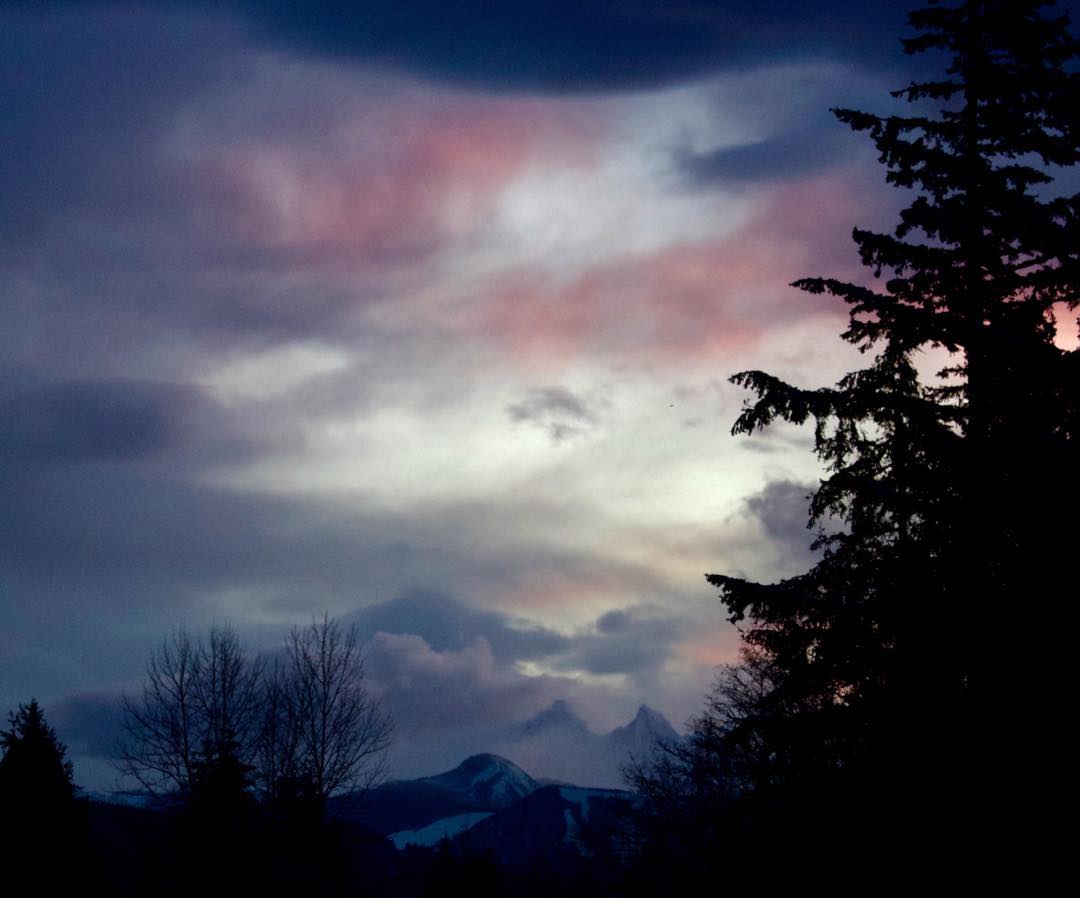
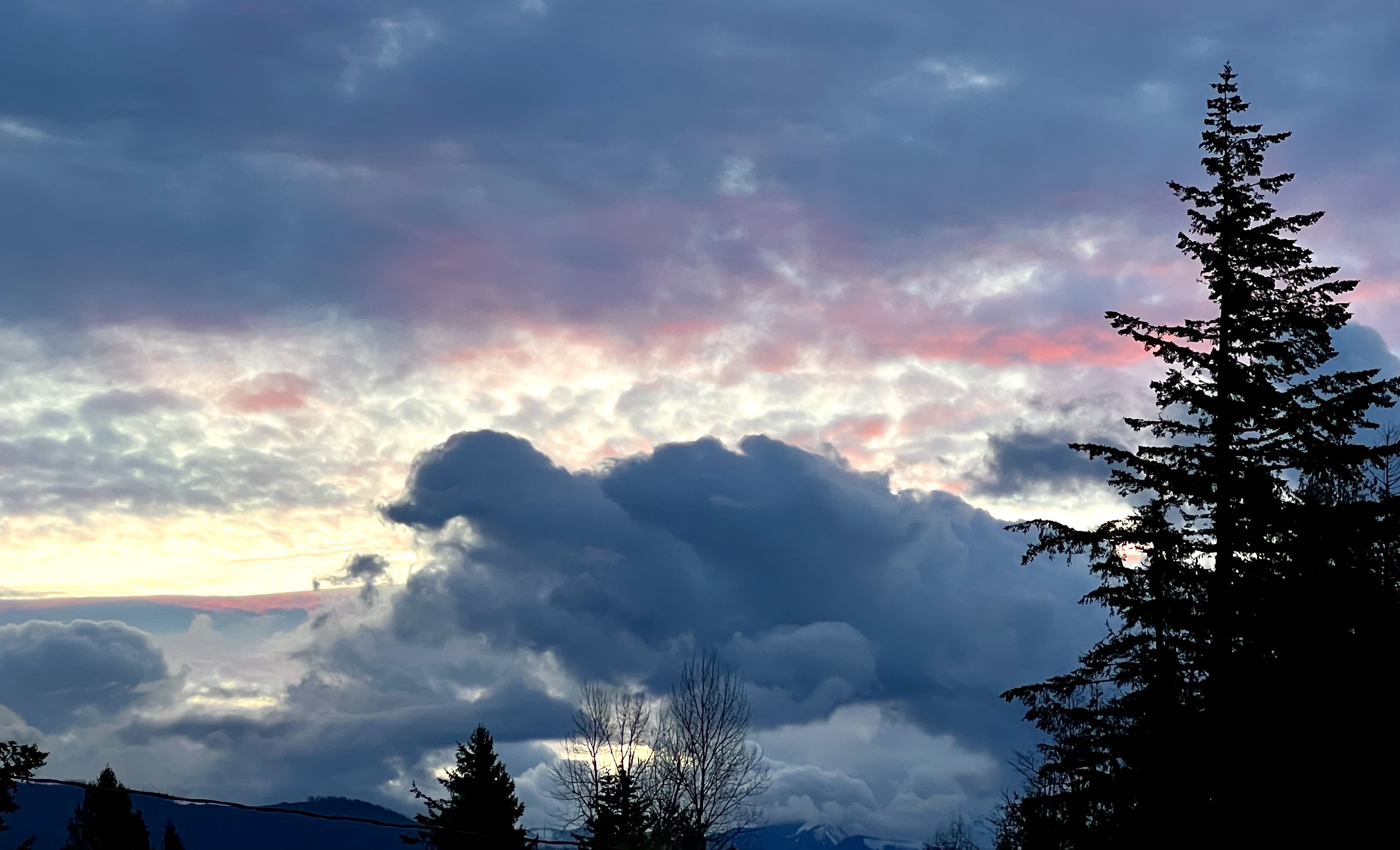
We want so badly for it all to be untrue. The bitter reality of horrendous suffering and sadness daily all over the earth is too much for us to absorb. We plead for relief and beg for a better day.

Our minds may play mental tricks like this, but God does not play tricks. He knows and feels what we do. He too wants to see it rewound and replayed differently. He has known grief and sadness, He has wept, He has suffered, He too has died in terrible humiliating and painful circumstances. 

And because of this, because of a God who came to dwell with us, was broken, died and then rose again whole and holy, we are assured, in His time, everything sad is going to come untrue.

Our tears will be dried, our grief turned to joy, our pain nonexistent, not even a memory.  It will be a new day, a better day–as it is written, trustworthy and true.

May it come.

Quickly.

photo by Nate Gibson

This year’s Lenten theme:
So we fix our eyes not on what is seen, but on what is unseen, since what is seen is temporary, but what is unseen is eternal.
2 Corinthians 4: 18