Waiting in Wilderness: God Will See Us Through

My Lord, my Lord,
Long have I cried out to Thee
In the heat of the sun,
The cool of the moon,
My screams searched the heavens for Thee.
My God,
When my blanket was nothing but dew,
Rags and bones
Were all I owned,
I chanted Your name
Just like Job.

Father, Father,
My life give I gladly to Thee
Deep rivers ahead
High mountains above
My soul wants only Your love
But fears gather round like wolves in the dark.
Have You forgotten my name?
O Lord, come to Your child.
O Lord, forget me not.

You said to lean on Your arm
And I’m leaning
You said to trust in Your love
And I’m trusting
You said to call on Your name
And I’m calling
I’m stepping out on Your word.

Into the alleys
Into the byways
Into the streets
And the roads
And the highways
Past rumor mongers
And midnight ramblers
Past the liars and the cheaters and the gamblers.
On Your word
On Your word.
On the wonderful word of the Son of God.
I’m stepping out on Your word.

~Maya Angelou from “Just Like Job”

Once again — and again and again — bullets have been fired out of evil intent by disturbed and hate-filled men, striking down people who look (and are) just like us. 

Weeping never needs translation or interpretation, no matter what color cheeks they moisten.

Distrust and fear continue to impact us daily, settling like a shroud over the most routine activities – going to school, going grocery shopping, going to church. It isn’t just a virus that threatens us; it is being targeted in someone’s gun sight.

In order to even walk out the door in the morning, we must fall back on what we are told, each and every day, in 365 different verses in God’s Word itself:

Fear not.

Do not be overwhelmed with evil but overcome evil with good.

We shall overcome despite evil and our fear of each other.

The goal of this life is to live for others, to live in such a way that death cannot erase the meaning and significance of a life.  We are called to give up our selfish agendas in order to consider the dignity of others and their greater good. We are called to keep weapons out of the hands of those who would use them to harm themselves or others, which means better screening, longer waiting periods, improved tracking of ownership.

It is crystal clear from Christ’s example as we observe His journey to the cross over the next week: we are to cherish life, all lives, born and unborn, even unto death. Christ forgave those who hated and murdered Him.

Our only defense against the evil we witness is God’s offense. Only God can lead us to Tolkien’s “where everything sad will come untrue”, where we shall live in peace, walk hand in hand, no longer alone, no longer afraid, no longer shedding tears of grief and sorrow, but tears of relief and joy.

We shall all be free. We shall overcome because God does.
We shall overcome

We shall live in peace

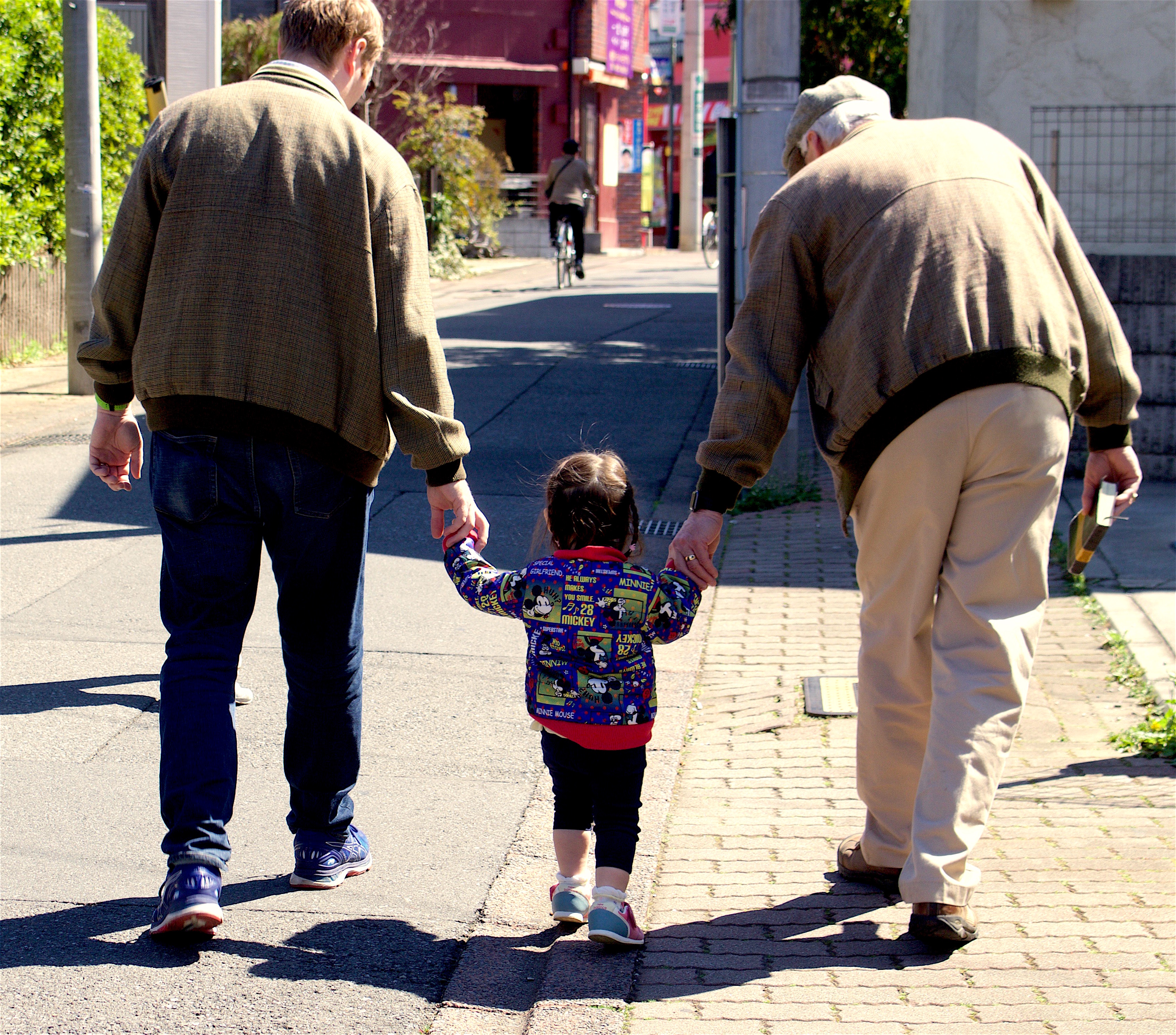
We’ll walk hand in hand

We shall all be free

We are not afraid

We are not alone

God will see us through

We shall overcome

Oh, deep in my heart
I do believe
We shall overcome some day

The ultimate weakness of violence is that it is a descending spiral
begetting the very thing it seeks to destroy.
Instead of diminishing evil, it multiplies it.
Through violence you may murder the liar,
but you cannot murder the lie, nor establish the truth.
Through violence you may murder the hater,
but you do not murder hate.
In fact, violence merely increases hate.
So it goes.
Returning violence for violence multiplies violence,
adding deeper darkness to a night already devoid of stars.
Darkness cannot drive out darkness:
only light can do that.
Hate cannot drive out hate: only love can do that.
Hate multiplies hate,
violence multiplies violence,
and toughness multiplies toughness
in a descending spiral of destruction….
The chain reaction of evil —
hate begetting hate,
wars producing more wars —
must be broken,
or we shall be plunged
into the dark abyss of annihilation.
~Dr. Martin Luther King, Jr. from Strength to Love
Waiting in Wilderness: Becoming His Cells

The whole mass of Christians are the physical organism through which Christ acts—
that we are his fingers and muscles,
the cells of His body
.
~C.S. Lewis
from Mere Christianity

Now you are the body of Christ, and each one of you is a part of it.
1Corinthians 12:27

Christ has no body now but yours.
No hands, no feet on earth but yours.
Yours are the eyes through which he looks compassion on this world.
Yours are the feet with which he walks to do good.
Yours are the hands through which he blesses all the world.
Yours are the hands,
yours are the feet,
yours are the eyes,
you are his body.
Christ has no body now on earth but yours.
~Teresa of Avila

When I am awake in the night to attend to those who are hurting,
some who have been hurt by illness, injury or abuse or
who hurt themselves to escape their hopelessness,
I remember, in my own weariness,
this dear one too is part of His body,
one of the cells
that adjoins the cell that is me,
each of us critical to the life
raised in the body of Christ.

Why have have so many of us Christians forgotten this in the last year?
How can we not care first and foremost for the vulnerable,
for our beloved brothers and sisters in Christ,
as well as those who we don’t know and don’t yet know Christ,
by doing whatever we can,
whether it is the inconvenience of masking
or accepting the low risk of an effective vaccine,
to shield others and ourselves from potential harm
and end this painful time of pandemic history?

Pastor Tim Keller has said:
Christians are called by God to be living so sacrificially and beautifully that the people around us, who don’t believe what we believe, will soon be unable to imagine the world without us.

Thank you to David French, Michael Luo, and Scott Sauls for their insights into the role of Christ’s church during the pandemic and how we can do better in living out our mandate as the body and cells of Christ.

Keep watch, dear Lord,
with those who work, or watch, or weep this night,
and give your angels charge over those who sleep.
Tend the sick, Lord Christ;
give rest to the weary,
bless the dying,
soothe the suffering,
pity the afflicted,
shield the joyous;
and all for your loves sake.
Amen.
~Common Book of Prayer

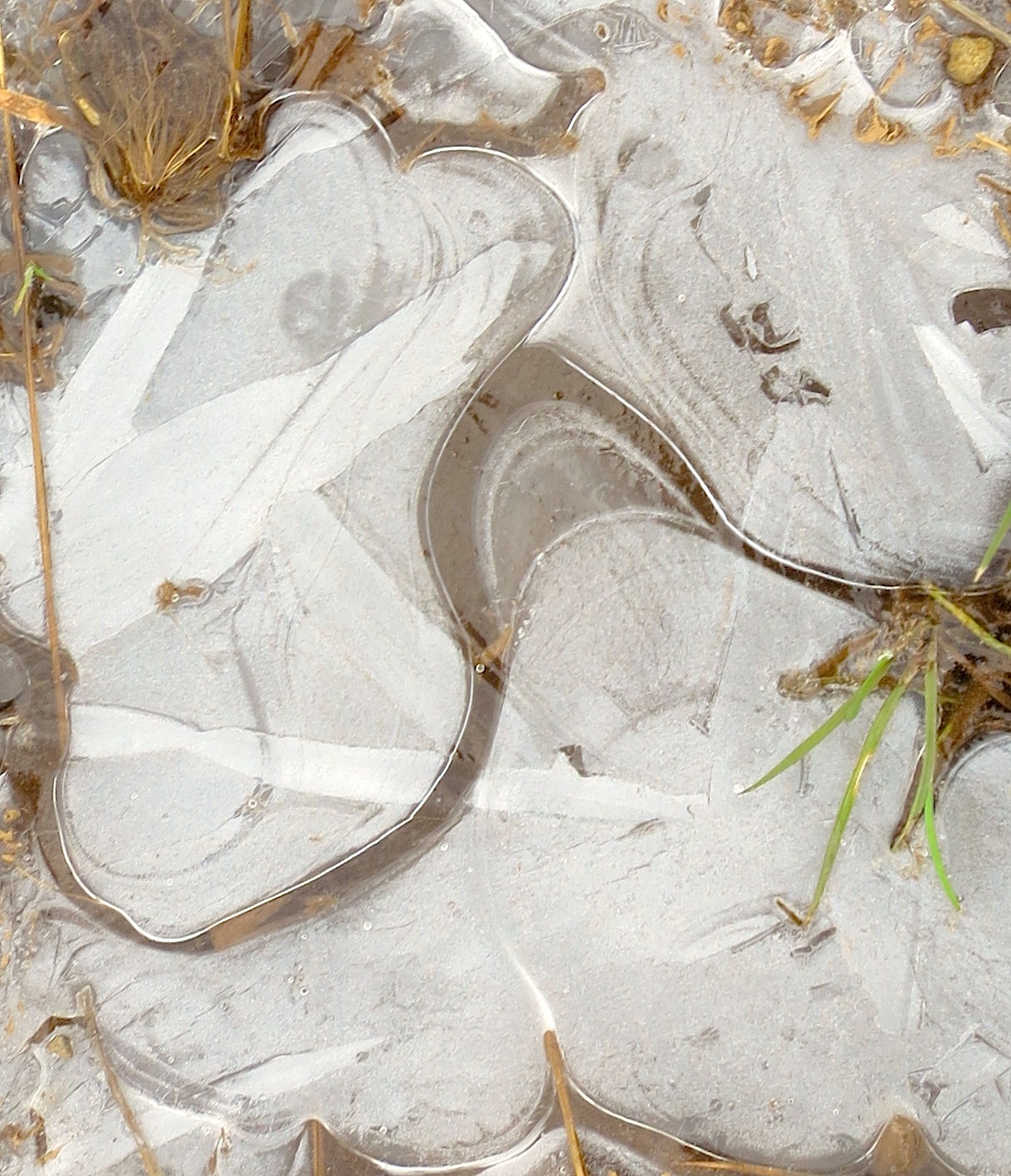
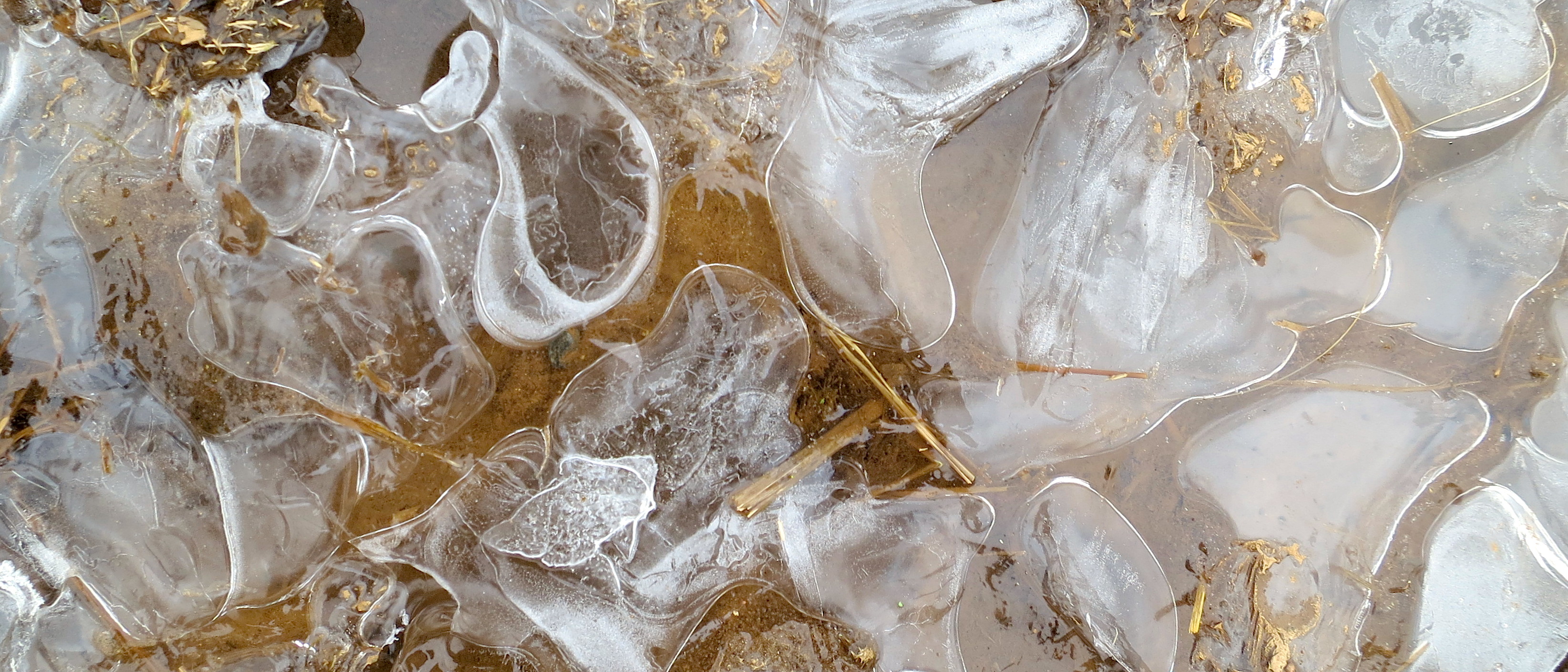
Breaking Through Ice

Walking in February
A warm day after a long freeze
On an old logging road
Below Sumas Mountain
Cut a walking stick of alder,
Looked down through clouds
On wet fields of the Nooksack—
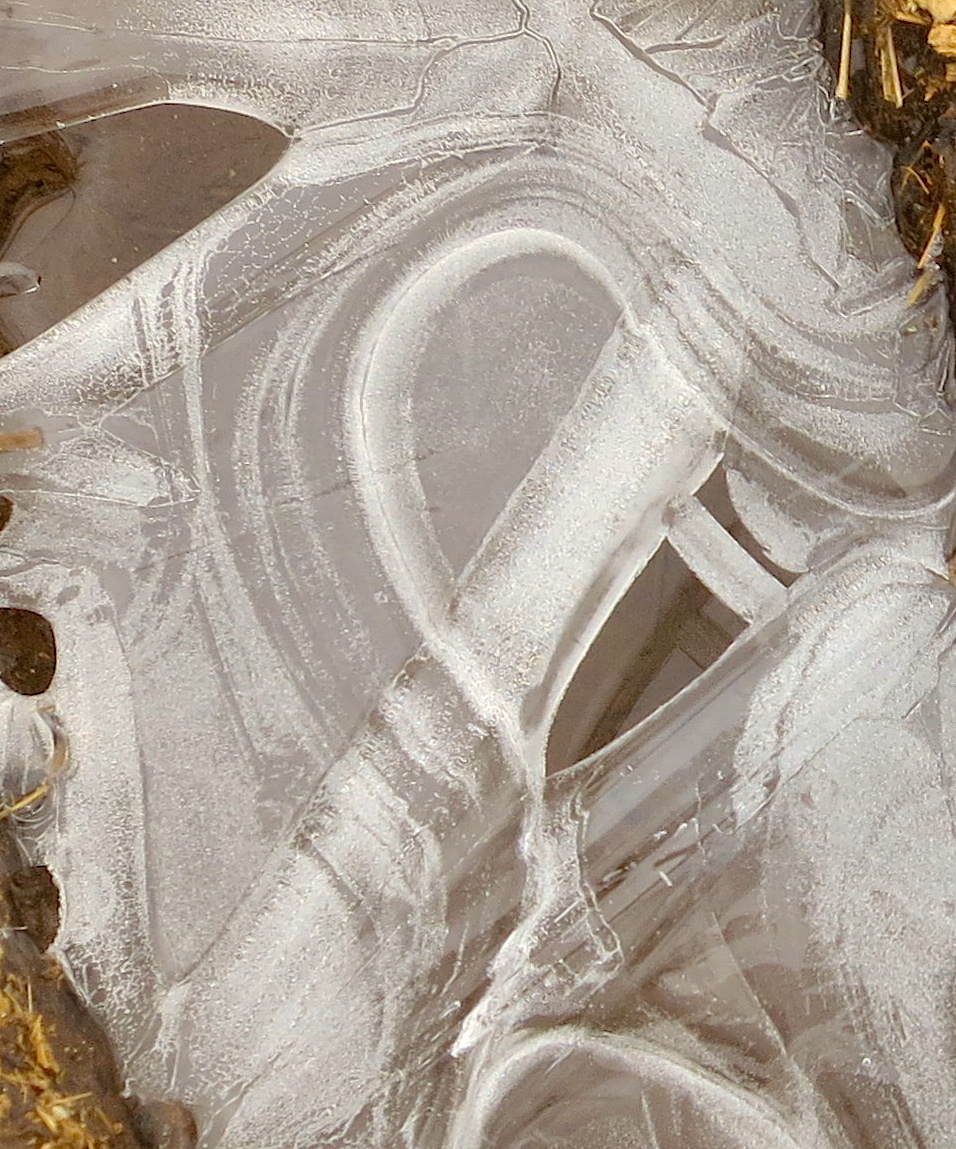
And stepped on the ice
Of a frozen pool across the road.
It creaked
The white air under
Sprang away, long cracks
Shot out in the black,
My cleated mountain boots
Slipped on the hard slick
—like thin ice—the sudden
Feel of an old phrase made real—
Instant of frozen leaf,
Icewater, and staff in hand.
“Like walking on thin ice—”
I yelled back to a friend,
It broke and I dropped
Eight inches in
~Gary Snyder “Thin Ice”

We have witnessed an unprecedented year of spreading infection. Not only have we been outwitted by a wily virus that mutates as needed to further its domination of its hosts and the world, but we stand on a frozen lake pandemic of daily discouragement and ice-cracking political division, not sure where we may safely take our next step.

Viruses depend on us harboring them without us dying promptly so we might infect as many others as possible as quickly as possible. The better we feel while contagious, the better it is for the virus to wreak potential havoc on those around us.

A mask on you and a mask on me helps to block my virus from entering your (as yet) uninfected nose. Similarly, we can both don “masks” to impede the intentional spread of our insistence that one of us is right and the other is wrong. If we don’t attempt to muzzle our disagreements, we’re creating cracks in the tenuous ice beneath our feet.

The trouble with overheated debates in the middle of winter is that we all end up walking on too-thin ice, breaking through and doused by the chilly waters below.

Lord, have mercy on us,
help us see and hear the cracks forming beneath our feet.
Put us on our knees before you, you alone,
humble and aware
of the contagious cracks we perpetuate.

The Pang of Salt

What a person desires in life
    is a properly boiled egg.
This isn’t as easy as it seems.
There must be gas and a stove,
    the gas requires pipelines, mastodon drills,
    banks that dispense the lozenge of capital.
There must be a pot, the product of mines
    and furnaces and factories,
    of dim early mornings and night-owl shifts,
    of women in kerchiefs and men with
    sweat-soaked hair.
Then water, the stuff of clouds and skies
    and God knows what causes it to happen.
There seems always too much or too little
    of it and more pipelines, meters, pumping
    stations, towers, tanks.
And salt-a miracle of the first order,
    the ace in any argument for God.
Only God could have imagined from
    nothingness the pang of salt.
Political peace too. It should be quiet
    when one eats an egg. No political hoodlums
    knocking down doors…
It should be quiet, so quiet you can hear
    the chicken, a creature usually mocked as a type
    of fool, a cluck chained to the chore of her body.
Listen, she is there, pecking at a bit of grain
    that came from nowhere.

~Baron Wormser, from “A Quiet Life” from Scattered Chapters.

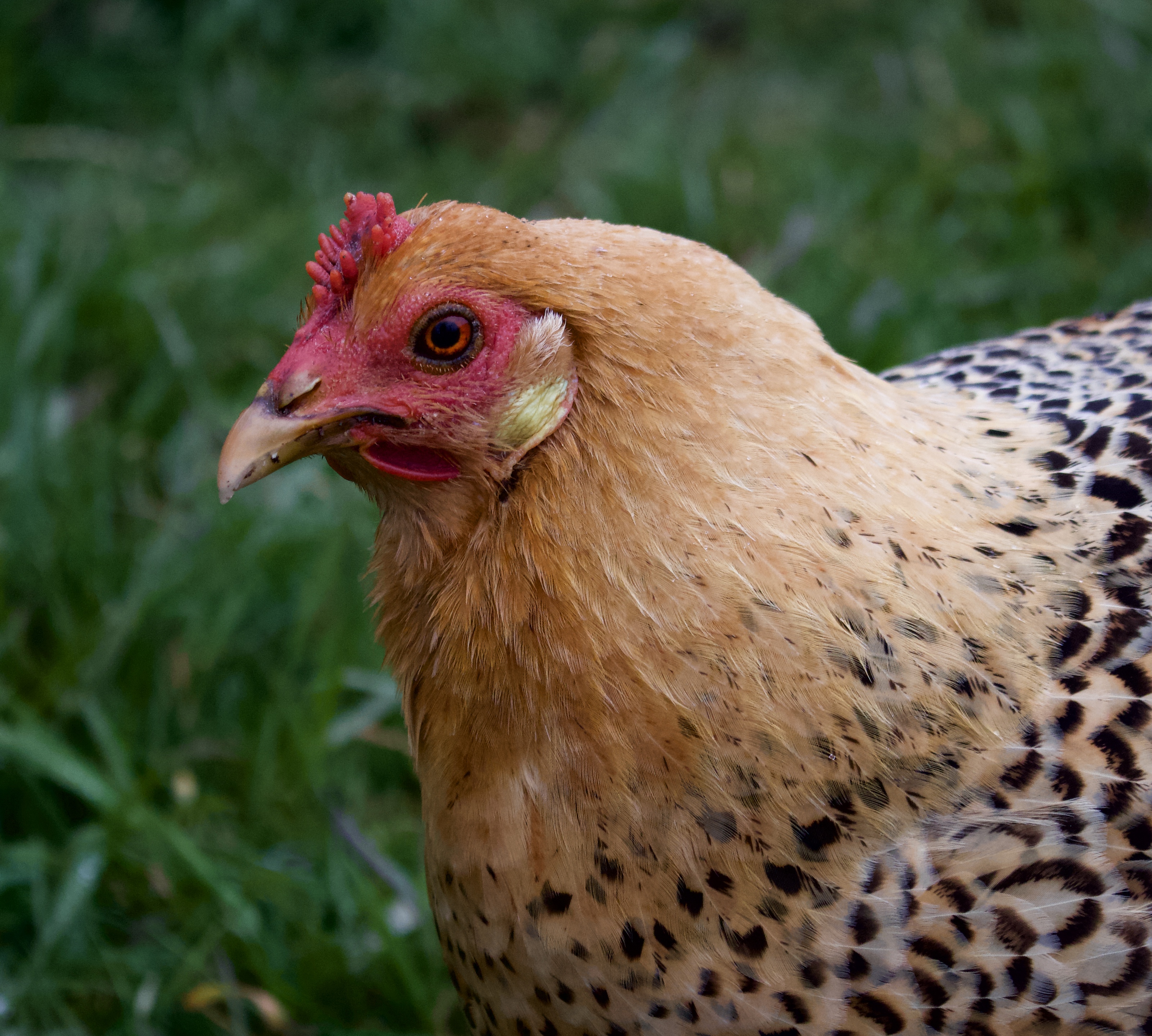
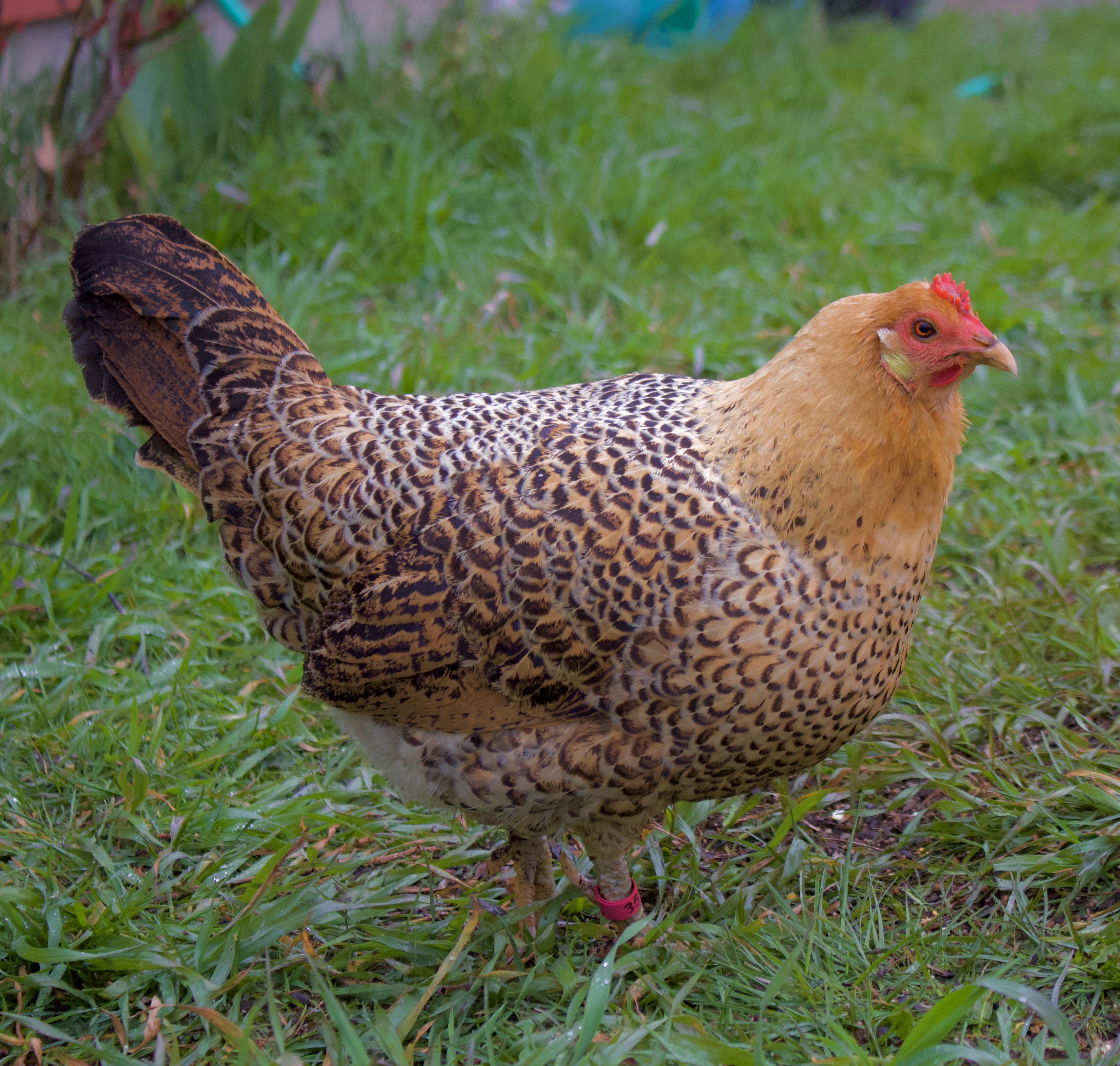
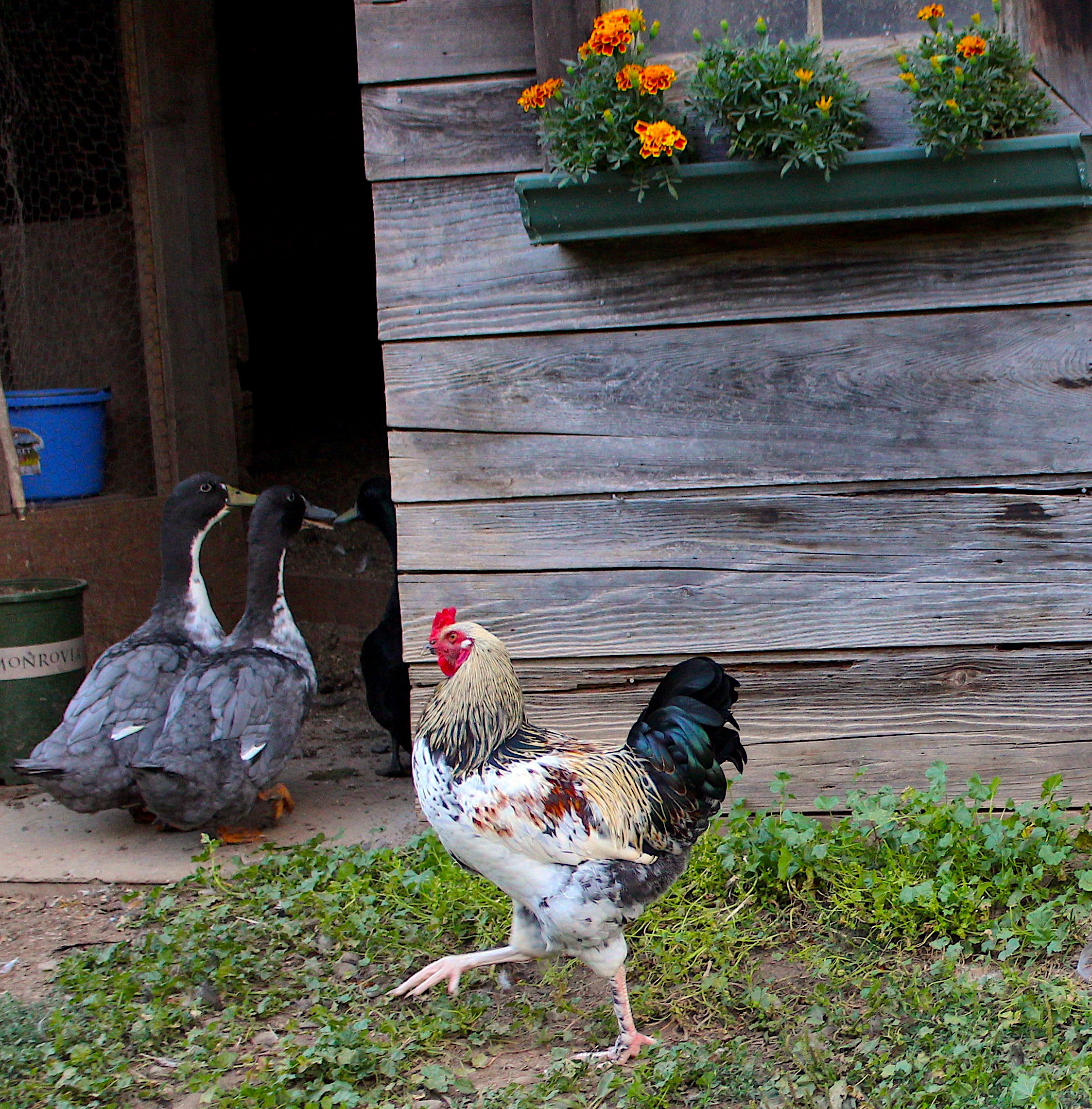
So much depends on the cluck of a chicken, on her self-satisfied cackle when she releases her perfect egg into the nest.

I wish I could be so flawless as her egg but am far from it.
The simple things in life season me with meaning and flavor,
all God-given mercy making it possible that I am here at all:
walking this earth for the time I am granted,
talking with those who listen intently,
healing those who seek my help,
writing for those who read kindly,
loving those who, like me, thrive
solely on being fed God’s gentle grace
salted over my forgiven flaws:
I’m a boiled egg peeled imperfectly
with divets and bits of shell still attached,
yet formed from a clucking chicken fed generously
from His holy hand.

This Notable Thing

Chunky and noisy,
but with stars in their black feathers,
they spring from the telephone wire
and instantly

they are acrobats
in the freezing wind.
And now, in the theater of air,
they swing over buildings,

dipping and rising;
they float like one stippled star
that opens,
becomes for a moment fragmented,

then closes again;
and you watch
and you try
but you simply can’t imagine

how they do it
with no articulated instruction, no pause,
only the silent confirmation
that they are this notable thing,

this wheel of many parts, that can rise and spin
over and over again,
full of gorgeous life.

Ah, world, what lessons you prepare for us,
even in the leafless winter,
even in the ashy city.
I am thinking now
of grief, and of getting past it;

I feel my boots
trying to leave the ground,
I feel my heart
pumping hard. I want

to think again of dangerous and noble things.
I want to be light and frolicsome.
I want to be improbable beautiful and afraid of nothing,
as though I had wings.
~Mary Oliver “Starlings in Winter” from Owls and Other Fantasies: Poems and Essays

Out of the dimming sky a speck appeared,
then another, and another.
It was the starlings going to roost. 
They gathered deep in the distance,  flock sifting into flock,
and strayed towards me, transparent and whirling, like smoke.
They seemed to unravel as they flew,
lengthening in curves, like a loosened skein. 
I didn’t move; they flew directly over my head for half an hour. 

Each individual bird bobbed and knitted up and down
in the flight at apparent random, for no known reason except
that that’s how starlings fly, yet all remained perfectly spaced.
The flocks each tapered at either end

from a rounded middle, like an eye.
Overhead I heard a sound of beaten air,

like a million shook rugs, a muffled whuff.
Into the woods they sifted without shifting a twig,
right through the crowns of trees, intricate and rushing, like wind.

Could tiny birds be sifting through me right now,
birds winging through the gaps between my cells,
touching nothing, but quickening in my tissues, fleet?
~Annie Dillard from Pilgrim at Tinker Creek

…yesterday I heard a new sound above my head
a rustling, ruffling quietness in the spring air

and when I turned my face upward
I saw a flock of blackbirds
rounding a curve I didn’t know was there
and the sound was simply all those wings,
all those feathers against air, against gravity
and such a beautiful winning:
the whole flock taking a long, wide turn
as if of one body and one mind.

How do they do that?

If we lived only in human society
what a puny existence that would be

but instead we live and move and have our being
here, in this curving and soaring world
that is not our own
so when mercy and tenderness triumph in our lives
and when, even more rarely, we unite and move together
toward a common good,

we can think to ourselves:

ah yes, this is how it’s meant to be.
~Julie Cadwallader Staub from “Blackbirds” from Wing Over Wing

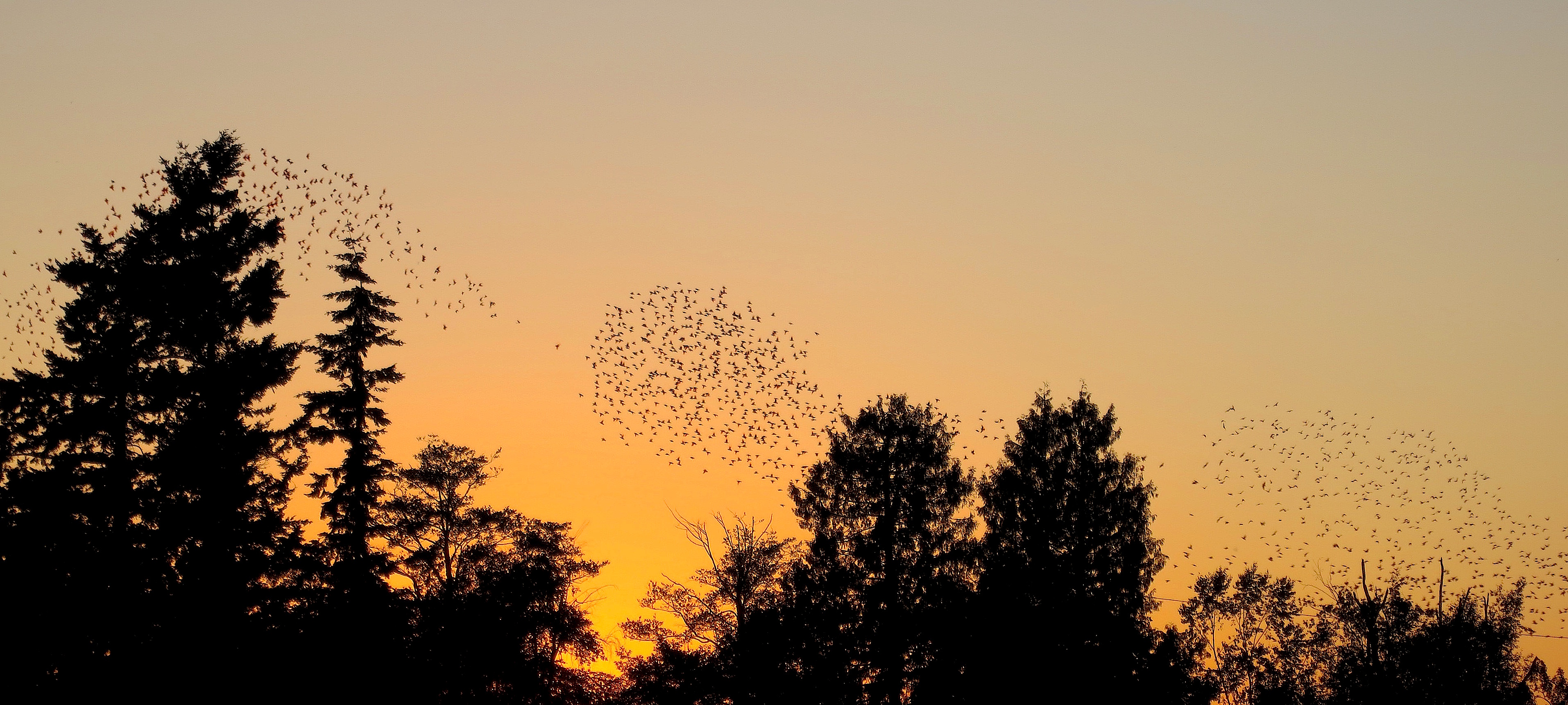
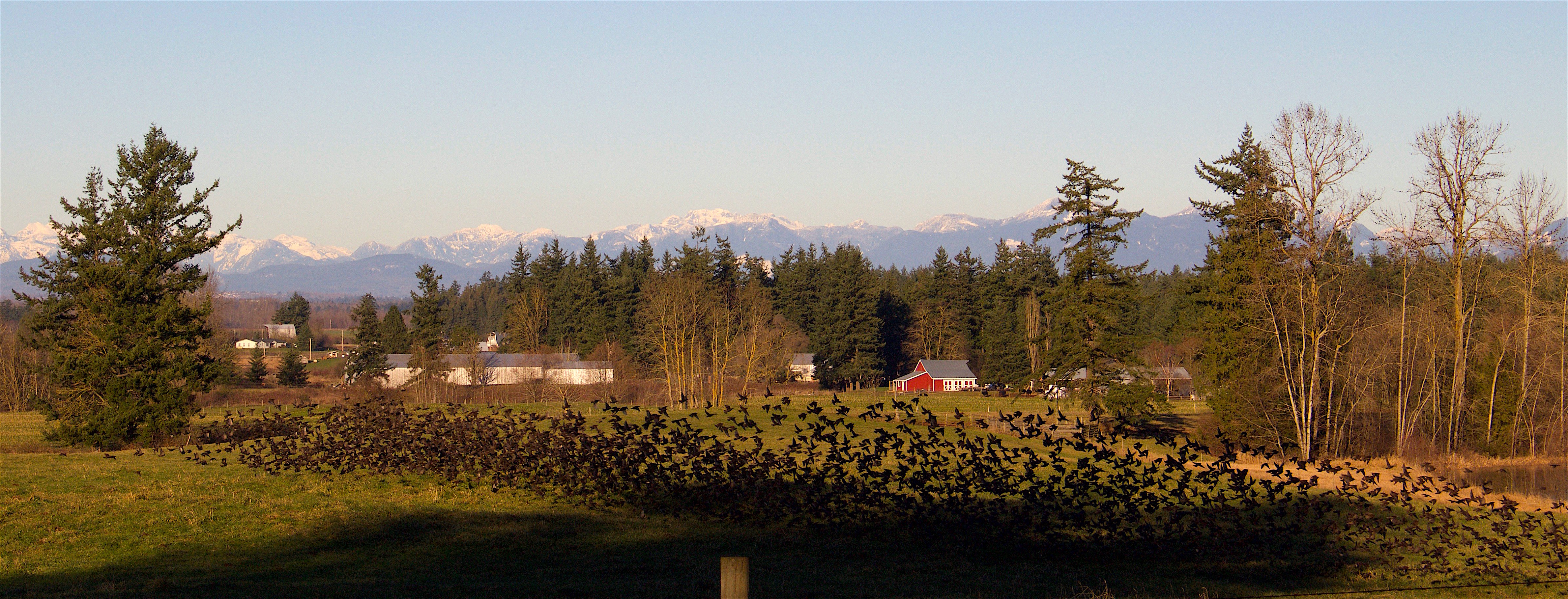
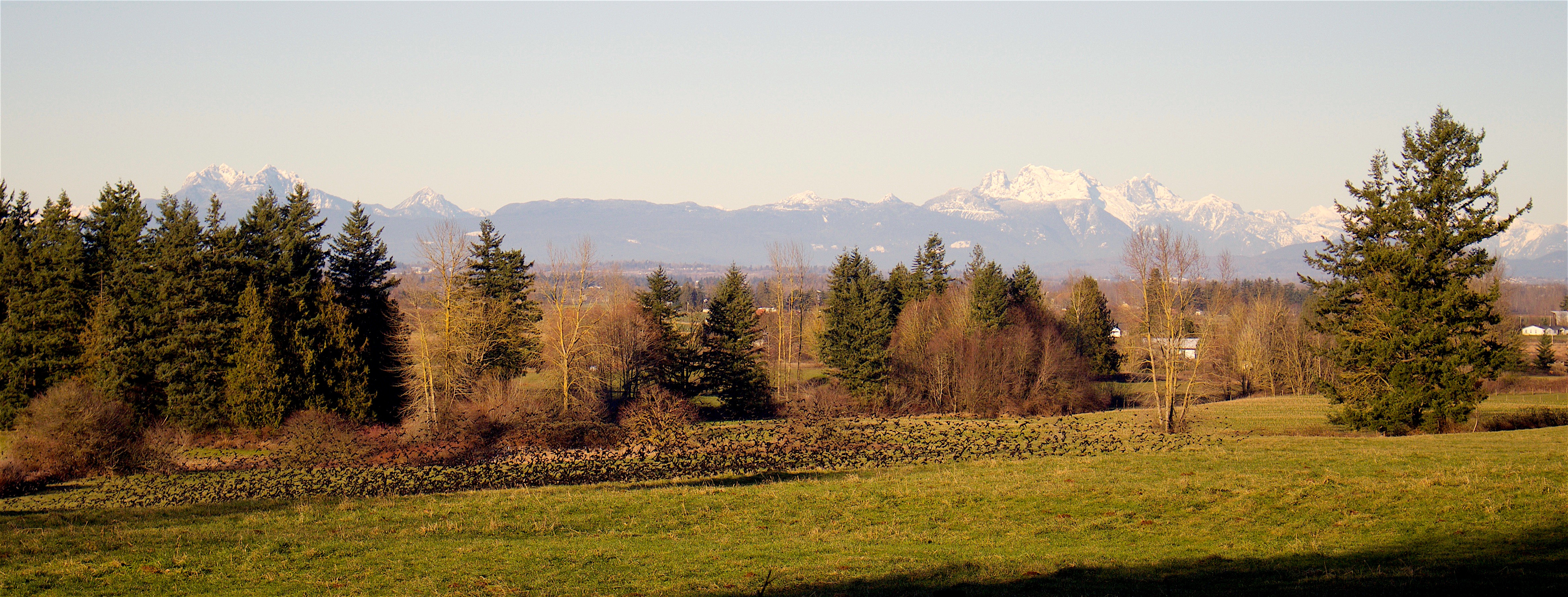
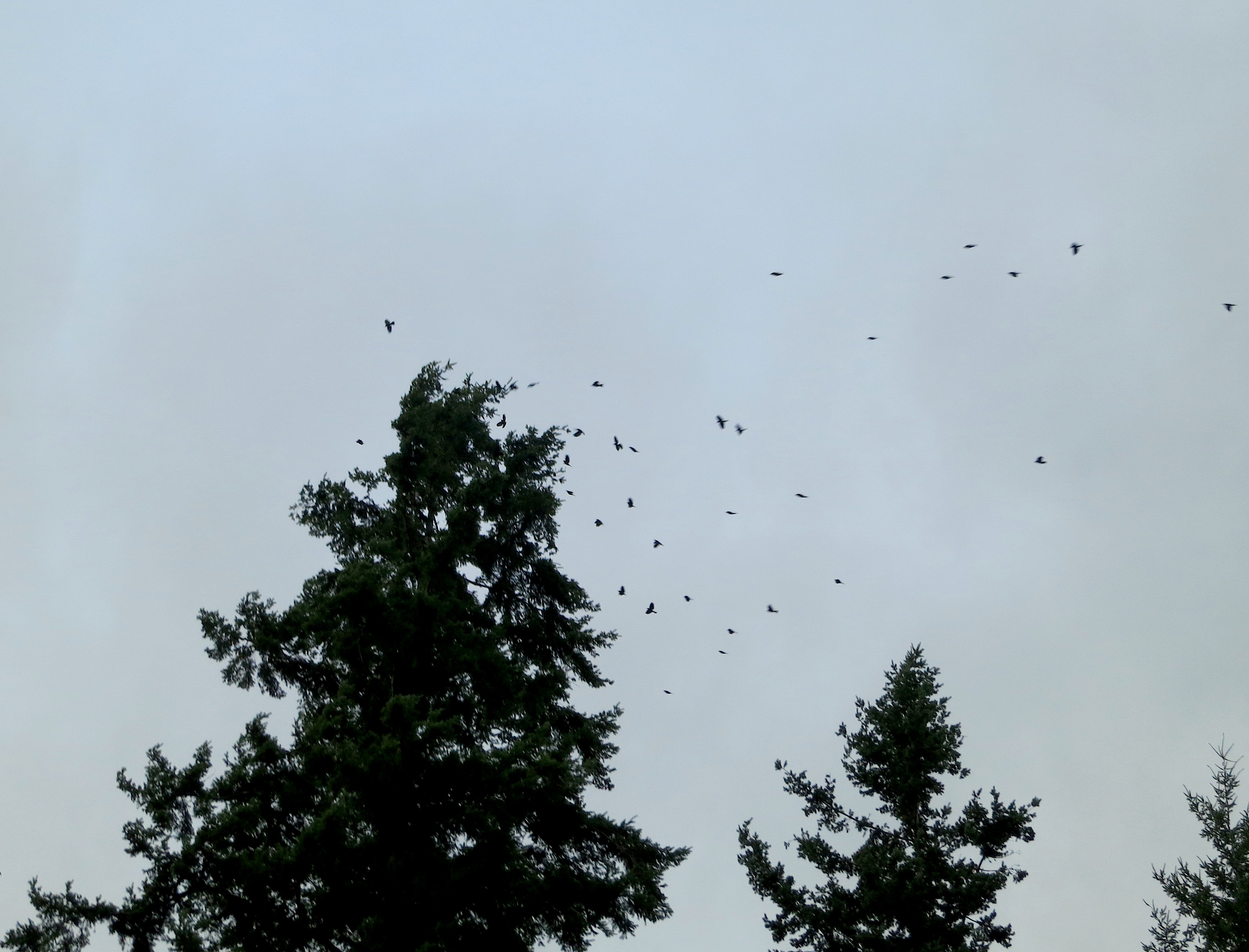
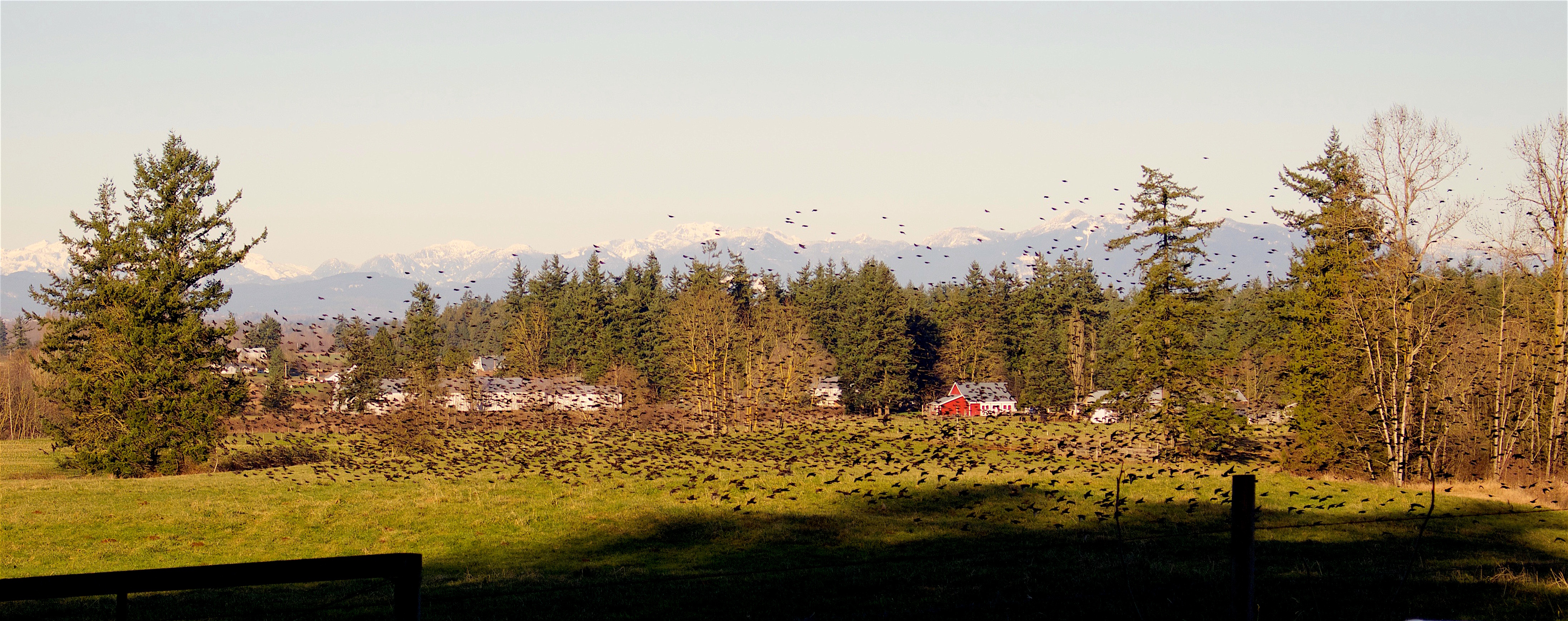
Watching a winter starlings’ murmuration is a visceral experience – my heart leaps to see it happen above me.  I can get queasy following its looping amoebic folding and unfolding path.

Thousands of individual birds move in sync with one another to form one massive organism existing solely because each tiny component anticipates and cooperates to avoid mid-air collisions.  It could explode into chaos but it doesn’t.  It could result in massive casualties but it doesn’t.  They could avoid each other altogether but they don’t – they come together with a purpose and reasoning beyond our imagining. Even the silence of their movement has a discernible sound.

We humans are made up of just such cooperating component parts, that which is deep in our tissues, programmed in our DNA.  Yet we don’t exercise such unity from our designed and carefully constructed building blocks.  We are frighteningly disparate and independent creatures, going our own way bumping and crashing without care, leaving so much body and spiritual wreckage behind.

To where has flown our mercy and tenderness?
We have corporately lost our internal moral compass.

We figuratively and literally shoot each other in the back, trampling over and suffocating one another, in a reach for justice that seems right in our own eyes. 

We even watch the daily death count rise in ever-increasing numbers, and still some resist doing what it takes to protect themselves and one another.

The sound of silence is muffled weeping.

There comes a time in every fall
before the leaves begin to turn
when blackbirds group and flock and gather
choosing a tree, a branch, together
to click and call and chorus and clamor
announcing the season has come for travel.

Then comes a time when all those birds
without a sound or backward glance
pour from every branch and limb
into the air, as if on a whim
but it’s a dynamic, choreographed mass
a swoop, a swerve, a mystery, a dance

and now the tree stands breathless, amazed
at how it was chosen, how it was changed.

~Julie Cadwallader Staub “Turning” from Wing Over Wing

Absorbing the Shock

There are three kinds of men.
The ones that learn by reading.
The few who learn by observation. 
The rest of them have to pee on the electric fence for themselves.
~Will Rogers

Learning is a universal human experience from the moment we take our first breath.  It is never finished until the last breath is given up.  With a lifetime of learning, one would think eventually we should get it right.

But we don’t.  We tend to learn the hard way especially when it comes to matters having to do with our (or others’) health.

As physicians in training, we “see one, do one, teach one.”   That kind of approach doesn’t always go so well for the patient.   As patients, we like to eat, drink, and live how we wish, demanding what interventions we want only when we want them – this also doesn’t go so well for the patient.  You’d think we’d know better, but as fallible human beings, we may impulsively make decisions about our health without actually using our heads (is it evidence-based or simply an anecdotal story about what “worked” for someone else?).

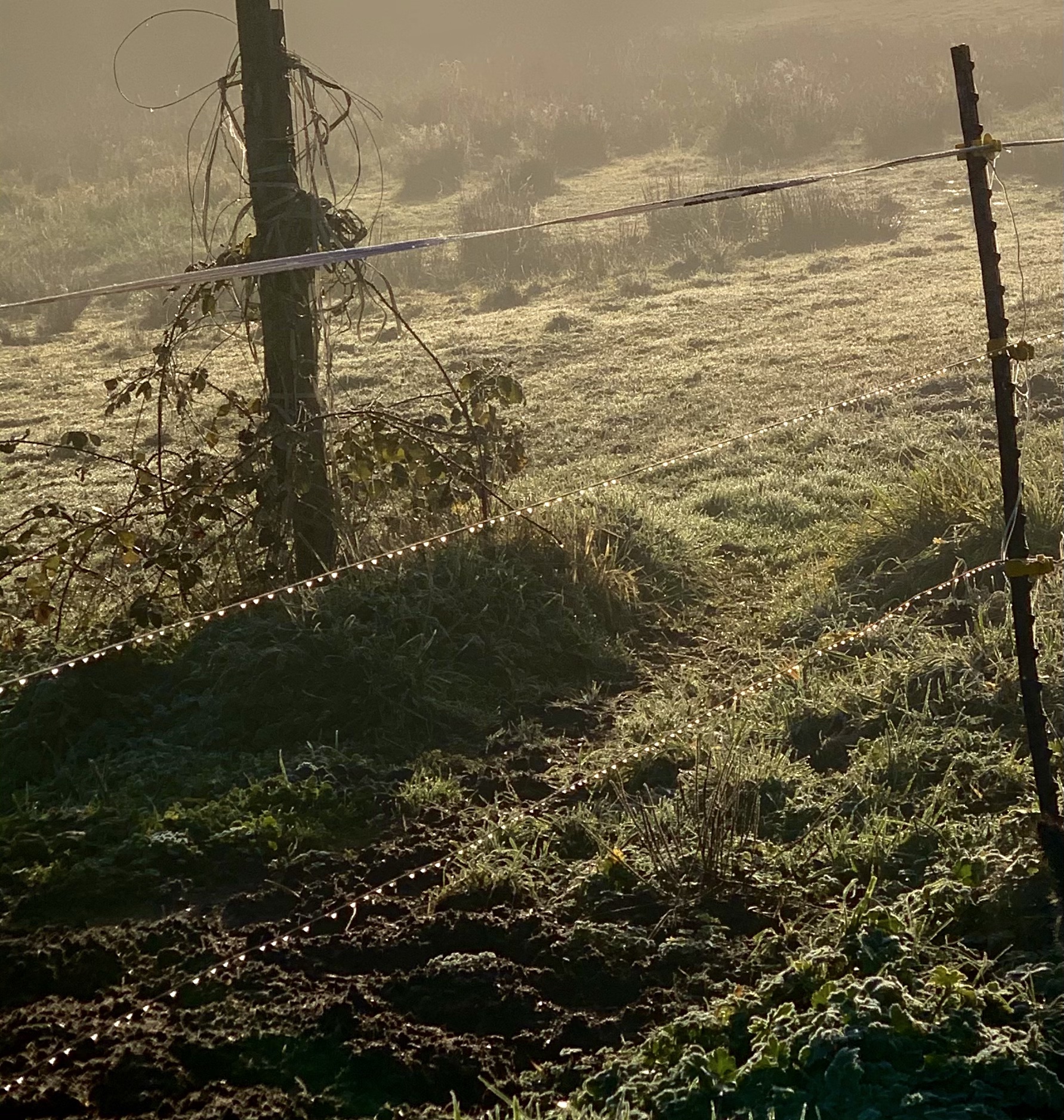
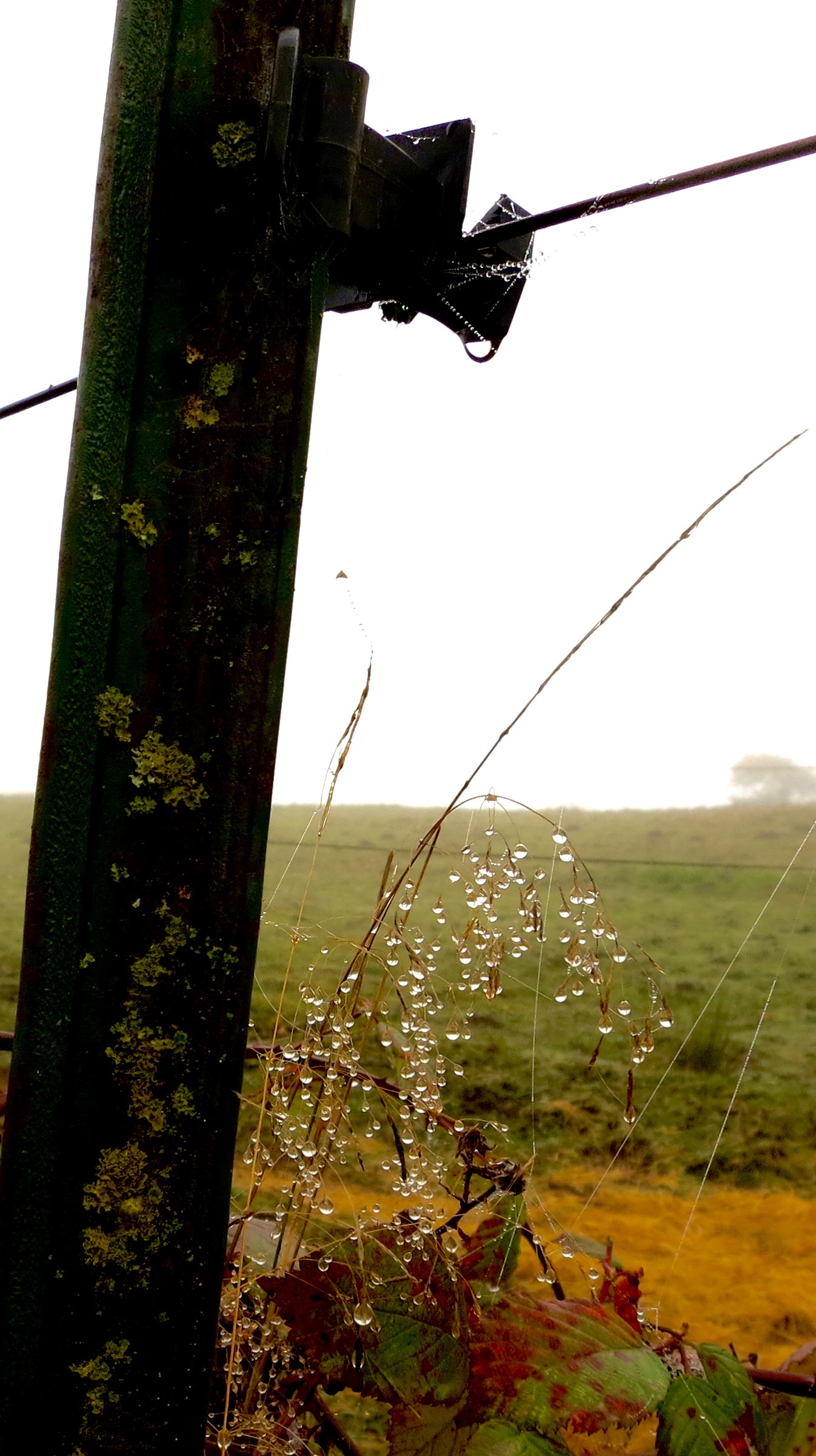
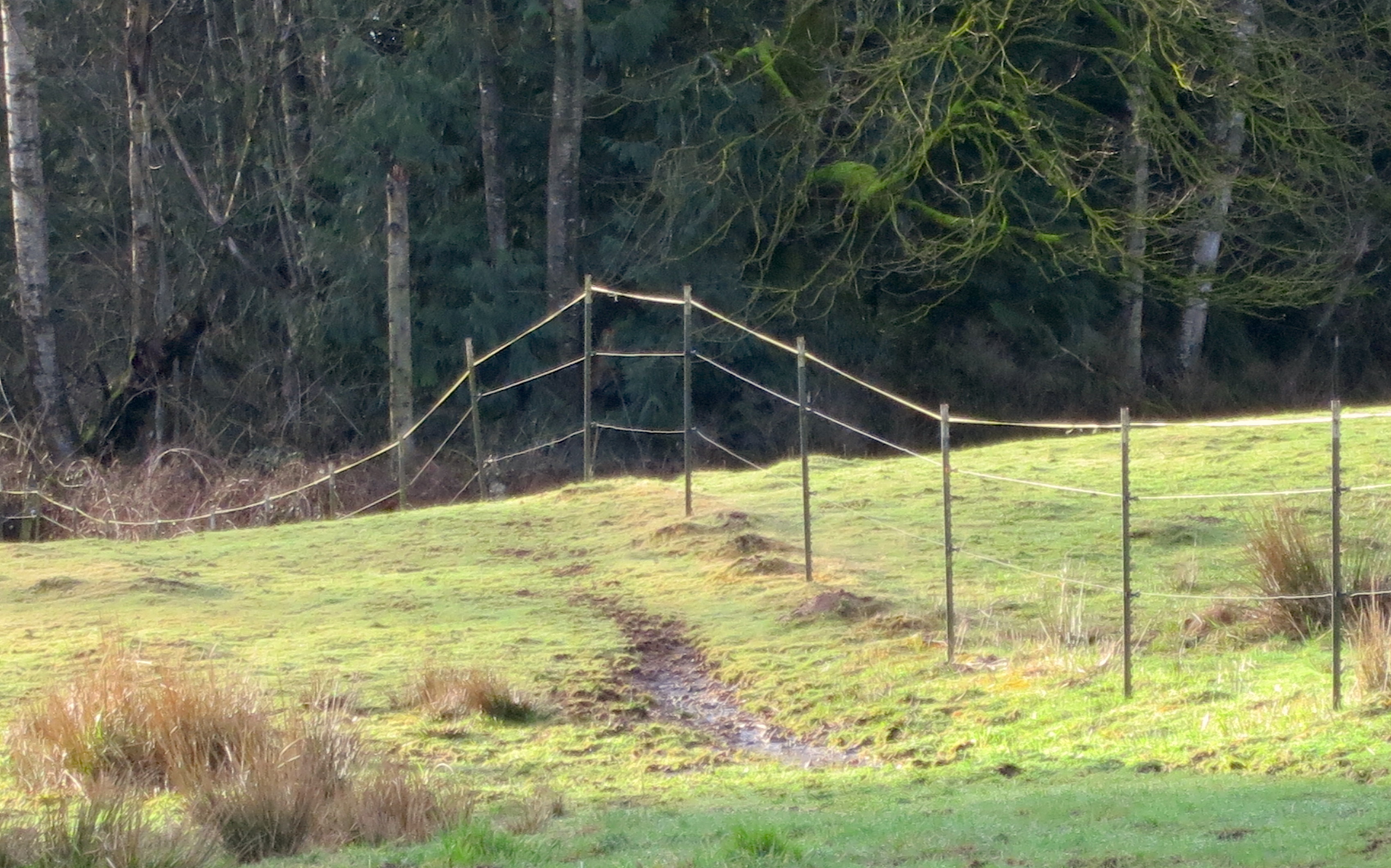
The cows and horses on our farm need to touch an electric fence only once when reaching for greener grass on the other side.  That moment provides a sufficient learning curve for them to make an important decision.  They won’t try testing it again no matter how alluring the world appears on the other side.   Humans are smarter sentient beings who should learn as quickly as animals but unfortunately don’t.  I know all too well what a shock feels like and I want to avoid repeating that experience.  Even so, in unguarded careless moments of feeling invulnerable (it can’t happen to me!), and yearning to have what I don’t necessarily need,  I may find myself reaching for the greener grass (or another cookie) even though I know better.   I suspect I’m not alone in my surprise when I’m jolted back to reality when I continually indulge myself and climb on the scale to see the results.

Many great minds have worked out various theories of effective learning, but, great mind or not, Will Rogers confirms a common sense suspicion: an adverse experience, like a “bolt out of the blue,” can be a powerful teacher.  As clinicians, we call it “a teachable moment.”  None of us want to experience a teachable moment — none of us, and we resent it when someone points it out to us.

When physicians and patients learn the hard way, we need to come along aside one another rather than work at cross-purposes.

It just might help absorb the shock.

This Gift of Struggle

All morning, doing the hard, root-wrestling
work of turning a yard from the wild
to a gardener’s will, I heard a bird singing
from a hidden, though not distant, perch;
a song of swift, syncopated syllables sounding
like, Can you believe this, believe this, believe?
Can you believe this, believe this, believe?
And all morning, I did believe. All morning,
between break-even bouts with the unwanted,
I wanted to see that bird, and looked up so
I might later recognize it in a guide, and know
and call its name, but even more, I wanted
to join its church. For all morning, and many
a time in my life, I have wondered who, beyond
this plot I work, has called the order of being,
that givers of food are deemed lesser
than are the receivers. All morning,
muscling my will against that of the wild,
to claim a place in the bounty of earth,
seed, root, sun and rain, I offered my labor
as a kind of grace, and gave thanks even
for the aching in my body, which reached
beyond this work and this gift of struggle.
~Richard Levine “Believe This” from That Country’s Soul

North Brooklin, Maine
30 March 1973

Dear Mr. Nadeau:
As long as there is one upright man, as long as there is one compassionate woman, the contagion may spread and the scene is not desolate. Hope is the thing that is left to us, in a bad time. I shall get up in the morning and wind the clock, as a contribution to order and steadfastness.

Sailors have an expression about the weather: they say, the weather is a great bluffer. I guess the same is true of our human society—things can look dark, then a break shows in the clouds, and all is changed, sometimes rather suddenly. It is quite obvious that the human race has made a queer mess of life on this planet. But as a people we probably harbor seeds of goodness that have lain for a long time waiting to sprout when the conditions are right. Man’s curiosity, his relentlessness, his inventiveness, his ingenuity have led him into deep trouble. We can only hope that these same traits will enable him to claw his way out.

Hang on to your hat. Hang on to your hope. And wind the clock, for tomorrow is another day.
Sincerely,
[Signed, ‘E. B. White’] from Letters of Note

Today yet another era begins and another ends. However, the struggle continues: there is anguish on one side and relief on the other– just the reverse of four years ago.

I want to believe things will be different and the messes cleaned up without creating new messes. I realize, thanks to human nature, that is a futile hope.

I want to believe that goodness and compassion will thrive again.

So I will pull out the weeds that have taken over in my on back yard and clear the ground for a clean start. I will rewind the clock to help create order out of chaos and experience steadfastness instead of uncertainty.

May we hang on to hope that our dis-united states may once again survive a leader with many human flaws and failings, just as we’ve survived countless other imperfect leaders.

It is up to we the people to keep our own yards weed-free, and not allow them to take over — ever again.

We are Sharers in the Guilt

…if I respond to hate with a reciprocal hate
I do nothing but intensify the cleavage in broken community.
I can only close the gap in broken community
by meeting hate with love.
If I meet hate with hate, I become depersonalized,
because creation is so designed that my personality
can only be fulfilled in the context of community.
Booker T. Washington was right:

“Let no man pull you so low as to make you hate him.”
~Dr. Martin Luther King, Jr. from Stride Toward Freedom

Do you know why this world is as bad as it is?
It is because people think only about their own business, 
and won’t trouble themselves to stand up for the oppressed, 
nor bring the wrong-doers to light. 
My doctrine is this: 
that if we see cruelty or wrong
that we have the power to stop, 
and do nothing,
we make ourselves sharers in the guilt.

~Anna Sewell from Black Beauty

As nightfall does not come at once, neither does oppression.
In both instances, there is a twilight

when everything remains seemingly unchanged.
And it is in such twilight that we all must be most aware

of change in the air
– however slight –
lest we become unwitting victims of the darkness.
~William O. Douglas
in a 1976 letter to Young Lawyers of the Washington State Bar Association

We live in a time where the groaning need
and dividedness of humankind
is especially to be felt and recognized.
Countless people are subjected to hatred,
violence and oppression which go unchecked.
The injustice and corruption which exist today
are causing many voices to be raised to protest
and cry out that something be done.
Many men and women are being moved to sacrifice much
in the struggle for justice, freedom, and peace.
There is a movement afoot in our time,
a movement which is growing, awakening.

We must recognize that we as individuals are to blame
for every social injustice,
every oppression,
the downgrading of others
and the injury that man does to man,
whether personal or on a broader plane.…
God must intervene with his spirit and his justice and his truth.
The present misery, need, and decay must pass away
and the new day of the Son of Man must dawn.
This is the advent of God’s coming.
~Dwight Blough from the introduction to When the Time was Fulfilled (1965)

No matter how big a nation is, it is no stronger that its weakest people, and as long as you keep a person down, some part of you has to be down there to hold him down, so it means you cannot soar as you might otherwise.
~Marian Anderson, American opera singer at two presidential inaugurals, Presidential Medal of Freedom recipient and US State Dept. Goodwill Ambassador

We have a new definition of greatness:
it means that everybody can be great,
because everybody can serve. 
You don’t have to have a college degree to serve. 
You don’t have to make your subject and your verb agree to serve. 
You don’t have to know about Plato and Aristotle to serve. 
You don’t have to know Einstein’s theory of relativity to serve. 
You don’t have to know the second theory of thermodynamics
in physics to serve. 

You only need a heart full of grace,
a soul generated by love. 
And you can be that servant.
~Martin Luther King, Jr.  in a February 1968 sermon:  “The Drum Major Instinct”, A Knock At Midnight: Inspiration from the Great Sermons of Reverend Martin Luther King, Jr.

Dr. King’s words and wisdom in his sermons and letters written over fifty years ago continue to inform us of our shortcomings as a society.

We flounder in our flaws and brokenness, persisting in our resistance to serve one another out of humility, grace and love.

Perhaps this week, we can be forgiven and start afresh.

Instead of spewing lies, profanity and hatred,
can we unite despite our fear of one another?
-to no longer be divided by strife and disagreements,
-to no longer support actions that result in senseless killings,
whether in the streets or in the womb,
-to finally be able to hold up one another,
born and unborn,
as a holy and equal in God’s eyes.

May we join together as the light dawns on this day knowing, as Dr. King knew, a new day will come when the Lord God wipes tears away from all faces, all colors, all people, created in His image.

The Swarm Fell on His Back

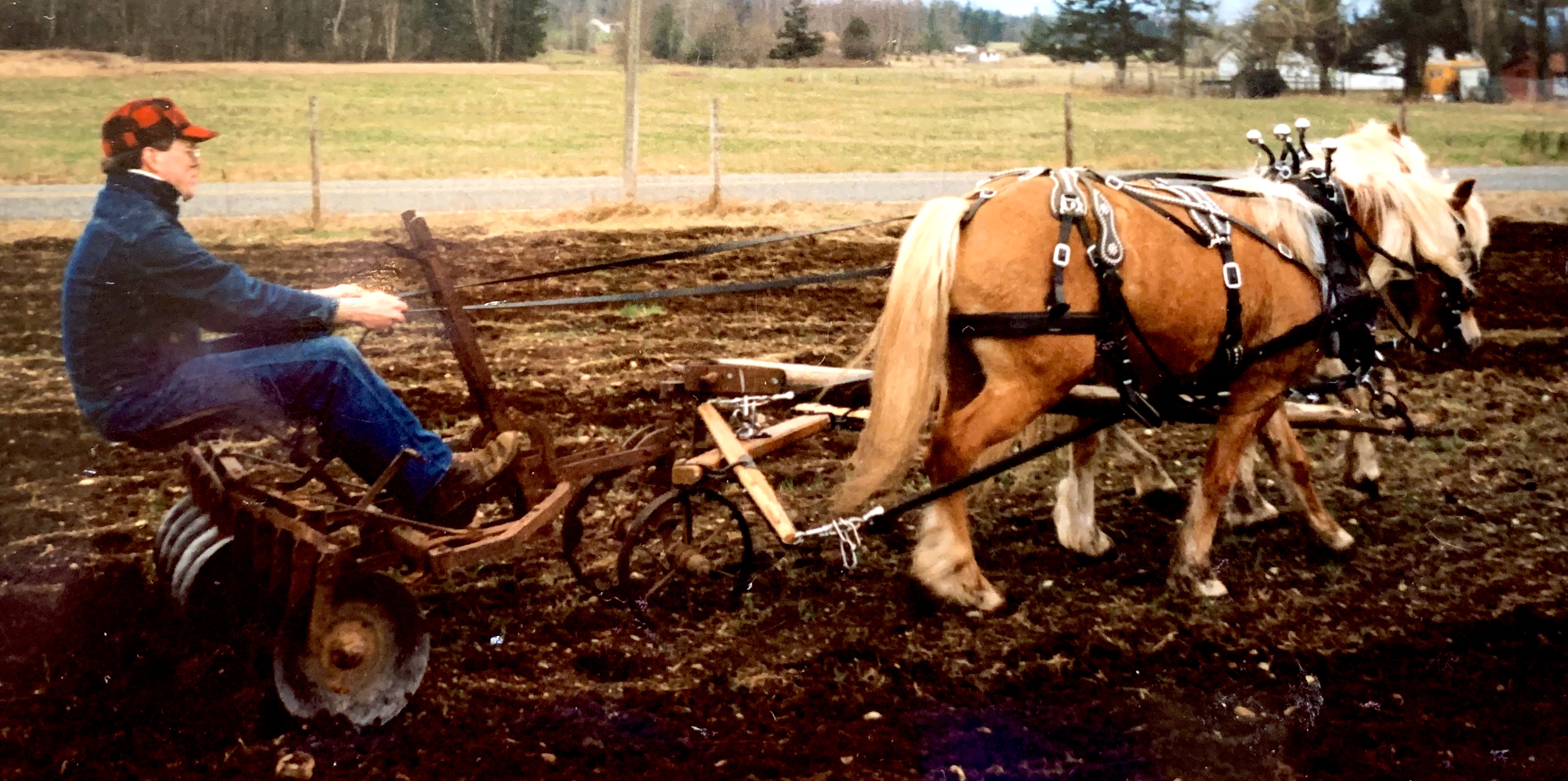
Painting “Plowing the Field” by Joyce Lapp

When the plowblade struck   
An old stump hiding under   
The soil like a beggar’s   
Rotten tooth, they swarmed up   
& Mister Jackson left the plow   
Wedged like a whaler’s harpoon.   
The horse was midnight   
Against dusk, tethered to somebody’s   
Pocketwatch.  He shivered, but not   
The way women shook their heads   
Before mirrors at the five   
& dime—a deeper connection   
To the low field’s evening star.   
He stood there, in tracechains,   
Lathered in froth, just   
Stopped by a great, goofy   
Calmness. He whinnied   
Once, & then the whole   
Beautiful, blue-black sky   
Fell on his back.
~Yusuf Komunyakaa “Yellow Jackets” from Pleasure Dome

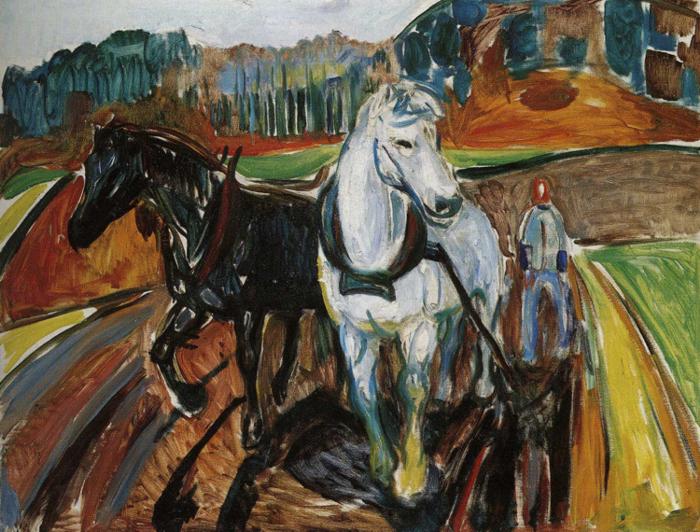
Horse Team by Edvard Munch

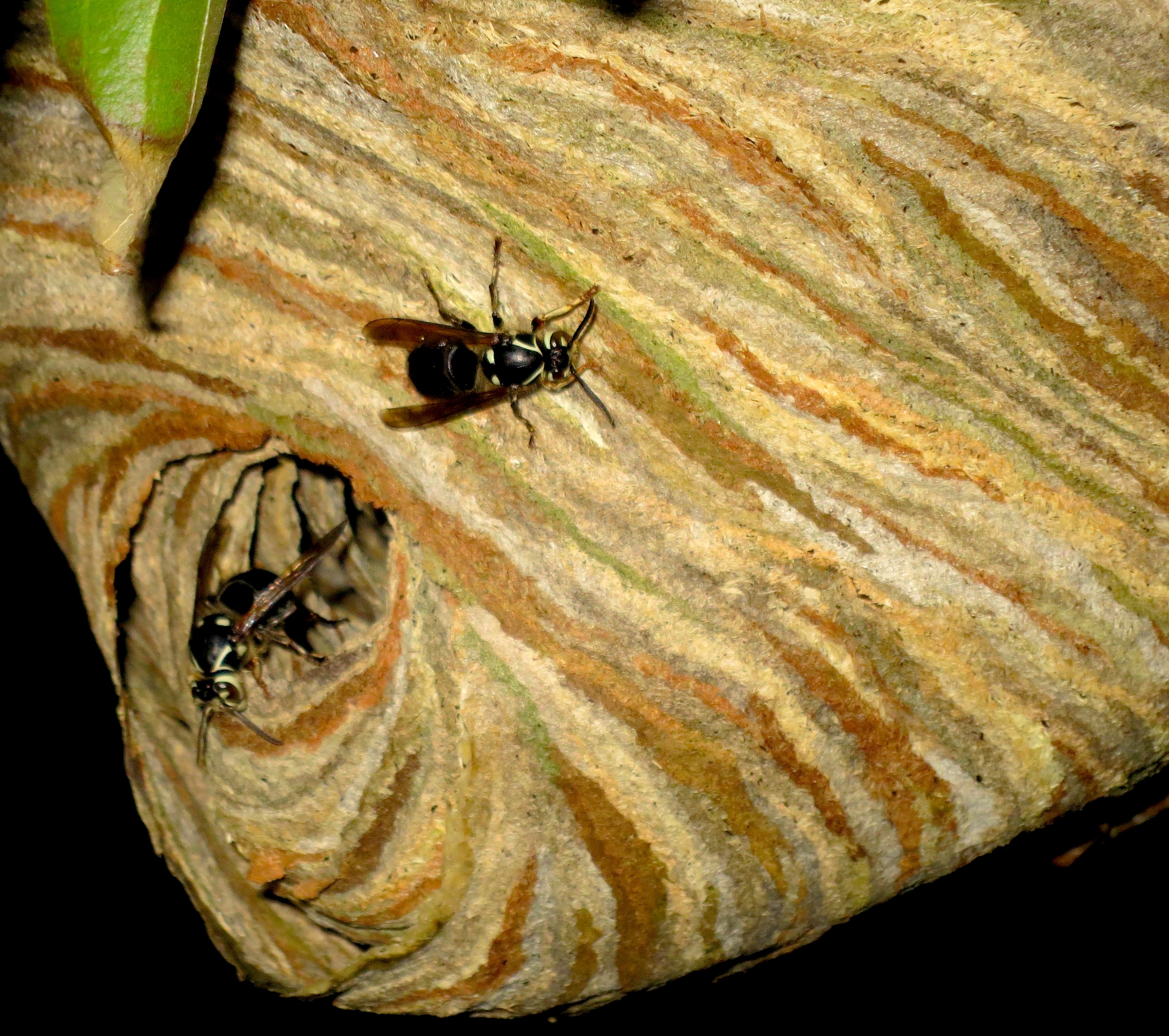
Death by a thousand stings.

This poem is twenty years old, yet shattering to read by the light of the events of this past week and this past year. Written by a Pulitzer Prize winning Black poet and Vietnam War veteran, it is a stark description of a teamster and plow horse going about their routine work when a hive of yellow jackets is disturbed.

The farmer saves himself.

The abandoned work horse remains harnessed and chained to the immobilized plow, eventually falling crushed beneath the swarm on his back.

How many times recently have we witnessed this stark reality of the power of the angry swarm – whether the target is someone set upon and killed by law enforcement gone rogue, or last week, a man in blue defending the U.S. Capitol, beaten and crushed by rioters who pummeled him senseless with the pole of the American flag?

A poetic metaphor about an enslaved worker dying in chains expands to include us all:

-we are the farmer who panics and runs for his life in the midst of crisis
-we are the harnessed plowhorse obediently and calmly doing his job, becoming the sacrifice for the sake of the farmer
-we are the angry swarm whose well being and security is threatened so all hell breaks loose
-we are the poet whose words try to make sense of the senseless.

Ultimately, the Writer of the Word is our rescuer: rather than abandoning us to our fate, He saves us by becoming the sacrifice Himself.

He allowed the swarm to fall on His back rather than on us.

This One Life is a Gift

When I can no longer say thank you
for this new day and the waking into it,
for the cold scrape of the kitchen chair
and the ticking of the space heater glowing
orange as it warms the floor near my feet,
I know it is because I’ve been fooled again
by the selfish, unruly man who lives in me
and believes he deserves only safety
and comfort. But if I pause as I do now,
and watch the streetlights outside winking
off one by one like old men closing their
cloudy eyes, if I listen to my tired neighbors
slamming car doors hard against the morning
and see the steaming coffee in their mugs
kissing their chapped lips as they sip and
exhale each of their worries white into
the icy air around their faces—then I can
remember this one life is a gift each of us
was handed and told to open: Untie the bow
and tear off the paper, look inside
and be grateful for whatever you find
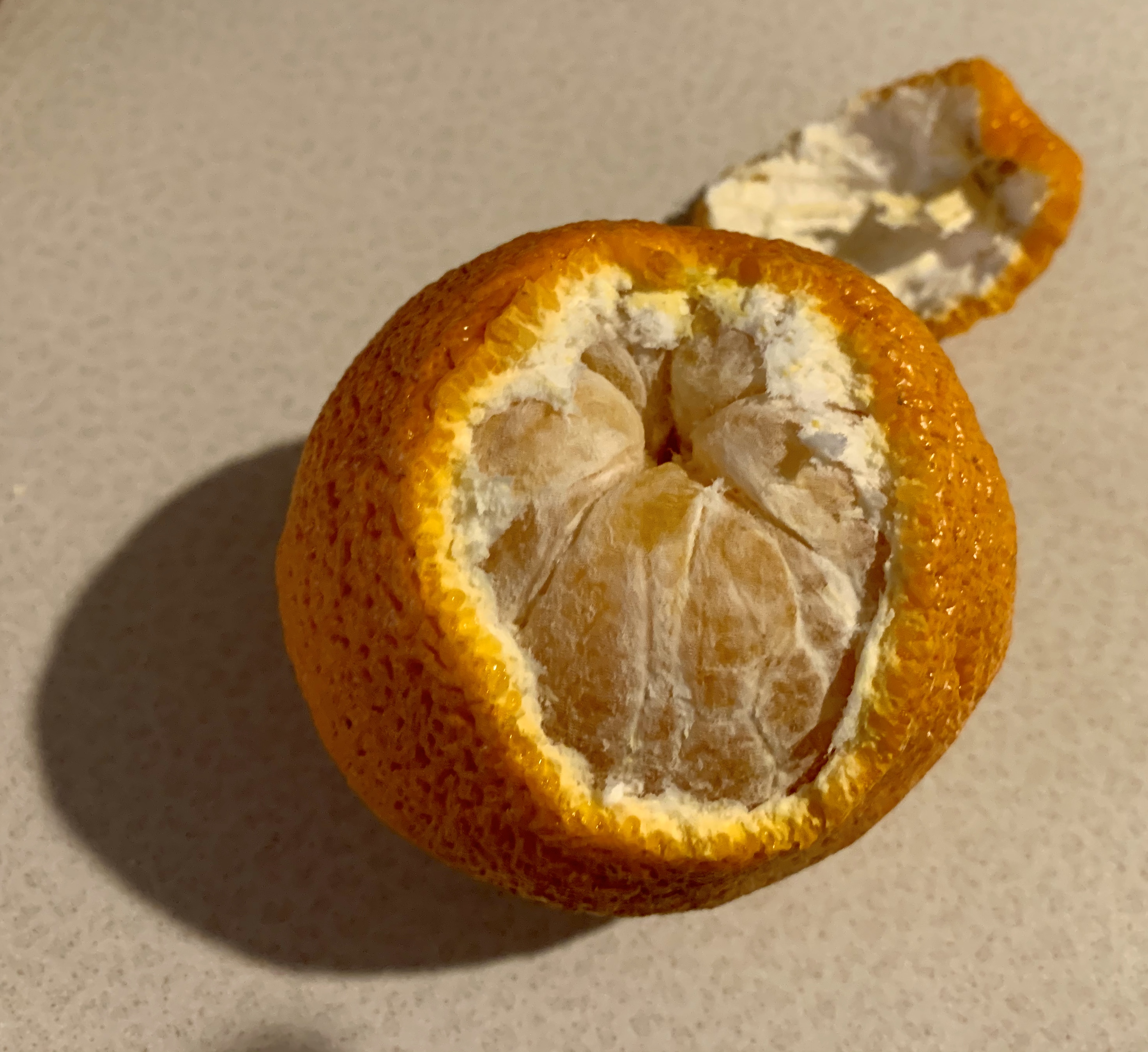
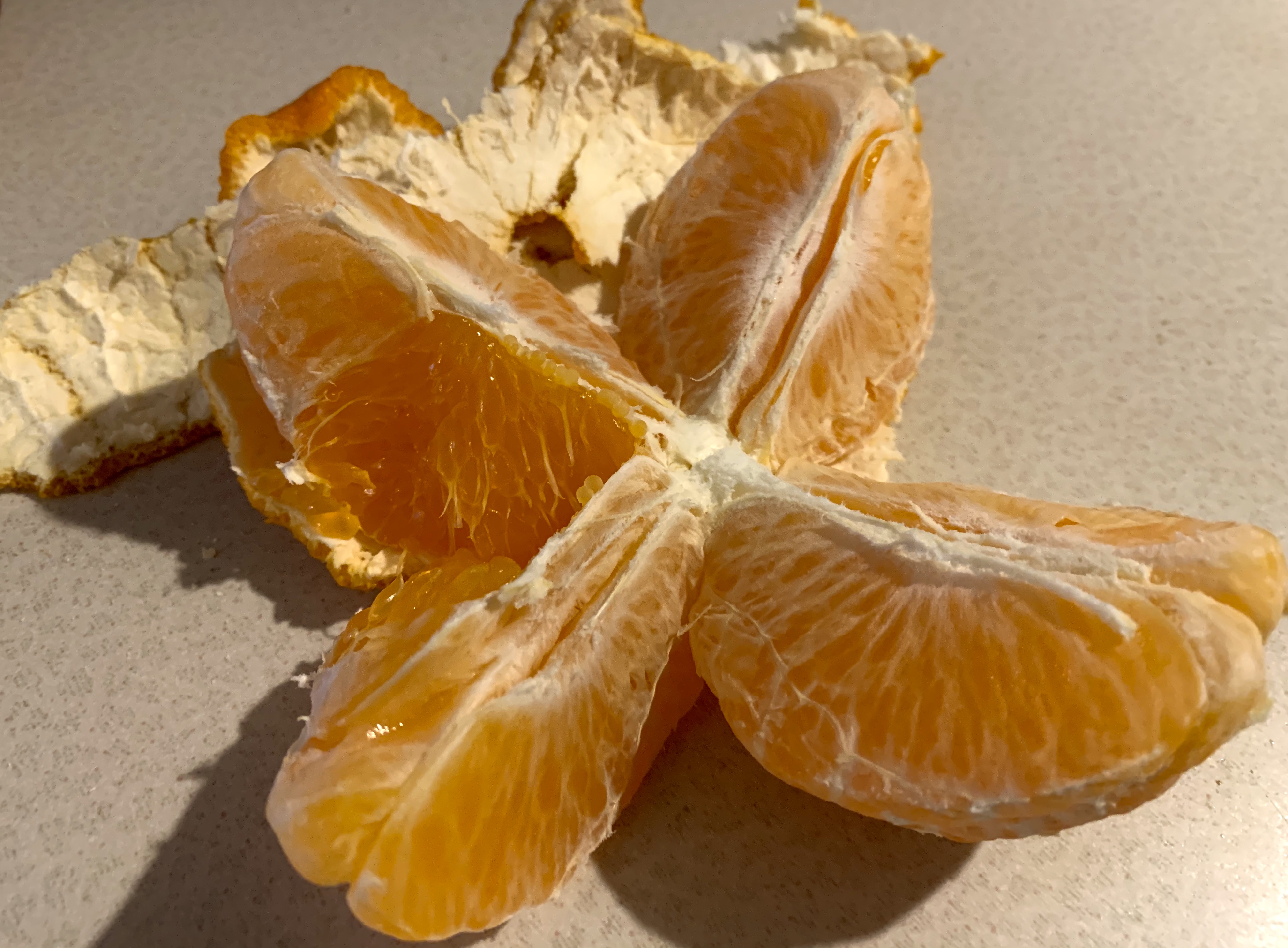
even if it is only the scent of a tangerine
that lingers on the fingers long after
you’ve finished eating it.

~James Crews, “Winter Morning” from How to Love the World: Poems of Gratitude and Hope
I close my eyes, savor a wafer of
sacred cake on my tongue and
try to taste my mother, to discern
the message she baked in these loaves
when she was too ill to eat them:

I love you.
It will end.
Leave something of sweetness
and substance
in the mouth of the world.
~Anna Belle Kaufman “Cold Solace”

Each day, even now,
brings something new and special to my life,
for which I am so grateful;
I peel it carefully
to find what hides inside,
all the while inhaling its fragrance
then carefully, slowly, gently
lifting it to my mouth to
savor it, knowing
only love,
only loving,
only the gift of sacrifice
could taste this sweet.