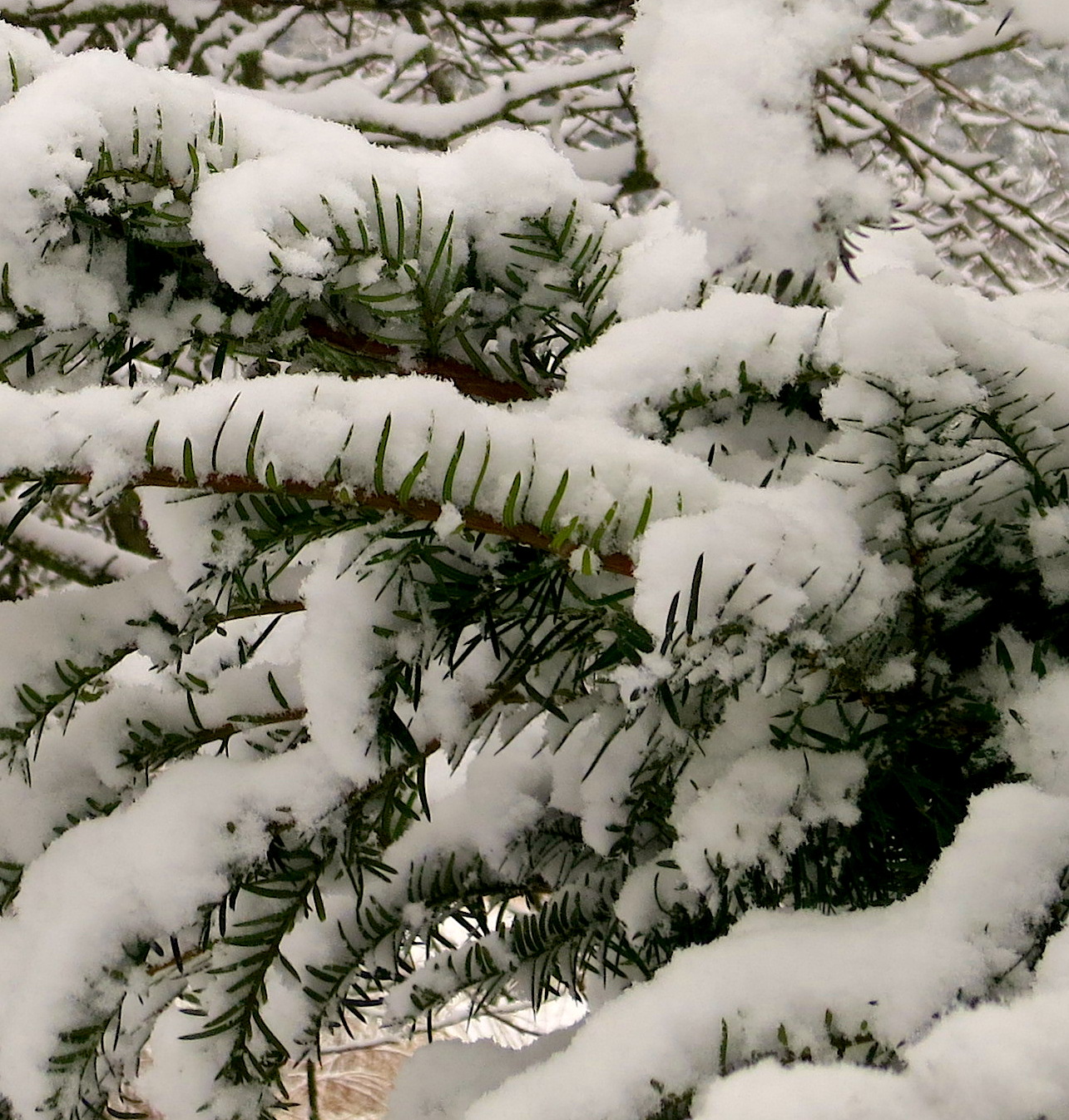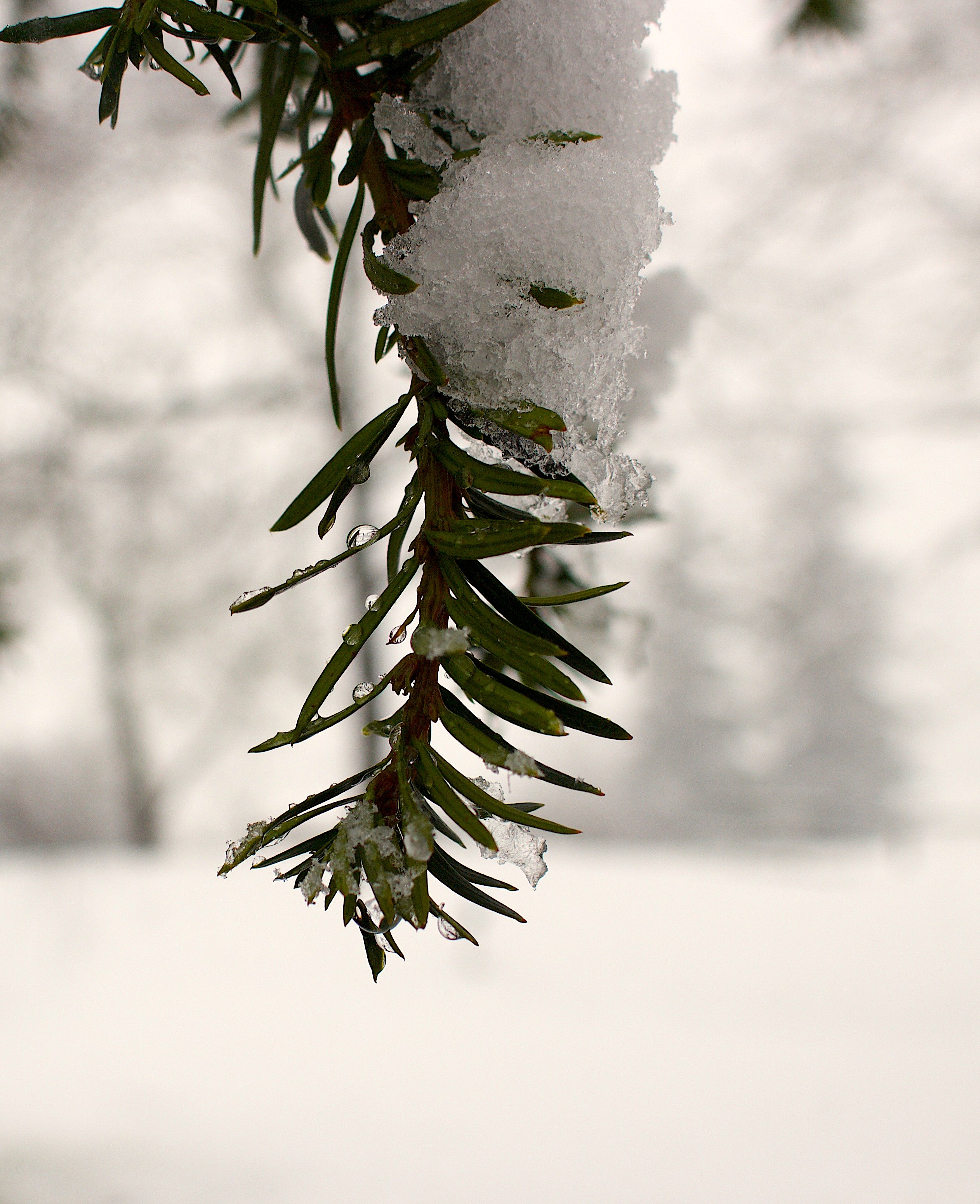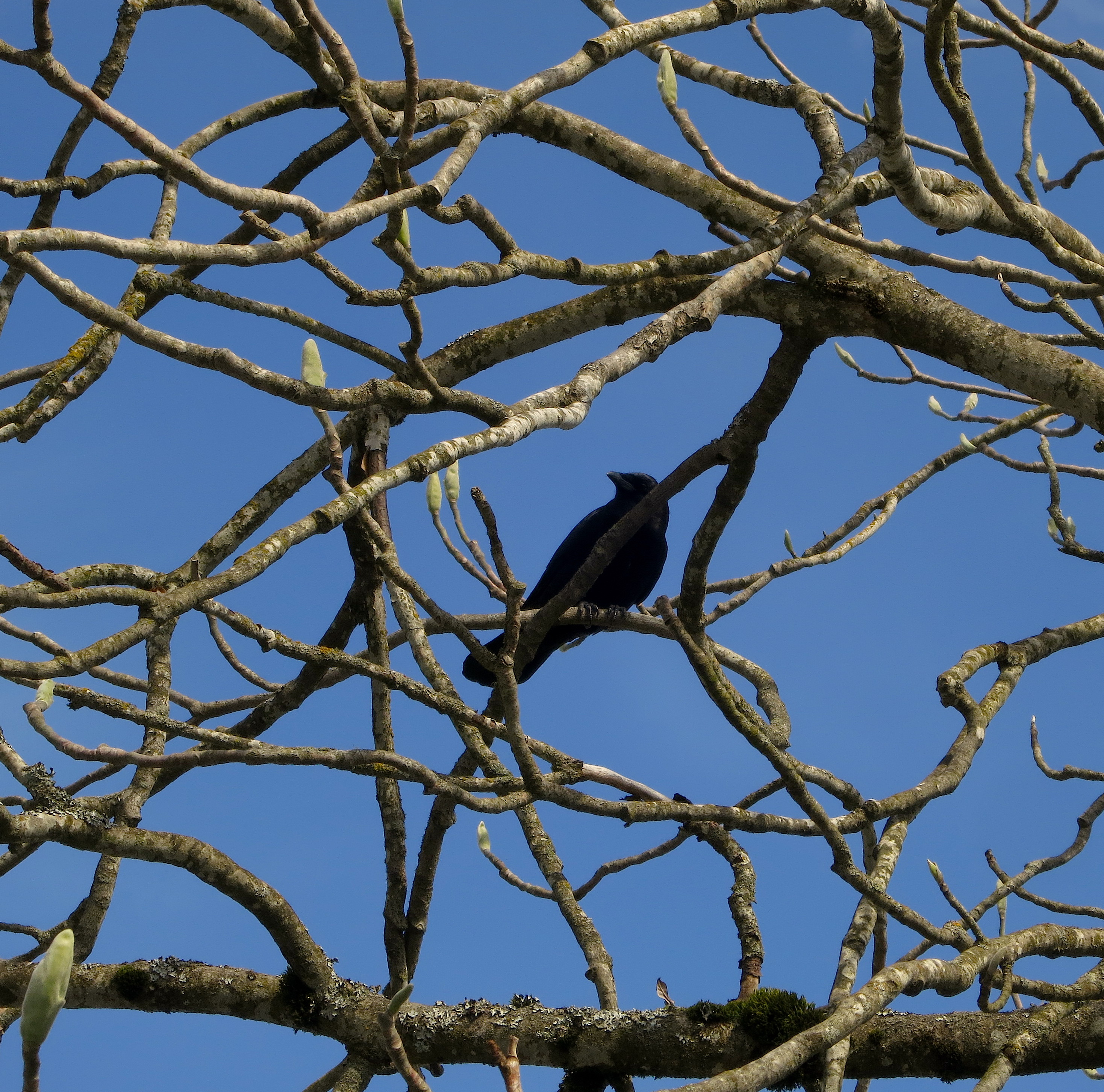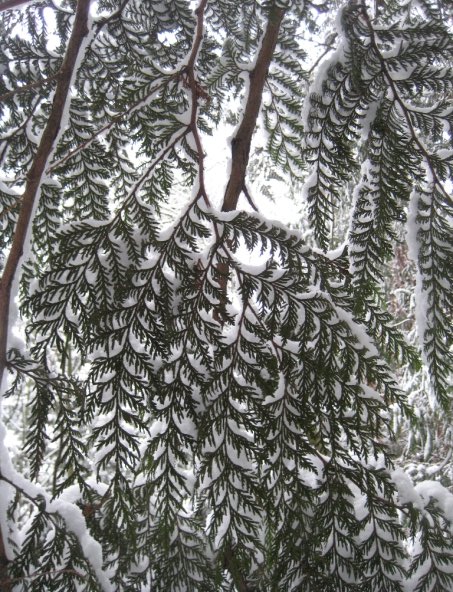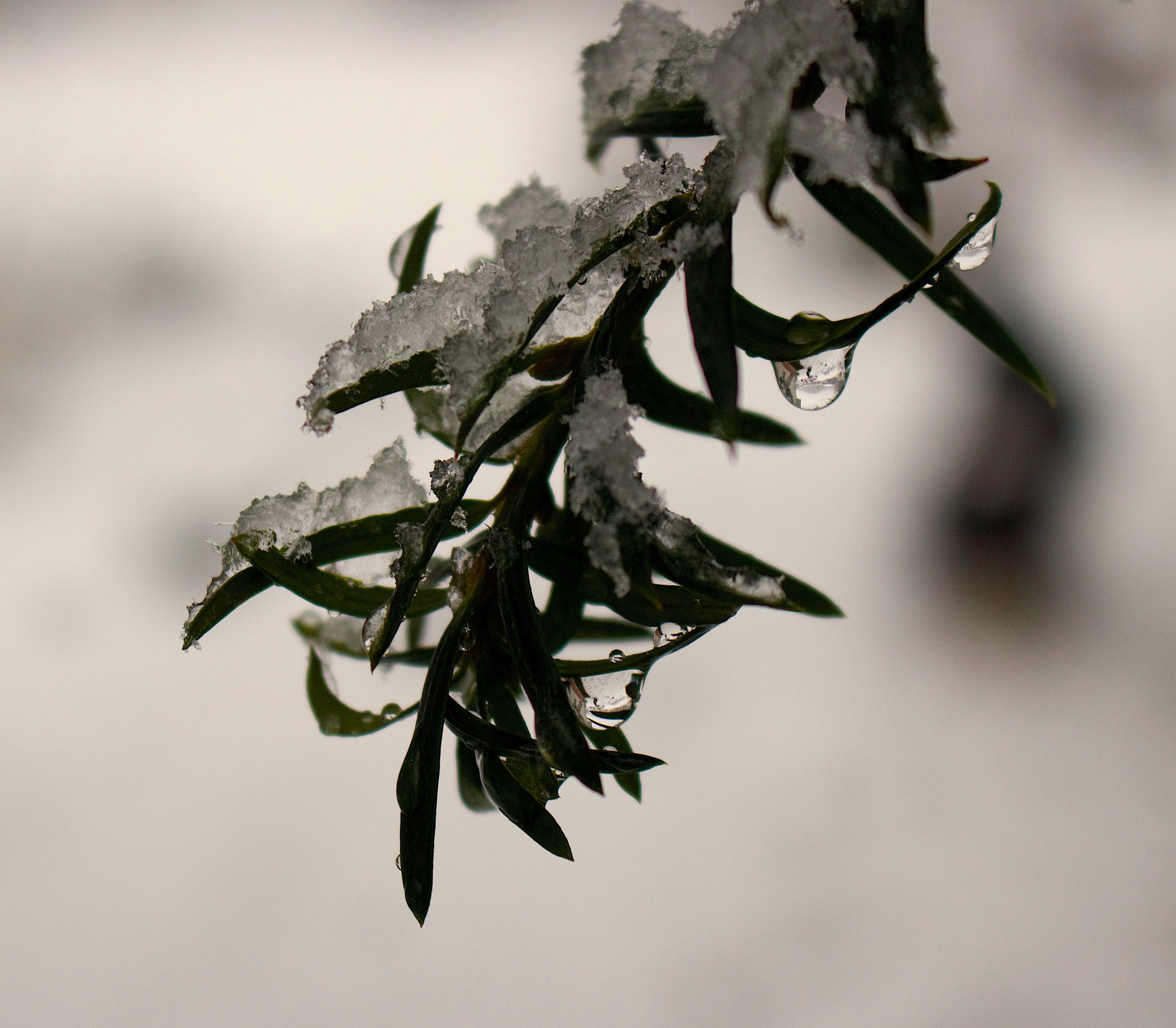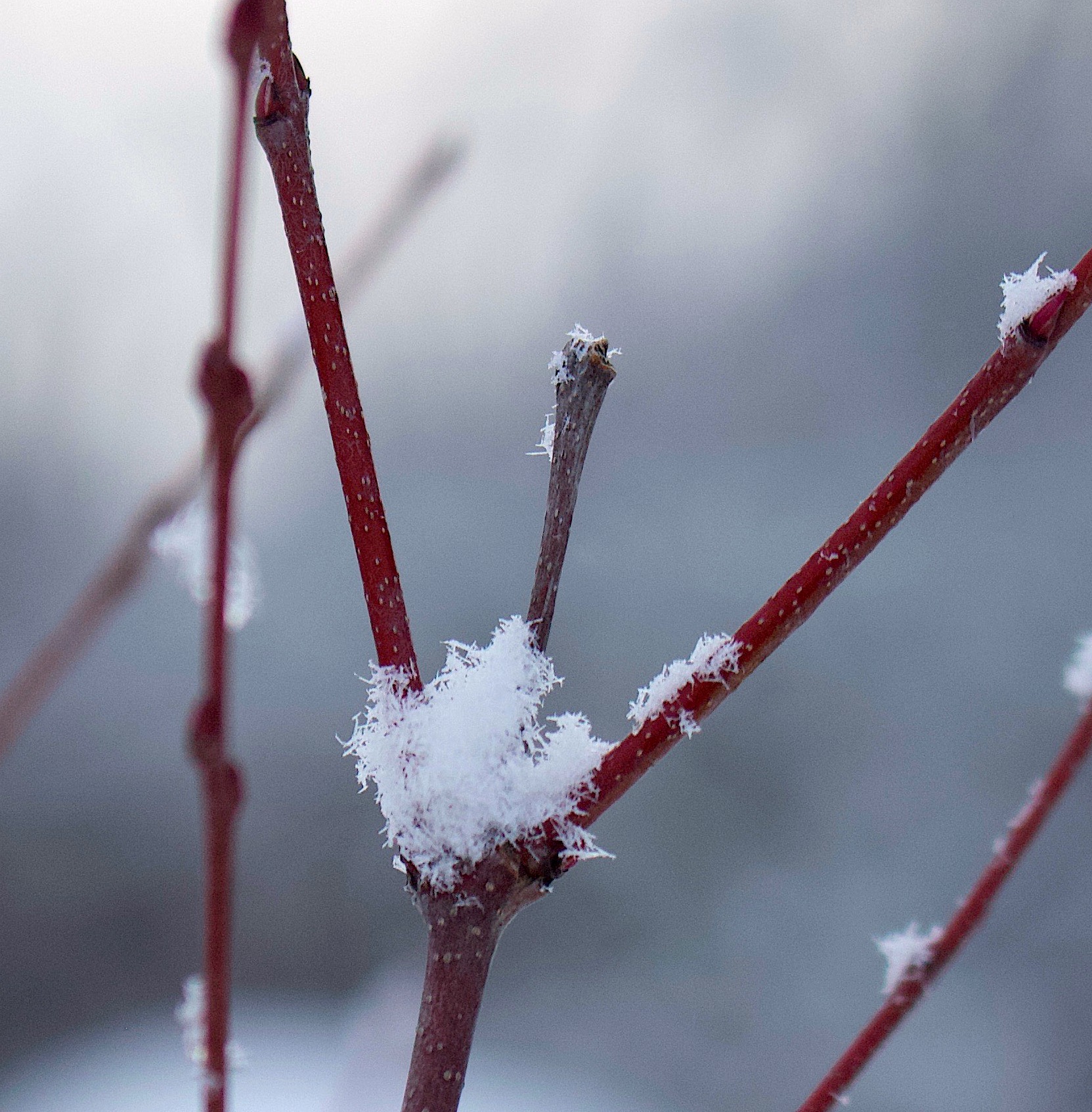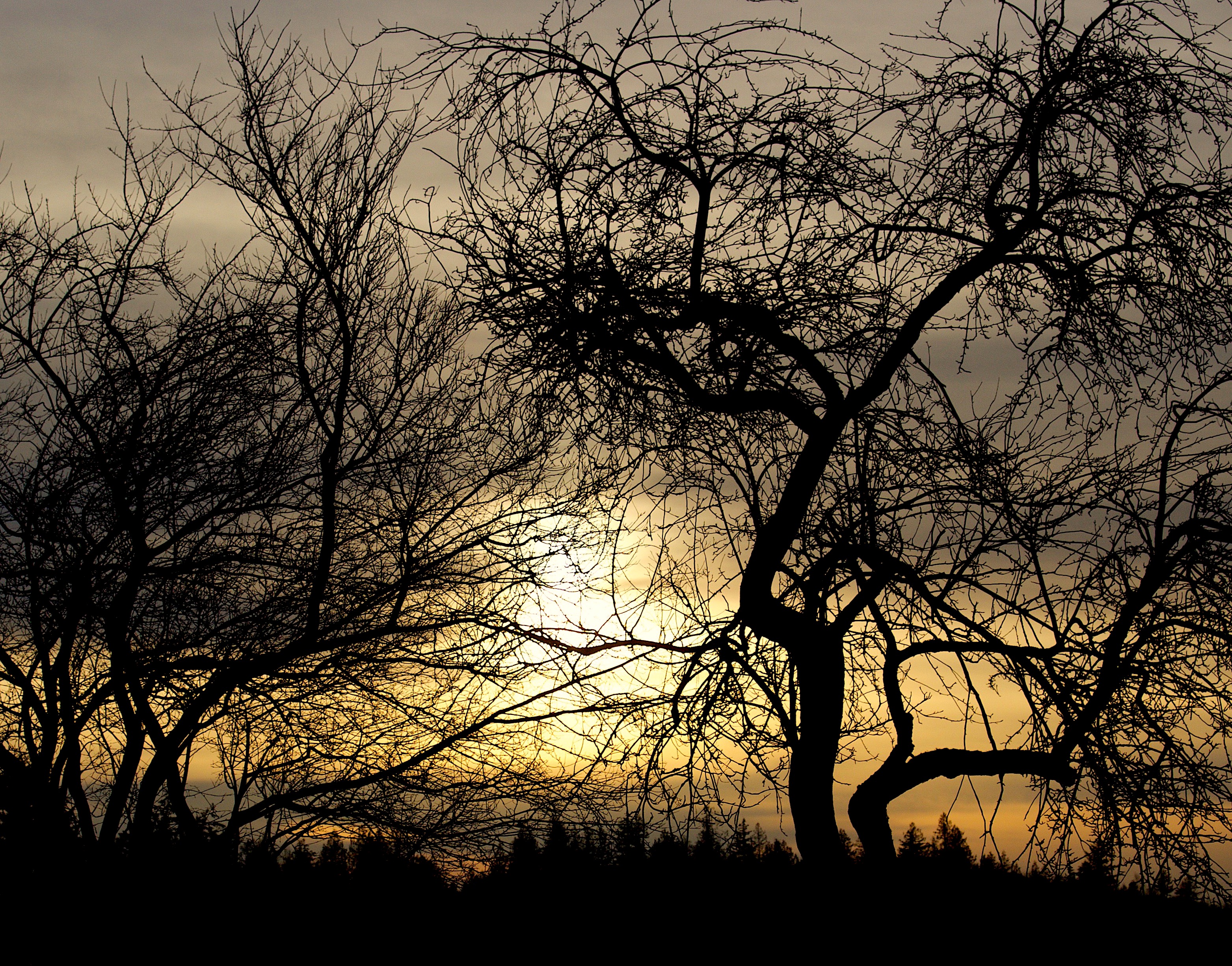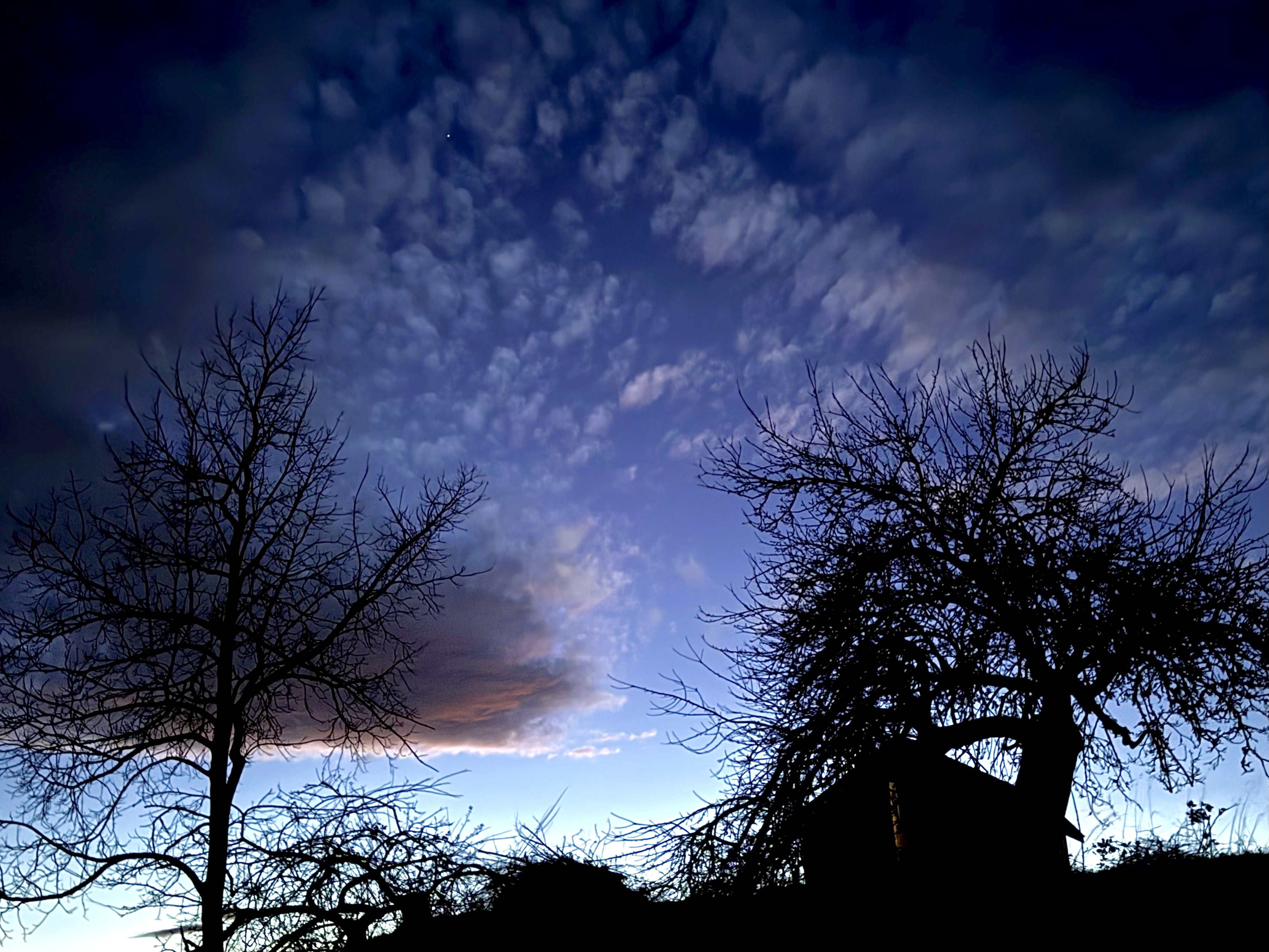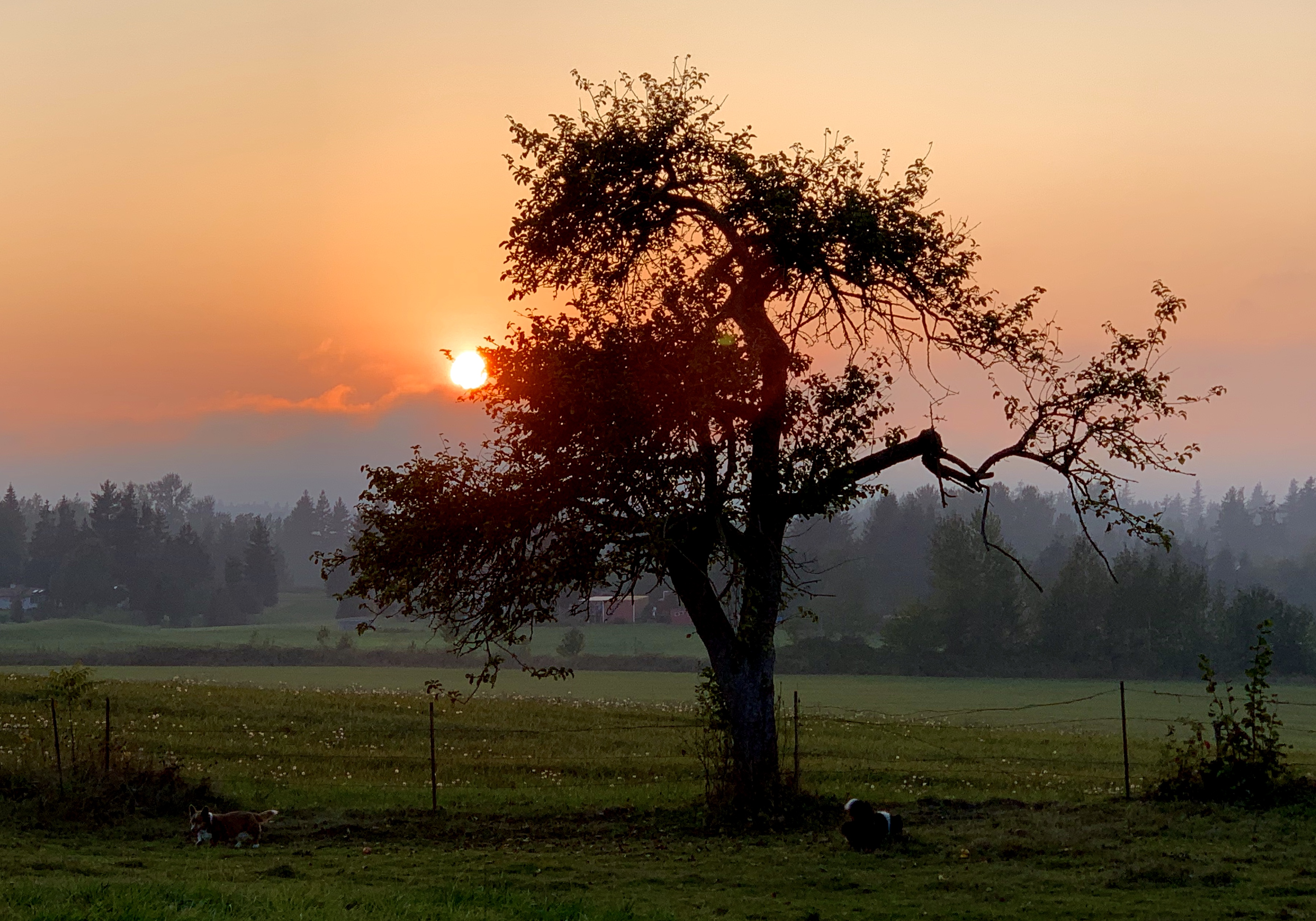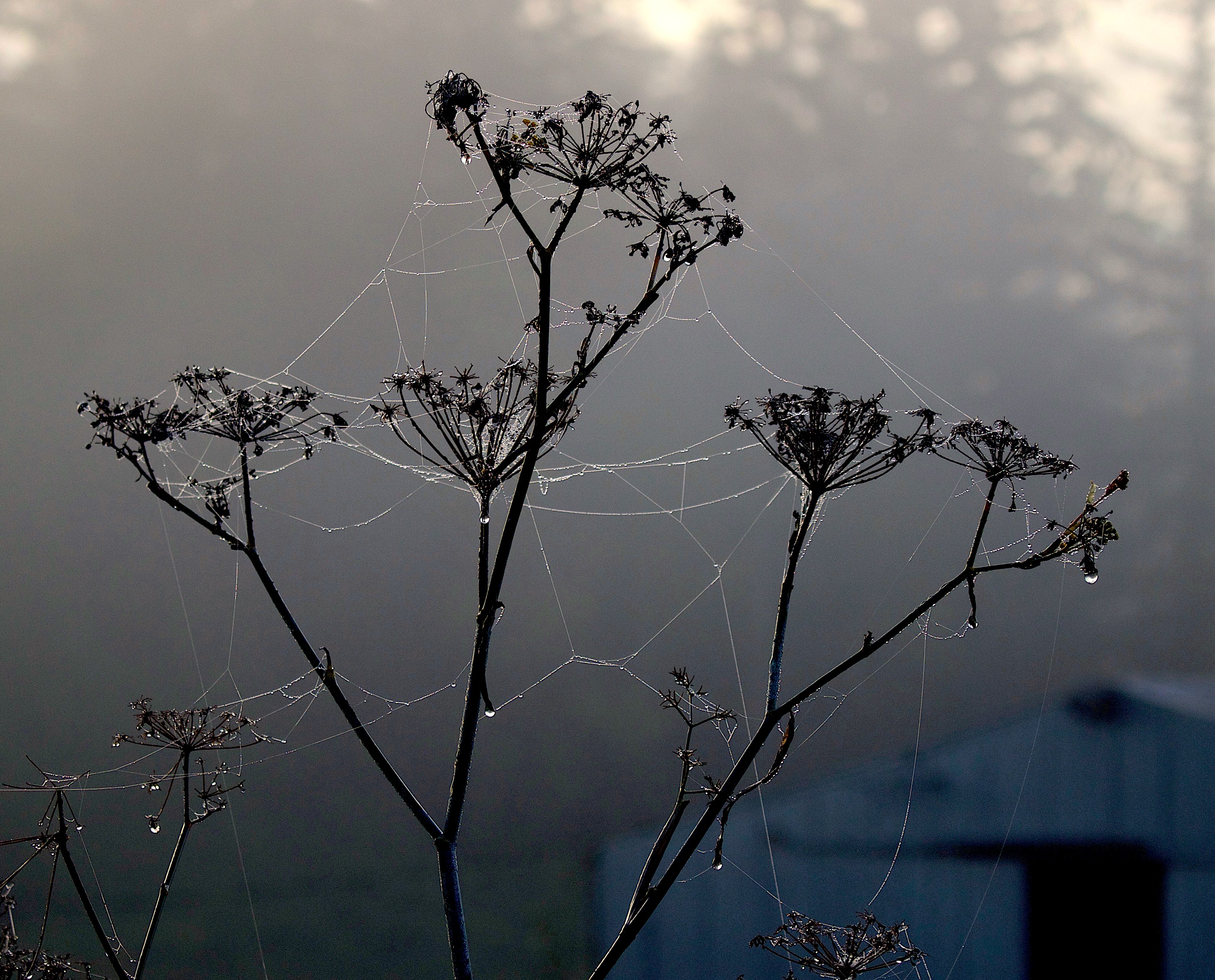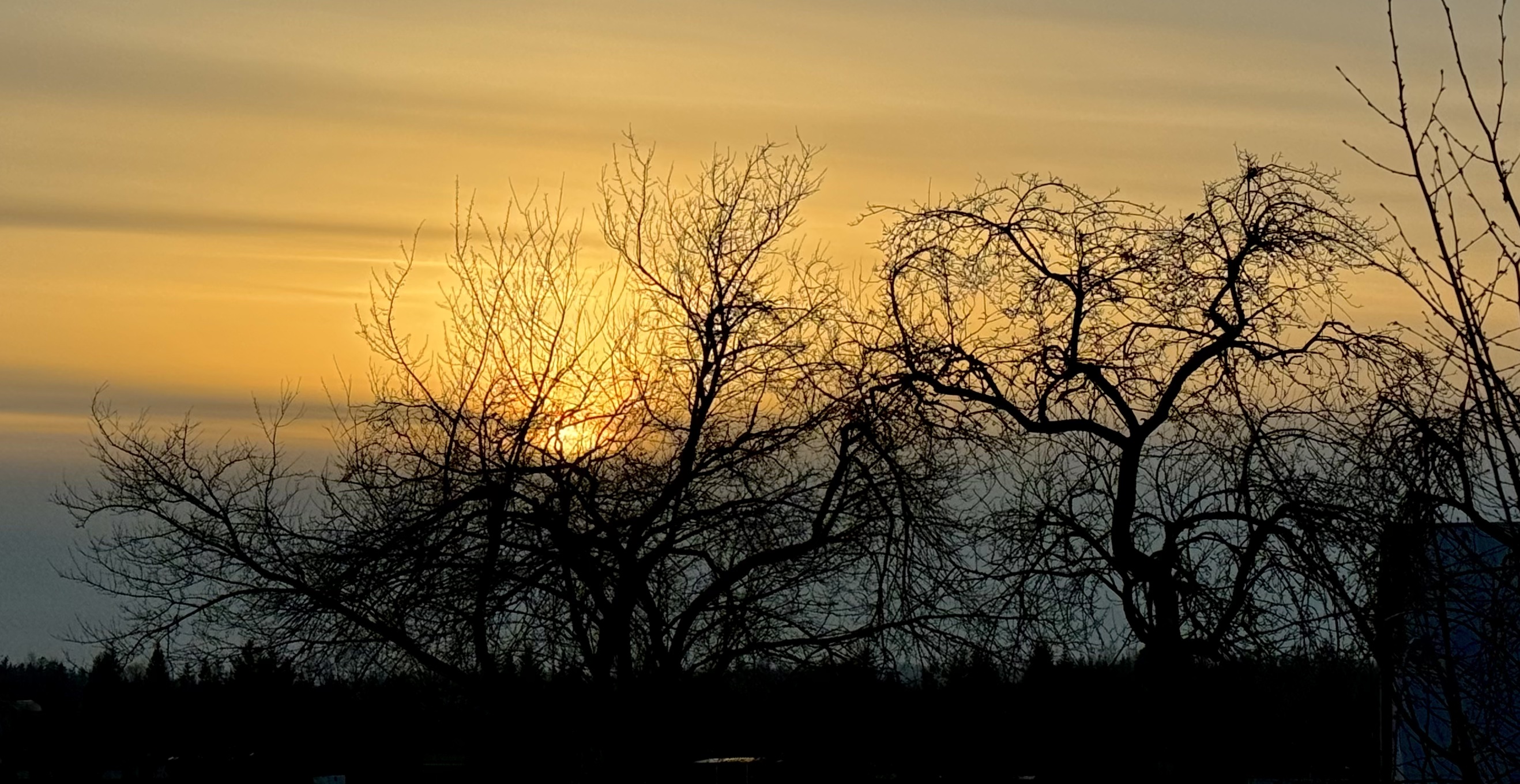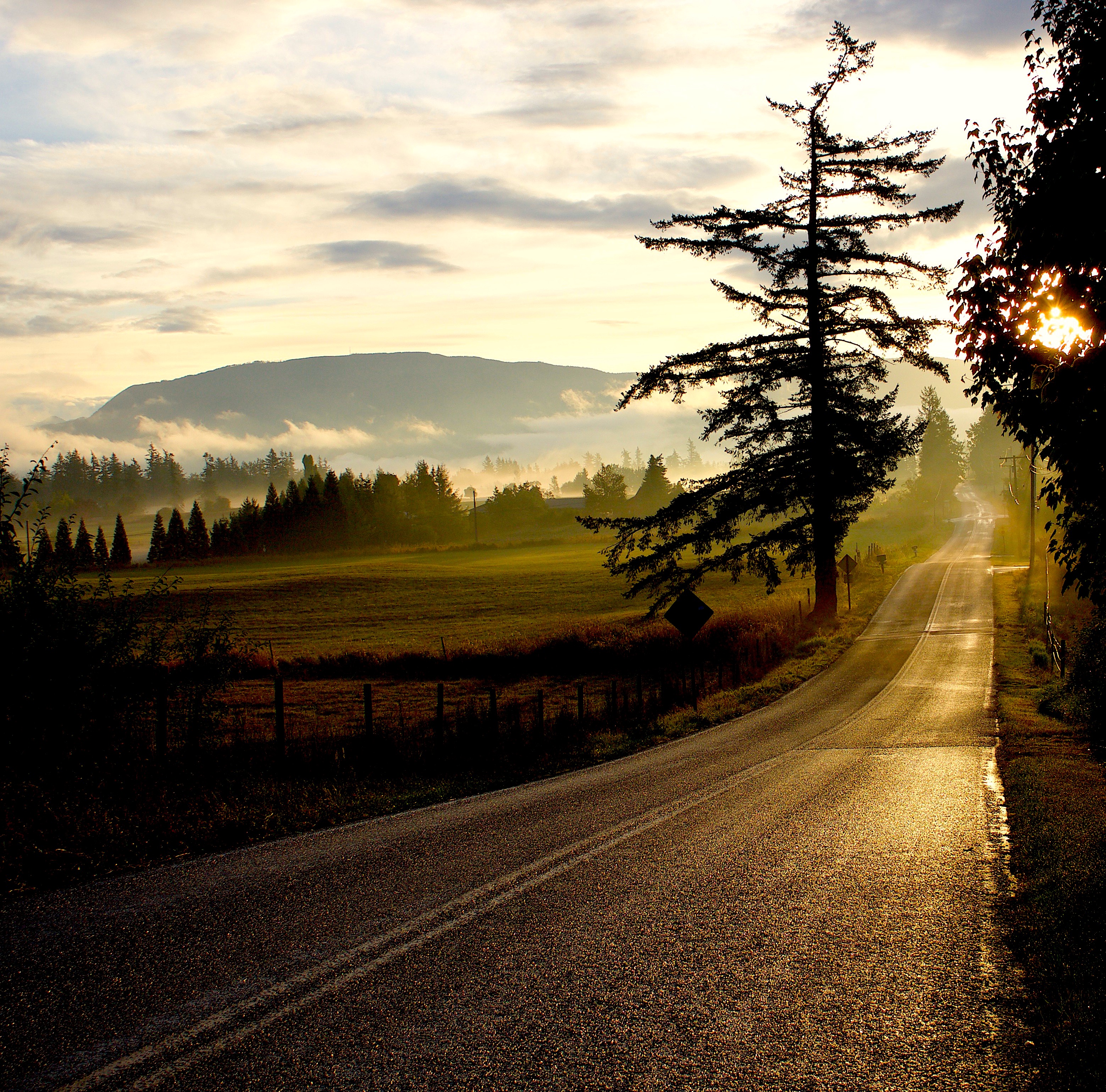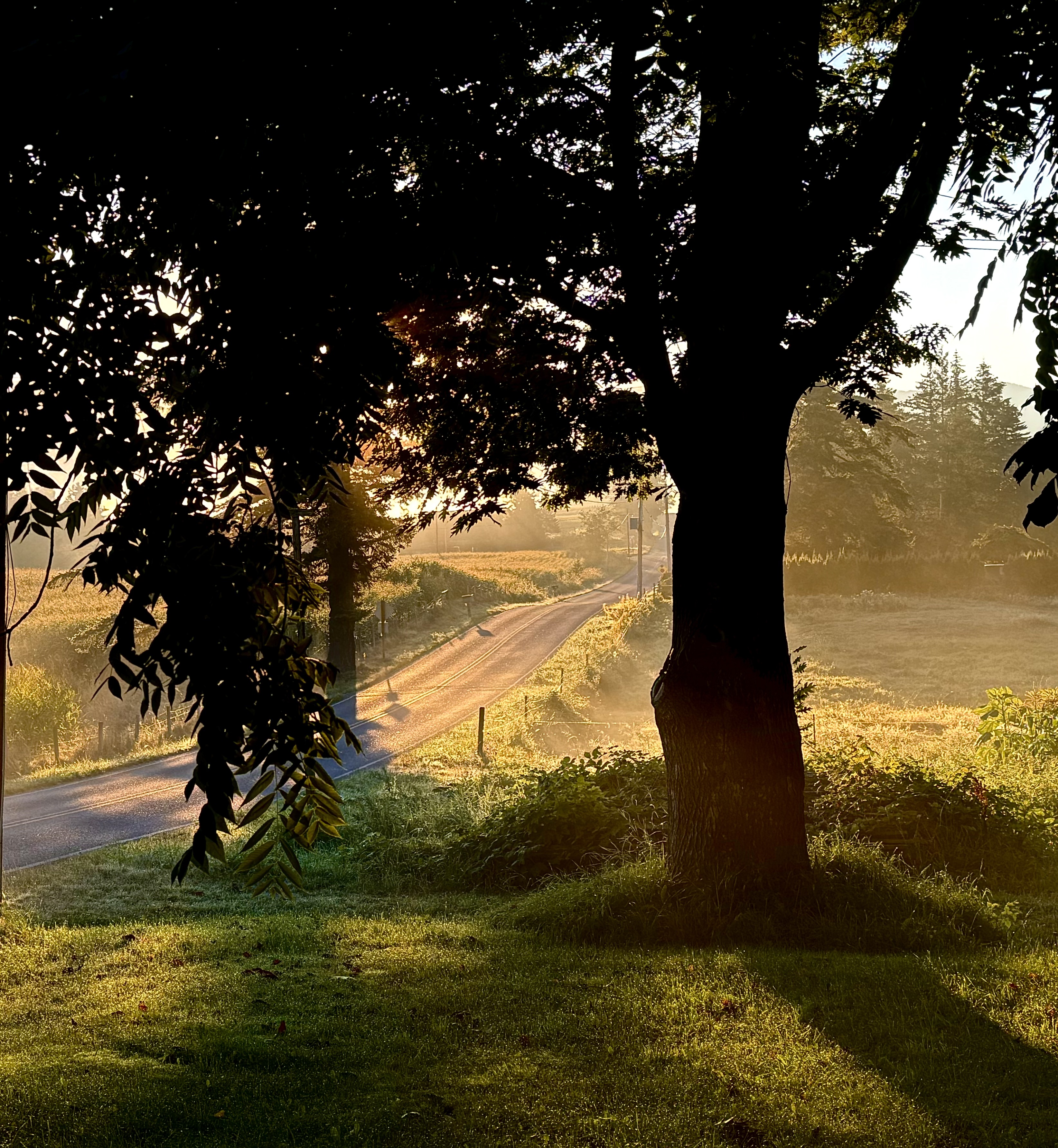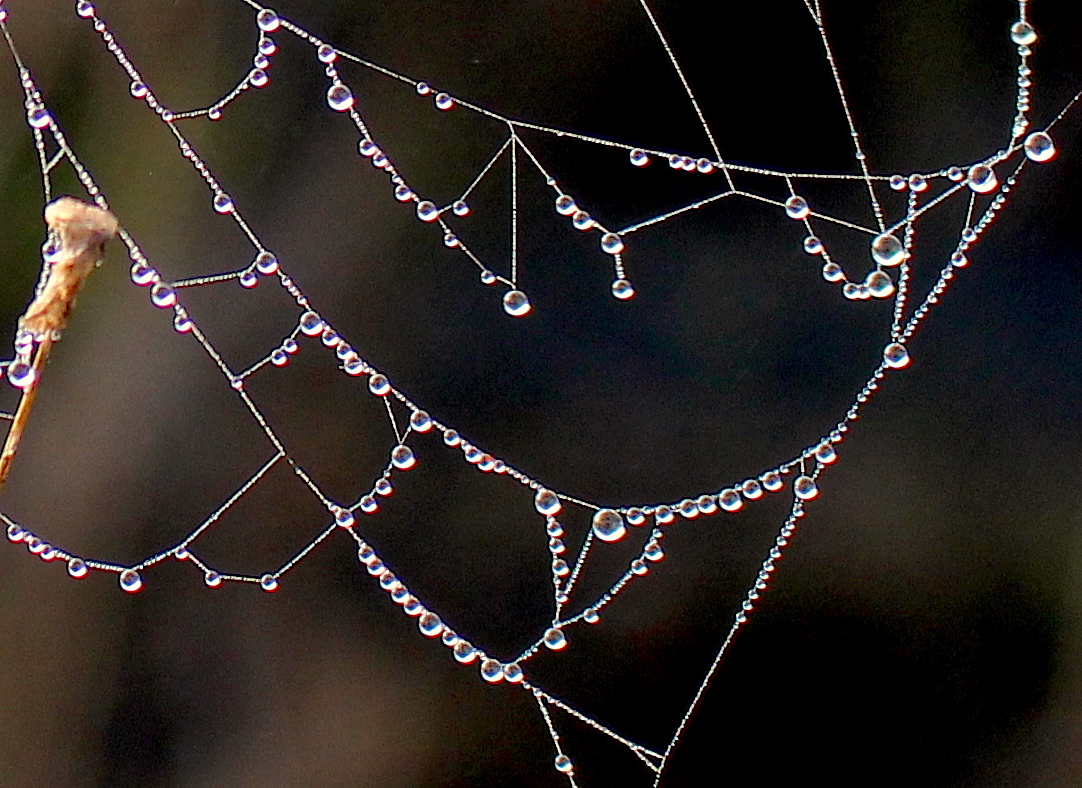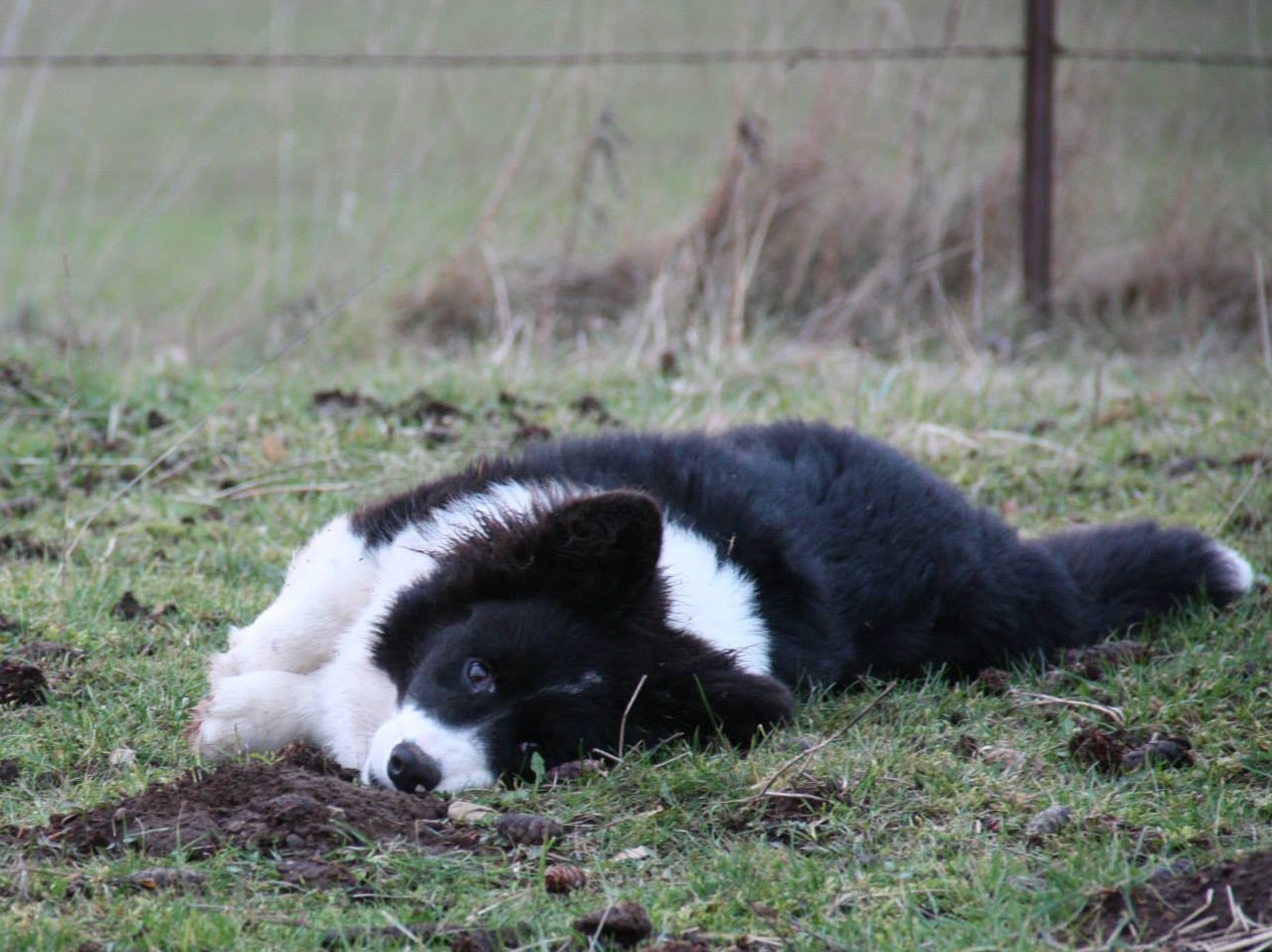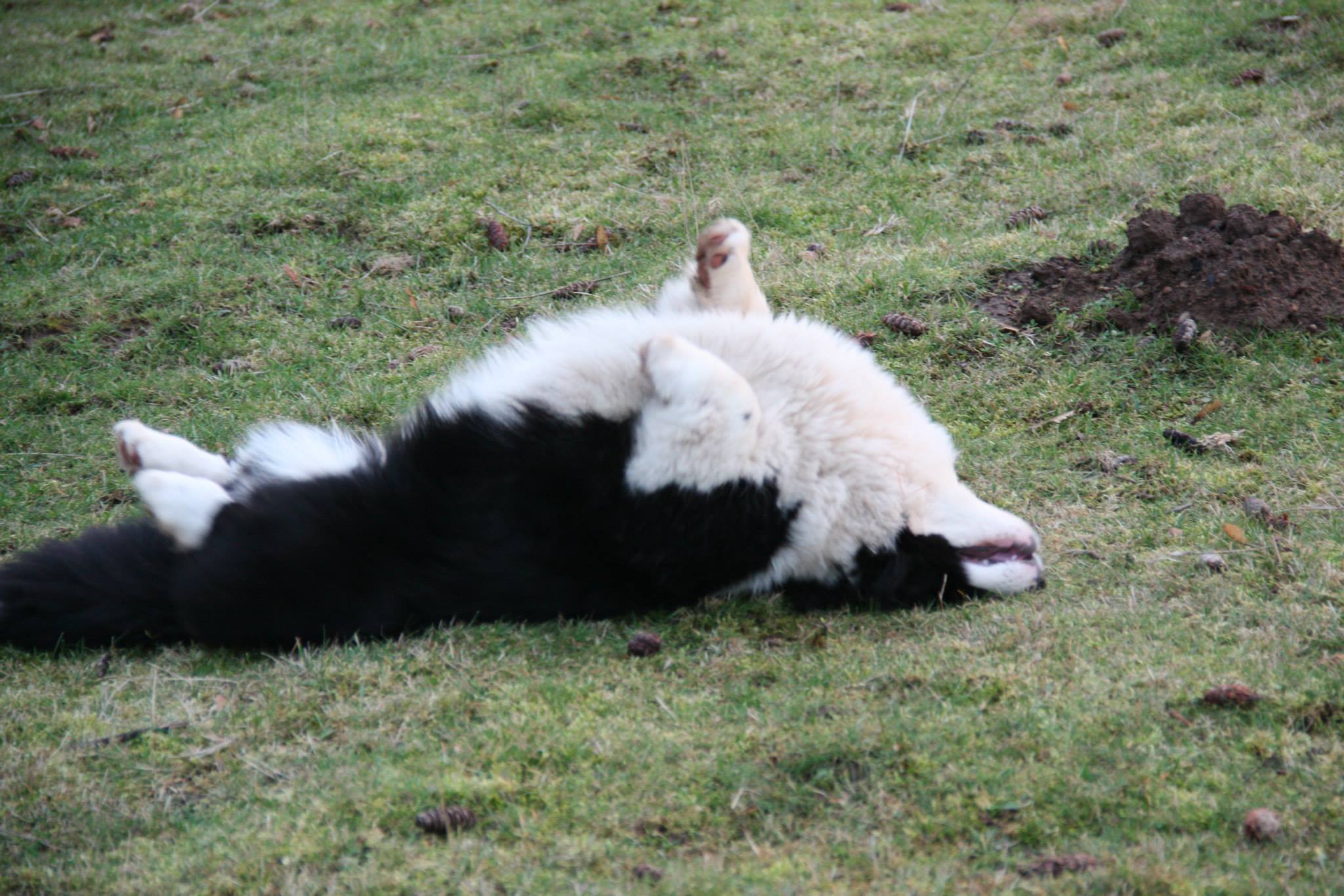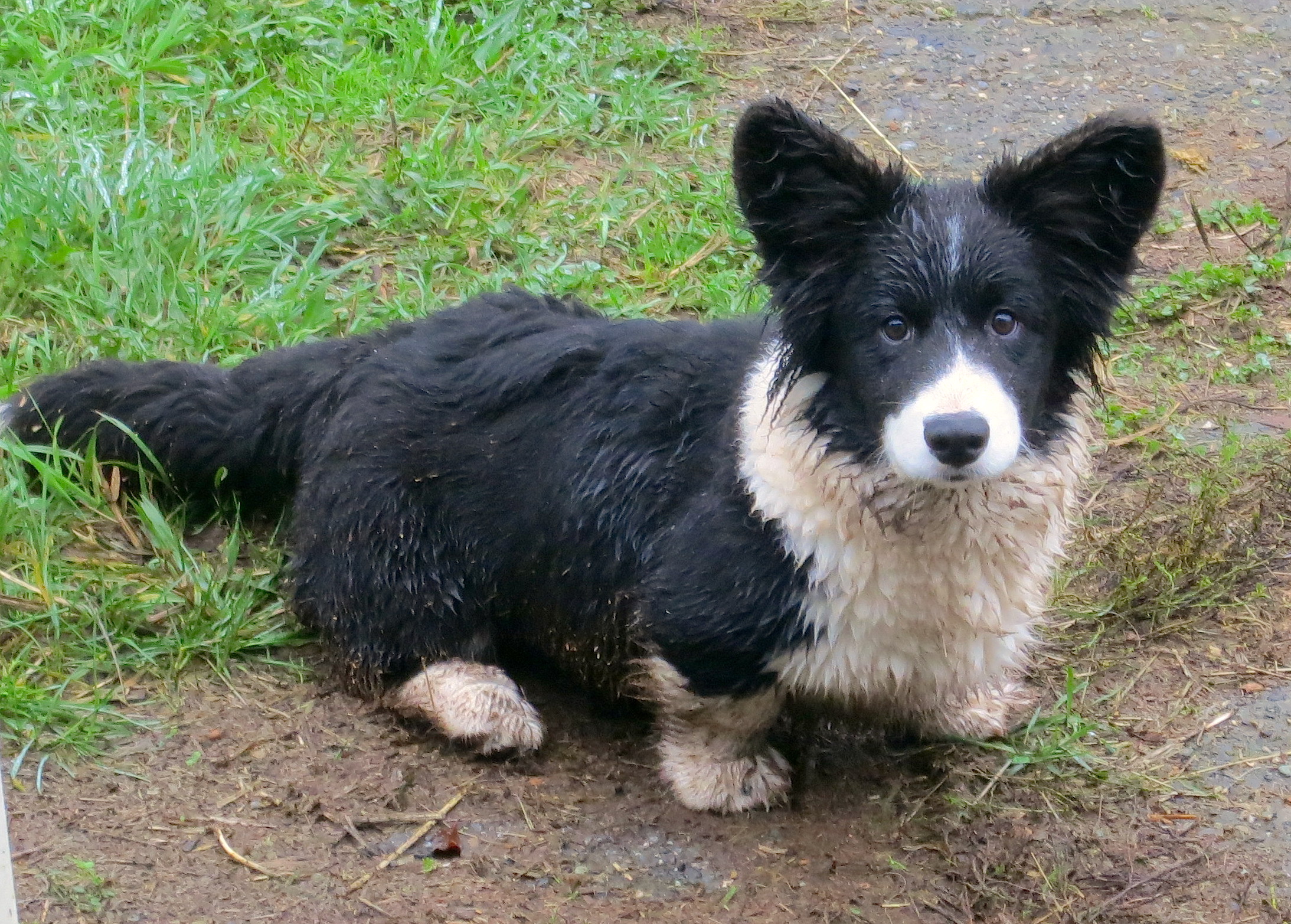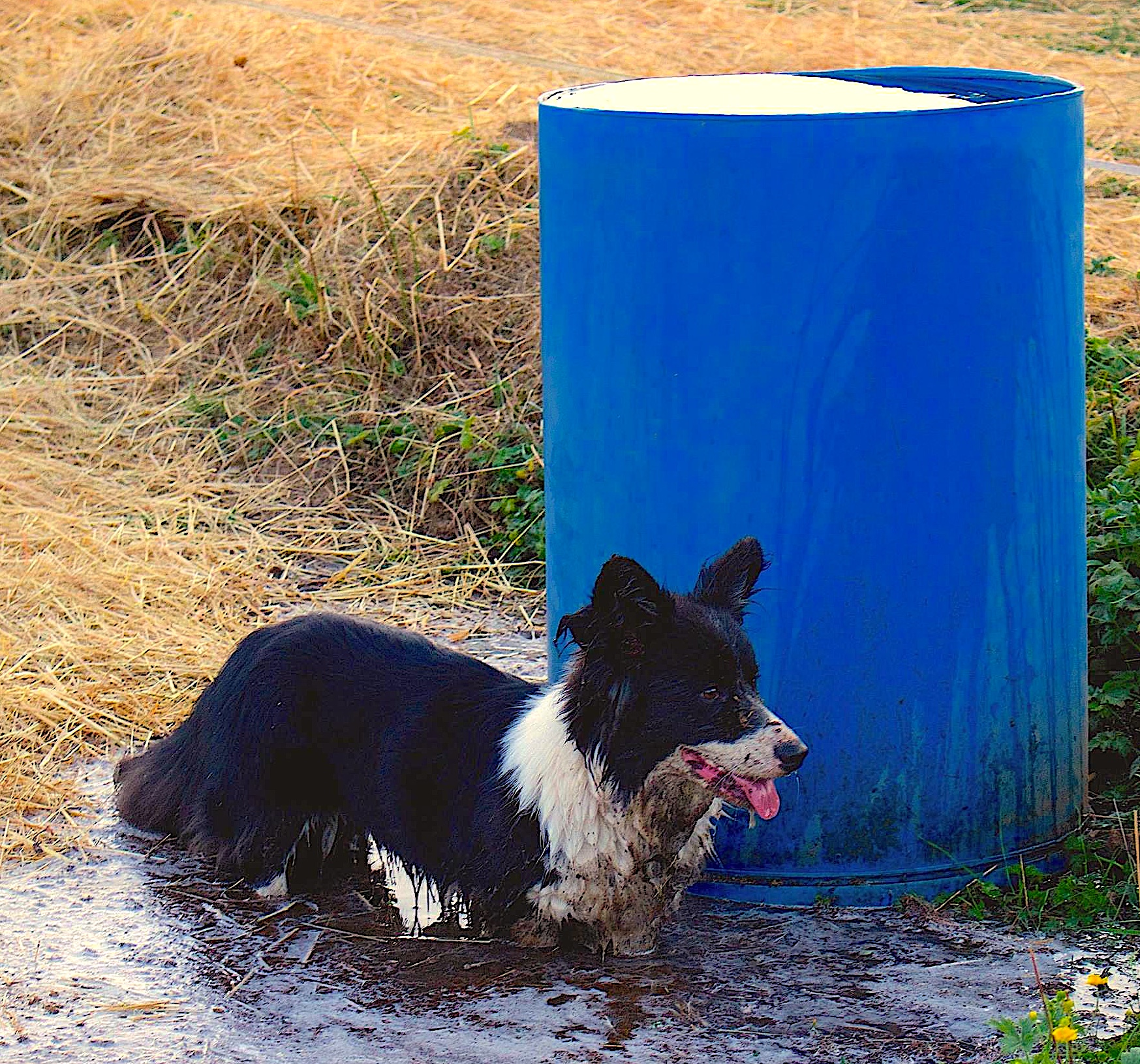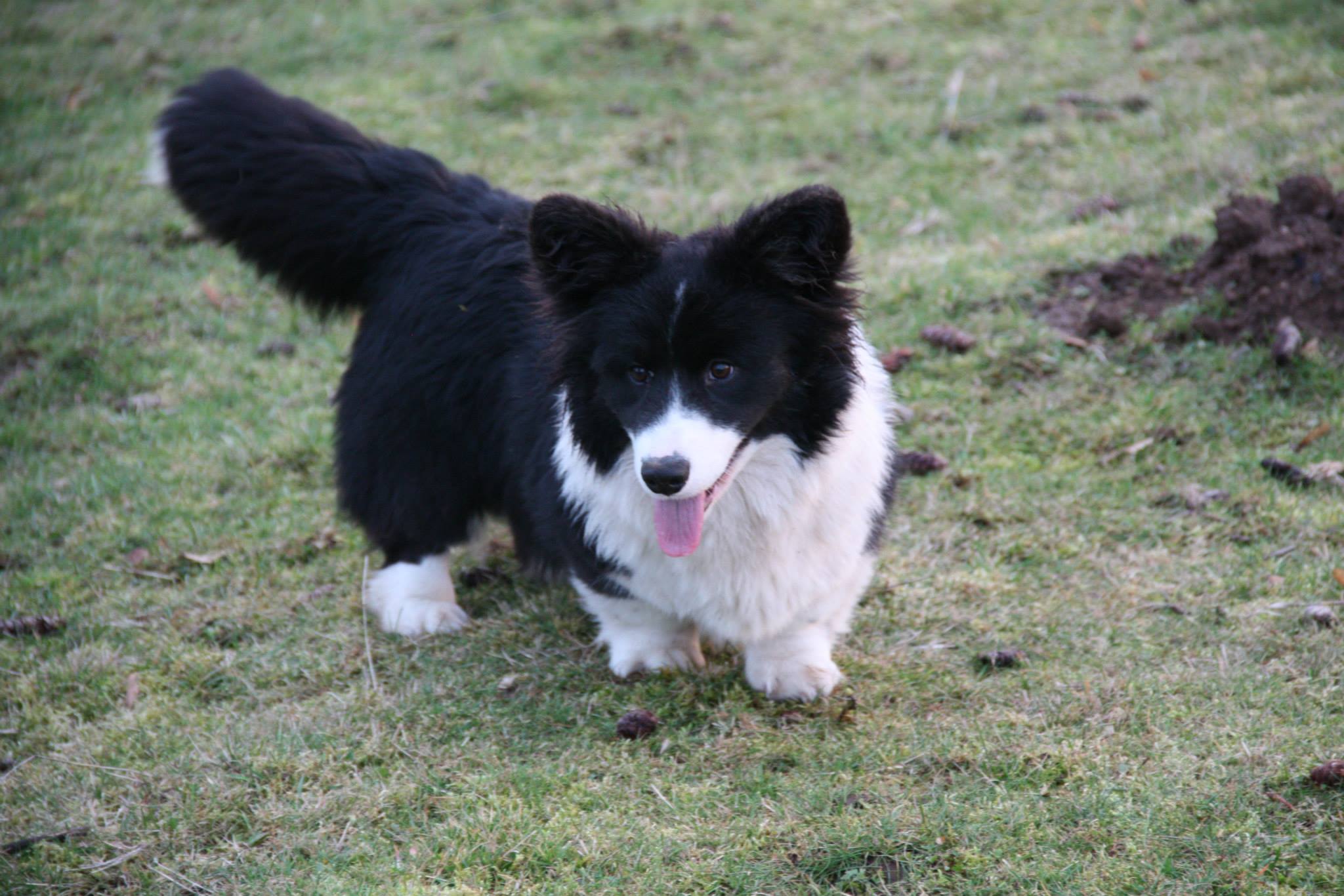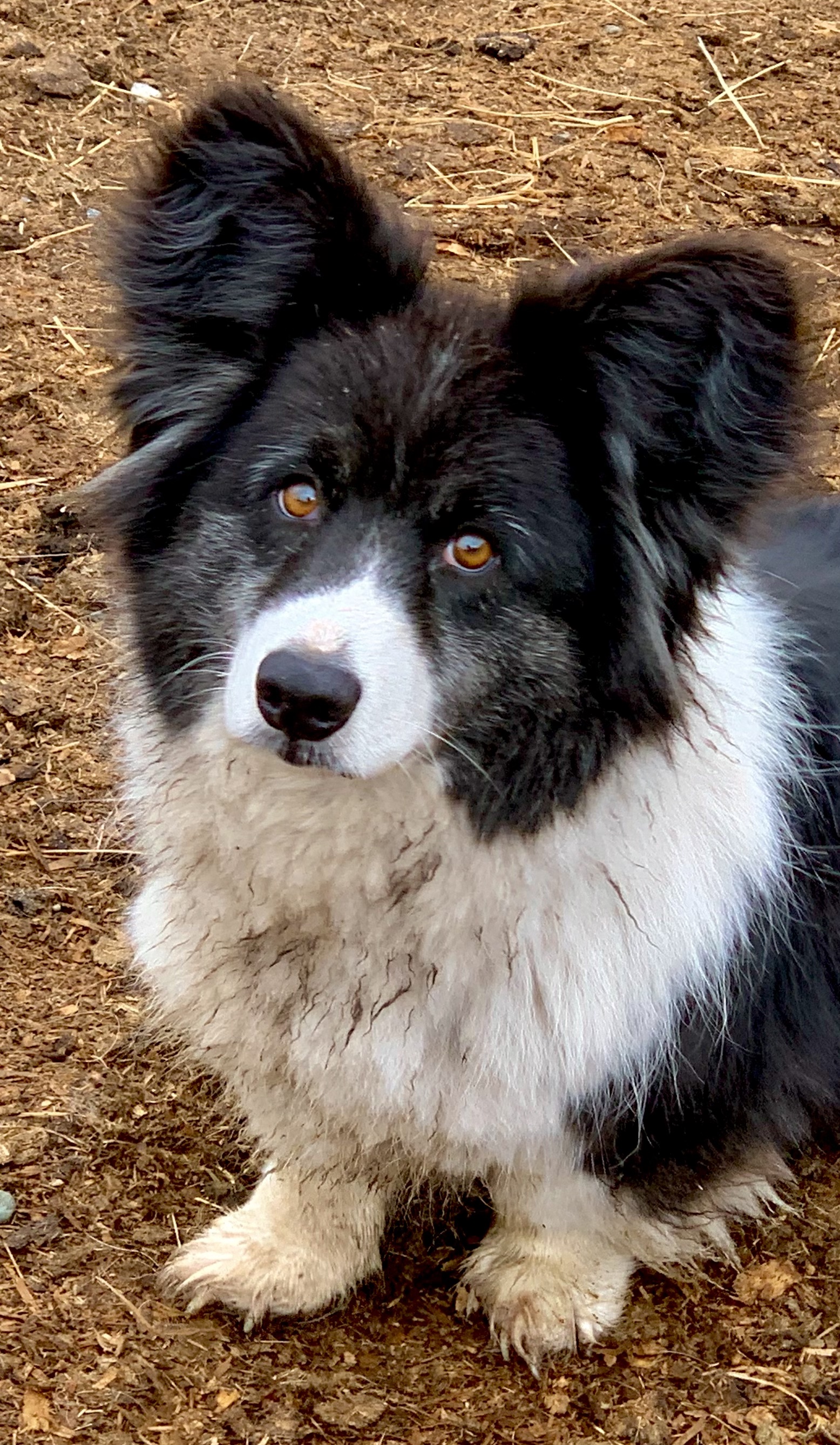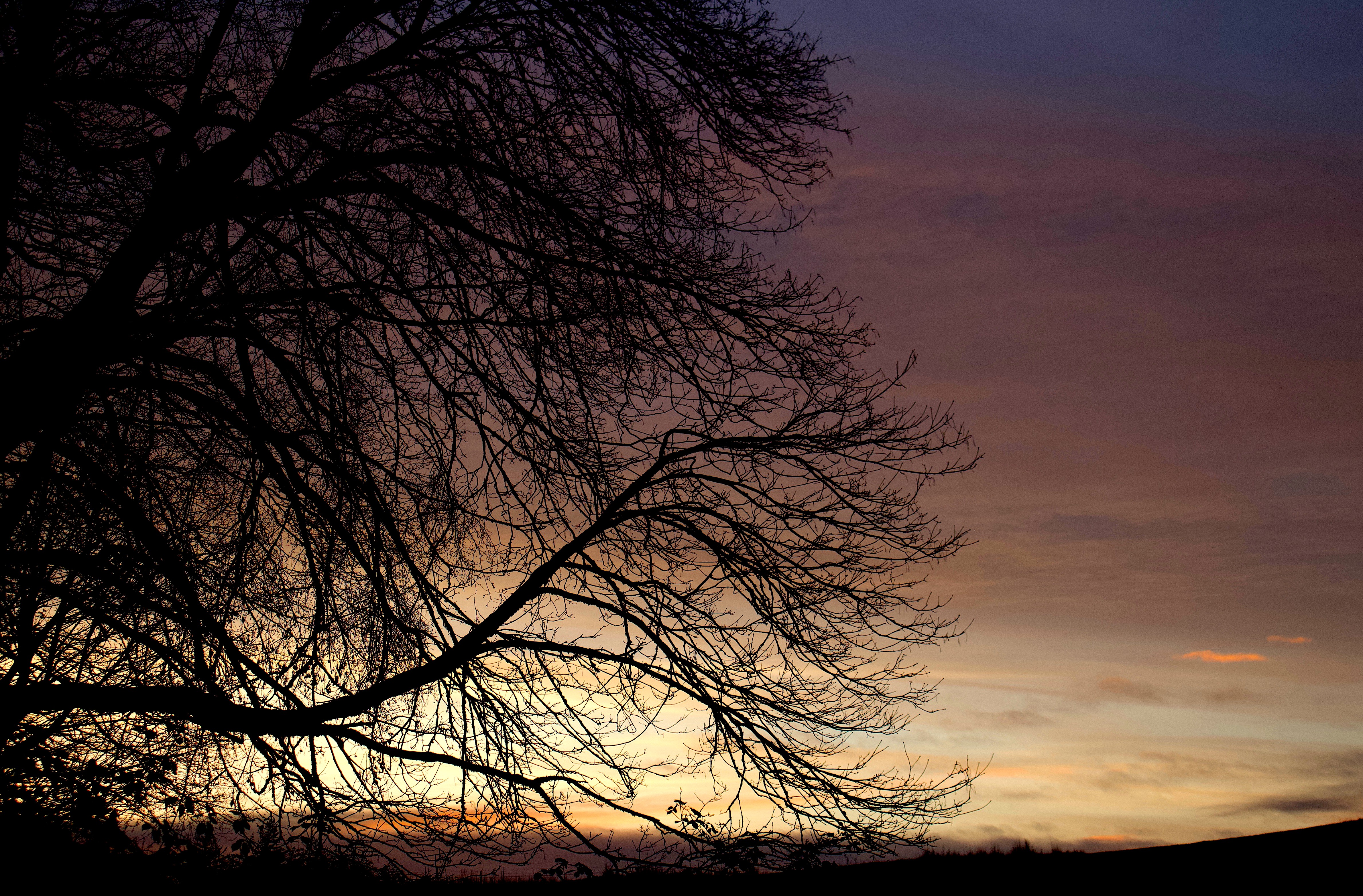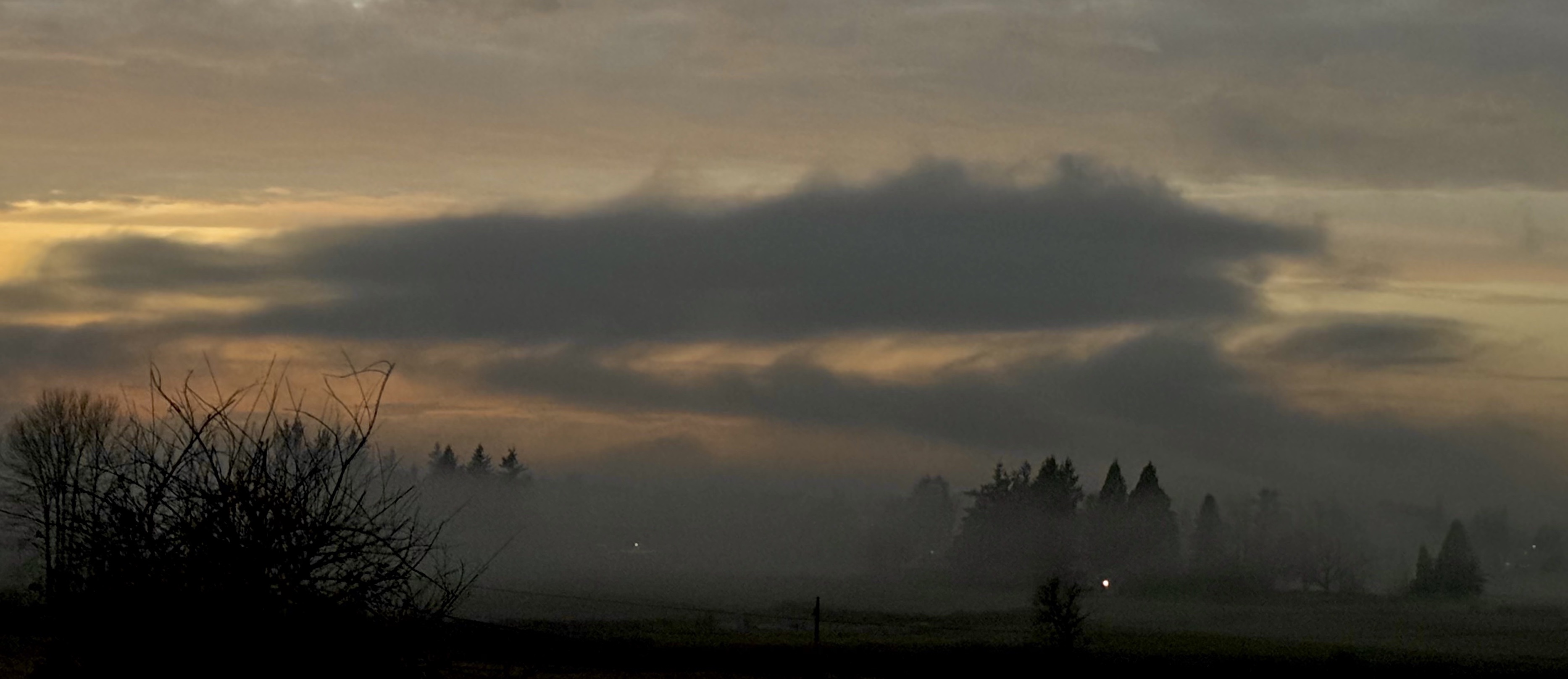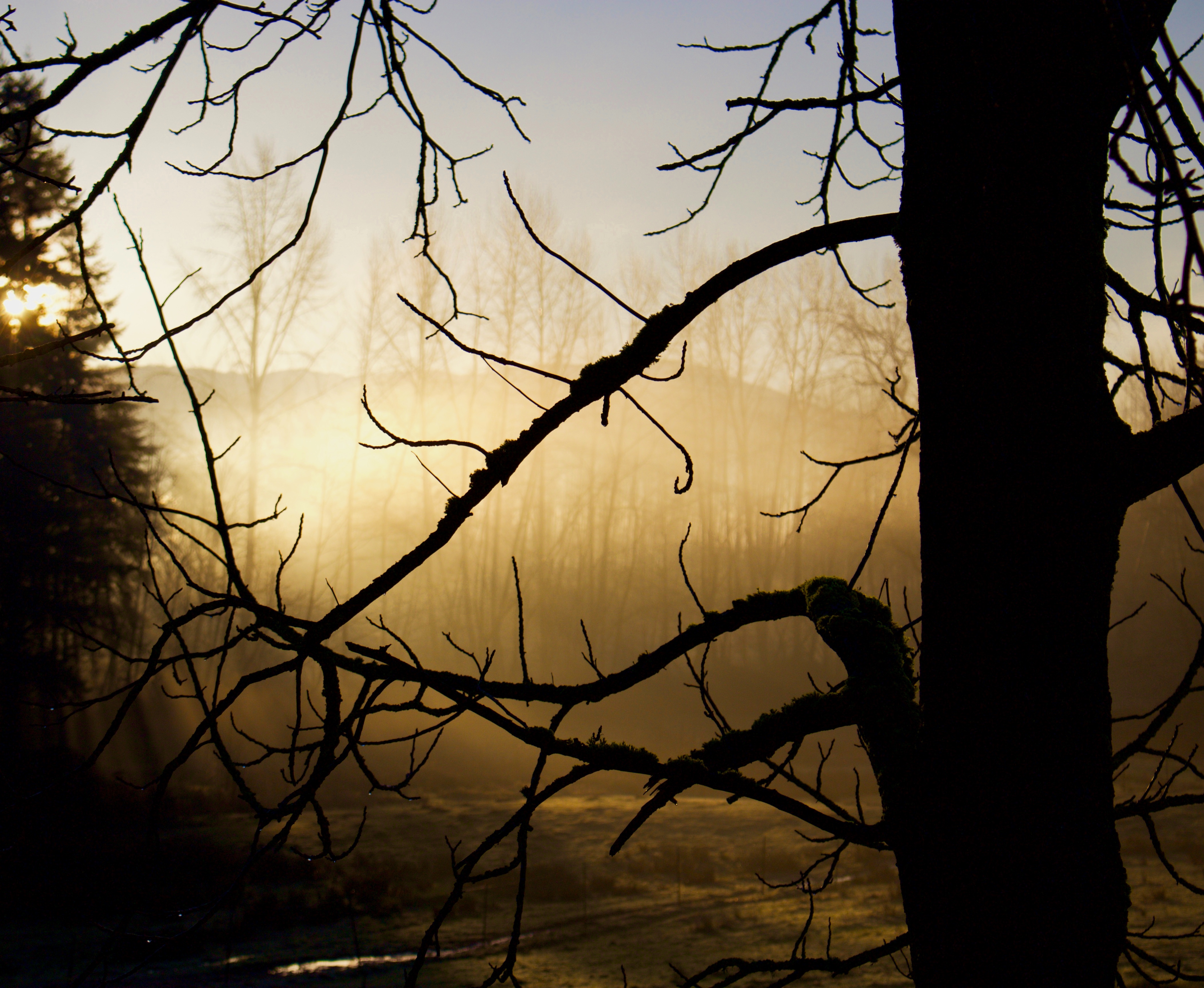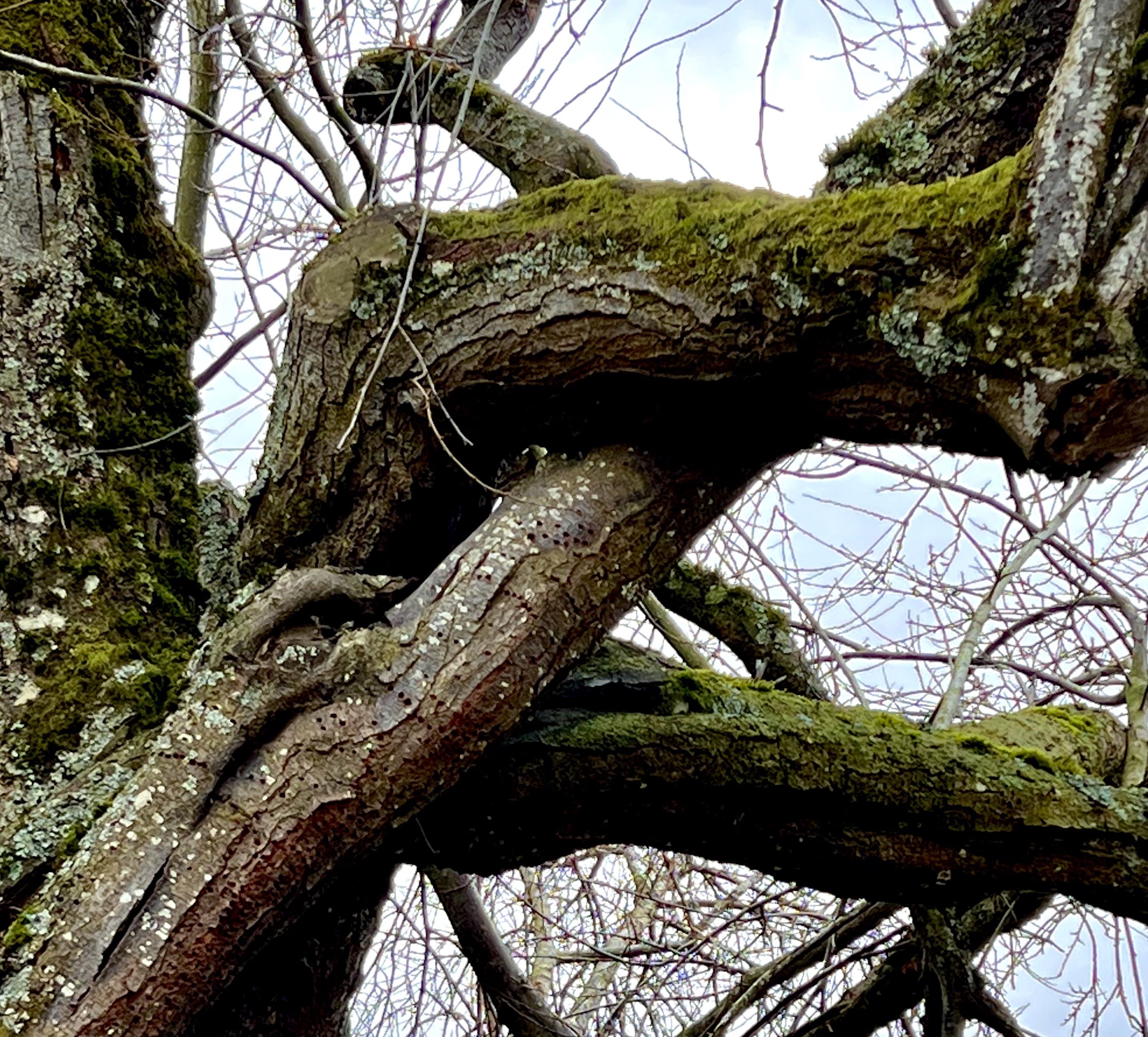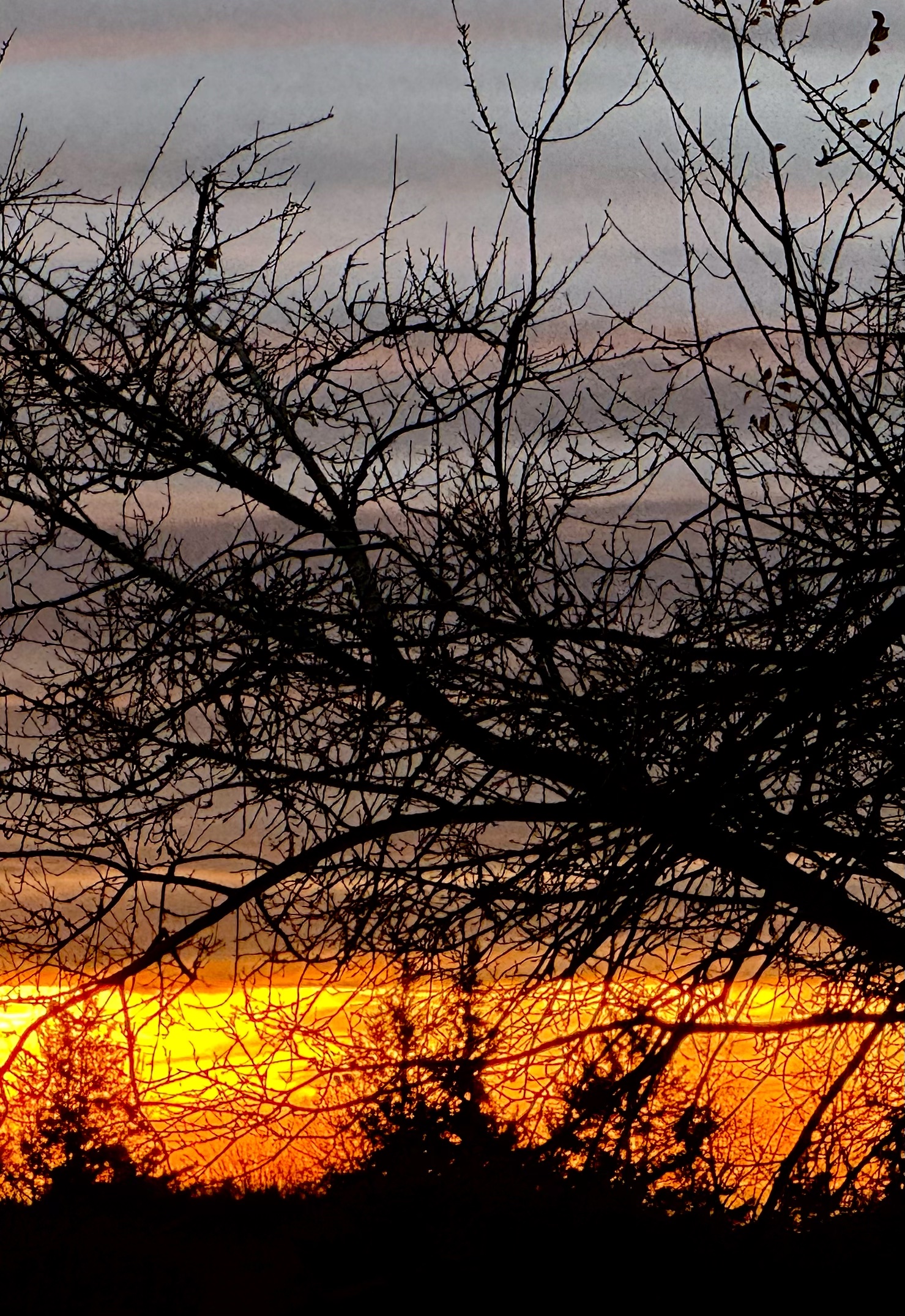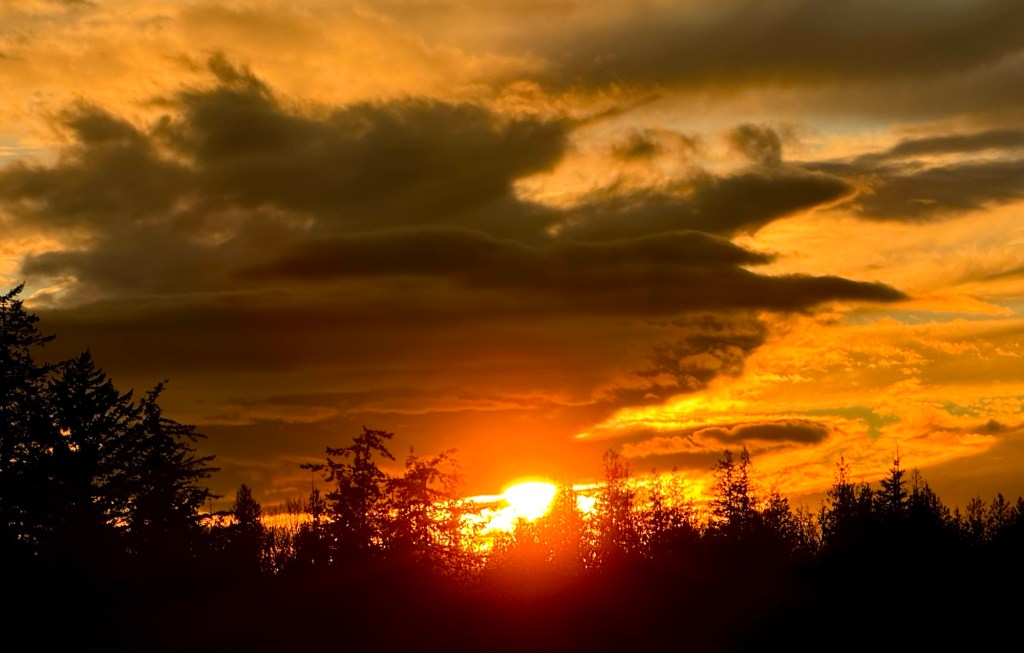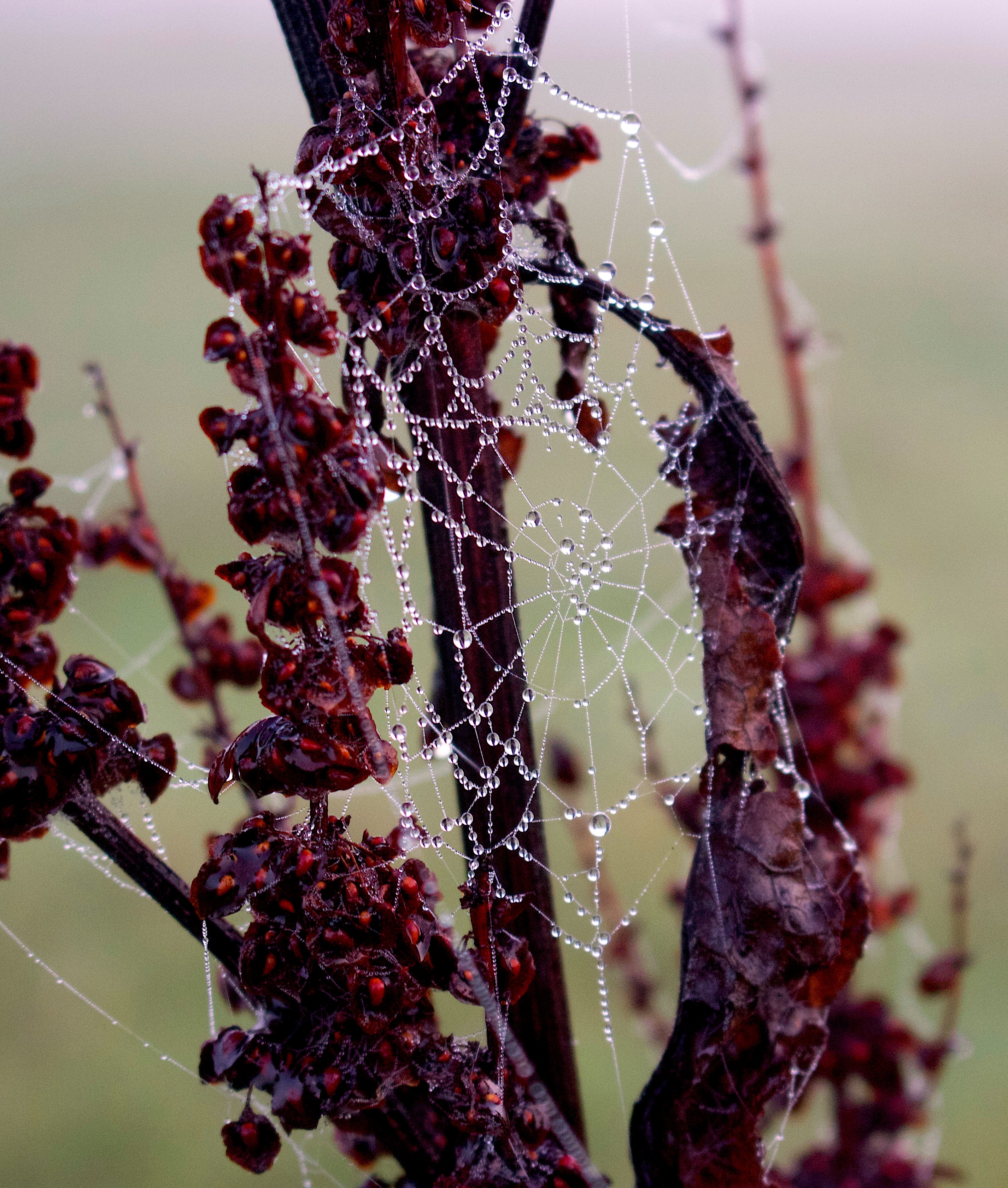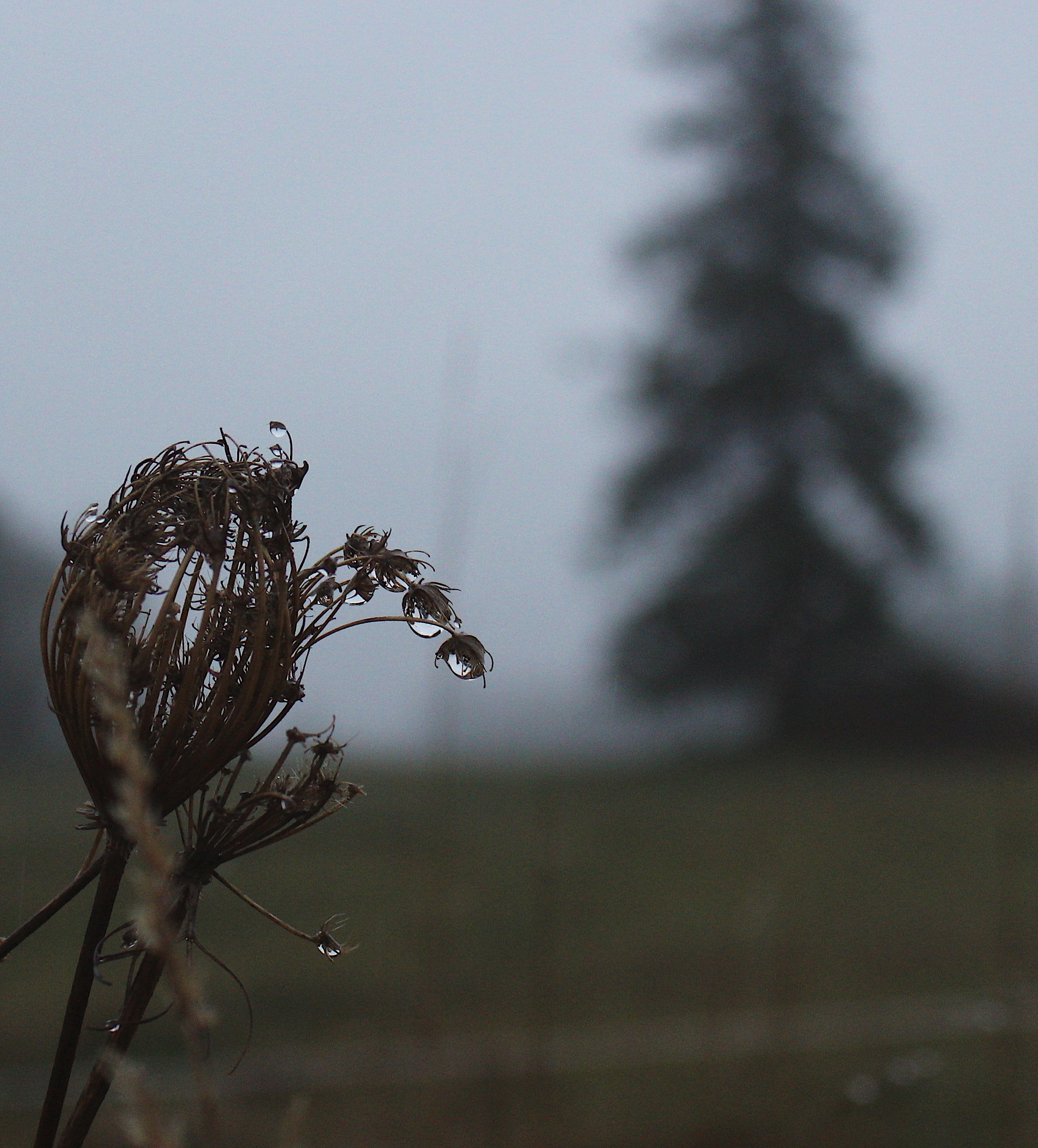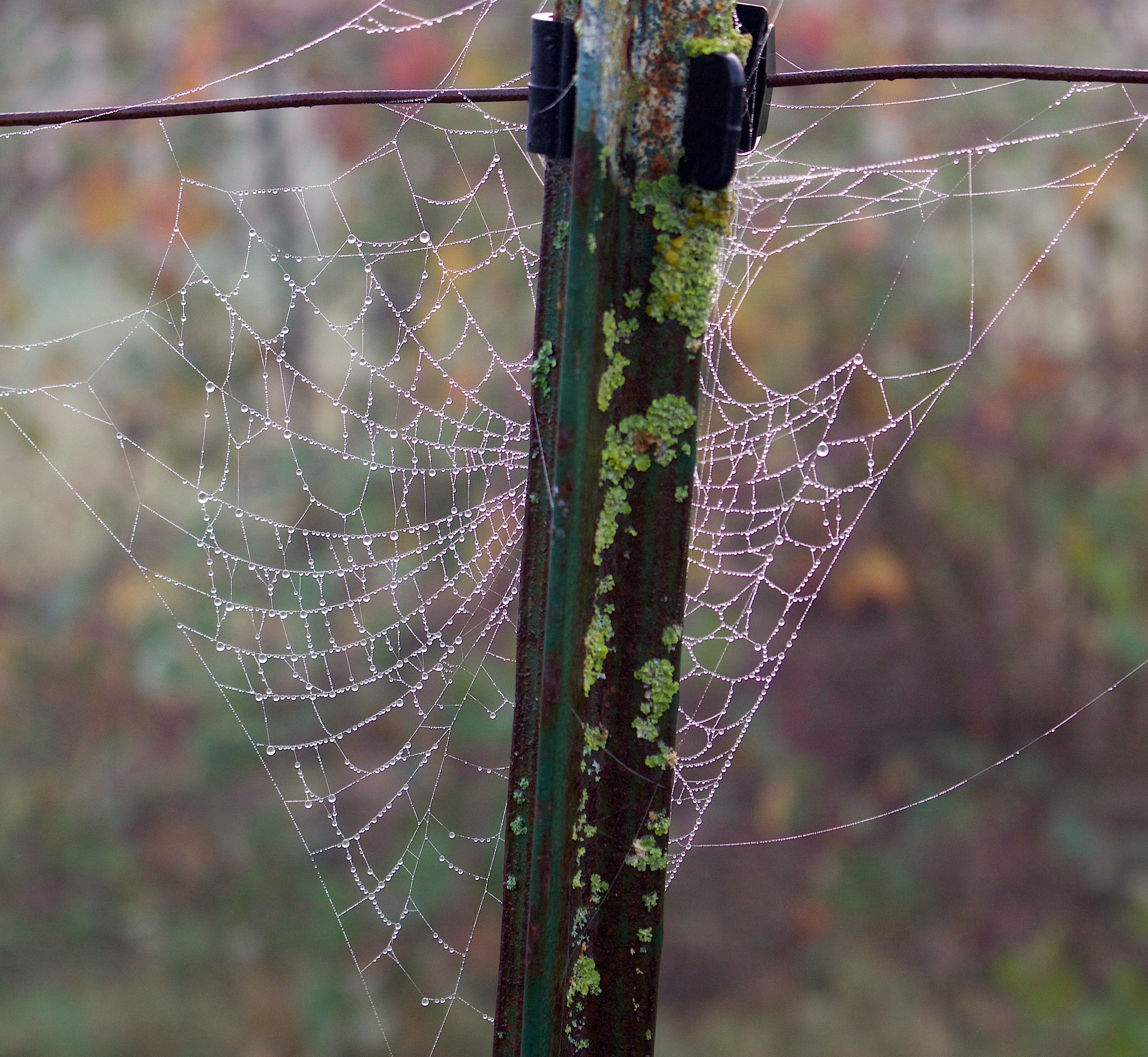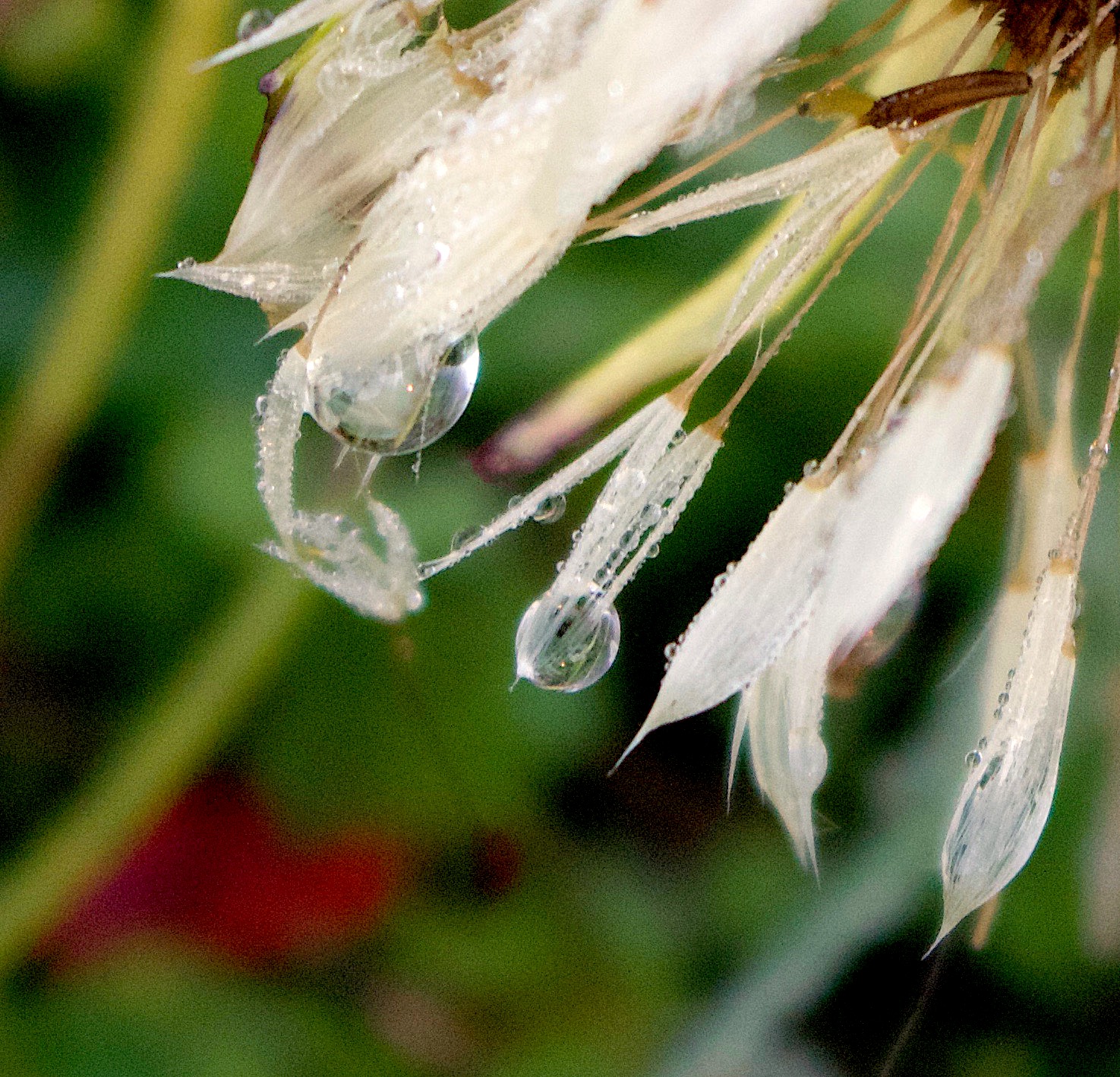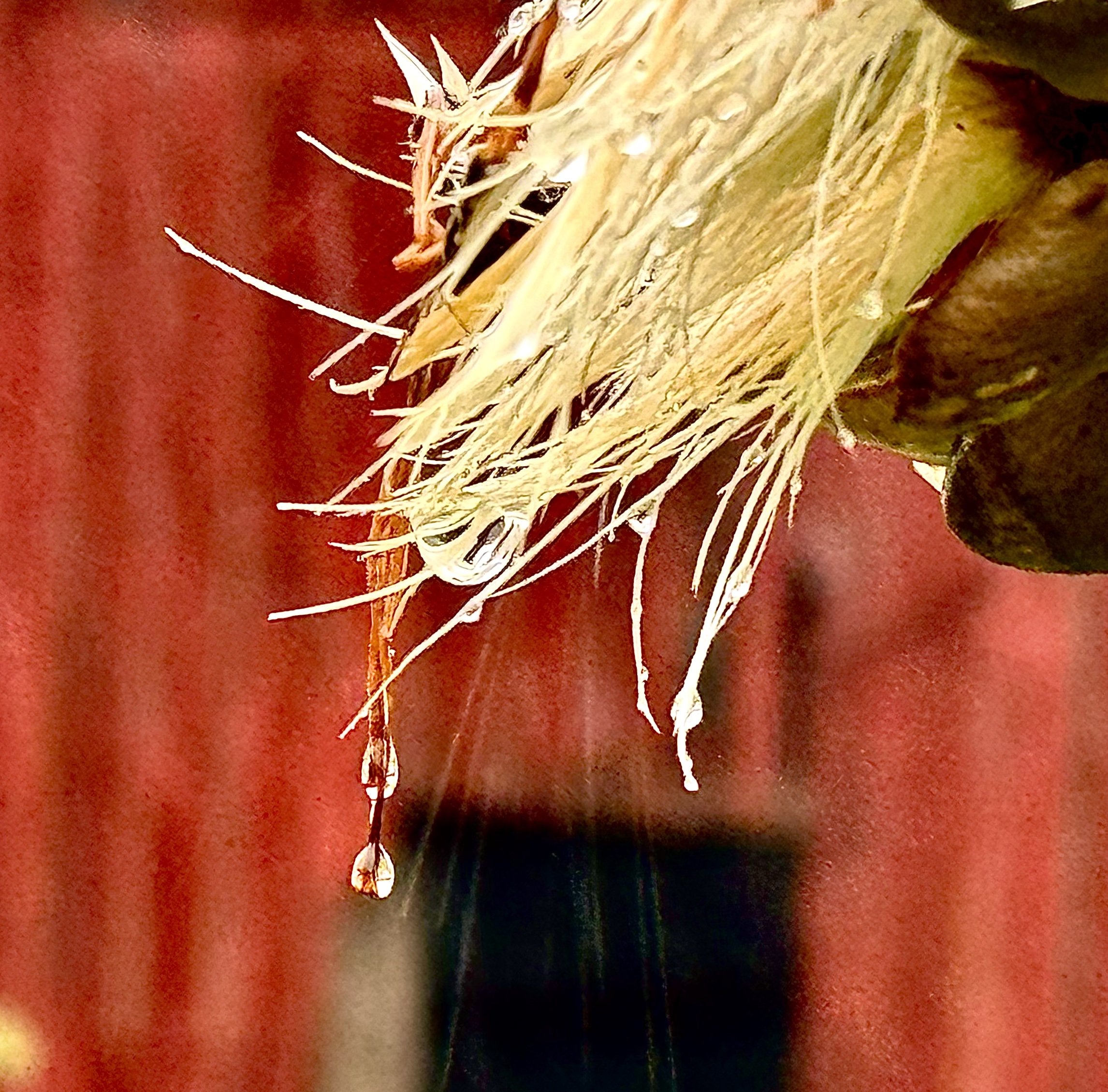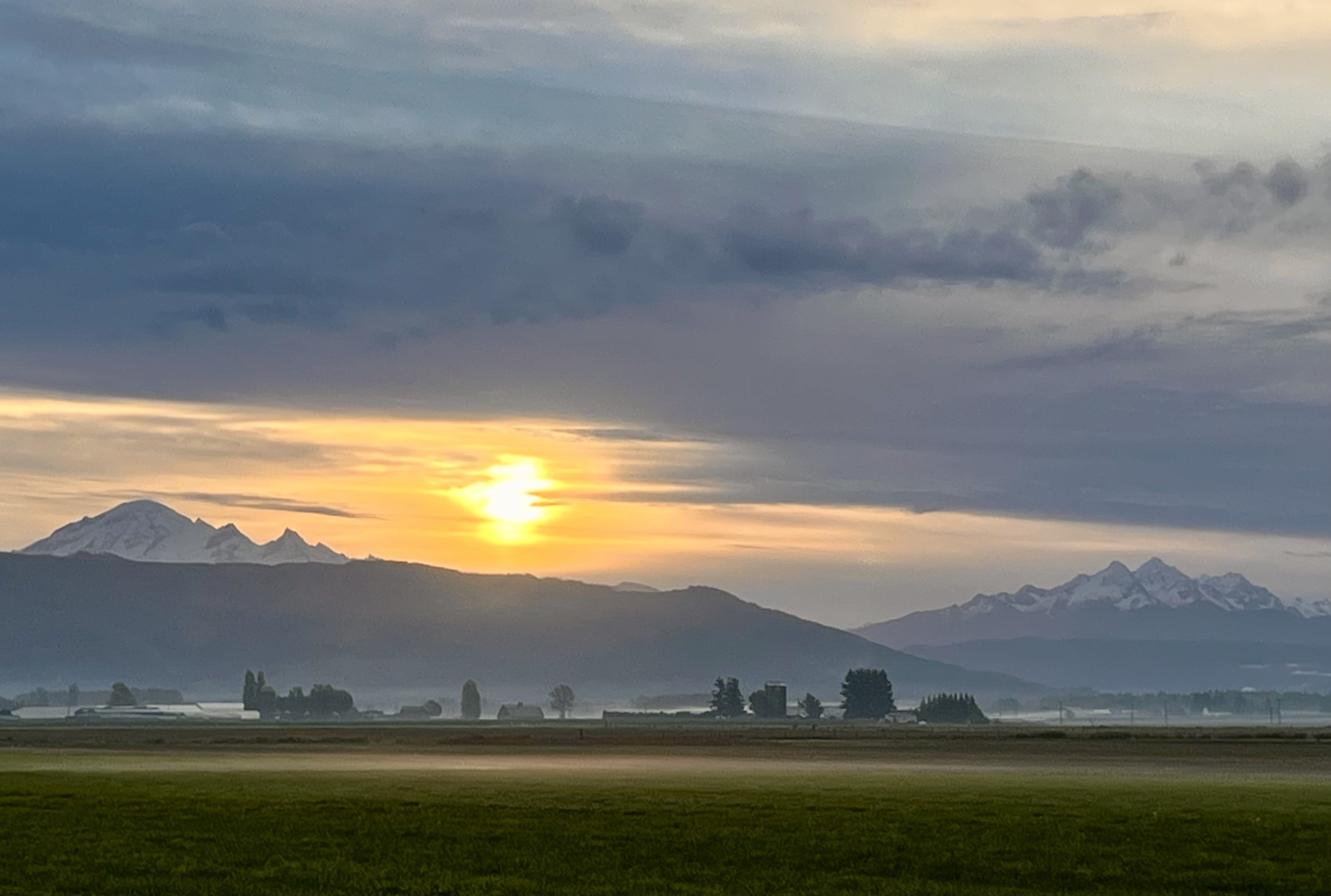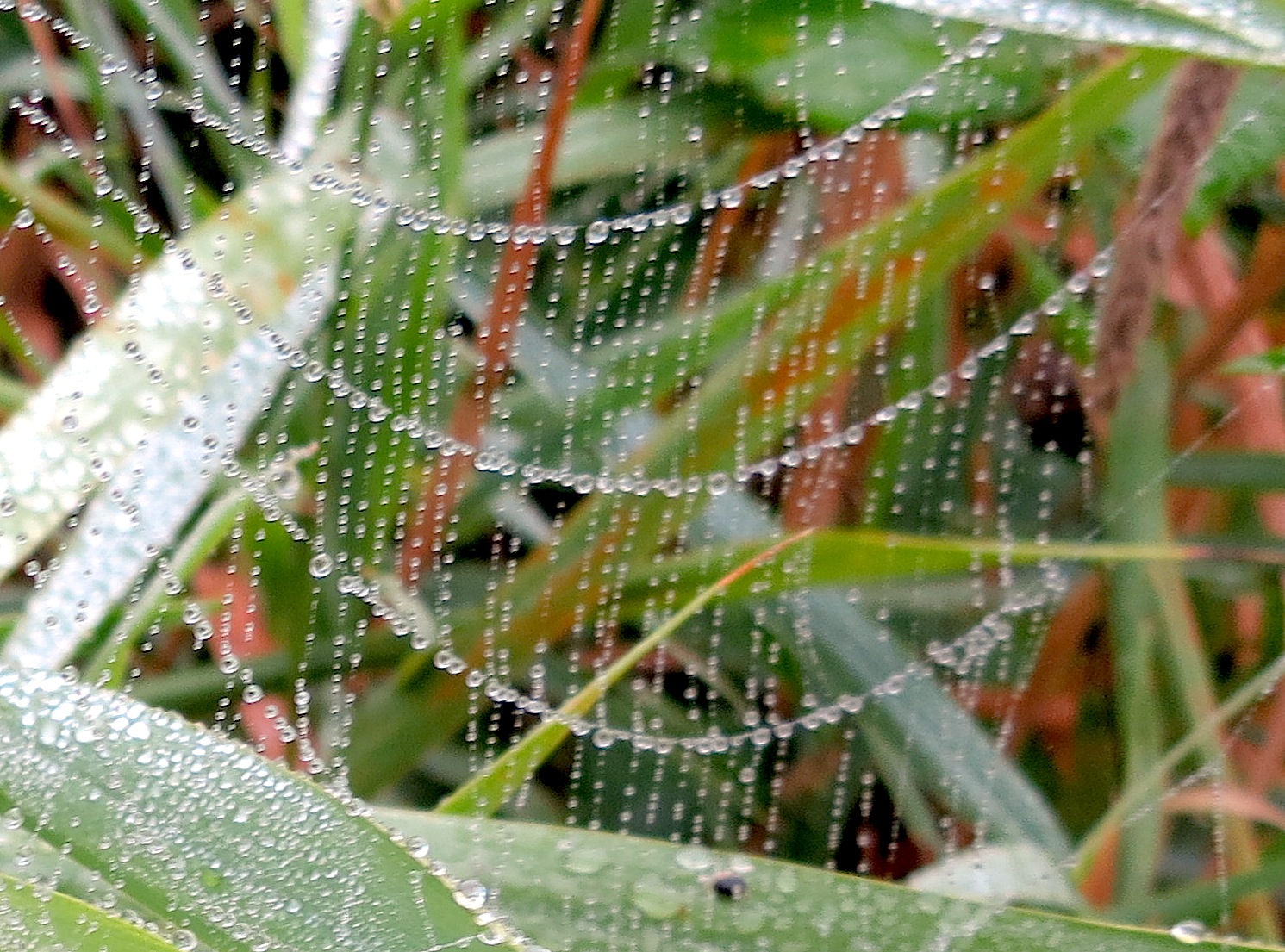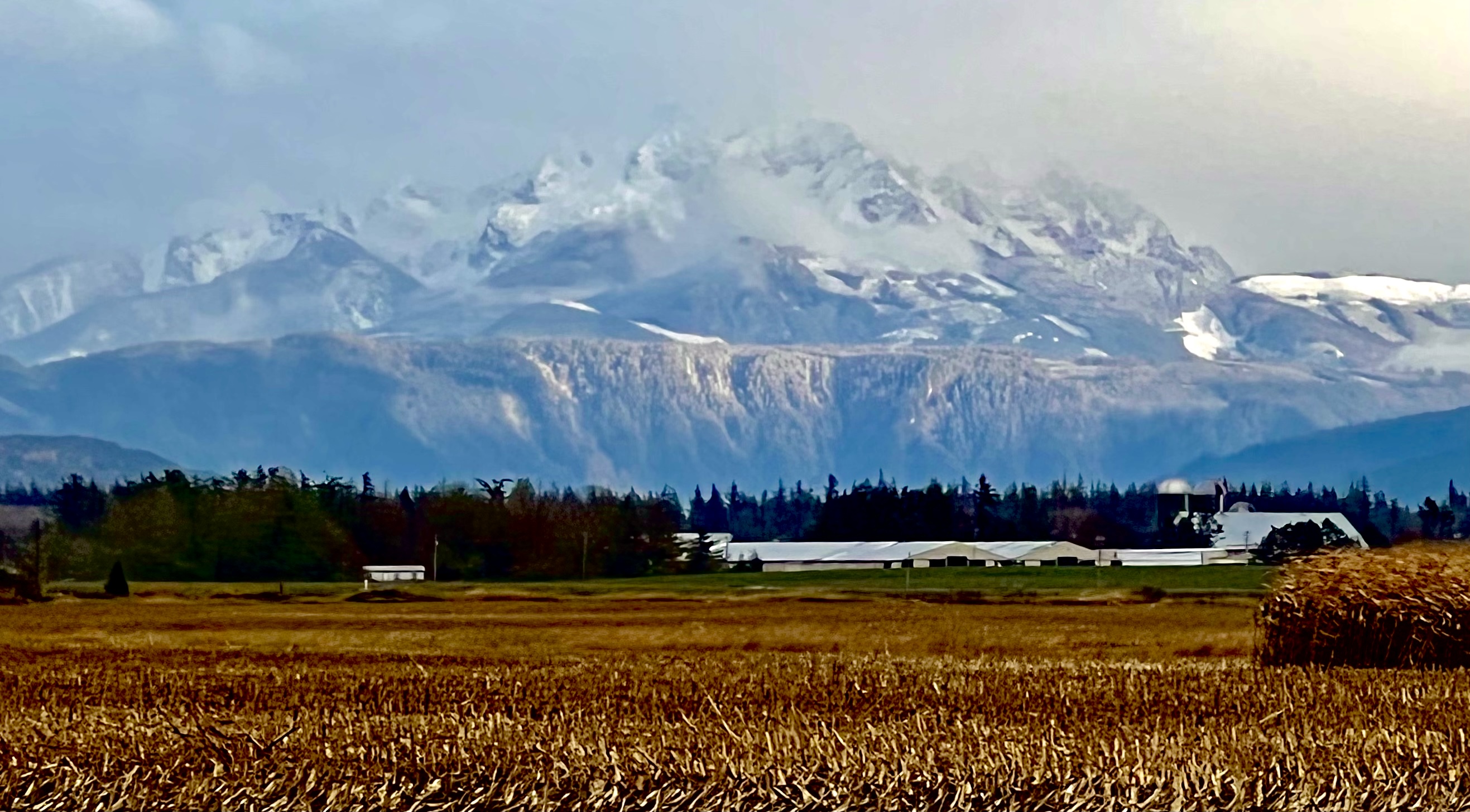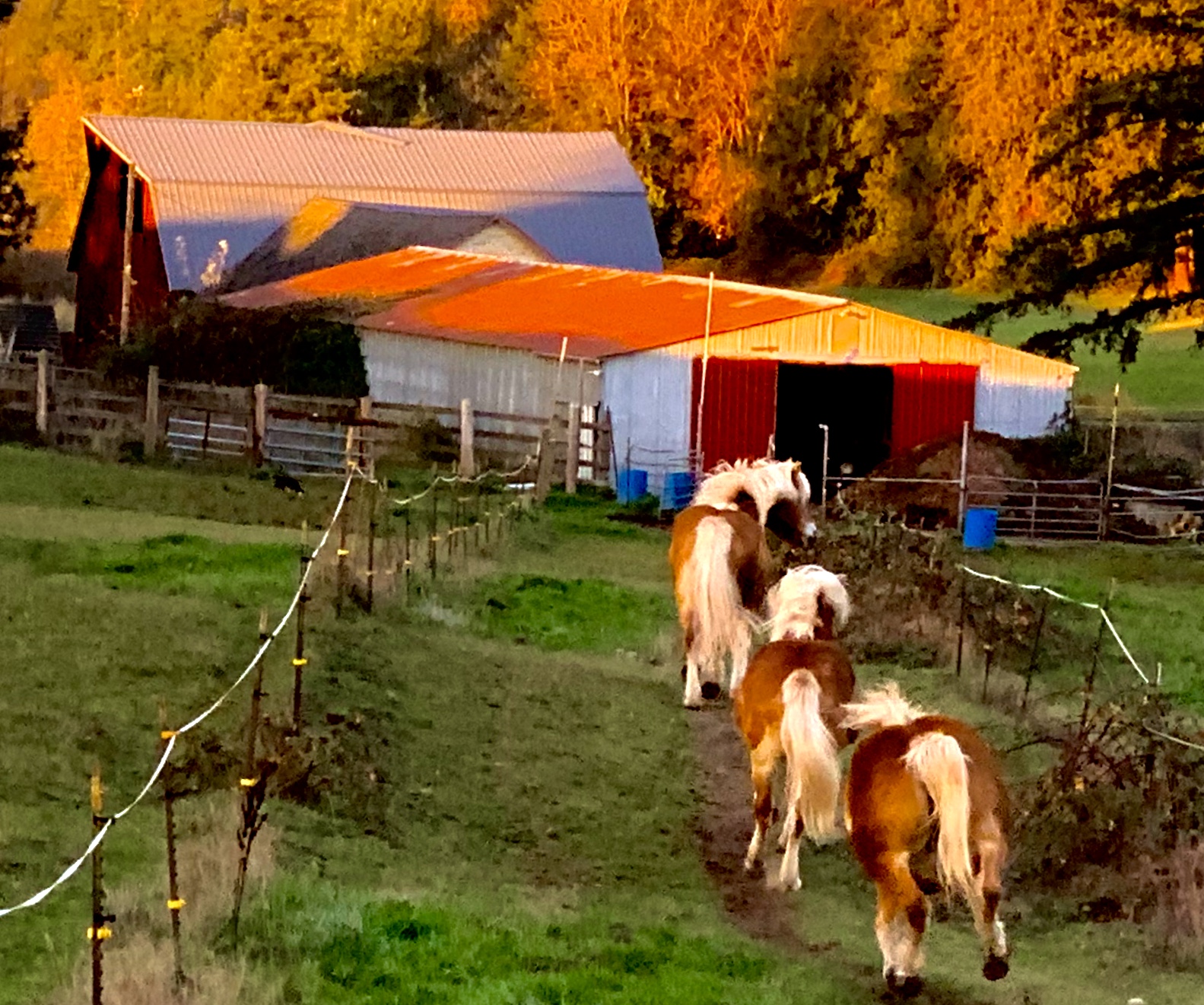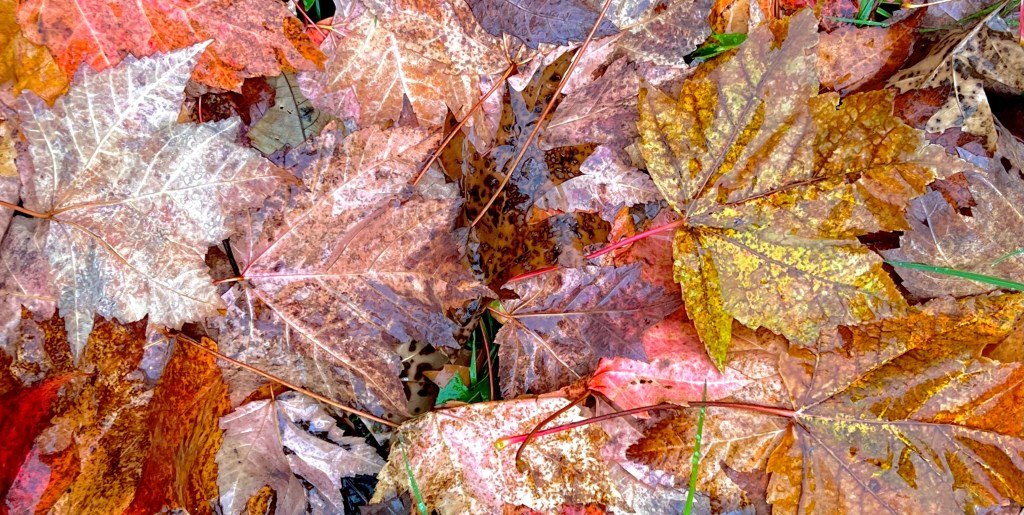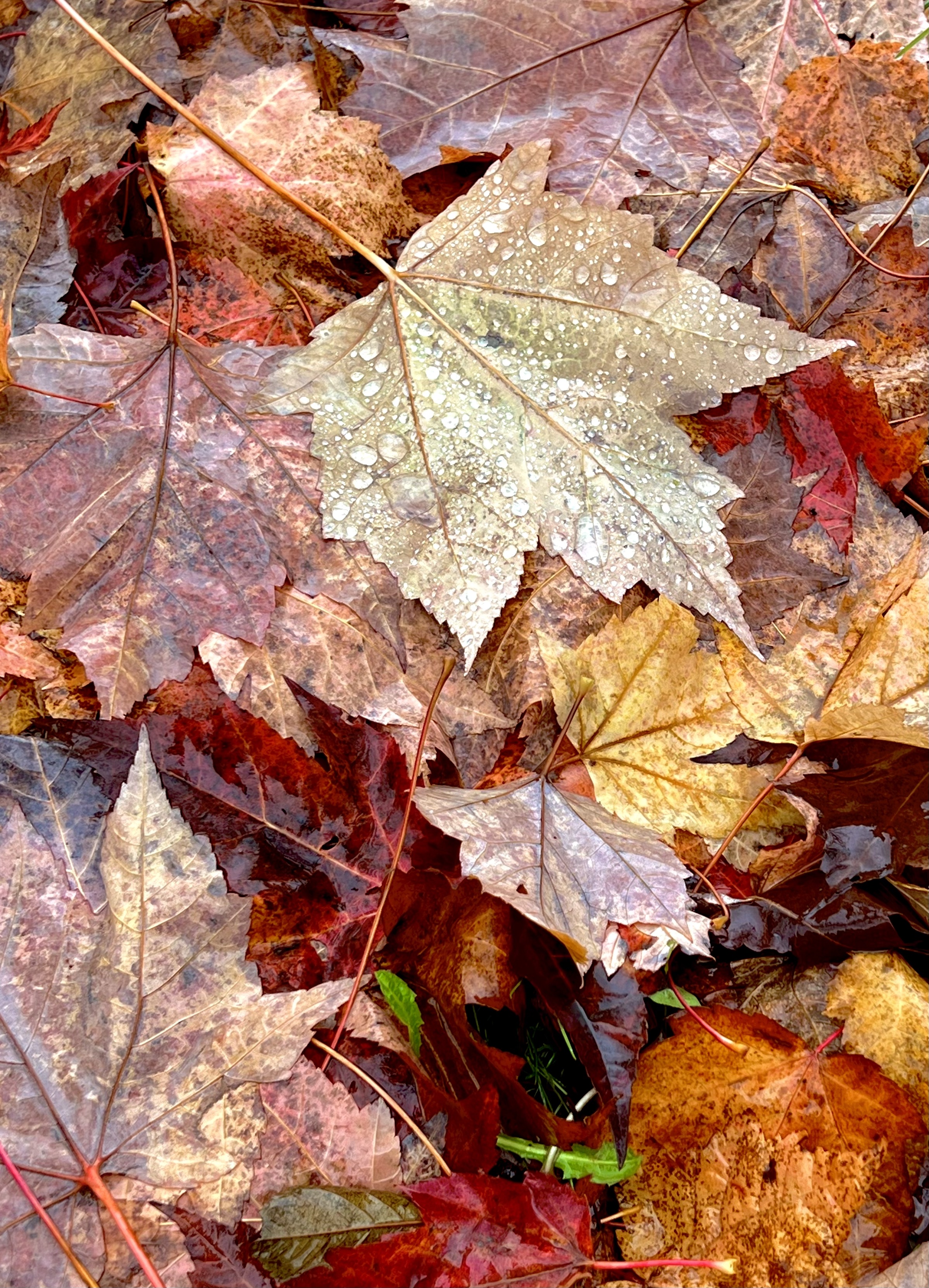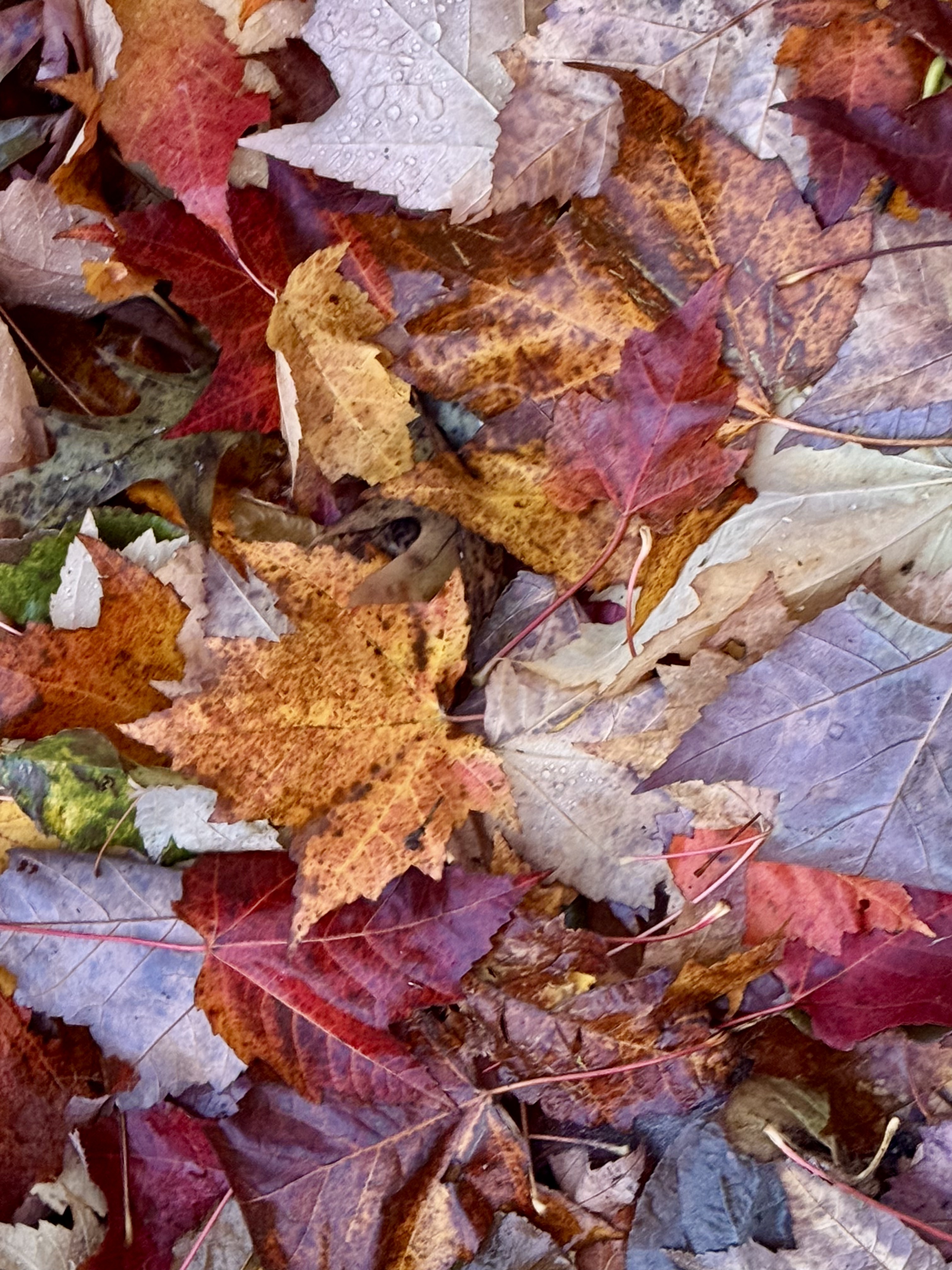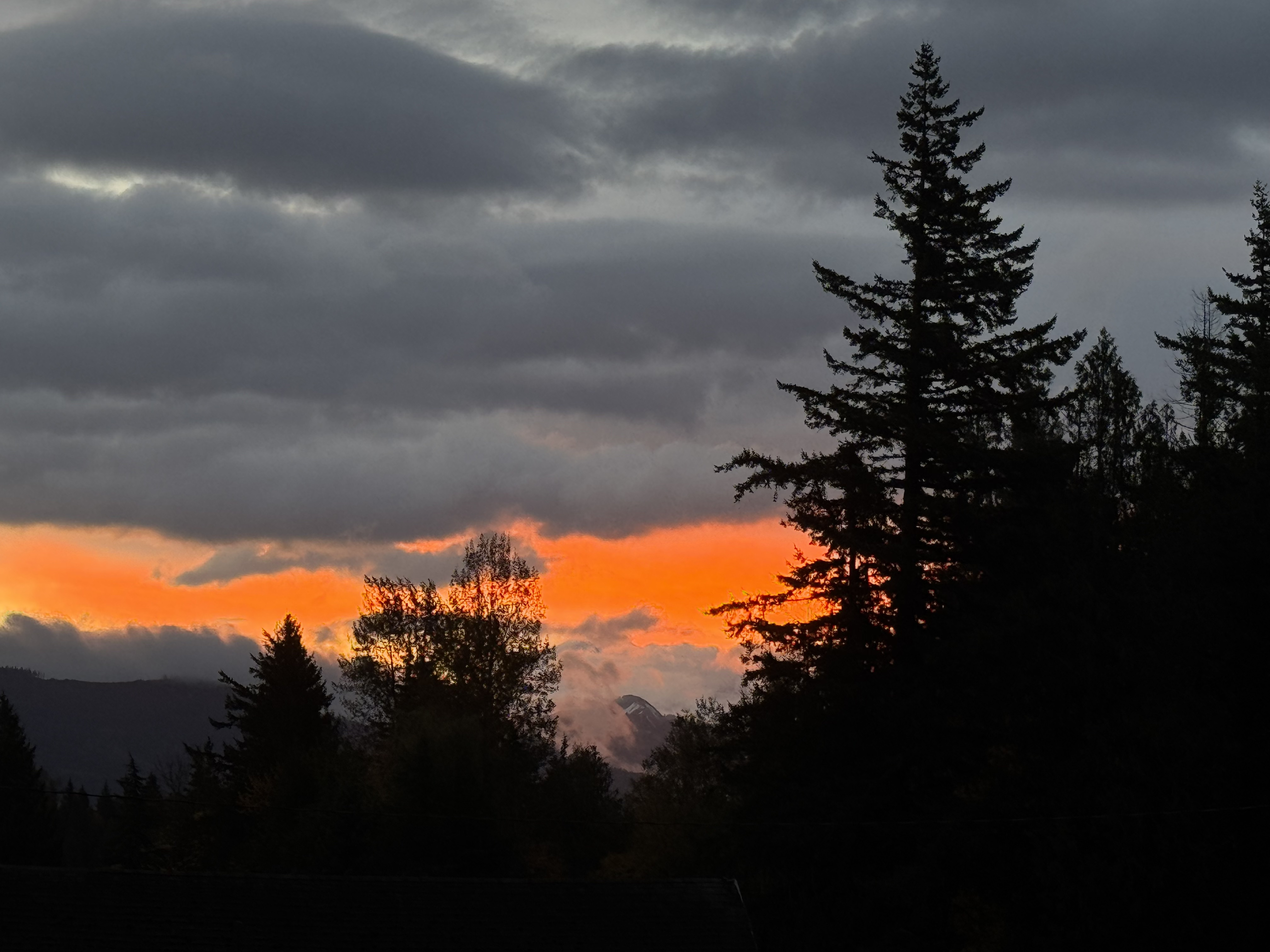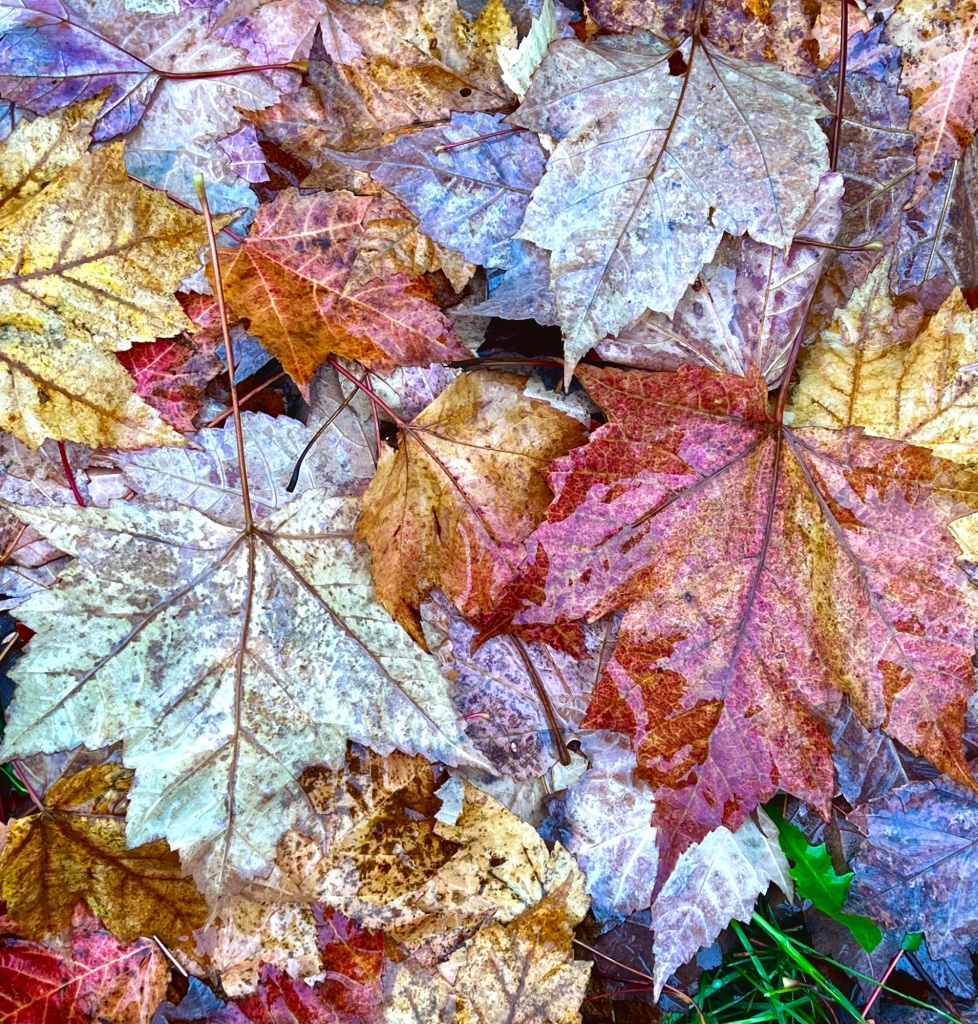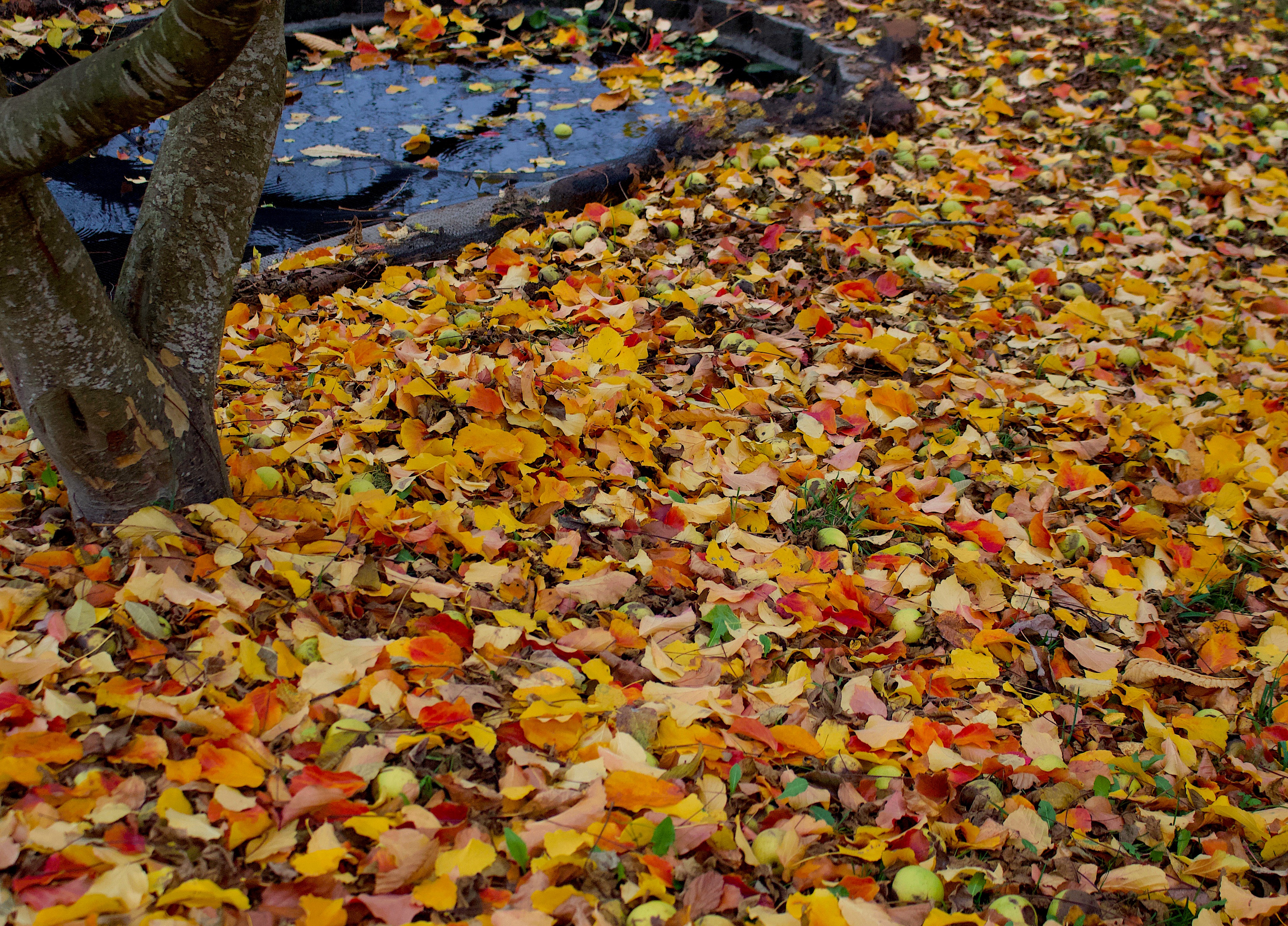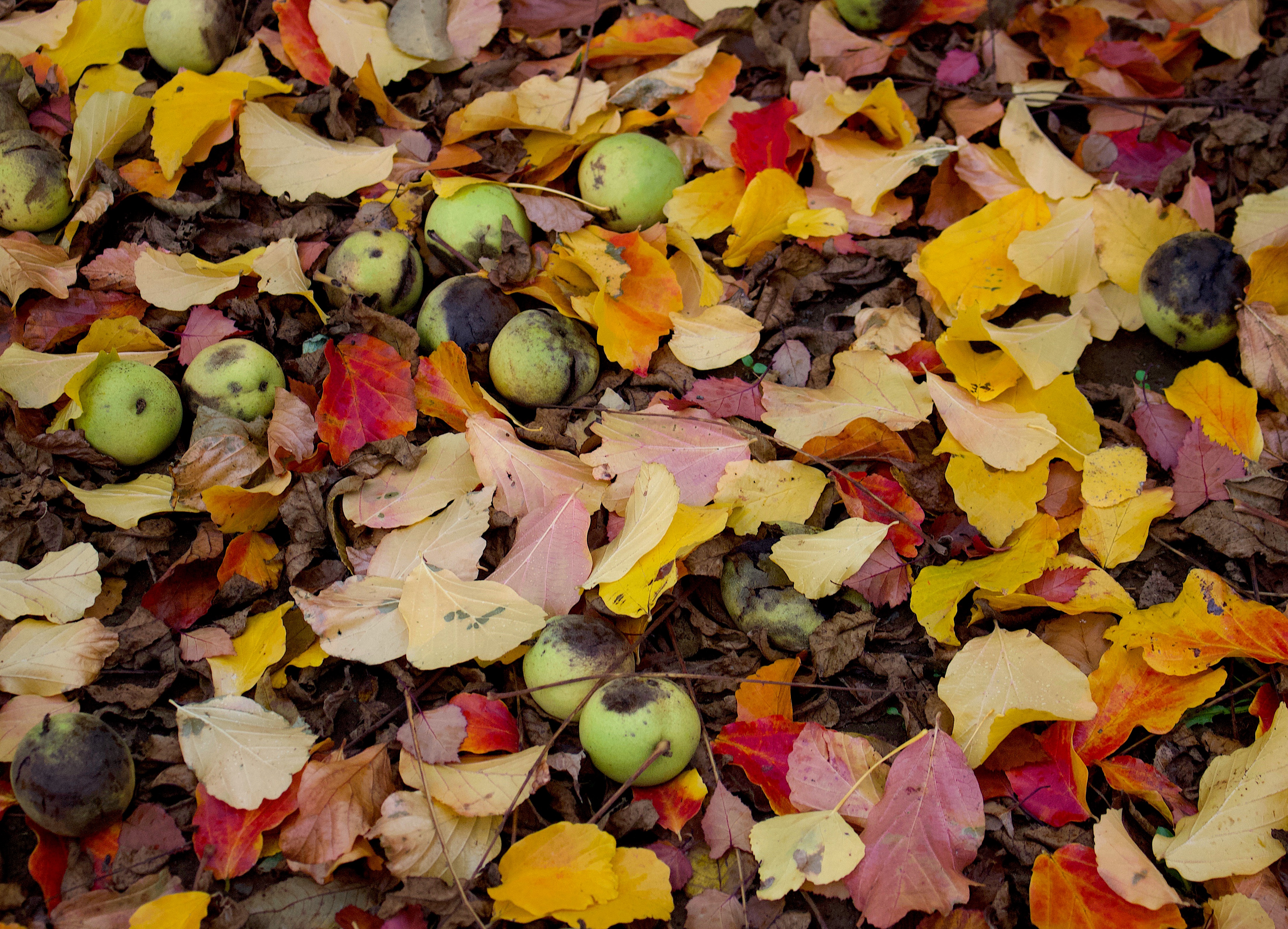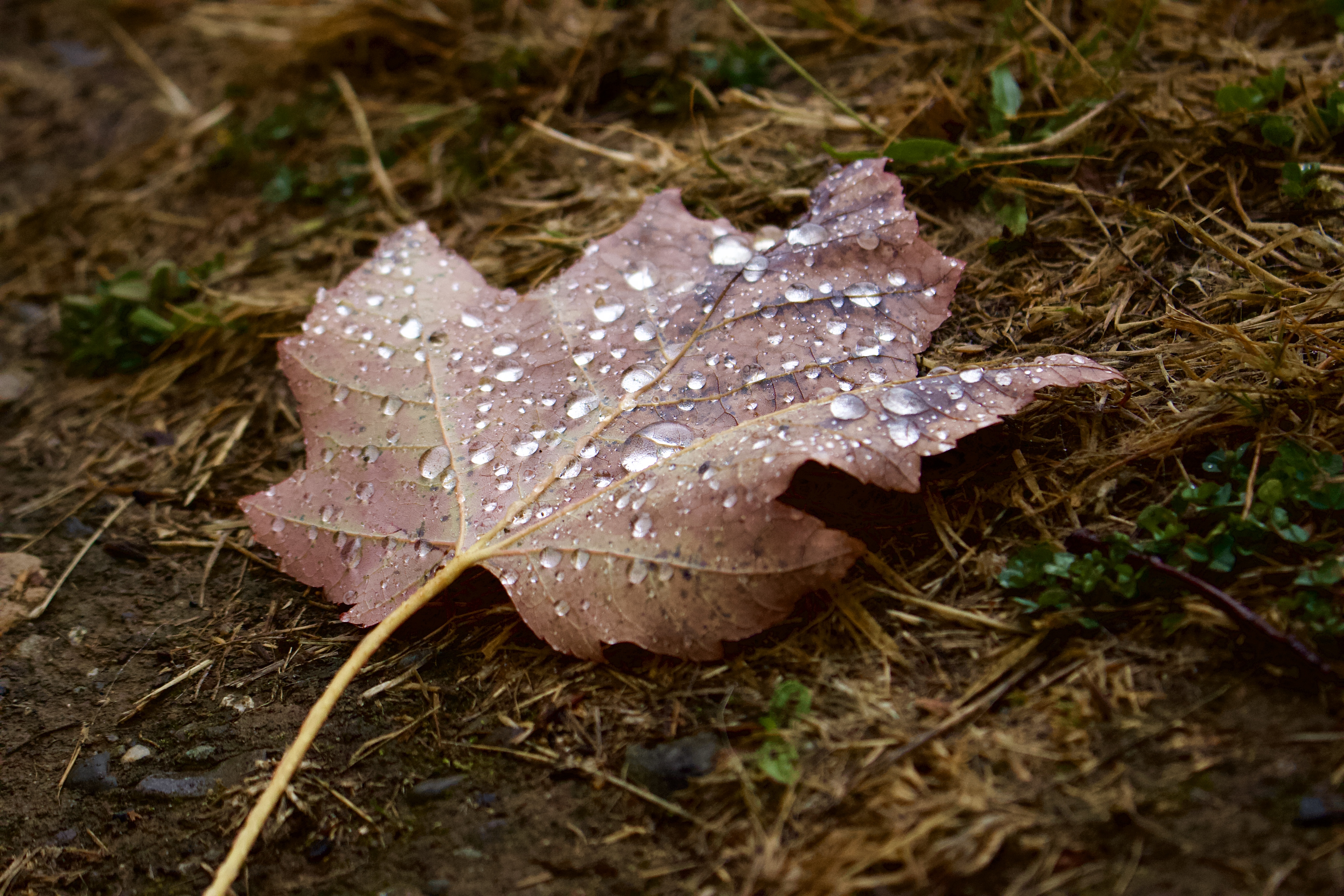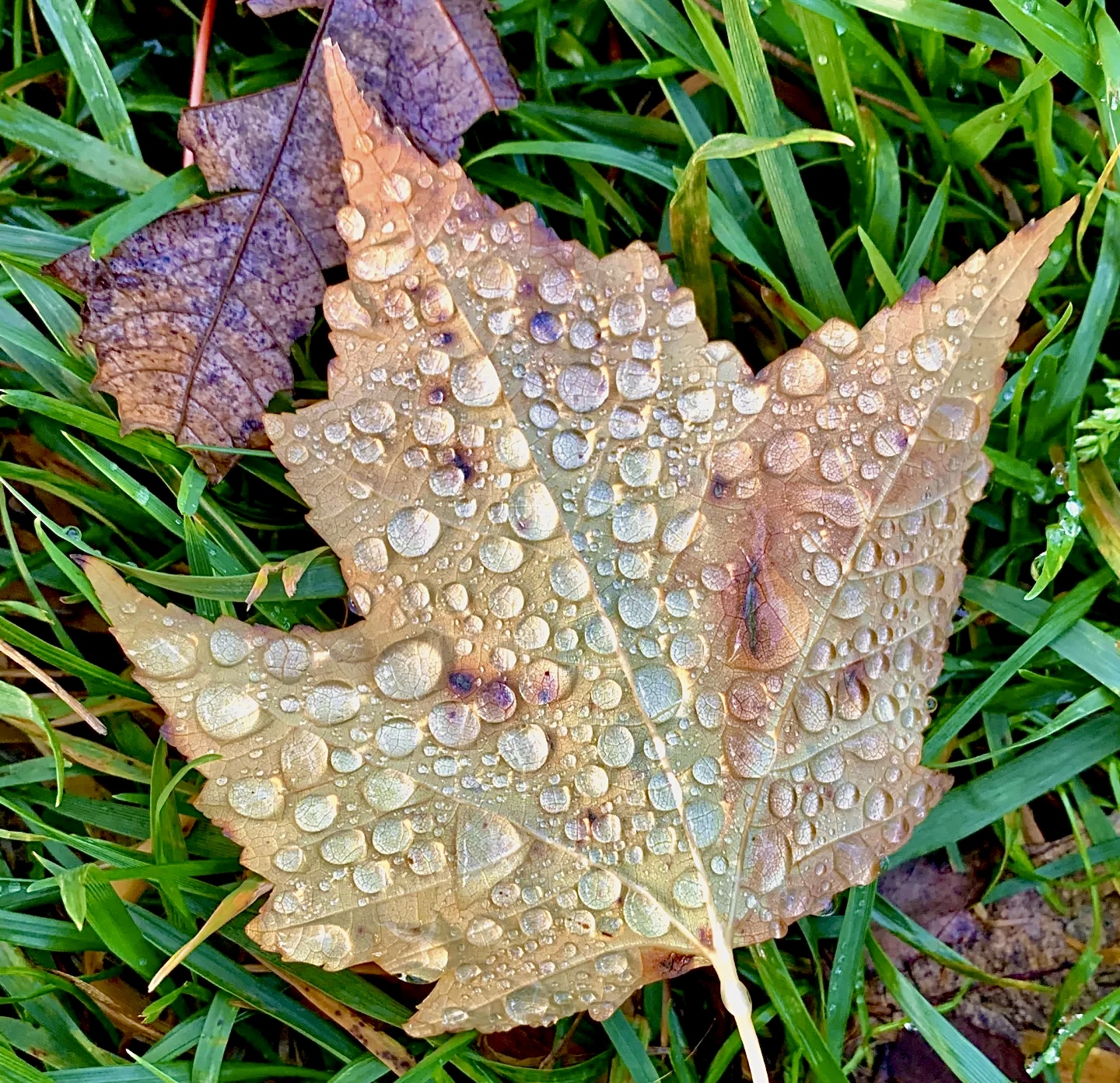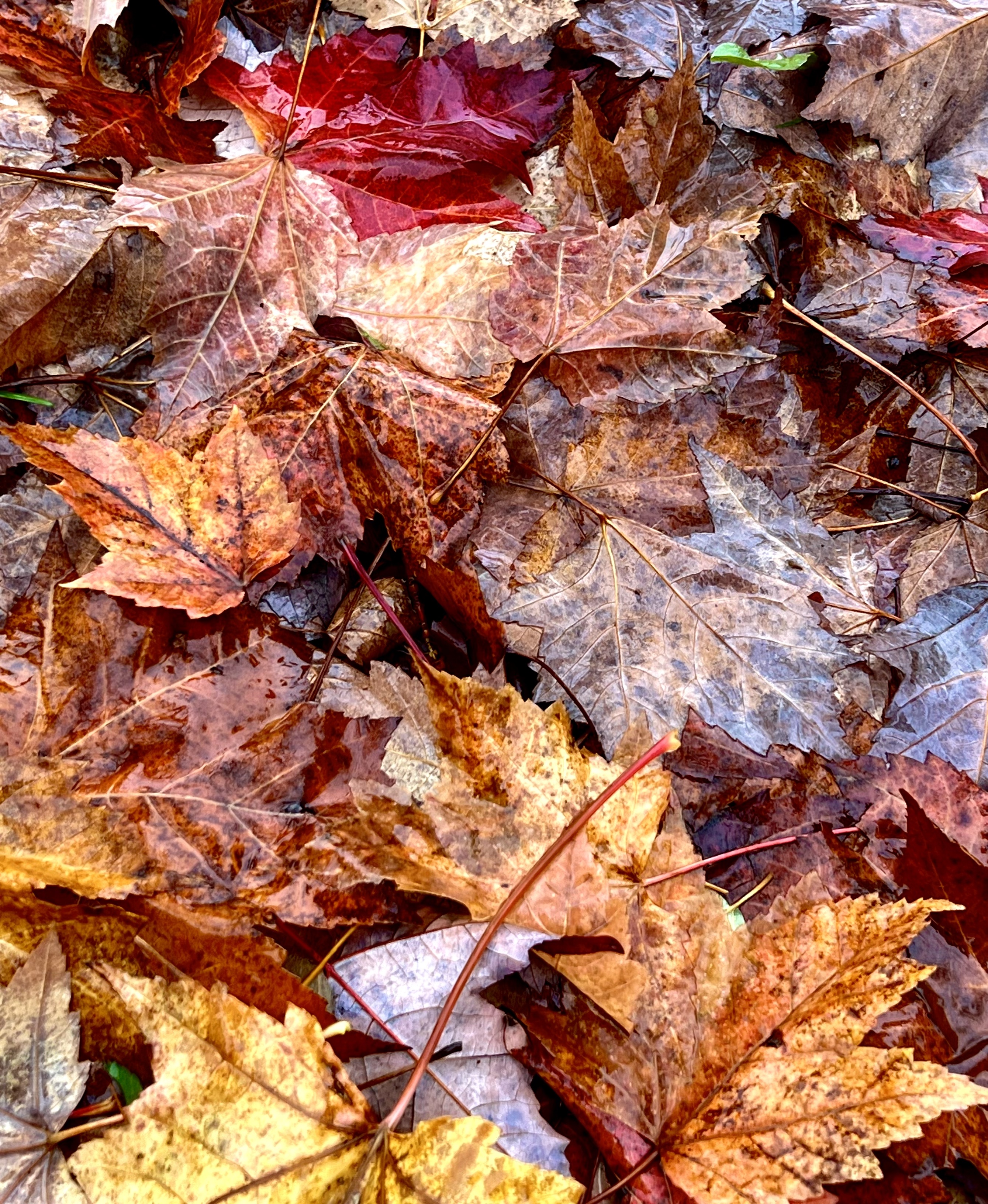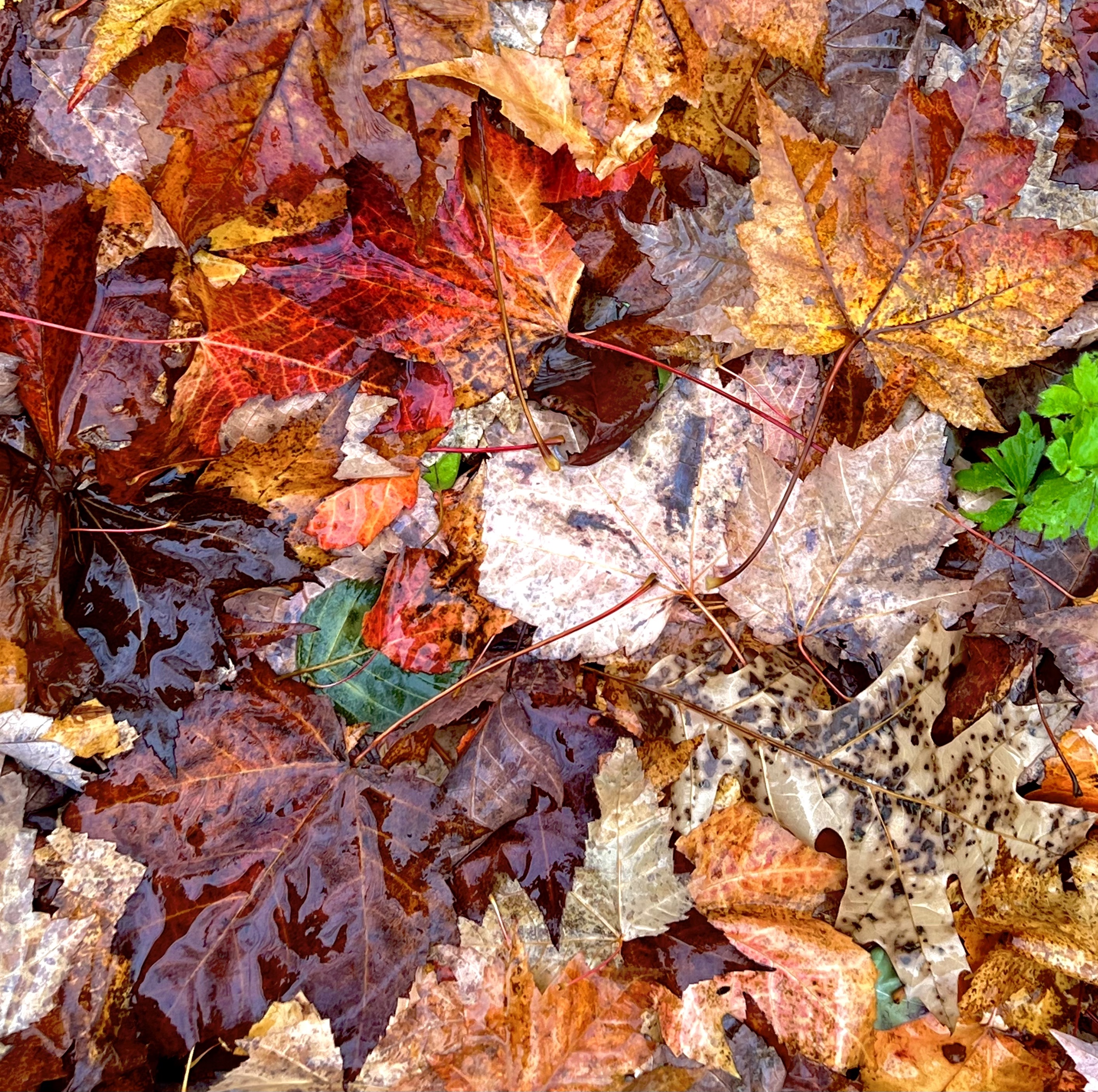
The Wildness and Wet

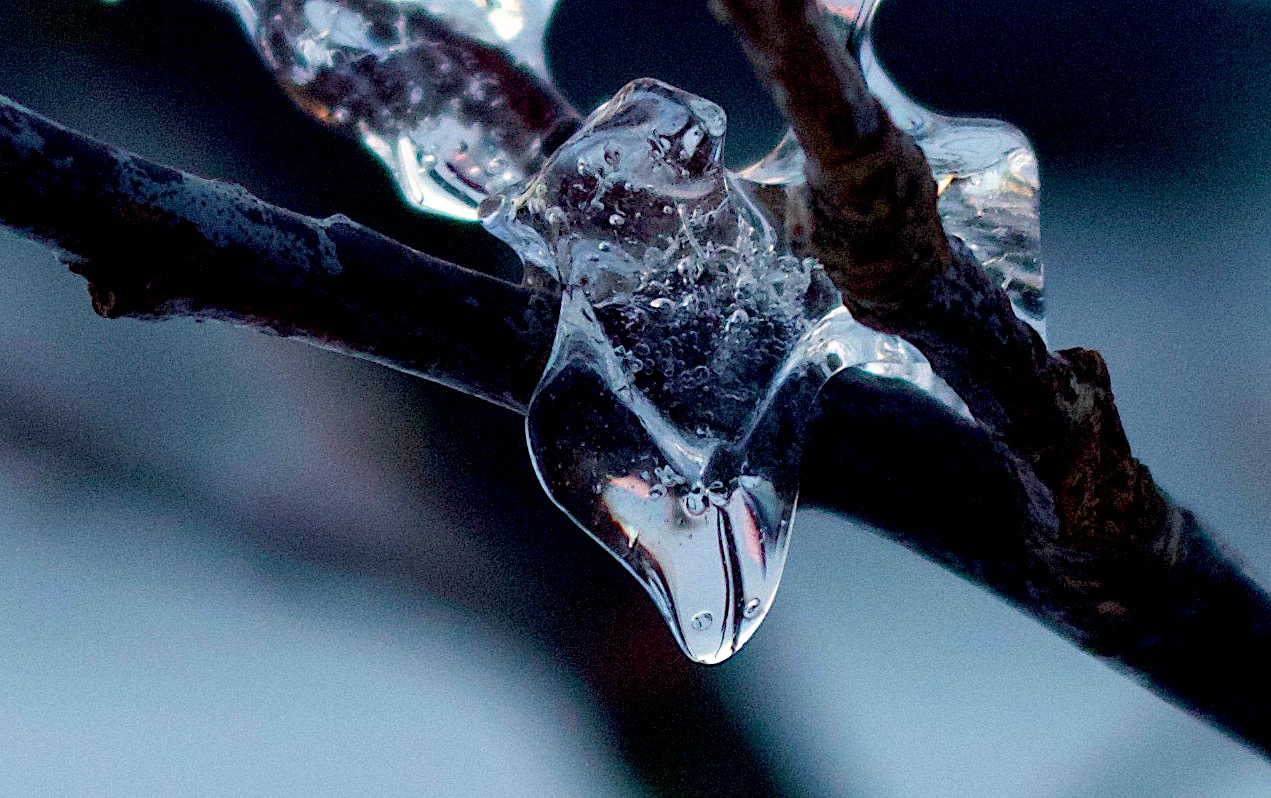
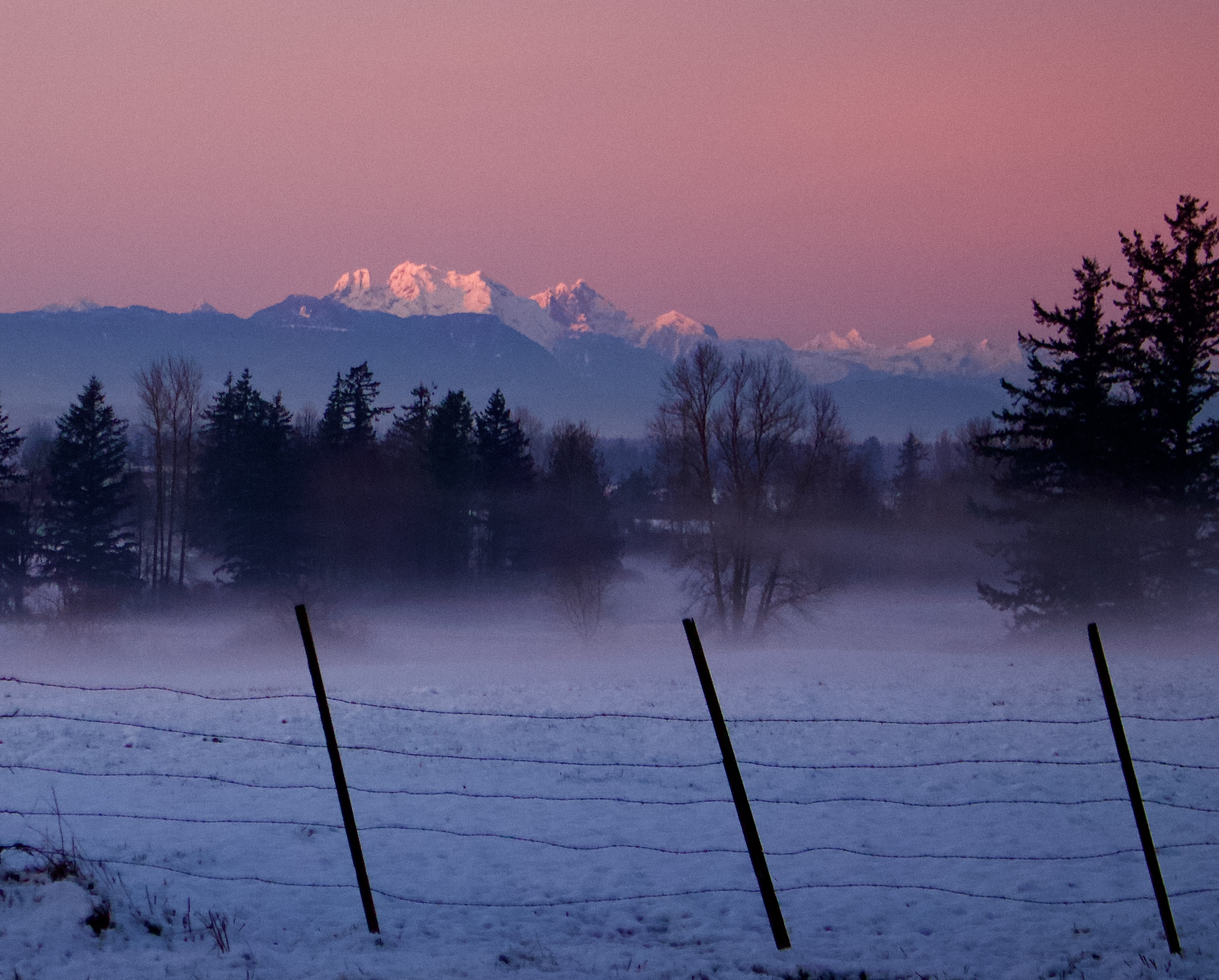
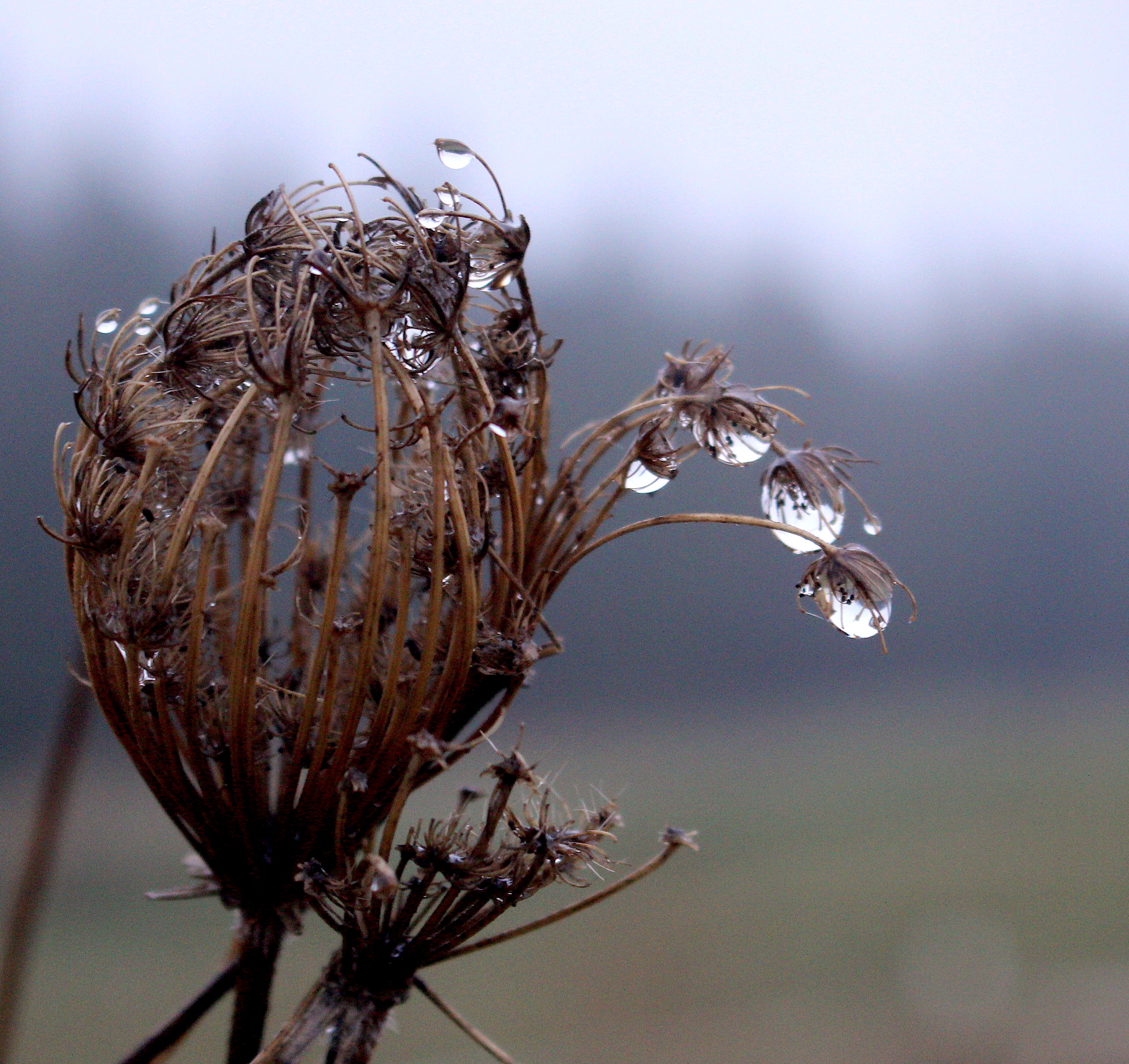
foggydrops14
foggydrops20

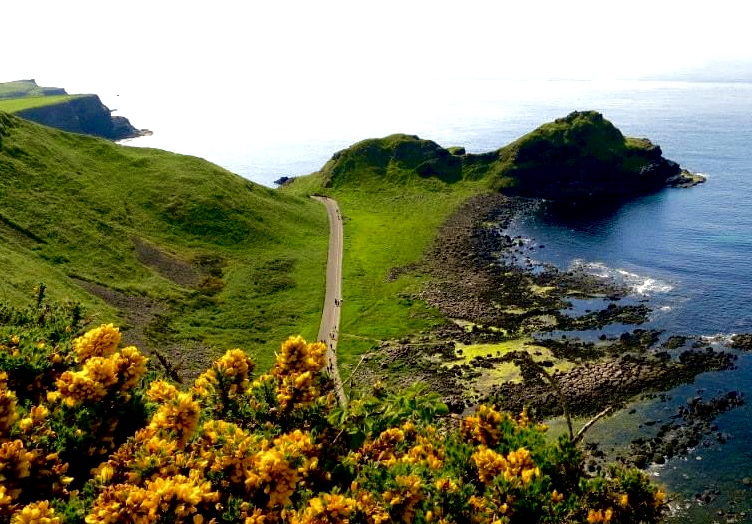
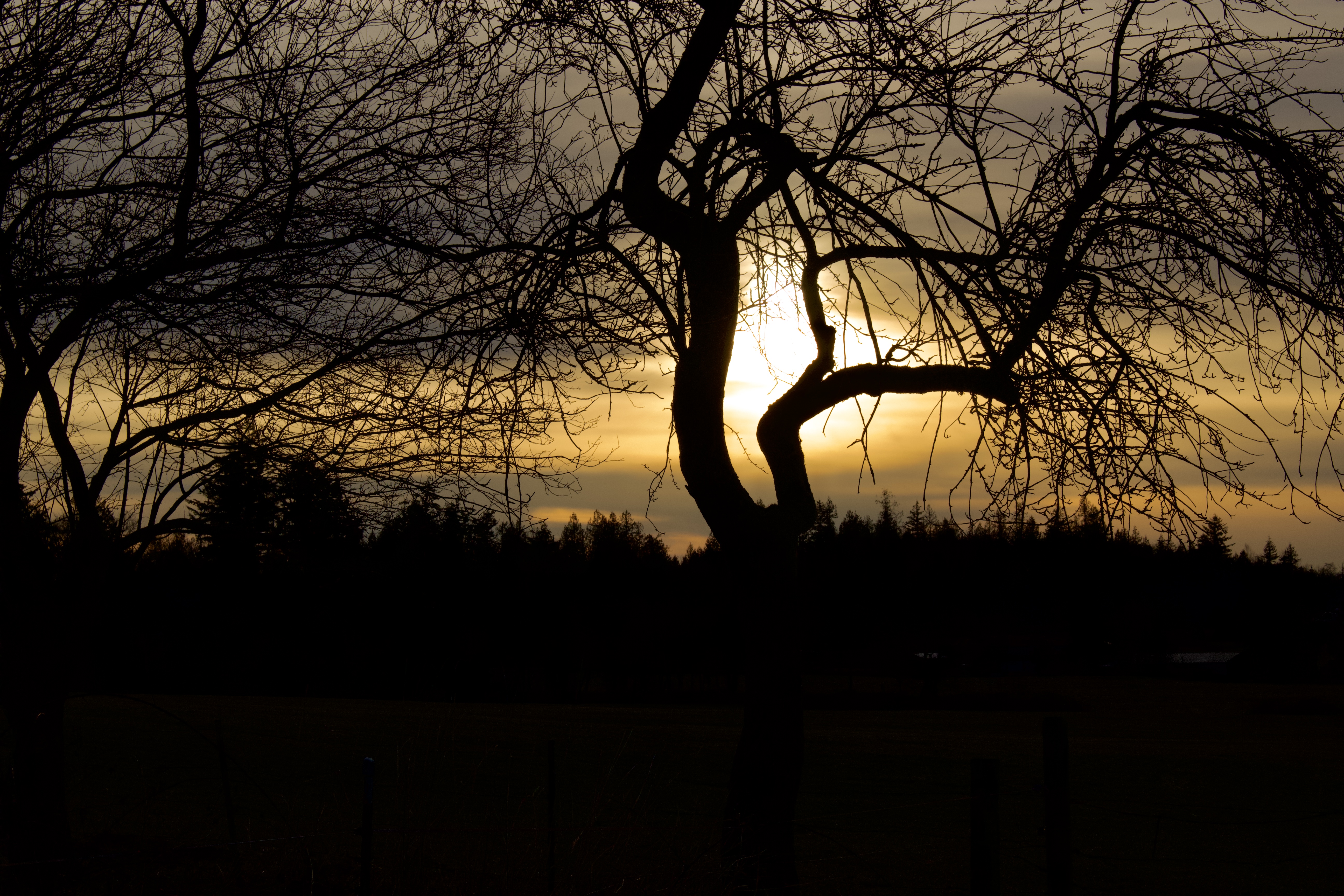
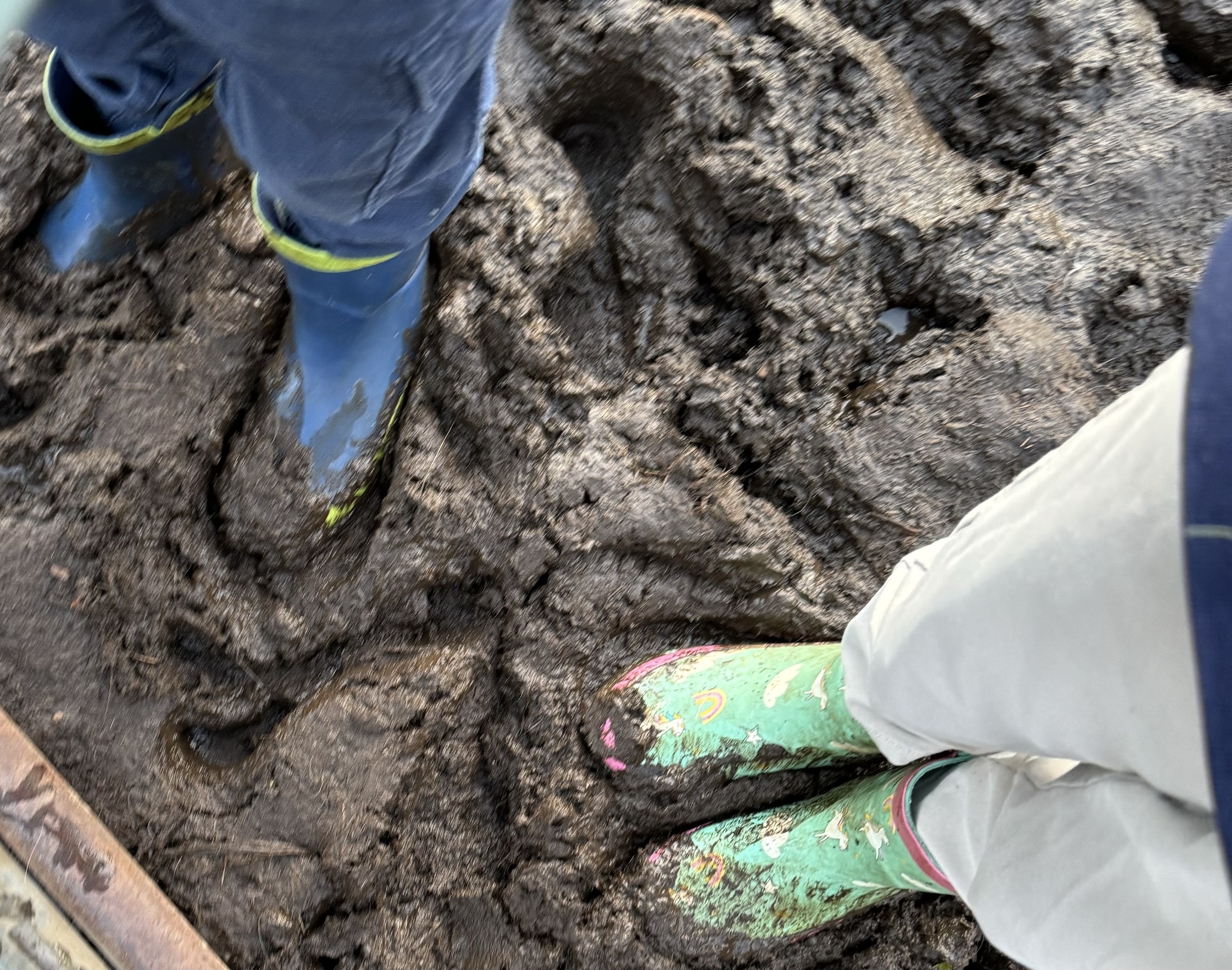
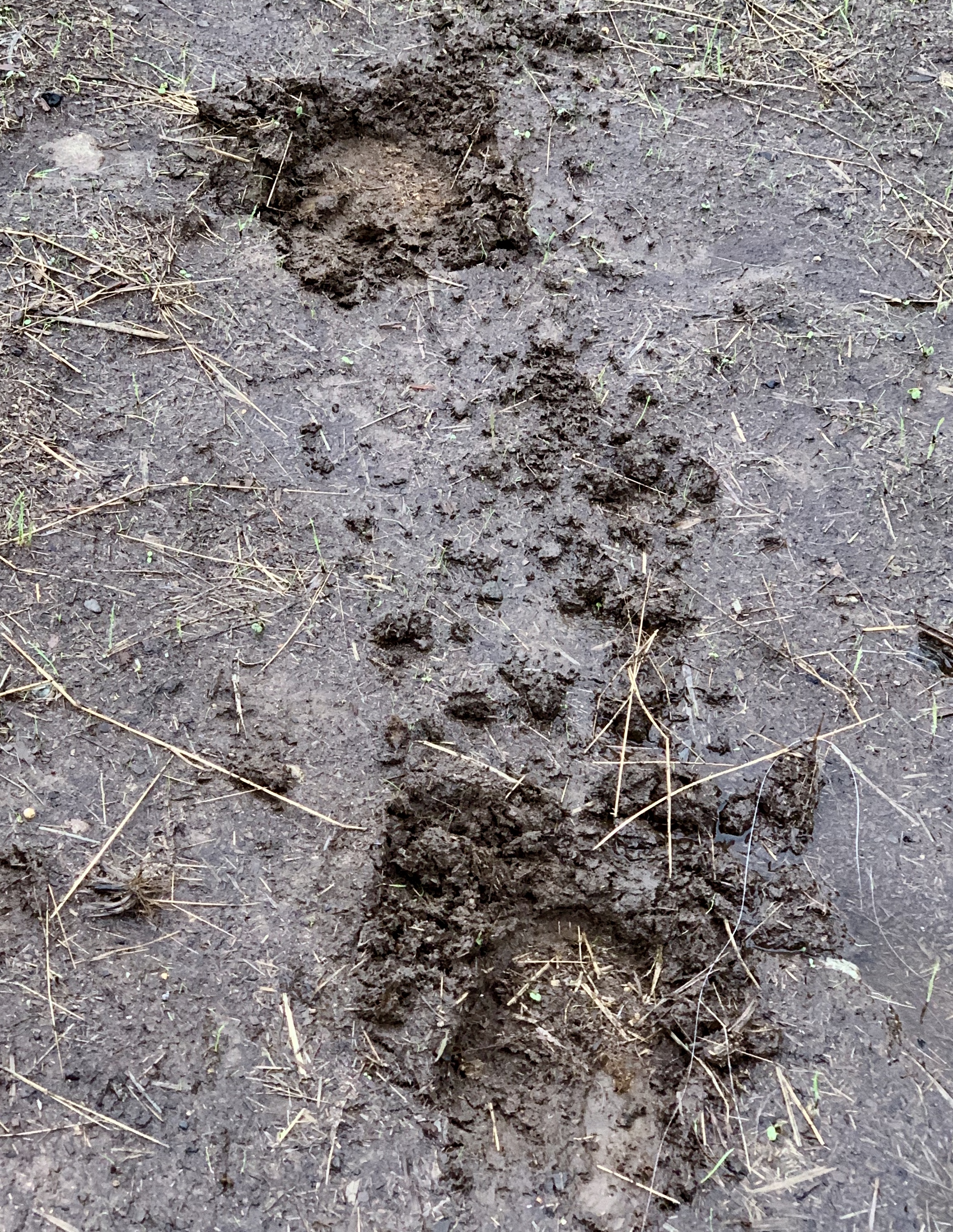
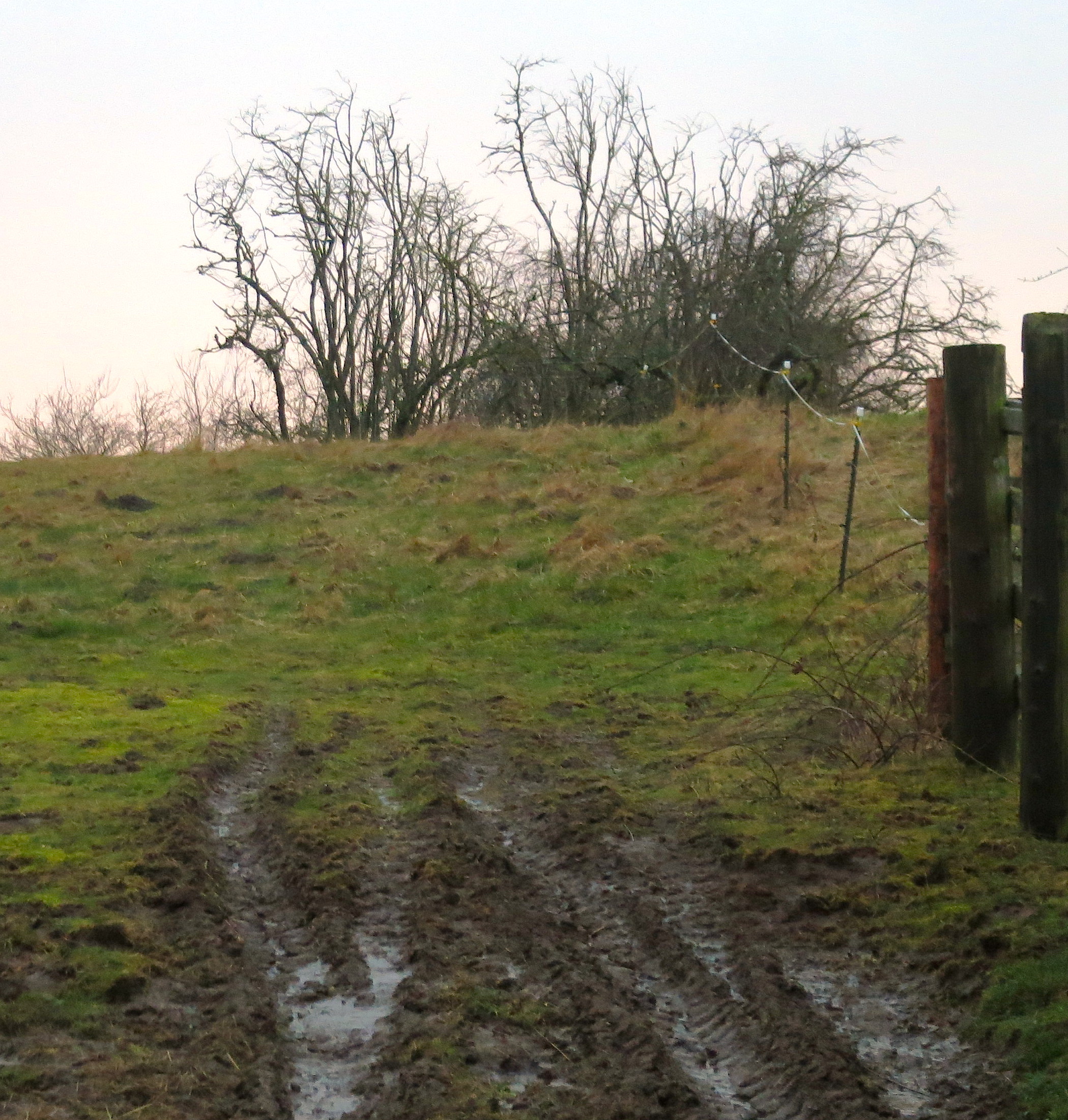
What would the world be, once bereft
Of wet and of wildness?  Let them be left,
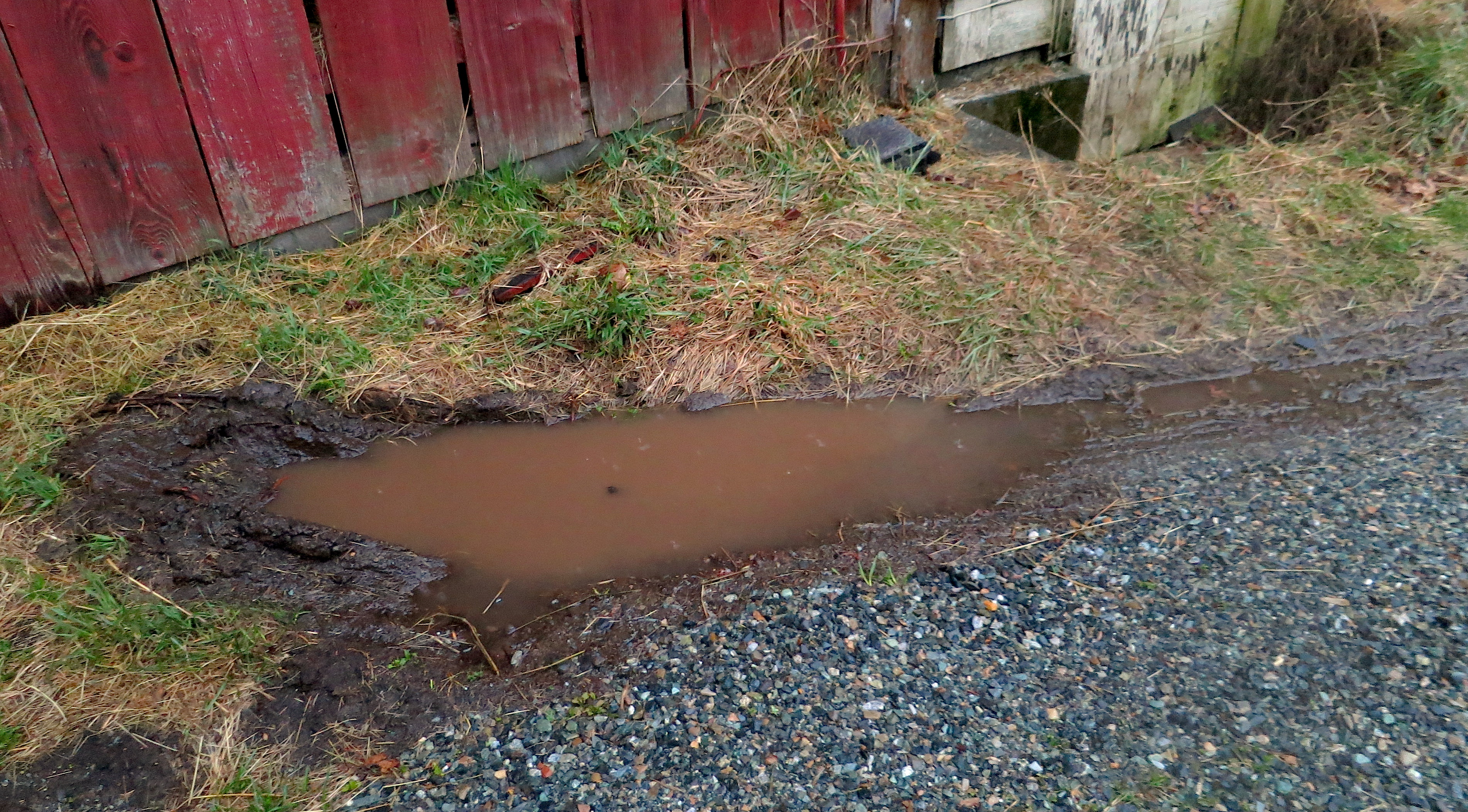
O let them be left, wildness and wet;
Long live the weeds and the wilderness yet.
~Gerard Manley Hopkins from “Inversnaid”

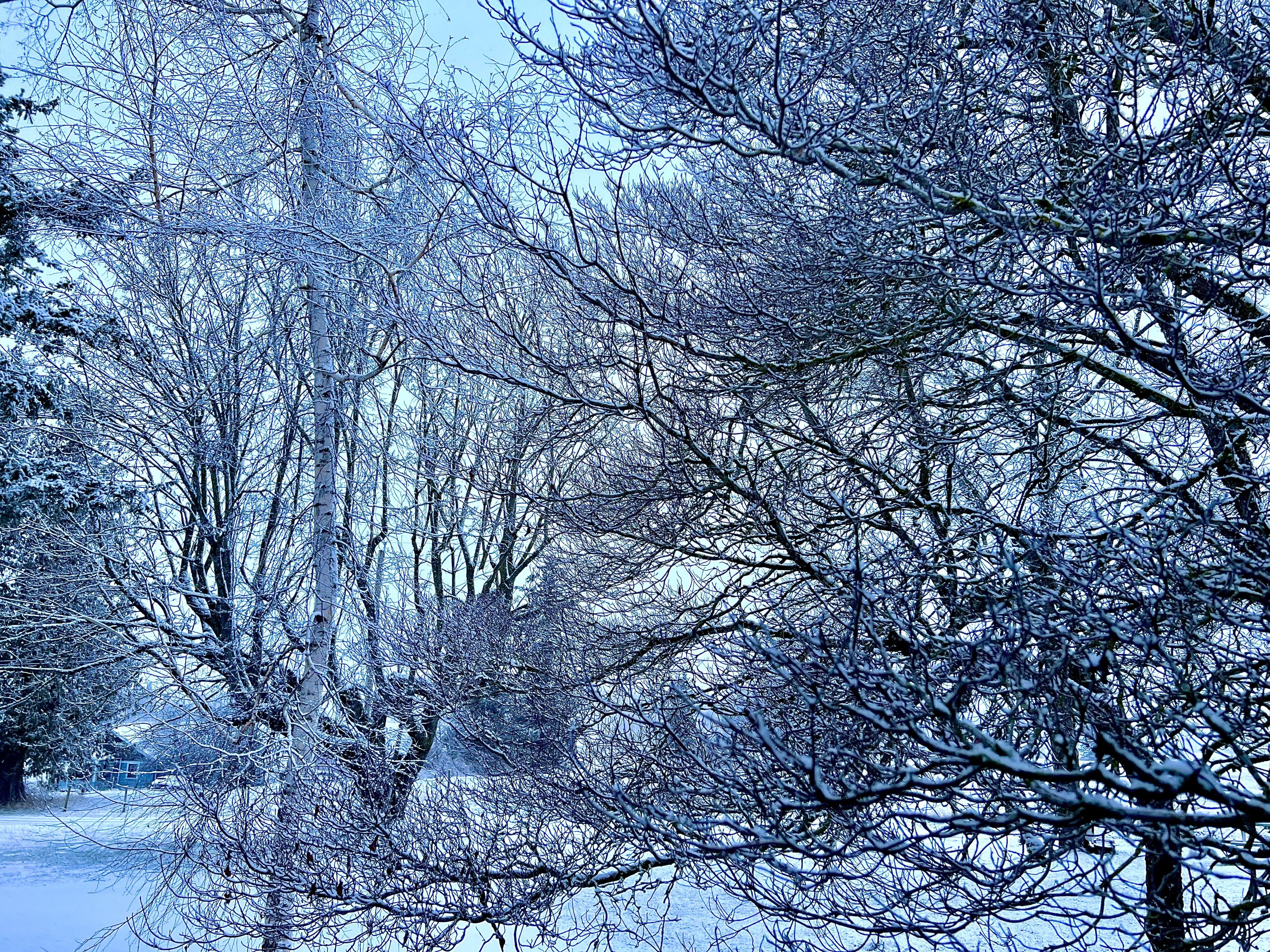
octdandy3

In my anguish at the chaos in the world,
let me remember,
when I look closely,
through the rain,
even the weeds,
the unruly, unholy weeds
are connected
in this wilderness.

There is order here
even if I can’t feel it now.
Let us weeds be left.
We are meant to be.

One-Time
Monthly
Yearly

Make a one-time or recurring donation to support daily Barnstorming posts

Make a monthly donation

Make a yearly donation

Choose an amount

$10.00
$25.00
$50.00
$5.00
$15.00
$100.00
$5.00
$15.00
$100.00

Or enter a custom amount

$

Your contribution is deeply appreciated.

Your contribution is appreciated.

Your contribution is appreciated.

DonateDonate monthlyDonate yearly
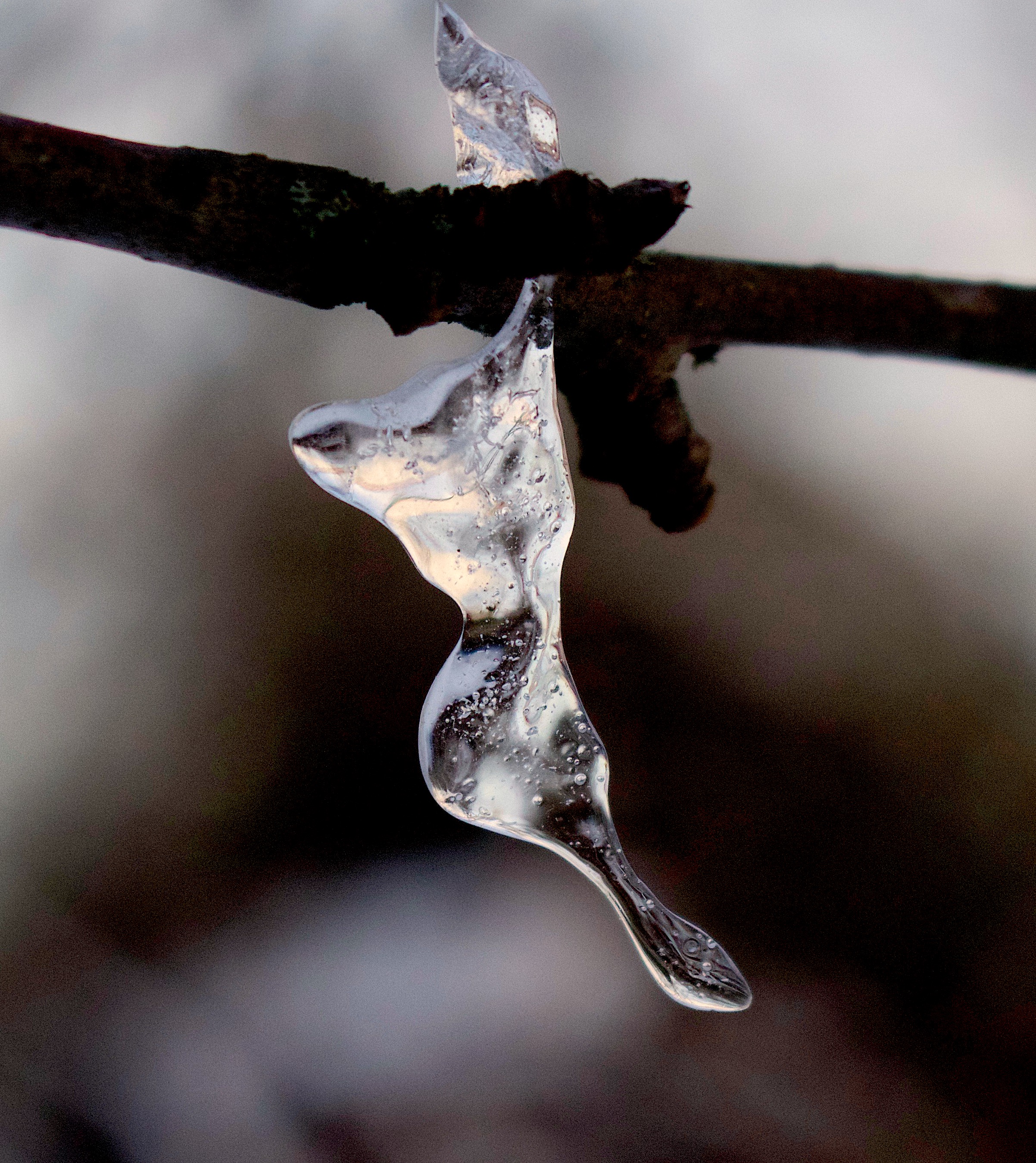
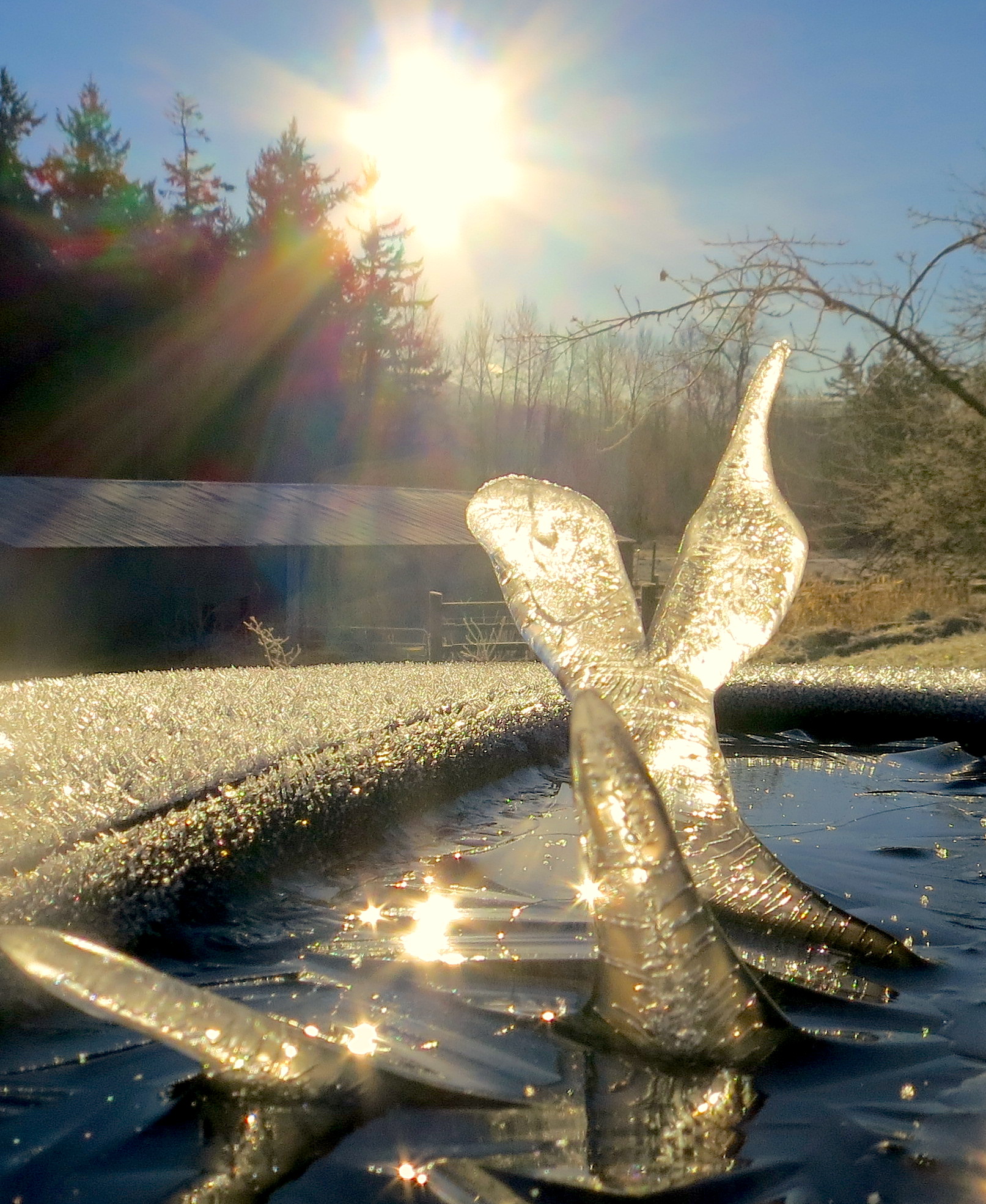
Ears Up

I like the lady horses best,
how they make it all look easy,
like running 40 miles per hour
is as fun as taking a nap, or grass.
I like their lady horse swagger,
after winning. Ears up, girls, ears up!
But mainly, let’s be honest, I like
that they’re ladies. As if this big
dangerous animal is also a part of me,
that somewhere inside the delicate
skin of my body, there pumps
an 8-pound female horse heart,
giant with power, heavy with blood.
Don’t you want to believe it?
Don’t you want to lift my shirt and see
the huge beating genius machine
that thinks, no, it knows,
it’s going to come in first.

~Ada Limón “How to Triumph Like a Girl”

Primarily from my college training in animal behavior, I have an appreciation for social cues, both human and non-human: those often nonverbal signals that are communicated through subtle means–in people, perhaps it is a raised eyebrow, a rapid blink, a tensing of the lips, a fidgeting foot. 

When I studied captive and wild chimpanzees, they showed very familiar facial expressions and nonverbal communication that could be understood readily by a human primate.

In horses, it can be harder to interpret but their nonverbal language is there for all to see. The herdmates and the human handler, with careful observation and interpretation, should not be surprised about “what is going to happen next.” 

It is no mystery.

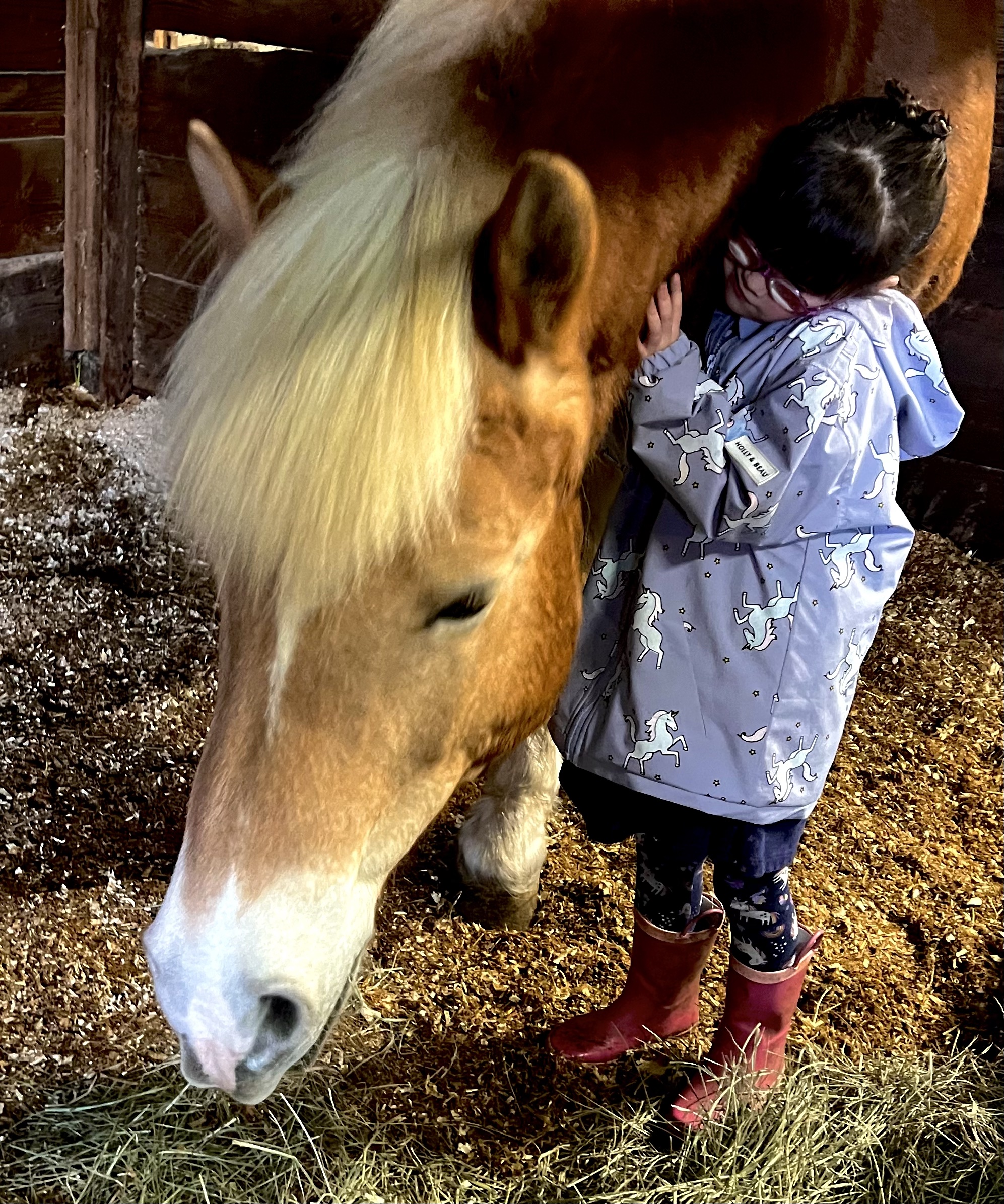
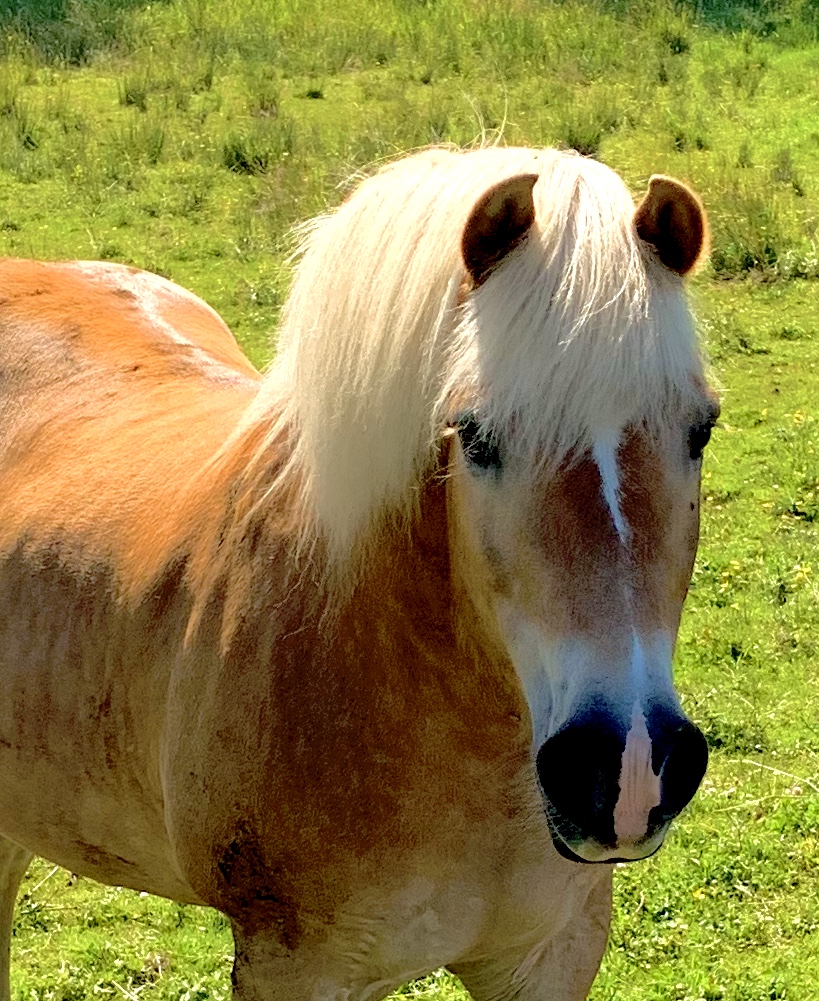
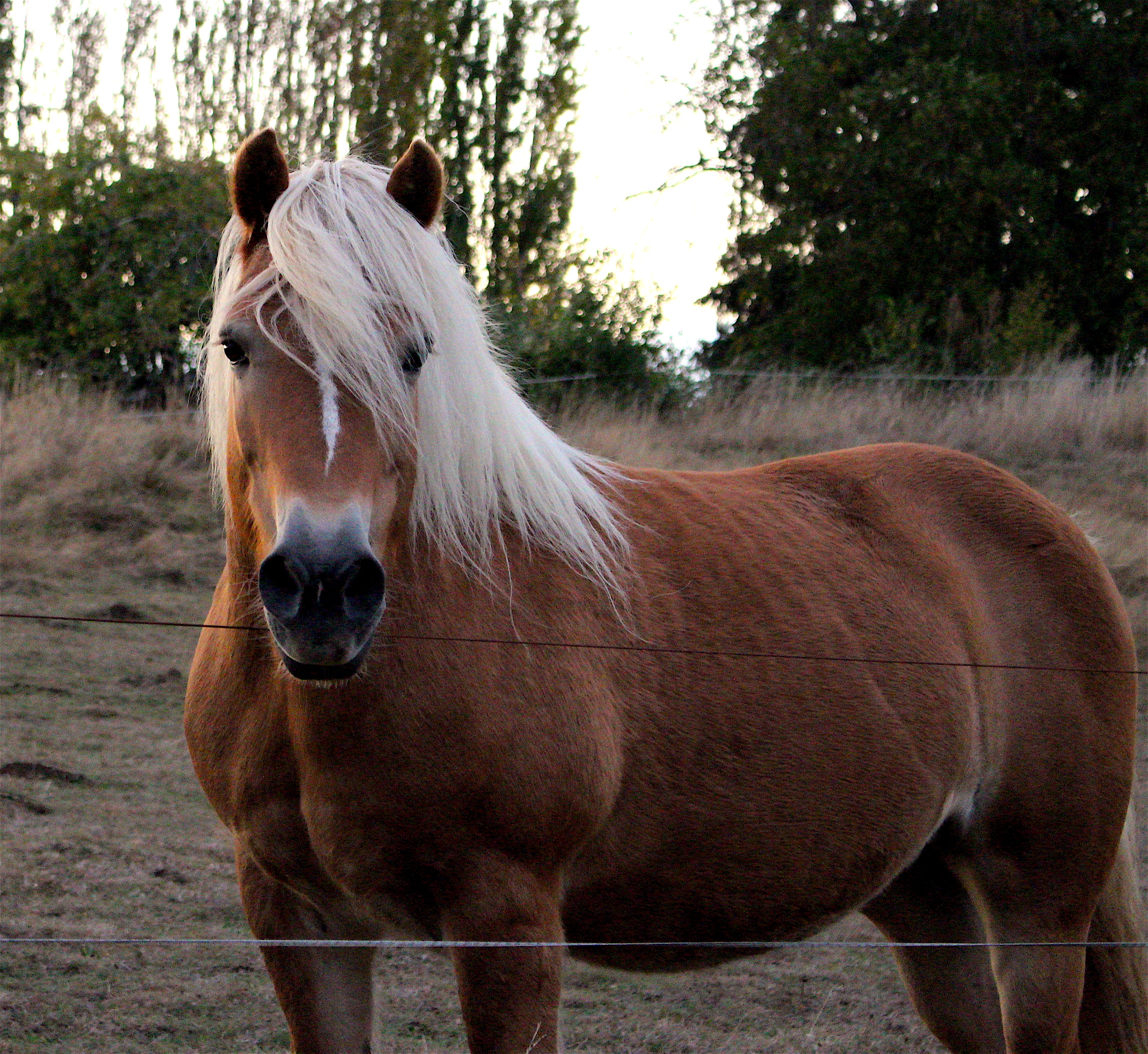
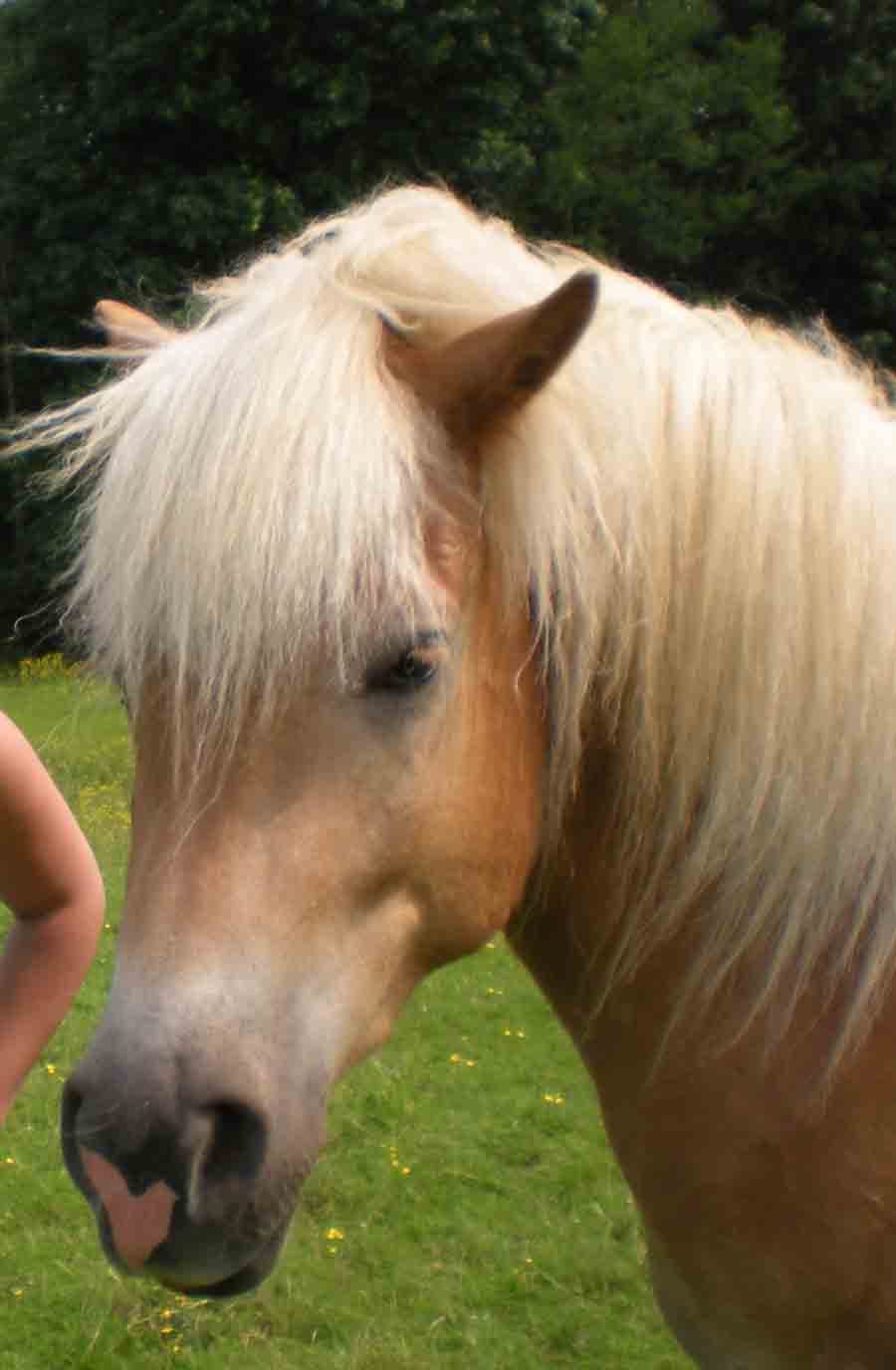
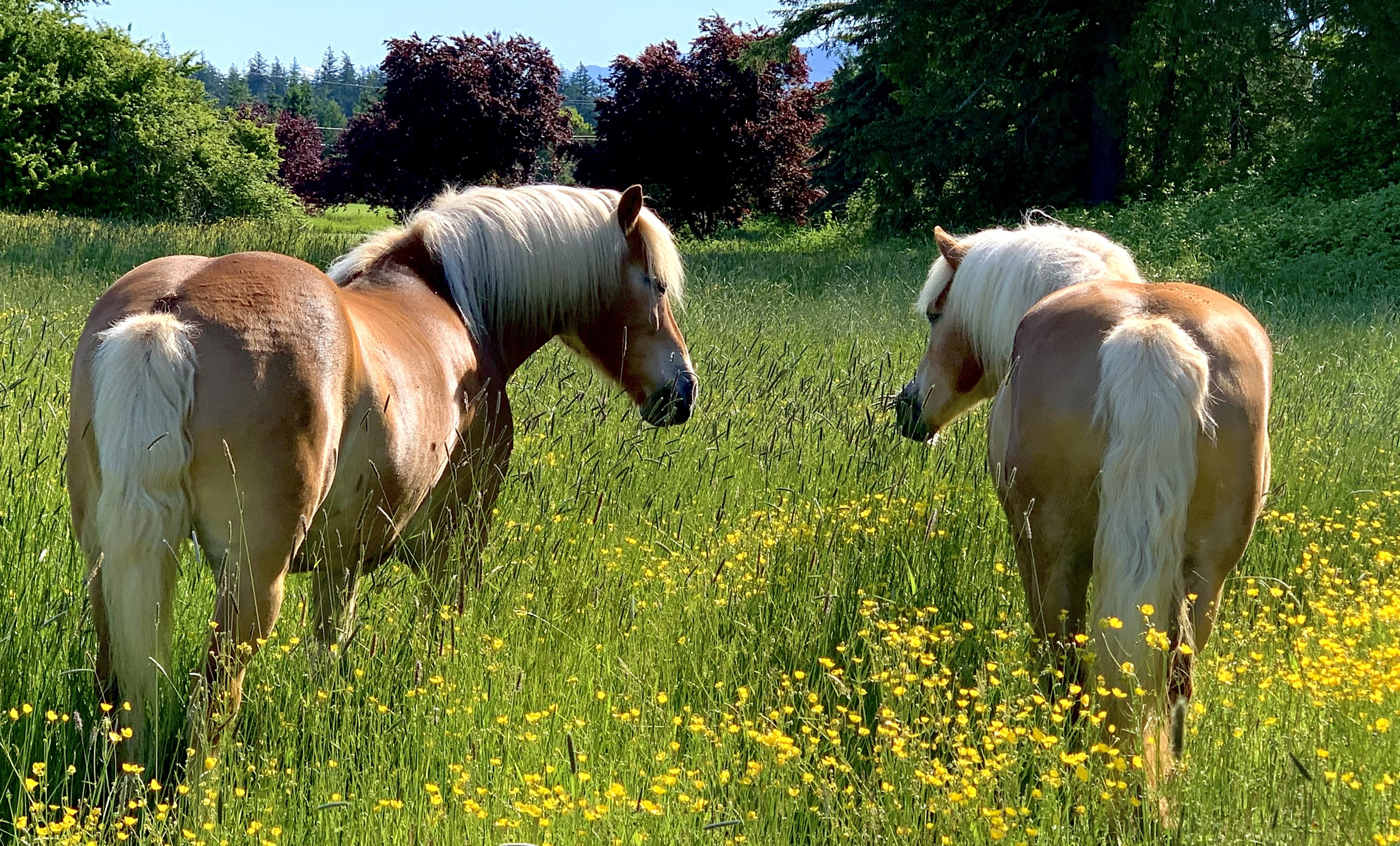
I don’t consider Haflinger horses particularly subtle in their communication with each other or with humans. They can tend to have a “bull in a china shop” approach to life; this is not a breed that evolved particularly plagued with the existence of many predators in the Austrian Alps, so the need to blend into the background was minimal. Haflingers tend to be “out there”: unafraid, bold, meeting one’s gaze, and curious what the human is thinking.

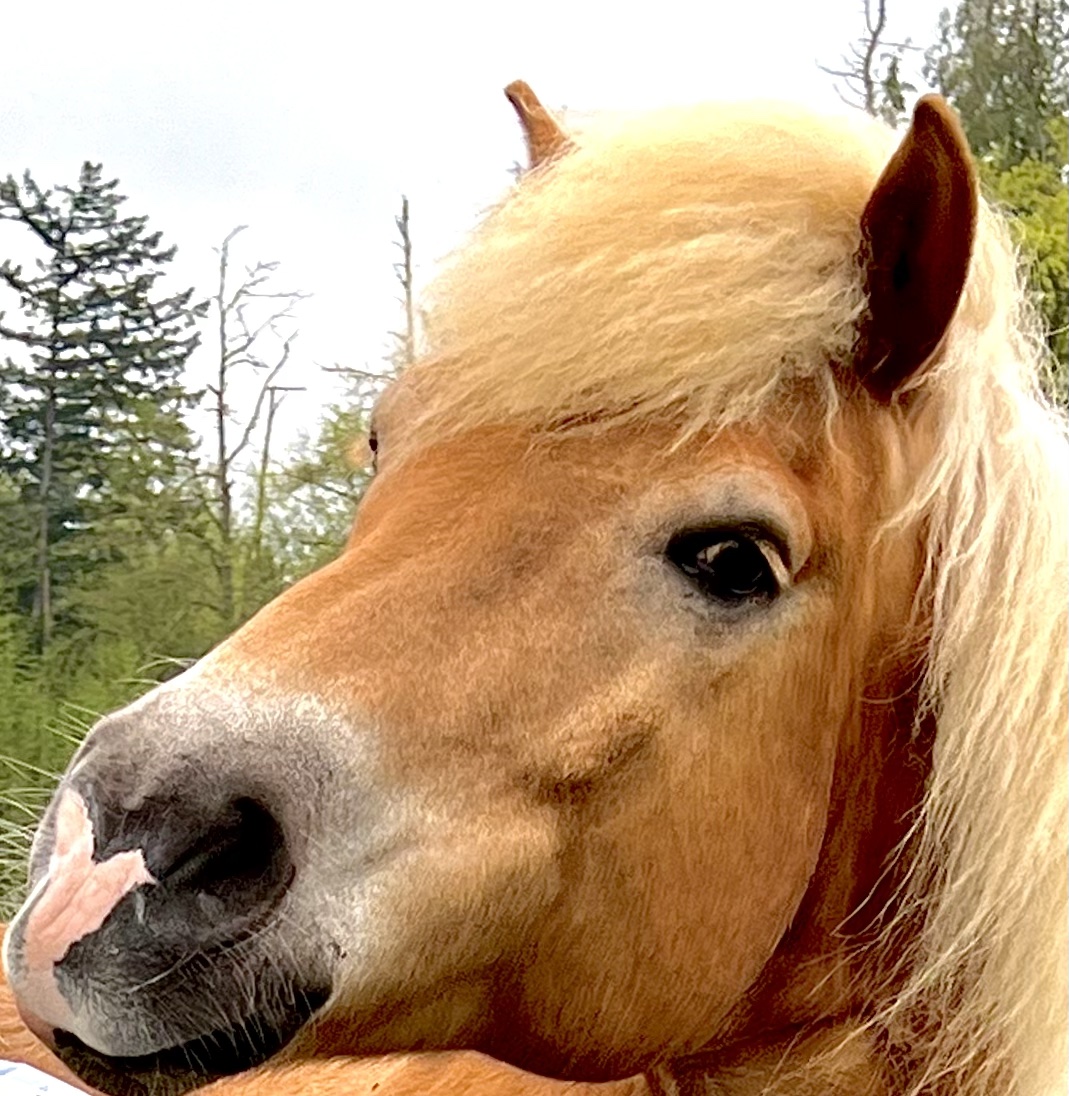
I’ve found over the years that the best way to interpret a Haflinger’s emotions is by watching their ears, and to a lesser extent, their lips and tails. They usually have “poker face” eyes, deceptive at times in their depth, calmness and serenity. I tend to get lost in the beauty of their eyes and not pay attention to what the rest of the horse is saying.

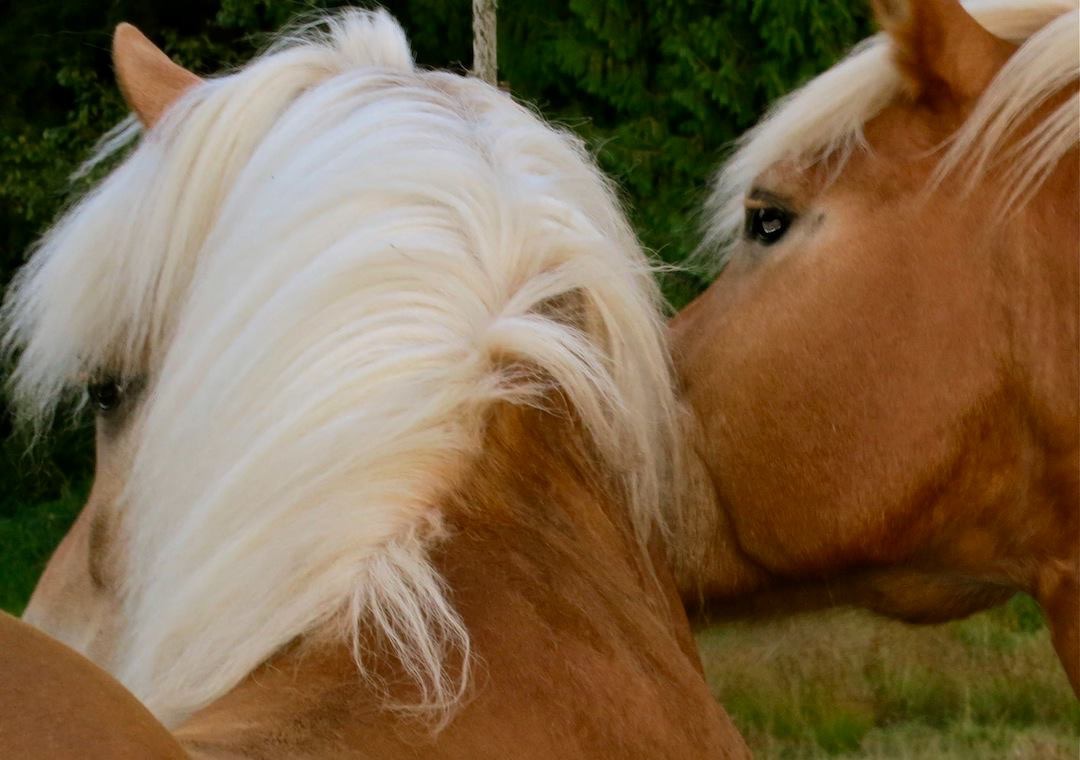
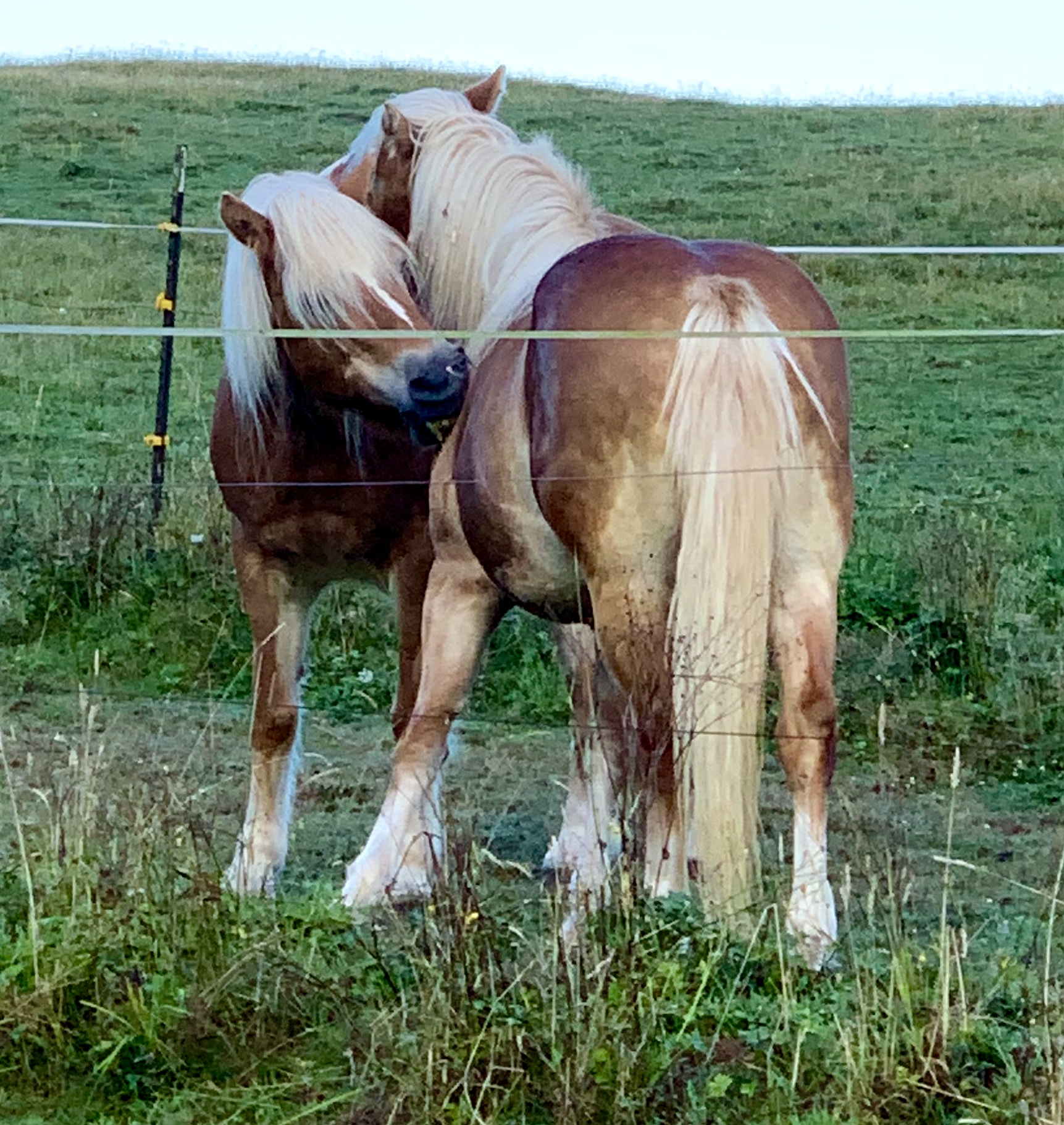
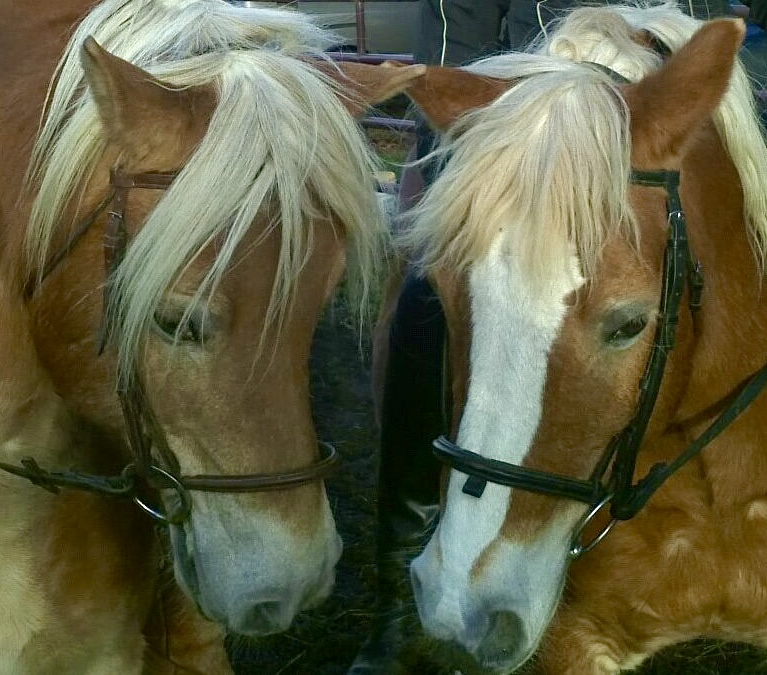
Watching them interact with each other, almost everything is said with their ears. A horse with a friendly approach has ears forward, receptive, eager. If the horse being approached is welcoming, the ears are relaxed. Two good friends grooming or grazing together have swiveling, loose ears, often pointing toward each other, almost like a unique conversation between the four ears themselves. So when a Haflinger is happy to approach, or be approached by humans, the ears always say so.

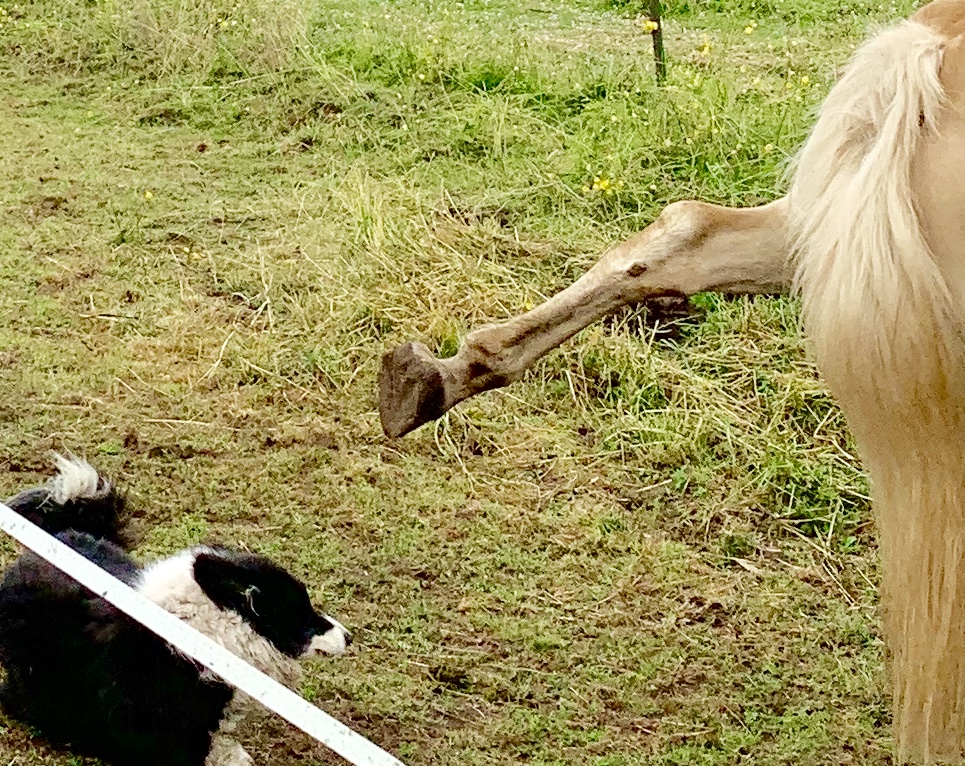
Ears that are swiveling back, tensing and tight, or pinning are another story altogether. It is the clear signal of “get outta my way!”, or “you are not sharing this pile of hay with me” or “you may think you are a cute colt, but if you climb on me one more time…”

Ears can signal impatience “you are not getting my grain fast enough”, or “I’ve been standing here tied for too long!” A simple change in ear position can cause a group of horses to part like the Red Sea.

I owned a mare who was orphaned at 3 days of age, and spent her early weeks with intensive handling by people, and then allowed to socialize with a patient older gelding until she was old enough to be among other weanlings. When she came to our farm at 6 months of age, she had not learned all the usual equine social cues of a mare herd, and though very astute at reading human gestures and behavior, took awhile to learn appropriate responses. When turned out with the herd, she was completely clueless–she’d approach the dominant alpha mare incorrectly, without proper submission, get herself bitten and kicked and was the bottom of the social heap for years, a lonesome little filly with few friends and very few social skills.

She had never learned submission with people either, and had to have many remedial lessons on her training path. Once she was a mature working mare, her relationship with people markedly improved as there was structure to her work and predictability for her, and after having her own foals, she picked up cues and signals that helped her keep her foal safe, though she has always been one of our most relaxed “do whatever you need to do” mothers when we handle her foals as she simply never learned that she needed to be concerned.

Over the years, as the herd changed, this mare became the alpha mare, largely by default and seniority, so I don’t believe she really trusted her position as “real”. She tended to bully, and react too quickly out of her own insecurity about her inherited position. She was very skilled with her ears but she is also a master at the tail “whip” and the tensed upper lip–no teeth, just a slight wrinkling of the lip. The herd scattered when they see her face change.

The irony of being on top of the herd hierarchy: she was more lonely than when she was at the bottom. She was a whole lot less happy as she had few grooming partners any more. She craved power more than friends.

I certainly see people like this at times in the world. Some are not at all attuned to social cues, blundering their way into situations without understanding the consequences and “blurting without thinking”. It takes lots of kicks and bites for them to learn how to read other people and behave appropriately. Sometimes they turn to bullying because it is communication that everyone understands and responds to, primarily by “getting out of their way”. Perhaps they are very lonely, insecure, and need friends but their need for power overcomes their need for support.

We see this too frequently in people in our news headlines.

I continue to “watch the ears”–both Haflinger and human. And I continue to refine my own way of communicating so that I’m not a mystery to those around me. Hopefully no one scatters when they see me coming…

One-Time
Monthly
Yearly

Make a one-time or recurring donation to support daily Barnstorming posts

Make a monthly donation

Make a yearly donation

Choose an amount

$10.00
$25.00
$50.00
$5.00
$15.00
$100.00
$5.00
$15.00
$100.00

Or enter a custom amount

$

Your contribution is deeply appreciated.

Your contribution is appreciated.

Your contribution is appreciated.

DonateDonate monthlyDonate yearly
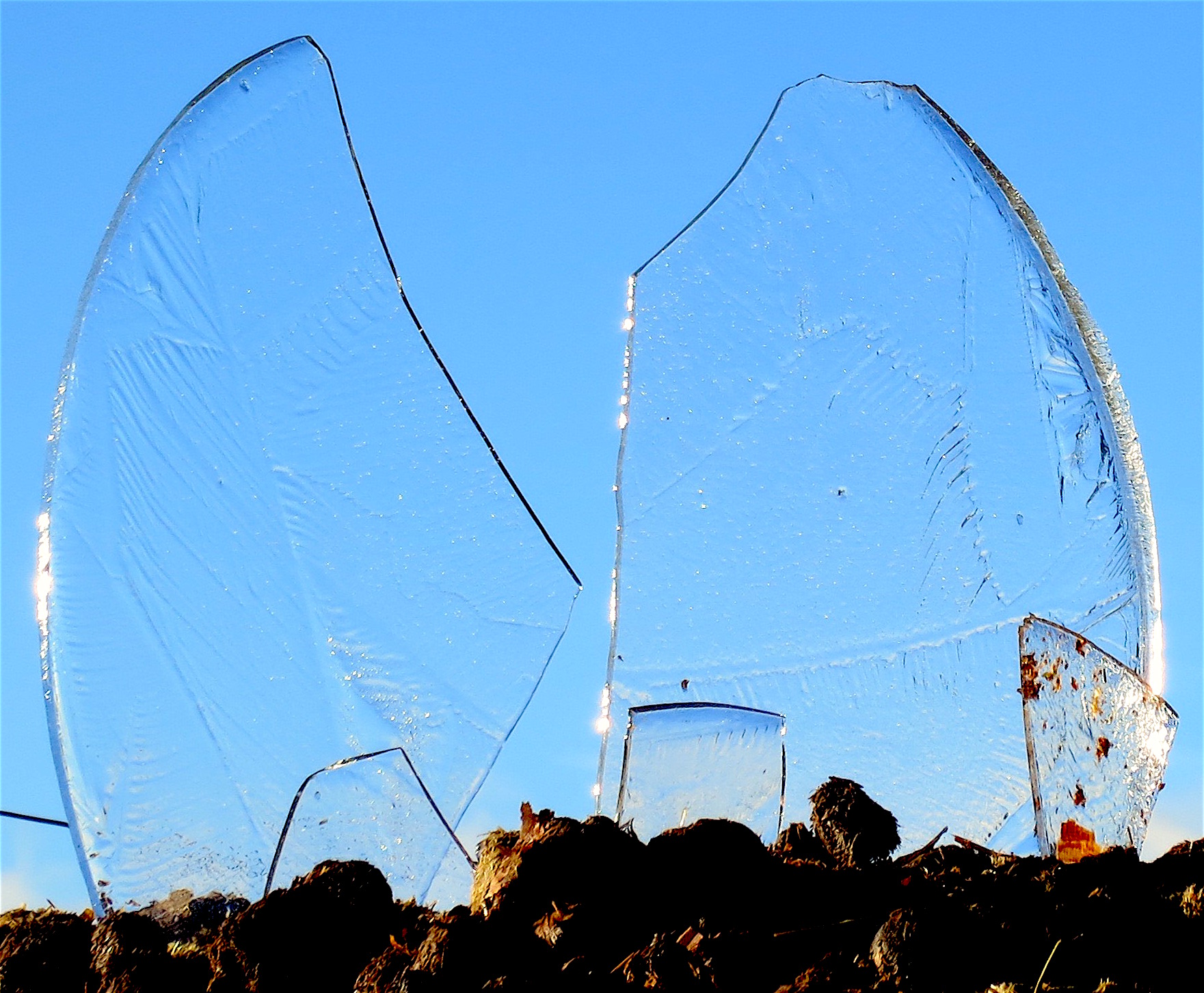
Lamenting Leaves Scattered in Ruin

October’s bellowing anger breaks and cleaves
The bronzed battalions of the stricken wood
In whose lament I hear a voice that grieves
For battle’s fruitless harvest, and the feud
Of outraged men. Their lives are like the leaves
Scattered in flocks of ruin, tossed and blown
Along the westering furnace flaring red.
O martyred youth and manhood overthrown,
The burden of your wrongs is on my head.

~Siegfried Sassoon “Autumn” (about his time in the trenches in WWI)

Over more than a century,
we have learned little
about how to resolve
the bellows of outraged men.

The fruitless harvest of battle,
counting up each violent death,
as warships gather
for unsanctioned war games.

Lament the tossing and blowing of lives
like October leaves, in a show of force
as transient and arbitrary as the wind,
merely to make a fruitless point…

to what end are the feuds of angry men?

One-Time
Monthly
Yearly

Make a one-time or recurring donation to support daily Barnstorming posts

Make a monthly donation

Make a yearly donation

Choose an amount

$10.00
$25.00
$50.00
$5.00
$15.00
$100.00
$5.00
$15.00
$100.00

Or enter a custom amount

$

Your contribution is deeply appreciated.

Your contribution is appreciated.

Your contribution is appreciated.

DonateDonate monthlyDonate yearly
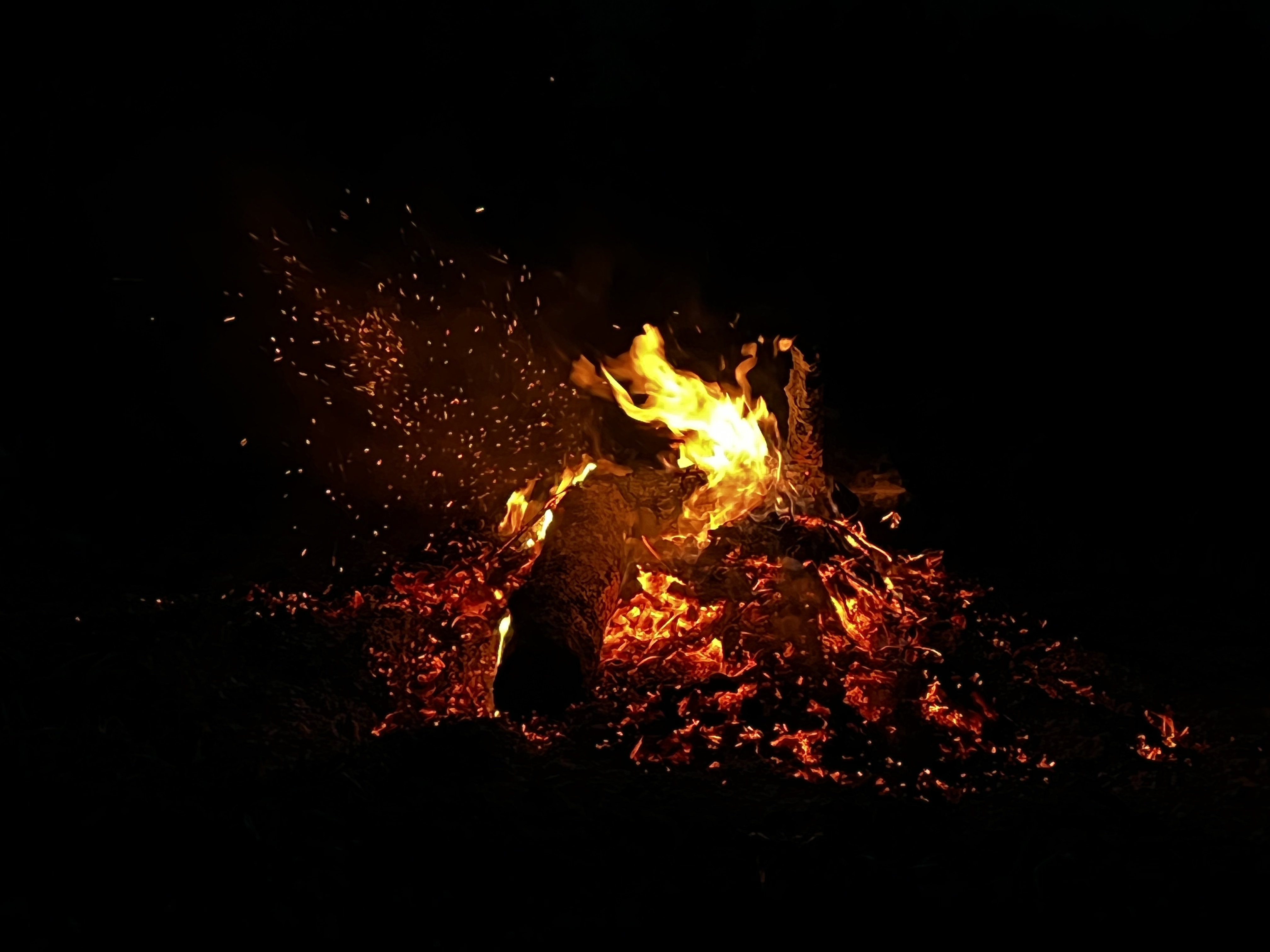
The Singers of Life, Not Death

The rain falls and falls
cool, bottomless, and prehistoric
falls like night —
not an ablution
not a baptism
just a small reason
to remember
all we know of Heaven
to remember
we are still here

with our love songs and our wars…

Here too
in the wet grass
half a shell
of a robin’s egg
shimmers
blue as a newborn star
fragile as a world.

~Maria Popova from “Spell Against Indifference”

…I had sat down to rest with my back against a stump. Through accident I was concealed from the glade, although I could see into it perfectly.

The sun was warm there, and the murmurs of forest life blurred softly away into my sleep. When I awoke, dimly aware of some commotion and outcry in the clearing, the light was slanting down through the pines in such a way that the glade was lit like some vast cathedral. I could see the dust motes of wood pollen in the long shaft of light, and there on the extended branch sat an enormous raven with a red and squirming nestling in his beak.

The sound that awoke me was the outraged cries of the nestling’s parents, who flew helplessly in circles about the clearing. The sleek black monster was indifferent to them. He gulped, whetted his beak on the dead branch a moment, and sat still. Up to that point the little tragedy had followed the usual pattern.

But suddenly, out of all that area of woodland, a soft sound of complaint began to rise. Into the glade fluttered small birds of half a dozen varieties drawn by the anguished outcries of the tiny parents.

No one dared to attack the raven. But they cried there in some instinctive common misery, the bereaved and the unbereaved. The glade filled with their soft rustling and their cries. They fluttered as though to point their wings at the murderer. There was a dim intangible ethic he had violated, that they knew. He was a bird of death.

And he, the murderer, the black bird at the heart of life, sat on there, glistening in the common light, formidable, unmoving, unperturbed, untouchable.

The sighing died. It was then I saw the judgment. It was the judgment of life against death. I will never see it again so forcefully presented. I will never hear it again in notes so tragically prolonged.

For in the midst of protest, they forgot the violence.

There, in that clearing, the crystal note of a song sparrow lifted hesitantly in the hush. And finally, after painful fluttering, another took the song, and then another, the song passing from one bird to another, doubtfully at first, as though some evil thing were being slowly forgotten. Till suddenly they took heart and sang from many throats joyously together as birds are known to sing.

They sang because life is sweet and sunlight beautiful. They sang under the brooding shadow of the raven. In simple truth they had forgotten the raven, for they were the singers of life, and not of death.
~Loren Eiseley from The Star Thrower

Each of us at times are as vulnerable as a nestling, just hatched.
The world is full of those who would eat us for lunch and do.

The world is also full of those who grieve and lament the violence that surrounds us, the tragedy of lives lost, the unending wars, the bullies and the bullied.

But the bird of death does not have the final word. He will soon be forgotten, forever sidelined as we reject what he and others like him represent.

Our cries of lament, our protests of violence transform into a celebration of life – we do not abandon all we have lost, but no longer allow any more to be stolen from us.

Only then may grief’s shadow be overwhelmed by joy.

One-Time
Monthly
Yearly

Make a one-time or recurring donation to support daily Barnstorming posts

Make a monthly donation

Make a yearly donation

Choose an amount

$10.00
$25.00
$50.00
$5.00
$15.00
$100.00
$5.00
$15.00
$100.00

Or enter a custom amount

$

Your contribution is deeply appreciated.

Your contribution is appreciated.

Your contribution is appreciated.

DonateDonate monthlyDonate yearly
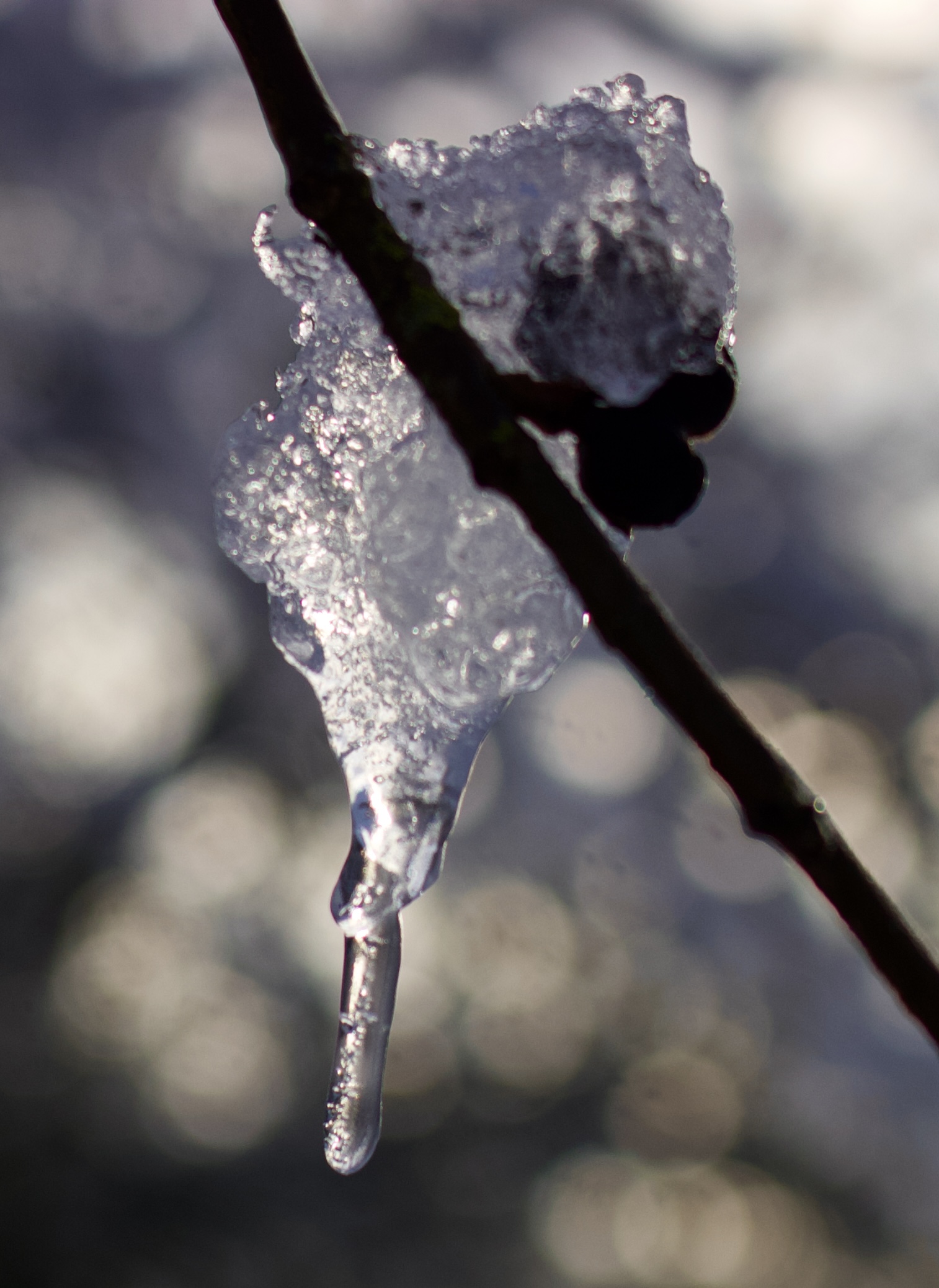
Surprising the Sky

A curious Cloud surprised the Sky,
‘Twas like a sheet with Horns;
The sheet was Blue —
The Antlers Gray —
It almost touched the Lawns.

So low it leaned — then statelier drew —
And trailed like robes away,
A Queen adown a satin aisle
Had not the majesty.

~Emily Dickinson

The sky is full of clouds to-day,
And idly, to and fro,
Like sheep across the pasture, they
Across the heavens go.
I hear the wind with merry noise
Around the housetops sweep,
And dream it is the shepherd boys,—
They’re driving home their sheep.

The clouds move faster now; and see!
The west is red and gold.
Each sheep seems hastening to be
The first within the fold.
I watch them hurry on until
The blue is clear and deep,
And dream that far beyond the hill
The shepherds fold their sheep.

Then in the sky the trembling stars
Like little flowers shine out,
While Night puts up the shadow bars,
And darkness falls about.

~Frank Dempster Sherman “Clouds”

White sheep, white sheep,
On a blue hill,
When the wind stops,
You all stand still.
When the wind blows,
You walk away slow.
White sheep, white sheep,
Where do you go?
~Christina Rossetti “Clouds”

The afternoon sky becomes a chenille bedspread,
covering over a dying autumn landscape.

If only we could throw such a comforter
over our messy human lives.

We all might sleep a bit better…

One-Time
Monthly
Yearly

Make a one-time or recurring donation to support daily Barnstorming posts

Make a monthly donation

Make a yearly donation

Choose an amount

$10.00
$25.00
$50.00
$5.00
$15.00
$100.00
$5.00
$15.00
$100.00

Or enter a custom amount

$

Your contribution is deeply appreciated.

Your contribution is appreciated.

Your contribution is appreciated.

DonateDonate monthlyDonate yearly
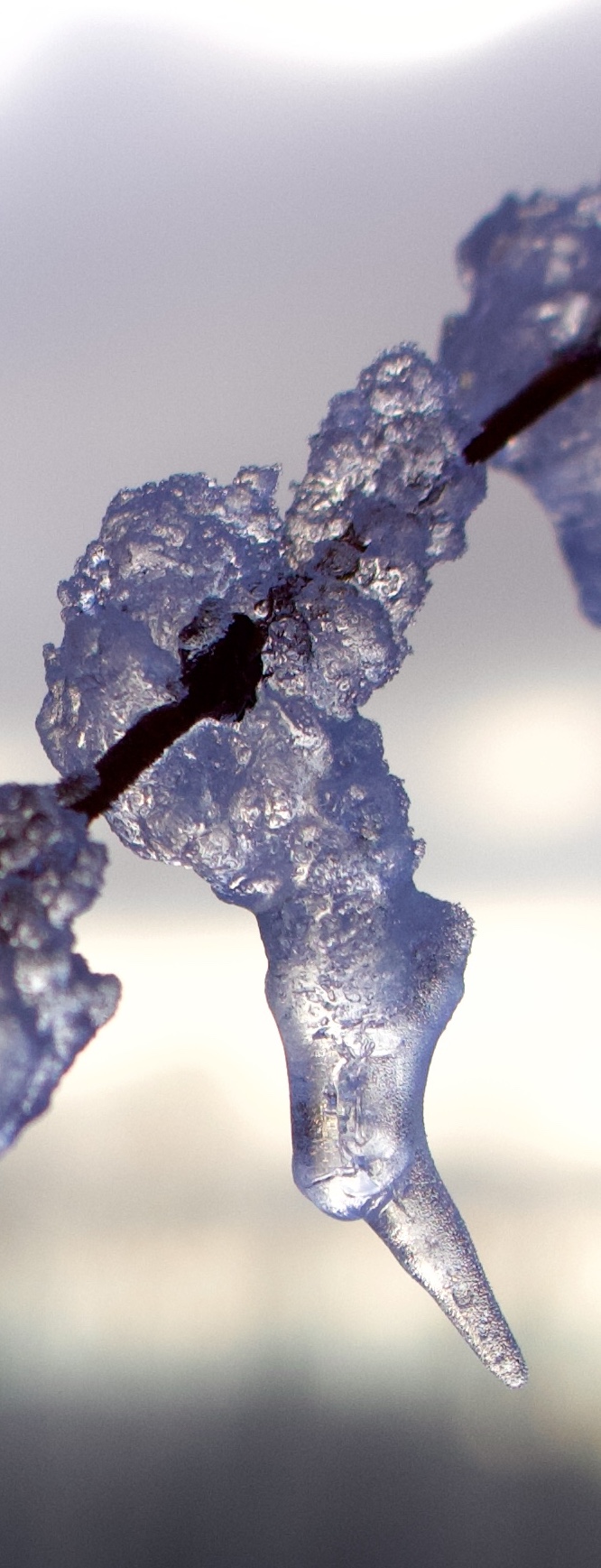
In the Light-Charged Air

When I saw the figure on the crown of the hill,
high above the city, standing perfectly still


against a sky so saturated with the late-
afternoon, late-summer Pacific light


that granules of it seemed to have come out
of solution, like a fine precipitate


of crystals hanging in the brightened air,
I thought whoever it was standing up there


must be experiencing some heightened state
of being, or thinking—or its opposite,


thoughtlessly enraptured by the view.
Or maybe, looking again, it was a statue


of Jesus or a saint, placed there to bestow
a ceaseless blessing on the city below.


Only after a good five minutes did I see
that the figure was actually a tree—


some kind of cypress, probably, or cedar.
I was both amused and let down by my error.


Not only had I made the tree a person,
but I’d also given it a vision,


which seemed to linger in the light-charged air
around the tree’s green flame, then disappear.

~Jeffrey Harrison “The Figure on the Hill” from Into Daylight

Who was it who suggested that the opposite of war
Is not so much peace as civilisation? He knew
Our assassinated Catholic greengrocer who died
At Christmas in the arms of our Methodist minister,
And our ice-cream man whose continuing requiem
Is the twenty-one flavours children have by heart.
Our cobbler mends shoes for everybody; our butcher
Blends into his best sausages leeks, garlic, honey;
Our cornershop sells everything from bread to kindling.
Who can bring peace to people who are not civilised?
All of these people, alive or dead, are civilised.

~Michael Longley “All of These People”  from Collected Poems

Who among us appear
in the light-charged air,
visible on the crown of the hill of life –
who might be mistaken
for a martyr or a saint or a visionary,
when each one of us is
merely a person
responsible to a family,
committed to help friends,
dedicated to serve a community,
placed in this world to steady a broken civilization.

There is the simple truth that we need a person
with roots deep in the ground,
branches that reach up and out,
bearing fruit to share with those around us.

But surely not
this misery, not this blight, not this trouble,
certainly not these murders,
which only bears and shares
a heart-rending, horrible grief.

One-Time
Monthly
Yearly

Make a one-time or recurring donation to support daily Barnstorming posts

Make a monthly donation

Make a yearly donation

Choose an amount

$10.00
$25.00
$50.00
$5.00
$15.00
$100.00
$5.00
$15.00
$100.00

Or enter a custom amount

$

Your contribution is deeply appreciated.

Your contribution is appreciated.

Your contribution is appreciated.

DonateDonate monthlyDonate yearly
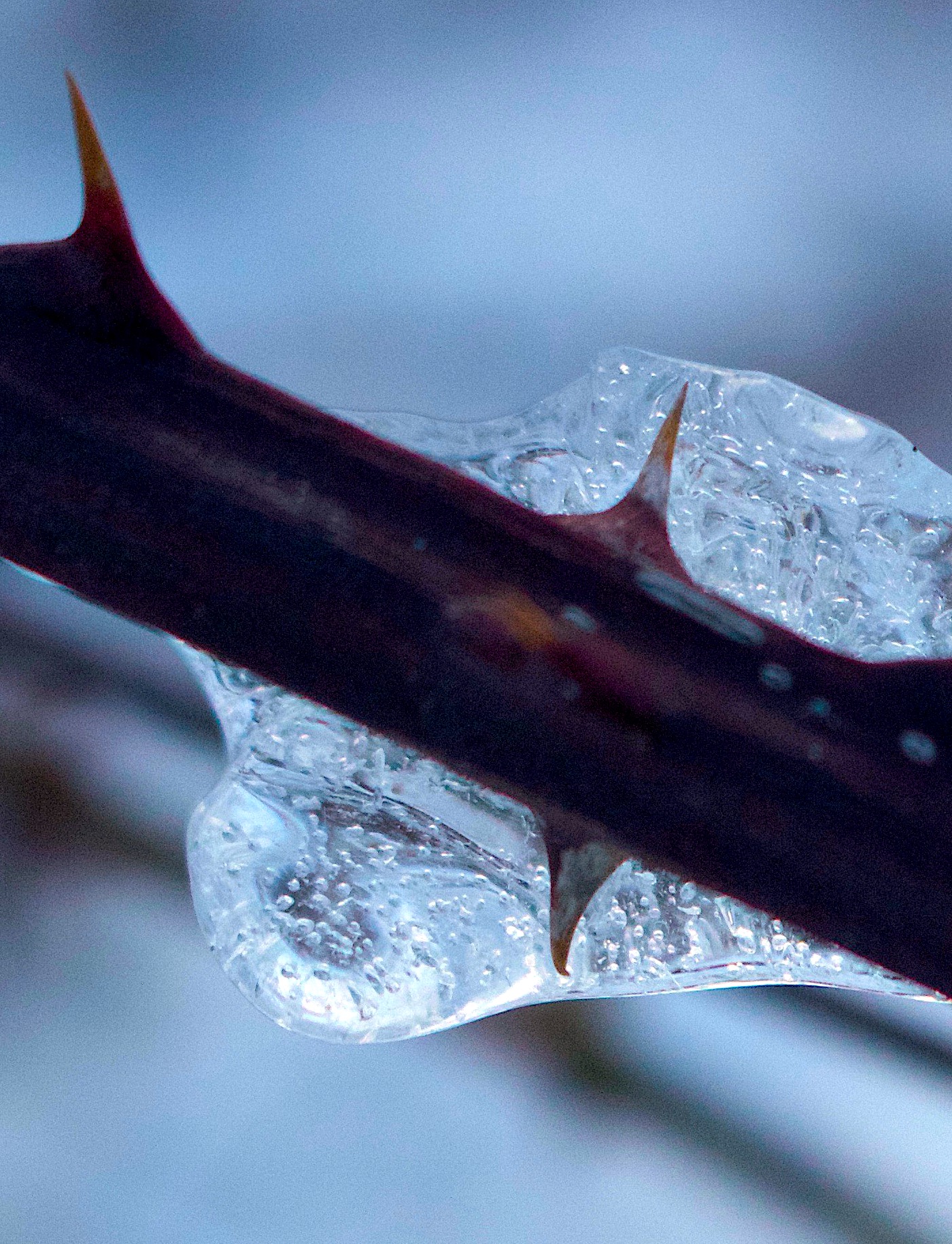
For the Children…

If anyone, then, knows the good they ought to do and doesn’t do it,
it is a sin.
James 4:17

The rising hills, the slopes,
of statistics
lie before us,
the steep climb
of everything, going up,
up, as we all
go down.


In the next century
or the one beyond that,
they say,
are valleys, pastures,
we can meet there in peace
if we make it.


To climb these coming crests
one word to you, to
you and your children:


stay together
learn the flowers
go light

~Gary Snyder “For the Children” from Turtle Island.

After another school/church massacre;
how can there be nothing new to say?

We’ve learned nothing about keeping weapons
out of the hands of people bent on destruction –
taking themselves out after taking others with them.

To our children and grandchildren:
as a society, we have failed to keep you out of harm’s way
by failing to control the harm of modern weapons
in the wrong hands.

How can we be forgiven over and over
as shootings happen again and again.
Maybe we didn’t pull the trigger,
but we allowed someone else to.

Together, we share the responsibility
for each and every death that has happened,
and more bound to happen on our watch.

And that is a heavy burden to bear.

One-Time
Monthly
Yearly

Make a one-time or recurring donation to support daily Barnstorming posts

Make a monthly donation

Make a yearly donation

Choose an amount

$10.00
$25.00
$50.00
$5.00
$15.00
$100.00
$5.00
$15.00
$100.00

Or enter a custom amount

$

Your contribution is deeply appreciated.

Your contribution is appreciated.

Your contribution is appreciated.

DonateDonate monthlyDonate yearly
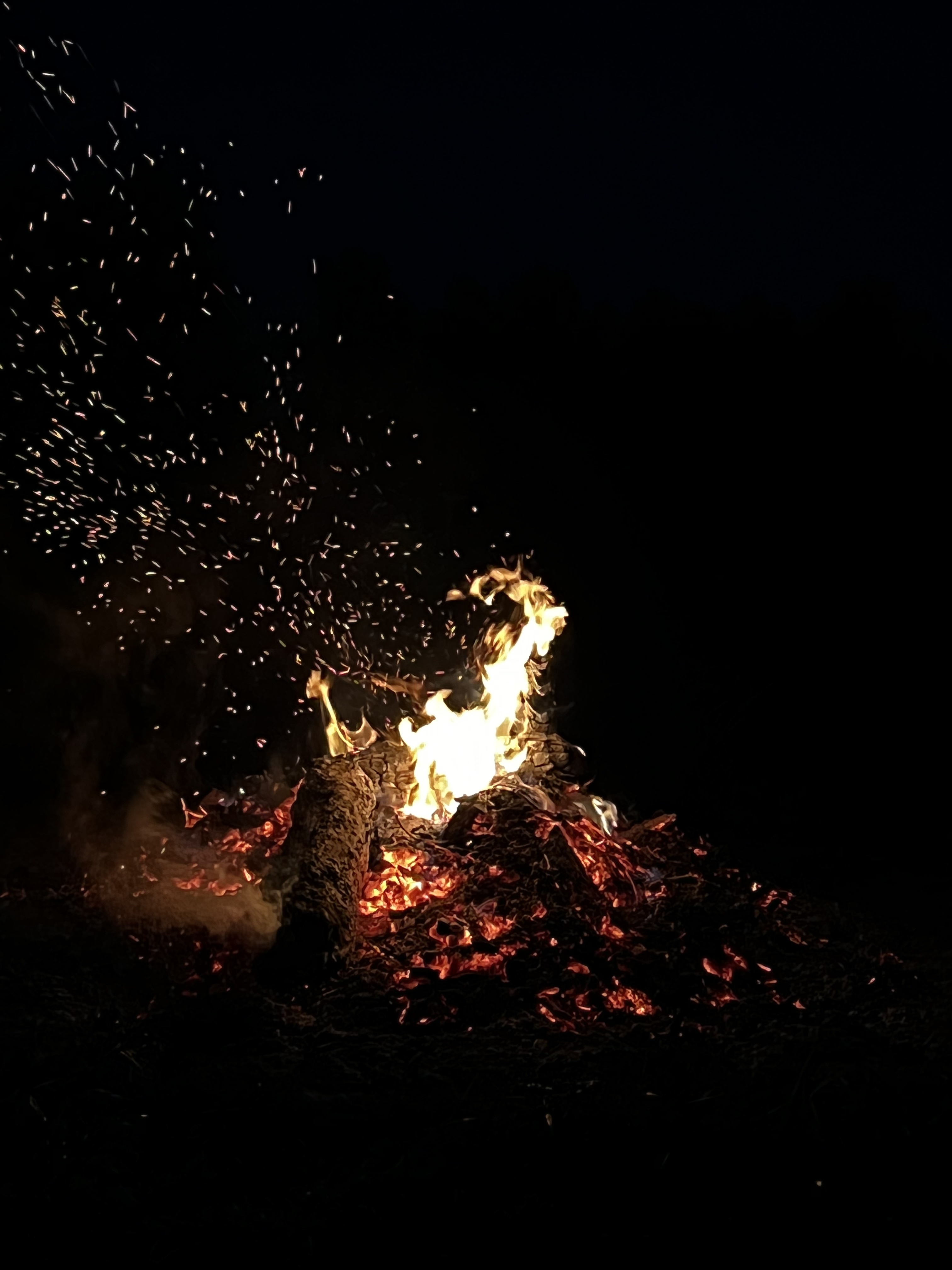
A Difficult Game Indeed

The chief difficulty Alice found at first
was in managing her flamingo:
she succeeded in getting its body tucked away,
comfortably enough, under her arm,
with its legs hanging down, but generally,
just as she had got its neck nicely straightened out,
and was going to give the hedgehog
a blow with its head,
it would twist itself round and look up in her face,
with such a puzzled expression
that she could not help bursting out laughing:
and when she had got its head down,
and was going to begin again,
it was very provoking to find that
the hedgehog had unrolled itself,
and was in the act of crawling away….
Alice soon came to the conclusion
that it was a very difficult game indeed. 

~Lewis Carroll from Alice in Wonderland

Lewis Carroll Illustration
photo by Chris Duppenthaler

What a difficult game we find ourselves playing.

Does anyone understand the rules anymore?

Handed an uncooperative gangly mallet,
our aim is hopelessly thwarted.

The furry round target takes one look, sees no point, so wanders off, seeking a friendlier game to play somewhere else.

These are absurd times for humans and hedgehogs.

photo by Chris Duppenthaler
One-Time
Monthly
Yearly

Make a one-time or recurring donation to support daily Barnstorming posts

Make a monthly donation

Make a yearly donation

Choose an amount

$10.00
$25.00
$50.00
$5.00
$15.00
$100.00
$5.00
$15.00
$100.00

Or enter a custom amount

$

Your contribution is deeply appreciated.

Your contribution is appreciated.

Your contribution is appreciated.

DonateDonate monthlyDonate yearly
The Bees of the Invisible

Let us go forward quietly,
forever making for the light,
and lifting up our hearts in the knowledge
that we are as others are
(and that others are as we are),
and that it is right to love one another
in the best possible way –
believing all things,
hoping for all things,
and enduring all things. 
~Vincent Van Gogh from a Letter to Theo Van Gogh – 3 April 1878

I have lived so long
On the cold hills alone . . .
I loved the rock
And the lean pine trees,
Hated the life in the turfy meadow,
Hated the heavy, sensuous bees.
I have lived so long
Under the high monotony of starry skies,
I am so cased about
With the clean wind and the cold nights,
People will not let me in
To their warm gardens
Full of bees.

~Janet Loxley Lewis “Austerity”


Everywhere transience is plunging into the depths of Being.
It is our task to imprint this temporary, perishable earth
into ourselves, so deeply, so painfully and passionately,
that its essence can rise again, invisible, inside of us.
We are the bees of the invisible.
We wildly collect the honey of the visible,
to store it in the great golden hive of the invisible.
~Rainier Maria Rilke in a letter to his friend Witold Hulewicz, 1925

I am convinced,
reading the news,
too many people are forced to survive
in a world cold and cruel,
without warmth or safety,
too many empty stomachs,
no healing hands for injury or disease.

Our country was trying to help
up until the last few months
when so much has been pulled away.

No longer are we, the helper bees, sent to the invisible,
bringing tangible hope and light, food and meds,
to those who have so little.

No longer do we bring collected honey
to the suffering, the ill, the poor and
invisible who share this planet.

Oh Lord, turn us away from such austerity.
Let us not forget how to share
the humming riches of Your warm garden.

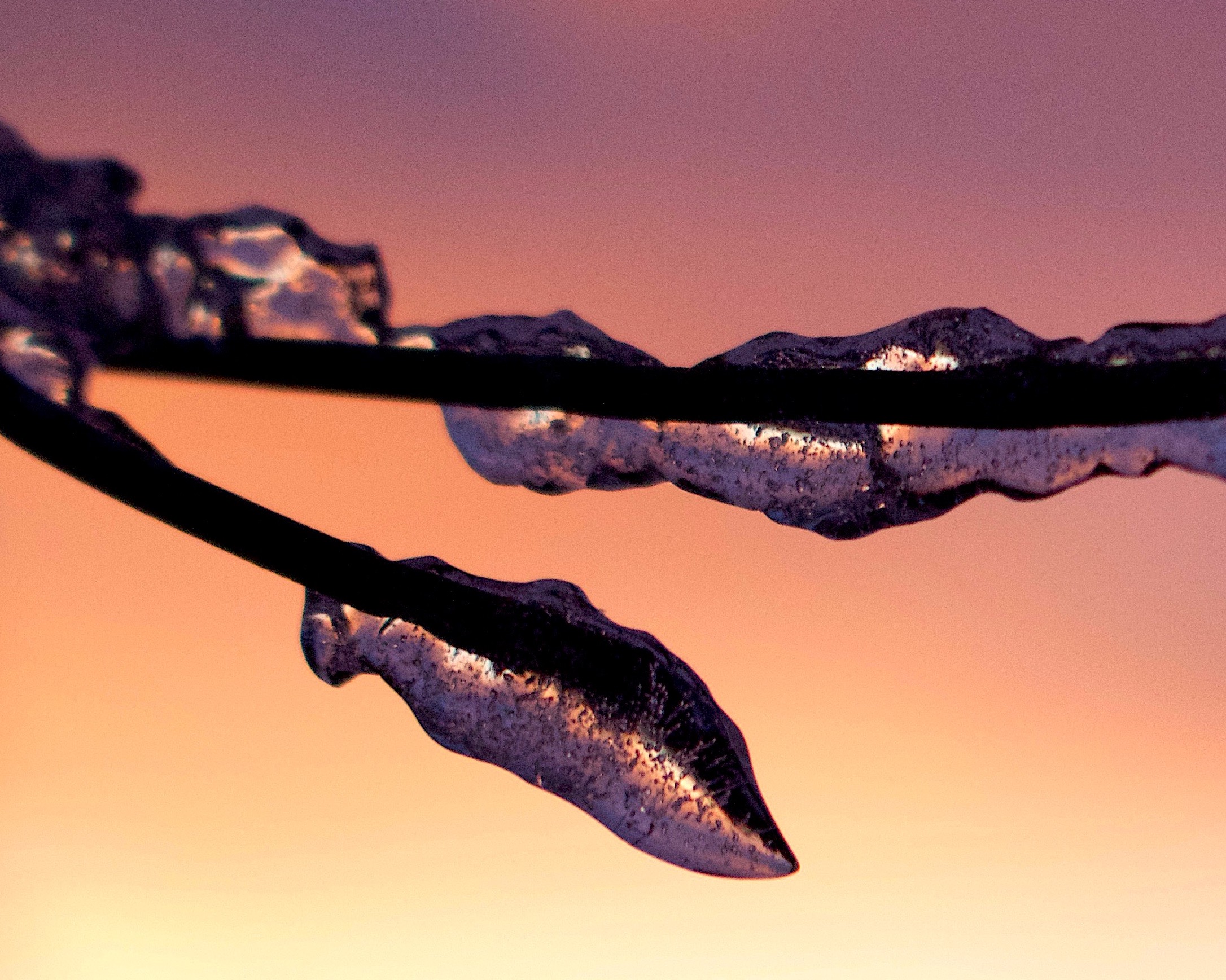
AI image created for this post

One-Time
Monthly
Yearly

Make a one-time or recurring donation to support daily Barnstorming posts

Make a monthly donation

Make a yearly donation

Choose an amount

$10.00
$25.00
$50.00
$5.00
$15.00
$100.00
$5.00
$15.00
$100.00

Or enter a custom amount

$

Your contribution is deeply appreciated.

Your contribution is appreciated.

Your contribution is appreciated.

DonateDonate monthlyDonate yearly
A Century From Now

I’m sorry I won’t be around a hundred years from now.
I’d like to see how it all turns out.
What language most of you are speaking.
What country is swaggering across the globe.

I’m curious to know if your medicines cure what ails us now.
And how intelligent your children are
as they parachute down through the womb.
Have you invented new vegetables?
Have you trained spiders to do your bidding?
Have baseball and opera merged into one melodic sport?
A hundred years….

My grandfather lived almost that long.
The doctor who came to the farmhouse to deliver him arrived in a
horse-drawn carriage.

Do you still have horses?
~David Shumate “A Hundred Years from Now” from Kimonos in the Closet

When the local obituary notices lists someone who had lived nearly a century, I stop to think what societal changes have taken place over those 100 years.

Over the past century, our melting pot country has absorbed a panoply of languages and nationalities, in addition to being the source of plenty of political swagger.

There have been many new medical discoveries and public health measures resulting in longer life expectancy and lower child mortality rates, despite what our swaggering politicos currently say.

Although neither of my parents lived past 90 years of age, when they were born in the early 1920s, rural transportation was primarily horse and buggy, most babies were born at home, antibiotics had not been developed and only smallpox vaccination was routinely administered to children.

Everyone wrote postcards or letters to one another to stay in touch, and photographs were done by professionals.

The moon had not been visited, the web was something your face ran into on a foggy morning, and nuclear referred to a center of a cell.

Oh, and yes, we still have horses.

Not many horses still labor on behalf of humans as they did on a daily basis 100 years ago. Ours have a pretty sweet life here on our farm, living well into their thirties – a century in horse years.

Thinking ahead to a century from now?
So much more will happen that we can’t begin to imagine.

But I hope there will always be horses…

Aunt Lois, nearly 100
Aunt Betty, age 99
Great Grandma Elna, age 88
Great Grandpa Harry holding baby Emerson, photo by mama Abby Mobley
Great Grandma Emma, granddaughter Andrea, great-grandson Zealand
my paternal grandparents in the early 1910s
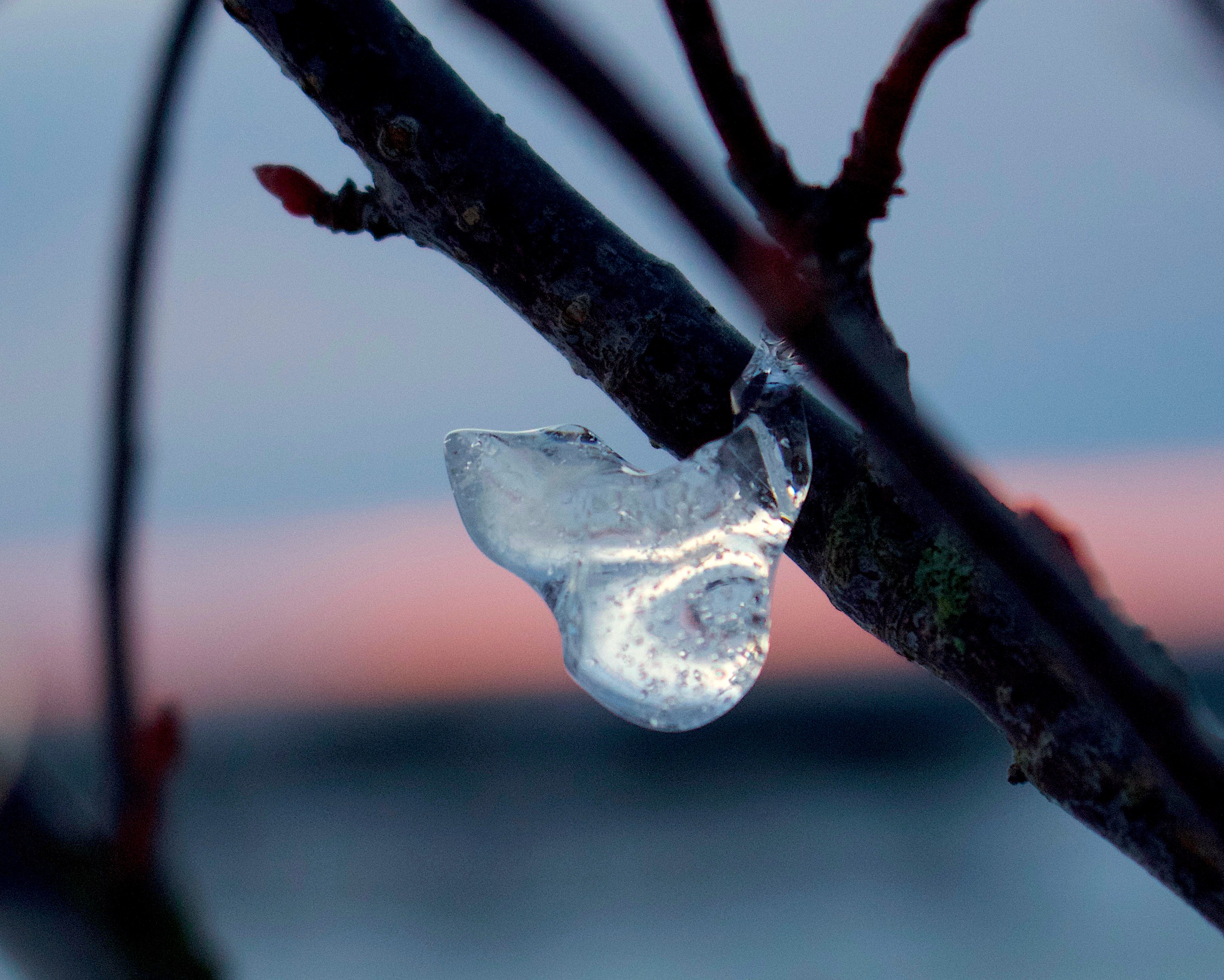
AI image created for this post
One-Time
Monthly
Yearly

Make a one-time or recurring donation to support daily Barnstorming posts

Make a monthly donation

Make a yearly donation
Choose an amount

$10.00
$25.00
$50.00
$5.00
$15.00
$100.00
$5.00
$15.00
$100.00

Or enter a custom amount

$

Your contribution is deeply appreciated.
Your contribution is appreciated.

Your contribution is appreciated.

DonateDonate monthlyDonate yearly