
As the Light Left…

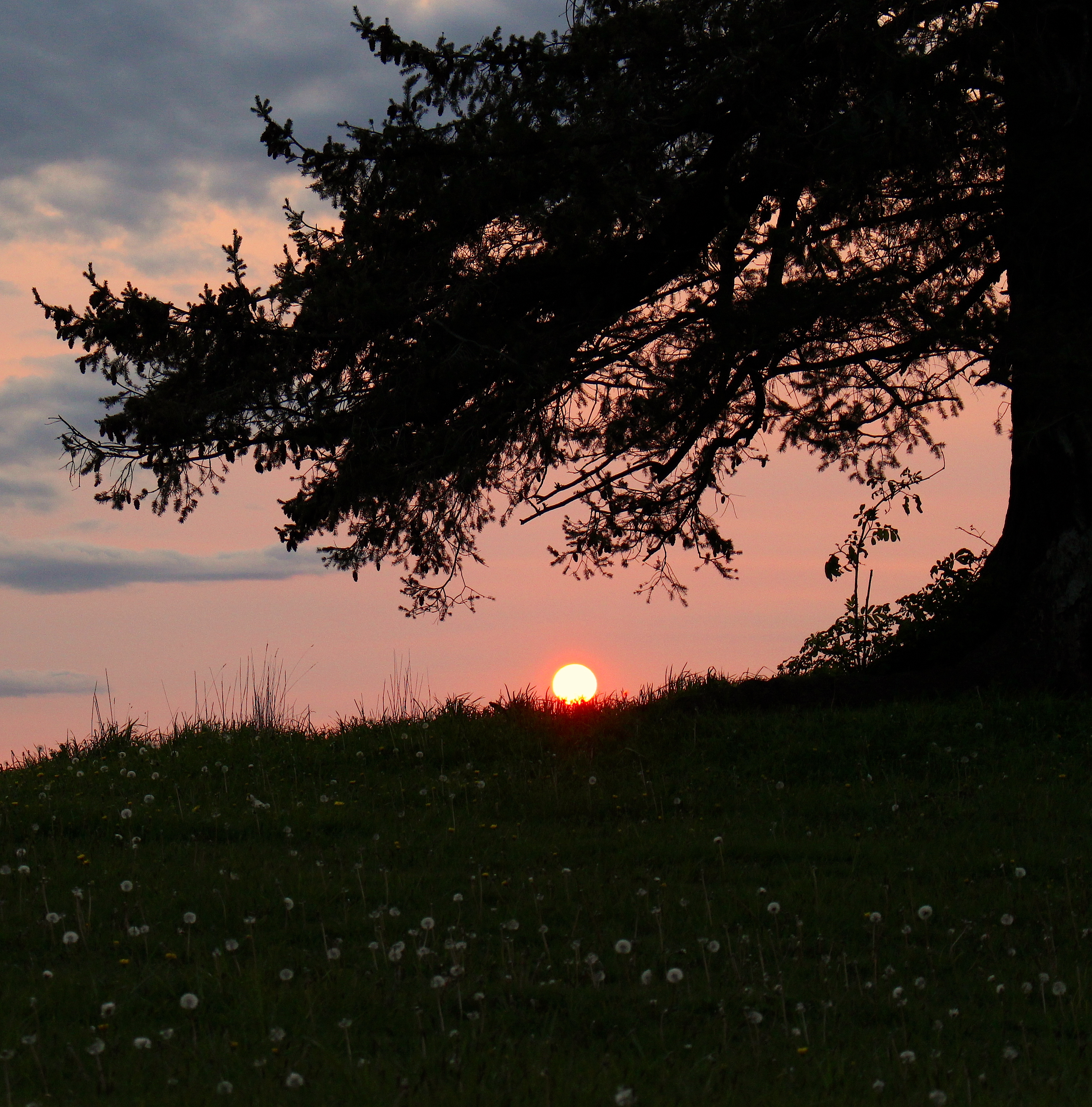
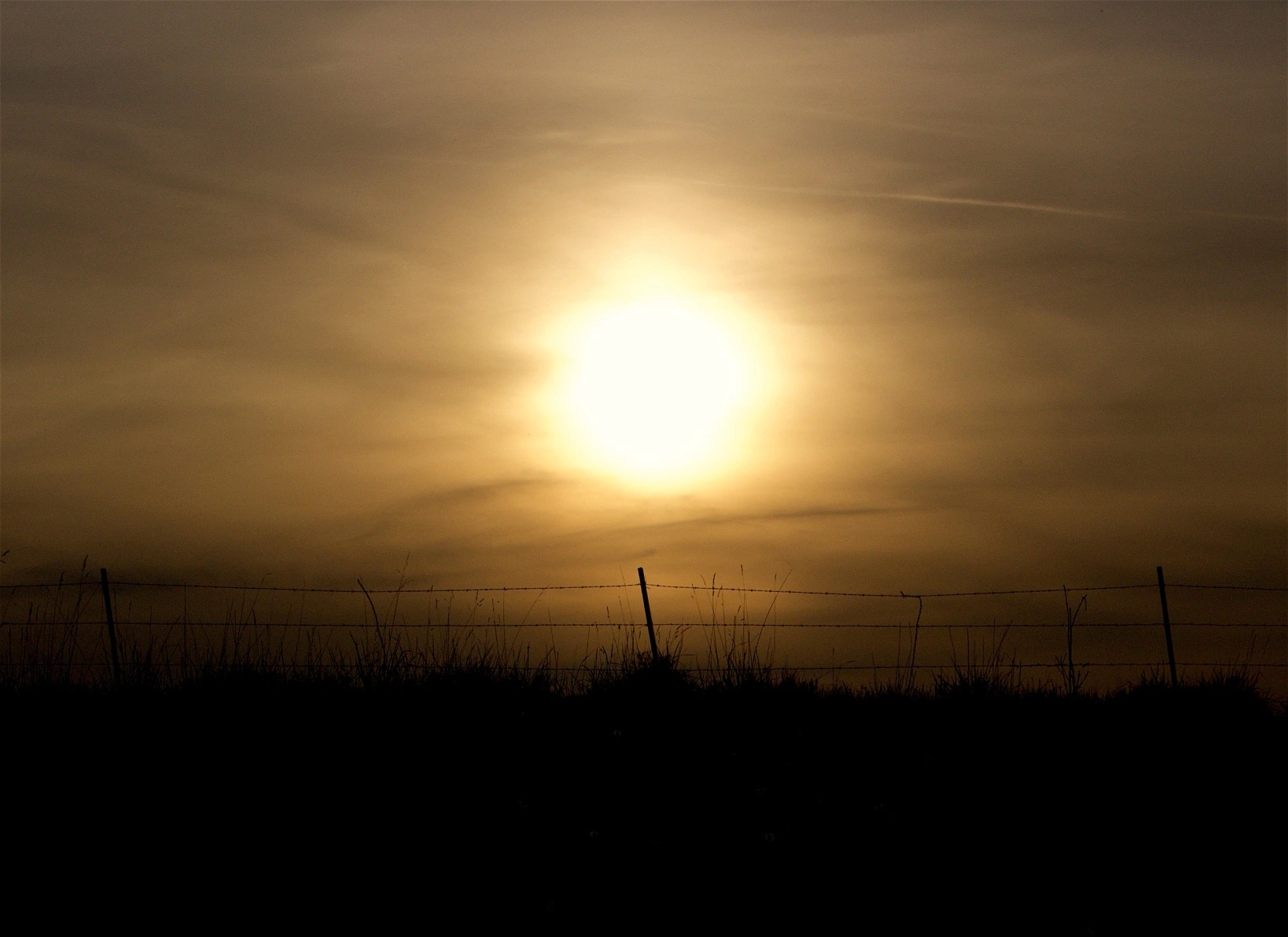
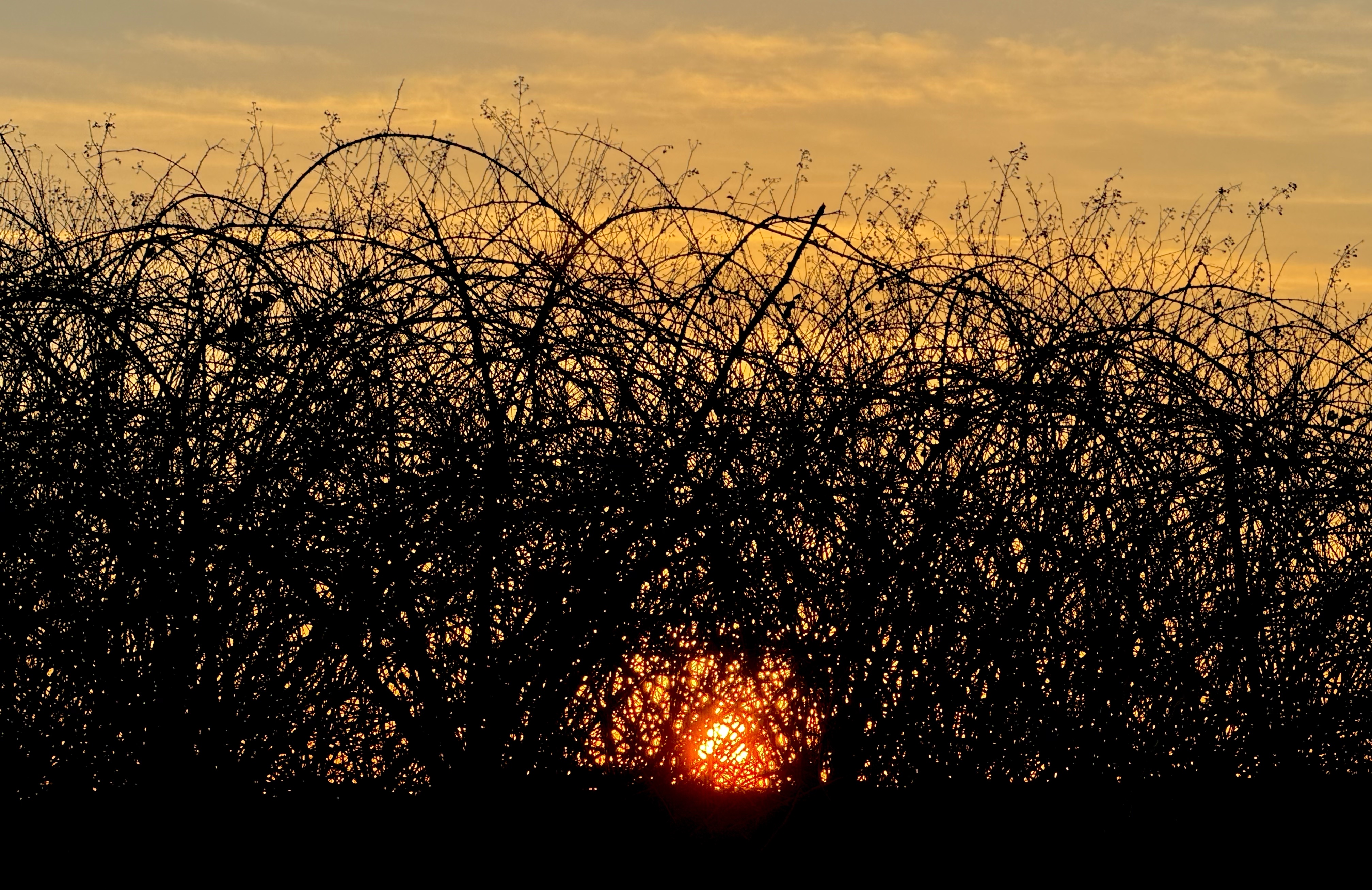
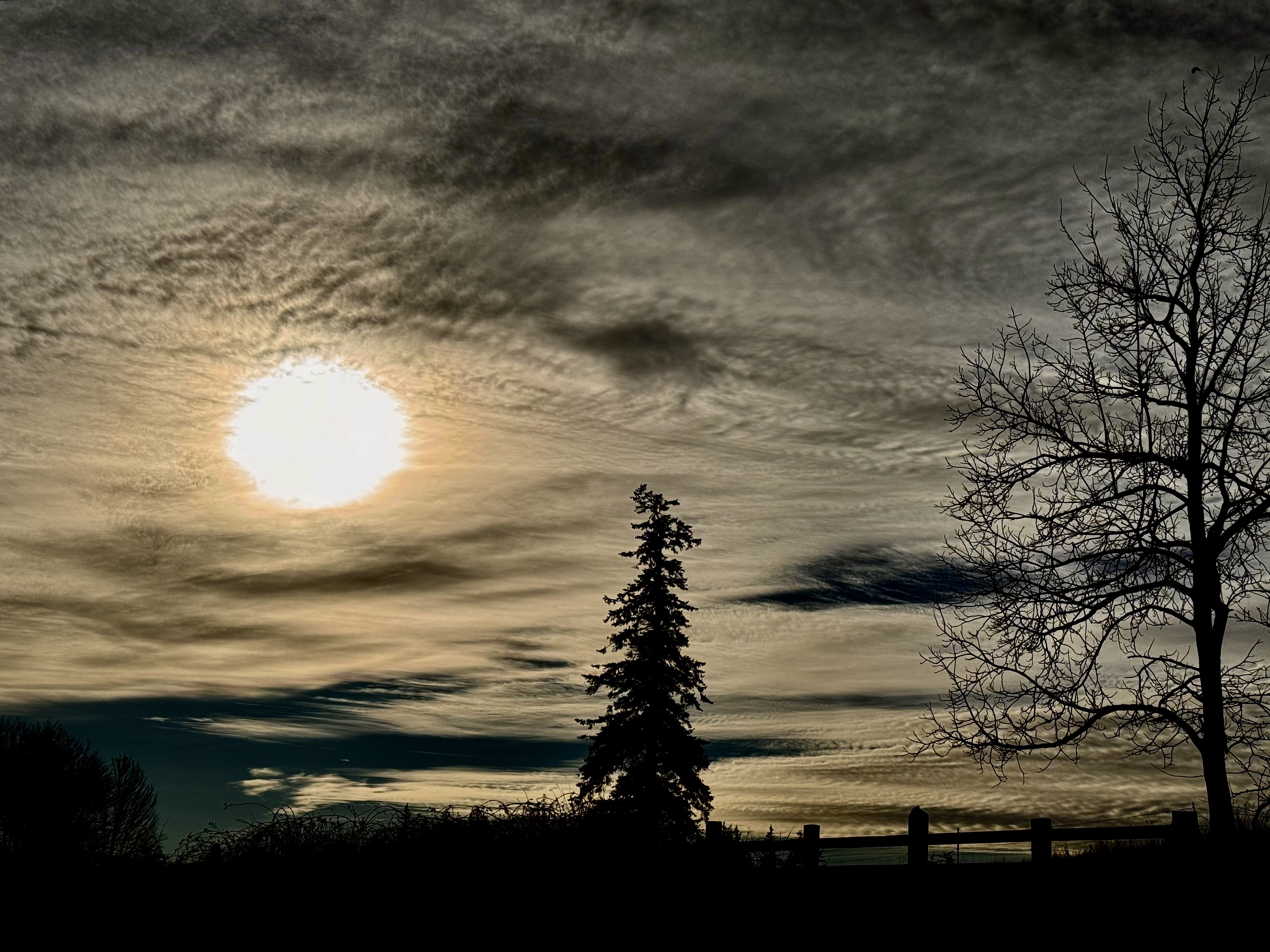
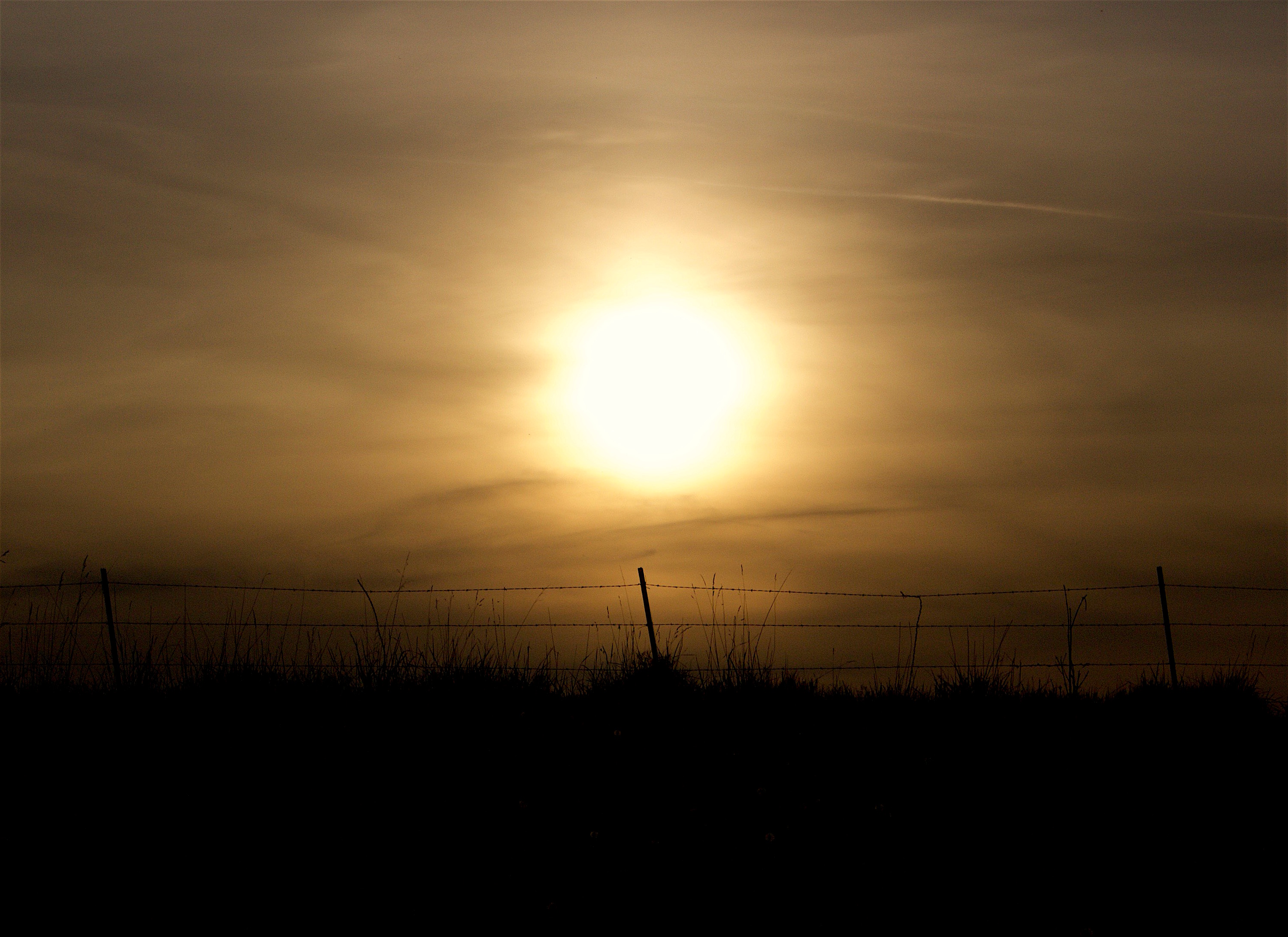
The second before the sun went out we saw a wall of dark shadow come speeding at us. We no sooner saw it than it was upon us, like thunder. It roared up the valley. It slammed our hill and knocked us out. It was the monstrous swift shadow cone of the moon. I have since read that this wave of shadow moves 1,800 miles an hour. Language can give no sense of this sort of speed—1,800 miles an hour. It was 195 miles wide. No end was in sight—you saw only the edge. It rolled at you across the land at 1,800 miles an hour, hauling darkness like plague behind it. Seeing it, and knowing it was coming straight for you, was like feeling a slug of anesthetic shoot up your arm. If you think very fast, you may have time to think, “Soon it will hit my brain.” You can feel the deadness race up your arm; you can feel the appalling, inhuman speed of your own blood. We saw the wall of shadow coming, and screamed before it hit.

This was the universe about which we have read so much and never before felt: the universe as a clockwork of loose spheres flung at stupefying, unauthorized speeds. How could anything moving so fast not crash, not veer from its orbit amok like a car out of control on a turn?

Less than two minutes later, when the sun emerged, the trailing edge of the shadow cone sped away. It coursed down our hill and raced eastward over the plain, faster than the eye could believe; it swept over the plain and dropped over the planet’s rim in a twinkling. It had clobbered us, and now it roared away. We blinked in the light. It was as though an enormous, loping god in the sky had reached down and slapped the Earth’s face.

When the sun appeared as a blinding bead on the ring’s side, the eclipse was over. The black lens cover appeared again, back-lighted, and slid away. At once the yellow light made the sky blue again; the black lid dissolved and vanished. The real world began there. I remember now: We all hurried away.

We never looked back. It was a general vamoose … but enough is enough. One turns at last even from glory itself with a sigh of relief. From the depths of mystery, and even from the heights of splendor, we bounce back and hurry for the latitudes of home.
~Annie Dillard from her essay  “Total Eclipse” in The Atlantic about the February 1979 eclipse in Washington State

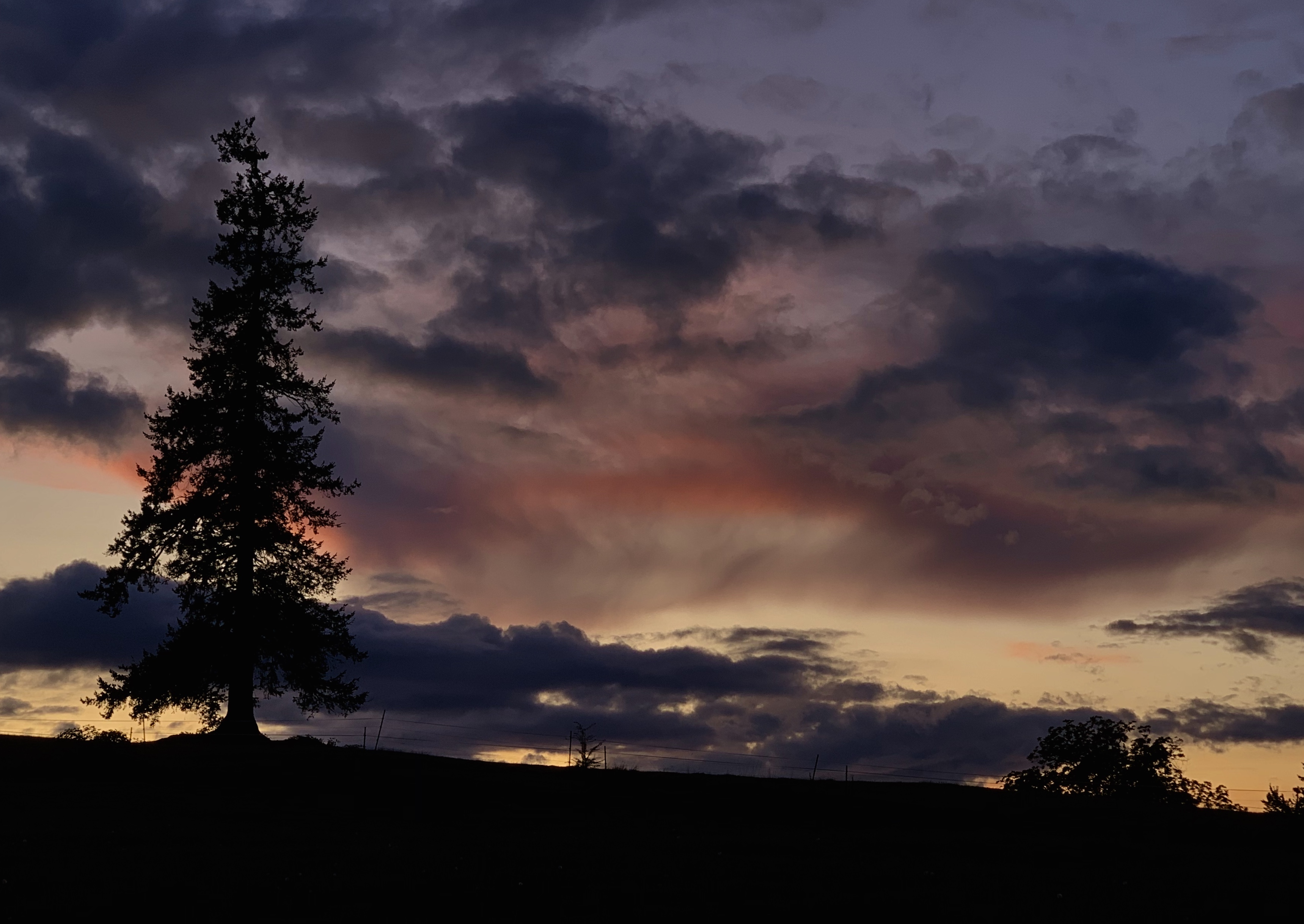
sundown

From my six week psychiatric inpatient rotation at a Veteran’s Hospital—late winter 1979

Sixty eight year old male catatonic with depression

He lies still, so very still under the sheet, eyes closed; the only clue that he is living is the slight rise and fall of his chest.  His face is skull- like framing his sunken eyes, his facial bones standing out like shelves above the hollows of his cheeks, his hands lie skeletal next to an emaciated body.  He looks as if he is dying of cancer but without the smell of decay.  He rouses a little when touched, not at all when spoken to.  His eyes open only when it is demanded of him, and he focuses with difficulty.  His tongue is thick and dry, his whispered words mostly indecipherable, heard best by bending down low to the bed, holding an ear almost to his cracked lips.

He has stopped feeding himself, not caring about hunger pangs, not salivating at enticing aromas or enjoying the taste of beloved coffee.  His meals are fed through a beige rubber tube running through a hole in his abdominal wall emptying into his stomach, dripping a yeasty smelling concoction of thick white fluid full of calories.  He ‘eats’ without tasting and without caring. His sedating antidepressant pills are crushed, pushed through the tube, oozing into him, deepening his sleep, but are designed to eventually wake him from his deep debilitating melancholy.

After two weeks of treatment and nutrition, his cheeks start to fill in, and his eyes are closed less often.  He watches people as they move around the room and he responds a little faster to questions and starts to look us in the eye.   He asks for coffee, then pudding and eventually he asks for steak.  By the third week he is sitting up in a chair, reading the paper.

After a month, he walks out of the hospital, 15 pounds heavier than when he was wheeled in.  His lips, no longer dried and cracking, have begun to smile again.

Thirty two year old male rescued by the Coast Guard at 3 AM in the middle of the bay

As he shouts, his eyes dart, his voice breaks, his head tosses back and forth, his back arches and then collapses as he lies tethered to the gurney with leather restraints.  He writhes constantly, his arm and leg muscles flexing against the wrist and ankle bracelets.

“The angels are waiting!!  They’re calling me to come!! Can’t you hear them?  What’s wrong with you?  I’m Jesus Christ, King of Kings!!  Lord of Lords!!  If you don’t let me return to them, I can’t stop the destruction!”

He finally falls asleep by mid-morning after being given enough antipsychotic medication to kill a horse. He sleeps uninterrupted for nine hours. Then suddenly his eyes fly open, and he looks startled.

He glares at me.  “Where am I? How did I get here?”

“You are hospitalized in the VA psych ward after being picked up by the Coast Guard after swimming out into the bay in the middle of the night. You said you were trying to reach the angels.”

He turns his head away, his fists relaxing in the restraints, and begins to weep uncontrollably, the tears streaming down his face.

“Forgive them, Father, for they know not what they do.”

Twenty two year old male with auditory and visual hallucinations

He seems serene, much more comfortable in his own skin when compared to the others on the ward. Walking up and down the long hallways alone, he is always in deep conversation. He takes turns talking, but more often is listening, nodding,  almost conspiratorial.

During a one-on-one session, he looks at me briefly, but his attention continues to be diverted, first watching an invisible something or someone enter the room, move from the door to the middle of the room, until finally, his eyes lock on an empty chair to my left. I ask him what he sees next to me.

“Jesus wants you to know He loves you.”

It takes all my will power not to turn and look at the empty chair.

**********************************************************************

Fifty four year old male with chronic paranoid schizophrenia

He has been disabled with psychiatric illness for thirty years, having his first psychotic break while serving in World War II.   His only time living outside of institutions has been spent sharing a home with his mother who is now in her eighties.  This hospitalization was precipitated by his increasing delusion that his mother is the devil and the voices in his head commanded that he kill her. He had become increasingly agitated and angry, had threatened her with a knife, so she called the police, pleading with them not to arrest him, but to bring him to the hospital for medication adjustment.

His eyes have taken on the glassy staring look of the overmedicated psychotic, and he sits in the day room much of the day sleeping in a chair, drool dripping off his lower lip.  When awake he answers questions calmly and appropriately with no indication of the delusions or agitation that led to his hospitalization.  His mother visits him almost daily, bringing him his favorite foods from home which he gratefully accepts and eats with enthusiasm.  By the second week, he is able to take short passes to go home with her, spending a lunch time together and then returning to the ward for dinner and overnight. By the third week, he is ready for discharge, his mother gratefully thanking the doctors for the improvement she sees in her son.  I watch them walk down the long hallway together to be let through the locked doors to freedom.

Two days later, a headline in the local paper:

“Veteran Beheads Elderly Mother”

Forty five year old male — bipolar disorder with psychotic features

He has been on the ward for almost a year, his unique high pitched laughter heard easily from behind closed doors,  his eyes intense in his effort to conceal his struggles.  Trying to follow his line of thinking is challenging, as he talks quickly, with frequent brilliant off topic tangents, and at times he lapses into a “word salad” of almost nonsensical sentences.  Every day as I meet with him I become more confused about what is going on with him, and am unclear what is expected of me in my interactions with him.  He senses my discomfort and tries to ease my concern.

“Listen, this is not your problem to fix but I’m bipolar and regularly hear command voices and have intrusive thoughts.  My medication keeps me under good control.  But just tell me if you think I’m not making sense because I don’t always recognize it in myself.”

During my rotation, his tenuous tether to sanity is close to breaking.  He starts to listen more intently to the voices in his head, becoming frightened and anxious, often mumbling and murmuring under his breath as he goes about his day.

On a particular morning, all the patients are more anxious than usual, pacing and wringing their hands as the light outdoors slowly fades, with noon being transformed to an oddly shadowy dusk. The street lights turn on automatically and cars are driving with headlights shining.  We stand at the windows in the hospital, watching the city become dark as night in the middle of the day.  The unstable patients are sure the world is ending and extra doses of medication are dispensed as needed while the light slowly returns to the streets outside.  Within an hour the sunlight is back, and all the patients are napping soundly.

The psychiatrist locks himself in his office and doesn’t respond to knocks on the door or calls on his desk phone.

Stressed by the recent homicide by one of his discharged patients, and identifying with his patients due to his own mental illness, he is overwhelmed by the eclipse. The nurses call the hospital administrator who comes to the ward with two security guards. They unlock the door and lead the psychiatrist off the ward. We watch him leave, knowing he won’t be back.

It is as if the light had left and only his shadow remains.

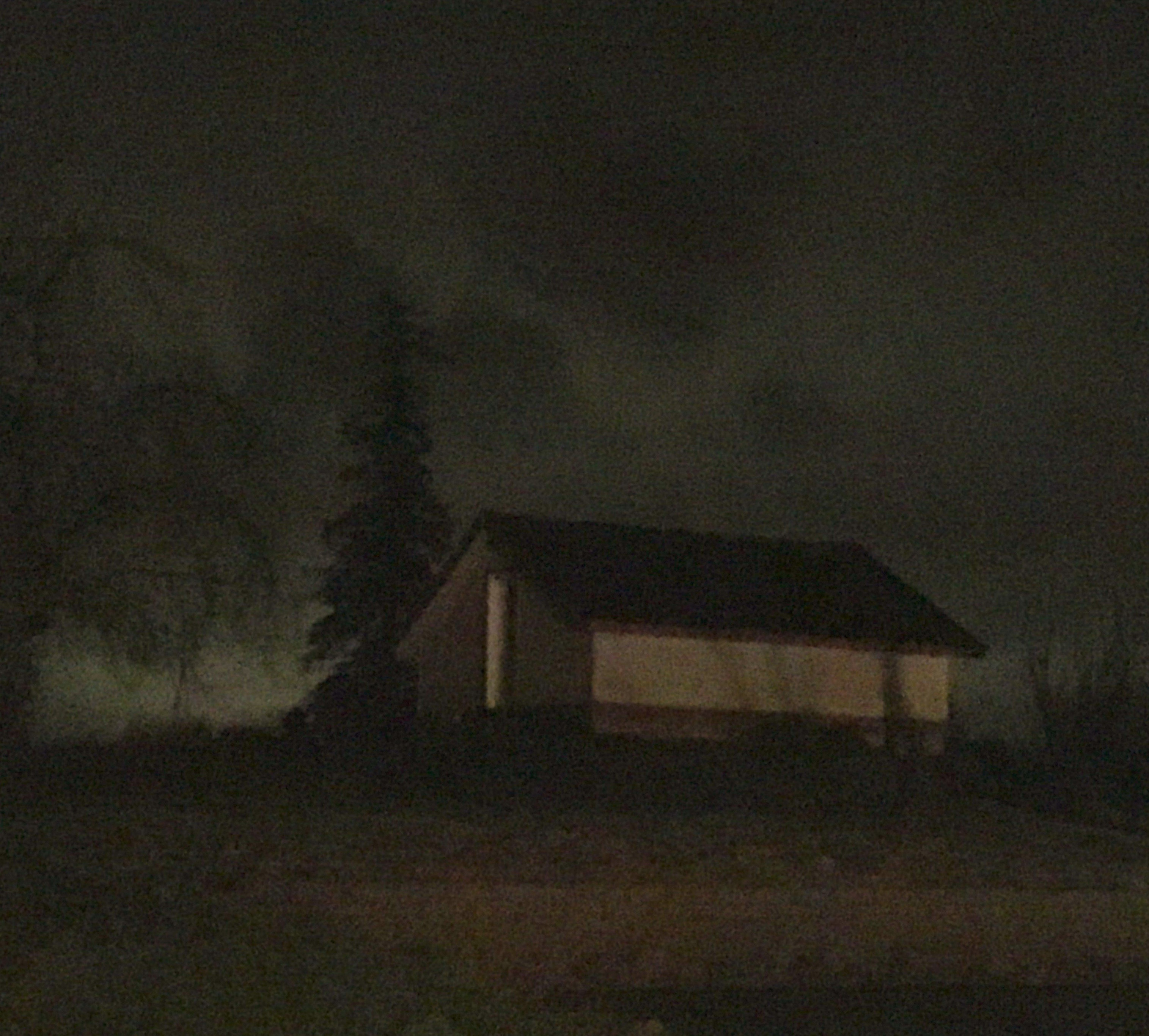
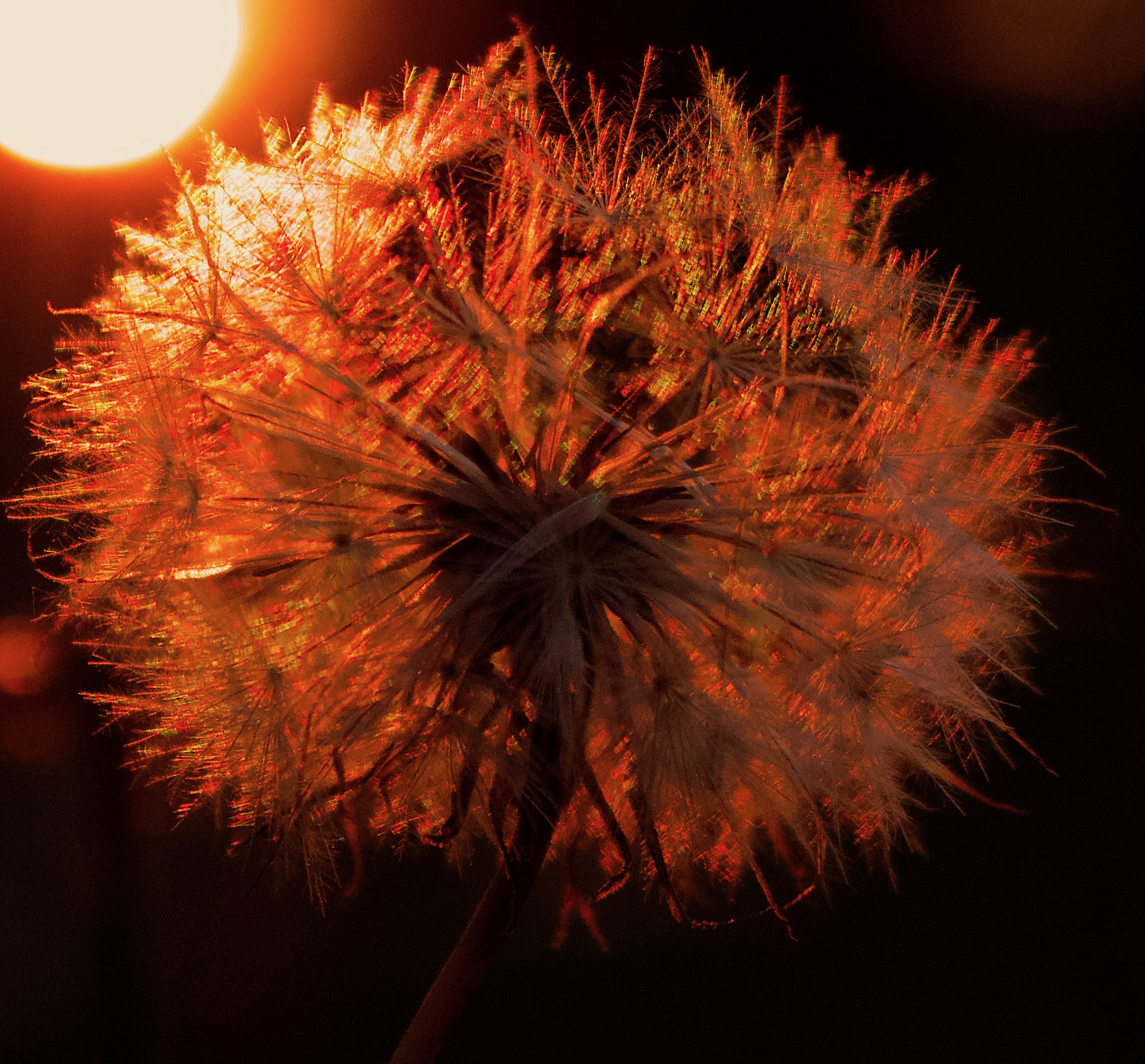
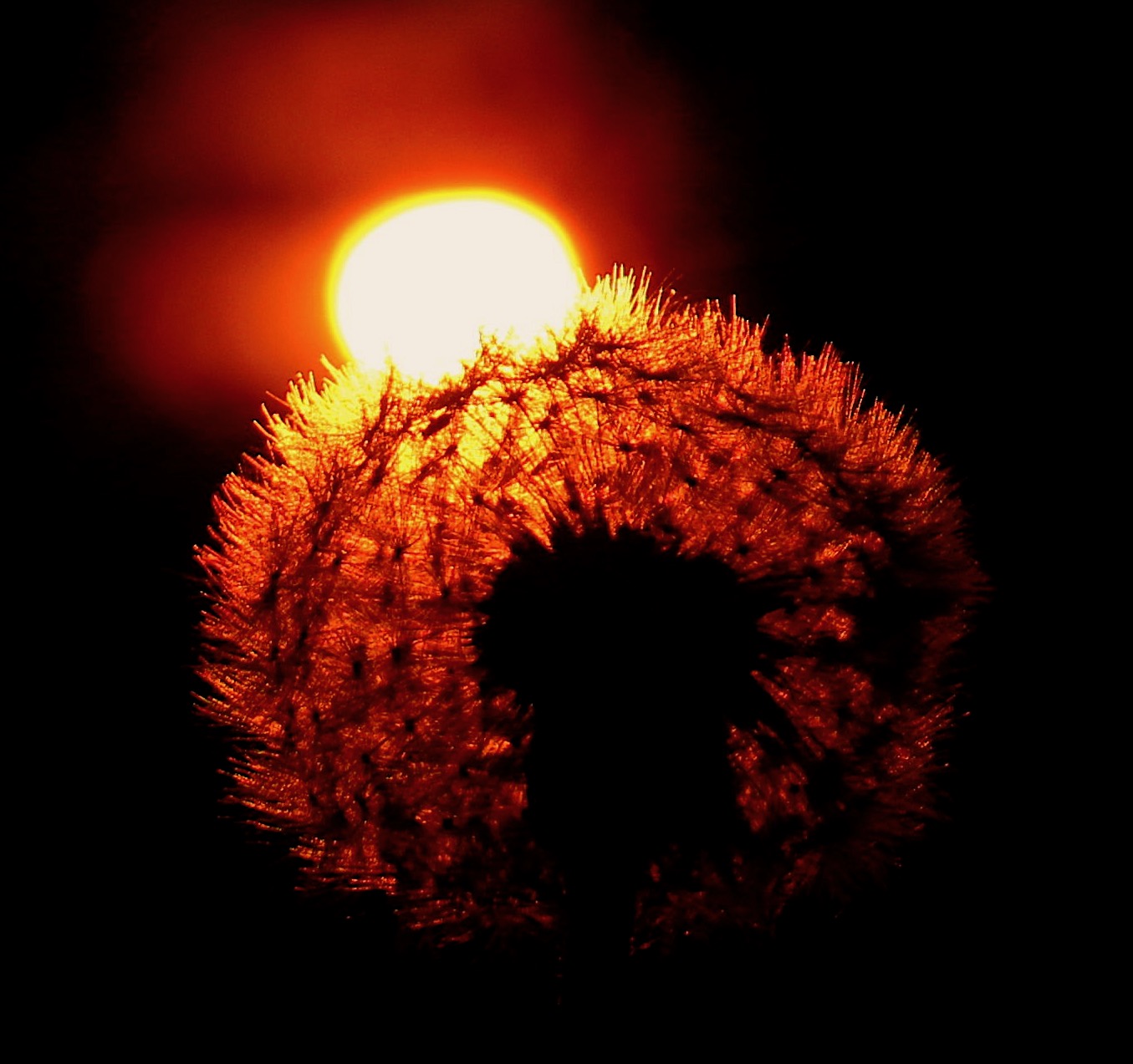
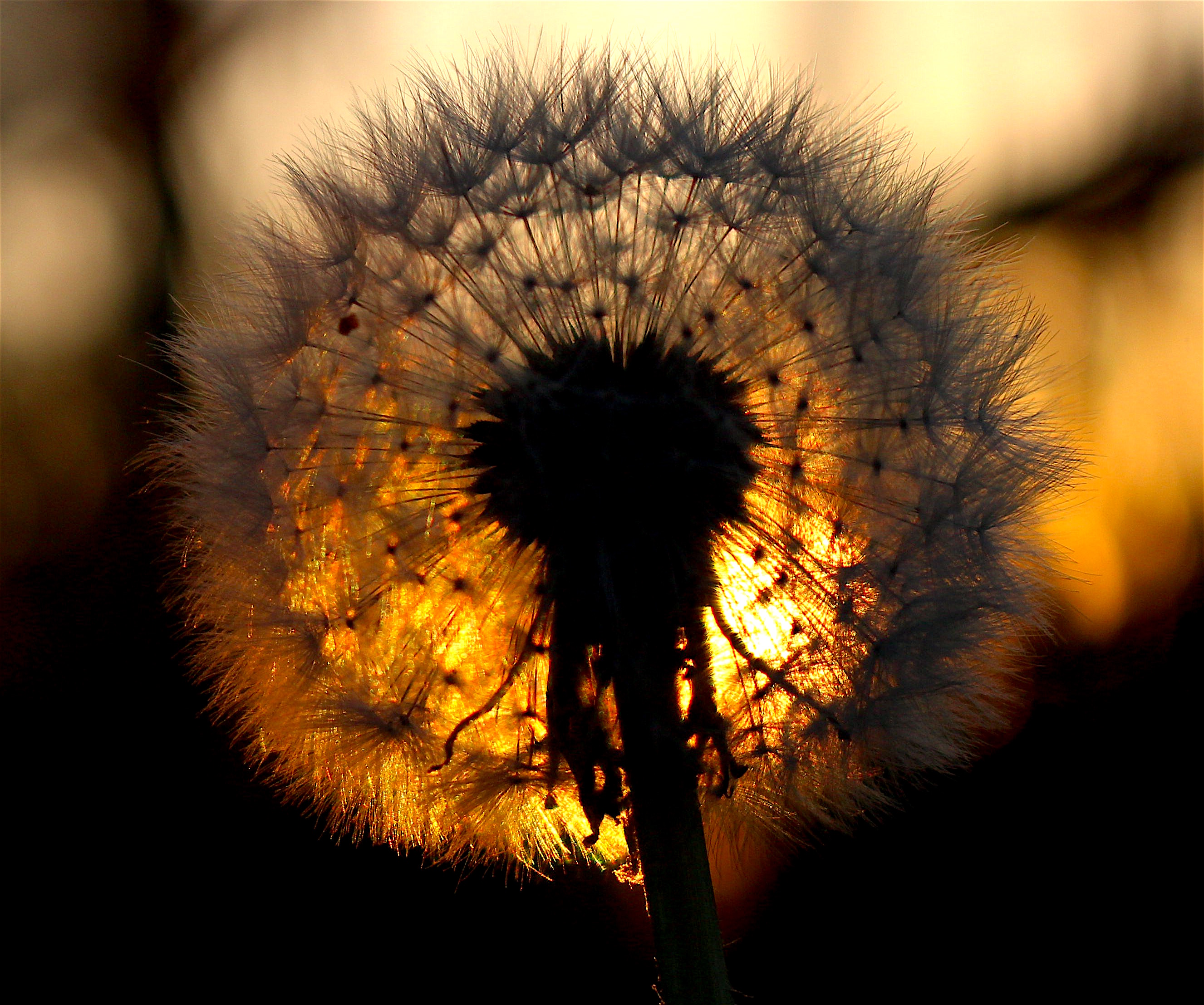
AI image created for this post

Lyrics:
Measure me, sky!
    Tell me I reach by a song
Nearer the stars;
    I have been little so long.

Weigh me, high wind!
    What will your wild scales record?
Profit of pain,
    Joy by the weight of a word.

Horizon, reach out!
    Catch at my hands, stretch me taut,
Rim of the world:
    Widen my eyes by a thought.

Sky, be my depth,
    Wind, be my width and my height,
World, my heart’s span;
    Loveliness, wings for my flight.
~Leonora Speyer

One-Time
Monthly
Yearly

Make a one-time or recurring donation to support daily Barnstorming posts

Make a monthly donation

Make a yearly donation

Choose an amount

$10.00
$25.00
$50.00
$5.00
$15.00
$100.00
$5.00
$15.00
$100.00

Or enter a custom amount

$

Your contribution is deeply appreciated.

Your contribution is appreciated.

Your contribution is appreciated.

DonateDonate monthlyDonate yearly

We Will Remember Them

They shall grow not old, as we that are left grow old:
Age shall not weary them, nor the years condemn.
At the going down of the sun and in the morning
We will remember them.
~Lawrence Binyon from “For the Fallen” (1914)

In Flanders fields the poppies blow
Between the crosses, row on row,
That mark our place; and in the sky
The larks, still bravely singing, fly
Scarce heard amid the guns below.

We are the Dead. Short days ago
We lived, felt dawn, saw sunset glow,
Loved and were loved, and now we lie,
In Flanders fields.

Take up our quarrel with the foe:
To you from failing hands we throw
The torch; be yours to hold it high.
If ye break faith with us who died
We shall not sleep, though poppies grow
In Flanders fields.

~John McCrae “In Flanders Fields”

When you go home tell them of us and say –
“For your tomorrow we gave our today”
~John Maxwell Edmonds from “The Kohima Epitaph” 

November pierces with its bleak remembrance
Of all the bitterness and waste of war.
Our silence tries but fails to make a semblance
Of that lost peace they thought worth fighting for.
Our silence seethes instead with wraiths and whispers,
And all the restless rumour of new wars,
The shells are falling all around our vespers,
No moment is unscarred, there is no pause,
In every instant bloodied innocence
Falls to the weary earth ,and whilst we stand
Quiescence ends again in acquiescence,
And Abel’s blood still cries in every land
One silence only might redeem that blood
Only the silence of a dying God.
~Malcolm Guite “Silence: a Sonnet for Remembrance Day”

To our military veterans here and abroad –
in deep appreciation and gratitude for the freedoms
you have defended on behalf of us all.

No one is left untouched and unscarred in the bitterness of war:
those of you who died in service,
those of you wounded in service,
those of you who bore visible and invisible scars all your lives.

You are heroes to the cause of freedom.

As G.K. Chesterton said,
“Courage is a strong desire to live taking the form of a readiness to die.”

My father was one of the fortunate ones who came home, returning to a quiet life of farming and teaching after three years serving in the Pacific with the Marines Corp from 1942 to 1945. Hundreds of thousands of his colleagues didn’t come home, dying on beaches and battlefields. Tens of thousands more came home forever marked, through physical or psychological injury, by the experience of war and witness of death and mayhem all around them.

In my medical training in the 1970’s, I cared for veterans hospitalized for mental health care after serving in WWII, Korea and Vietnam. I witnessed for myself the sacrifices of these soldiers, and the limits of our therapies.

No matter how one views wars our nation has fought and may be obligated to fight in the future, we must support and care for the men and women who have made, on our behalf, the commitment to be on the front line for freedom’s sake.

Even our God died so we could stop fighting each other (and Him). What a waste we have not stopped to listen and understand His sacrifice enough to finally lay down our weapons against one another forever.

Support for wounded veterans:

Disabled Veterans National Foundation

Wounded Warrior Project

A Hush Now

There is a hush now while the hills rise up
and God is going to sleep. He trusts the ship
of Heaven to take over and proceed beautifully
as he lies dreaming in the lap of the world.
He knows the owls will guard the sweetness
of the soul in their massive keep of silence,
looking out with eyes open or closed over
the length of Tomales Bay that the egrets
conform to, whitely broad in flight, white
and slim in standing. God, who thinks about
poetry all the time, breathes happily as He
repeats to Himself: there are fish in the net,
lots of fish this time in the net of the heart.

~Linda Gregg “Fishing in the Keep of Silence” from All of It Singing.

The second before the sun went out we saw a wall of dark shadow come speeding at us. We no sooner saw it than it was upon us, like thunder. It roared up the valley. It slammed our hill and knocked us out. It was the monstrous swift shadow cone of the moon. I have since read that this wave of shadow moves 1,800 miles an hour. Language can give no sense of this sort of speed—1,800 miles an hour. It was 195 miles wide. No end was in sight—you saw only the edge. It rolled at you across the land at 1,800 miles an hour, hauling darkness like plague behind it. Seeing it, and knowing it was coming straight for you, was like feeling a slug of anesthetic shoot up your arm. If you think very fast, you may have time to think, “Soon it will hit my brain.” You can feel the deadness race up your arm; you can feel the appalling, inhuman speed of your own blood. We saw the wall of shadow coming, and screamed before it hit.

This was the universe about which we have read so much and never before felt: the universe as a clockwork of loose spheres flung at stupefying, unauthorized speeds. How could anything moving so fast not crash, not veer from its orbit amok like a car out of control on a turn?

Less than two minutes later, when the sun emerged, the trailing edge of the shadow cone sped away. It coursed down our hill and raced eastward over the plain, faster than the eye could believe; it swept over the plain and dropped over the planet’s rim in a twinkling. It had clobbered us, and now it roared away. We blinked in the light. It was as though an enormous, loping god in the sky had reached down and slapped the Earth’s face.

When the sun appeared as a blinding bead on the ring’s side, the eclipse was over. The black lens cover appeared again, back-lighted, and slid away. At once the yellow light made the sky blue again; the black lid dissolved and vanished. The real world began there. I remember now: We all hurried away.

We never looked back. It was a general vamoose … but enough is enough. One turns at last even from glory itself with a sigh of relief. From the depths of mystery, and even from the heights of splendor, we bounce back and hurry for the latitudes of home.
~Annie Dillard from her essay  “Total Eclipse” in The Atlantic about the February 1979 eclipse in Washington State
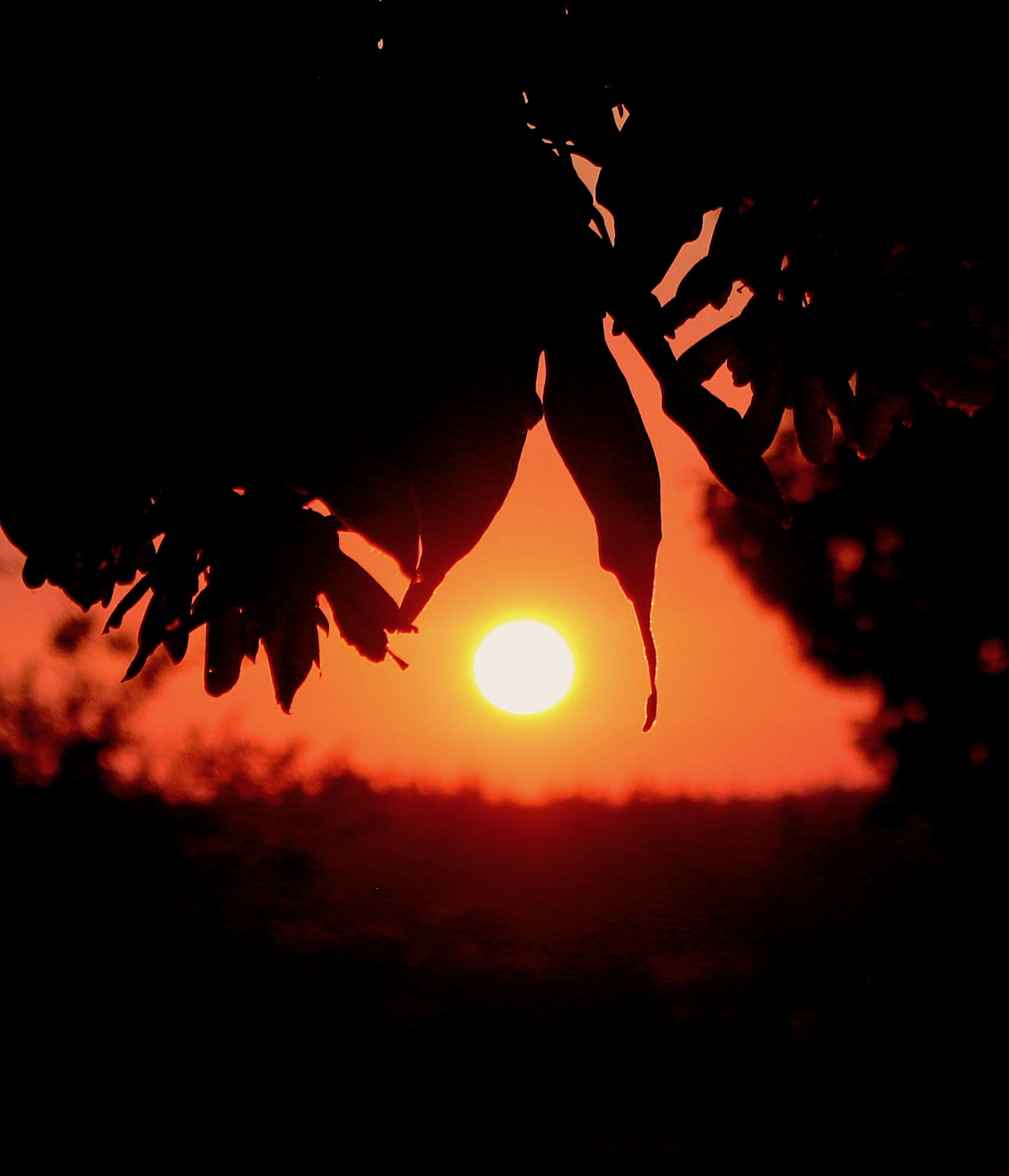
In February 1979, I was working as a medical student on an inpatient psychiatric unit in a large hospital in Seattle, less than a hundred miles from the band of total eclipse Annie Dillard describes above happening just to the south.

Our clinical team had tried to prepare our mostly psychotic and paranoid schizophrenic patients for what was about to happen outside that morning.

Our patients were much more anxious than usual, pacing and wringing their hands as the light outside slowly faded, with high noon transformed gradually to an oddly shadowy dusk. The street lights turned on automatically and cars moved about with headlights shining.

We all stood at the windows in the hospital perched high on a hill, watching the city become dark as night in the middle of the day. Our unstable patients were sure the world was ending and certain they had caused it to happen. Extra doses of medication were dispensed as needed while the light faded away and then slowly returned to the streets outside. Within an hour the sunlight was fully back, and many of our patients were napping soundly, safe in the heart of the net we had thrown over them to protect them.

A hush had fallen over us all as we watched the light go out and then return. We were safe.

We all breathed a sigh of relief, having witnessed such transient glory from the heavens. We did not cause it but a Power far greater did. The eclipse swept – a racing shadow followed by restoration of light – the edge of our sanity to accept that our light can indeed be taken away. 

For some, they live their whole lives consumed by shadow.

Miraculously, the Light has been returned to us in this shining night. We may not be able to look it in the Face —  simply too blinding — but we need never dwell in darkness again.

One-Time
Monthly
Yearly

Make a one-time or recurring donation to support daily Barnstorming posts

Make a monthly donation

Make a yearly donation

Choose an amount

$10.00
$25.00
$50.00
$5.00
$15.00
$100.00
$5.00
$15.00
$100.00

Or enter a custom amount

$

Your contribution is deeply appreciated.

Your contribution is appreciated.

Your contribution is appreciated.

DonateDonate monthlyDonate yearly
Still Open for Business

Astonishing material and revelation appear in our lives all the time. Let it be.
Unto us, so much is given.
We just have to be open for business.
~Anne Lamott from Help Thanks Wow: Three Essential Prayers

It was my privilege to work in a profession where astonishment and revelation awaited me behind each exam room door.

During an average clinic day, I opened those doors 36 times, then close them behind me and settle in for the ten or fifteen minutes allocated per patient. I needed to peel through the layers of a problem quickly to find the core of truth about why a patient was seeking help.

Sometimes what I was looking for was right on the surface: a bad cough, a swollen ankle, a bad laceration, but also easily were their tears, their pain, their fear. Most of the time, the reason was buried deep and I needed to wade through the rashes and sore throats and headaches to find it.

Once in a while, I could actually do something tangible to help right then and there — sew up the cut, lance the boil, splint the fracture, restore hearing by removing a plug of wax from an ear canal.

Often I simply gave permission to a patient to be sick — to allow themselves time to renew, rest and trust their bodies to know what is needed to heal well.

Sometimes, I was the coach pushing them to stop living “sick” — to stop self-medicating when life is challenging, to stretch even when it hurts, to strive to overcome the overwhelm.

Always I was looking for an opening to say something a patient may consider later — how they might make different choices, how they could be bolder and braver in their self care and care for others, how every day is a thread in the larger tapestry of their one precious life.

At night I took calls and each morning woke early to get online work done, trying to avoid feeling unprepared and inadequate to the volume of tasks heaped upon the day. I know I was frequently stretched beyond my capacity, stressed by administrative pressures and obstacles I faced in providing the best care.

I understood trials my patients were facing because I had faced them too. I shared their worry, their fears and vulnerabilities because I had lived through it too.

Even now, I try to simply let it be, especially through troubled times, when I have been gifted so much over the years. So my own experience is a gift I can still share here, even in retirement.

I’ll never forget: no matter who waited behind the exam room door, they never failed to be astonishing and revelatory to me, professionally and personally.

I’m so grateful I was open for business for 42 years.
I don’t see patients in an exam room any longer.
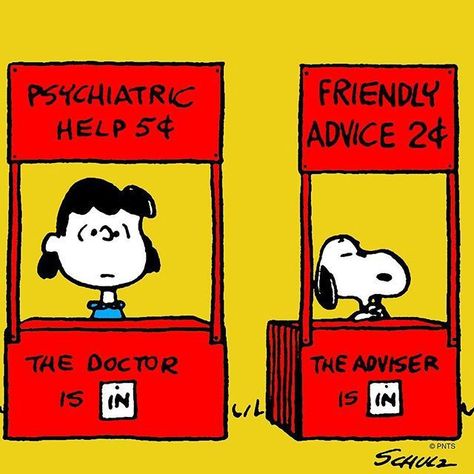
This Doctor is In, writing every day, with friendly advice.
Let it be so.

Peanuts comic by Charles Schulz

What is it You see
What do I possess
Oh how could it be
I should be so blessed

I am nothing much
Neither saint nor queen
I am just a girl
And You are everything

But if You ask
Let it be so
Let it be so
and if You will
Let it be so

I am so afraid
Of this great unknown
They may turn away
I may be all alone

My life is so small
so small a price to pay
to see my savior come
and take my sin away

I will bear their scorn
I will wear the shame
All things for the good
All things in Your name

Father be my strength
Shepherd hold my hand
Open wide my heart
to welcome who is there
~Sarah Hart

One-Time
Monthly
Yearly

Make a one-time or recurring donation to support daily Barnstorming posts

Make a monthly donation

Make a yearly donation

Choose an amount

$10.00
$25.00
$50.00
$5.00
$15.00
$100.00
$5.00
$15.00
$100.00

Or enter a custom amount

$

Your contribution is deeply appreciated.

Your contribution is appreciated.

Your contribution is appreciated.

DonateDonate monthlyDonate yearly
Reflecting Back…

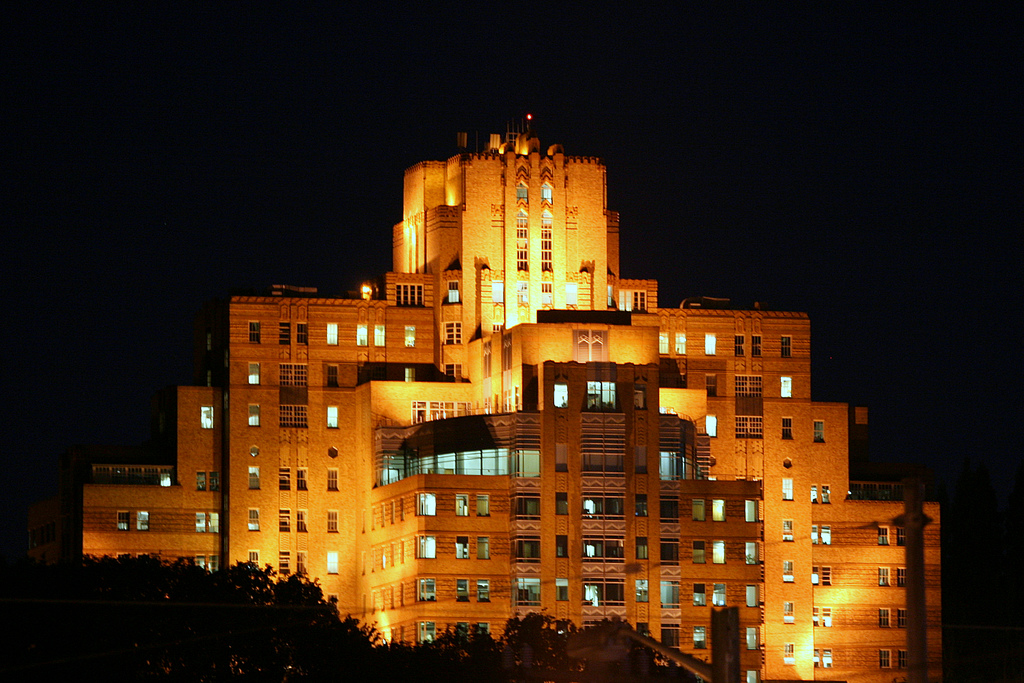
The Pacific Medical Center (2012) Photo by Joe Mabel
http://www.pactower.org

Some years ago, while sitting with my husband and young family high in the upper reaches of Seattle’s (then) Safeco Field watching the Mariners lose to the Cleveland (then) Indians, my attention diverted from the baseball game to the expansive view of the surrounding city.

In particular, I couldn’t help but place myself back inside the old Art Deco building that sits up on Beacon Hill (now known as the Pac Tower.) I had spent a hundreds of hours of my life in that building in the late 1970s; it was easy imagine my younger self in those hallways and rooms.

The 90 year old building had a number of different purposes since originally being constructed to provide hospital care for the region’s Merchant seamen. By 1999, it had become the home of a five year old business that had outgrown Jeff Bezos’ garage — Amazon.com. 

I trained inside the walls of that Public Health Hospital, back in the days when it was the hospital in the region for not only Merchant Marines, but many of the indigenous people of the Pacific northwest and Alaska, in addition to local folks who needed affordable (as in free) health care. I had opportunity to work several clinical rotations in this building as a University of Washington medical student, and to think of it being Amazon’s first (but not last) major headquarters for Amazon made my brain do twists. 

I remembered so much life and death happening inside those walls over the years. 

I first walked into this building as a very green 24 year old med student beginning a surgical rotation in fall 1976, knowing only which end of the stethoscope to put in my ears and which end rests on the patient. On the first day I was shown how to put on a surgical gown, masks and sterile gloves without contaminating myself and the people around me. I never have forgotten that sequence of moves, even though my opportunity to go into an operating room (other than as a patient) became rare after my training days. My chief surgical resident was an exceptionally talented young man who worked himself and everyone working with him around the clock caring for his patients. This brilliant surgeon could only operate on patients while listening and singing to the music of Elvis Presley. I can’t hear any Elvis Presley songs to this day without smelling the odors of surgery–cauterized blood vessels and pus. 

He was soon to become a leading trauma surgeon in a city known for its fine surgeons. The pressure was too much for him. He experienced a personal crisis for which he sought treatment. When he returned to medicine, he abandoned his incredible surgical skills to train as a psychiatrist and still remains an authority on helping impaired physicians, assisting other care providers to acknowledge and deal with addiction and mental health burnout before they harm a patient. 

Those endless clinical rotation days and nights meant witnessing the misery of the most vulnerable of humanity in desperate need of healing, and sometimes we succeeded, but often we did not.  I still have a recurring dream of running up and down the staircases of the Public Health Hospital, bringing pint after pint of blood to the OR from the lab as our team operated on an Alaskan indigenous patient bleeding from dilated esophageal varices, developed as a result of a damaged liver from chronic alcohol dependency. We did not save her, nor have I saved her even once in my dreams over the decades, though I keep trying to run faster. My response to her death was to spend 20 years of my clinical career working with patients in an alcohol and drug treatment program, hoping to prevent her fate in others.

Nor did we save a classmate of mine, on a rotation on a different service, the daughter of a beloved radiologist in this very hospital, who for reasons unknown, had a cardiac arrest while napping briefly during her 32 hour shift.  Another medical student sleeping in the same room heard her odd breathing, found her unresponsive and all medical interventions were employed, to no avail. Even when all the right people, and the right equipment, and the right medicine is seconds away, death can still come, even to healthy people in their 20s.  This was a shock to us all, and an extraordinarily humbling lesson to the pompous and overconfident among us. We might die, in our sleep, whenever it is our time. Years later, I still remember that in my evening prayers.

There was also the young surgical resident who was hospitalized there with jaundice and subsequently died of Hepatitis B, contracted from a blood exposure during his training. No vaccination was available in those days, but was in development. And it was in this and other hospitals in the city, we began to see unusual cases of gay men with severe wasting, rare skin cancers and difficult to treat pneumonias. Initially called GRID (gay-related immune deficiency), it was renamed AIDS as it began appearing in the general population as well, and for too long was a death sentence for anyone infected.

One on-call night in particular is memorable. It was Christmas Eve, and a heavy snowstorm had brought the city to a standstill.  We had very little to do that night in the hospital as the elective surgeries were all postponed until after the holiday and no ambulance could easily make it up the steep drive to the ER, so they were being diverted to other hospitals. As a result, our patient load was light. I was in my tiny sleeping room, on the 14th floor of the tower, facing out north to the city of Seattle, able to enjoy the view of the city, everything blanketed under snow, so peaceful and very quiet.  The freeway, ordinarily so busy day and night, was practically abandoned, and the lights of the city were brighter from the snowfall. It was an enchanting vision of a city forced to slow itself and be still, so anticipatory on a sacred and holy night.

I remember thinking about how young and inexperienced I was, and how very little I knew. My chief resident thought I’d make a good surgeon – I was a diligent worker and technically very good with my hands. My heart told me that I’d be better as a generalist/family doctor. The city held many attractions and excitement, but I longed to return to a farm and a someday family. It was a wistful bittersweet night and I slept very little, perched on that little bed overlooking the sleeping snowy city. I wondered where life might take me, as I reflected on who I was becoming and where I was meant to be.

Forty five years later, I still am reminded every day at how little I know,  but I do realize this:
for however long we’re on this earth, each day we have a distinct purpose and reason for being.

That day, my purpose was to be snowbound on that Christmas day at the old Public Health Hospital, unable to go home from my shift because my car was stuck in the parking lot. Instead, I covered for others who couldn’t make it in to work, singing Christmas carols for all the patients who had to stay put in their hospital beds.

Soon, my purpose was to meet the man I was to marry, eventually living with three beloved children on a little farm 100 miles to the north while practicing medicine in a variety of primary care roles for over forty years. 

And perhaps, my purpose now in retirement is to share a few stories while reflecting on a life still in progress.

Only the Lord knows why He places us where He does.

view from the “sleeping room” at the top of the tower
One-Time
Monthly
Yearly

Make a one-time or recurring donation to support daily Barnstorming posts

Make a monthly donation

Make a yearly donation

Choose an amount

$10.00
$25.00
$50.00
$5.00
$15.00
$100.00
$5.00
$15.00
$100.00

Or enter a custom amount

$

Your contribution is deeply appreciated.

Your contribution is appreciated.

Your contribution is appreciated.

DonateDonate monthlyDonate yearly

Postpone Until Monday

I was relief, once, for a doctor on vacation
and got a call from a man on a window sill.
This was New York, a dozen stories up.
He was going to kill himself, he said.
I said everything I could think of.
And when nothing worked, when the guy
was still determined to slide out that window
and smash his delicate skull
on the indifferent sidewalk, “Do you think,”
I asked, “you could just postpone it
until Monday, when Dr. Lewis gets back?”


The cord that connected us—strung
under the dirty streets, the pizza parlors, taxis,
women in sneakers carrying their high heels,
drunks lying in piss—that thick coiled wire
waited for the waves of sound.


In the silence I could feel the air slip
in and out of his lungs and the moment
when the motion reversed, like a goldfish
making the turn at the glass end of its tank.
I matched my breath to his, slid
into the water and swam with him.
“Okay,” he agreed.

~Ellen Bass “Phone Therapy” from Mules of Love

Love your neighbor as yourself is part of the great commandment.

The other way to say it is, ‘Love yourself as your neighbor.’ Love yourself not in some egocentric, self-serving sense but love yourself the way you would love your friend in the sense of taking care of yourself, nourishing yourself, trying to understand, comfort, strengthen yourself.

Ministers in particular, people in the caring professions in general, are famous for neglecting their selves with the result that they are apt to become in their own way as helpless and crippled as the people they are trying to care for and thus no longer selves who can be of much use to anybody. 

It means pay mind to your own life, your own health and wholeness, both for your own sake and ultimately for the sake of those you love too. Take care of yourself so you can take care of them.

A bleeding heart is of no help to anybody if it bleeds to death.
~Frederick Buechner from Telling Secrets

We are reminded every time we hear safety instructions on an airplane before a flight takes off: “in the event of a sudden pressure change in the cabin, oxygen masks will appear – remember to put your own on before helping others with their masks.”   

If we aren’t able to breathe ourselves, we won’t last long enough to be of assistance to anyone around us.  We must breathe, we must stay afloat to save the drowning. Too often,  sacrificing our self-care threatens others’ well-being.

A headline appeared in my email from the American Psychiatric Association this morning: “Physicians Experience the Highest Suicide Rate of Any Profession” – there is rampant depression and burn-out among those who should know best how to recognize and respond to the danger signs — for women physicians, nearly 1 out of 5 are afflicted.   Yet the work load only seems to increase, not diminish, the legal and moral responsibility weighs more heavily, and the hours available for sleep and respite shrink.  In forty plus years of practicing medicine (my father liked to remind me “when are you going to stop ‘practicing’ and actually ‘do’ it?”),  the work never got easier, only harder and heavier to carry.

I saw suicidal patients every day and am immensely grateful I myself have never been suicidal, thank God, but anxiety is embedded deep in my DNA from my non-physician fretful farmer ancestors.  Anxiety becomes the fuel and driver of the relentless physician journey on long lonely roads, spurring us to stay awake too many hours when we should be resting our eyes and taking a break to breathe, just breathe.

However, we are trained to respond to our own anxiety from the first day in anatomy class:
“and while you, Miss Polis, are trying to think of the name of that blood vessel, your patient is exsanguinating in front of you– drip, drip, drip….”

Terror-stricken at the thought I was inadequate to the task of saving a life, it took years for me to realize the name of the vessel didn’t bloody matter as long as I knew instinctively to clamp it, compress it, or by the love of the Living God, transfuse my own blood from my bleeding heart into my patient’s.

I learned those many years ago:
to save another life, I must first preserve my own.

Your bleeding heart, in your hands –
It’s been there a while you’re just now noticing –
I wish I could help you –
The way that you want me to –
We all have our own bleeding heart to attend to –

Your bleeding heart, let it go –
You feel like it’s hopeless, but you never know –
I wish I could help you –
The way that you want me to –
We all have our own bleeding heart to mend
~Kim Taylor
One-Time
Monthly
Yearly

Make a one-time or recurring donation to support daily Barnstorming posts

Make a monthly donation

Make a yearly donation

Choose an amount

¤5.00
¤10.00
¤20.00
¤5.00
¤15.00
¤100.00
¤5.00
¤15.00
¤100.00

Or enter a custom amount

¤

Your contribution is deeply appreciated.

Your contribution is appreciated.

Your contribution is appreciated.

DonateDonate monthlyDonate yearly

Let the Wound Lie Open

When the heart
Is cut or cracked or broken,
Do not clutch it;
Let the wound lie open.
Let the wind
From the good old sea blow in
To bathe the wound with salt,
And let it sting.
Let a stray dog lick it,
Let a bird lean in the hole and sing
A simple song like a tiny bell,
And let it ring.

~Michael Leunig “When the Heart”

photo by Harry Rodenberger

The birds they sang
At the break of day
Start again
I heard them say
Don’t dwell on what
Has passed away
Or what is yet to be

You can add up the parts
but you won’t have the sum
You can strike up the march,
there is no drum
Every heart, every heart
to love will come
but like a refugee.

Ring the bells that still can ring
Forget your perfect offering
There is a crack, a crack in everything
That’s how the light gets in.
~Leonard Cohen from “Anthem”

photo by Nate Gibson

Wounds come in various sizes and shapes,
some hidden, some quite obvious to all. 

How they are inflicted also varies–
some accidental,
others therapeutic and life-saving,
and too many, as happened this week,
intentionally and horrifically inflicted.

The most insidious are wounds so deep inside, 
no one can see or know they are there.
Those can cause fear and anger
that break a heart and mind with
a desire to control one’s destiny
by destroying others’.

These scars of living damaged,
these horrific wounds that don’t heal,
either lead to forever darkness
or can sting in repair, bathed by a Light
where before was none.

No wound is as deep and wide
as what the Word made Flesh
has borne for us:
love oozes from them,
grace heals from within.

Let the bells ring and never be silenced.

One-Time
Monthly
Yearly

Make a one-time or recurring donation to support daily Barnstorming posts

Make a monthly donation

Make a yearly donation

Choose an amount

¤5.00
¤10.00
¤20.00
¤5.00
¤15.00
¤100.00
¤5.00
¤15.00
¤100.00

Or enter a custom amount

¤

Your contribution is deeply appreciated.

Your contribution is appreciated.

Your contribution is appreciated.

DonateDonate monthlyDonate yearly

The Stones Themselves Will Start to Sing: I’ll Not Stumble or Fall

For you have delivered me from death
    and my feet from stumbling,
that I may walk before God
    in the light of life.
Psalm 56:13

God alone can deliver a soul from its death,
lift a life from a wasteland of need.
God alone can replenish with blessings untold
until into His light we are freed we are freed.
~Susan Boersma from
“Father of Light

Wait, for now.
Distrust everything, if you have to.
But trust the hours. Haven’t they
carried you everywhere, up to now?
Personal events will become interesting again.
Hair will become interesting.
Pain will become interesting.
Buds that open out of season will become lovely again.
Second-hand gloves will become lovely again,
their memories are what give them
the need for other hands. And the desolation
of lovers is the same: that enormous emptiness
carved out of such tiny beings as we are
asks to be filled; the need
for the new love is faithfulness to the old.

Wait.
Don’t go too early.
You’re tired. But everyone’s tired.
But no one is tired enough.
Only wait a while and listen.
Music of hair,
Music of pain,
music of looms weaving all our loves again.
Be there to hear it, it will be the only time,
most of all to hear,
the flute of your whole existence,
rehearsed by the sorrows, play itself into total exhaustion.
~Galway Kinnell “Wait”
 from A New Selected Poems 

If everyone abandons you and even drives you away by force,
then when you are left alone
fall on the earth and kiss it,
water it with your tears,
and it will bring forth fruit
even though no one has seen or heard you in your solitude.
Believe to the end, even if all people went astray
and you were left the only one faithful;
bring your offering even then and praise God in your loneliness. 
~Fyodor Dostoyevsky from The Brothers Karamazov

Suicide rates of teenagers in the United States increased well over 30% since 2009. Their voices echo loudly:

“It would be easier if I were dead”
“No one cares if I live or die”
“The world would be better off without me”
“It’s too painful to continue”
“I’m not worthy to be here”
“It is my right and no one can stop me”

Let us protect our holiness as created in the image of God
even though weak and frail and prone to helpless hopelessness. We will be restored. In His Light, He will not let us stumble and fall.

Dear ones,
please wait a little longer, only a little longer:
don’t go too early – your bud will soon bloom in His Light.

This year’s Lenten theme for Barnstorming is a daily selection from songs and hymns about Christ’s profound sacrifice on our behalf.

If we remain silent about Him, the stones themselves will shout out and start to sing (Luke 19:40).

In His name, may we sing…

From the comments on this video:
Written by Susan Boersma and based loosely on Psalm 56, this piece was commissioned by the Sanctuary Choir of Third Presbyterian Church in Richmond, Virginia, in memory of Jonathan Richard White, the son of its music director John Stone White. Jonathan was a teenager who struggled with long-term depression and who, despite his persistent faith in God, in the end took his own life. In the aftermath of this tragedy, Jonathan’s family came to more deeply appreciate the magnitude of his struggle, as witnessed by what he wrote in his journal and Bible, and they noted that he returned frequently to the Psalms to find comfort in his distress. In contrast to the sadness surrounding this young man’s death, Craig Courtney’s writing in this piece is uniformly strong and triumphant. “Father of Light” opens with a vocal solo—indicative perhaps of a personal statement of faith—expressing confidence in God’s leading and protection. This solo is followed by unison singing in the lower voices which echoes the sentiments of the soloist. As the piece progresses, more parts are added and the harmonies become richer, until at last the music moves into a higher key, the piano drops out, and all the voices reiterate the words of the opening solo at a loud dynamic. A final entry of the soloist brings this work to its close and reminds the listener that God is sovereign in all things—even great suffering.

All praise to the name of the Father of Light
One Who listens and hears when I call
Ev’ry step He ordains, I shall walk without fear in His light
I’ll not stumble or fall In His light
I’ll not stumble or fall


What can mortal man do while I’m safe in His hand?
He is God on His word
I rely in the midst of my fear
I will trust in His name for I know He will hear when I cry
He knows all of my feelings,
the depths of despair all the limits my soul can endure.
I will trust in His name,
I have nothing to lose, for in Him all my hopes are secure.


All praise to the name of the Father of Light
One Who listens and hears when I call
Ev’ry step He ordains, I shall walk without fear
In His light I’ll not stumble or fall

God alone can deliver a soul from its death,
lift a life from a wasteland of need.
God alone can replenish with blessings untold
until into His light we are freed we are freed.


All praise to the name of the Father of Light
One Who listens and hears when I call
Ev’ry step He ordains, I shall walk without fear
In His light I’ll not stumble or fall In His light
I’ll not stumble or fall
Ev’ry step He ordains, I shall walk without fear
In His light I’ll not stumble or fall

One-Time
Monthly
Yearly

Make a one-time or recurring donation to support daily Barnstorming posts

Make a monthly donation

Make a yearly donation

Choose an amount

¤5.00
¤10.00
¤20.00
¤5.00
¤15.00
¤100.00
¤5.00
¤15.00
¤100.00

Or enter a custom amount

¤

Your contribution is deeply appreciated.

Your contribution is appreciated.

Your contribution is appreciated.

DonateDonate monthlyDonate yearly
This Garden Entrusted to Me

The wind, one brilliant day, called
to my soul with an odor of jasmine.

“In return for the odor of my jasmine,
I’d like all the odor of your roses.”

“I have no roses; all the flowers
in my garden are dead.”

“Well then, I’ll take the withered petals
and the yellowed leaves and the waters of the fountain.”

The wind left.  And I wept. And I said to myself:
“What have you done with the garden that was entrusted to you?”
~Antonio Machado “The Wind, One Brilliant Day” translated by Robert Bly

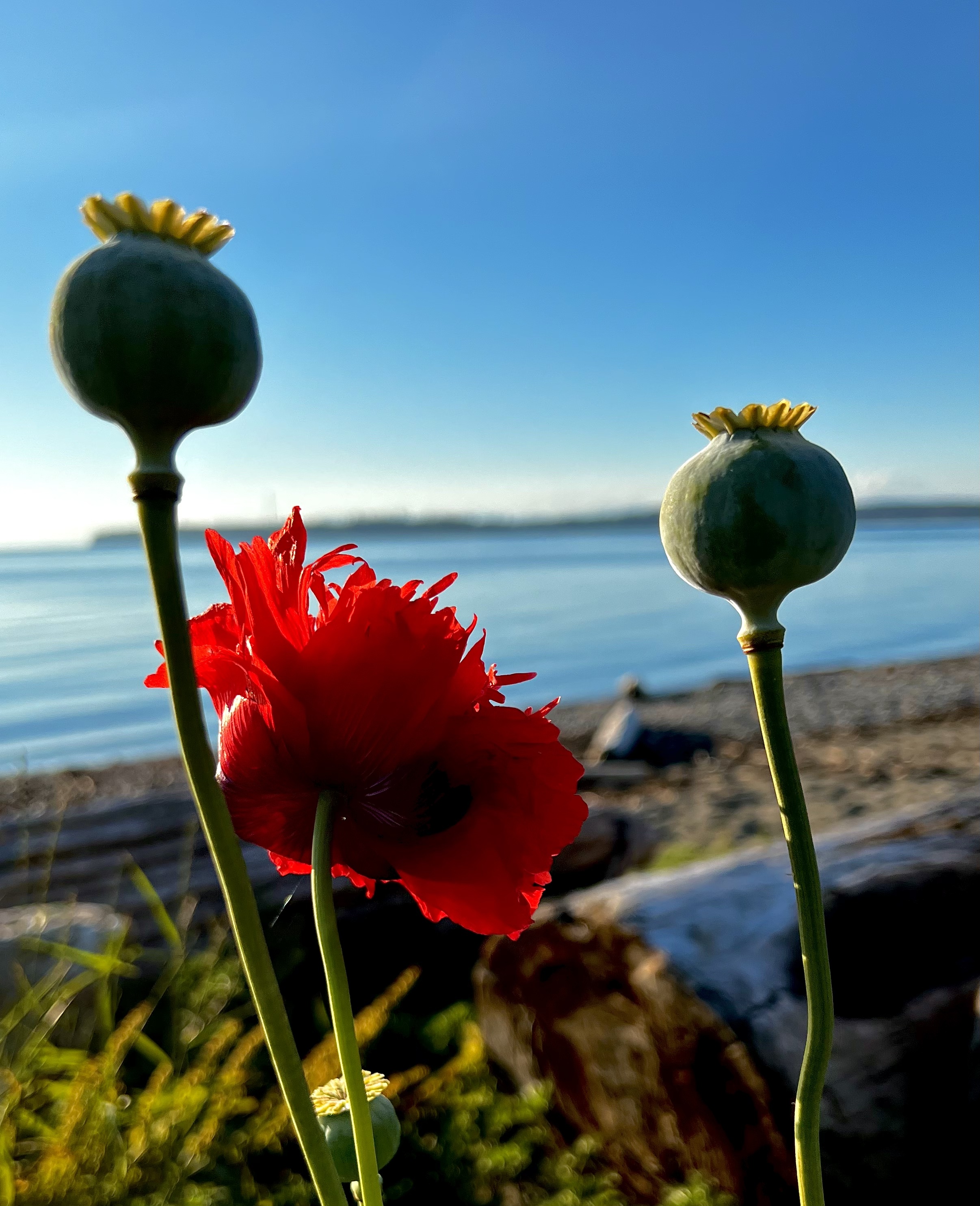
This garden bloomed with potential,
entrusted to me for 32 years:
the health and well-being of 16,000 students,
most thriving and flourishing,
some withering, their petals falling,
a few have been lost altogether.

As the winds of time sweep away
another group of graduates from my care,
to be blown to places unknown,
their beauty and fragrance gone from here.

I marvel at their growth,
but also weary weep for those who left too soon,
wondering if I failed to water them enough –
or is it I who am parched in this garden
with a thirst unceasing, my roots reaching deep
into drought-stricken soil,
ever so slowly drying out?

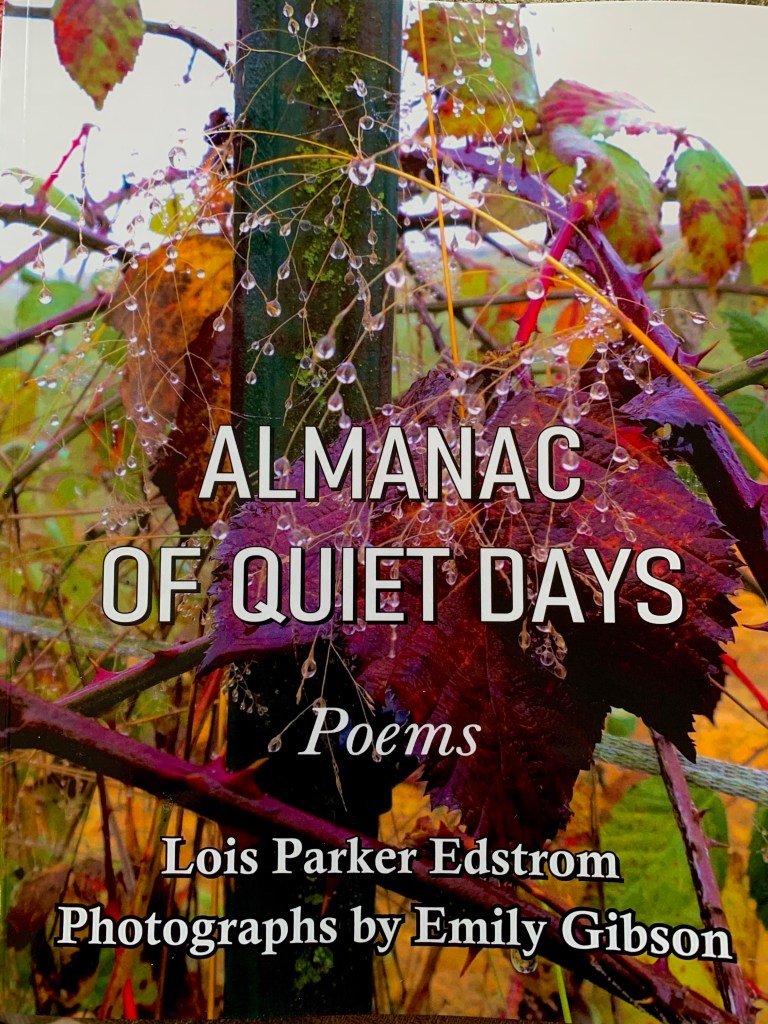
A new book from Barnstorming available for order here:


The Fly in the Currant Cake

Nothing seems to please a fly so much as to be taken for a currant;
and if it can be baked in a cake and palmed off on the unwary, it dies happy.
~Mark Twain

Today I will wrap up 45 years of uninterrupted training and doctoring. Most of that time, I have worried I’m like a fly hiding among the black currants hoping to eventually become part of the currant cake. 

Maybe no one has noticed. These days we call it the “impostor” syndrome. Mark Twain knew all about currant cake and how easy it was for a fly to blend into its batter.

Even while bearing three children and going through a few surgeries myself, I’ve not been away from patients for more than twenty consecutive days at any one time.  This is primarily out of my concern that, even after a few weeks, I would forget all that I’ve ever known. In fact, half of what I learned in medical school and residency over forty years ago has evolved, thanks to new discoveries and clarifying research. I worried if I were to actually to step away from doctoring for an extended time, then return to see patients again, I would be masquerading as a physician rather than be the real thing. A mere fly among the currants palmed off on the unwary.

If being truly honest, those who spend their professional lives providing medical care to others always share this concern: if a patient only knew how much we don’t know and will never know, despite everything we DO know, there would really be no trust left for us at all.

Of course, some say, didn’t the COVID pandemic prove our ignorance? Physicians started at Ground Zero with a novel virus with unclear transmissibility and immense potential to wreak havoc on the human body … or cause no symptoms whatsoever. We had no collected data to base prevention or treatment decisions: would masks just protect others or would they only protect ourselves, or maybe they protect both? Could a common inexpensive anti-inflammatory/antimalarial drug be beneficial or would a parasitic wormer medication be somehow effective to fight the devastation of the virus?

Effective treatments are still being sought all these months later; others have been debated, studied and discarded as worthless.

Or would this pandemic finally resolve thanks to effective yet controversial public health mandates while rapidly distributing highly effective vaccines developed from many prior years of carefully performed research?

During the past 16 months, your next door neighbor, or the loudest tweet on Twitter proclaimed more expertise than the average medical professional and definitely had a stronger opinion. At least we doctors knew how much we didn’t know and how much was simply guess work based on experience, good intentions and hopeful prayer. Gradually, while lives were lost, including too many of our own, real data began to trickle in so decisions could be made with some evidence backing them. But even that data continues to evolve, day by day, as authentic medical evidence always does.

That doesn’t stop all the “quack” flies out there from climbing into the batter pretending to be currants. With so much rapidly changing medical information at everyone’s fingertips, who needs a trained physician when there are so many other resources – sketchy and opportunistic though they may be – for seeking health care advice?

Even so, I am convinced most patients really do care that doctors share the best information they have available at any point in time. None of us who are doctoring wants to be the “fly” in the batter of health care.

As I meet with my last patient today, I know over forty years of clinical experience has given me an eye and an ear for the subtle signs and symptoms that no googled website or internet doc-in-the-box can discern.  The avoidance of eye contact, the tremble of the lip as they speak, the barely palpable rash, the hardly discernible extra heart sound, the fullness over an ovary, the slight squeak in a lung base.  These are things I am privileged to see and hear and about which I make decisions together with my patients.  What I’ve done over four decades has been no masquerade; out of my natural caution, I am not appearing to be someone I am not.  This is what I was trained to do and have done for thousands of days and many more thousands of patients during my professional life, while passing a comprehensive certification examination every few years to prove my continued study and changing fund of knowledge.

The hidden fly in the currant bush of health care may be disguised enough that an unwary patient might gobble it down to their ultimate detriment. I know I’ve not been that doctor. I’ve been the real thing all these years for my patients, even if I’ve seemed a bit on the tart side at times, yet offering up just enough tang to be exactly what was needed in the moment and in the long term.

And someday, hopefully not too soon, I will die happy having done this with my life.

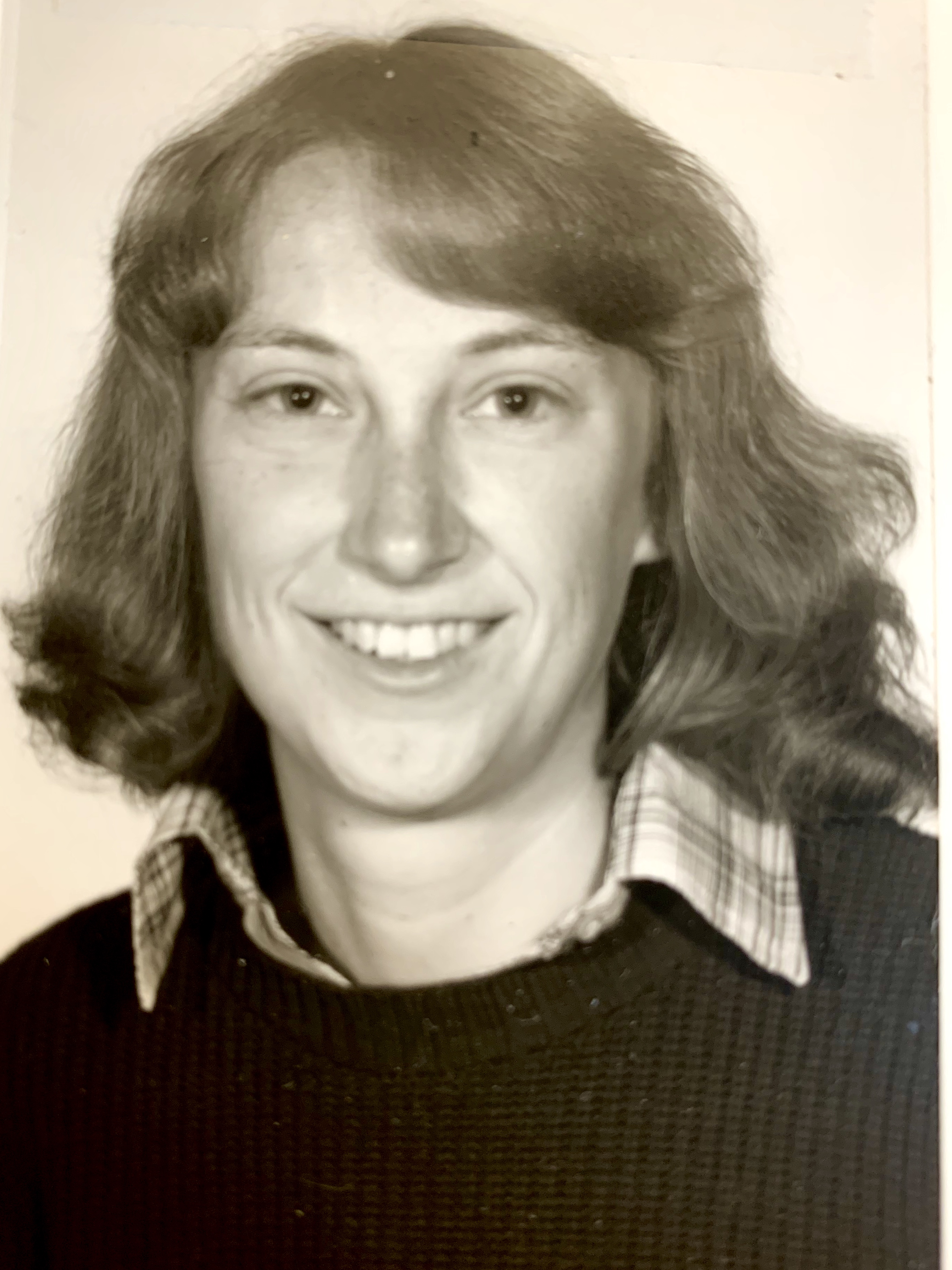
My ID photo from my first year of medical school 1976
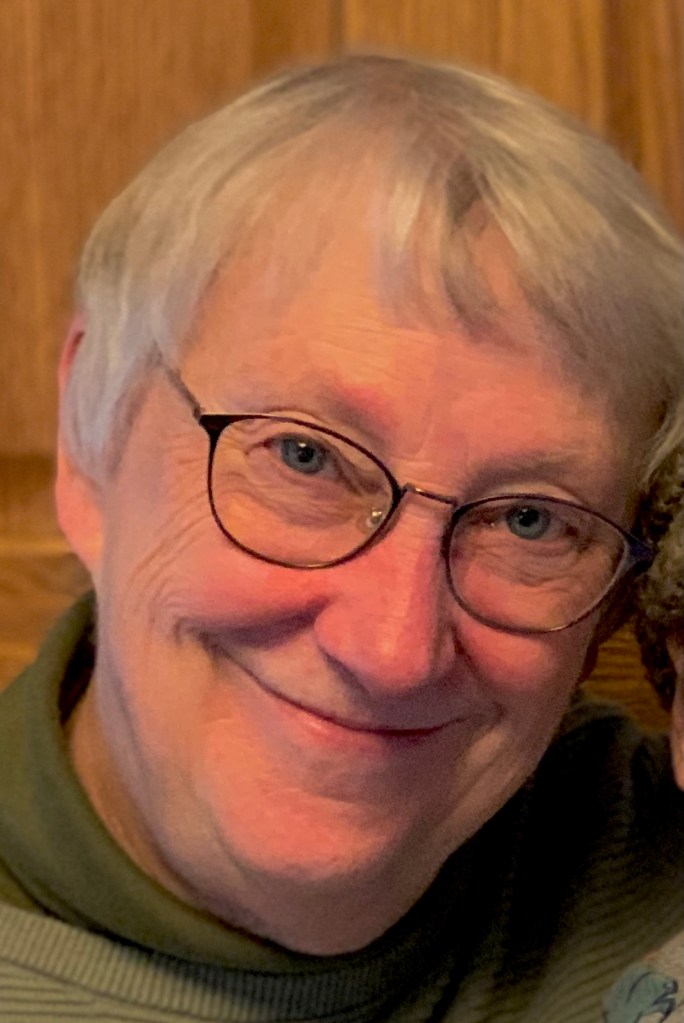
45 years later…

A new book from Barnstorming is available to order here: