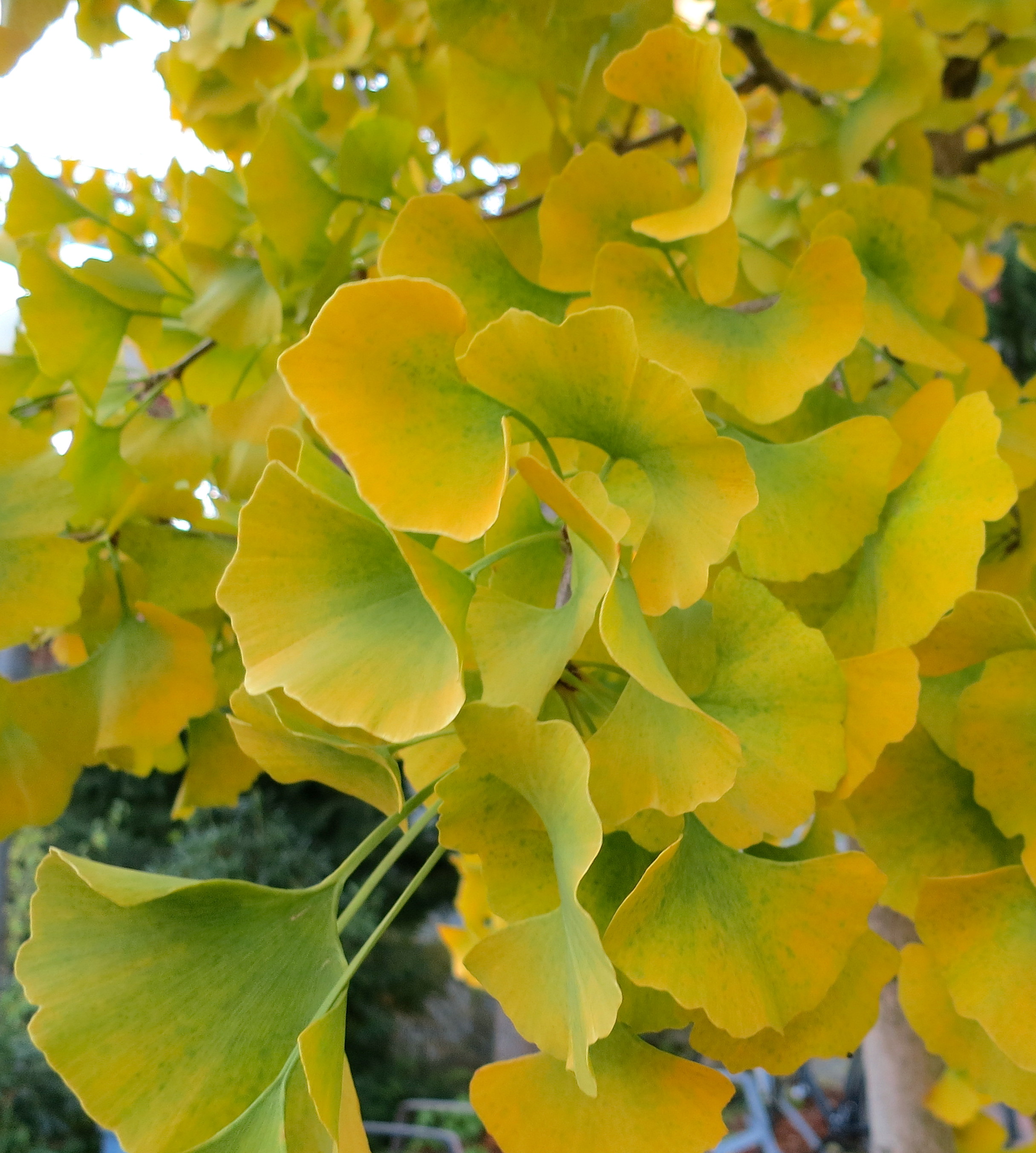
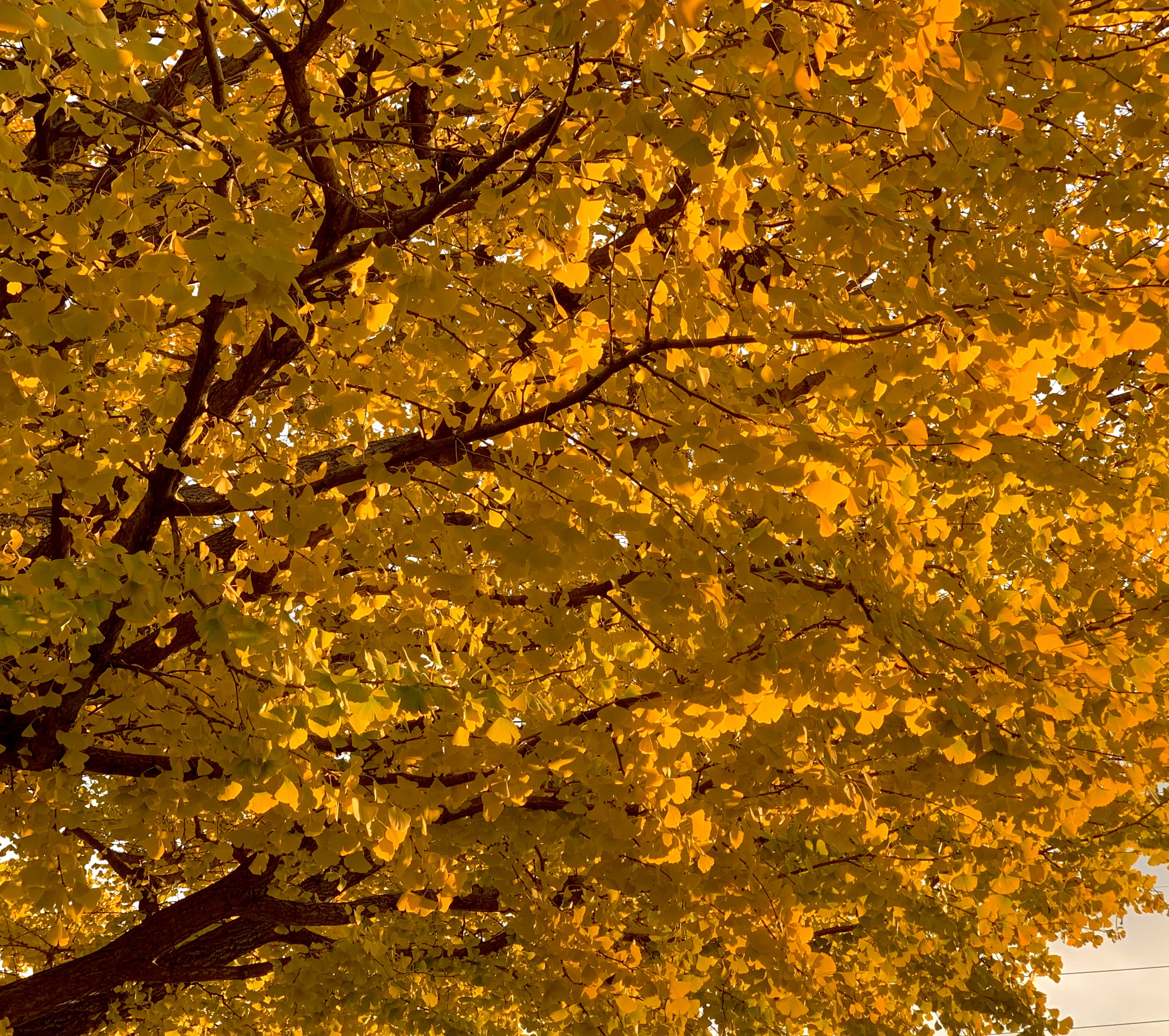
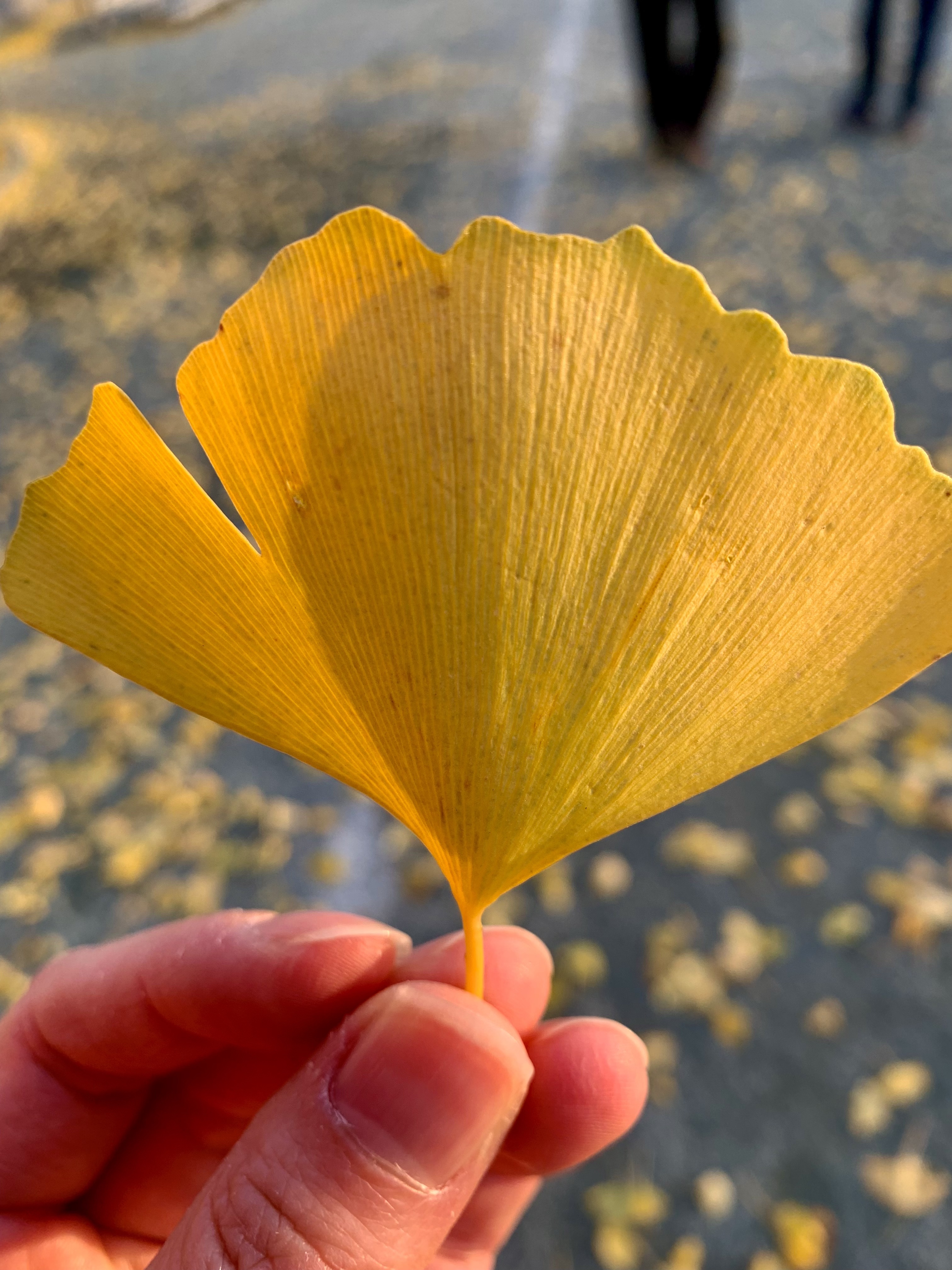
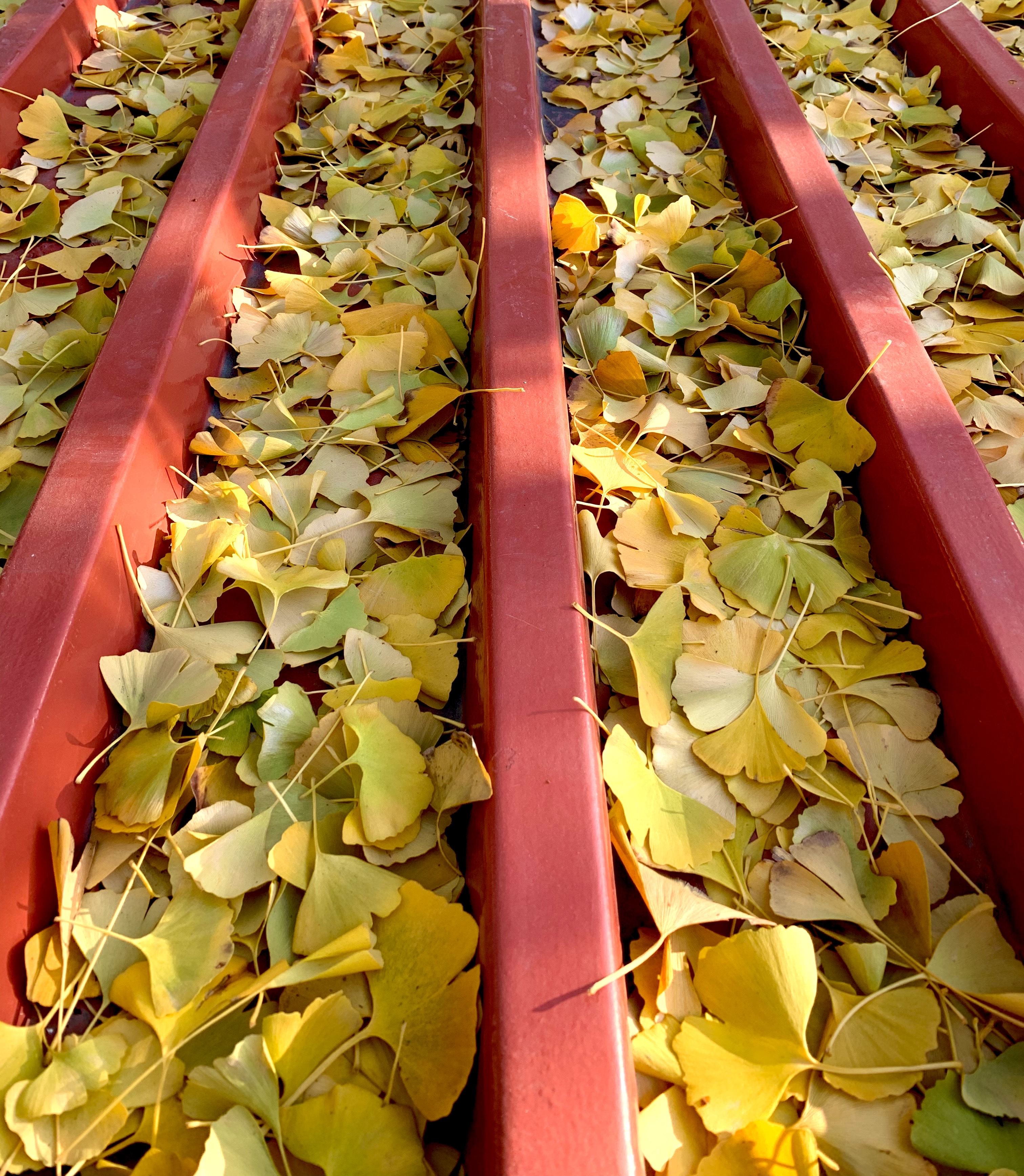
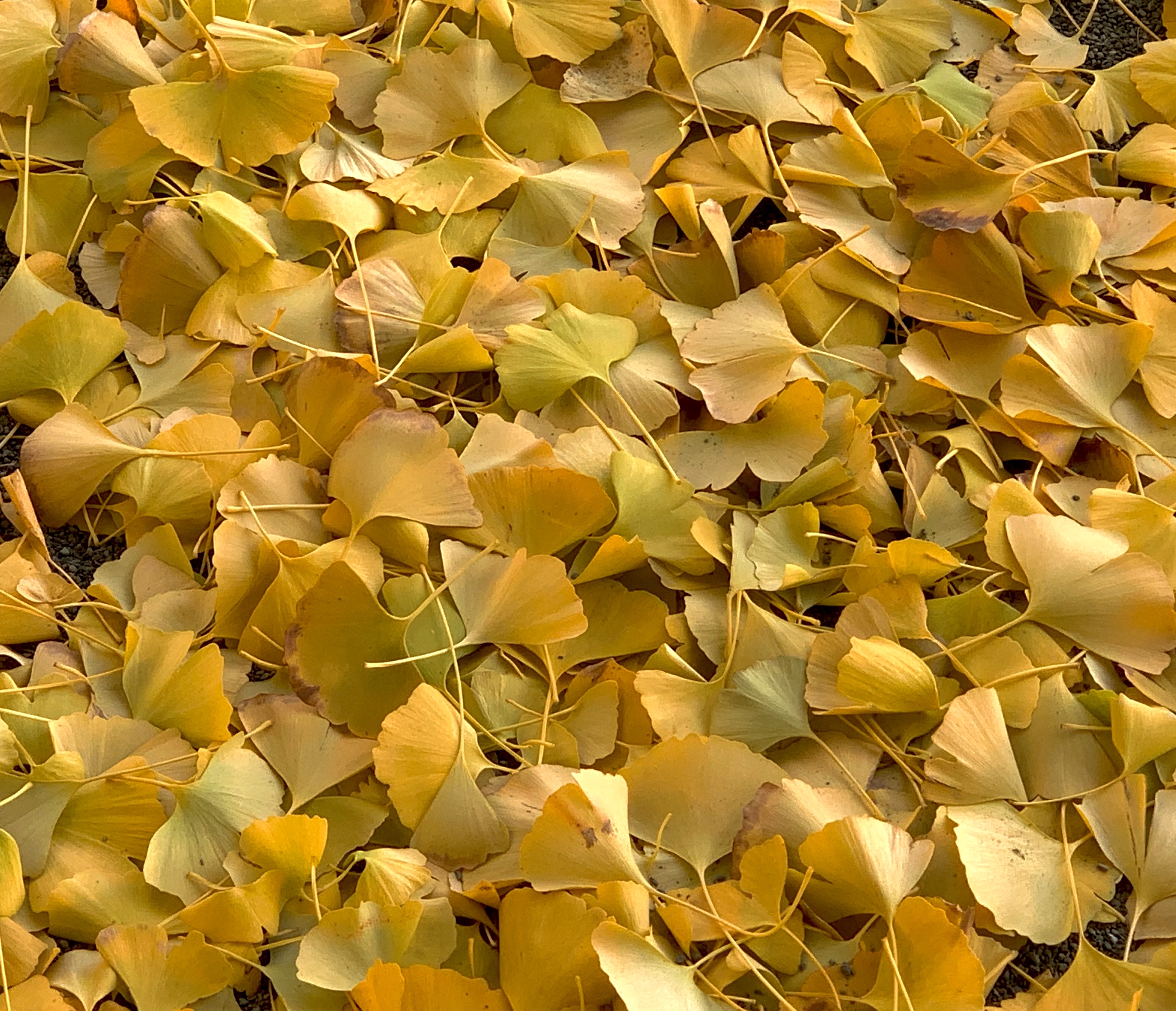
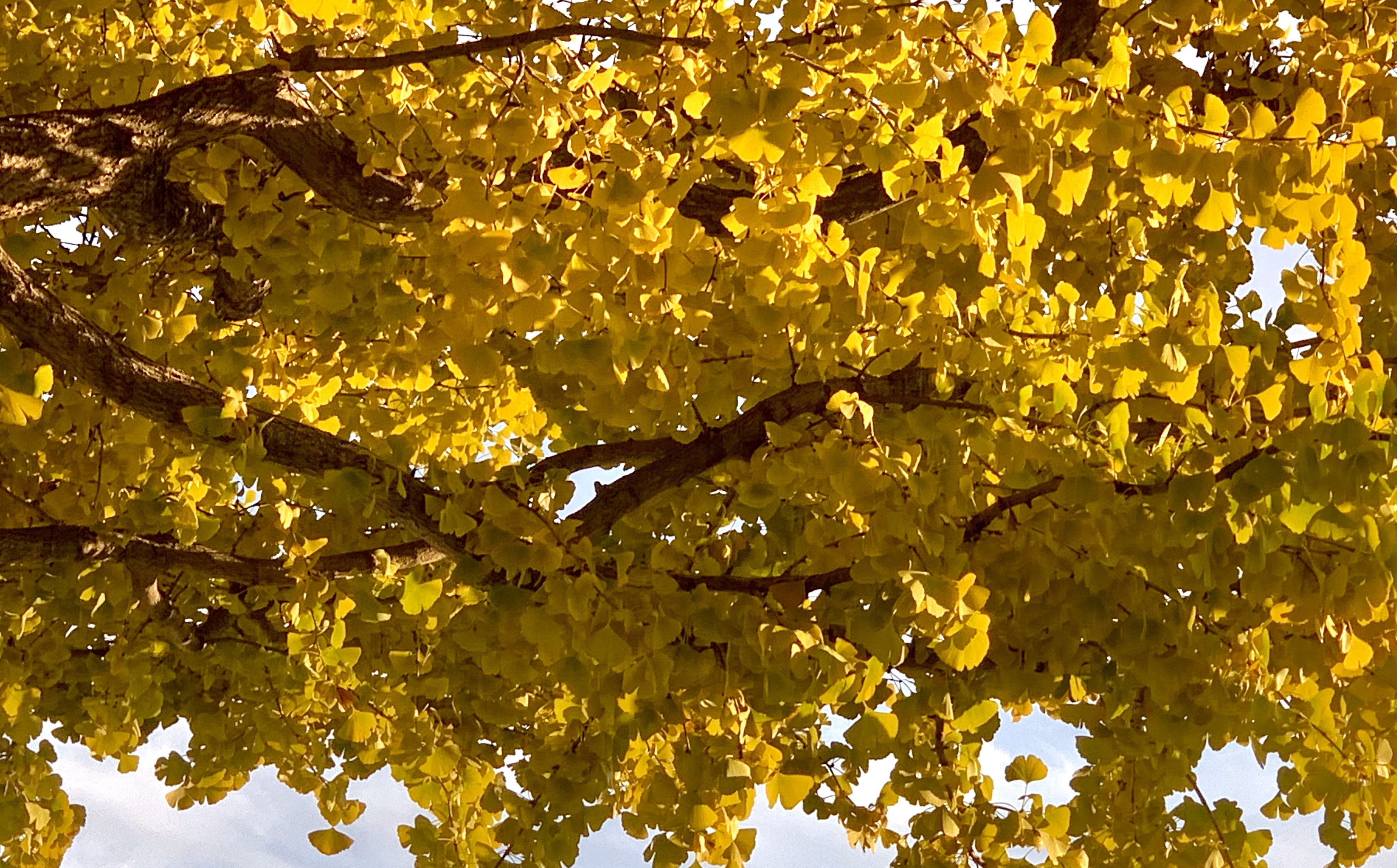
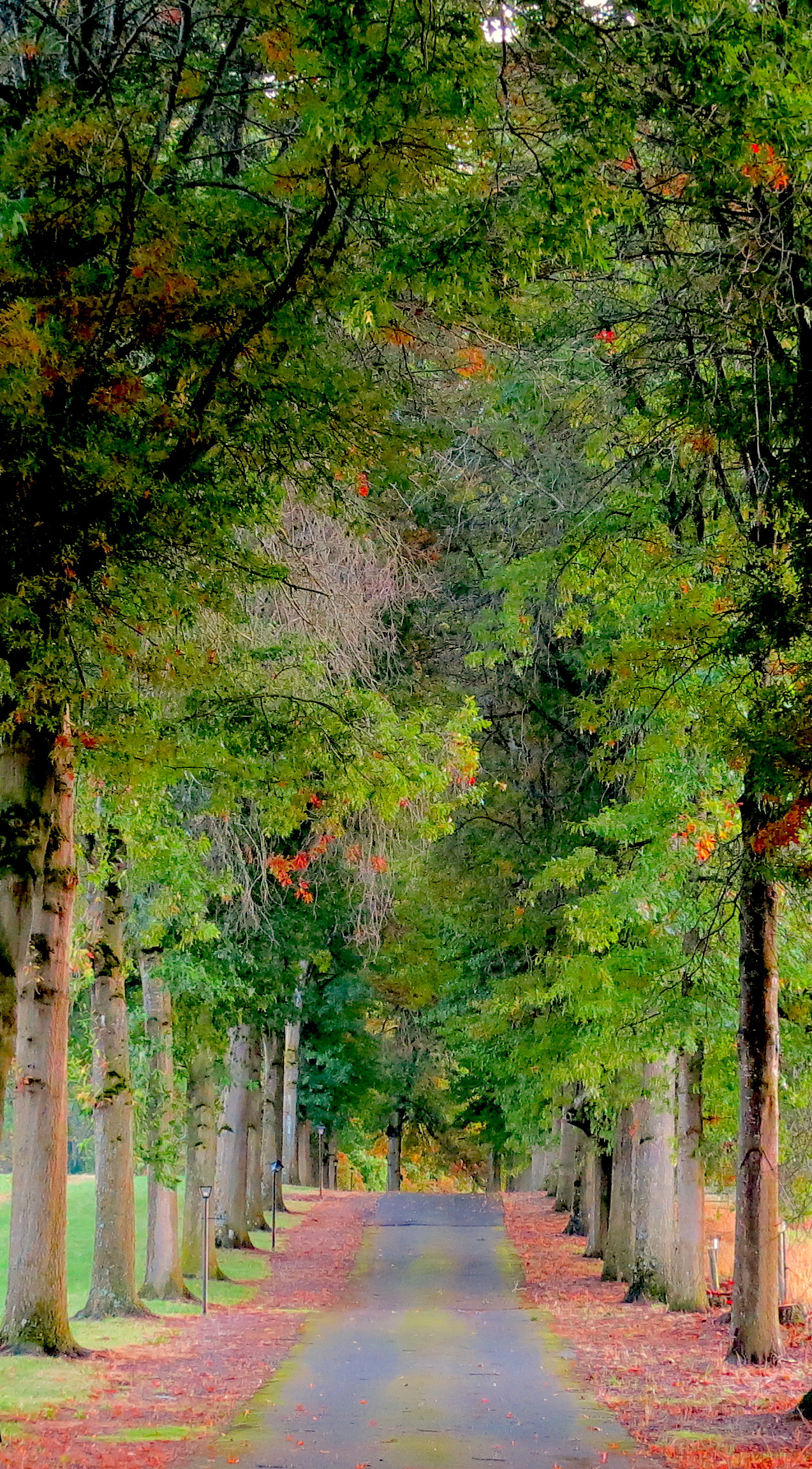
Late in November, on a single night Not even near to freezing, the ginkgo trees That stand along the walk drop all their leaves In one consent, and neither to rain nor to wind But as though to time alone: the golden and green Leaves litter the lawn today, that yesterday Had spread aloft their fluttering fans of light.
What signal from the stars? What senses took it in? What in those wooden motives so decided To strike their leaves, to down their leaves, Rebellion or surrender? and if this Can happen thus, what race shall be exempt? What use to learn the lessons taught by time, If a star at any time may tell us: Now. ~Howard Nemerov “The Consent”from The Collected Poems of Howard Nemerov
So many reasons these days to awake in the night, eyes wide open, searching the dark seas of trouble for some sign of hope, for calm and peace in this stormy world.
When asleep again, I float among abundant golden gingko leaves, each waving like a sail in the breeze, before they tumble, swirling, to the ground, forming deeply cushioned and comforting pools of yellow.
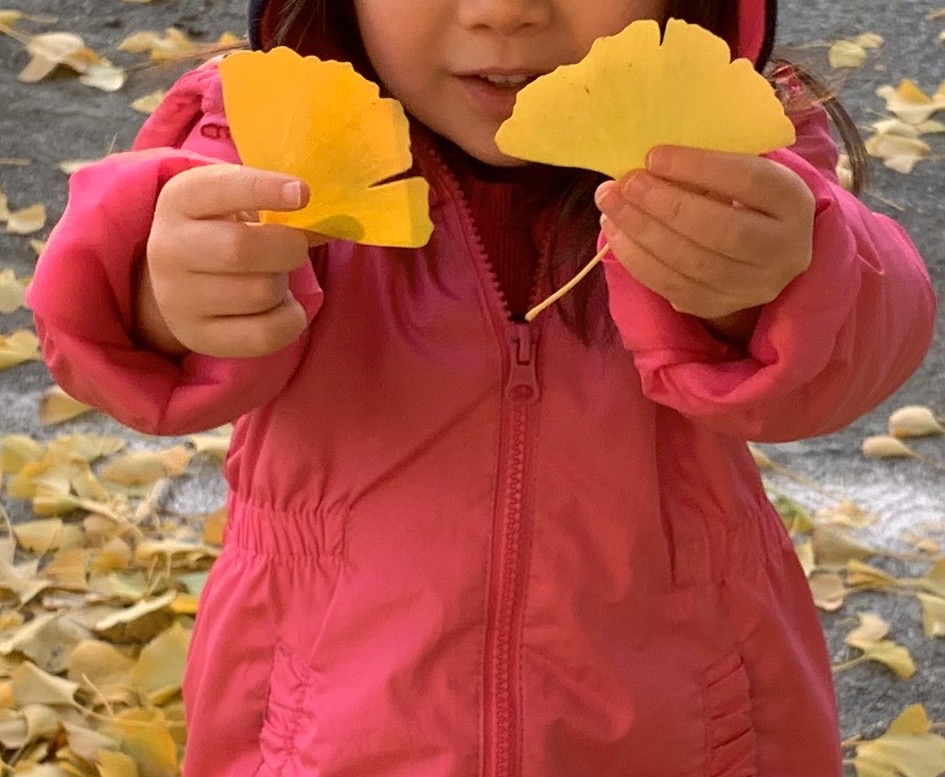
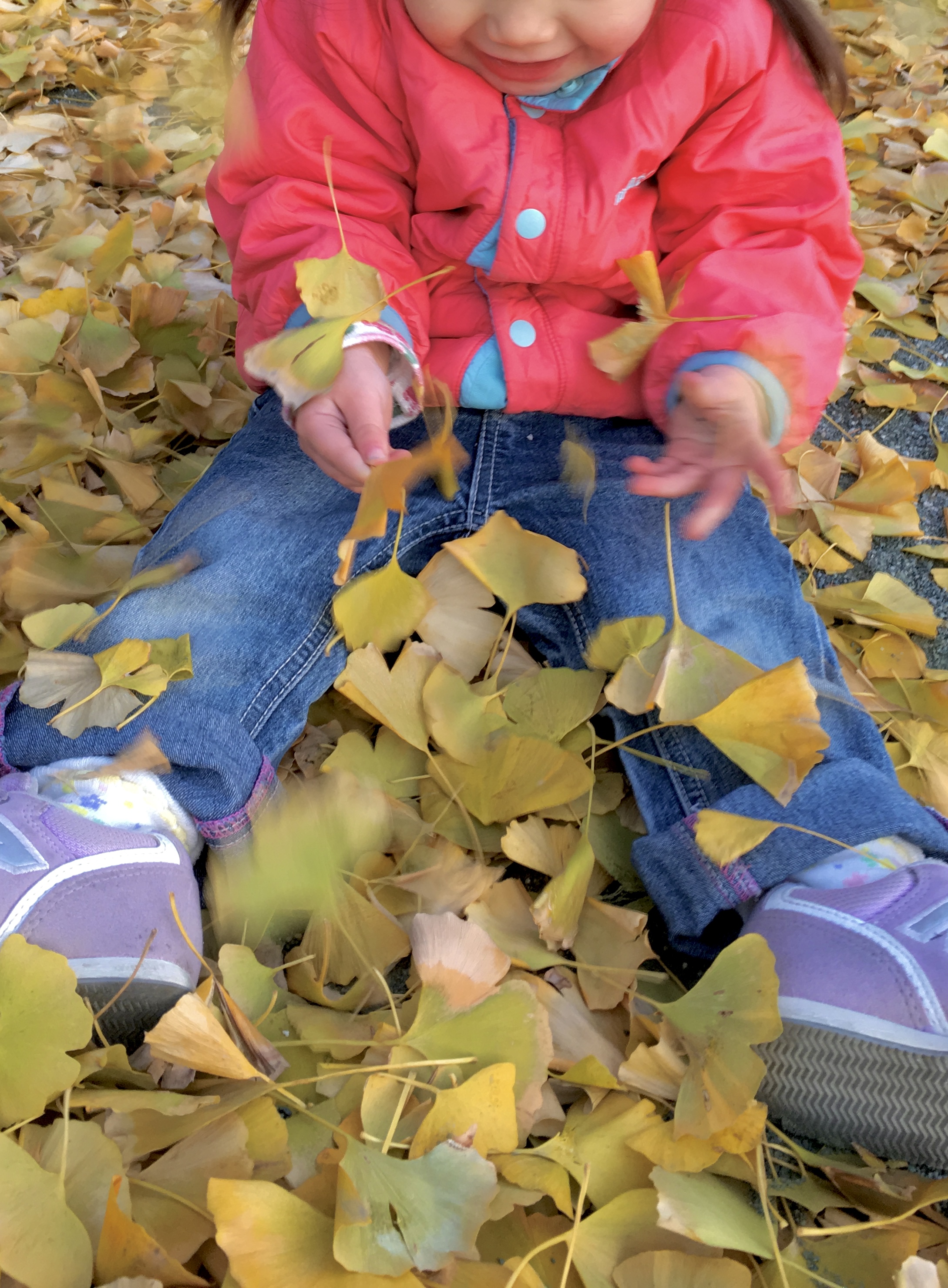
Navigating these brutal times, I am meant to be anchored within some safer harbor – I treasure the old ginkgo as it reaches over each cherished child with its golden cloak of love and protection.
One-Time
Monthly
Yearly
Make a one-time or recurring donation to support daily Barnstorming posts
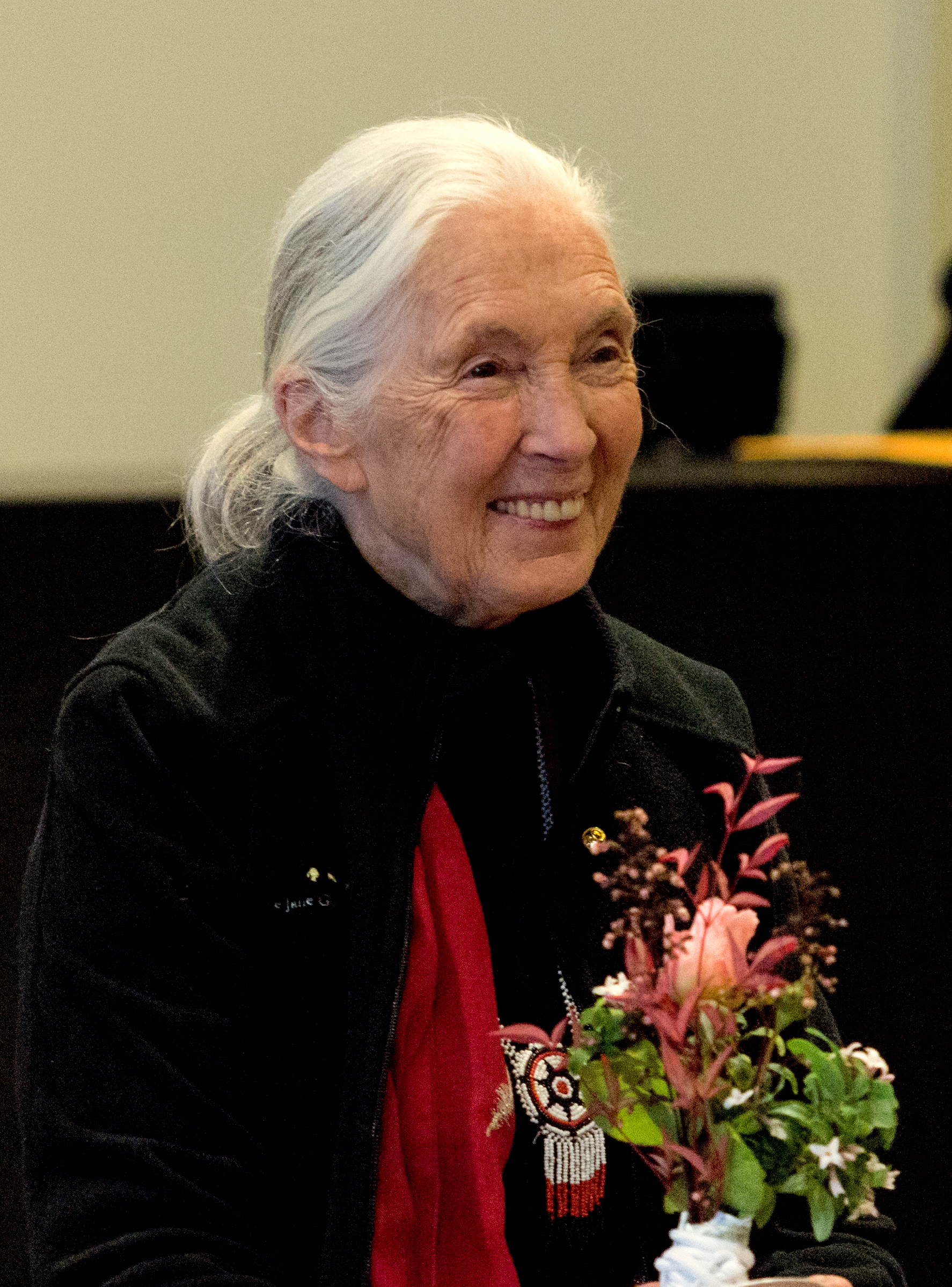
photo of Jane Goodall in 2018, smiling as I came up to give her a hug, courtesy of WWU University Communications
I wasn’t prepared to hear yesterday that my professor, mentor, and friend Dr. Jane Goodall had passed away at age 91, while in the midst of her lecture tour in the United States.
I nearly believed Jane would be immortal; she lived as if she were. She had a message to deliver and as long as she could, she would. She truly “died in the harness” after decades and decades of traveling the world, recruiting people to her cause to save the world for the next generation of plants, animals and humans, and the next and the next…
She was a born observer and storyteller, able to reach and move us with her verbal and writing ability to help place us in her shoes in the wild as she witnessed what no one else had. This was, of course, aided by Hugo van Lawick’s compelling wildlife photography and video every child of the 1950s and 60s grew up watching.
As a college student taking her class on non-human primate behavior, I was riveted by the content of her course lectures about the work she was doing at Gombe. I hoped I could somehow help in the long-term study there, and was ready to commit to a year of training preparation: recording captive chimpanzee behavior at Stanford, while learning Swahili.
On a spring day in May 1974:
Standing outside a non-descript door in a long dark windowless hallway of offices at the Stanford Medical Center, I took a deep breath and swallowed several times to clear my dry throat. I hoped I had found the correct office, as there was only a number– no nameplate to confirm who was inside.
I was about to meet my childhood hero, someone whose every book I’d read and every TV documentary I had watched. I knocked with what I hoped was the right combination of assertiveness (“I want to be here to talk with you and prove my interest”) and humility (“I hope this is a convenient time for you as I don’t want to intrude”).
I heard a soft voice on the other side say “Come in” so I slowly opened the door.
It was a bit like going through the wardrobe to enter Narnia.
Bright sunlight streamed into the dark hallway as I stepped over the threshold. Squinting, I stepped inside and quickly shut the door behind me as I realized there were at least four birds flying about the room. They were taking off and landing, hopping about feeding on bird seed on the office floor and on the window sill. The windows were flung wide open with a spring breeze rustling papers on the desk. The birds were very happy occupying the sparsely furnished room, which contained only one desk, two chairs and Dr. Jane Goodall.
She stood up and extended her hand to me, saying, quite unnecessarily, “Hello, I’m Jane” and offered me the other chair when I told her my name. She was slighter than she appeared when speaking up at a lectern, or on film. Sitting back down at her desk, she busied herself reading and marking her papers, seemingly occupied for a bit and not to be disturbed.
It was as if I was not there at all.
It was disorienting. In the middle of a bustling urban office complex containing nothing resembling plants or a natural environment, I had unexpectedly stepped into a bird sanctuary instead of sitting down for a job interview. I wasn’t sure what I was supposed to do or say. Jane didn’t really ever look directly at me, yet I was clearly being observed.
So I waited, watching the birds making themselves at home in her office, and slowly feeling more at home myself. I felt my tight muscles start to relax and I loosened my grip on the arms of the chair.
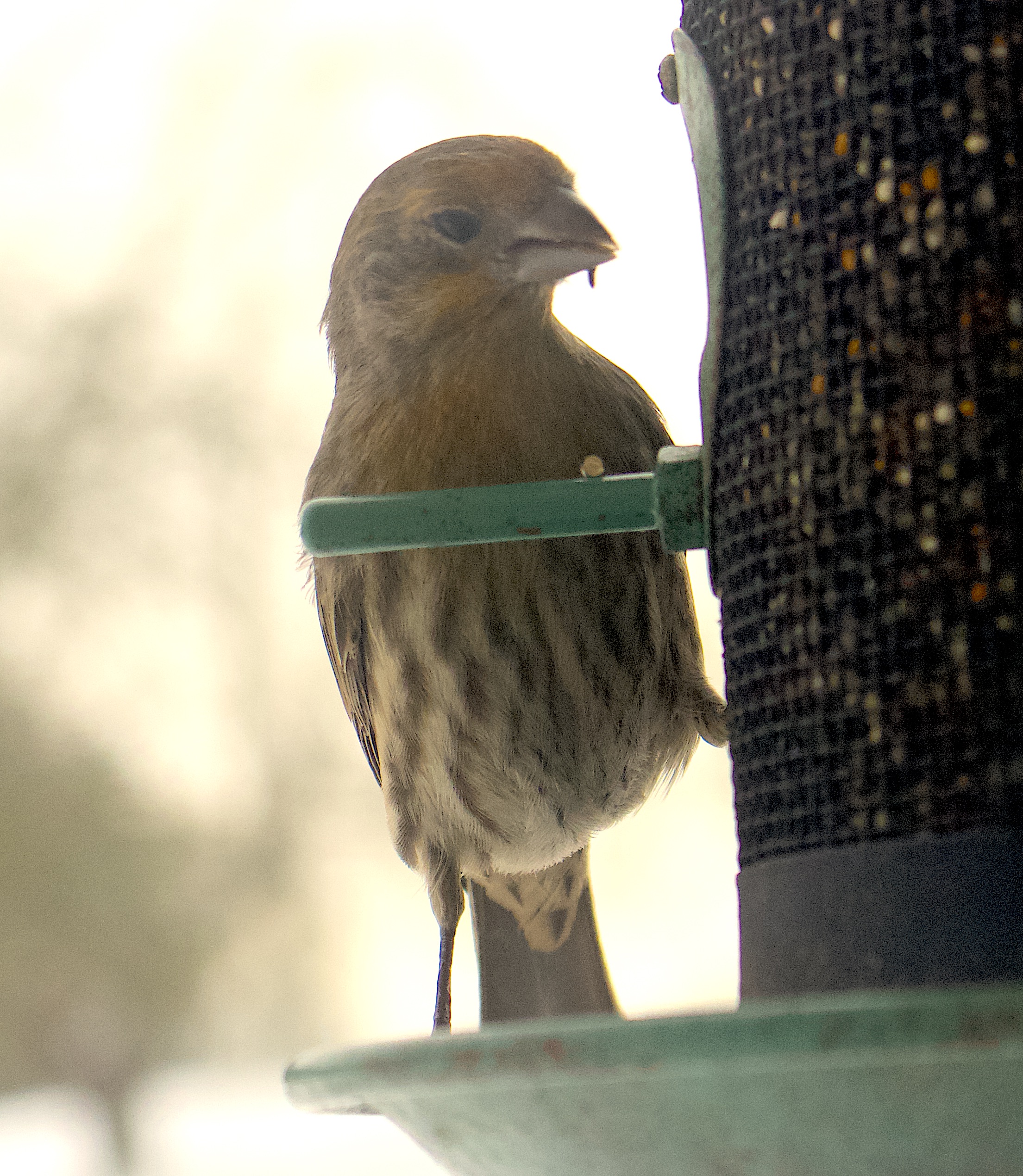
There was silence except for the twittering of the finches as they flew about our heads.
Then she spoke, her eyes still perusing papers: “It really is the only way I can tolerate being here for any length of time. They keep me company. But don’t tell anyone; the people here at the medical center would think this is rather unsanitary.”
I said the only thing I could think of: “I think it is magical. It reminds me of home.”
Only then did she look at me. “Now tell me why you’d like to come work at Gombe…”
The next day I received a note from her letting me know I was accepted for the research assistant-ship to begin a year later, once I had completed all aspects of the training.
I had proven I could sit silently and expectantly, waiting for something, or perhaps nothing at all, to happen. For a farm girl who had never before traveled outside the United States, I had stepped through the wardrobe into Jane’s amazing world, about to embark on an adventure far beyond the barnyard.
(This essay was published in The Jane Effect in 2015 in honor of Jane’s 80th birthday)
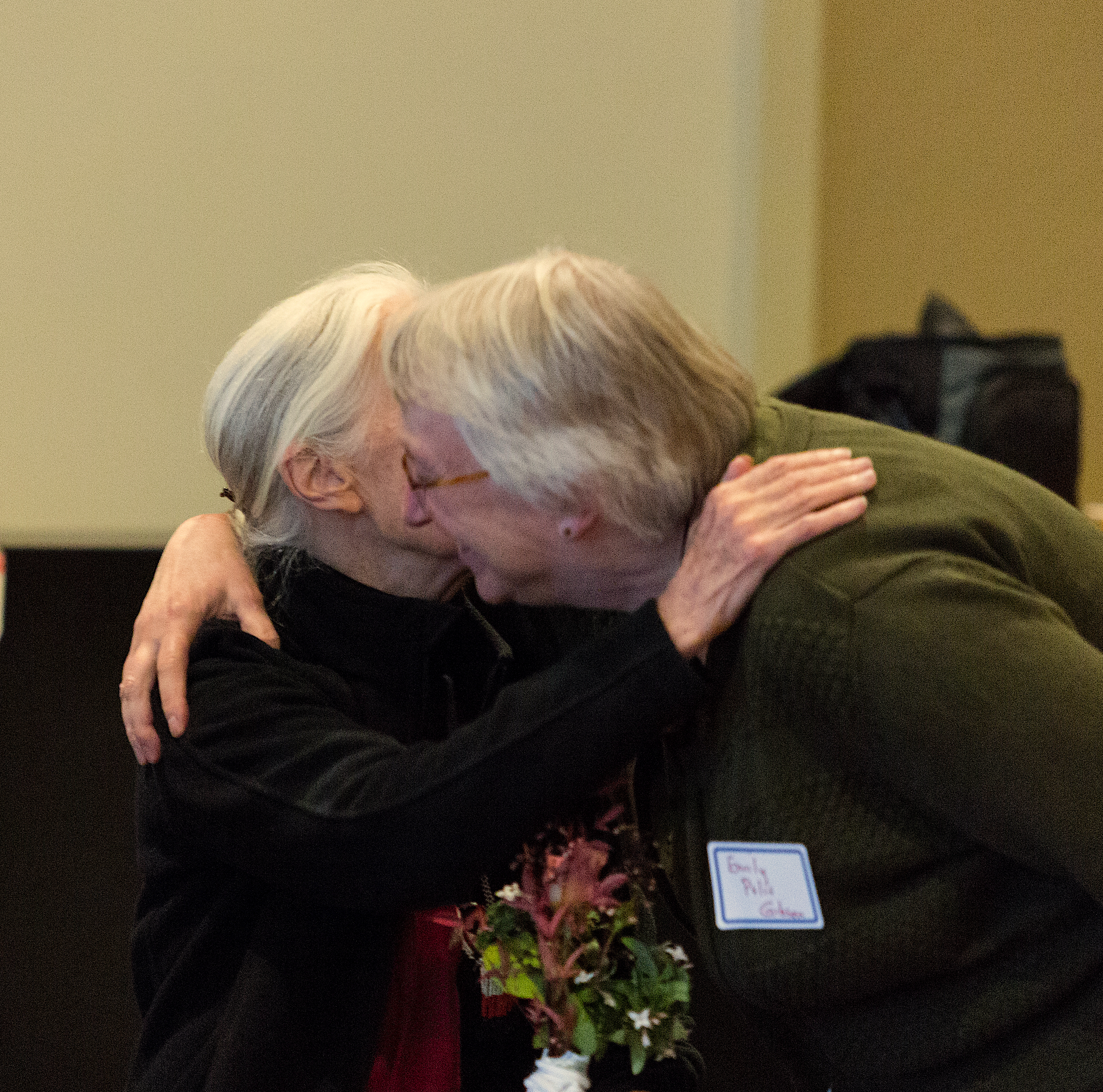
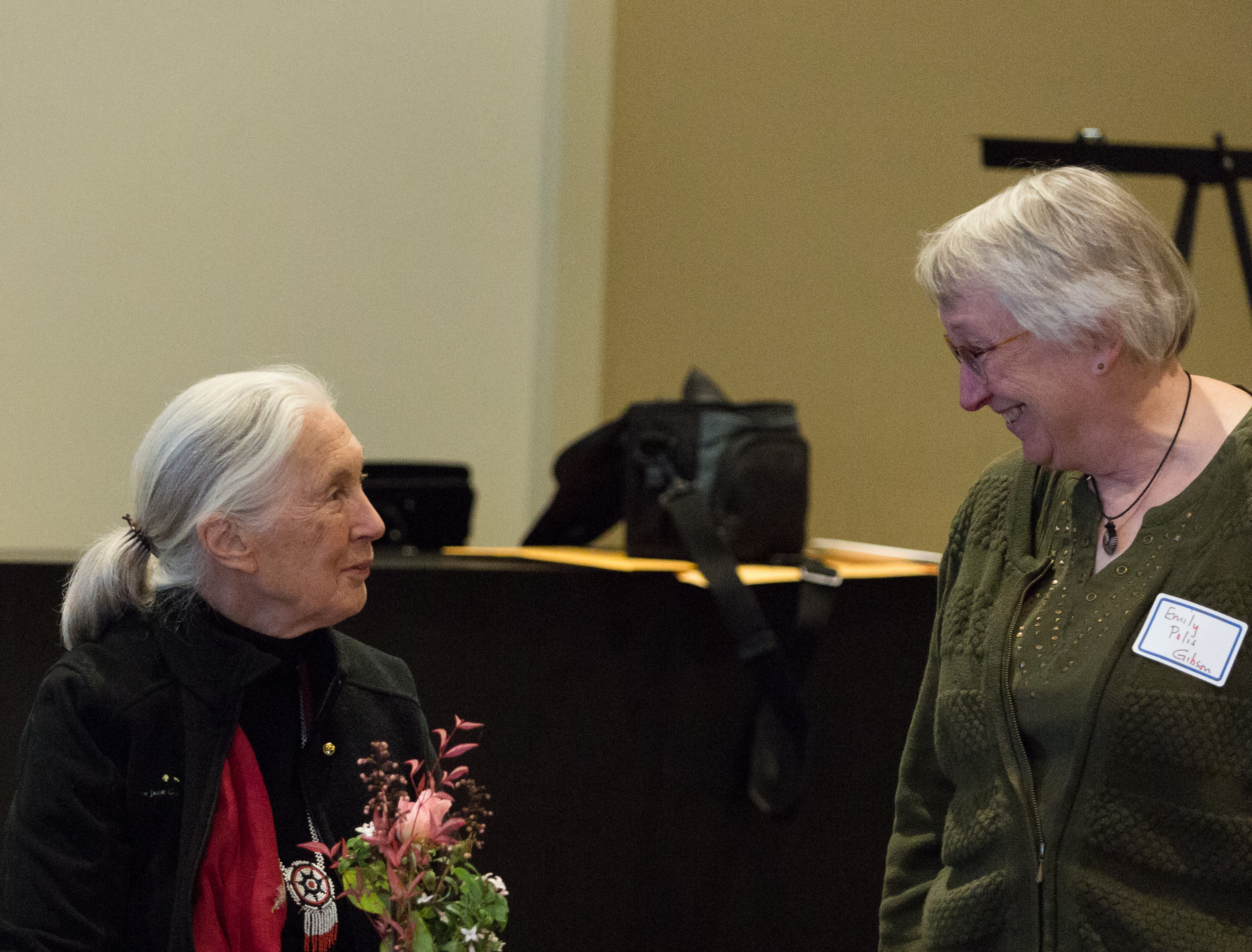
giving Jane a hug, courtesy of WWU Communications45 years since we met in her Stanford office full of wild birds
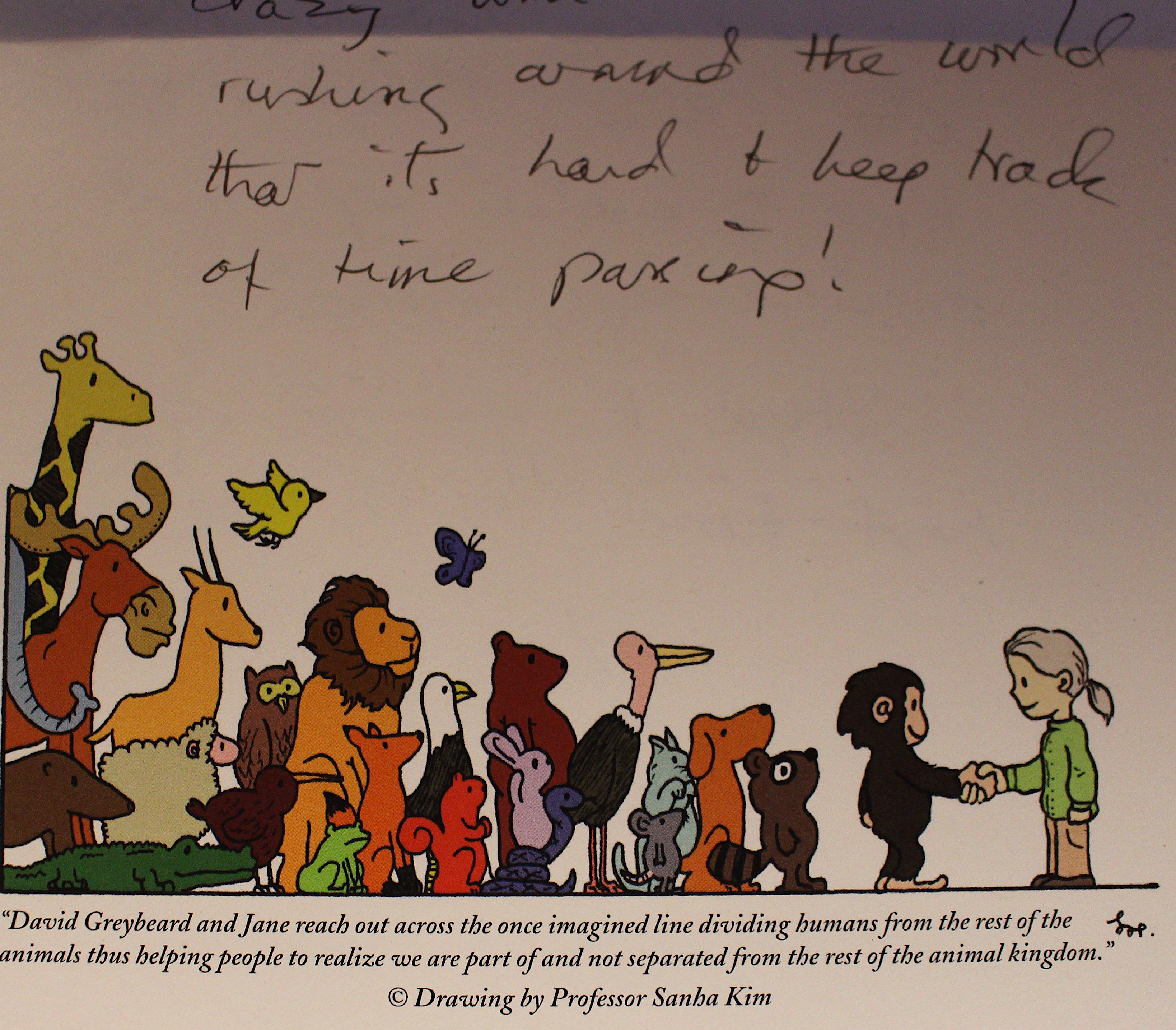
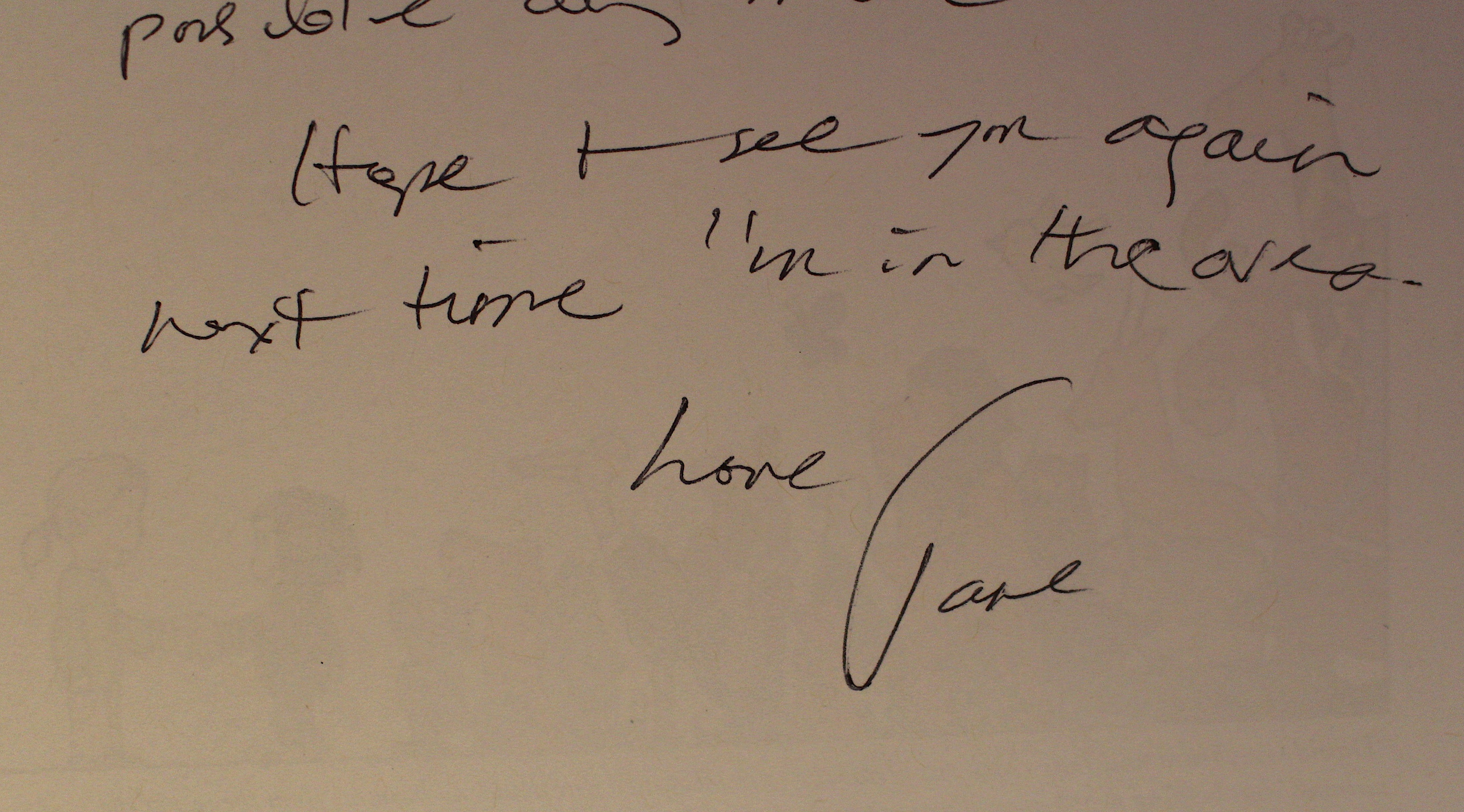
True to Jane’s tradition of impeccable graciousness, she sent me a hand-written note after her last visit in 2018 when she came to speak at Western Washington University in Bellingham.
I recommend the documentary “Jane” as the best review of Jane’s Gombe work. The Jane Goodall Institute will continue her legacy for decades to come.
I have been younger in October than in all the months of spring walnut and may leaves the color of shoulders at the end of summer a month that has been to the mountain and become light there the long grass lies pointing uphill even in death for a reason that none of us knows and the wren laughs in the early shade now come again shining glance in your good time naked air late morning my love is for lightness of touch foot feather the day is yet one more yellow leaf and without turning I kiss the light by an old well on the last of the month gathering wild rose hips in the sun ~W.S. Merwin from “The Love of October”from Migration: New & Selected Poems, 2005
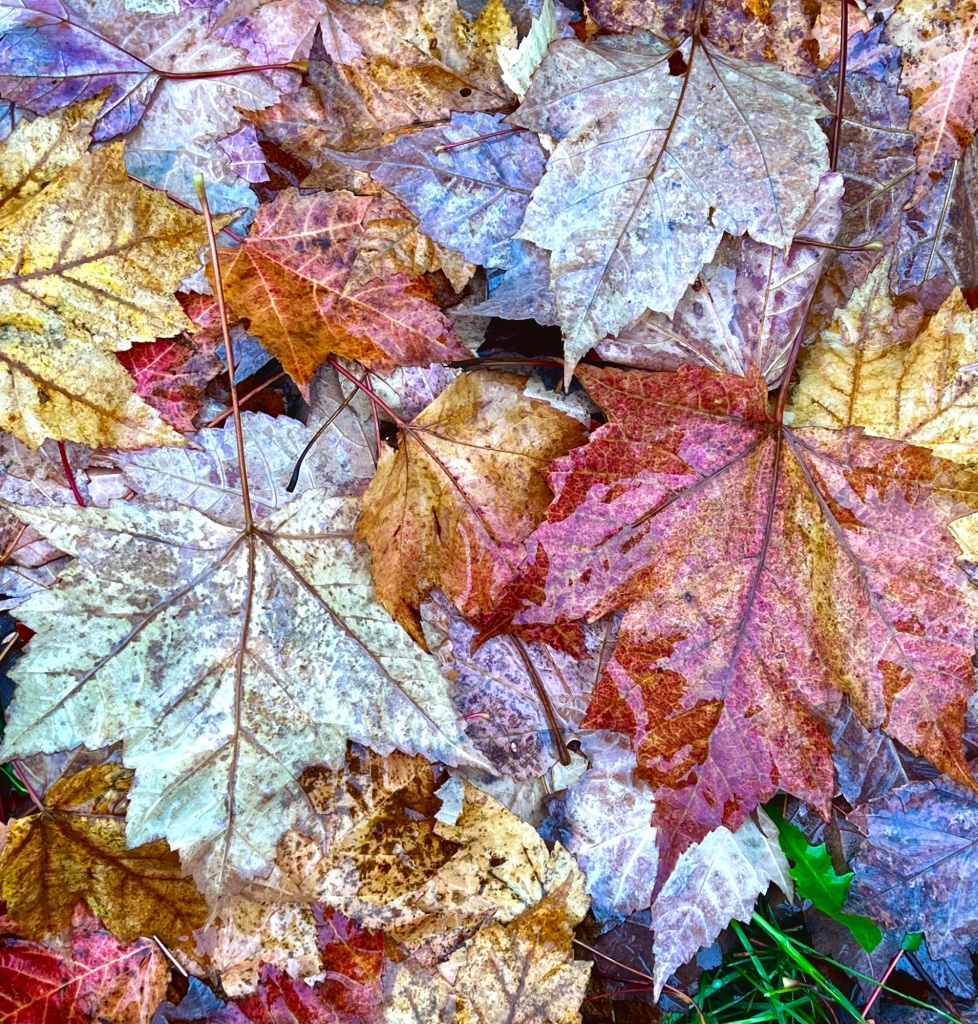
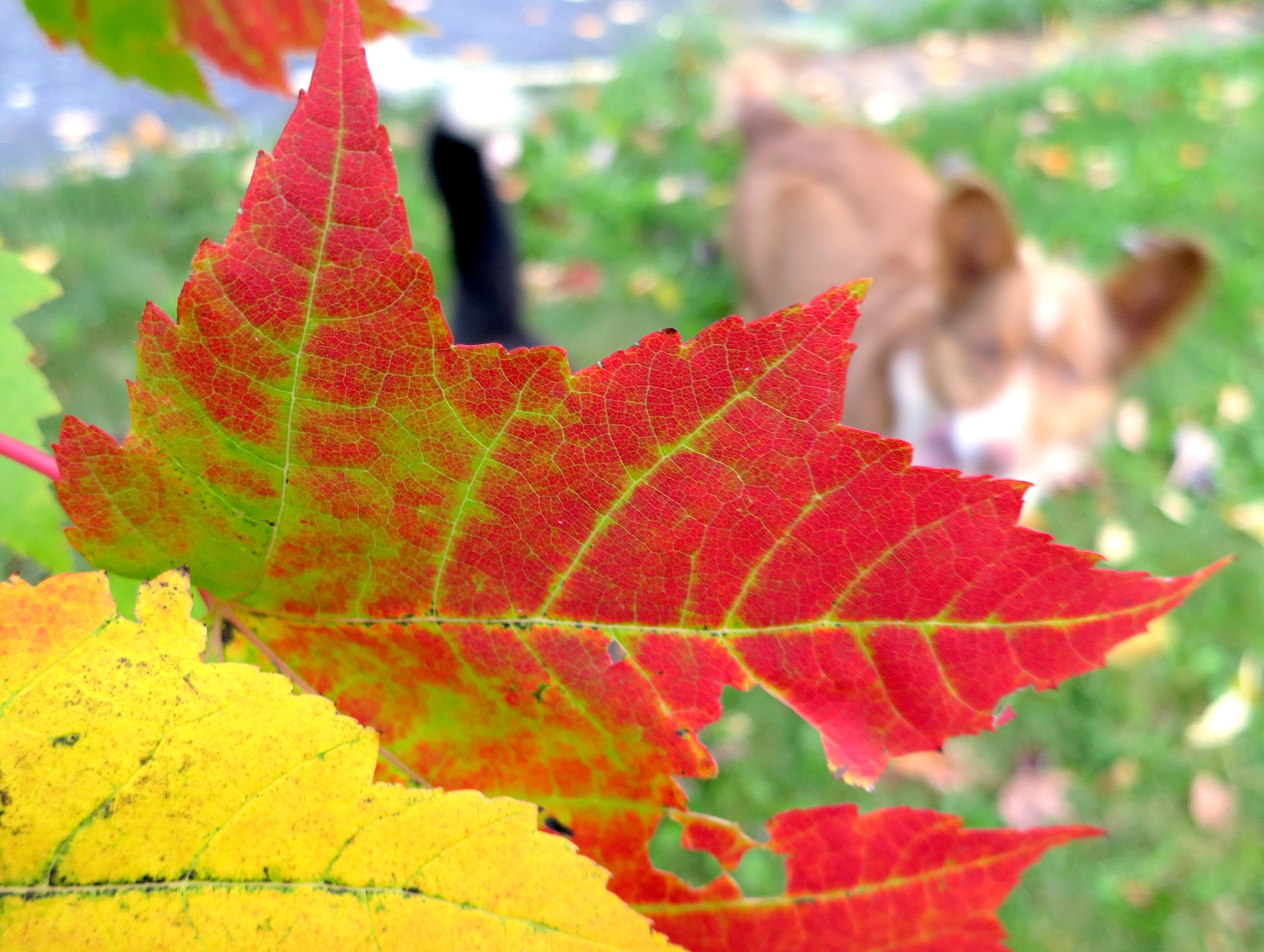
Each leaf is beautifully unique, one of a kind, each shaped and hued differently — except those more tattered than others, bespeaking the harshness of their short existence when all life surrounding them seems at risk of being destroyed.
At the end of their allotted life span they return to the earth from which they came. And the Creator-God is pleased. His creations have served the purpose for which He created them. Now, they will enrich the soil, each leaving its own special contribution toward the next generation where differences no longer matter. The unseen birthing and dying mystery continues…. ~Alice La Chapelle, in a comment
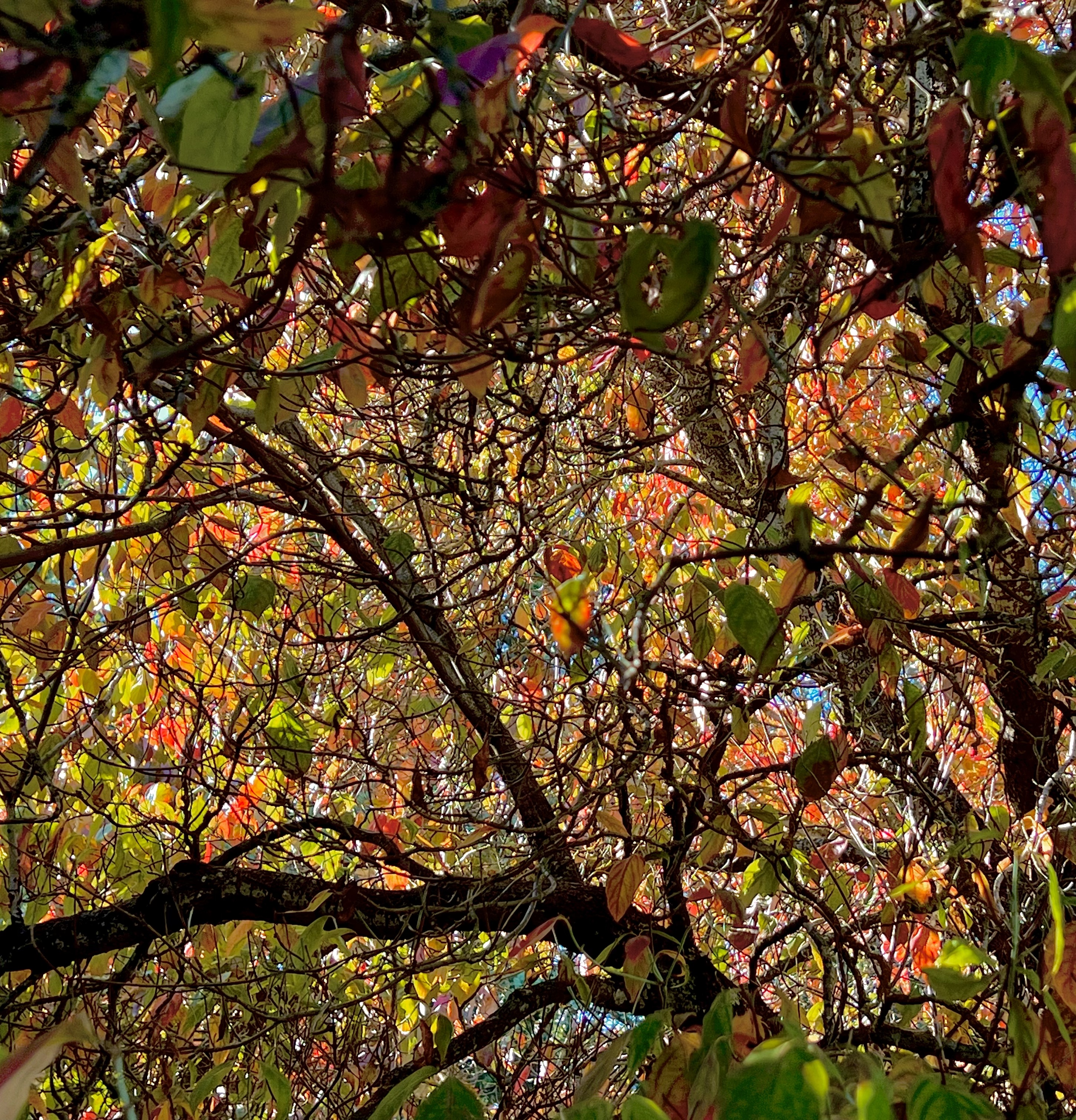
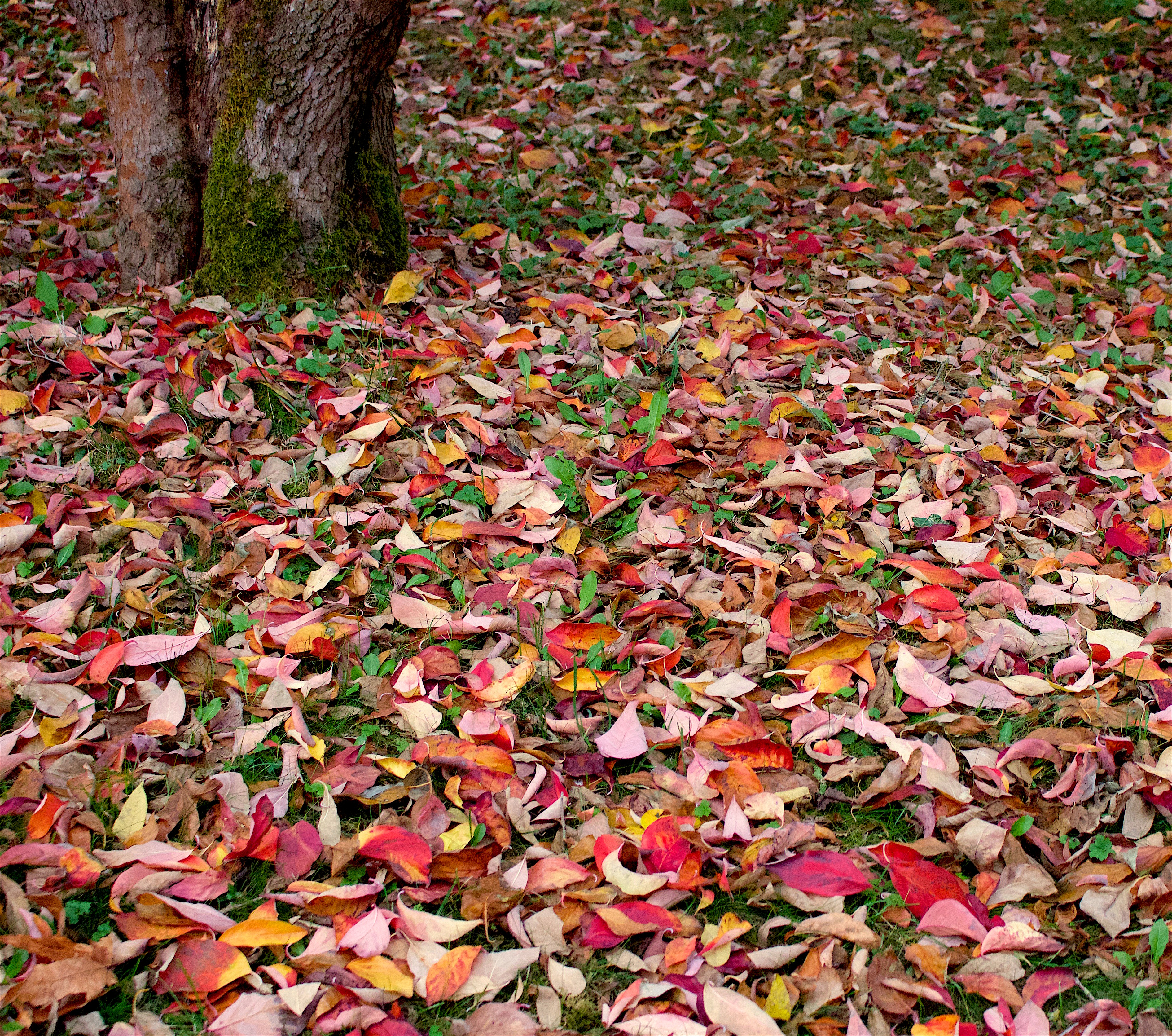
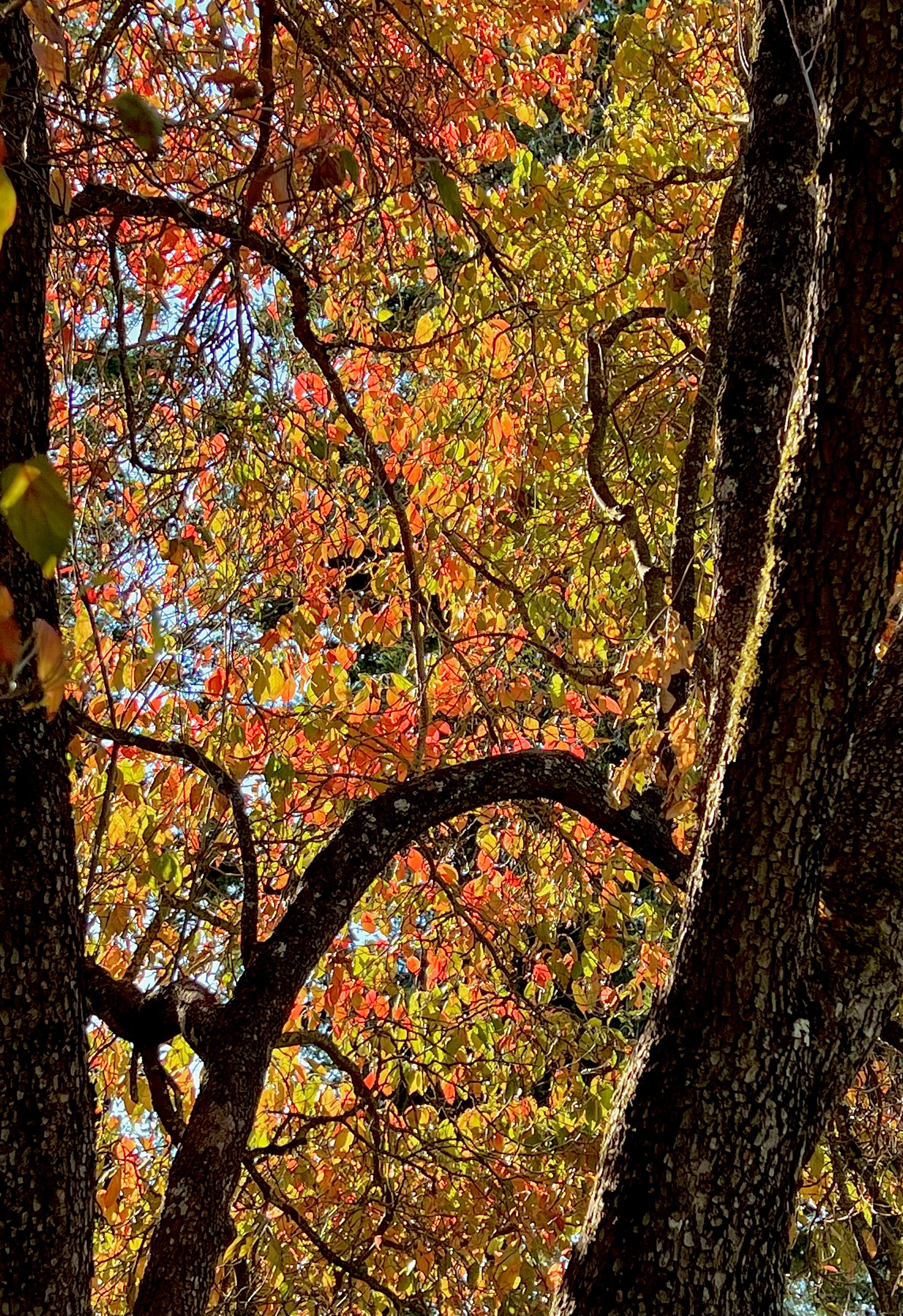
The wind gusts through shedding branches stripping them bare, carrying the leaves far away, piling up a diverse gathering they have never known before – chestnut, cherry, birch, walnut, apple, katsura, maple, parrotia, pear, oak, poplar, dogwood – suddenly all sharing the same fate and grave, each wearing a color of its own, soon to blend with the others as all slowly melt to brown.
There is lightness in the letting go, for reasons none of us knows.
One-Time
Monthly
Yearly
Make a one-time or recurring donation to support daily Barnstorming posts
For this you may see no need, You may think my aim Dead set on something
Devoid of conceivable value: An Anthology of Rain, A collection of voices
Telling someone somewhere What it means to follow a drop Traveling to its final place of rest. By opening anywhere, a drop And its story reappear As air turns to water, water to air. ~Phyllis Levin – excerpt from “An Anthology of Rain”
A drop fell on the apple tree, Another on the roof; A half a dozen kissed the eaves, And made the gables laugh.
A few went out to help the brook, That went to help the sea. Myself conjectured, Were they pearls, What necklaces could be– ~Emily Dickinson
At first glance, this soppiness is melancholic.
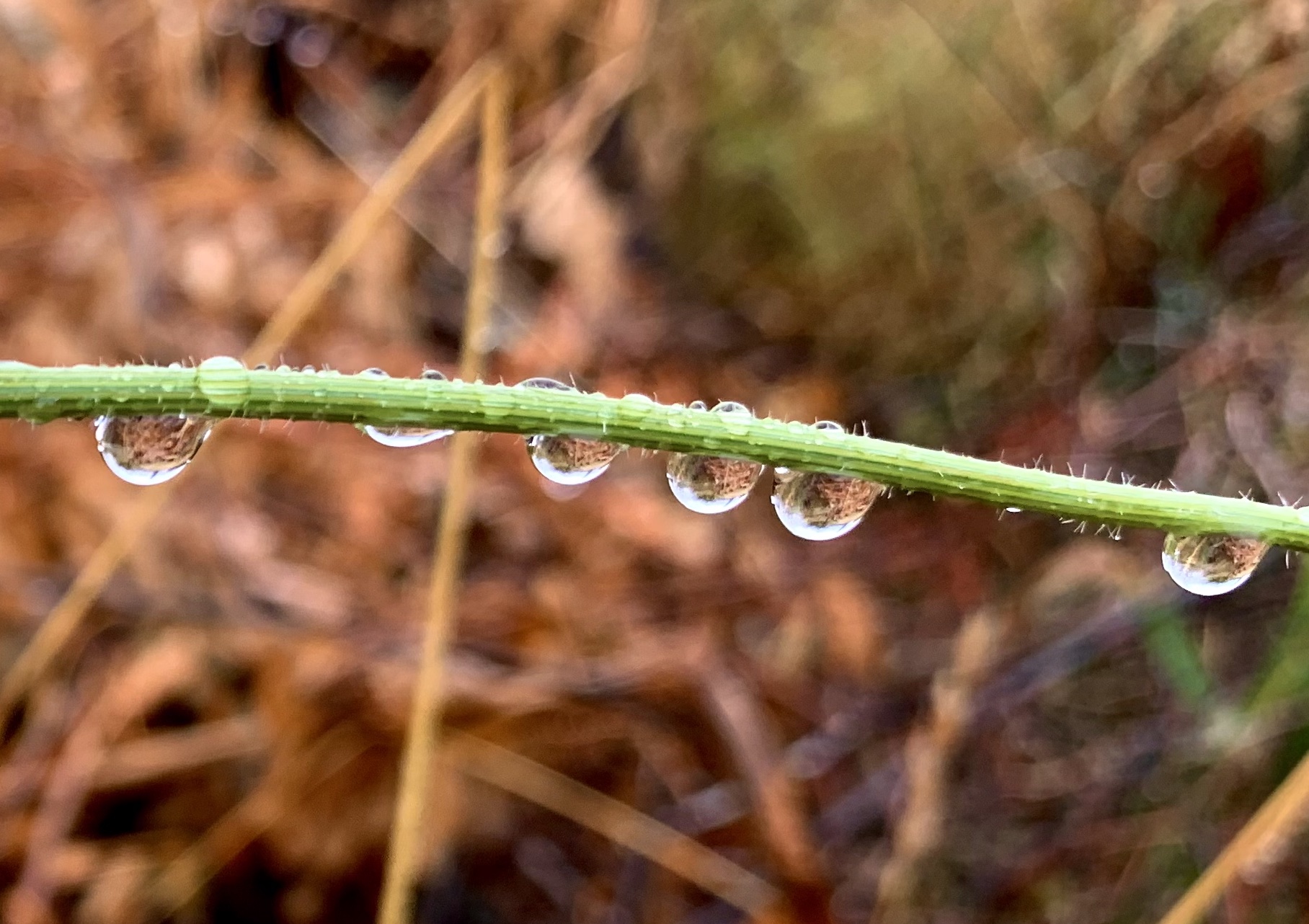
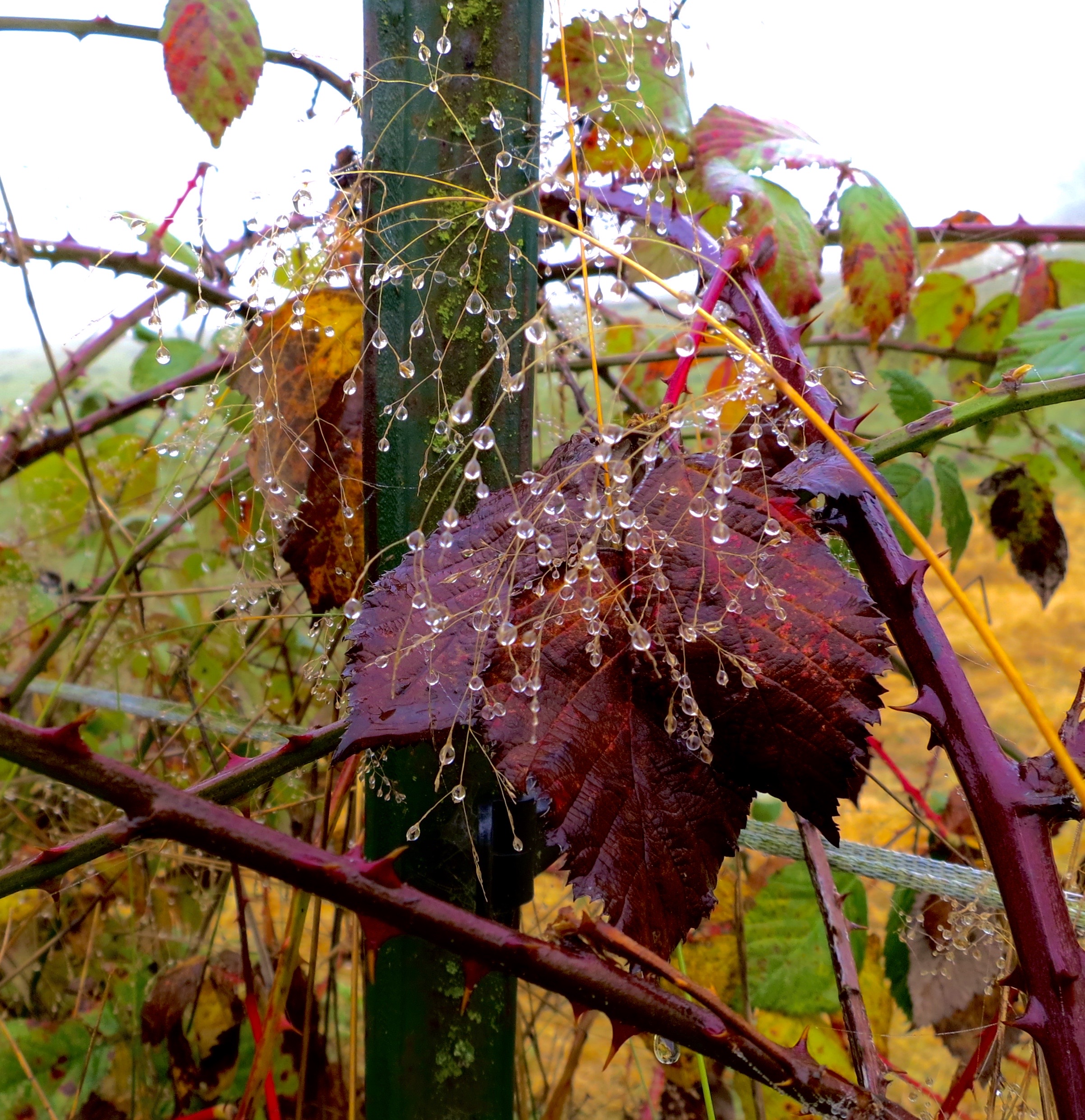
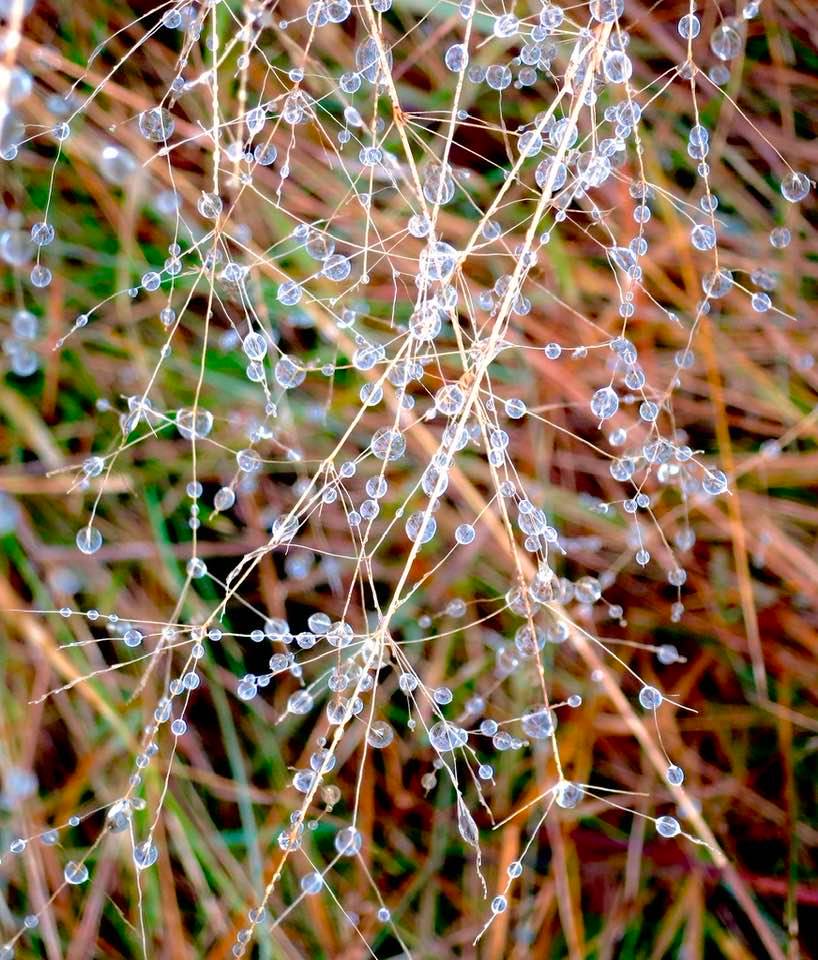
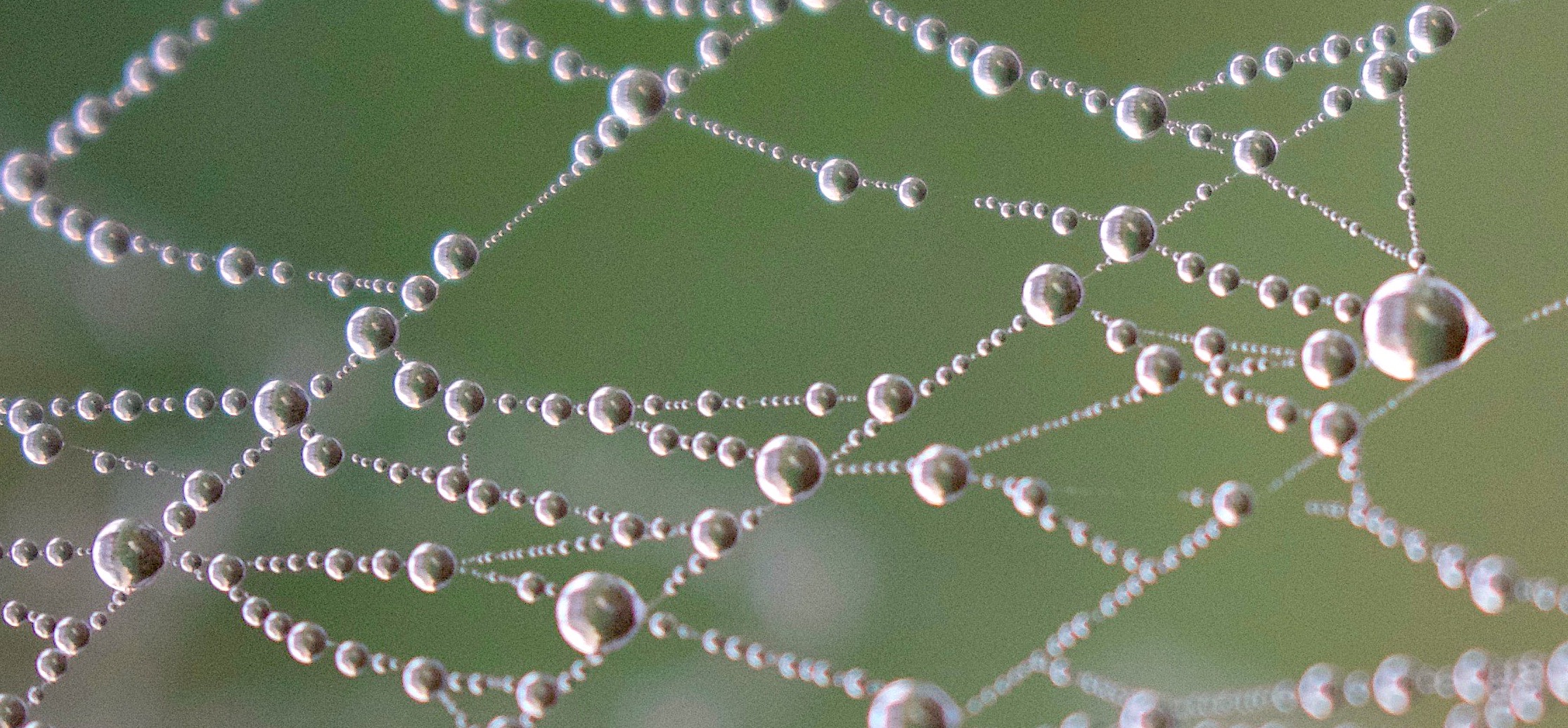
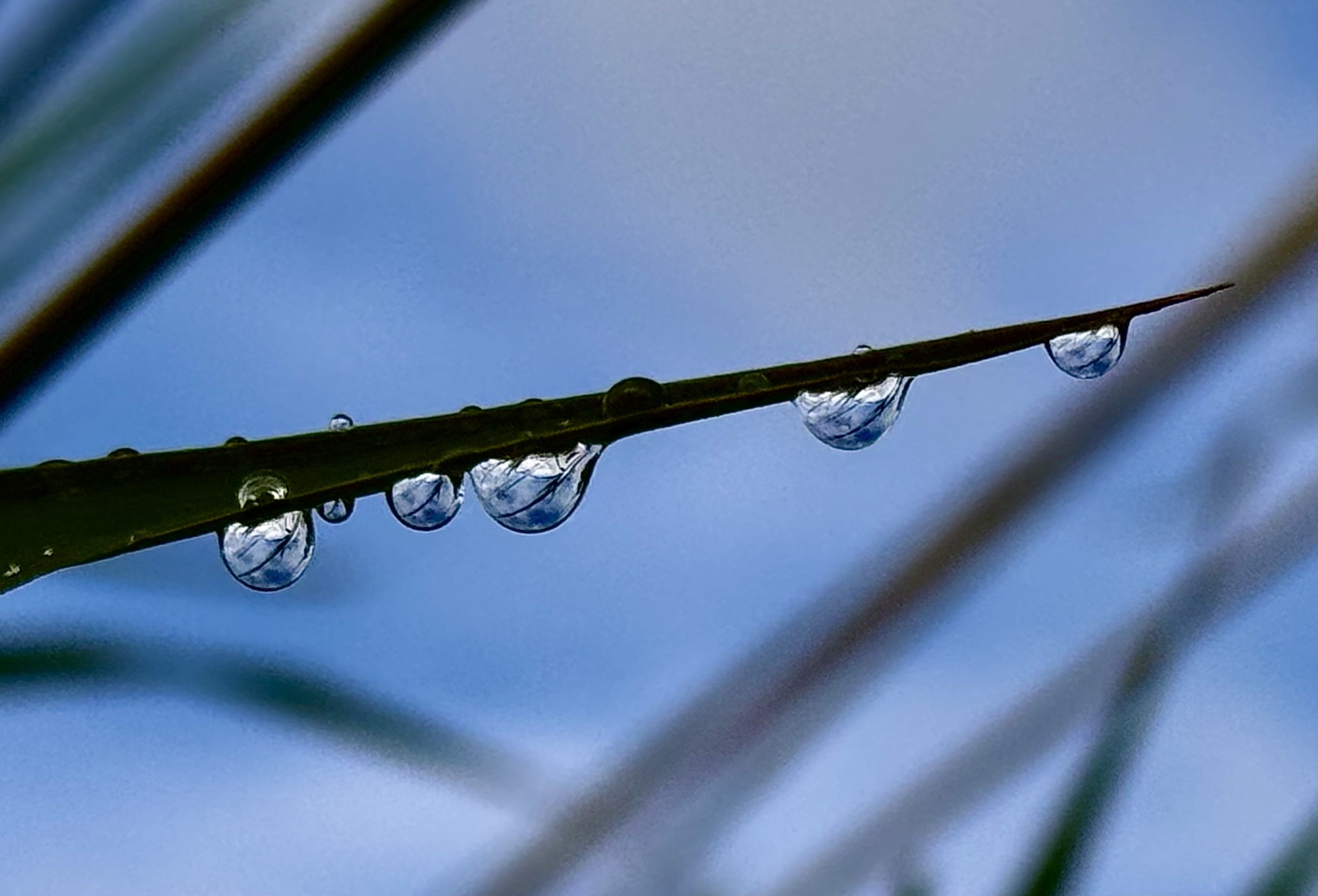
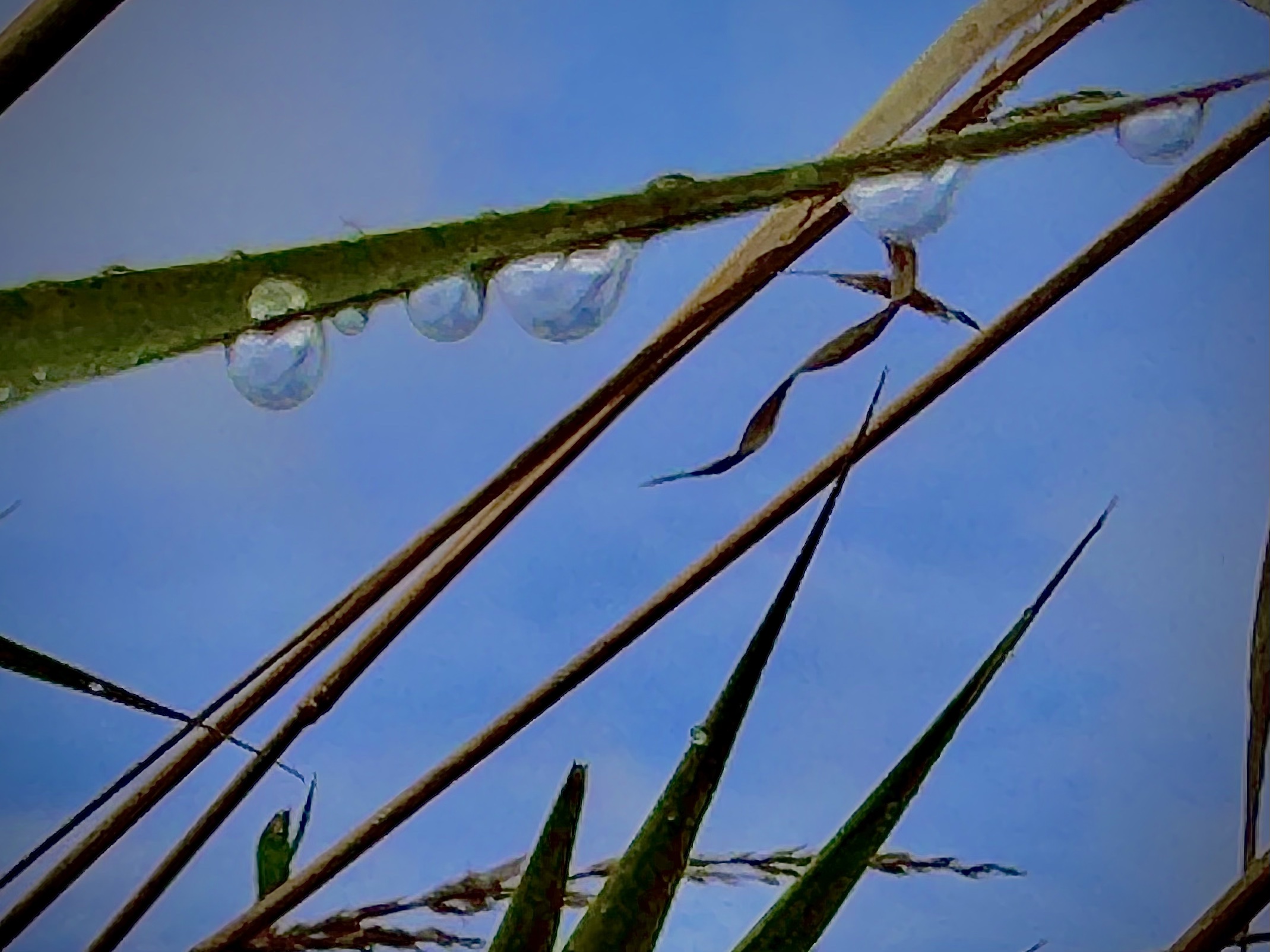
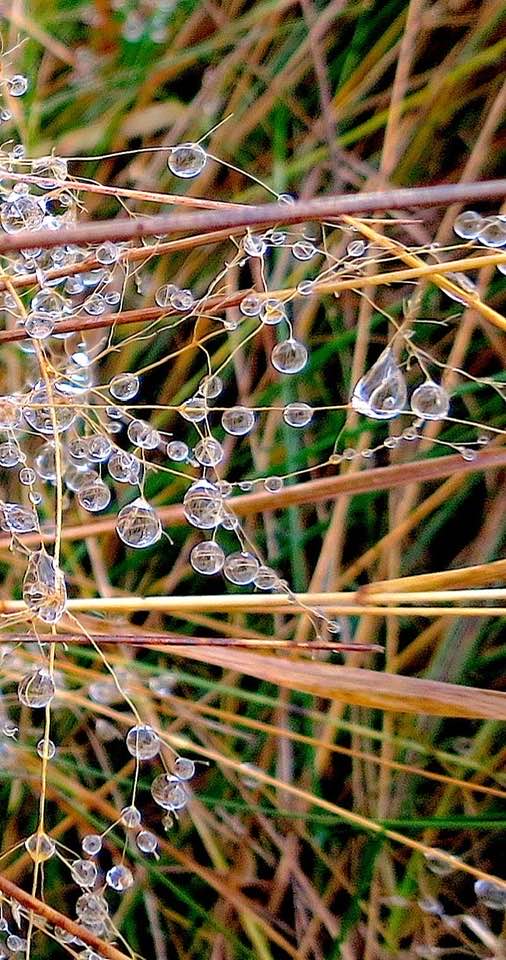
Yet, when studied up close, rain droplets glisten like jewels.
The onset of rainy season isn’t all sadness~ there is solace in knowing the landscape and I share an inner world of change: though sodden, these are the promises of renewal within our tears.
One-Time
Monthly
Yearly
Make a one-time or recurring donation to support daily Barnstorming posts
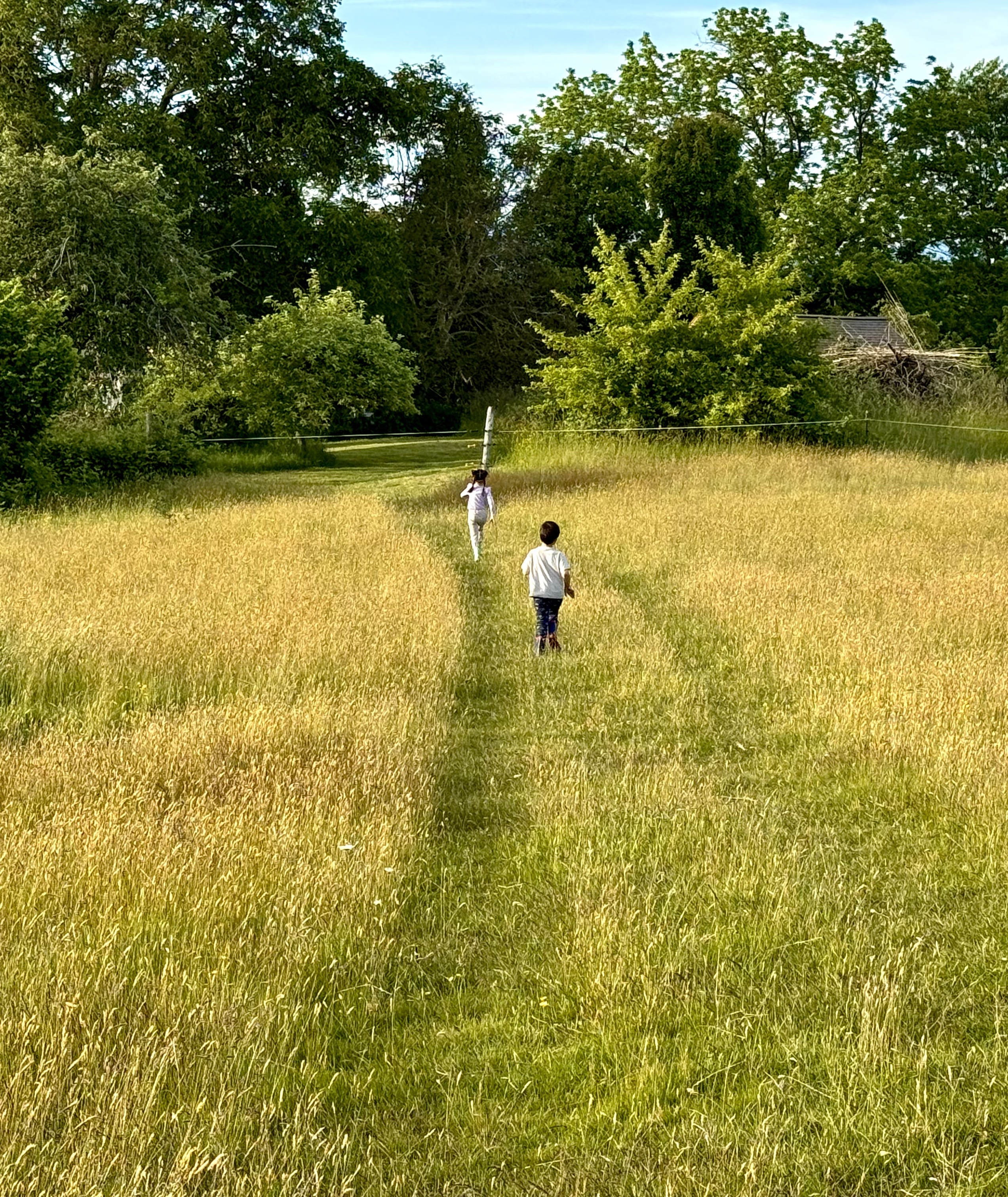
We are walking with the month To a quiet place. See, only here and there the gentians stand! Tonight the homing loon Will fly across the moon, Over the tired land. We were the idlers and the sowers, The watchers in the sun, The harvesters who laid away the grain. Now there’s a sign in every vacant tree, Now there’s a hint in every stubble field, Something we must not forget When the blossoms fly again. Give me your hand!
There were too many promises in June. Human-tinted buds of spring Told only half the truth. The withering leaf beneath our feet, That wrinkled apple overhead, Say more than vital boughs have said When we went walking In this growing place. There is something in this hour More honest than a flower Or laughter from a sunny face. ~Scudder Middleton “Song in the Key of Autumn”
I walk through the scant remainder of September wistful~~ a witness to the harvest of unfulfilled spring promises.
Watching sunlit days fade to blustery rain-filled nights.
I knew the growing season wouldn’t last. I knew the time to lie fallow would come.
Give me your hand. We’ll walk through this darkening time together, waiting, watching, for, once more, the promises of spring.
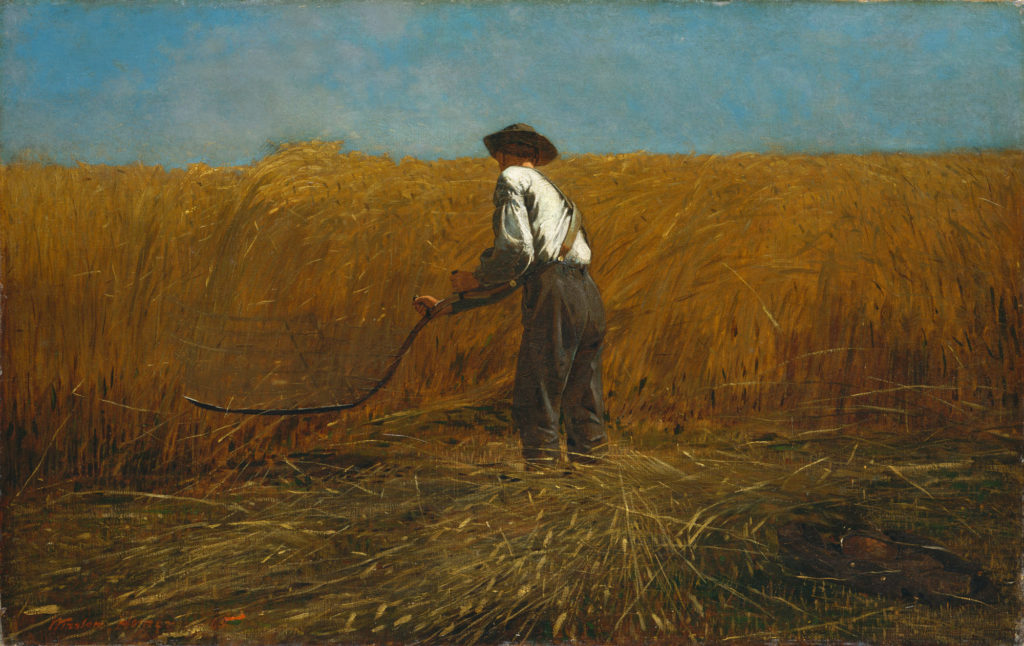
Winslow Homer – Veteran in a New Field, Metropolitan Museum of Art, New York City
One-Time
Monthly
Yearly
Make a one-time or recurring donation to support daily Barnstorming posts
Teach me to walk with tender feet, as the wild ones do. Let me be the cinder-glow of the fox in her burrow, wreathed around the honey-spark fur of her sleeping kits.
Let me be the shaded pools of the doe’s eyes in winter, when the snow falls, when the stars lean down to listen, when the world is darker and softer than rain.
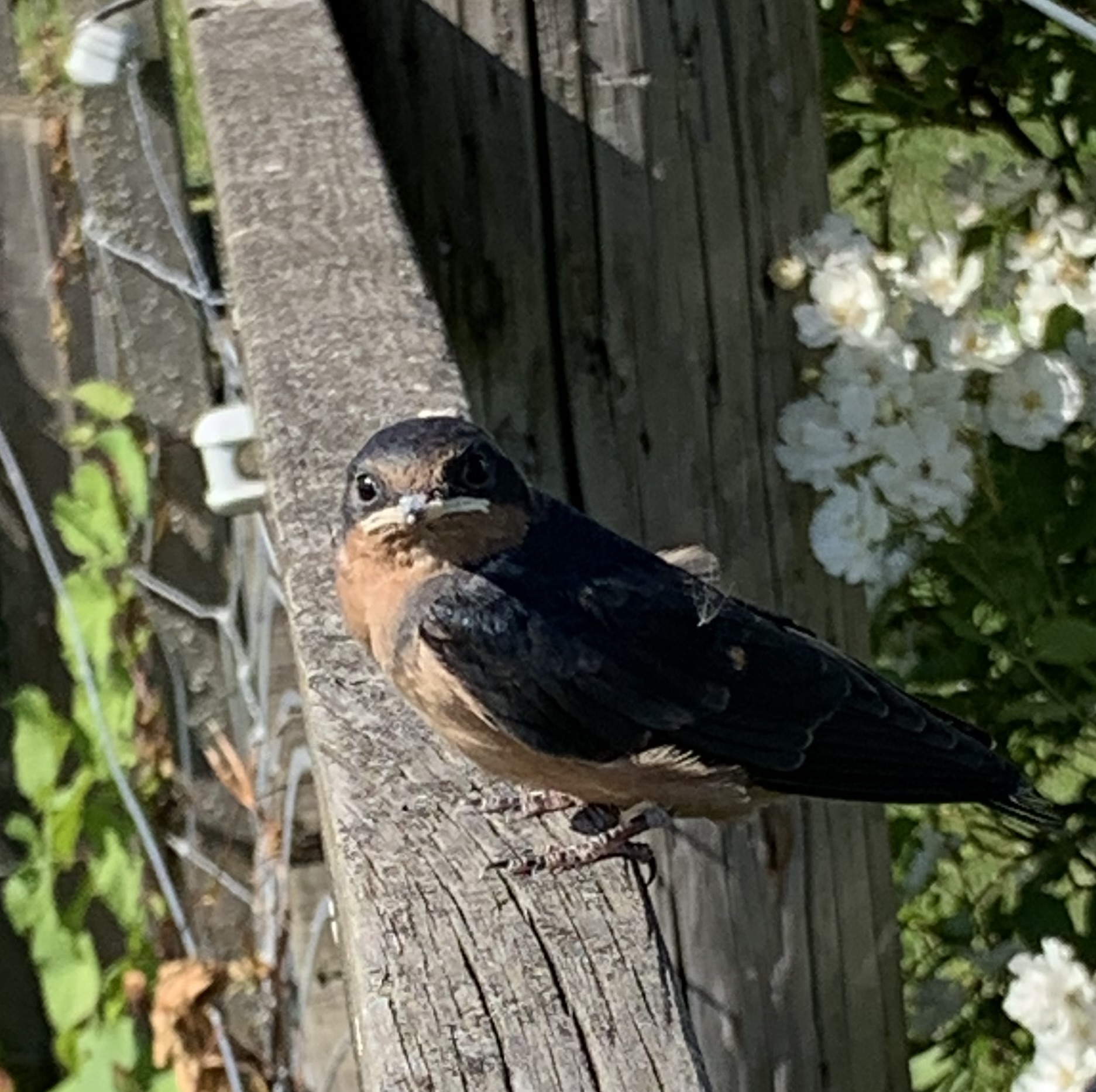
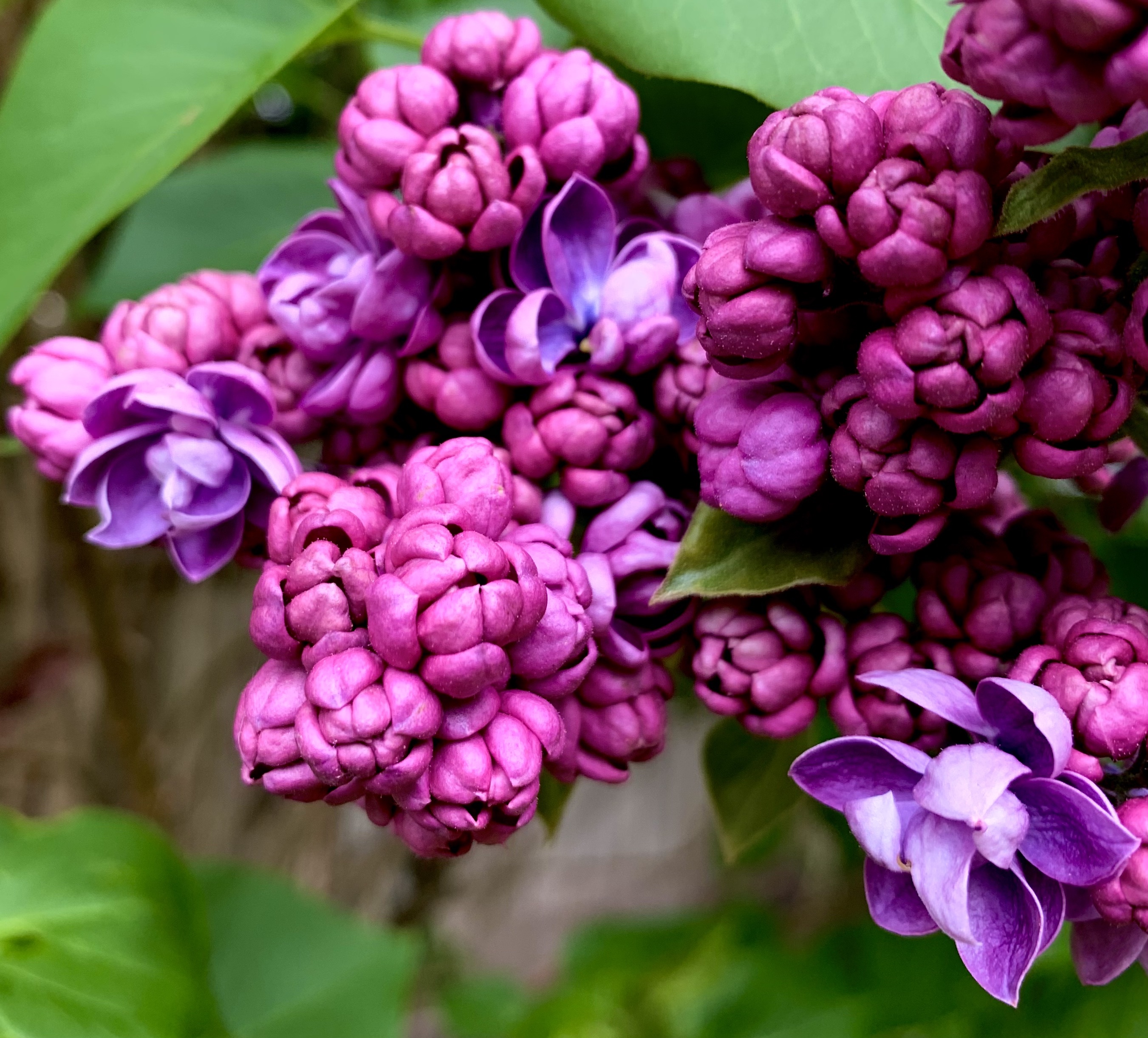
Let me be the swallow after flight, when she is perched upon the branch where the petals of the lilacs used to be, and she is just still, and quiet, her downy head inclined, as though she is praying for their return. ~Kimberly Beck “Tender Feet”
As the weather changes, softening in the mists of autumn, I walk each step with careful feet, my tender heart singing songs in the rain. I pray for peace in this troubled land, for protection from harm until spring comes again.
May God grant a gentle night’s sleep for all His creatures.
video by Harry Rodenberger
Lyrics for Aragorn’s Sleepsong: Lay down your head and I’ll sing you a lullaby Back to the years of loo-li lai-lay And I’ll sing you to sleep and I’ll sing you tomorrow
Bless you with love for the road that you go May you sail far to the far fields of fortune With diamonds and pearls at your head and your feet And may you need never to banish misfortune
May you find kindness in all that you meet May there always be angels to watch over you To guide you each step of the way To guard you and keep you safe from all harm Loo-li, loo-li, lai-lay
May you bring love and may you bring happiness Be loved in return to the end of your days Now fall off to sleep, I’m not meaning to keep you I’ll just sit for a while and sing loo-li, lai-lay
May there always be angels to watch over you To guide you each step of the way To guard you and keep you safe from all harm Loo-li, loo-li, lai-lay
One-Time
Monthly
Yearly
Make a one-time or recurring donation to support daily Barnstorming posts
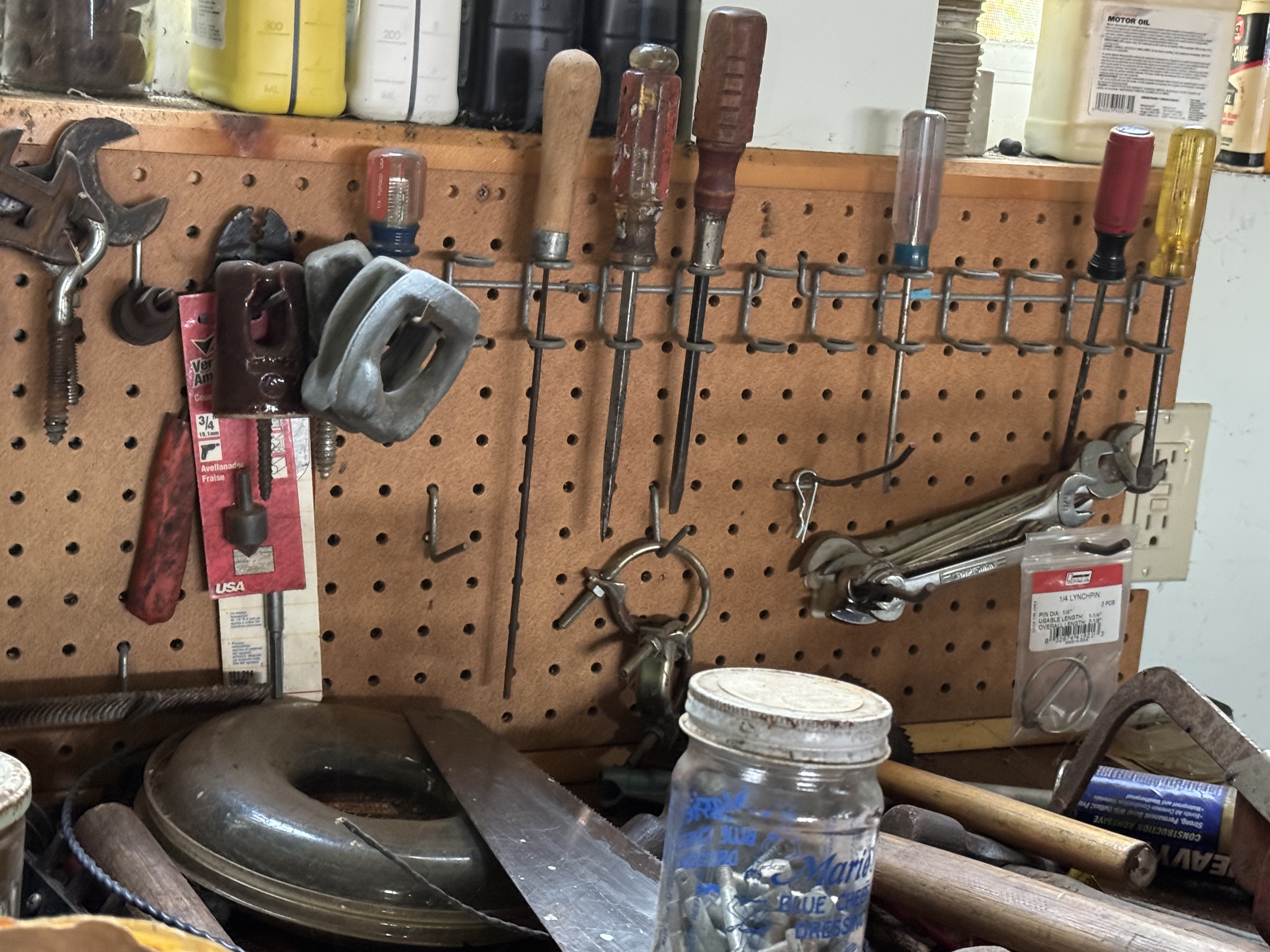
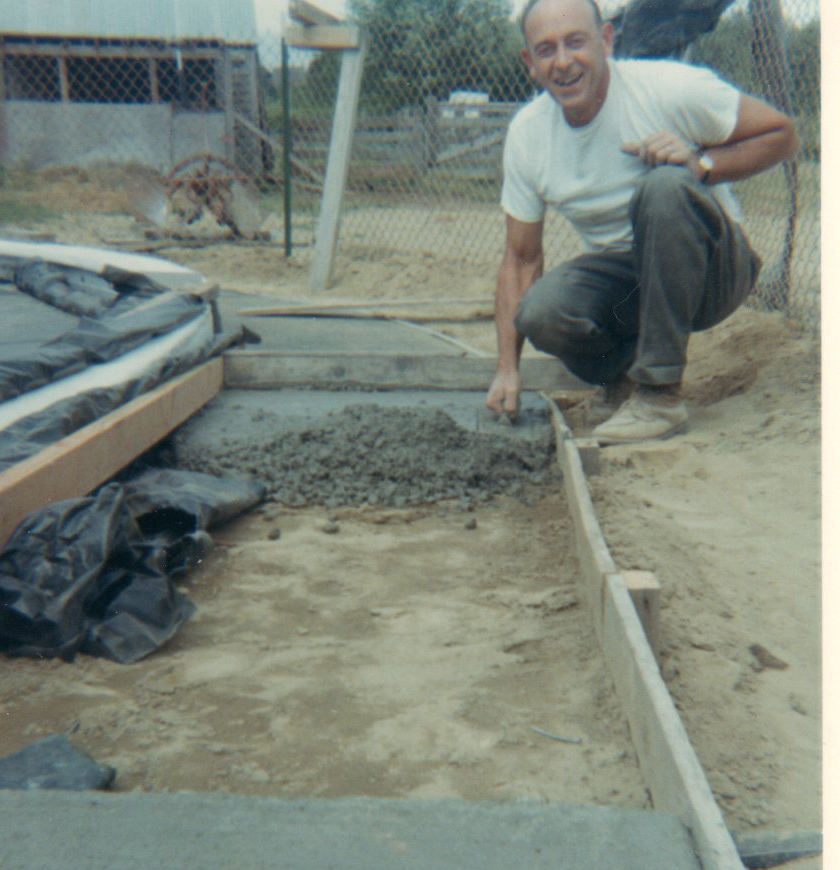
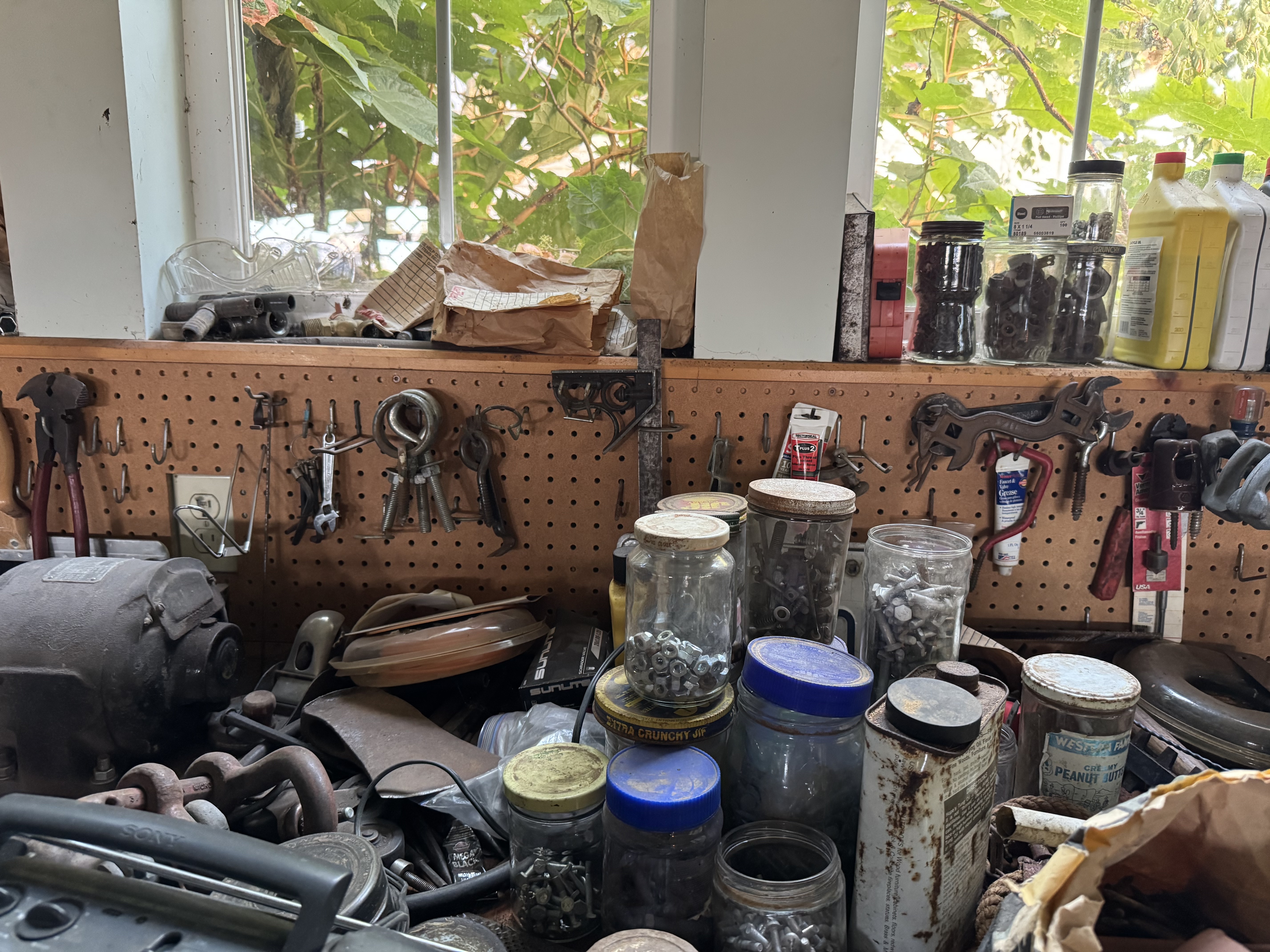
My father always knew the secret name of everything— stove bolt and wing nut, set screw and rasp, ratchet wrench, band saw, and ball— peen hammer. He was my tour guide and translator through that foreign country with its short-tempered natives in their crewcuts and tattoos, who suffered my incompetence with gruffness and disgust. Pay attention, he would say, and you’ll learn a thing or two.
Now it’s forty years later, and I’m packing up his tools (If you know the proper names of things you’re never at a loss) tongue-tied, incompetent, my hands and heart full of doohickeys and widgets, whatchamacallits, thingamabobs. ~Ronald Wallace “Hardware” from Time’s Fancy
“Hold on,” she said, “I’ll just run out and get him. The weather here’s so good, he took the chance To do a bit of weeding.”
So I saw him Down on his hands and knees beside the leek rig, Touching, inspecting, separating one Stalk from the other, gently pulling up Everything not tapered, frail and leafless, Pleased to feel each little weed-root break, But rueful also . . .
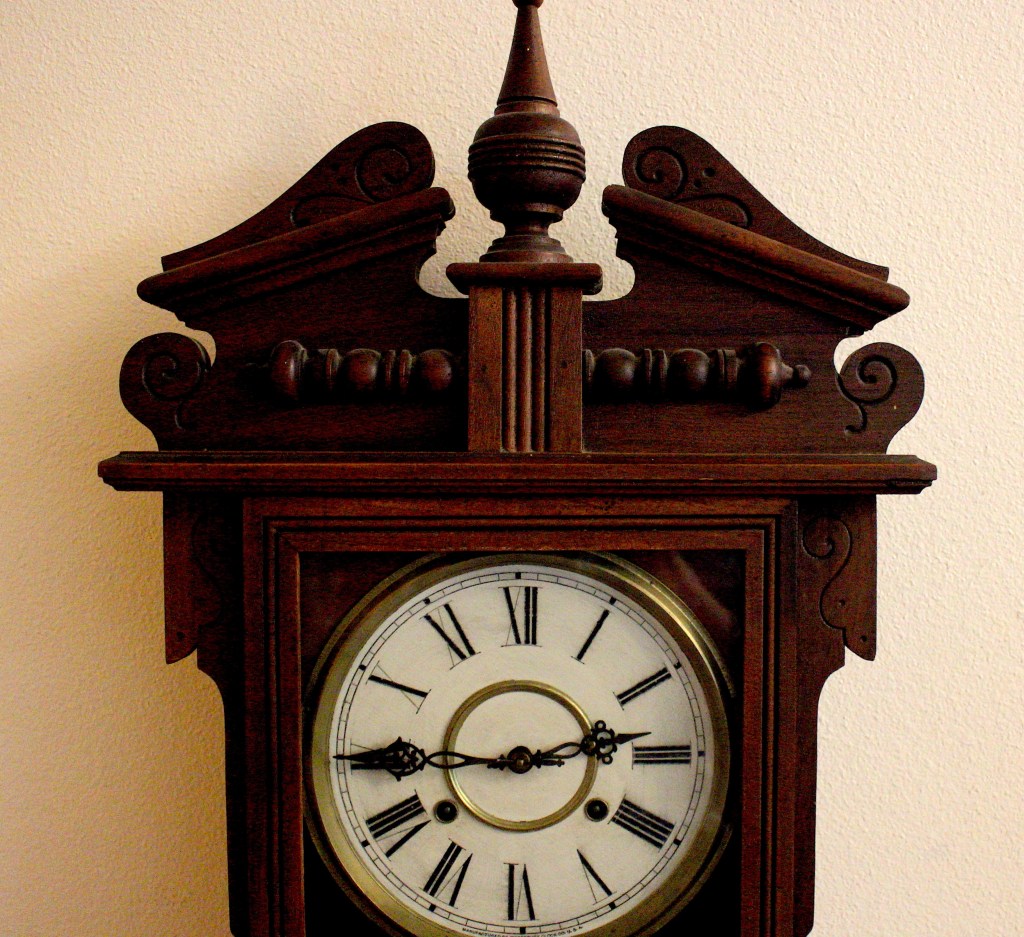
Then found myself listening to The amplified grave ticking of hall clocks Where the phone lay unattended in a calm Of mirror glass and sunstruck pendulums . . .
And found myself then thinking: if it were nowadays, This is how Death would summon Everyman.
Between my finger and my thumb The squat pen rests; snug as a gun. Under my window, a clean rasping sound When the spade sinks into gravelly ground:
My father, digging. I look down By God, the old man could handle a spade.
Just like his old man. But I’ve no spade to follow men like them.
Between my finger and my thumb The squat pen rests. I’ll dig with it. ~Seamus Heaney from “Digging” from Death of a Naturalist
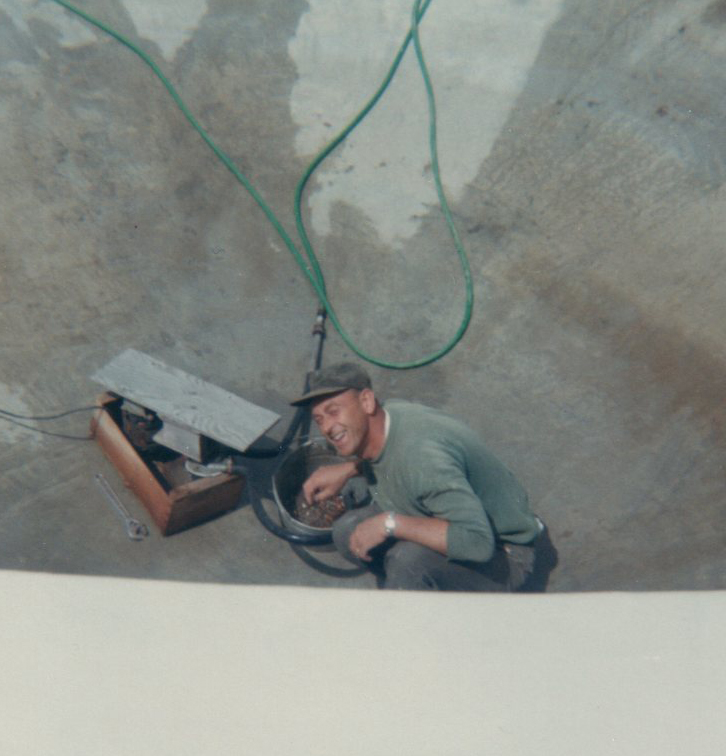
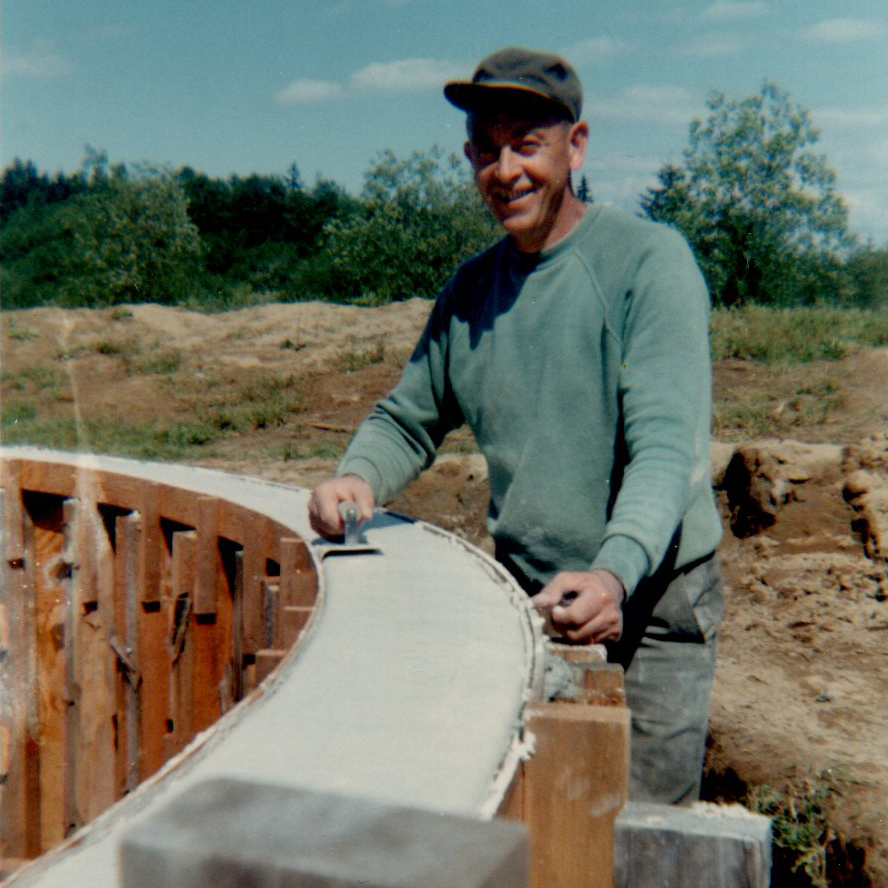
My father was a complex man. As I’ve aged, I understand better where my own complicated nature comes from.
As inscrutable as he could be, there were things I absolutely understood about him:
he was a man of action – he never just sat, never took a nap, never wasted a day of his life without accomplishing something tangible.
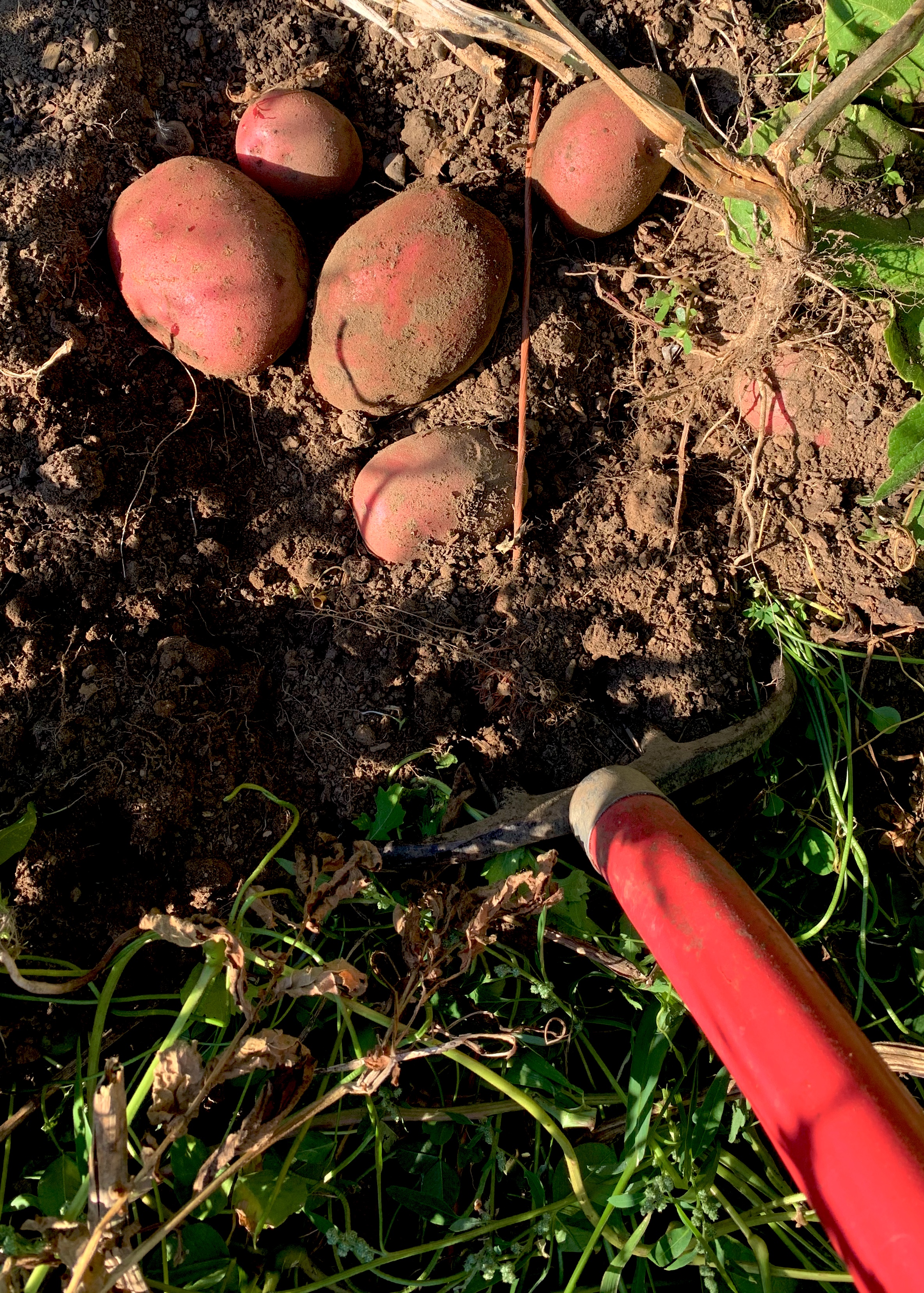
he was a man of the soil – he plowed and harrowed and sowed and fertilized and weeded and cut brush and harvested
he was a man of inventiveness – he figured out a better way, he transformed tools and buildings, he started from scratch and built the impossible
he didn’t explain himself – and never felt the need to.
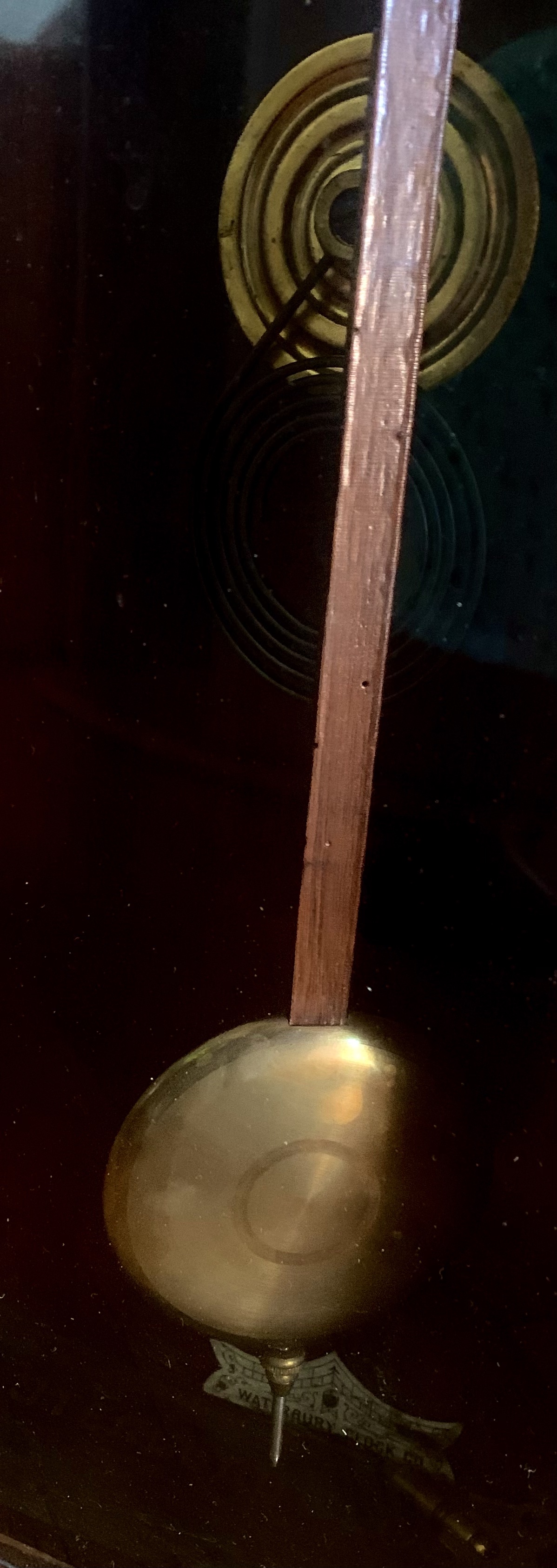
Time keeps ticking on without him here, now 30 years since he took his last breath as the clock pendulum swung back and forth in his bedroom. He was taken too young for all the projects he still had in mind.
He handed off a few to me. Some I have done. Some still wait, I’m not sure why.
My regret is not understanding how much he needed to hear how loved he was. He seemed fine without it being said.
But he wasn’t fine. And neither was I.
I wish I had said it when I had the chance. I guess I am digging it out from the soil of my heart now.
One-Time
Monthly
Yearly
Make a one-time or recurring donation to support daily Barnstorming posts
Nature’s first green is gold, Her hardest hue to hold. Her early leaf’s a flower; But only so an hour. Then leaf subsides to leaf, So Eden sank to grief, So dawn goes down to day Nothing gold can stay. ~Robert Frost “Nothing Gold Can Stay”
Stay gold, Ponyboy, stay gold. ~S.E. Hinton from The Outsiders
Man’s innocence was lost the moment we chose knowledge over obedience.
The gold in our creation sinks to grief as we continue to make the same mistakes again and again;
each dawn reenacts our beginnings as leaf subsides to leaf and each winter our endings.
Our only salvage is rescue borne of selflessness, an obedience beyond imagining.
Christ stays gold for us; we rise illuminated like dawn.
One-Time
Monthly
Yearly
Make a one-time or recurring donation to support daily Barnstorming posts
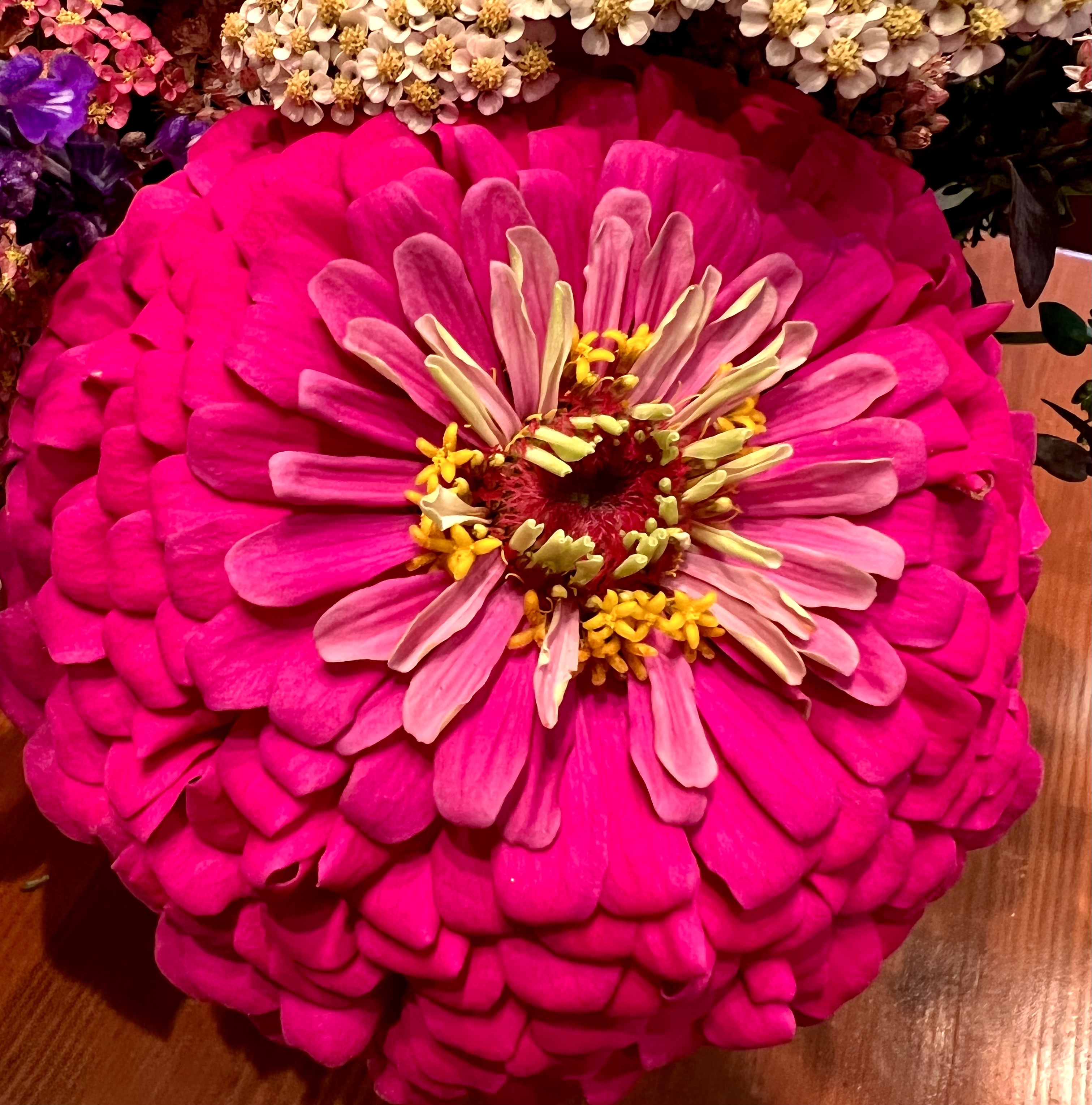
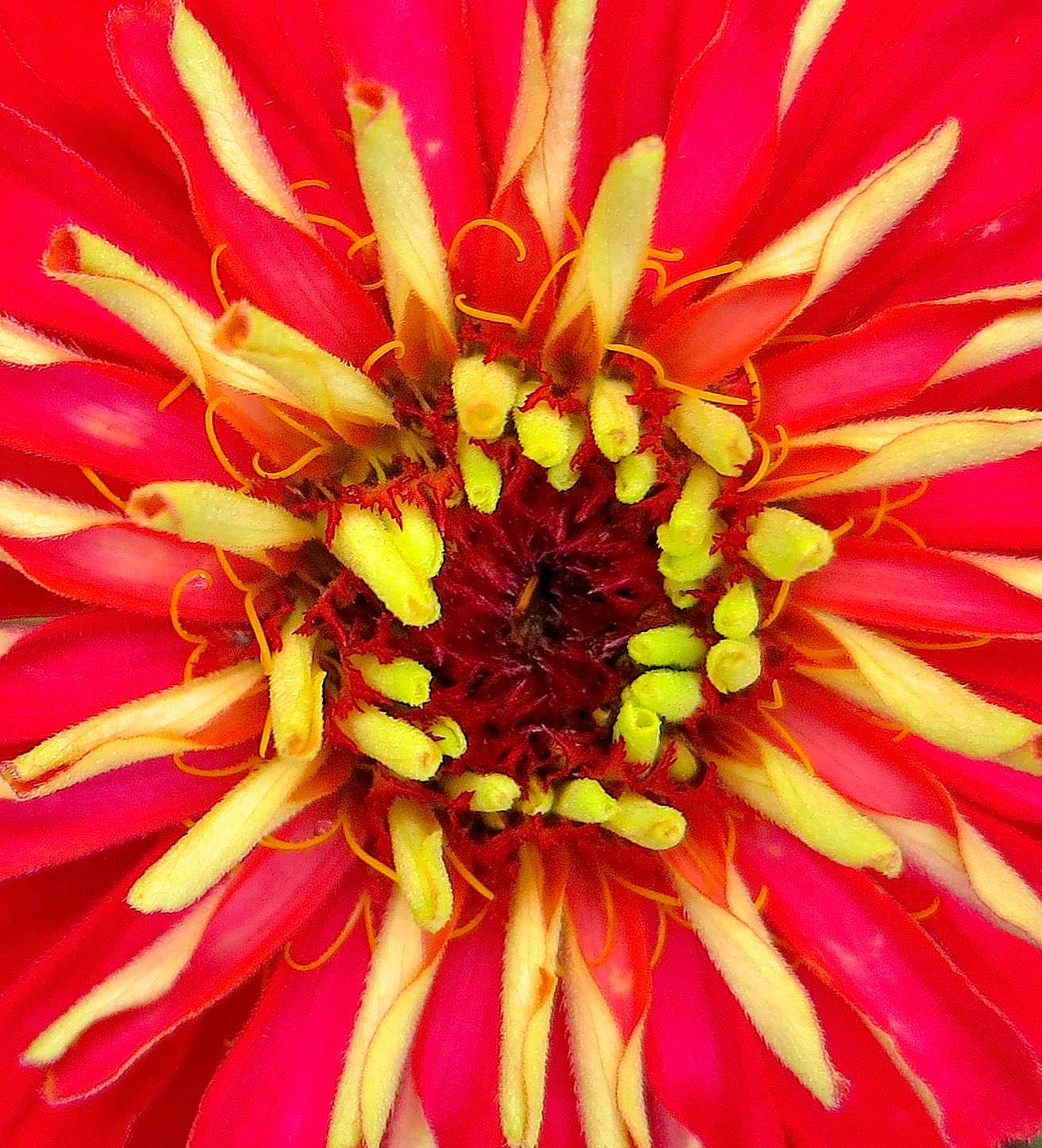
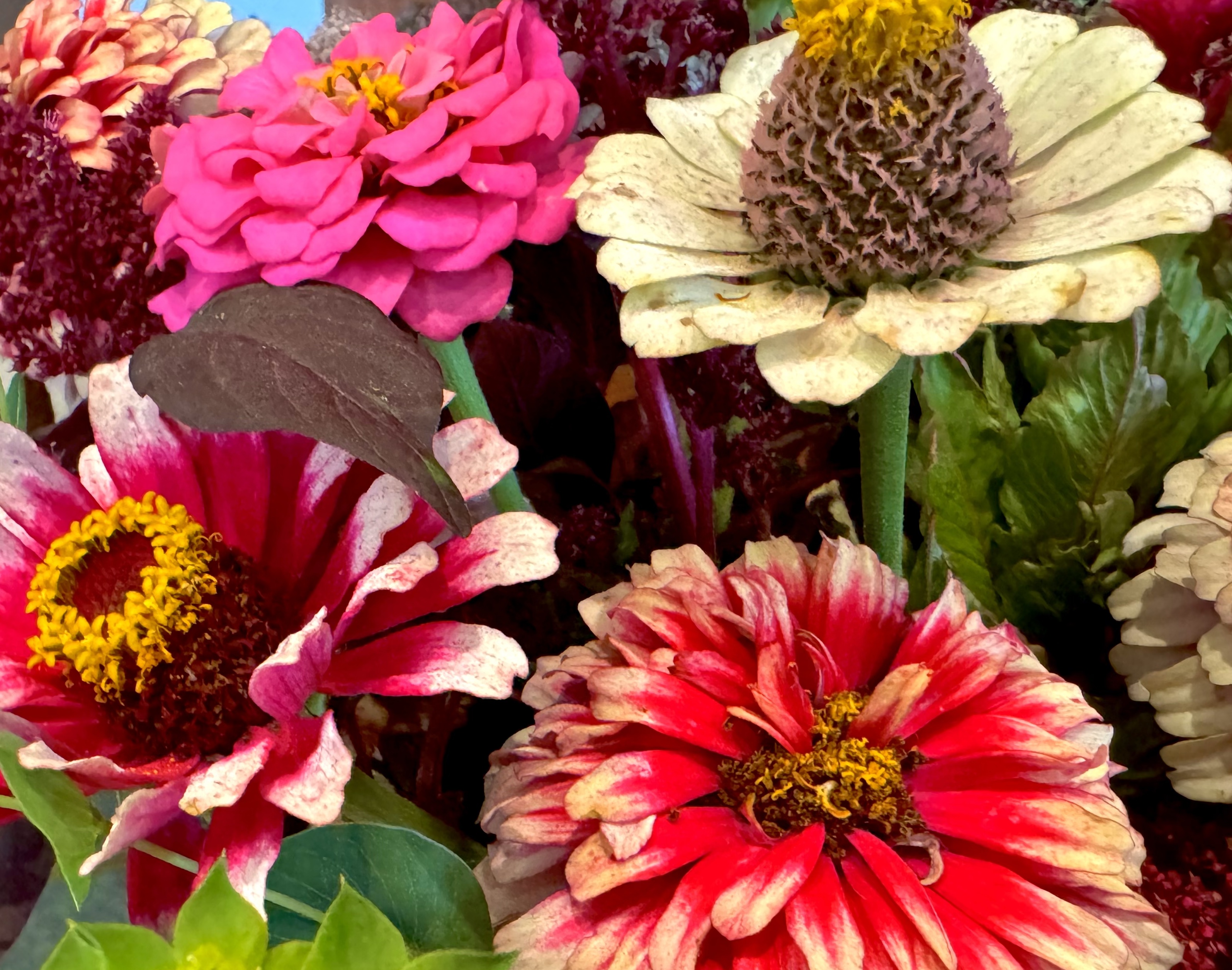
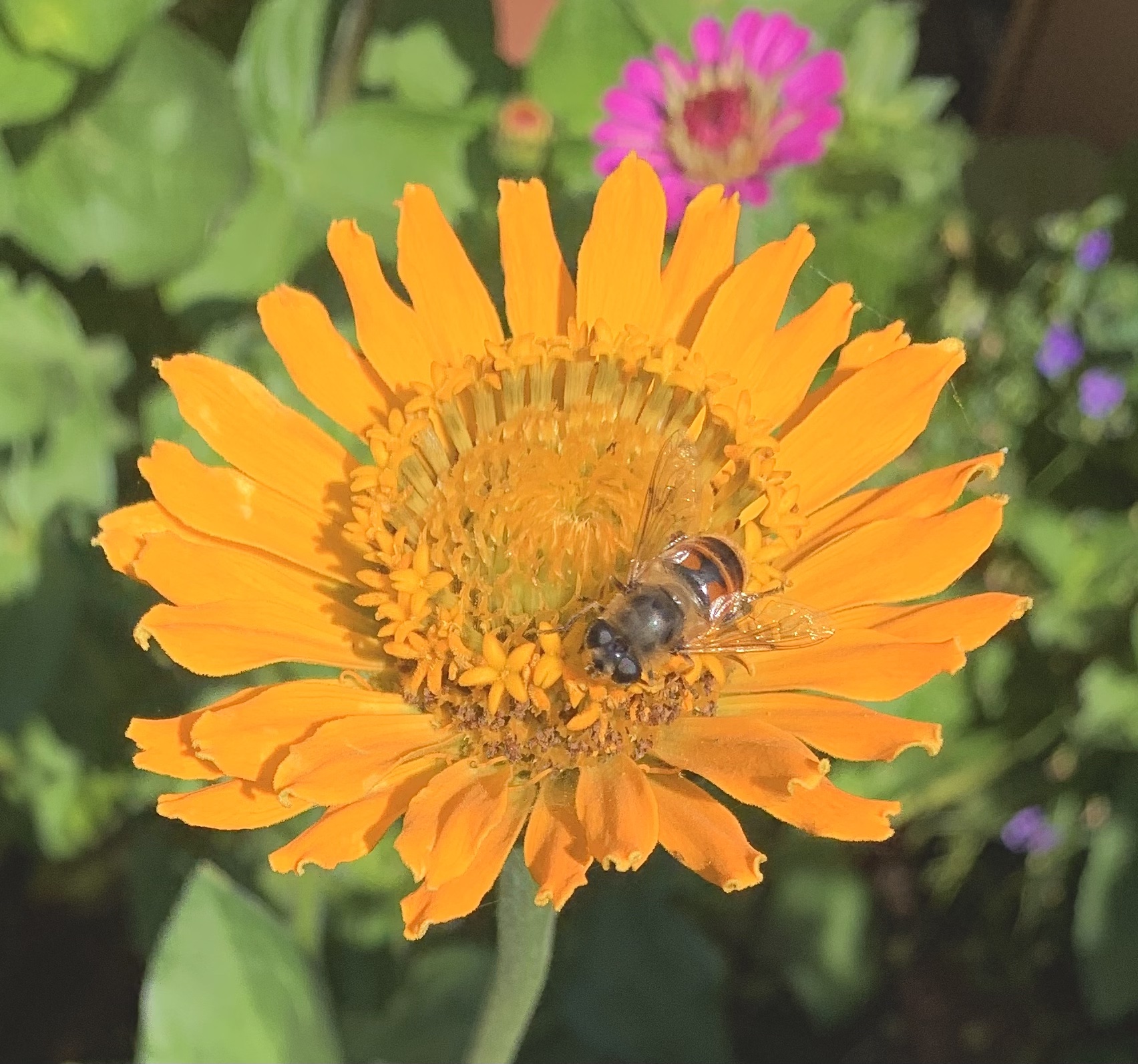
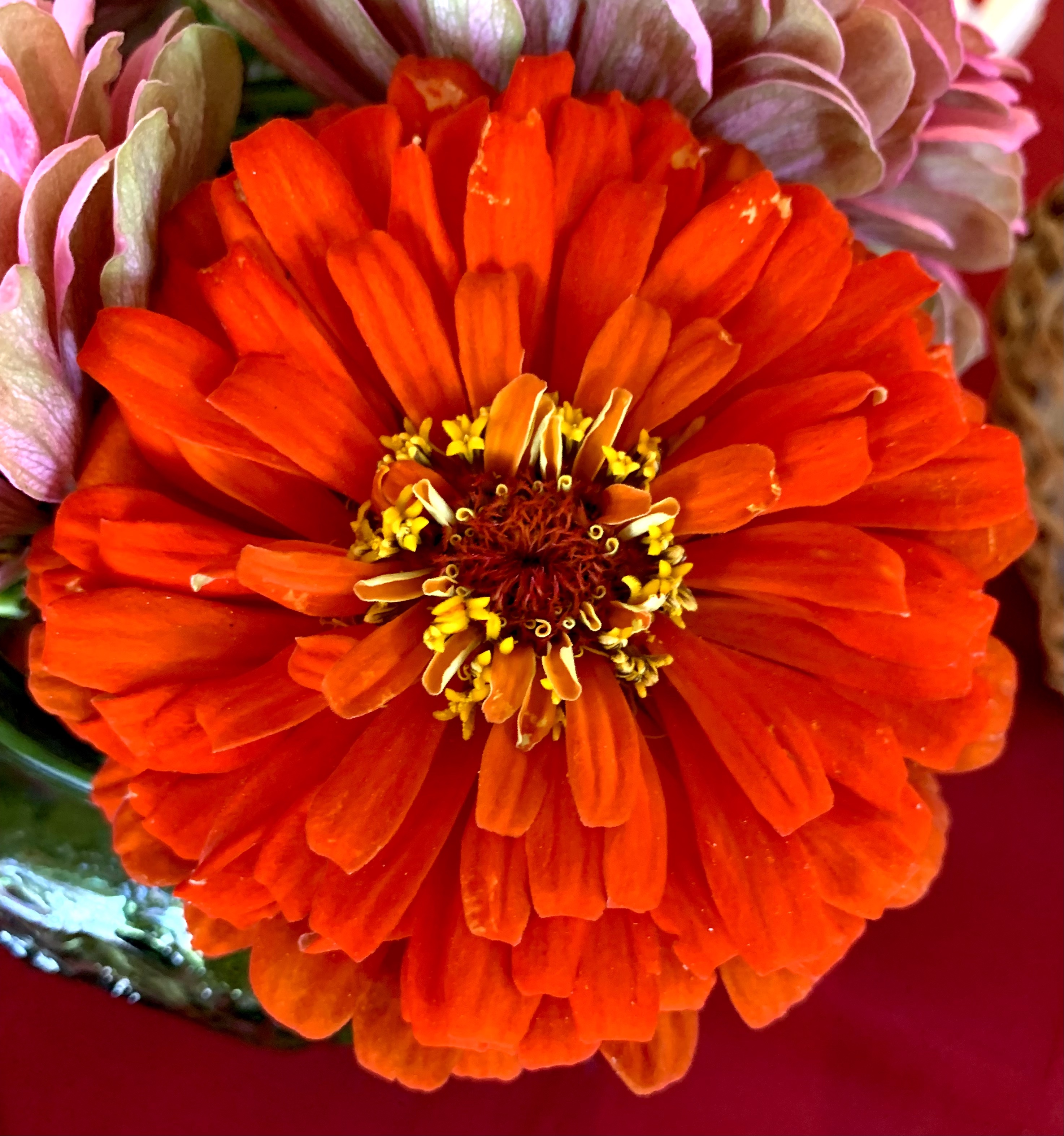
I went out to cut a last batch of zinnias this morning from the back fencerow and got my shanks chilled for sure: furrowy dark gray clouds with separating fringes of blue sky-grass: and the dew
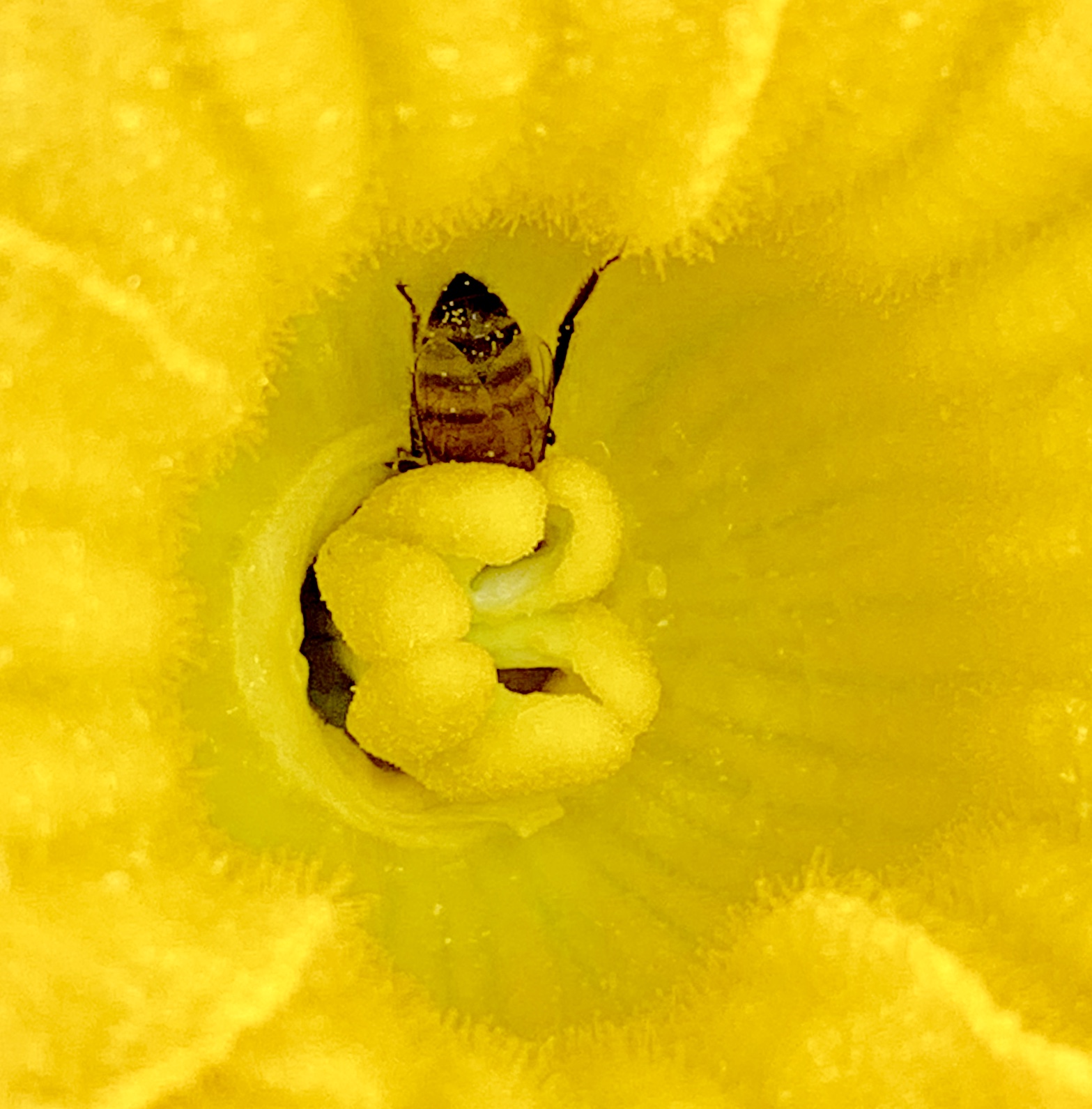
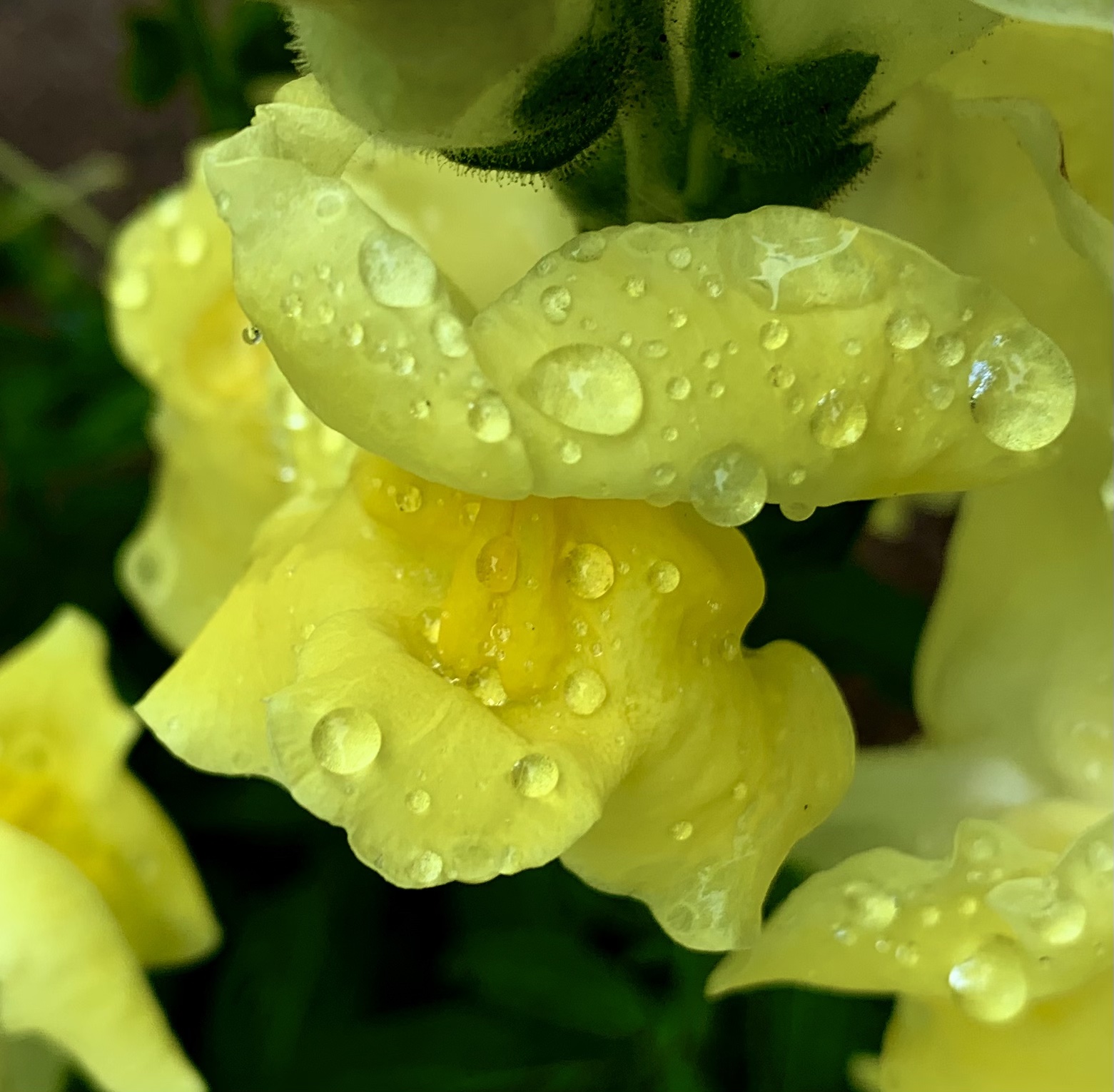
beaded up heavier than the left-overs of the rain: in the zinnias, in each of two, a bumblebee stirring in slow motion. Trying to unwind the webbed drug of cold, buzzing occasionally but
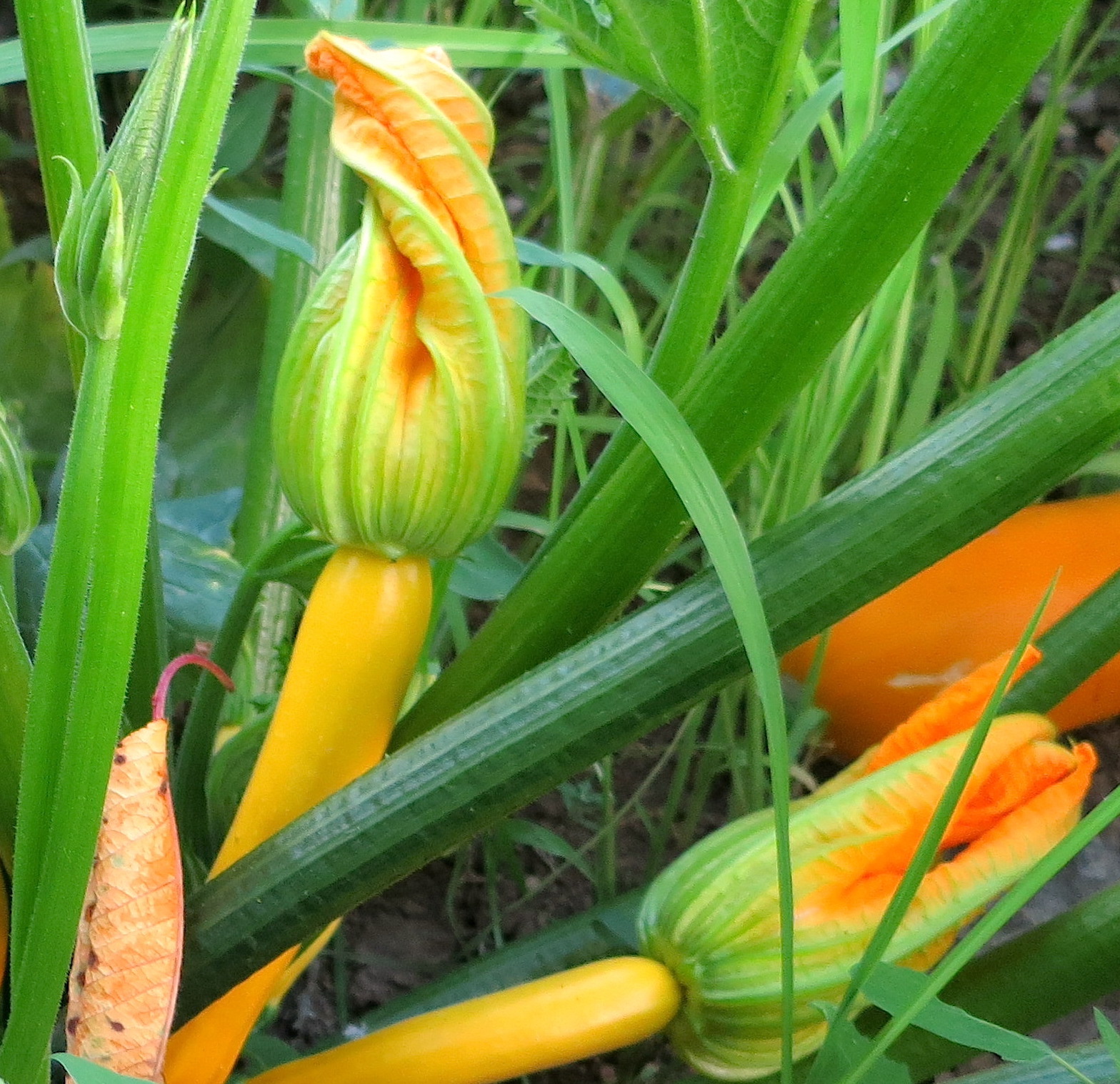
with a dry rattle: bees die with the burnt honey at their mouths, at least: the fact’s established: it is not summer now and the simmering buzz is out of heat: the zucchini blossoms falling show squash
overgreen with stunted growth: the snapdragons have suckered down into a blossom or so: we passed into dark last week the even mark of day and night and what we hoped would stay we yield to change. ~A.R. Ammons “Equinox” from Complete Poems
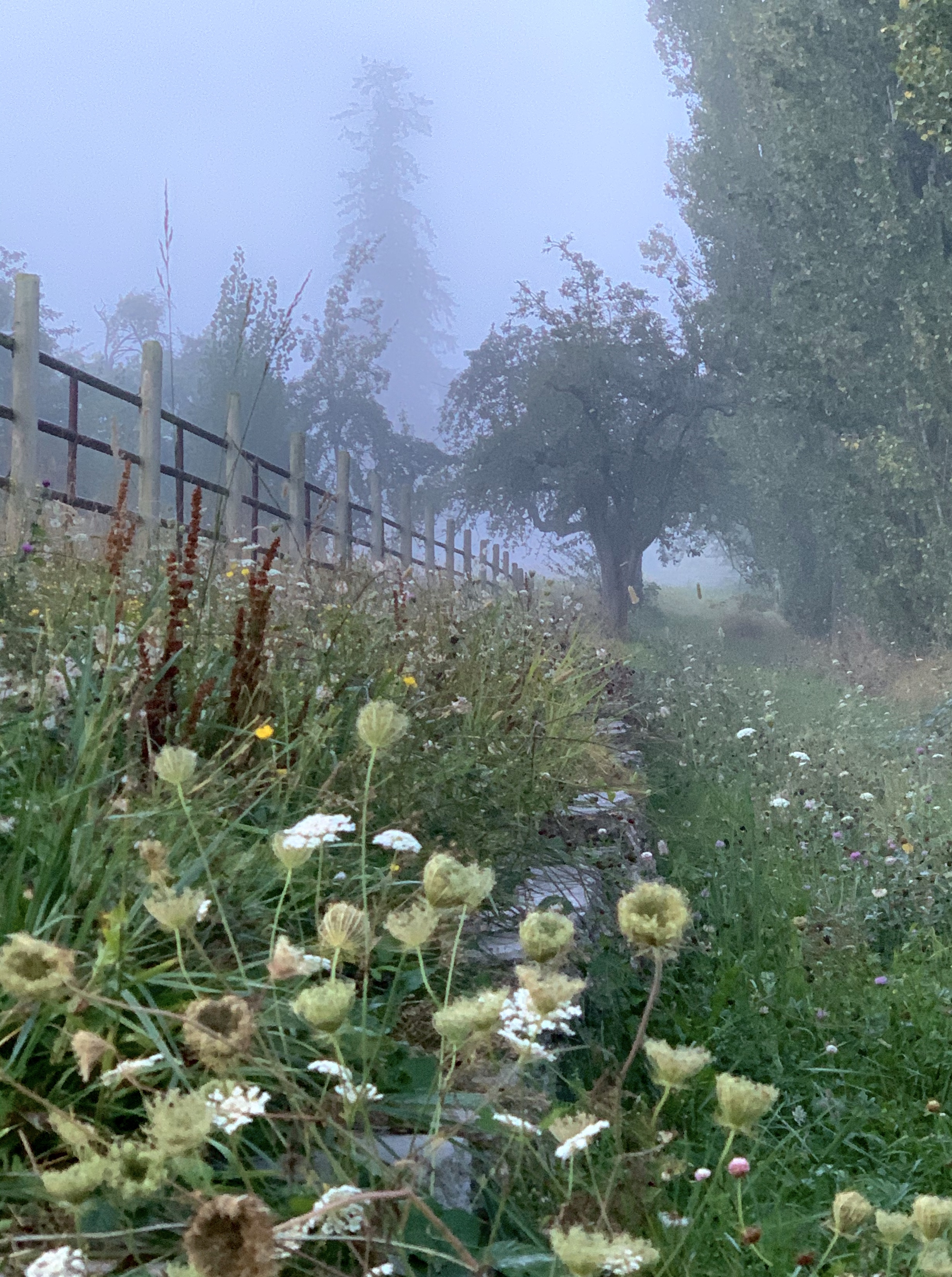
I yield now to the heaviness of transition from summer to autumn – the soaking morning fog, with dew clinging like teardrops, a chill in the air means I sweater-wrap my days.
It is time for change, reluctant as I may be; both day and night now compete equally for my time and each will win.
One-Time
Monthly
Yearly
Make a one-time or recurring donation to support daily Barnstorming posts
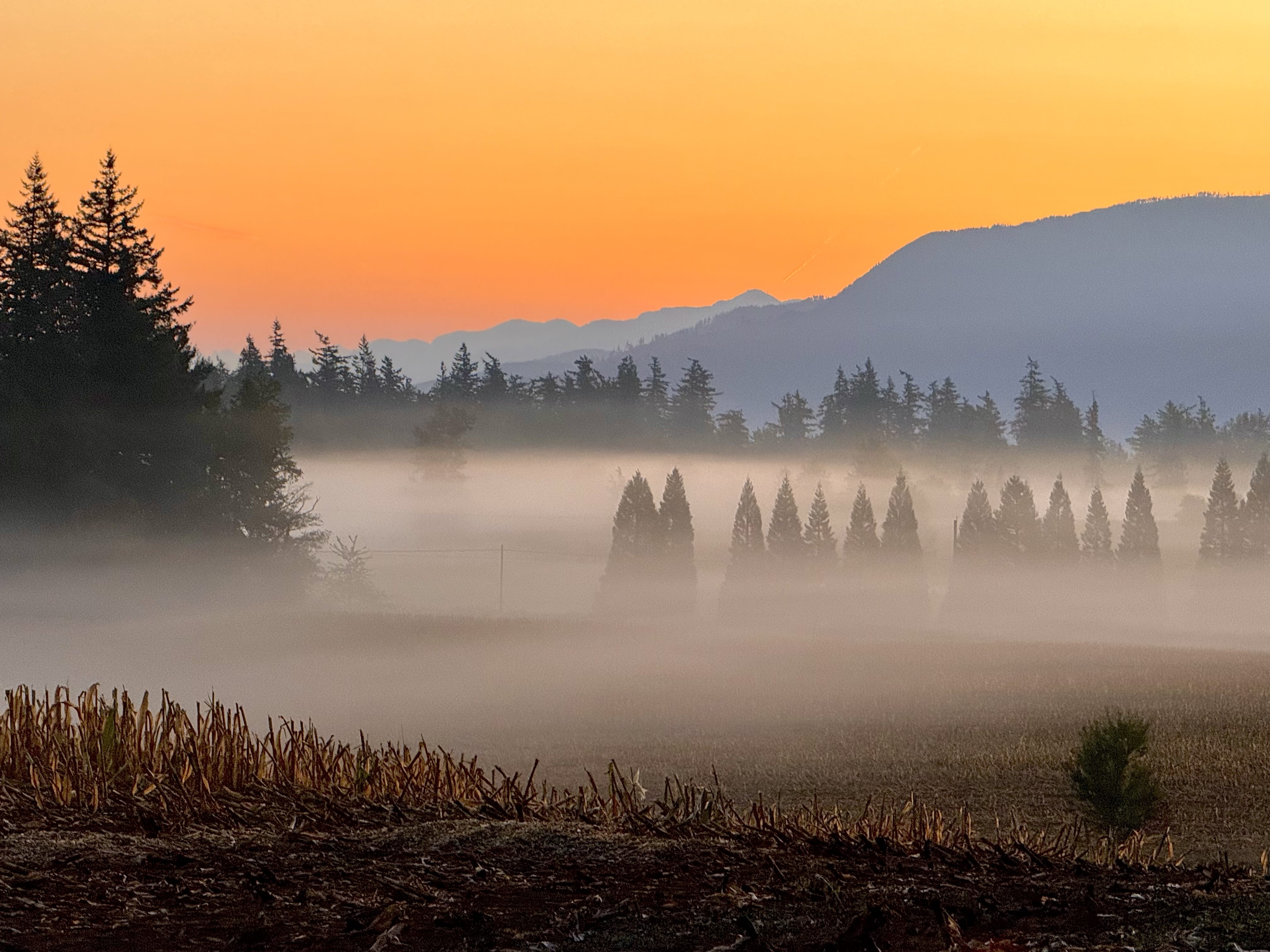
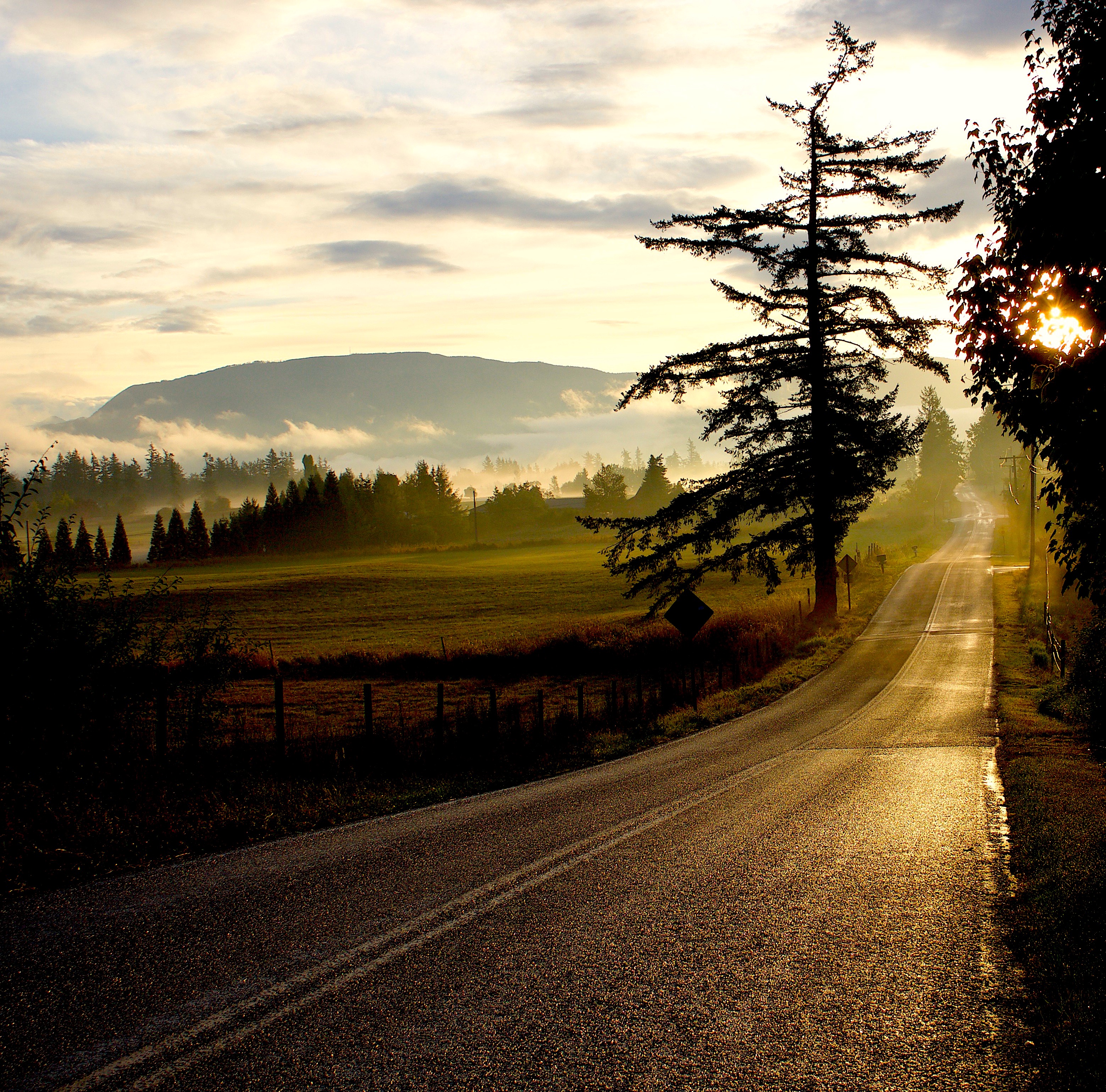
I want to memorize it all before it changes: the shift of sun from north to south barely balances on our east- west road at equinox.
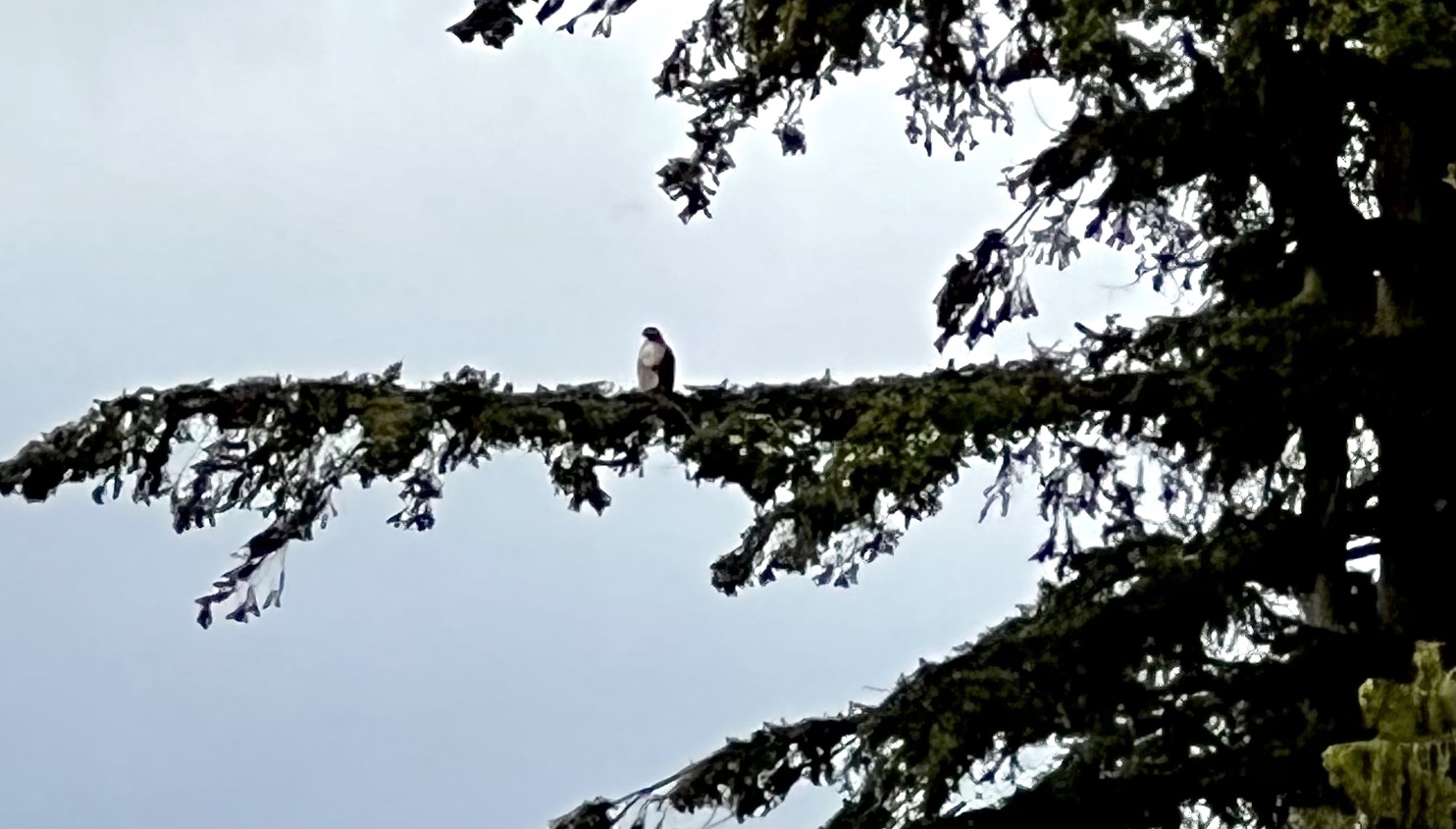
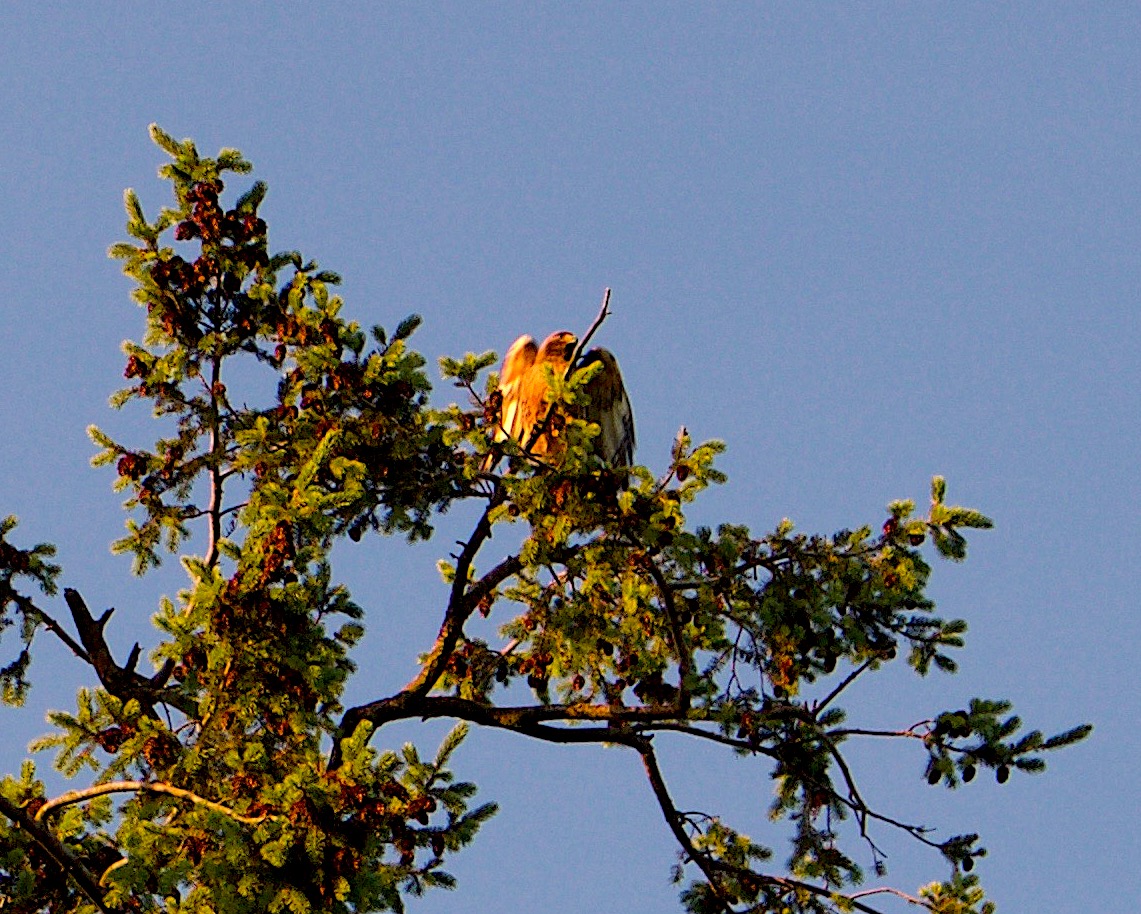
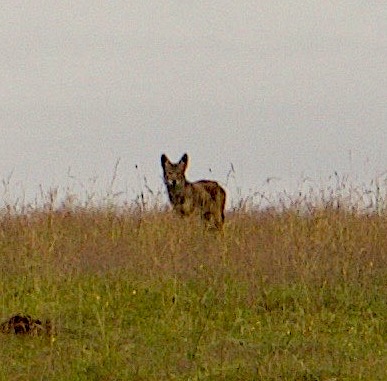
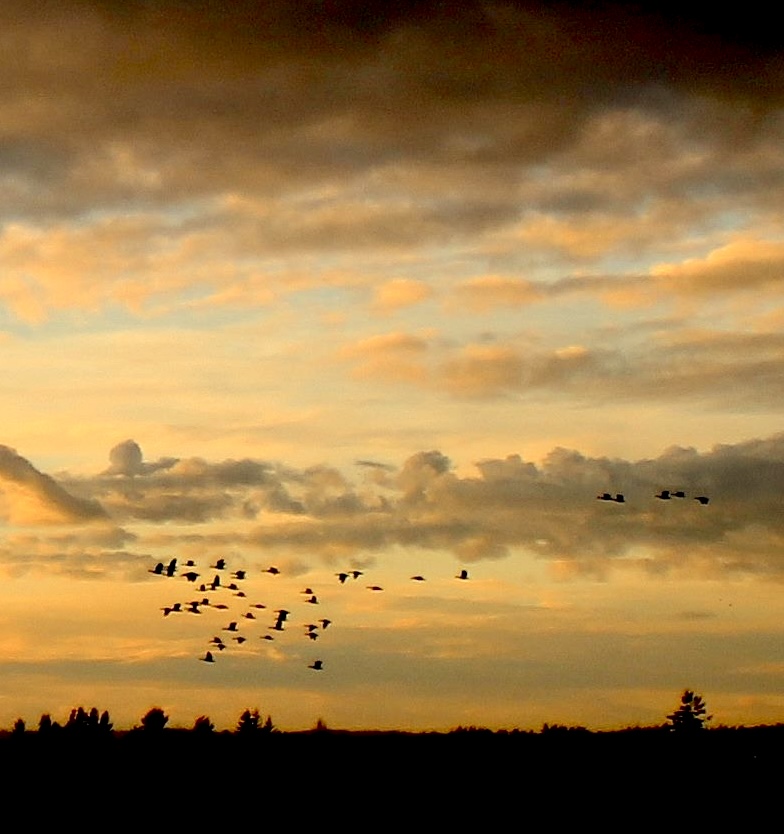
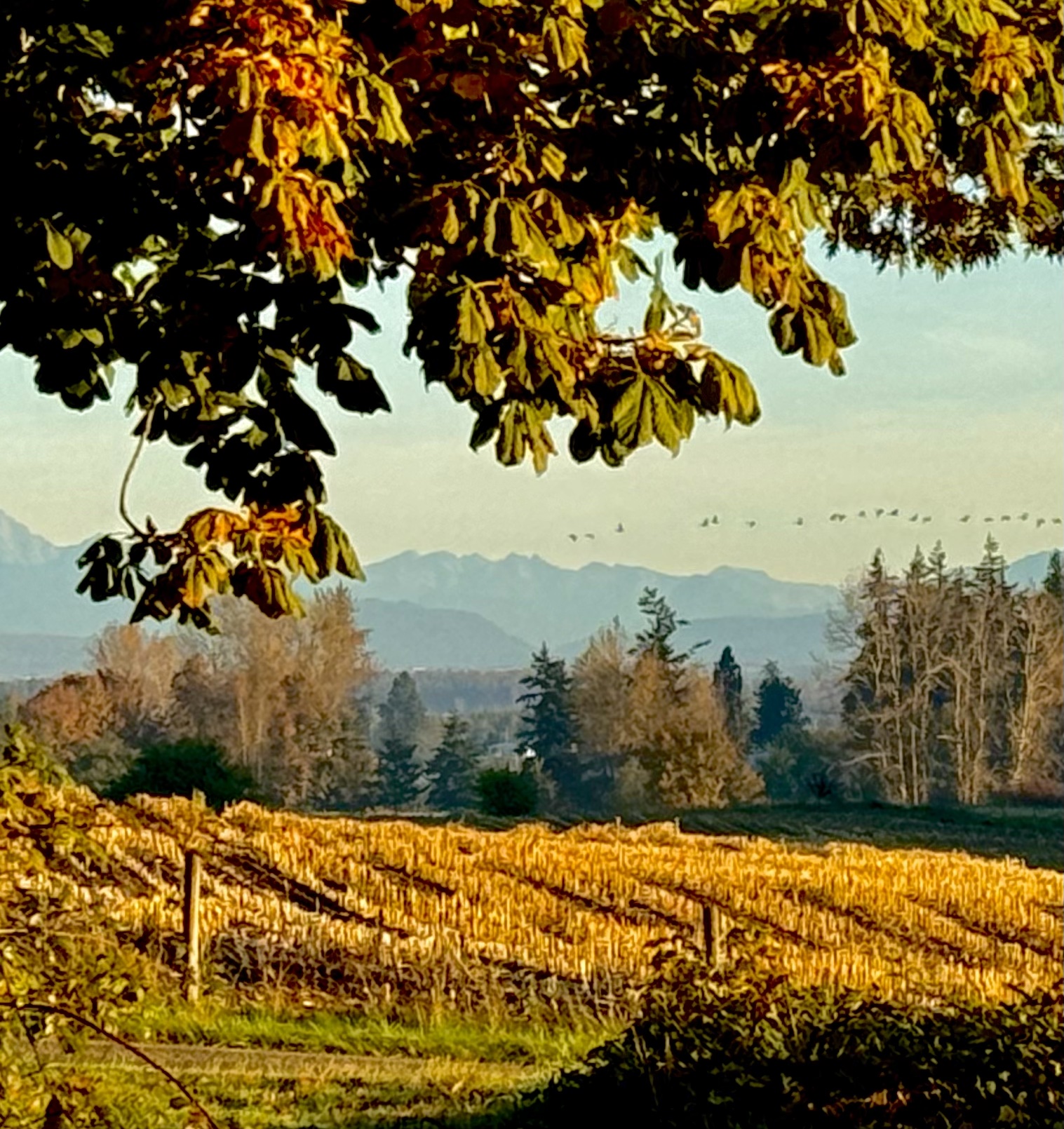
The flow of geese overhead, honking while waving farewell, the hawks’ screams in the firs, dragonflies trapped in the barn light fixtures several generations of coyotes hollering at dusk.
The pond quiets with cooler nights, hair thickens on horses, cats and dogs, dying back of the garden vines reveals what lies unharvested beneath.
And so we part again, Summer – your gifts were endless until you now have parted ways.
I sit silenced, brooding, waiting for what comes next.
One-Time
Monthly
Yearly
Make a one-time or recurring donation to support daily Barnstorming posts










 Barnstorming