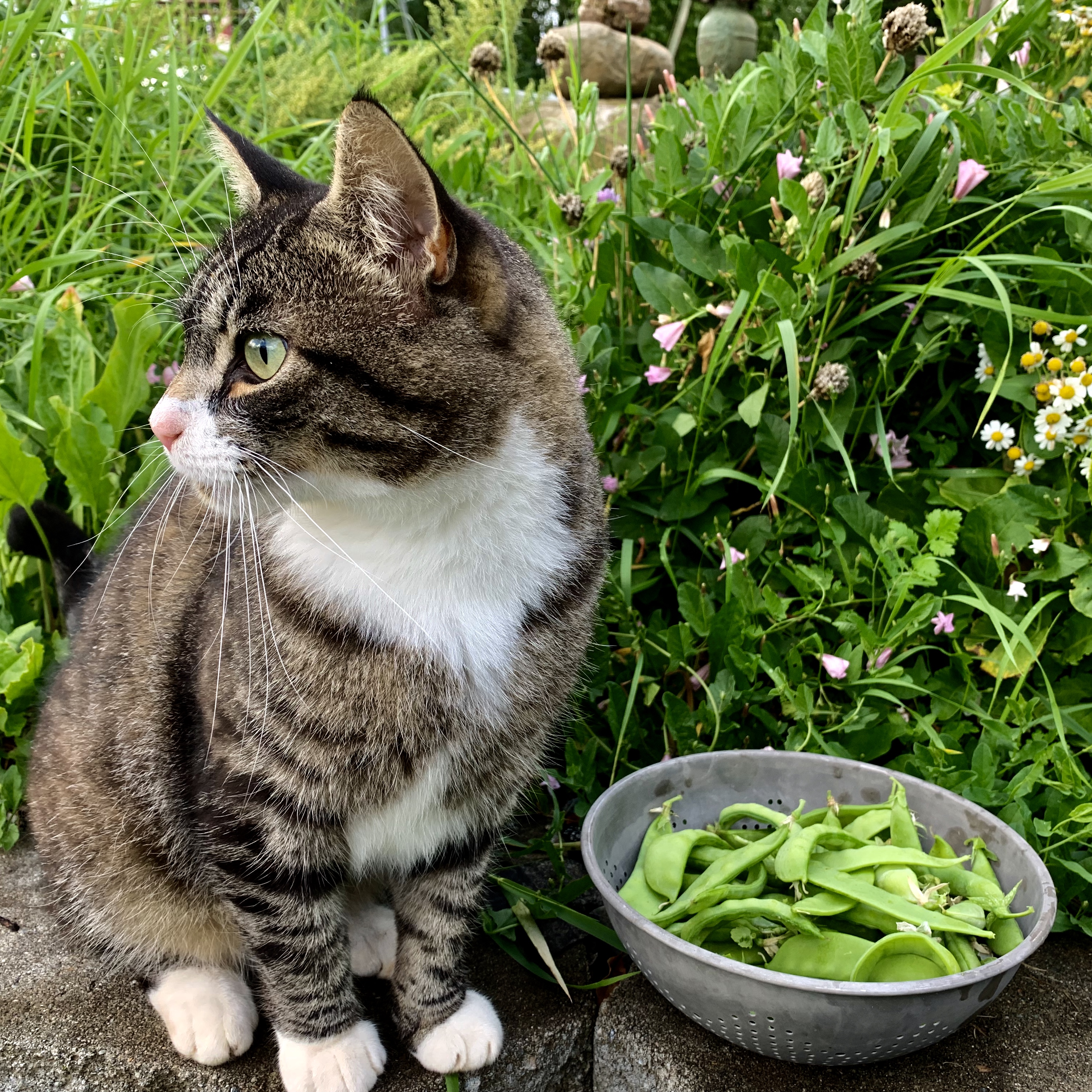
Only an Inch Beneath the Grass

He’s not so absorbed in the life around him
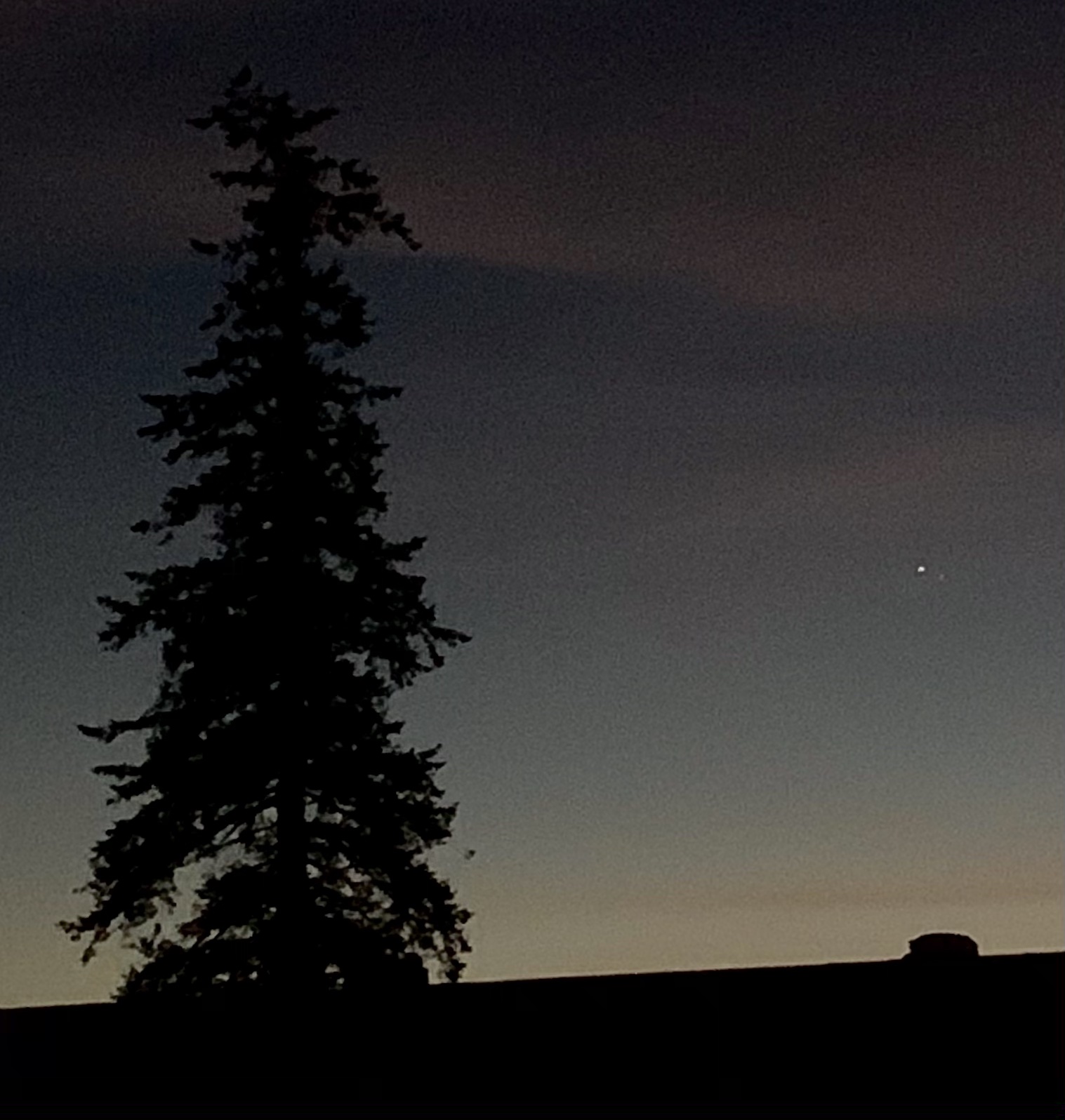
That he never looks up on clear nights
To admire the starry face of the sky.
But he’s awed even more by the earth he lives on,
By how much, for instance, its fertility
Depends on the unseen toil of earthworms.
Who would believe that over decades
Every inch of the field behind his house
Passes through their bodies again and again
As they feed on the dirt they tunnel through?
So much tireless turning over of loam,
So much natural harrowing, shredding, and leveling.
Yes, their work has undermined the stone wall
That marks the edge of his garden. But that’s a small price
For soil that nurtures the berries and grains
He enjoys at breakfast. Why turn from the table
To write a lament on the power of time
To undermine human effort when he can describe
How the work of worms helps sustain us?
Not to bother with them because they aren’t aware
Of his existence—how small-minded
That would seem to him in a species that prides itself
On understanding its place in the scheme of things,
As small-minded as thinking less of the stars
Because they aren’t twinkling for his benefit.
But the stars aren’t likely to go unnoticed
By a species quick to admire what’s distant,
Serene, and glittering, as opposed to what’s near,
Busy, and inconspicuous,
Working an inch beneath the grass.

~Carl Dennis “Near Darwin”
Aren’t you glad at least that the earthworms
Under the grass are ignorant, as they eat the earth,
Of the good they confer on us, that their silence
Isn’t a silent reproof for our bad manners,
Our never casting earthward a crumb of thanks
For their keeping the soil from packing so tight
That no root, however determined, could pierce it?

Imagine if they suspected how much we owe them,
How the weight of our debt would crush us
Even if they enjoyed keeping the grass alive,
The garden flowers and vegetables, the clover,
And wanted nothing that we could give them,
Not even the merest nod of acknowledgment.

A debt to angels would be easy in comparison,
Bright, weightless creatures of cloud, who serve
An even brighter and lighter master.


Lucky for us they don’t know what they’re doing,
These puny anonymous creatures of dark and damp
Who eat simply to live, with no more sense of mission
Than nature feels in providing for our survival.

…the tunneling earthworms, tireless, silent,
As they persist, oblivious, in their service.

~Carl Dennis from “Worms”
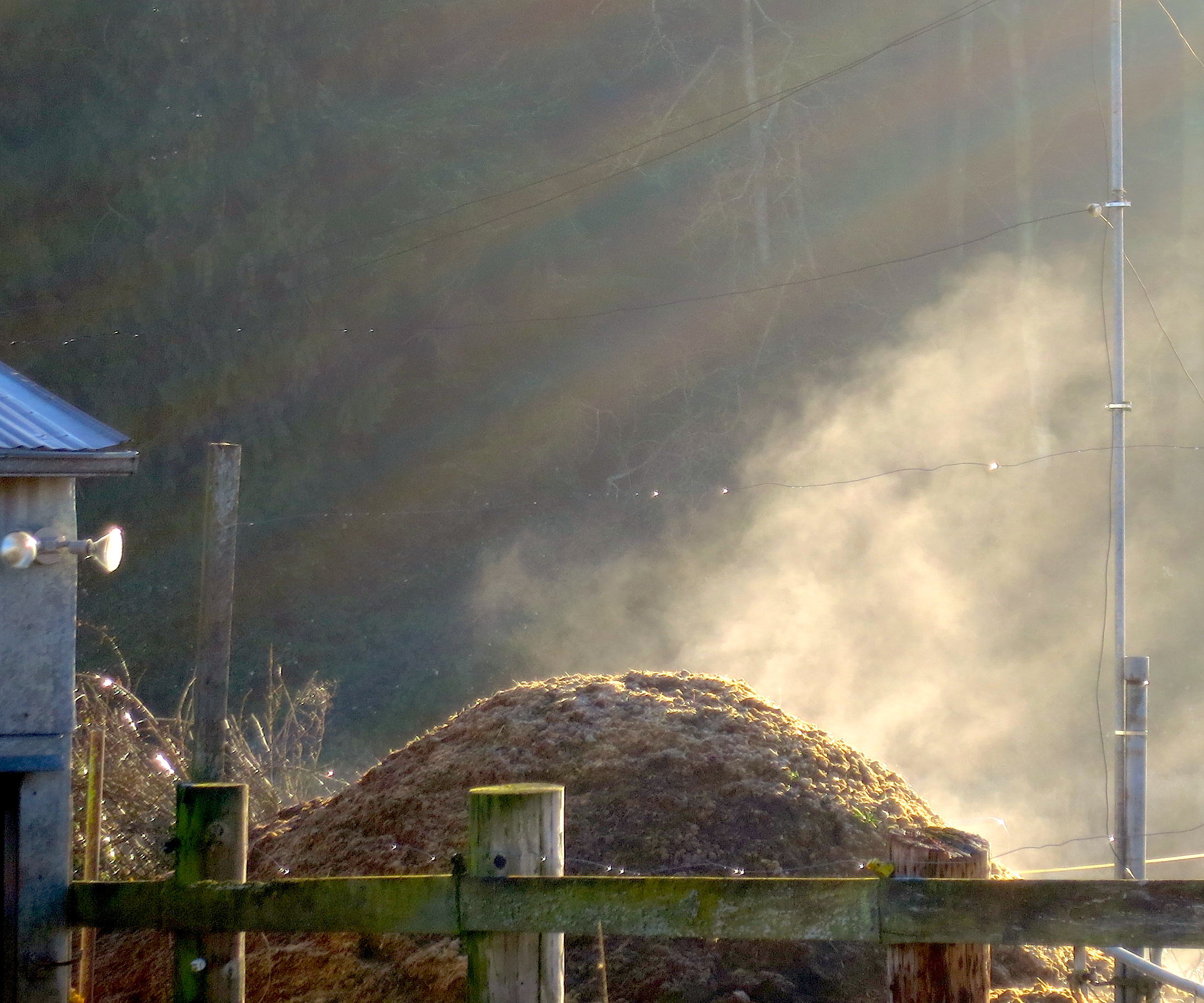
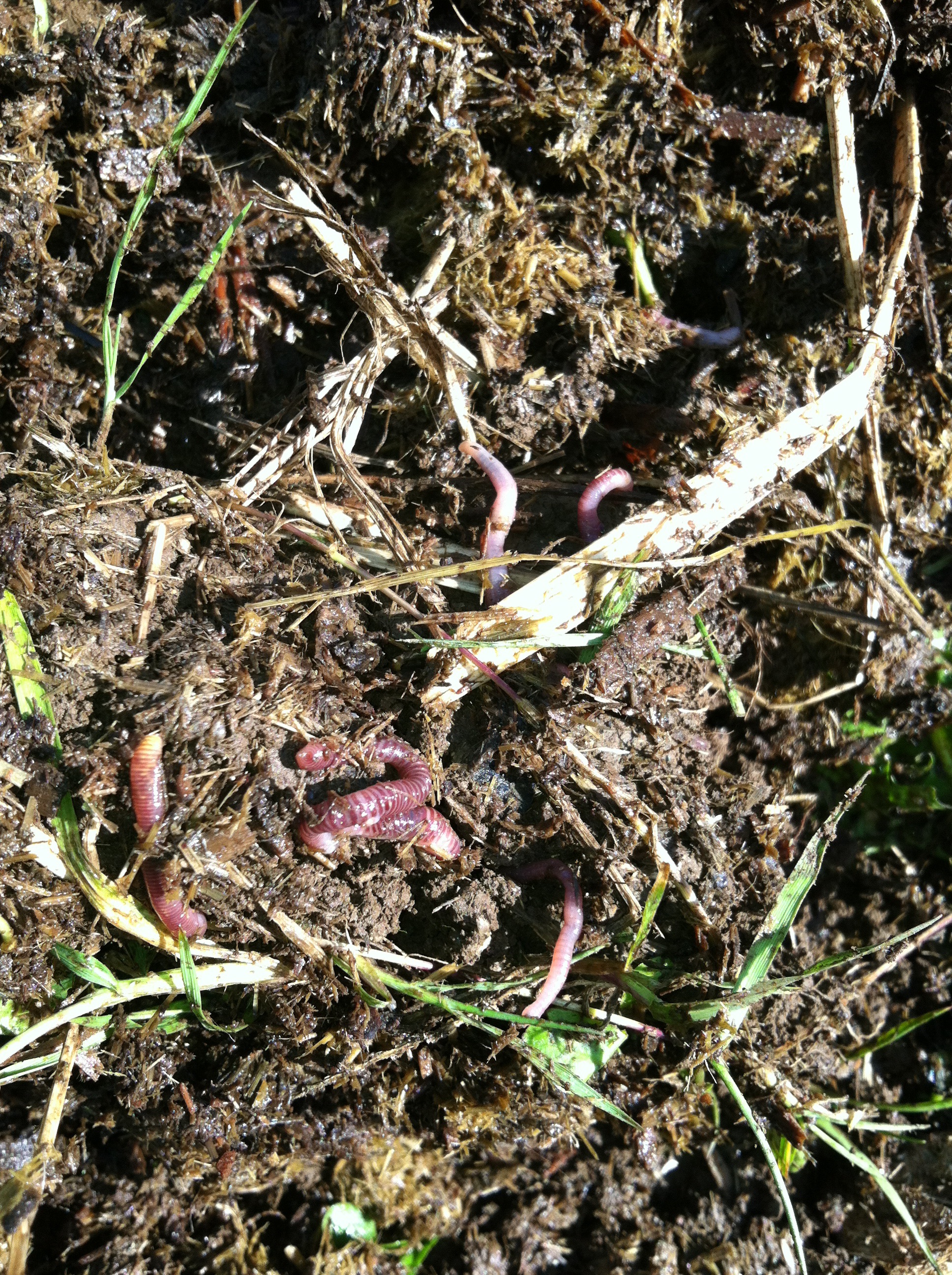
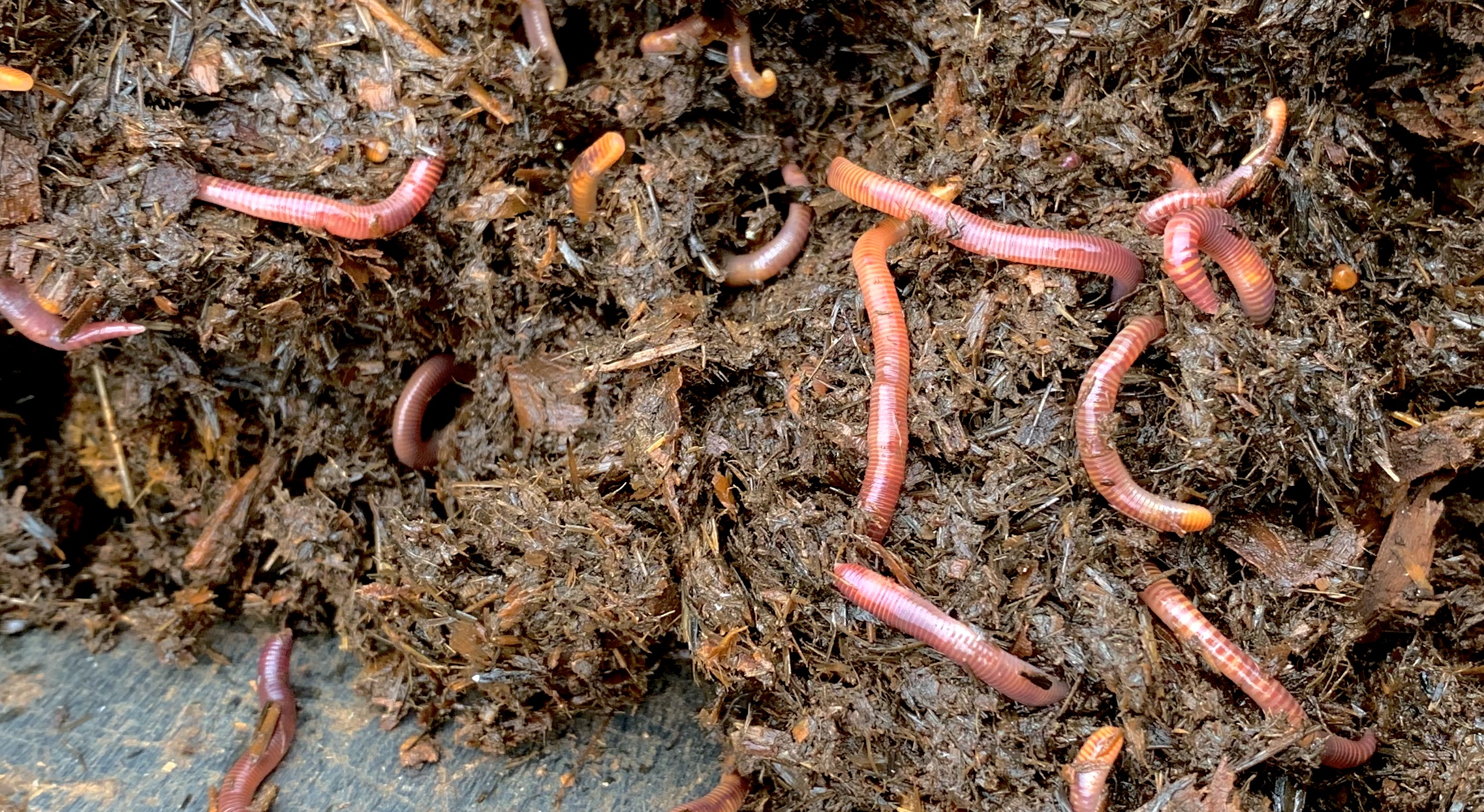
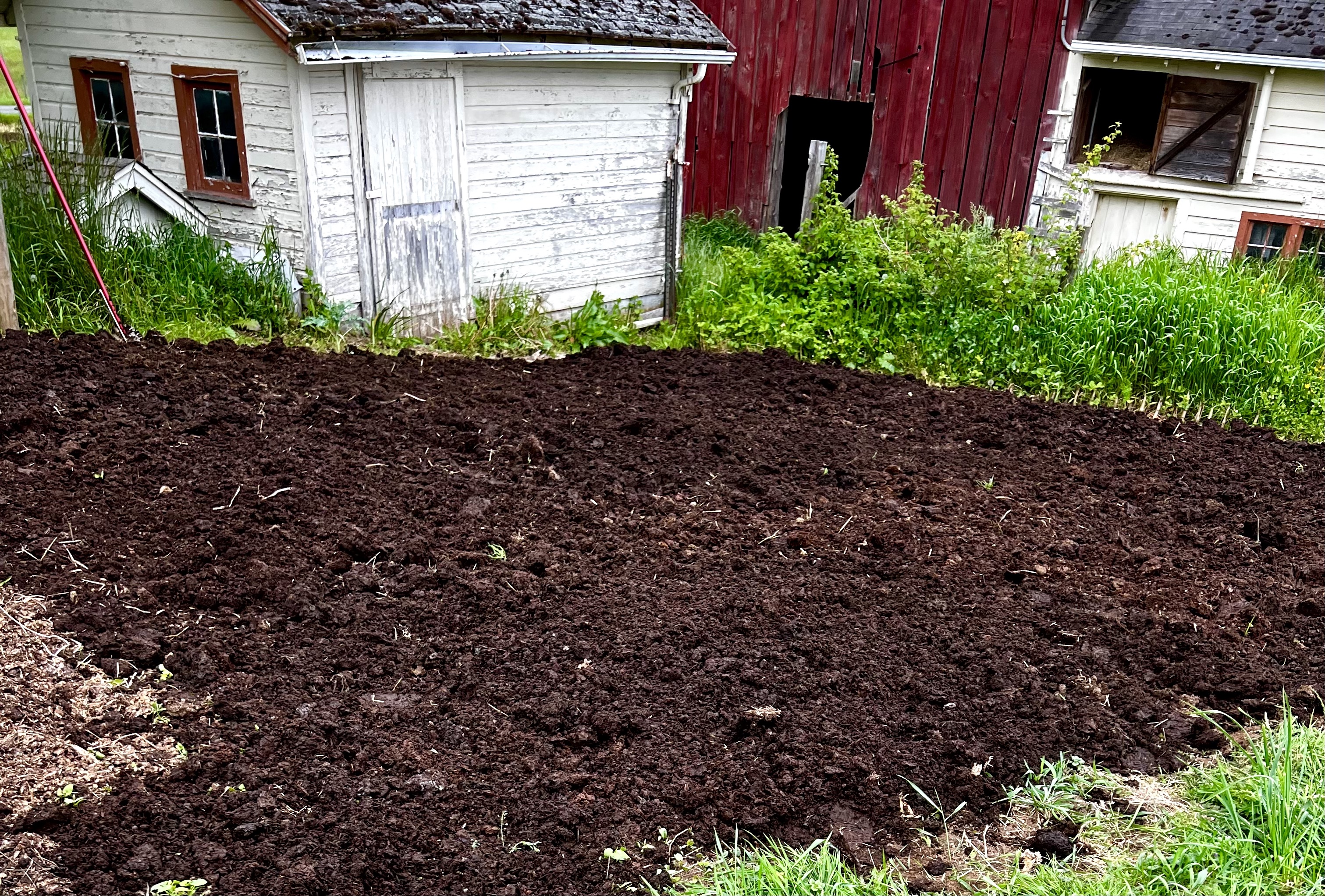
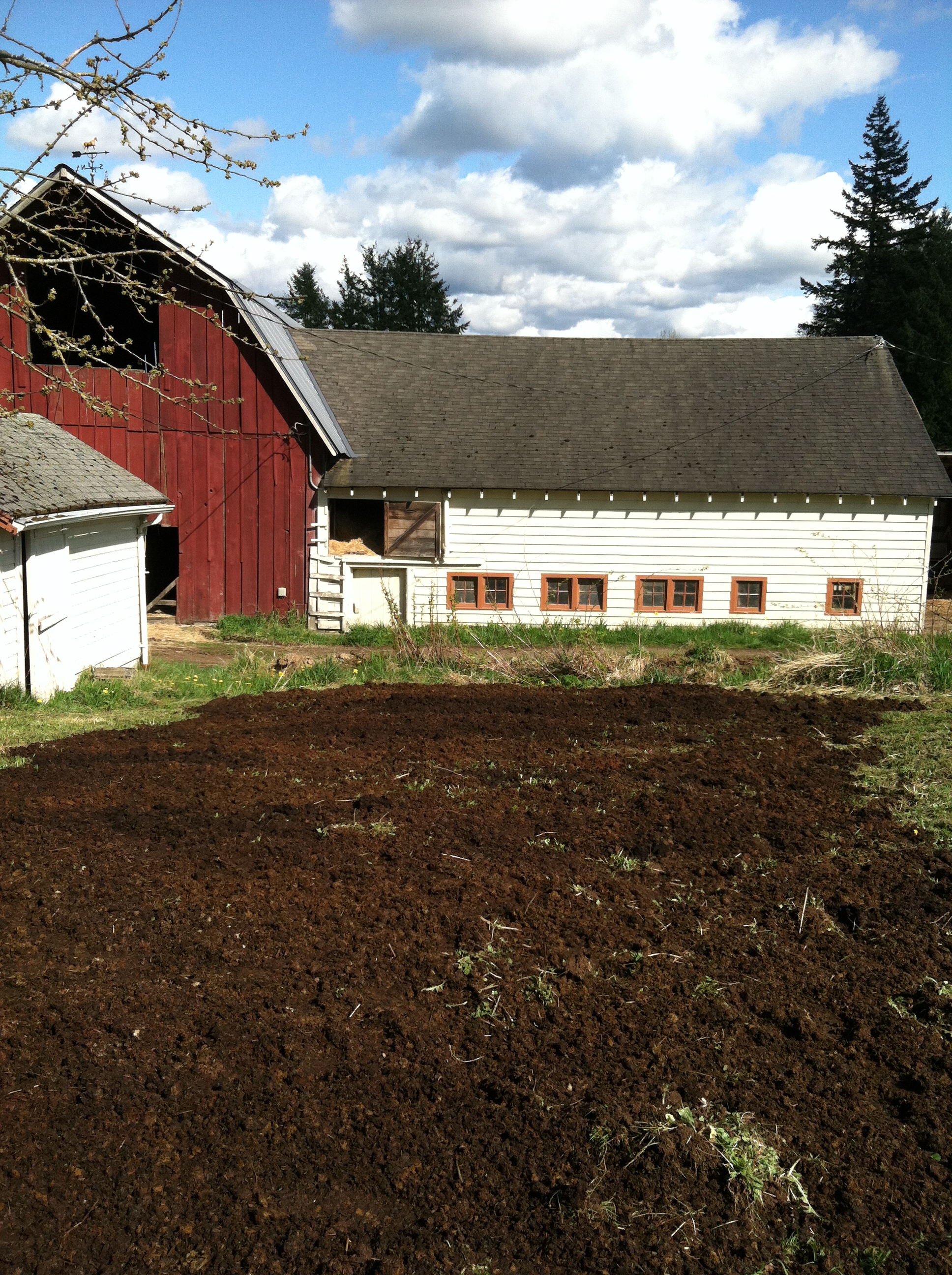
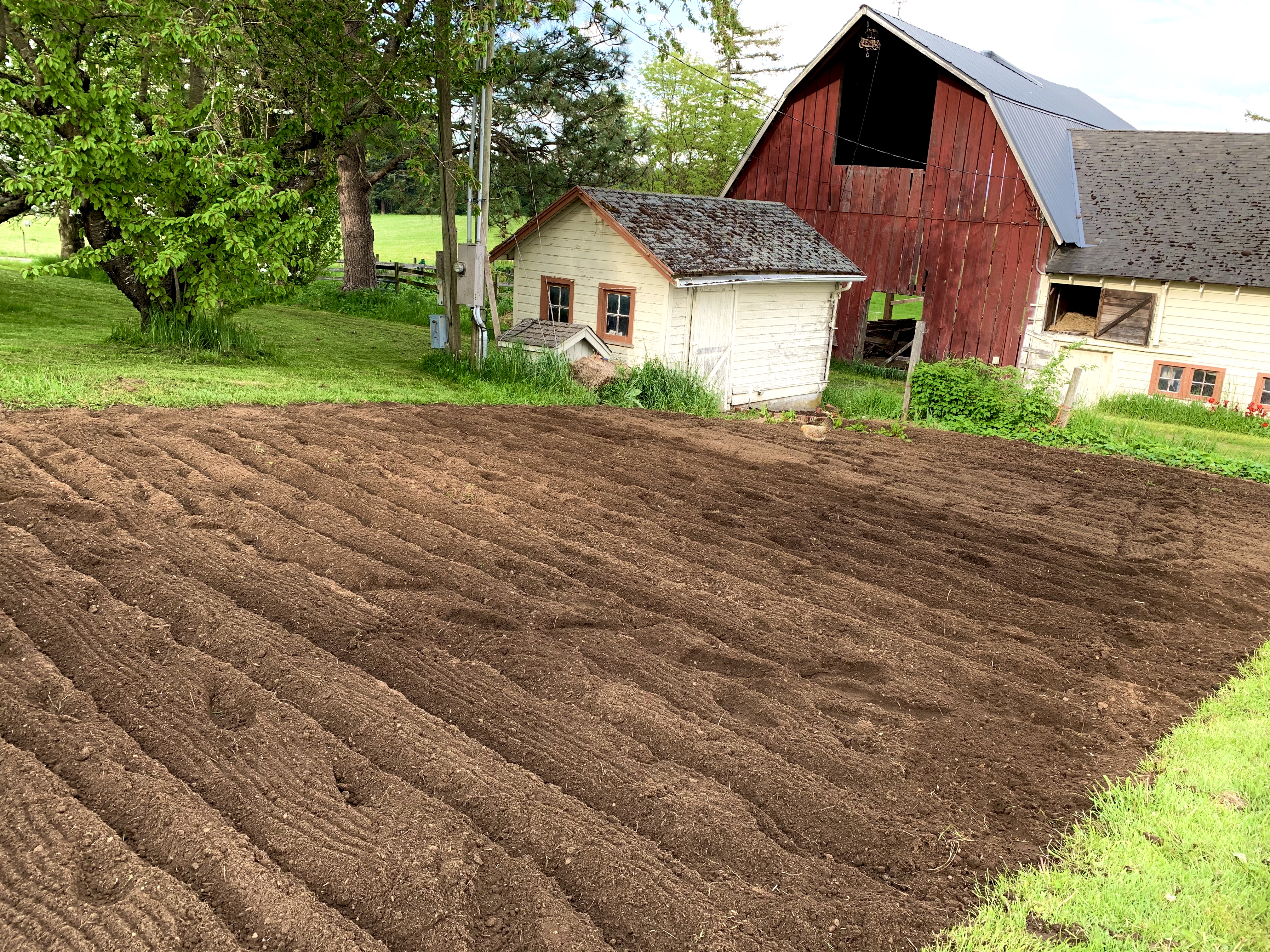
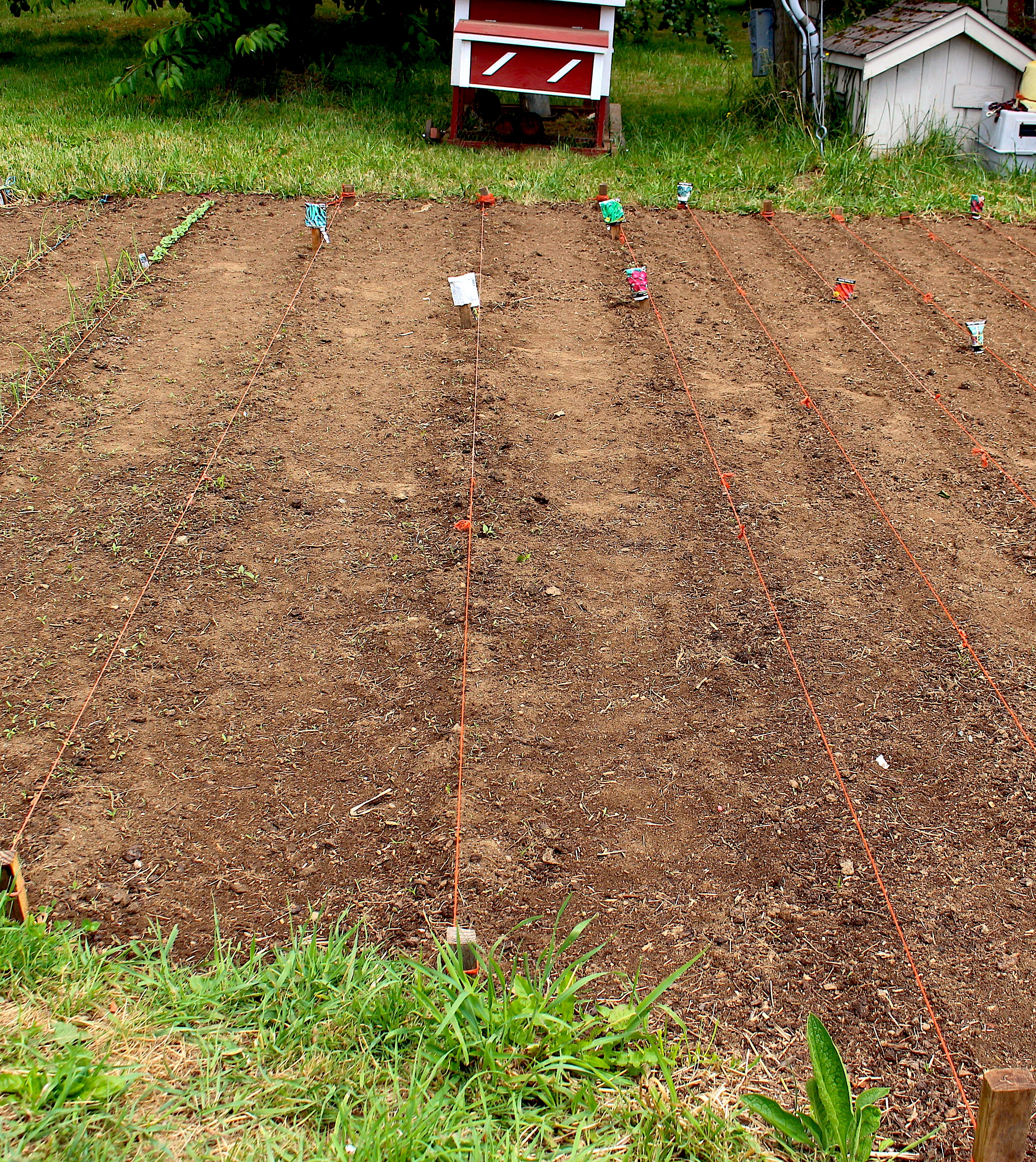
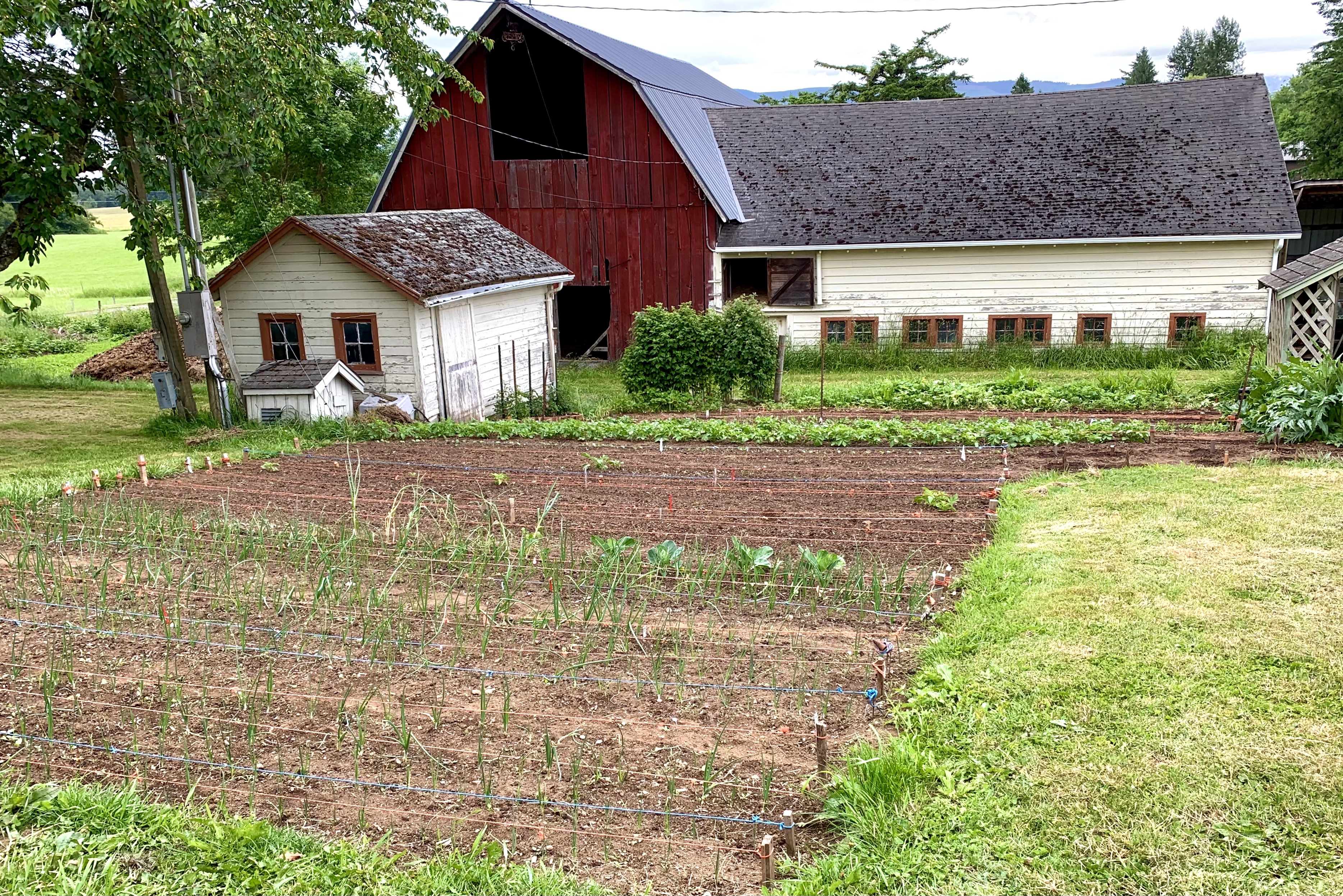
We’ve been composting horse manure for several decades behind the barn, and we dig in to the tall pile to spread on our garden plots. As Dan pushes the tractor’s front loader into the pile, steam rises from its compost innards. As the rich soil is scooped, thousands of newly exposed red wiggler worms immediately dive for cover. Within seconds, thousands of naked little creatures have, well, …wormed their way back into the security of warm dirt, being rudely interrupted from their routine. I can’t say I blame them.

Hundreds of thousands of wigglers end up being forced in the spring to adapt to new quarters, leaving the security of the manure mountain behind. As we smooth the topping of compost over the garden plot, the worms–gracious creatures that they are–tolerate being rolled and raked and lifted and turned over, waving their little bodies expectantly in the cool air before slipping back down into the dark. There they begin their work of digesting, aerating and renewing the soil of the garden, reproducing in their unique hermaphroditic way, leaving voluminous castings behind to further feed future seedlings to be planted.

Worms are unjustly denigrated by humans primarily because we don’t like to be surprised by them. We don’t like to see one in our food, especially only part of one, and are particularly distressed to see them after we’ve digested our food. Once we get past that bit of squeamishness, we can greatly appreciate their role as the ultimate recyclers, leaving the earth under our feet a lot better off once they are finished with their work.

We humans actually suffer by comparison: to be called “a worm” is really not as bad as it sounds at first. It is possible the worm may be offended by the association.

I hope to prove a worthy innkeeper for these new tenants.
May they live long and prosper only an inch beneath the grass,
so much more accessible than the infinite stars in the sky.
May each worm forgive the disruption
perpetrated by our rake and shovel.
May I smile appreciatively the next time
someone calls me a mere worm.
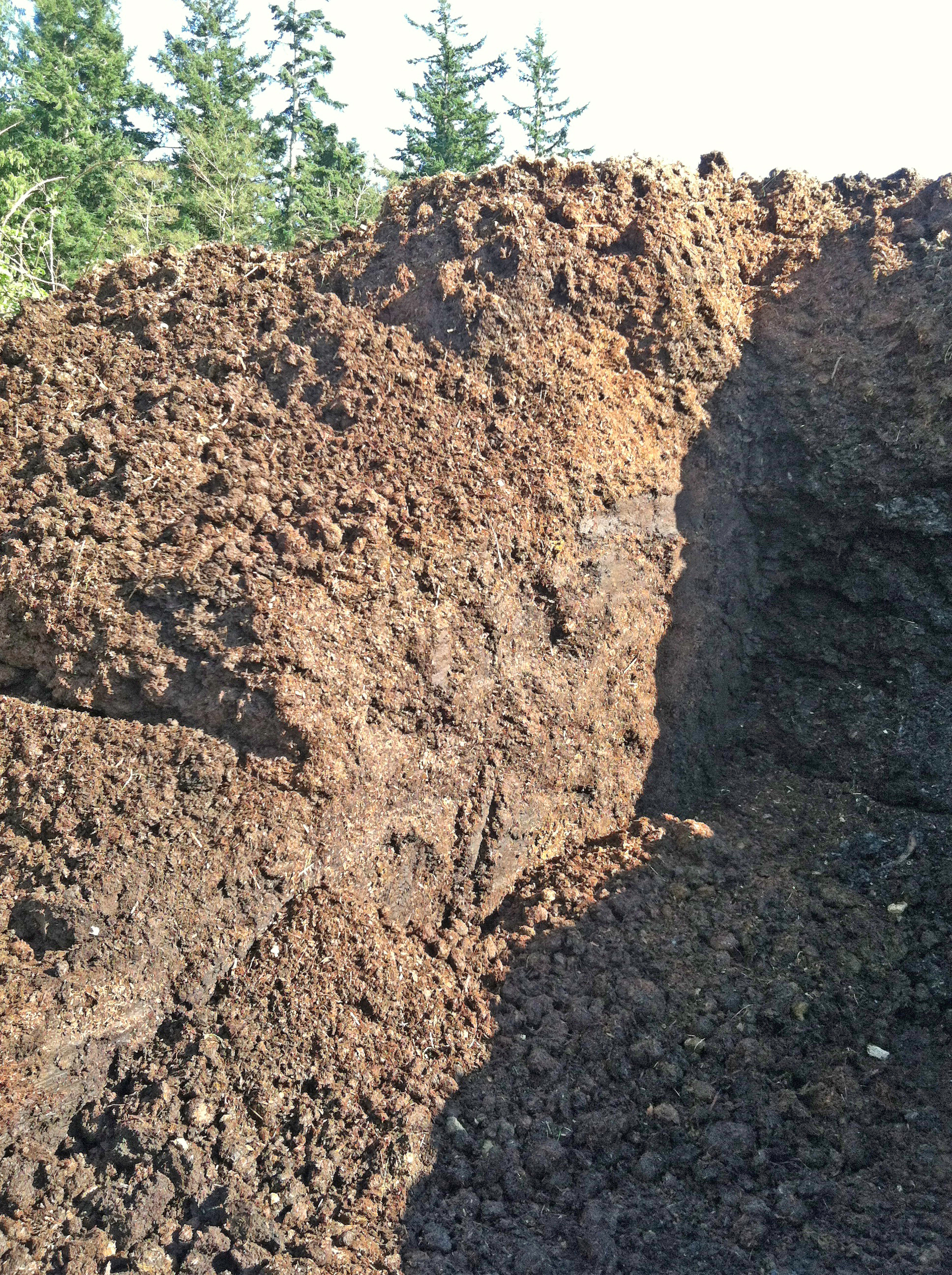

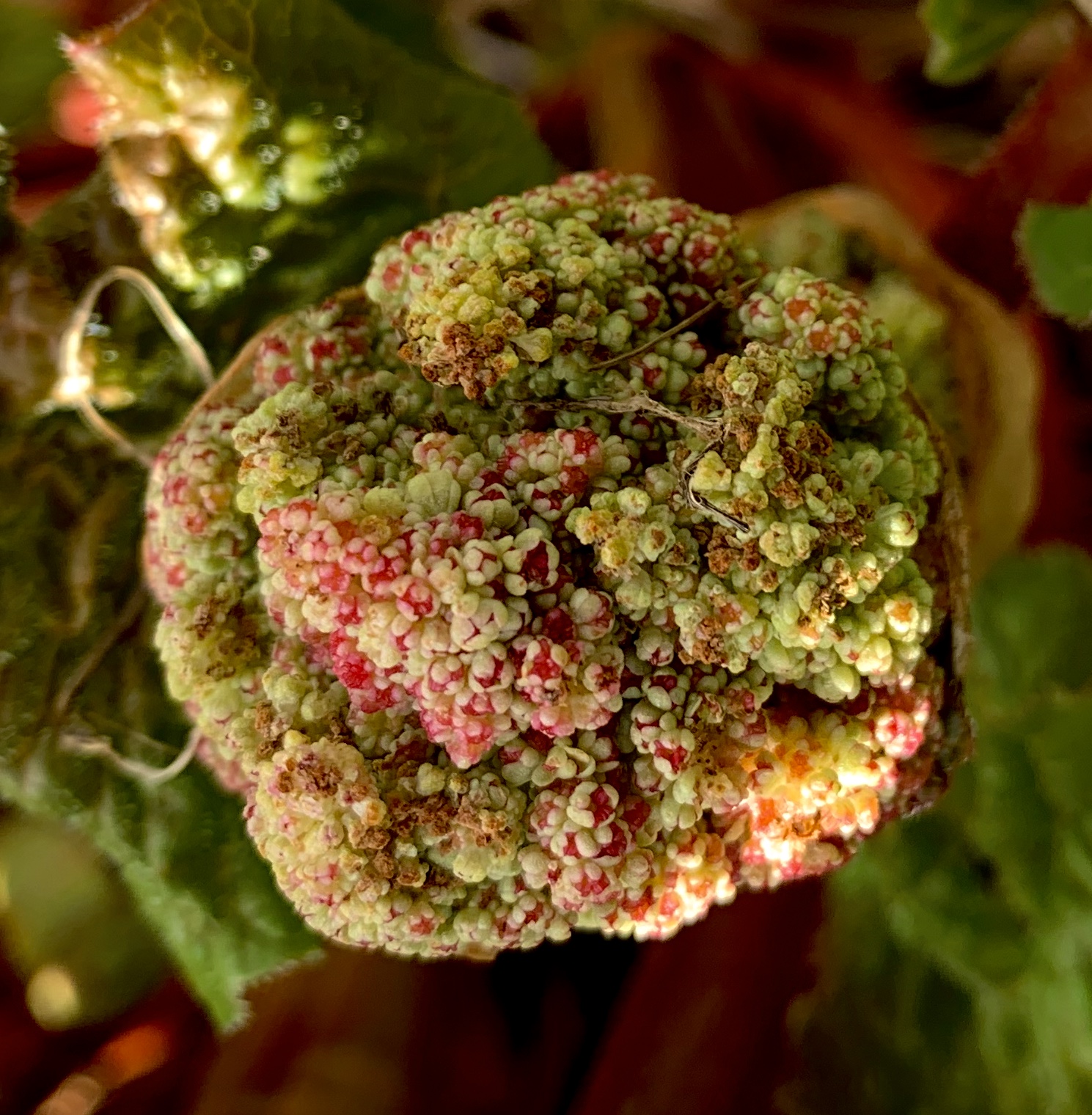
a cross section of 30 months of composted manure
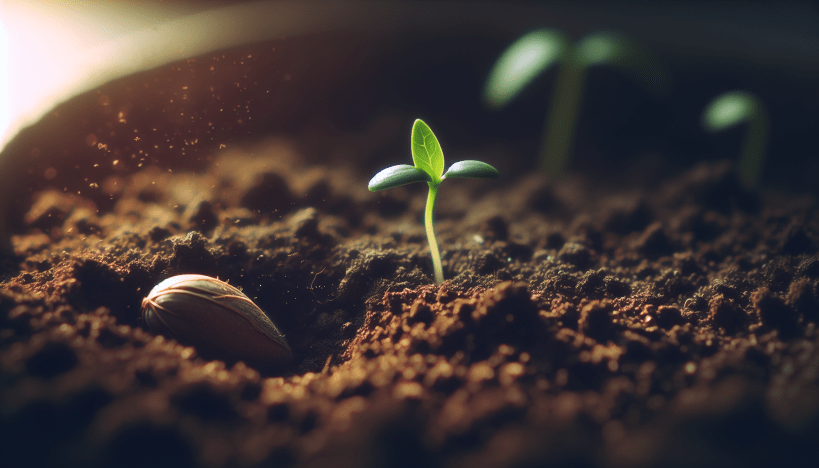
AI image created for this post
One-Time
Monthly
Yearly

Make a one-time or recurring donation to support daily Barnstorming posts

Make a monthly donation

Make a yearly donation

Choose an amount

$10.00
$25.00
$50.00
$5.00
$15.00
$100.00
$5.00
$15.00
$100.00

Or enter a custom amount

$

Your contribution is deeply appreciated.

Your contribution is appreciated.

Your contribution is appreciated.

DonateDonate monthlyDonate yearly
Keep Reaching Out

Under a sky the color of pea soup
she is looking at her work growing away there
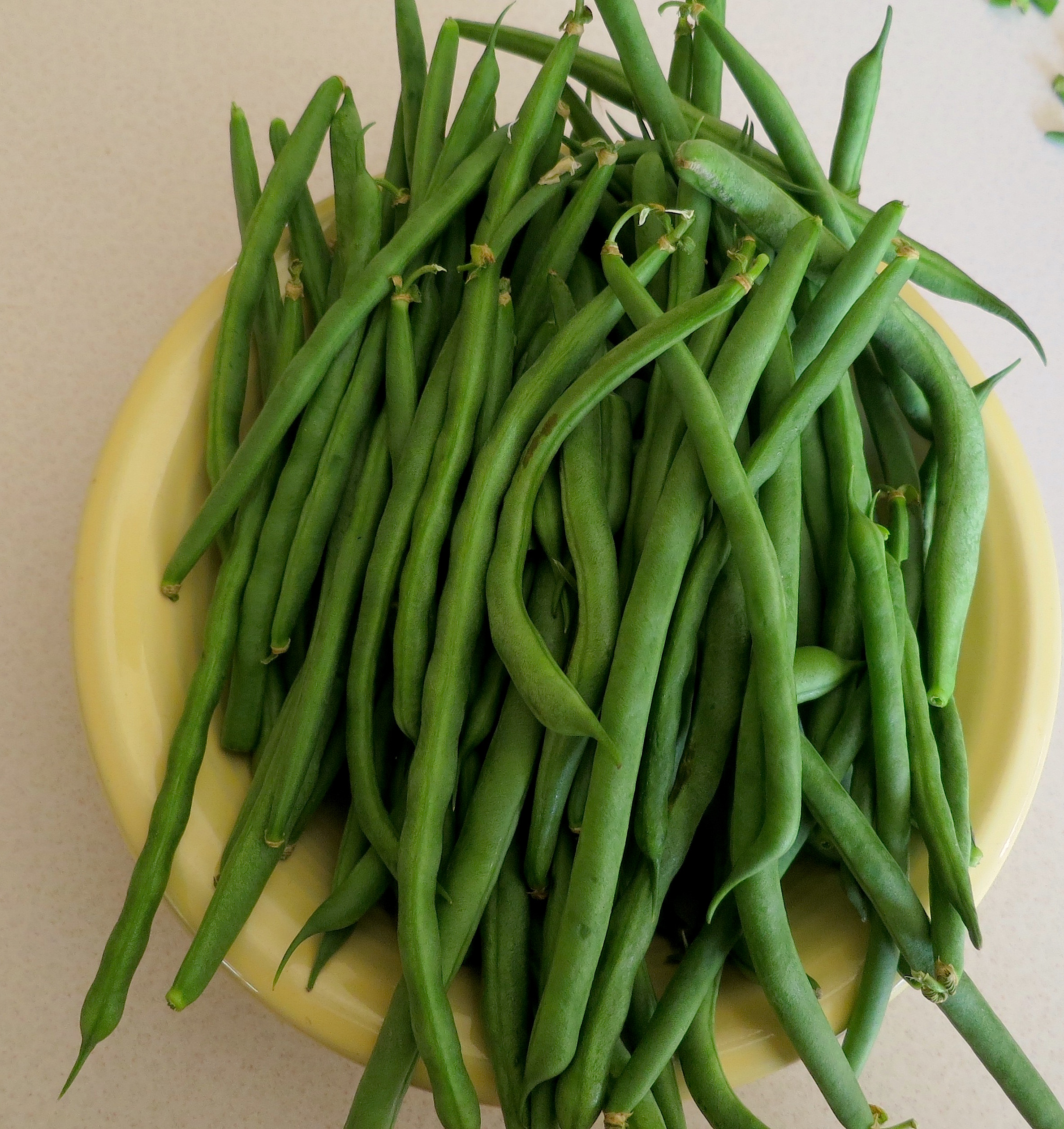
actively, thickly like grapevines or pole beans
as things grow in the real world, slowly enough.
If you tend them properly, if you mulch, if you water,
if you provide birds that eat insects a home and winter food,
if the sun shines and you pick off caterpillars,
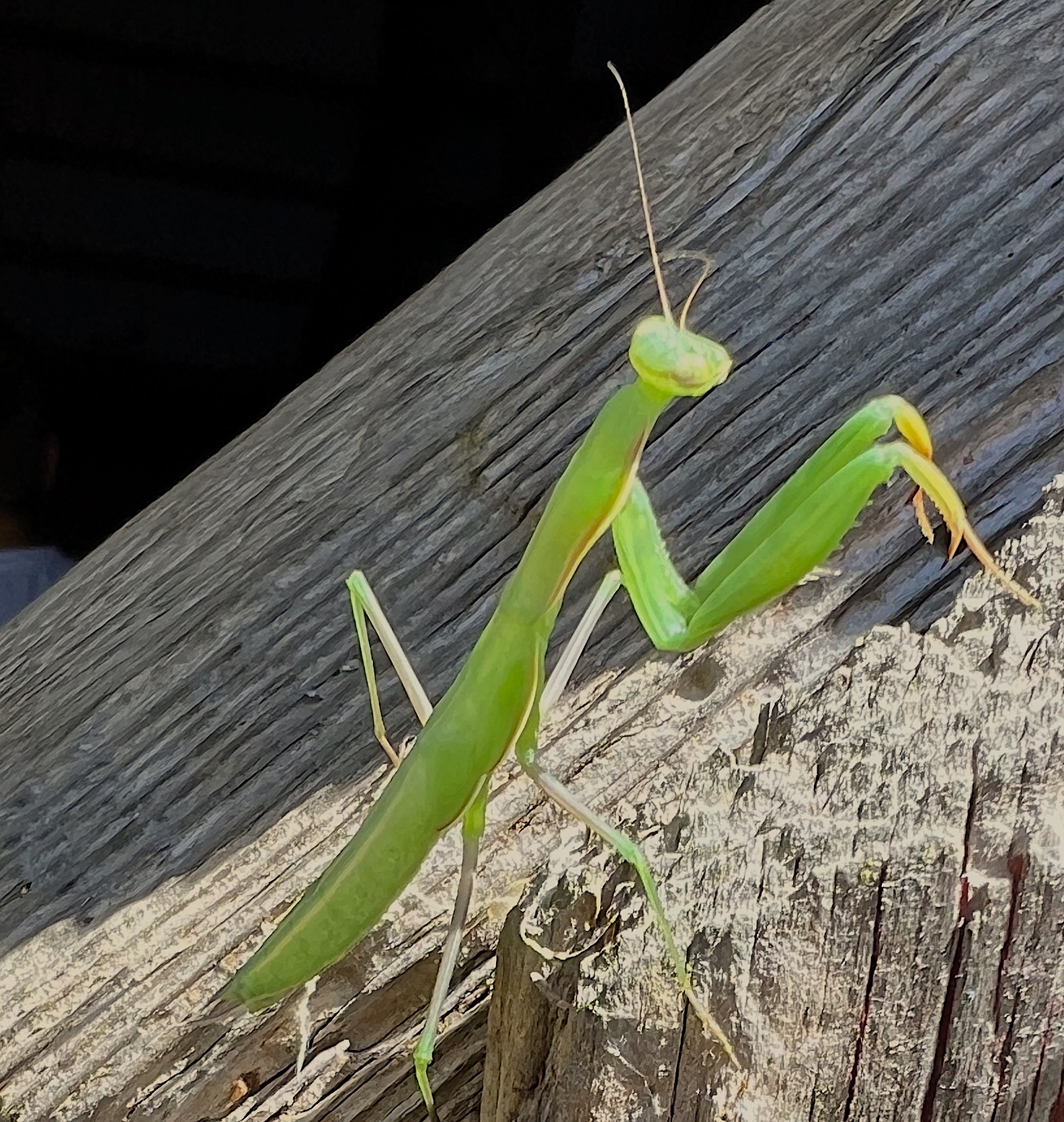
if the praying mantis comes and the ladybugs and the bees,
then the plants flourish, but at their own internal clock.

Connections are made slowly, sometimes they grow underground.
You cannot tell always by looking what is happening.
More than half the tree is spread out in the soil under your feet.
Penetrate quietly as the earthworm that blows no trumpet.
Fight persistently as the creeper that brings down the tree.
Spread like the squash plant that overruns the garden.
Gnaw in the dark and use the sun to make sugar.

Weave real connections, create real nodes, build real houses.
Live a life you can endure: Make love that is loving.
Keep tangling and interweaving and taking more in,
a thicket and bramble wilderness to the outside but to us
interconnected with rabbit runs and burrows and lairs.

Live as if you liked yourself, and it may happen:
reach out, keep reaching out, keep bringing in.
This is how we are going to live for a long time: not always,
for every gardener knows that after the digging, after the planting,
after the long season of tending and growth, the harvest comes.
~Marge Piercy “The Seven of Pentacles”

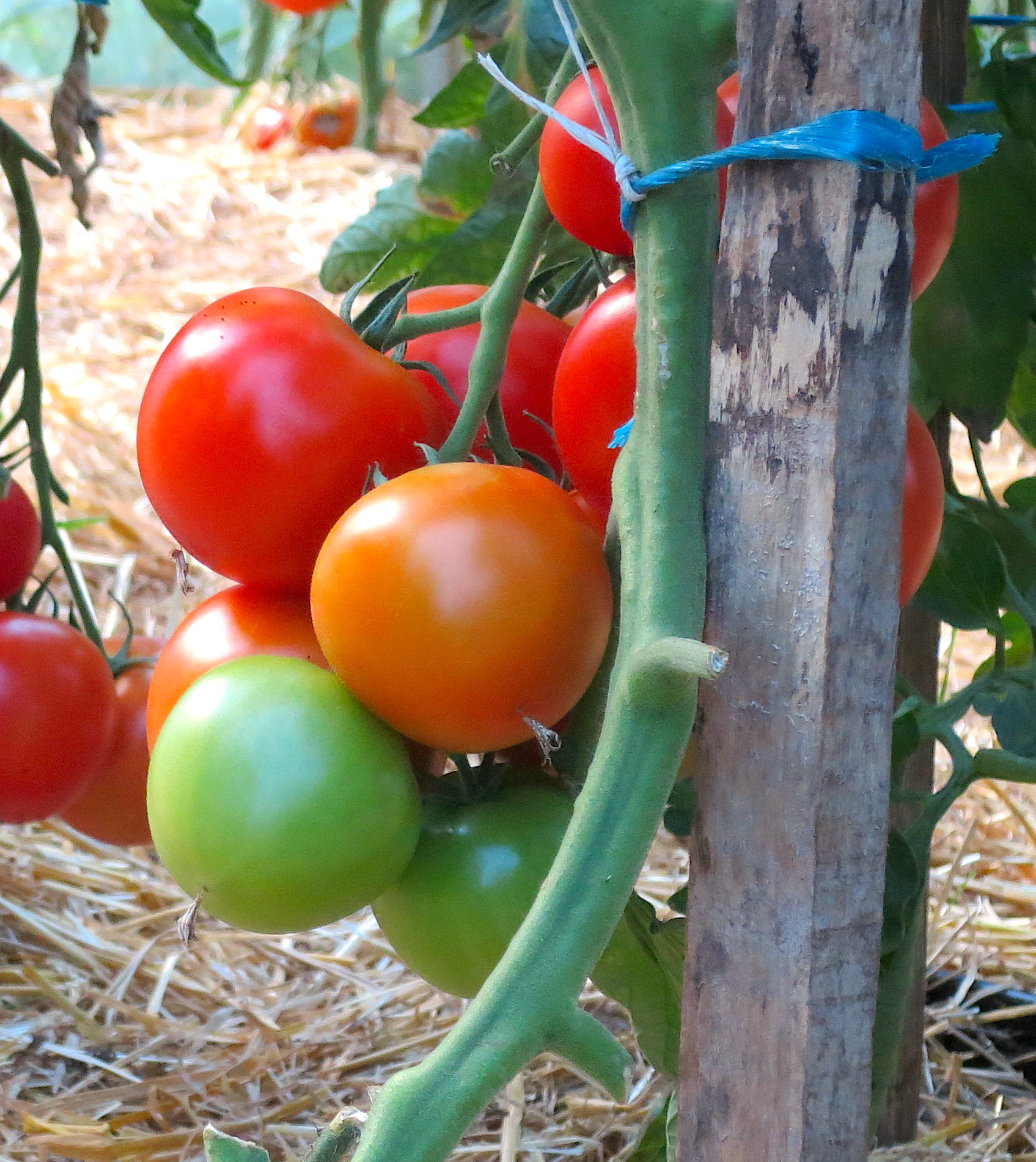
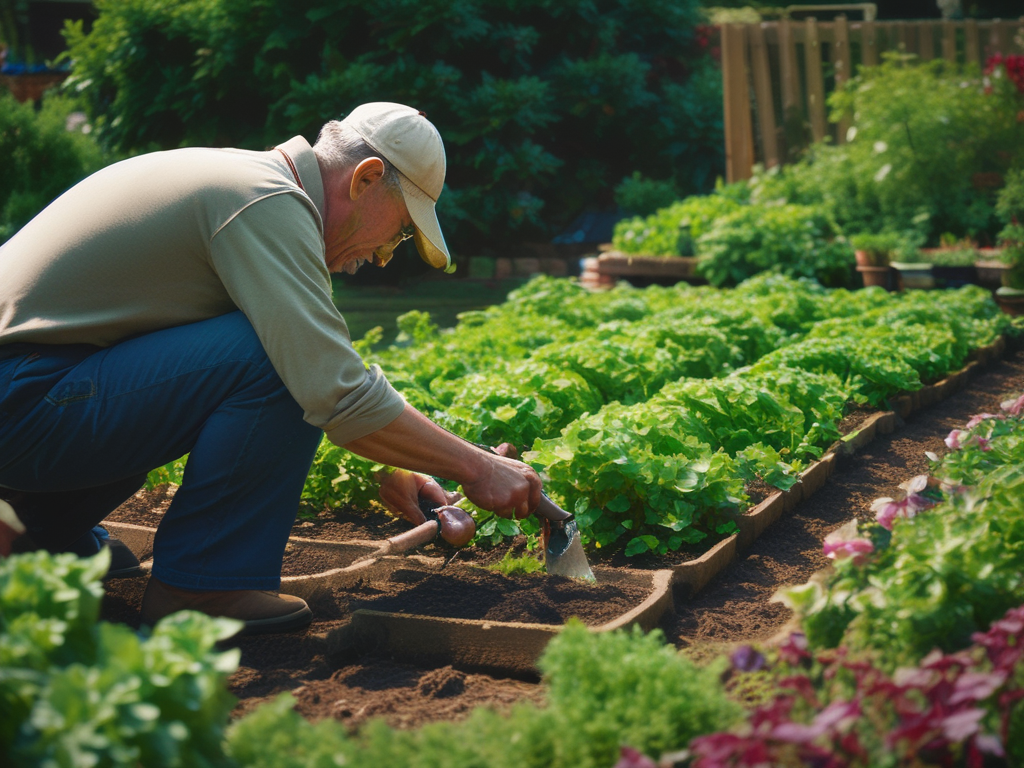
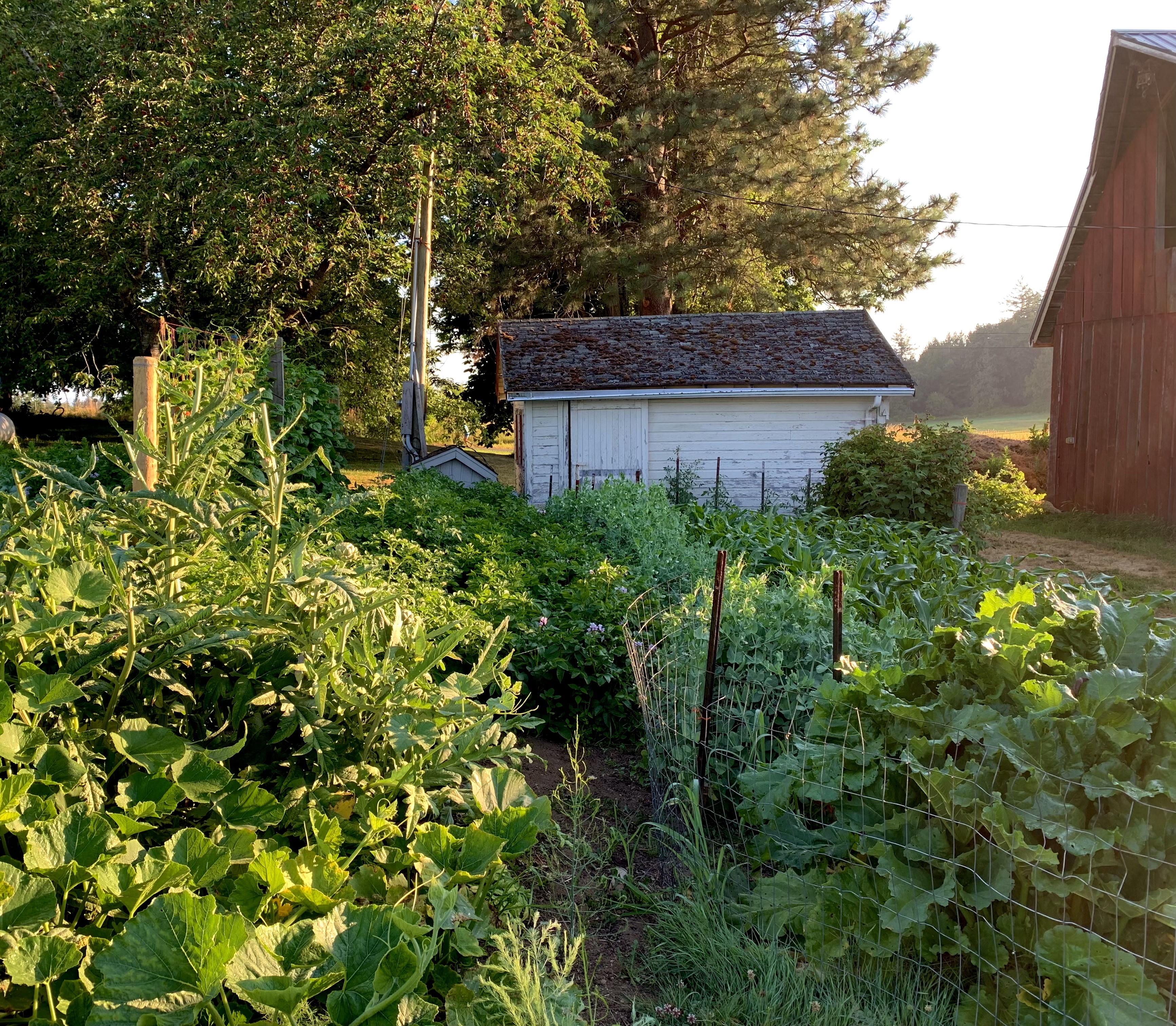
Our garden teaches us all kinds of life lessons, thanks to my husband’s hours of hard work preparing the soil, planting carefully and nurturing the emerging seedlings.

No garden tends itself – the growing plants reach out for connection to one another, for stability and companionship. The gardener nurtures, defends and harvests with an eye to preparing for the next growing season.

We who have been planted here need one another, interwoven and linked, both visibly and invisibly. I am woven around you and you around me; together we grow and thrive when tended, and as intended.

But more than anything else, we need our Gardener…

AI image created for this post
One-Time
Monthly
Yearly

Make a one-time or recurring donation to support daily Barnstorming posts

Make a monthly donation

Make a yearly donation

Choose an amount

$10.00
$25.00
$50.00
$5.00
$15.00
$100.00
$5.00
$15.00
$100.00

Or enter a custom amount

$

Your contribution is deeply appreciated.

Your contribution is appreciated.

Your contribution is appreciated.

DonateDonate monthlyDonate yearly
A Summer’s Sweetness

The clouds are low as a blanket.
Even the air is tangible,
and the steam from the kettle
thickens the air like wool.
Harvest is full on us; the pressure
to preserve builds like a thunderhead.

 
Shelling peas is fun at first,
slitting open the perfect pods,
working in rhythm to the pelter
of peas ringing in the pot.
But then our arms and shoulders ache,
the seeds rattle, hollow as bones,
and though we should rejoice,
another bushel groans before us.

 
But there in the blancher,
the new peas shine
fresh and wet, green
as emeralds; summer’s sweetness,
to be shelved with the long ripe days,
eaten with relish, as the butter
and juice run in our mouths
rare as dandelion wine.

~Barbara Crooker “Putting Up”

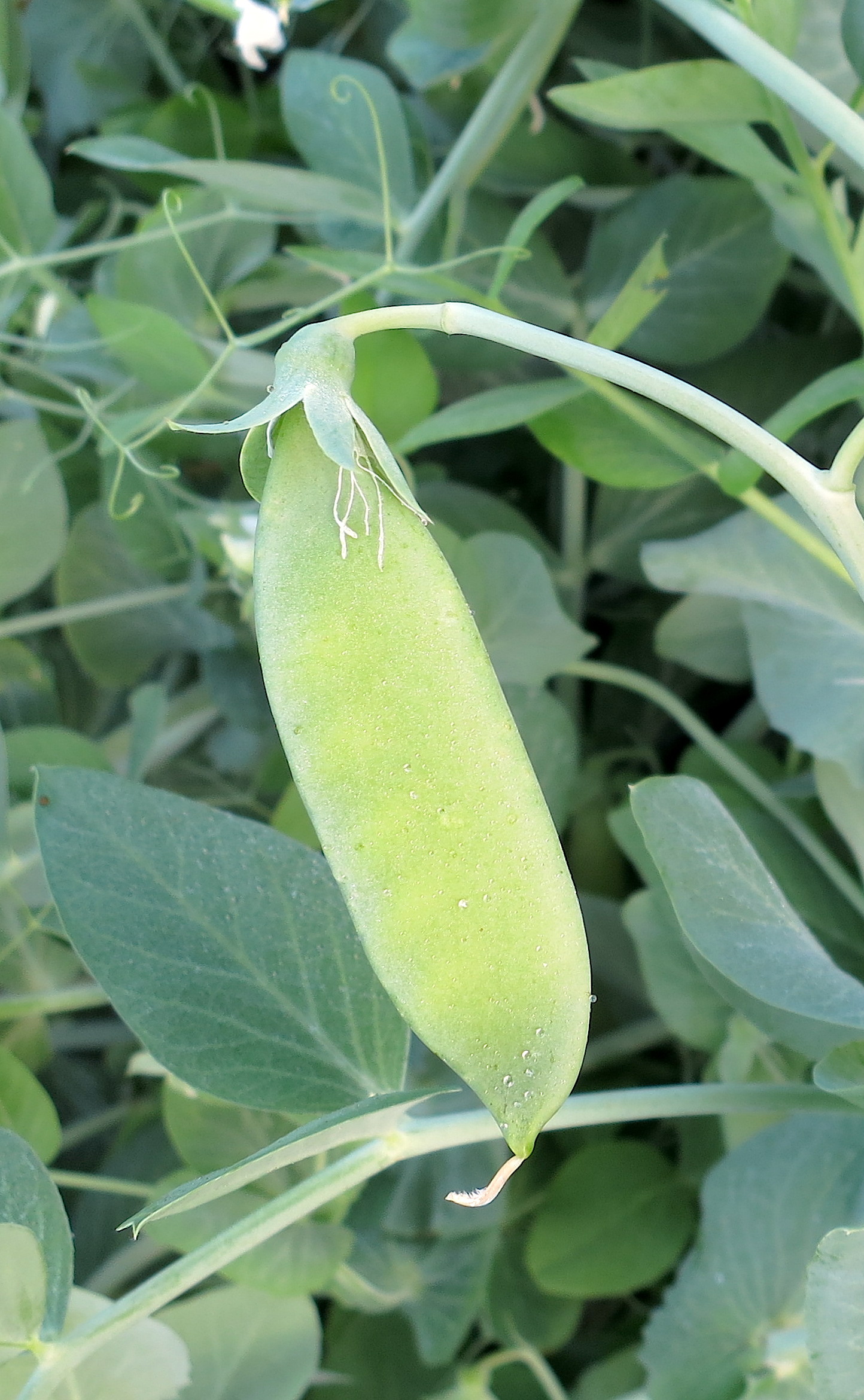
My earliest childhood memories include the taste and smell of fresh peas.  We lived in farming country north of Seattle where 50 years ago hundreds of acres of peas were grown for canning and freezing.  During the harvest, large pea harvesting machines would arrive for several days and travel down the road in caravans of 10 or 12, going from farm to farm to farm. They worked 24 hours a day to harvest as quickly as possible and traveled the roads late at night because they were so huge, they would take up both lanes of the country roads.  Inevitably a string of cars would form behind the pea harvesters, unable to pass, so it became a grand annual parade celebrating the humble pea.

The smell in the air when the fields were harvested was indescribable except to say it was most definitely a “green” and deliciously fresh smell.  The vines and pods would end up as silage for cattle and the peas would be separated to go to the cannery.  I figured those peas were destined for the city dwellers because in our back yard garden, we grew plenty of our own.

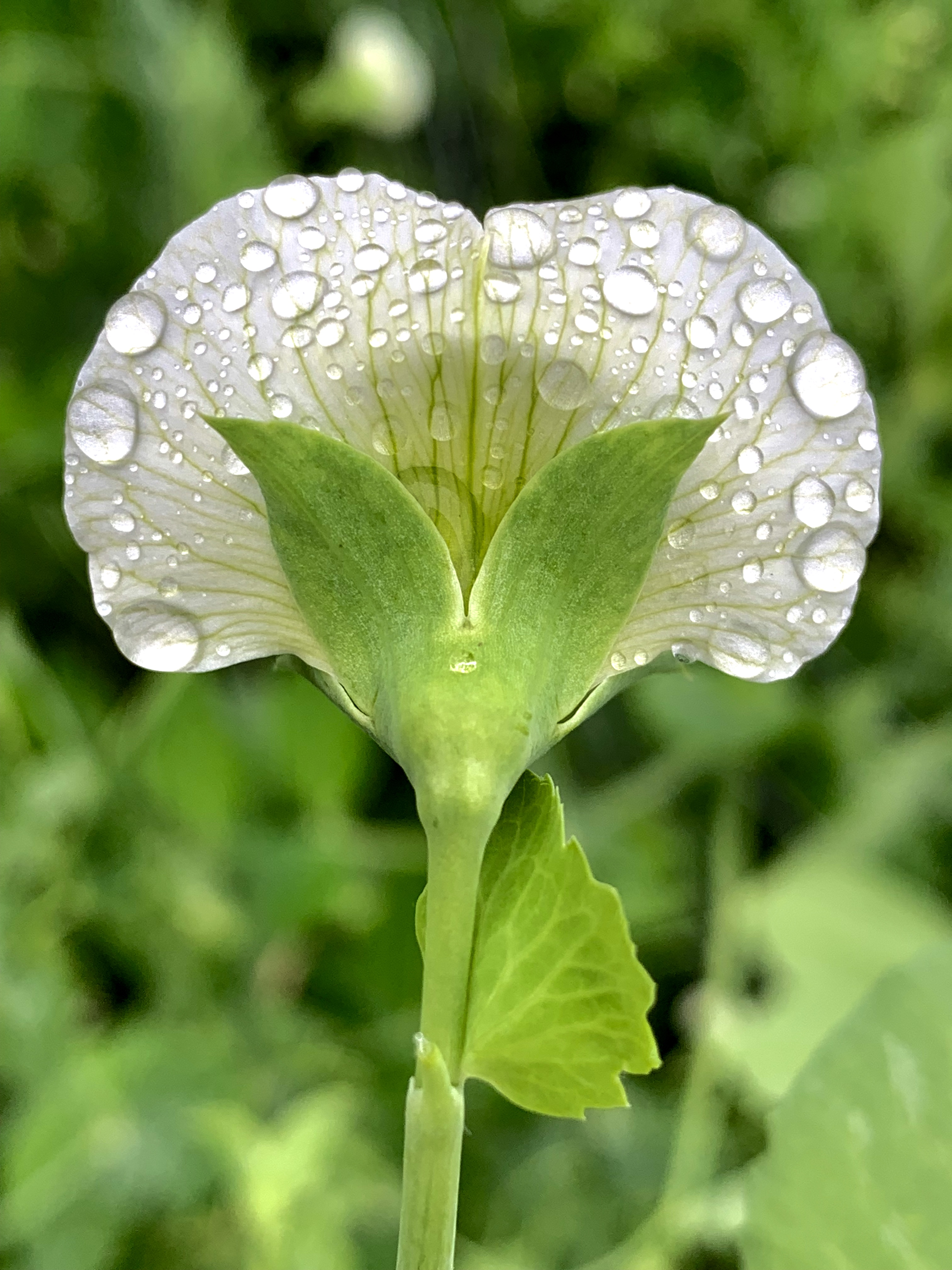
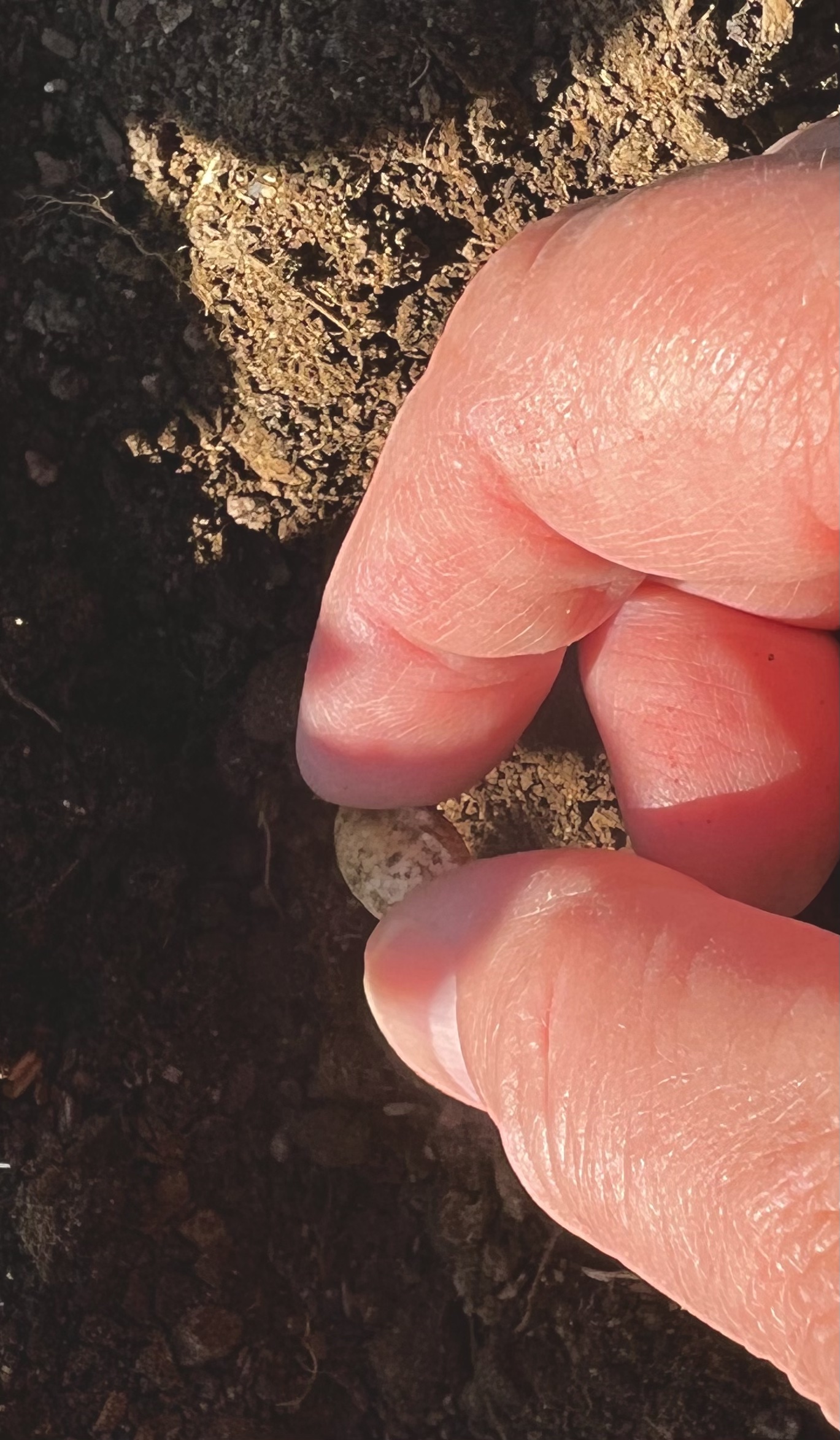
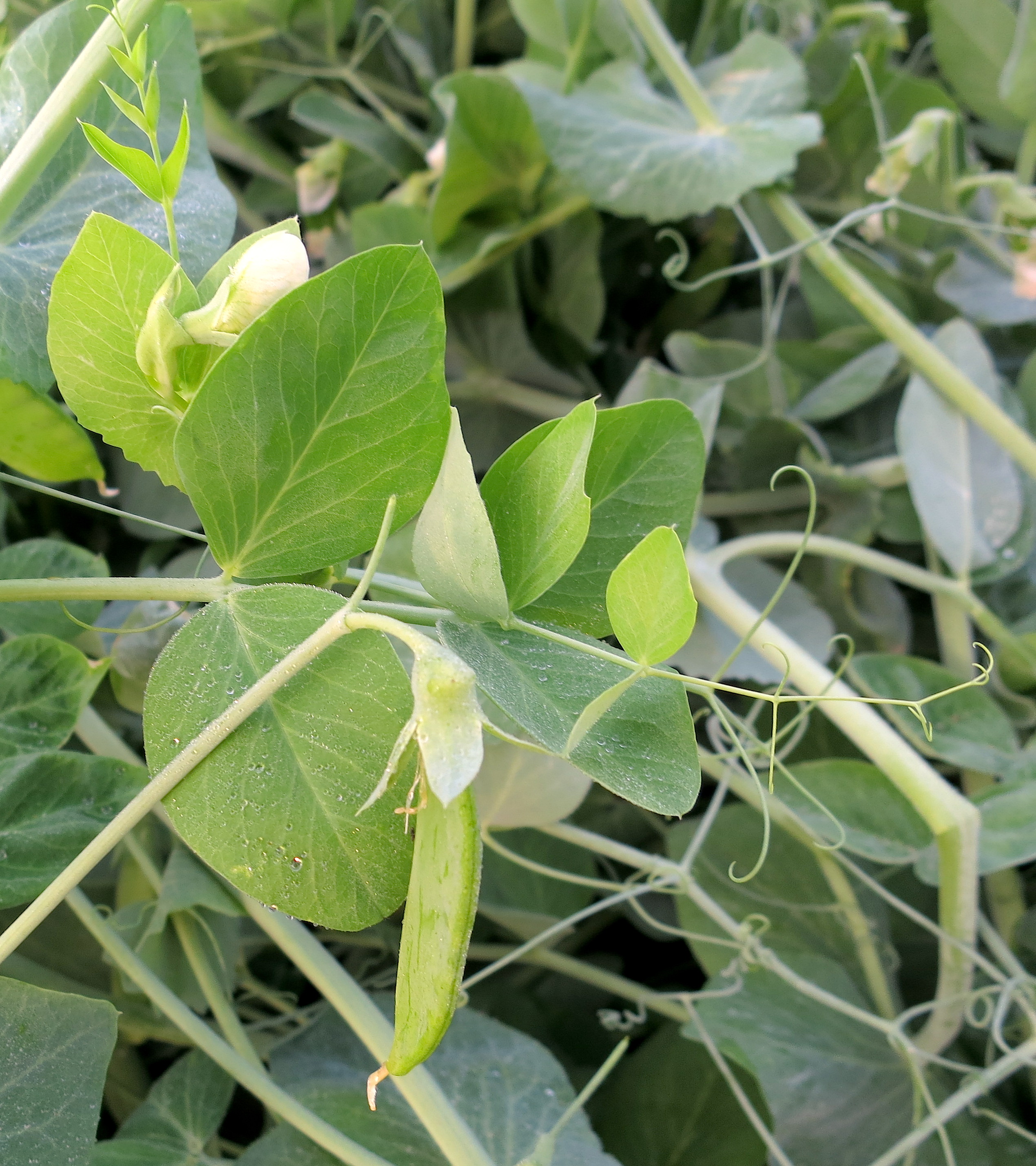
Pea seeds, wrinkled and frankly a little boring, could be planted even before the last frost was done with us in March, or even sometimes on Washington’s birthday in February.  The soil needed to not be frozen and not be sopping.  True, the seeds might sit still for a few weeks, unwilling to risk germination until the coast was clear and soil warmed a bit, but once they were up out of the ground, there was no stopping them.  We would generally have several rotations growing, in the hope of a 6 week pea eating season if we were fortunate, before the heat and worms claimed the vines and the pods.

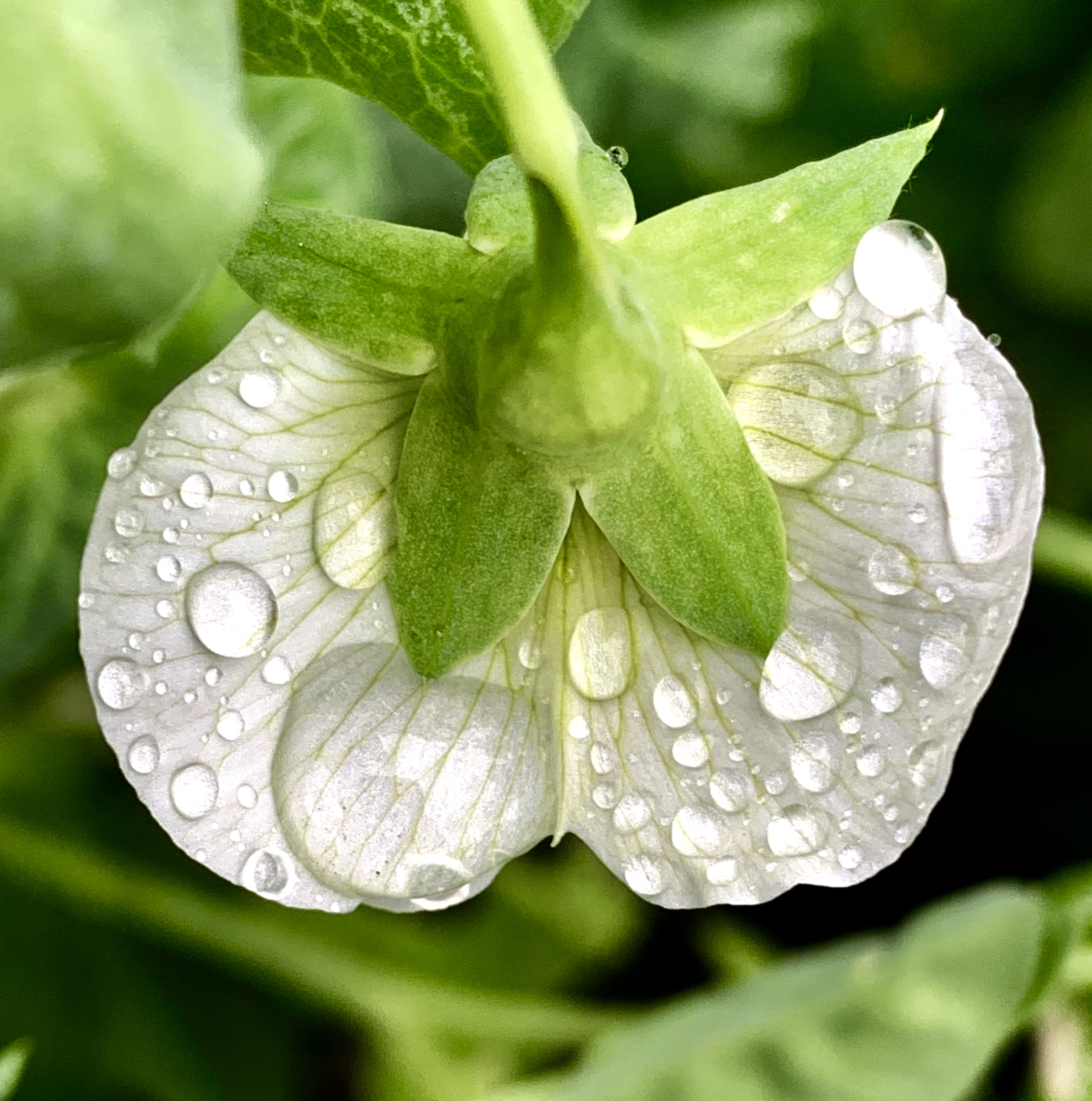
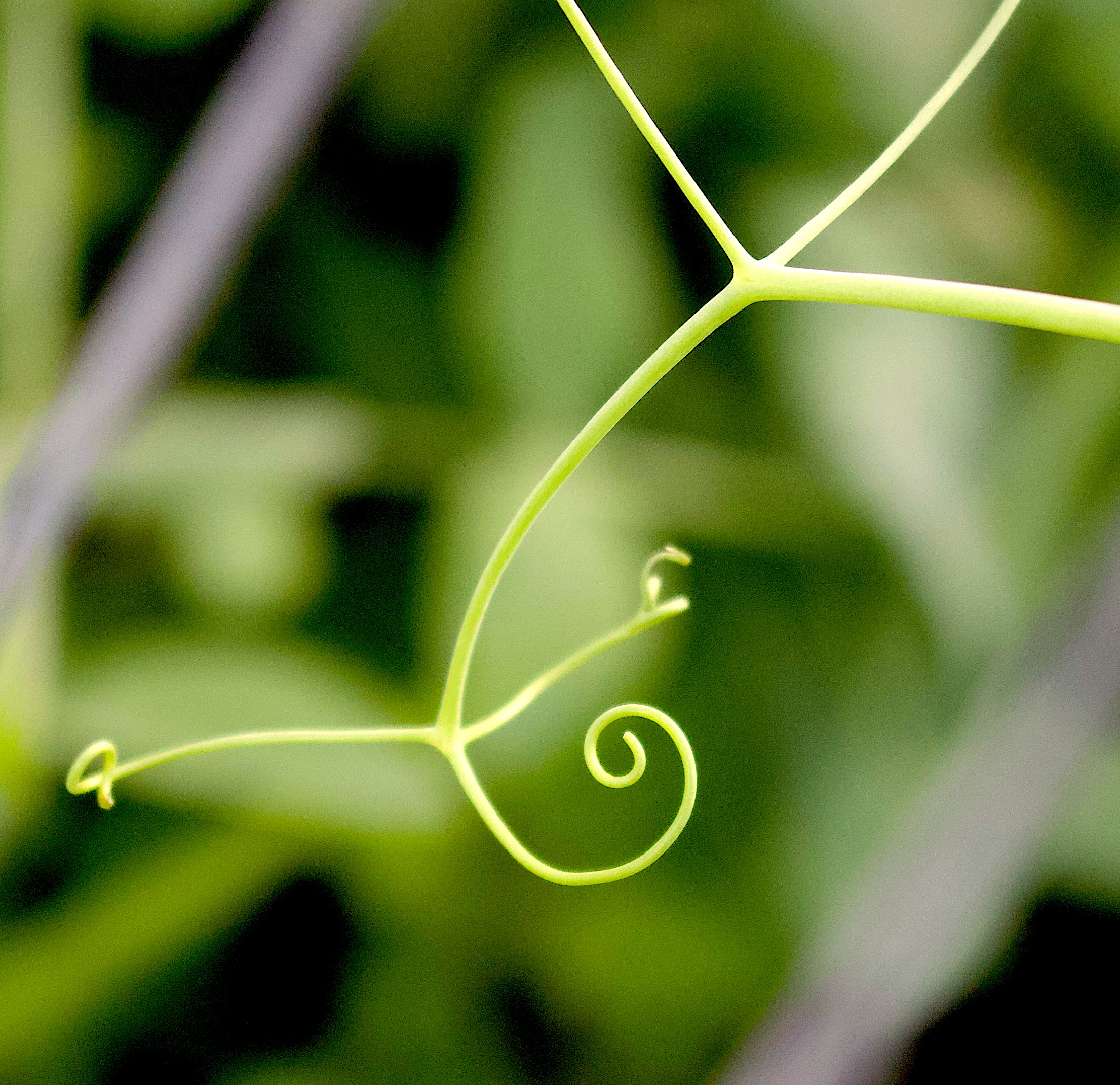
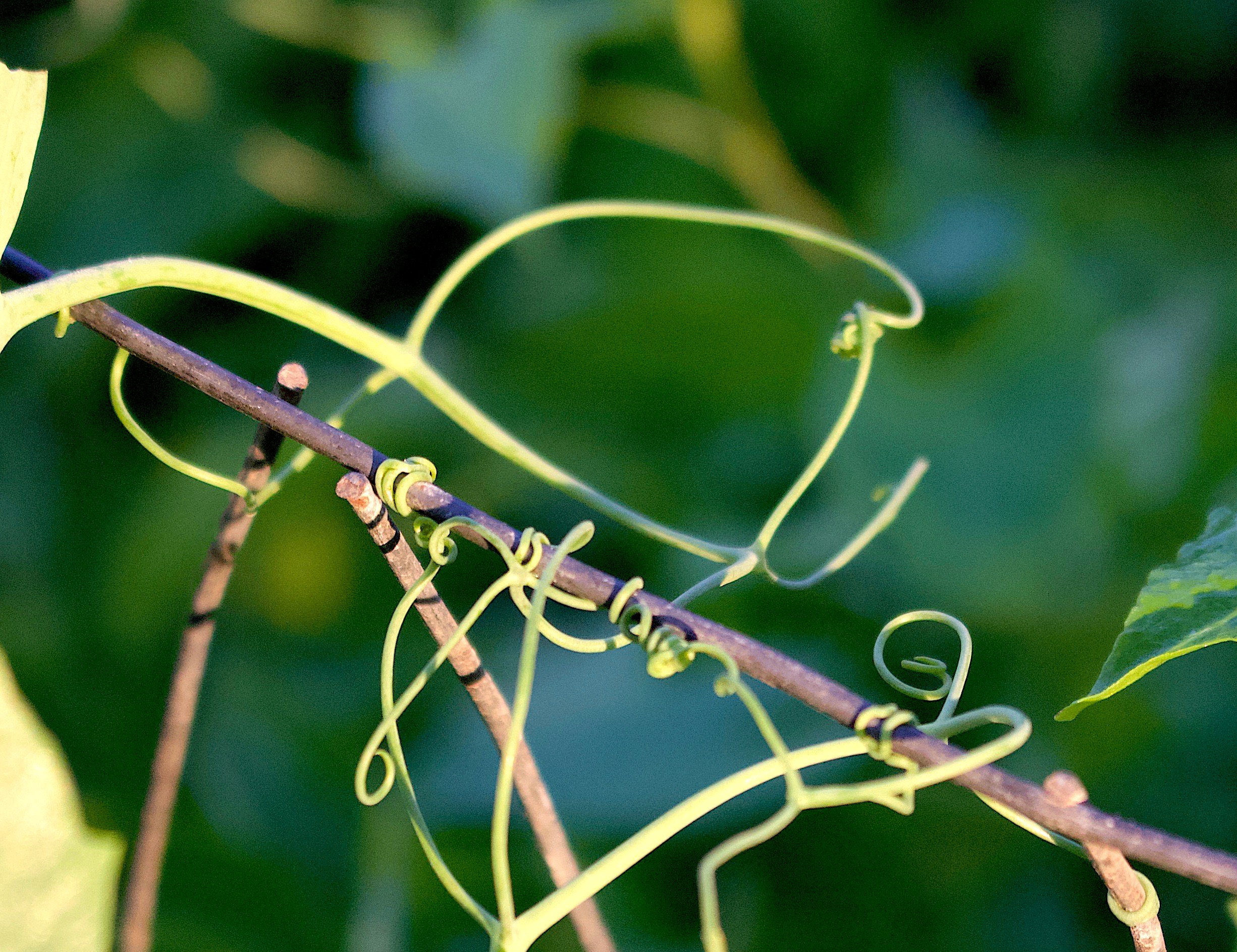
We always planted telephone peas, so the support of the vines was crucial–we used hay twine run up and down between two taut smooth wires attached high and low between two wooden posts.  The vines could climb 6 feet tall or better and it was fascinating to almost literally watch the pea tendrils wind their way around the strings (and each other), erotically clinging and wrapping themselves in their enthusiasm.

Once the pods start to form,  impatience begins.  I’d be out in the garden every day copping feels, looking for that first plump pod to pick and pop open.  It never failed that I would pick too soon, and open a pod to find only weenie little peas, barely with enough substance to taste.  Within a day or two, however, the harvest would be overwhelming, so we’d have to pick early in the morning while the peas were still cool from the night dew.

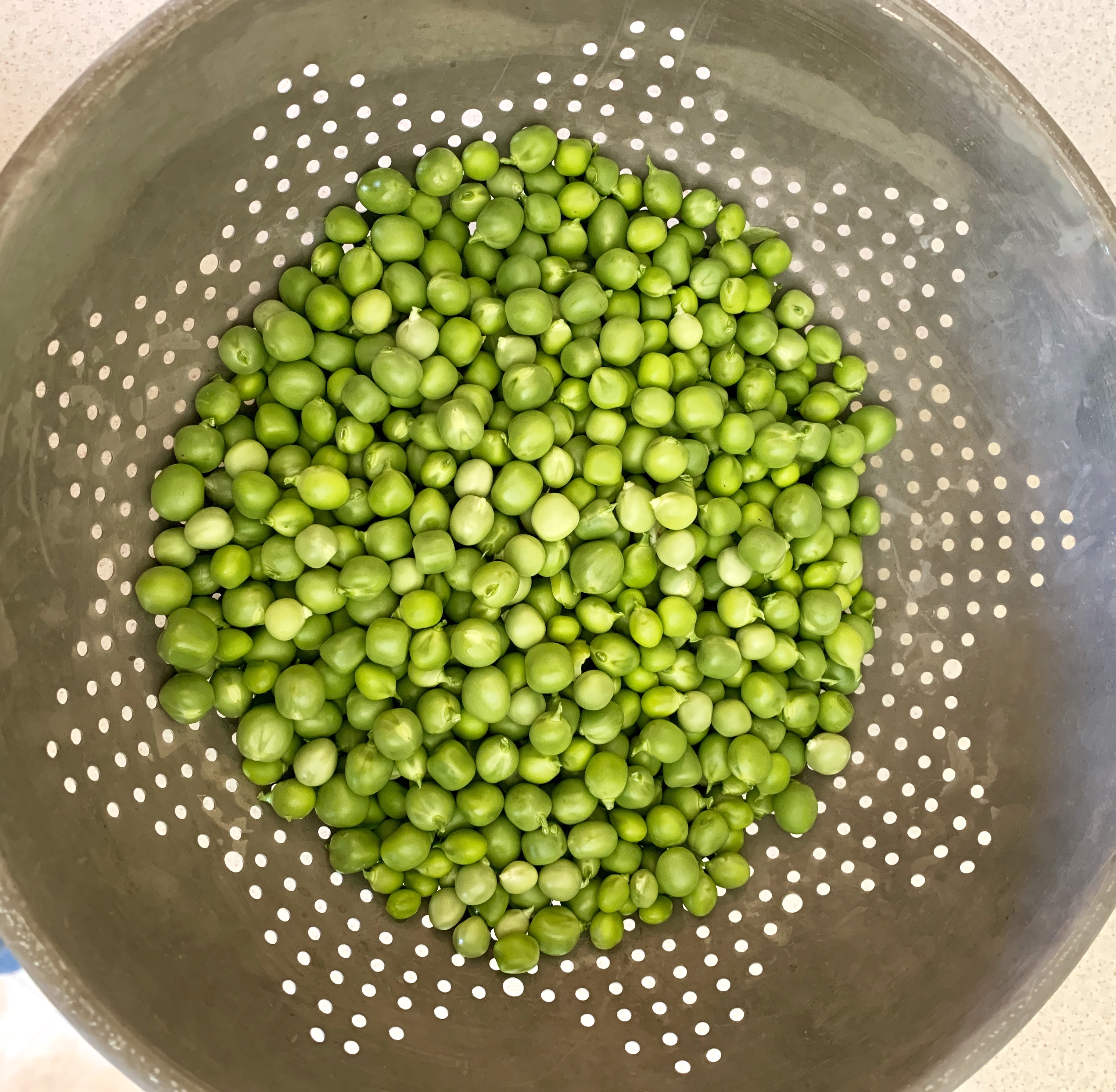
Then it was shelling time, which involved several siblings on a back porch, one mother supervising from a distance to make sure there weren’t too many peas being pelted in pique at an annoying little brother, and lots of bowls to catch the peas and the pods.  A big paper sack of intact pods would yield only a few cups of peas, so this was great labor for small yield.   Opening a pod of peas is extremely satisfying though;  there is a tiny audible “pop” when the pod is pressed at the bottom, and then as your thumb runs down the inner seam of the pod loosening all the peas, they make a dozen little “pings” in the bowl when they fall.  A symphony of pea shelling often was accompanied by the Beach Boys and the Beatles.

Once the weather got hot, the pea worms would be at work in the pods, so then one encountered wiggly white larvae with little black heads and their webs inside the pods.  We actually had a “Wormie” song we sung when we found one, even in the 60’s recognizing that our organic garden meant sharing the harvest with crawling protein critters. The peas would be bored through, like a hollowed out jack o’lantern, so those got dumped in the discard bowl.

The dull green coat of the raw pea turns bright green during the several minutes of blanching in boiling water, then they are plunged into ice water until cool and packed in ziplock bags.  Those peas are welcomed to the table during the other 11 months out of the year, sometimes mixed with carrots, sometimes with mushrooms, sometimes chased with a little fresh garlic.  They are simply the most lovely food there is other than chocolate.

From an undistinguished pea seed to intricate vines and coiling tendrils–from pregnant pods bursting at the seams to a bounty at meals: the humble pea does indeed deserve a grand parade in the middle of the night.

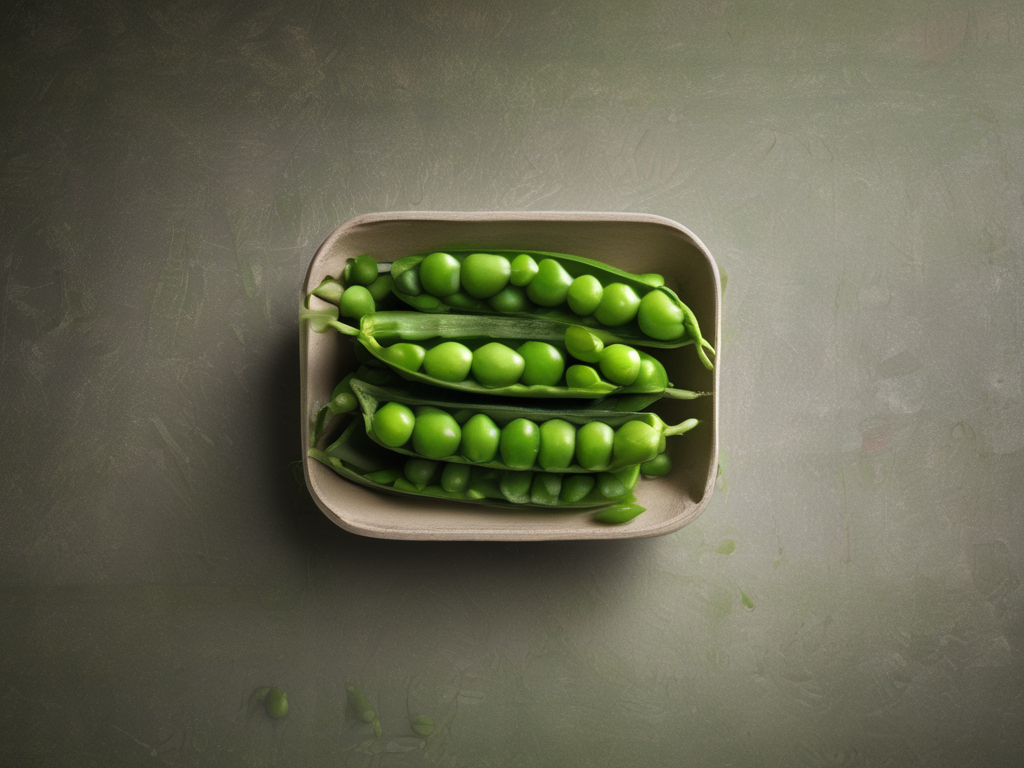
AI image generated for this post
One-Time
Monthly
Yearly

Make a one-time or recurring donation to support daily Barnstorming posts

Make a monthly donation

Make a yearly donation

Choose an amount

$10.00
$25.00
$50.00
$5.00
$15.00
$100.00
$5.00
$15.00
$100.00

Or enter a custom amount

$

Your contribution is deeply appreciated.

Your contribution is appreciated.

Your contribution is appreciated.

DonateDonate monthlyDonate yearly
The Smallest Detail

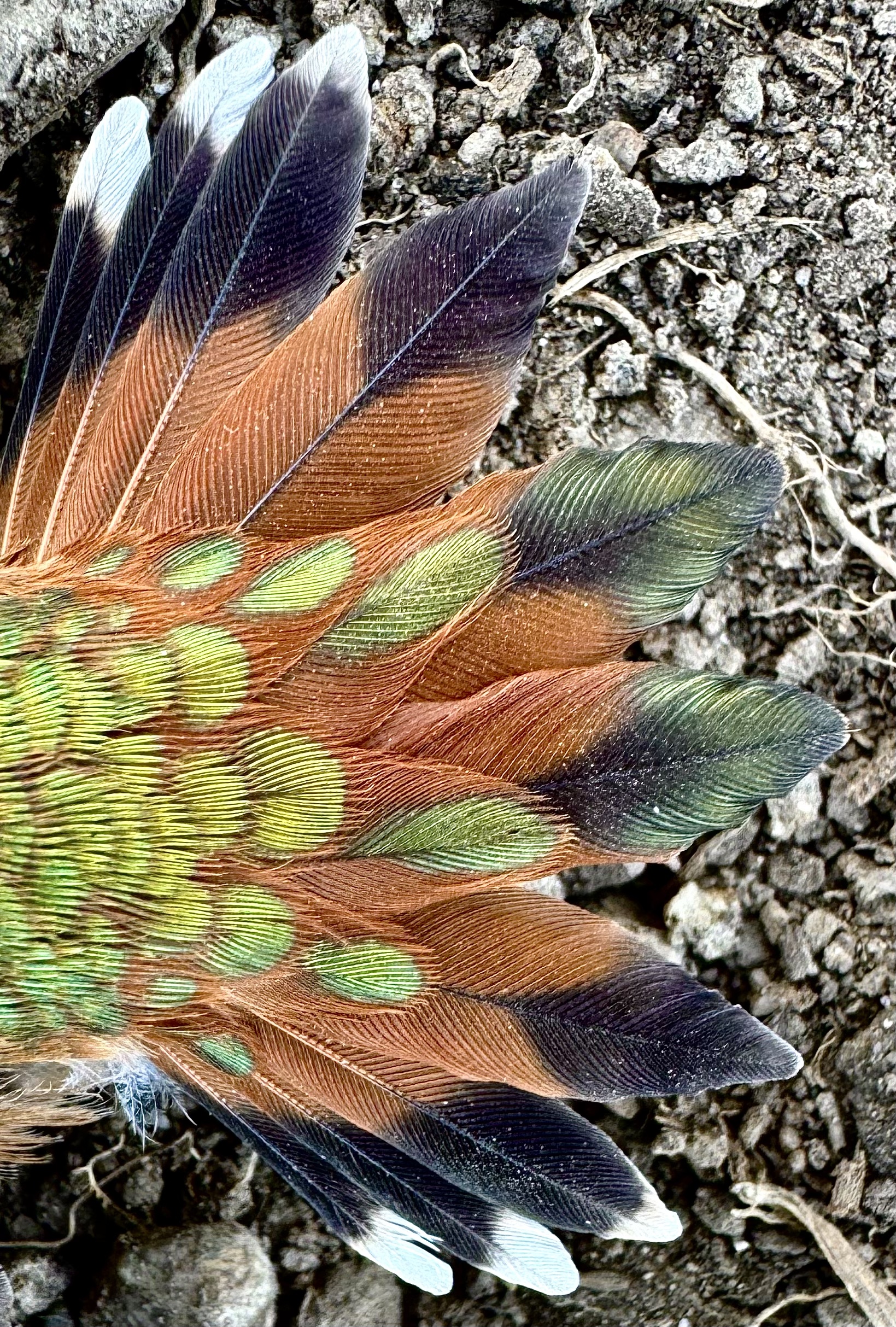
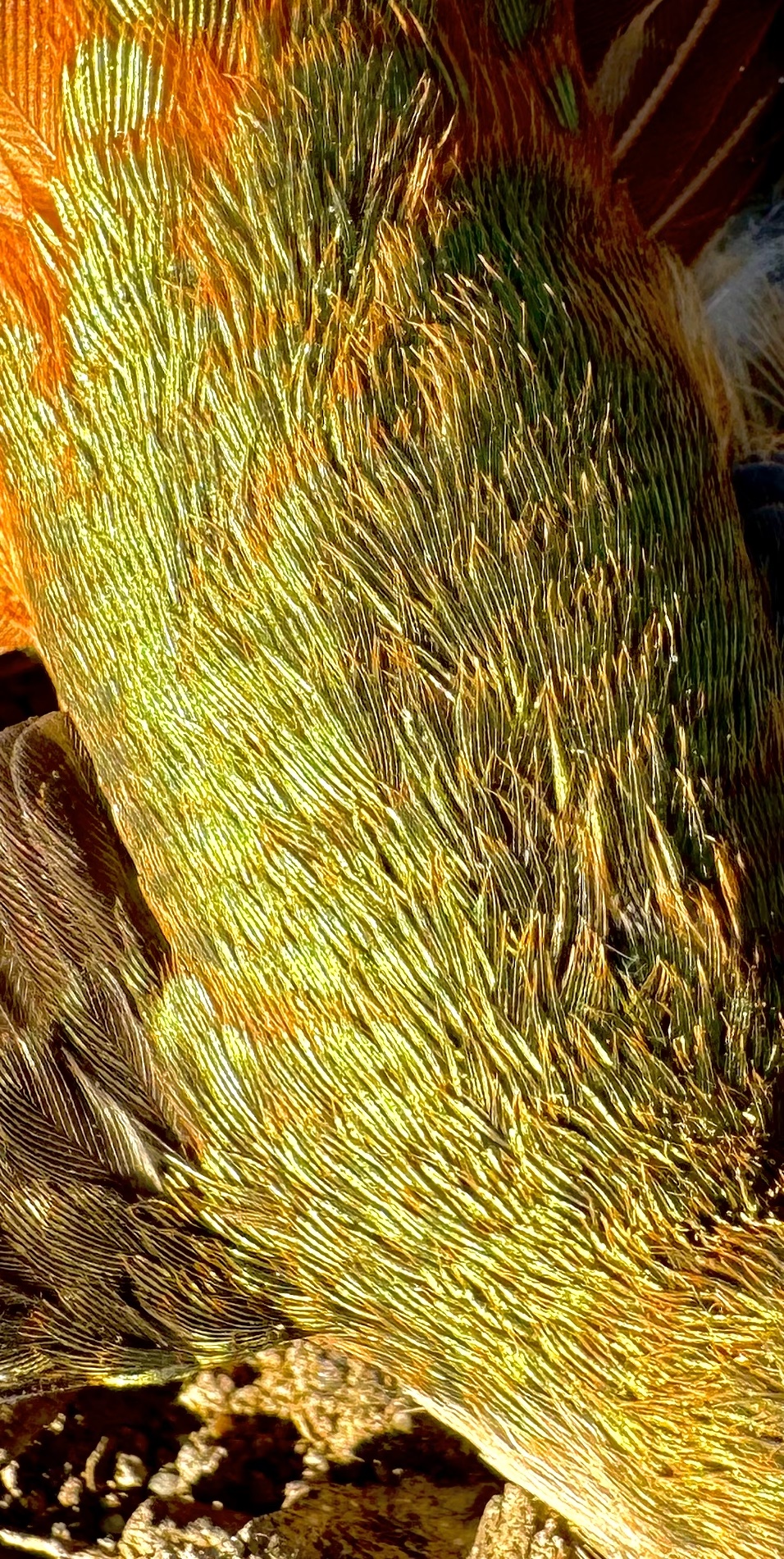
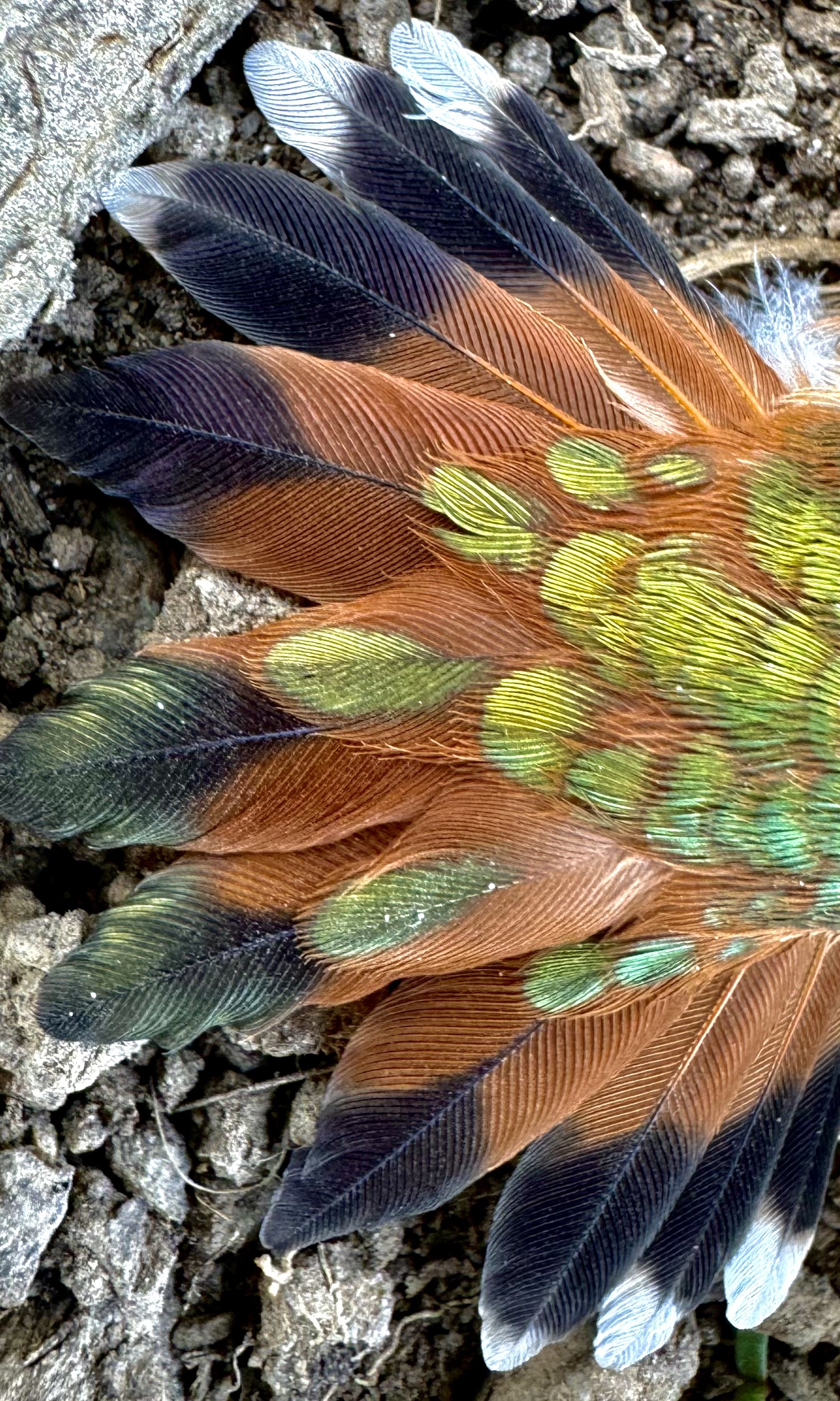
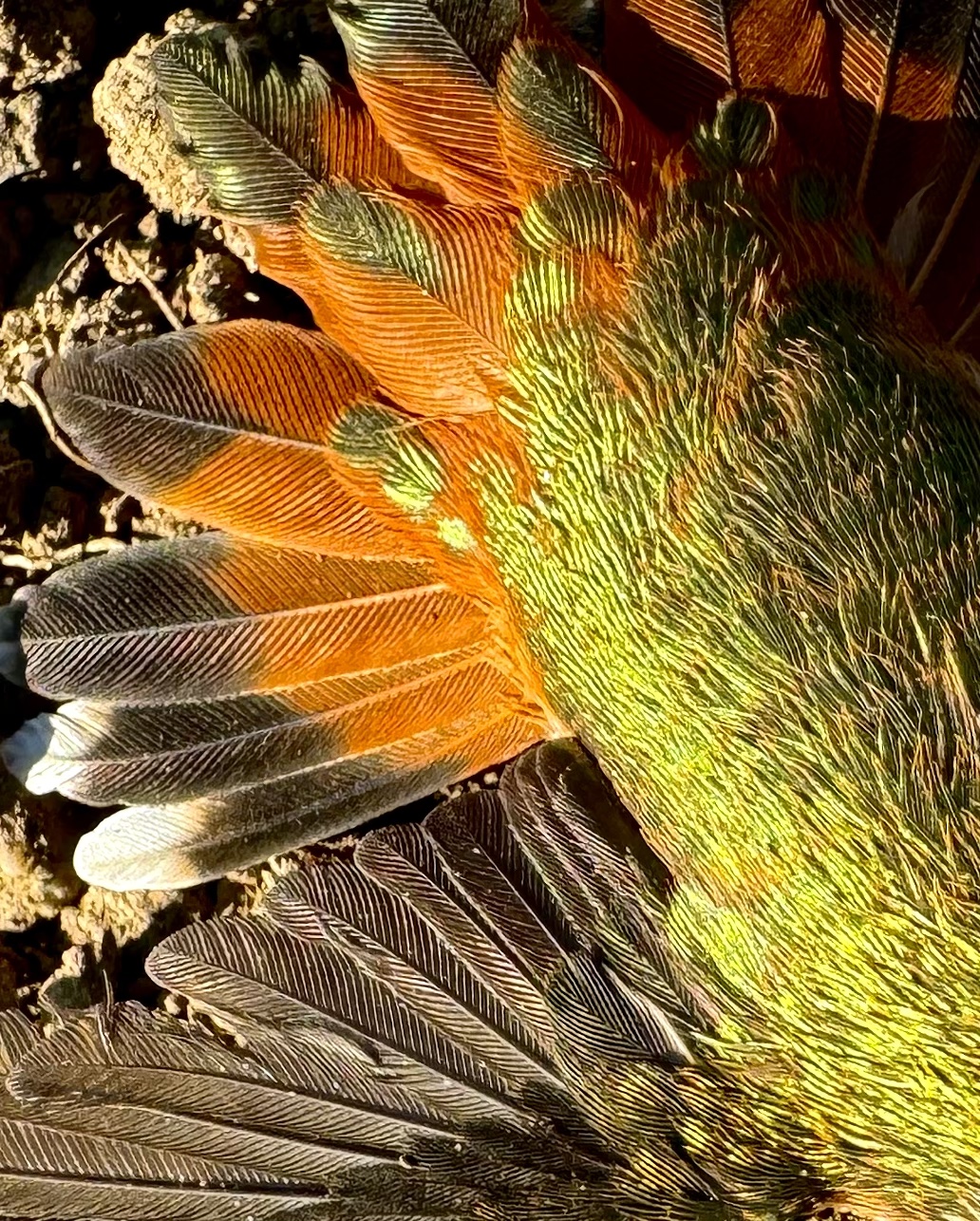
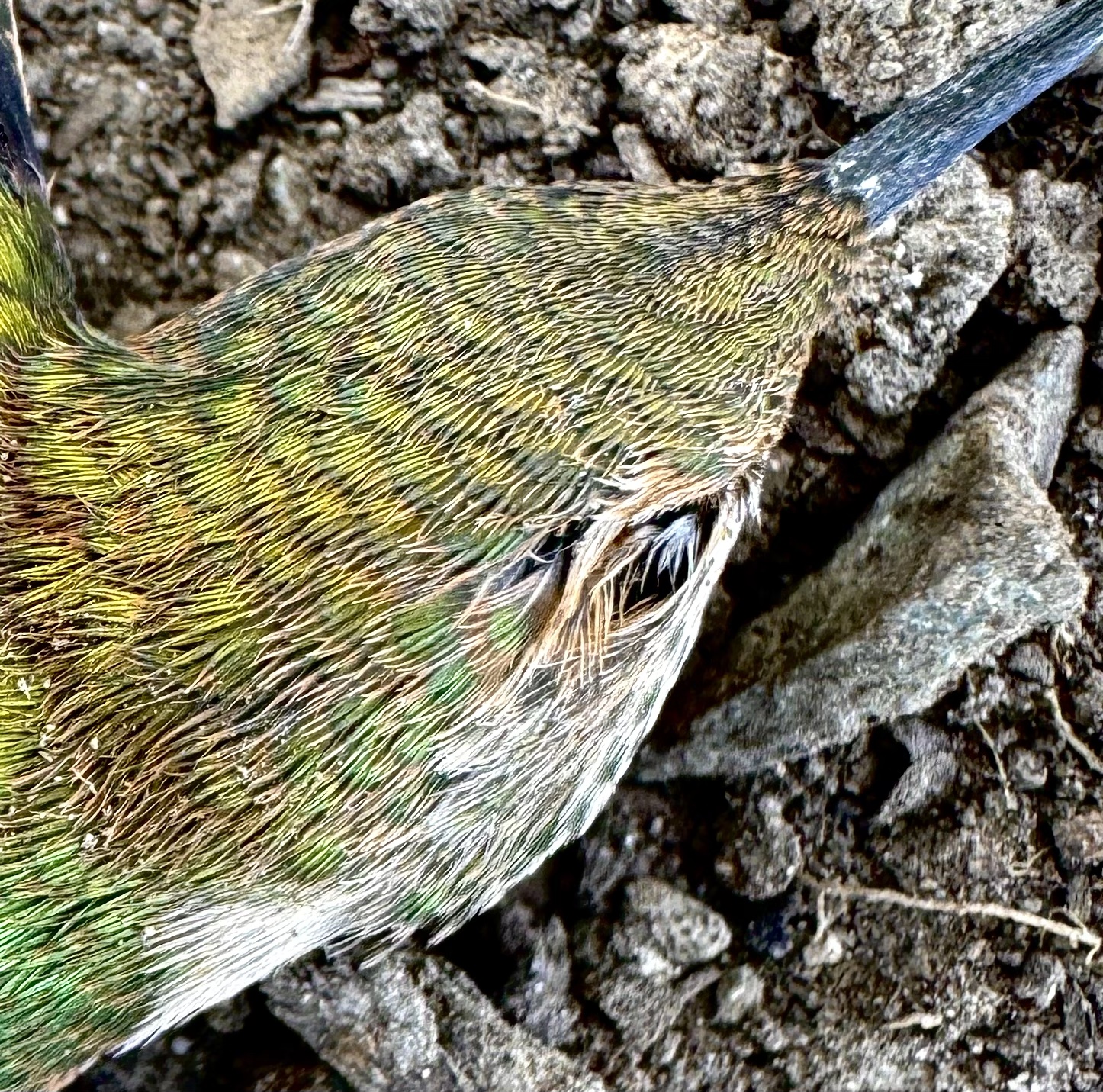
photo by Josh Scholten

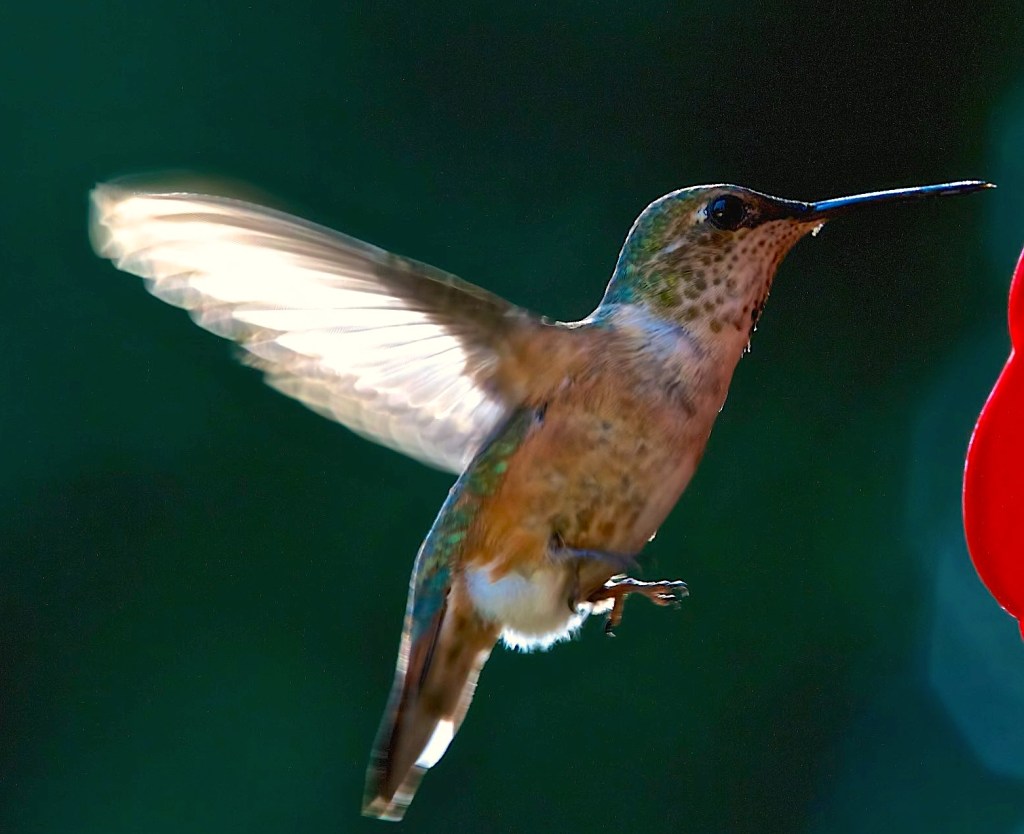
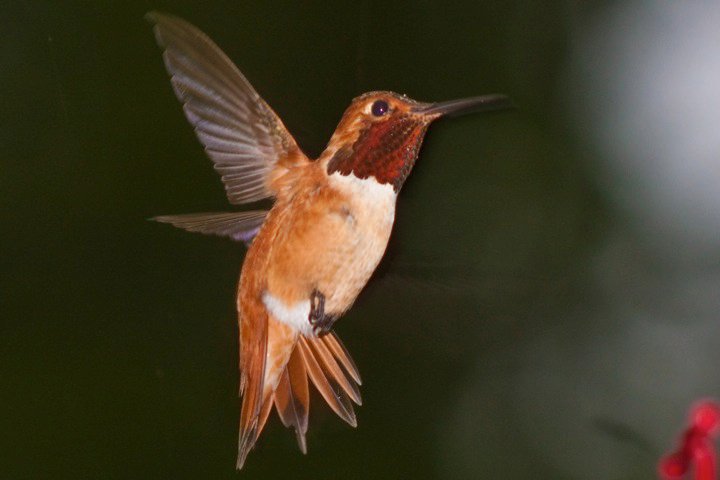
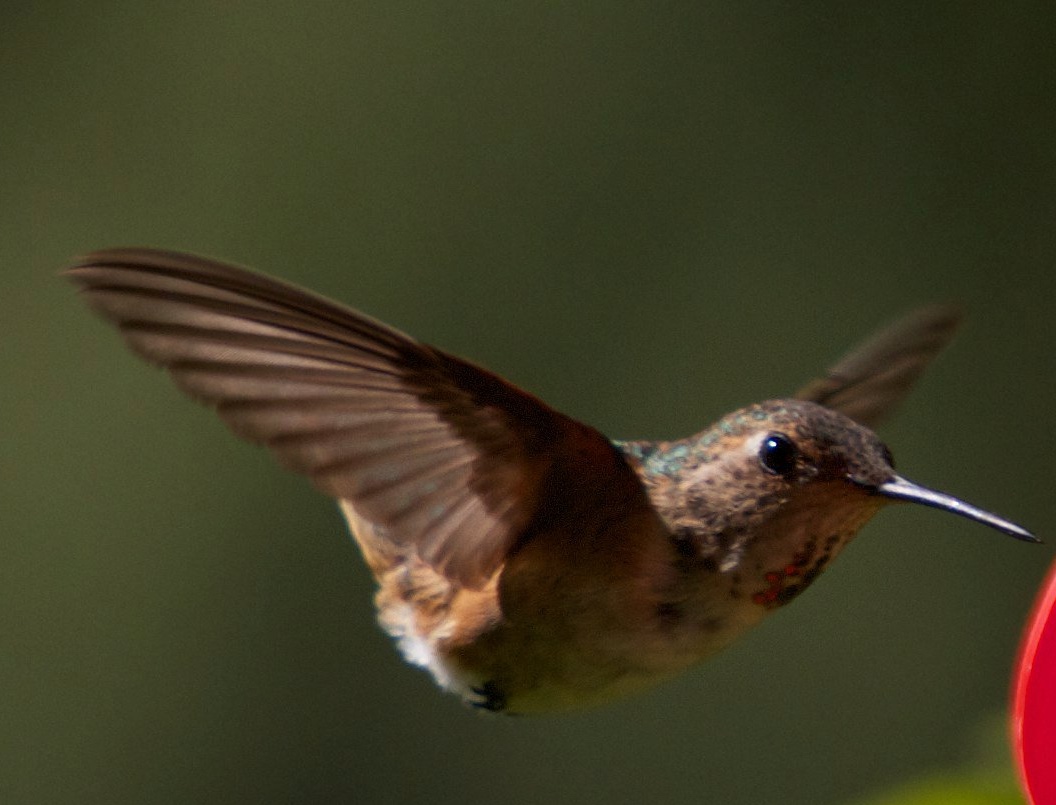
When I was with the green hummingbird, it became the company I didn’t know I needed. We spent our mornings together, and after it went its way, I read and wrote.

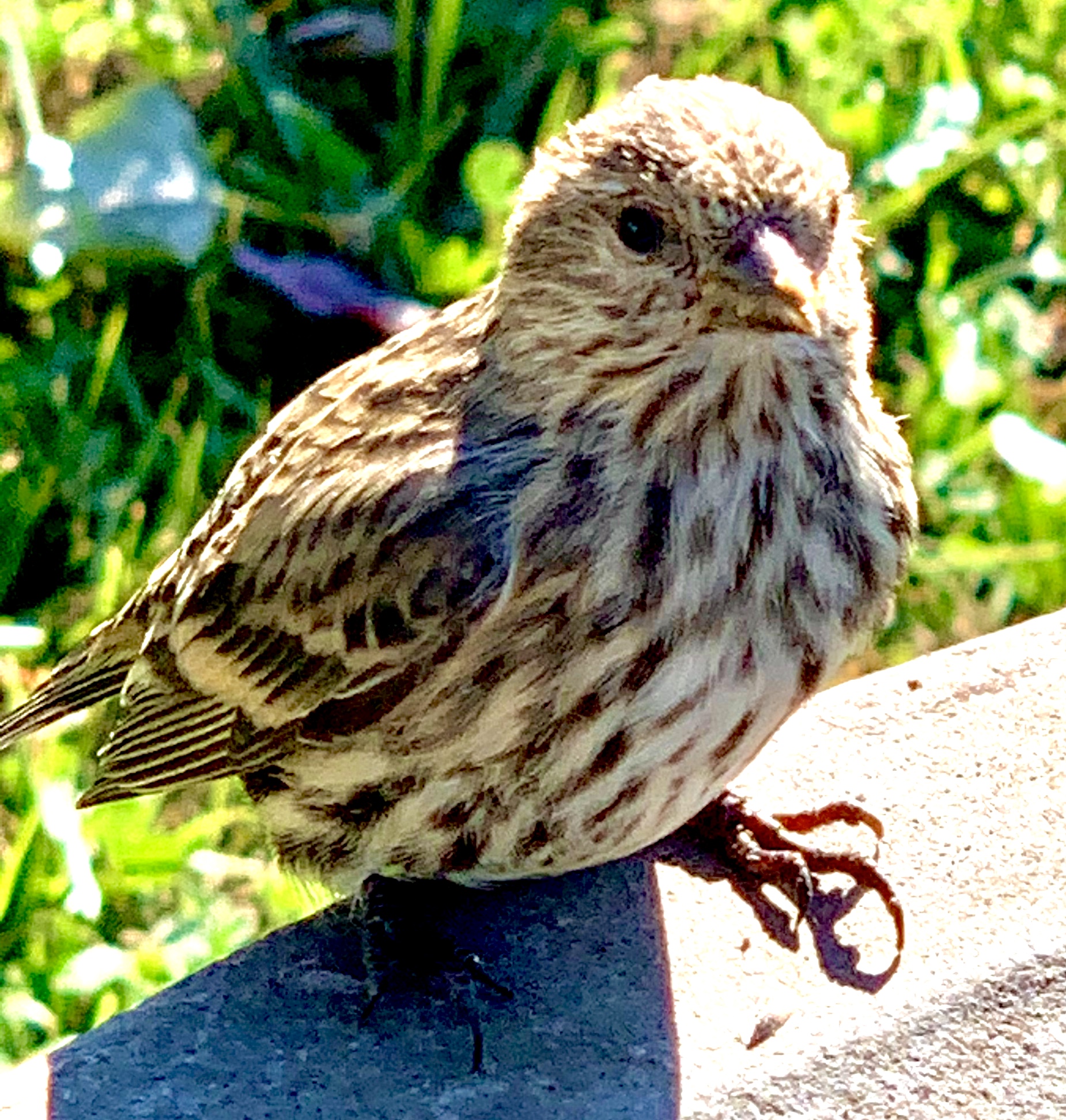
…a hummingbird, essential company in the endless journey through dead-ends, restarts, and new beginnings – as well as a reminder of the beauty of the world, the power of the sun, the rain, love, and life, all packed inside the body of a creature that weighs less than an ounce. A sign that within the smallest detail, the whole world is present, and just as the gravity and magnificence of life is present in the mountains, oceans, stars, and everything larger than life, it is also brilliantly present in its smallest bird.
~Zito Madu from “Hummingbirds are Wondrous” in Plough

photo by Josh Scholten

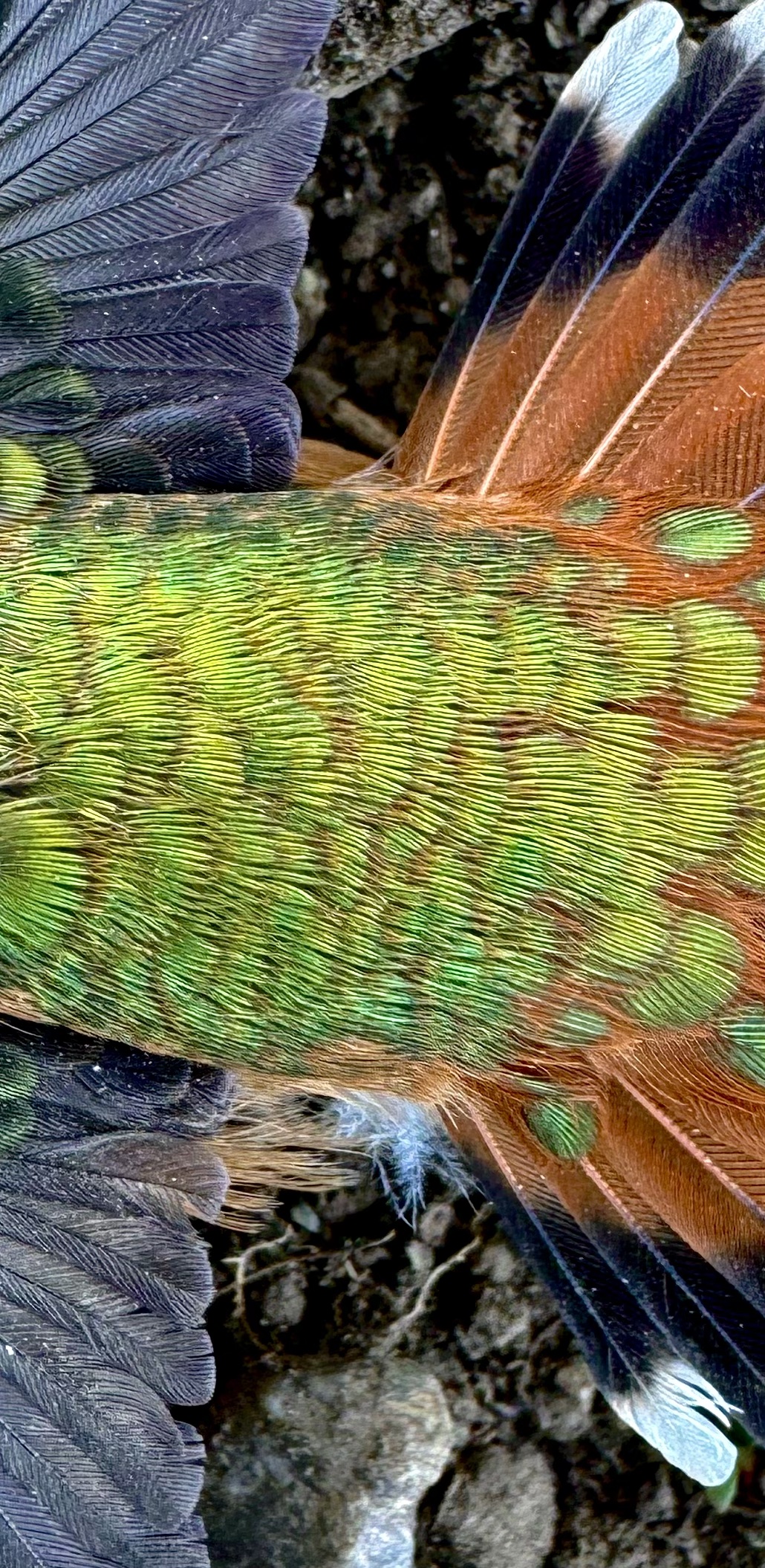
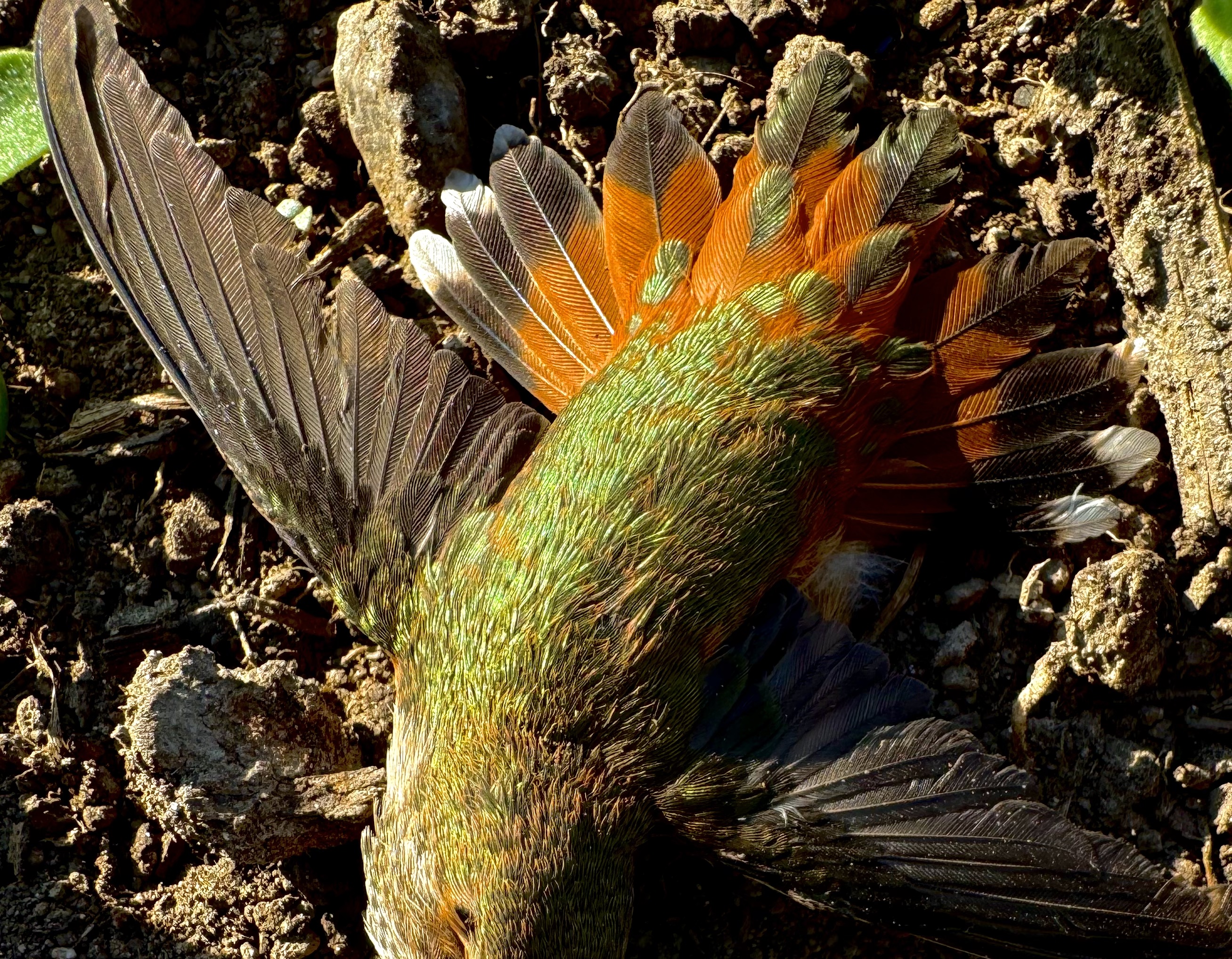
While weeding in the garden tonight,
my husband found a dead hummingbird,
wings spread as if still in flight
yet bold hum and chirp gone –

dear little bird, so quiet and alone,
as if it simply dropped from the sky,
a wee bit of fluff and stardust.

Wondrous detail and essence
is best seen immobilized by death –
its little heart no longer races,
its lungs empty,
its wings stilled.

– from a Death
comes a reminder of the joys
which overwhelm all sorrows of this world –

a world God-breathed with His gentle and radiant beauty.

AI image created for this post
One-Time
Monthly
Yearly

Make a one-time or recurring donation to support daily Barnstorming posts

Make a monthly donation

Make a yearly donation

Choose an amount

$10.00
$25.00
$50.00
$5.00
$15.00
$100.00
$5.00
$15.00
$100.00

Or enter a custom amount

$

Your contribution is deeply appreciated.

Your contribution is appreciated.

Your contribution is appreciated.

DonateDonate monthlyDonate yearly
A Seed of Belief

When the time’s toxins
have seeped into every cell

and like a salted plot
from which all rain, all green, are gone

I and life are leached
of meaning

somehow a seed
of belief

sprouts the instant
I acknowledge it:

little weedy hardy would-be
greenness

tugged upward
by light

while deep within
roots like talons

are taking hold again
of this our only earth.

~Christian Wiman “When the Time’s Toxins”

True gardeners cannot bear a glove
Between the sure touch and the tender root,
Must let their hands grow knotted as they move
With a rough sensitivity about
Under the earth, between the rock and shoot,
Never to bruise or wound the hidden fruit.
And so I watched my mother’s hands grow scarred,
She who could heal the wounded plant or friend
With the same vulnerable yet rigorous love;
I minded once to see her beauty gnarled,
But now her truth is given me to live,
As I learn for myself we must be hard
To move among the tender with an open hand,
And to stay sensitive up to the end
Pay with some toughness for a gentle world.
~May Sarton “An Observation”

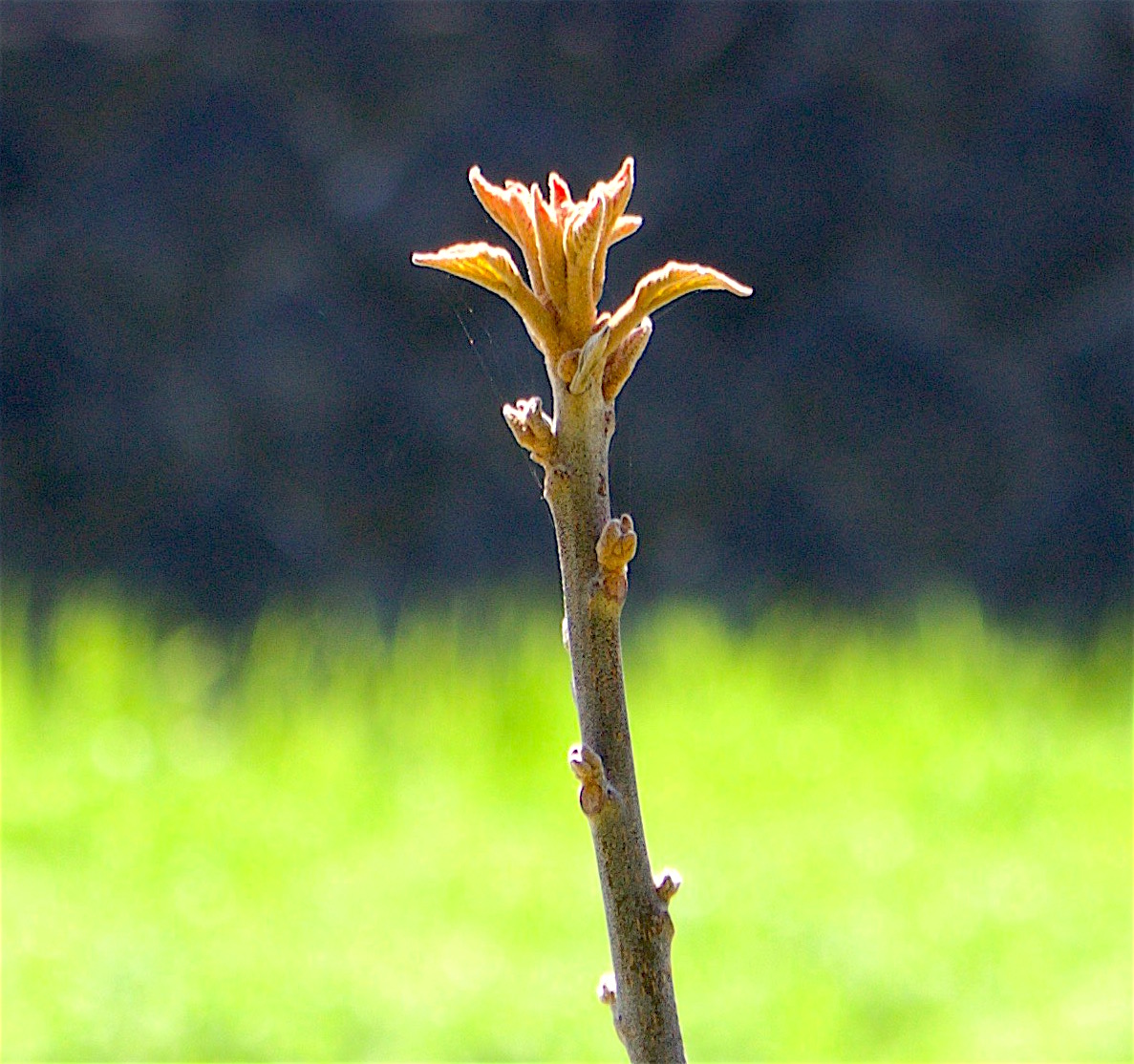
I’m reminded every spring, as my husband’s hands prepare the soil in the garden for that season’s planting, how challenging is the job of the gardener. His hands must fight the chaos of weeds and rocks to prepare a gentle bed for each seed.

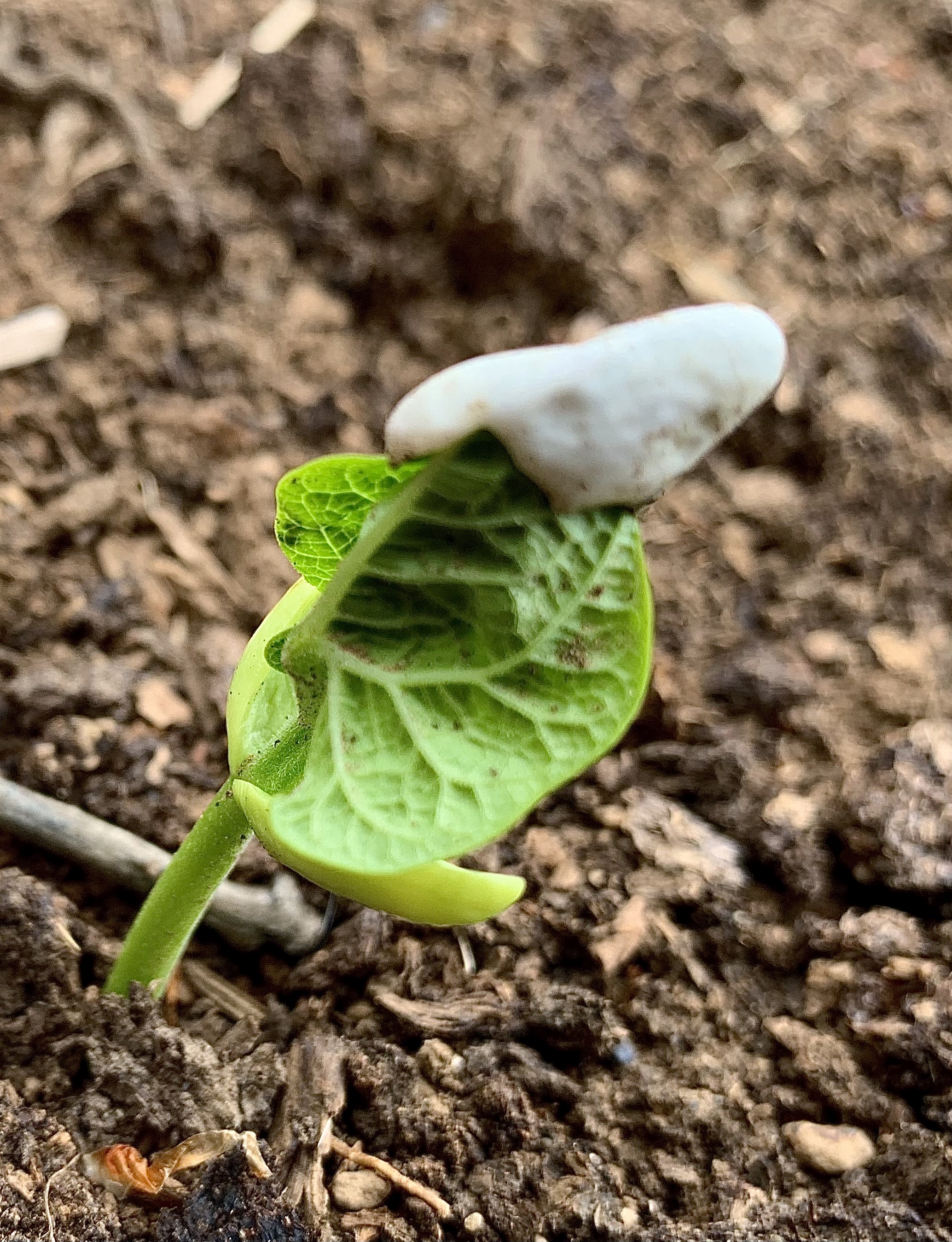
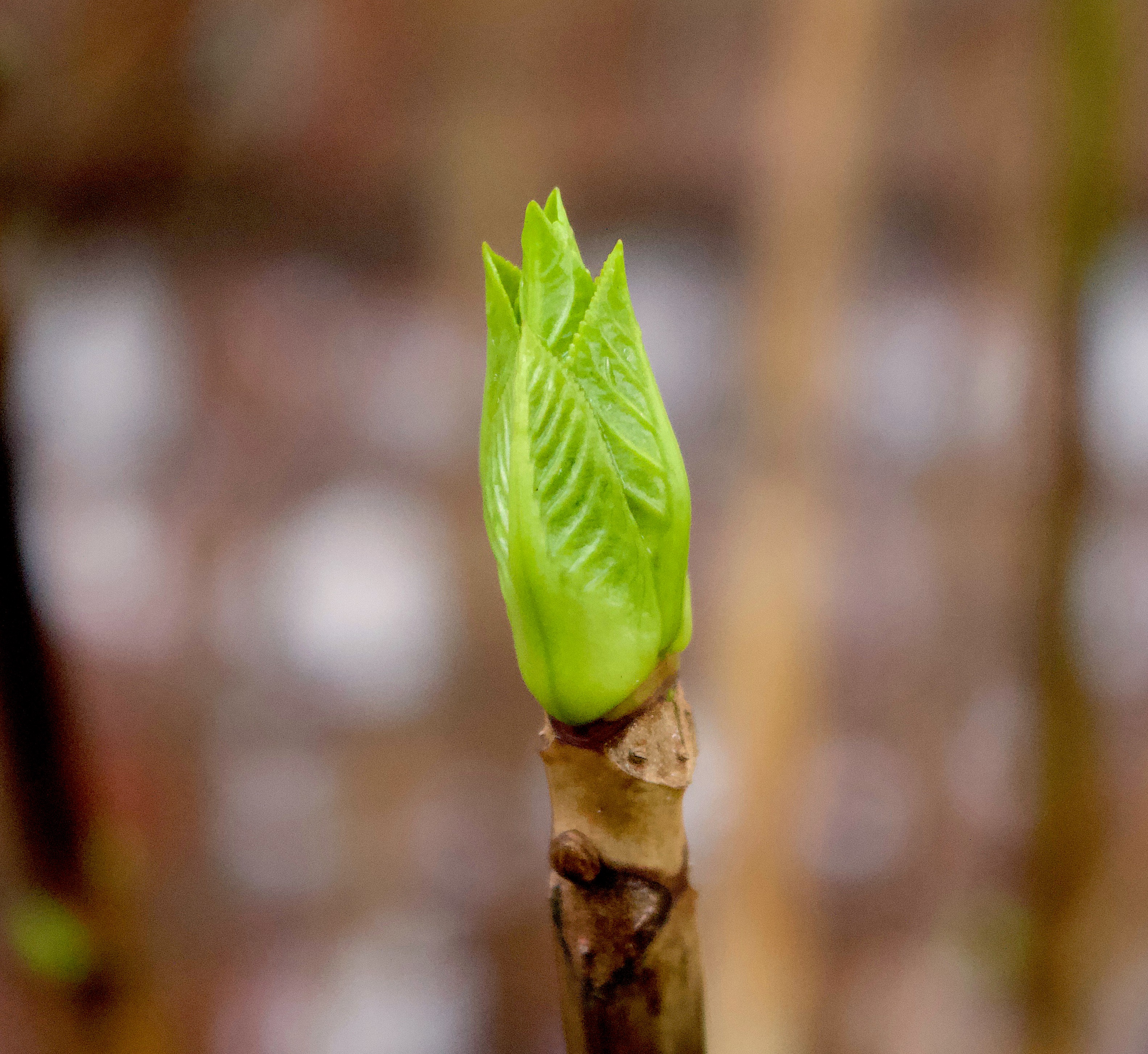
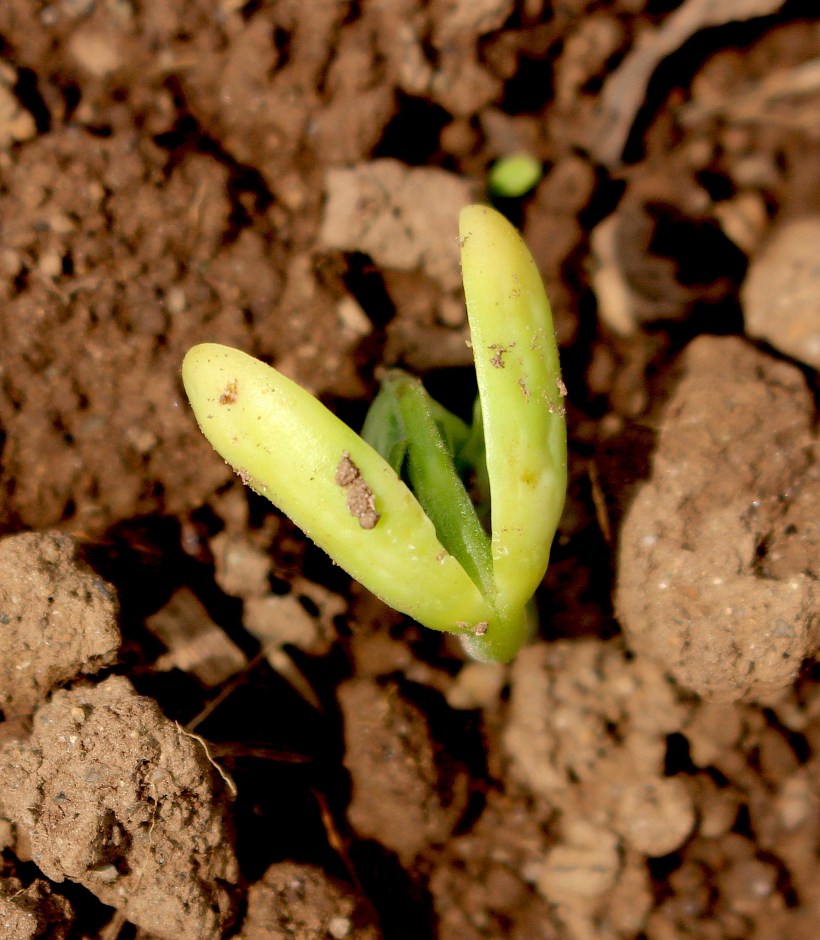
A seed is a plain, unadorned and ordinary thing, a little boring even, practically forgotten once it is placed in the ground. Yet the ordinariness is only the outer dress; the extraordinary is contained inside, and within days a tender shoot braves all to come to the surface, bowed and humble. It establishes a tenacious root that ensures survival, grabbing hold in even the most inhospitable ground.

So it is with Jesus whose ordinary origins belied his holiness and majesty. Both hardy root and tender shoot, he reaches up to the heavens while his feet tread the soil,  both at once. His toughness paid for our chance at a more gentle world.

And thanks to Him, we are fed.

For he grew up before him like a young plant,
and like a root out of dry ground;
Isaiah 53:2a

AI image created for this post
One-Time
Monthly
Yearly

Make a one-time or recurring donation to support daily Barnstorming posts

Make a monthly donation

Make a yearly donation

Choose an amount

$10.00
$25.00
$50.00
$5.00
$15.00
$100.00
$5.00
$15.00
$100.00

Or enter a custom amount

$

Your contribution is deeply appreciated.

Your contribution is appreciated.

Your contribution is appreciated.

DonateDonate monthlyDonate yearly
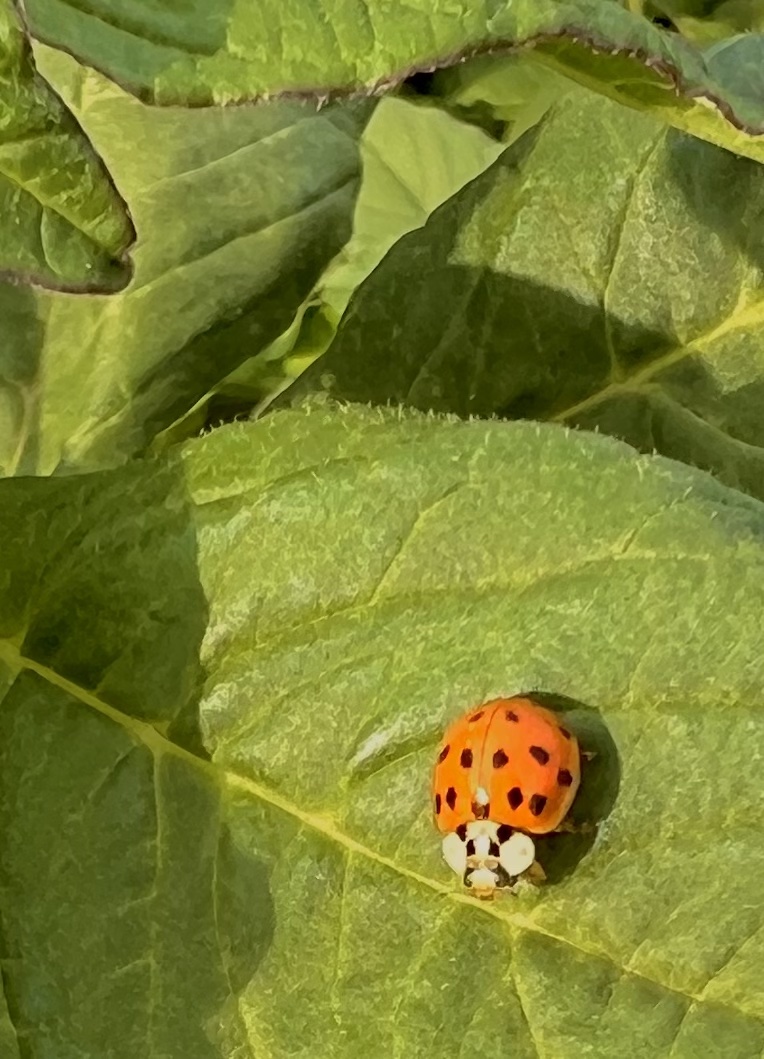
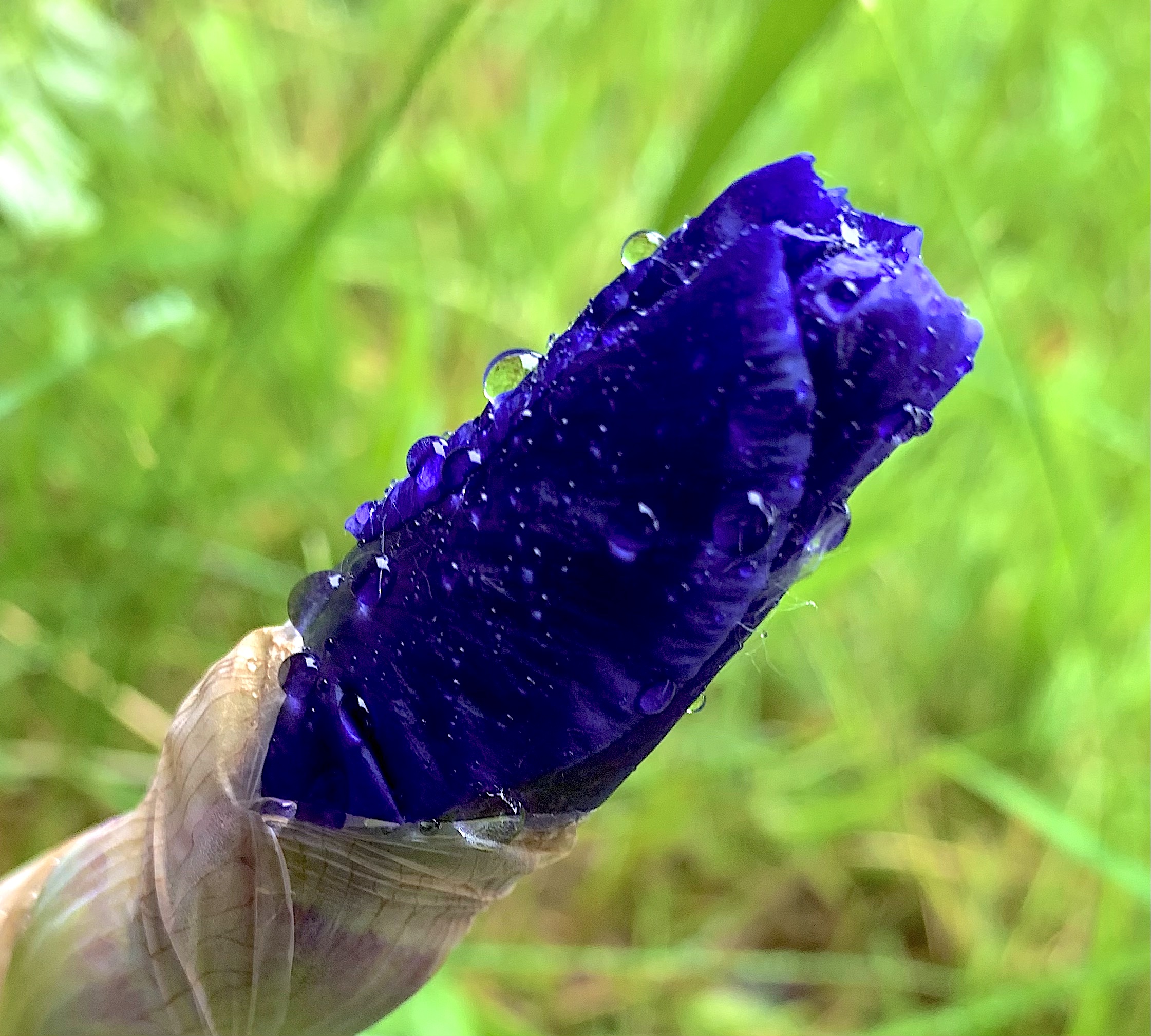
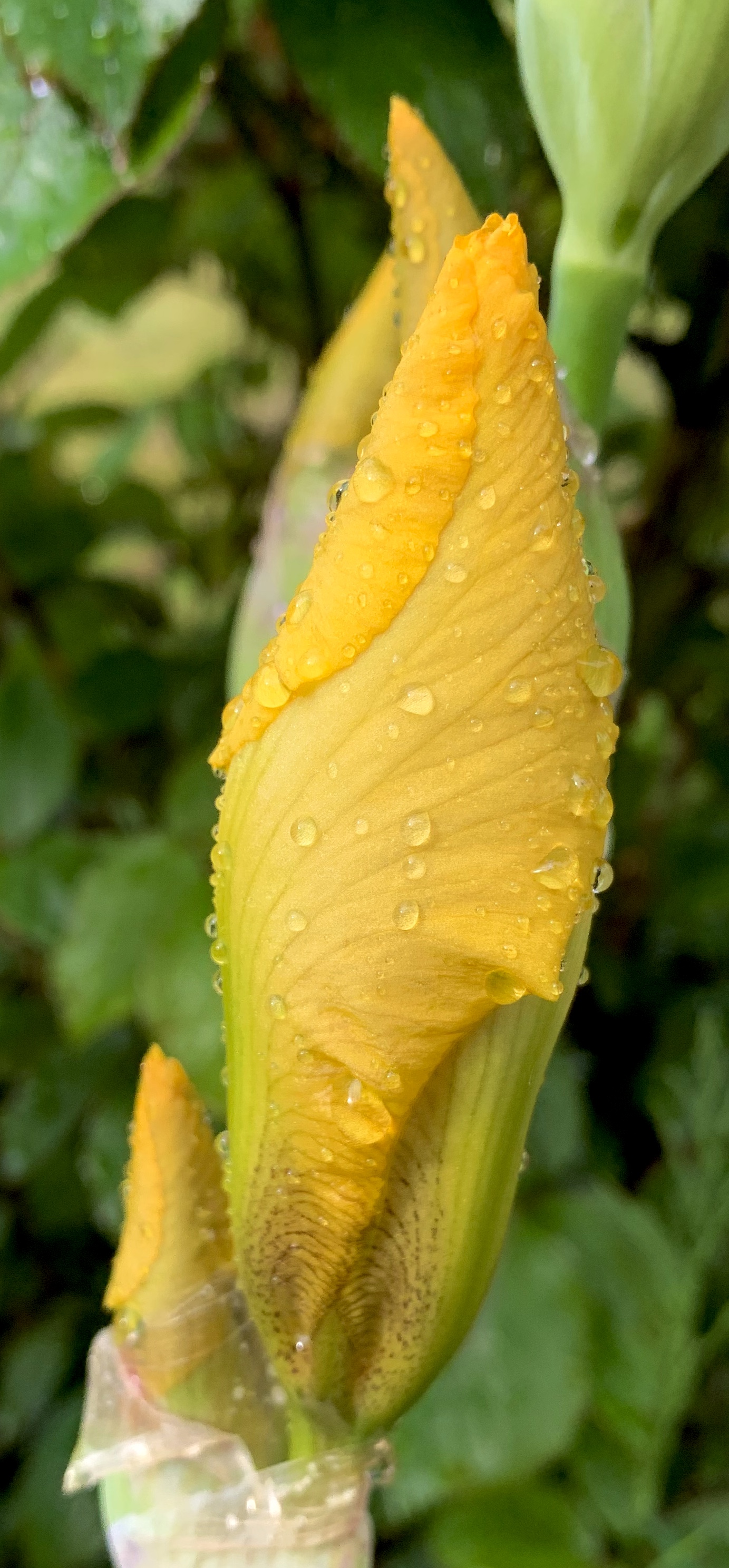
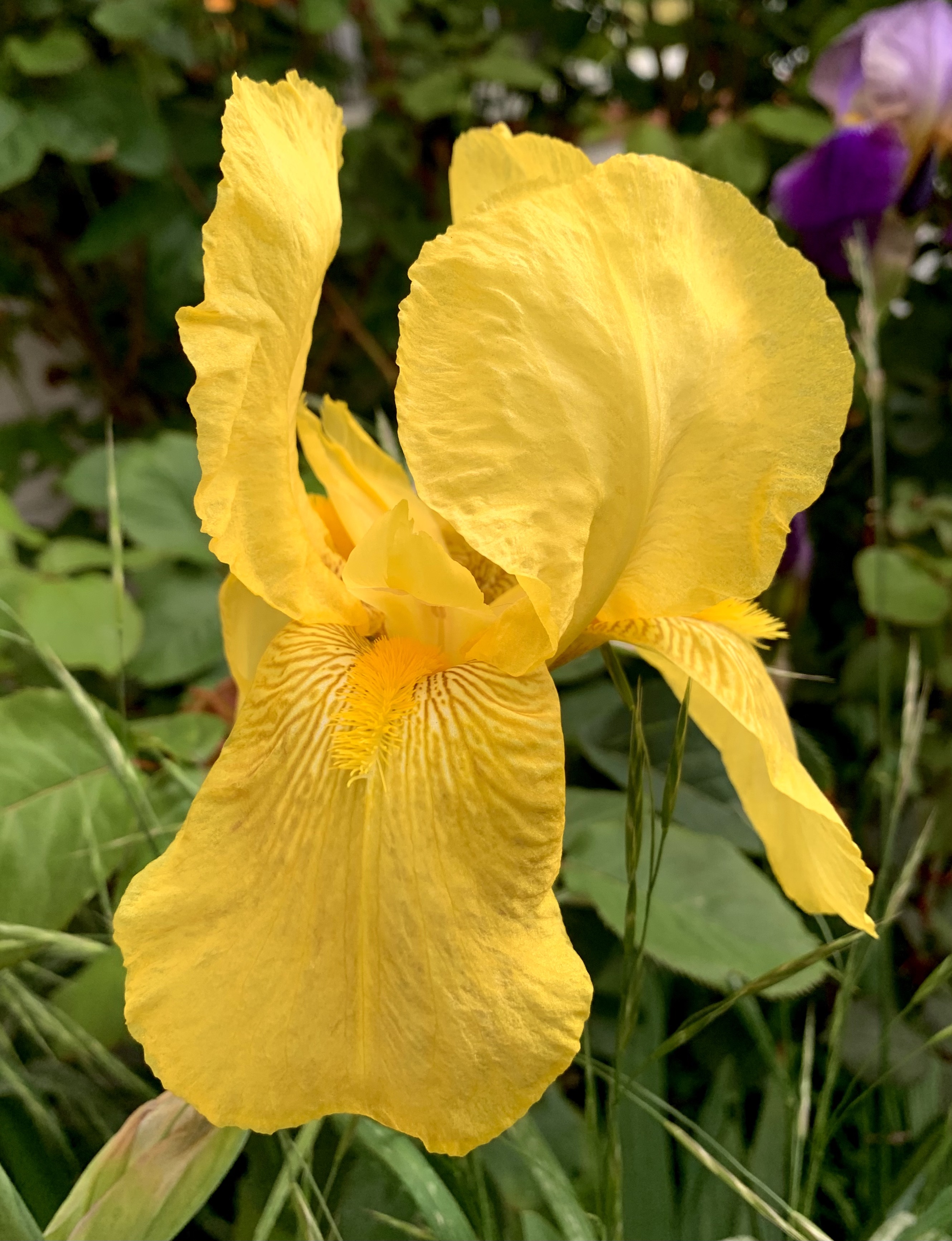
Just Pay Attention

It doesn’t have to be
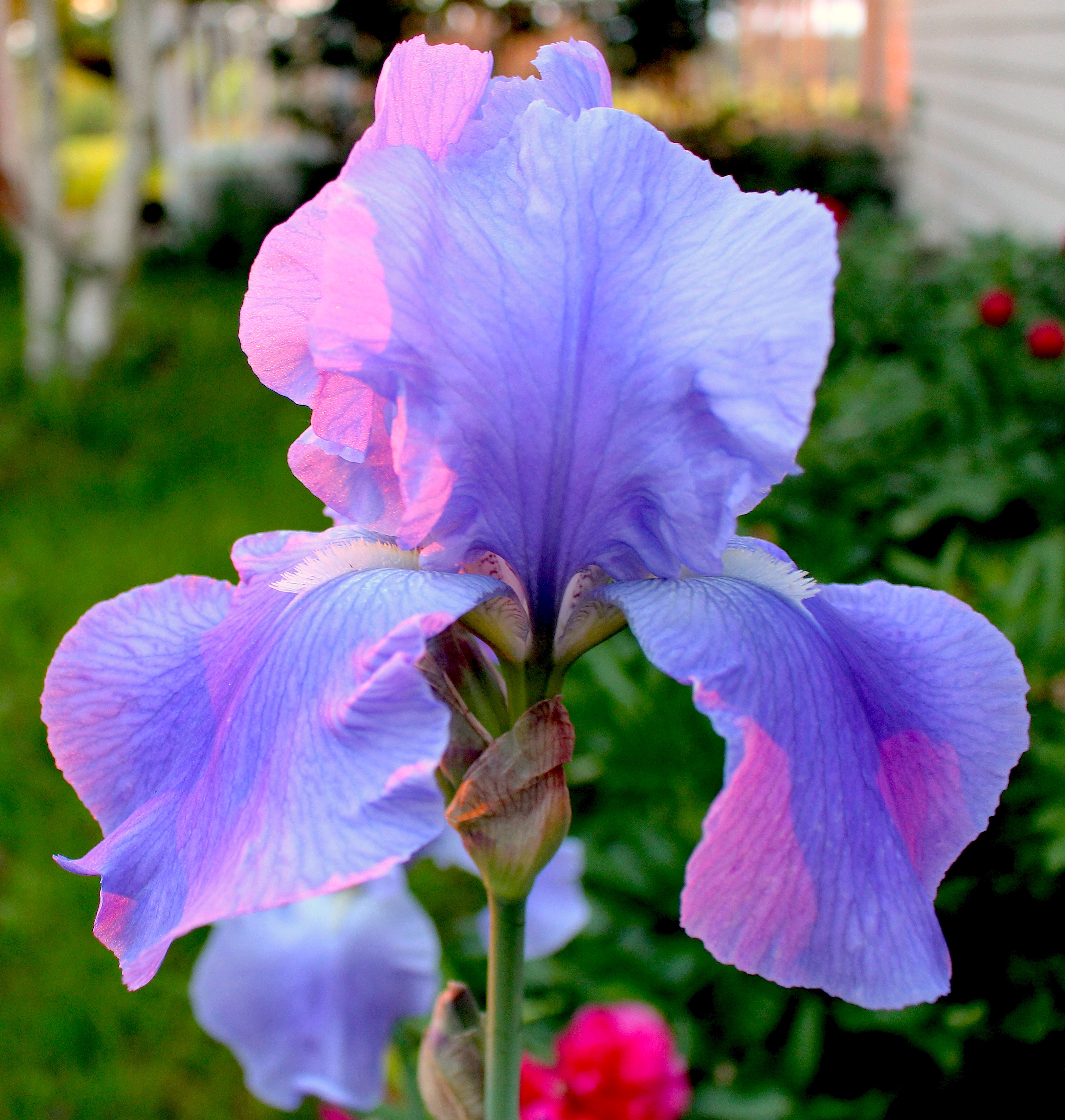
the blue iris, it could be
weeds in a vacant lot, or a few
small stones; just
pay attention, then patch
a few words together and don’t try
to make them elaborate, this isn’t
a contest but the doorway
into thanks, and a silence in which
another voice may speak.

~Mary Oliver “Blue Iris”

Thou art the Iris, fair among the fairest,
   Who, armed with golden rod
And winged with the celestial azure, bearest
   The message of some God.
~Henry Wadsworth Longfellow from Flower-de-Luce

To plunge headlong into
the heart of a blossom, its amber eyes
inscrutably focusing on your own,
magnified by a lens of dew.
Whose scent, invisible,
drowns you in opulence, and for which
you can find nothing adequate to say.

You sense that you are loved wholly,
yet are quite unable to understand why.
But then, you lift your face,
creased with the ordinary, to a heaven
that is breaking into blue,
and find your contentment utterly beyond
telling, unspeakable, uncontained.
~Luci Shaw from “Speechless” from  Sea Glass

May your blooms be floriferous and in good form,
Distinctive, with good substance, flare, and airborne,
With standards and falls that endure, never torn.
May you display many buds and blooms sublime,
In graceful proportion on strong stalks each day,
Gently floating above the fans and the fray.
May you too reach toward the moon and stars,
Bloom after bloom, many seasons in the sun,
Enjoying your life, health, and each loved one,
Until your living days are artfully done.
~Georgia Gudykunst
“An Iris Blessing”

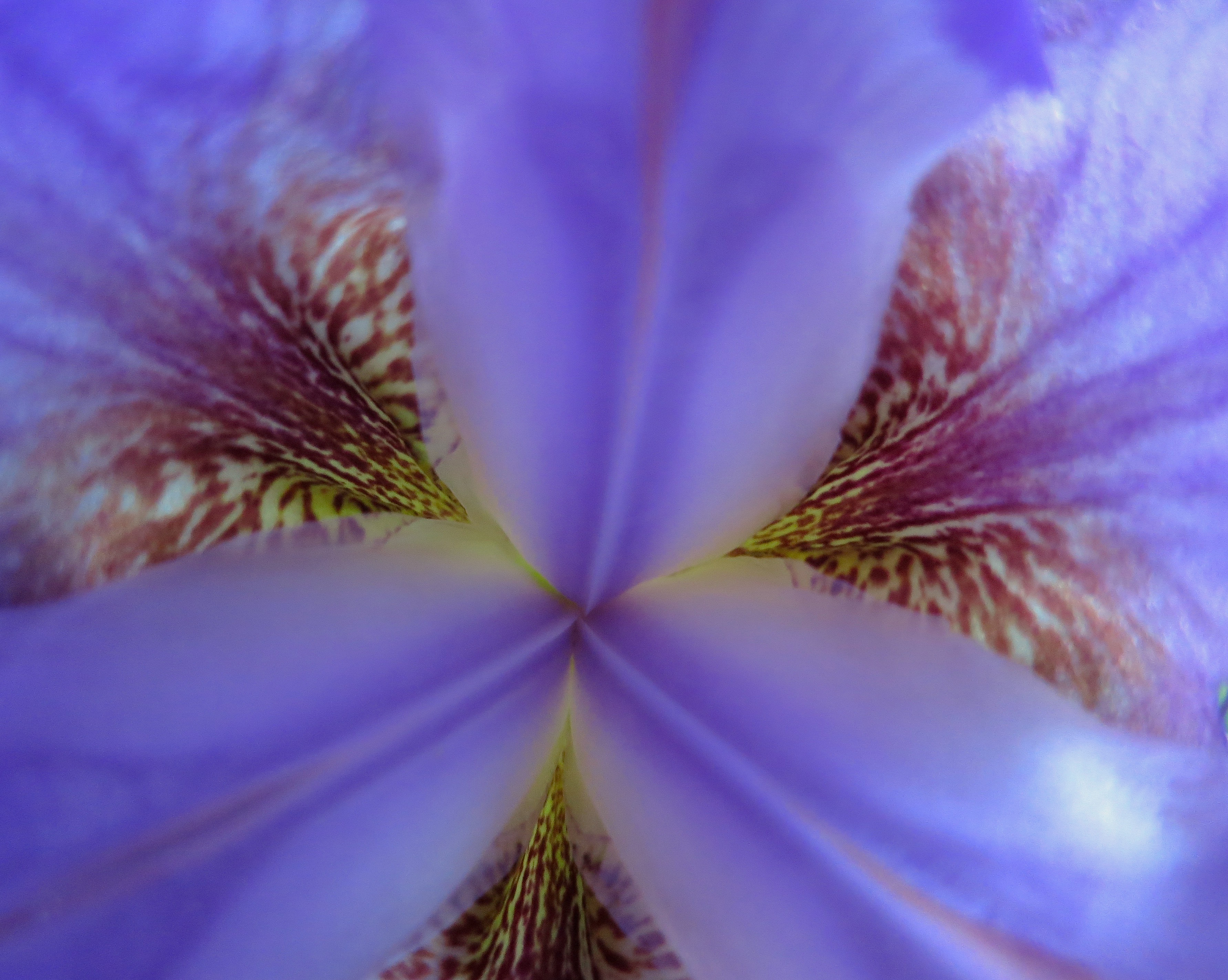
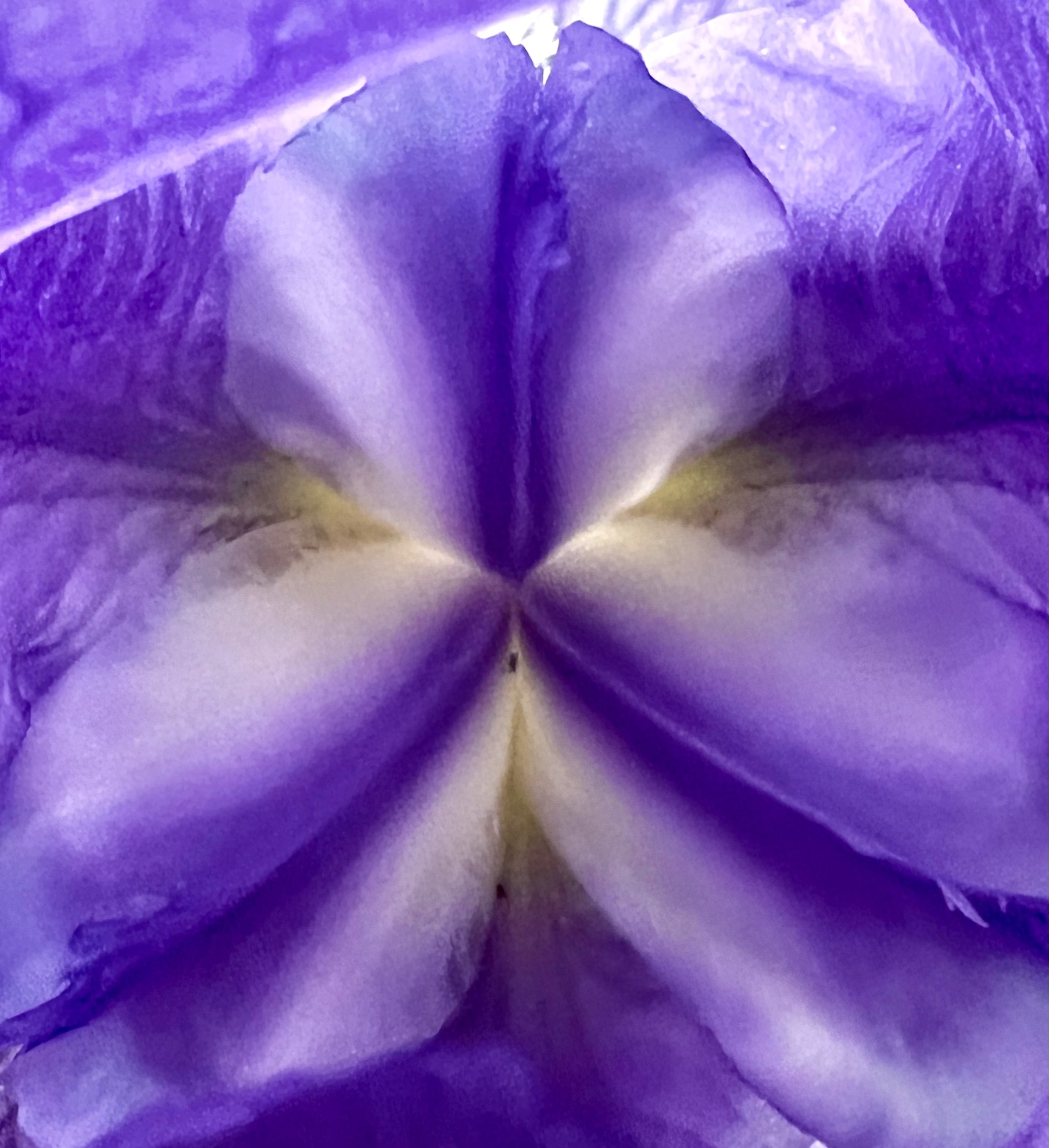
Whenever I allow my eye to peer into
an iris, it takes all my attention:
I need a flotation device
and depth finder.
I’m likely to get lost,
sweeping and swooning
through inner space
of tunnels, canyons and corners,
coming up for air and diving in again
to journey into exotic locales
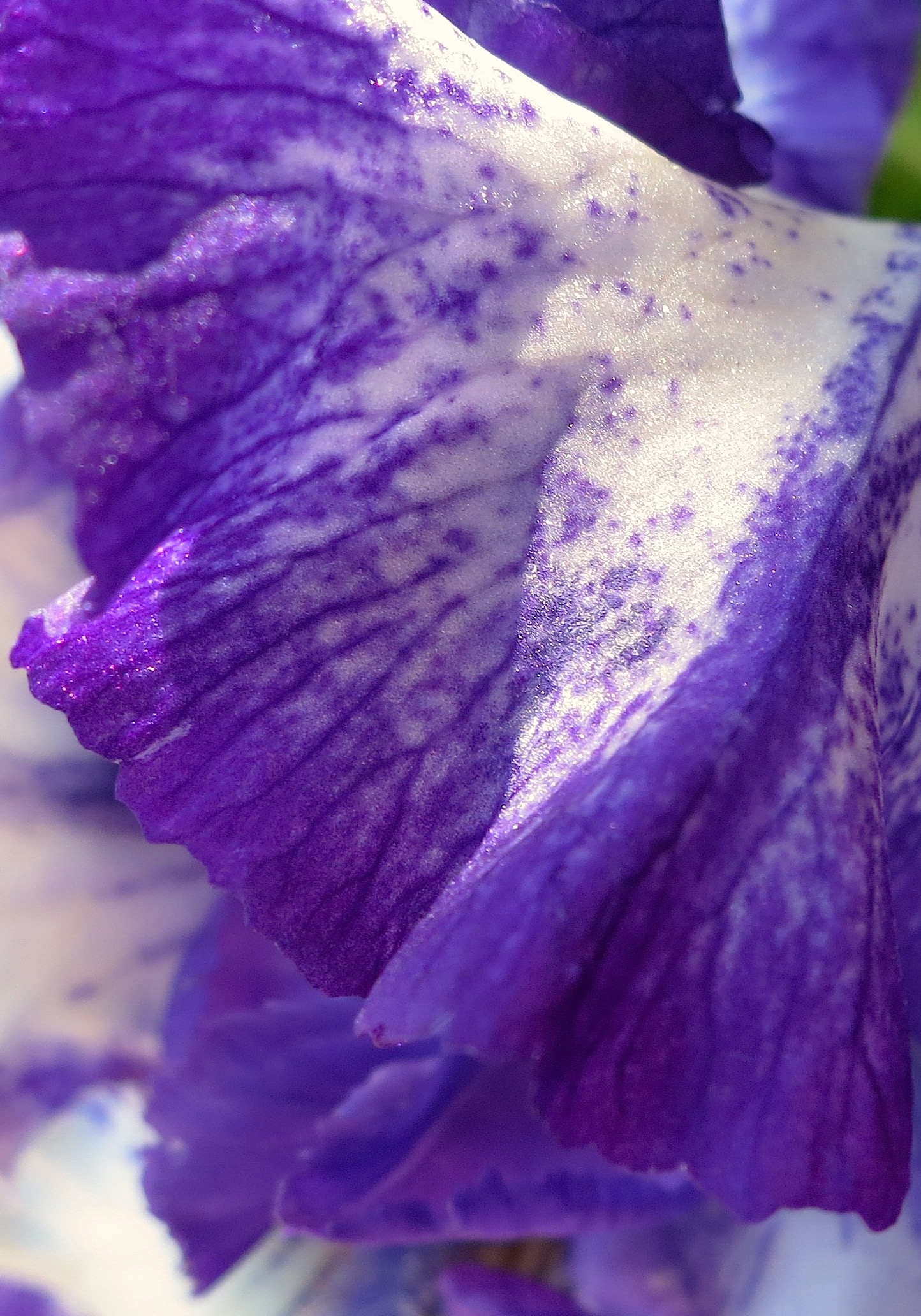
draped in silken hues
~this fairy land on a stem~
Patching a few words together,
I’m immersed in the possibilities,
blessed by such an impossible blossom.

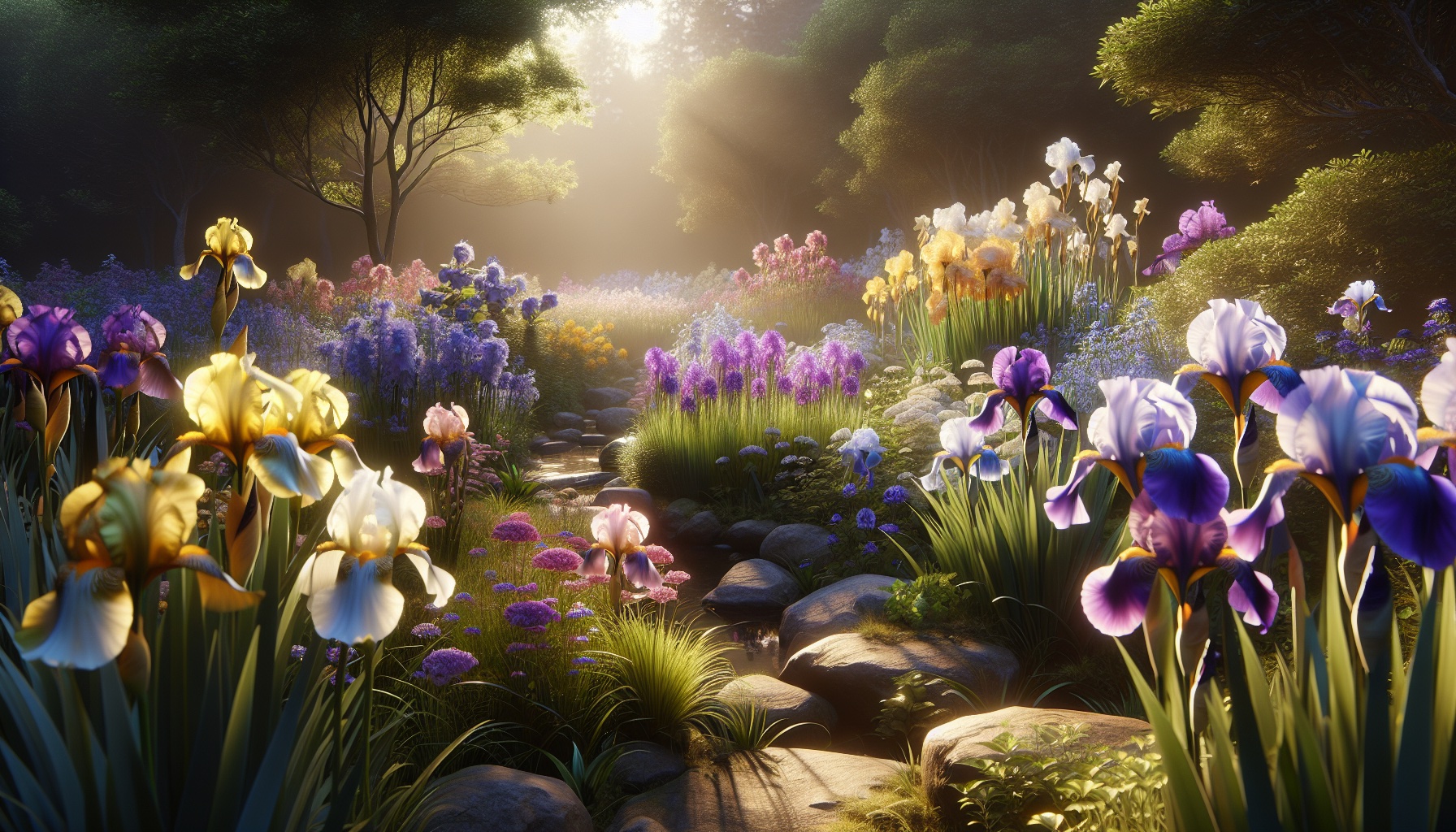
AI image created for this post
One-Time
Monthly
Yearly

Make a one-time or recurring donation to support daily Barnstorming posts

Make a monthly donation

Make a yearly donation

Choose an amount

$10.00
$25.00
$50.00
$5.00
$15.00
$100.00
$5.00
$15.00
$100.00

Or enter a custom amount

$

Your contribution is deeply appreciated.

Your contribution is appreciated.

Your contribution is appreciated.

DonateDonate monthlyDonate yearly
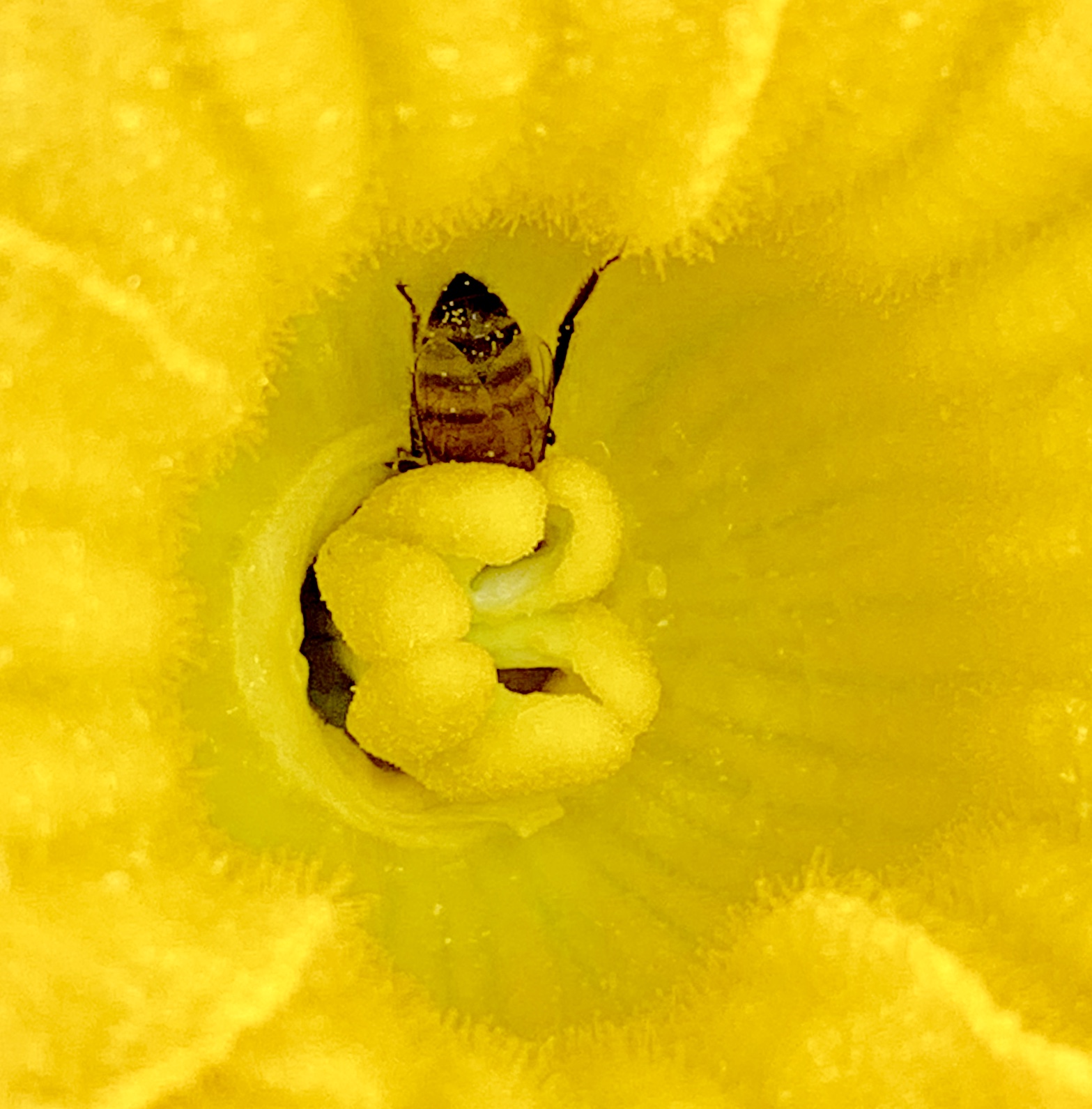
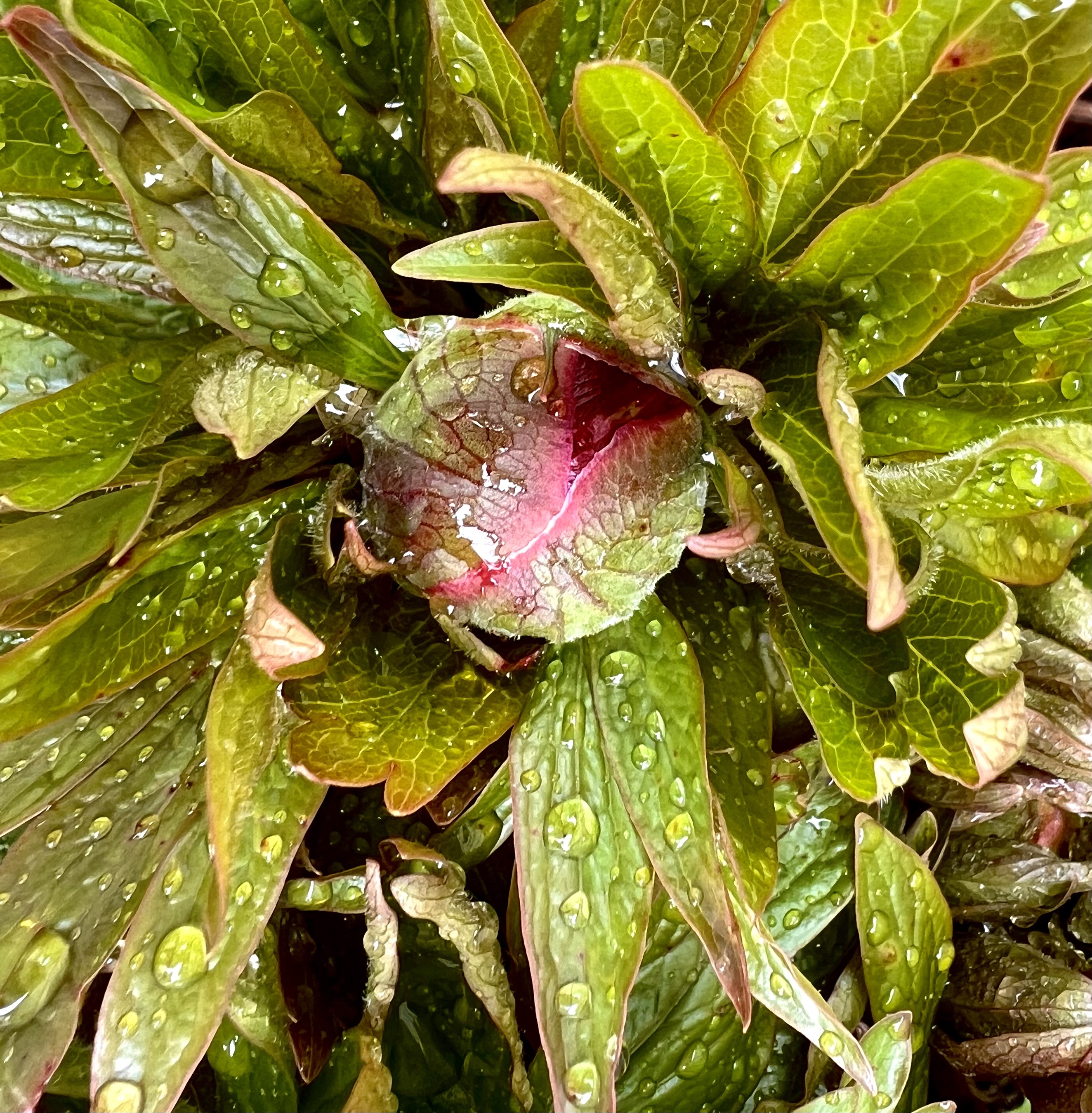
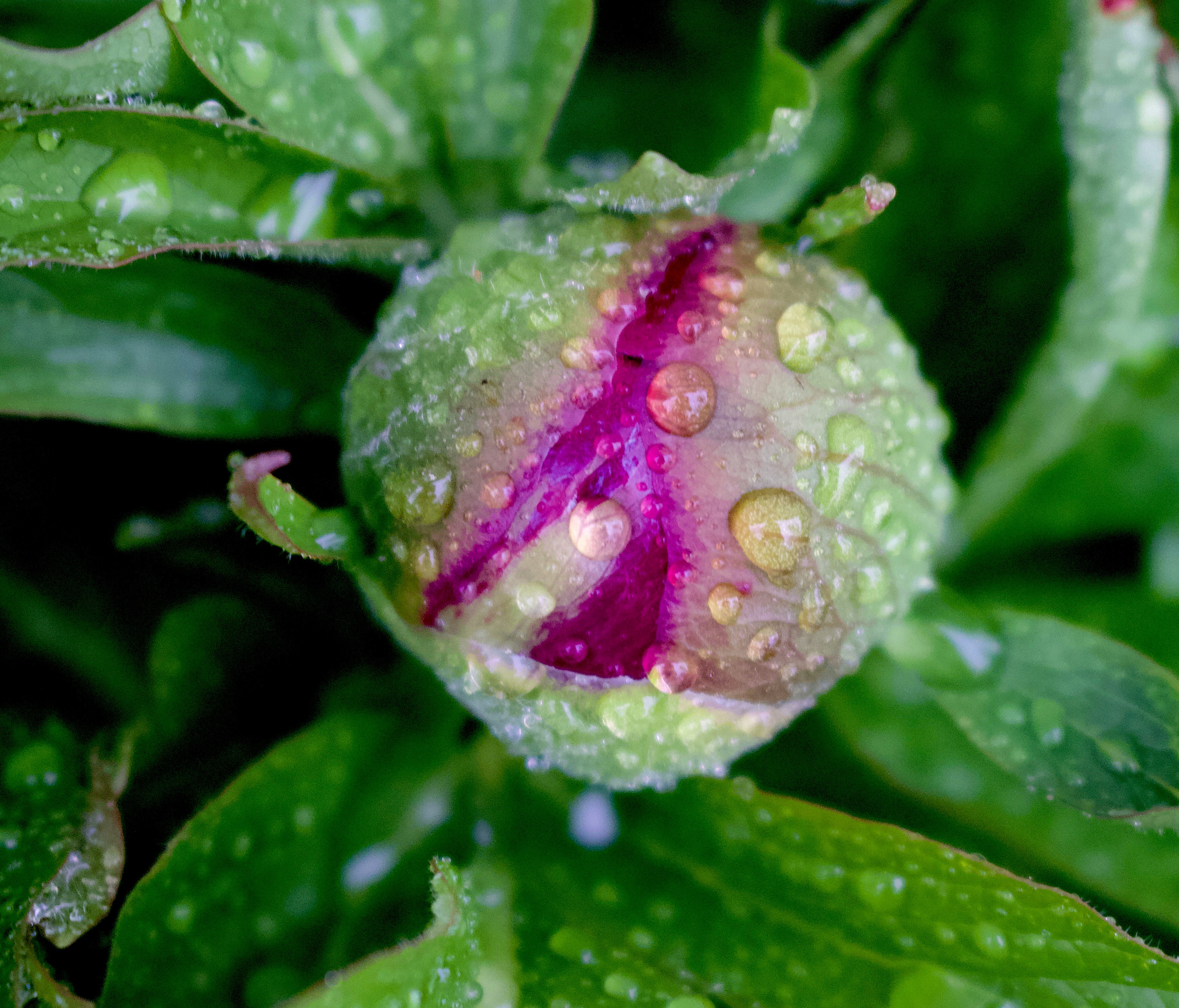
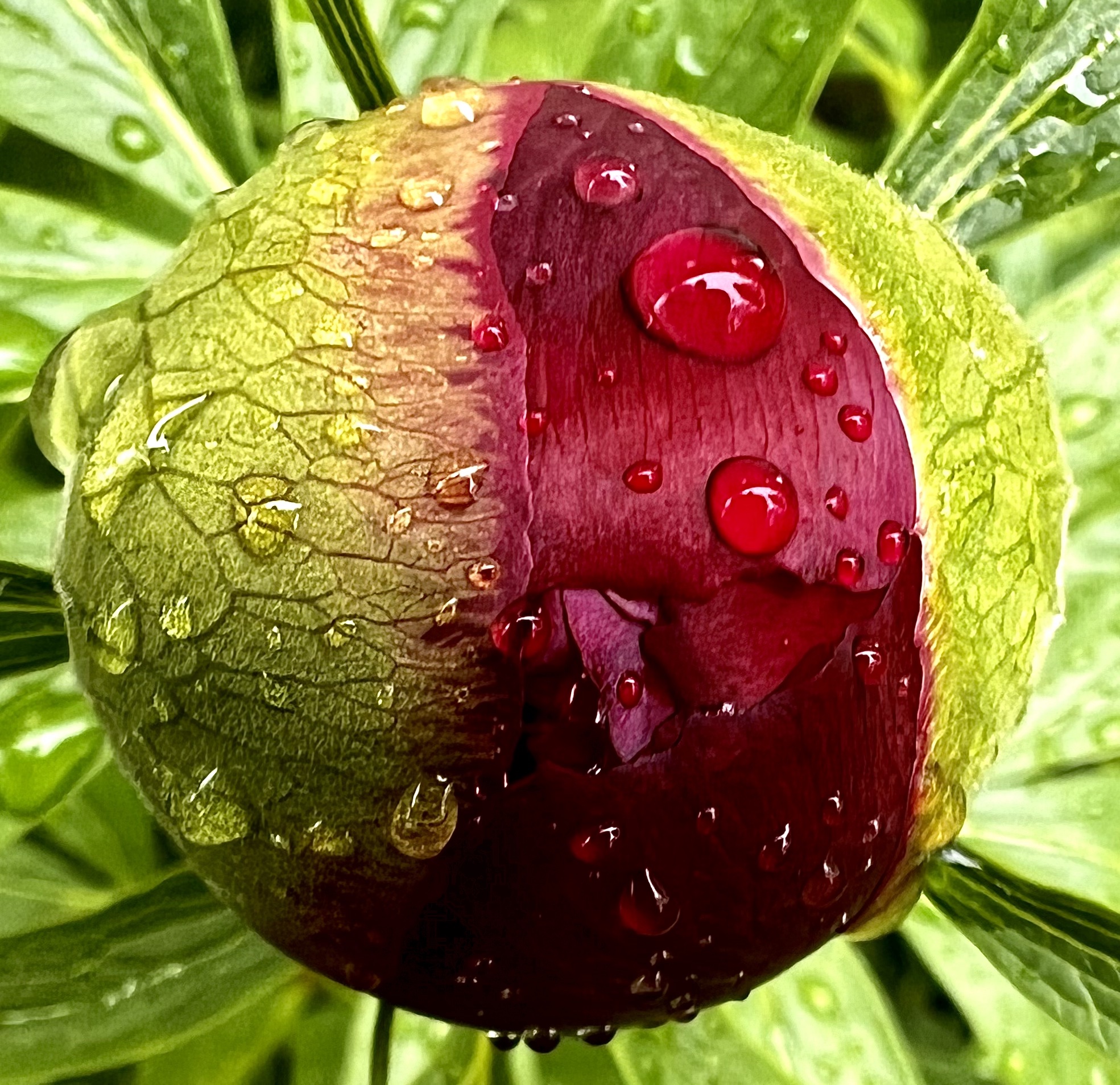
To Come Alive Again

This morning the green fists of the peonies are getting ready
to break my heart
as the sun rises, 
as the sun strokes them with his old, buttery fingers

and they open —
pools of lace, 
white and pink —

and all day
under the shifty wind, 
as in a dance to the great wedding,

the flowers bend their bright bodies, 
and tip their fragrance to the air, 
and rise, 
their red stems holding

all that dampness and recklessness 
gladly and lightly, 
and there it is again — 
beauty the brave, the exemplary,

blazing open. 
Do you love this world? 
Do you cherish your humble and silky life? 
Do you adore the green grass, with its terror beneath?

Do you also hurry, half-dressed and barefoot, into the garden, 
and softly, 
and exclaiming of their dearness, 
fill your arms with the white and pink flowers,

with their honeyed heaviness, their lush trembling, 
their eagerness
to be wild and perfect for a moment, before they are
nothing, forever?
~Mary Oliver 
from New And Selected Poems 

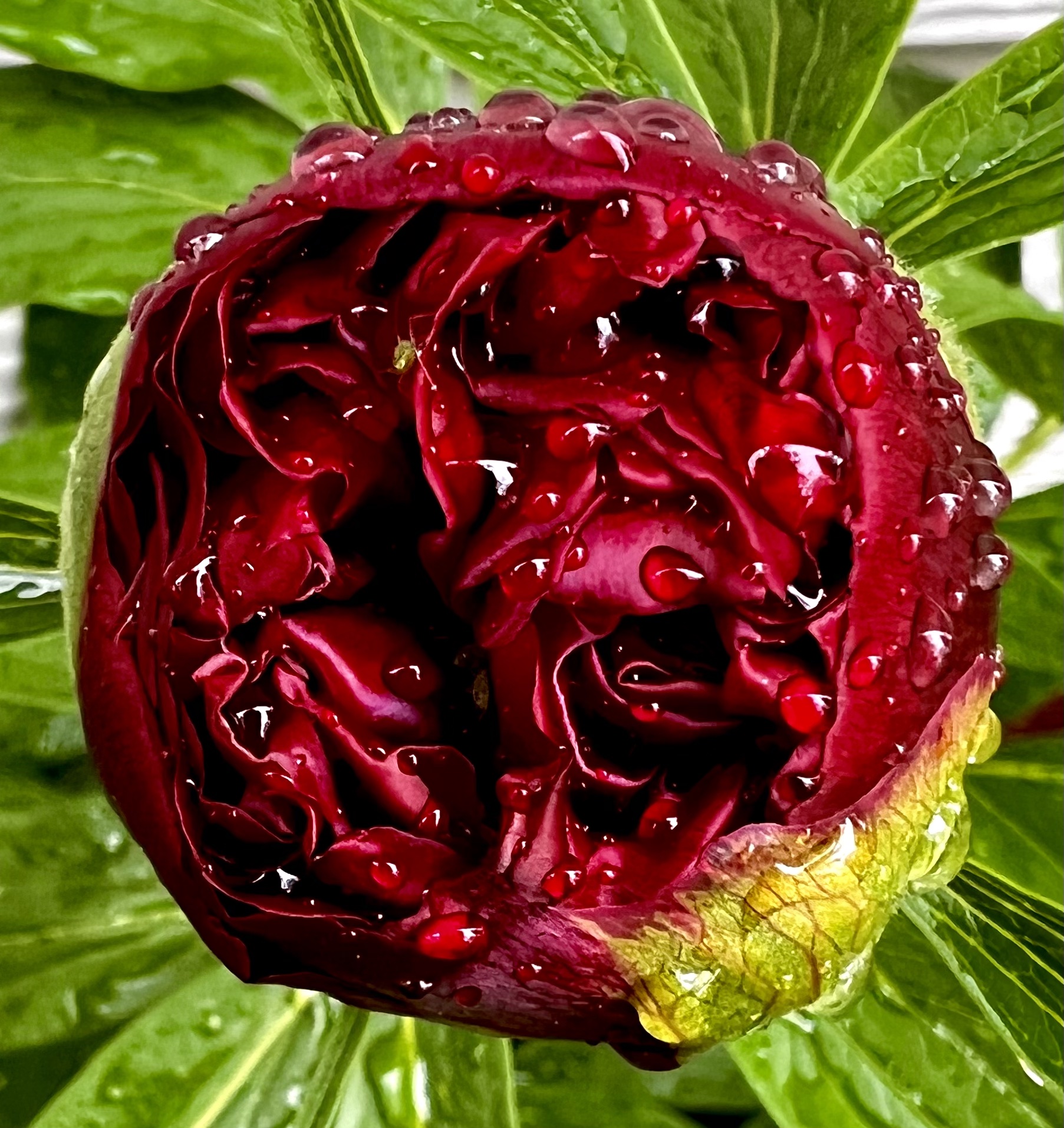
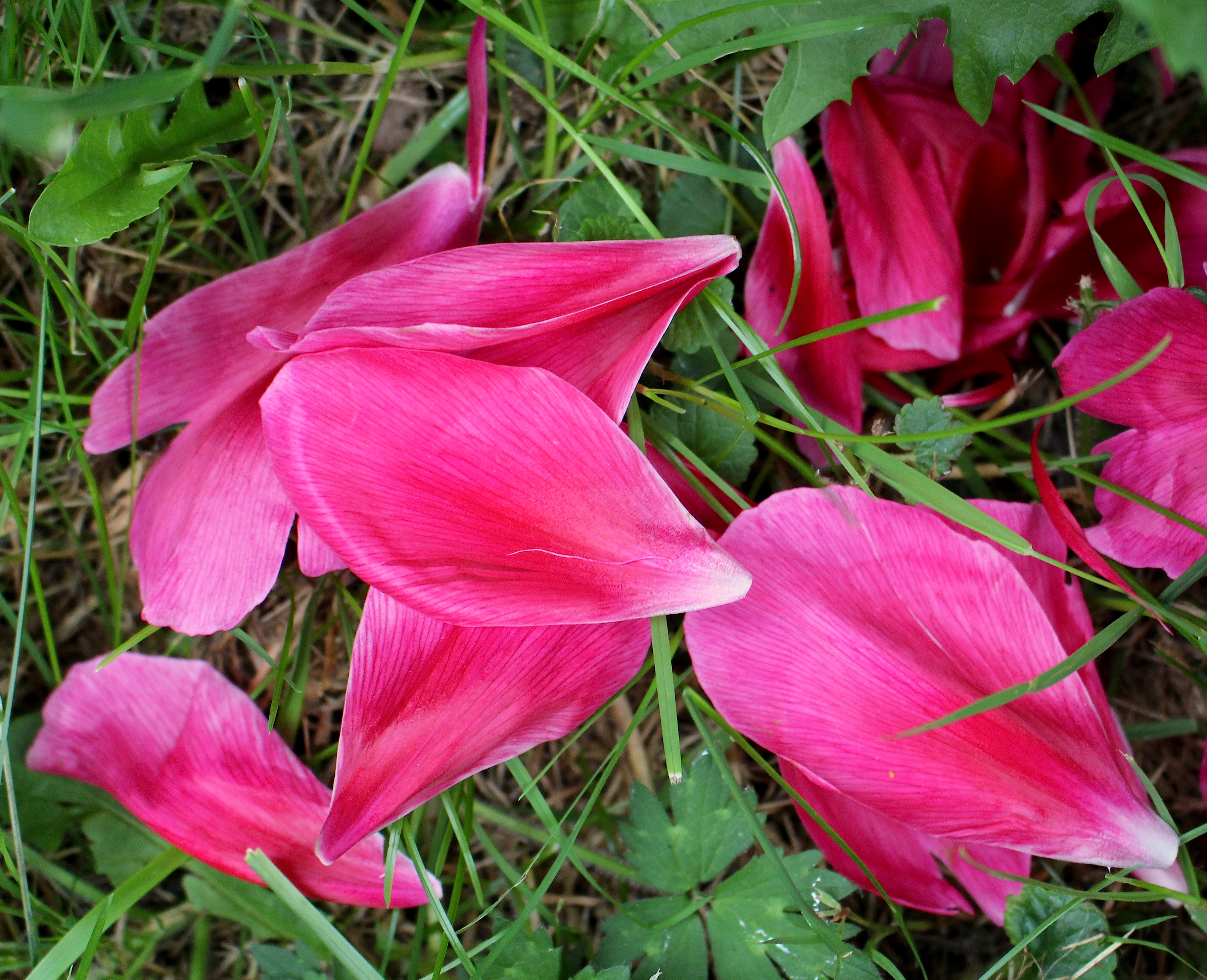
The peonies, too heavy with their beauty,
slump to the ground. I had hoped
they would live forever but ever so slowly
day by day they’re becoming the soil of their birth
with a faint tang of deliquescence around them.
Next June they’ll somehow remember to come alive again,
a little trick we have or have not learned.

~Jim Harrison “Peonies” from In Search of Small Gods

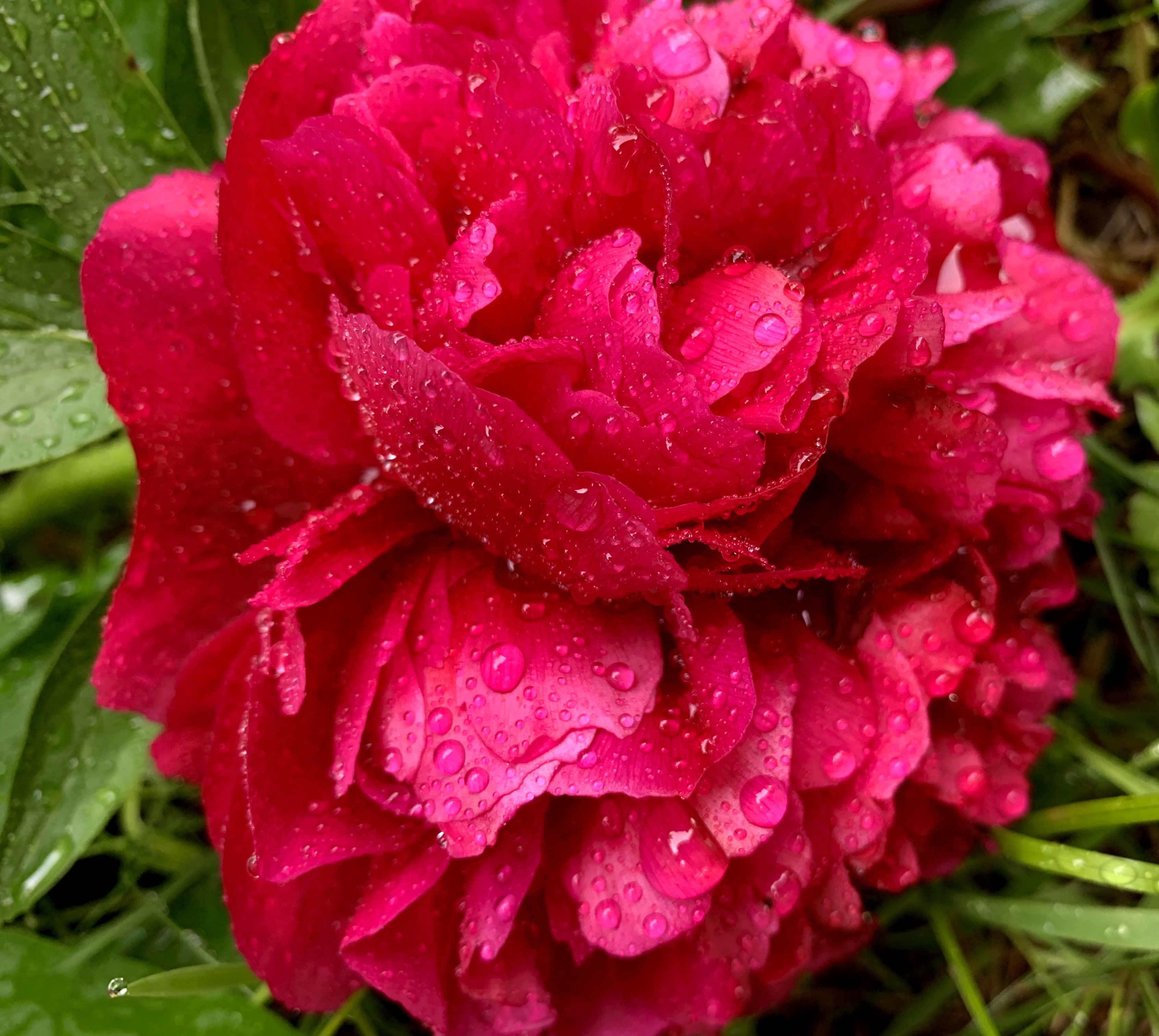
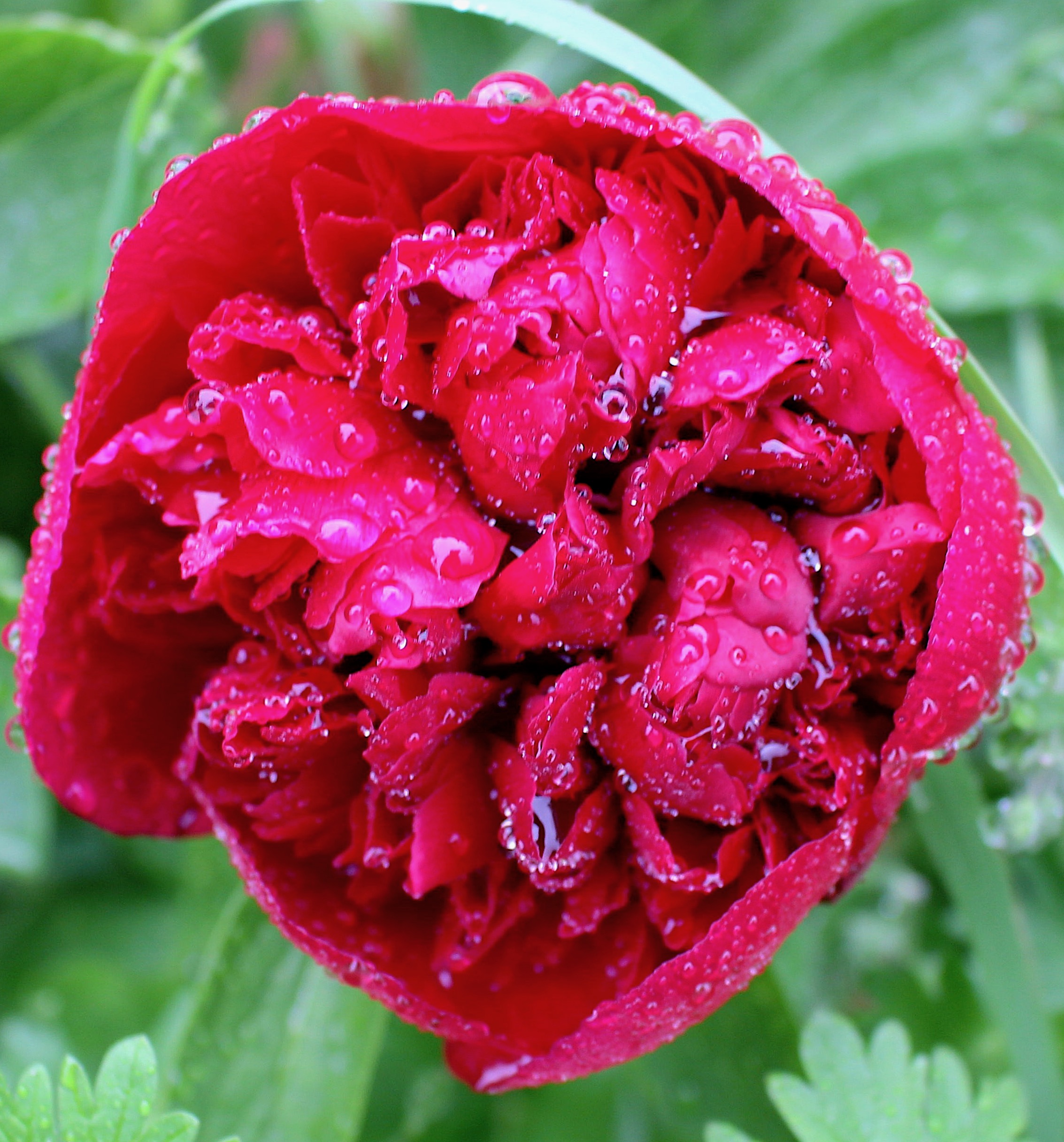
Later this month, I will bring our peonies
to the graves of those from whom I came,
to lay one after another exuberant floral head
upon each headstone,
a moment of connection between those in the ground
and me standing above, acknowledging its thin space
when one more humble and silky life shatters,
its petals slowly
scatter, lush and trembling,
to the wind.

One-Time
Monthly
Yearly

Make a one-time or recurring donation to support daily Barnstorming posts

Make a monthly donation

Make a yearly donation

Choose an amount

$10.00
$25.00
$50.00
$5.00
$15.00
$100.00
$5.00
$15.00
$100.00

Or enter a custom amount

$

Your contribution is deeply appreciated.

Your contribution is appreciated.

Your contribution is appreciated.

DonateDonate monthlyDonate yearly
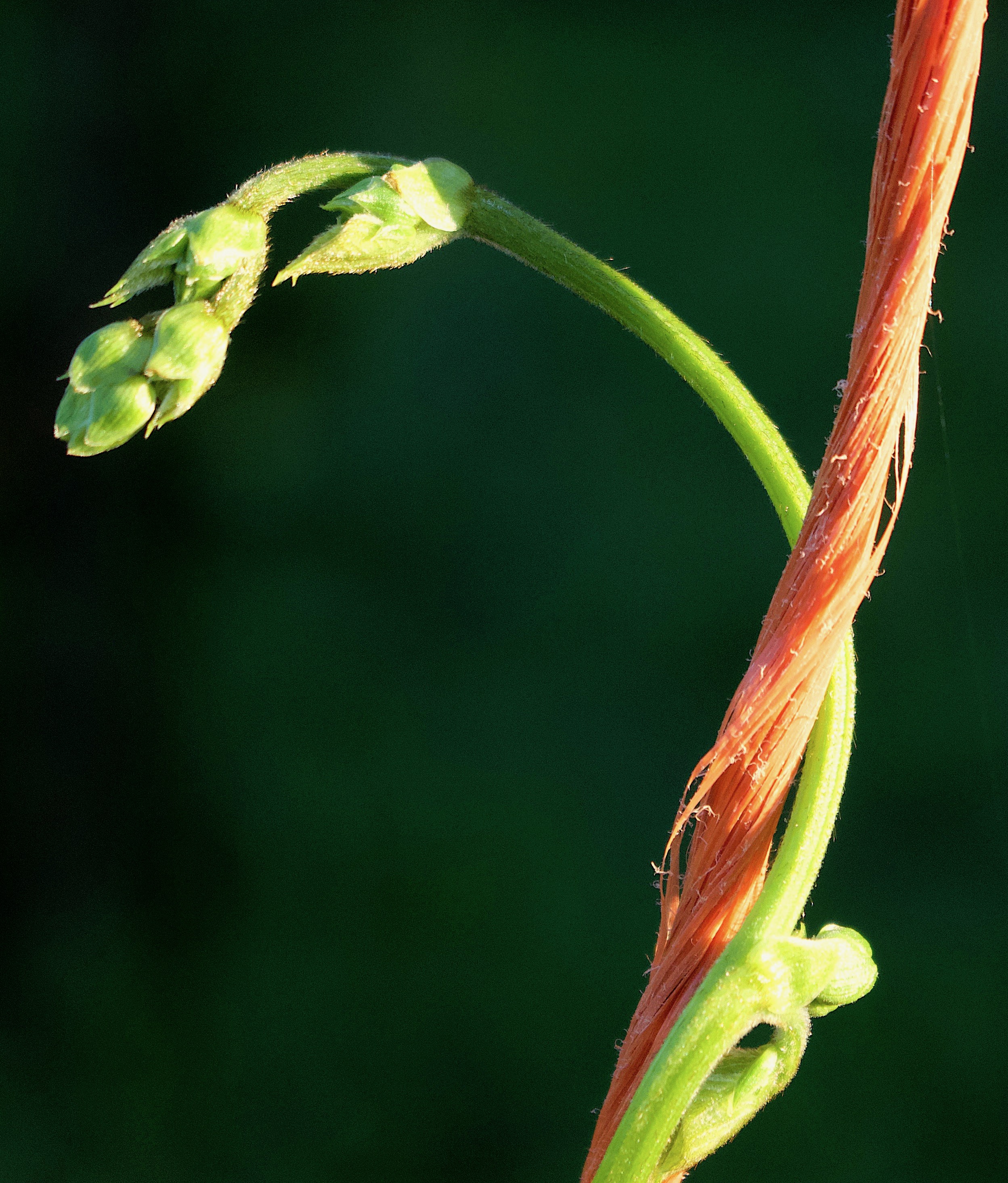
Letting It Go

Sometimes they
go outside, maybe


move a rosebush
to the back yard or


clean a window.
Usually they


simply stand,
under a maple


or in a snowfall.
And this is often


when they see
a nuthatch on its


dizzy route down
a trunk, or


the quick flick
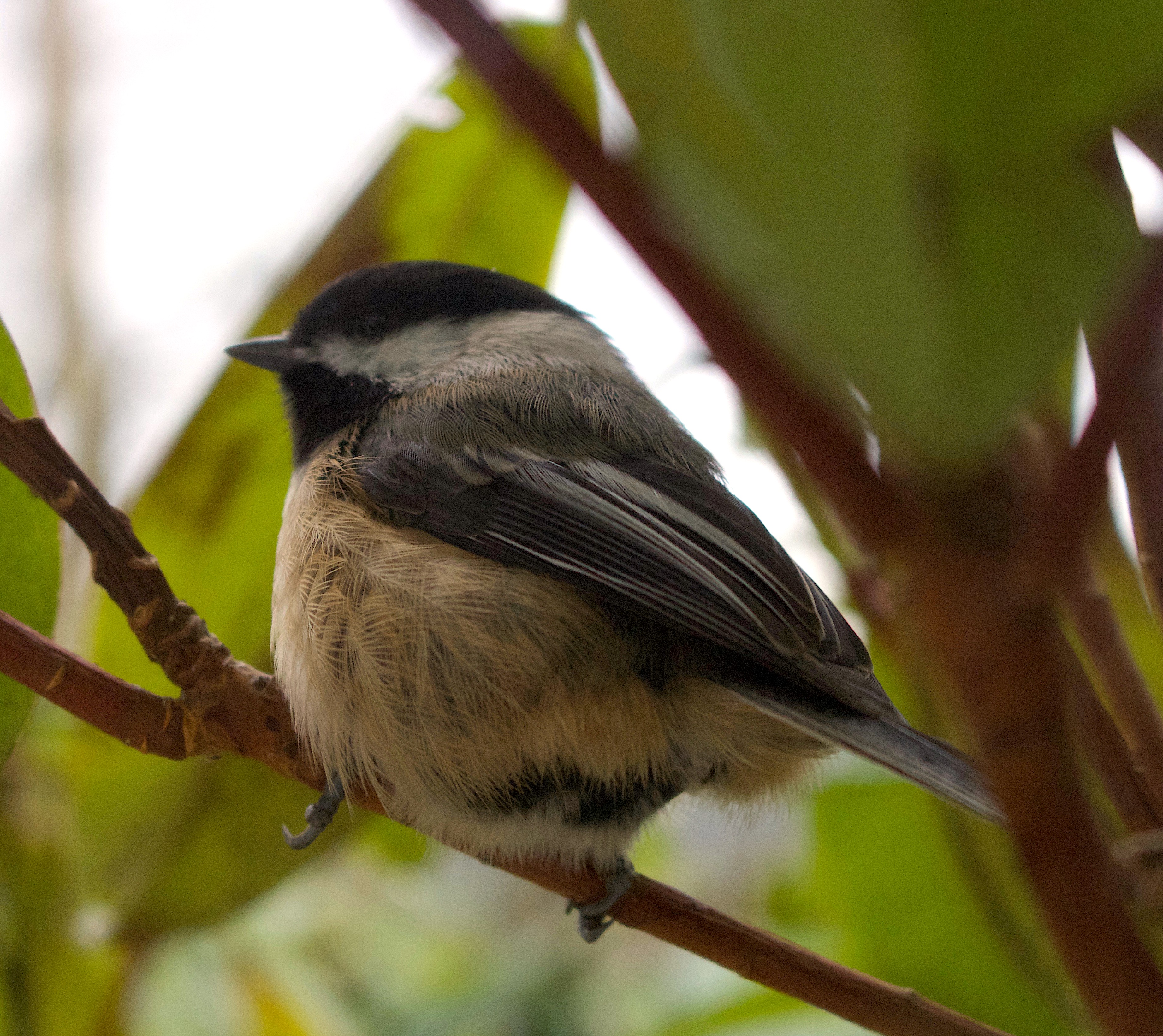
of a chickadee


across the yard
and onto a branch.


They don’t do
much. That’s for


others. They know
how to take things


for granted, know
what to miss.


Every morning
they make breakfast.


And when the sun
sets, they let it go.

~Jack Ridl “The Neighbors” from Practicing to Walk Like a Heron

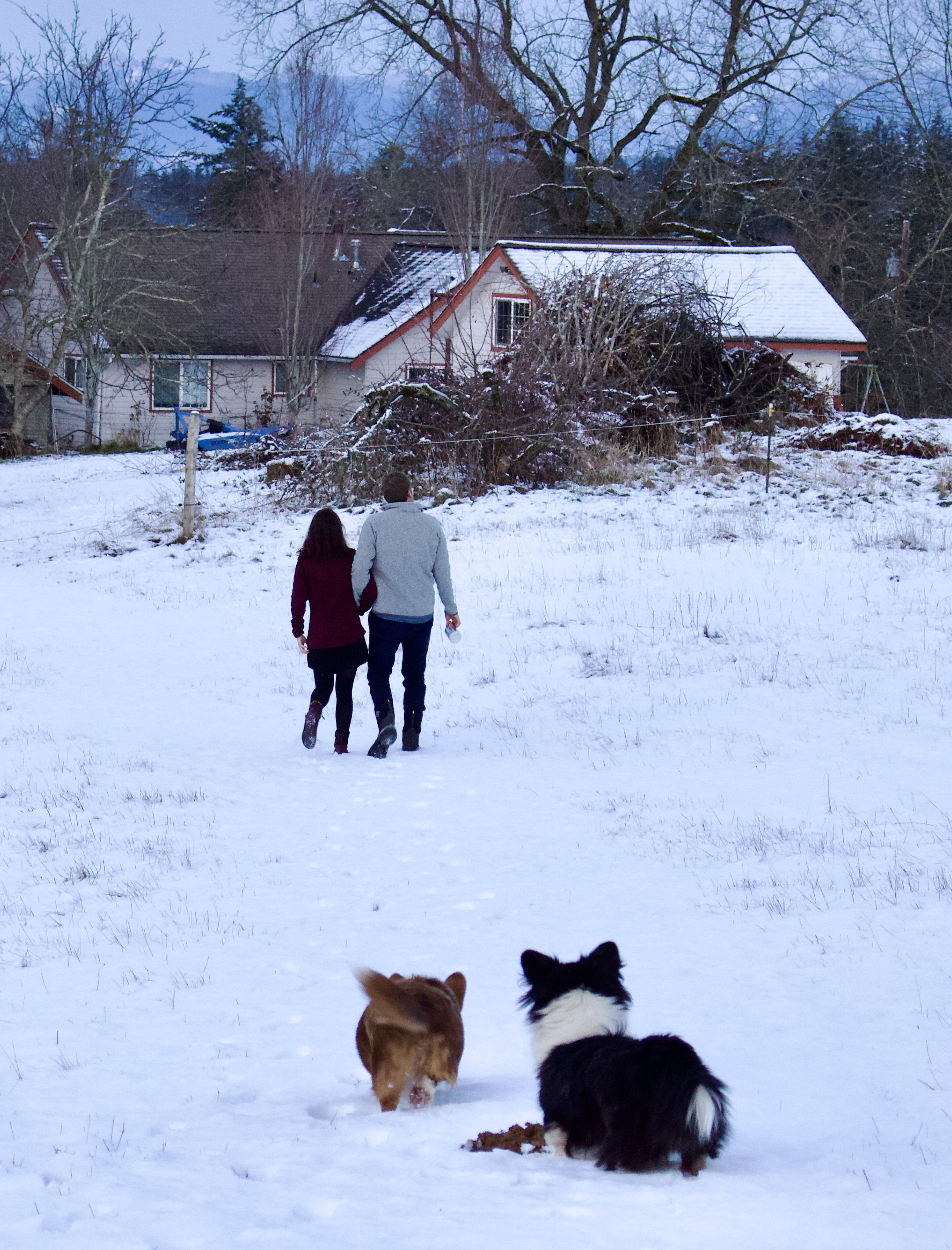
We are surrounded by acres of farmland, blessed by neighbors hard at work cherishing the land and buildings and animals they own. They don’t take anything for granted and strive to preserve a heritage of good stewardship. Even so, they know when to sit back to appreciate the rhythms of the seasons.

There is joy in simply watching time pass by.

The land continues to teach us all, through the sweet springs, the sweaty summers, the colorful autumns and harsh winter winds. We need each other when the snow drifts high on our driveways, the power goes out, the well runs dry, or the garden produces far more than we can just use ourselves.

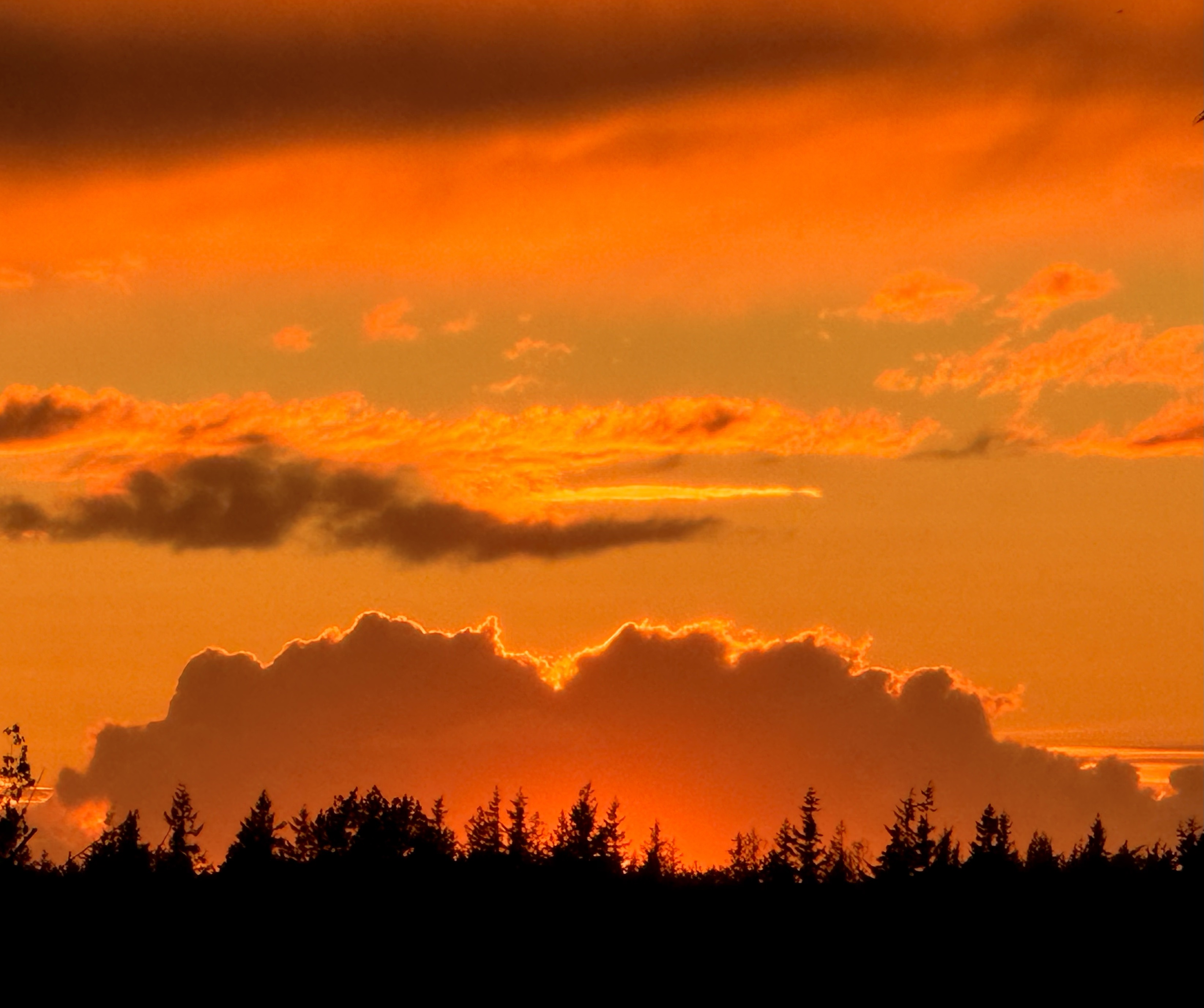
And when the sun sets — well, we watch it with awe.

Another day of letting it go, grateful for what our gentle neighbors share with us – those who are next door, those just down the road, and I’m daily reminded of the generosity of those of you who take the time to stop by to read these words and say howdy.

To live in this world

you must be able
to do three things:
to love what is mortal;
to hold it

against your bones knowing
your own life depends on it;
and, when the time comes to let it go,
to let it go.
~Mary Oliver, “In Blackwater Woods”

One-Time
Monthly
Yearly

Make a one-time or recurring donation to support daily Barnstorming posts

Make a monthly donation

Make a yearly donation

Choose an amount

$10.00
$25.00
$50.00
$5.00
$15.00
$100.00
$5.00
$15.00
$100.00

Or enter a custom amount

$

Your contribution is deeply appreciated.

Your contribution is appreciated.

Your contribution is appreciated.

DonateDonate monthlyDonate yearly
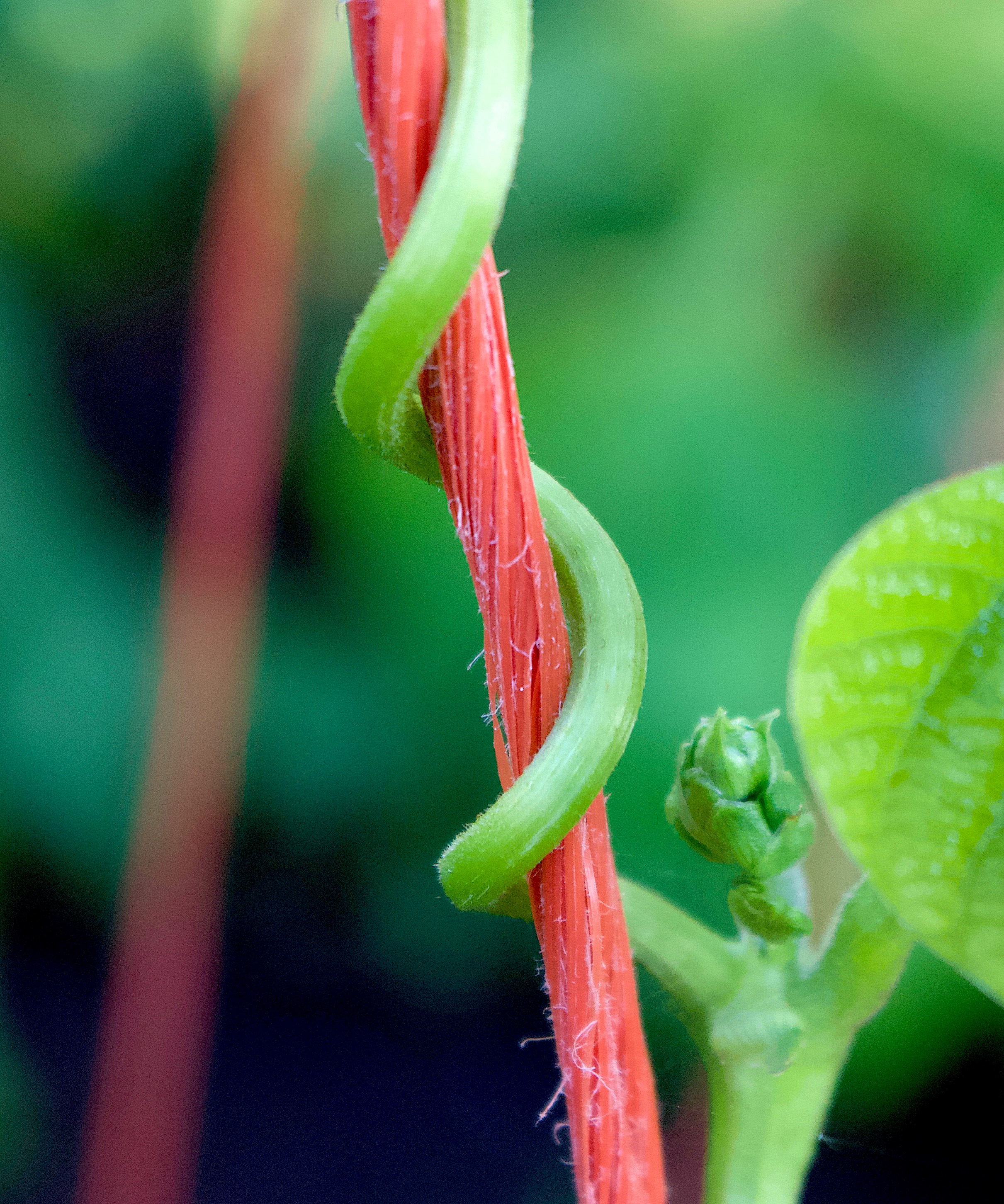
Let Me Go There…

And God held in his hand
A small globe. Look, he said.
The son looked. Far off,
As through water, he saw
A scorched land of fierce
Colour. The light burned
There; crusted buildings
Cast their shadows; a bright
Serpent, a river
Uncoiled itself, radiant
With slime.

                        On a bare
Hill a bare tree saddened
The sky. Many people
Held out their thin arms
To it, as though waiting
For a vanished April
To return to its crossed
Boughs. The son watched
Them. Let me go there, he said.
~R.S. Thomas “The Coming”

You have answered
us with the image of yourself
on a hewn tree, suffering
injustice, pardoning it;
pointing as though in either
direction; horrifying us
with the possibility of dislocation.
Ah, love, with your arms out
wide, tell us how much more
they must still be stretched
to embrace a universe drawing
away from us at the speed of light.
~R.S.Thomas “Tell Us”

“Let me go there”
And You did. Knowing what awaited You.

Your arms out wide
to embrace us
who try to grasp
a heaven which eludes us.

This heaven, Your heaven
You brought down to us,
knowing our terrible need.

You wanted to come here,
knowing all this.

Holding us firmly
within your wounded grip,
You the Son
handed us back to heaven.

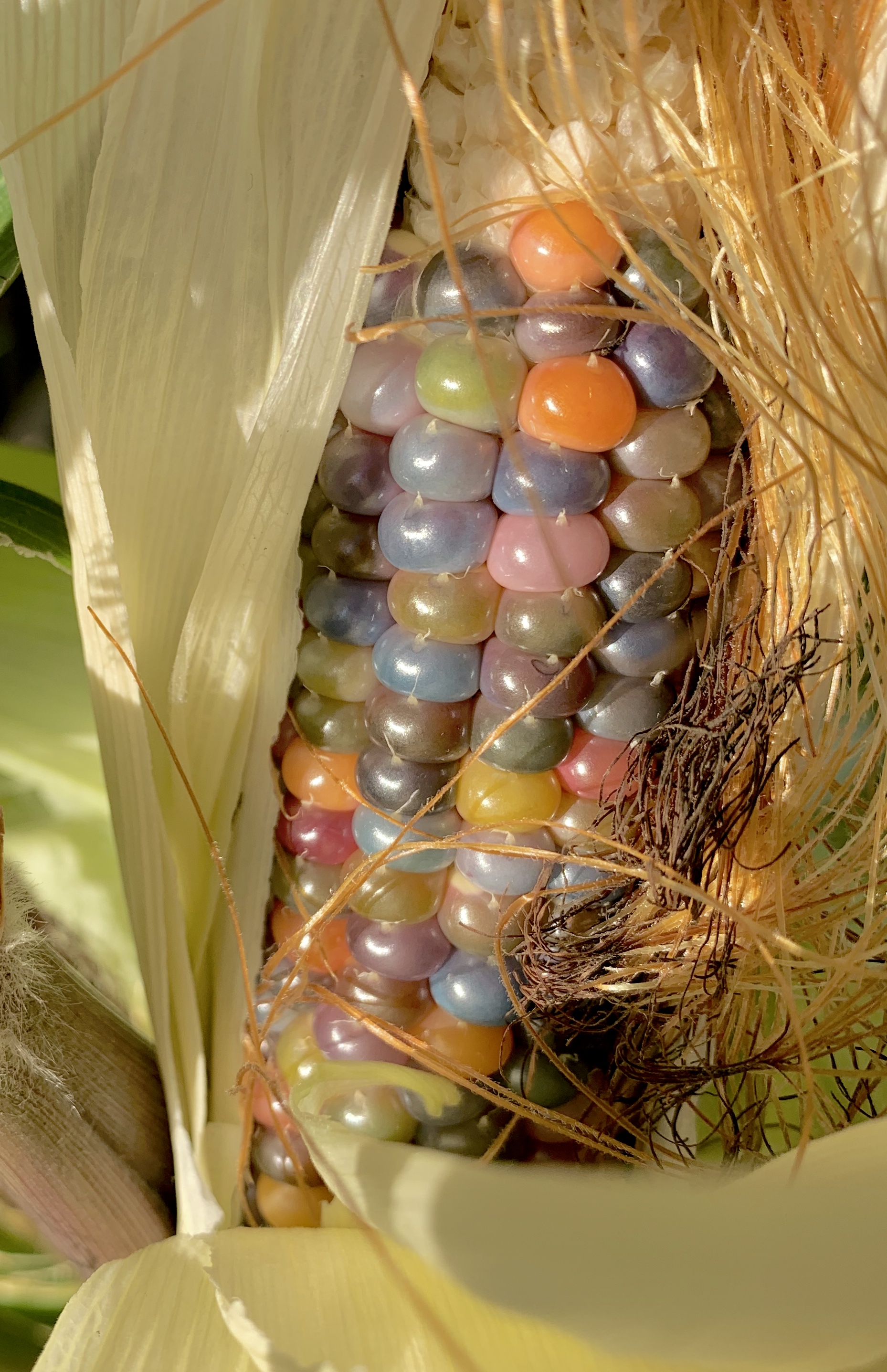
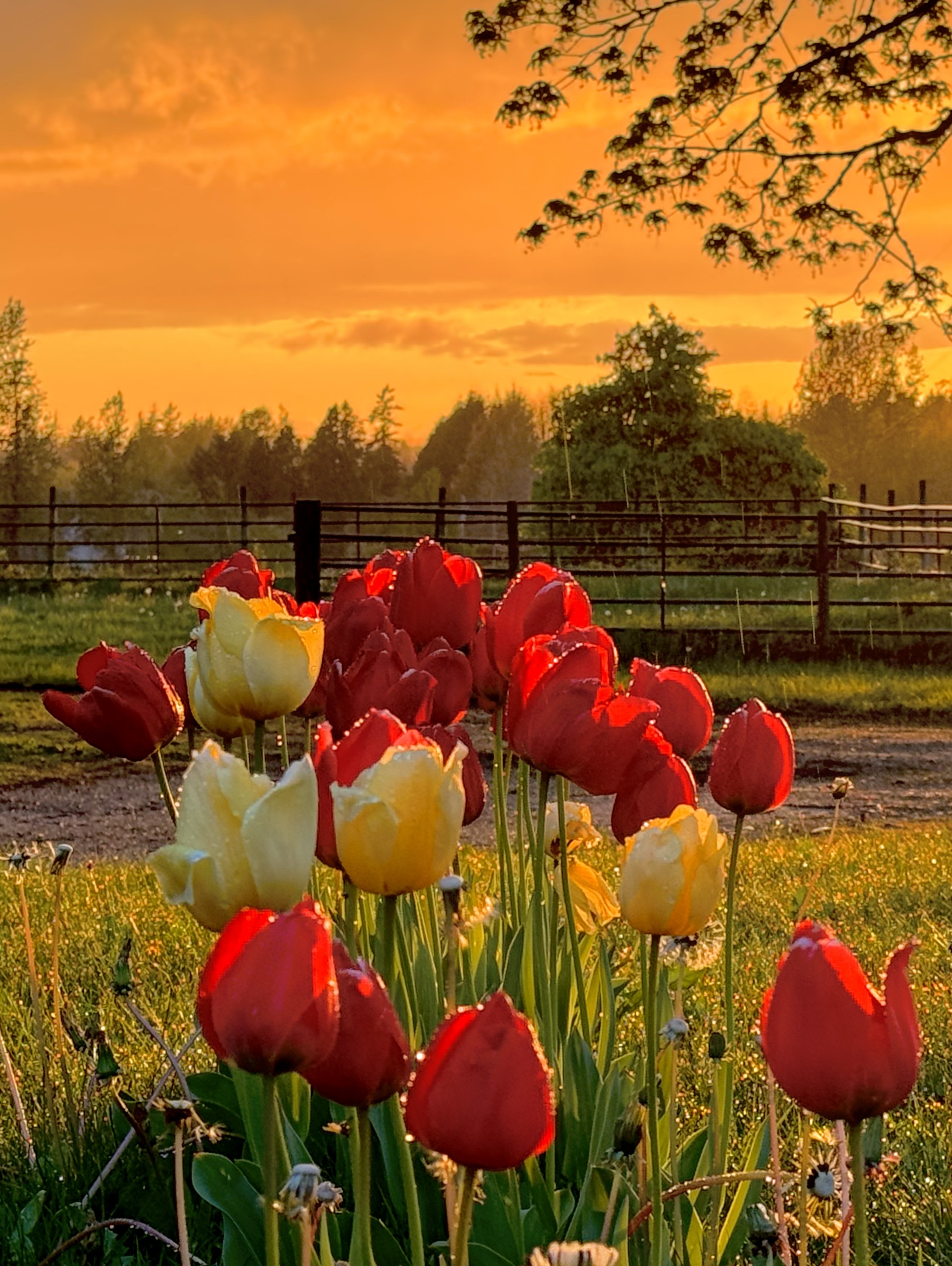
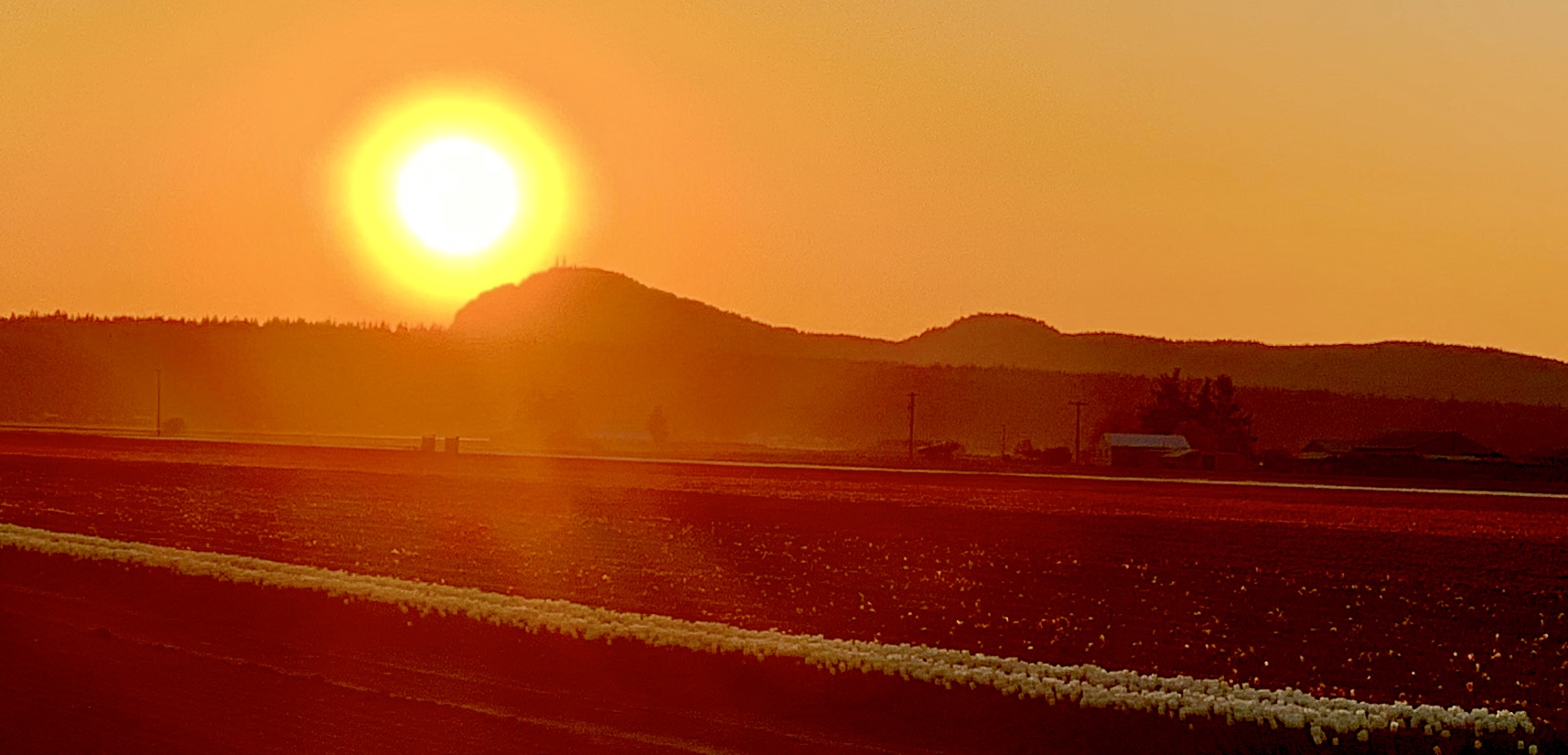
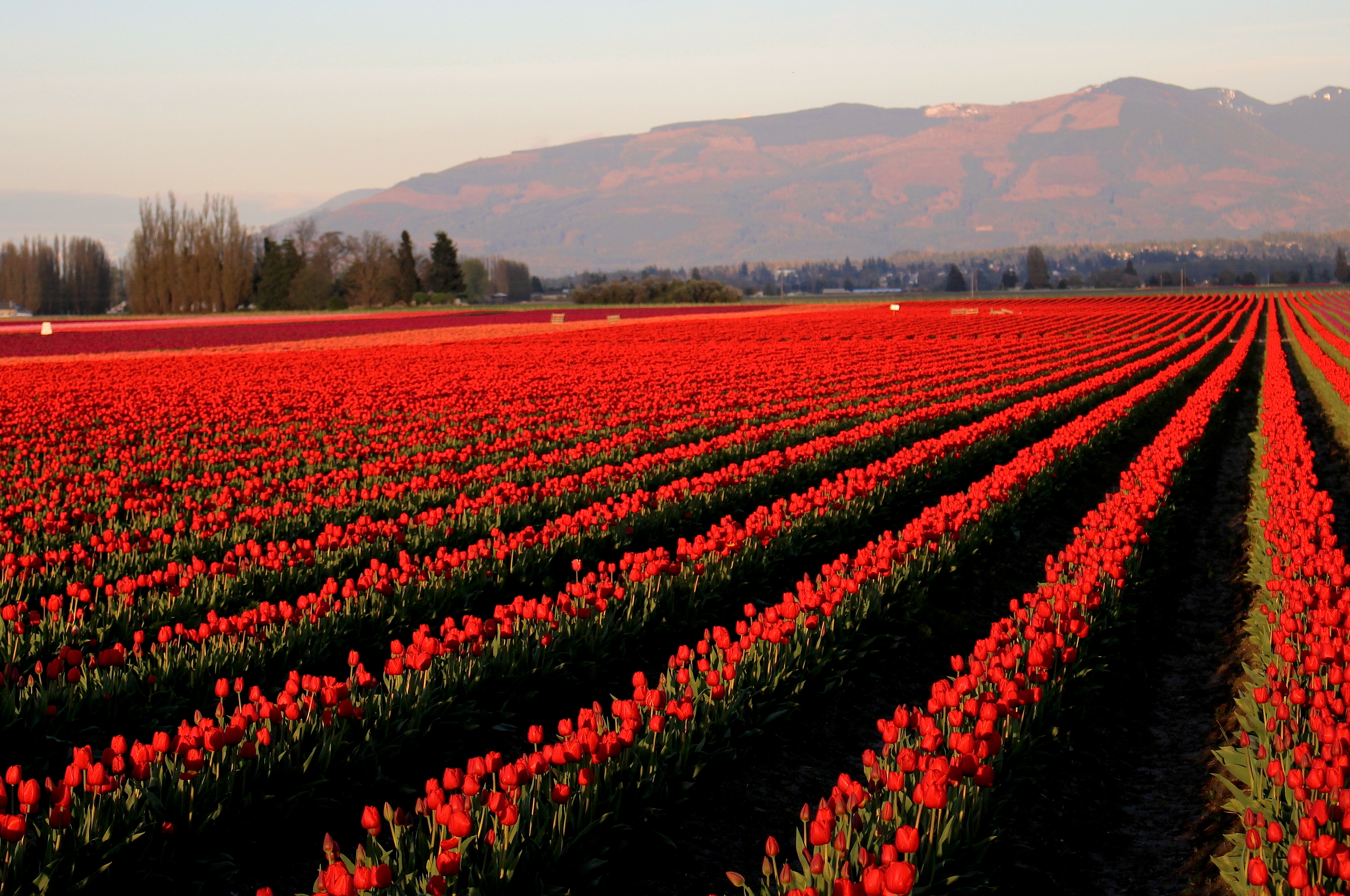
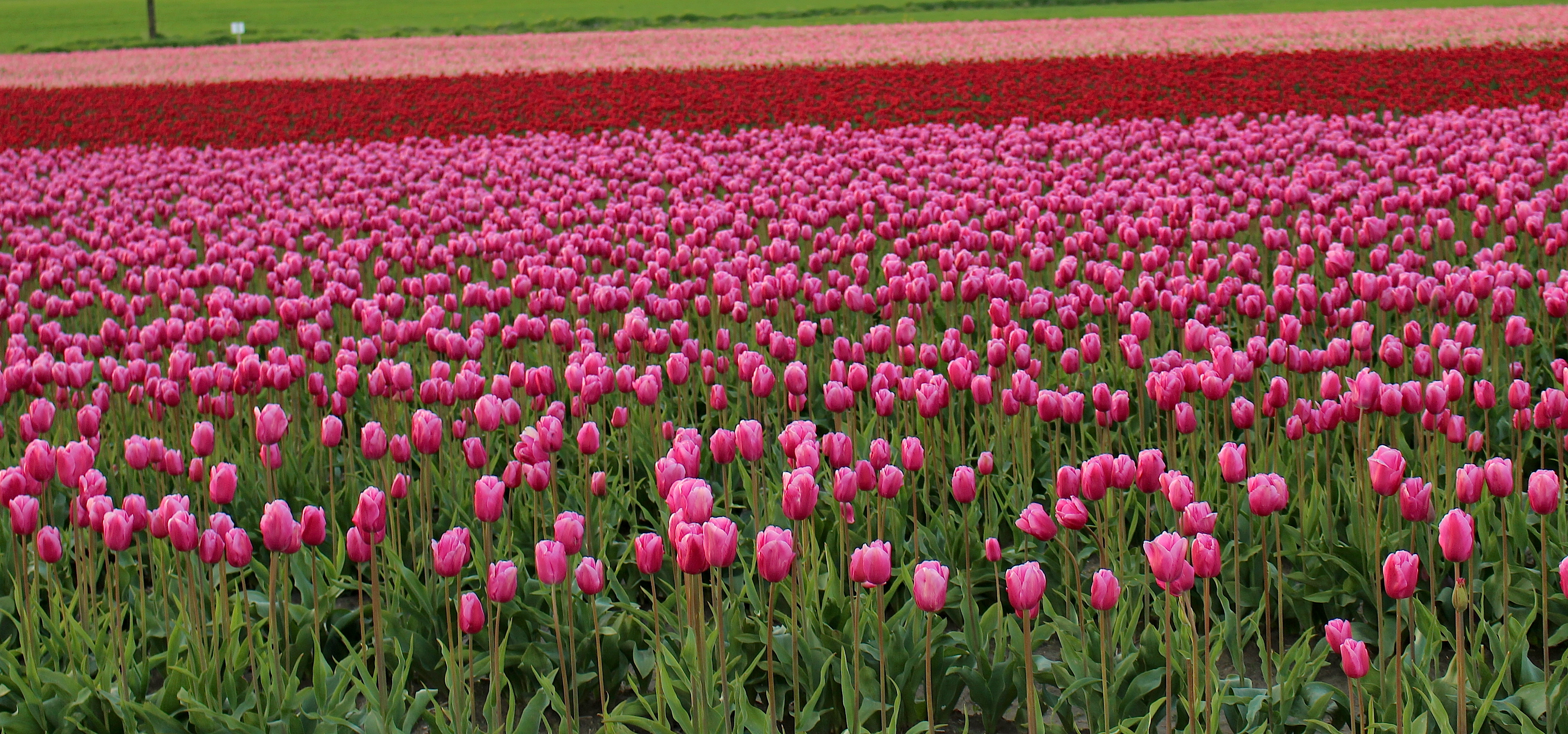
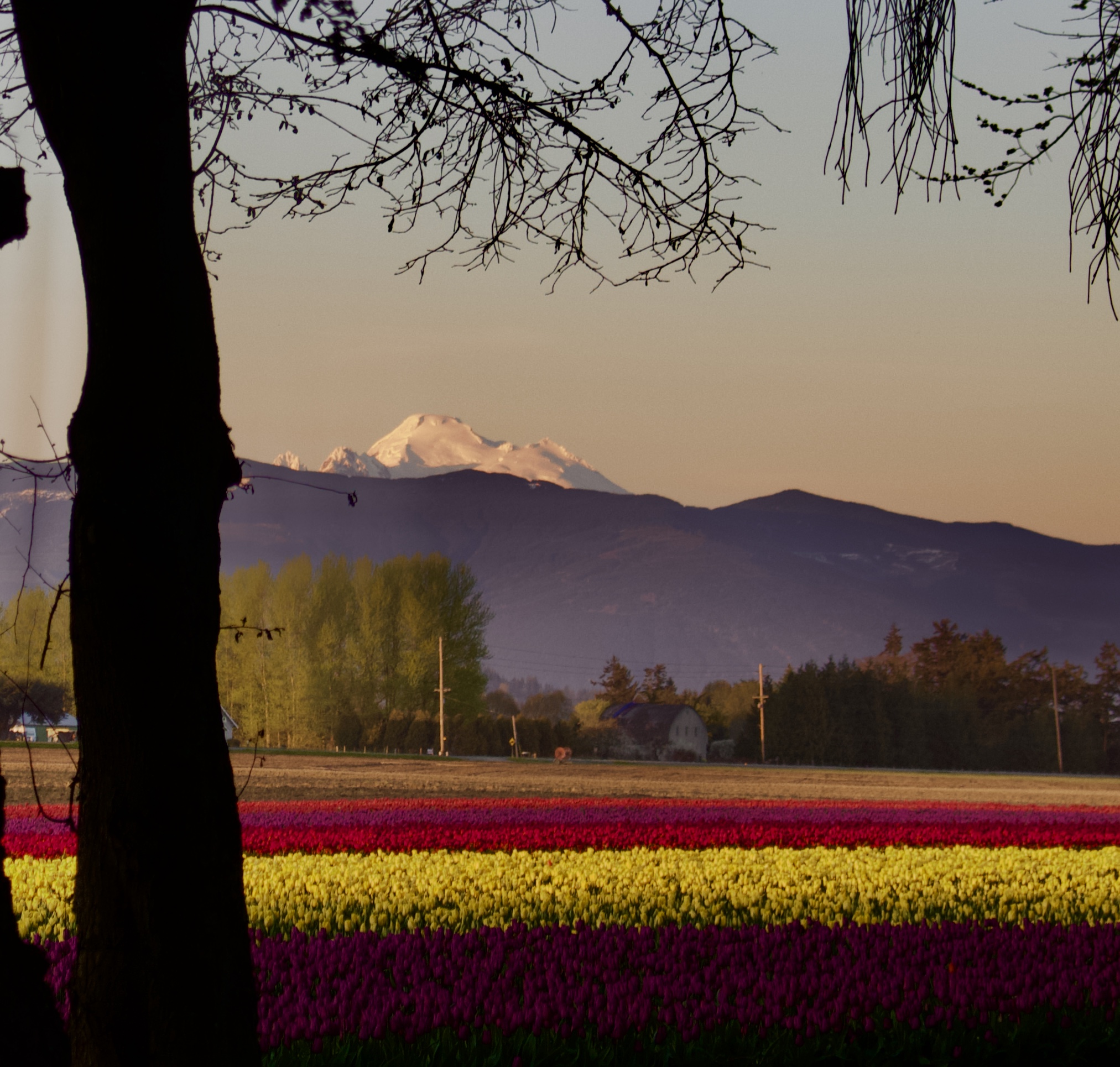
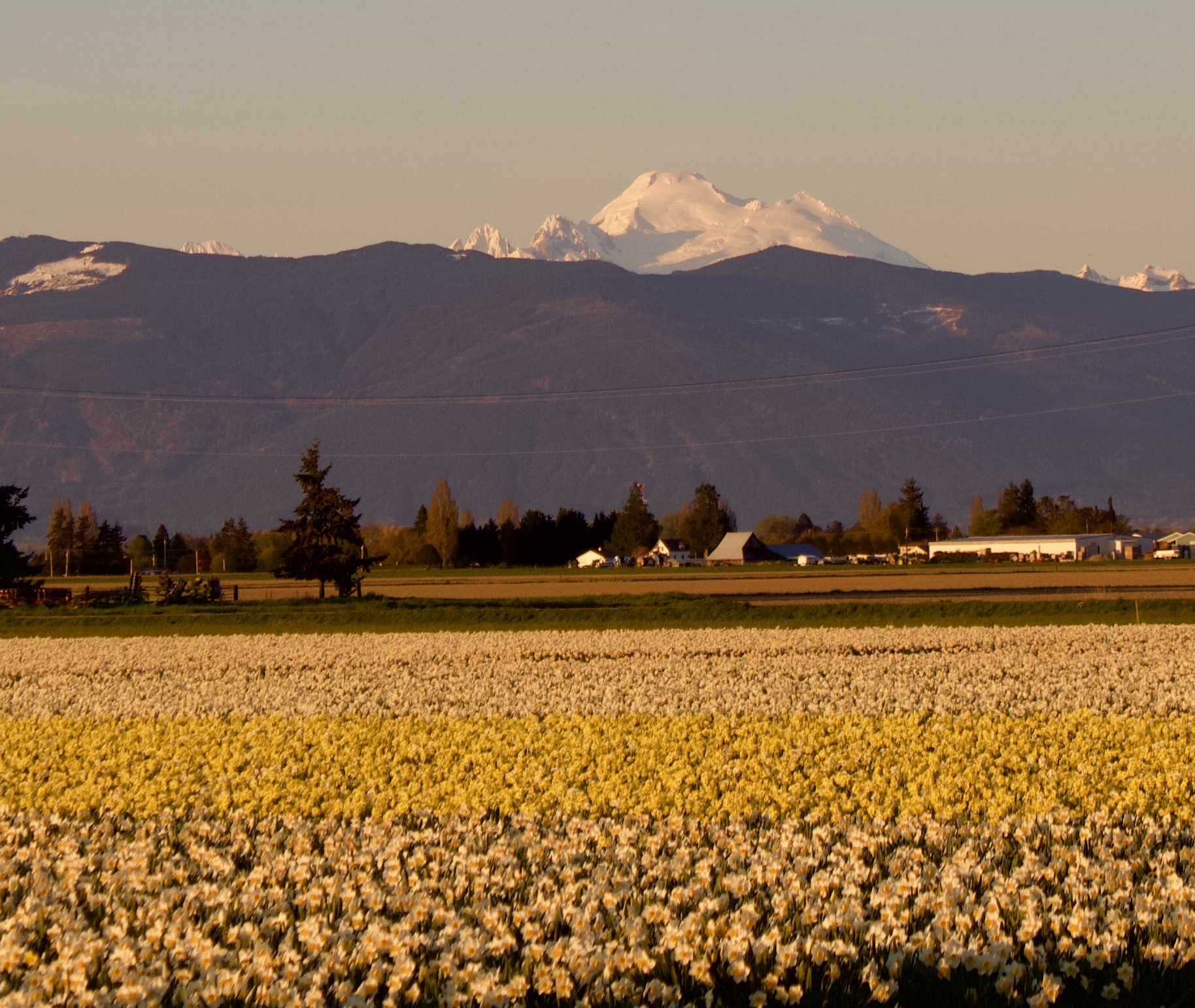
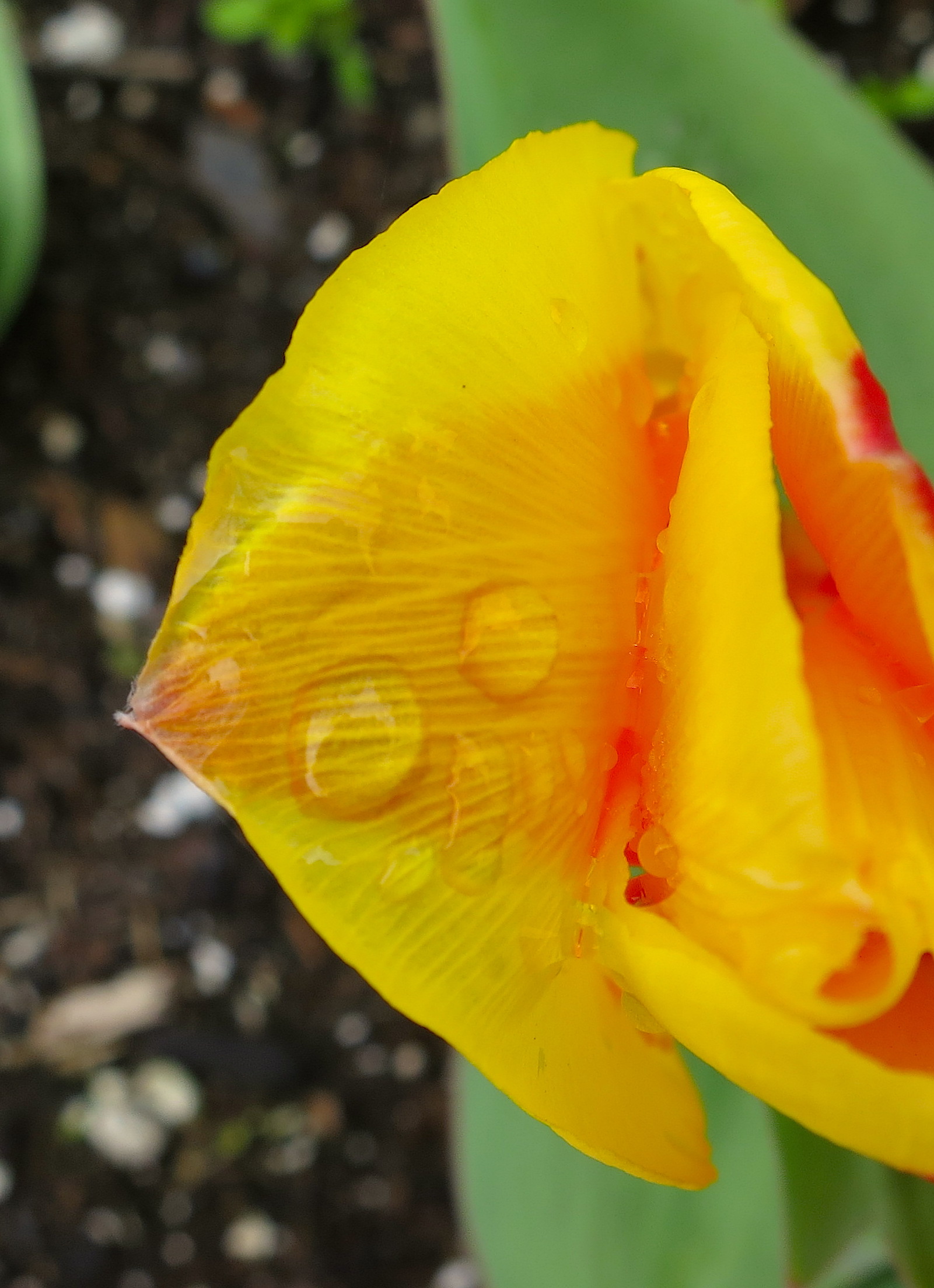
Mostly months of dirt rows
Plain and unnoticed.
Could be corn, could be beans
Could be anything;
Drive-by fly-over dull.

Yet April ignites an explosion:
Dazzling retinal hues
Singed and scorched, crying
Grateful tears for such as this
Grounded rainbow on Earth

Transient, incandescent
Brilliance hoped for.
Remembered in dreams,
Promises realized,
Housed in crystal before shattering.

One-Time
Monthly
Yearly

Make a one-time or recurring donation to support daily Barnstorming posts

Make a monthly donation

Make a yearly donation

Choose an amount

$10.00
$25.00
$50.00
$5.00
$15.00
$100.00
$5.00
$15.00
$100.00

Or enter a custom amount

$

Your contribution is deeply appreciated.

Your contribution is appreciated.

Your contribution is appreciated.

DonateDonate monthlyDonate yearly
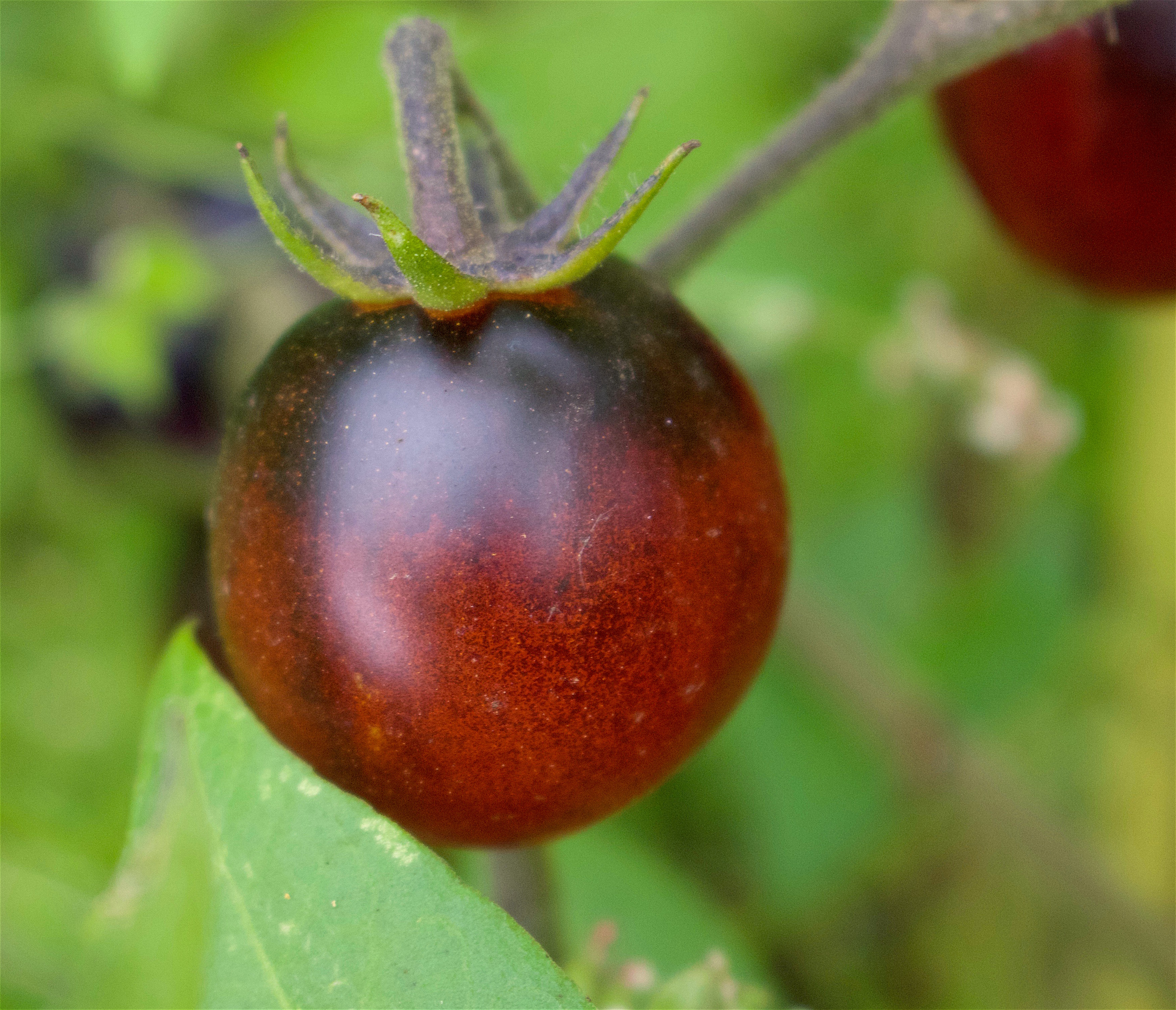
A World Made New

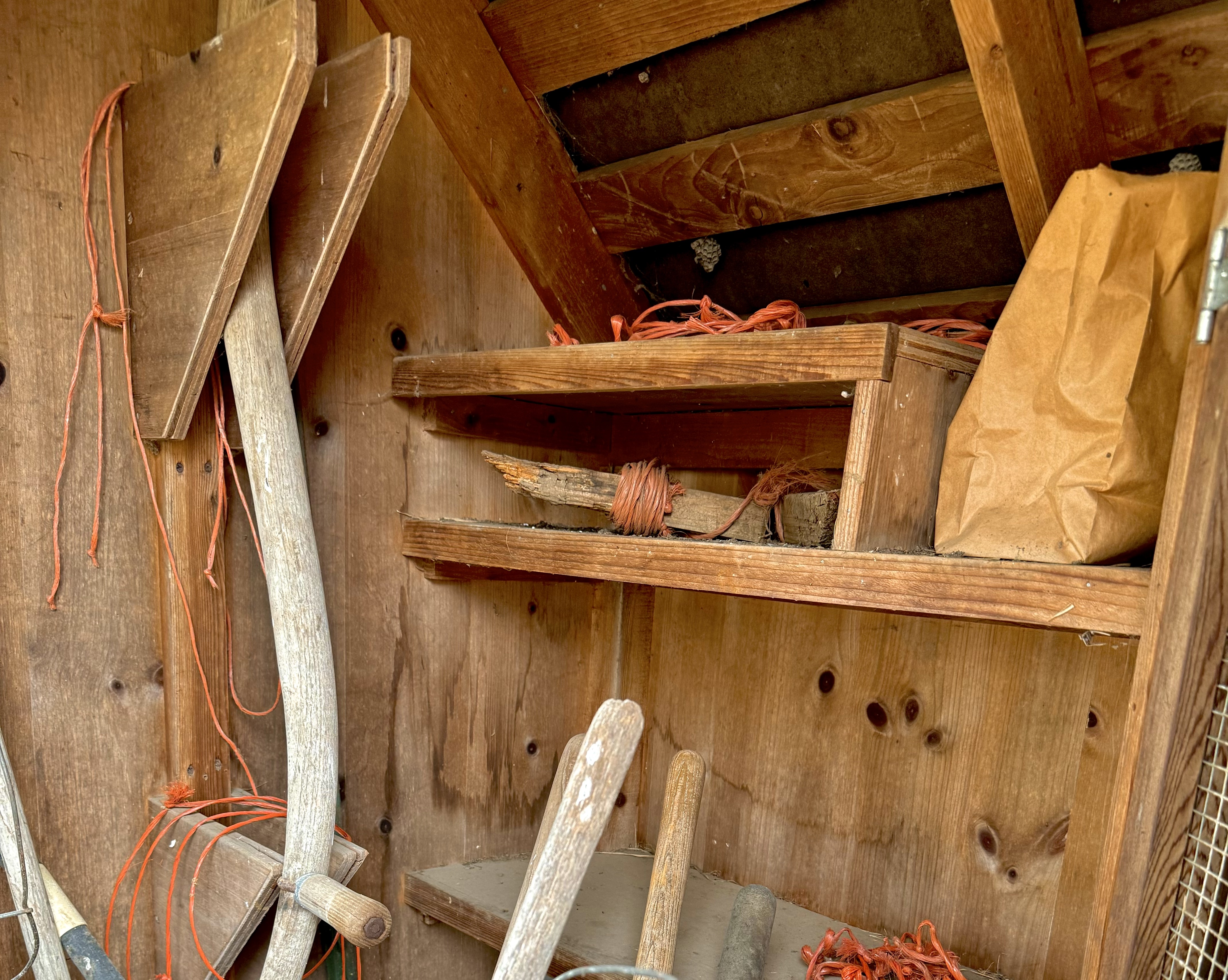
When I take the chilly tools
from the shed’s darkness, I come
out to a world made new
by heat and light.


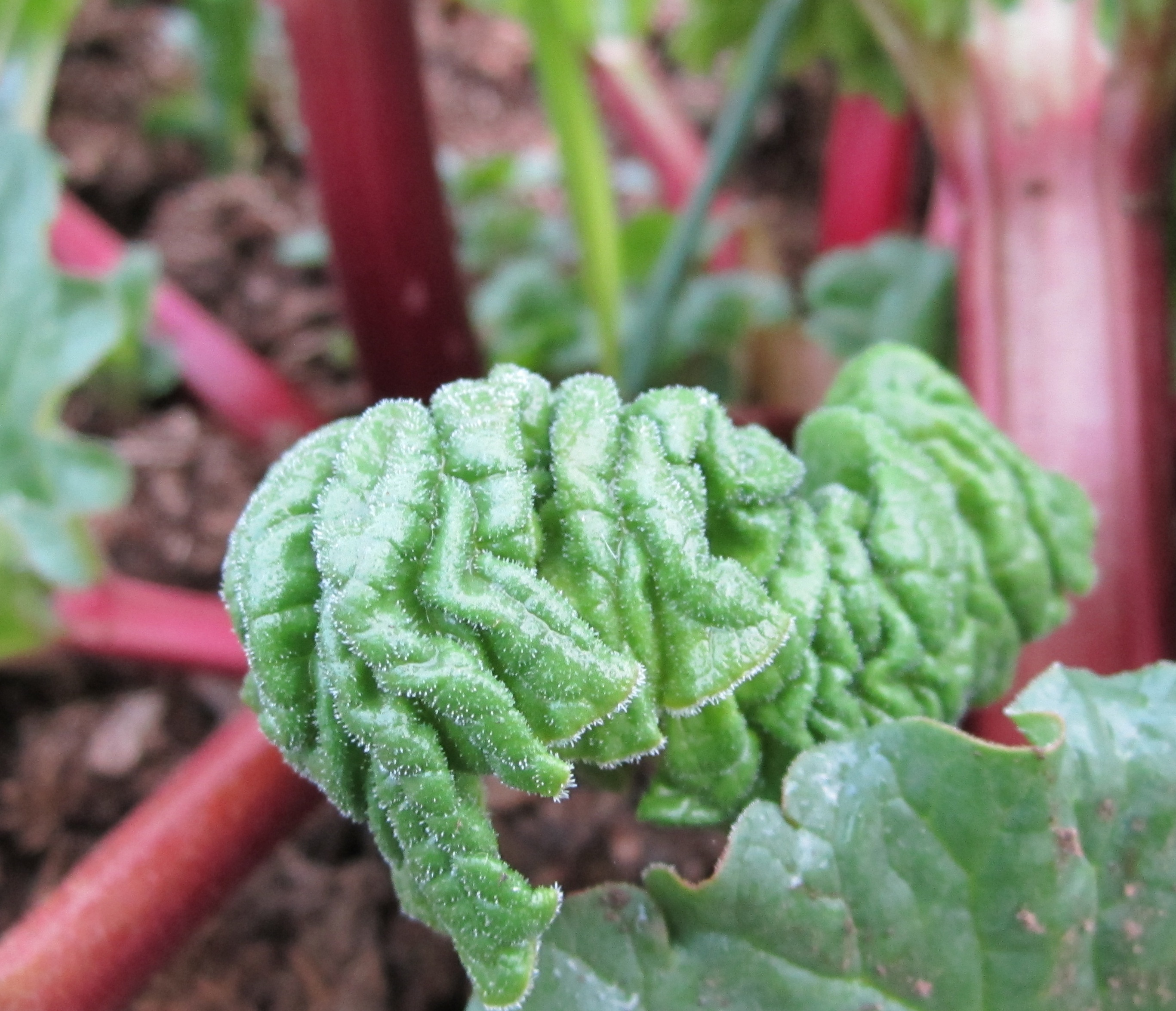
Like a mad red brain
the involute rhubarb leaf
thinks its way up
through loam.
~Jane Kenyon from “April Chores” from Collected Poems

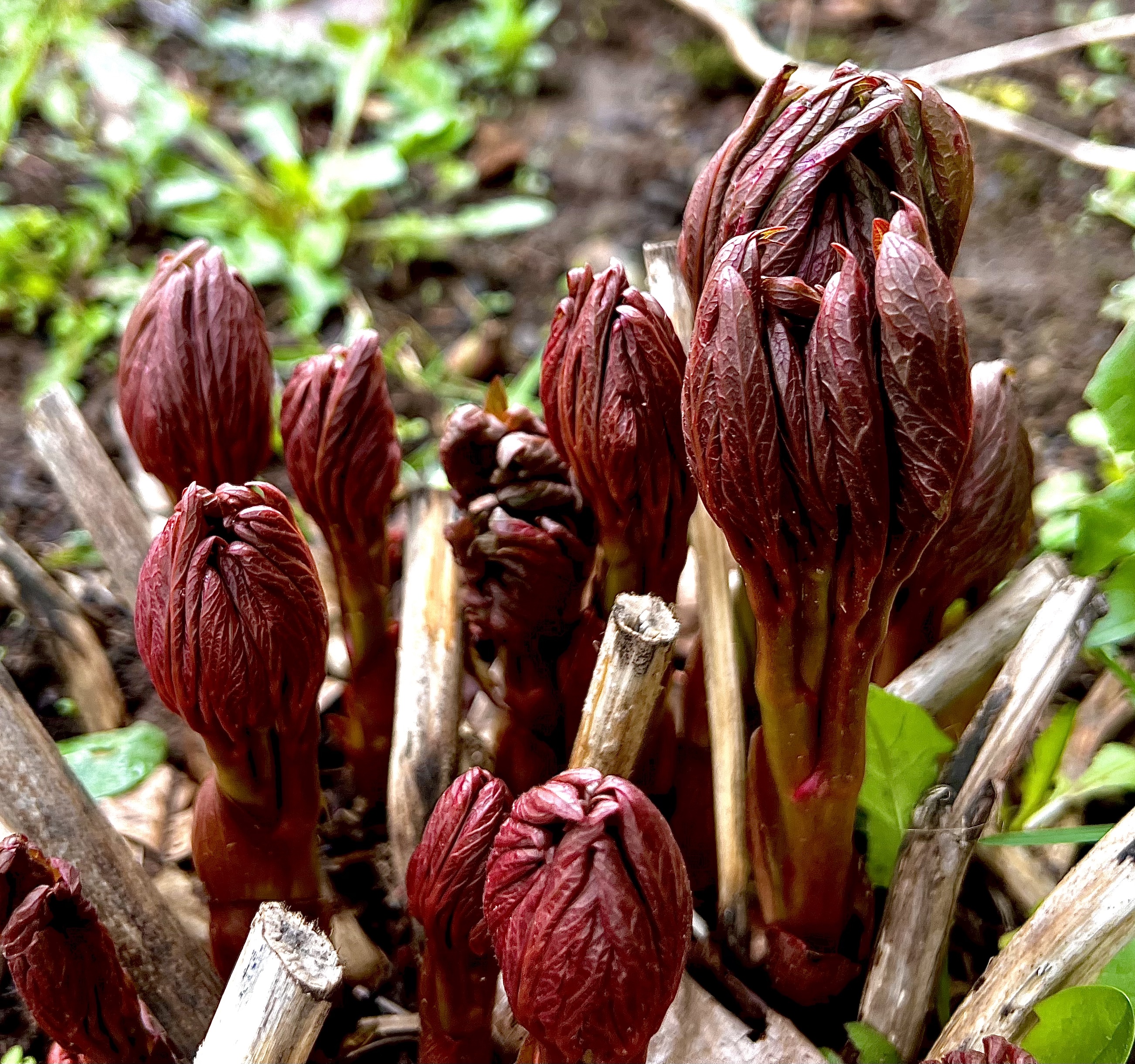
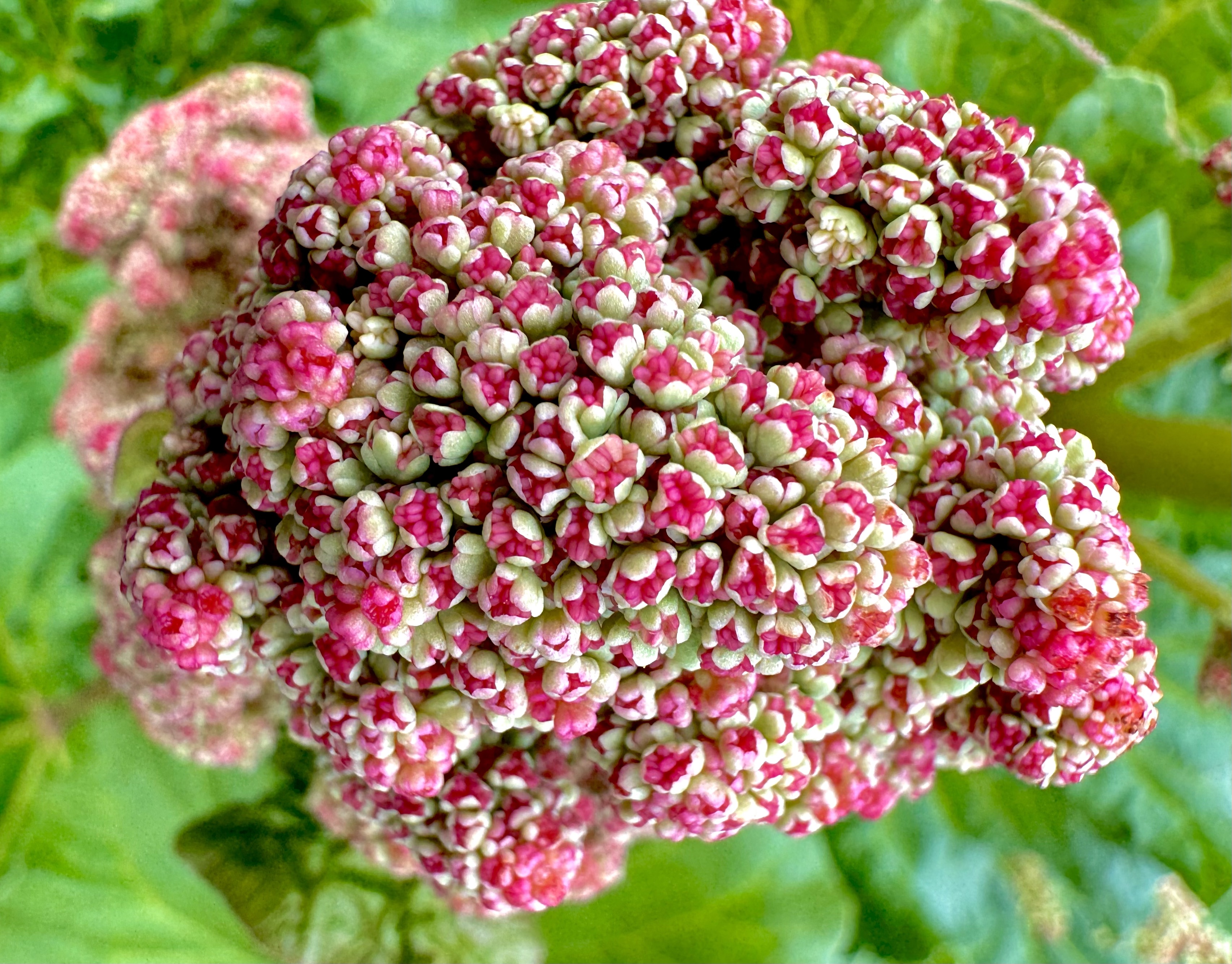
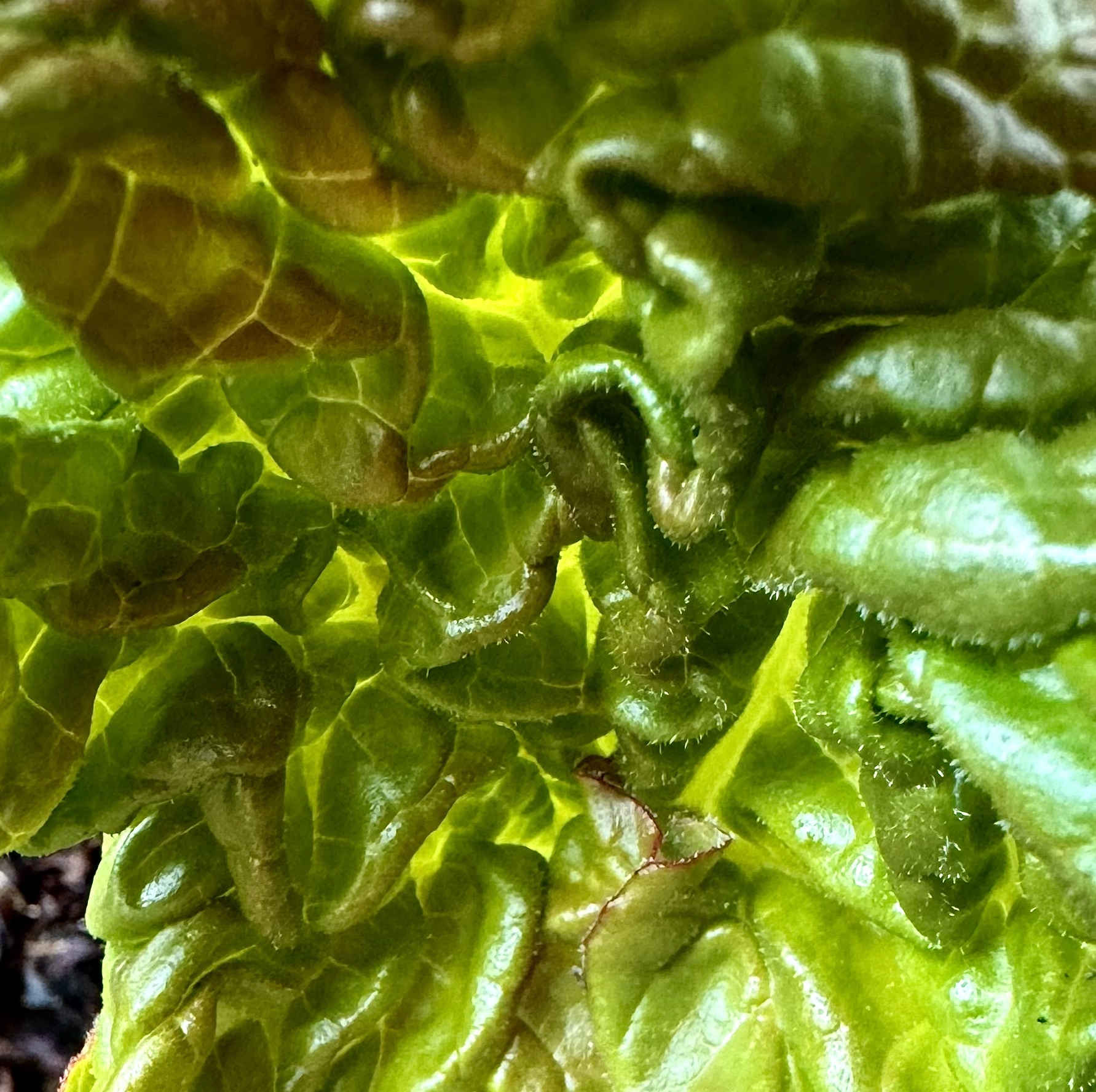
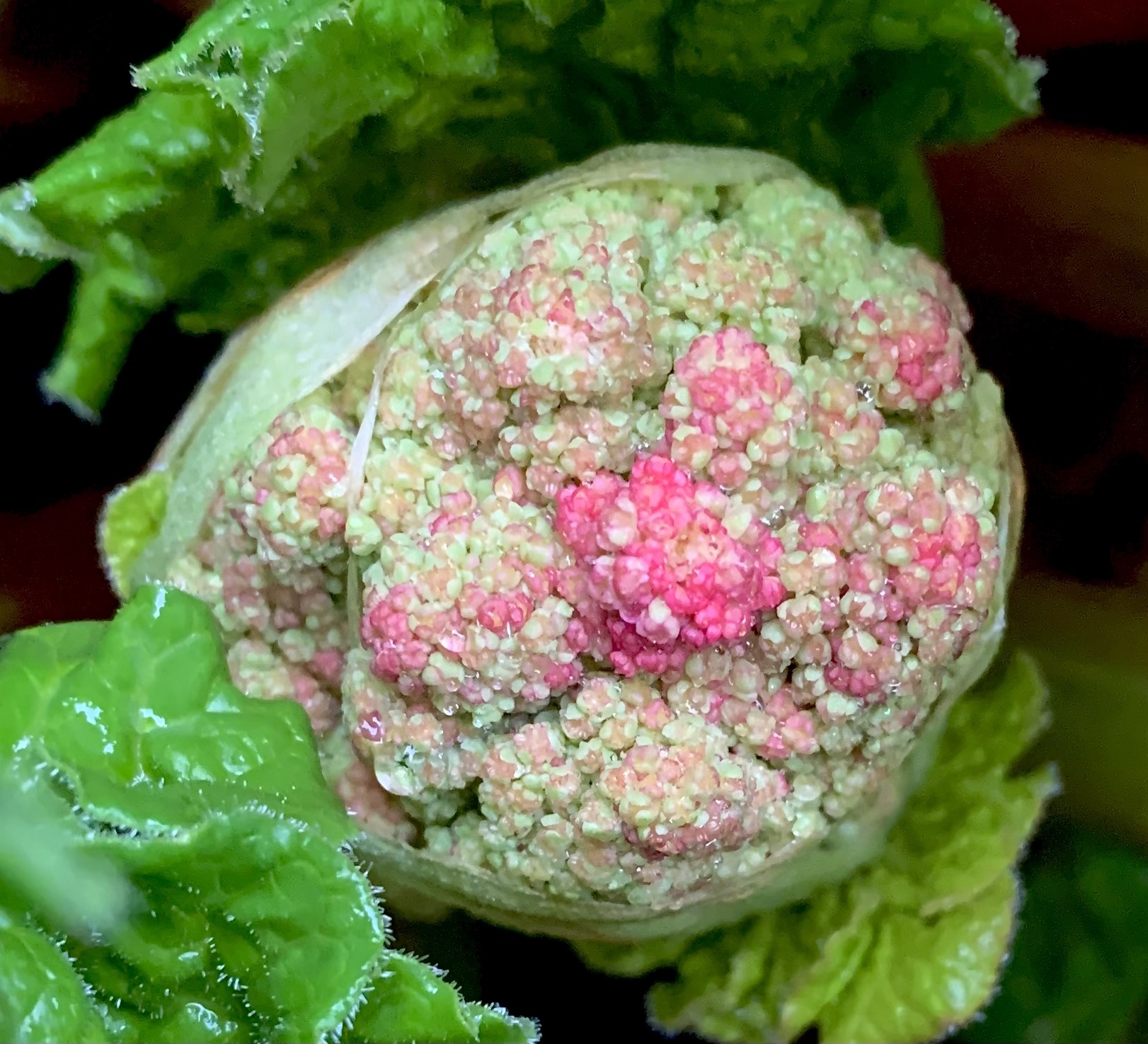
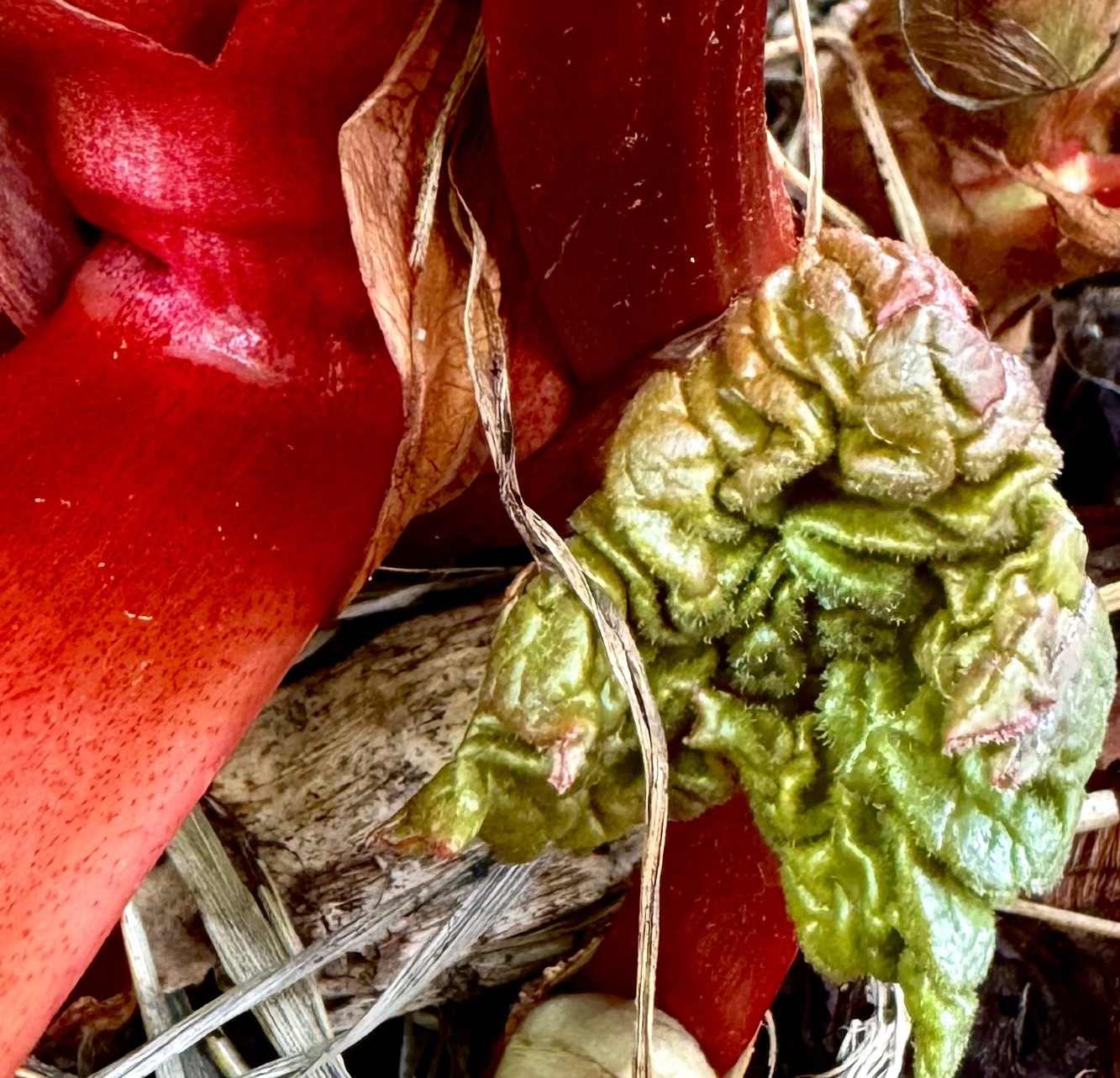
Over the last two weeks, the garden is slowly reviving, and rhubarb “brains” have been among the first to appear from the garden soil, wrinkled and folded, opening full of potential, “thinking” their way into the April sunlight.

Here I am, wishing my own brain could similarly rise brand new and tender every spring from the dust rather than leathery and weather-toughened, harboring the same old thoughts and patterns. Indeed, more wrinkles accumulate on the outside of my skull rather than the inside.

Still, I’m encouraged by my rhubarb cousin’s return every April. Like me, it may be a little sour in need of some sweetening, but its blood courses bright red and it is very very much alive.

and just because this is fun but has nothing to do with rhubarb…

One-Time
Monthly
Yearly

Make a one-time or recurring donation to support daily Barnstorming posts

Make a monthly donation

Make a yearly donation
Choose an amount

$10.00
$25.00
$50.00
$5.00
$15.00
$100.00
$5.00
$15.00
$100.00

Or enter a custom amount

$

Your contribution is deeply appreciated.
Your contribution is appreciated.

Your contribution is appreciated.

DonateDonate monthlyDonate yearly