Growing a Summer Miracle

You must grow your own miracles.

Special has been hormoned
and hardened against the bump
and bruise. Pretty in the produce
aisle, but pithless and pitiful.

I prefer a nude stocking sling
for the heft, a slow blush,
not the red-on-arrival rouge
needled in the green-to-go.

In a hot June—the prize, only
once a year, the furrowed fruit
weighs down its stems for clipping
in your open hand, quite full
of tender skin.

Take care carrying
them to the kitchen, prepare
the bed of lettuce or only bread
and mayo, and oh! say a prayer before
you slice a single slice and lay
the flawless redness down and bite.

~Rick Maxson “Beefsteak”

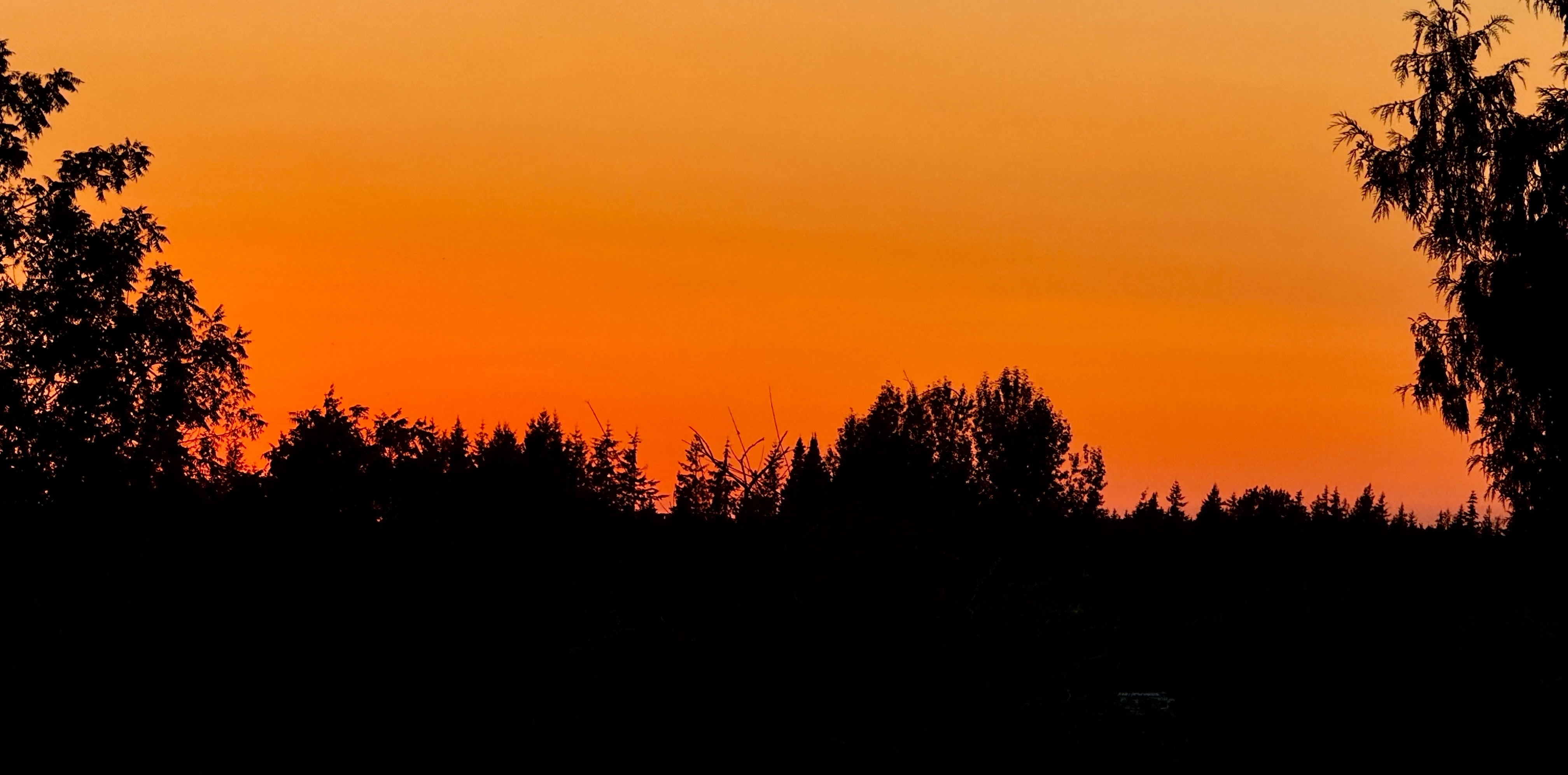
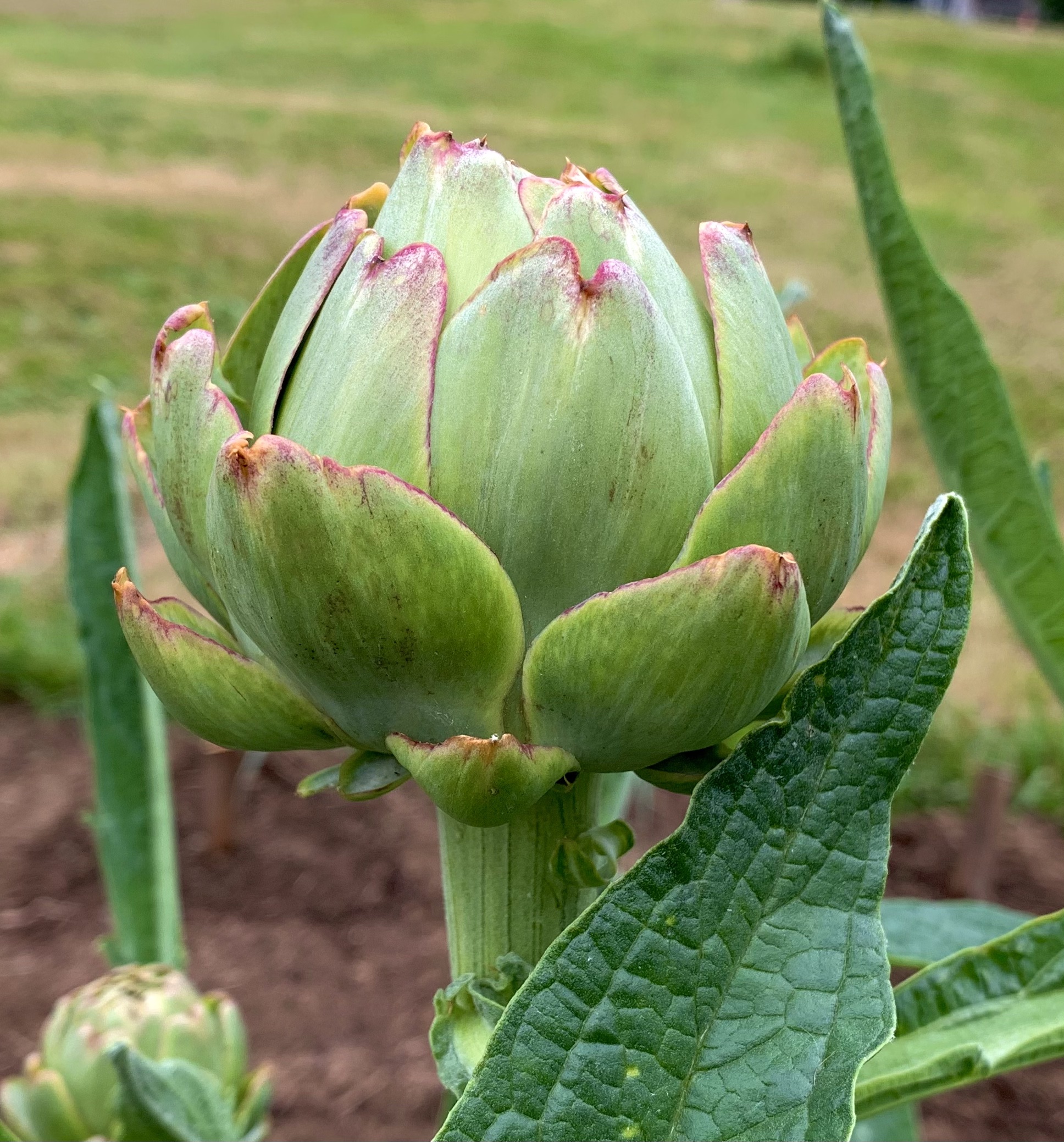
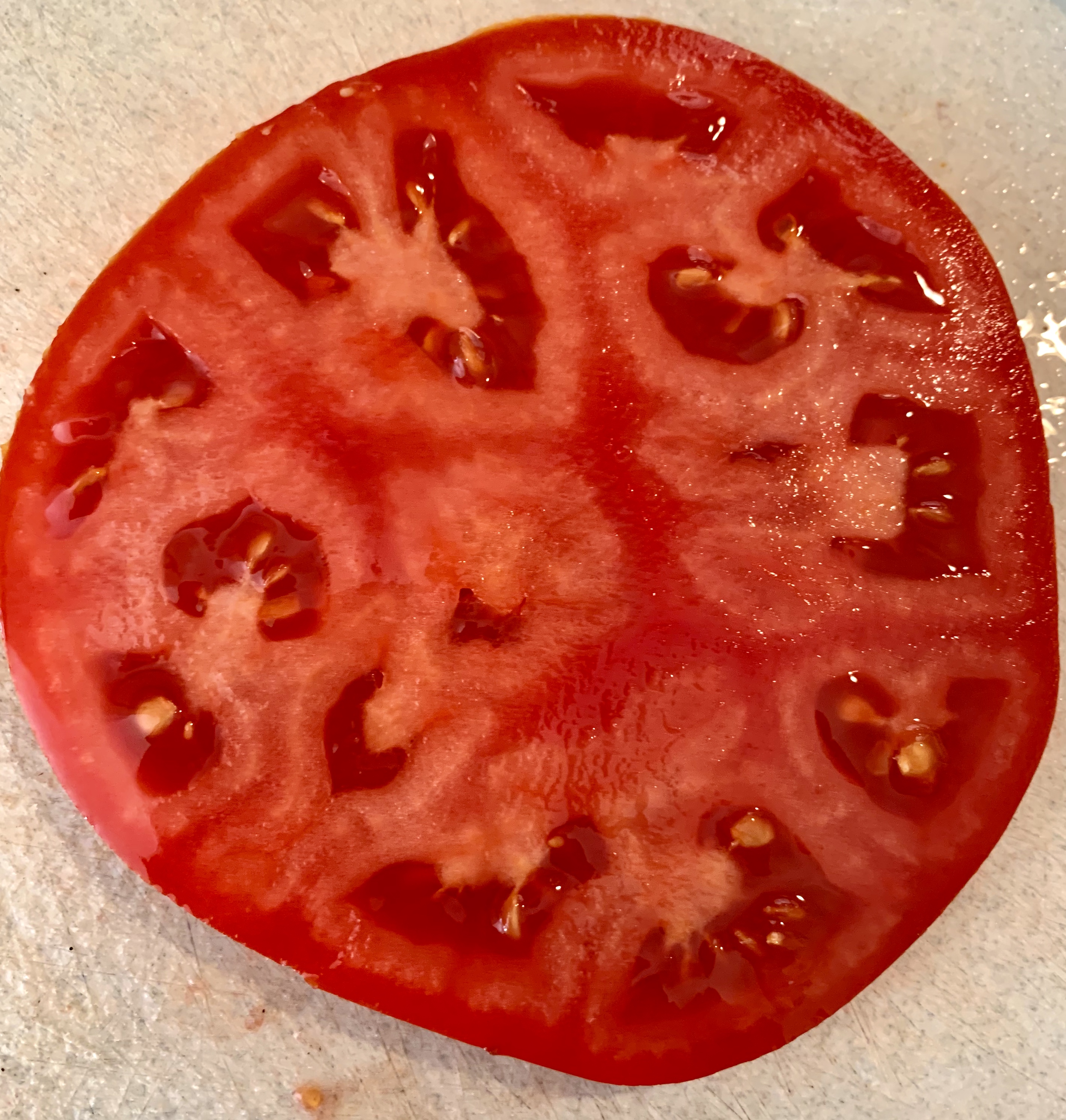
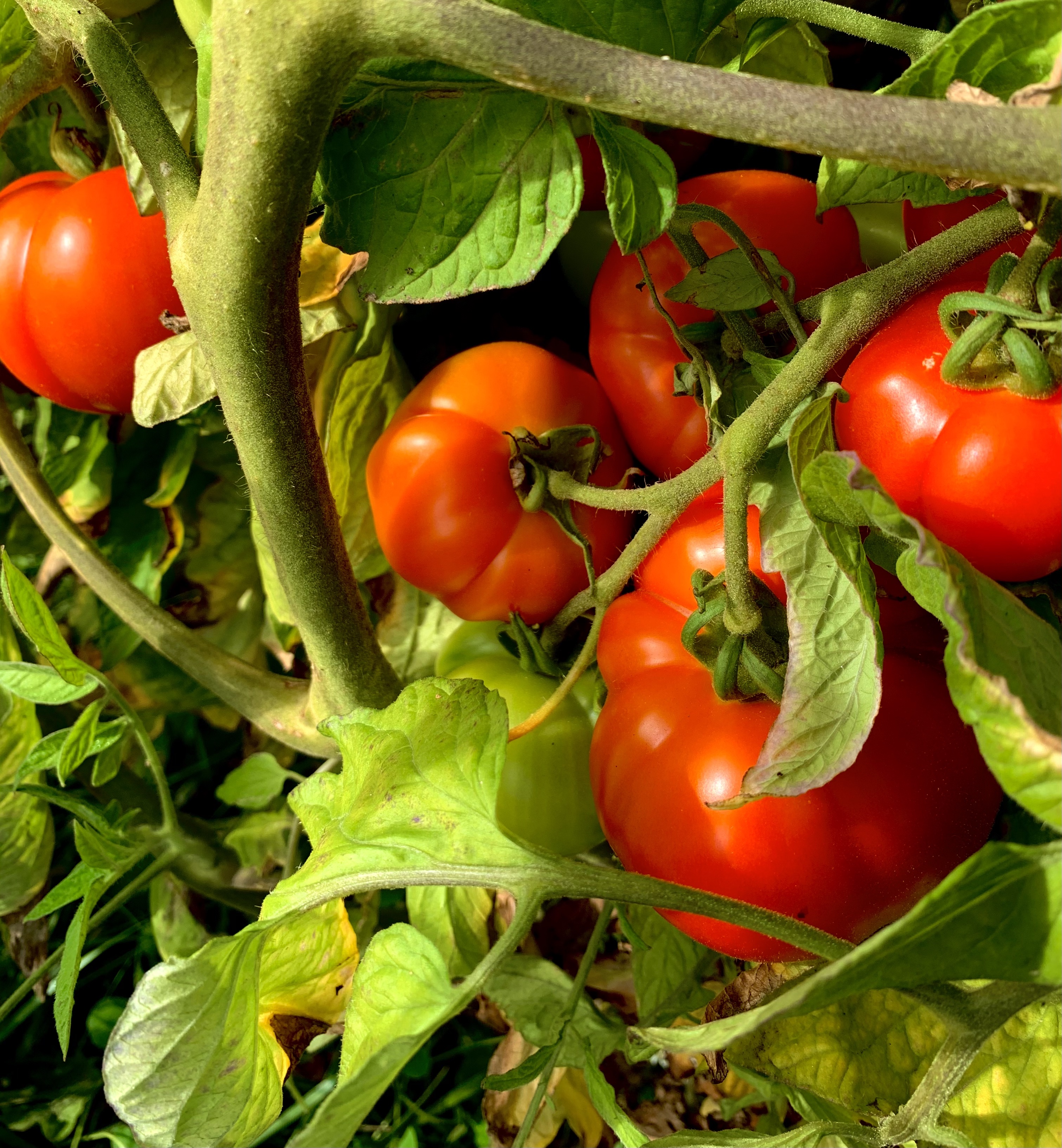
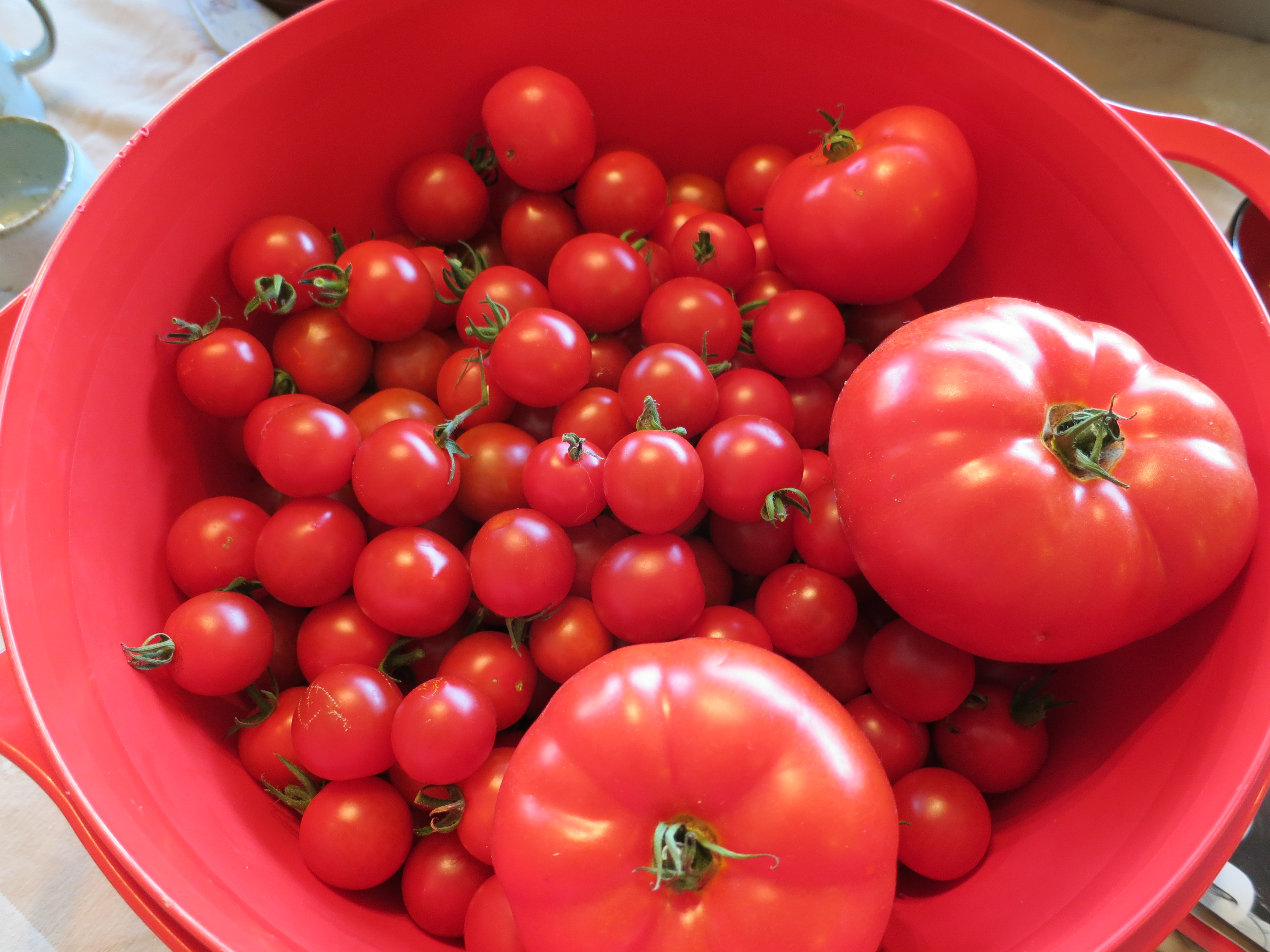
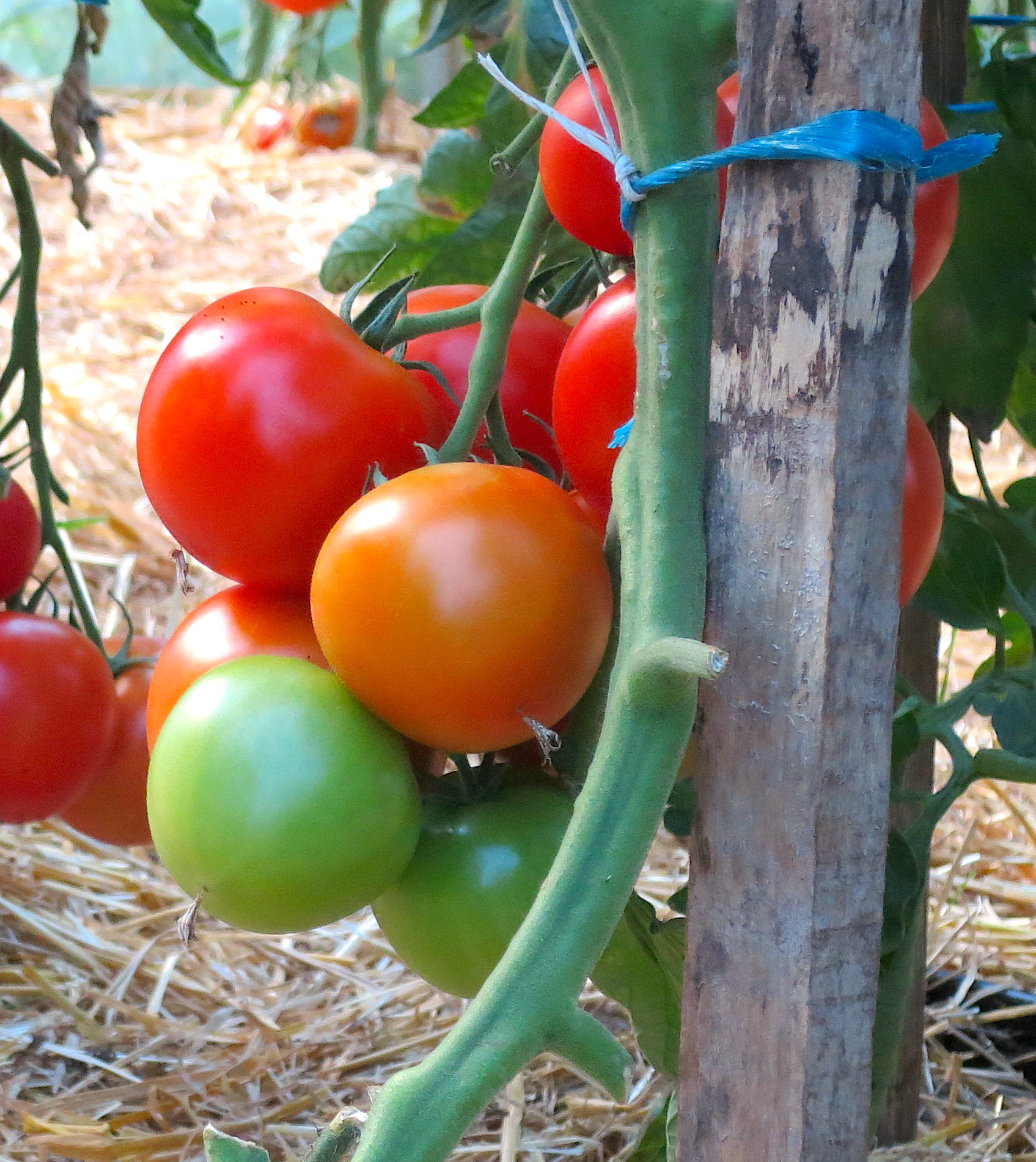
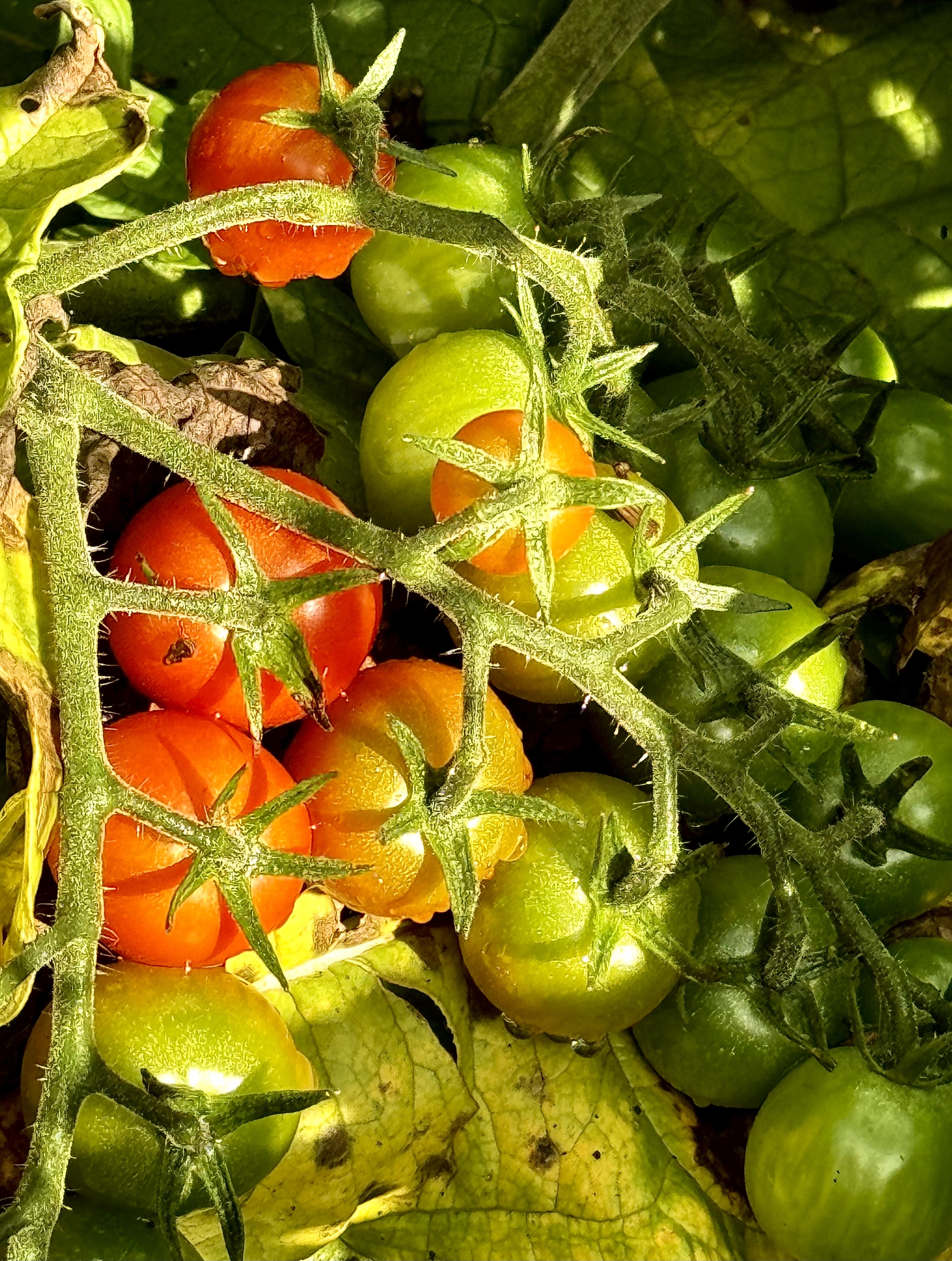
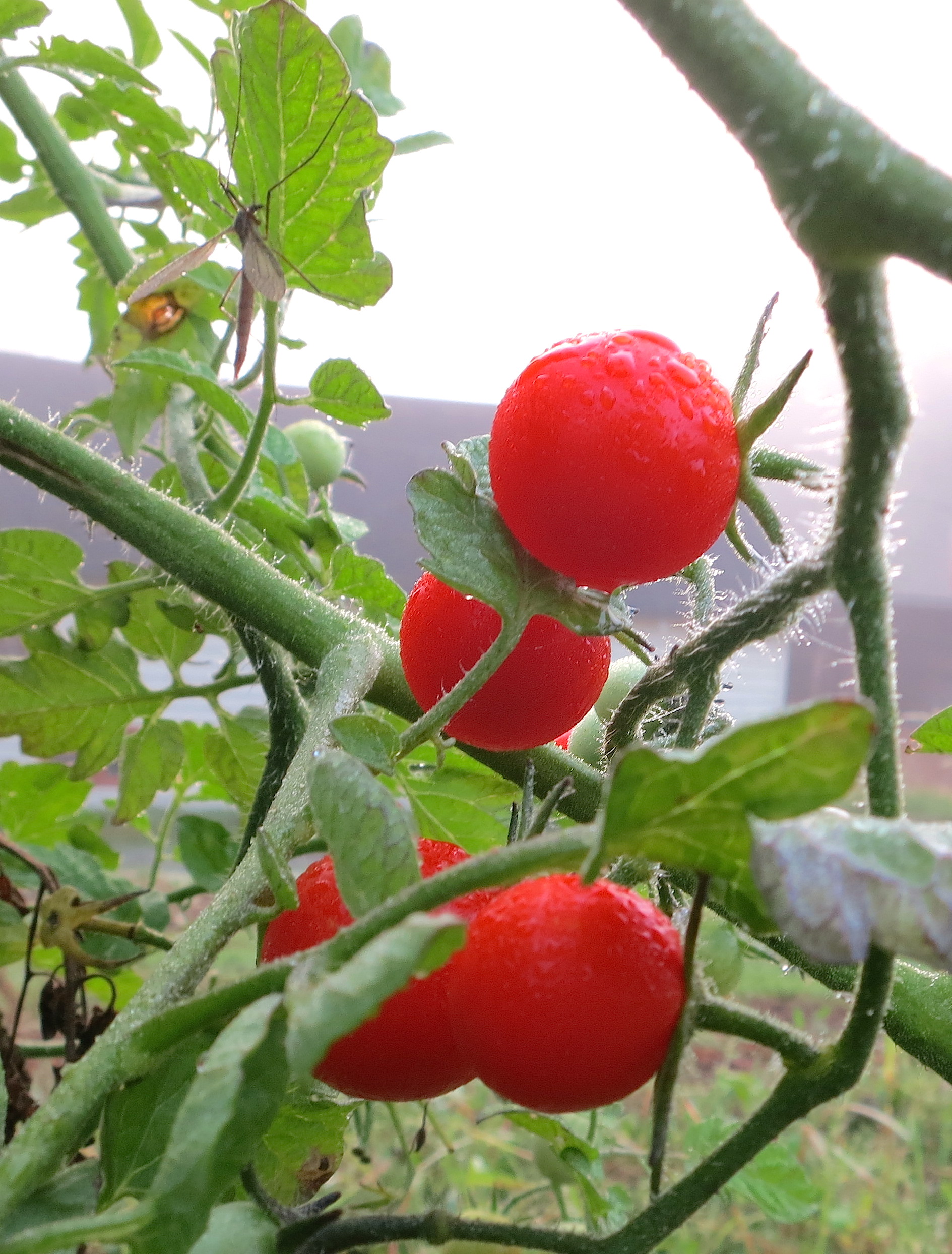
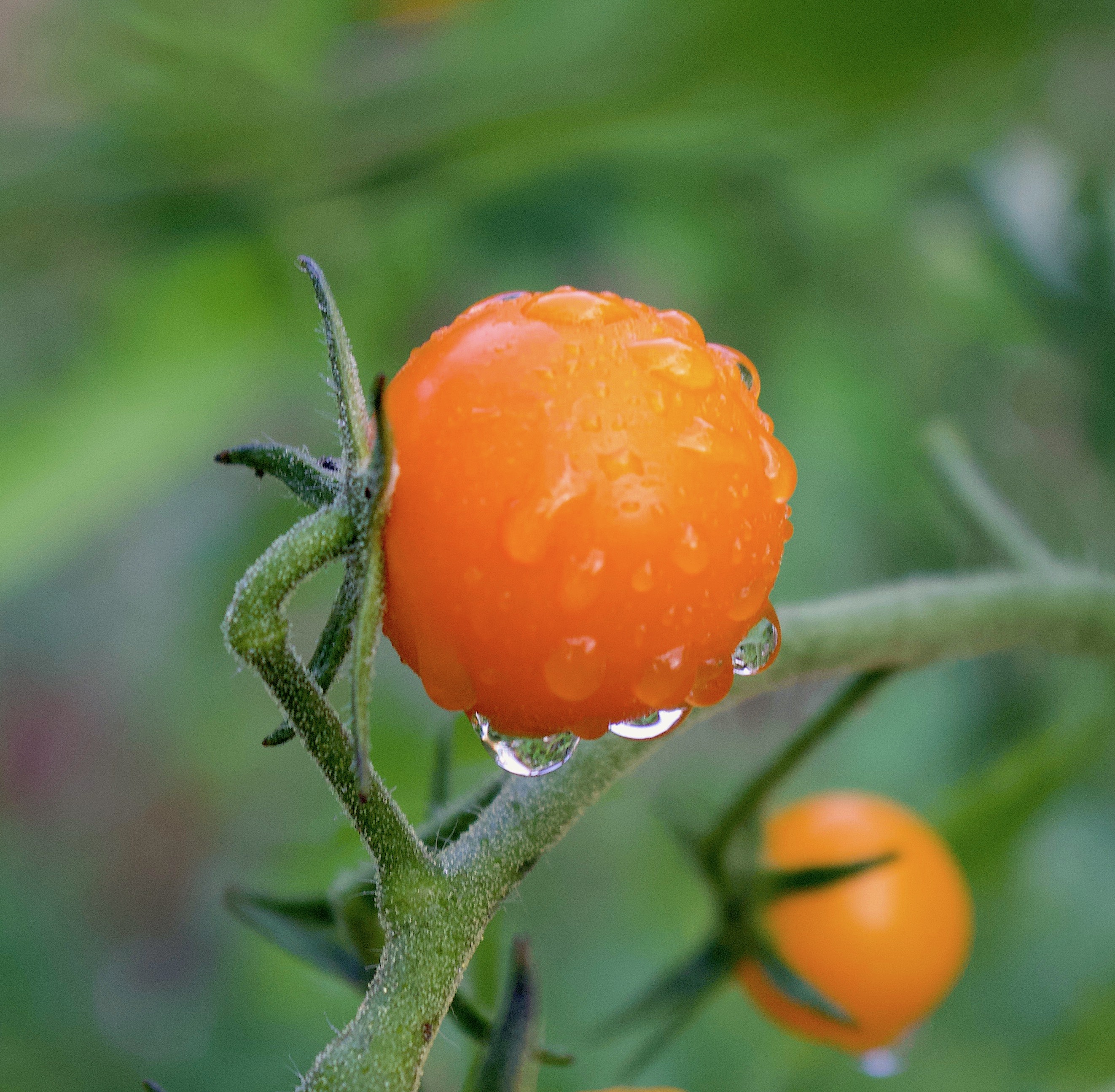
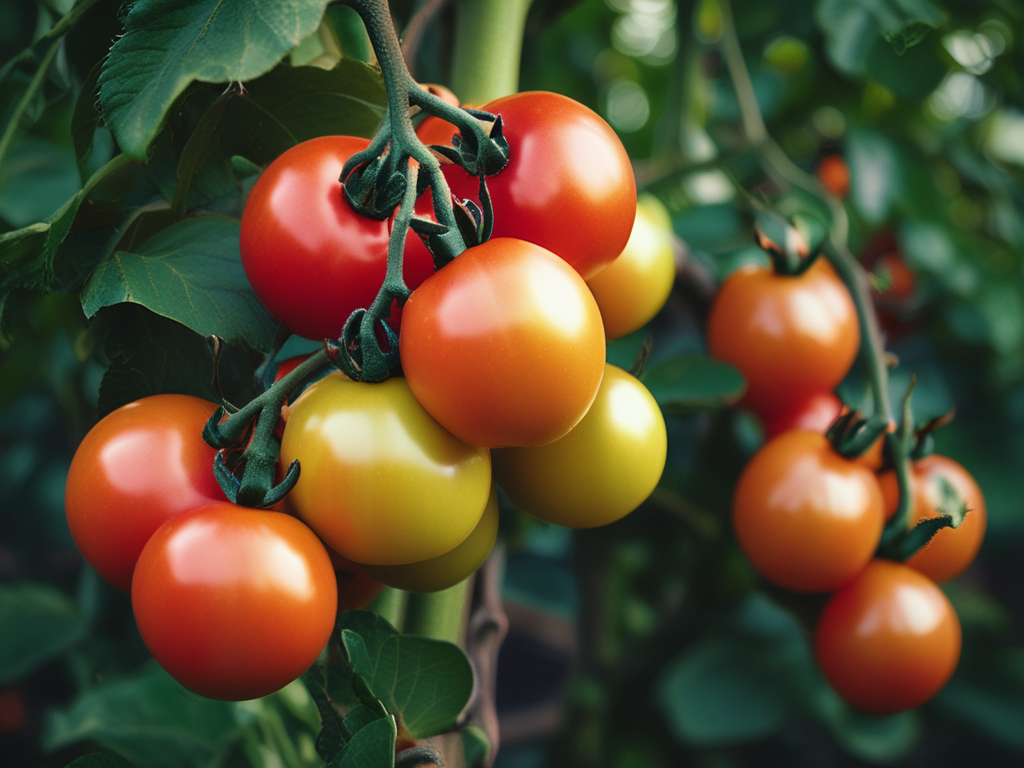
As August fades away, I am impatiently watching our garden tomatoes ripen slowly. I hope they can soon be harvested, bulging red and ripe, a miracle on the vine, before the rains and blight set in. Then I can walk past the grocery store’s produce section with tomatoes displaying surface perfection and no flavor.

Ordinarily, I love and anticipate autumn’s arrival each year. Now, at seventy, I am autumnal year-round. The threat of seasonal blight leading to rot becomes personal. Lived out in real time, aging isn’t all “pumpkin spice” and “harvest gold.”

So who am I in this season of my life? I have been planted, weeded, nurtured, watered and warmed in anticipation of a glorious harvest. Before long, all must be gathered in.

The garden is a daily reminder: time is short, there is so much yet to get done.

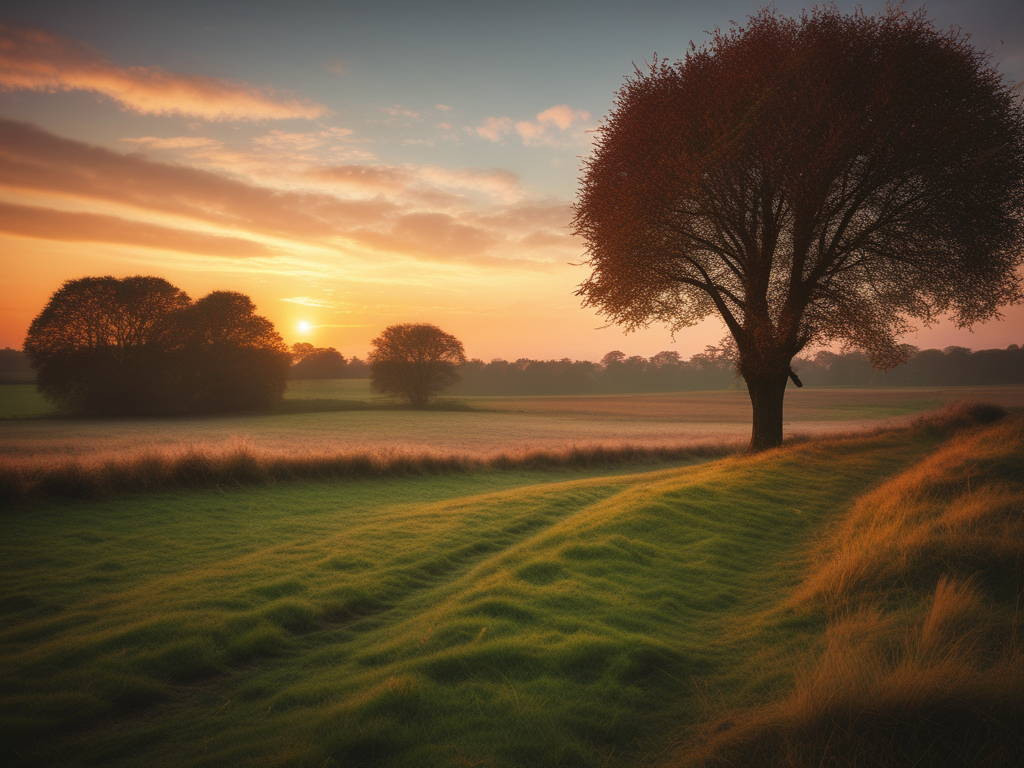
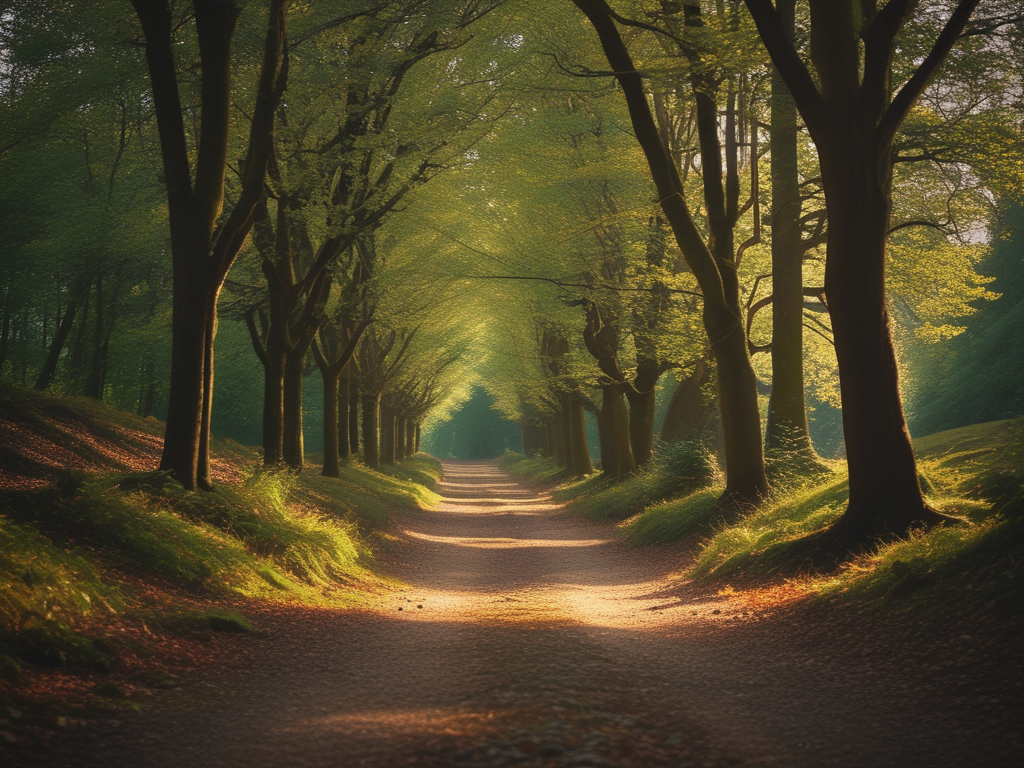
AI image created for this post (just a little too perfect, aren’t they??)
One-Time
Monthly
Yearly

Make a one-time or recurring donation to support daily Barnstorming posts

Make a monthly donation

Make a yearly donation

Choose an amount

$10.00
$25.00
$50.00
$5.00
$15.00
$100.00
$5.00
$15.00
$100.00

Or enter a custom amount

$

Your contribution is deeply appreciated.

Your contribution is appreciated.

Your contribution is appreciated.

DonateDonate monthlyDonate yearly
Keep Reaching Out

Under a sky the color of pea soup
she is looking at her work growing away there
actively, thickly like grapevines or pole beans
as things grow in the real world, slowly enough.
If you tend them properly, if you mulch, if you water,
if you provide birds that eat insects a home and winter food,
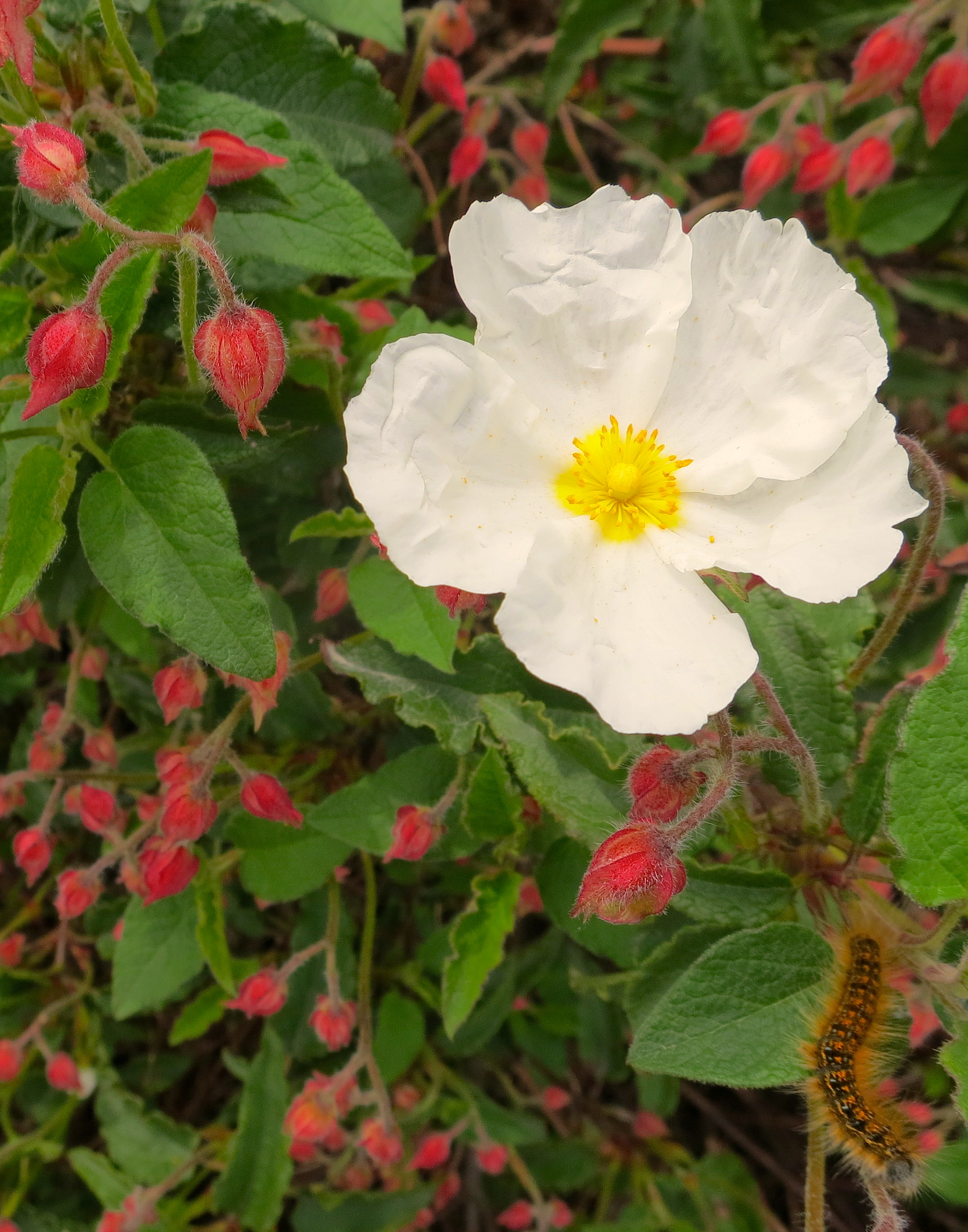
if the sun shines and you pick off caterpillars,
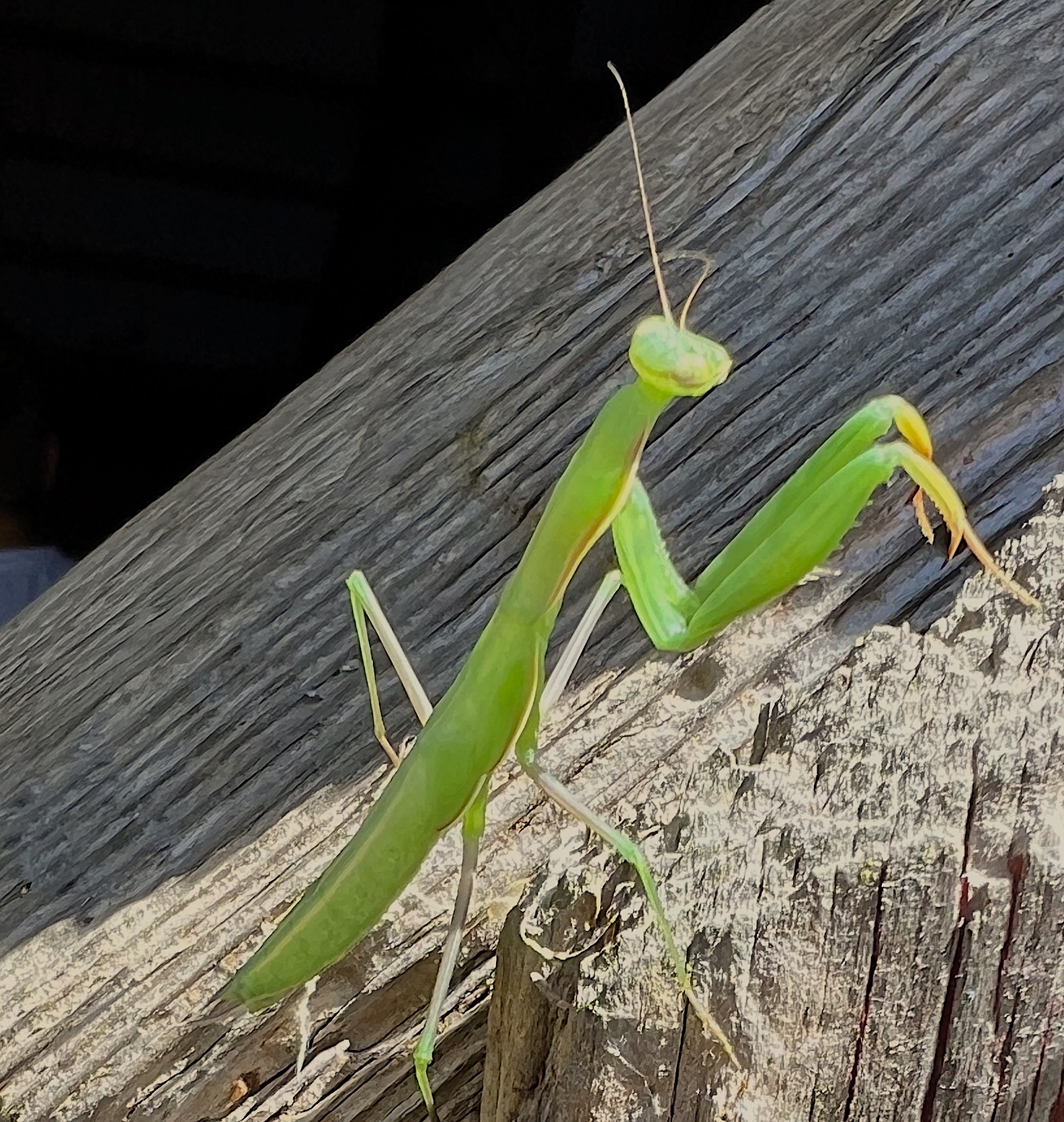
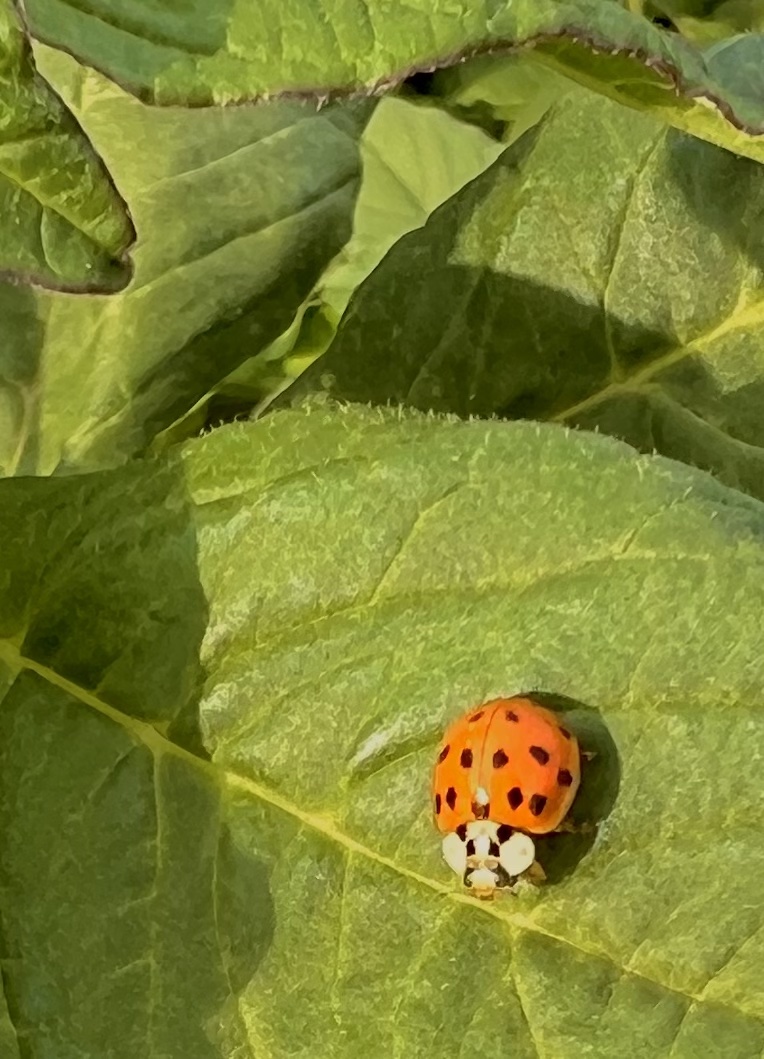
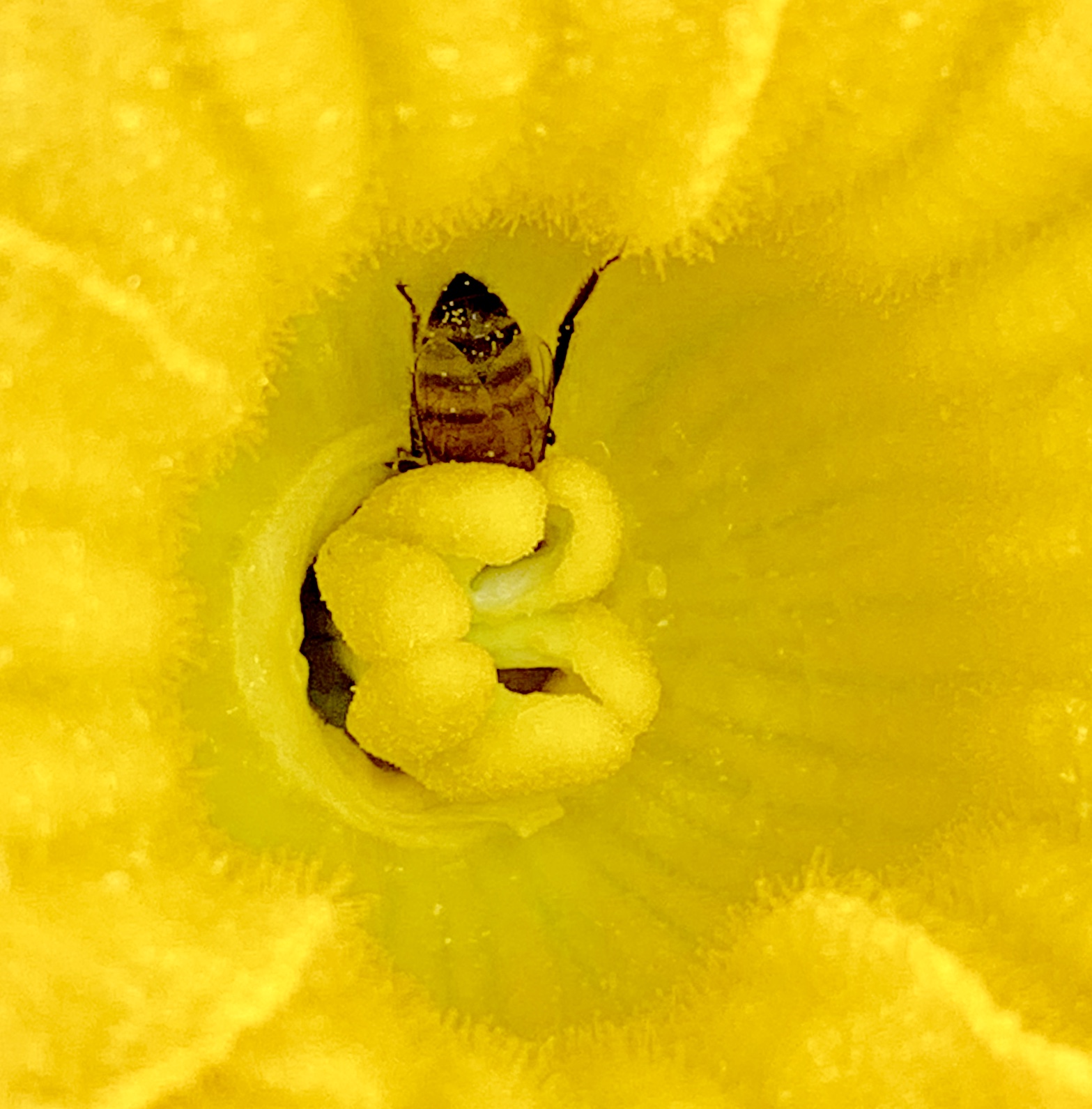
if the praying mantis comes and the ladybugs and the bees,
then the plants flourish, but at their own internal clock.

Connections are made slowly, sometimes they grow underground.
You cannot tell always by looking what is happening.
More than half the tree is spread out in the soil under your feet.
Penetrate quietly as the earthworm that blows no trumpet.
Fight persistently as the creeper that brings down the tree.
Spread like the squash plant that overruns the garden.
Gnaw in the dark and use the sun to make sugar.

Weave real connections, create real nodes, build real houses.
Live a life you can endure: Make love that is loving.
Keep tangling and interweaving and taking more in,
a thicket and bramble wilderness to the outside but to us
interconnected with rabbit runs and burrows and lairs.

Live as if you liked yourself, and it may happen:
reach out, keep reaching out, keep bringing in.
This is how we are going to live for a long time: not always,
for every gardener knows that after the digging, after the planting,
after the long season of tending and growth, the harvest comes.
~Marge Piercy “The Seven of Pentacles”

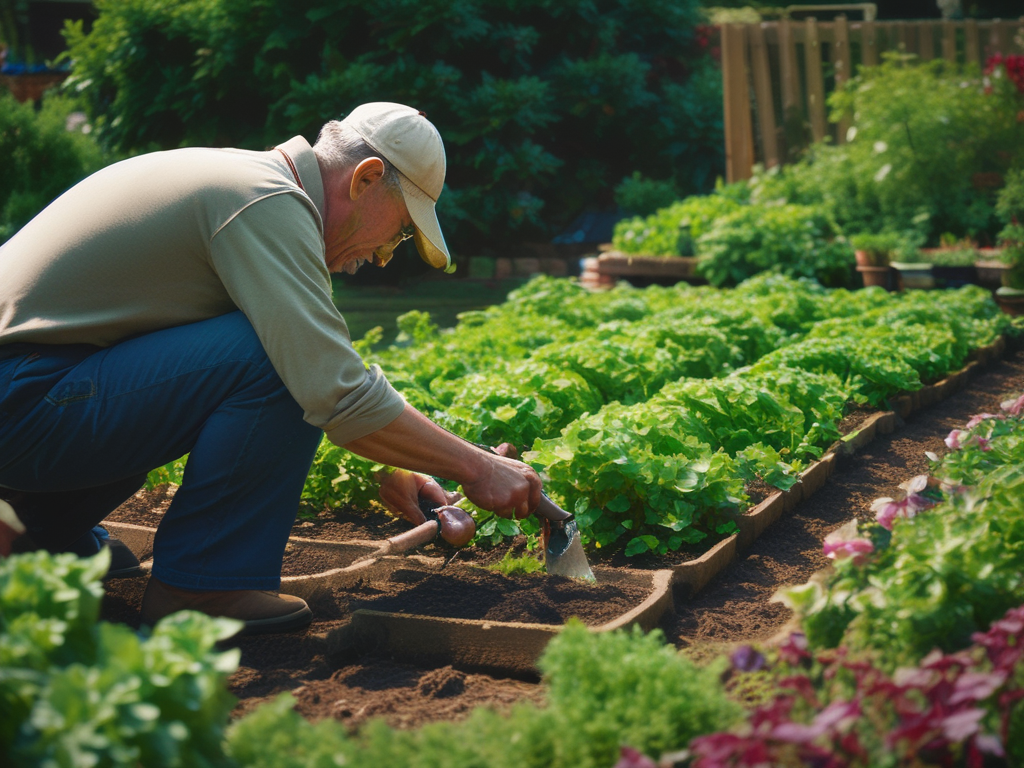
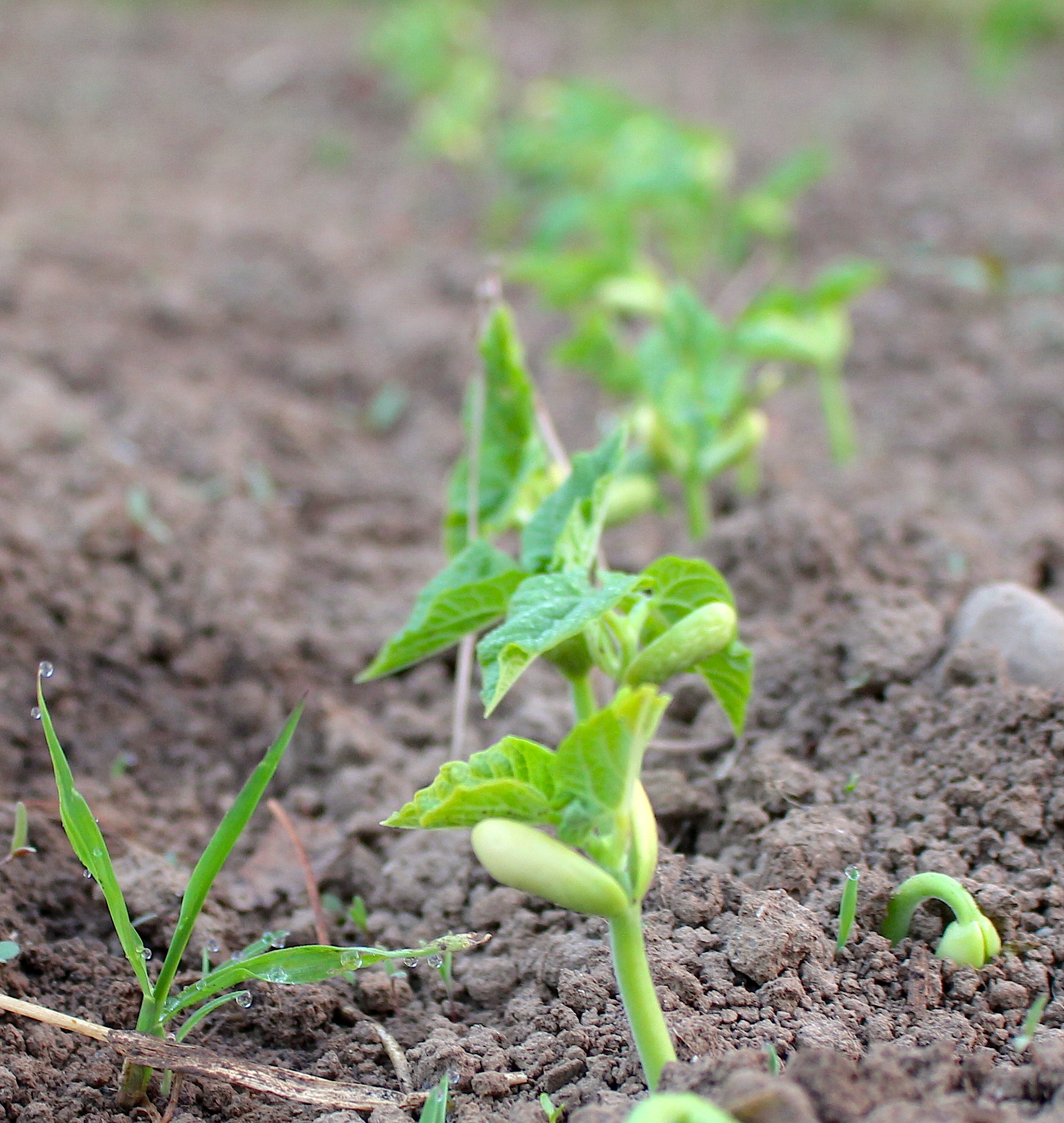
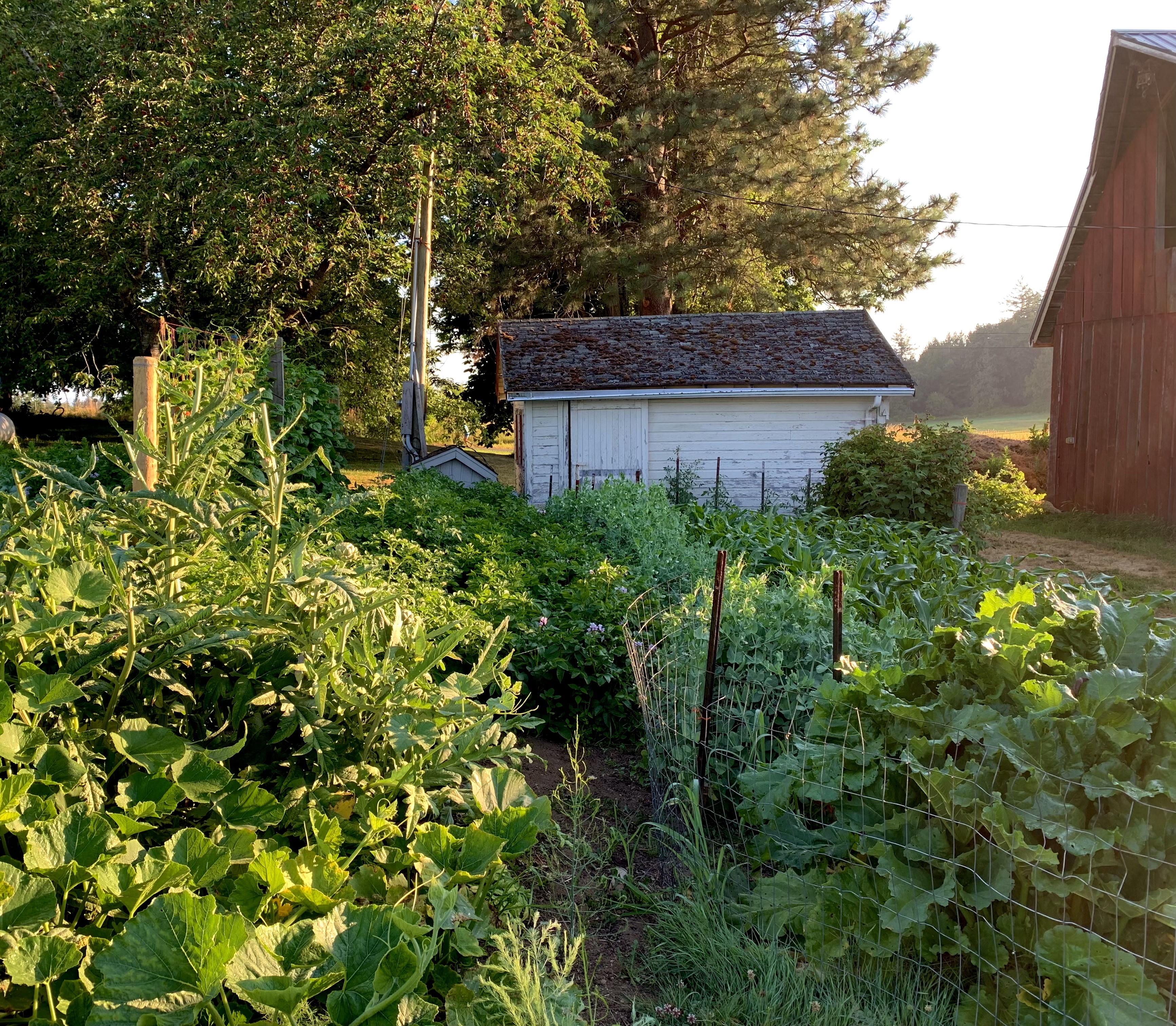
Our garden teaches us all kinds of life lessons, thanks to my husband’s hours of hard work preparing the soil, planting carefully and nurturing the emerging seedlings.

No garden tends itself – the growing plants reach out for connection to one another, for stability and companionship. The gardener nurtures, defends and harvests with an eye to preparing for the next growing season.

We who have been planted here need one another, interwoven and linked, both visibly and invisibly. I am woven around you and you around me; together we grow and thrive when tended, and as intended.

But more than anything else, we need our Gardener…

AI image created for this post
One-Time
Monthly
Yearly

Make a one-time or recurring donation to support daily Barnstorming posts

Make a monthly donation

Make a yearly donation

Choose an amount

$10.00
$25.00
$50.00
$5.00
$15.00
$100.00
$5.00
$15.00
$100.00

Or enter a custom amount

$

Your contribution is deeply appreciated.

Your contribution is appreciated.

Your contribution is appreciated.

DonateDonate monthlyDonate yearly
A Summer’s Sweetness

The clouds are low as a blanket.
Even the air is tangible,
and the steam from the kettle
thickens the air like wool.
Harvest is full on us; the pressure
to preserve builds like a thunderhead.

 
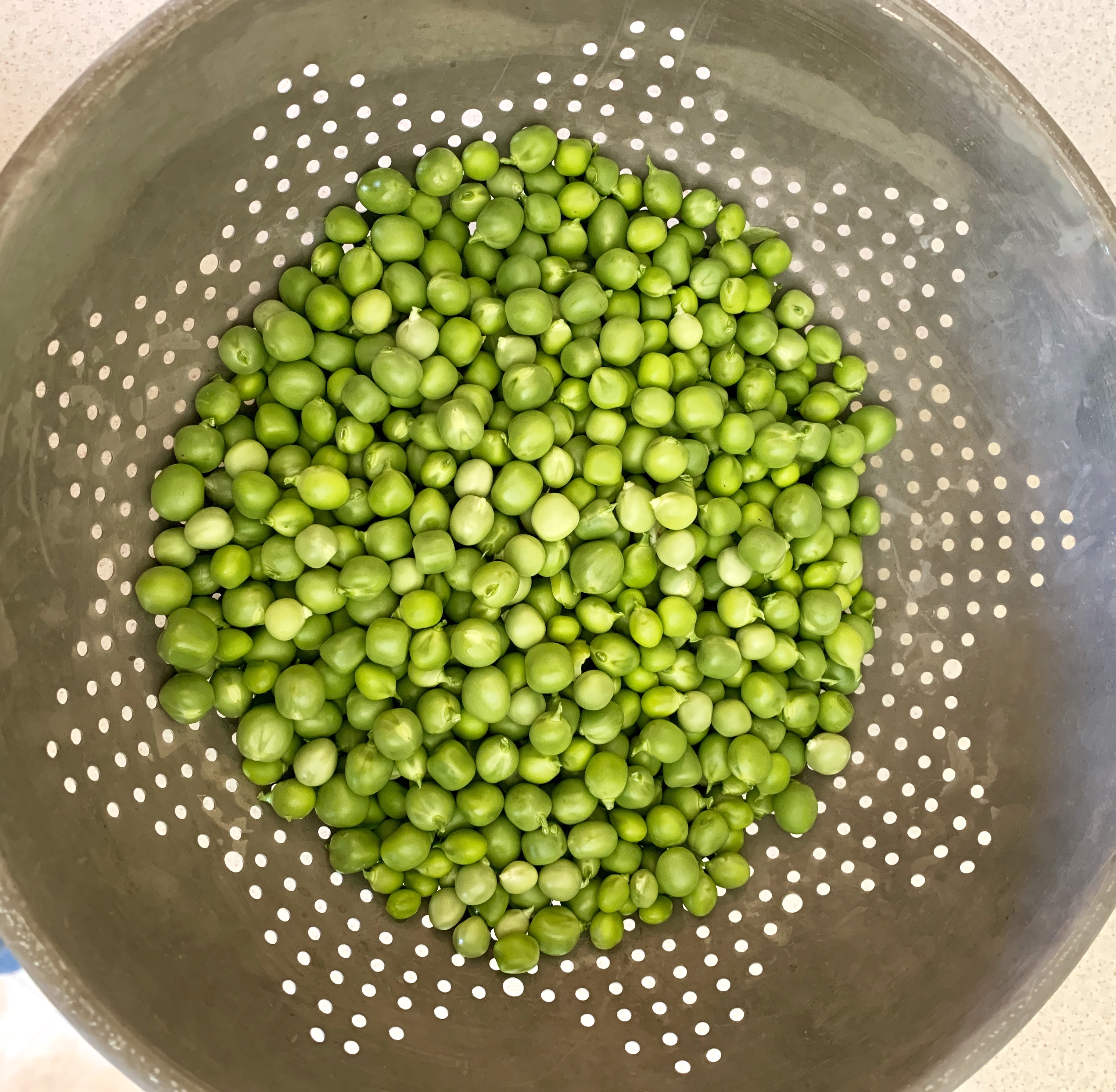
Shelling peas is fun at first,
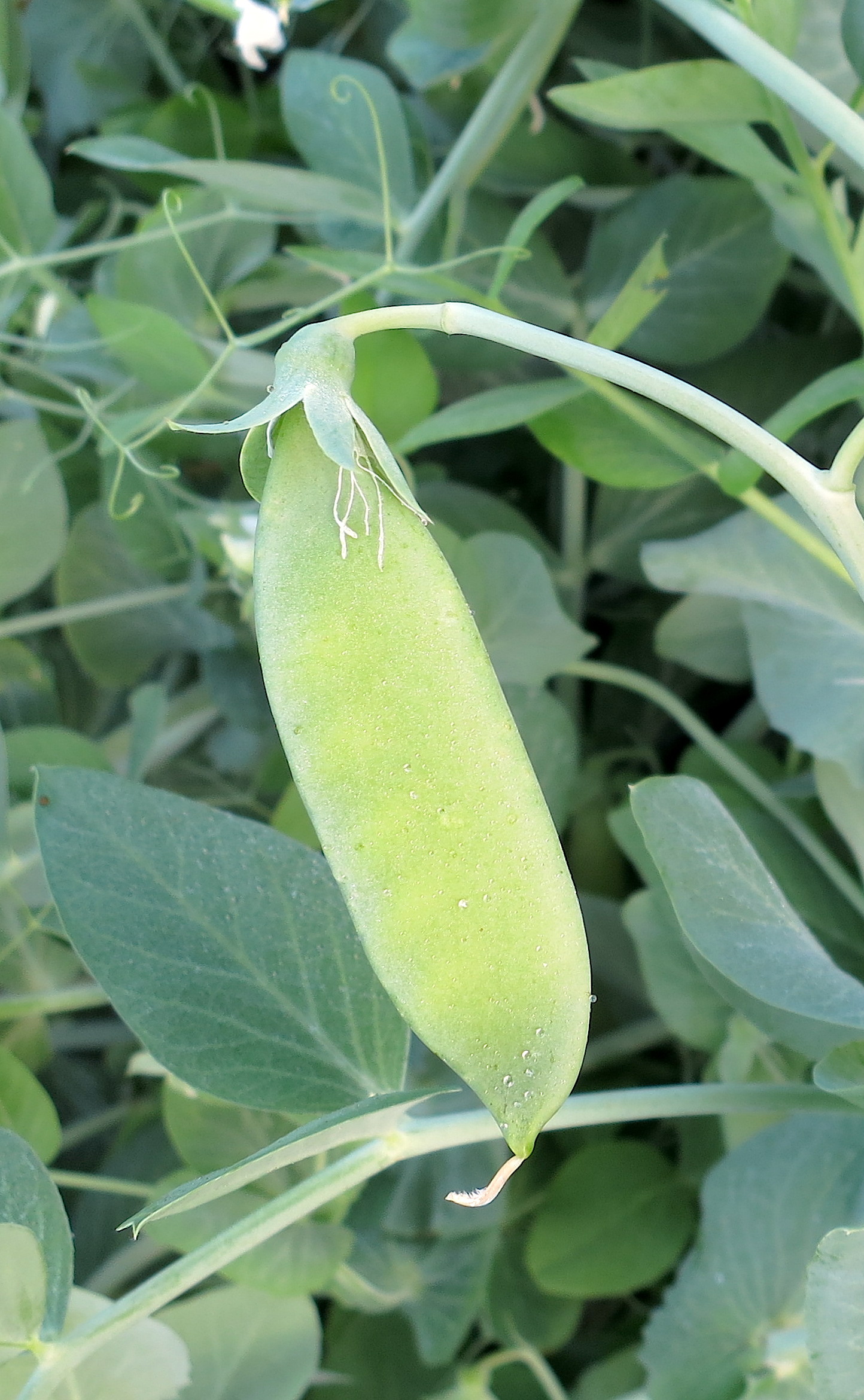
slitting open the perfect pods,
working in rhythm to the pelter
of peas ringing in the pot.
But then our arms and shoulders ache,
the seeds rattle, hollow as bones,
and though we should rejoice,
another bushel groans before us.

 
But there in the blancher,
the new peas shine
fresh and wet, green
as emeralds; summer’s sweetness,
to be shelved with the long ripe days,
eaten with relish, as the butter
and juice run in our mouths
rare as dandelion wine.

~Barbara Crooker “Putting Up”

My earliest childhood memories include the taste and smell of fresh peas.  We lived in farming country north of Seattle where 50 years ago hundreds of acres of peas were grown for canning and freezing.  During the harvest, large pea harvesting machines would arrive for several days and travel down the road in caravans of 10 or 12, going from farm to farm to farm. They worked 24 hours a day to harvest as quickly as possible and traveled the roads late at night because they were so huge, they would take up both lanes of the country roads.  Inevitably a string of cars would form behind the pea harvesters, unable to pass, so it became a grand annual parade celebrating the humble pea.

The smell in the air when the fields were harvested was indescribable except to say it was most definitely a “green” and deliciously fresh smell.  The vines and pods would end up as silage for cattle and the peas would be separated to go to the cannery.  I figured those peas were destined for the city dwellers because in our back yard garden, we grew plenty of our own.

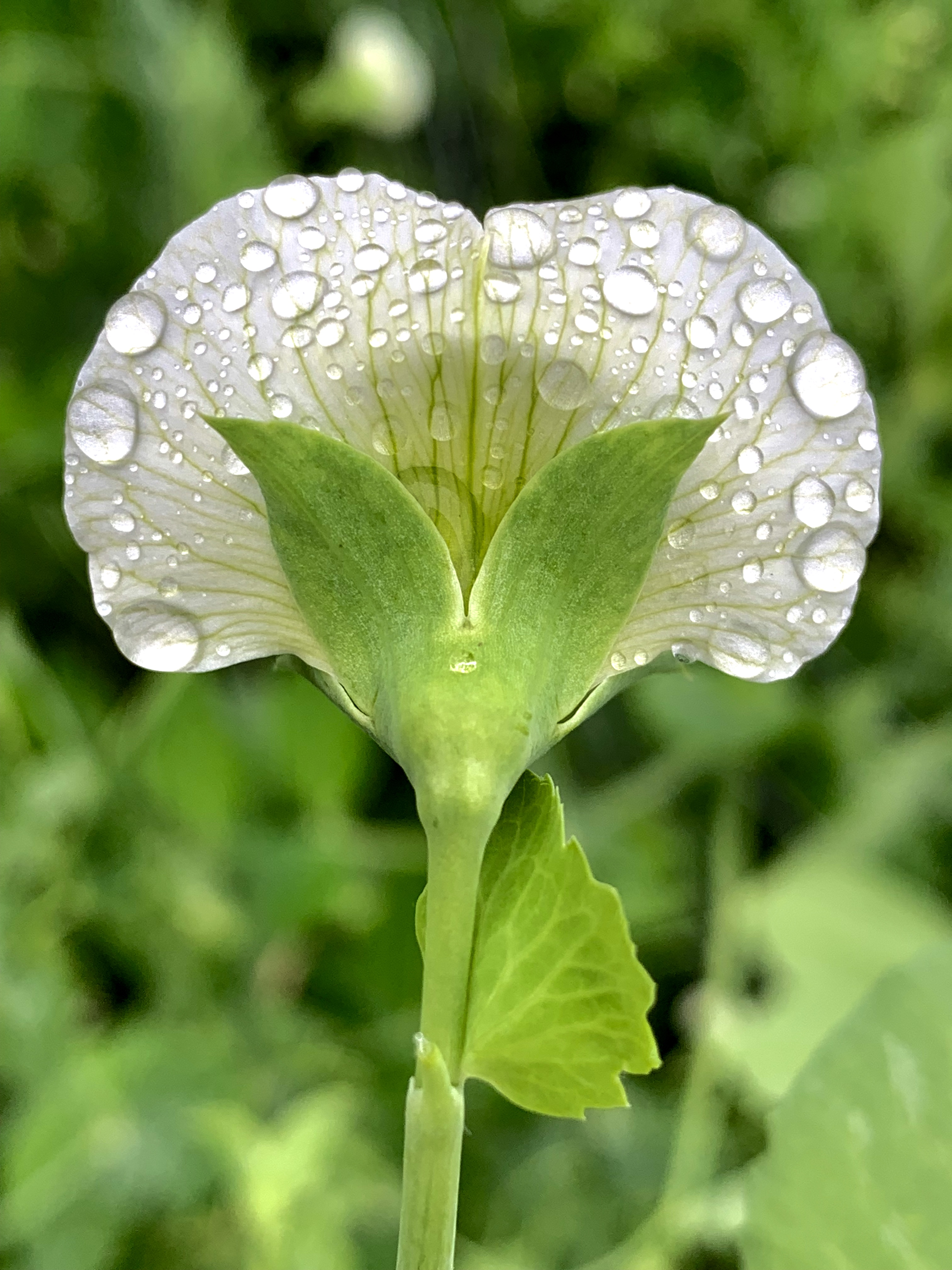
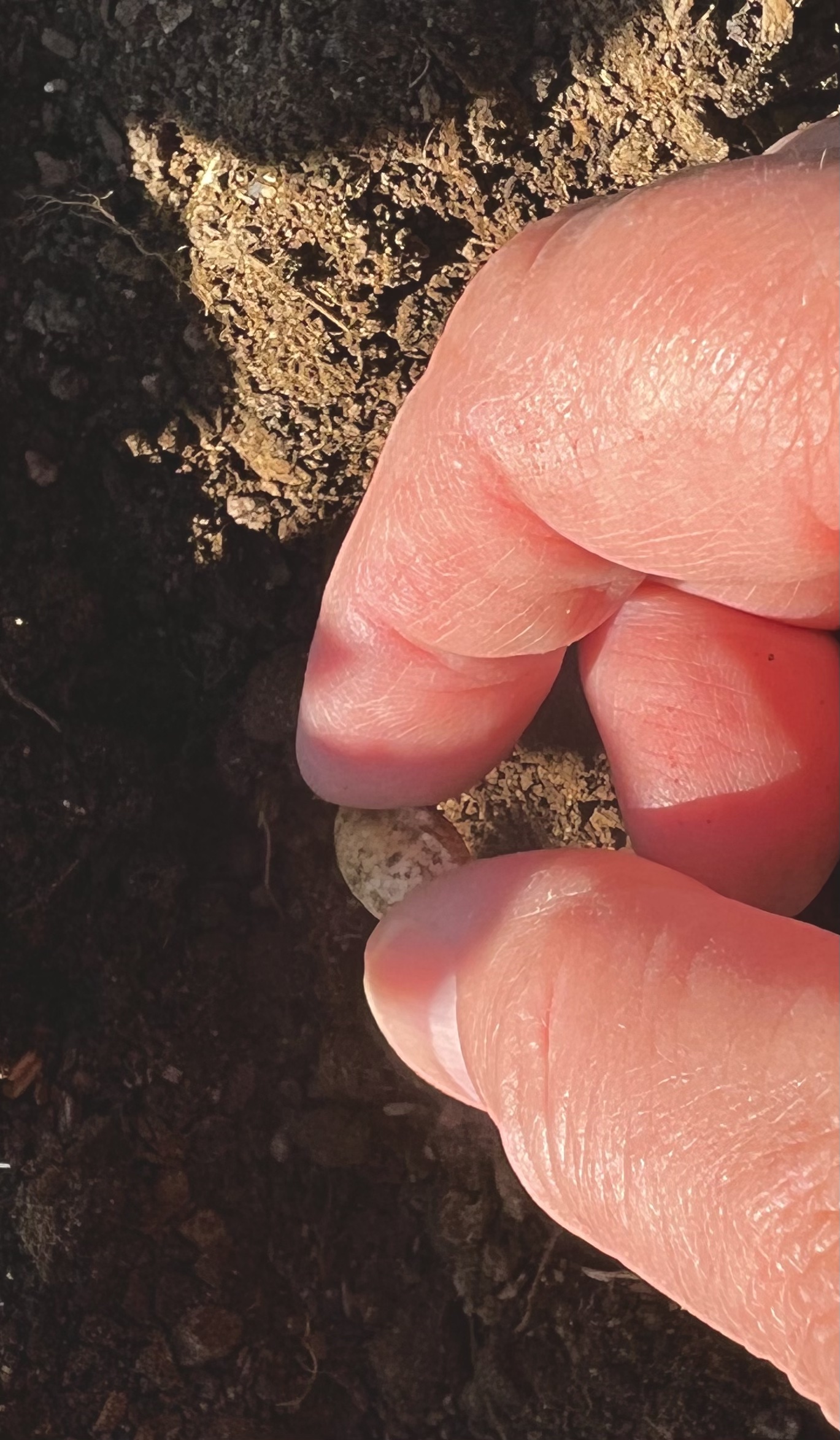
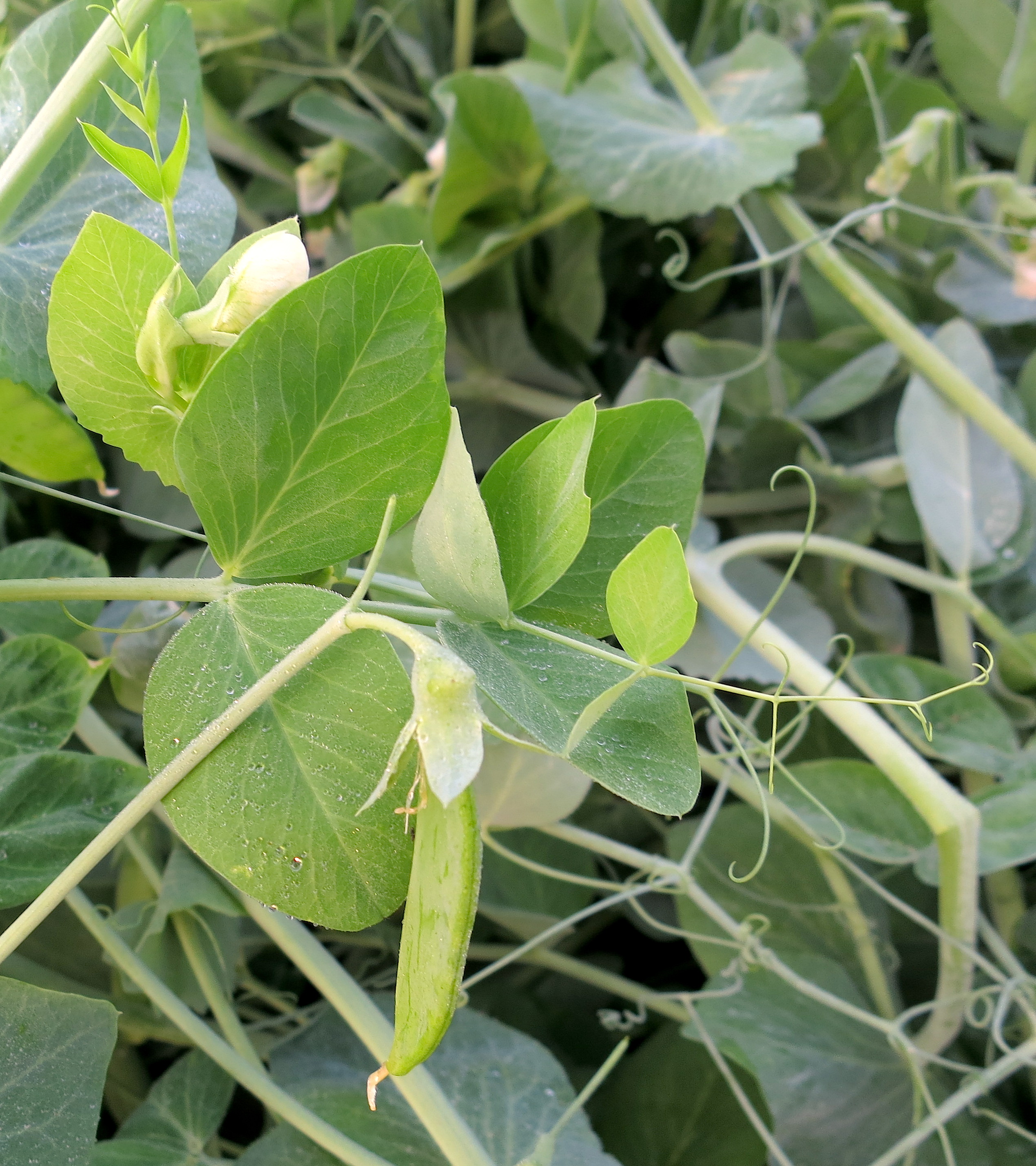
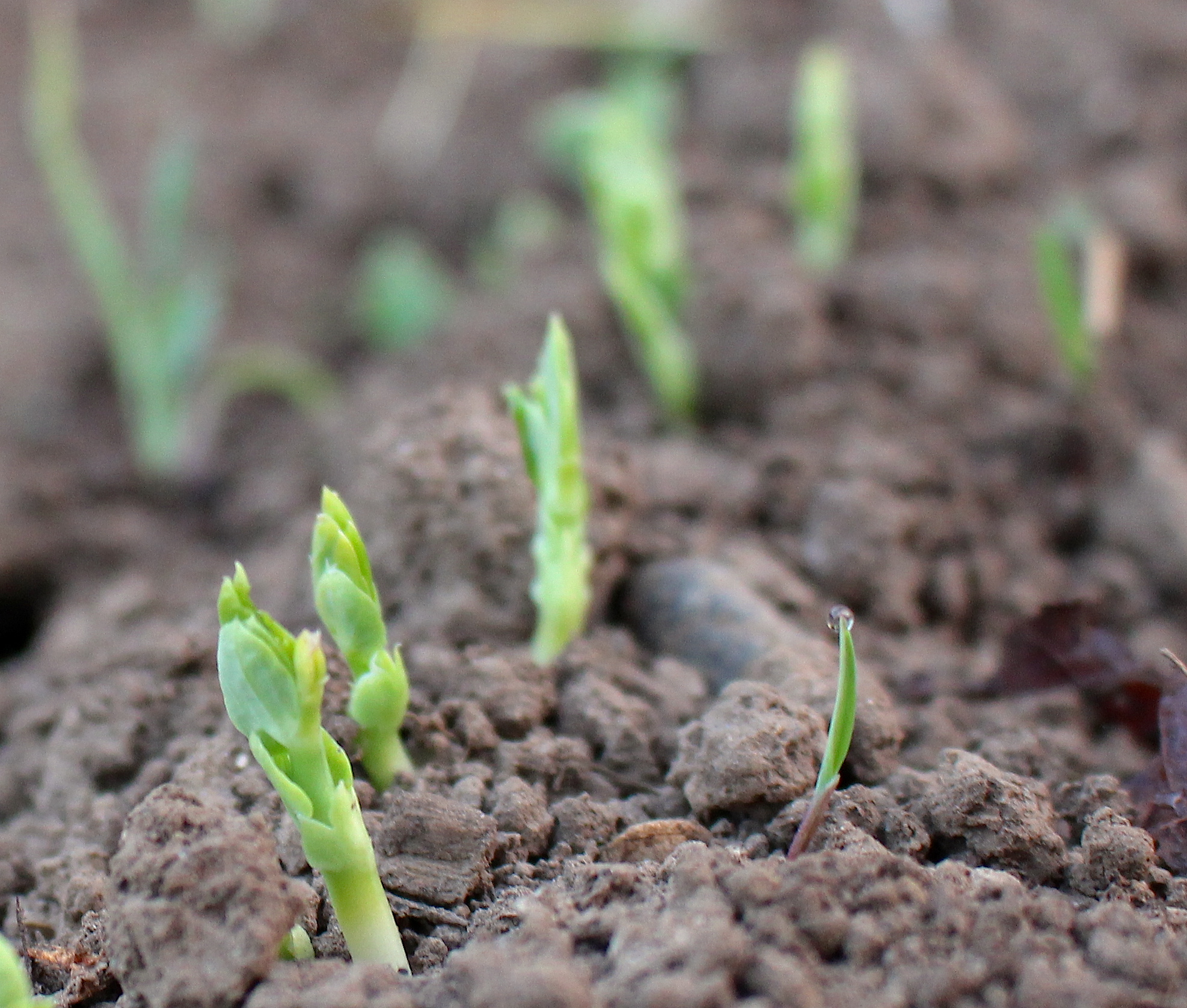
Pea seeds, wrinkled and frankly a little boring, could be planted even before the last frost was done with us in March, or even sometimes on Washington’s birthday in February.  The soil needed to not be frozen and not be sopping.  True, the seeds might sit still for a few weeks, unwilling to risk germination until the coast was clear and soil warmed a bit, but once they were up out of the ground, there was no stopping them.  We would generally have several rotations growing, in the hope of a 6 week pea eating season if we were fortunate, before the heat and worms claimed the vines and the pods.

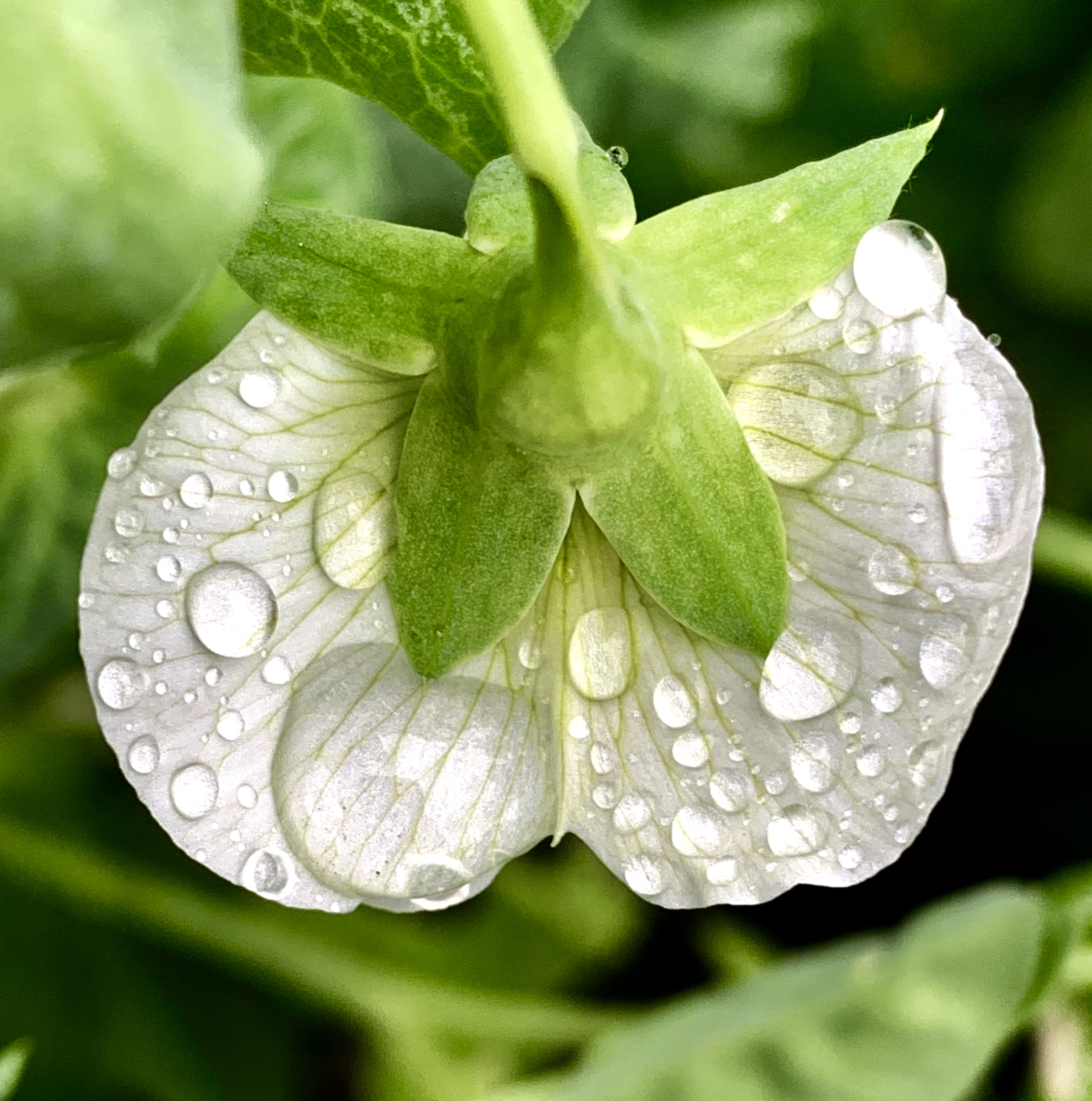
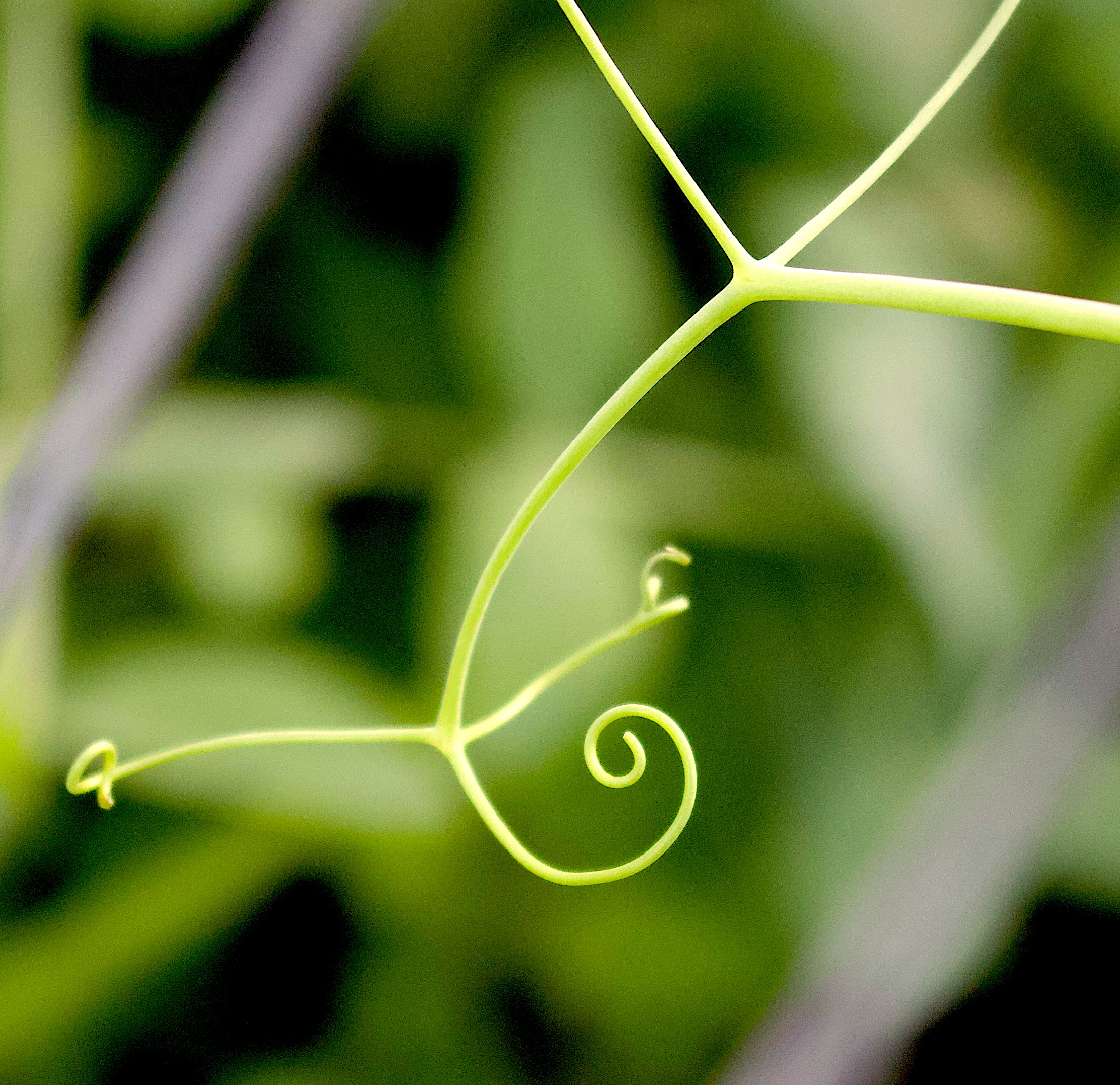
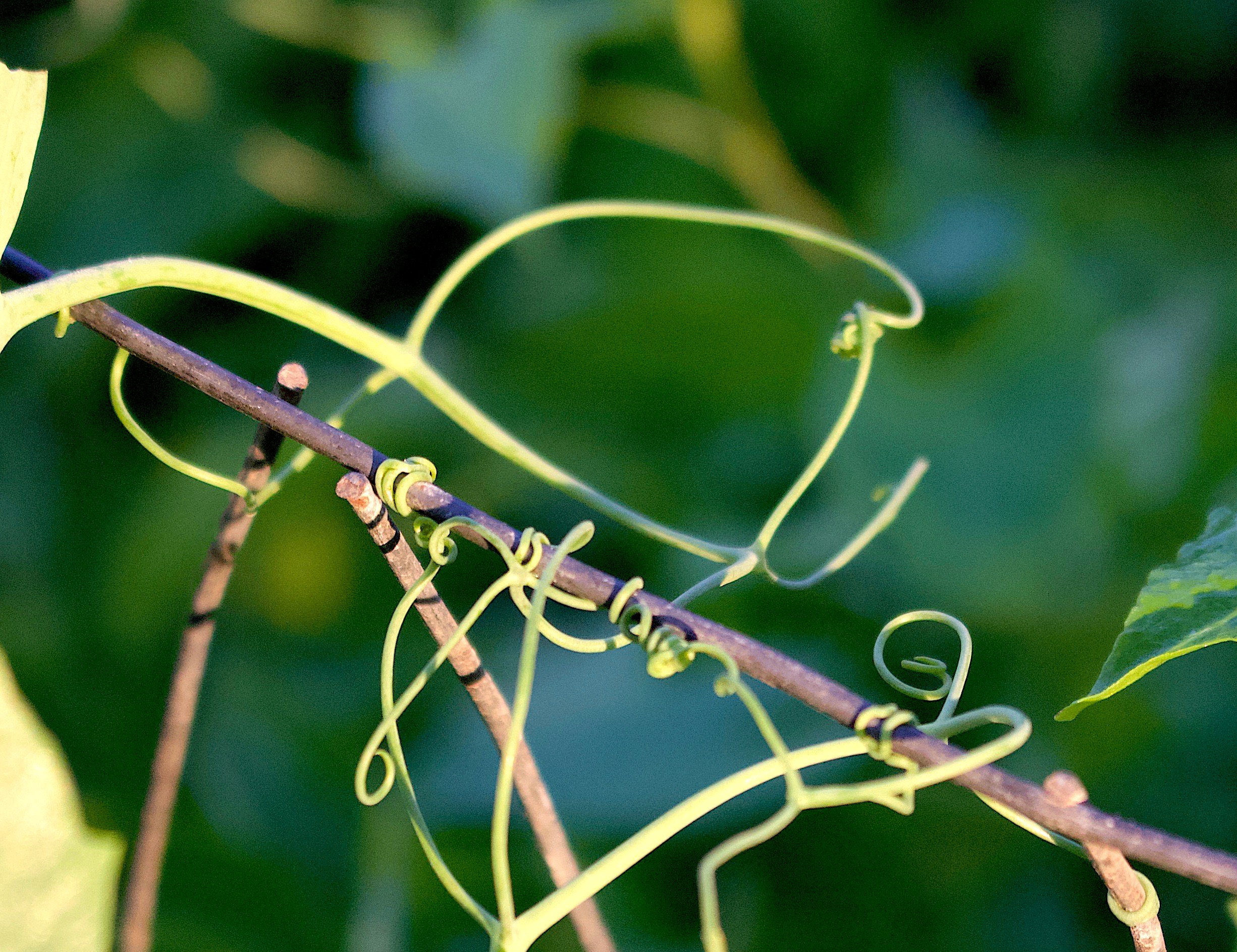
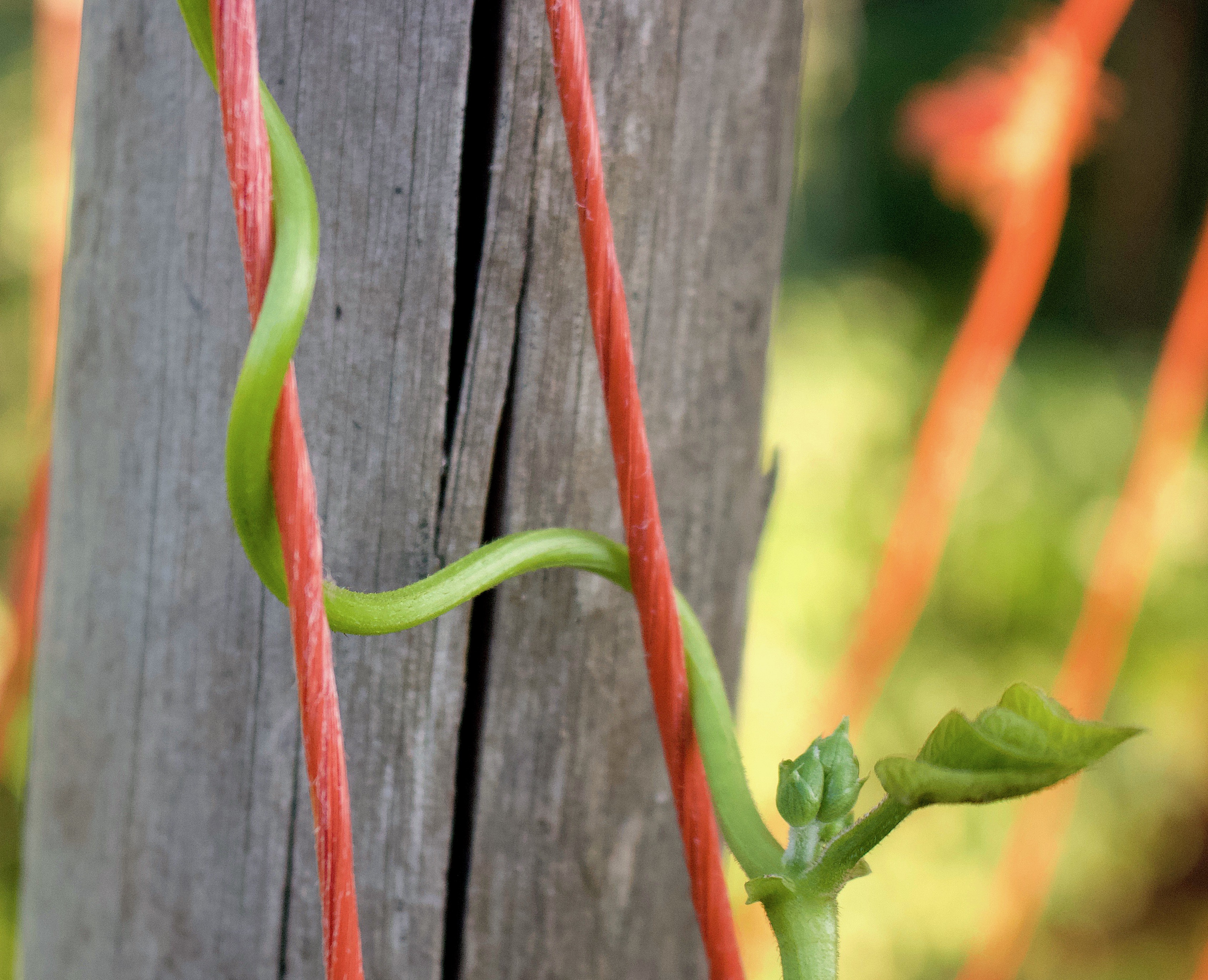
We always planted telephone peas, so the support of the vines was crucial–we used hay twine run up and down between two taut smooth wires attached high and low between two wooden posts.  The vines could climb 6 feet tall or better and it was fascinating to almost literally watch the pea tendrils wind their way around the strings (and each other), erotically clinging and wrapping themselves in their enthusiasm.

Once the pods start to form,  impatience begins.  I’d be out in the garden every day copping feels, looking for that first plump pod to pick and pop open.  It never failed that I would pick too soon, and open a pod to find only weenie little peas, barely with enough substance to taste.  Within a day or two, however, the harvest would be overwhelming, so we’d have to pick early in the morning while the peas were still cool from the night dew.

Then it was shelling time, which involved several siblings on a back porch, one mother supervising from a distance to make sure there weren’t too many peas being pelted in pique at an annoying little brother, and lots of bowls to catch the peas and the pods.  A big paper sack of intact pods would yield only a few cups of peas, so this was great labor for small yield.   Opening a pod of peas is extremely satisfying though;  there is a tiny audible “pop” when the pod is pressed at the bottom, and then as your thumb runs down the inner seam of the pod loosening all the peas, they make a dozen little “pings” in the bowl when they fall.  A symphony of pea shelling often was accompanied by the Beach Boys and the Beatles.

Once the weather got hot, the pea worms would be at work in the pods, so then one encountered wiggly white larvae with little black heads and their webs inside the pods.  We actually had a “Wormie” song we sung when we found one, even in the 60’s recognizing that our organic garden meant sharing the harvest with crawling protein critters. The peas would be bored through, like a hollowed out jack o’lantern, so those got dumped in the discard bowl.

The dull green coat of the raw pea turns bright green during the several minutes of blanching in boiling water, then they are plunged into ice water until cool and packed in ziplock bags.  Those peas are welcomed to the table during the other 11 months out of the year, sometimes mixed with carrots, sometimes with mushrooms, sometimes chased with a little fresh garlic.  They are simply the most lovely food there is other than chocolate.

From an undistinguished pea seed to intricate vines and coiling tendrils–from pregnant pods bursting at the seams to a bounty at meals: the humble pea does indeed deserve a grand parade in the middle of the night.

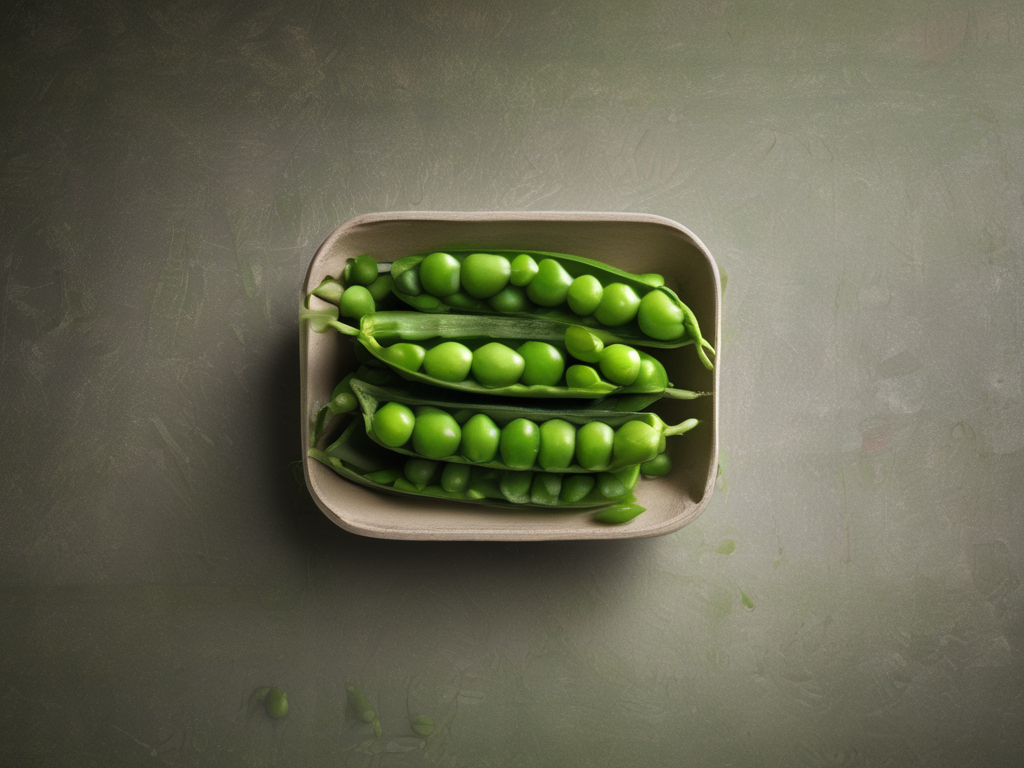
AI image generated for this post
One-Time
Monthly
Yearly

Make a one-time or recurring donation to support daily Barnstorming posts

Make a monthly donation

Make a yearly donation

Choose an amount

$10.00
$25.00
$50.00
$5.00
$15.00
$100.00
$5.00
$15.00
$100.00

Or enter a custom amount

$

Your contribution is deeply appreciated.

Your contribution is appreciated.

Your contribution is appreciated.

DonateDonate monthlyDonate yearly
A Human Being, Not a Human Doing

There comes the strangest moment in your life,
when everything you thought before breaks free—
what you relied upon, as ground-rule and as rite
looks upside down from how it used to be.

Your heart’s in retrograde. You simply have no choice.
Things people told you turn out to be true.
You have to hold that body, hear that voice.
You’d have sworn no one knew you more than you.

How many people thought you’d never change?
But here you have. It’s beautiful. It’s strange.
~Kate Light from “There Comes the Strangest Moment” in
 Open Slowly

This disease of being “busy” (and let’s call it what it is, the dis-ease of being busy, when we are never at ease) is spiritually destructive to our health and wellbeing.

It saps our ability to be fully present with those we love the most in our families, and keeps us from forming the kind of community that we all so desperately crave.

Tell me you remember you are still a human being,
not just a human doing.
Tell me you’re more than just a machine,
checking off items from your to-do list.
Have that conversation, that glance, that touch.
Be a healing conversation,
one filled with grace and presence.

Put your hand on my arm, look me in the eye,
and connect with me for one second.
Tell me something about your heart, and awaken my heart.
Help me remember that I too am a full and complete human being…
~Omid Safi from The Disease of Being Busy

It has been nearly three years since I hung up my stethoscope. I’m no longer paid to be very busy. It isn’t feeling strange to wake up with no “job” to go to.

I still am vigorously treading water but with no destination in mind other than to stay afloat. It’s enough to just move and breathe in this new and strangely unfamiliar territory.

It was scary at first, backing off from all-consuming clinic responsibilities, yet knowing I was becoming less effective due to my diminishing passion and energy for the work. I’d been working in some capacity for over fifty years, starting in high school.

I could barely remember who I was before I became a physician.

So here I am — changed and changing — volunteering here and there, budding and blooming in new colors and shapes, exercising a different part of my brain, and simply praying I make good use of the time left to me, being something as worthwhile as what I had been doing.

So, once again, my days have become… strangely beautiful… in ways I could never have imagined.

AI image created for this post
One-Time
Monthly
Yearly

Make a one-time or recurring donation to support daily Barnstorming posts

Make a monthly donation

Make a yearly donation

Choose an amount

$10.00
$25.00
$50.00
$5.00
$15.00
$100.00
$5.00
$15.00
$100.00

Or enter a custom amount

$

Your contribution is deeply appreciated.

Your contribution is appreciated.

Your contribution is appreciated.

DonateDonate monthlyDonate yearly
When I Had the Chance…

“Hold on,” she said, “I’ll just run out and get him.
The weather here’s so good, he took the chance
To do a bit of weeding.”


So I saw him
Down on his hands and knees beside the leek rig,
Touching, inspecting, separating one
Stalk from the other, gently pulling up
Everything not tapered, frail and leafless,
Pleased to feel each little weed-root break,
But rueful also . . . 


Then found myself listening to
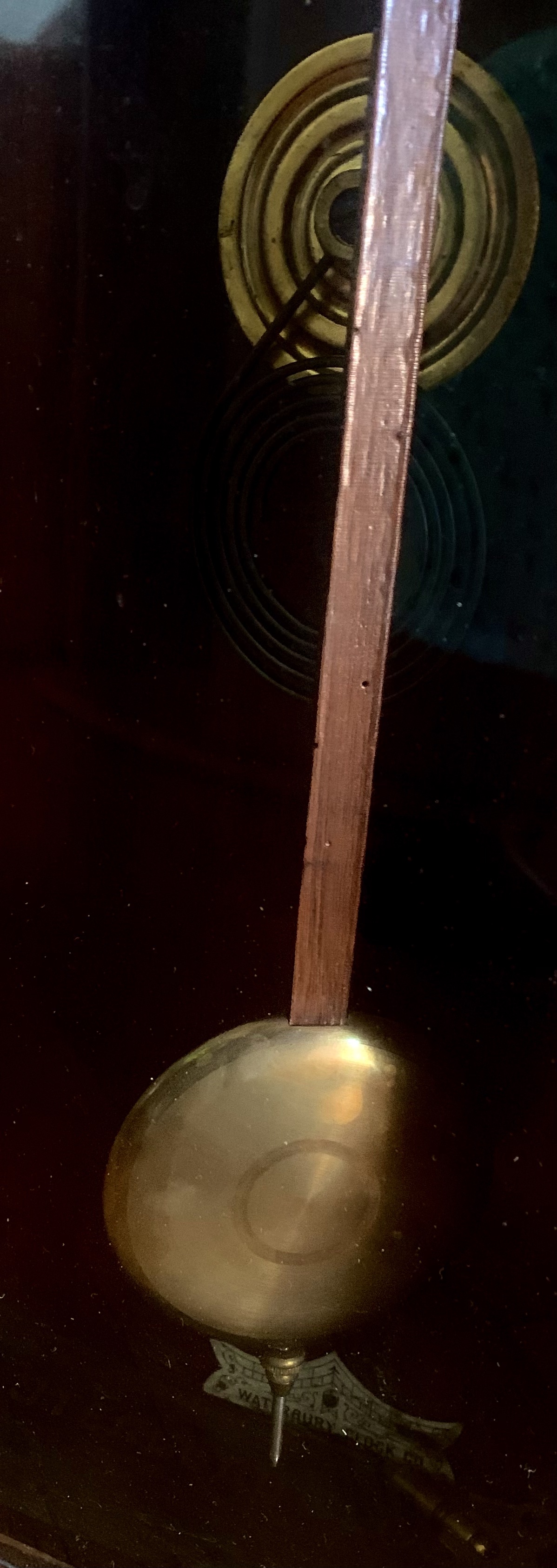
The amplified grave ticking of hall clocks
Where the phone lay unattended in a calm
Of mirror glass and sunstruck pendulums . . . 


And found myself then thinking: if it were nowadays,
This is how Death would summon
Everyman.

Next thing he spoke and I nearly said I loved him.
~Seamus Heaney “A Call” from ‘Poems That Make Grown Men Cry’

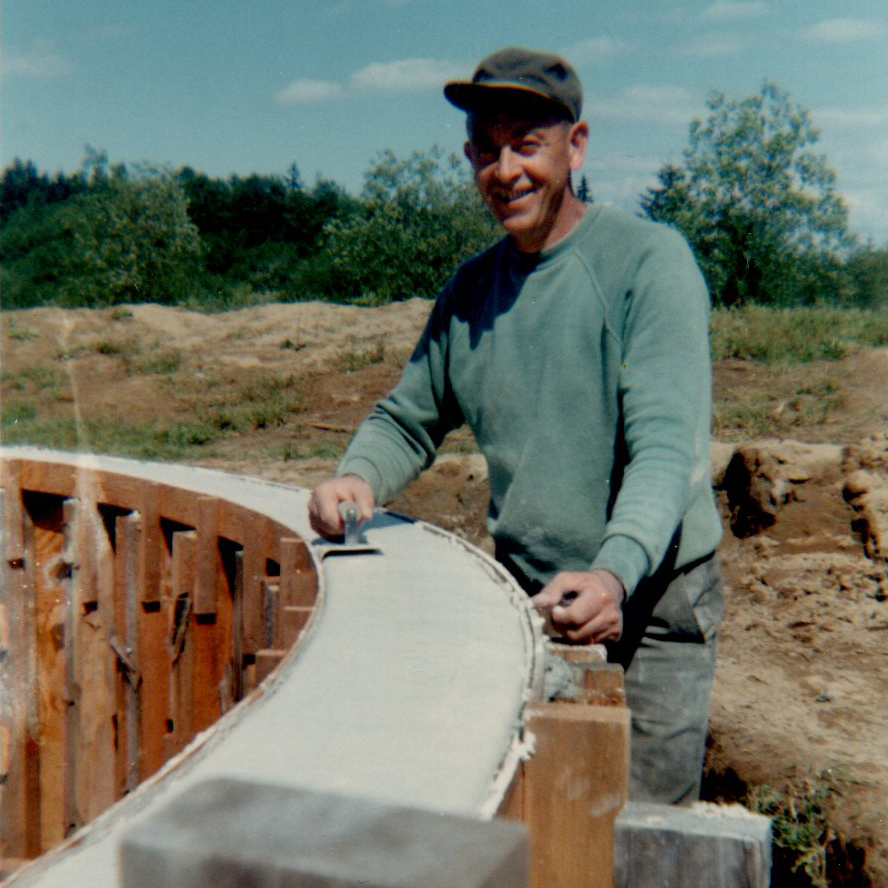
My father was a complex man. I understand better now where my own complicated nature comes from.

As inscrutable as he could be, there were things I absolutely understood about him:

he was a man of action
– he never just sat, never took a nap, never wasted a day of his life without accomplishing something tangible.

he was a man of the soil
– he plowed and harrowed and sowed and fertilized and weeded and cut brush and harvested

he was a man of inventiveness
– he figured out a better way, he transformed tools and buildings, he started from scratch and built the impossible

he didn’t explain himself
– and never felt the need to.

Time keeps ticking on without him here, now 29 years since he took his last breath as the clock pendulum swung back and forth in his bedroom. He was taken too young for all the projects he still had in mind.

He handed off a few to me.
Some I have done.
Some still wait, I’m not sure why.

My regret is not understanding how much he needed to hear how loved he was. He seemed fine without it being said.

But he wasn’t fine. And neither was I.

I wish I had said it when I had the chance.

One-Time
Monthly
Yearly

Make a one-time or recurring donation to support daily Barnstorming posts

Make a monthly donation

Make a yearly donation

Choose an amount

$10.00
$25.00
$50.00
$5.00
$15.00
$100.00
$5.00
$15.00
$100.00

Or enter a custom amount

$

Your contribution is deeply appreciated.

Your contribution is appreciated.

Your contribution is appreciated.

DonateDonate monthlyDonate yearly
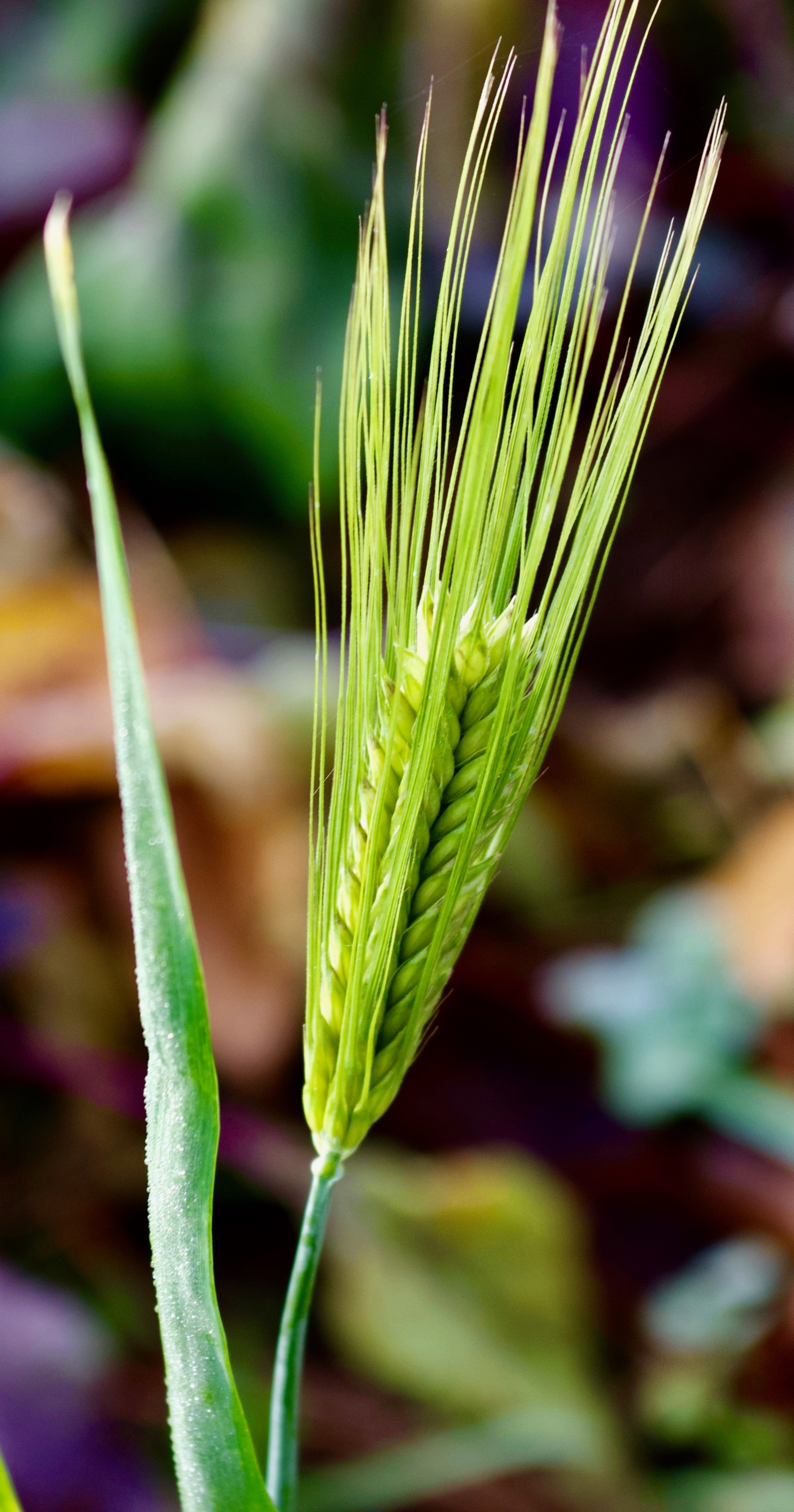
For My Soul: Hidden Grain

  “All Christian thinking is resurrection thinking.” —Jay Parini
Let this sorrow be a fallow field
and grief the seeding rain.
Then may I be hidden, a grain
in night’s still mystery,
until the day
I’m risen, yield
bound in sheaves of joy,
and Negev is an ecstasy.

~Franchot Ballinger, “Let Me Be Like Those Who Dream” from Crossings

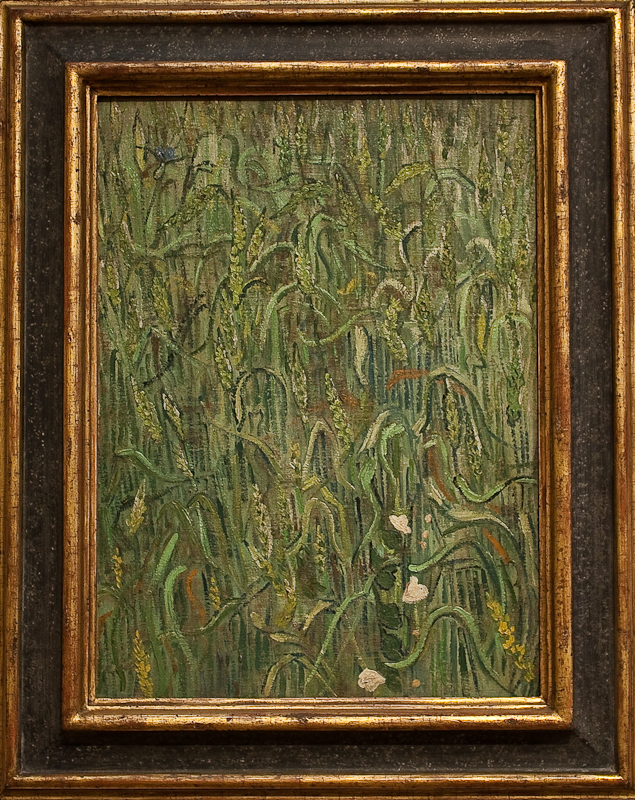
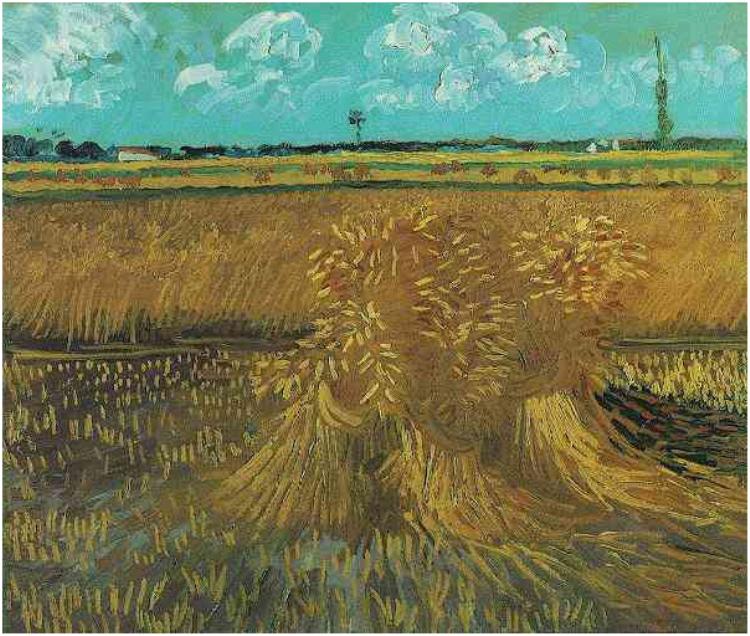
Ears of Wheat – Vincent Van Gogh
Wheat Field with Sheaves -Vincent Van Gogh
Sheaves of Wheat in a Field –Vincent Van Gogh

The love of God most High for our soul
is so wonderful that it surpasses all
knowledge. No created being can fully know
the greatness, the sweetness, the
tenderness, of the love that our Maker has
for us. By his Grace and help therefore let
us in spirit stand in awe and gaze, eternally
marveling at the supreme, surpassing,
single-minded, incalculable love that God,
Who is all goodness, has for us.

~Juliana of Norwich “God’s Love for Us”

…you have been born again, not of perishable seed but of imperishable, through the living and abiding word of God;  for

“All flesh is like grass
    and all its glory like the flower of grass.
The grass withers,
    and the flower falls,
 but the word of the Lord remains forever.”
1Peter 1:23-25

The fields around our farm still show no signs of wakening.
They are stubble and moss, mole hills and mud.
It is unimaginable they might soon produce anything.

Then grief rains down on buried seed and the grain will rise.

All winter everything, everyone,
has been so dead, so hidden, so hopeless;
His touch calls us back to life.
Nothing can be more hopeful than the barren made fruitful,
the ugly made beautiful,
the dead made alive.

Love is come again, digging deep
into the fallow fields of our hearts.

This Lenten season I reflect on the words of the 19th century southern spiritual hymn “What Wondrous Love is This”

One-Time
Monthly
Yearly

Make a one-time or recurring donation to support Barnstorming daily posts

Make a monthly donation

Make a yearly donation

Choose an amount

$10.00
$25.00
$50.00
$5.00
$15.00
$100.00
$5.00
$15.00
$100.00

Or enter a custom amount

$

Your contribution is deeply appreciated.

Your contribution is appreciated.

Your contribution is appreciated.

DonateDonate monthlyDonate yearly
Breathing Through the Knothole

Her elbow rested here
a century ago.
This is the field

she looked upon,
a mad rush of wheat
anchored to the barn.

What her thoughts were,
the words she penned
are driven into the grain,

its deep tide crossing
under my hand. She breathes
through the knothole.

Outside, the wind
pushes the farm
down an ally of stars.
~Wyatt Townley, “The Oak Desk” from The Afterlives of Trees

J.R.Tolkien’s writing desk at the Wade Center at Wheaton College
Ears of Wheat – Van Gogh museum

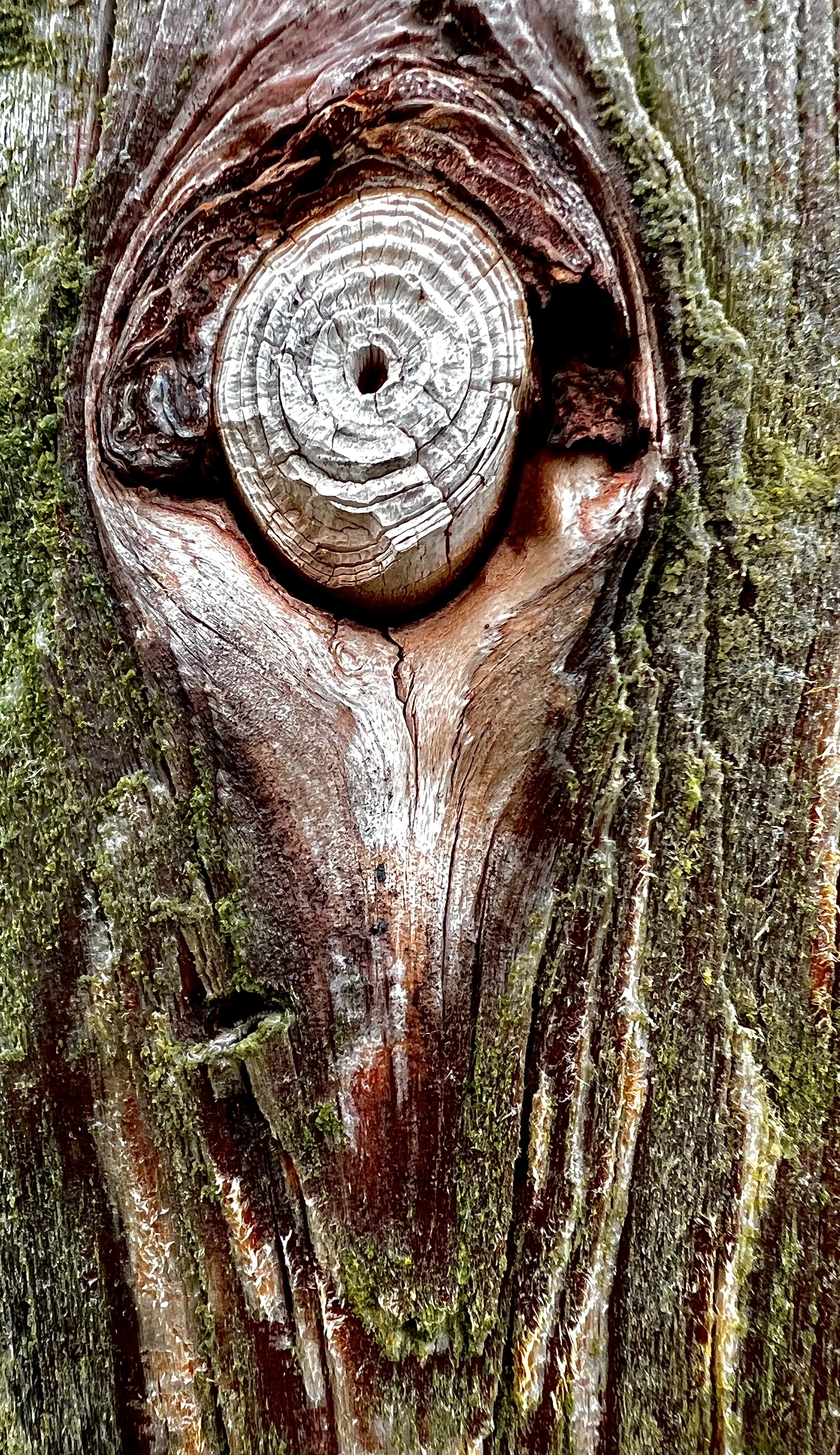
A writing desk is simply a repurposed tree; the smoothly sanded surface of swirling grain and knotholes nourish and produce words and stories rather than leaves and fruit.

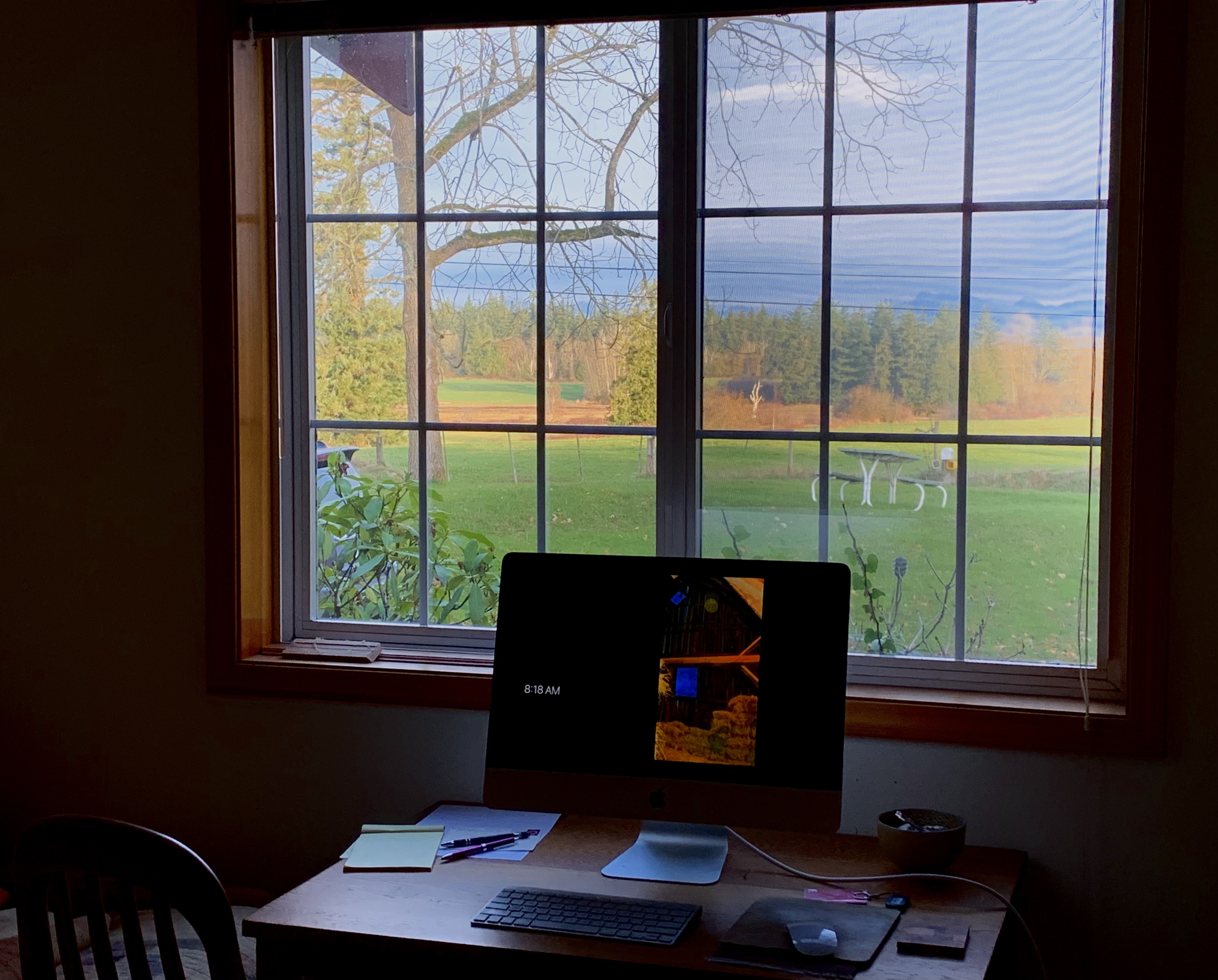
I can easily lose myself in the wood and wondering about its origins, whether it is as I sit at a window composing, or whether I’m outside walking among the trees which are merely potential writing desks in the raw.

Museums often feature the writing desks of the famous and I’ve seen a few over the years – it is thrilling to be able touch the wood they touched as they wrote – to gaze at the same grain patterns and knotholes they saw as the words gelled, and feel the worn spots where their elbows rested.

Though my little desk won’t ever become a museum piece, nor will my words be long-remembered, I am grateful for the tree that gave me this place to sit each morning, breathing deeply, praying that when I sit here, I might bear and share worthy fruit.

One-Time
Monthly
Yearly

Make a one-time or recurring donation to support daily Barnstorming posts

Make a monthly donation

Make a yearly donation

Choose an amount

$10.00
$25.00
$50.00
$5.00
$15.00
$100.00
$5.00
$15.00
$100.00

Or enter a custom amount

$

Your contribution is deeply appreciated.

Your contribution is appreciated.

Your contribution is appreciated.

DonateDonate monthlyDonate yearly
The Cellar’s Portion

In October of the year,
he counts potatoes dug from the brown field, counting the seed, counting the cellar’s portion out,   
and bags the rest on the cart’s floor.

He packs wool sheared in April, honey
in combs, linen, leather   
tanned from deerhide,   
and vinegar in a barrel
hooped by hand at the forge’s fire.

He walks by his ox’s head, ten days
to Portsmouth Market, and sells potatoes,   
and the bag that carried potatoes, flaxseed, birch brooms, maple sugar, goose feathers, yarn.

When the cart is empty he sells the cart.   
When the cart is sold he sells the ox,   
harness and yoke, and walks
home, his pockets heavy
with the year’s coin for salt and taxes,

and at home by fire’s light in November cold   
stitches new harness for next year’s ox in the barn,

and he carved a new yoke and sawed
planks for a new cart and split shingles all
winter, while his wife made flax into linen all
winter, and his daughter embroidered linen all
winter, and his son carved Indian brooms from
birch all winter, and everybody made candles,


and in March they tapped the sugar maple trees
and boiled the sap down, and in April they
sheared the sheep, spun yarn, and wove and
knitted, and in May they planted potatoes,
turnips, and cabbages, while apple blossoms
bloomed and fell, while bees woke up, starting to
make new honey, and geese squawked in the
barnyard, dropping feathers as soft as clouds.
~Donald Hall “The Oxcart Man”

Come inside now.
Stand beside the warming stove.
Watch out through the windows as
a cold rain tears down
the last leaves.

The larder full of dried herbs,
hot peppers, chutneys,
jellies, jams, dill pickles,
pickled relishes,
pickled beets.

The freezer full of frozen greens—
chard and spinach, collards, kale—
green beans, basil, red sauces,
applesauce, and
smoked meats.

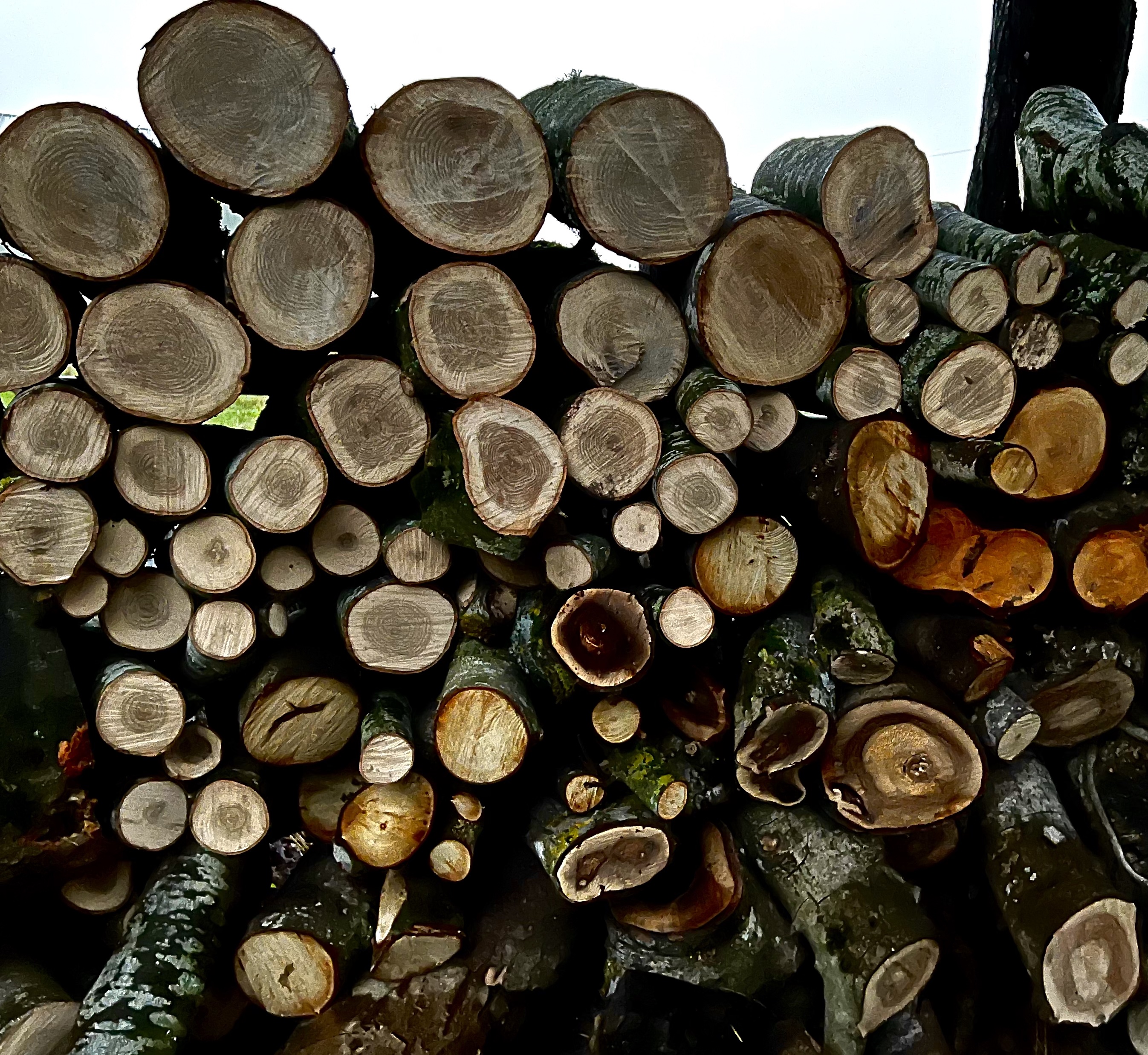
The woodshed dry and full of wood,
winter squashes stashed away.
Down cellar: potatoes, carrots,
crock of sauerkraut.

Come inside now.
Stand beside the warming stove.
Listen. Wait.

~David Budbill “Come Inside Now” from Happy Life

Nothing would sleep in that cellar, dank as a ditch,
Bulbs broke out of boxes hunting for chinks in the dark,
Shoots dangled and drooped,
Lolling obscenely from mildewed crates,
Hung down long yellow evil necks, like tropical snakes.
And what a congress of stinks!
Roots ripe as old bait,
Pulpy stems, rank, silo-rich,
Leaf-mold, manure, lime, piled against slippery planks.
Nothing would give up life:
Even the dirt kept breathing a small breath.

~Theodore Roetke “Root Cellar” from The Collected Poems

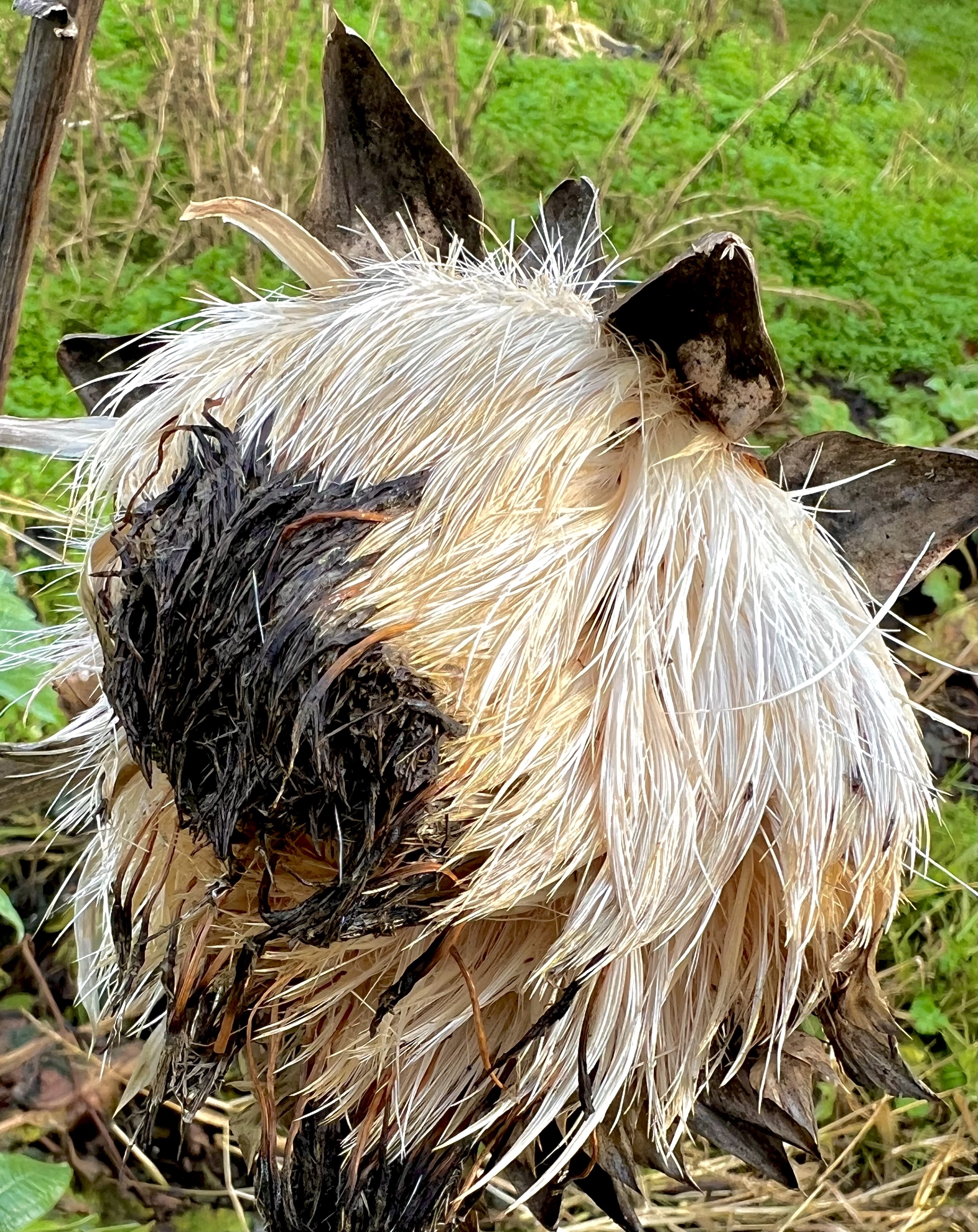
Even in the cold wet chill of November, our garden continues breathing, guarded by the furry fellow on a stalk below until a heavy windstorm topples him over.

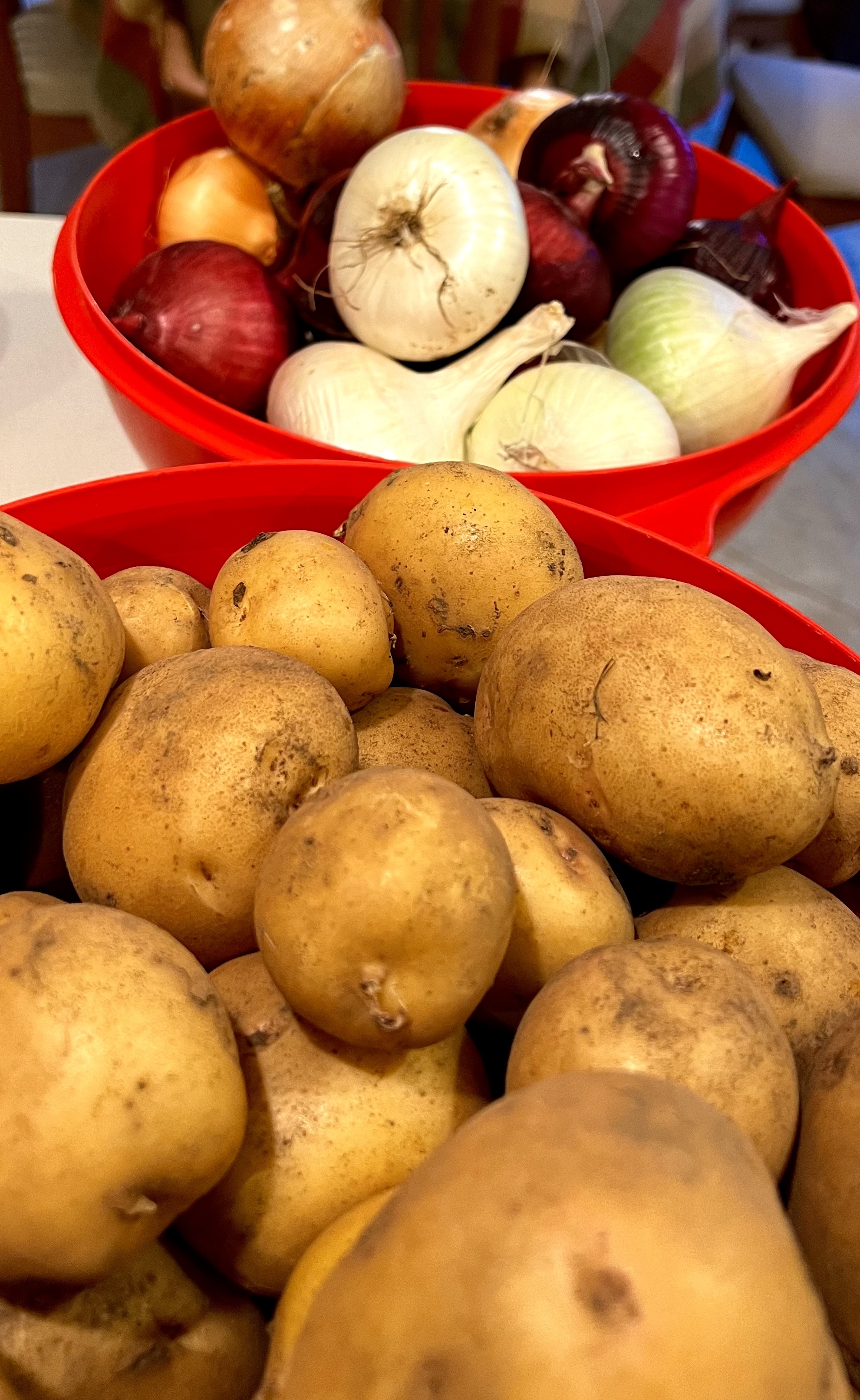
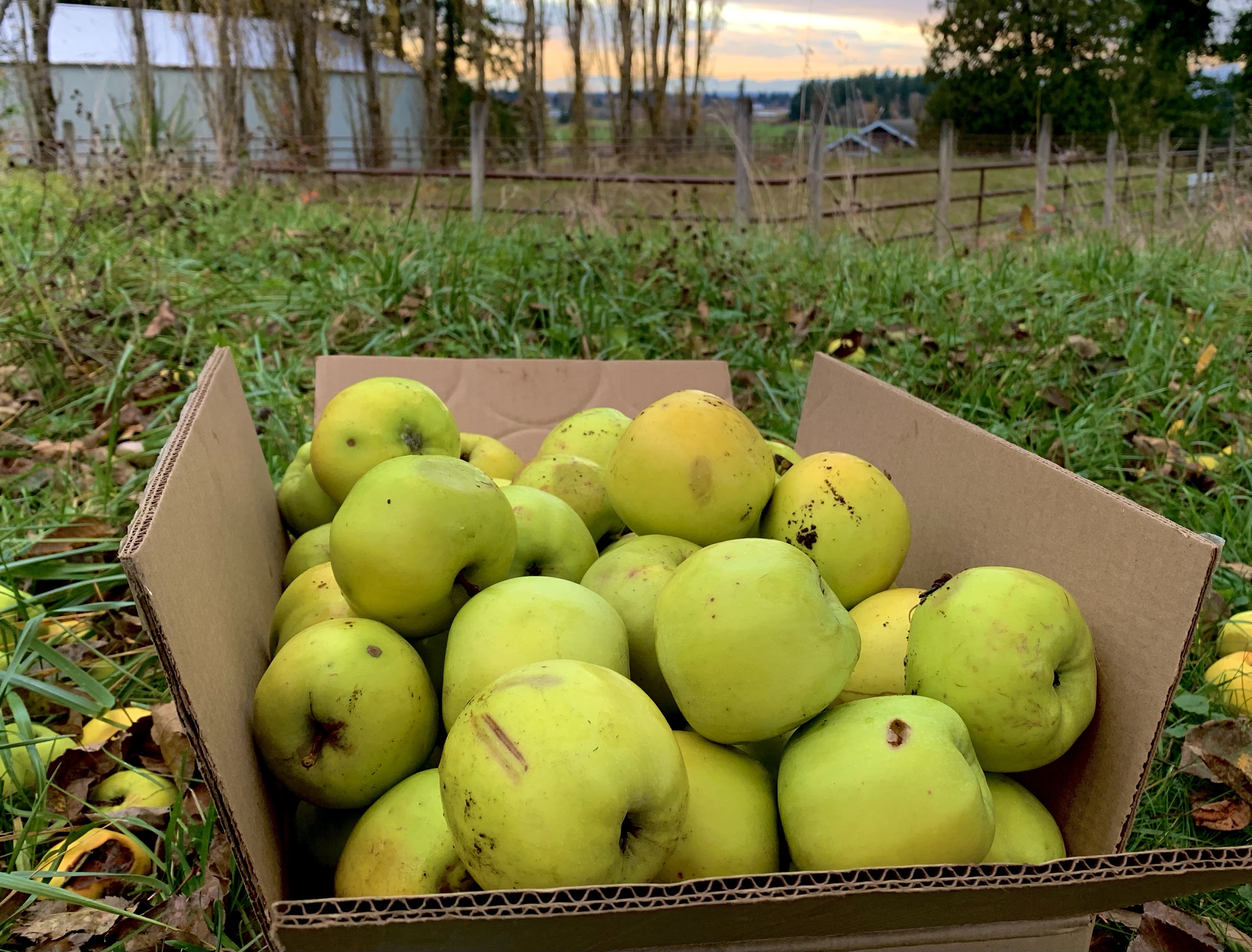
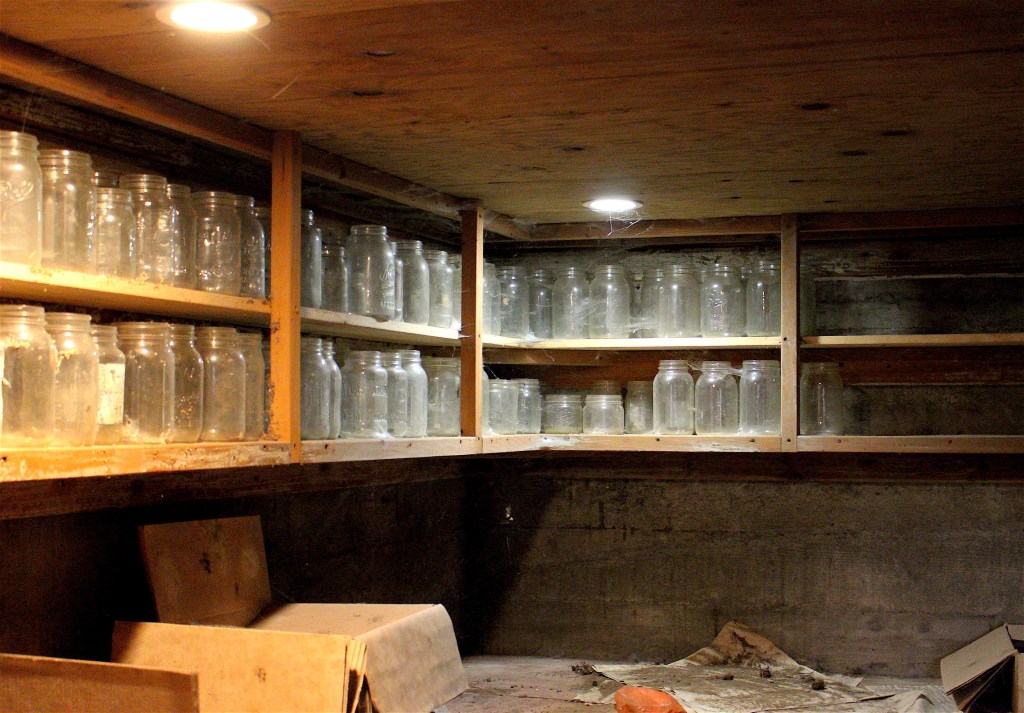
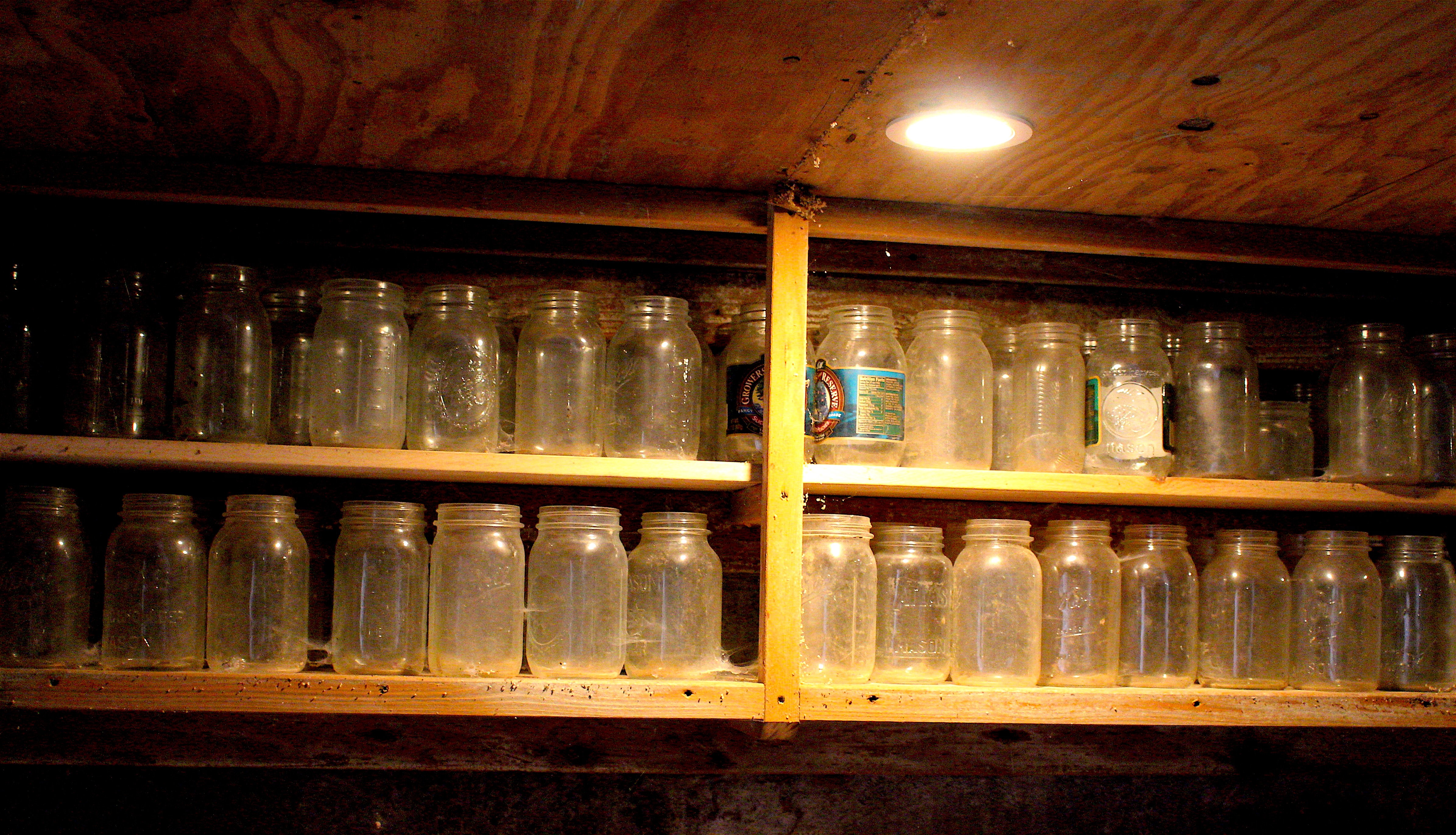
When I descend the steps into our root cellar, I find a still life of empty jars, no longer in use for produce to be preserved until spring. I no longer preserve produce through canning, as I used to. Instead we dry and freeze fruits and vegetables for storage. The cellar, though not as full as in years past, remains a place of quiet fecundity with its rich and earthy smells – a reminder of how things were done before the conveniences of today. We still keep apples, potatoes and onions in safe-keeping below ground – some of this farm’s orchard and garden harvest has been stored fresh in the cellar, year after year, for decades.

Until the last century, all of a farm family’s energy and effort was to preserve and store what was necessary to survive another year. Today, in too many places in the world, simple survival remains a family’s necessary and noble goal.

Surrounded by the relative comfort and privilege of a bountiful garden, orchard and woodpile, I never want to forget that.

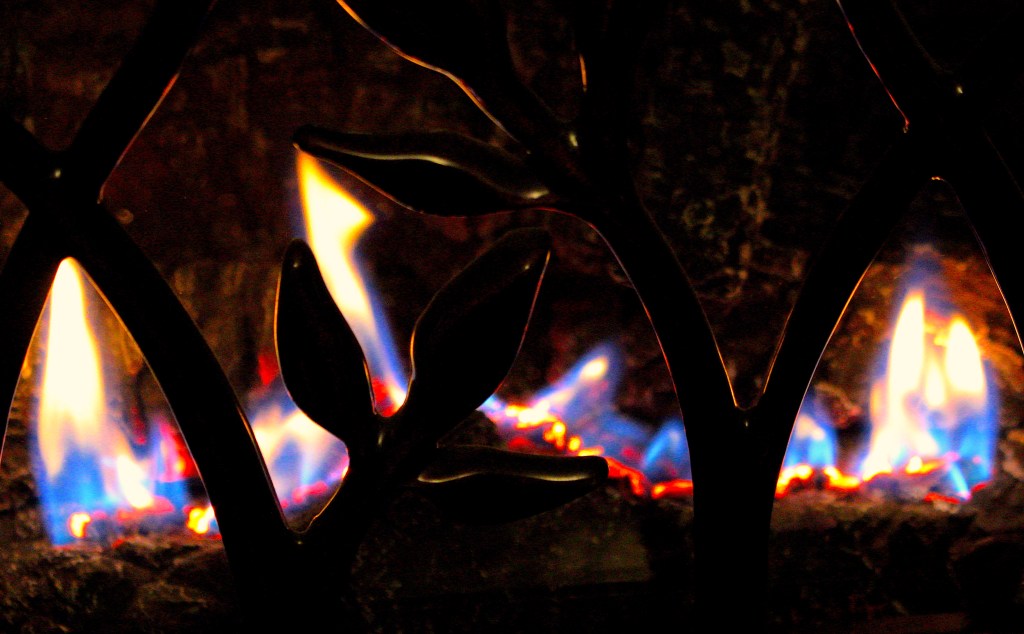
Come inside. Warm up by the fire. Listen. Wait. Pray for lasting peace.

My artichoke “pup”

One-Time
Monthly
Yearly

Make a one-time or recurring donation to support daily Barnstorming posts

Make a monthly donation

Make a yearly donation

Choose an amount

$10.00
$25.00
$50.00
$5.00
$15.00
$100.00
$5.00
$15.00
$100.00

Or enter a custom amount

$

Your contribution is deeply appreciated.

Your contribution is appreciated.

Your contribution is appreciated.

DonateDonate monthlyDonate yearly
Singing in the Leaves


Now constantly there is the sound,
quieter than rain,
of the leaves falling.

Under their loosening bright
gold, the sycamore limbs
bleach whiter.

Now the only flowers
are beeweed and aster, spray
of their white and lavender
over the brown leaves.

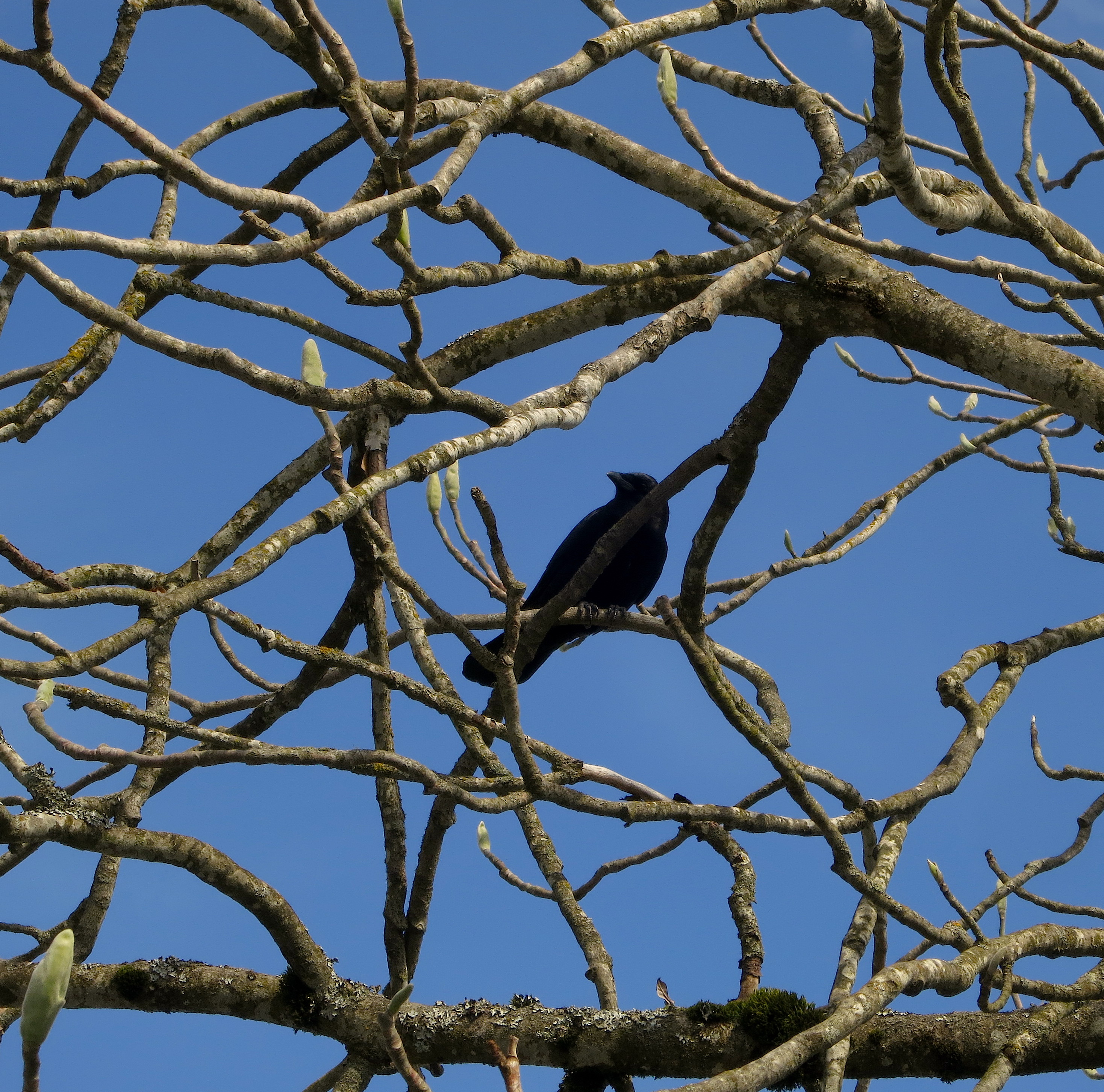
The calling of a crow sounds
Loud — landmark — now
that the life of summer falls
silent, and the nights grow.
~Wendell Berry “October 10” from New Collected Poems.

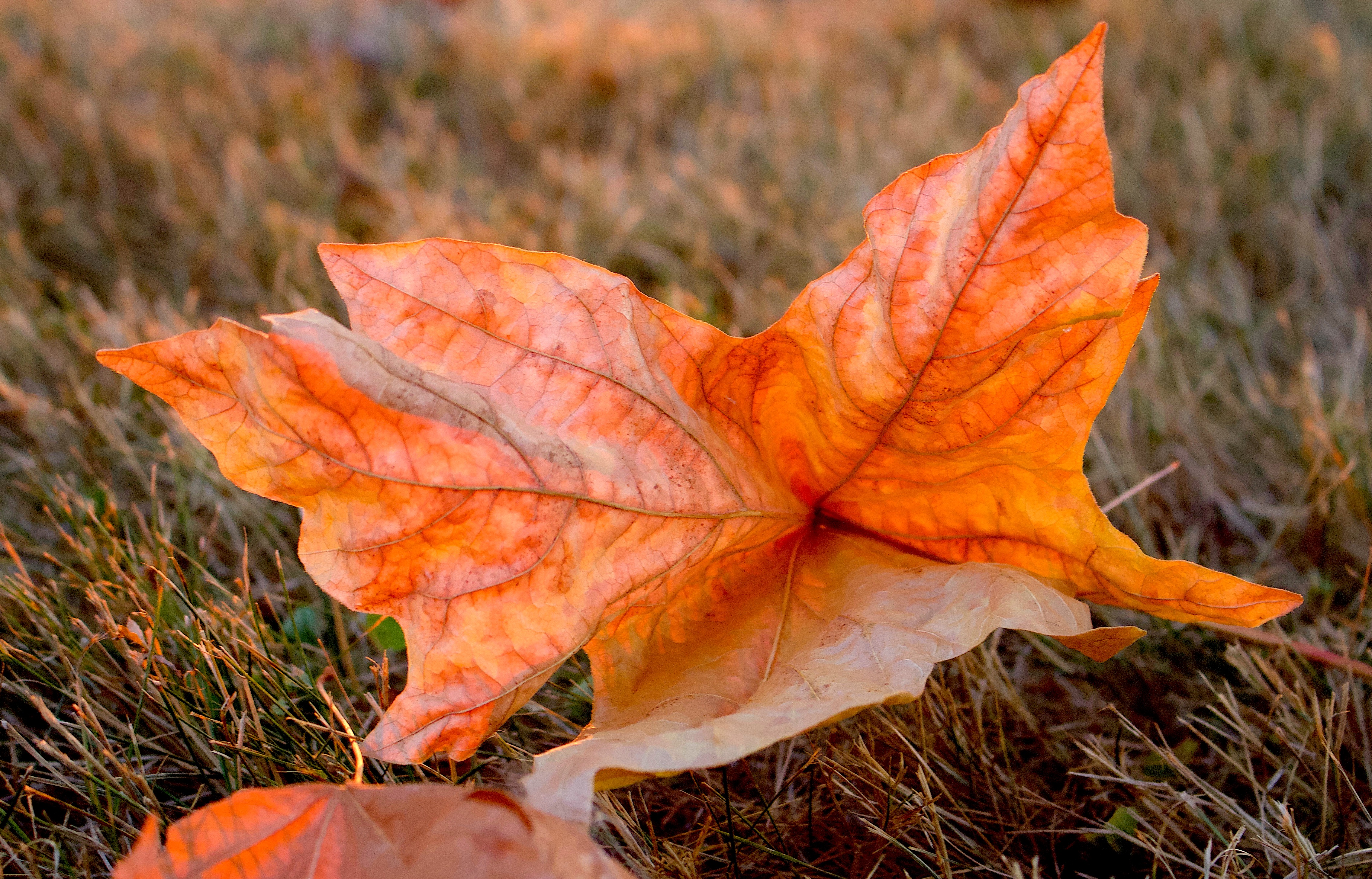
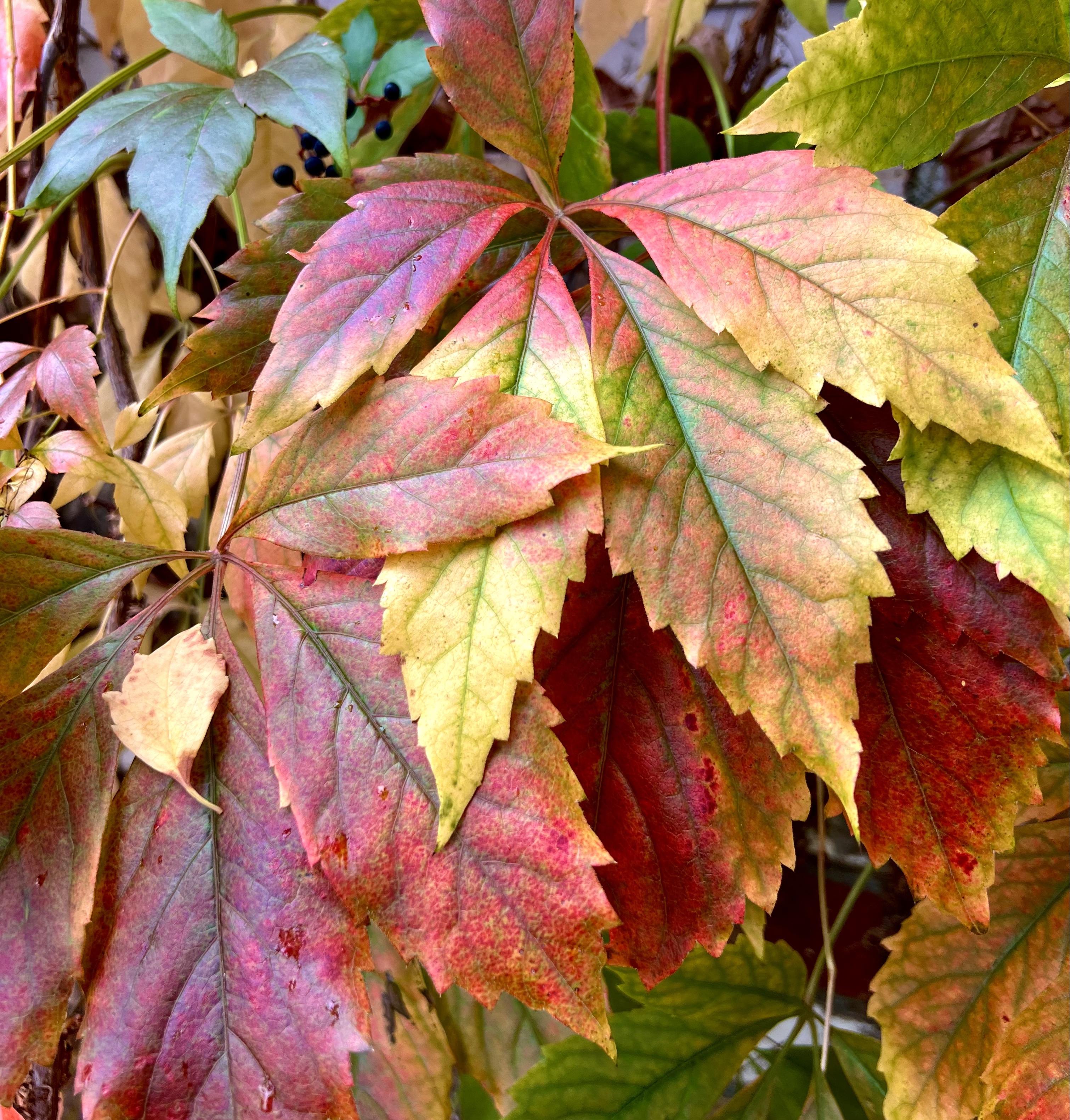
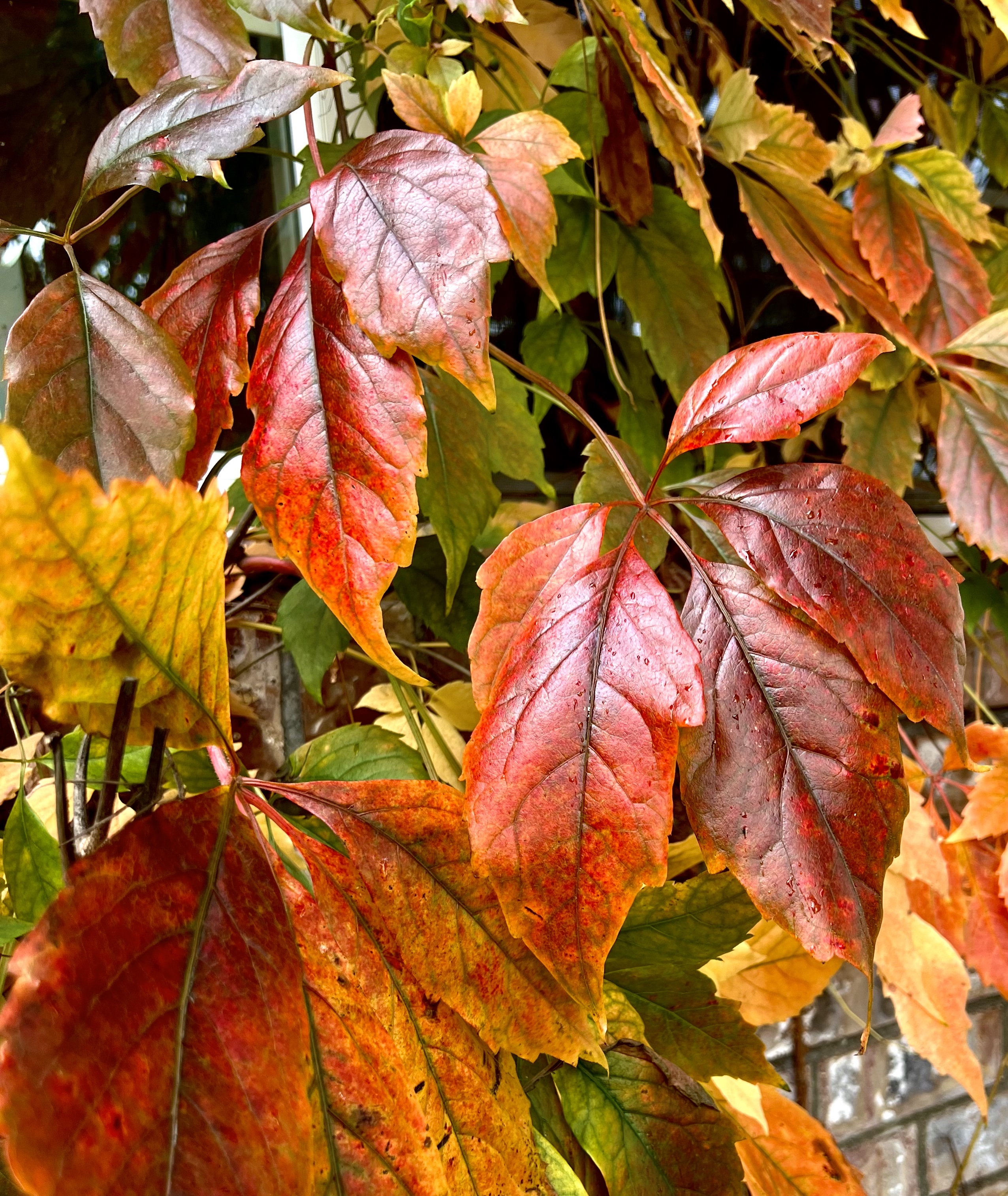
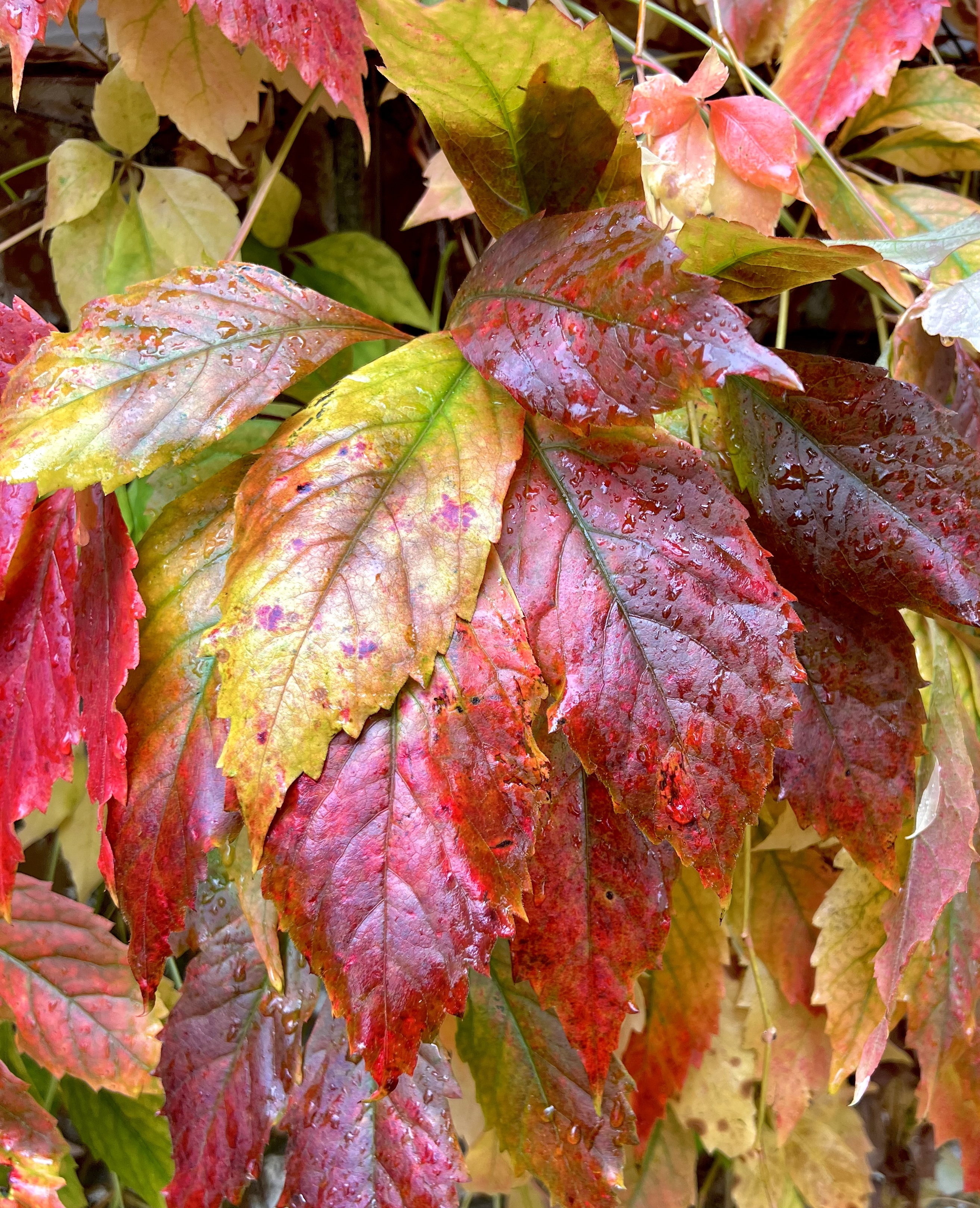
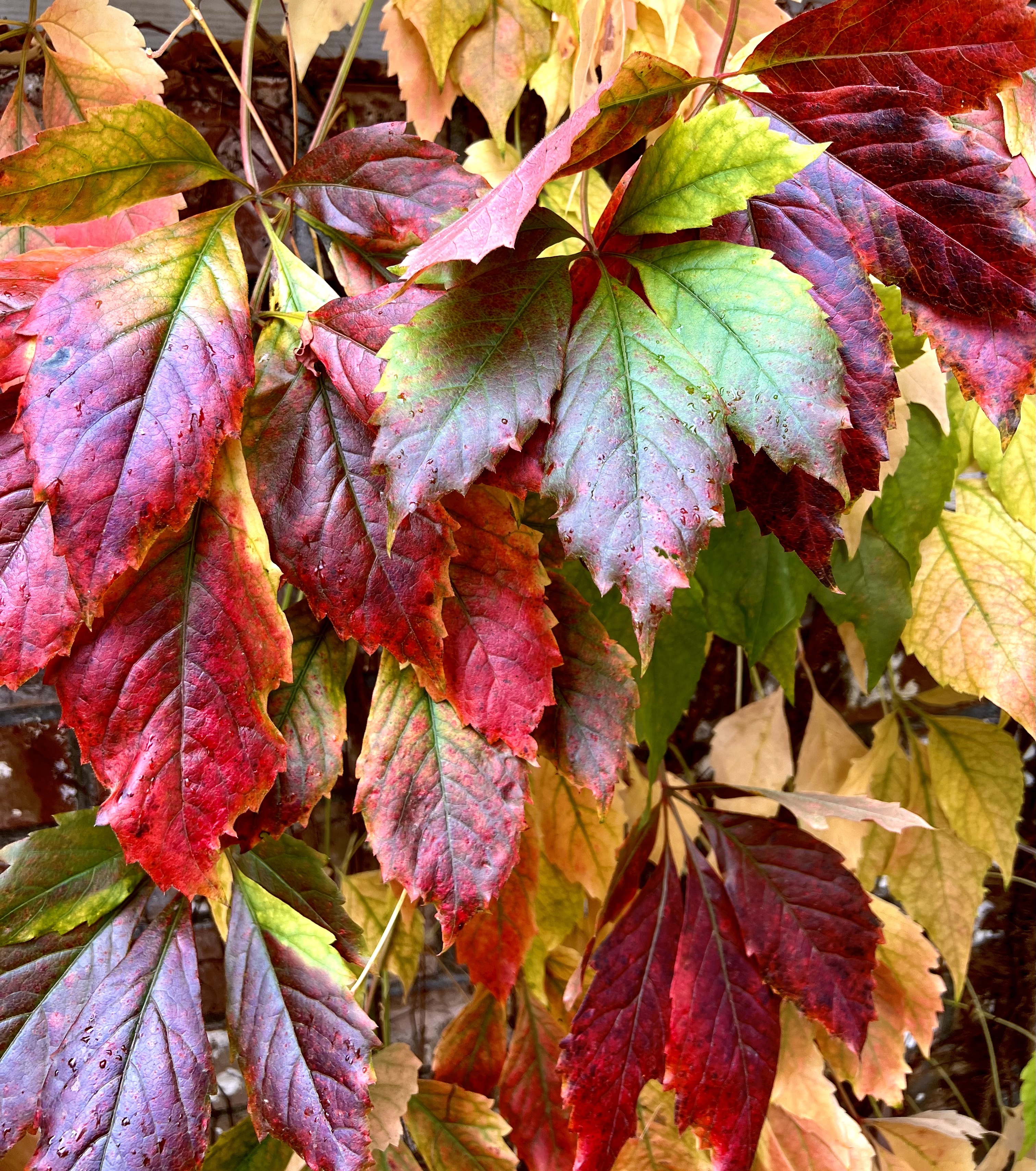
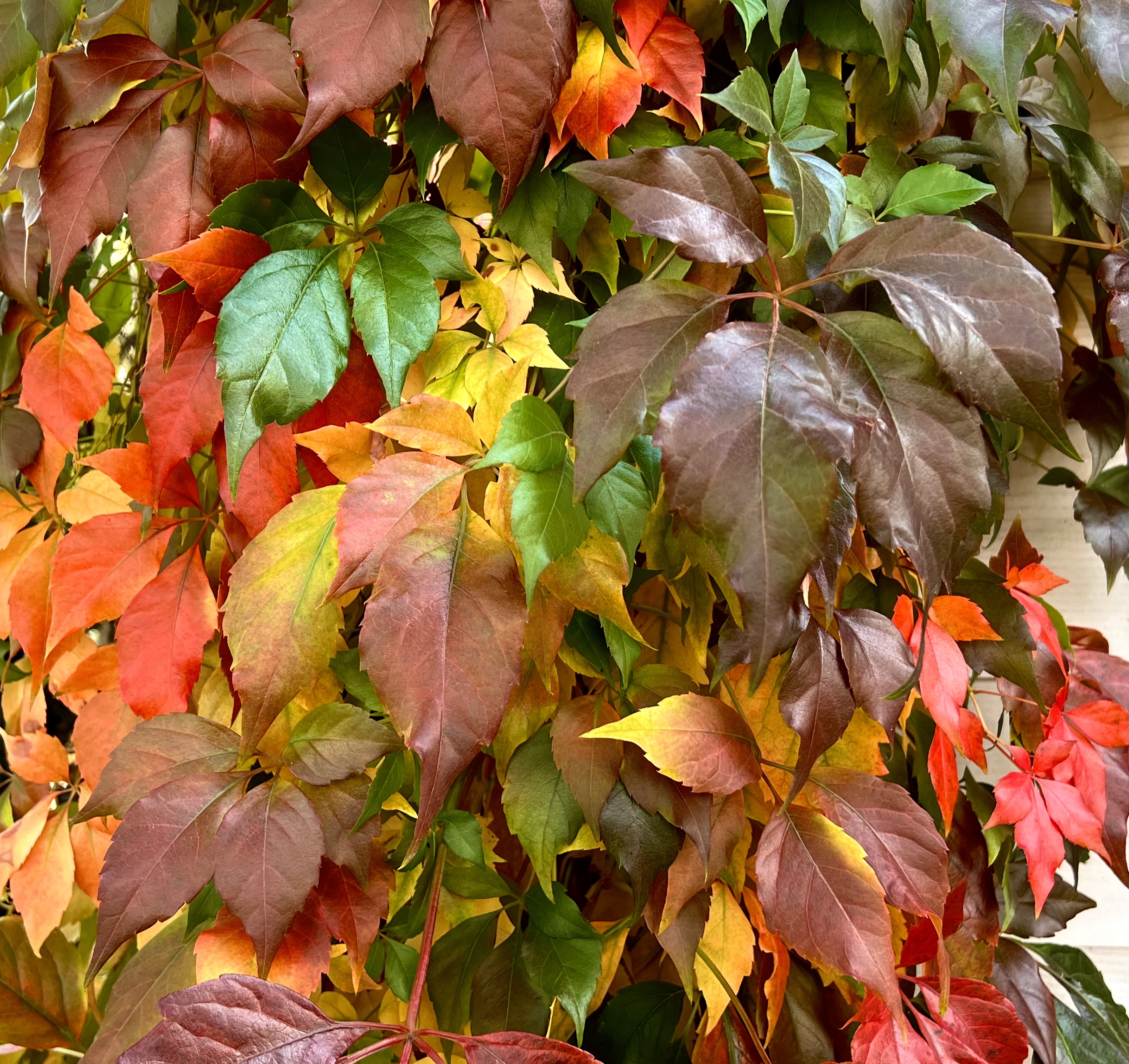
If I were a color, I would be green, turning to gold,
turning to bronze, turning to dust.
If I were a sound, I would patter like raindrops and children’s feet.
If I were a smell, I would be dry earth soaking up a shower.
If I were a touch, I would be a leaf landing softly.
If I were a taste, I would be a bit sweet and a bit sour.
If I were a season, I would be the wistful goodbye hug of autumn.
But I am none of these, being enough for now.
Singing in the leaves,
I will come rejoicing,
Singing in the leaves.

One-Time
Monthly
Yearly

Make a one-time or recurring donation to support daily Barnstorming posts

Make a monthly donation

Make a yearly donation

Choose an amount

$10.00
$25.00
$50.00
$5.00
$15.00
$100.00
$5.00
$15.00
$100.00

Or enter a custom amount

$

Your contribution is deeply appreciated.

Your contribution is appreciated.

Your contribution is appreciated.

DonateDonate monthlyDonate yearly
This Estranging Season

Lord, the time has come. The summer has been so long.
Lay your shadows over the sundials
and let loose the wind over the fields.

Order the last fruits to fully ripen;
give them two more days of southern sun,
urge them to perfection and speed
the last sweetness into the laden vine.

Those who have no house, will not build one now.
Those who are alone will long remain so,
they will rise, and read, and write long letters
and through the avenues go here and there
restlessly wandering, with the leaves drifting down.

~Rainer Maria Rilke “Herbsttag” English translation by Paul Archer from 1902 in the collection Das Buch der Bilder.

First hints of our condition manifest:
Spite in the wind, mist-gauze across the moon,
Light chill, the spider’s filaments, blanched grass,
And two days as warm as the south change nothing at all.
A morning comes when you know this cannot end well.
Soon it will be no time for gathering in gardens
All too soon, my dears, it will be the weather
For Brahms quintets, for leaves drifting triste past the windows
Of those in their rooms alone for the duration,
For whom this is no time to build. Those now alone
Are going to remain so through this estranging season
Of reading, of writing emails as detailed as letters,
Of watching dry leaves grow sodden on empty pavements.
Rilke said this in lines that I last read in Edinburgh
With my most beautiful aunt in her later age
When, many things gone, she remembered those verse in German.

~Peter Davidson “September Castles”

Enter autumn as you would 
a closing door. Quickly, 
cautiously. Look for something inside 
that promises color, but be wary 
of its cast — a desolate reflection, 
an indelible tint.
~Pamela Steed Hill  “September Pitch”

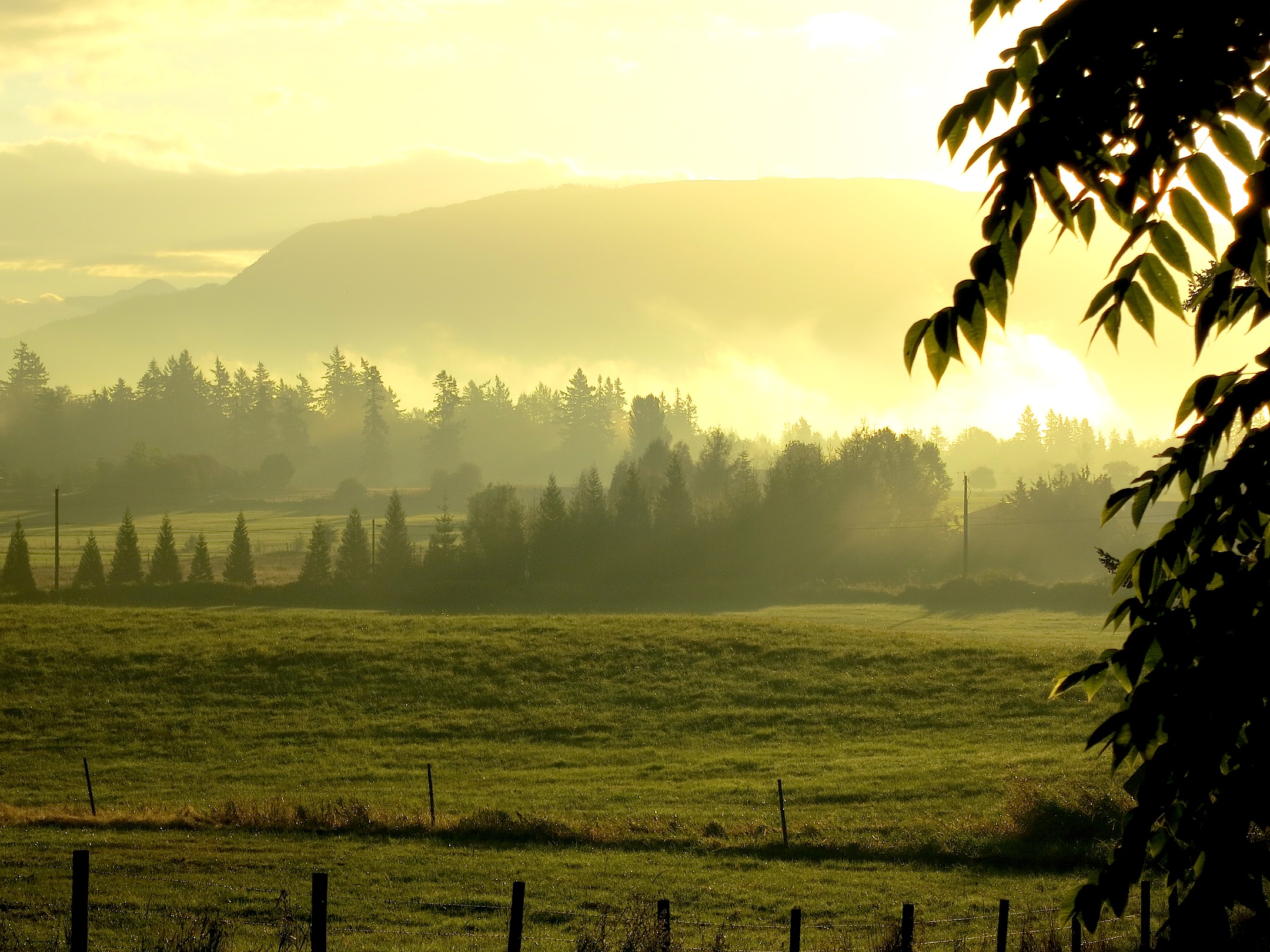
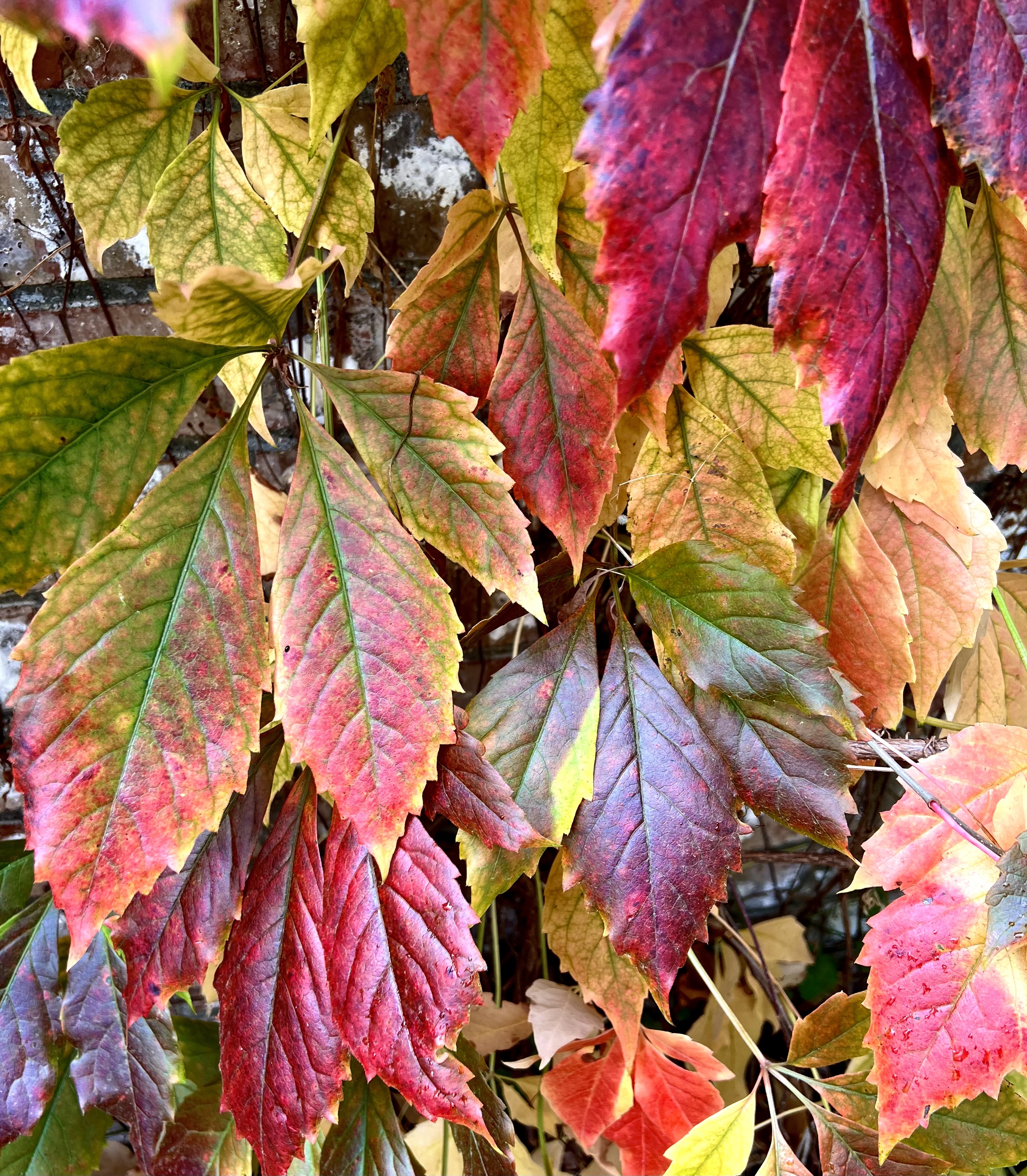
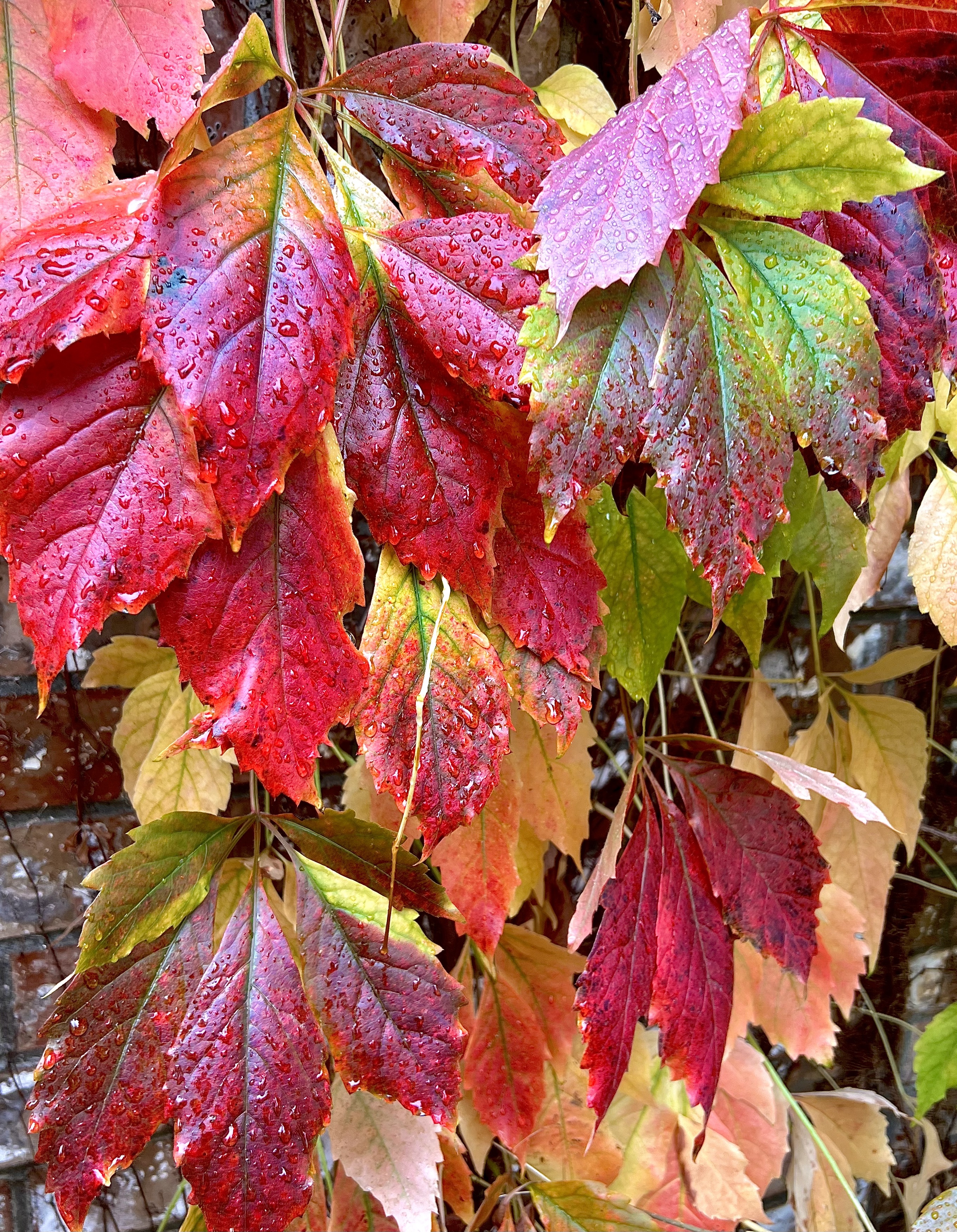
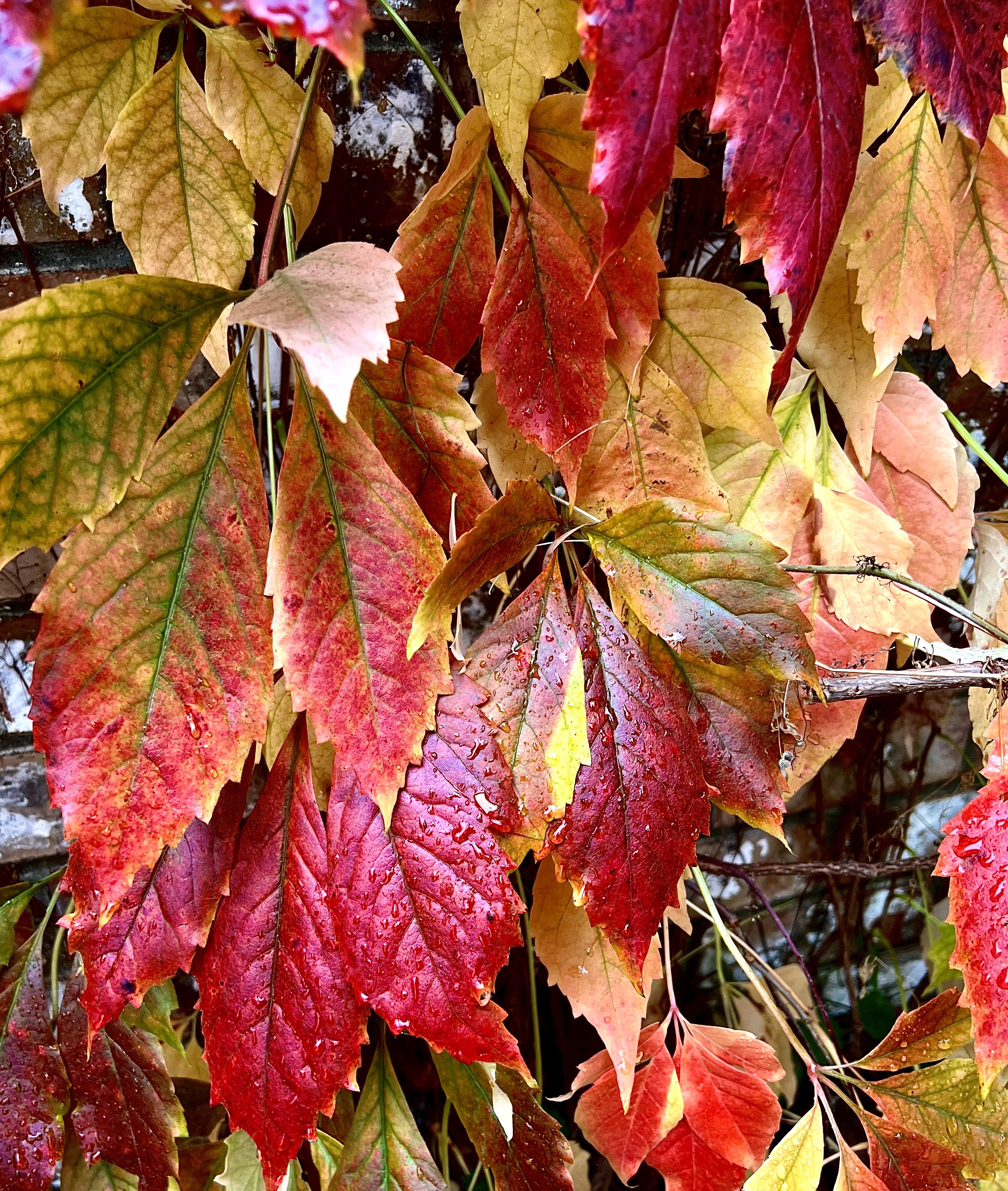
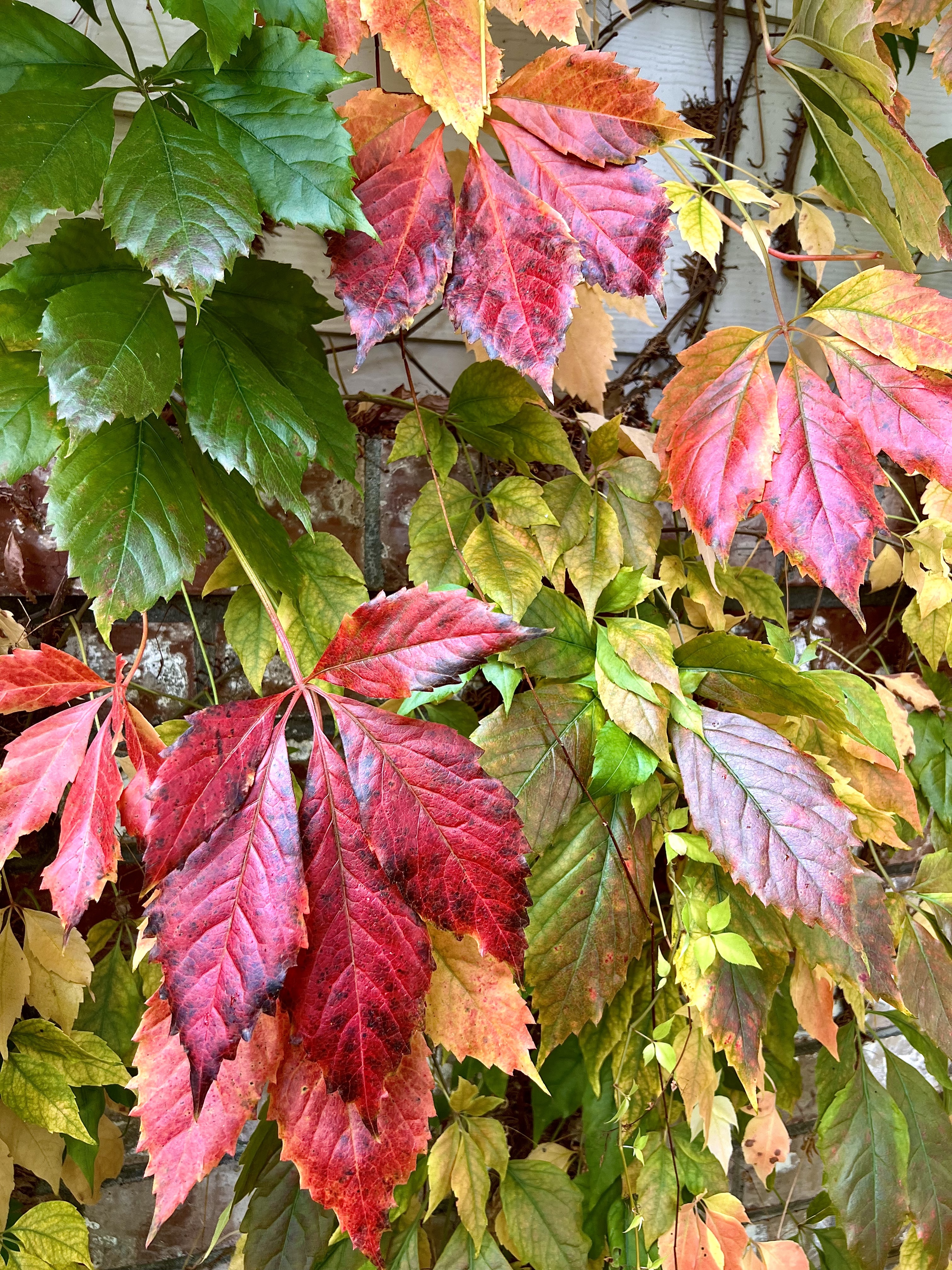
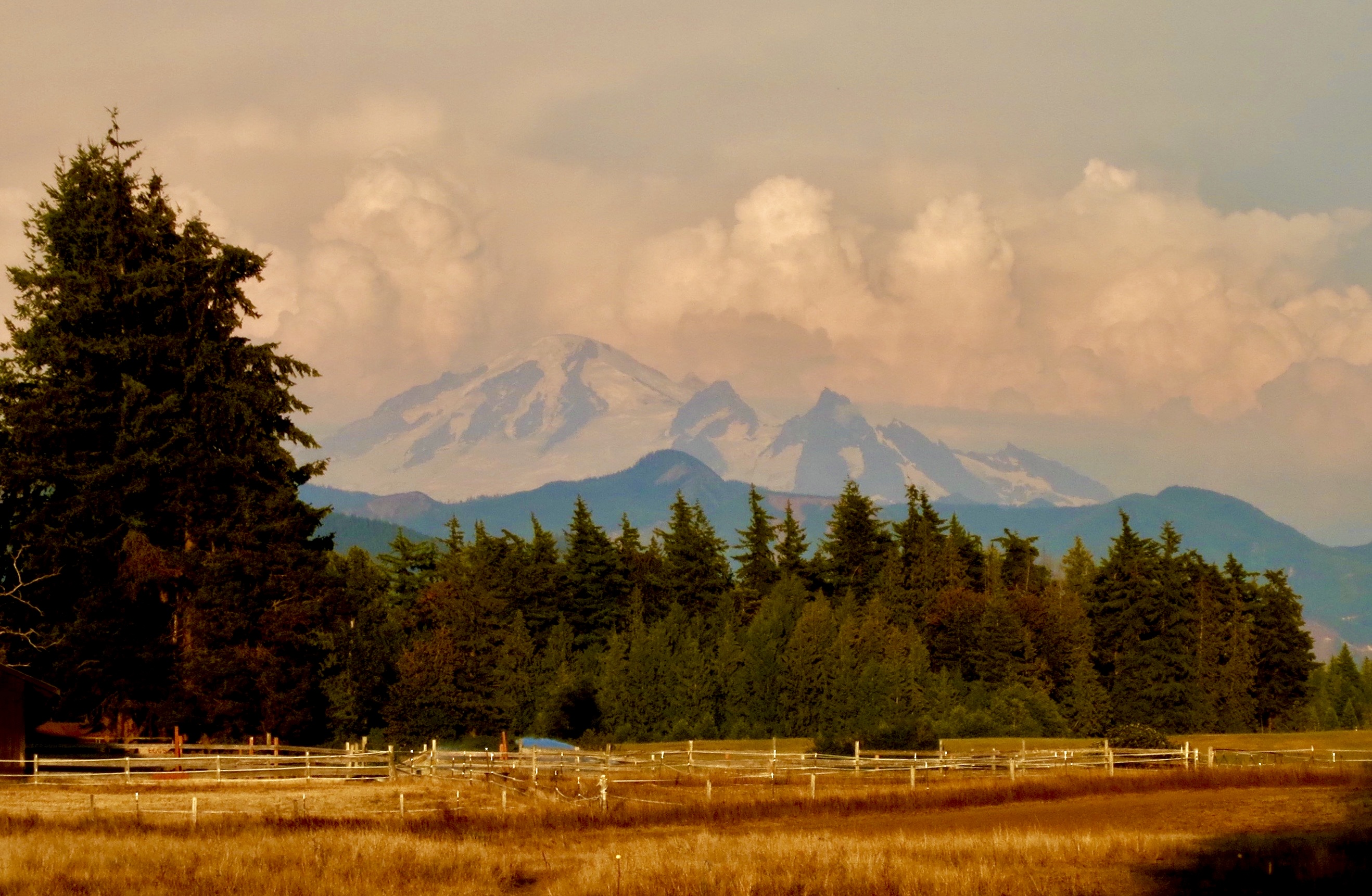
Summer has packed up, and moved on without bidding adieu or looking back over its shoulder. Cooling winds have carried in darkening clouds. I gaze upward to see and smell the change.  Rain has fallen, long overdue, yet there is temptation to bargain for a little more time.  Though we needed this good drenching, there are still potatoes to pull from the ground, apples and pears to pick, tomatoes not yet ripened, corn cobs too skinny to pick. 

I’m just not ready to wave goodbye to sun-soaked clear skies.

The overhead overcast is heavily burdened with clues of what is coming: earlier dusk, the feel of moisture, the deepening graying hues, the briskness of breezes, the inevitable mud and mold.  There is no negotiation possible. I need to steel myself and get ready, wrapping myself in the soft shawl of inevitability.

So autumn advances with the clouds, taking up residence where summer left off. Though there is still clean up of the overabundance left behind, autumn will bring its own unique plans for an exhilarating display of a delicious palette of hues.

Lord, the time has come. The truth is we’ve seen nothing yet.

One-Time
Monthly
Yearly

Make a one-time or recurring donation to support daily Barnstorming posts

Make a monthly donation

Make a yearly donation
Choose an amount

$10.00
$25.00
$50.00
$5.00
$15.00
$100.00
$5.00
$15.00
$100.00

Or enter a custom amount

$

Your contribution is deeply appreciated.

Your contribution is appreciated.

Your contribution is appreciated.

DonateDonate monthlyDonate yearly