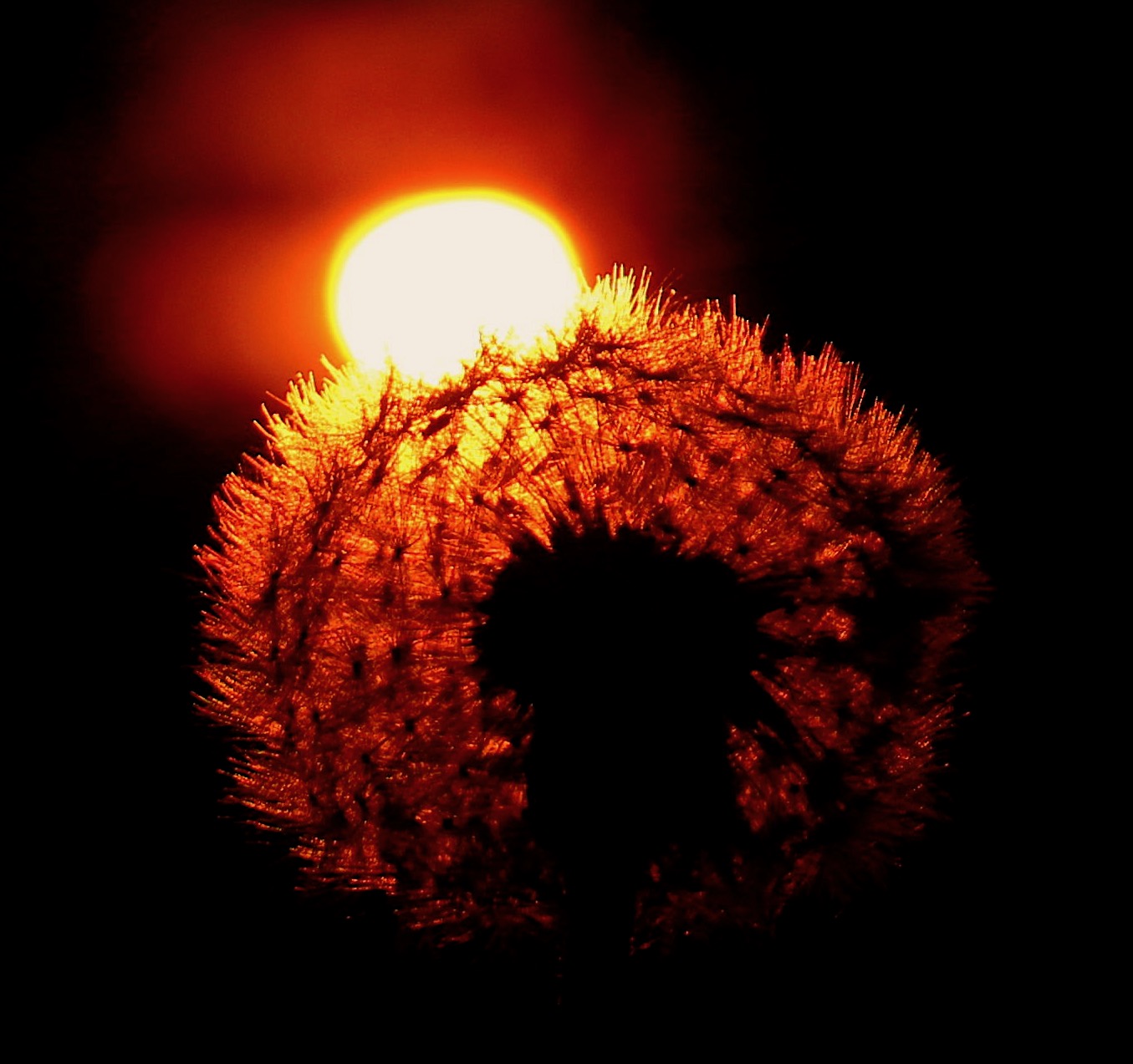
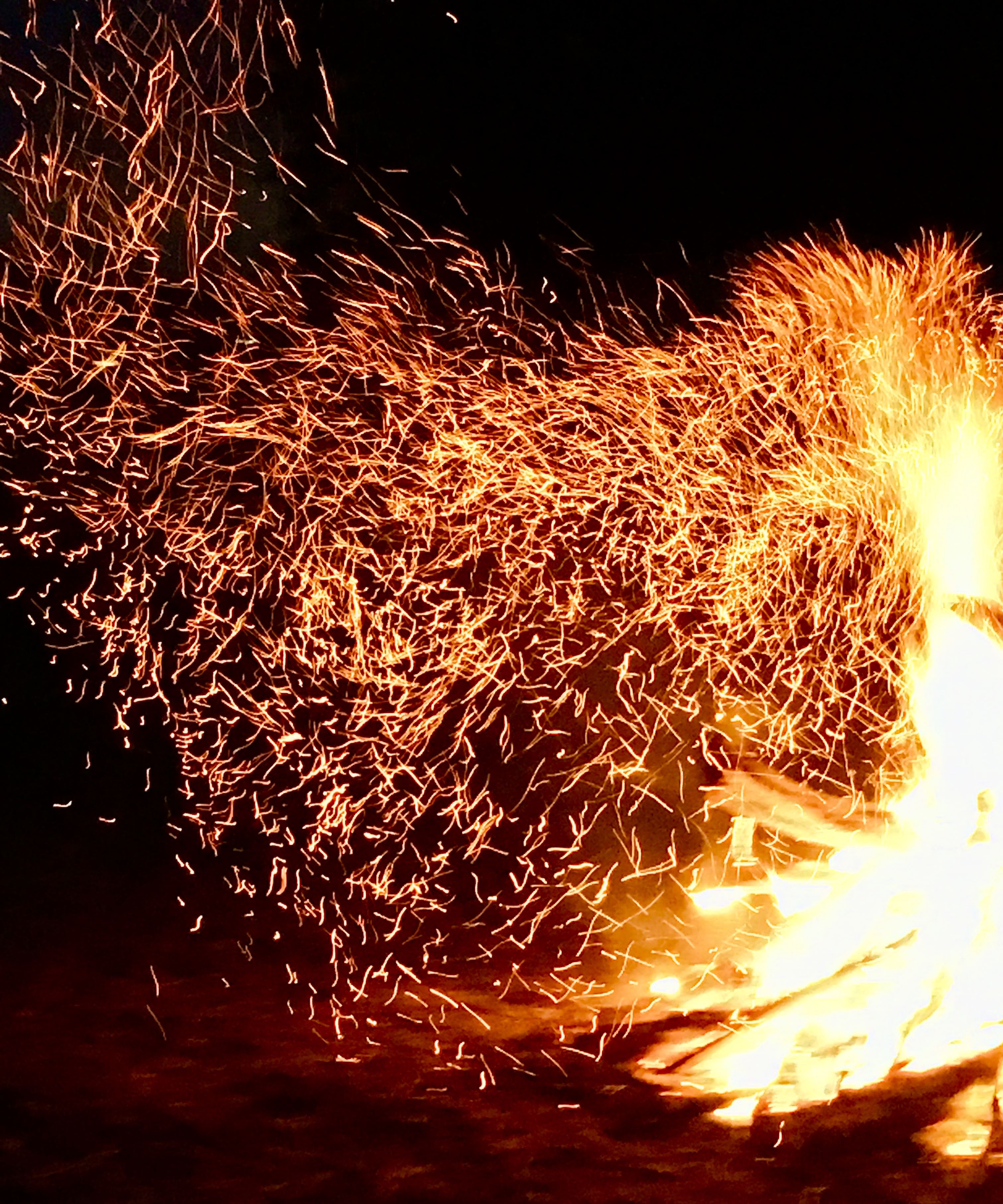
No taste of food, no feel of water, no sound of wind, no memory of tree or grass or flower, no image of moon or star are left to me. I am naked in the dark, Sam, and there is no veil between me and the wheel of fire. I begin to see it even with my waking eyes, and all else fades. ~J.R.R. Tolkien The Lord of the Rings
Frodo is a study of a hobbit broken by a burden of fear and horror— broken down, and in the end made into something quite different. Frodo undertook his quest out of love– to save the world he knew from disaster at his own expense, if he could; and also in complete humility, acknowledging that he was wholly inadequate to the task His real contract was only to do what he could, to try to find a way, and to go as far on the road as his strength of mind and body allowed. He did that. ~J.R.R. Tolkien
We are regularly called to do more than we feel capable of accomplishing. Whether we are in the midst of a crisis of confidence, feeling beaten down, physically and emotionally vulnerable, or just plain scared – it is tempting to shrink away from doing what is needed.
Our call to obedience may not be quite as dramatic as Frodo’s monumental task of saving the world from destruction by evil forces — it may simply be getting out of bed and facing the day despite pain and overwhelming sorrow — but it takes no less courage and strength.
We are equipped by the intimacy of the Word of God speaking to each of us individually, instructing us on how to live these days we are given.
Like Frodo, we are to do what we can, to find a way through darkness and fire and threat, and to go down that road as far as our minds and bodies allow. We are inadequate by ourselves, but we are bolstered by the constancy of God alongside. We never travel alone.
Like the small soft unchanging flower The words in silence speak; Obedient to their ancient power The tear stands on my cheek.
Though our world burns, the small dim words Stand here in steadfast grace, And sing, like the indifferent birds, About a ruined place.
Though the tower fall, the day be done, The night be drawing near, Yet still the tearless tune pipes on, And still evokes the tear.
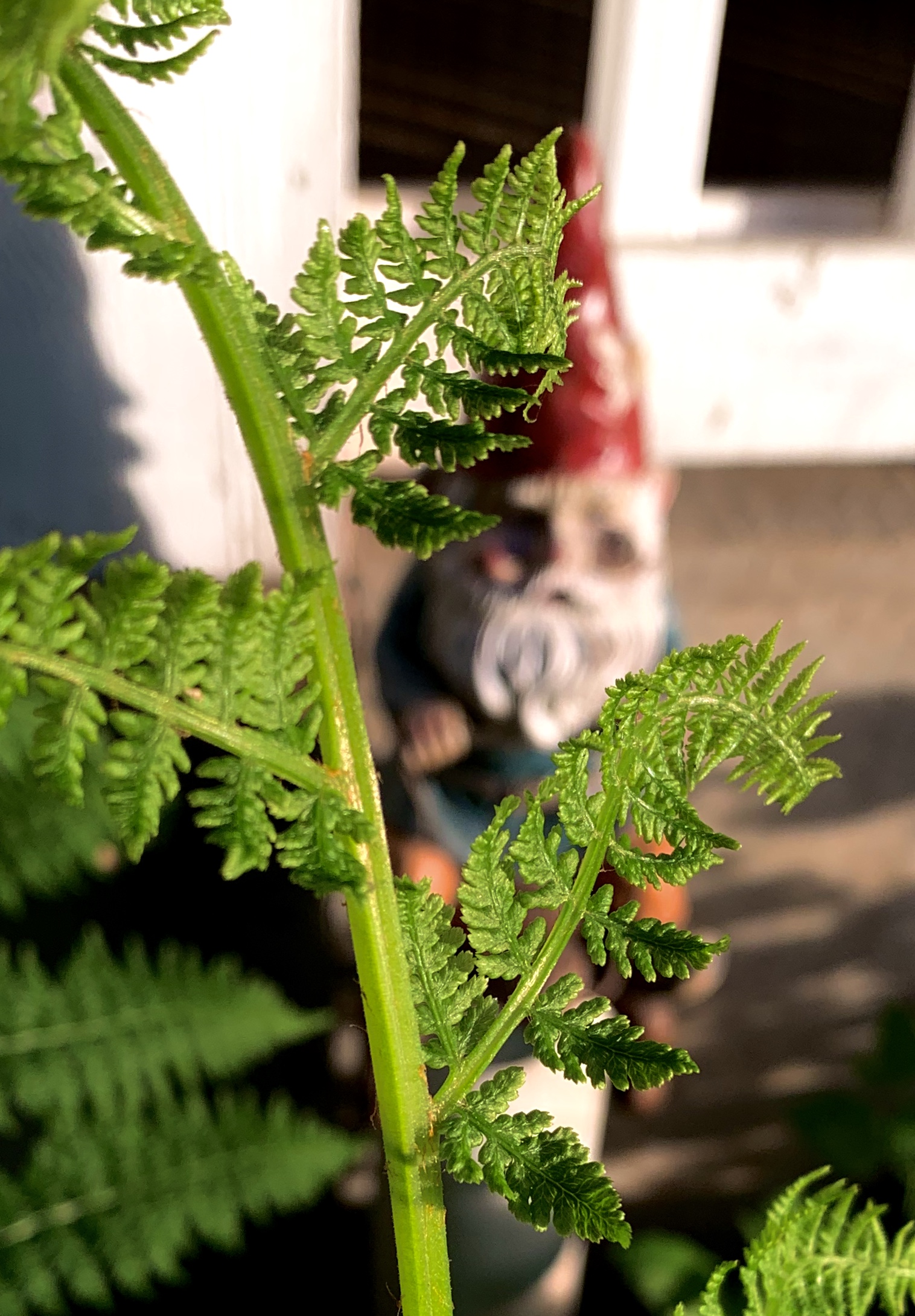
The tearless tune, wiser than we, As weak and strong as grass Or the wild bracken-fern we see Spring where the palace was. ~Ruth Pitter “On an Old Poem”from Poems 1926-1966
When I write a poem, sometimes, there is a kind of daze that lifts, and I can see what I couldn’t before, as if my mind was in a fog, a cloud, and only wanted
a poem to lift it out. I wanted the rhythm, just the right word, the crescendo from whisper to loud celebration, and found them in the days of trying poems. And I don’t mind telling you: poetry has brought complacency
to a (wanted) end, turned upside-down days aright, settled my unquiet mind, and allowed me to clearly see. ~Monica Sharmanfrom “What Poetry Can Do”
When the world is topsy-turvy and all seems immersed in fog and cobwebs, it helps to put down images and words to clarify and highlight.
Daily I need reminding to stay centered, daily I acknowledge what makes me weep and what is worth celebration.
It is a new day to illustrate with words and pictures what is unchanging in my life: thank God for a new day, everyday.
What words or harder gift does the light require of me carving from the dark this difficult tree?
What place or farther peace do I almost see emerging from the night and heart of me?
The sky whitens, goes on and on. Fields wrinkle into rows of cotton, go on and on. Night like a fling of crows disperses and is gone.
What song, what home, what calm or one clarity can I not quite come to, never quite see: this field, this sky, this tree. ~Christian Wiman, “Hard Night”
Even the darkest night has a sliver of light left, if only in our memories. We remember how it was and how it can be — the promise of better to come.
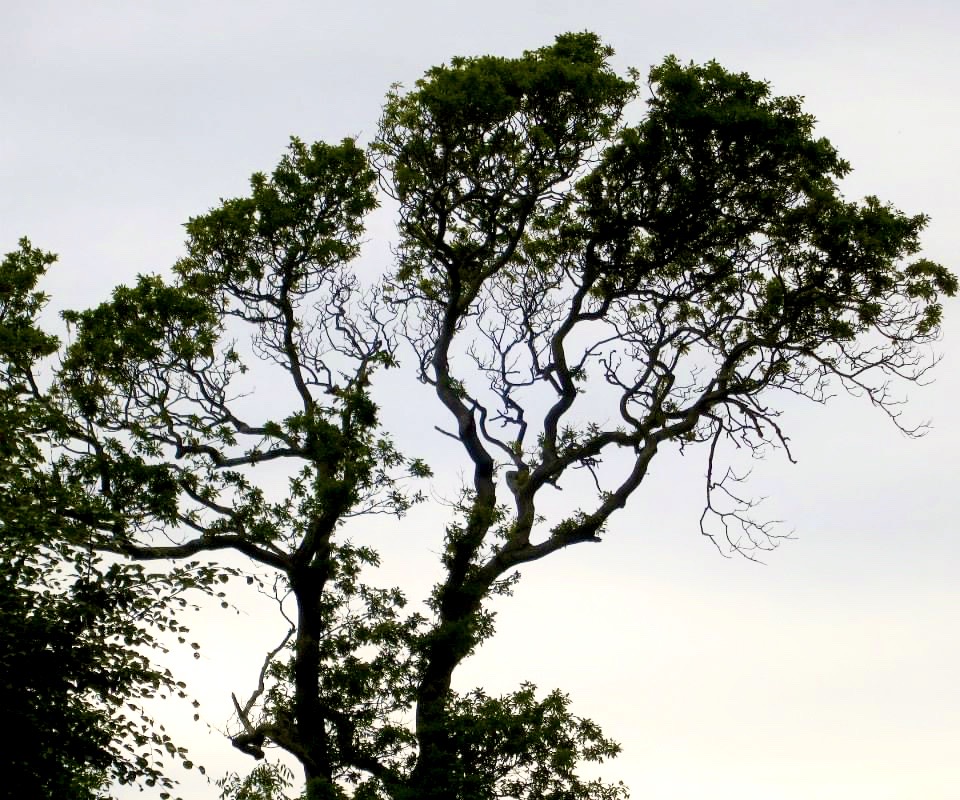
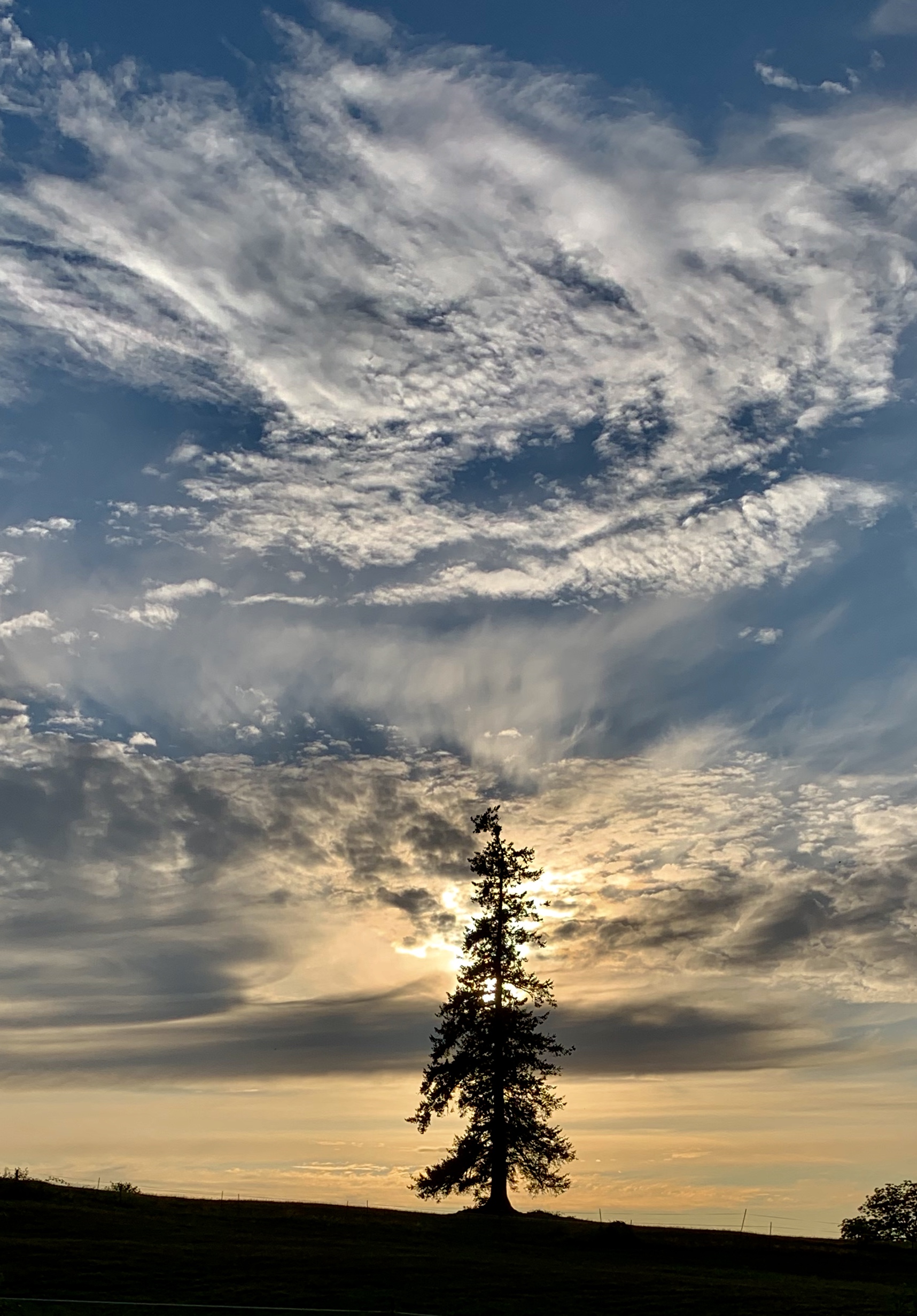
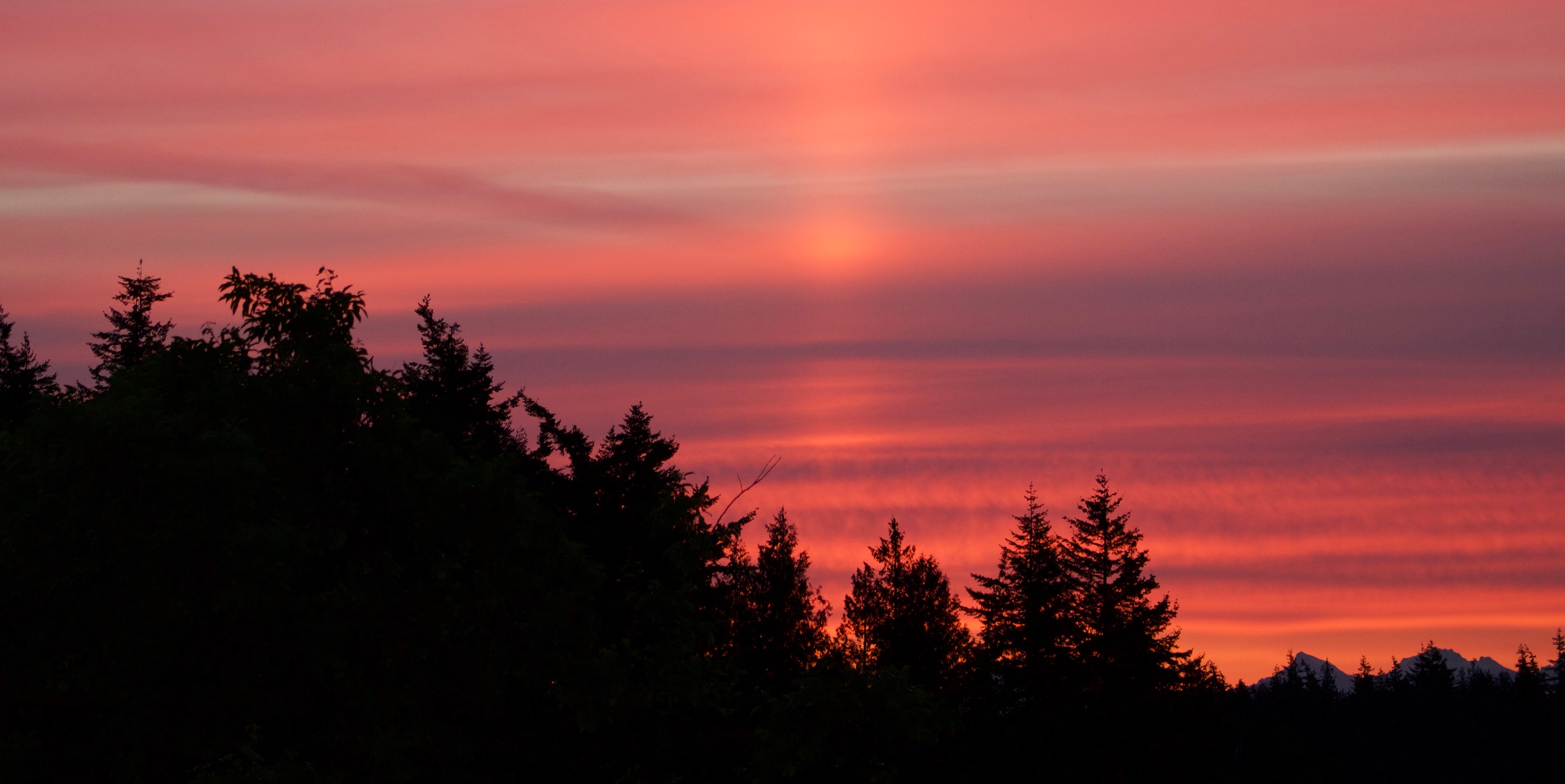
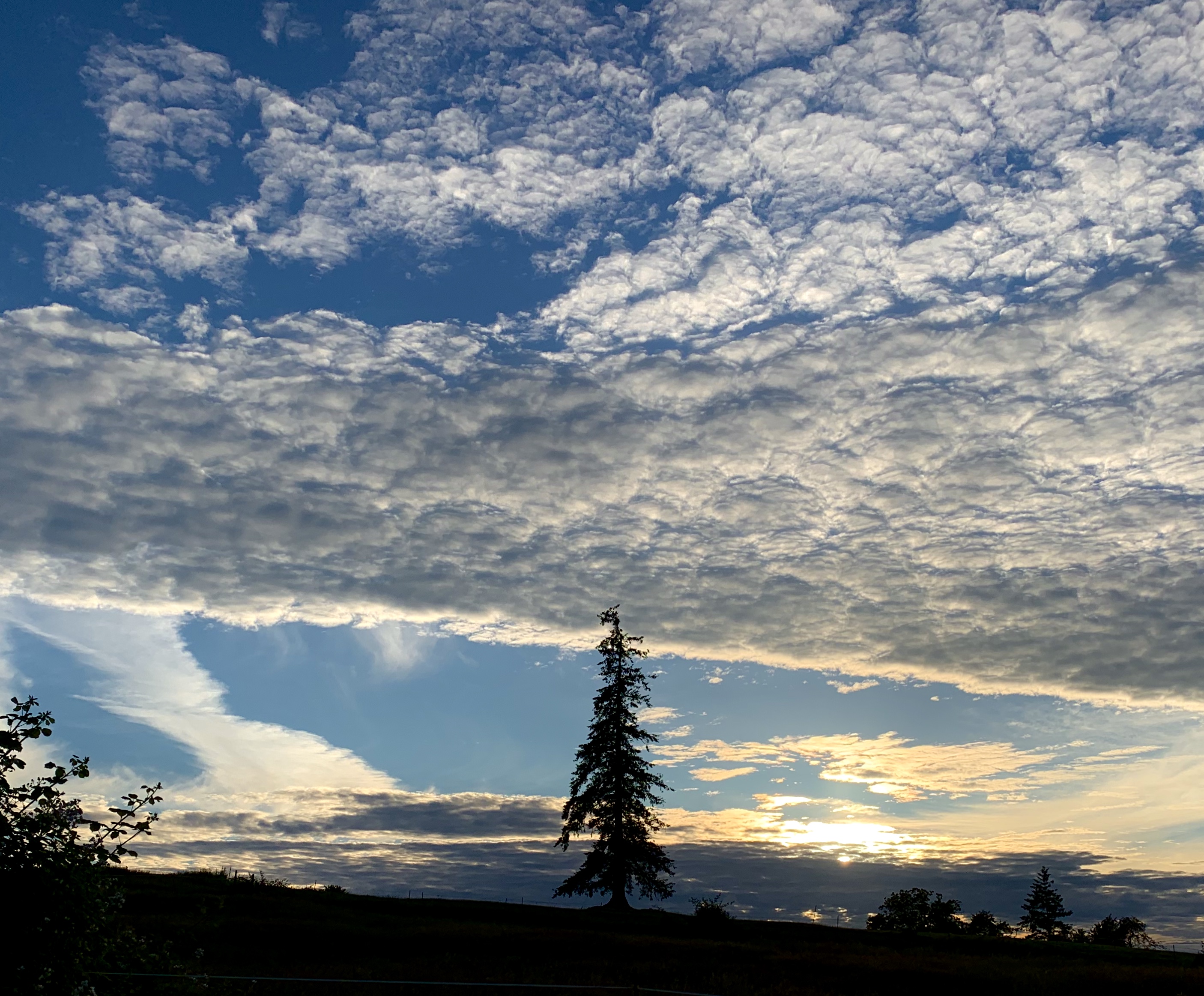
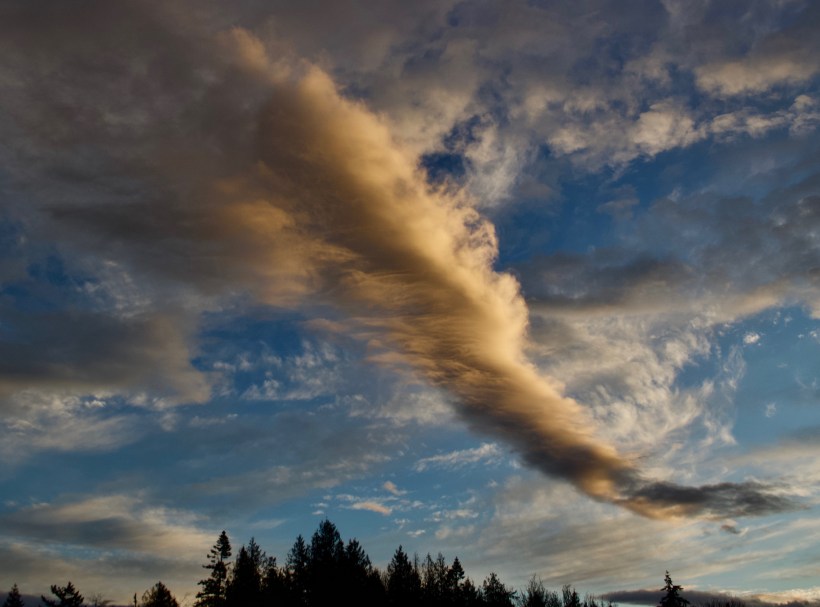
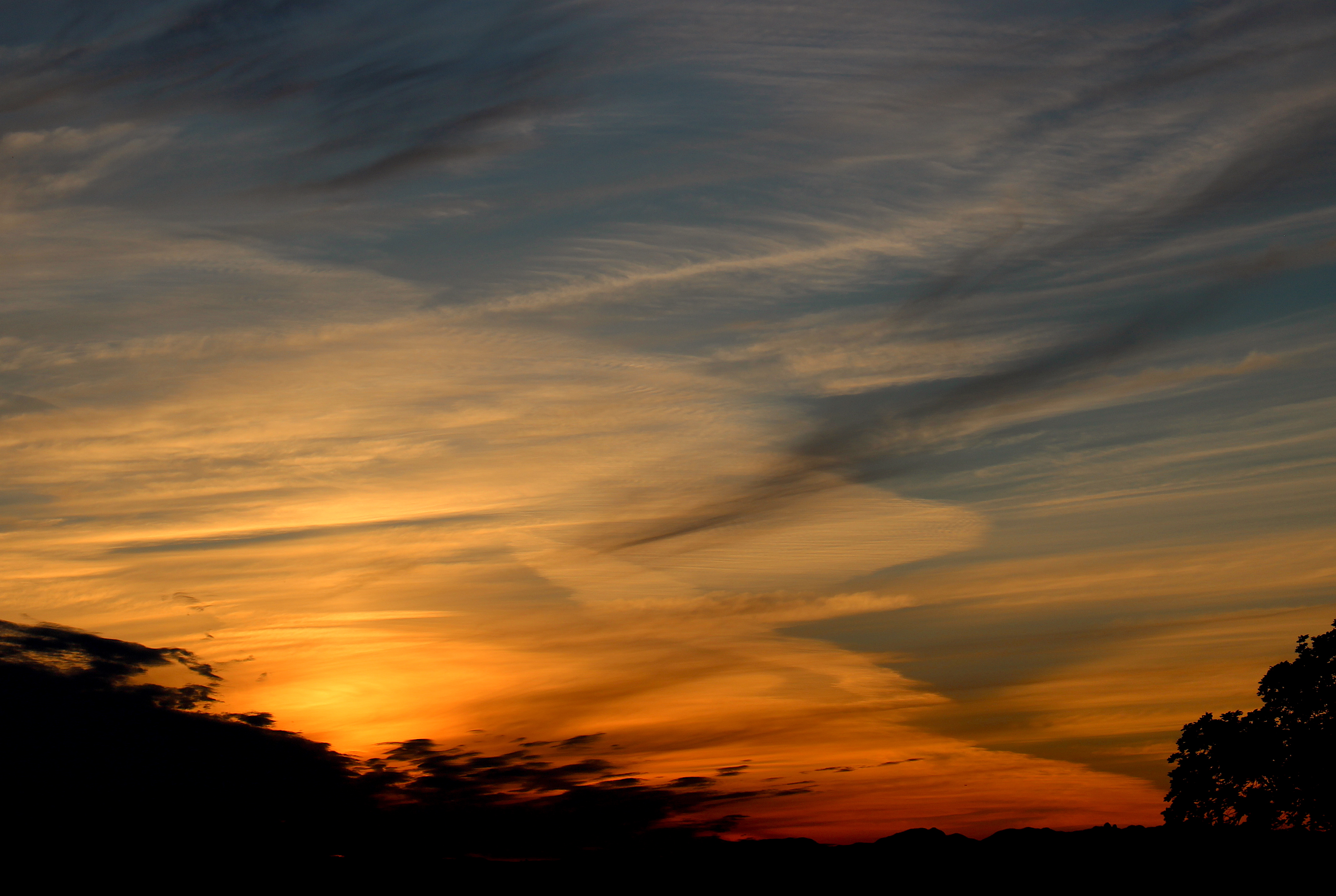
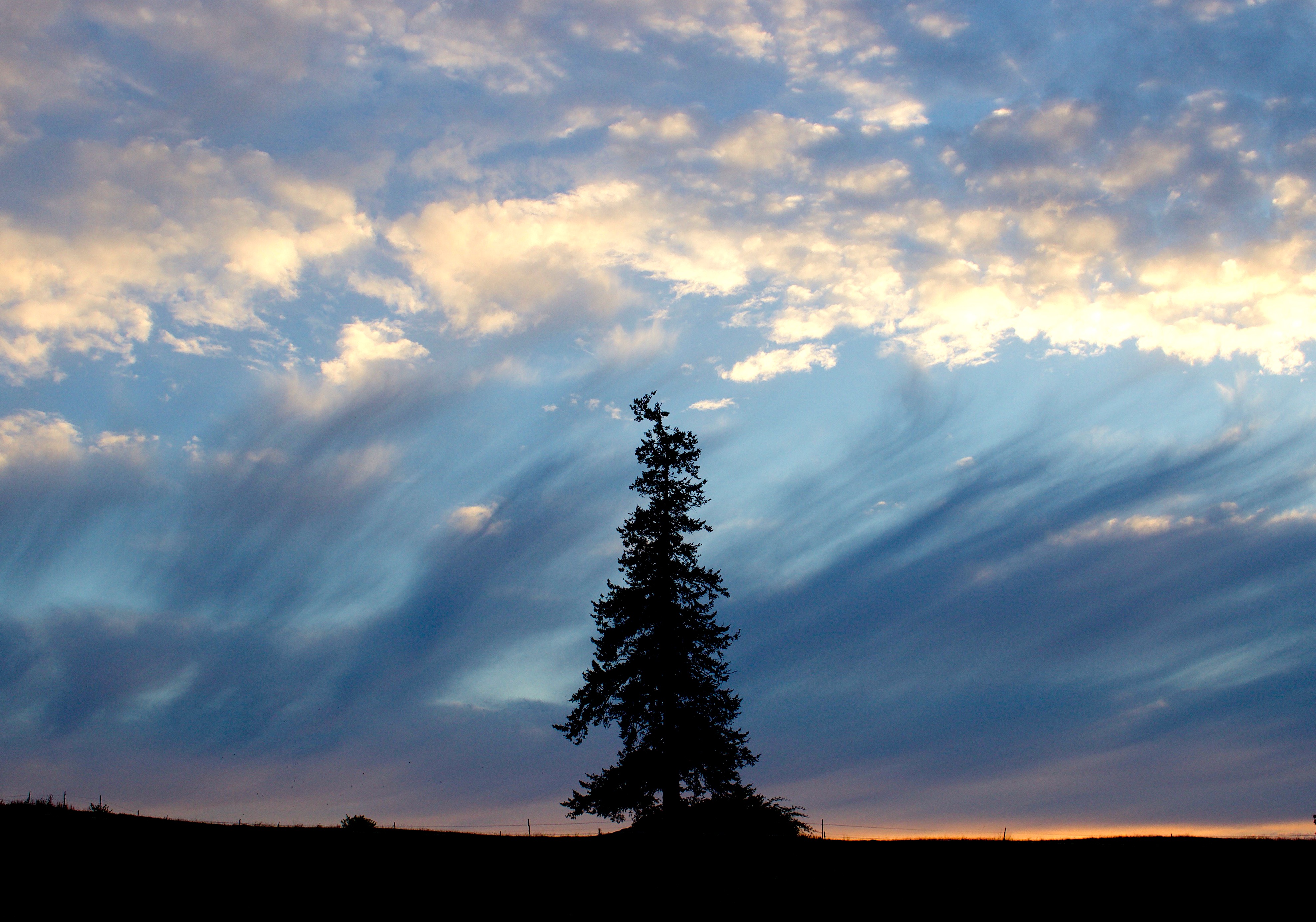
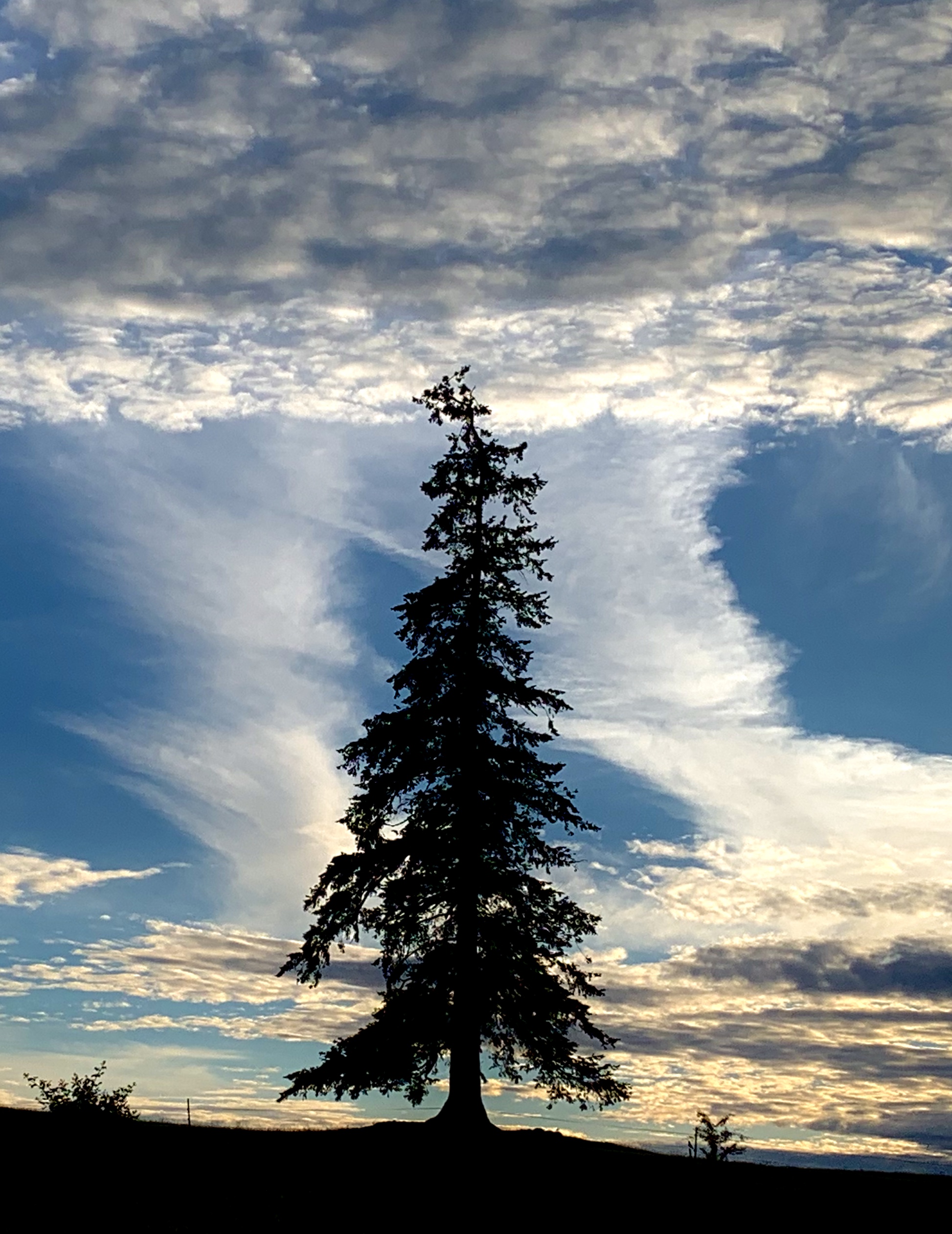
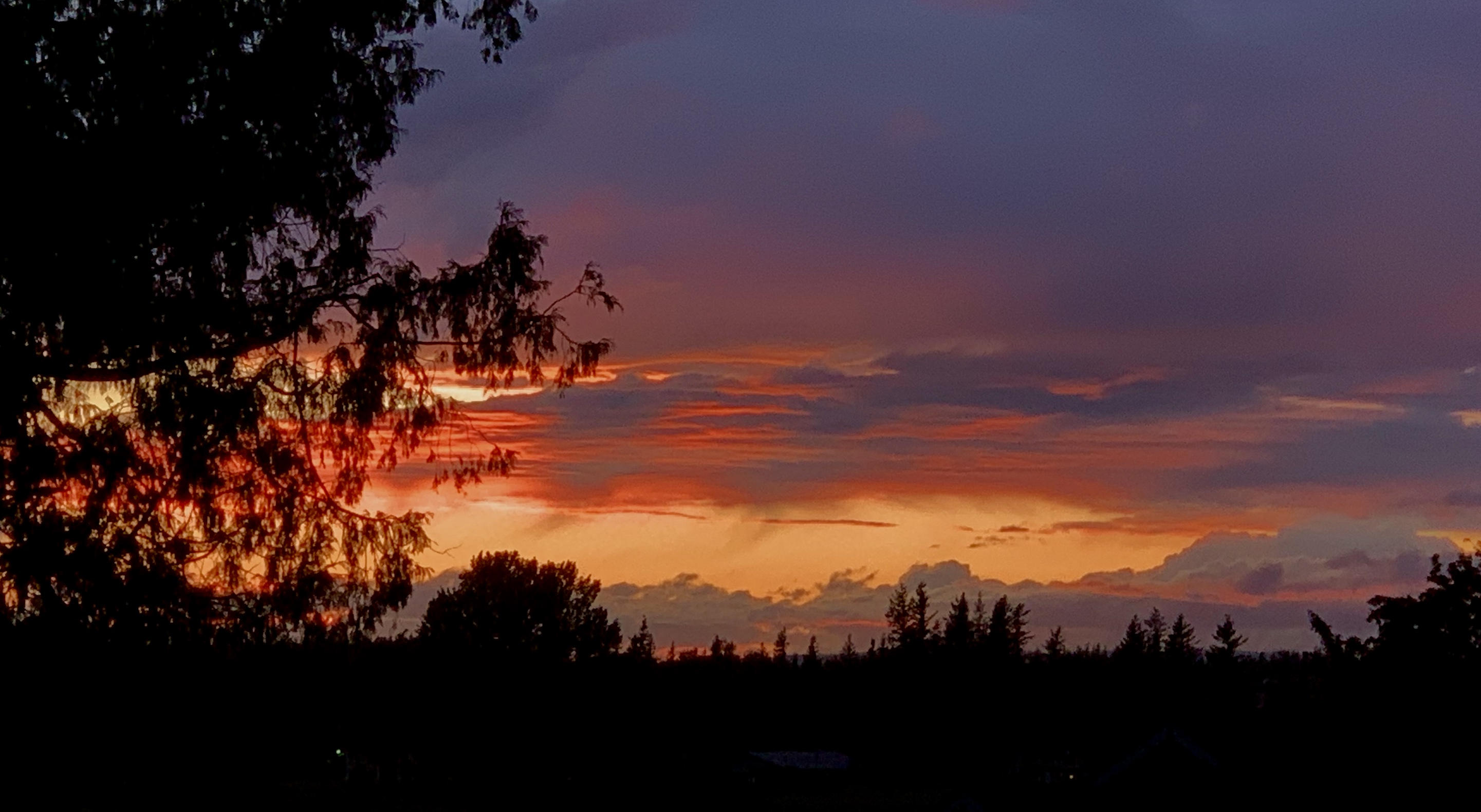
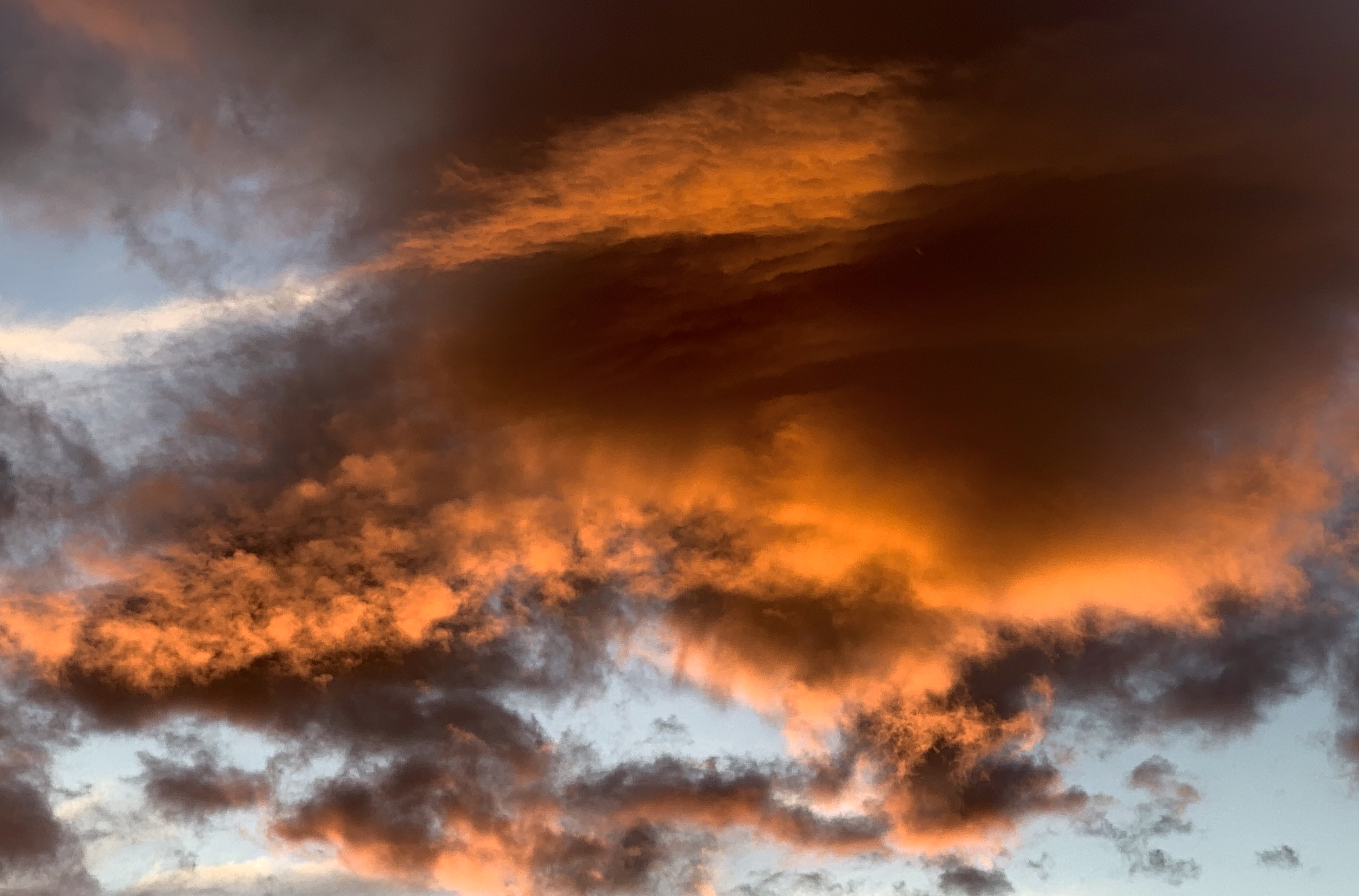
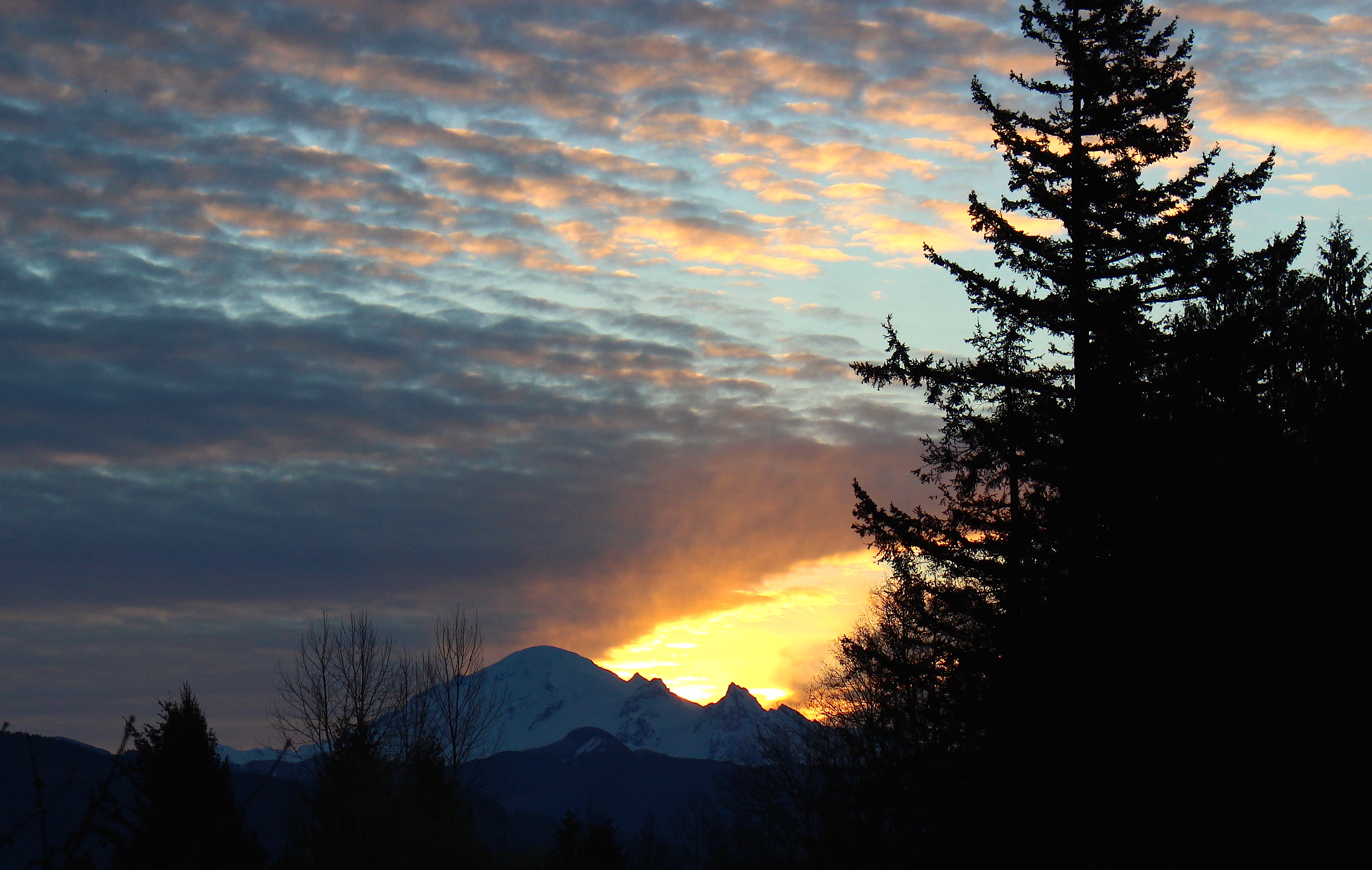
While the ever-changing sky swirls as a backdrop, a tree on a hill became the focal point, as it must, like a black hole swallowing up all pain, all suffering, all evil threatening to consume our world.
What clarity, what calm, what peace can be found at the foot of that tree, where our hearts can rest in this knowledge: our sin died there, once and for all and our names are carved into its roots for all time.
We grow accustomed to the Dark — When Light is put away — As when the Neighbor holds the Lamp To witness her Good bye —
A Moment — We Uncertain step For newness of the night — Then — fit our Vision to the Dark — And meet the Road — erect —
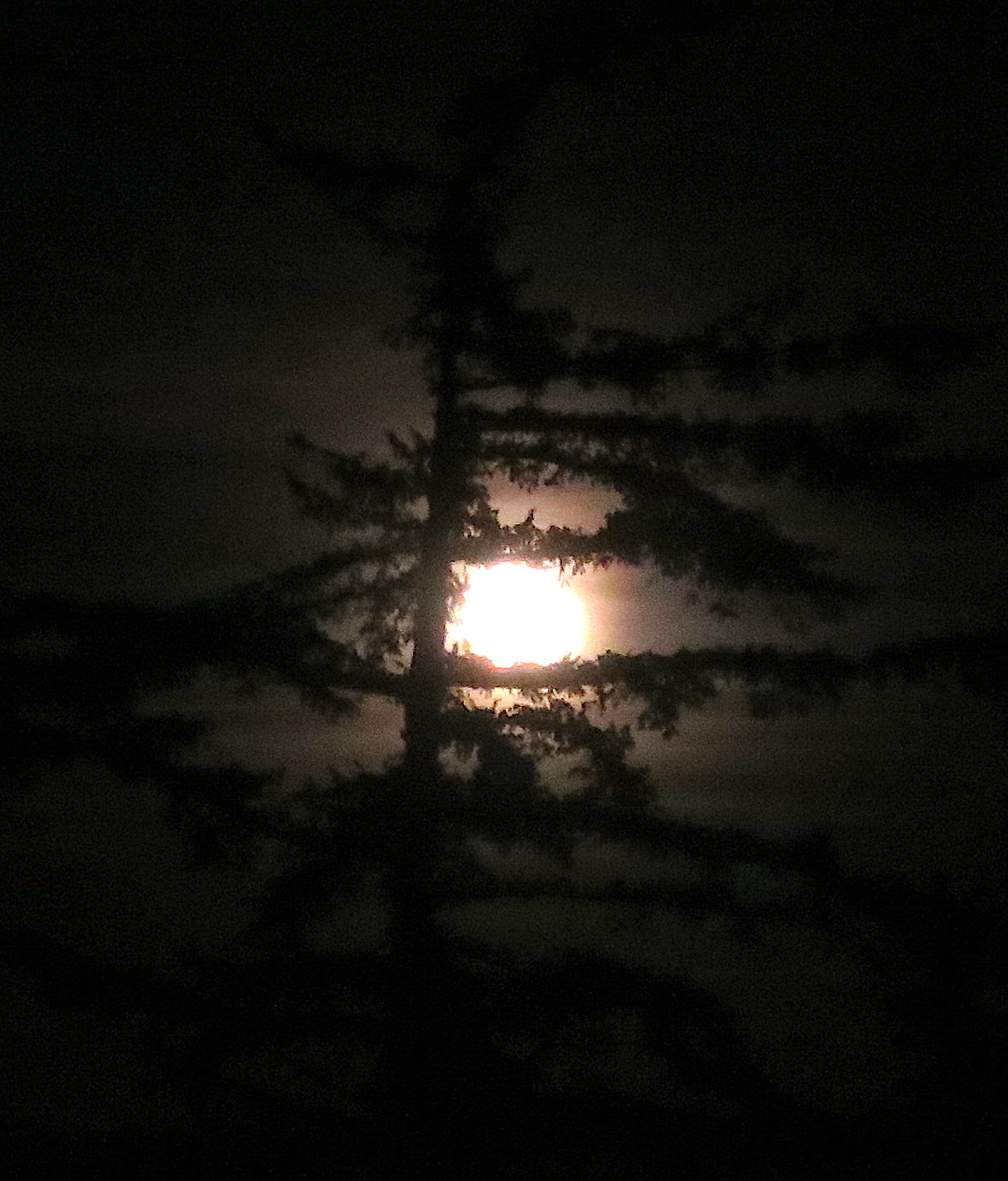
And so of larger — Darknesses — Those Evenings of the Brain — When not a Moon disclose a sign — Or Star — come out — within —
The Bravest — grope a little — And sometimes hit a Tree Directly in the Forehead — But as they learn to see —
Either the Darkness alters — Or something in the sight Adjusts itself to Midnight — And Life steps almost straight. ~Emily Dickinson
So few grains of happiness measured against all the dark and still the scales balance.
The world asks of us only the strength we have and we give it. Then it asks more, and we give it. ~Jane Hirschfield from “The Weighing”
A true revolution of values will soon cause us to question the fairness and justice of many of our past and present policies. On the one hand, we are called to play the good Samaritan on life’s roadside; but that will be only an initial act. One day the whole Jericho road must be transformed so that men and women will not be beaten and robbed as they make their journey through life. True compassion is more than flinging a coin to a beggar; it understands that an edifice that produces beggars needs restructuring. America, the richest and most powerful nation in the world, can well lead the way in this revolution of values. There is nothing, except a tragic death wish, to prevent us from reordering our priorities… ~Martin Luther King, Jr. from a speech April 4, 1967
We live in a time where the groaning need and dividedness of humankind is especially to be felt and recognized. Countless people are subjected to hatred, violence and oppression which go unchecked. The injustice and corruption which exist today are causing many voices to be raised to protest and cry out that something be done. Many men and women are being moved to sacrifice much in the struggle for justice, freedom, and peace. There is a movement afoot in our time, a movement which is growing, awakening.
We must recognize that we as individuals are to blame for every social injustice,every oppression, the downgrading of others and the injury that man does to man, whether personal or on a broader plane.… God must intervene with his spirit and his justice and his truth. The present misery, need, and decay must pass away and the new day of the Son of Man must dawn. This is the advent of God’s coming. ~Dwight Blough from the introduction to When the Time was Fulfilled (1965)
I weep to see such bitter divisions still exist in our country, an echo of over fifty years ago as we fail again and again to learn from past errors.
Here we are, groaning divided once more, walking this Jericho Road together. We cannot pass by our brother, our sister, our child~ anyone who lies dying in the ditch. We must stop and help.
The world asks only for the strength we have and so we give it, but then we are asked to give more and so we will.
We must illuminate the advance of darkness even when, blinded as we are, we run forehead-first into the Tree which has always been there and always will be because of who we are and Who loves us.
It could be you or me bleeding, beaten, abandoned, dying until Someone takes our place so we can get up, free and forgiven, and walk Home.
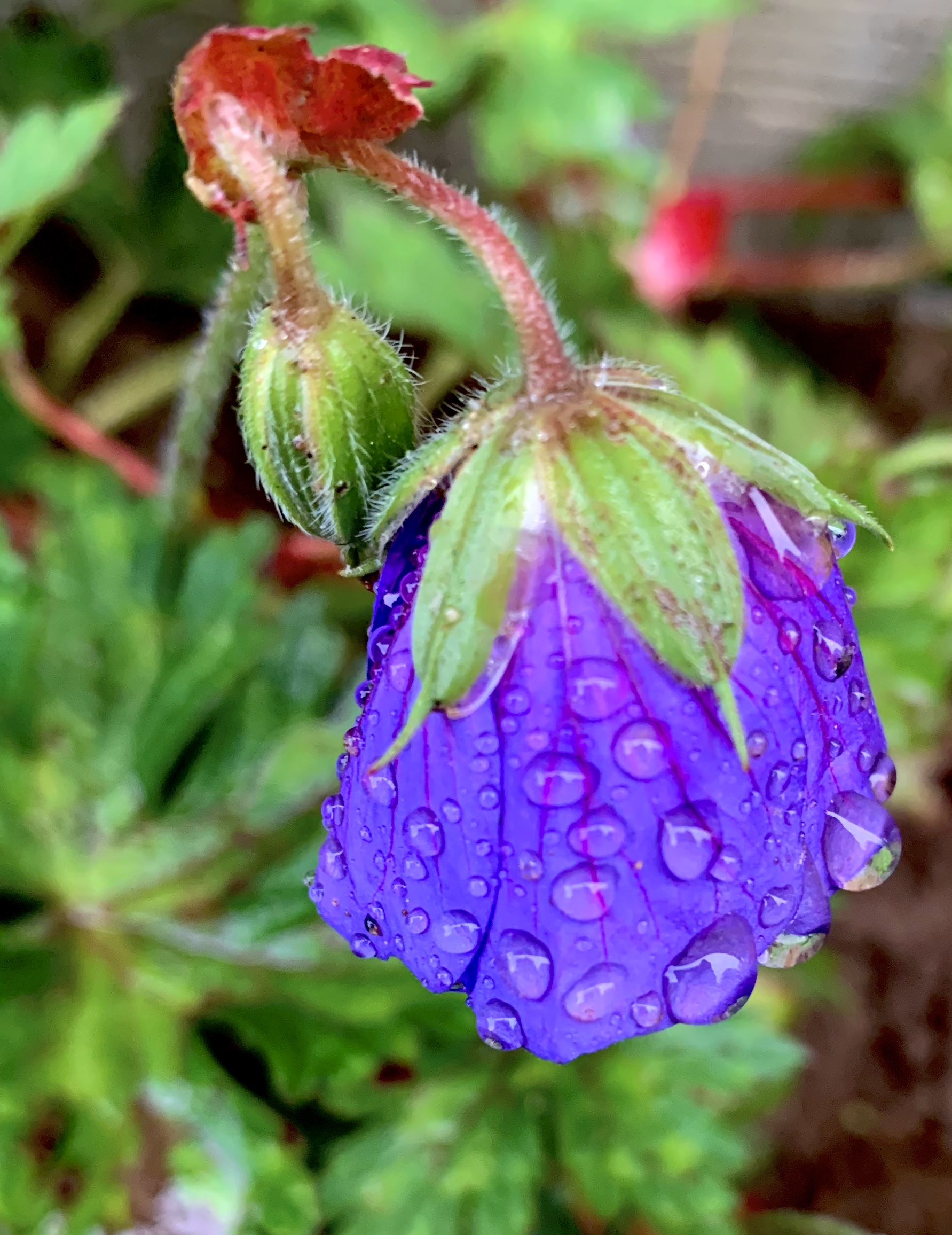
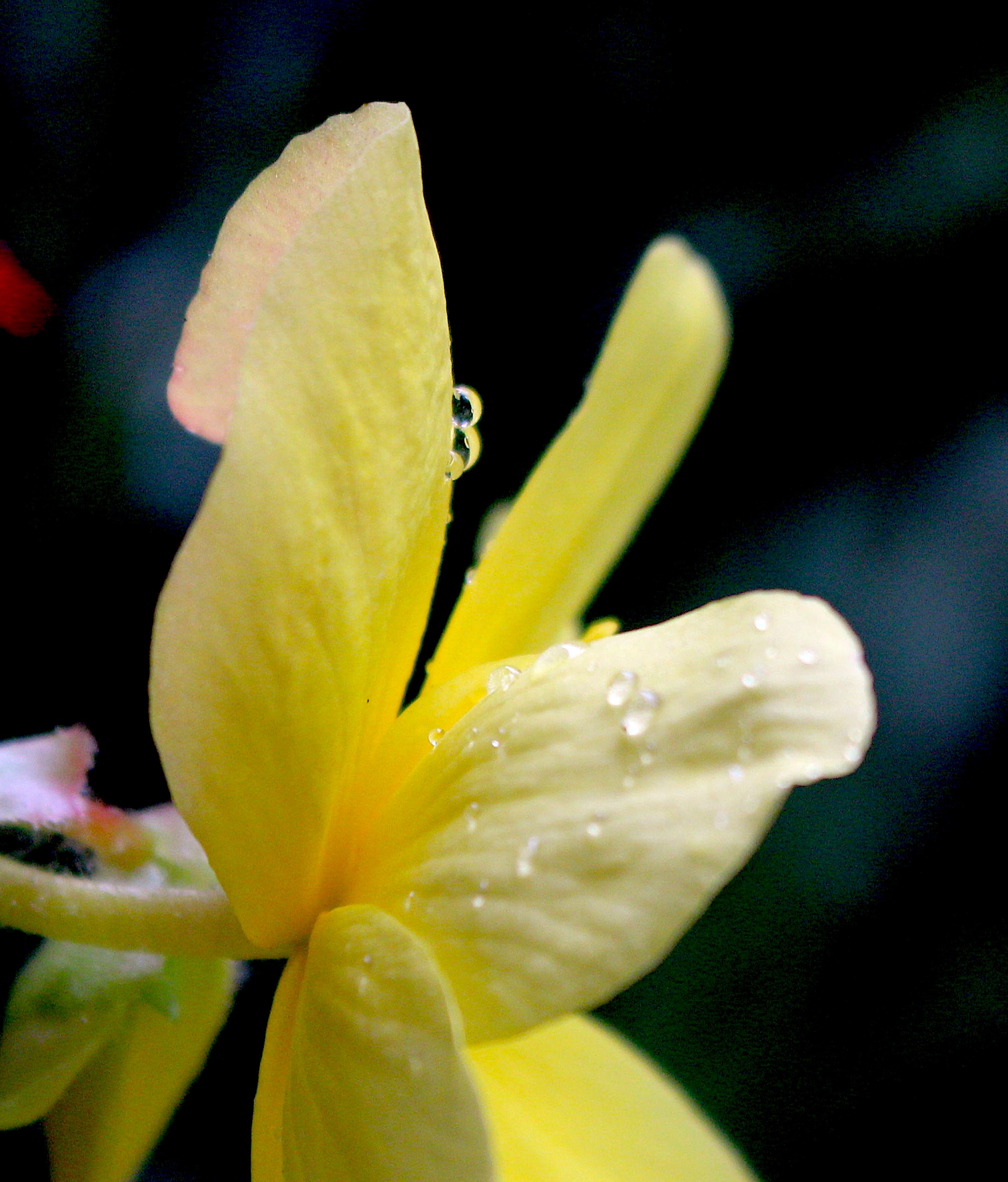
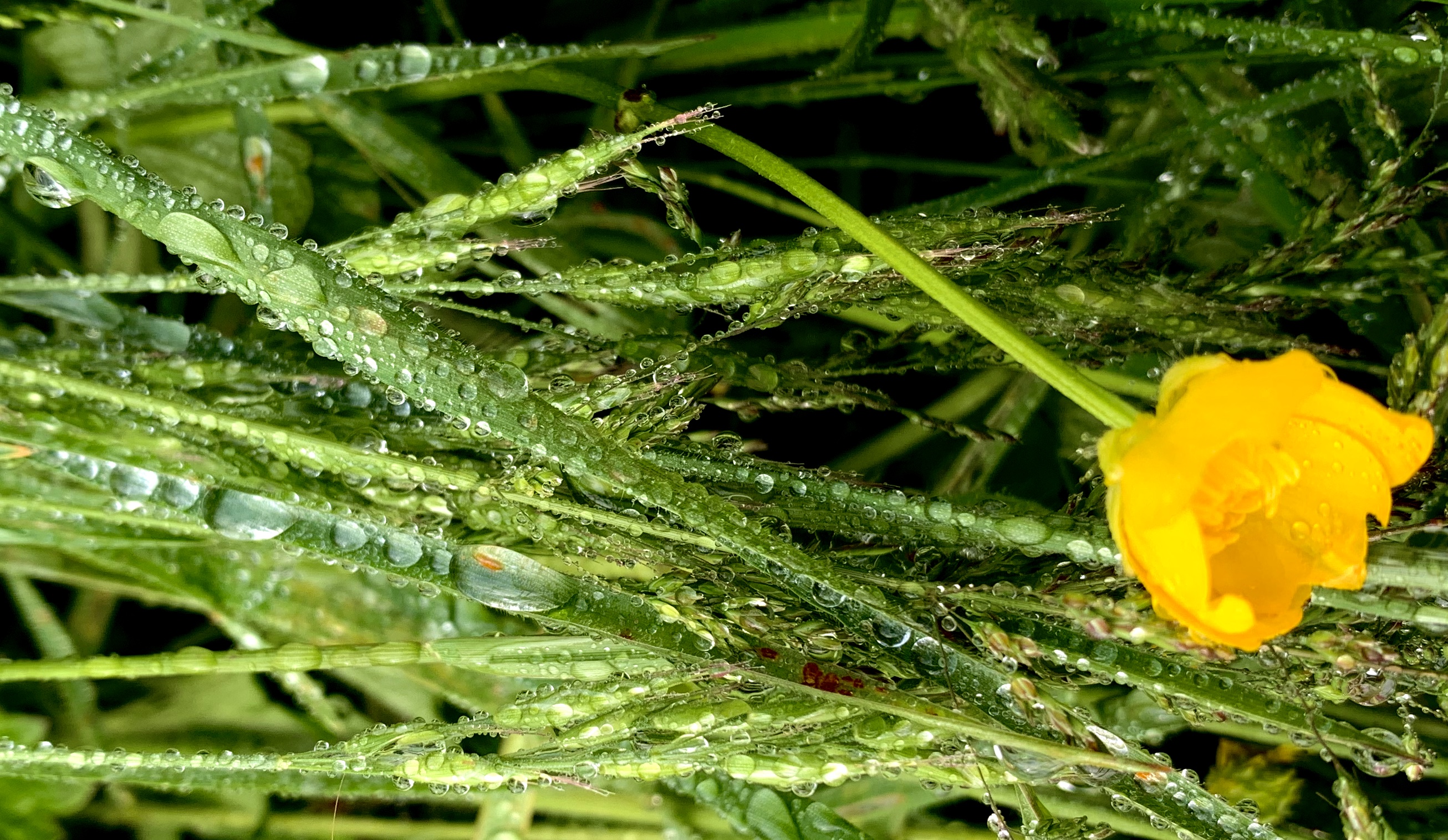
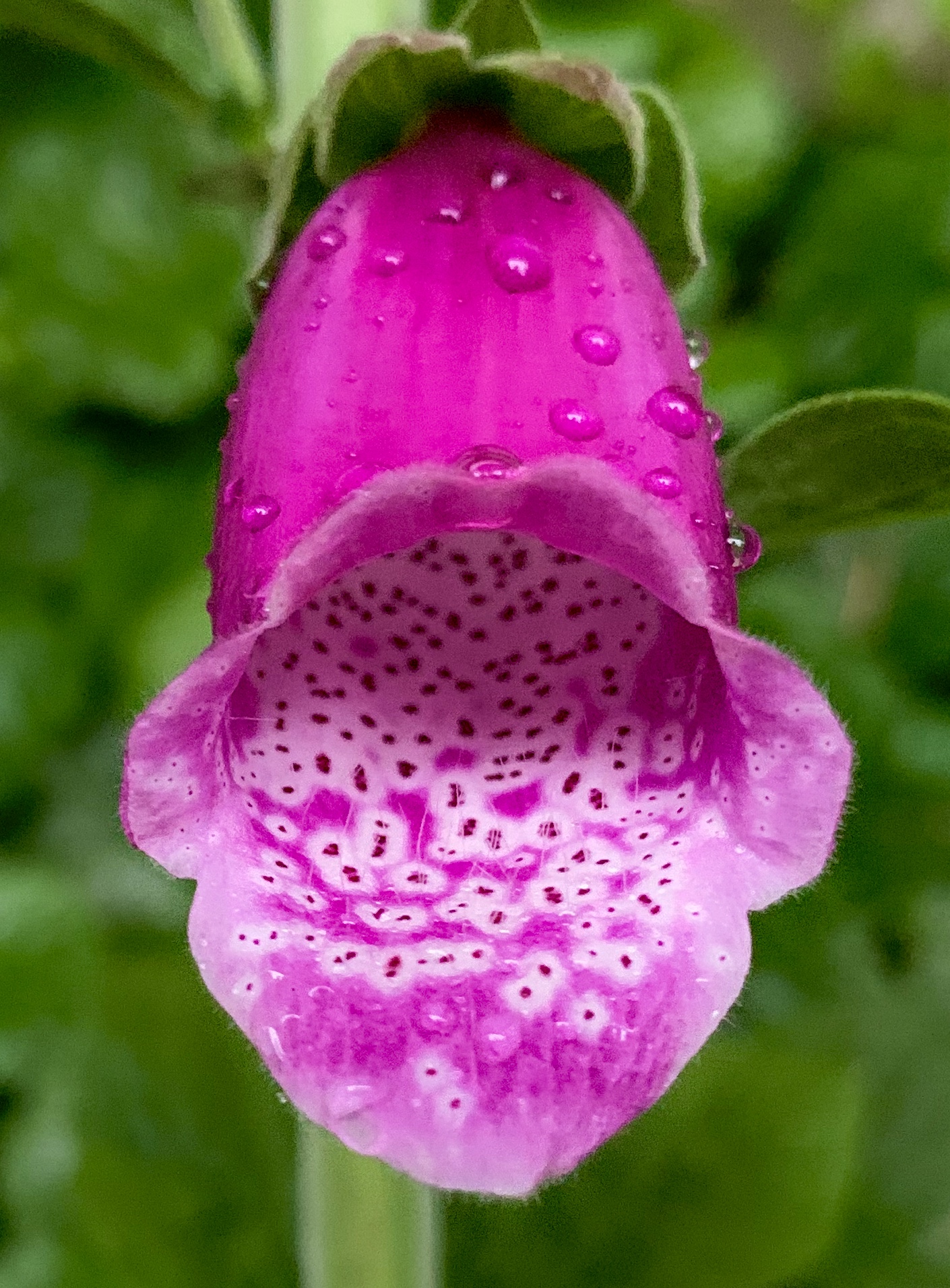
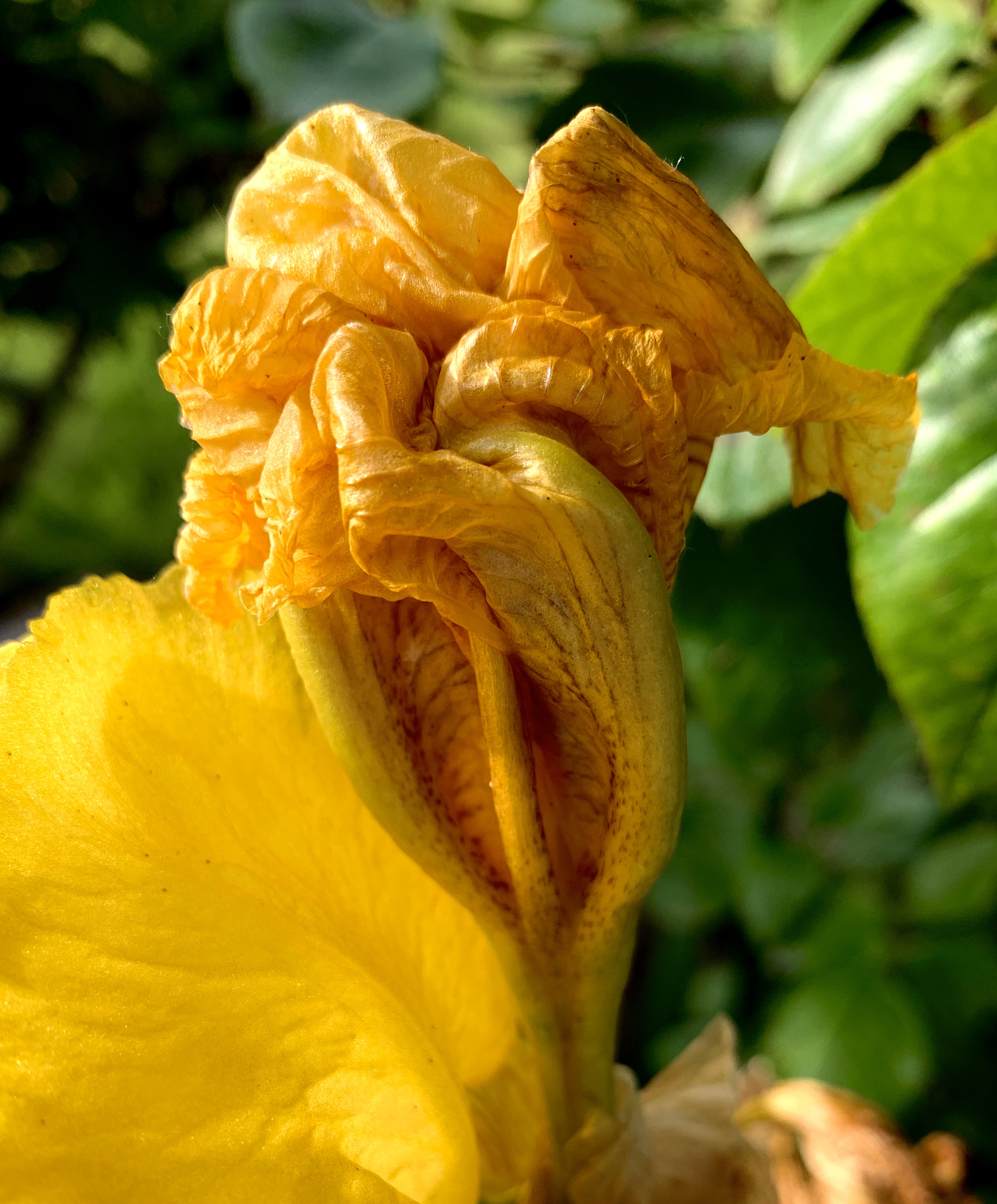
What shall I say, because talk I must? That I have found a cure for the sick? I have found no cure for the sick but this crooked flower which only to look upon all men are cured. This is that flower for which all men sing secretly their hymns of praise! This is that sacred flower! ~William Carlos Williams from “The Yellow Flower”
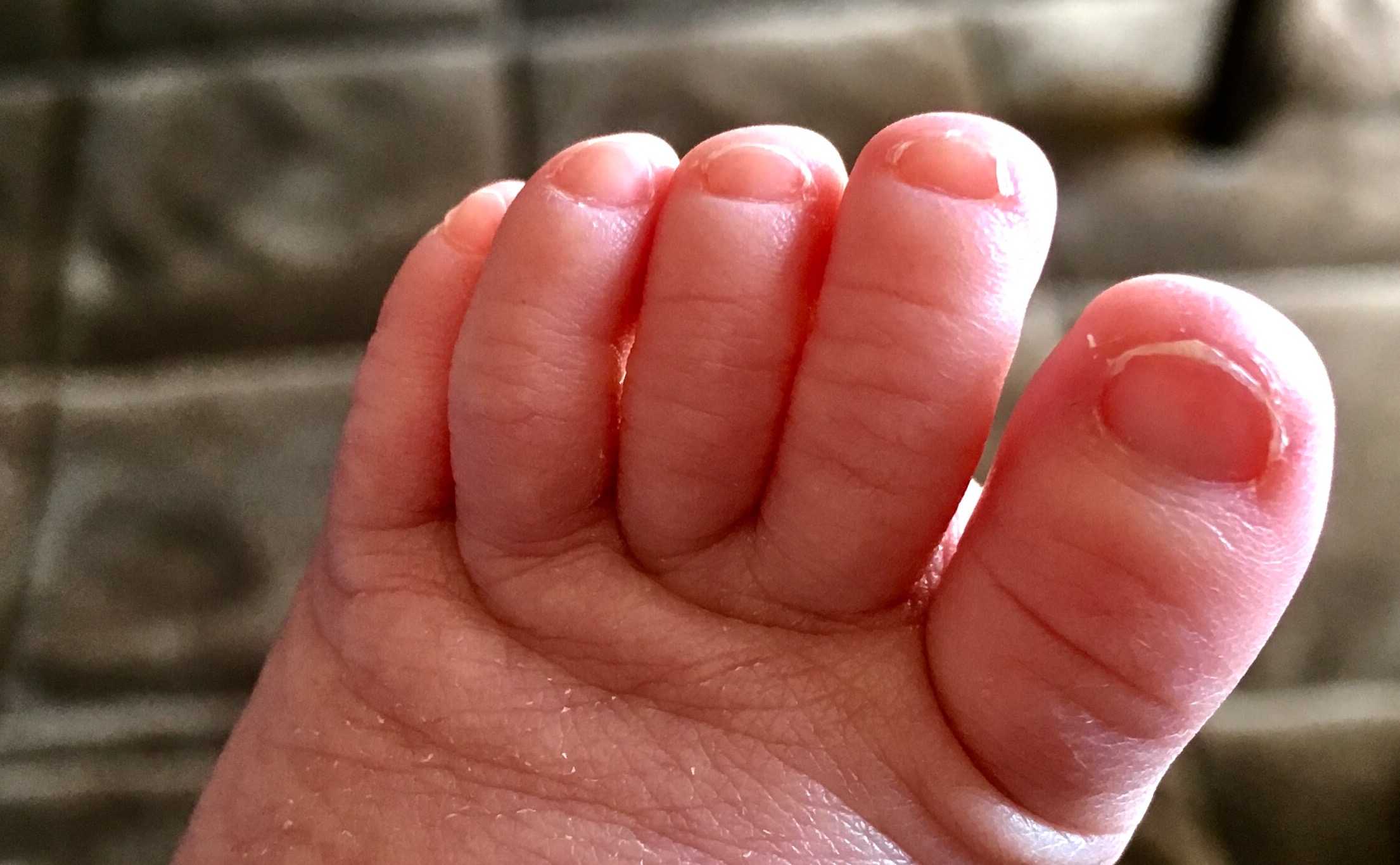
The nail of each big toe was the horn of a goat. Thick as a thumb and curved, it projected down over the tip of the toe to the underside. With each step, the nail would scrape painfully against the ground and be pressed into his flesh. There was dried blood on each big toe.
It took an hour to do each big toe. The nails were too thick even for my nail cutters. They had to be chewed away little by little, then flattened out with the rasp, washed each toe, dried him off, and put his shoes and socks back on. He stood up and took a few steps, like someone who is testing the fit of a new pair of shoes.
“How is it?” “It don’t hurt,” he said, and gave me a smile that I shall keep in my safety deposit box at the bank until the day I die.
I never go to the library on Wednesday afternoon without my nail clippers in my briefcase. You just never know. ~Richard Selzer from “Toenails” from Letters to a Young Doctor
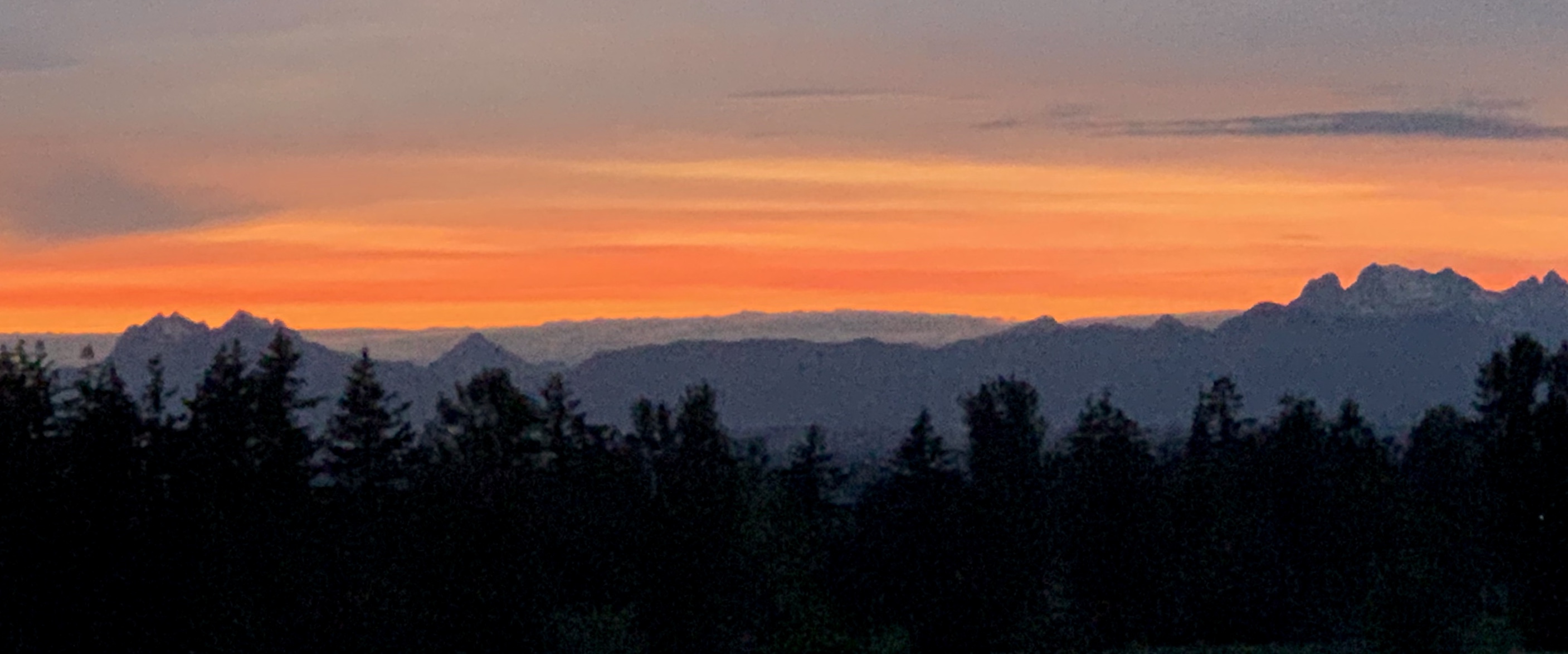
I know for a while again the health of self-forgetfulness, looking out at the sky through a notch in the valleyside, the black woods wintry on the hills, small clouds at sunset passing across. And I know that this is one of the thresholds between Earth and Heaven, from which even I may step forth and be free. – Wendell Berry from “Sabbath Poems”
Whenever I lose perspective about what I’m trained to do and who I am meant to serve, when I wallow in the mud of self-importance rather than in the health of self-forgetfulness~
I wash out a plug of wax from a deaf ear and restore hearing or remove a painful thorn in a thumb or clip someone’s crippling toenails so they can step forth in freedom or I simply sit still as someone cries out their heart’s pain.
I cling to the crooked flower of healing and forgiveness I was handed over forty years ago in order to share its sacred sweetness.
I’ve been given these tools for a reason so need to continue to use them.
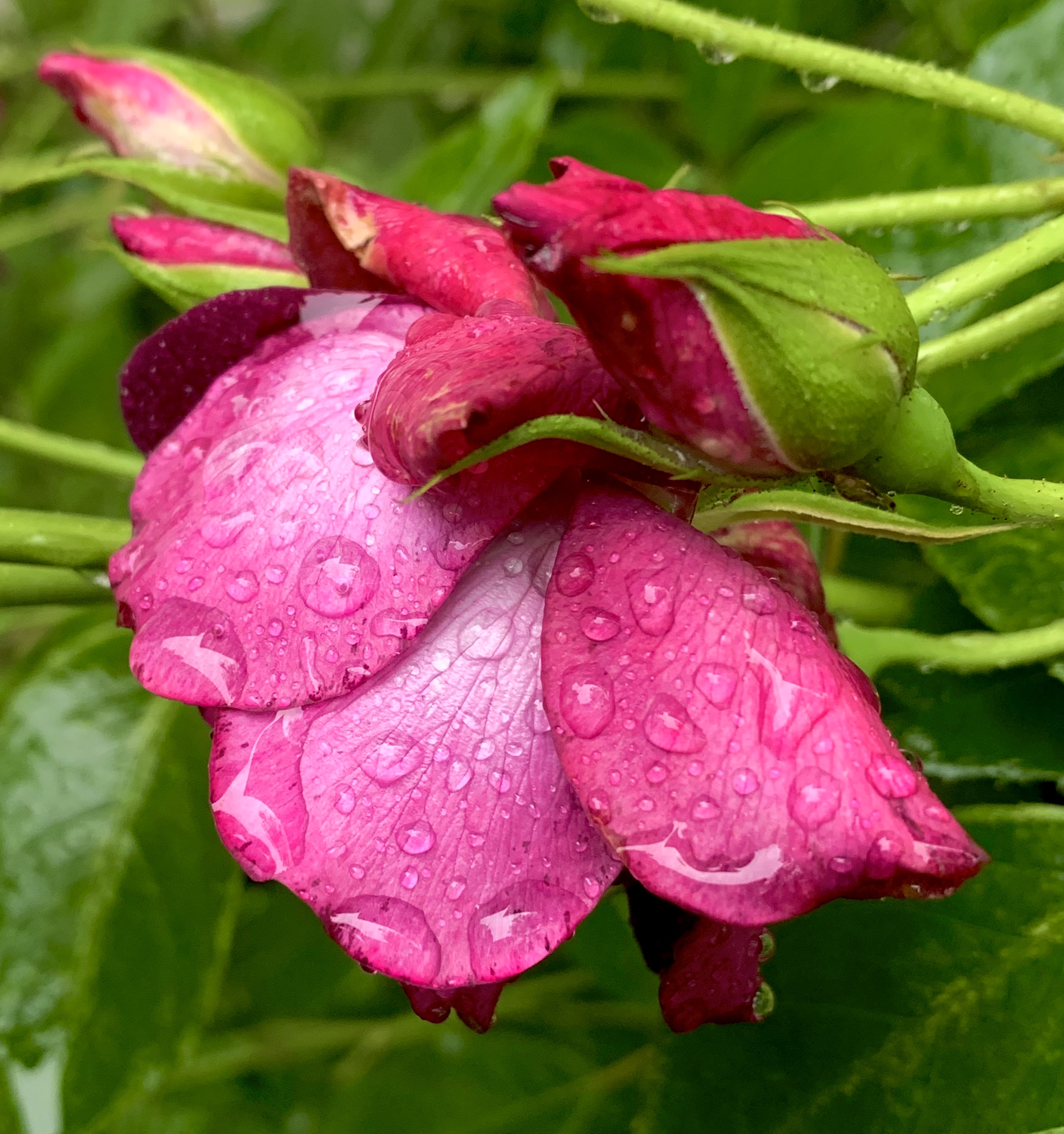
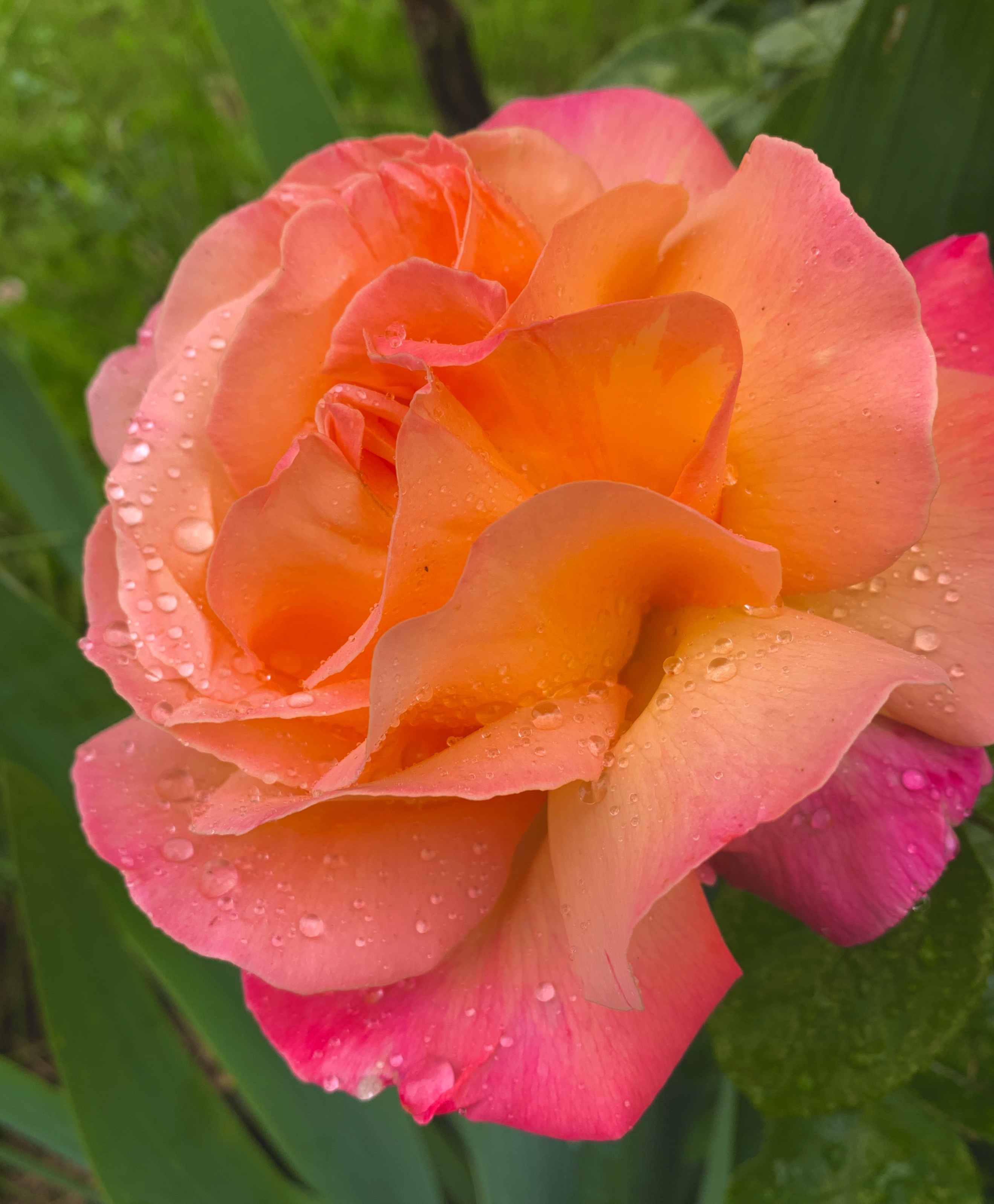
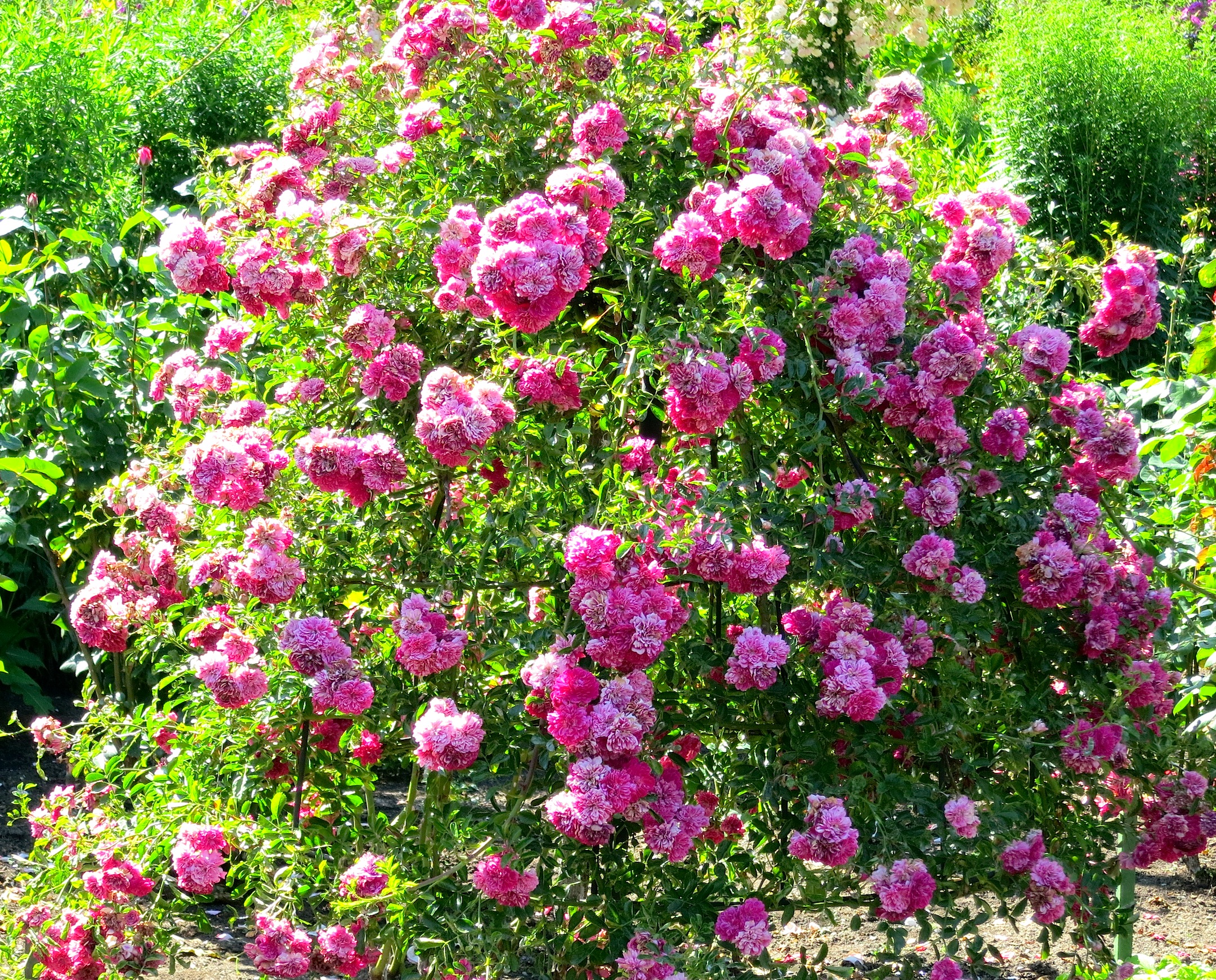
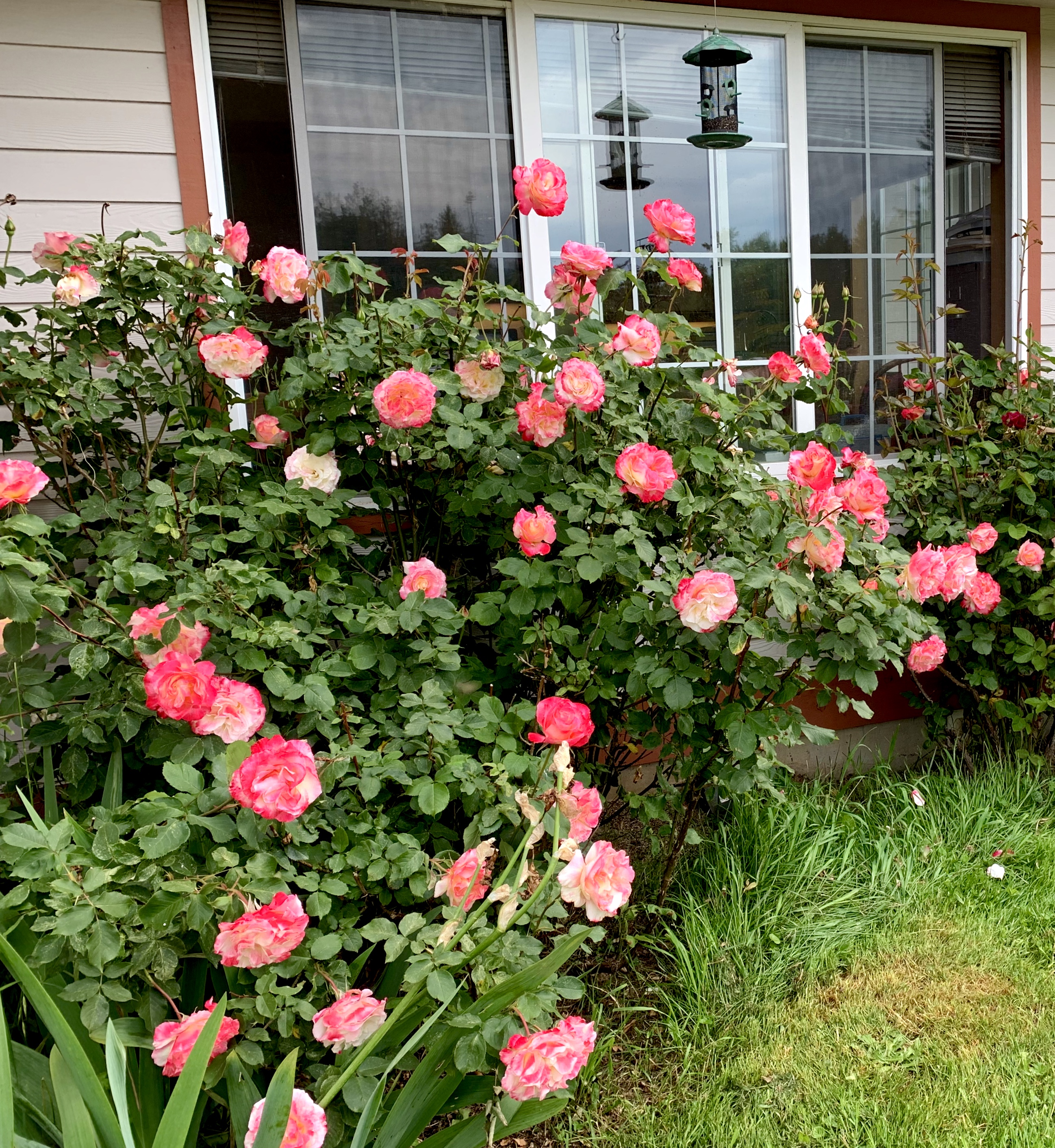
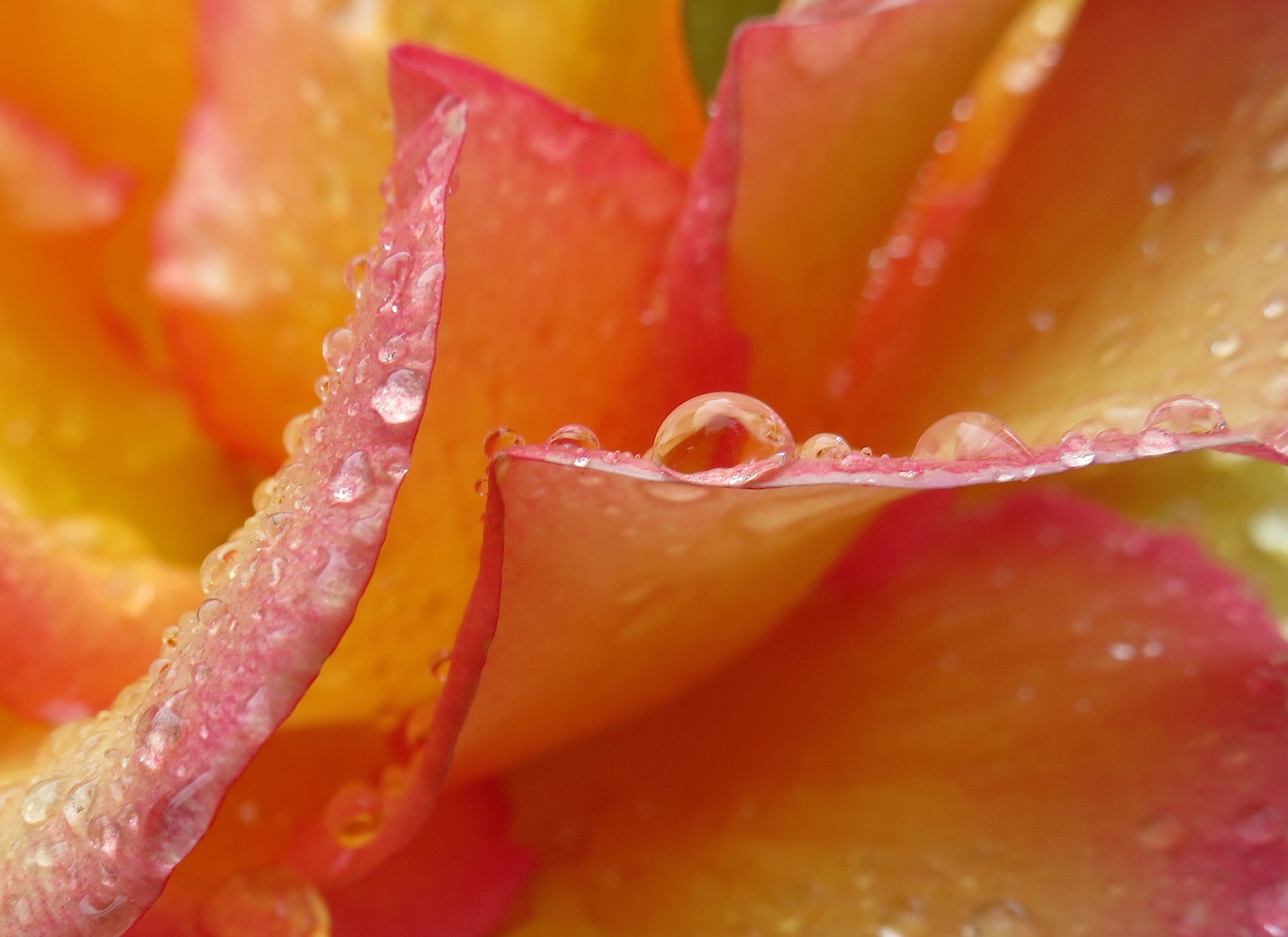
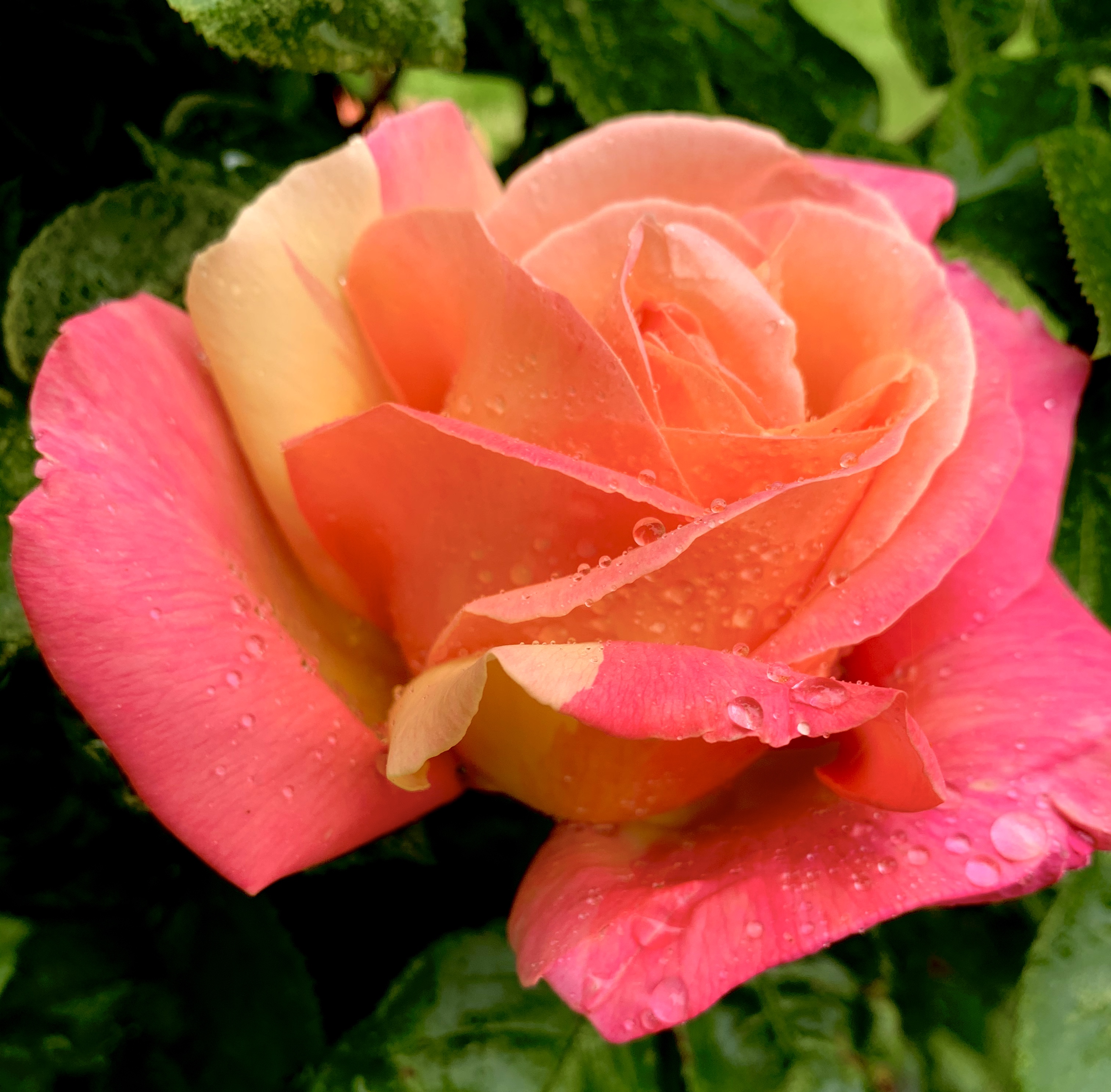
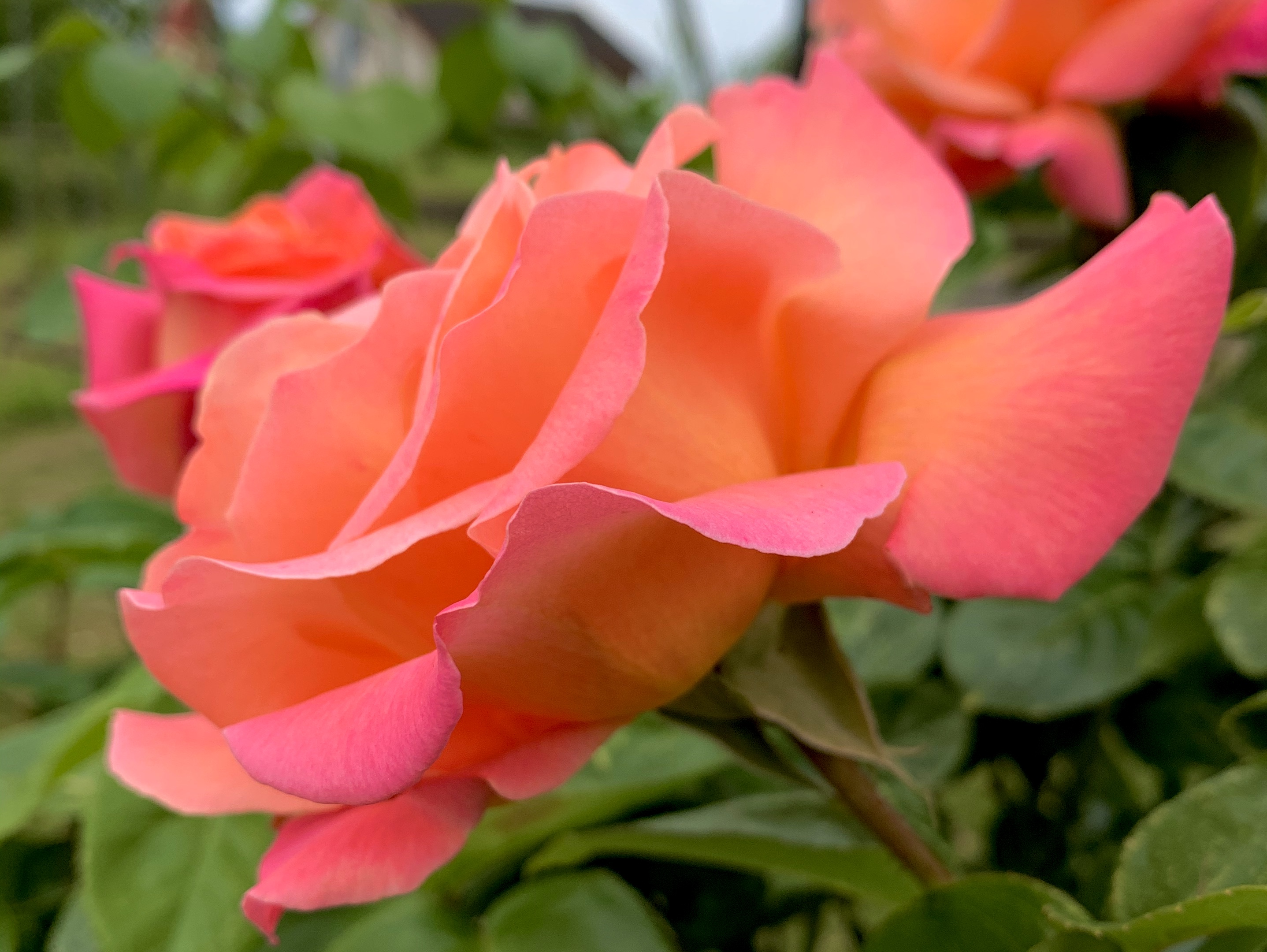
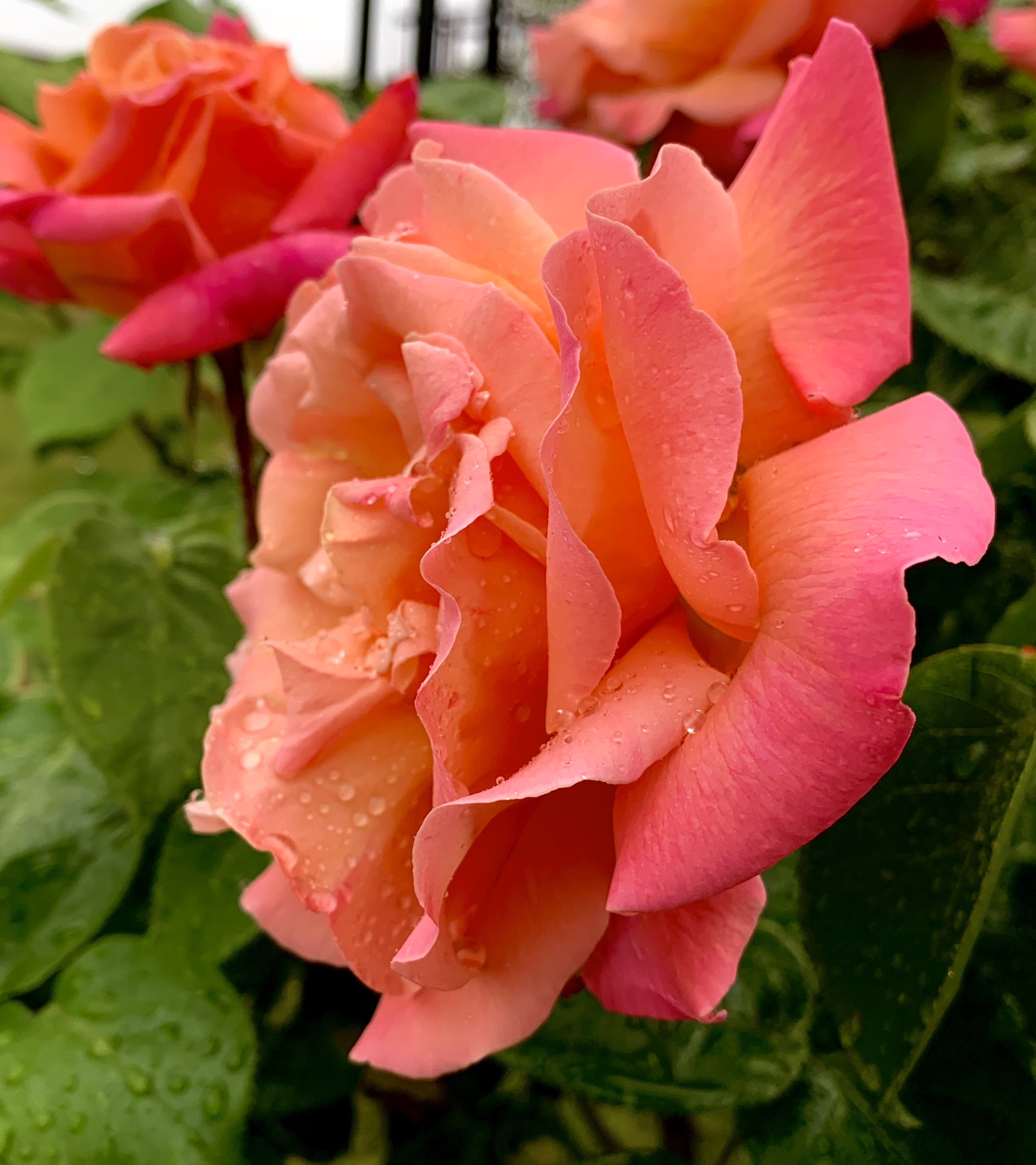
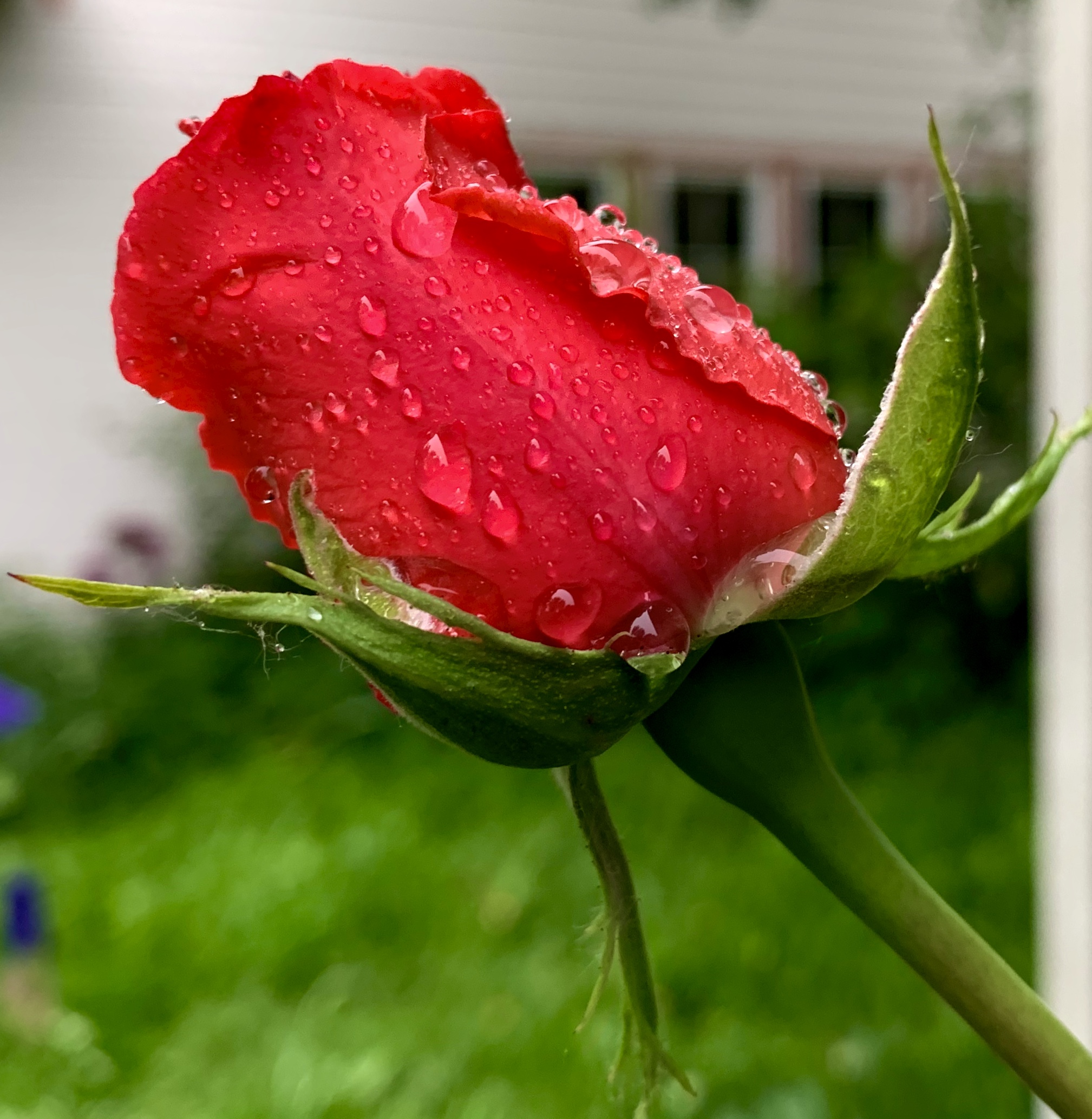
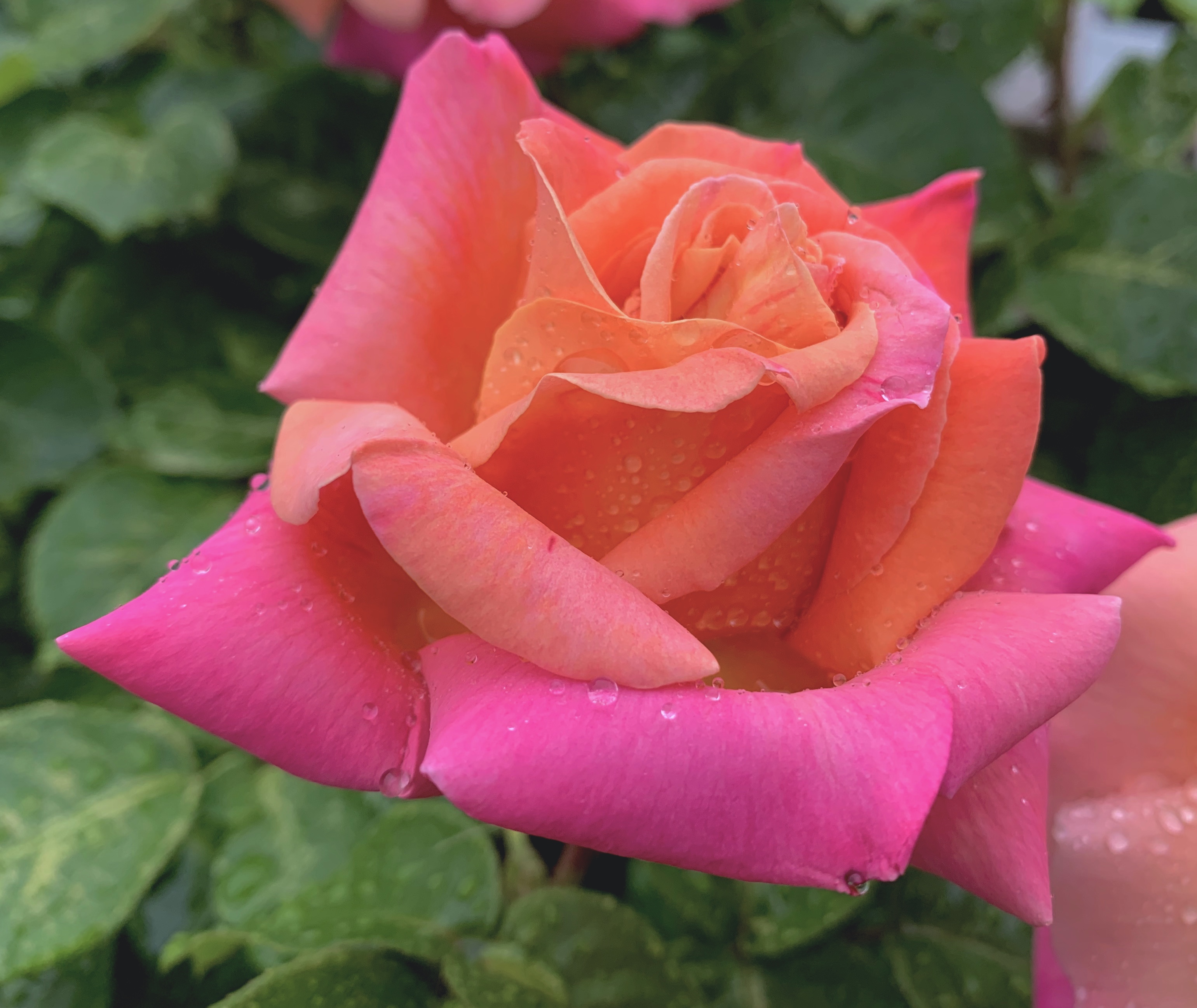
You love the roses – so do I. I wish The sky would rain down roses, as they rain From off the shaken bush. Why will it not? Then all the valley would be pink and white And soft to tread on. They would fall as light As feathers, smelling sweet; and it would be Like sleeping and like waking, all at once! ~George Eliotfrom “The Spanish Gypsy”
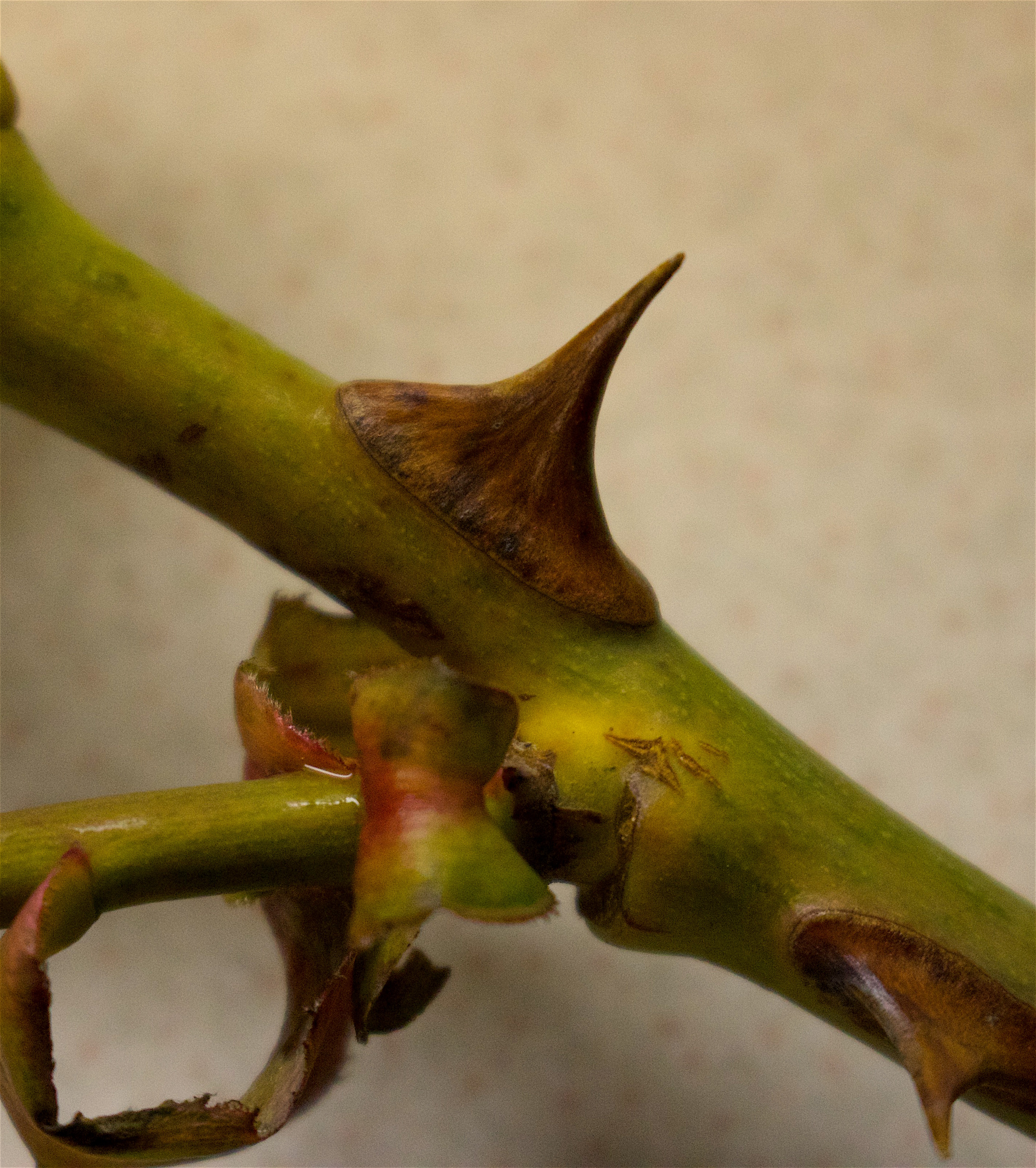
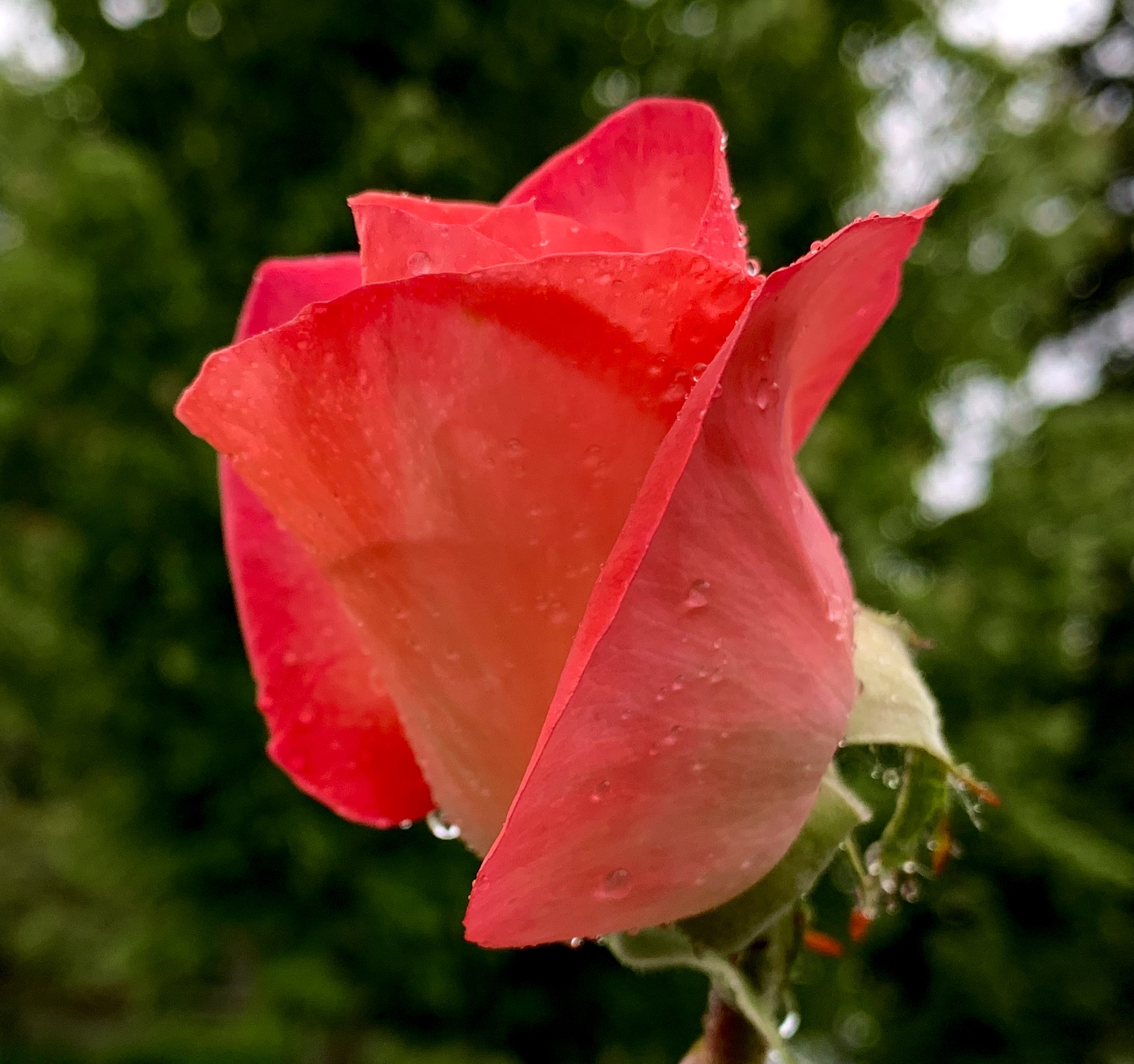
It was gardener/author Alphonse Karr in the mid-19th century who wrote that even though most people grumble about roses having thorns, he was grateful that thorns have roses.
There was a time when thorns were not part of our world, when we knew nothing of suffering and death. Yet in pursuing and desiring more than we were already generously given, we received more than we bargained for. We are still paying for that decision; we continue to reel under the thorns our choices produce — every day there is more bloodletting.
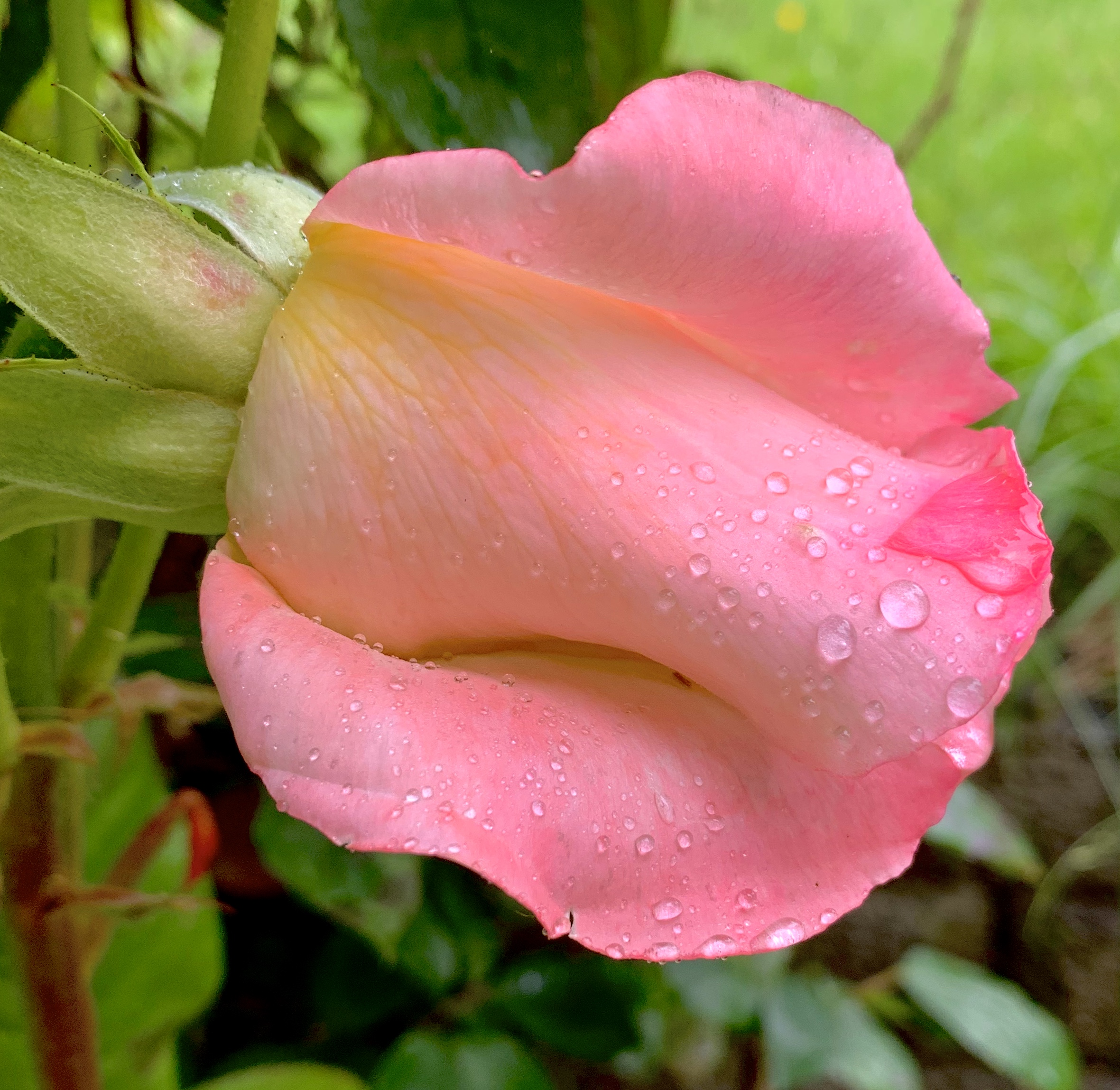
So a Rose was sent to adorn the thorns.
And what did we do? We chose thorns to make Him bleed and still do to this day.
A fragrant rose blooms beautiful, bleeding amid the thorns, raining down as we sleep and wake, and will to the endless day.
Abandon entouré d’abandon, tendresse touchant aux tendresses… C’est ton intérieur qui sans cesse se caresse, dirait-on; se caresse en soi-même, par son propre reflet éclairé. Ainsi tu inventes le thème du Narcisse exaucé. ~Rainer Maria Rilke “Dirait-on” from his French Poetry collection ‘Les chansons de la rose’
(Literal translation of “So They Say” from “The Song of the Rose”) Abandon enveloping abandon, Tenderness brushing tendernesses, Who you are sustains you eternally, so they say; Your very being is nourished by its own enlightened reflection; So you compose the theme of Narcissus redeemed.
This is what you shall do: Love the earth and sun and the animals, despise riches, give alms to everyone that asks, devote your income and labor to others, hate tyrants, argue not concerning God, have patience and indulgence toward the people, and your very flesh shall be a great poem, and have the richest fluency, not only in its words, but in the silent lines of its lips and face, and between the lashes of your eyes, and in every motion and joint of your body. ~Walt Whitman from his preface to “Leaves of Grass”
Time, in so many ways, has been standing still for us over the last few months, fueled by an unprecedented quarantine and social isolation. We anticipate “when things return to normal” but the reality is there will be no “normal” for those who have lost jobs and businesses and family members or their own robust health since February.
And now society finds itself in the midst of anger and argument, marching and shouting to defend those who have lived for generations with injustice and oppression, and continue to face that reality every day, and the majority of us were oblivious.
“Normal” holds no appeal when “normal” is living under a tyrant’s thumb or dying under a knee.
So how do we approach a change in seasons as we ourselves are irrevocably changed?
What shall we do?
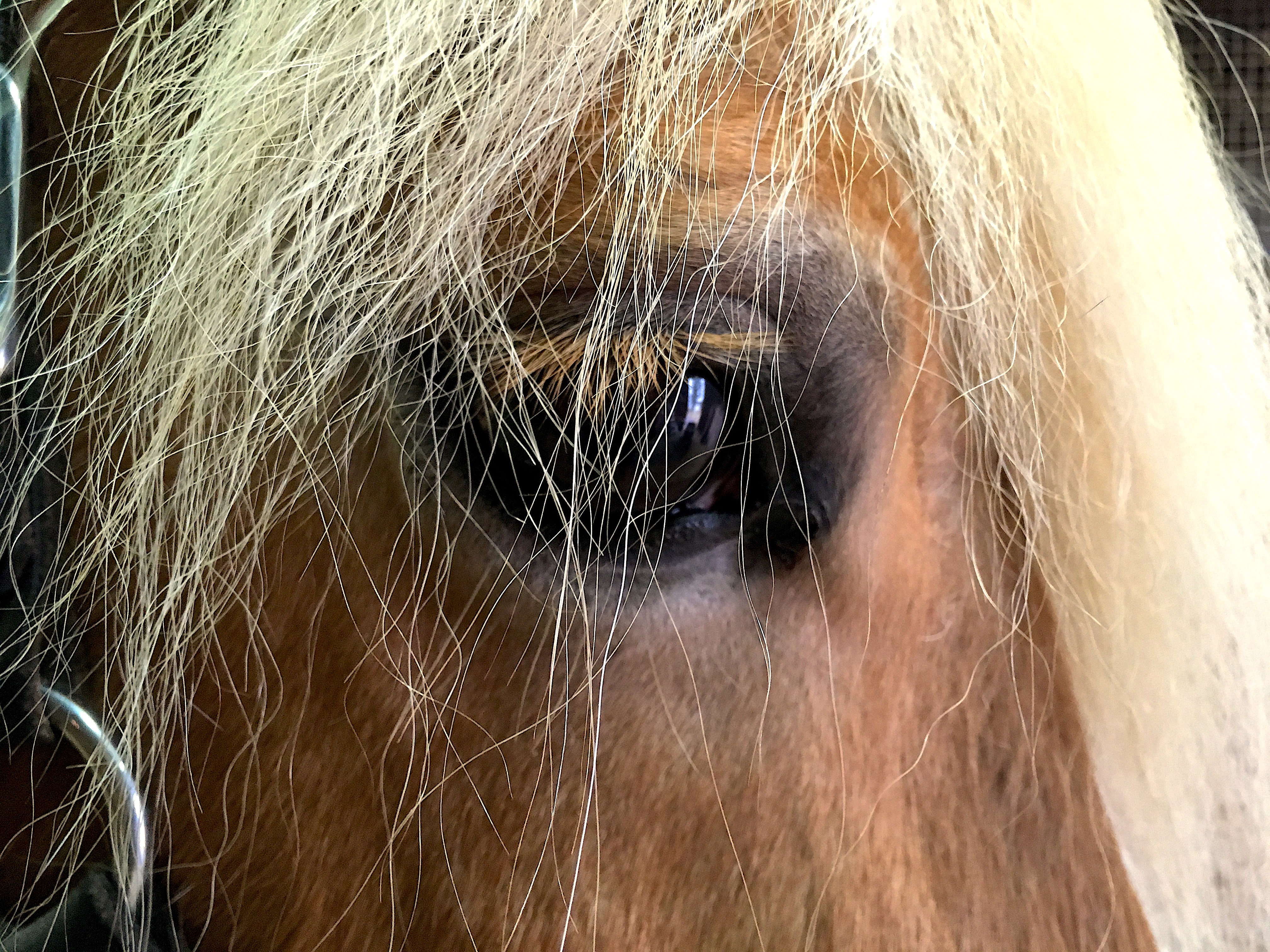
We are our flesh: all colors, flawed and fragile. We must look beyond the lashes of our eyes to see and understand the fluency of the poetry found in our bodies. We, each one of us, deserve the patience of being heard.
This summer will stand on its own in all its extravagant abundance of light and warmth and growth and color stretching deep within the rising and setting horizons. Each long day will feel like it must last forever, never ending, yet, like the unpredictable length of our fleshy days on earth, it will eventually wind down, spin itself out, darkening gradually into shadow.
That is the “normal” of our existence because summer always, always ends.
Yet another will reappear, somehow, somewhere, someday. The very poetry of our flesh, the very survival of our souls, depends on it. We will then see beyond our own eyelashes.
Surely a never-ending summer is what heaven itself will be. We shall all be changed, in the twinkling of an eye…
Let America be America again. Let it be the dream it used to be. Let it be the pioneer on the plain Seeking a home where he himself is free.
(America never was America to me.)
Let America be the dream the dreamers dreamed— Let it be that great strong land of love Where never kings connive nor tyrants scheme That any man be crushed by one above.
(It never was America to me.)
O, let my land be a land where Liberty Is crowned with no false patriotic wreath, But opportunity is real, and life is free, Equality is in the air we breathe.
(There’s never been equality for me, Nor freedom in this “homeland of the free.”)
Say, who are you that mumbles in the dark? And who are you that draws your veil across the stars?
I am the poor white, fooled and pushed apart, I am the Negro bearing slavery’s scars. I am the red man driven from the land, I am the immigrant clutching the hope I seek— And finding only the same old stupid plan Of dog eat dog, of mighty crush the weak.
I am the farmer, bondsman to the soil. I am the worker sold to the machine. I am the Negro, servant to you all. I am the people, humble, hungry, mean— Hungry yet today despite the dream. Beaten yet today—O, Pioneers!
I am the man who never got ahead, The poorest worker bartered through the years. Yet I’m the one who dreamt our basic dream In the Old World while still a serf of kings, Who dreamt a dream so strong, so brave, so true, That even yet its mighty daring sings In every brick and stone, in every furrow turned That’s made America the land it has become.
O, I’m the man who sailed those early seas In search of what I meant to be my home— For I’m the one who left dark Ireland’s shore, And Poland’s plain, and England’s grassy lea, And torn from Black Africa’s strand I came To build a “homeland of the free.”
The free? Who said the free? Not me? Surely not me? The millions on relief today? The millions shot down when we strike? The millions who have nothing for our pay? For all the dreams we’ve dreamed And all the songs we’ve sung And all the hopes we’ve held And all the flags we’ve hung, The millions who have nothing for our pay— Except the dream that’s almost dead today.
O, let America be America again— The land that never has been yet— And yet must be—the land where every man is free. The land that’s mine—the poor man’s, Indian’s, Negro’s, ME— Who made America, Whose sweat and blood, whose faith and pain, Whose hand at the foundry, whose plow in the rain, Must bring back our mighty dream again.
America! O, yes, I say it plain, America never was America to me, And yet I swear this oath— America will be!
Out of the rack and ruin of our gangster death, The rape and rot of graft, and stealth, and lies, We, the people, must redeem The land, the mines, the plants, the rivers. The mountains and the endless plain— All, all the stretch of these great green states— And make America again! ~Langston Hughes from “Let America Be America Again”(1935)
When we remain silent in the face of injustice, we loudly slap the face of God. Because the person being abused is the face of God. ~Ann Voskamp
What has changed in America since Langston Hughes wrote “Let America Be America” in 1935? How many angry generations have passed since then and how many more are to come?
When three generations stand side by side, with angry words and tear-streaked faces, admitting that nothing has changed, then things have to change.
We are withering together in our anger and our tears.
Our children should not be faced with the choice of putting themselves in harm’s way because they are not allowed to breathe the same air of equality as everyone else. They deserve breath because God breathed them into existence, like everyone else. Instead, we are destroying their future as they are suffocated in the streets.
It has never been about “making America great again.”
It is about let America be America, once and for all.
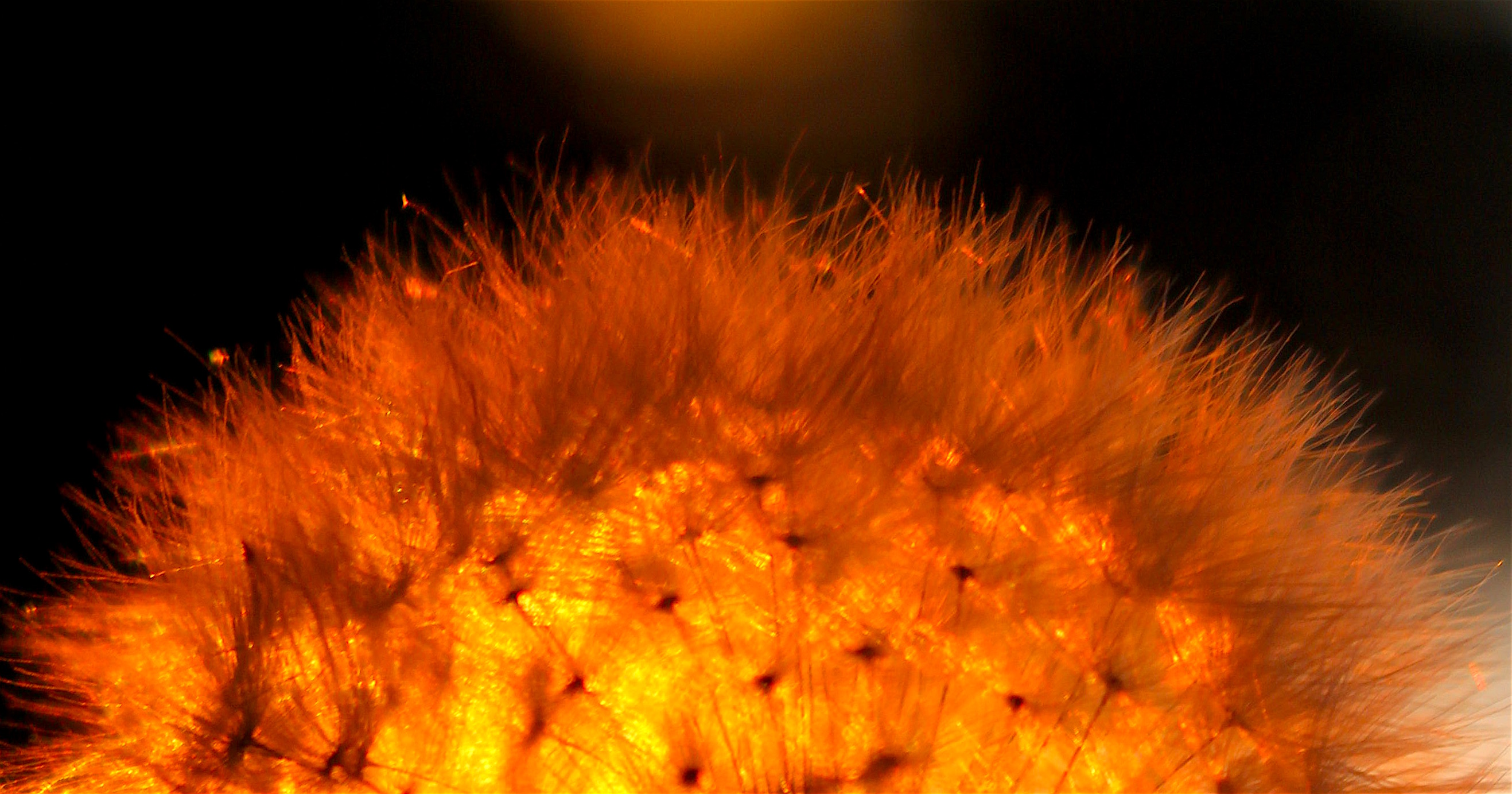
The world is charged with the grandeur of God. It will flame out, like shining from shook foil; It gathers to a greatness, like the ooze of oil Crushed. Why do men then now not reck his rod? Generations have trod, have trod, have trod; And all is seared with trade; bleared, smeared with toil; And wears man’s smudge and shares man’s smell: the soil Is bare now, nor can foot feel, being shod.
And for all this, nature is never spent; There lives the dearest freshness deep down things; And though the last lights off the black West went Oh, morning, at the brown brink eastward, springs— Because the Holy Ghost over the bent World broods with warm breast and with ah! bright wings. ~Gerard Manley Hopkins “God’s Grandeur”
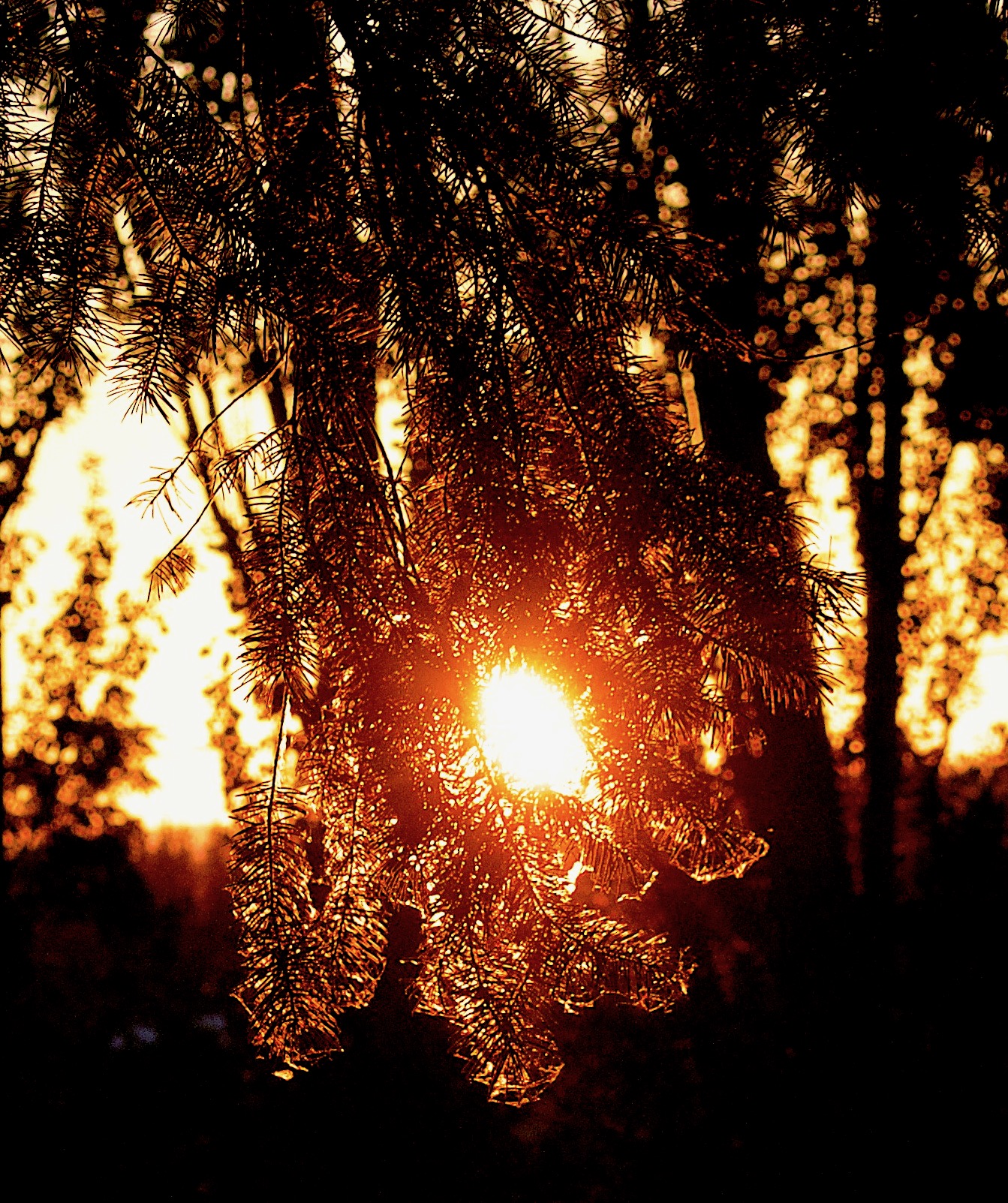
…the sudden angel affrighted me––light effacing my feeble beam, a forest of torches, feathers of flame, sparks upflying: …as that hand of fire touched my lips and scorched by tongue and pulled by voice into the ring of the dance. ~Denise Levertov from “Caedmon” in Breathing the Water
Unless the eye catch fire, Then God will not be seen. Unless the ear catch fire Then God will not be heard. Unless the tongue catch fire Then God will not be named. Unless the heart catch fire, Then God will not be loved. Unless the mind catch fire, Then God will not be known. ~William Blake from “Pentecost”
Christ has no body now on earth but yours. Yours are the only hands with which he can do his work. yours are the only feet with which he can go about the world. Yours are the only eyes through which his compassion can shine forth upon a troubled world. Christ has no body now on earth but yours. ~Teresa of Avila
Today, when we feel we are without hope, when the bent world reels with a troubled sickness of shedding blood and spreading violence, when faith feels frail, when love seems distant, we wait, stilled, for the moment we ourselves – not our cities – are lit afire ~ when the Living God is seen, heard, named, loved, known forever burning in our hearts deep down, brooded over by His bright wings~ we are His dearest, His freshest deep down things, in this moment and for eternity.
To live coram Deo is to live one’s entire life in the presence of God, under the authority of God, to the glory of God. To live in the presence of God is to understand that whatever we are doing and wherever we are doing it, we are acting under the gaze of God.
There is no place so remote that we can escape His penetrating gaze. To live all of life coram Deo is to live a life of integrity. It is a life of wholeness that finds its unity and coherency in the majesty of God.
Our lives are to be living sacrifices, oblations offered in a spirit of adoration and gratitude.
A fragmented life is a life of disintegration. It is marked by inconsistency, disharmony, confusion, conflict, contradiction, and chaos. Coram Deo … before the face of God. …a life that is open before God. …a life in which all that is done is done as to the Lord. …a life lived by principle, not expediency; by humility before God, not defiance. ~R.C. Sproulfrom “What Does “coram Deo” mean?”
We cannot escape His gaze. Why is that?
We…all of us, all colors, shapes and sizes… are created in His image, imago dei, so He looks at us as His reflections in the mirror of the world.
And what would He see this week? Surely nothing that reflects the heart or face of God.
I cringe to think. I want to hide from His gaze. All I see around me and within me is: inconsistency, disharmony, confusion, conflict, contradiction, and chaos. And most of all: defiance.
Surely, surely I know best.
I’m not alone: so many others also each know best, calling hypocrisy on one another, holding fast to moral high ground when the reality is: we drown together in the mud of our mutual guilt and lack of humility.
It is past time for us to be on our knees pleading for mercy, certainly not on our knees leaning upon the neck of another imago dei, squeezing out their very life breath and right to exist.
We are miserable reflections, each and every one of us, surely not coram Deo.
All that we have done, we have done onto God Himself. Kind of takes one’s breath away.


















 Barnstorming