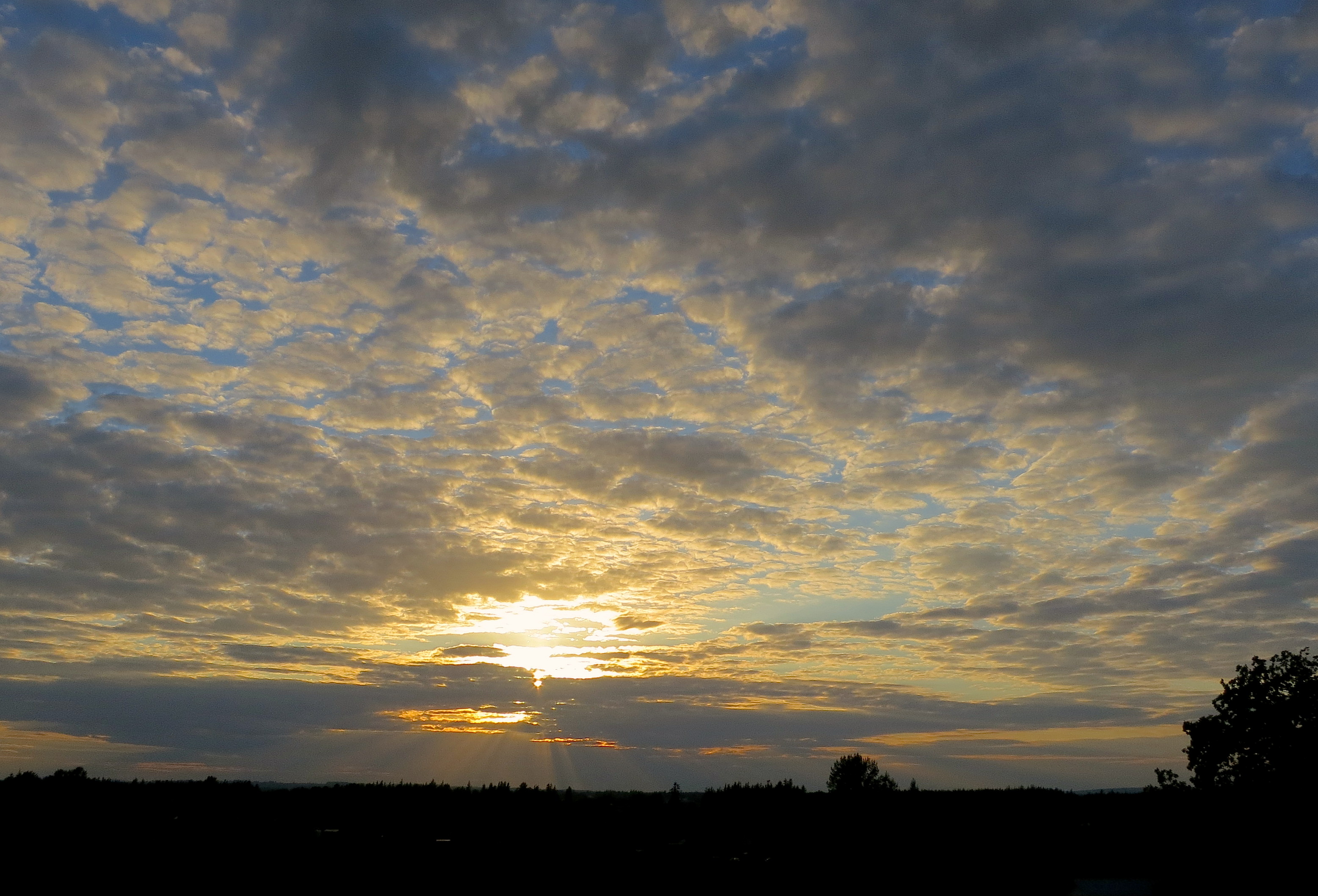
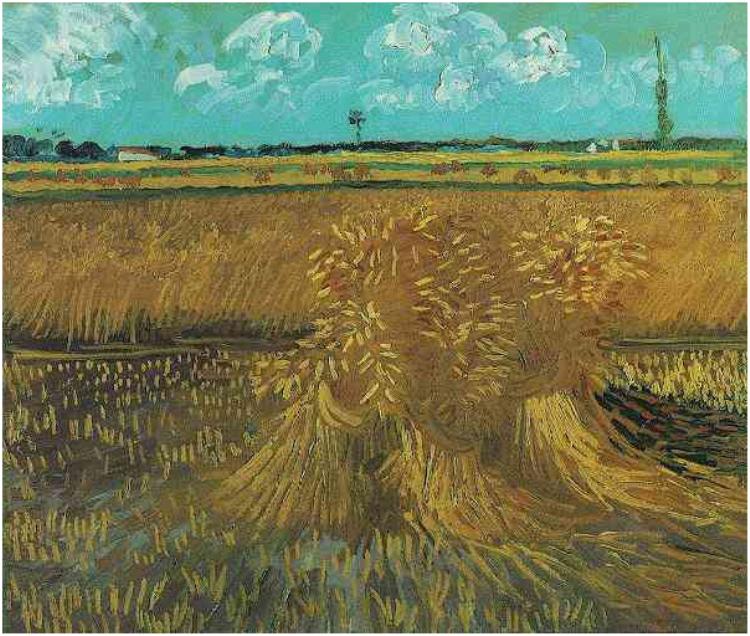
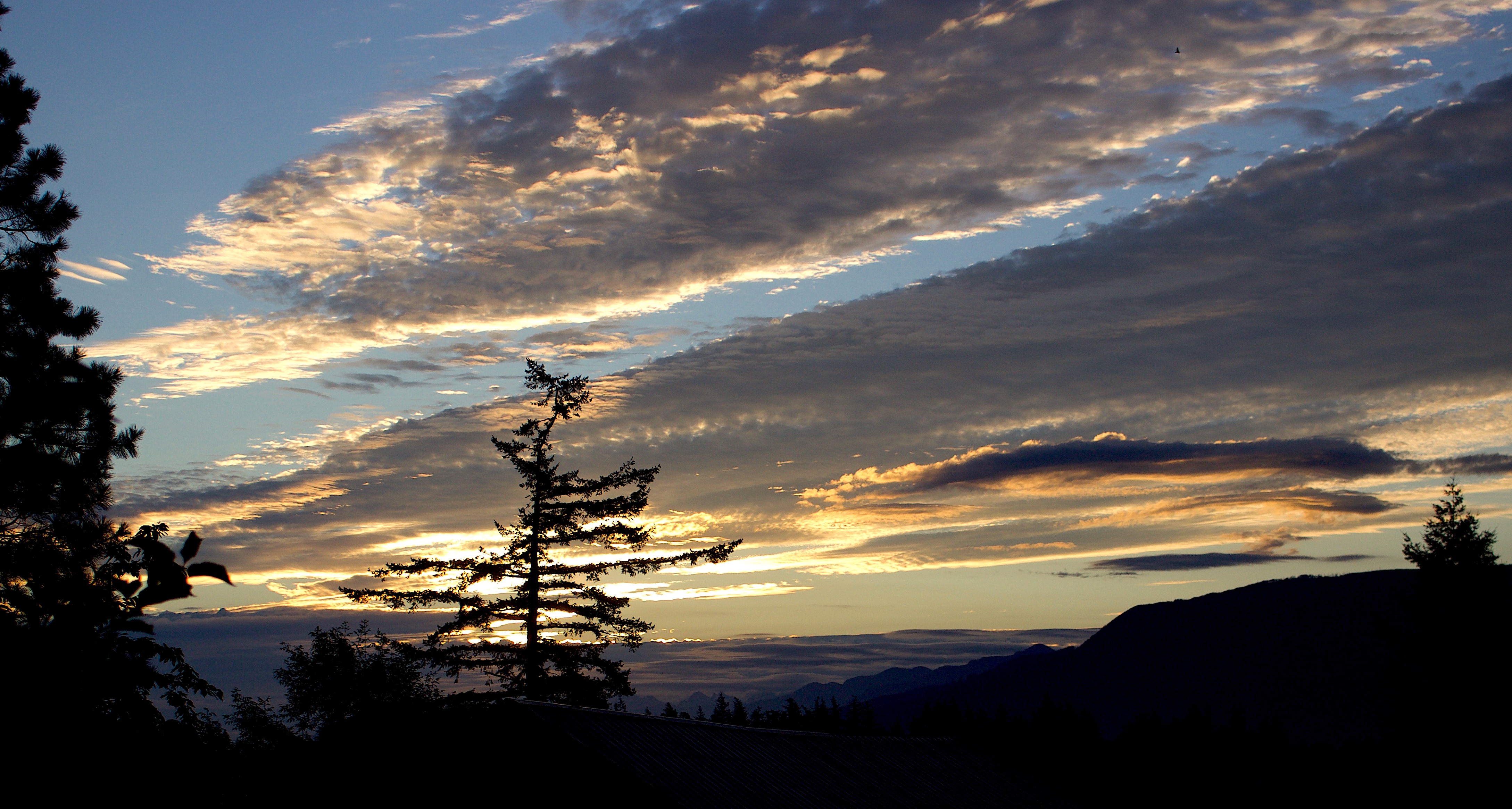
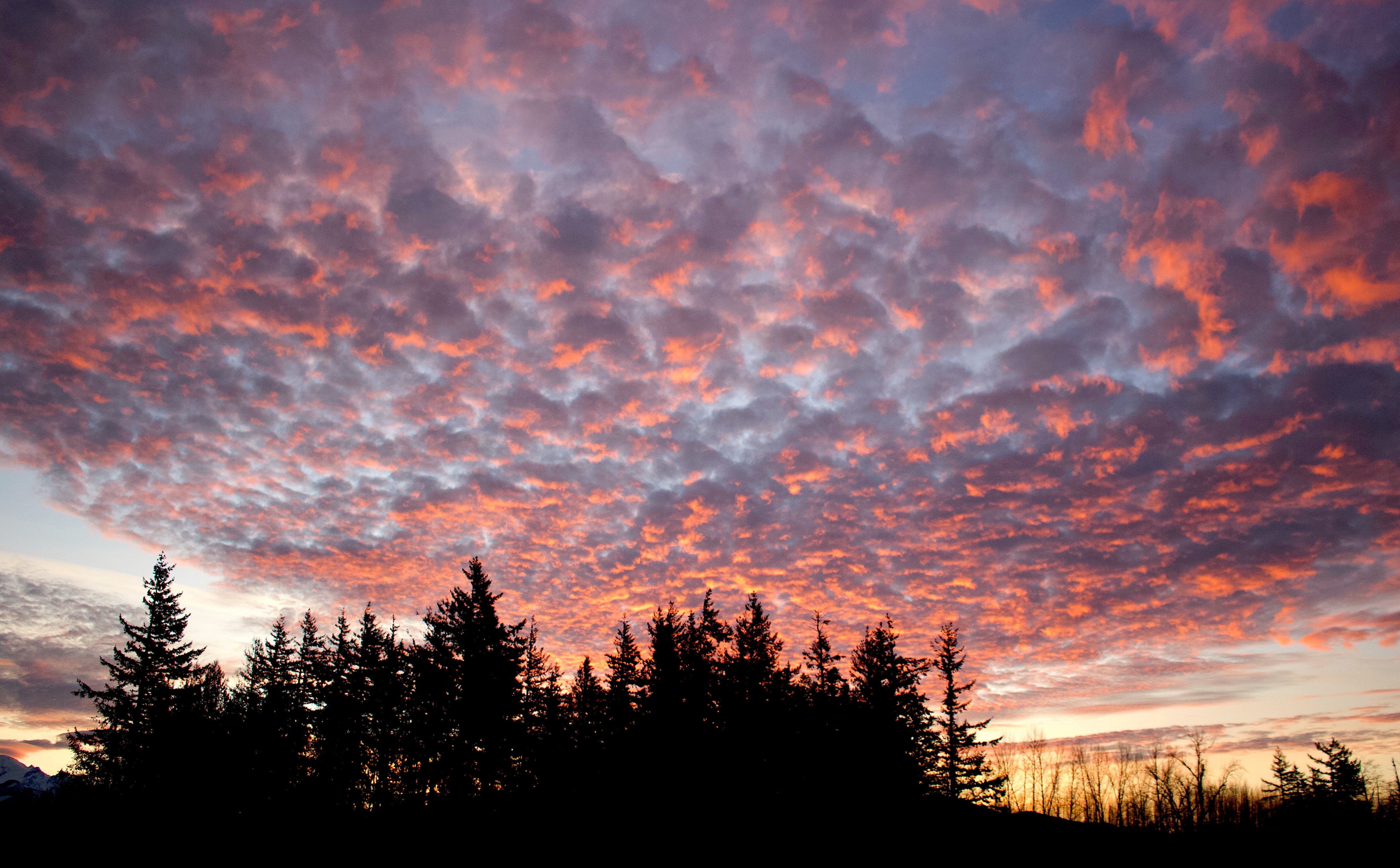
Summer ends now; now, barbarous in beauty, the stooks rise Around; up above, what wind-walks! what lovely behaviour Of silk-sack clouds! has wilder, willful-wavier Meal-drift moulded ever and melted across skies?
I walk, I lift up, I lift up heart, eyes, Down all that glory in the heavens to glean our Saviour; And, eyes, heart, what looks, what lips yet gave you a Rapturous love’s greeting of realer, of rounder replies?
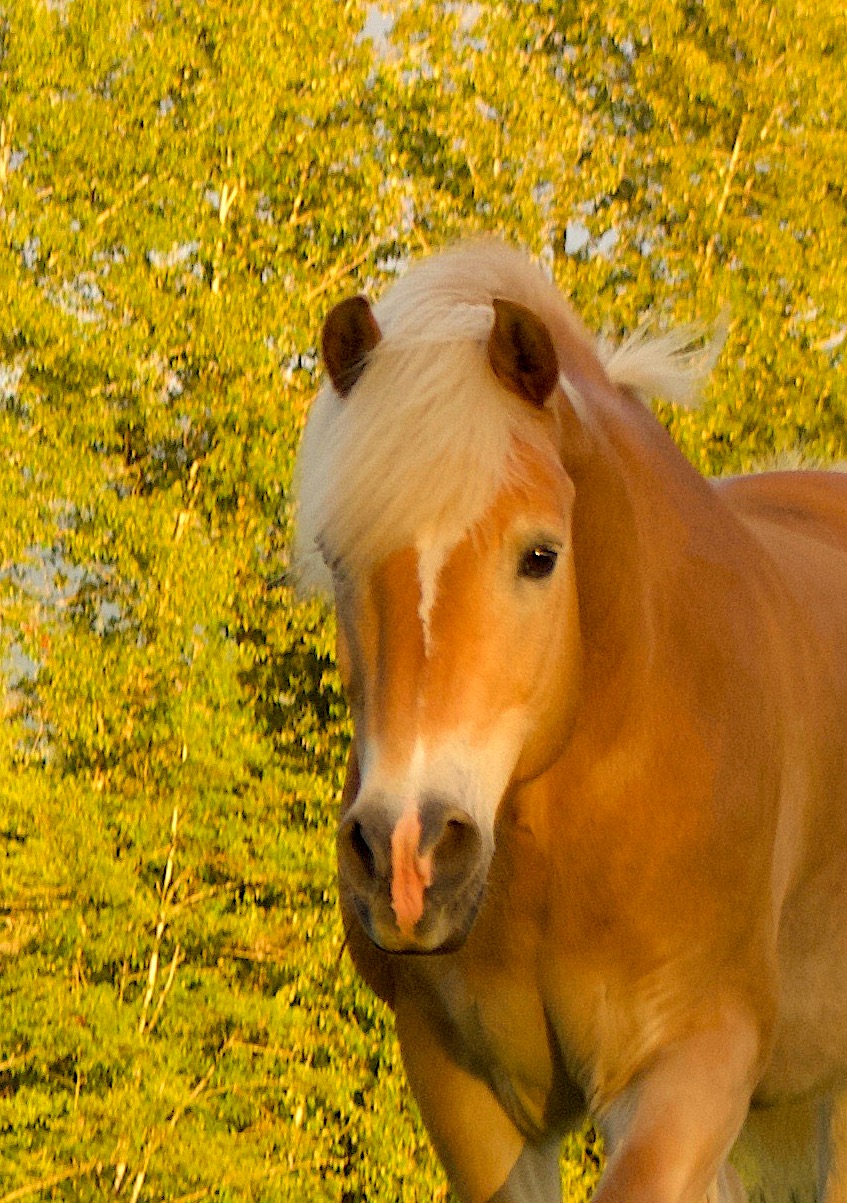
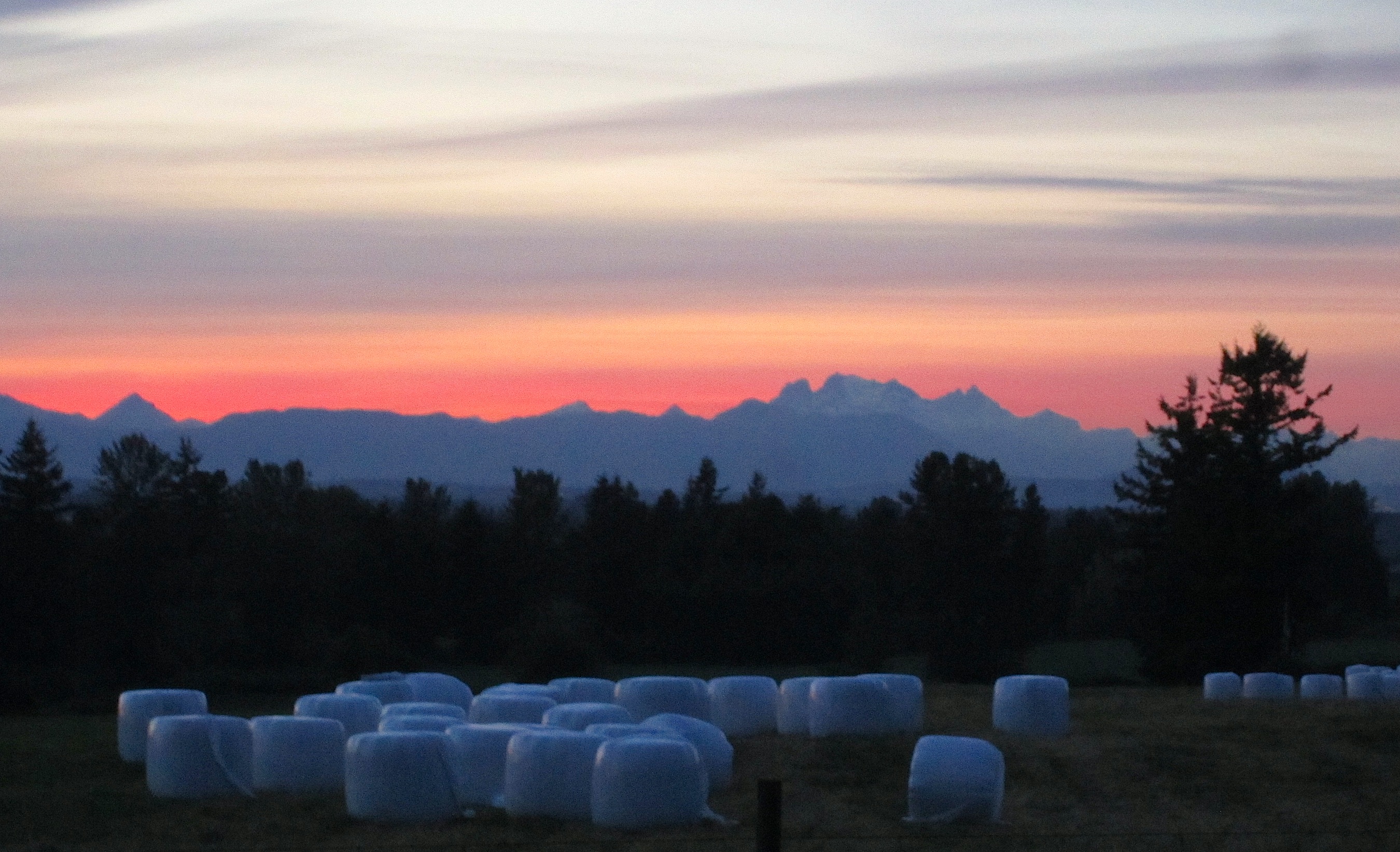
And the azurous hung hills are his world wielding shoulder Majestic as a stallion stalwart, very-violet-sweet! – These things, these things were here and but the beholder Wanting; which two when they once meet, The heart rears wings bold and bolder And hurls for him, O half hurls earth for him off under his feet. ~Gerard Manley Hopkins “Hurrahing in Harvest”
This poem is (in Hopkin’s own words) “the outcome of half an hour of extreme enthusiasm as I walked home alone one day from fishing in the [River] Elwy.”
This afternoon was the colour of water falling through sunlight; The trees glittered with the tumbling of leaves; The sidewalks shone like alleys of dropped maple leaves, And the houses ran along them laughing out of square, open windows. Under a tree in the park, Two little boys, lying flat on their faces, Were carefully gathering red berries To put in a pasteboard box. Some day there will be no war, Then I shall take out this afternoon And turn it in my fingers, And remark the sweet taste of it upon my palate, And note the crisp variety of its flights of leaves. To-day I can only gather it And put it into my lunch-box, For I have time for nothing But the endeavour to balance myself Upon a broken world. ~Amy Lowell from “September 1918”
There is no point in seeing without responding; there is no way to respond without seeing.
Christian life and practice require both faith (the sight of the heart) and works (the lurch of the heart toward him in obedience) ~Kathleen Mulhern from “A Christ Sighting” from Dry Bones
Sheaves of Wheat in a Field –Vincent Van GoghWheat Field with Sheaves -Vincent Van Gogh
Am I the only one who awakes praying that today be a day of healing between peoples when the barbarous becomes beautiful rather than broken?
A day of no missiles being launched, no one gunned down no overdoses in the streets, no vehicles used as weapons, no child misused, no one sold into slavery, no one overdosing, abandoned, homeless and starving.
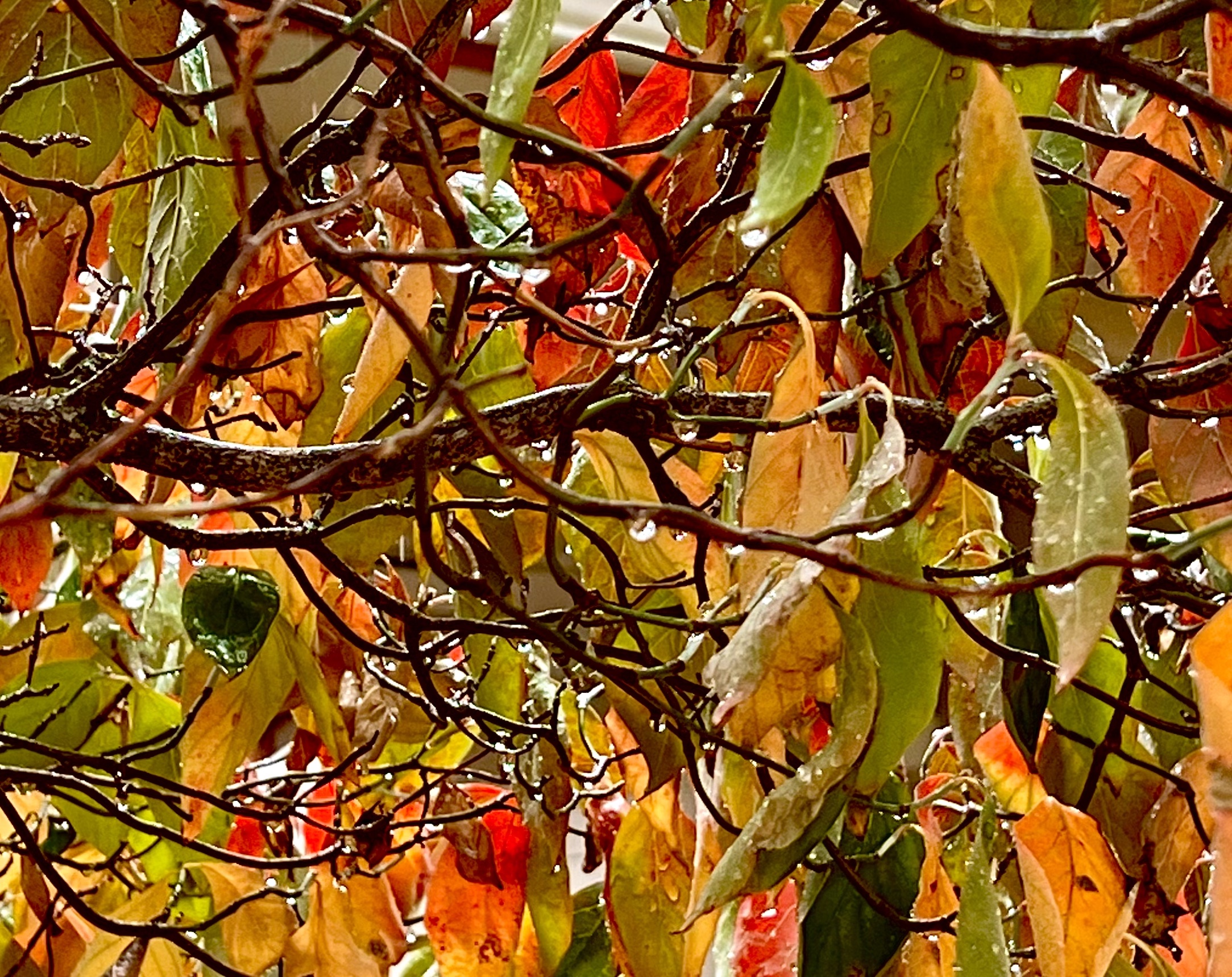
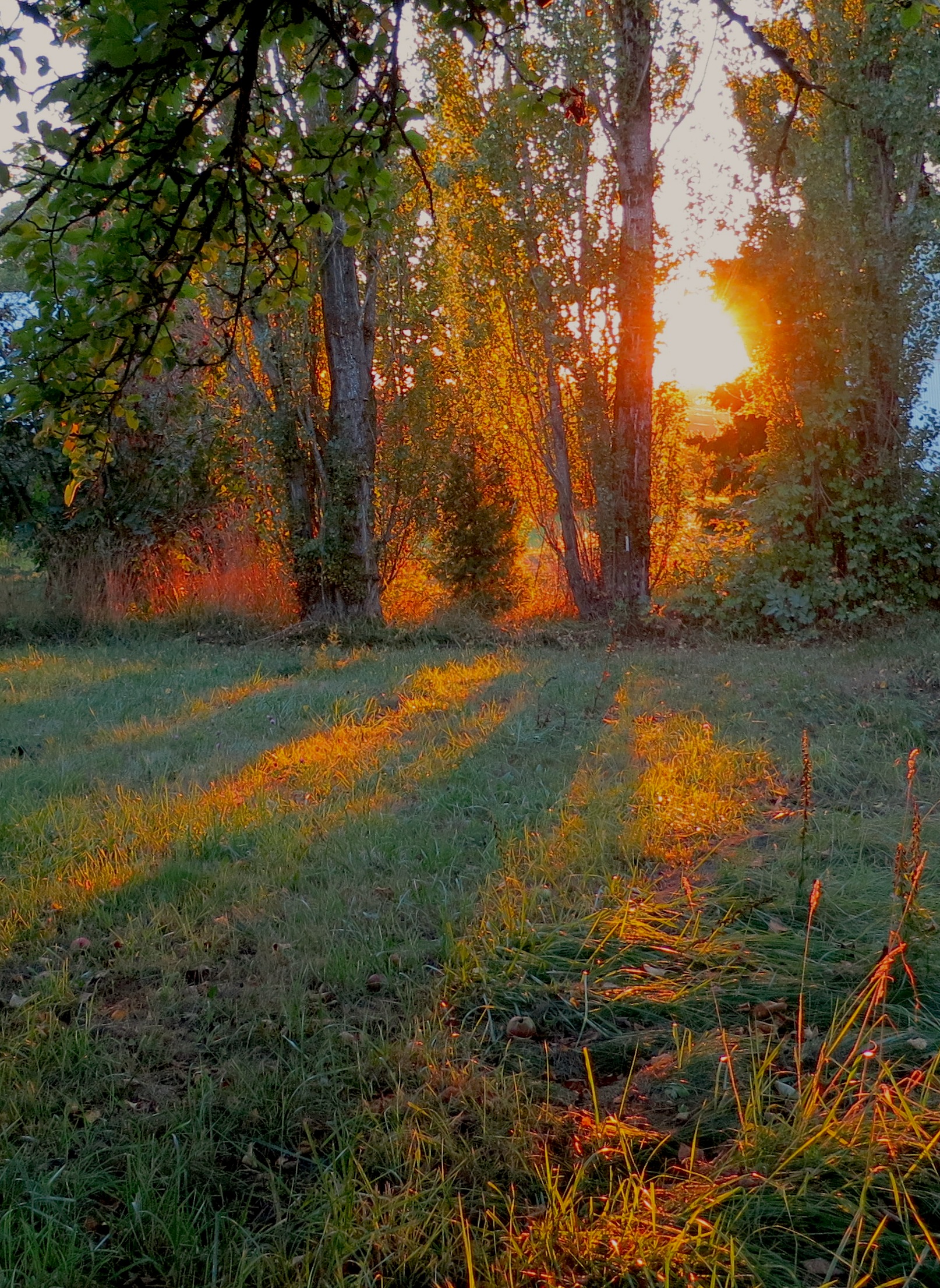
Am I the only one who awakes and seeks only to watch the clouds to praise the heavens to see the leaves turn color to save this day and taste it so as to balance somehow on this brokenness?
We all arrive into this life helpless and needy, completely dependent on others to survive. If there wasn’t an intuitive tenderness in parents dedicated to caring for their young, there would be no tomorrow for any of us. Even God sent His only Son in a completely helpless state, knowing He would identify more closely with us.
Despite such care and protection, there are inevitable hurts and injuries as we are buffeted and bruised by life. The scars we bear remain proof of the gentle healing touch of our Creator. We are never so far beyond His reach that He can’t leave His mark on us.
We know this, even though we forget… We are not so far beyond reach. God Himself reminds us of His love by the scars He bears.
photo by Joel DeWaard
One-Time
Monthly
Yearly
Make a one-time or recurring donation to support daily Barnstorming posts
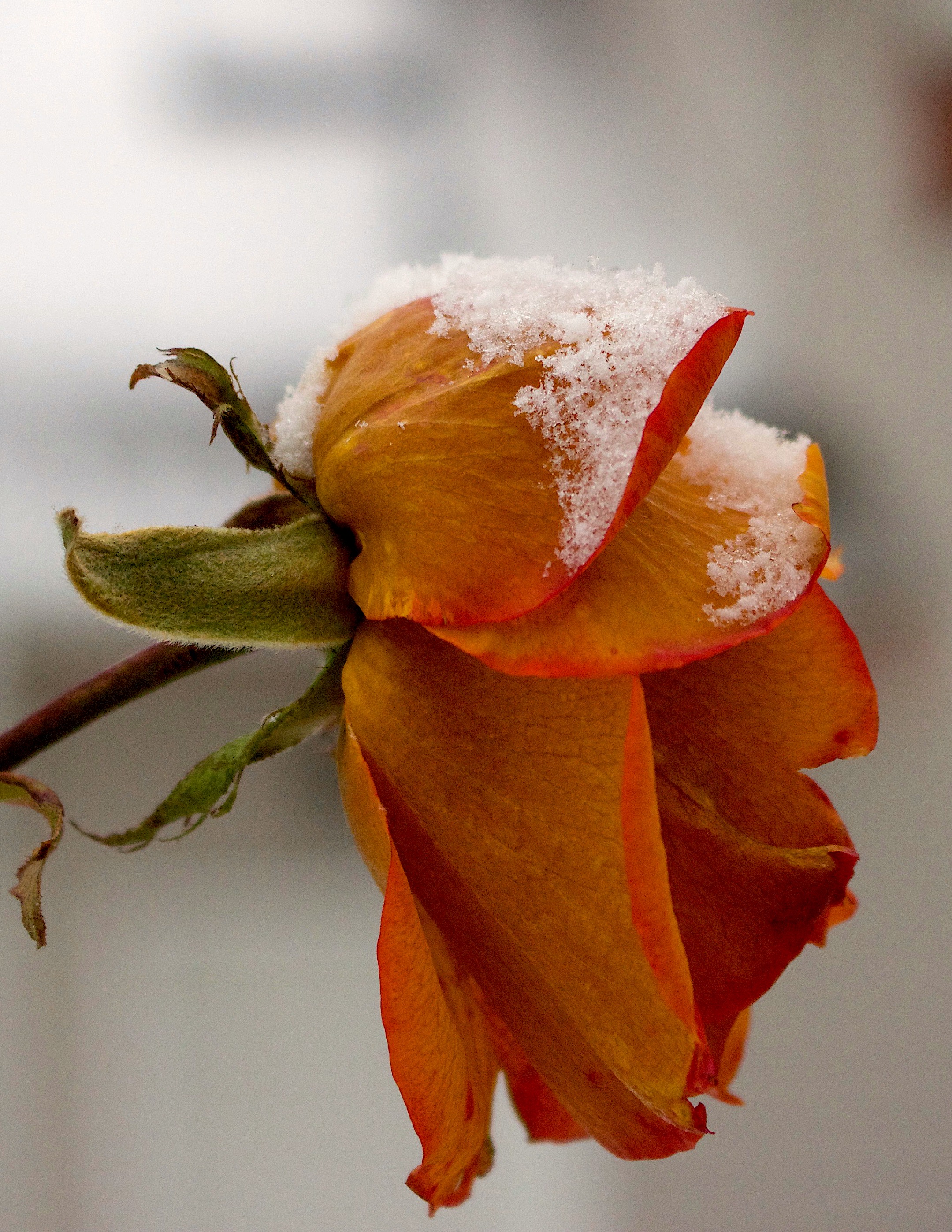
The soul’s sap quivers. There is no earth smell Or smell of living thing. This is the spring time But not in time’s covenant. Now the hedgerow Is blanched for an hour with transitory blossom Of snow, a bloom more sudden Than that of summer, neither budding nor fading, Not in the scheme of generation. Where is the summer, the unimaginable Zero summer?
We shall not cease from exploration And the end of all our exploring Will be to arrive where we started And know the place for the first time. Through the unknown, unremembered gate When the last of earth left to discover Is that which was the beginning;
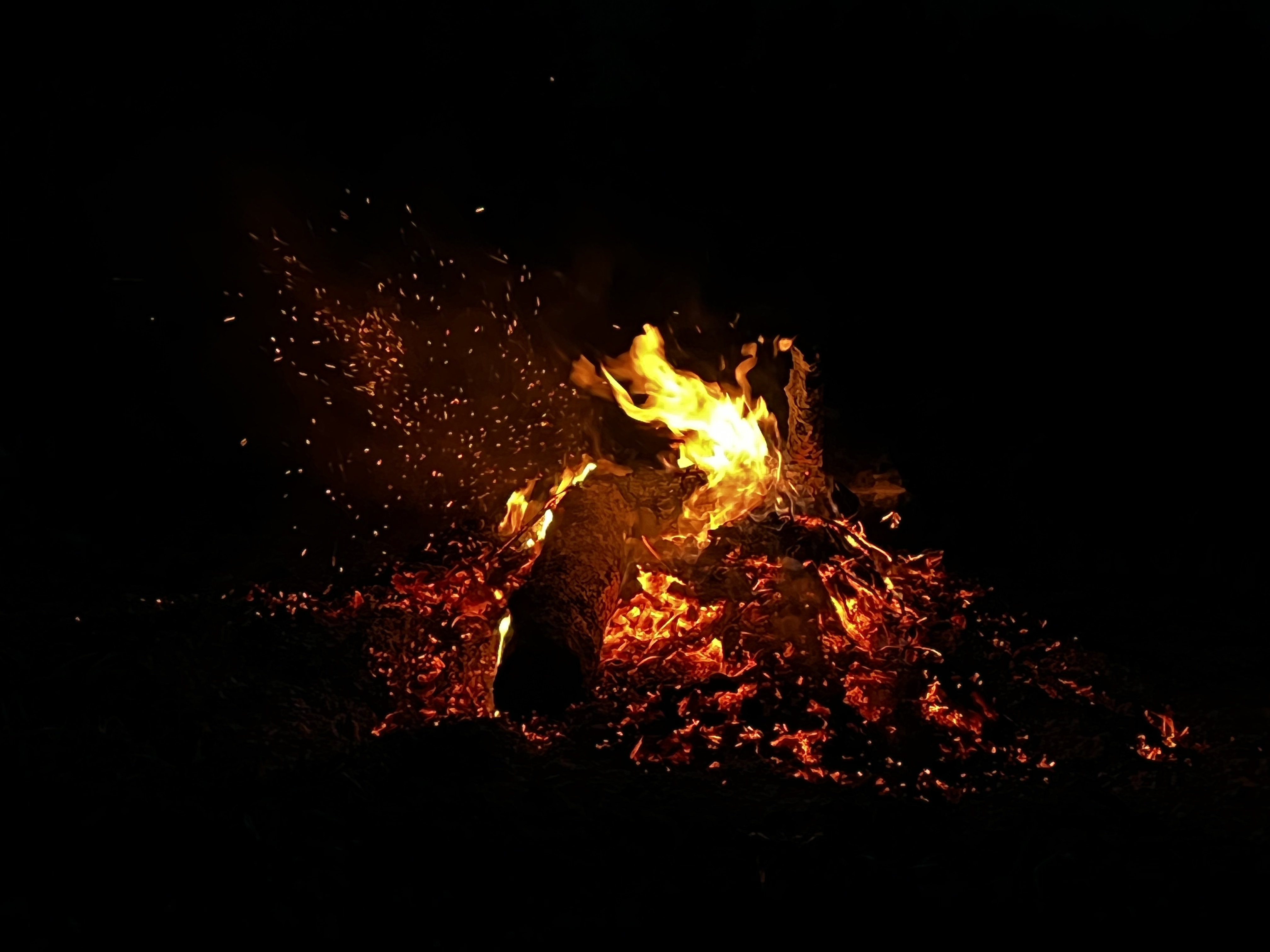
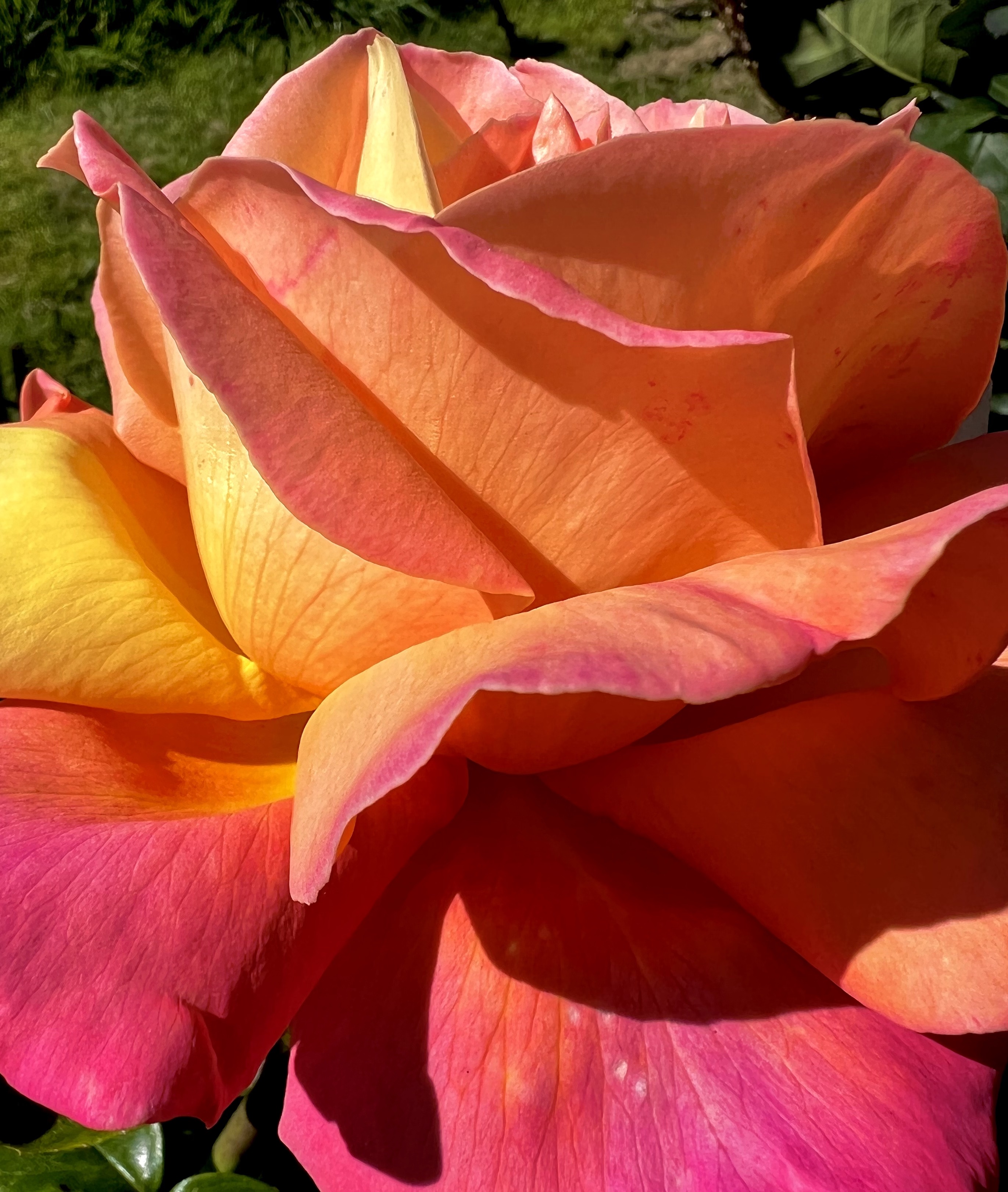
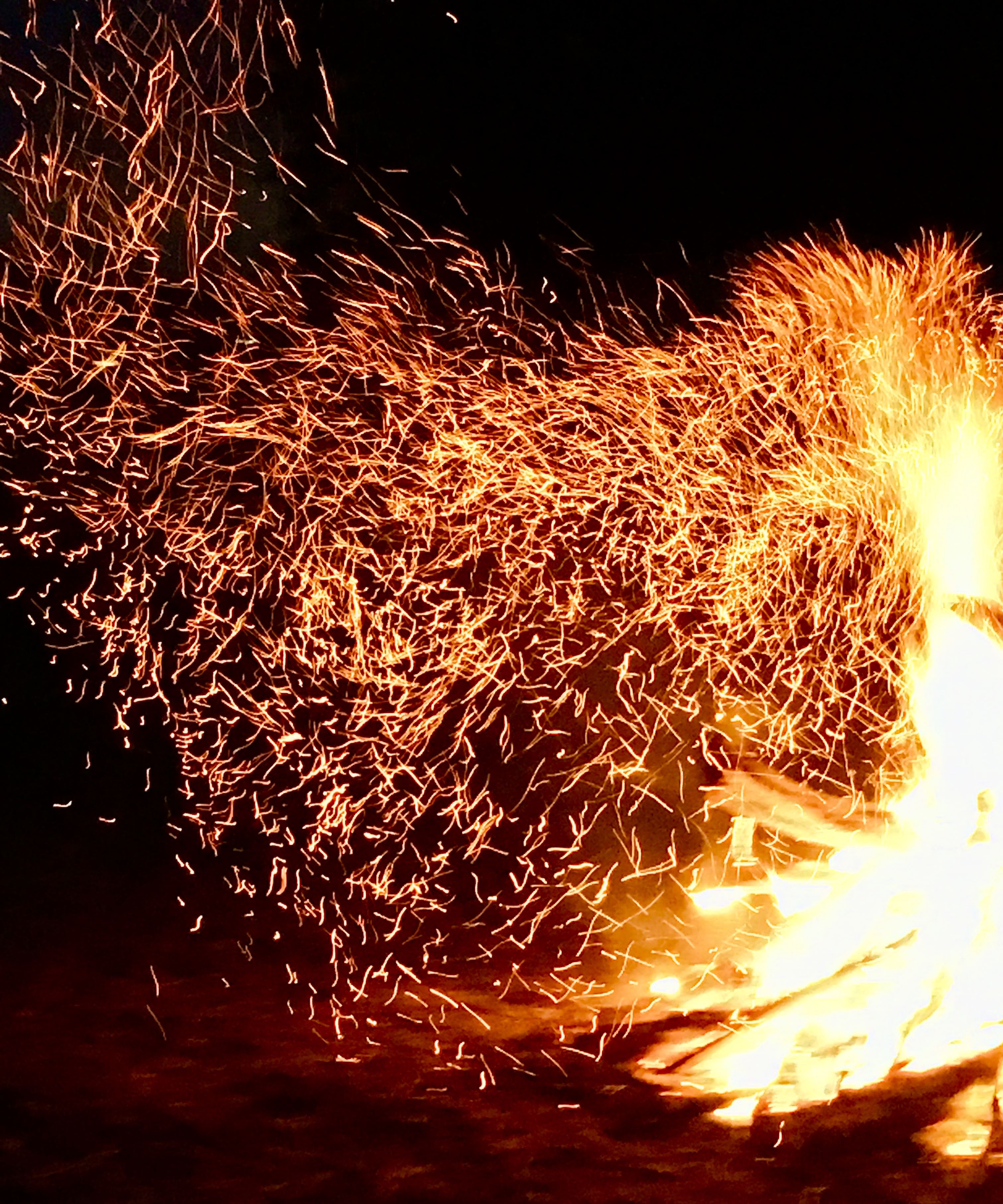
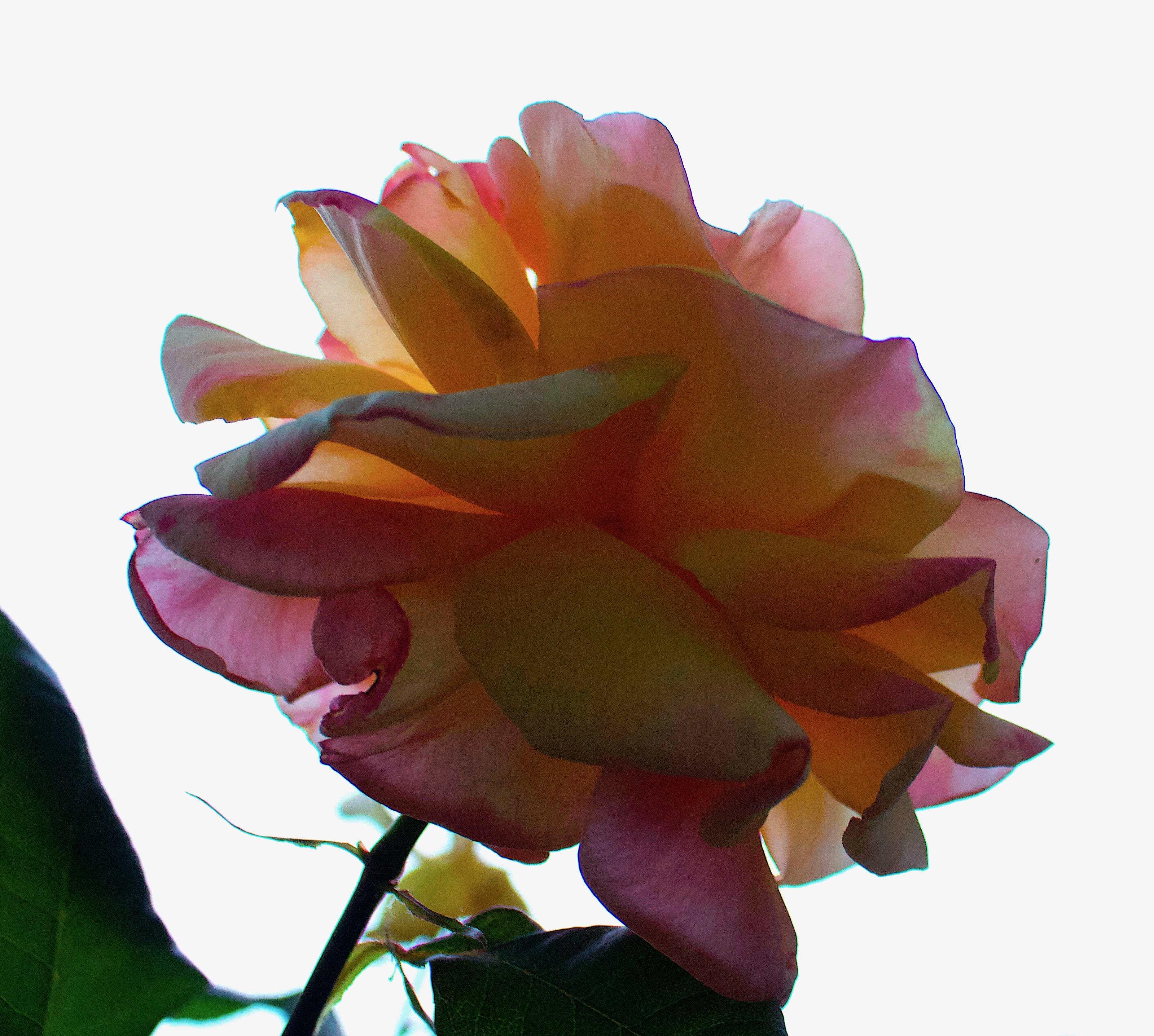
And all shall be well and All manner of thing shall be well When the tongues of flames are in-folded Into the crowned knot of fire And the fire and the rose are one. ~T.S. Eliot – from “Little Gidding”from the Four Quartets
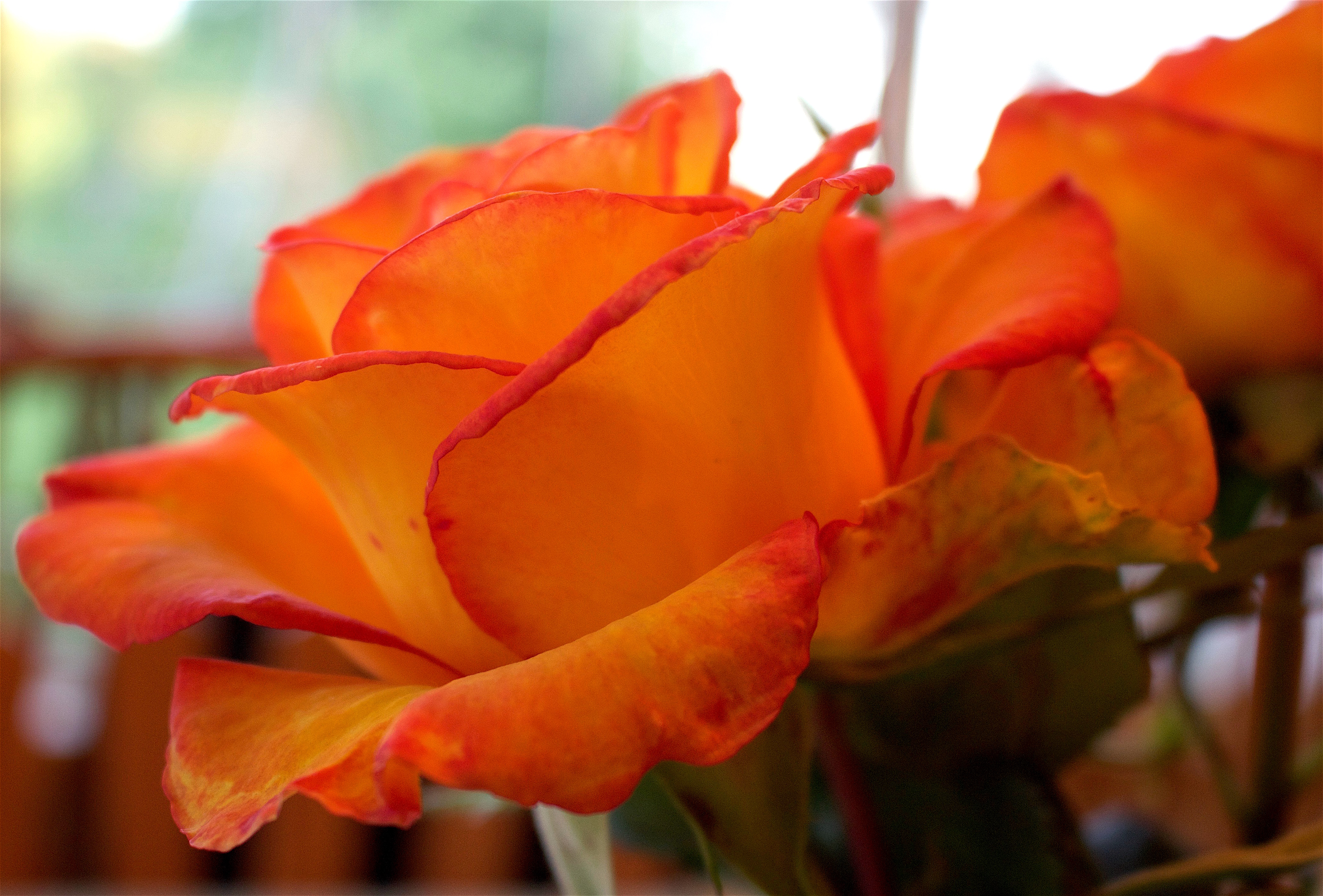
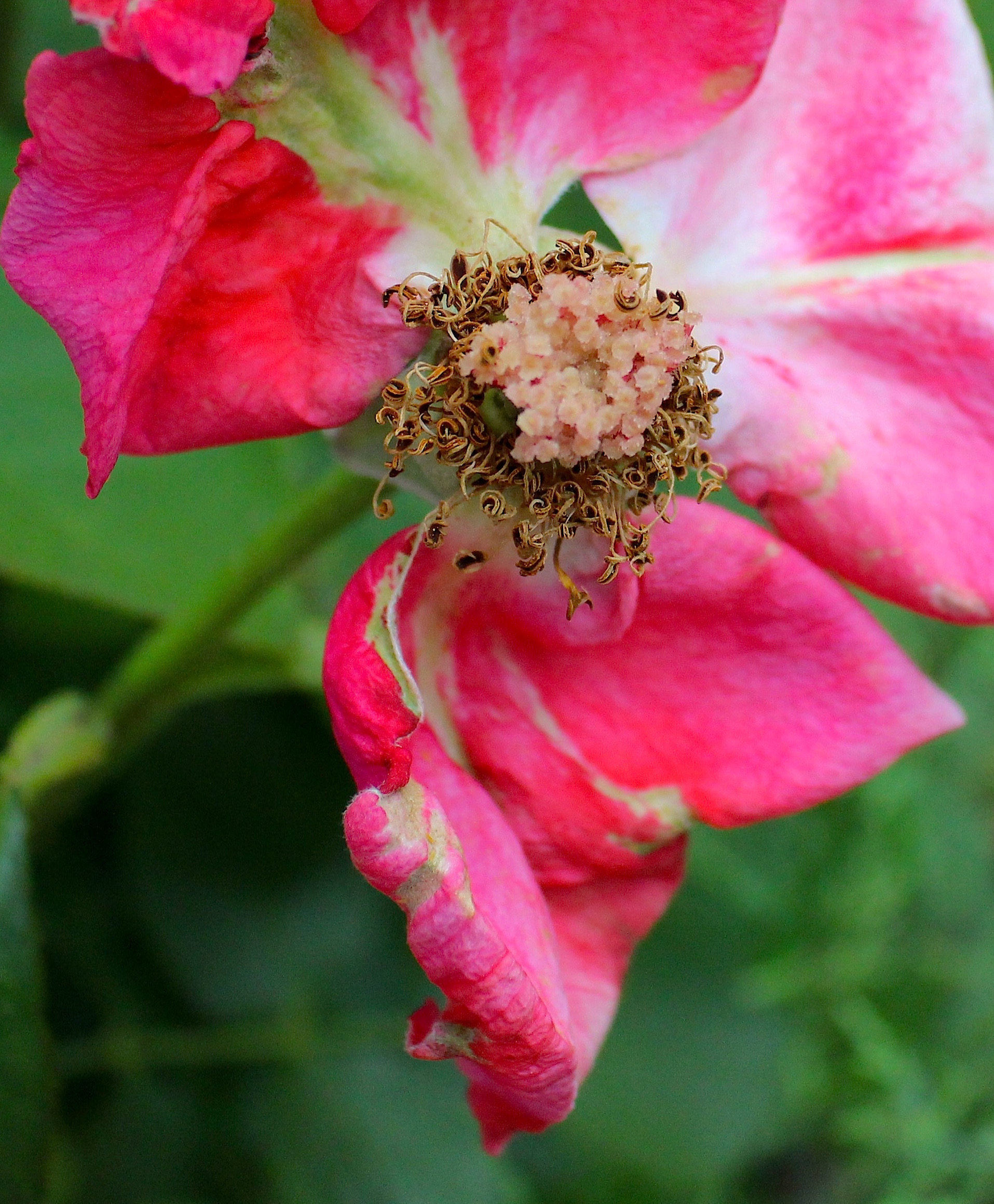
To think that this meaningless thing was ever a rose, Scentless, colourless, this! Will it ever be thus (who knows?) Thus with our bliss, If we wait till the close?
Though we care not to wait for the end, there comes the end Sooner, later, at last, Which nothing can mar, nothing mend:
An end locked fast, Bent we cannot re-bend. ~Christina Rossetti “Summer is Ended”
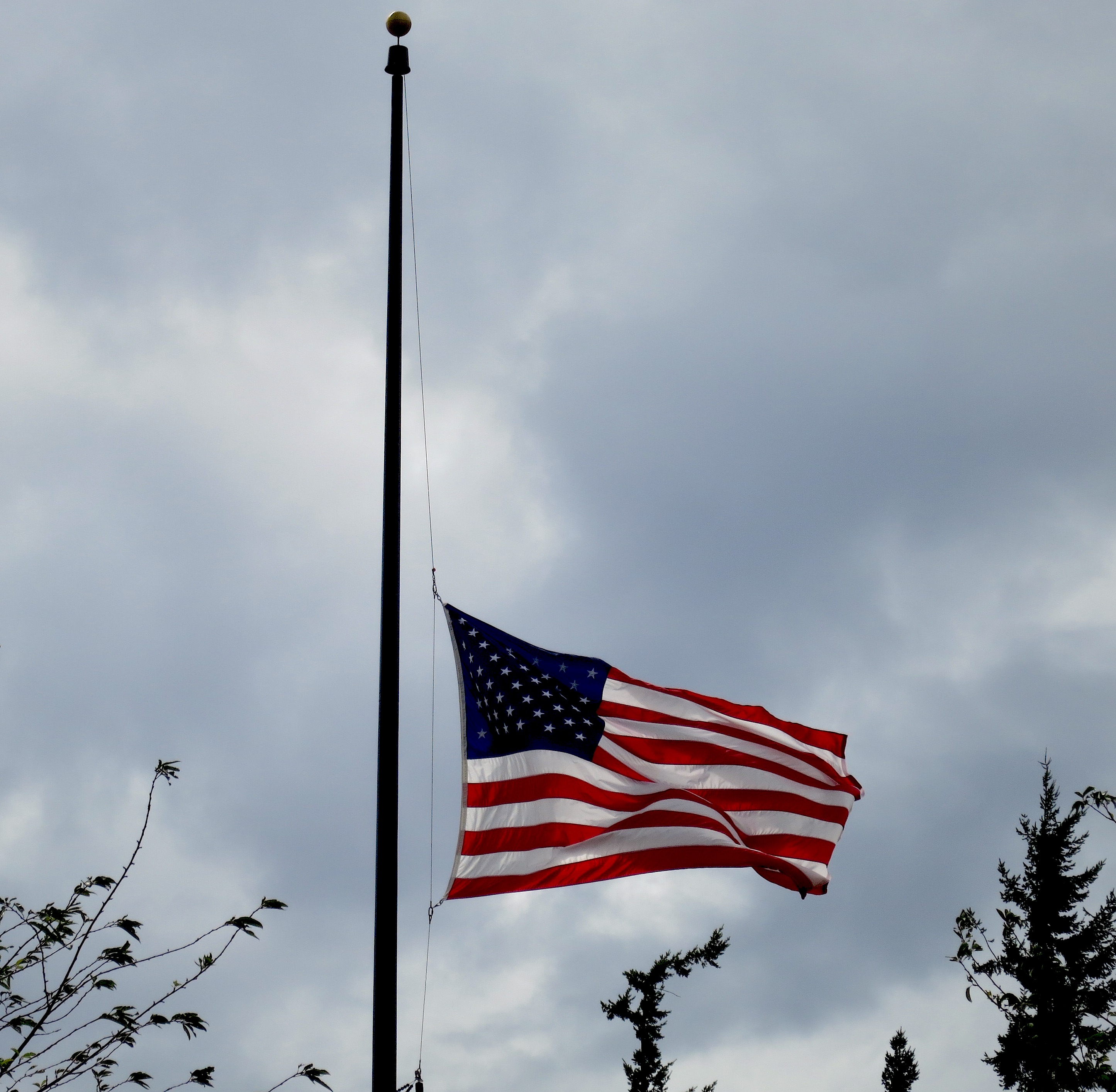
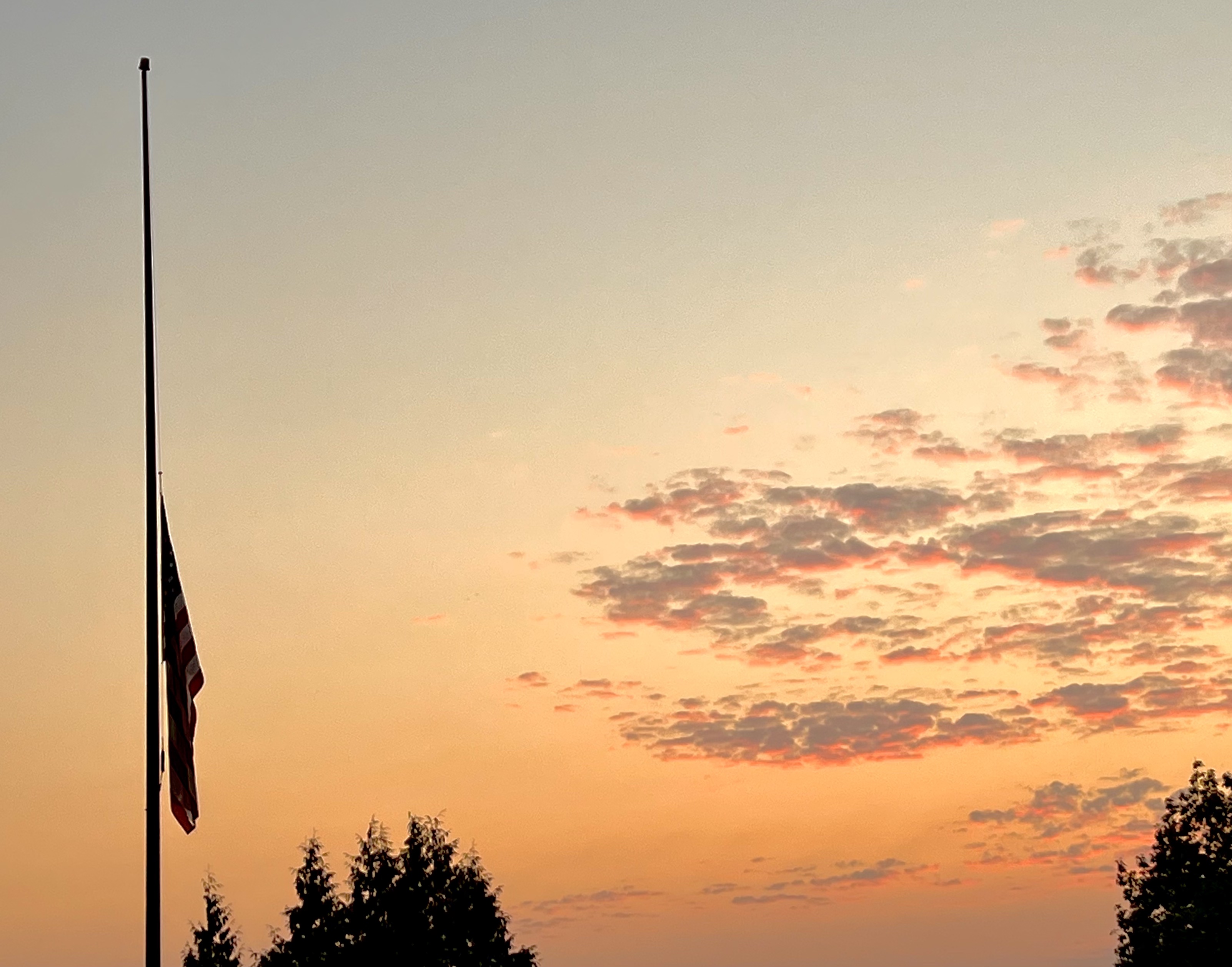
As a 3rd grader in November 1963, I learned the import of the U.S. flag being lowered to half mast in response to the shocking and violent death of our President. The lowering of the flag was so rare when I was growing up, it had dramatic effect on all who passed by —
our soul’s sap quivers
— something very sad had happened to our country, something or someone had tragically ended, warranting our silence, our stillness, and our grief.
For the twenty-two years since 9/11/01, our flag has spent significant time at half mast, most often due to our own home-grown mass shooting terrorism. When I see it flying low, I’m befuddled instead of contemplative, puzzling over what the latest loss might be as there are so many, sometimes all happening in the same time frame. We no longer are silenced by this gesture of honor and respect; we certainly are not stilled when personally and corporately instigating and suffering the same mistakes against humanity over and over again.
We are so bent. Will we ever be mended again?
Eliot wrote these prescient words of the Four Quartets in the midst of the WWII German bombing raids that destroyed so many people and neighborhoods. Perhaps he sensed the destruction he witnessed would not be the last time in history that evil visits the innocent, leaving them in ashes. There would be so many more losses to come, not least being the horror of 9/11/01.
There remains so much more sadness to be borne, such abundance of grief. Our world has become overwhelmed and stricken. Yet Eliot was right: we have yet to live in a Zero summer of endless hope and fruitfulness, of spiritual awakening and understanding. Where is it indeed? When will the summer Rose of beauty and fragrance rise again?
We must return, as people of faith to Eliot’s still point to which we are called on a remembrance day such as today. We must be stilled; we must be silenced. We must grieve the losses of this turning world and pray for release from the suffering we cause and we endure. Only in the asking, only in the kneeling down and pleading, are we surrounded by God’s unbounded grace.
Only then will His Rose bloom, once again recognizable.
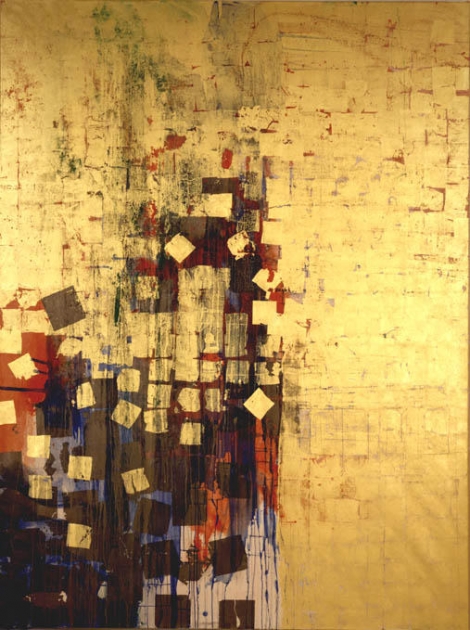
“Zero Summer” imagines the unimaginable horror of Hiroshima and Nagasaki, and yet points to epiphanic awakening that transcend human imagination at the same time. T.S. Eliot, who coined this term in his “Four Quartets,” longed for that eternal summer, birthed out of the “still point,” where imagination is met with grace and truth. ~Makoto Fujimura
“There Are No Words” written on 9/11/2001 by Kitty Donohoe
there are no words there is no song is there a balm that can heal these wounds that will last a lifetime long and when the stars have burned to dust hand in hand we still will stand because we must
in one single hour in one single day we were changed forever something taken away and there is no fire that can melt this heavy stone that can bring back the voices and the spirits of our own
all the brothers, sisters and lovers all the friends that are gone all the chairs that will be empty in the lives that will go on can we ever forgive though we never will forget can we believe in the milk of human goodness yet
we were forged in freedom we were born in liberty we came here to stop the twisted arrows cast by tyranny and we won’t bow down we are strong of heart we are a chain together that won’t be pulled apart
One-Time
Monthly
Yearly
Make a one-time or recurring donation to support daily Barnstorming posts
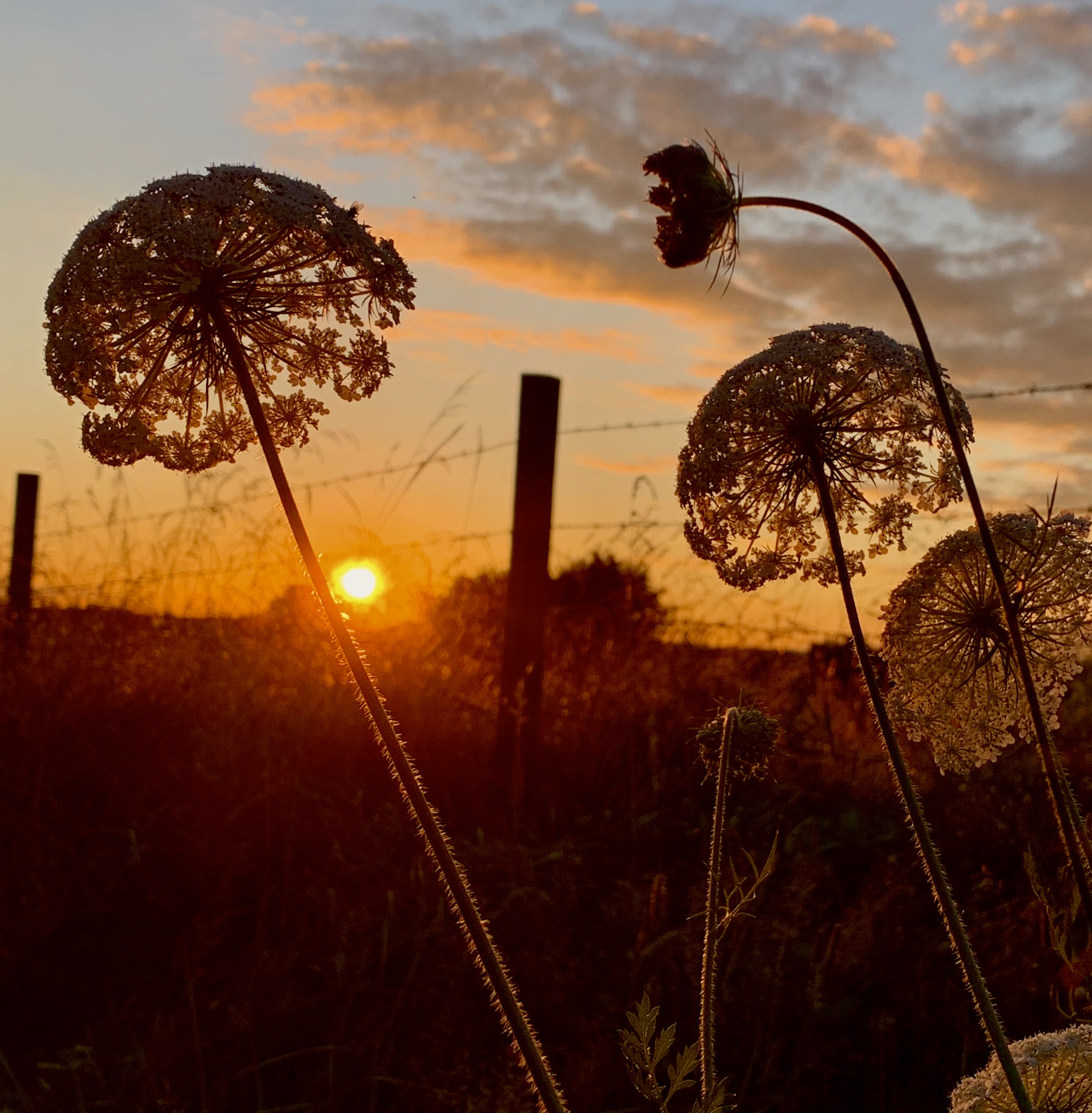
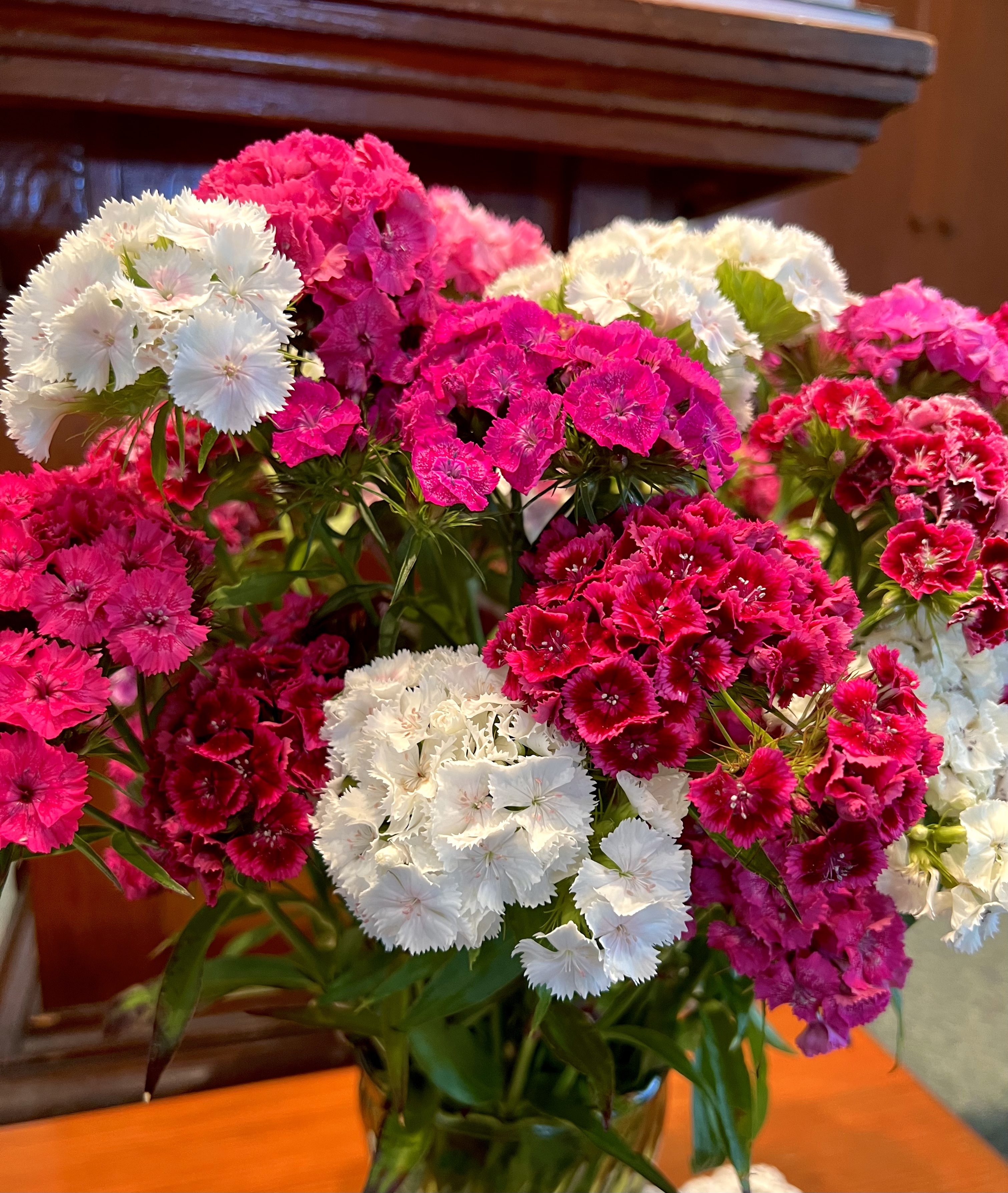
Her body is not so white as anemone petals nor so smooth—nor so remote a thing. It is a field of the wild carrot taking the field by force; the grass does not raise above it. Here is no question of whiteness, white as can be, with a purple mole at the center of each flower.
Each flower is a hand’s span of her whiteness. Wherever his hand has lain there is a tiny purple blemish. Each part is a blossom under his touch to which the fibres of her being stem one by one, each to its end, until the whole field is a white desire, empty, a single stem, a cluster, flower by flower, a pious wish to whiteness gone over — or nothing. ~William Carlos Williams — “Queen Anne’s Lace” (1919)
We all arise from a single stem, branching off in countless directions, a thousand million hues and shapes and types.
We reflect the sun’s light and the Light of the Son.
There can be no question of whiteness nor a pious wish for purity – we are all purple-blemished right at the heart.
We bleed together, my friends, as He did for us.
We bleed together.
One-Time
Monthly
Yearly
Make a one-time or recurring donation to support daily Barnstorming posts
The goldfinches have left. They have gathered up the air beneath their black-robed wings and shaken off the dust of our dusty world.
Abandoned thistle, crown of thorns; broken bone stalk; and morning air, cloak of our salvation, rent in absence.
What’s left? Pentimenti of hopes in a dissolving frame. Only, try to remember the endless knot of their song. ~Franchot Ballinger, “Passion Painting with no Goldfinches” from Crossings
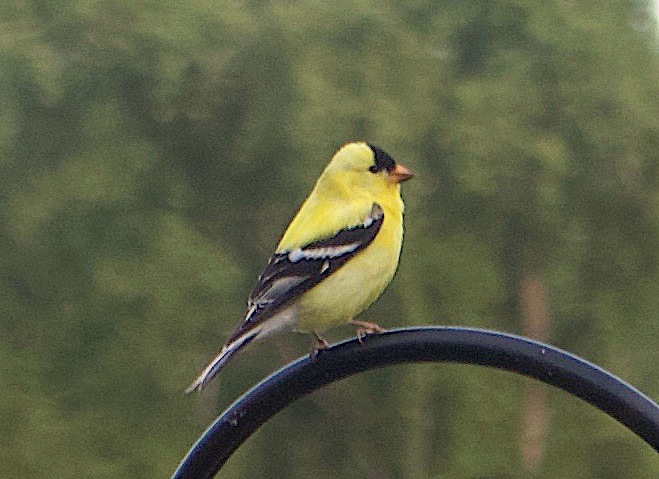
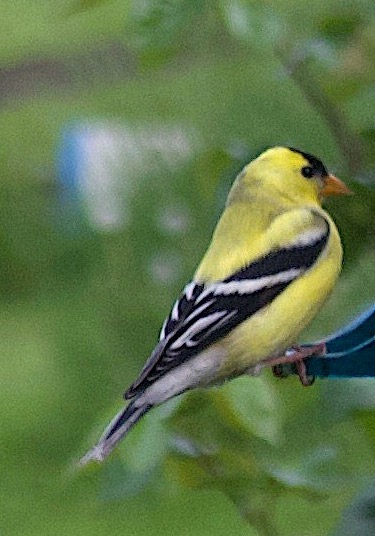
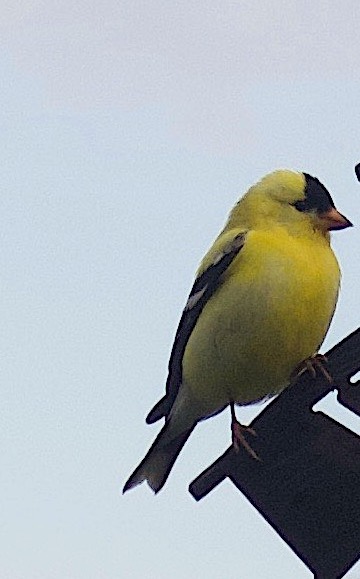
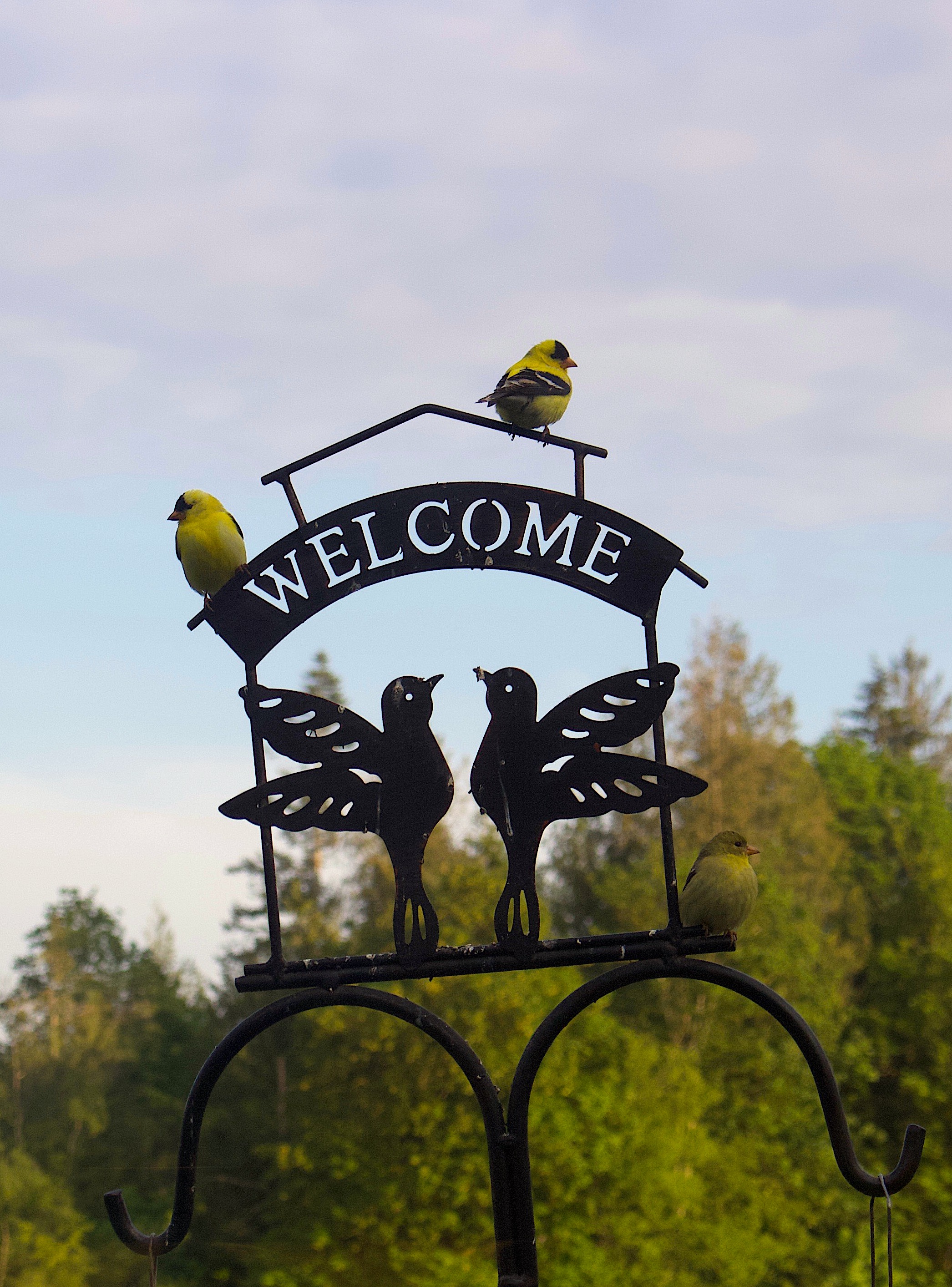
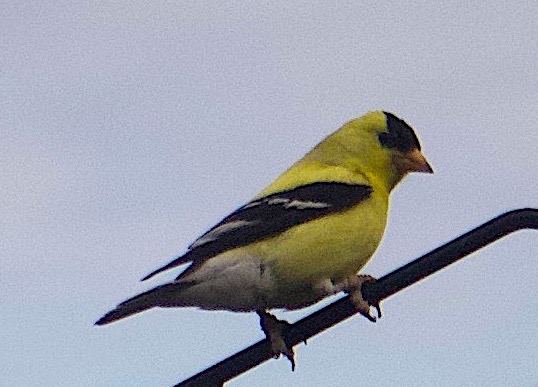
Goldfinches, the Washington state bird, visit our feeders regularly until the air starts to chill in another month or so. Before I began offering up thistle seeds for the taking, they were only a golden streak across the barnyard during spring and summer, barely seen but clearly on a mission I could not discern. Now they linger companionably where I can witness their sparkling conversations while they share a meal with one another, as if our feeders were a local cafe.
Soon they will be gone, leaving pentimento shadows of where they once had been, their bright yellow feathers colored over with the dusty brown paint of a dry tired summer.
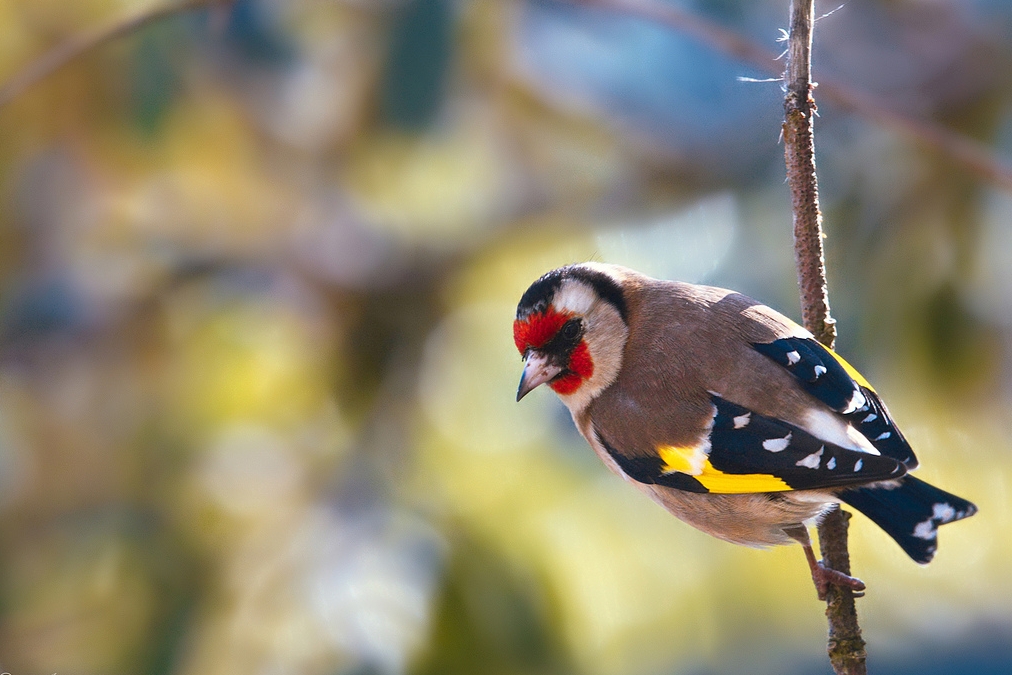
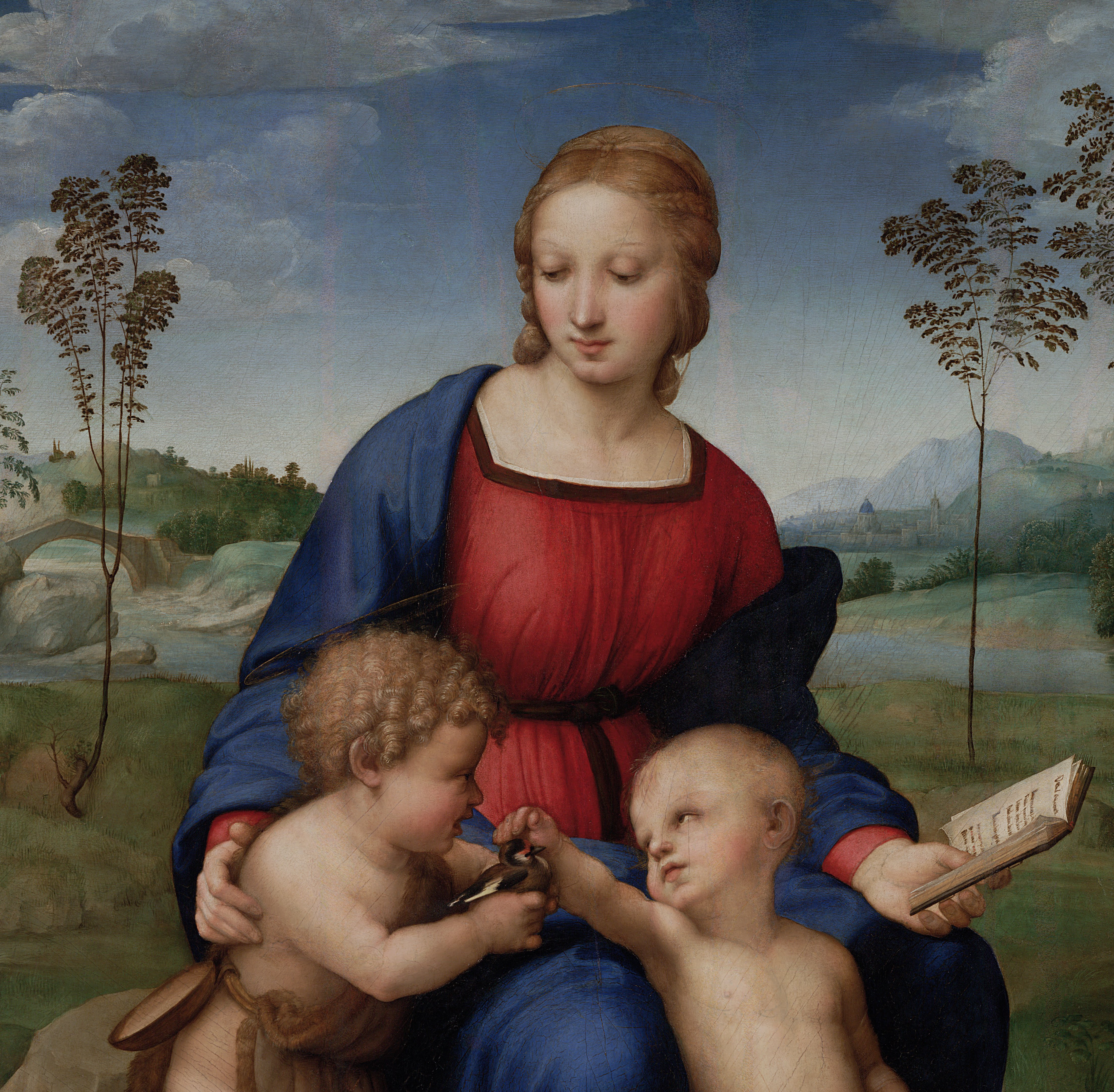
In over 500 Renaissance masterpieces of Jesus and Mary, the European goldfinch is included, representing the redeeming passion of Christ. In contrast to the plain black baseball cap of our American goldfinch, the legend is that its European cousin’s splash of red on its face represents Christ’s blood from the finch plucking a thorn of thistle from Jesus’ brow as He carried the cross to Calgary.
I always miss their flash of gold once they move to warmer wintering places. Yet like the restoration of Old Masters paintings, I know there will come a discovery of a painted-over portrait or scene that once again shines with renewed brilliance — the goldfinches will return with their riches of feather and song, bringing with them the promise of hope and redemption.
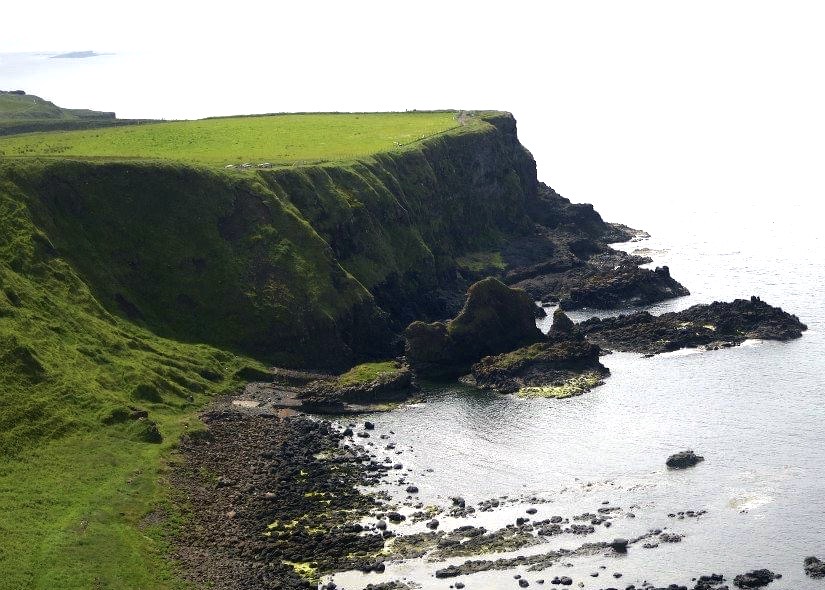
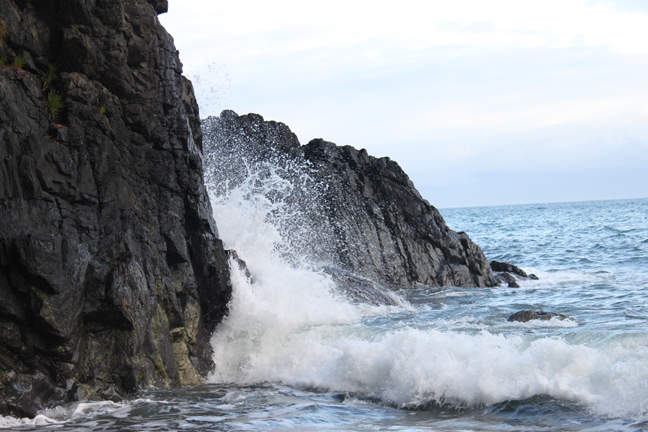
photo of Vancouver Island west coast by Nate Gibson
All night long do you know it? Do you care? Up and down the ocean beaches they are marching; All the lanesome peril of the winter nights they dare, Where the surf shoots, seething, landward in the bitter, biting air; And the fitful lights and shadows of the lanterns that they bear Make more wild the gloomy sky above them arching
Where the coast is bleak and cold; Where the rocks are high and bold, While the wind and snow and sleet are beating; Where the breakers rush and roar, There they watch for ships ashore, The cry for help with instant succor meeting.
All night long where the surges flood the dunes, Stern watch and ward they keep, strong eyes sweeping The offing, while the breakers are roaring savage runes, While the stormy winds are howling or wailing dismal tunes, While the rocks and sands are becoming broad lagoons, The life-saving watch these braves are keeping.
All night long while the timid landsmen sleep, Dreaming, snug and warm, on their downy pillows, The coast-guard, the surf-men down by the deep, Steadfastly, bravely, their watch heroic keep, Or into the sea—icy cold—they boldly leap, To rescue fellow-men from the billows.
Talk not of heroes whose trade it is to kill! Life savers! these are the god-like heroes still, Risking their lives for every life they save From the plunging wreck, or snatch from swirling wave.
O when your beds are warm, In nights of winter storm, When you are safe from wind and sea— Think of the surf-men brave: Their life watch by the wave, And cheer them by your grateful sympathy. ~Hannah Augusta Moore “The Life Savers”
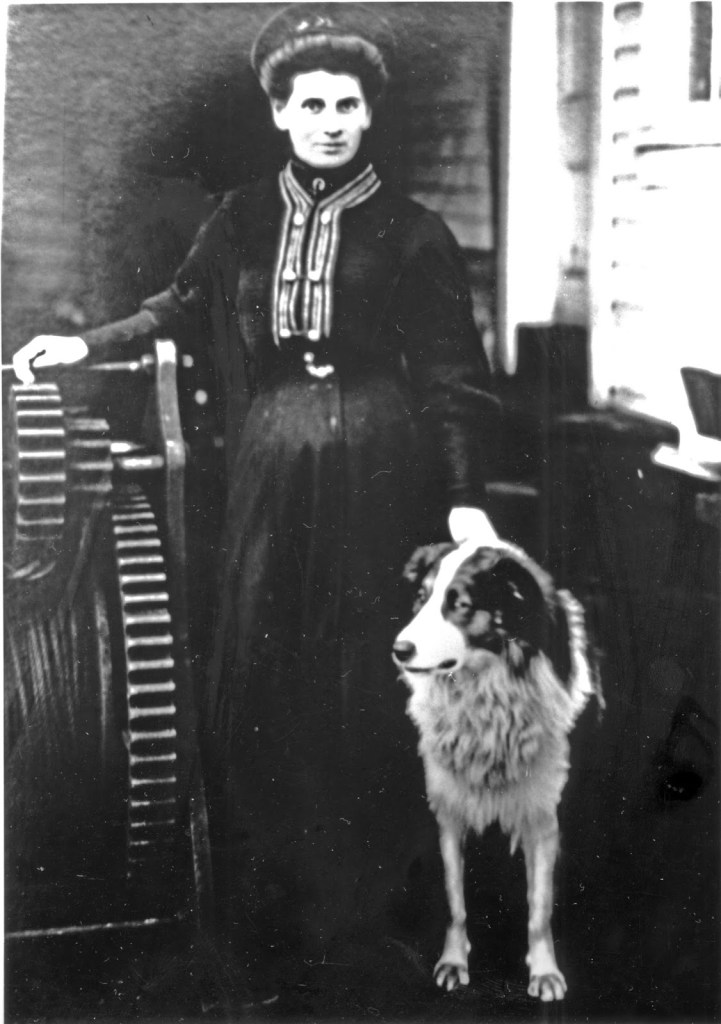
Minnie Paterson and dog Yarrow (archive photo from Alberni Valley Museum)
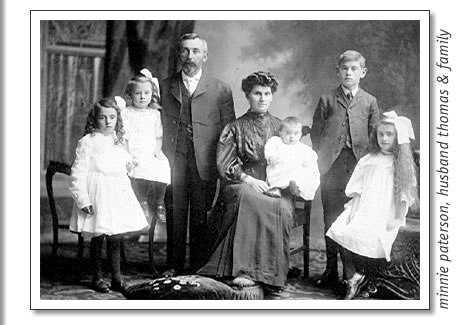
Minnie Paterson rocked slowly in her rocking chair, nursing her infant son. She sat near the south window of the lighthouse living quarters, and studied the rain streaming down in rivulets. Wind gusts rattled the window. A lighthouse keeper’s home was constantly buffeted by wind bearing salty spray, nearly rendering the windows opaque with salt residue. This early December storm had picked up urgency throughout the night. Now with first light, Minnie looked out at driving rain blowing sideways, barely able to make out the rugged rocks below. The Pacific Ocean was anything but; the mist hung gray, melding horizon into sea, with flashes of white foam in crashing waves against the rocky cliffs of Cape Beale.
Whenever storms came, it seemed the Paterson family lived at the edge of civilization. Yet these storms were the reason she and Tom and their five children lived on the rugged west coast of Vancouver Island, in isolation at the southern edge of Barkley Sound. Tom’s job was to keep the foghorn blaring and the light glowing above the treacherous rocks, to guide sea vessels away from certain peril. The storms sometimes were too powerful even with the lighthouse as a beacon of warning. Nearly a year earlier, in January 1906, the ship Valencia had wrecked off the coast and only a few survivors had managed to make their way to shore, staggering up the rocky trail to the lighthouse where Minnie warmed them by the stove and fed them until rescuers could come.
Eleven months later, her husband came in the door in a rush from the upper room where he tended the light. Another ship, battered by the waves, its sails in tatters, was in distress just off the coast, threatening to run aground on the rocks and break apart.
Minnie went to the window again but could see nothing in the dark mist. Surely this could not be another Valencia disaster! Tom went to the telegraph in the corner of the room and tapped out the urgent message to the fishing village of Bamfield, five miles away inside Barkley Sound. He sat impatiently waiting for a reply, drumming his fingers on the desk. After ten minutes, he sent the message again with no response.
Clearly the telegraph lines were torn down in the storm. Fallen trees frequently pulled them down, leaving no option to summon rescuers. This ship would be doomed, just like the Valencia. There was no way the crew could come ashore in lifeboats without perishing on the rocks.
Seeing the helplessness Tom felt, Minnie knew immediately what she must do. He could not leave his post—it was a condition of his job. She would have to run the six miles for help, through the forest. She kissed Tom and five children goodbye, donned a cap and sweater, and as her swollen feet from recent pregnancy did not fit in her boots, she put on her husband’s slippers. She ran down the long stairway down the hill, taking their dog Yarrow as a precaution to help warn her of bears on the trails.
Minnie first had to cross through a tideland inlet with water waist deep. She quickly stripped from the waist down, held her skirt and slippers over her head and crossed through the icy water, her dog swimming alongside. Shivering on the other side, she quickly dressed, and started down the narrow winding forest trail, scrambling over large fallen trees blocking the way. She waded through deep mud, and crossed rocky beaches where wild waves drenched her. At times the tide was so high she crawled on her hands and knees through underbrush so as not to be swept away by the storm.
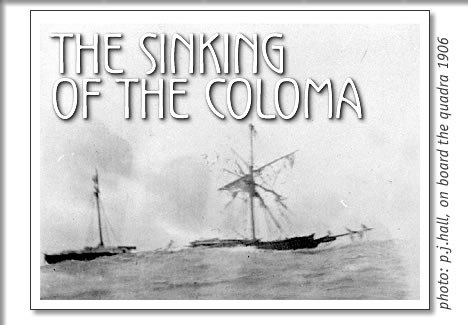
After four hours, she reached a home along the trail and with a friend, launched a rowboat to go on to Bamfield. The two women notified the anchored ship Quadra, which set out immediately for Cape Beale to rescue the stranded sailors. Within an hour, the Quadra had reached the Coloma which was taking on water fast, and drifting close to the rocks on shore.
Minnie walked the long way back home that night, clothing tattered, muscles cramping, exhausted and chilled. Her breasts overflowing, she gratefully fed her baby, unaware for days whether her efforts rescued the crew of the Coloma. When the locals learned of her heroism, they notified media sources in Vancouver, Victoria and Seattle. Minnie was hailed as a life saver, given gifts and honors, including the following citation from Seattle’s Union of Sailors of the Pacific: “…RESOLVED that we, the seamen of America, fully recognize her sterling worth as the highest type of womanhood, deeply appreciating her unselfish sacrifices in behalf of those ‘who go down to the sea in ships’ and assure her and hers of our undying gratitude.”
Tragically, her health compromised by her extreme exertion that night, she died five years later in 1911 of tuberculosis, forever a life saving heroine to remember.
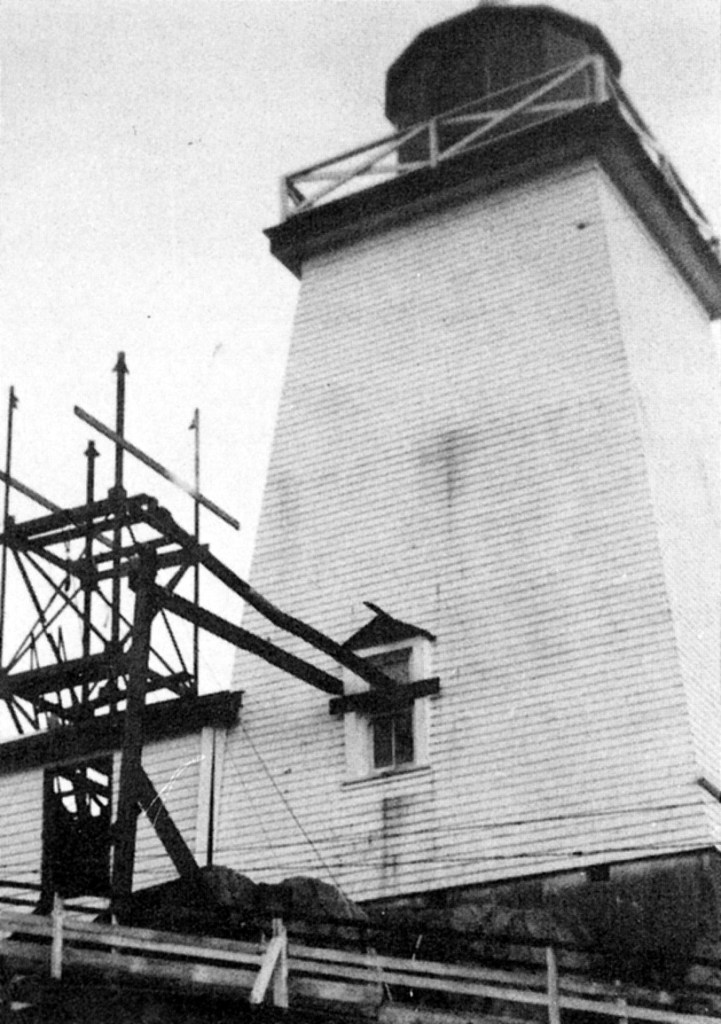
original Cape Beale Lighthouse (archive from Alberni Valley Museum photo collection)Early 20th century photo of Cape Beale lighthouse and residence buildings (archive of Alberni Valley Museum)
This is a story Dan and I were told by locals during our stay in Bamfield on our honeymoon over forty years ago. On a bright September day, we walked the trail to visit the Cape Beale lighthouse, a most challenging and beautiful part of the world. The trail was so difficult, I was sure I was not fit enough to make it to the lighthouse and back, so how Minnie managed in a December storm, much of it in the dark with only a lantern for light, is beyond imagining. Her bravery captured me and I honor her sacrifice with this rendering of her remarkable storyof personal sacrifice.
modern Cape Beale lighthouse
You are not hidden There’s never been a moment You were forgotten You are not hopeless Though you have been broken Your innocence stolen I hear you whisper underneath your breath I hear your SOS, your SOS I will send out an army To find you in the middle of darkest night It’s true I will rescue you There is no distance That cannot be covered Over and over You’re not defenseless I’ll be your shelter I’ll be your armor I hear you whisper underneath your breath I will never stop marching To reach you in the middle of the hardest fight It’s true I will rescue you I hear the whisper underneath your breath I hear you whisper you have nothing left ~Lauren Daigle
One-Time
Monthly
Yearly
Make a one-time or recurring donation to support daily Barnstorming posts
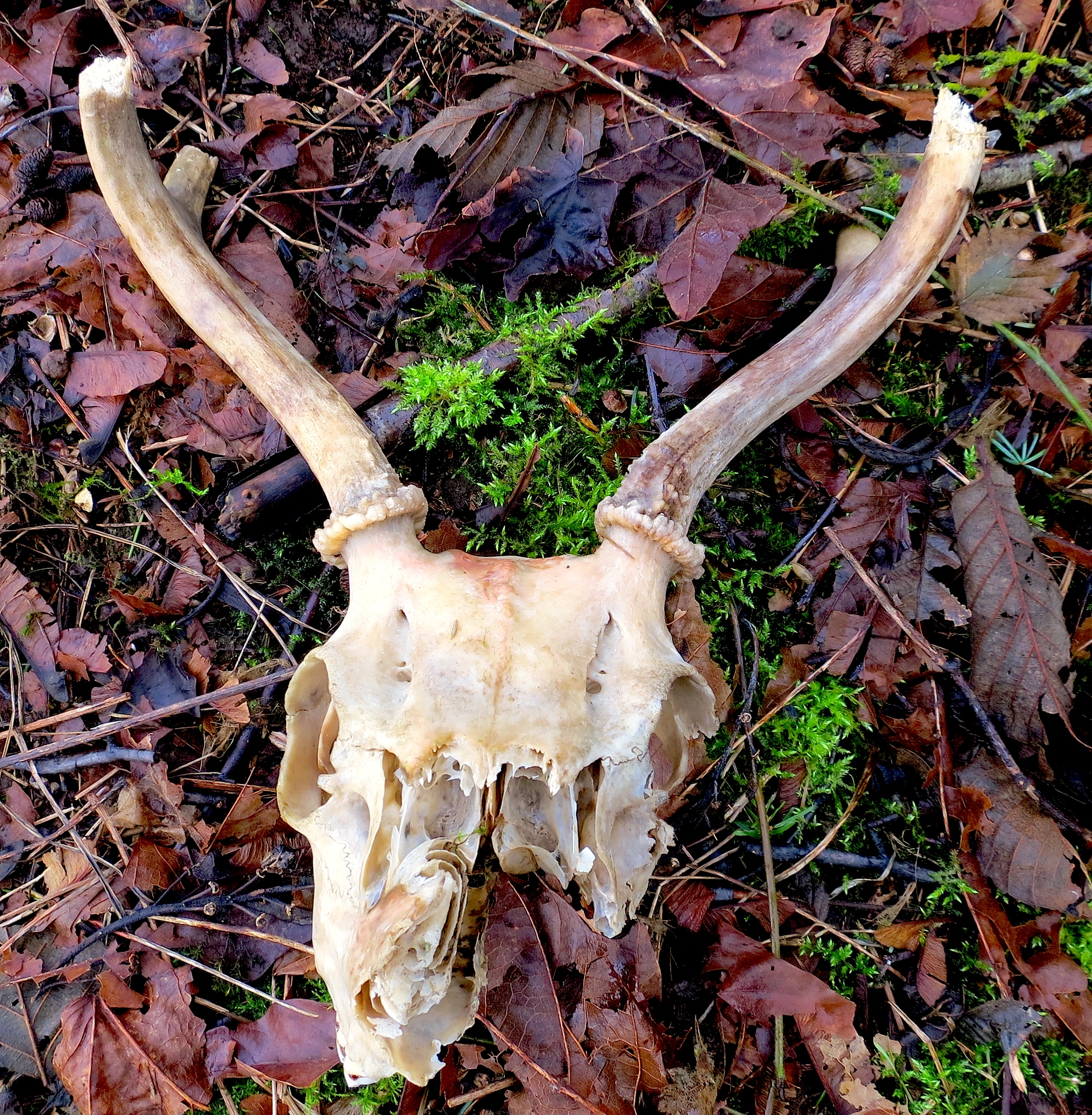
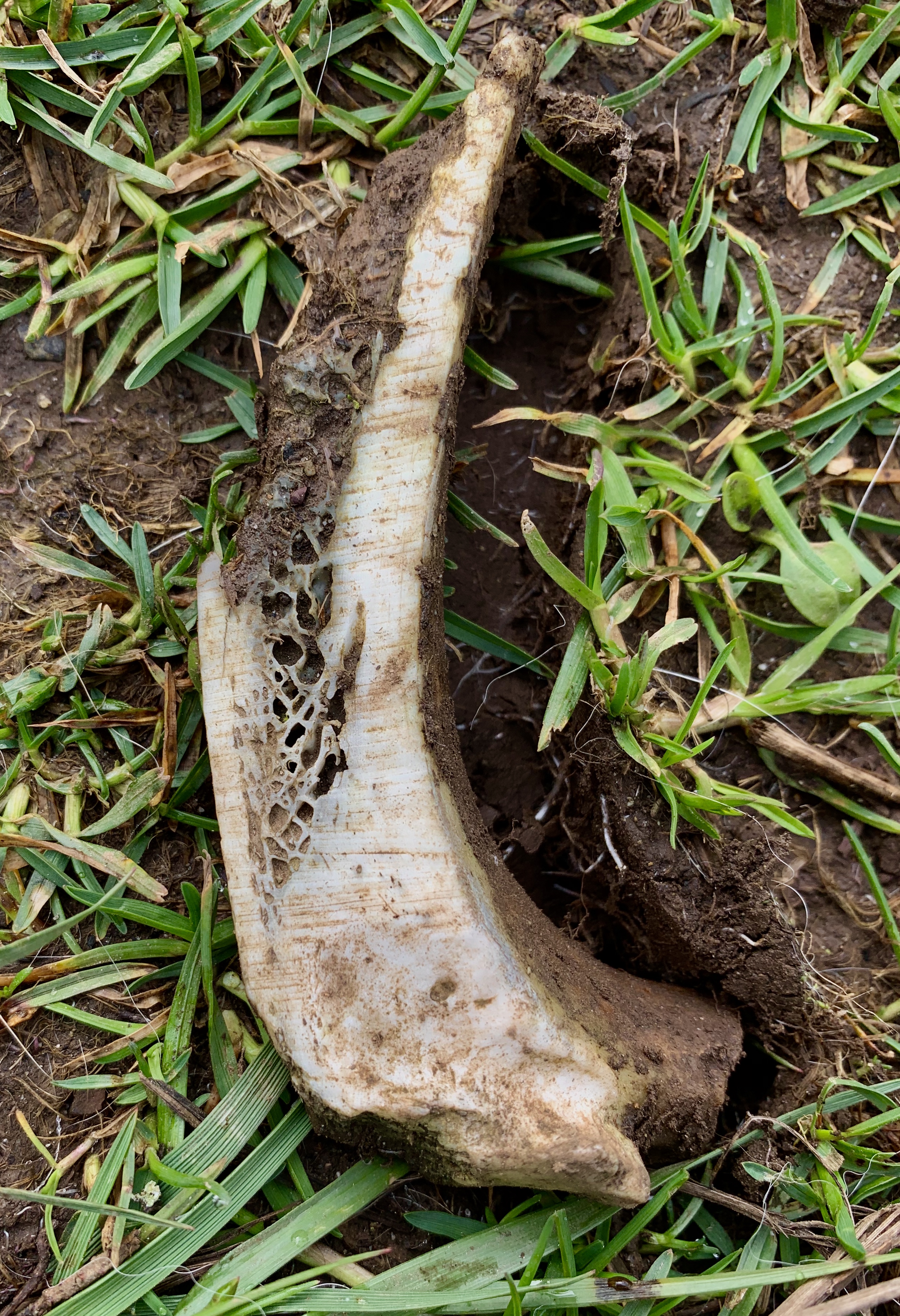
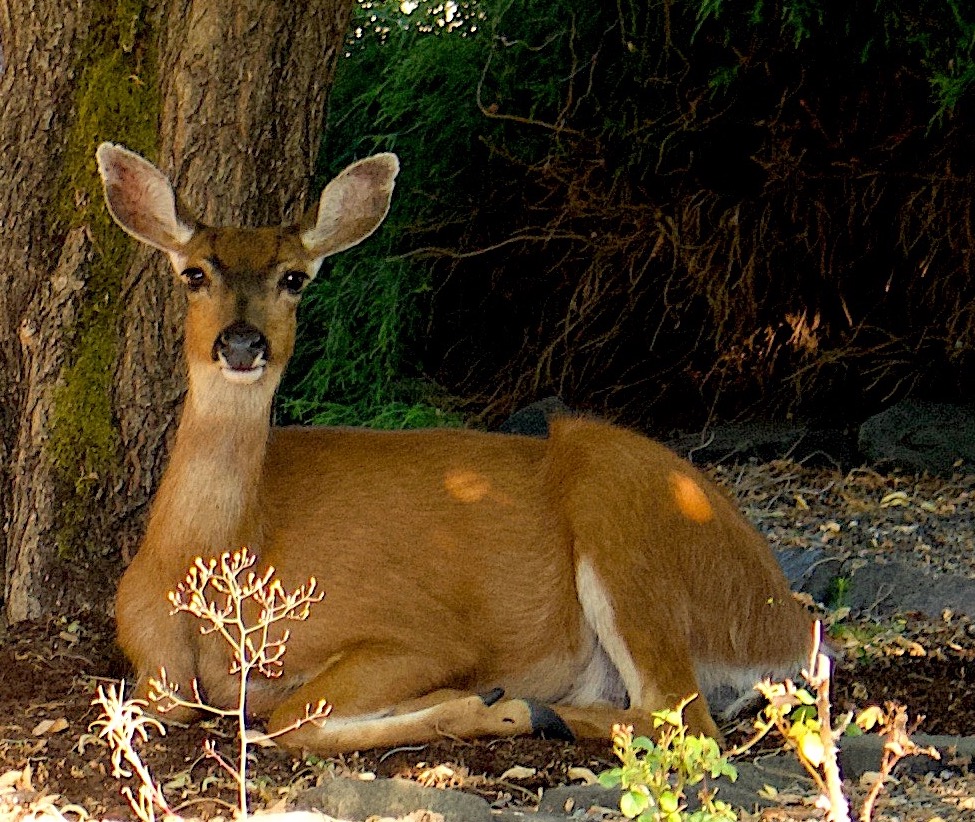
I saw a deer skeleton gracing the roadside and didn’t stop to wonder where the flesh had gone, why just a tuft of fur clung, a bit of tail. Didn’t pause to ponder its change from leaping-warmth to cold, clean bones. Didn’t stop but glimpsed crisp, dark lines against snow, rib cage, long legs, perfect spine— what we with mounded dirt, neat lawn, and flowered stones seek so hard to hide— I drove quickly by. ~Laura Foley, “Intuition” from It’s This
I drive a night-darkened country road, white lines sweeping past, aware of advancing frost in the evening haze, anxious to return home to fireplace light.
Nearing a familiar corner, a stop sign looms, to the right, a rural cemetery sits silently expectant.
Open iron gates and tenebrous headstones, in the middle path, incongruous, a car’s headlights beam bright. I slow, thinking: lovers or vandals might seek inky cover of night.
Instead, these lights illuminate a lone figure, kneeling graveside, one hand resting heavily on a stone, head bowed in prayer.
A stark moment of solitary sorrow, invisible grieving of the heart focused in twin beams, impossible to hide.
A benediction of mourning; light piercing the heart’s blackness, as gentle fingertips trace the engraved letters of a beloved name.
As an uneasy witness, I withdraw as if touched myself and drive on into the night, struggling to see through the thickening mist of my eyes and the road.
One-Time
Monthly
Yearly
Make a one-time or recurring donation to support daily Barnstorming posts
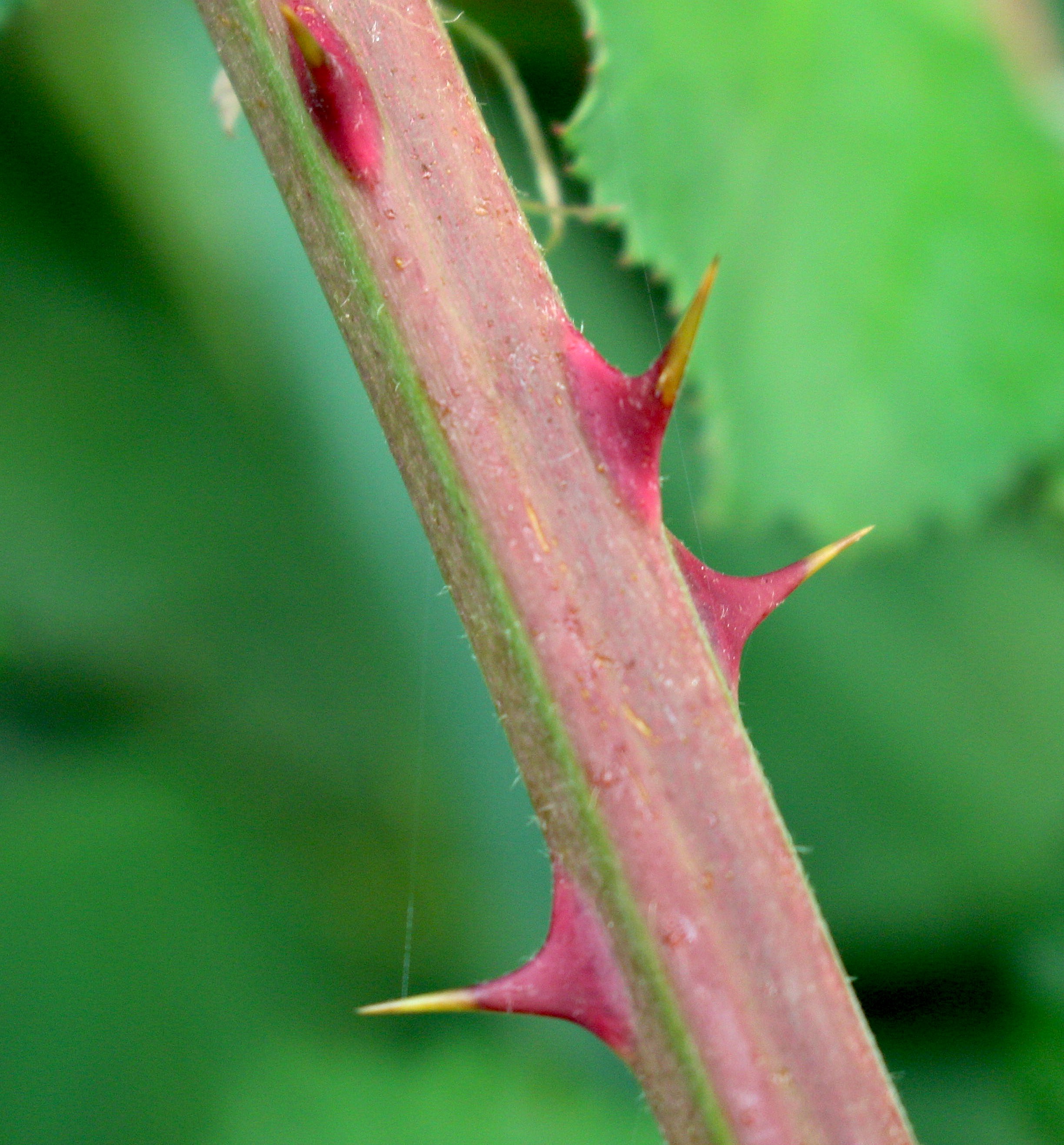
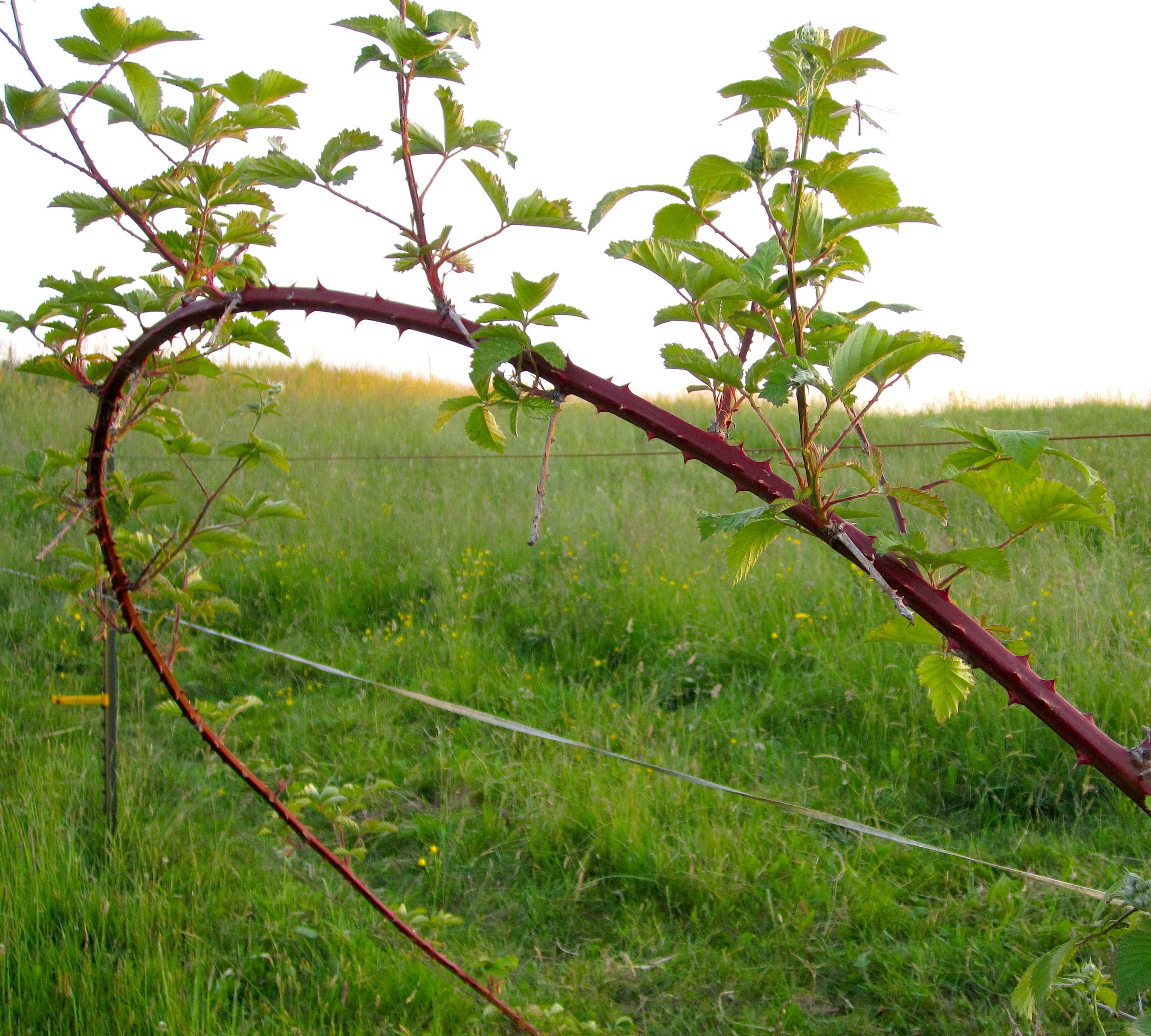
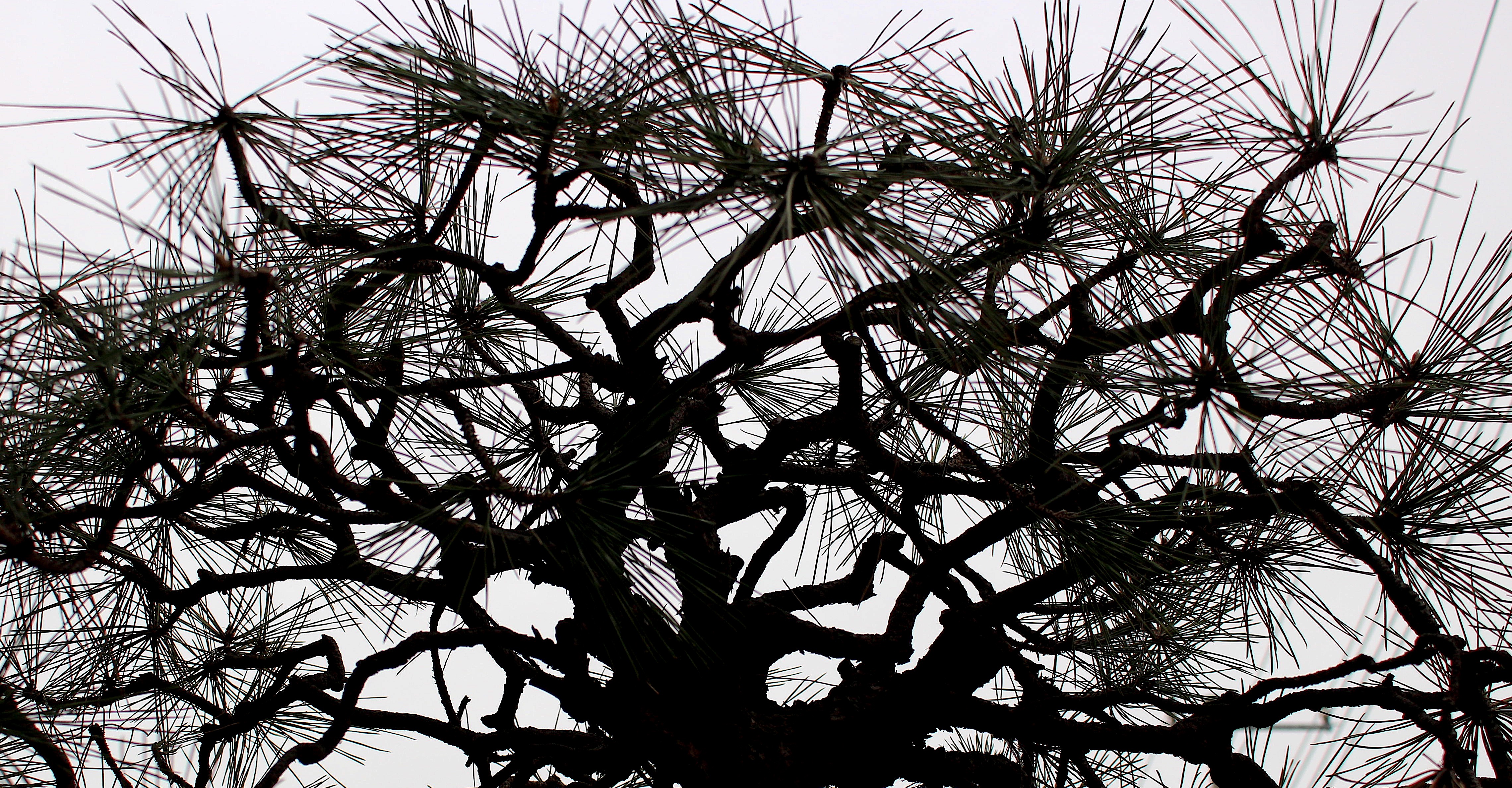
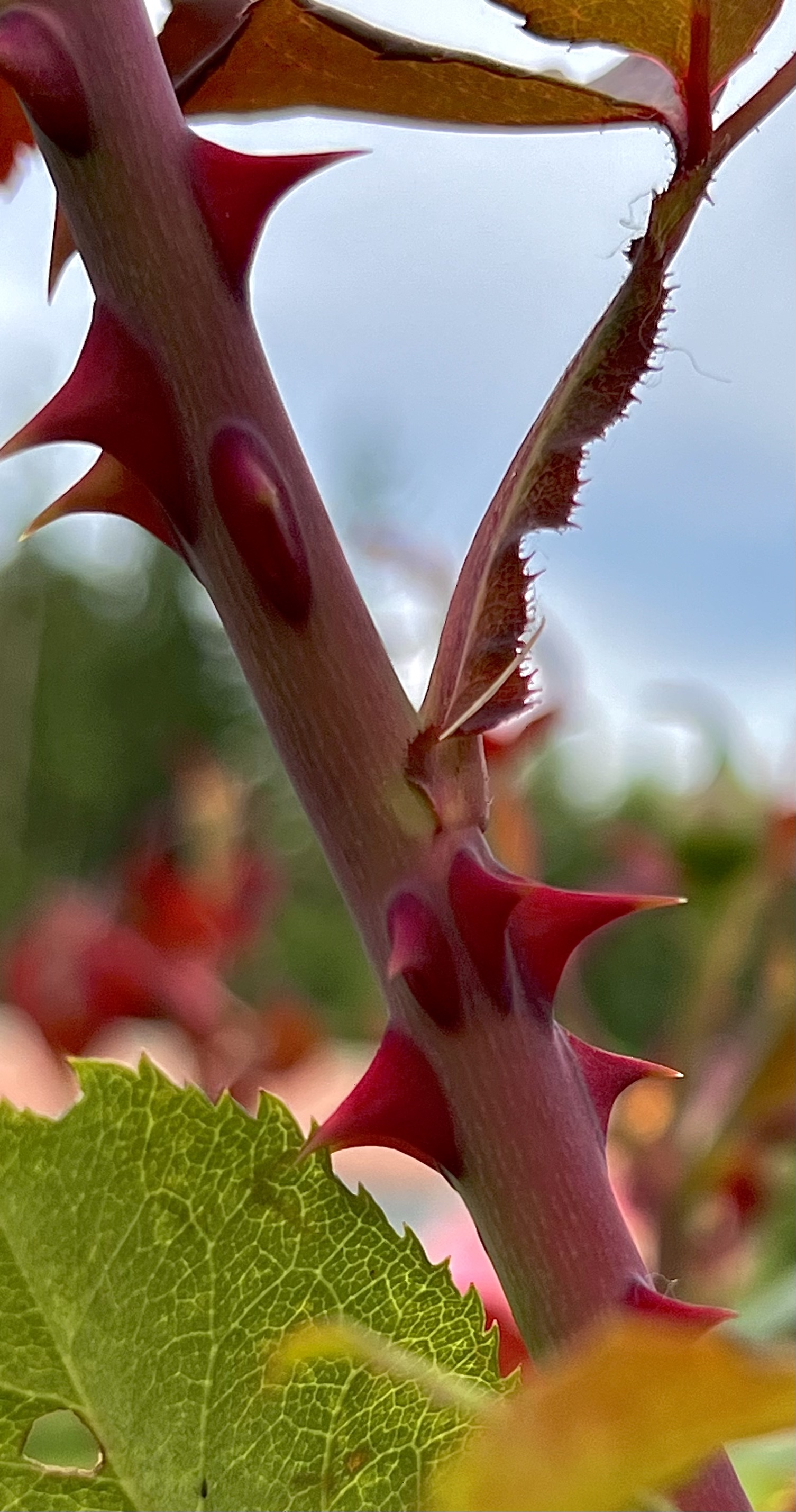
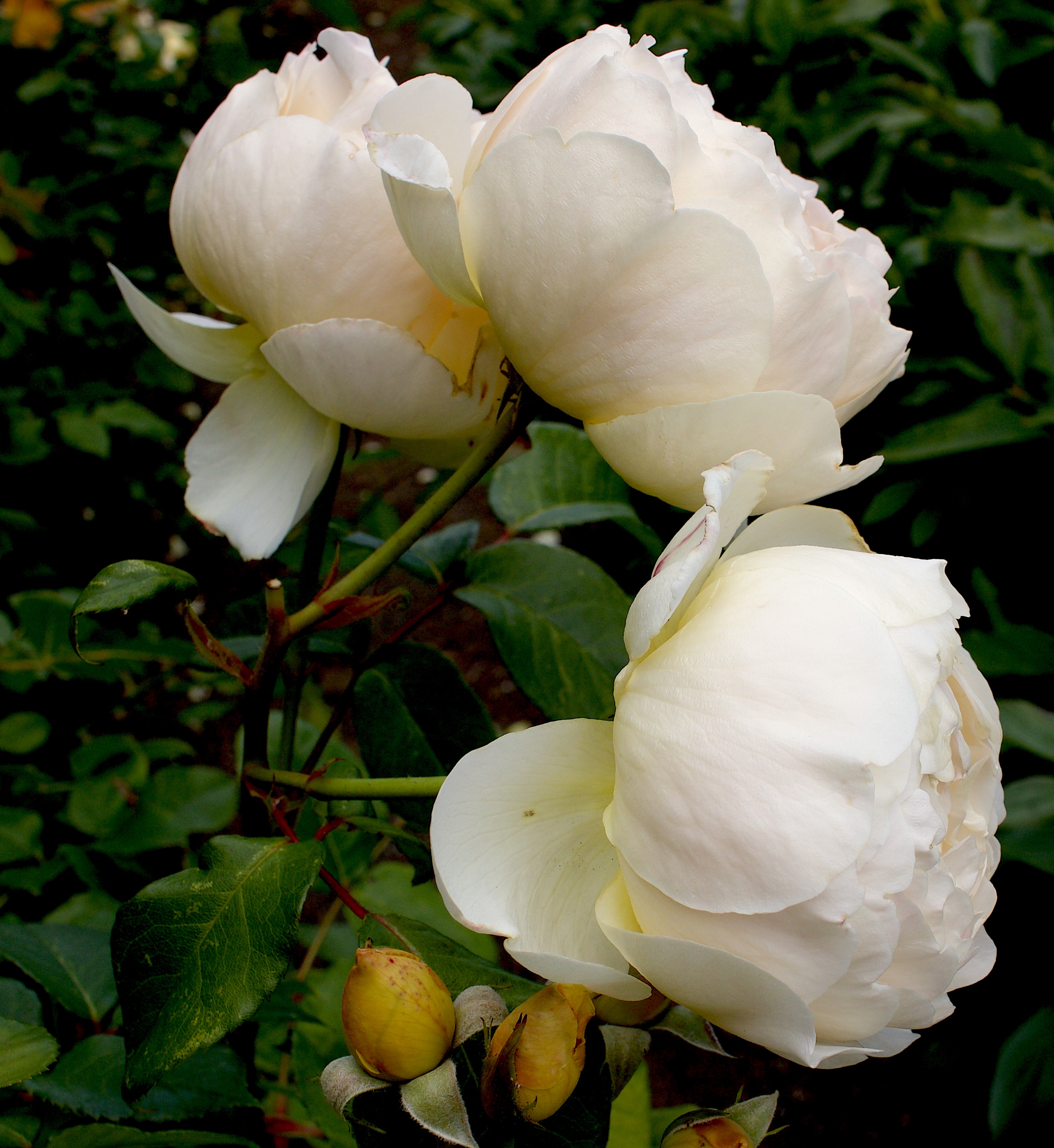
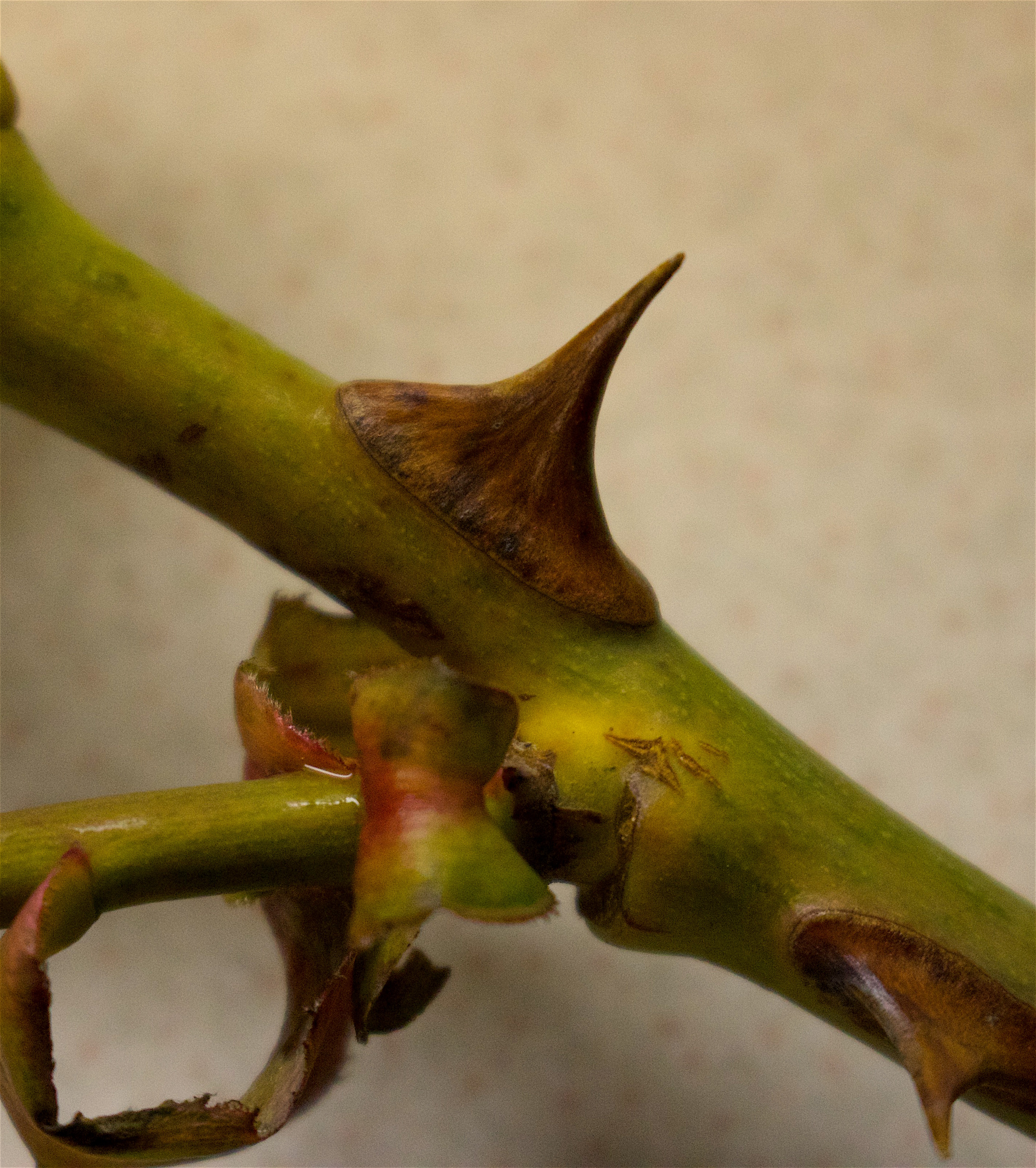
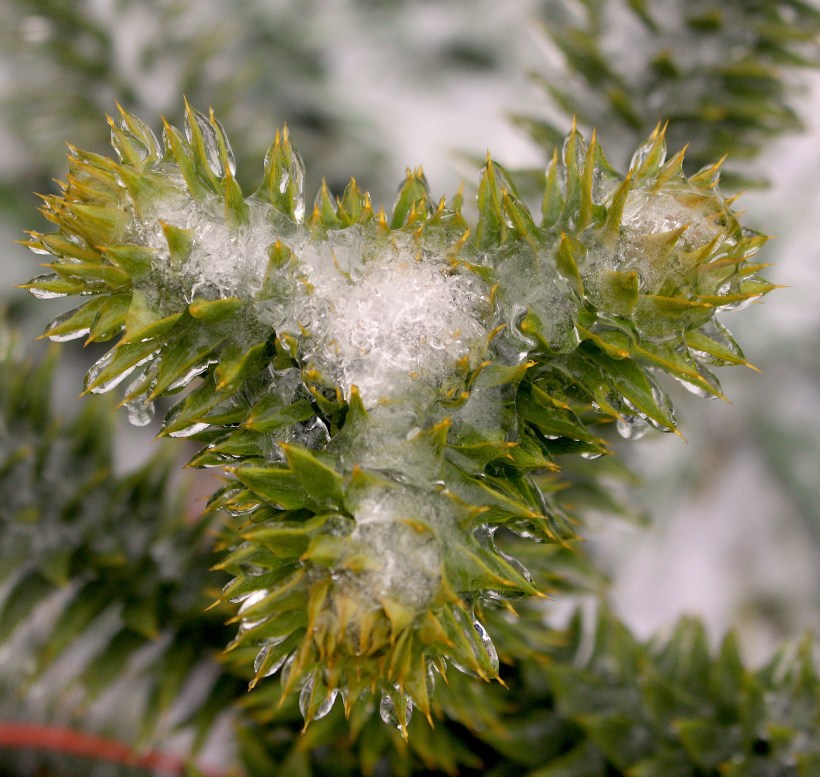
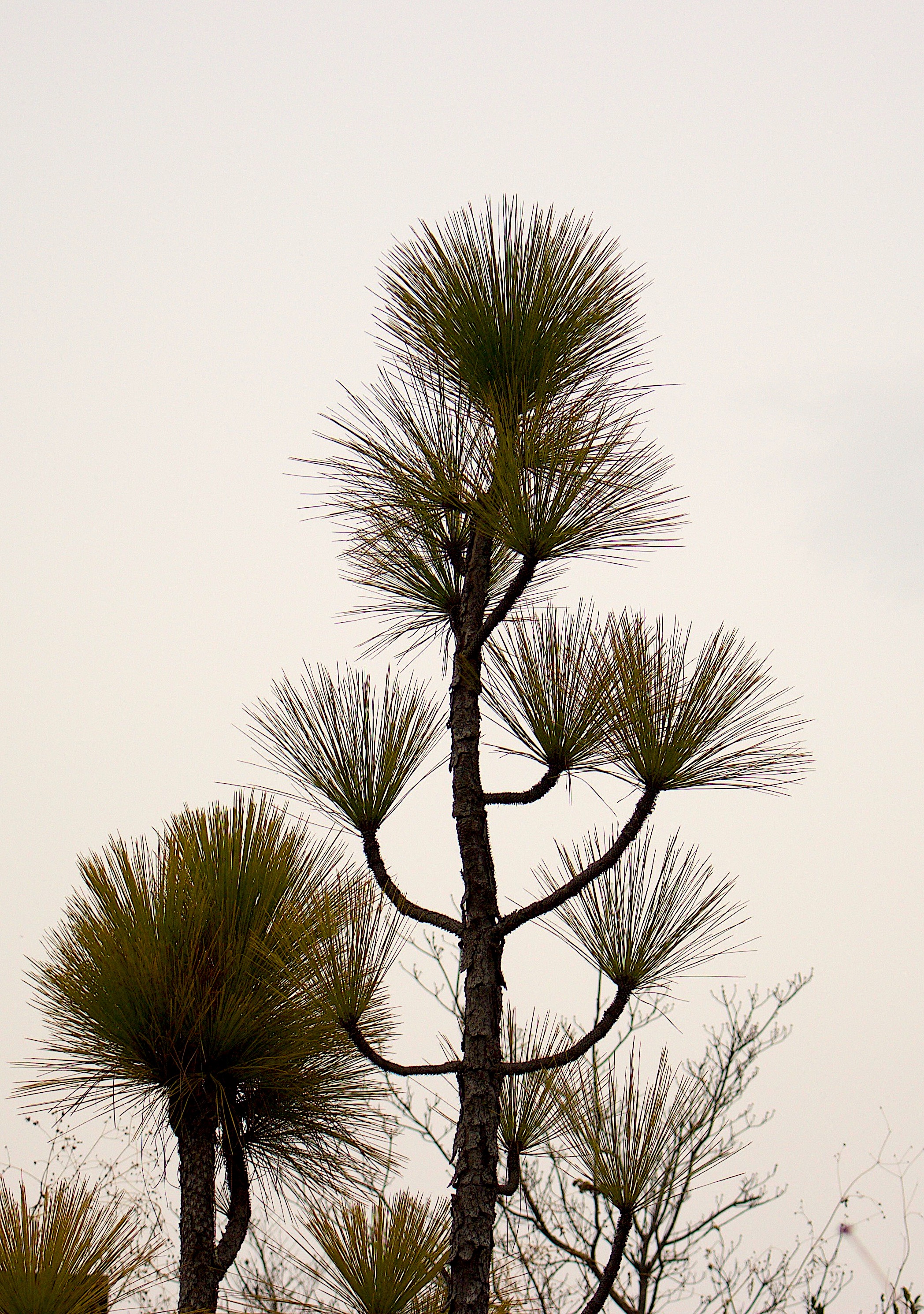
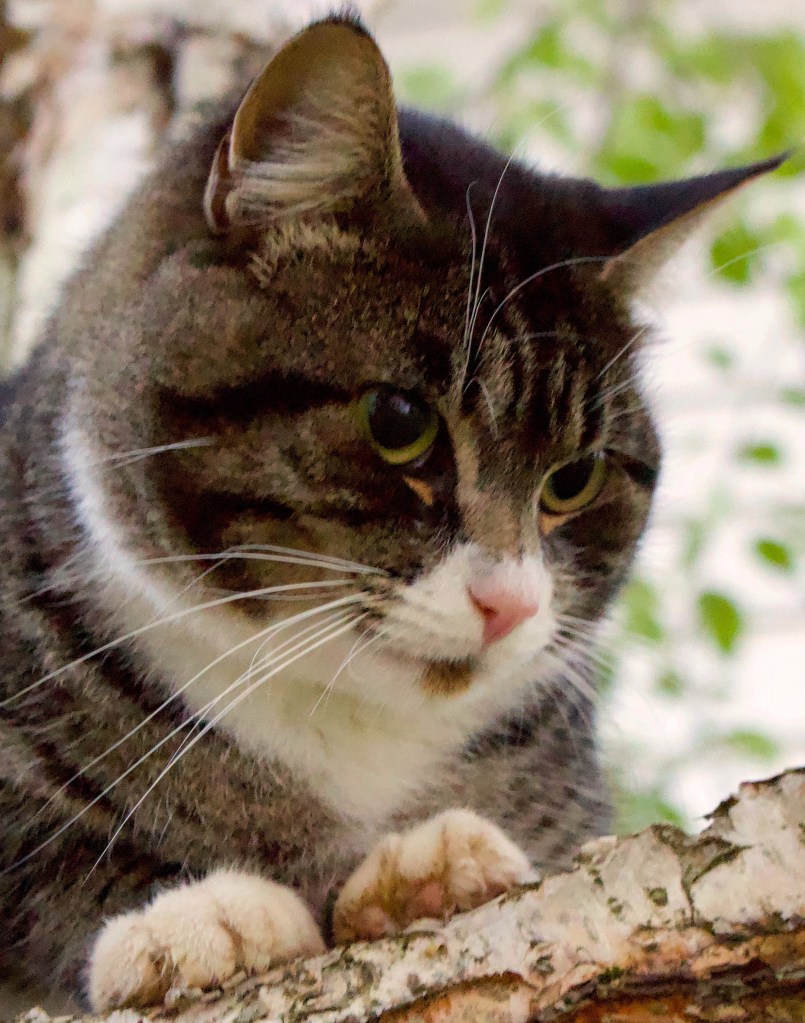
between the rosebuds and the thorns the pine tree branches with their needles and kitty claws
my hands are always bleeding
and turning up scars that cry, “I’m alive, I feel it. I feel it all” and then falling back into whispers while my body heals itself one more time ~Juniper Klatt, I was raised in a house of water
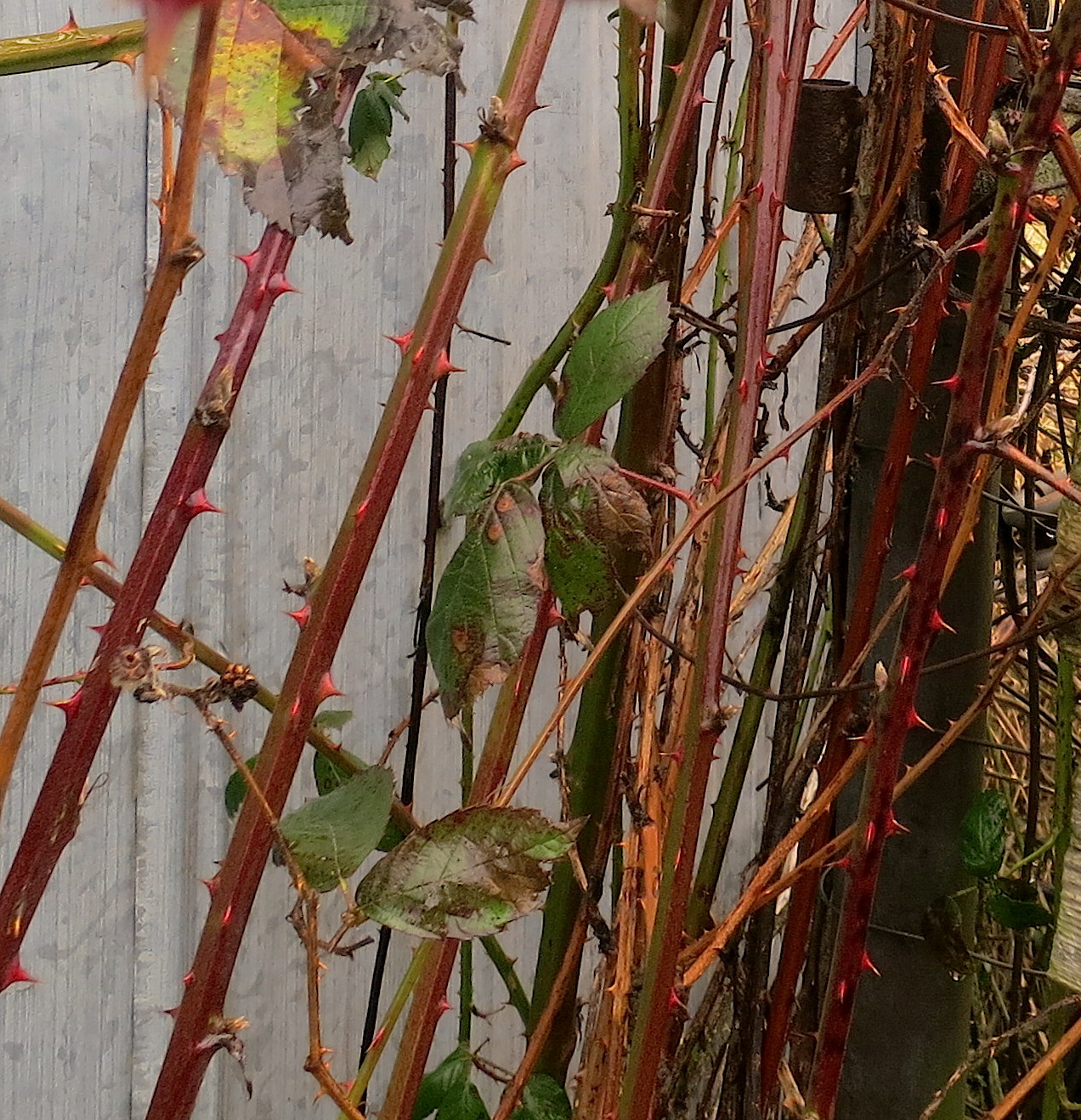
Thorns, needles and claws are indeed part of everyday life. They often are a barrier to that which is sweet and good and precious.
They can tear us up, bloody us, make us weep, make us beg for mercy.
Yet thorns did not stop our search for Salvation, did not stop Goodness, did not stop the Promise of sweetness to come.
Our scars prove we’re alive and even having been hurt, our ability to heal will never give up.
photo by Nate Gibson
One-Time
Monthly
Yearly
Make a one-time or recurring donation to support daily Barnstorming posts
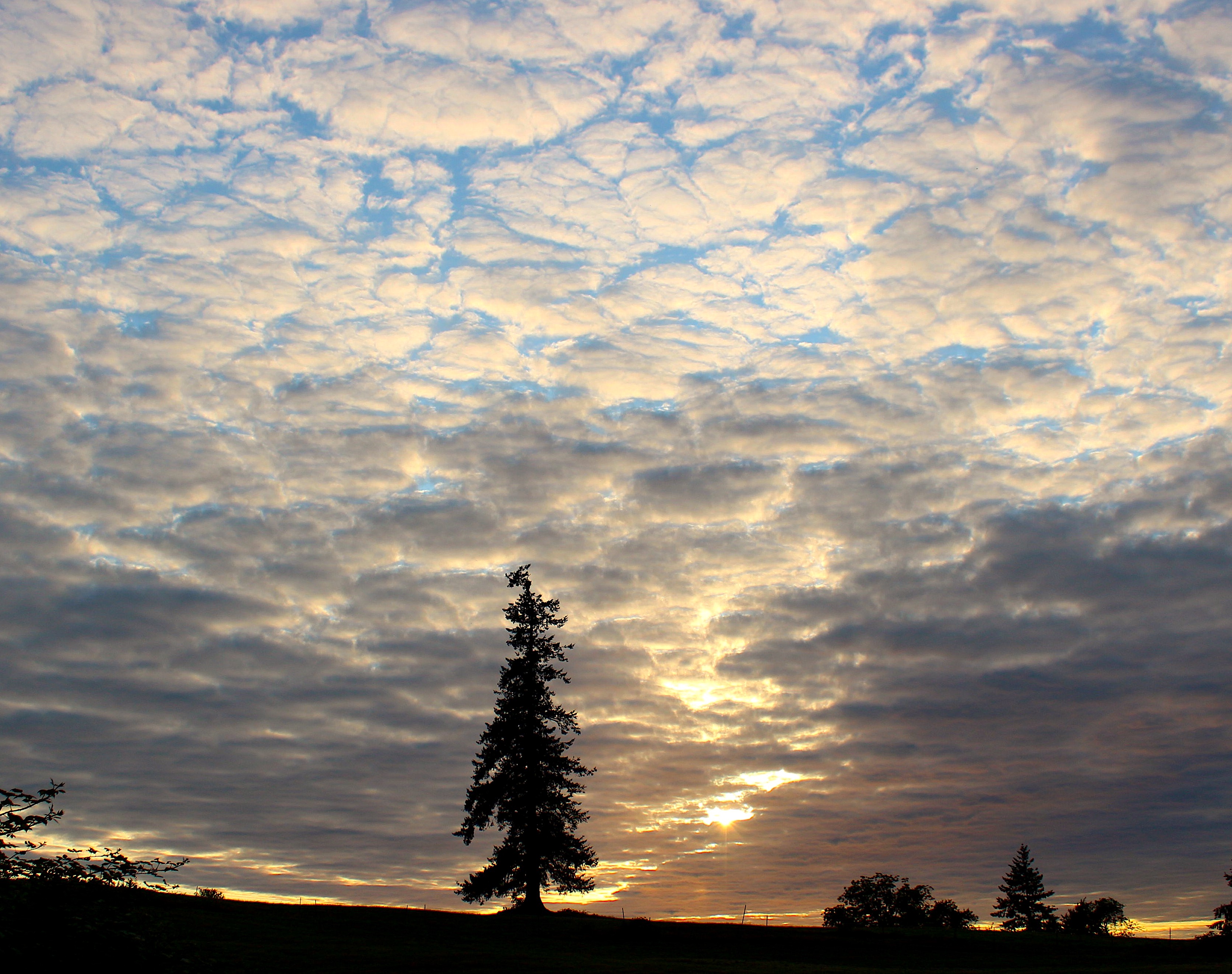
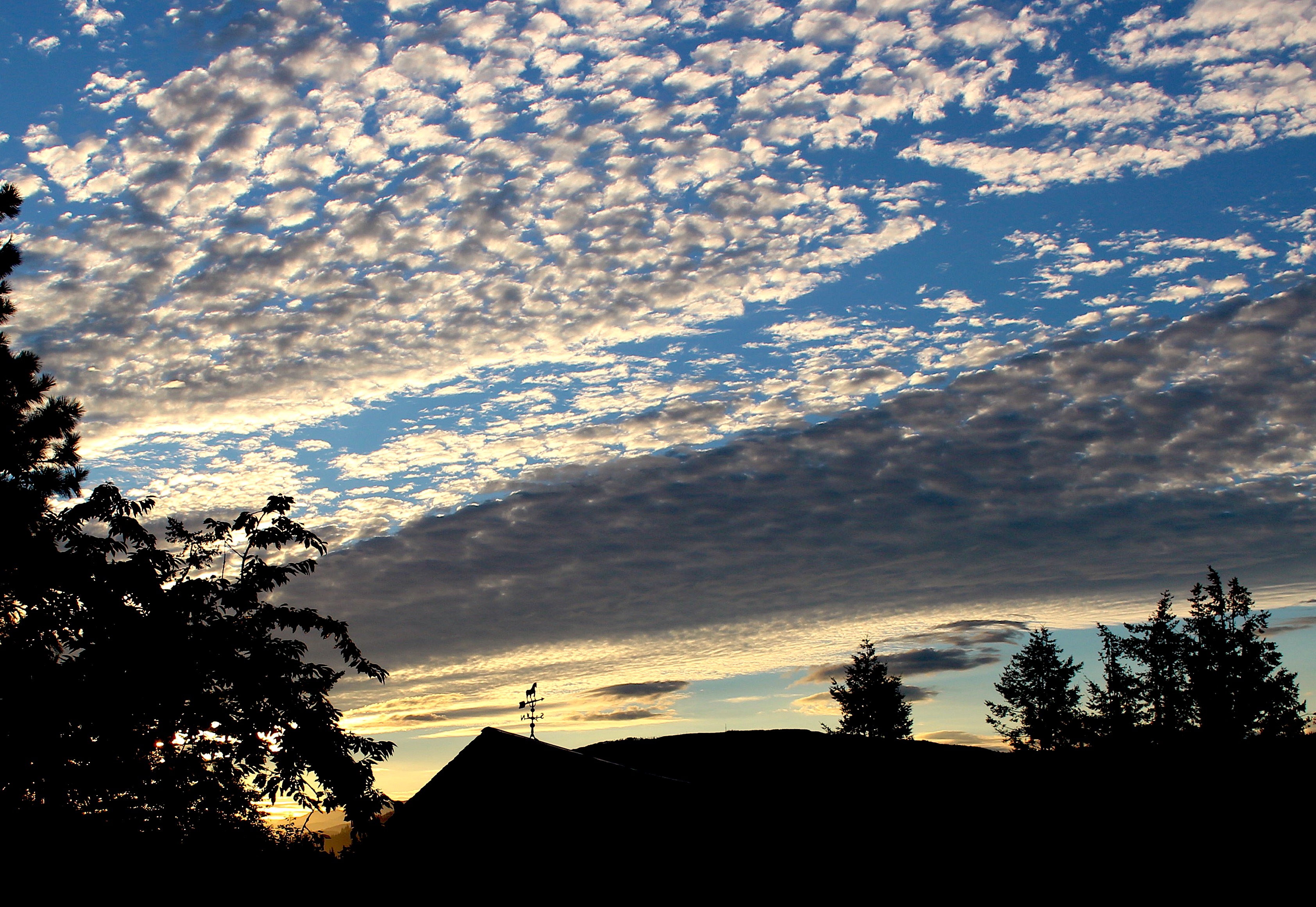
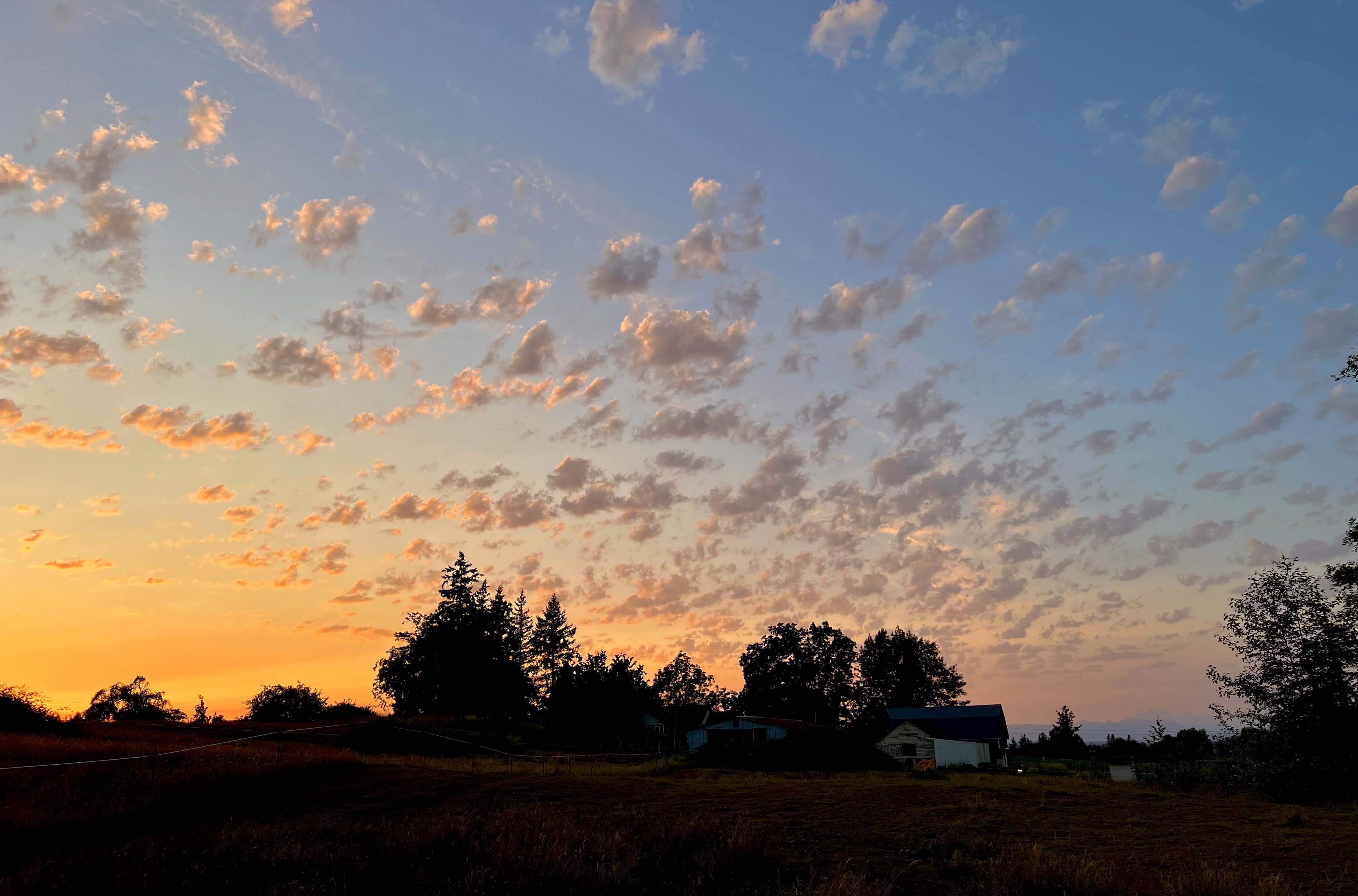
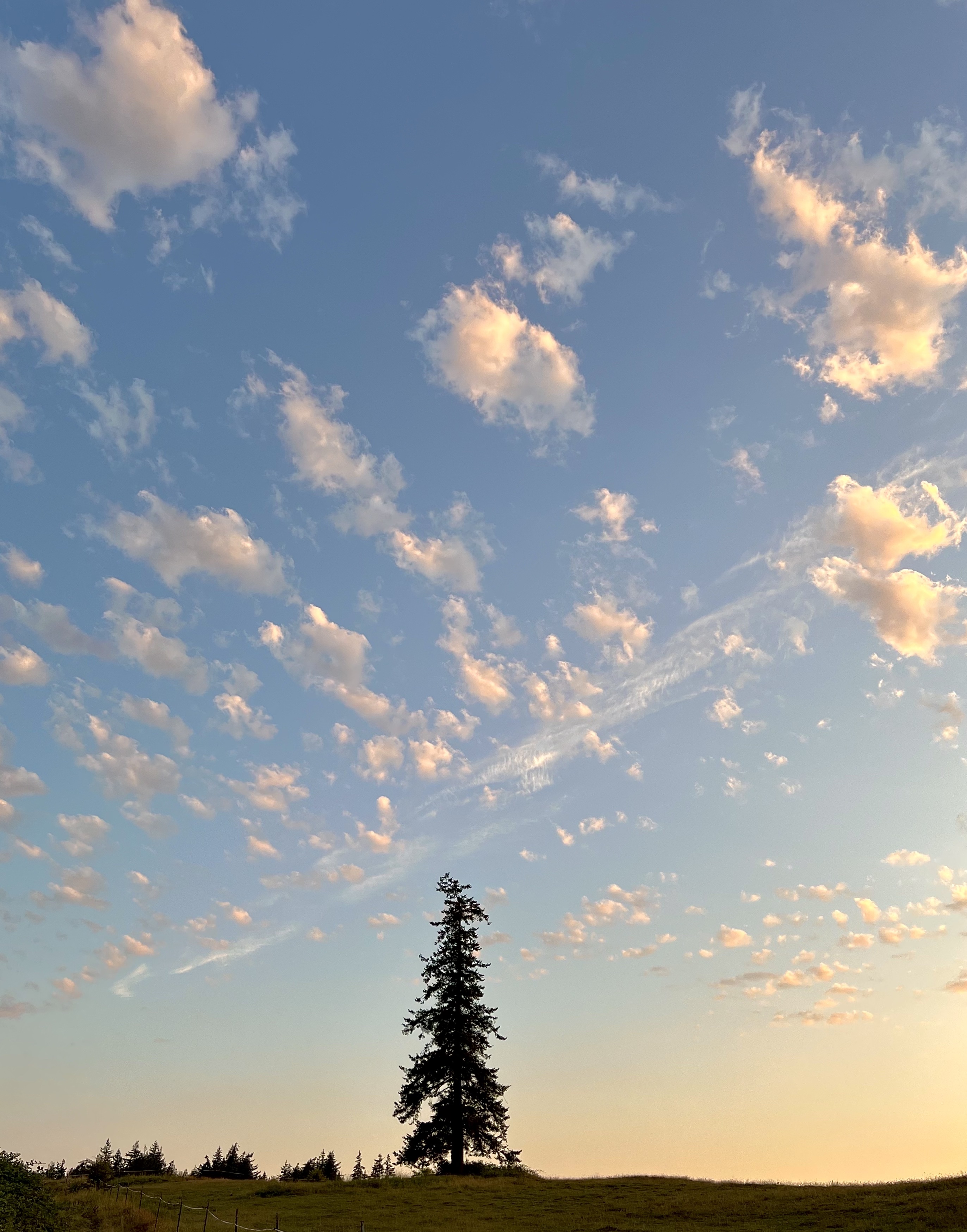
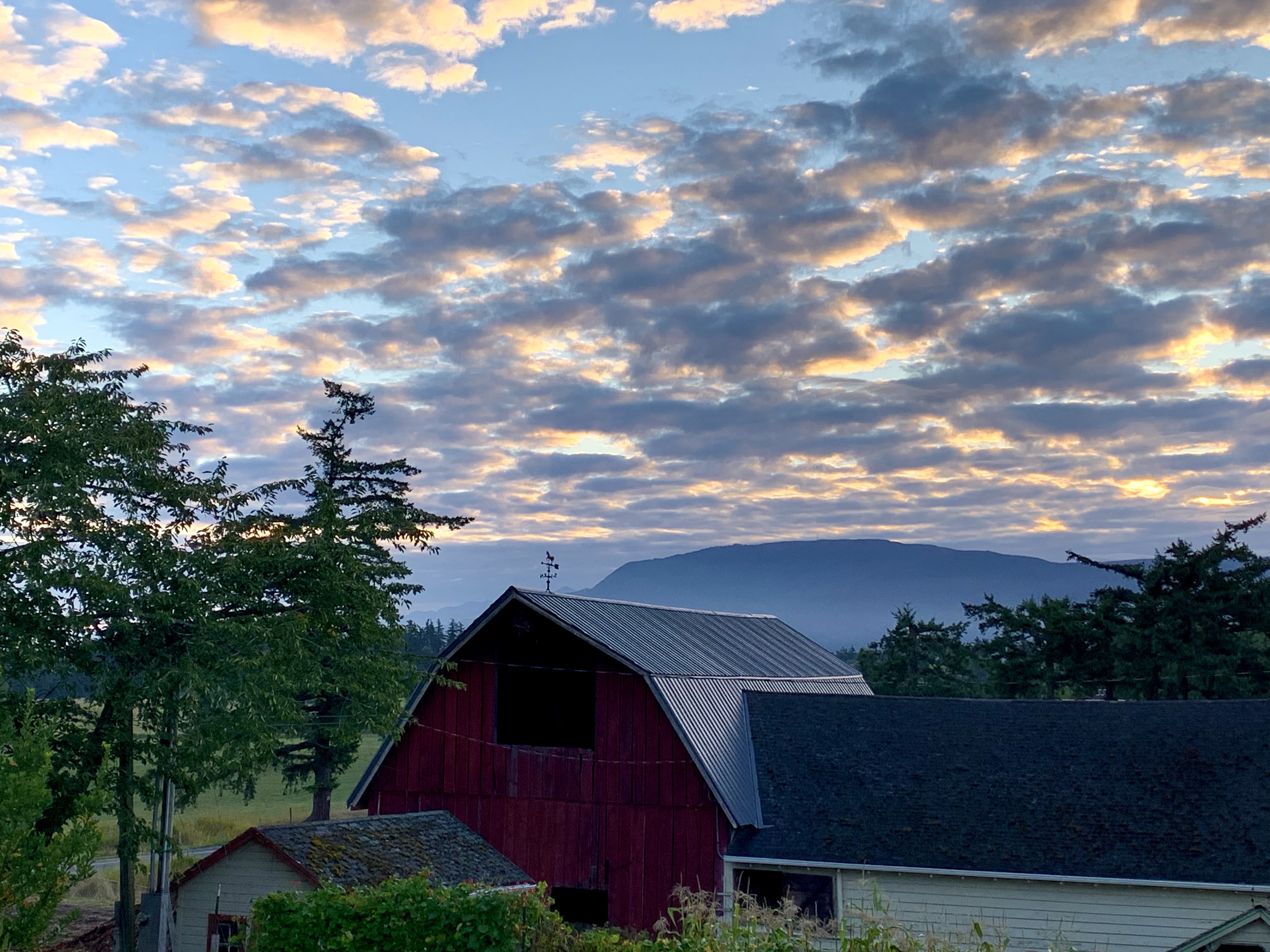
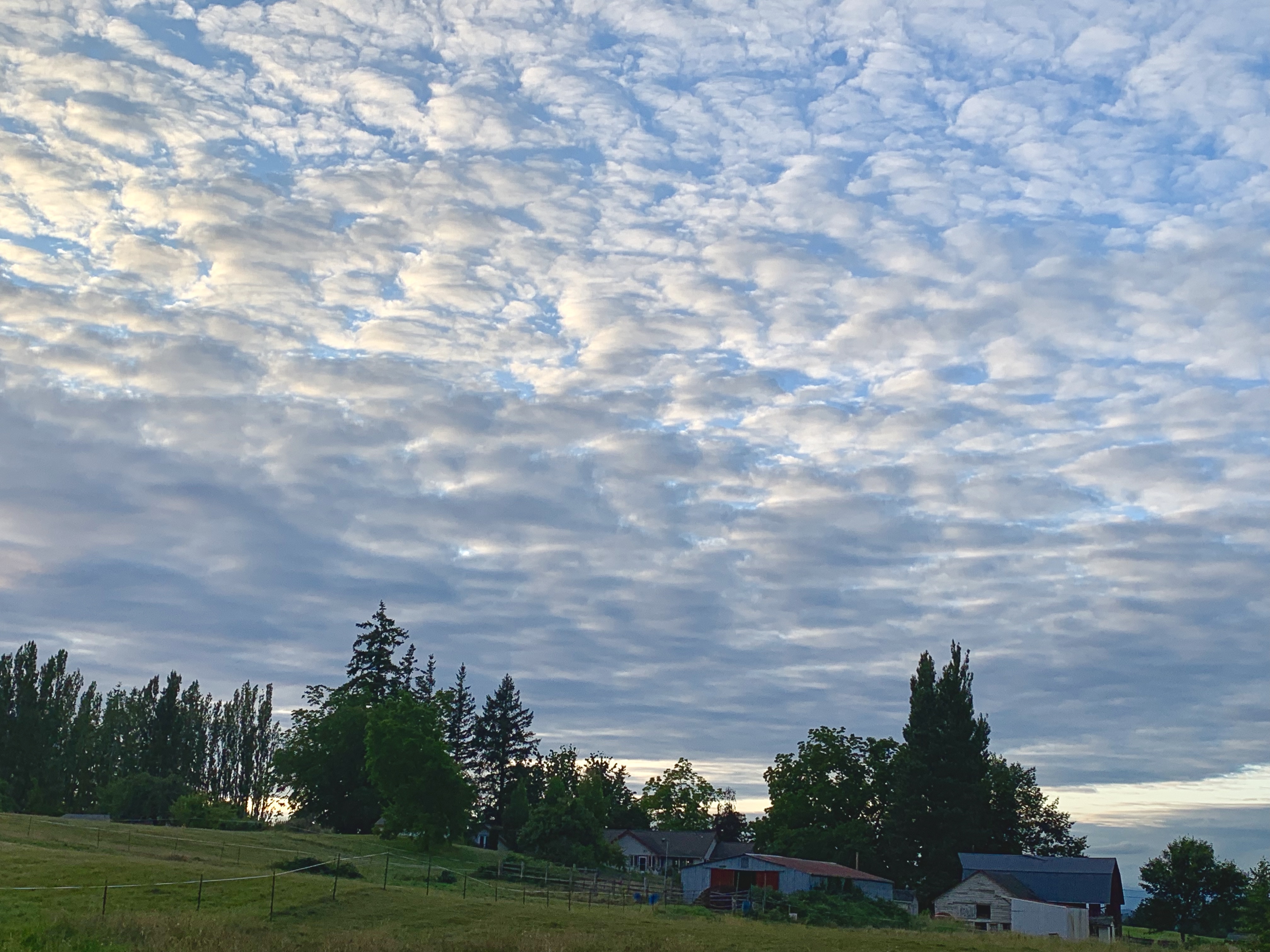
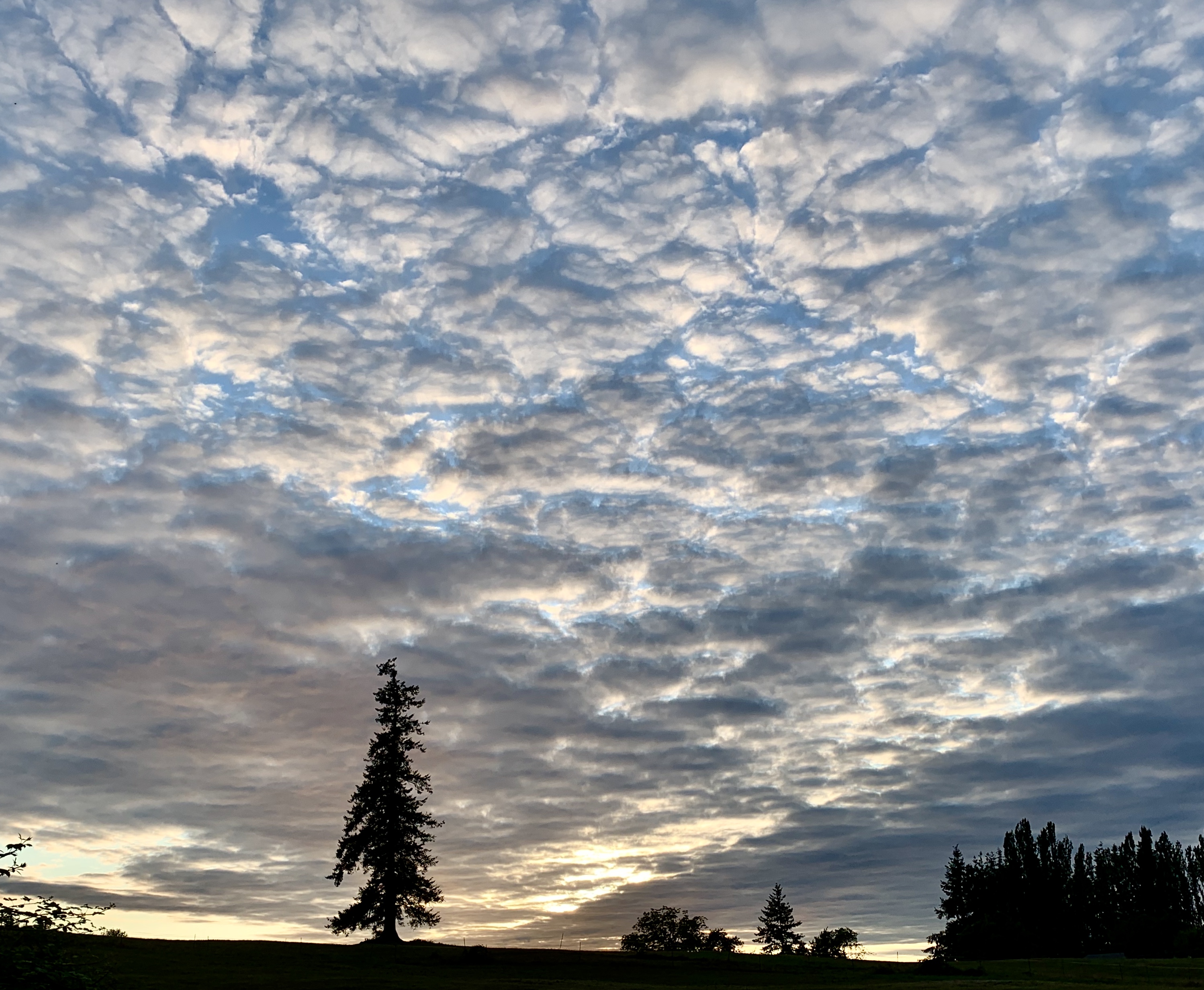
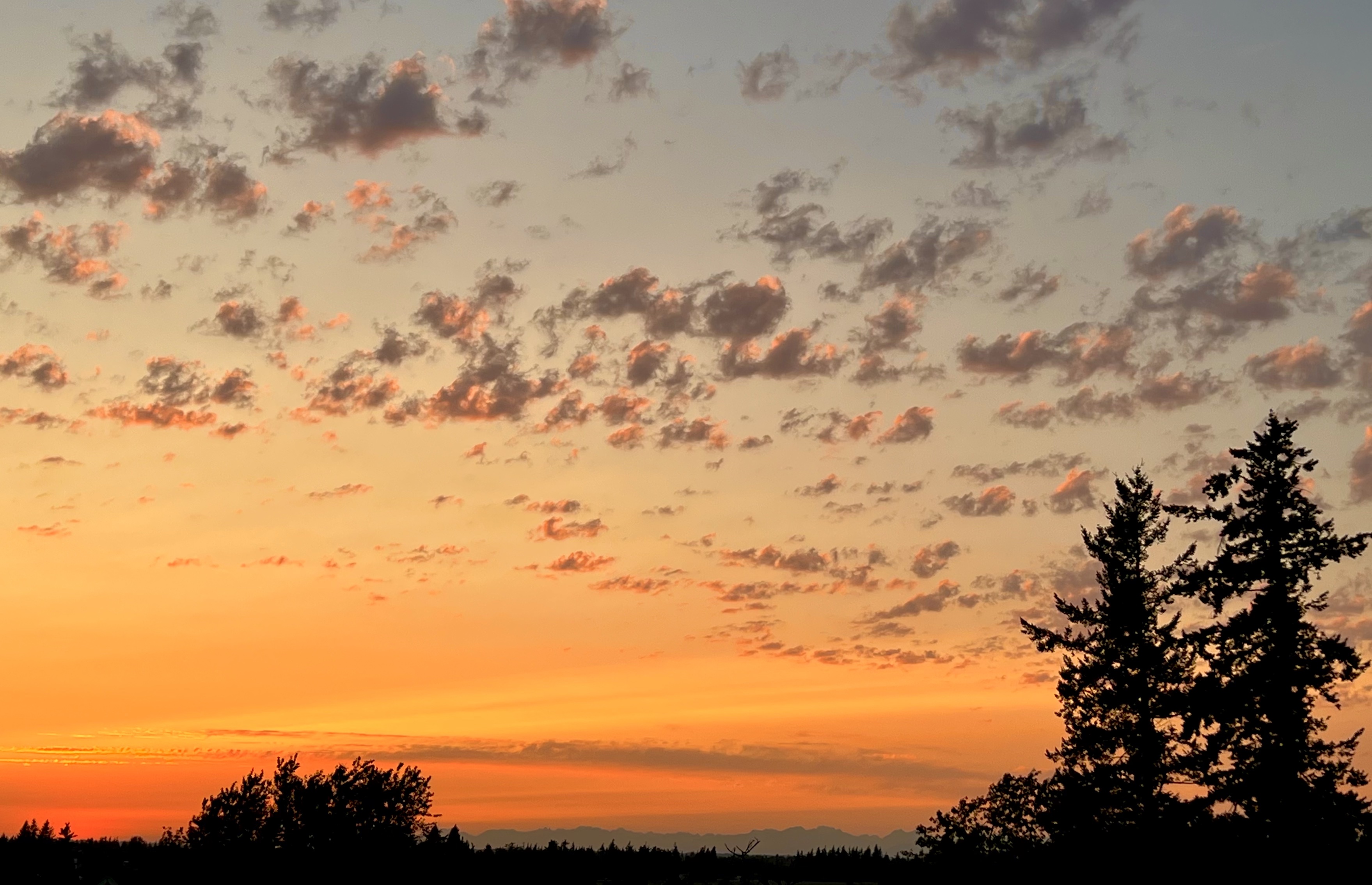
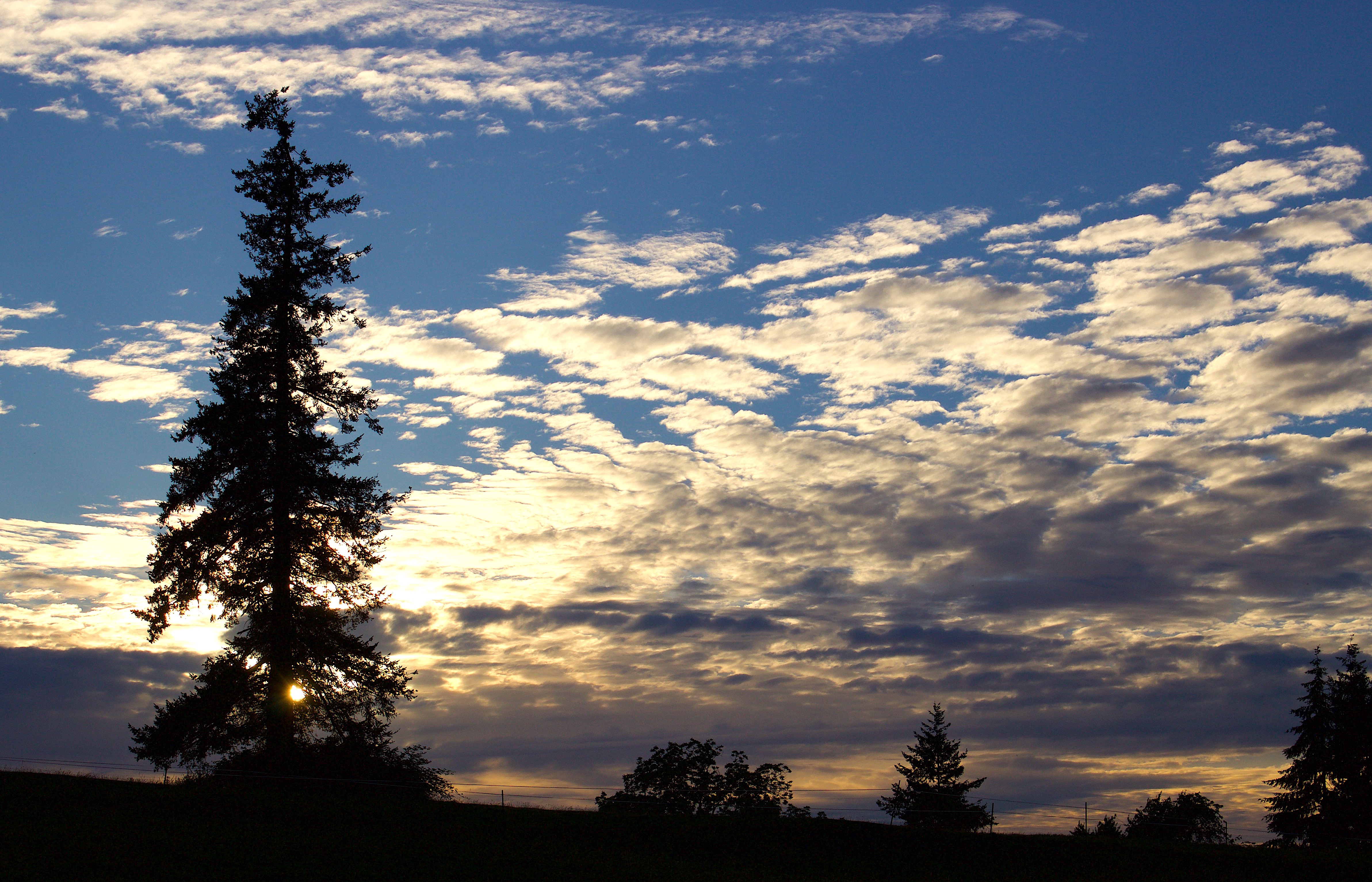
When the soft cushion of sunset lingers with residual stains of dappled cobbler clouds, predicting the soul of sweetness in next day’s dawn~ I’m reminded to “remember this, this moment, this feeling”…
I realize this too will be lost, slipping away from me in mere moments, a sacramental fading away. I can barely remember the sweetness of its taste, so what’s left is the stain of its loss.
Balancing as best I can on life’s cobbled path, stumbling and tripping over rough unforgiving spots, I ponder the sweet messy kindness of today’s helping of soulful shortcake, treasure it up, stains and all, knowing I would never miss it this much if I hadn’t been allowed a taste, and savored it to begin with.
One-Time
Monthly
Yearly
Make a one-time or recurring donation to support daily Barnstorming posts
I’ve learned that evenwhen I have pains, I don’t have to be one … I’ve learned that: people will forget what you said, people will forget what you did, but people will never forget how you made them feel. ~Maya Angelouon her 70th birthday, citing a quote from Carl Buehner
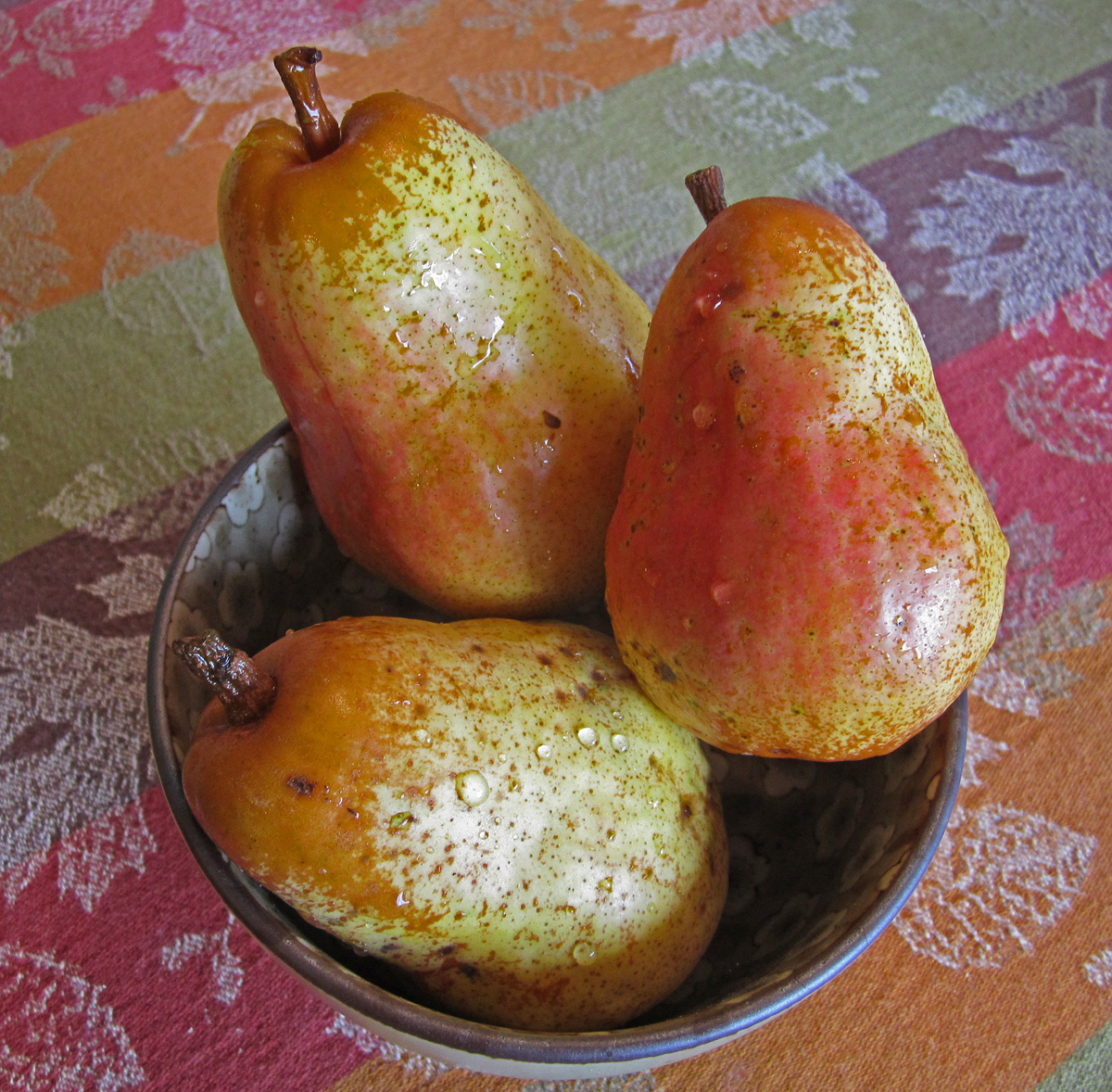
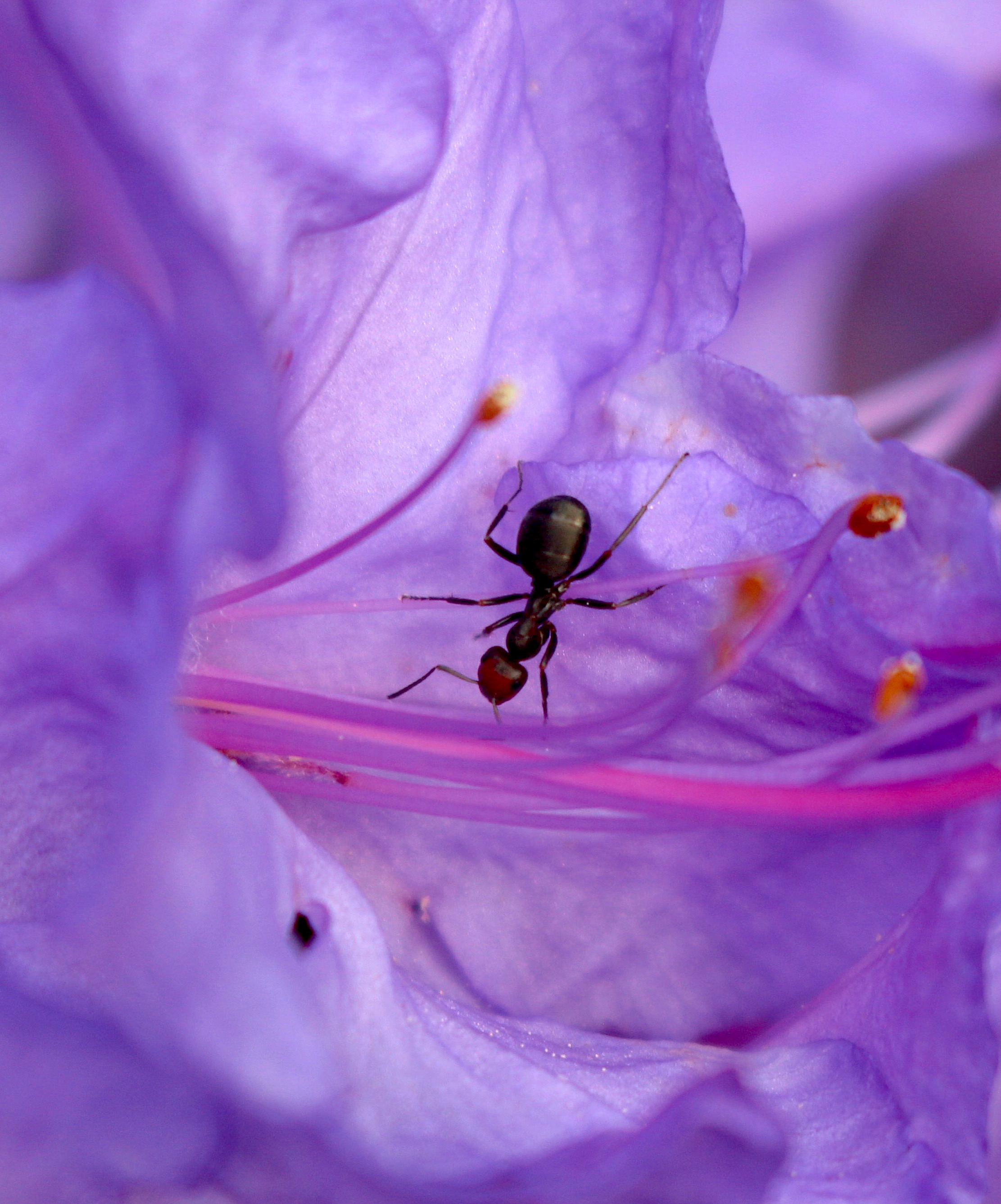
I learned from my mother how to love the living, to have plenty of vases on hand in case you have to rush to the hospital with peonies cut from the lawn, black ants still stuck to the buds. I learned to save jars large enough to hold fruit salad for a whole grieving household, to cube home-canned pears and peaches, to slice through maroon grape skins and flick out the sexual seeds with a knife point. I learned to attend viewings even if I didn’t know the deceased, to press the moist hands of the living, to look in their eyes and offer sympathy, as though I understood loss even then. I learned that whatever we say means nothing, what anyone will remember is that we came. I learned to believe I had the power to ease awful pains materially like an angel. Like a doctor, I learned to create from another’s suffering my own usefulness, and once you know how to do this, you can never refuse. To every house you enter, you must offer healing: a chocolate cake you baked yourself, the blessing of your voice, your chaste touch. ~Julie Kasdorf– “What I Learned from my Mother”
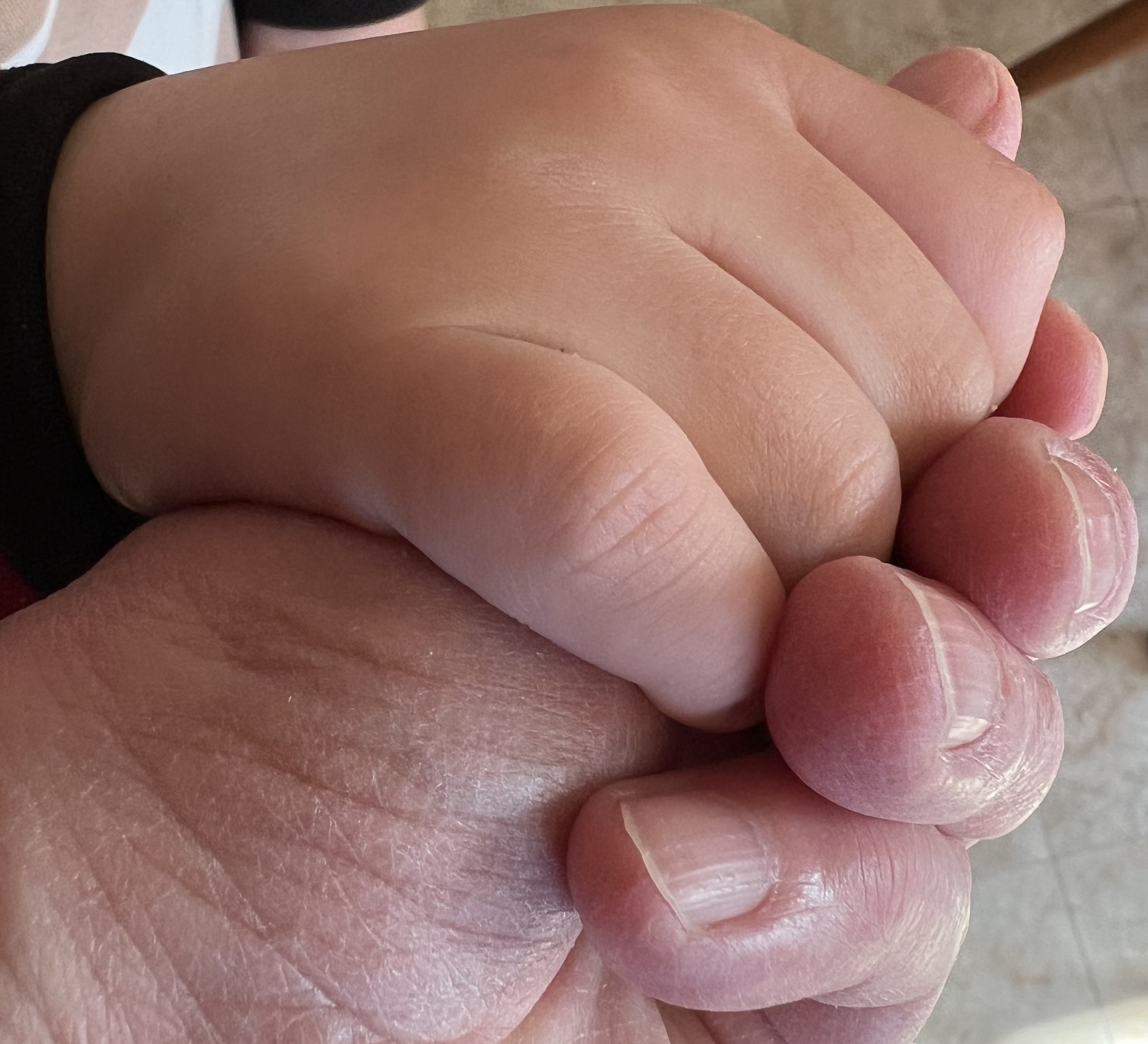
Moms often know best about these things — how to love others when and how they need it — the ways to ease pain, rather than become one. Despite years of practice, I don’t always get it right; others often do it better.
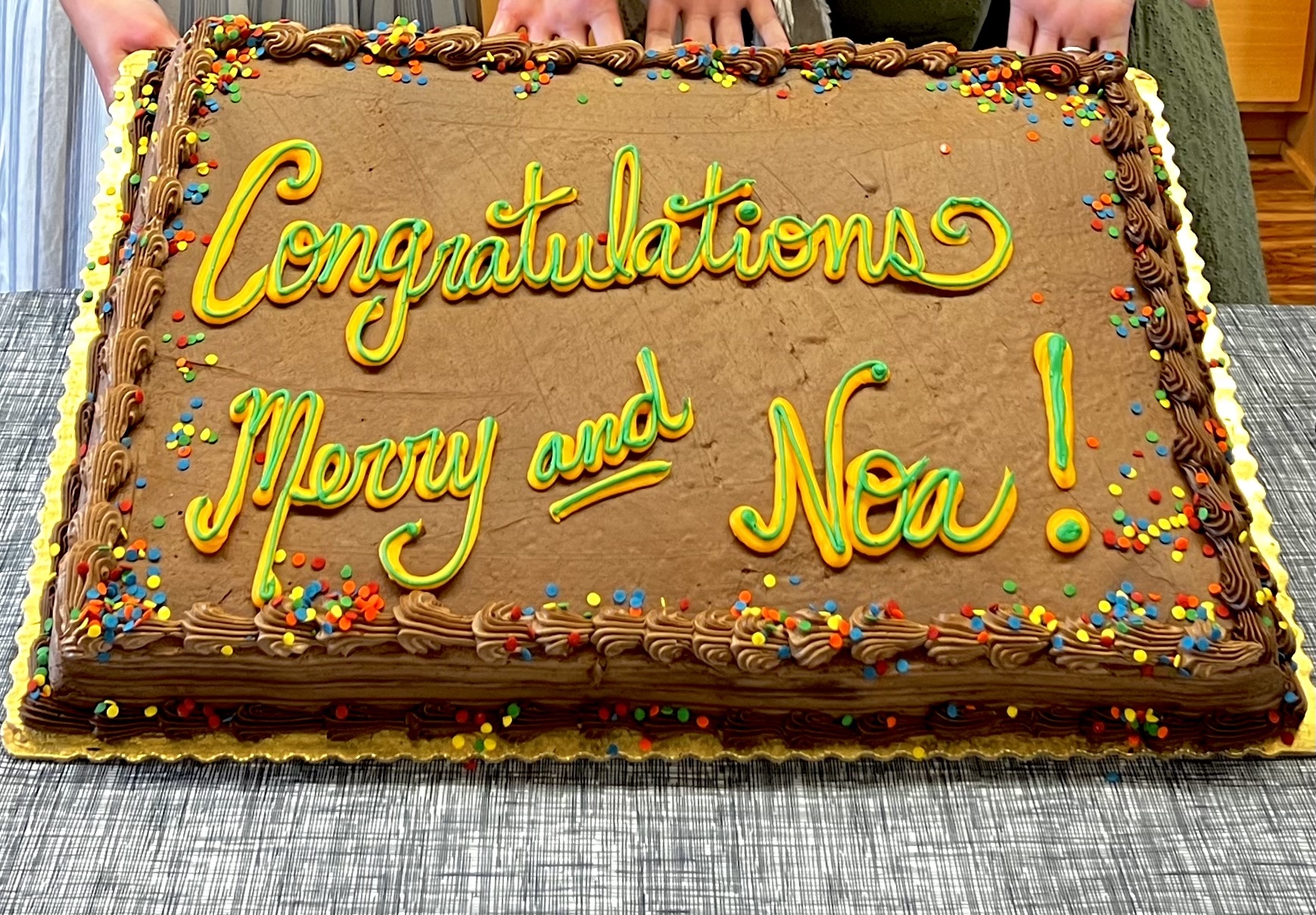
Showing up with food is always a good thing but it is the showing up part that is the real food; bringing a cake is simply the icing.
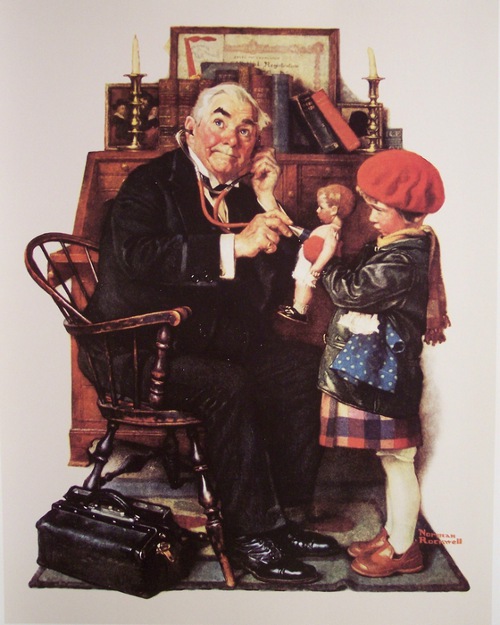
Working as a physician over four decades, my usefulness tended to depend on the severity of another’s worries and misery. If no illness, no symptoms, no fear, why bother seeing a doctor? Since retiring, the help I offer no longer means writing a prescription for a medication, or performing a minor surgery. I have to simply offer up me for what it’s worth, without the M.D.
To be useful without a stethoscope, I aim to be like any good mom or grandma. I press my hand into another’s, hug when needed, smile and listen and nod and sometimes weep when someone has something they need to say. No advanced degree needed.
Oh, and bring flowers. Cut up fruit. Bake a cake. Leave the ants at home.
One-Time
Monthly
Yearly
Make a one-time and recurring donation to support daily Barnstorming posts



















#/media/File:Fabritius-vink.jpg)












 Barnstorming