…having loved his own who were in the world, he now showed them the full extent of his love. John 13:1
What e’er the soul has felt or suffered long, Oh, heart! this one thing should not be forgot: Christ washed the feet of Judas. ~George Marion McClellan from “The Feet of Judas” in The Book of American Negro Poetry 1922
Here is the source of every sacrament, The all-transforming presence of the Lord, Replenishing our every element Remaking us in his creative Word.
For here the earth herself gives bread and wine, The air delights to bear his Spirit’s speech, The fire dances where the candles shine, The waters cleanse us with His gentle touch.
And here He shows the full extent of love To us whose love is always incomplete, In vain we search the heavens high above, The God of love is kneeling at our feet.
Though we betray Him, though it is the night. He meets us here and loves us into light. ~Malcolm Guite “Maundy Thursday”
May the power of your love, Lord Christ, fiery and sweet as honey, so absorb our hearts as to withdraw them from all that is under heaven. Grant that we may be ready to die for love of your love, as you died for love of our love. ~St. Francis of Assisi
On Maundy Thursday, this is how to love Jesus’s love:
No arguing over who is the greatest. No hiding dirty feet needing washing. No making promises we don’t keep. No holding back the most precious of gifts. No falling asleep when asked to keep watch. No selling out with a kiss. No drawing of swords. No turning and running away. No lying and denying. No covering up our face and identity. No looking back. No clinging to the comforts of the world.
But of course I fail again and again when I’m fearful. My heart resists leaving behind the familiar.
Plucked from the crowd, we must pick up and carry His load (which is, of course, our load) for Him. Now is our turn to hold on and not let go, as if life depends on it. Which it does — requiring no nails.
The fire of His love leaves our sin in ashes. The cleansing of His sacrifice washes us. The food of His body nurtures our souls.
From nurture and washing and ashes rises new life: Love of His love for our love.
This year’s Lenten theme:
…where you go I will go… Ruth 1:16
AI image created for this post
Lyrics: Angels where you soar up to God’s own light take my own lost bird on your hearts tonight and as grief once more mounts to heaven and sings let my love be heard
Lyrics: I, your Lord and Master, Now become your servant. I who made the moon and stars Will kneel to wash your feet. This is My commandment: To love as I have loved you.
Kneel to wash each other’s feet As I have done for you. All the world will know You are My disciples By the love that you offer, The kindness you show. You have heard the voice of God In the words that I have spoken. You beheld Heaven’s glory And have seen the face of God.
One-Time
Monthly
Yearly
Make a one-time or recurring donation to support daily Barnstorming posts
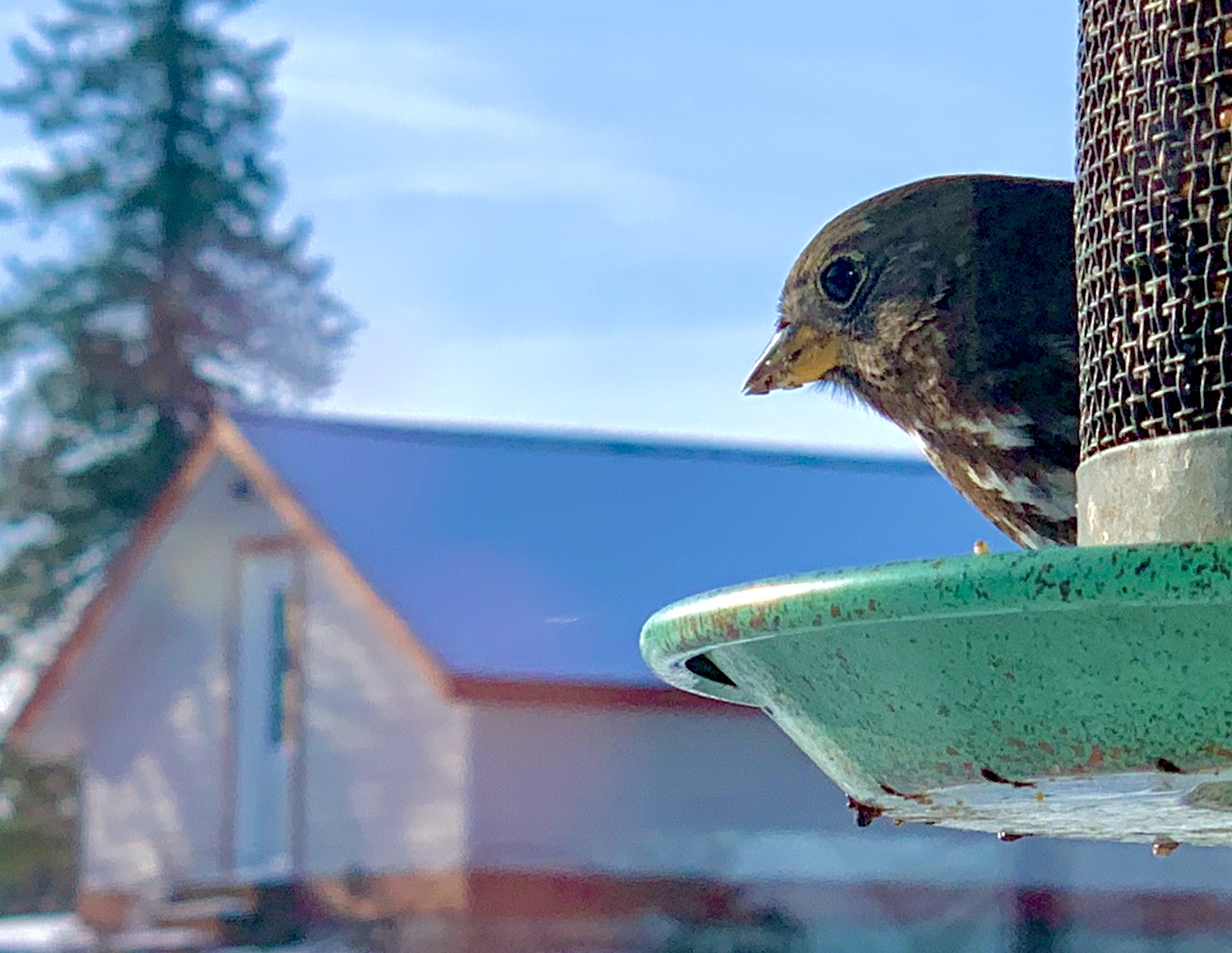
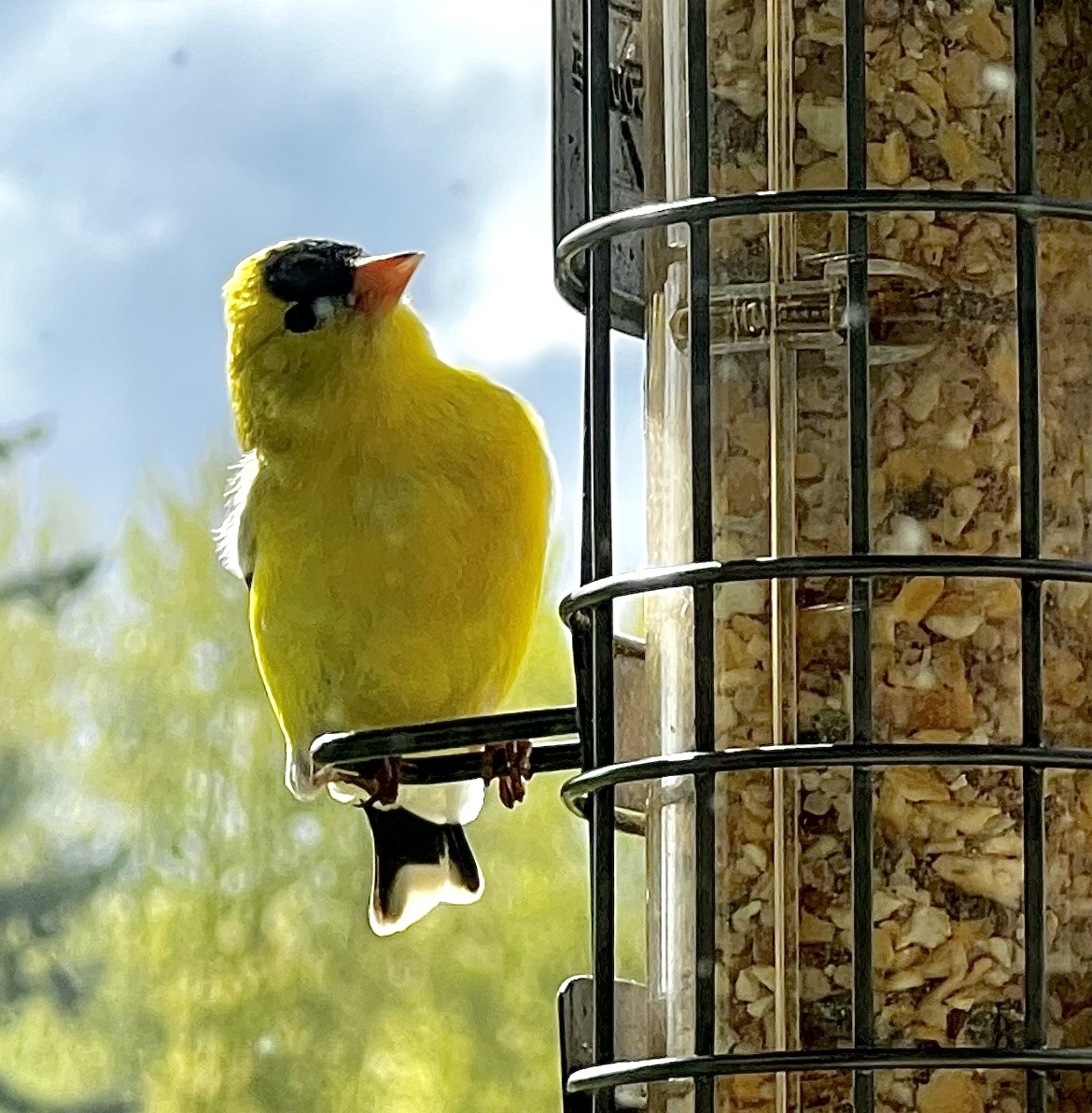
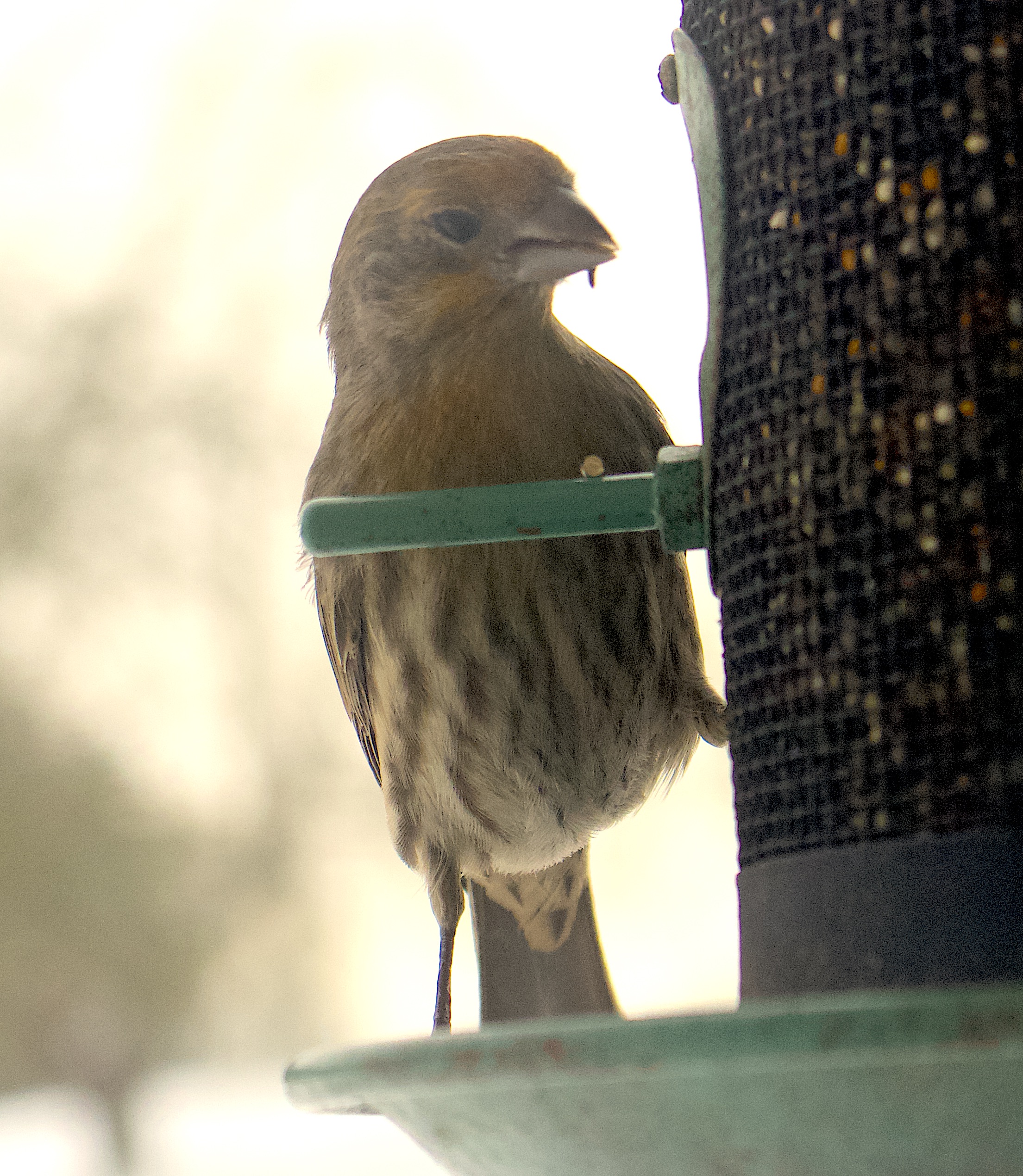
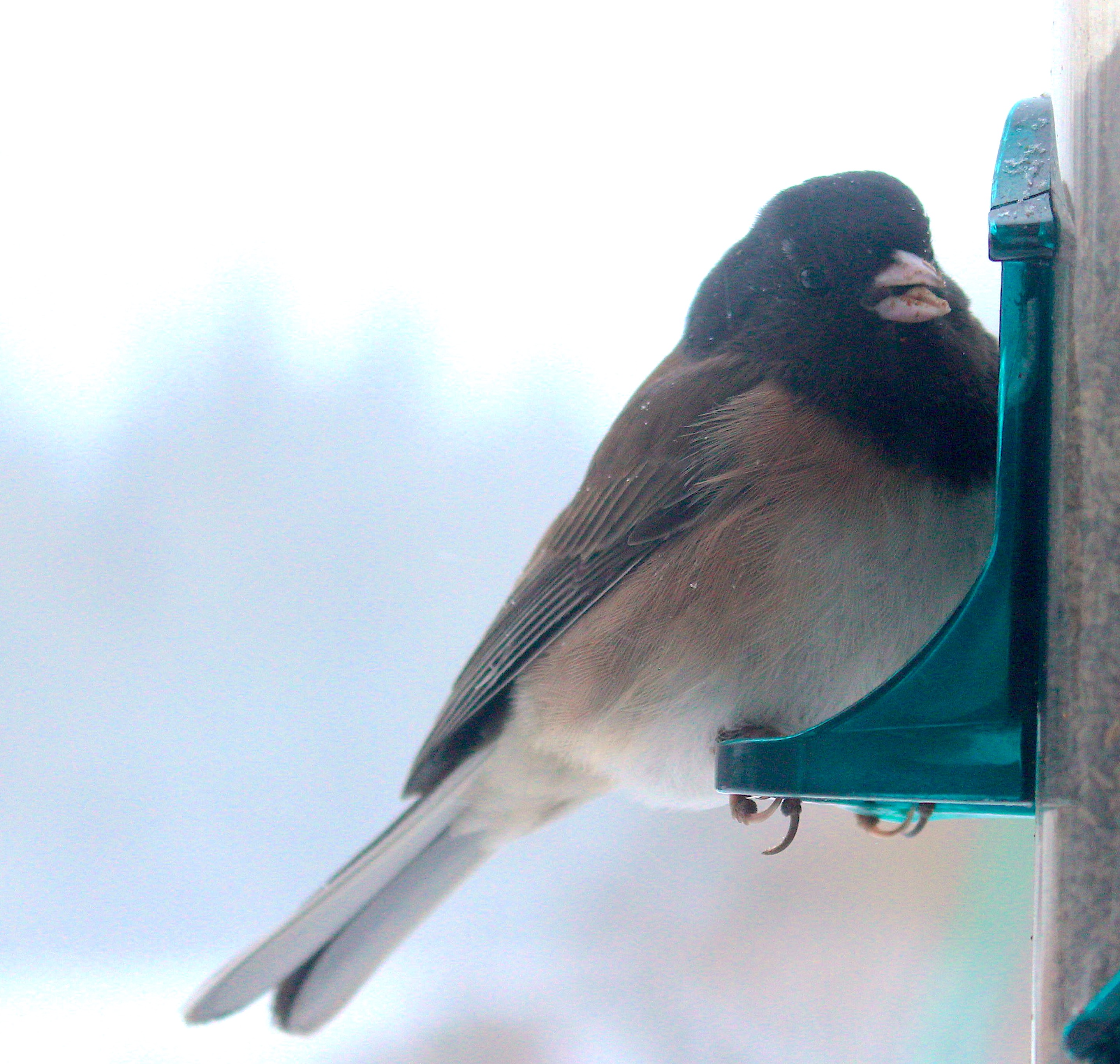
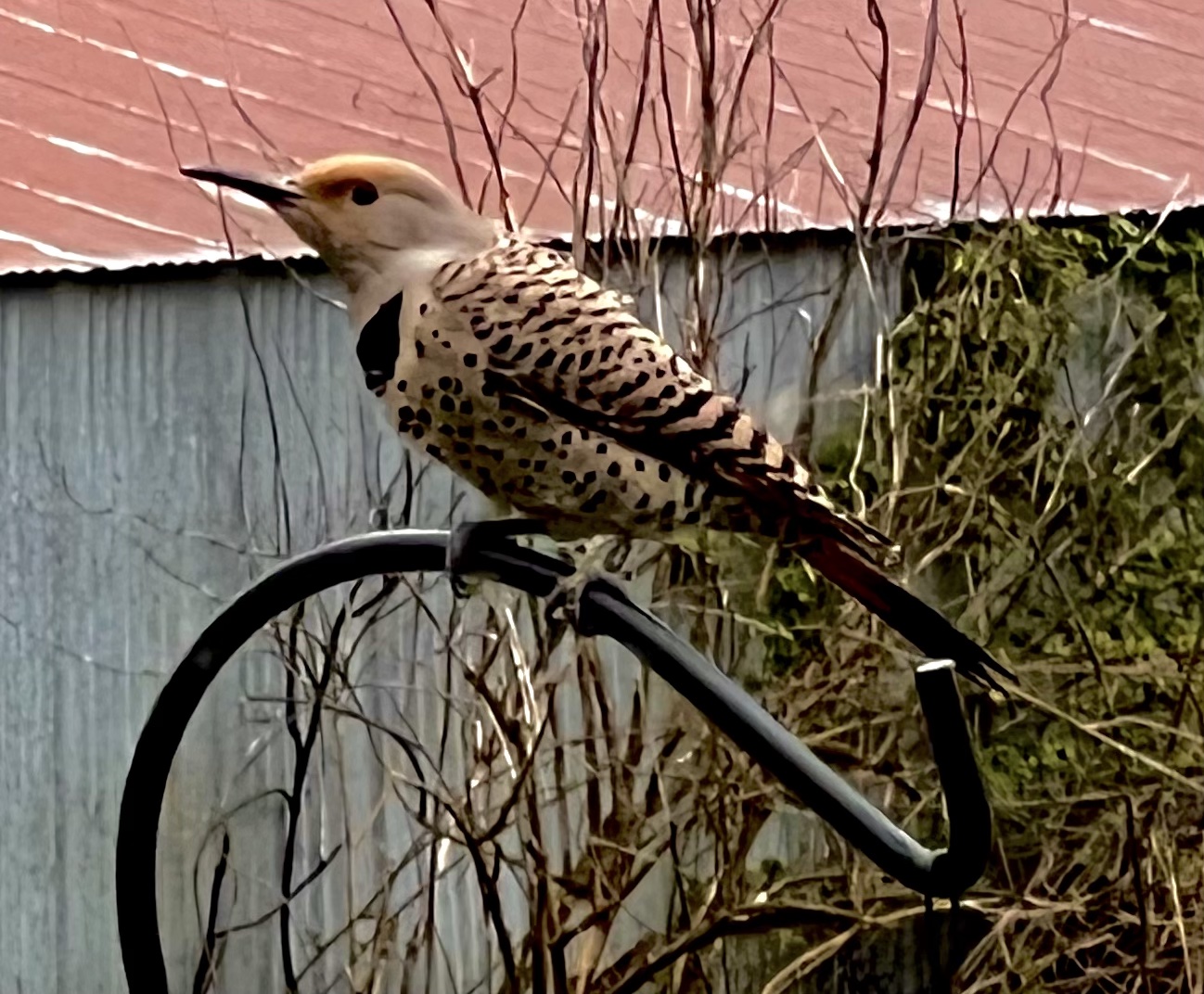
I wasn’t paying enough attention when my bird feeders ran out of suet and seed this week. My little feathered buddies fly up to the feeders by our kitchen window and poke around the empty trays, glance disparagingly in my direction, then fly away disheartened.
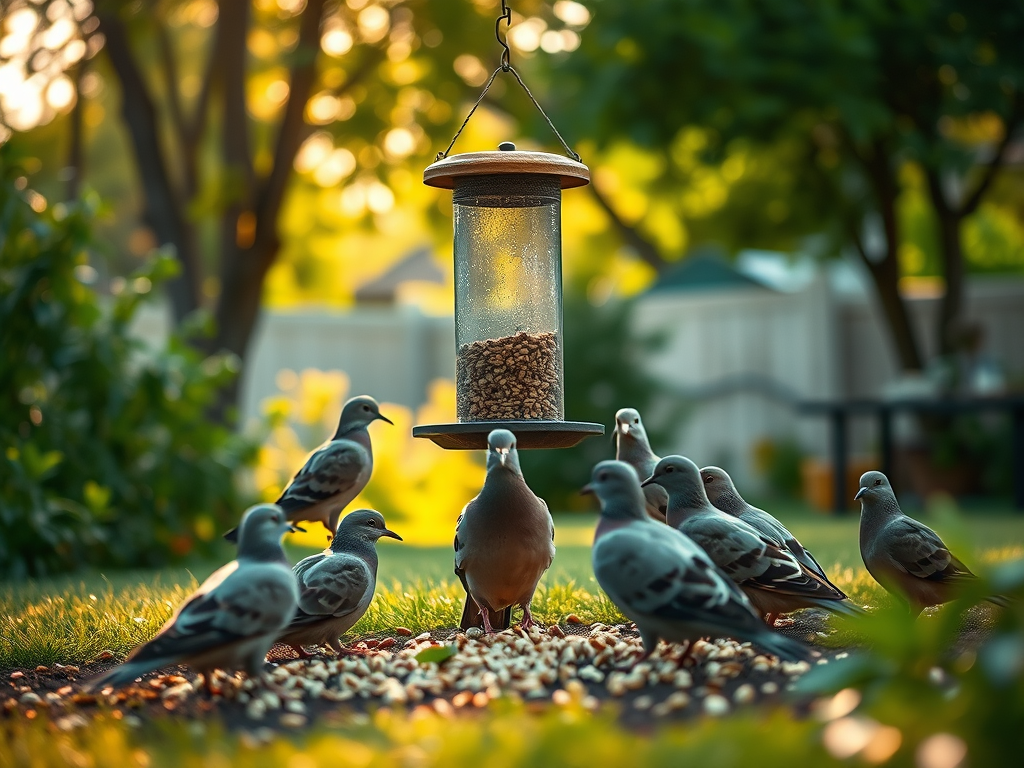
Although there is no free lunch today, knowing me as they do, they trust it will replenish. They will keep an eye out from a distance, will return to feast, especially the doves who have chosen to nest nearby, so are constantly cleaning up what the other birds leave behind.
I am no birder; I don’t go out looking for birds like the serious people of the birding community who keep a careful list of all they see or hear. I don’t even track every species visiting my humble offerings here on the farm nor do I recognize the frequent visitors as individuals. I just enjoy watching so many diverse sizes, colors and types coming together in one place to feast in relative peace and cooperation.
So unlike my own kind.
I’m happy to host such grateful creatures — even the innovative, voracious and athletic squirrel thieves.
This is my visual and tangible reminder that the good Lord provides, and I, in my own little way, can help.
This year’s Lenten theme:
…where you go I will go… Ruth 1:16
AI image created for this post
One-Time
Monthly
Yearly
Make a one-time or recurring donation to support daily Barnstorming posts
Walking in February A warm day after a long freeze On an old logging road Below Sumas Mountain Cut a walking stick of alder, Looked down through clouds On wet fields of the Nooksack— And stepped on the ice Of a frozen pool across the road. It creaked The white air under Sprang away, long cracks Shot out in the black, My cleated mountain boots Slipped on the hard slick —like thin ice—the sudden Feel of an old phrase made real— Instant of frozen leaf, Icewater, and staff in hand. “Like walking on thin ice—” I yelled back to a friend, It broke and I dropped Eight inches in ~Gary Snyder “Thin Ice”from No Nature
Everyone is treading on thin ice right now, unsure where to go next.
The trouble with overheated action and rhetoric in the middle of winter is that we all end up at risk of breaking through, no matter where we try to tread.
When we allow ourselves to be put in such peril, when we hear the creak with each step as a warning, we deserve to be doused by the chilly waters beneath our feet.
Lord, have mercy on us as we call your name in our fear and distress. Help us recognize the cracks forming with each step we take.
Put us on our knees before you and lead us to safety. Only you know where we need to be rather than where we are. You’ll be there to pull us out of the mess we’re in.
AI image created for this post
One-Time
Monthly
Yearly
Make a one-time or recurring donation to support daily Barnstorming posts
How granular they feel—grief and regret, arriving, as they do, in the sharp particularities of distress. Inserting themselves— cunning, intricate, subversive—into our discourse.
In the long night, grievances seem to multiply. Old dreams mingling with new. Disappointment and regret bludgeon the soul, your best imaginings bruised, your hopes ragged.
Yet wait, watch. From the skylight the room is filling with soft early sun, slowly sifting its light on the bed, on your head, a shower of fine particles. How welcome. And how reliable. ~Luci Shaw“Sorrow”
(In my sleep I dreamed this poem)
Someone I loved once gave me a box full of darkness.
We are given a box full of darkness by someone who loves us, and we can’t help but open it, weeping.
It takes a lifetime to understand, if we ever do, we will inevitably hand off this gift to others we love.
Opening the box allows the Light in where none existed before.
Light pours into our brokenness.
Sorrow ends up shining through our tears: we reach out from a deep well of need. Because we are loved so thoroughly, we too love deeply beyond ourselves.
AI image created for this post
One-Time
Monthly
Yearly
Make a one-time or recurring donation to support daily Barnstorming posts
Make a monthly donation
Make a yearly donation
Choose an amount
$10.00
$25.00
$50.00
$5.00
$15.00
$100.00
$5.00
$15.00
$100.00
Or enter a custom amount
$
Your contribution is deeply appreciated to help offset the costs of maintaining an ad-free website.
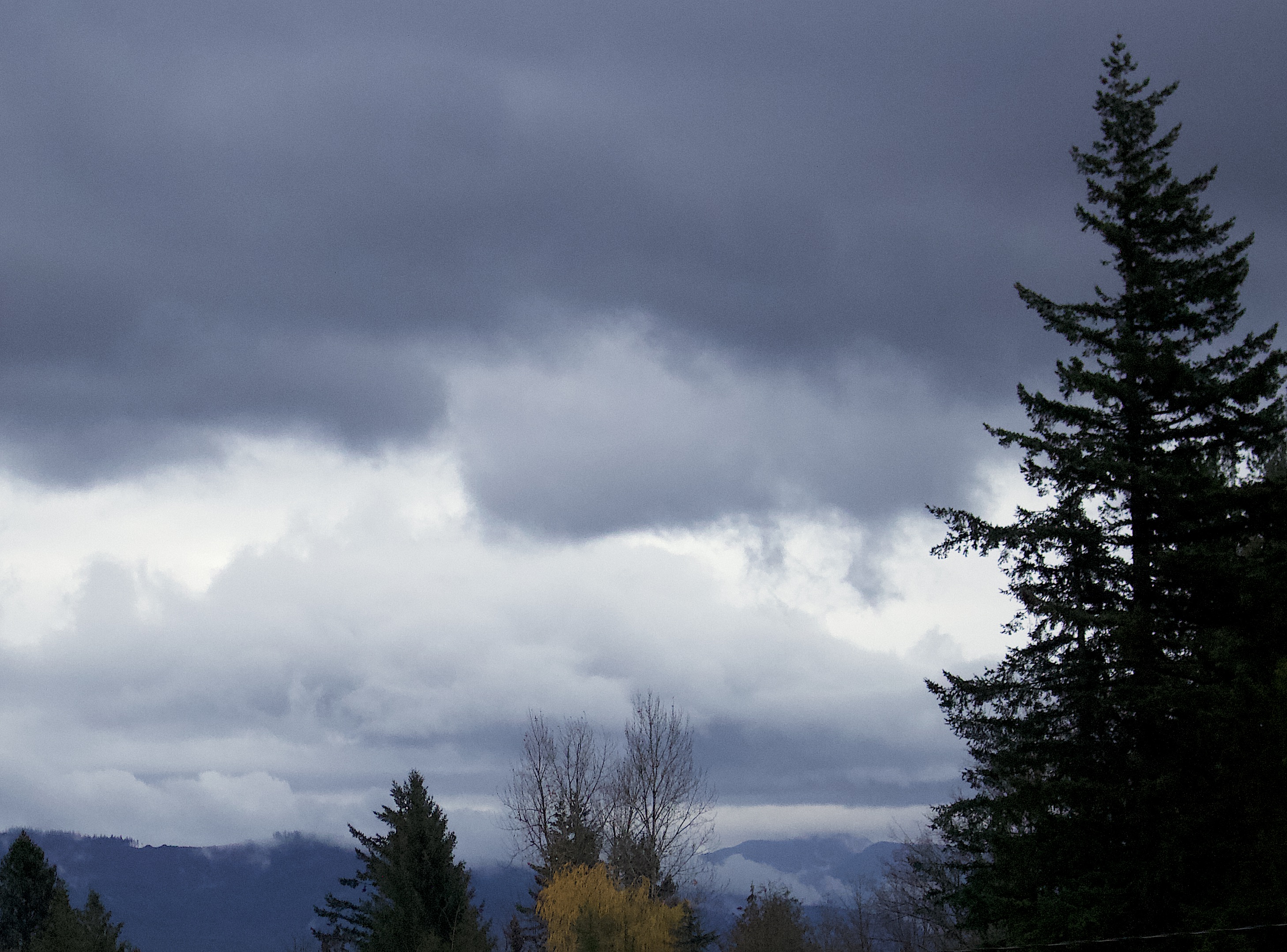
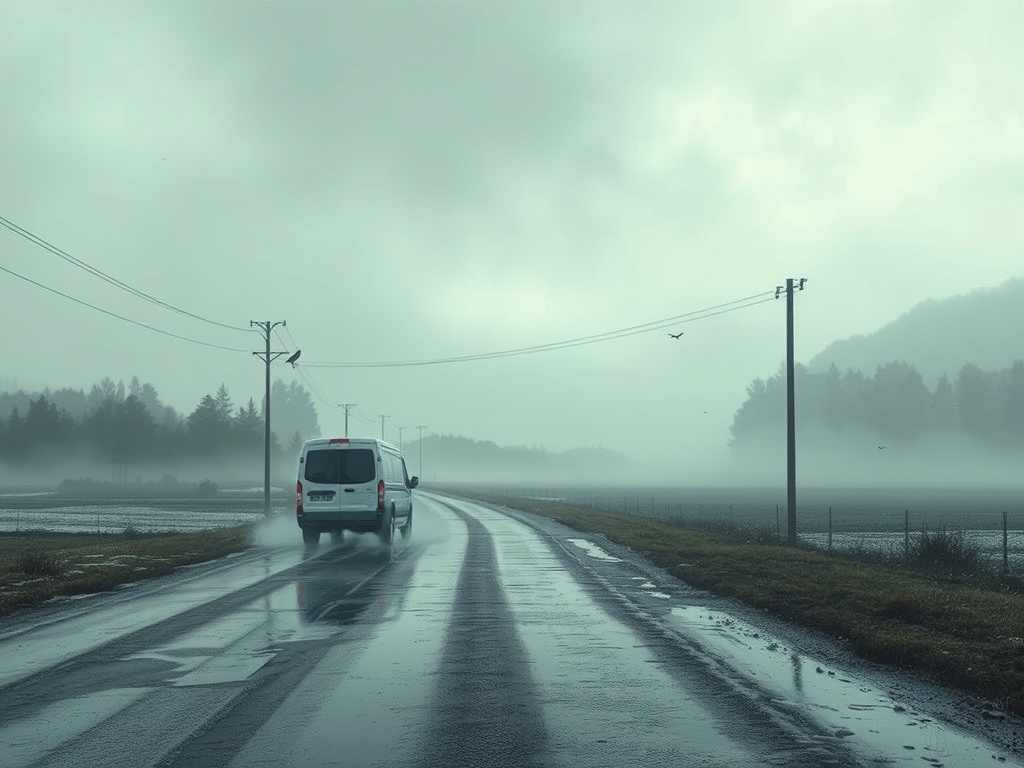
Yesterday it was still January and I drove home and the roads were wet and the fields were wet and a palette knife had spread a slab of dark blue forestry across the hill. A splashed white van appeared from a side road then turned off and I drove on into the drab morning which was mudded and plain and there was a kind of weary happiness that nothing was trying to be anything much and nothing was being suggested. I don’t know how else to explain the calm of this grey wetness with hardly a glimmer of light or life, only my car tyres swishing the lying water, and the crows balanced and rocking on the windy lines. ~Kerry Hardie “Acceptance”
For some time I thought there was time and that there would always be time for what I had a mind to do and what I could imagine going back to and finding it as I had found it the first time but by this time I do not know what I thought when I thought back then
there is no time yet it grows less there is the sound of rain at night arriving unknown in the leaves once without before or after then I hear the thrush waking at daybreak singing the new song ~W.S.Merwin “The New Song” from The Moon Before Morning, 2014
I leant upon a coppice gate When Frost was spectre-gray, And Winter’s dregs made desolate The weakening eye of day. The tangled bine-stems scored the sky Like strings of broken lyres, And all mankind that haunted nigh Had sought their household fires.
The land’s sharp features seemed to be The Century’s corpse outleant, His crypt the cloudy canopy, The wind his death-lament. The ancient pulse of germ and birth Was shrunken hard and dry, And every spirit upon earth Seemed fervourless as I.
At once a voice arose among The bleak twigs overhead In a full-hearted evensong Of joy illimited; An aged thrush, frail, gaunt, and small, In blast-beruffled plume, Had chosen thus to fling his soul Upon the growing gloom.
So little cause for carolings Of such ecstatic sound Was written on terrestrial things Afar or nigh around, That I could think there trembled through His happy good-night air Some blessed Hope, whereof he knew And I was unaware. ~Thomas Hardy “The Darkling Thrush”
I need reminding that what I offer up from my own heart predicts what I receive there.
If I’m grumbling and falling apart like a dying vine instead of a vibrant green tree~~~ coming up empty and hollow with discouragement, entangled in the soppy cobwebs and mildew of worry, only grumbling and grousing~~~ then no singing bird will come.
It is so much better to nurture the singers of joy and gladness with a heart budding with grace and gratitude, anticipatory and expectant.
I’ve swept my welcome mat; it is out and waiting. The symphony can begin any time now…
AI image created for this post
One-Time
Monthly
Yearly
Make a one-time or recurring donation to support daily Barnstorming posts
Each year I mark one lone outstanding tree, Clad in its robings of the summer past, Dry, wan, and shivering in the wintry blast. It will not pay the season’s rightful fee,— It will not set its frost-burnt leafage free; But like some palsied miser all aghast, Who hoards his sordid treasure to the last, It sighs, it moans, it sings in eldritch glee. A foolish tree, to dote on summers gone; A faithless tree, that never feels how spring Creeps up the world to make a leafy dawn, And recompense for all despoilment bring! Oh, let me not, heyday and youth withdrawn, With failing hands to their vain semblance cling! ~Edith Matilda Thomas “Winter Leafage”
Decades ago, while I worked as a nurses’ aide in a nursing home, I cared for a little slip of a lady almost 100 years of age who would not go down the hall to breakfast without her make up on. Wearing makeup was more important than putting on clothing to her, so our daily morning routine was prolonged considerably as she meticulously penciled over her invisible eyebrows, caked on powder on her forehead, nose and cheeks to cover the wrinkles, and tremulously applied a wavy thick border of red lipstick on her thin lips.
I tried to tell her how lovely she was without a mask on, how her well-worn skin deserved to be seen and admired, how her eyes shone more brightly without crumbling mascara on non-existent eyelashes. She would have none of it. She had never appeared in public without her makeup since her teenage years, and she was not about to start now.
She clung to the fading leaves of her youth, holding on with all her might to what she believed kept her beautiful, so she continued to preserve her “frost-burnt leafage” by covering up her translucent wrinkles.
She died quietly in her sleep one night. My morning duty was to prepare her body for the coming mortician. I washed her lovely face clean for the last time, admiring her without the makeup cover, appreciating each wrinkle’s fold and crevice, knowing she now was made new in a leafy dawn I could only imagine.
The mortician would do what was needed to dress her up to her specifications. But now I had seen the beauty underneath.
AI image created for this post
One-Time
Monthly
Yearly
Make a one-time or recurring donation to support daily Barnstorming posts
Make a monthly donation
Make a yearly donation
Choose an amount
$10.00
$25.00
$50.00
$5.00
$15.00
$100.00
$5.00
$15.00
$100.00
Or enter a custom amount
$
Your contribution is deeply appreciated help offset the costs of maintaining this ad-free website.
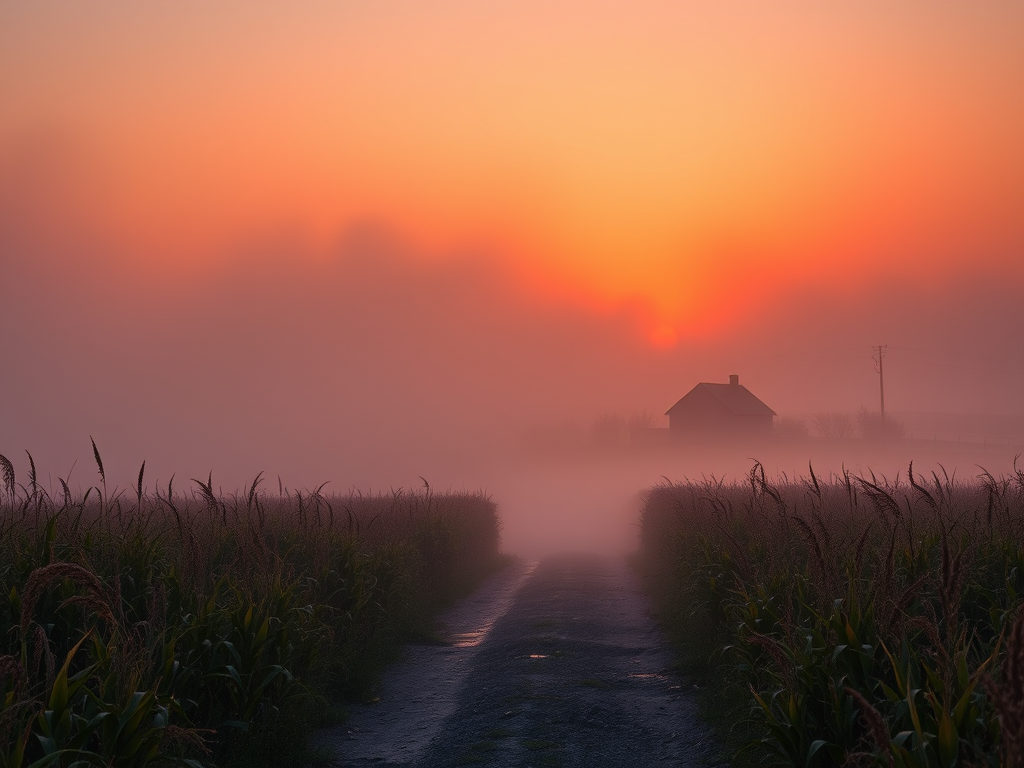
In the quiet misty morning When the moon has gone to bed, When the sparrows stop their singing And the sky is clear and red, When the summer’s ceased its gleaming When the corn is past its prime, When adventure’s lost its meaning – I’ll be homeward bound in time
Bind me not to the pasture Chain me not to the plow Set me free to find my calling And I’ll return to you somehow
If you find it’s me you’re missing If you’re hoping I’ll return, To your thoughts I’ll soon be listening, And in the road I’ll stop and turn Then the wind will set me racing As my journey nears its end And the path I’ll be retracing When I’m homeward bound again
Bind me not to the pasture Chain me not to the plow Set me free to find my calling And I’ll return to you somehow
In the quiet misty morning When the moon has gone to bed, When the sparrows stop their singing I’ll be homeward bound again. ~Marta Keen “Homeward Bound”
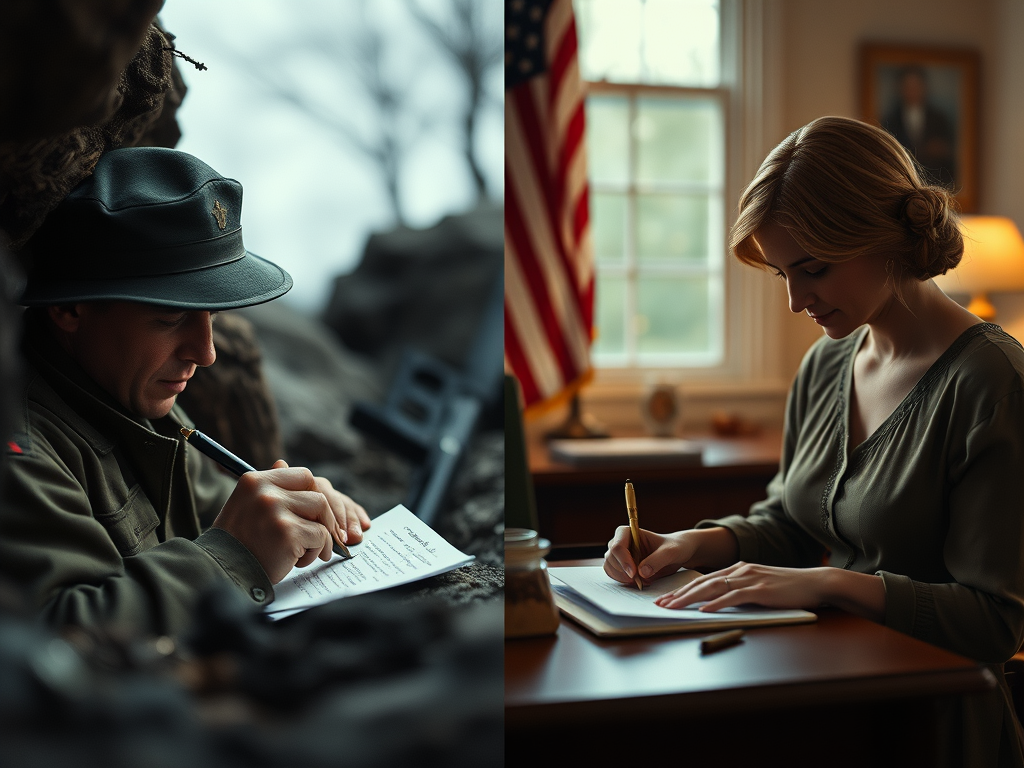
Eighty-two years ago, my parents married on Christmas Eve. It was not a conventional wedding day but a date of necessity, only because a justice of the peace was available to marry a score of war-time couples in Quantico, Virginia, shortly before the newly trained Marine officers were shipped out to the South Pacific to fight in WWII.
When I look at my parents’ young faces – ages 22 and just turned 21 — in their only wedding portrait, I see a hint of the impulsive decision that led to that wedding just a week before my father left for 30 months. They had known each other at college for over a year, had talked about a future together, but with my mother starting a teaching job in a rural Eastern Washington town, and the war potentially impacting all young men’s lives very directly, they had not set a date.
My father put his college education on hold to enlist, knowing that would give him some options he wouldn’t have if drafted, so they went their separate ways as he headed east to Virginia for his Marine officer training, and Mom started her high school teaching career as a speech and drama teacher. One day in early December of 1942, he called her and said, “If we’re going to get married, it’ll need to be before the end of the year. I’m shipping out the first week in January.” Mom went to her high school principal, asked for a two week leave of absence which was granted, told her astonished parents, bought a dress, and headed east on the train with a friend who had received a similar call from her boyfriend.
This was a completely uncharacteristic thing for my overly cautious mother to do, so… it must have been love.
They were married in a brief civil ceremony with another couple as the witnesses. They stayed in Virginia only a couple days and took the train back to San Diego, and my father was shipped out. Just like that. Mom returned to her teaching position and the first three years of their married life was composed of letter correspondence only, with gaps of up to a month during certain island battles when no mail could be delivered or posted.
As I sorted through my mother’s things following her death over a decade ago, I found their war-time letters to each other, stacked neatly and tied together in a box.
In my father’s nearly daily letters home to my mother during WWII, month after month after month, he would say, over and over, while apologizing for the repetition:
“I will come home to you, I will return, I will not let this change me, we will be joined again…”
This was his way of convincing himself even as he carried the dead and dying after island battles: men he knew well and the enemy he did not know. He knew they were never returning to the home they died protecting and to those who loved them.
He shared little of battle in his letters as each letter was reviewed and signed off by a censor before being sealed and sent. This story, however, made it through:
“You mentioned a story of Navy landing craft taking the Marines into Tarawa. It reminded me of something which impressed me a great deal and something I’m sure I’ll never forget.
So you’ll understand what I mean I’ll try to start with an explanation. In training – close order drill- etc. there is a command that is given always when the men form in the morning – various times during the day– after firing– and always before a formation is dismissed. The command is INSPECTION – ARMS. On the command of EXECUTION- ARMS each man opens the bolt of his rifle. It is supposed to be done in unison so you hear just one sound as the bolts are opened. Usually it is pretty good and sounds O.K.
Just to show you how the morale of the men going to the beach was – and how much it impressed me — we were on our way in – I was forward, watching the beach thru a little slit in the ramp – the men were crouched in the bottom of the boat, just waiting. You see- we enter the landing boats with unloaded rifles and wait till it’s advisable before loading. When we got about to the right distance in my estimation I turned around and said – LOAD and LOCK – I didn’t realize it, but every man had been crouching with his hand on the operating handle and when I said that — SLAM! — every bolt was open at once – I’ve never heard it done better – and those men meant business when they loaded those rifles.
A man couldn’t be afraid with men like that behind him.”
My father did return home to my mother after nearly three years of separation. He finished his college education to become an agriculture teacher to teach others how to farm the land while he himself became bound to the pasture and chained to the plow.
He never forgot those who died, making it possible for him to return home. I won’t forget either.
My mother and father could not have foretold the struggles that lay ahead for them. The War itself seemed struggle enough for the millions of couples who endured the separation, the losses and grieving, as well as the eventual injuries–both physical and psychological. It did not seem possible that beyond those harsh and horrible realities, things could go sour after reuniting.
The hope and expectation of happiness and bliss must have been overwhelming, and real life doesn’t often deliver. After raising three children, their 35 year marriage fell apart with traumatic finality. When my father returned home (again) over a decade later, asking for forgiveness, they remarried and had five more years together before my father died in 1995.
Christmas is a time of joy, a celebration of new beginnings and new life when God became man, humble, vulnerable and tender. But it also gives us a foretaste for the profound sacrifice made in giving up this earthly life, not always so gently.
As I peer at my father’s and mother’s faces in their wedding photo, I remember those eyes, then so trusting and unaware of what was to come. I find peace in knowing they both have returned home to behold the Light, the Salvation and the Glory~~the ultimate Christmas~~in His presence.
AI image created for this postAI image created for this post
One-Time
Monthly
Yearly
Make a one-time or recurring donation to support daily Barnstorming posts
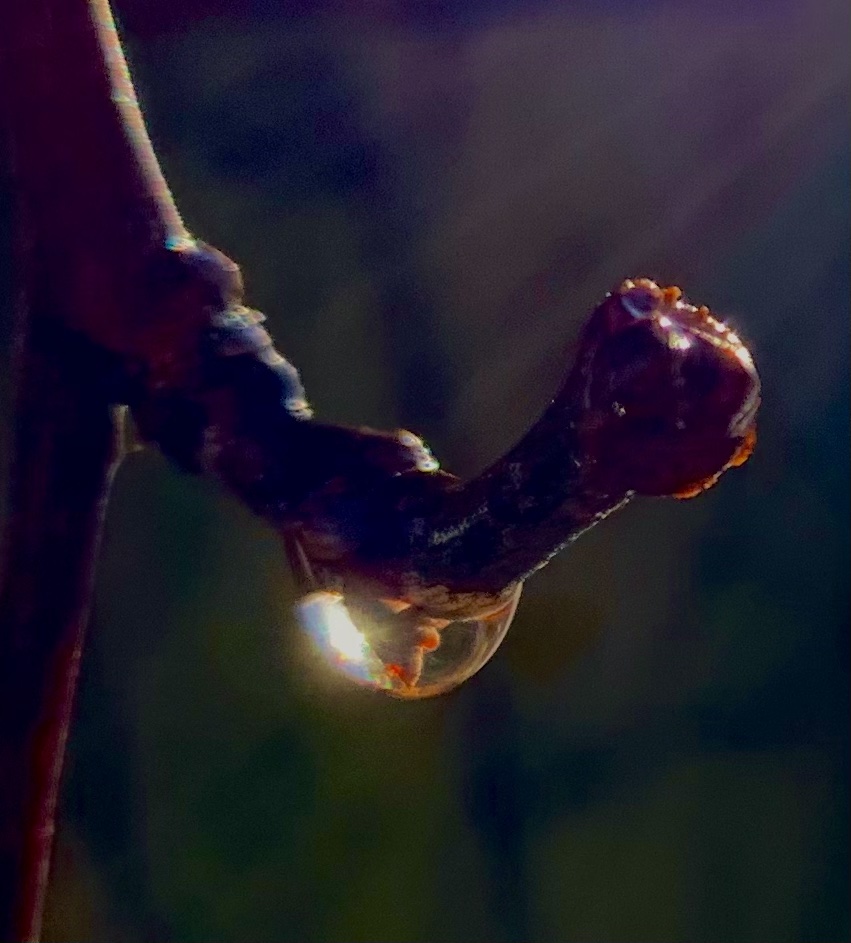
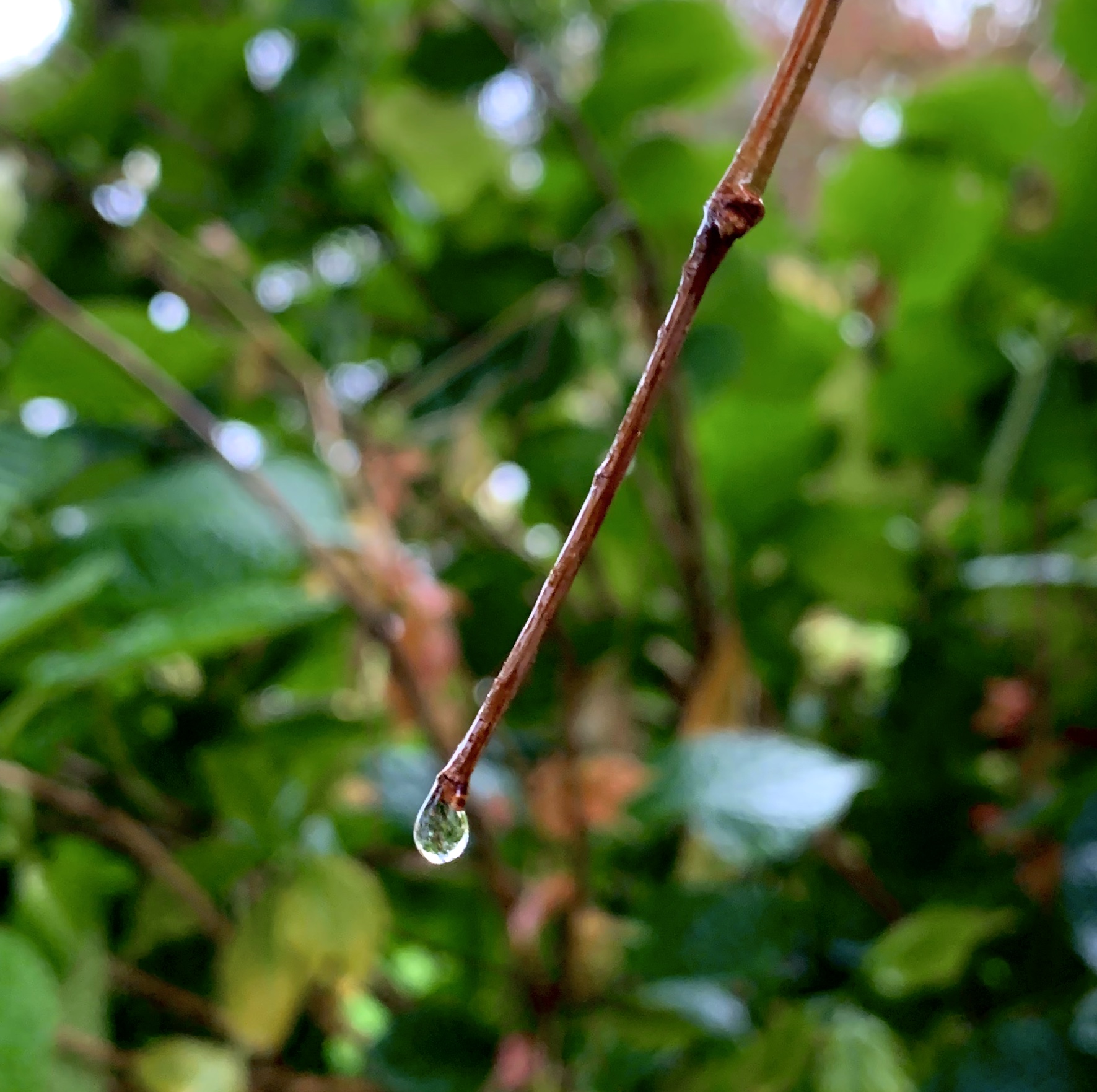
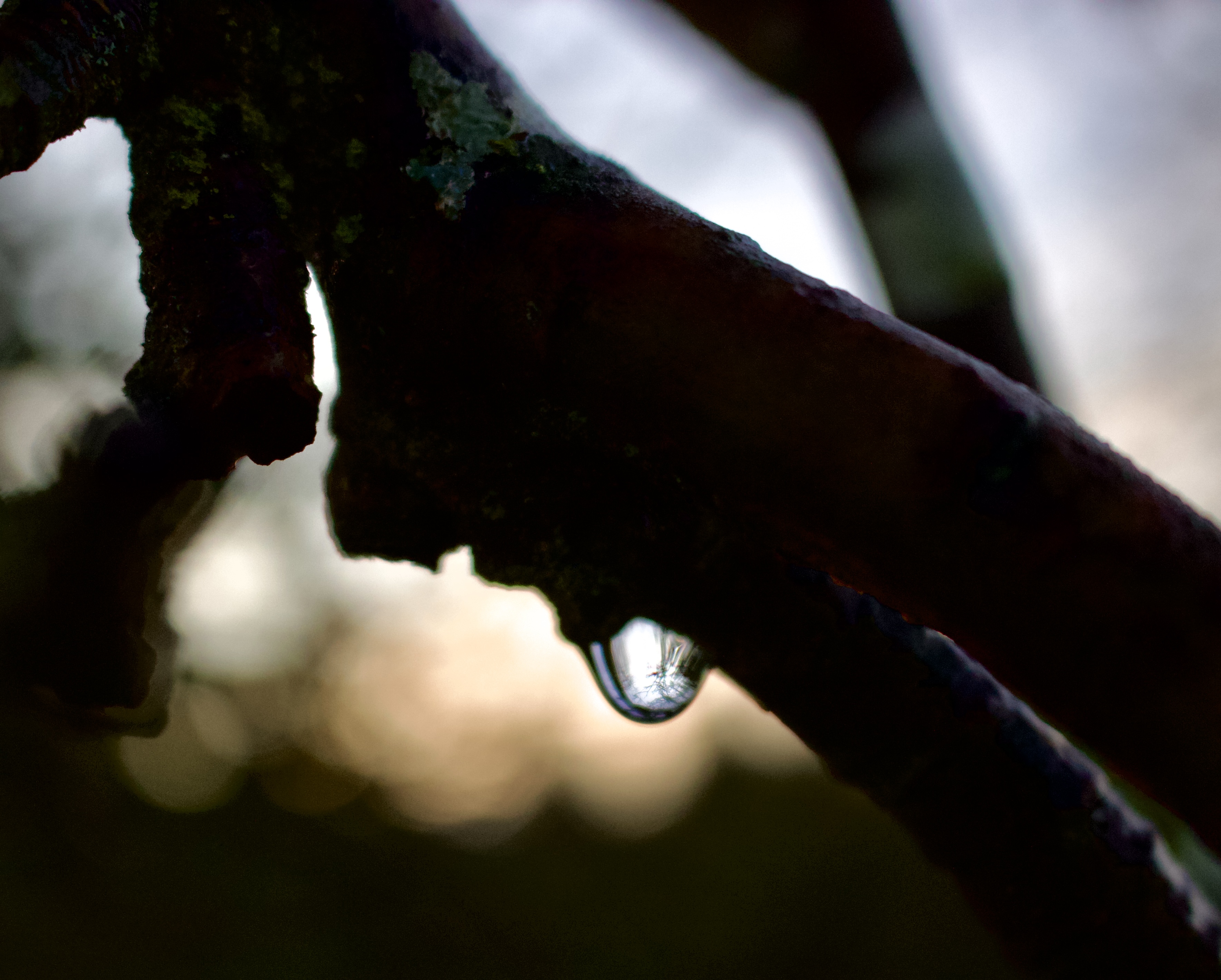
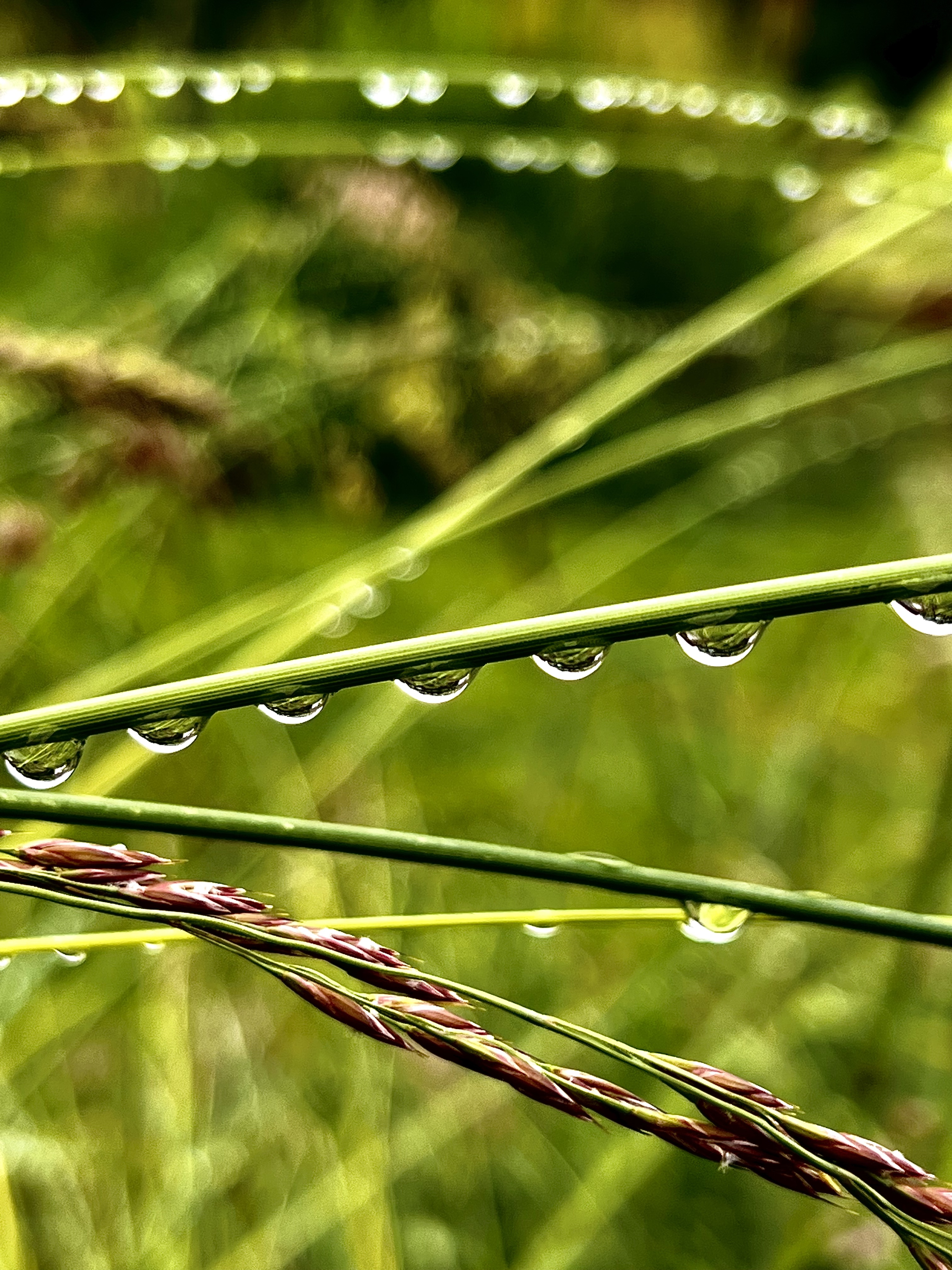
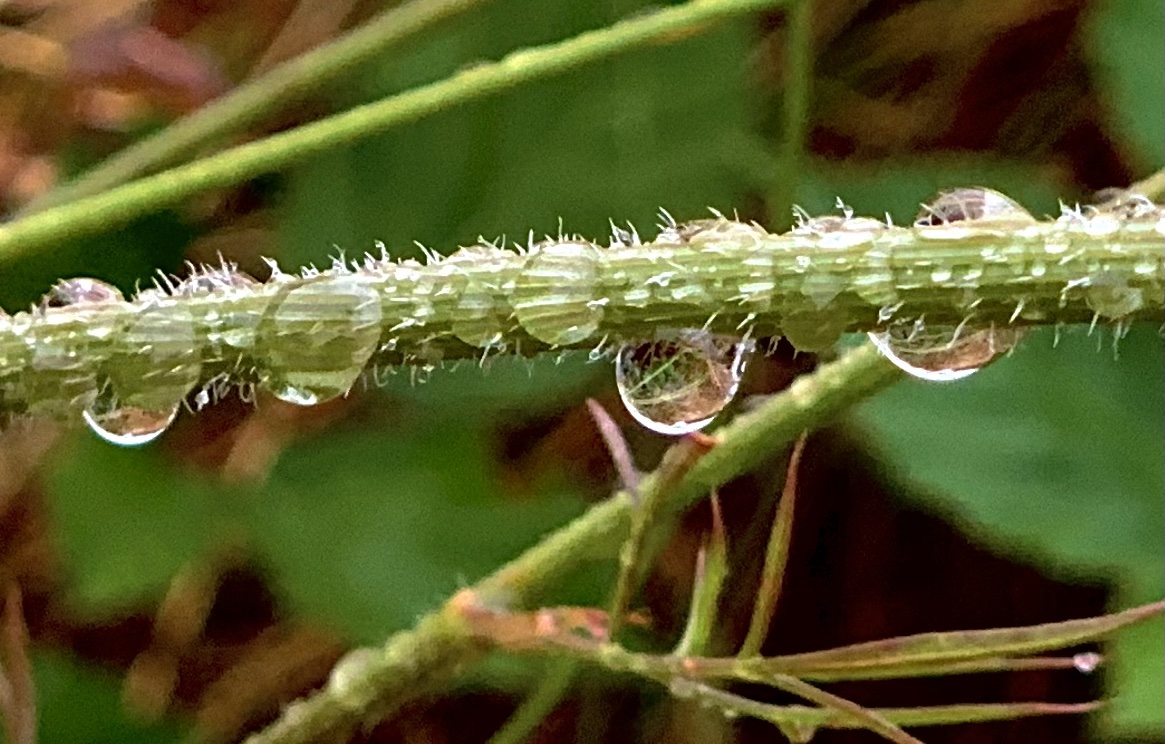
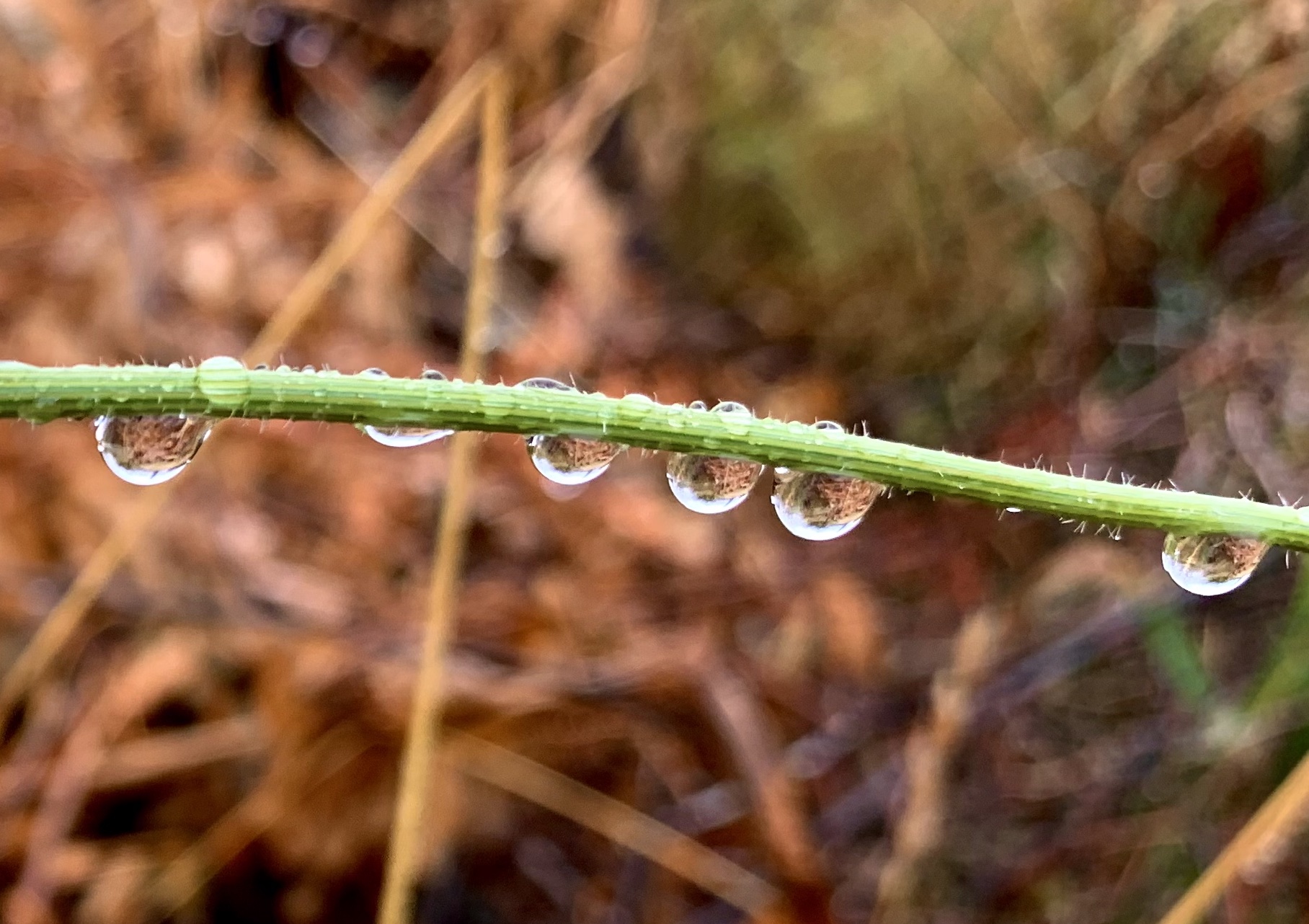
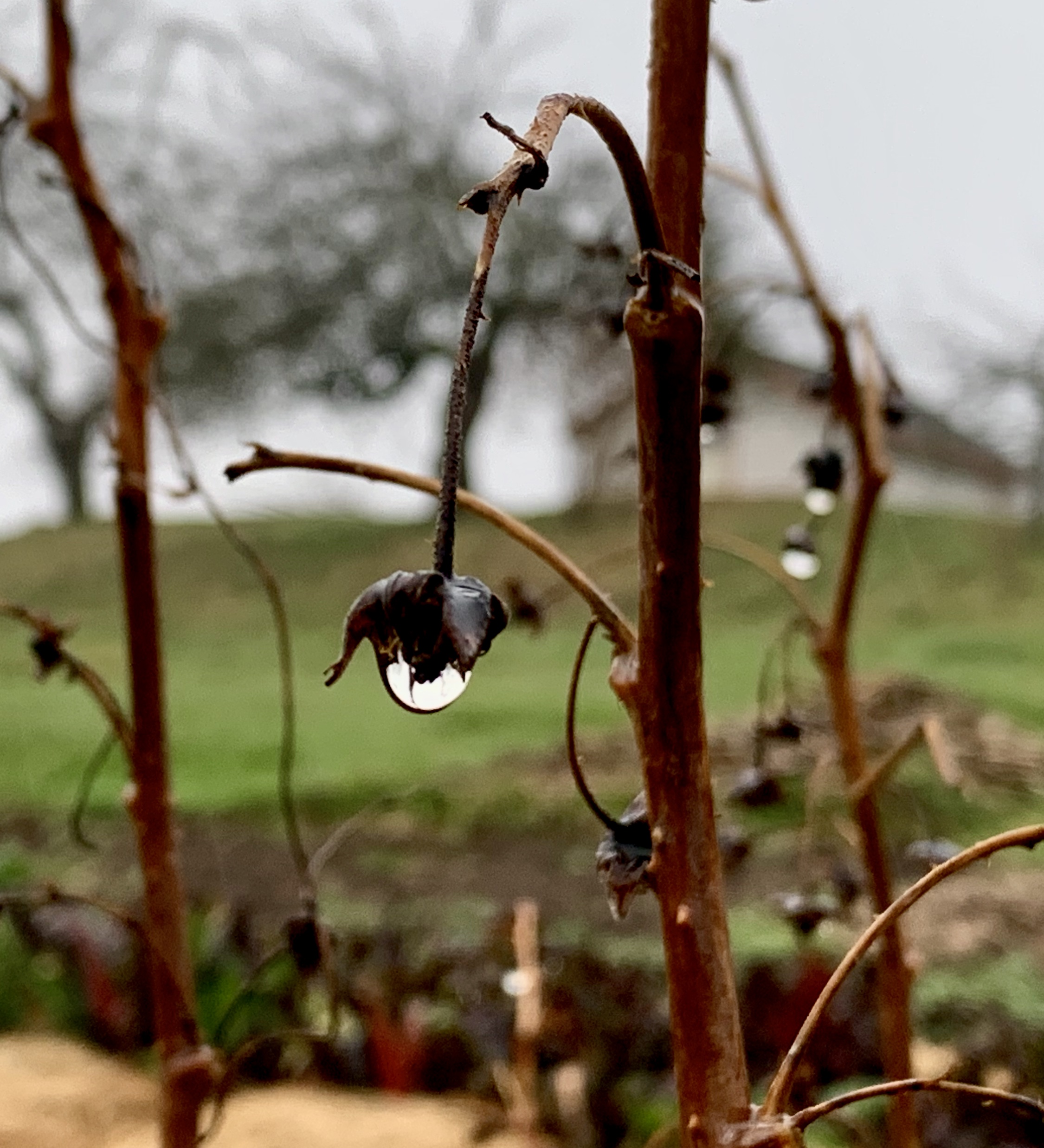
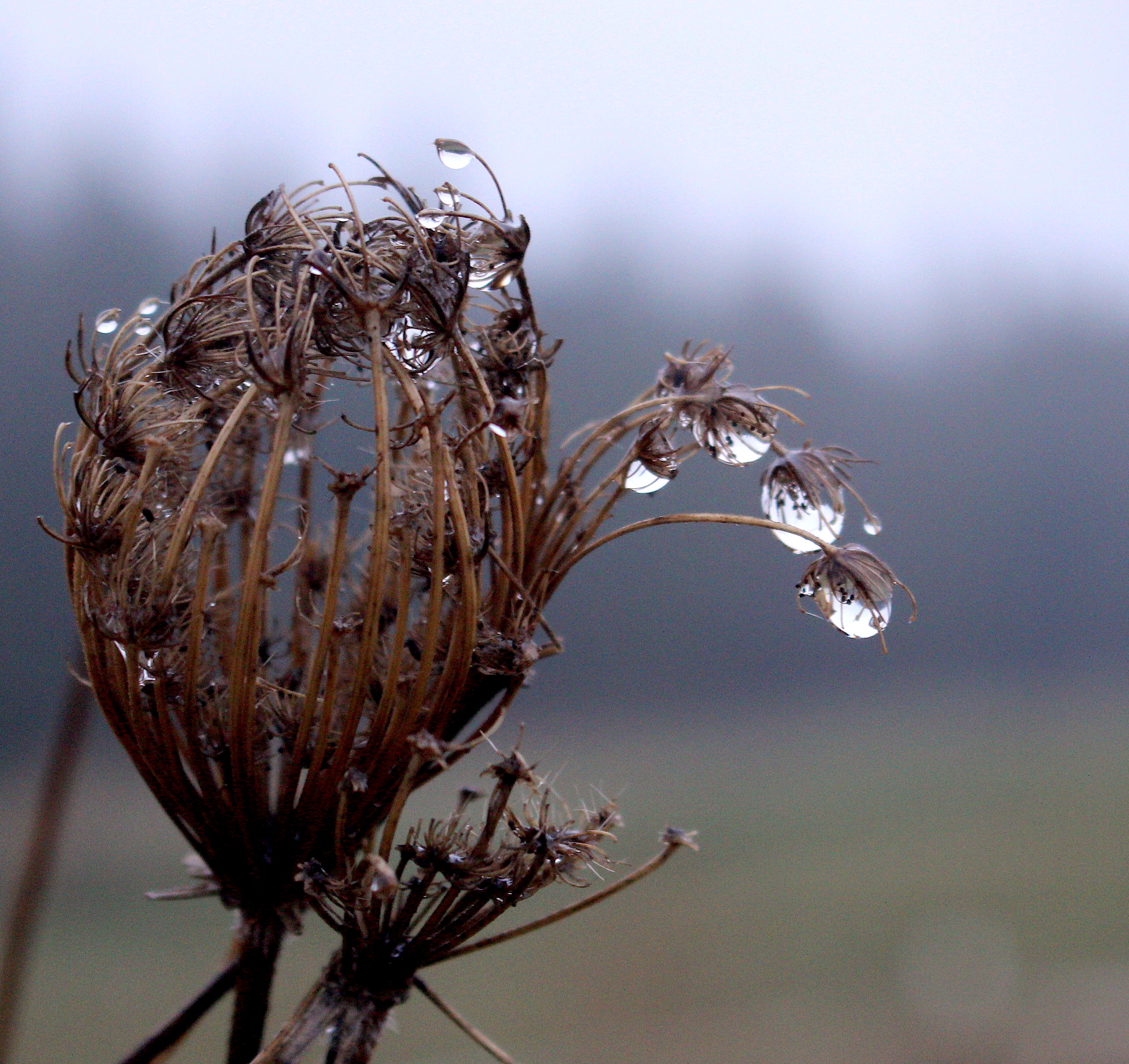
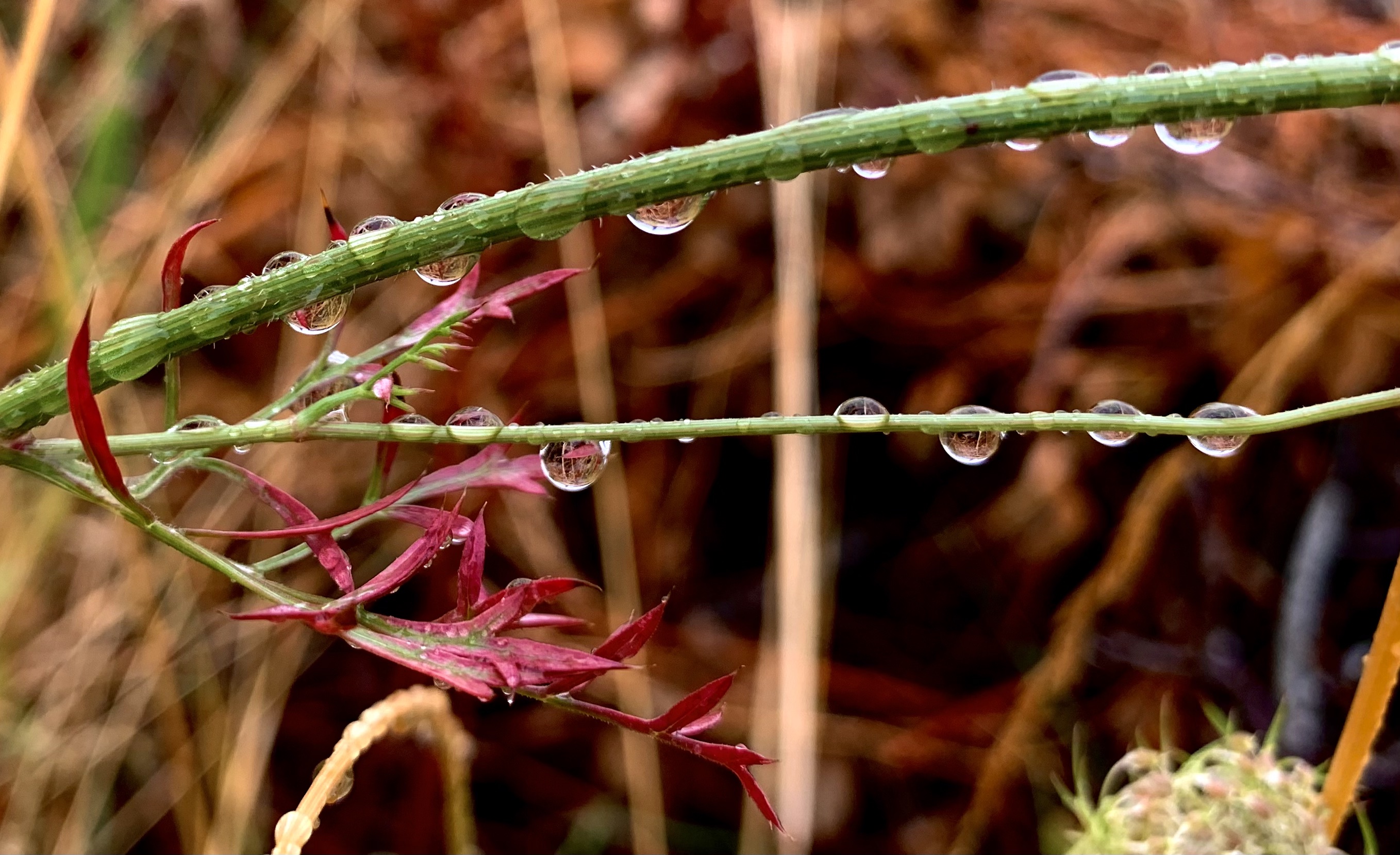
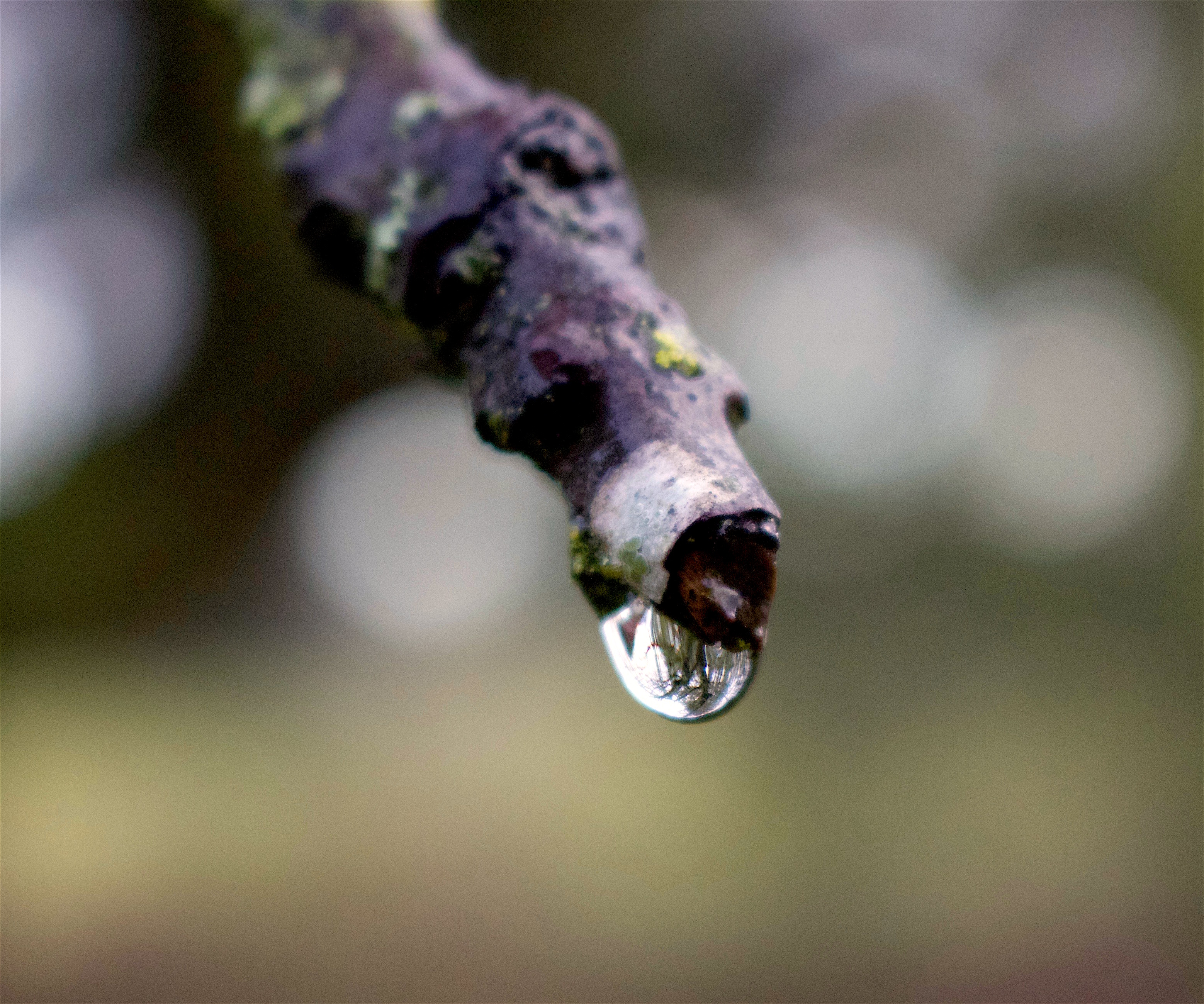
Find a quiet rain. Then a green spruce tree. You will notice that nearly every needle has been decorated with a tiny raindrop ornament. Look closely inside the drop and there you are. In color. Upside down. Raindrops have been collecting snapshots since objects and people were placed, to their surprise, here and there on earth.
…even if we are only on display for a moment in a water drop as it clings to a pine needle, it is expected that we be on our best behavior, hair combed, jacket buttoned, no vulgar language. Smiling is not necessary, but a pleasant attitude is helpful, and would be, I think, appreciated. ~Tom Hennen from “Outdoor Photos”in Darkness Sticks to Everything
… We are, as we have always been, dangerous creatures, the enemies of our own happiness. But the only help we have ever found for this, the only melioration, is in mutual reverence.
God’s grace comes to us unmerited, the theologians say. But the grace we could extend to one another we consider it best to withhold in very many cases, presumptively, or in the absence of what we consider true or sufficient merit (we being more particular than God), or because few gracious acts, if they really deserve the name, would stand up to a cost-benefit analysis.
This is not the consequence of a new atheism, or a systemic materialism that afflicts our age more than others. It is good old human meanness, which finds its terms and pretexts in every age. The best argument against human grandeur is the meagerness of our response to it, paradoxically enough.
And yet, the beautiful persists, and so do eloquence and depth of thought, and they belong to all of us because they are the most pregnant evidence we can have of what is possible in us. ~ Marilynne Robinson from “What Are We Doing Here?”
These past three weeks I’ve been trudging along feeling cranky – each step an effort, each thought a burden, taking every opportunity to grump about myself, the state of the weather, politics, and of course, death and taxes.
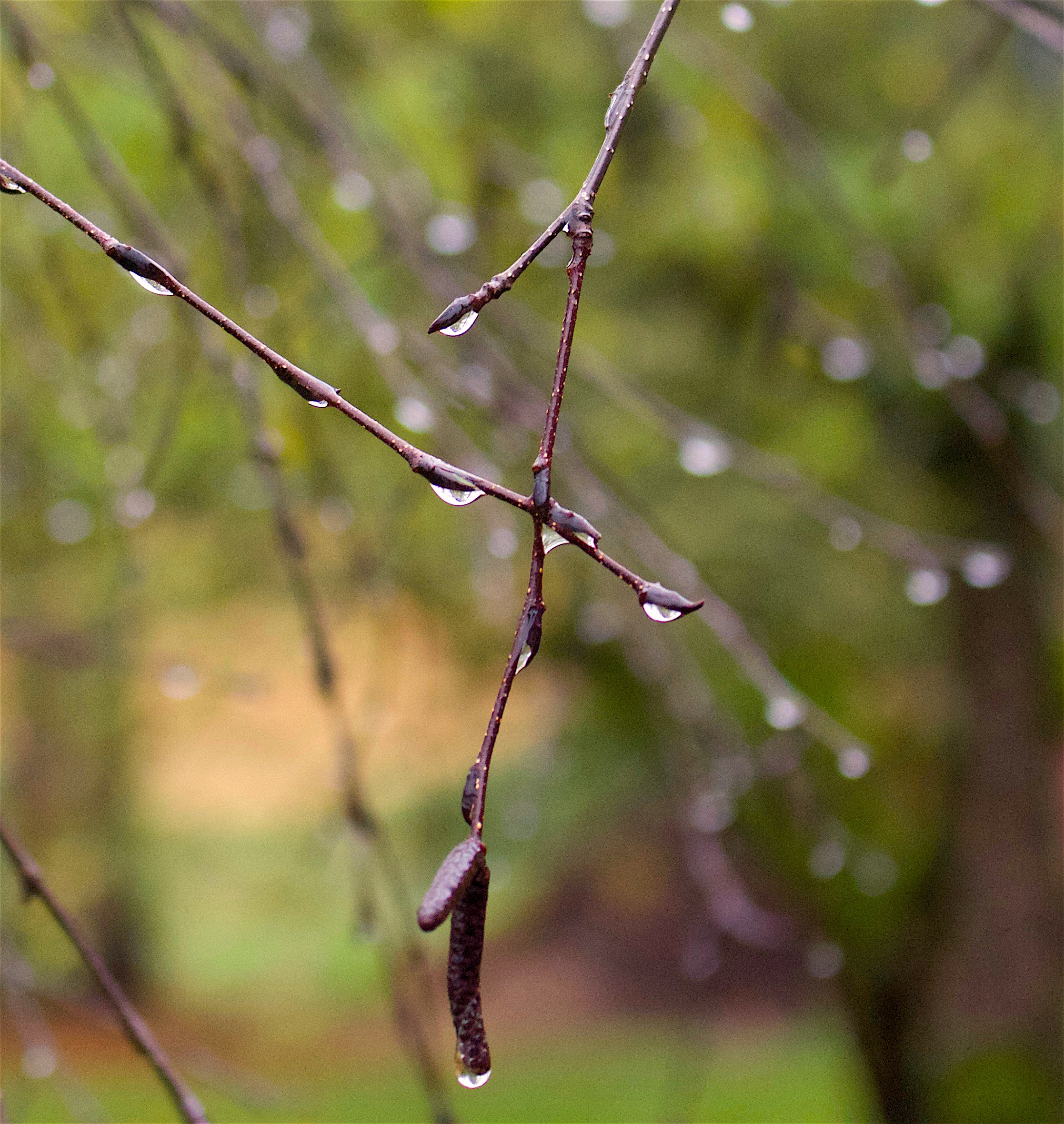
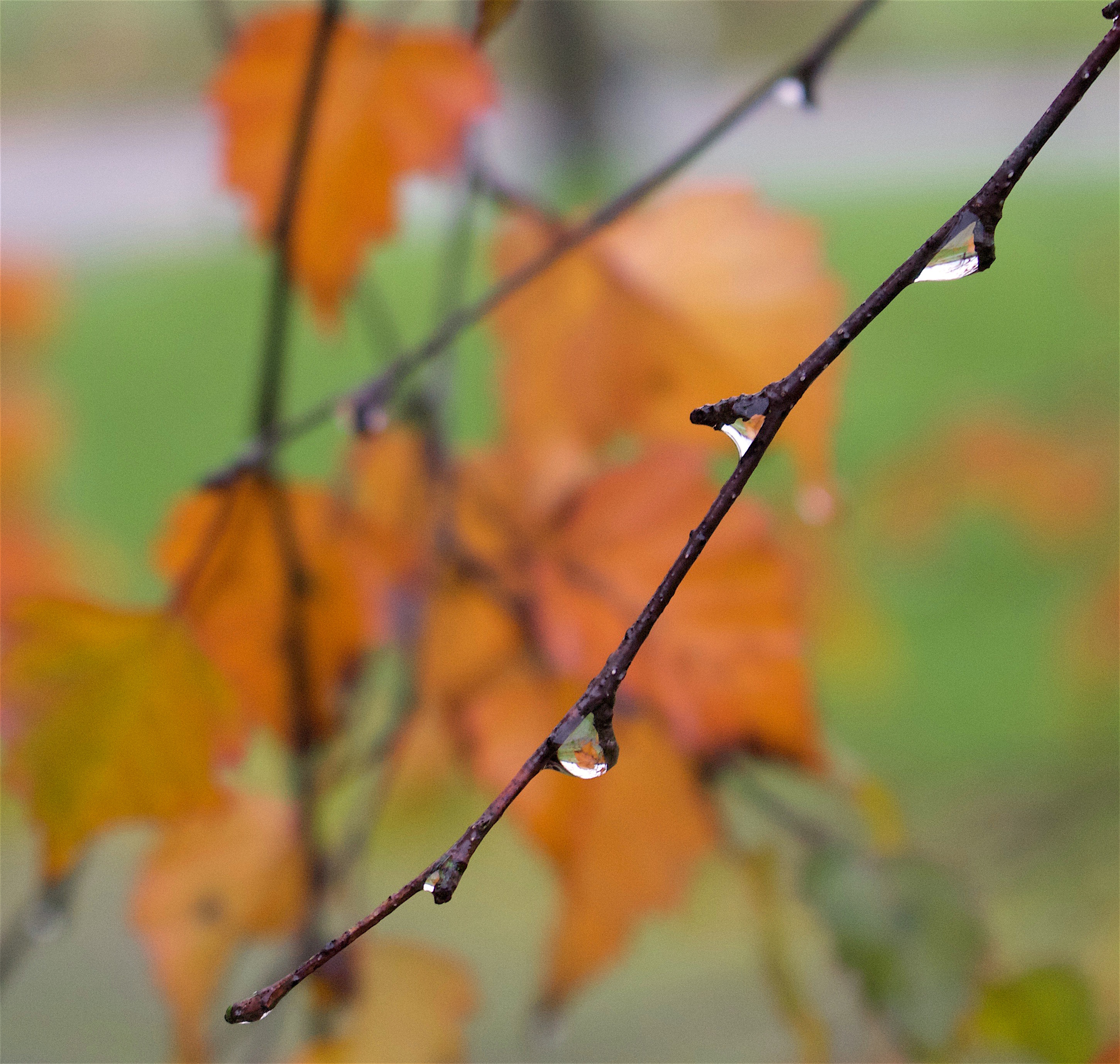
It has been raining and gray here most of the past month with raindrops hanging from every branch. I am preserved in the camera eye of the raindrops I pass, if only for an instant – each drip snapping an instagram selfie photo of my upside-down piss-poor attitude.
It wouldn’t hurt me to stop rolling my eyes and cringing at the world. I might even try on a smile in a spirit of grace and forgiveness, even if the events of the day may not call for it. At least those smiles, reflected in the lens of each raindrop, will soak the soil when let go to fall earthward.
Planting smiles drop by drop: this inundating rain is a gift of grace to heal my grumbles – pregnant evidence of the beauty possible if I let it shine forth.
One-Time
Monthly
Yearly
Make a one-time or recurring donation to support daily Barnstorming posts
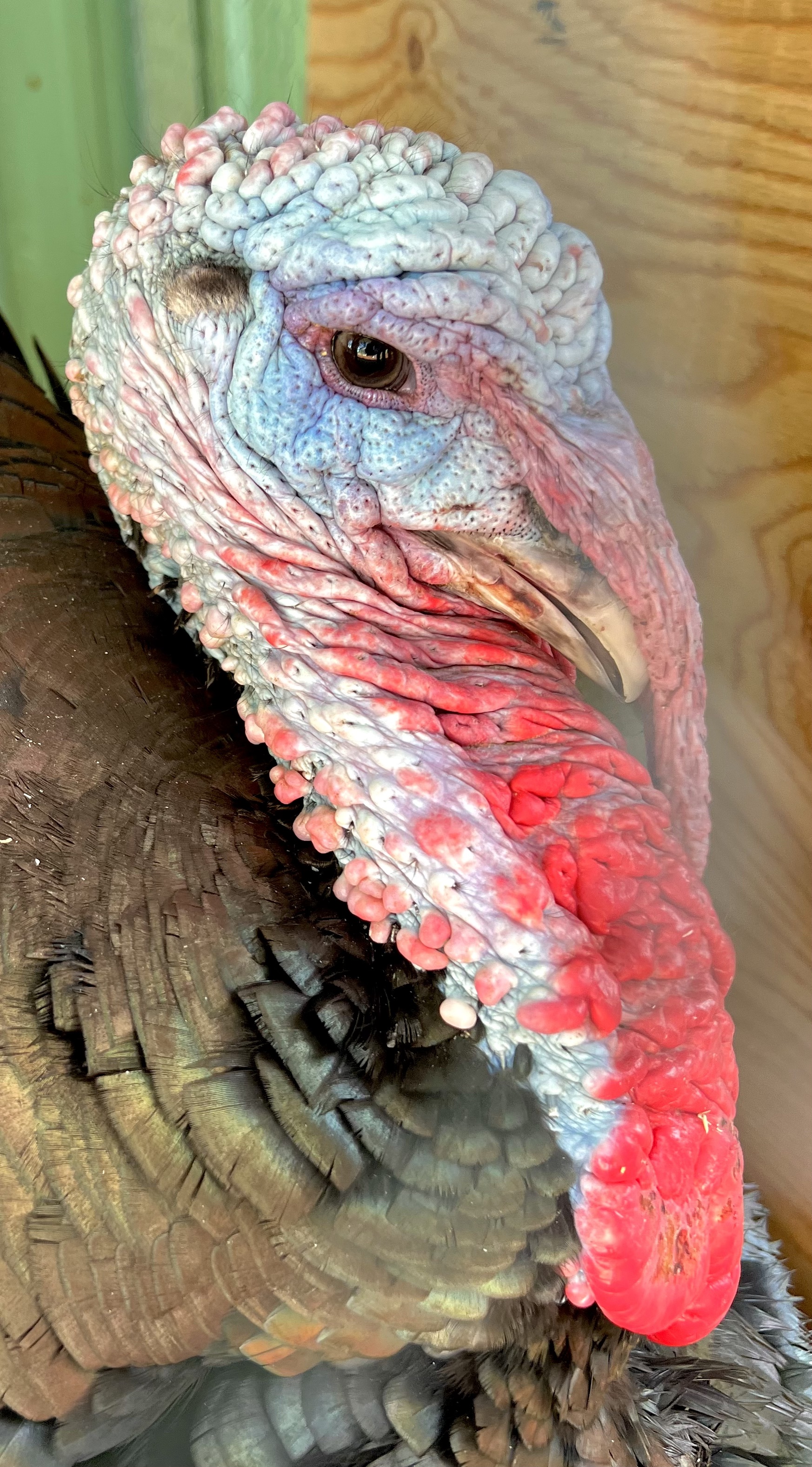
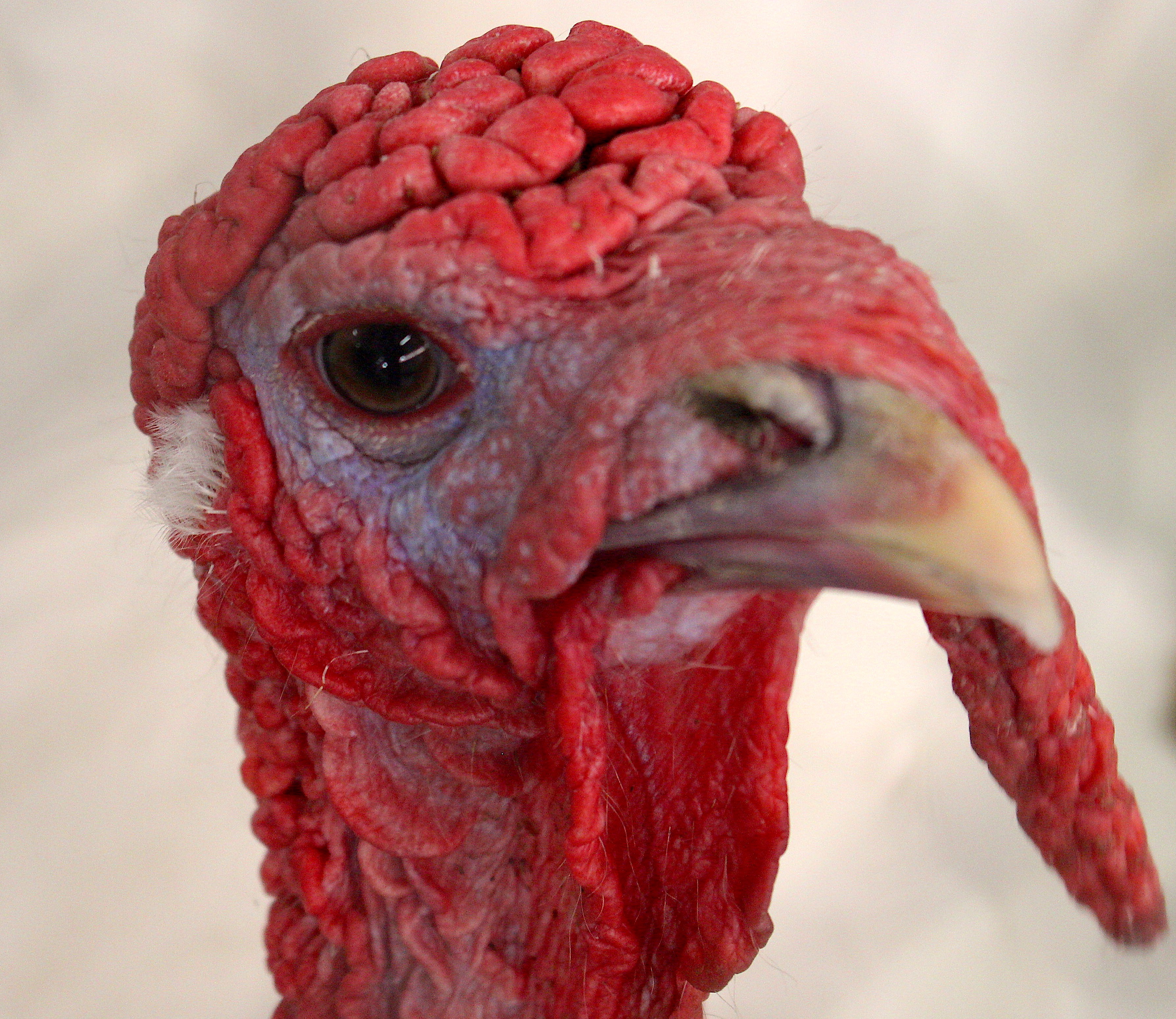
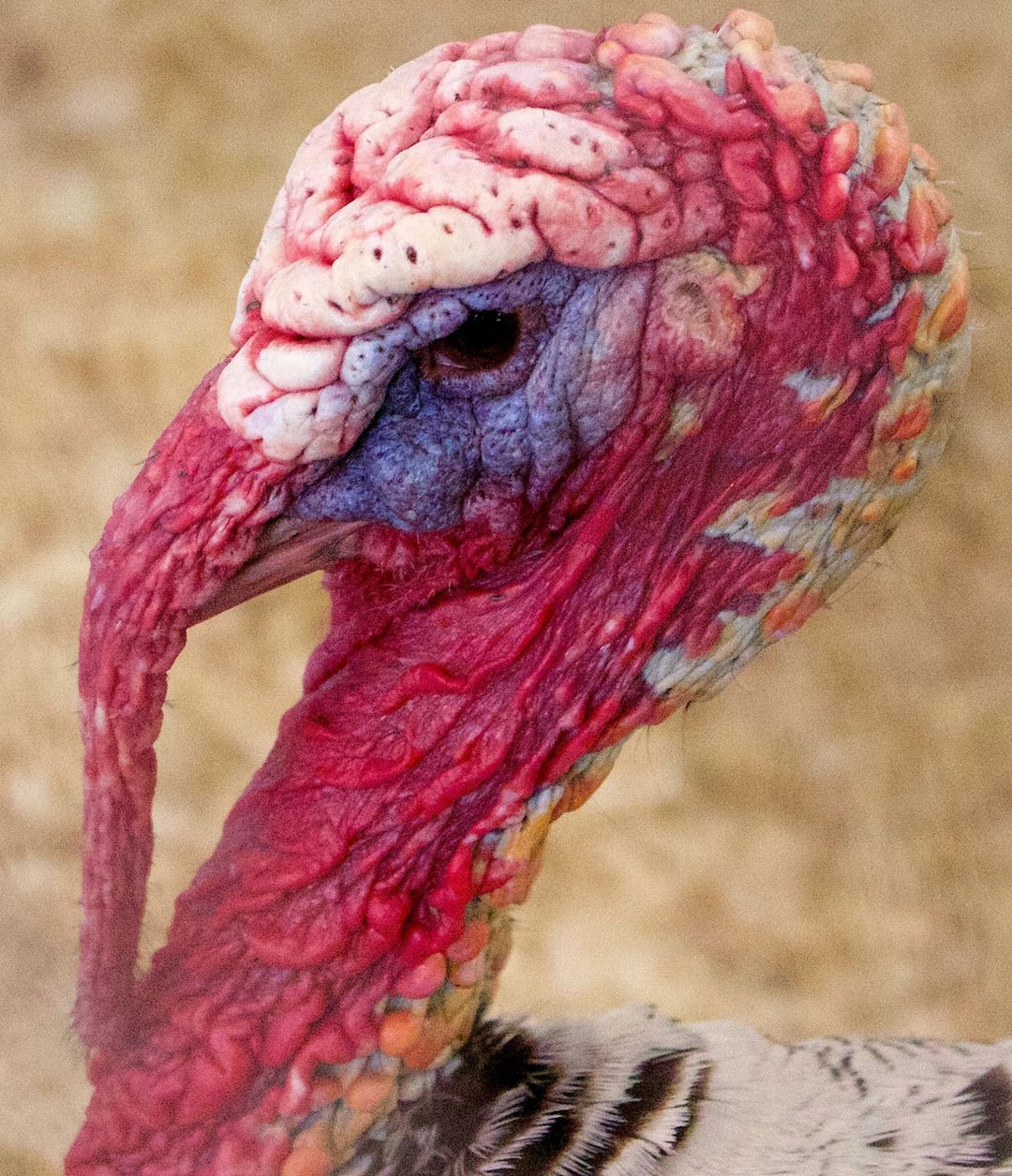
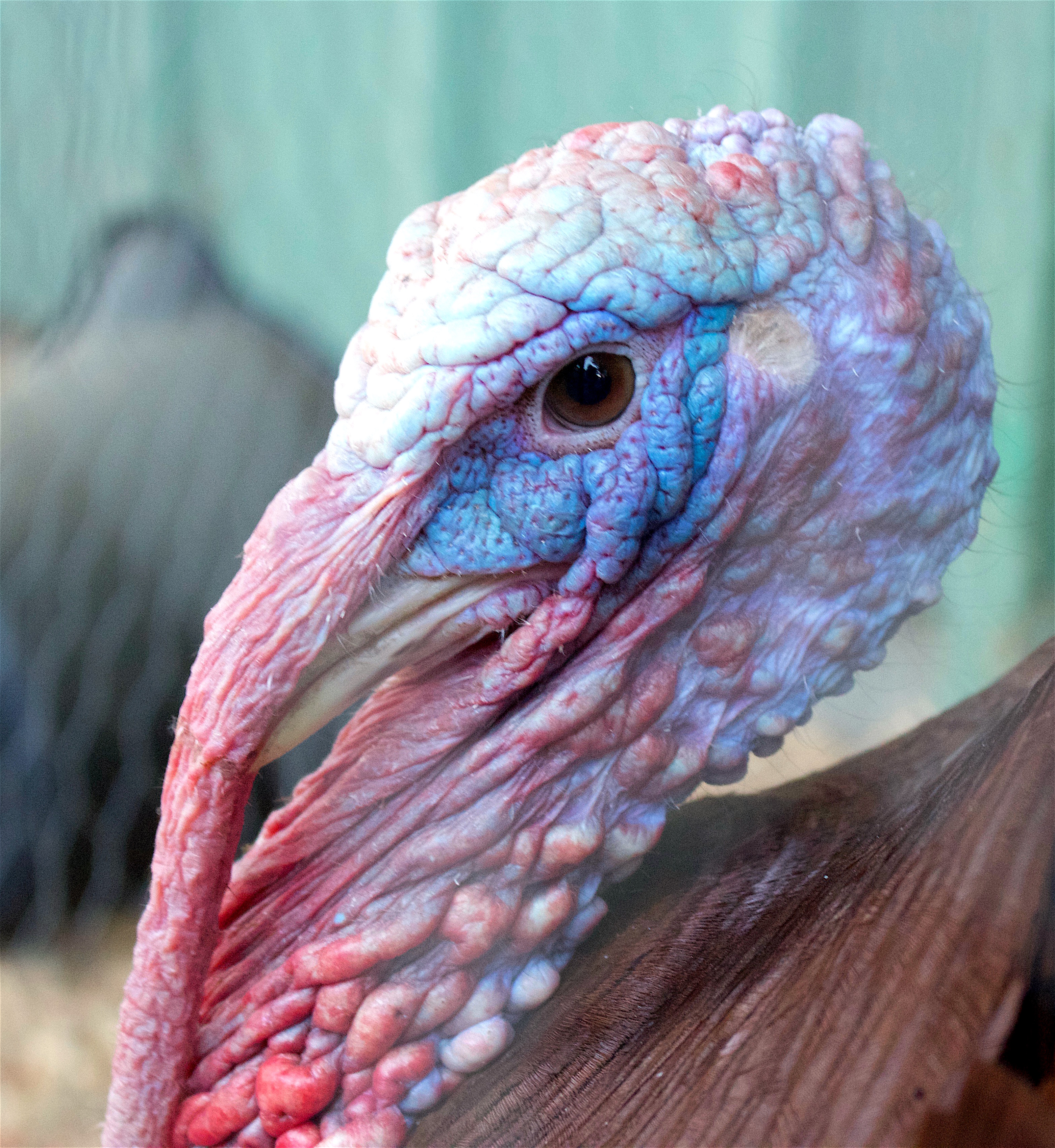
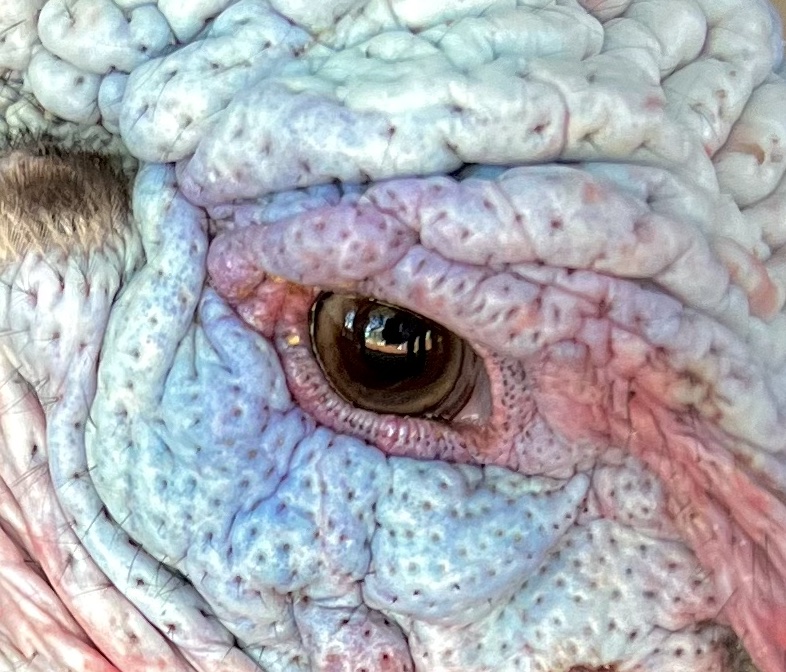
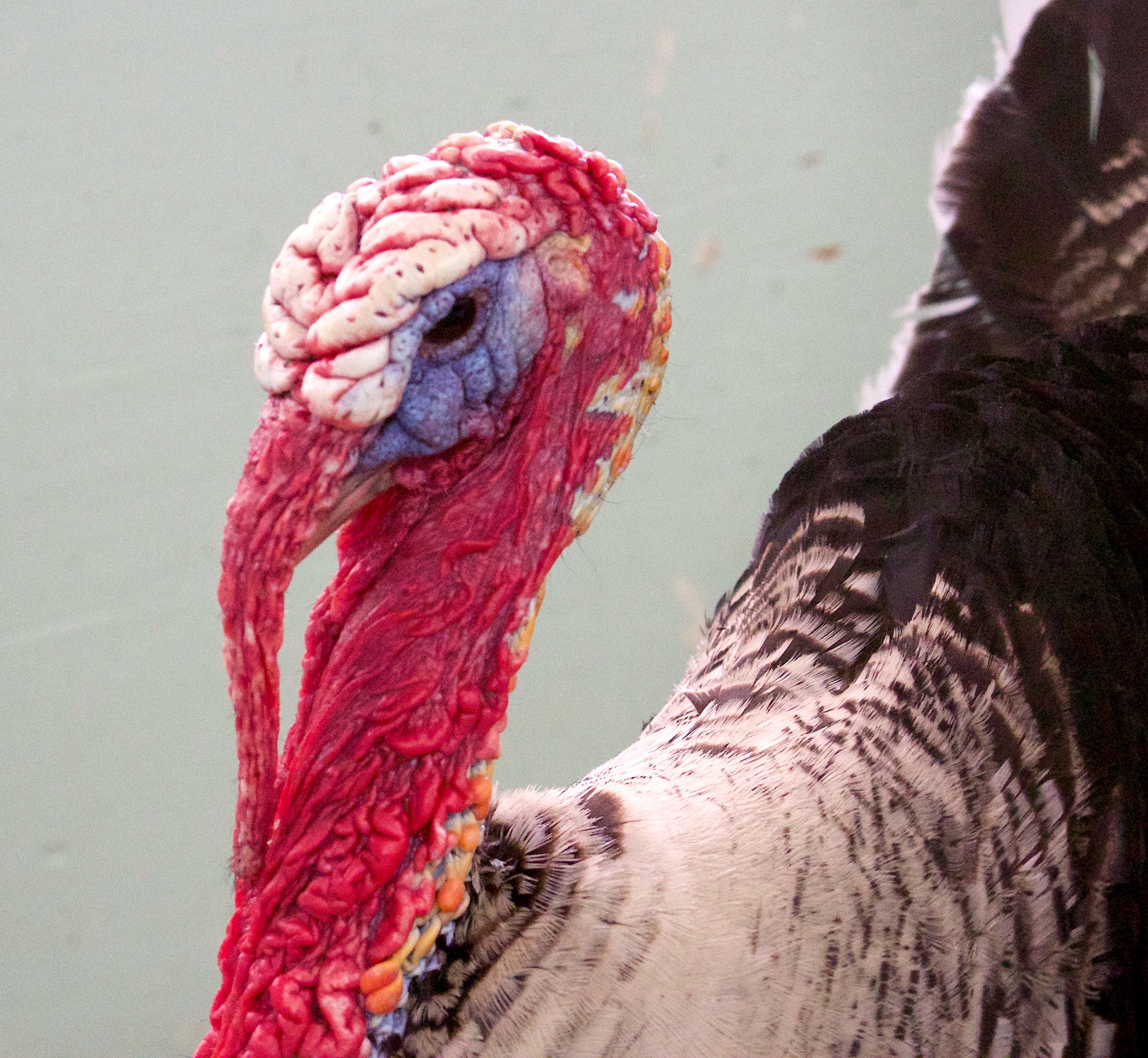
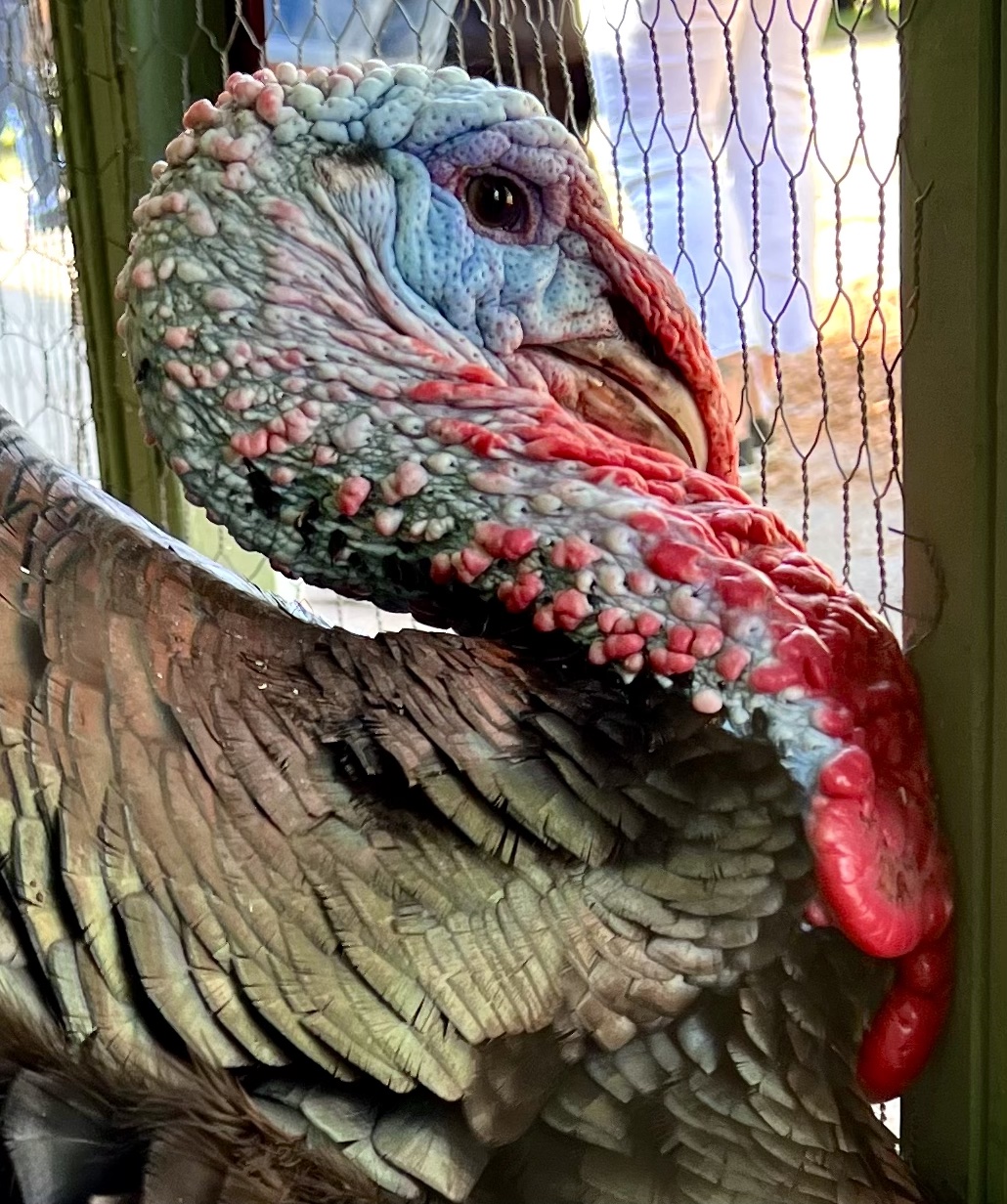
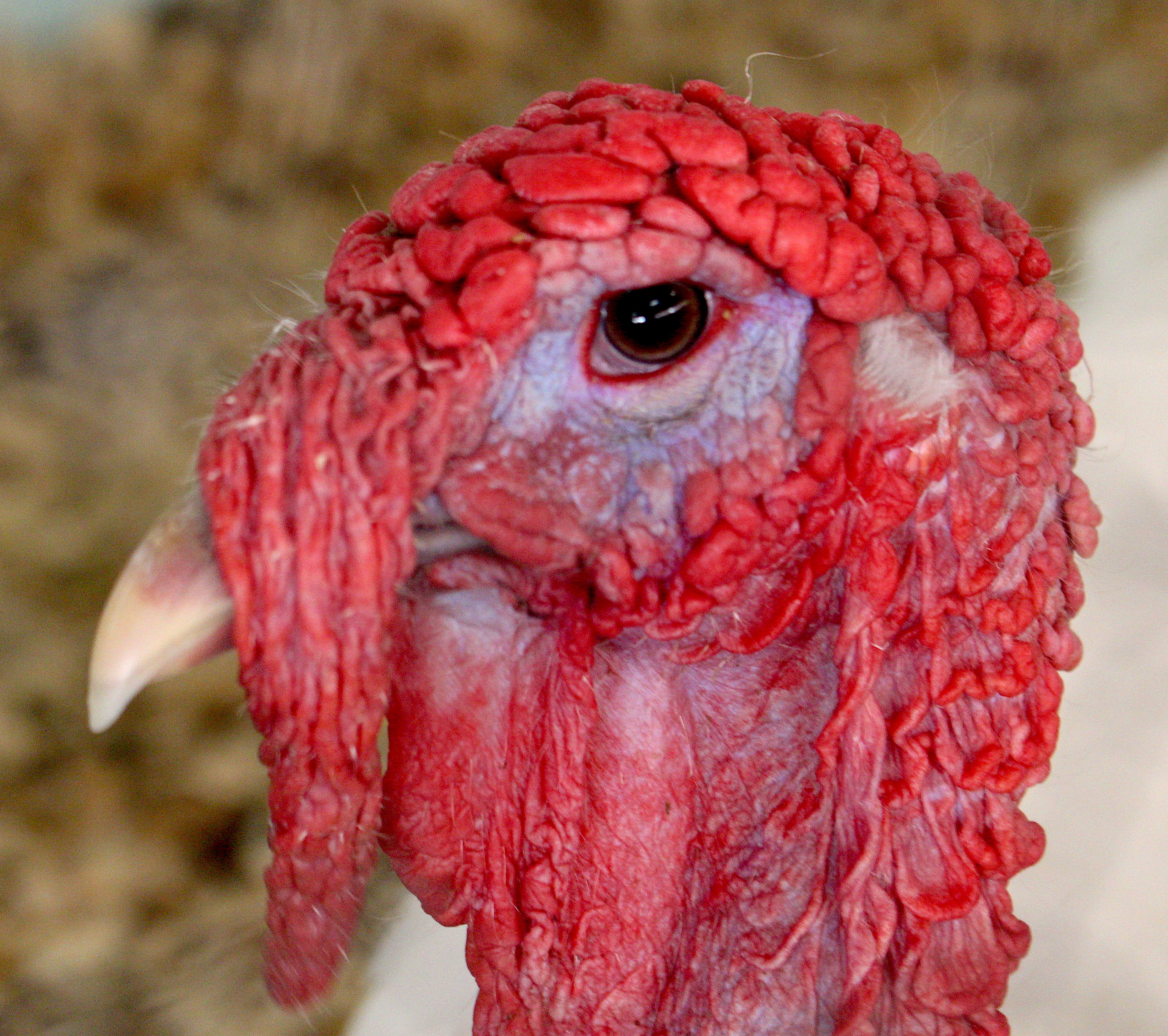
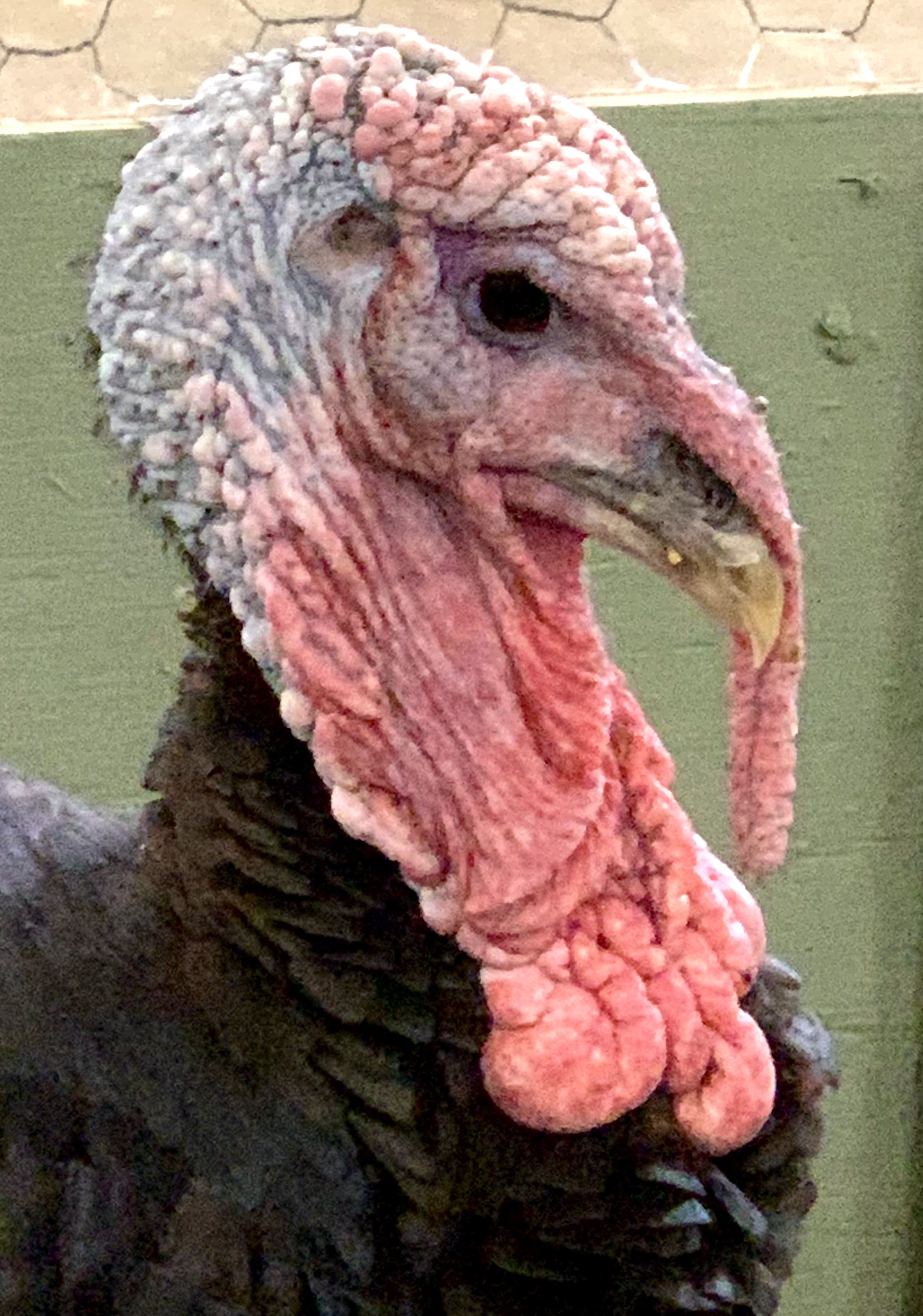
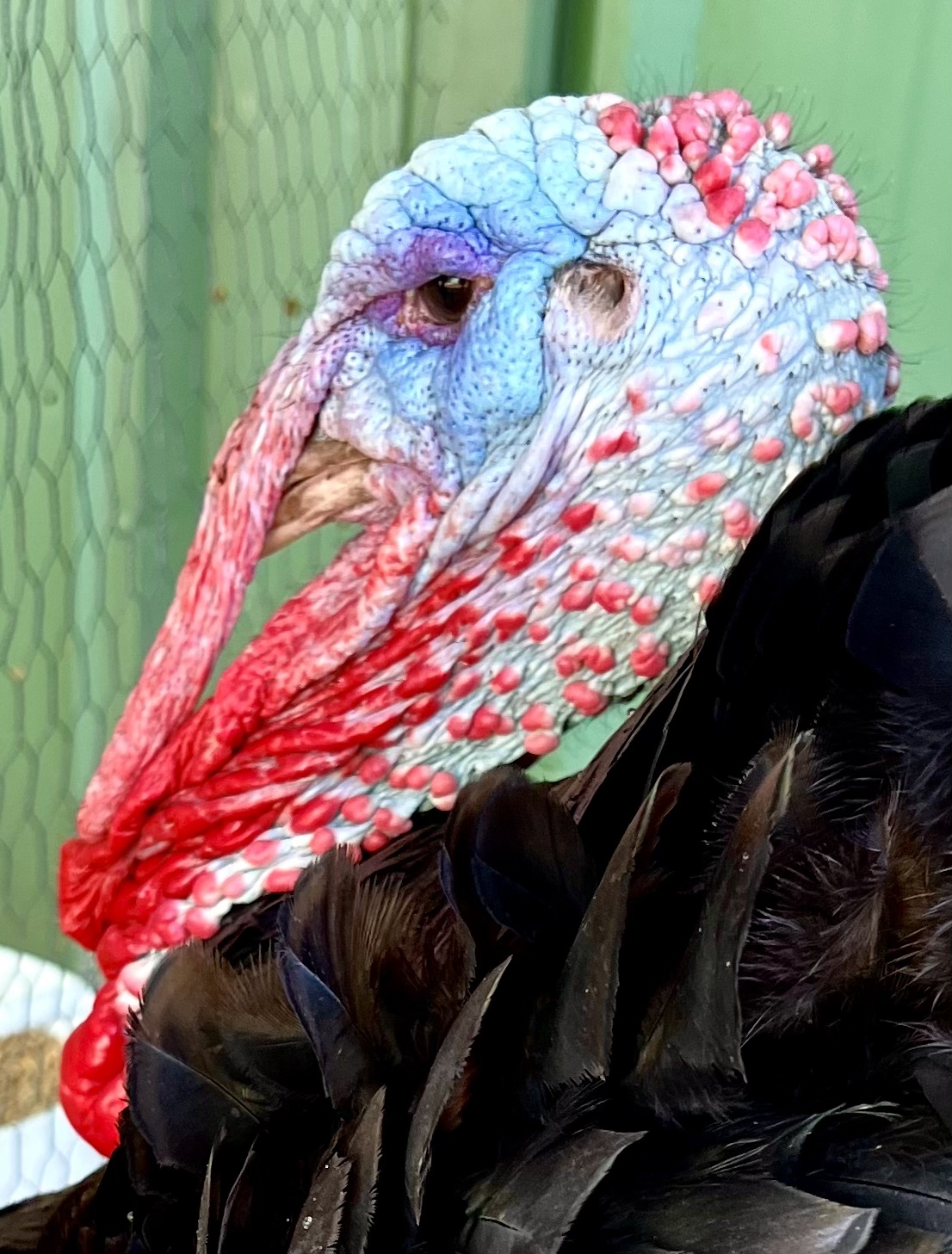
A turkey is more occult and awful than all the angels and archangels. In so far as God has partly revealed to us an angelic world, he has partly told us what an angel means. But God has never told us what a turkey means. And if you go and stare at a live turkey for an hour or two, you will find by the end of it that the enigma has rather increased than diminished. ~ Gilbert K. Chesterton from All Things Considered
There is something about looking into a turkey’s eye that makes you think twice about them being the focus of millions of dinners later this week. We’re raised chickens, ducks and geese on our farm over the years, but we never did raise our own turkey for Thanksgiving. Perhaps they look much wiser and dignified than they actually are, but I’m told they too, can become quite bonded with their farmer caretakers.
I am grateful for many things this week, including professionals who have skill in working on rural wells and well pumps and filtration systems, as well as plumbers working on plugged pipes and drainage issues, and the fact our entire family is arriving this week when our water supply and drainage are on the fritz.
But most of all, I’m grateful I’m not a turkey.
I’m glad God keeps turkeys more of an enigma than the angels who assist us when we need it most, even during a holiday week.
I think God’s angelic world will be the primary focus for us this week.
One-Time
Monthly
Yearly
Make a one-time or recurring donation to support daily Barnstorming posts
You can change the world with a hot bath, if you sink into it from a place of knowing you are worth profound care, even when you are dirty and rattled. Who knew? ~Anne Lamott from Small Victories: Spotting Improbable Moments of Grace
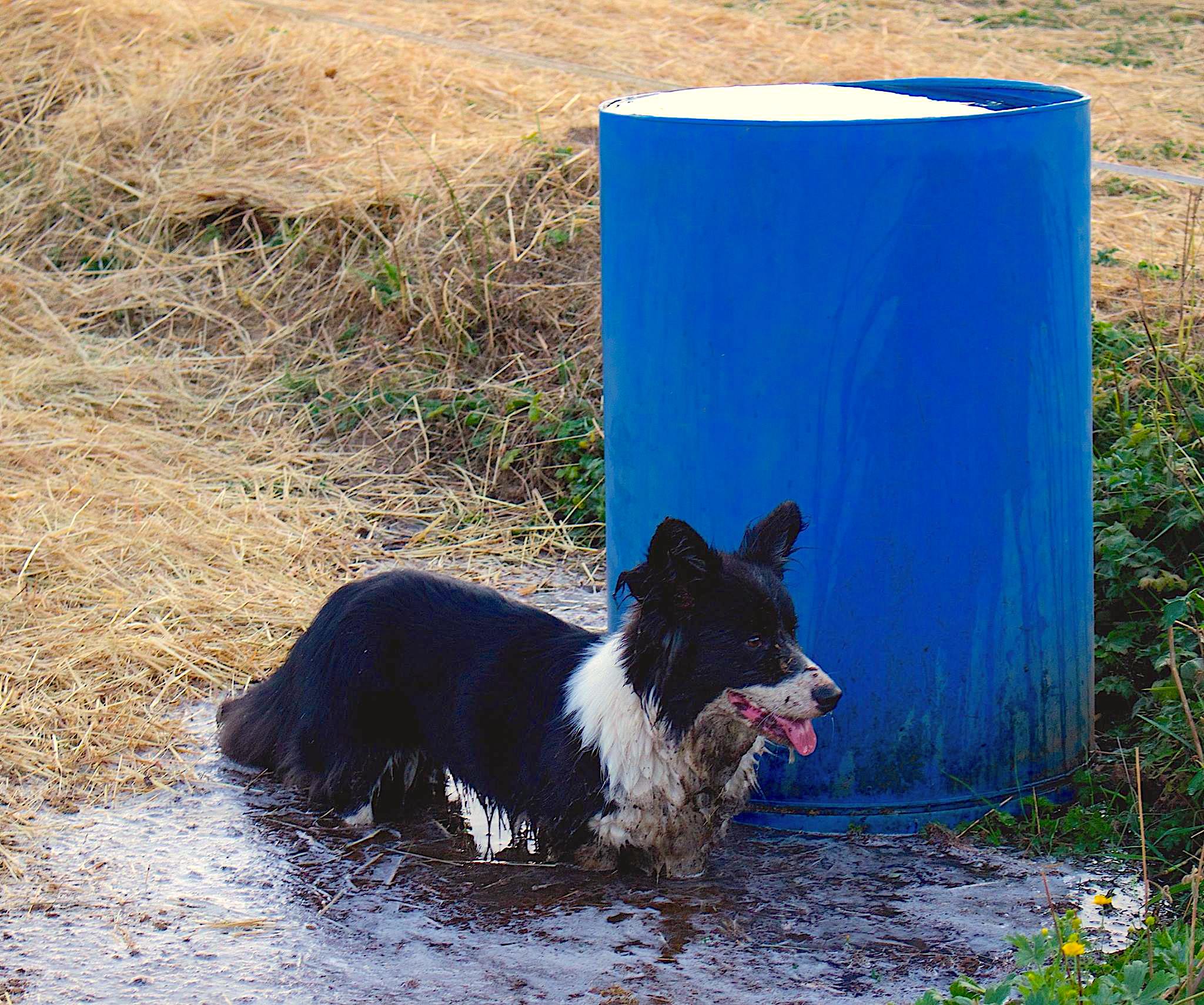
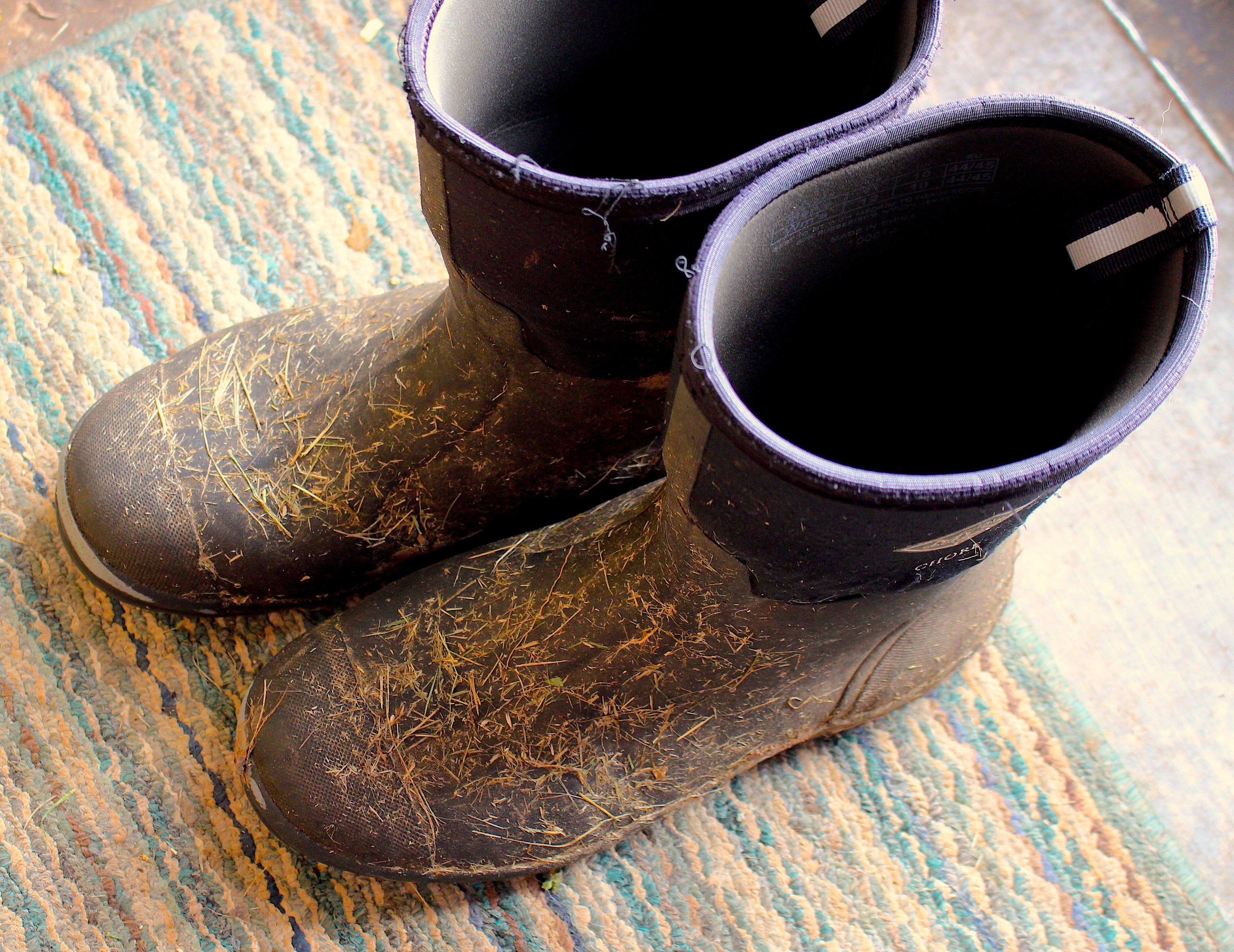
As a farmer, I spend at least a part of every day muddy and up to my knees and elbows in muck, especially now that the fall rains have arrived, turning beast and barnyard to mush.
I call my barn life “the real stuff” as the rest of the hours of the day are spent dealing with “virtual stuff ” which nonetheless leaves me dirty and rattled. Frankly, I prefer the real over virtual muck even though it smells worse, leaves my fingernails hopelessly grimy and is obvious to everyone where I’ve been.
The stains of the rest of my day are largely invisible to all but me and far harder to scrub away. But even virtual grime can become overwhelming.
It is so much easier for me to deal with what is produced in the barnyard over the mess of political lack of integrity and moral standing. What soils me can be washed off and I’m restored for another day of wallowing in my muck boots. There is true grace in drawing up clean warm water, soaping with the suds that truly cleanse by sinking down into a deep tub of renewal.
God knows how badly we all could use a good scrubbing right now.
AI image created for this post
One-Time
Monthly
Yearly
Make a one-time or recurring donation to support daily Barnstorming posts















































 Barnstorming