“I make them warm to keep my family from freezing; I make them beautiful to keep my heart from breaking.” –From the journal of a prairie woman, 1870
To keep a husband and five children warm, she quilts them covers thick as drifts against the door. Through every fleshy square white threads needle their almost invisible tracks; her hours count each small suture that holds together the raw-cut, uncolored edges of her life. She pieces each one beautiful, and summer bright to thaw her frozen soul. Under her fingers the scraps grow to green birds and purple improbable leaves; deeper than calico, her mid-winter mind bursts into flowers. She watches them unfold between the double stars, the wedding rings. ~Luci Shaw “Quiltmaker”
Perhaps the world was made this way: piecemeal, the parts fitting together exactly as if made for one another~ the unique, disparate and separate coming together in a glorious harmony.
The point of its creation is forever functional and full of love – a blanket of warmth and security for generations to come. Our legacy is to preserve this beauty arising from scraps, this broken stitched to broken in a tapestry holy and whole.
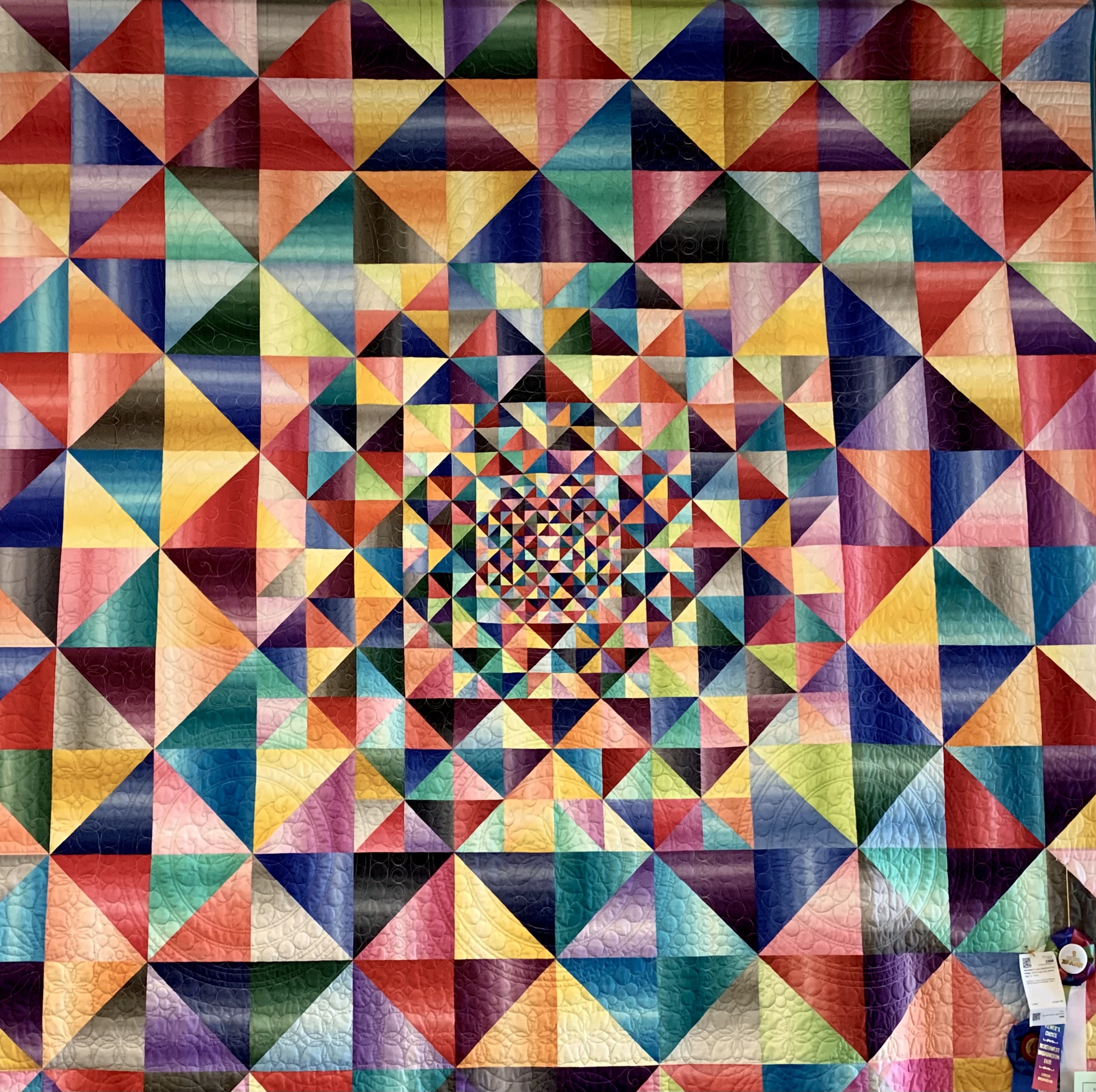
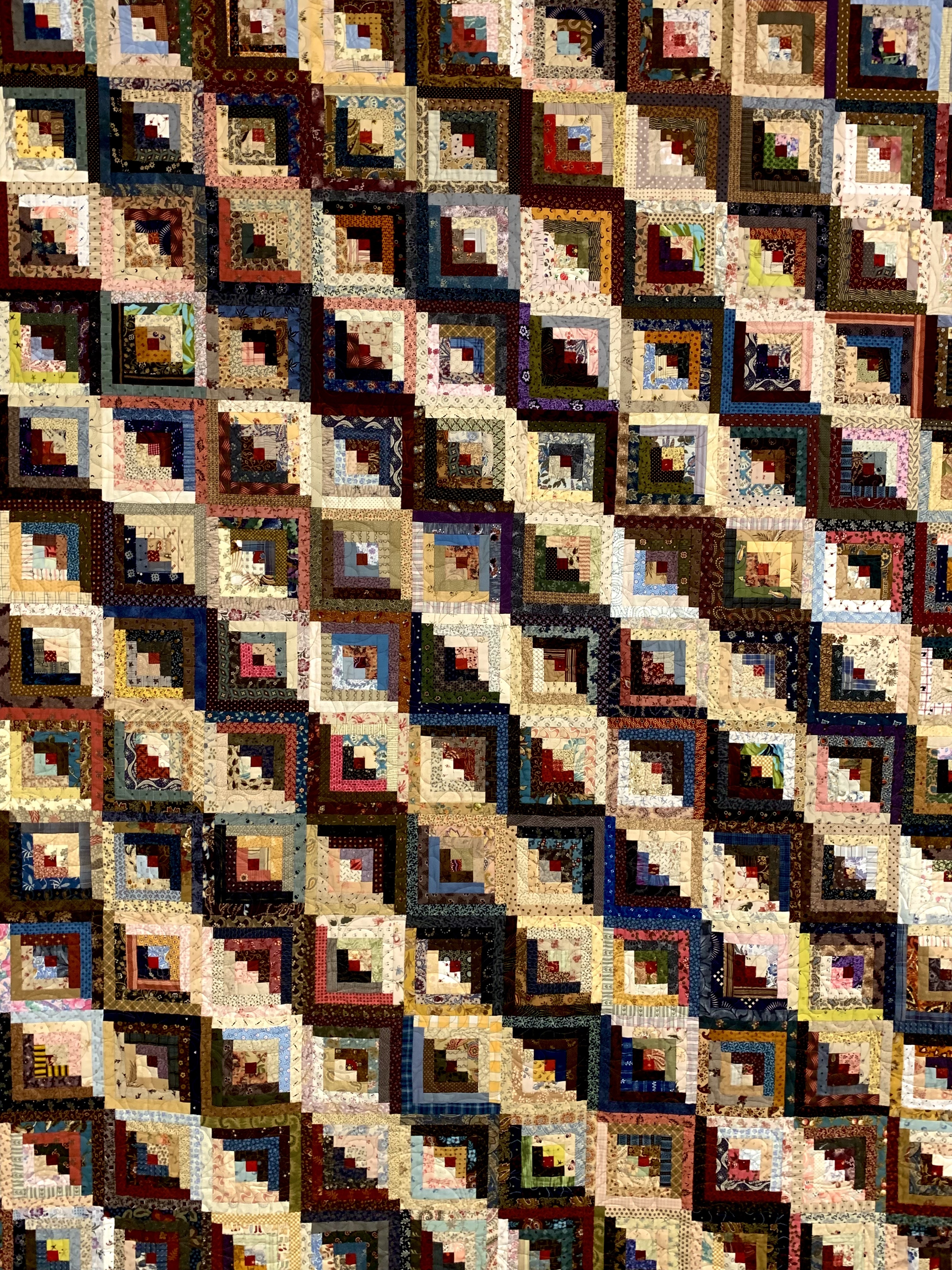
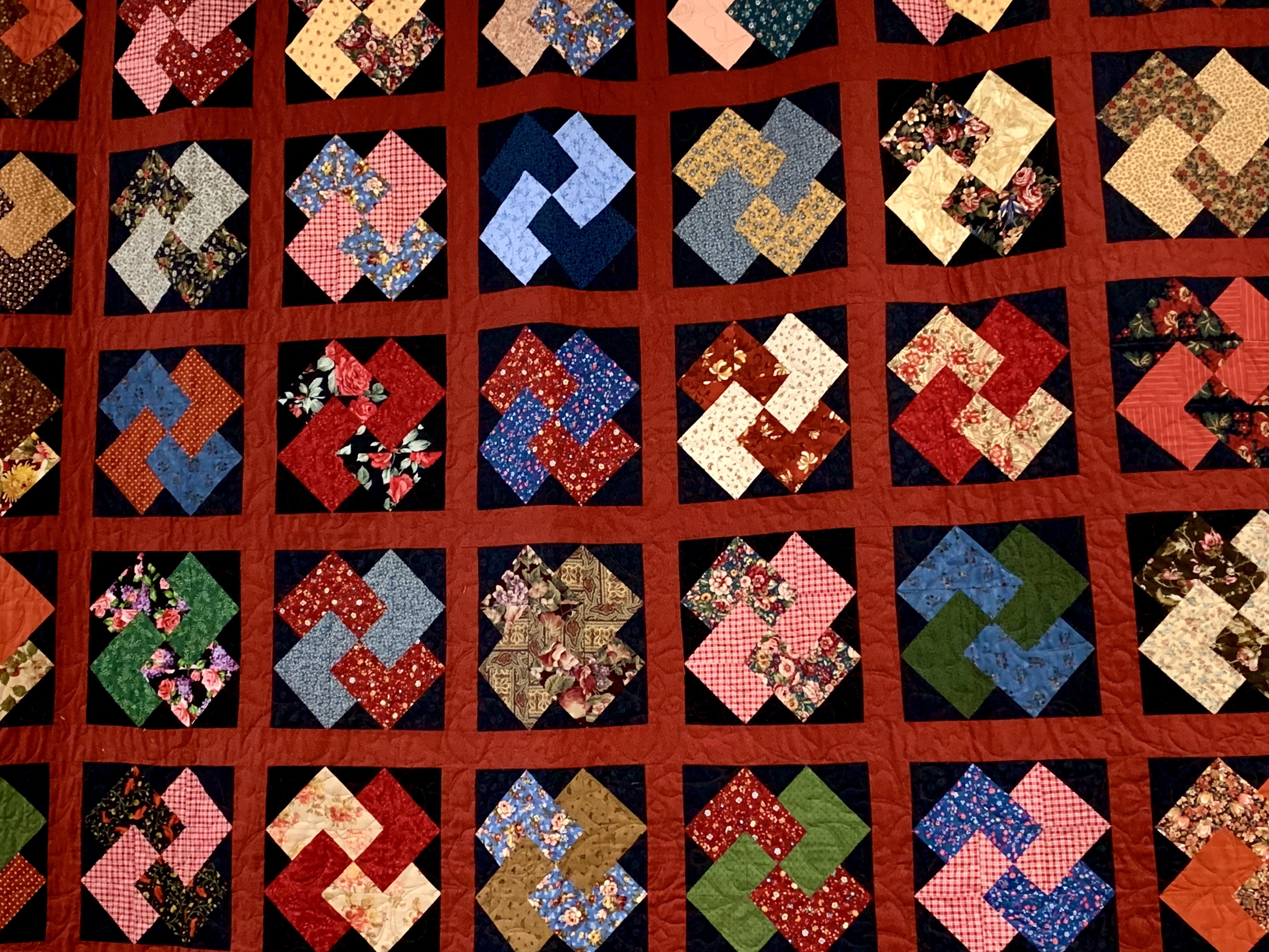
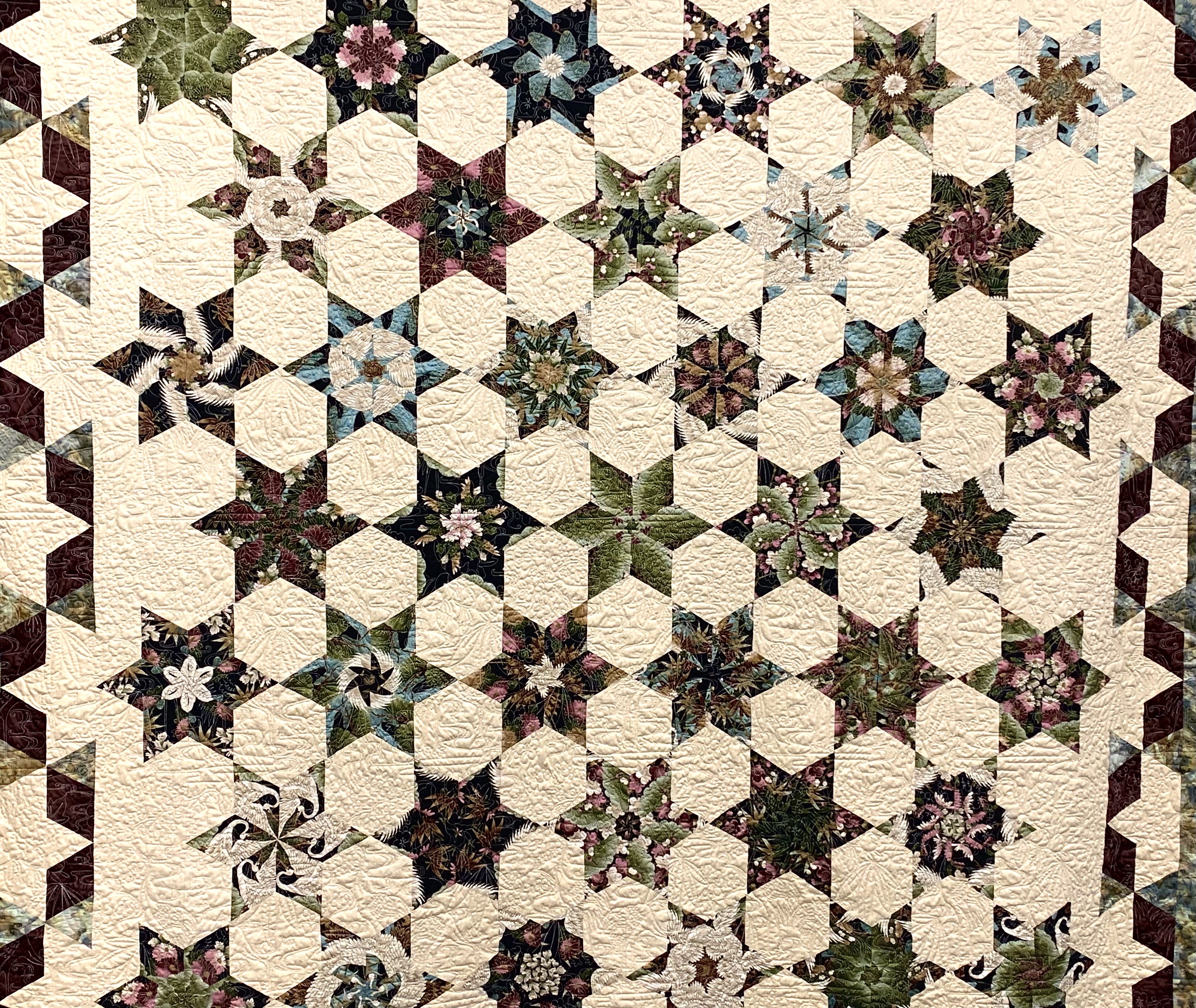
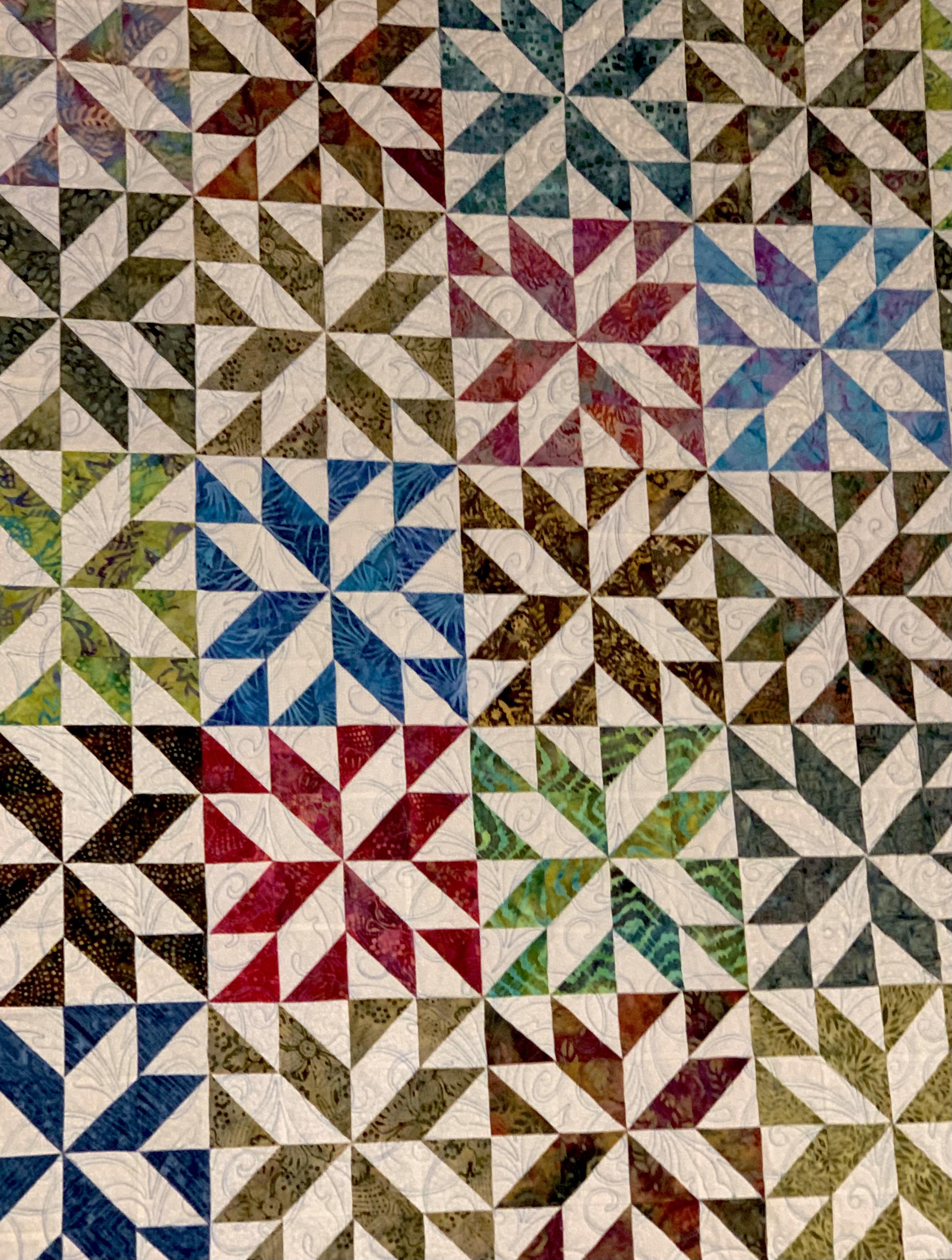
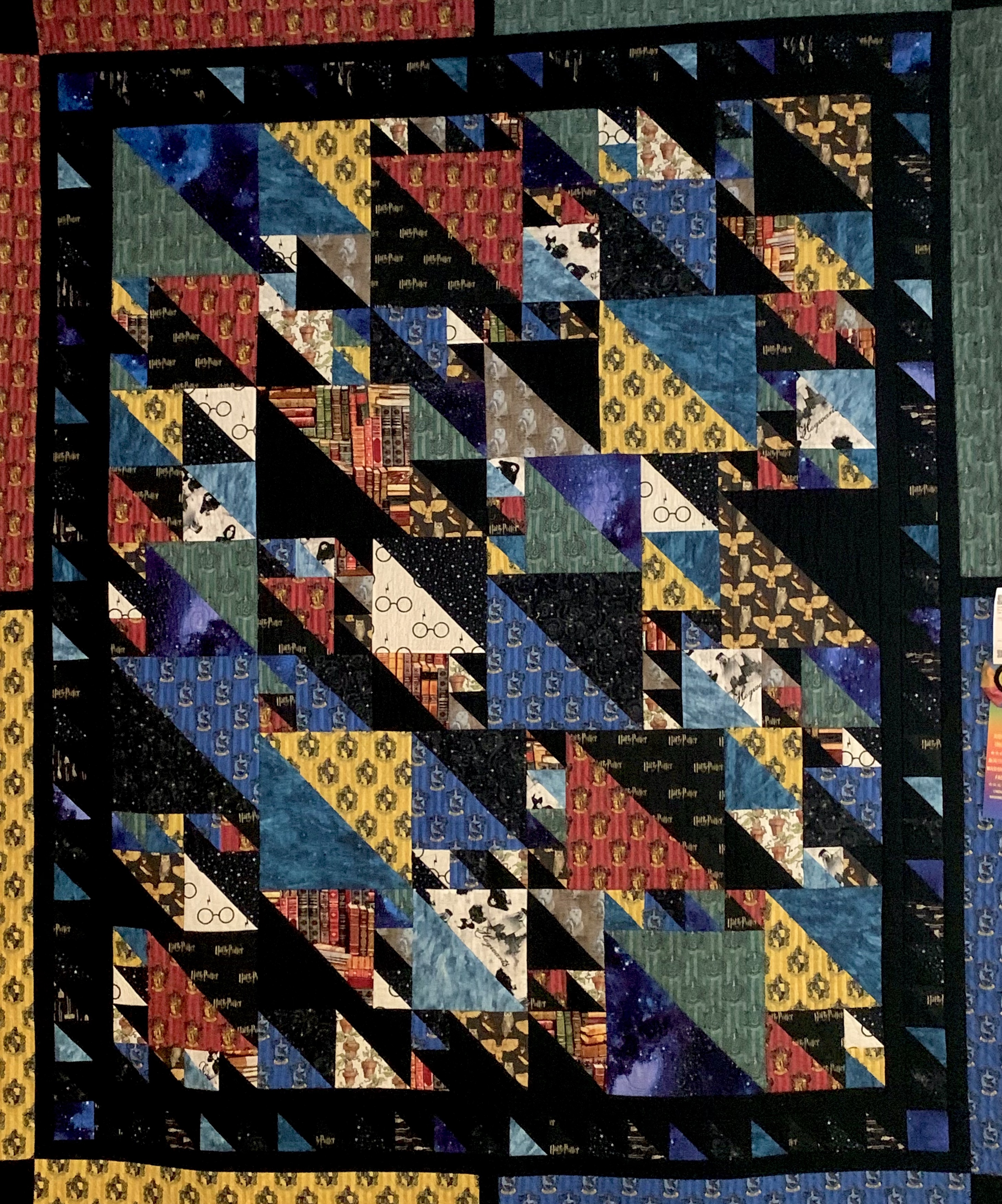
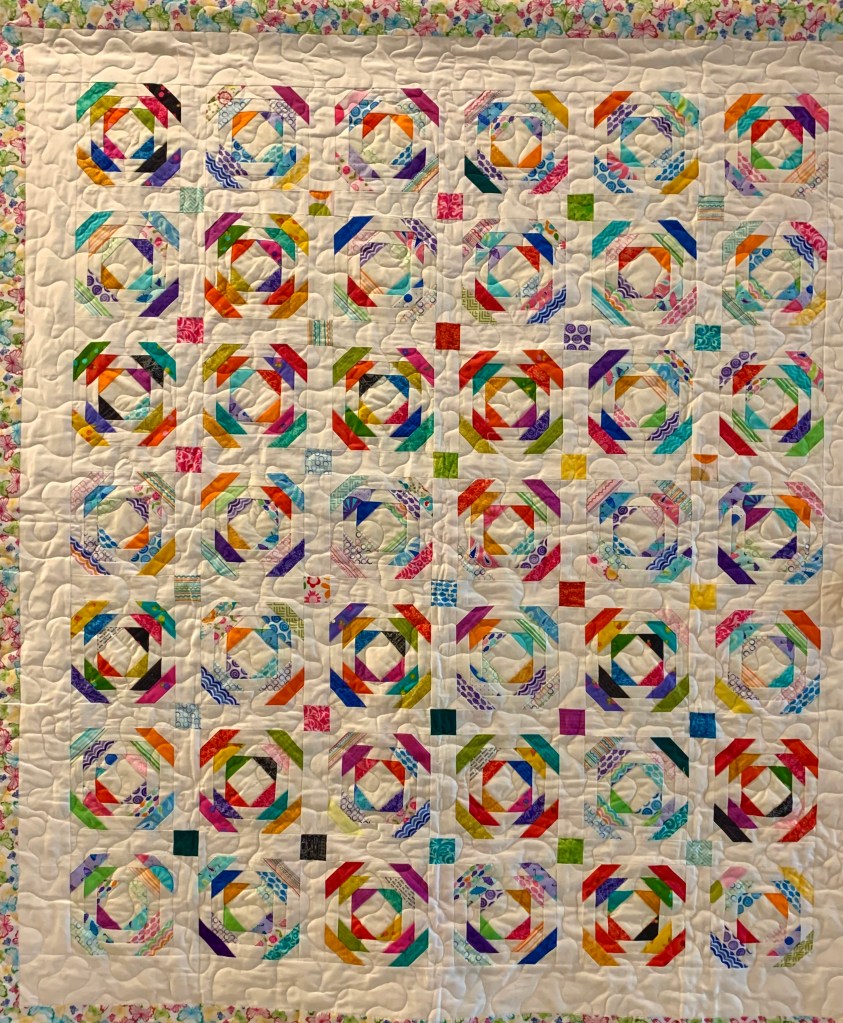
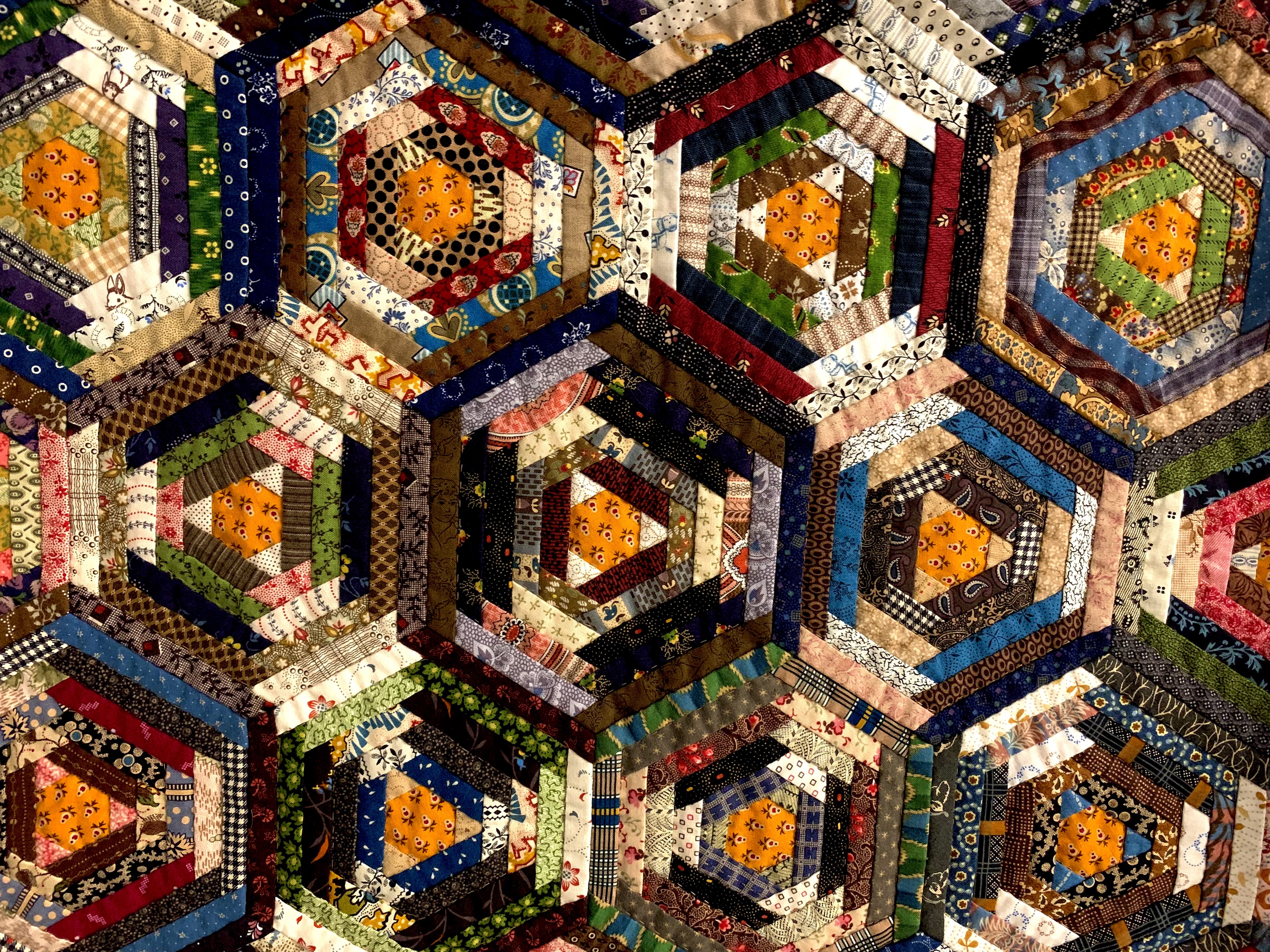
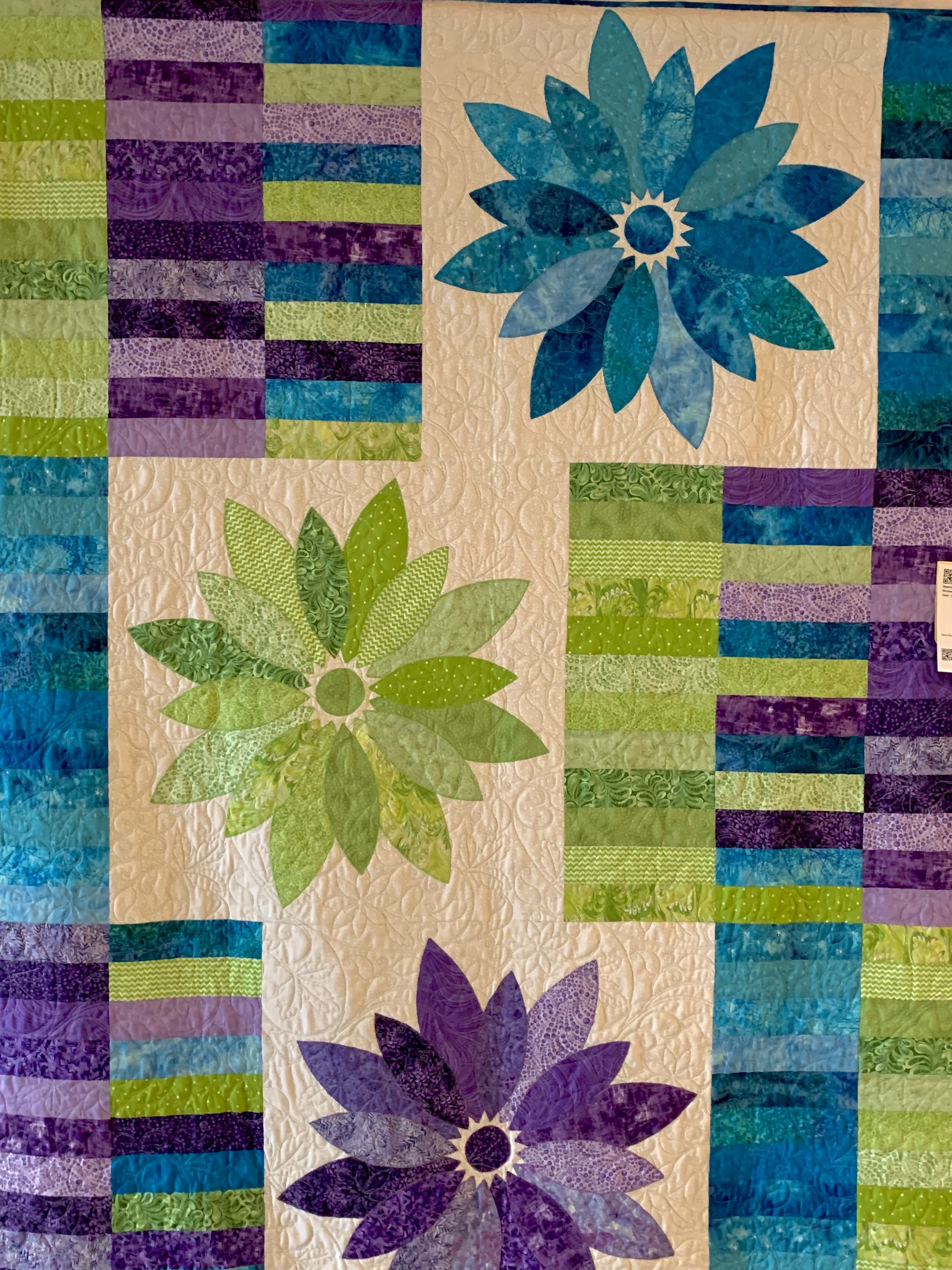
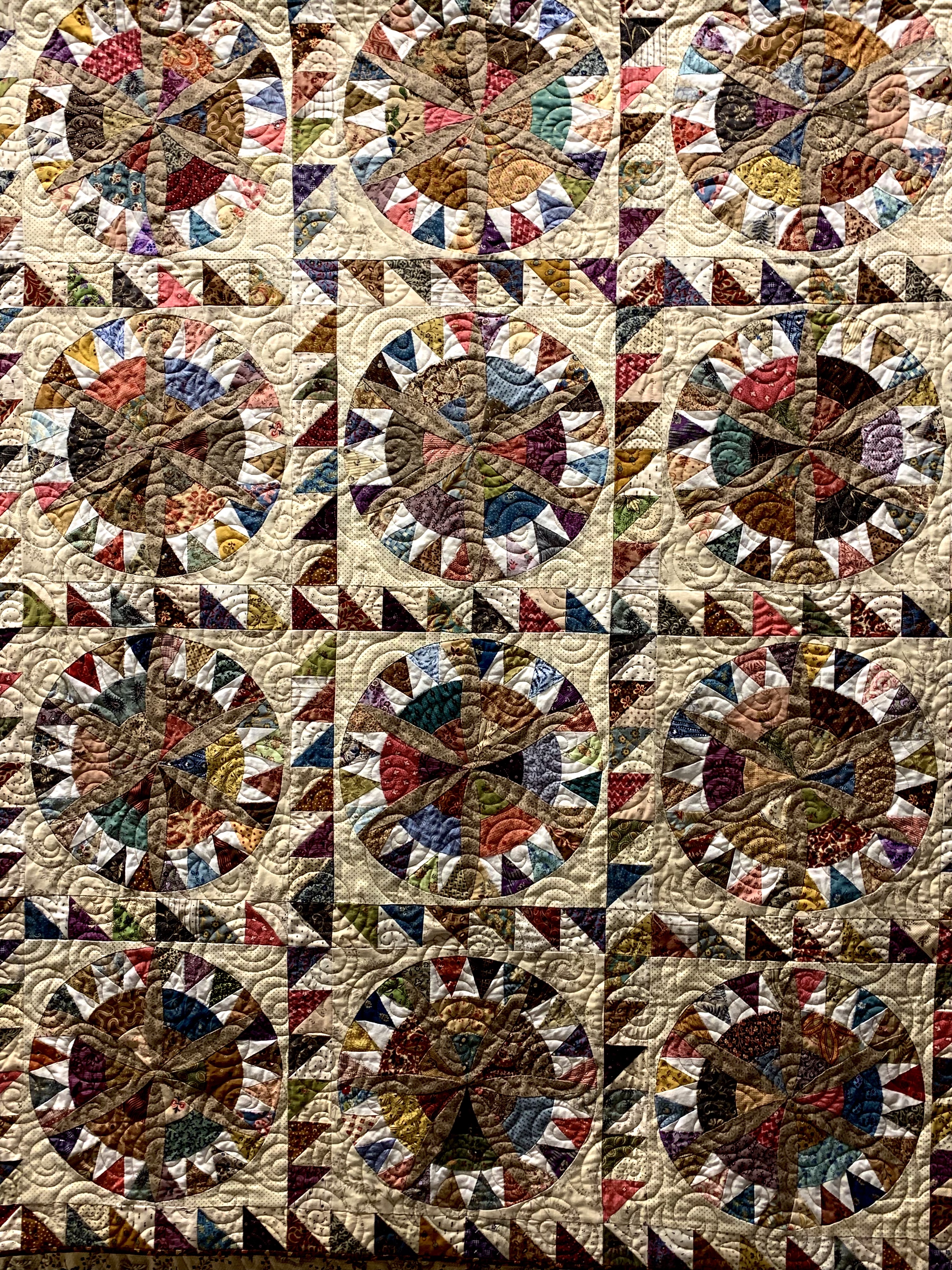
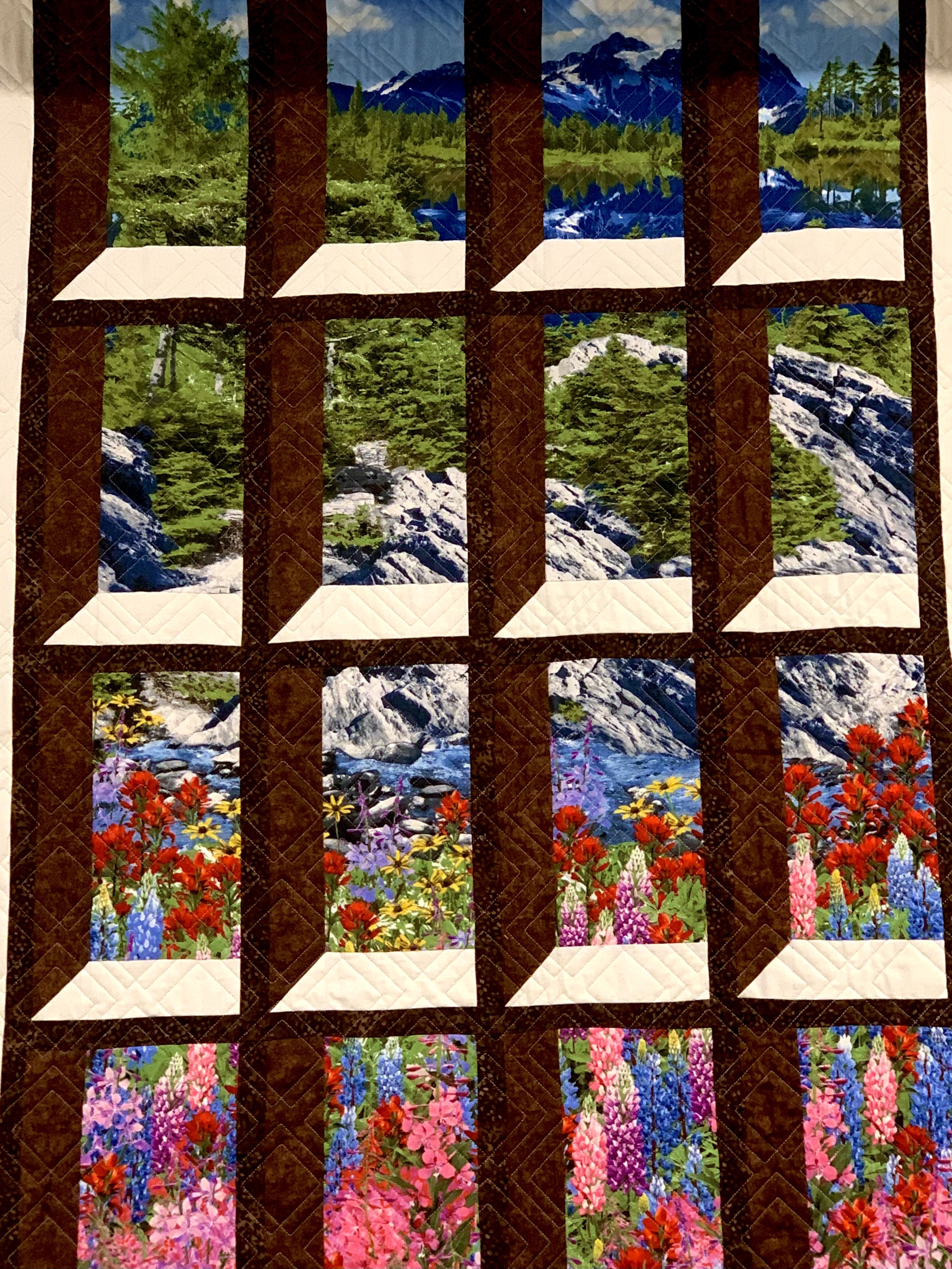
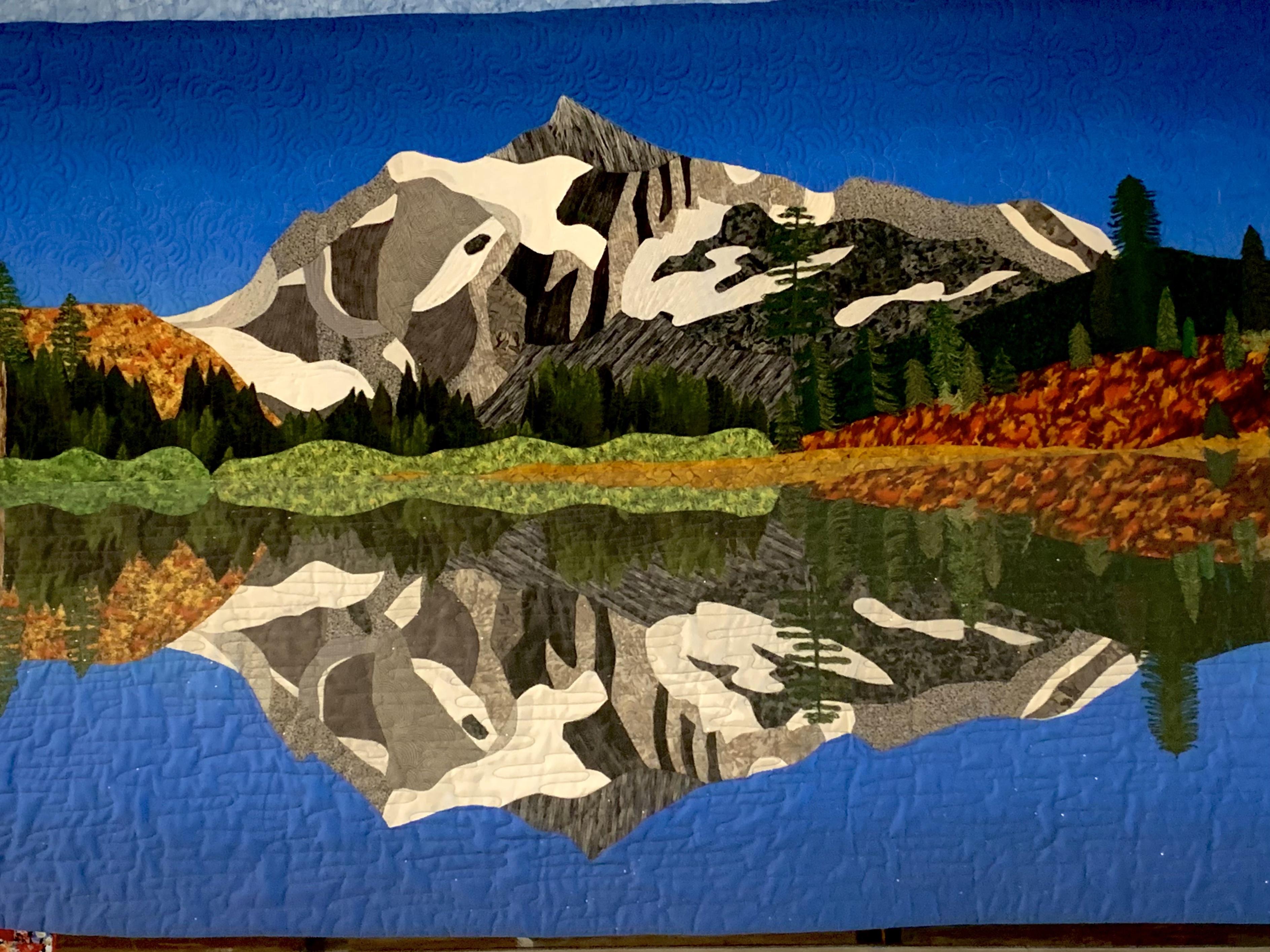
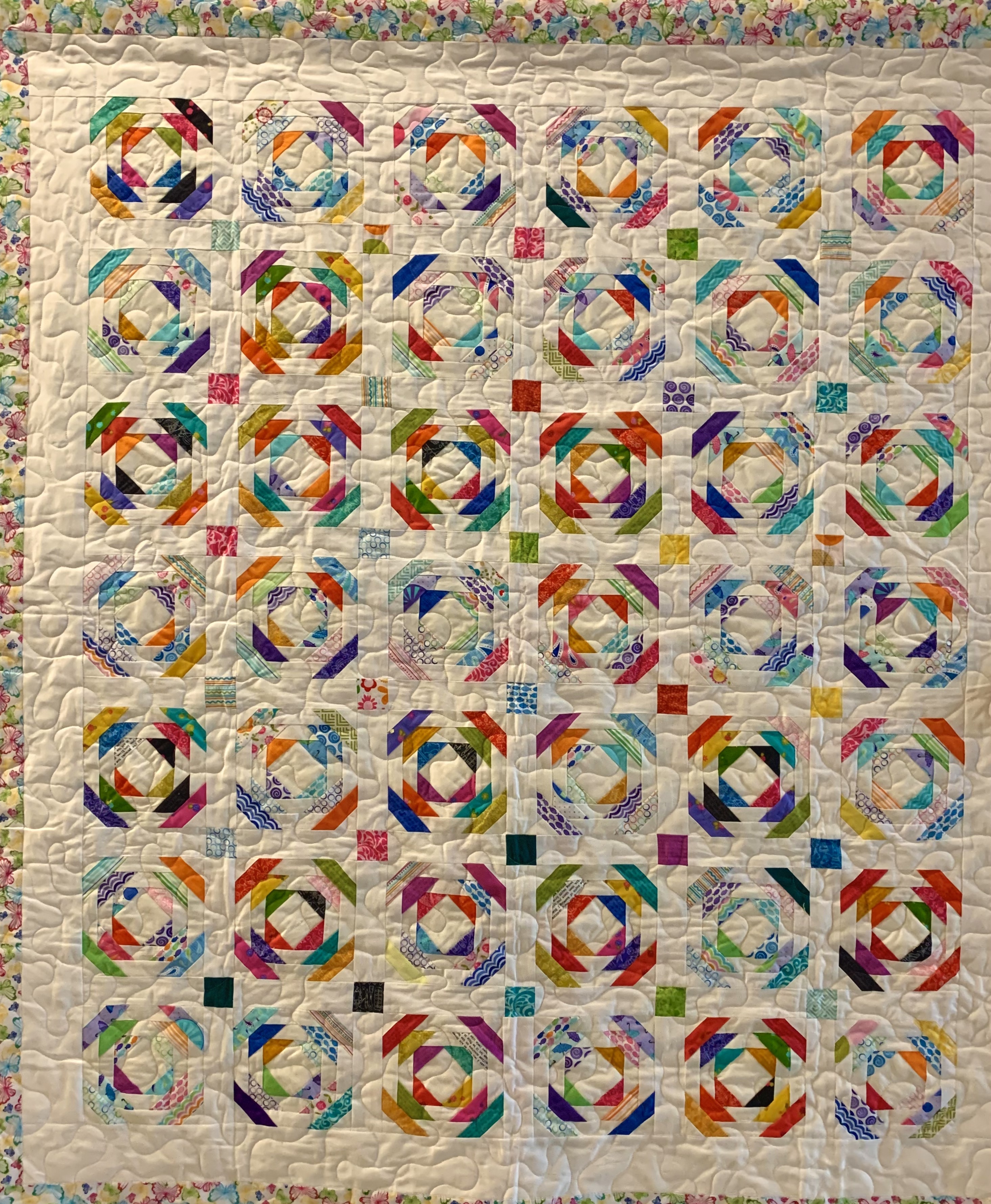
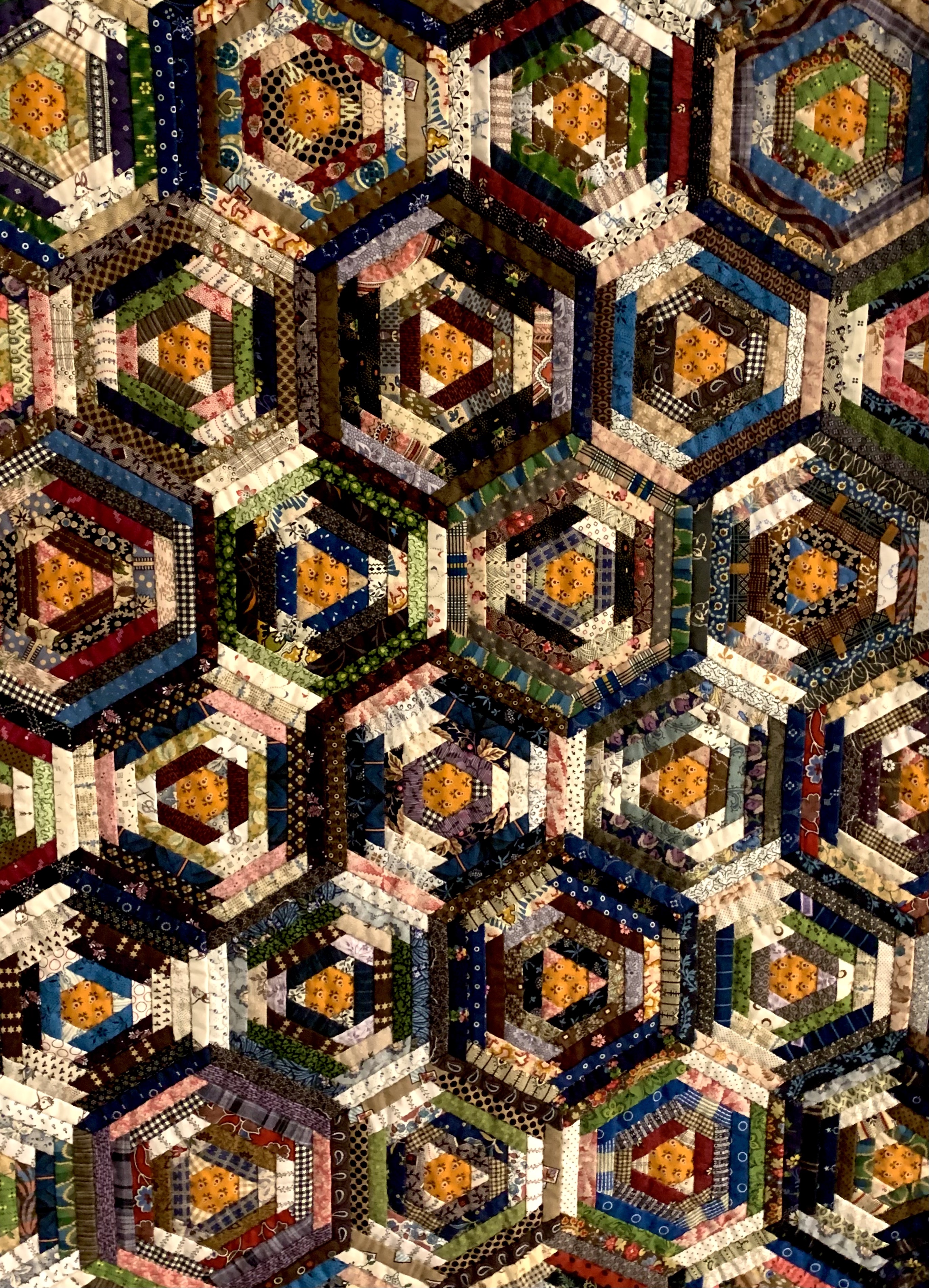
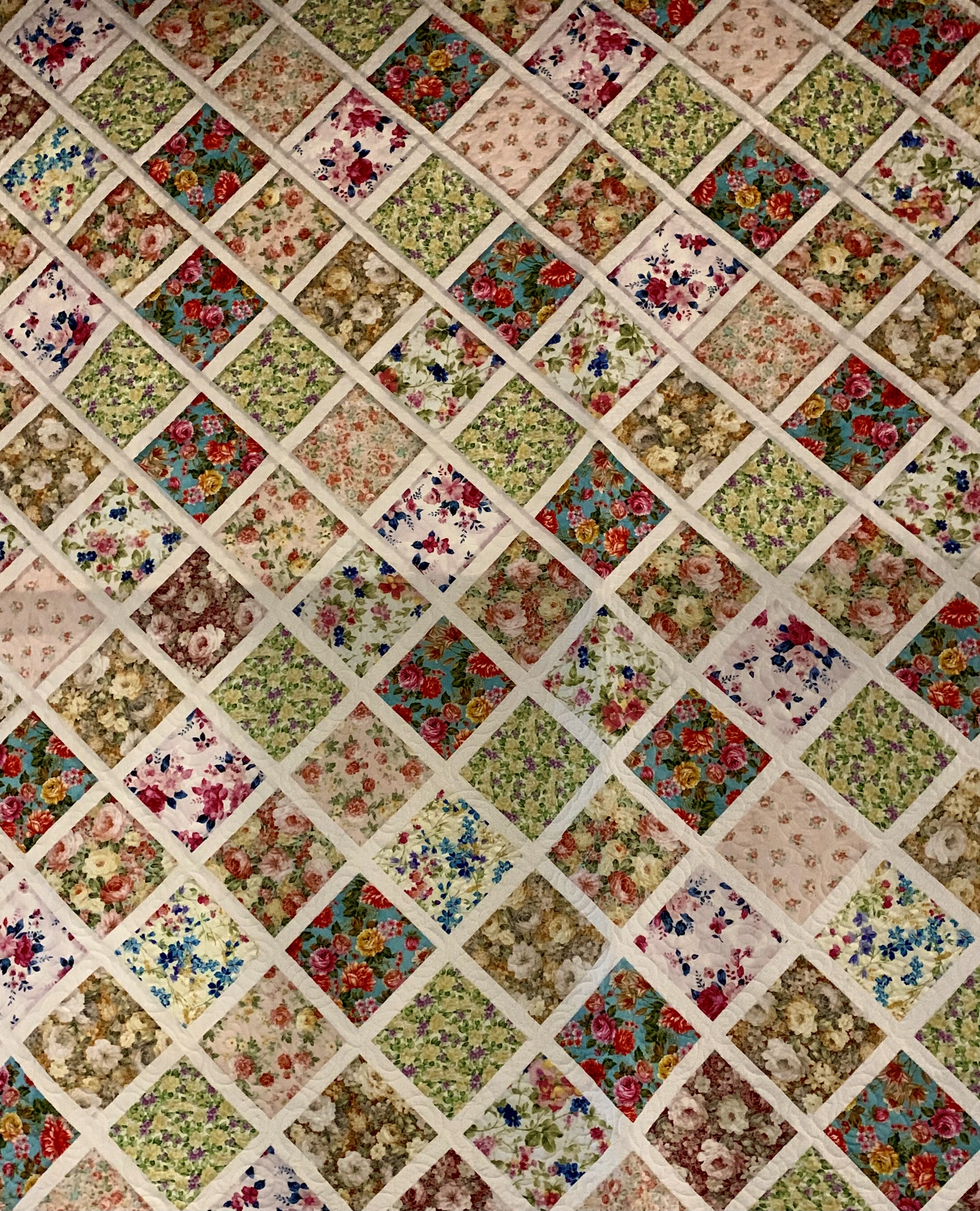
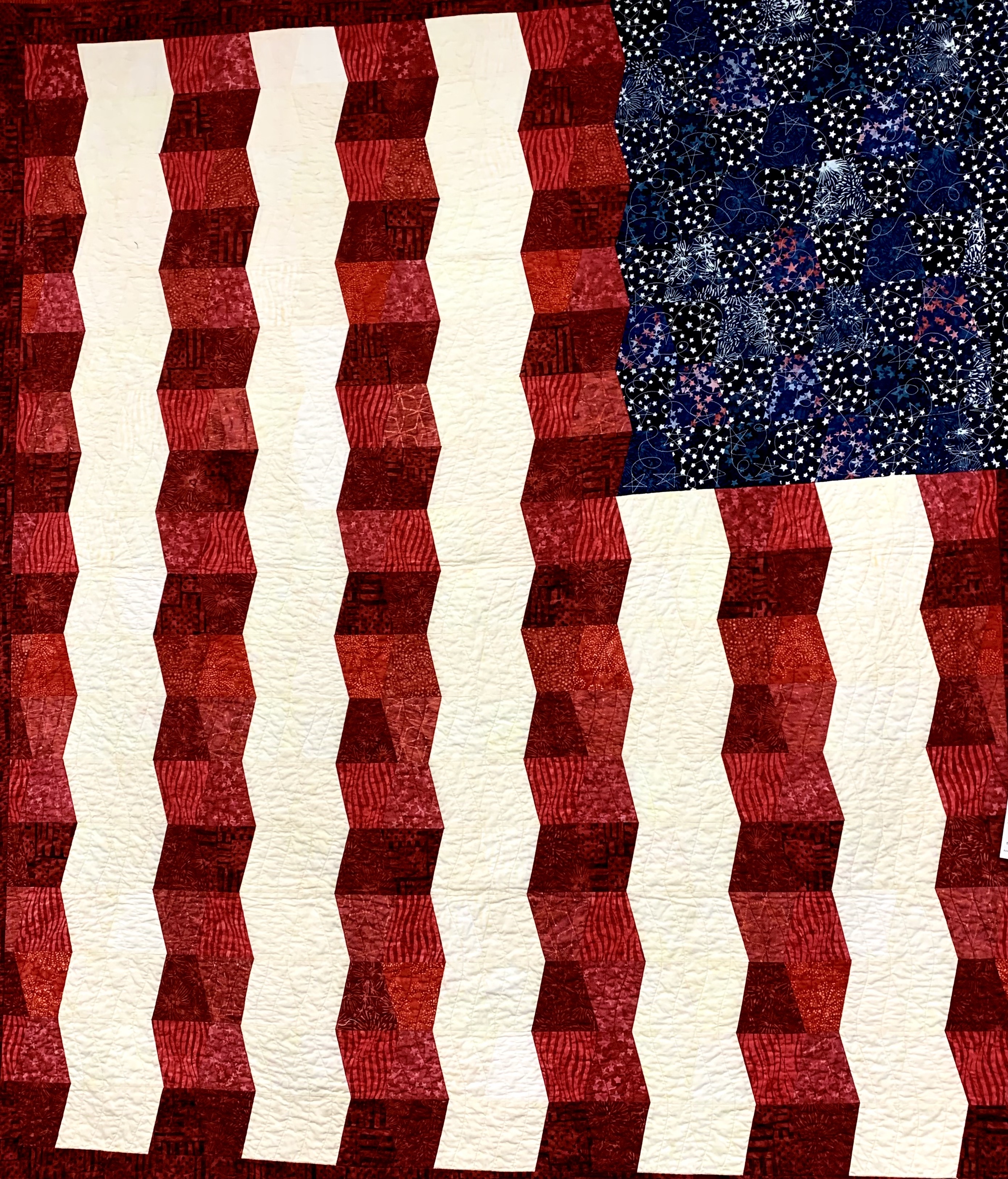
all quilts here are on display this week at the Northwest Washington Fair see previous year’s artwork here and here and here and here
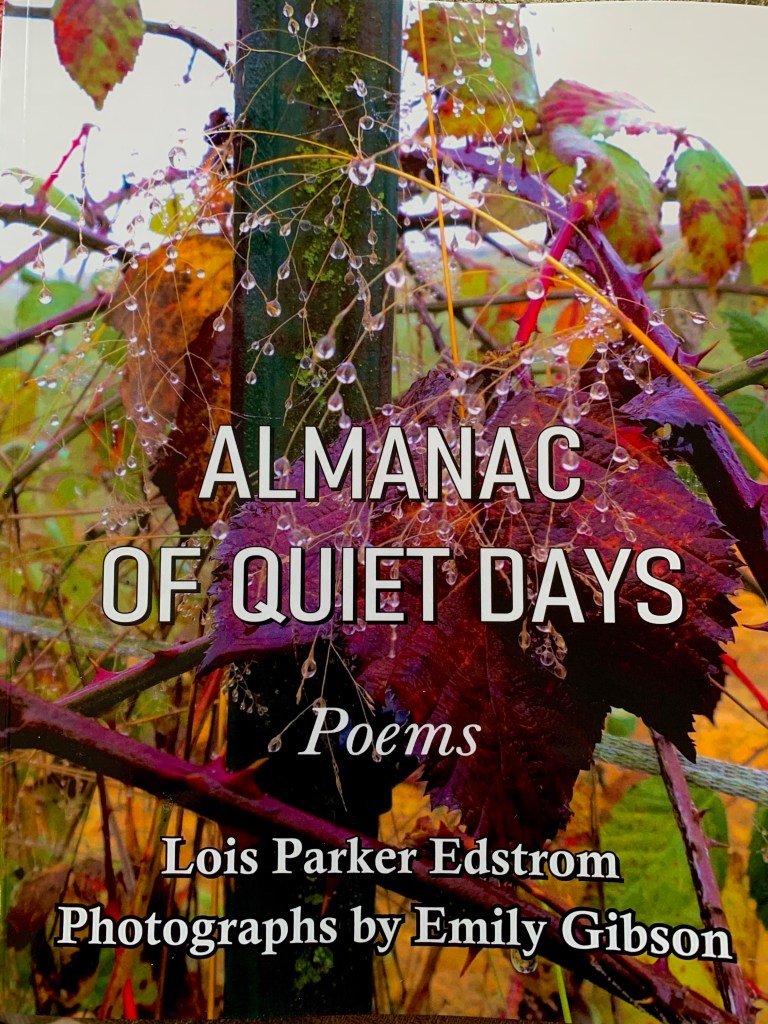
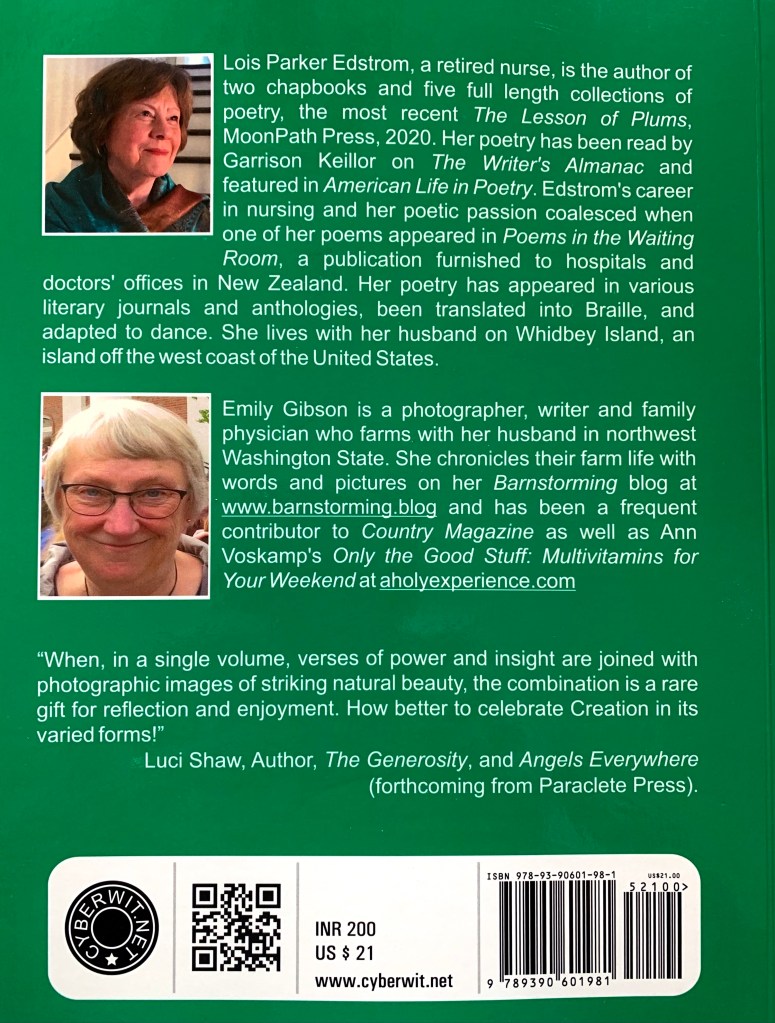
This new Barnstorming book is like a quilt made of pieces of poetry and photographs – available for order here:
Things fall apart; the centre cannot hold; Mere anarchy is loosed upon the world, The blood-dimmed tide is loosed, and everywhere The ceremony of innocence is drowned; ~William Butler Yeats from “The Second Coming”
The city orbits around eight million centers of the universe and turns around the golden clock at the still point of this place. Lift up your eyes from the moving hive and you will see time circling under a vault of stars and know just when and where you are. ~Billy Collins “Grand Central”
At the still point of the turning world. Neither flesh nor fleshless; Neither from nor towards; at the still point, there the dance is, But neither arrest nor movement. And do not call it fixity, Where past and future are gathered. Neither movement from nor towards, Neither ascent nor decline.
Here is a place of disaffection Time before and time after In a dim light: neither daylight Investing form with lucid stillness Turning shadow into transient beauty With slow rotation suggesting permanence Nor darkness to purify the soul Emptying the sensual with deprivation Cleansing affection from the temporal. Neither plentitude nor vacancy. ~T.S. Eliot from “Burnt Norton” The Four Quartets
In those days there was no king in Israel. Everyone did what was right in his own eyes. Judges 21:25
Which shall it be? Billions of people orbit the center – or – each of us strives to be our own center of the universe, but cannot hold on there.
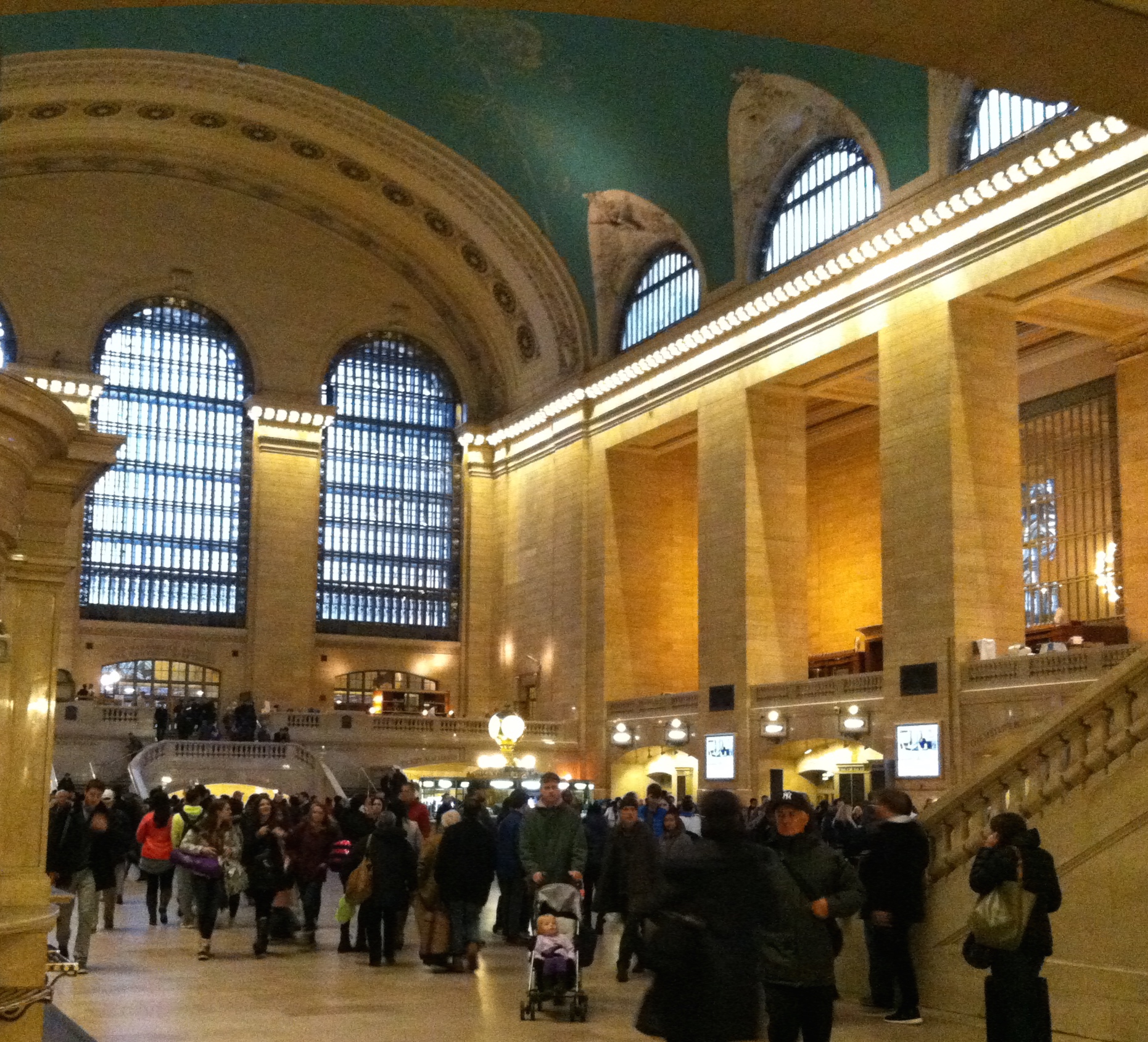
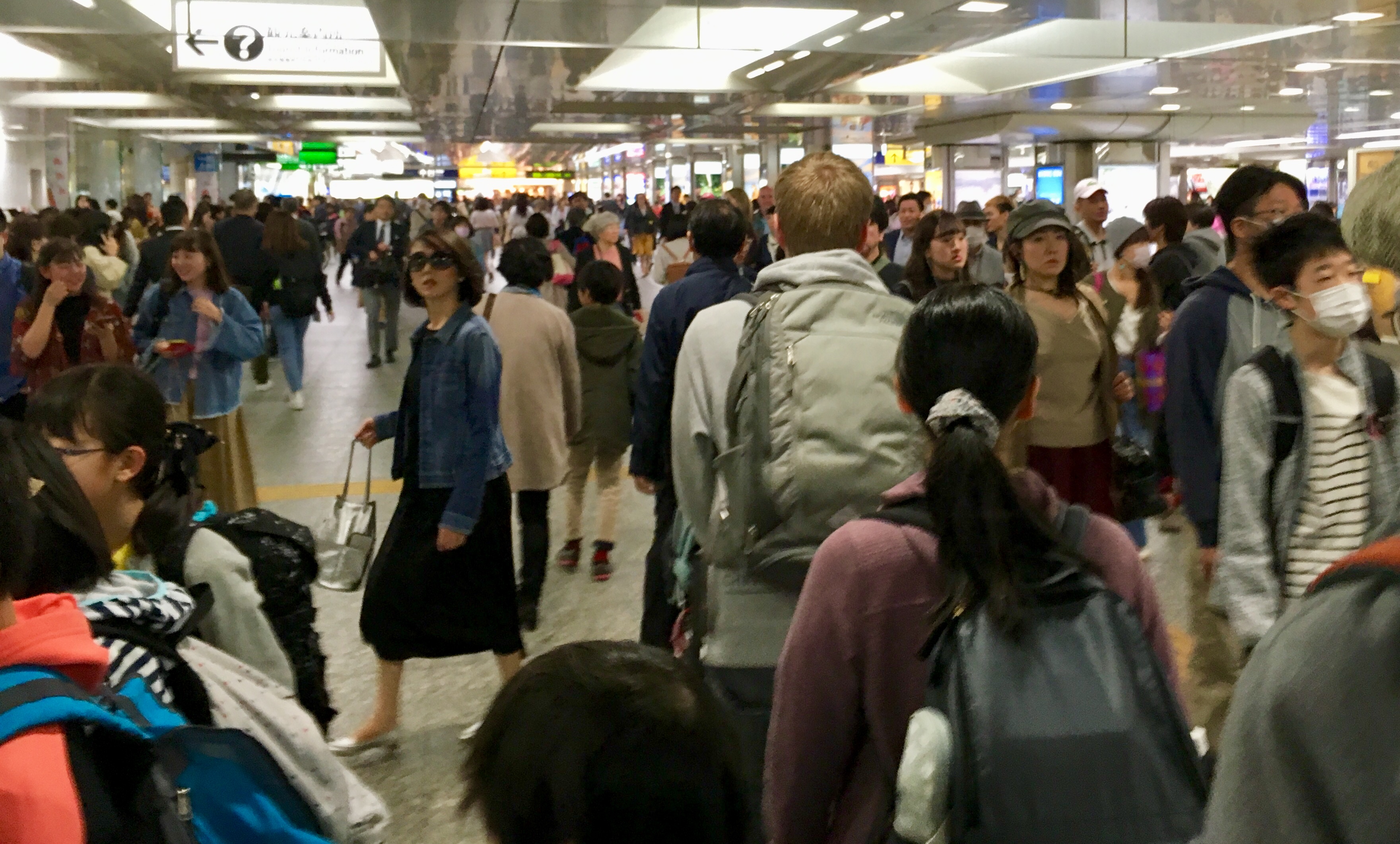
We’ve been to Grand Central Station, a relaxed rest stop compared to the moving hive we navigated at Shinjuku Station and Ikebukuro Station in Tokyo, a city four times the size of New York.
Try as I might to picture train stations constituting a “center” holding a great city together, such works of man – like political leaders – have only a tenuous hold on those who come and go. We each desire to do what is right in our own eyes.
As a result, there is no glue; things fall apart.
The Center only holds when it constitutes the Source itself- the origin, the beginning and the end and everything in between. Starting from there, no matter how far you may feel from the Center, you have no doubt about who and where and when you are. Then and only then, you know what is right to do.
More photos and words of encouragement are found in this new book from Barnstorming, available for order here:
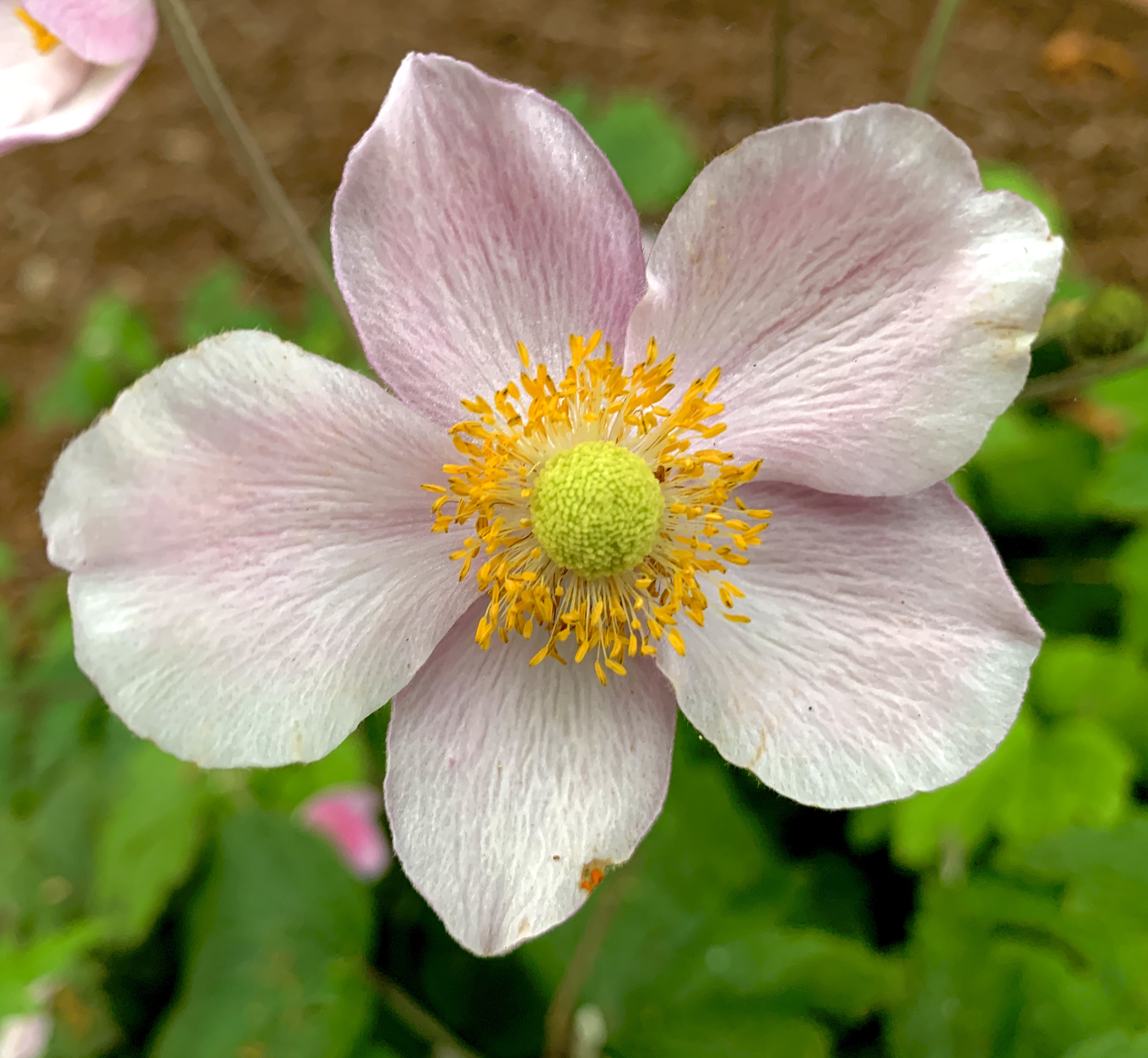
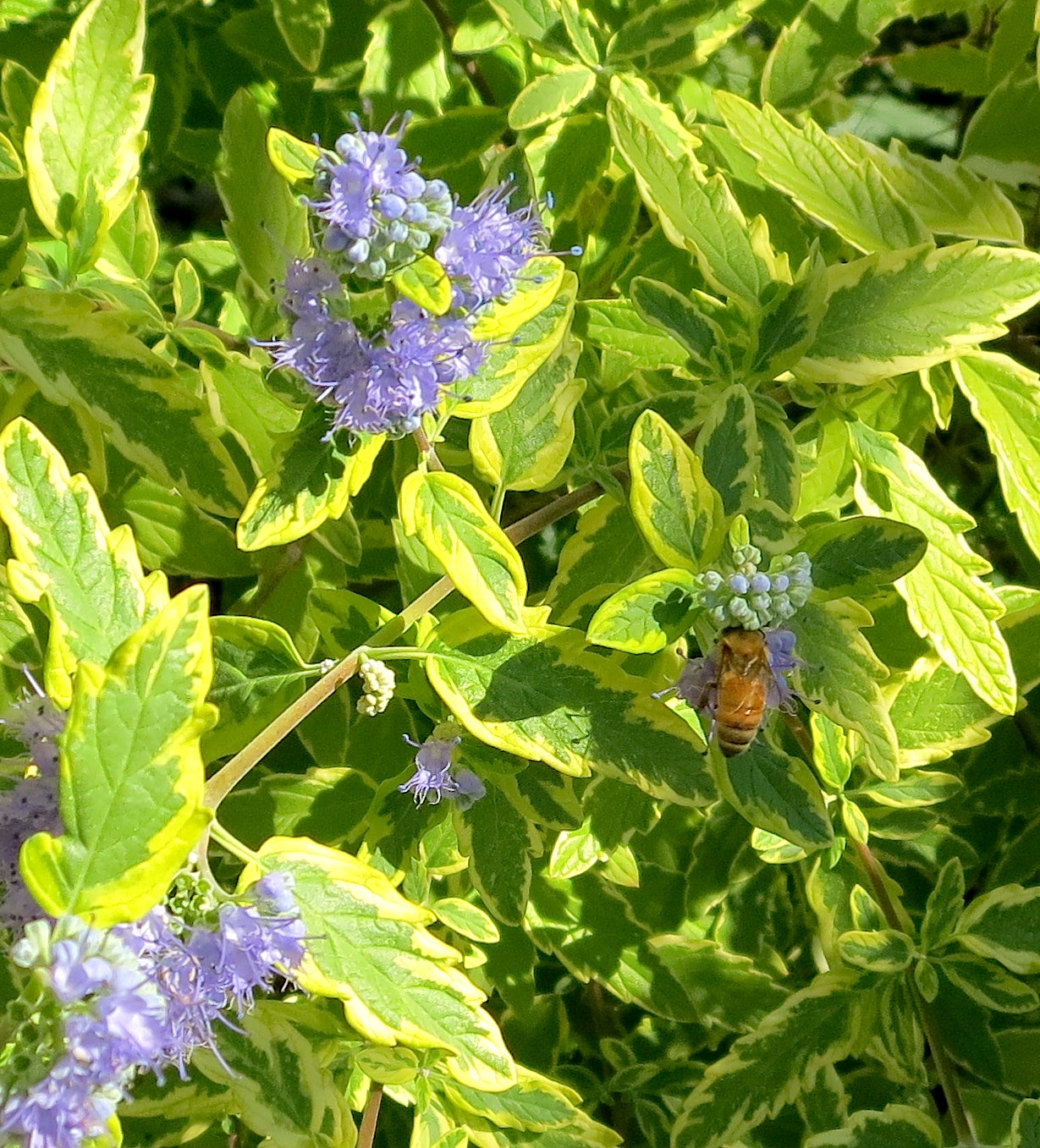
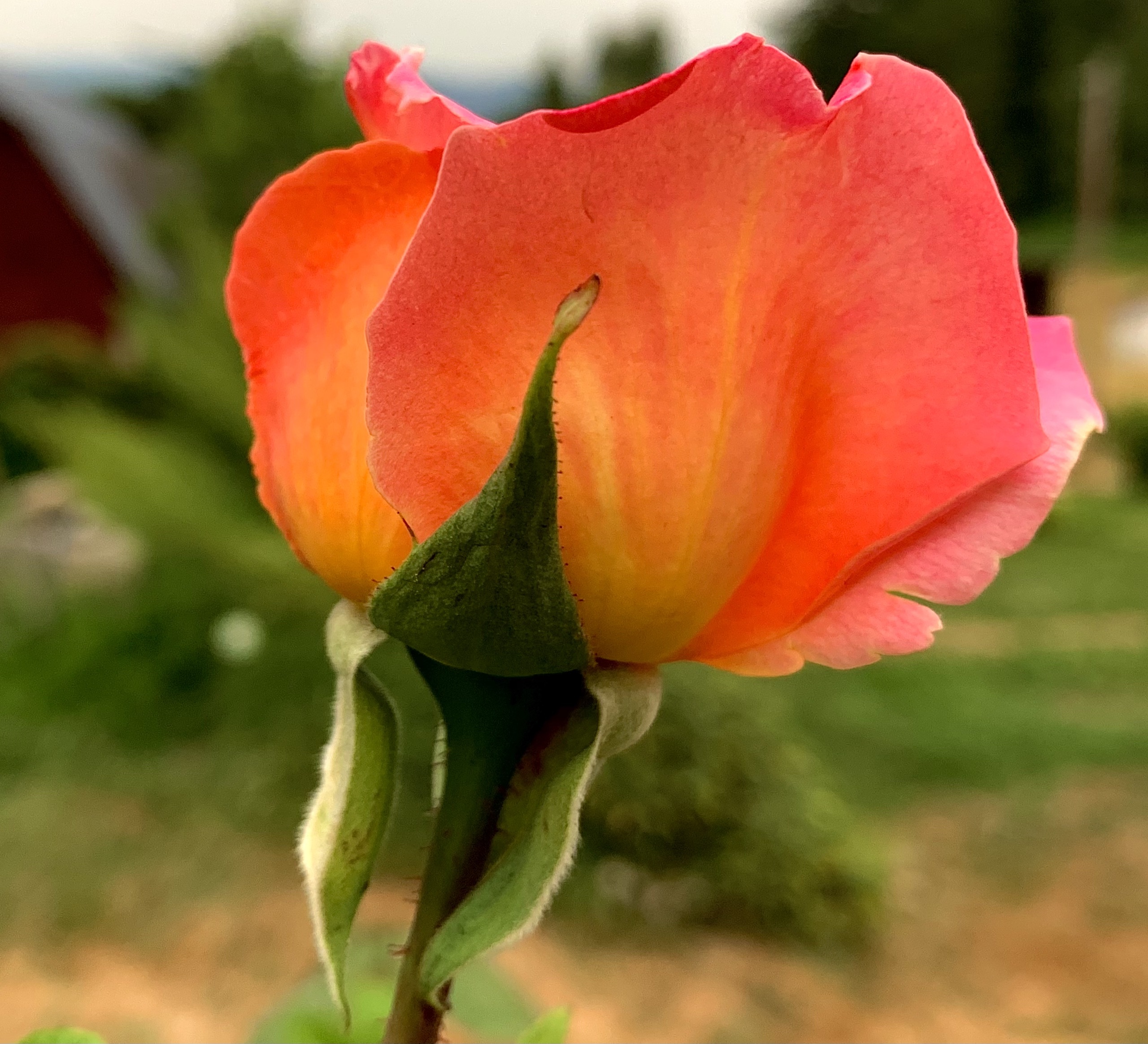
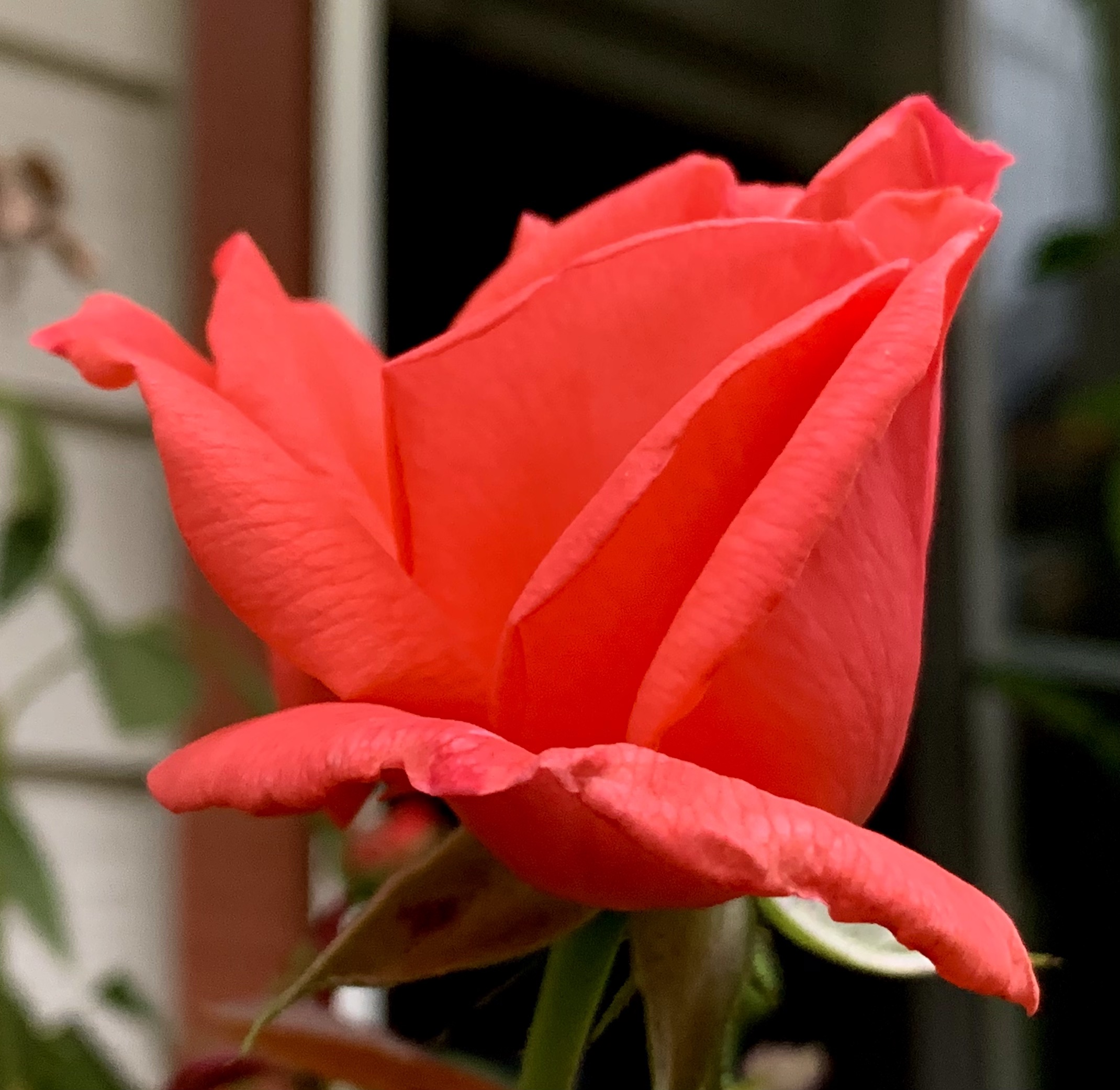
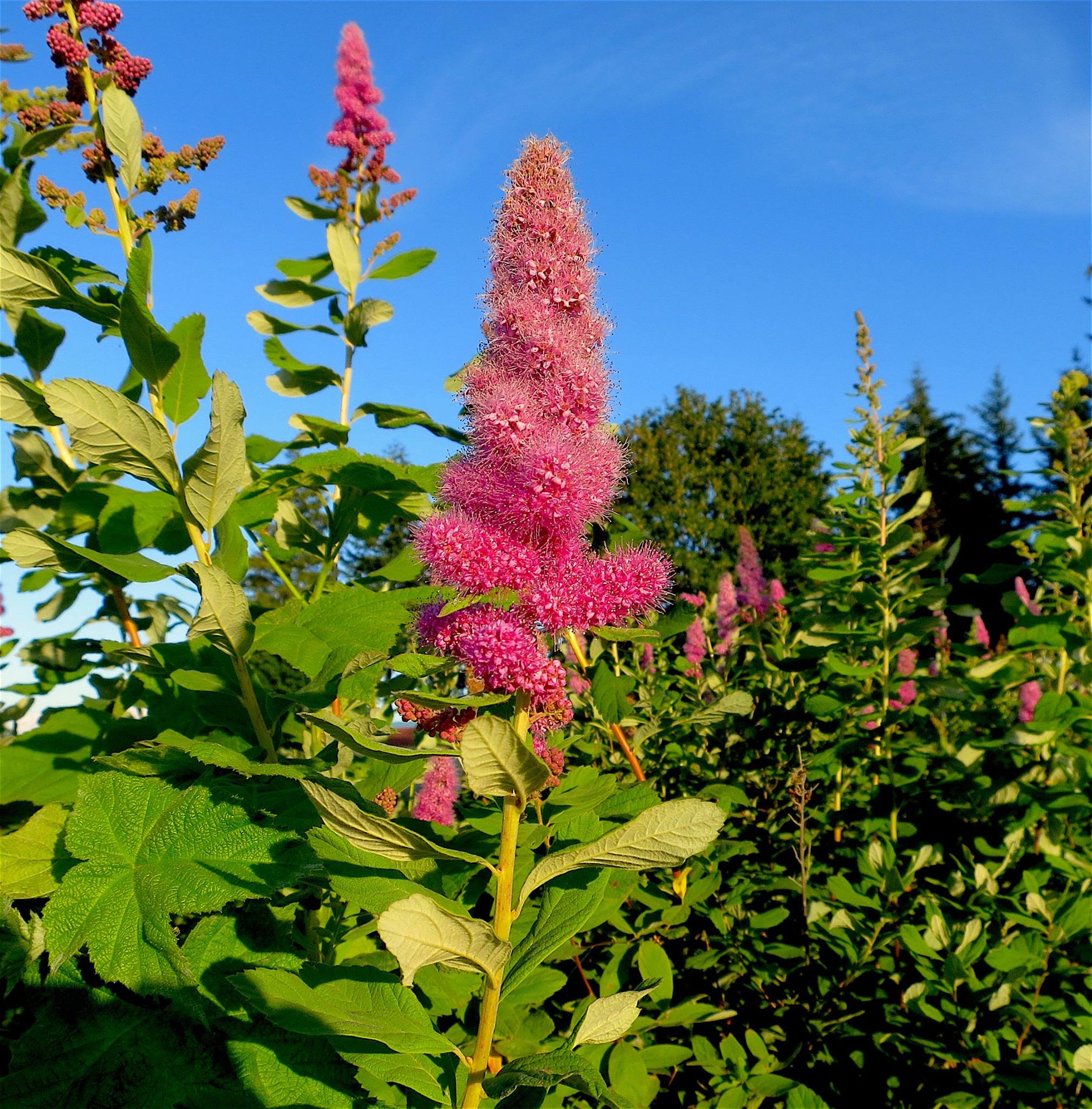
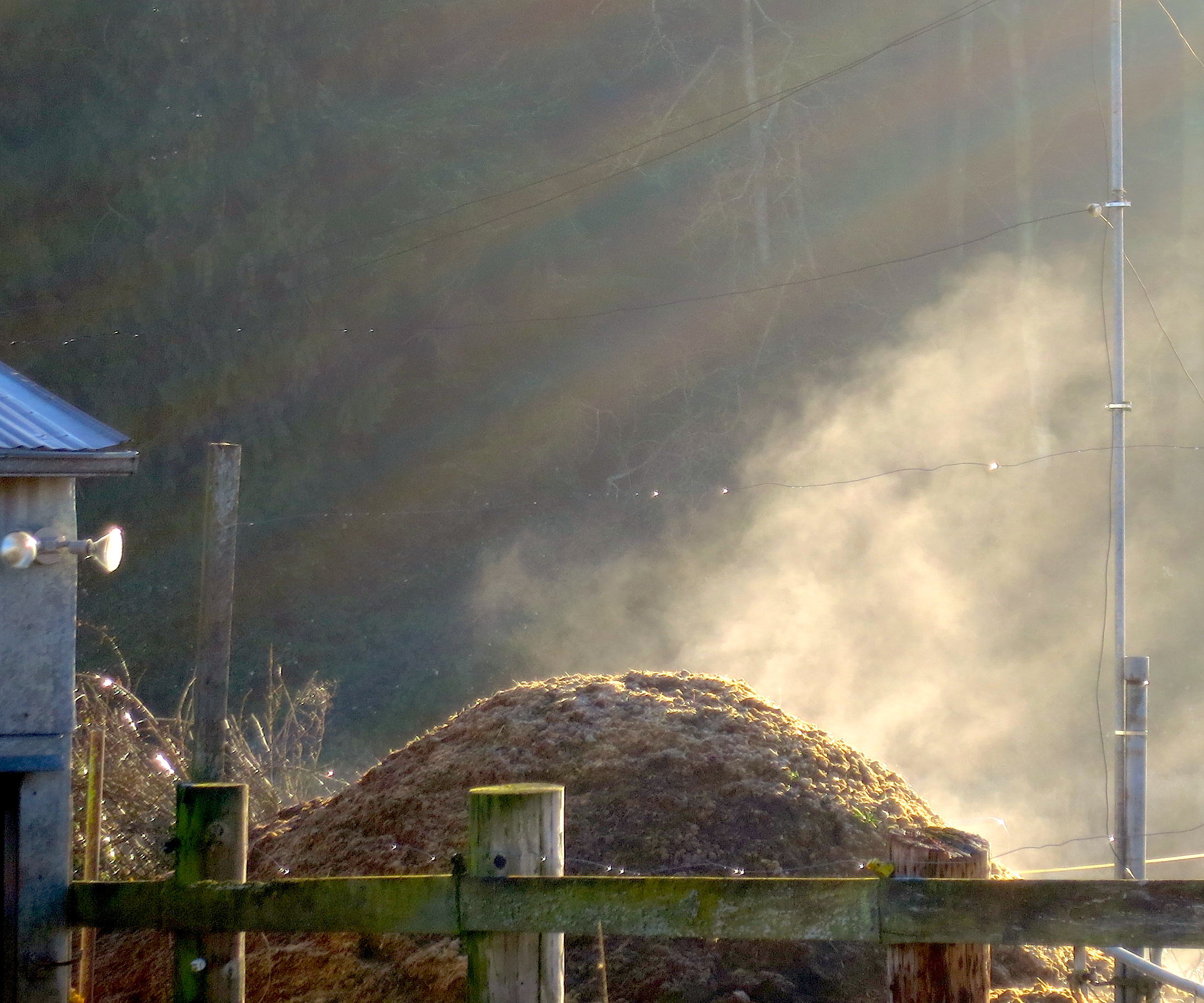
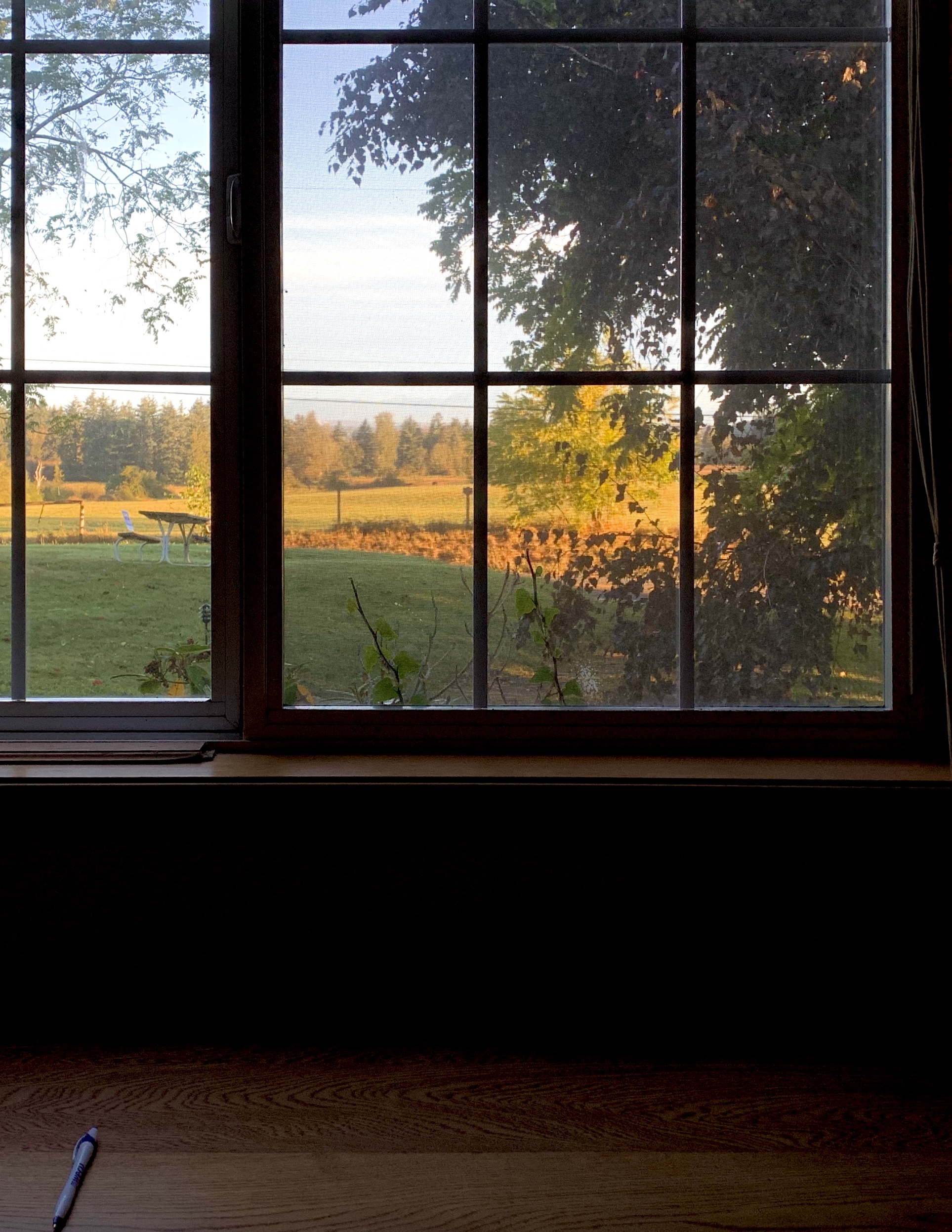
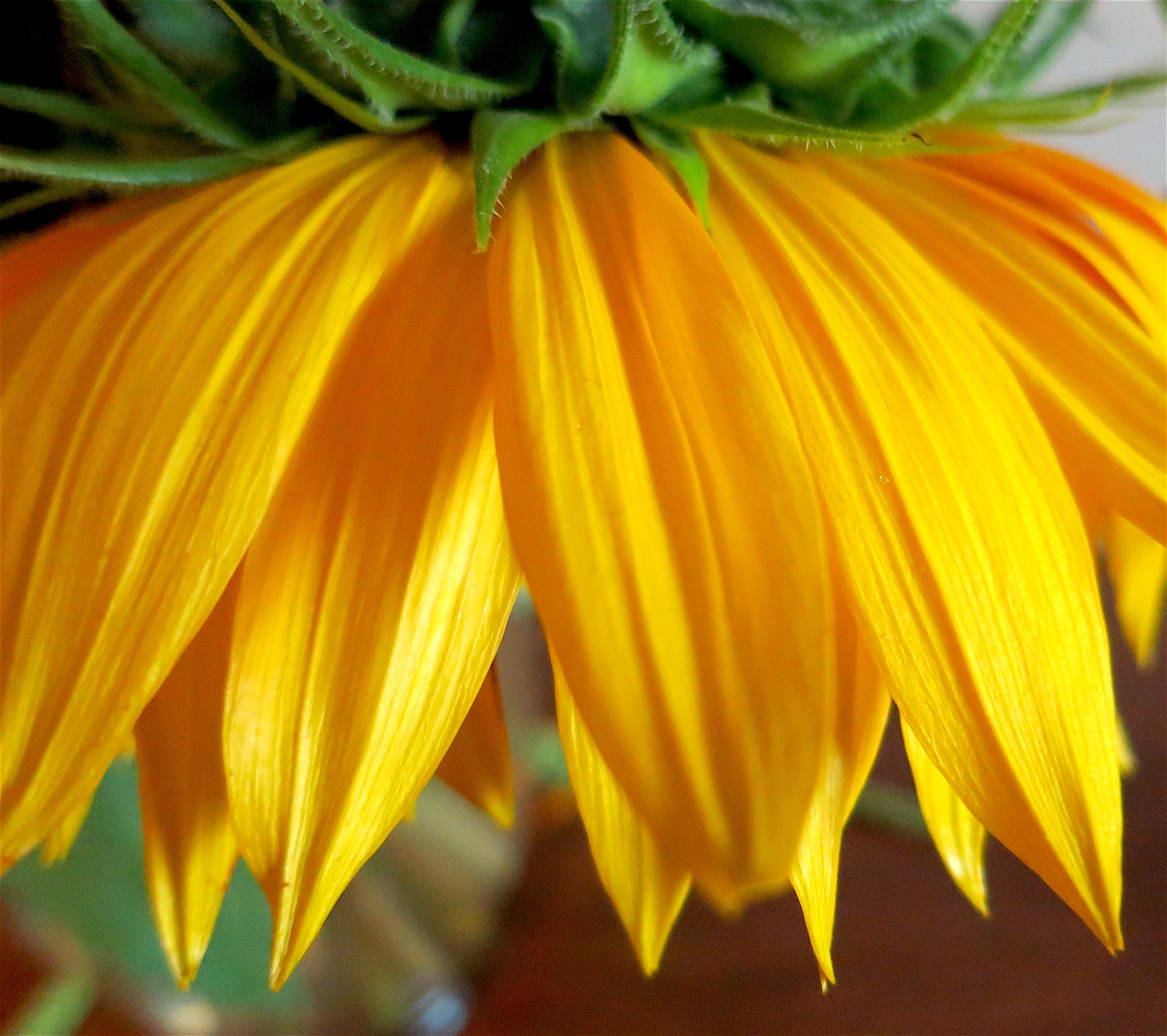
Light splashed this morning on the shell-pink anemones swaying on their tall stems; down blue-spiked veronica light flowed in rivulets over the humps of the honeybees; this morning I saw light kiss the silk of the roses in their second flowering, my late bloomers flushed with their brandy. A curious gladness shook me. So I have shut the doors of my house, so I have trudged downstairs to my cell, so I am sitting in semi-dark hunched over my desk with nothing for a view to tempt me but a bloated compost heap, steamy old stinkpile, under my window; and I pick my notebook up and I start to read aloud and still-wet words I scribbled on the blotted page: “Light splashed…”
I can scarcely wait till tomorrow when a new life begins for me, as it does each day, as it does each day. ~Stanley Kunitz “The Round”
It is too easy to be ground to a pulp by the constant irritations of the day – my aggravations are too easily expressed, my worries never seem to wane – all of it sucks gladness out of me. When my feelings become four-dimensional and surround and drown me, I lose all perspective on what got me out of bed to begin the day.
God is in these intricate details, whether the splash of light on a petal or the smell of rotting compost; it is my job to notice this. It is tempting to look past His ubiquitous presence in all things, to seek out only the elegant grandeur of creation and bypass the plain and smelly and homely. Yet even what lacks beauty from my limited perspective is worthy of His divine attention.
He knows the value and purpose of each thing He created, including me and the things that aggravate me no end.
The time has come to be refreshed and renewed even when surrounded by decay. His care is revealed in the tiniest way. He is worthy of my attention because I am constantly worthy of His.
If I rise early enough, I can see each new day’s light splash everything awake. By the time I come in to sit down to record my words and photos, I’m thoroughly washed with a fresh dawn. I can scarcely wait to take on what this day will bring.
A new life begins for me, as it does each day, as it does each day.
Maybe you or someone you love needs encouragement and a splash of light and beauty? Consider this book from Barnstorming, available to order here:
Without realizing it, we fill important places in each others’ lives. It’s that way with the guy at the corner grocery, the mechanic at the local garage, the family doctor, teachers, neighbors, coworkers. Good people who are always “there,” who can be relied upon in small, important ways. People who teach us, bless us, encourage us, support us, uplift us in the dailiness of life.
We never tell them. I don’t know why, but we don’t.
And, of course, we fill that role ourselves. There are those who depend on us,watch us, learn from us, take from us. And we never know.
You may never have proof of your importance, but you are more important than you think. There are always those who couldn’t do without you. The rub is that you don’t always know who. ~Robert Fulghum from All I Really Need to Know I Learned in Kindergarten
If there is one thing the pandemic taught me, it’s noticing the people in my life who may have not been as obvious to me before. I hadn’t realized how many folks truly are front-line serving others. It is not only the health care workers, grocery store clerks and school teachers but suddenly the list of “essential workers” has grown large, including law enforcement, plumbers and electricians, child care workers, water, sanitation and sewer maintenance, postal clerks, technicians who fix our cars and appliances and the farmers who tend the crops and livestock we need to live.
I realized how oblivious I had been before not taking the time to acknowledge the daily services I receive from so many varied people. In fact, it became even more urgent for me to tell my family members and friends – some thousands of miles away from me – how much they mean to me.
I’ve tried to remedy this: I try to tell others as simply and clearly as I can, whenever possible, that I appreciate what they have done and what they continue to do under difficult circumstances, how important they are to me and others and make life better for us all. I also need to continue to nurture those relationships with family and friends crucial to my well-being. I need them all.
It is so important for them to know.
Well over a thousand of you receive these daily Barnstorming emails and posts yet I only hear from a few of you – I treasure those messages, thank you! Let me know if I can do better at reaching out to each of you in a meaningful way – either by commenting on posts or emailing me privately at emilypgibson@gmail.com – we all need encouragement that we can make a difference in others’ lives.
This new book from Barnstorming is available to order here:
Stay, stay at home, my heart, and rest; Home-keeping hearts are happiest, For those that wander they know not where Are full of trouble and full of care; To stay at home is best.
Weary and homesick and distressed, They wander east, they wander west, And are baffled and beaten and blown about By the winds of the wilderness of doubt; To stay at home is best.
Thank you to Harry Rodenberger for the hummingbird nest videos!
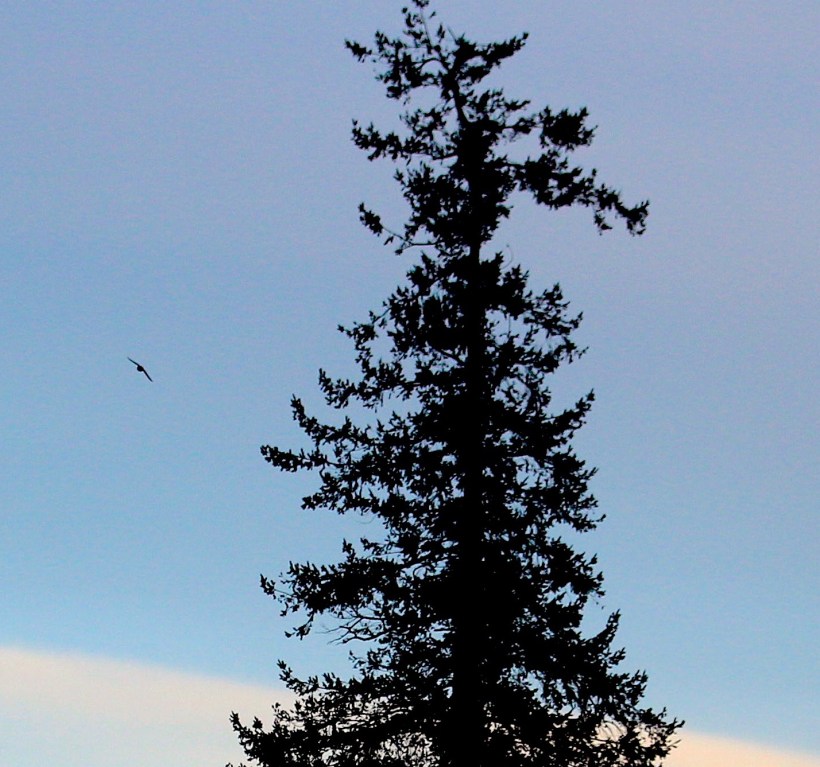
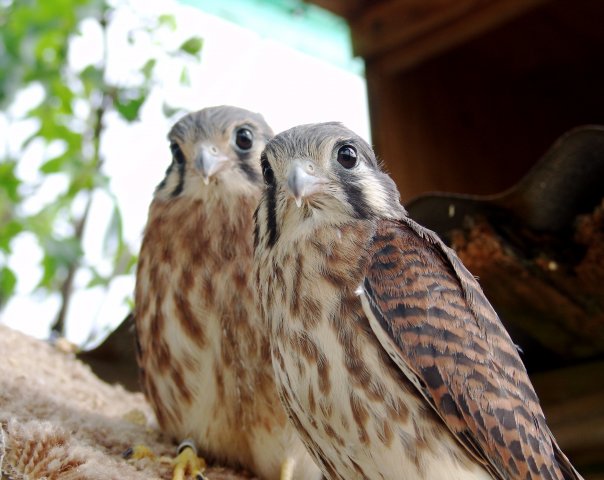
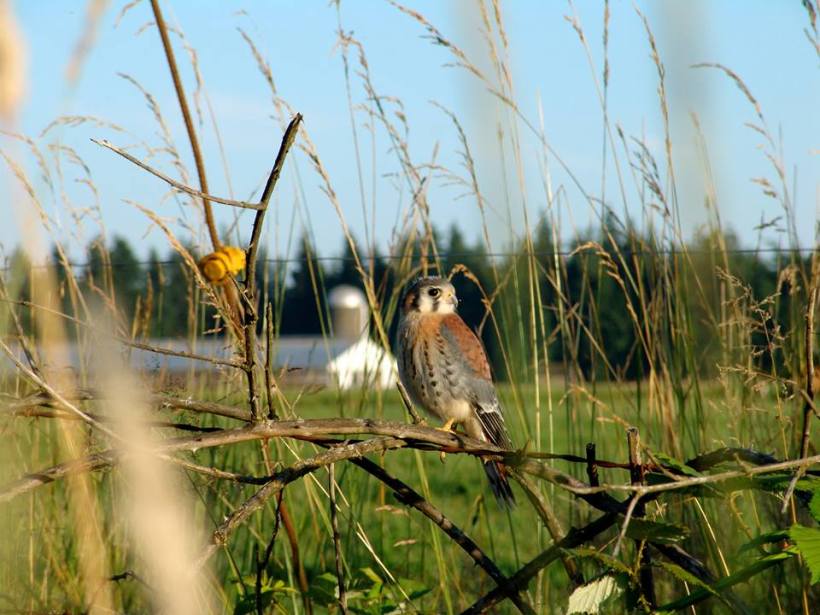
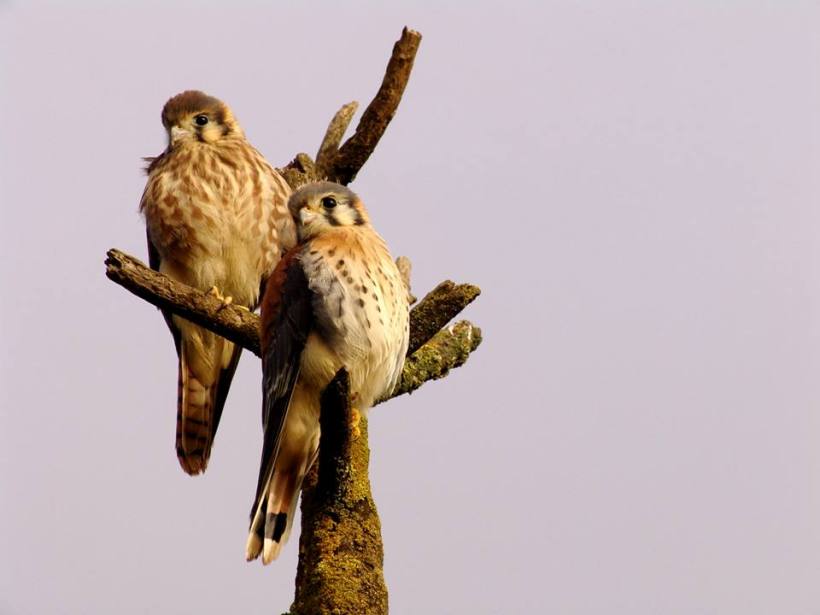
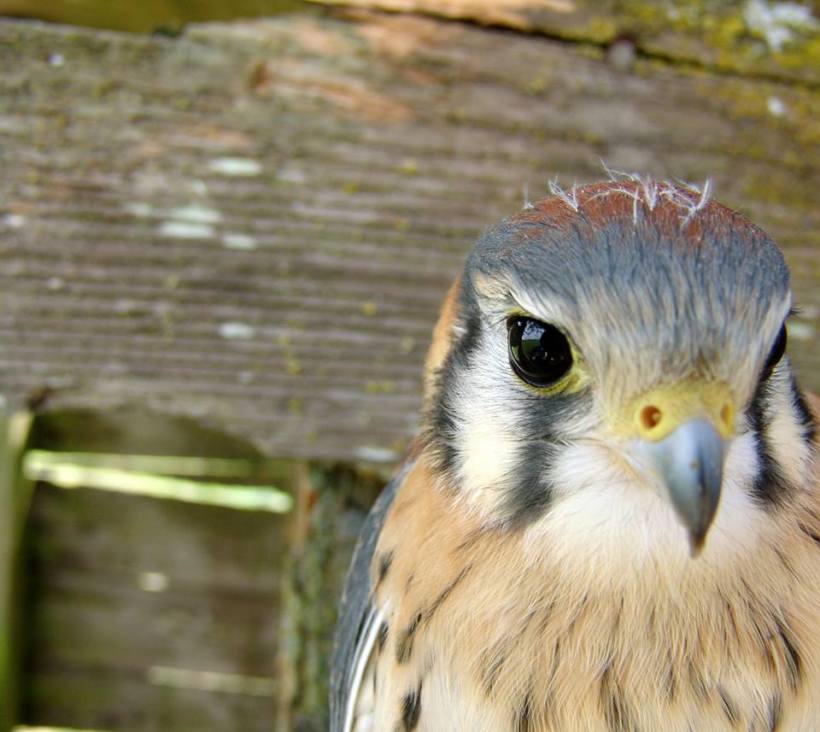
hawk in pursuit
We have been a disconsolate people, uneasy and restless, particularly during the past year of being told to stay at home is best. Safety and protection became the priority despite our longing for freedom of movement.
Now with pandemic restrictions lifting, many of us are impatient to fly and travel, even when the hawks in our lives remain in close pursuit. Though baffled, beaten and blown by the ever-buffeting winds of doubt and threat, we want our liberty.
It is easy to forget: this earthly home isn’t our “safe” place and true freedom isn’t going where we please when we please.
This life is merely vapor and our ultimate longing is for something far more eternal than we will find here.
We’re almost home – together on this journey through the darkness to forever.
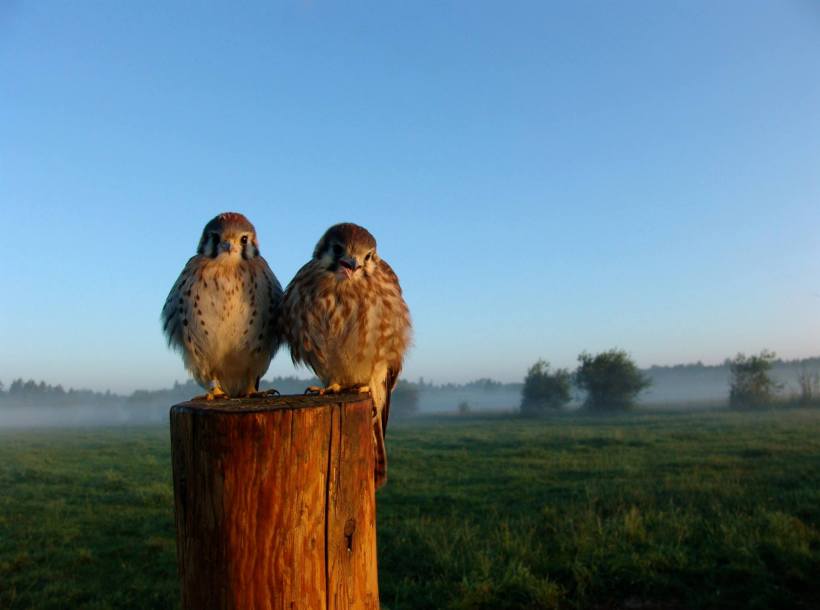
photos of kestrel falcons by Kate Steensmaphoto by Kate Steensmaphoto by Kate Steensmaphoto by Kate Steensmaphoto by Kate Steensma
If you enjoy these Barnstorming blogs, consider this new book from Barnstorming available for order here:
Serene the silver fishes glide, Stern-lipped, and pale, and wonder-eyed! As through the aged deeps of ocean, They glide with wan and wavy motion. They have no pathway where they go, They flow like water to and fro, They watch with never-winking eyes, They watch with staring, cold surprise, The level people in the air, The people peering, peering there: Who wander also to and fro, And know not why or where they go, Yet have a wonder in their eyes, Sometimes a pale and cold surprise. ~ Max Eastman, “At the Aquarium” Max Eastman: A Life
The fish are drifting calmly in their tank between the green reeds, lit by a white glow that passes for the sun. Blindly, the blank glass that holds them in displays their slow progress from end to end, familiar rocks set into the gravel, murmuring rows of filters, a universe the flying fox and glass cats, Congo tetras, bristle-nose pleocostemus all take for granted. Yet the platys, gold and red, persist in leaping occasionally, as if they can’t quite let alone a possibility—of wings, maybe, once they reach the air? They die on the rug. We find them there, eyes open in surprise. ~Kim Addonizio “Aquarium,” from The Philosopher’s Club
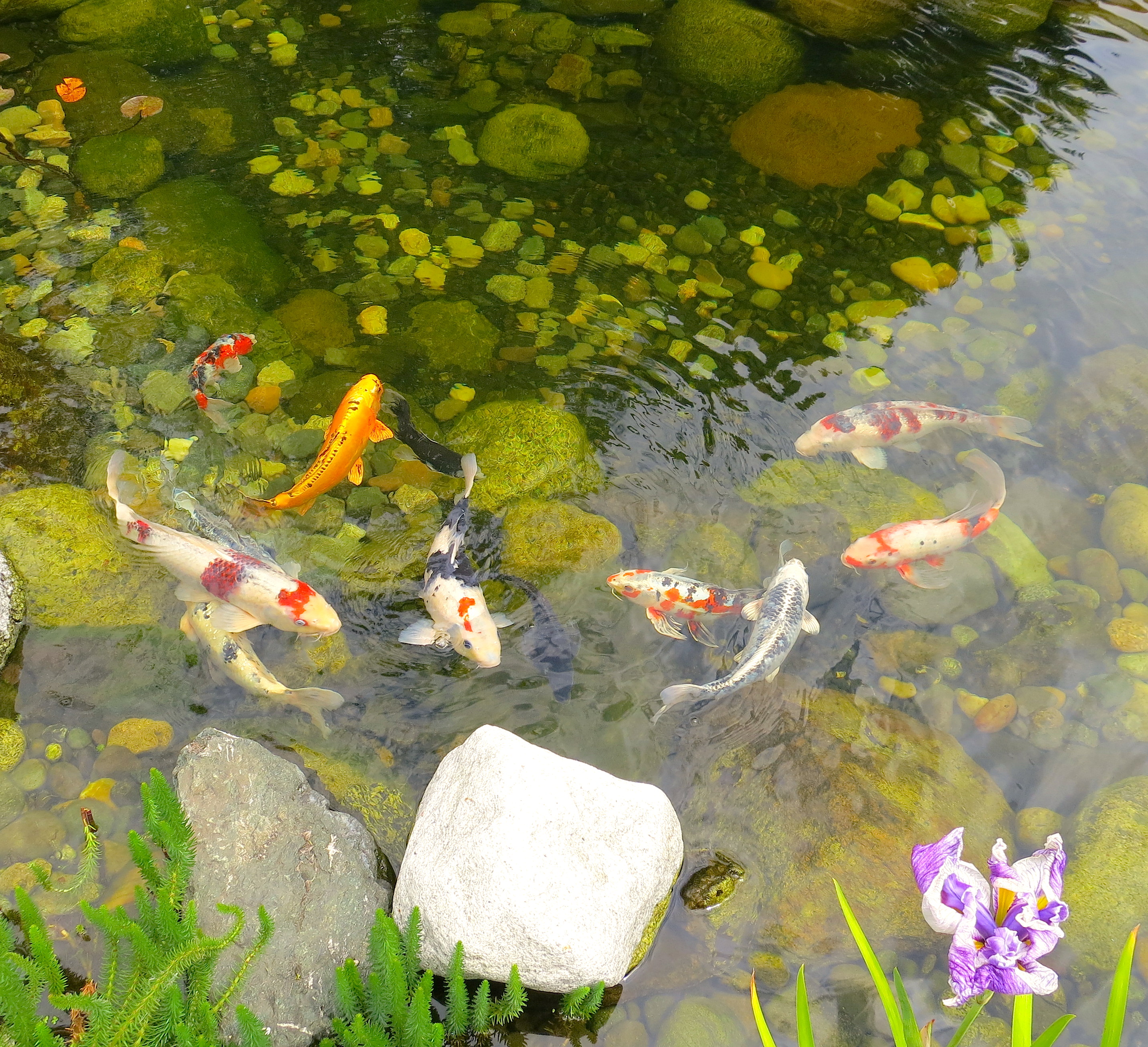
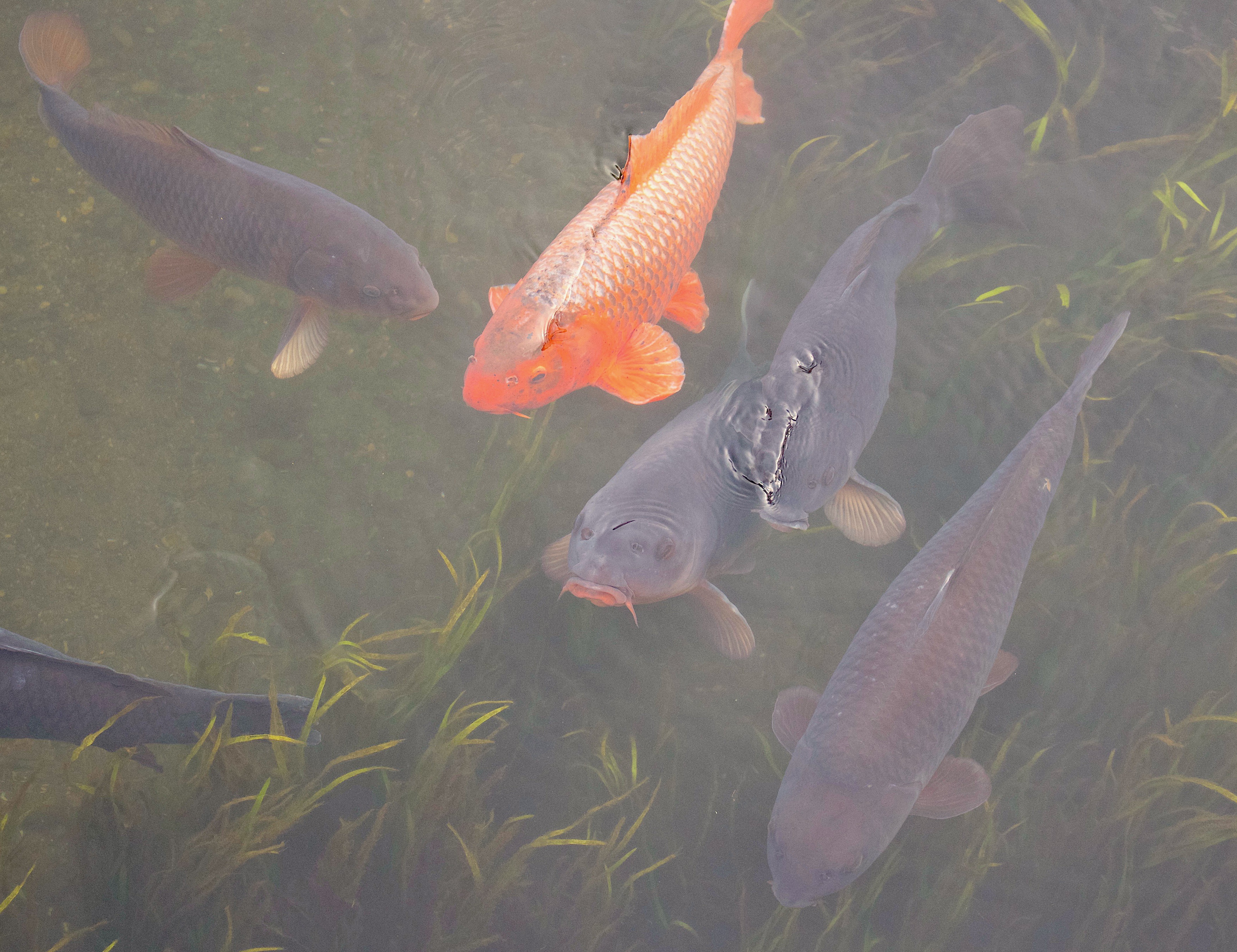
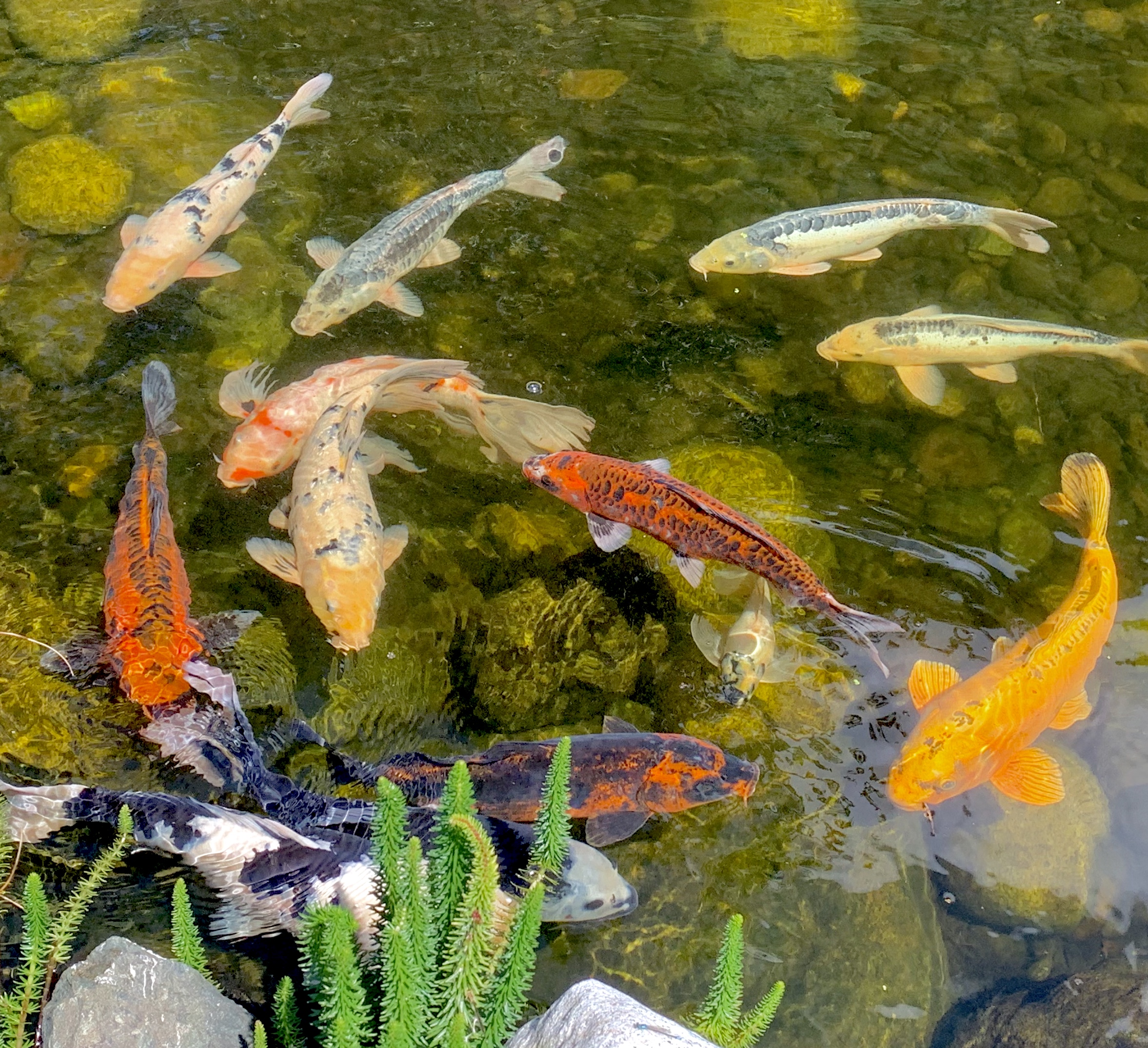
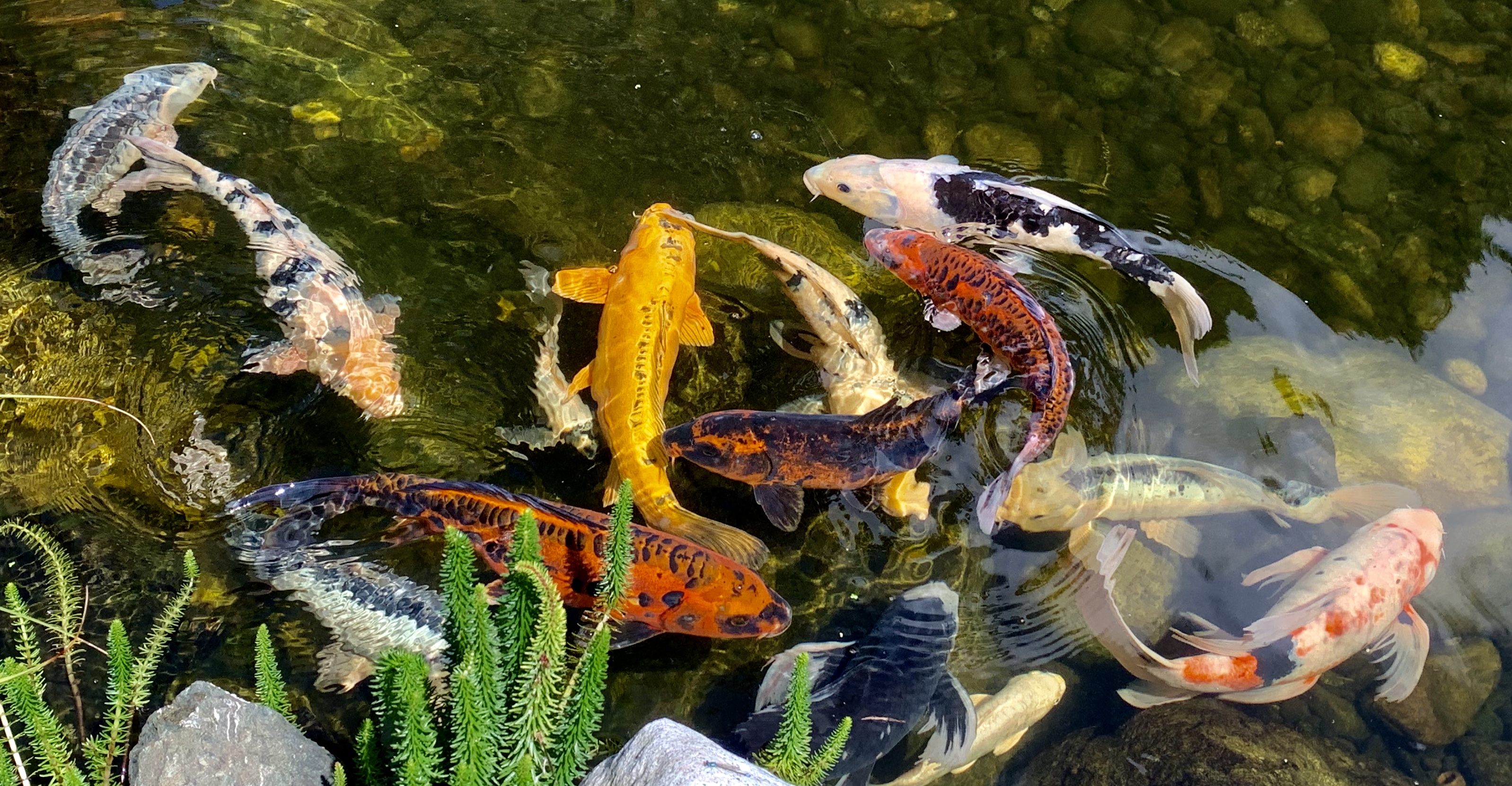
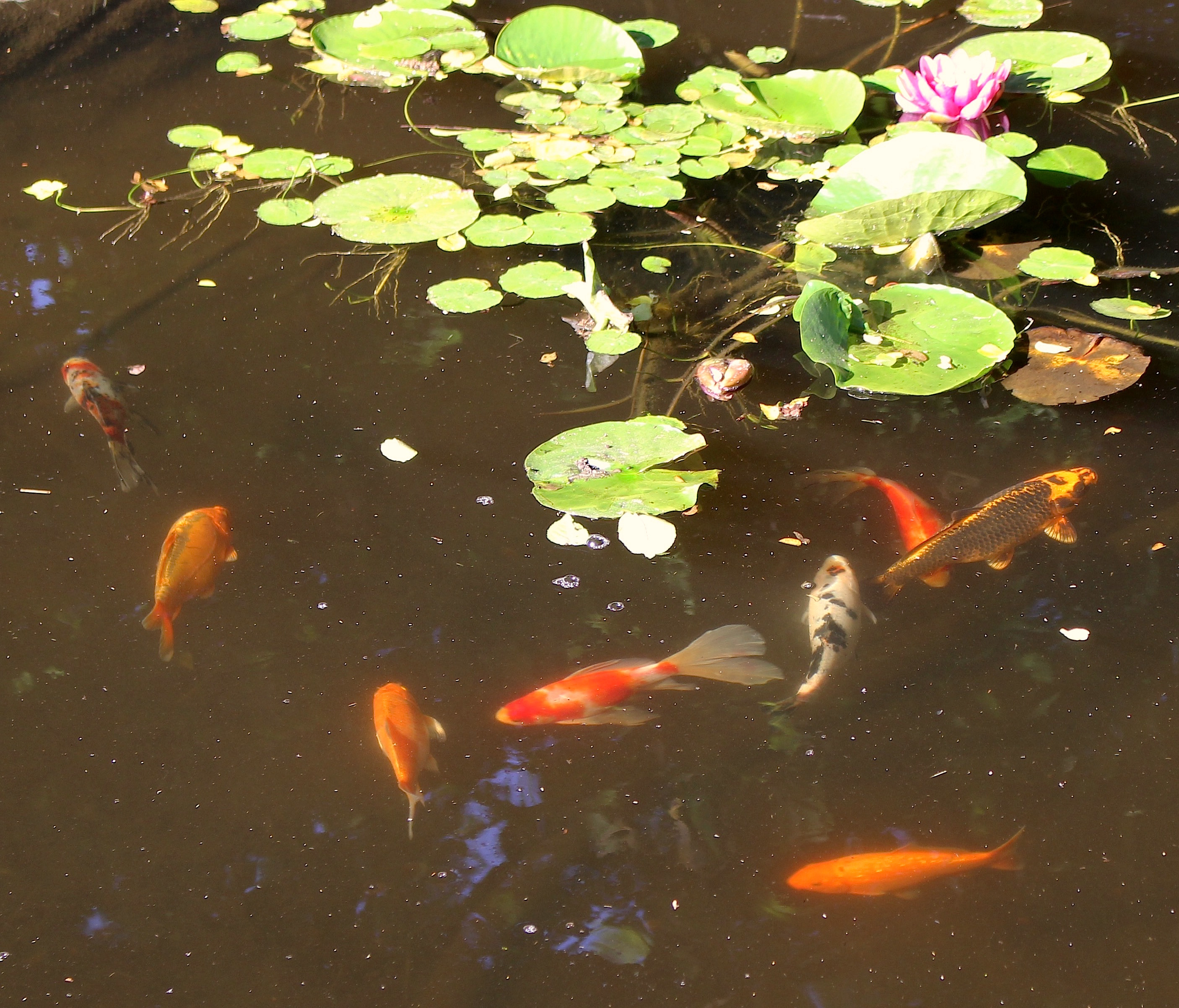
Our shadows bring them from the shadows: a yolk-yellow one with a navy pattern like a Japanese woodblock print of fish scales. A fat 18-karat one splashed with gaudy purple and a patch of gray. One with a gold head, a body skim-milk-white, trailing ventral fins like half-folded fans of lace. A poppy-red, faintly disheveled one, and one, compact, all indigo in faint green water. They wear comical whiskers and gather beneath us as we lean on the cement railing in indecisive late-December light, and because we do not feed them, they pass, then they loop and circle back. Loop and circle. Loop. “Look,” you say, “beneath them.” Beneath them, like a subplot or a motive, is a school of uniformly dark ones, smaller, unadorned, perhaps another species, living in the shadow of the gold, purple, yellow, indigo, and white, seeking the mired roots and dusky grasses, unliveried, the quieter beneath the quiet. ~Susan Kolodny “Koi Pond, Oakland Museum”
The water going dark only makes the orange seem brighter, as you race, and kiss, and spar for food, pretending not to notice me. For this gift of your indifference, I am grateful. I will sit until the pond goes black, the last orange spark extinguished. ~Robert Peake from “Koi Pond”
…the kingdom of heaven is like a net that was let down into the lake and caught all kinds of fish.When it was full, the fishermen pulled it up on the shore. Then they sat down and collected the good fish in baskets, but threw the bad away. Matthew 13: 47-48
I caught a tremendous fish and held him beside the boat half out of water, with my hook fast in a corner of his mouth. He didn’t fight. He hadn’t fought at all. He hung a grunting weight, battered and venerable and homely. I looked into his eyes which were far larger than mine but shallower, and yellowed, the irises backed and packed with tarnished tinfoil seen through the lenses of old scratched isinglass. They shifted a little, but not to return my stare. – It was more like the tipping of an object toward the light. I admired his sullen face, the mechanism of his jaw, and then I saw that from his lower lip – if you could call it a lip grim, wet, and weaponlike, hung five old pieces of fish-line, or four and a wire leader with the swivel still attached, with all their five big hooks grown firmly in his mouth. Like medals with their ribbons frayed and wavering, a five-haired beard of wisdom trailing from his aching jaw. I stared and stared and victory filled up the little rented boat, from the pool of bilge where oil had spread a rainbow around the rusted engine to the bailer rusted orange, the sun-cracked thwarts, the oarlocks on their strings, the gunnels- until everything was rainbow, rainbow, rainbow! And I let the fish go. ~Elizabeth Bishop from “The Fish”
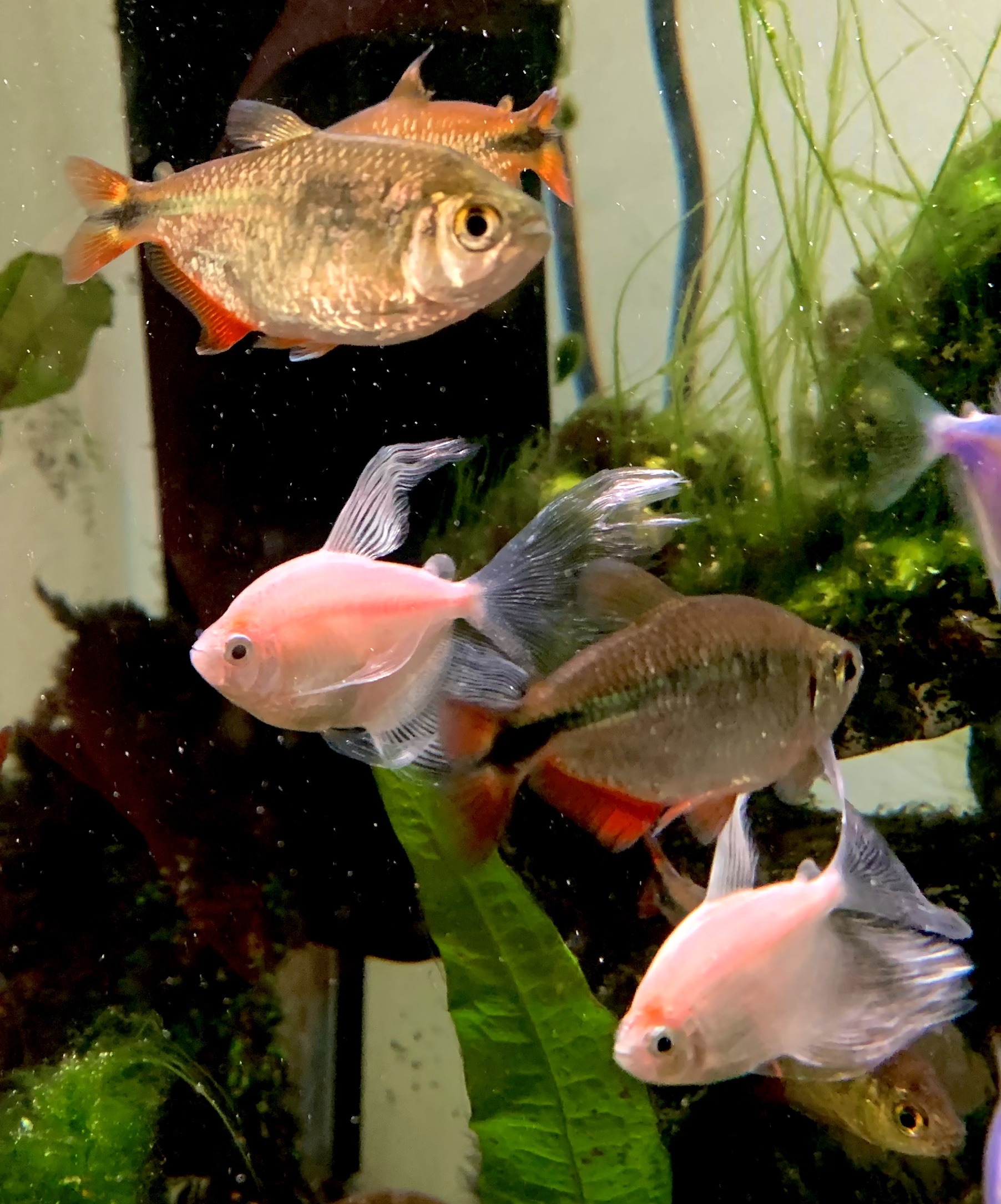
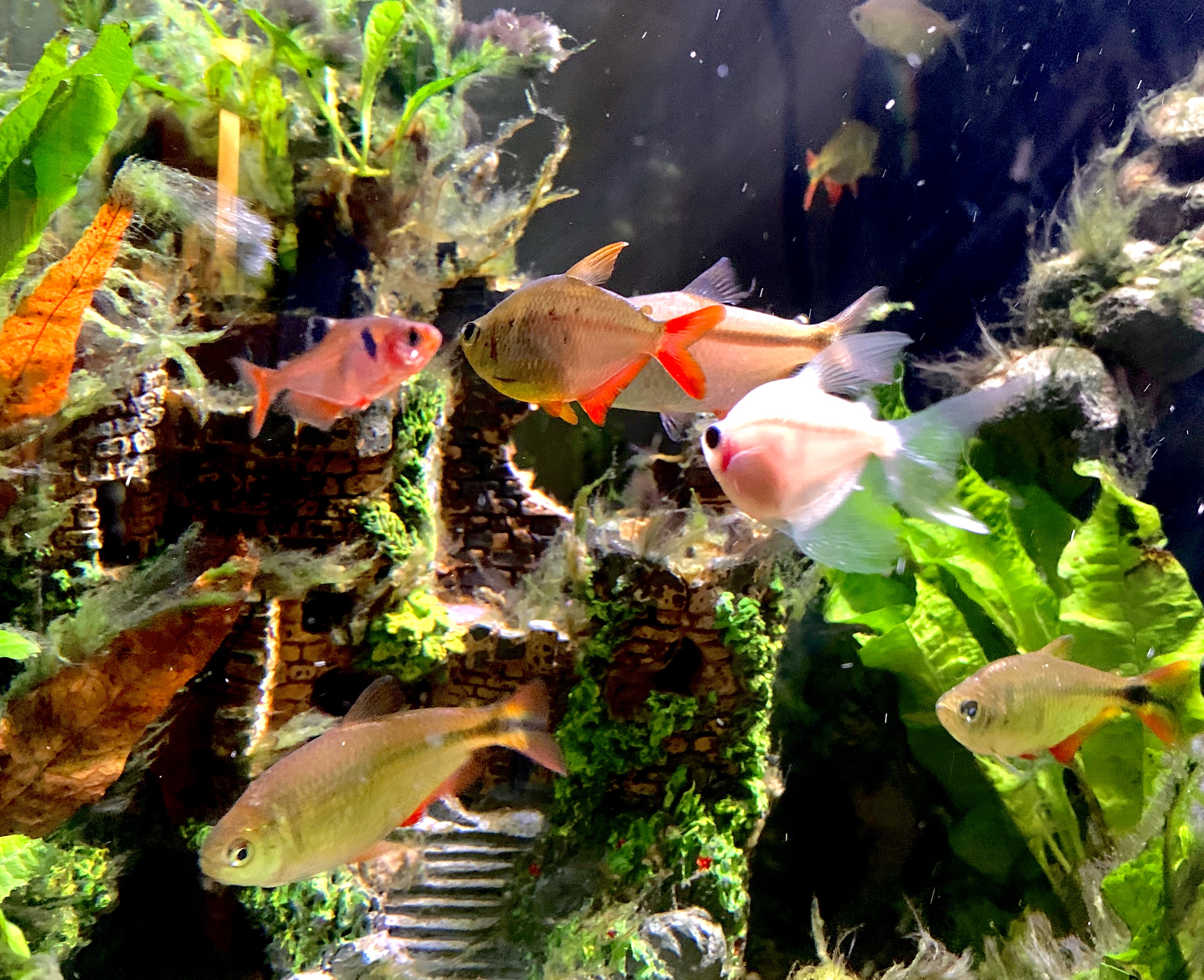
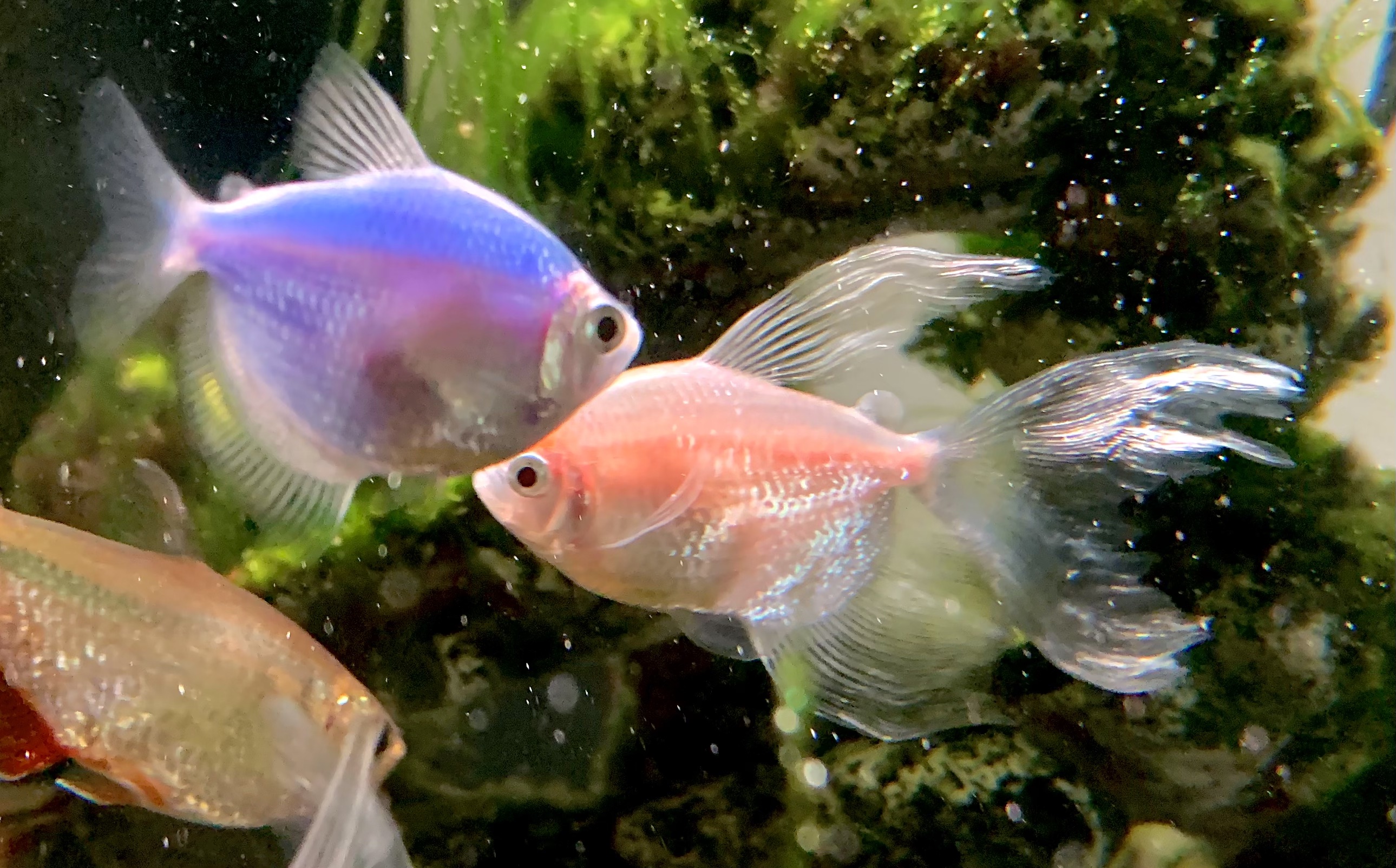
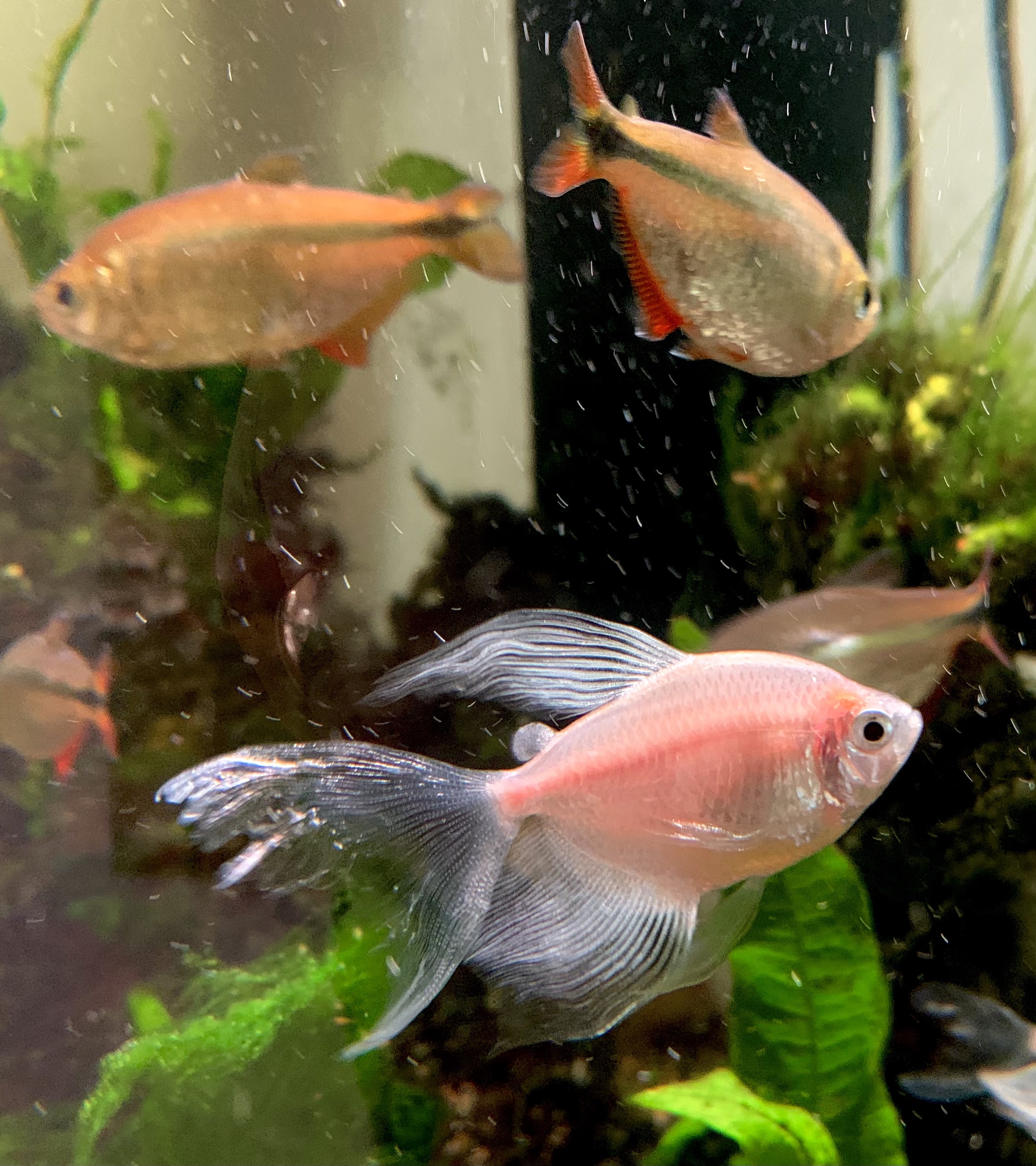
All my life, I’ve taken care of a variety of fish in tanks and ponds. As a child, I would watch, mesmerized, as our tropical fish glided around, happily exploring their little ten gallon world. I willingly cleaned away the algae, rinsed the gravel and changed the filter. As a teenager, I boasted at least three different tanks aerating away in my bedroom, my own little aqua-cultural world of bubbles and fins.
During college and medical school, I chose to share my room with goldfish and bettas, thriving on their apparent contentment within a clear glass bowl. I didn’t think of them as emotional support animals, but there was a joy obvious in their albeit limited existence: they still thrived when I was away, not missing me, but were always thrilled when I fed them, and tolerated my messing with their home maintenance.
My current thirty gallon aquarium is decades old and boasts over two dozen fish and plenty of furry algae and plants. Some of my watery friends have lived ten years or more and when they pass, I miss them. Even the dozen koi and goldfish in our farm pond have expressive faces and individual personalities that I’ve gotten to know well as they come when I call.
I know the heart of compassion I feel for any creature I’m responsible for, as I know and have experienced the compassion of our Creator.
I would hope when the time comes that I end up in His net, that He’ll look me in the eye, see the wonder there as I gape at Him. He’ll count my blemishes and wounds and the number of hooks in my mouth from the times I’ve been caught and escaped, and if He’s not yet ready to take me home, or deems me not yet ready to leave this world, He’ll throw me back rather than throw me away to keep trying to get it right.
He has promised us that.
Rainbows, rainbows, rainbows indeed…
Interested in seeing more from Barnstorming? This new book is available for order here:
What is the hayfield in late afternoon that it can fly in the face of time,
and light can be centuries old, and even the rusted black truck I am driving
can seem to be an implement born of some ancient harvest,
and the rhythmic baler, which spits out massive bricks tied up in twine,
can seem part of a time before now because light glitters on the hay dust,
because the sun is sinking and we sweat under the high arc of mid-summer,
because our bodies cast such long shadows– Rebecca, with the baby strapped to her back,
the men who throw impossible weight to the top of the truck, the black and white
dog that races after mice or moles whose lives have been suddenly exposed.
How does the taste of my sweat take me down through the gate of childhood,
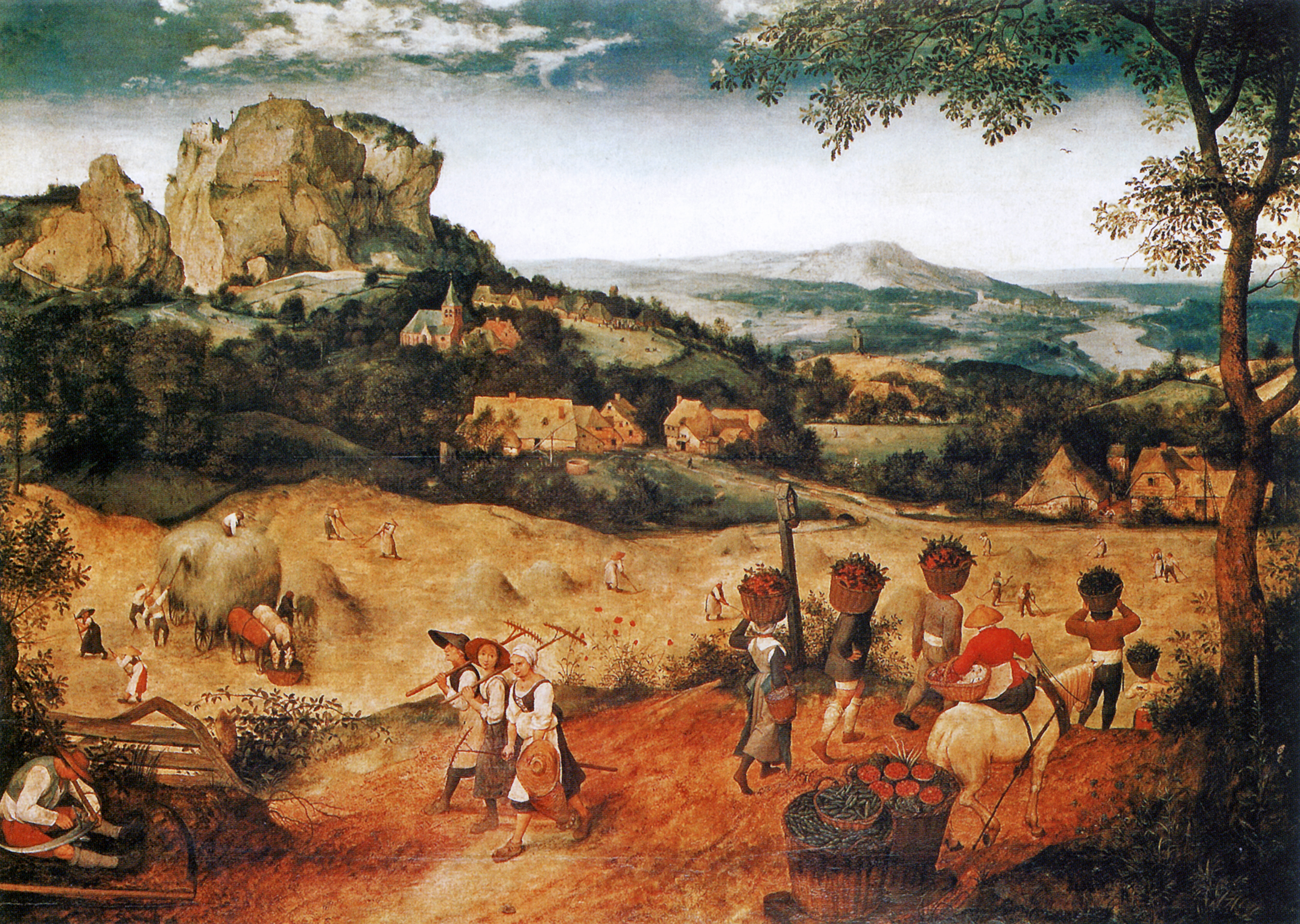
spinning backwards to land in a field painted by Bruigel, where the taste of salt
is the same, and the same heat rises in waves off a newly flattened field.
In the duskiness of slanted light, we laugh just as we laughed then, because there is
joy in what the earth gives, allowing our bodies to mingle with it, our voices
small on the field, our work assuring the goats can give milk, the sheep can grow wool,
and we will have in our bones the taste of something so old it travels in light. ~Susie Patlove “First Cutting” from Quickening
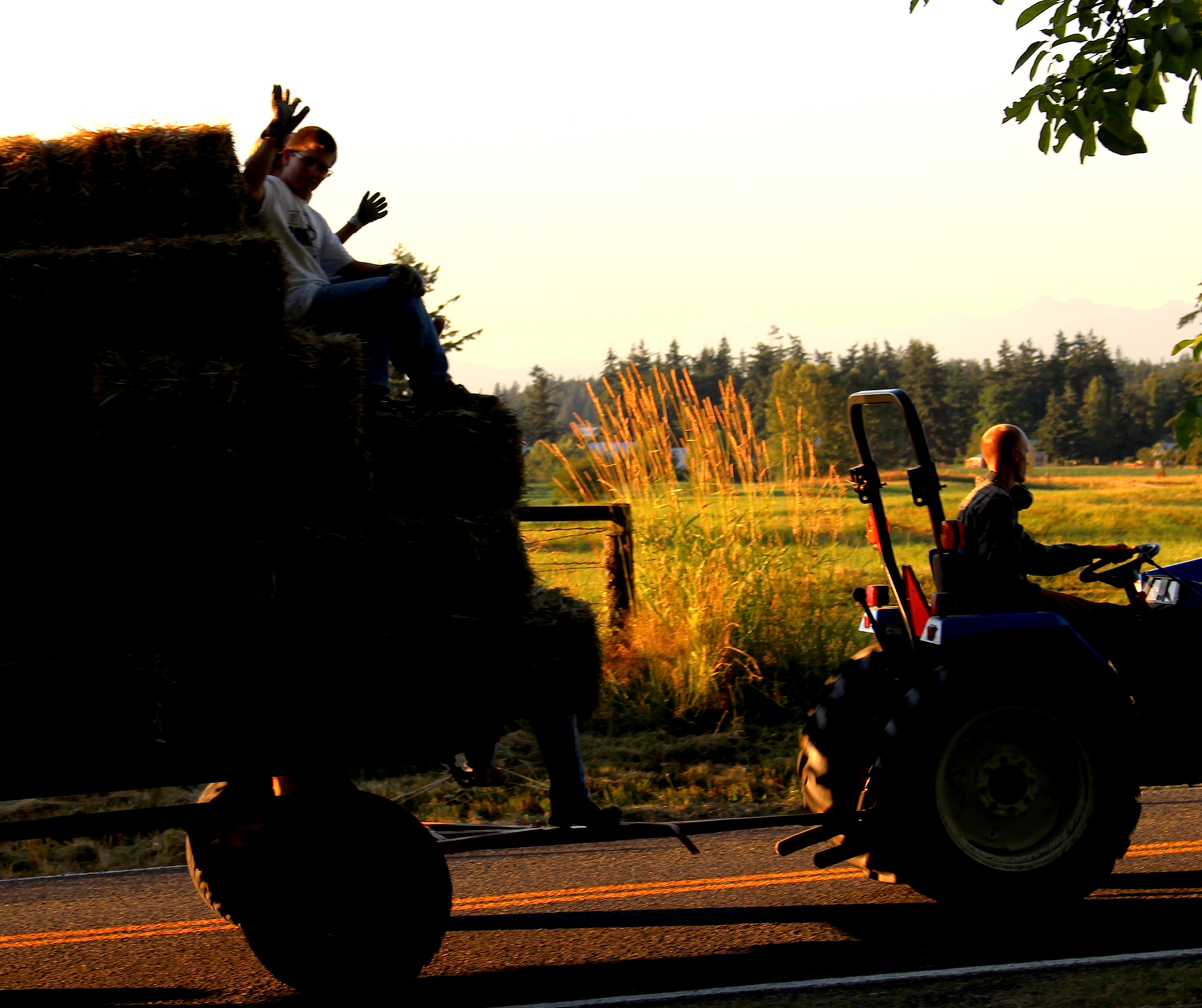
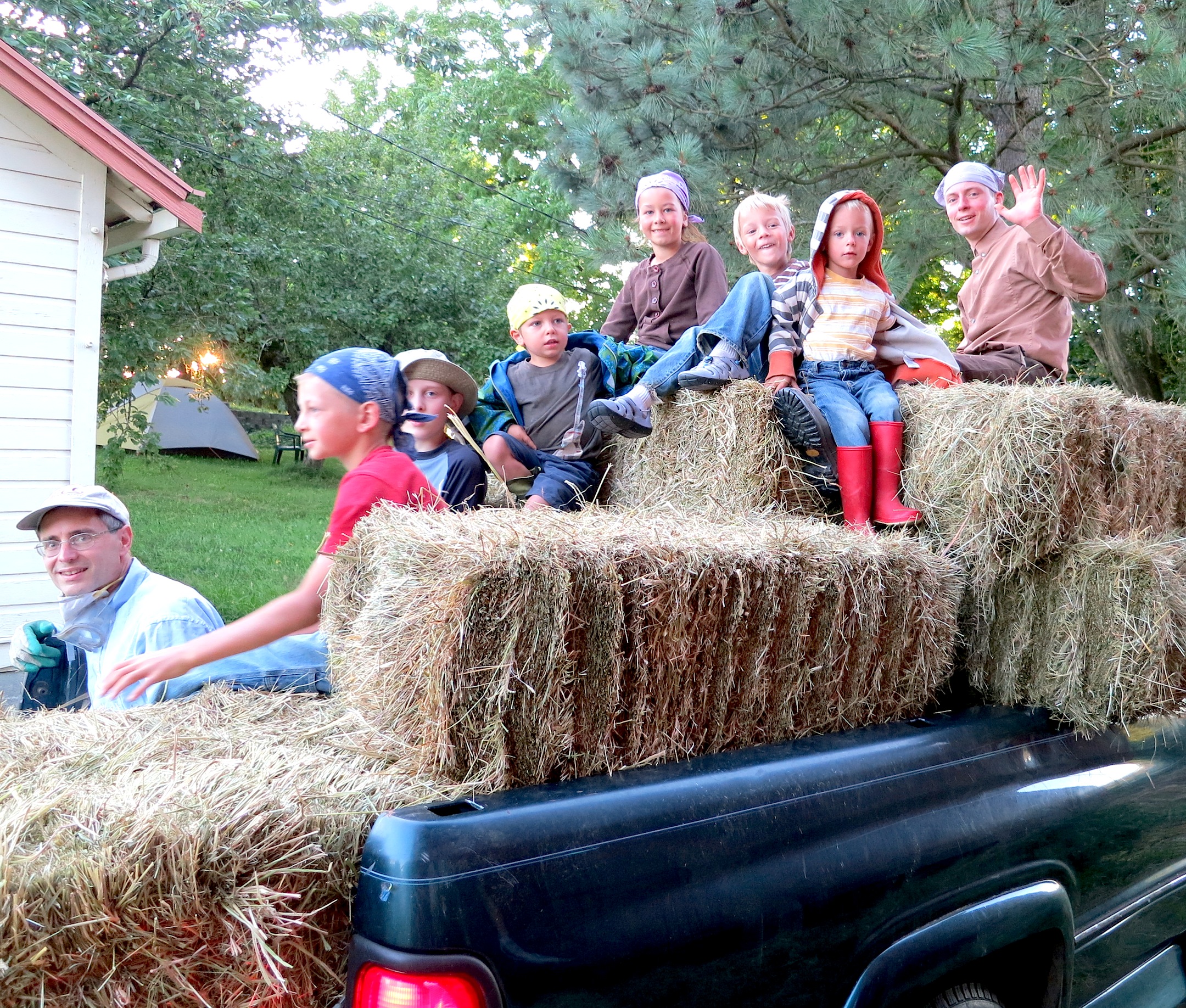
photo by Nate Gibsonphoto by Nate Gibson199420052011
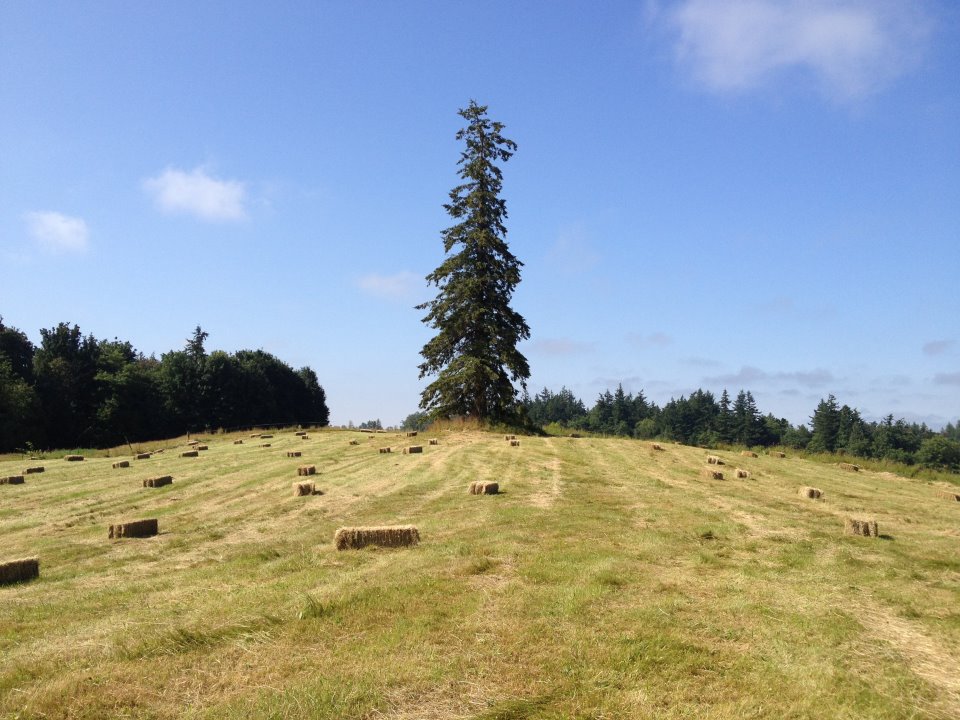
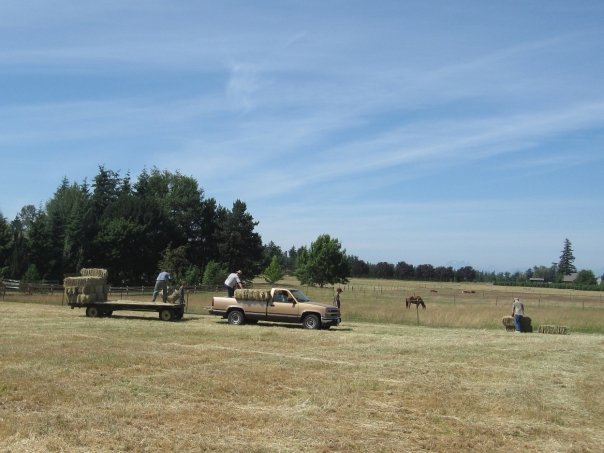
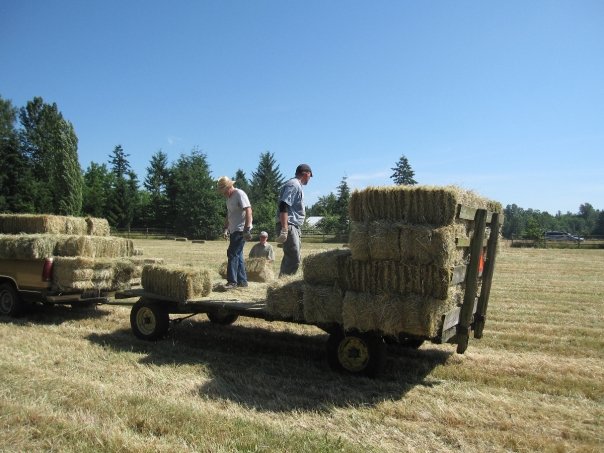
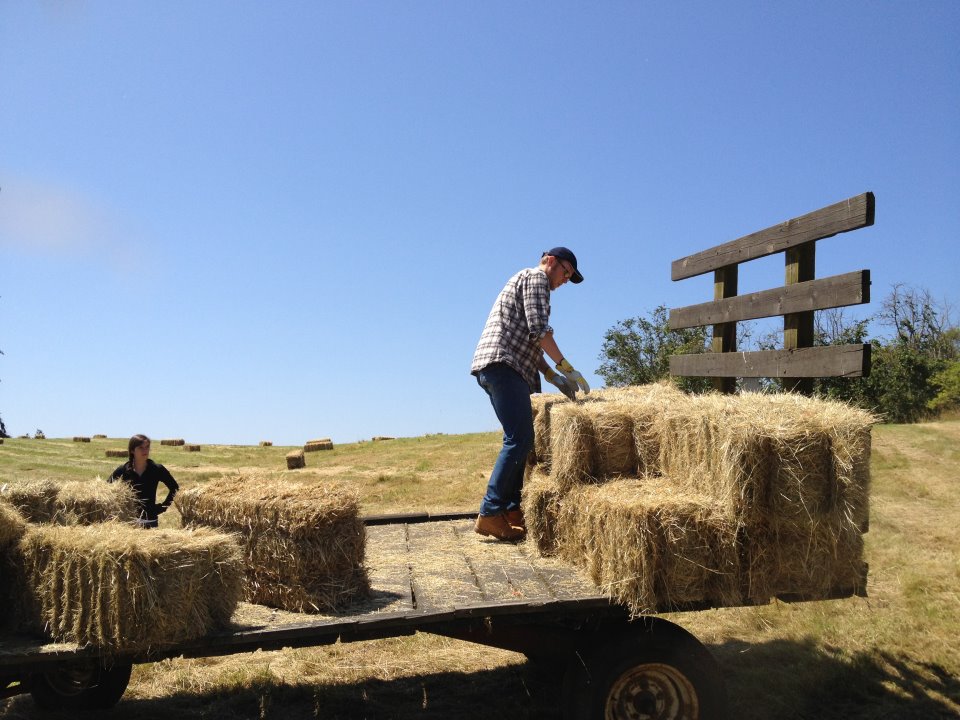
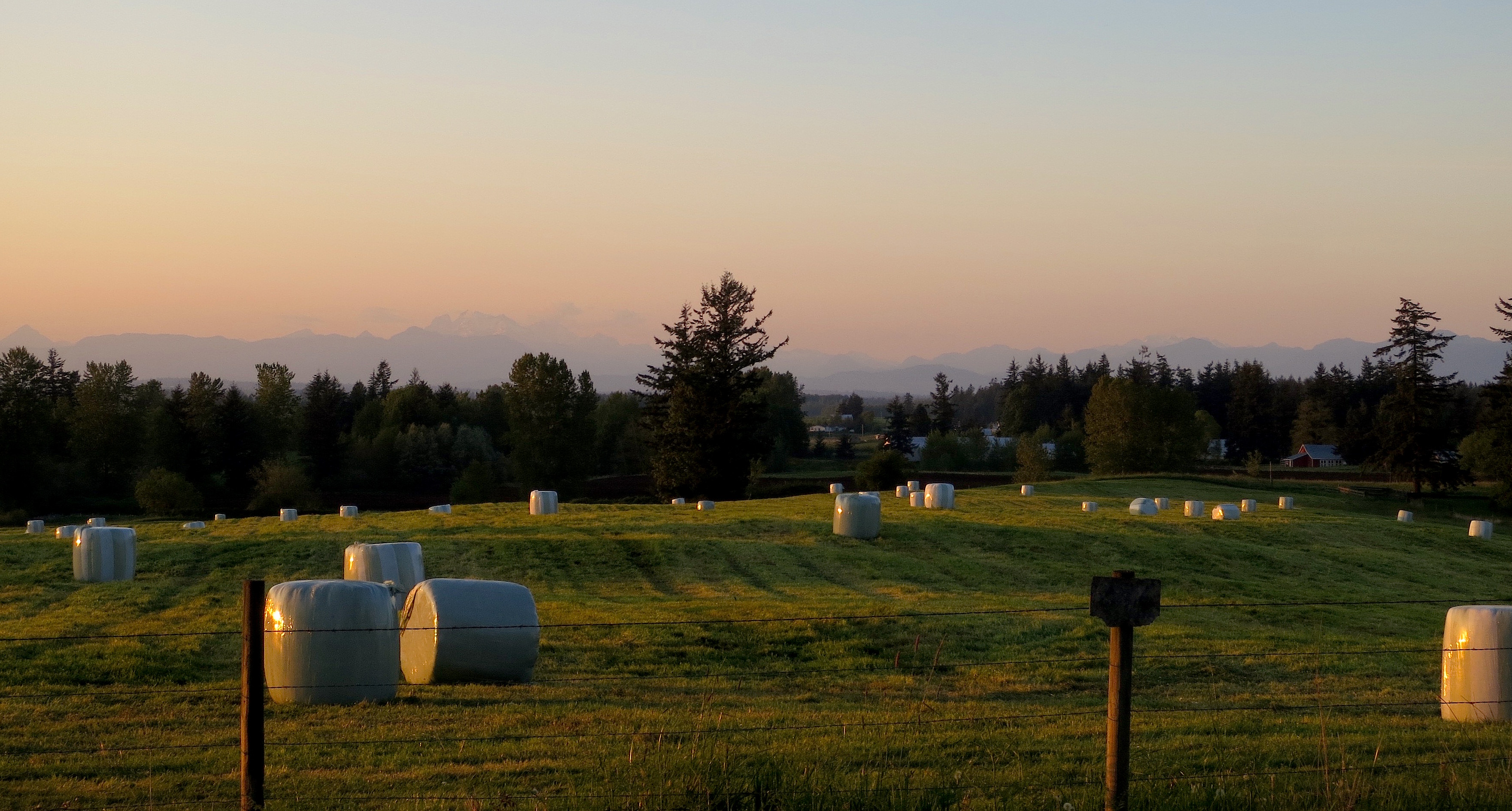
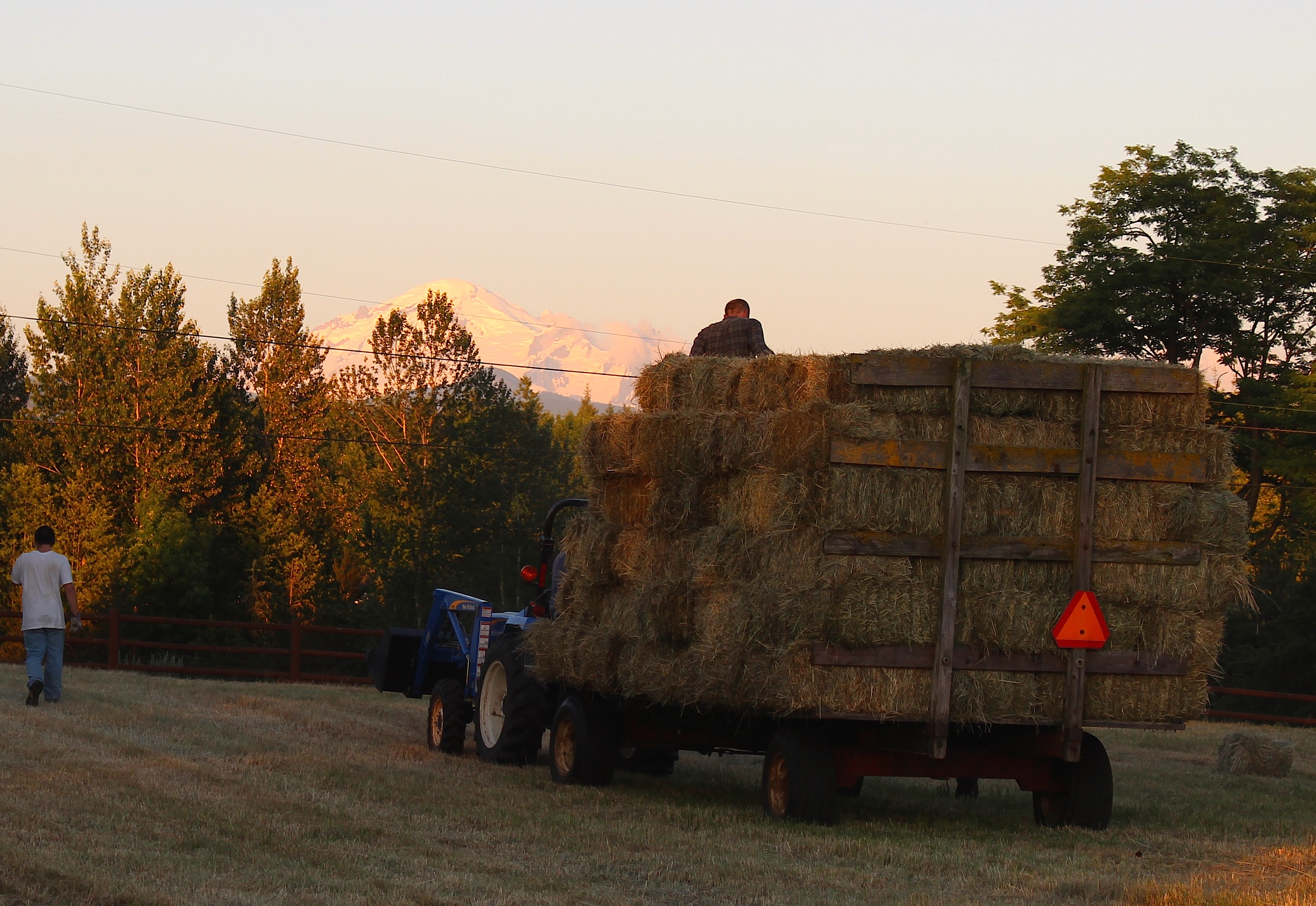
There is a timelessness to mid-summer hay harvest that goes back generations on both sides of our family. The cutting, raking and gathering of hay has evolved from horse-drawn implements and gathering loose shocks of hay to 100+ horse power air-conditioned tractors and huge round bales wrapped and stored in plastic sheathing rather than in barns.
Our farm is happily stuck somewhere in-between: we still prefer filling the haybarn with bales that I can still lift and move myself to feed our animals. True hay harvest involves sweat and dust and a neighborhood coming together to preserve summer in tangible form.
I grew up on a farm with a hayfield – I still have the scar over my eyebrow where I collided with the handle of my father’s scythe when, as a toddler, I came too close behind him as he was taking a swing at cutting a field of grass one swath at a time. I remember the huge claws of the hay hook reaching down onto loose hay piled up on our wagon. The hook would gather up a huge load, lift it high in the air to be moved by pulley on a track into our spacious hay loft. It was the perfect place to play and jump freely into the fragrant memories of a summer day, even in the dark of winter.
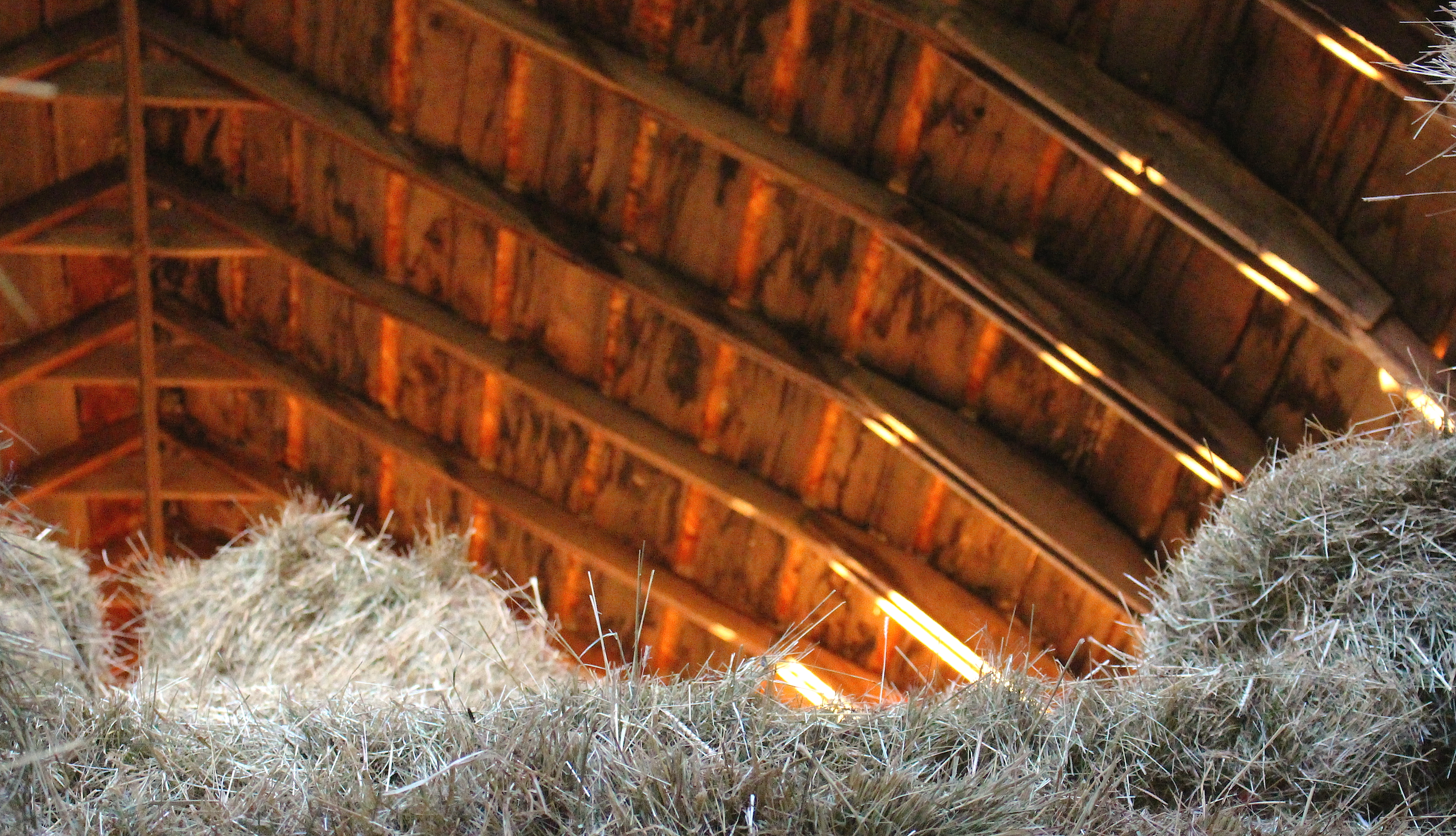
But these days it is the slanted light of summer I remember most: -the weightlessness of dust motes swirling down sun rays coming through the slats of the barn walls as the hay bales are stacked -the long shadows and distant alpenglow in the mountains -the dusk that goes on and on as owls and bats come out to hunt above us
Most of all, I will remember the sweaty days of mid-summer as I open the bales of hay in mid-winter – the light and fragrance of those grassy fields spilling forth into the chill and darkness, in communion of blessing for our animals.
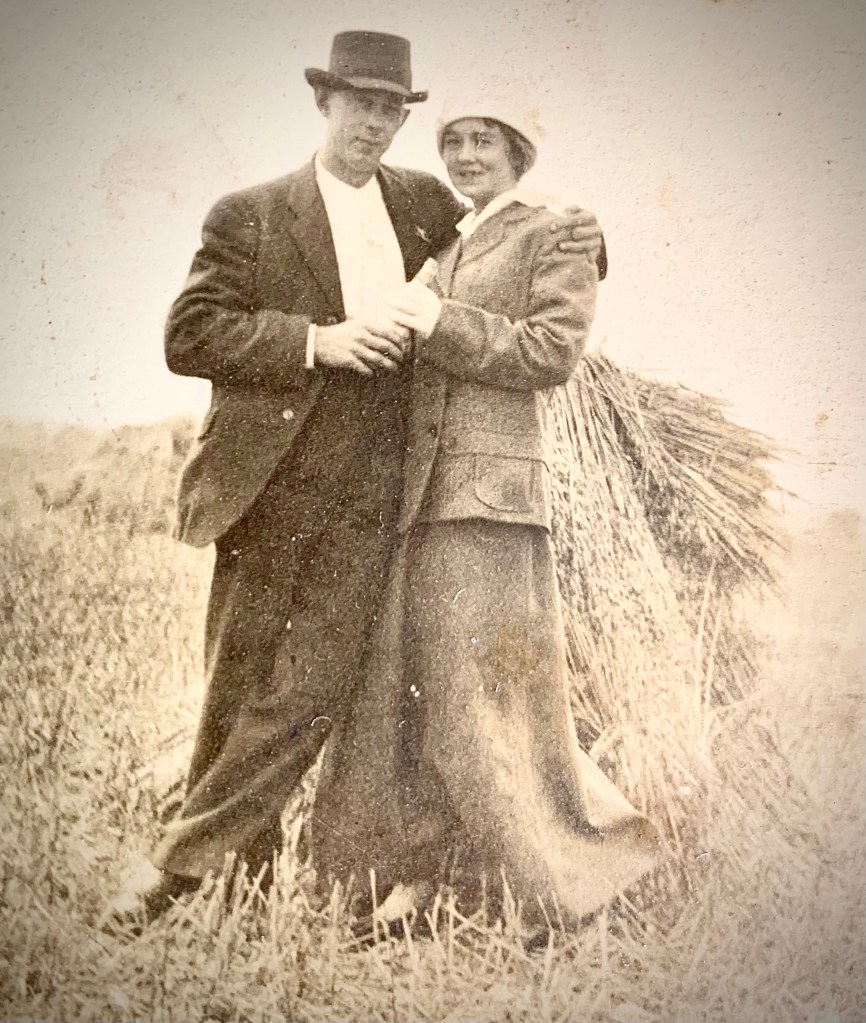
photo by Tayler RaePieter Bruegel “Hay Harvest”My grandparents Leslie Polis and Kittie Lovelace standing in a hayfield with loose hay shocks — 1915
Enjoy this blog post? A new book from Barnstorming is available to order here:
Tomorrow there will be sun, scalloped by clouds, ushered in by a waterfall of birdsong. It will be a temperate seventy-five, low humidity. For twenty-four hours, all politicians will be silent. Reality programs will vanish from TV, replaced by the “snow” that used to decorate our screens when reception wasn’t working. Soldiers will toss their weapons in the grass. The oceans will stop their inexorable rise. No one will have to sit on a committee. When twilight falls, the aurora borealis will cut off cell phones, scramble the internet. We’ll play flashlight tag, hide and seek, decorate our hair with fireflies, spin until we’re dizzy, collapse on the dew-decked lawn and look up, perhaps for the first time, to read the long lines of cold code written in the stars…. ~Barbara Crooker “Tomorrow” from Some Glad Morning.
Might I hope for a better tomorrow?
Awash in this world of technological and political complexity, I forget the simple pleasure of lying in the grass, looking up and staring at the stars spinning above me.
I become dizzy with the possibilities.
A new book from Barnstorming is available for order here:
All this he saw, for one moment breathless and intense, vivid on the morning sky; and still, as he looked, he lived; and still, as he lived, he wondered. ~Kenneth Grahame, The Wind in the Willows
He saw clearly how plain and simple – how narrow, even – it all was; but clearly, too, how much it all meant to him, and the special value of some such anchorage in one’s existence. He did not at all want to abandon the new life and its splendid spaces, to turn his back on sun and air and all they offered him and creep home and stay there; the upper world was all too strong, it called to him still, even down there, and he knew he must return to the larger stage. But it was good to think he had this to come back to, this place which was all his own, these things which were so glad to see him again and could always be counted upon for the same simple welcome. ~Kenneth Grahame, from Wind in the Willows about the Mole and his home at Mole End
Folks need a safe place to call home, where everybody knows their name, and they’re always glad you came – that same simple welcome is a given.
I, for one, am mighty grateful for this place I can wander and wonder about what I see and hear around me. I am gladly anchored here to everything that is meaningful to me.
Too many around the world wander homeless without an anchor – settling randomly wherever there is cover, or a clear grassy spot, or within the hidden-away seclusion of a woods. Even when offered secure housing, they often reject being anchored, not wanting to be subject to rules when home is about making compromises necessary to get along with others.
How do we make “home-more” for the home-less? How can we be convincing that more “anchorage” is a special value?
May we offer the same simple welcome to all.
A new book from Barnstorming is available to order here:
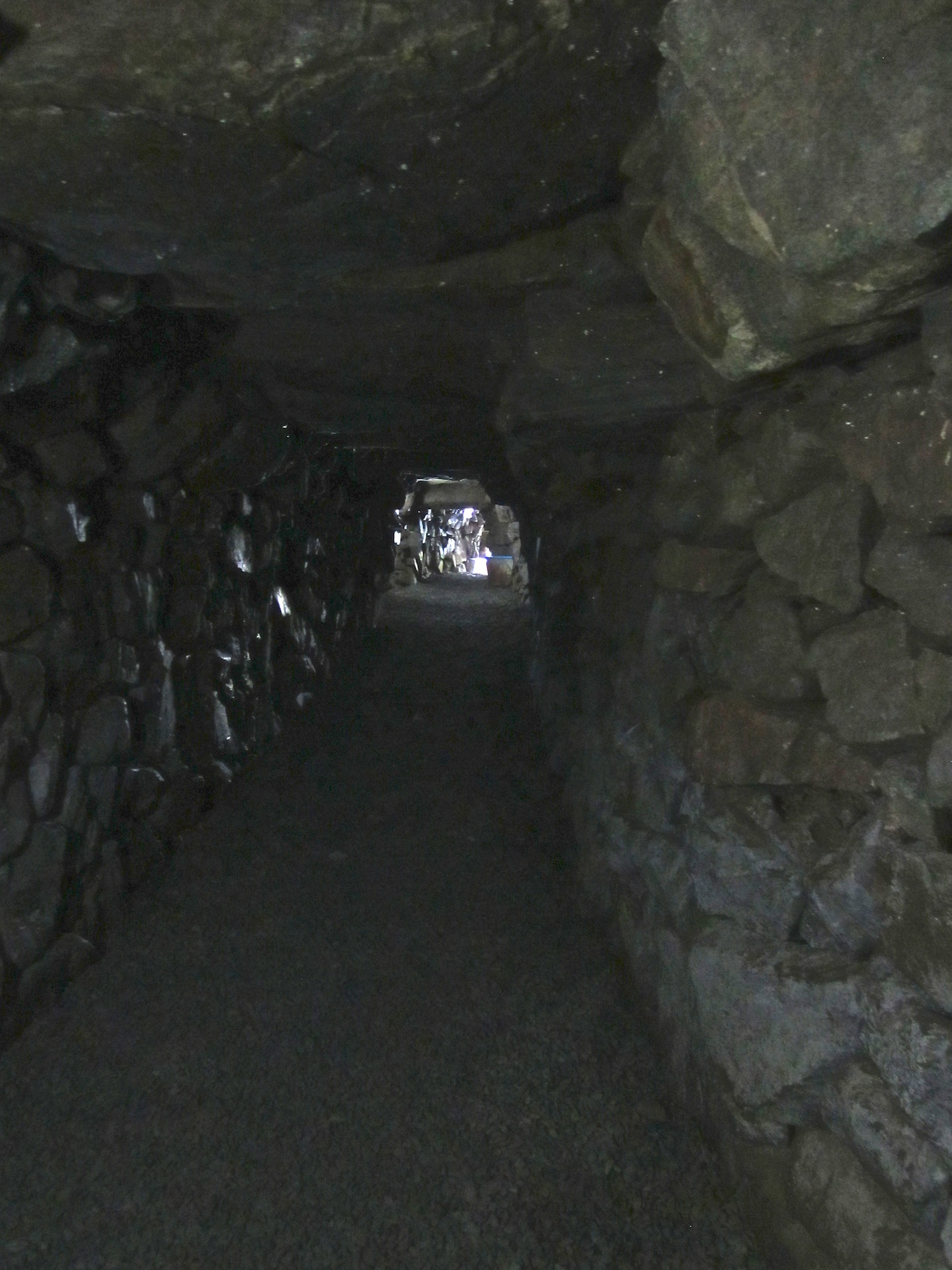
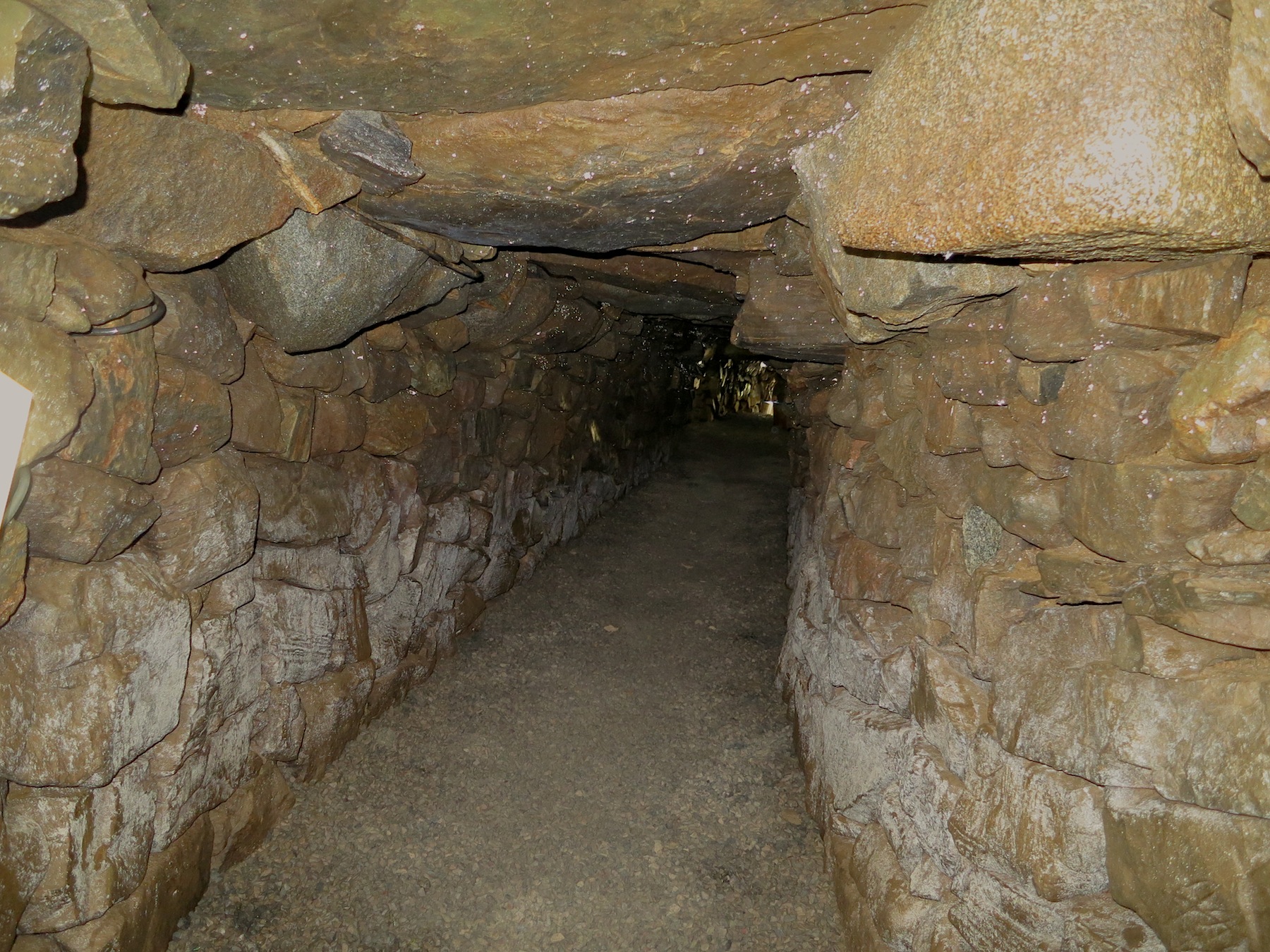
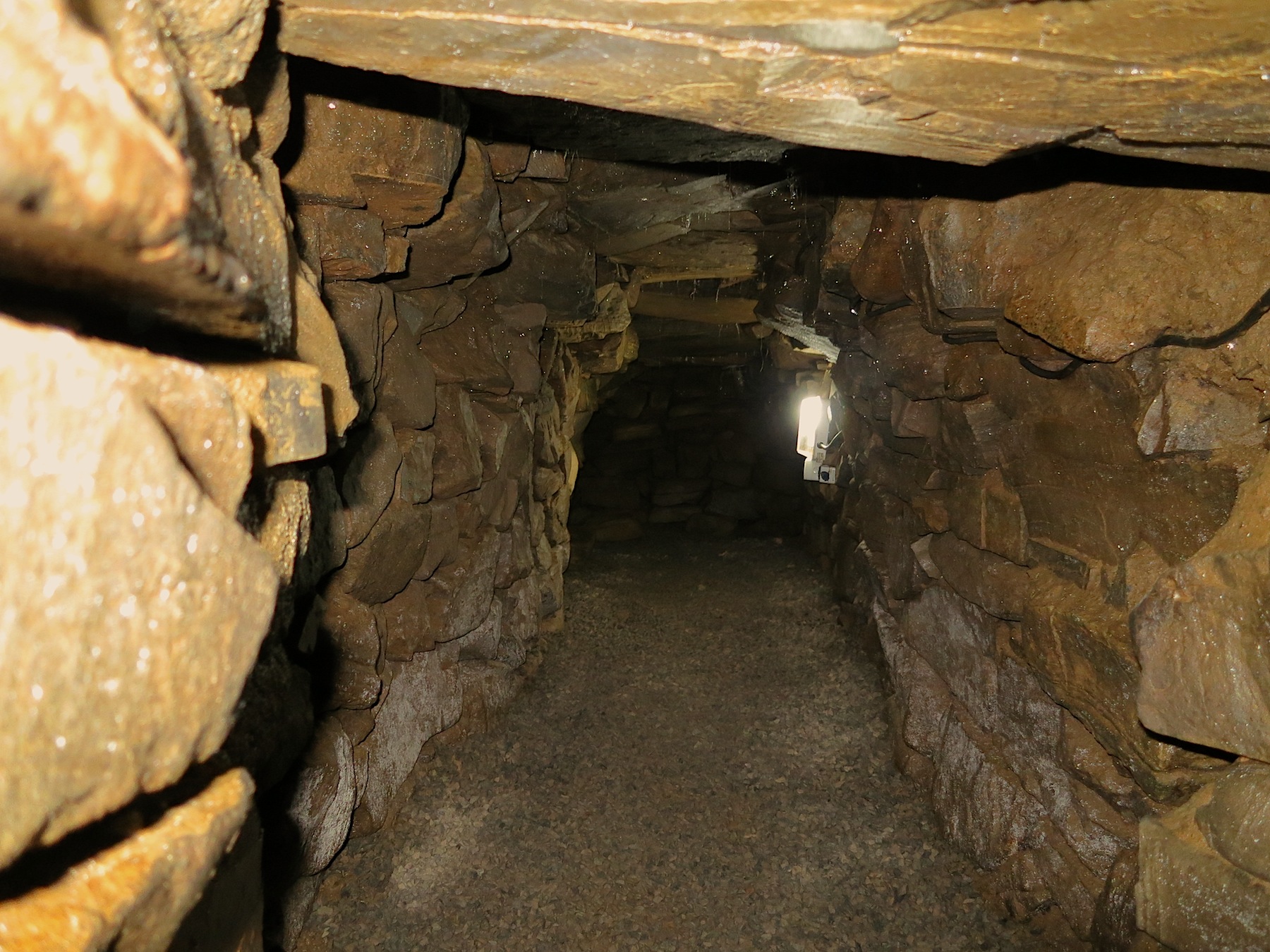
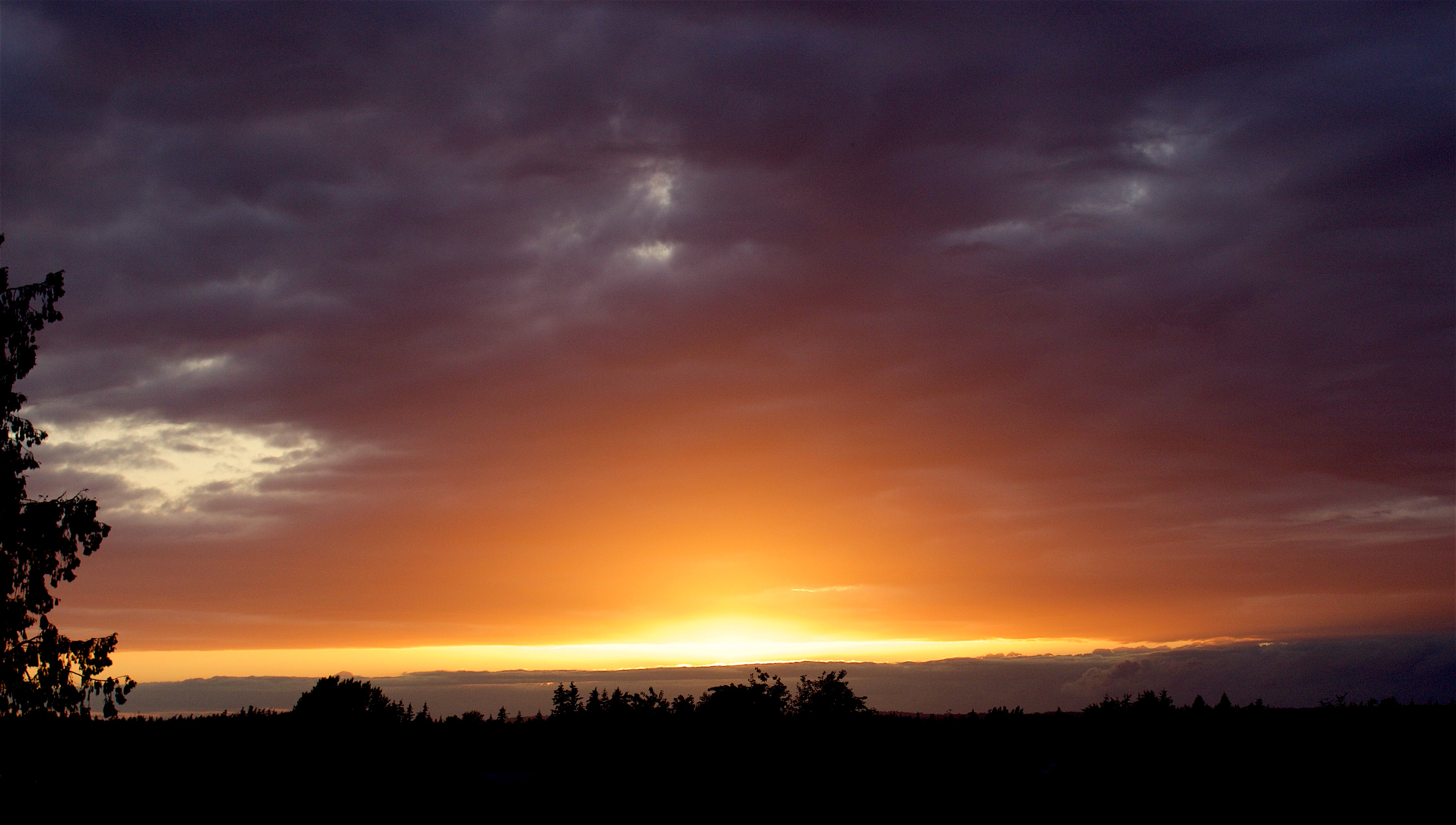
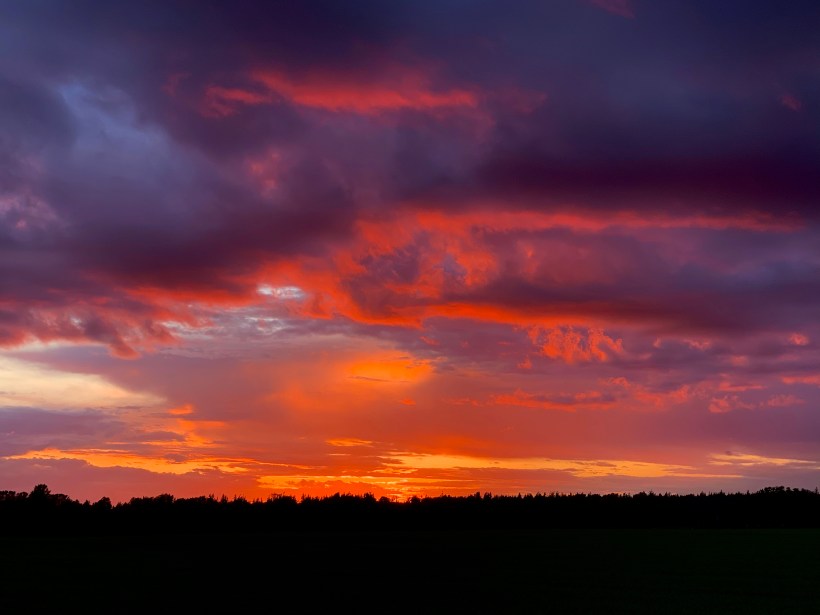
It’s deep time here, this barrow grave five thousand years old, where we follow like sheep behind the guide to the heart of its cruciform center. I’ve never been in a space so dark. What was it like to fear that the sun would not return, that crops would wither, deer flee, that night’s dark cloak was all there was? But miraculously, on the lip of the solstice, the light returned, liquid and golden, ran down the narrow corridor, hit the back wall, splashed in the stone basin, and they knew summer would come back, run to fruit. Light, dark, freeze, thaw, seedtime, harvest, wheel of the year, the spiral dance. What would they make of our device-laden lives, fossil-fueled cars, over-stocked larders? Who stands in the dark and listens now, gaping at the stars? — Barbara Crooker, “Newgrange” from The Book of Kells
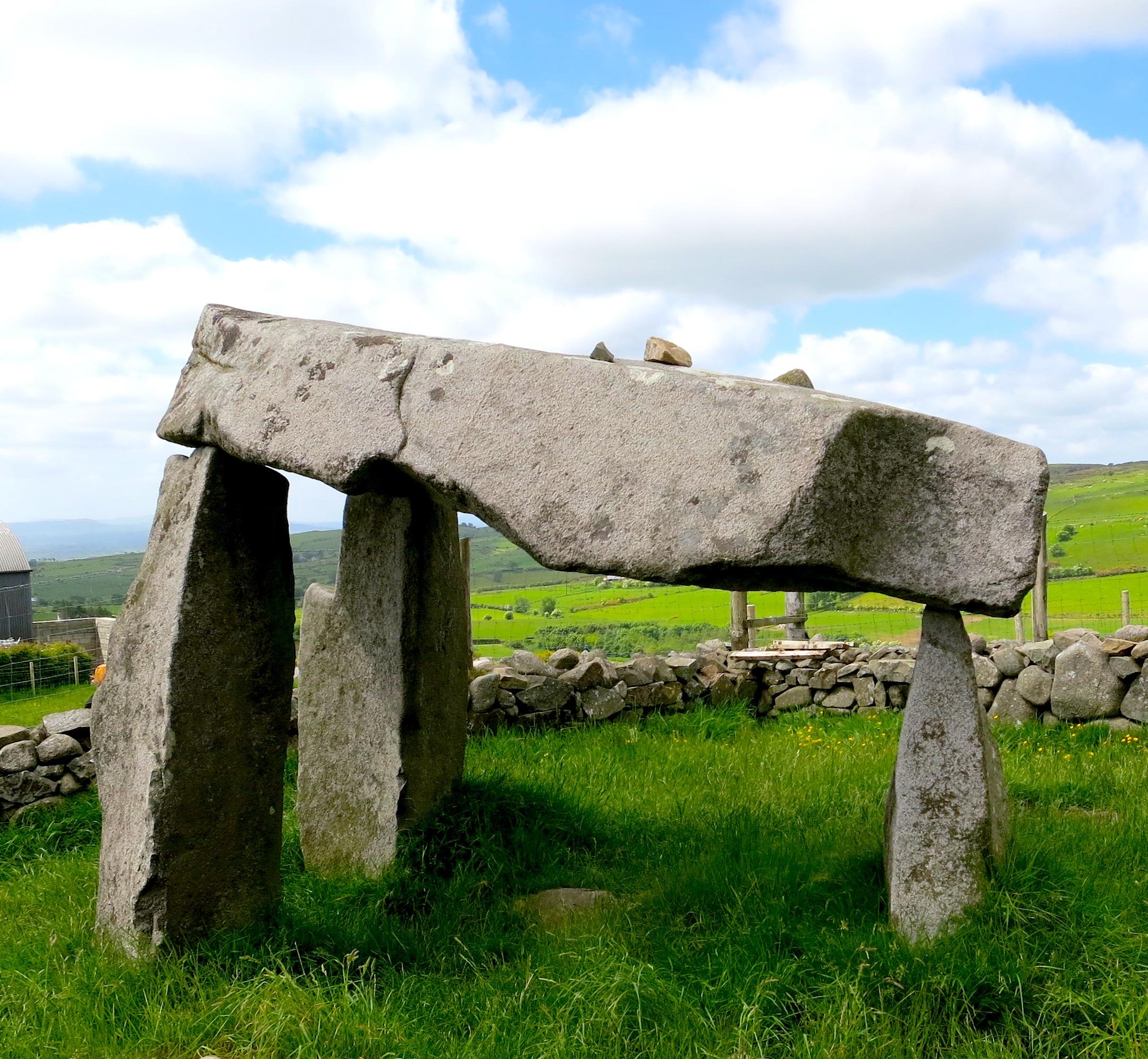
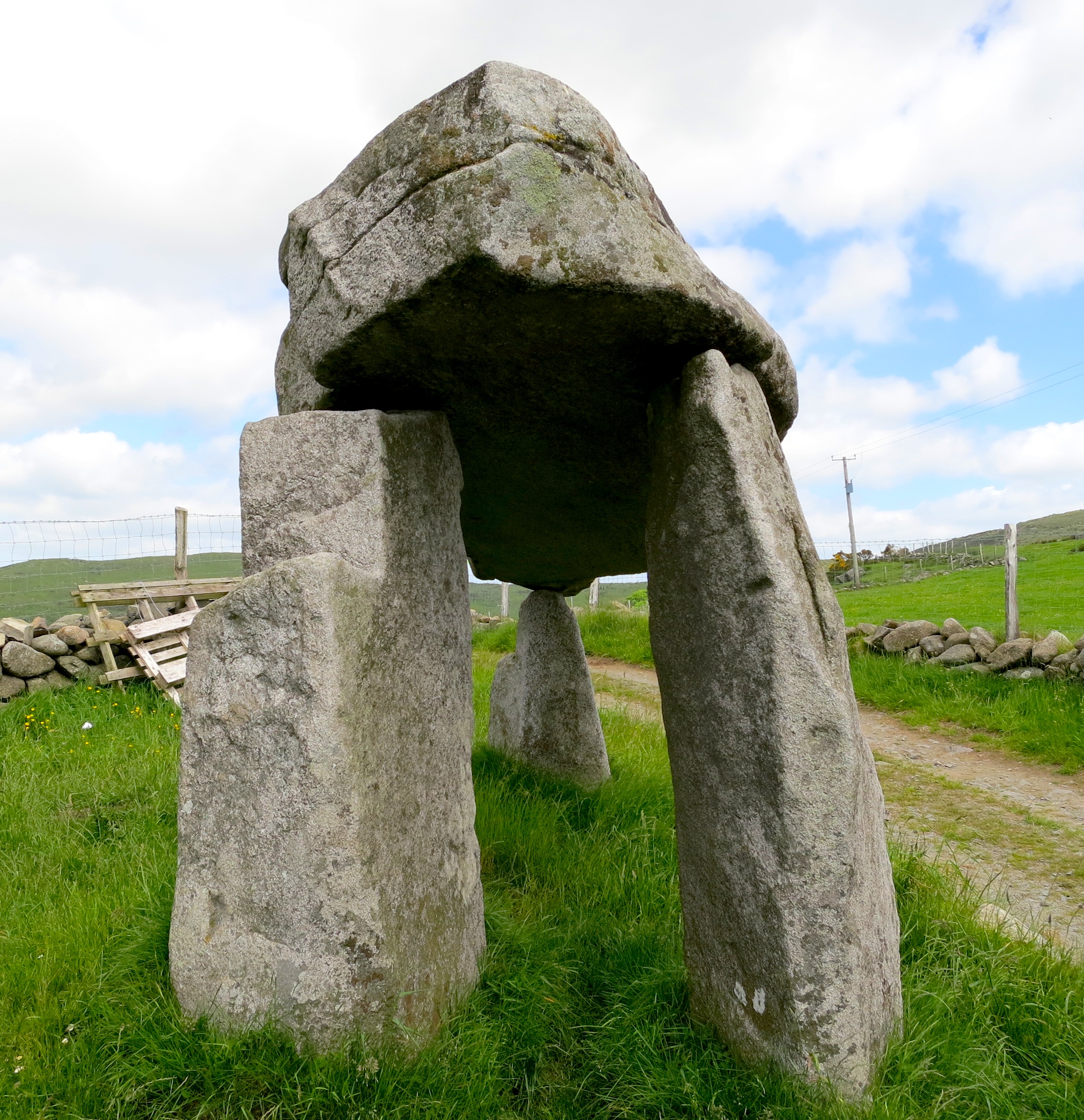
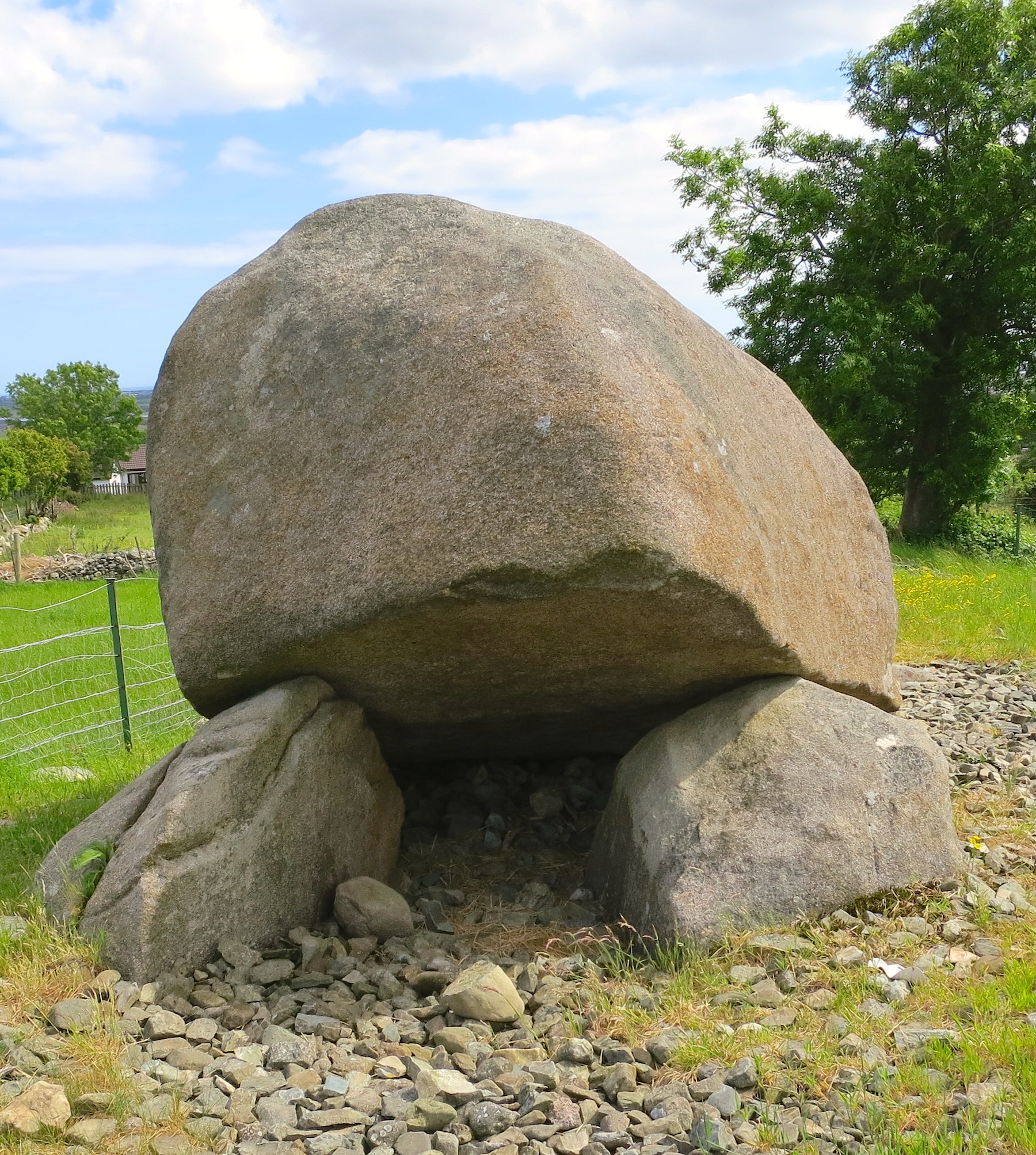
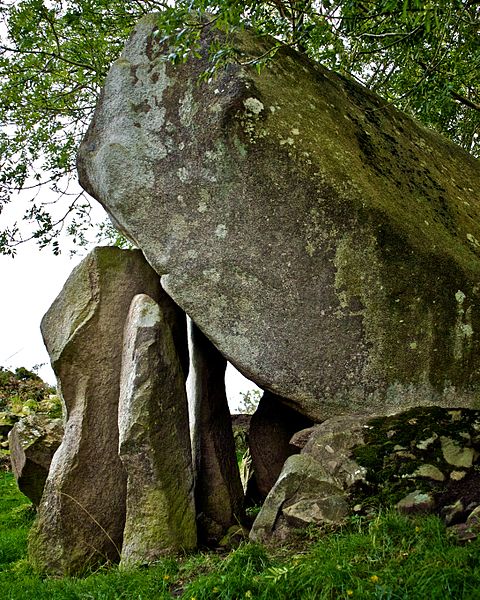
There is nothing so dark as centuries-old underground tunnels and portal tombs, some positioned with an opening to capture a beam of light exactly at either the winter or summer solstice, illuminating what dwells in blackness the rest of the year.
The more recent ninth century soutterain tunnels were refuge for Christians hiding from invaders, keeping whole villages safe from capture.
The dolmens and portal graves are Neolithic structures built before the pyramids. They still exist today as they were constructed to last by people serious about their beliefs. Though those people are long dust, the stones and tunnels remain as they were, to protect the spirits of the departed.
What would they think now of our extravagance, our plethora of goods and foods, our modern ways of crippling others with the weapons of internet words and hacking, rather than stealing, pillaging and enslaving strangers?
We moderns are lost in our over-abundance of light year round, scarcely noting the calendar or the passing of the longest and shortest days.
What remarkable people of strength have preceded us, seeking to preserve the significance of Light in their darkness.
































 Barnstorming