Born Broken

Man is born broken.
He lives by mending.
The grace of God is glue.
~Eugene O’Neill
One day you finally knew
what you had to do, and began,
though the voices around you
kept shouting
their bad advice – – –
though the whole house
began to tremble
and you felt the old tug
at your ankles.
‘Mend my life!’
each voice cried.
But you didn’t stop.

You knew what you had to do,
though the wind pried
with its stiff fingers
at the very foundations – – –
though their melancholy
was terrible. It was already late
enough, and a wild night,
and the road full of fallen
branches and stones.

But little by little,
as you left their voices behind,
the stars began to burn
through the sheets of clouds,
and there was a new voice,
which you slowly
recognized as your own,
that kept you company
as you strode deeper and deeper
into the world,
determined to do
the only thing you could do – – – determined to save
the only life you could save.
~Mary Oliver “The Journey”

When I first read <Mary’s poem> years ago, I had trouble with it. It seemed to advocate the kind of self-centered life that’s one of the core pathologies of modern culture.

But life experience—hard experience—has led me to see the wisdom here. None of us can “mend” another person’s life, no matter how much the other may need it, no matter how much we may want to do it.

Mending is inner work that everyone must do for him or herself. When we fail to embrace that truth the result is heartbreak for all concerned.

What we can do is walk alongside the people we care about, offering simple companionship and compassion. And if we want to do that, we must save the only life we can save, our own.

Only when I’m in possession of my own heart can I be present for another in a healing, encouraging, empowering way. Then I have a gift to offer, the best gift I possess—the gift of a self that is whole, that stands in the world on its own two feet.

…anything one can do on behalf of true self is done ultimately in the service of others.
~Parker Palmer writing about Mary Oliver’s poem “The Journey”

We are born hollering,
so abruptly separated
from warmth and comfort.
Broken in emptiness
from the first breath,
every alveoli fills up
with the air of a fallen world.

Yet air is never enough for us.

The rest of our days are spent
filling up our empty spaces
whether lungs
or stomach
or starving synapses,
still hollering in our loneliness
and heart-
broken.

I spent over forty years
devoted to the mending business,
patching up the breaking and broken.

Yet I know I was never enough.

We heal best
through our walk with others
who are also broken.
We bridge the gaps
by knitting together scraggly fragments
of each other’s shattered lives.

The crucial glue is
boiled from gifted Grace –
our filled holes miraculously made holy.

So it is – Immanuel, God with us, is always enough.

The Mending Song – lyrics from Arnold Lobel’s poem below

There was an old woman of long ago who went about her mending;
She sewed the wind against the clouds to stop the trees from bending;
She stitched the sun to the highest hill, to hold the day from ending.


Her thimbles and threads were close at hand for needlework and quilting,
For sewing gardens to the sky to keep the blooms from wilting,
For lacing the land to the crescent moon, to save the world from tilting.

One-Time
Monthly
Yearly

Make a one-time or recurring donation to support daily Barnstorming posts

Make a monthly donation

Make a yearly donation

Choose an amount

$10.00
$25.00
$50.00
$5.00
$15.00
$100.00
$5.00
$15.00
$100.00

Or enter a custom amount

$

Your contribution is deeply appreciated.

Your contribution is appreciated.

Your contribution is appreciated.

DonateDonate monthlyDonate yearly
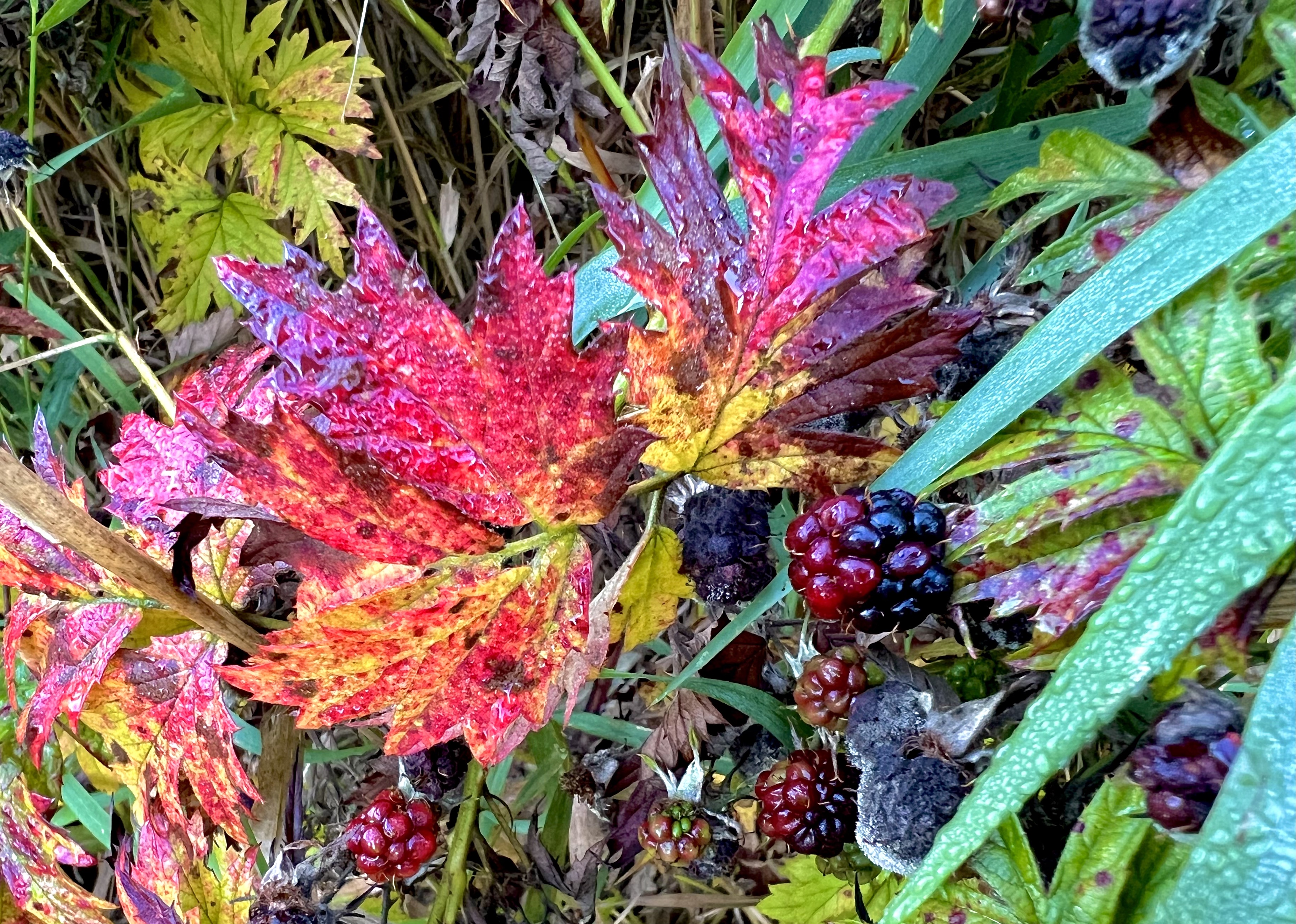
Late September Blackberry Picking

They lie
on the ground
after the deer
have left after the
bear has had her fill they

lie under the stars
and under the sun
in a cloud of brambles
the ripest ones
fall first
become black jam
in the thatch.


as a boy I hated
picking blackberries the
pail never full like
one half of a
slow
conversation.

Now
their taste
is sweeter
in memory
the insect buzz the
branches too high the blue
summer never quite
over before
the fall
begins.

~Richard Terrell from “Blackberries” from What Falls Away is Always

You ate that first one and its flesh was sweet
Like thickened wine: summer’s blood was in it
Leaving stains upon the tongue and lust for
Picking. Then red ones inked up and that hunger
Sent us out with milk cans, pea tins, jam-pots
Where briars scratched and wet grass bleached our boots.
Round hayfields, cornfields and potato-drills
We trekked and picked until the cans were full,
Until the tinkling bottom had been covered
With green ones, and on top big dark blobs burned
Like a plate of eyes. Our hands were peppered
With thorn pricks, our palms sticky as Bluebeard’s.

We hoarded the fresh berries in the byre.
But when the bath was filled we found a fur,
A rat-grey fungus, glutting on our cache.
The juice was stinking too. Once off the bush
The fruit fermented, the sweet flesh would turn sour.
I always felt like crying. It wasn’t fair
That all the lovely canfuls smelt of rot.
Each year I hoped they’d ke
ep, knew they would not.
~Seamus Heaney from “Blackberry Picking”

In the early morning an old woman
is picking blackberries in the shade.
It will be too hot later
but right now there’s dew.

Some berries fall: those are for squirrels.
Some are unripe, reserved for bears.
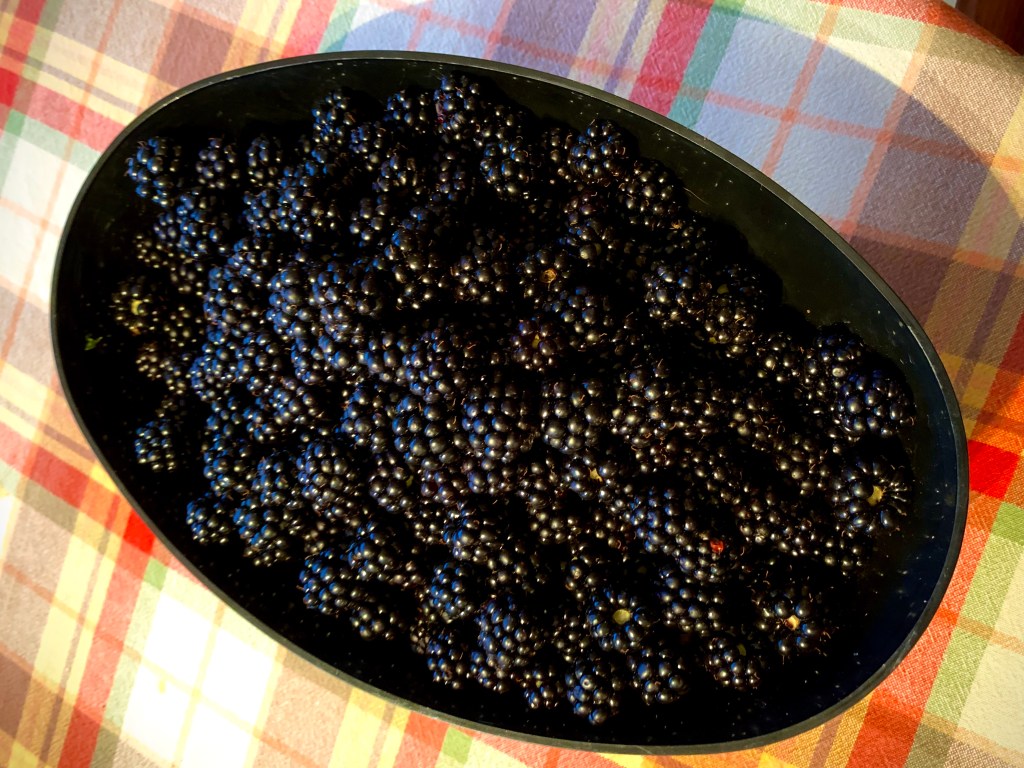
Some go into the metal bowl.
Those are for you, so you may taste them
just for a moment.
That’s good times: one little sweetness
after another, then quickly gone.

Once, this old woman
I’m conjuring up for you
would have been my grandmother.
Today it’s me.
Years from now it might be you,
if you’re quite lucky.

The hands reaching in
among the leaves and spines
were once my mother’s.
I’ve passed them on.
Decades ahead, you’ll study your own
temporary hands, and you’ll remember.
Don’t cry, this is what happens.

Look! The steel bowl
is almost full. Enough for all of us.
The blackberries gleam like glass,
like the glass ornaments
we hang on trees in December
to remind ourselves to be grateful for snow.

Some berries occur in sun,
but they are smaller.
It’s as I always told you:
the best ones grow in shadow.

~Margaret Atwood “Blackberries” from Dearly 

I love to go out in late September
among the fat, overripe, icy, black blackberries
to eat blackberries for breakfast,
the stalks very prickly, a penalty
they earn for knowing the black art
of blackberry-making; and as I stand among them
lifting the stalks to my mouth, the ripest berries
fall almost unbidden to my tongue,
as words sometimes do, certain peculiar words
like strengths or squinched,
many-lettered, one-syllabled lumps,
which I squeeze, squinch open, and splurge well
in the silent, startled, icy, black language
of blackberry-eating in late September.

~Galway Kinnell “Blackberry Eating”

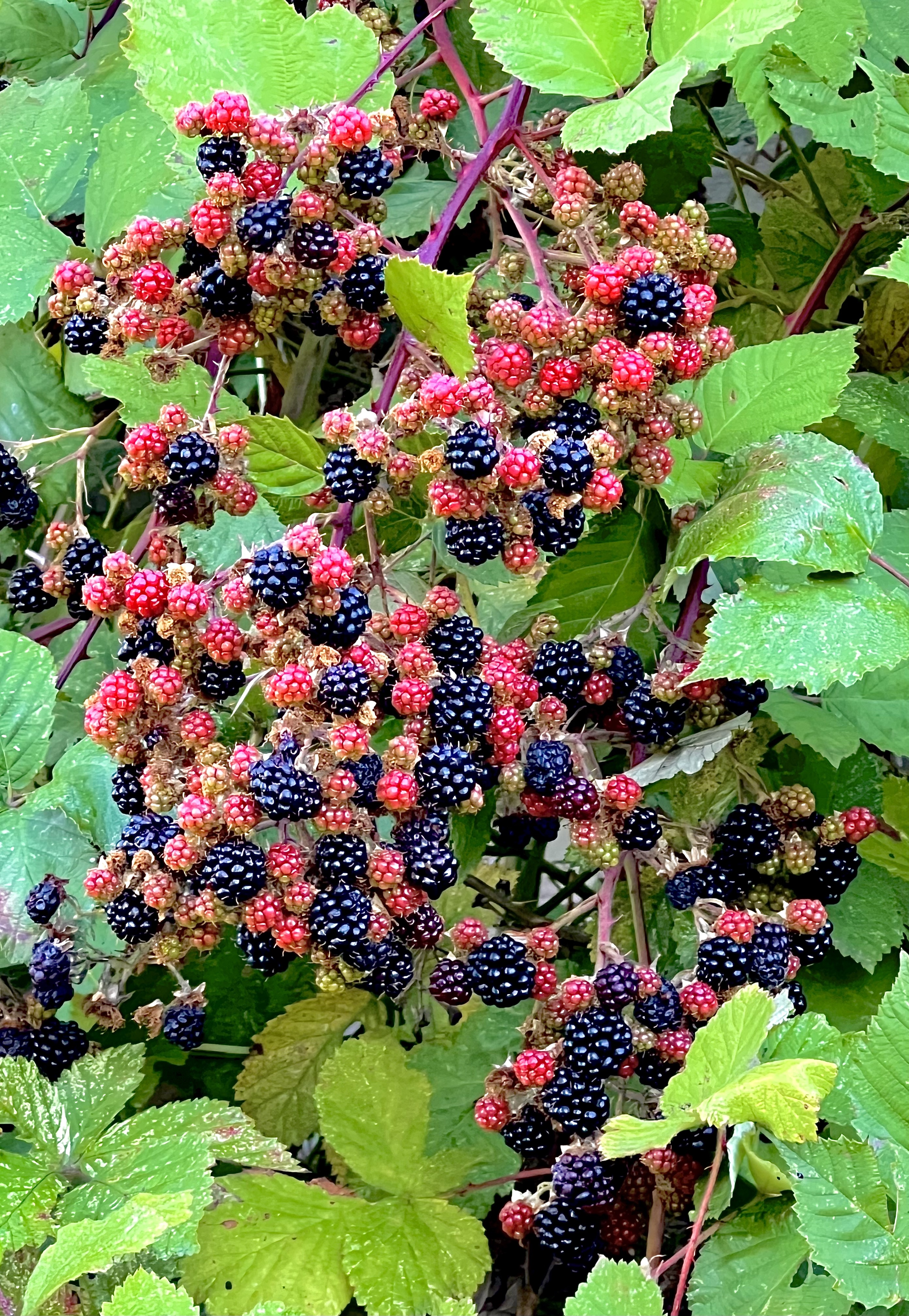
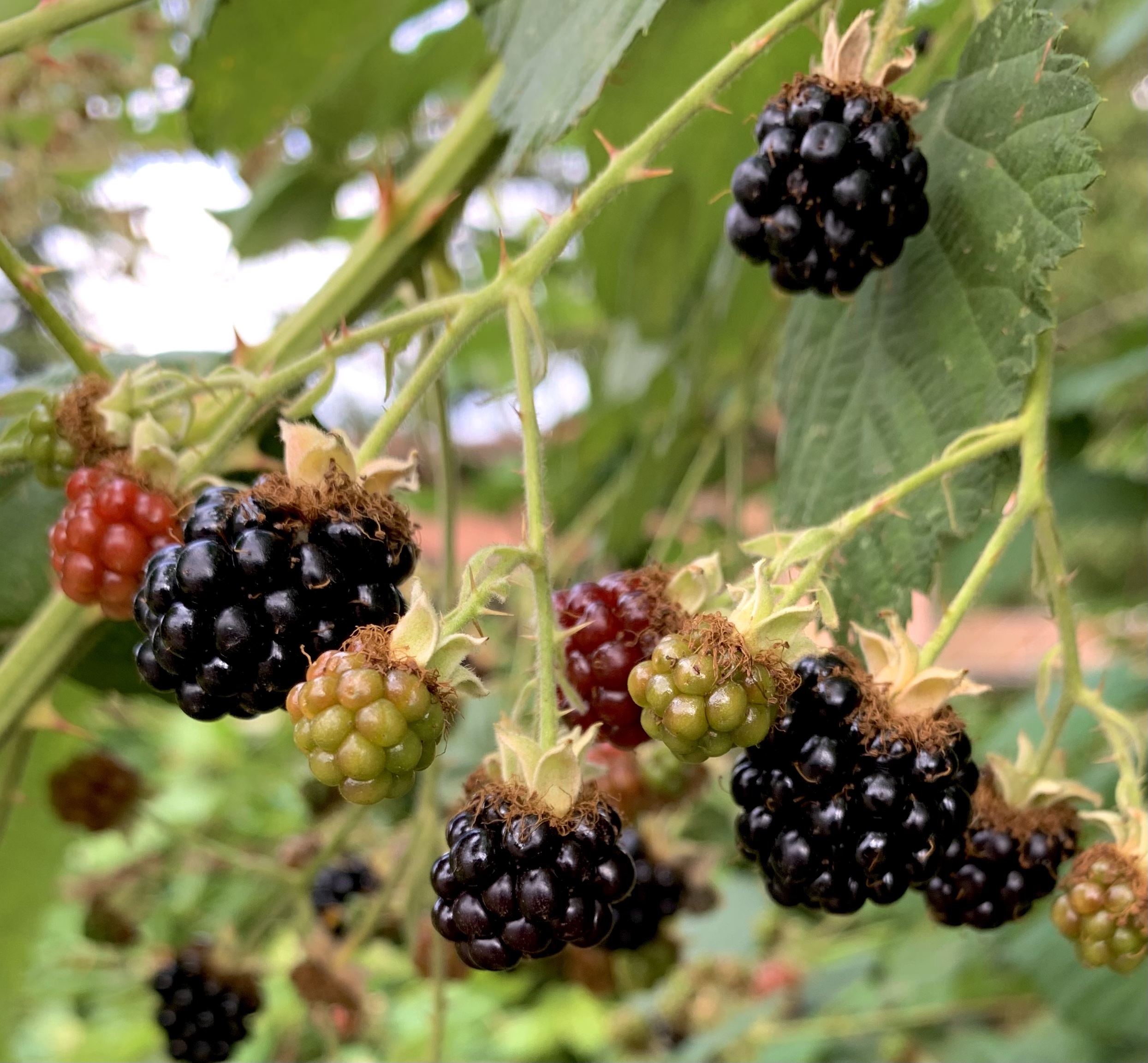
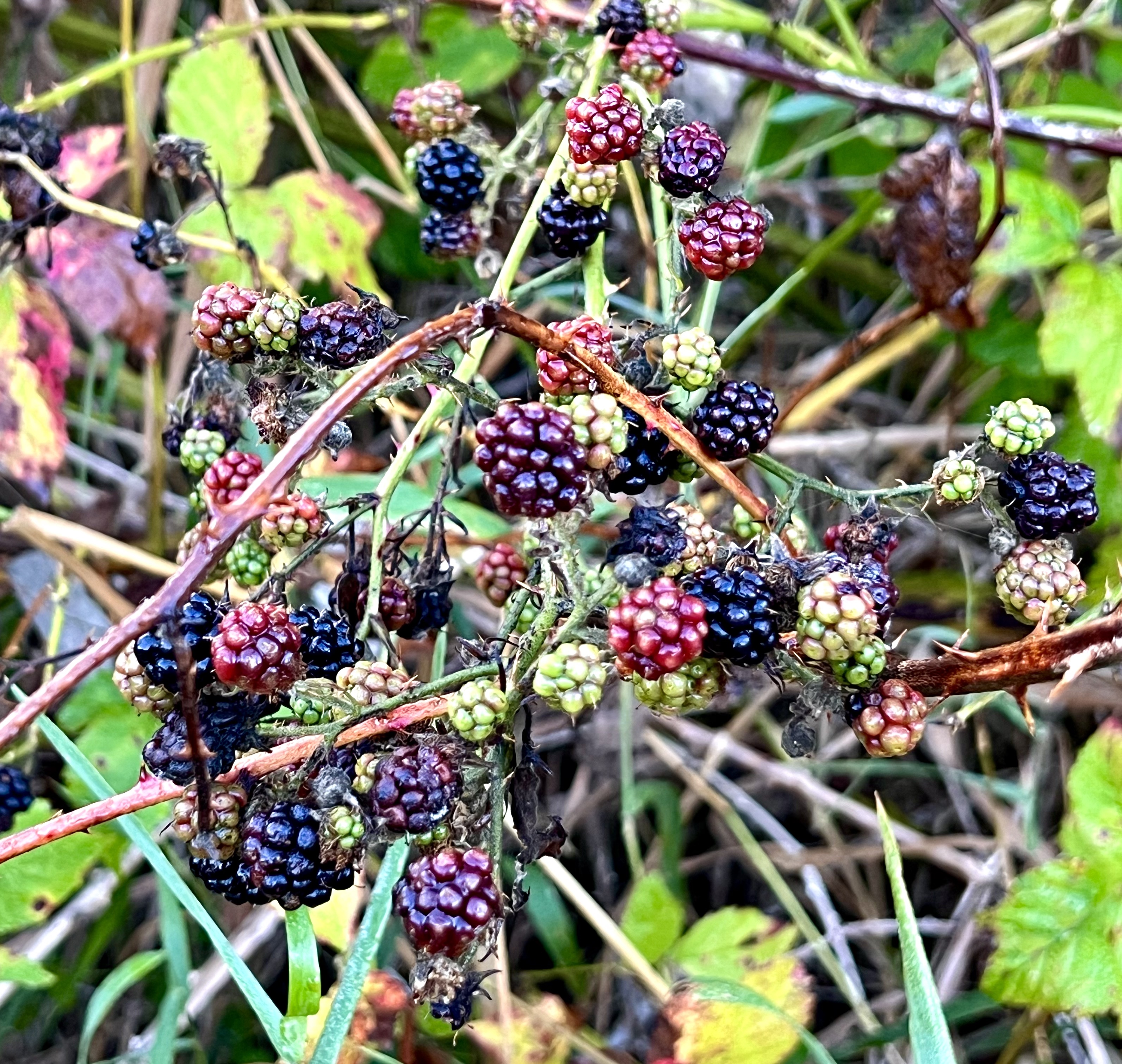
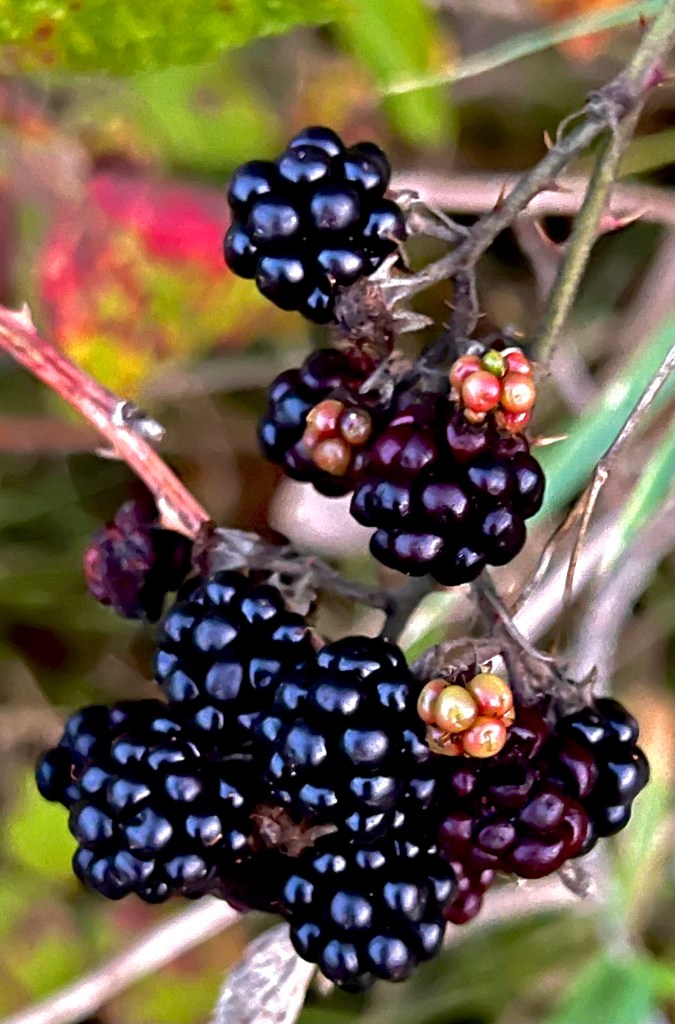
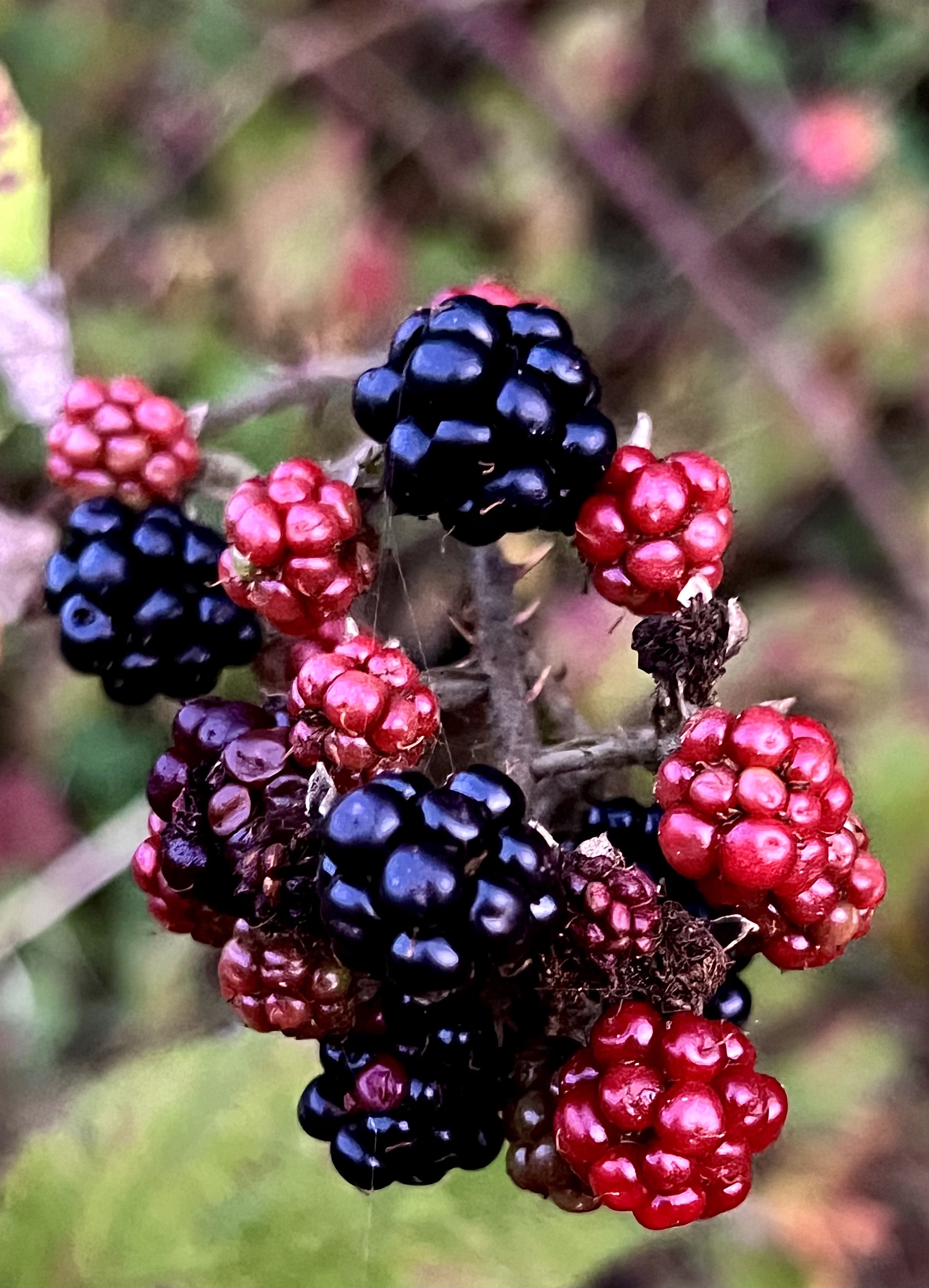
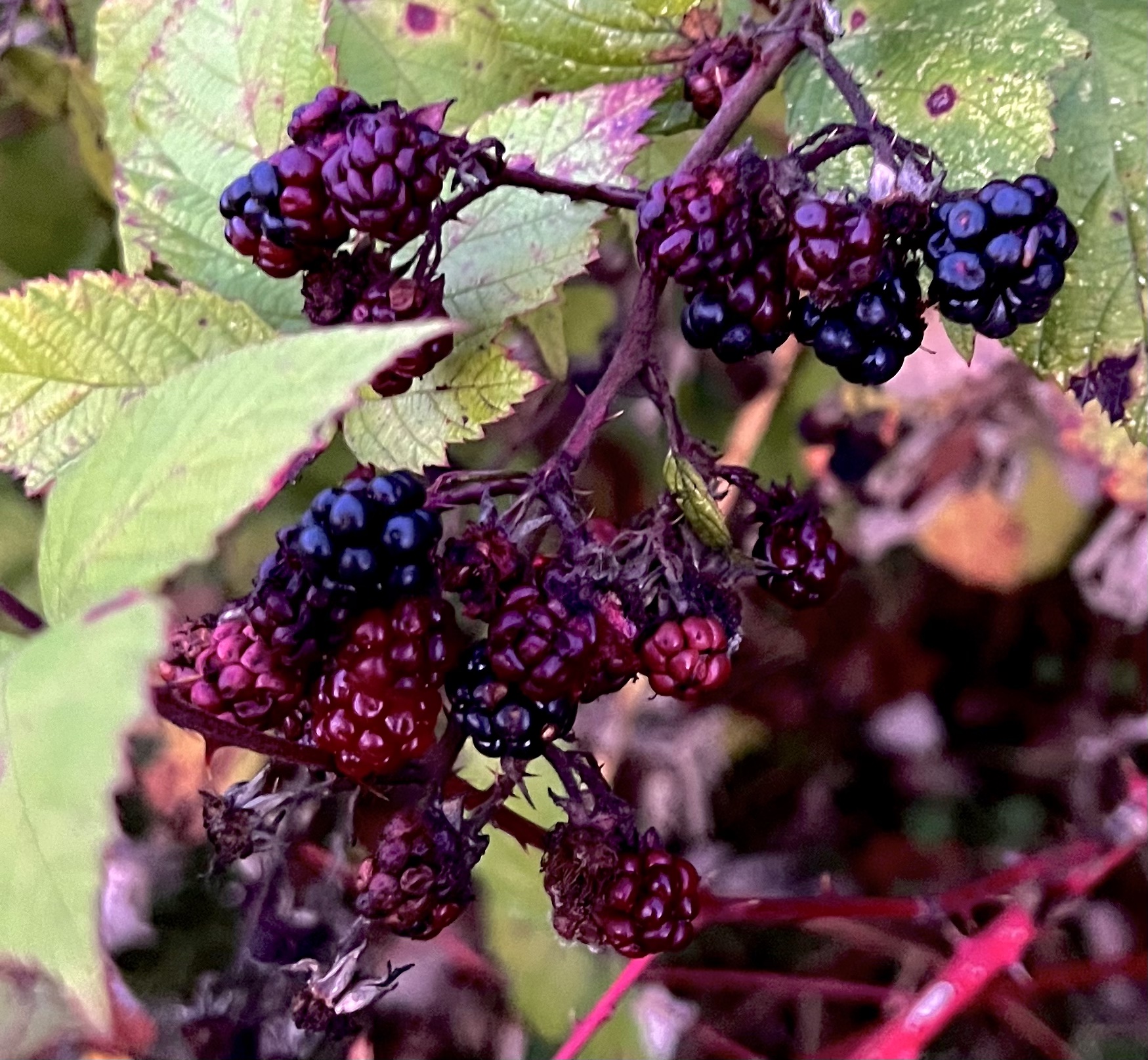
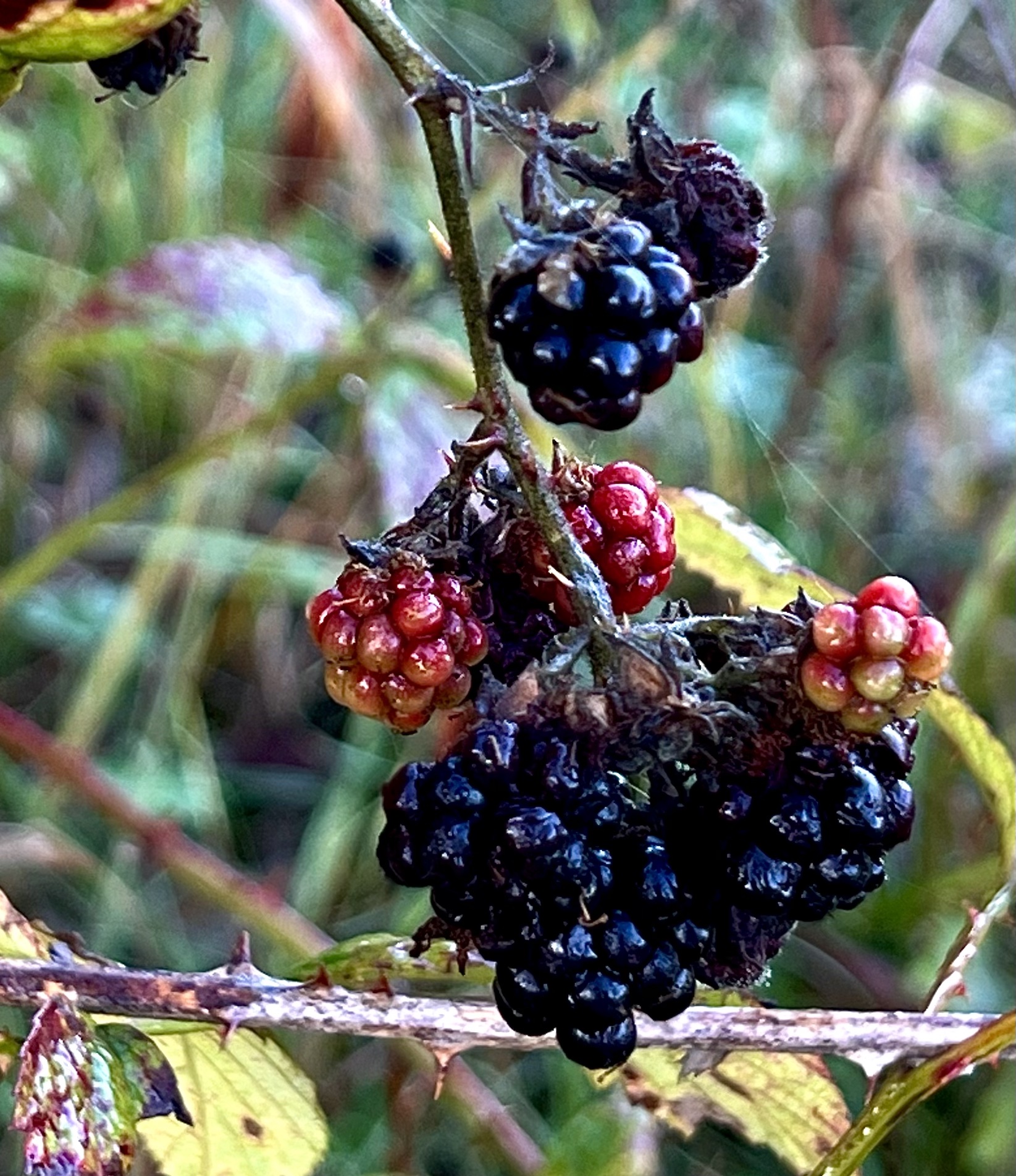
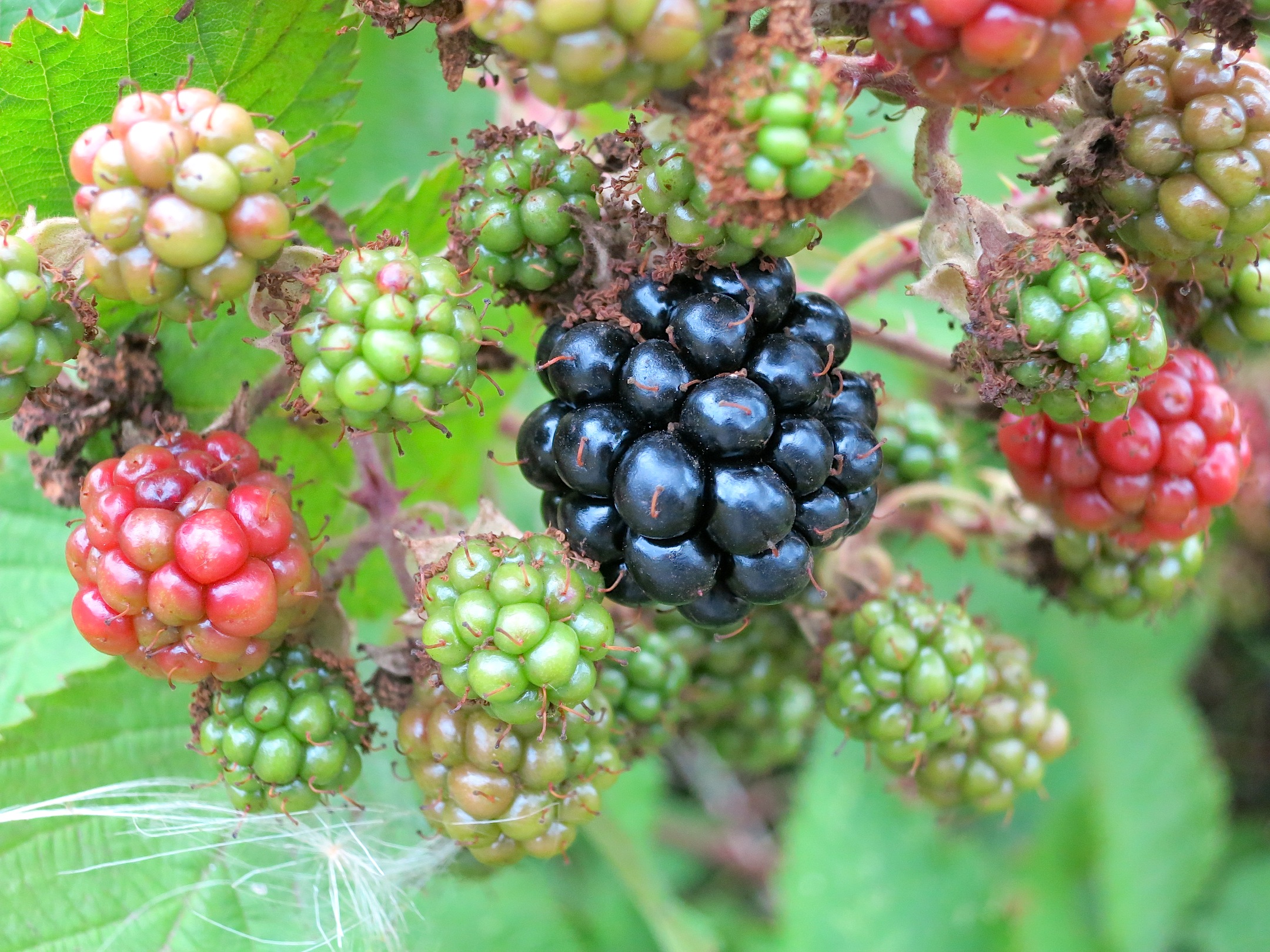
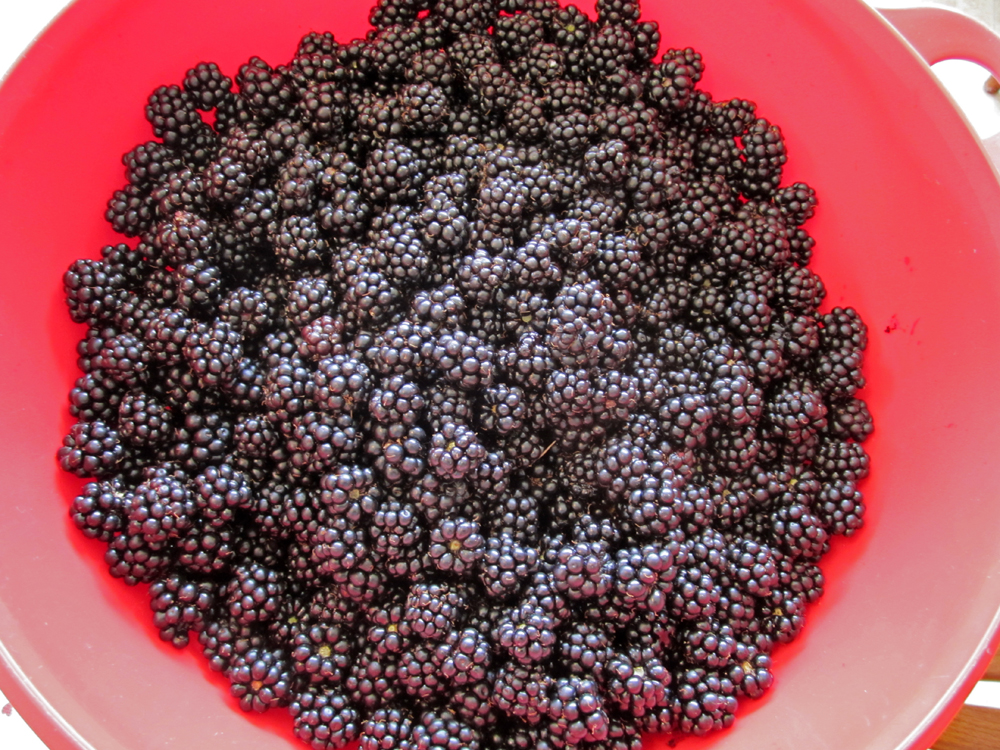
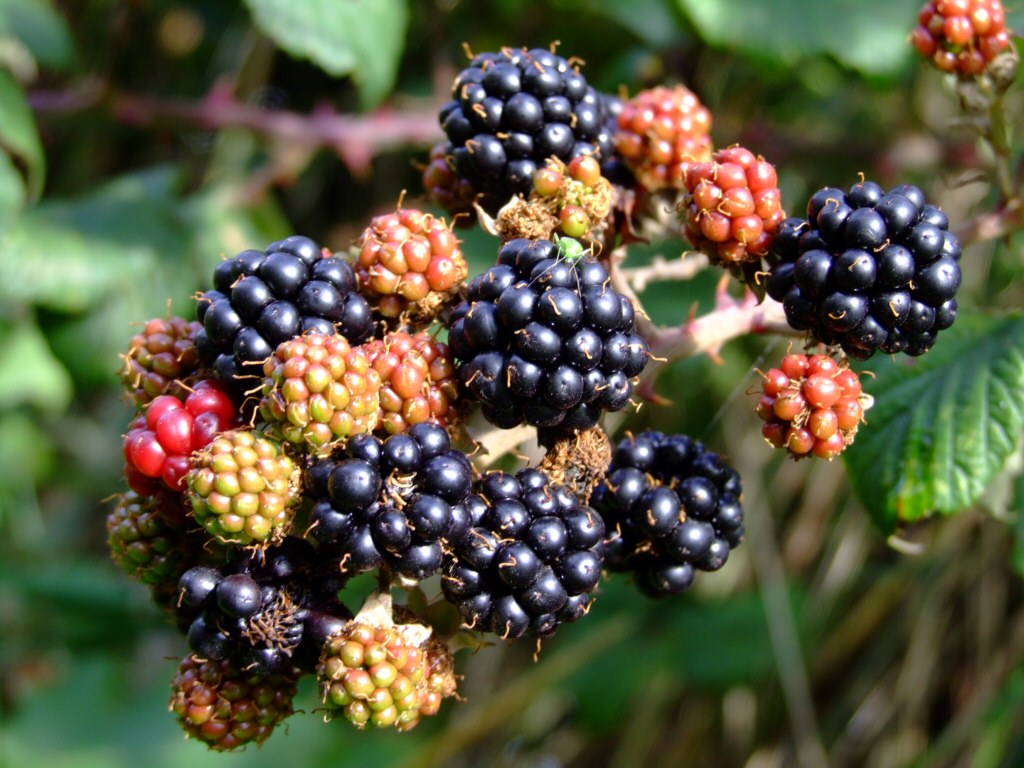
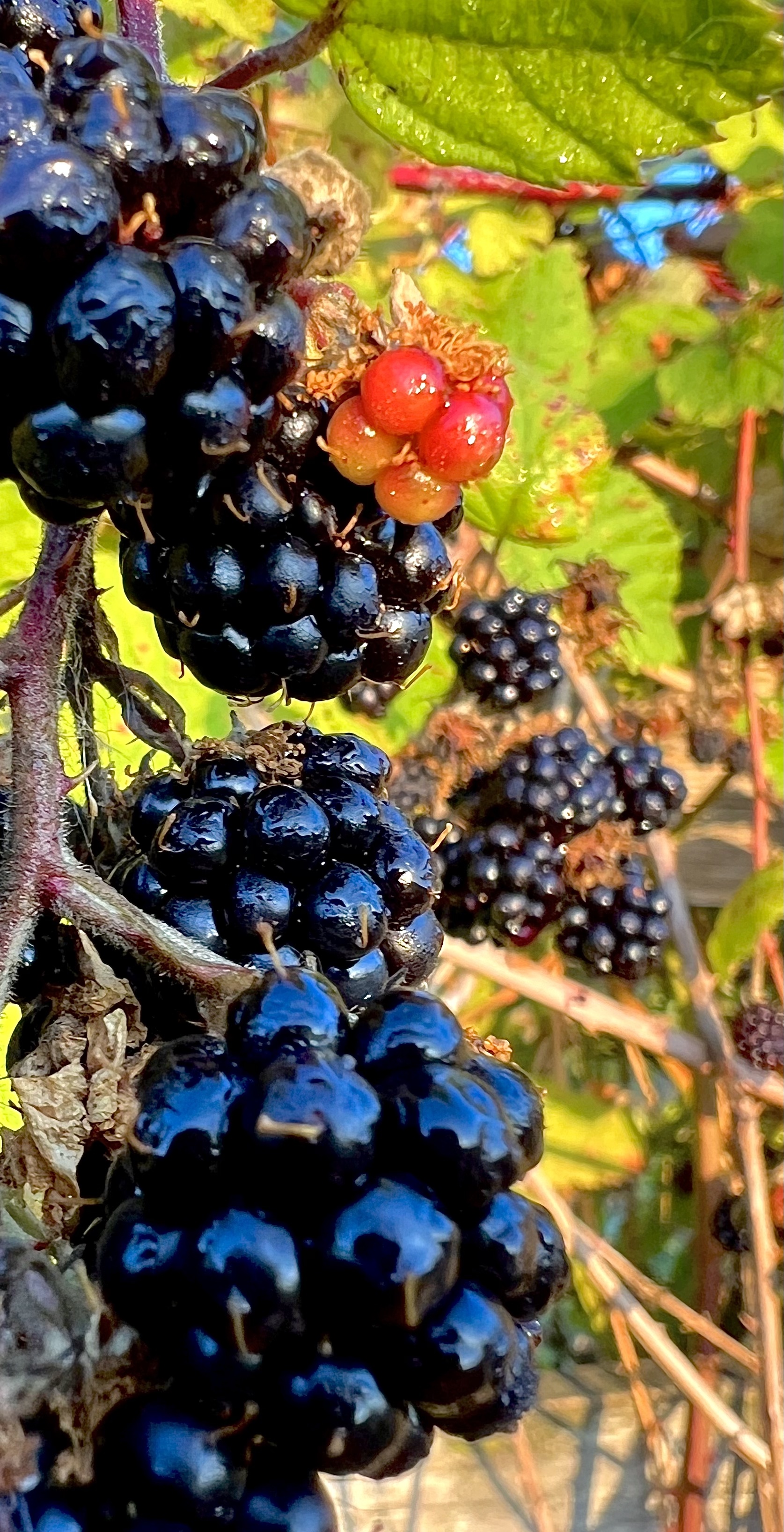
Blackberry vines are trouble 90% of the year – always growing where they are not welcome – reaching out to grab passersby without discriminating between human, dog or horse. But for a month in late summer and early fall, they yield black gold – bursting, swelling, unimaginably sweet fruit that is worth the hassle tolerated the rest of the weeks of the year.

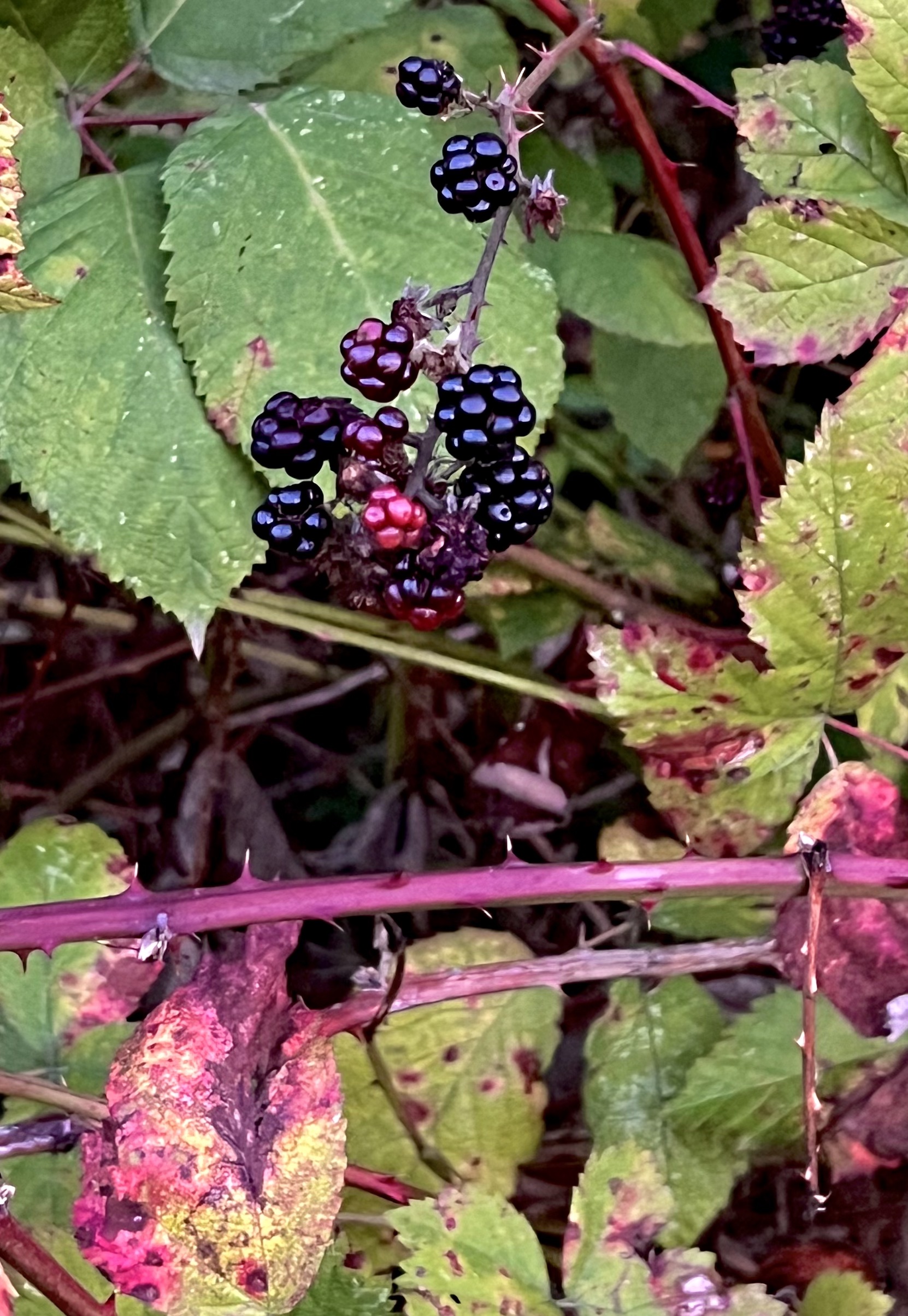
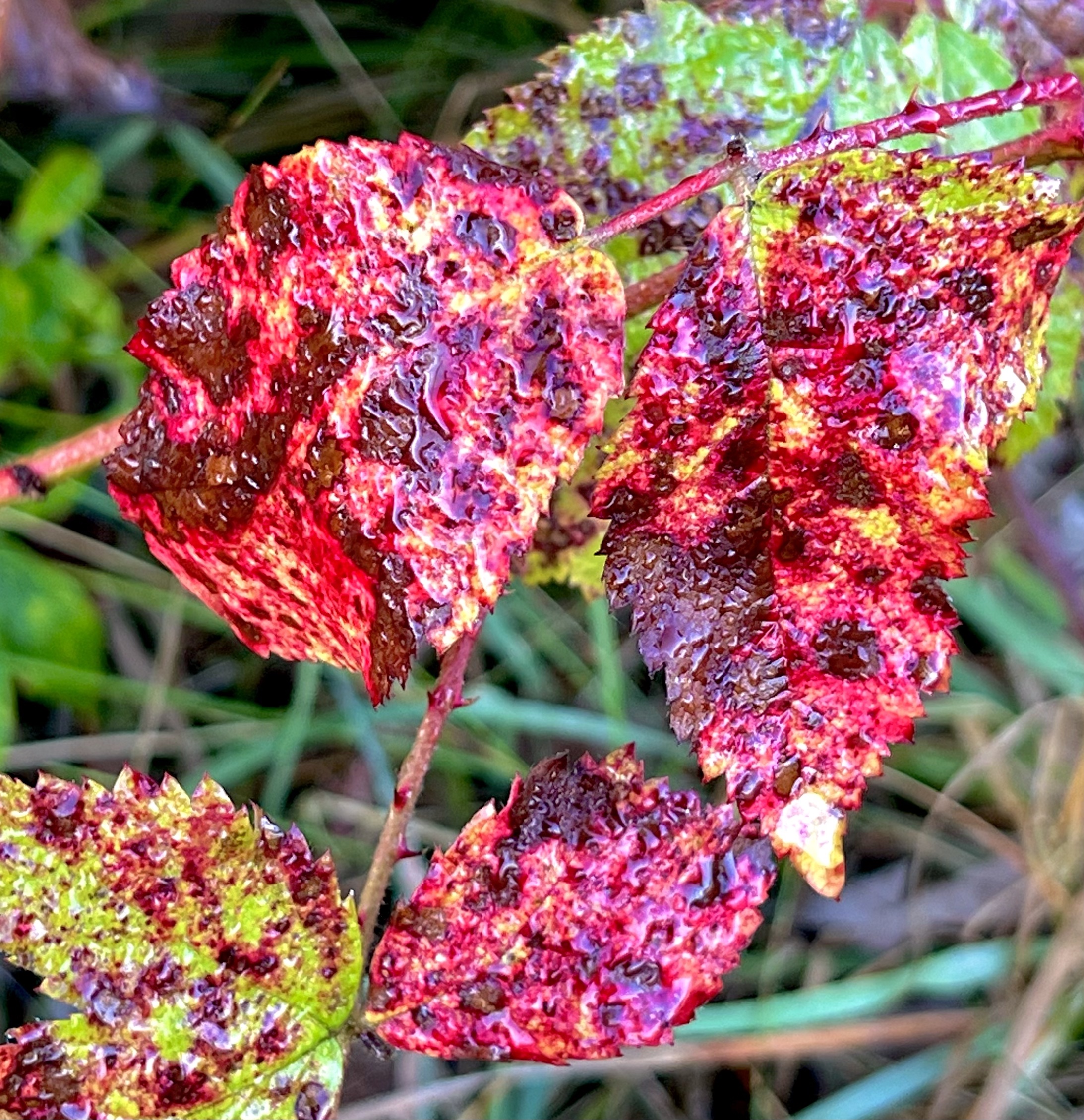
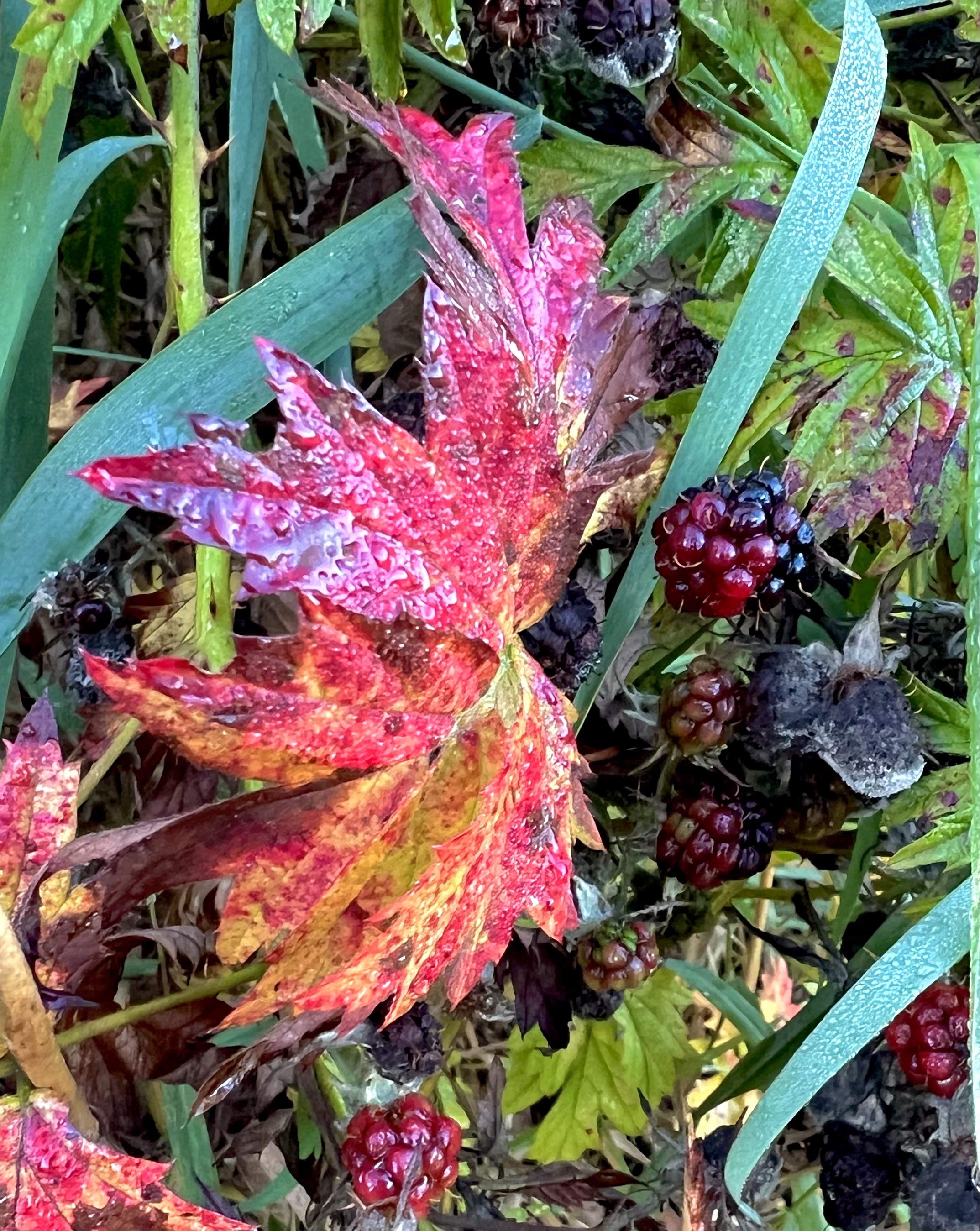
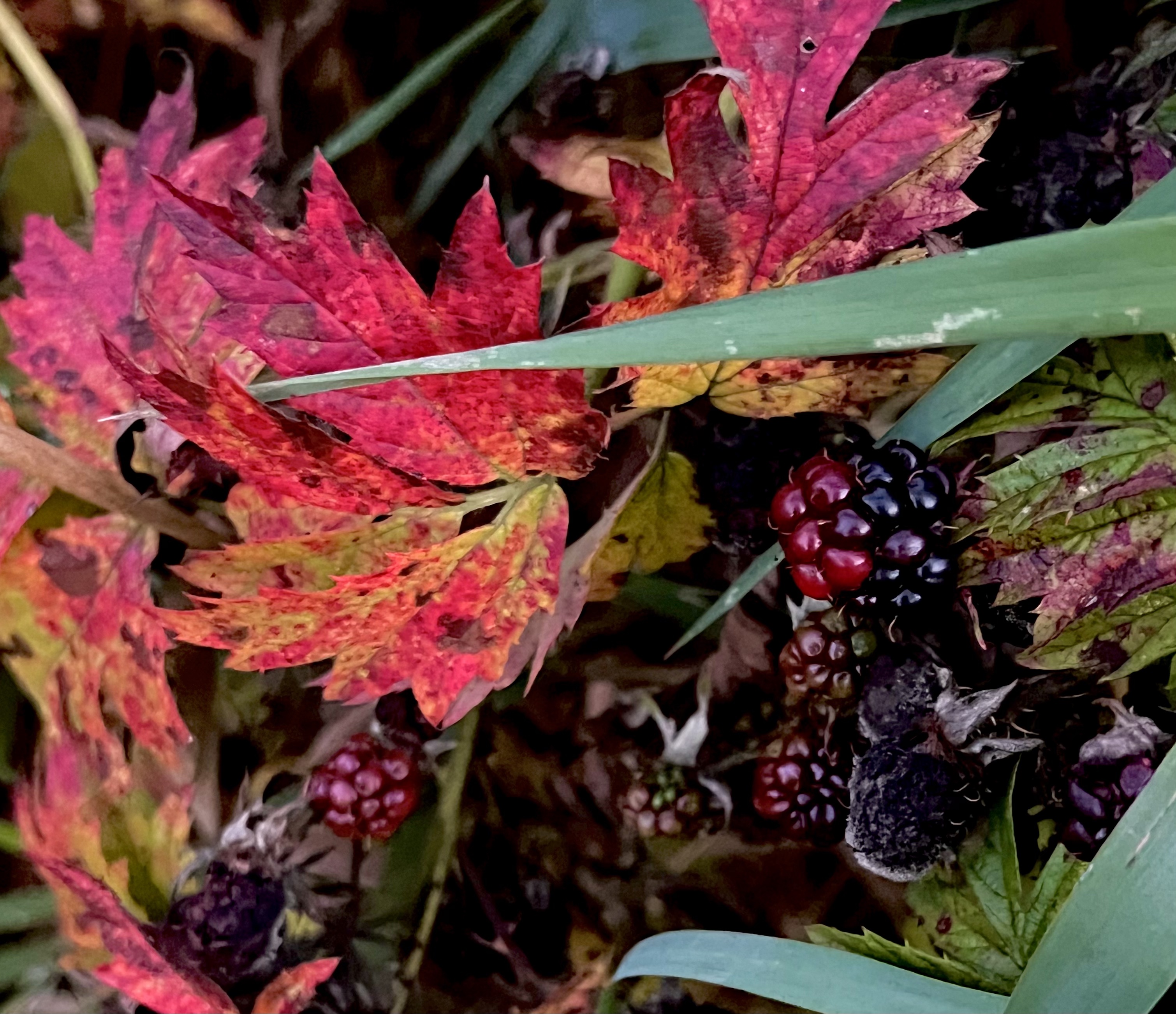
It has been an unusually dry summer here in the Pacific Northwest with little rain until recently, so the fields are brown and even the usually lush blackberry vines have started to dry and color up. The berries themselves are rich from the sun but starting now to shrivel and mold.

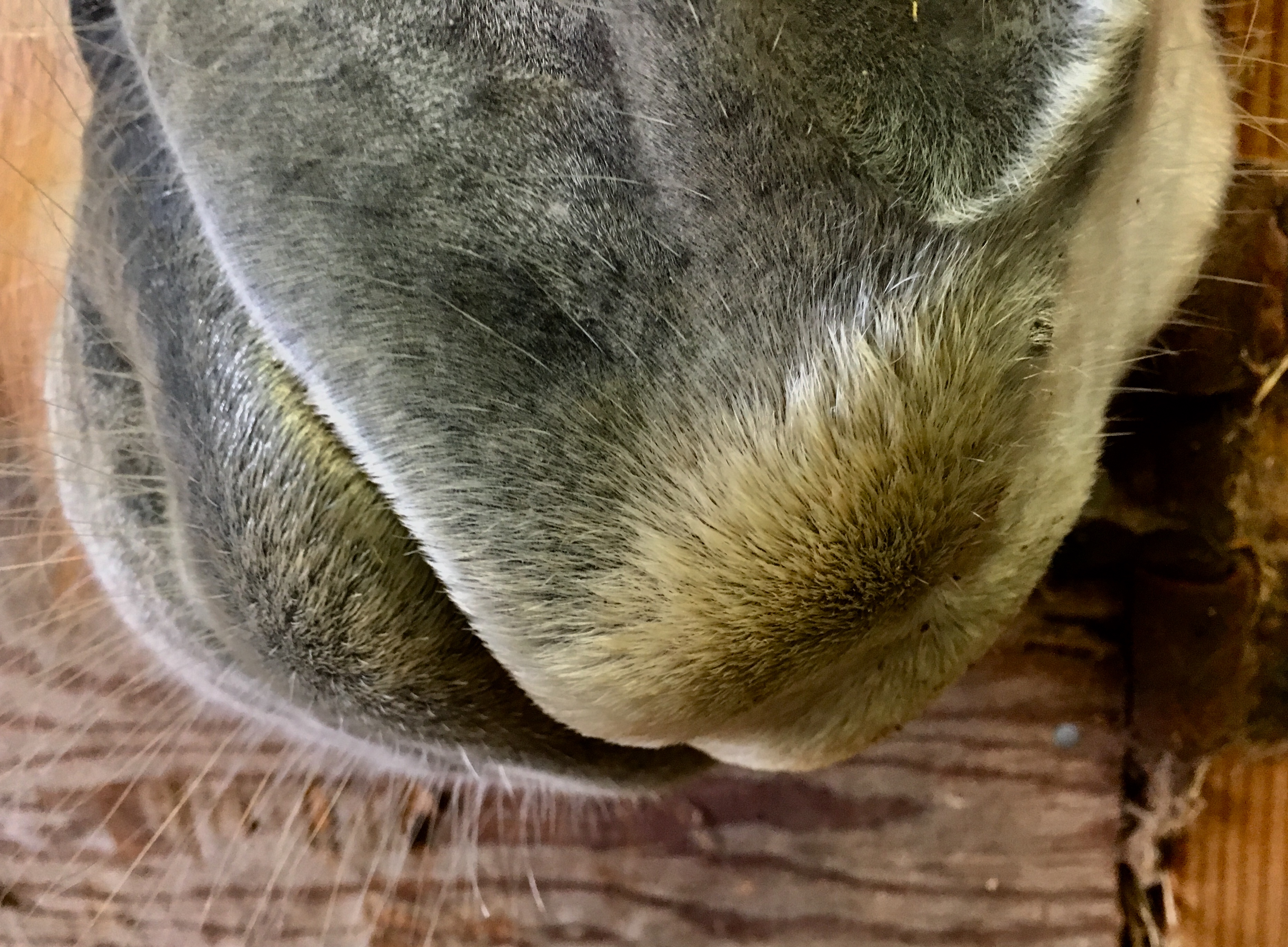
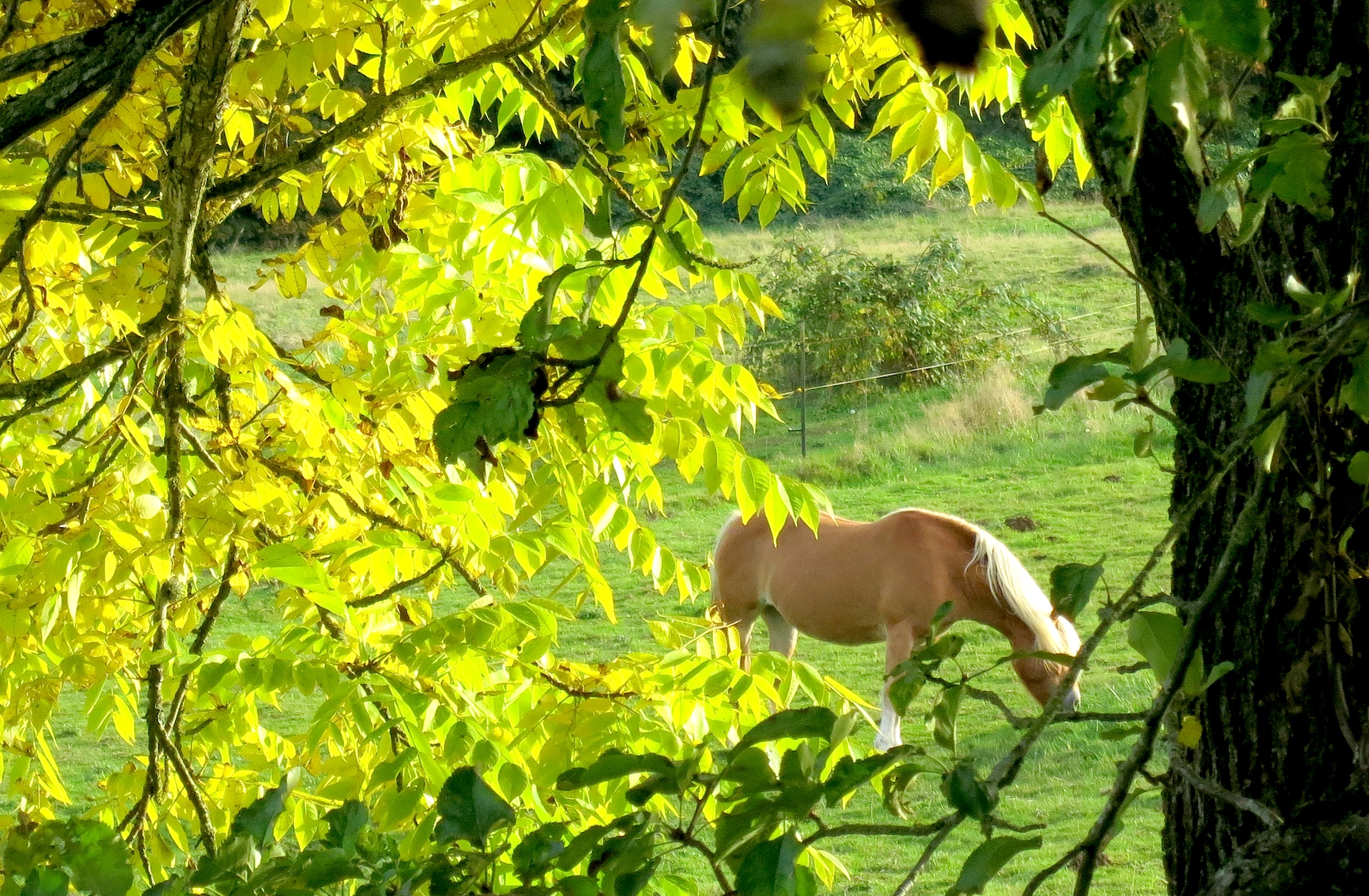
Our Haflinger horses have been fed hay for the past several weeks as there is not enough pasture for them without the supplement–we are about 6 weeks ahead of schedule in feeding hay. I had grown a little suspicious the last couple nights as I brought the Haflingers into the barn for the night. Two of the mares turned out in the back field had purplish stains on their chests and front legs. Hmmmm. Raiding the berries. Desperate drought forage behavior in an extremely efficient eating machine.

So this evening I headed toward the berries. When the mares saw the bowl in my hand, that was it. They mobbed me. I was irresistible.

So with mares in tow, I approached a berry bank. It was ravaged. Trampled. Haflinger poop piles everywhere. All that were left were some clusters of gleaming black berries up high overhead, barely reachable on my tip toes, and only reachable if I walked directly into the thicket. The mares stood in a little line behind me, pondering me as I pondered my dilemma.

I set to work picking what I could reach, snagging, ripping and bloodying my hands and arms, despite my sleeves. Pretty soon I had mares on either side of me, diving into the brambles and reaching up to pick what they could reach as well, unconcerned about the thorns that tore at their sides and muzzles. They were like sharks in bloody water–completely focused on their prey and amazingly skilled at
grabbing just the black berries, and not the pale green or red ones.

Plump Haflingers and one *plumpish* woman were willingly accumulating scars in the name of sweetness.

When my bowl was full, I extracted myself from the brambles and contemplated how I was going to safely make it back to the barn without being mare-mugged. Instead, they obediently trailed behind me, happy to be put in their stalls for their evening hay, accepting a gift from me with no thorns or vines attached.

Clearly, thorns are part of our everyday life. Thorns stand in front of much that is sweet and good and precious to us. They tear us up, bloody us, make us cry, make us beg for mercy.

Yet thorns have been overcome. They did not stop our salvation, did not stop goodness raining down on us, did not stop the taste of sweetness given as a gracious gift.

If we hesitate, thorns only proliferate unchecked.

So, desperate and hungry, we dive right in, to taste and eat.

One-Time
Monthly
Yearly

Make a one-time or recurring donation to support daily Barnstorming posts

Make a monthly donation

Make a yearly donation

Choose an amount

$10.00
$25.00
$50.00
$5.00
$15.00
$100.00
$5.00
$15.00
$100.00

Or enter a custom amount

$

Your contribution is deeply appreciated.

Your contribution is appreciated.

Your contribution is appreciated.

DonateDonate monthlyDonate yearly
Blossoming with Loss

I let her garden go.
let it go, let it go
How can I watch the hummingbird
Hover to sip
With its beak’s tip
The purple bee balm—whirring as we heard

It years ago?
The weeds rise rank and thick
let it go, let it go

Where annuals grew and burdock grows,
Where standing she
At once could see

The peony, the lily, and the rose
Rise over brick

She’d laid in patterns. Moss
    let it go, let it go
Turns the bricks green, softening them
By the gray rocks
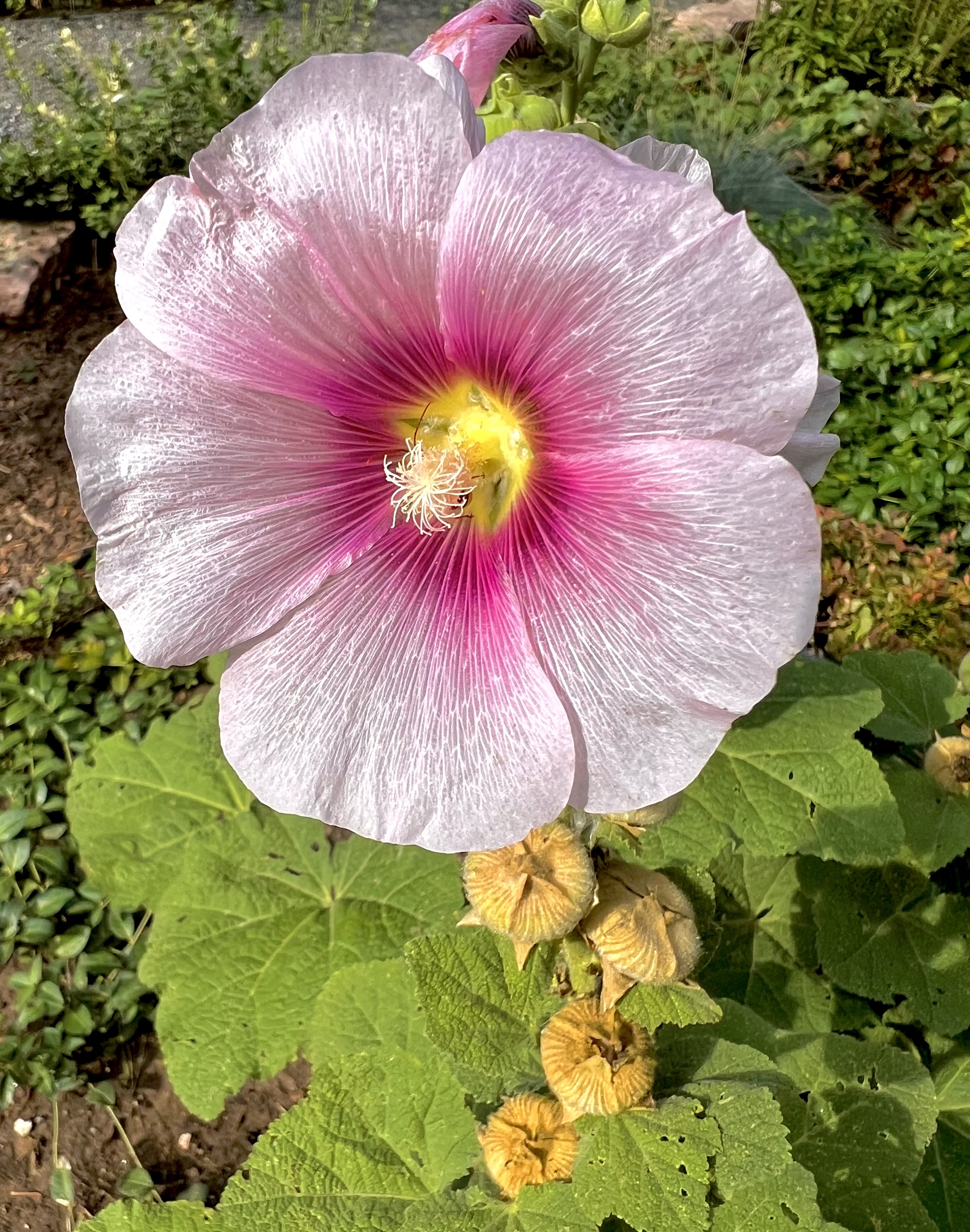
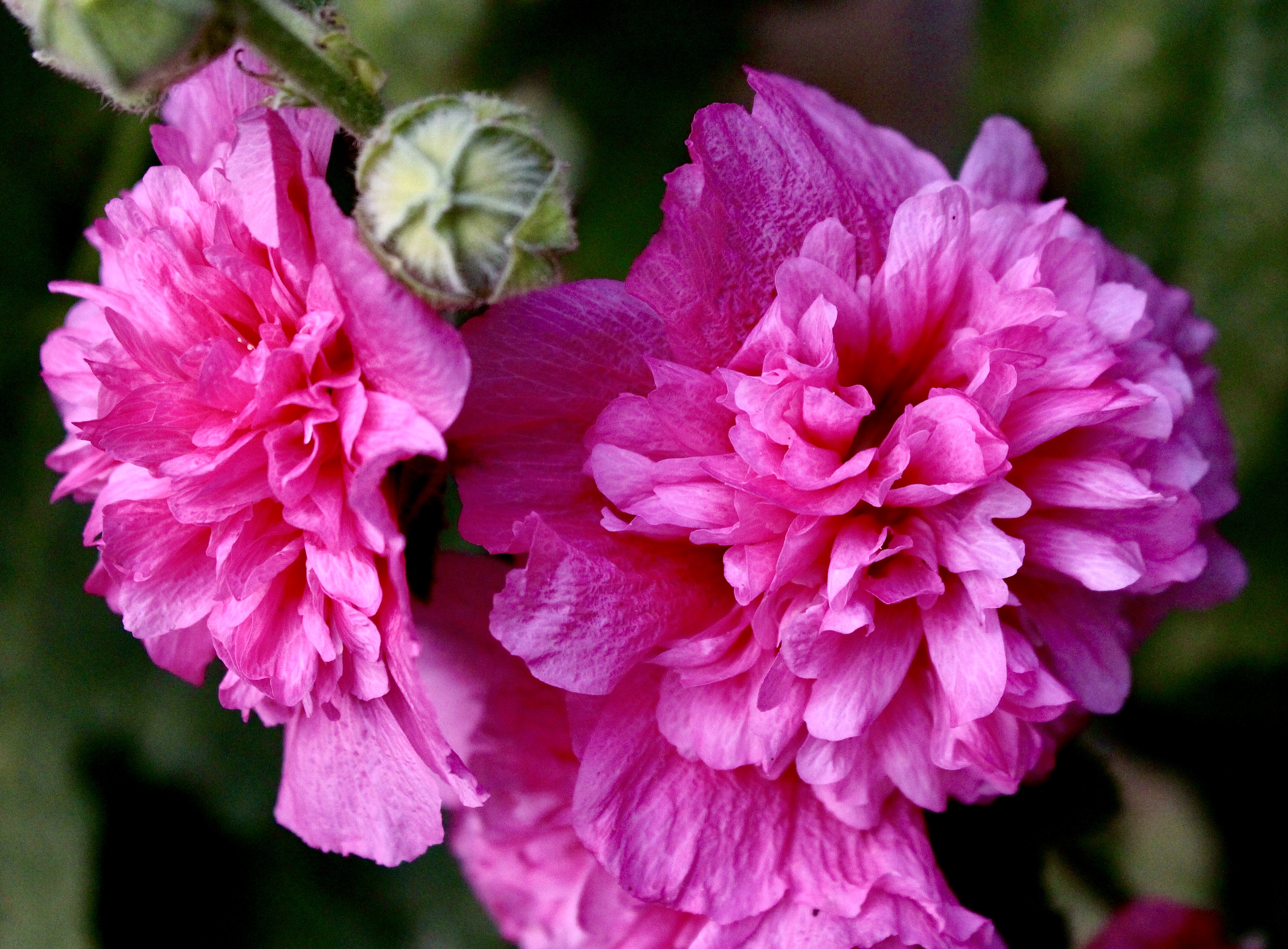
Where hollyhocks
That lofted while she lived, stem by tall stem,
Blossom with loss.

~Donald Hall, “Her Garden” from White Apples and the Taste of Stone

photo by Josh Scholten

As fall now brings gray mornings
heavy with clouds
and tear-streaked windows,
I pause, melancholy
at the passage of time.

Whether to grieve over
another hour passed
another breath exhaled
another broken heart beat

Or to climb my way
out of deepless dolor
by starting the work of
planting next spring’s garden

It takes sweat
and dirty hands
and yes,
tears from heaven
to make it flourish,
but even so
– just maybe –
my memories
so carefully planted like seeds
might blossom fully
from the soil of loss.

One-Time
Monthly
Yearly

Make a one-time or recurring donation to support daily Barnstorming posts

Make a monthly donation

Make a yearly donation

Choose an amount

$10.00
$25.00
$50.00
$5.00
$15.00
$100.00
$5.00
$15.00
$100.00

Or enter a custom amount

$

Your contribution is deeply appreciated.

Your contribution is appreciated.

Your contribution is appreciated.

DonateDonate monthlyDonate yearly
Summer Ends Now

Summer ends now; now, barbarous in beauty, the stooks rise
Around; up above, what wind-walks! what lovely behaviour
Of silk-sack clouds! has wilder, willful-wavier
Meal-drift moulded ever and melted across skies?

 I walk, I lift up, I lift up heart, eyes,
Down all that glory in the heavens to glean our Saviour;
And, eyes, heart, what looks, what lips yet gave you a
Rapturous love’s greeting of realer, of rounder replies?

And the azurous hung hills are his world wielding shoulder
Majestic as a stallion stalwart, very-violet-sweet! –
These things, these things were here and but the beholder
Wanting; which two when they once meet,
The heart rears wings bold and bolder
And hurls for him, O half hurls earth for him off under his feet.
~Gerard Manley Hopkins “Hurrahing in Harvest”

This poem is (in Hopkin’s own words) “the outcome of half an hour of extreme enthusiasm as I walked home alone one day from fishing in the [River] Elwy.”

This afternoon was the colour of water falling through sunlight;
The trees glittered with the tumbling of leaves;
The sidewalks shone like alleys of dropped maple leaves,
And the houses ran along them laughing out of square, open windows.

Under a tree in the park,
Two little boys, lying flat on their faces,
Were carefully gathering red berries
To put in a pasteboard box.

Some day there will be no war,
Then I shall take out this afternoon
And turn it in my fingers,
And remark the sweet taste of it upon my palate,
And note the crisp variety of its flights of leaves.

To-day I can only gather it
And put it into my lunch-box,
For I have time for nothing
But the endeavour to balance myself
Upon a broken world.
~Amy Lowell from “September 1918”

There is no point in seeing without responding; there is no way to respond without seeing.

Christian life and practice require both faith (the sight of the heart) and works (the lurch of the heart toward him in obedience)
~Kathleen Mulhern from “A Christ Sighting” from Dry Bones

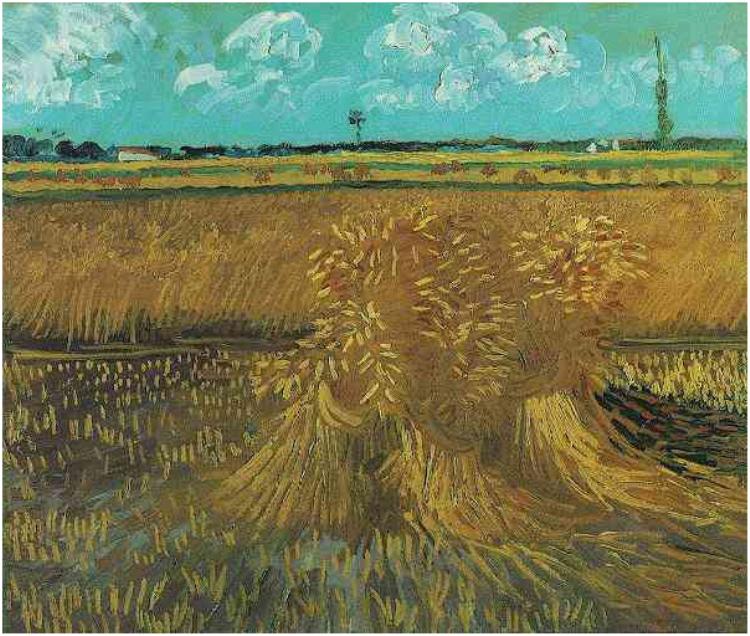
Sheaves of Wheat in a Field –Vincent Van Gogh
Wheat Field with Sheaves -Vincent Van Gogh

Am I the only one who awakes praying
that today be a day of healing between peoples
when the barbarous becomes beautiful
rather than broken?

A day of
no missiles being launched,
no one gunned down
no overdoses in the streets,
no vehicles used as weapons,
no child misused,
no one sold into slavery,
no one overdosing, abandoned,
homeless and starving.

Am I the only one who awakes and seeks only
to watch the clouds
to praise the heavens
to see the leaves turn color
to save this day and taste it
so as to balance somehow on this brokenness?

I am not the only one.
I know I cannot be…

One-Time
Monthly
Yearly

Make a one-time or recurring donation

Make a monthly donation

Make a yearly donation

Choose an amount

$5.00
$15.00
$100.00
$5.00
$15.00
$100.00
$5.00
$15.00
$100.00

Or enter a custom amount

$

Your contribution is appreciated.

Your contribution is appreciated.

Your contribution is appreciated.

DonateDonate monthlyDonate yearly

In Brambled Dark and Light

Earth’s crammed with heaven
And every common bush afire with God
But only he who sees, takes off his shoes,
The rest sit round it and pluck blackberries~
–Elizabeth Barrett Browning from “Aurora Leigh

Fringing the woods, the stone walls, and the lanes,
Old thickets everywhere have come alive,
Their new leaves reaching out in fans of five
From tangles overarched by this year’s canes.

They have their flowers too, it being June,
And here or there in brambled dark-and-light
Are small, five-petaled blooms of chalky white,
As random-clustered and as loosely strewn

As the far stars, of which we now are told
That ever faster do they bolt away,
And that a night may come in which, some say,
We shall have only blackness to behold.

I have no time for any change so great,
But I shall see the August weather spur
Berries to ripen where the flowers were–
Dark berries, savage-sweet and worth the wait–

And there will come the moment to be quick
And save some from the birds, and I shall need
Two pails, old clothes in which to stain and bleed,
And a grandchild to talk with while we pick.

~Richard Wilbur “Blackberries for Amelia”

I love to go out in late September
among the fat, overripe, icy, black blackberries
to eat blackberries for breakfast,
the stalks very prickly, a penalty
they earn for knowing the black art
of blackberry-making; and as I stand among them
lifting the stalks to my mouth, the ripest berries
fall almost unbidden to my tongue,
as words sometimes do, certain peculiar words
like strengths or squinched,
many-lettered, one-syllabled lumps,
which I squeeze, squinch open, and splurge well
in the silent, startled, icy, black language
of blackberry-eating in late September.

~Galway Kinnell “Blackberry Eating”

All I wanted was a few blackberries.

My objective was just to pick enough for cobbler for dessert, being oblivious to God burning in the bushes towering over me, around me, snagging me at every opportunity. If I had given it more thought, I would have realized the reaching vines hooking my arms and legs were hardly subtle. The thorns ripped at my skin, leaving me bloody and smarting. The fruit itself stained my hands purple, making them look freshly bruised. I crushed fat vines underfoot, trampling and stomping with my muck boots in order to dive deeper into the bushes. Webs were everywhere, with spiders crawling up my arms and dropping down into my hair. I managed to kick up one hornet’s nest so I called it quits.

All I wanted was a few blackberries, so blinded to all the clues crammed in every nook and cranny of every bush.

All I wanted was a few blackberries, trampling on holy ground with well-protected feet, unwilling to be barefoot and tenderly vulnerable.

All I wanted was a few blackberries, the lure of black gold plucked at the cost of rips and scratches and tears.

What I got was burned by a bush…

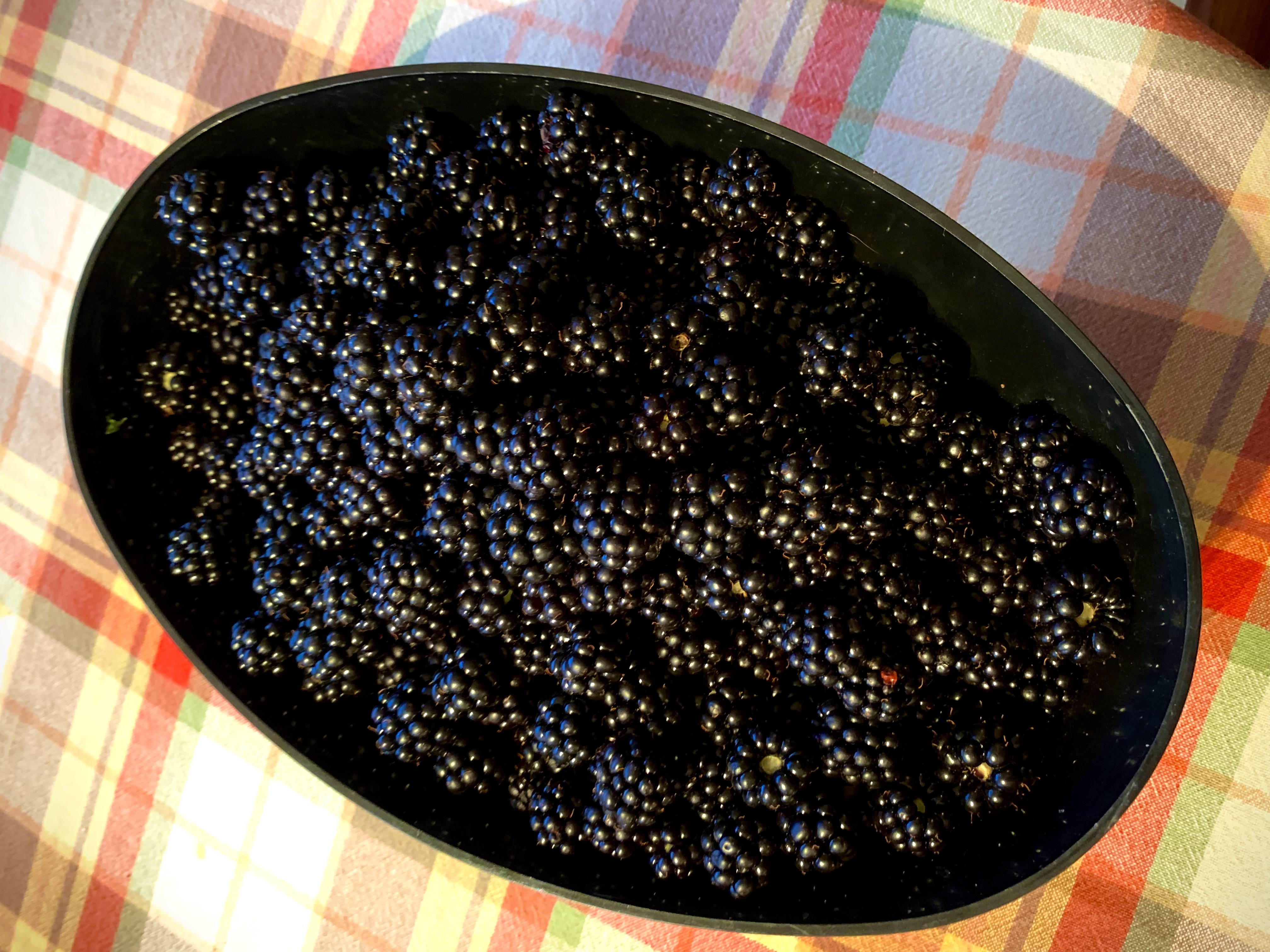
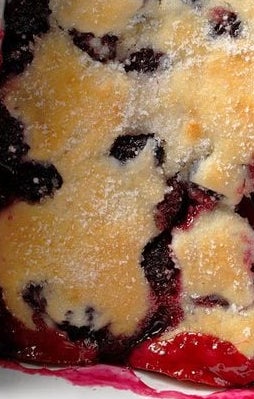
and a few blackberries for a crammed-with-heaven cobbler.

photo by Joel DeWaard
One-Time
Monthly
Yearly

Make a one-time or recurring donation to support daily Barnstorming posts

Make a monthly donation

Make a yearly donation

Choose an amount

$10.00
$25.00
$50.00
$5.00
$15.00
$100.00
$5.00
$15.00
$100.00

Or enter a custom amount

$

Your contribution is deeply appreciated.

Your contribution is appreciated.

Your contribution is appreciated.

DonateDonate monthlyDonate yearly
Making for the Light

Let us go forward quietly,
forever making for the light,
and lifting up our hearts in the knowledge
that we are as others are
and that others are as we are,
and that it is right to love one another
in the best possible way –
believing all things,
hoping for all things,
and enduring all things…
~Vincent Van Gogh in Letter to Theo Van Gogh – 3 April 1878

Yet another racially motivated killing appeared in the headlines today. So much collective societal energy is spent emphasizing, elaborating, indeed celebrating our diverse differences. If anything, this separates us rather than unites us, whether it be issues of race, culture, religion, political leanings or sexuality.

Yet we are alike far more than we are different. Despite the variety inherent in all living creatures, we share remarkable similarities deep in our cellular functions – mirror images of each other, intentionally created in the image of God.

“…we are as others are
and that others are as we are,
and that it is right to love one another
in the best possible way –

Each of us are born from the womb of our mother and each of us will die to dust someday. Those bookends to our lives bind the pages of our lives together, rather than tear us apart.

For some, similarities are not welcome – many hesitate to admit it is true, desiring to maintain distance and disagreement.

Can we make for the Light, enduring this painful journey together? Can we be bound by striving for unity? Can we agree to agree rather than disagree – it is right and true and worthy to love one another just as we are loved by our Creator?

The Dewy Cheek of Day

The red east glows, the dewy cheek of Day
Has not yet met the sun’s o’erpowering smile;
The dew-drops in their beauty still are gay,
Save those the shepherd’s early steps defile.
Pleas’d will I linger o’er the scene awhile;
The black clouds melt away, the larks awaken–
Sing, rising bird, and I will join with thee:
With day-break’s beauties I have much been taken,
As thy first anthem breath’d its melody.
I’ve stood and paus’d the varied cloud to see,
And warm’d in ecstacy, and look’d and warm’d,
When day’s first rays, the far hill top adorning,
Fring’d the blue clouds with gold: O doubly charm’d
I hung in raptures then on early Morning.

~John Clare “Daybreak”

You tell me to live each day
as if it were my last. This is in the kitchen
where before coffee I complain
of the day ahead—that obstacle race
of minutes and hours,
grocery stores and doctors.

But why the last? I ask. Why not
live each day as if it were the first—
all raw astonishment, Eve rubbing
her eyes awake that first morning,
the sun coming up
like an ingénue in the east?

You grind the coffee
with the small roar of a mind
trying to clear itself. I set
the table, glance out the window
where dew has baptized every
living surface.
~Linda Pastan “Imaginary Conversation”

How to begin each day like the first day, rather than the last…

It would mean unbridled awe and astonishment, hung in raptures. Look Not only gratitude that the world exists, but also grateful that I exist within it.

Instead of living as if this were my last day, I want to be newly created and dew-baptized in amazement – just like my first day.

Sliding to Safety

I’ve learned that people will forget what you said, people will forget what you did, but people will never forget how you made them feel. ~Maya Angelou

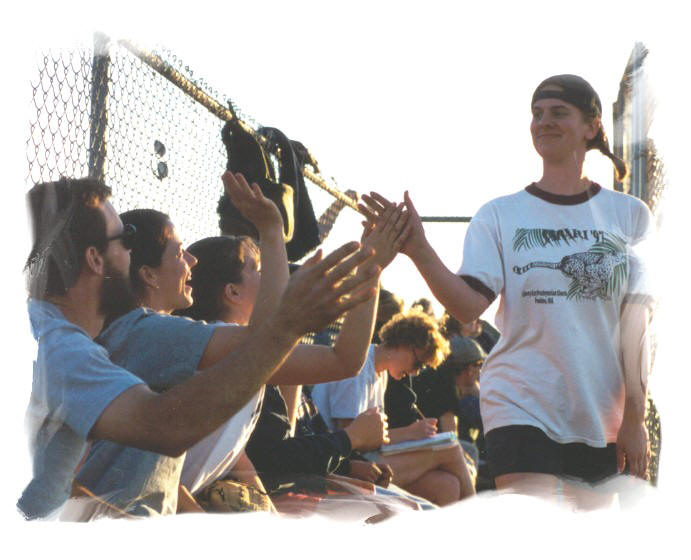
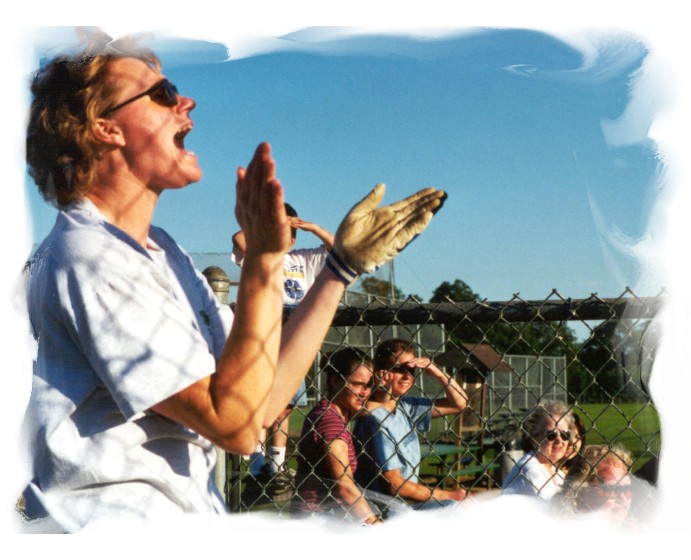
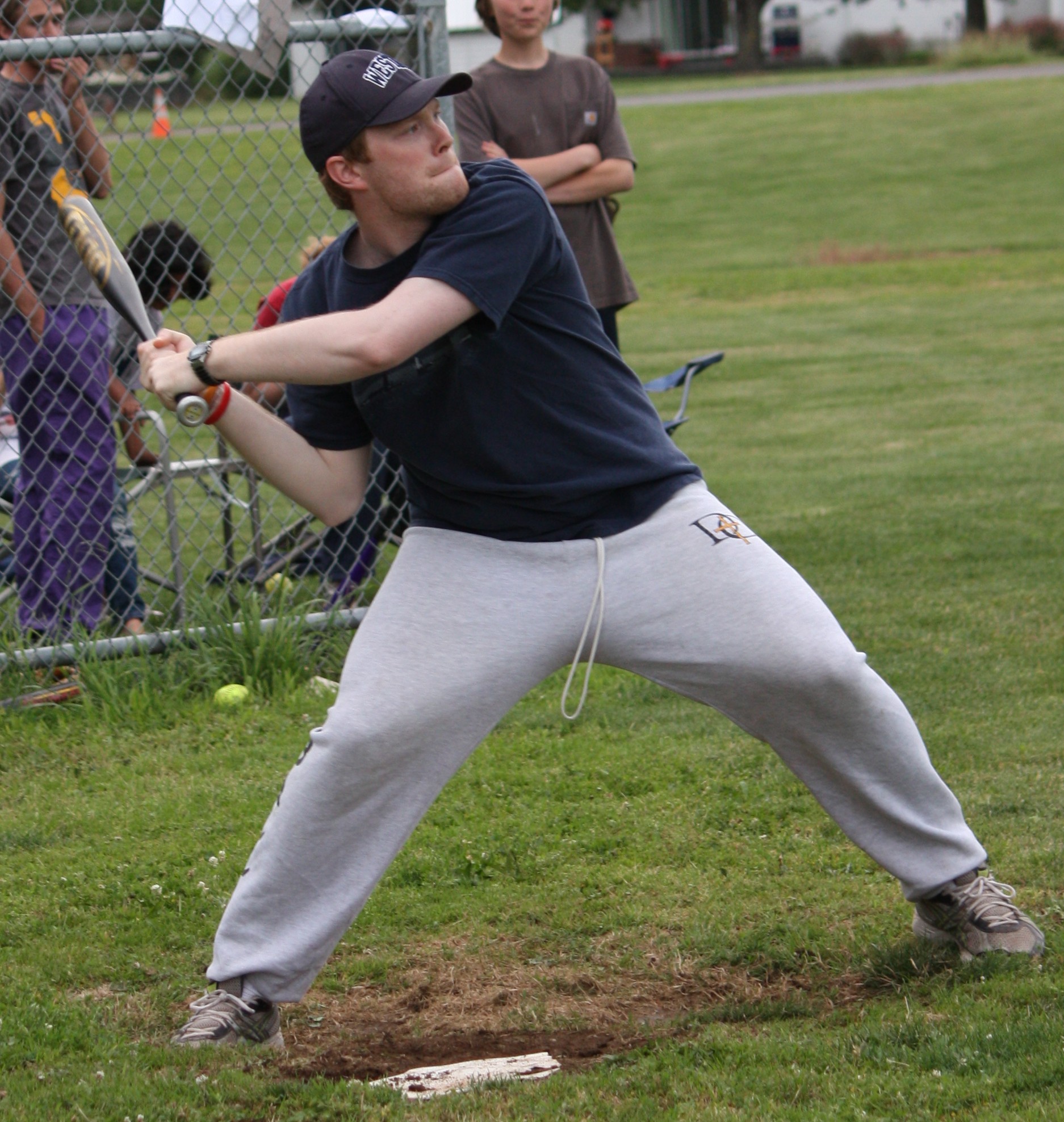
Years ago, our small church, Wiser Lake Chapel,  once belonged to a summer co-ed softball league, along with 8 other churches and a few local businesses. This was a traditional Thursday evening summer activity for a generation or longer. Couples met for the first time on the ball fields and eventually married. Babies attended games in back packs and strollers and eventually were catching at home plate.  Relatives going to different churches found themselves on opposing teams yelling good-natured insults. During our years of participation in the league, there were a few bopped heads, abrasions, sprained fingers and one broken leg as part of the deal. Hot dog roasts and ice cream sundaes were the after-game rewards.

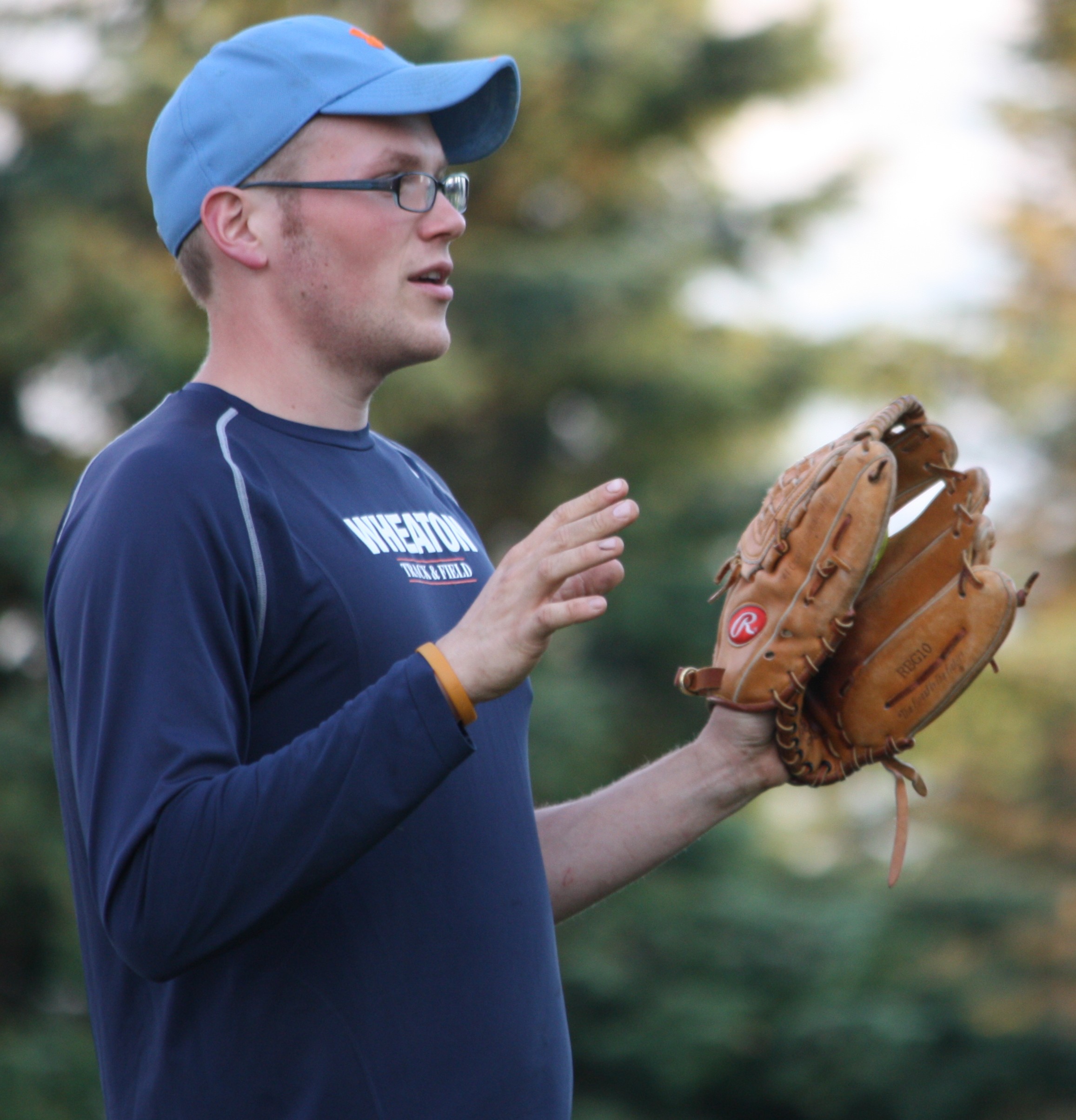
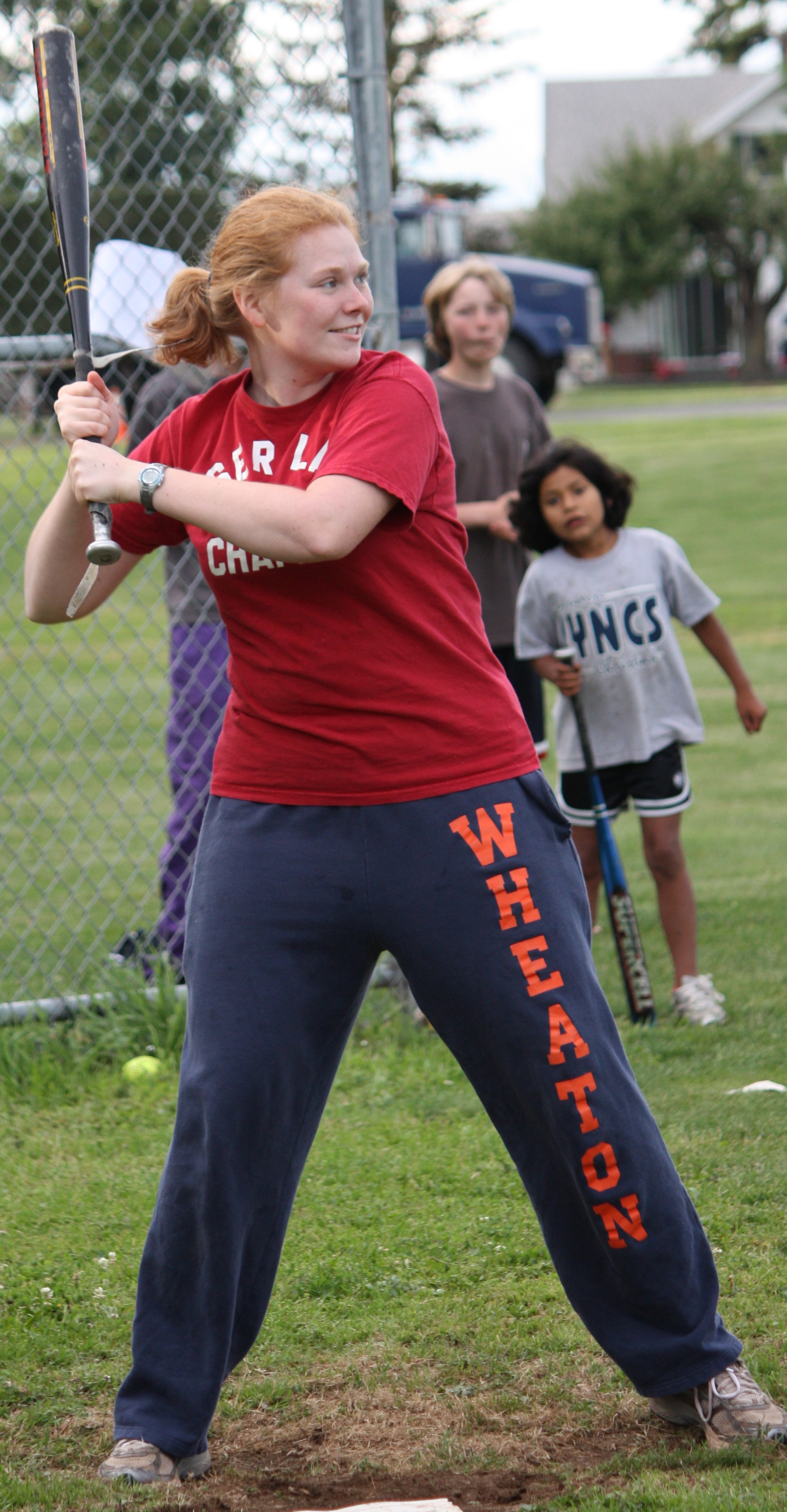
Nothing was quite as wonderful as how a team recreated itself year after year. It was thrown together by our coach Brenda in a mere two weeks prior to the season starting, with the youngest members needing to be at least age 14 with no upper age limit; we’ve had our share of 70+ year olds on the team over the years. Some ball players were raw beginners having never played catch or swung a bat outside of school PE class. A few others had extensive history of varsity fastpitch in school or other community league play so meant business when they strolled out on the diamond. During a few years, we were a force to be reckoned with when we had over a dozen local university students join our church who were incredible players and power hitters.

It was the ultimate diverse talent pool.

A different dynamic exists in church league softball compared to Little League, Pony League, minors or majors when you watch or play. Sure, there still are slow pitch teams that stock their ranks with “invitation-only” players, reserving the best and most athletic so there is a real chance at the trophy at the end of the summer. Churches like ours, a mere 150 people average weekly Sunday attendance, had a “come one, come all” attitude, just to make sure we avoided forfeiting by not having enough players week after week. We always did have enough.  In fact we had more players than we could find positions for. And we had a whole bleacher full of fans, dedicated to cheering and clapping for anything and everything our players did, whether it was a pop-up foul ball, a strike out swing, a missed catch, or an actual hit. We loved it all and wanted our players to know they were loved too, no matter what they did or what happened.

I think that was why the players and fans came back to play week after week, though we hadn’t won a game in years. We rooted and hollered for each other, got great teaching and encouragement from our fantastic coach, and the players’ skills did improve year to year despite months of inactivity. We had a whole line up of pre-14 year olds eager to grow old enough to play, just so they could be a part of the action.

Why did it not matter that we didn’t win games? We were winning hearts, not runs. We were showing our youngsters that the spirit of play is what it is all about, not about the trophy at the end. We were teaching encouragement in the face of errors, smiles despite failure, joy in the fellowship of people who love each other–spending an evening together week after week.

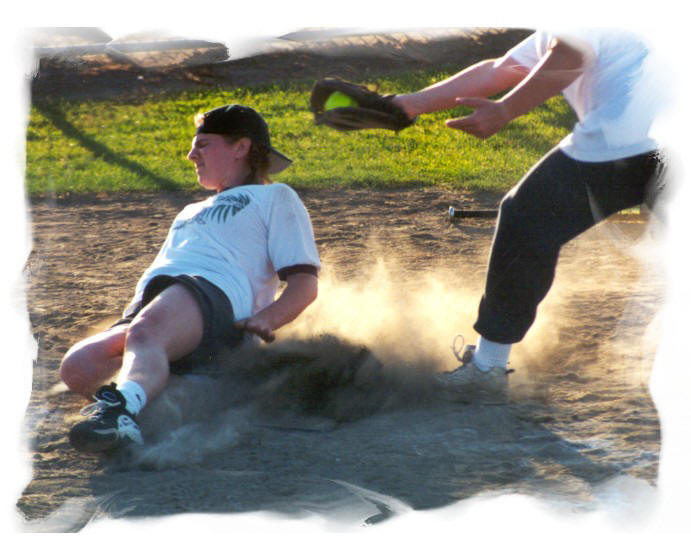
We are family; family picks you up and dusts you off when you’ve fallen flat on your face during your slide to base while still being called “out.”

Most of all, I see this as a small piece of God’s kingdom in action.  Although we no longer gather for church league baseball — the competition got too fierce (and hazardous to our health), the rules too tight — we still gather for a pick-up game now and then, just to remind ourselves of who we are and what we are about.

Our coach models Jesus’ acceptance of all at the table, and embodies the fruits of the spirit: love, joy, peace, patience, kindness, gentleness, faithfulness, and self control.

Our players are the eager, the ambivalent, the accurate, the flawed, the strong, the weak, the fast, the slow: chosen for the game even if they were completely inadequate to the task at hand, volunteering to be part of each moment as painful as it can sometimes be.

The cheering from the bleachers comes as if from heaven itself:
Do not be afraid. Good will to all. We are well pleased. Amen!

We’re sliding to home plate, running as hard as we can, diving for safety, covered in the dust and mire and blood of living/dying and will never, ever be called “out”.

Let’s play ball.

One-Time
Monthly
Yearly

Make a one-time or recurring donation to support daily Barnstorming posts

Make a monthly donation

Make a yearly donation

Choose an amount

$10.00
$25.00
$50.00
$5.00
$15.00
$100.00
$5.00
$15.00
$100.00

Or enter a custom amount

$

Your contribution is deeply appreciated.

Your contribution is appreciated.

Your contribution is appreciated.

DonateDonate monthlyDonate yearly
Help Along the Road

I dreamed that heaven
was a long road

populated by people
we didn’t necessarily
know, or like, or
agree with

and who
we didn’t expect
any help from.

… But we did.

We all helped
each other
along that road.

~Sara Barkat “Heaven” from The Sadbook Collections

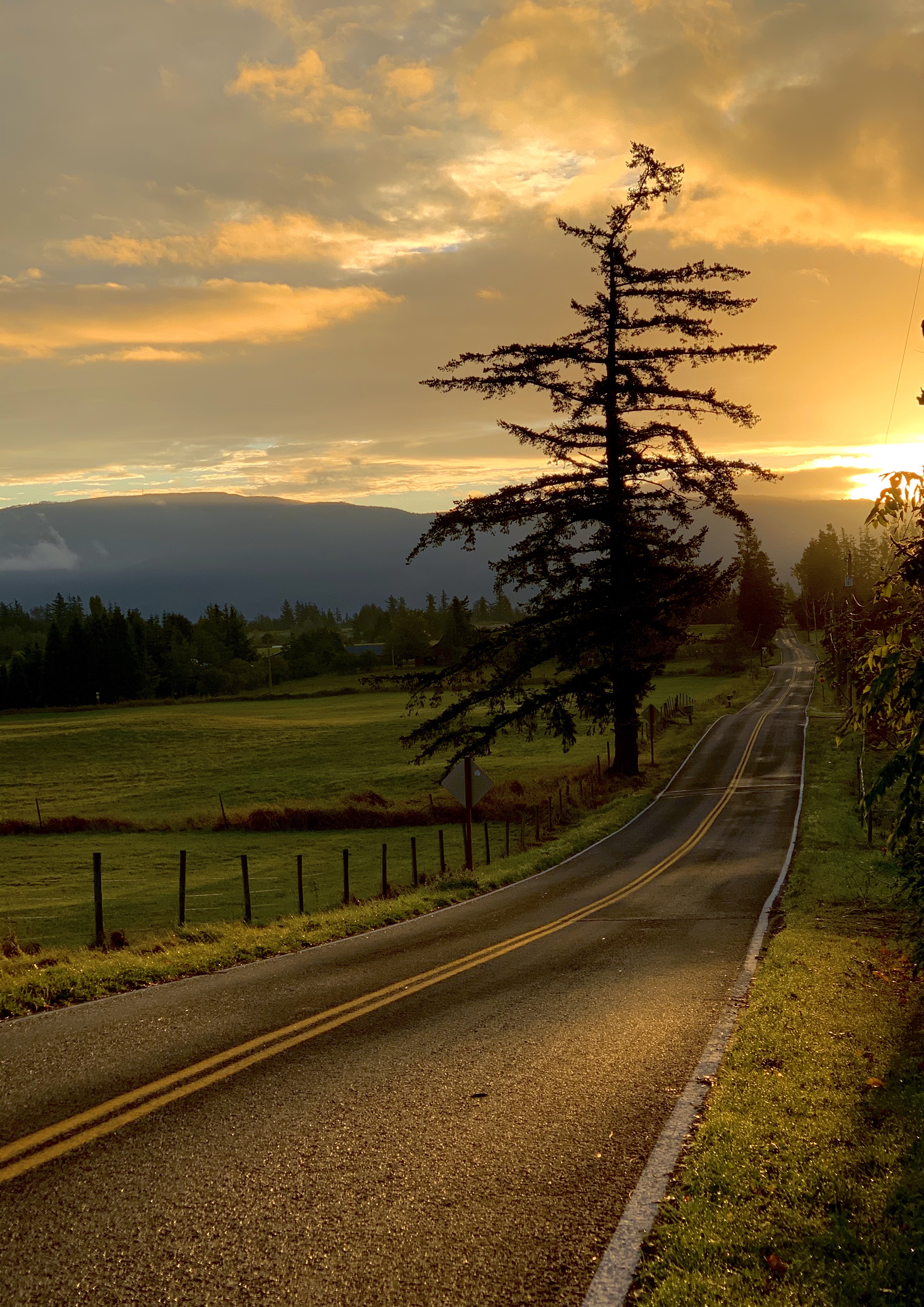
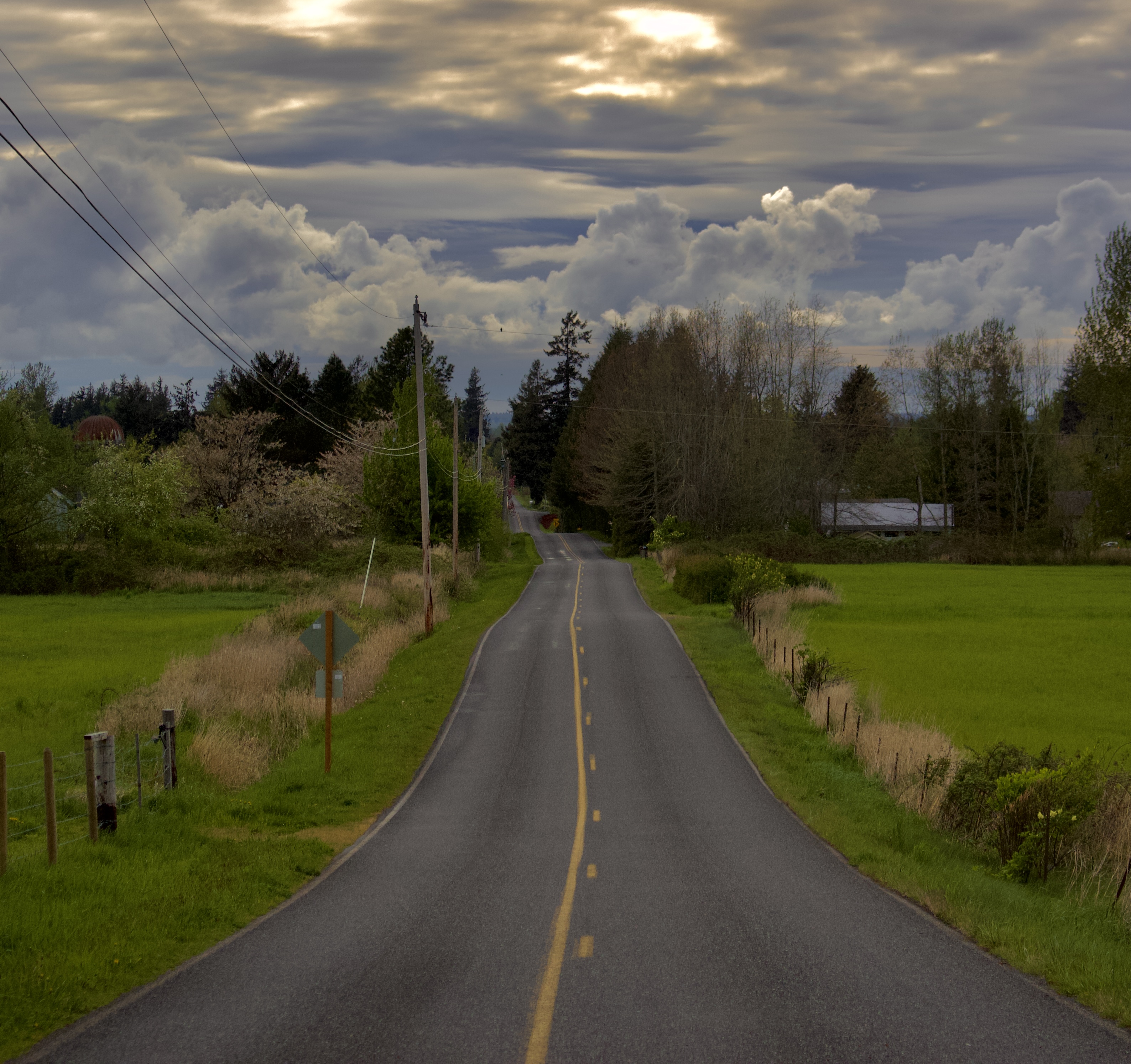
This is the country road we live on. I know where it ends to the east: at the very edge of the Cascade foothills, right in the middle of a small tribal nation trying to survive challenging economic times on their reservation land.

Heading west from here, there is another tribal nation trying to survive.

In between are farmers who are having to sell their dairy herds because milk prices aren’t keeping up with the cost of maintaining their business. There are families now without sustainable wage employment because large industries have pulled up stakes and closed their doors. There is land that is overpriced as people flee the chaos and lawlessness of the cities, hoping to find peace and quiet.

There is much sadness along the road we travel that leads to heaven, but as a diverse people who struggle together on this journey, we take turns carrying one another when one has what another does not. We still have the sun and the rain and the soil, the turning of the seasons and the rhythm of a sun that rises up and comes down.

On our way to there, why not share?

One-Time
Monthly
Yearly

Make a one-time or recurring donation to support daily Barnstorming posts

Make a monthly donation

Make a yearly donation

Choose an amount

$10.00
$25.00
$50.00
$5.00
$15.00
$100.00
$5.00
$15.00
$100.00

Or enter a custom amount

$

Your contribution is deeply appreciated.

Your contribution is appreciated.

Your contribution is appreciated.

DonateDonate monthlyDonate yearly
Browsing and Chewing Sweet Hay

To Bring the Horse Home…

after Philip Larkin

Is all I’ve wanted past wanting
since I was six and delirious with fever,
an infinitive forged from a night
when giant ladybugs with toothpick
antennae patrolled my wicker nightstand.
Yes, I’ve been with horses since, 
travelled illegally with them in trailers,
known certain landscapes only framed
by alert ears, and with one in particular,
spent whole afternoons with her big jaw
heavy on my shoulder. Still, I hatched
plots to bring a horse to the house, to ride 
to school, to pasture one or even three
in the garden, shaded by that decorative
willow, which could have used a purpose.
But there were city bylaws in two languages,
and over the years, a dog, stray cats,
turtles, and many fish. They lived, they died.
It wasn’t the same. Fast-forward, I brought
the baby home in a molded bucket seat, but she
lacked difference, attuned as I was, checking
her twenty-four-seven. Now that she’s 
grown, I’m reduced to walking city parks
with this corrosive envy of mounted police,
though I’m too old for the ropes test,
wouldn’t know what to do with a gun.
If there’s a second act, let me live
like the racetrack rat in a small room
up the narrow stairs from the stalls,
the horse shifting comfortably below,
browsing and chewing sweet hay.
A single bed with blanket the color
of factory-sweepings will suffice,
each day shaped to the same arc, 
because days can only end when
the lock slides free on the stall’s
Dutch door, and I lead the horse in,
then muscle the corroded bolt shut.
That’s what days are for: I cannot rest
until the horse comes home.

~Julie Bruck “To Bring the Horse Home”

photo by Breanna Randall

The best moment in the barn is in the evening just following the hay feeding, as the animals are settling down to some serious chewing. I linger in the center aisle, listening to the rhythmic sounds coming from six stalls. It is a most soothing contented cadence, first their lips picking up the grass, then the chew chew chew chew and a pause and it starts again. It’s even better in the dark, with the lights off.

I’ve enjoyed listening to the eating sounds at night from the remote vantage point of my bedroom TV monitor system set up to watch my very pregnant mares before foaling. A peculiar lullaby of sorts, strange as that seems, but when all my farm animals are chewing and happy, I am at peace and sleep better.

It reminds me of those dark deep nights of feeding my own newborns, rocking back and forth with the rhythm of their sucking. It is a moment of being completely present and peaceful, and knowing at that moment, nothing else matters–nothing else at all.

If I am very fortunate, each day I live has a rhythm that is reassuring and steady, like the sounds of hay chewing, or rocking a baby. I awake thinking about where my next step will bring me,  and then the next, like each chew of sweet hay. I try to live in each moment fully, without distraction by the worry of the unknown.

But the reality is:
life’s rhythms are often out of sync,
the cadence is jarring,
the sounds are discordant,
sometimes I’m the one being chewed on, so pain replaces peacefulness.

Maybe that is why this lullaby in the barn~~this sanctuary~~is so treasured. It brings me home to that doubting center of myself that needs reminding that pain is fleeting, and peace, however elusive now, is forever. I always know where to find it for a few minutes at the end of every day, in a pastoral symphony of sorts.

Someday my hope for heaven will be angel choruses of glorious praise, augmenting a hay-chewing lullaby.

So simple yet so grand.

One-Time
Monthly
Yearly

Make a one-time or recurring donation to support daily Barnstorming posts

Make a monthly donation

Make a yearly donation

Choose an amount

$10.00
$25.00
$50.00
$5.00
$15.00
$100.00
$5.00
$15.00
$100.00

Or enter a custom amount

$

Your contribution is deeply appreciated.
Your contribution is appreciated.

Your contribution is appreciated.

DonateDonate monthlyDonate yearly