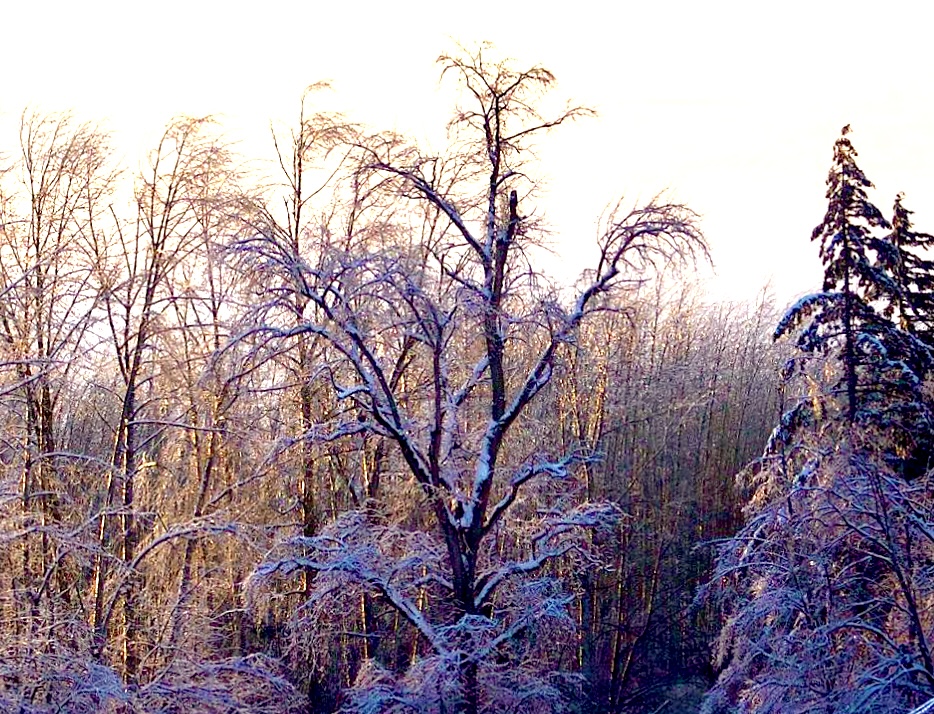
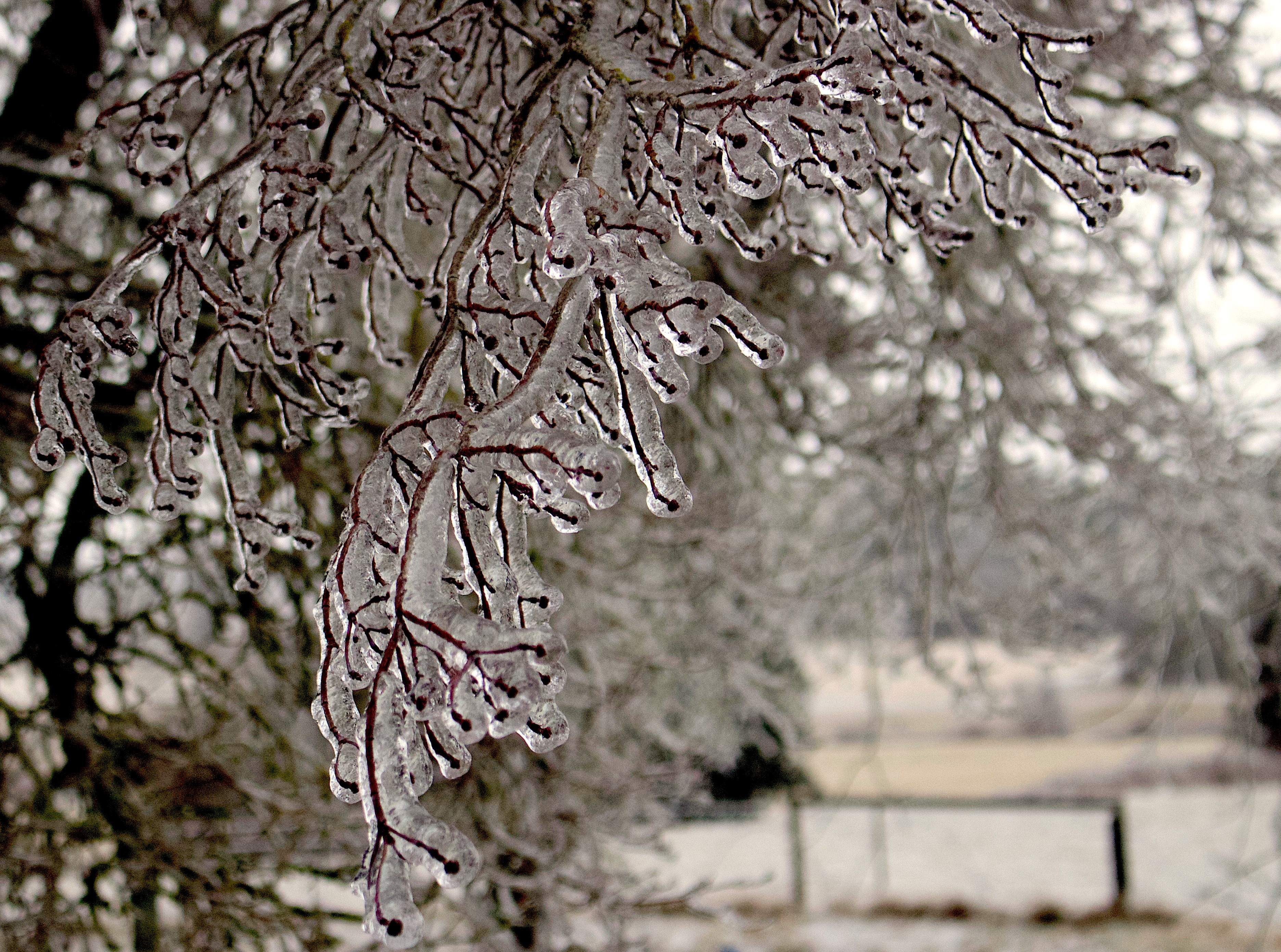
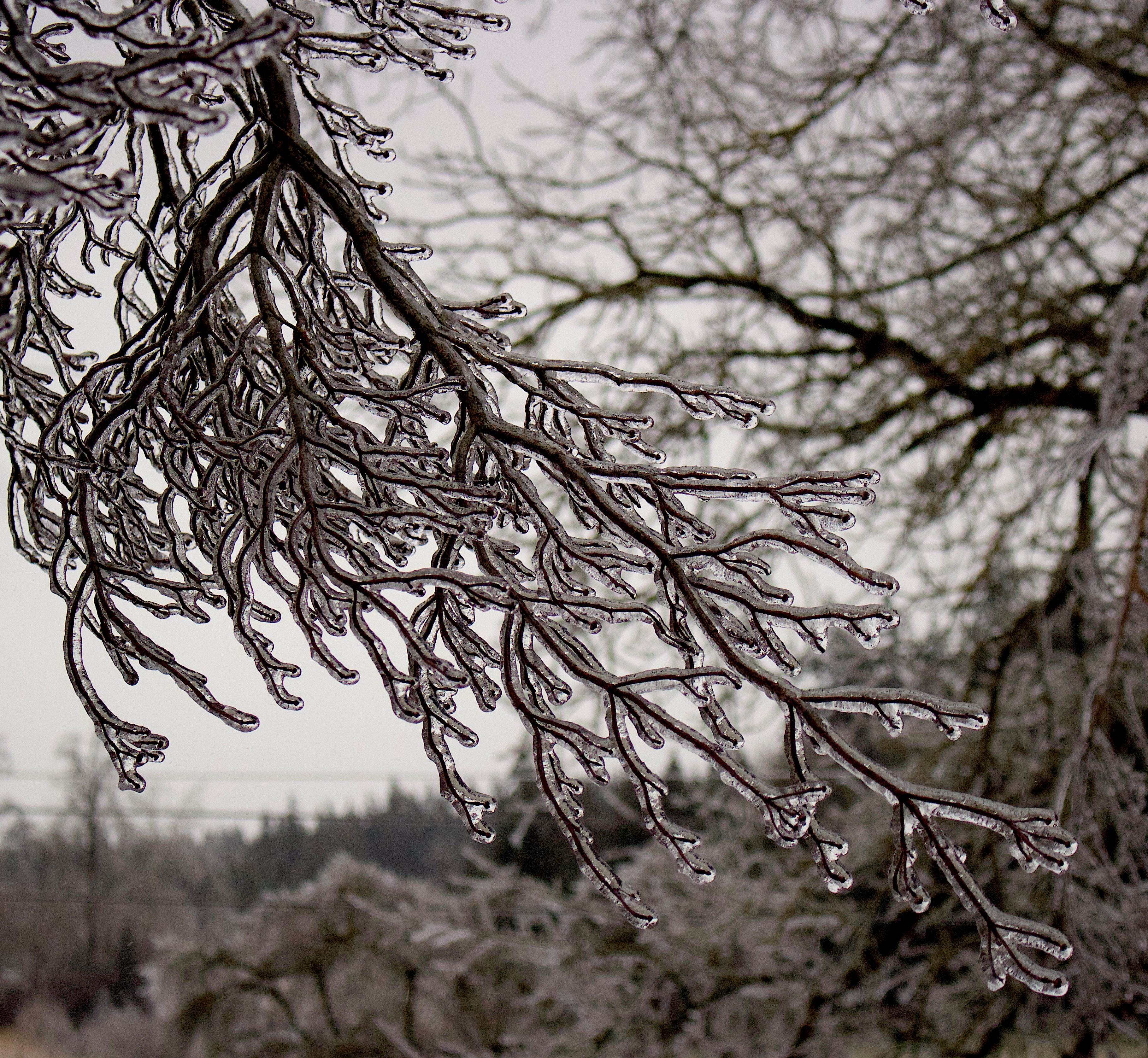
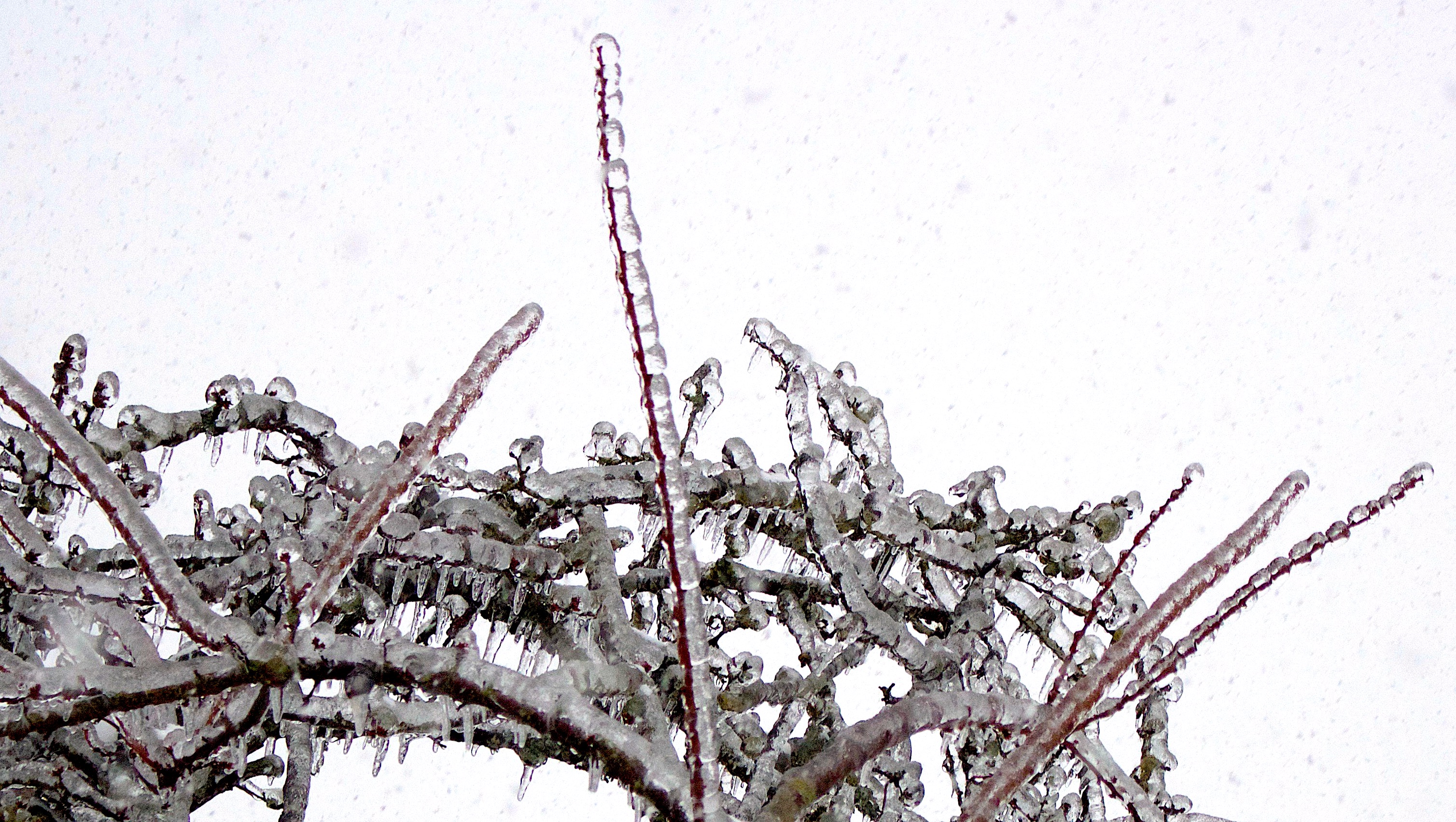
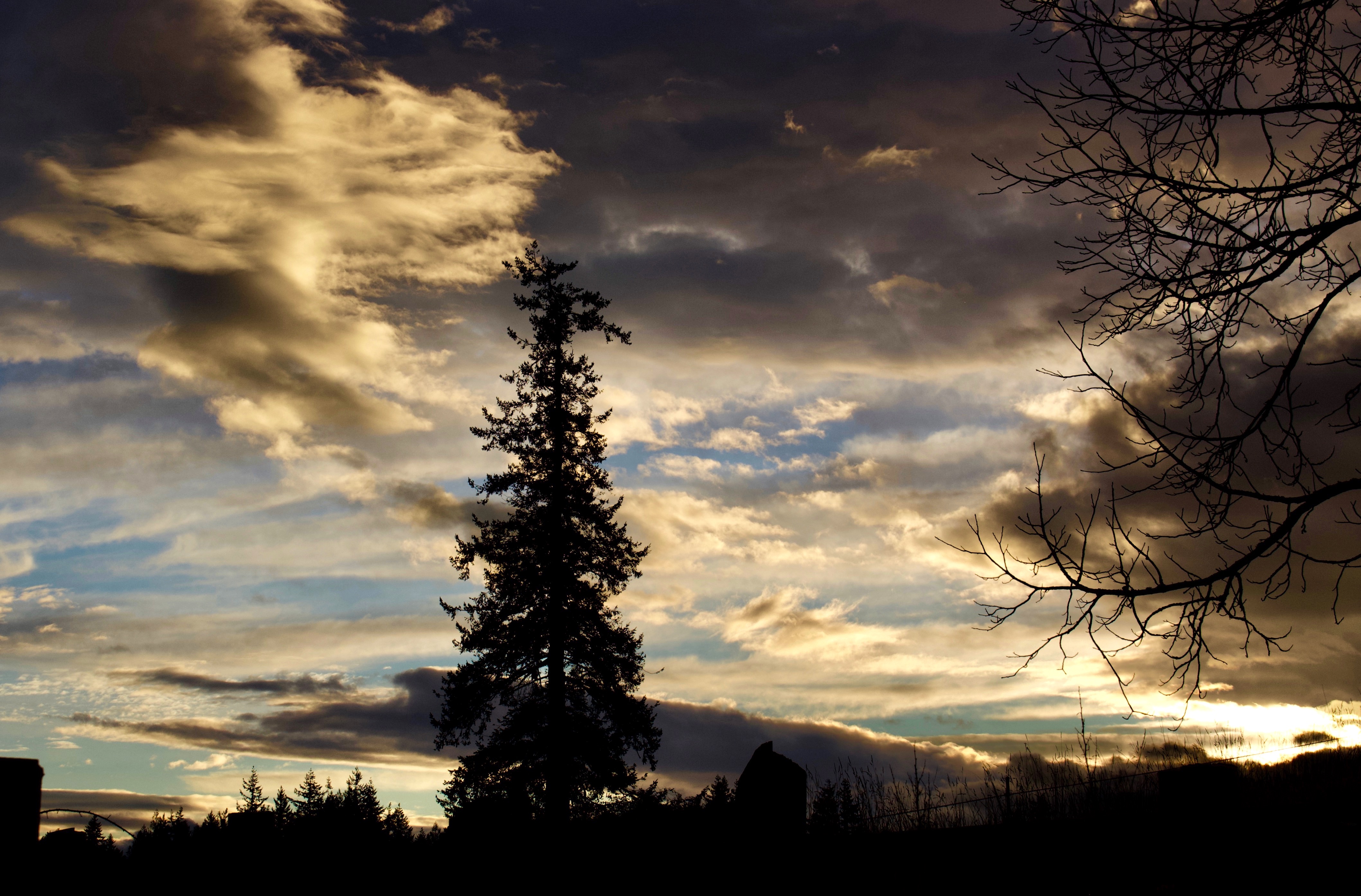
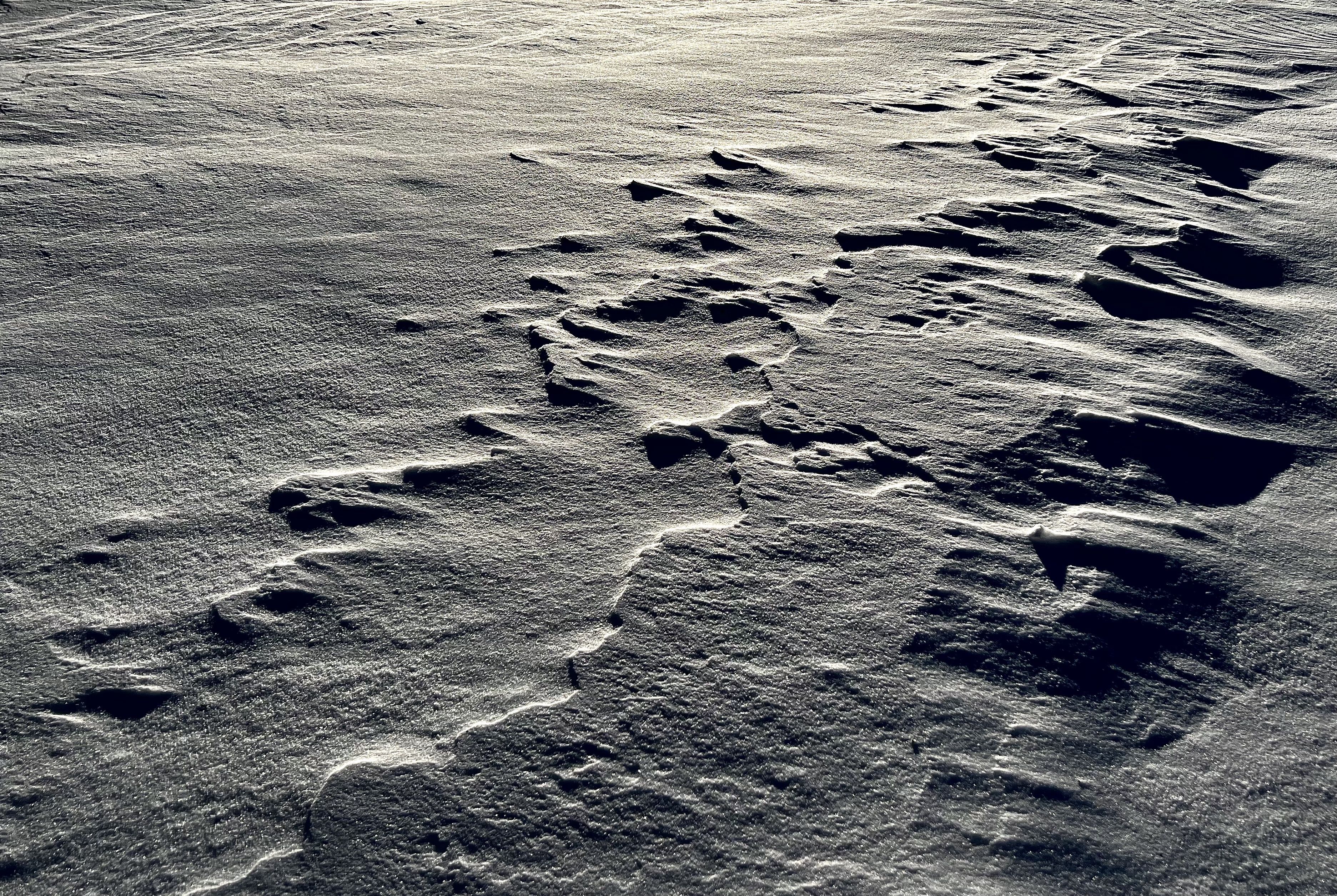
I watch the great clear twilight Veiling the ice-bowed trees; Their branches tinkle faintly With crystal melodies.
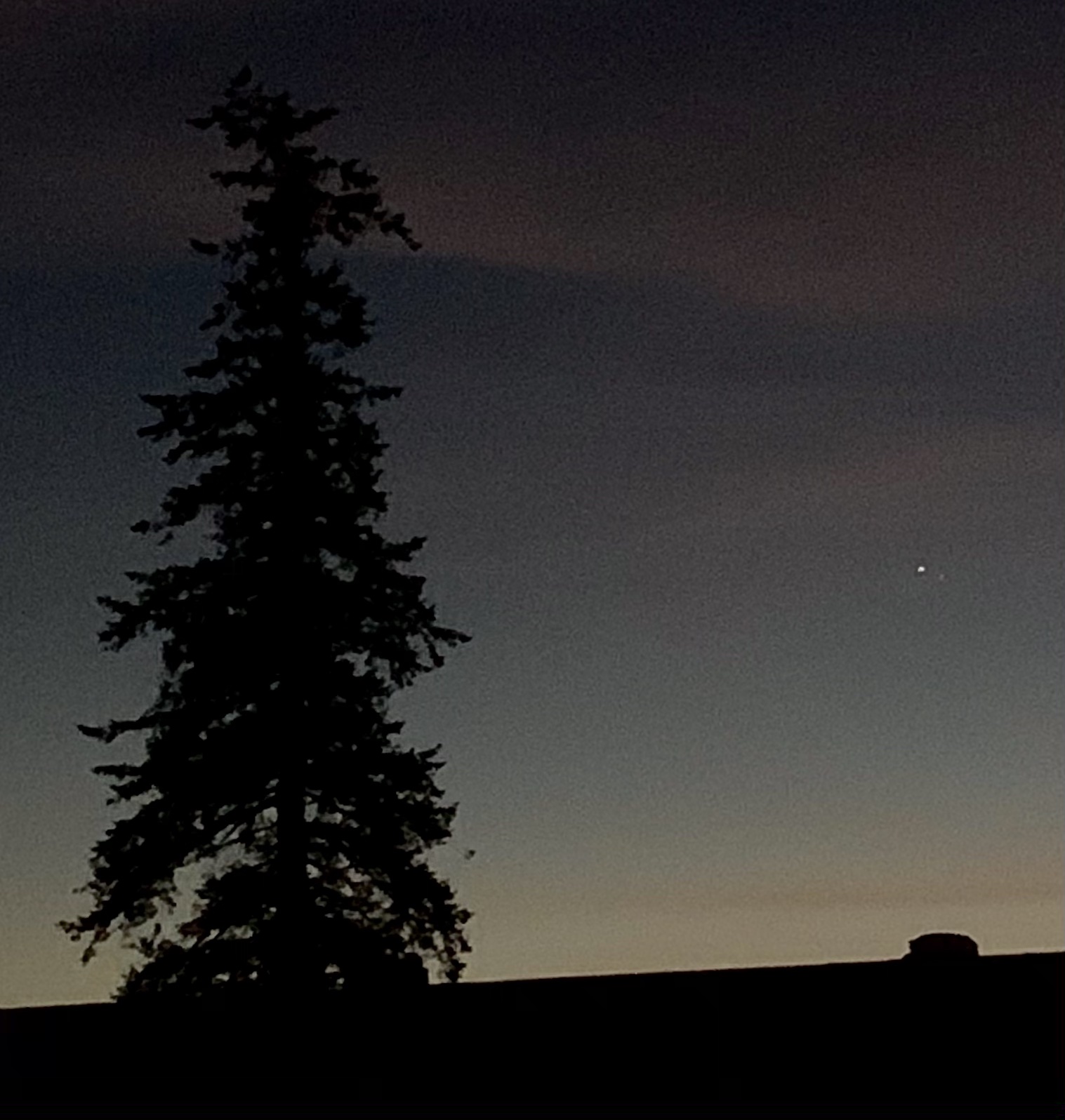
The larches bend their silver Over the hush of snow; One star is lighted in the west, Two in the zenith glow.
For a moment I have forgotten Wars and women who mourn, I think of the mother who bore me And thank her that I was born. ~Sara Teasdale “Winter Dusk” from The Collected Poems of Sara Teasdale
The towering tree spreads his greening canopy — A veil between the soil and sky— Not in selfish vanity, But the gentle thrush to shade and shelter.
So it is with love.
For when we love, Simply love, Even as we are loved, Our weary world can be transformed.
The busy thrush builds her nest below — A fortnight’s work to weave and set— Not for herself alone, But her tender brood to shield and cherish.
And so it is with love.
For when we love, Simply love, Even as we are loved, Our weary world can be transformed Into the Kingdom of God! ~Charles Silvestri “When We Love”
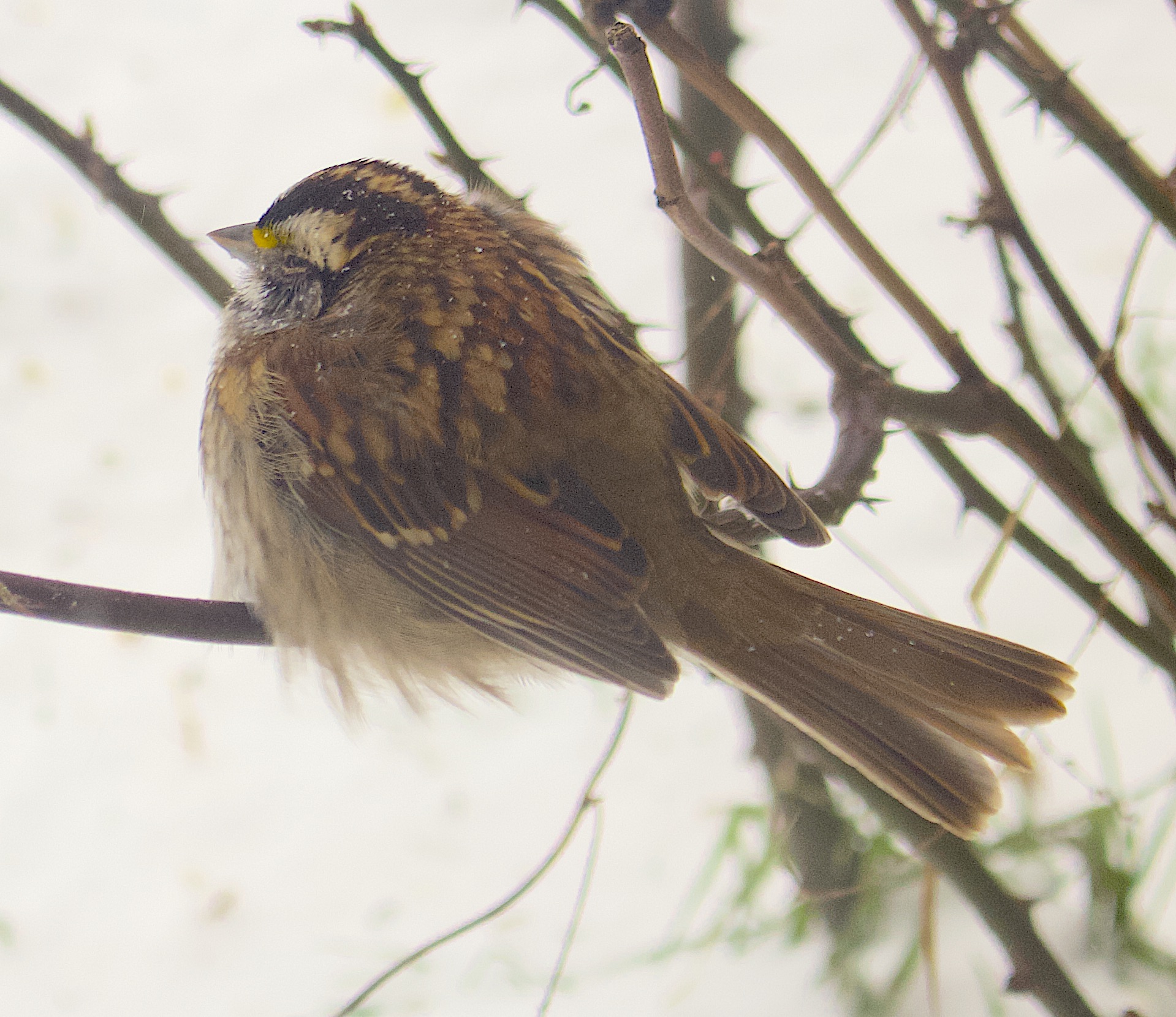
We are in the midst of a week-long late winter arctic blast of cold wind bending and breaking trees, even taking down an old apple tree in our orchard last night. Our seed feeders are swinging back and forth so violently that hungry wild birds struggle to hang on for their breakfast – they have to fight the northeast winds for their food.
The news headlines also freeze my heart, bringing back memories of old “cold war” threats and posturing of 60 years ago. In this more modern time of global communication, Ukrainian citizens directly in the line of fire become very real on our screens – people with work lives and families and views from their windows shared with the world as they anxiously wait for Russia’s shoe to drop upon them.
I freeze at the knowledge that my commitment to feed the birds in my backyard can’t begin to compare with the weary and war-torn world’s inability to keep starving children alive around the globe – in Afghanistan, South Sudan, Yemen and other unstable places.
I cannot forget our helplessness to love, cherish and protect the young when they are casualties of the destructive web of politics and power.
May God’s love transform our world, turn our political platitudes to prayer, bring about a thaw to build bridges, rather than gulfs, between old enemies.
May love thrive in the nests and homes of parents who commit to love, cherish and sustain their offspring no matter where they live on the globe.
May I start right here, in my own frozen back yard, caring for the young and vulnerable within my reach, and hope my reach may stretch far beyond my grasp.
“I have noticed,” she said slowly, “that time does not really exist for mothers, with regard to their children. It does not matter greatly how old the child is – in the blink of an eye, the mother can see the child again as she was when she was born, when she learned to walk, as she was at any age — at any time, even when the child is fully grown….” ~Diana Gabaldon from Voyager
May the wind always be in her hair May the sky always be wide with hope above her And may all the hills be an exhilaration the trials but a trail, all the stones but stairs to God.
May she be bread and feed many with her life and her laughter May she be thread and mend brokenness and knit hearts… ~Ann Voskamp from “A Prayer for a Daughter”
Your rolling and stretching had grown quieter that stormy winter night twenty nine years ago, but still no labor came as it should. Already a week overdue post-Christmas, you clung to amnion and womb, not yet ready. Then as the wind blew more wicked and snow flew sideways, landing in piling drifts, the roads became more impassable, nearly impossible to traverse.
So your dad and I tried, concerned about your stillness and my advanced age, worried about being stranded on the farm far from town. So a neighbor came to stay with your brothers overnight, we headed down the road and our car got stuck in a snowpile in the deep darkness, our tires spinning, whining against the snow. Another neighbor’s earth mover dug us out to freedom.
You floated silent and still, knowing your time was not yet.
Creeping slowly through the dark night blizzard, we arrived to the warm glow of the hospital, your heartbeat checked out steady, all seemed fine.
I slept not at all.
The morning’s sun glistened off sculptured snow as your heart ominously slowed. You and I were jostled, turned, oxygenated, but nothing changed. You beat even more slowly, threatening to let loose your tenuous grip on life.
The nurses’ eyes told me we had trouble. The doctor, grim faced, announced delivery must happen quickly, taking you now, hoping we were not too late. I was rolled, numbed, stunned, clasping your father’s hand, closing my eyes, not wanting to see the bustle around me, trying not to hear the shouted orders, the tension in the voices, the quiet at the moment of opening when it was unknown what would be found.
And then you cried. A hearty healthy husky cry, a welcomed song of life uninterrupted. Perturbed and disturbed from the warmth of womb, to the cold shock of a bright lit operating room, your first vocal solo brought applause from the surrounding audience who admired your purplish pink skin, your shock of damp red hair, your blue eyes squeezed tight, then blinking open, wondering and wondrous, emerging and saved from a storm within and without.
You were brought wrapped for me to see and touch before you were whisked away to be checked over thoroughly, your father trailing behind the parade to the nursery. I closed my eyes, swirling in a brain blizzard of what-ifs.
If no snow storm had come, you would have fallen asleep forever within my womb, no longer nurtured by my aging and failing placenta, cut off from what you needed to stay alive. There would have been only our soft weeping, knowing what could have been if we had only known, if God had provided a sign to go for help.
So you were saved by a providential storm and dug out from a drift: I celebrate when I hear your voice singing, and when your students love you as their teacher, knowing you are a thread born to knit and mend hearts, all because of blowing snow.
My annual retelling of the most remarkable day of my life when our daughter Eleanor (“Lea”) Sarah Gibson was born, hale and hearty because the good Lord sent a snow and wind storm to blow us into the hospital in time to save her. She is now married to her true love Brian who is another gift sent from the Lord; someday their hope for parenthood will come true for them as well.
By the road to the contagious hospital under the surge of the blue mottled clouds driven from the northeast — a cold wind. Beyond, the waste of broad, muddy fields brown with dried weeds, standing and fallen
patches of standing water the scattering of tall trees
All along the road the reddish purplish, forked, upstanding, twiggy stuff of bushes and small trees with dead, brown leaves under them leafless vines —
Lifeless in appearance, sluggish dazed spring approaches —
They enter the new world naked, cold, uncertain of all save that they enter. All about them the cold, familiar wind —
Now the grass, tomorrow the stiff curl of wildcarrot leaf
One by one objects are defined — It quickens: clarity, outline of leaf
But now the stark dignity of entrance — Still, the profound change has come upon them: rooted they grip down and begin to awaken ~William Carlos Williams “Spring and All”
I ask your doctor of infectious disease if she’s read Williams he cured sick babies I tell her and begin describing spring and all she’s looking at the wall now the floor now your chart now the door never heard of him she says but I can’t stop explaining how important this is I need to know your doctor believes in the tenacity of nature to endure I’m past his heart attack his strokes and now as if etching the tombstone myself I find I can’t remember the date he died or even the year of what now are we the pure products and what does that even mean pure isn’t it obvious we are each our own culture alive with the virus that’s waiting to unmake us ~Brian Russell, “The Year of What Now”
It is the third January of a pandemic of a virus far more tenacious than we have proven to be, it continues to unmake us, able to mutate spike proteins seemingly overnight while too many of us stubbornly remain unchanged by this, clinging to our “faith over fear” and “my body, my choice” and “lions, not sheep” and “never comply” — because self-determination must trump compassion for the unfortunate fate of vulnerable millions.
We defend the freedom to choose to be vectors of a contagion that may not sicken us yet fills clinics, hospitals and morgues.
William Carlos Williams, the early 20th century physician, would be astonished at the clinical tools we have now to fight this scourge. William Carlos Williams, last centuries’ imagist poet, would recognize our deadly erosion of cooperation when faced with a worthy viral opponent.
So what happens now?
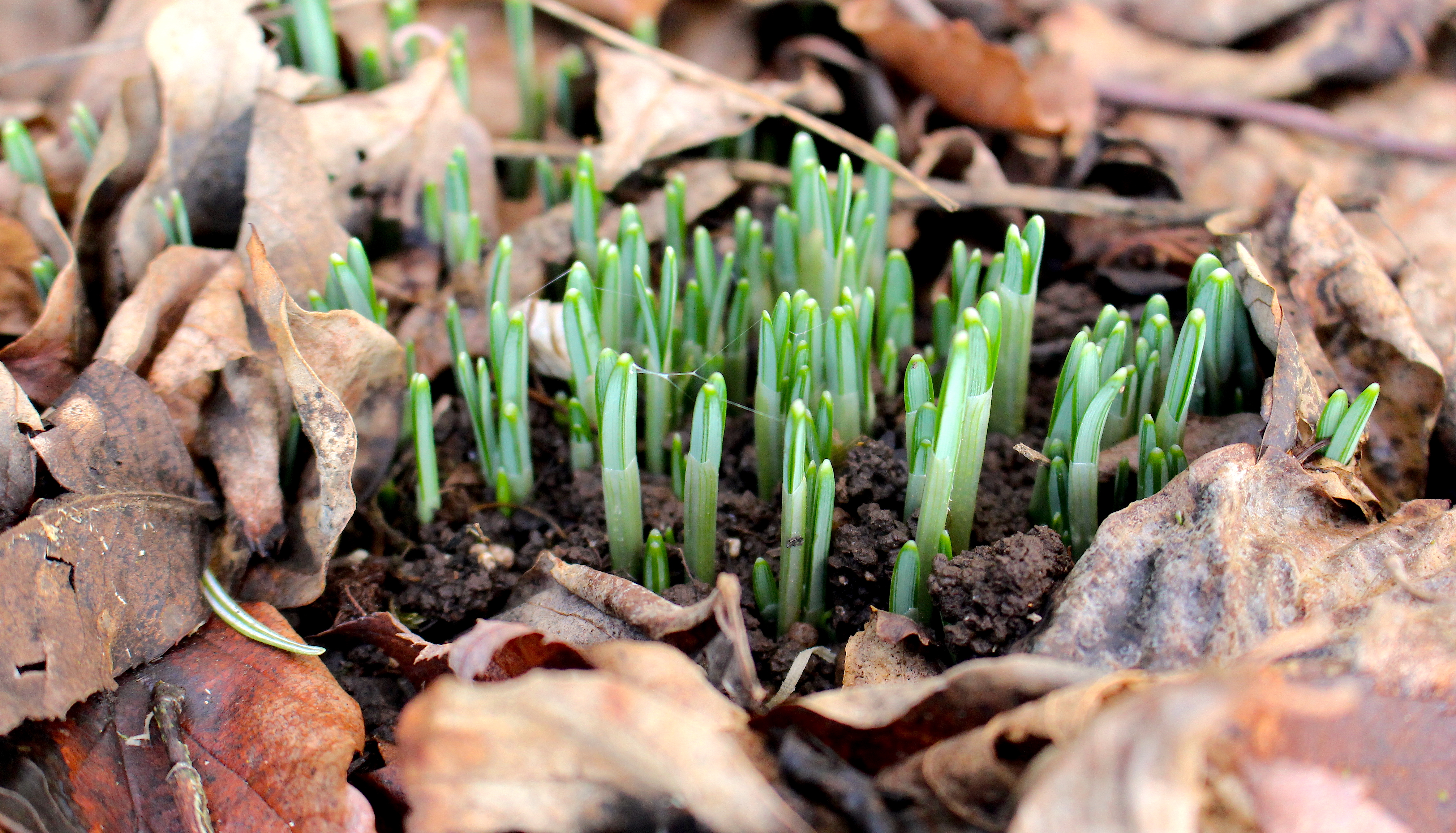
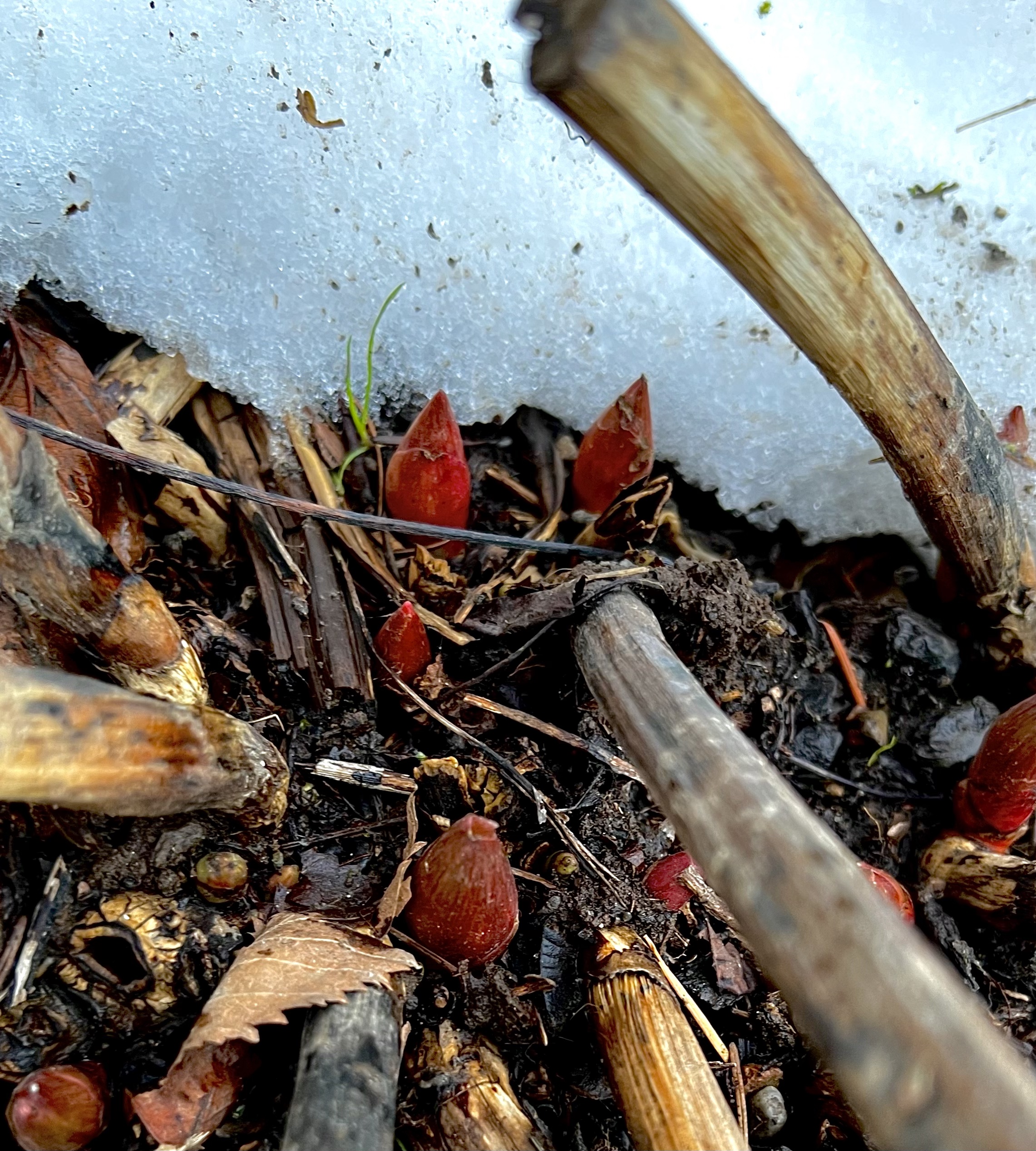
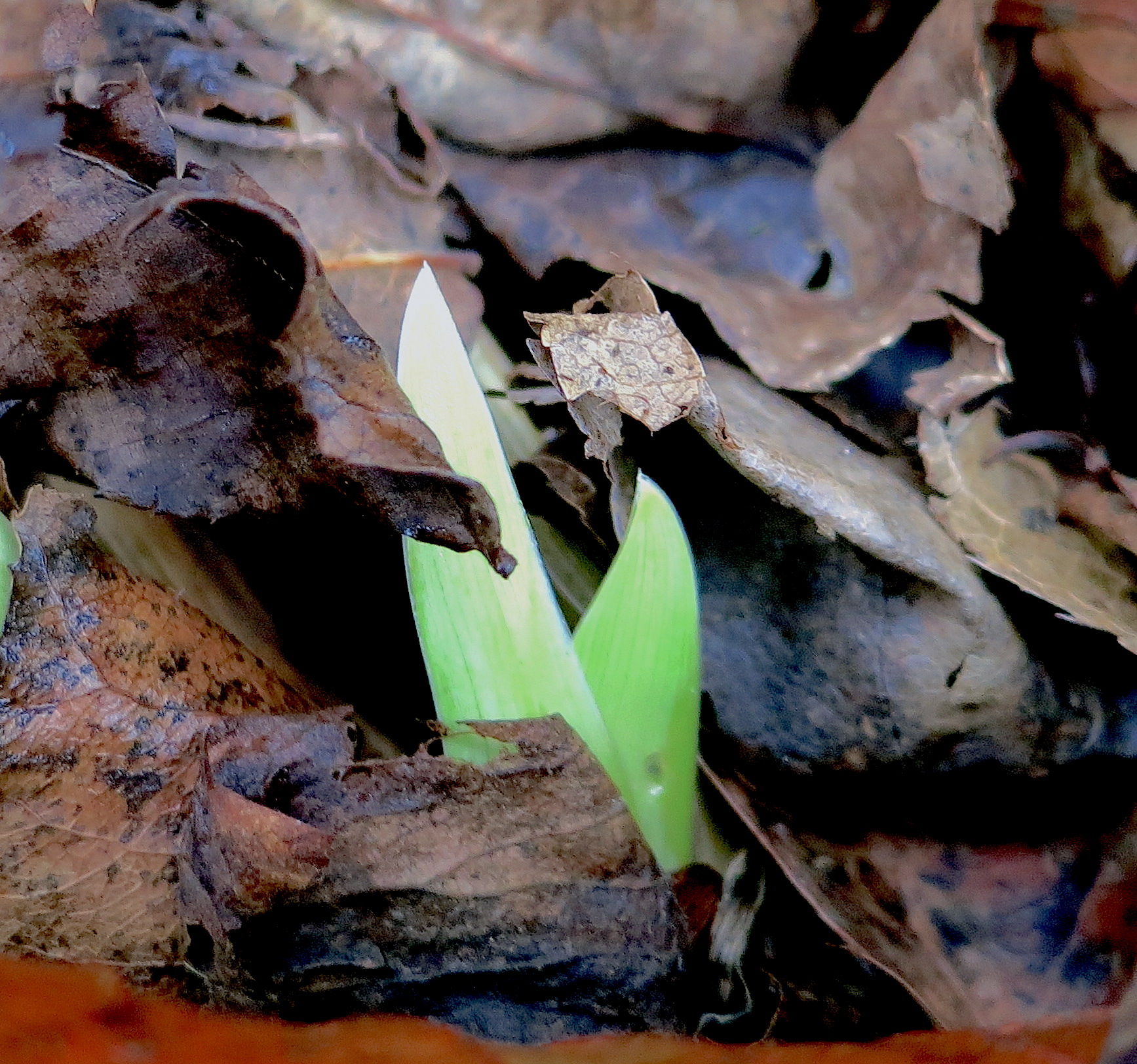
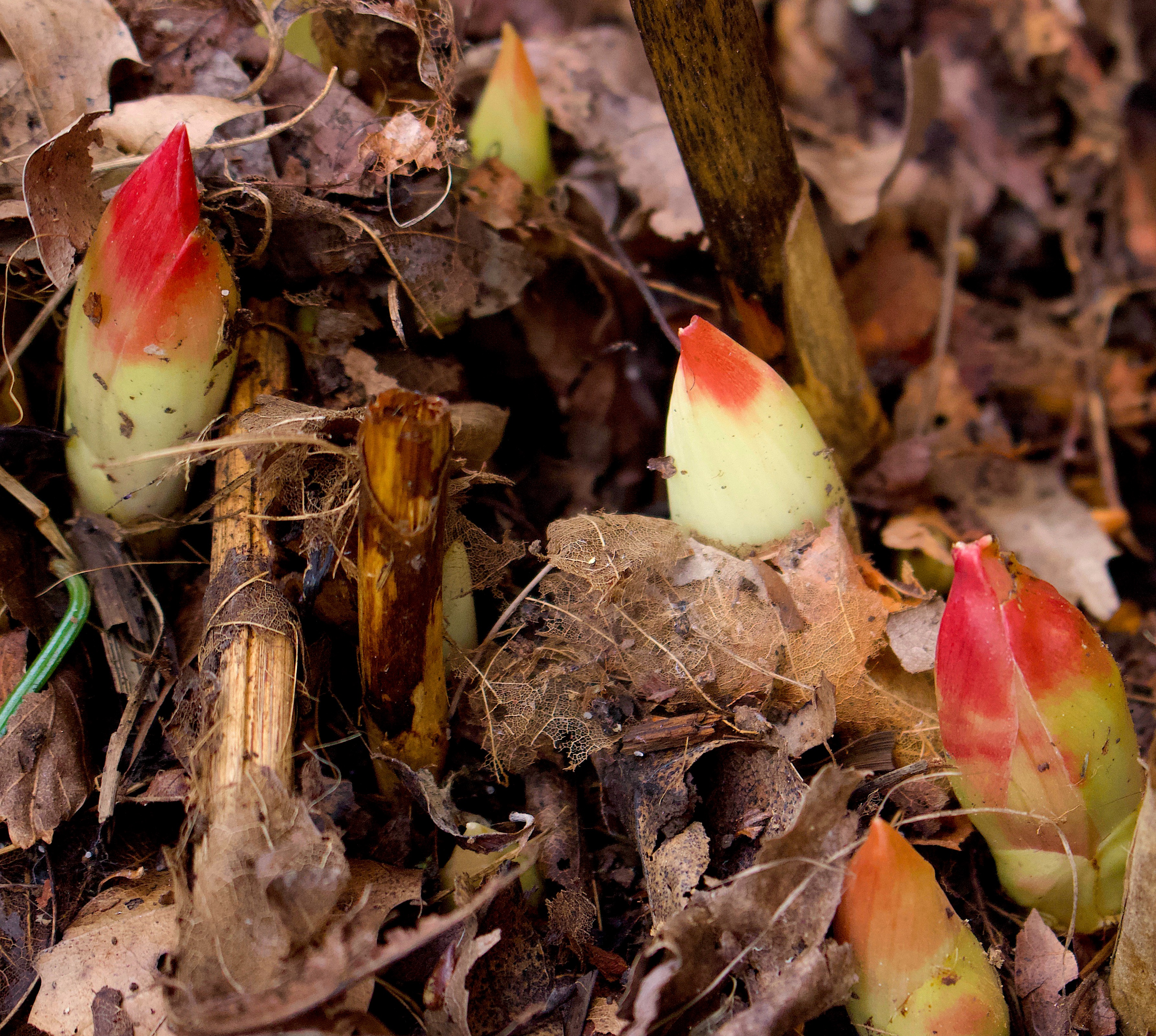
Starting with this third pandemic winter, with our souls in another deep freeze, covered in snow and ice and bitter wind chill, a tenuous hope of restoration could awaken – tender buds swelling, bulbs breaking through soil, being called forth from long burial in a dark and cold and heartless earth.
Like a mother who holds the mystery of her quickening belly, knowing we nurture other lives with our own body, we too can be hopeful and marveling at who we are created to be.
She, and we, know soon and very soon there will be spring.
One-Time
Monthly
Yearly
Make a one-time or recurring donation to support Barnstorming
Let other mornings honor the miraculous. Eternity has festivals enough. This is the feast of our mortality, The most mundane and human holiday.
The new year always brings us what we want Simply by bringing us along—to see A calendar with every day uncrossed, A field of snow without a single footprint. ~Dana Gioia, “New Year’s” from Interrogations at Noon
The shadow of death Is long across the land, And the night comes early This time of the year.
We have tried to be the light, But the matches burnt our fingers. We have made every sacrifice, But still the solstice came.
So come and sit with me, In the shadow of death And let’s tell it to the dark: Who was, and is, and is to come. ~Mike Bonikowsky “Advent IV: Faith”
No one ever regarded the first of January with indifference. It is that from which all date their time, and count upon what is left. It is the nativity of our common Adam. ~Charles Lamb, 1897
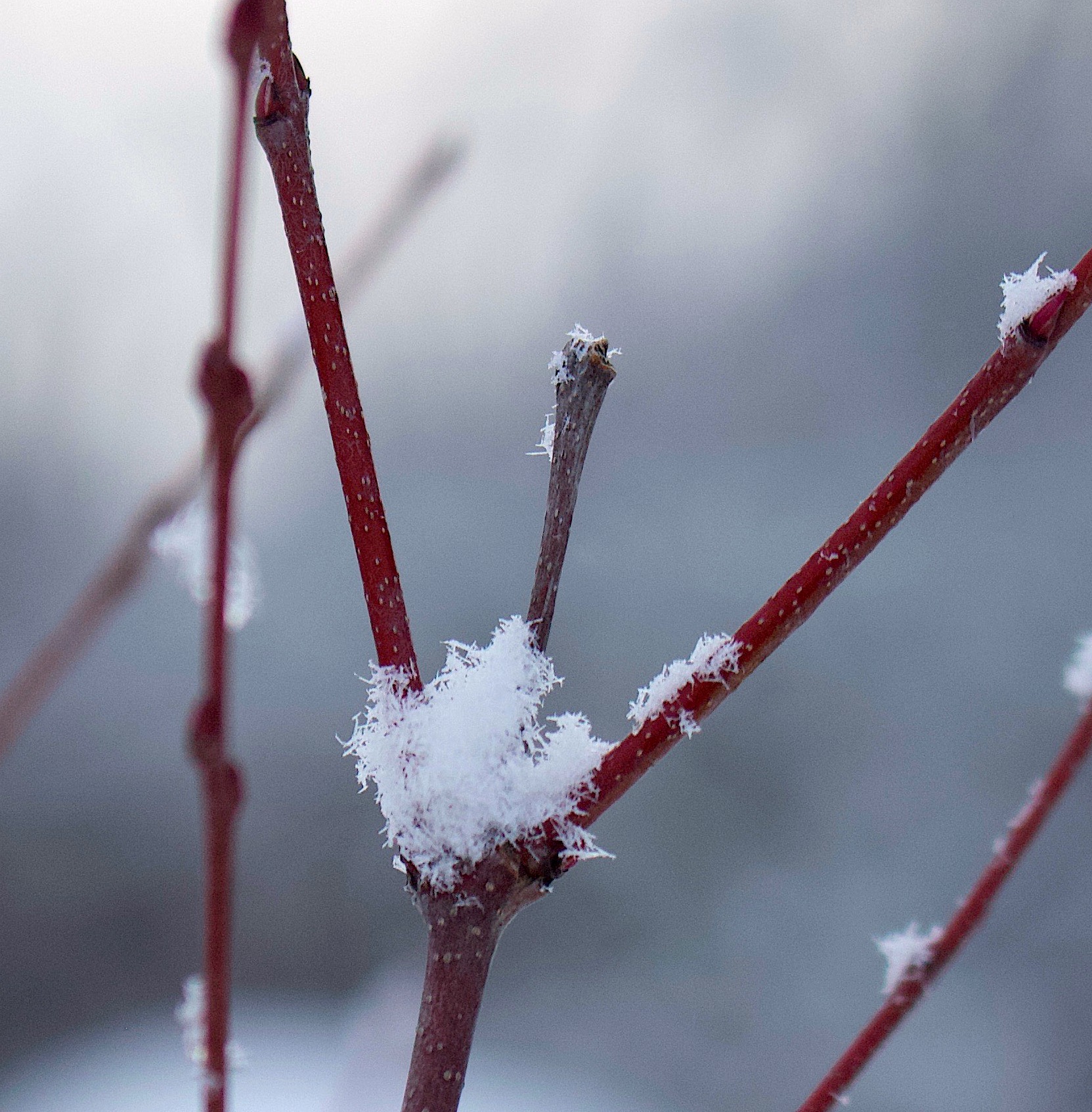
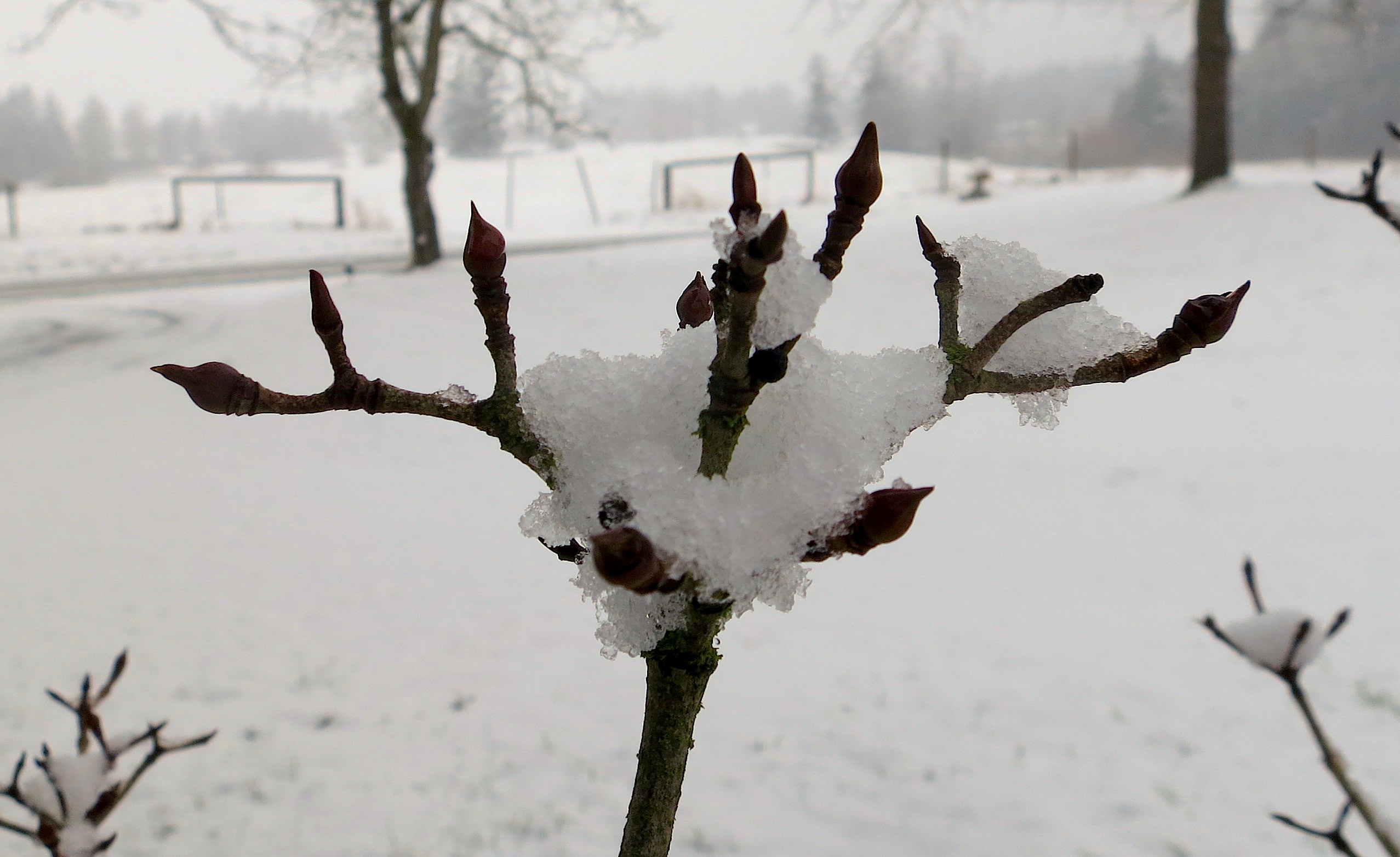
I begin this new year as naked as dormant branches trembling in the freezing nights of arctic winds.
Having dropped all my leaves and fruit, my potential now is mere bud; I cover up nothing, unable to hide in shame.
We each celebrate a birthday on New Year’s Day, a bright beginning after so much darkness, a still life nativity born in a winter garden, He who was and is and is to come: He who gives us another chance to make it right.
Layton DeVries was a music teacher who composed a song now found on YouTube at this link – shortly after, at age 24 he died of injuries sustained in an automobile accident.
O Child of God, Rest assured the Lord is with you. When you wake up in the morning and the sun is shining down, The Lord watches every step you take. When the world has knocked you down, And you don‘t know which way to turn, Rest assured, the Lord is with you. O Child of God, Rest assured the Lord is with you.
When your friends have turned against you, And you feel all alone, The Lord watches over every move you make. He will always be right there, to protect and love His Child Rest assured, the Lord is with you. O Child of God, Rest assured the Lord is with you.
When darkness drifts around you, And your eyes close to sleep, The Lord watches over every breath you take And when death comes near to bring you home, You have no need to fear, Rest assured, the Lord is with you. O Child of God, Rest assured, the Lord is with you. ~Layton DeVries
From Barnstorming: a book of beauty in words and photography – available to order here:
A voice is heard in Ramah, mourning and great weeping, Rachel weeping for her children and refusing to be comforted, because they are no more. Matthew 2:18 and Jeremiah 31:15
…as you sit beneath your beautifully decorated tree, eat the rich food of celebration, and laugh with your loved ones, you must not let yourself forget the horror and violence at the beginning and end of the Christmas story. The story begins with the horrible slaughter of children and ends with the violent murder of the Son of God. The slaughter depicts how much the earth needs grace. The murder is the moment when that grace is given.
Look into that manger representing a new life and see the One who came to die. Hear the angels’ celebratory song and remember that sad death would be the only way that peace would be given. Look at your tree and remember another tree – one not decorated with shining ornaments, but stained with the blood of God.
As you celebrate, remember that the pathway to your celebration was the death of the One you celebrate, and be thankful. ~Paul Tripp
God could, had He pleased, have been incarnate in a man of iron nerves, the Stoic sort who lets no sigh escape him. Of His great humility He chose to be incarnate in a man of delicate sensibilities who wept at the grave of Lazarus and sweated blood in Gethsemane. Otherwise we should have missed the great lesson that it is by his will alone that a man is good or bad, and that feelings are not, in themselves, of any importance. We should also have missed the all-important help of knowing that He has faced all that the weakest of us face, has shared not only the strength of our nature but every weakness of it except sin. If He had been incarnate in a man of immense natural courage, that would have been for many of us almost the same as His not being incarnate at all. ― C.S. Lewis, The Collected Letters of C.S. Lewis
There is no consolation for families of those lost to death come too soon: a rogue king’s slaughter of innocents, and now so much needless death: weather, war, accidents, random shootings, COVID.
Arms ache with the emptiness of grief, beds and pillows lie cold and unused, hugs never to come again.
There is no consolation; only mourning and great weeping, sobbing that wrings dry every human cell, leaving dust behind, which is our beginning and our end.
God came to us for times such as this, born of the dust of woman and the breath of the Holy Spirit, God bent down to lie in manger dust, walk on roads of dust, die and be laid to rest as dust to conquer such evil as this that displaces masses and massacres innocents.
He became dust to be like us He began a mere speck in a womb like us
His heart beat like ours breathing each breath like ours until a fearful fallen world took His and our breath away.
He shines through the shadows of death to guide our stumbling uncertain feet.
He hears our cries as He cried too. He knows our tears as He wept too. He knows our mourning as He mourned too. He knows our dying as He died too.
God weeps as this happens.
Only God can glue together what evil has shattered. He asks us to hand Him the pieces of our broken hearts.
We will know His peace when He comes to bring us home, our tears finally dried, our cells no longer just dust, as we are glued together by the holy breath of our God forevermore.
Lully, lullay, thou little tiny child, Bye bye, lully, lullay. Thou little tiny child, Bye bye, lully, lullay.
O sisters too, how may we do For to preserve this day This poor youngling for whom we sing, “Bye bye, lully, lullay?”
Herod the king, in his raging, Chargèd he hath this day His men of might in his own sight All young children to slay.
That woe is me, poor child, for thee And ever mourn and may For thy parting neither say nor sing, “Bye bye, lully, lullay.”
One-Time
Monthly
Yearly
Make a one-time or recurring donation to support Barnstorming
For outlandish creatures like us, on our way to a heart, a brain, and courage, Bethlehem is not the end of our journey but only the beginning – not home but the place through which we must pass if ever we are to reach home at last. ~Frederick Buechner from The Magnificent Defeat
Into this world, this demented inn, in which there is absolutely no room for him at all, Christ has come uninvited. But because he cannot be at home in it – because he is out of place in it, and yet must be in it – his place is with those others who do not belong, who are rejected because they are regarded as weak… With those for whom there is no room, Christ is present in this world. He is mysteriously present in those for whom there seems to be nothing but the world at its worst. ~Thomas Merton from Watch for the Light
As a physician, I’ve provided care to many homeless people, but I’ve never known homelessness myself. However, I have been room-less and those experiences were enough to acquaint me with the dilemma for Joseph and Mary searching for a place to sleep in Bethlehem.
It was my ninth birthday, July 26, 1963, and my family was driving to Washington D.C. for a few days of sightseeing. We had planned to spend the night in a motel somewhere in eastern Ohio or western Pennsylvania but my father, ever the determined traveler, felt we should push on closer to our destination. By the time 11 PM rolled around, we were all tired and not just a little cranky so we started looking for vacancy signs at road-side motels. Most were posted no vacancy by that time of night, and many simply had shut off their lights. We stopped at a few with vacancy still lit, but all they had available would never accommodate a family of five.
We kept driving east, and though I was hungry for sleep, I became ever more anxious that we really would never find a place to lay our heads. My eyes grew wider and I was more awake than ever, having never stayed up beyond 1 AM before and certainly, I’d never had the experience of being awake all night long. It still goes down in my annals as my longest birthday on record.
By 2 AM we arrived in Harrisburg, Pennsylvania and my dad had reached his driving limit and my mom had declared we were not traveling another mile. We headed downtown where the brick Harrisburg Hotel stood some 10 stories high, an old structure in a questionable area of town, but the lights were on and there were signs of life inside.
They did have a room that gave us two saggy double beds to share for eight dollars, with sheets and blankets with dubious laundering history, a bare light bulb that turned on with a chain and a bathroom down the hall. I’m surprised my mother even considered laying down on that bed, but she did. I don’t remember getting much sleep that night, but it was a place to rest, and the sirens and shouts out on the street did make for interesting background noise.
Some 12 years later, I had another experience of finding no room to lay my head after arriving late at night in Dar es Salaam in Tanzania, with supposed reservations at the local YMCA for myself and my three student friends traveling together on our way to Gombe to study wild chimpanzees. We landed at the airport after midnight after a day long flight from Brussels, managed to make it through customs intact and find a taxi, only to arrive at the Y to find it dark and locked. It took some loud knocking to rouse anyone and with our poor Swahili, we were able to explain our dilemma–we were supposed to have two rooms reserved for the four of us. He said clearly “no room, all rooms taken”.
The host was plainly perplexed at what to do with four Americans in the middle of the night. He decided to parse us out one each to occupied rooms and hope that the occupants were willing to share. He looked at me, a skinny white girl with short hair and decided I was some kind of strange looking guy, and tried to stick me in a room with a rather intoxicated French man and I said absolutely not. Instead my female traveling partner and I ended up sharing a cot (sort of) in a room with a German couple who allowed us into their room, which I thought was an amazing act of generosity at 2 AM in the morning. I didn’t sleep a wink, amazed at the magical sounds and smells of my first dawn in Africa, hearing the morning prayers coming from the mosque across the street, only a few hours later.
So I can relate in a small way to what it must have felt like over 2000 years ago to have traveled over hard roads to arrive in a dirty little town temporarily crammed with too many people, and find there were no rooms anywhere to be had. And to have doors shut abruptly on a young woman in obvious full term pregnancy is another matter altogether. They must have felt a growing sense of panic that there would be no safe and clean place to rest and possibly deliver this Child.
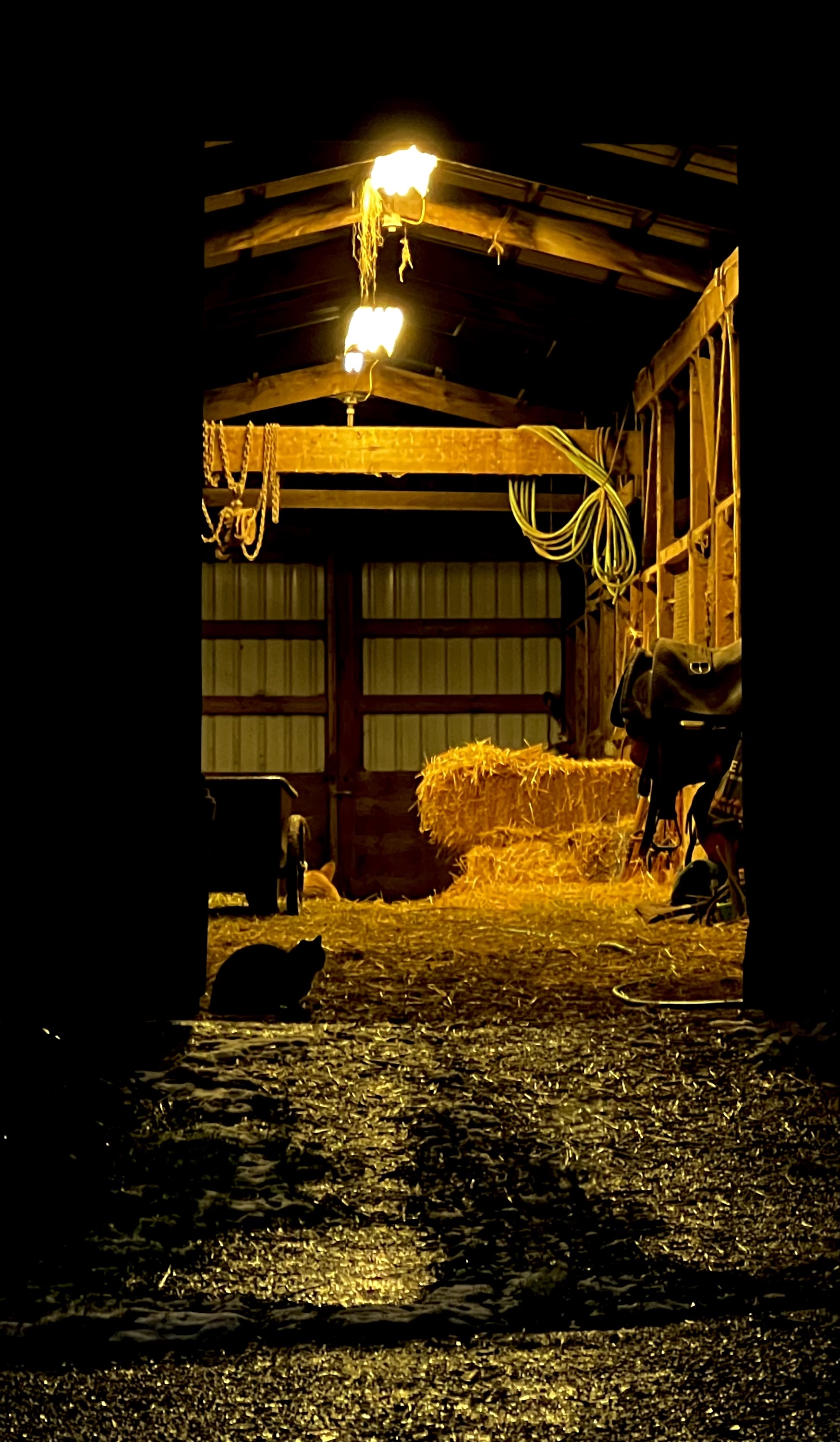
Then there came the offer of an animals’ dwelling, with fodder for bedding and some minimal shelter. A stable and its stone manger became sanctuary for the weary and burdened. We are all invited in to rest there, and I never enter a barn without somehow acknowledging that fact and feeling welcomed.
There are so many ways we continue to refuse access and shut the doors in the faces of those two (plus One) weary travelers, forcing them to look elsewhere to stay. We say “no room” dozens of times every day, not realizing who and what we are shutting out.
With all the material distractions of our age, it is small wonder we pay no attention to who is waiting patiently outside the back door of our lives, where it is inhospitable and cold and dank. Few of us would invite our special company into the barn first and foremost. Yet these travelers don’t seek an invitation to come in the front door, with fancy meals and feather beds and fresh flowers on the cupboard. It is the dark and manure strewn parts of our lives where they are needed most. That is where He was born to dwell amid our messiness, and that is where He remains, in the humblest parts of our being, the parts we do not want to show off, and indeed, most often want to hide.
And that is, of course, a place where there is always plenty of room.
This year’s Barnstorming Advent theme “… the Beginning shall remind us of the End” is taken from the final lines in T.S. Eliot’s poem “The Cultivation of Christmas Trees”
Jesus, Jesus, rest your head. You has got a manger bed. All the evil folk on earth Sleep in feathers at their birth. Jesus, Jesus, rest your head. You has got a manger bed.
1. Have you heard about our Jesus? Have you heard about his fate? How his mammy went to the stable On that Christmas Eve so late? Winds were blowing, cows were lowing, Stars were glowing, glowing, glowing. Refrain
2. To the manger came the Wise Men. Bringing from hin and yon, For the mother and the father, And the blessed little Son. Milkmaids left their fields and flocks And sat beside the ass and ox. Refrain
One-Time
Monthly
Yearly
Make a one-time or recurring donation to support Barnstorming
[The Incarnation is like] a wave of the sea which, rushing up on the flat beach, runs out, even thinner and more transparent, and does not return to its source but sinks into the sand and disappears. ~Hans Urs von Balthasar from Origen: Spirit and Fire
The Word became flesh. Ultimate Mystery born with a skull you could crush one-handed. Incarnation. It is not tame. It is not beautiful. It is uninhabitable terror. It is unthinkable darkness riven with unbearable light.
Agonized laboring led to it, vast upheavals of intergalactic space, time split apart, a wrenching and tearing of the very sinews of reality itself. You can only cover your eyes and shudder before it, before this: “God of God, Light of Light, very God of very God… who for us and for our salvation,” as the Nicene Creed puts it, “came down from heaven.” Came down. Only then do we dare uncover our eyes and see what we can see. It is the Resurrection and the Life she holds in her arms. It is the bitterness of death he takes at her breast. ~Frederick Buechner from Whistling in the Dark
Down he came from up, and in from out, and here from there. A long leap, an incandescent fall from magnificent to naked, frail, small, through space, between stars, into our chill night air, shrunk, in infant grace, to our damp, cramped earthy place among all the shivering sheep.
And now, after all, there he lies, fast asleep. ~Luci Shaw “Descent” from Accompanied By Angels
Perhaps it is the mystery of the thing that brings us back, again and again, to read the story of how God came down and disappeared into us.
How can this be? God appearing on earth first to animals, then the most humble of humans.
How can He be? Through the will of the Father and the breath of the Spirit, the Son was, and is and yet to be.
O great mystery beyond all understanding.
This year’s Barnstorming Advent theme “… the Beginning shall remind us of the End” is taken from the final lines in T.S. Eliot’s poem “The Cultivation of Christmas Trees”
O magnum mysterium, et admirabile sacramentum, ut animalia viderent Dominum natum, jacentem in praesepio! Beata Virgo, cujus viscera meruerunt portare Dominum Christum. Alleluia!
O great mystery and wondrous sacrament, that animals should see the new-born Lord lying in their Manger! Blessed is the Virgin whose womb was worthy to bear the Lord Jesus Christ. Alleluia!
Here is a meeting made of hidden joys Of lightenings cloistered in a narrow place, From quiet hearts the sudden flame of praise, And in the womb the quickening kick of grace.
Two women on the very edge of things Unnoticed and unknown to men of power, But in their flesh the hidden Spirit sings And in their lives the buds of blessing flower.
And Mary stands with all we call ‘too young,’ Elizabeth with all called ‘past their prime.’ They sing today for all the great unsung Women who turned eternity to time,
Favoured of heaven, outcast on the earth, Prophets who bring the best in us to birth. ~Malcolm Guite “The Visitation”
41 When Elizabeth heard Mary’s greeting, the baby leaped in her womb, and Elizabeth was filled with the Holy Spirit. 42 In a loud voice she exclaimed: “Blessed are you among women, and blessed is the child you will bear! 43 But why am I so favored, that the mother of my Lord should come to me? 44 As soon as the sound of your greeting reached my ears, the baby in my womb leaped for joy. 45 Blessed is she who has believed that the Lord would fulfill his promises to her!” Luke 1: 41-45 (Song of Elizabeth)
This scene in Luke is remarkable for its portrayal of the interconnected relationship of four individuals, not just two. Here are two cousins who become mothers despite utter impossibility — one too elderly and one virginal — present on this day with their unborn sons — one who is harbinger and one who is God.
These unborn babies are not just passively “hidden within” here. They have changed their mothers in profound ways, as all pregnancies tend to do, but especially these pregnancies. As any mother who first experiences the “quickening” of her unborn child can relate, there is an awesome and frightening awareness of a completely dependent but active “other” living inside.
She is aware she is no longer alone in her shell and what happens to her, happens to this other life as well. This is deeply personal, yet deeply communal at the same time – as we witnessed in the arguments about maternal vs. fetal rights that took place in the hallowed halls of the U.S. Supreme Court yesterday.
The moment Elizabeth hears Mary’s voice, she and the baby in her womb are overwhelmed, filled with the Spirit from Mary’s unborn. They leap, figuratively and literally. Her voice leaps up, louder in her exclamation of welcome; John leaps in the womb in acknowledgement of being in the presence of God Himself.
How can our hearts not leap as well at God’s Word to us, at His hope and plan for each of us, at His gift of life from the moment of our conception.
After all, He once was unborn too, completely dependent on the willingness of His mother to bear Him to birth, completely alive because of the overshadowing Spirit of His Father.
We are all buds willed to flower by our God.
This year’s Barnstorming Advent theme “… the Beginning shall remind us of the End” is taken from the final lines in T.S. Eliot’s poem “The Cultivation of Christmas Trees”
What next, she wonders, with the angel disappearing, and her room suddenly gone dark.
The loneliness of her news possesses her. She ponders how to tell her mother.
Still, the secret at her heart burns like a sun rising. How to hold it in— that which cannot be contained.
She nestles into herself, half-convinced it was some kind of good dream, she its visionary.
But then, part dazzled, part prescient— she hugs her body, a pod with a seed that will split her. ~Luci Shaw “Mary Considers Her Situation”
What matters is what occurs occurs Between them, not to them. It’s only that The angel doesn’t matter, nor the virgin. A blade of light scissors the air
Between them. To them it’s only that: A glancing blow, or a kind of cleaving, A blade of light. Scissor the air Wide open, then it happens:
A glance, a blow, error a kind of cleaving— Of? Or to? So something else can enter. Open wide then. It happens Those two forget themselves, not knowing—
What, or who?—so something else can enter And, in entering, replace them. We can’t forget ourselves. Knowing Carelessness has brought us to the point
Where in entering we replace them. The angel doesn’t matter, nor the virgin. Carelessness has brought us to the point. What is matters. What occurs occurs. ~Katherine Coles“Annunciation”
Sometimes for the light to illuminate where darkness thrives, there must be wounding, that tears us open; there is a crack in everything, cleaving us so joy can infiltrate and heal where we hurt the most.
When time sweeps yesterday away, It leaves behind an empty heart, Weeping through the night so dark and long. When words are lost among the tears, When sadness steals another day, God hears our cries and turns our sighs into a song.
Sing to the One who mends our broken hearts with music. Sing to the One who fills our empty hearts with love. Sing to the One who gives us light to step into the darkest night. Sing to the God who turns our sighs into a song.
From heaven falls a mercy sweet, The time for weeping now is gone; God hears our sighs and gives us His eternal song.
Sing to the One who mends our broken hearts with music. Sing to the One who fills our empty hearts with love. Sing to the One who gives us light to step into the darkest night. Sing to the God who turns our sighs into a song.
Sing to the One who mends our broken hearts with music. Sing to the One who fills our empty hearts with love. Sing to the One who gives us light to step into the darkest night. Sing to the God who turns our sighs into a song. ~Susan Boersma
The birds they sang At the break of day Start again I heard them say Don’t dwell on what Has passed away Or what is yet to be
Ah the wars they will Be fought again The holy dove She will be caught again Bought and sold And bought again The dove is never free
You can add up the parts but you won’t have the sum You can strike up the march, there is no drum Every heart, every heart to love will come but like a refugee.
Ring the bells that still can ring Forget your perfect offering There is a crack, a crack in everything That’s how the light gets in. ~Leonard Cohen from “Anthem”
This year’s Barnstorming Advent theme “… the Beginning shall remind us of the End” is taken from the final lines in T.S. Eliot’s poem “The Cultivation of Christmas Trees”
One-Time
Monthly
Yearly
Make a one-time donation to support Barnstorming
Make a monthly donation
Make a yearly donation
Choose an amount
¤5.00
¤10.00
¤20.00
¤5.00
¤15.00
¤100.00
¤5.00
¤15.00
¤100.00
Or enter a custom amount
¤
Your contribution is deeply appreciated and helps to make these daily posts possible.
…the little baby, born in such pitiful humility and cut down as a young man in his prime, commands the allegiance of millions of people all over the world. Although they have never seen him, he has become friend and companion to innumerable people. This undeniable fact is, by any measurement, the most astonishing phenomenon in human history.
That is why … we should not try to escape a sense of awe, almost a sense of fright, at what God has done. We must never allow anything to blind us to the true significance of what happened at Bethlehem so long ago. Nothing can alter the fact that we live on a visited planet.
We shall be celebrating no beautiful myth, no lovely piece of traditional folklore, but a solemn fact. God has been here once historically, but, as millions will testify, he will come again with the same silence and the same devastating humility into any human heart ready to receive him. ~J.B. Phillips from “The Dangers of Advent” inWatch for the Light: Readings for Advent and Christmas.
During this month of advent waiting, I am, once again, humbled by the fact of our God not only “visiting” His children within His created world, but becoming one with us. He committed Himself to far more than a brief visit; He came to rescue us from ourselves. That we are valued enough to warrant this – that our spiritual deterioration necessitates His humble sacrifice – is astonishing.
In Philippians 2:Though he was God, he did not think of equality with God as something to cling to. Instead, he gave up his divine privileges; he took the humble position of a slave and was born as a human being. When he appeared in human form, he humbled himself in obedience to God and died a criminal’s death on a cross. (2:6-8)
The story of Christ come to earth is the beginning of His earthly life of humility and obedience, to remind us how our story will conclude at the end of time. He calls us to model humility and obedience throughout the Advent season, and until He comes again.
As in the song below:
Dark and cheerless is the morn Till Your love in me is born Joyless is the evening sun ‘till Emmanuel has come
This is no brief visit. The Light has come to stay put and stay on.
Christ whose glory fills the skies Christ the Everlasting Light Son of Righteousness arise Triumph o’er these shades of night
Come Thou long awaited one In the fullness of Your Love Loose this heart bound up by shame And I will never be the same
So here I wait in hope of You, My soul’s longing through and through Dayspring from on high be near Daystar in my heart appear
Dark and cheerless is the morn ‘Till Your love in me is born Joyless is the evening sun ‘till Emmanuel has come
So here I wait in hope of You, My soul’s longing through and through Dayspring from on high be near Daystar in my heart appear So here I wait in hope of You, My soul’s longing through and through Dayspring from on high be near Daystar in my heart appear ~Christy Nockels “Advent Hymn”
Now may the fragrance of His peace Soar through your heart like the dove released Hide in His wings oh weary, distant soul He’ll guide your spirit home And may His love poured from on high Flow to the depths of your deepest sigh Oh come and drink from the only living stream And on His shoulder lean And may the hope that will not deceive Through every pain bring eternal ease There is no night that can steal the promises His coming brings to us So may His joy rush over you Delight in the path He has called you to May all your steps walk in Heaven’s endless light Beyond this Christmas night (Make your sole purpose Christ) ~Keith and Kristyn Getty
This year’s Barnstorming Advent theme “… the Beginning shall remind us of the End” is taken from the final lines in T.S. Eliot’s poem “The Cultivation of Christmas Trees”



































 Barnstorming