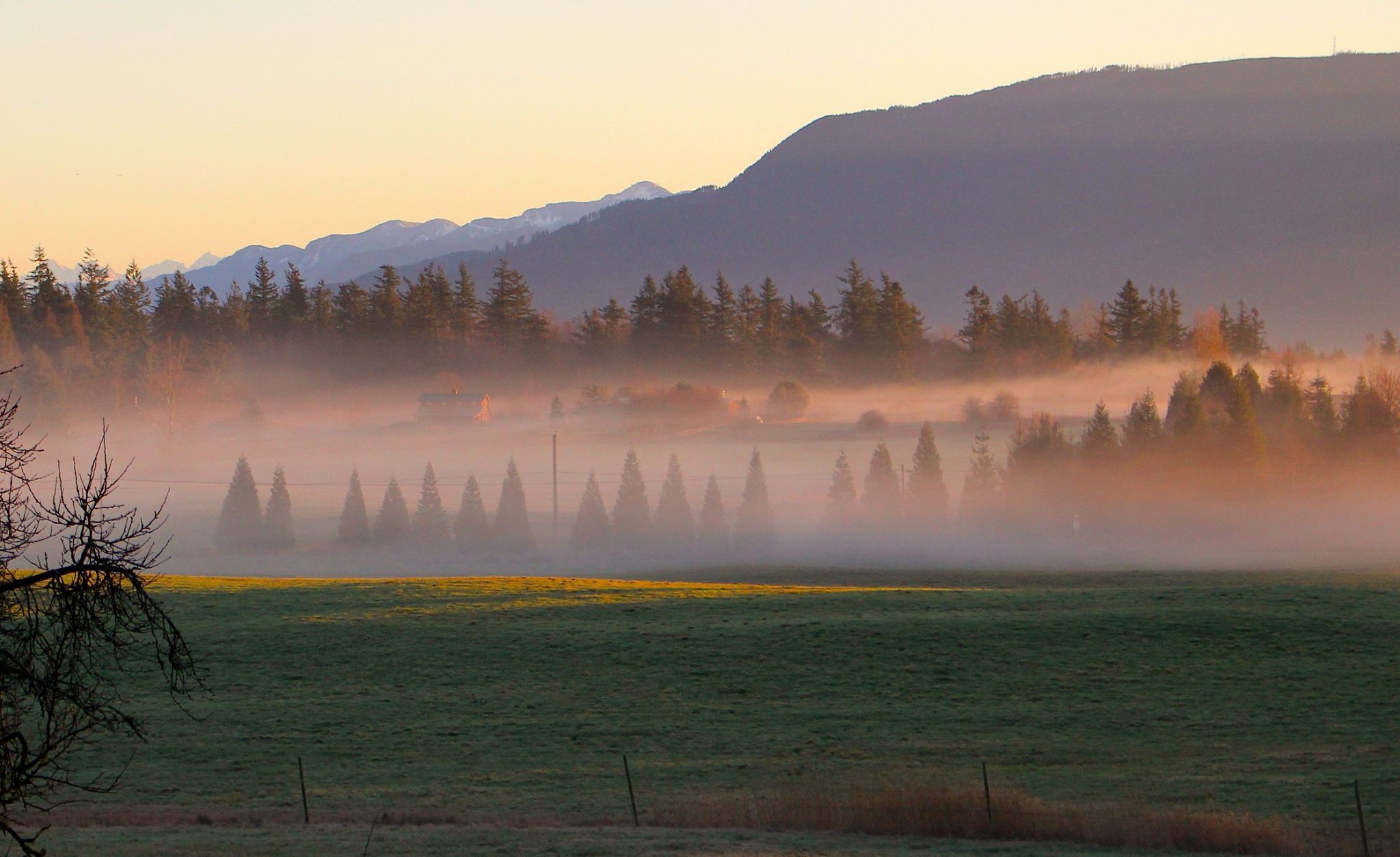
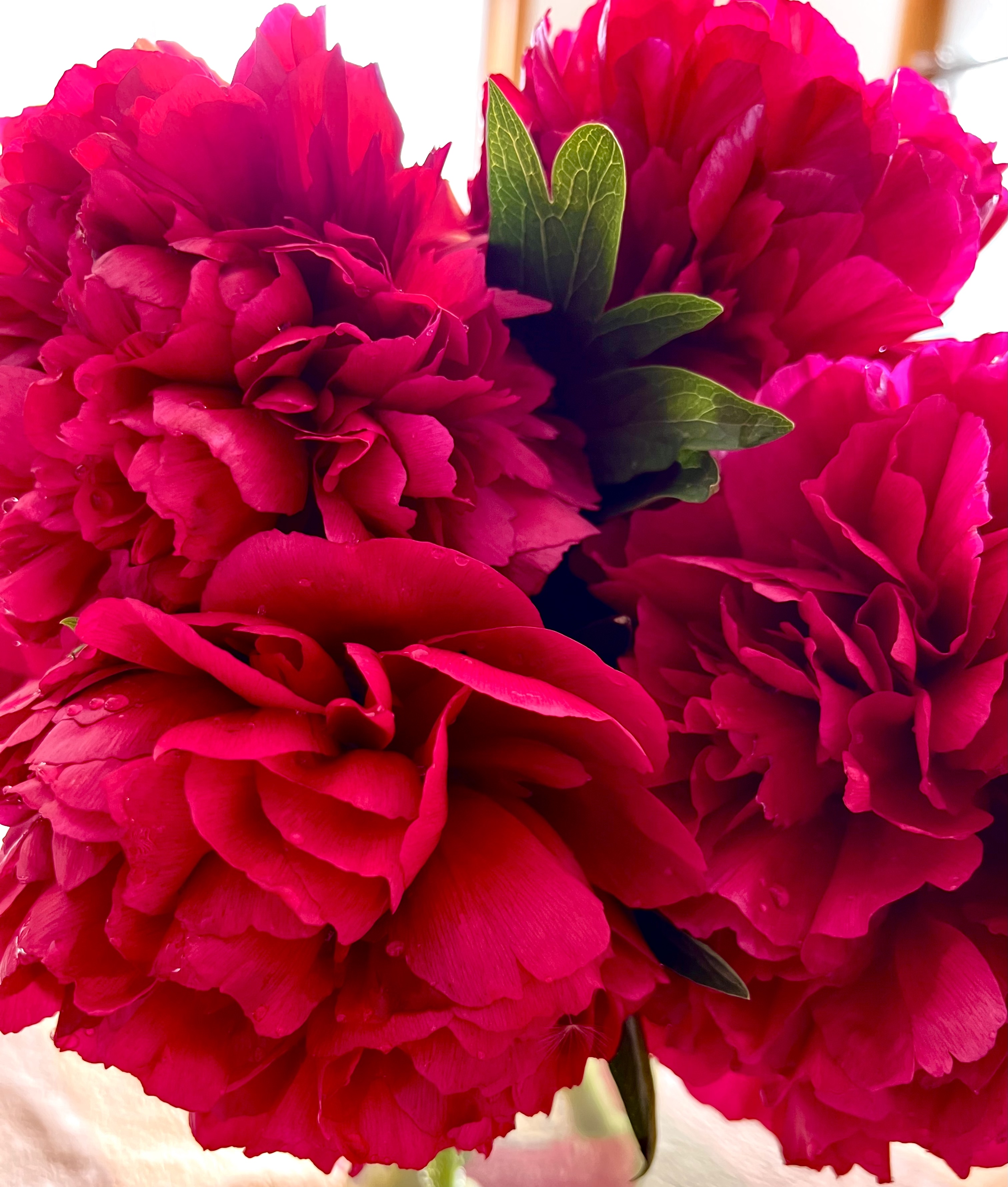
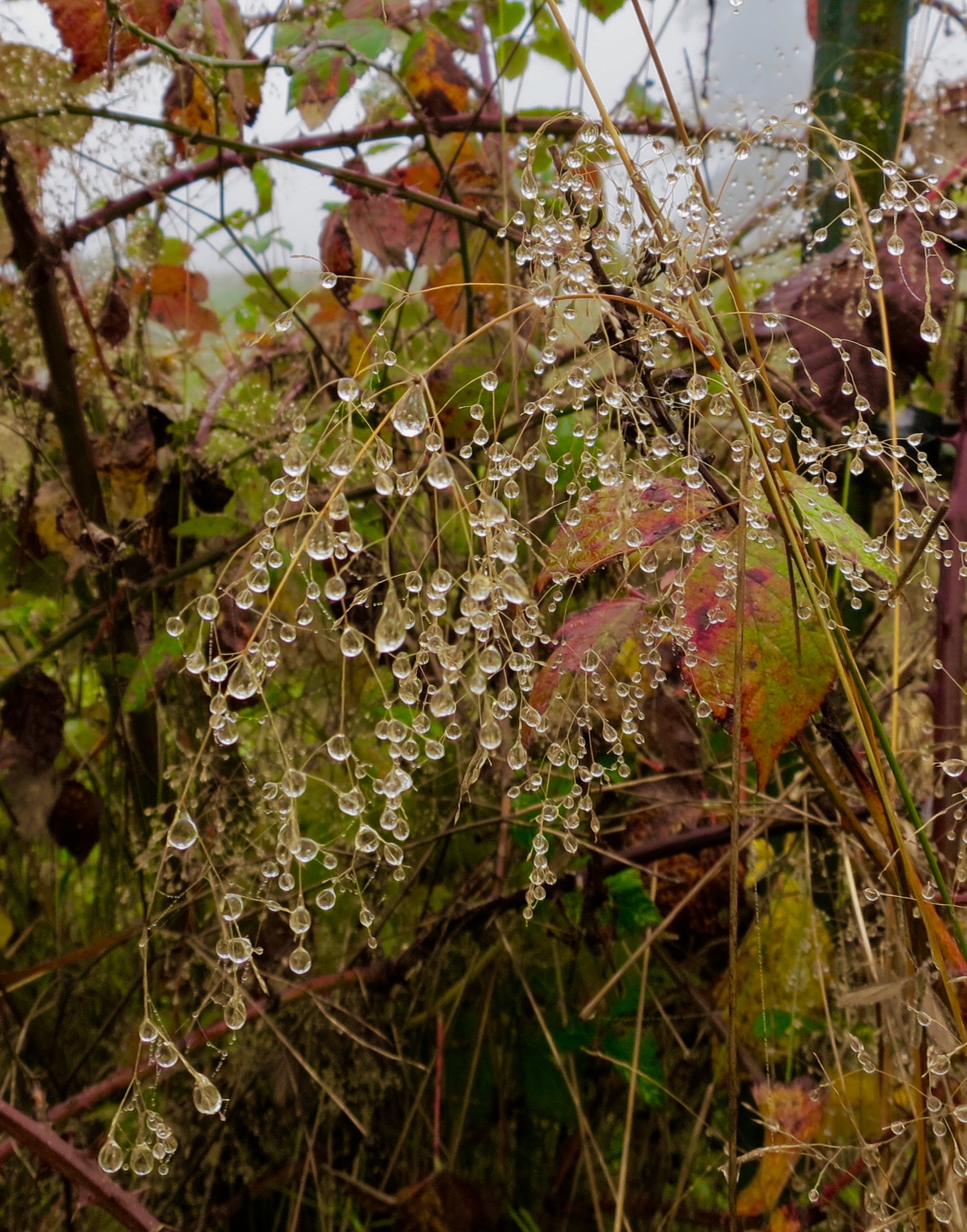
And that is just the point… how the world, moist and beautiful, calls to each of us to make a new and serious response.
That’s the big question, the one the world throws at you every morning. “Here you are, alive. Would you like to make a comment?” ~Mary Oliver
The last few days, it has been impossible to stay a silent observer of the world when one awakes, still alive on a morning moist and beautiful, while on the other side of the earth, innocents have been brutally butchered in their beds, whole families murdered, bodies desecrated and dragged into the street.
It demands a response.
I cannot remain speechless in the face of evil. Such violence, fed by generations of hatred, begets more hatred and violence, on and on. It festers, blusters, rips apart, tortures, buries. And so it goes, an ongoing human history of wars and more wars.
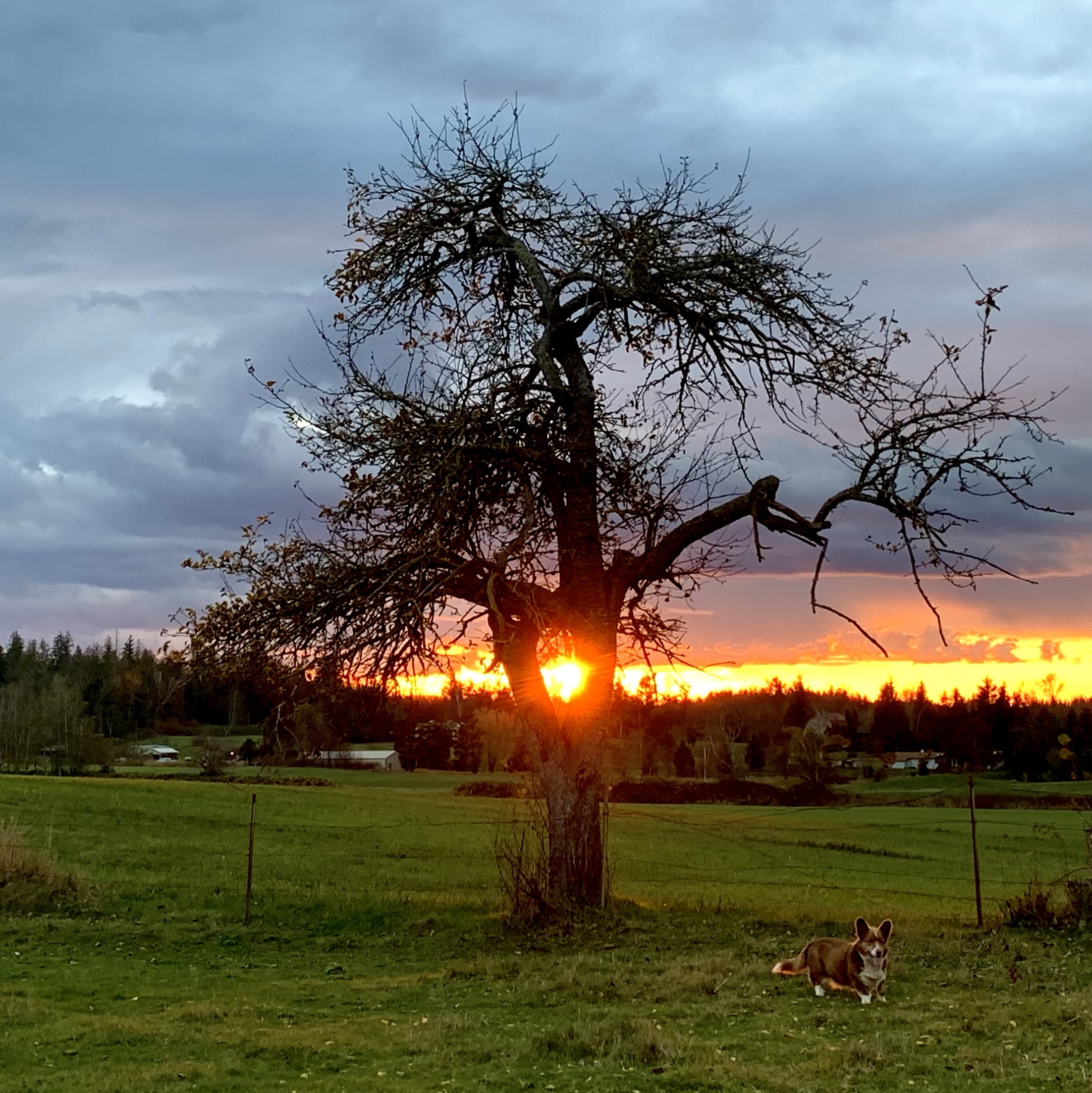
And here I am, alive on a brilliant autumn morning, while others immeasurably suffer.
Called to make a new and serious response. Called to comment, as I do every day. Knowing my voice is only one in a vast wilderness of voices, crying out in lament over the dead and dying.
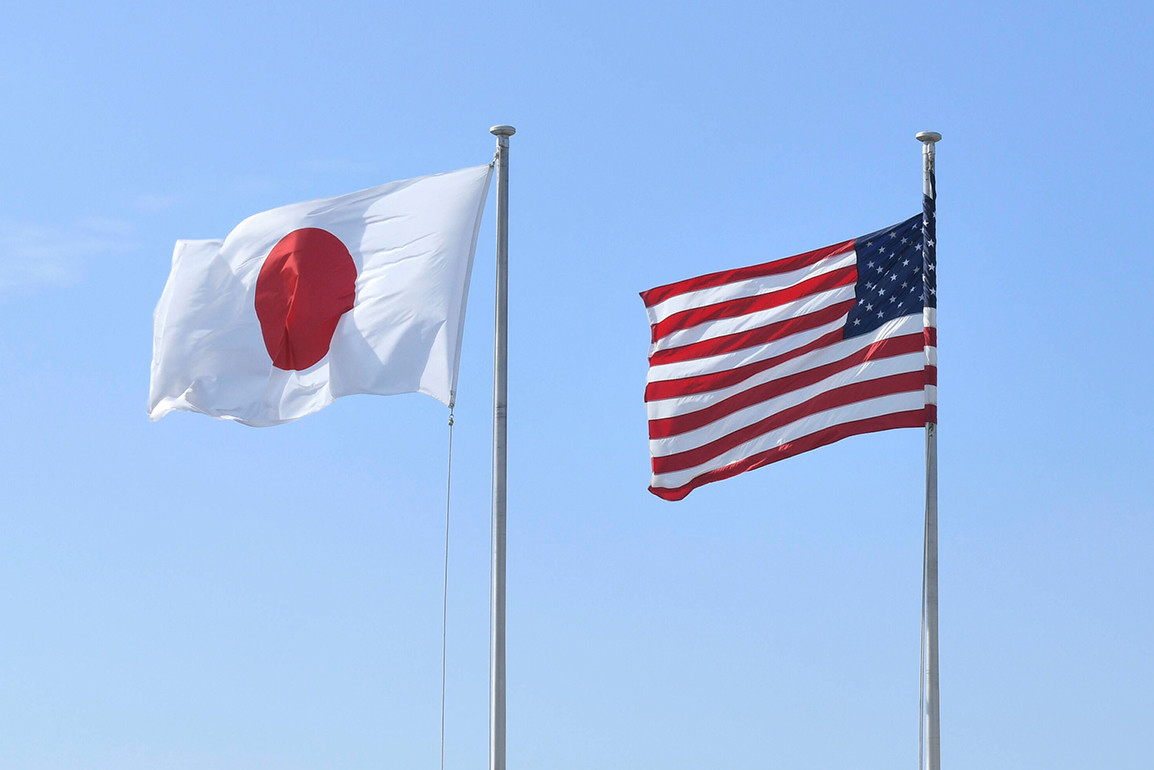
I am what you make me; nothing more. I swing before your eyes as a bright gleam of color, a symbol of yourself. ~Franklin K. Lane, Secretary of the Interior, 1914 Flag Day address
Sometimes, as a child, when I was bored, I’d grab a step ladder, pull it into our hallway, climb half way up and carefully lift the plywood hatch that was the portal to our unlit attic. It took some effort to climb up into the attic from the ladder, juggling a flashlight at the same time, but once seated safely on the beams above our ceiling, being careful not to put my foot through the carpet of insulation, I could explore what was stowed and normally inaccessible to me.
All the usual attic-type things were put up there: Christmas ornaments and lights, baby cribs and high chairs, lamps and toys no longer used. Secrets to my parents’ past were stored away there too. It was difficult imagining them as young children growing up on opposite sides of the state of Washington, in very different circumstances, or as attractive college students who met at a dance, or as young marrieds unencumbered by the daily responsibilities of a family. The attic held those images and memories like a three dimensional photo album.
My father’s dark green Marine Corps cargo trunk was up there, the one that followed him from Officer Training in Quantico, Virginia, to beach and mountain battles on Tarawa, Tinian and Saipan in the South Pacific, and three years later back home again. It had his name and rank stenciled on the side in dark black lettering. The buckles were stiff but could be opened with effort, and in the dark attic, there was always the thrill of unlatching the lid, and shining the flashlight across the contents. His Marine Corps dress uniform lay inside underneath his stiff brimmed cap. There were books about protocol, and a photo album which contained pictures of “his men” that he led in his battalion, and the collection of photos my mother sent of herself as she worked as a teacher of high school students back home.
Most fascinating was a folded Japanese flag inside a small drawstring bag, made of thin white see-through cloth with the bold red sun in the middle. Surrounding the red sun were the delicate inked characters of many Japanese hands as if painted by artists, each wishing a soldier well in his fight for the empire. Yet there it was, a symbol of that soldier’s demise, itself buried in an American attic, being gently and curiously held by an American daughter of a Marine Corps captain. It would occur to me in the 1960s that some of the people who wrote on this flag might still be living, and certainly members of the soldier’s family would still be living. I asked my father once about how he obtained the flag, and he, protecting both me and himself, waved me away, saying he couldn’t remember. I know better now. He knew but could not possibly tell me the truth.
These flags, charms of good luck for the departing Japanese soldier as he left his neighborhood or village for war, are called Hinomaru Yosegaki (日の丸寄せ書き). Tens of thousands of these flags came home with American soldiers; it is clear they were not the talisman hoped for. A few of these flags are now finding their way back to their home country, to the original villages, to descendants of the lost soldiers. So now has this flag.
Eighty years ago doesn’t seem that long, a mere drop in the river of time. There is more than mere mementos that have flowed from the broken dam of WWII, flooding subsequent generations of Americans, Japanese, Europeans with memories that are now lost as the oldest surviving soldiers in their 90’s pass, scores of them daily, taking their stories of pain and loss and heroism with them. My father could never talk with a person of Asian descent, Japanese or not, without being visibly uneasy. As a child, I saw and felt this from him, but heard little from his mouth.
When he was twenty two years old, pressed flat against the rocks of Tarawa, trying to melt into the ground to become invisible to the bullets whizzing overhead, he could not have conceived that sixty five years later his twenty two year old grandson would disembark from a jumbo jet at Narita in Tokyo, making his way to an international school to teach Japanese children. My father would have been shocked that his grandson would settle happily into a culture so foreign, so seemingly threatening, so apparently abhorrent. Yet this irony is the direct result of the horrors of that too-long horrible bloody war of devastation: Americans and Japanese, despite so many differences, have become the strongest of allies, happily exchanging the grandchildren of those bitterly warring soldiers back and forth across the Pacific. It too was my privilege to care for Japanese exchange students daily in my University health clinic, peering intently into their open faces and never once seeing the enemy that my father feared.
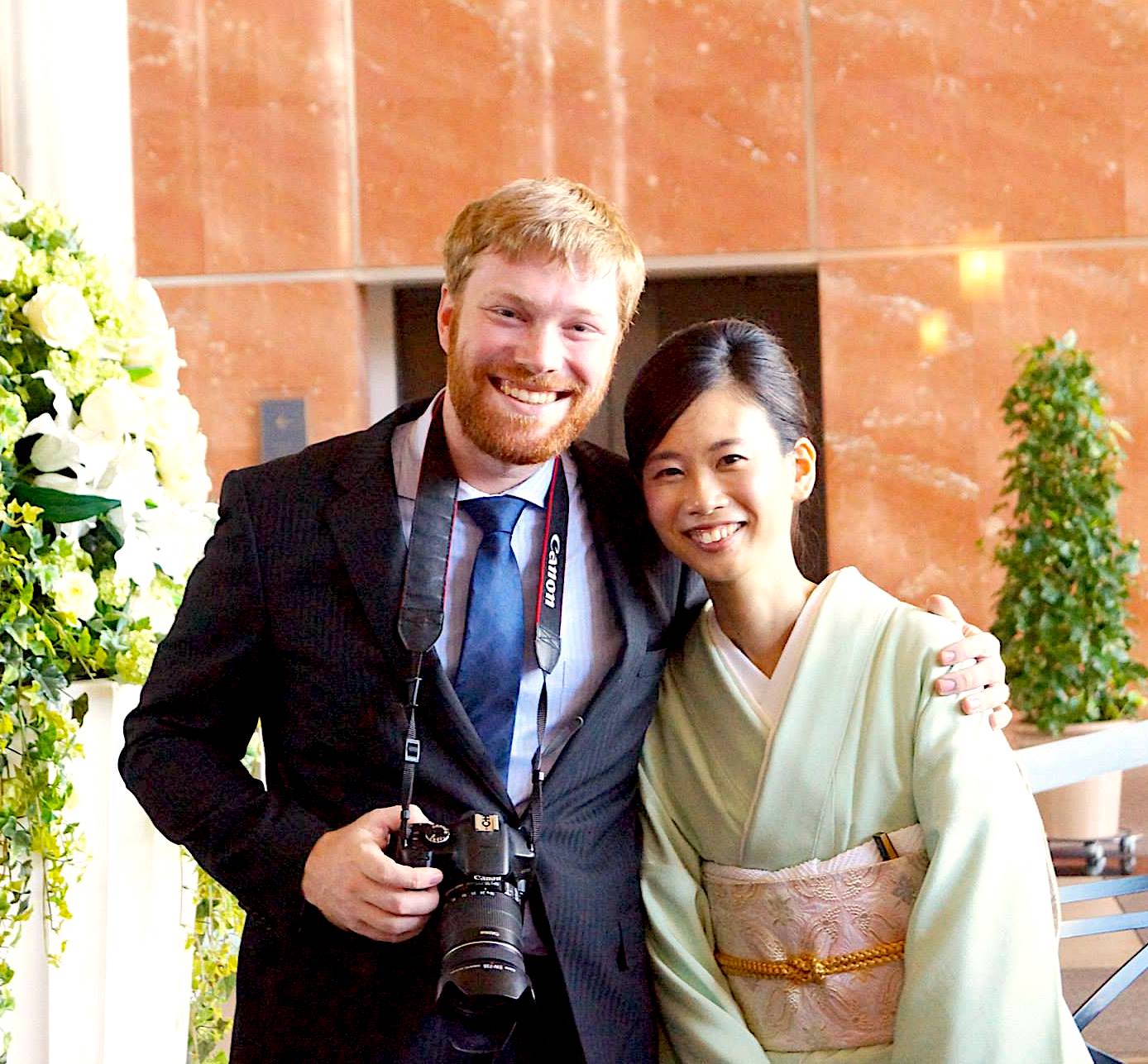
Now all these decades later, our son taught for 13 years in Tokyo, with deep admiration and appreciation for each of his students, some of whom were great-grandchildren of WWII Japanese soldiers. He married a granddaughter of those my father fought. Their two children are the perfect amalgam of once warring, yet now peaceful, cultures; a symbol of blended and blending peoples overcoming the hatred of past generations, creating a new world.
Our son and daughter-in-law, having settled their family in the States, are adapting to a different language, culture and flag. I pray our son having devoted part of his life as teacher and missionary to the land of the rising sun has redeemed his grandfather, the soldier-warrior of the past century.
(U.S. Air Force photo by Staff Sgt. Peter Reft)
One-Time
Monthly
Yearly
Make a one-time or recurring donation to support daily Barnstorming posts
November pierces with its bleak remembrance Of all the bitterness and waste of war. Our silence tries but fails to make a semblance Of that lost peace they thought worth fighting for. Our silence seethes instead with wraiths and whispers, And all the restless rumour of new wars, The shells are falling all around our vespers, No moment is unscarred, there is no pause, In every instant bloodied innocence Falls to the weary earth ,and whilst we stand Quiescence ends again in acquiescence, And Abel’s blood still cries in every land One silence only might redeem that blood Only the silence of a dying God. ~Malcolm Guite “Silence: a Sonnet for Remembrance Day”
So, when old hopes that earth was bettering slowly Were dead and damned, there sounded ‘War is done!’ One morrow. Said the bereft, and meek, and lowly, ‘Will men some day be given to grace? yea, wholly, And in good sooth, as our dreams used to run?‘
Aye; all was hushed. The about-to-fire fired not, The aimed-at moved away in trance-lipped song.
Calm fell. From Heaven distilled a clemency; There was peace on earth, and silence in the sky;
Some could, some could not, shake off misery… ~Thomas Hardy from “And There Was a Great Calm” (On the Signing of the Armistice, 11 Nov. 1918)
When you go home tell them of us and say – “For your tomorrow we gave our today” ~John Maxwell Edmonds from “The Kohima Epitaph”
I’m unsure why the United States does not call November 11 Remembrance Day as the Commonwealth nations did 99 years ago at the Armistice. This is a day that demands so much more than the more passive name Veterans’ Day represents.
This day calls all citizens who appreciate their freedoms to stop what they are doing and disrupt the routine rhythm of their lives. We are to remember in humble thankfulness the generations of military veterans who sacrificed time, resources, sometimes health and well being, and too often their lives in answering the call to defend their countries.
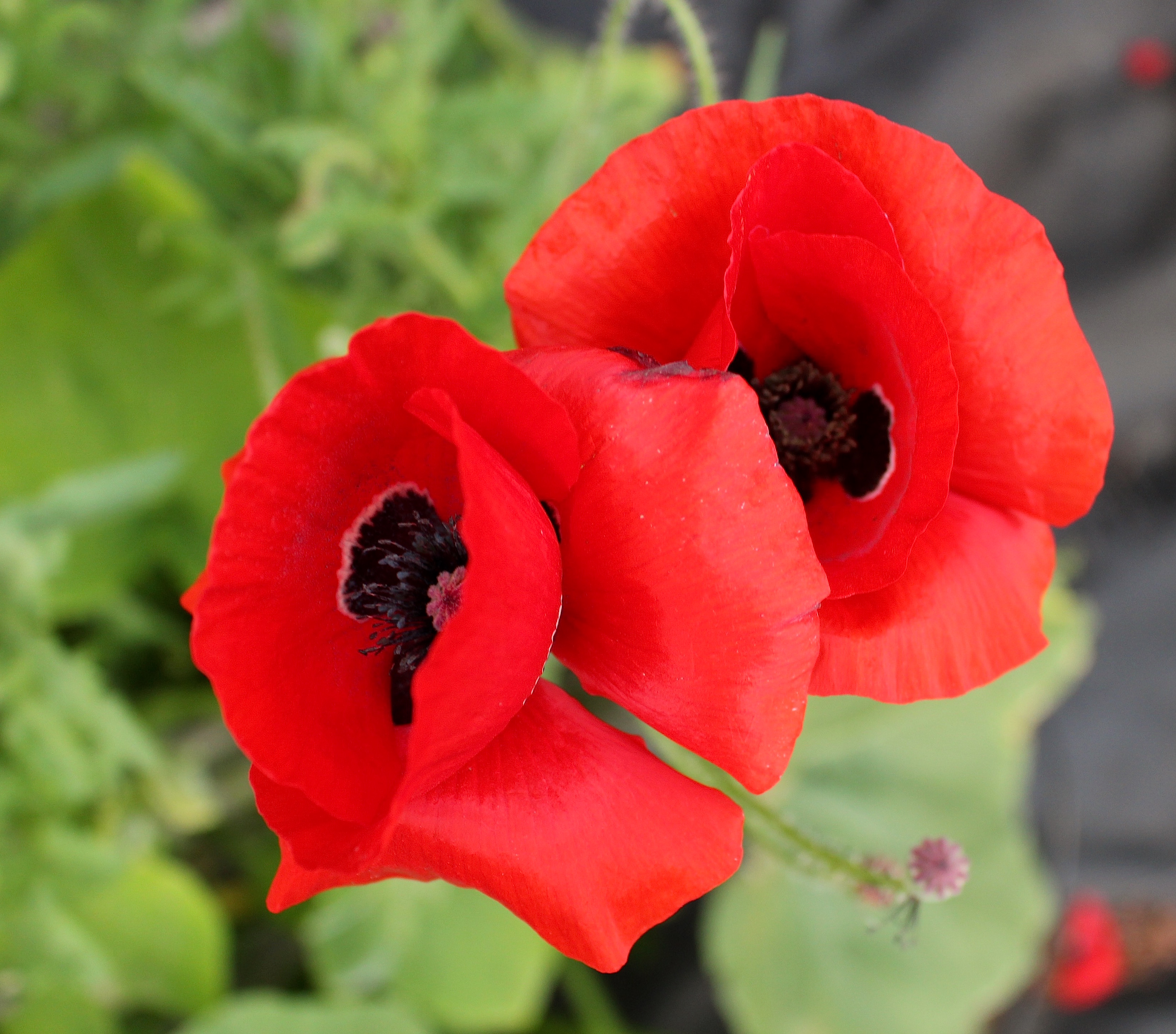
Remembrance means ~never forgetting what it costs to defend freedom. ~acknowledging the millions who have given of themselves and continue to do so on our behalf. ~never ceasing to care. ~a commitment to provide resources needed for the military to remain strong and supported. ~unending prayers for safe return home to family. ~we hold these men and women close in our hearts, always teaching the next generation about the sacrifices they made.
Most of all, it means being willing ourselves to become the sacrifice when called.
I wanted you to see what real courage is, instead of getting the idea that courage is a man with a gun in his hand. It’s when you know you’re licked before you begin, but you begin anyway and see it through no matter what. ~Harper Lee from To Kill A Mockingbird
I know. It’s all wrong. By rights we shouldn’t even be here. But we are.
It’s like in the great stories, Mr. Frodo. The ones that really mattered. Full of darkness and danger they were. And sometimes you didn’t want to know the end.
Because how could the end be happy? How could the world go back to the way it was when so much bad had happened? But in the end, it’s only a passing thing, this shadow.
Even darkness must pass. A new day will come. And when the sun shines it will shine out the clearer. Those were the stories that stayed with you. That meant something, even if you were too small to understand why.
But I think, Mr. Frodo, I do understand. I know now. Folk in those stories had lots of chances of turning back, only they didn’t. They kept going, because they were holding on to something. That there is some good in this world, and it’s worth fighting for. ~J.R.R. Tolkien – Samwise Gamgee to Frodo in The Two Towers
Courage is almost a contradiction in terms. It means a strong desire to live taking the form of a readiness to die. ~ G.K. Chesterton from “The Paradoxes of Christianity” in Orthodoxy
This is another day, O Lord… If I am to stand up, help me to stand bravely. If I am to sit still, help me to sit quietly. If I am to lie low, help me to do it patiently. And if I am to do nothing, let me do it gallantly. — Kathleen Norris citing the Book of Common Prayer
What courage it takes to step out one’s front door these days.
I never know where I might be swept off to or what I might be swept into.
When I feel overwhelmed and discouraged, when it seems the world is cast in nothing but shadow, I am reminded I too am part of a great story and the plot progression is, by necessity, a mystery.
While the darkness seems to never end, I will pass through shadows and feel great fear, I will be asked to do things that threaten my well-being because it is the right thing to do for another.
Yet we are promised Light and Joy at the end of this epic story. There is still good in the world and it is worth fighting for.
It’s a dangerous business, Frodo, going out of your door. You step into the Road, and if you don’t keep your feet, there is no knowing where you might be swept off too. ~J.R.R. Tolkien – Bilbo to Frodo in Fellowship of the Rings
One-Time
Monthly
Yearly
Make a one-time or recurring donation to support daily Barnstorming posts
“Vixi duellis nuper idoneus Et militavi non sine glori” (translation) Recently I lived suitable for warfare, and I soldiered not without glory.
Today we have naming of parts. Yesterday, We had daily cleaning. And tomorrow morning, We shall have what to do after firing. But today, Today we have naming of parts. Japonica Glistens like coral in all of the neighboring gardens, And today we have naming of parts.
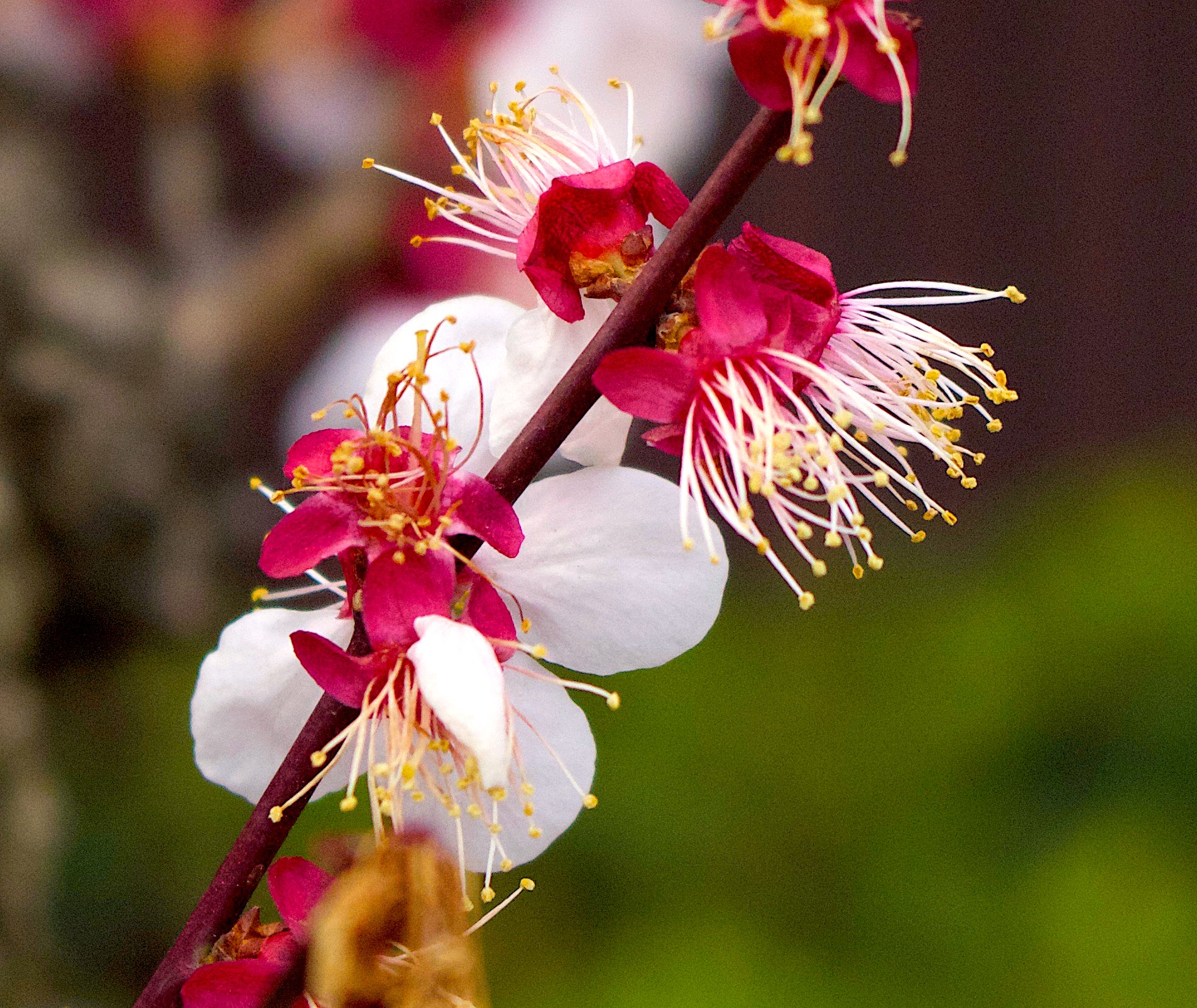
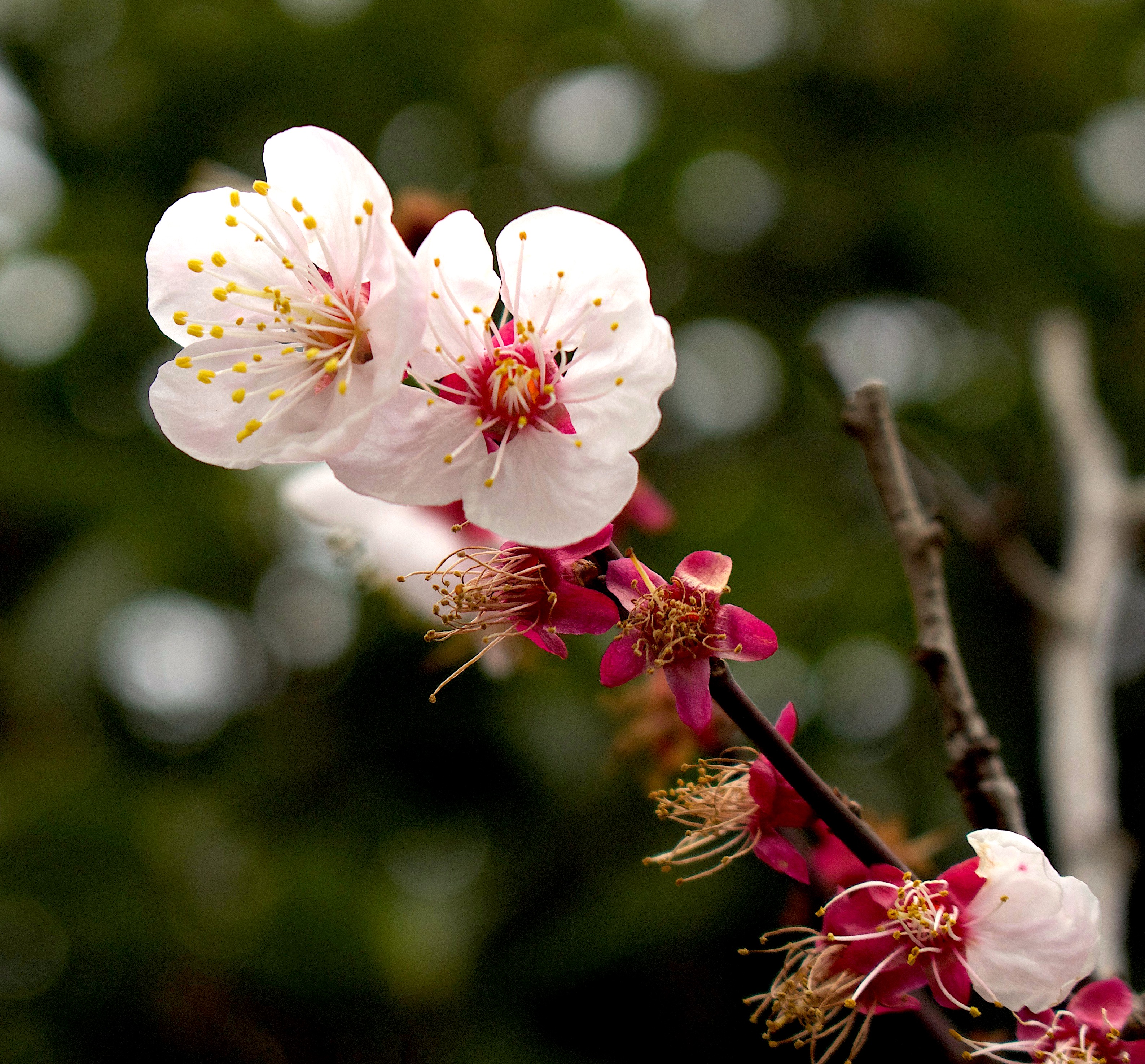
This is the lower sling swivel. And this Is the upper sling swivel, whose use you will see When you are given your slings. And this is the piling swivel, Which in your case you have not got. The branches Hold in the gardens their silent, eloquent gestures, Which in our case we have not got.
This is the safety-catch, which is always released With an easy flick of the thumb. And please do not let me See anyone using his finger. You can do it quite easily If you have any strength in your thumb. The blossoms Are fragile and motionless, never letting anyone see Any of them using their finger.
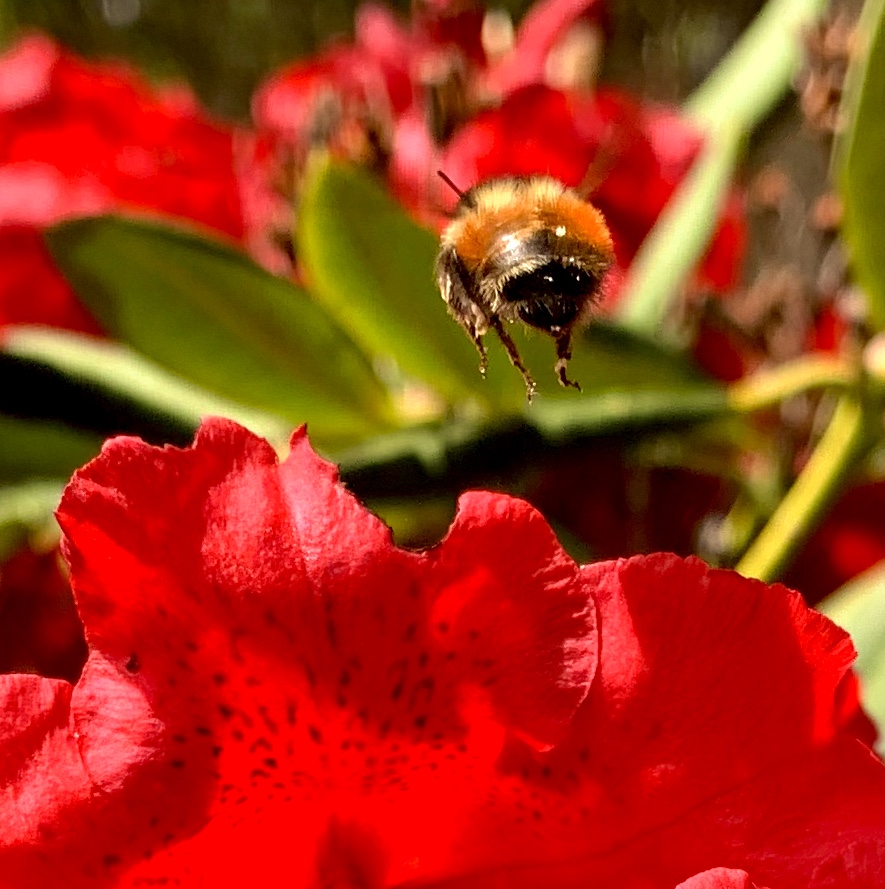
And this you can see is the bolt. The purpose of this Is to open the breech, as you see. We can slide it Rapidly backwards and forwards: we call this Easing the spring. And rapidly backwards and forwards The early bees are assaulting and fumbling the flowers: They call it easing the Spring.
They call it easing the Spring: it is perfectly easy If you have any strength in your thumb: like the bolt, And the breech, and the cocking-piece, and the point of balance, Which in our case we have not got; and the almond-blossom Silent in all of the gardens and the bees going backwards and forwards, For today we have naming of parts. ~Henry Reed “Naming of Parts”(1942)
“Naming of Parts” was a well-known British anti-war poem I memorized for debate class in high school in 1970, reciting it for interpretive reading competitions.
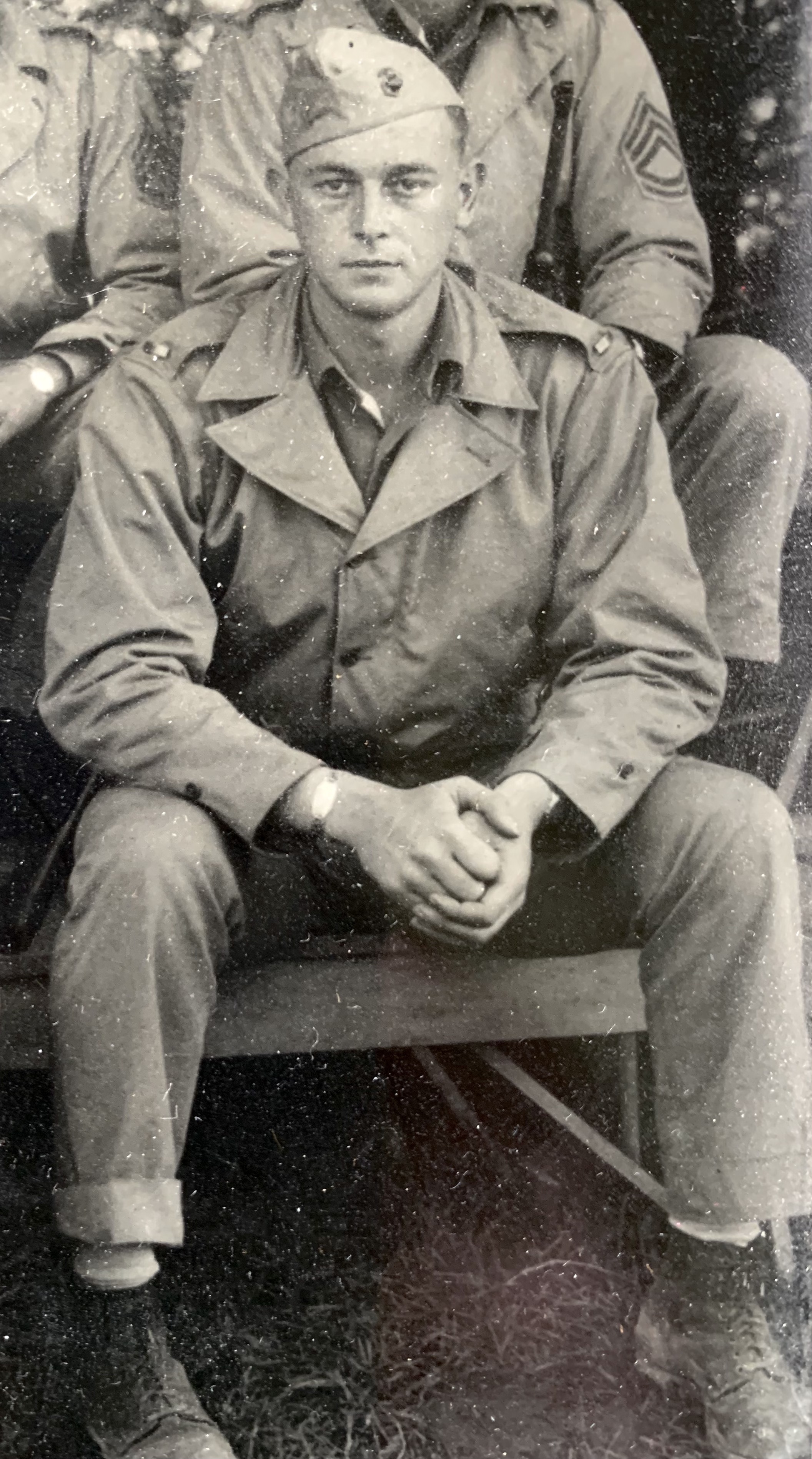
Below is a portion of a 1944 letter sent home to my mother from my father as he served as a Marine company officer in the South Pacific from January 1943 – fall 1945. After he returned home, physically uninjured, I had never seen him with a gun in his hands, and wasn’t aware he even had kept a gun after leaving the Marines. One day, in the early 1970’s, one of our farm’s beef animals was injured so my father, for the first time in thirty years, pulled out a gun from its hiding place to put down the suffering animal. I never saw the gun again and believe my father disposed of it soon after – firing that gun after so many years was too much for him.
“You mentioned a story of Navy landing craft taking the Marines into Tarawa. It reminded me of something which impressed me a great deal and something I’m sure I’ll never forget.
So you’ll understand what I mean I’ll try to start with an explanation. In training – close order drill- etc. there is a command that is given always when the men form in the morning – various times during the day– after firing– and always before a formation is dismissed. The command is INSPECTION – ARMS. On the command of EXECUTION- ARMS each man opens the bolt of his rifle. It is supposed to be done in unison so you hear just one sound as the bolts are opened. Usually it is pretty good and sounds O.K.
Just to show you how the morale of the men going to the <Tarawa> beach was – and how much it impressed me — we were on our way in – I was forward, watching the beach thru a little slit in the ramp – the men were crouched in the bottom of the boat, just waiting. You see- we enter the landing boats with unloaded rifles and wait till it’s advisable before loading. When we got about to the right distance in my estimation I turned around and said – LOAD and LOCK – I didn’t realize it, but every man had been crouching with his hand on the operating handle and when I said that — SLAM! — every bolt was open at once – I’ve never heard it done better – and those men meant business when they loaded those rifles.
A man couldn’t be afraid with men like that behind him. ~ Marine Captain Henry Polis(age 22)in a 1944 letter home about the Battle of Tarawa (November 1943)
Henry Polis 1943
One-Time
Monthly
Yearly
Make a one-time or recurring donation to support daily Barnstorming posts
When Jesus wept, the falling tear in mercy flowed beyond all bound; when Jesus groaned, a trembling fear seized all the guilty world around. ~William Billings
And when he drew near and saw the city, he wept over it, saying, “Would that you, even you, had known on this day the things that make for peace! But now they are hidden from your eyes. ~Luke 19:41-42
Facing this week of remembrance, knowing that right now thousands are displaced by war, some in graves, some grieving their losses, some wondering what comes next.
On this journey, we face our own fears of vulnerability and mortality, a week where thorns overwhelm the emerging blossoms~~
To acknowledge what He did this week long ago, to conquer the shroud and the stone, to defy death, makes all the difference for us here and now.
Indeed Jesus wept and groaned for us.
To be known for who we are by a God who weeps for us and groans with pain we caused: we can know no greater love.
This week ends our living for self, only to die, and begins our dying to self, in order to live.
This year’s Lenten theme for Barnstorming is a daily selection from songs and hymns about Christ’s profound sacrifice on our behalf.
If we remain silent about Him, the stones themselves will shout out and start to sing (Luke 19:40).
In His name, may we sing…
One-Time
Monthly
Yearly
Make a one-time or recurring donation to support daily Barnstorming posts
I arise today through the strength of heaven Light of sun, radiance of moon Splendor of fire, speed of lightning Swiftness of wind, depth of the sea Stability of earth, firmness of rock
I arise today through God’s strength to pilot me God’s eye to look before me God’s wisdom to guide me God’s way to lie before me God’s shield to protect me
From all who shall wish me ill Afar and a-near Alone and in a multitude Against every cruel, merciless power That may oppose my body and soul ~from “The Deer’s Cry”
photo by Bob Tjoelker
A cruel and merciless dictator dominates the headlines, not because he is unique in the course of world history, but because the toll of his actions are witnessed by the world in real time. We flinch and cringe at every directed missile hit and explosion of citizens’ property and lives to dust and ash.
What makes this evolving war so compelling to those of us who watch from a distance is the powerful resistance of the Ukrainian leader and his brave countrymen who will not submit to cruelty and destruction.
“…even if you destroy all our cathedrals and churches, you will not destroy our sincere faith in God, in Ukraine. Faith in people. We will restore every house, every street, every city. And we say to Russia: …you will repay everything you did against Ukraine. In full. And we will not forget those who perished, and God won’t… ~President Volodymyr Zelensky(March 2022)
St. Patrick, in the fifth century, returned to Ireland to face merciless cruelty and violence in defense of his Christian faith. His story lives on centuries later while those who persecuted him are relegated to the ash heap of history.
History repeats itself; there always will be cruel men who seek merciless power over others.
Yet God is, was, and always will be. So we sing:
God’s eye to look before me God’s wisdom to guide me God’s way to lie before me God’s shield to protect me ~from St. Patrick’s breastplate prayer
This year’s Lenten theme for Barnstorming is a daily selection from songs and hymns about Christ’s profound sacrifice on our behalf.
If we remain silent about Him, the stones themselves will shout out and start to sing (Luke 19:40).
In His name, may we sing…
Christ with me, Christ before me, Christ behind me, Christ in me, Christ beneath me, Christ above me, Christ on my right, Christ on my left, Christ when I lie down, Christ when I sit down, Christ in me, Christ when I arise, Christ in the heart of every man who thinks of me, Christ in the mouth of everyone who speaks of me, Christ in every eye that sees me, Christ in every ear that hears me, Christ with me. Text from Saint Patrick’s Breastplate
One-Time
Monthly
Yearly
Make a one-time or recurring donation to support daily Barnstorming posts
May you see God’s light on the path ahead when the road you walk is dark. May you always hear even in your hour of sorrow, the gentle singing of the lark. When times are hard may hardness never turn your heart to stone. May you always remember when the shadows fall– You do not walk alone. Irish Blessing
God wants to always be with us, wherever we may be – in our sin, in our suffering and death. We are no longer alone; God is with us. We are no longer homeless; a bit of the eternal home itself has moved unto us. ~Dietrich Bonhoeffer
Over the years I have found I don’t do alone well. Never have. I’ve always preferred plenty of activity around me, planning gatherings and communal meals, and filling up my days to the brim with all manner of socializing.
Typically I don’t prefer my own company. There is no glossing over my flaws nor distracting myself from where I fall short. Alone is an unforgiving mirror reflecting back what I have kept myself too overly busy to see.
I’ve never even lived alone except for short times when Dan is traveling.
I didn’t like that either.
Now that we all are breaking free of our two years of COVID semi-isolation, we know we were not alone in our continued concern over the hard times happening in the troubled world around us. The headlines buzz on our phones; there is no ignoring the suffering too many are enduring.
So I remind myself of the certainty that I know is the truth:
We need not be afraid. We are not alone in the darkness of trouble. We are loved, especially when times are hard. And I won’t forget – God is with us always, even through this.
This year’s Lenten theme for Barnstorming is a daily selection from songs and hymns about Christ’s profound sacrifice on our behalf.
If we remain silent about Him, the stones themselves will shout out and start to sing (Luke 19:40).
In His name, may we sing…
One-Time
Monthly
Yearly
Make a one-time or recurring donation to support daily Barnstorming posts
Then enemies shall learn to love, All creatures find their true accord; The hope of peace shall be fulfilled, For all the earth shall know the Lord. ~Carl Daw, Jr.
Can enemies ever learn to love one another? Sometimes they live under the same roof, not always across armored yet porous political borders.
Can hatred be redeemed to grace and acceptance and peace? What are we teaching children who are kept in barracks as unwelcome interlopers at our own border, or who sleep with their coats as pillows in basements in Ukraine as bombs rain around them?
They learn so young they are unwanted. They learn so young to fear. They learn so young to hate.
It is a little Child who will lead them to peace – a child sought out to be murdered by an earthly king who took thousands of innocent lives in the process. He survived in order to give His life for ours – an act He chose – rather than be slaughtered by a paranoid leader.
May this enemy lay down their swords and learn the sacrifice of love. May the whole earth know the hope for peace through Christ our Lord.
This year’s Lenten theme for Barnstorming is a daily selection from songs and hymns about Christ’s profound sacrifice on our behalf.
If we remain silent about Him, the stones themselves will shout out and start to sing (Luke 19:40).
In His name, may we sing…
O day of peace that dimly shines Through all our hopes and prayers and dreams, Guide us to justice, truth, and love, Delivered from our selfish schemes.
May swords of hate fall from our hands, Our hearts from envy find release, Till by God’s grace our warring world Shall see Christ’s promised reign of peace.
Then shall the wolf dwell with the lamb, Nor shall the fierce devour the small; As beasts and cattle calmly graze A little child shall lead them all.
Then enemies shall learn to love, All creatures find their true accord; The hope of peace shall be fulfilled, For all the earth shall know the Lord. ~Carl Daw
One-Time
Monthly
Yearly
Make a one-time or recurring donation to support daily Barnstorming posts
Sometimes I feel discouraged and think my work’s in vain, but then the holy spirit revives my soul again. ~ African-AmericanSpiritual “There is a Balm in Gilead”
Since my people are crushed, I am crushed; I mourn, and horror grips me. Is there no balm in Gilead? Is there no physician there? Why then is there no healing for the wound of my people? Jeremiah 8:21-22
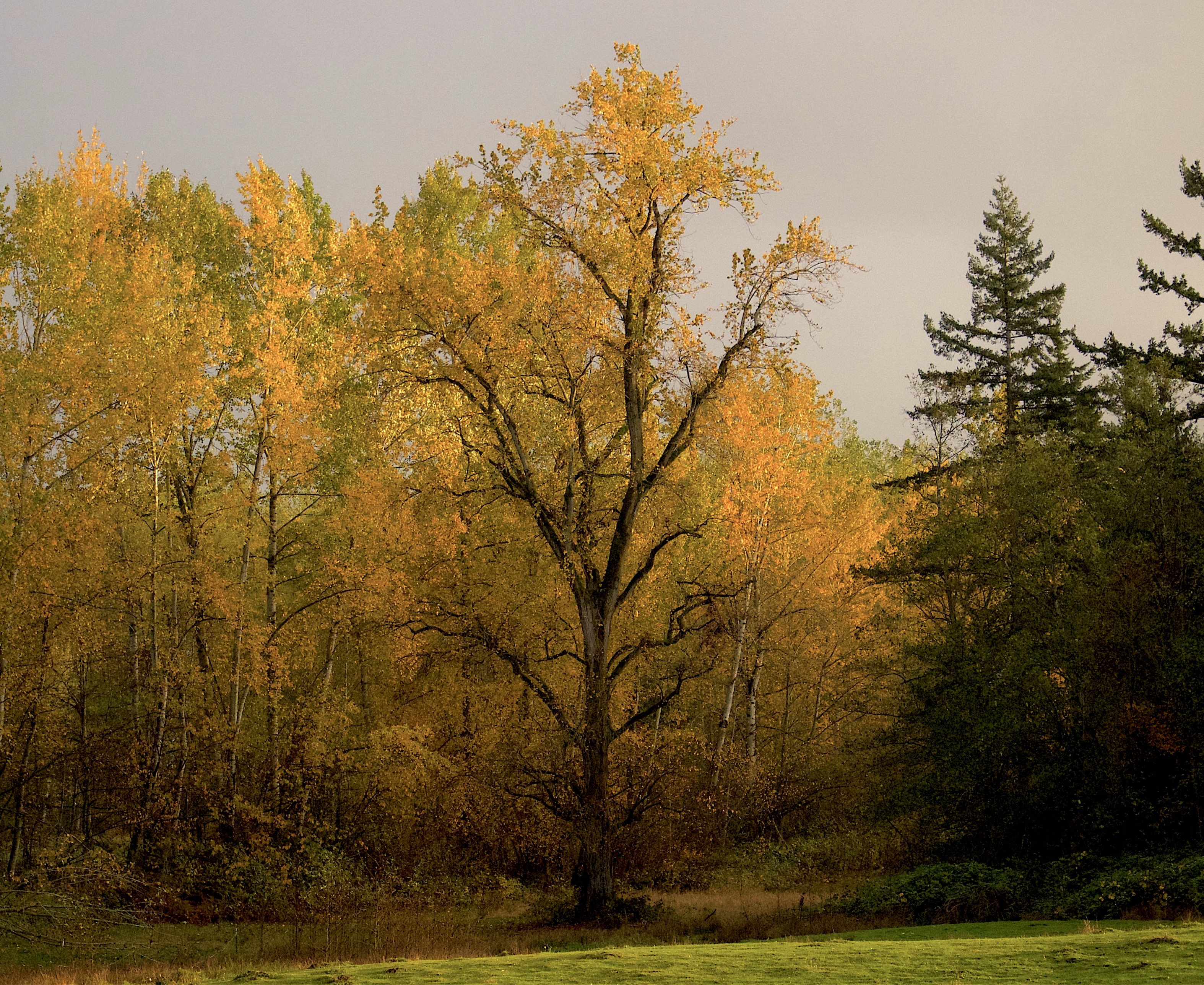
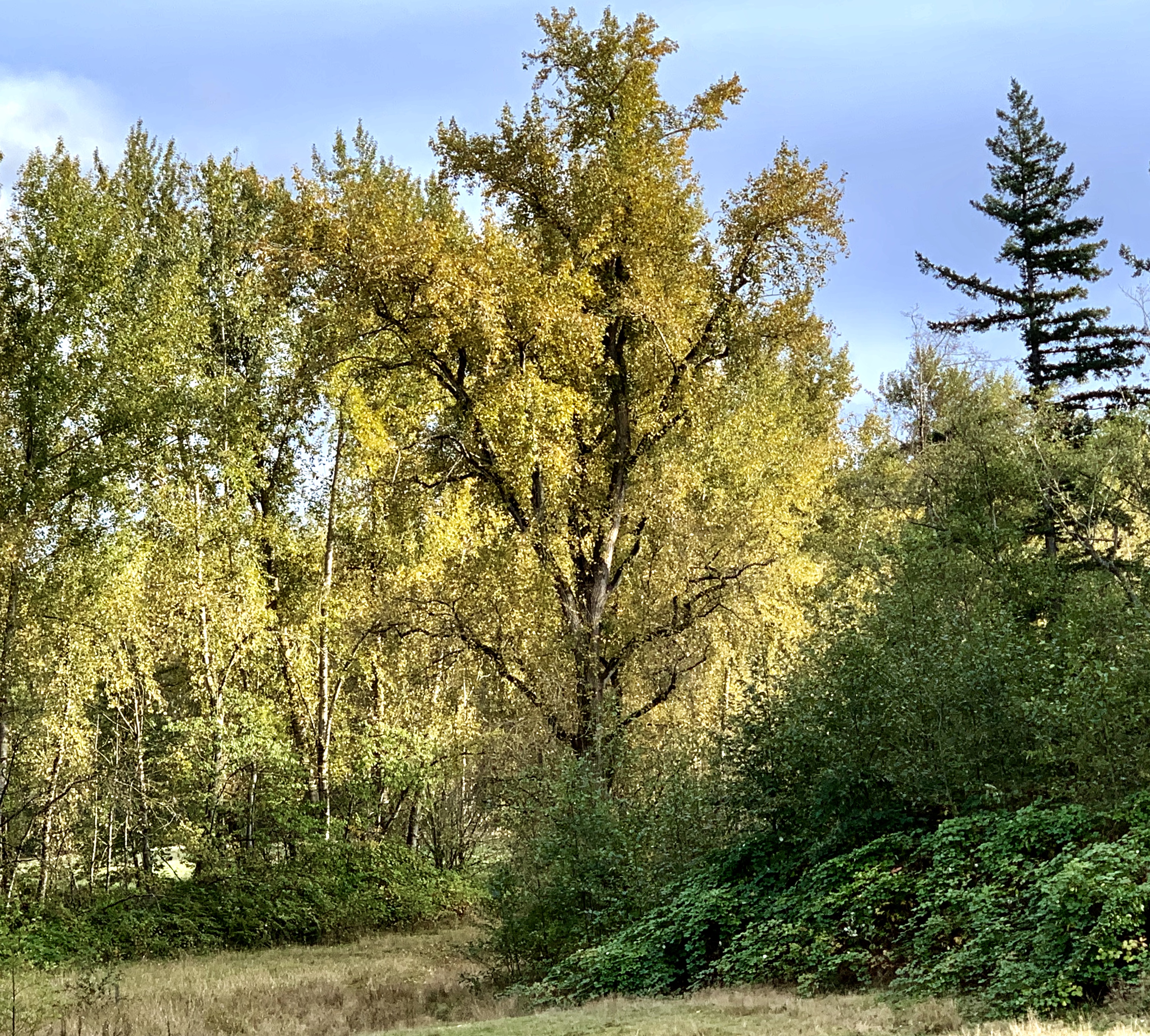
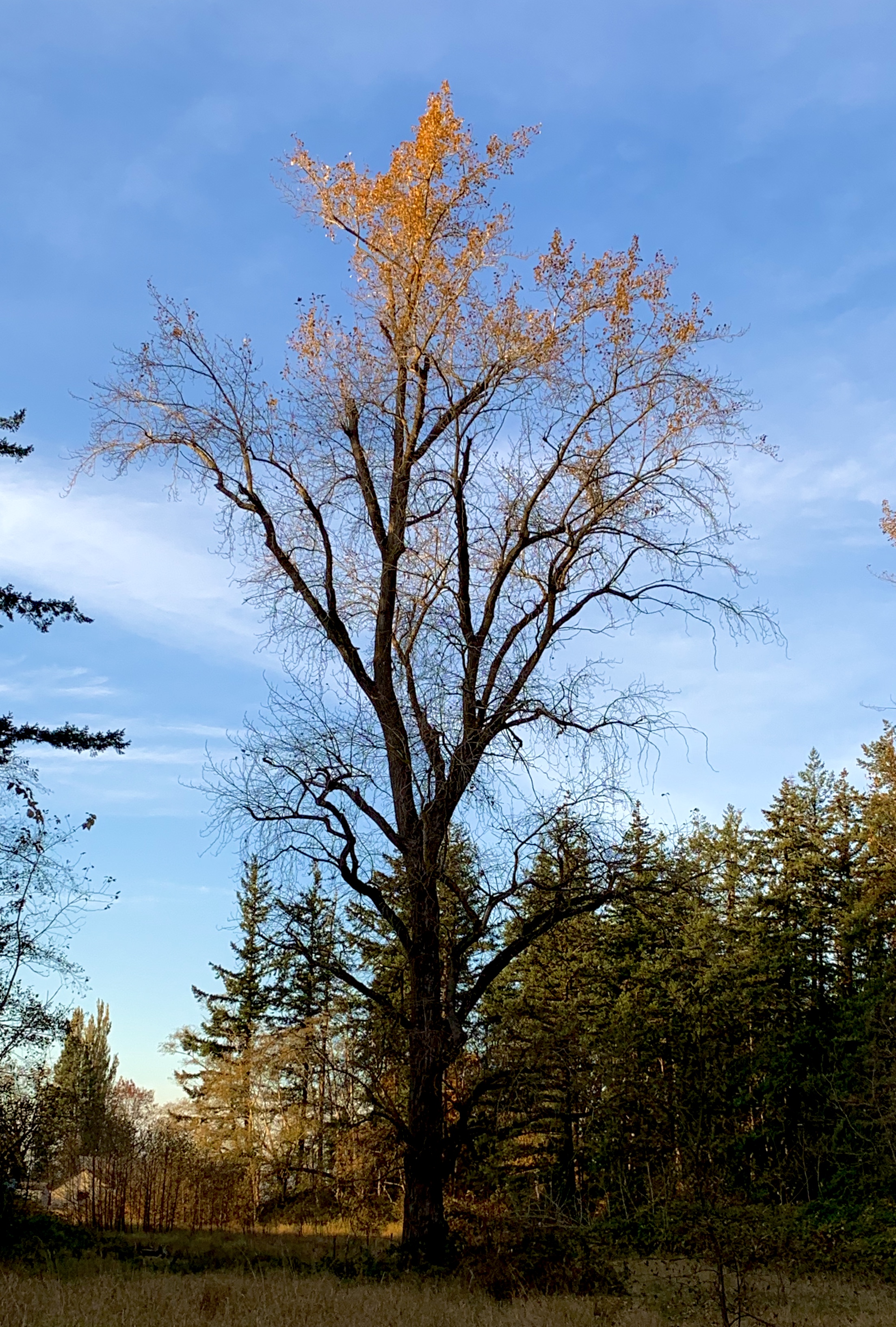
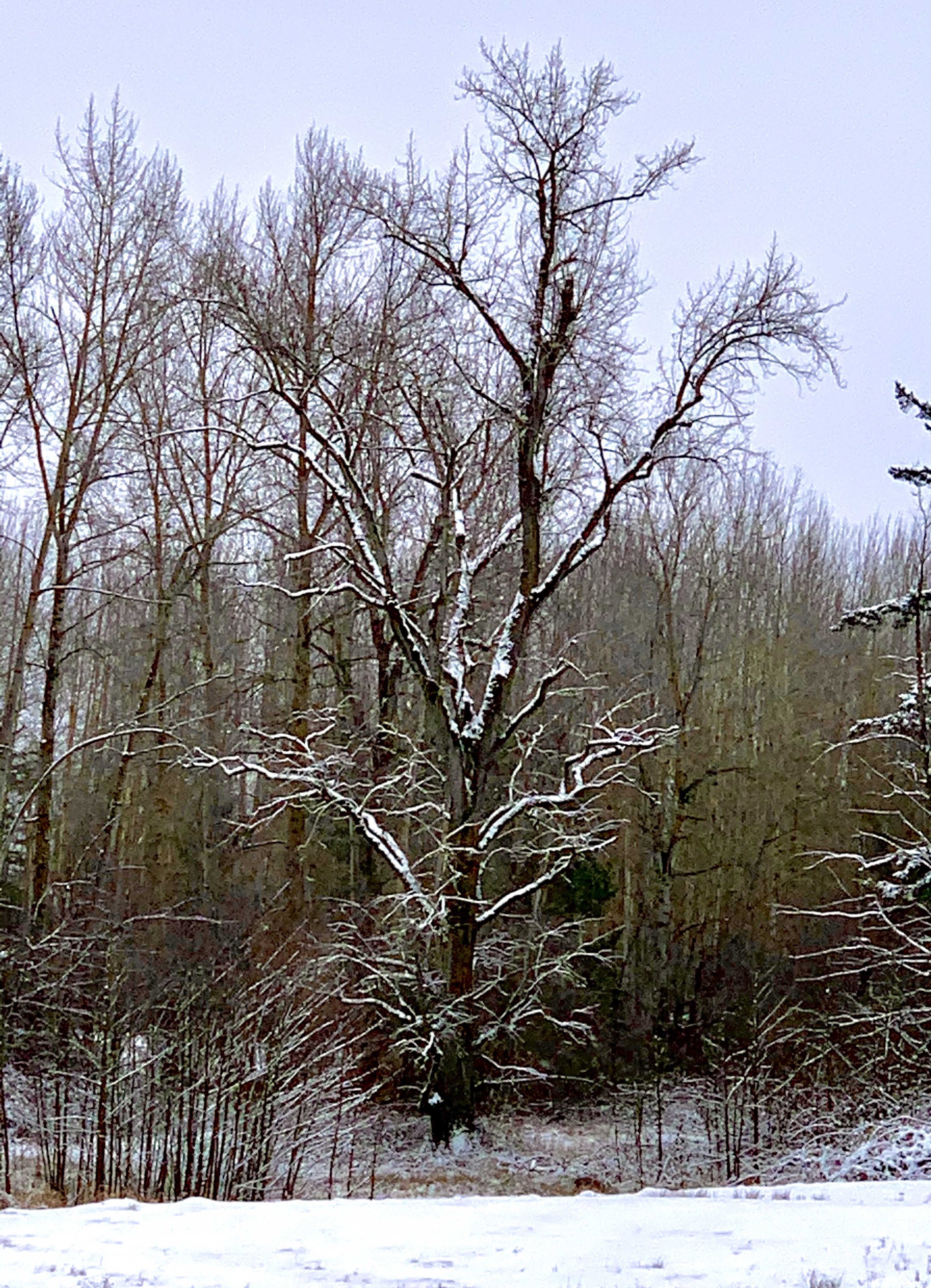
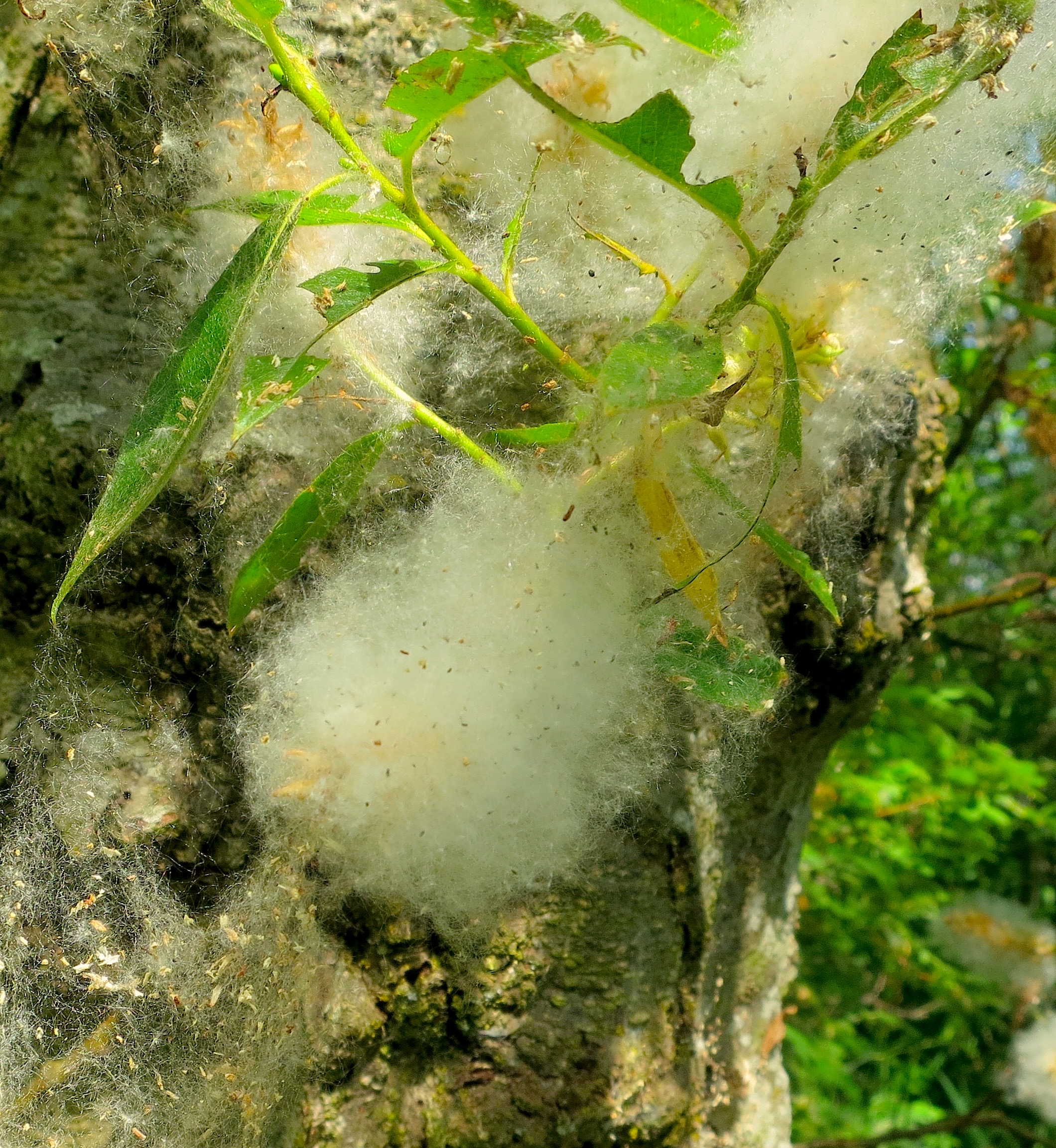
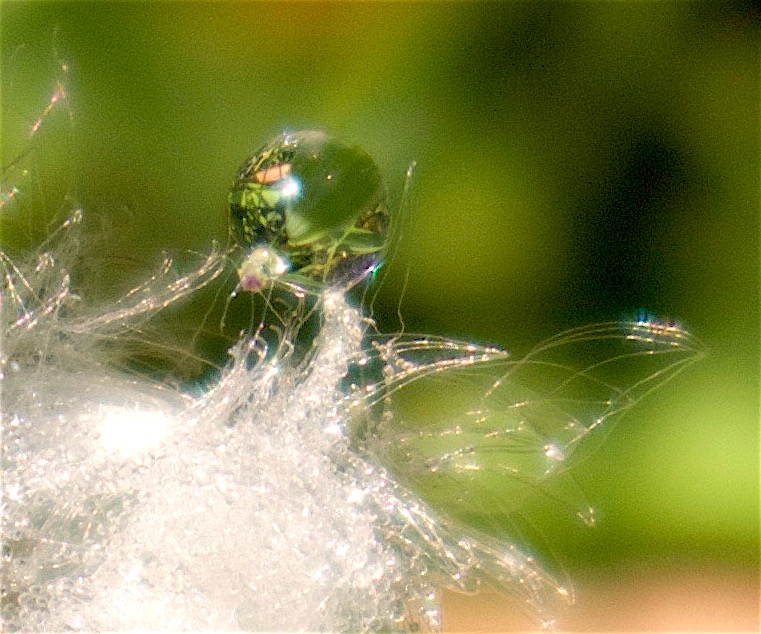
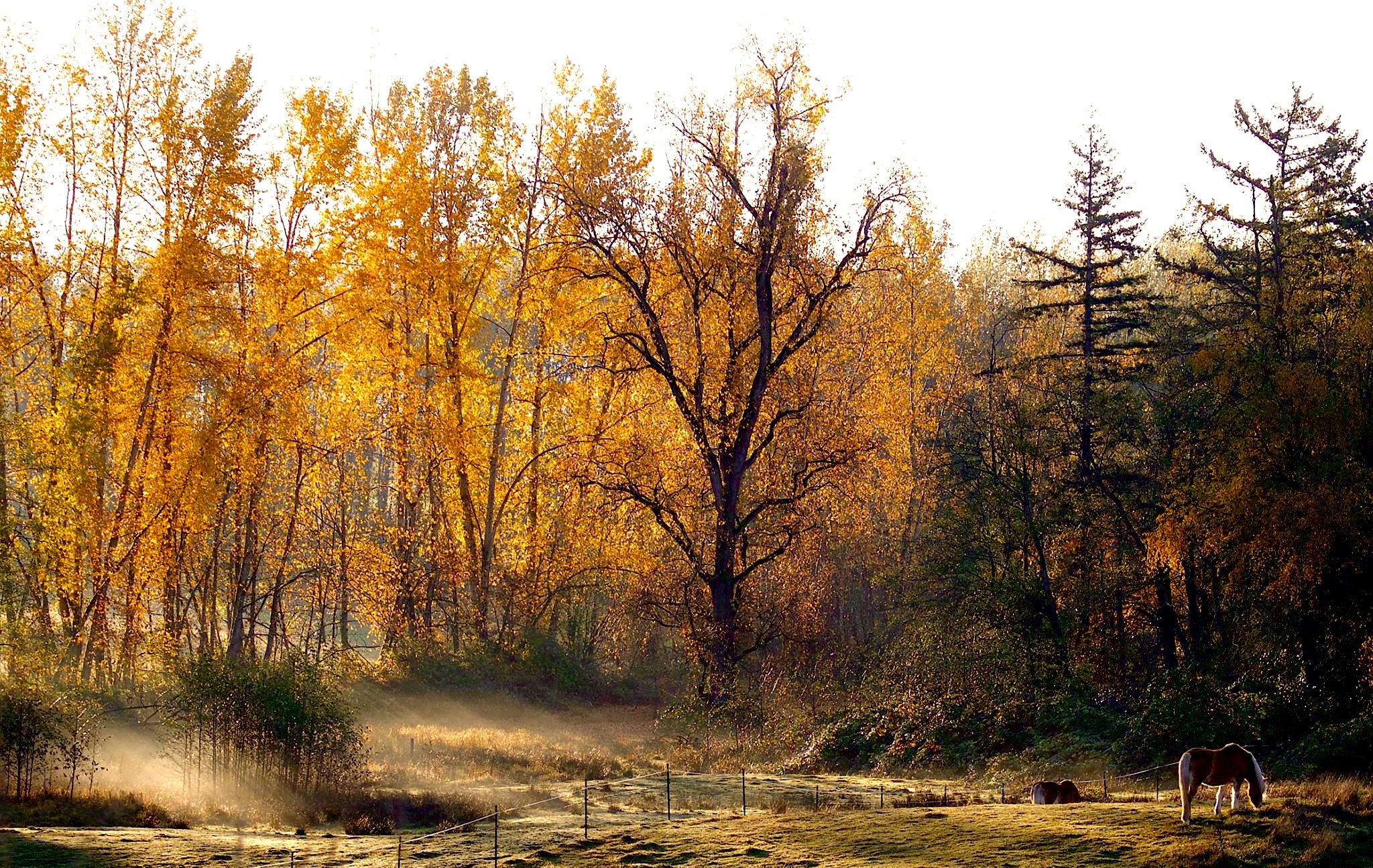
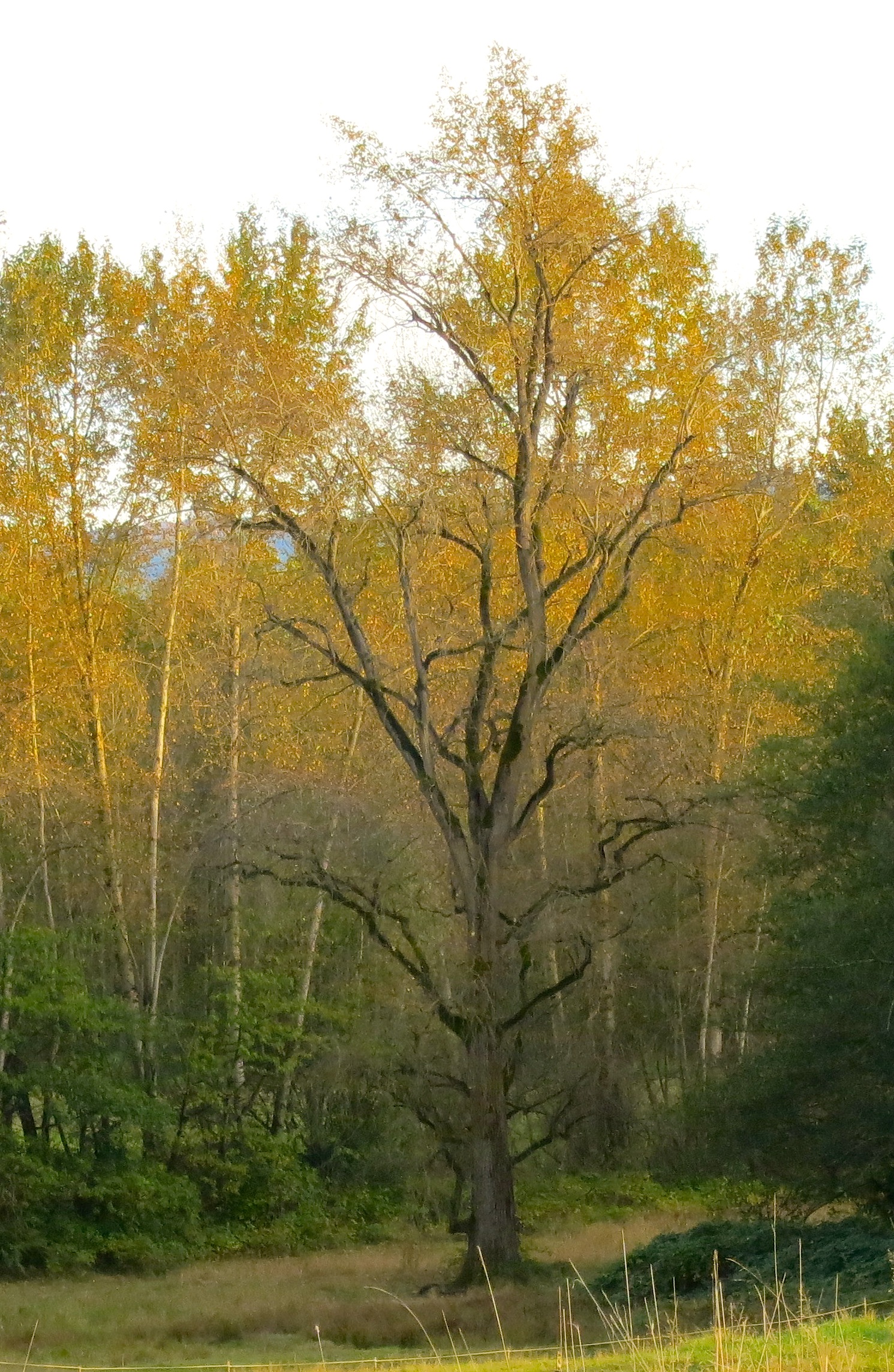
We never have tried harvesting any of the cottonwood resin, but I’ve found the presence of this grand tree in the field seems balm enough when I find myself discouraged. The tall tree adapts so dramatically over the course of the seasons, remaining a fixture of stability and beauty whether golden in the autumn, blowing cottony seeds in the spring, bare with snow in the winter or flourishing with summer leaves. It is steadfast and reassuring.
Discouragement is so familiar to us, a constant pandemic companion, and certainly is rampant over the past week with images of war filling our screens. No tree resin is capable of fighting a virus or stopping a war but the balm of Gilead in Jeremiah has the power of the Holy Spirit, able to heal our sin sick souls.
The love of our Savior is the balm for us, the wounded. We will become whole again.
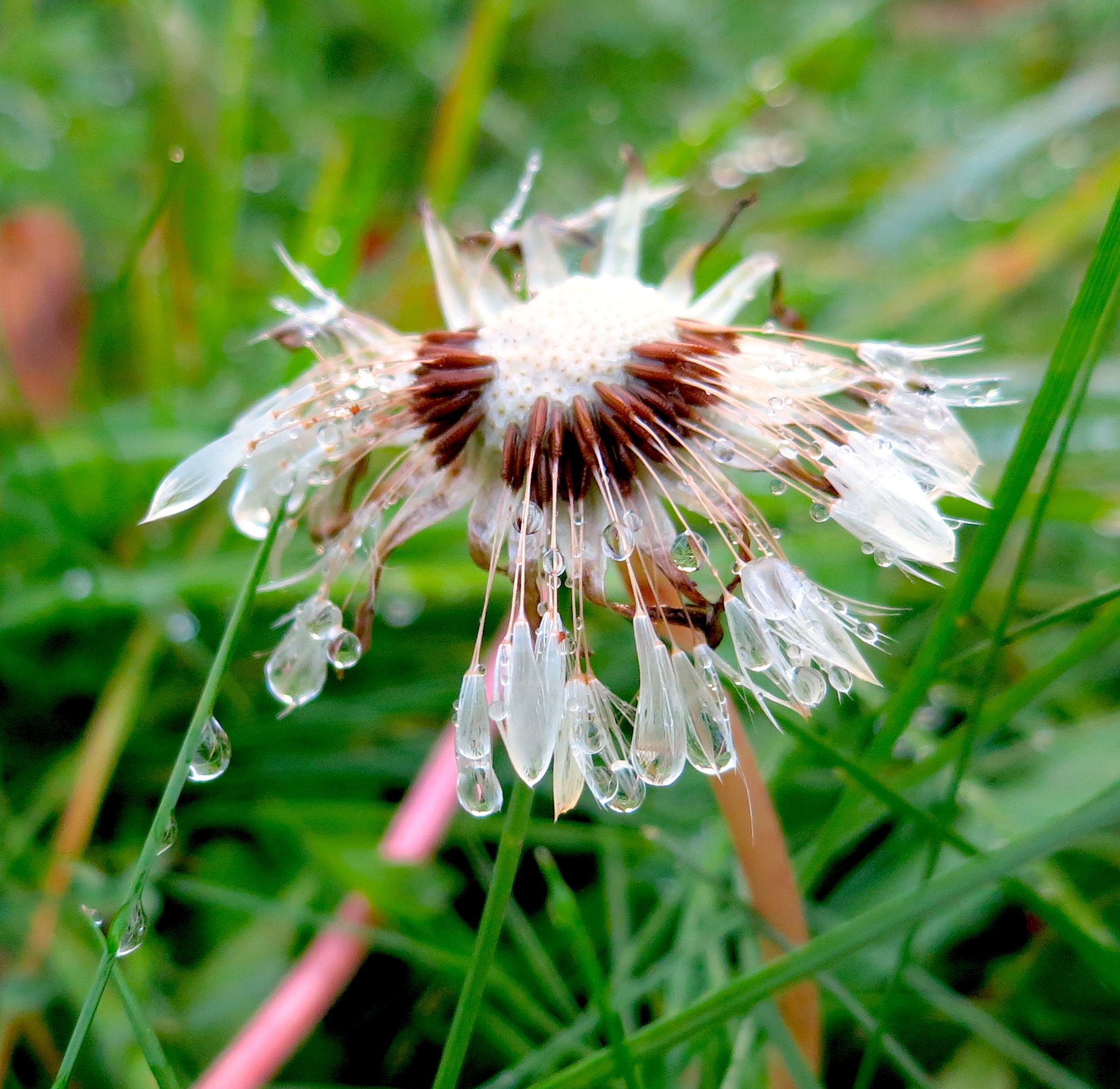
cottonwood seedscottonwood seed
This year’s Lenten theme for Barnstorming is a daily selection from songs and hymns about Christ’s profound sacrifice on our behalf.
If we remain silent about Him, the stones themselves will shout out and start to sing (Luke 19:40).
In His name, may we sing…
There is a balm in Gilead to make the wounded whole. There is a balm in Gilead to heal the sin sick soul.
Sometimes I feel discouraged and think my works in vain, but then the holy spirit revives my soul again.
There is a balm in Gilead to make the wounded whole. There is a balm in Gilead to heal the sin sick soul.
Don’t ever feel discouraged for Jesus is your friend and if you lack for knowledge he’ll ne’er refuse to lend.
One-Time
Monthly
Yearly
Make a one-time or recurring donation to support daily Barnstorming posts



































 Barnstorming