Never Enough Light in November

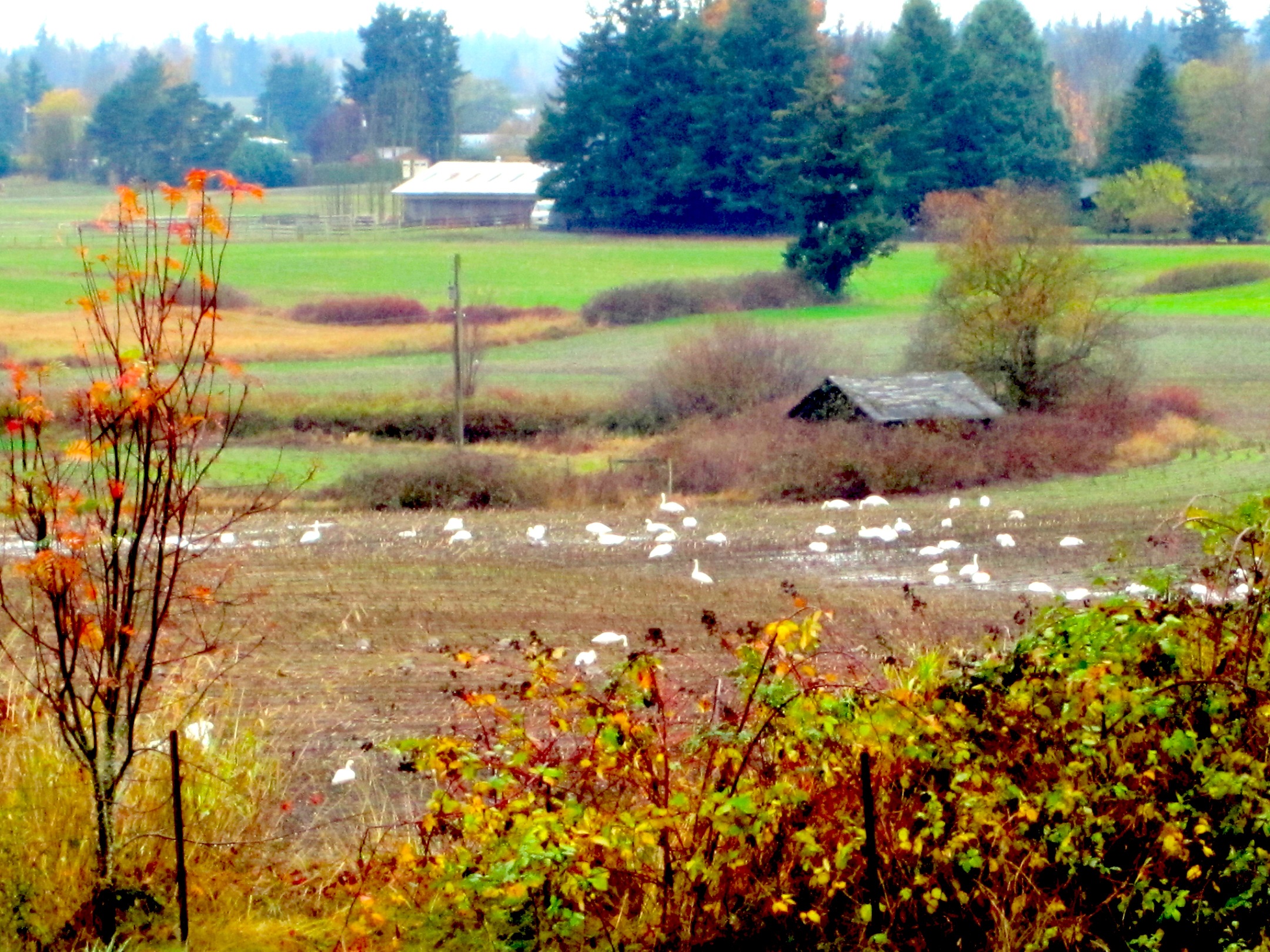
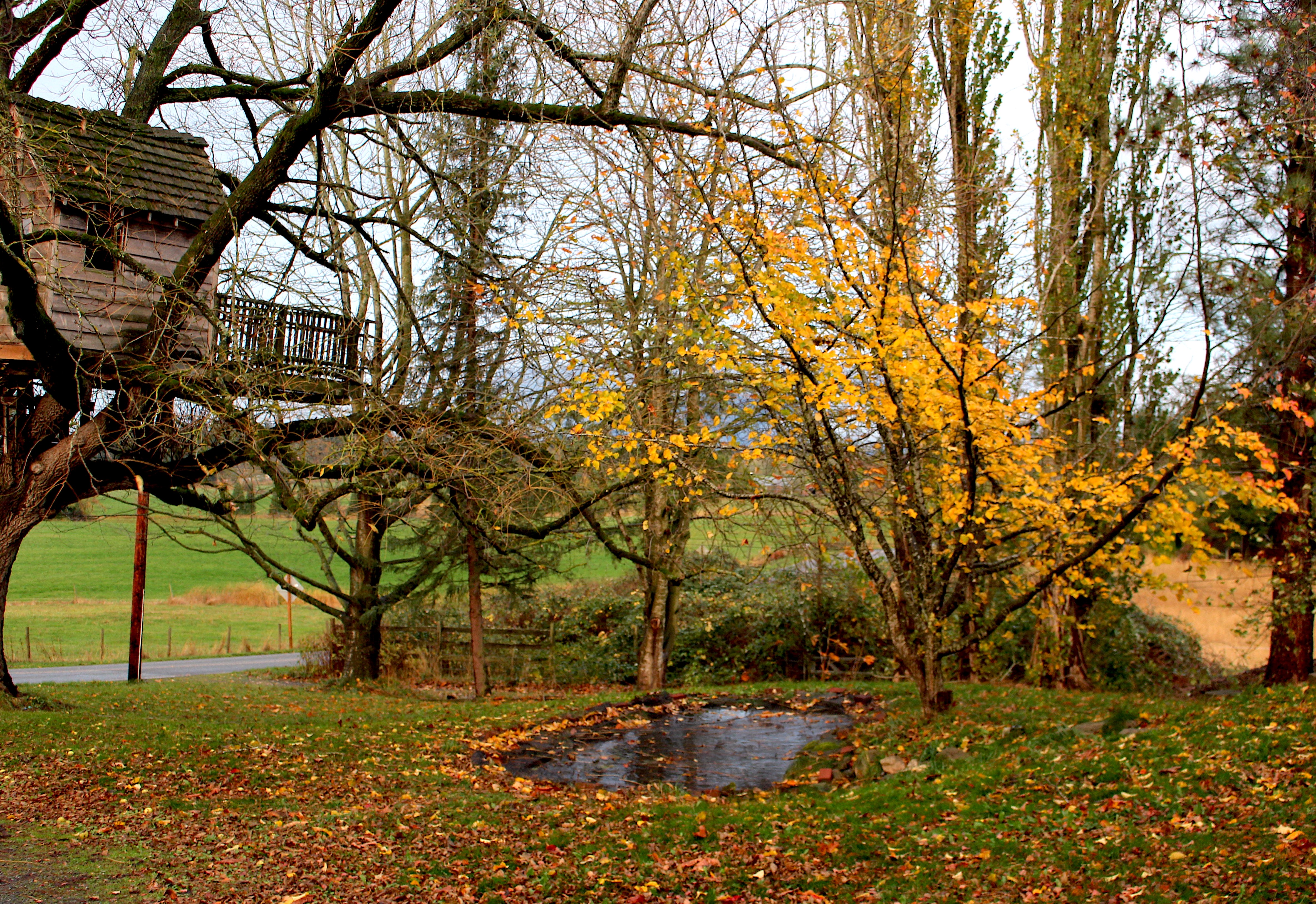
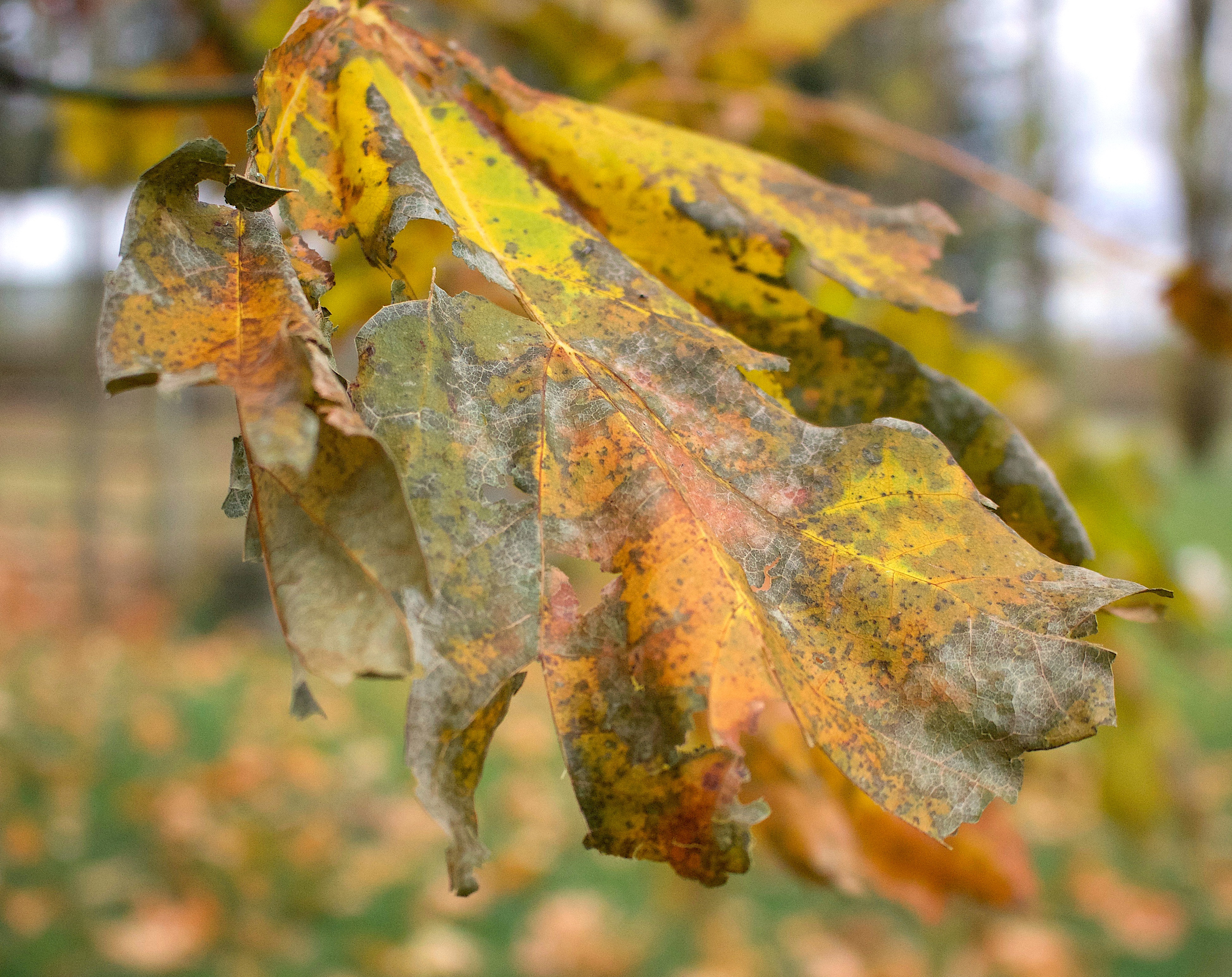
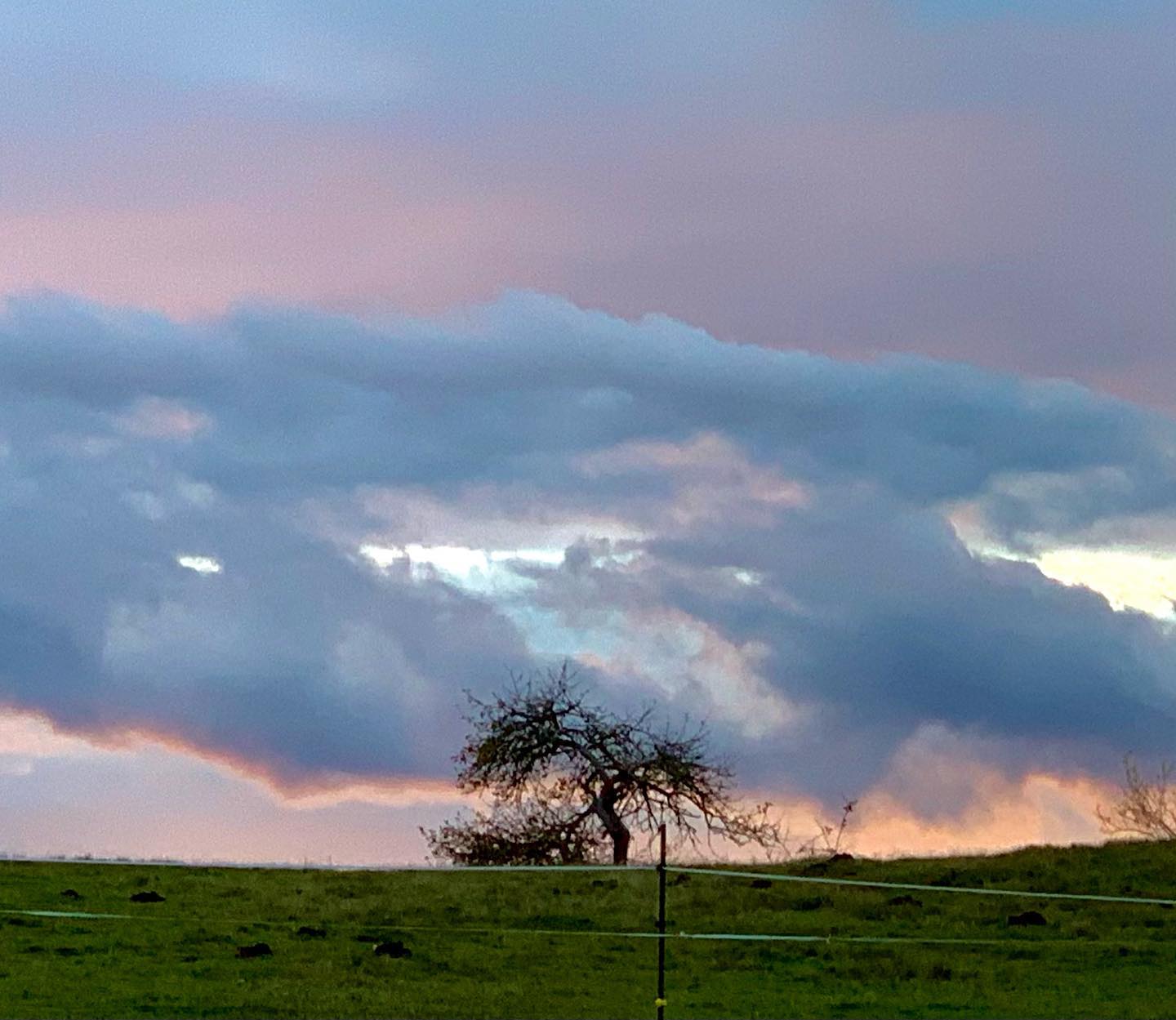
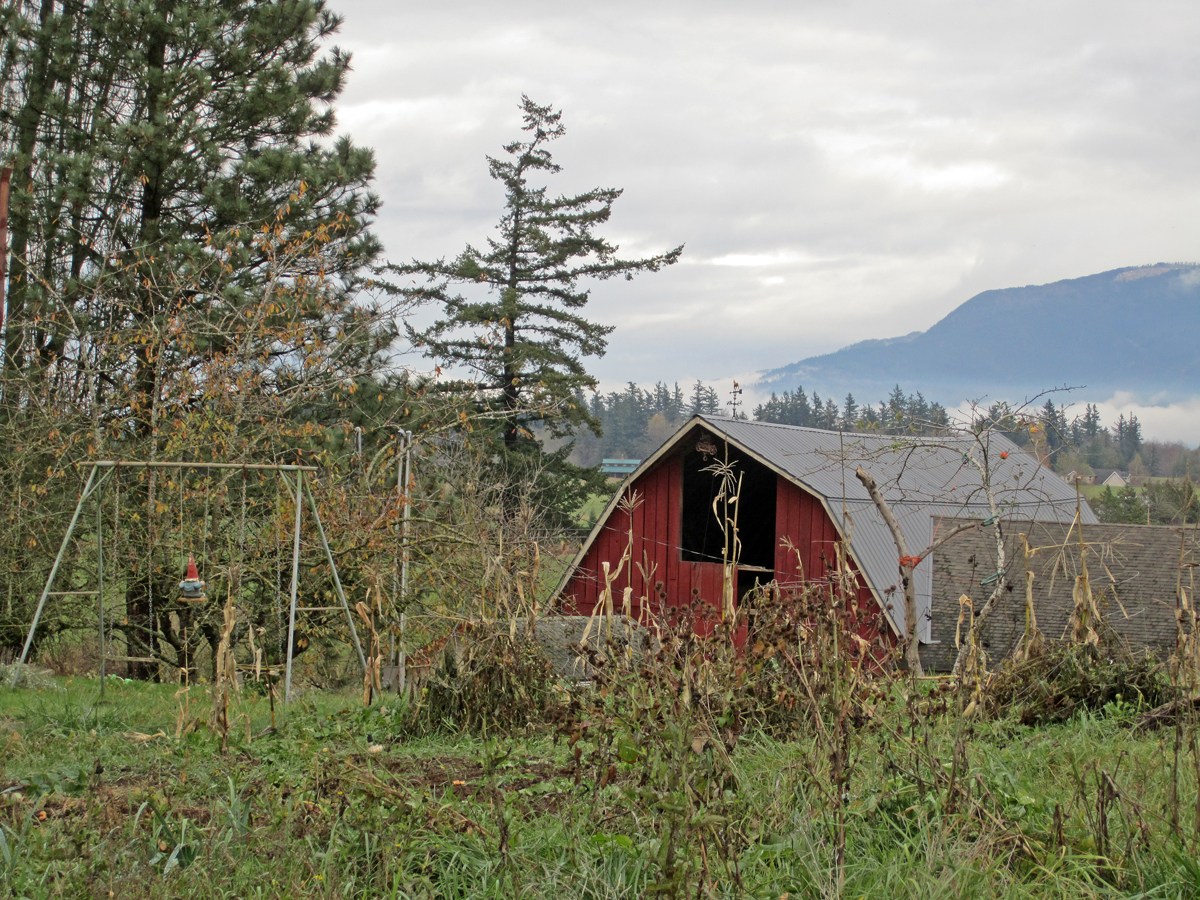
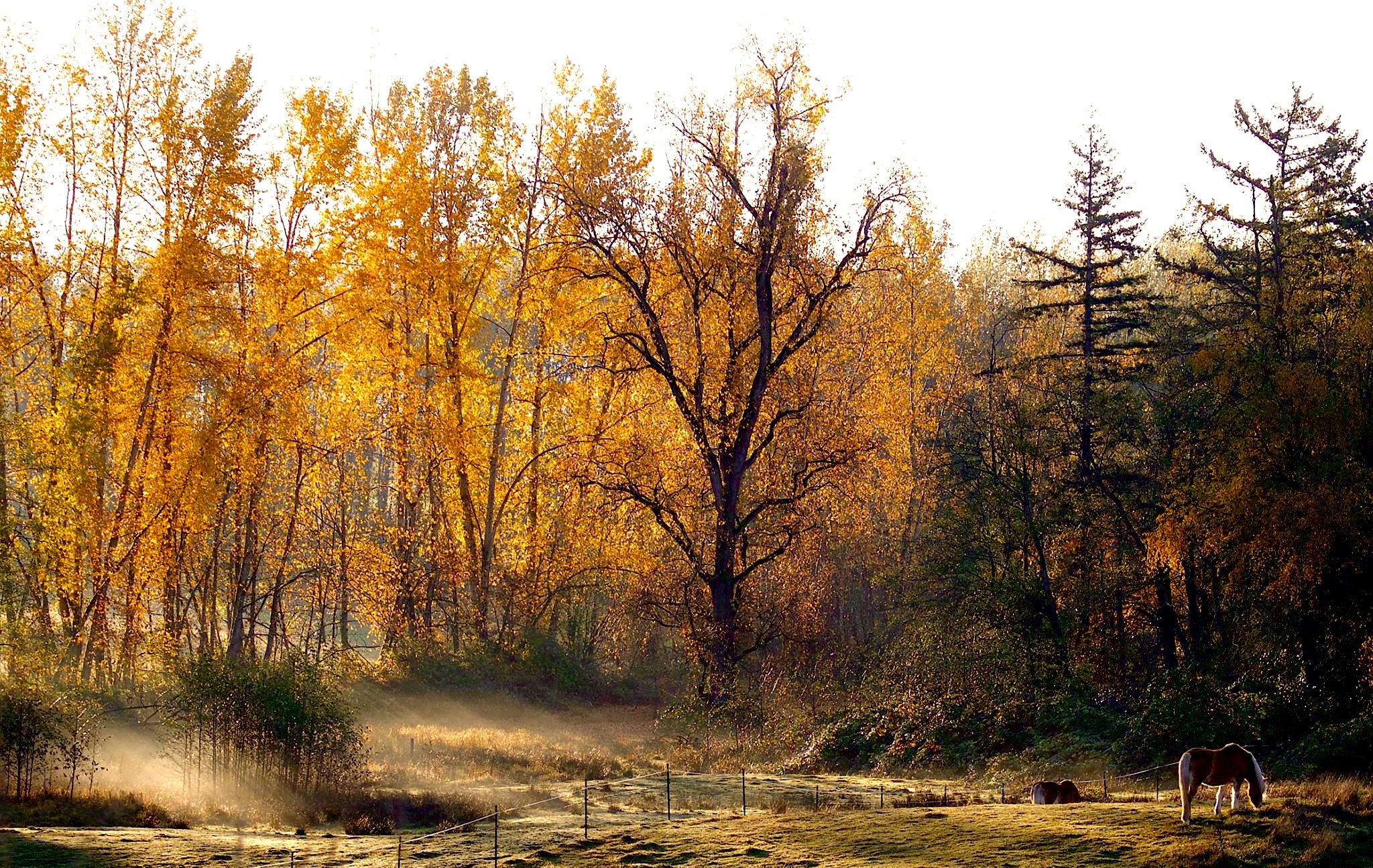
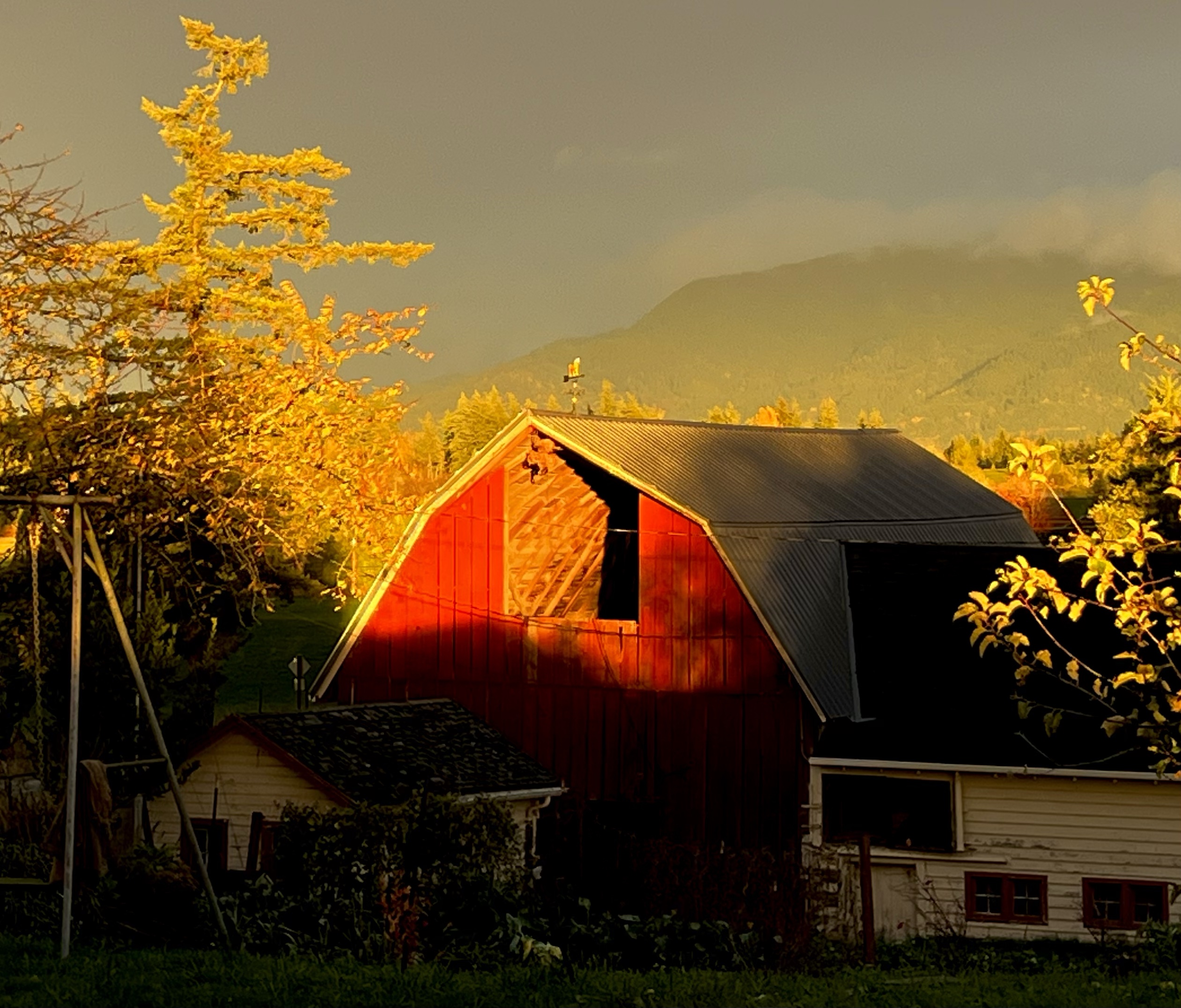
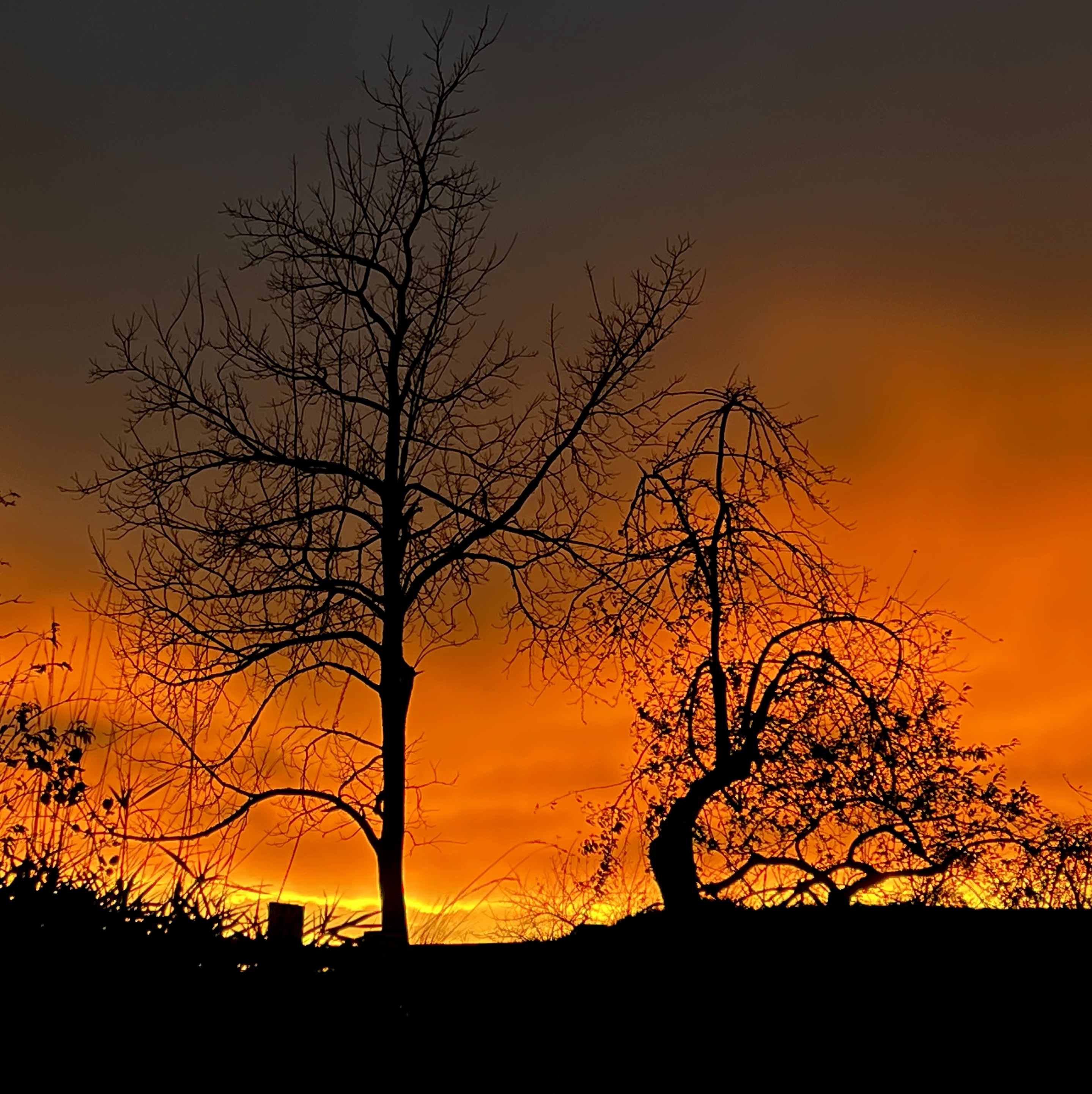
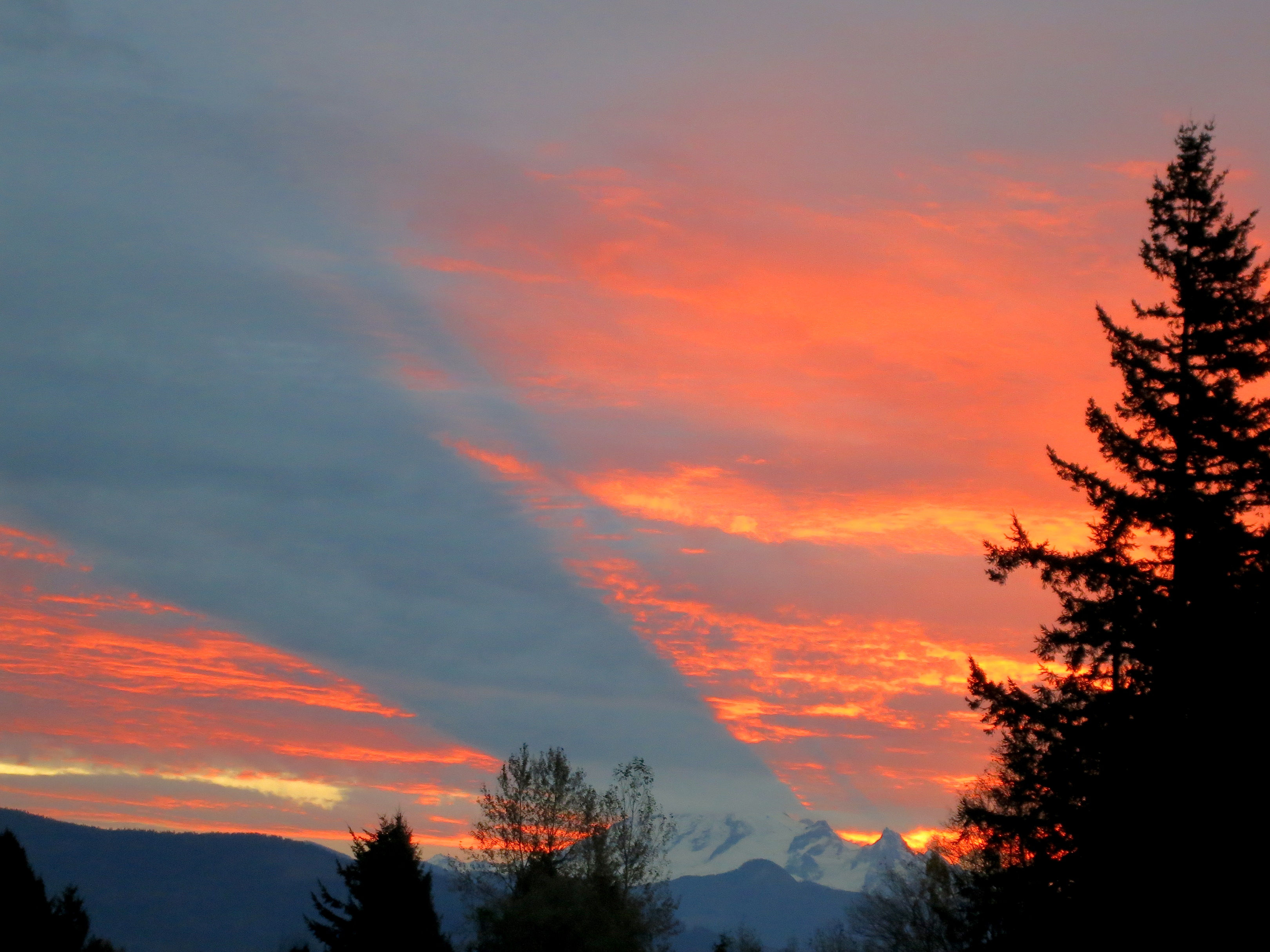
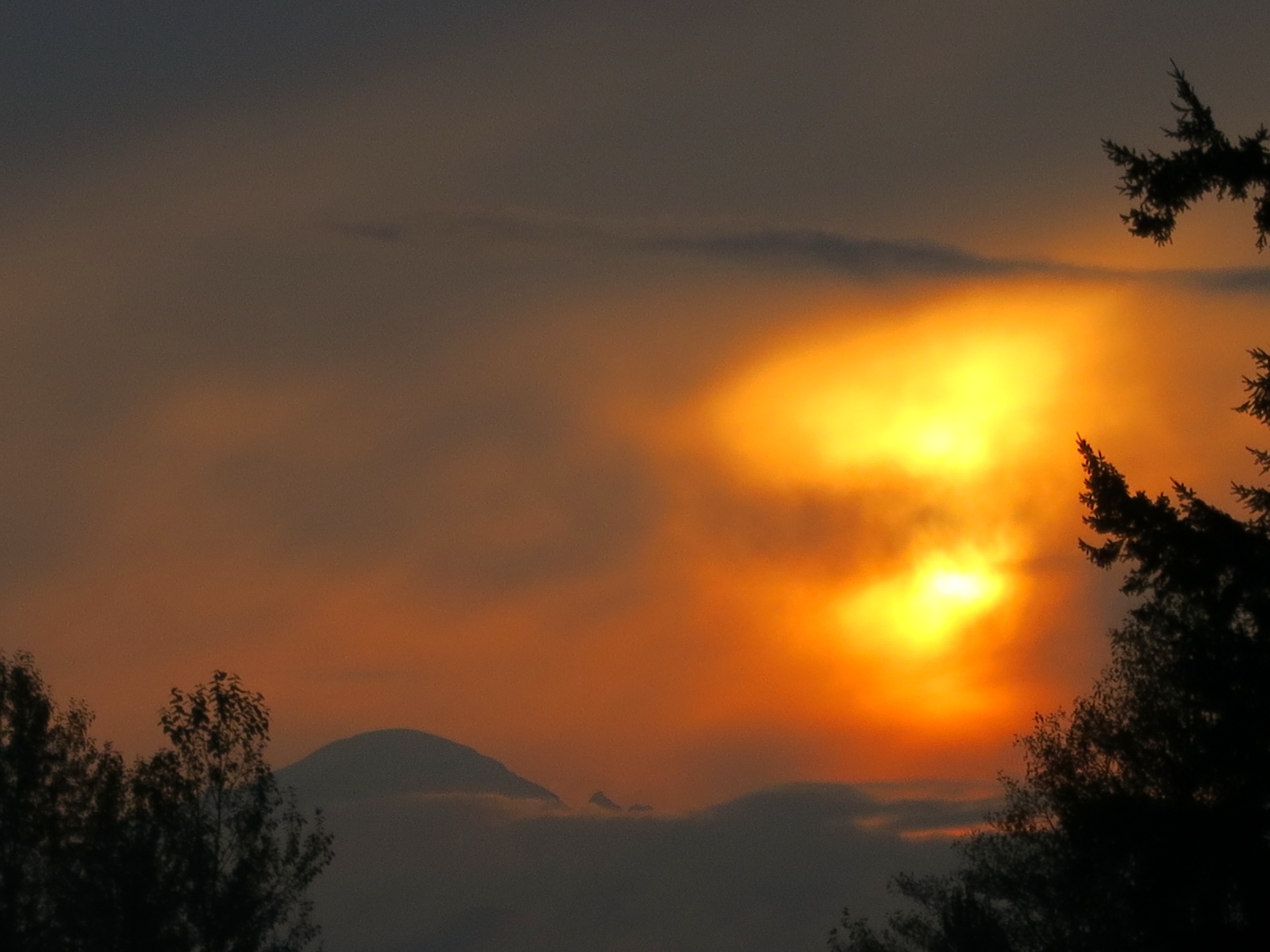
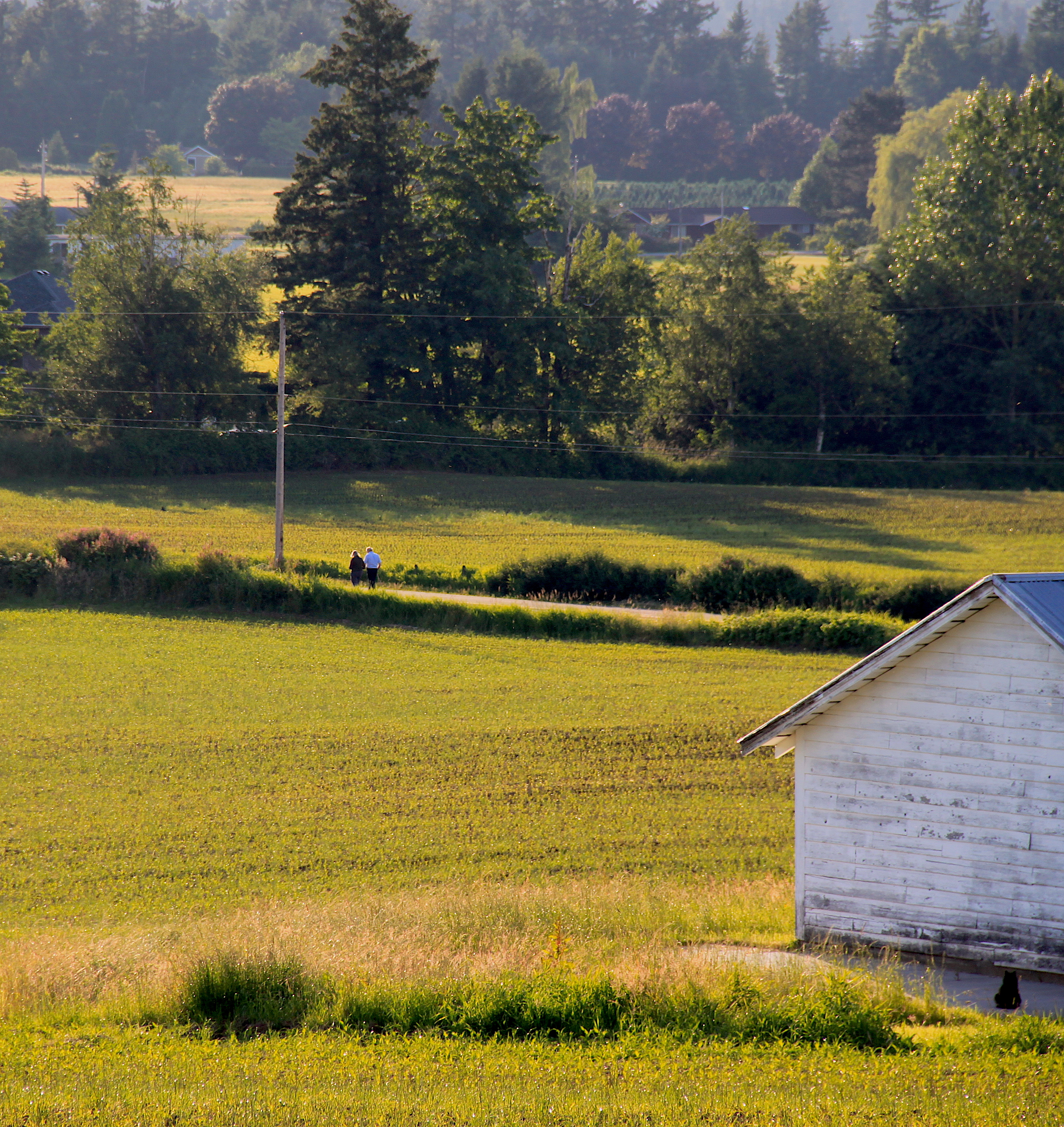
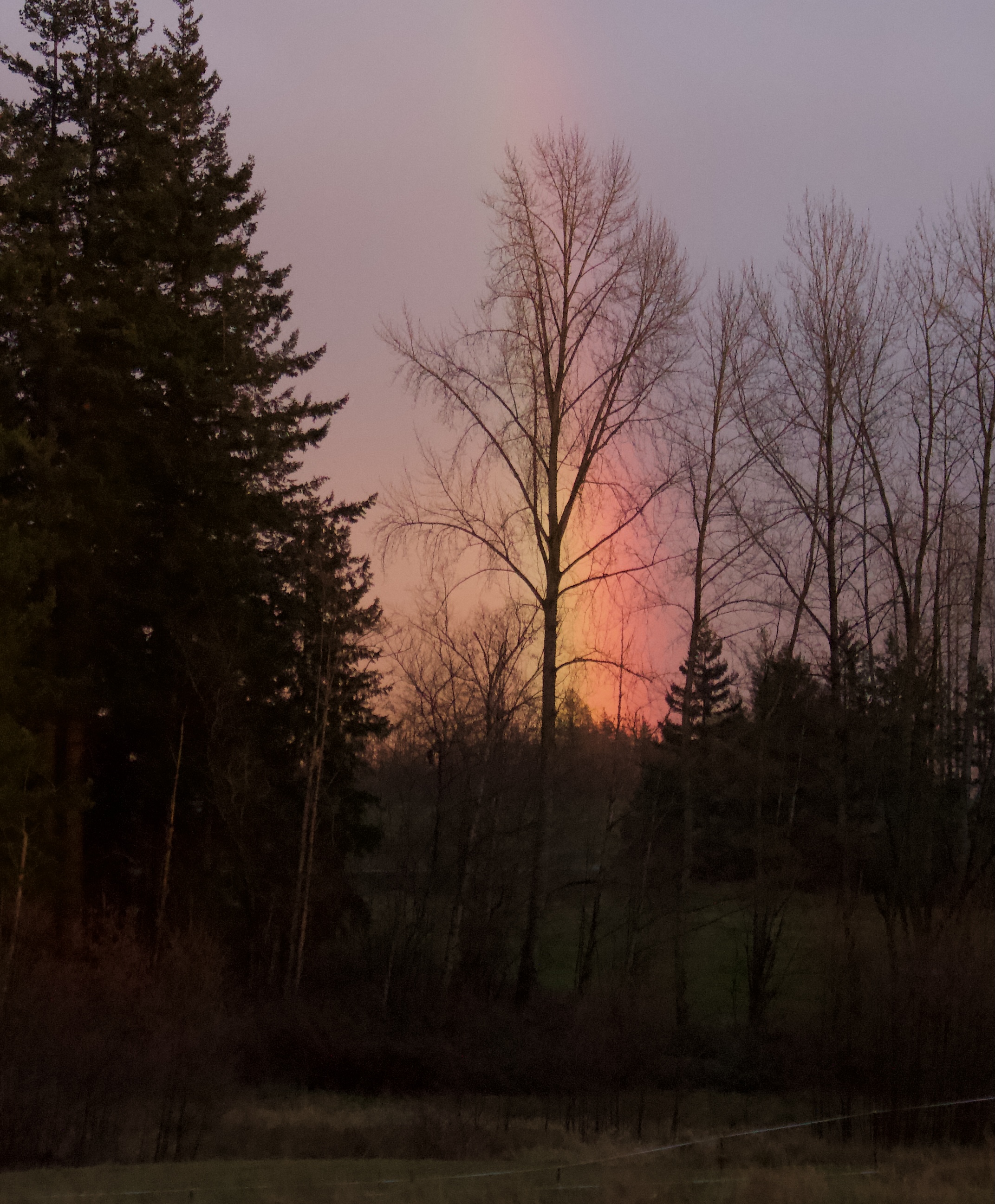
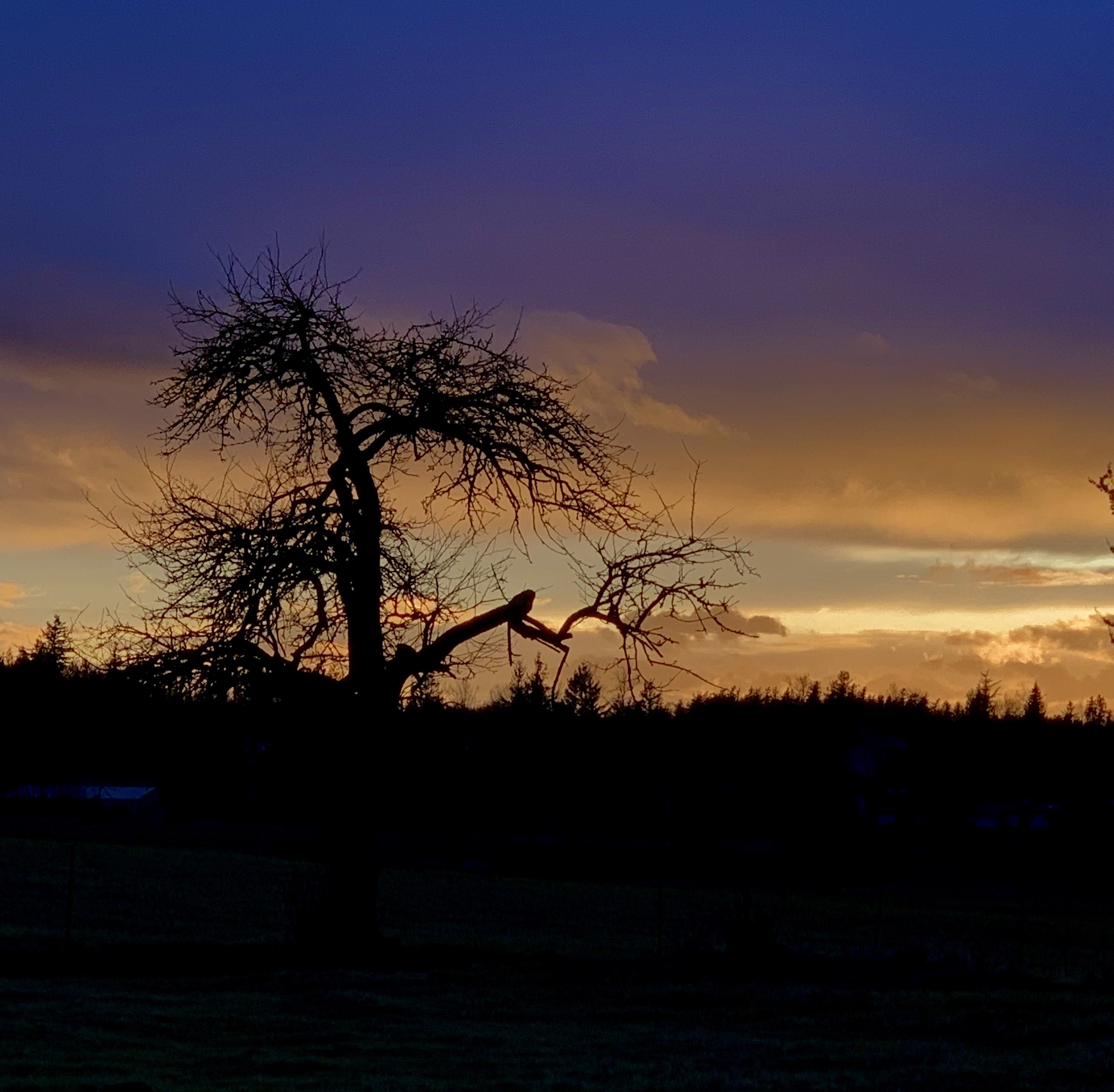
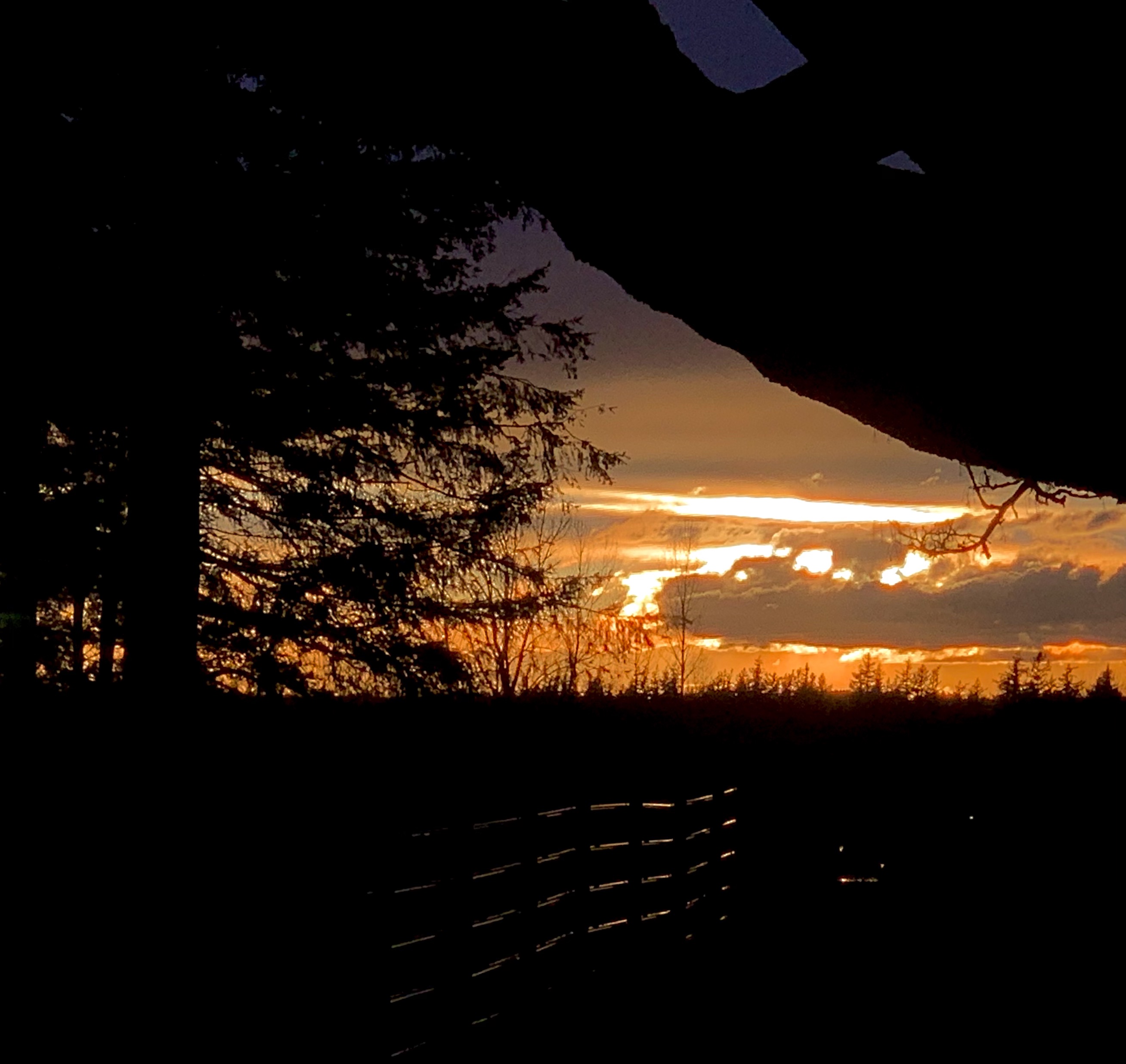
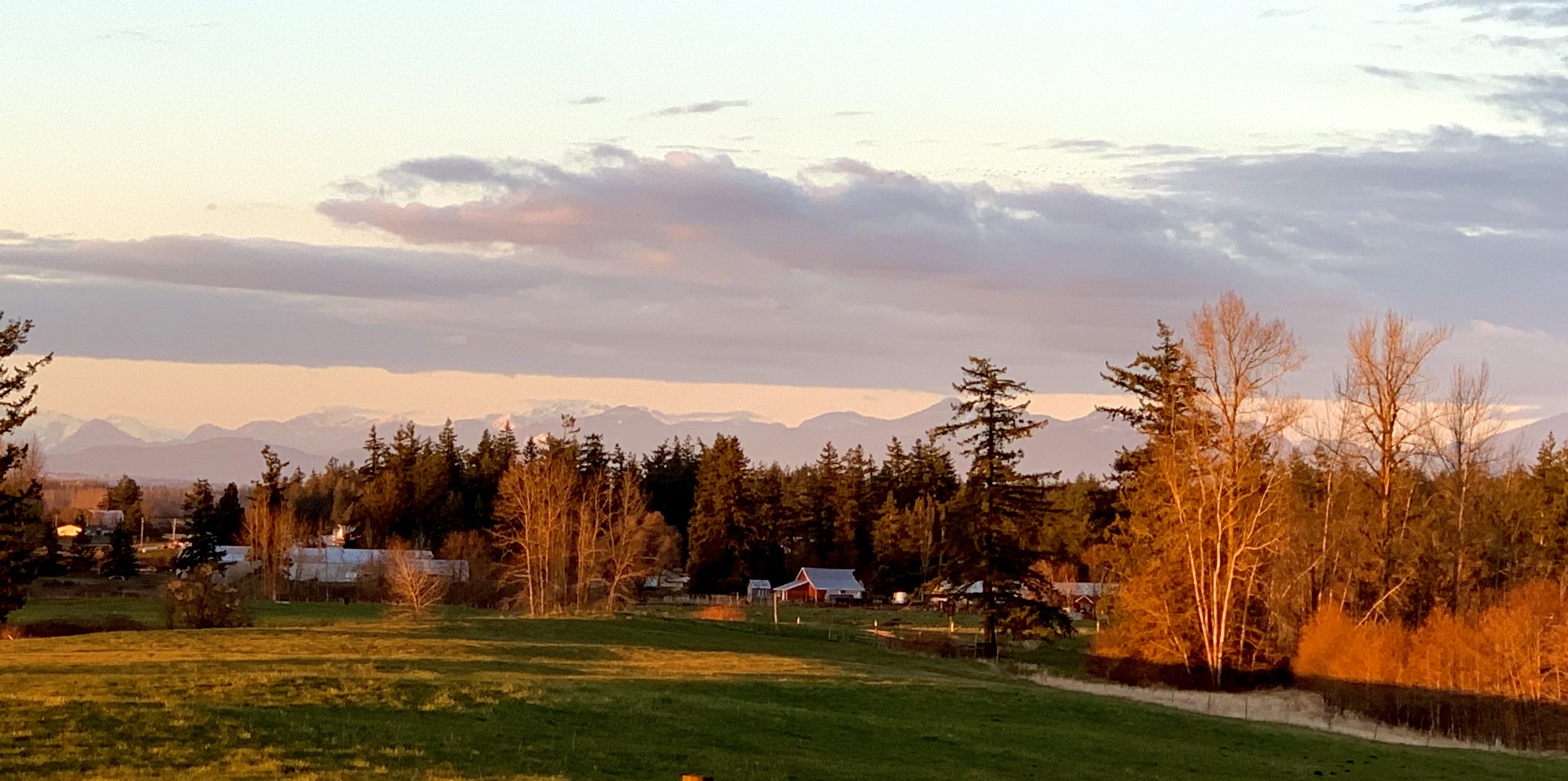
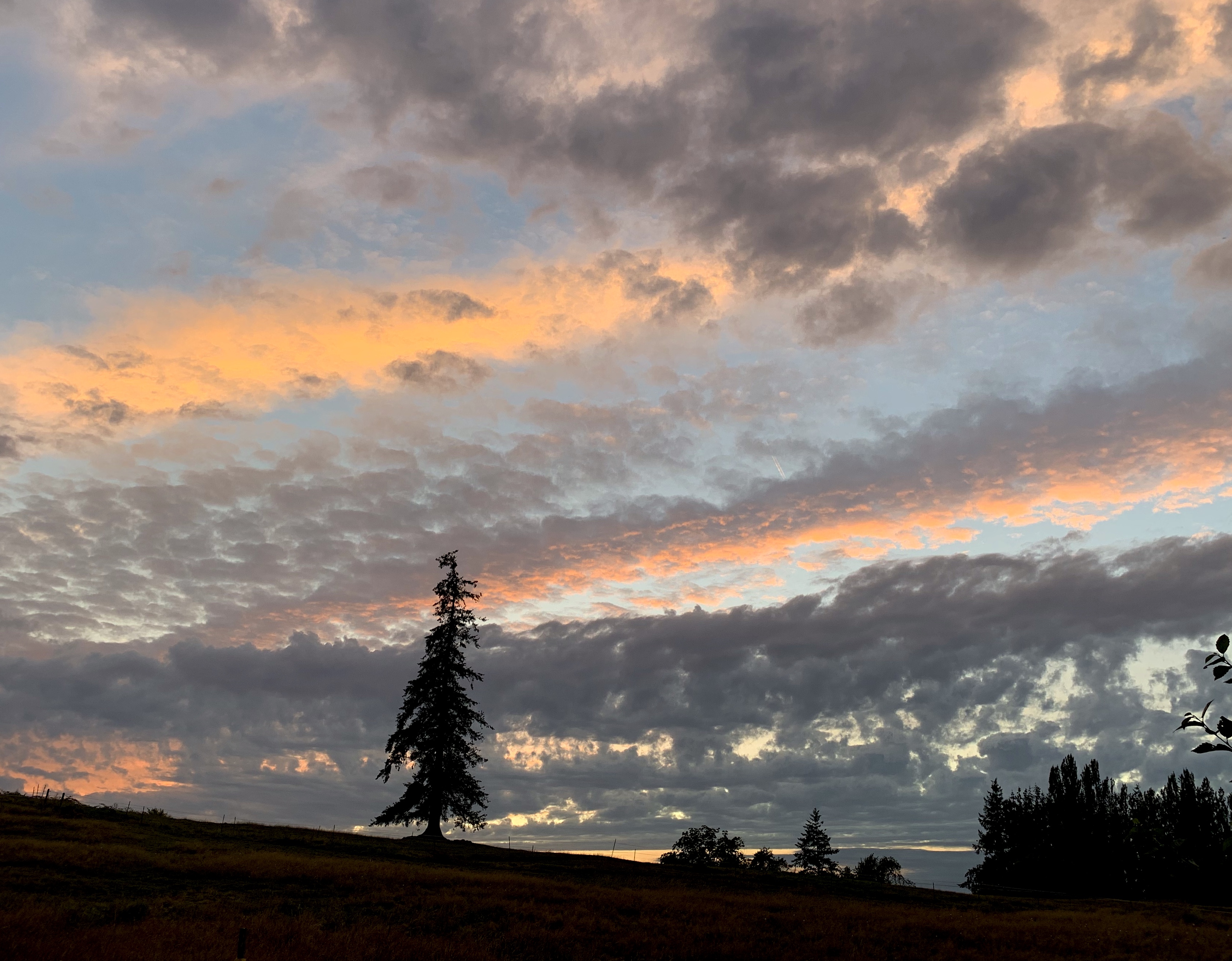
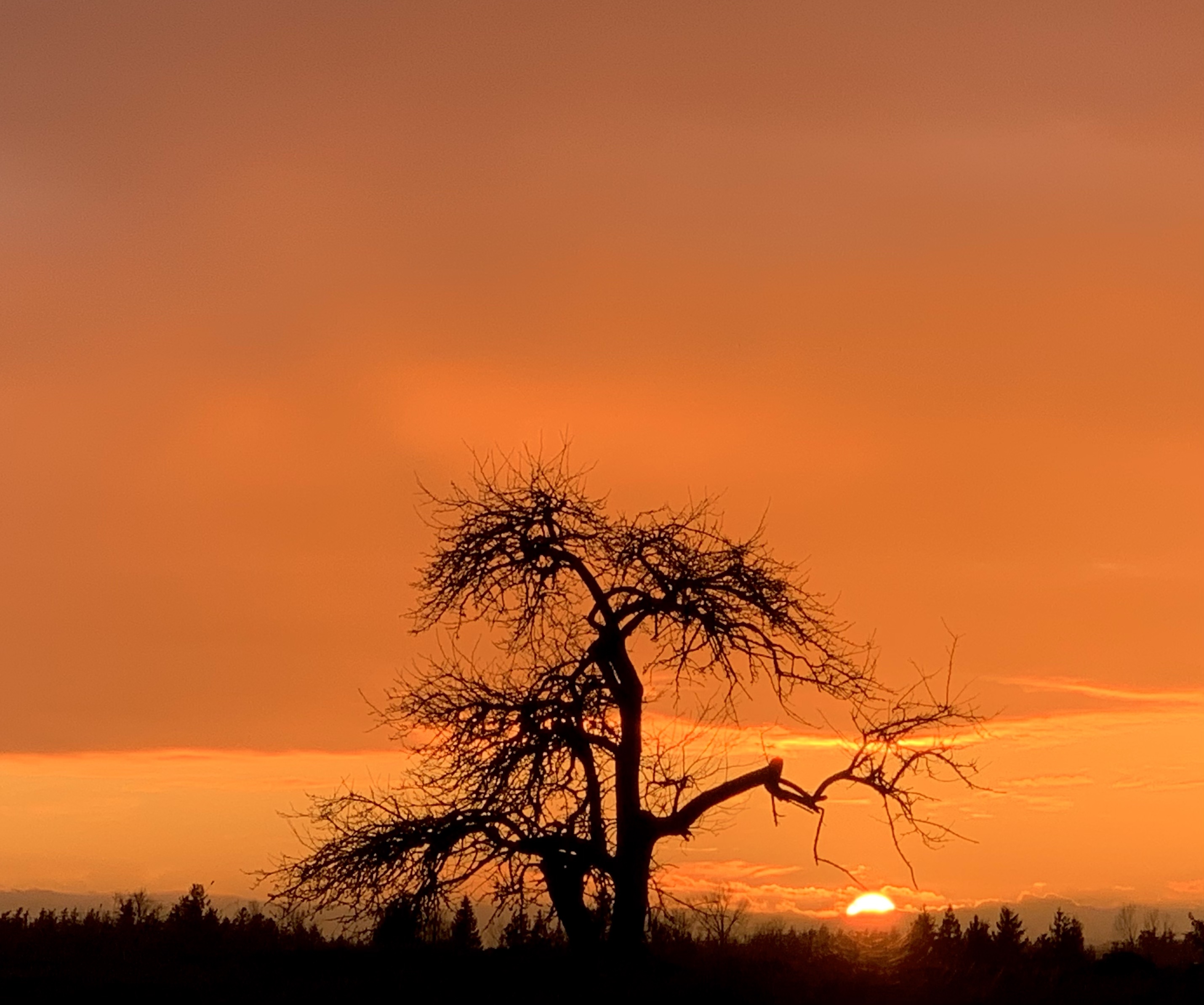
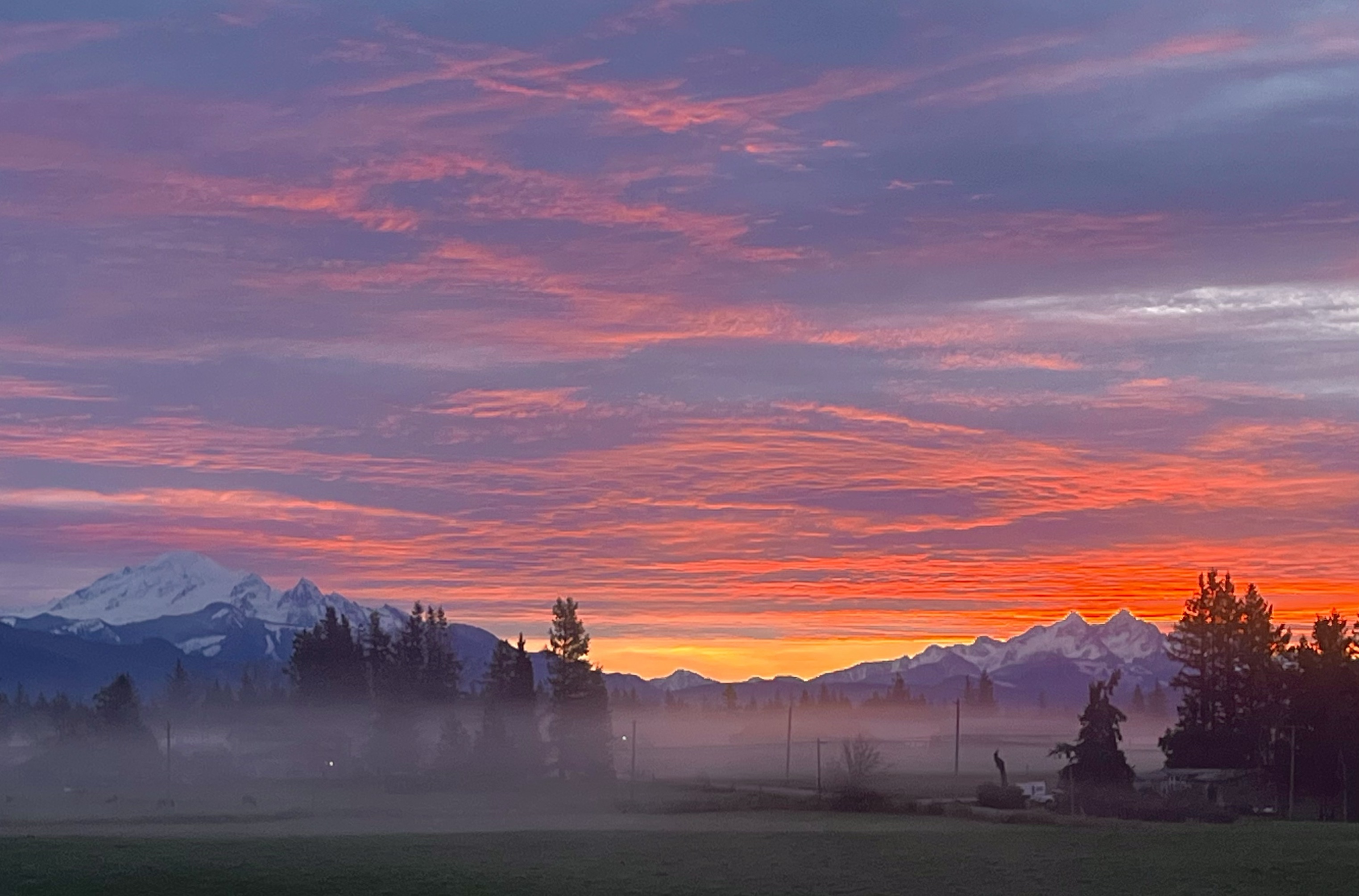
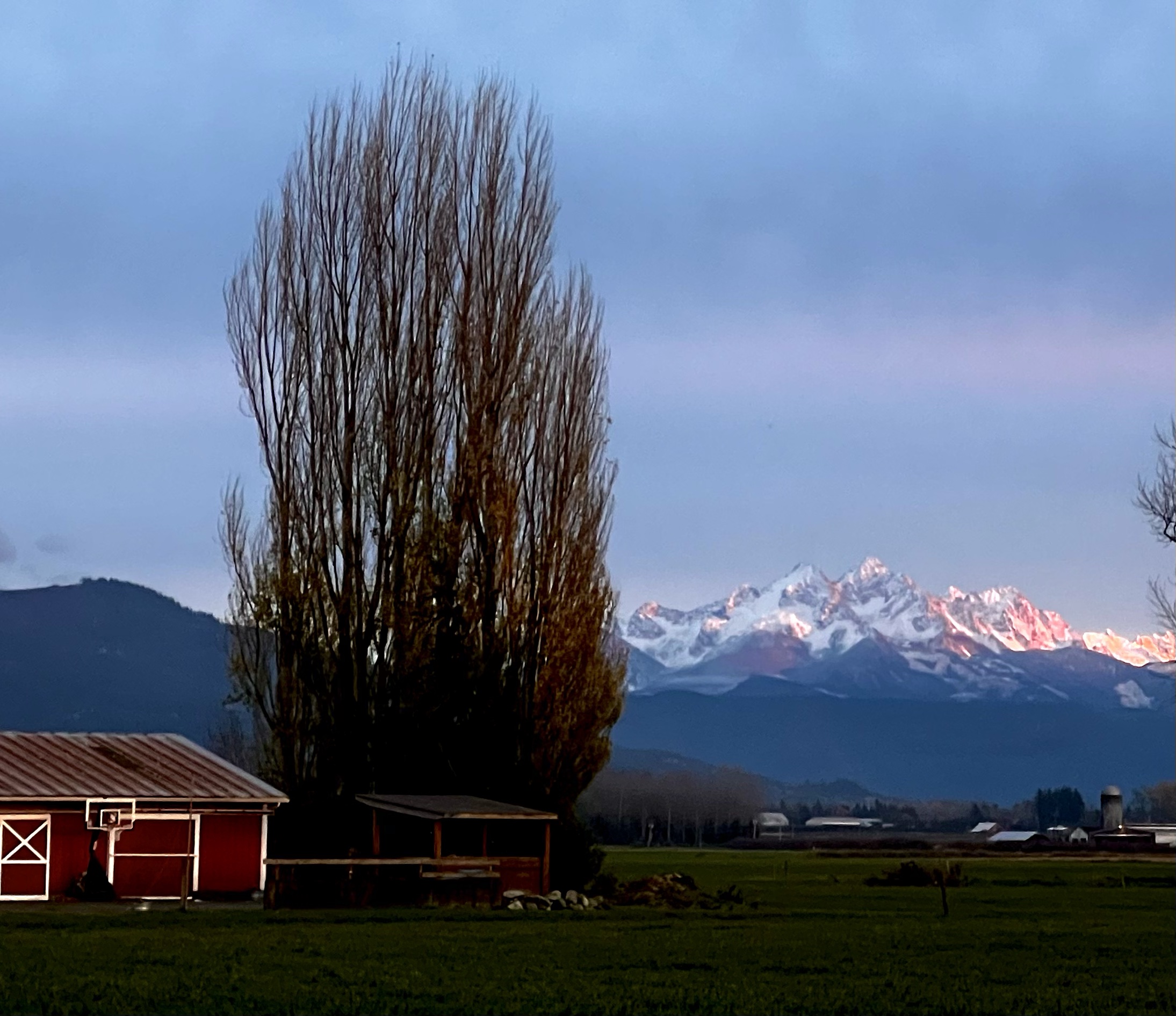
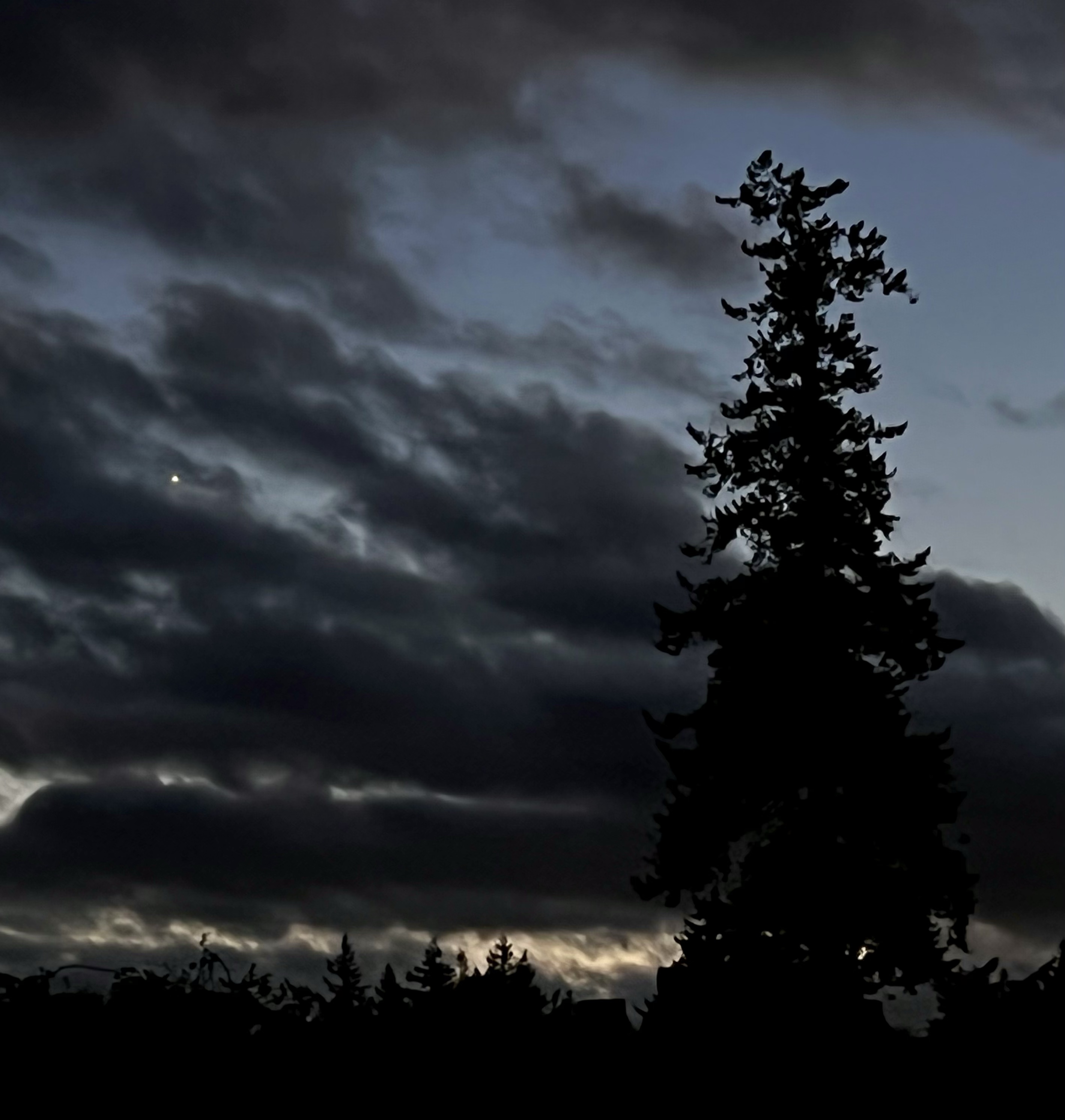
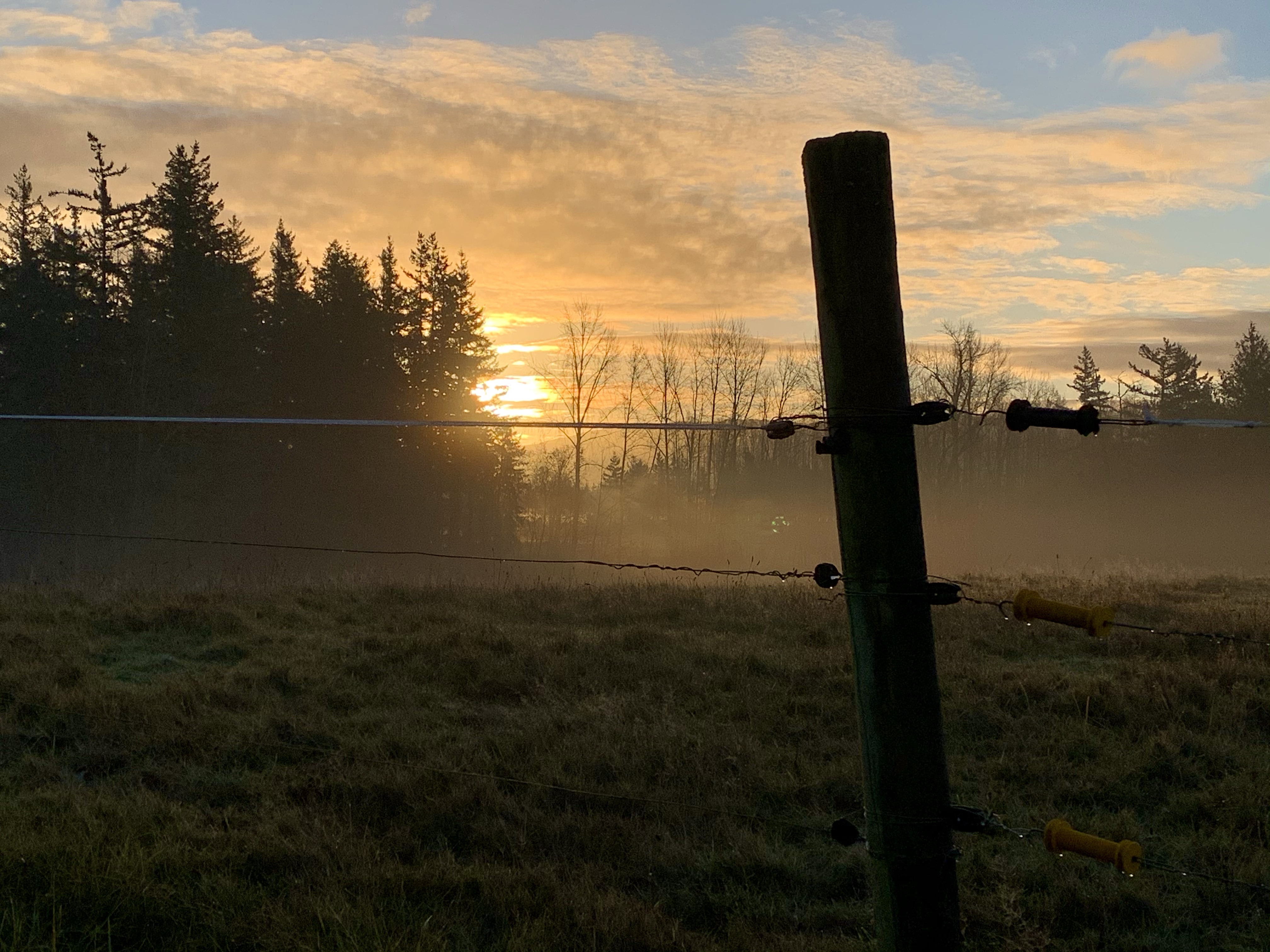
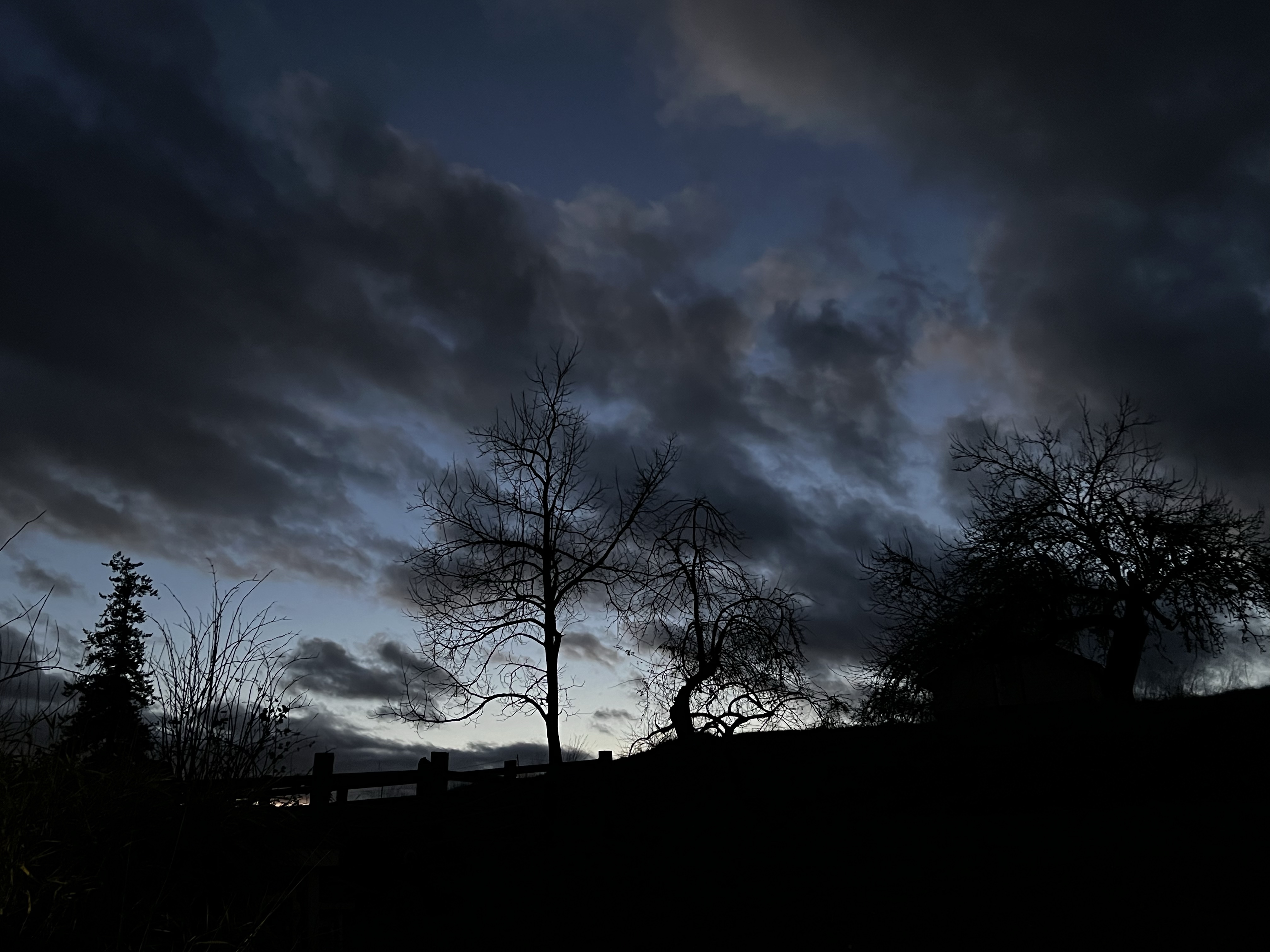
Taken from our farm–cornfield stubble and feeding swans

That country where it is always turning late in the year.
That country where the hills are fog and the rivers are mist;
where noons go quickly,
dusks and twilights linger,
and midnights stay.
That country composed in the main of cellars, sub-cellars, coal-bins, closets, attics, and pantries faced away from the sun.
That country whose people are autumn people,
thinking only autumn thoughts.
Whose people passing at night on the empty walks sound like rain.

~Ray Bradbury from The October Country

Just as a painter needs light
in order to put the finishing touches to his picture,
so I need an inner light,
which I feel I never have enough of in the autumn.
~Leo Tolstoy

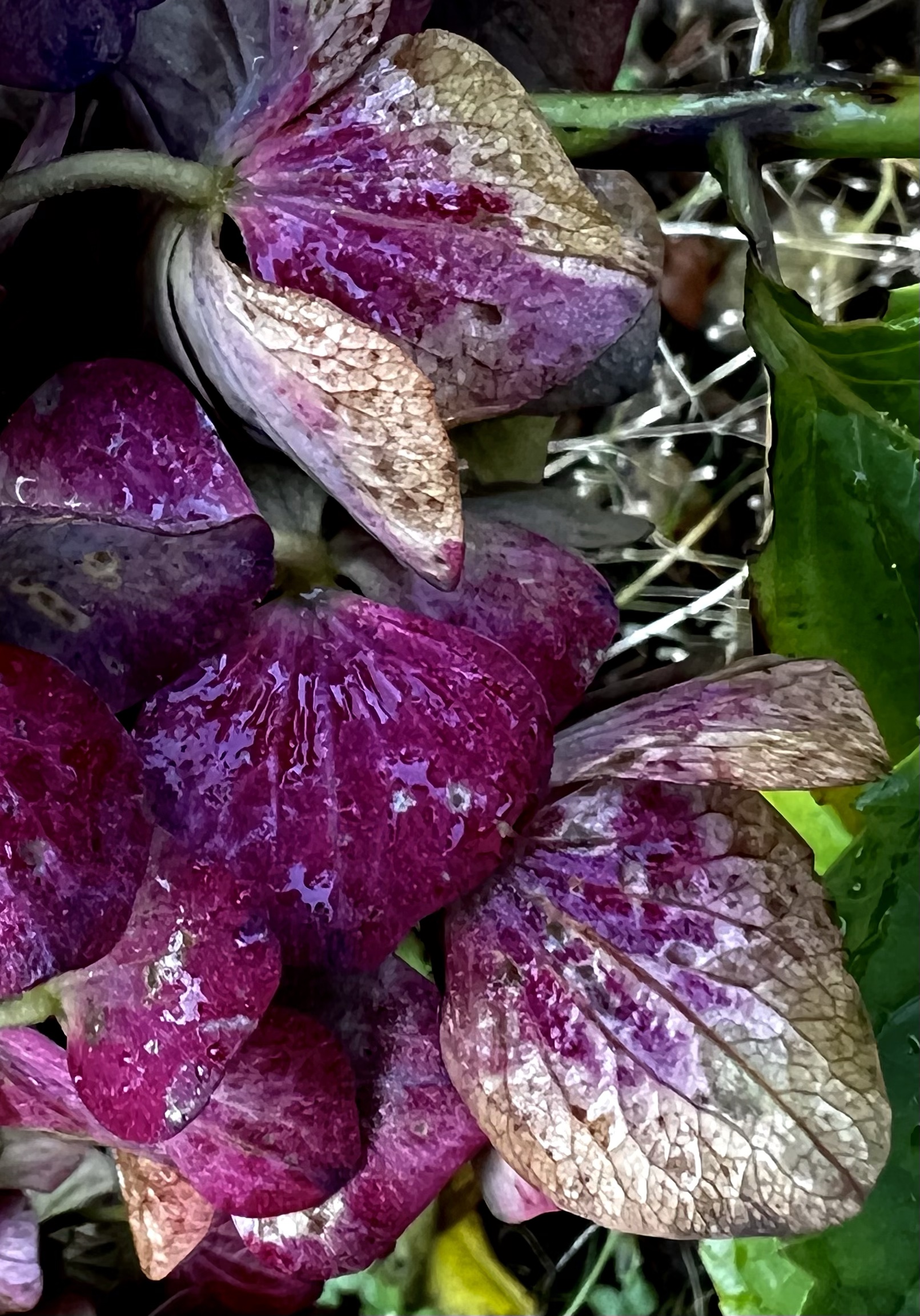
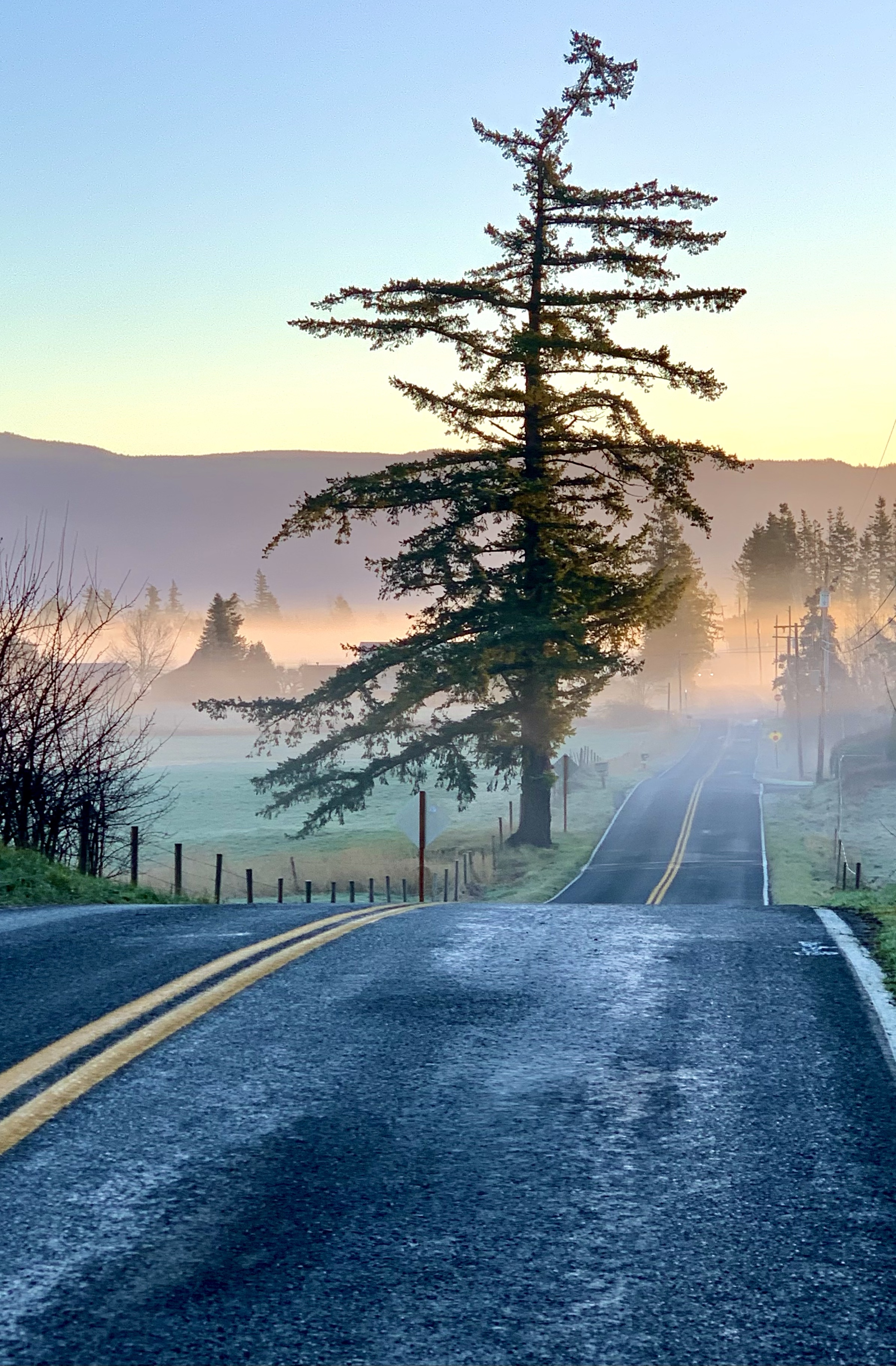
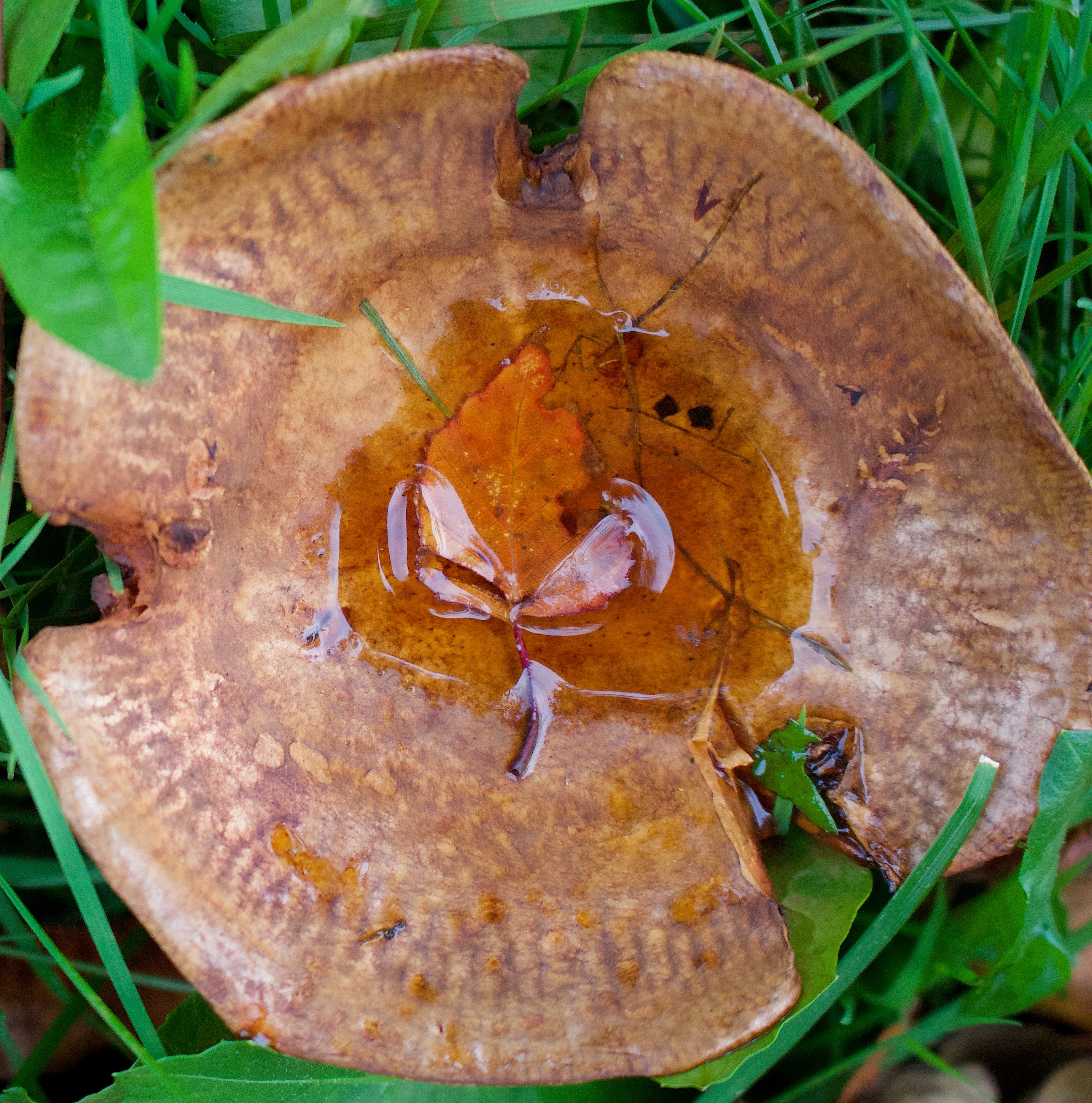
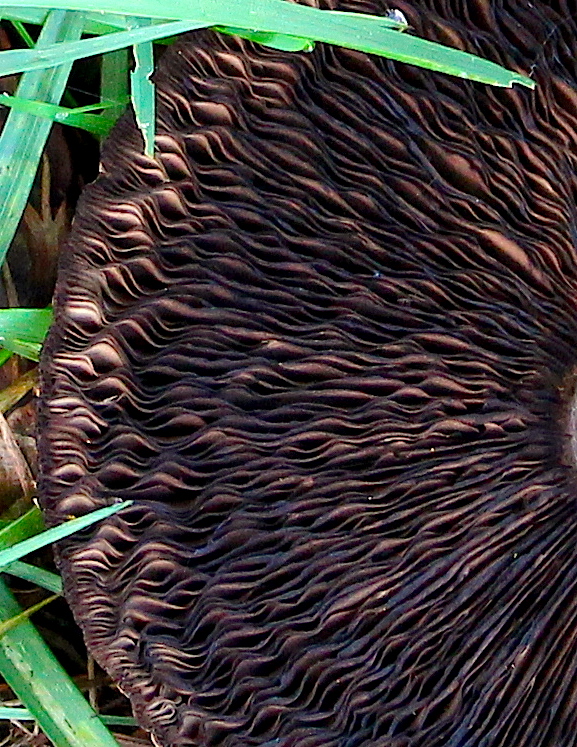
A few days of heavy rain in November transforms our farm to mush. Puddles are everywhere, the ground is saturated and mushrooms are sprouting in the most unlikely places. It’s ideal weather for the trumpeter swans and snow geese who glean in the nearby harvested cornfields, filling up on dropped corn kernels. They fly overhead to head out to the fields, noisily honking, their wings swooshing the air as they pass over.

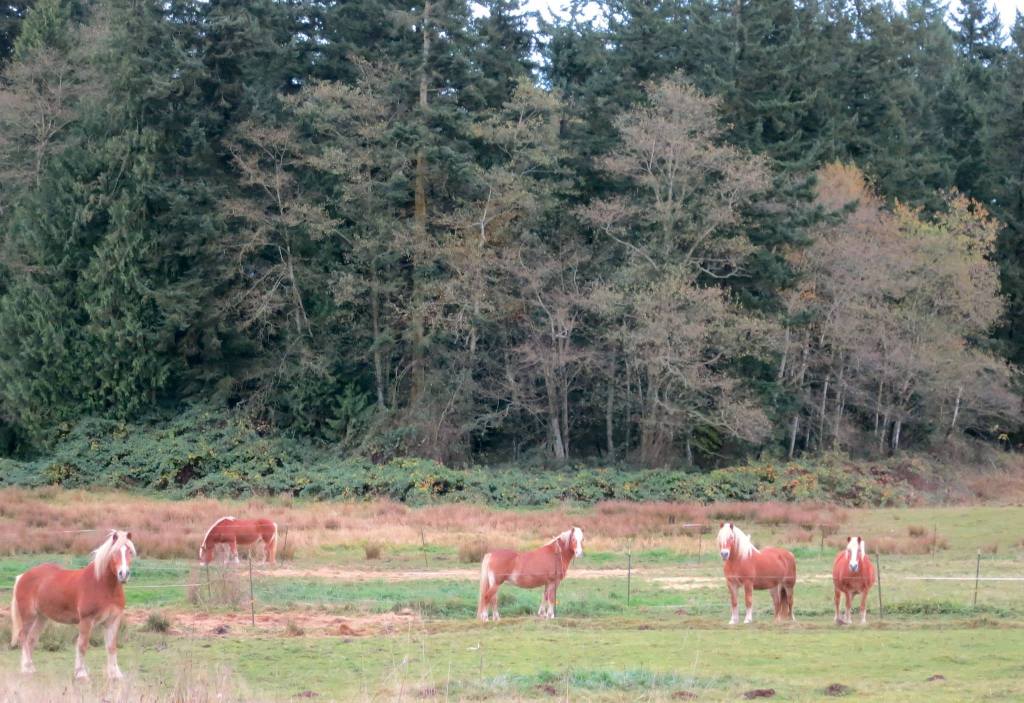
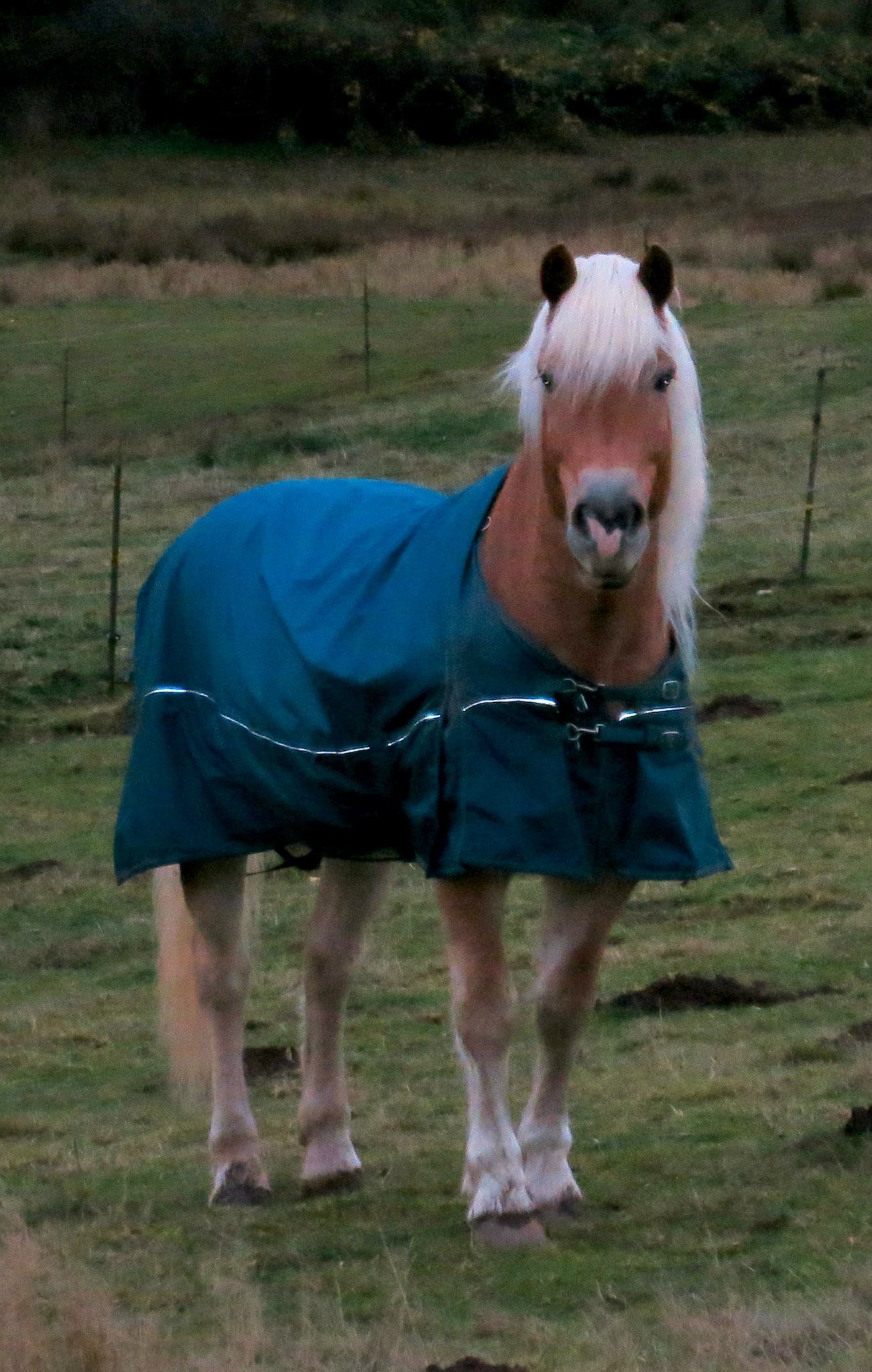
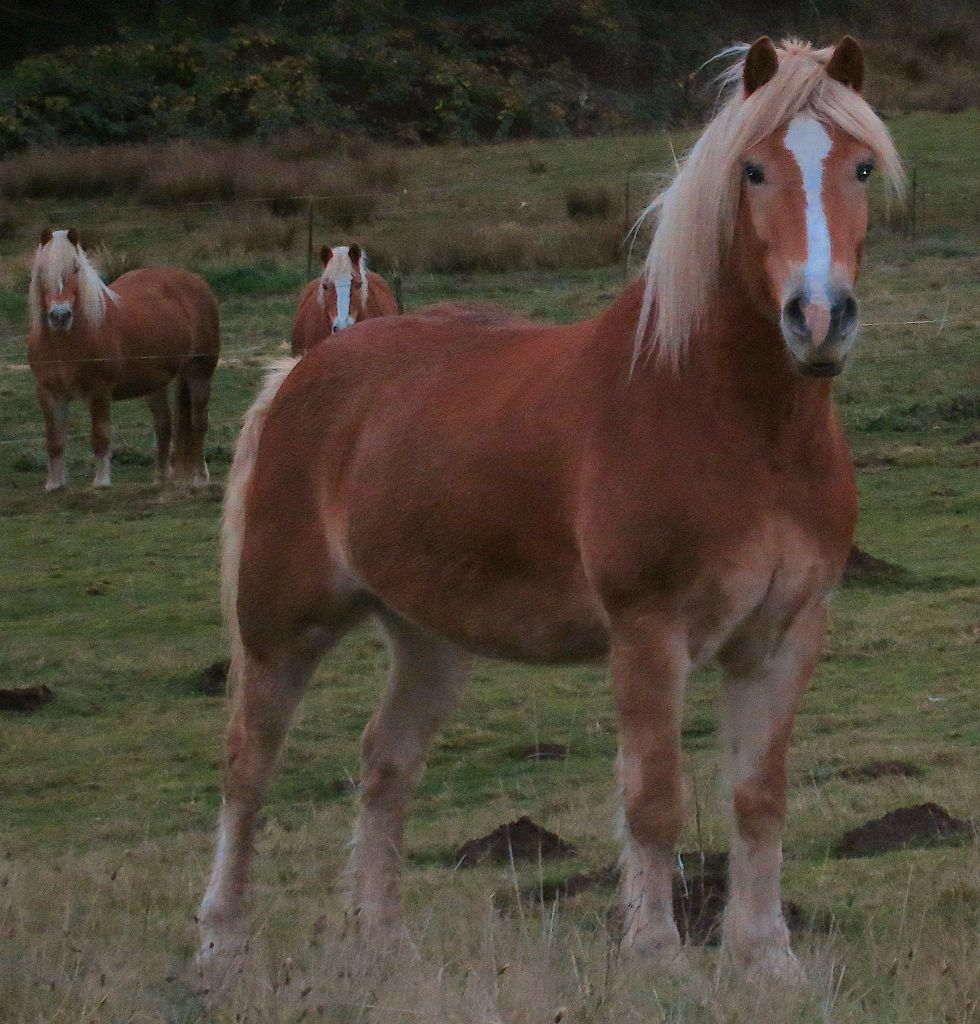
The wet weather means chores are more challenging on our farm. Some of the stalls in the barn have started to get moist from the rising ground water, so the Haflingers appreciate diving into fresh shavings for a good roll and shake. I can appreciate the relief they feel as I like getting back to solid footing too at the end of the day. Much of my day also seems to be spent navigating slippery slopes and muddy terrain, both real and figurative.

It isn’t always apparent what ground is treacherous from appearance alone. The grassy slope heading down to the barn from the house looks pretty benign until I start navigating in a driving rainstorm in the dark, and suddenly the turf becomes a skating rink and I’m finding I’m picking my way carefully with a flashlight. The path I seek is to find the patches of moss, which happily soak up the water like a sponge carpet-like, so not slick to walk on. Even if moss ordinarily is not a welcome addition to lawn or pasture–I appreciate it this time of year.

Another challenge is pushing a wheelbarrow with two 60 pound bales of hay back up that slope to the stalls for the day’s feeding. There is no traction underneath to help my feet stick to the ground for the push uphill. I can feel particularly foolish at this futile effort–my feet sometimes slide out beneath me, landing me on my knees down on the ground, soaked and humiliated, and the wheelbarrow goes skidding right back down to the barn door where it started.

Trusting the footing underneath my feet is crucial day to day. If I am to get work done most efficiently and make progress, I must have solid ground to tread. But the stuff of real life, like our farm’s ground, doesn’t come made to order that way. Some days are slick and treacherous, unpredictable and ready to throw me to my knees, while other days are simple, easy, and smooth sailing. Waking in the morning, I cannot know what I will face that day–whether I need my highest hip boots to wade through the muck or whether I can dash about in comfy house slippers. My attitude has something to do with it too–sometimes my “internal” footing is loose and slippery, tripping up those around me as well as myself. That is when I need most to plant myself in the solid foundation that I know will support me during those treacherous times. I need my faith, my need to forgive and experience forgiveness, my family holding me as I fall, and to help pick them up when they are down. Without those footings every day, I’m nothing more than a muddy soiled mess lying face down on the ground wondering if I’ll ever walk again.

There is good reason I end up on my knees at times. It is the best reminder of where I would be full time if it were not for stronger Hands that lift me up, clean me up and guide my footsteps all my days.

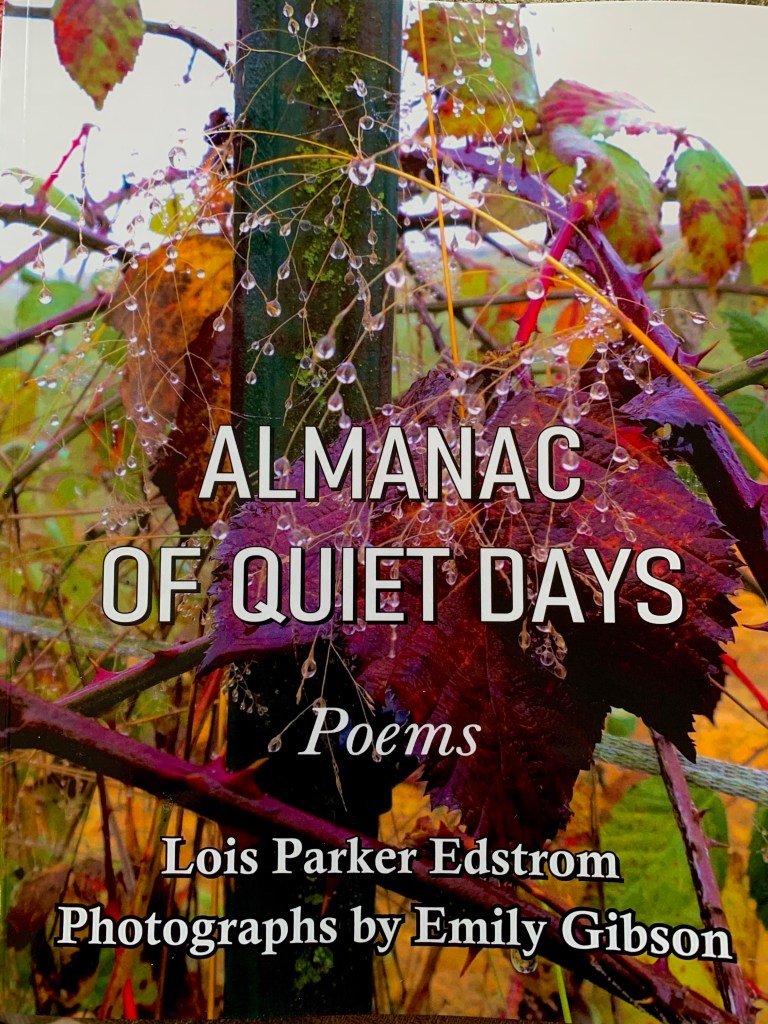
A book of beauty in words and photography, available for order here:
The Glowing of Such Fire

That time of year thou mayst in me behold
When yellow leaves, or none, or few, do hang
Upon those boughs which shake against the cold,
Bare ruin’d choirs, where late the sweet birds sang.

In me thou see’st the twilight of such day
As after sunset fadeth in the west,
Which by and by black night doth take away,
Death’s second self, that seals up all in rest.

In me thou see’st the glowing of such fire
That on the ashes of his youth doth lie,
As the death-bed whereon it must expire,
Consum’d with that which it was nourish’d by.

This thou perceiv’st, which makes thy love more strong,
To love that well which thou must leave ere long.
~William Shakespeare Sonnet 73

I may think youth has it all
– strength, beauty, energy-
but now I know better.

There is treasure in slowing down,
this leisurely leave-taking;
the finite becoming infinite
and a limitlessness loving.

Without our aging
we’d never change up
who we are
to become so much more:

enriched, vibrant,
shining passionately
until the very last moment.

To love well
To love strong
To love as if
nothing else matters.

This book of beauty in words and photography, available to order here:

Just Enough Light and Shadow

In faith there is enough light for those who want to believe
and enough shadows to blind those who don’t.
~Blaise Pascal

Be comforted; the world is very old,
  And generations pass, as they have passed,
  A troop of shadows moving with the sun;
Thousands of times has the old tale been told;
  The world belongs to those who come the last,
  They will find hope and strength as we have done.
~Henry Wadsworth Longfellow “A Shadow”

The shadow’s the thing. 
If I no longer see shadows as “dark marks,” 
as do the newly sighted,

then I see them as making some sort of sense of the light.
They give the light distance;
they put it in its place.
They inform my eyes of my location here, here O Israel,
here in the world’s flawed sculpture,

here in the flickering shade of the nothingness
between me and the light.
~Annie Dillard from Pilgrim at Tinker Creek

I find myself seeking the safety of hiding in the shadows under a rock where lukewarm moderates tend to congregate, especially on Sundays.

Extremist views predominate simply for the sake of staking out one’s claim to one’s political turf.  There is no spirit of compromise, negotiation or collaboration – that would be perceived as a sign of weakness.  Instead it is “my way or the wrong way.”

I’m ready to say “no way,” as both sides are intolerably intolerant of the other as I watch them volley back and forth over my cowering head. As someone who is currently volunteering oodles of hours to help manage a community’s response to end COVID controlling our lives, I find myself smack dab in the middle of extremes.

The chasm is most gaping when we bring up any discussion of faith and how it influences our response to the pandemic.  Religion and politics are already angry neighbors constantly arguing over how high to build the fence between them, what it should be made out of, what color it should be, should there be peek holes, should it be electrified with barbed wire to prevent moving back and forth, should there be a gate with or without a lock and who pays for the labor.  Add in a pandemic to argue about and we become stymied and paralyzed.

In a country founded on the principle of freedom of religion, there are more and more who believe our forefathers’ blood was shed for freedom from religion and others feel there can be only one religion here.

Yet others feel we are founded on freedom from science and epidemiological data, because what possibly can those researchers know when the random person on YouTube says something far more palatable?

Good grief.

Give us the right to believe in nothing whatsoever or give us death. Perhaps both actually go together.

And so it goes.  We the people bring out the worst in our leadership as facts are distorted, the truth is stretched or completely abandoned, unseemly pandering abounds and curried favors are served for breakfast, lunch and dinner.

Enough already. Time for the shadows to abate and the Light to shine.

In the midst of this morass, we who want to believe still choose to believe but won’t force belief on anyone else. It’s called freedom of religion for a reason.

There is just enough Light shining for those who seek it.  No need to remain blinded in the shadowlands of unbelief or “my way or the highway.”

I’ll come out from under my rock if you do.

In fact…I think I just did.

A book of beauty in words and photography, available to order here:

As Quiet As a Feather

Today I’m flying low and I’m
not saying a word.

…I’m taking the day off.
Quiet as a feather.
I hardly move though really I’m traveling
a terrific distance.

Stillness. One of the doors
into the temple.
~Mary Oliver from “Today” from A Thousand Mornings

Some days warrant stillness.
On this Sabbath day of rest,
seek to be quiet as a feather,
silently in place, listening.

Maybe, hear each other again.
Surely, hear the Word of God.

A funny thing about feathers:
alone, each one is merely fluff and air.
Together — feathers become lift and power,
with strength and will to soar
beyond the tether of gravity’s
pull on our flawed humanity back to dust.

As quiet as a feather,
joined and united, one overlapping another,
rise above and fly
as far as your life and breath can take you.

May peace be still.

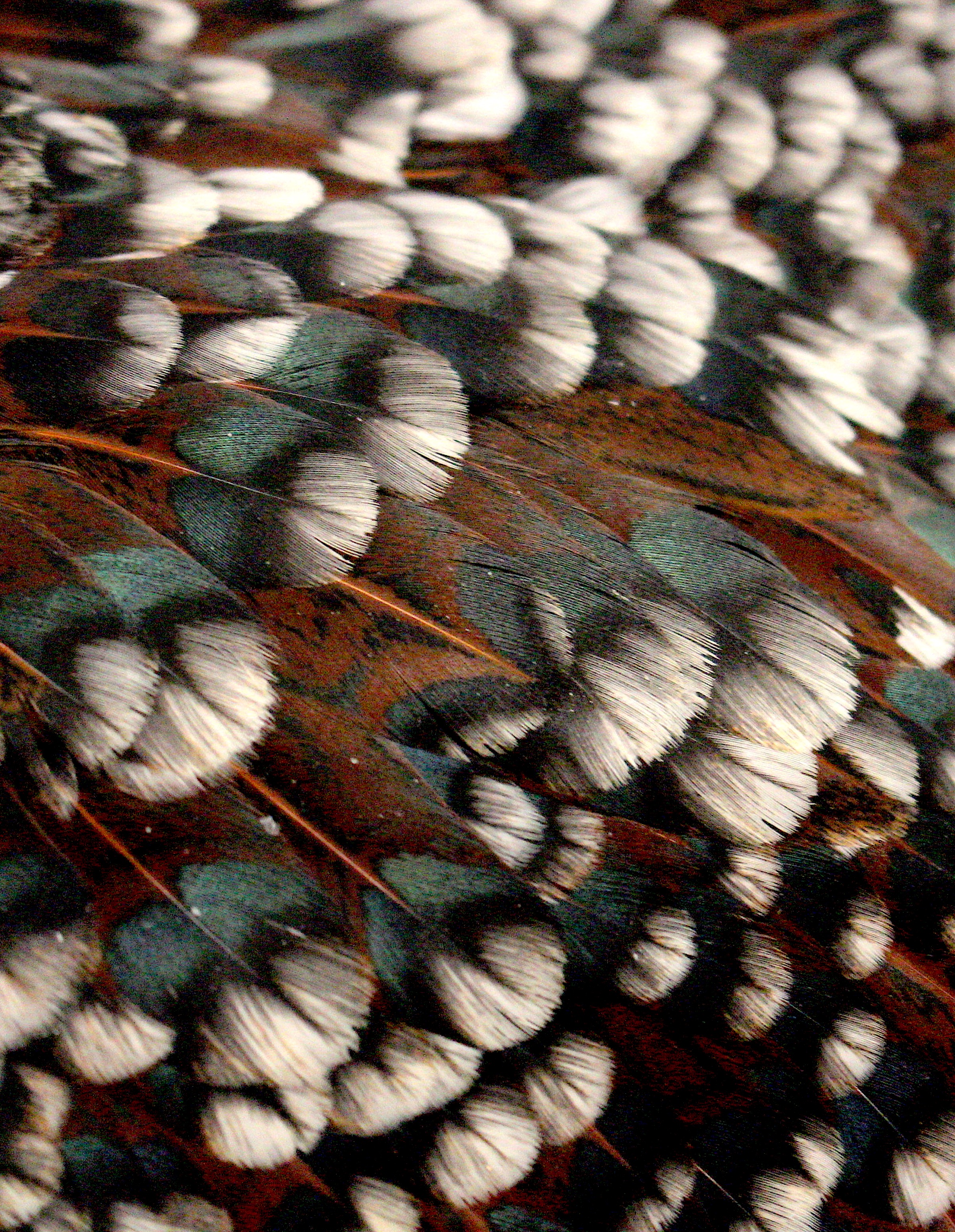
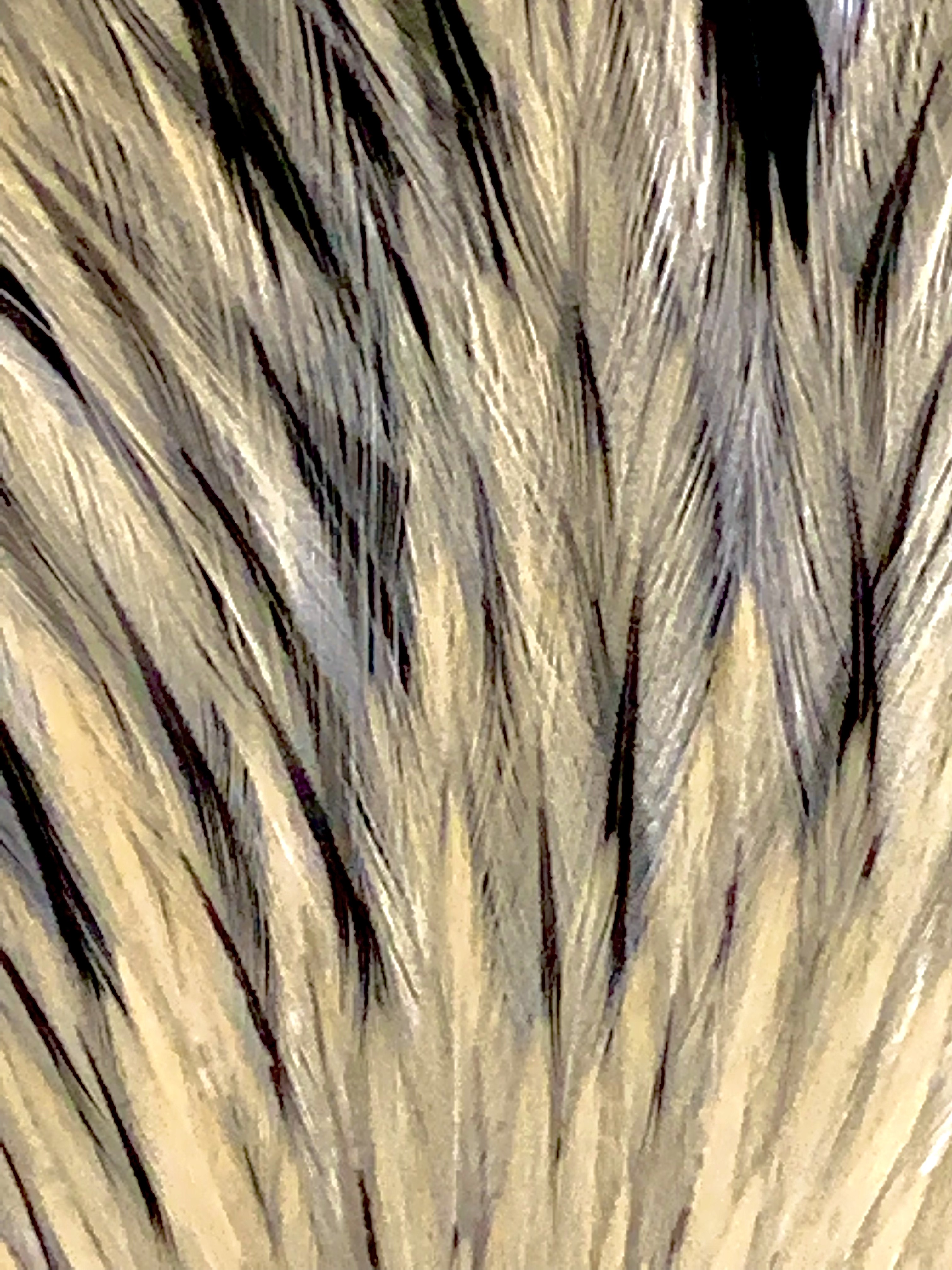
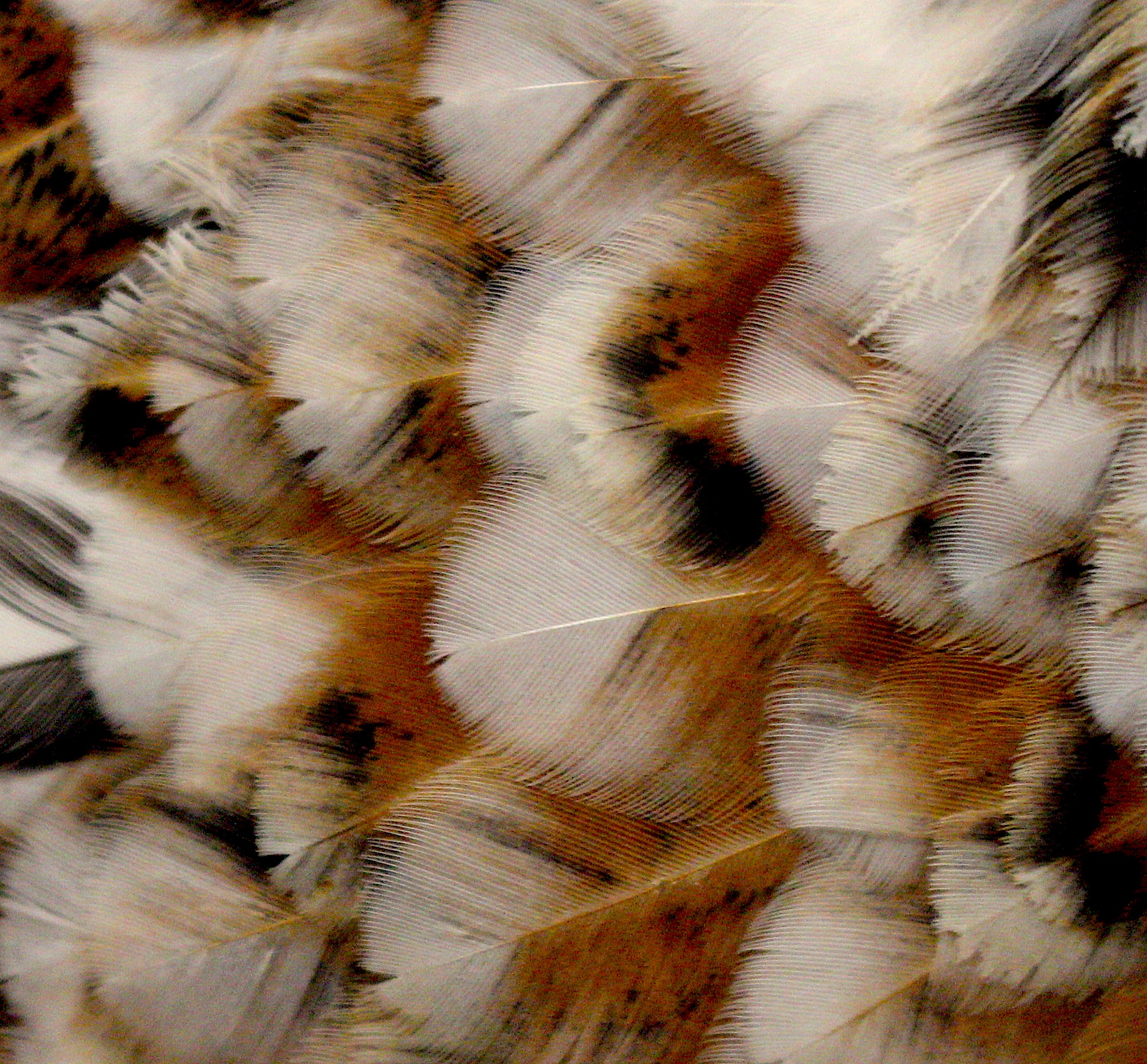
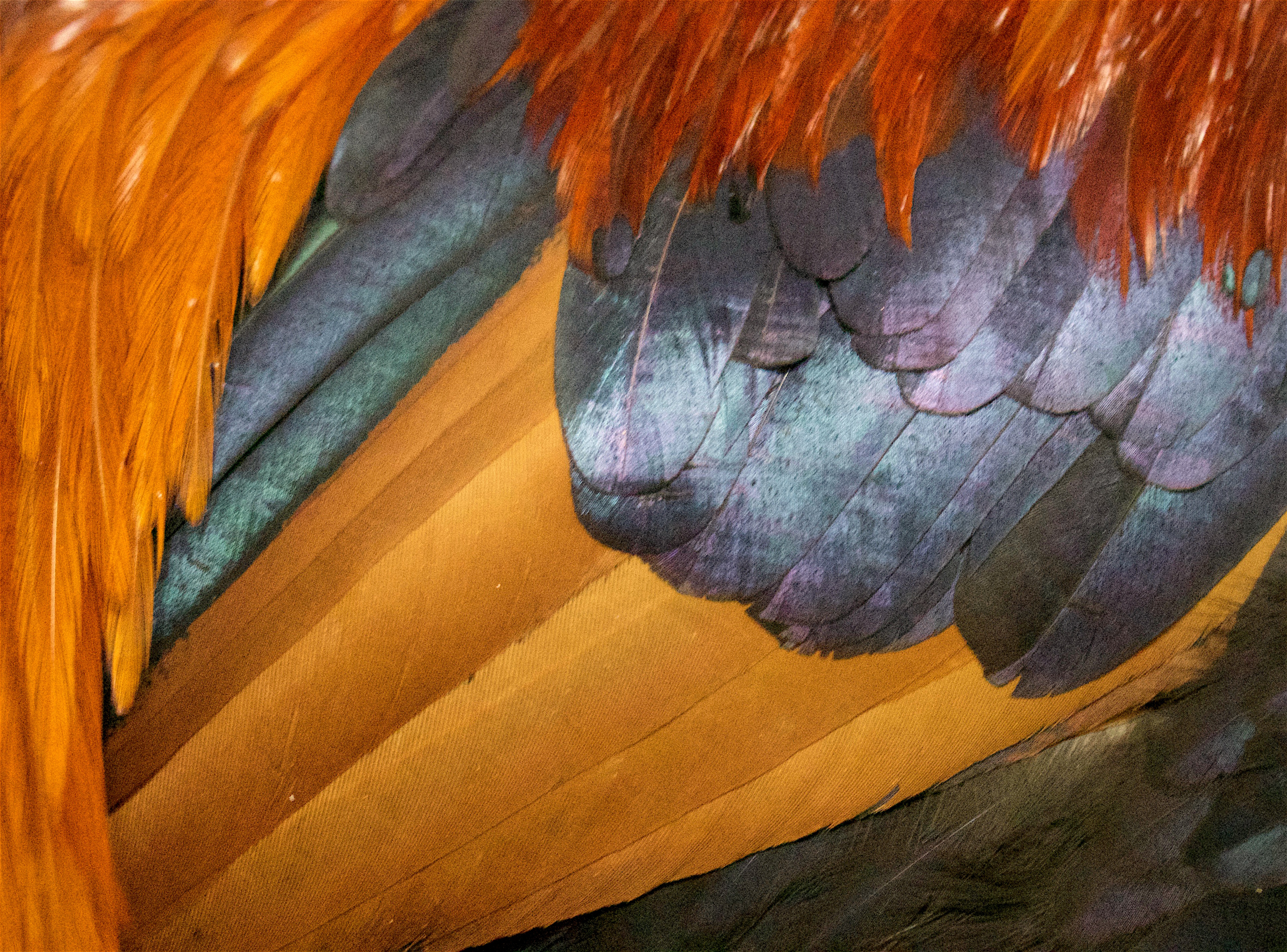
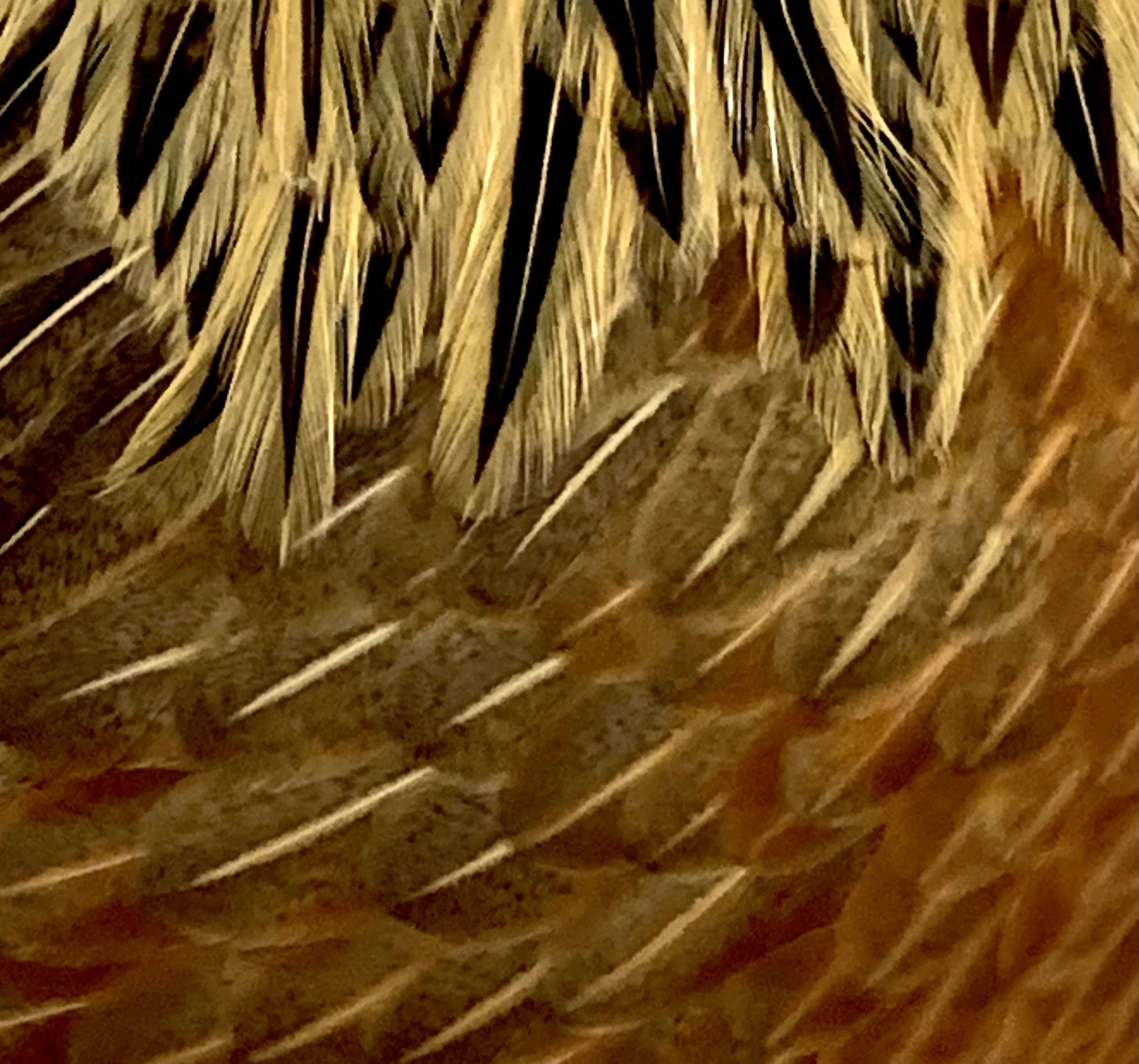
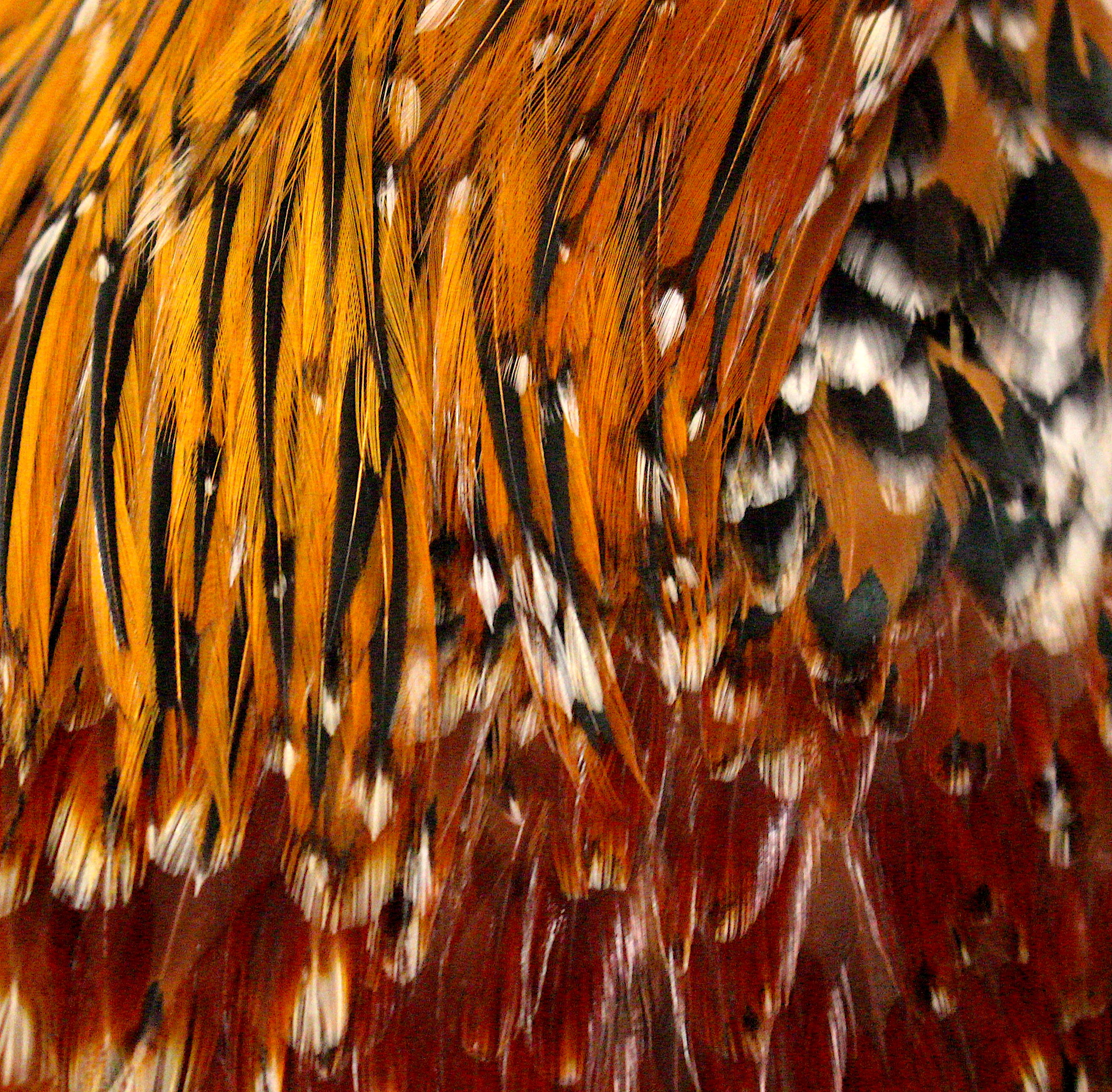
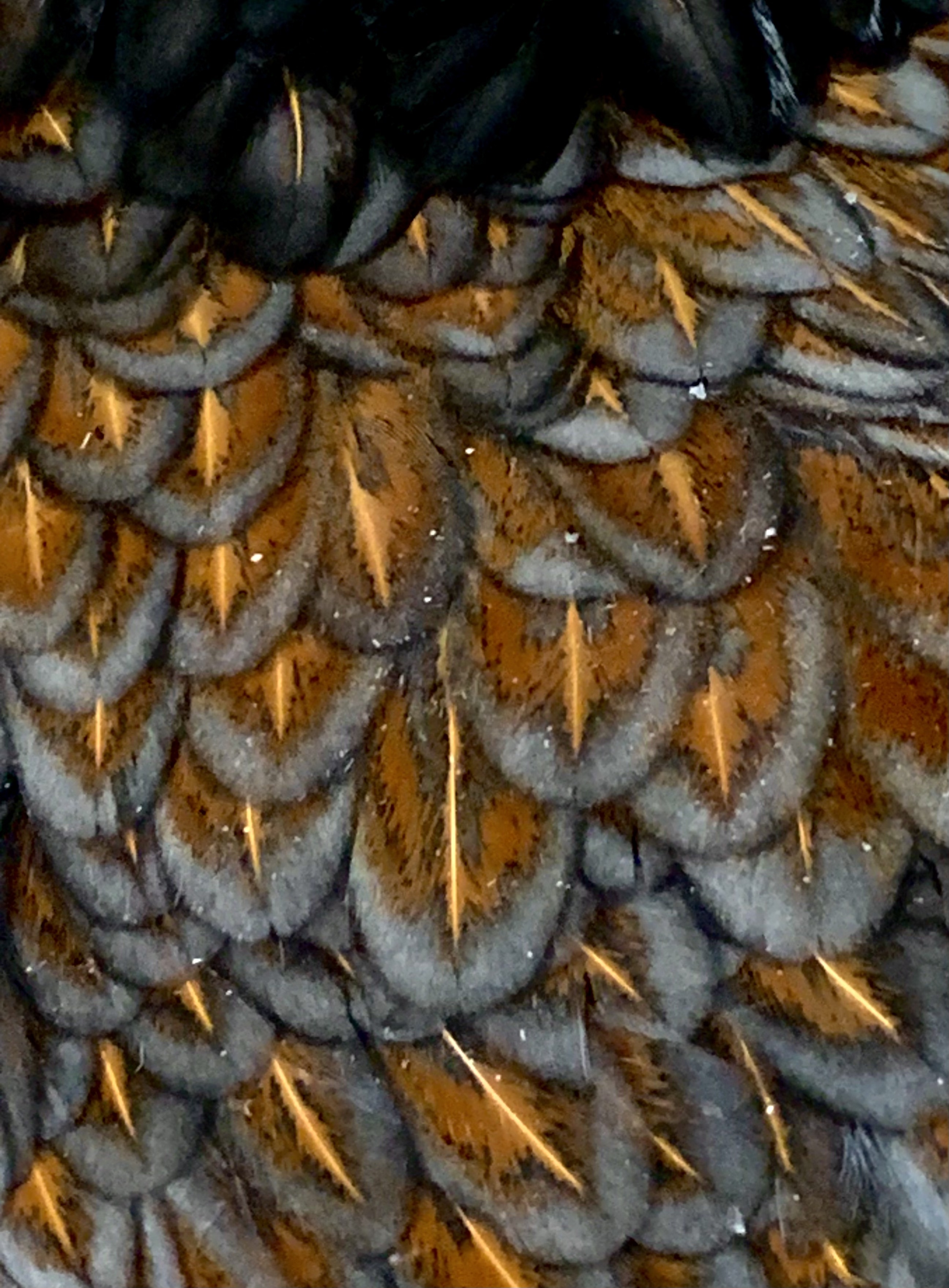
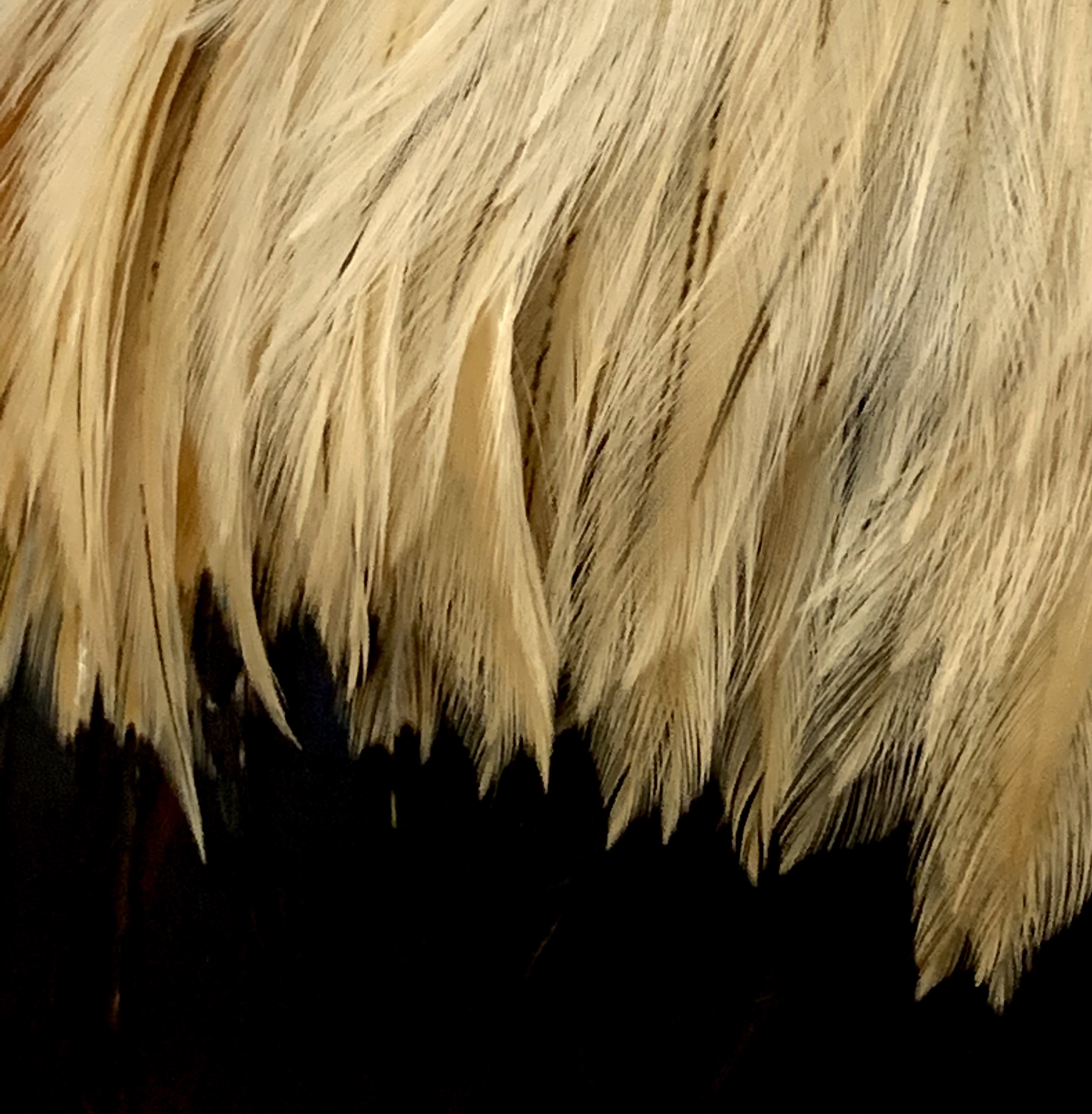
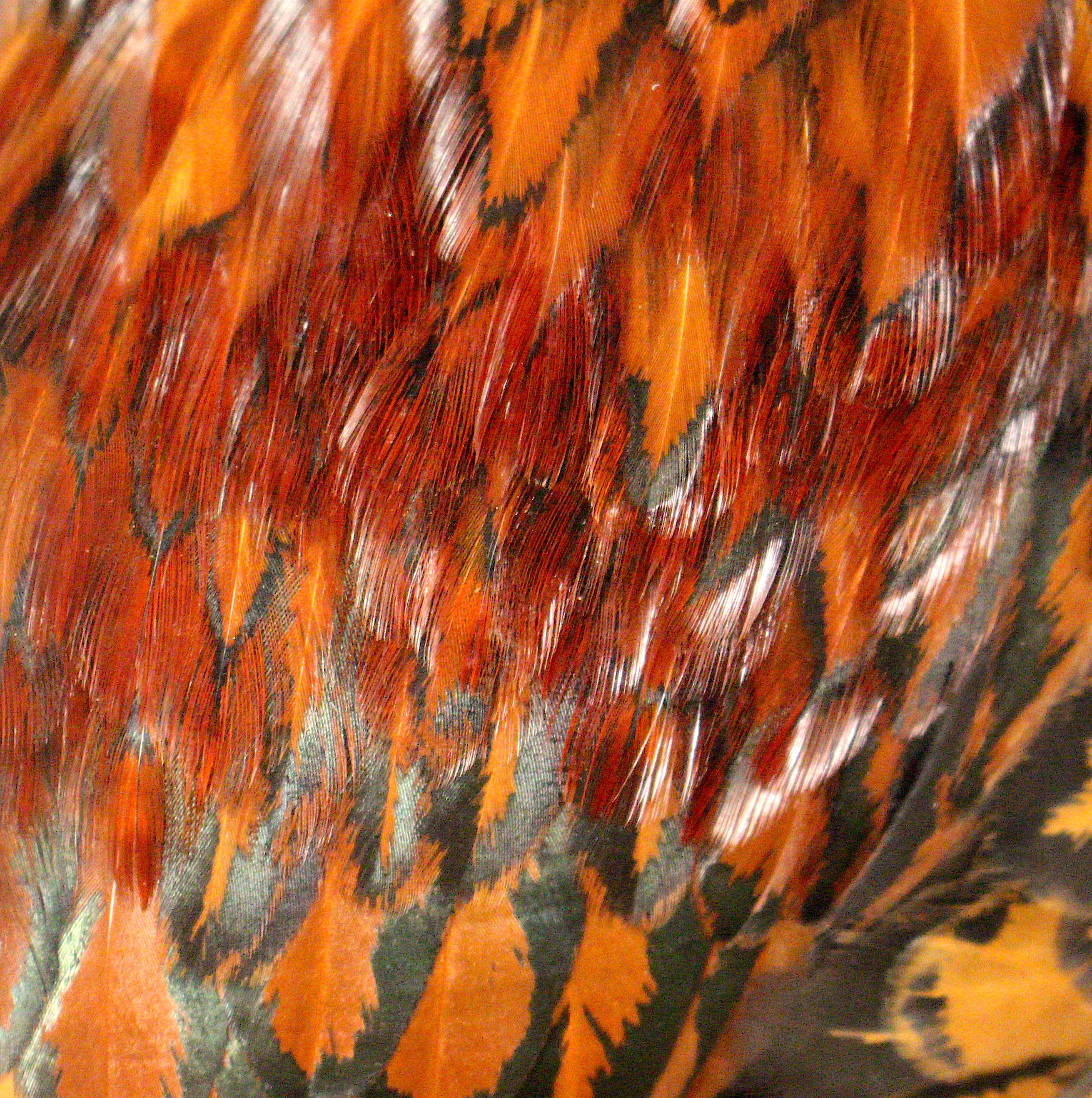
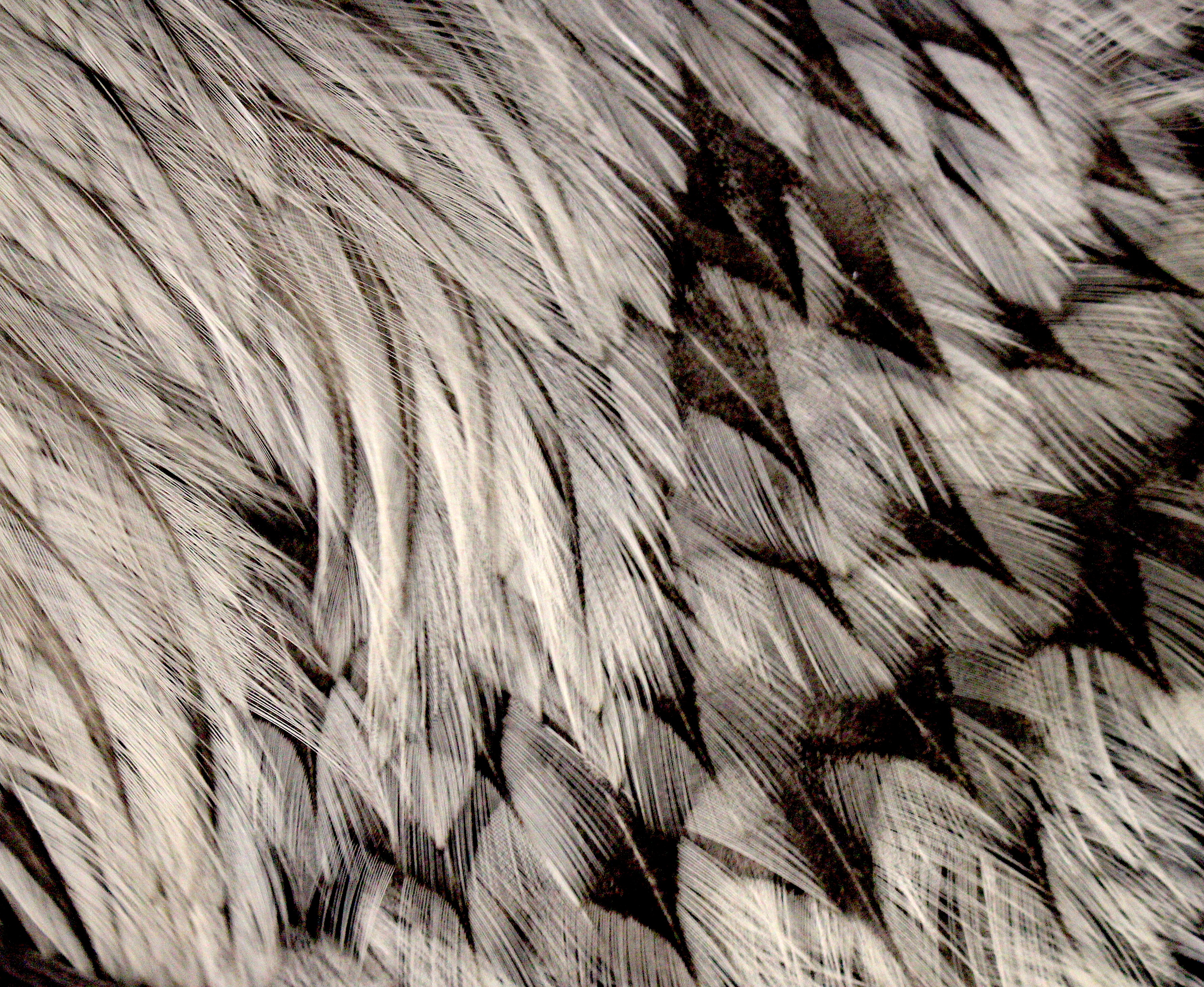
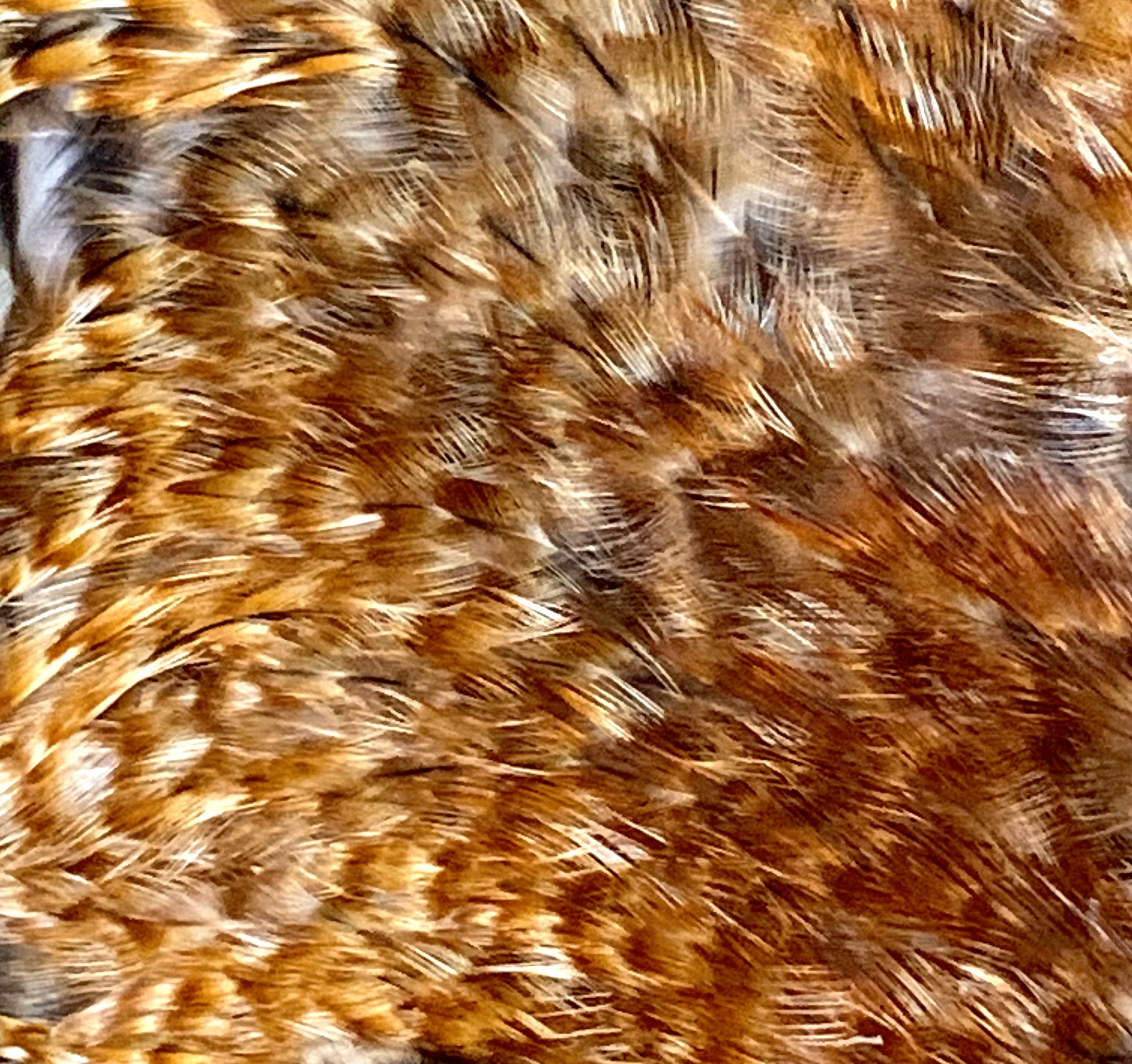
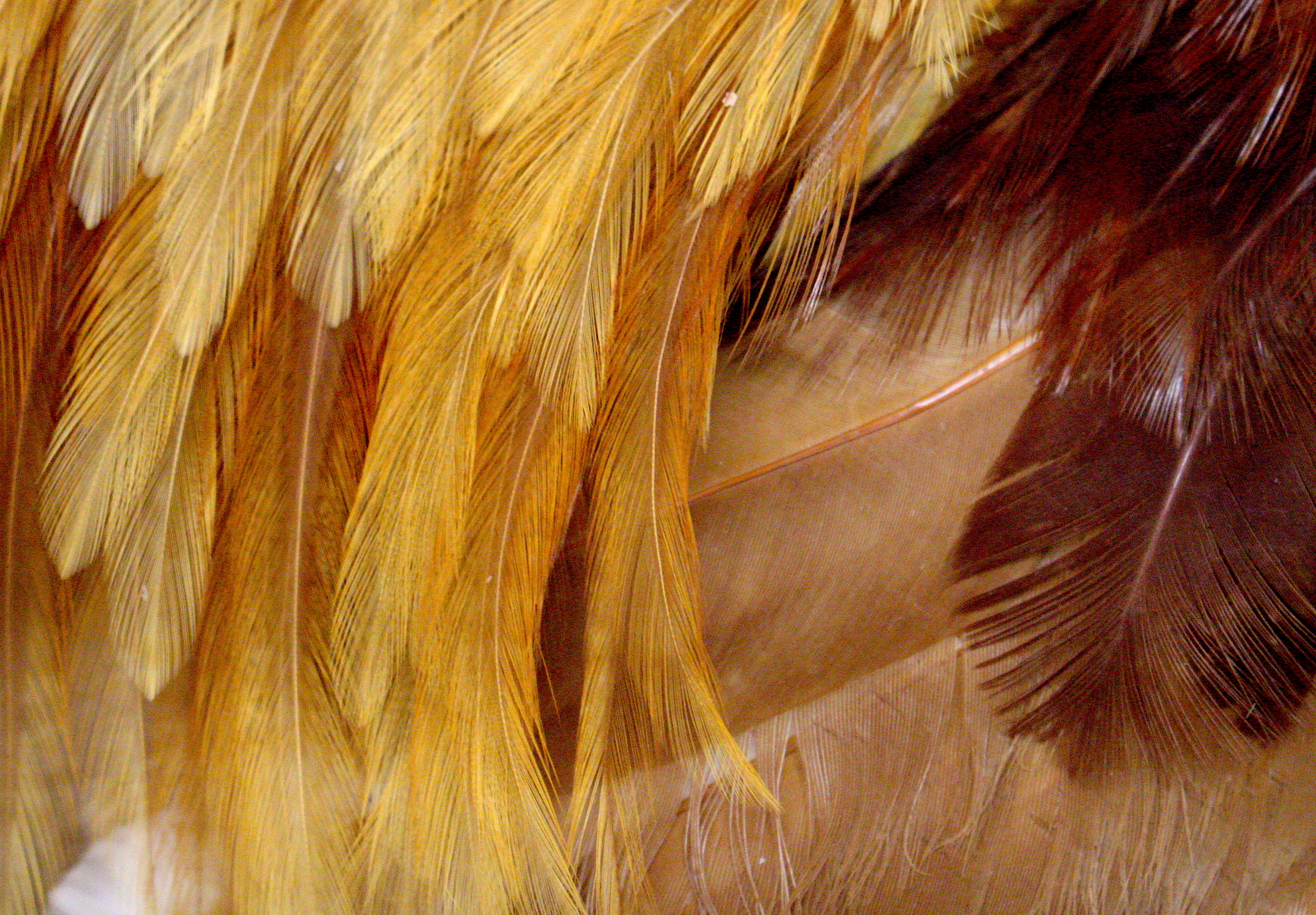
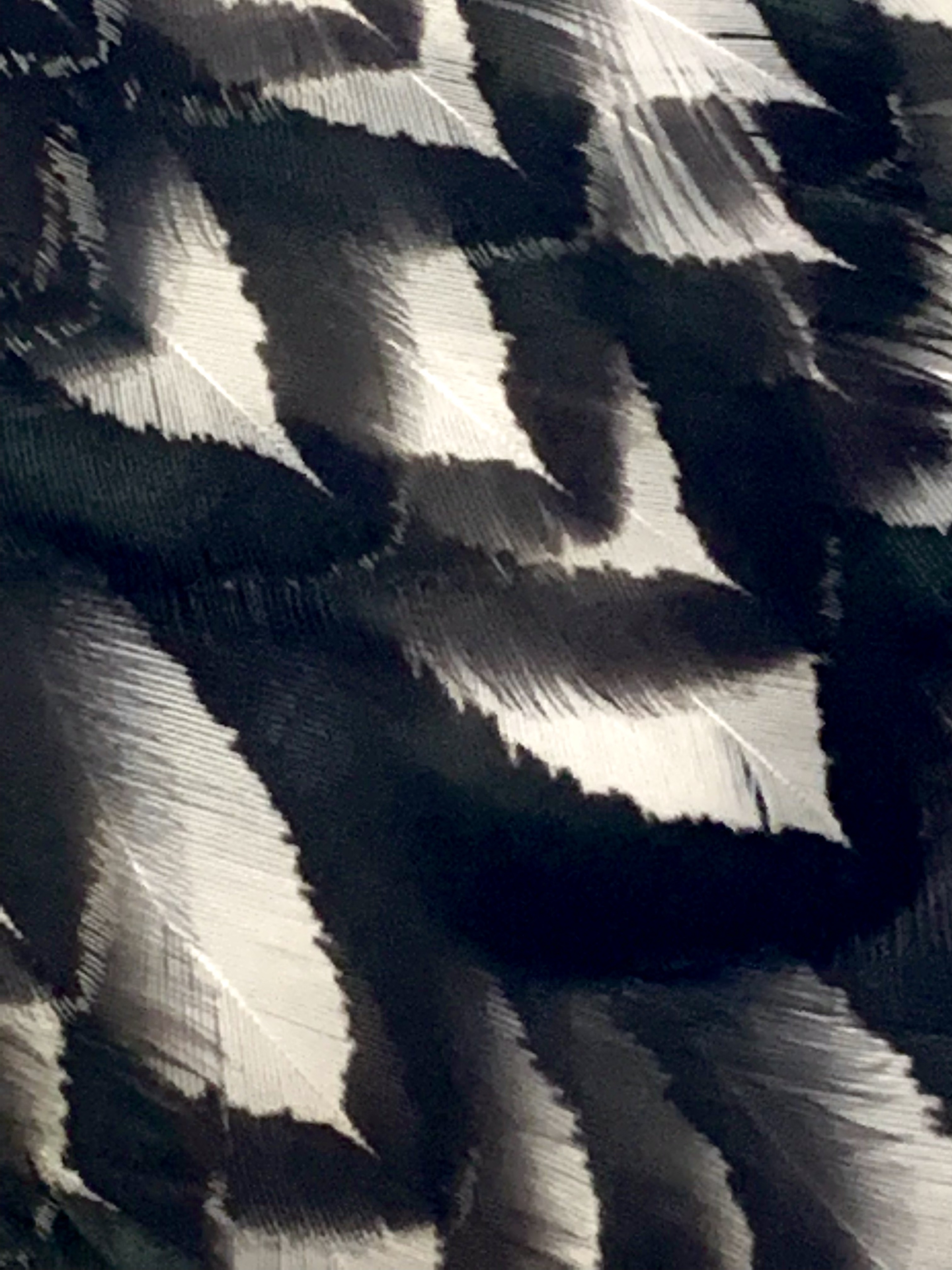
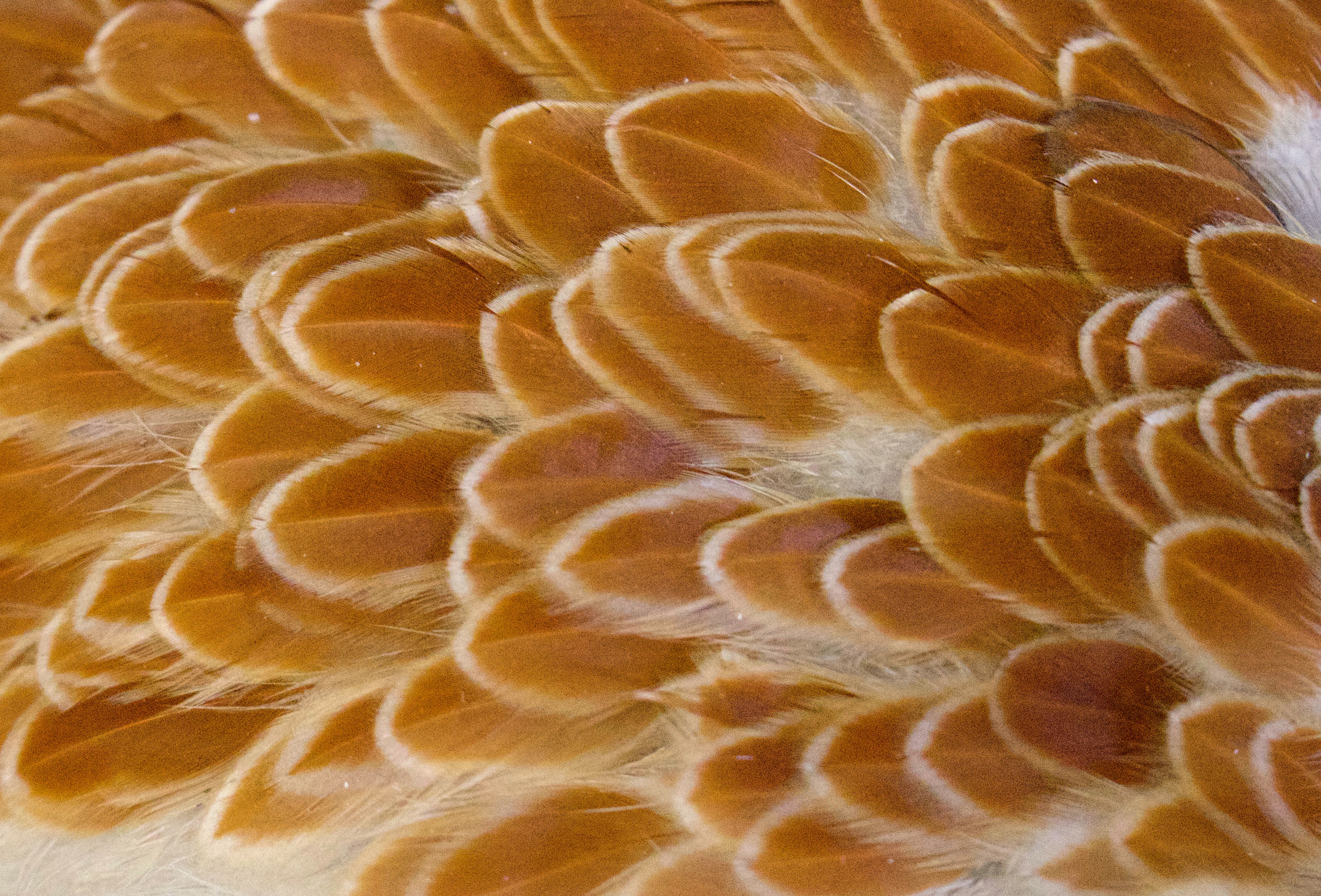
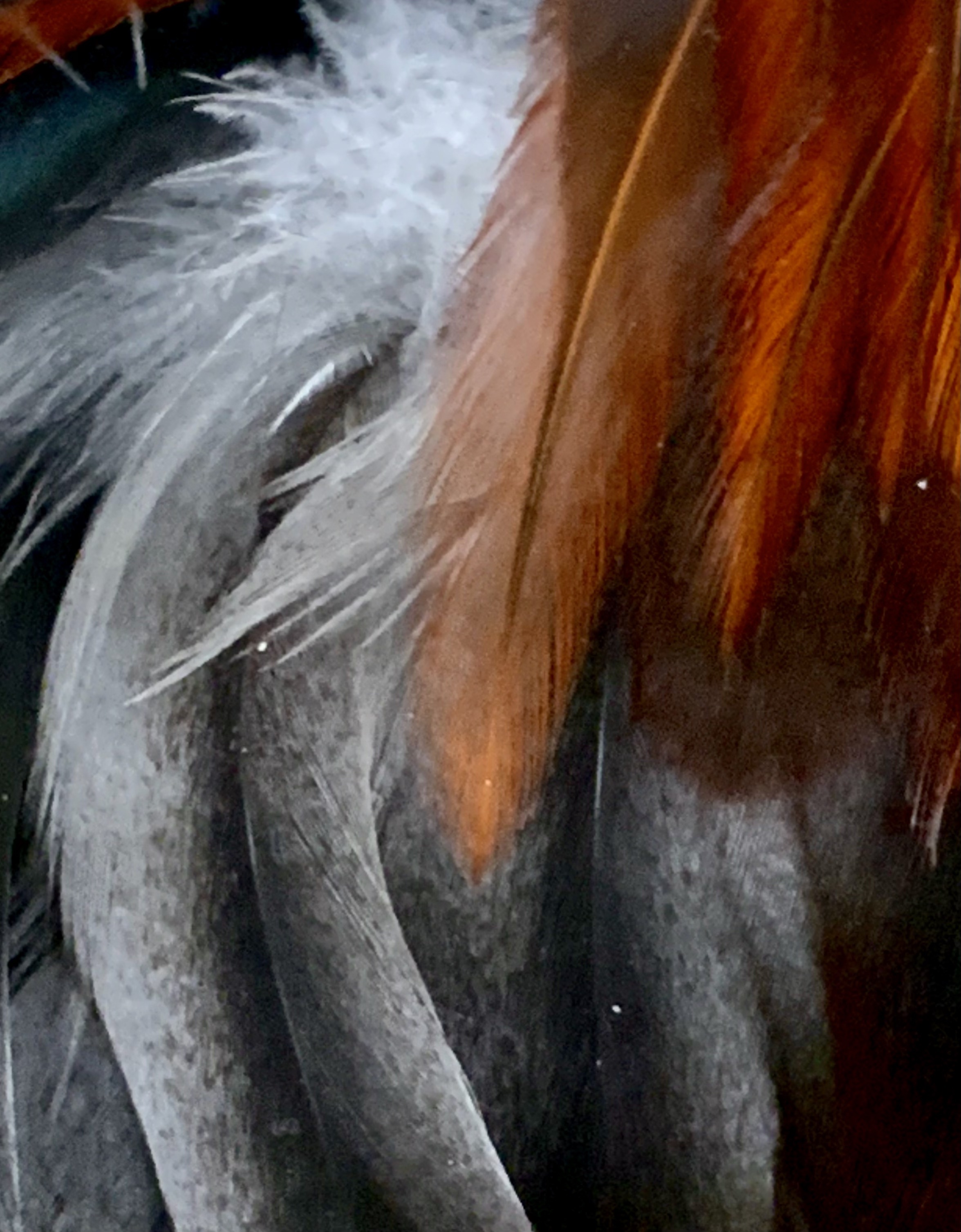
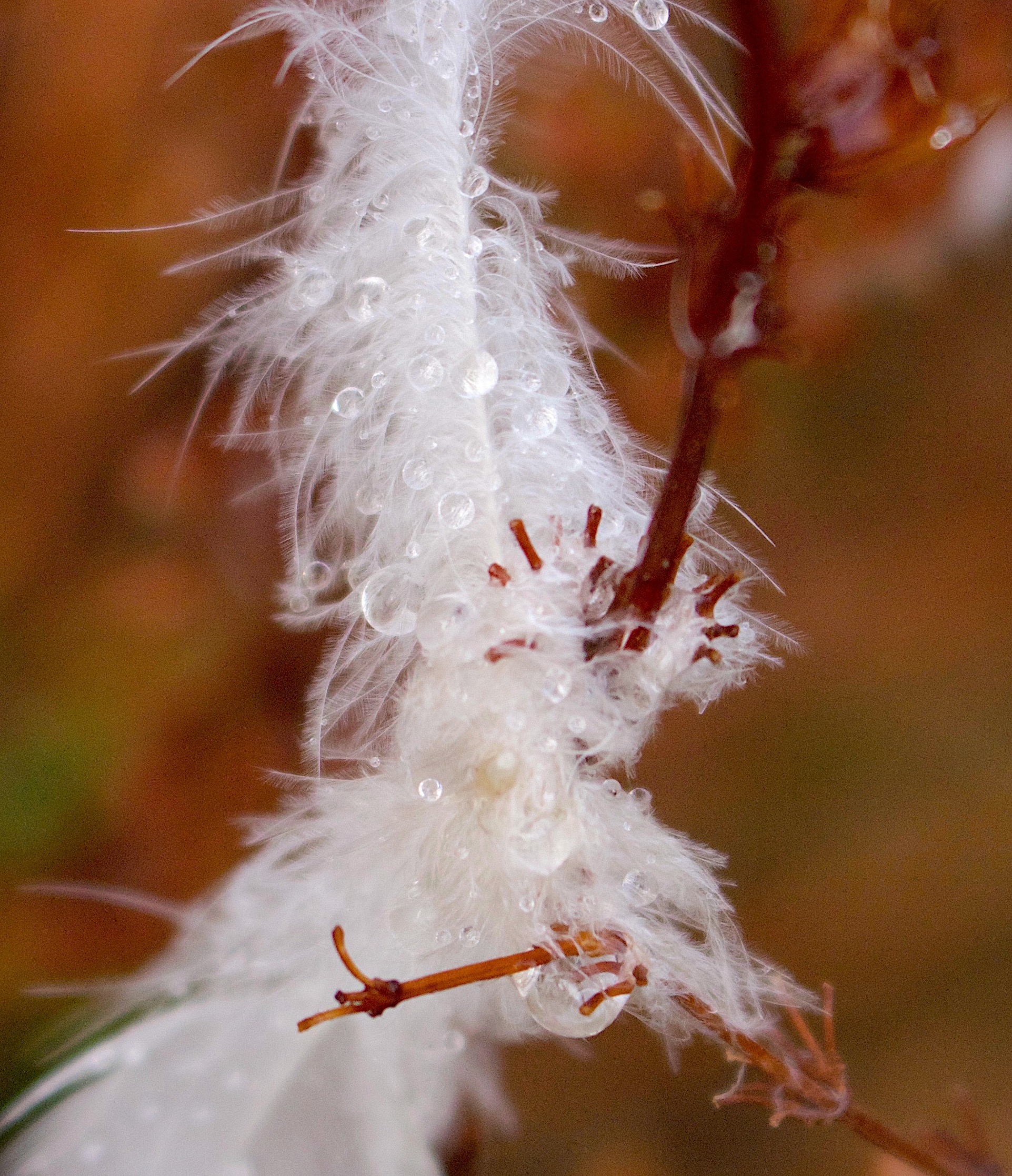
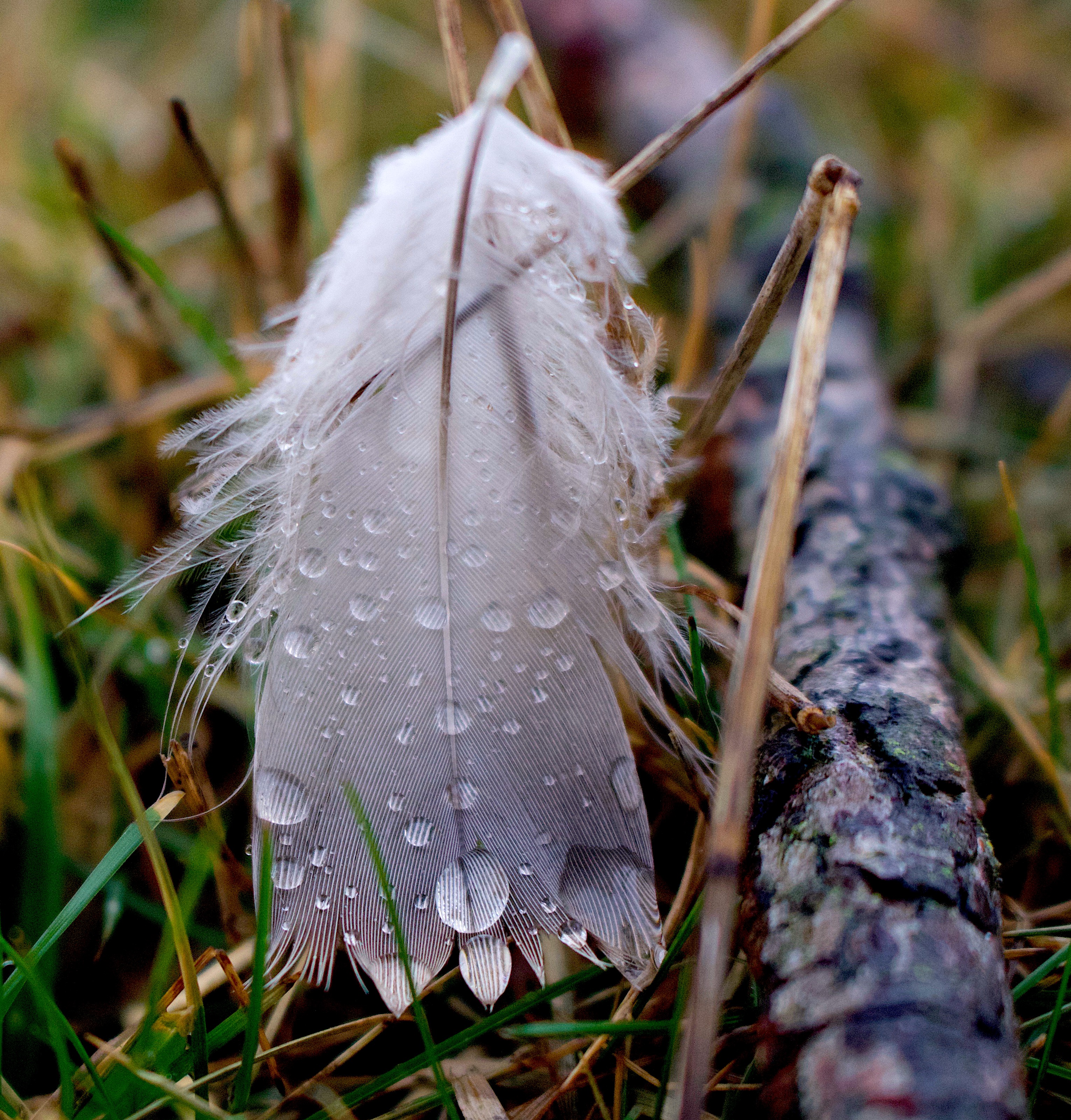
Thank you, once again, to the chickens displayed at the NW Washington Fair in Lynden last week, who struggled to be still in their cages for these close-up feather photos….

More Barnstorming photos and poems from Lois Edstrom are available in this book from Barnstorming. Order here:


Go Out and Help Your Dad


It was hard work, dying, harder
than anything he’d ever done.


Whatever brutal, bruising, back-
Breaking chore he’d forced himself


to endure—it was nothing
compared to this. And it took


so long. When would the job
be over? Who would call him


home for supper? And it was
hard for us (his children)—


all of our lives we’d heard
my mother telling us to go out,


help your father, but this
was work we could not do.


He was way out beyond us,
in a field we could not reach.

~Joyce Sutphen, “My Father, Dying” from Carrying Water to the Field: New and Selected Poems.

We will grieve not, rather find                     
Strength in what remains behind;                     
In the primal sympathy                     
Which having been must ever be;  
                   

Thanks to the human heart by which we live,
Thanks to its tenderness, its joys, and fears,
To me the meanest flower that blows can give
Thoughts that do often lie too deep for tears.
~William Wordsworth from “Ode: Intimations of Immortality from Recollections of Early Childhood”

Twenty-six years ago today
we watched at your bedside as you labored,
readying yourself to die and we could not help
except to be there while we watched you
move farther away from us.


This dying, the hardest work you had ever done:

harder than handling the plow behind a team of draft horses,
harder than confronting a broken, alcoholic and abusive father,
harder than slashing brambles and branches to clear the woods,
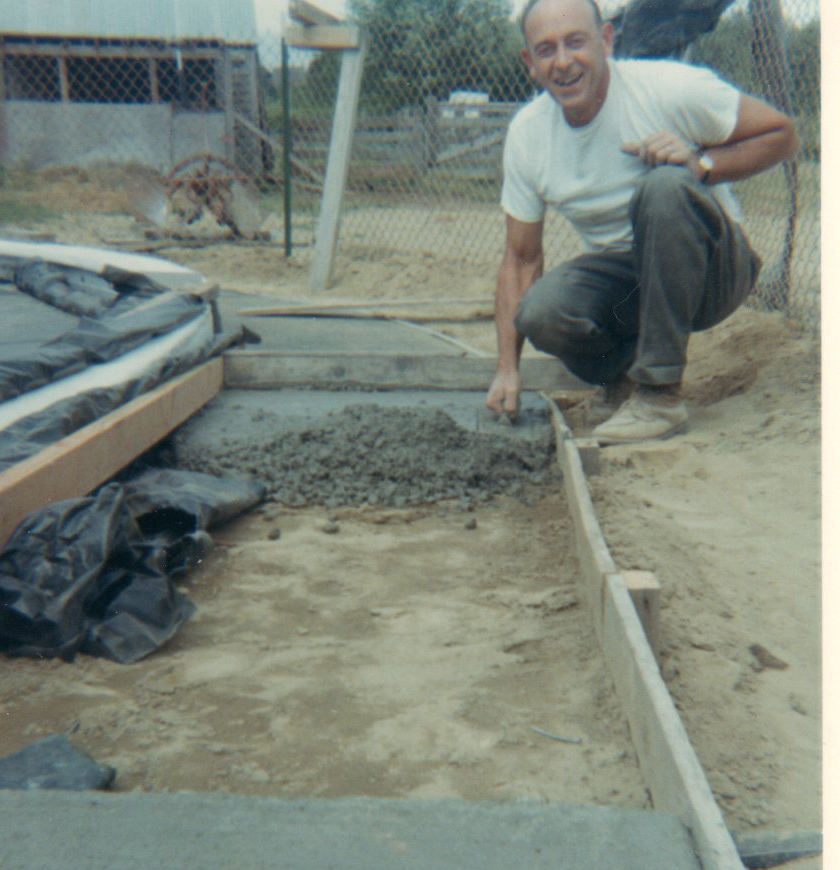
harder than digging out stumps, cementing foundations, building roofs,
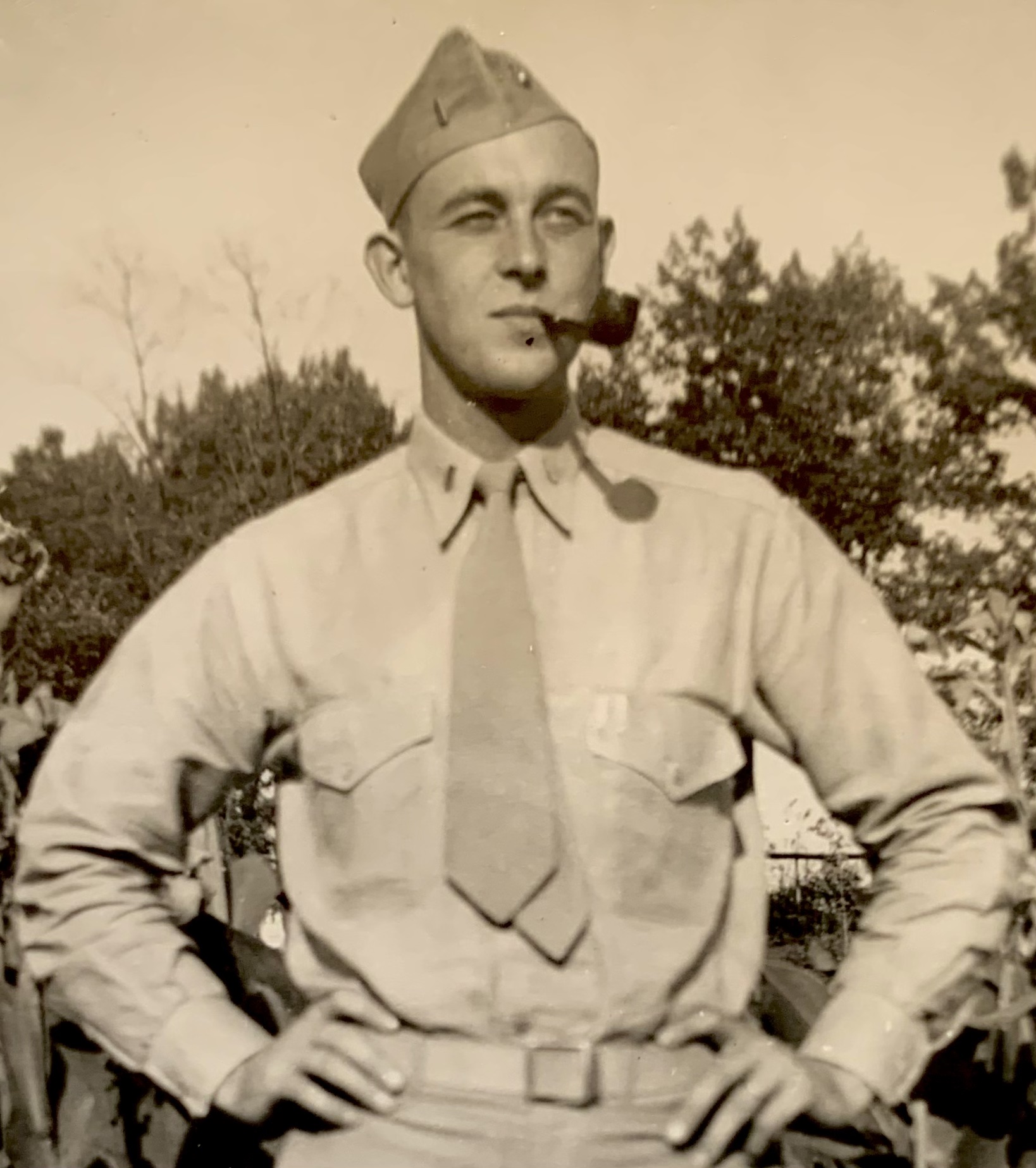
harder than shipping out, leaving behind a new wife after a week of marriage,
harder than leading a battalion of men to battle on Saipan, Tinian and Tarawa,
harder than returning home so changed there were no words,
harder than returning to school, working long hours to support family,
harder than running a farm with only muscle and will power,
harder than coping with an ill wife, infertility, job conflict, discontent,
harder than building your own pool, your own garage, your own house,
harder than your marriage ending, a second wife dying,
and returning home forgiven.

Dying was the hardest of all
as no amount of muscle or smarts could stop it crushing you,
taking away the strength you relied on for 73 years.

So as you lay helpless, moaning, struggling to breathe,
we knew your hard work was complete
and what was yet undone was up to us
to finish for you.

A new book from Barnstorming is available for order here:


In Full Glory Reflected

On the shore, dimly seen through the mists of the deep,
Where the foe’s haughty host in dread silence reposes,
What is that which the breeze, o’er the towering steep,
As it fitfully blows, half conceals, half discloses?
Now it catches the gleam of the morning’s first beam,
In full glory reflected, now shines on the stream:
Tis the star-spangled banner: O, long may it wave
O’er the land of the free and the home of the brave!
~Francis Scott Key (rarely sung 2nd verse of The Star-Spangled Banner)

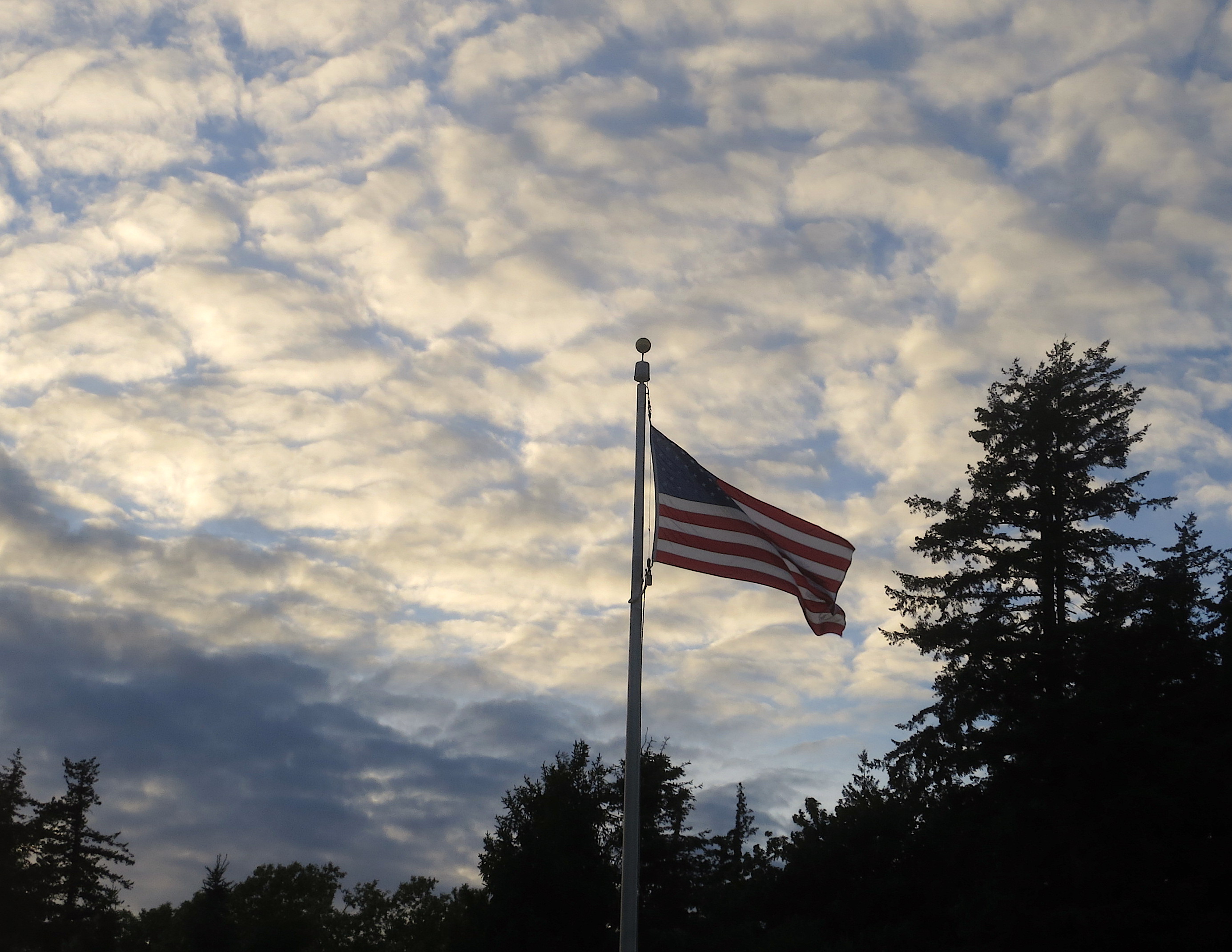
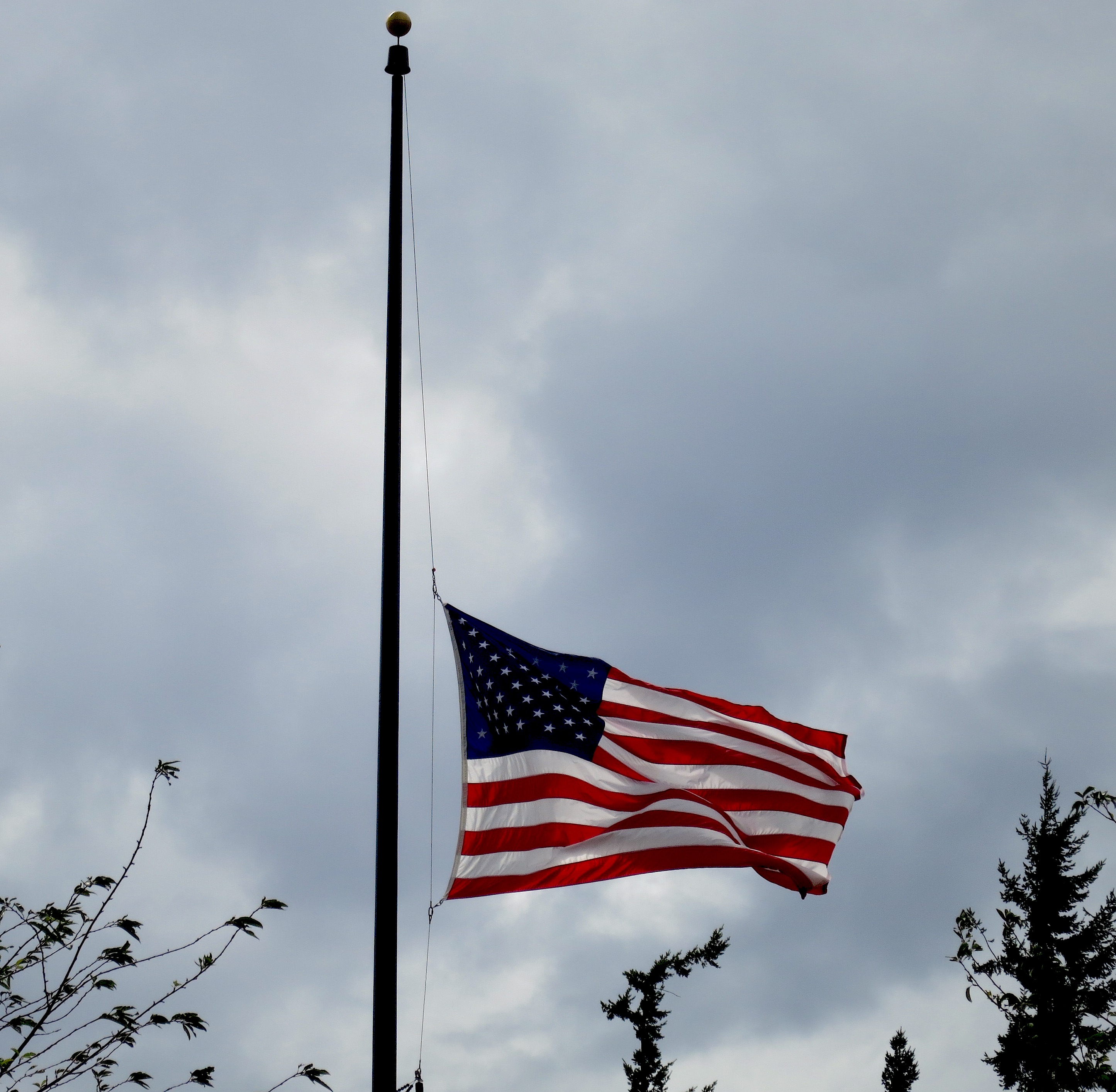
I grew up with a flag pole in our front yard: the American flag was raised every morning by my WWII veteran father and lowered at dusk every evening. This was far more than a ritual for my father; he saw it as his obligation and privilege after the three years he spent as a Marine in the South Pacific. He had the freedom, as well as the necessity, to declare our continued liberty to any who passed by. His flag was his reminder, a tangible symbol of having fought beneath it watching others shed blood and die for it.

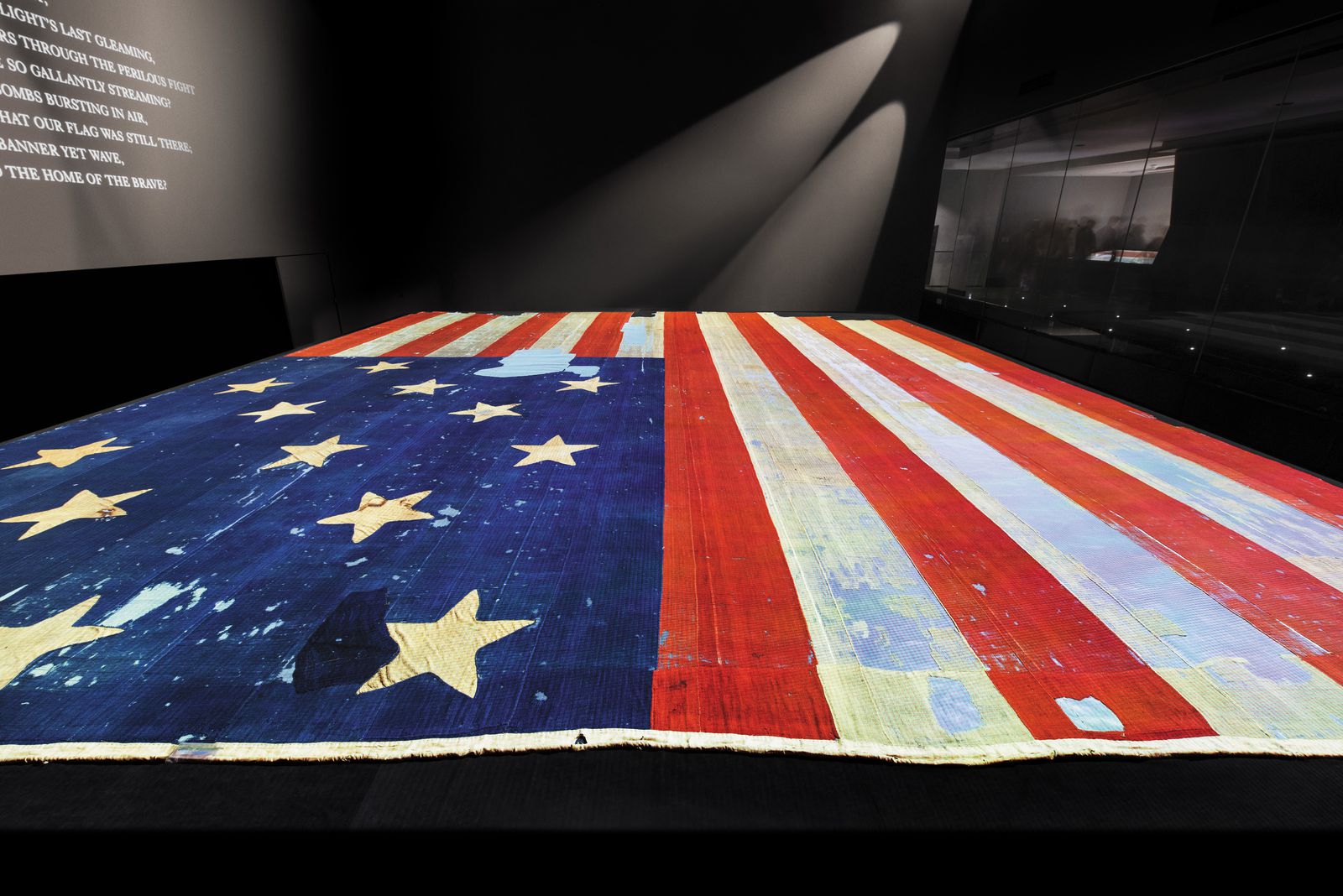
My father was not one to weep – ever. But his eyes filled up when we visited the original The Star-Spangled banner in its display at the Smithsonian Institute in the 1960s, and again as we stood before the Iwo Jima Memorial Marine flag-raising sculpture. The fact the flag meant so much to him impressed and imprinted upon me.

He would have been horrified at how the flag is currently misused as a symbol of “my patriotism is more true and pure than yours” — waving from the back of jacked-up pickups and held by the rioters who stormed the Capitol building on January 6. The flag has been through many tough times – burned as an expression of free speech and ignored when people are asked to recite “The Pledge of Allegiance.” The flag now seems to symbolize our deep divisions rather than our unity.

June 14 (Flag Day) no longer has the impact that it had back in the early 1900s when it was first declared and widely celebrated through the 20th century. My mother, growing up in the isolation of the Palouse wheat farms in eastern Washington state, reminisced about pre-WWII Flag Day parades, picnics and celebrations in the small farming communities of Waverly and Fairfield. This day was a warm up for the all-out patriotic gatherings on July 4 – unity on display.

As I place our flag out on our porch today, I am honoring this symbol of the sacrifice of those who gave themselves so that this banner could fly freely for many generations to come. I’m making no other statement than that and no other statement is necessary.

Here is the proof, through all the dark and contentious nights of our country’s history, that our flag is still here.

Glory, Glory Hallelujah!

A new book from Barnstorming is available to order here:

My Rough Edges

What does it feel like to be alive?
Living, you stand under a waterfall…
It is time pounding at you, time.
Knowing you are alive is watching on every side
your generation’s short time falling away
as fast as rivers drop through air,
and feeling it hit.

I had hopes for my rough edges.
I wanted to use them as a can opener,
to cut myself a hole in the world’s surface, and exit through it.

~Annie Dillard from An American Childhood

I saw a mom take her raincoat off
and give it to her young daughter when
a storm took over the afternoon. My god,
I thought, my whole life I’ve been under her
raincoat thinking it was somehow a marvel
that I never got wet.

~Ada Limón from “The Raincoat”

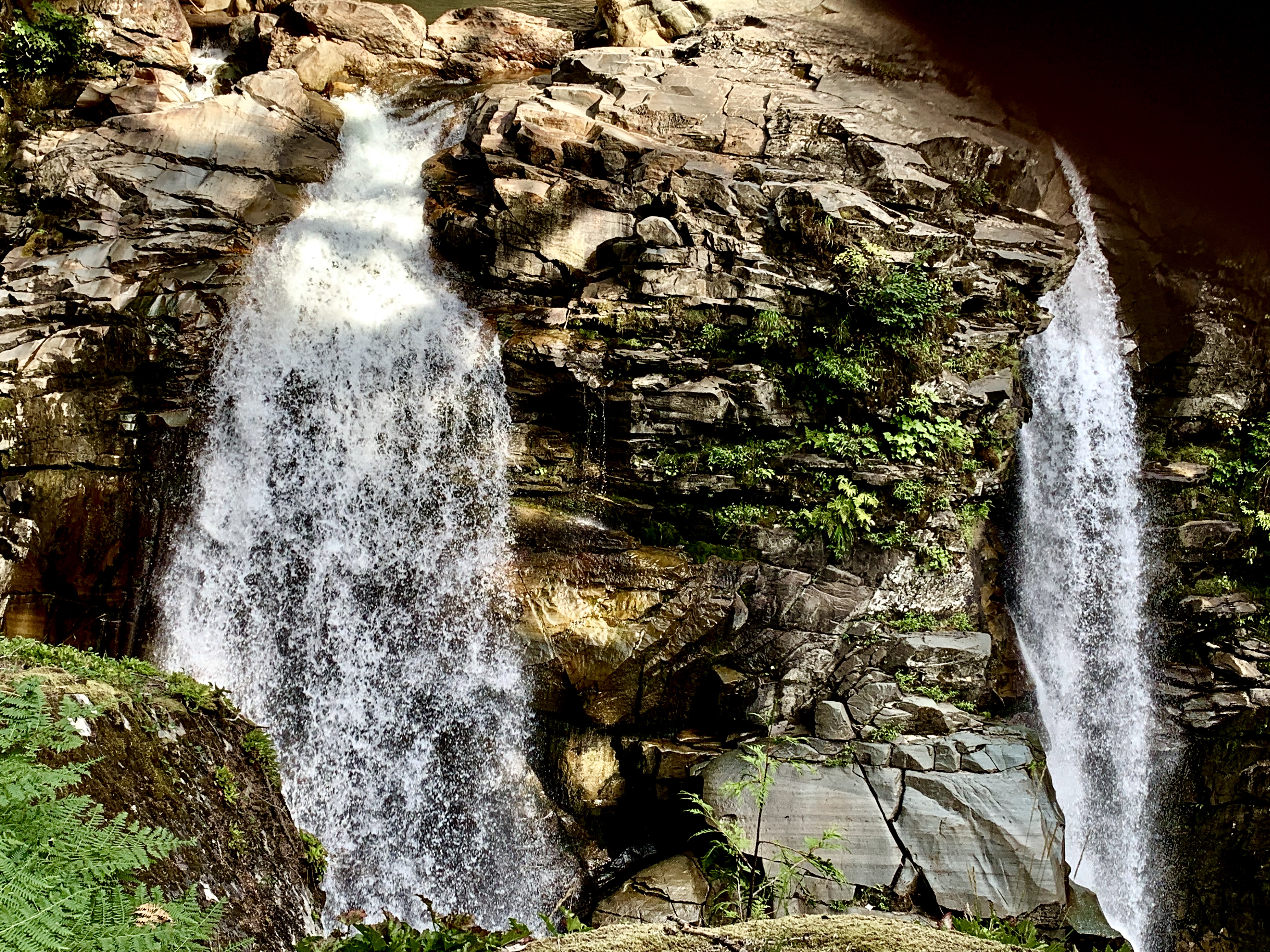
Mothering is like standing under a waterfall, barely able to breathe, barraged by the firehose of birthing and raising children – so much so fast.  Ideally, nothing rough remains after child rearing — all becomes soft and cushiony, designed to gather in, hold tight, and then reluctantly and necessarily, let go.

All the while a mother does whatever she must to protect her children from also getting soaked in the barrage, knowing one day they will also feel overwhelmed in the storms of life.

Now that my children have grown and flown, I’m well aware my rough edges still can surface, like Godzilla from the primordial swamp, unbidden and unwarranted, ready to cut a hole in the world.  I wish my sharpness gone, smoothed to a fine sheen and finish, sanded down by the relentless flow of the waters of time.

Now from afar, my children polish me even as I try to throw my raincoat over them virtually to keep them from getting wet in inevitable downpours. My reach will never be far enough.

Time pounds away both at me and them. I can feel it ruffing and buffing me every single moment, every drop its own mixed blessing, every drop unique, never to come again.

Waiting in Wilderness: Light as Feast

Come, my Way, my Truth, my Life:
Such a way as gives us breath;
Such a truth as ends all strife,
Such a life as killeth death.

Come, my Light, my Feast, my Strength:
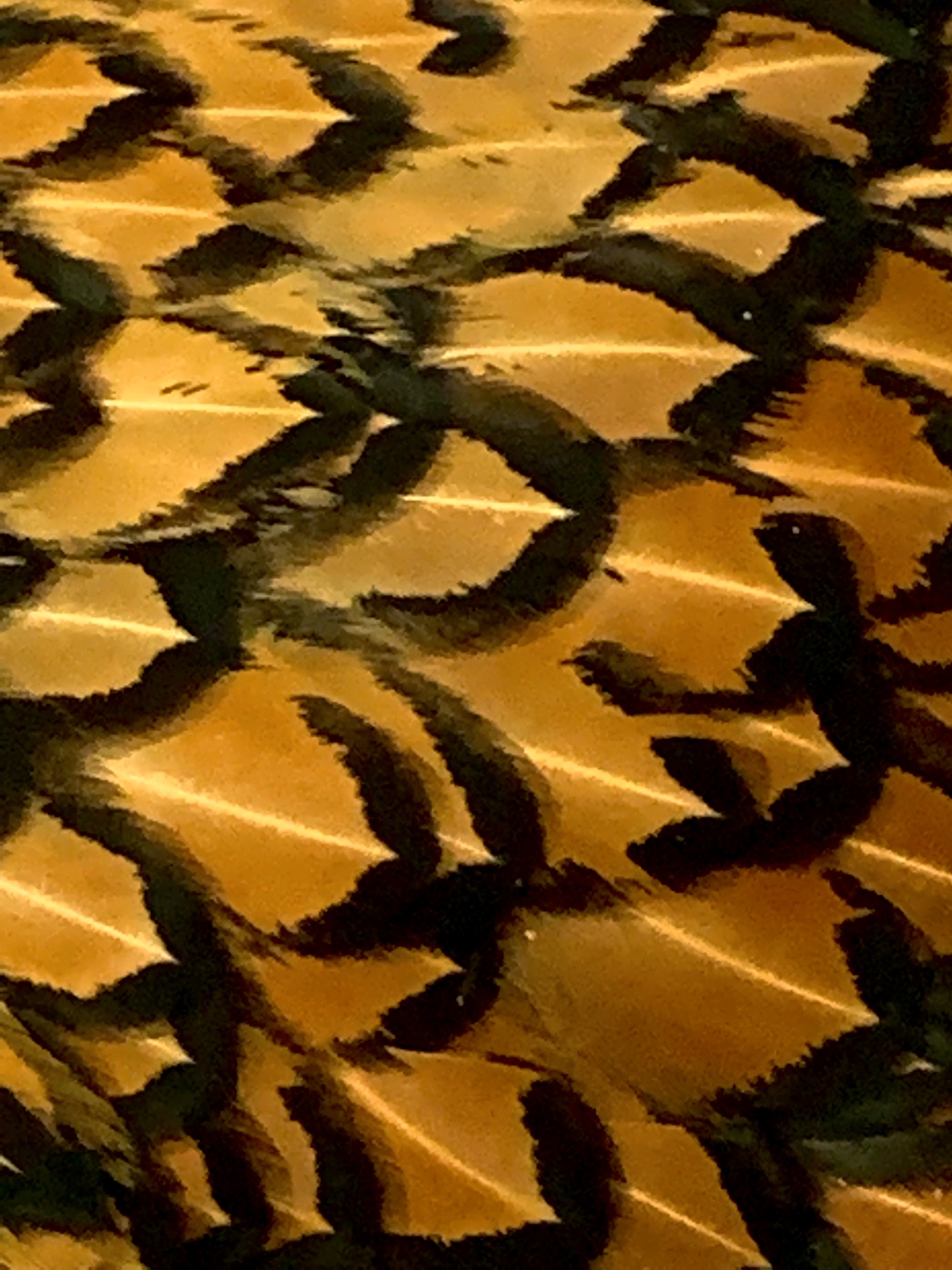
Such a light as shows a feast,
Such a feast as mends in length,
Such a strength as makes his guest.

Come, my Joy, my Love, my Heart:
Such a joy as none can move,
Such a love as none can part,
Such a heart as joys in love.
~George Herbert (1633), “The Call”

Written by a young vicar in the 17th century,
dying of tuberculosis,
these lines of rhyme, single syllable words,
all except one.

Only one life lived truly killeth death.
That one word is meant to stand out alone.

The rest is up to us:
to find and blend together
in unexpected unity.

We are called the understanding:
all will be well
even when we ache to dying.

May we seek new light, new feast, new strength,
new life, new truth, new love.

Waiting in Wilderness: A Time of Treading Life

This is the wilderness time,
when every path is obscure
and thorns have grown around the words of hope.

This is the time of stone, not bread,
when even the sunrise feels uncertain
and everything tastes of bitterness.

This is the time of ashes and dust,
when darkness clothes our dreams
and no star shines a guiding light.

This is the time of treading life,
waiting for the swells to subside and for the chaos to clear.

Be the wings of our strength, O God,
in this time of wilderness waiting.
– Keri Wehlander from “600 Blessings and Prayers from around the world” compiled by Geoffrey Duncan

He will cover you with his feathers,
    and under his wings you will find refuge;
    his faithfulness will be your shield and rampart.
Psalm 91:4

To be commanded to love God at all, let alone in the wilderness,
is like being commanded to be well when we are sick,
to sing for joy when we are dying of thirst,
to run when our legs are broken.
But this is the first and great commandment nonetheless.
Even in the wilderness- especially in the wilderness – you shall love him.   
~Frederick Buechner from A Room Called Remember:Uncollected Pieces

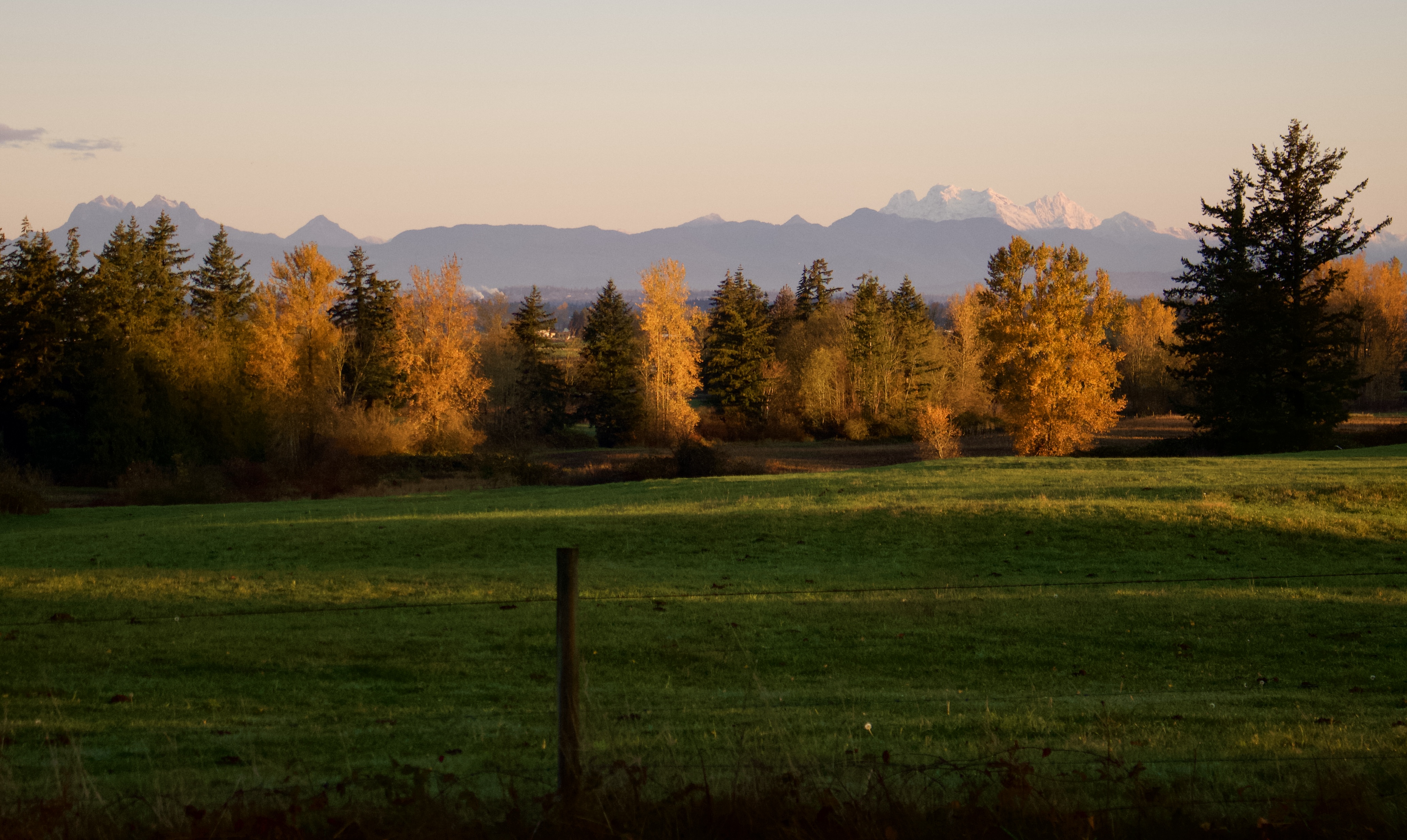
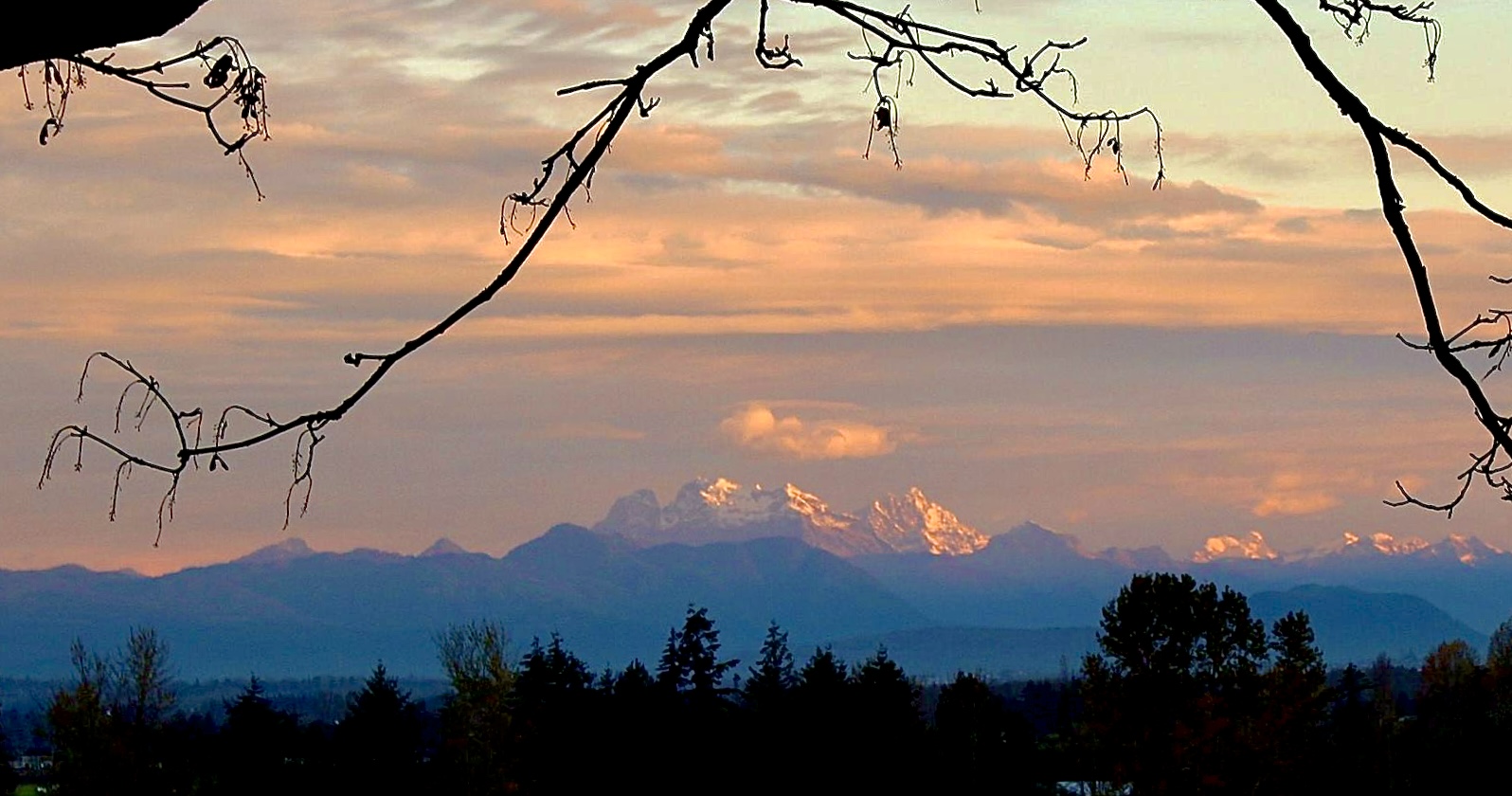
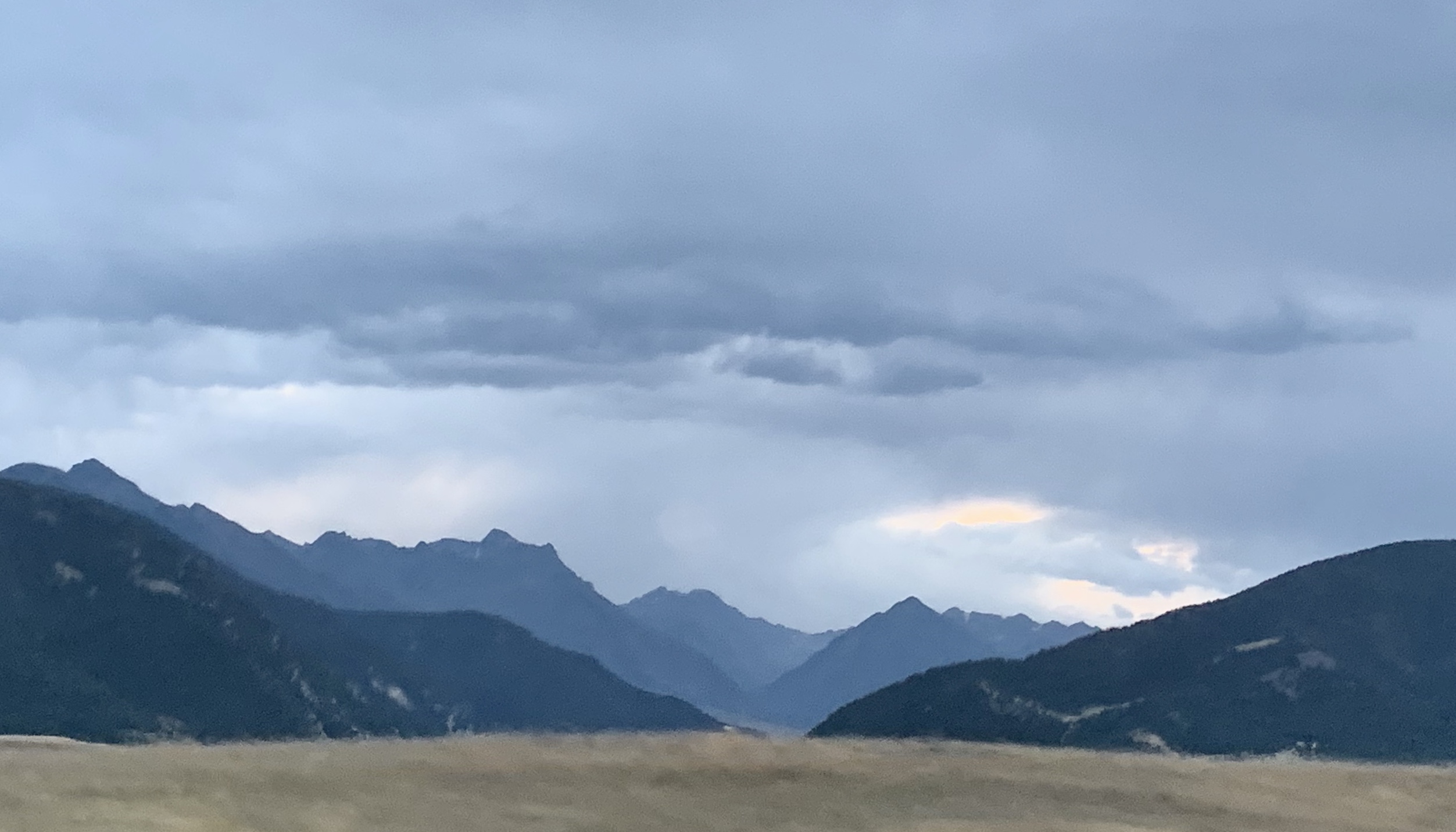
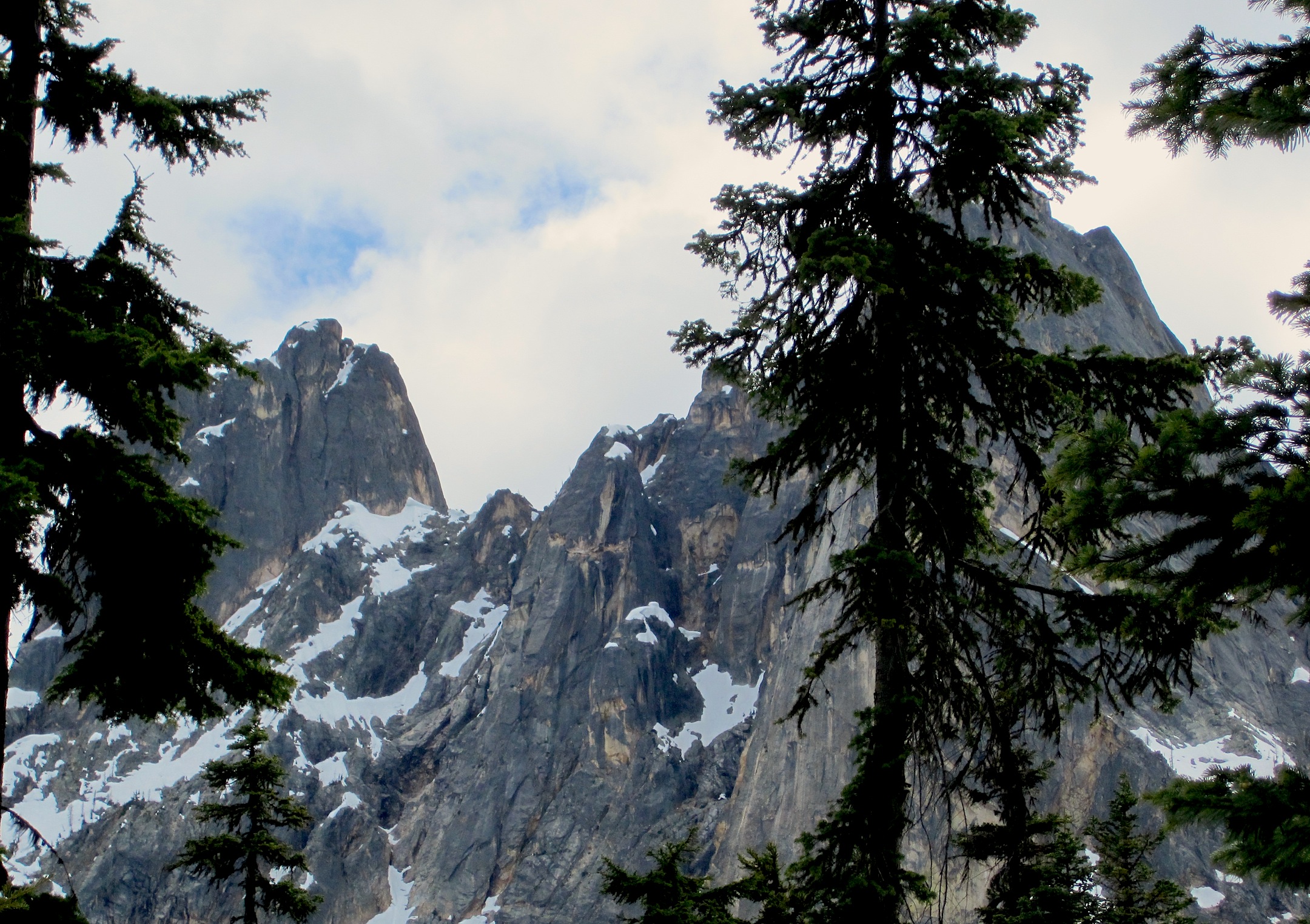
I usually think of wilderness as a distant peak far removed from anything or anyone.  From my farmhouse window on a clear day, I can see a number of distant peaks if the cloud cover moves away to reveal them.

Or perhaps the wilderness is a desolate plain that extends for miles without relief in sight.

Wilderness is also found in an isolated corner of my human heart. I keep it far removed from anything and anyone. During my televisit computer work,  I witness this wilderness in others, many times every day.

A diagnosis of “wilderness of the heart” doesn’t require a psychiatric manual: 
there is despair, discouragement, disappointment, lack of gratitude, lack of hope. 
One possible treatment to tame that wilderness is a covenantal obedience to God and others. It reaches so deep no corner is left untouched.

There come times in one’s life, and this past year especially, when loving God as commanded seems impossible. We are too broken, too frightened, too ill and too wary to trust God with faith and devotion.  We are treading life simply to stay afloat.

During this second Lenten pandemic, God’s love becomes respite and rescue from the wilderness of my own making. He is the sweet cure for a bitter and broken heart.

A January Partly Cloudy

Today is one of those
excellent January partly cloudies
in which light chooses
an unexpected part of the landscape
to trick out in gilt,
and then the shadow sweeps it away.

You know you’re alive.
You take huge steps,
trying to feel the planet’s roundness arc between your feet.
~Annie Dillard from Pilgrim at Tinker Creek

It was like a church to me.
I entered it on soft foot,
Breath held like a cap in the hand.
It was quiet.
What God there was made himself felt,
Not listened to, in clean colours
That brought a moistening of the eye,
In a movement of the wind over grass.

There were no prayers said. But stillness
Of the heart’s passions – that was praise
Enough; and the mind’s cession
Of its kingdom. I walked on,
Simple and poor, while the air crumbled
And broke on me generously as bread.
~R.S. Thomas “The Moor”

There are January days
when I am surrounded
by mist and fog and partly cloudies-
a brief gift of blue sky
and gilt light.

God is felt on days like this,
neither seen or heard,
His stilling presence
overtaking me
with each breath I draw,
following the path of each glistening tear,
becoming the arcing ground
reaching to meet my foot
with each bold step I take.