There are two ways of getting home; and one of them is to stay there. ~G. K. Chesterton
Those who know me, know I don’t care much for traveling. I prefer to stay home, but a near second best is heading home from where I’ve been.
Home can seem elusive and just out of reach for much of our lives. It may not feel we truly belong in any one place in this modern era of constant transitions and transfers. I’m a prime example of a truly ambivalent home body.
In high school, I could not plan a get-away from my home town fast enough, opting to go to college two states away. Once I was away, I was hopelessly home-and-heartsick. Miserable, I decided to come back home and go to school there instead.
Once back under my parents’ roof, my homesickness abated but the heartsick continued, having nothing to do with where I ate and slept. I wasn’t at home inside myself. It took time and various attempts at geographic cures to settle in and accept who I always had been.
Those who do move away often cast aspersions at people who never wander far from home. The homebodies are seen as provincial, stuck in a rut, unenlightened and hopelessly small-town. Yet later in life as the wanderers have a tendency to move back home, the stay-at-homers become solid friends and neighbors. Remarkably, they often have become the pillars and life blood of a community. They have slogged through long hours of keeping a place going when others left.
I did end up doing my share of wandering yet still sympathized with those who decided to stay put. I returned home by settling only a few miles from the stomping grounds of my homesteading great-grandparents, at once backwoods and backwater. Cast aspersions welcomed.
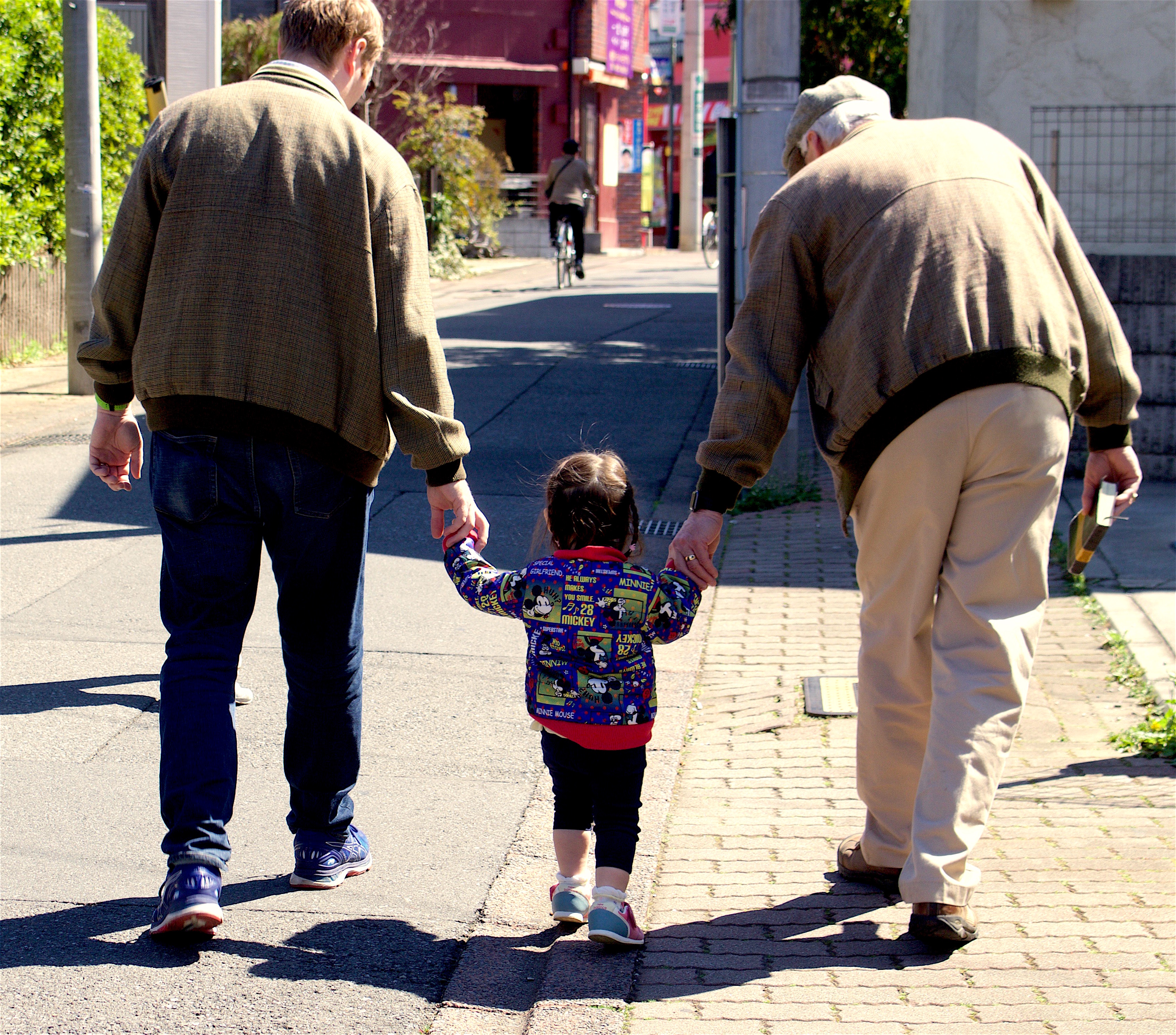
Now I get back home by mostly staying home. It takes something major, like a son spending the last decade teaching in Japan, now married with two children, to lure me away from my corner of the world once or twice a year. Getting away for a far away visit becomes a bigger effort as we get older, and coming back home is so bittersweet when hugging those loved ones goodbye. That is exactly what happened earlier today, as we sit at Narita airport waiting for our flight home.
I simply remember the assurance expressed so simply by Thomas Hardy in Far From the Madding Crowd, “And at home, by the fire, whenever you look up, there I shall be–and whenever I look up, there will be you.”
Home so sweet. We all long for it, sometimes with our hearts breaking, wherever it may be.
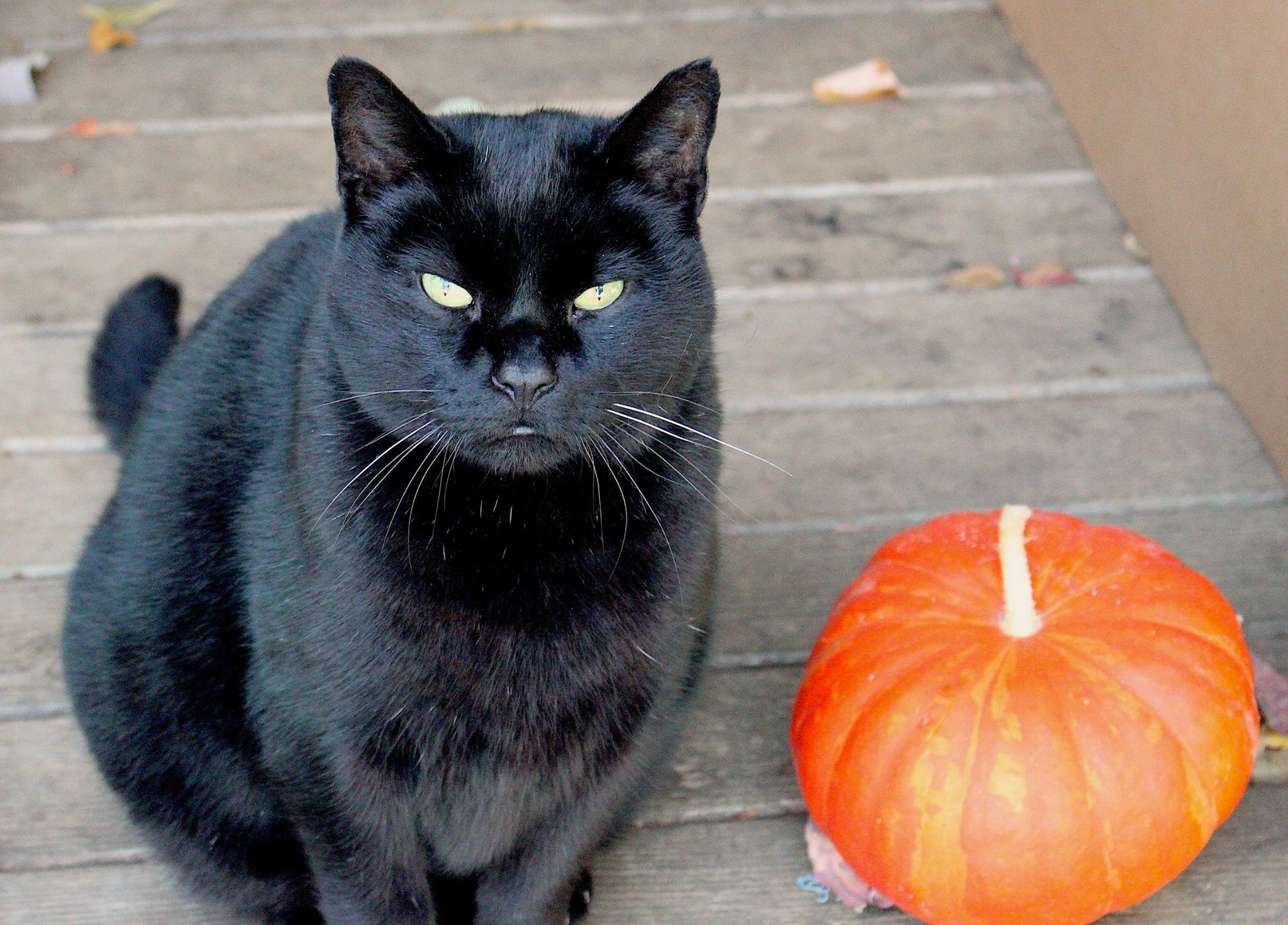
On Halloween day in 1985, I packed up my clothes, a roll up mattress, grabbed one lonely pumpkin from our small garden, locked our rental house door for the last time, climbed in my car and headed north out of Seattle. I never looked back in the rear view mirror at the skyline after nine years living in the city. My husband had moved to Whatcom County two months earlier to start his new job. I had stayed behind to wrap up my Group Health family practice in the Rainier Valley of Seattle, now leaving the city for a new rural home and a very uncertain professional future.
Never before had I felt such exhilaration at breaking through one wall to discover the unknown that lay on the other side.
I knew two things for sure: I was finally several months pregnant after a miscarriage and two years of infertility, so our family had begun. We were going to actually live in our own house, not just a rental, complete with a few acres and a barn.
A real (sort of) starter farm.
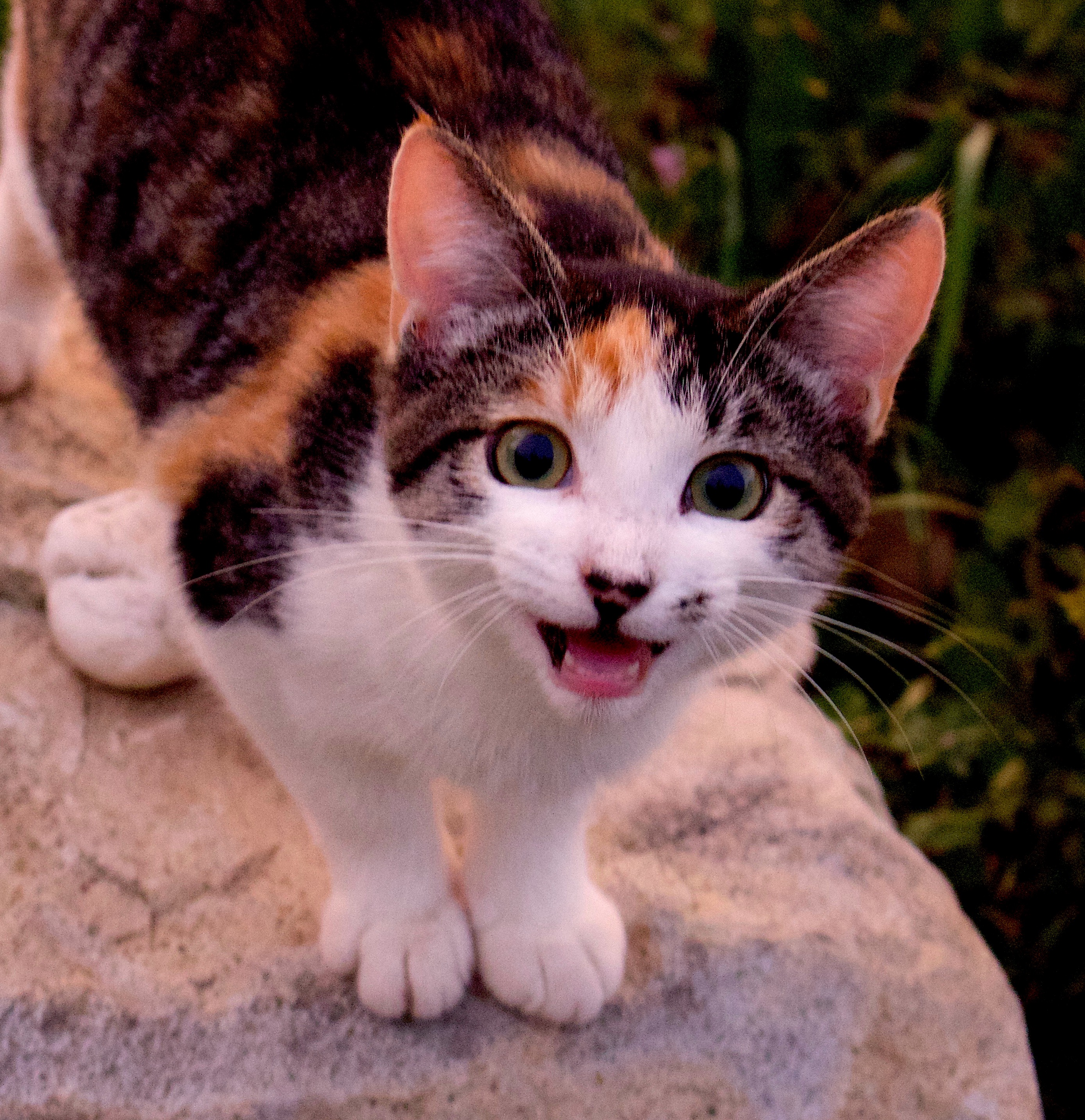
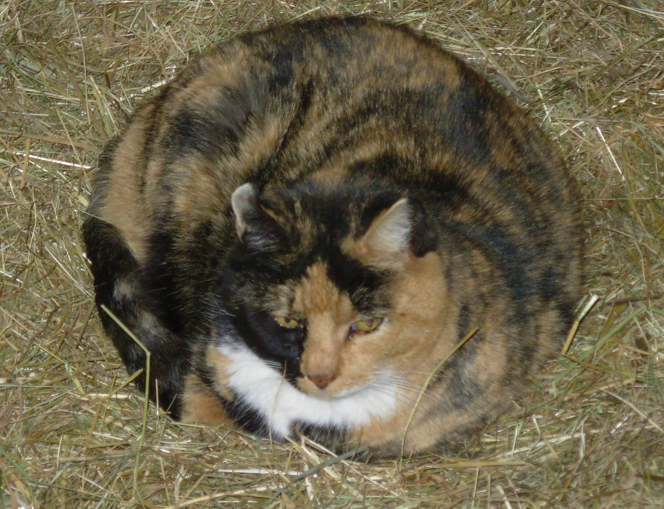
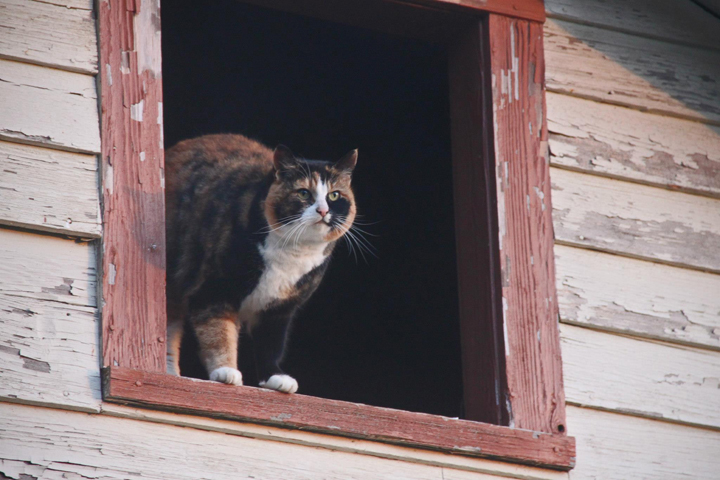
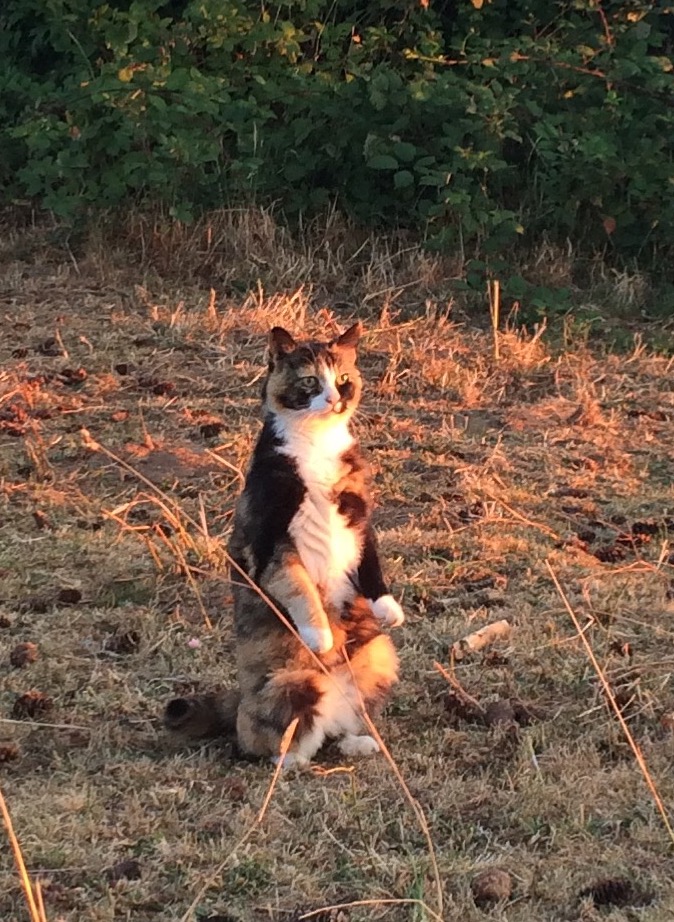
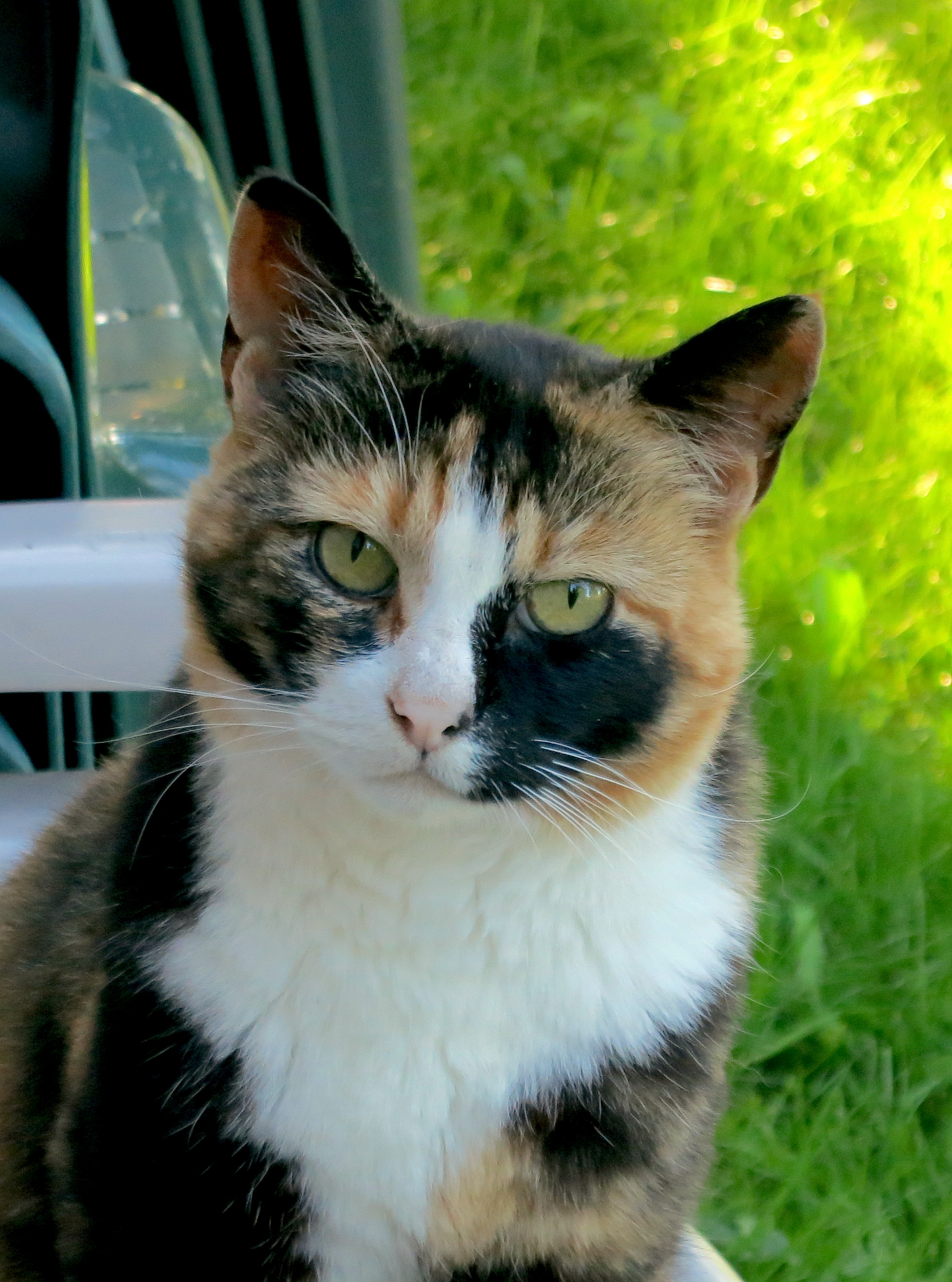
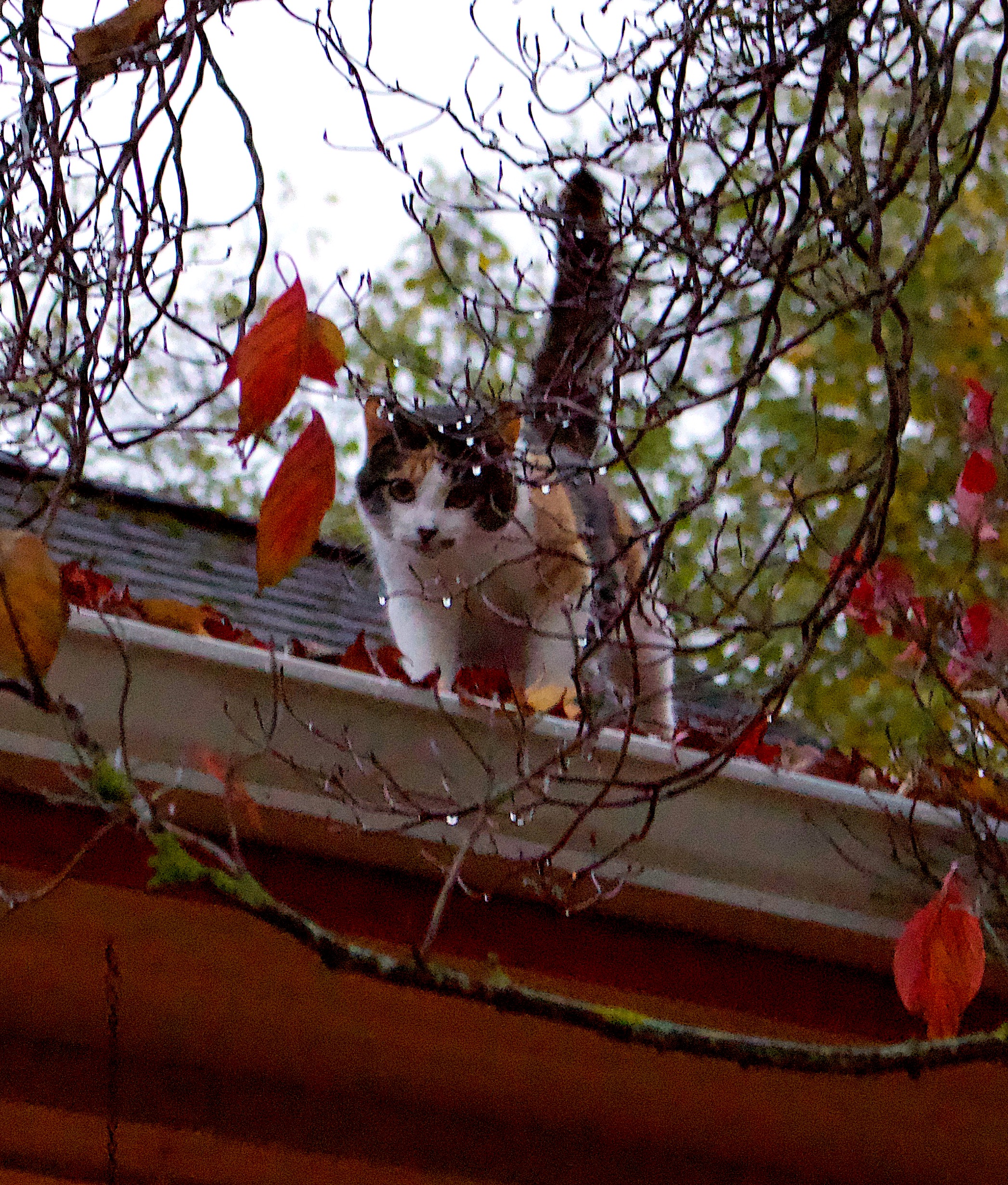
Since no farm can be complete without animals, I stopped at the first pet store I drove past and found two tortoise shell calico kitten sisters peering up at me, just waiting for new adventures in farmland. Their box was packed into the one spot left beside me in my little Mazda. With that admittedly impulsive commitment to raise and nurture those kittens, life seemed brand new.
I will never forget the feeling of freedom on that drive north out of the traffic congestion of the city. The highway seemed more open, the fall colors more vibrant, the wind more brisk, our baby happily kicking my belly, the kittens plaintively mewing from their box. There seemed to be so much potential even though I had just left behind the greatest job that could be found in any urban setting (the most diverse zip code in the United States): an ideal family practice with patients from all over the world: Muslims from the Middle East and Indonesia, Orthodox Jews, Italian Catholics, African Americans, Cambodians, Laotians, Vietnamese. I would never know so much variety of background and perspective again and if I could have packed them all into the Mazda and driven them north with me, I would have.
We started our farm with those kittens dubbed Nutmeg and Oregano, soon adding an ethnic diversity of farm animals: Belgian Tervuren dog Tango, Haflinger horse Greta, Toggenburg goats Tamsen and her kids, a few Toulouse geese, Araucana chickens, Fiona the Scottish Highland cow, then another Haflinger Hans and another, Tamara. I worked as a fill in locums doctor in four different clinics before our first baby, Nate, was born. We soon added little brother Ben and seven years later, sister Lea. We settled happily into parenthood, our church community, serving on school and community boards, gardening, and enduring the loss of our parents one by one.
Thirty four years later our children have long ago grown and gone to new homes of their own, off to their own adventures beyond the farm. Our sons married wonderful women, moving far away from home, our daughter teaches a fourth grade classroom a few hours away and we have two grandchildren with the third expected any moment.
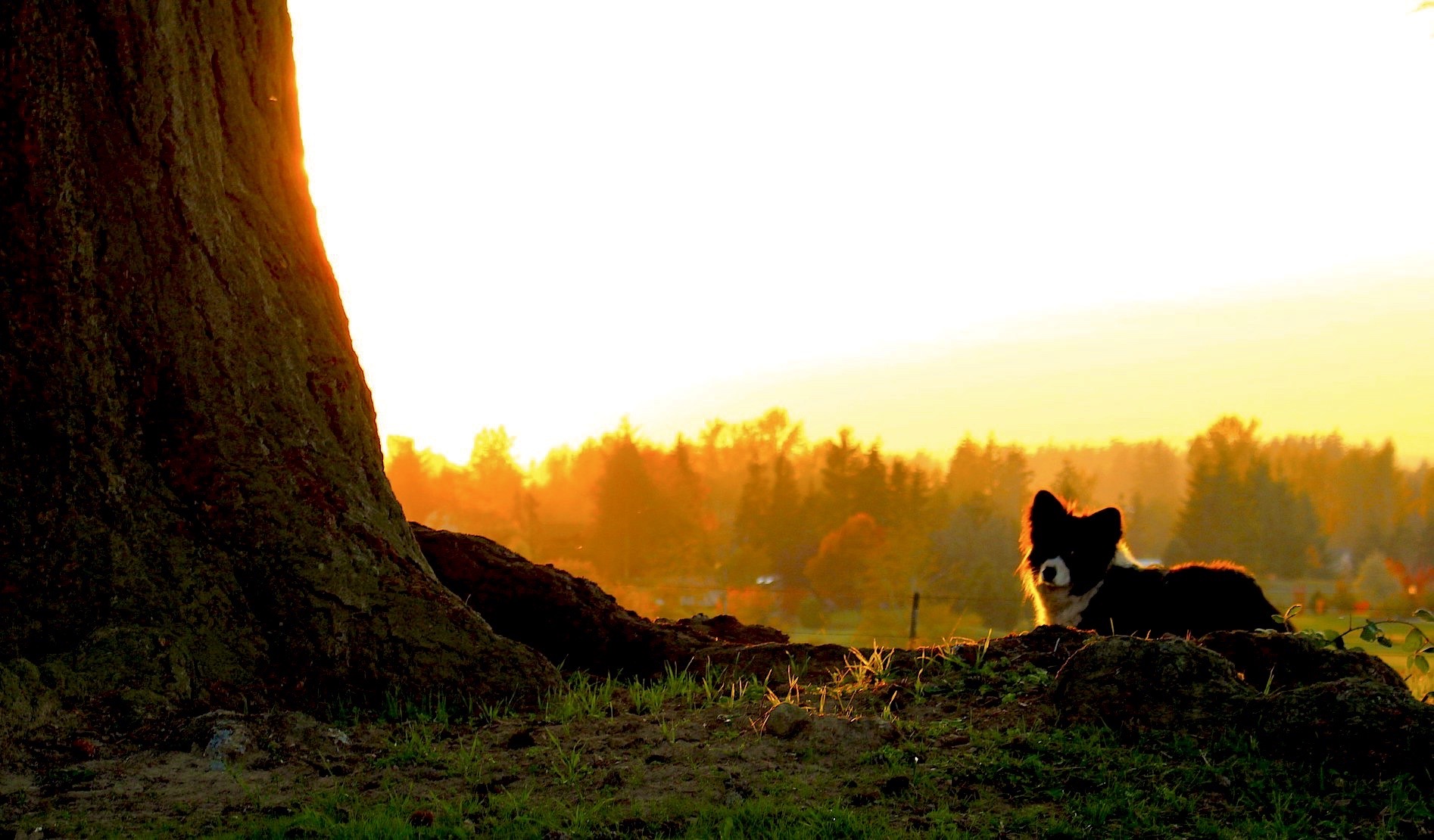
A few cats, two Cardigan Corgi dogs, and a hand full of ponies remain at the farm with us. We are now both gray and move a bit more slowly, enjoy our naps and the quiet of the nights and weekends. My work has evolved from four small jobs to two decades of two part time jobs to one more than full time job that fit me like a well worn sweater 24 hours a day for thirty years. With retirement looming, I’m trying out a three day a week schedule and the old sweater doesn’t fit quite so comfortably.
My happily retired husband finds he is busier than ever: volunteering, serving on boards and being a full time farmer on our larger 20 acre place of fields and woods.
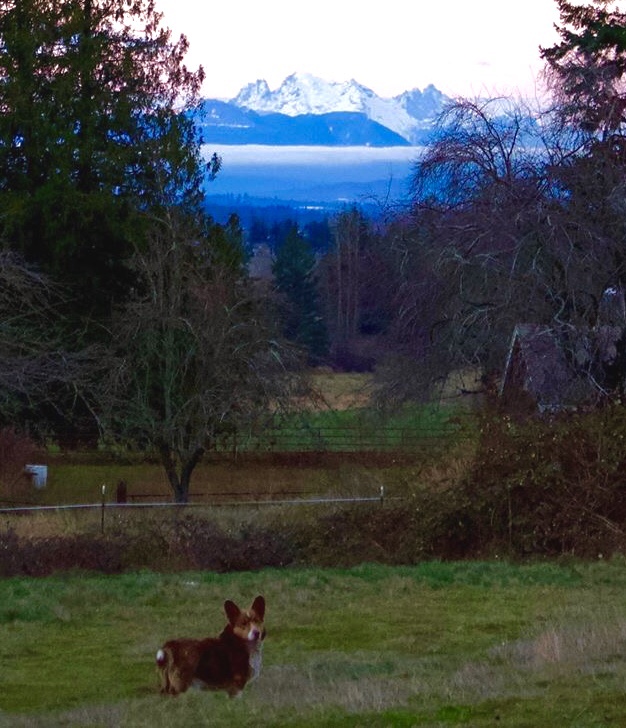
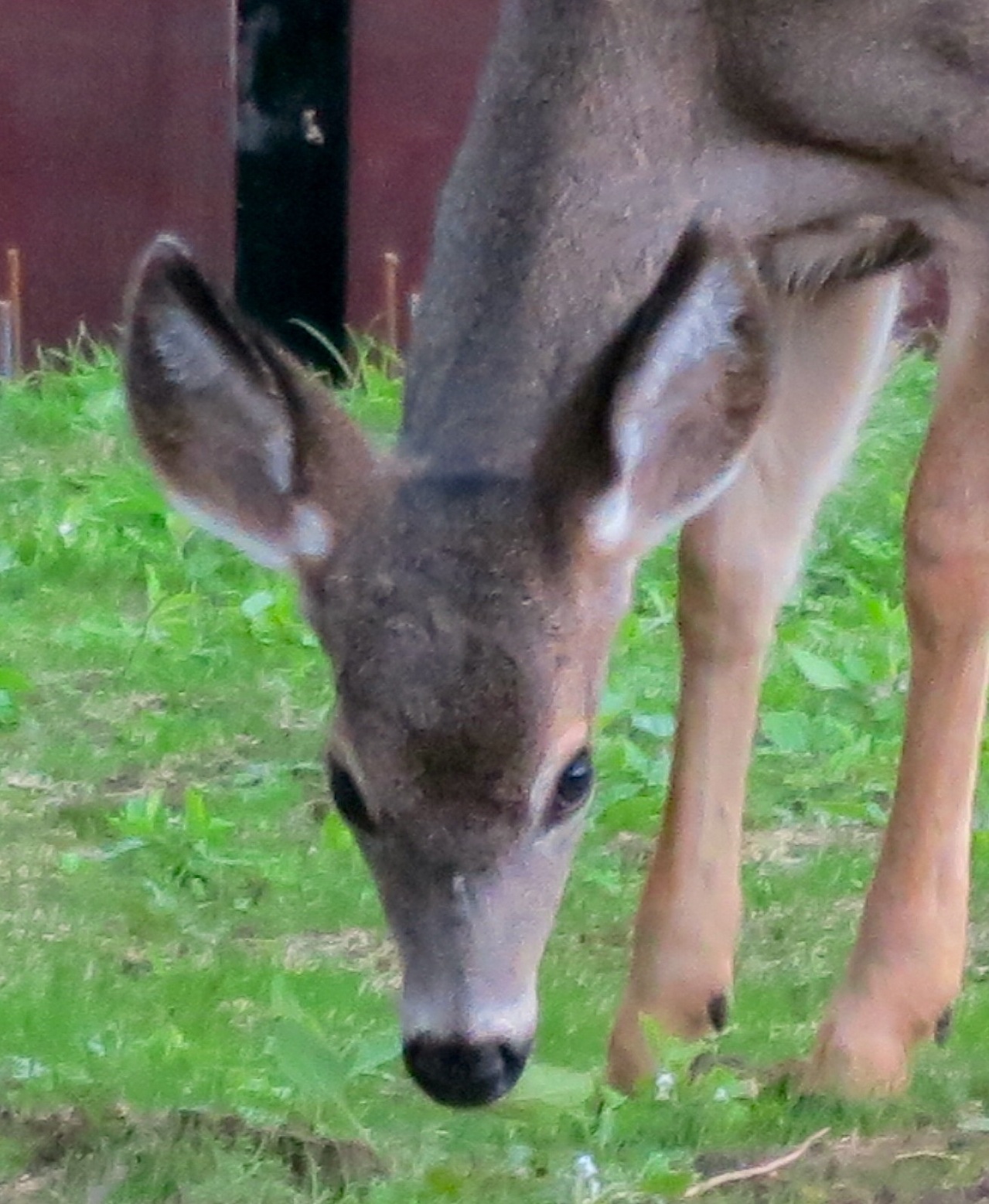
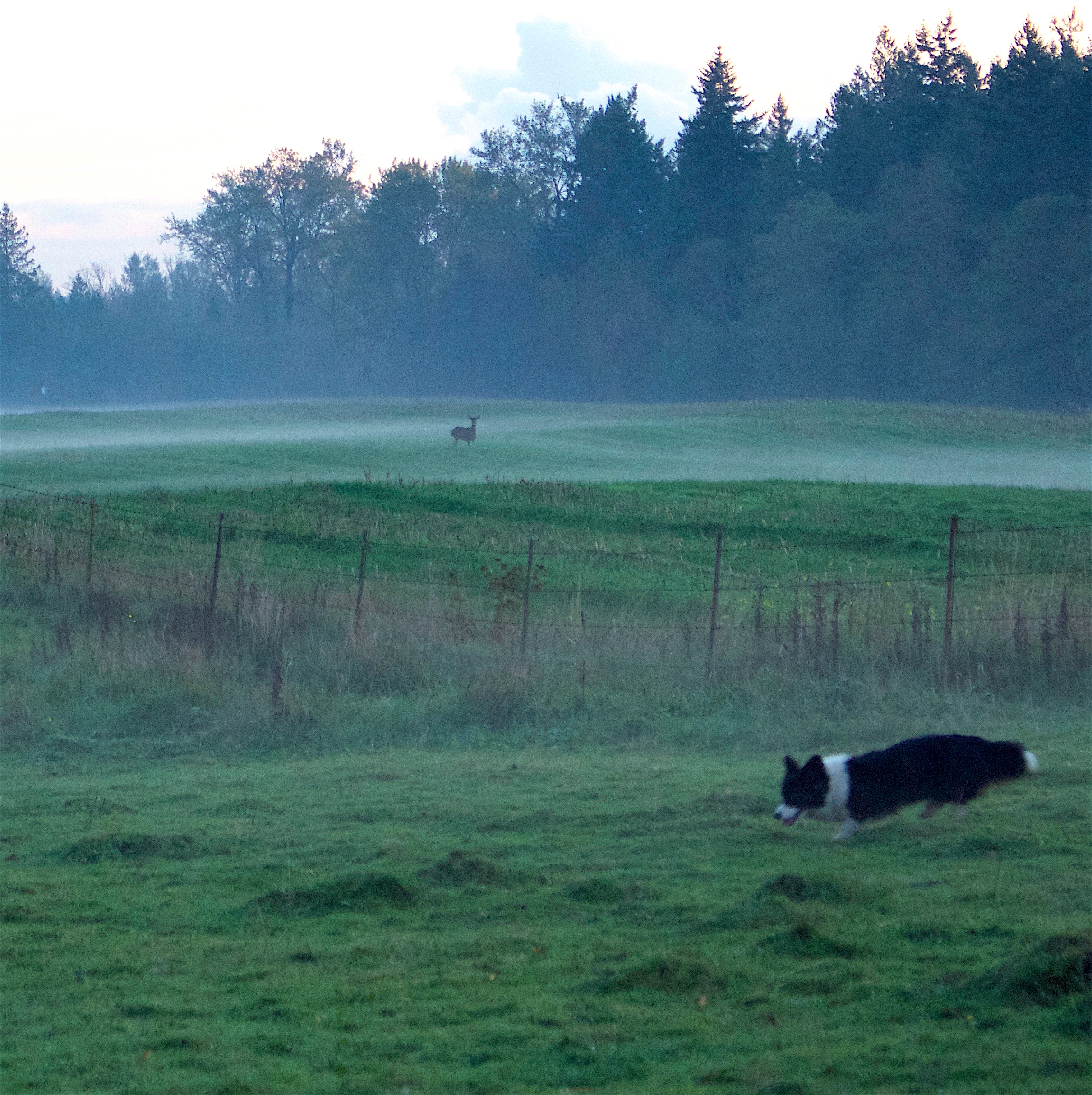
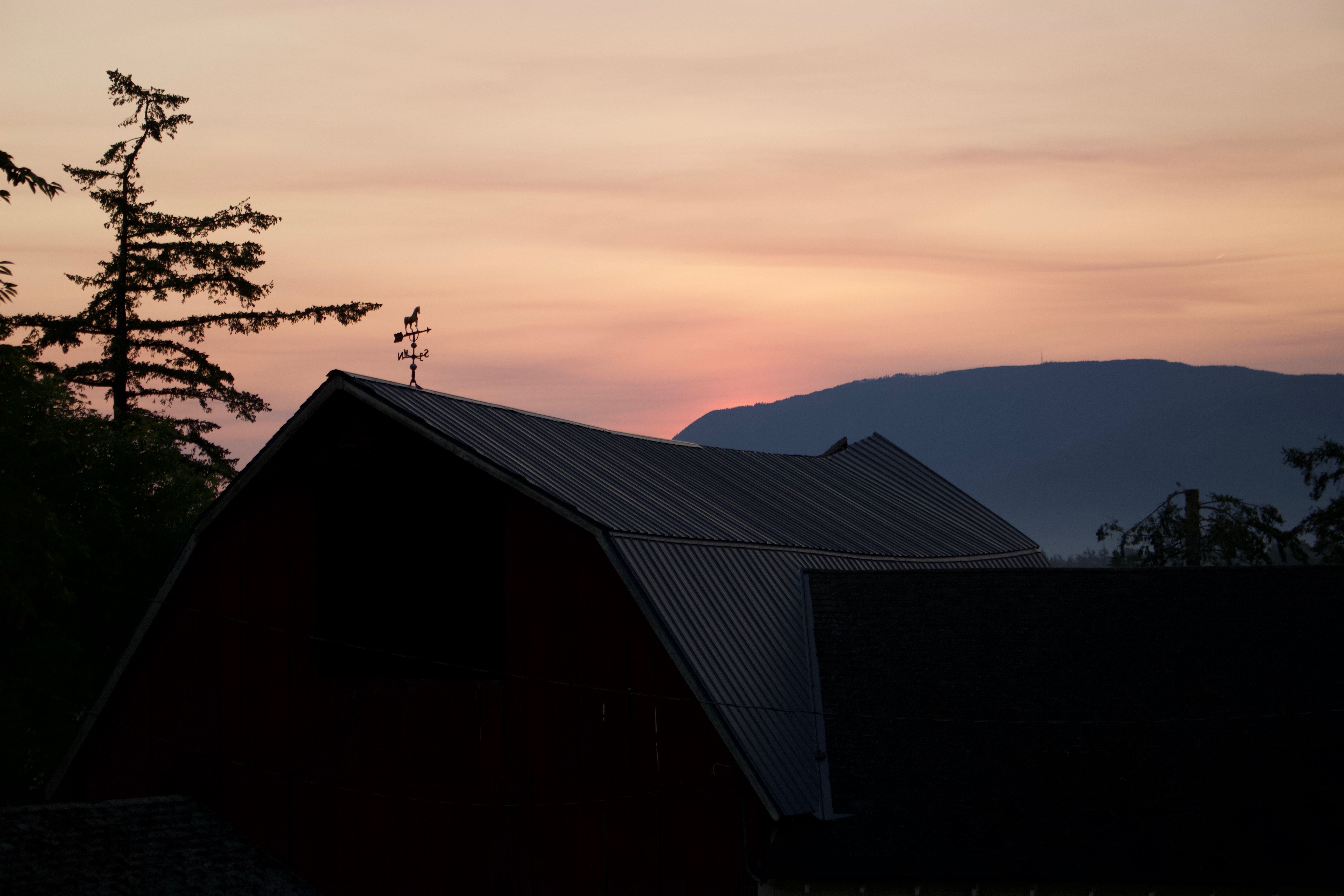
That rainy Halloween day over three decades ago I was freed into a wider world. I would no longer sit captive in freeway rush hour bumper to bumper traffic jams. Instead I celebrate my daily commute through farm fields, watching eagles fly, and new calves licked by their mamas. I am part of a broader community in a way I never could manage in the city, stopping to visit with friends at the grocery store, playing piano and teaching at church. Our home sits in the midst of woods and corn fields, with deer strolling through the fields at dawn, coyotes howling at night, Canadian and snow geese and trumpeter swans calling from overhead and salmon becoming more prolific every year in nearby streams. The snowy Cascades greet us in the morning and the sunset over Puget Sound bids us good night.
It all started October 31, 1985 with two orange and black kittens and a pumpkin sitting beside me in a little Mazda, my husband waiting for my homecoming 100 miles north. Now, thirty four years and three grown children and three (almost) grandchildren later, we celebrate this Halloween transition anniversary together. We’re still pregnant with the possibility that a wide world is waiting, just on the other side of the wall.
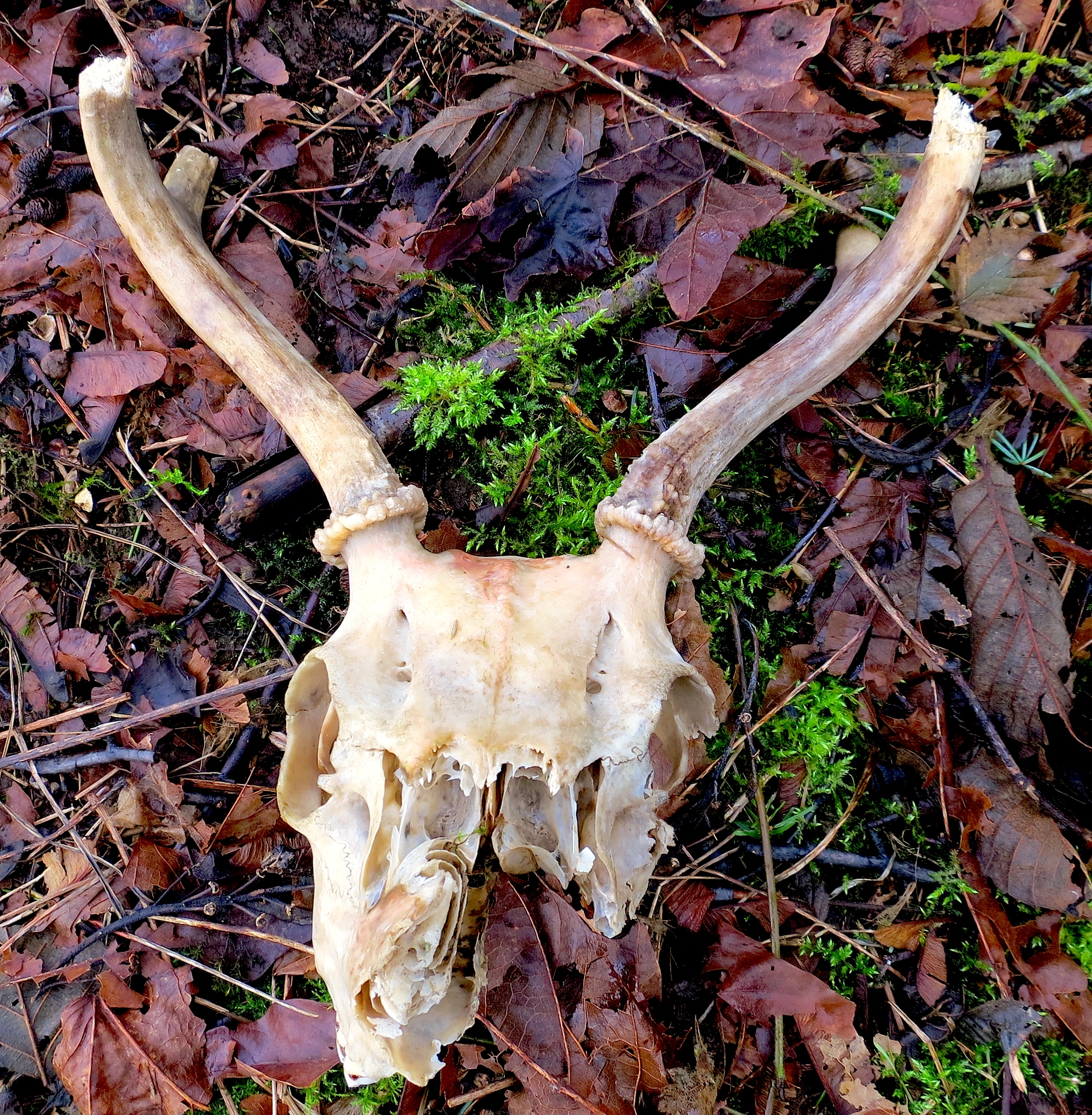
A Wounded Deer—leaps highest— I’ve heard the Hunter tell— ‘Tis but the Ecstasy of death— And then the Brake is still! ~Emily Dickinson from “165″
The deer in that beautiful place lay down their bones: I must wear mine. ~Robinson Jeffers from “The Deer Lay Down Their Bones”
As the house of a person in age sometimes grows cluttered with what is too loved or too heavy to part with, the heart may grow cluttered. And still the house will be emptied, and still the heart.
Empty and filled, like the curling half-light of morning, in which everything is still possible and so why not.
Filled and empty, like the curling half-light of evening, in which everything now is finished and so why not.
Beloved, what can be, what was, will be taken from us. I have disappointed. I am sorry. I knew no better.
A root seeks water. Tenderness only breaks open the earth. This morning, out the window, the deer stood like a blessing, then vanished. ~Jane Hirschfield from “The Standing Deer”
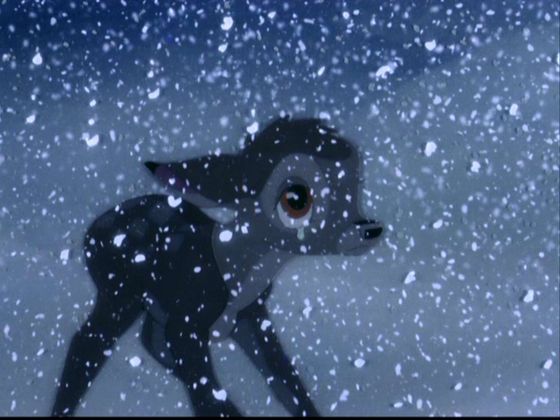
My first time ever seated next to my mother in a movie theater, just a skinny four year old girl practically folded up in half by a large padded chair whose seat won’t stay down, bursting with anticipation to see Disney’s Bambi.
Enthralled with so much color, motion, music, songs and fun characters, I am wholly lost in a new world of animated reality when suddenly Bambi’s mother looks up, alarmed, from eating a clump of grass growing in the snow.
My heart leaps with worry. She tells him to run for the thicket, to seek safety where she has always kept him warm next to her.
She follows behind, tells him to run faster, not to look back, don’t ever look back.
The gun shot hits my belly too.
My stomach twists as he cries out for his mother, pleading for her. I know in my heart she is lost forever, sacrificed for him.
I sob as my mother reaches out to me, telling me not to look. I bury my face inside her hug, knowing Bambi is cold and alone with no mother at all.
She took me home before the end. I could not bear to watch the rest of the movie for years. His cries still echo in my ears.
Now, my children are grown and have children of their own to protect. My mother is gone from this earth, my thicket emptying, my heart full, my stomach stronger, I even keep the seat from folding me up in a movie theater.
I now can look back and weep inconsolably once more.
Go north a dozen years on a road overgrown with vines to find the days after you were born. Flowers remembered their colors and trees were frothy and the hospital was
behind us now, its brick indifference forgotten by our car mirrors. You were revealed to me: tiny, delicate, your head smelling of some other world. Turn right after the circular room
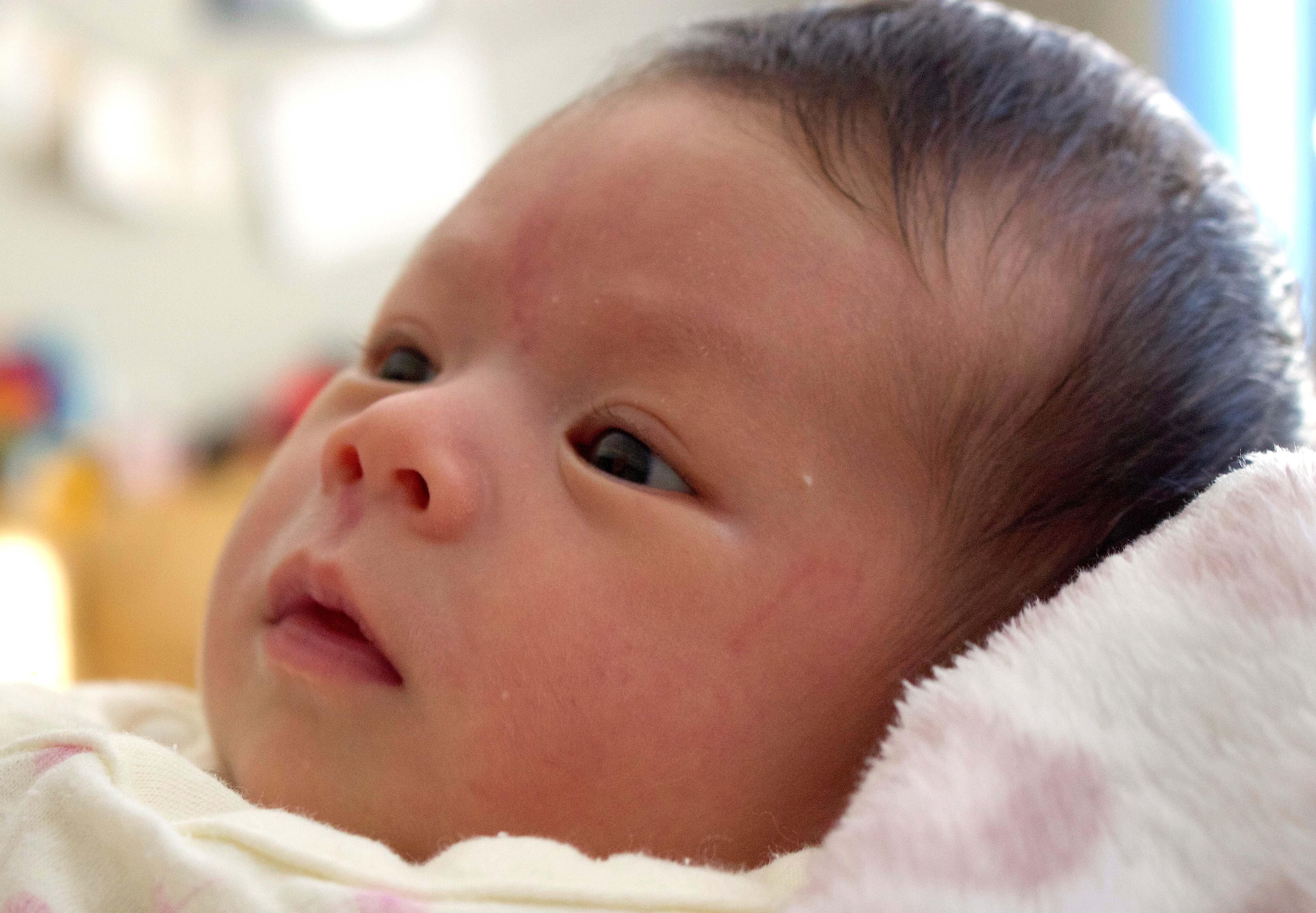
where I kept my books and right again past the crib where you did not sleep and you will find the window where I held you that June morning when you opened your eyes. They were
blue, tentative, not the deep chocolate they would later become. You were gazing into the world: at our walls, my red cup, my sleepless hair and though I’m told you could not focus, and you
no longer remember, we were seeing one another after seasons of darkness. ~Faith Shearin “Sight”
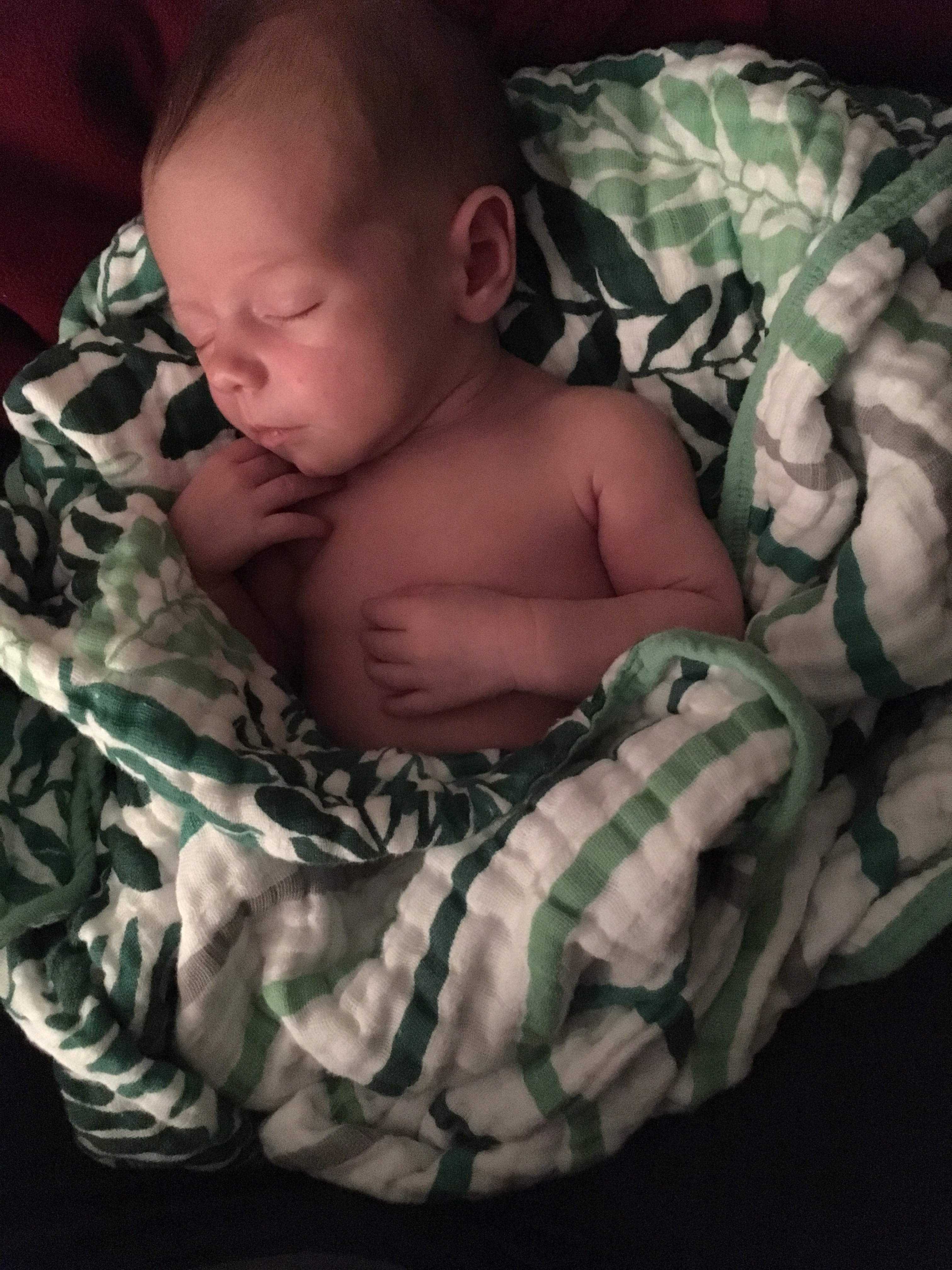
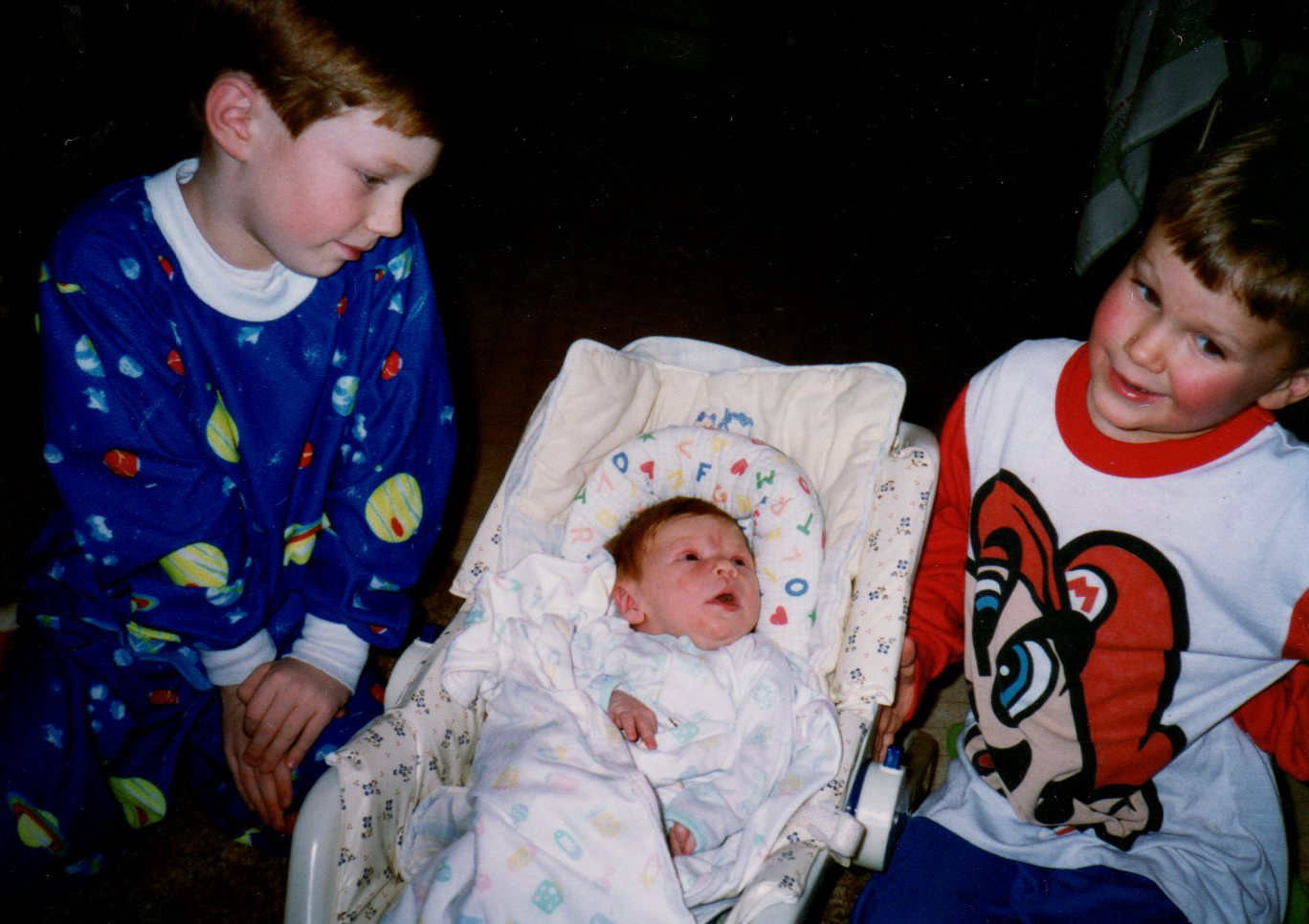
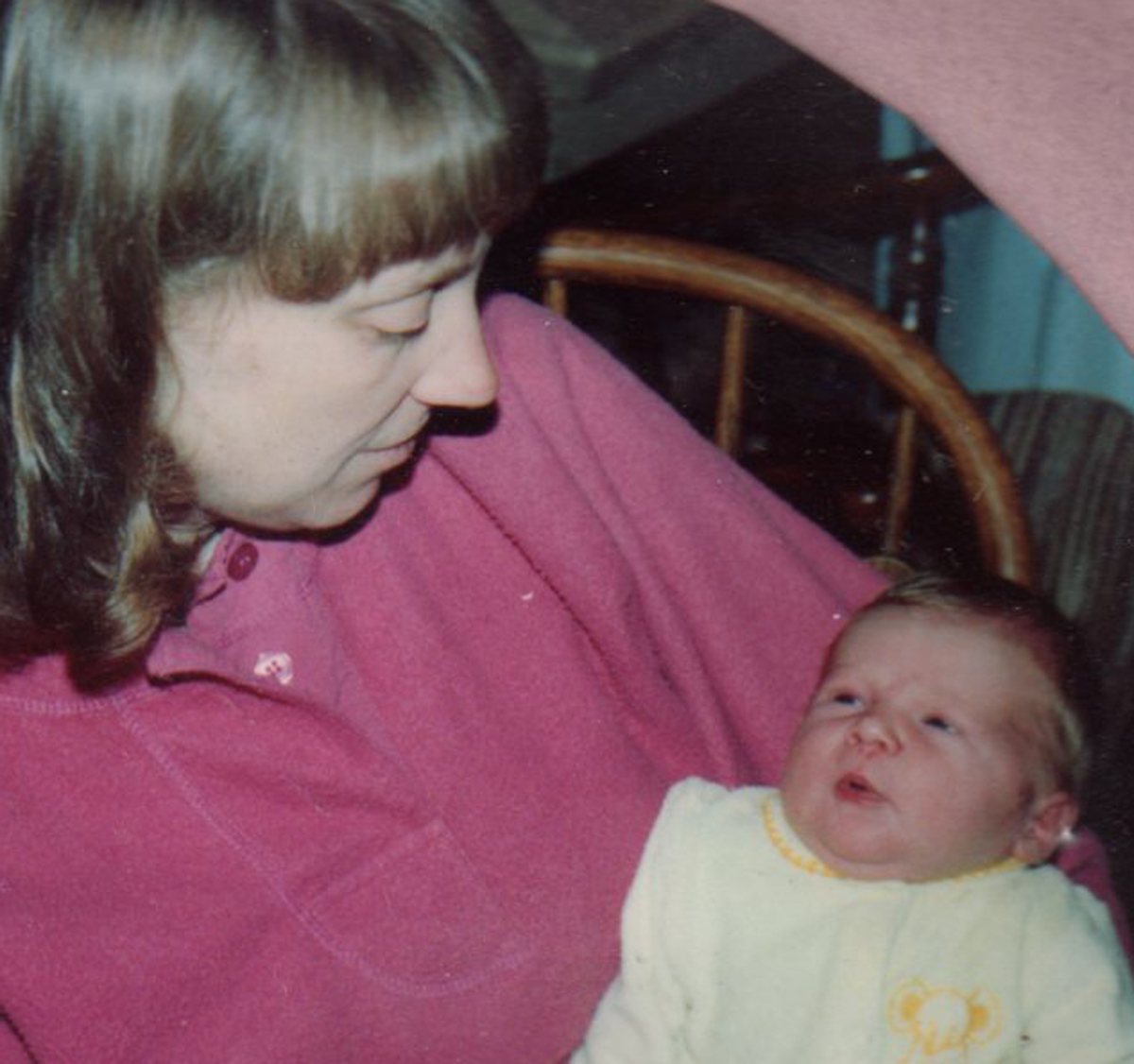
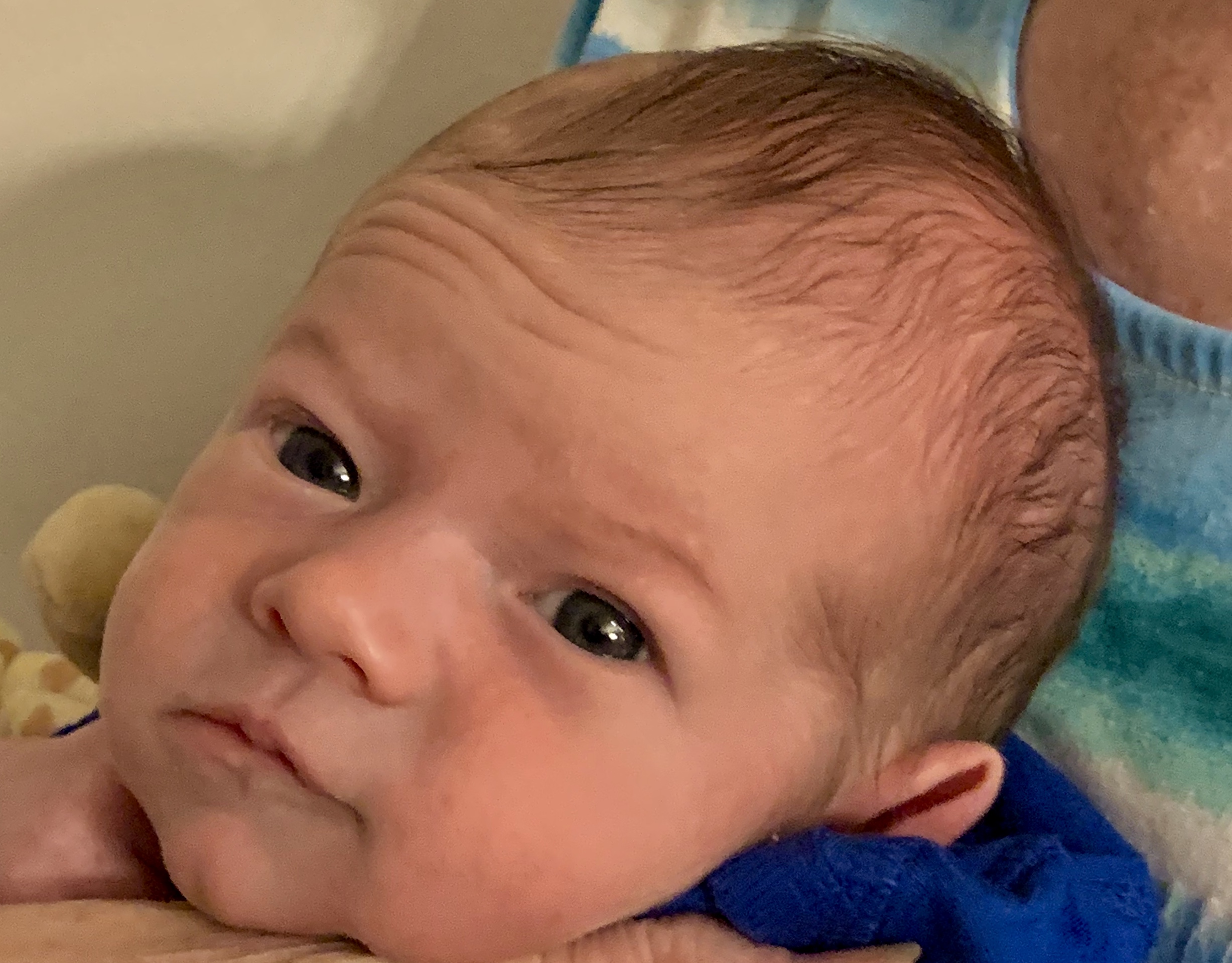
The helpless state of a newborn adjusting to an unfamiliar world – when all depends on deep murmurs, shadowy faces and comforting arms, full nipples and cleansing rags. When all that can be said are mewing cries and satisfied grunts.
Those long exhausting sleepless nights finally transition to heart-warming smiles at dawn, when we lock onto each other for survival, peering into the mutual light and love in our eyes, needing each other like no other; it is always, and will be always, about those eyes.
Flee for a while from your tasks, hide yourself for a little space from the turmoil of your thoughts. Come, cast aside your burdensome cares, and put aside your laborious pursuits. For a little while give your time to God, and rest in him for a little while. Enter into the inner chamber of your mind, shut out all things save God and whatever may aid you in seeking God; and having barred the door of your chamber, seek him. ~Anselm of Canterbury: The Major Works
Yesterday I needed to leave work early;
near tears, physically spent, too fried
to keep listening, problem solving, comforting.
I needed to feel something other than needed.
I needed neediness myself — a sorry place to be.
It’s happened before, many times:
middle of the night mothering a vomiting child,
middle of the night mothering a frail mother,
middle of the night worried about the world.
Yet morning comes because God never left,
maybe not bright and shining and wondrous
maybe a weeping rock,
but if I gently close the door to all that is not God,
I will find Him looking for me.
In a hundred trillion years— an actual number though we can’t begin to grasp it—the last traces of our universe will be not even a memory with no memory to lament it.
The last dust of the last star will not drift in the great nothing out of which everything we love or imagine eventually comes.
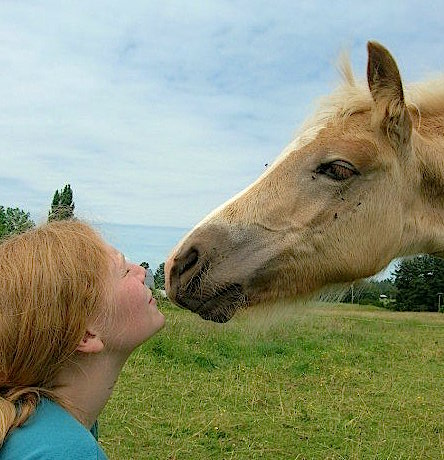
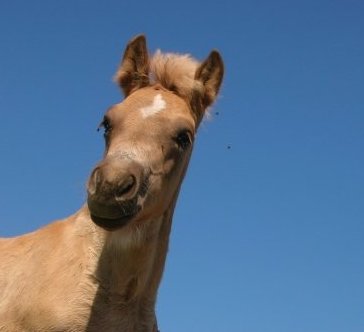
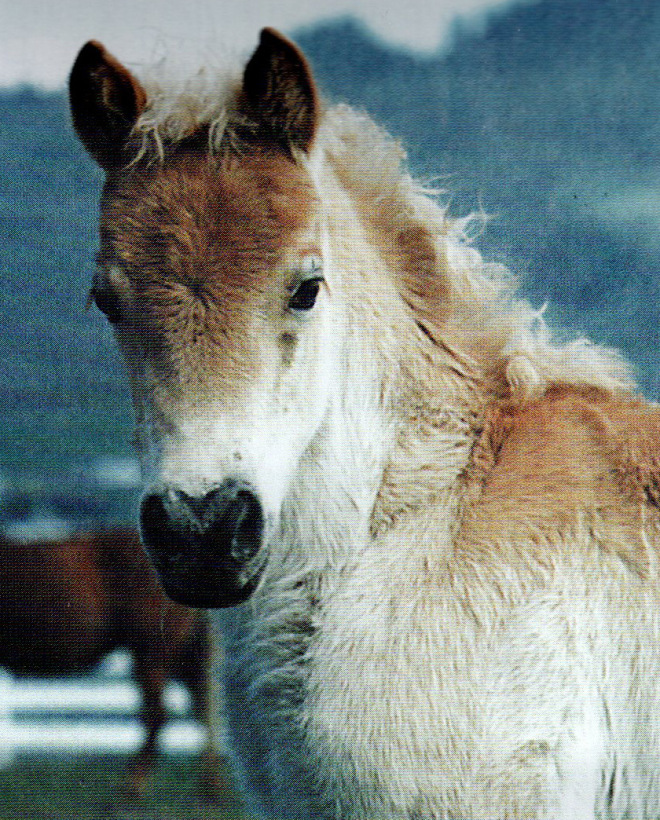
Yet every day, every four hours around the clock, Debbie prepares her goat’s-milk mix for the orphaned filly who sucks down all three liters of it, gratefully, it seems, as if it matters more than anything in the universe— and it does—at this moment while the sun is still four hours from rising on the only day that matters. ~ Dan Gerber “Only This Morning” from Particles
For an orphan to survive, he or she must be adopted by surrogate parents whose love and dedication is fertilized by more than a cascade of post-partum maternal hormones.
This is a heart adoption, clean and pure and simple, a 24/7 commitment where each moment of nurture is about keeping this newest of God’s vulnerable and helpless creations alive.
Nothing else matters and nothing else should.
We too, each one of us, in a way we don’t always understand, are born orphans in need of adoption; we long to be found, rescued, fed, nurtured and loved.
We will never be set adrift in nothingness — Someone takes us to His heart.
Nothing else matters and nothing else should.
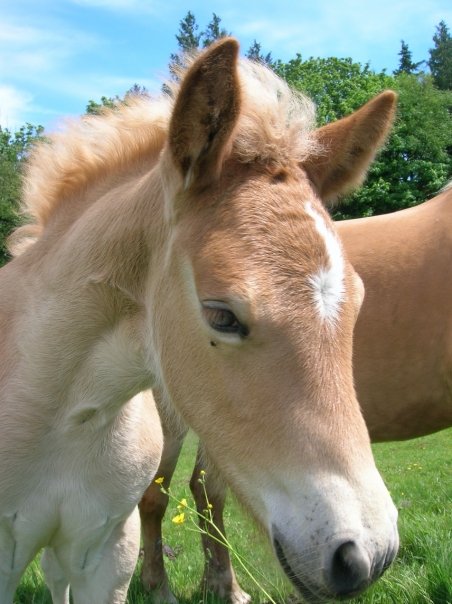
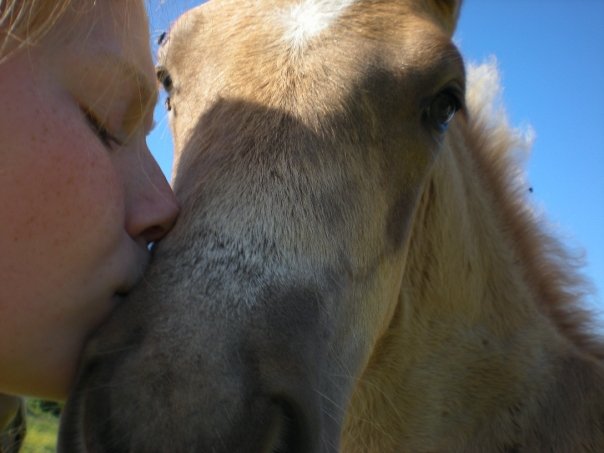
thank you to Emily Vander Haak and Lea Gibson for taking a few of these BriarCroft foal photos.
To pull the metal splinter from my palm my father recited a story in a low voice. I watched his lovely face and not the blade. Before the story ended, he’d removed the iron sliver I thought I’d die from.
I can’t remember the tale, but hear his voice still, a well of dark water, a prayer. And I recall his hands, two measures of tenderness he laid against my face, the flames of discipline he raised above my head.
Had you entered that afternoon you would have thought you saw a man planting something in a boy’s palm, a silver tear, a tiny flame. Had you followed that boy you would have arrived here, where I bend over my wife’s right hand.
Look how I shave her thumbnail down so carefully she feels no pain. Watch as I lift the splinter out. I was seven when my father took my hand like this, and I did not hold that shard between my fingers and think, Metal that will bury me, christen it Little Assassin,
Ore Going Deep for My Heart. And I did not lift up my wound and cry,
Death visited here! I did what a child does when he’s given something to keep. I kissed my father. ~Li-Young Lee, “The Gift” from Rose
I did, without ever wanting to, remove my child’s splinter, lance a boil, immobilize a broken arm, pull together sliced skin, clean many dirty wounds. It felt like I crossed the line between mommy and doctor. But someone had to do it, and a four hour wait in the emergency room didn’t seem warranted.
My own child learned to cope with hurt made worse by someone they trusted to be comforter.
I dealt with inflicting pain, temporary though it may be, to flesh that arose from my flesh. It hurt as much as if it were my own wound needing cleansing, not theirs.
Our wounds are His – He is constantly feeling our pain as He performs healing surgeries in our lives, not because He wants to but because He must, to save us from our own destruction.
Too often we yell and kick and protest in our distress, making it all that much more difficult for both of us.
If only we can come to acknowledge His intervention is our salvage:
our tears to flow in relief, not anguish,
we cling to His protection rather than pushing Him away,
we kiss Him in gratitude as we are restored again and yet again.
Usually a mom knows best about these things — how to love others when and how they need it. Showing up with food you’ve made yourself is always a good thing but it is the showing up part that is the real food; bringing along a cake is simply the icing.
This is a good reminder that as a doctor, my usefulness is completely dependent on others’ suffering. No illness, no misery, no symptoms and I’m out of a job.
If only.
What a world that would be.
And then I can still be a mom even if there is no more doctor work:
….if I’d known it could help, I’d have baked a cake…









 Barnstorming